America’s 250th is a big deal for Philadelphia. Our nation was born right here on July 4, 1776, which gives us plenty of reason to celebrate with our Semiquincentennial in Philadelphia, centered around Independence Day and beyond.
Philly and the region have been busy planning for the nation’s milestone birthday bash for what feels like forever, and now the time is finally here. Whether you’re a local who has been gearing up for this moment or a visitor ready to explore Philly this summer, you’ll find plenty of ways to join in on the festivities.
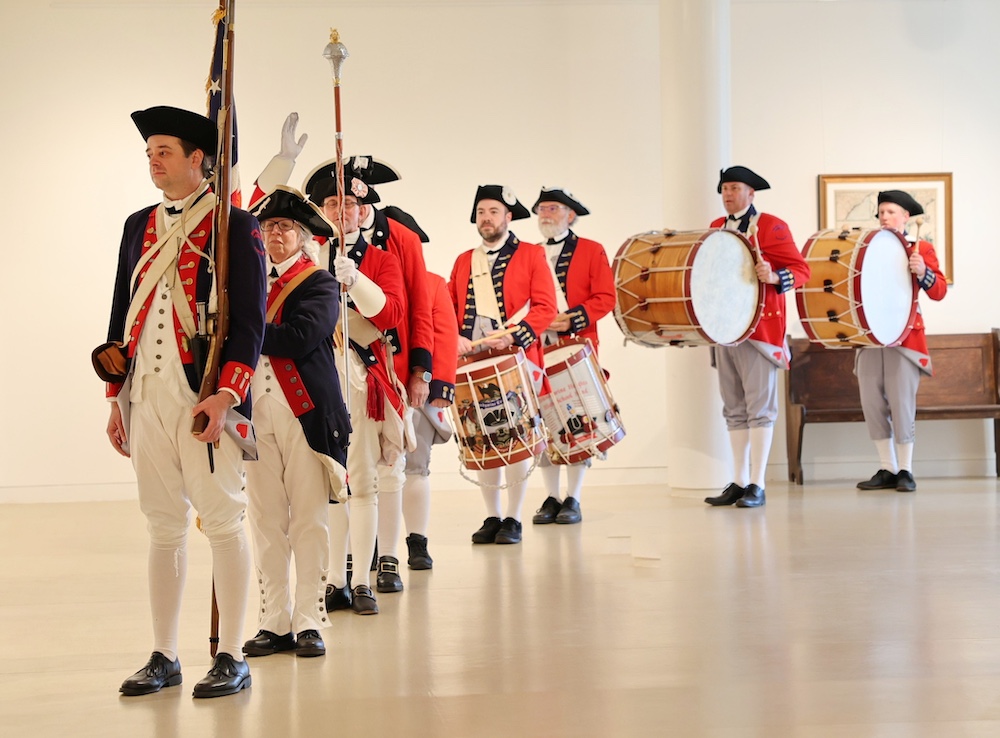
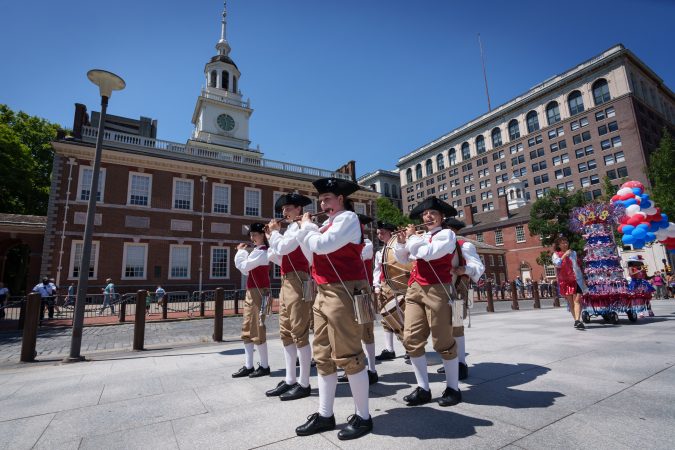
Brandywine Colonials Fife and Drum Corps.Schwenkfelder Library and Heritage Center
Independence Weekend at Schwenkfelder Library and Heritage Center
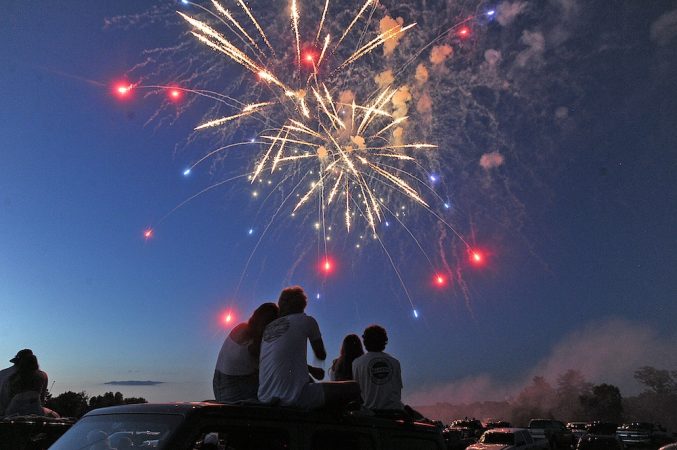
The Schwenkfelder Library and Heritage Center in Montgomery County kicks off the holiday weekend with its annual event in New Goshenhoppen Park, including a parade. Brandywine Colonials Fife and Drum Corps performs July 4 with a reading of the Declaration of Independence, followed by music from the Corps and the Red Hill Band before a fireworks display. Heritage Day closes out the weekend at the Heritage Center with crafts for kids and exhibits the whole family can enjoy.
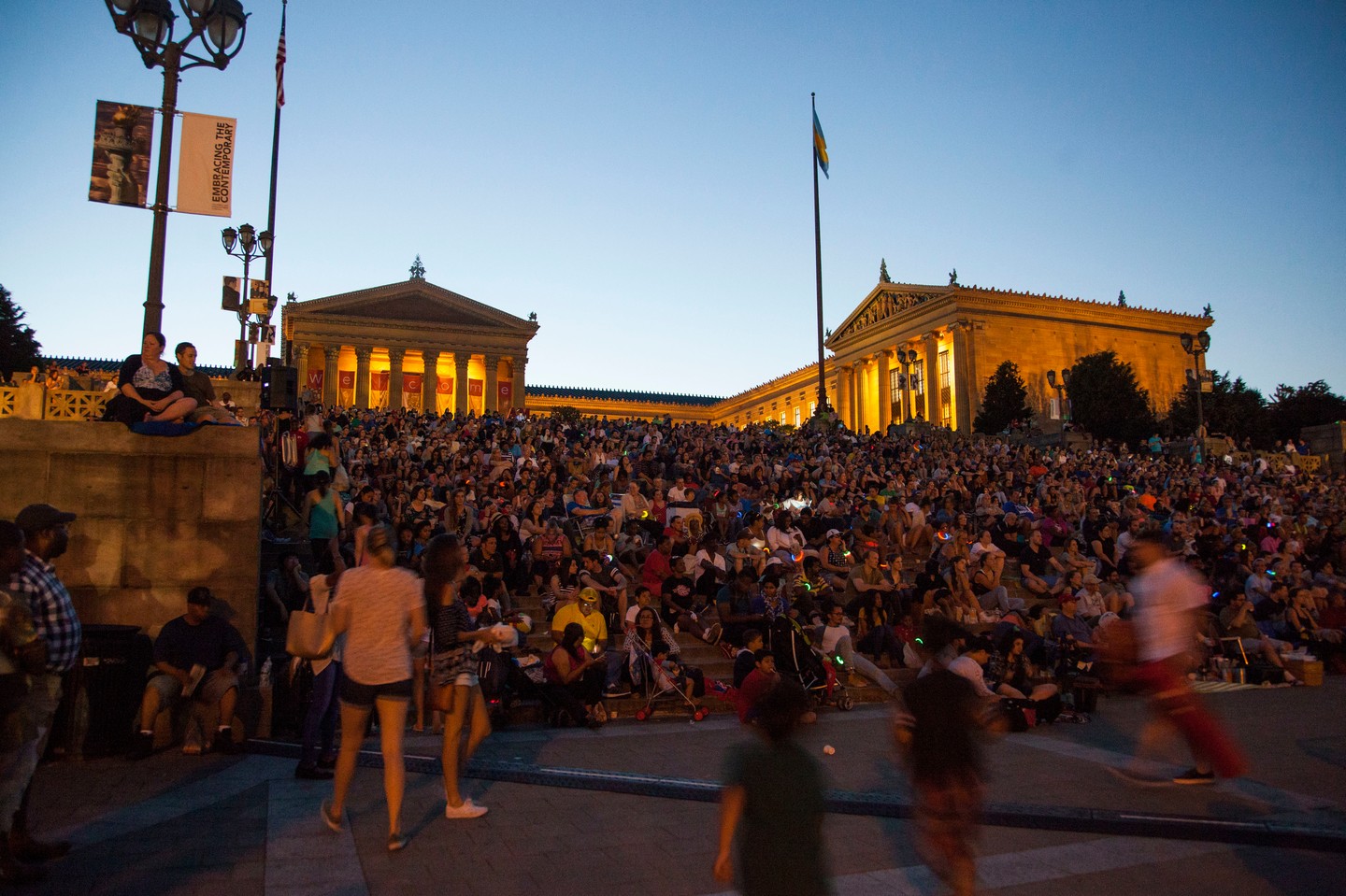
One highlight of the Wawa Welcome America festival, Philadelphia’s multiday Independence Day celebration, is outdoor movies shown on big screens in iconic city spots. Crowds gather on the steps of the Philadelphia Museum of Art for a free screening of the 1976 classic “Rocky,” starring Sylvester Stallone.C. Smyth
Wawa Welcome America and One Philly: Unity Concert for America
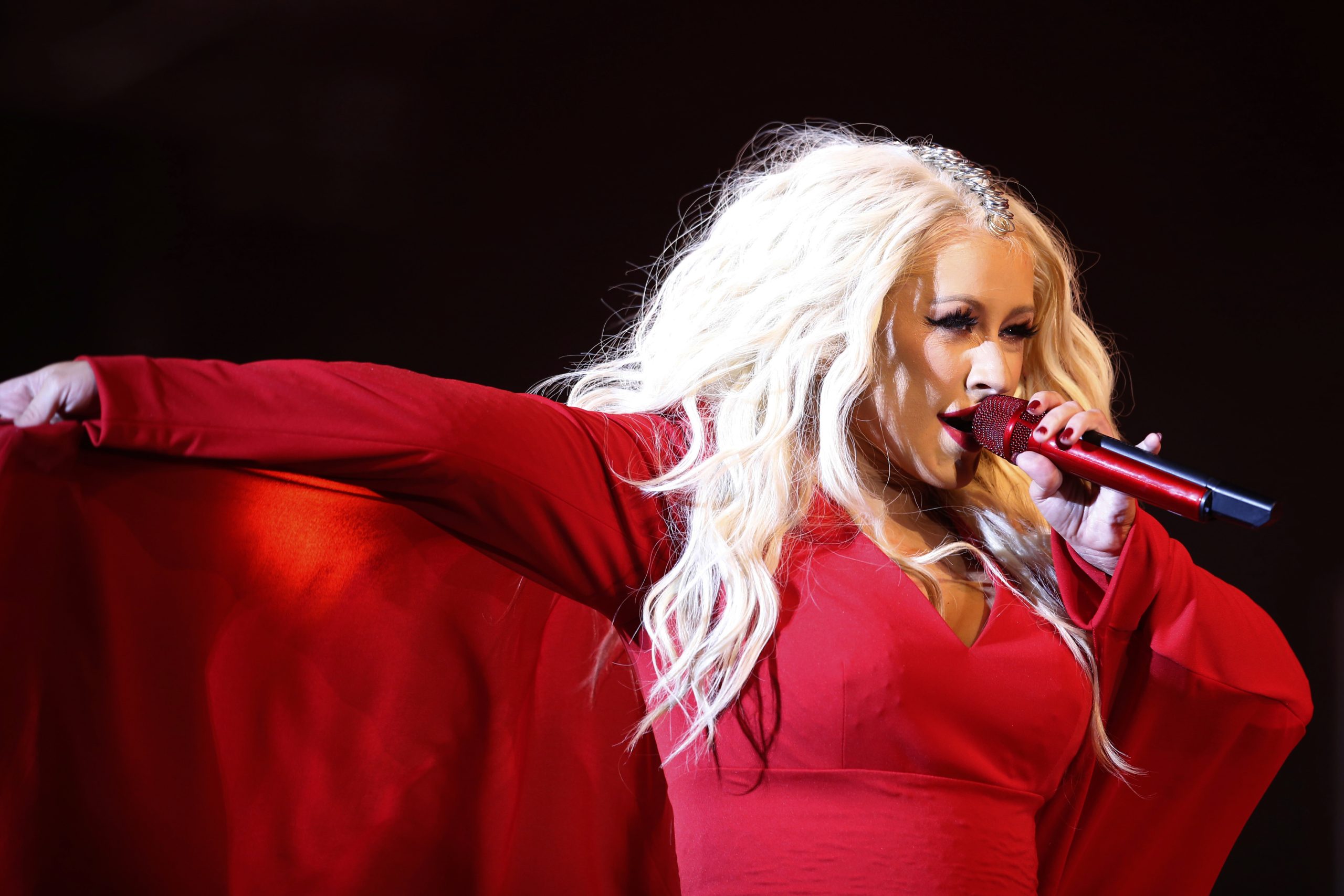
A local tradition closes its final weekend on July 3 with the Salute to Independence Semiquincentennial Day Parade, the largest of its kind in the nation, featuring 50 marching bands and 13 floats, beginning at noon at 5th and Chestnut Streets. Later in the evening, a live concert featuring patriotic orchestral music takes place from 7-9 p.m. at Independence Mall, with multi-platinum-selling singer/songwriter and Tony Award-winning performer Idina Menzel headlining with the Philly Pops. On July 4, One Philly: Unity Concert for America takes over the Benjamin Franklin Parkway for a free all-day concert featuring Christina Aguilera, Jill Scott, The Roots, Will Smith & DJ Jazzy Jeff, Seal, and others, hosted by Wanda Sykes.
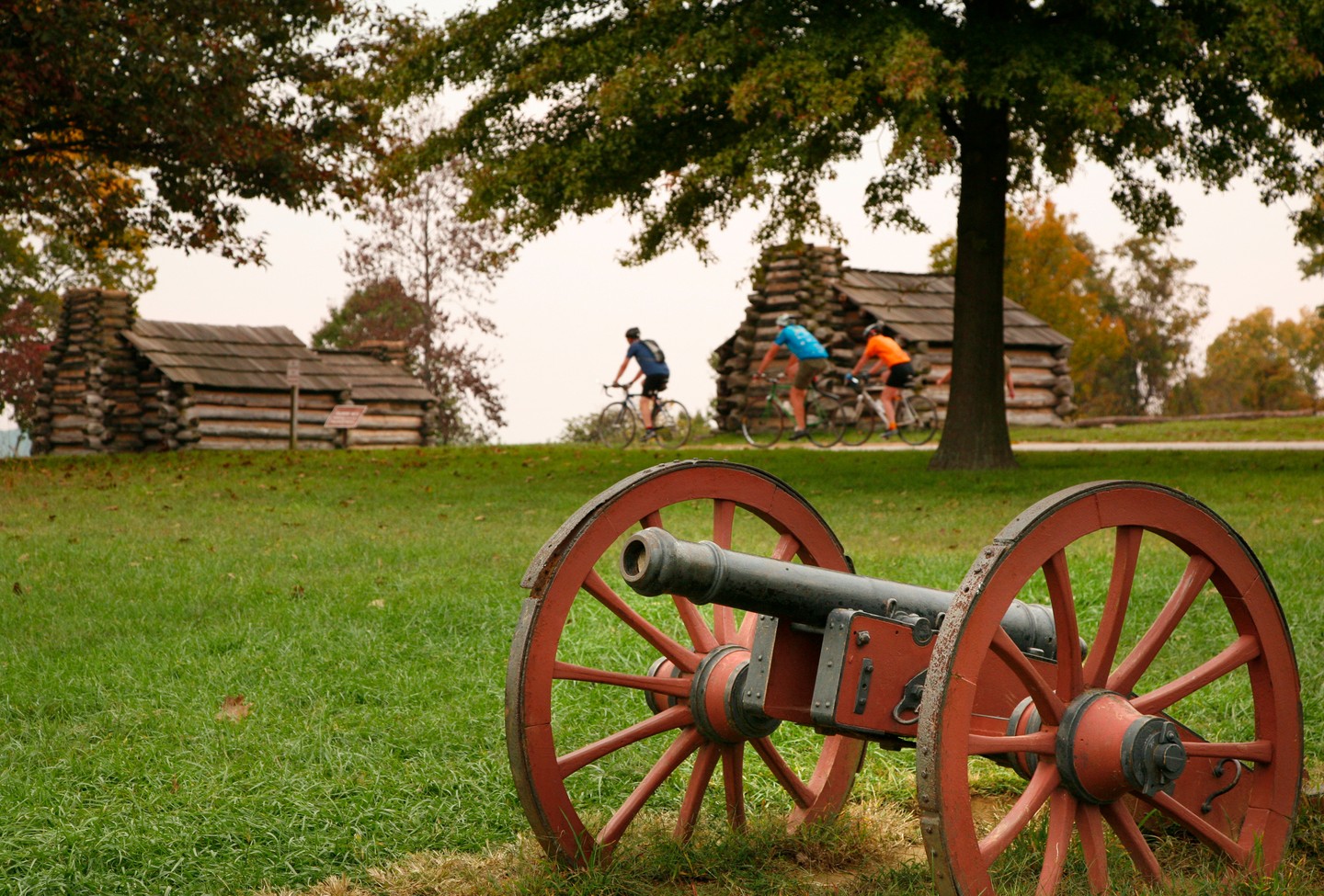
Valley Forge National Historical Park turns 50 this year.G. Widman
Valley Forge National Historical Park’s 50th Birthday
Valley Forge National Historical Park turns 50 over the July 4 weekend, celebrating with musket-firing demonstrations at Muhlenberg’s Brigade throughout the day on July 3. Philly’s own Hot Taters will perform live at the National Memorial Arch, and a reenactor portraying Anna Morris Holstein, the woman who helped makeWashington’s Headquarters a true local landmark in 1879, will take place on the 4th, followed by a closing ceremony on July 5.
America Celebrates 250 holds a three-day festival in New Hope, Bucks County, featuring fireworks and a drone show over the Delaware River on July 3, accompanied by a pub crawl toward a Revolutionary-themed tavern tent with a cash bar and actors performing as patriots on July 4. The Freedom Parade starting in New Hope and the Dragon Boat race on the river will conclude the weekend events on July 5.
Montgomery County presents a series of public readings of the Declaration of Independence throughout the July Fourth weekend at various locations, including the Elmwood Park Zoo. The Tapestry Historic Dance Ensemble will perform period dances at 859 County Line Road in Horsham, and guests can channel Thomas Jefferson by practicing writing with a quill pen, as he once used to sign the Declaration.
America’s Time Capsule to be buried at Independence Hall
On July 4, America’s Time Capsule, a stainless steel cylinder containing a collection of letters and artifacts from each state, will be buried at Independence National Historical Park. Spectators will have the opportunity to be part of this historical moment, as this capsule will remain sealed for the next 250 years, until 2276, when the generations of that time will be able to recover it.
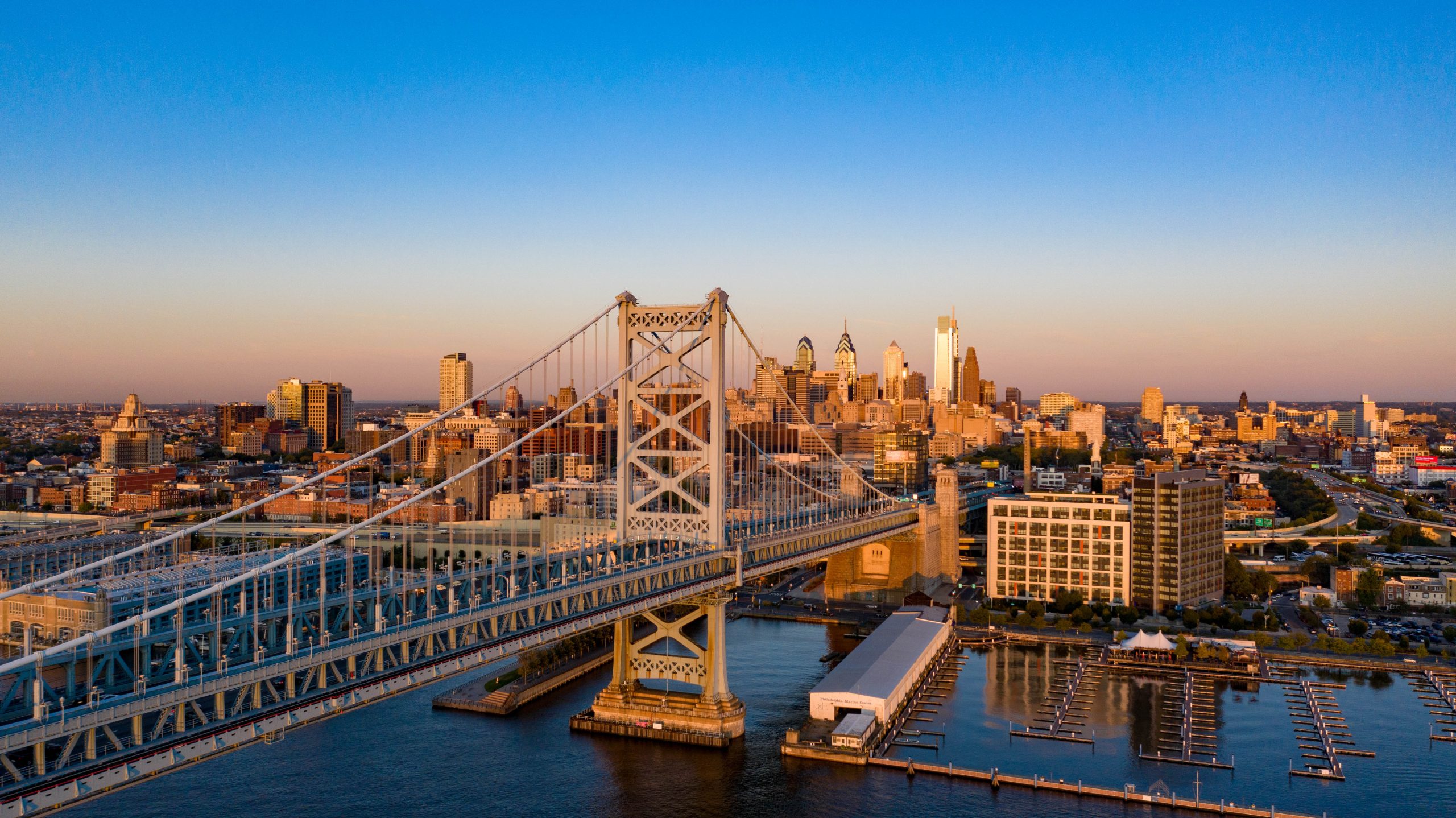
Completed in 1926, the Ben Franklin Bridge connects Camden and Center City (pictured) over the Delaware River. The 1,750-foot-long span, designed by architect Paul Philippe Cret, was once the longest suspension bridge in the world.Photo by Elevated Angles for VISIT PHILADELPHIA®
Ben Franklin Bridge 100th anniversary
On July 11, the Delaware River Port Authority celebrates the 100th anniversary of the Ben Franklin Bridge with live music, performances, food trucks, and carnival rides. Hosted on the Camden side of the bridge near the toll plaza, a pop-up museum offers attendees a better understanding of this iconic structure’s legacy and features artifacts from the world’s longest suspension bridge.
Philly Phlotilla on the Schuylkill and Delaware Rivers
More than 100 patriotic kayakers dressed in red, white, and blue will paddle the rivers July 11 for the Philly Phlotilla event. Starting at the Walnut Street Dock, the 8-mile paddle, led by experienced guides, will reach the historical site of Fort Mifflin, known as the “Fort that Saved America.” Paddlers and non-paddlers alike can take in the post-Phlotilla festivities for dinner, cannon firing, and tours of the historic fort.
Newtown in Bucks County packs a full day of spirited events throughout the borough on Aug. 8 to celebrate the nation’s historic milestone. The Old Presbyterian Church of Newtown will hold graveyard tours, while the Newtown Fire House Museum presents its display of antique fire trucks, and the Newtown Theatre sets the stage with period music from a Civil War band.
The Haverford High School Football Stadium in Havertown hosts a patriotic-themed drone show on Aug. 29 to mark the country’s anniversary. The day begins with live music, crafts, and other family-friendly activities, with food trucks on the premises, all leading up to an evening of a choreographed illuminated drone display paired with themed music.
But that may not jibe with what many Philadelphians want to see.
A new Suffolk University/Philadelphia Inquirer CityView poll of 500 city residents found that a quarter of respondents believe the city’s primary responsibility to the nation is to protect its historical sites for future generations. Nearly 27% said the city’s primary responsibility to the nation is to serve as a model for “diverse, multicultural urban progress.”
The poll, conducted from June 16 to 20 and released this week, comes after a ruling by the U.S. Court of Appeals for the Third Circuit in favor of the Trump administration and just weeks ahead of celebrations in Philadelphia for the nation’s 250th birthday.
(function(){function e(){window.addEventListener(`message`,function(e){if(e.data[`datawrapper-height`]!==void 0){var t=document.querySelectorAll(`iframe`);for(var n in e.data[`datawrapper-height`])for(var r=0,i;i=t[r];r++)if(i.contentWindow===e.source){var a=e.data[`datawrapper-height`][n]+`px`;i.style.height=a}}})}e()})();
The appeals court’s ruling last week was a turning point in a legal battle waged by Mayor Cherelle L. Parker’s administration that questioned the federal government’s authority to interfere in what information is presented at the President’s House. Both the Third Circuit ruling and a recent decision by a Boston-based federal appeals court regarding National Park Service exhibits nationwide have started to pave the way for the Trump administration to make unprecedented changes to displays of U.S. history in the region.
Alacia Maxton, 36, a respondent to the poll, said frustration with the attacks on the President’s House has been at the forefront of her mind as the city prepares to celebrate the Semiquincentennial.
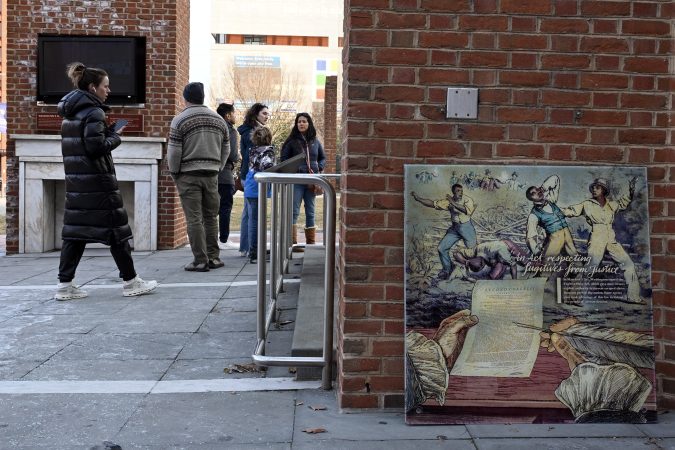
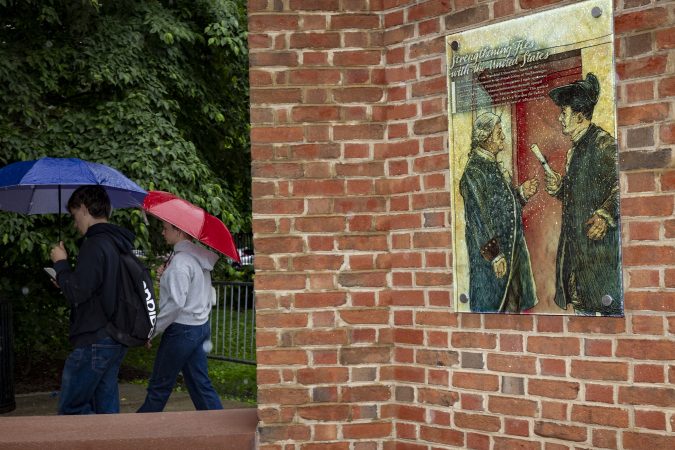
For nearly two decades without opposition, the site — which opened in December 2010 — has memorialized the nine people George Washington enslaved at his Philadelphia residence during the founding of America and detailed the brutality of slavery.
Last month, it was designated as an endangered historic site by a major national historic preservation organization. The new panels proposed by the Trump administration to replace the removed exhibits at the President’s House soften Washington’s role as an enslaver, according to those working to protect the site.
“I don’t like the idea that certain groups of people want to whitewash history and erase what doesn’t make them feel comfortable,” said Maxton, who lives in Overbrook Park.
Carolyn Keys, 61, another resident who responded to the poll, said the absence of the some of theoriginal panels is like “missing pieces to a puzzle.”
“Every piece was specifically put together for a purpose,” said Keys, 61, a veteran who lives in the Tacony neighborhood.
David Paleologos, director of the Suffolk University Political Research Center, said Philadelphians valuing preserving history and being a model for progress is a particularly localized issue.
“Which I think makes this really important information for the nation to see,” Paleologos said.
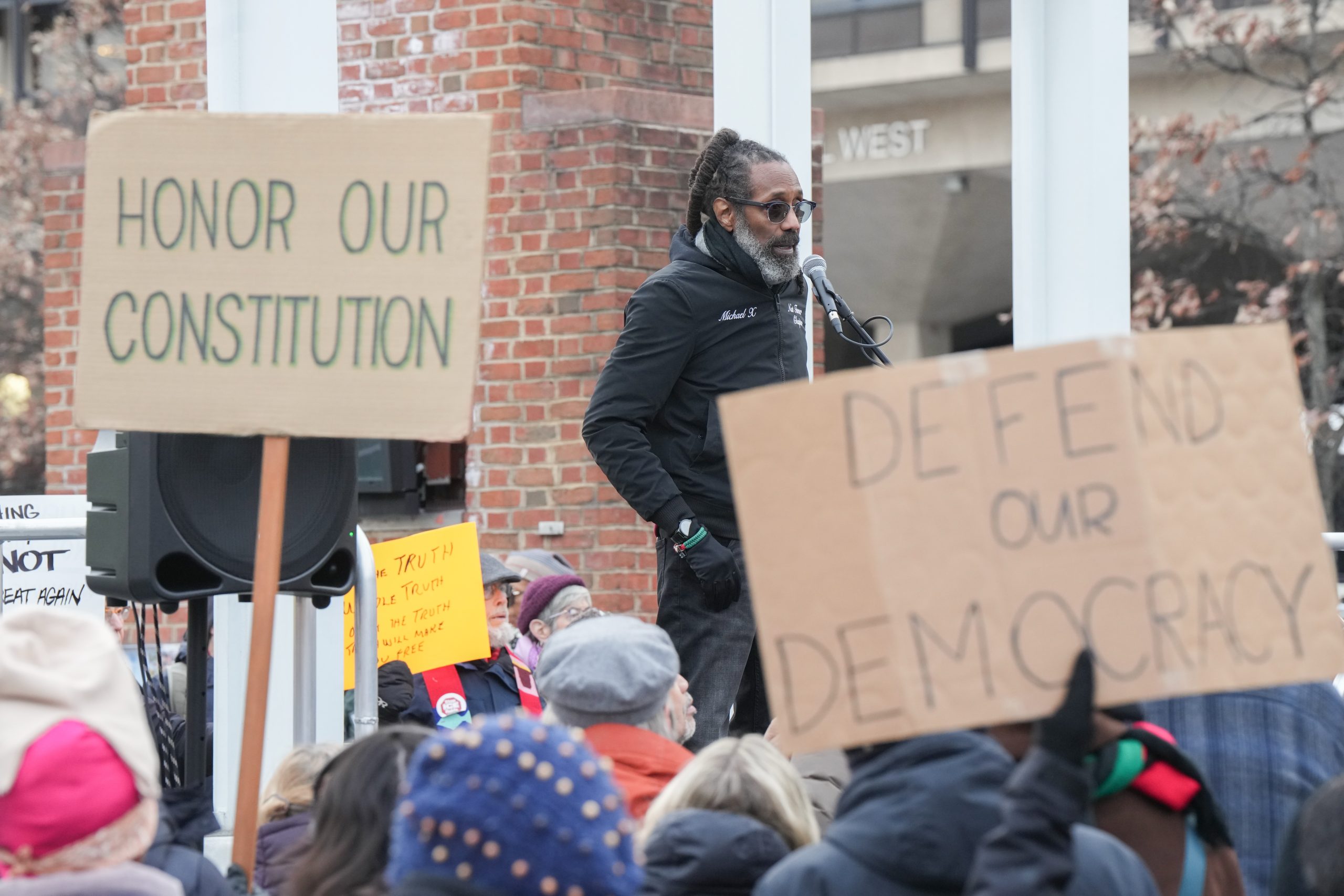
Philadelphia Lawyer Michael Coard speaks at a rally at the President’s House Site in response to the removal of the President’s House exhibit in Old City, in Philadelphia, Tuesday, Feb. 10, 2026, in Philadelphia Jessica Griffin / Staff Photographer
A bipartisan grassroots group of Philadelphians — called the President’s House/Slavery Memorial Coalition — has been spearheading efforts to protect the historical site, which has been under scrutiny from the Trump administration since last summer.
Michael Coard, an attorney and founder of one of the leading groups in the efforts to protect the President’s House, said in a statement Wednesday that the poll results show that “Philadelphians understand the importance of protecting our shared history.”
“Black history is American history, and we have both an obligation and, based on these results, a clear mandate to ensure that the stories of enslaved Africans and their descendants are preserved, honored, and accurately told,” Coard said.
Other respondents had different ideas for Philadelphia’s primary responsibility as the birthplace of democracy: Roughly 23% said “leading national conversations on civil rights and economic justice” was a top priority, while almost 17% said the city’s duty to the nation is “proving that a large, complex city can govern itself equitably.”
These insights come as Philadelphia is bracing for an influx of tourists, with particular emphasis on its history as the nation’s birthplace, ahead of the Semiquincentennial celebrations.
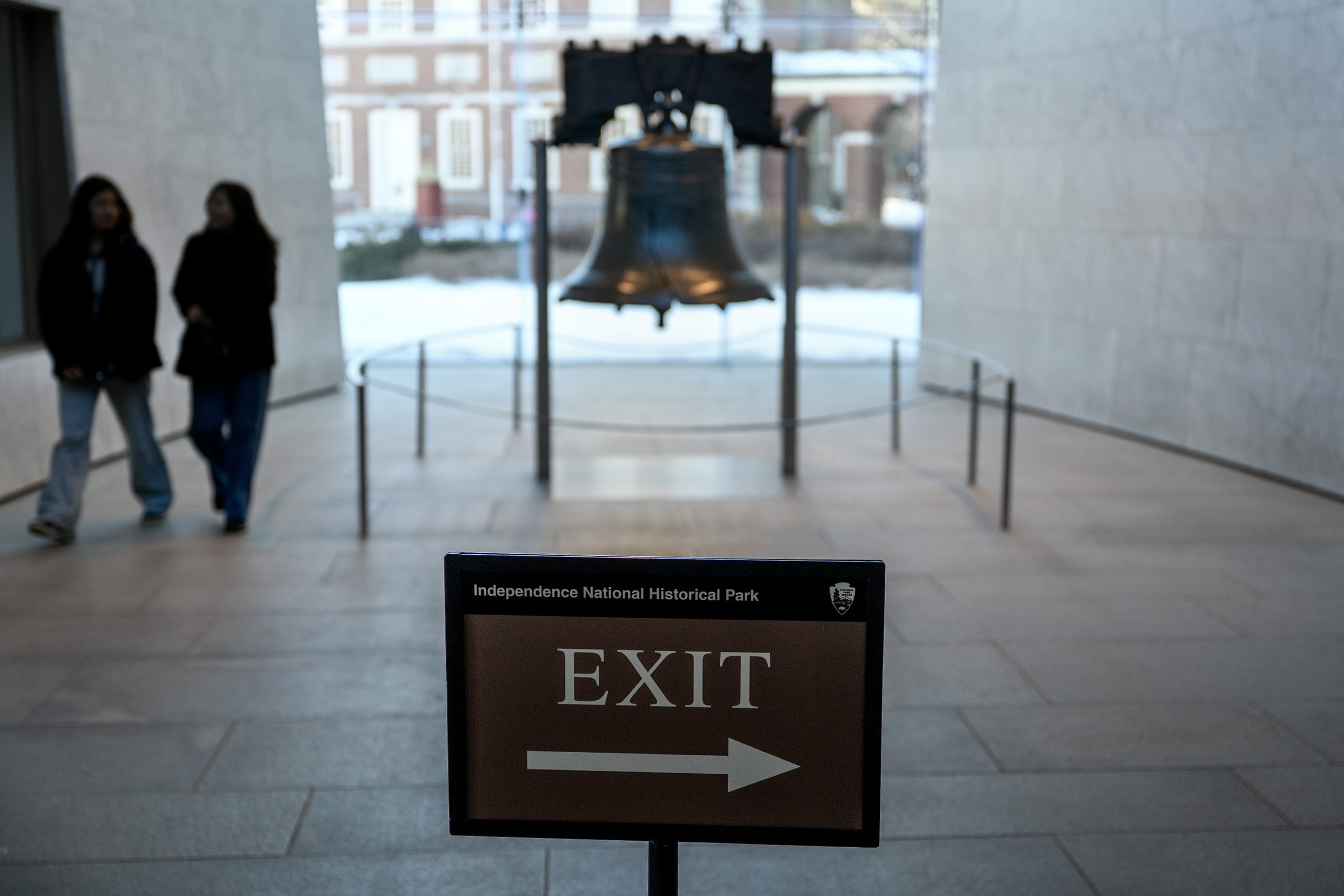
The Liberty Bell in Independence National Historical Park Feb. 2, 2026.Tom Gralish / Staff Photographer
Almost 28% of the Philadelphia residents polled see the Liberty Bell — in comparison to Independence Hall, the National Constitution Center, and the Rocky Steps — as the city landmark that best embodies American democracy.
But hanging over the impending 250th celebrations is the uncertain fate of the President’s House, said Leeanna Lundy, 34, of West Philly.
“For them to remove where the most impactful part of where history took place, it’s like mind-boggling,” Lundy said.
Staff writer Michelle Baruchman contributed to this article.
We take paper for granted now. But in the late 1600s, when Pennsylvania’s founder William Penn recruited German papermaker and preacher William Rittenhouse to manufacture the writing parchment in the New World, paper was a luxury.
England’s King William III made it difficult for his subjects — at home and in the Americas — to have it. Like many monarchs of his day, he believed it was the Crown’s duty to record history.
The English imported paper from other European countries. So, to make matters worse, colonists who managed to appeal to the king for paper were double and triple taxed. They got fed up and went about securing their own paper to document the goings on in the government, inform citizens, record history, and ultimately plan a revolution.
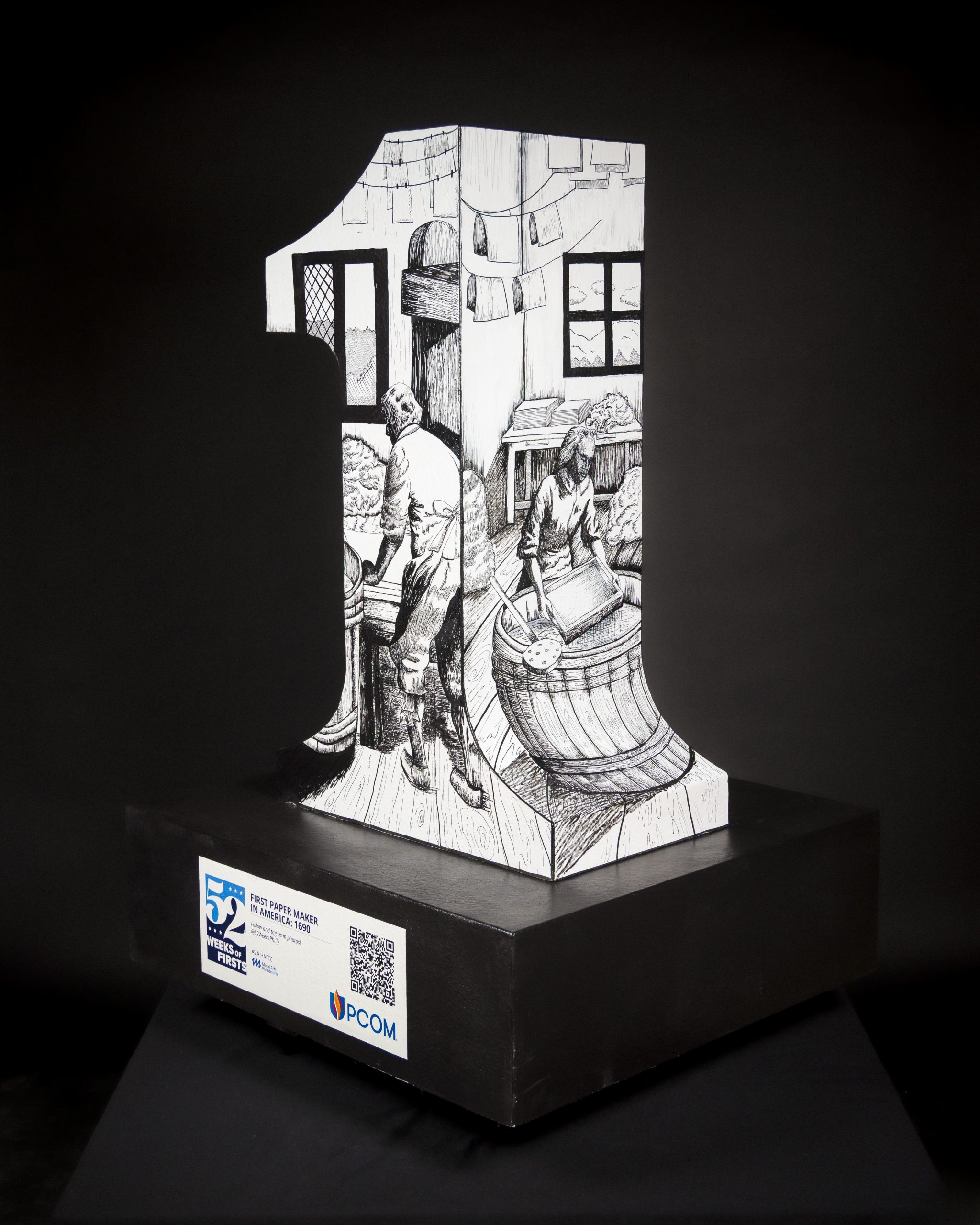
Artist Ava Haitz’s No. 1 honors the country’s first paper mill, celebrating the invention and craftsmanship that made widespread written communication possible.Ava Haitz for Colibri Workshop
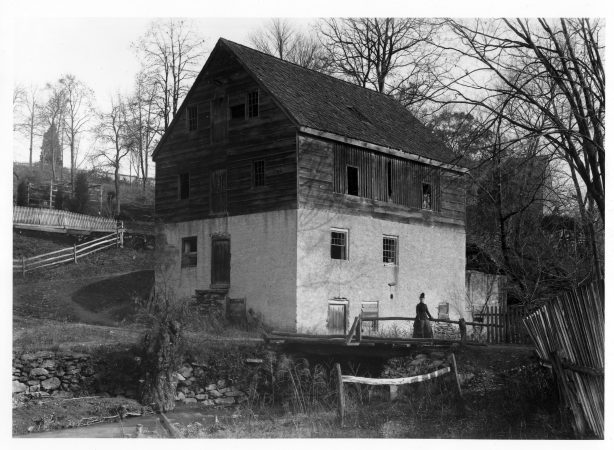
In 1690, Rittenhouse partnered with Philadelphia’s first printer, William Bradford, to build America’s first paper mill, situated in northwest Philadelphia and powered by the Monoshone Creek, a tributary of the Schuylkill.
The paper mill will be celebrated this Saturday at Historic RittenhouseTown, part of a series of weekly “Firstival” celebrations. Firstivals are the Philadelphia Historic District’s yearlong birthday nod to places and events with Philadelphia roots. The day parties are a hallmark of this year’s Semiquincentennial fetes.
At the Rittenhouse mill, paper was made from linen rags fashioned from flax grown in Germantown, that were broken down and shaped into sheets. The mill grew quickly as Rittenhouse, America’s first Mennonite bishop, provided paper for Bibles and Quaker and Mennonite texts in German.
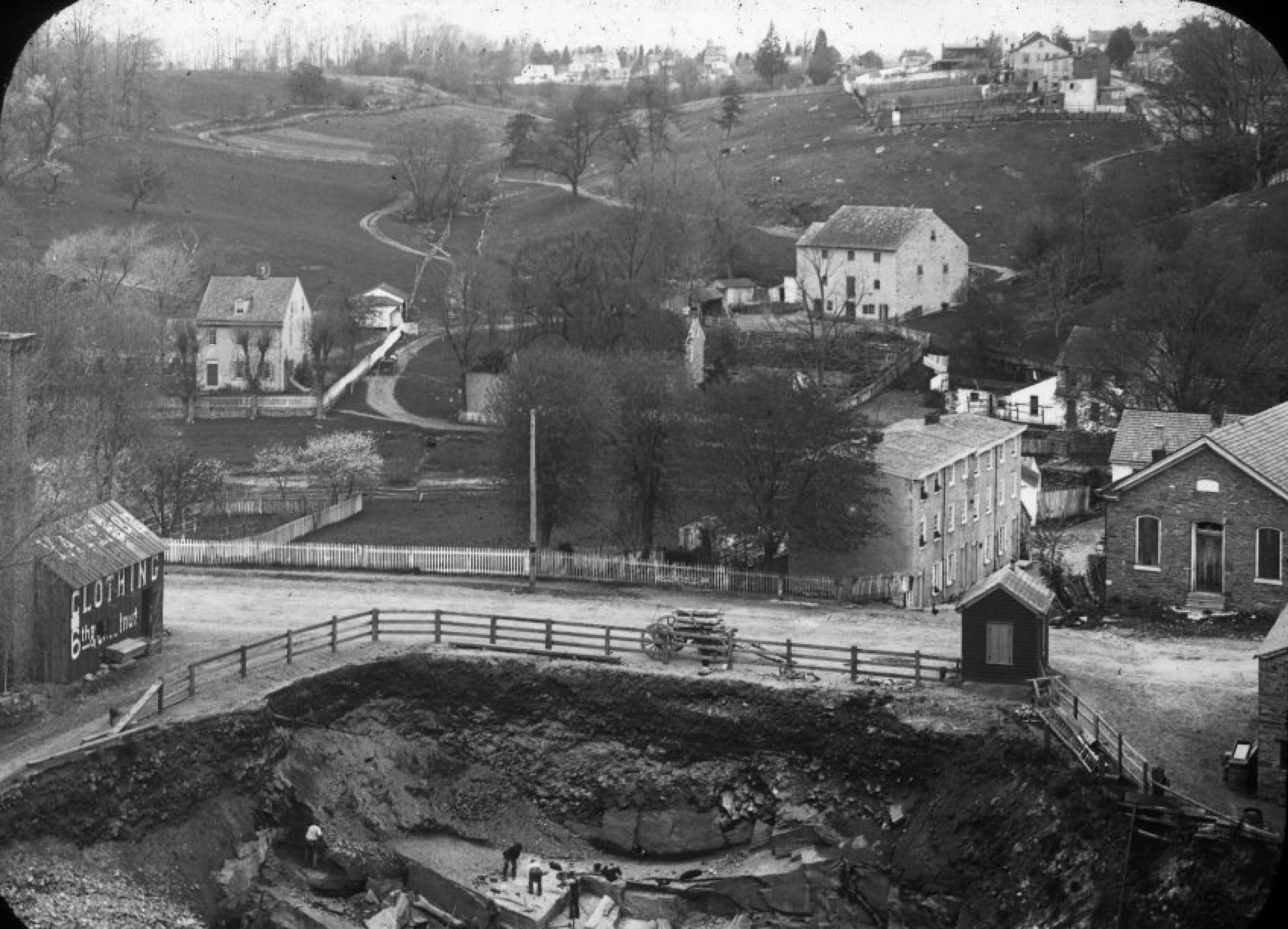
An aerial view of RittenhouseTown circa 1840-1860. The site eventually grew to more than 200 acres.Historic Rittenhouse Town
Rittenhouse’s first paper mill was destroyed by a flood, said Alexander Jones, preservation and education manager at Historic RittenhouseTown.
Then “Rittenhouse rebuilds and he buys out his partner,” Jones said. “The paper mill becomes his sole enterprise. Instead of hiring workers, he recruits his family and it becomes a giant company town. There is a church, a blacksmith, stone houses, a bake house, and more than 40 buildings with five or six of them under what is now Lincoln Drive.”
RittenhouseTown’s paper mill was the only source of paper in America for more than 40 years, Jones said. It would grow to more than 200 acres.
David Rittenhouse — Rittenhouse’s great-grandson and the astrologer, clockmaker, and first director of the U.S. Mint after whom Rittenhouse Square is named — was born in his family’s RittenhouseTown homestead in 1732.
The town thrived for more than a century.
By the mid-1800s, the paper mill began to slow down as dyes from textile and carpet manufacturers and chemicals from blacksmithing started to pollute the Schuylkill. The filthy water made it nearly impossible to produce good quality paper at the mill.
The Fairmount Park Commission began acquiring parts of RittenhouseTown through a series of purchases and donations from 1890 to 1917. The city demolished many of the town’s buildings, including a barn that, Jones said, was razed and rebuilt within a year.
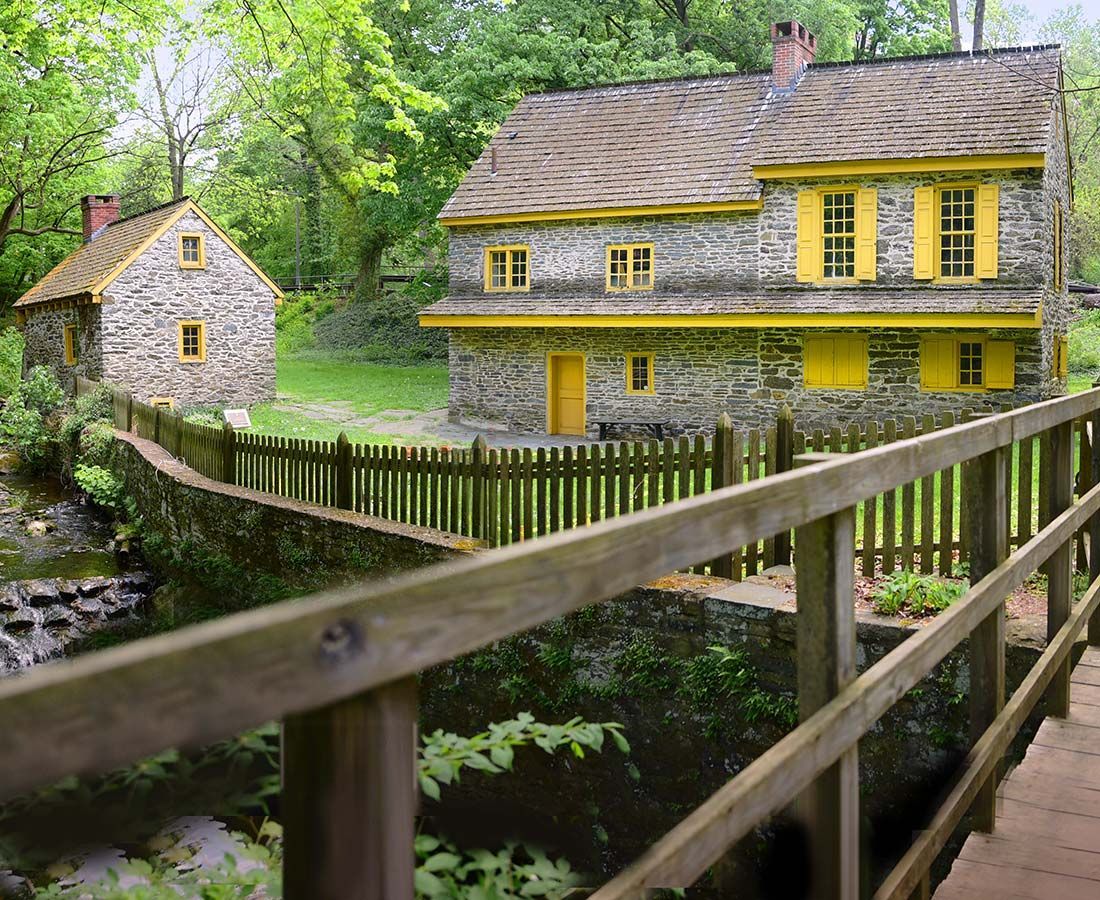
RittenhouseTown’s homestead and bakehouse. The first permanent home for the Rittenhouse family and birthplace of David Rittenhouse, great-grandson of William Rittenhouse for whom Center City’s Rittenhouse Square is named.Al Cassidy for Historic Rittenhouse Town
By that time, however, the Rittenhouse family had spread throughout the Philadelphia region from Center City to Blue Bell, Jones said.
Today, RittenhouseTown spans 20 acres nestled in Fairmount Park right behind Lincoln Drive. Six of the original buildings remain, serving as a reminder that RittenhouseTown was the first building block of American industry.
“The paper mill really got the ball rolling for Philadelphia,” Jones said. “And from that first came so many other American firsts in Philadelphia: the first Mennonite bishop, the first company town, and America’s first director of the U.S. Mint.”
This week’s Firstival is Saturday, June 27, 11 a.m.-1 p.m., at Historic RittenhouseTown, 208 Lincoln Drive.
No city does history quite like Philadelphia — and it’s all on full display this summer for the nation’s 250th. From museums and historic houses to outdoor experiences and more, here are some must-dos over the coming days, weeks, and months.
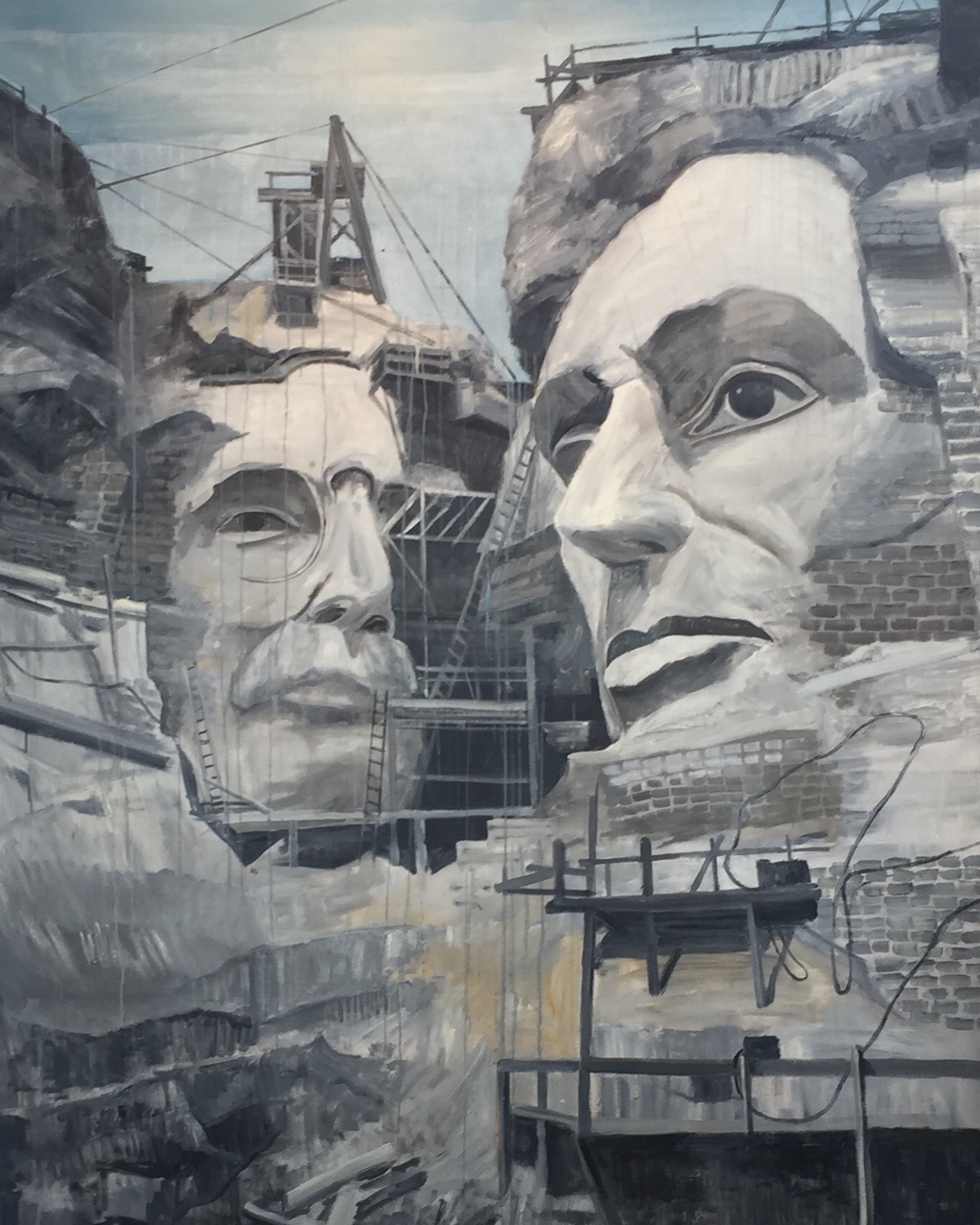
“Rushmore,” a 2016 painting by Tom Judd, is part of the “Arc of Promise” exhibit at the Woodmere Museum.Woodmere Museum
‘Arc of Promise’
Woodmere Museum
Examine how Philadelphia artists have imagined America — from earlier perspectives to modern day — in paintings, sculptures, and other media. Inspired by local artist Jerry Pinkney (1939-2021), whose “arc of promise” concept was influenced by America’s painful histories of slavery, displacement, and injustice, while holding onto the belief that renewal is still attainable.
Weitzman National Museum of American Jewish History
Explore events surrounding Nov. 16, 1776, the day the Dutch governor of St. Eustatius welcomed a ship flying the new American flag into the harbor — making the first recognition of the new nation by a foreign entity. A critical thruway for commerce between Europe and North America, the island’s Dutch leaders offered Jews a relatively high level of religious tolerance. Highlights include a 1761 Hanukkah lamp.
View works by artist Sky Hopinka featuring personal perspectives of Indigenous homelands and landscapes. In recognition of the 250th anniversary of the signing of the Declaration of Independence, these works of art thoughtfully explore and interrogate the American experience and its histories.
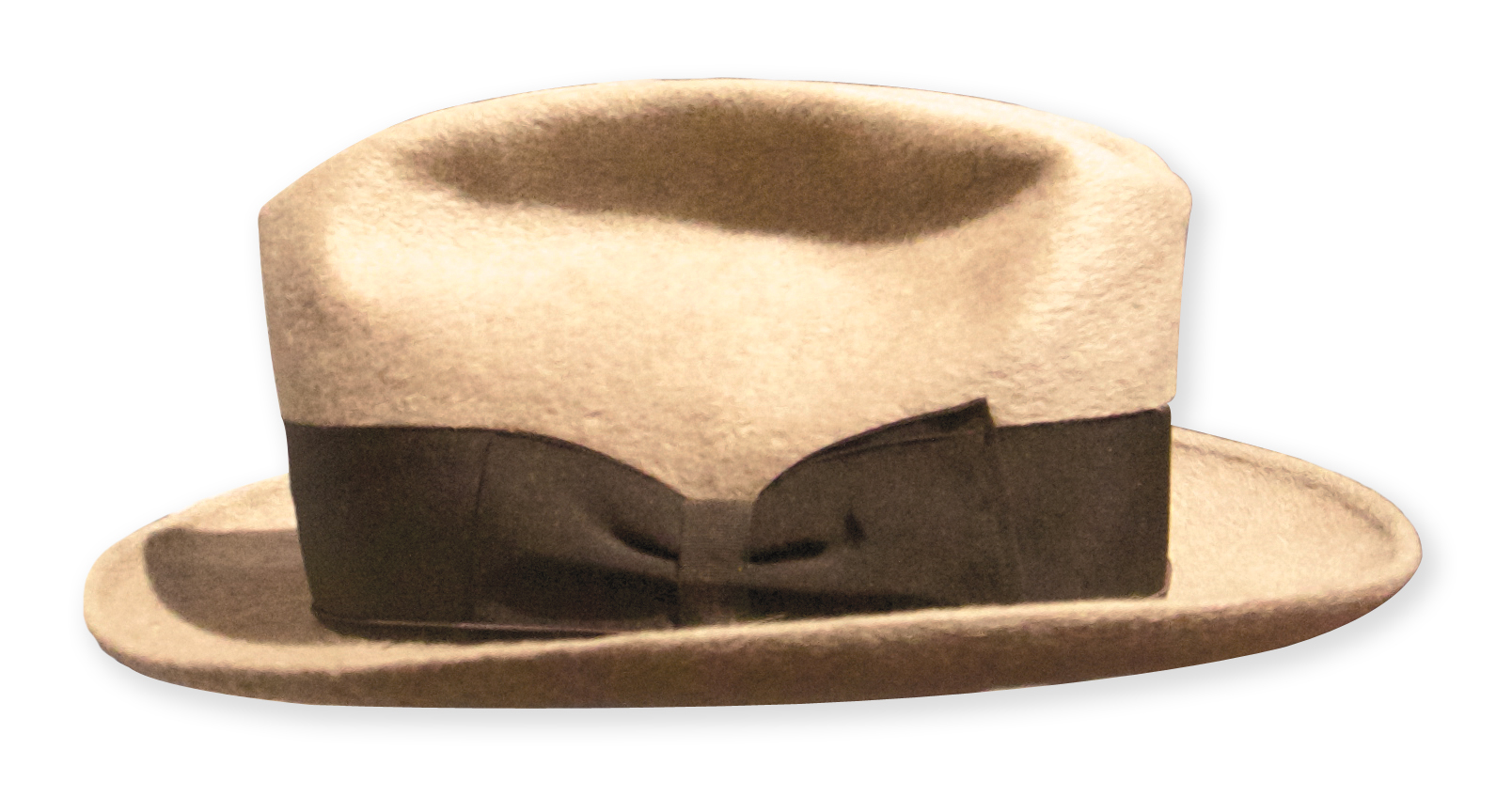
A fedora owned by Franklin Delano Roosevelt is part of the “Governing the Nation” exhibit at the National Constitution Center.National Constitution Center
‘Governing the Nation’
National Constitution Center
Explore how the American system of government functions through immersive media, dynamic projections, and 3D models of the U.S. Capitol, the White House, and the U.S. Supreme Court. View a pamphlet written by Alexander Hamilton on the constitutionality of the National Bank, as well as Franklin Delano Roosevelt’s fedora.
A view of “Proving Ground: The First 250 Years of the American Experiment,” at Highmark Mann Satell Centennial Wall East.Mylin Batipps
‘Proving Ground: The First 250 Years of the American Experiment’
Highmark Mann Center for the Performing Arts
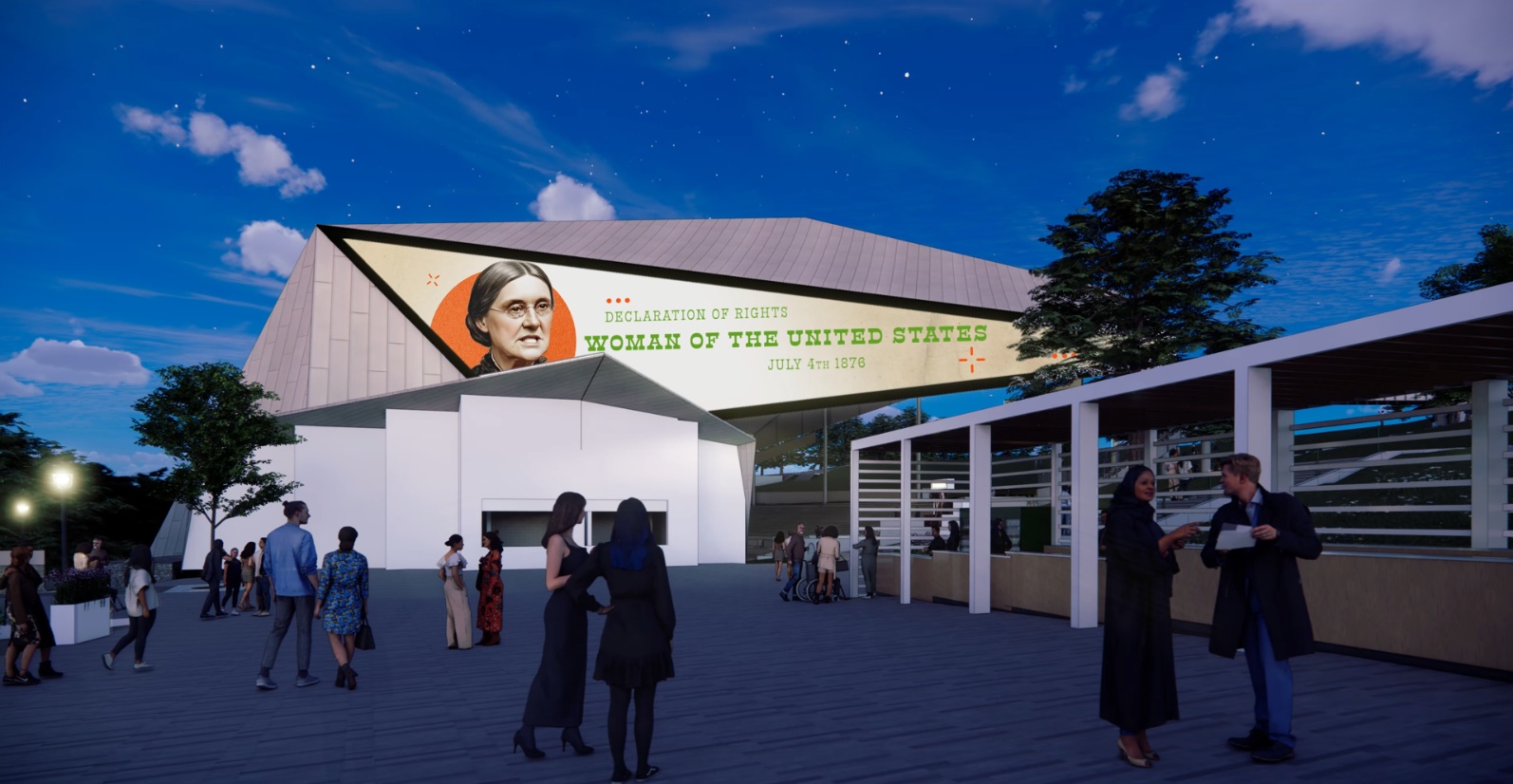
Enjoy an outdoor film experience with the 4,500-square-foot immersive LED canvas at the entrance of Highmark Mann on its new Satell Centennial Wall East. This massive storytelling canvas features cinematic visuals, motion design, music, and historical imagery that immerse visitors in Philadelphia’s role in shaping the American story.
‘Revolutionary Family: The Biddles and American Independence’
Andalusia Historic House
Explore historical art and documents based on the Biddles, one of America’s most prominent colonial families. Discover what happened at the Andalusia site during the time of the American Revolution, including the military activity that surrounded the area, and view the beautiful painted portrait miniatures of Clement and Rebekah Biddle.
‘Freedom Through Faith: Judaism at Eastern State and Beyond’
Eastern State Penitentiary
Discover how religious freedom, one of the “unalienable rights” stated in the Declaration of Independence, was strongly represented and practiced in America’s first penitentiary, especially by its Jewish inhabitants. A restored synagogue is a central feature of the exhibit and is the first synagogue in a U.S. prison.
2027 Fairmount Ave., opening July 2 for permanent display, easternstate.org
‘Creating a City of Medicine’
Mütter Museum
Explore 250 years of Philadelphia’s impact on health and healing in the U.S., including medical education, technological innovation, and community-based healing practices. Featuring well-recognized Philadelphia leaders as well as lesser-known figures, the exhibit will educate visitors on the vital role Philadelphia played in American medicine and medical education.
Barbara Bates Center for the Study of the History of Nursing at the University of Pennsylvania
In celebration of America 250 at Penn, this exhibit showcases rare materials and reproductions surrounding Revolutionary-era nursing. Explore the influence of Black and Indigenous people on the profession, and the influences of African healing and Indigenous practices on early American medicine.
Explore the history of trade between the U.S. and China, as it relates to the birth of the United States and the long history of trade between them. View a bowl purchased by a Philadelphia merchant for George and Martha Washington, decorated with an unbroken circle and chains representing the strength of the new nation.
This exhibit traces the American Declaration of Independence’s global influence across 250 years, including political and social change. Featuring 120-plus artifacts from almost 20 nations, it explores how leaders from the Rev. Dr. Martin Luther King Jr. to Gandhi used the declaration’s words as inspiration to inspire political revolutions and civil rights movements worldwide.
Located next door to Independence Hall, this new exhibition shows that the declaration was a process, and continues to evolve and shape the nation. This exhibit displays 19 rare early printings of the declaration — including one handwritten by Thomas Jefferson, and a copy from July 4, 1776.
View 140 rare, original materials tracing how American colonists transformed from loyal British subjects to revolutionaries. Highlights include a letter written by John Adams the day after the adoption of the Declaration of Independence, praising a Massachusetts woman as a “historiographer” of the revolution, and view early drafts of the Constitution.
Pennsylvania Academy of the Fine Arts and Philadelphia Museum of Art
Two of Philadelphia’s premier institutions have united for this landmark exhibition. At PAFA, works made from the late 18th century to modern day showcase scenes of westward expansion and the rise of industry. At PMA, view American art from 1700 to 1960, identifying global connections that inspired artistic and technological innovation. Featuring more than 1,000 works — including pieces from the private Middleton Family Collection, and by Georgia O’Keeffe and Andy Warhol.
PAFA, 118-128 N. Broad St., now through Sept. 5, 2027; PMA, 2600 Benjamin Franklin Parkway, now through July 5, 2027; anationofartists.org
‘America Today: Voices in Contemporary Print’
The Print Center
Explore the current state of democracy through contemporary printmaking from 38 artists. This free exhibition was inspired by the New Deal of the 1930s and 1940s, when printmaking was used for political commentary. View works from generations of artists who use printmaking as an art form to explore and express the issues we face today.
The Pennsylvania Hospital Museum, which opened in May, transforms the historic Pine Building of America’s first chartered hospital, founded by Benjamin Franklin and Thomas Bond in 1751, into a public museum. Discover breakthroughs in brain health, and trace medicine from herbal healing teas to one of the most groundbreaking medical innovations: CRISPR gene editing.
Connect today’s Philadelphia to 1876, when Philadelphia made history as the first city in North America to host the World’s Fair. At this free exhibit, explore that period and see how far technology has taken us. Use your cell phones to capture a replica of Alexander Graham Bell’s first telephone.
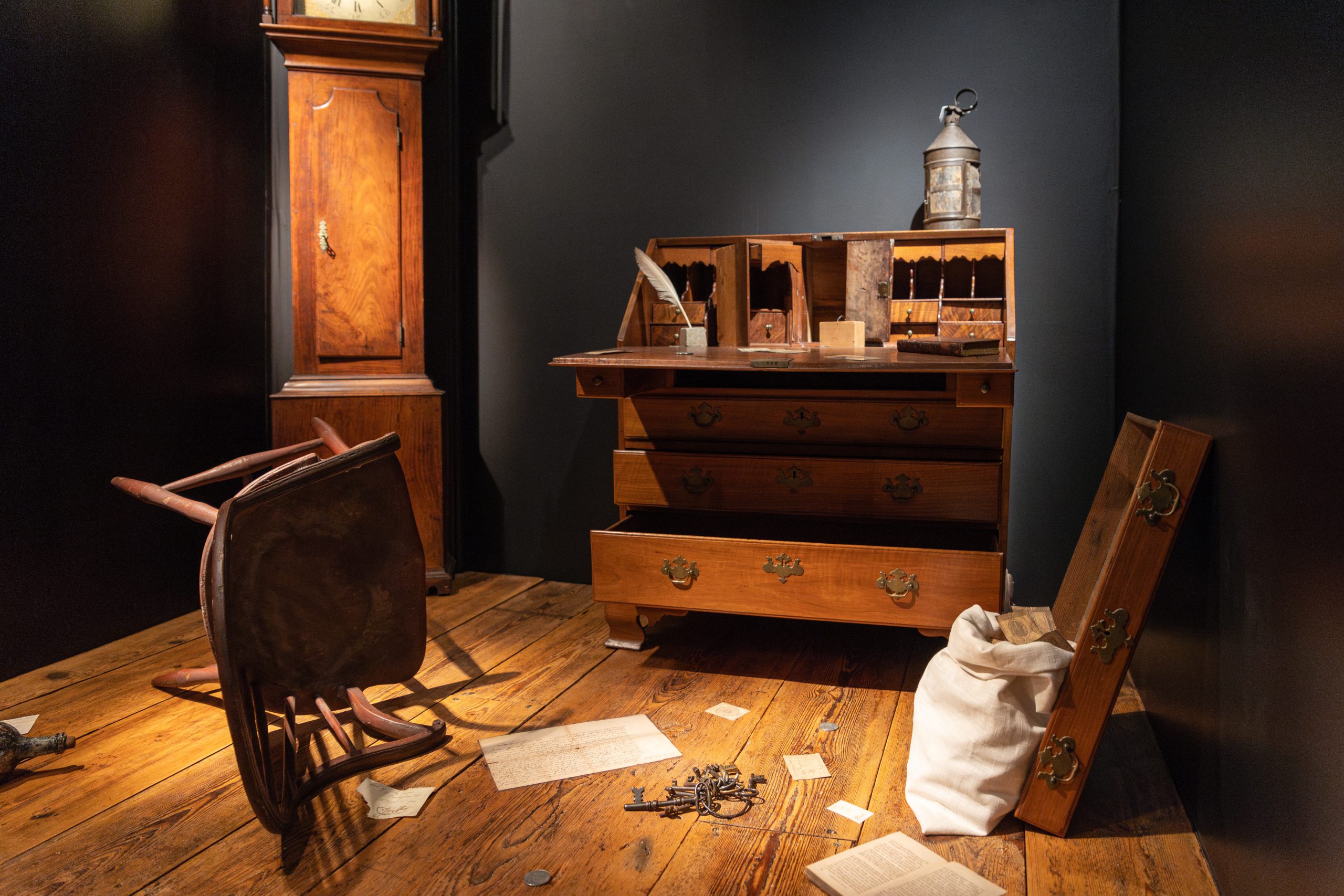
Part of “The Doan Gang: Outlaws of the Revolution” exhibit at the Mercer Museum.Kevin Crawford
‘The Doan Gang: Outlaws of the Revolution’
Mercer Museum
Explore your rebellious side with these known enemies of the Founding Fathers, the Doan Gang, who were loyal to British rule in the colonies. This exhibit is from the perspective of Loyalists, who opposed American independence. Discover the untold stories that combine espionage, legendary robberies, and mythical lost treasure.
View powerful works by artists that invite viewers to immerse themselves in the memories, dreams, and histories of Black Americans from the past and present. Reflect on how Americans of color have shaped identities and created spaces of resistance, joy, and resilience in the face of systemic oppression. Featured artists include Philadelphia-based David Hartt and Tourmaline.
This summer, the Delaware River Waterfront transforms into a free, outdoor gallery called “Where Freedom Flows.” Highlights include “Let Freedom Ring” by Paul Ramírez Jonas — where visitors can strike a 600-pound bell to sound the final note of “My Country, ’Tis of Thee,” connecting Philadelphia’s historic waterfront to the nation’s evolving story of freedom.
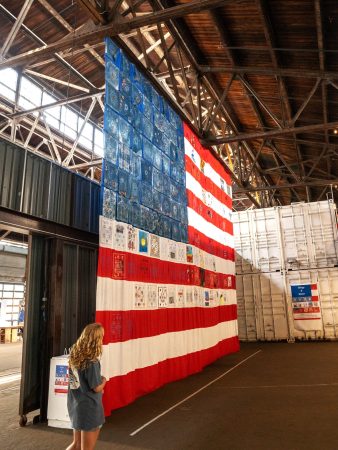
Set your sights on this beautiful community-driven artwork installation by GrioXArts — artists Duwenavue Santé Johnson and Kara Mshinda. The textile centerpiece is a reimagined American flag composed of hand-embroidered bandannas created during a previous public workshop. It reflects personal and cultural narratives of BIPOC voices into Philadelphia’s evolving story and history.
‘At Liberty: Life in the City of Brotherly Love During the Early Republic’
Arthur Ross Gallery at the University of Pennsylvania
Explore fine art during our forefathers’ time with holdings from the University of Pennsylvania, the Pennsylvania Academy of the Fine Arts, the Winterthur Museum, and the Metropolitan Museum of Art. Curated by Gwendolyn DuBois Shaw, it features paintings, sculptures, and watercolor drawings of notable figures, including Benjamin Franklin.
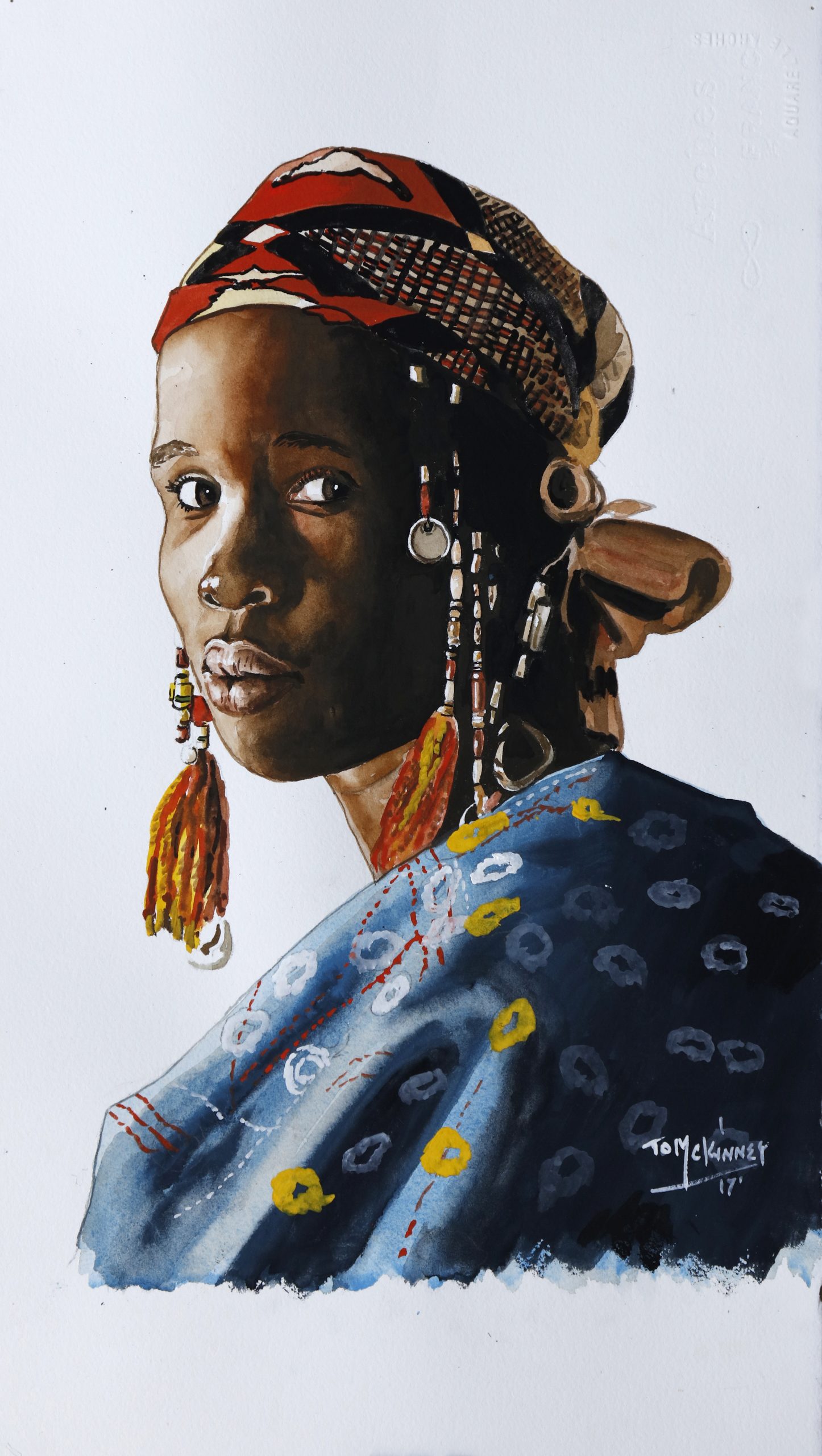
A portrait by Tom McKinney is part of the “From Invisible to Invincible” exhibit at the Historic Strawberry Mansion.Historic Strawberry Mansion
‘From Invisible to Invincible: Honoring the Art of Color’
Historic Strawberry Mansion
This exhibit recognizes both the 250th anniversary of the founding of America and the 100th anniversary of the Committee of 1926, a women-led organization formed during the 1926 Sesquicentennial International Exposition, and dedicated to preserving the history and heritage of this mansion. It will showcase artists who did not get a fair opportunity to shine in the original 1926 exposition due to systemic inequities.
This inaugural citywide arts festival has been running strong since late-May, but the coming weeks offer a deep slate of programming ahead of the July 4 weekend.
Launched to “foreground our city’s artists as interpreters of this complex moment in American history,” the multidisciplinary festival includes puppetry, dance, music, books, film, and more through July 2.
The lead-up to Independence Day features multiple exhibitions and events, many of them free, making it an affordable way to celebrate the nation’s milestone birthday.
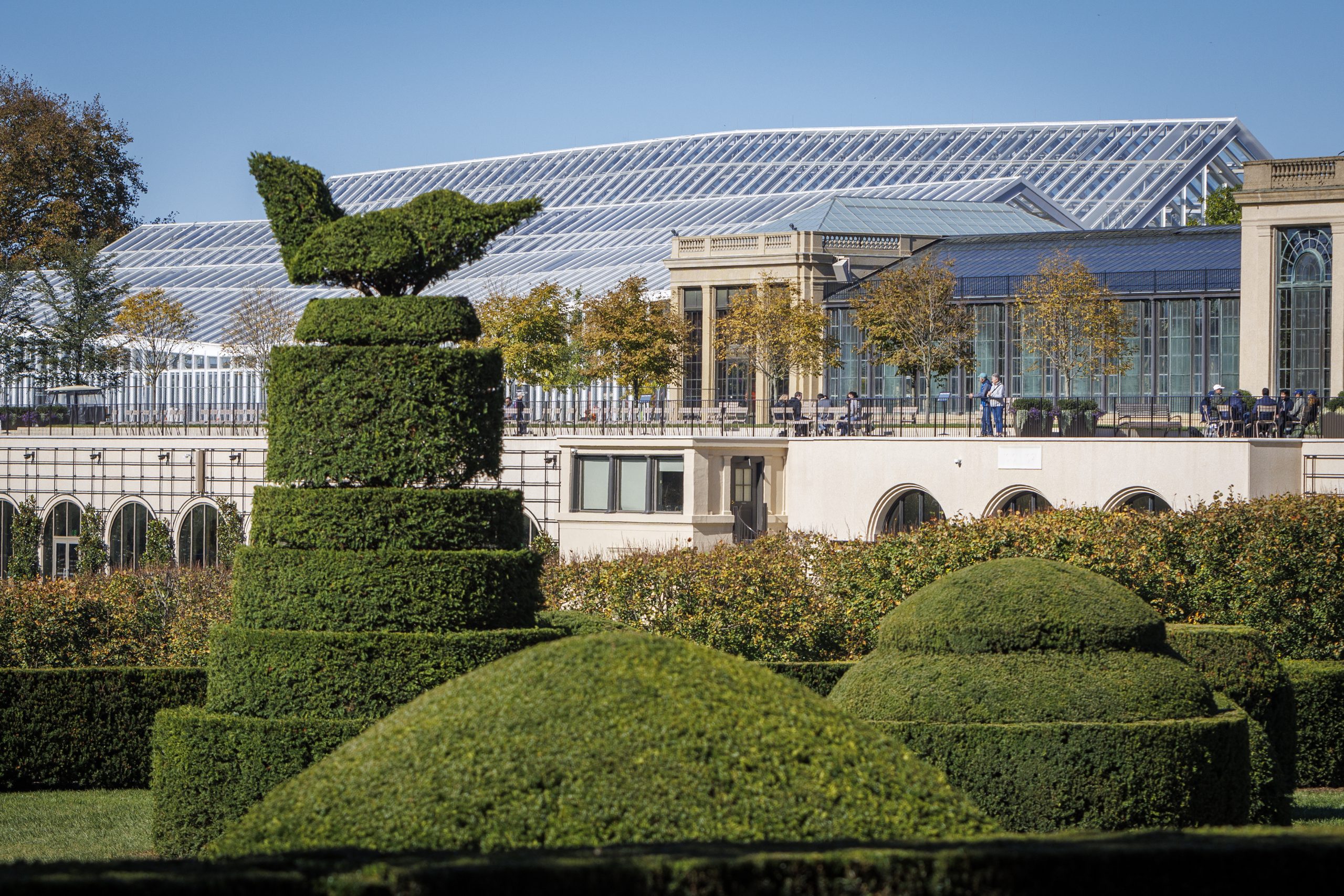
The Brandywine Valley Symphony will perform “Masterworks 3: Made in America” in the open-air venue at Longwood Gardens. Before the concert, organizers for Dare to Declare will attempt the region’s largest public reading of the Declaration of Independence.
🕒 June 25, 7 p.m., 💵 $20-$65, 📍 1001 Longwood Road, Kennett Square, PA 19348, 🌐 bvsymphony.org
Play trivia, test your knowledge against a historian, and attend a town hall on the “shared principles at the heart of the American idea.” It’s all free and part of the weeklong lead-up to July 4, when the National Constitution Center celebrates America’s 250th birthday.
🕒 June 29-July 4, times vary, 💵 Free, 📍 525 Arch St., Philadelphia, PA 19106, 🌐 constitutioncenter.org
Headlined by 20-time Grammy winner Kirk Franklin, this two-hour gospel music celebration features a choir of more than 250 voices against the backdrop of Independence Hall. Seating is first-come, first-served.
🕒 June 28, 7 p.m., 💵 Free, 📍 599 Market St., Philadelphia, PA 19106, 🌐 july4thphilly.com.
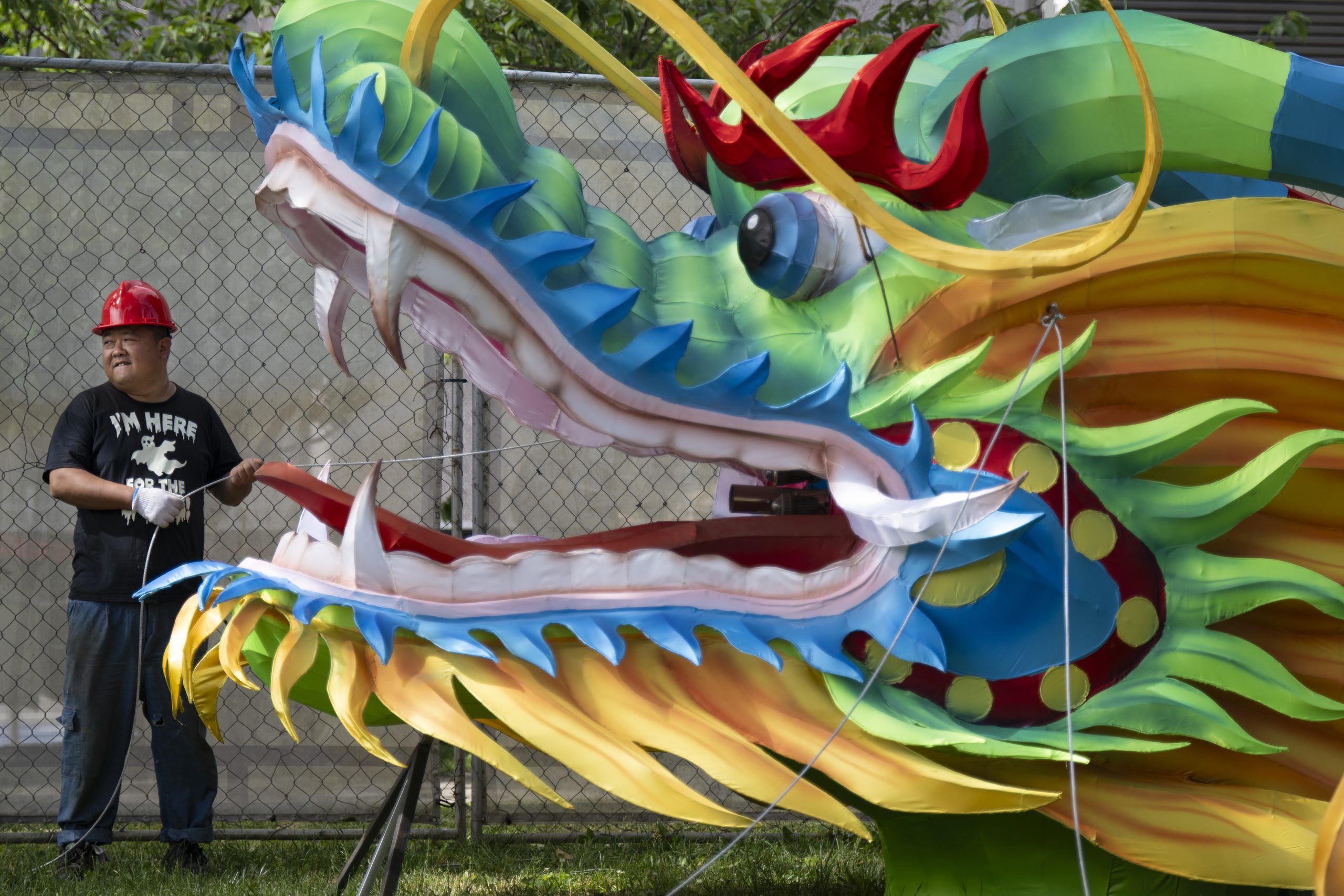
A worker prepares to raise the head of a fire-breathing dragon lantern in preparation for the Philadelphia Chinese Lantern Festival at Franklin Square this year.Jose F. Moreno / Staff Photographer
The festival is back with a special nod to the global events arriving in Philadelphia this summer. Handmade sculptures take over Franklin Square, with nightly performances held on three stages: face-changing, table foot-juggling, and head-balancing.
🕒 Open daily between now and Aug. 2, 💵 Adults $28-$32, with discounts for children and seniors, 📍 200 N. Sixth St., Philadelphia, PA 19106, 🌐 phillychineselanternfestival.com
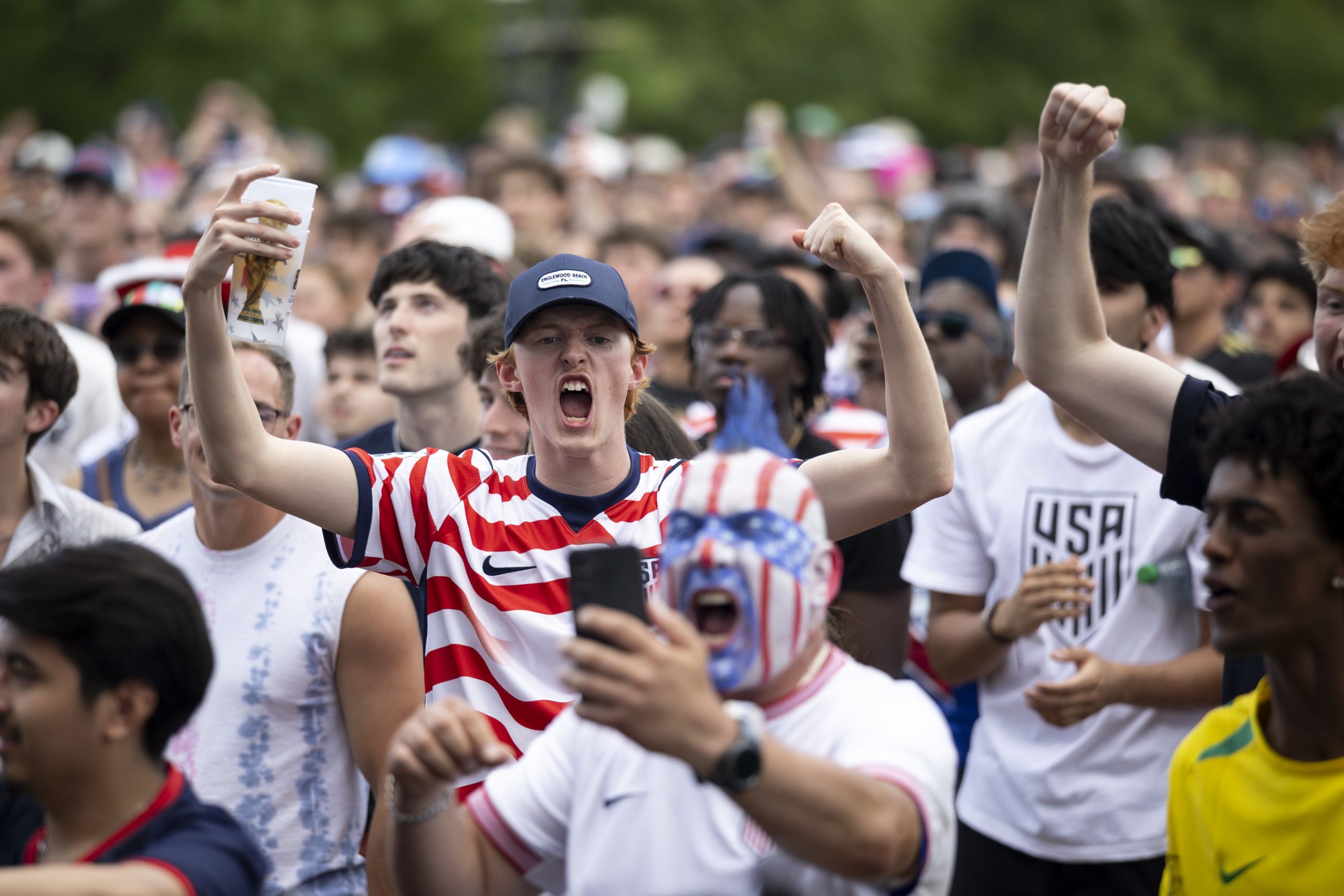
Cam Gorman, 23, of Gilbertsville, Pa., cheering with Philly Sports Guy at the FIFA Fan Festival at Lemon Hill, as USA beats Australia on June 19.Tyger Williams / Staff Photographer
With the U.S. team still battling for a title, what better way to celebrate the lead-up to 250th birthday than by cheering on the team in the World Cup?
The tournament, with several matches hosted in Philadelphia, has transformed the city into a summer-long party. Much of the action centers on the Fan Festival at Lemon Hill, where visitors can enjoy music, food, drinks, and watch parties. Admission is free, though preregistration is required.
Two Round of 16 matches are scheduled for July 4, at 1 p.m. and 5 p.m., though the participating teams have yet to be determined. The 5 p.m. game will be played at Lincoln Financial Field.
🕒 Various dates and times, 💵 Free (registration required), 📍 Lemon Hill Park, 1 Lemon Hill Drive, Philadelphia, PA 19130, 🌐 phillyfwc26.com.
Philadelphia’s Historic District goes all out with a full day of events welcoming visitors to America’s “most historic square mile.” Highlights include a giant human Liberty Bell, plus a block party and street music festival featuring more than two dozen acts. At 7 p.m., Queen Latifah performs with the Army Field Band and Soldiers’ Chorus on Independence Mall. A 13-minute drone show follows later that evening.
🕒 July 2, 7 a.m. to 9 p.m., 💵 Free, 📍 Philadelphia’s Historic District, 🌐 july4thphilly.com
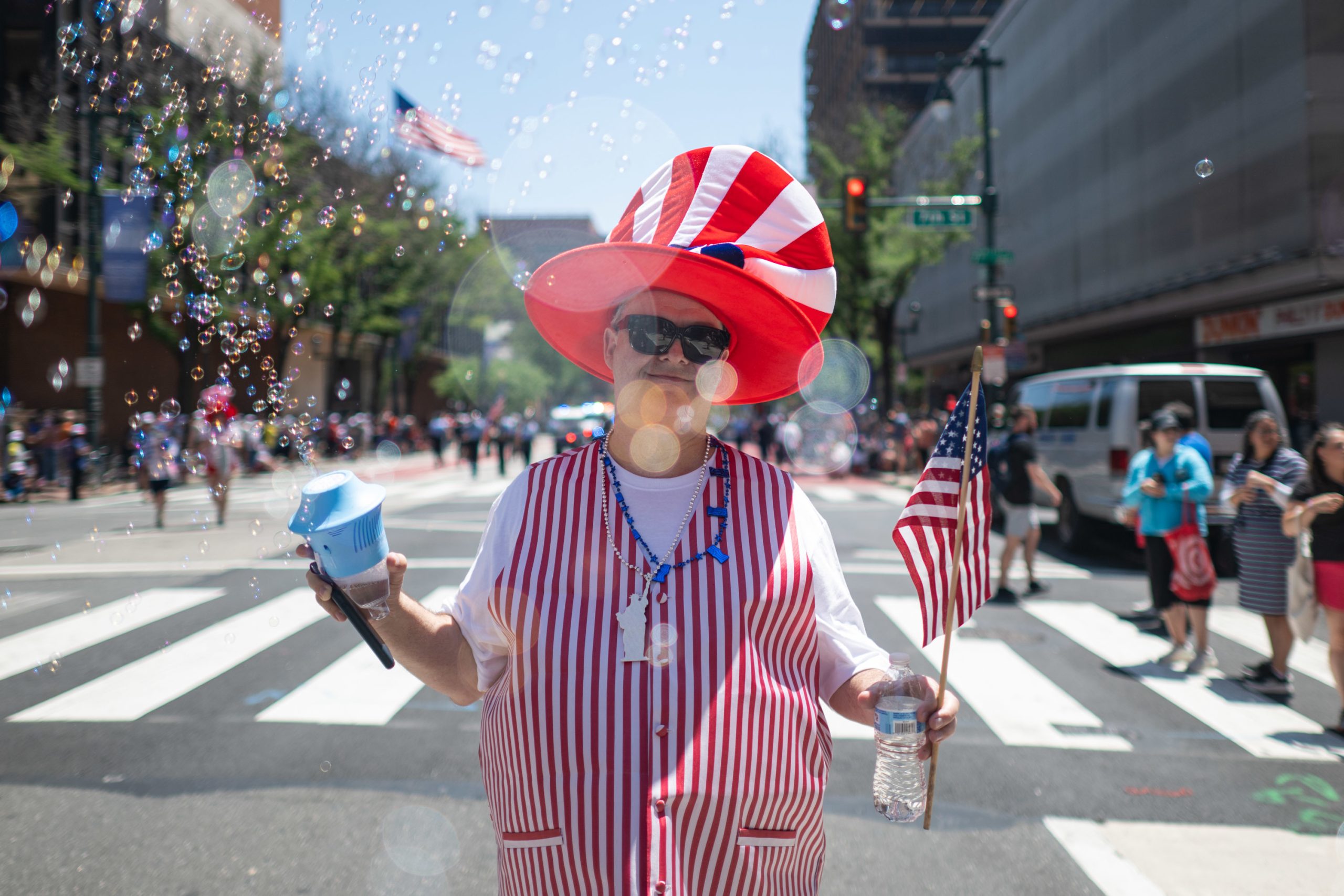
Dan St. Mary poses for a portrait with his bubble dispenser during the Salute to Independence Parade on July 4, 2025, in Center City.Kaiden J. Yu / Staff Photographer
This year’s parade features an extended route, along with 50 marching bands, 19 floats, and tributes to all 50 states and U.S. territories. The event begins at 5th and Chestnut Streets and winds through Center City before ending near Broad and Chestnut Streets. Feel like skipping the crowds? Catch it live on NBC 10.
🕒 July 3, noon to 4 p.m., 💵 Free, 📍 Independence Hall to Benjamin Franklin Parkway, 🌐 july4thphilly.com
The Philly Pops are joined by Broadway legend Idina Menzel for a two-hour concert on the eve of Independence Day. A pre-show block party featuring food trucks and giveaways begins at 5 p.m. Seating is first-come, first-served.
🕒 July 3, 7 p.m., 💵 Free, 📍 599 Market St., Philadelphia, PA 19106, 🌐 july4thphilly.com
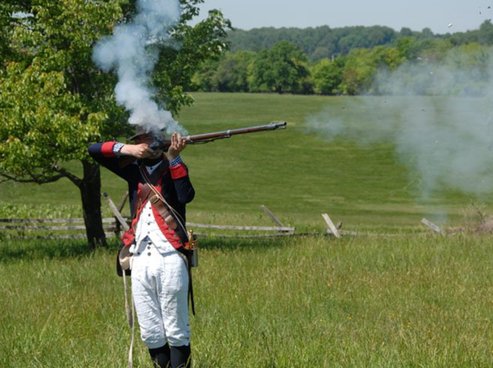
Musket firing will be a part of the Independence Day Celebration at Valley Forge National Historical Park.
Valley Forge marks 50 years as a national historical park with three days of commemorative programming, including Revolutionary War reenactors, musket firings, and artillery demonstrations.
SEPTA Bus 125 will get you to the park, and a park shuttle runs throughout the celebration from July 3-5. Plus, there are bike rentals on-site. All events are free to attend, and you can find a complete schedule of the weekend’s events at the National Park Service website.
🕒 July 3-5, 9 a.m. to 5 p.m. daily, 💵 Free, 📍 North Outer Line Drive in Valley Forge National Historical Park, 🌐 nps.gov.
A three-day slate of activities begins July 3 with extended First Friday hours at the Heritage Center and an evening car show at the East Greenville Fire Co. The next day features a parade, a reading of the Declaration of Independence, performances by the Brandywine Colonials Fife and Drum Corps and the Red Hill Band, followed by fireworks. On July 5, the Heritage Center hosts a free family-friendly event from noon to 4 p.m. with exhibits and refreshments.
🕒 July 3-5, times vary, 💵 Free, 📍 Various locations, 🌐 schwenkfelder.org.
In addition to musical performances from Yolanda Adams and DJ Diamond Kuts, a collection of speakers — including Philly Mayor Cherelle L. Parker — are slated to reflect on the nation’s history on the morning of its 250th birthday.
🕒 10 a.m. to 11 a.m., July 4, 💵 Free, 📍 599 Market St., Philadelphia, PA 19106, 🌐 visitphilly.com
The courtyard of the Betsy Ross House will be filled with animals on the morning of July 4, during the annual patriotic pet parade and costume contest. Pets will be judged in five categories — Most Patriotic, Best Betsy Ross Influence, Best Duo with Owner, Best Non-Canine, and Best in Show — so make sure they arrive dressed to impress.
🕒 10:30 a.m., July 4, 💵 Free (pet registration required), 📍 239 Arch St., Philadelphia, PA 19106, 🌐 historicphiladelphia.org
Christina Aguilera, pictured here in 2016 in Morocco, is one of several musicians performing at this year’s One Philly: Unity Concert for America on July 4. Abdeljalil Bounhar
This July 4 star-studded concert on the Benjamin Franklin Parkway features Christina Aguilera, The Roots, Jill Scott, Meek Mill, Will Smith, DJ Jazzy Jeff, Seal, and others.. Comedian Wanda Sykes serves as host. Doors open at 3 p.m., and performances begin at 5 p.m.
🕒 5 p.m. to midnight, July 4, 💵 Free, 📍 Benjamin Franklin Parkway, 🌐 visitphilly.com.
PARIS, FRANCE — On a recent sunny May morning, Parisian middle schoolers had found a curious selfie point. Not a tourist landmark, not a kitschy backdrop, and not a mirror booth.
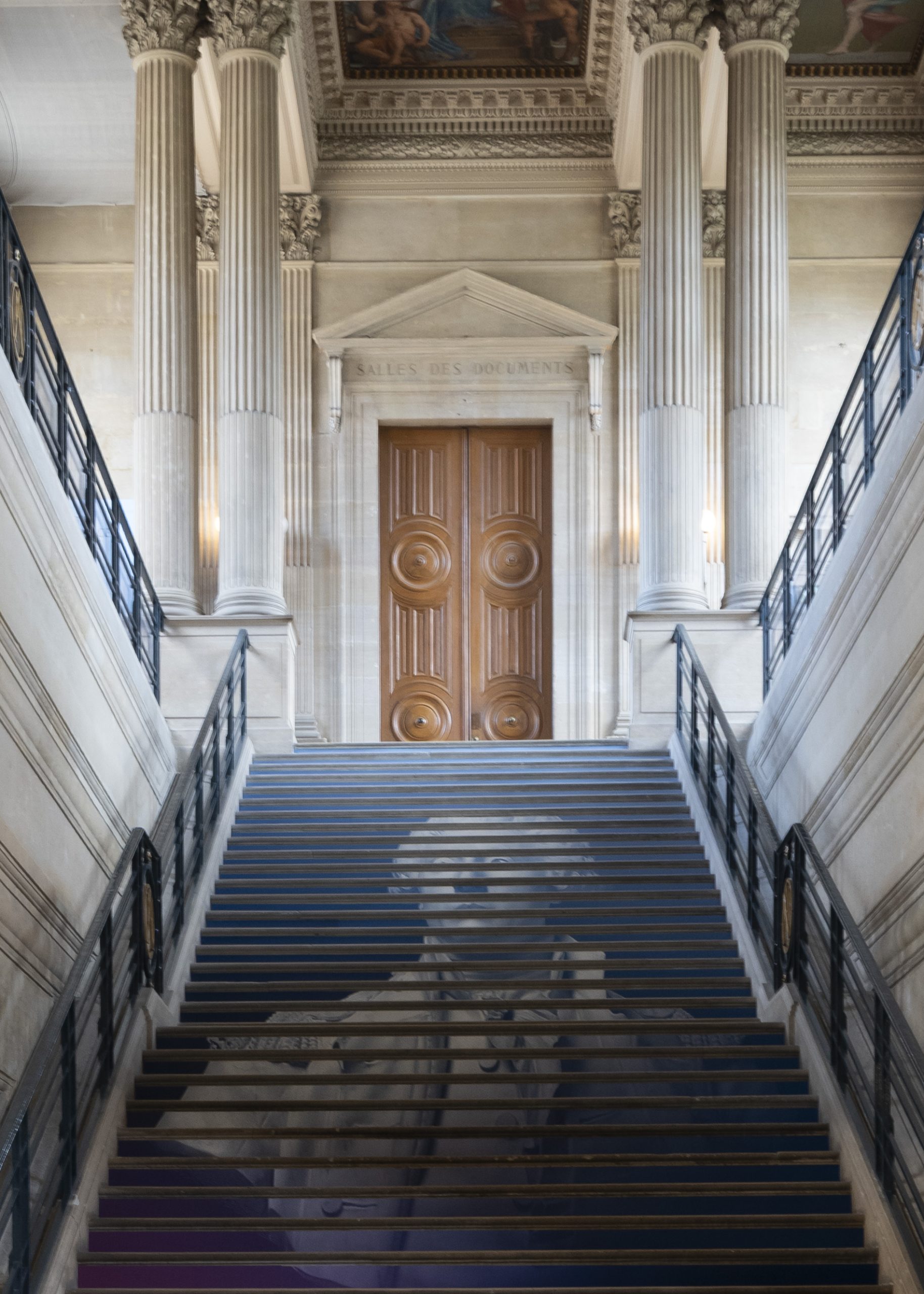
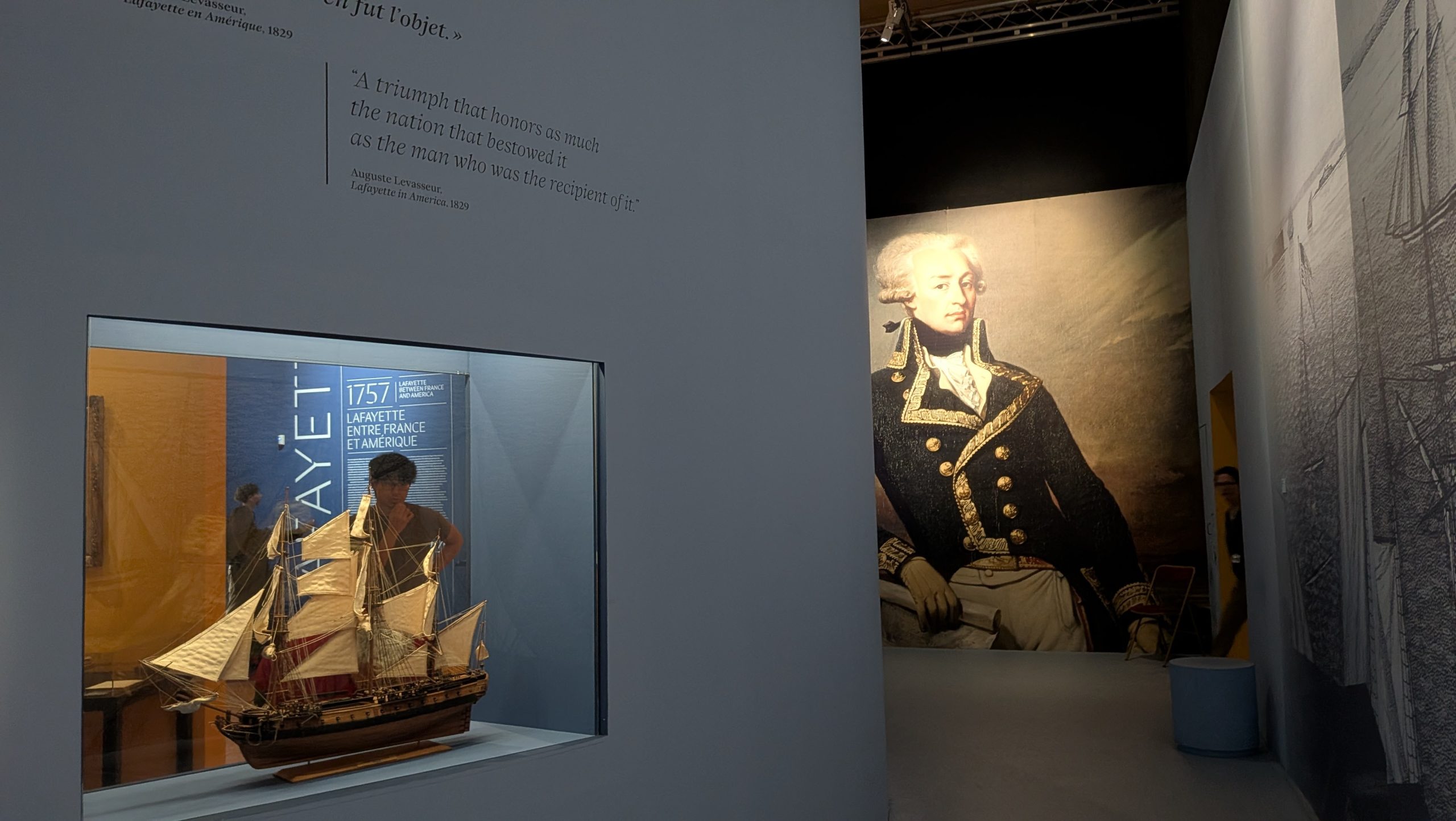
It was the long rococo staircase of the 14th-century Hôtel de Soubise, which houses the Museum of the National Archives of France, plastered with the face of Marquis de Lafayette, the French military officer who died in 1834.
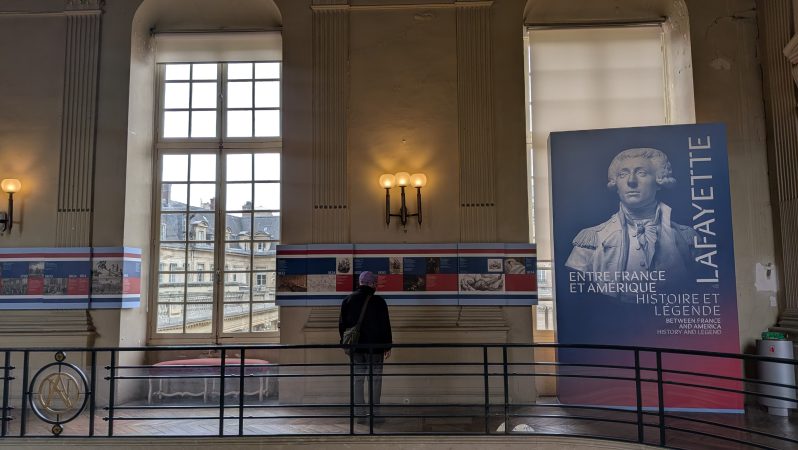
“This has become a selfie hot spot somehow,” said Alexandra Hauchecorne, the museum’s technical director of the “Lafayette, between France and America: History and Legend” show.
The Hôtel de Soubise’s rococo staircase, with likeness of the Marquis de Lafayette, has become a selfie hot spot at the Musée des Archives Nationales in Paris.Carole Bauer, Archives Nationales de France
Lafayette — both before and after Lin-Manuel Miranda’s Hamilton — is a celebrated hero in America. Textbooks record that he was only 19 when he came to America in 1777 to join the Continental Army under George Washington. He fought for American independence, participated in the Battle of Brandywine and the Siege of Yorktown, faced the harsh winter of Valley Forge, convinced the French King Louis XVI to send more troops, and developed a deep relationship with Washington — so much so that Lafayette named his only son, George Washington.
And of course, Lafayette has also become the de-facto author of the catchphrase “Immigrants… We get the job done” by way of Daveed Diggs playing him in Miranda’s immensely popular musical, a phrase splashed on countless tote bags and in hashtags.
In France, however, “Lafayette was not regarded the same way as he is here,” said Olga Anna Duhl, professor of French and comparative literature at Easton, Pa.’s Lafayette College and one of the exhibition’s curators.
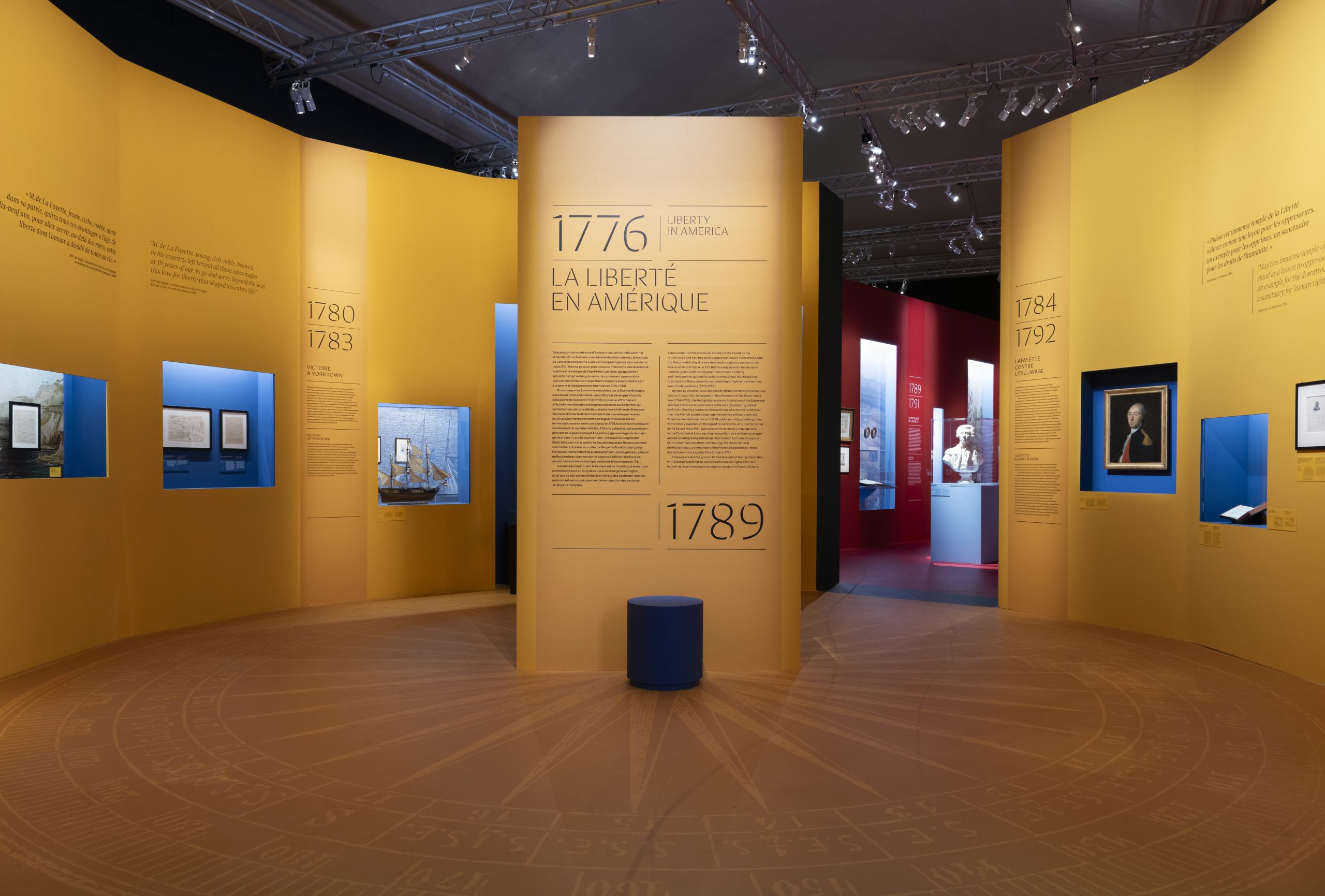
The yellow room of the ongoing “Lafayette, between France and America: History and Legend” at the Musée des Archives Nationales in Paris. The exhibit focuses on Lafayette’s participation in the American Continental Army.Carole Bauer, Archives Nationales de France
His involvement in the French Revolution and desire to have France be a constitutional monarchy, as opposed to a republic like America, made him a target of criticism from both the left and right of the French political system. He was perceived as a traitor and eventually forced to flee the country. Lafayette was imprisoned first by the Austrians and then by the Prussians, who (ironically) considered him a rebel.
With it being the American Semiquincentennial, Duhl “thought that it would be wonderful” to have an exhibition in Paris and “educate the French people, and any person who comes to visit” about Lafayette.
In France, she said, “you study history, then you go into his life, and especially his American side. But you know very little about his French contribution, which is very paradoxical.”
The red room of the ongoing “Lafayette, between France and America: History and Legend” at Paris’ Musée des Archives Nationales focuses on Lafayette’s participation in the American and French revolutions.Carole Bauer, Archives Nationales de France
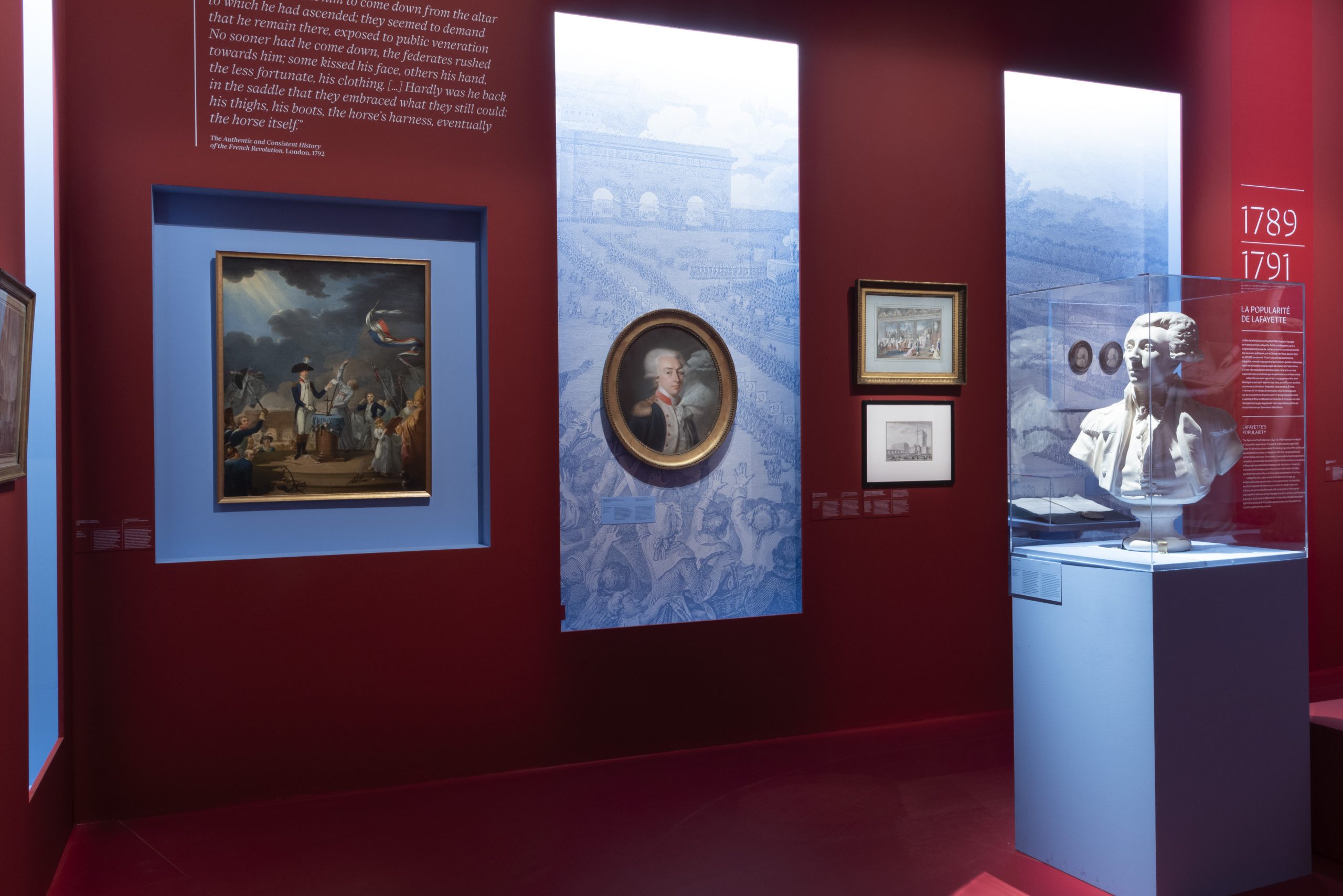
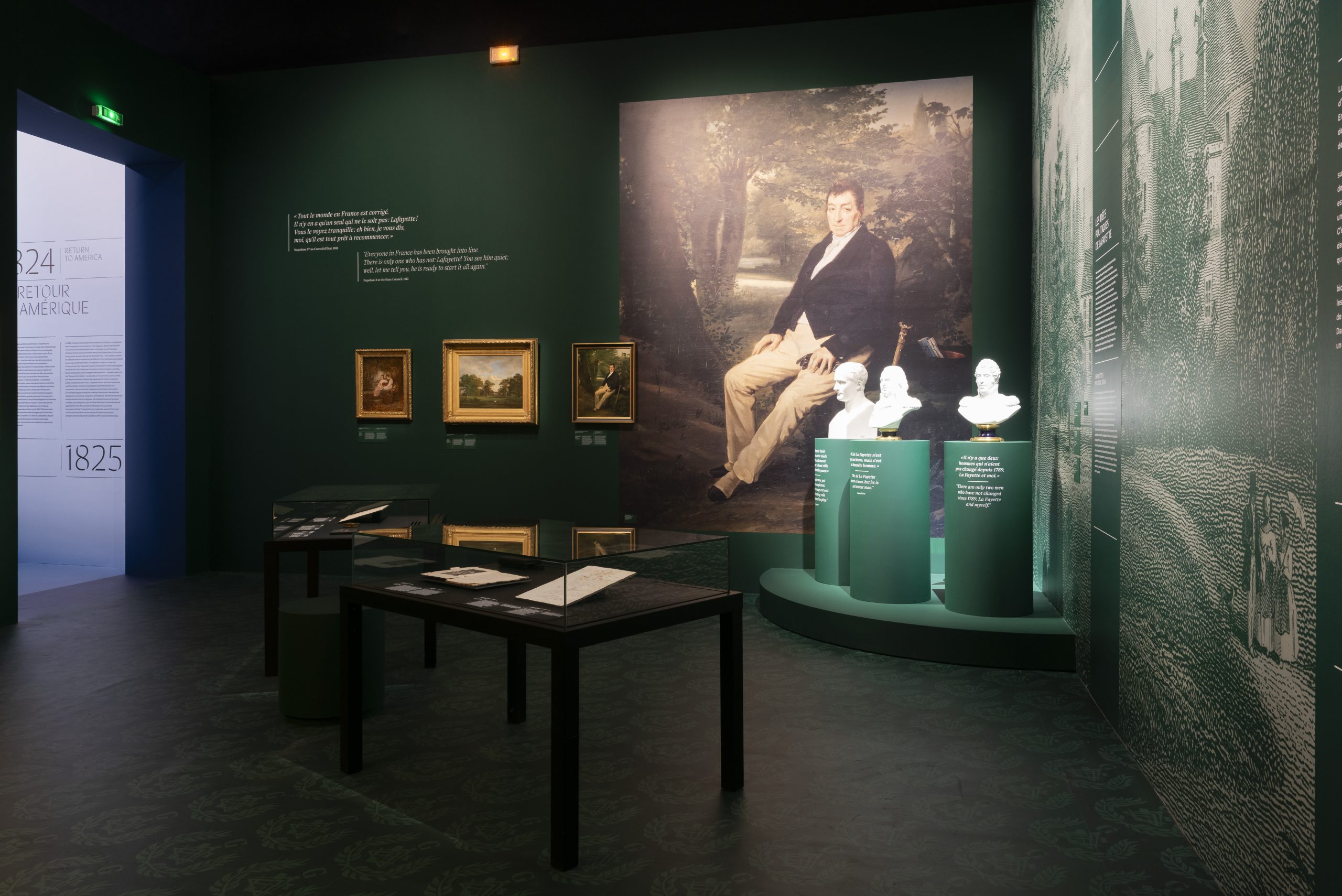
The exhibition encompasses five rooms color coded to fit the years of Lafayette’s life — yellow, the color of the Continental Army uniform, to tell the story of Lafayette’s years in America; red denoting the American Revolution; green to denote Lafayette’s years in semiretirement in France, gardening and practicing agriculture and often experimenting with seeds from America; a light blue to mark Lafayette’s triumphant return to America in 1824; and a darker blue to denote monarchy and Lafayette’s last years, which he spent backing King Louis Philippe I and supporting other revolutions.
The red room — the most interesting one — builds up Lafayette as the American hero he became. Among other artifacts, it includes a letter Ben Franklin wrote to him on behalf of the Philadelphia Philanthropic Society in 1788.
The green room of the ongoing “Lafayette, between France and America: History and Legend” at Paris’ Musée des Archives Nationales focuses on Lafayette’s years of semi-retirement spent gardening in Château de Chavaniac.Carole Bauer, Archives Nationales de France
“Most of our Legislators have already abolished the Slave Trade,” it reads, “…But from the influence of narrow prejudices and jealousies there is too much reason to apprehend that nothing effectual willbe done in this business untilFrance concurs in it, of which we cannot but entertain the most pleasing expectation.”
Franklin enclosed copies of the U.S. Constitution for Lafayette’s perusal, only six months after Franklin, whose health was failing, had James Wilson read aloudhis closing speech at the Constitutional Convention.
A letter Lafayette wrote to George Washington on March 17, 1790, is on display, too. Along with the letter, Lafayette sent his mentor the key to “that fortress of despotism” that was the Bastille. Thomas Paine, who carried this extraordinary gift, said, “That the principles of America opened the Bastille is not to be doubted, and therefore the Key comes to the right place.”
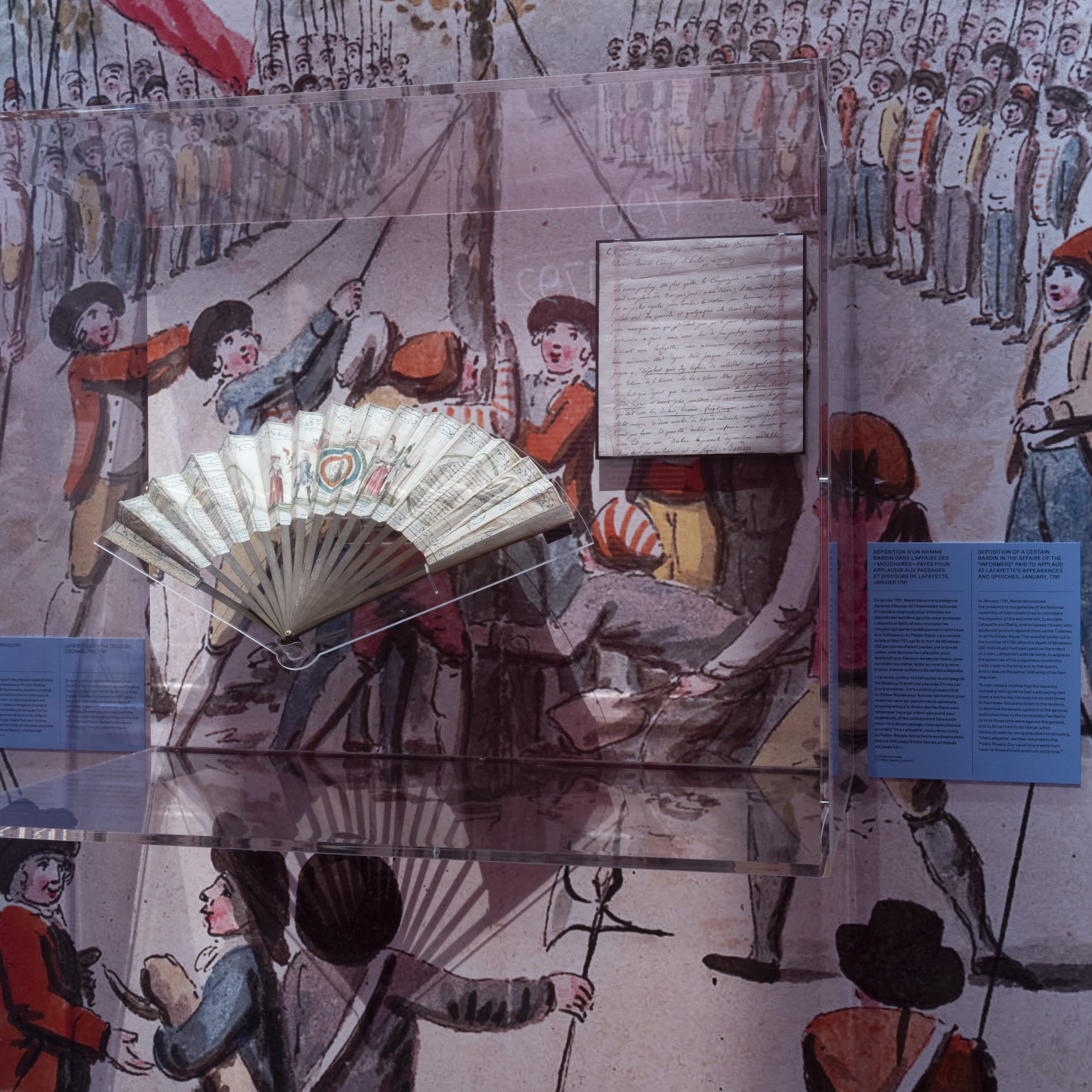
Paper fans carrying Lafayette’s name were popular among his followers. Lafayette was a canny self-promoter who hired publicists to defend his image.Carole Bauer, Archives Nationales de France
Also on display are lampoons and letters that speak to the immense distrust both the aristocrats and democrats had of Lafayette.
“If this is the eldest child of Liberty, he is murdering his mother,” a letter reads. “Lafayette treated as he deserves by democrats and aristocrats,” reads a lampoon showing the French lieutenant général being hung by a noose by two men on his either side.
Lafayette, on his part, was a canny self-promoter. He hired several publicists to defend his public image and recruited people to clap at his speeches. In what would be classified as merch today, his face adorned fans, buttons, and commemorative plates.
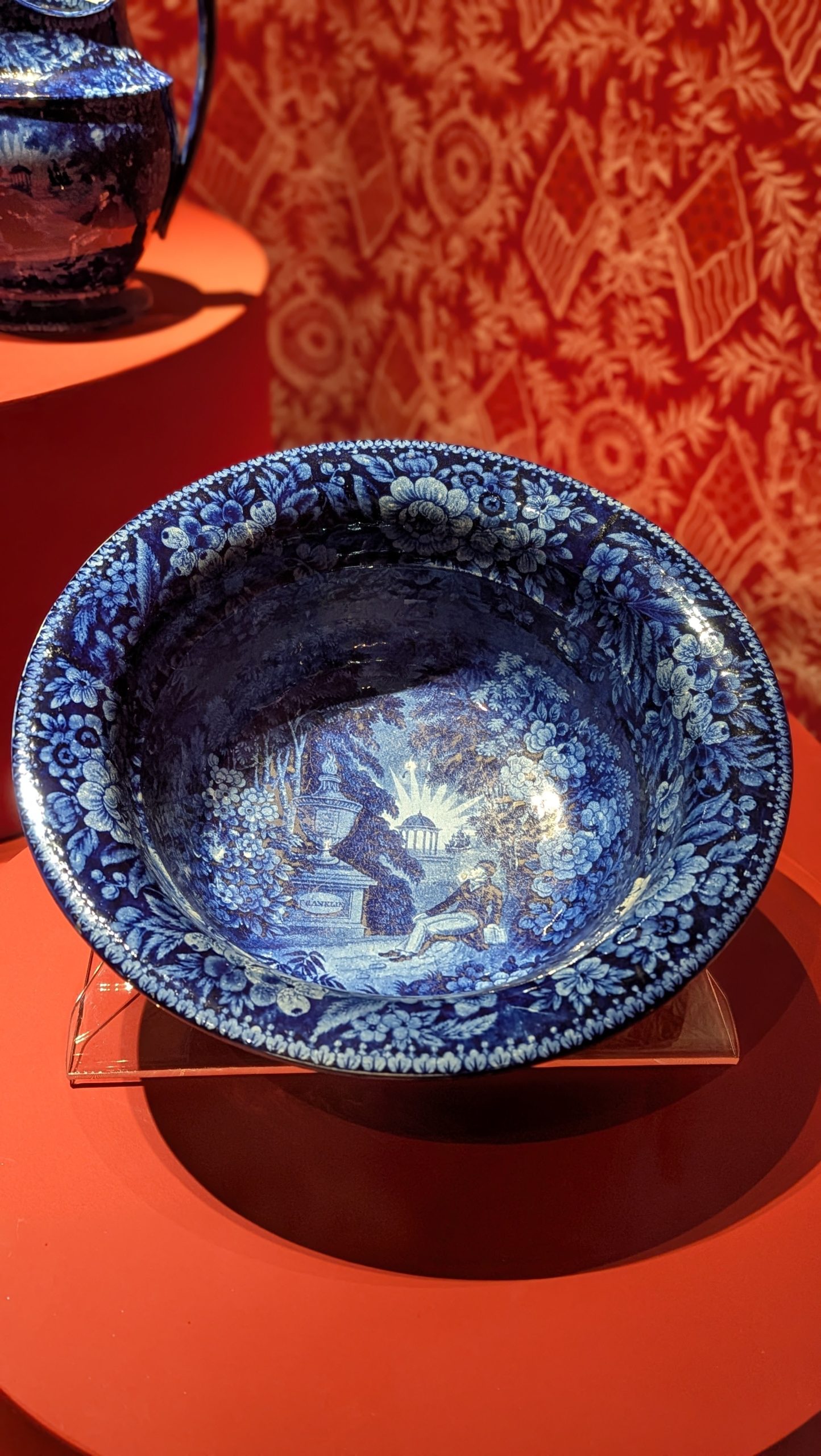
On display in the light blue room, marking his triumphant return to America in 1824, are several objects — pitchers, tea sets, baby shoes, shoeshine brushes — all emblazoned with his face and name.
Produced in a factory in Burslem, Staffordshire, a tea service set in blue and white earthenware shows the Marquis de Lafayette sitting by Benjamin Franklin’s grave. This imaginary scene appeared on plates and other items manufactured to commemorate Lafayette’s return to the U.S. in 1824. From the “Lafayette, between France and America: History and Legend” at the Musée des Archives Nationales, Paris.Bedatri D. Choudhury
As Lafayette’s reputation in France remained checkered at best, many of these branded memorabilia were found in homes in Philadelphia, a prominent stop in Lafayette’s “Farewell Tour” of the Union’s 24 states. An invitation to the Lafayette Ball held in Philadelphia in 1824 hangs on the wall.
Much of the artifacts come from the collection of Lafayette College, the only college in the U.S. named after him. More streets and public places in the U.S. are named after Lafayette than any other foreigner. In Paris, about six hours away from Chateau Lafayette where he lived, only Rue La Fayette, one of the city’s longest streets, bears his name.
That and a glitzy shopping mall with 10 floors, best known for its rooftop views of the city.
“Lafayette is very well known [in France] but not as a historical figure,” said Duhl. “And one of the educational aims of this exhibition is to educate people about this compelling figure … so that the new generation can really develop an idea about who Lafayette really was, because he has disappeared basically from manuals.”
The “Lafayette, between France and America: History and Legend” exhibit at Paris’ Musée des Archives Nationales seeks to educate French visitors about the historical importance of Marquis de Lafayette.Bedatri D. Choudhury
On a weekday morning, there was a mix of visitors to the exhibition that, Hauchecorne said, was a rare bilingual event at the Archives. Parisians and school children have been visiting, as have Americans on vacation, to know more about the man who has been shown rapping lines that are becoming of his high self-esteem: “No one has more resilience or matches my practical, tactical brilliance!”
Even though previous exhibitions have not had much materials translated into English, the Archives, which houses records dating back to the 1st millennium, has had Americans dropping in before.
Most notably: Tom Cruise performing a motorcycle stunt as Ethan Hunt in Mission: Impossible — Fallout (2018).
“Lafayette, between France and America: History and Legend” runs through July 14 at Musée des Archives Nationales, 60, rue des Francs-Bourgeois, 75003 Paris. archives-nationales.culture.gouv.fr
President Donald Trump’s administration is closer to getting its way after a Boston-based appeals court said it doesn’t have to restore exhibits it removed — at least for now.
The Boston-based U.S. Court of Appeals for the First Circuit ruled the National Park Service does not have to restore all exhibits it removed as part of its “restoring sanity to American history” push before the nation’s 250th anniversary celebration, issuing an administrative stay on a lower court’s order.
In a statement, the Department of the Interior responded: “We are confident that as this inferior ruling from an activist lower court judge receives further scrutiny, they will be further restrained.”
Administrative stays are common steps federal courts take to buy time while judges assess the arguments.
The First Circuit judges intend to rule “promptly” on a request for a more permanent stay during the appeal, the order says.
Either way, the ruling marks a second blow in a week to the City of Philadelphia and stakeholders who developed the President’s House Site.
Michael Coard, attorney and founder of Avenging the Ancestors Coalition, which is leading efforts to protect the President’s House, emphasized that the First Circuit action was not a final decision.
“The stories of enslaved African descendants and other historically marginalized communities are American history and deserve to be preserved and told truthfully,” he said.
Here is what you need to know about the status of the President’s House exhibits.
The President’s House in Independence National Historical Park March 11, 2026.Tom Gralish / Staff Photographer
What do Boston-based courts have to do with the President’s House?
Earlier this year, conservation groups sued the Trump administration in federal court in Massachusetts challenging Interior Secretary Doug Burgum’s 2025 order implementing the president’s directive to ensure that no displays at national parks “inappropriately disparage Americans past or living.”
The Trump administration’s changes to exhibits “seek to rewrite the Nation’s history with a white-out pen,” wrote Kelley, a nominee of former President Joe Biden.
Justice Department attorneys appealed the ruling to the First Circuit and asked the higher court to issue an administrative stay or a stay for the duration of the appeal.
The three judges assigned to the case — Chief Judge David J. Barron, appointed by Barack Obama, and Biden appointeesGustavo A. Gelpí Jr. andJulie Rikelman — issued the administrative stay Tuesday pausing the majority of Kelley’s order, including the directive to restore sites such as the President’s House.
The order is not explicit on whether the National Park Service can make changes to sites, but administrative stays are viewed as a way to preserve the status quo while the appeals court can review the facts and arguments in a case.
“The administration’s decision not to reinstall and reinstate censored materials, particularly in advance of our nation’s upcoming 250th anniversary, is a disservice to every park visitor this summer and to the broader American public,” the conservation groups, represented by Democracy Forward, said in a statement.
What did the Third Circuit rule?
The First Circuit rulingcomes on the heels of the Third Circuit’s reversal of a February order entered by a Philadelphia federal judge.
A three-judgepanel disagreed with Rufe, finding that Philadelphia gave up its rights over the President’s House when it donated the site to the National Park Service. The judges further said the federal government’s proposed replacement panels were “full of historical context.”
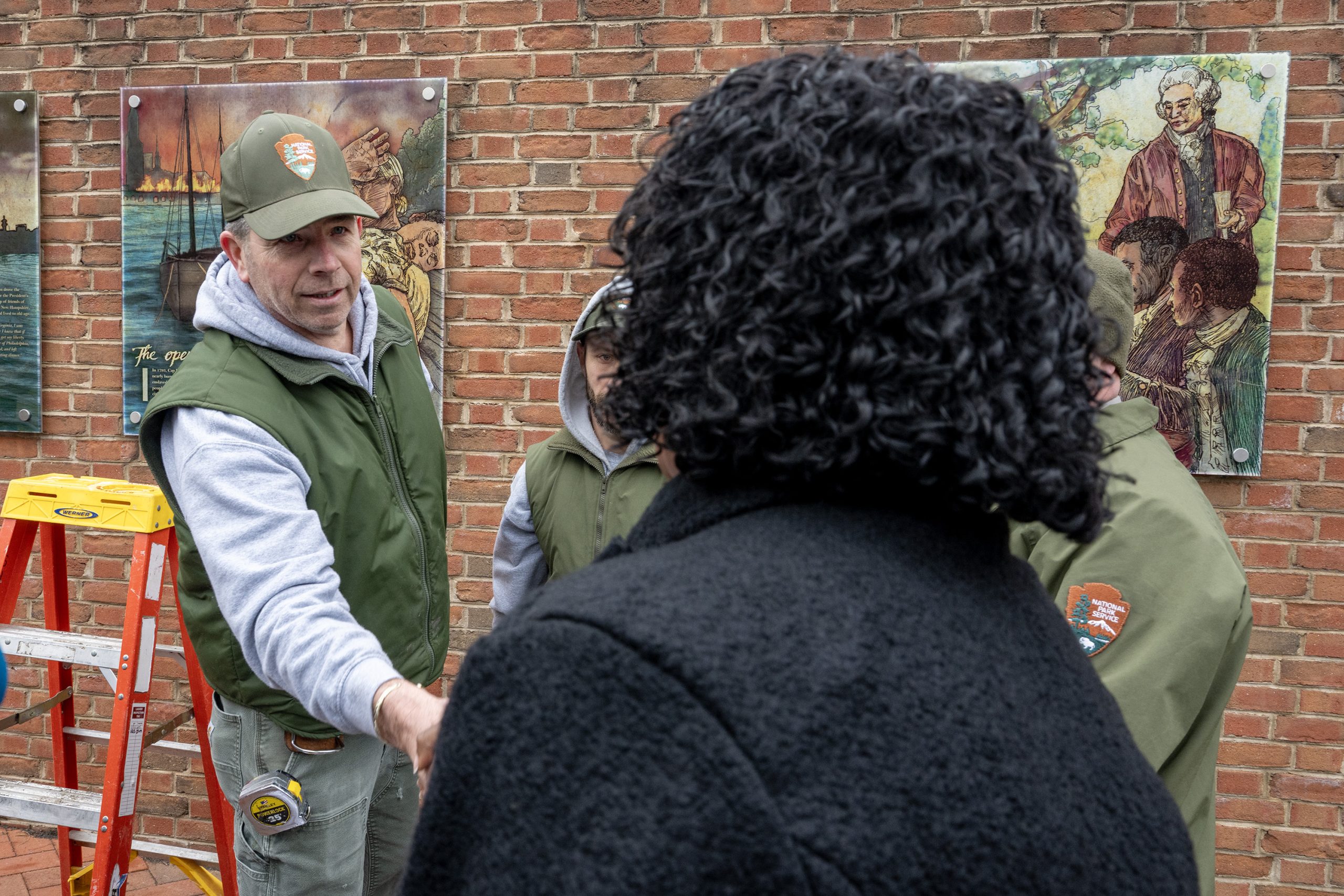
Mayor Cherelle L. Parker thanks workers as the President’s House site in Independence National Historical Park Thursday, Feb, 19, 2026 during a brief visit to the site as they began to return the slavery displays.Tom Gralish / Staff Photographer
What are the city’s options?
After the Third Circuit ruling, Mayor Cherelle L. Parker said she would “pursue every legal action possible in efforts to reverse this decision.”
The city has a few options, but time is running out for a favorable ruling before July 4.
The city could ask for a rehearing in front of the same three judges who unanimously ruled to overturn the injunction. It can also ask for a hearing in front of the full Third Circuitcourt, known as en banc, or ask the U.S. Supreme Court to intervene.
Philadelphia Law Department attorney Anne Taylor argued at the Third Circuit hearing that the federal government’s attack on these exhibits has caused irreparable harm as the city tries to tell its story ahead of next month’s 250th celebrations.
Philadelphia is expecting a flood of visitors for the Semiquincentennial celebration, Taylor said, adding: “The President’s House is at the doorway to the Liberty Bell. That history is not being told to all the people who are expected to come here.”
It could be challenging, or even impossible, to get a new panel ofcircuit judges or the Supreme Court justices briefed on the case to get a ruling in less than two weeks, legal experts said.
When organizers announced two years ago that Philly’s FIFA Fan Festival site for the World Cup would be at Lemon Hill, many Philadelphians responded with a collective: Huh?
Located between the Philadelphia Museum of Art and Girard Avenue, the grassy site in East Fairmount Park hasn’t hosted many big public gatherings, though it was the staging and undressing area for the Philly Naked Bike Ride in 2022.
In my many years in Philly, I’d never covered an event at the site — and I’d never been to a FIFA Fan Fest either, which features live broadcasts of the games, entertainment, vendors, and soccer-related activities. So I went on Thursday, the opening day of the 39-day festival, to bring a minute-by-minute report of what I experienced to you.
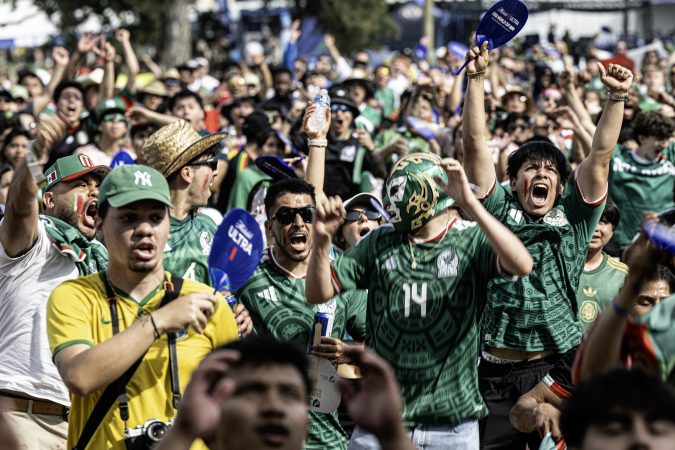
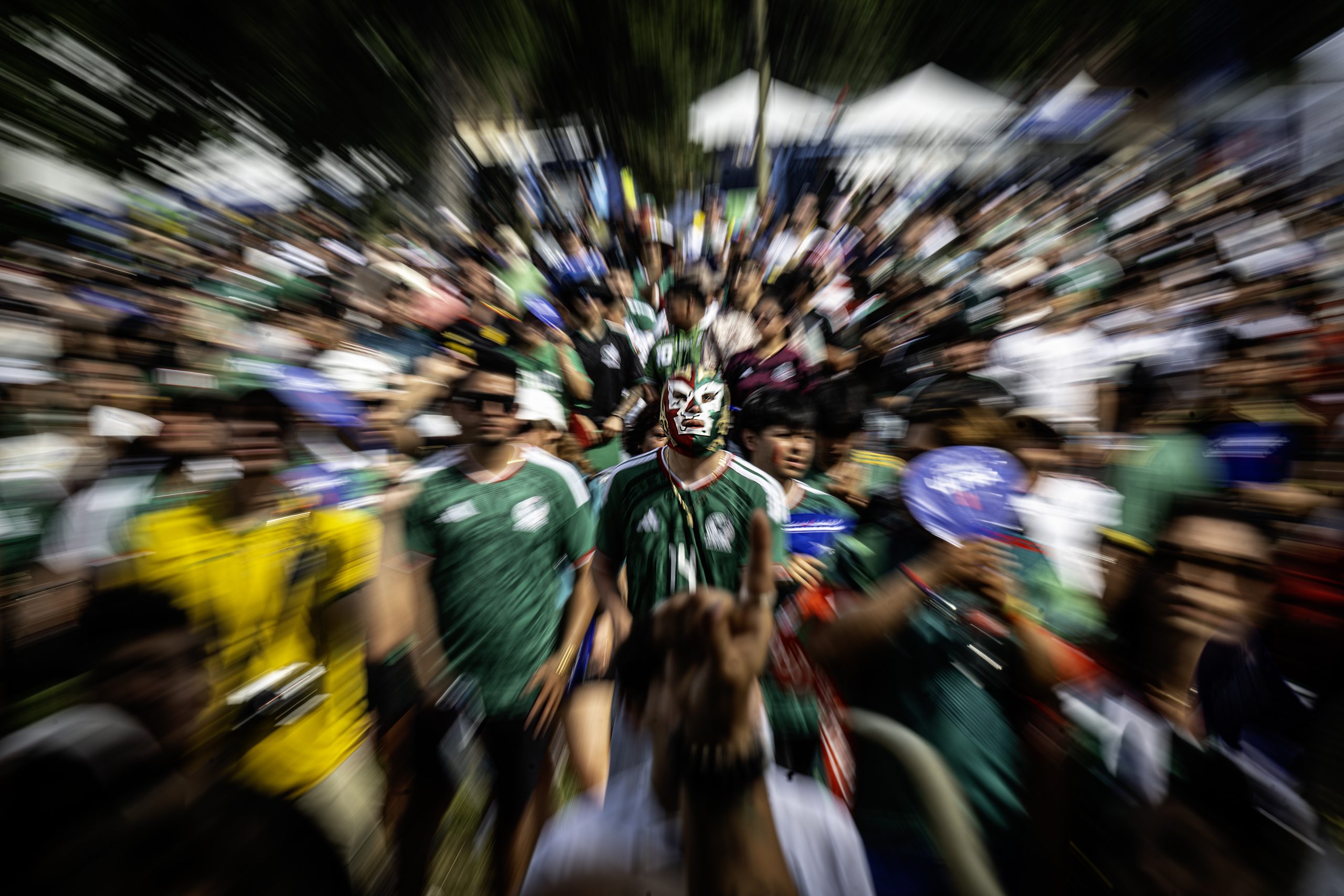
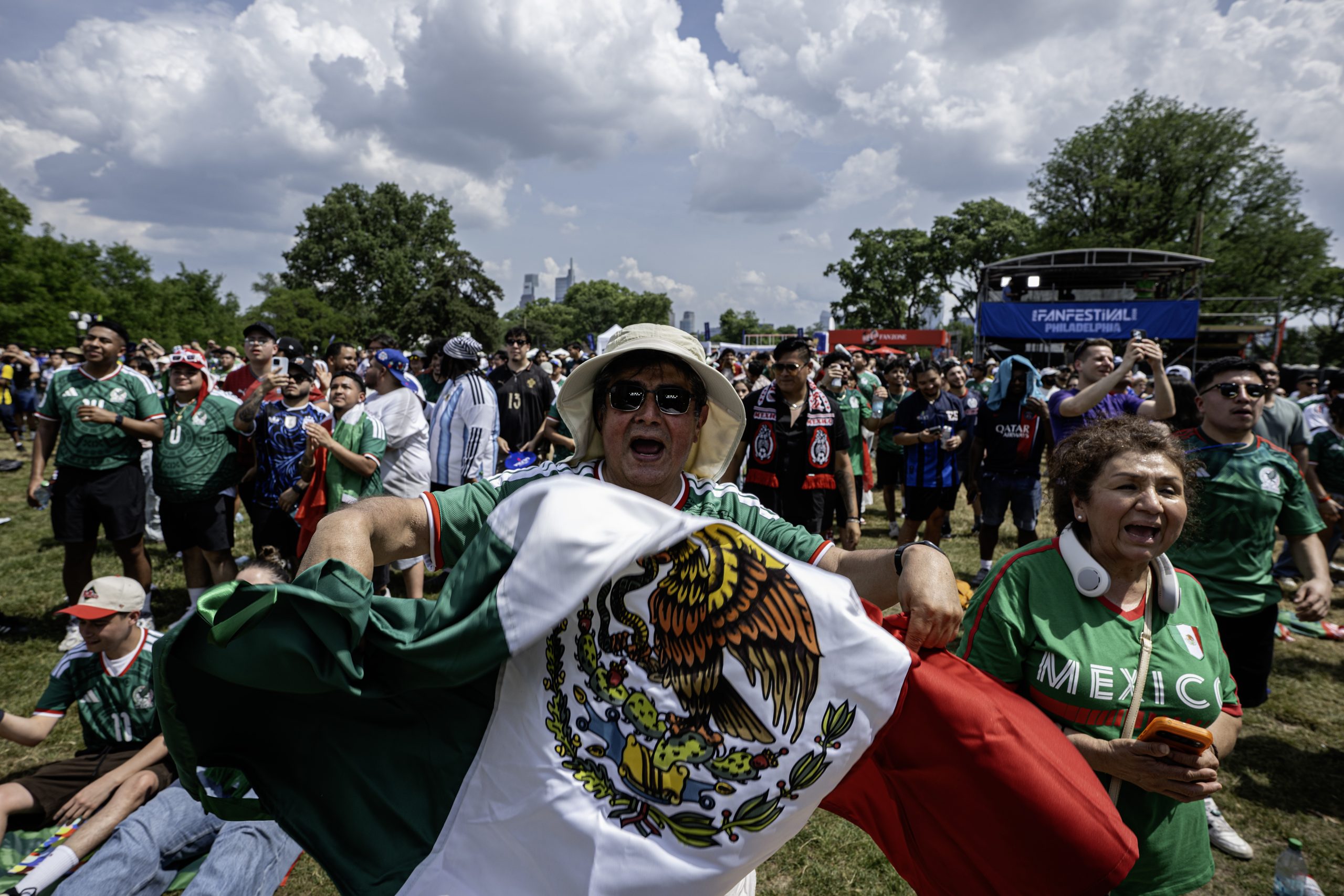
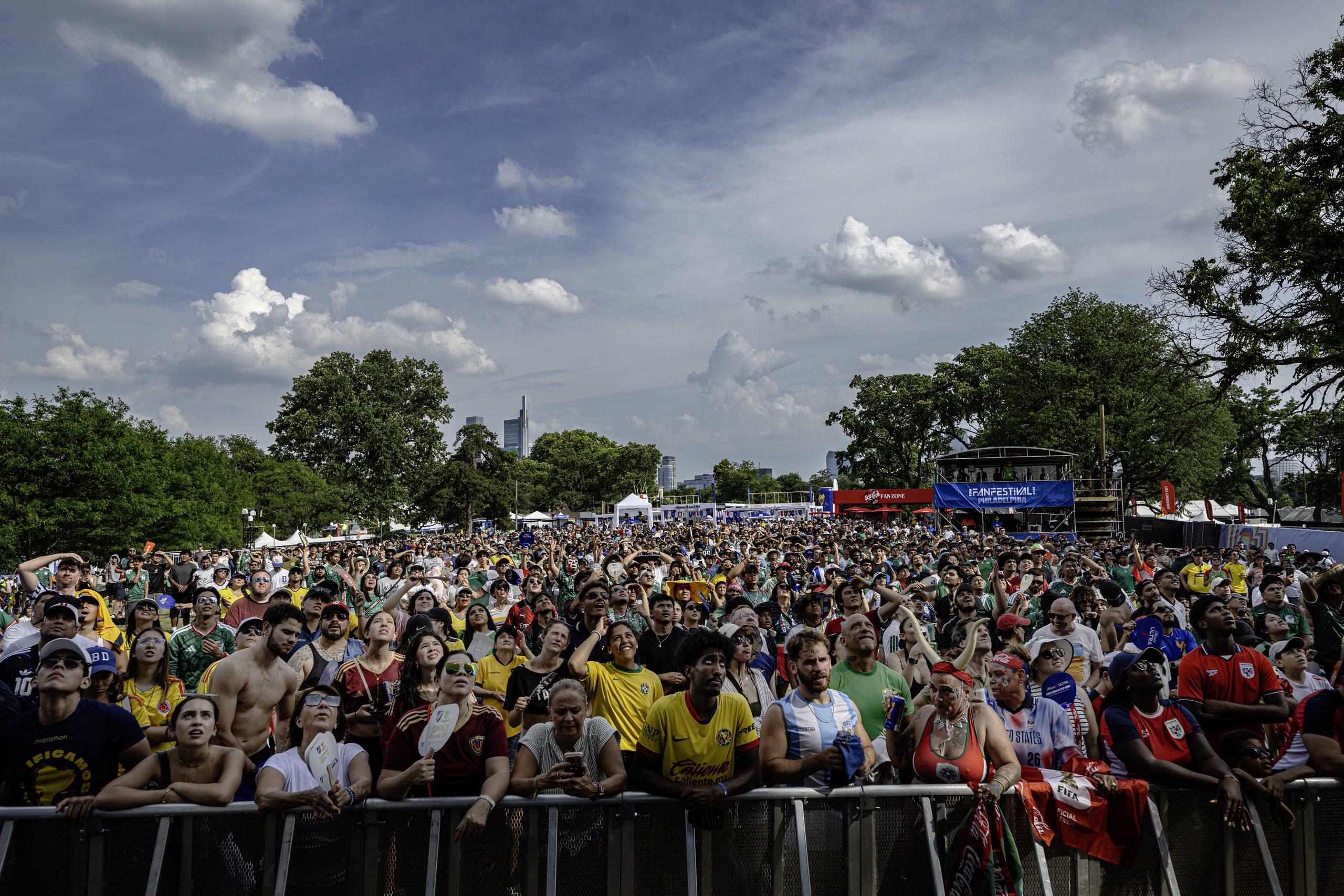
Using a zoom lens technique, Mexican fans watch the FIFA World Cup opening match between Mexico and South Africa on a giant screen during the opening day of the FIFA Fan Festival at Lemon Hill on Thursday.Jose F. Moreno / Staff Photographer
I knew the journey wouldn’t be easy. Not only were temps forecast to be in the mid-90s (with heat indexes over 100 and a heat health emergency in place), you can’t drive to the site, or get close with ride share apps. Roads around the venue are closed and street parking has been restricted to neighborhood residents.
To get to the event, the city is urging guests to take the Philly PHLASH bus, take SEPTA’s bus routes 32 or 48, use a bicycle, or walk. I chose the latter.
12:30 p.m.
I begin my journey at LOVE Park, where I see a group of five friends in their team Mexico jerseys — and a sixth in a white T-shirt and sombrero — getting their photo taken with the LOVE statute.
Alexis Arellano, 29, tells me they’ve come from Atlantic City to catch the Mexico v. South Africa game at the FIFA Fan Festival.
“It’s a once-in-a-lifetime opportunity. You’ve got to take advantage of everything they got going on. It’s in our backyard,” he said.
12:39 p.m.
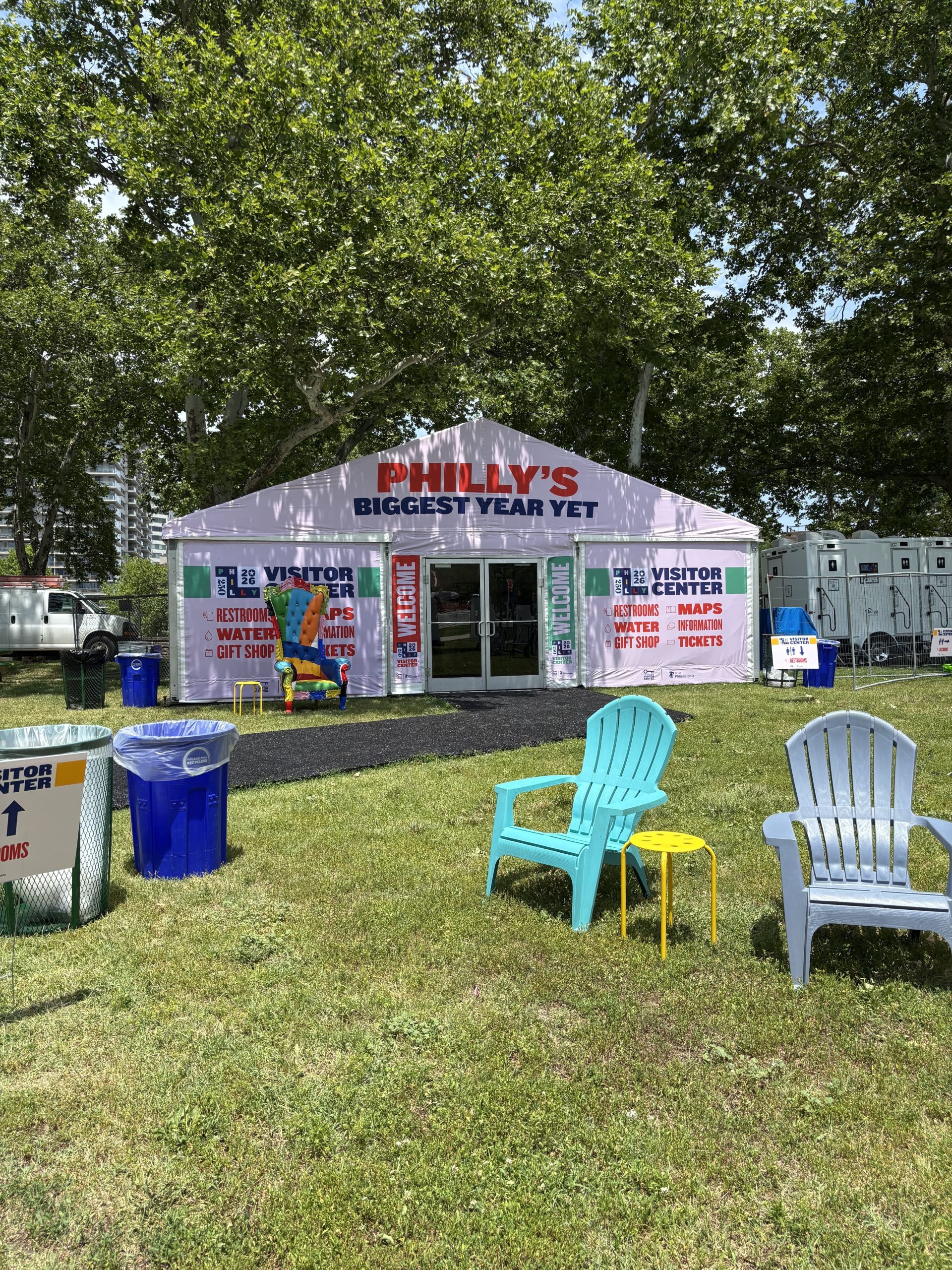
I stop into the pop-up Philadelphia Visitor Center hospitality hub at the park. The space is tiny, but the air-conditioning feels like silk sheets on my sweaty skin. I strongly consider buying the $14 portable fan that sprays wooder at your face and ponder at a bucket hat that reads: “Freedom has a Philly accent.”
12:45 p.m.
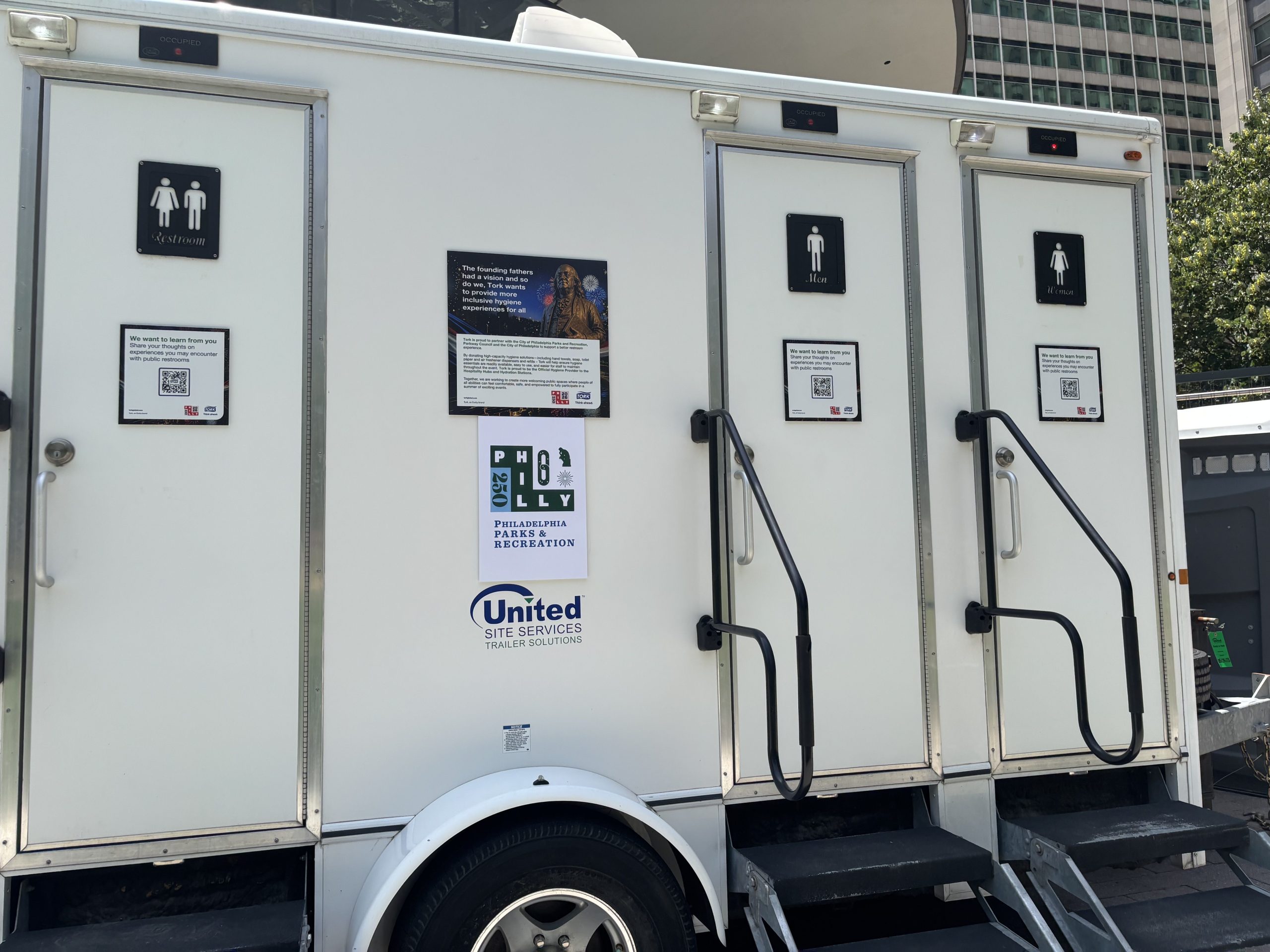
I head over to the public bathroom trailer that’s temporarily been installed in LOVE Park in front of the circular building known as flying saucer.
“What a waste,” I think, as I look up at the very cool saucer, which remains closed and empty, despite a call-out last year from the city for ideas to reactivate the space in time for the World Cup and the Semiquincentennial.
The new, temporary public bathroom trailer set up in LOVE Park.Stephanie Farr / Staff
I step inside the bathroom trailer. Not only is it air-conditioned, it’s outdoor-wedding-quality nice. Next to the trailer is a sink of water fountains and water bottle-filling stations.
1:15 p.m.
After making my way down the Ben Franklin Parkway, I spot another, larger hospitality hub across from Eakins Oval. This one has several large boards in front of it you can stick your face into to get a photo with Gritty, Rocky, or Patti LaBelle.
When I step inside the hub, I almost weep tears of joy because it’s so cold. It has much of the same items as the other, but with more Rocky merchandise (“Yo, Adrienne! Buy my stuff!”).
The pop-up Philadelphia Visitor Center hospitality hub across from Eakins Oval.Stephanie Farr / Staff
Outside of the hub, I meet Valentine Emeré, 20, and his parents, who are on holiday from France and had no idea the World Cup was in town. They’re in Philly as part of an East Coast tour of the U.S.
“It’s a very good city, it’s a living city,” Emeré tells me when I ask his thoughts on Philly. “We really like how many things there are to do.”
1:41 p.m.
I arrive at the FIFA Fan Fest welcome center tent. Aside from the oppressive heat, the walk was easier than I expected. I pass the Philly Phestival Marketplace, a row of vendors selling everything from nail polish to onesies that read “baby jawn.”
1:48 p.m.
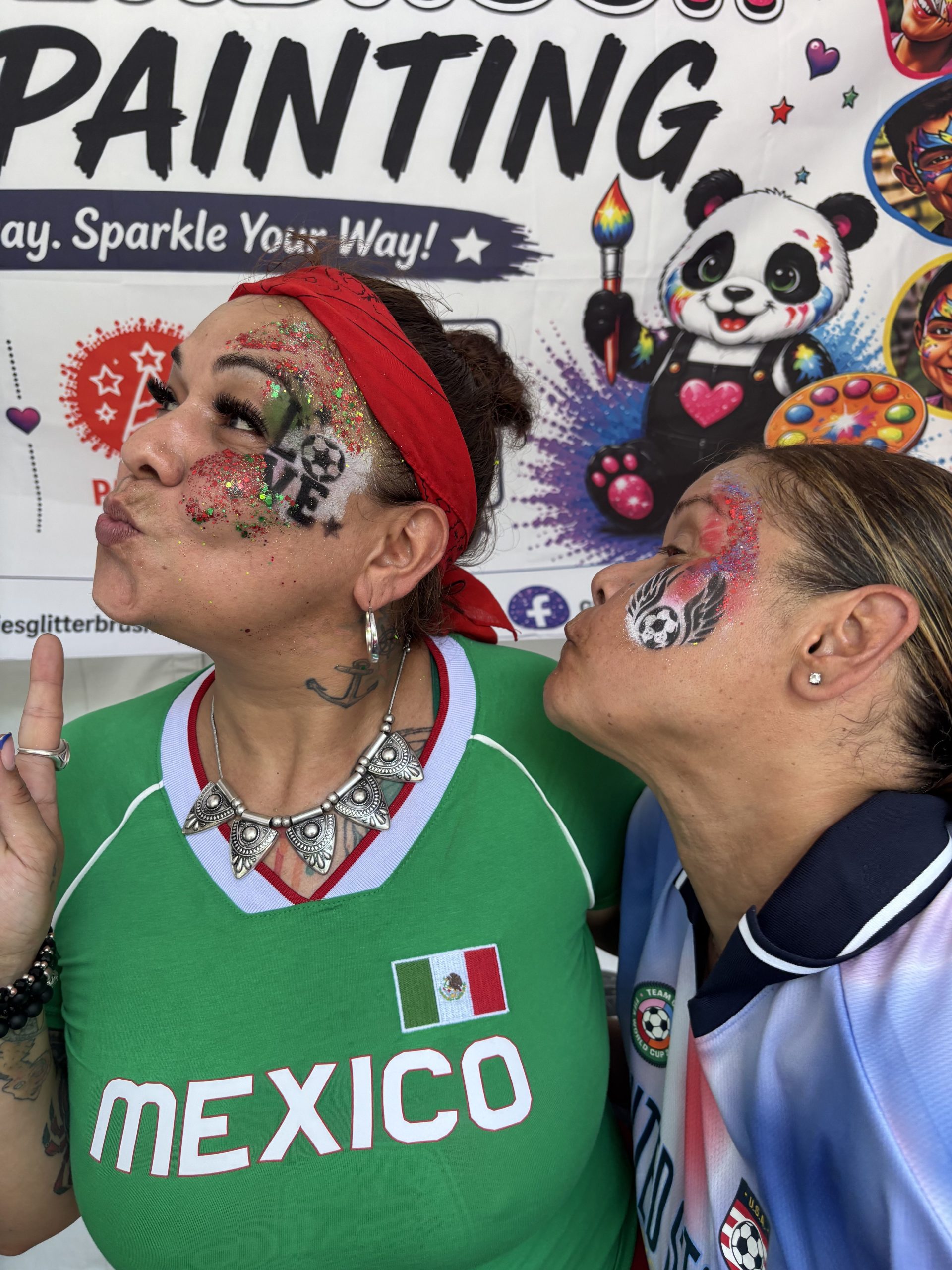
At the Glitterbrush Facepainting booth, I chat up Martiza Quendo of North Philly, who wore a team Mexico shirt, and Marissa DeMatteo of South Philly, who was repping team USA. They’d just had their faces painted and told me they came to Fan Fest because they love free merch and “participating in Philly.” Mostly they were there for the live Luis Fonsi concert after the Mexico vs. South Africa game.
Martiza Quendo of North Philly, at left in a team Mexico shirt, and Marissa DeMatteo of South Philly, at right in a team USA shirt, pose after getting their faces painted at the Philly Phestival Marketplace.Stephanie Farr / Staff
1:52 p.m.
As several hundred people wait in line for the gates to open, visitors pose for pictures in front of a large soccer ball surrounded by fresh flowers, a photo-op that looks straight out of the Philadelphia Flower show. An enterprising street vendor nearby tries, without success, to sell umbrella hats.
“You think business would be better in this heat,” he says.
2:10 p.m.
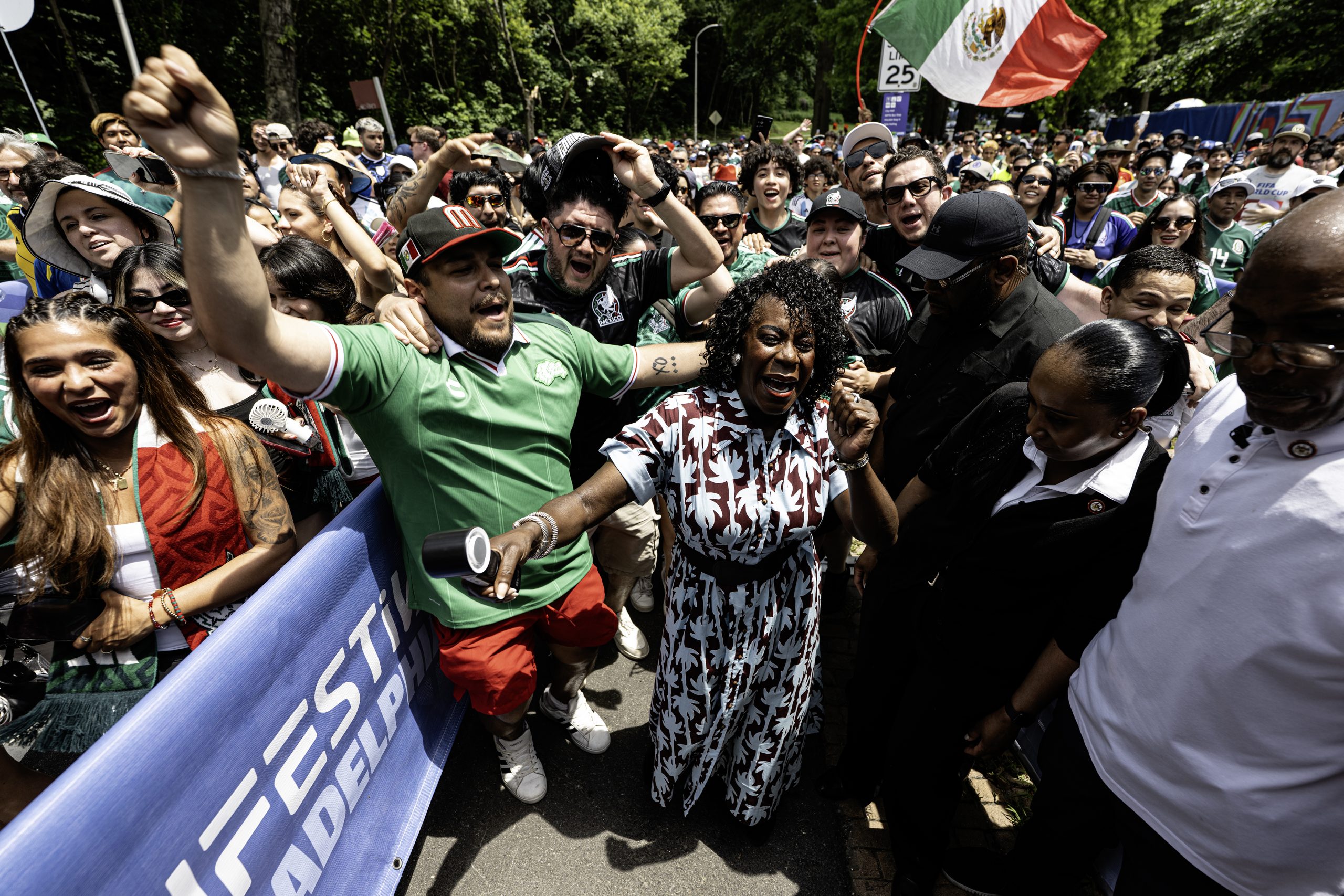
Philadelphia Mayor Cherelle L. Parker joins fans in a Mexican chant before entering the FIFA Fan Festival at Lemon Hill on opening day of the FIFA World Cup 2026 on Thursday, June 11, 2026, in Philadelphia. Fans gathered to watch Mexico face South Africa in the tournament’s opening match.Jose F. Moreno / Staff Photographer
Gates open to the festival, a little behind schedule, but folks get in calmly, quickly, and with little trouble. Some come in singing, others run in waving Mexican flags. My colleague, photographer Jose Moreno, later shows me pictures of Mayor Cherelle L. Parker walking in with the crowds.
2:18 p.m.
I stop by the Home Depot activation, billed as “Beckham’s Backyard,” which features the facade of a home with a 12-foot-skeleton in front of it. An employee tells me this mimics a backyard with Beckham’s flair.
“He’s not here though, right?” I ask.
“I wish. This would be a lot more popular if he was,” he said.
Inside, there is a giant Home Depot bucket with a TV screen inside showing games. The nearby Casamingos stand selling margaritas for $17 appears to be far more popular.
2:26 p.m.
I ask an employee manning the Bank of America activation why the line there is so long. He tells me they’re letting people make their own bracelets — with very cool Philly and World Cup charms — for free.
2:28 p.m.
At the Visit PA pavilion, the lines for the free prize wheel and claw machines — which dole out Visit PA-branded merch — were very long.
But nobody was at the “Soccer Jawn” video game, which pits two players head-to-head in a Pong-like game of soccer on a big screen. I yell to a young woman passing by to battle me and she accepts my challenge.
Biance Yetta, 16, of Easton, beats me 5-4. In my defense, she plays soccer on a traveling team and I’ve never played before in my life (though I’ve probably played way more Pong).
2:38 p.m.
A message plays on the 60-foot-wide main screen of the festival from astronauts aboard the International Space Station. I’m too far away to hear everything they say, but I can make out the words: “Sharing one planet, one game,” and that makes me smile.
2:40 p.m.
I walk into the massive FIFA Fan Fest store, which is so well air-conditioned I almost fall to my knees and thank the gods of consumerism.
I browse for a bit, but when I check the price of a FIFA cropped women’s sweatshirt — $104.99 — I walk right back out.
2:56 p.m.
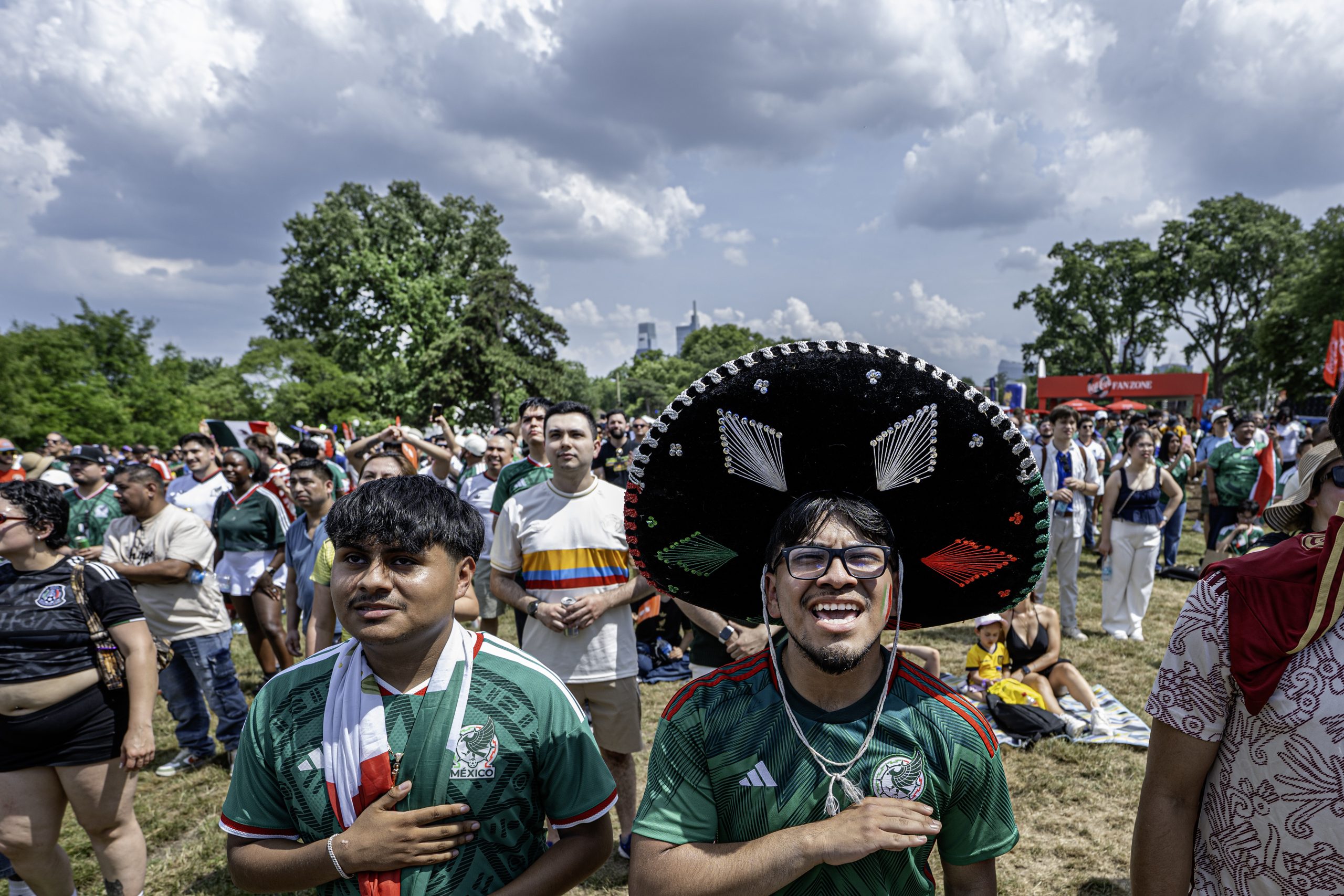
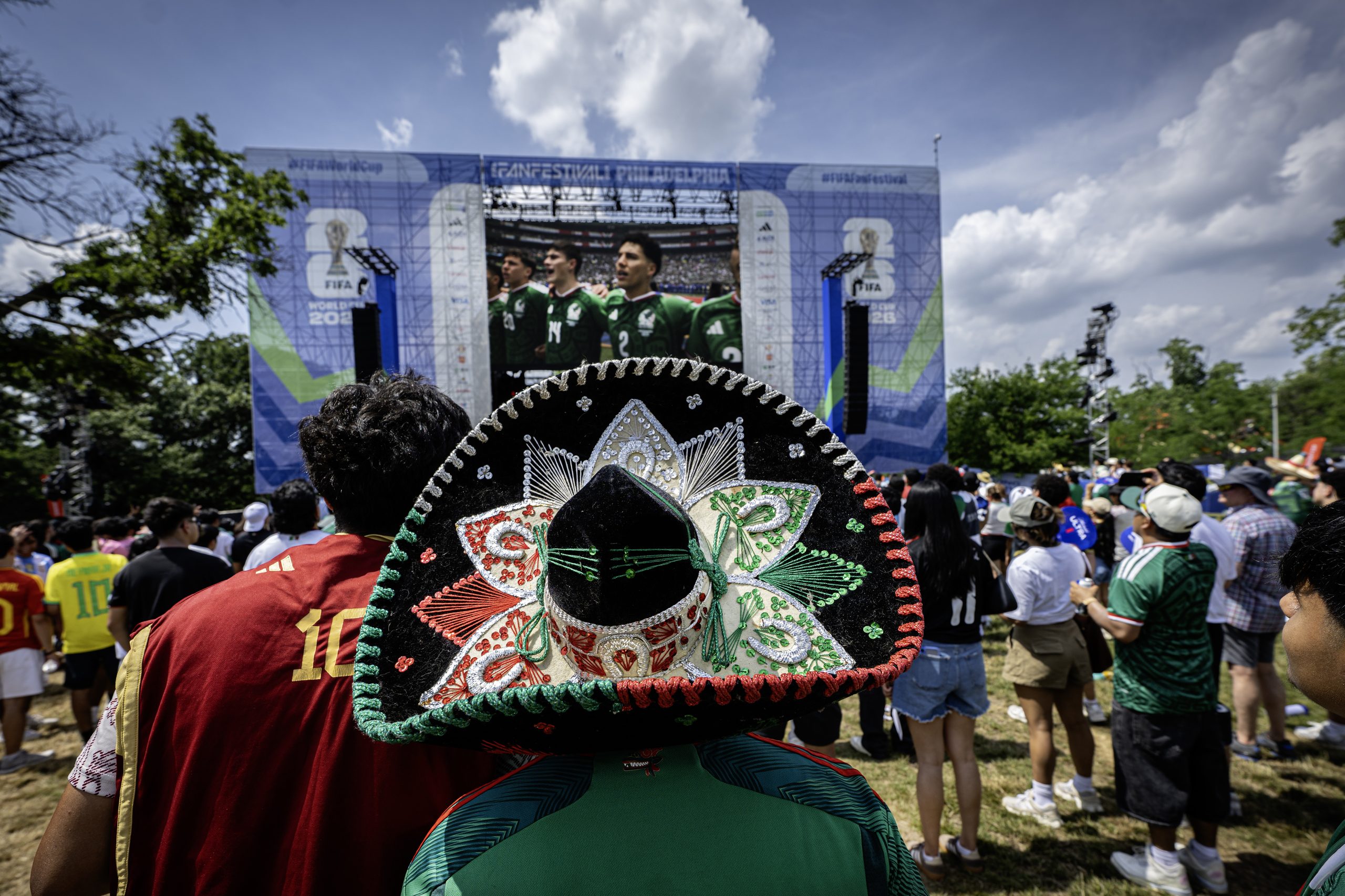
The national anthem of South Africa begins and crowds gather around the big screen. Folks try to hide under what little shade is available, but most of us are forced to swelter in the sun.
Shortly thereafter, the Mexico national anthem plays and many in the crowd — which now numbers in the thousands and is mostly team Mexico fans — sing along.
It feels electric being in the middle of them and watching the game begin, but I have more of the festival to explore.
Mexican fans sing the national anthem before the start of the FIFA World Cup opening match between Mexico and South Africa at the FIFA Fan Festival at Lemon Hill on Thursday.Jose F. Moreno / Staff Photographer
3:04 p.m.
I approach what looks like a nice little area called “The Orchard” and am immediately stopped by a security guard. I’m informed it’s a VIP-only area for sponsors (enjoy the perks, 12-foot Home Depot skeleton).
Next to it was another public viewing area with a smaller screen showing the game. This one had picnic tables under shade (huzzah!). Nearby was a food area with booths selling street corn, cheesesteaks, and churros — none of which sounded appetizing in 94-degree heat. I’d spotted a single water ice stand at another food vendor area across the way earlier, but the line was 42 people deep and there was one guy working the booth.
3:24 p.m.
I spot a woman in a Phamassador T-shirt, the Visitors Center program that’s recruited 10,000 volunteers to be ambassadors of Philly this summer.
Ruth Bangura, 19, tells me she’s a Philly transplant who’s “obsessed” with the city and wants to help others become obsessed, too. Despite the heat, she’s loving the “good energy” at Fan Fest and loves seeing people waving flags of all colors coming together.
“Everyone is different but at the same time, we’re all here for one game. This is the best thing that could ever happen to the United States right now,” she says. “This is the melting pot, this is what America is supposed to be instead of differentiating each other and dividing each other.”
Soccer fans gathered to watch the FIFA World Cup opening match between Mexico and South Africa during the opening day of the FIFA Fan Festival at Lemon Hill on Thursday.Jose F. Moreno / Staff Photographer
3:31 p.m.
As I walk by an American Heart Association tent filled with CPR dummies, staffer Jennifer Russ asks if I want to learn CPR. She teaches me chest-compression as music that’s 100-to-120 beats per minute plays in the background. Like “Staying Alive,” these are songs you should time chest compressions to.
Russ’ manager tells me they’re on site because CPR is a skill they want people from all over the world to learn.
“And, honestly, sports is one of the main places cardiac arrests happen,” she says. “So this is great because it’s just such a big footprint.”
3:46 p.m.
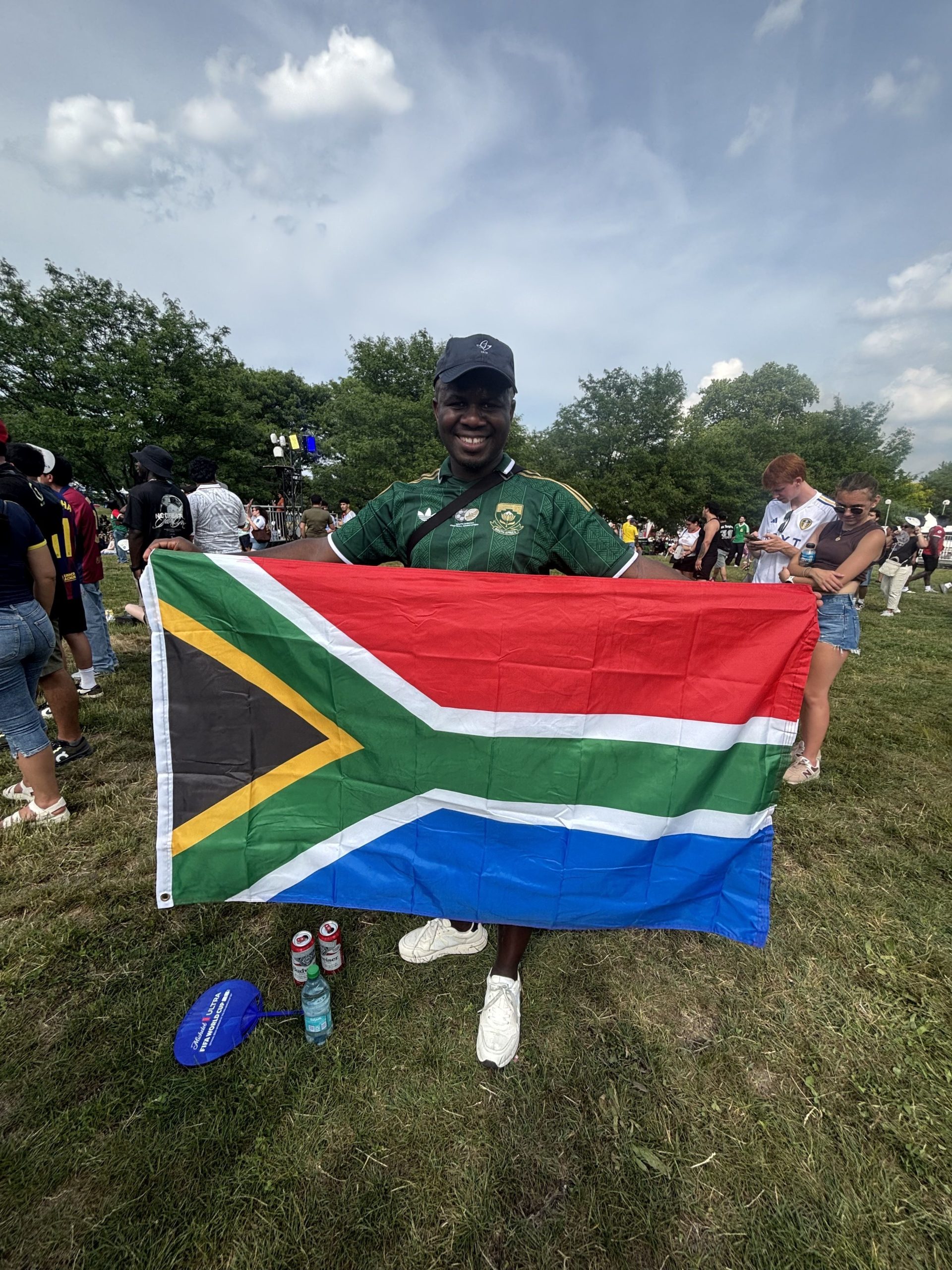
Back at the big screen showing the game, I introduce myself to Mla Mhlongo, 34, a native of South Africa now living in Claymont, Del., who came to support his national team. He tells me that when the World Cup was in South Africa in 2010, they showed all the games at outdoor parks, so Fan Fest feels like a small tase of home.
Mla Mhlongo, a South African native now living in Delaware, waves the South Africa flag in support of his home country at FIFA Fan Fest in Philadelphia.Stephanie Farr / Staff
“I’m enjoying the game with a lot of people; I’ve taken a lot of pictures with people from Mexico and people from around the world,” he says. “The World Cup is supposed to unite the world and it does that.”
4:06 p.m.
An Eagles chant breaks out in the crowd.
4:23 p.m.
I need to find shade. I head to one of the misting tents with fans, but the mist evaporates before it even reaches me.
4:38 p.m.
Once I cool down a little, I realize how hungry I am. I consider a jerk chicken wrap, until I realize it’s $24. I settle on a hot dog and soda for $14. I try to pay with cash and am told everything is card-only.
4:42 p.m.
As I sit to eat in the shade near the smaller screen, I realize that hardly a single person is on their phone. They’re tuned into the game or each other and I think about how nice — and rare — that is.
4:52 p.m.
I try my hand at the Philadelphia Union’s activations, which test your soccer shooting and passing skills by having you kick balls at a series of blinking lights. They’re fun — and one of the few activations that doesn’t require you to scan a QR code. I fail miserably at both games, at one point kicking the ball into the crowd outside the tent.
5:05 p.m.
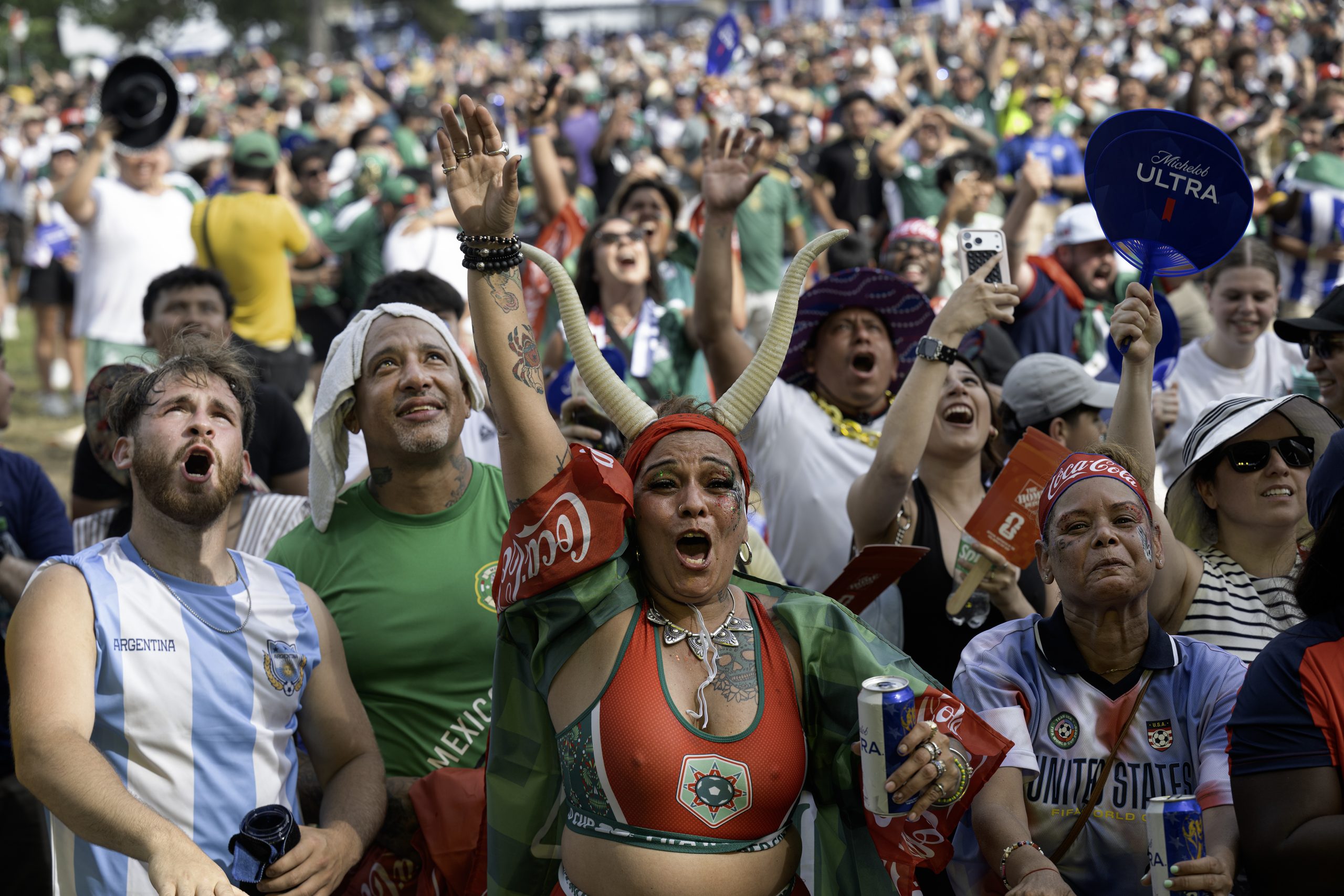
Mexican fans celebrate after Mexico scores against South Africa while watching the FIFA World Cup opening match on a giant screen during the opening day of the FIFA Fan Festival at Lemon Hill on Thursday.Jose F. Moreno / Staff Photographer
The match on the big screen ends and fans of Mexico cheer their team’s win. People make their way to the stage under the screen for the Luis Fonsi concert. I spot the two facepainted Philly ladies I talked to earlier right up against the stage barrier.
5:17 p.m.
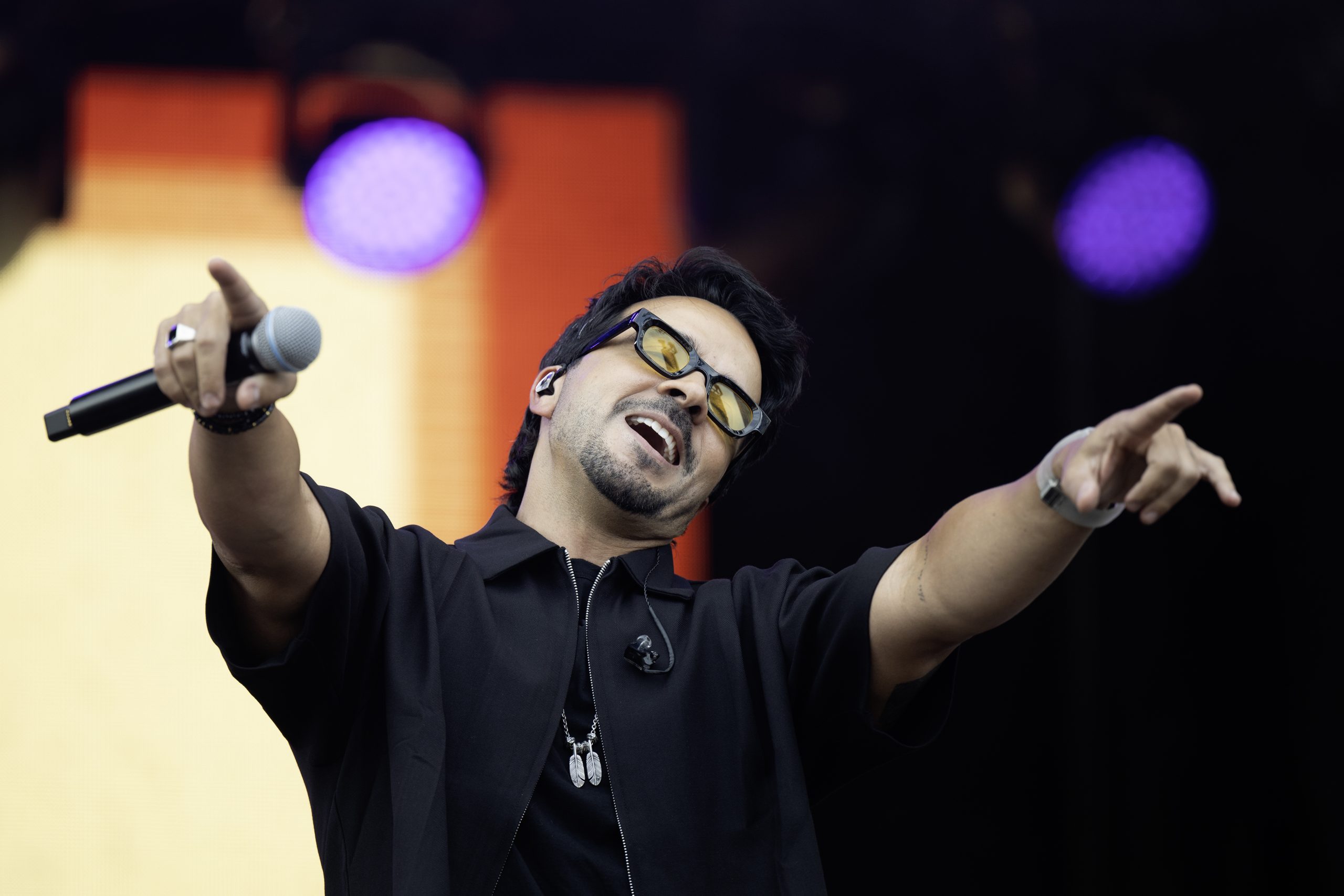
Singer Luis Fonsi performs during the opening day of the FIFA Fan Festival at Lemon Hill on Thursday.Jose F. Moreno / Staff Photographer
Fonsi takes the stage. A woman with a man in a Mexican wrestling mask, both of whom are wearing Mexican flags as capes, dance in front of me. I see a mom and daughter singing together in Spanish and a man dancing through the crowd, his arms raised. Everyone is happy and smiling.
5:30 p.m.
I leave early to beat the crowds and walk back. On my way out, I see a man at a picnic bench reading Booked by Kwame Alexander. He tells me the American Federation of Teachers is giving books away for free at the Philly Phestival Marketplace. I stop by the booth and talk with Leslie Koelsch, deputy director of communications for the federation.
“We launched the Summer Reading Cup and we’re giving away thousands and thousands of soccer-themed books this summer to get kids excited about reading,” she tells me.
5:42 p.m.
Just outside the fest, I see a sign for the “LOVE Park shuttle” and a row of four school buses. A driver tells me they’re giving free rides back to LOVE Park after the fest. It’s a wonderful service, but the buses don’t have air-conditioning and the first one isn’t anywhere near full yet, so I decide to continue on foot.
5:55 p.m.
Walking along the Parkway, I think about all the events I’ve covered there — the good and the bad, the celebrations and the protests — and I look at all the nationality flags waving in the warm breeze.
Soccer fans gather to watch Mexico play South Africa on a giant screen during the opening day of the FIFA Fan Festival at Lemon Hill on Thursday.Jose F. Moreno / Staff Photographer
I’ve had conversations with many people over the last few months who find it very hard — if not impossible — to consider celebrating anything amid the current climate of our country. But when you attend one of these events in Philly that brings people from all over the world together, you get something you don’t get when you sit at home and watch all the horrors of the news.
You realize how much people want to connect with one another, and how easily we still do, when we choose to.
Soccer fans gather to watch Mexico play South Africa on a giant screen during the opening day of the FIFA Fan Festival at Lemon Hill on Thursday.Jose F. Moreno / Staff Photographer
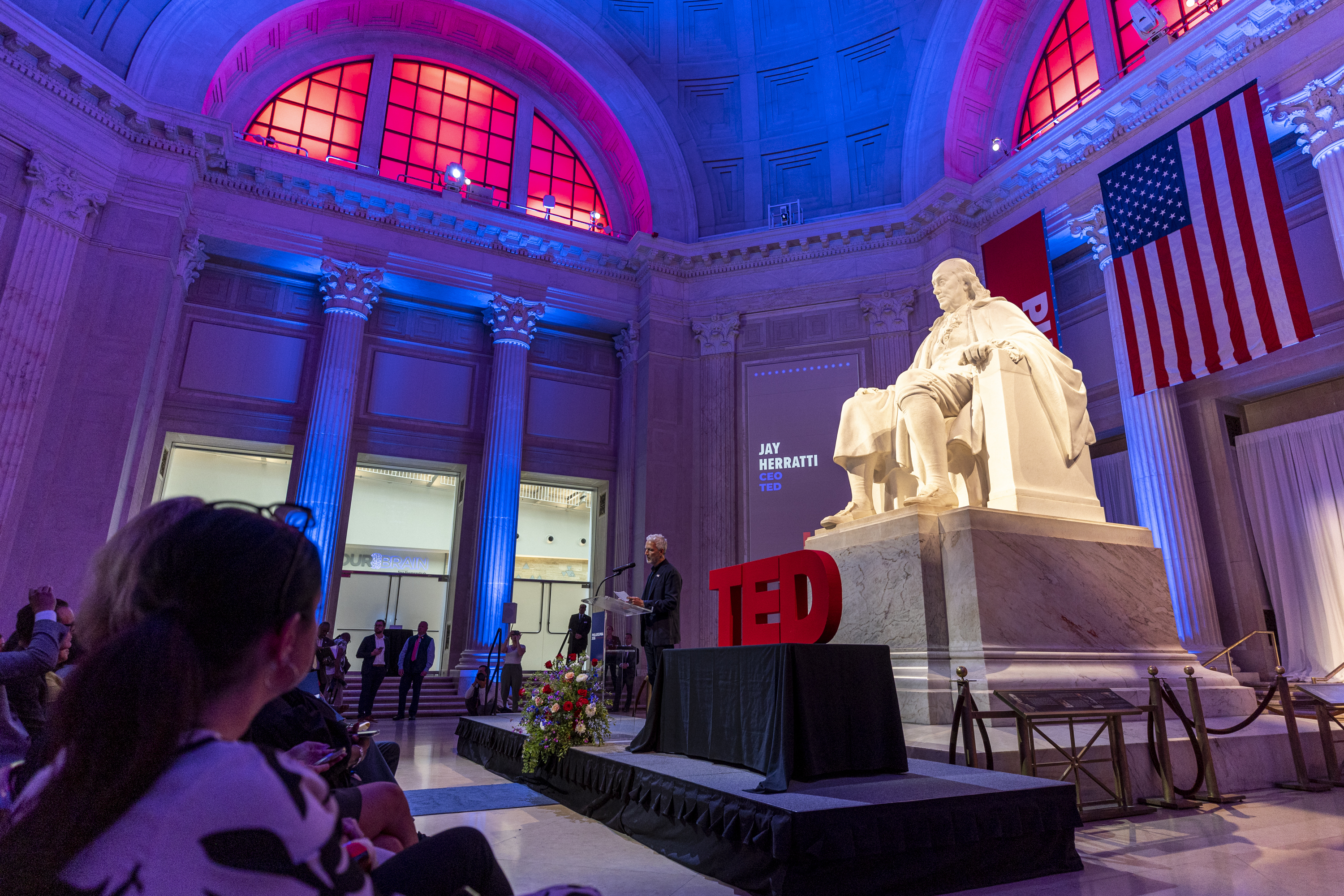
Storytellers and innovators from across the globe are in Philadelphia, America’s birthplace, to discuss the ongoing experiment of American democracy.
“TED Democracy Philadelphia: Founding Futures,” a full-day of new TED talks exploring the health and future of modern democracy in honor of America’s 250th anniversary, and hosted in the Kimmel Center’s Marian Anderson Hall, features over 30 speakers Saturday, including eight from Philadelphia.
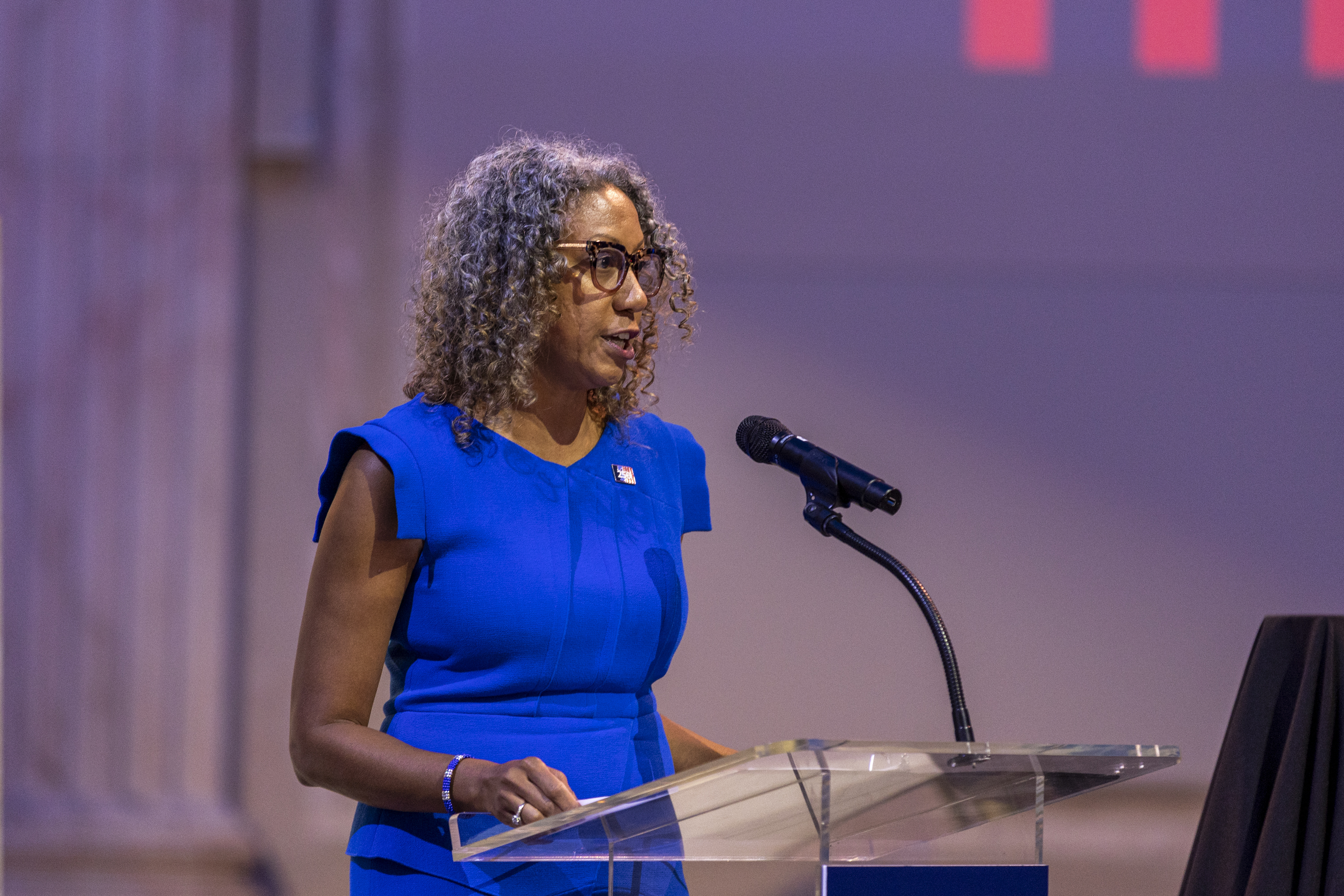
Angela Val, president and CEO of Visit Philadelphia, speaking during the announcement of Ted Democracy at the Franklin Institute in 2024.Tyger Williams / Staff Photographer
“We have so many things going on in Philadelphia on the 250th anniversary of our country,” said Angela Val, president and CEO of Visit Philadelphia. “What we felt was still needed was a discussion about democracy in America’s birthplace. Philadelphia is where democracy was born, and its future is being written. We’re still a city of thought leaders.”
Local leaders — including Anuj Gupta, head of the Welcoming Center, a nonprofit finding pathways for immigrants and Jasmine E. Sessoms, president of the 1968 Collective, dedicated to increasing civic engagement among Black women — will also offer three-minute Philly Flash Talks on topics like, race, economic equity, media literacy.
“What it means to participate in a democracy, what it means if we were to lose it,” said Val. “How it affects our everyday lives and influences our media and pop culture. It’s an opportunity to engage, question and reimagine the kind of democracy we want to build together for the next 250 years.”
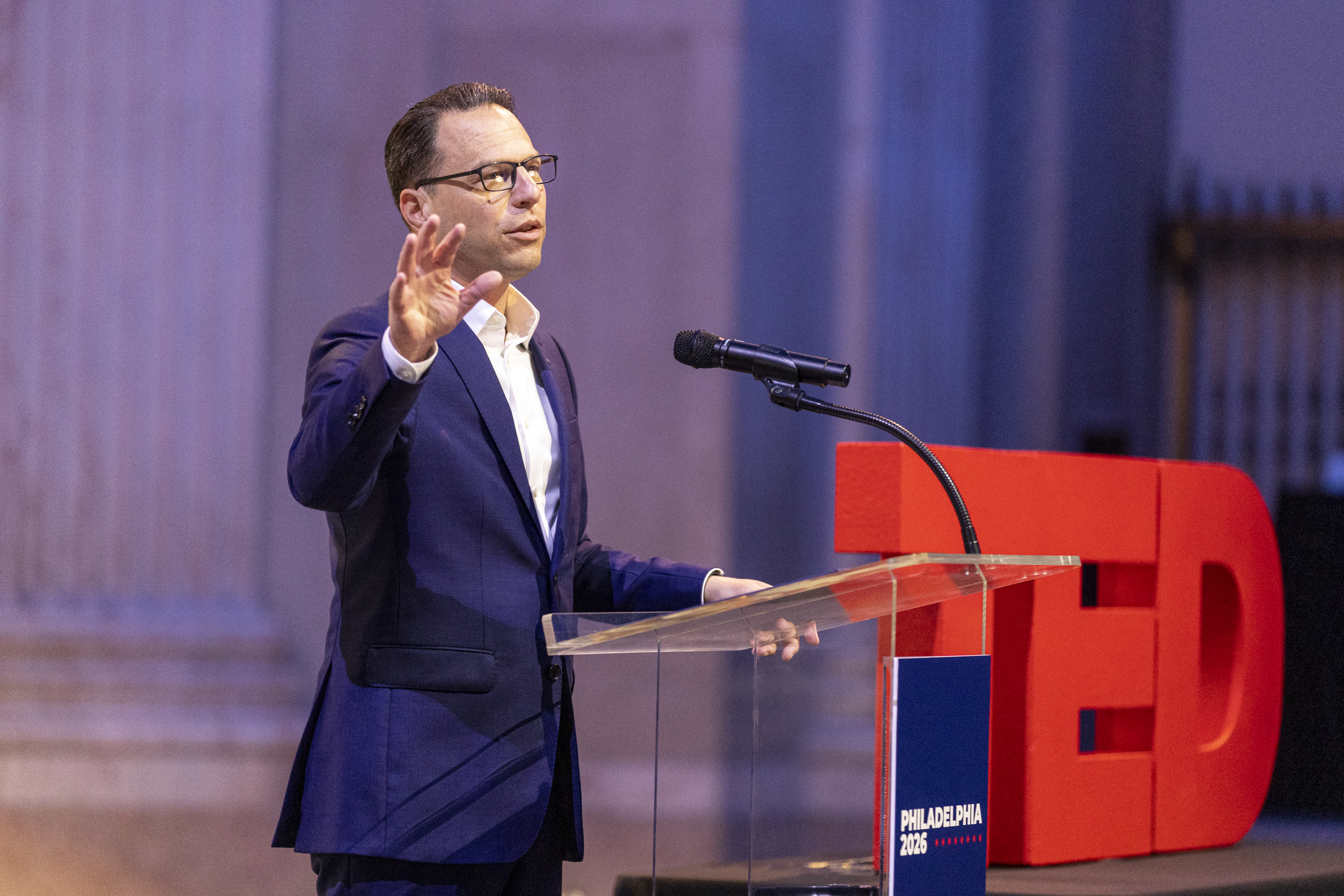
Governor Josh Shapiro at the announcement of Ted Democracy in 2024.Tyger Williams / Staff Photographer
Laura Beyer, head of TED’s partnerships program, said there is no better place to stage a global conversation about the future of democracy than Philadelphia.
“With TED Democracy, we are surfacing the next generation of ideas to ensure our democratic systems remain resilient,” she said.
Three years in the making — and the culmination of a TED speaker series in Philadelphia last year — the event also features small group discovery sessions, a “Public Square,” featuring local food, books, and crafts, and a “PEW Spotlight Stage,” with live performances and interviews. Partnering with the American Library Association, the event will be livestreamed at more than 65 libraries across the country.
Gonzalez, a staff writer at the Atlantic, who recently published her third novel, Last Night in Brooklyn, said she will discuss social class, a topic she is exploring for a memoir.
“So few people think about the matter of social class or income inequality as having anything to do with democracy, but it very much does,” she said. “It’s exciting to get to have the opportunity to talk about something that, generally speaking, people don’t really like to talk about.
Philly is a perfect spot for the talks, she said.
“This country really started as a bunch of ideas,” she said. “It feels like a very cool and appropriate way to celebrate this country in this moment by sharing ideas, and asking, ‘How do you make democracy better?’”
Brothers Allen Joseph and Anser Bhatti own Liberty Scoops ice cream and Coffee Tea & Co., both in Old City.
They concede that the past 18 months of construction for improvements to Market Street were often tough on business, especially the coffee shop, because of fencing that had to be erected.
Now, with the $16 million renovation of Market Street complete, and the fencing gone, Joseph said it was worth it.
“It looks much better now,” Joseph said.
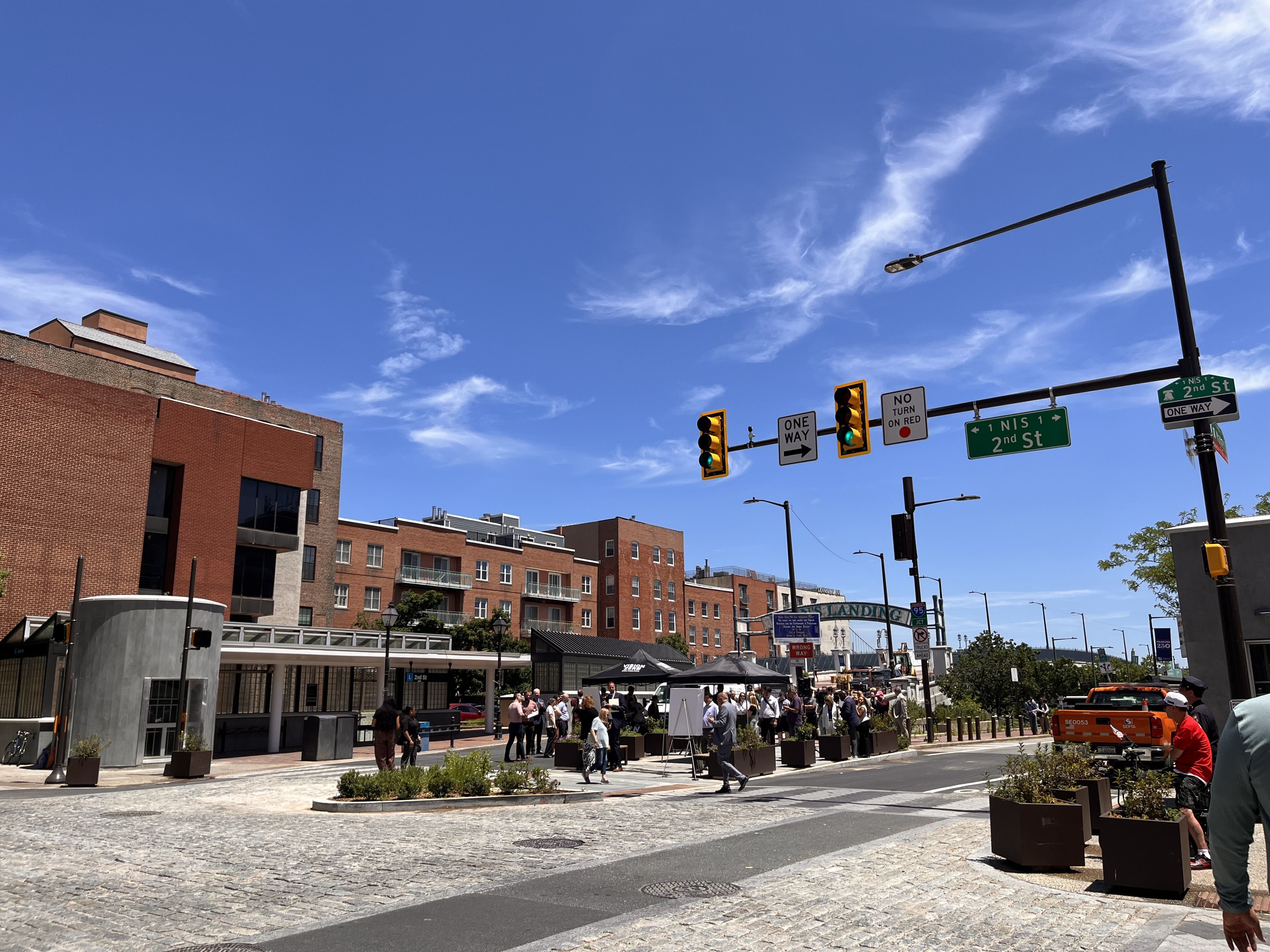
Philadelphia officials unveiled the new look Tuesday in time for the nation’s 250th anniversary. The transformation permanently narrowed vehicular traffic, added bike lanes, and built a new public plaza.
“As you can see, walking around the neighborhood is greatly improved,” said Job Itzkowitz, executive director of the Old City District, a business improvement organization.
Itzkowitz noted more open space for pedestrians, shorter distances to cross the street, and new street trees and planters, among other improvements.
“Residents, visitors, and business owners alike have already felt the impact as the fences started to come down over the last few months,” he said.
Officials launched the overhaul in December 2024 to rebuild the corridor from Second to Sixth Streets and transform the historic stretch into a more inviting place to walk, bike, and dine.
The work was to timed for the Semiquincentennial, which marks the 250th anniversary of the signing of the Declaration of Independence. Several other nearby landmarks have also been spruced up, such as Elfreth’s Alley, which recently unveiled a new pocket park, and the long-shuttered First Bank of the United States, set to reopen to the public on July 1 after a $27 million renovation.
Philadelphia city officials celebrated the completion of a $16 million renovation of Market Street, from Sixth to Second Streets. Improvements include wider sidewalks, protected bike lanes, Belgian block streetscape, and new plantings.Frank Kummer
What’s new?
As part of Market Street’s “road diet,” vehicles have been reduced to one lane in each direction, clearing way for protected bike lanes and adding dedicated left turn lanes at key intersections.
Among other improvements:
A new curbless plaza at Second and Market Streets at the base of the ramp to Penn’s Landing, allowing easier access for pedestrians.
Concrete bump outs at bus stops were lengthened to make boarding easier. The raised bike lanes were installed between parking lanes and sidewalks.
Wider sidewalks.
Belgian block streetscaping.
44 new street trees and 68 shrubs.
55 bike racks.
SEPTA also improved the look of the headhouses for the Market-Frankford Line subway at Second Street.
Officials say the transformation will reduce traffic-related injuries and deaths and better serve tourists, walkers, cyclists, transit users,and motorists.
Also taking a lead was the nonprofit Independence Historical Trust, as part of a larger plan to create better ways for tourists to navigate on foot through Independence National Historical Park, Old City, and other historic or local neighborhoods.
“The new plaza rocks,” said Mayor Cherelle L. Parker.
Parker said the just-completed project fits in with broader efforts to extend improvements on Market Street from City Hall to the Delaware River.
Bill Marrazzo, chair of the nonprofit Independence Historical Trust, called completion of the Market Street project key, given its location in Old City and near Independence National Historical Park.
“No other American city has as many cultural assets per capita as we do here in the city of Philadelphia,” Marrazzo said, “and a very high percentage of those are organized here within this one square mile of history.”
“These improvements are truly transformational,” noted Mike Carroll, the city’s deputy managing director for transportation and infrastructure.