Tag: Philadelphia City Council

  • Philly City Council grilled Police Commissioner Kevin Bethel over officers’ Pride response as LGBTQ+ advocates demanded accountability

    Philly City Council grilled Police Commissioner Kevin Bethel over officers’ Pride response as LGBTQ+ advocates demanded accountability

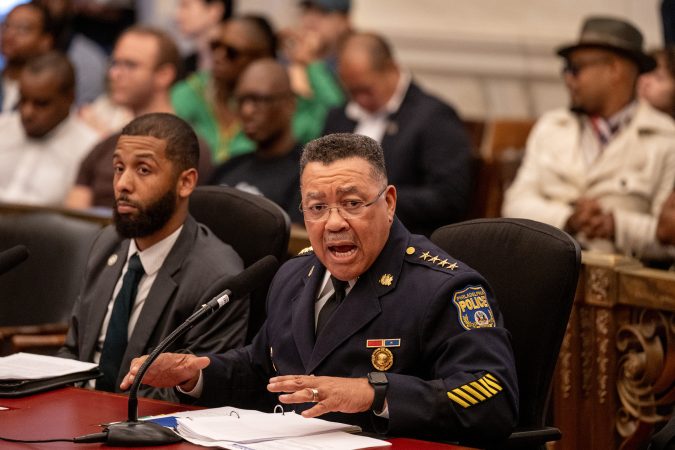
    Several members of Philadelphia City Council and a bevy of LGBTQ+ community leaders on Wednesday sharply criticized Police Commissioner Kevin Bethel, who testified about the department’s response to Pride festivities in the city’s Gayborhood in June and largely defended the force’s crowd-control tactics that had drawn outrage.

    Bethel acknowledged that June 7 was “not a perfect day” and vowed that the police department would implement more robust planning procedures ahead of next year’s celebrations.

    But he stopped short of apologizing for the police department’s response, saying chaotic scenes from the Pride events were part of officers’ attempts to disperse crowds from the Gayborhood, where thousands of people congregated instead of the city’s official festival on the Benjamin Franklin Parkway.

    Among them, Bethel said, were hundreds of teenagers, some of whom were seen on video fighting.

    “There’s a large group of young people who [had] descended into the neighborhood for what they think is something there,” Bethel said. “There is nothing for them there, other than to take over the street.”

    That comment did not sit well with Council members and dozens of LGBTQ+ community members who attended the hearing at City Hall.

    “Your testimony today and what I’m hearing is both painful and perplexing,” said Councilmember Rue Landau, a Democrat who called for the hearing and is the first out LGBTQ+ person to serve on Council. “It is mind-boggling to think that you and your team would not know that people were going back to the Gayborhood.”

    Councilmember Isaiah Thomas, a Democrat, said he was “confused” why groups of teenagers fighting would have prompted an outsized police response throughout the Gayborhood that included crowds running amid police on horseback and motorcycles.

    “It doesn’t really feel like we’re having a conversation that can put us in a position of earning the trust of a lot of the people who feel like the trust has been lost,” he said.

    And C. Michael Robinson, a community advocate, added: “Only adult bullies scapegoat children, and that was a weak display of leadership.”
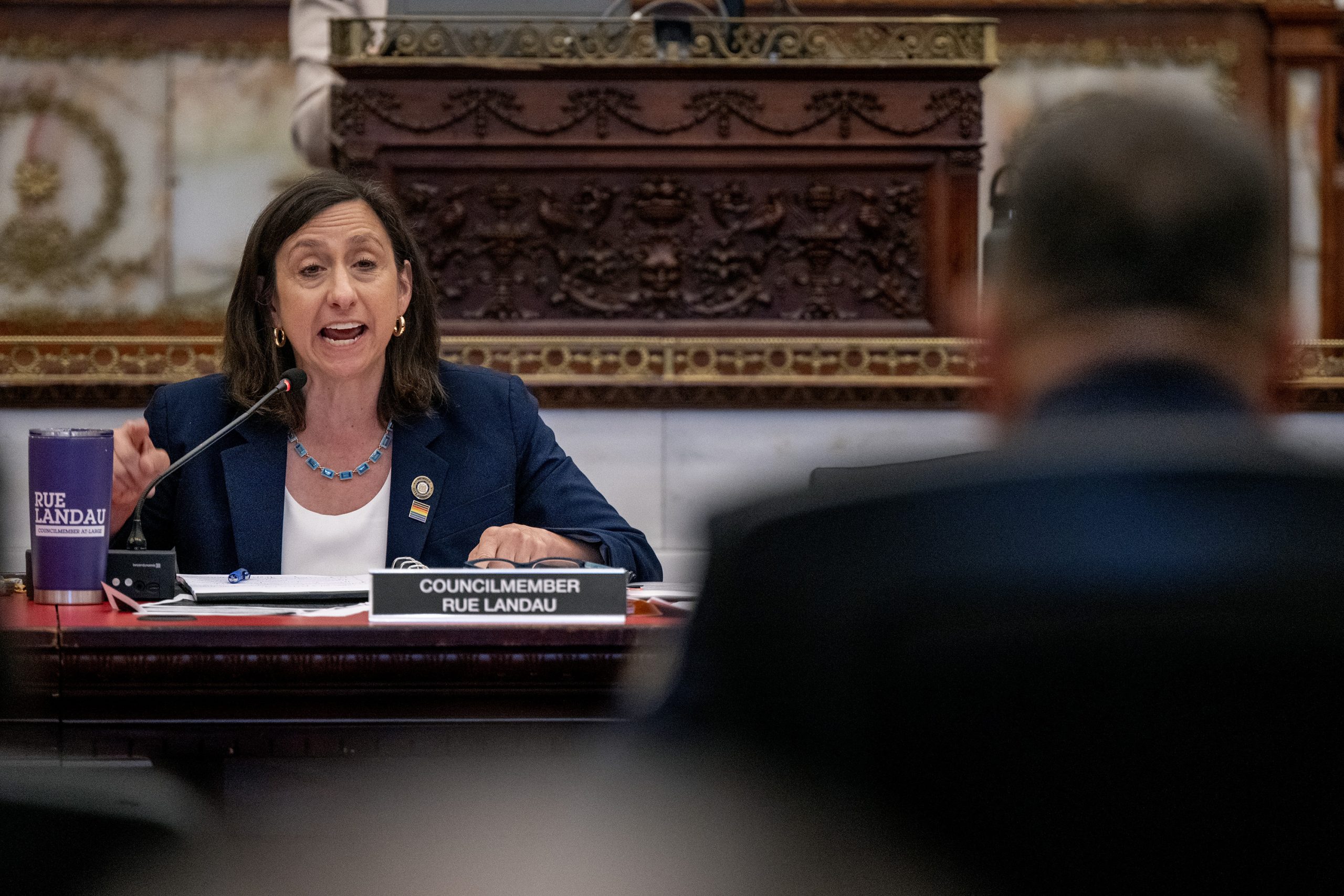
    Councilmember Rue Landau questions Police Commissioner Kevin Bethel (foreground) as Council’s Committee on Legislative Oversight holds a hearing Wednesday, Aug. 5, 2026 into the Philadelphia Police tactics used during Pride celebrations in June.Tom Gralish / Staff Photographer

    The hearing Wednesday before Council’s Committee on Legislative Oversight was the most tense questioning that Bethel, a veteran of the city’s police force, has faced since he was sworn in as commissioner in January 2024 at the beginning of Parker’s term. He has enjoyed a largely warm relationship with Council members, who have been supportive of his leadership amid a significant drop in violent crime.

    However, the police department faced intense scrutiny following June 7, the day of the Pride parade and celebration during which 15 people were arrested and videos of police corralling crowds in the Gayborhood drew widespread criticism. Videos posted to social media showed officers physically struggling with Pride attendees, as well as police on horseback and motorcycles dispersing people, and at times displaying batons and Tasers.

    Following the backlash, Landau called for Council’s Committee on Legislative Oversight to hear testimony from the department’s top brass, as well as members of Mayor Cherelle L. Parker’s administration and LGBTQ+ advocates.

    Pride attendees who testified Wednesday said police forcefully directed them through a maze of barricades in the Gayborhood. Several described being pushed and yelled at, and said that the most aggressive tactics were used on crowds of mostly Black people. One person said they heard an officer use a slur.

    Parker said in a statement Wednesday that the events described during the hearing “show us we can and must do better.”

    “We can and will learn from what occurred,” she said.
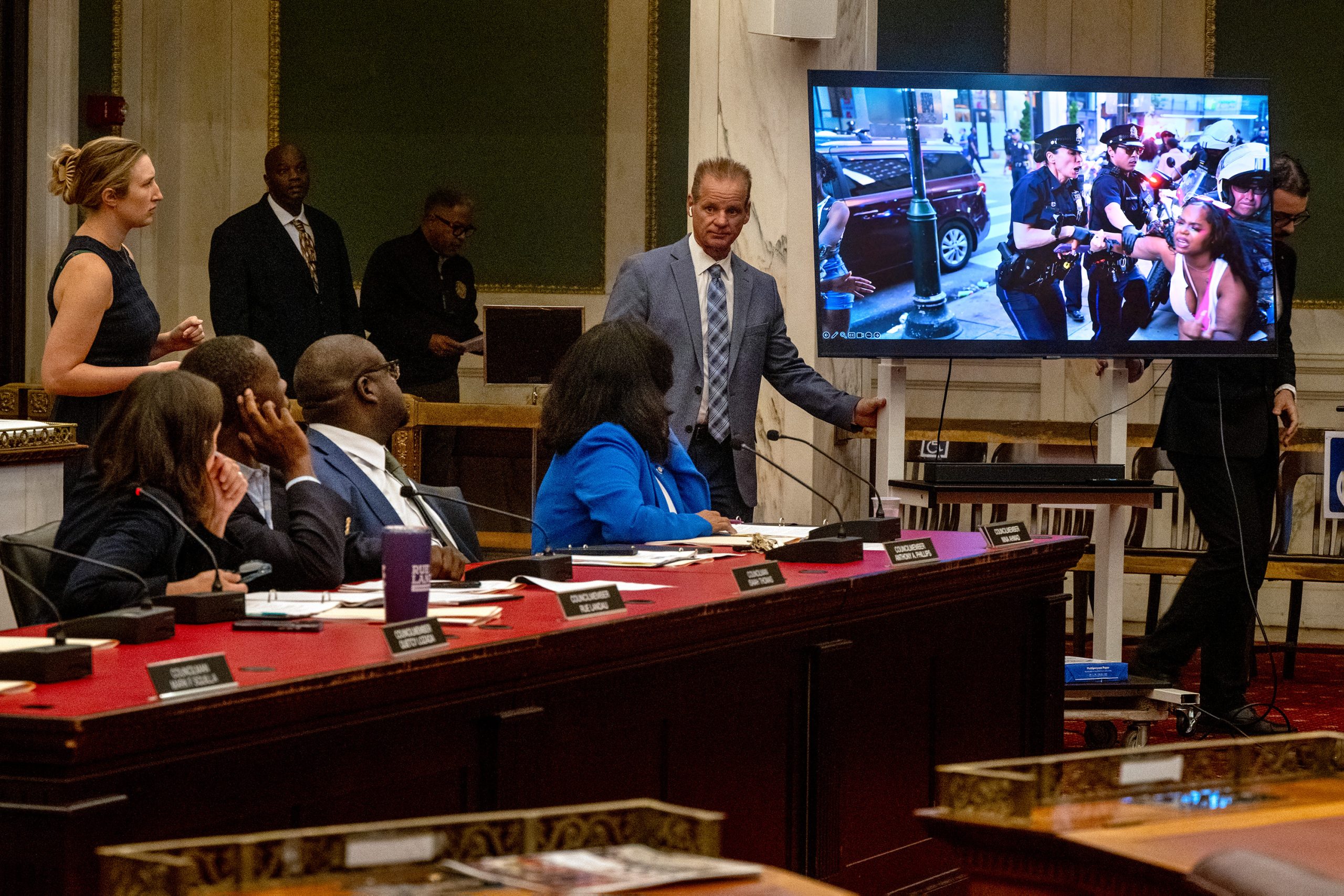
    Councilmember Rue Landau (seated, left) shows a collection of social media videos as City Council’s Committee on Legislative Oversight holds a hearing Wednesday, Aug. 5, 2026 into the Philadelphia Police tactics used during Pride celebrations in June.Tom Gralish / Staff Photographer

    This year marked the first time the city’s Pride festival was held on the Benjamin Franklin Parkway, where Bethel said police had been well-prepared to manage crowds. Thousands of people still congregated in the Gayborhood, where celebrations were held in previous years, creating dueling events that he said overwhelmed the department.

    Officers attempted to manage crowds in the Gayborhood for hours, Bethel said, and began working to disperse people by late afternoon. To do so, he said, officers used barricades, as well as officers mounted on horseback and motorcycles to motivate people to leave on their own.
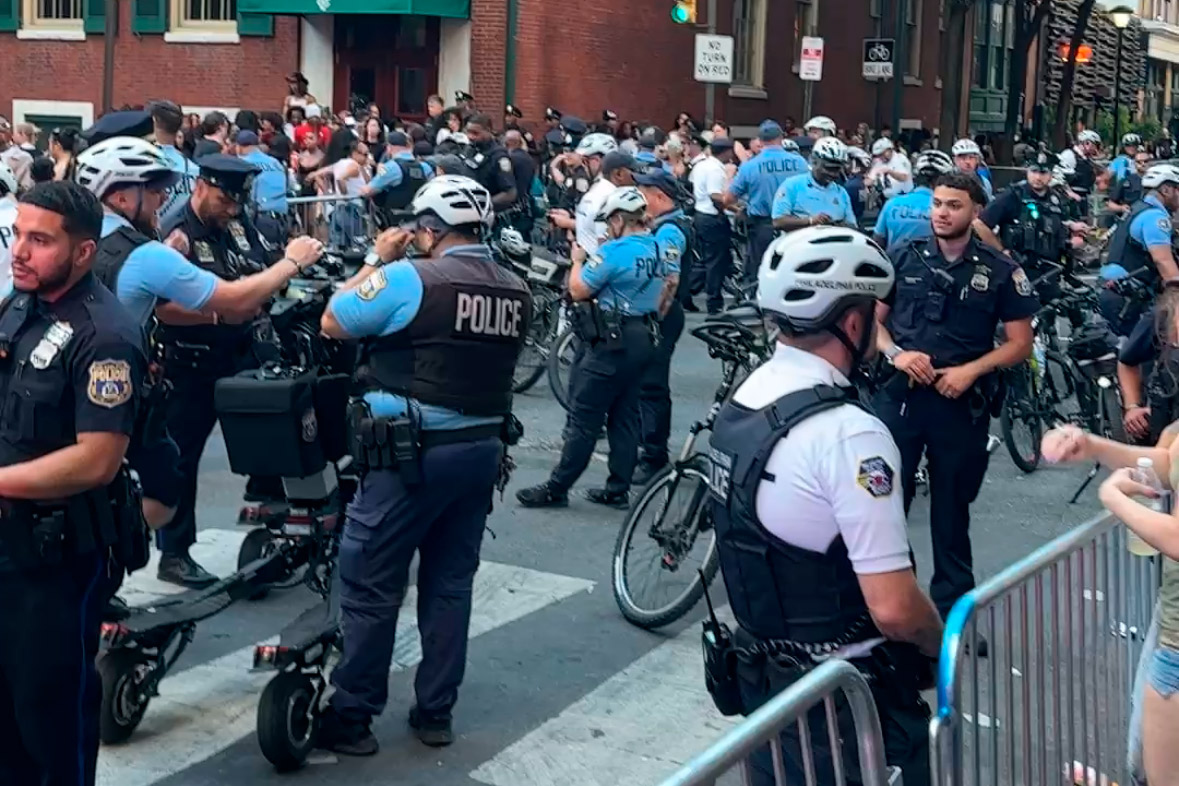
    A large police presence at a Pride celebration in the Gayborhood on Sunday, June 8, 2026.

    Landau said she was horrified by the crowd-control tactics and asked Bethel if he supported the decision to have officers on motorcycles on the sidewalk, calling it “terrifying” and “dangerous.”

    He said the goal of moving the crowd was “appropriate at the time.”

    In what became a tense back-and-forth, Landau said that people attending Pride “did not believe that you were there to protect them.”

    “They were terrified, they were harassed, they were traumatized,” she said. “This was not about protection. You had 150 officers there, by your own testimony. That is a significant amount of officers.”

    Bethel responded: “Do you want police there at all?”

    Landau appeared taken aback.

    “My comment that there was 150 officers there should not turn into the end-sum game of ‘Do you not want anybody there?’” she said.

    The police commissioner did not specify how many officers in total are facing potential discipline stemming from Pride events on June 7, but he said “eight or nine″ are under investigation by the internal affairs division for wearing facial coverings, a violation of department policy.

    Bethel, who was formerly the department’s liaison to the LGBTQ+ community, vowed a more collaborative planning process next year.

    “Next year it will not be like that. It will be prepared,” Bethel said. “It is not my job to police that event. It is to keep it safe.”

    Several LGBTQ+ advocates and community members testified in favor of additional accountability measures.

    Jacen Bowman, the president of Philly Black Pride, called for an independent after-action review, a permanent LGBTQ+ public safety advisory council that is consulted during the planning of large events, and more consistent cultural competency training for officers.

    “Versions of these structures already exist,” Bowman said. “The question is whether or not the structure has the authority, independence, or enforcement power necessary to produce accountability. Oversight without authority is observation.”
  • Mayor Parker moves to renew Philadelphia’s contract with controversial Chester incinerator

    Mayor Parker moves to renew Philadelphia’s contract with controversial Chester incinerator

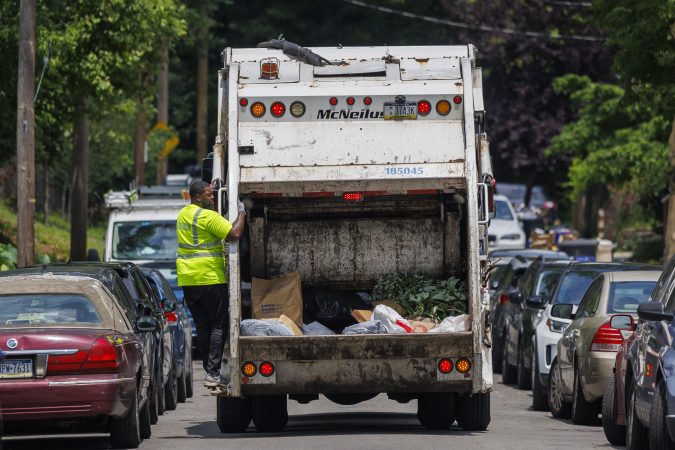
    Philadelphia last week took a step toward renewing its contract with a controversial Chester trash incinerator after a high-profile bill to ban the city from doing so failed to garner enough support in City Council.

    Mayor Cherelle L. Parker’s administration issued a notice on Friday that it intends to enter into a new four-year contract for waste processing and disposal with Reworld, which operates a waste-to-energy facility in Chester. The city sends about a third of its garbage to the incinerator, the Delaware Valley Resource Recovery Facility.

    Carlton Williams, who leads Parker’s Office of Clean and Green Initiatives, said in a statement that the city’s contracting process resulted in a deal that is “financially sound, environmentally safe, and includes the best option for the city to explore alternative methods for disposal.”

    But advocates, local officials in Chester, and some City Council members have accused the company of severe pollution and environmental racism, saying it releases toxic chemicals into the air that cause adverse health effects in the majority-Black city that’s about 15 miles south of Philadelphia.

    The amount of money the city intends to pay Reworld was not immediately clear on Monday. Parker administration officials issued a notice that they intend to renew the city’s existing contract with the company, but did not publish the contract itself.

    Reworld was one of three companies selected to process and dispose of the city’s waste. The other two, Republic Services and Waste Management, operate landfills.

    Council will need to approve legislation to greenlight the new contract with Reworld. The next scheduled meeting is in September.

    It’s unclear what fate the bill might meet in Council. Last year, Councilmember Jamie Gauthier, a Democrat who represents parts of West Philadelphia, introduced the Stop Trashing Our Air act, which would have banned the city from entering into contracts with companies that burn trash or recyclables.

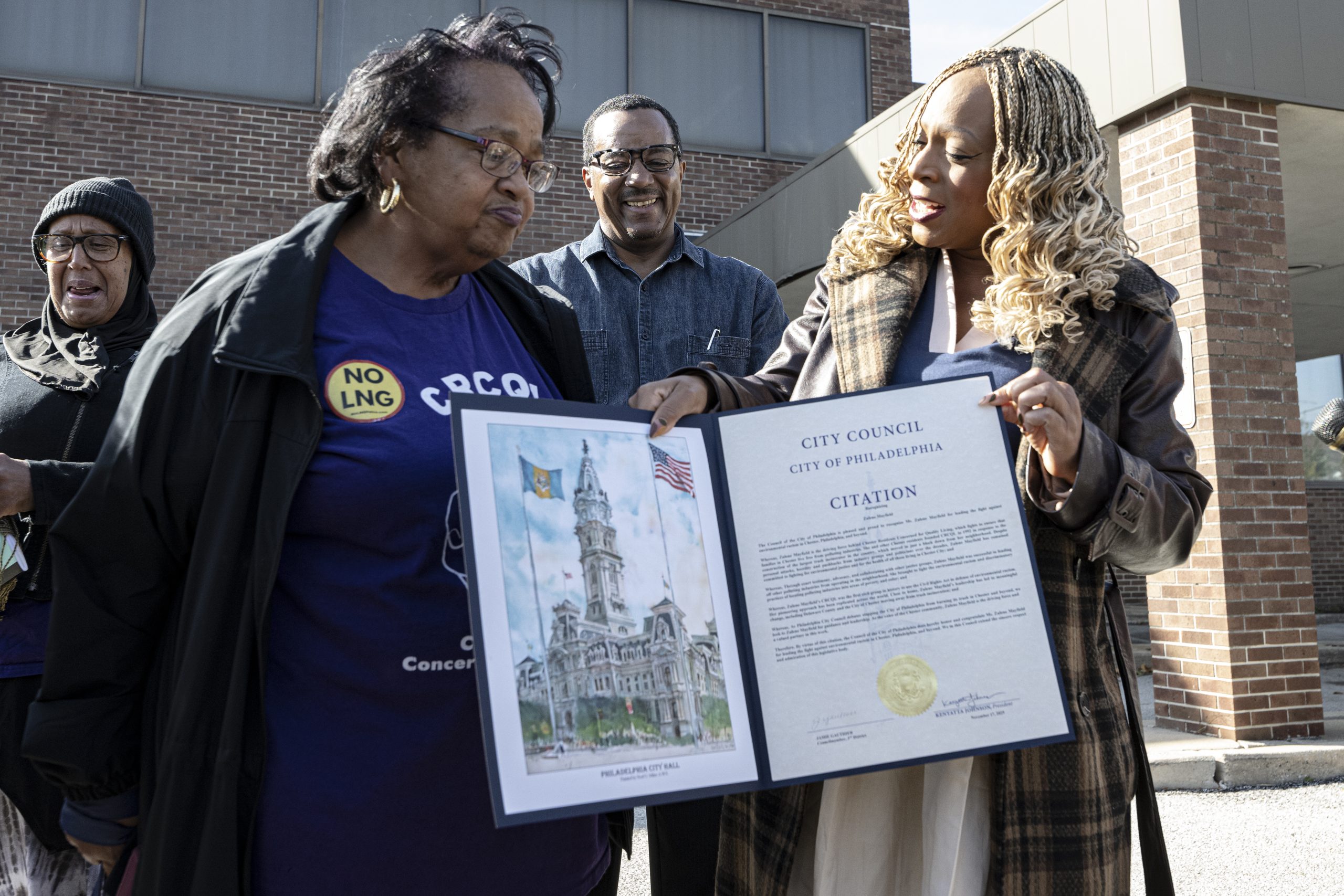
    Chester resident Zulene Mayfield (left), Philadelphia Councilmember Jamie Gauthier (right), and Chester Mayor Stefan Roots meet to discuss Gauthier’s “Stop Trashing Our Air Act,” which would ban the city from incinerating waste, during a visit with lawmakers and staff in Chester on Nov. 7, 2025.Jose F. Moreno / Staff Photographer

    But she never called the bill up for a vote, and ultimately put it on hold after it failed to garner support from a majority of the 17-member body.

    Gauthier said in a statement Monday that dirty air causes asthma and cancer, and that Parker’s administration is “condemning Philly and Chester to at least four more years of toxic air and ash.”

    “This is a choice. A choice that breaks Mayor Parker’s own campaign promise,” Gauthier said. “A choice that disproportionately harms Black and brown communities. A choice that makes every Philadelphian and Chester resident sicker.”

    The incinerator became something of a flashpoint when Parker ran for mayor in 2023. During a debate, one of her rivals, businessman Jeff Brown, made comments dismissive of complaints about the environmental impact of burning trash in Chester.

    Parker, who ran on a platform of making the city “safer, cleaner, and greener” seized on it and told Brown: “That response is the same way you treat the Black and brown community.”

    But Parker’s administration opposed Gauthier’s legislation, saying it would hamstring the city from being able to choose the best value waste disposal contractor through its typical competitive bidding process.

    That process, city officials said in a news release Friday, included considerations of cost, as well as impacts on transportation in the region and the environment. The administration hired two independent firms to conduct environmental impact analyses.

    The city previously held a seven-year contract with Reworld, which expired in June. Parker’s administration extended it for six months, ahead of selecting the company for a four-year renewal with the potential for three additional one-year extensions.

  • Philly sends a third of its trash to a Chester incinerator. Council members took a ‘Toxic Tour’ to get a closer look.

    Philly sends a third of its trash to a Chester incinerator. Council members took a ‘Toxic Tour’ to get a closer look.

    CHESTER — Like a Ben Franklin impersonator waving at Independence Hall and the Liberty Bell, tour guide B. Preston Lyles directed the tour group’s attention to various landmarks as they passed by.

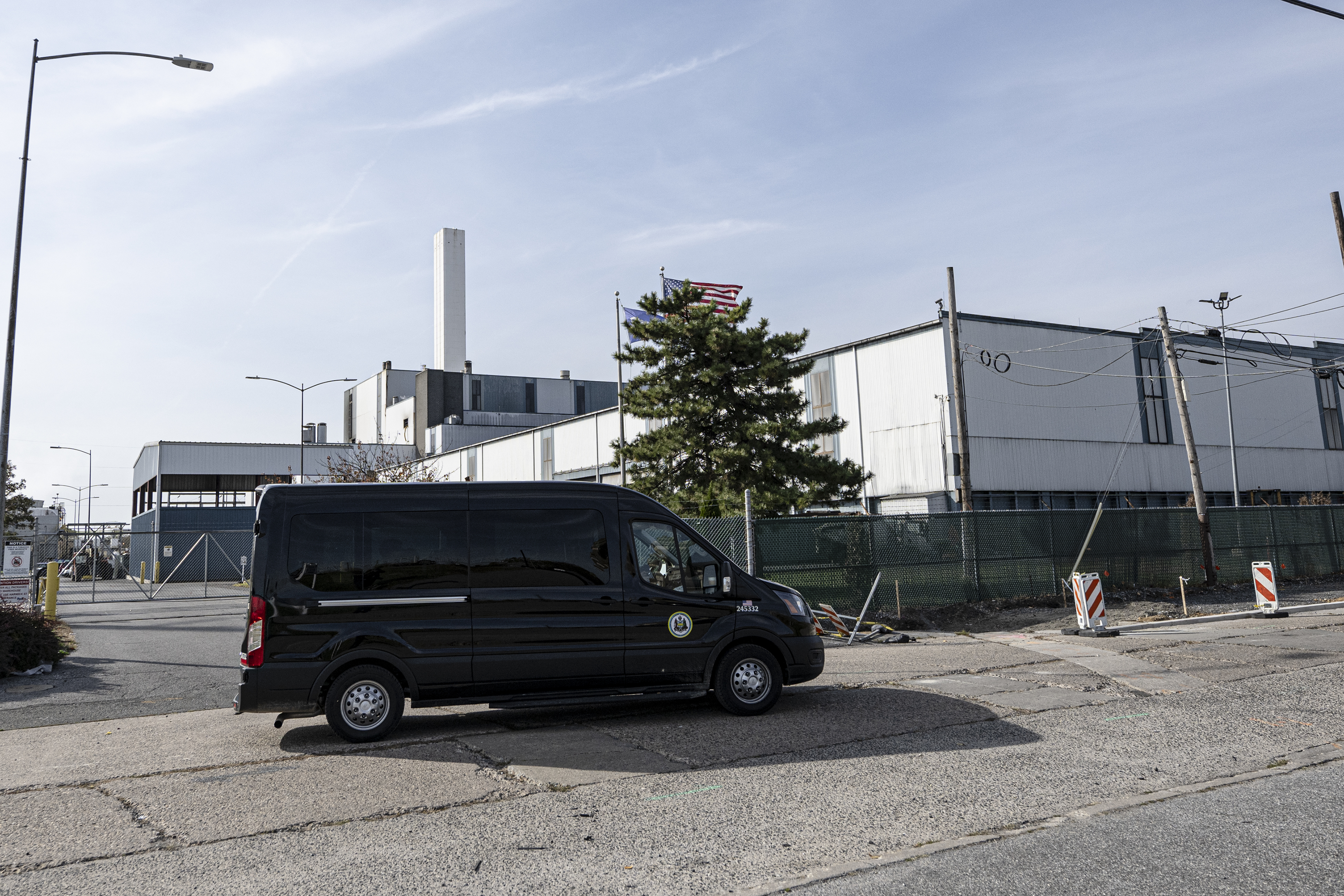
    But instead of highlighting monuments that made locals swell with pride, Lyles was pointing to sites he said made the people of Chester get sick and die younger: power plants, an oil refinery, a sewage sludge-burning facility, and — most relevantly for Friday’s group — the Reworld trash incinerator, the destination for about a third of the rubbish collected by Philadelphia’s city government.

    “Chester City is known as one of the nation’s worst cases of environmental racism,” Lyles, an organizer for Delco Environmental Justice, told the group, referring to the concentration of polluting industries in Black and brown communities. “It is not just because the city holds the nation’s largest waste incinerator, but due to an extreme concentration of toxic industries in and adjacent to such a small city.”

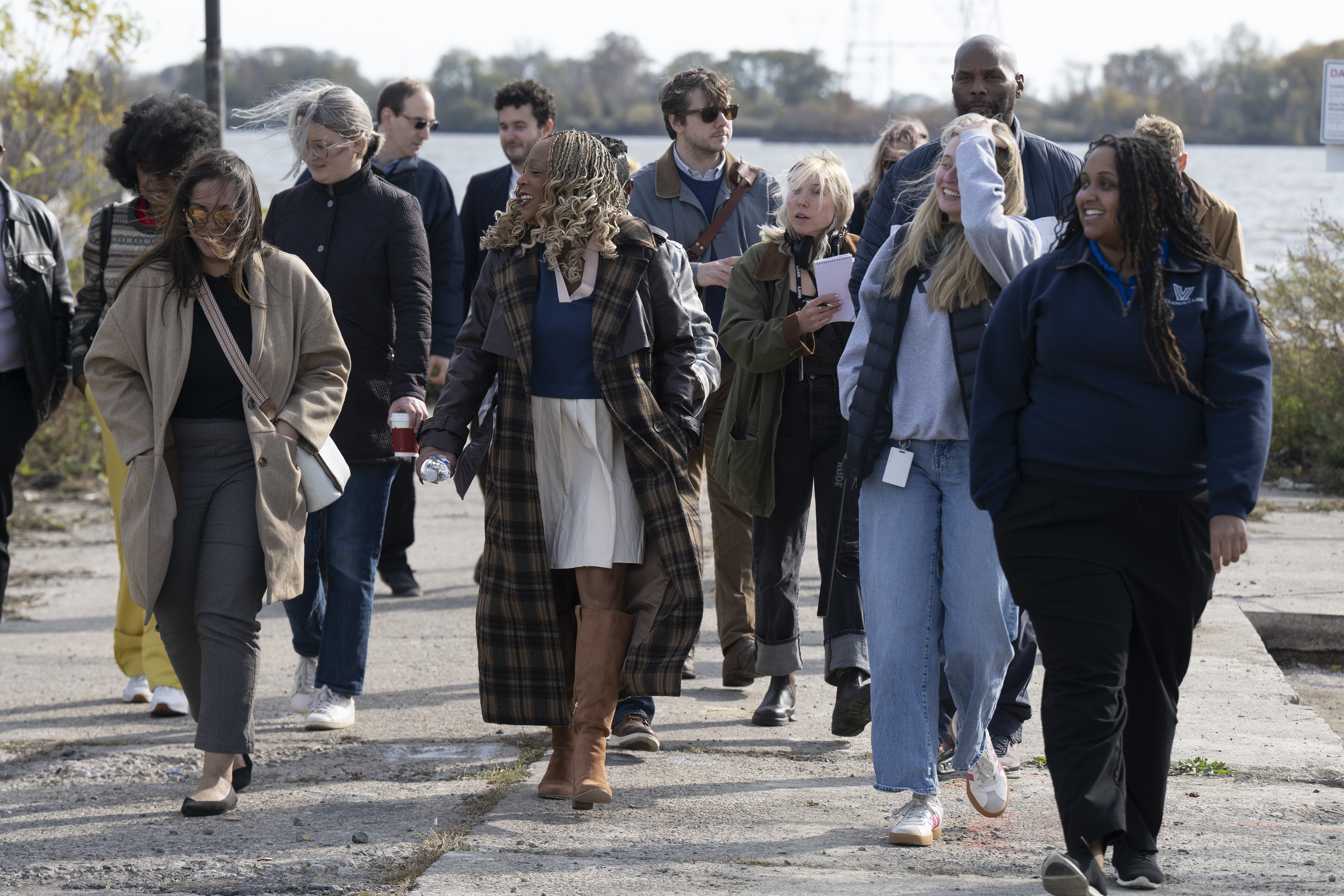
    Philadelphia City Councilmember Jamie Gauthier, who is hoping to end the city’s relationship with the Reworld incinerator, on Friday attended the Energy Justice Network’s “Toxic Tour” in and around Chester to highlight the facility’s impact on Philly’s southern neighbors.

    Philadelphia Councilmember Jamie Gauthier tours Chester to discuss her “Stop Trashing Our Air Act,” which would ban the city from incinerating waste, during a visit with lawmakers and staff in Chester, Pa., on Friday, Nov. 7, 2025.Jose F. Moreno / Staff Photographer

    “From a justice and fairness perspective, it just seems so wrong to me and so obvious,” said Gauthier, who was joined on the tour by Councilmember Kendra Brooks and staffers for other lawmakers. “Seeing the incinerator on the waterfront and all of these other dirty uses and the abandoned homes, that made me want to do this more, because it’s wrong. It’s wrong that people should be loaded down with all these toxic uses.”

    Reworld in 2024 burned more than 355,000 tons of trash collected by the city. Its contract with Philadelphia ends in June 2026.

    Gauthier has introduced a bill, the Stop Trashing Our Air Act, that would prohibit the city from incinerating trash, and Council’s Committee on the Environment, which she chairs, will likely hold a hearing on it this fall.

    Reworld spokesperson Linda Ribakusky said the company is a “leading sustainable waste solutions provider.” The Chester facility, she said, offers “a more sustainable alternative to landfilling by converting waste into renewable energy and recovering valuable metals that would otherwise be lost.”

    “The Reworld Delaware Valley facility helps reduce greenhouse gases by avoiding landfill methane and generates enough clean electricity to power more than 50,000 local homes each year,” Ribakusky said in a statement. “We are proud to be an active part of the Chester community. Working alongside local schools, nonprofits, neighbors, and community organizations, we support initiatives that create real impact.”

    ‘Now is the time’

    The Philadelphia Sanitation Department collects and disposes of about half of the city’s waste, said Michael Ewall, founder of the Philly-based Energy Justice Network. The other half is handled by private haulers hired by businesses and owners of larger residential properties.

    Under its contract, Reworld takes one-third of the municipally collected trash to the Chester incinerator, which the company says produces about 87 megawatts of electricity, enough to power 52,000 homes, while burning the waste. WM, which operates a major landfill in Bucks County’s Falls Township, takes the other two-thirds.

    When the most recent contracts were signed in 2019, the city agreed to pay roughly $65 per ton of trash to both Reworld, which was then known as Covanta, and WM, formerly Waste Management.

    Gauthier said she has had constructive conversations with Mayor Cherelle L. Parker’s administration about eliminating incineration from the city’s waste management operations, and is hopeful the city will include environmental justice concerns in its request for proposals for the new contracts.

    Parker’s office did not respond to a request for comment.

    The Chester incinerator provided a flashpoint in the 2023 mayoral election, which Parker won. During a debate, a moderator asked candidate Jeff Brown about the incinerator, prompting Brown to say, in part, “The trash has to go somewhere.”

    In a debate performance that was key to her rise and Brown’s downfall in the race, Parker was among the candidates who pounced on the soon-to-be-infamous comment.

    “That response is the same way you treat the Black and brown community,” said Parker, who ran on a campaign to turn Philly into America’s “safest, cleanest, greenest” big city.

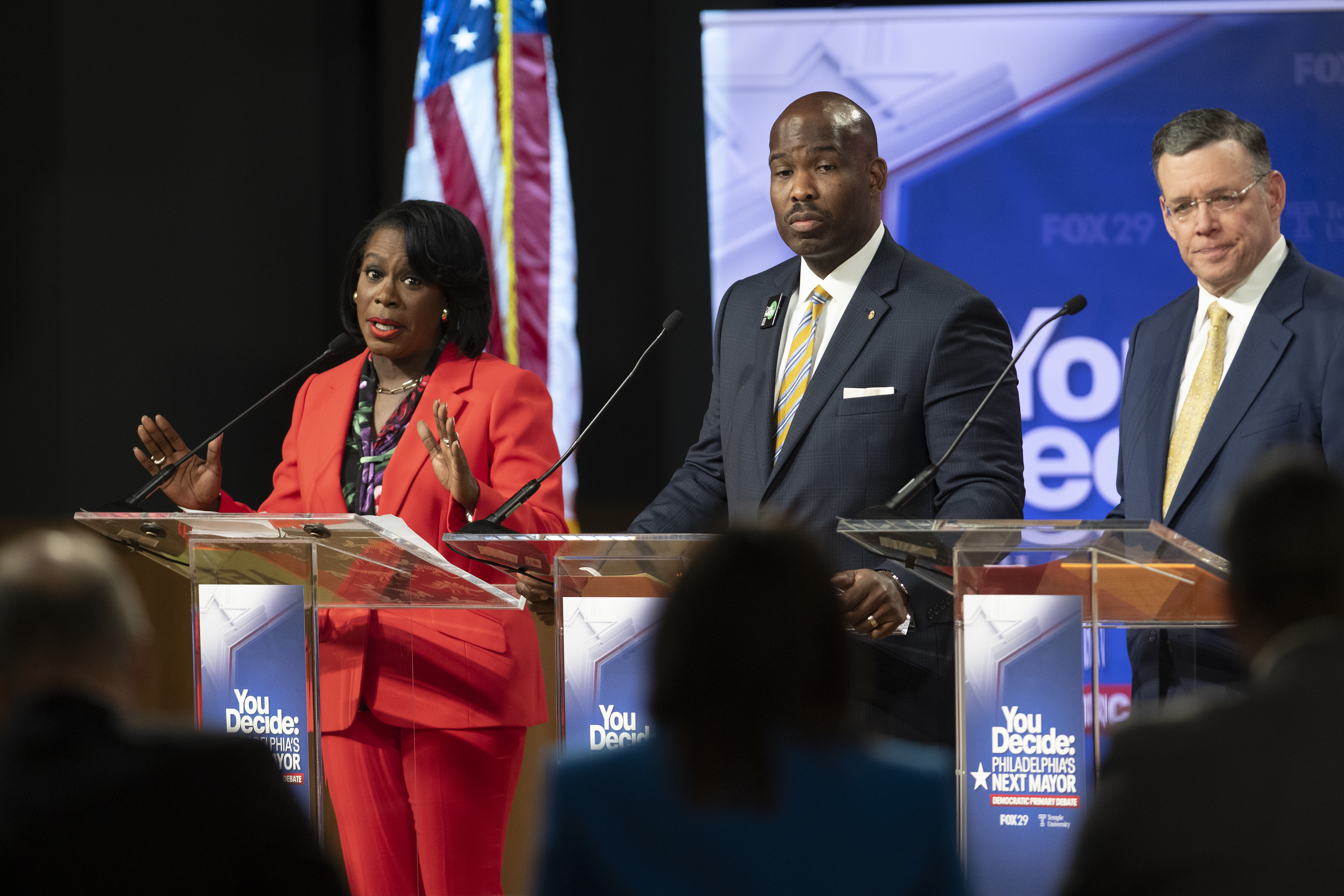
    Top candidates for the Philadelphia mayor seat former City Council Member Cherelle Parker, left, Former City Council Member Derek Green, and businessman Jeff Brown, during a televised debate at the Temple performing arts center in Philadelphia, Pa. Tuesday, April 11, 2023.Jose F. Moreno / Staff Photographer

    During the debate, however, Parker was not asked directly if she would commit to ending the city’s contract with Reworld.

    “I was enthused to hear our mayor speak about this on the campaign trail,” Gauthier said. “I hope we all want to do the right thing. Now is the time to show that.”

    Environmental advocates contend that neither landfills nor incinerators are good for the environment and urge municipalities to focus on reducing waste in the first place. For instance, Ewall, who developed a policy platform called the Zero Waste Hierarchy, pointed out that thousands of communities now charge residents for each bag of trash just as utilities charge for each gallon of water or kilowatt of electricity.

    But for the “residuals” that do need to be collected, advocates have generally coalesced around the conclusion that incineration is more harmful than landfilling, Ewall said.

    Delaware County, which adopted a Zero Waste Plan in September, commissioned a 2021 study that found incineration was the costliest of its waste-disposal options, from both a health perspective and a financial one.

    The county determined that each ton of trash burned at the incinerator produced $234 to $337 in health and environmental costs. The impact from landfilling, meanwhile, was $144 per ton.

    ‘Reverse the environmental tragedy’

    Founded by William Penn, Chester is the oldest city in Pennsylvania. But over the last century, it has become a hub for some of the region’s least-wanted uses, including polluting manufacturers, fossil fuel facilities, a state prison, and, since the early 1990s, the incinerator. About 69% of Chester’s 33,000 residents are Black, and 31% live below the federal poverty line.

    “We hope that Philadelphia is listening in a strong way … as we attempt to reverse the environmental tragedy that has occurred here in the last 3½ decades due to the incineration of trash,” Chester Mayor Stefan Roots said Friday. “It’s an old technology, and it’s time for it to go. Especially in a community like Chester that’s looking to develop, it’s one of our biggest impediments.”

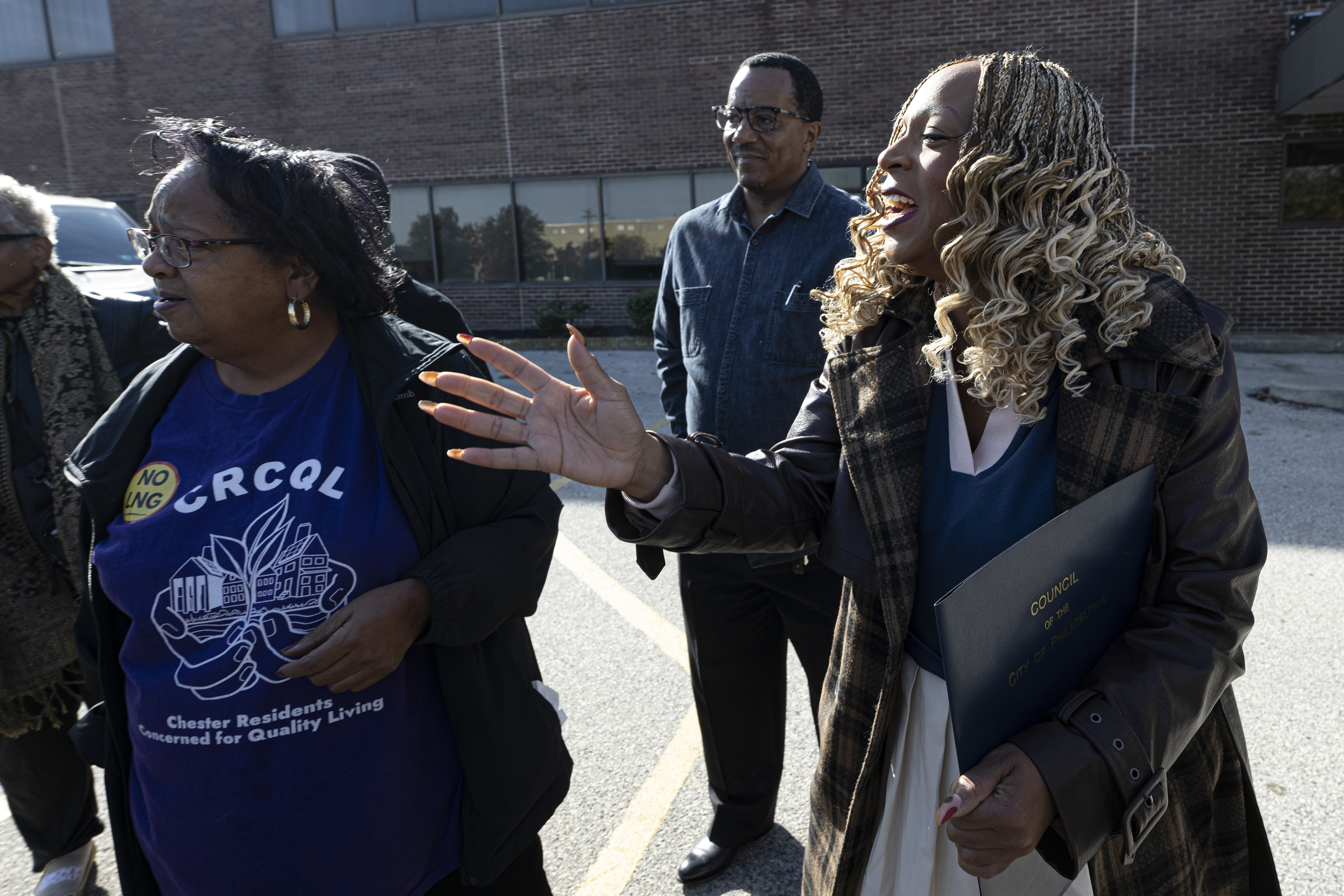
    Chester resident Zulene Mayfield, left, Philadelphia Councilmember Jamie Gauthier, right, and Chester Mayor Stefan Roots meet to discuss Gauthier’s “Stop Trashing Our Air Act,” which would ban the city from incinerating waste, during a visit with lawmakers and staff in Chester, Pa., on Friday, Nov. 7, 2025.Jose F. Moreno / Staff Photographer

    About 31% of the trash the incinerator burned in 2024 comes from Philly, with Delaware County accounting for 28% and New York City 26%.

    During the tour, Lyles explained how environmental racism can occur even if decision-makers are not consciously prejudiced against certain communities, because wealthier areas often organize to prevent polluting industries in their backyards.

    “In the late 1990s, there were about 60 proposals for new gas-fired power plants in PA. Only 16 of them were built,” he said. “Most of them faced a stiff opposition from community groups in suburban and rural areas, but those on either side of Chester went in with no organized opposition.”

    The final stop on the tour was a row of boarded-up and dilapidated homes along a railroad used for industrial purposes near the edge of the incinerator property. The homes started emptying out in the early 2000s, Ewall said, and the last was abandoned a few years ago.

    He recalled meeting one of the last residents to leave.

    “She had six grandchildren. She lived with her granddaughter, around 14, and one of the times I met her, had an oxygen tank that she would carry around with her just to be able to breathe,” Ewall said. “They just kind of disappeared one day, and I saw a boarded house.”