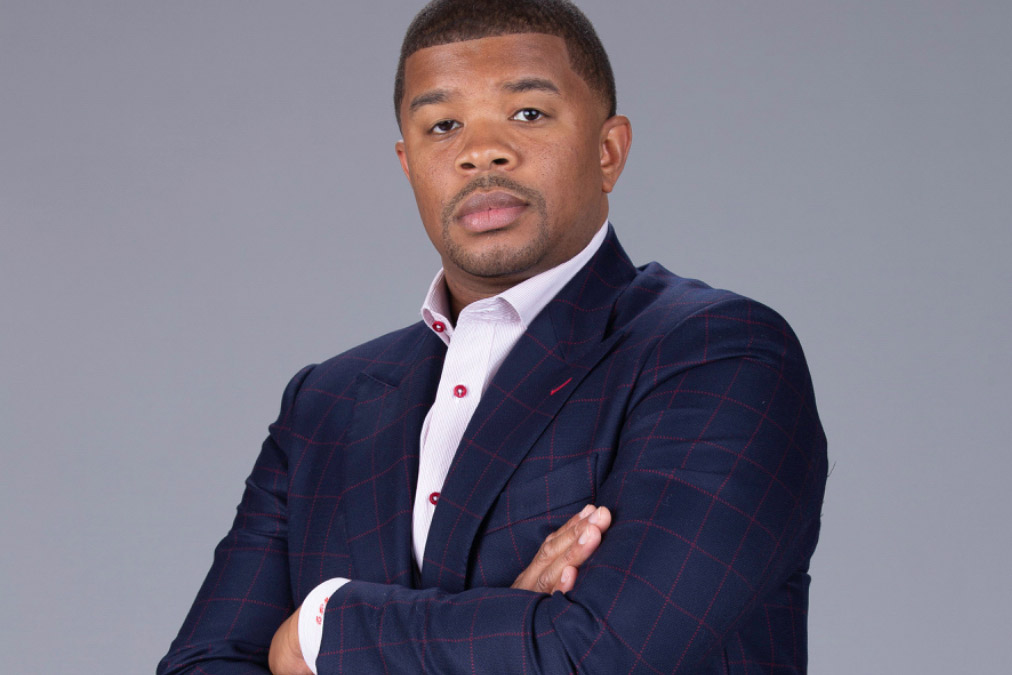
William F. Dunbar Sr., a Philadelphia lobbyist who was an important unpaid adviser to Mayor Cherelle L. Parker’s 2023 campaign, on Monday pleaded guilty to federal criminal charges related to a tax fraud scheme that lasted six years.
Dunbar’s lawyer, Brian McMonagle, said Dunbar “accepts full responsibility for his conduct.” The charges were filed in July but were under seal until Monday morning. Dunbar entered his plea on Monday afternoon before District Court Judge Kelley B. Hodge.
Dunbar, 42, was charged with four counts including tax evasion and filing a false tax return. He was charged by information, a process used when a defendant intends to plead guilty.
“Today’s plea reflects his commitment to resolving this matter with honesty, accountability, and respect for the judicial process,” McMonagle said. “He has taken decisive steps to satisfy his outstanding tax obligations and has implemented appropriate financial controls and professional oversight to help ensure this does not recur.”
McMonagle added that Dunbar “has dedicated his professional and personal life to serving his community through public service, civic leadership, and charitable engagement.”
A spokesperson for the U.S. Attorney’s Office declined to comment on the case Monday.
The charges carry a maximum sentence of 16 years in prison, plus supervised release and fines. A sentencing hearing was scheduled for Jan. 11, and Dunbar was released on bail pending sentencing.
Dunbar pleaded guilty to filing fraudulent income tax returns for himself and his wife from 2020 through 2025. Prosecutors say Dunbar inflated his charitable giving and business expenses while dramatically undervaluing his taxable income, a scheme that likely would have lowered the couple’s tax bill.
For example, they said, in the 2024 tax year, Dunbar claimed $1.45 million in total business expenses while indicating he had no taxable income. Dunbaralso reported that he owed $46,000 in total taxes for that year, a sum that can include other taxes outside the income tax, but prosecutors said the amount he actually owed was “materially greater” than what he reported on his tax form.
Prosecutors did not specify how much money Dunbar owed the government in taxes, but said in court papers that it was between $350,000 and $750,000.
Assistant U.S. Attorney Louis D. Lappen told Hodge that, due to the fraudulent returns, Dunbar for tax year 2023 received a refund of about $30,000 while his spouse received a refund of about $36,000. Lappen said the couple claimed similar refund sums each year from 2020 through 2025, and that they should have paid additional taxes when they filed their returns instead of receiving refunds.
“Had the taxes been filed accurately and appropriately and without fraud, [Dunbar and his spouse] would have owed,” Lappen said.
Although prosecutors accused Dunbar of inflating expenses associated with his political consulting firm, Dunbar Public Affairs & Associates, there are no accusations in his charging documents that connect his conduct with Parker or others affiliated with her campaign.
Dunbar was a key member of Parker’s “kitchen cabinet” of informal advisers during her 2023 run, in which she bested a crowded field to win the Democratic primary and become the city’s first female mayor. Dunbar also has had ties to other high-profile Democratic politicians, including Gov. Josh Shapiro, U.S. Sen. Cory Booker of New Jersey, and members of Philadelphia City Council.
The Inquirer reported earlier this month that federal investigators last summer issued subpoenas for documents and financial records related to Dunbar, according to three sources with direct knowledge of the probe.
One of the sources said the investigation appeared to be a “fairly broad” review of Dunbar.
Parker’s campaign has dramatically increased its spending on legal services since early 2025, around the time the sources said subpoenas were issued, according to campaign finance reports.
The campaign paid its law firm, Dilworth Paxson, about $108,000 since the start of 2025, The Inquirer reported. By comparison, it paid the firm less than $15,000 during the 2023 election year and about $19,000 in 2024.
Parker last week declined to comment on the subpoenas related to Dunbar or on her campaign’s increased legal spending.
Spokespeople for the mayor’s office and for Parker’s campaign declined to comment on the charges against Dunbar on Monday.
Dunbar was never paid for his role in the campaign during the 2023 mayoral election.
In 2024, Parker’s first year in office, Dunbar took over management of the campaign. The campaign paid Dunbar’s firm a series of rent payments totaling $22,850 between March 2024 and November 2024.
Parker let Dunbar go from her campaign in the summer of 2024 in a move that Dunbar said at the time was the mayor’s decision. The campaign is now managed by Aren Platt, who was one of the architects of Parker’s 2023 run and served as chief deputy mayor in her administration before resigning in October 2024.
Dunbar appears to still be active in politics despite no longer being on Parker’s team. Two weeks ago, he posted on social media a series of behind-the-scenes photos from a filming session at a West Philadelphia barbershop for a Shapiro campaign advertisement, writing: “Where politics meets the people.”
Manuel Bonder, a spokesperson for Shapiro’s reelection campaign, said in a statement that Dunbar has “no formal or informal role with the Shapiro for Pennsylvania campaign.”
Dunbar’s lobbying clients include Comcast, the Chamber of Commerce for Greater Philadelphia, and Jackmont Hospitality, an airport concessions company, according to his lobbying registration with the city.
Dunbar previously lobbied for the Philadelphia School District, but a district spokesperson said earlier this month that he stopped working for the district in June.
Staff writers Abraham Gutman and Ryan W. Briggs contributed to this article.
The ultracompetitive race to replace Philadelphia City Councilmember Jeffery Young Jr. is officially underway.
With nine months until next year’s primary election, two candidates are already taking steps to challenge the first-term incumbent Council member from North Philly — and more may be to come.
“We’ve spent the last two years meeting with different community organizations, speaking with different ward leaders, and community groups, and just everyday people,” Alexander said in an interview. “This is going to be a people-powered campaign that really is grassroots.”
And on Friday, Curtis Wilkerson, who was the chief of staff to former City Council President Darrell L. Clarke, announced that he’s forming an “advisory committee” to evaluate a prospective run for the seat. The group will host community roundtables and neighborhood listening sessions to collect policy ideas and feedback from residents.
Wilkerson, who campaigned for the seat four years ago but did not make it onto the ballot, said he’ll likely decide whether to launch an official campaign by September.
A third potential candidate, Democratic political operative Kellan White, has been having conversations with party officials and labor leaders about running. White is a former deputy city controller who has managed and advised campaigns, including physician Ala Stanford’s recent unsuccessful run for Congress.
At least two others have said they are considering launching campaigns for Young’s seat: Dustin Dove, the president of the Fairmount Civic Association, and Max Tuttleman, a philanthropist who in 2023 unsuccessfully ran for seat on Council representing the city at-large.
The recent moves by several prospective candidates are the latest sign that the 5th District is likely to be the most crowded Council race this spring, when all 17 members of Council will be up for reelection and are expected to seek another term. The 5th District, which includes parts of Center City, North Philadelphia, and Fishtown, is overwhelmingly Democratic, meaning whoever prevails in the May primary is all but certain to win the seat in the general election.
Fifth District Councilmember Jeffery Young Jr., during the Barber’s Hall community legacy celebration, a daylong celebration of music, history, and community in North Philadelphia on Aug. 1.Yong Kim / Staff Photographer
Young’s campaign did not respond to a request for comment. In an interview last month, he said he intends to run for reelection and sees facing challengers as a normal part of the process.
“People have a right to do what they want in a democracy,” he said. “But I’m focused on myself and what we can do as a leader of the 5th Council District and get the constituents to understand that every decision that we make is to improve their life.”
The freshman lawmaker is seen as Council’s most vulnerable member in the upcoming election, in large part because of how he got into office.
In 2023, several other candidates — including Wilkerson, who was Clarke’s preferred successor — were kicked off the ballot amid a series of legal challenges questioning the validity of their nominating petitions. Young ended up being the only Democrat on the ballot.
Since January 2024 when he was sworn in, Young’s tenure has been tumultuous. He has championed legislation that at times has sought to slow or halt housing construction in parts of the district, drawing the ire of developers. Constituent groups have loudly opposed Young, specifically over his controversial plans for a popular library branch in North Philly.
And he has publicly clashed with Mayor Cherelle L. Parker’s administration, including in 2024, when he took the rare step of introducing legislation to authorize Council to subpoena the mayor.
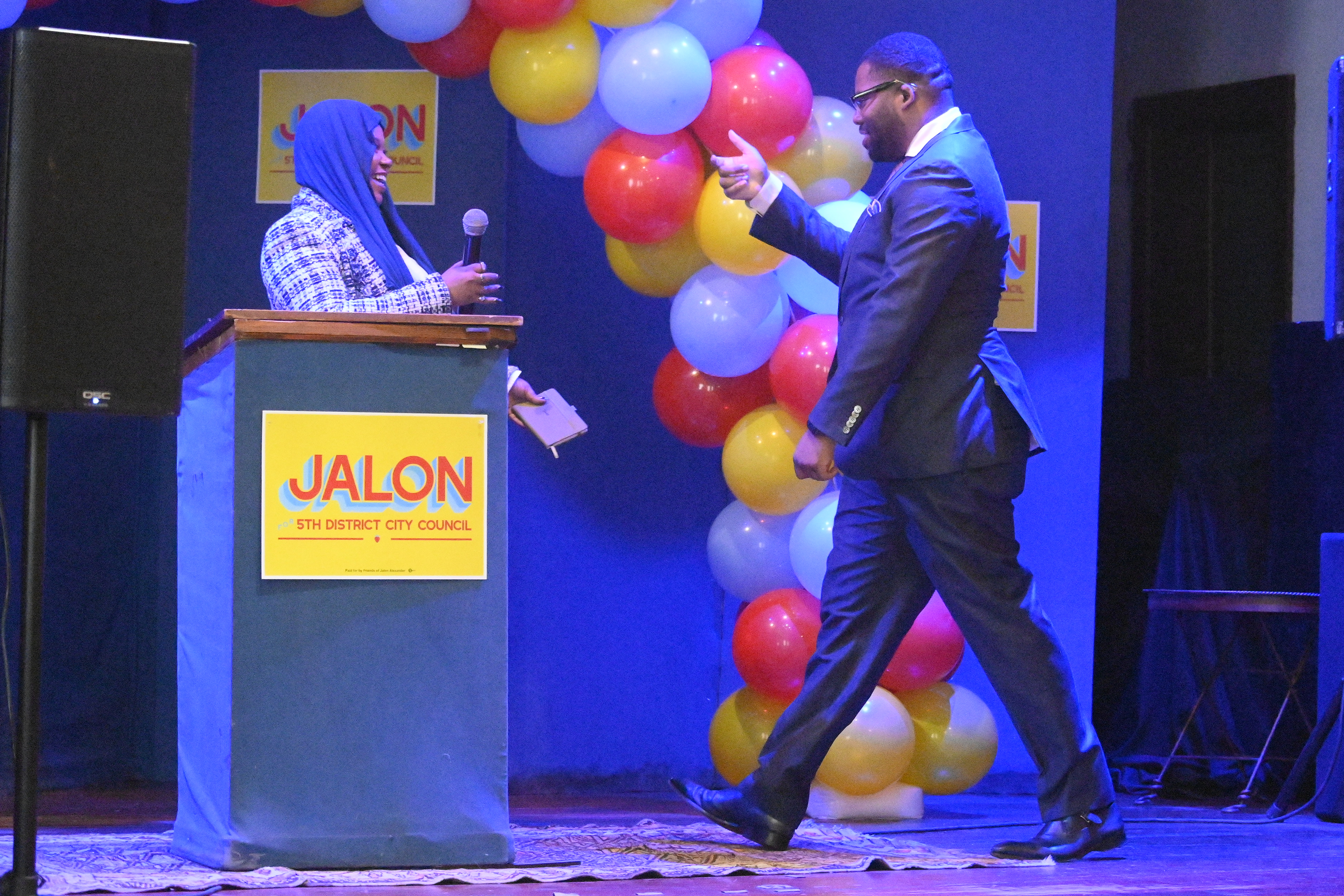
Jalon Alexander greets supporters and community members as he kicks-off his bid in the 5th Council District seat, at a campaign event in Fairmount on Saturday.Bastiaan Slabbers / For The Inquirer
Young, 40, an attorney by trade, has something of an independent streak. He has at times aligned with different political factions, and he does not fit neatly onto the Democratic ideological spectrum.
Neither do some of his opponents. Alexander, 33, said he has progressive views on workers’ rights and keeping homes affordable, and he has built relationships with some leaders of the city’s progressive political organizations.
But the tenor of Alexander’s campaign is pro-growth. He said he wants to cut the city’s business taxes with the goal of eventually eliminating the business, income, and receipts tax. And he said he’s committed to facilitating more development in the district, including through the city’s Turn the Key program that provides mortgage support to some first-time homeowners.
Alexander has been particularly critical of Young’s use of councilmanic prerogative, the unwritten rule that gives district Council members an extraordinary level of control over land-use decisions and construction projects in their district.
Young has used prerogative to attempt to obstruct projects he opposes, such as the redevelopment of the former Hahnemann University Hospital. He introduced legislation to ban residential housing development in the area, a move he said was to preserve the area’s job-generating capacity, but he did not advance the bill amid opposition from interest groups and Parker’s administration.
Alexander — who was born and raised in Strawberry Mansion and still lives in the neighborhood — said his campaign is targeting Democrats “all over the tent.”
“There’s room for progressives. There’s room for people who are loyal Democrats but feel let down by the establishment,” he said. “We’ve got one goal: We’re fully committed to removing and replacing Jeffery Young.”
The Philadelphia School District is about to face significant new scrutiny, with City Council President Kenyatta Johnson asking for a sweeping performance audit of the school system’s management and operations.
City Controller Christy Brady has agreed to the request, which came via a letter in recent weekssigned by all 17 Council members, Johnson’s office told The Inquirer. The comprehensive review will go beyond the audit Brady’s office performs annually, delving into areas such as staffing and outside contractors.
Council laid out no deadline for the audit but made clear it is expecting the results in time for next budget season, which will begin in the new year and ramp up in the spring.
The district, one of the largest in the United States, has a $4.6 billion budget, which funds education for 113,000 students in 213 district schools and 65,000 in 81 charters. About $2 billion of that money comes directly from the city.
“While the SDP is subject to regular financial statement audits that examine the accuracy of financial reporting and compliance with applicable accounting standards, this request seeks a performance audit focused on evaluating the efficiency, effectiveness, and management of financial and operational practices, including budgeting decisions, resource allocation, internal controls, and long-term fiscal planning,” Johnson said in a statement Thursday.
The news comes during a period of heightened tensions between Council and the district, spurred by members’ frustration over the school board’s move to close 17 schools and a separate $300 million structural deficit that took Council by surprise.
Last week, at a news conference where several members “begged” the district to come to the table to negotiate over school closings, Councilmember Curtis Jones Jr. said Council has “tools in our tool belt that we will use” if the board does not change its mind about some building closures.
Jones has sponsored legislation to hold hearings on creating an independent financial authority, like the Pennsylvania Intergovernmental Cooperation Authority, to oversee the district’s finances.
Council sources told The Inquirer that there is no indication that the district has conducted malfeasance, but that given the billions that flow to the district from city coffers, Philadelphia officials want a closer accounting of how the money is being spent.
After the board voted to begin the closure process in April, multiple members of the public also called for increased financial scrutiny of the district.
Reginald Streater, the school board president, said in a statement Thursday that the board and district will work with the controller’s office “to continue strengthening our financial processes and procedures.”
Streater said the audit squares with the board’s approach to governance.
“Good governance is not about assuming we have all the answers; it is about asking the right questions, using evidence to guide decisions and being willing to improve. We look forward to understanding the proposed scope of the audit and ensuring that the examination is constructive and focused on helping the district work well for students, families and educators,” Streater said.
Superintendent Tony B. Watlington Sr. stressed the district’s academic strides, history of audits with no material weaknesses, and moves to solidify its credit rating.
Frustration over a budget deficit and school closings
Johnson, in his statement, said that the audit will reassure Council that “resources are being managed effectively and operations are functioning efficiently by the SDP,” and that he believes its findings will help inform priorities for next fiscal year’s budget.
This year’s budget season was chaotic.
After Mayor Cherelle L. Parker introduced her initial budget, Watlington ordered $225 million in cuts, including some school cuts, with 300-plus teachers, counselors, and climate staff slated to lose their positions.
The problem, Watlington underscored in remarks in March, was “not because we’re not good stewards of the dollars, but because of historic underfunding.” (The district achieved its highest credit rating ever under Watlington, who has said he wants to be the superintendent to retire the system’s structural financial issues permanently.)
Philadelphia’s school system cannot raise its own revenue but instead depends on the city and state to bankroll it, unlike every other district in Pennsylvania.
(Left to Right) Councilmembers Isaiah Thomas, Curtis Jones Jr., and Jamie Gauthier protest at Thursday’s school board meeting as the board prepared to vote on the facilities plan.Jessica Griffin / Staff Photographer
In April, several Council members took the dramatic step of repeatedly disrupting the school board’s vote in an attempt to get it to reconsider the closures of a handful of schools, including Lankenau and Robeson High Schools and Overbrook Elementary.
The school board proceeded anyway — Council approves school board members, who are appointed by the mayor, and the city’s budget, but had no formal authority over the closures.
But it quickly became clear that some Council members remained frustrated with the school system and were looking for a way forward.
Councilmember Isaiah Thomas has said he will not vote to reconfirm any school board member who voted for the closings; he and others have also said they believe it is time to rethink the school board’s governance structure.
The city, as a primary funder of the district, needs a clearer picture of what is going on, they say.
“Given the SDP’s current budget challenges, requests for additional public revenue, and recent proposals involving school closures and operational reductions, City Council believes a comprehensive performance and management review is warranted to ensure transparency, accountability, and informed public decision-making,” Johnson said in the statement. “The City of Philadelphia has a responsibility to ensure that all available revenues, expenditures, obligations, and funding strategies have been thoroughly reviewed before significant decisions affecting students, families, educators, neighborhoods, and public assets are implemented.”
What will the special audit examine?
City Controller Christy Brady (second from left, standing next to Mayor Cherelle L. Parker) is seen in this January file photo. Alejandro A. Alvarez / Staff Photographer
Brady, in a statement, said the audit will “ensure resources are being managed effectively, operations are functioning efficiently and students are receiving the support they deserve. We’ve been encouraged by the SDP administration’s response to our previous audits and the steps it has taken to implement our recommendations. We expect this audit will continue that collaborative approach and continue to produce positive results for the benefit of students, educators and taxpayers.”
Council has asked Brady to go deep, from probing into the current structural deficit and the projections used to get there to the status of Philadelphia Parking Authority revenues, both expected and received.
Brady will also look at the district’s use of reserves and its administrative costs, and she will explore “the effectiveness and efficiency of administrative and operational expenditures, including central office functions, non-instructional spending and other costs not directly tied to classroom instruction.”
She will look into how the district’s budgeting methods and long-term planning square with industry best practices, and examine contract management and consultant utilization to try to find areas “for improved accountability, transparency, and cost efficiency.”
Brady is also charged with a deep dive into the financial effects of forthcoming school closings, and the potential ramifications of the closings on surrounding neighborhoods.
Several members of Philadelphia City Council and a bevy of LGBTQ+ community leaders on Wednesday sharply criticized Police Commissioner Kevin Bethel, who testified about the department’s response to Pride festivities in the city’s Gayborhood in June and largely defended the force’s crowd-control tactics that had drawn outrage.
Bethel acknowledged that June 7 was “not a perfect day” and vowed that the police department would implement more robust planning procedures ahead of next year’s celebrations.
But he stopped short of apologizing for the police department’s response, saying chaotic scenes from the Pride events were part of officers’ attempts to disperse crowds from the Gayborhood, where thousands of people congregated instead of the city’s official festival on the Benjamin Franklin Parkway.
Among them, Bethel said, were hundreds of teenagers, some of whom were seen on video fighting.
“There’s a large group of young people who [had] descended into the neighborhood for what they think is something there,” Bethel said. “There is nothing for them there, other than to take over the street.”
That comment did not sit well with Council members and dozens of LGBTQ+ community members who attended the hearing at City Hall.
“Your testimony today and what I’m hearing is both painful and perplexing,” said Councilmember Rue Landau, a Democrat who called for the hearing and is the first out LGBTQ+ person to serve on Council. “It is mind-boggling to think that you and your team would not know that people were going back to the Gayborhood.”
Councilmember Isaiah Thomas, a Democrat, said he was “confused” why groups of teenagers fighting would have prompted an outsized police response throughout the Gayborhood that included crowds running amid police on horseback and motorcycles.
“It doesn’t really feel like we’re having a conversation that can put us in a position of earning the trust of a lot of the people who feel like the trust has been lost,” he said.
And C. Michael Robinson, a community advocate, added: “Only adult bullies scapegoat children, and that was a weak display of leadership.”
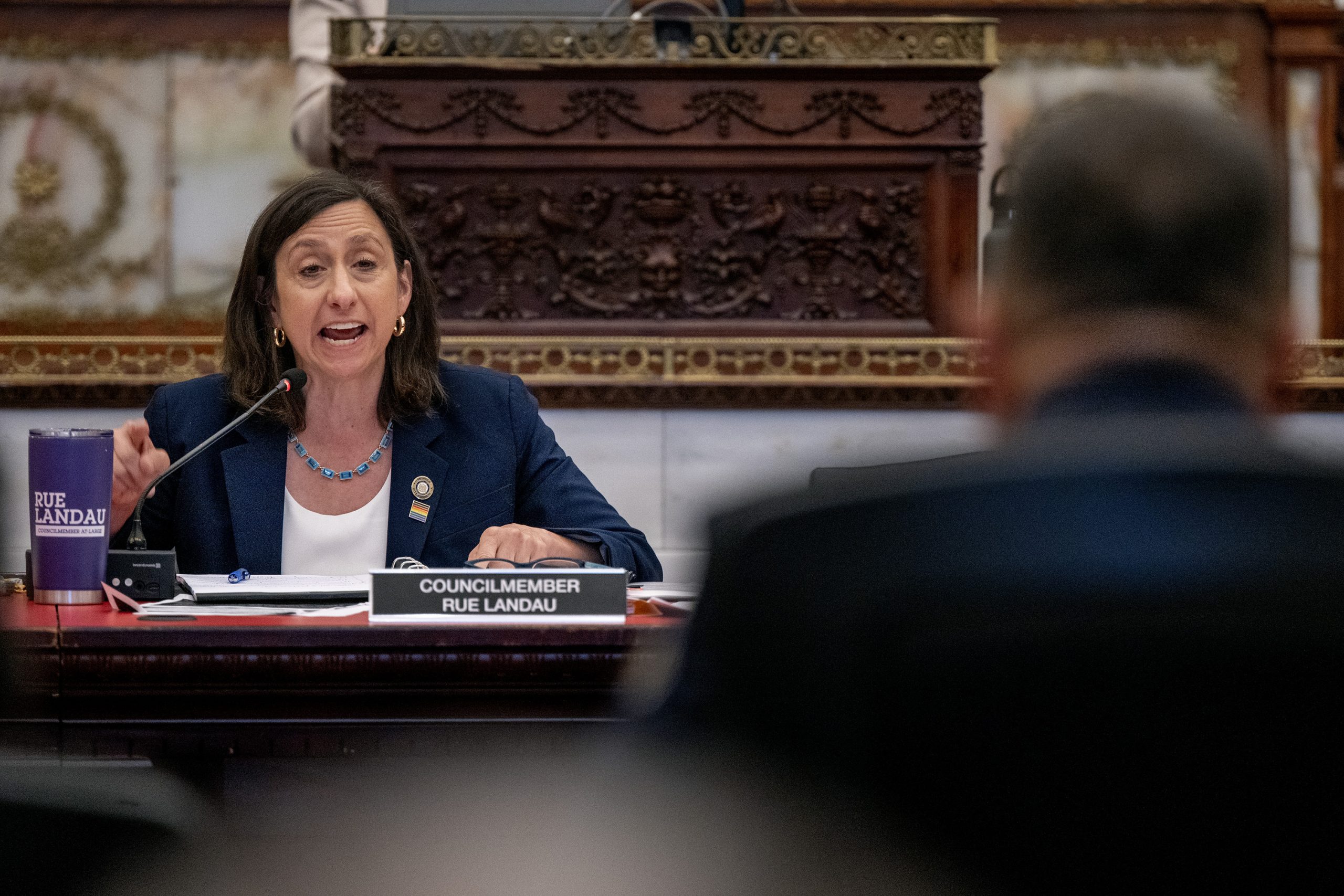
Councilmember Rue Landau questions Police Commissioner Kevin Bethel (foreground) as Council’s Committee on Legislative Oversight holds a hearing Wednesday, Aug. 5, 2026 into the Philadelphia Police tactics used during Pride celebrations in June.Tom Gralish / Staff Photographer
The hearing Wednesday before Council’s Committee on Legislative Oversight was the most tense questioning that Bethel, a veteran of the city’s police force, has faced since he was sworn in as commissioner in January 2024 at the beginning of Parker’s term. He has enjoyed a largely warm relationship with Council members, who have been supportive of his leadership amid a significant drop in violent crime.
However, the police department faced intense scrutiny following June 7, the day of the Pride parade and celebration during which 15 people were arrested and videos of police corralling crowds in the Gayborhood drew widespread criticism. Videos posted to social media showed officers physically struggling with Pride attendees, as well as police on horseback and motorcycles dispersing people, and at times displaying batons and Tasers.
Following the backlash, Landau called for Council’s Committee on Legislative Oversight to hear testimony from the department’s top brass, as well as members of Mayor Cherelle L. Parker’s administration and LGBTQ+ advocates.
Pride attendees who testified Wednesday said police forcefully directed them through a maze of barricades in the Gayborhood. Several described being pushed and yelled at, and said that the most aggressive tactics were used on crowds of mostly Black people. One person said they heard an officer use a slur.
Parker said in a statement Wednesday that the events described during the hearing “show us we can and must do better.”
“We can and will learn from what occurred,” she said.
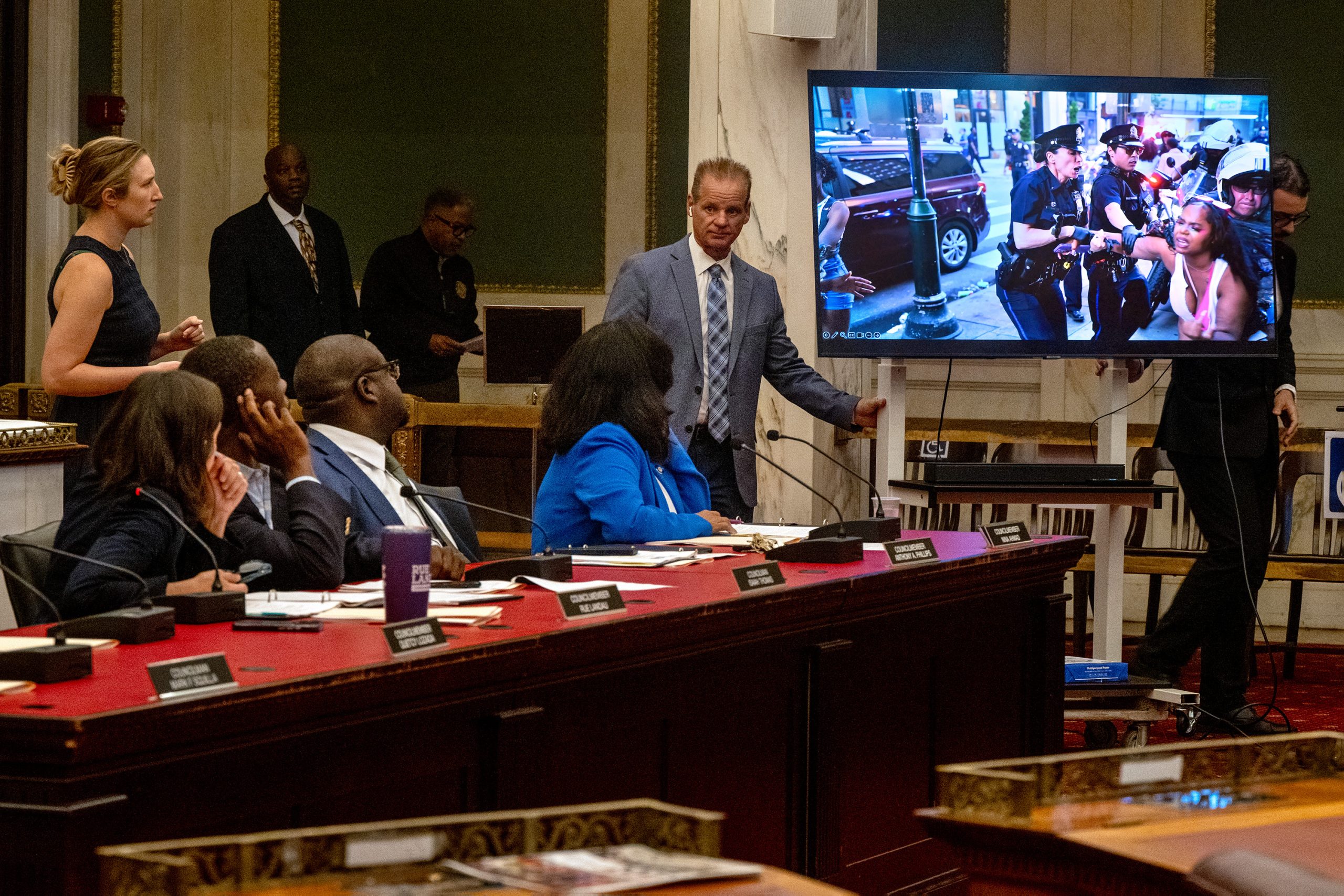
Councilmember Rue Landau (seated, left) shows a collection of social media videos as City Council’s Committee on Legislative Oversight holds a hearing Wednesday, Aug. 5, 2026 into the Philadelphia Police tactics used during Pride celebrations in June.Tom Gralish / Staff Photographer
This year marked the first time the city’s Pride festival was held on the Benjamin Franklin Parkway, where Bethel said police had been well-prepared to manage crowds. Thousands of people still congregated in the Gayborhood, where celebrations were held in previous years, creating dueling events that he said overwhelmed the department.
Officers attempted to manage crowds in the Gayborhood for hours, Bethel said, and began working to disperse people by late afternoon. To do so, he said, officers used barricades, as well as officers mounted on horseback and motorcycles to motivate people to leave on their own.
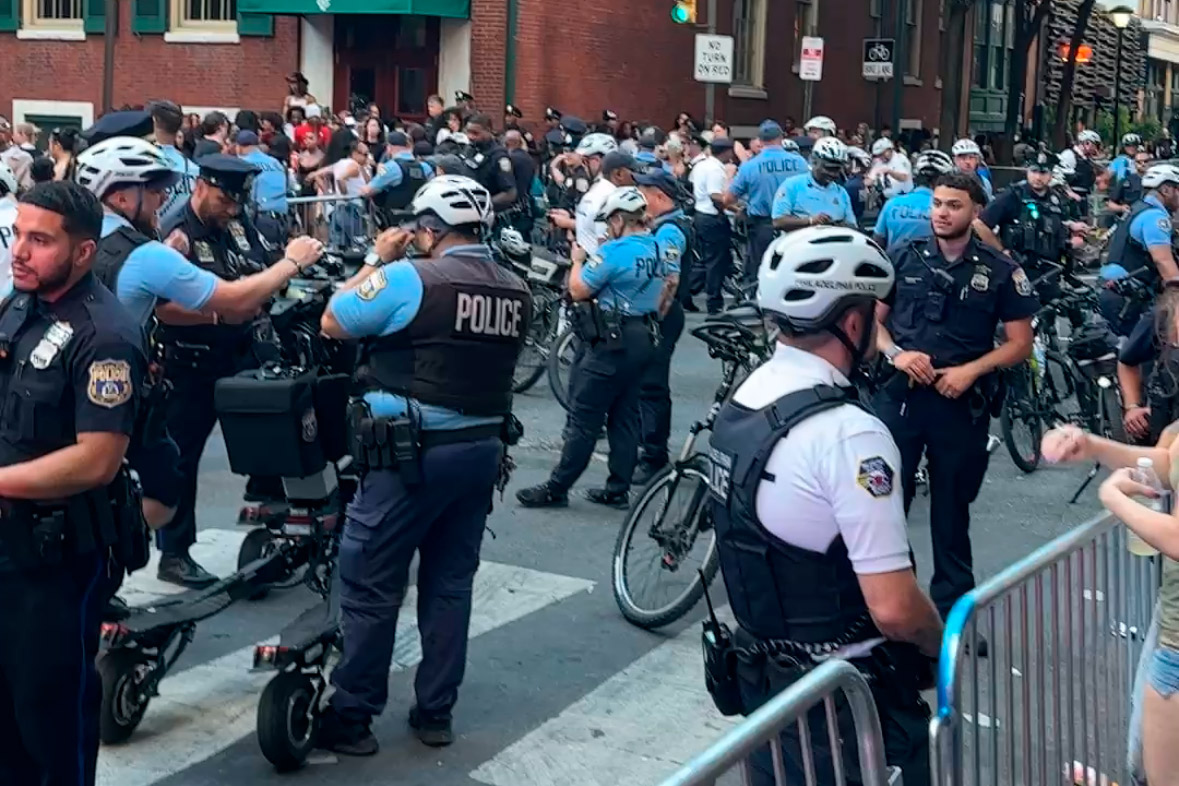
A large police presence at a Pride celebration in the Gayborhood on Sunday, June 8, 2026.Courtesy of Joshua Stokem
Landau said she was horrified by the crowd-control tactics and asked Bethel if he supported the decision to have officers on motorcycles on the sidewalk, calling it “terrifying” and “dangerous.”
He said the goal of moving the crowd was “appropriate at the time.”
In what became a tense back-and-forth, Landau said that people attending Pride “did not believe that you were there to protect them.”
“They were terrified, they were harassed, they were traumatized,” she said. “This was not about protection. You had 150 officers there, by your own testimony. That is a significant amount of officers.”
Bethel responded: “Do you want police there at all?”
Landau appeared taken aback.
“My comment that there was 150 officers there should not turn into the end-sum game of ‘Do you not want anybody there?’” she said.
The police commissioner did not specify how many officers in total are facing potential discipline stemming from Pride events on June 7, but he said “eight or nine″ are under investigation by the internal affairs division for wearing facial coverings, a violation of department policy.
Bethel, who was formerly the department’s liaison to the LGBTQ+ community, vowed a more collaborative planning process next year.
“Next year it will not be like that. It will be prepared,” Bethel said. “It is not my job to police that event. It is to keep it safe.”
Several LGBTQ+ advocates and community members testified in favor of additional accountability measures.
Jacen Bowman, the president of Philly Black Pride, called for an independent after-action review, a permanent LGBTQ+ public safety advisory council that is consulted during the planning of large events, and more consistent cultural competency training for officers.
“Versions of these structures already exist,” Bowman said. “The question is whether or not the structure has the authority, independence, or enforcement power necessary to produce accountability. Oversight without authority is observation.”
Convicted former Philadelphia labor leader John J. Dougherty has taken a variety of steps to try to cut his six-year prison term short, including by taking the witness stand this spring to tell a federal judge about the unique health challenges faced by his wife.
But one other avenue he pursued last year — an appeal to the White House for mercy — apparently hit a dead end.
President Donald Trump earlier this month denied Dougherty’s request for a commutation, according to the Office of the Pardon Attorney’s website, meaning Trump — at least for now — will not use his broad powers of clemency to clear the way for Dougherty’s early release.
Dougherty — who, nicknamed Johnny Doc, was once a singular power broker in the city’s Democratic Party — was one of about 5,600 people whose commutation applications were denied on July 10, according to the pardon attorney’s site. A commutation keeps a defendant’s conviction intact but ends or reduces their sentence.
Trump, a Republican, also denied about 300 applications for a pardon, a broader form of relief that is added to the record of the case and reverses any restrictions stemming from a conviction, such as limitations on voting or seeking public office. The New York Times first reported on the wave of denials this week.
Presidents have broad authority to issue pardons and commutations in federal cases, and Trump has shown a willingness to grant them to political allies during his second term in office.
One of his first actions after being sworn in again last year was to issue pardons to nearly every person charged with participating in the riot at the U.S. Capitol on Jan. 6, 2021. Trump has also bestowed clemency on political figures convicted of corruption and those he maintains were “persecuted” by the Justice Department under former President Joe Biden.
Dougherty’s attorney, George Bochetto, said Tuesday that he was not involved in the effort to petition for a commutation and did not know about it. It was not immediately clear if Dougherty submitted an application himself or if he had another associate help with its preparation.
The pardon attorney’s website made basic information about Dougherty’s application available through its case search system, showing Dougherty’s name and his Bureau of Prisons register number and saying his application was filed last year.
Bochetto has been overseeing a different relief effort: Dougherty’s attempt to have a judge grant him compassionate release.
In court documents and in testimony before U.S. District Judge Jeffrey L. Schmehl, Dougherty has been saying for months that his wife, Cecilia — who has long suffered from a debilitating brain injury — has seen her condition worsen while he has been imprisoned. Dougherty has asked to serve the rest of his sentence on house arrest in order to oversee her care, saying if he is not allowed to do so, his wife will likely die.
Schmehl denied that request earlier this year, but has been reconsidering after Bochetto appealed.
Members of Philadelphia City Council say they are concerned that the city’s recently released property reassessments will mean tax hikes for thousands of residents, and they are demanding to know more about the methodology used to determine property values.
Councilmember Mike Driscoll, a Democrat who represents the Lower Northeast, authored aletter sent Monday to Chief Assessment Officer James Aros Jr. and other top officials in Mayor Cherelle L. Parker’s administration, expressing concerns on behalf of a half dozen Council members.
He wrote that his office has received “numerous” calls from constituents whose homes will see sharp increases in valuation, the measure that is used to calculate property tax bills.
“Many residents are struggling to grasp how their assessments were calculated. Others are worried about what these increases will mean for their property tax bills,” Driscoll wrote. “At a time when families are already facing higher costs for housing, utilities, groceries, and other daily expenses, these concerns need clear answers.”
He outlined six questions for the Philadelphia Office of Property Assessment related to its process and methodology, and set an Aug. 15 deadline for the administration to reply, saying “property owners deserve answers now as they review their assessments and consider whether to file an appeal.”
The 3100 block of C Street in Philadelphia on Tuesday, July 7, 2026. Property values sharply increased on this Kensington block.Elizabeth Robertson / Staff Photographer
The letter — which was signed by six Council members who are cosponsors of previously introduced legislation to probe the city’s property assessment process — is one of the first formal steps that lawmakers have taken to challenge the citywide revaluation since last month, when property owners received notices of their new assessments.
Citywide, there was a 3% median change in valuations from the 2025 tax year, the last time there was a mass reassessment, according to an Inquirer analysis of assessments of single-family homes.
But some neighborhoods saw much steeper increases. The biggest jump was in Kensington, where median values increased 15.3%. Driscoll represents part of the neighborhood, which has been long beleaguered by the open-air drug market there and where the city has made a concerted effort to improve the quality of life.
There was also a 15% median increase in property assessments in Mantua and a 12% rise in Kingsessing, both of which are in West Philadelphia and border University City.
Parker administration officials have said that the city offers a variety of property tax relief programs, including the popular homestead exemption, which erases the first $100,000 in valuation from being taxed for owners who live in their home as their primary residence. Property owners must sign up for the free program.
But for years, dating back long before Parker took office in 2024, Council members have criticized the city’s property reassessment process, saying its methodology is opaque and its results have a disproportionate impact on low-income homeowners.
Multiple reviews are already underway.
In addition to a yet-to-be-scheduled Council hearing, the city controller is conducting a performance audit of the property assessment office and the city’s appeal process, according to Driscoll’s letter. Controller Christy Brady’s office has sought feedback from residents and left flyers in neighborhoods where property values are rising.
The Parker administration convened a task force in 2024 to develop recommendations for how the city can improve its appraisal practices.
And the city is in the process of hiring an outside consultant to examine the fairness of its reassessments. According to city records, that analyst will be expected to draft a report by the end of this year.
Data reporters Yaelle Tang and Lizzie Mulvey contributed to this article.
Philadelphia City Council is already looking to 2027. And with all 17 seats on the ballot next spring, the elections are shaping up to be a pivotal test of whether the city’s established politicians can withstand a rising tide of frustration with the party among Democratic voters.
All of the incumbents have said they intend to run for reelection, and several are likely to face serious challenges from new candidates focused on grassroots organizing and progressive groups — hoping to seize the opportunity presented by a nationwide leftward shift amid President Donald Trump’s second term.
Three districts have emerged as key battlegrounds.
And the city’s progressive organizations, emboldened by a series of wins locally and nationally, are targeting two other districts: the 1st, which stretches from South Philadelphia to Fishtown and is represented by Councilmember Mark Squilla, and the 8th, which includes parts of North and Northwest Philadelphia and is represented by Councilmember Cindy Bass.
“We’re definitely feeling confident,” said Robert Saleem Holbrook, executive director of the progressive advocacy group Straight Ahead. “Anyone who is going to be running under a progressive banner or a progressive movement is going to have to be running against the establishment, not toward it.”
A competitive race also appears to be taking shape for the seven Council seats that represent the city at-large.
Five of those seats are all but certain to be won by Democrats, making the May 2027 primary the key election in deep-blue Philadelphia.
The other two at-large seats — set aside for Council members outside the majority party under the city’s Home Rule Charter — will be decided in the November 2027 general election. Currently, the two minority party seats are held by Councilmembers Kendra Brooks and Nicolas O’Rourke of the left-leaning Working Families Party.
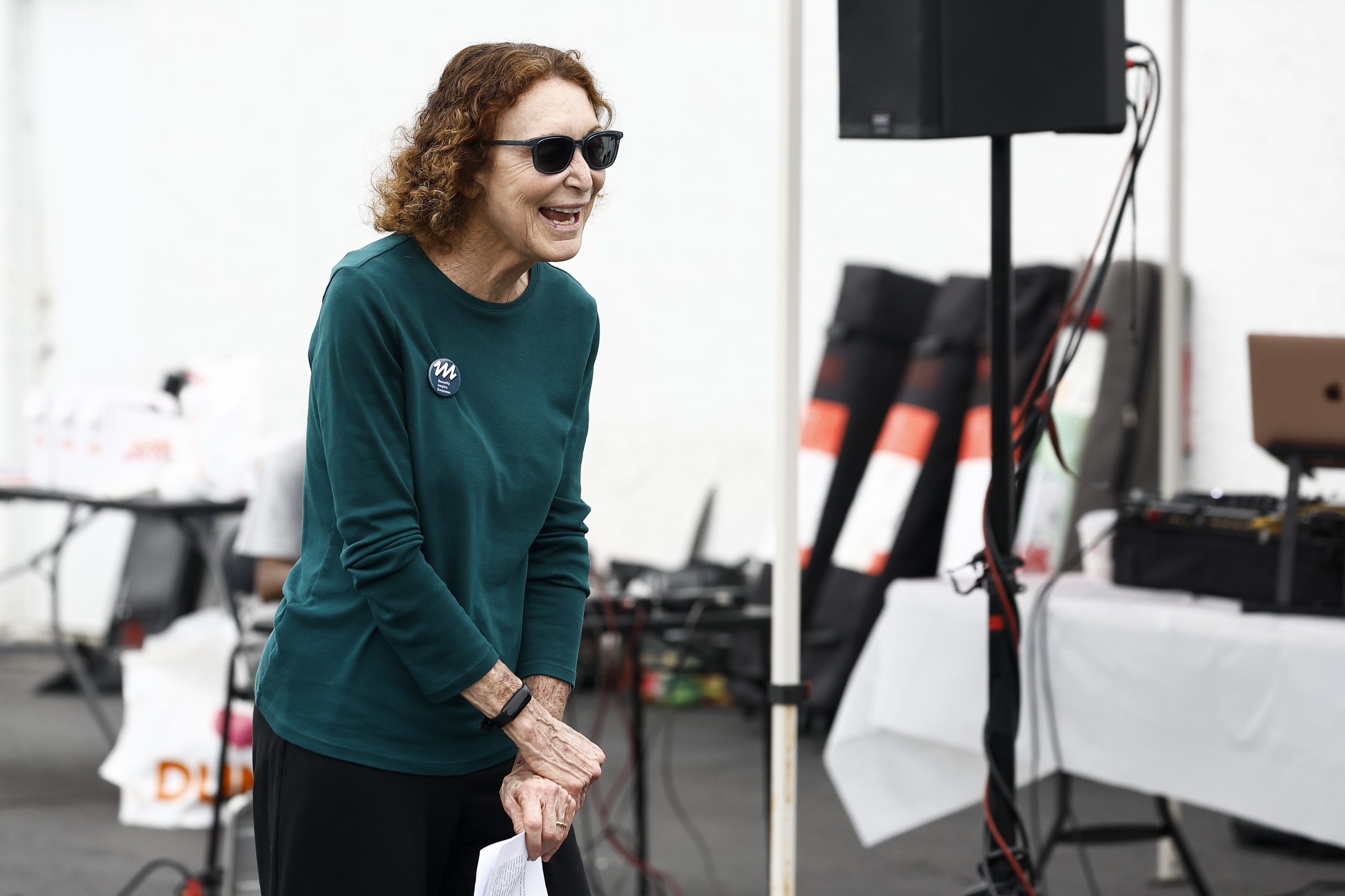
Jane Golden, founder and executive director of Mural Arts Philadelphia, takes the stage during the dedication of the Super Bowl LIX mural at Spike’s Trophies on June 17, 2025 in Philadelphia.Monica Herndon / Staff Photographer
Golden, 73, said last week that she is not currently running for Council, but acknowledged she has thought about it for years.
“It’s always something that is tempting to me, because I just love the city so much,” she said. “I feel honored that people even think of me.”
Progressives eye Bass’ North Philly seat
Philadelphia’s progressive activists this year see two key opportunities to expand the loosely organized left-leaning bloc on Council, which currently consists of four members. Winning additional seats could also grow their influence by enticing more moderate members to vote alongside them if they believe primary voters are moving left.
Leftists have notched high-profile wins in Democratic primaries across the country this year, including in Philadelphia, where democratic socialist State Rep. Chris Rabb (D., Philadelphia) bested more moderate candidates for a seat in Congress representing about half of the city. The district is one of the most Democratic in the nation.
Anderson-Oberman, 55, the executive director of the progressive group Reclaim Philadelphia, said last week that he is “leaning” toward taking another swing.
“We’re in a moment in this country and this city where people have had enough,” he said. “People are looking for new answers. … Cindy represents the old way of doing things.”
Union organizer Seth Anderson-Oberman, running for 8th District City Council, joins in a small rally with community and Happy Hollow Advisory Board members along Wayne Avenue at Happy Hollow Playground in Philadelphia on April 2, 2023.Tyger Williams / Staff Photographer
Another Council run by Anderson-Oberman may test how far progressive momentum can go in Philadelphia. He was a member of the Communist Party USA in his 20s, and has said he is proud of that experience.
Bass, 58, said she is ready for the race no matter who her opponent is.
In June, she survived a contentious fight for another four-year term as Democratic leader of Mount Airy’s 22nd Ward. She was criticized for her handling of the process, and the party ordered a redo of the election.
She and her progressive opponent, Octavius Price, tied, then struck a power-sharing agreement. Through it all, Bass said, longtime residents stuck by her — and she is confident voters will do the same next year.
“My voters are people who are based in this community, committed to this community, intend to stay in the communities that they are in,” she said.
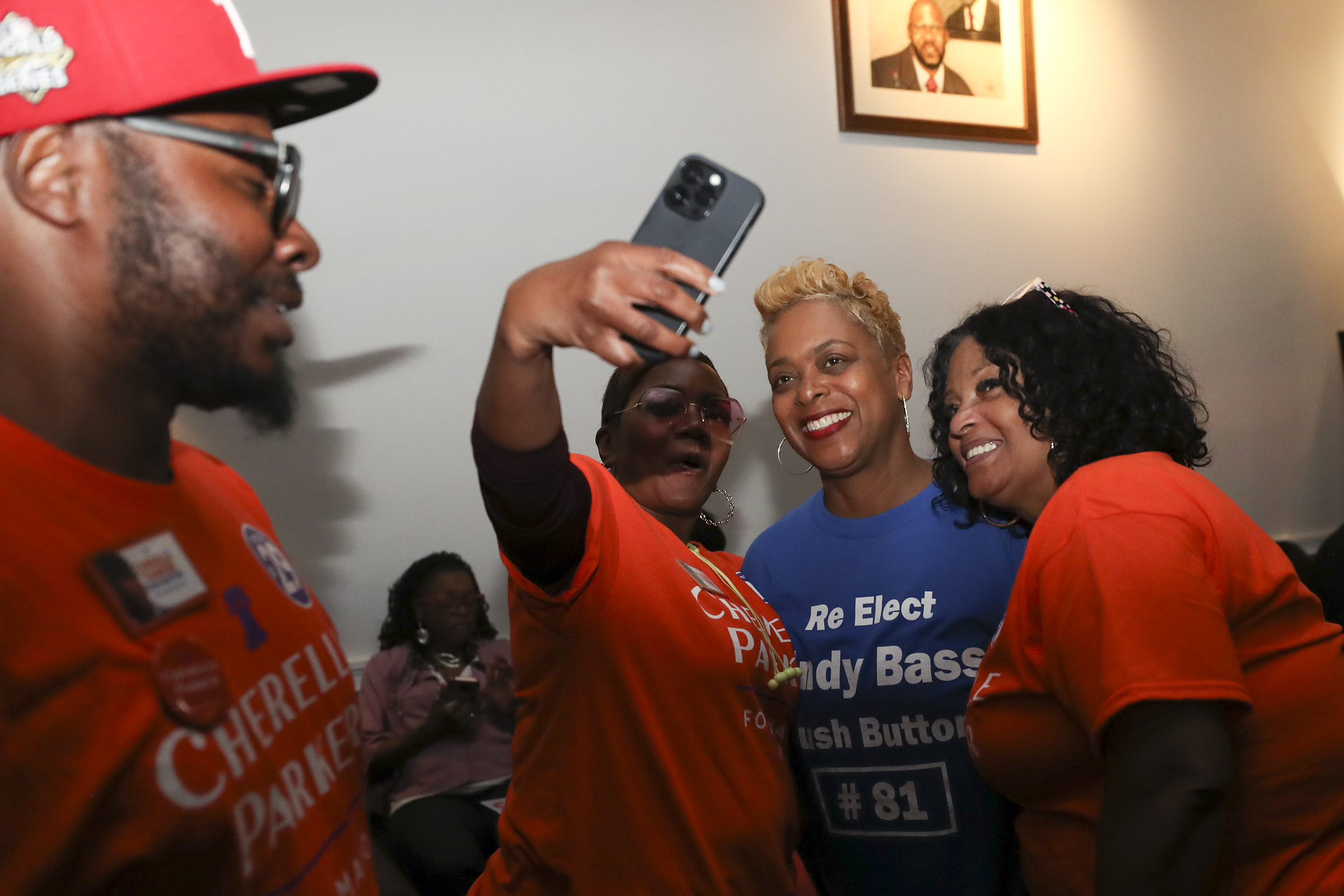
City Councilmember Cindy Bass (center) attends the watch party for Democratic candidate for mayor Cherelle L. Parker at Laborers 332 in Philadelphia on May 16, 2023.Heather Khalifa / Staff Photographer
Jeff Jones, a community leader and social justice advocate from Germantown, has also said he intends to run in the 8th District.
“I want to bring that new vision and a new voice to the 8th District, where residents and children and families can know that their voice matters, their concerns will be heard, and their challenges will be met,” said Jones, 61, a first-time political candidate.
Squilla could see a lefty challenger
Leftists are also eying Squilla’s seat, which represents the area along the Delaware River from Pennsport to Kensington. Since Squilla took office in 2012, the district has transformed from a bastion of working-class white voters to one of the most progressive swaths of the city.
Squilla, 63, who has strong labor ties and is one of the most pro-development district Council members, said being a centrist has likely put a target on his back in the 2027 election.
Another contributing factor may be Squilla’s support for controversial legislation in 2024 to approve the 76ers’ since-abandoned plan to build a new arena in Center City. The project, which would have been in Squilla’s 1st District, was opposed by advocates for Chinatown, which the arena would havebordered.
Councilmember Mark Squilla arrives in Council chambers on Nov. 12, 2024, before the start of a public hearing on a proposed Sixers arena.Alejandro A. Alvarez / Staff Photographer
Despite the fierce objections, Council approved the project with Mayor Cherelle L. Parker’s support in December 2024. Weeks later, the basketball team announced it was abandoning its Center City plan and would instead build its next arena in South Philly.
Squilla said he is prepared to defend his actions, noting that he worked to ensure any arena deal would benefit his district and that many of those promises are moving forward despite the 76ers withdrawing their proposal.
“The goal as an elected official, and also as a leader, is not always to make the popular decision,” he said. “The goal is to have a process to make the decision that would be best for the people around it.”
One prominent opponent of the Center City arena plan was Will Gross, the owner of Ox Coffee in Queen Village and a progressive who is the Democratic leader of the 2nd Ward. He is seen by political insiders and progressive organizations as the most likely candidate to take on Squilla.
Gross declined to comment.
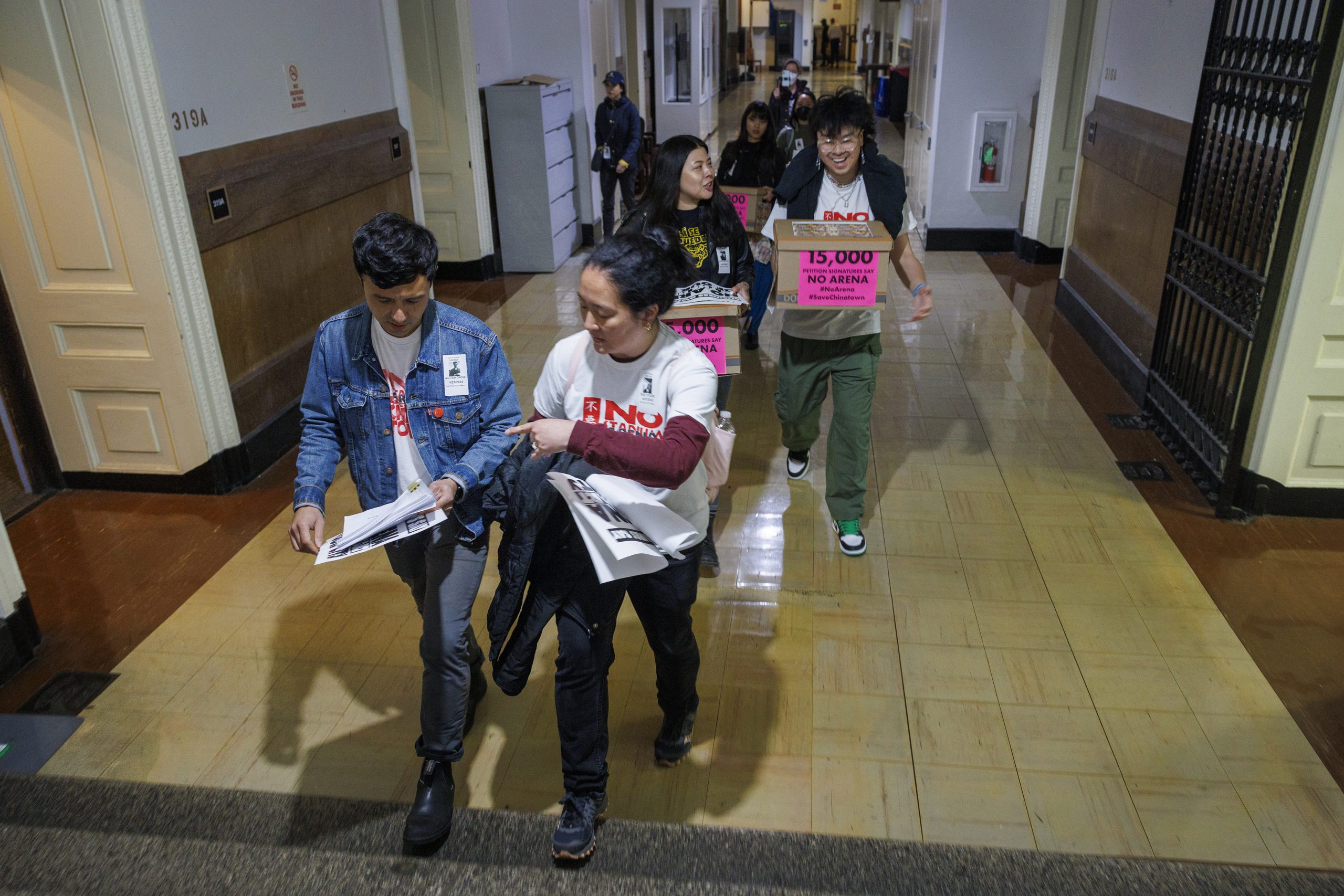
In this 2023 file photo, Will Gross and Kay Yoon, of the No Arena in Chinatown group, deliver petitions to Councilmember Mark Squilla. Alejandro A. Alvarez / Staff Photographer
A progressive challenger may also emerge in the North Philly and Kensington-based 7th District, which is represented by Councilmember Quetcy Lozada.
Some insiders have speculated that Celin may run again. He declined to comment.
Lozada, 55, said she “can’t focus” on potential challengers.
“If I spend my time listening to the buzz about who is running,” she said, “we won’t get any work done.”
A battle takes shape in the 5th District
In the 5th District, a seat that represents parts of North Philadelphia and Center City, a handful of Democratic challengers are lining up to take on Young, 40, who is seen as one of Council’s most vulnerable members.
That is in part because of the unusual way in which he was elected in 2023. He ended up being the only Democrat on the ballot after several others, including party officials’ preferred candidates, were removed amid legal challenges.
Councilmember Jeffery Young Jr. in chambers as City Council meets Dec. 11, 2025.Tom Gralish / Staff Photographer
One of those candidates was Curtis Wilkerson, who was chief of staff to former City Council President Darrell L. Clarke. Two sources, who spoke on condition of anonymity because they were not authorized to discuss the campaign dynamics, said Wilkerson is considering running for the seat again next year.He did not respond to a request for comment.
Also likely to run is Jalon Alexander, an attorney who unsuccessfully ran for an at-large seat on Council in 2023. Alexander, 33, formed an exploratory committee last year and is expected to formally declare his candidacy later this summer.
Two others are also considering running.
Dustin Dove, a lawyer and the president of the Fairmount Civic Association, said neighbors and community leaders have encouraged him to get in the Council race, and he is “taking the possibility of running seriously.”
“I think our city government should work for everyone by keeping our neighborhoods safe and streets walkable, making housing affordable, and ensuring fairness and access in public services,” Dove, 38, said last week.
Jalon Alexander, an attorney and community advocate, speaks to attendees at a meeting about potential SEPTA budget cuts hosted at Garden of Prayer Church in Strawberry Mansion on June 9, 2025.Erin Blewett / For The Inquirer
And Max Tuttleman, 37, a philanthropist who unsuccessfully ran for an at-large seat in 2023, said he “cares deeply about the 5th District and would never close the door to serving Philadelphia.”
He added that “Center City and the neighborhoods around it should be growing faster than they are.”
Young said in an interview last weekthat he intends to run for reelection, but that challengers are not his focus.
“I‘m focused on serving my constituency, serving my community,” he said. “The work that we’ve been doing will hopefully earn the support of the residents of the 5th District.”
A smaller, but competitive, at-large field
Over the last several election cycles, dozens of candidates lined up to run for at-large seats during a time of immense turnover in Council.
But with seven incumbents all looking toward reelection in 2027, there may be fewer challengers who line up to take them on. So far, only Golden and a handful of others have emerged as possible contenders.
David Alexander Jenkins, a cultural strategist known for delivering impassioned speeches during Council’s public comment section, said he is considering a run, encouraged by fellow community members.
“When the community that is around you constantly pushes you to intercede on their behalf, then it’s because they have trusted you to do what it is that you do best,” Jenkins, 39, said. “I think it would be incredibly unwise to ignore that.”
And Jude Husein, 28, a Palestinian-born community activist who was raised in North Philly, has already launched her campaign. If her bid is successful, Husein, a former staffer for State Sen. Art Haywood, would be the first member of Gen Z on Council.
In this 2023 file photo, Jude Husein, of North Philadelphia, speaks at a rally for a Day of Solidarity event at the Art Museum steps.Tyger Williams / Staff Photographer
Leaders of progressive organizations said they are closely watching her candidacy. However, Husein is not exactly running as a leftist. She said that her policy positions are varied and that she will seek endorsements from any institution that is “values-aligned.”
“I’m running because I think government should work for the people who pay for it, and should make neighborhoods affordable and safer,” she said.
Also in the running for Council at-large seats are Billy McCann, 46, a former teacher who lives in Port Richmond, and Isaiah T. Martin, 26, who lives in West Philly and leads a community development nonprofit. The pair, who both said they are progressive, have established something of a slate with Jones, who is challenging Bass in the 8th District.
They said they would prioritize public education, affordability, housing assistance, and government accountability, and they argued that establishment Democrats are failing to connect with voters.
“A new day is coming,” said Martin, another member of Gen Z who would make history on Council if elected. “It’s time we get people who are going to do the actual work and not just sit here and talk about it.”
Philadelphia last week took a step toward renewing its contract with a controversial Chester trash incinerator after a high-profile bill to ban the city from doing so failed to garner enough support in City Council.
Mayor Cherelle L. Parker’s administrationissued a notice on Friday that it intends to enter into a new four-year contract for waste processing and disposal with Reworld, which operates a waste-to-energy facility in Chester. The city sends about a third of its garbage to the incinerator, the Delaware Valley Resource Recovery Facility.
Carlton Williams, who leads Parker’s Office of Clean and Green Initiatives, said in a statement that the city’s contracting process resulted in a deal that is “financially sound, environmentally safe, and includes the best option for the city to explore alternative methods for disposal.”
But advocates, local officials in Chester, and some City Council members have accused the company of severe pollution and environmental racism, saying it releases toxic chemicals into the air that cause adverse health effects in the majority-Black city that’s about 15 miles south of Philadelphia.
The amount of money the city intends to pay Reworld was not immediately clear on Monday. Parker administration officials issued a notice that they intend to renew the city’s existing contract with the company, but did not publish the contract itself.
Reworld was one of three companies selected to process and dispose of the city’s waste. The other two, Republic Services and Waste Management, operate landfills.
Council will need to approve legislation to greenlight the new contract with Reworld. The next scheduled meeting is in September.
It’s unclear what fate the bill might meet in Council. Last year, Councilmember Jamie Gauthier, a Democrat who represents parts of West Philadelphia, introduced the Stop Trashing Our Air act, which would have banned the city from entering into contracts with companies that burn trash or recyclables.
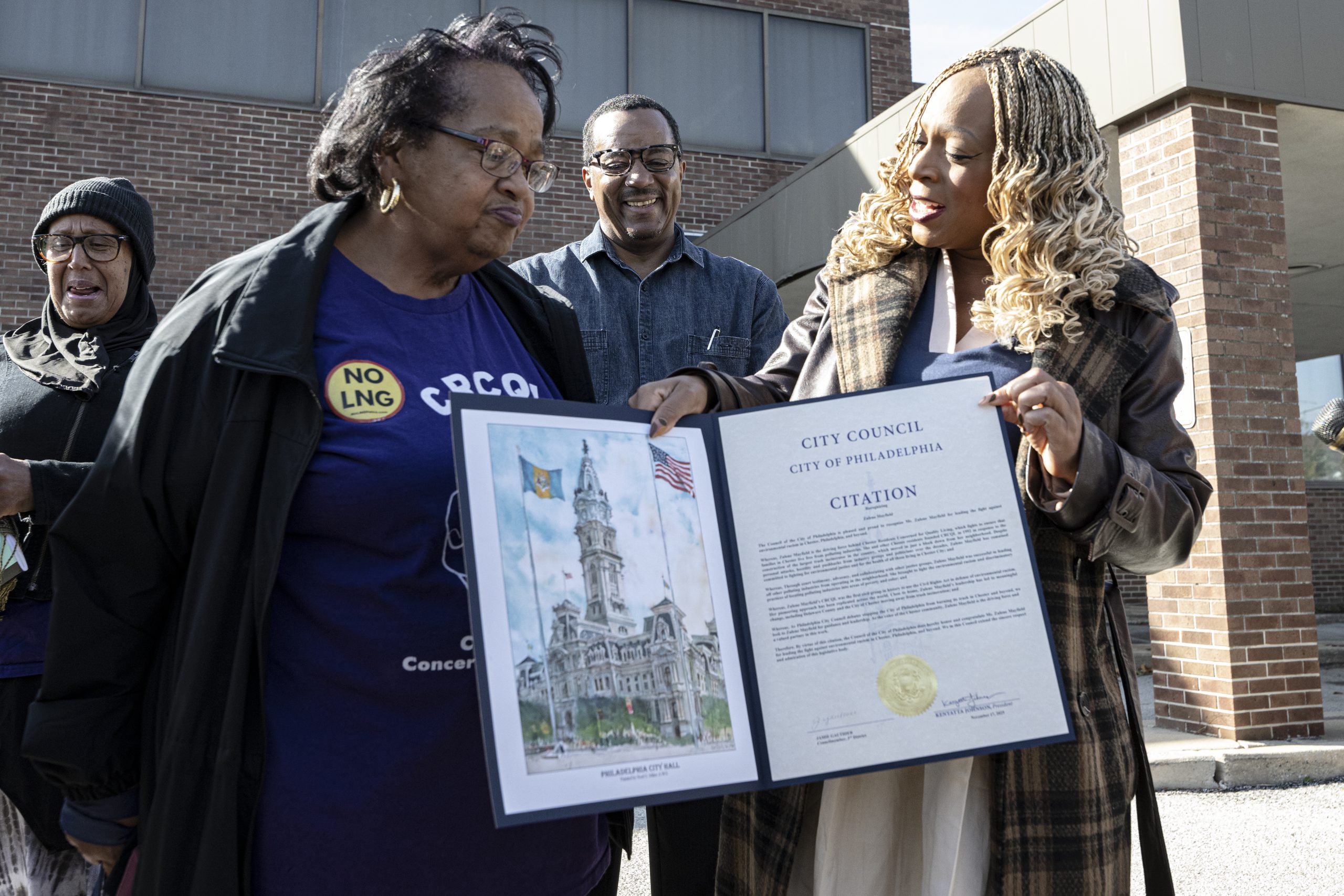
Chester resident Zulene Mayfield (left), Philadelphia Councilmember Jamie Gauthier (right), and Chester Mayor Stefan Roots meet to discuss Gauthier’s “Stop Trashing Our Air Act,” which would ban the city from incinerating waste, during a visit with lawmakers and staff in Chester on Nov. 7, 2025.Jose F. Moreno / Staff Photographer
But she never called the bill up for a vote, and ultimately put it on hold after it failed to garner support from a majority of the 17-member body.
Gauthier said in a statement Monday that dirty air causes asthma and cancer, and that Parker’s administration is “condemning Philly and Chester to at least four more years of toxic air and ash.”
“This is a choice. A choice that breaks Mayor Parker’s own campaign promise,” Gauthier said. “A choice that disproportionately harms Black and brown communities. A choice that makes every Philadelphian and Chester resident sicker.”
Parker, who ran on a platform of making the city “safer, cleaner, and greener” seized on it and told Brown: “That response is the same way you treat the Black and brown community.”
But Parker’s administration opposed Gauthier’s legislation, saying it would hamstring the city from being able to choose the best value waste disposal contractor through its typical competitive bidding process.
That process, city officials said in a news release Friday, included considerations of cost, as well as impacts on transportation in the region and the environment. The administration hired two independent firms to conduct environmental impact analyses.
The city previously held a seven-year contract with Reworld, which expired in June. Parker’s administration extended it for six months, ahead of selecting the company for a four-year renewal with the potential for three additional one-year extensions.
The legendary redheaded drag queen Carlota Ttendant donned a baby-blue Eva Gabor-inspired gown — its plunging neckline revealing tasteful chest hair — and sensible black heels.
At 65, arthritis stifles her strut in stilettos.
“Drag is a young girl’s game,” she said.
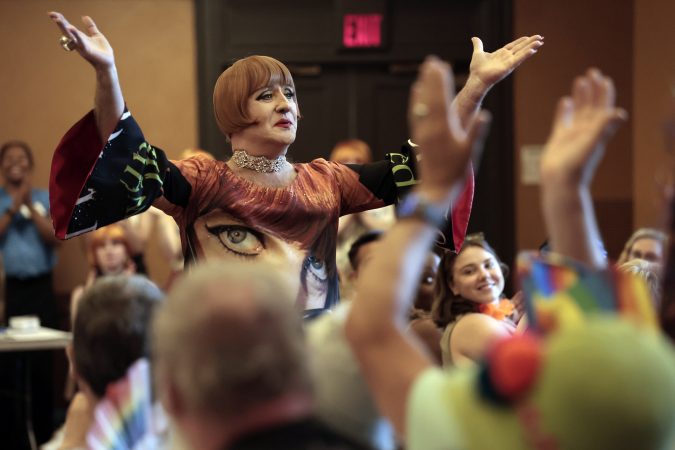
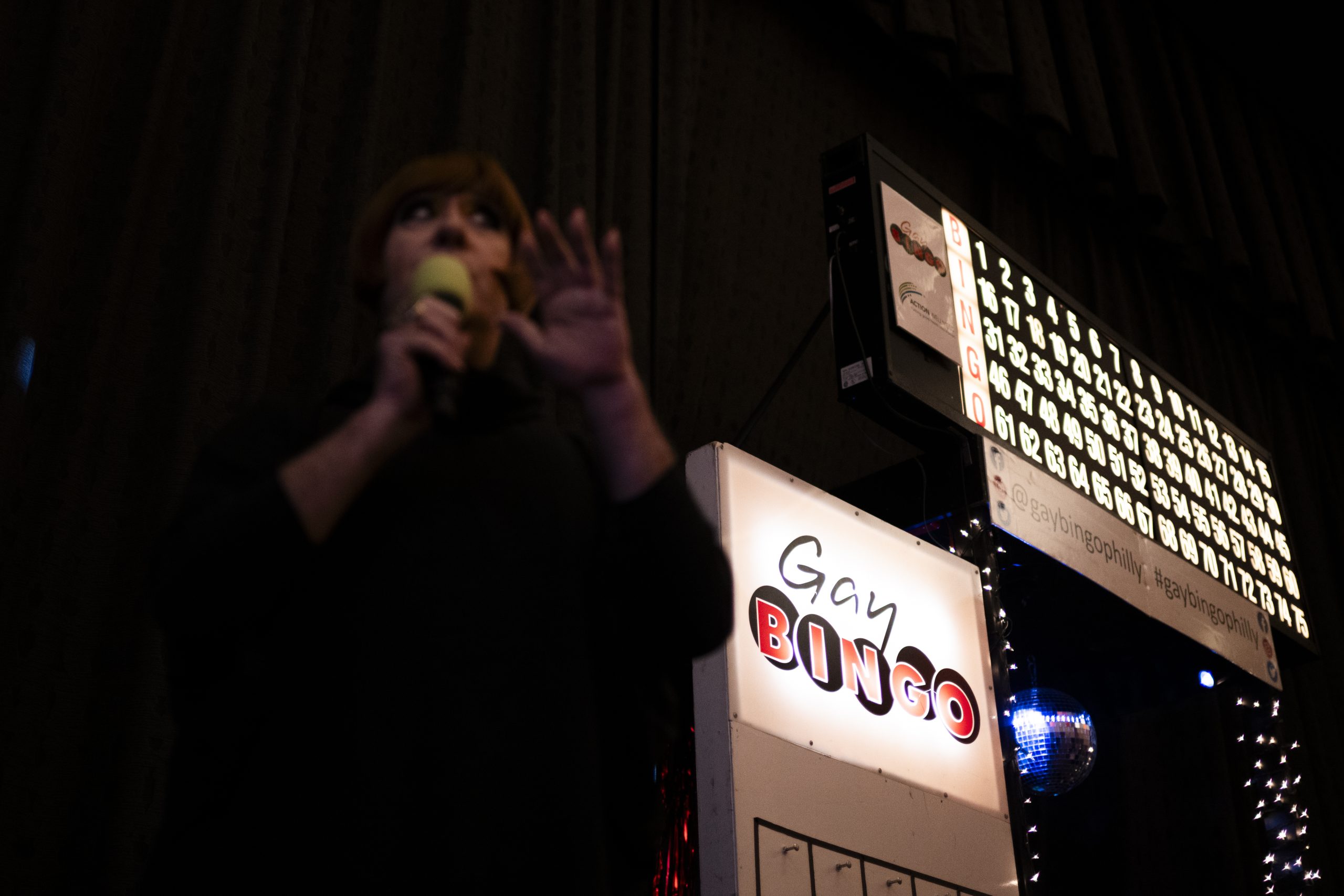
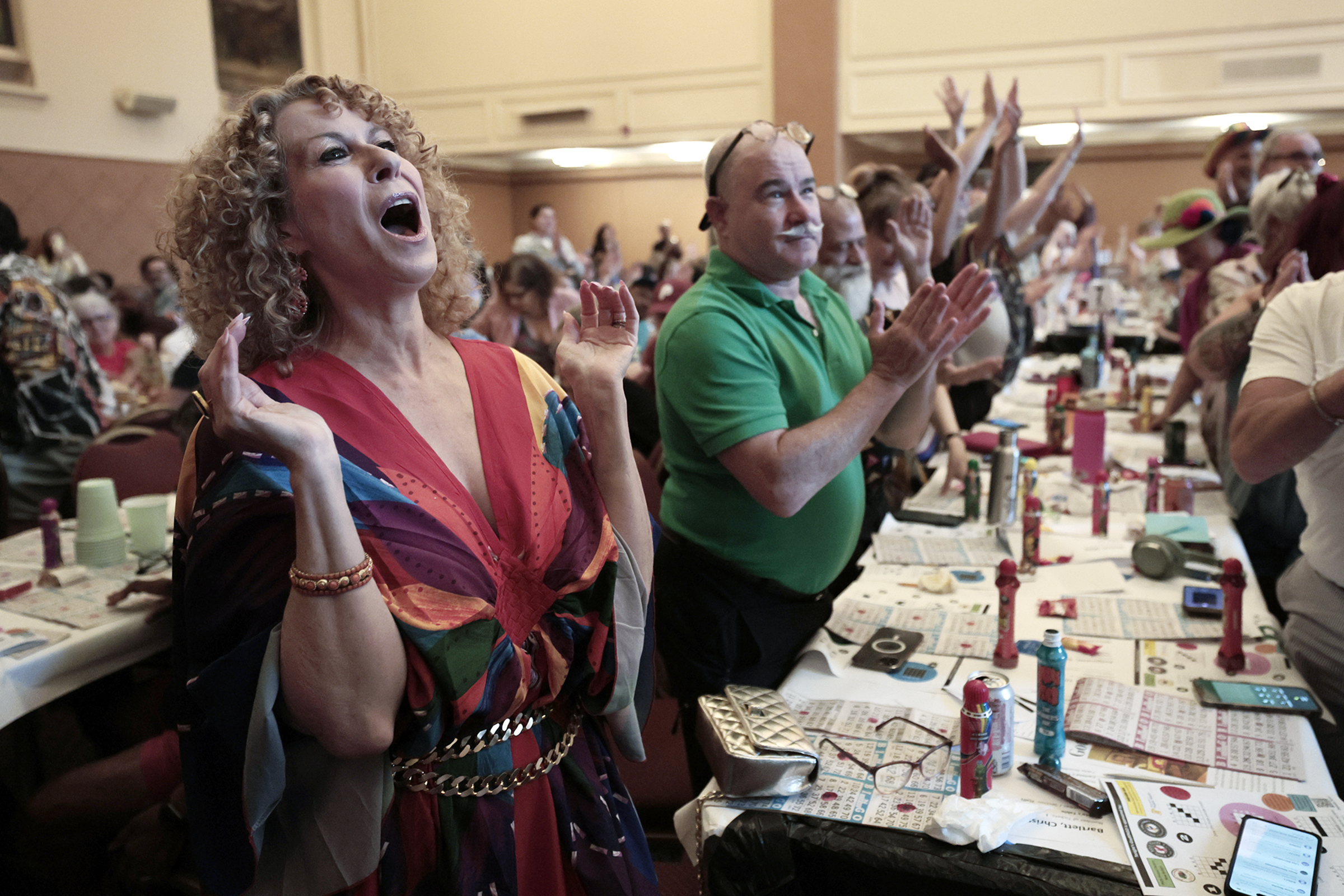
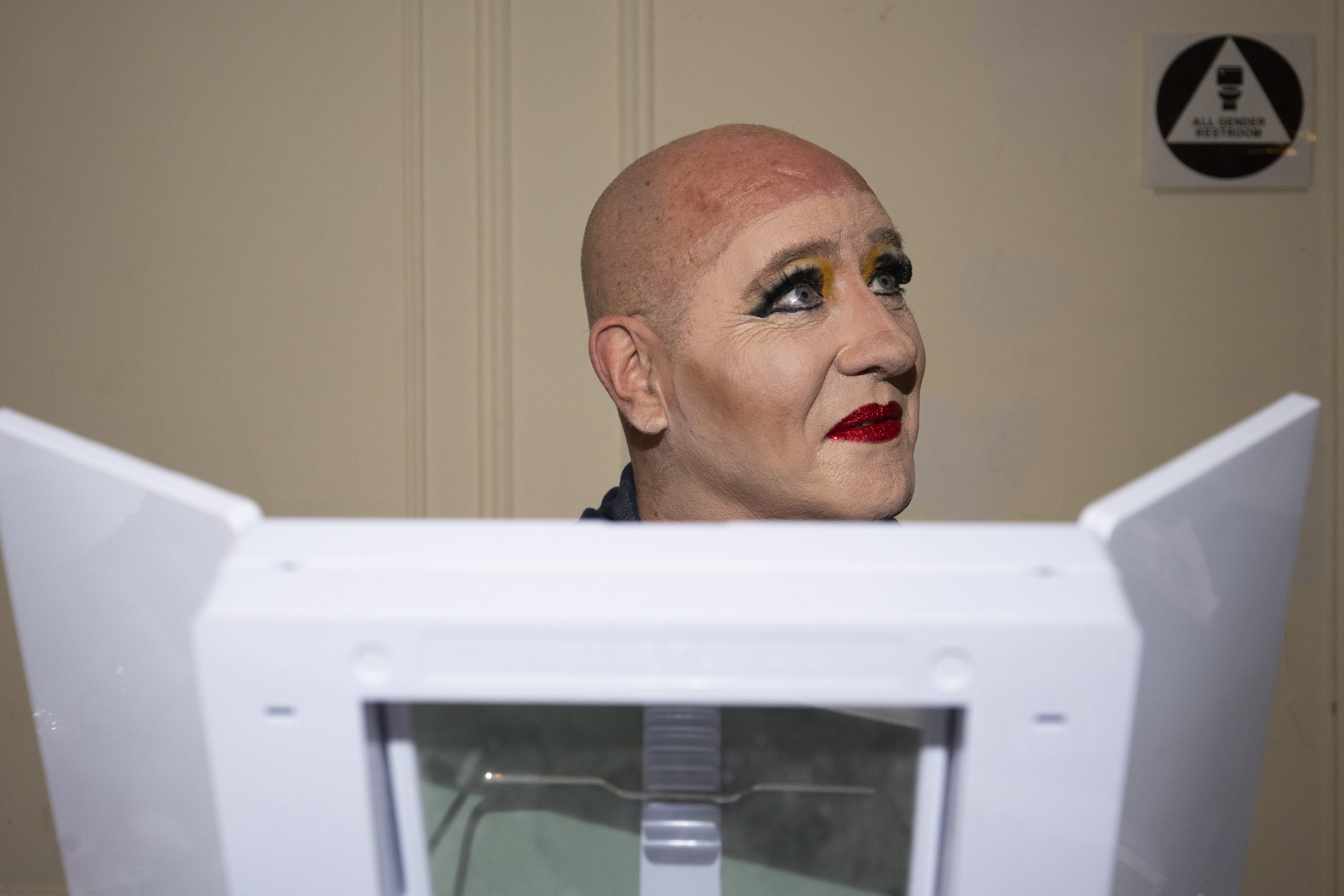
This was her swan song. At the close of its 30th season this Pride Month, the man behind the makeup, Michael Byrne, hung up his heels and bid adieu to his drag persona and his longtime gig hosting Gay Bingo, the camp, irreverent, slightly profane, and undoubtedly silly monthly HIV/AIDS fundraiser.
“I know it’s time,” Byrne said. And, “I’m excited to never wear Spanx ever again.”
Across three decades, Carlota Ttendant has called hundreds of games and elicited endless laughs, all while raising millions for people living with HIV/AIDS across the Delaware Valley. She helped steer a community through crisis, providing a respite to those experiencing immense loss and stigma. Even as medicine has advanced and HIV/AIDS has become manageable, she’s crafted a safe space for queer Philadelphians. For one night each month, she’s been an entertainer and an equalizer, responsible for uniting people — gay and straight, from Haddonfield to Phoenixville — around a common goal.
And since Carlota came into Byrne’s life, she’s taught him to lead with courage, practice gratitude, and be unabashedly unafraid. He’s gone from being the “worst waiter ever” and selling cosmetics, to being a performer, licensed clinical social worker counseling older LGBTQ+ folks through their own next phases of life, and president of Philly AIDS Thrift’s board.
“None of it would have been possible without all of you,” Carlota told the 400-person crowd — the biggest turnout in years — at her last Gay Bingo on June 13 in the basement ballroom at Congregation Rodeph Shalom. “In the ’90s there was horror happening, and today there is horror happening.
“But please, let’s do some laughing,” Carlota said.
“Let’s play bingo!”
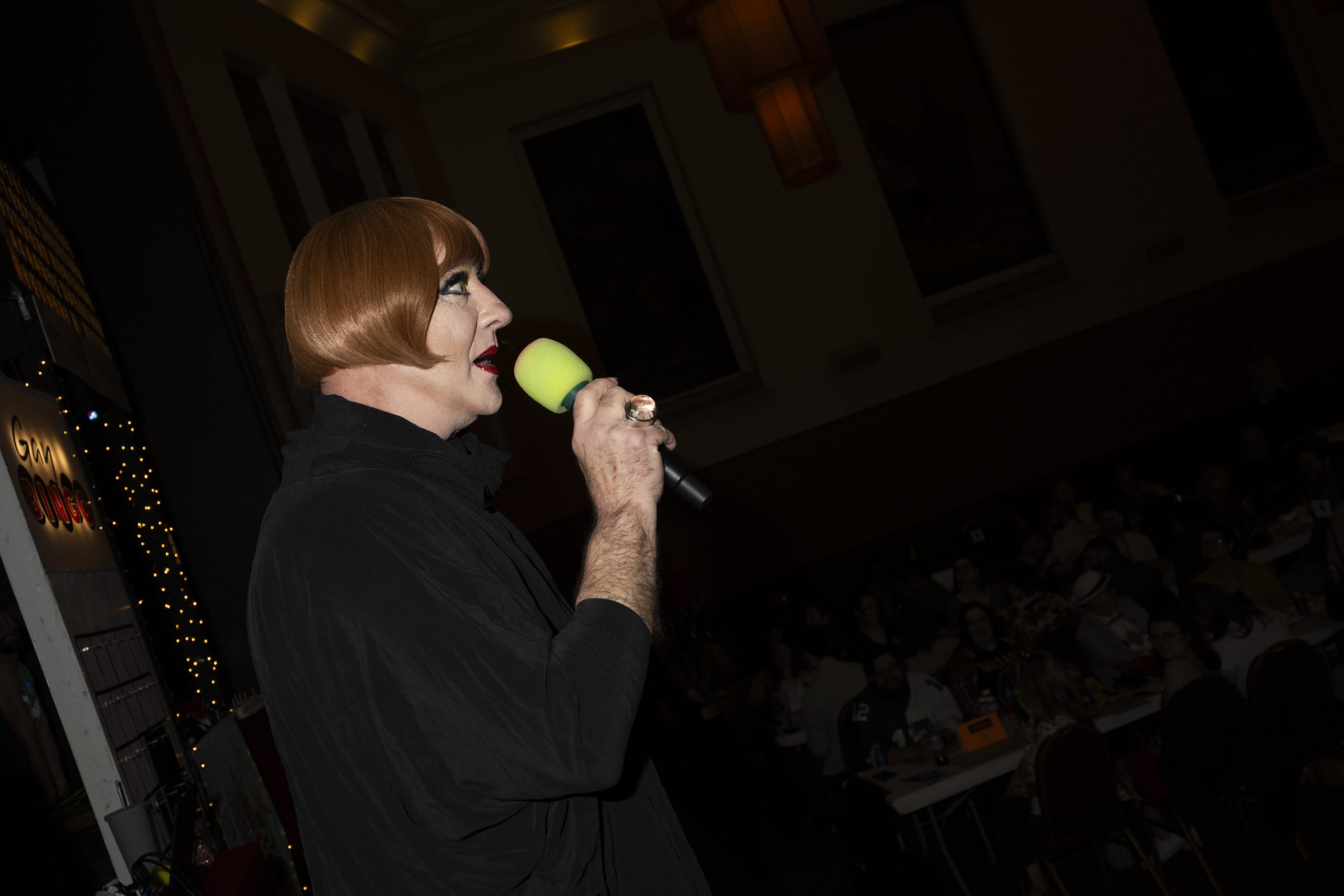
Michael Byrne, as his drag persona Carlota Ttendant, during Gay Bingo on Saturday, May 9, 2026, at Congregation Rodeph Shalom in Philadelphia.Joe Lamberti / For The Inquirer
Act I
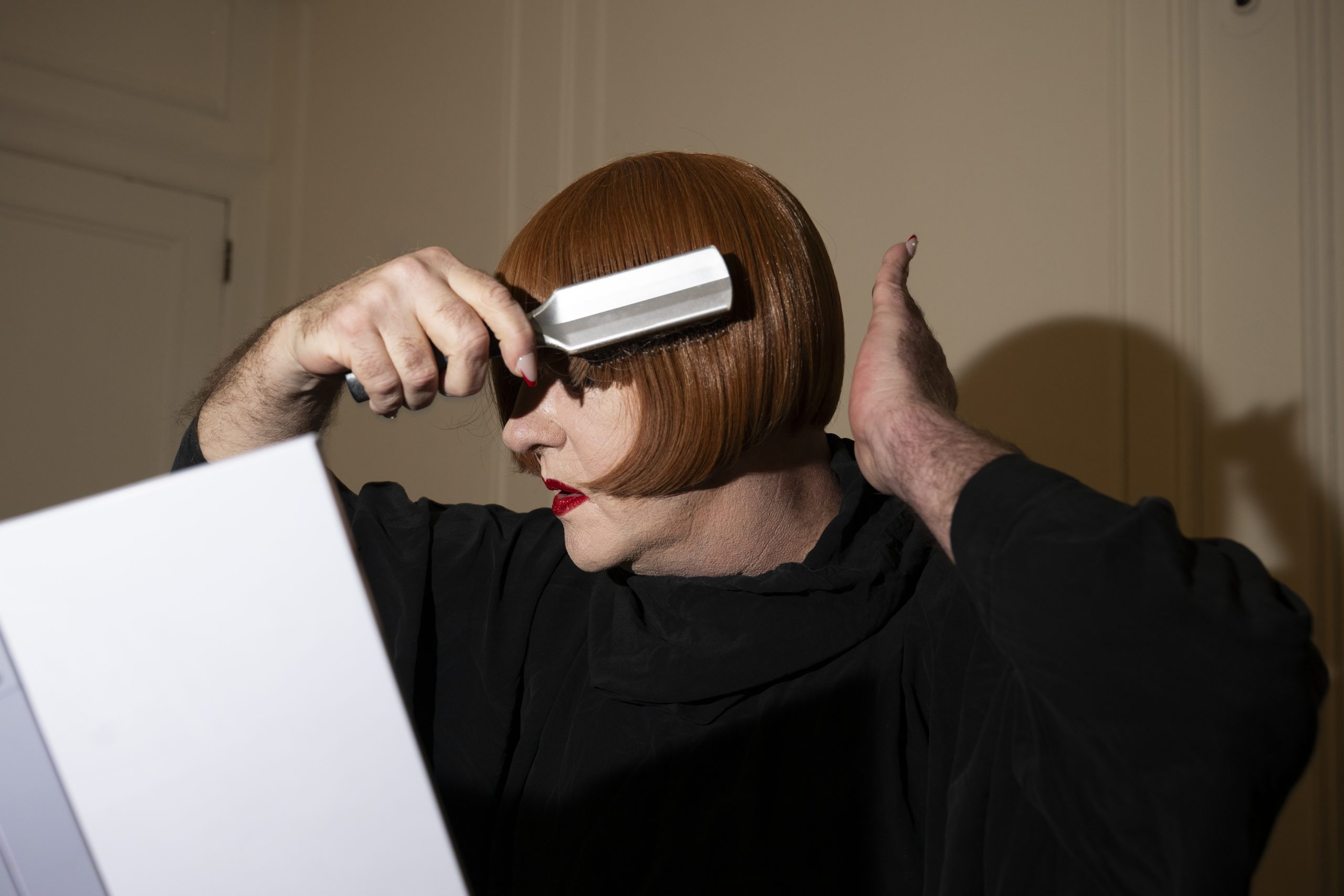
Like so many Saturdays before, Byrne, on June 13, slathered his face with foundation, carved out his cheeks, deepened his eyes, and painted on his red lip. There was haze — from the dusting of loose setting powder, bronzer, and blush — and musk — from sweat and heat and hairspray — in a Rodeph Shalom classroom, which moonlights as a bridal suite and a boudoir for the Bingo Verifying Divas or BVDs. At 10 minutes till curtain, he futzed with his press-on nails, shimmied into a mod swing dress, straightened the back seams of his tights, and dabbed on some glitter. With each gender-bending step, he transformed into his “twin sister,” Carlota.
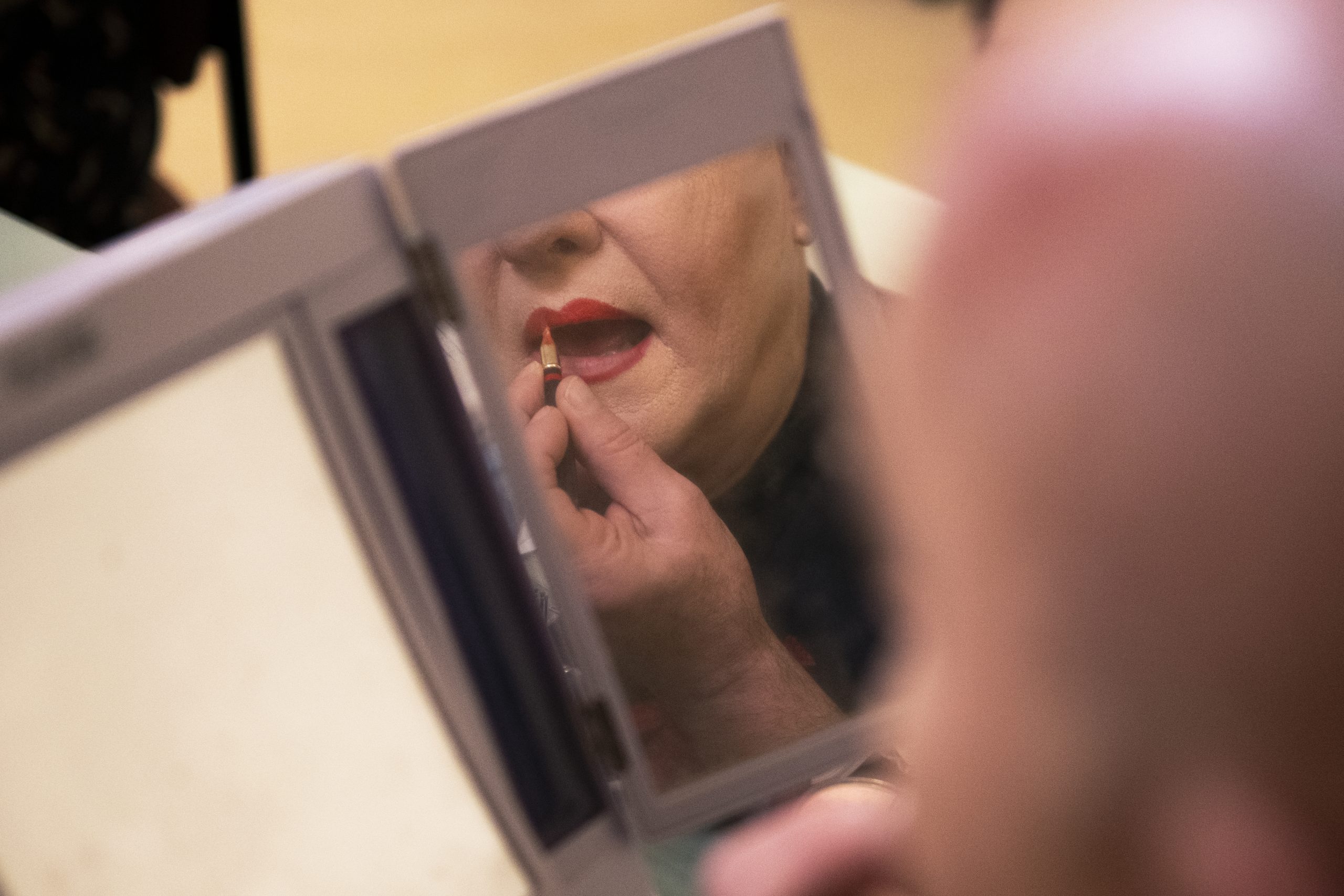
Michael Byrne transforms into his drag persona Carlota Tendant ahead of Gay Bingo on May 9 at Congregation Rodeph Shalom in Philadelphia.Joe Lamberti / For The Inquirer
Like all classy ladies, Carlota’s exact age is lost to time. In the 1990s, Byrne was organizing a fundraiser for Big Mess Theatre, an avant-garde troupe that he helped establish as the spinning axis of Philadelphia’s alternative performance scene, complete with vaudeville acts, an oompah orchestra, and live auction with a striptease routine. Byrne was to host and make his drag debut, and Carlota Ttendant (read as car lot attendant) was conjured up over bourbon and blackjack. (He learned, years later, that there was a ’60s stripper at the famed Trocadero Theatre with the same name.)
Byrne never aimed to create a perfect, feminine illusion with Carlota. He left his chest unshaven and unstuffed, but short, thrifted dresses showed off his long and feminine legs. Carlota’s makeup was an extension of the exaggerated theater paint Byrne, who has been on stages since he was 10, knew; cheap wigs hid his sideburns. Nothing could mask his deep, raspy, anything-but-ladylike voice.
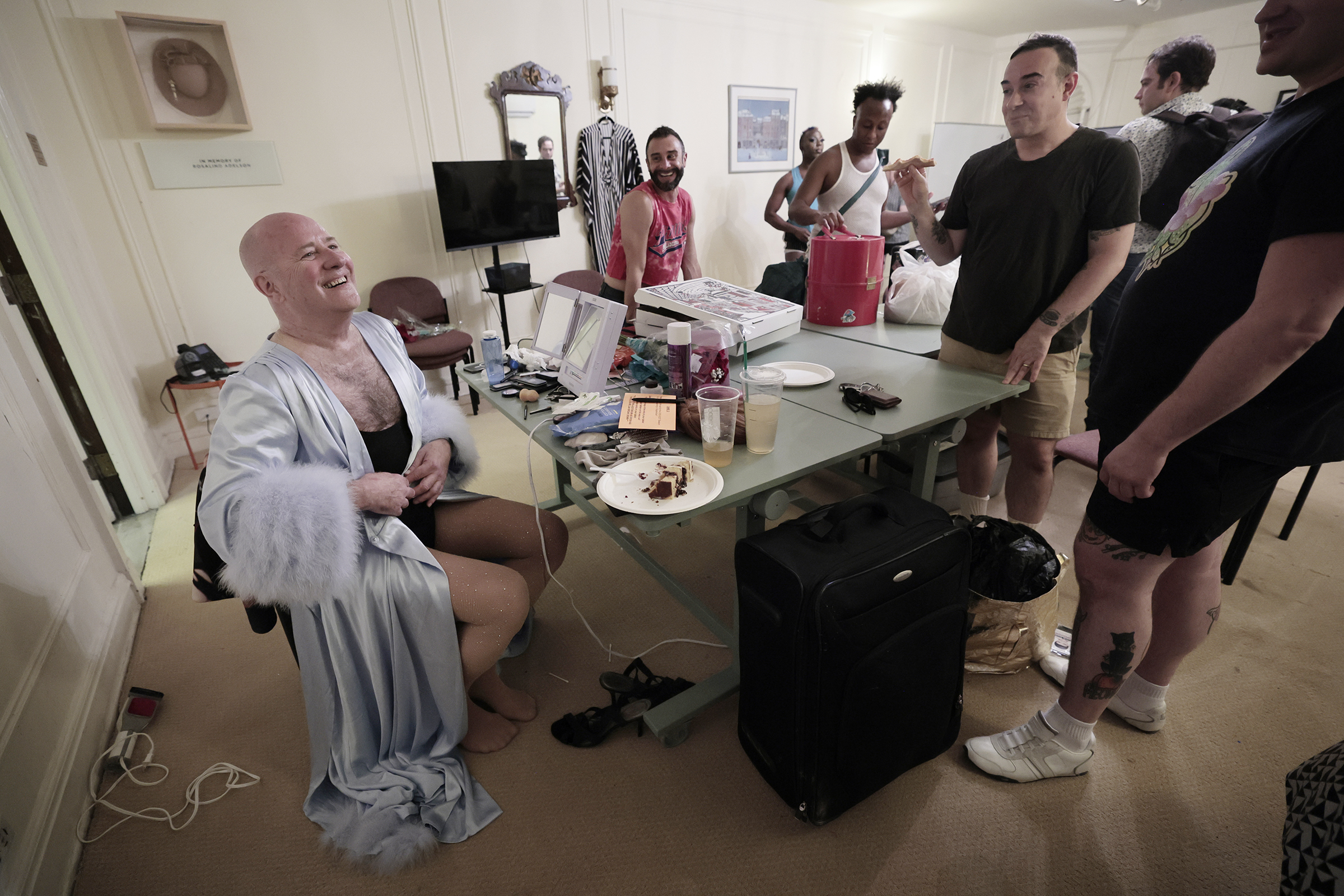
Carlota Ttendant (Michael Byrne) (at left) laughs with friends and fellow performers after Carlota’s final evening cohosting Gay Bingo at Congregation Rodeph Shalom in Philadelphia on June 13. Elizabeth Robertson / Staff PhotographerMichael Byrne transforms into his drag persona Carlota Ttendant ahead of Gay Bingo on May 9 at Congregation Rodeph Shalom in Philadelphia.Joe Lamberti / For The Inquirer
Carlota could be bossy and profane but never vulgar; she could poke fun at audiences without being cruel. She became the “drag queen you could bring your grandma to,” Byrne said.
Around the time Carlota came to be, the number of new AIDS diagnoses and deaths peaked in Philadelphia. In 1992, new AIDS cases surpassed 1,500; in 1994, AIDS deaths topped 900, according to city data.
(function(){function e(){window.addEventListener(`message`,function(e){if(e.data[`datawrapper-height`]!==void 0){var t=document.querySelectorAll(`iframe`);for(var n in e.data[`datawrapper-height`])for(var r=0,i;i=t[r];r++)if(i.contentWindow===e.source){var a=e.data[`datawrapper-height`][n]+`px`;i.style.height=a}}})}e()})();
Misinformation about the disease, which strips the body of its natural defenses and leaves it vulnerable to life-threatening infections and ailments, was rampant. People alienated gay men, wrongly fearing HIV/AIDS could be transmitted through a handshake, a hug, or across a dinner table, The Inquirer and Philadelphia Daily News wrote. Diagnostic testing took weeks; what rudimentary treatments were available sometimes made people sicker; and HIV often progressed to AIDS within a few years.
“It was not unusual to have people dying every month,” said Kevin Burns, who as a case manager with the nonprofit ActionAIDS (now called Action Wellness) connected clients to hospice care. Burns later served as Action Wellness’ executive director.
The need for resources was rife, and in 1996, Philly’s nonprofit AIDS Fund set out to supplement the money it made from its annual AIDS Walk, according to Sandra Thompson, former chair of its board of directors. An article in City Paper about an irreverent bingo-drag night sweeping Seattle — which, by one report in the Seattle Times, raised $10,000 a night — caught the attention of Mark “Chumley” Singer, then a fledgling events producer, who pitched the idea to the AIDS Fund. (The fund folded in 2024 due to the decrease in new AIDS cases, and turned ownership of Gay Bingo over to Action Wellness.)
Singer recalled thinking at the time: “I’ve been doing sad, mopey, candlelight vigil fundraisers. … Why can’t we raise money and have fun?”
Singer and Byrne had never met before the latter was tapped to host Gay Bingo, but their chemistry was kismet.
“There was never a show where we weren’t having more fun than everybody,” said Singer, who cohosted until the early aughts. Byrne and Singer left Gay Bingo around that time, but Byrne later returned.
Byrne remembers the magic of those early years of Gay Bingo. He remembers when 600 seats would sell out in 10 minutes, and he remembers doing his glittered red lip from the floor of the Gershman Y’s mirrored dance studio. He remembers two-show Saturdays and how six hours in heels would make him catatonic on Sunday. He remembers riffing with and ribbing Singer and the laughs their off-color jokes and mild profanity elicited. He remembers the constant movement of the bold and bawdy BVDs, on Rollerblades, or the electricity when O-69 was called and hundreds stood up, shaking and shouting with the fervor of their libidos.
But Byrne also remembers the solemn moments: the steelworker who told a documentarian about watching his bodybuilder son become emaciated; the families who sponsored games on the anniversary of their loved one’s death; the pharmacist who learned all he could about HIV drugs; Byrne’s own friends who were infected.
“Our community was in crisis,” Byrne said, “while we focused on it, we also focused on being fun and laughing.
“And we all needed that at that point.”
Act II
The “Rainbow Bombshell” Gay Bingo on June 13 doubled as a Pride extravaganza and an homage to all things Carlota. Her first outfit of the night was crafted from a promotional banner from her years hosting the Philadelphia Orchestra’s Halloween Concert. Alongside her, the BVDs dressed as Big Mess-era Carlota, Norma Kamali-inspired Carlota, Phillies Carlota, and fuzzy caftan-wearing Carlota. Attendees, ushers, volunteers, and even the American Sign Language interpreter wore that signature red bob — wigs that Action Wellness bought in bulk. One wore a T-shirt that read, “Dibs on the ginger.”
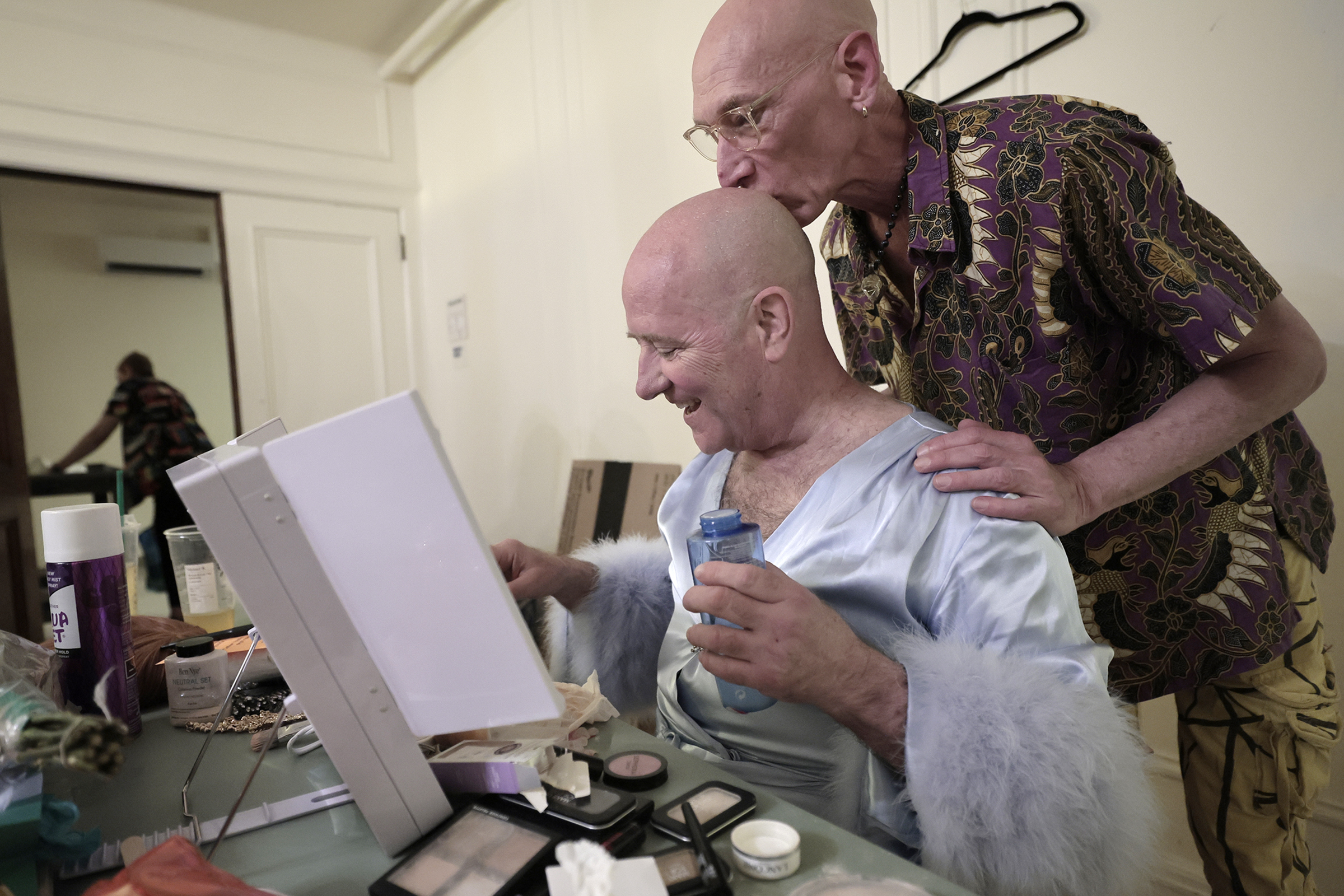
In the dressing room, Tess Tickle (Paul Struck) kisses Carlota Ttendant (Michael Byrne) on the head after Rainbow Bombshell Gay Bingo at Congregation Rodeph Shalom in Philadelphia on Saturday, June 13, 2026. “I love him” said Struck as he walked out of the dressing room.Elizabeth Robertson / Staff PhotographerCarlota Ttendant (Michael Byrne) puts on a favorite crystal ring and fake nails before cohosting Rainbow Bombshell Gay Bingo on June 13. Elizabeth Robertson / Staff Photographer
“Are we ready to win some money?” Carlota said, hyping up the crowd before the first of 12 rounds of bingo. Councilmember Rue Landau, the Philadelphia City Council’s first openly LGBTQ+ member, called the first game:
I-28.
I-26.
G-52.
B-14.
O-63.
B-3.
“Bingo!” someone cried out, as the audience let out an audible wave of disappointment, exasperation, and defeat, and the BVDs rushed over to authenticate.
“Did you just get bingo, girl?” Carlota wisecracked.
For 30 years, these Gay Bingo players have pledged each month to “keep on playing Gay Bingo until this crisis is over.” And today, HIV/AIDS deaths and new diagnoses have stagnated, according to the most recently available health department data, and drug cocktails have made it so people with HIV can live long, healthy lives and may never pass the disease onto others or have their illness advance to AIDS. Preventative medications, like PrEP, can also dramatically decrease the risk of becoming infected.
Michael Byrne, as his drag persona Carlota Ttendant, on May 9 at Congregation Rodeph Shalom in Philadelphia.Joe Lamberti / For The Inquirer
But there are still obstacles to ending the epidemic. HIV/AIDS disproportionately affects Black and brown communities and low-income people who experience barriers to healthcare, according to Action Wellness executive director Mary Evelyn Torres. The geographic disparities are also stark: Current drug regimens may be readily available in well-resourced countries, like the United States, but access is scarce in the world’s vulnerable pockets. These problems have only been exacerbated by President Donald Trump’s proposed cuts to domestic and foreign HIV/AIDS programs. The withdrawal of American dollars overseas, United Nations officials warned, could lead to more than 4 million AIDS-related deaths and 6 million more HIV infections by 2029.
(function(){function e(){window.addEventListener(`message`,function(e){if(e.data[`datawrapper-height`]!==void 0){var t=document.querySelectorAll(`iframe`);for(var n in e.data[`datawrapper-height`])for(var r=0,i;i=t[r];r++)if(i.contentWindow===e.source){var a=e.data[`datawrapper-height`][n]+`px`;i.style.height=a}}})}e()})();
“We’ve come a long way, but there’s still work to be done,” Torres said, “and that work is being threatened by this administration.”
As the epidemic has changed, so has Gay Bingo: The money raised — more than $5 million since its inception — now goes toward Action Wellness’ social services and programming. The BVDs ditched their roller skates at the Gershman Y (because of the new, carpeted venue). Tickets cost $50-$60, compared to $10-$12 in May 1996, and these days, attendance averages between 150 and 200 a month.
Drag has evolved, too. Spending centuries on the periphery as proto-punk-beatniks and after-midnight acts, queens disrupted and challenged the mainstream with wit and wonder. Then, the exploding popularity of RuPaul’s Drag Race, a drag reality-TV competition, seismically changed the culture, snubbing scrappiness for silicon and kitsch for couture. The show ushered drag into the zeitgeist: Its lingo became commonplace and its contestants turned into social media stars, with businesses, makeup brands, books, and podcasts, as the art form continues to face political bans and threats nationwide.
The show “has taken everything to a whole other planet,” Byrne said, “and that’s amazing and that’s really great.
“That’s also not what I do.”
Carlota was never concerned with “affecting female mannerisms” or “trying to be this woman or this drag queen,” Singer said. To Byrne, she’s come to embody the fiercest, most unafraid, and righteous versions of himself. But “Michael was never far from Carlota,” Singer said.
Janie Lopez of Philadelphia cheers for her friend Carlota Ttendant during Gay Bingo at Congregation Rodeph Shalom.Elizabeth Robertson / Staff Photographer
To those who know Byrne, Carlota’s come to represent someone purer and more singular, a testament to what joyful resistance and defiant resilience can achieve amid tragedy. Her ingenuity and authenticity have made her synonymous with Gay Bingo, according to Action Wellness event planner and cohost Tim Johnson (otherwise known as Stella D’Oro); her playfulness is what’s engaging, Burns said; the safe space she’s cultivated for the queer community is what keeps people coming back season after season, said regulars Cat Johnson, 47, and Katie Dickerson, 38, of Roxborough.
“It’s going to be really different without Carlota,” Johnson said. “No one’s going to fill her shoes, but I think that the vibe and the energy is going to live on.”
“It’s a lot easier to raise money when everyone is having fun,” said Amber Schlesman, 38, of Point Breeze, who’s been coming to Gay Bingo since its Gershman Y days. “And for the shoes, I’m guessing it’s a size 12.”
All those shoes will be donated to Philly AIDS Thrift soon enough, Byrne said.
Byrne’s voice cracked as he thought of the people who made Carlota’s run possible: the AIDS Fund organizers, Singer, the original cast of BVDs, the volunteers, those who came back monthly, the victims, their families. Many sent her off June 13 with a trove of well wishes, notes that read, “thanks for the memories,” and “so proud of all you’ve done.” They told her, “I love you,” and “hang up those high heels, baby.”
At the end of the night, Byrne’s best friend gifted him a throw pillow.
“Don’t be a lady,” it said. “Be a legend.”
Michael Byrne transforms into his drag persona Carlota Ttendant ahead of Gay Bingo on Saturday, May 9, 2026, at Congregation Rodeph Shalom in Philadelphia.Joe Lamberti / For The Inquirer
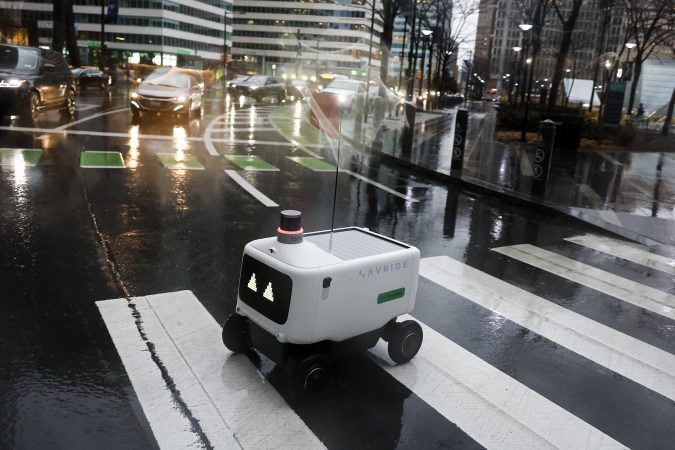
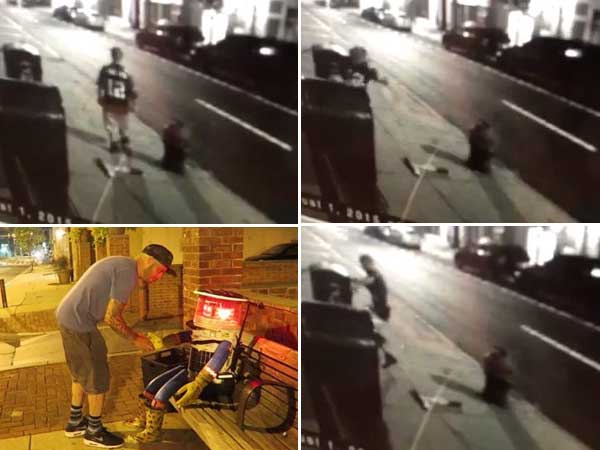
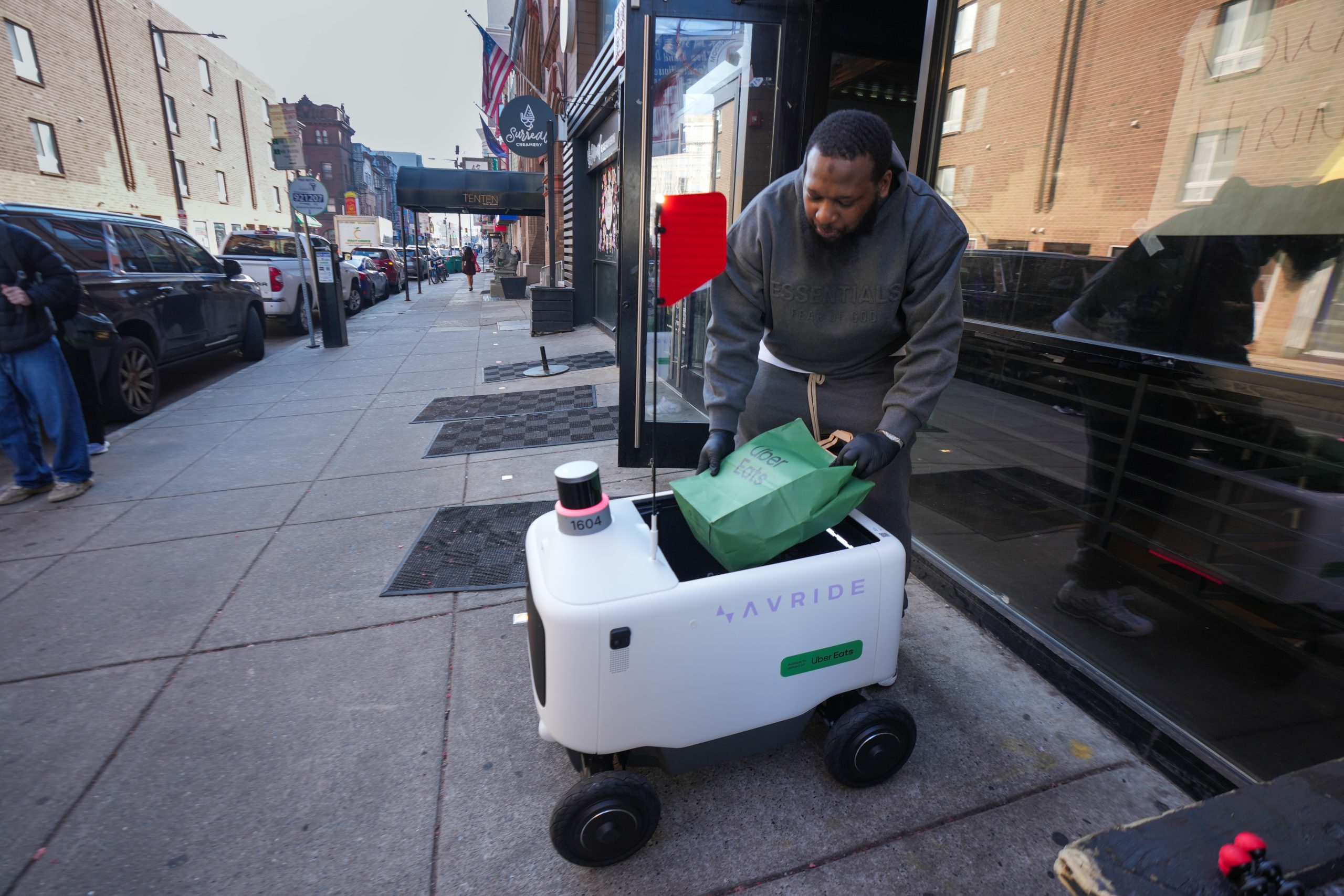
Philadelphia is known for some great things: the Declaration of Independence (happy 250th!), Rocky, and the cheesesteak. It is also known for “killing” hitchBOT, the famous hitchhiking robot that was dismembered in August 2015. A decade later, there’s a new bot in town: the Uber Eats delivery robot, operated by Avride.
When these robots first arrived, I had my own spontaneous encounter with one. I was surprised by how unsettled I felt, especially as someone who has spent years researching them. I am an expert in human–robot interaction, and my research focuses on why people abuse robots. I immediately wondered how long it would be before another robot made headlines in this post‑hitchBOT world.
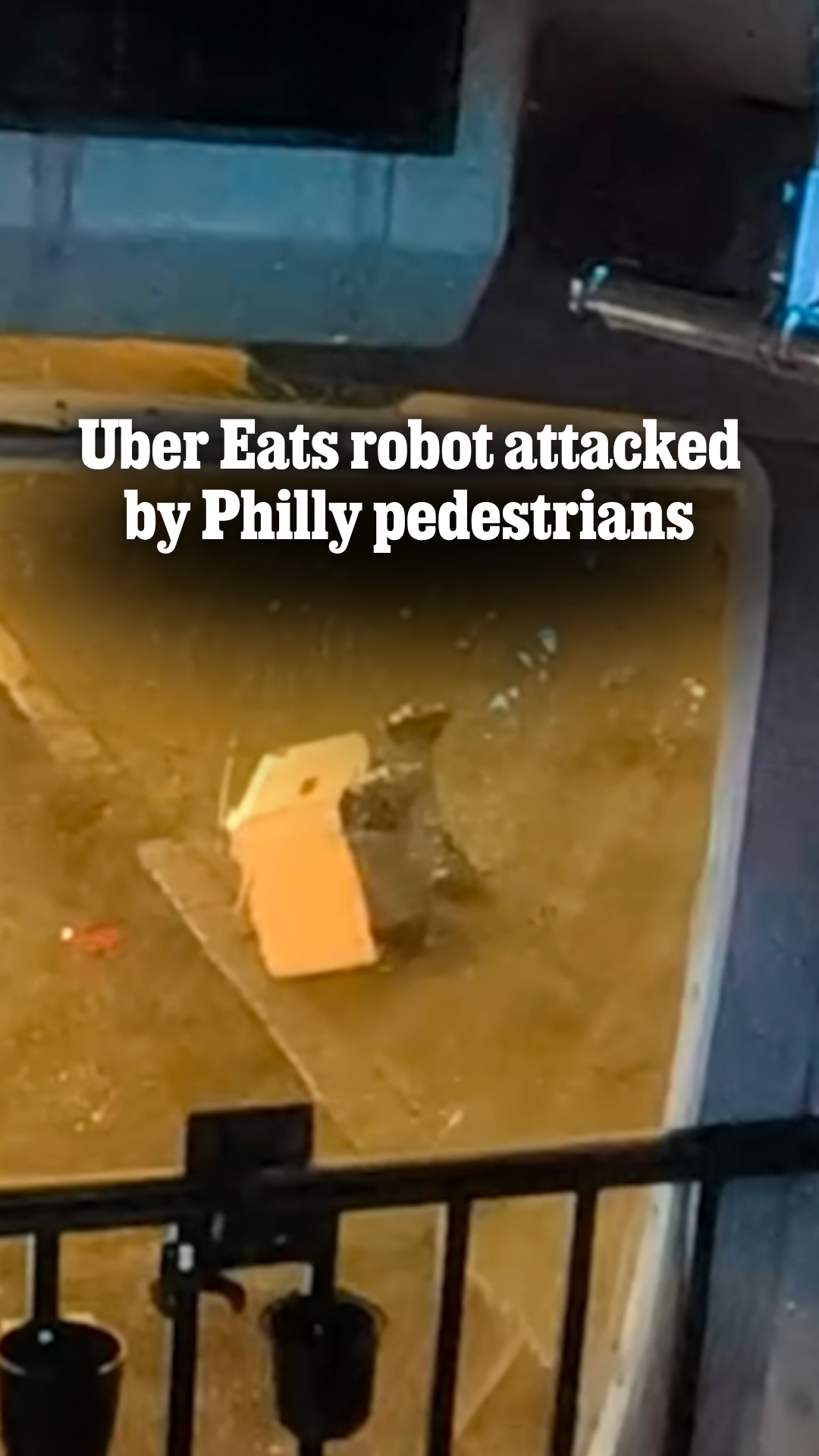
Uber Eats robot attacked by Philly pedestriansFuncab Karaoke Taxi
Since these delivery robots rolled into town, they have been making headlines for all the wrong reasons: getting beat up, hit by cars, and colliding with pedestrians. These coolers on wheels are having an effect on Philadelphians, and I do not blame my fellow city dwellers.
We are living in a cultural climate where artificial intelligence and automation are often framed as threats to jobs amid inflation and economic anxiety. Layer on top of that Philadelphia’s unique reputation as a destroyer of robots, and the reaction is hardly surprising.
Clockwise from lower left. 1) Last known image of an intact hitchBOT in Philadelphia in 2018. 2) Frame grab from surveillance video of man in No. 12 jersey after tossing what appear to be hitchBOT’s arms to sidewalk. 3 & 4) Man appears to stomp item believed to be hitchBOT.
With innovative technology, there is always disruption. When UberX and Lyft arrived, Philadelphians were up in arms about the traffic congestion caused by rideshare vehicles, a problem the city later officially acknowledged.
Yet in less than a decade, the norm quietly shifted. Today, many of us hail a rideshare instead of a taxi despite the unresolved congestion issue. The question now is whether we will react to delivery robots as another passing disruption, or whether we will choose to use them to actually improve city life.
Garci Peterkin, owner and CEO of Carter’s Cheesesteaks by Garci in the 1000 block of Race Street, demonstrates how food delivery robots work, in March.Jessica Griffin / Staff Photographer
Recently, Councilmember Jeffery Young proposed a $1,000 surcharge on deliveries made by autonomous delivery devices using city sidewalks. That may sound like mere regulation, but in practice it would push the robots out entirely. Before Philadelphia taxes these devices into irrelevance, we should look at how other cities are putting them to work for the public good.
West Hollywood, for example, has had delivery robots on its sidewalks since 2020. On Jan. 1, 2026, the city implemented a new program, the first of its kind, to use data and fees from these devices to improve and pay for sidewalk repairs. In this program, companies that operate delivery robots partner with an accessibility app used by blind and low-vision residents. As they travel city streets, the robots can report real-time obstacles such as blocked sidewalks, helping make navigation safer. The city then uses information gathered by the robots to map accessibility problems and prioritize sidewalk improvements.
The companies also pay a daily fee for each robot in their fleet, plus an advertising fee (about four dollars per day per device) with that advertising revenue directed into a sidewalk repair fund that is expected to bring in roughly $40,000 to $80,000 per year.
In other words, the robots are not just delivering takeout; they are quietly scanning the city, funding basic infrastructure, and making the streets more accessible.
There are a lot of potential benefits: using robot data to measure and assess street conditions, cutting down on short car trips by shifting them to small electric devices, and easing traffic congestion on already strained streets.
These are practical, achievable ways to use technology to help address the climate crisis and long‑neglected infrastructure. This moment should also demonstrate that it’s past time for us to stop pretending we can opt out of technological change altogether.
Philadelphia City Council should resist a blanket $1,000 surcharge that effectively bans delivery robots and instead work with residents, robotic operators, advocates, and experts in human–robot interaction to build a Philadelphia version of West Hollywood’s data‑and‑sidewalk‑repair model.
Uber Eats’ delivery robot in Chinatown on March 10, 2026.Michael Klein / Staff
If we are going to share our streets with robots, we should make sure the companies profiting from them are paying their way and helping fix the sidewalks they roll on.
Will Philadelphia embrace that possibility, or will we become a city of Robo-NIMBYs, elected officials and residents alike?
Lindsay Ouellette is a Philadelphia-based social psychologist and human-robot interaction researcher who studies public responses to robots and emerging technologies. She recently earned her doctorate from Temple University, where her research examined aggression toward robots.