Neither Philly’s Mint nor the website has single coins for sale, so early buyers can get no fewer than 25 coins in a roll for $61. A bag of 100 coins for $154.50 is also available. Households are limited to two orders until Thursday at 2 p.m. when the cap will lift.
The commemorative coins, printed in Philadelphia to mark the 250th anniversary of the signing of the Declaration of Independence, may be used as legal tender.
Early buyers may also find unique coins with their purchases: 250,000 Trump coins with a special-issue “July 4” mark, minted on Independence Day, have been randomly hidden in some rolls and bags, Willy Wonka-style.
First announced in July by U.S. Treasury Secretary Scott Bessent, the coins bear Trump’s face on one side with the words Liberty, In God We Trust, and 1776 ~ 2026. The other side features the presidential seal, with “250″ inscribed on the eagle’s shield.
The coins faced hurdles in production with critics arguing that they violate U.S. code that says “only the portrait of a deceased individual may appear on United States currency.” In response, Bessent cited historical precedent: In 1926, the U.S. minted a commemorative half-dollar featuring living President Calvin Coolidge.
Although the coins are gold-colored, they are composed mostly of nonprecious metals, including copper, zinc, manganese, and nickel. No actual gold is used in the coins.
In November, the mint stopped producing pennies due to rising costs. According to the mint, it cost up to 3.69 cents to create one penny.
Philadelphia is home to the nation’s oldest mint, built in 1792. Visitors can tour the facility on weekdays. It is the world’s largest coin-making factory, according to the Guinness Book of World Records.
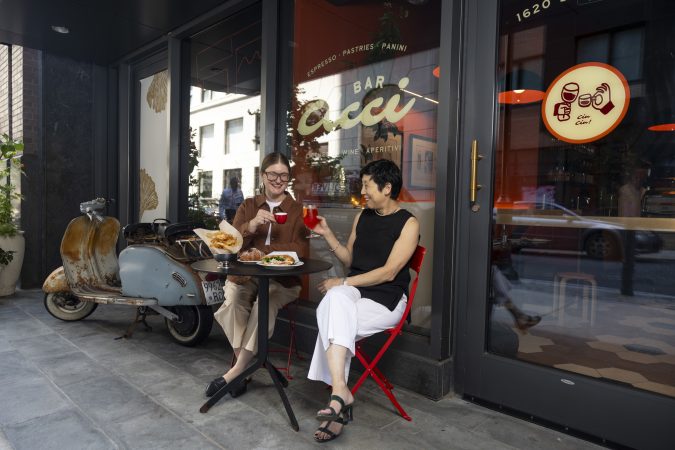
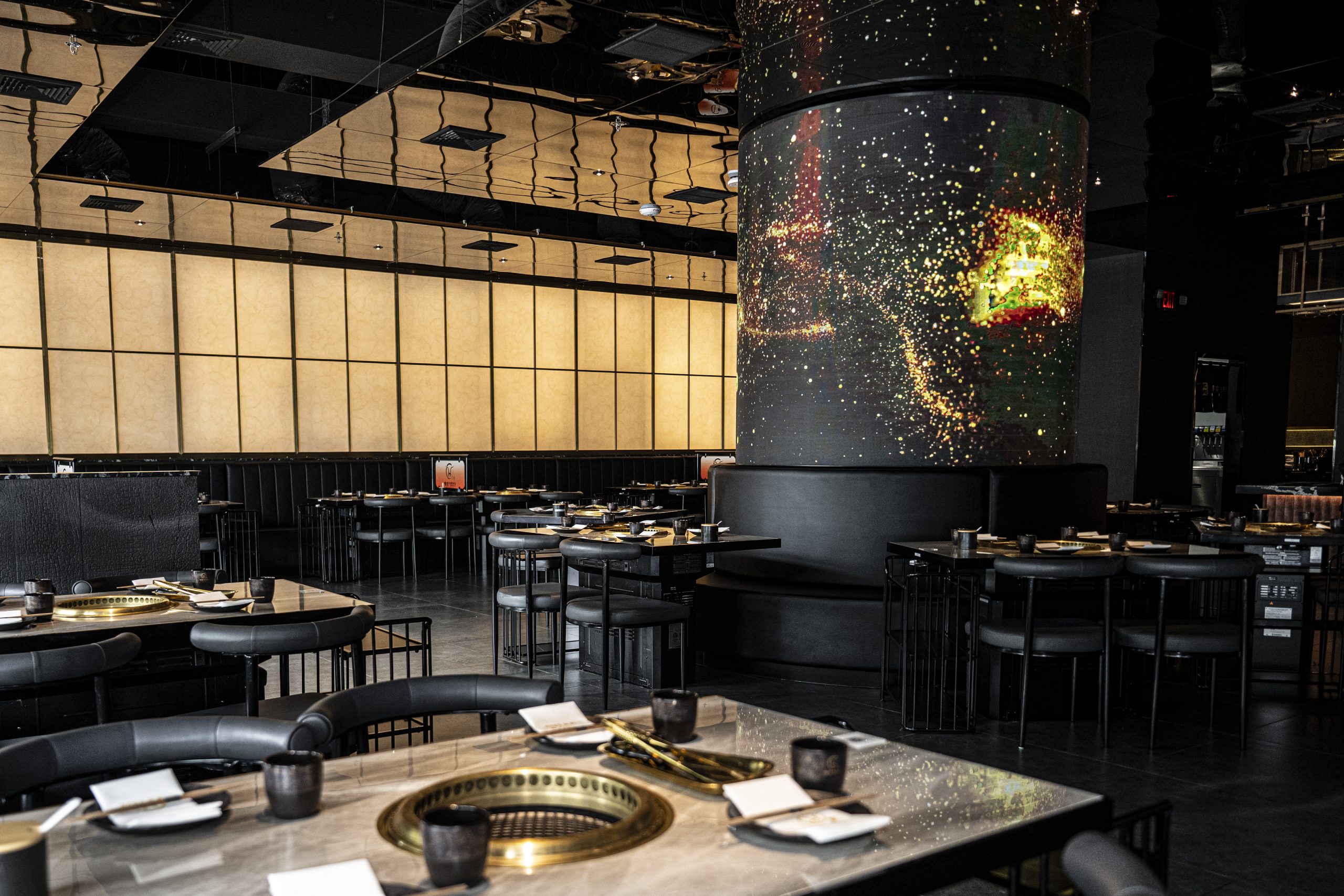
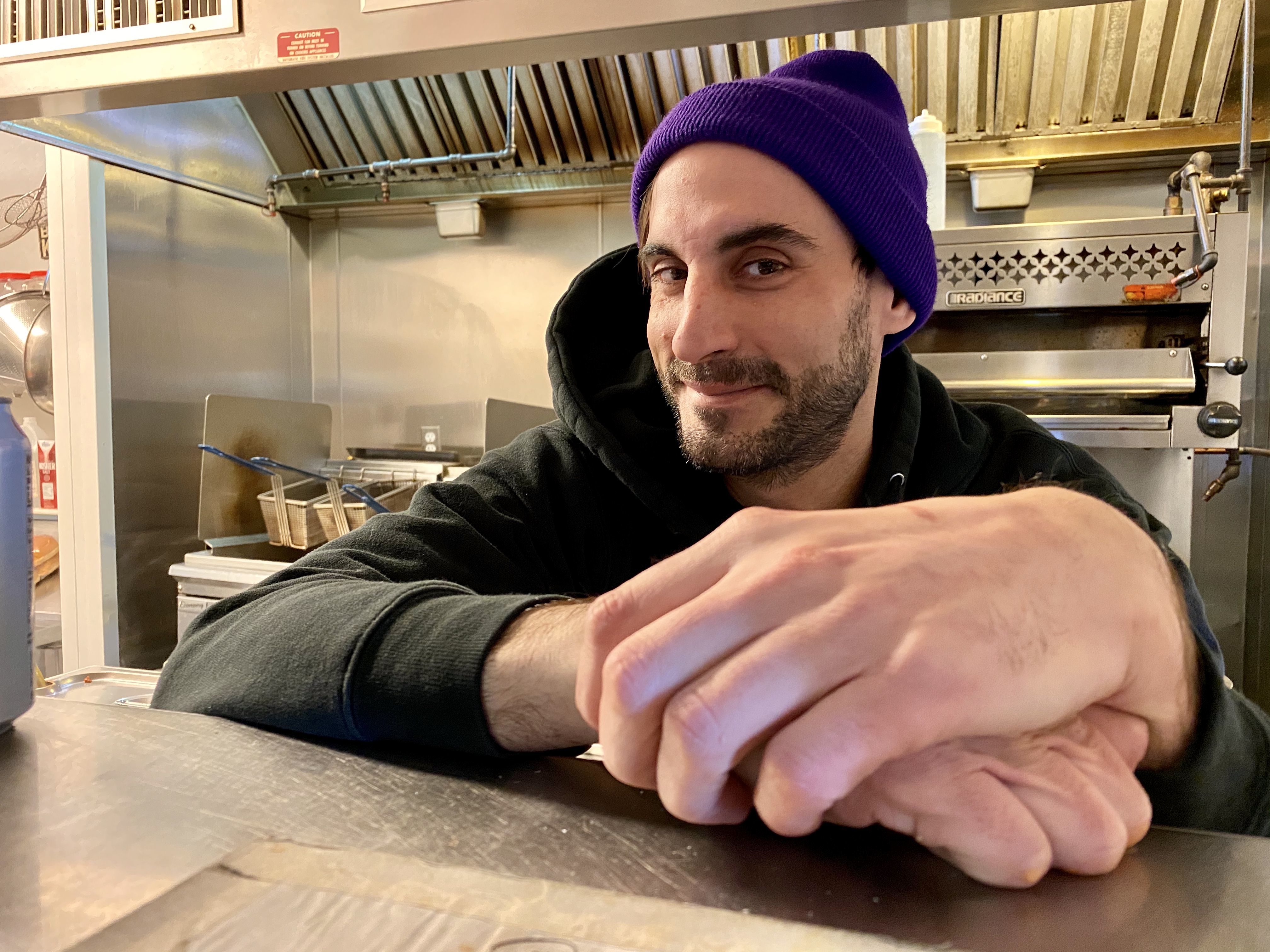
In our quest to keep you up to date on the restaurant scene, here are 12 spots that opened in the last few months. One example is Ogyu (shown above), which took over Ardmore’s former Iron Hill Brewing. It’s a grill-it-yourself Japanese steakhouse from the owner of the nearby Osushi.
You have to be in shape to lug around 100-pound salmon and tuna. Kiki Aranita found a group of sushi chefs who routinely lift weights. As they say in the maki game: no pain, no grain.
A couple didn’t want their local drinking spot to shut down for good. Sarah Nicell writes that they found a solution: They bought it.
The lines are long, and the branding is adorable. Kiki Aranita visits Kyo Matcha in Chinatown.
Pinot grigio is wildly popular for a good reason, and wine writer Marnie Old explains where the best ones come from.
Poe is expanding
Sandwichmeister N.A. Poe will expand the hours of his kitchen operation at Poison Heart next week while preparing to open a new Poe’s Sandwich Joint location by the end of the year.
Starting Tuesday, Poe’s will operate seven days a week out of Poison Heart, 931 Spring Garden St., where he’s run the cocktail bar’s kitchen since last September. Daytime service will be pickup, takeout, and delivery only; Poison Heart itself will not open for daytime bar or dine-in service.
Poe, the nom de plume of Richard Tamaccio Jr., is not disclosing the new joint’s location or opening date. “We look forward to the freedom to do things our way without interference or apologies,” he said.
The move follows Poe’s split with Human Robot Brewing Co., where he had operated since 2019. His last day at Human Robot’s Kensington location is Thursday. Cantina La Martina will take over Human Robot’s kitchens at both Kensington and Brewerytown. Poe also parted company with the Monto, a new Old City bar.
At Poison Heart, Poe’s will operate from 11 a.m. to 9 p.m. Sunday through Tuesday and 11 a.m. to 6 p.m. Wednesday through Saturday. Poison Heart’s regular Wednesday-through-Saturday evening service will continue, with Poe’s classics and specials added to the menu.
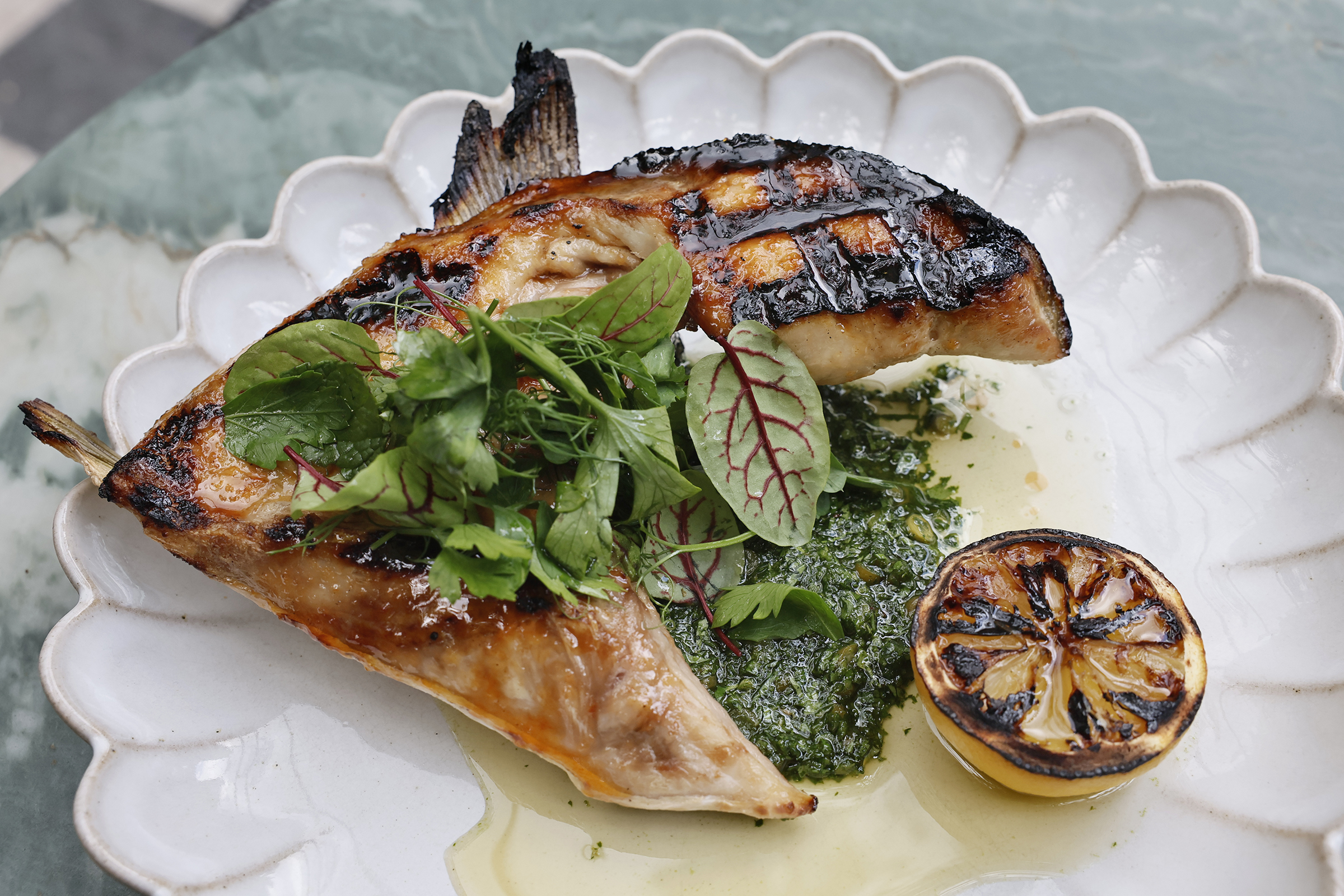
Two tasty bright spots of a staycation for Emily Bloch and her boyfriend included hamachi collar and poolside swordfish skewers. In other words: There’s great fish to be had in Fishtown.
Scoops
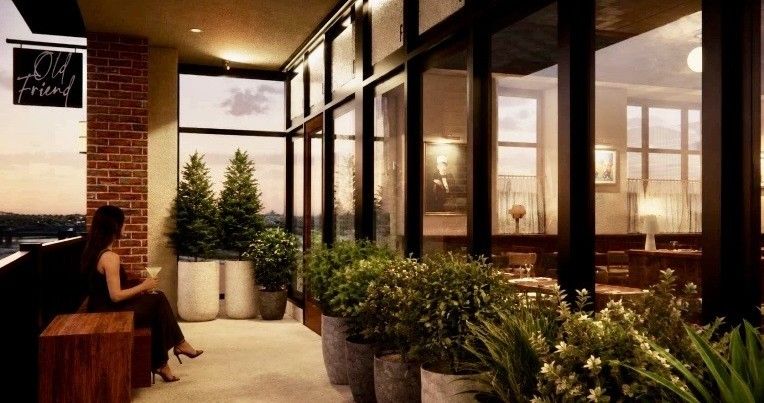
Old Friend, an upscale restaurant with a wood-fired grill and a chef with a Center City pedigree, is coming to the Main Line later this year.
Corte, on its way to the former East Market home of Mulherin’s Pizza, will have an Italian backbone, focusing on handmade pasta and cooking from the wood-fired oven. If that sounds like University City’s Corio, that’s because the same crew is behind it.
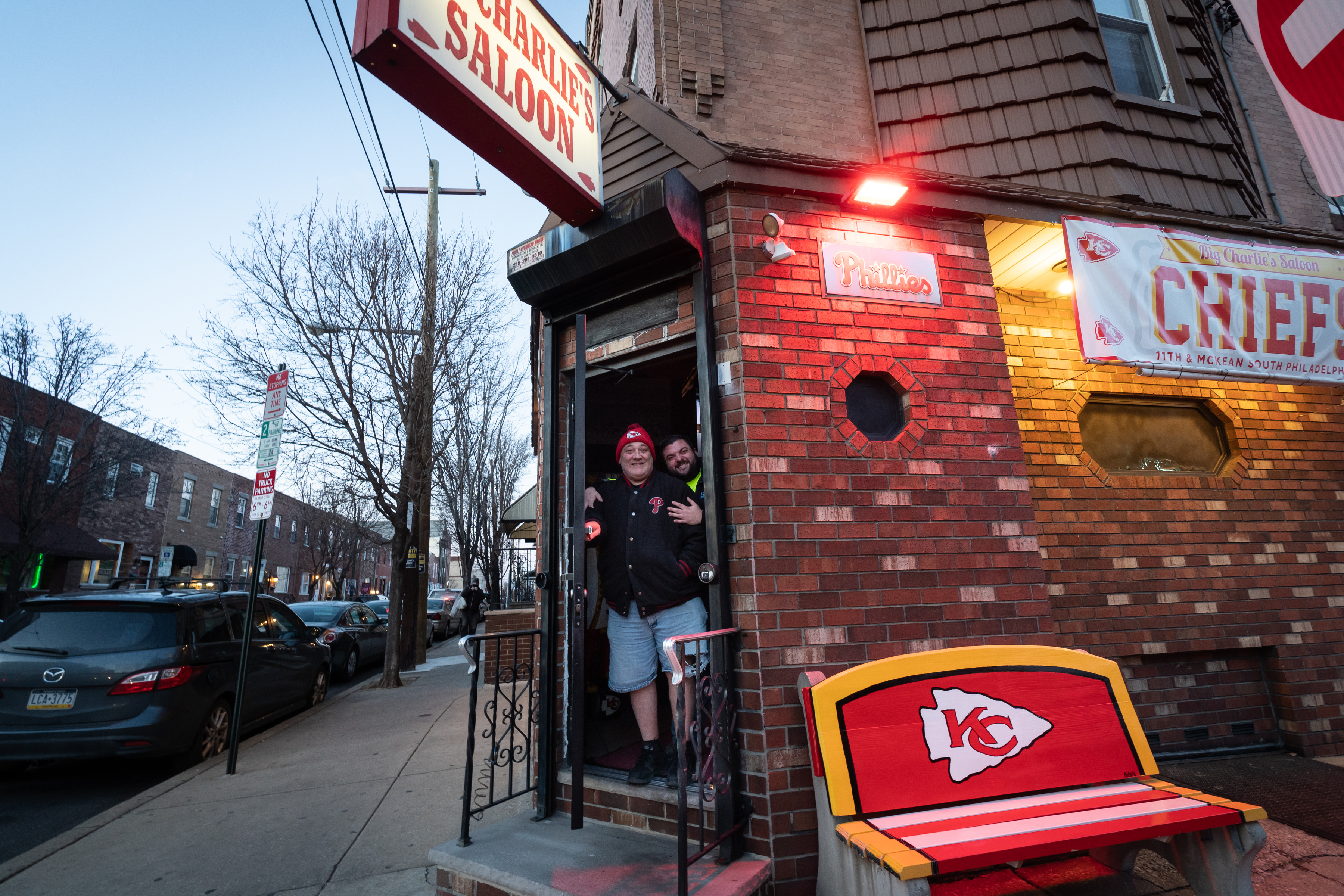
Big Charlie’s Saloon, the nationally known Kansas City Chiefs-theme bar in South Philadelphia that closed with the owner’s death last December, is under agreement of sale. The buyers’ plans don’t include NFL memorabilia.
Restaurant report
We’re in a New York state of mind:
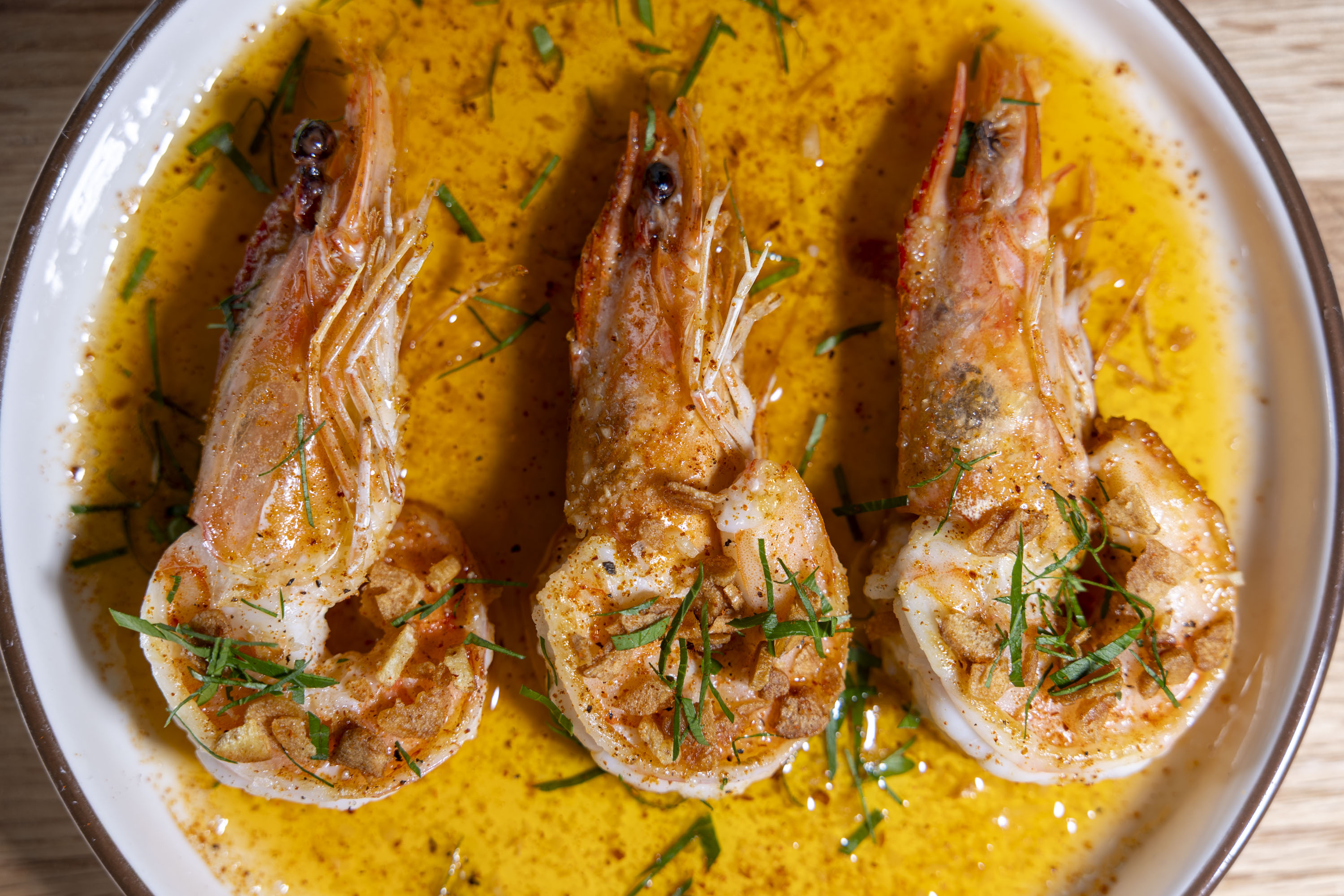
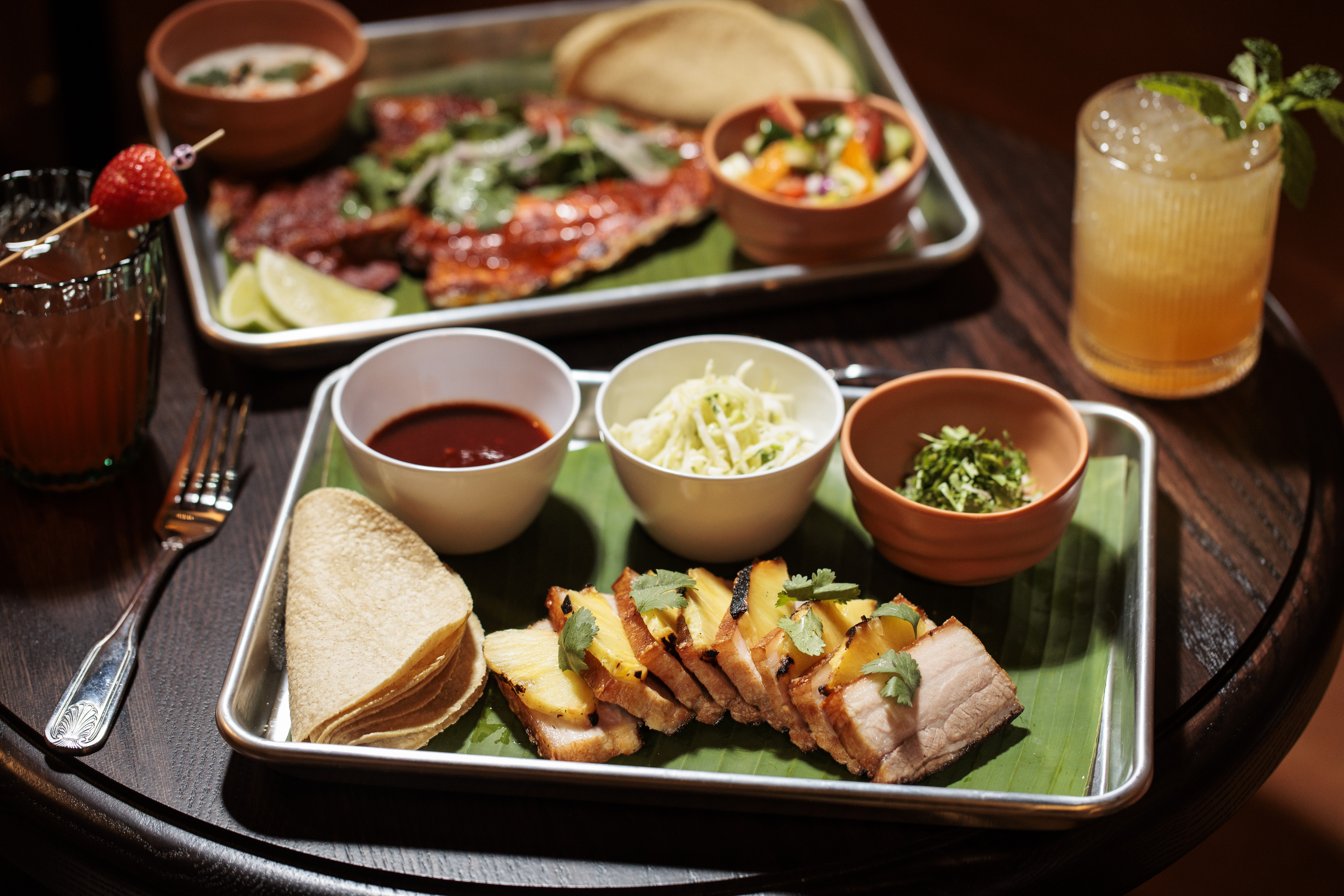
Dorade asado and pork belly al pastor (shown above) are two dishes offered at the new Mixteca, the Kensington offshoot of a Manhattan agave-focused coctelería from two James Beard Award-winning bartenders. Beatrice Forman heads to the former Martha for a look around.
Smash burgers and fries are the hook at 7th Street Burger, a fast-growing Manhattan-based burger chain that just opened the first of four Philadelphia-area locations in Fishtown. Kiki Aranita takes a bite.
Briefly noted
Jose Pistola’s 19-year run in Center City has ended. Its related bars in Fishtown and South Philadelphia are unaffected.
Mount Masala Himalayan Cuisine (300 White Horse Rd., Voorhees) will host a Nepal disaster-relief fundraiser on Thursday, Sept. 10 from 5 p.m. to closing under the auspices of South Jersey Food Scene. It’s a $25 buffet of Nepali-Himalayan dishes for dine-in or takeout, with all sales donated to the Nepalese government for flood relief.
🥂 New Jersey has permanently allowed the sale and delivery of to-go alcoholic beverages in towns that permit it.
Ask Mike anything
Did Philip Korshak ever open his store, Korshak Picnic Provisions? — Joan M.
Back in February, Phil Korshak, the poet-baker who left town in 2023 after closing his cult-favorite Korshak Bagels, thought he’d open his quirky corner store at 13th and Reed Streets by May. However, “you have no idea how many contractors, electricians, and plumbers go to Europe and Japan in the summertime,” he told me in June. This week, Korshak said the store — now called Korshak Parkside Provisions — is in the health department inspections queue and he’s expecting equipment deliveries. “Let’s call it October,” he told me.
📮 Have a question about food in Philly? Email your questions to me at mklein@inquirer.com for a chance to be featured in my newsletter.
By submitting your written, visual, and/or audio contributions, you agree to The Inquirer’s Terms of Use, including the grant of rights in Section 10.
Big Charlie’s Saloon, the South Philadelphia corner bar known nationally for its unlikely devotion to the Kansas City Chiefs, is getting a new playbook.
DiTomo and Jacobsen say they plan to turn it into Sweets, a neighborhood bar. DiTomo said that he would remain at Meetinghouse and that his business partners there have no stake whatsoever in Sweets.
Sweets will have no Chiefs memorabilia — or sports theme of any kind, for that matter. DiTomo said they’re thinking low-key. “I’m not a big concept guy,” he said. “I’m going to stay true to what that neighborhood deserves out of a neighborhood bar, and that’s about it.” The partners started an Instagram account to float photos that inspire them.
DiTomo said he and Jacobsen are working through due diligence for the purchase of the building, which had been listed at $1.1 million and includes apartments upstairs. A liquor license transfer is also pending.
They are aiming for a winter opening, though that timing is tentative. “If we could capture the holiday season, that would be beyond fantastic,” DiTomo said. “But we’re both realists. We’ll see how it goes.”
Its allegiance dated to Super Bowl IV in January 1970, when Staico’s father, Charlie, bet on Kansas City to beat the Minnesota Vikings and promised his young son a bicycle if the Chiefs won. They did, Paul got the bike, and a lifelong allegiance began.
After taking over the bar following his father’s death in 1983, Staico bought a satellite dish in 1986 so he and friends could watch Chiefs games that rarely appeared on Philadelphia television. Over the decades, the bar became known as “Arrowhead East,” its wood-paneled rooms covered with signed helmets, pennants, bobbleheads, street signs, and other Chiefs memorabilia.
But Big Charlie’s was also a neighborhood bar, and that is the aspect of the property that DiTomo intends to preserve — rather than its sports identity. He and Jacobsen both live in South Philadelphia.
“I’ve always admired neighborhood bars,” he said. “I grew up in neighborhood bars, so I want it to be true to form — just the classics, done well.”
That philosophy will extend to the drinks. DiTomo said the bar will pour Meetinghouse beer, along with a straightforward selection of beer, wine, and cocktails built around classics.
Sweet’s food will be simple, he said, because of the tiny kitchen.
DiTomo, a Culinary Institute of America graduate who rose to prominence a decade ago in the Marc Vetri organization at Amis, was a chef consultant on M. Night Shyamalan’s series Servant on Apple TV+ when Meetinghouse opened in 2023.
DiTomo and Jacobsen have been friends for about five years. DiTomo said Jacobsen had long been interested in doing a project together, but nothing had clicked until the Big Charlie’s building became available. “This building spoke to him, so he jumped on it,” DiTomo said.
Stickball, Jacobsen’s shop, specializes in vintage clothing, art, and objects. GQ included it on its 2024 list of 30 notable vintage menswear stores in the United States.
DiTomo said the Sweets name came from a running list he has kept over the years. He associates the word with several of his uncles, who used it as a term of affection. “I always liked the feeling of it,” he said. “It sounds nice, and it’s timeless. It feels good for the neighborhood, too.”
One of the year’s more closely watched Main Line restaurant projects now has a name, a chef, and a clearer identity.
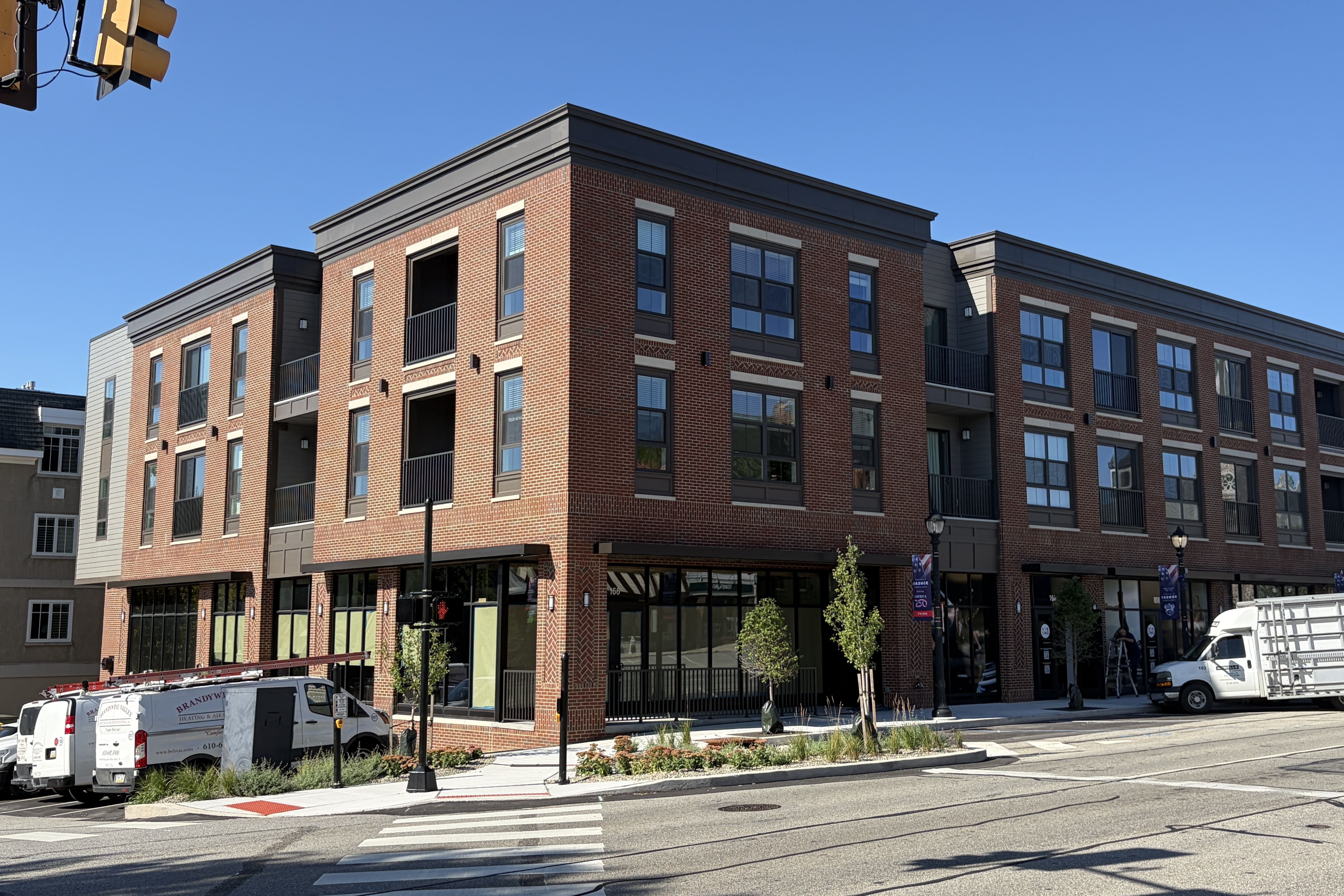
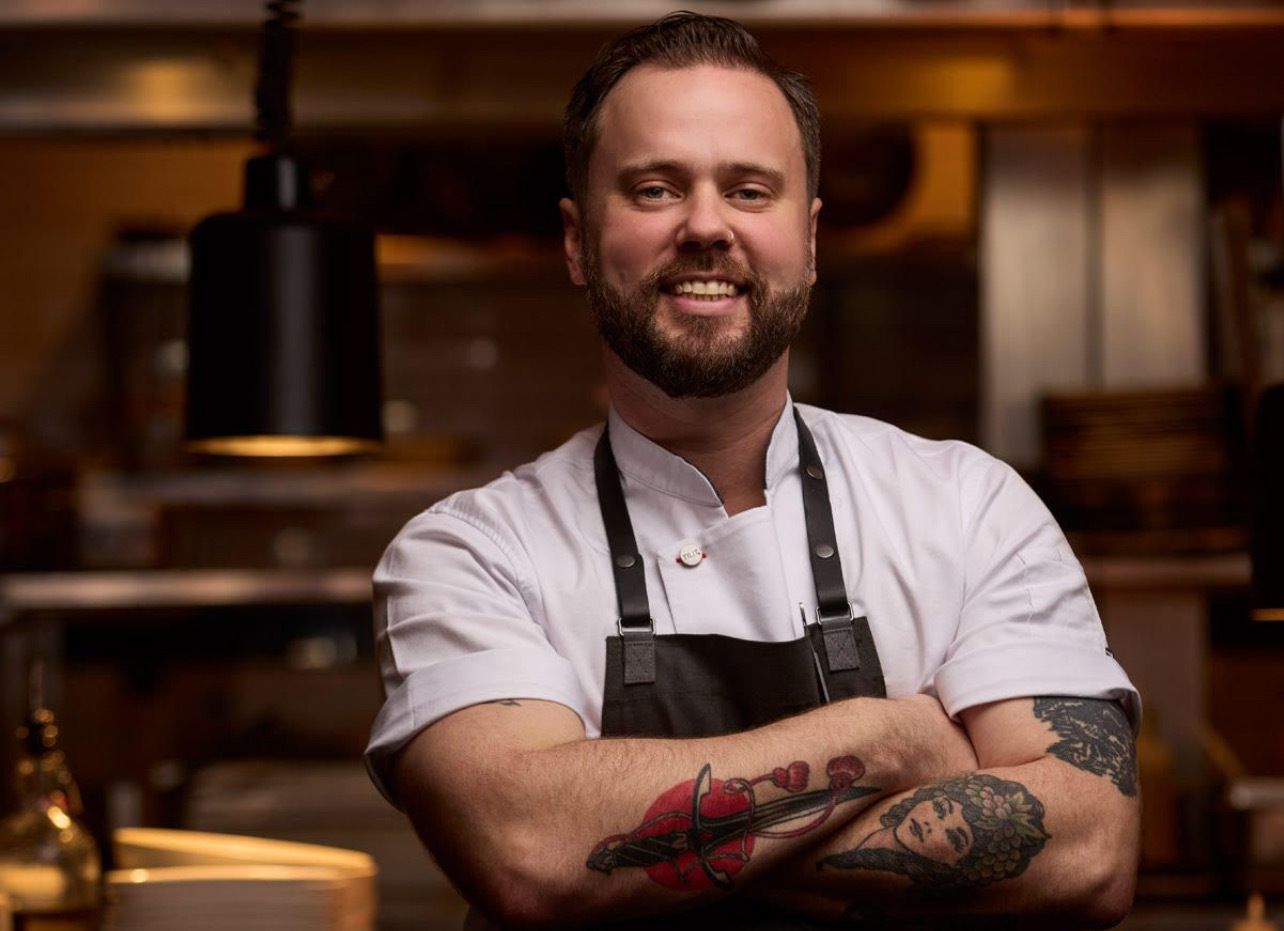
Old Friend, a contemporary American grill built around live-fire cooking, is targeting a late-fall opening in downtown Wayne with former Fork executive chef Sam Henzy leading the kitchen.
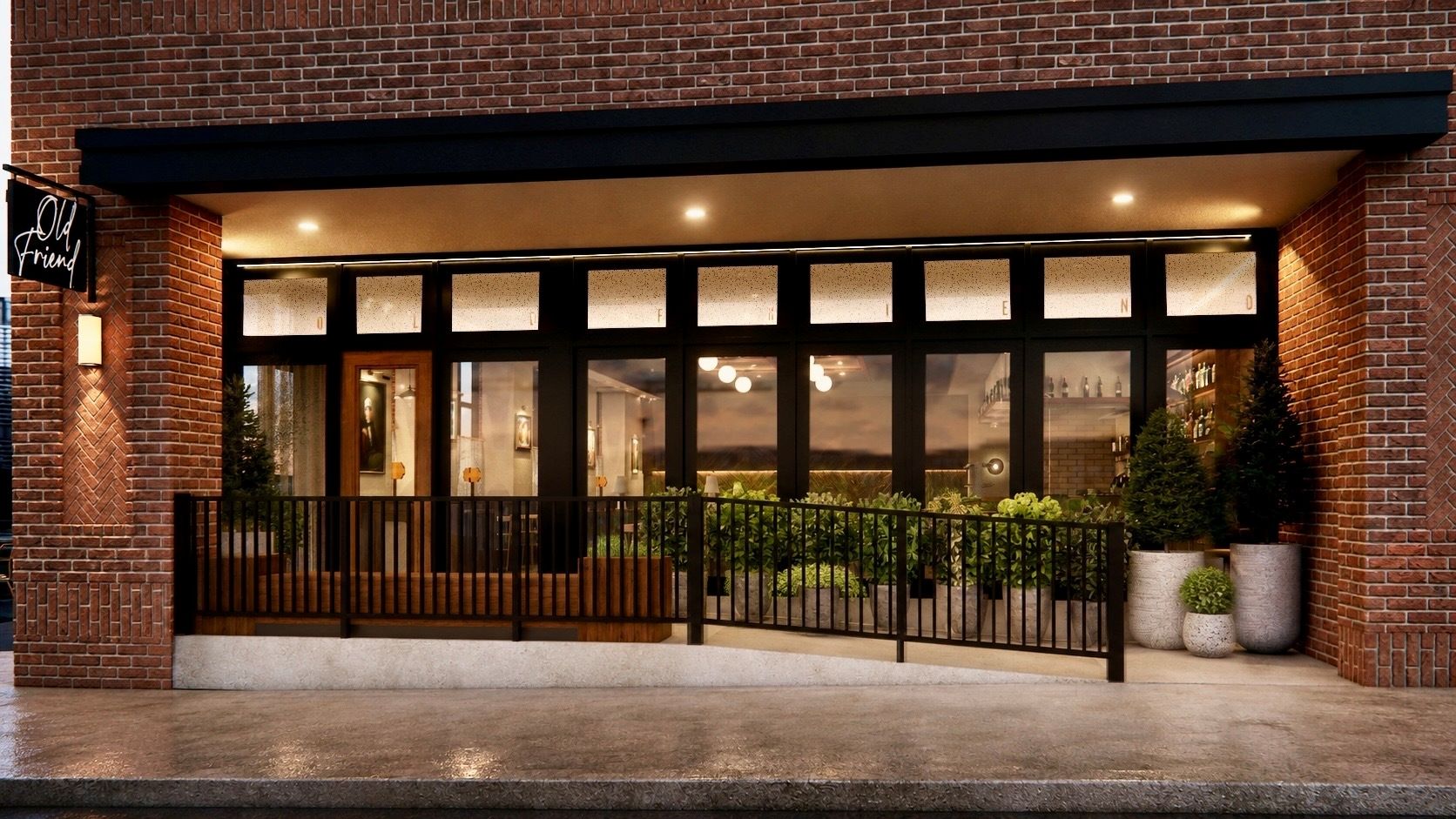
The 86-seat restaurant — 78 in the dining room and eight at the bar — will be at 166 E. Lancaster Ave., in a newly constructed ground-floor retail space at Lancaster and Louella Avenues that is part of the Apartments at Wayne Station. It is amid Wayne’s restaurant row, across from Maison Lotus and Rosalie, and just a few blocks from At the Table, White Dog Cafe, and the North Wayne Avenue dining strip.
Rendering of Old Friend, 166 E. Lancaster Ave., Wayne.Stokes Architecture & DesignArchitectural rendering of the facade of Old Friend, 166 E. Lancaster Ave., Wayne.Stokes Architecture & Design
Old Friend is the creation of Larry Kagan and Chas McFeely, who met in 1984 at Welsh Valley Middle School and later attended Harriton High. McFeely, an advertising copywriter who lives in Alameda, Calif., has family ties to the Main Line and returns frequently.
Kagan, who works in financial services and is a partner in the Campus sports complex in Downingtown, offered the first public outline of the project at a March Radnor Township Board of Commissioners hearing for its liquor-license transfer, describing an unnamed grill restaurant “that’s going to have the soul of a steakhouse.”
Kagan told The Inquirer this week that the name “old friend” describes his relationship with McFeely: “It’s someone between friend and family — someone you can pick up at any time, you can be yourself.” The name, he said, also reflects the sort of relationship they hope to develop with customers.
Kagan acknowledges that neither he nor McFeely is a restaurateur. They brought in Stove & Co. chef-owner Joe Monnich as a consultant to develop the concept and assemble the operating team. Monnich will remain in a leadership role while continuing at Stove & Co., whose holdings include Stove & Tap and Joey Chops.
Sam Henzy in 2025, when he joined Fork as executive chef.Courtesy of Fork
The connection to Henzy came through Monnich. The two met at Morimoto when Henzy was about 20 and, as he puts it, “green as grass.”
“Joe was the first chef who pushed me really hard, but he did that great older-brother thing of pushing somebody while being there to answer questions,” Henzy said. “He really took me under his wing.”
They remained friends as Henzy built his career. He did not know the name of the Wayne restaurant until he recently visited the space with Monnich and the owners.
“When they told me it was going to be called Old Friend, it just made me smile,” Henzy said, “because that’s how I think of Joe.”
Henzy, who grew up in Delaware, is best known locally for his two years as executive chef at Fork in Old City. His resumé also includes Middle Child Clubhouse, Vernick Food & Drink, Noma in Copenhagen, and Quince and Angler in San Francisco.
Henzy’s experience with live-fire cooking began during a six-month internship at Noma. He remembers touring the cutting-edge restaurant and encountering a Josper charcoal grill set up in a makeshift shack out back.
“In that moment, I was like, ‘Oh, I’m taking that station,’” Henzy said.
He eventually did, spending the final three months of his internship on the Josper. Later, he sought out Vernick Food & Drink in part for its wood-burning oven. His most intensive live-fire experience came at Angler, where he was executive sous chef and the cooking line had no conventional stoves.
“It’s just fires,” Henzy said. “It’s fires everywhere you look.”
Old Friend will bring him back to that style of cooking. Its open kitchen will center on a charcoal-fired Josper combination grill and oven, which Kagan calls the restaurant’s “engine.”
Designed by Stokes Architecture & Design, the restaurant will feature reclaimed mushroom wood, an oak bar, and an open, firebrick-lined hearth that will put the Josper in view of the dining room.
Kagan calls Old Friend a contemporary American grill. The developing à la carte menu will move from small and medium plates to larger-format proteins intended for sharing. The wine list will be compact and closely matched to the food.
Fish — including some dry-aged fish — as well as poultry and other proteins will be cooked on the Josper. Henzy gained experience dry-aging fish at Angler and wants to explore the technique further at Old Friend.
“I think dry-aging fish is both an underused and a misunderstood technique,” he said.
Old Friend also represents a move away from what became Henzy’s signature at Fork. Pasta may appear on the menu, but it will not be a focus. At Fork, he said, its popularity “took on a life of its own,” sometimes overshadowing the rest of the menu.
“I’m really big on never resting on my laurels and taking on new challenges,” Henzy said.
After years away froma live fire-fueled kitchen, Henzy said, “I’ve really been itching to get back into the flames.”
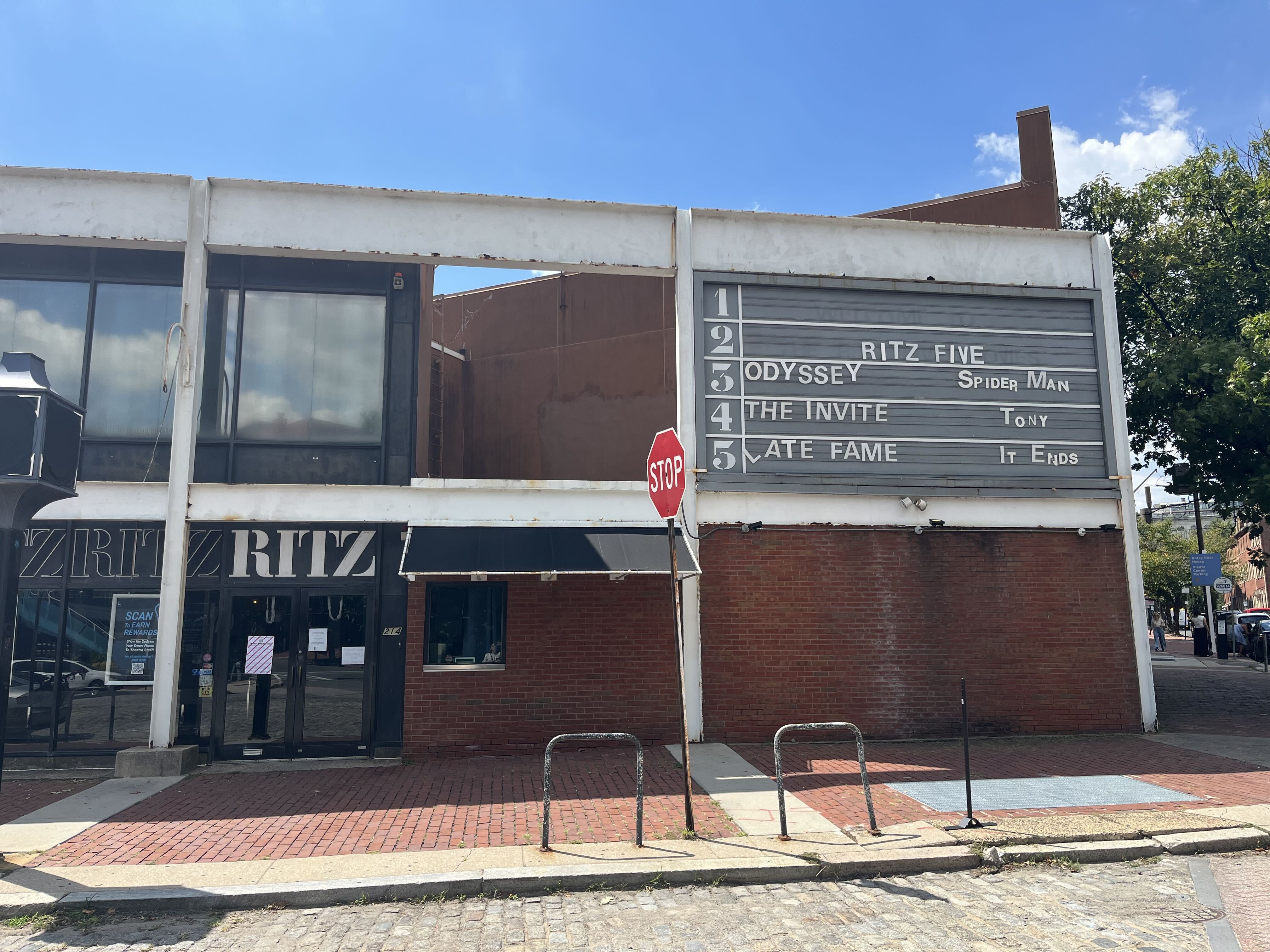
Landmark Ritz Five movie theater is closed after failing inspections by the city’s Department of Licenses and Inspections.
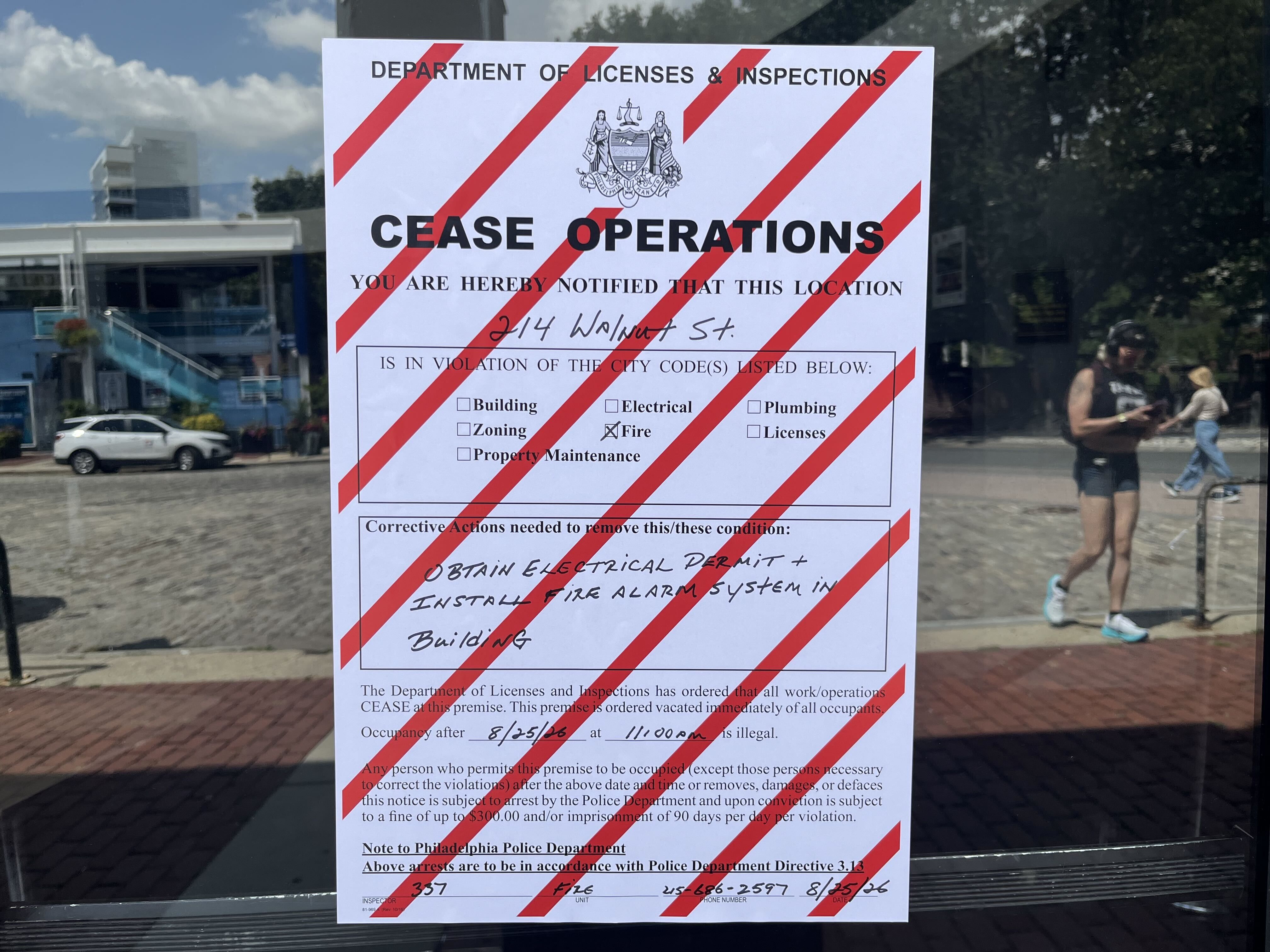
On Wednesday morning, the theater’s website posted that the location was temporarily closed “due to administrative issues.”
The theater at 214 Walnut St. was found in violation of several city codes in March, and the theater failed a follow-up inspection on Aug. 11, according to a city online portal.
March’s violations include failure to: obtain a permit to install a fire alarm system, share documentation that fabrics are flame retardant, ensure that exit doors fully “self-close and latch,” andcertify emergency lighting. The theater was also found to be missing a valid food license. In total, the theater was issued seven violations in March.
A city notice posted to the theater doors on Wednesday said the theater needed to obtain an electrical permit and install a fire alarm system.
The inspections were prompted by the department receiving “several complaints regarding the Ritz Five Theater,” an L&I spokesperson said.
The Landmark Ritz Five movie theater was closed on Wed. Aug. 26, 2026, after failing two city inspections. A cease-operations notice was posted to the theater doors on Wednesday.Ariana Perez-Castells
A representative for Landmark Theatres did not immediately share a comment on the closure and inspections on Wednesday.
When the Philadelphia theater was inspected in March, it was ordered to remedy the violations by April 22 or face fines. The violations each carry their own fines, totaling $2,800. The department charges the code violation fines on a daily basis. The theater can also be ordered to pay additional fines related to the violations.
However, on Wednesday, an L&I spokesperson said “there are no fines associated with the violations. Should this matter be progressed to court, then fines may begin to accumulate.”
The roughly 13,0000-square-foot theater was founded in 1976 with three screens, according to the theater’s website. Today, it has five projection screens.
Philadelphia was once home to three Landmark Ritz theaters, known for showing independent and documentary films alongside mainstream releases. But the theaters at the Bourse and East are now operated by the Philadelphia Film Society while only Ritz Five remains under Landmark’s umbrella.
No showtimes were listed for Wednesday on the theater’s website. As of Wednesday morning, tickets could still be purchased online for Thursday viewings of The Odyssey, Spider-Man: Brand New Day, and Tony, among other movies.
Landmark Theatres was purchased by Cohen Media Group in 2018. The Landmark Theatres brand has several locations across the country, including theaters in Arizona, California, and Florida.
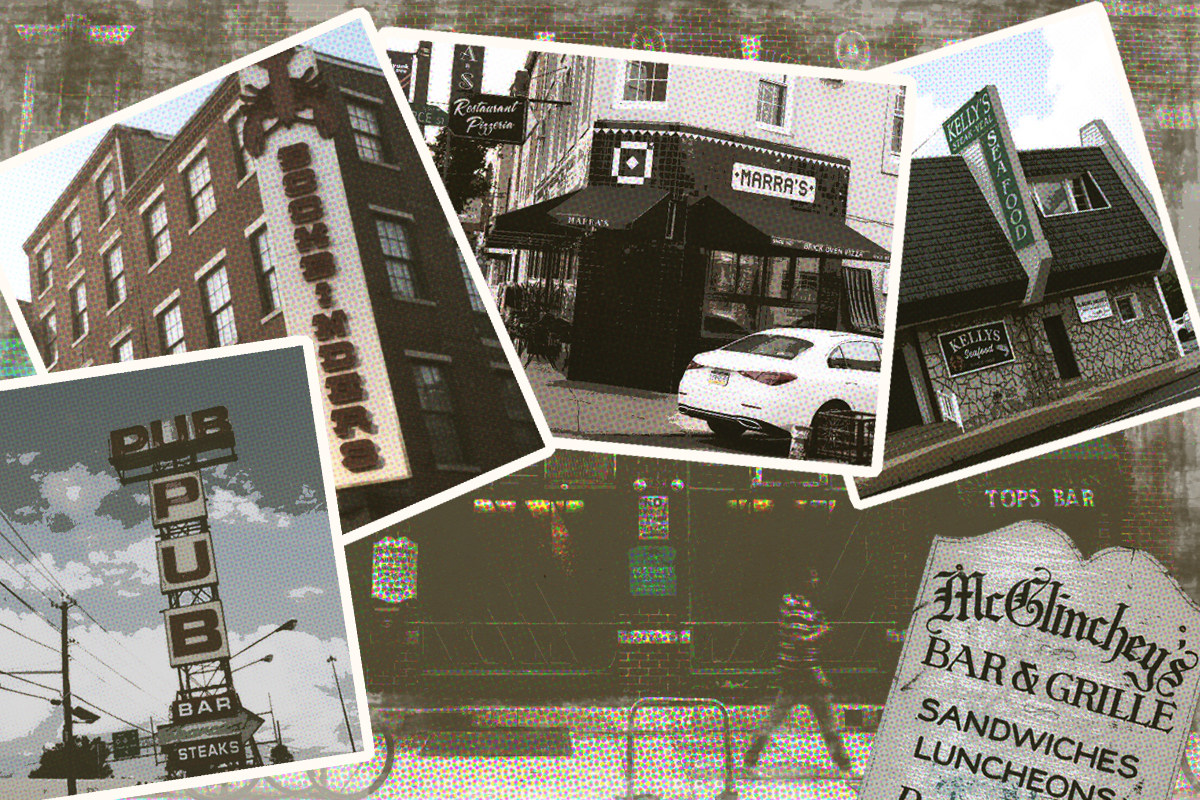
An unusually visible collection of Philadelphia-area restaurant institutions is reaching a turning point at the same time — with some closing for good and others seeking buyers as a generation of longtime owners reaches retirement age.
At Kelly’s Seafood, the end is definite. The Northeast Philadelphia restaurant will close this month as its owners retire, ending a run spanning three generations of the Kelly family. So will Steve Stein’s Famous Deli, whose history in the Northeast also reaches back nearly 70 years.
Elsewhere, the outcomes are less certain.
Cherry Street Tavern has been around for a century at 22nd and Arch Streets.Tyger Williams / Staff Photographer
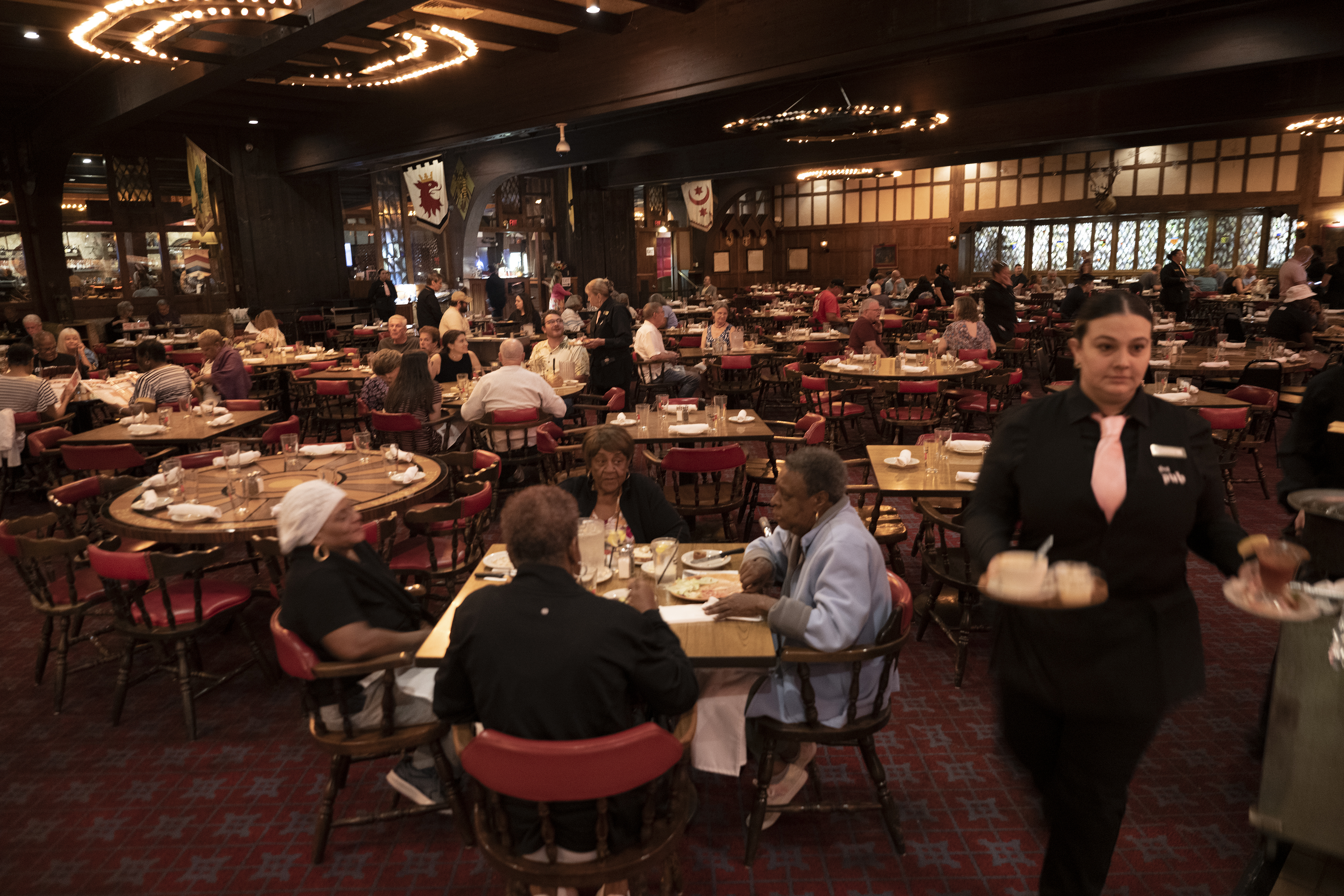
The Pub, the sprawling Pennsauken steakhouse known for its open hearth, medieval decor, and thousand-plus seats, is on the market. The restaurant, which dates to 1951, is not closing: It is on its customary summer break and is scheduled to reopen Sept. 18.
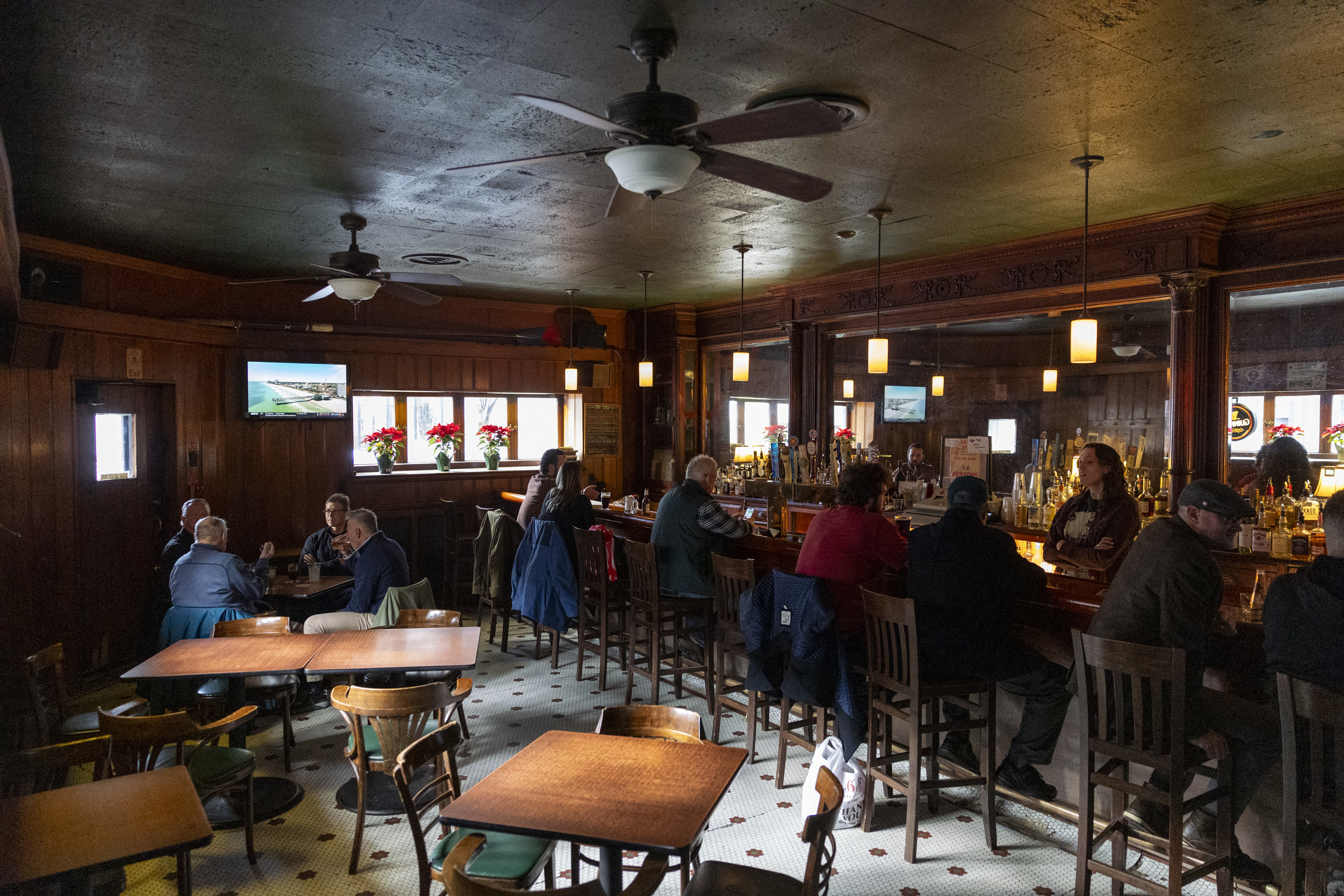
The owners of Cherry Street Tavern, the Logan Square bar that has operated for more than a century, are looking for a buyer after 50 years of stewardship by the Loughery family. The buildings that housed Mamma Maria’s, the East Passyunk Italian restaurant that opened in 1992, went up for sale this month. Aldar Bistro in Bala Cynwyd has been sold after 34 years and will give way to an Italian restaurant called Bruzi.
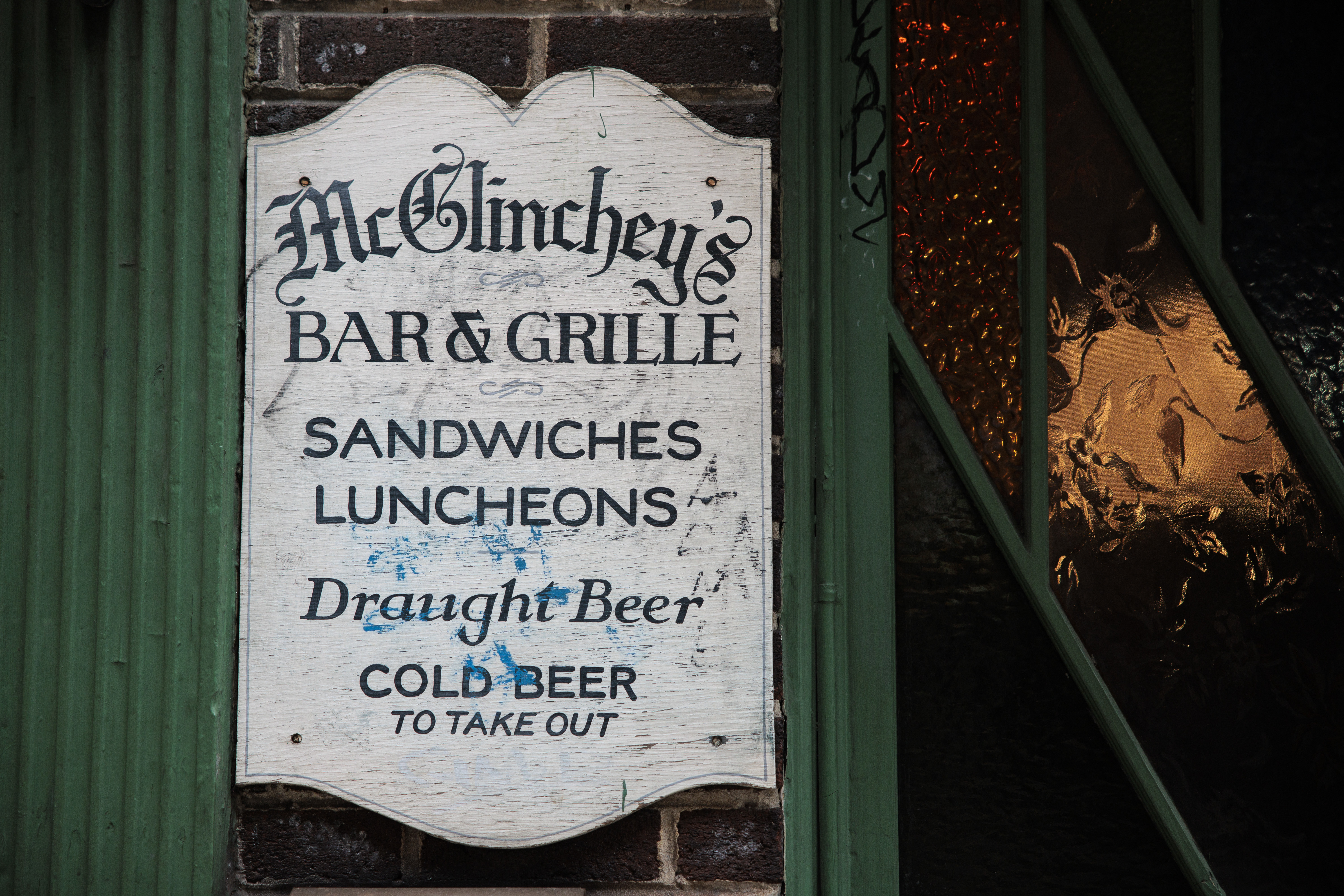
McGlinchey’s, the Center City dive that closed last year after nearly 90 years, is back on the market after a prospective buyer walked away from a deal for the building.
McGlinchey’s, at 259 S. 15th St., after its closing in August 2025.Monica Herndon / Staff Photographer
And the nearly 40-year-old Jake’s & Cooper’s Wine Bar in Manayunk is being marketed for sale as owner Bruce Cooper looks toward retirement.
Restaurants have always turned over, and the recent activity does not appear to reflect a restaurant market in retreat. The Inquirer counted 86 Philadelphia-area restaurant closings in 2025, while more than 100 new restaurants and bars were on the drawing board for 2026. What distinguishes many of the businesses now closing or being sold is their longevity: They survived for decades, weathering the pandemic and recent increases in food and labor costs, before their owners reached retirement.
‘The gray wave’
People in the restaurant, liquor, and real estate businesses say the turnover is part of a broader generational transition among small businesses as longtime owners reach retirement without children interested in taking over.
Jim Creed, handling Jake’s listing, calls it the “gray wave.”
“You’ve got operators who have been in business 40 or 50 years, and they don’t have heirs who want to take over the business,” said Creed, a senior vice president with CBRE.
His father, also Jim Creed, knows the issue from the other side. He opened Creed’s Seafood & Steaks in King of Prussia in 1982 and, at 78, has no immediate plans to sell. “I go to the restaurant every night,” he said. “It’s actually fun.” But when he does decide to close, he said, his children don’t want to take over.
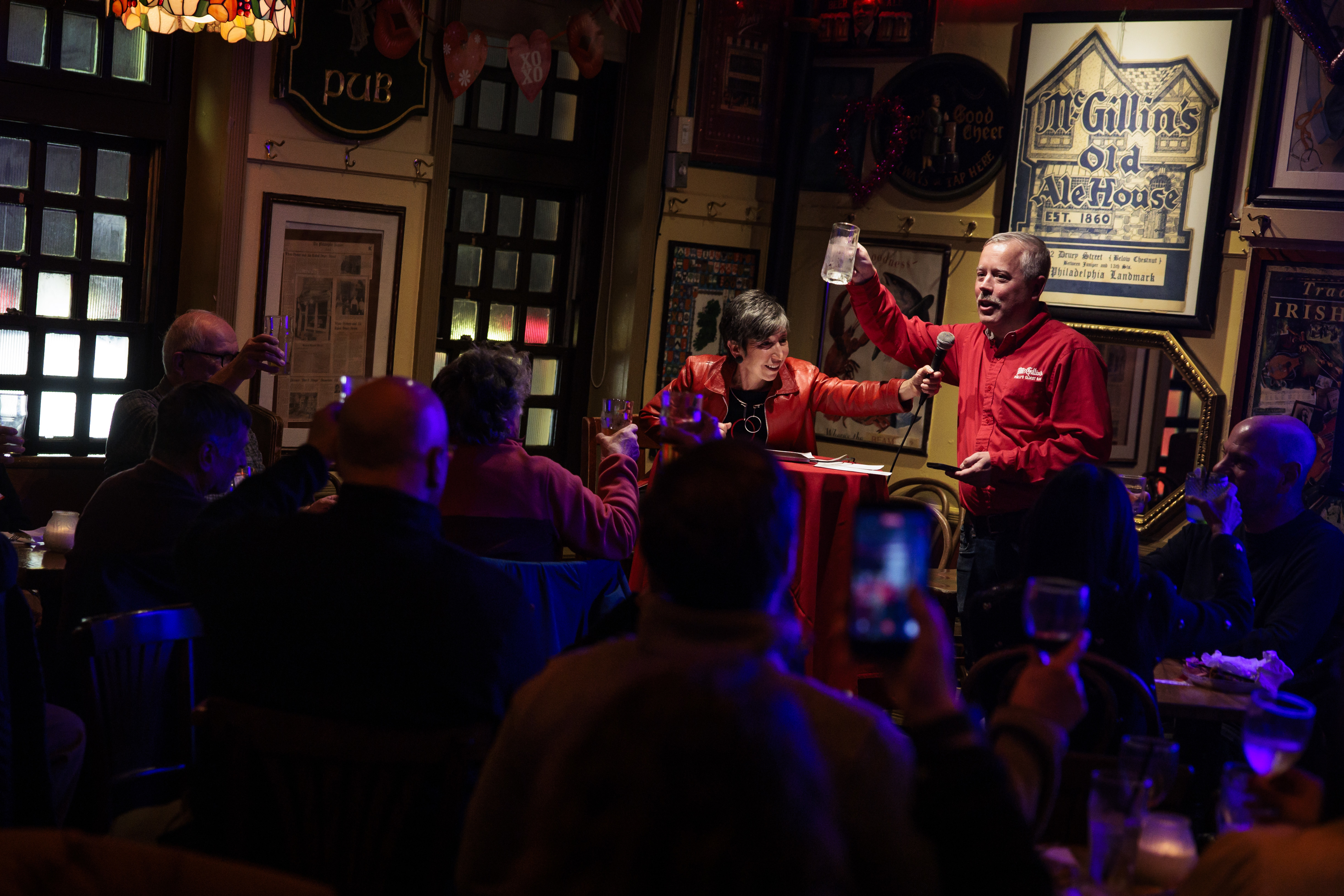
For the counterexample, consider McGillin’s Olde Ale House in Center City. Open since 1860, it has survived through generations of owners; the Spaniak family has run it since 1958, with Chris Mullins Jr. now the third generation involved. There are no plans to sell. “It’s part of my DNA, part of our customers’ DNA, part of our staff’s DNA,” Mullins told The Inquirer this year.
Irene Levy Baker and Chris Mullins Jr. lead a toast at McGillin’s on Tuesday, Feb. 3, 2026 in Philadelphia. Attendees gathered for a book talk on “Cheers to McGillin’s: Philly’s Oldest Tavern” on Tuesday.Monica Herndon / Staff Photographer
Ed Taraskus has watched generations of restaurant and bar owners come and go over 50 years of practicing liquor licensing law. He could not say whether the current number of sales and closings constitutes a statistical trend, but said the succession problem is familiar.
“The parents retire and the children don’t want to get into the business — because it’s a hard business,” he said.
Taraskus said the hours can be punishing for small family operators. His clients also complain about finding employees willing to work nights and weekends. Drinking habits have changed, he said, and some businesses are still feeling the effects of the pandemic.
Taraskus knows the succession question personally. His South Philadelphia family owned a small restaurant and tavern, but his father discouraged him from entering the business. When his parents retired in the 1960s, they sold.
Real estate on the line
Retirement can present a second question for operators who own their buildings: What, exactly, are they selling?
A restaurant may have value as a going business, but decades of appreciation can make the underlying real estate a substantial part of an owner’s nest egg. Sometimes the economics favor a different restaurant — or an entirely different use.
Douglas Green, a principal at commercial real estate brokerage MSC, said the value of restaurant real estate is closely tied to the sales a location can support and, consequently, the rent an operator can afford.
“The more volume they do, the more rent they can pay,” Green said.
That means a location can be worth more to another restaurateur if the existing operator is underperforming. And in some cases, Green said, a restaurant may no longer be the property’s most valuable use at all.
“At some point, perhaps the building becomes obsolete,” Green said. “Perhaps the highest and best use of the real estate is no longer a restaurant.”
Those possibilities are playing out among the region’s longtime establishments.
The Pub restaurant near the former Airport Circle in Pennsauken in 2024.Jose F. Moreno / Staff Photographer
At the Pub, the Gelman family is seeking a buyer for the restaurant and its roughly 6.3 acres on Kaighns Avenue near the former Airport Circle. The family has operated it since Marc Gelman bought it in 2000.
“I don’t think there’s one thing in general why we’re selling, but it’s time for a new steward — if you will — of the business, or the property,” Marc’s son David Gelman said.
At Cherry Street Tavern, at 22nd and Arch Streets, the Loughery family hopes to find a buyer who understands what generations of regulars value about the place.
McGlinchey’s illustrates the other possibility. Its nearly 5,000-square-foot property at 259 S. 15th St. is listed for $2.45 million, including the liquor license, bars, and McGlinchey’s name, as either a turnkey bar and restaurant or a redevelopment opportunity.
Decisions for buyers
Creed said longevity itself can tell a prospective buyer something about a restaurant property.
“Anytime you have operating longevity, that speaks to the real estate,” he said. “When you have a concept that has been in operation for 40 years, clearly the real estate has something to do with that, too.”
The retirement of one operator does not necessarily mean the end of restaurant use.
The former Mixto space is set to become the revival of South Philadelphia bar Toll Man Joe’s.Charles Fox / Staff Photographer
Mixto closed July 12 after nearly 24 years at 1141 Pine St. Within weeks, restaurateur Lori Penrose bought the property and announced plans to revive her former South Philadelphia sports bar, Toll Man Joe’s, there.
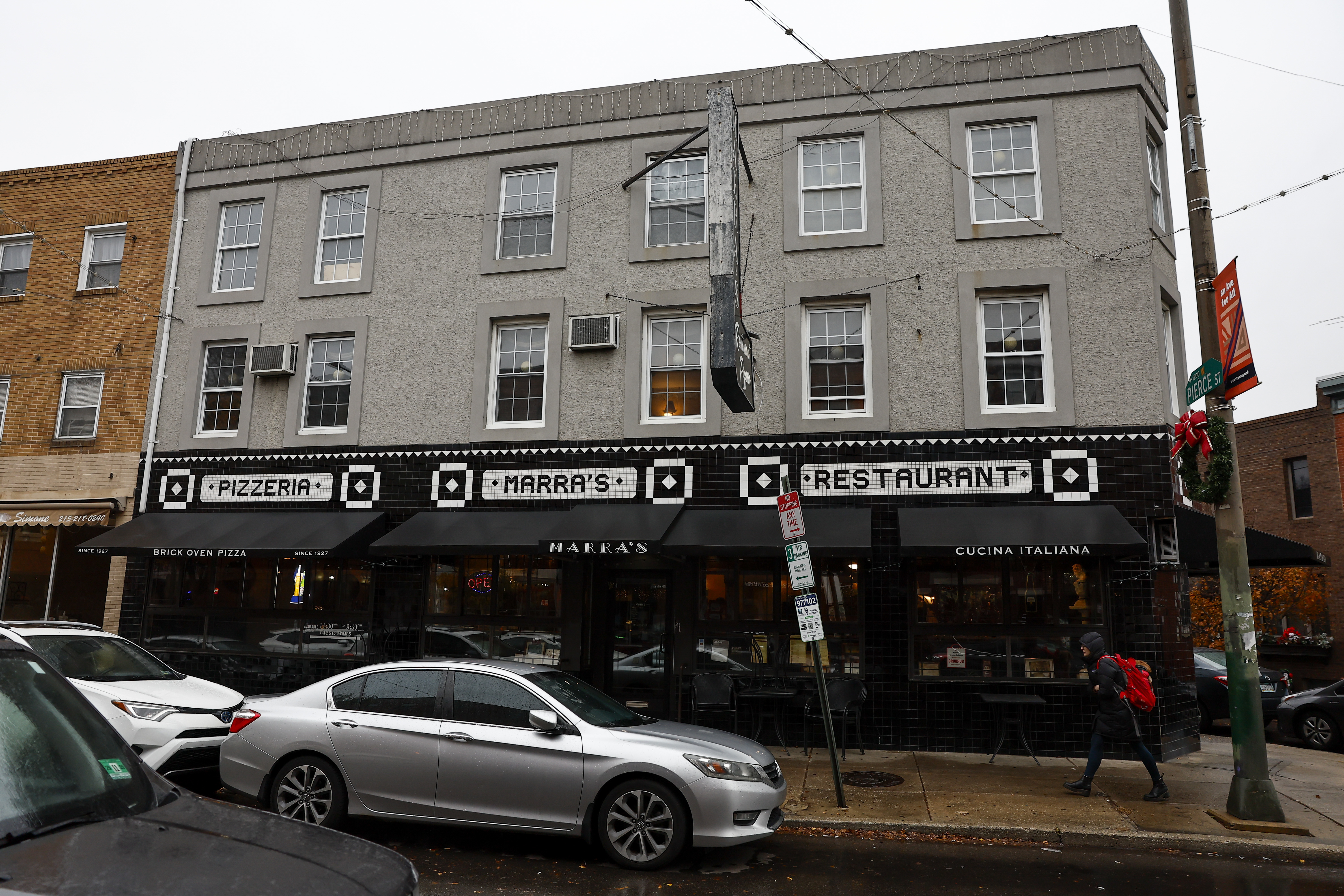
The exterior of Marra’s Restaurant on East Passyunk Avenue is due to become a branch of Dan Tsao’s burgeoning restaurant group. Monica Herndon / Staff Photographer
“There are pros and cons to both,” Tsao said of taking over an existing restaurant rather than starting with a new space. “But with an existing restaurant space, especially a legacy restaurant, it already has a place in the neighborhood, and a place in the memories and hearts of generations of customers.”
Such properties may also have much of the expensive infrastructure required to operate a restaurant.
But for Tsao, the attraction isn’t purely economic.
“I also like the idea of preserving some of that history,” he said, “while giving the space a new chapter.”
The owners of two Port Richmond restaurants plan to open a moderately upscale Mexican restaurant in Old City, banking in part on the impact of the forthcoming Park at Penn’s Landing, which will cap I-95 and — they hope — send crowds to their doorstep.
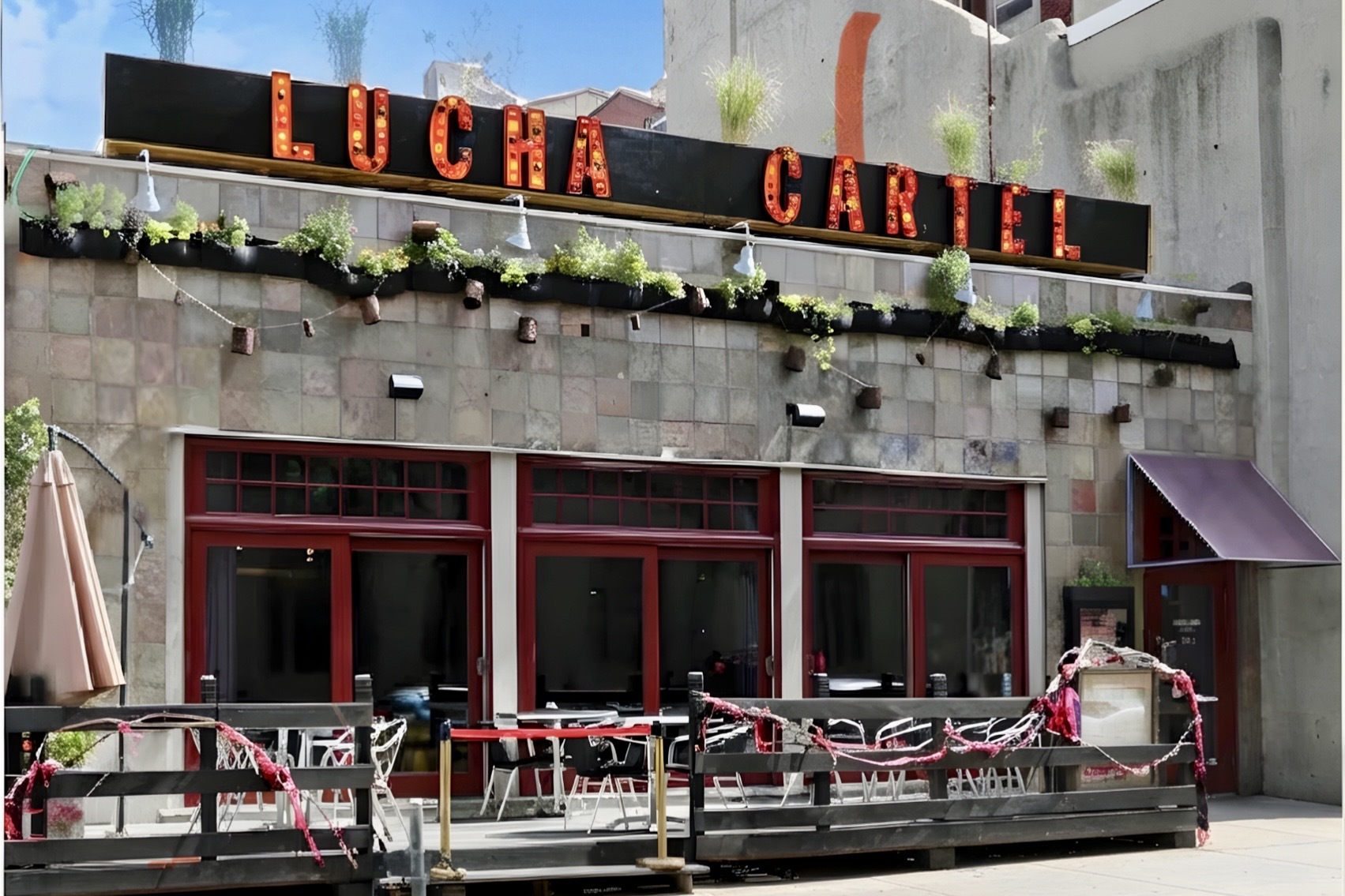
“It was an opportunity, and we decided to take a chance,” said chef Jesus García, a former executive chef at Lucha Cartel, which occupied the building at 207 Chestnut St. from 2013 until it closed last year. It was Philadelphia Fish & Co. from 1983 to 2009.
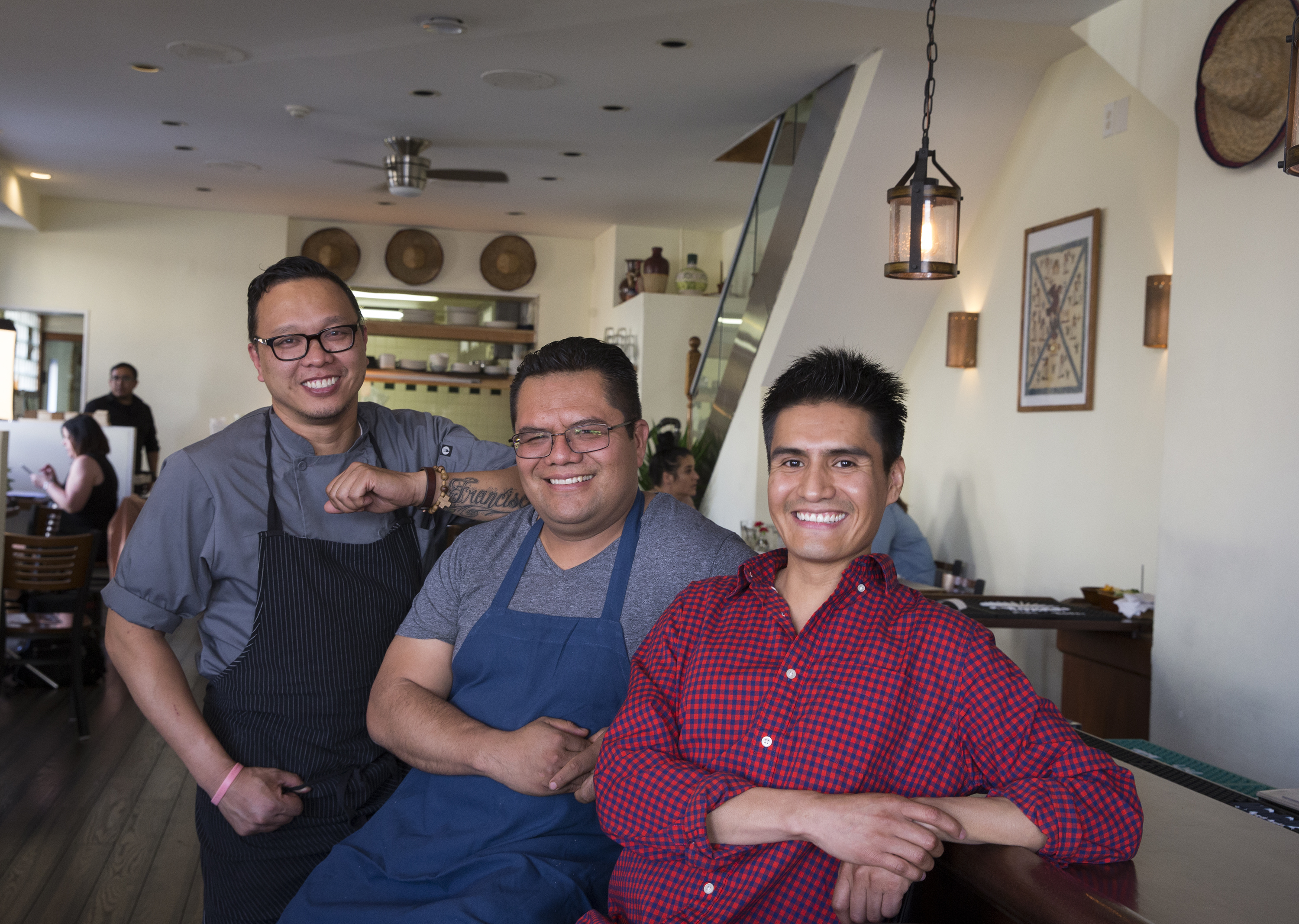
Chef Jesus Garcia (center) and Alejandro Fuentes (right) with Jasper Alivia at their restaurant Nemi in 2019. Charles Fox / Staff Photographer
García and Alejandro Fuentes, his partner in the Mexican restaurant Nemi and the cross-cultural La Roma, bought the property this week and plan to open a yet-to-be-named Mexican restaurant similar to Nemi, which Inquirer critic Craig LaBan has praised, particularly for its creative tacos.
Fuentes and García opened Nemi at Ann and Thompson Streets in 2018, and followed in 2022 with La Roma at Allegheny Avenue and Mercer Street, where the menu crosses Mexican, Italian, and other influences.
Their new restaurant will enter a pocket of Old City that already has several Mexican restaurants. La Catrachita Taqueria opened next door in May. Across Second Street, Buena Vista Mexican Restaurant & Bar opened last summer at 123 Chestnut St., while South Street’s Las Bugambilias moved to 15 S. Third St. in 2021.
Fuentes and García’s purchase of 207 Chestnut marks the end of a saga that had entangled the property in competing efforts to resurrect the name of Tun Tavern, considered the birthplace of the U.S. Marine Corps.
Montgomery Dahm, the Marine veteran who has operated a Tun Tavern in Atlantic City since 1998 and owns the trademark to the name, moved into Old City amid a trademark fight with the nonprofit Tun Legacy Foundation, which was planning its own historically accurate re-creation of Tun Tavern nearby.
In September, Dahm announced an agreement to take over Lucha Cartel at 207 Chestnut, about 400 feet from the foundation’s proposed site around the corner on Second Street. He told The Inquirer that he intended to spend $2.5 million to $3 million to turn the property into a Tun Tavern.
In November, Dahm added bunting and lightly renovated the restaurant for a party commemorating the Marine Corps’ 250th anniversary. Less than three months later, in February, Dahm and the foundation settled their trademark dispute. Dahm subsequently decided not to proceed with the Tun Tavern at 207 Chestnut, leaving the property available.
Billy Creagh of National Realty Commercial brokered the sale, whose terms were not immediately disclosed.
Fuentes and García’s timing coincides with one of the largest public-space projects in the city’s recent history. The Park at Penn’s Landing, being built over I-95 and Columbus Boulevard between Chestnut and Walnut Streets, will reconnect portions of Old City and Society Hill with the Delaware River waterfront for the first time since the 1970s. The project, anticipated to be completed in 2029, is expected to create nearly 12 acres of parkland and dramatically change the pedestrian approach to the waterfront.
For 207 Chestnut, the significance is geographic: The restaurant will sit only a few blocks from the new park, along one of the principal east-west streets connecting Center City and Old City with Penn’s Landing.
The Old City project will put Fuentes and García in a considerably different restaurant market from Port Richmond, with heavier tourist traffic, historic attractions, nightlife, and increasing competition for Mexican food.
“I think it’s a great neighborhood, even if sometimes it has some ups and downs,” Fuentes said. “But there are a lot of local customers, and there are also a lot of tourists who visit Old City.”
On the advice of United States Treasurer Alexander Hamilton, Congress passed a law establishing America’s first federally funded bank on Feb. 8, 1791.
The bank — located inside Philadelphia’s Carpenters Hall — would serve as the primary fiscal agent for the federal government and one of its many jobs was to issue paper money that was printed by private banknote companies and local print shops.
Coins, though, weren’t in the mix yet.
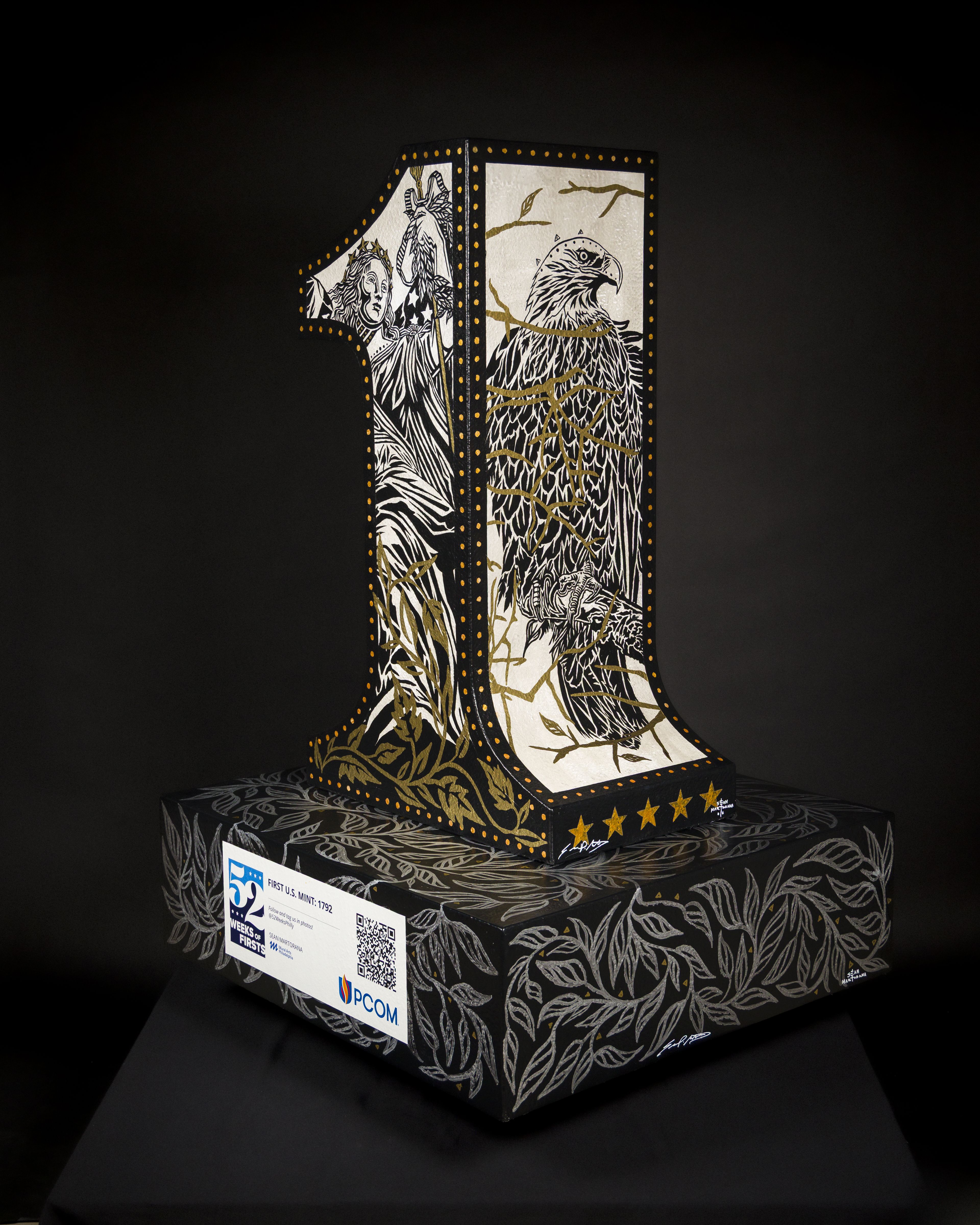
Sean Martorana’s No. 1 reflects themes of craftsmanship, trust and unity of the U.S. Mint.Sean Martorana and the Colibri Workshop
On April 2, 1792, Congress established the United States Mint in Philadelphia with the adoption of the Coinage Act. The act set the dollar as the standard and set denominations — pennies, dimes, nickels, quarters — and their weights, compositions, and regulations.
The new law also required a symbol and inscription of the word “liberty” on each of the coins.
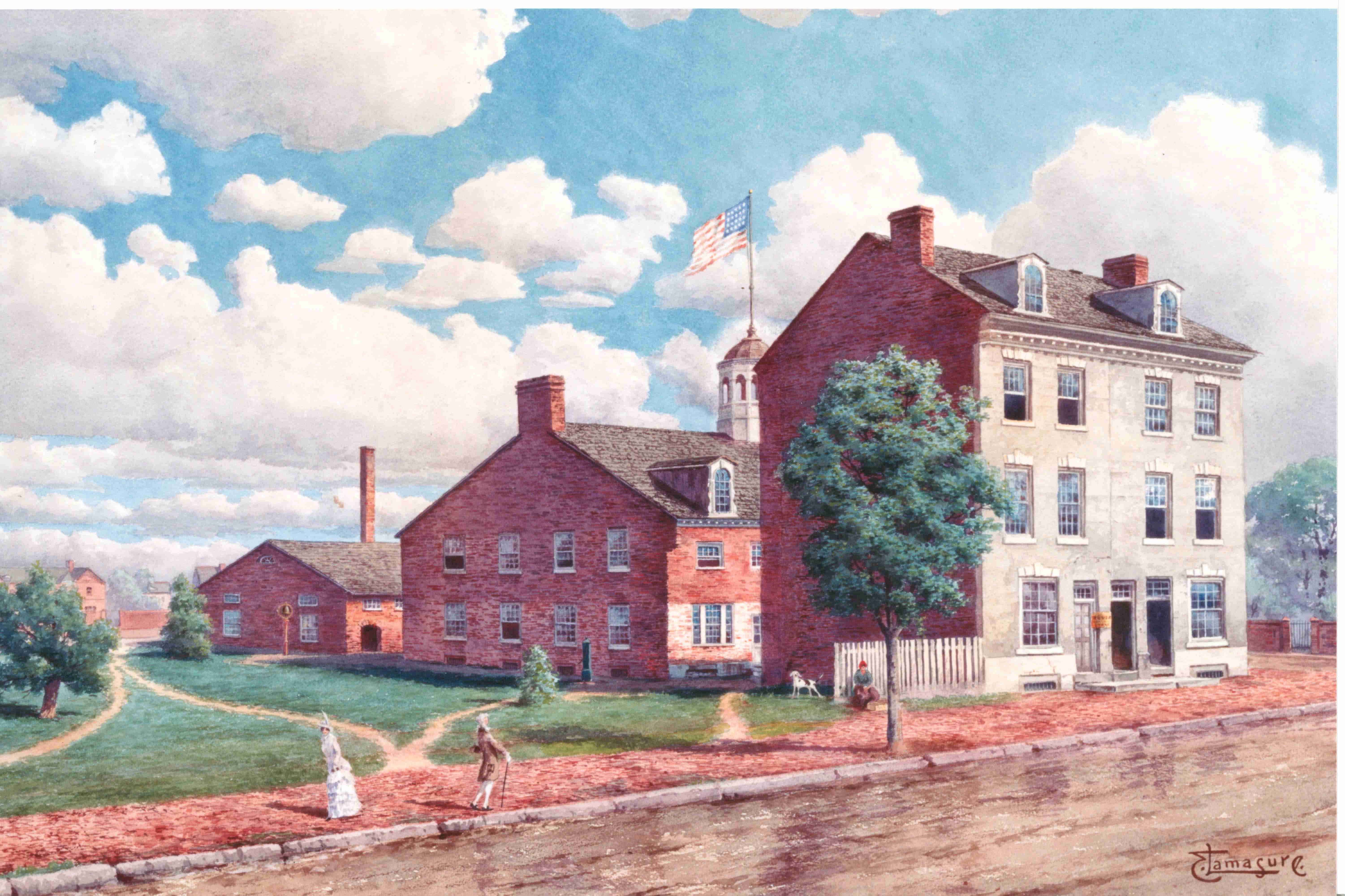
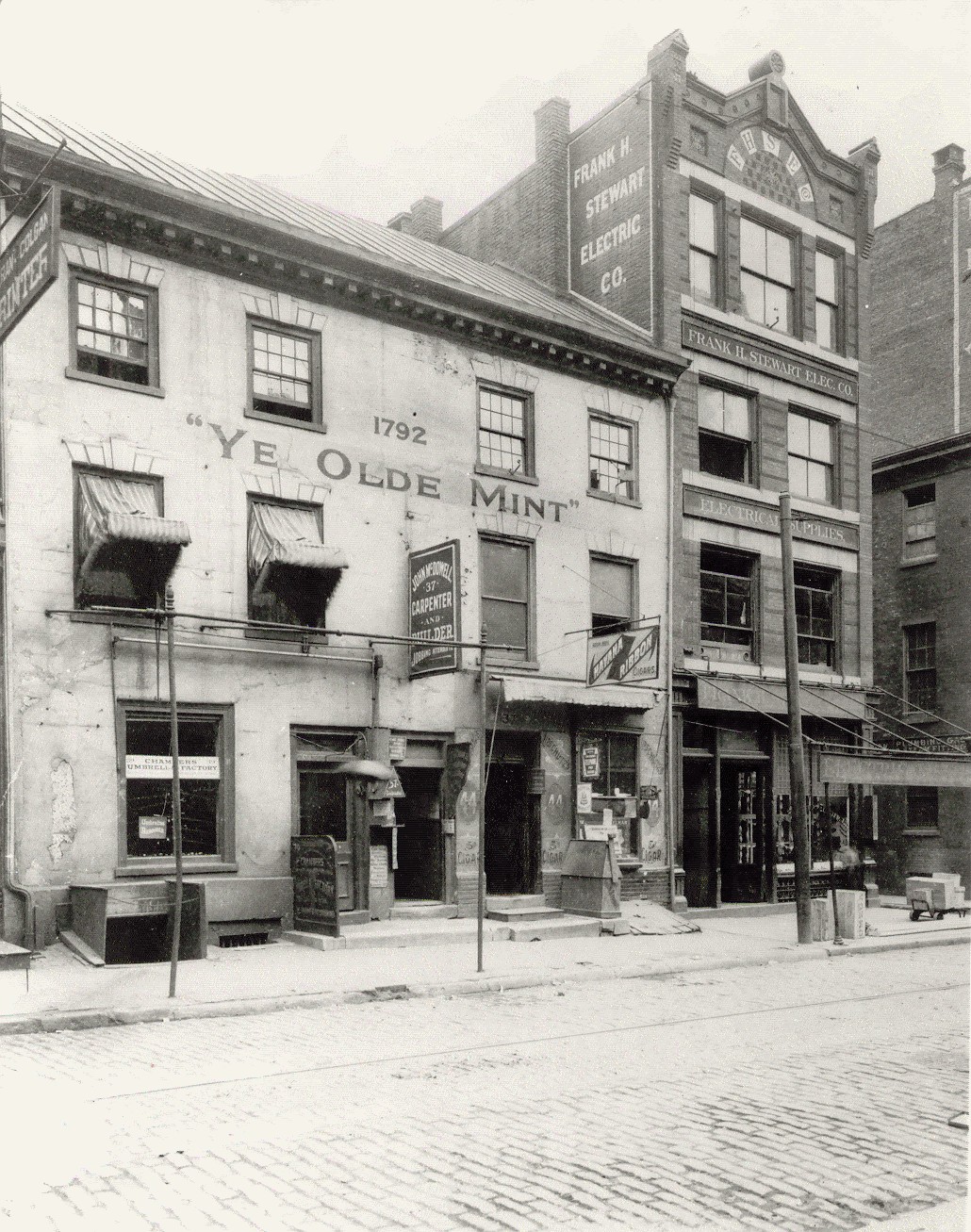
The first U.S. Mint — fondly remembered as Ye Olde Mint — was located on the east side of Seventh Street, just south of Arch, on land purchased by David Rittenhouse.
Ye Olde Mint — the original Mint building — pictured in 1911. It was located on Seventh Street, south of Arch, on land purchased by David Rittenhouse, the first director of the U.S. Mint. The Mint was housed there until 1833.The U.S. Mint
Rittenhouse, the well-heeled great-grandson of America’s first paper mill owner, William Rittenhouse, was an 18th-century astrologer and clockmaker who would serve as the first director of the U.S. Mint. Rittenhouse Square is named after him.
The first coins made after the Coinage Act were half dimes and fashioned off-site, according to Tim Grant, exhibits and public affairs manager at the U.S. Mint. “Made of silver, these half dimes were supposedly struck using silver donated by Martha Washington,” Grant wrote in an email.
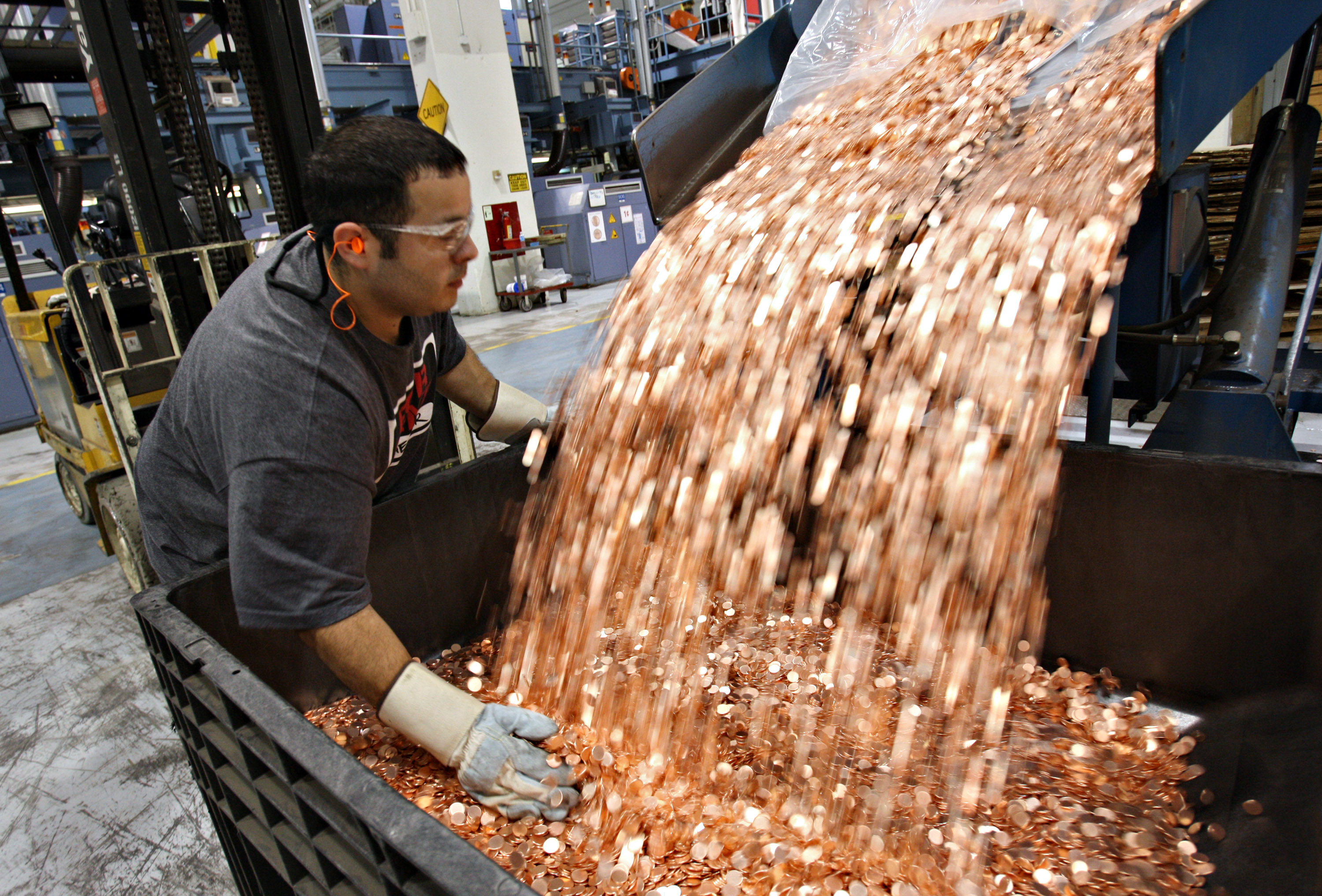
The first coins fashioned at the actual mint building were 11,178 copper cents, or pennies, and were delivered in March of 1793. (The U.S. Mint stopped making pennies in November, ending its 232-year production run.)
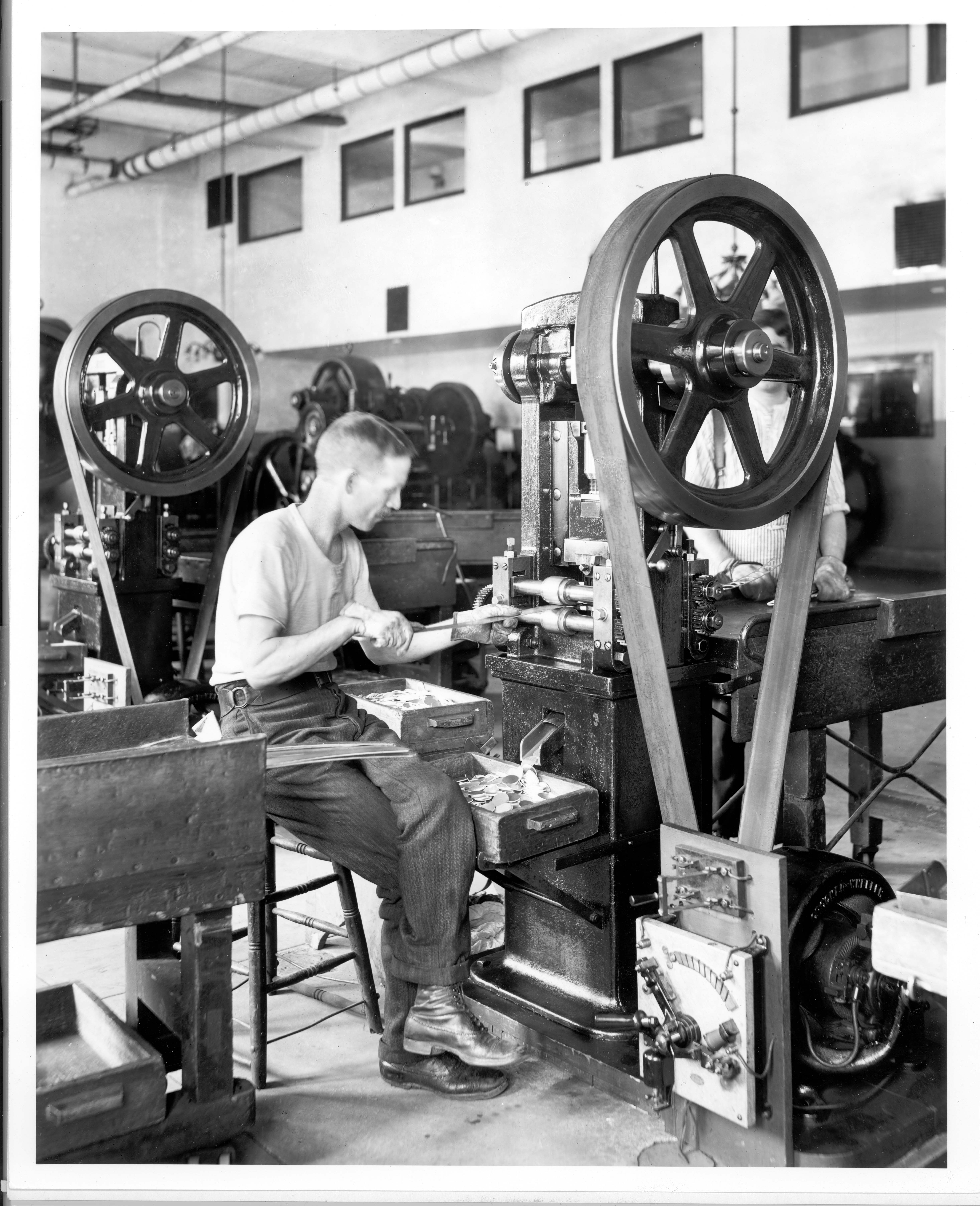
A worker at the cutting press at the U.S. Mint’s third location, which took up the entire block of Spring Garden Street between 16th and 17th Streets in 1901.U.S. Mint
During America’s early days in the late 18th century, work conditions at the U.S. Mint were grueling, Grant wrote. Employees worked 11 hours a day, six days a week, and earned $1 a day. It took workers three years to produce the nation’s first 1 million coins.
“Today we can produce one million coins in less than a half an hour,” Grant wrote.
As the nation grew, so did its demand for coins.
By the late 1820s, the U.S. Mint had outgrown its original buildings, and in May of 1828, Congress voted to keep the Mint in Philadelphia and erect a second building. The cornerstone of this new, larger U.S. Mint was laid on July 4, 1829, on the northwest corner of Juniper and Chestnut Streets. It opened in 1833. That building served as the U.S. Mint’s home for 68 years.
In 1901, the U.S. Mint moved to its third location, taking up the entire block of Spring Garden Street between 16th and 17th Streets. The building, with a lobby containing seven Tiffany mosaics, was its home through the mid-1960s. The Community College of Philadelphia occupies the site today.
Mike Spinosa, a pit driver at the U.S. Mint, transfers one-cent blanks before they are struck into pennies in Philadelphia in 2007. MUST CREDIT: Demetrius Freeman/The Washington PostStephen Hilger
The Mint returned to Old City in 1969, moving into its current building on five acres on Fifth Street between Arch and Race Streets. It has over 600,000 square feet of manufacturing space.
There are three other active U.S. Mints in America: the Denver Mint, the West Point Mint, and the San Francisco Mint. The San Francisco Mint is not open to the public and specializes in commemorative coins.
“The mission of the United States Mint has remained the same for over two centuries,” Grant wrote. “To serve the American people by safely and efficiently manufacturing, distributing, and circulating precious metal, collectible coins, and national metals.”
This week’s Firstival is Saturday, Aug. 15, from 11 a.m.-1 p.m. at the United States Mint, 151 N. Independence Mall East.
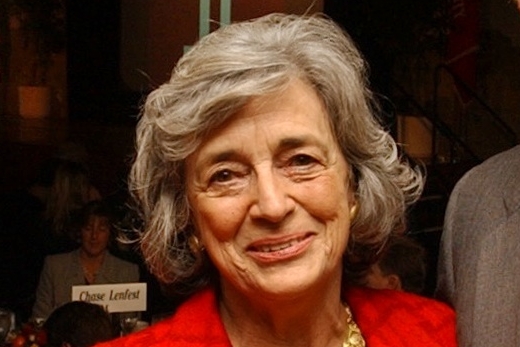
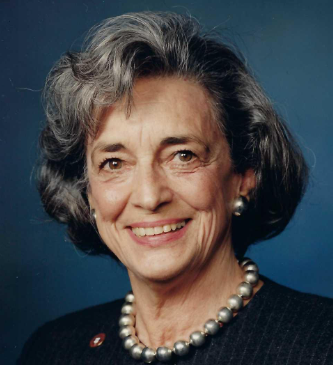
Janet Klein, 96, of Rydal, Montgomery County, former member of the Philadelphia Historical Commission, historic program director for the Fairmount Park Commission, regional project coordinator for the National Trust for Historic Preservation, chair of the Pennsylvania Historical and Museum Commission, volunteer, and philanthropist, died Tuesday, Aug. 4, of age-associated decline at her home.
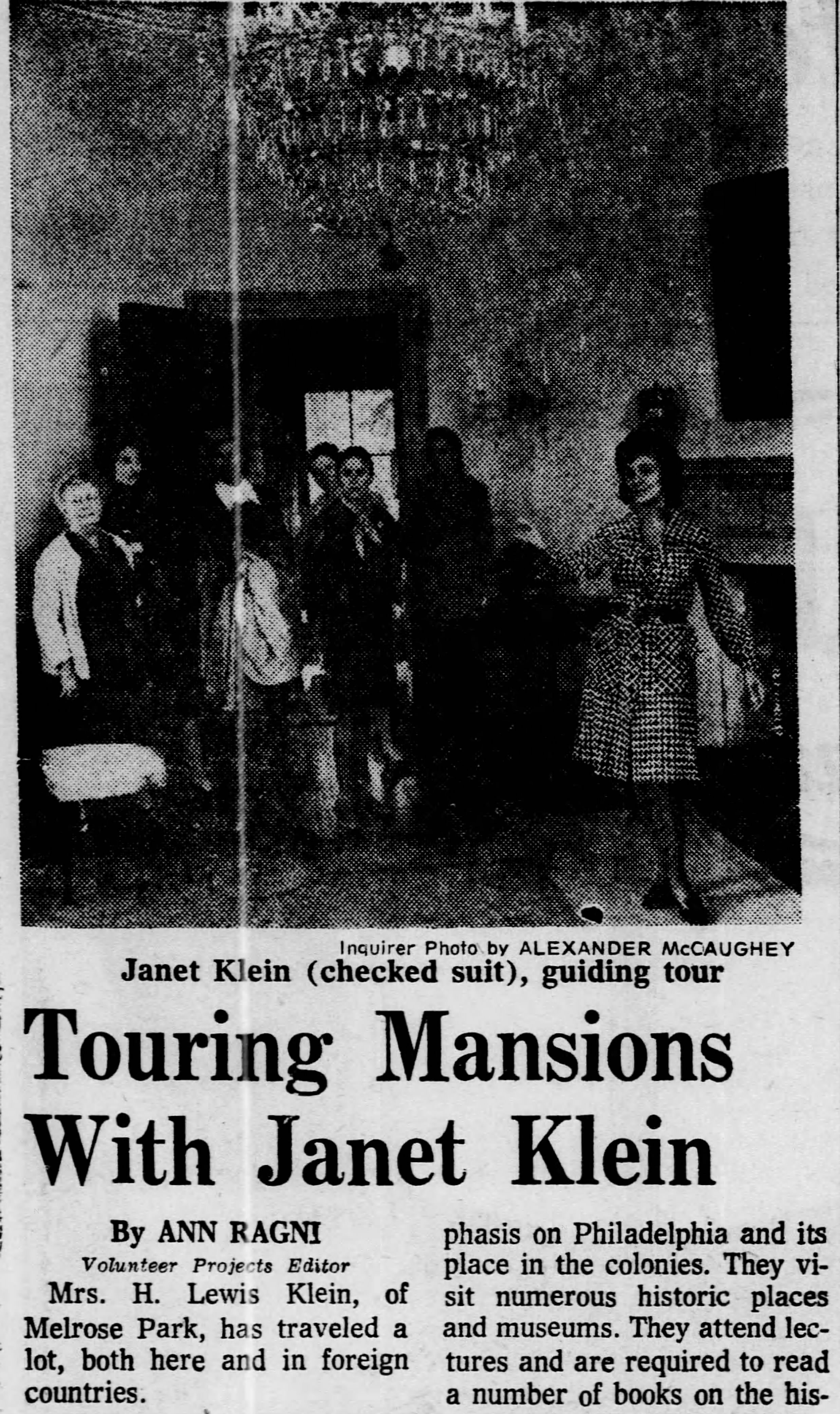
Born in Philadelphia, Mrs. Klein earned degrees at Philadelphia High School for Girls and the University of Pennsylvania. She and her husband, Lewis, traveled the world after they married in 1952, and she told The Inquirer in 1973 that she became interested in local historic preservation after returning from abroad in 1964.
“I felt something was lacking here,” she said. “There was no pride nor a thorough knowledge of what we really have in Philadelphia to share with visitors.”
So she joined the Philadelphia Museum of Art’s tour guide program, rose to chair of guides for the Fairmount Park house tours, and conducted hundreds of tours for thousands of visitors to the eight historic houses in the park. “The guides,” she said in 1973, “can’t help but sense that somehow they have passed on to the visitors the continuing life of historic Philadelphia.”
Eventually, Mrs. Klein became historic program director for the Fairmount Park Commission, was appointed to the Philadelphia Historical Commission by then-Mayor Wilson Goode in the 1980s, and served as chair of the Pennsylvania Historical and Museum Commission from 1997 to 2003. Friends called her “formidable” and compared her to the Energizer Bunny.
Keen to spark public interest in historic sites, Mrs. Klein forged partnerships between site officials and schools, community groups, businesses, and the media. In 1997, she oversaw filmmakers as they shot scenes for the movie Beloved at the Landis Valley Museum in Manheim Township.
She appeared often in The Inquirer and said in 1989: “We often find that people who live just around the corner from a house museum don’t know it existed.”
At Fairmount Park, she redefined the commission’s operating procedures and enlisted students as volunteers at its public mansions. At the city historical commission, she led walking tours of Old City and helped determine the historic designation of the old Lit Bros. building, the Boyd Theatre, the Dilworth house, and other significant structures.
This story and photo of Mrs. Klein (right) was published in The Inquirer in 1973.Newspapers.com
With the state historical and museum commission, she erected historical markers across the state, helped designate the Art Museum as a Commonwealth Treasure in 2002, and directed the commission’s public relations, tourist promotions, and preservation efforts.
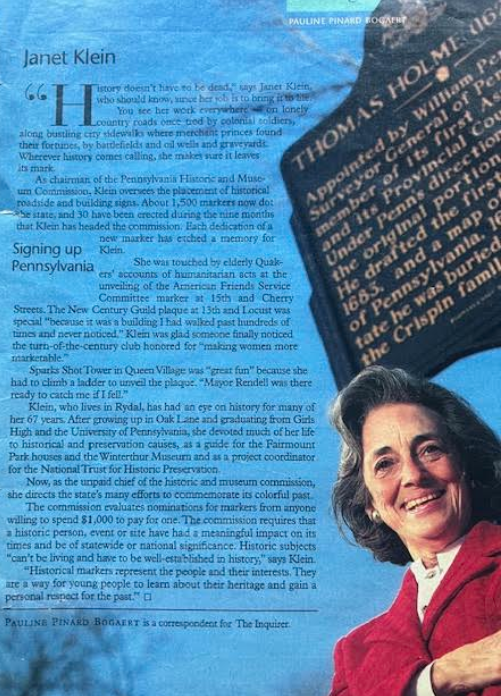
“History doesn’t have to be dead,” she said in 1998. “Historical markers represent the people and their interests. They are a way for young people to learn about their heritage and gain a personal respect for the past.”
She also led the Comprehensive Historic Assistance Program for the National Trust for Historic Preservation in the 1980s, helped create the Liberty Trail near Independence Hall, and directed the restoration of the first historic home in the Lukens National Historic District of Coatesville.
She served on the board of visitors at Temple University’s Ambler campus and Klein College of Media and Communications, on the collections committee at the Union League, and as a guide at the Winterthur Museum in Delaware. She was active with the Pennsylvania Department of Conservation and Natural Resources, the Museum Council of Philadelphia, and other groups.
This story and photo of Mrs. Klein appeared in The Inquirer in 1998.Temple University
She was honored for her service by the Women’s Center of Montgomery County in 1999 and by the Preservation Alliance for Greater Philadelphia in 2001, and was named a Distinguished Daughter of Pennsylvania in 2000. In 2018, she earned an award for service and philanthropy from Coatesville’s National Iron and Steel Heritage Museum.
As philanthropists, Mrs. Klein and her husband supported what became, named after them, the Klein College at Temple, the National Association of Television Program Executives, the Police Athletic League, the American Heart Association, and other organizations dedicated to education, healthcare, youth development, and social service. They created the Janet and Lew Klein Making A Difference Award for the Pennsylvania Association of Broadcasters and donated his professional papers to Temple.
“She was an inspirational community leader,” said David Boardman, dean of Temple’s Klein College, “who inspired others through her generosity, her brilliance, and her warmth.”
Janet Surman was born March 3, 1930. She grew up in Oak Lane and earned a bachelor’s degree at Penn.
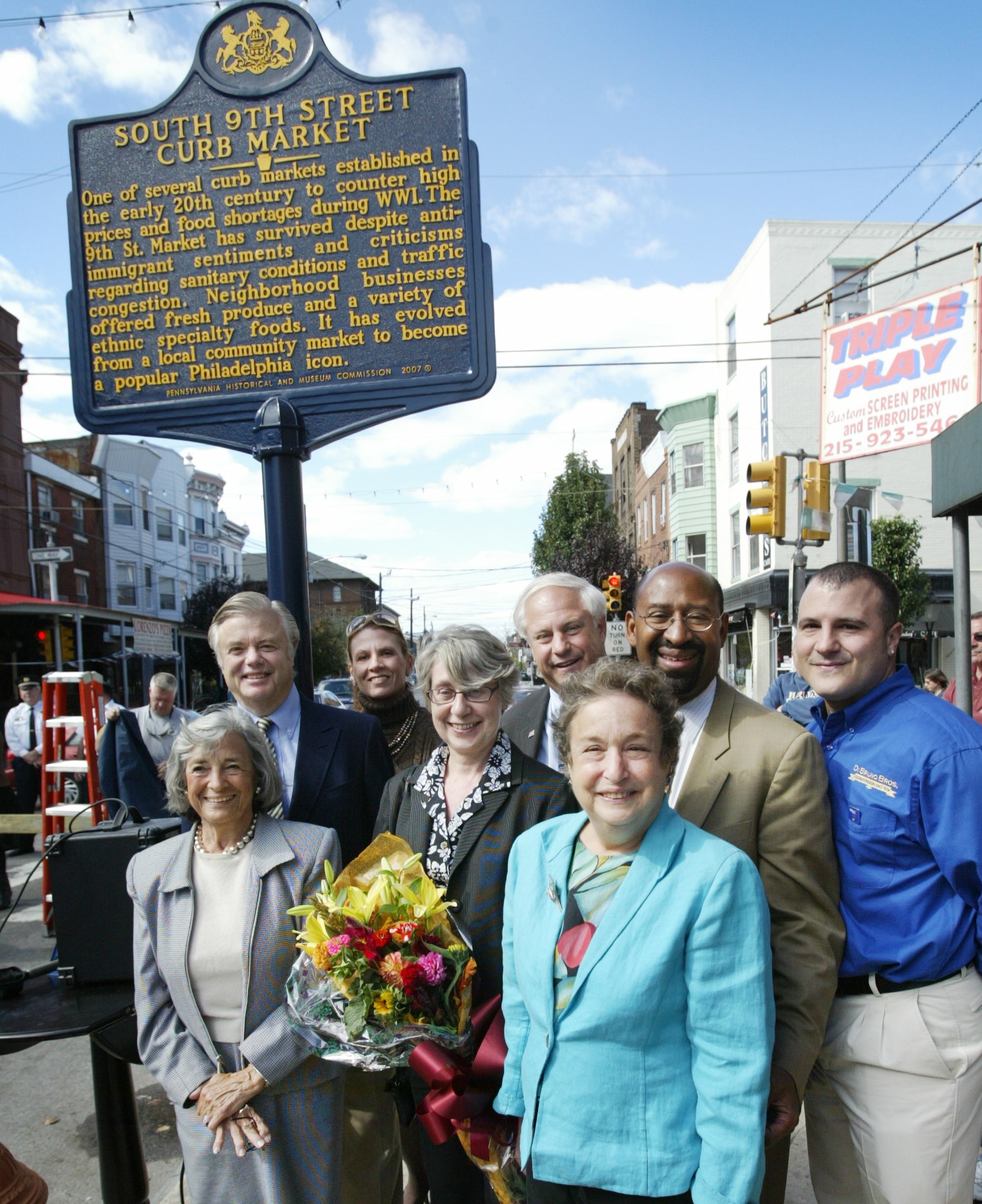
Mrs. Klein (left) appeared with others in 2007 to celebrate a historical marker at the corner of 9th and Christian Streets.Alejandro A. Alvarez / Staff Photographer
She met Lewis Klein in college, and they married in 1952. They had a son, Stephen, and a daughter, Ellen, and lived in Melrose Park and Rydal. Her husband, a pioneering TV broadcaster and cofounder of Gateway Communications, died in 2019.
Mrs. Klein and her husband traveled the world for decades and attended dozens of galas and fundraising events. She enjoyed gardening, was an avid reader, and liked to play Scrabble.
In 1993, Inquirer columnist Clark DeLeon called her “a wonderful, funny, vivacious lady.” Temple’s Boardman said: “She was truly one of the best human beings I’ve ever had the privilege to know.”
In addition to her children, Mrs. Klein is survived by a granddaughter, two great-grandchildren, and other relatives.
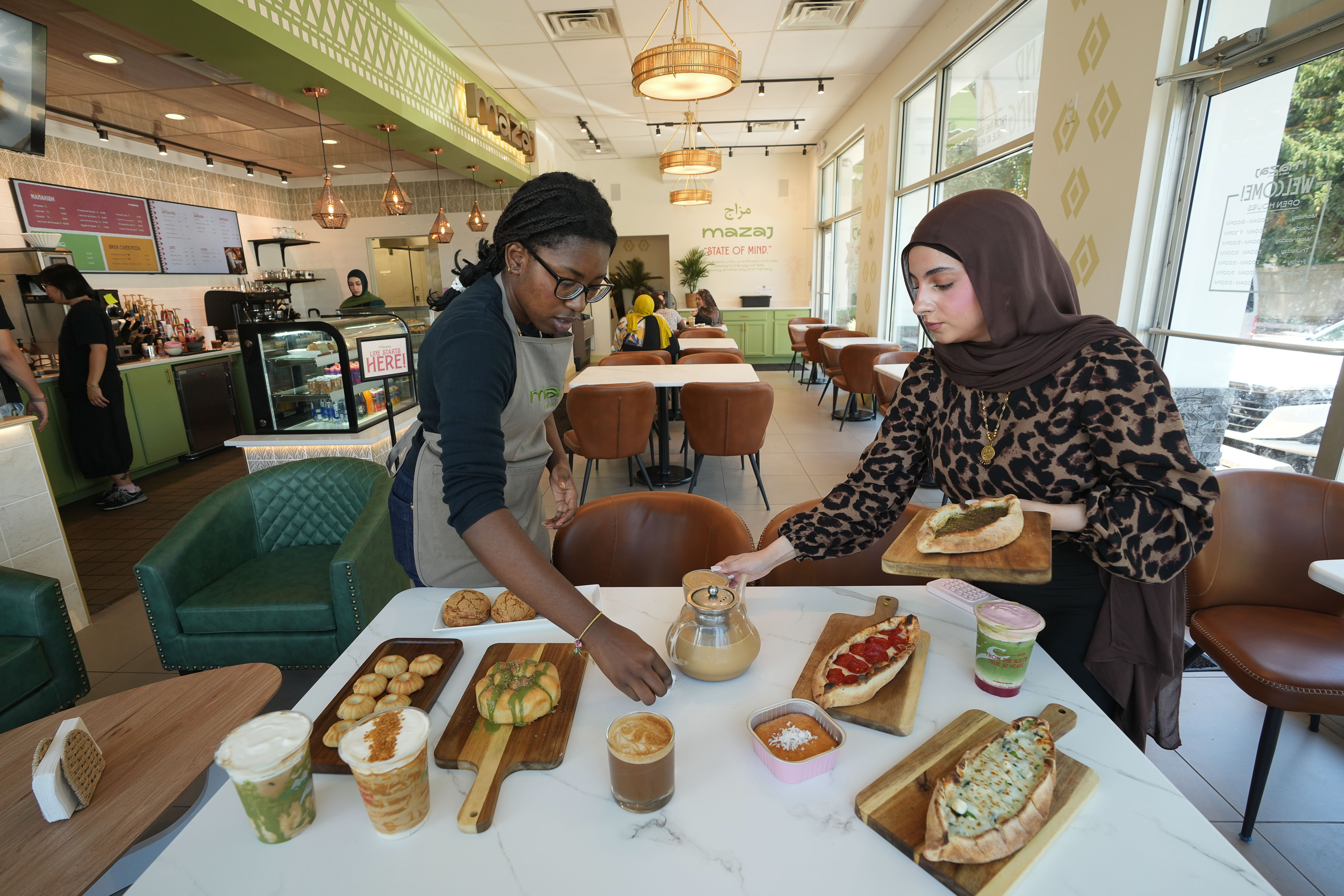
What started as a halal coffee-and-pastry counter tucked inside a Narberth restaurant has grown into a full-fledged cafe in Willow Grove, with a bakery operation fueled by a mosaic-tiled oven turning out za’atar-topped flatbreads and pizza. And for good measure, the new Mazaj will have a drive-through.
Mazaj, a Yemeni- and Saudi-inspired cafe, opened earlier this month in the former Grandma’s Grotto Pizza on Route 611 near Blair Mill Road.
Owners Mohammed Tashkandi, Mohammed Aqlan, Yousef Muneer, and Omar Alkahily also operate Malooga, the Yemeni restaurants in Narberth and Old City. Mazaj began in March as the coffee bar and bakery inside the Narberth location, where the partners developed its drinks and pastries while spending more than two years searching for a place where the concept could stand on its own.
They deliberately looked beyond the city limits, Tashkandi said. They wanted parking, easy access, and enough room to create the sort of coffeehouse where customers could settle in — without making a quick coffee run difficult.
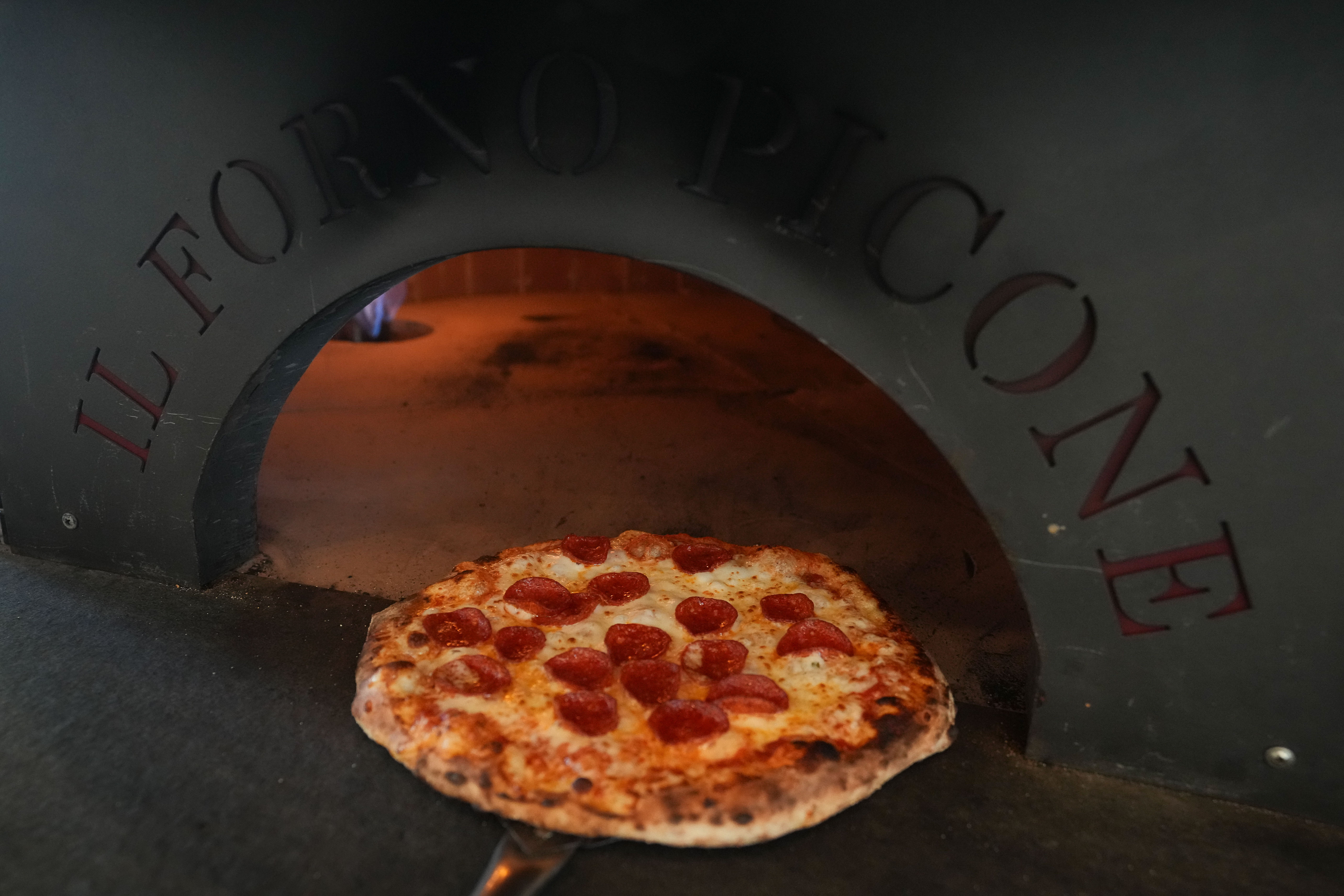
Manakish are baked to order in a Forno Picone oven near the front of the cafe at Mazaj. The flatbreads can be spread with za’atar and olive oil or topped with cheese or meat.Jessica Griffin / Staff Photographer
The Willow Grove location, at 2700 Easton Rd., just north of the Pennsylvania Turnpike interchange, is designed to do both. There are sofas and upholstered chairs for lingering, tables lining the windows, and — unlike Narberth — a drive-through for customers who have no intention of lingering at all. The drive-through is expected to open at the end of the month with premade pizzas and manakish that can be reheated in two minutes.
“Two things can be true at the same time,” Tashkandi said. “Our homemade food, locally roasted coffee, and crafted drinks are intentionally chosen to elevate your day, whether you want to spend time in our spaces or grab something to go as you move through your day.”
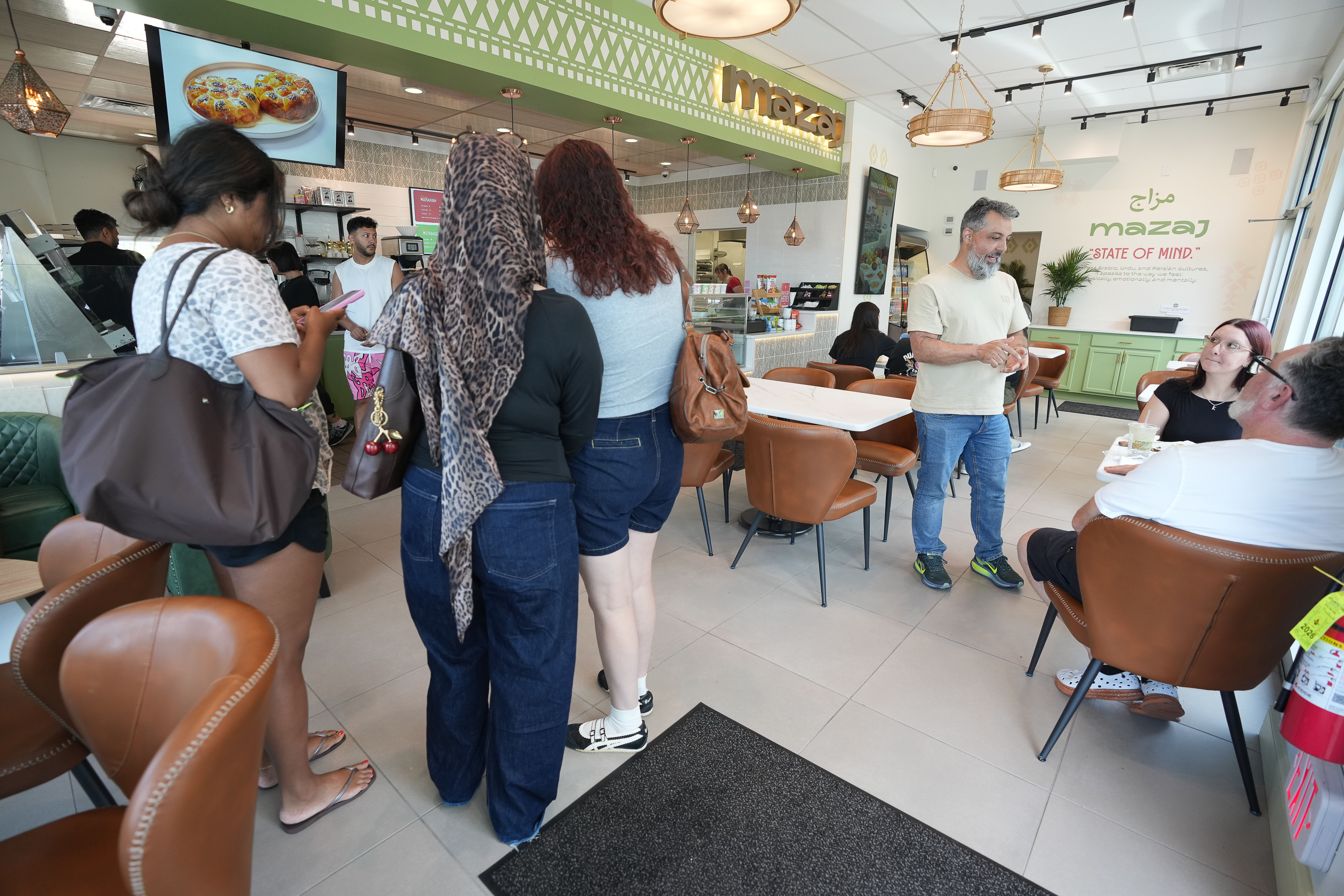
A crowd has already formed at the new Mazaj in Willow Grove, Aug. 4, 2026.Jessica Griffin / Staff Photographer
That dual identity is wrapped into the name. Mazaj — also spelled mizaj or mizaaj — is an Arabic word for “mood,” “temperament,” or “state of mind” that is also used in Urdu and Persian. The partners were compelled to choose it because of the idea that what people eat and drink can change how they feel.
The menu crosses borders. Tashkandi is from Saudi Arabia, while his partners are from Yemen, but they don’t describe Mazaj strictly as a Yemeni coffee shop, an increasingly popular cafe format. They see it as a broader Middle Eastern cafe.
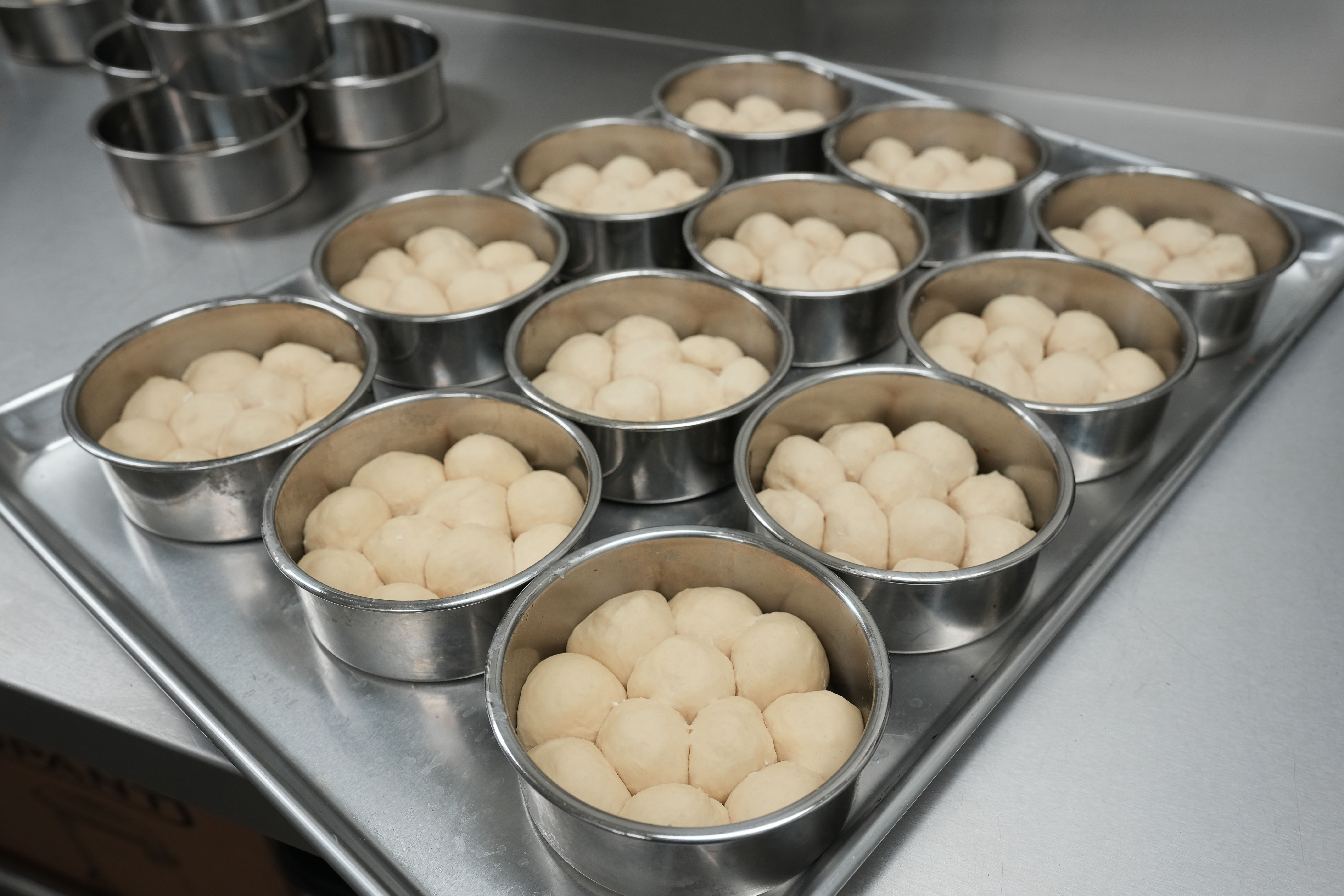
Honeycomb, Yemeni pull-apart bread, before it is baked at Mazaj, in Willow Grove, Aug. 4, 2026.Jessica Griffin / Staff Photographer
There are Saudi coffees and mutabbaq, the flaky stuffed pastry pockets popular in Yemen and Saudi Arabia, alongside Levantine manakish, honeycomb bread, date cake, and other pastries. The contemporary coffee-shop side of the menu brings espresso drinks, ceremonial-grade matcha, and flavored lattes.
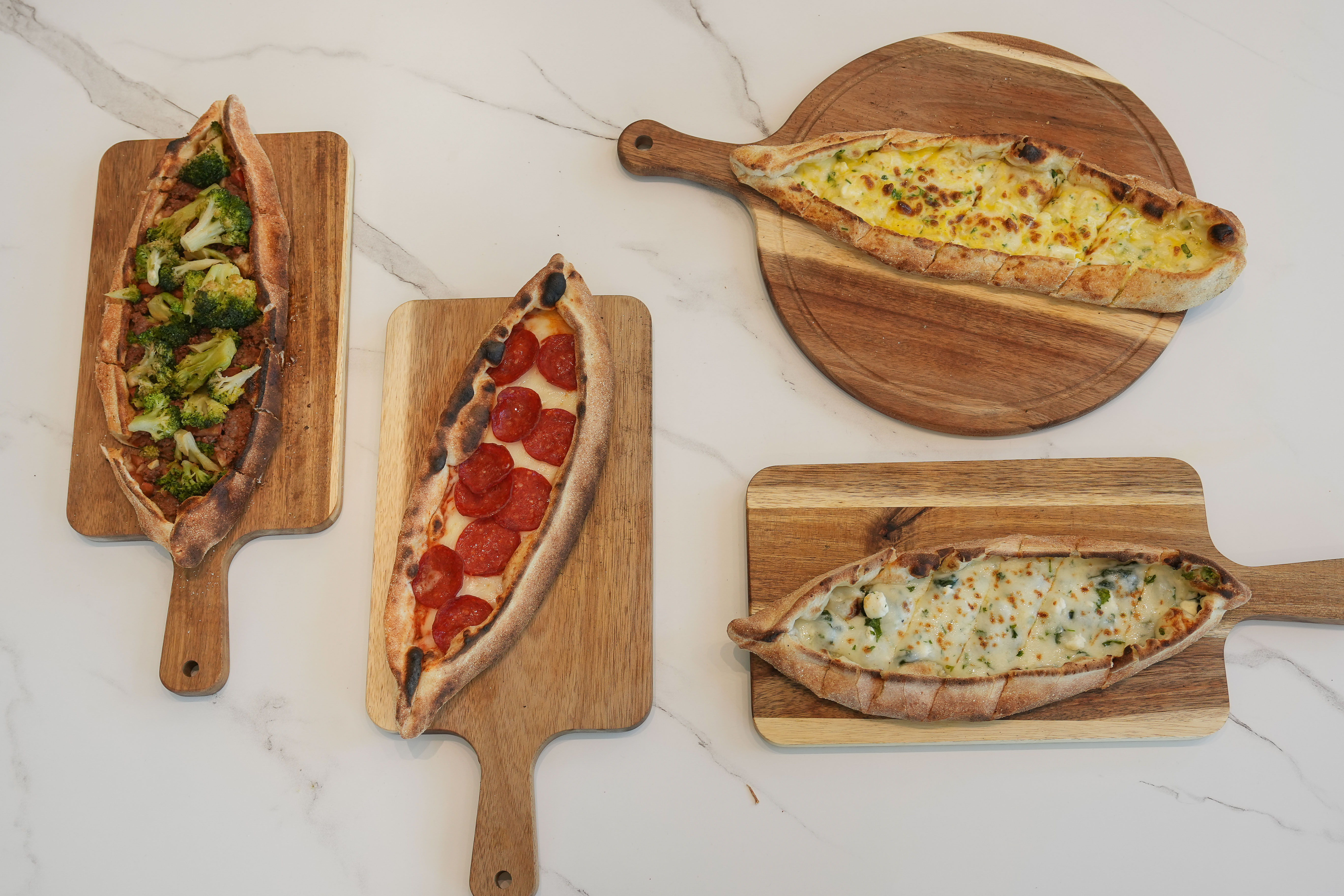
Mazaj’s manakish are baked to order in a Forno Picone oven, a striking, mosaic-covered centerpiece near the front of the cafe. The flatbreads can be spread with za’atar and olive oil or topped with cheese or meat.
And now there’s pizza.
Pizza topped with beef pepperoni coming out of the oven at Mazaj, in Willow Grove, Aug. 4, 2026.Jessica Griffin / Staff Photographer
It is the major menu addition in Willow Grove, baked in the same oven as the manakish. A separate commercial deck oven handles the cafe’s pastries.
The expansion has turned Willow Grove into the baking hub for the partners’ other restaurants. The owners are shifting production from Malooga to the new cafe, which will supply baked goods to both Narberth and Old City. The company has also begun laying the groundwork for a wholesale operation to sell pastries to other coffee shops and supermarkets, and the partners say they are meeting with potential franchisees.
Head baker Samar Alasbahi leads a baking staff with backgrounds in Yemen and Syria. The pastries are made in-house, and Tashkandi said leftovers aren’t put back into the case the next morning. Unsold baked goods instead go to employees, neighbors, and others in the community.
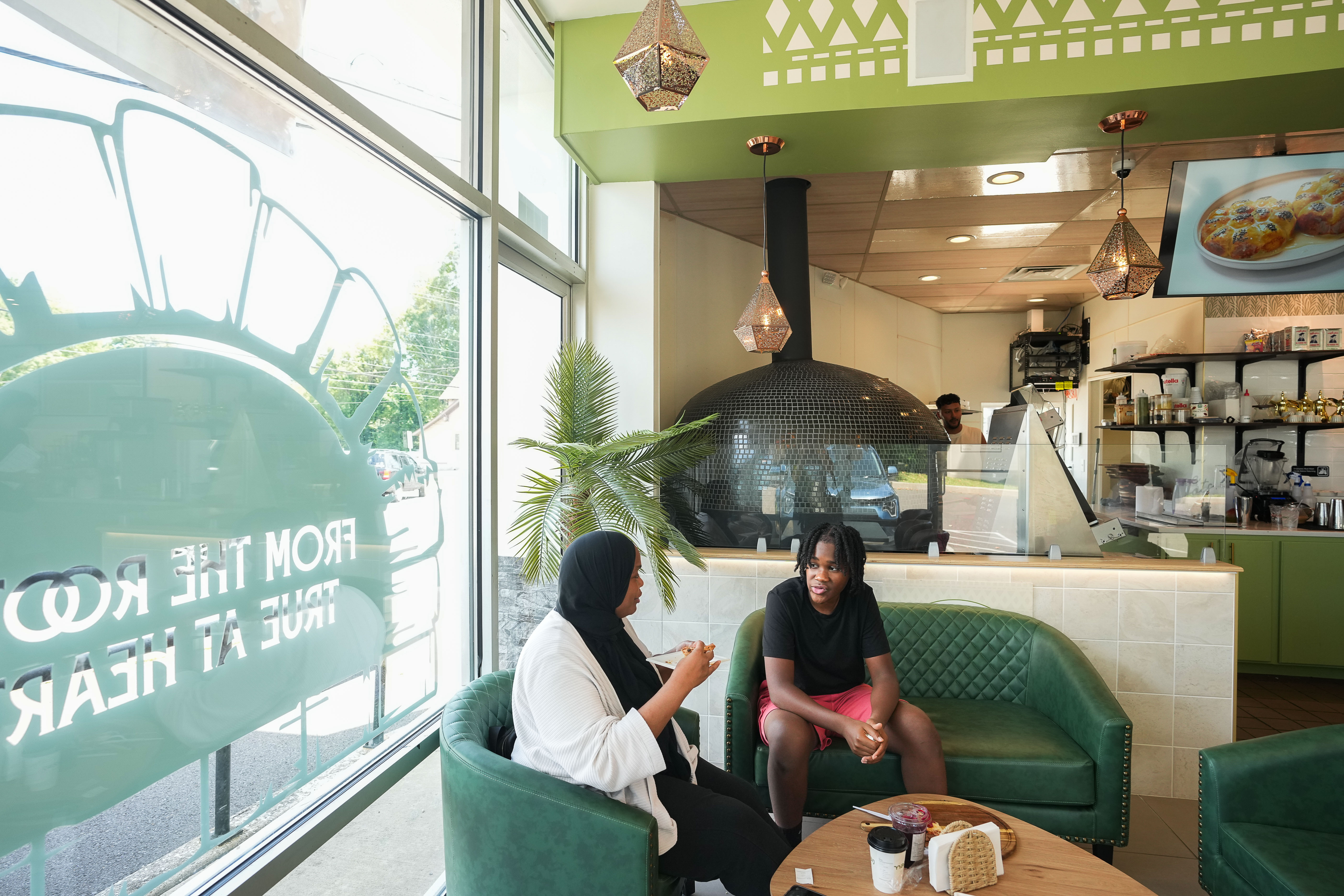
Customers can linger in the comfy upholstered furniture at Mazaj.Jessica Griffin / Staff Photographer
The partners have thoroughly remade the former pizzeria. Olive green and cream set the palette, with patterned tile, geometric motifs, Moroccan-style pendant lights, and a long pastry-and-coffee counter. Faux marble tables and caramel-colored chairs dot the narrow, window-lined dining room, while deep-green upholstered chairs and a sofa make up a small lounge. Behind glass near the front sits the new, dark-tiled brick oven.
For all the Yemeni and Saudi influences behind Mazaj, Tashkandi said the idea is deliberately broader: a cafe where Middle Eastern food traditions overlap rather than stay within national boundaries. “We want the menu to reflect that diversity,” he said.
Mazaj, 2700 Easton Rd., Willow Grove, 267-900-3167, mazajpa.com. Hours: 8 a.m. to 9 p.m. Monday through Friday, 8 a.m. to 4 p.m. Saturday and Sunday.