Tag: no-latest

  • Average long-term U.S. mortgage rate churns upward to its highest level in nearly 3 years at 7.28%

    Average long-term U.S. mortgage rate churns upward to its highest level in nearly 3 years at 7.28%

    NEW YORK — The average long-term U.S. mortgage rate jumped this week to its highest level in nearly three years.

    The benchmark 30-year fixed-rate mortgage rose to 7.28% from 7.03% last week, mortgage buyer Freddie Mac said Thursday, the biggest leap in four years. A year ago, the average rate was 6.34%.

    It is the sixth consecutive week that mortgage rates have increased.

    The average rate is now the highest it’s been since Nov. 22, 2023, when it reached 7.29%, and it’s not climbed this fast week-to-week since October 2022.

    Borrowing costs on 15-year fixed-rate mortgages, often sought by borrowers refinancing a home loan, also climbed this week. That average rate increased to 6.60% from 6.42% last week. A year ago, it was at 5.55%.

    Higher mortgage rates can add hundreds of dollars a month to borrowers’ costs, limiting homebuyers’ purchasing power. As rates rise, that can also lead prospective home shoppers to delay buying.

    In late February, the average rate on a 30-year mortgage briefly dipped to 5.98%, its lowest level going back to late 2022. The roughly 1 percentage point increase in the rate since then translates roughly into an additional $276 a month cost for a borrower financing a $400,000 home loan at the current average rate.

    Depending on a borrower’s income, credit, and other factors, they may qualify for a rate on a 30-year mortgage that is below or above the current average.

    The housing market has been stuck in a rut this year in large part because of elevated mortgage rates, which have been climbing in the months since the U.S. and Israel attacked Iran in late February.

    Mortgage rates are influenced by inflation, Federal Reserve policy, and bond-market investors’ expectations for the economy, among other factors. They generally follow the trajectory of the 10-year Treasury yield, which lenders use as a guide to pricing home loans.

    Expectations of higher inflation amid surging oil prices have pushed up the 10-year Treasury yield, which was at 3.97% in late February, before the war began. It surged to 5.34% in midday trading but then pulled back to 5.23% Thursday.

    High yields slow the overall economy by making it more expensive for everyone to borrow money, while undercutting prices for stocks and other investments.

    The U.S. housing market has been in a slump since 2022, when mortgage rates began to climb from pandemic-era lows. Sales of previously occupied U.S. homes were essentially flat last year, stuck at a 30-year low.

    Last month the National Association of Realtors said that existing home sales fell 2% in August from July to a seasonally adjusted annual rate of 3.98 million units. That was their slowest annual pace in more than a year.

    And many potential homeowners are now hitting the brakes.

    Mortgage applications, which include loans to buy a home or refinance an existing mortgage, tumbled 6% last week from the previous week, according to the Mortgage Bankers Association. This marks the fourth straight weekly drop.

    Applications for loans to refinance existing mortgages also declined.

    The elevated mortgage rates are driving more prospective homebuyers to adjustable-rate mortgages, or ARMs. Such loans, which typically offer lower initial interest rates than traditional 30-year, fixed-rate mortgages, accounted for more than 10% of all mortgage applications last week, MBA said.

  • Trump and Vance hit the campaign trail in deep-red areas where GOP candidates seek a boost

    Trump and Vance hit the campaign trail in deep-red areas where GOP candidates seek a boost

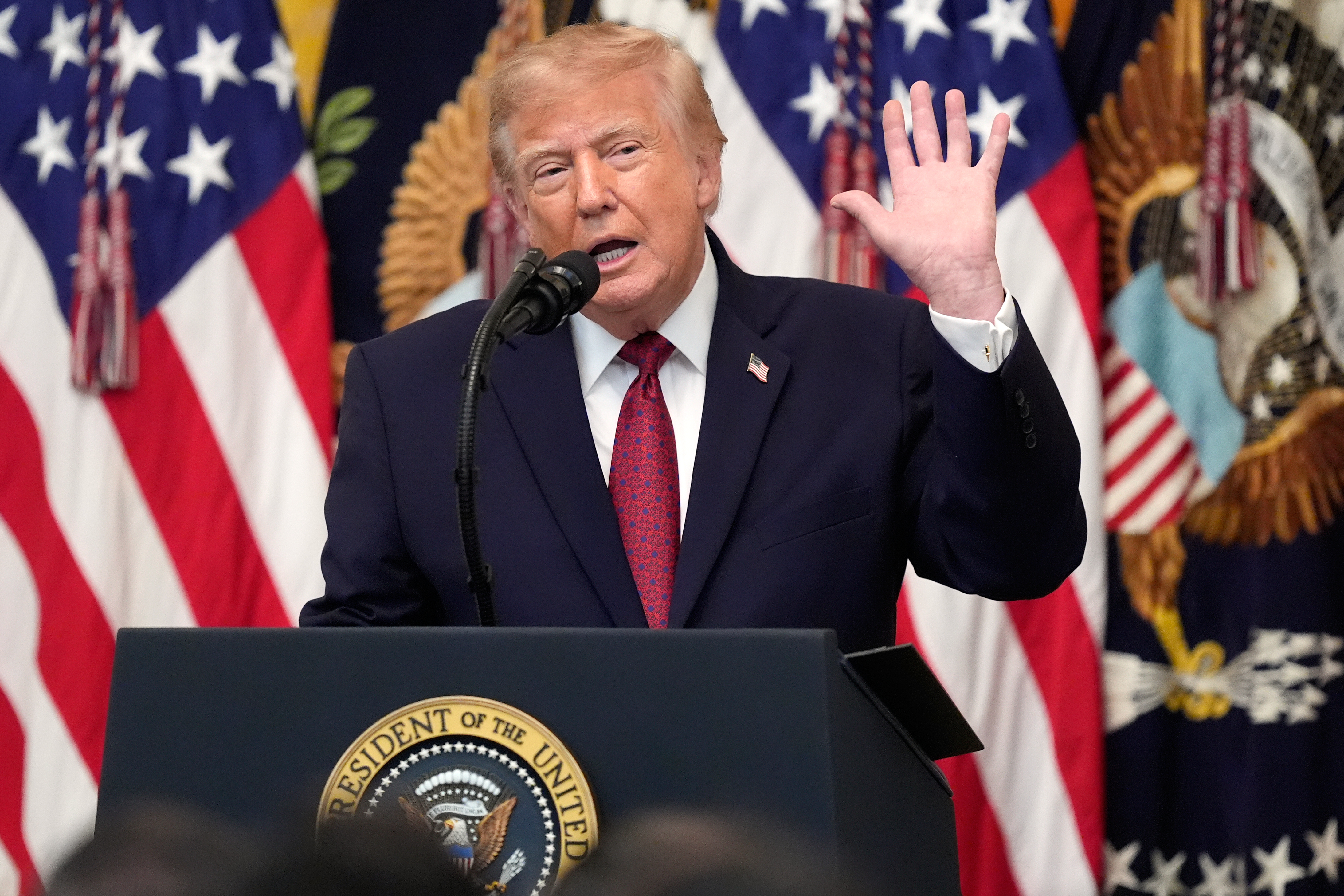
    WASHINGTON — President Donald Trump and Vice President JD Vance both hit the campaign trail on Thursday, but they headed to heavily Republican areas to shore up lagging enthusiasm in their party ahead of next month’s midterm elections.

    Trump’s travel to Texas and Oklahoma kicks off what the president said will be a 32-day campaign blitz leading up to Nov. 3.

    Vance stumped in Florida, putting the Republican Party’s highest-ranking officials in areas where GOP candidates once expected to have glide paths to victory but are now facing tougher races. The vice president tried to cast the GOP as representing common sense in the face of a Democratic push to the left.

    “I have the easiest job in the world,” Vance said in Lakeland, Florida. “I get to talk about how crazy the Democrats are.”

    Trump and Vance could have their work cut out for them, though.

    A new poll from The Associated Press-NORC Center for Public Affairs Research finds that only 17% of U.S. adults approve of Trump’s handling of the cost of living. Just 26% approve of his handling of the economy overall, marking a new low.

    Republicans have expressed growing pessimism about their chances in the election, which will determine control of Congress, as the president has repeatedly dismissed concerns about high costs and gas prices as his unpopular war in Iran drags on.

    According to Trump, his party’s headwinds are merely a matter of poor public relations about a job he says is well done.

    “I give us an A+ on the government, on economics, on everything,” Trump said Thursday, as he left the White House, while blaming the press for not covering the positive aspects of his administration.

    Landing in Texas, he said “we have to get the message” out, while vowing “to go campaigning all over the country.”

    Democrats say Trump and the Republicans are desperate

    Delanie Bomar, a spokesperson for the Republican National Committee, said in a statement that “the president is barnstorming the country, energizing our base, and supercharging Republican candidates in battleground districts and beyond.”

    The Democratic National Committee said Trump and Vance are “desperately trying to rally their base as the midterm elections approach and Republicans face defeat.”

    “Donald Trump and JD Vance started a deadly and costly war with Iran that sent the economy spiraling and pushed prices even higher, and now — in the final stretch to the midterms — they’re desperately pleading with voters to ‘give (them) another chance,’” said DNC deputy communications director Kendall Witmer.

    In Oklahoma, Trump will campaign with Republican Mike Mazzei, who is running against Democratic state House Minority Leader Cyndi Munson in the race for governor.

    Democratic Governors Association spokesperson Kevin Donohoe said Trump’s campaign rally shows that Republicans “are in full-on panic mode.”

    “This race continues to get more competitive — and national Republicans are right to be worried about Mazzei,” he said.

    The event will be held on the Choctaw Nation of Oklahoma, putting Trump in the company of just a handful of U.S. presidents who have visited tribal nations while in office.

    Before his evening Oklahoma stop, Trump toured a truck manufacturing facility and chatted briefly with workers in Texas, where Republicans are spending heavily to try to bolster state Attorney General Ken Paxton in a Senate race. Paxton faces a very competitive challenge from Democratic state Rep. James Talarico.

    Paxton planned to attend the event.

    Vance also stumped for GOP candidates

    Trump will be campaigning in more politically competitive areas in the days and weeks ahead as he embarks on his travel blitz, but Republican officials will not send him to places where they think his presence could drag down their candidates, according to a person familiar with the party’s strategy who was not authorized to speak publicly and spoke on the condition of anonymity.

    Trump’s Oklahoma visit, and likewise one on Friday to Alabama, are aimed at hitting two targets with one stop, the person said.

    Republican officials have noted that Durant is close to the Dallas and Fort Worth media market, meaning Trump’s message will also be carried to Texas voters, and he’s expected to talk about Paxton even while addressing voters in the neighboring state.

    His Friday stop in Mobile, Alabama, is aimed not only at boosting Sen. Tommy Tuberville as he runs for Alabama governor but also at shoring up support in Florida’s adjacent panhandle for Republican Rep. Byron Donalds. Donalds is running for Florida governor against David Jolly, the Republican-turned-independent who is now running as a Democrat.

    Donalds’ campaign in heavily GOP Florida comes as Republicans there have faced some turbulence and voter concerns about affordability and artificial intelligence data centers have become central issues.

    While Trump is in Oklahoma and Texas, Vance campaigned for Donalds in central Florida. That came a day after the vice president campaigned in Texas, rallying with Republican candidate Eric Flores, who is in a tight U.S. House race in south Texas.

    Vance, speaking in Harlingen, Texas, on Wednesday, acknowledged broader discontent over the high prices in the U.S. but shifted the blame away from Trump and Republicans.

    “I know that there are people out there who are frustrated by the pace of progress,” he said, but “we have spent every single day fighting for you, digging ourselves out of the hole that Joe Biden left us in.”

    Trump will also campaign on Saturday in Vandalia, Ohio, and on Monday in Grand Island, Nebraska.

    Trump is expected to campaign for the GOP almost daily

    In a meeting on Capitol Hill this week, White House chief of staff Susie Wiles described privately to GOP senators that Trump will have a near-daily sprint of campaigning ahead of the Nov. 3 midterms.

    Wiles showed Republicans the president’s upcoming travel schedule, which attendees described as extensive and almost every day, all across the country.

    West Virginia Republican Sen. Shelley Moore Capito said that White House officials are “acknowledging the headwinds” but that “they have a strategy, and we have a strategy,” including money that the president’s operation will continue to deploy.

    Capito also defended the White House’s plan to send Trump to traditionally conservative territory, arguing that he can motivate the Republican base not just where he travels but elsewhere in the country because he has such a broad reach.

    “He can get more of his voters out — that are going to be our voters — than anybody else,” Capito said.

  • Christa Pike is in critical condition after Tennessee’s failed execution attempt, her lawyers say

    Christa Pike is in critical condition after Tennessee’s failed execution attempt, her lawyers say

    Christa Pike was in critical condition Thursday and receiving “lifesaving care” at a hospital, her lawyers said, a day after a failed attempt to execute her in what Tennessee’s governor called a “deeply disturbing” outcome.

    Pike, who was sentenced to death in a 1995 murder, was taken to a hospital Wednesday night after she received a double dose of the drug Tennessee uses to execute prisoners but survived.

    “We don’t have a sense of her prognosis or much update on her health at the moment,” attorney Randy Spivey said during a news conference. ”But we know she is alive right now.”

    The failed execution, which one death penalty expert described as unprecedented, led Republican Gov. Bill Lee to order a review and to indefinitely postpone Pike’s execution and Tennessee’s lone other one scheduled for this year. It also reignited the debate over the state’s execution procedures, including its single-drug lethal injections.

    Spivey called the process cruel and tortuous, saying he was “haunted” by what he saw after the execution team struggled to find a vein for the lethal drugs. He said he counted at least seven needles in her left arm.

    During the struggle to locate a vein, Pike even suggested where they might find a spot, he said.

    “Please try here, please try here,” Spivey recalled her saying. “She told them over and over, please try higher on my shoulder.”

    An execution fails

    The state tried to execute Pike by lethal injection, but neither the initial nor backup dose of pentobarbital killed her and she was still snoring when the execution chamber’s microphone was cut off more than an hour into the attempt. She was later taken to a hospital for treatment.

    At one point during the execution attempt, she asked prison officials if her arm was supposed to feel that way, though it’s unclear if it was after the first dose entered her body, as officials don’t share that information. Later, more than an hour after the process began and nearly 30 minutes after a backup dose of pentobarbital was administered, she could be heard snoring loudly.

    Another of Pike’s attorneys, Steve Ferrell, said she feared there would be complications with the lethal injection because of a lifelong blood disorder that made it tough to get needles into her veins. “Throughout her life, she’s explained to us that she had trouble having blood drawn,” he said.

    It was quite possible, Ferrell said, that the IV line didn’t enter her vein properly and that the drug was filling her arm instead of entering her bloodstream.

    Her lawyers called for her death sentence to be commuted, saying what she went through Wednesday amounted to torture.

    May Martinez, whose daughter was murdered by Pike and her boyfriend and who traveled to Nashville to watch the execution, told NBC News “it was a mess.”

    Pike, 50, was sentenced to death for a murder she committed at age 18. She would have been the first woman executed in Tennessee in more than 200 years.

    An appeals court stopped the lethal injection an hour before it was scheduled to begin, but the U.S. Supreme Court overturned that stay hours later.

    It was the second time this year that Tennessee was unable to complete an execution. In the other case, officials couldn’t find a suitable vein for an IV line so the drugs weren’t administered.

    Governor halts another 2026 execution

    The governor said it appeared prison staff followed procedure, but he described what transpired as “deeply disturbing.”

    “There are very few answers this morning. It’s very early,” Lee told reporters Thursday. “The people of our state deserve to have those questions answered.”

    Officials gave Pike two doses of pentobarbital, her attorneys said in court filings late Wednesday. The drug has been used in executions in multiple states and by the federal government, but there have been concerns raised about the potential for “unnecessary pain and suffering.”

    The Tennessee Department of Correction said in a statement that it “followed every step of the State’s lawful, established execution protocol approved by the Attorney General’s Office.”

    The state changed its execution method two years ago

    Tennessee announced in 2024 that it was switching from a three-drug series for lethal injections to a single drug, pentobarbital. That came more than two years after the state abruptly halted the execution of Oscar Smith and acknowledged it had failed to ensure its lethal injection drugs had been tested properly.

    Robin M. Maher, executive director of the Death Penalty Information Center, said what Pike experienced is “singular and unparalleled” in that she survived long enough to be moved to a hospital.

    Seven other people have survived medical problems due to an execution team’s failure to access a vein to administer lethal injection drugs, but no one has stayed alive after receiving the drugs used in such executions, she said.

    Executions in the U.S. have fallen sharply since the beginning of this century amid growing public opposition and concerns about the costs and the drugs used. But the number of executions nearly doubled last year behind a record increase in Florida.

    Pike would have been the 30th person executed in the U.S. this year.

    Pike was awake in the chamber

    Strapped to a gurney in the execution chamber, Pike described herself as at peace.

    When asked if she had any last words, Pike said several things, including, “I’m at peace. I’m ready to be free. … This is a happy day.”

    But she remained awake, and at one point complained about the feeling in her arm. The chamber’s curtains were closed briefly, suggesting it had been five minutes since the first dose was administered. But they were reopened three minutes later.

    An hour after officials first raised the curtains, witnesses reported that a second dose of pentobarbital was administered. Pike could still be heard snoring behind a closed curtain until the microphone was cut off almost 30 minutes later.

    Her lawyers filed an emergency motion with the Tennessee Supreme Court seeking to immediately halt and stay the execution, saying she was in “unnecessary agony” and the procedure violated her right to be executed free of cruel and unusual punishment.

    Last May, Tennessee officials called off the lethal injection of Tony Carruthers, who was convicted of kidnapping and killing three people in 1994, after executioners tried for over an hour but failed to find a suitable vein for a secondary IV line.

    Pike didn’t deny her role in the killing

    Pike and her boyfriend were convicted of the fatal stabbing of 19-year-old Colleen Slemmer, a classmate. The killing stoked fears of Satan worship because of a pentagram carved on Slemmer’s body.

    Pike’s boyfriend wasn’t eligible for the death penalty because he was 17 at the time of the killing and received a sentence of life in prison. He was denied parole last year.

    Pike didn’t dispute that she helped kill Slemmer, but supporters argued that Pike’s age at the time of the murder, her mental illness and her allegations of severe sexual abuse should be considered. She was diagnosed with bipolar disorder and post-traumatic stress disorder after the killing.

    “It took me numerous years to even realize the gravity of what I’d done,” she once said.

  • DC judge permanently dismisses case charging ex-Olympian with vandalizing Reflecting Pool

    DC judge permanently dismisses case charging ex-Olympian with vandalizing Reflecting Pool

    WASHINGTON — A judge in the nation’s capital agreed on Thursday to permanently dismiss a criminal case charging a former Olympian with vandalizing the Lincoln Memorial Reflecting Pool, a move that could prevent federal prosecutors from reviving the case under political pressure from President Donald Trump.

    D.C. Superior Court Judge Todd Edelman ordered the dismissal of David Hearn’s case with “prejudice,” which would block U.S. Attorney Jeanine Pirro’s office from refiling the felony charge against him. The judge ruled nearly a month after hearing attorneys’ arguments.

    Hearn’s lawyers say Trump administration officials have continued to falsely accuse the Maryland resident of vandalizing the reflecting pool despite Pirro’s decision to drop the case on July 31. Trump responded by saying Pirro “choked” and “folded like an umbrella.”

    Edelman said the case presents “exceptional circumstances” that warrant dismissing the case permanently. He agreed with defense attorneys that the government “shot first and asked questions later” by charging Hearn in a “a lightning-fast indictment process.”

    “While the government wishes to hold open the possibility of the development of evidence that would support a future prosecution, its own representations make plain that such a possibility is theoretical at best, and more likely, is simply fanciful,” the judge wrote.

    Permanently dismissing the case protects Hearn from prosecutors electing to revive the case under political pressure from Trump, the judge said.

    “Although the prosecutors assigned to this case have deemed it meritless, the President of the United States has repeatedly disparaged them and pressured them to change course,” Edelman wrote.

    In a court filing in July, Pirro said new evidence produced by the Interior Department showed Hearn wasn’t responsible for damage to the pool’s lining. Pirro’s office attributed the damage instead to a botched installation by a contractor as well as a rush to complete the project in time for this summer’s America 250 celebration in Washington.

    Pirro’s admission was an embarrassing setback for the White House. Interior Secretary Doug Burgum has backed Trump’s claims that vandals damaged the pool.

    Hearn has said he was on a bike ride on June 19 when he reached in to examine the pool’s newly peeled coating and briefly touched a chunk attached to the side of the pool. But he said he obeyed a park worker’s command to let go of it.

    Hearn was charged with one count of property destruction, which carries a maximum prison sentence of 10 years. His lawyers questioned whether prosecutors properly presented the grand jury with adequate evidence to support the charge and the amount of damage alleged by the government.

    Hearn, 67, of Bethesda, Maryland, competed in three Summer Olympics, earning his best finish, ninth, at the 1996 Atlanta Olympic Games, the U.S. Olympic and Paralympic Committee says on its website.

    Trump, a Republican, appointed Pirro, a former Fox News host, to serve as the top federal prosecutor for the District of Columbia. Edelman was nominated to the bench by Democratic President Barack Obama.

    Hearn’s attorneys said the ruling is “a victory for the rule of law and for an innocent American seeking justice” and allows Hearn to “move forward with his life as he deserves.”

    “This administration chose to pursue an unjust prosecution against Mr. Hearn. It should not get repeated chances to wield the power of criminal prosecution against someone who should never have been prosecuted,” the lawyers said in a statement.

  • Supreme Court grants review of Trump administration’s mandatory detention policy for immigrants

    Supreme Court grants review of Trump administration’s mandatory detention policy for immigrants

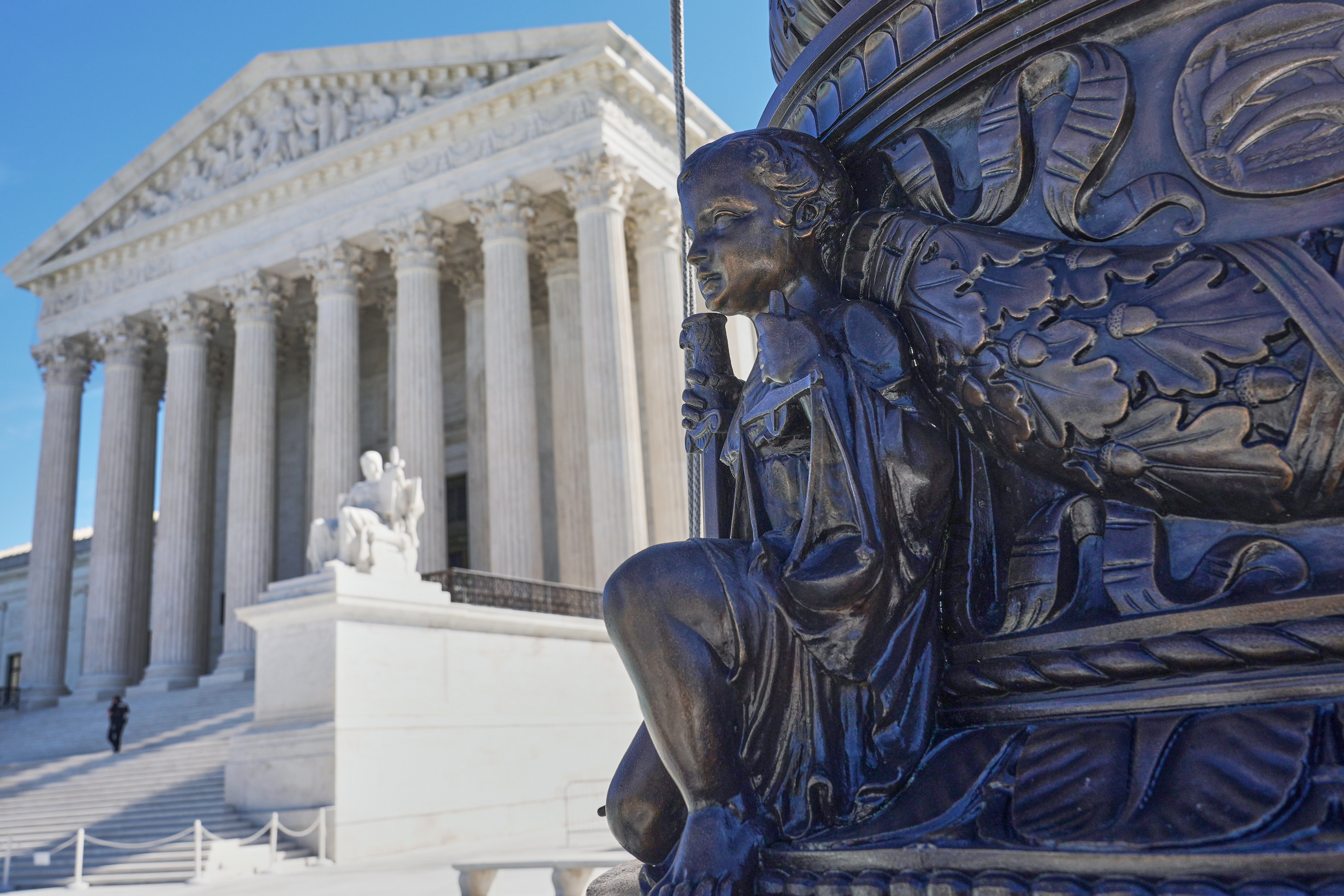
    WASHINGTON — The Supreme Court on Thursday agreed to review a Trump administration policy denying bond hearings for immigrants as the government carries out a sweeping crackdown.

    The justices will consider whether immigrants who have been living in the U.S. have a right to a hearing to determine if they should remain detained while challenging their possible deportation.

    The case will test a key pillar of the Trump administration’s hard-line immigration agenda.

    Most appeals courts to have considered the issue have found that it violates federal law to detain immigrants, including those living in the U.S. illegally, without a bond hearing. Those decisions conflict with rulings by the 5th and 8th circuits, which held that immigrants accused of illegally entering and remaining in the U.S. must be detained while their deportation cases are pending.

    The high court agreed to hear the case of Ricardo Aparecido Barbosa da Cunha, a citizen of Brazil. Authorities say he entered the United States illegally two decades ago and applied for asylum in 2016. He sought a bond hearing after an immigration judge determined that his detention was mandatory following his September 2025 arrest.

    He has never been charged or convicted of a crime, his attorneys said. The court is expected to hear the case in the coming months.

    President Donald Trump’s administration had urged the high court to take up a different but related case that involves the broader constitutional implications of the new policy.

    Attorneys from the Republican administration argue the circuits’ split is “disrupting the orderly administration of immigration law.” They say the nation’s courts have been inundated with thousands of petitions filed by immigrants challenging the government’s legal interpretation.

    “The result is an unworkable patchwork of inconsistent immigration enforcement, where aliens present without admission are subject to mandatory detention in some circuits but are entitled to bond hearings and often released in others,” lawyers for the administration wrote.

    The plaintiffs are immigrants represented by the American Civil Liberties Union, which says hundreds of district court judges have joined most circuits in rejecting the Trump administration’s new reading of the statutes. Plaintiffs’ lawyers say the administration is trying to deny bond hearings for immigrants apprehended anywhere in the U.S. — no matter how long they’ve lived in the country — rather than limiting the restriction to noncitizens stopped at the border.

    “Millions of noncitizens could be affected by the government’s new interpretation,” ACLU attorneys wrote.

    The Trump administration says its new mandatory detention policy is legal under a 1996 immigration law. The policy change departs from the practices of prior administrations, which typically allowed most noncitizens without criminal records to request a bond hearing if they were arrested away from the border.

  • Renee Good’s family sues U.S. government and immigration officials over her killing in Minneapolis

    Renee Good’s family sues U.S. government and immigration officials over her killing in Minneapolis

    Renee Good’s family sued the U.S. government and the architects of President Donald Trump’s immigration crackdown on Thursday, saying “the time is absolutely now for accountability” after her killing in January by a federal agent in Minneapolis.

    Good’s partner, Becca Good, and brother, Brent Ganger, accused the government and the Immigration and Customs Enforcement officer who shot into her SUV and killed her, Jonathan Ross, of unjustified and excessive use of force.

    The Jan. 7 shooting, captured on bystander video, was “the predictable and intended product” of the Trump administration’s crackdown on Somali and other immigrants in Minnesota, an exercise that officials dubbed Operation Metro Surge, the lawsuit said.

    “I’m here today because last January the whole world had to watch as our entire universe was destroyed,” Becca Good said at a news conference announcing the lawsuits.

    The killings of Good, a 37-year-old mother, and another U.S. citizen, Alex Pretti, in Minneapolis just weeks later sparked outrage across the country and calls to rein in immigration enforcement. At least 10 people have died in encounters with immigration officers during Trump’s second term.

    “What happened to Rene was completely senseless,” Ganger said. “And the fact that there’s been no accountability, no investigation, no expression of condolence, no change in policy is completely mind blowing.”

    “The hole in my family and myself created by my sister’s passing is hauntingly apparent,” he added.

    The lawsuits — one against the government, the other against Ross and officials including White House Deputy Chief of Staff Stephen Miller, ex-Homeland Security Secretary Kristi Noem and White House border czar Tom Homan — seek unspecified damages for wrongful death, conspiracy and other violations.

    “Our government has become a grave and mortal threat to its own citizens,” the family’s lawyer, Antonio Romanucci said.

    The Justice Department didn’t immediately respond to an email seeking comment.

    Officer shot Good as she turned her car away from him

    Renee Good was fatally shot Jan. 7 as protests against immigration raids flared across the city. According to Becca Good, her partner stopped their car in a street to support neighbors during an immigration operation.

    Bystander video shows Renee Good in the driver’s seat of a red SUV blocking part of the road and repeatedly honking her horn.

    Two immigration officers get out of a truck, their faces covered, and one orders Good to get out of the car. She reverses briefly, then turns the steering wheel as the officer says again, “get out of the car.”

    Almost simultaneously, Becca Good, standing in the street, shouts: “Drive, baby, drive!”

    One officer standing in front of the vehicle pulls his weapon and fires into the windshield. He lurches back as the car turns away from him. The officer, who is now very close to the open window on the driver’s side, fires two more times, fatally shooting Renee Good, according to an analysis of the videos by The Associated Press and others.

    Federal officials at the time said the officer acted in self-defense and that Good had engaged in “an act of domestic terrorism.”

    One lawsuit alleges wrongful death

    The lawsuit against the United States of America seeks damages for Good’s wrongful death and “the immense suffering Renee endured in the final moments of her life and for the profound and permanent losses that her death has inflicted upon her family,” according to a news release by lawyers for Ganger and Good.

    The lawsuit, which seeks a bench trial, also alleges “intentional infliction of emotional distress and negligent infliction of emotional distress” on Becca Good.

    Becca and Renee Good, the mother of three children, were not legally married, according to a family lawyer, but referred to one another as wives. They had only recently relocated to Minneapolis from Kansas City, Missouri.

    Another lawsuit alleges conspiracy to conceal evidence

    The other lawsuit alleges a conspiracy to interfere with civil rights and seeks a jury trial. It says the federal government moved to hide the evidence of what actually happened on Jan. 7.

    It describes a “carefully planned, coordinated effort between senior federal officials and private actors to make two ethnic communities — Minnesotans of Somali and Hispanic descent and origin — the object of aggression and abduction, and to silence by intimidation, arrest and violence the neighbors and allies of those targeted communities who observed, documented and warned of that campaign.”

    Other defendants include: Corey Lewandowski, a Trump campaign manager who also served as one of Noem’s advisers; former acting director of U.S. Immigrations and Customs Enforcement Todd Lyons; former U.S. Border Patrol commander Gregory Bovino; and 10 unnamed federal agents.

    Good’s partner acknowledges other lives lost in immigration crackdown

    In social media accounts, Renee Good described herself as a “poet and writer and wife and mom.” On Pinterest, a profile picture shows her smiling and holding a young child, alongside posts about tattoos, hairstyles and home decorating.

    In an interview shortly after her death, Renee Good’s mother, Donna Ganger, told The Associated Press: “She had this way of making you feel special and loved that I didn’t even understand that until we lost her.”

    Good’s partner noted the broader loss to communities nationwide.

    “As we have tried to navigate our own massive loss, I am also devastated by how many other lives have been destroyed in this darkest of times,” Becca Good said in a news release Thursday. “So many other families are dealing with the loss of their loved ones; to everyone who has had to witness it — the pain of this moment extends far beyond our family. What happened to us should never happen to any family.”

  • Why Claire Borelli Embraces Change

    Why Claire Borelli Embraces Change

    For Claire Borelli, the future of work isn’t a choice between technology and humanity, but an effort to bring the two together. A native Philadelphian and an enormous Eagles fan, Borelli is the senior executive vice president and chief people officer at the retirement services provider TIAA. She is helping lead the organization’s 13,000 employees through one of the most consequential shifts facing today’s workforce: the rise of artificial intelligence. Drawing on three decades of experience in HR, Borelli is a champion of an employee-first approach to AI adoption. She believes technology should be used to augment human capabilities and that change is an opportunity for growth. Her philosophy is simple: Welcome change while valuing the humanity at the heart of the workplace.

    What does it mean to be a changemaker?

    The first thing it means, and this is much easier said than done, is being okay with change. I’ve always been energized by change because it creates opportunities to make things better. I’ve been fortunate to have a platform to help drive that change and, more importantly, help others see the possibilities that come with it.

    You are the driving force behind TIAA’s ELEVATE program, an internal workforce development initiative that gives employees dedicated space to build new skills, connect with peers and leaders, and actively manage their professional paths within the company. Did something in your own career inspire this mission?

    My career changed because I said yes to something I wasn’t ready for. I didn’t set out to work in HR, but at Merrill Lynch, I was asked to help build an employee service center and rethink how HR operated. I had no HR background. I was way over my skis, and it scared me.

    But I learned to take risks, trust the process, and give an opportunity a chance, even when it isn’t what [I] imagined for [myself]. That stretch assignment gave me new skills, relationships, and exposure, and ultimately launched my HR career. That’s what I love about ELEVATE: creating those unexpected opportunities for others, especially in the age of AI, when roles may shift and employees can take advantage of expanding their skill sets to prepare for an AI-powered future.


    Was there a moment that shifted your thinking about AI?

    My oldest son changed how I think about AI. Two years ago, when my CEO asked me to help lead our AI transformation, I was intimidated. My son said, “Mom, imagine having someone in your office 24/7 who knows more than you do and can help with anything: recruiting, compensation, talent. And yes, they’re smarter than you.” That visual stuck. AI wasn’t going to replace me; it can make me better.

    That’s the message I share with our people. Some jobs will disappear, new ones will emerge, but many will simply get better. If AI gives someone 30% of their time back, that’s 30% they can devote to a new project, skill, or opportunity. The challenge now is reimagining how we put that capacity and our people to work.

    TIAA has emphasized an employee-first approach to AI adoption. How did the organization put that into practice?

    What built trust wasn’t just talking about an employee-first AI strategy. It was putting action behind it. We knew AI would change roles, and in many cases, expand them. We doubled down on internal hiring and strategically paused most external hiring. Rather than immediately going to market and backfilling, we asked our leaders to consider if AI could take on the work or if it made sense to expand the scope of an existing internal role.

    We told managers: before you look outside, look at our existing talent first. There were skeptics initially, but it worked. Year over year, we saw a 67% increase in internal hiring. That sent a powerful message to our associates: as AI changes work, we’re investing in you, not leaving you behind.

    Which leadership traits do you believe will matter most over the next decade as AI automates more routine work?

    AI is changing the landscape. When I was growing up, knowledge was power. If you knew your subject and were sharp, you were good to go. That won’t be enough in the future. As AI takes on more technical and routine work, traits like empathy, innovation, emotional intelligence, and strong communication skills will become even more valuable.

    Think about an architect designing something for Philadelphia. Technical knowledge will still matter, but AI can increasingly support that expertise. What becomes more important is understanding the context: What is Philadelphia’s history? What does its art and culture tell us? How do its neighborhoods and politics shape what people need? And how can you think differently to solve for those needs?

    That’s what we need to teach the next generation: not simply what to know, but how to think, connect, and understand people. You can’t always get those nuances from data. Sometimes you need to have coffee with someone, walk a neighborhood, or understand what motivates people. That humanity, and the relationships that come with connecting to others, will be essential to success in an AI-powered world.

    You report directly to CEO Thasunda Brown Duckett and serve on TIAA’s executive committee. What have you learned about leadership by working alongside her?

    Thasunda is a force, probably the most inspirational leader I’ve ever worked with. What sets her apart is that she truly leads with people and culture in mind. Technology and products can be replicated; people are the real differentiator, and she walks that talk.

    She’s also a rare combination of visionary and operator. She can set a bold vision and get into the details to make it happen. She’s taught me the importance of connecting with people personally, understanding what motivates them, finding purpose, and having fun at work.

    You’ve said trust accelerates decision-making and collaboration, especially during periods of rapid change. What are some practical ways leaders can build that trust?

    Trust starts with transparency, communication, and active listening. Leaders need to explain what they’re doing and why, but also create opportunities to hear what people are saying and then be clear about what they can and can’t change.

    At TIAA, we heard that employees at some of our smaller office locations weren’t feeling as connected as those in bigger hub offices. We introduced site leaders who could listen, communicate, and bring people together. Engagement scores rose significantly, by nine percentage points in Philadelphia. It reinforced for me that trust isn’t just about communicating early; it’s about listening intentionally and showing people that you’ve heard them.

    How do you strike a balance between empathy and accountability when making tough organization-wide decisions or delivering news that may affect employees’ lives?

    People may forget what you told them, but they remember how you told them. As a leader, especially in HR, you sometimes have to make difficult decisions that are right for the organization.

    The key is to be clear about the decision and the why, transparent and timely in communicating it, and empathetic in how you deliver it. The same applies to tough feedback: holding someone accountable and telling them what isn’t working early, honestly, and with care is ultimately an act of respect.

    If you could give one piece of advice to a young professional, what would it be?

    Take risks. Don’t assume your career has to follow a straight line. The sideways moves and unexpected opportunities often teach you the most and make you more versatile.

    I’m a Type-A person; I like a plan, so I had to learn this myself. Every career “swerve” adds something to your toolkit. And in an AI-driven world, that range of experiences, perspectives, and human judgment will only become more valuable.

    You raised five kids while building a C-suite career. What advice would you give to other parents on how to manage big jobs and big families? Any secrets to keeping everything and everyone on track?

    There’s no such thing as balance. At any given moment, work or family is going to get more of you, and you have to be okay with that.

    I’ve been fortunate to have a true partner in my husband, especially raising five kids (now ages 42 down to 29). But the biggest lesson is to be present where you are. If you skip the staff meeting for the soccer game, be at the soccer game. If you stay for the meeting, be at the meeting. Shut down the voice telling you that you should be somewhere else.

    Our CEO Thasunda says life is like a diversified portfolio: how you invest your time will shift. Stop trying to give everything 100% at once.


    PHILLY QUICK ROUND

    Favorite Philadelphia neighborhood? Rittenhouse is great to walk to and have dinner, but I just love the neighborhood where my two younger children live, which is Queen Village. I just love the historic feeling of it.

    Favorite place to celebrate an Eagles win? Lincoln Financial Field, unless it’s an away game, and then it’s in my home. I like all the cooking and all that family time.

    What do you cook for a game? Every Sunday game is a pot of gravy. We’re Italian!

    Favorite local restaurant or hidden gem? I love The Saloon. Their appetizers are fabulous. They have the long hots, poblanos, and fabulous steaks there. Just open the menu, and I’ve ordered them all.

    Which Philadelphian past or present do you most admire? Can I say Rocky? I’m kidding. I admired Kobe Bryant, for sure. I think about how driven and Type-A he was. And in his later life, he became more like a coach to his daughters and really inspiring.

    Personal motto or mantra? It’s “This too shall pass.” Because no matter how good life is, we always have moments that take us out. It’s important to remember that those moments pass.

    What are you most grateful for right now? I’m pretty happy about LeBron James coming to the Sixers!


    Lucy Danziger is a journalist, an author, and the former editor-in-chief of Self Magazine, Women’s Sports & Fitness, and The Beet.

  • Bipartisan bill seeks to ban cellphones in schools nationwide

    Bipartisan bill seeks to ban cellphones in schools nationwide

    A new bipartisan effort could create a national ban on cellphones during the school day, the most sweeping attempt yet to keep screens out of classrooms.

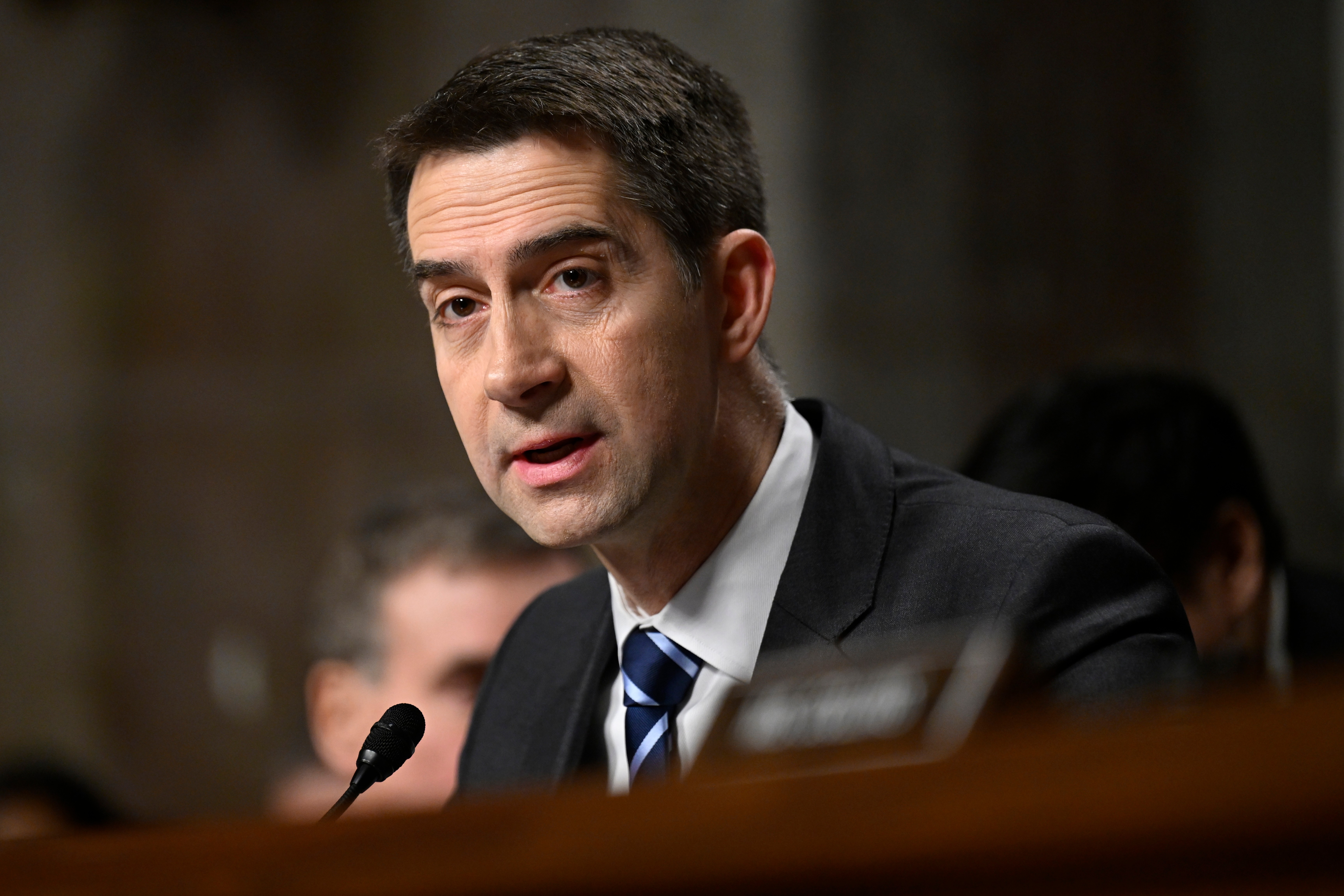
    The bill, filed Wednesday by Sen. Mark Kelly (D-Arizona) and Sen. Tom Cotton (R-Arkansas), would send money to states that adopt policies barring students from using personal devices – including cellphones, smartwatches, tablets and similar technology – during the school day.

    If the legislation is approved by lawmakers, states would be able to use the funding to enforce device bans, including paying for lockers, lockboxes or pouches for students to store their devices. The legislation makes exceptions for children who need devices for special education or medical needs.

    “Arkansas kids deserve classrooms free of distractions,” Cotton said in a statement. “This bill would support Arkansas public schools that choose to tailor their classroom cellphone guidance to ensure students have the most productive school days possible.”

    Cellphone bans have become popular in recent years, with most states enacting policies designed to restrict cellphone use in schools. Students are often required to stow their devices in lockers or locked pouches during the school day.

    Supporters of these rules hoped keeping phones out of the classroom would help students focus, boost test scores and improve mental health. But the results have been mixed.

    While cellphone bans have reduced unauthorized usage in schools, there has been little academic benefit, according to research by the National Bureau of Economic Research.

    “There is clearly justifiable enthusiasm for school phone bans, but it’s important to recognize that building effective, phone-free learning environments does not appear to be a simple or quick fix,” according to Thomas Dee, a Stanford University professor and one of the authors of the report.

    “The very early experience schools have with phone bans is sobering, but there are also indicators that as schools adjust to phone-free policies, the benefits of these bans may be realized,” he said in an interview posted on a Stanford website.

    And, in some cases, teens reported using their phones more often at school, particularly at schools with lax enforcement, according to a Brookings Institution survey. Students in that survey also said cellphone bans had no impact on their happiness, stress or relationships with teachers.

    A spokesperson for Kelly said the measure is intended to give schools the resources to make phone bans work and enforce them consistently. While no single policy will solve every challenge in the classroom, reducing distractions can help, the spokesperson said.

    “Phones in schools have been a disaster for learning,” the senator said in a statement emailed to The Post. “Getting phones out of classrooms will mean fewer distractions and more time for kids to focus on their teachers and lessons. We’re giving schools the tools to make that happen.”

    Some advocates continue to link cellphone use with grades. Amid declining math and reading scores among teenagers, more than half of public school leaders say cellphone usage hurts a student’s academic performance, federal survey results show.

    The U.S. Surgeon General’s office has also warned that excessive screen use can lead to anxiety, depression, lower grades and weakened interpersonal relationships.

  • Most Americans blame Trump for high prices as midterms approach, a new AP-NORC poll finds

    Most Americans blame Trump for high prices as midterms approach, a new AP-NORC poll finds

    WASHINGTON — Americans are deeply frustrated with President Donald Trump’s handling of the economy and rising prices, with most panning his performance and blaming his policies as higher costs threaten his party’s chances in November.

    A new poll from The Associated Press-NORC Center for Public Affairs Research finds that only 17% of U.S. adults approve of the Republican president’s handling of the cost of living. Just 26% approve of his handling of the economy overall, marking a new low.

    A majority, 65%, of U.S. adults now blame Trump’s policies for persistently high costs more than factors outside of his control, signaling growing weariness over his aggressive use of tariffs and continued unhappiness with the war with Iran.

    The dismal numbers come just weeks before midterm elections that will determine whether Republicans maintain control of Congress and while Trump is hitting the campaign trail with an aggressive schedule of rallies. But Trump — who has asked voters to pretend that he is on the ballot as he tries to bolster turnout — remains deeply unpopular, with even many Republicans faulting him for failing to deliver on promised relief.

    “I was hoping it would be better or different, but it’s not really good,” said Robert Gault, 66, a retired factory worker from Bradford, Pennsylvania, who describes himself as a Republican.

    “Our president, I thought, was going to help the country, and so far he has not really seemed to have done that with the economy or in general. He’s not really done what I was hoping he would,” said Gault. ”He said, ‘Make America Great Again.’ And I have not seen him do that.”

    Costs drag on Trump as the economic pain keeps coming

    Over the last few months, Americans have grown more worried about being able to afford basics like groceries and gas. About half of U.S. adults now say they are “extremely” or “very” concerned about being able to fill their tanks, up from 39% in July. About half are also highly concerned about being able to afford food.

    Prices are “extremely exorbitant. Just the cost of everything is going up as a result of fuel,” said Pedro Sanchez, 52, of Perris, California, who voted for Trump and works in law enforcement. “I used to have a lot more disposable income. I don’t have that any more. It’s gotten eaten up because of all these increases in the cost of everything.”

    Trump’s current approval on the economy is a 14 percentage point drop from March 2025, just after he took office for the second time. His struggles on the issue mark a significant departure from his first term, when the economy was often a point of strength.

    Trump spent much of the 2024 campaign hammering President Joe Biden and Vice President Kamala Harris, Democrats, on inflation and promising to lower prices. Now, there’s widespread disappointment with his performance. About 7 in 10 Americans say Trump’s handling of the cost of living has been “worse than expected.” That includes roughly half of Republicans, who are also broadly concerned about being able to afford groceries and gas.

    “Groceries are just like kind of out of control. It seems like everything is going up,” said Bethany Lnenicka, 41, who operates a small farm in Fairfax, Iowa. “It’s just one thing and the next week it’s another thing. It’s just insane. And of course your income doesn’t go up.”

    A political independent who typically votes Republican and has voted for Trump three times, Lnenicka said she had hoped his second term would be more like his first.

    “I just do not feel like it has gotten a lot better,” she said.

    About 6 in 10 Republicans disapprove of Trump’s handling of the cost of living, according to the new poll, up from about half in April.

    “It definitely doesn’t feel like we have trended in the right direction,” agreed Kristen Slaven, 41, a mental health therapist who lives in Gluckstadt, Mississippi, and typically votes Republican. She said Trump is focused on the wrong things.

    “Obviously wars don’t help. When they’re necessary, I understand. But our focus on renaming bodies of water and pieces of land, that’s just stupid to me when people can’t feed their family,” she said.

    “I had hoped that it would be better,” Slaven added.

    Some Republicans are still willing to cut Trump some slack

    Despite their frustration, most Republicans, 67%, say factors outside of Trump’s control are more to blame for high prices.

    “I think inflation is a very difficult thing to tackle,” said Fred Naumann, 51, a Republican and longtime Trump supporter who lives in Green Bay, Wisconsin.

    Though he would like to see interest rates come down, Naumann, who works in the automotive industry, supports tariffs and the war with Iran, believing it was necessary.

    Overall, however, most Americans, 69%, continue to say the war has not been worth fighting, up slightly from 64% in July. Only 28% approve of how Trump is handling Iran.

    Americans are also unhappy with Trump’s trade wars. Only about 3 in 10 U.S. adults approve of how he is handling trade negotiations with other countries, down from about 4 in 10 in March. And 64% say he has “gone too far” on imposing new tariffs on other countries, up from 58% in January.

    Overall, the picture is not better. Only about 3 in 10 Americans approve of how Trump is handling his job as president. And about 6 in 10 say the country as a whole is “much” or “somewhat” worse off than when he began his second term.

    The issue on which Trump maintains relative strength is border security, with about half of Americans saying they approve of his performance.

    Trump faces more blame than Biden did

    Trump’s low grade on the economy rivals Biden’s 28% approval rating in June 2022, when there was record-high inflation during the COVID-19 pandemic.

    But Americans were less likely to blame Biden in the lead-up to that year’s midterm elections, a sharp contrast with the solid majority who hold Trump responsible now. In October 2022, 44% of Americans said Biden’s policies were responsible for high prices, while 55% blamed factors outside of his control.

    Sanchez, a Republican who voted for Trump, blames him, at least in part.

    “I think he has a lot to do with it. This war in Iran, the tariffs that he’s placing on other countries, obviously are affecting us. Those two things are things he’s been directly involved in that directly affect the economy,” he said. “I think with Biden, a lot of the stuff was outside of his control. It was all the COVID and how that affected everything else. I don’t think that there was much that he could have done.”

    He had high hopes for Trump’s return. Now, things seem worse than under Biden.

  • An Indian airline captain is hailed as a hero after a cockpit attack on a FlyDubai flight

    An Indian airline captain is hailed as a hero after a cockpit attack on a FlyDubai flight

    MUMBAI, India — An Indian airline captain who was at the controls of a FlyDubai flight when his copilot stabbed him in an apparent attempt to crash the plane has been hailed as a hero, with his actions to thwart the disaster drawing praise from world leaders and those who knew him.

    Capt. Smit Machchhar, who is from India’s financial hub of Mumbai, was seriously injured in Wednesday’s attack. Passengers described how the pilot still managed to open the cockpit door, allowing them to enter and restrain the attacker as the Boeing 737 descended sharply, according to witnesses and Israeli authorities.

    The attack forced the flight carrying 182 people from Dubai, United Arab Emirates, to Tel Aviv, Israel, to make an emergency landing in Tabuk in northwestern Saudi Arabia. FlyDubai said the aircraft was secured by on-duty crew “who diverted and landed the aircraft safely.”

    Machchhar was taken to a hospital in stable condition, the Indian Embassy in Riyadh, the Saudi capital, said late Wednesday. Embassy officials said Thursday that his family had been briefed on his recovery.

    India’s Modi lauds the pilot’s courage

    Indian Prime Minister Narendra Modi on Thursday called Machchhar a hero.

    “In the face of the gravest danger and despite being seriously injured, he showed immense courage and an unwavering resolve to protect the lives of others. His valor helped save hundreds of lives and avert a great tragedy,” Modi wrote on X.

    Modi also praised the captain for demonstrating ”patience, presence of mind and courage,” saying his “actions prevented another 9/11-like attack from happening.” He said he had spoken with Machchhar’s parents and wife and that the pilot was undergoing treatment.

    “Smit’s bravery fills every Indian with pride,” Modi said.

    The captain trained as a pilot in New Zealand

    According to Machchhar’s LinkedIn profile, he has worked for FlyDubai for about four years. Before joining the airline, he spent 11 years with SpiceJet, an Indian low-cost carrier, where he served as a senior commander and line training captain. He logged more than 9,750 flying hours with SpiceJet, according to the profile.

    SpiceJet, in a post on X, praised Machchhar’s “heroic courage” and “selfless actions.” “You are a hero to us all, Captain,” the airline wrote.

    Machchhar, who is married and has two children, trained as a pilot at Mainland Air in the New Zealand city of Dunedin for 18 months, beginning in 2008, the school’s head Philip Kean told 1News, a New Zealand television news channel.

    Kean said Machchhar “did very well” as a student and later returned to India, where he worked as a recruiter for the school.

    “We’re all very proud of him here and wish him a speedy recovery,” Kean said.

    The school, which opened in 1991, offers a range of certifications, from private pilots’ licenses to a diploma in aviation, and is popular with international students.

    A report published last year by the New Zealand Qualifications Authority found that 39 international students, all from India, were enrolled at the school at the time of its review, accounting for half of its total enrollment.

    The pilot had previously spoken about handling emergencies

    In a podcast interview last year, Machchhar recalled how nervous he was and how he made mistakes during his first commercial flight in India, and the lessons he learned from the experience.

    “At that stage, relaxing would have been the best option,” he told interviewer Zalak Mehta of the “Bona-Fide Banter” podcast.

    “Stressing is not going to help, at least … in this industry,” he added.

    Machchhar also described an onboard emergency when a pregnant woman went into premature labor, forcing the crew to divert the plane. He said he followed procedures carefully and ensured a safe landing on the first attempt.

    “It was methodical. It was quick. It was as quick as it should have been,” he said.

    Israel’s Netanyahu praises the pilot as do his neighbors in Mumbai

    Wednesday’s attack triggered a major security response in Israel, with authorities scrambling fighter jets in case of a possible hijacking.

    Israeli Prime Minister Benjamin Netanyahu said the attacker, an Omani national, was arrested in Saudi Arabia and was undergoing interrogation there.

    Netanyahu also praised Machchhar’s “extraordinary bravery” in a post on X, saying the wounded captain fought back after being stabbed, opened the cockpit door and helped passengers and crew overpower the attacker, preventing what Netanyahu described as a “catastrophic midair disaster.”

    Shota Musayev, a dentist and eyewitness, told The Associated Press how the wounded Machchhar managed to open the cockpit door to let them in before they grappled with the copilot.

    Musayev then treated Machchhar.

    “Poor pilot, he was just praying the whole time and was in contact with me, and I was afraid we would really lose him,” Musayev said.

    In Ghatkopar East, the Mumbai suburb where Machchhar’s family lives, neighbors spoke of how easy-going he is and also lauded his courage.

    “He has a lot of bravery in him,” said Ami Sapani, a neighbor who knows the family. “God is with him.”