Tag: no-latest

  • Trump claims rebate checks are on the way for people overcharged by ACA

    Trump claims rebate checks are on the way for people overcharged by ACA

    President Donald Trump on Thursday announced that his administration would issue $500 rebate checks to about 1 million Americans he said had been wrongly overcharged through the Affordable Care Act.

    Administration officials said the funds would be drawn from fees that were used to fund operations of the ACA federal insurance exchange. Thirty states — including Florida, Iowa, Ohio, and others expected to be key battlegrounds in November’s midterm elections — use the federal exchanges for their ACA operations.

    “Thanks to President Trump’s actions, nearly 1 million Americans will receive a refund check of $500 per person. Checks will be sent to eligible Americans beginning in October 2026,” the White House said in a fact sheet.

    Democrats immediately panned the idea and compared it to the administration’s past ACA moves. Trump last year declined to support the extension of ACA tax credits that helped subsidize the costs of health coverage for more than 20 million Americans.

    They also called it a stunt ahead of November’s elections.

    “What an absolute joke,” Brad Woodhouse, president of Protect Our Care, a Democrat-aligned healthcare advocacy group, said in a statement. “Five hundred dollars is a drop in the bucket compared to what Americans are paying because Trump and Republicans gutted health care to bankroll massive tax breaks for billionaires and big corporations.”

    Trump has floated multiple proposals to send dividends to Americans during his second term, but so far, they have not materialized. In February 2025, he said his administration was considering a proposal to give 20% of savings from the controversial DOGE government cost-cutting effort to Americans. That proposal would have delivered roughly $5,000 to each of the roughly 79 million households in which residents pay federal income tax.

    That number was based on Elon Musk’s goal of cutting $2 trillion from the federal budget. A DOGE website claims that the initiative saved only a small fraction of that, and the Government Accountability Office has said the group’s accounting was riddled with errors.

    Trump also claimed he would give Americans $2,000 stimulus checks, drawn from the revenue generated by his tariffs. His administration has had to refund much of the money gained from tariffs after the Supreme Court struck down many of the levies.

  • Foldable phones are unpopular. Why is Apple selling one?

    Foldable phones are unpopular. Why is Apple selling one?

    Apple this week unveiled an iPhone that unfolds like a book to expand its screen size and closes up to fit in your pocket. It’s the biggest physical change to the iPhone’s design in nearly two decades.

    But even though they’ve been around for years, foldable phones aren’t particularly popular. They’re expensive, awkward and not as durable as regular smartphones. So why did Apple build one?

    The simple answer is that the novel design of today’s foldable phones could help reestablish the high end of the phone market. They are meant to stand out in a sea of standard-issue, if-you’ve-seen-one-you’ve-seen-them-all smartphones.

    The quintessential rectangular smartphones have gotten so good over the years that the most expensive models priced upward of $1,000 have become nearly indistinguishable from their cheaper counterparts. (Carrying a phone with three camera lenses vs. two probably won’t impress people at parties.)

    Foldable phones, on the other hand, are attention-getters. And for their price, they’d better be: Apple’s iPhone Duo will cost $1,999 when it arrives in October to compete with Samsung’s $1,900 Galaxy foldable.

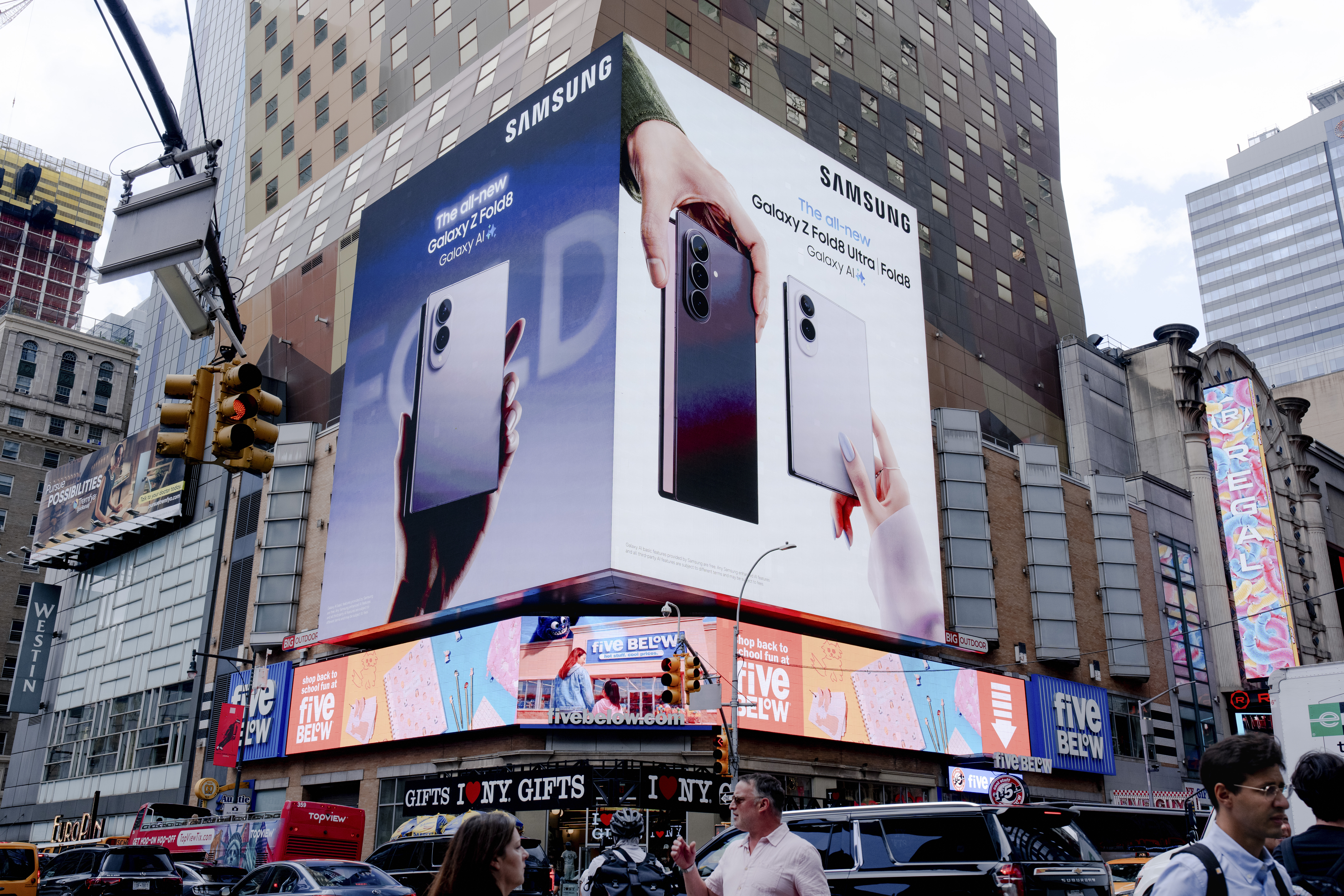
    Samsung billboards in Midtown Manhattan.Lexi Parra

    “Whenever something is exclusive, limited and luxurious, automatically consumer psychology wants it,” said Nabila Popal, a director at IDC, a market research firm. “It’s like handbags. Why is someone buying a Chanel versus that? It’s not because of the leathers. It’s to show that they have a Chanel and they can afford it.”

    Apple and its competitors are following a path that television makers took about a decade ago. When high-definition TVs became commoditized, anyone could buy a bright TV with a large, sharp screen for as little as $500. To find more ways to increase profits, companies like Panasonic, LG, and Sony experimented with quirky new designs, like TVs with curved displays and the ability to play movies in 3D, and charged $3,000 for them.

    Those TV concepts turned out to be flops. But in later years, TV makers found success with a different type of high-end television featuring OLED technology, or organic LED, which had more accurate colors for making movies look better and cost upward of $1,000.

    Apple’s foldable handset is arriving at a moment when people will need extra persuading to upgrade to a new phone. The costs of most consumer goods, and especially electronics, have skyrocketed.

    In response to an industrywide memory chip shortage driven by the artificial intelligence boom, Apple increased prices this year for many of its popular products, including Macs and iPads, by as much as 29%. Apple’s new iPhone 18 Pro phones will cost $1,199, a $100 increase from last year’s model. The chip shortage has also forced companies to raise the prices of video game consoles and phones.

    Foldable phones, which account for less than 2% of the handset market, may be the only part of the phone industry that will grow this year. IDC said it expected the chip-shortage-induced price increases to contribute to a 17% drop in worldwide smartphone sales this year — the steepest annual decline in history. However, sales of foldable phones could grow 12% to 22.9 million because of the iPhone Duo’s arrival, the research firm said.

    Still, a foldable phone could be a tough sell even for a company as influential as Apple. Consumers have generally avoided buying foldable phones not only because of their cost but also because of their trade-offs. Their bendable screens are less durable than normal phone displays, which are protected with hard glass. Folded up, they can feel bulkier and heavier in a pocket.

    Dan Frommer, a writer for the New Consumer, a tech research publication, said he had long been skeptical about the usefulness of foldable phones because so much online content, including the vertical videos on TikTok and Instagram, was produced for the small rectangular screens of normal smartphones.

    “They’ve been used that way for 19 years now,” Frommer said. “What would you actually want a square, big screen for?”

    Apple’s iPhone Duo appears to be addressing some of the shortcomings of previous foldable phones. The device’s name refers to two screens. Closed up, it has a 5.4-inch outer screen that people use as a normal rectangular phone; it opens up to reveal a 7.6-inch inner screen. The larger inner display shows pictures in the same aspect ratio as traditional phone screens. Apple also said the phone’s foldable inner screen was composed of a tougher material than competitors’.

    The iPhone Duo appears to be addressing some of the shortcomings of previous foldable phones.Jason Henry

    In my tests, when opened, the iPhone Duo was extremely thin, measuring two-tenths of an inch. I liked that a Netflix video took up the full screen instead of showing black bars on the sides, which has been the case with other foldables. Closed up, the phone felt dainty and was about the size of a passport. It also felt less chunky in my pocket than other foldables I’ve tested, such as the $1,900 Google Pixel 11 Pro Fold. The more compact and lightweight, the better.

    The inner screen has a matte texture to reduce glare. Still, I occasionally noticed the crease in the center where the screen folds. I didn’t mind it, but that might bother nit-pickers.

    Apple also had to leave out some components to make a phone this thin; the iPhone Duo lacks the advanced camera system featured in the $1,199 iPhone 18 Pro phones. It also doesn’t have a face scanner for unlocking the device, relying instead on a fingerprint sensor on the side of the phone.

    Although Frommer predicted that the Apple foldable wouldn’t be the right fit for him, he admitted he couldn’t resist trying one out in a store.

    “When Apple makes something, there’s an allure to it to encourage people to at least check it out,” he said.

    This article originally appeared in The New York Times.

  • Coroner releases details of infants who died amid growing Pennsylvania measles outbreak

    Coroner releases details of infants who died amid growing Pennsylvania measles outbreak

    NEW YORK — The two measles-related deaths in Pennsylvania last month involved infants, and the virus itself caused one of the deaths, a Pennsylvania coroner confirmed Wednesday.

    Lancaster County’s coroner, Dr. Stephen Diamantoni, said he told the Centers for Disease Control and Prevention of his conclusions. CDC officials, however, have not said whether they will count either death as measles-associated, and the agency’s website still carries a disclaimer about them.

    Ivan Miller died on Aug. 14 shortly after his birth of a ruptured spleen, Diamantoni said.

    Mary Stoltzfus was 6 weeks old when she died Aug. 18 at her home. She was born with a genetic birth defect that left her highly vulnerable to an infection. A measles infection killed her, Diamantoni told The Associated Press.

    He said he was releasing the information in response to a state right-to-know law request by WPMT-TV, Fox 43.

    The causes of death differed

    Diamantoni’s office didn’t perform an autopsy on the girl. The cause of death was determined by the doctors caring for her, he said.

    She had been born with a condition called Amish lethal microcephaly that causes an unusually small head and underdeveloped brain. Children with the condition typically live 6 months or less.

    The girl’s immediate cause of death was listed as a cardiac arrest, due to hypoxemic respiratory failure, measles, and Amish lethal microcephaly, according to a coroner’s report obtained by The Inquirer through a right-to-know request. The manner of death was listed as “natural.”

    Diamantoni’s office did autopsy the boy, and determined he died from a ruptured spleen. Exactly how and when that happened is still under investigation, Diamantoni said.

    The boy was infected with measles, which is listed on the death certificate as a contributing factor. But Diamantoni said measles did not contribute to what happened to the spleen, and that measles is noted only because it was considered “a significant condition” that the boy had at the time of death.

    Ivan Miller’s death was attributed to a “traumatic torso injury,” and his manner of death was “pending investigation,” according to another document signed by the coroner and provided to The Inquirer through a public record request.

    Neither child was old enough to be vaccinated; the first dose is typically given at around 1 year of age.

    Because of the ongoing measles outbreak, Pennsylvania health authorities in recent months have recommended that children receive a first dose of a measles vaccine as early as six months old.

    The deaths have received outsized attention

    Details of the deaths have come under unusual national scrutiny and became the focus of a furious political battle between Pennsylvania’s Democratic governor, Josh Shapiro, and officials in Republican President Donald Trump’s administration.

    Pennsylvania officials announced the deaths last month, with Shapiro stressing that vaccinations could have averted the deaths.

    Soon after, U.S. Health Secretary Robert F. Kennedy Jr., a Trump administration appointee with a history of raising alarms about established vaccines, attacked Shapiro and suggested the deaths “may even have been altogether fabricated.”

    Kennedy’s statements echoed ones he made last year, when three measles-related deaths were recorded. Kennedy questioned whether one of the children who died was killed by measles.

    The health secretary oversees the CDC, and some public health experts have voiced concern about whether the CDC can still be counted on to post public health data that clashes with Kennedy’s worldview.

    “Frankly, the CDC is not to be trusted in sharing information,” Dr. Georges Benjamin, executive director of the American Public Health Association, told the AP last week. “People are questioning their motives.”

    CDC website still doesn’t show the deaths

    That worry was fueled by some unusual edits to the CDC’s measles webpage. At one point, the webpage noted two measles-associated deaths but then was changed to say that the CDC was not counting the two deaths until it reviewed additional information.

    The page, which was last updated Friday, now says, “CDC will update its reporting as additional information becomes available and relevant reviews are completed.” It still doesn’t reflect either Pennsylvania death.

    In a social media post last week, Kennedy acknowledged Diamantoni’s conclusion that one of the deaths was due to measles.

    Meanwhile, Pennsylvania’s measles outbreak continues to expand, with more than 620 cases across 37 counties this year, state officials said Wednesday.

    The U.S. eliminated the domestic spread of measles in 2000 by maintaining high vaccination rates, but they have fallen in recent years to below the 95% coverage needed to prevent outbreaks. Meanwhile, measles infections have been surging in recent years.

    In November, international health officials will meet to determine if the U.S. and Mexico have lost their measles-free status.

    Inquirer staff reporter Aubrey Whelan contributed to this article.

    Editor’s note: This article has been updated with additional information obtained by The Inquirer through a public records request.

  • U.S. Supreme Court again rejects push to use Trump-backed congressional map in Missouri

    U.S. Supreme Court again rejects push to use Trump-backed congressional map in Missouri

    Missouri is poised to hold its November election with congressional districts passed after the last census, after the U.S. Supreme Court on Thursday again rejected a new map backed by President Donald Trump that Republicans hoped could help them win an additional seat in the pivotal midterms.

    The Supreme Court’s decision marked a defining moment in a pitched legal battle that has lasted nearly a year and caused confusion for voters. Citing the court’s latest action, Missouri’s chief election official directed local authorities to use U.S. House districts passed in 2022, as the state’s highest court had ordered.

    The Trump administration had urged courts to allow use of the president’s preferred map, drawn at his request last year.

    The decision means Missouri could run the November general election with different U.S. House districts than were used in the August primary — an extremely rare situation that could switch the candidate choices for more than a million potential voters, or nearly 1 in 4 voters statewide, according to an Associated Press estimate.

    No Supreme Court justices publicly dissented from the brief order. It did not detail the court’s legal reasoning, as is typical in emergency appeals.

    The White House did not immediately respond to a request for comment on the U.S. Supreme Court decision.

    Missouri’s highest court scrutinizes secretary of state’s actions

    Earlier Thursday, Missouri’s top court convened a hearing on whether to hold Republican Secretary of State Denny Hoskins in contempt for not following its orders to use the districts passed after the last census. Hoskins had instead told local election authorities to use the new Trump-backed map, pointing to a competing order from a federal judge on Tuesday that forbade him from using anything other than the new districts.

    Missouri Supreme Court judges, while questioning a state attorney representing Hoskins, repeatedly pressed for Hoskins to send out guidance Thursday to use the 2022 version of the congressional districts.

    “We’re in a precarious situation,” Chief Justice W. Brent Powell said.

    Hoskins later released a statement acknowledging the U.S. Supreme Court decision, saying “my Office is directing local election authorities to use the 2022 congressional map.”

    The court then reconvened, finding Hoskins in contempt for violating its order not to use the Trump-backed map but then quickly declaring that he had corrected the problem with his latest order to use the 2022 map. The court imposed no consequences on Hoskins.

    Voters could face significantly different districts

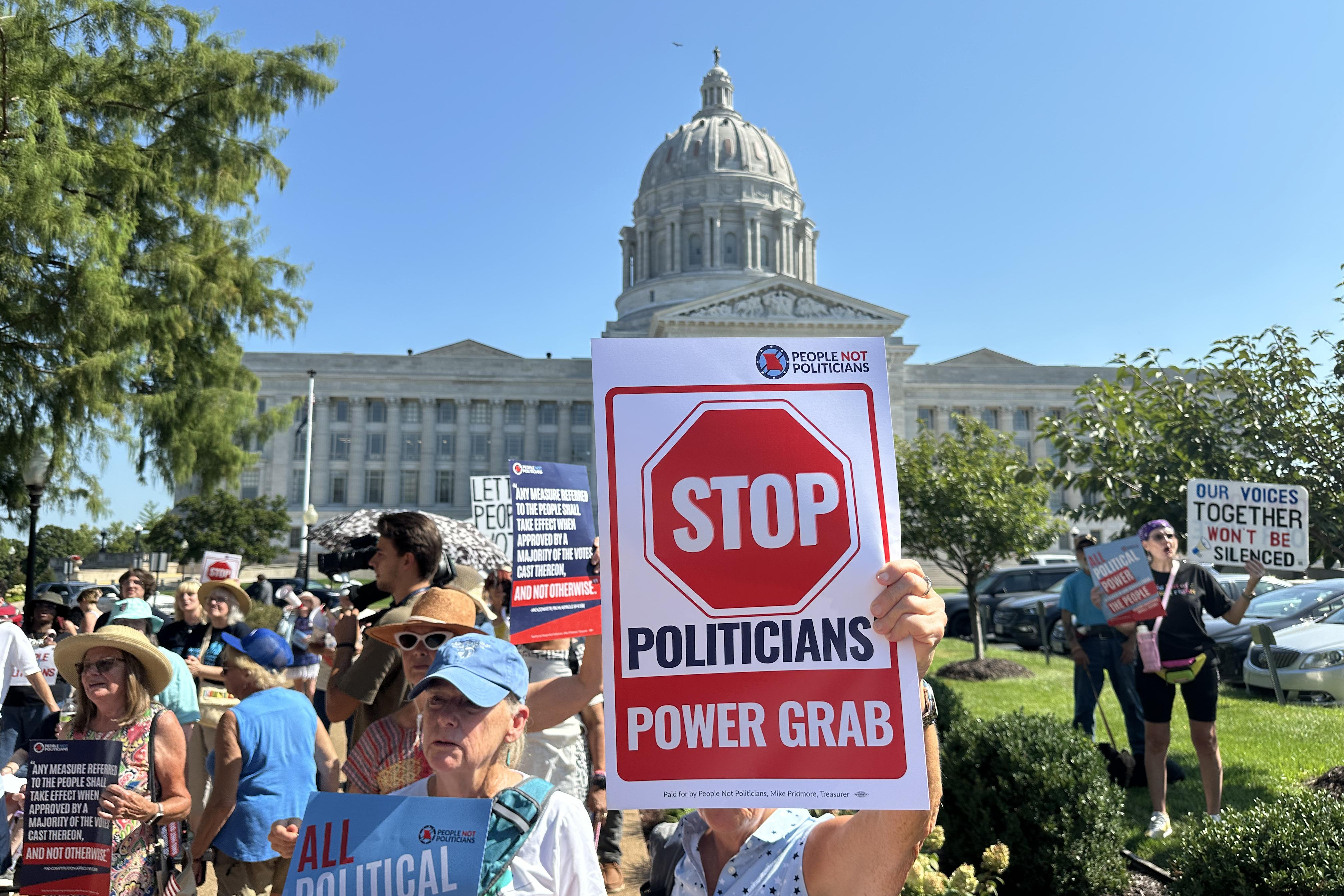
    Outside the court, progressive activist Keith Rose stood in the rain protesting Hoskins’ legal maneuverings to try to use the Trump-backed map. Rose, who helped gather petition signatures to put the new map to a statewide vote, said he hopes the U.S. Supreme Court’s decision Thursday ends the uncertainty.

    “We need some finality. We need to focus on the real issues that Missourians care about,” Rose said.

    Candidates who won Missouri’s August primary already have been certified for the November ballot according to the number of the district they won. But those districts could substantially change shape.

    The 5th Congressional District encompasses only the Kansas City area under the 2022 map that Republican lawmakers passed after the last census. Under the revised map backed by Trump, portions are shed to neighboring districts and the remainder is stretched into rural Republican areas. About 59% of the potential voters are new to the district under that version, according to an AP estimate.

    Some other states that have switched congressional districts after their primaries have redone their primary votes. Alabama held a new primary in August under revised districts when the U.S. Supreme Court allowed a change to occur after voting in the original May primary.

    In Missouri’s case, however, no court has suggested redoing the primary.

    Redistricting battle began over a year ago

    Missouri’s battle over its congressional districts has spanned more than a year and spawned confusion over which districts will be in place for voters.

    It was the second Republican-led state, after Texas, to enact new districts after Trump urged Republicans last year to redraw House districts to their advantage ahead of the midterm elections.

    The revised districts target a Kansas City-based seat held by Democratic Rep. Emanuel Cleaver of Kansas City, aiming to help Republicans win seven of the state’s eight House seats in the midterm elections.

    Redistricting opponents collected hundreds of thousands of petition signatures seeking to force a statewide vote on the new districts. They submitted the signatures in December. But Hoskins waited until August — on the same day as Missouri’s primary — to reject the petition. Hoskins asserted that a referendum petition could not be used for congressional redistricting.

    The delay allowed Missouri to use the new districts in its August primary. Cleaver was unopposed for the Democratic nomination. State Sen. Rick Brattin won the Republican primary for the right to challenge Cleaver. Brattin was among those suing in federal court to try to prevent the state from reverting to the prior districts.

    Republican U.S. Rep. Bob Onder, who was also among those suing, said Thursday, “This isn’t over.” He noted that the 8th U.S. Circuit Court of Appeals will hear arguments on the merits of his case.

    Republican state officials have argued it would violate voters’ federal rights to switch districts before the general election.

    But the Missouri Supreme Court last week ordered Hoskins to put the redistricting referendum on the November ballot, which he did. It also ruled that the new districts never became law and instead were suspended retroactively to the December petition submission. The court barred Hoskins from using the new map and said the old map — passed by Republican lawmakers in 2022 after the last census — must be used in the November election.

    The state then appealed to the U.S. Supreme Court to block the state court decision. Justice Brett Kavanaugh rejected the request.

    The group People Not Politicians Missouri, which sponsored the redistricting referendum, applauded the Supreme Court decisions that left the state court ruling in place.

    “The law is the law, the Missouri constitution is clear as was the Missouri Supreme Court,” said Executive Director Richard von Glahn. “The courts have settled this, now it’s up to Missouri voters to finish the job and vote NO on Proposition A.”

  • The Temple Alumni Behind Philly’s Big Summer

    The Temple Alumni Behind Philly’s Big Summer

    This summer, Philadelphia threw a 250th birthday party and invited the world.

    In the weeks surrounding Independence Day, Philadelphia welcomed visitors to major sporting events — including six FIFA World Cup matches at Lincoln Financial Field and the MLB All-Star Game at Citizens Bank Park — and bolstered the city’s annual traditions, including the Wawa Welcome America festival, which served as the centerpiece of its semiquincentennial celebrations.

    Putting on the country’s largest Fourth of July party was a labor of love, requiring the vision and hard work of thousands of people behind the scenes, many of whom were Temple University Owls. The passion for the city they demonstrated in their roles can be traced back to their roots on North Broad Street, where they developed the skills and connections that prepared them for moments like this.

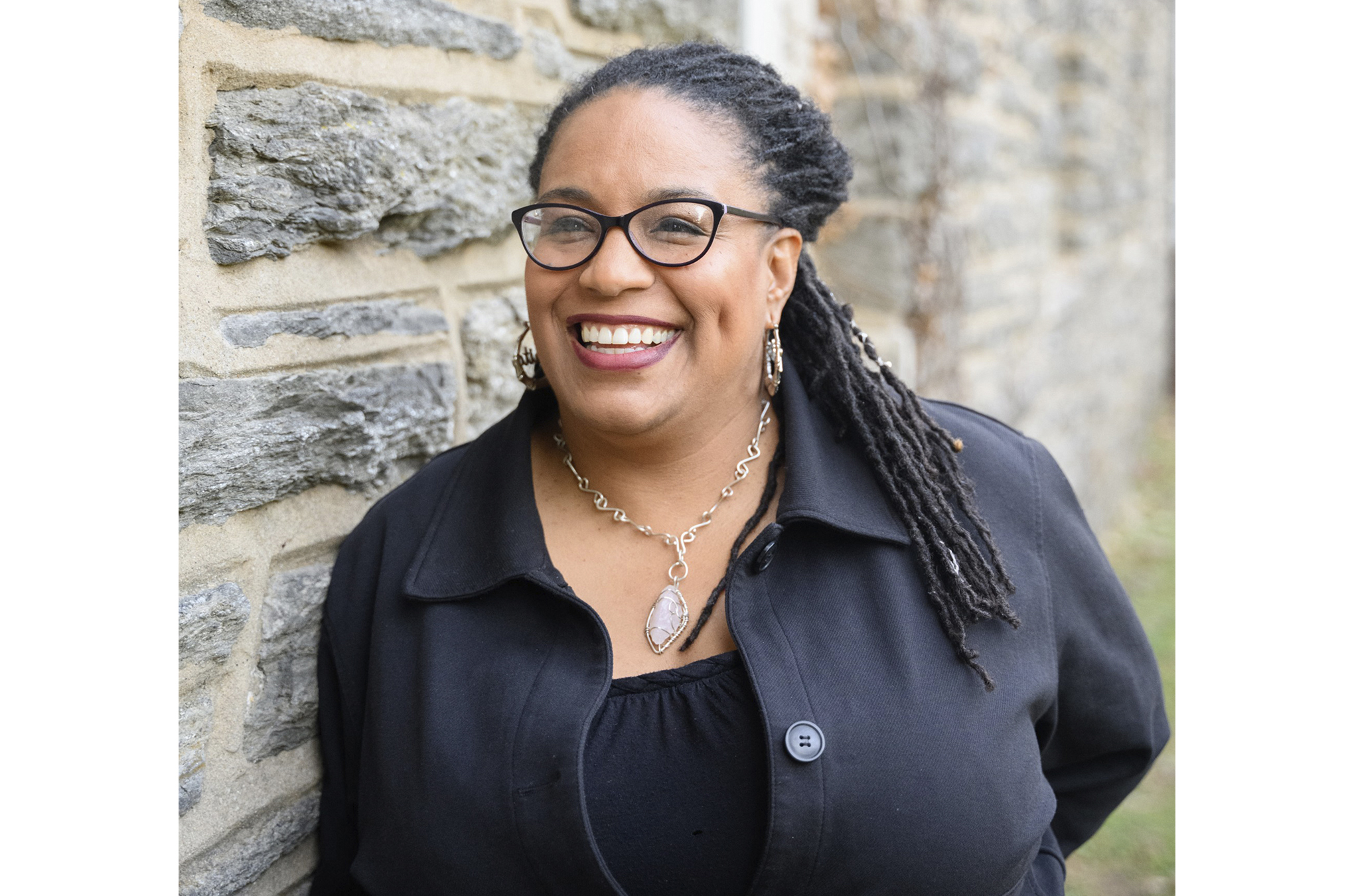
    “It’s Temple alumni who drive and run this city behind the scenes,” said Jacki Mowery, Phambassador program director at the Philadelphia Visitor Center Corporation. “The positive outcomes from this summer all tie back to what we experienced and learned at Temple.”

    Here’s how Mowery and three other Owls made Philly shine for the celebration of the century.


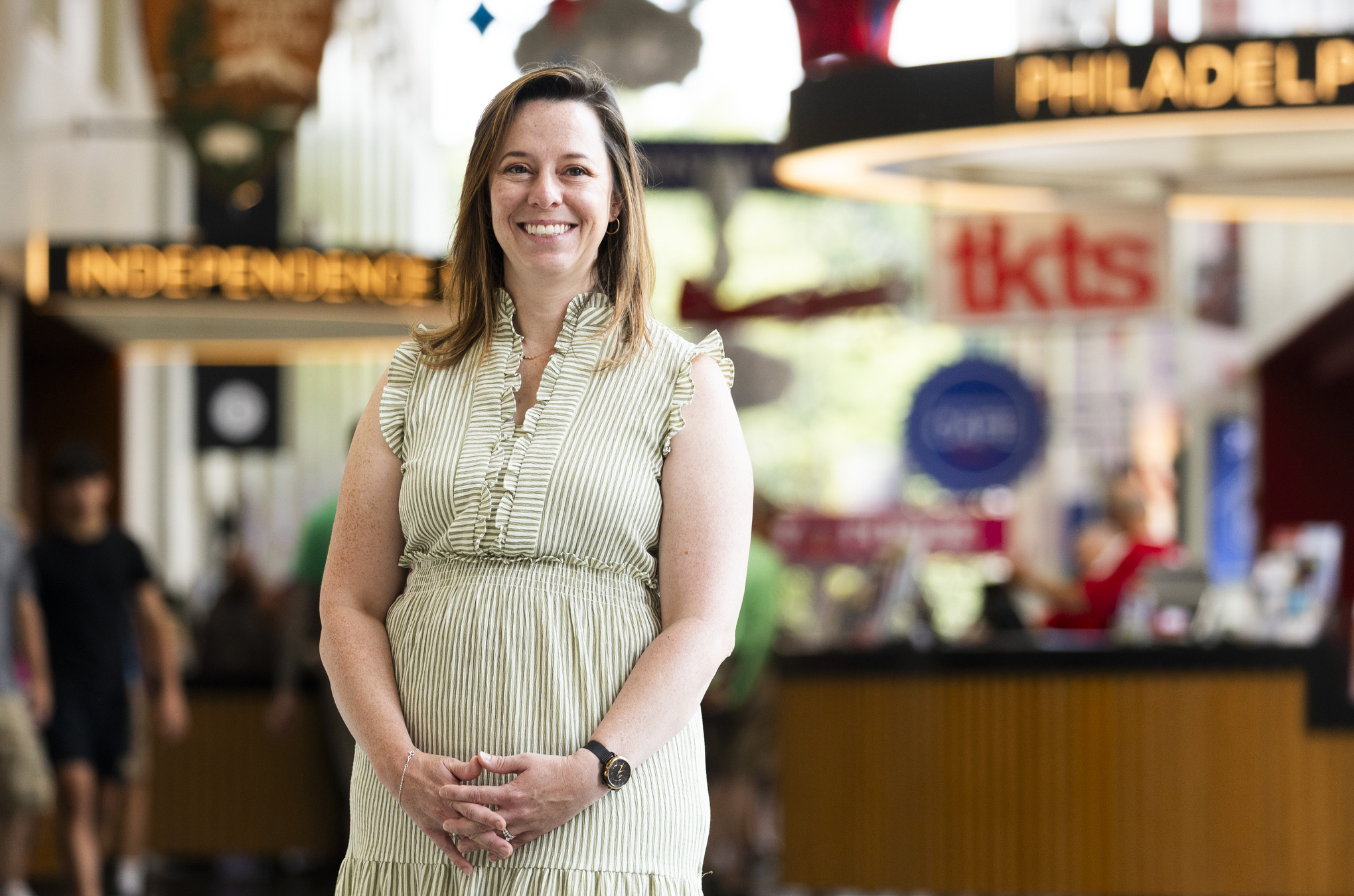
    Jacki Mowery

    Phambassador Program Director, Philadelphia Visitor Center


    As Phambassador program director at the Philadelphia Visitor Center Corporation, Jacki Mowery recruited more than 10,000 volunteers (including Temple students) to serve as stewards of the city by showcasing the best of Philly to visitors this summer. She structured the program and spearheaded activations, beautification projects, and celebrations in preparation for Philadelphia’s moment on the global stage.

    “My job has been to keep engagement going and to keep people excited, energized, and ramping up that love for Philly, which comes very naturally to me because I’ve always loved this city,” said Mowery, who majored in history as an undergraduate. She later returned to Temple for a second master’s degree in travel and tourism at the School of Sport, Tourism and Hospitality Management. Her graduate capstone project focused on how Philly can be known for food beyond cheesesteaks.

    Before joining the Visitor Center, Mowery worked in international education, managing study abroad programs at Temple and elsewhere. She once helped Philadelphians discover the world. Now, she helps the world discover Philadelphia. “I’ve gotten the chance to explore the world, but I always came back to Philadelphia and found the world here,” she said.


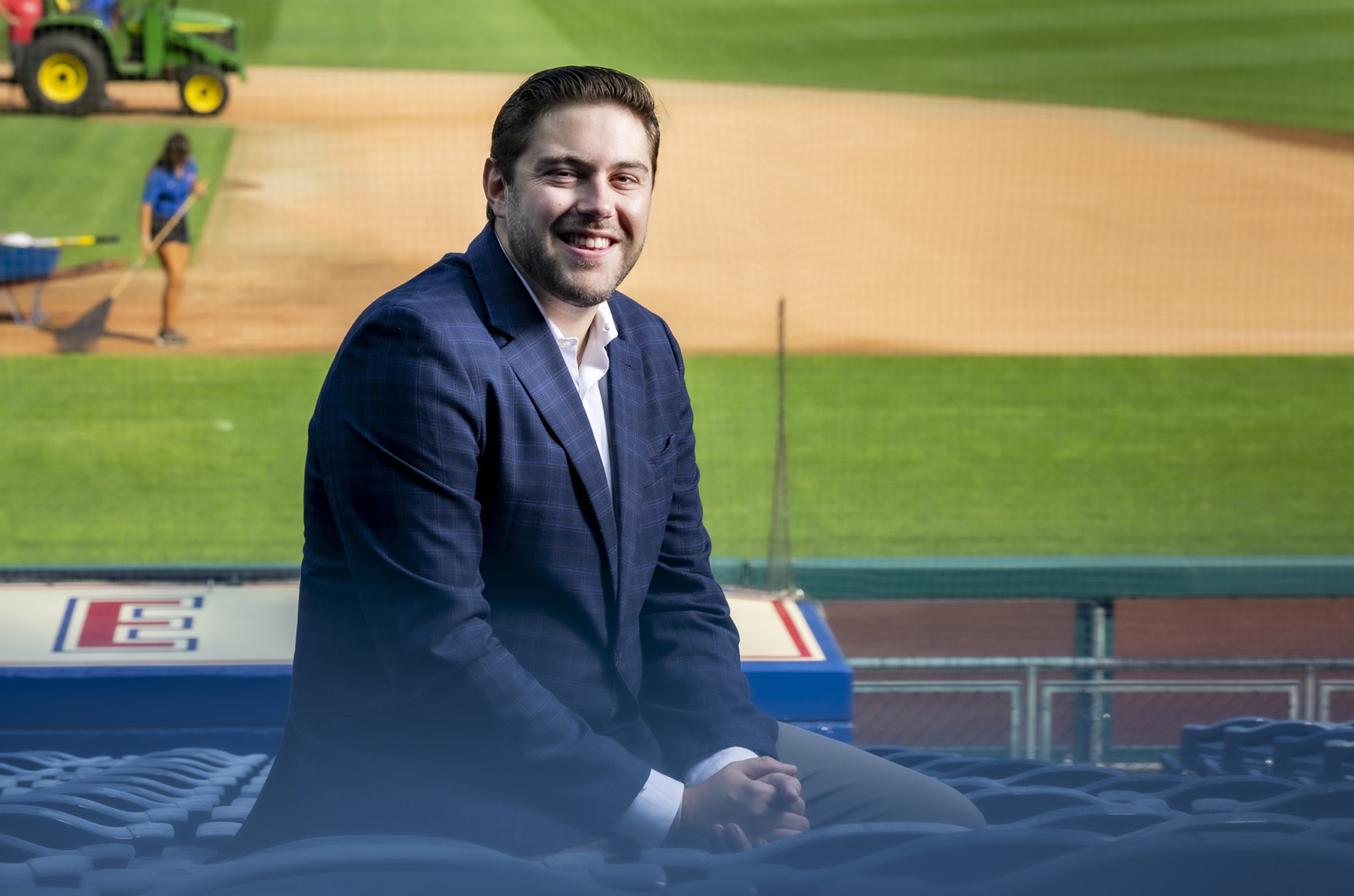
    Sean McClatchy

    Account Executive, Service & Retention, Philadelphia Phillies


    “Baseball is about as American as it gets,” said Sean McClatchy, an account executive with the Phillies’ season ticket sales and service team, graduate of Temple’s School of Sport, Tourism and Hospitality Management, and lifelong Phillies fan.

    McClatchy manages relationships with more than 350 clients and played a key role in ticket fulfillment for the 2026 MLB All-Star Game, coordinating VIP ticketing for the organization’s executives, partners, and business leaders while ensuring guests enjoyed a seamless game-day experience.

    He attributes his career opportunity with the Phillies to the resources offered to him at Temple. “I got this job because a guest speaker from the Phillies came to my class and I talked her ear off,” he said. “Here I am, eight years later.”

    For McClatchy, working for the Phillies is about more than baseball. “It’s become like family,” he said. “To work for the team I grew up rooting for in the city I love is pretty close to living the dream.”


    Whitney Constable

    Volunteer Program Coordinator, Philadelphia Soccer 2026


    Whitney Constable, volunteer program coordinator of Philadelphia Soccer, thrives behind the scenes where careful planning creates unforgettable experiences for fans. This summer, she managed the daily operations of more than 750 host city volunteers who welcomed people to FIFA Fan Fest and greeted them as they entered Lincoln Financial Field before World Cup games.

    “As someone who grew up in this region and attended Temple, it was special to play a part in welcoming international fans to share the love of soccer while showcasing Philadelphia’s history and culture at the same time,” said Constable.

    A graduate of the School of Sport, Tourism and Hospitality Management, Constable studied event and entertainment management with a concentration in tourism and hospitality. Through internships and contract work with Wawa Welcome America, Philadelphia’s Thanksgiving Day Parade, and the Pennsylvania Horticultural Society’s Flower Show, she gained the hands-on experience that prepared her for large-scale event operations.

    She hopes Philly left a lasting impression on visitors. “I wanted people to leave remembering not only the matches they attended, but also the kindness and hospitality they experienced here,” she said.


    Zorita Dorsey

    Festival Director, Wawa Welcome America


    After building a career behind some of the nation’s biggest live events — including managing entertainment at Walt Disney World, coordinating scripts for Miss America’s Outstanding Teen Pageant, and overseeing transportation for six consecutive Super Bowls — Zorita Dorsey was tapped to lead Wawa Welcome America in 2022.

    This year, as the Fourth of July tradition took on greater significance, the College of Liberal Arts grad was the driving force behind the signature event. At the same time, she served as producer of the Commonwealth Concert Series, helping bring marquee performances and civic celebrations to communities across Pennsylvania.

    Dorsey has remained closely connected to her alma mater throughout her career and will join Temple as an instructor this fall. “Temple shaped me into who I am,” said Dorsey. “I have always wanted to give back to the university that gave so much to me.”

    Read more about how Temple powers events and hospitality in Philly.

  • Yemen risks a return to civil war as Iran-backed rebels target a crucial shipping route

    Yemen risks a return to civil war as Iran-backed rebels target a crucial shipping route

    CAIRO — Yemen is moving closer to a return to civil war as Iran-backed rebels threaten a crucial shipping alternative to the Strait of Hormuz.

    Here’s a look at the intensifying conflict along the Red Sea that could tear the Arab world’s poorest country apart once more and potentially send oil prices even higher above the $100 per barrel mark.

    What’s happening could return Yemen to civil war

    Yemen is home to over 40 million people who fear a return to the civil war that killed 150,000 and brought many others to the brink of famine in one of the world’s most sprawling humanitarian crises. A ceasefire with Yemen’s internationally recognized government and a wider coalition backed by the Saudis began in 2022.

    Now that truce is buckling.

    Yemen’s troubles are in part because of its strategic location at the southern tip of the Arabian Peninsula and alongside the Bab el-Mandeb Strait at the southern end of the Red Sea. It’s one of the busiest global shipping lanes and one that the world is turning to as Iran continues to target ships on the Strait of Hormuz.

    The civil war left many Yemenis hungry and beyond the reach of aid. In a significant advance, Houthi and Yemeni officials said the Houthis had taken over Yemen’s port city of Mokha, which has been held by Yemen’s internationally recognized government.

    That endangers another crucial entry point for food and other assistance.

    The Houthis’ takeover of Mokha puts them about 50 miles from the Bab el-Mandeb, creating further complications for shipping on the Red Sea — and not only for neighboring Saudi Arabia. The United States has shown signs of wanting to wrap up the Iran war and get oil-laden vessels on the move everywhere, not broaden the fight.

    Houthis’ grievance with Saudis could affect global oil

    The ceasefire’s fragile calm held until weeks ago, when the Houthis tested a Saudi-led blockade of rebel-held areas. The Saudis struck the international airport in the rebel-held capital, Sanaa, which the Houthis called an attempt to prevent a plane carrying Houthi leaders from returning home after attending the funeral of Iran’s late supreme leader Ayatollah Ali Khamenei.

    The Houthis already objected to the Saudis’ backing of Yemeni government forces, which the rebels say have been pounding them this week with dozens of airstrikes after the rebels attacked several oil facilities and utilities in Saudi Arabia, wounding dozens of people.

    Now, with the Iran war choking the Strait of Hormuz, the Houthis have a new way to inflict pain on their neighbor by declaring a blockade against Saudi Arabia and targeting its efforts to ship its oil via the Red Sea.

    The Houthis’ backer, Tehran, doesn’t object to causing the U.S.-allied Saudis pain as it tries to limit oil shipments from the Gulf in service of its war aims.

    This week, Saudi Foreign Minister Prince Faisal bin Farhan said the path was not closed to diplomacy but that his country would not hesitate to defend itself.

    Houthis have been relatively unscathed by the recent war

    Among Iran’s armed proxies in the region, the Houthis have had a lower profile than Hezbollah in Lebanon and Hamas in Gaza. That, as well as their relative distance, has helped shield them from Israeli attack in the nearly three years since the war in Gaza began.

    But the Houthis were quickly targeted with U.S. airstrikes when they tried to insert themselves into the regional conflict by targeting what they called Israeli-linked shipping on the Red Sea off Yemen’s west coast. Those attacks soon faded.

    Now, the Houthis are back with a different target, aiming at ships and other assets of Saudi Arabia as it seeks to get its oil out to the world via the Red Sea and the Bab el-Mandeb strait. That Red Sea corridor usually sees $1 trillion of goods move through it per year.

    The Houthis are “no longer just positioned on the northern part of the western coast; they now control a much larger stretch of the coastline, bringing them closer to the areas around Bab al-Mandeb,” said Ahmed Nagi, a senior analyst on Yemen at the International Crisis Group.

    For global oil consumers already worried about Iran’s attacks on vessels trying to transit the Strait of Hormuz, the threat to yet another global shipping lane is a flashing danger sign, especially with the price of crude oil again trading above $100 a barrel.

  • Six advantages for Democrats in the midterms … and six advantages for Republicans

    Six advantages for Democrats in the midterms … and six advantages for Republicans

    President Donald Trump’s low approval ratings and widespread economic discontent, along with historical trends, point to a clear Democratic advantage come November and the midterm elections. But Republicans also see reasons for optimism, and it’s not just about gerrymandering.

    Six factors working in Democrats’ favor:

    Out-of-power parties typically pick up seats in the midterms

    The Democrats’ most basic advantage is the fundamental pattern of midterm elections: The party that controls the White House usually loses seats.

    In midterms from 1934 to 2018, the president’s party bled an average of 28 seats in the House and four in the Senate, according to the American Presidency Project at the University of California, Santa Barbara.

    If Democrats added 28 House and four Senate seats this cycle, they would win majorities in both chambers. The House, in particular, is seen as a promising target for Democrats this cycle, in part because Republicans are clinging to a razor-thin advantage in that chamber.

    Trump is deeply unpopular

    Parties have occasionally defied the historical trend and won seats in the midterms on the strength of popular presidents.

    But this year, Trump is widely expected to hurt Republicans’ chances. His approval rating, dampened by voter disenchantment with the war in Iran and stubbornly high inflation, has recently sunk to the lowest level of his second term. The New York Times polling average currently shows that 58% of Americans disapprove of the president’s job performance, while only 38% approve.

    Voters are dissatisfied with his handling of immigration and the war with Iran. Trump is also losing ground with white working-class voters on the economy. And he is deeply unpopular with voters of color without college degrees.

    House races in particular tend to follow the national mood closely, and analysts see Democrats as favorites to win the House.

    The Iran war has driven up prices, and voters are focused on inflation

    Polls consistently show that the economy and inflation are the top issues for voters. And voters say they are unhappy with the economy under Trump.

    His war with Iran, now in its seventh month, has driven up the price of oil, fertilizer, healthcare and other goods and services, as well as mortgage rates. Gas costs more than $4 a gallon, and the AAA motor club reported that drivers over Labor Day weekend were facing “the highest gas prices ever for this time of year.”

    By July, consumer prices were up 3.7% from a year earlier, according to the Federal Reserve’s preferred inflation gauge, far above the Fed’s target rate of 2%. The cost of diesel, which powers the farming economies of key midterm battlegrounds, hit a record high Friday.

    Senate Minority Leader Chuck Schumer, D-N.Y., said his party’s candidates were competing in challenging territory by keeping their campaigns focused squarely on costs.

    “Americans see what’s happened,” Schumer said in an interview. “They’re paying more, and getting less.”

    Democratic candidates are outraising their rivals

    In five of the six most closely watched Senate contests, Democrats had outraised Republicans through the first half of the year, according to campaign finance filings. In some races, such as those in Texas, Ohio and Alaska, the gap was vast.

    Democrats’ fundraising advantage in two other states, North Carolina and Georgia, has helped to transform races once seen as toss-ups. Analysts with the Cook Political Report, a nonpartisan election forecaster, now say both races lean toward Democrats.

    The large hauls suggest enthusiasm for individual Democratic candidates. But Republican groups still have a huge money advantage over Democratic ones.

    Several Democrats have shown strength in states Trump carried

    Two popular, moderate Democratic Senate candidates in the South, Sen. Jon Ossoff of Georgia and former Gov. Roy Cooper of North Carolina, appear to have maneuvered into particularly strong positions. Both have vast fundraising advantages and clear polling leads.

    Democrats are also bullish about the chances of former Rep. Mary Peltola, a Democrat, to flip a Senate seat in Alaska. She is running on “fish, family and freedom.” Her Republican opponent, Sen. Dan Sullivan, must contend with two other Republicans on the ballot, including one with the same name.

    Peltola, the lone Democrat on the ballot, led Sullivan by more than eight percentage points in a nonpartisan primary in August.

    Democratic primaries have set turnout records

    One clear reflection of Democratic energy going into the fall: the huge turnout the party has recorded in primary after primary. Some primaries, including ones in Michigan and Texas, set midterm records for the party.

    Strong turnout in primaries is not necessarily predictive of a strong performance in the general election. But Republicans acknowledge that there has been a significant enthusiasm gap between the two parties this primary season and describe it as one of their starkest challenges heading into the fall.

    Six factors working in Republicans’ favor:

    Republicans won the gerrymandering war

    In a burst of rare mid-decade redistricting, Republicans were able to give themselves a structural advantage in House races by redrawing maps to carve out more safe red seats.

    Congressional maps are typically drawn just once a decade to reflect population shifts after the census. But after Trump urged lawmakers in Texas to draw new maps favoring Republicans, Democrats and Republicans across the country engaged in an intense, cross-country redistricting tug of war to try to shift the House map in their favor.

    Aided by favorable rulings in state and federal courts, Republicans emerged with a national map that tilts in their favor and could help them counter a difficult political environment. Seven Republican-led states had redrawn their maps while only two Democratic-led states did so.

    The new maps could position the Republican Party to net roughly five to 10 additional House seats. Still, despite that edge, the House battle is still seen as tilting toward Democrats because of the political climate.

    The GOP is sitting on a mountain of cash

    The main Republican groups have a large overall financial advantage — totaling hundreds of millions of dollars — over the main Democratic ones, and the Democratic National Committee is in debt.

    Republican advertising spending has eclipsed Democrats’ ad spending in all the top six Senate races except for the contest in Texas, according to the ad-tracking firm AdImpact.

    Trump’s super political action committee, MAGA Inc., which has raised hundreds of millions of dollars and had long resisted tapping its war chest to help the party in the midterms, recently made its first general-election investment, a $10 million ad buy in Texas.

    Still, it is not yet clear how much the group will spend overall and which races it will target. Trump said Friday that he planned to spend “probably” $400 million to $500 million on the midterms, but that he also expected “to have money left over.”

    The Democratic brand is weak

    Trump may be deeply unpopular. Yet Democrats might eagerly trade their approval ratings for his.

    One Quinnipiac poll in July pegged Trump’s approval rating at 32%, worse than usual for him. But it measured congressional Democrats’ approval rating even lower — at 23%.

    Still, the same poll suggested that voters were eager for Democrats to win back Congress. It also indicated that Democratic voters were far more motivated than Republican voters to go to the polls. But Republicans have seized on a series of recent Democratic primary victories by left-wing candidates and democratic socialists to try to paint the party as out of step with many voters.

    The Senate map tilts to Republicans’ advantage

    Republicans hold 53 Senate seats. For Democrats to win back the chamber, they need to flip seats in four states while defending their own most vulnerable ones. Five of the six most competitive Senate races are in states Trump won in 2024. Four are in states he carried by double digits.

    And even among three other relatively competitive Senate battlegrounds where Democrats are seen as having an advantage — Georgia, New Hampshire and North Carolina — two are states that Trump captured two years ago.

    Democratic divisions could complicate their paths in two key states

    In Maine, where Sen. Susan Collins has been seen as one of the most vulnerable Republican incumbents, the Democrats’ initial nominee, Graham Platner, was accused of rape in early July. Platner denied the allegation but eventually dropped out of the race, requiring his party to scramble to find a new nominee outside the usual primary process.

    The candidate that the Maine Democratic Party settled on, Troy Jackson, had finished third this year in Maine’s primary for governor. Some Maine Democrats were dissatisfied by the rushed convention process and many are anxious about Jackson’s chances in a short campaign he had not planned for.

    In Michigan, where Democrats hope to keep a seat that is being vacated by a retiring senator, Democrats are still trying to heal the wounds after a tense, expensive primary race that centered on disagreements about Israel. Some Jewish Democrats in Michigan have declined to immediately support the candidate who won the nomination, Abdul El-Sayed, a progressive who has been a forceful critic of the Israeli government.

    The stock market is strong, and crime is down

    Wall Street has been on a remarkable, three-year run of gains. There have been some signs that inflation is cooling, too. And the Labor Department reported that hiring was unexpectedly strong in August, with the unemployment rate steady at 4.1%.

    Republicans can also point to positive trends on crime, an issue that has often swayed elections over the years. Today, violent crime rates are extremely low by historical standards.

    “Republicans have a real chance at defying history in November because of our candidates, massive war chest, and enthusiasm behind President Trump’s agenda,” Joe Gruters, chair of the Republican National Committee, said in a statement.

    Still, voters say that the economy is their No. 1 issue — and polls suggest that they don’t approve of how Trump is handling it.

    This article originally appeared in The New York Times.
  • Home from college, 2 weeks later

    Home from college, 2 weeks later

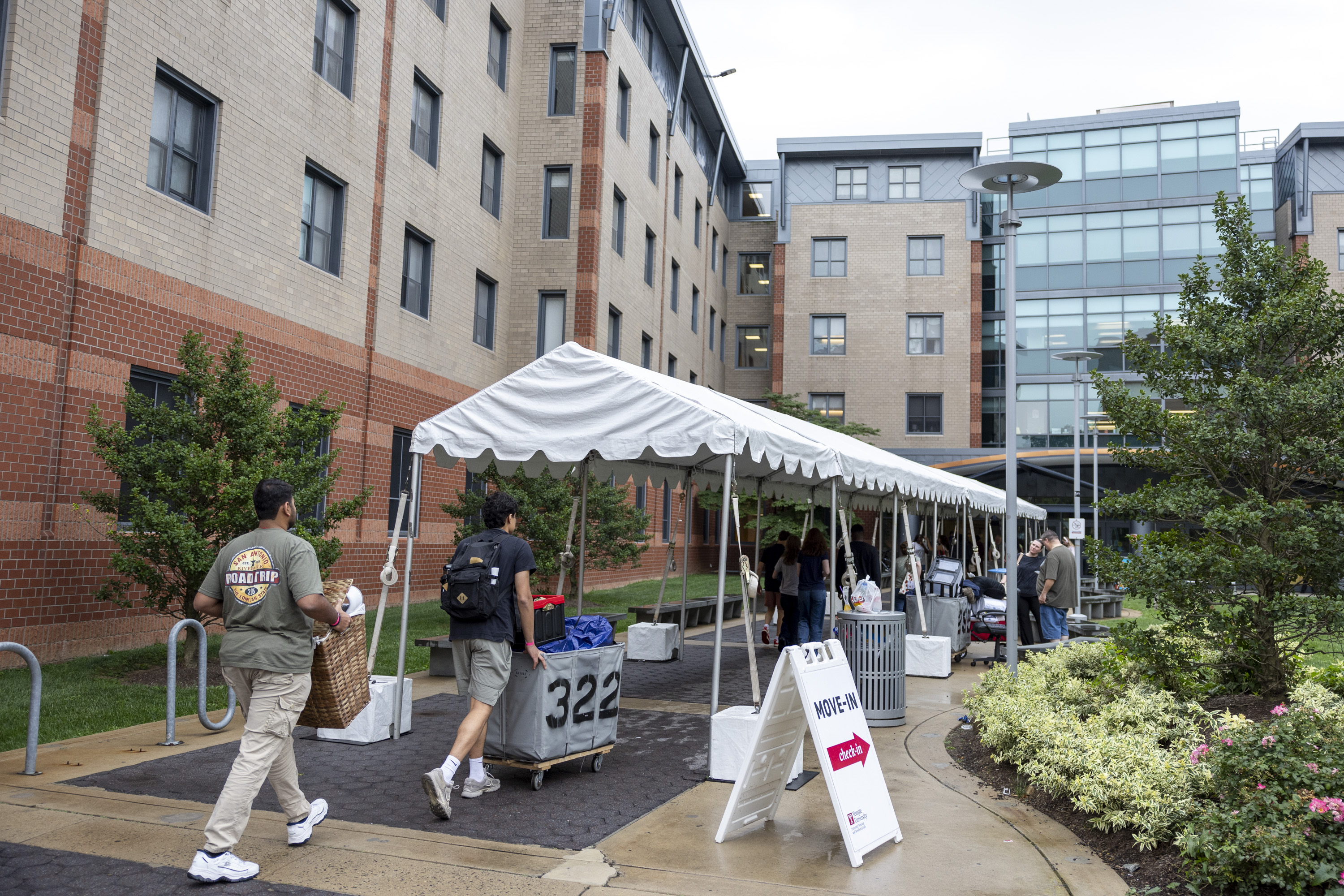
    Last month, Daii’yaHnna Fleming posted a video of her move-in day at Southern University in Louisiana. As a bleary-eyed rising freshman, she lugged a half-dozen candy-hued suitcases on her trip from Las Vegas to Baton Rouge. After arriving, she began to settle into her new life on campus, stocking up on school supplies and setting up a side business doing makeup from her dorm room.

    Then the trouble began. The ample walking across campus aggravated her health issues, and Fleming didn’t feel safe commuting to her job near campus. One night, she decided to join friends for an off-campus party. “I had never really been to a party, and I really just did not like it at all,” Fleming, 17, said. “I got really fed up with everything.”

    On the way back to her dorm, Fleming texted her mother and told her she was coming home for good. She had been in college for two weeks.

    In a TikTok video about her decision to switch to her university’s online program, Fleming panned over her dorm room. “I’m not gonna force myself to be uncomfortable and unsafe, ’cause randos think I should be,” she wrote in the caption, adding, “I don’t care about the college experience. I just want my degree.”

    In the thousands of comments underneath her post, as well as under similar viral videos of other students moving out or dropping out and sharing it online, a firestorm of debate has been playing out: Are Generation Z students too unwilling to face discomfort, to the point of missing out on a formative experience? Or are older generations valorizing struggle?

    Though leaving campus early is nothing new — and the rate of college dropouts has declined slightly in recent years — social media has put a magnifying glass on students’ struggles and prompted a wider discussion about generational differences. As they face shrinking federal financial aid and a tough job market with no guarantees, some say they are reconsidering whether college is worth the staggering tuition fees. Others say they are switching to online school or becoming commuter students.

    Many of the videos, like Fleming’s, focus on the mental health impacts, saying they feel anxious and overwhelmed. One student mentioned a towed car and more homework than they expected. Another expressed concern about wasting tuition money on an experience they disliked that affected their mental health.

    The debate touched a nerve.

    In response videos, millennials and Gen Xers have been pleading with students to hold on and tough it out.

    “Everything worth having is not easy,” said Ebony Simpson, a mother of a college sophomore who posted one of those videos.

    She said that students needed to put themselves out there. “It’s for you to sit up and say, ‘Oh, they’re having a cookout, let me go,’” Simpson said.

    Her daughter, Adrianna Bankston, said she struggled as a freshman last year at a Georgia university. The idea of leaving “was a thought that we all had when we first got here,” Bankston, 19, said. She didn’t leave her room much during that first week, she said. But she had a realization: “I need a friend group. I need to go out and do stuff.”

    She pushed herself to meet people at parties and campus events, and she’s learned a lot. “I did have fun,” she said. “I found out not everybody is your cup of tea.” She said she now had a busy social life and great people around her.

    Rates of college dropouts have declined: According to a report from the Education Data Initiative, 22.9% of all students who entered college as freshmen in fall 2024 did not return in fall 2025, down from a prepandemic average of around 24%.

    Yet the videos highlight real issues for those working to fight college attrition. “Kids are not weak,” said Sarah Manville, an assistant dean and adviser at Case Western Reserve University in Cleveland. “They’re extremely resilient — but there’s something about this phenomenon that they cannot persist through.”

    Feeling homesick in the first few weeks is normal, but Manville said she noticed some younger students were reluctant to seek help. “My concern is students are not giving themselves enough of a chance to be successful,” she said, “and that’s where I think that fear-based decision making comes in.”

    Michael Williams, a New York City-based college access and success professional, said, “I’ve noticed a definite dip this year and last year, compared to prior years, in how socially adjusted and how much, like, social emotional competency this set has compared to the prior classes.”

    Students also face grim job prospects, amid worries of artificial intelligence encroaching on entry-level jobs, and steep tuition. “The barriers to entry just keep compounding in this particular moment,” Williams said.

    The costs of dropping out or moving home will vary from school to school, but student loans are generally easier to cancel in the first two weeks.

    Fleming said she had not yet paid the fee for room and board for this year. Another student who posted a video on TikTok said in a comment that she had received a refund from her university after leaving.

    Back home in Las Vegas, Fleming said she felt good about her decision: “If I would have stayed longer, it would have made everything harder.”

    She’s doing well in online business management classes and has dreams of law school. But she hasn’t discounted the idea of returning to Southern: She’d like to spend more time with her suite mate, who’s now a close friend, and other classmates she met from her stint in Baton Rouge. But if she returns, perhaps next year, she plans to live off campus.

    This article originally appeared in The New York Times.

  • Trump has repeatedly promised payments that have yet to materialize

    Trump has repeatedly promised payments that have yet to materialize

    First, at the start of his second term, President Donald Trump promised a DOGE dividend, a pledge to take the money that Elon Musk’s team would cut from the federal budget and send it to the American people.

    Then Trump moved on to a “tariff refund,” a plan to use the money the government was collecting in import taxes to fund payments for the public.

    Those ideas never panned out. Nevertheless, Trump is again talking up the possibility that the federal government will send Americans thousands of dollars in cash. At the Republican midterm convention in Dallas on Wednesday, the president pledged that every American adult would receive $5,000 if Republicans retain control of Congress in November.

    Trump did not offer many details about the proposal, but there’s reason to think that Republicans in Congress, like they did with his two previous promises of quick cash, could shrug off the president’s suggestion.

    That’s in no small part because the $5,000-per-American promise would be enormously expensive to fulfill, with a price tag over $1 trillion. Its actual cost, though, would depend on what, if any, eligibility requirements Congress would ultimately impose on the plan. Trump did not mention a proposal to finance the $5,000 payments, which beyond their fiscal cost could also prove inflationary.

    The conceit of Trump’s other pitches was that the money to pay for them was already available, from Musk’s so-called Department of Government Efficiency or tariff revenue. On both of those fronts, though, the envisioned funding sources proved illusory: Musk’s team did not save the government much money, and the Supreme Court struck down many of Trump’s initial tariffs.

    Republicans did succeed in providing Americans with substantial cash payments when they cut taxes last year. Under the design of the tax law, many Americans first experienced the policy change in the spring, when they received larger-than-usual tax refunds. Trump and Republicans have spent much of the year promoting those refunds, hoping that the larger lump-sum payments would be politically resonant before the midterms.

    But even after Trump delivered those tax refunds, his approval poll ratings are still sagging.

    Those tax cuts were also very expensive, though Republicans did cover some of the fiscal cost by reducing federal spending on healthcare and food assistance for poor Americans.

  • Letters to the Editor | Sept. 10, 2026

    Letters to the Editor | Sept. 10, 2026

    Hidden preferences

    Donald Trump wants to penalize private colleges that continue to consider diversity, equity, and inclusion in their admissions decisions. He says that approach discriminates against white students, and that he wants admission for those with the most merit. But merit is always defined by those in power. Unions give the first choice of plum jobs to those with the most seniority, not necessarily those who are the hardest workers. Civil service exams give extra points to veterans depending on their service records. Universities give some preference to low-income students who may also bring different perspectives into the classroom because it is good for the educational process. We all discriminate, consciously or unconsciously. Affirmative action and DEI are simply measures of accountability. If a bank robber is caught and says he will return the money, “Just trust me,” we would want to count the money returned, would we not?

    John Kovach, Wallingford

    Flock misguided

    The controversy over Flock cameras is misguided. For example, if you live in Philadelphia, the chance you are picked up by a camera is already exceedingly high. The city has deployed hundreds of cameras. Added to that are hundreds more operated by the University of Pennsylvania, Temple, and Drexel — and hundreds more owned by businesses or private citizens. The issue isn’t about whether you are an innocent person whose picture suddenly appears in some database, because, in most cases, it’s already there. If you are in a public place, you have no expectation of privacy.

    The real issue is policy around how the information is accessed and used, as well as the security of the data collected. Whenever a serious crime occurs, access to the camera data is often critical to arresting the perpetrator. Politicians should look to tighten the rules governing access to camera data rather than eliminating one of the most useful tools law enforcement has because, even if Flock cameras are banned, cameras are here to stay.

    Charles Brennan, retired deputy commissioner, Philadelphia Police Department, Philadelphia

    Philly’s loss

    As a longtime volunteer at the Academy of Natural Sciences museum, I have been shocked and grieved at the neglect and inattention that went on there for years. The idea that Drexel University, with its financial woes, could adequately support this gem of a museum once it took over its administration was never realistic. There were minimal efforts to deal with the shabbiness, to make the place more comfortable for visitors, to give the public access to — and knowledge about — the many treasures hidden inside, including Thomas Jefferson’s fossils, a staggeringly beautiful collection of rocks and minerals, a chair sent by Albert Einstein’s daughter, and so on. Nevertheless, the museum was popular with tourists and a haven for parents who brought their young children. But there was no infusion of money to make the place as bright and inviting as it used to be.

    During the Semiquincentennial celebrations, there has been much attention given to Philadelphia’s many firsts — but what about the oldest science museum in the United States? People are lamenting the closure of the museum — but the state, the city, the many foundations and philanthropists in the area, all seem to be turning a blind eye. And it’s a black eye for Philadelphia.

    Carole W. Soskis, Bala Cynwyd

    Join the conversation: Send letters to letters@inquirer.com. Limit length to 150 words and include home address and day and evening phone number. Letters run in The Inquirer six days a week on the editorial pages and online.