Defense Secretary Pete Hegseth defended the Iran war and his job performance while lavishing praise on President Donald Trump in a lengthy video Thursday, as critics continued to petition for his removal after Republicans’ trouncing in the midterm elections.
Hegseth’s defiant stand was recorded outside the Pentagon and posted to social media as part of a coordinated messaging campaign, one that appears aimed at aggrandizing his record and shoring up support for the embattled Pentagon chief.
The video was released days after the GOP lost control of Congress — a repudiation from voters that Trump and Vice President JD Vance have tied directly to the war — and as Hegseth’s team faces pushback from lawmakers about the Defense Department’s $1.5 trillion budget request. Trump has signaled that he intends to stick with Hegseth, though he is said to be searching for someone he can blame for the party’s disastrous showing on Election Day.
“When we say that Iran will not have a nuclear weapon, we actually mean it,” Hegseth said in the nearly six-minute video. “And we will do the hard work to ensure it under the leadership of President Trump.”
Hegseth said he believes the conflict is a “courageous and historic effort.” He added that “regardless how people feel about the war,” the U.S. military needs funding approved from Congress in coming weeks to “meet the moment” and keep the United States ahead of its adversaries.
The official White House account on X, along with a cadre of political appointees on Hegseth’s team at the Pentagon, launched a messaging campaign in tandem with the secretary’s video. Their social media posts all contained the same message: “Stand. Fight. Defend the Republic.”
Trump also reiterated his support for Hegseth while speaking to reporters in the Oval Office on Thursday afternoon, saying Hegseth has done “a fantastic job.” The president cited a reduction in the number of generals during Hegseth’s tenure, adding that “many of those people were woke, and I don’t like a woke general.”
Trump again downplayed the Iran war, claiming that the U.S. controls the Strait of Hormuz despite regular attacks on ships there.
The attempts to burnish Hegseth’s image postelection came as an impeachment effort against Hegseth looms in the House. Led by Rep. Thomas Massie (R., Ky.), the vote could occur as soon as next week.
Hegseth’s chief spokesperson, Sean Parnell, convened a team “to map the most aggressive defense of Secretary Hegseth and the President’s agenda ever assembled,” said Joel Valdez, a Pentagon spokesperson, in a statement. “Offensive maneuvers,” he wrote, are still to come in a next phase of the plan.
“The full scope of that strategy is not being disclosed,” Valdez wrote. “What we’ve learned from this President is never back down and fight, fight, fight!”
At the same time, Democrats have vowed to pursue investigations targeting the defense secretary when they take power in January. Party leaders have said they intend to scrutinize the Iran war, which began more than eight months ago without the consent of Congress, along with Hegseth’s approval of military strikes on alleged drug traffickers, his firing of numerous military leaders, and the dismantling of diversity initiatives across the department.
The Trump administration launched the Iran war in February in concert with Israel, initially predicting it would take just a few weeks to topple the regime in Tehran. Iran responded by closing the Strait of Hormuz, a strategic waterway vital to the oil trade, which caused gasoline prices to soar globally and made affordability a central issue for American voters.
The conflict remains unresolved.
Earlier Thursday, Jonathan Karl of ABC News reported that the president, in an interview, said he had received complaints about Hegseth but has “every intention” of retaining him. Trump, Karl reported, also acknowledged that he would have a difficult time getting a replacement defense secretary confirmed once Democrats take power in the Senate.
In his video, Hegseth, dressed in a blue suit and red striped tie, assailed “Democrats and deep-state radicals” who dislike him and said it’s because the Trump administration “tore down their sacred cows” in the Pentagon. He listed a number of his frequent targets, including climate change, diversity, senior military leaders, and the news media.
“They attack me — they attack us — because we’re effective,” Hegseth said. “It’s not going to work. We’re not going to back down.”
He reserved some of his strongest criticism for Massie, the anti-war Republican pushing for his removal. Hegseth called Massie, who lost his primary in May as Trump and Hegseth targeted him politically, a “disgruntled, defeated congressman” and denounced what he called his “sham articles of impeachment.”
“You see, their policies don’t work, so their obsession with political theater, disguised as power, drives them to try to destroy their opponent,” Hegseth said.
“It’s all about the politics of personal destruction. It didn’t work against President Trump, and it won’t work with me.”
Hegseth faced renewed criticism following his release of the video.
Rep. Austin Scott (R., Ga.) said the Pentagon budget and the annual defense policy bill, known as the National Defense Authorization Act, are “necessary to finish the war that will prevent a nuclear Iran” and that they require bipartisan support.
“The secretary’s job is to build alliances at home and abroad to protect America,” Scott said. “Had he done this, this war would already be over.”
Rep. Jason Crow (D., Colo.) said Hegseth’s video shows that he is “desperate to keep his job” after “failing our servicemembers and starting new forever wars.”
“Tick tock, Mr. Secretary,” Crow wrote.
The comments arrived as another possible avenue for Hegseth appeared to close. Sen. Marsha Blackburn (R., Tenn.), who won an election Tuesday to become the next governor of her state, is not considering selecting Hegseth to fill the remainder of her Senate term, a Republican operative said.
The disclosure came after speculation that Hegseth, who owns a home in Tennessee, could receive a soft landing and step down as defense secretary by becoming a senator. Hegseth is not interested in the role, a person familiar with his thinking said.
WASHINGTON — U.S. employers created a surprising 165,000 new jobs last month, and the unemployment rate dipped to 4.1%.
Hiring was far stronger than the 65,000 new jobs that economists had expected.
The jobs report comes three days after voters delivered a stunning defeat to President Donald Trump and his Republican Party in midterm elections. Frustrated with the state of the economy — and especially the high cost of living — Americans handed full control of Congress to the Democrats.
But the latest jobs report looked solid. Labor Department revisions added a combined 84,000 new jobs to the August and September totals.
The unemployment rate fell even though 421,000 people entered the labor force.
Average hourly wages rose 0.4% in October from September, the biggest month-over-month gain since January.
“This was a blowout jobs report,’’ said Angelo Kourkafas, senior global strategist at Edward Jones. “Payroll growth exceeded expectations, revisions were positive, the unemployment rate fell, participation improved, and wage growth strengthened.’’
The strong job gains will likely make Federal Reserve policymakers more confident in the health of the labor market, giving them leeway to focus on persistently high inflation and raise their benchmark interest rate at their next meeting in December.
The central bank typically seeks to bring down inflation by lifting its key interest rate to cool borrowing and spending. The Fed raised the rate in September but left it alone at its meeting last month. Wall Street investors now see the chance of a December rate hike at 77%, up about 10 percentage points from Thursday, according to CME’s FedWatch.
“For sure, we’re looking at another rate increase in December and possibly another one in early 2027,’’ said Boston College economist Brian Bethune.
Solid hiring also underscores a concern among many Fed officials that their key rate isn’t high enough to slow inflation.
Hourly wages were up a meager 3.1% from October 2025. That means many workers have seen their purchasing power decline over the past year, despite continued hiring.
Professional and business services — a broad category of administrative and managerial workers — added 70,000 jobs. Healthcare companies hired nearly 42,000. Factories added 19,000 jobs. But hotels, restaurants and bars cut 10,600.
The job market has been solid but unspectacular.
So far this year, employers — companies, government agencies and nonprofits — have added an average of 86,000 jobs a month. That is modest by historic standards but an improvement over 2025, when monthly job creation averaged 9,700. That was the weakest performance outside of a recession since 2002. Last year, high interest rates and President Donald Trump’s unpredictable trade policies discouraged hiring.
Despite recovering this year, hiring remains well below the average of 166,000 jobs created monthly in 2023 and 2024, let alone the 491,000 a month recorded during the 2021-2022 hiring boom that followed COVID-19 lockdowns.
Economists see a “low-hire, low-fire’’ environment in which employers are reluctant to let go of existing workers but aren’t in any hurry to hire new ones. Young people entering the workforce, or those who’ve lost their jobs, can struggle to find work.
The United States doesn’t need as many new jobs as it once did to keep the unemployment rate from rising. That’s because baby boomer retirements and Trump’s immigration crackdown mean fewer people are competing for work.
In late 2023, the so-called break-even point was around 166,000 new jobs a month. It’s now just over 5,000, according to an estimate by Yale University’s Budget Lab, which drew on an earlier Federal Reserve report.
The American economy and job market have proven resilient in the face of a series of shocks — Trump’s double-digit tariffs on imports and the war with Iran, which has driven U.S. gasoline prices above $4 a gallon and pinched family budgets.
Gross domestic product — the nation’s output of goods and services — advanced at a sprightly 3.4% annual pace from July through September, lifted by strong consumer spending and booming investment in artificial intelligence.
At SharkNinja in Needham, Mass., sales jumped 21% in the latest quarter as budget-minded shoppers brought the company’s appliances — such as coffee- and smoothie-makers — to save money on dining out.
But CEO Mark Barrocas says he’s slowed hiring — to 5% next year from 8% to 10% the previous two years. The reason: AI. SharkNinja, which has a total global work force of 4,200, has implemented AI tools in such areas as product innovation, media planning, and finance.
“It’s allowing people to work on much more higher impact initiatives as opposed to more tedious tasks,” he said. But AI has also created new jobs for people with expertise in using AI to increase efficiency.
Independence Blue Cross (IBX) is more than a health insurer. As Philadelphia’s hometown health plan for almost 90 years, IBX has a deep and enduring commitment to improving the health of the communities it serves. That dedication starts with the relationships IBX builds with regional health care organizations.
“We actively seek out and invest in partnerships with local health systems, physicians, researchers, and community organizations to develop innovative solutions that improve access, advance quality, and make health care more affordable,” Dr. Richard Snyder, IBX executive vice president, said. “By bringing together the people and organizations best positioned to address our region’s most pressing health challenges, we’re helping transform promising ideas into programs that benefit our members and strengthen the health of Southeastern Pennsylvania.”
From groundbreaking treatments to new models of care, a focus on collaboration, innovation, and local investment is helping to build a healthier future for the region.
Creating Pathways for Transformative Treatment
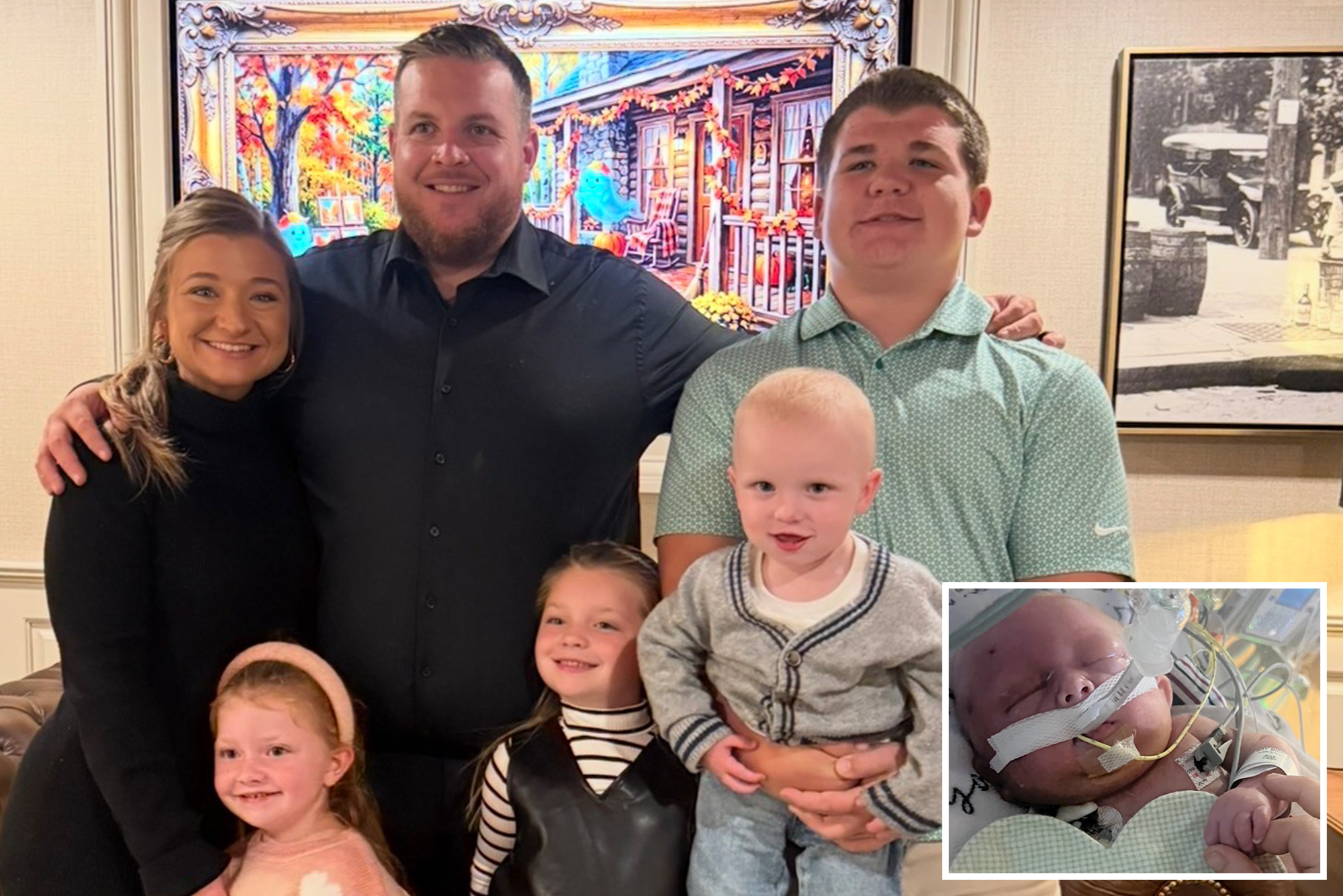
K.J. Muldoon was 6 months old when he became the first person to undergo personalized CRISPR gene-editing therapy. Days after his birth in August 2024, the Delaware County infant was diagnosed with severe carbamoyl phosphate synthetase 1 (CPS1) deficiency, a rare metabolic disorder that impairs the liver’s ability to process protein, causing potentially fatal amounts of ammonia to collect in the blood.
Through their coverage with IBX, K.J.’s parents, Kyle and Nicole Muldoon, sought care at Children’s Hospital of Philadelphia (CHOP), one of the nation’s leading pediatric hospitals and research institutions. Researchers there had been exploring ways to treat rare genetic diseases like CPS1 deficiency using experimental gene editing. “At IBX, we’re proud to help create pathways that connect members to these innovative therapies and the experts delivering them,” Dr. Reetika Kumar, IBX’s senior vice president and chief of customer product, clinical solutions, and pharmacy services, said. The health insurer is investing in medical innovation as part of its mission to bring exceptional care to its members.
For the Muldoons, a health plan with IBX gave them access to world-class care at CHOP, where the team spent six months working closely with Penn Medicine to develop a customized therapy for K.J., using groundbreaking CRISPR technology that enables precise changes to DNA, including the correction of disease-causing mutations. In K.J.’s case, scientists were able to send the gene-editing drug through his bloodstream to his liver. Following his pioneering treatment, K.J. made considerable progress, and his protein intake increased.
Now two years old, K.J. has met developmental milestones that his parents feared he might not reach. “He’s doing really well,” Nicole said. “He fits right in with the rest of his siblings. He keeps right up with them, and we’re very active, so we stay busy. He loves Philadelphia sports and loves watching his big brother play football.”
Still, K.J. continues to require medical attention, and his parents are exploring the possibility of a liver transplant. “We knew going in that gene editing wasn’t going to be the ultimate cure for him, but it took a very, very severe disease and made it much [more] mild,” his mother Nicole said. “And now we’re at a place where it’s safe enough for him to receive a transplant.”
K.J.’s dad said his son is a hero. “Every day, I watch my two-year-old get up and have to do all these things,” Kyle said. “When he’s done being upset about whatever poke and prod he’s got [from his treatment], he goes right back to smiling and watching Buzz and Woody, and doing all the things every two-year-old should do.”
IBX played an important role in the Muldoons’ health journey, helping to connect the family to experienced care teams through its groundbreaking Advanced Network for Gene-Based Therapeutics. The network is just one of the initiatives in IBX’s broader strategy to expand access and help ensure members can benefit from advances in care.
“One of the key objectives of the Advanced Network for Gene-Based Therapeutics is to help eligible members access leading experts and specialized centers capable of delivering these highly complex treatments,” Dr. Kumar said. “Gene-based therapies are transforming medicine, particularly for people living with rare genetic disorders and serious conditions,” she said. “As these treatments began reaching the market, we recognized the need to ensure our members could access them.”
Through partnerships with leaders in gene therapy research like Penn Medicine and CHOP, IBX’s network creates pathways for members to access cutting-edge medical care. At its core, the network’s goal is “to connect members with high-quality care, support the best possible outcomes, and help navigate the complexity and cost associated with these groundbreaking treatments,” Dr. Kumar said. But IBX’s commitment extends beyond providing coverage. “As new therapies continue to emerge, the network provides a structure that helps members access care while receiving support from dedicated nurse health coaches and experienced clinical teams,” she said.
It’s a testament to the company’s mission to “never stop caring,” a sentiment that reflects the company’s belief that “health care is fundamentally about people,” Dr. Kumar said. “Our partnerships with organizations like Penn Medicine, Temple Health, and the Children’s Hospital of Philadelphia help turn that belief into action,” she added. “By working together on innovative programs, expanding access to advanced treatments, and investing in new approaches to care, we’re helping members receive the right care at the right time from trusted providers.”
And it’s an ethos that resonates deeply with IBX members like the Muldoons. “Part of what could be a very hard process has been relatively seamless,” Nicole said, referring to the family’s coverage through IBX. Their plan offers access to their son’s tests and medications as well as the support of an IBX nurse whom they can call with any questions outside of their regular check-ins. “She is somebody that I look forward to talking to on a monthly basis. Since [K.J.] was born, she’s kind of gone through all this with us and has been a fantastic liaison,” Nicole said. “That’s been a blessing, especially for me as mom, trying to juggle all the things and knowing I can rely on her.”
“While the clinical achievements rightly belong to the physicians, researchers, and the family themselves, we’re grateful to have played a supporting role in helping members access specialized care,” Dr. Kumar said.
At Temple Health, innovations like robotic surgery expand treatment options and aim to improve patient outcomes, goals shared by IBX Clinical Care Innovation Grants.Courtesy Temple
Driving Innovation to Improve Health Outcomes
Gene therapy isn’t the only area IBX is focusing on as it strives to expand access to groundbreaking care. Through its Clinical Care Innovation Grant Program, IBX has awarded $4.8 million to health systems and specialty groups as they develop and test new care delivery models that improve the patient experience, advance equitable, whole-person health, and lower health care costs, among other objectives. These programs are designed to benefit patients regardless of whether they are IBX members.
The program was established in 2020 with the goal of scaling successful models to improve health throughout the Greater Philadelphia region and beyond. To date, the competitive program has awarded 29 grants to respected institutions such as Penn Medicine, Main Line Health, Temple Health, Trinity Health Mid-Atlantic, and Jefferson Health. After a rigorous selection process, recipients are announced, with grants typically running for around two years. IBX’s Clinical Care Innovation team meets with awardees bimonthly to offer guidance and support along the way.
“The grant funding is truly a gift,” Patrick Dudley, IBX’s director of clinical care innovation, said, noting that funded studies may benefit patients beyond IBX’s membership. “The study is open to any patient at the institution who meets the inclusion criteria. Ultimately, we want to know whether the care model achieved its intended outcomes and validated the underlying hypothesis.” When it does, the findings can inform broader adoption of the model and improve health outcomes for everyone.
IBX’s Clinical Care Innovation Grant Program has a high success rate, with 66% of its awardees going on to scale new care models, Dudley said. It’s proof of the initiative’s impact in just six years, he added, noting that, within the health industry, it normally takes, on average, approximately 17 years to develop, test, and implement new care models.
Finding New Ways to Meet Patients Where They Are
With funding from IBX’s Clinical Care Innovation Grant Program, health care providers like Temple Health have developed and scaled care models that meet patients where they are. Temple’s Trauma-Informed Oncology Evaluation Clinic (MVP-CAN) is a powerful example. The wraparound clinic serves Philadelphia’s underserved communities by evaluating potentially cancerous findings and connecting patients with Temple specialists for a diagnosis and treatment plan, instead of referring them to a primary care physician. By doing so, MVP-CAN expedites what can be a lengthy process and helps ensure that people without access to primary care aren’t falling through the cracks.
More than 40% of Temple patients don’t have consistent access to primary care, Dr. Dharmini Shah Pandya said, noting that many people either don’t have a doctor, haven’t engaged with their doctor in some time, or have lost access to them after relocating. Dr. Shah Pandya is a professor of medicine; a vice chair of quality, safety, and innovation in the Department of Medicine at the Lewis Katz School of Medicine at Temple University; and a patient safety officer for Temple University Hospital. Dr. Shah Pandya found that the lack of primary care created a risk that patients may not follow up on potentially cancerous screenings. Her efforts to close the gap resulted in the MVP-CAN clinic, which she launched with her colleagues, Dr. Claire Raab and Dr. Rachel Rubin. Dr. Rubin is chief of the Section of Hospital Medicine at Temple University Hospital and associate professor of clinical medicine at the Lewis Katz School of Medicine.
During the grant period, approximately one-third of IBX members evaluated through MVP-CAN were ultimately diagnosed with cancer, including several advanced-stage malignancies. The rest were either determined to be cancer-free or enrolled in appropriate cancer screening programs, sparing unnecessary procedures while ensuring that concerning findings remained under clinical observation. These outcomes demonstrate the program’s value in improving care coordination and supporting timely, evidence-based follow-up.
Dr. Esme Singer and Dr. Benjamin Slovis at Temple Health, where teams are developing innovative approaches to improve patient care.Courtesy Temple
The clinic opened in May 2025, a year after securing funding from IBX, and continues to provide Temple patients with high-touch care. “You have providers communicating to providers behind the scenes, diagnostic pathways identified, and then patient navigation — all before the patient has to actually do anything themselves,” Dr. Esme Singer, chief medical officer of Temple Faculty Physicians and associate professor of clinical medicine at the Lewis Katz School of Medicine, said. So, instead of telling patients, “You come to us, and we’ll tell you what is going to happen next,” she added, “it becomes us going to them and saying, ‘This is the plan.’”
That proactive approach is also reflected in My Health Aide, another Temple-led initiative awarded an IBX Clinical Care Innovation Grant. The project uses conversational AI to help patients with Type 2 diabetes manage their health between doctor visits. Dr. Janet Lee, assistant dean for clinical research; director of the Laboratory for Implementation and Dissemination Science; and associate professor of pediatrics at the Lewis Katz School of Medicine, saw an opportunity to bring the technology to Temple patients with Type 2 diabetes. “Our goal is to improve outcomes by providing patients with personalized, easy-to-use support between clinic visits, helping them manage medications, monitor their condition, and access trusted health information while enabling clinicians to identify issues earlier through real-time insights,” she said.
“Thanks to funding from Independence Blue Cross, we are able to offer the innovative technology free of charge to patients in North Philadelphia, many of whom face significant social and health care access challenges,” Dr. Lee said. Lee and her team will evaluate the platform’s impact on medication adherence, glycemic control, patient engagement, and overall care delivery.
IBX’s involvement doesn’t end with funding. “One of the most valuable aspects of working with Independence Blue Cross has been their commitment as a collaborative partner rather than simply a funding organization,” Dr. Lee said. “Their team remains actively engaged, offering thoughtful guidance, sharing best practices, and leveraging their expertise to help projects succeed and achieve meaningful impact for patients and communities.”
For IBX, that kind of collaboration is part of what it means to be Philadelphia’s hometown health plan: bringing organizations together, investing in promising ideas, and helping successful approaches reach more people across the region.
Chloé Pantazi-Wolber is a writer and editor. Her work has appeared in Business Insider, Philadelphia Magazine, The Rooted Journal, Travel Bulletin, The Paris Review, and more.
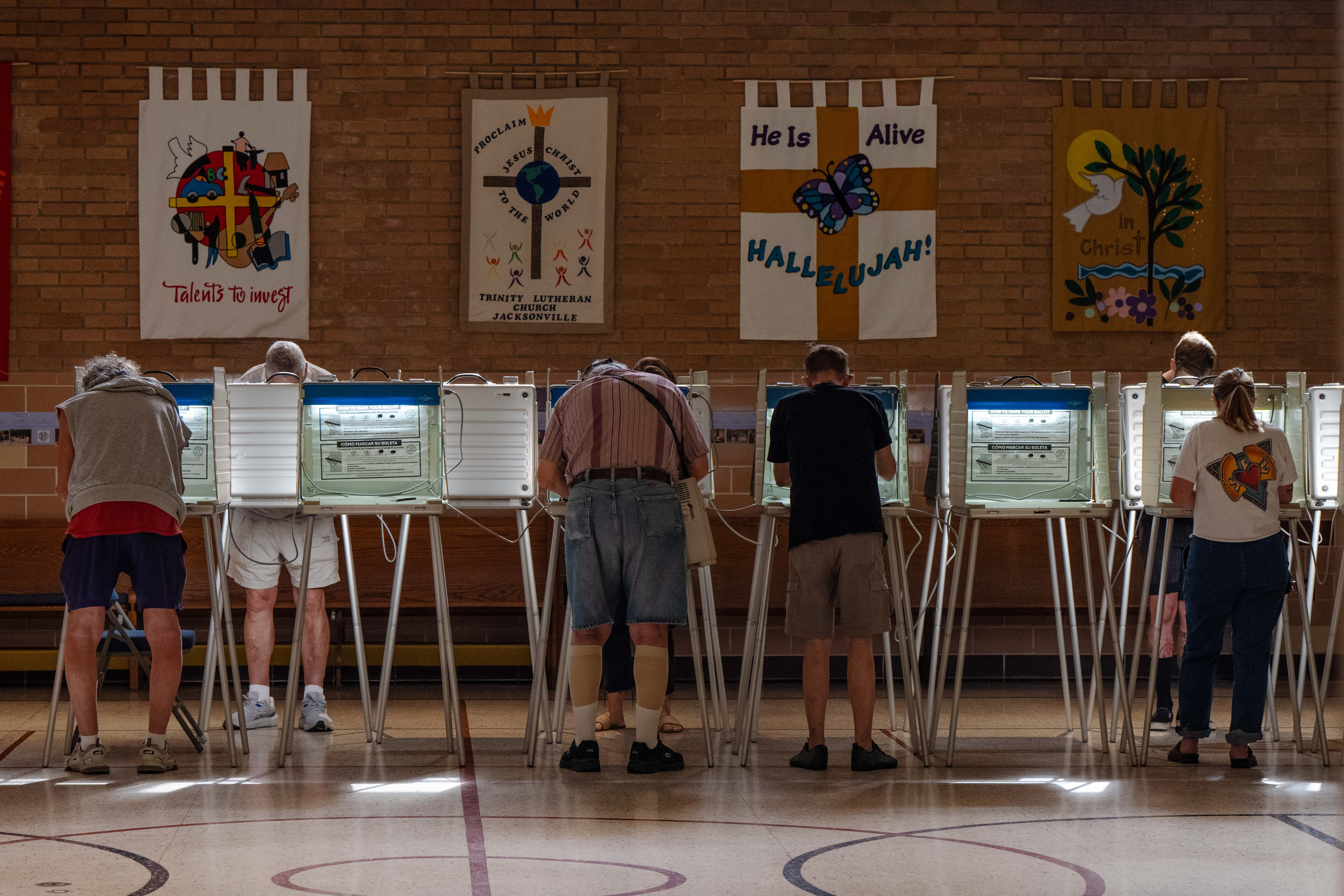
On Tuesday, Americans voted overwhelmingly against data centers and artificial intelligence growth. In 40 of 41 local ballot races around the country, many in the state of Ohio, voters opted to restrict or prohibit new data center constructions in their areas.
Much of the growing opposition to data centers has come from rising electricity prices, which are squeezing Americans in a time of already high prices and cost of living.
But, according to a new study by researchers at Harvard University and the University of Pennsylvania, data centers are probably having only a small effect on residential electricity prices. The researchers calculated that these operations were responsible for just 4% of the utility rate increases over the last five years.
“Even to me it was somewhat surprising,” said Serguei Netessine, professor at the Wharton School at the University of Pennsylvania and one of the study’s authors.
In the run-up to the elections, Democrats pointed to data centers — and Republican support for their development — as key drivers of electricity price increases. In one campaign ad, Democrat James Talarico, now senator-elect of Texas, said that Texans were “paying the price with skyrocketing utility bills.” Sherrod Brown, Democratic senator-elect of Ohio, similarly argued that state residents were facing higher electricity bills due to the build-out of energy-hogging data centers.
There are certainly some areas — like in Pennsylvania, Virginia, Ohio, and other states covered by grid operator PJM — where data centers have skyrocketed demand, pushing some costs onto residential customers.
But multiple studies by different researchers and organizations have failed to find a strong connection between data centers and the overall trajectory of U.S. electricity prices in recent years. Another analysis earlier this year by researchers at the Massachusetts Institute of Technology found that, between 2010 and 2024, data centers increased average electricity prices for residential customers by just 2.1%.
Last year, research from the Brattle Group and Lawrence Berkeley National Laboratory found that data centers were actually decreasing costs in certain regions. And another study by the Electric Power Research Institute found that a doubling of data center capacity between 2019 and 2024 resulted in a 4% drop in home electricity prices.
“Depending on which techniques you use, you can identify a slight increase or decrease in prices historically” due to data centers, said Ryan Hledik, principal at the Brattle Group. “None of these are the kind of earth-shattering rate impacts you hear about.”
The new Harvard and Penn study found a slightly higher impact on industrial electricity prices — the price paid by manufacturers and large facilities. For those customers, data centers were responsible for 15% of the price increase between 2020 and 2025. But for ordinary Americans, Netessine said, the changes simply were not substantial.
“So far we have no evidence that data centers increase prices all that much,” Netessine said. Instead, he said, prices are rising due to more quotidian factors: rising gas prices, an aging electricity grid, and wildfires and hurricanes requiring improvements to the grid and recovery after disaster.
Most of the cost of generating and delivering electricity is based on large, up-front capital costs, such as the costs to build power plants, wires, and transmission lines to carry that power into homes. Some areas of the United States also have excess “capacity” in the grid — meaning that the grid is overbuilt for the actual demand. In those areas, adding a data center means that large fixed grid costs are spread over more consumers. That could lower prices.
Of course, that’s not the case everywhere. PJM has had booming data center growth that has also required additional build-out of the power grid. This has raised prices at power capacity auctions, and states like Maryland have seen increasing residential prices that are at least in part from this boom.
If the number of data centers continue to boom, experts say, residential prices could be affected more down the line. Data center electricity demand is expected to increase steeply over the next few years, requiring new power generation — wind, solar or natural gas — to be put onto the grid.
And residents have issues with data centers that go beyond the price of electricity. The new developments have been singled out for loud noise, polluting power generation, and for disturbing residential neighborhoods and natural landscapes. According to the Pew Research Center, more than half of Americans say that data centers are mostly bad for the environment. Others feel that the AI race — which could ultimately leave many Americans out of work — is being forced upon them.
“I think generally what we’re seeing is a broader range of reasons the public has opposed data centers,” Hledik said. “Concern about AI leading to loss of jobs — all of that is getting packaged together.”
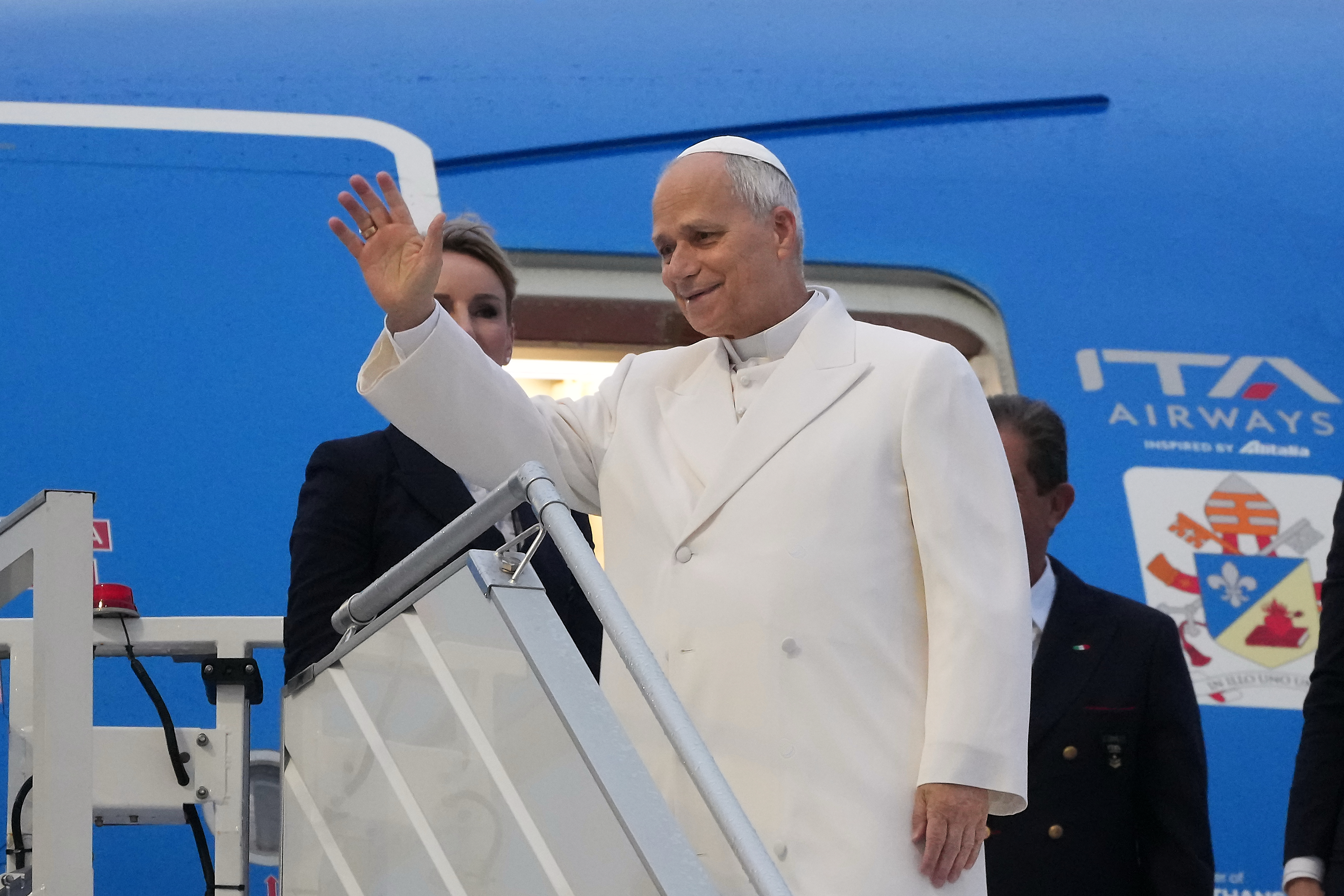
ROME — Twelve days, 12 plane flights, two helicopter rides. Nine Masses and 36 speeches. In one six-hour stretch, a flight to a city more than 11,000 feet above sea level to conduct a prayer and blessing service, and another to the Amazon jungle to celebrate Mass.
It’s a schedule that would tax anyone, let alone Pope Leo XIV, 71, who less than four weeks ago was diagnosed with lung cancer and underwent surgery to remove a lobe of his right lung.
Yet this is the itinerary that awaits Leo as he embarks Friday for Latin America, where he will meet with dozens of politicians, diplomats and bishops as well as visit a prison, universities and facilities for the elderly and disabled. Strong rains connected to the El Nino phenomenon could pummel some of his destinations.
Leo will start his journey in Uruguay, a largely secular country where ambivalence about Catholicism may foreshadow that of Latin America, where participation in the church is declining. On Sunday, he will visit Argentina, the homeland of his predecessor, Francis, who never once returned home as pope. Finally, on Wednesday, he will make a kind of homecoming to Peru, where he spent half his priestly life — and became a naturalized Peruvian citizen — before being elected pontiff last year.
But perhaps the most closely watched aspects of the trip will be the pope’s health and stamina, and how he holds up under the intense schedule.
Leo left the hospital days after his surgery and appeared robust during prayers above Rome’s St. Peter’s Square a day later. Since then, he has held daily meetings, appeared at general audiences in the square and even briefly dribbled a basketball while meeting the basketball teams from his alma mater, Villanova University, and their rivals from the University of Notre Dame, which were all in Rome last weekend.
In the days immediately following the pope’s diagnosis, the Vatican Secretary of State, Cardinal Pietro Parolin, suggested the pope might need to “reshape” the journey. But late last month, the pope’s doctor said Leo would not need further treatment and cleared him to travel without any alterations to the planned schedule. In a statement, citing Dr. Luigi Carbone, the pope’s personal physician, the Vatican said “the Pope is following medical recommendations with great care and diligence.”
Friends of the pope said he did not want to postpone the trip.
“When he commits to it, he commits to it,” said the Rev. Arthur Purcaro, a theologian at Villanova University who served as an Augustinian missionary in the Andes region of Peru with Leo before he was pope.
Leo was probably aware of how much hosts invest in planning papal visits, according to the Rev. Peter M. Donohue, president of Villanova, who has been a friend of the pope since they were students at the university. “Knowing the kind of person he is, I think he would be, like, ‘I don’t want to let them down,’” Donohue said.
Vatican officials said there would be no special accommodations for the pope’s health, though he will be accompanied by his usual international entourage.
“He’ll have plenty of medical care on board should something happen,” said Maria Montserrat Alvarado, who heads the Vatican’s communications department. “But we don’t see that in his prognosis or even the way that he’s acting.”
In Peru, Juan José Dioses, a spokesperson for the archdiocese of Lima, said local officials were scheduling Leo’s rides in the so-called “popemobile” — the vehicle from which the pope greets the faithful on the streets — so that he would not have to stand for long. And in at least one location in Lima, Dioses said, the pope can take an elevator rather than climbing stairs.
Although the pope’s official schedule has not changed since his surgery, his handlers might try squeezing in extra rest time for him during the trip, said Francesco Facciolo, former president of the Italian Society of Thoracic Surgery. “Instead of resting for a quarter of an hour, he can take 25 minutes or half an hour,” said Facciolo, who is not part of the pope’s treatment team.
Fears about Leo’s health on the trip may stem from stereotypes about the severity of his illness. “I think that there is a false impression that if you’re diagnosed with lung cancer, you’re a goner,” said Dr. Lecia Sequist, a thoracic oncologist at Mass General Brigham Cancer Institute and a professor at Harvard Medical School. But “when cancers are caught early,” as the pope’s was, she said, it is quite common “to get back into activities, to get into work and to be able to be active within a few weeks.”
Sequist said that although high altitudes could put stress on the heart and lungs, “there’s certainly nothing just across the board where we would say, ‘well, if you’ve had lung cancer surgery, you shouldn’t go to high altitudes.’” Leo’s itinerary includes a stop in Cusco, a Peruvian city more than 11,000 feet above sea level.
By visiting more far-flung locales, the pope is showing his care for “people who are on the margins of the economic revolution,” said Natalia Imperatori-Lee, an expert in Latin American theology at Fordham University in New York.
The pope has issued a major teaching document about the need to protect the most vulnerable people from the biggest disruptions caused by artificial intelligence.
In Peru, said Imperatori-Lee, “nobody who is coming out to see Leo is a tech bro or AI giant.”
Leo’s highest-profile meetings will be with two allies of President Donald Trump — President Javier Milei in Argentina and President Keiko Fujimori in Peru. Both encounters could be tense: Milei has championed unregulated AI, diverging from the pope. And while serving as a priest in Peru, Leo protested violence associated with Fujimori’s father, Alberto, who led the country for a decade and was later convicted of rights violations, including murder.
But away from these meetings, the papal voyage will be about showing the faithful that the pope cares about them and is making an effort to reach them, even in far-flung places.
In scheduling Leo’s stops in Peru, Vatican planners included not only places where the pope could reunite with old friends and associates but also areas that rarely receive papal visits, or where he could show the Church’s efforts to collaborate with local cultures. He will go to Pucallpa in the Amazonian rainforest, for example, to meet with missionaries and representatives from local Indigenous communities.
By refusing to cancel any part of the trip, the pope may be trying to remind people that even if he is simply human, he can persist, experts said.
Before his illness, “there was a temptation to think here we have superman, super pope,” said Archbishop Paul Gallagher, the Vatican’s foreign minister, in a meeting with journalists last month. “The fact that he has fallen ill with, in many ways, one of the most common illnesses of our age, means that he is a poor mortal like the rest of us.”
Democrats’ midterm victories may raise the chances that enough states sign onto a mechanism that, in theory, could elect the next president effectively by popular vote instead of through the typical rules of the Electoral College.
The party’s surge in Tuesday’s elections included gaining a hold on the governor’s office and both statehouse chambers in at least four states, Michigan, Nevada, Pennsylvania and Wisconsin. Those states could join an agreement called the National Popular Vote Interstate Compact, which promises that participants would give all their electoral votes to the presidential ticket that wins the national popular vote.
But the agreement, which has been more popular among Democrats, takes effect only once signed by states representing a majority of the Electoral College, or at least 270 electoral votes, the amount needed to win the presidency. Eighteen states and the District of Columbia have adopted the compact so far, representing 222 electoral votes.
If all four of the states that just won total Democratic control were to join the agreement, it would tip the group over the 270-vote threshold. Arizona, which is allotted 11 electoral votes, was also projected to have a blue trifecta, though not all of its races had been called by Thursday evening.
Lawmakers in key states said on Thursday that they had already begun having conversations this week about introducing legislation to join the agreement in the next session, and were hopeful that they would succeed ahead of 2028. But broadening the compact could present a mighty political lift.
“The time is right,” Carrie Rheingans, a Democrat in the Michigan House of Representatives, said in an interview. “This blue tsunami is really going to help push this forward across the whole nation.”
Still, Democratic lawmakers “can be apprehensive” with a new majority, said Mattie Daughtry, the Democratic president of Maine’s state Senate. She worked on the compact issue for over a decade before her state joined in 2024.
“The biggest roadblock is convincing them to use these majorities to do big things,” Daughtry said.
In 2019, Nevada’s Democratic governor vetoed a bill to join the agreement, saying it could diminish smaller states’ influence in presidential elections.
Now, it is unclear whether lawmakers will prioritize passing the compact after running campaigns dominated by other concerns, like easing high costs and imposing guardrails on the Trump administration.
“Time will tell,” said Clinton Anderson, a Democratic state Assembly member in Wisconsin, adding that he planned to reintroduce a compact bill. “I want to make it a priority, but it’s not the thing I heard on the doors I knocked.”
Kelda Roys, another Democratic lawmaker in Wisconsin, said that her initial attempt to get her state to join the compact in 2009 had been met with hesitancy among people who were unsure exactly what it was. Now, she said, there is a broader public understanding of what problems the Electoral College could present.
“National popular vote will be something that we’ll prioritize early in the session,” Roys said.
The idea for a compact among states to bypass the Electoral College gained traction among legal scholars and supporters after 2000, when George W. Bush won the presidency while losing the national popular vote. Momentum grew in 2016 after a second Republican candidate, Donald Trump, won despite losing the popular vote.
Supporters of the compact said they view the Electoral College as a less democratic mechanism than the popular vote. A YouGov poll conducted in June showed that 56% of American adults supported choosing the president via popular vote.
The compact is also more practical than amending the Constitution and popular among voters, supporters said.
Opponents and legal experts said the compact would face a slew of court challenges. One obstacle is that compacts traditionally require the approval of Congress and the president, said Derek Muller, an election law expert at Notre Dame Law School who has written about the agreement.
“It’s a very real possibility that enough states join this compact,” he said. “There will be a lot of challenges.”
COPENHAGEN, Denmark — Police in Denmark and the Czech Republic investigated threats to air traffic on Friday, while a Romanian plane received a bomb threat following a string of hoaxes that have targeted flights and disrupted travel across Europe this week.
A flight from Prague to Bucharest operated by Romanian carrier Tarom received a bomb threat. The plane landed at its intended destination, and airport administration officials said the bomb threat proved to be false.
In the Danish capital, Copenhagen, police said Friday they were present at the airport for a second consecutive day “in connection with threats directed at air traffic.” They said their immediate assessment was that there had been no danger to passengers or to others at the airport. It added that air traffic was proceeding safely and without disruption.
Czech police also said they were again dealing with threats against planes on Friday. They said necessary security measures have been taken in cooperation with Prague’s Vaclav Havel Airport that have “a minimal impact on the normal operations at the airport.”
Meanwhile in Ireland, the Dublin headquarters of national broadcaster RTE was evacuated Friday after a bomb threat, and live broadcasts were replaced with pre-recorded programs.
Ireland’s police force, An Garda Síochána, said it was ”aware of a threat made against media organisations here and in Europe.” It said that it has been liaising with Irish media organizations and the threat will be investigated.
More than two dozen flights were affected by threats earlier in the week, with some diverted as authorities scrambled to rule out any danger.
WASHINGTON — A federal judge late Thursday blocked the Trump administration from breaking ground on a towering memorial arch for 14 days.
The temporary restraining order by U.S. District Judge Tanya Chutkan halting the work represents a major setback for one of President Donald Trump’s most prominent projects in his vision to remake Washington.
The decision followed a series of steps taken earlier Thursday by the government, including the final approval of the arch by the National Capital Planning Commission in an 8-4 vote after a 9 ½ hour hearing where scores of witnesses opposed the construction.
The administration said the work could begin as soon as the approval and the Interior Department issued a final decision authorizing construction and the proper notification was published by the National Park Service.
In approving the temporary stop, Chutkan said Virginia and the District of Columbia had shown that the immediacy of the construction would cause real harm to the plaintiffs.
“The harm is certain,” she wrote. ”Defendants initially notified the court that construction could begin as early as November 5, 2026, if the NCPC approves the project at its meeting that day and the Department of the Interior authorizes construction.” In their filing, Virginia and D.C. warned of traffic pattern distortions as well as concerns about the impact on mutual aid emergency calls if the arch were to proceed.
“Second, the District and Virginia will incur significant unrecoverable costs. As soon as construction begins, DDOT will need to expend staff time and operating resources to affirmatively and proactively manage temporary detours, crashes or disabled vehicles,” Chutkan wrote.
The judge ordered the government to provide a status report next Monday to ensure they are complying with the order.
The judge’s decision came just over an hour after the National Capital Planning Commission hearing ended. The vote by the commission broke along federal and local lines. Those in favor work for the administration or are connected to the president, who was pushing for the immediate construction. Opponents represented the city of Washington.
The remote, call-in hearing — which crashed repeatedly in the first few hours and was accompanied by a nearly universally negative comment section — drew witnesses who gave impassioned comments opposing an arch they said will destroy the solemnity of the nearby Arlington National Cemetery, where hundreds of thousands of fallen service members and military veterans are buried.
The panel’s Trump-appointed chairman launched the meeting with a gushing appraisal of the towering monument and lauded Trump for wanting to build it.
“President Trump understands as president and a superb builder that it’s important to our national identity to display who we are through grand monuments,” said Mark Paoletta, the commission’s chairman.
As Trump has often remarked, “the great cities around the world have arches: Paris, Rome, London,” said Paoletta, who also serves as general counsel for the White House Office of Management and Budget.
Commissioner Paul Ingrassia, a lawyer for the General Services Administration, said the arch was “not about politics. It’s about remembrance. It’s about celebrating our history. It’s about commemorating veterans. And it’s really something that’s a noble tribute to our nation and something that we can all rally behind.”
But D.C. City Council Chairman Phil Mendelson, who also serves on the planning panel, said the project has not received required approval from Congress, nor has Congress appropriated any money for it. The plan submitted to the commission does not include a reference to military use cited by Trump and other administration officials, Mendelson said.
“We cannot approve final site and building plans until we have the final site and building plans,” he said.
The commission oversees construction on federal land in the city and began reviewing the arch plan in June.
The arch is one of several projects around Washington that the Republican president has undertaken as he alters the capital to his tastes — from renovating one of its storied public golf courses to threatening to demolish the John F. Kennedy Center for the Performing Arts. Those projects could soon face intense scrutiny after Democrats gained control of Congress in the midterm elections this week.
Rep. Jared Huffman, a California Democrat who is set to chair the House Natural Resources Committee, called the project ill-advised and illegal.
“This arch would dishonor America,” Huffman told the commission. He called the proposed arch “a tribute to Donald Trump,” not veterans as Trump administration officials claim. The monument is similar to those built for emperors or kings, Huffman said, adding that Trump was using veterans as a pretext to build a memorial to himself.
Other critics, including the plaintiffs, argue that the Trump administration must seek congressional approval. The administration maintains that Congress cleared the way for a monument at Memorial Circle decades ago.
Several members of the Planning Commission used that logic in approving the project. Paoletta said it was a “national disgrace” that a memorial arch had not been placed there, despite a 1925 law that designated such a memorial, he said.
Chutkan rejected that argument in her ruling: “The sheer improbability that a 100-year-old statute would contain authority, unknown to every previous administration, to erect a 250-foot arch at a principal location in the Nation’s capital indicates how far defendants must stretch to justify this project.”
You may know the spiral well: It starts off as a single worry, such as how tonight’s date will go, whether you made a mistake at work, or what an abnormal medical test result means. Then it takes on a life of its own. What if they don’t like me? and What if this result means something serious? become What if I never find someone? and What if I’m dying? Potential outcomes spin off into terrible futures, and next thing you know, you’re fielding some flavor of What if everything turns out terribly and nothing is ever OK?!
This emotional tailspin is what therapists call catastrophizing, a type of negative thought pattern that zeros in on worst-case outcomes, said Joanna Arch, a clinical psychologist and professor in the psychology and neuroscience department at the University of Colorado at Boulder. “At any moment in time, there are a wide array of future possibilities and catastrophic thinking means fixating on the worst among them.”
Snapping out of that “what if” loop can feel impossible once you’re in it — in part because catastrophizing usually makes you more anxious — but it’s worth intervening. “These thoughts can spiral out of control and start to dominate our minds,” Arch said.
On top of leaving you anxious, stressed, depressed, hopeless, or angry, worry has been tied to a reduced ability to feel pleasure, also known as anhedonia. Arch added that focusing on worst-case outcomes can prevent you from taking action. “When you’re in the habit of catastrophizing, everything starts to feel much harder and much less possible — it casts a negative halo over the future and zaps you of your sense of agency.”
To mitigate this impact, therapists focus on teaching chronic catastrophizers how to interrupt individual worries early, as well as addressing underlying mental health concerns more broadly.
But first, understanding why we catastrophize can set the stage for disengaging more easily.
Why we catastrophize
If fixating on the worst-case outcomes makes us feel awful, why do we do it anyway? Believe it or not, it’s your mind attempting to be helpful. One of the brain’s most important functions, Arch explained, is to keep us safe by detecting threats to our survival. “It evolved to home in on danger,” she said. The problem is, your mind can treat imagined scenarios as threats, too — which is why you may latch on to the scary what-if over more likely possibilities.
People prone to negative, repetitive thinking may also believe it serves a purpose. “They think it will prevent the bad outcome from happening or mentally prepare them if it does,” Arch said, noting that that’s rarely the case. “We don’t actually anticipate most of the bad things that happen in our lives. Or if we do, anticipation doesn’t stop them from being bad.”
Catastrophizing is often associated with anxiety disorders, obsessive-compulsive disorder, depression, post-traumatic stress disorder, traumatic brain injury, chronic pain, and other mental and physical health conditions that affect how you think and feel.
But anyone can fall into catastrophic thinking, whether they’re scrolling fear-inducing headlines or fretting about important topics such as finances, job security, or personal safety. Arch noted that has become increasingly common among her students, many of whom are concerned about the environment, the political landscape, the economy, and what the future holds.
How to break the spiral
When it comes to evidence-based tools to combat catastrophizing, you have a number to choose from. Many are based in cognitive behavioral therapy, or CBT, a therapeutic intervention that targets negative thought patterns, as well as a form of it known as acceptance and commitment therapy (ACT).
Arch also recommended a newer intervention called positive affect treatment, or PAT, which is especially useful when catastrophic thinking leaves you feeling hopeless and numb. “When you flood the brain with positive experiences and anticipation of the future, it becomes much harder to dwell in catastrophizing,” she said.
Different approaches work for different people, so don’t be afraid to experiment to find what speaks to you. Arch said it’s useful to have an array of options at your disposal — some might work for certain spirals but not others, or come in handy at different times and places.
Write out the worst-case scenario
Surprisingly, giving a catastrophic thought more attention may help take away some of its power. Multiple small studies suggest that repeatedly writing out a worst-case scenario can help reduce worry. “When we get it out of our head and onto the page, it creates distance,” said Arch. And because you think faster than you write, putting pen to paper, as she recommended, can also help slow a rush of thoughts.
Aim for around 20 minutes per session and use present tense, first-person language to play out your “What if?” in as much concrete detail as possible. Say that you’re scared you’re about to be laid off and won’t find work again — what does that look like? I apply for jobs, but an offer never comes. I drain my savings as bills pile up. I fall further into debt, start missing rent payments, and have to look for a cheaper place to live. I can’t afford anywhere around me, so I consider roommates or a new city …
“Really allowing yourself to go to the absolute worst and imagining what that looks like can be very powerful for people,” Arch said. In her own research, a small pilot study of 29 adults with advanced cancer, participants who used a similar writing exercise reported reductions in fear of cancer progression and cancer-related trauma symptoms.
Get outside
“Touch grass” might sound insultingly basic compared with the size of your worries, but putting yourself in nature can yank you out of anxious thinking. Arch explained that anxiety narrows your attention as your brain zeros in on a perceived threat. So deliberately noticing the world around you can broaden your focus and help calm the anxiety response.
“Anything that gets us outside of our own head is really helpful to breaking that cycle,” Arch said. And if you enjoy time in nature? All the better for countering feelings of numbness.
Ask ‘Why do I care?’ instead of ‘What if?’
We don’t spiral over every little anxiety — typically, it’s the stuff that matters that pulls us in. “The flip side of pain and worry is what we care about the most,” Arch said. A job flub can feel enormous when you’re passionate about what you do, and an awkward date might spell disaster if finding partnership is a top priority. It makes sense to spin out about the effects of climate change when you love the planet and young people who will inherit it.
A simple reframe can redirect your mental resources before you get sucked in. “When a worry pops up, tell yourself it’s a reminder of what’s important to you and focus on those things instead,” Arch said. That could mean responding to a catastrophic thought such as This weird stomach pain means I’m dying with My health matters a lot to me — how can I take care of my body today? “With practice, we can turn individual worries into cues to return to our values instead of cues to spiral.”
Choose — or create — something to look forward to
“One of the things that is most challenging about catastrophizing is how it doesn’t allow us to imagine a positive future or even a neutral one,” Arch said. So going out of your way to do so — from remembering concrete plans you have on the calendar to considering potential bright spots on the horizon — is a powerful way to interrupt negative thinking in the moment.
Arch suggested picking something realistic, whether it’s a dinner with a friend, a book release you can’t wait for, or a vacation you hope to take after the busy season. Then visualize it actually happening. What can you see, hear, smell or taste? What does it feel like to experience it?
This kind of positive anticipation is a component of PAT, which aims to engage the brain’s reward systems and can help restore the ability to feel pleasure.
“When we make room for other possibilities,” Arch said, “it reduces catastrophic thinking and changes our relationship to the future.”
Matt Nelson wasn’t looking for fame, exactly, when he rated his first dog on Twitter in 2015. He just thought it would be funny to post a Yelp-style critique of a friend’s shepherd mix lounging on the stairs: “8/10 would pet,” he wrote in the caption.
Now he presides over a social media juggernaut. Nelson’s company, WeRateDogs (Tagline: “your only source for professional dog rating”), is one of social media’s most successful dog-centric accounts, with some 20 million followers across X, Instagram, YouTube, and TikTok. It has a thriving merchandise business, a podcast called The Dogs Were Good (Again), and a charitable foundation that has raised nearly $5 million for needy dogs this year.
WeRateDogs has no real rivals per se (“We’re very lucky not to have direct competition in the dog-rating industry,” Nelson said). But it does have an existential enemy: AI, in all its dystopian manifestations.
These days, you click one heartwarming video of an AI dog jumping over a TSA barrier to be reunited with a member of the military and your algorithm floods your feed with dozens of similar videos: fake dogs running across airports, through train stations, and down streets, leaping onto fake sobbing people.
Matt Nelson believes AI has “no place in any creative endeavor.” His content is now competing with AI slop that can flood dog lovers’ feeds.Mark Abramson
They make you happy until you realize you’ve been duped, and then they make you furious. It’s a particularly cruel joke for animal lovers who rely on videos of cute animals to escape from our human troubles.
Nelson has a strict policy on this issue: No AI, anywhere.
“With our community and our relationship to dogs, it is a uniquely human experience,” Nelson said. “To inject anything artificial in it just doesn’t belong in what we do.”
All dogs are good dogs
As the face of the operation, Nelson, 30, enjoys a niche position in a cultural Venn diagram. He has been the subject of profiles in both Influencer Update, which covers the world of social-media influencers, and Modern Dog, a magazine about dogs.
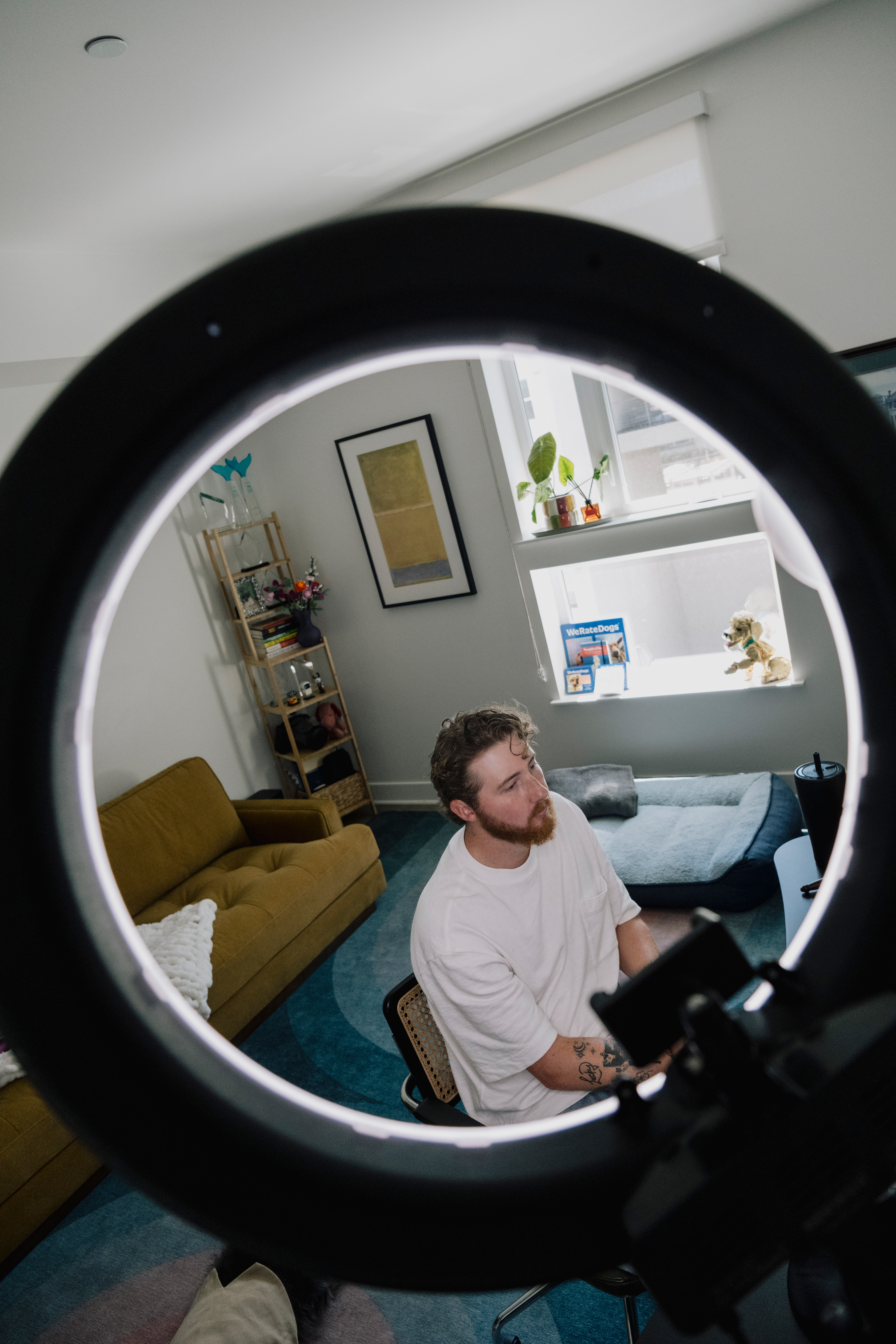
“People resonate with me and the account because we’re a bridge to their understanding their own dog,” he said in a recent interview at his small apartment in North Hollywood, Calif.
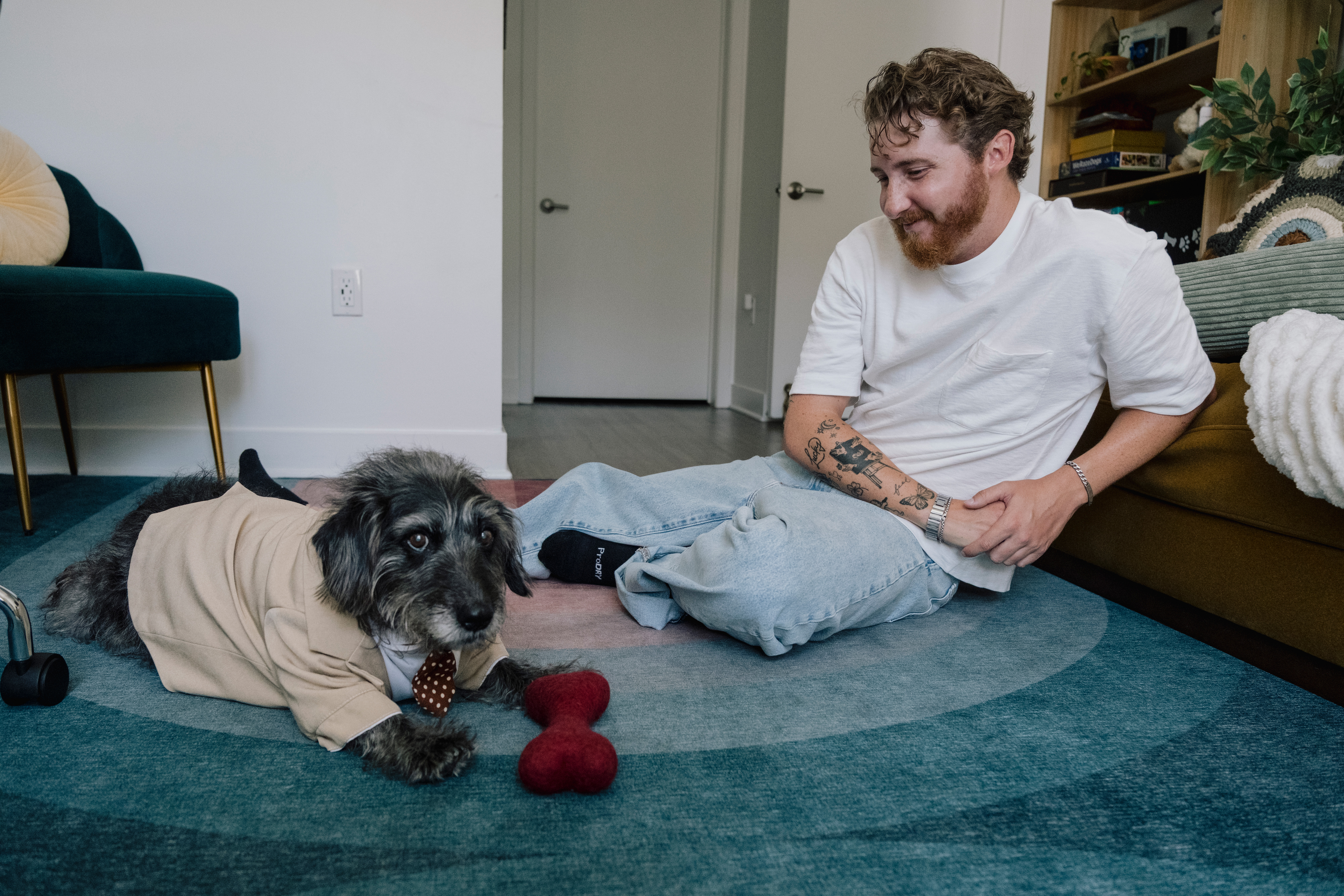
He has an office at home but sometimes takes meetings at a neighborhood coffee shop, accompanied by the WeRateDogs current chief executive, a dog named Javier. (It is mostly a ceremonial position.)
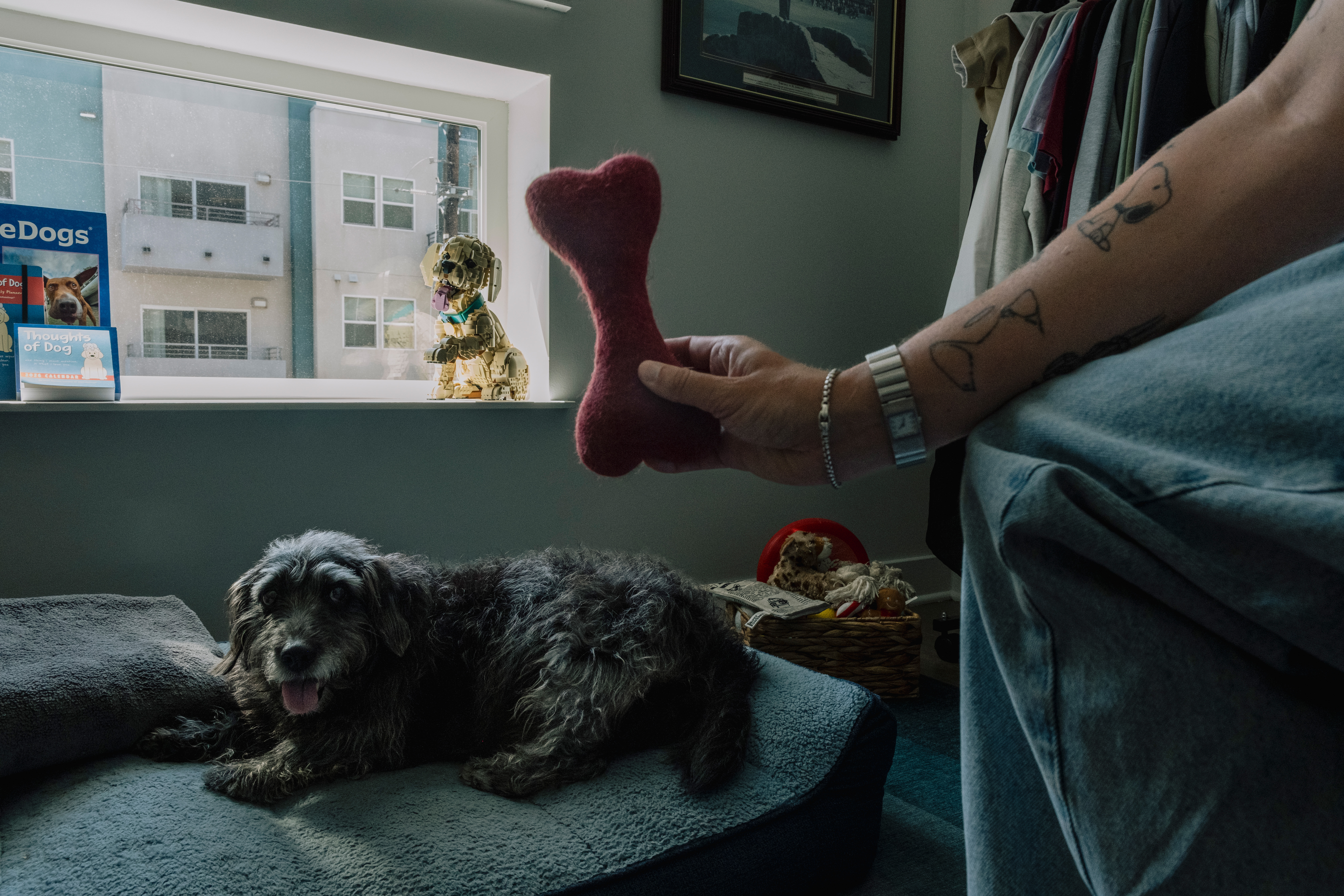
Normally the trip takes about 15 minutes. But it is impossible to walk briskly with Javier, an elderly wirehaired dachshund mix with a pleasingly disheveled beard who has trouble navigating the sidewalks of LA, on account of the curbs.
Nelson and his fiancée, a therapist, adopted Javier, a street dog from Tijuana, from a rescue organization in LA several years ago. “He was found in the trash, but not in, like, a bad way,” Nelson said. “He was just rummaging through the trash and loving it.”
“I love senior dogs,” Matt Nelson said. “I don’t want to say they’re low maintenance, because in some ways they’re high maintenance. They already know how to be a dog.”Mark Abramson
One of the company’s foundational principles is that all dogs are good dogs, and good dogs are often very funny, especially when filtered through Nelson’s antic analysis. A case in point: “Puppy Court,” in which Nelson adjudicates cases of dogs charged with offenses like pushing their siblings out of the dog bed or conspiring to hide the crimes of a fellow dog ripping up the wallpaper. (None are found guilty, obviously, even if they did it.)
When WeRateDogs began, Nelson was an 18-year-old college freshman studying golf management at Campbell University, in North Carolina.
“I didn’t have many other interests at the time,” he said. (He currently has a 1.2 handicap and plays golf regularly with a group of video-game-industry friends.)
Like many people who joined Twitter in its earlier, pre-vitriol days, Nelson enjoyed experimenting with writing humorous content for his 10,000 or so followers.
His dog posts — which often featured his parents’ golden retriever, Zoey, plus a funny caption — attracted the most attention. “I realized that, oh my God, maybe the entire internet has the same connection to dogs that I do,” he said.
WeRateDogs had zero followers when Nelson started it in 2015 with a post of his friend’s dog. Four months later, it had amassed 250,000.
The numbers kept creeping up, as Nelson changed his system so that no subject would be given a less-than-perfect rating. “When we did our first 15/10 I was like, OK, inflation,” Nelson said. “We’re going to have to dial it back.”
Soon he was getting more than 1,000 unsolicited dog pics a day. To help handle the work of sorting them out, he enlisted the help of John Ricci, a University of Pennsylvania student, who had messaged him on Twitter. At the same time, fans were asking him to publicize GoFundMe appeals for dogs who needed medical care, and he saw how much influence the account had.
“I was like, ‘This is worth my complete attention,’” he said.
Also, he realized that he liked rating dogs more than he liked golf management.
He dropped out of college and moved to California with Ricci and Brian Canterbury, the third co-founder of what was now a real company.
WeRateDogs began selling merch — including hats, T-shirts, and mugs printed with the slogan “Tell Your Dog I Said Hi.” It courted sponsors and partners, and set up a new video operation. It now has about 20 employees.
Matt Nelson and his fiancée, a therapist, adopted Javier, a street dog from Tijuana, from a rescue organization in Los Angeles several years ago.Mark Abramson
Nelson’s videos are lighthearted and funny, but he has a deep commitment to the neediest sorts of dogs: shelter dogs whose age or health problems makes them unlikely to be adopted. In 2020, WeRateDogs started a separate charitable arm, the 15/10 Foundation — the name comes from the highest rating ever given to a WeRateDogs dog — which is financed with merchandise sales and fundraising.
Since 2021, 15/10 has raised some $14 million, paid the vet bills for 4,648 dogs, and helped find homes for thousands of dogs. It spent $1.7 million on direct dog care this year, said Nicole Burroughs, its executive director.
Ellen Sue Ballon, founder of Deity Animal Rescue, a foster-based organization in Los Angeles, said that Nelson has had an “immeasurable” impact on the world of dog rescue.
In October, he received the Lee B. Walker Guardian Award from the Austin Humane Society, for “exceptional contributions to shelter animal care.”
Real dogs, guaranteed
After some coffee out in LA, Javier and Nelson returned home, slowly. Javier is the successor to Doug, a German shepherd mix Nelson adopted through Deity who had served as the previous chief executive. Doug suffered from arthritis and chronic ear infections, had a mortal fear of the stairs, and was aggressive toward other dogs, which made him a less-than-ideal city pet but a perfect 15/10 dog, on the grounds that all dogs deserve homes.
From his office, Nelson fired up his computer and, via video, huddled with WeRateDogs’ social media manager and chief community manager to select the week’s Top Five Dogs, another regular feature.
Matt Nelson, the creator of WeRateDogs, walks his dog, Javier, in North Hollywood, Calif.MARK ABRAMSON
They had an array of videos to consider, some of them submitted directly by fans, others pulled from the vast ocean of the internet. Before they’re posted, the videos are subject to a series of checks: Are they real? Can WeRateDogs get the rights to post them? Are the animals featured safe and happy? Often, members of the team contact the videos’ makers to authenticate them and to add context to the posts.
Finally, they made their selection. Five Top Dogs. The No. 1 dog that week: Barley, whose epilepsy medication had left him depressed and listless until he met Louie, a duck who became his closest friend and cheerleader, Prozac manifested as waterfowl.
Louie and Barley were 100% real, they determined, which set them apart from so many dogs (and ducks, for that matter) being served up online lately. AI dogs being rescued by other AI dogs after being swallowed by the snow, AI dogs carrying ridiculously big sticks, and AI dogs competing with humans to eat food off the floor. There’s at least one podcast “hosted” by AI dogs.
“When it comes to AI, our biggest challenge is to make sure that we stay away from it,” Nelson said.
While it’s getting harder to sniff out fake videos, WeRateDogs’ team prides itself on its anti-AI forensic skills. Some tells: videos with repetitive movements, strange glitches on the edges of the picture, physical details that don’t add up, like a dog walking on the snow but not leaving tracks, and videos coming from accounts full of variations on a single theme, an indication of AI trying different approaches to generate the most engagement.
“It’s getting scary,” Nelson said, of AI, in a podcast episode devoted to the topic earlier this year. “I do not want WeRateDogs or its audience to participate in it, willfully or by accident.”
He pledged that if an AI image or video found its way onto his platform, “we will announce that we’ve been had, reaffirm our stance on AI, and delete it.”