ARIES (March 21-April 19). You’ve helped several people lately, and some may feel they owe you. You have no interest in keeping score; that would be work. The best part comes when you make it clear the favor was freely given.
TAURUS (April 20-May 20). People adapt quickly to good things — a working car or a reliable friend are easy realities to take for granted. Not you. You’ll notice what people do for you and say so plainly. They feel seen. Goodwill grows from there.
GEMINI (May 21-June 21). It’s weird how much ordinary exchanges help today: the cashier who jokes with you, a neighbor who holds the door, someone who answers your question straight. Small pieces of proof that you’re among people and part of things are grounding.
CANCER (June 22-July 22). In race car design, sleek lines help reduce air resistance and increase speed. Designers still add wings and vents when they serve a purpose. Today, you’ll cut the extra step or obligation that slows you down.
LEO (July 23-Aug. 22). Many people are curious about their own lives, but you go much further with a sustained curiosity for its own sake. Today, you want to understand the thing behind the thing. You’ll follow a question past the useful answer, enjoying complexity.
VIRGO (Aug. 23-Sept. 22). Some people have a knack for showing up just after the hard work has ended. You want to be the one noticing who needs help at just the right moment — which is usually before being asked. Today, you’ll succeed.
LIBRA (Sept. 23-Oct. 23). Handle a bit of unfinished business. It may seem small, but it’s significant. Once you’re done, it will be as though you’ve hit the button for the set change. The curtain closes, everything moves and suddenly you’re in the next act.
SCORPIO (Oct. 24-Nov. 21). Plenty of feelings blow over because they were caused by circumstances in the moment. You can let those pass. The feeling that keeps returning — that’s the one to investigate further. It’s telling you something very useful.
SAGITTARIUS (Nov. 22-Dec. 21). You’re really starting to want something that only discipline can give you. Make it easy on yourself. Sign up for the class, put an appointment on the calendar or tell a friend you’ll be there. Money already spent can be useful motivation.
CAPRICORN (Dec. 22-Jan. 19). Someone isn’t holding up their end. You can see it as an insult, but it won’t help things. Calling it a “mistake” won’t change the reality either. Action is what’s needed, not a positive, negative or new spin. Action.
AQUARIUS (Jan. 20-Feb. 18). You can tell when people want something from you, even before they say it. That awareness does not obligate you to deliver. In fact, it gives you more time to think about what you’re willing, able or inclined to do.
PISCES (Feb. 19-March 20). Humans copy one another. It’s how we learn, how we show respect, and sometimes how we understand where we fit in. You’ll be imitated in some way, which speaks to your influence. At some point, the question becomes one of compensation.
TODAY’S BIRTHDAY (Sept. 24). It’s your Year of Ambitious Dreams when you set your hopes on a pie in the sky and then you actually get to taste it. You’ve never been afraid to work for what you want, but this year you’re also willing to try new things, face rejection and make mistakes. It’s the bravery that brings you success. More highlights: exciting friendships, a key community role and the sweetness of being needed. Cancer and Gemini adore you. Your lucky numbers are: 8, 11, 6, 33 and 29.
DEAR ABBY: I am a widow who lost my husband 15 years ago. When my husband died, we had a daughter and one grandson. My daughter, a single mom, later had another son.
I have my own business and have worked hard these many years to help support my daughter, who is financially irresponsible. She has been evicted four times in the past 10 years, had two cars repossessed and can’t seem to keep a job for even a year.
I am at my wits’ end. I need to stop helping her financially because it’s affecting my financial and mental health. She doesn’t have a job and can’t get her own place, so I feel I have no choice but to let her move in with me. I want to put a limit on how long she can stay. What should I do?
— SUBJUGATED IN TEXAS
DEAR SUBJUGATED: Do not allow your daughter to move in with you. If she does, you will never get rid of her. Give her a certain amount of money for shelter and make it plain that she must use it to find a place to live (if only temporarily). Because it’s the last handout she’ll receive, she must get a job to support herself and her children. Then let her live the life she has chosen for herself. If you don’t, you will be your dysfunctional daughter’s prisoner until the day you die.
** ** **
DEAR ABBY: Throughout my professional career, I was a quality assurance engineer with the task of analysis and corrective actions. If something broke or an error was made (for example, a worker’s hand getting caught in a machine), I’d try to identify a fix so it wouldn’t happen again. I am now retired and still tend to approach things with the same attitude.
I often get frustrated when someone makes an error and there’s no corrective action, admission that a mistake was made or even a small apology. I recently discovered an error on my financial accounts and asked the bank how this was overlooked even after I had pointed out the error prior to the account being processed. Abby, I was completely ignored and never received any feedback. What’s the best way to ask someone for an explanation concerning what actions were taken to ensure the error does not happen again?
— KEEN ON QUALITY
DEAR KEEN ON QUALITY: In your line of work, safety was the top priority. You developed a zero-tolerance attitude toward errors because it was literally a matter of life and limb. Outside that environment, however, you may find it helpful to remember that the stakes are not nearly so high.
No permanent harm came of the bank error. You are right that it would be best if the bank reviewed its procedures to avoid future errors, but that’s their job, not yours. Having corrected the error in a timely fashion, the bank owes you no further explanation. Trust that, in the future, they will do their best to improve without your help (but always check your statements).
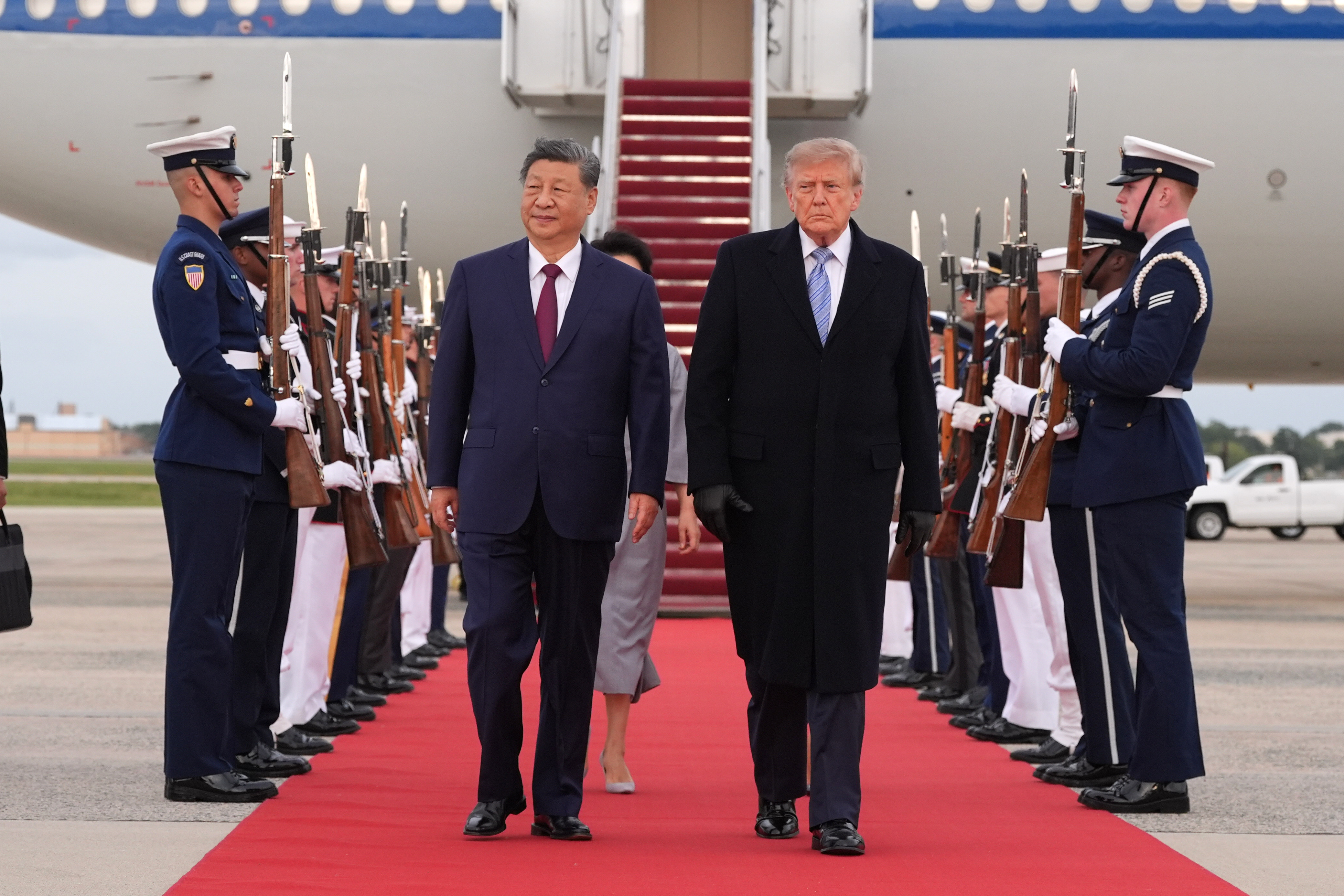
WASHINGTON — Chinese President Xi Jinping arrived in Washington on Wednesday, where he was met with a rare planeside greeting from President Donald Trump, who was there to welcome his counterpart instead of waiting for him to drive up to the White House.
Trump’s decision to greet Xi at Joint Base Andrews just outside Washington rather than receiving him at the executive residence shows how far the U.S. president is going to honor China’s leader as he made his first state visit to the U.S. capital in more than a decade.
A 100-foot long red carpet was unfurled at the bottom of the staircase placed at the door of Xi’s plane. A 21-person honor guard was arrayed on the sides of the carpet and Trump and first lady Melania Trump stood near a staircase on the side of the plane, where they greeted Xi and his wife, Peng Liyuan, with handshakes.
The welcome ceremony also included a flyover by two B-1 bombers, flower presenters, platoons from each military service, and a presentation of the flags and anthems of both countries. Trump and his wife spoke to their counterparts, but their words could not be heard. Trump, who wore gloves and an overcoat though it was a relatively warm 63 degrees Fahrenheit outside, removed one of his gloves to shake hands with Xi. At one point he slapped Xi on the back and said something to him that was inaudible.
The salutation kicks off a three-day visit that’s expected to be saturated with pomp, even by White House standards. The state visit, complete with a formal state dinner at the White House on Thursday, is supposed to reciprocate the ceremonial grandeur that marked Trump’s May visit to China.
The visit comes after Trump’s trip to China in May
Beyond using the visit to try to keep “strategic stability” between the two countries, Trump seems to be pulling out all the diplomatic stops to show off for Xi. Trump has lavished praise on Xi as a “great leader” and described a warm relationship with the man he has called a friend. That is all while he has given Xi a pass on many issues.
Sen. Roger Wicker, chairman of the Senate Armed Services Committee, criticized the “lavish welcome.” Wicker, R-Miss., said during a speech Tuesday in the Senate that Trump should not have invited the Chinese leader “based on all of the troubling issues we have with President Xi and the Chinese Communist Party.”
Wicker archly suggested a list of topics that Trump could discuss with Xi at the state dinner, such as “the purposes of China’s massive military buildup, or about China’s clear support for Iran,” saying that “during every minute of dialogue” Trump should keep in mind that “his guest is a brutal, unelected and oppressive dictator who seeks to dominate his neighbors and whose massive military arsenal is aimed directly at the United States of America.”
Secretary of State Marco Rubio said the U.S. and China must interact at the highest levels because the countries are “the two largest economies in the world” and “probably the two most powerful militaries in the world.”
“The idea that we would not interact with them at the highest levels is irresponsible. It’s outrageous. We have to,” Rubio told reporters Wednesday while he was in New York.
Trump on Wednesday was looking to match the pageantry he was met with in China earlier this year. Xi was not at the airport to meet Trump — Chinese Vice President Han Zheng was there instead. But a red carpet was rolled out to meet Air Force One in Beijing. A military honor guard, a military band and about 300 Chinese youths waving Chinese and American flags and chanting, “Welcome, welcome! Warm welcome!” also were present. The children wore white and light blue uniforms that mirrored the traditional paint colors of the presidential plane.
The first lady said earlier Wednesday her husband decided to personally greet Xi when he arrived in the Washington region because “they have a great relationship.”
“He’s coming on our soil, and we need to welcome them with the most respect,” she said of Xi and his wife during an interview on Fox News Channel’s “Fox & Friends.”
A black-tie dinner and visit to the archives will follow
Trump’s airport ceremony for Xi will be followed on Thursday by more formalities, including an arrival ceremony at the White House and a review of troops. Before the black-tie dinner, which will feature tech industry leaders like Nvidia’s Jensen Huang and SpaceX’s Elon Musk, the two leaders are expected to dive into the weighty issues behind closed doors, even as expectations are low that the trip will produce any major breakthroughs in the relationship.
On Friday, Xi and Peng will be back at the White House for a private tea with the Trumps before joining them on a tour of the National Archives in Washington. The White House has said they will view historic documents underscoring the relationship between the two countries.
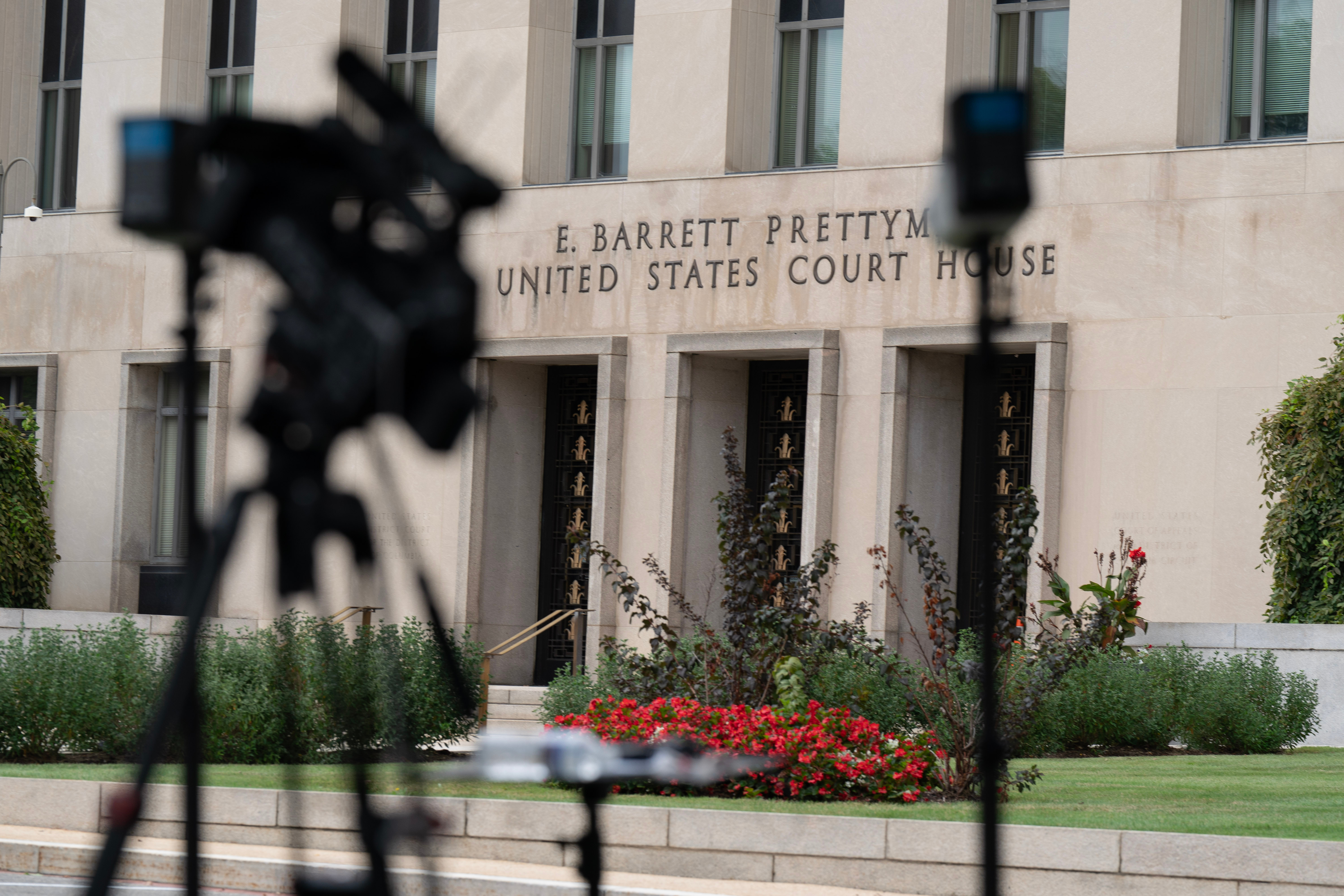
WASHINGTON — A federal judge weighing whether to block President Donald Trump’s ban of three news outlets from White House grounds expressed some skepticism Wednesday in response to the government’s defense of the move.
U.S. District Judge Timothy Kelly, who was nominated by Trump in 2017, didn’t rule from the bench after hearing arguments in an extraordinary showdown between Trump and media outlets whose coverage he dislikes.
But the judge questioned whether the administration met its legal responsibilities and provided the news outlets with adequate due process before banning them on Friday, assailing what he called “fake news.” More recently, the president has said negative coverage was dangerous for the country.
The news outlets argued they were singled out because of the content of their coverage — in other words, viewpoint discrimination — and called the ban a “blatant violation” of the First Amendment.
Kelly said his decision must be guided by courts’ prior rulings in comparable First Amendment cases, even if the government disagrees with them.
“I think it is fair to say that the processes that the court laid out wasn’t followed here,” Kelly said.
It wasn’t clear when Kelly, who ordered a CNN journalist’s access restored in a similar case in 2018 — would issue a decision on the news outlets’ request for a restraining order. But he said he’d rule as soon as possible.
CNN, Politico and MS NOW each told The Associated Press they’d have no comment on the emergency hearing.
Prior rulings indicate journalists should be heard before press passes are revoked
Kelly opened by reminding both sides that he’s required to apply case precedent.
The rulings in two prior cases over press access — including one that went to the U.S. Supreme Court — made clear that journalists were entitled to an opportunity to be heard before they have their press passes revoked.
Justice Department attorney Michael Velchik argued that the rulings in the earlier cases were wrong.
“Access to the White House is a privilege, not a right,” Velchik said.
Theodore Boutrous Jr., attorney for the outlets, called the ban an “unprecedented, unreasonable punishment” and said there was “not a semblance of due process.”
“The president should be able to take immediate action to protect national security,” Velchik told the court.
In response, Boutros said, “Suddenly it’s a national security case,” arguing that the president brought up that point only after the lawsuit was filed.
The Trump administration outlined ‘reporting incidents’ of each news outlet
In a filing late Tuesday, administration lawyers argued that the ban does not violate the First Amendment, which guarantees the right to a free press. It contended that the outlets, in their reporting, violated “standards of professionalism and decorum expected of those given access to the White House complex, including by trafficking in verifiable falsehoods about national security and other issues and publishing sensitive or classified information.”
The administration went on to detail letters that were sent to each outlet that identified “a non-exhaustive list of reporting incidents, including those that have threatened national security and spread falsehoods.”
The “reporting incidents” cited in the filing included: CNN reporting on “‘top-secret’ construction details related to the East Wing bunker”; MS NOW reporting “on an alleged leak investigation”; and Politico publishing “a document detailing funding for the White House ballroom containing intricate descriptions of how the Secret Service would invest in security improvements.”
Further examples were given in individual letters. Politico’s letter detailed six incidents of reporting, including in June citing a “senior administration official … granted anonymity” predicting whether a preliminary deal would end the conflict with Iran.
That item appeared to reference a background briefing set up by the White House, where an official briefed reporters on condition of anonymity under ground rules set by the White House itself. Several other outlets also reported the official’s remarks.
Major networks continue to refrain from covering Trump for the media pool
The ban prompted other media outlets to take action in solidarity. The five-network U.S. network press pool — a rotating cast of news outlets that covers the president, and to which CNN belongs — decided to suspend coverage of Trump events until further notice.
After the hearing Wednesday, the networks were poised to continue their ban on filming Trump coverage. At Joint Base Andrews, where the president was to formally welcome Chinese President Xi Jinping later, journalists from Fox News, CBS and NBC were present but not shooting video, and some appeared to be breaking down their cameras.
Other television outlets whose crews were present, according to signs on their tripods and cameras, were NewsNation, Newsmax, Right Side Broadcasting Network, One America News and LindellTV.
Ahead of Wednesday’s hearing, an amicus brief was filed by other news groups, urging the court to immediately restore the three outlets’ White House access.
The brief — filed by the Reporters Committee for Freedom of the Press, the White House Correspondents’ Association and 49 media outlets and industry groups, including The Associated Press, The New York Times and Reuters — says “the targeted expulsion of news media from White House grounds injures the public interest” and ”unassailable First Amendment law makes any viewpoint-based decision to bar reporters from a nonpublic forum constitutionally repugnant.”
The proceedings are historic, said Katie Fallow, deputy litigation director at the Knight First Amendment Institute at Columbia University.
“No president has taken this explicit of a step” to ban entire news outlets because he doesn’t like their reporting, she said. “There have been various presidents throughout history who have grumbled about the press or threatened to take more major steps, but really there was nothing at this level before Trump.”
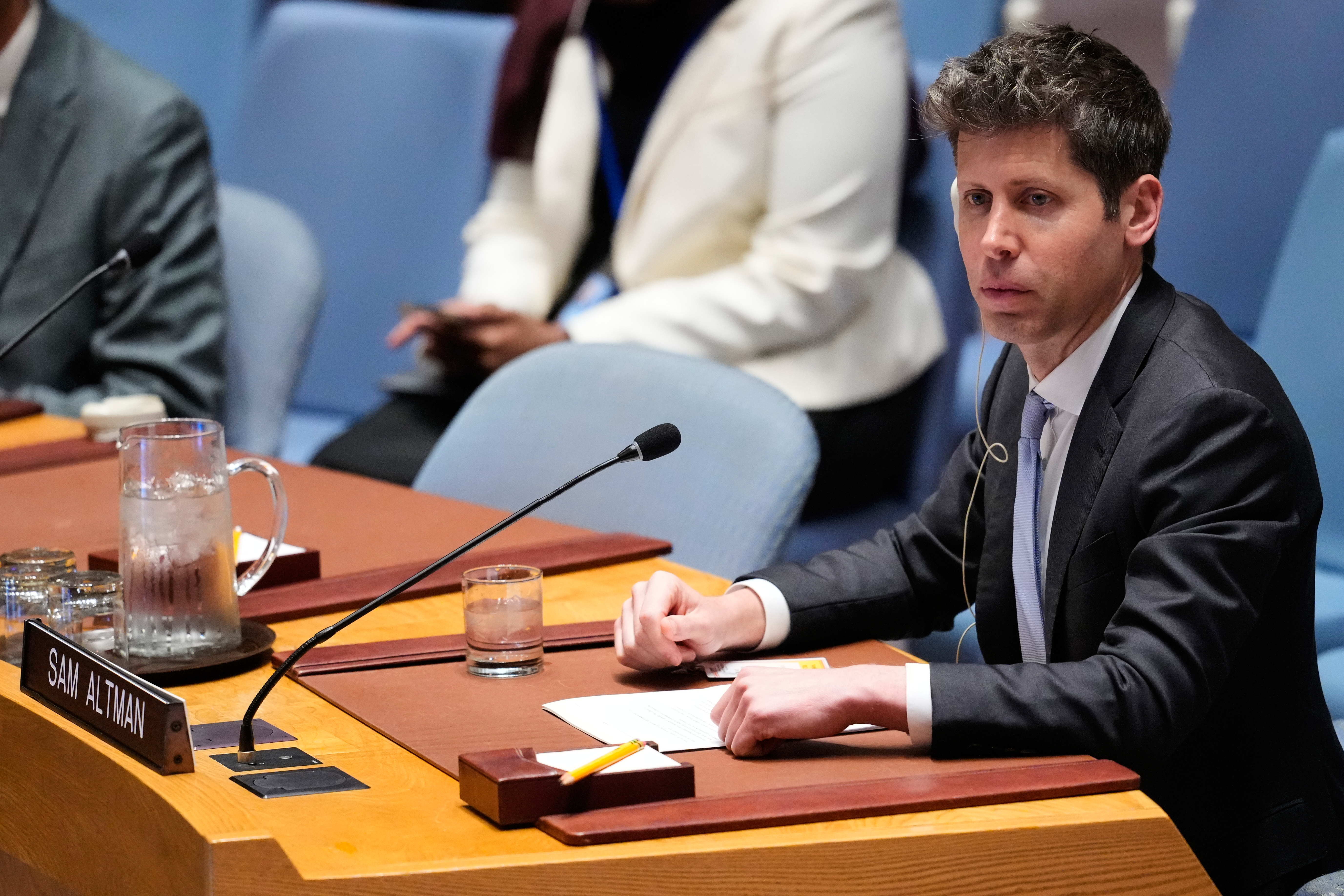
UNITED NATIONS — The heads of major artificial intelligence firms pleaded with the United Nations on Wednesday to save the world or at least its people — in the form of somehow regulating the burgeoning technology that they have been designing.
“If managed poorly, I even believe AI could be a risk to humanity as a whole,” said Dario Amodei, chief executive officer of Anthropic. And from his competitor Sam Altman, CEO of OpenAI, came this assessment: “We could lose control of the future to AI.”
Both said the countries of the world, through the U.N. Security Council, where they testified Wednesday, have to set safeguards of some kind, which would be actual controls to prevent the technology from getting too powerful to rein in.
They also called for the world to make sure that the power of AI isn’t concentrated in one company or country. They said that as they also touted the benefits of the technology for bettering humanity and what Altman called “giving people more power over their own lives.”
Those tech leaders “are telling us in stark terms that it cannot be left to them to prevent disaster from befalling the world,” said United Kingdom Foreign Secretary Ed Miliband said at the Security Council. “We cannot ignore them because they are right.’’
AI will be at the heart of G20 discussions
Miliband said when the U.K. takes control of the G20 next year it will put controlling AI at the heart of discussions, looking for a single set of global standards “to insure that AI development is safe.”
But the United States said don’t do it.
Worries about control of AI are “not a reason to pause its further development or to constrain it with new global governance structure,” said White House Science Adviser Michael Kratsios. “We want you, our allies and partners, to share in the benefits of this technology.”
For most of the world leaders, along with California Governor Gavin Newsom in New York for climate discussions, one of the key questions about AI is this: Who should control life-and-death decisions — human or machine?
Amodei, Altman and Hugging Face CEO Clément Delangue, who spoke via a glitchy remote connection, spoke with the U.N.’s most powerful council because they and world leaders are trying to figure out not just whether to control AI, but by who, how it could possibly be done and when it might be just too late.
The day before, U.N. Secretary-General Antonio Guterres warned of “killer robots.” Experts and European leaders said that’s not hyperbole but something that’s either already a grim reality or perilously close.
Amodei called on the nations of the world to agree on not letting AI build biological weapons, figure out how to verify what models have the capability to do and “establish common standards” for testing and for loss of control and misuse.
French Foreign Minister Jean-Noël Barrot, whose country convened Wednesday’s meeting and has fostered various other coalitions and discussions about AI, compared the current state of it to both the runaway computer HAL9000 in the movie “2001: A Space Odyssey” and the dawn of the atomic age.
“Just as with the atom back then, the international community must now regulate AI in order to make the most of its potential and avoid the worst,” Barrot said.
Other leaders and nations are paying close attention to AI
His wasn’t the only concern expressed during this high-profile U.N. meeting week.
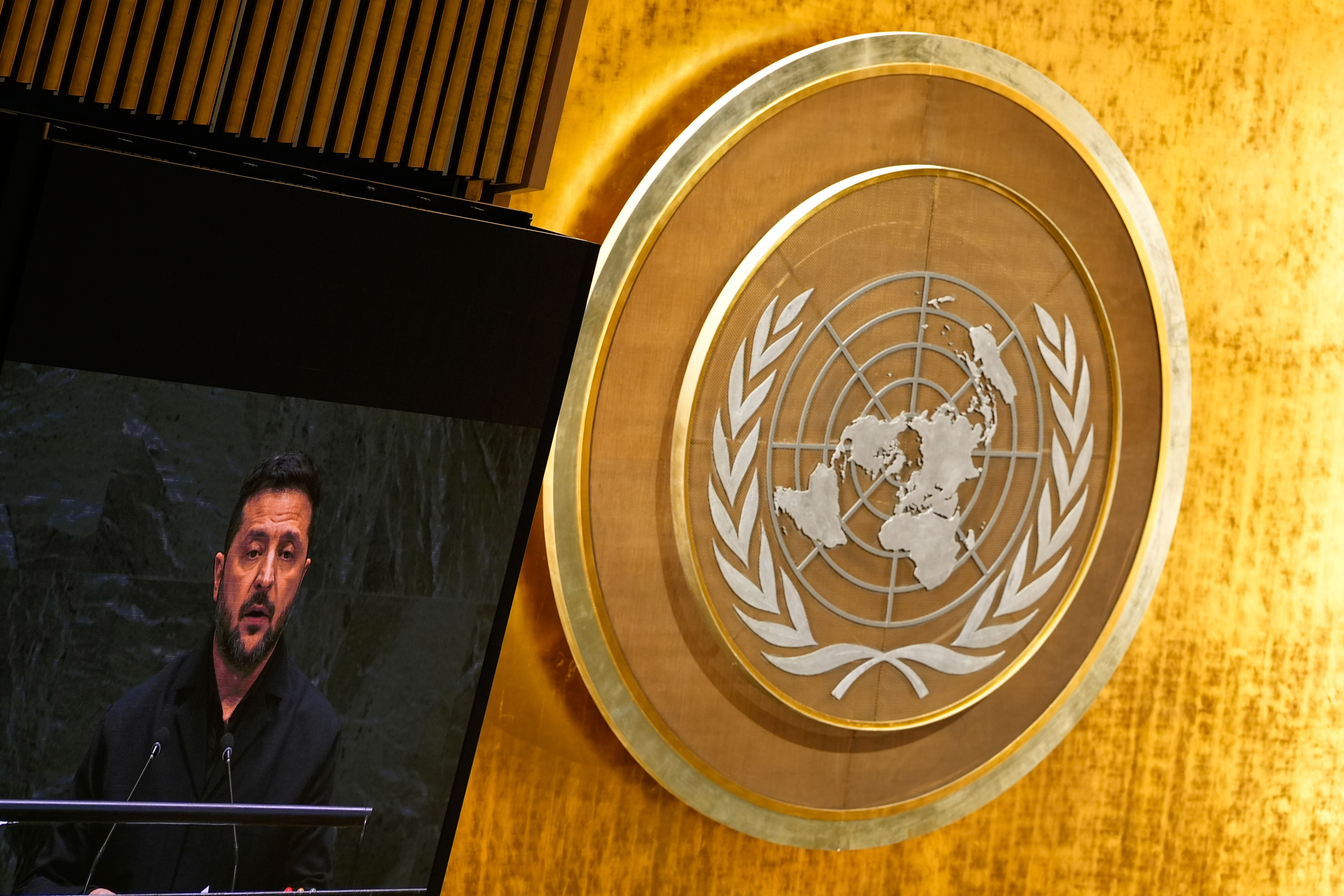
Ukrainian President President Volodymyr Zelenskyy, speaking at the General Assembly, said some kind of human control over machines must achieved soon. Otherwise, he said, for his country it may be just too late.
“There is already a real possibility that AI, not only people, will begin to decide what happens on the battlefield. And we need peace before we reach that point,” Zelenskyy said.
Last month, a Russian drone seemingly using AI “autonomously made a targeting decision that killed three Ukrainians. Killer robots are technically easy to build, and they are real. We should not be under any illusions otherwise,” said Kentaro Toyama, an information technology professor at the University of Michigan.
The U.N. meeting unfolded as Chinese President Xi Jinping headed to Washington for a much-anticipated state visit. The U.S. and China are jostling for AI dominance, and AI interests are looking to what comes out of Xi’s discussions with U.S. President Donald Trump. Ahead of the meeting, U.S. Treasury Secretary Scott Bessent said the two countries had discussed a potential new “notification mechanism” for AI incidents that could impact national security.
But on Tuesday, Trump, lauding AI as “superintelligence,” said the United States would reject efforts to control the technology as it tries to win the development race with China. Kratsios was the one of the few who used that term in the Security Council.
Meanwhile, regional groups in Europe, Asia and elsewhere also are trying to coordinate AI policies, and various nations — and even subcomponents, such as U.S. states — are crafting their own.
Still, U.N. watchers and risk experts say the world body hasn’t been relegated to the sidelines on AI regulation.
“The U.N. is not in the driver’s seat of global discussions on AI, but it hasn’t been kicked out of the car yet,” said Daniel Forti, who oversees U.N. affairs at the International Crisis Group, a think tank.
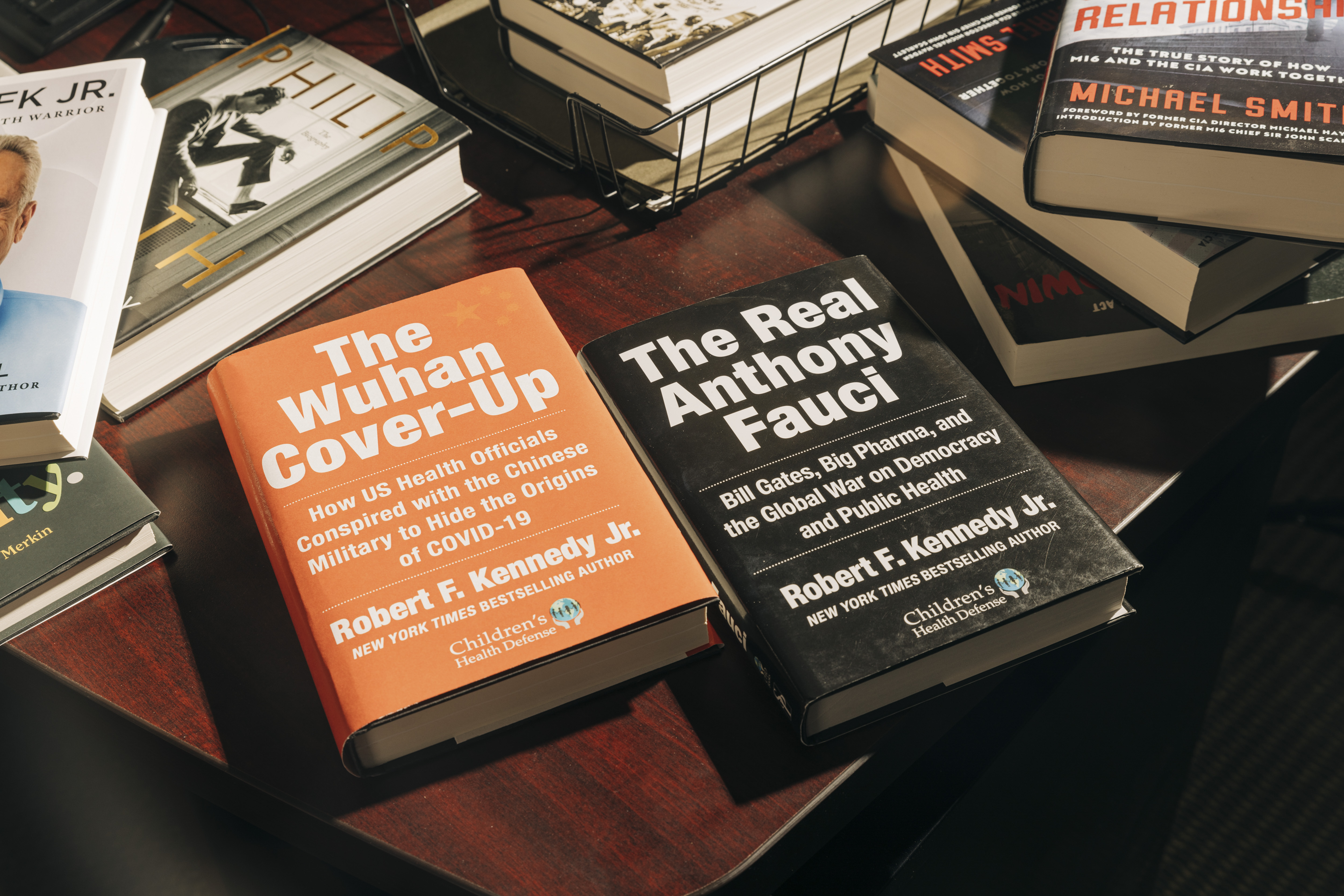
Health Secretary Robert F. Kennedy Jr. accepted $4 million in book advances and more than $270,000 in gifts over the past year from close allies who are working to advance his Make America Healthy Again agenda, according to his latest financial disclosure form.
Ethics experts said the financial relationships may violate federal rules barring officials from profiting from their government position, and call into question the secretary’s ability to remain independent and impartial.
The advances were for two books that will be published by a company owned by Tony Lyons, a longtime friend and business associate of Kennedy who also sits atop a constellation of MAHA-related entities, including some that accept political contributions and corporate sponsorships from health-related companies.
Cheryl Hines, Kennedy’s wife, accepted $210,000 in consulting fees from MAHA Action, a nonprofit advocacy group also led by Lyons. It rallies supporters of Kennedy’s priorities on weekly broadcasts and backs health-related legislation, including a federal bill to end liability protection for vaccine makers.
In an ethics filing before taking office, Kennedy pledged not to “engage in any writing, editing, or promotional activities” associated with the books, but did not promise to forgo advances.
Ethics experts said the payments related to one book called Unsettled Science raised questions since federal rules say that an official may not “receive compensation from any source other than the government” for writing a book related to his official duties while in office. (The other book is called A Defense of Israel.)
Additionally, the consulting fees to Hines from a group aligned with Kennedy’s priorities “reeks of conflict of interest,” and could appear to be a bribe, said Richard Painter, a White House ethics counsel under President George W. Bush.
“You have a situation like this,” he said, “it just looks horrible.”
Emily Hilliard, a spokesperson for the Department of Health and Human Services, said that Kennedy “complies with all applicable federal ethics laws, regulations, and financial disclosure requirements.”
She added: “The secretary works with HHS career ethics officials to ensure that his financial interests, gifts, outside activities, and other reportable matters are appropriately disclosed and handled consistent with those requirements.”
Lyons, who is also a lawyer and one of Kennedy’s staunchest defenders, did not respond to an email and text message seeking comment. Hines could not be reached for comment.
The annual financial disclosure finalized last week also showed that Kennedy accepted $126,000 worth of lodging in a Washington, D.C., home owned by Gavin de Becker, a longtime friend and who runs a security firm that specializes in protecting high-profile people.
Previously, de Becker contributed to Kennedy’s presidential campaign and earned money from it to provide a security detail for Kennedy.
De Becker said that he has no business with the federal government, including the Department of Health and Human Services, and that the arrangement reflected their friendship.
“Bobby is among my closest friends in the world for many years, and I’m grateful to be able to host him anytime,” de Becker said. “He has hosted my family at his homes, he’s stayed at my homes, we take family vacations together every year, and did so for years before he was in his current job.”
This past year, the records show that de Becker also paid for nearly $150,000 in airfares for Kennedy: $45,000 for a trip to Greece in July 2025 and nearly $97,000 for a trip to Fiji in November. The flights and book advances were reported earlier by The Wall Street Journal.
Kedric Payne, a vice president and senior ethics counsel at the Campaign Legal Center, said there were exceptions to federal rules for gifts from friends. But de Becker’s patronage appears to far exceed them, he said.
“Lavish gifts to an official from major political donors don’t get the same benefit of the doubt as dinner from a former classmate,” Payne said. “The public deserves full transparency about the nature of these gifts and any interests the donor has before the government.”
Like Lyons, who has a child with autism, de Becker shares Kennedy’s skepticism about the safety of vaccines and has a longstanding publishing relationship with Lyons.
De Becker has written several books on security but recently began writing about vaccines. His 2025 book, Forbidden Facts: Government Deceit & Suppression About Brain Damage From Childhood Vaccines, was published by Skyhorse, which is owned by Lyons. He has also written the foreword to two books about ketamine, a psychedelic drug that Kennedy has promoted as a therapy for depression.
Kathleen Clark, an expert in government ethics and a law professor at Washington University in St. Louis, said the gifts created a clear conflict for Kennedy, who oversees an agency reviewing at least one ketamine therapy for approval.
“By accepting such extravagant gifts from someone with a clearly articulated desire for a particular outcome from H.H.S. as a regulatory agency on these issues,” she wrote in an email, “R.F.K. Jr. has completely destroyed any possibility that the public could be confident that any action H.H.S. takes on these issues — childhood vaccines and ketamine — will be based on the public interest, rather than R.F.K. Jr.’s gratitude to and association with this gift giver.”
According to the latest financial filing, Lyons and Kennedy reached an agreement over the book advances in August 2024, the same month that Kennedy dropped his presidential bid and backed President Donald Trump.
Kennedy has written numerous books for Skyhorse Publishing, and worked as a consultant to the company before he became health secretary. In financial disclosures required for his Senate confirmation, Kennedy said he had earned $451,000 as a consultant. Hines also received a $600,000 advance from Skyhorse for her memoir, according to the disclosure.
The disclosure records said that Kennedy would also be paid $10,000 for a third book called America’s Path Back to Moral Leadership and that two of the three books were already written.
As Kennedy prepared to join the Trump administration, Lyons began to build an array of MAHA-allied entities, including the MAHA Center, which recently raised funds by selling corporate sponsorships for the MAHA Summit in Washington next week.
One top sponsor at the event, where senior federal health officials are expected to speak, is the company Grail, which is seeking Food and Drug Administration approval for its multi-cancer blood test. The test performed poorly in detecting cancers in two large studies. Kennedy spoke at last year’s summit.
Lyons also leads the MAHA Institute, which hosted monthly gatherings through much of last year where prospective donors mingled with Kennedy and other top health officials. Many had official business in front of Kennedy’s department.
MAHA Action supports legislation, including a bill introduced this year to end vaccine makers’ protection from traditional liability cases, which are handled in a specialized federal tribunal. Kennedy, who has worked as a plaintiff’s lawyer suing over alleged vaccine injuries, has long denounced the protection granted in a 1986 federal law.
Lyons wears yet another hat as the treasurer of the MAHA political action committee, also allied with Kennedy’s mission, which has raised more than $3 million since January 2025. About one-third of it came from Botanic Tonics, a company founded by Jerry W. Ross, a onetime energy executive who changed his name after pleading guilty to a financial crime.
The New York Times wrote about Ross’ attempts to influence Kennedy and the Trump administration as he successfully sought a prohibition against 7-OH, a gas station drug that competed with his company’s kratom-based drink called Feel Free. Both kratom and 7-OH have drawn widespread complaints over their potential for addiction and severe withdrawal symptoms.
At a Senate hearing last year, Kennedy brushed off criticism from Sen. Christopher S. Murphy (D, Conn.) who accused the secretary of being unduly influenced by MAHA PAC donors.
“Do you have a single instance where the MAHA PAC has taken a position that is not consistent with my values?” Kennedy said. “I don’t run the MAHA PAC. I have no idea who’s contributing to them.”
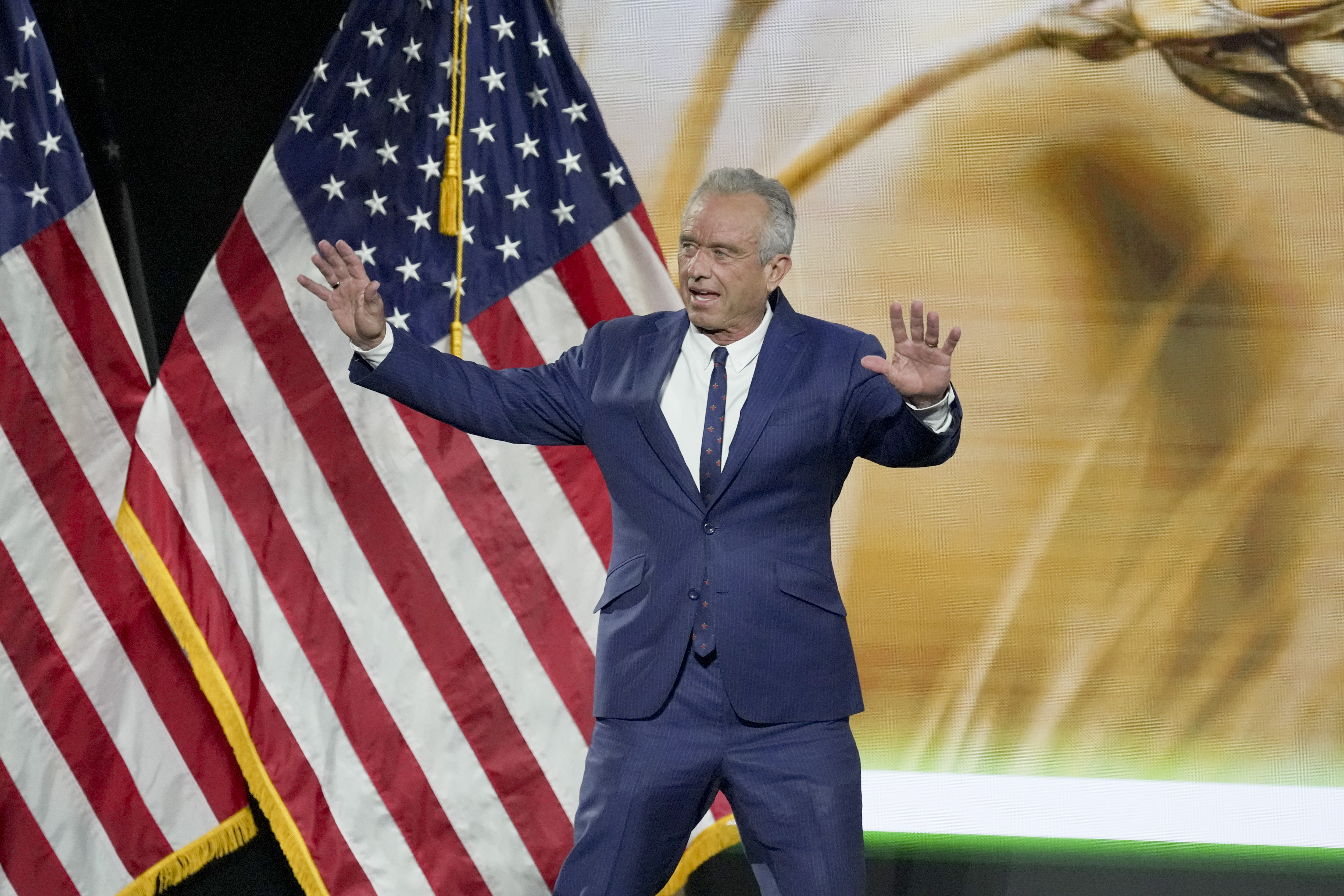
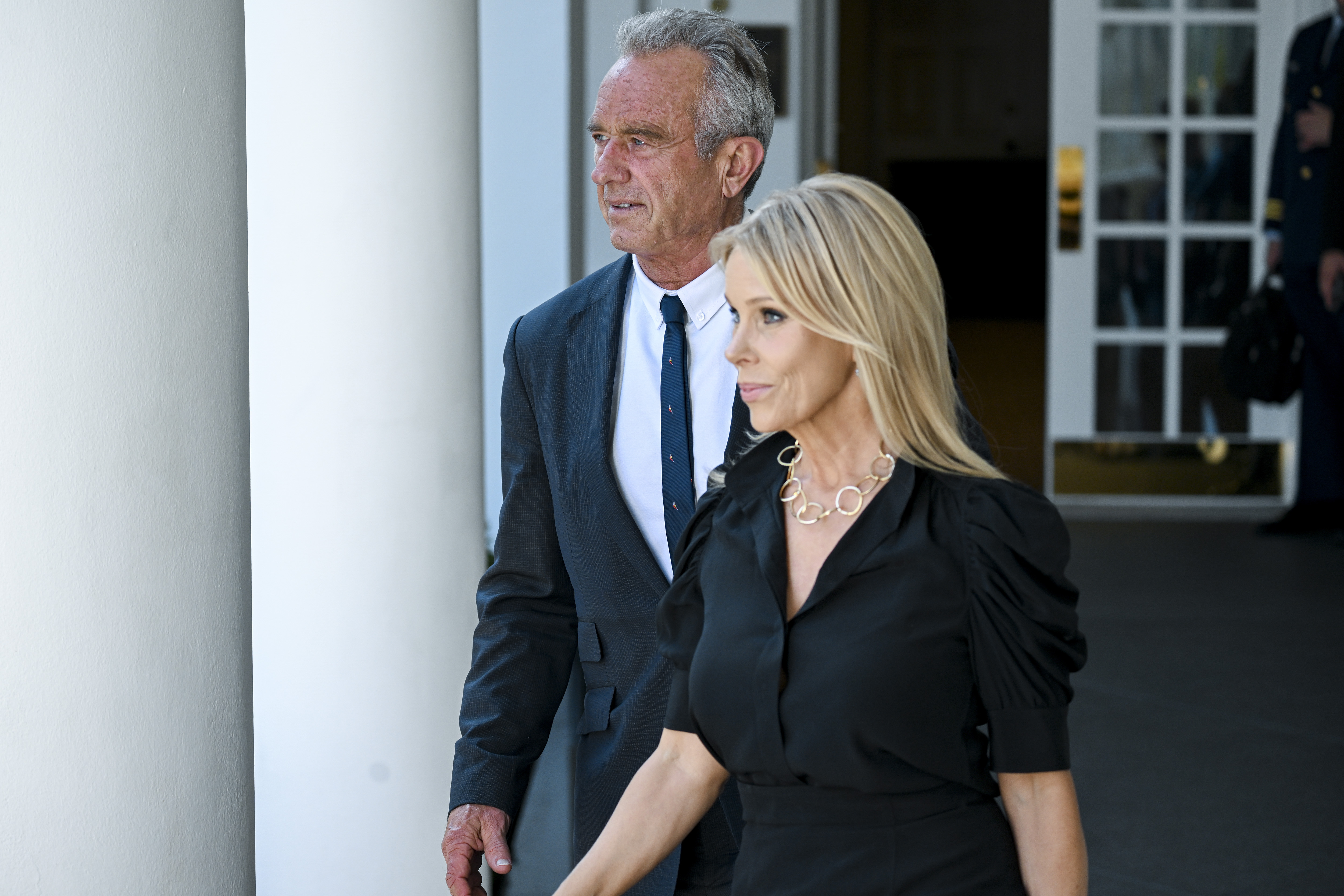
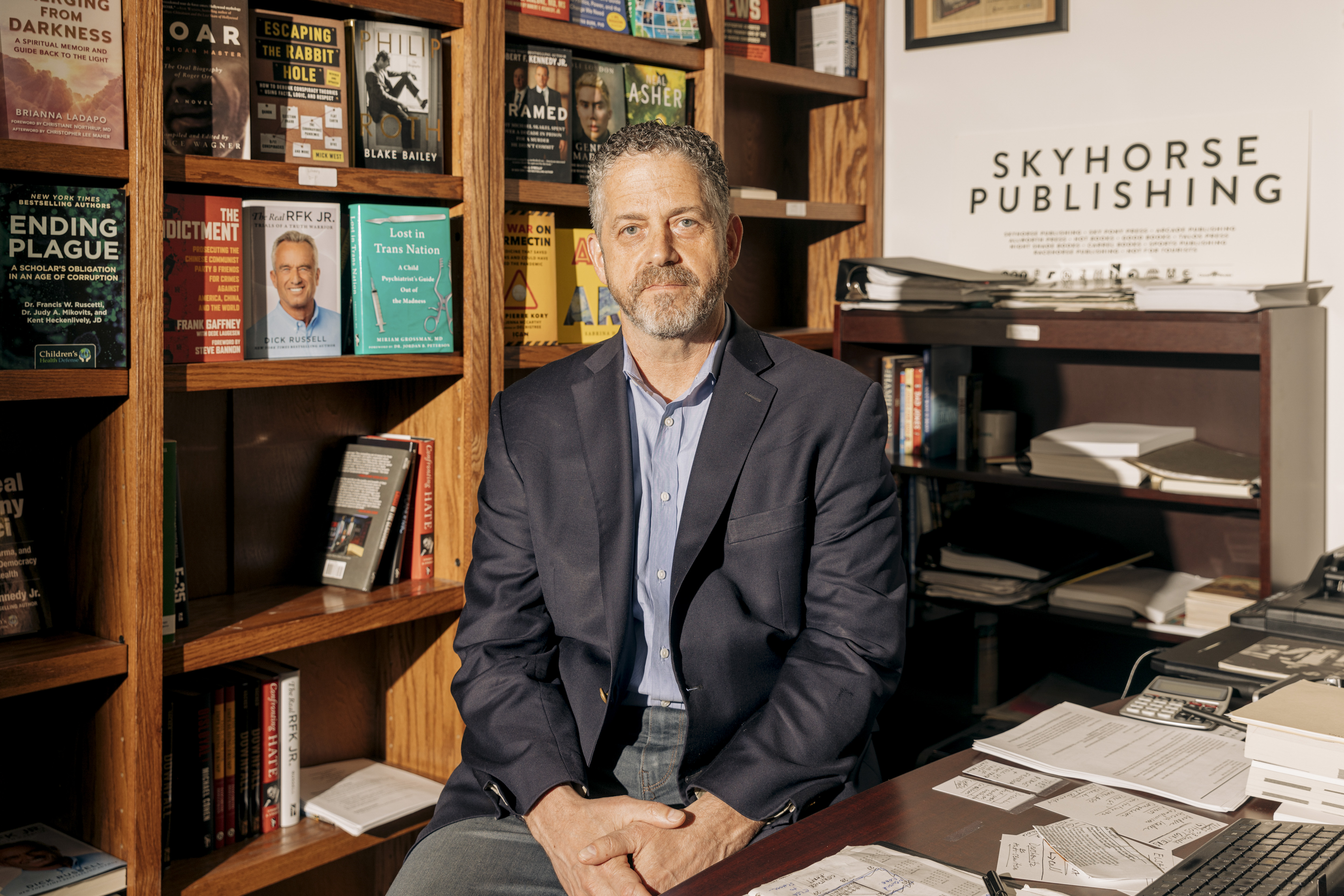
FILE — Health Secretary Robert F. Kennedy Jr. takes the stage on the second day of the Republican midterm convention at the American Airlines Center in Dallas, Sept. 10, 2026. Health Secretary Robert F. Kennedy Jr. accepted $4 million in book advances and more than $270,000 in gifts over the past year from close allies who are working to advance his Make America Healthy Again agenda, according to his latest financial disclosure form. (Ruth Fremson/The New York Times)RUTH FREMSONFILE — Health Secretary Robert F. Kennedy Jr. and his wife, Cheryl Hines, at the White House in Washington, July 23, 2026. A new disclosure shows $210,000 in consulting fees paid to Hines by one of several MAHA-affiliated groups capitalizing from his agenda. (Kenny Holston/The New York Times)KENNY HOLSTONFILE — Tony Lyons, owner of Skyhorse Publishing in Manhattan, at his office in Manhattan, Aug. 10, 2023. Lyons of Skyhorse Publishing sits atop a constellation of MAHA-related entities, including some that accept political contributions and corporate sponsorships from health-related companies. (Jeenah Moon/The New York Times)JEENAH MOON
UNITED NATIONS — Ukrainian President Volodymyr Zelensky urged the world’s leaders Wednesday to keep choking Russia’s revenues and impede its war efforts, telling the U.N. General Assembly that “Russia’s revenues must remain a target.”
“When someone gives Russia more money through trade, they give this war more time. And that is exactly why we insist on limiting trade with the aggressor, and why we are burning Russia’s revenues ourselves,” he said in English, a language he often uses at the world body.
Russia gets its turn Saturday to address the assembly. President Vladimir Putin hasn’t traveled to the gathering in years, sending Foreign Minister Sergey Lavrov instead.
Lavrov told the U.N. Security Council on Wednesday that Russia is prepared to negotiate toward a lasting peace but won’t just “pause” the war. He argued that such a pause would just buy Ukraine and its backers time to line up more weapons.
Zelensky cast doubt on Russia’s interest in ending the fighting.
“Something always seems to stop Putin from saying, ‘That’s it. Enough. Peace,’” Zelensky said. “Can you even imagine him without war? He is ‘Patient Zero’, the one from whom war keeps spreading further. … ‘Patient Zero’ must be stopped.”
The war has reverberated across the planet
Russia invaded Ukraine more than 4½ years ago and says it’s out to protect its own security and the interests of Russians and Russian-speakers in parts of Ukraine. Western analysts estimate that over 500,000 Russian troops have been killed and that Ukraine has recorded more than 500,000 military casualties, including up to 140,000 deaths. Neither country discloses its own casualty totals.
The war has had global repercussions for fuel, fertilizer and grain shipments — and for geopolitics, widening divisions between Russia and the West.
With front-line positions in eastern and southern Ukraine largely unchanged since last year, Russia and Ukraine have intensified long-range attacks with drones and missiles.
Russian drones pounded the Ukrainian capital, Kyiv, in daylight attacks on Wednesday, killing two people and wounding 23; two others were injured by a strike that started a big fire at a shopping mall in the southern city of Zaporizhzhia.
Russia’s Defense Ministry said it struck Ukrainian military-industrial and energy facilities, logistics centers, and sea vessels overnight. The ministry said its air defenses intercepted more than 500 Ukrainian drones over multiple Russian regions and Crimea, as well as the Sea of Azov and the Black Sea. Crimea is the peninsula that Russia seized by force and illegally annexed in 2014.
Zelensky says ‘you can stand and survive’
Zelensky told the assembly that Russia has used 63,000 attack drones of different types against Ukraine so far this year alone. While celebrating that his own country “has proven that even against a much bigger enemy, you can stand and survive,” he implored world leaders to deny Putin money or foreign fighters.
“Limit his money. Limit his war,” the Ukrainian leader said.
Meanwhile, Ukraine has been looking for additional resources. Zelensky noted to reporters Tuesday that his country hasn’t yet gotten clear answers to its effort to acquire more U.S. Patriot air defense systems.
Zelensky met Tuesday with U.S. President Donald Trump on the U.N. sidelines.
In brief remarks to the media before the meeting, Trump reiterated that he believes “we’re going to make a deal” with Russia and Ukraine to quell the fighting. The president predicted on the 2024 campaign trail that he’d swiftly broker an end to the war but hasn’t succeeded so far. Zelensky said Tuesday he was hopeful.
“Sometimes, it may seem that Ukraine is focused, focused, only on war because we speak about weapons, we speak about defense and sanctions against the aggressor. But Ukrainians did not choose this war,” he told the assembly on Wednesday. “We choose not to die. …. We are defending ourselves.”
With oil and gasoline prices spiking amid President Donald Trump’s war with Iran, it was an awkward moment for optimism about the world’s energy situation.
But Energy Secretary Chris Wright brought a sunny message to Houston last week at a gathering of energy ministers from the Group of 20 nations. The Trump administration, he said, was ushering in an era of energy abundance by expanding oil and gas supplies in places like Alaska and Venezuela.
That pitch was often overshadowed by the effects of the conflict in the Middle East. Between lauding oil and gas deals, Wright fielded questions about a damaged Saudi oil pipeline and sparred on social media with Gov. Gavin Newsom of California, a Democrat, over surging gasoline costs.
Wright acknowledged some tension, though he insisted it was temporary.
“Everyone’s frustrated with higher energy prices,” he said of the mood at the meeting. “But I’ve not met one person who’s comfortable with a nuclear-armed Iran. So everyone gets what we’re doing and this is a critically important mission. It creates dislocations in the short term. But the only answer to short-term dislocations is the energy abundance agenda.”
The situation was familiar for Wright, 61, one of the most forceful defenders of Trump’s vision of “energy dominance.”
Over the past two years, the administration has dismantled efforts to tackle climate change and ended support for wind and solar power. Instead, officials have sought to expand the use of oil, gas, coal, and nuclear energy — sources they see as more reliable. The aim, they say, is to reduce consumer prices, increase U.S. fuel exports, and provide enough electricity to win the artificial intelligence race against China.
Wright, a former fracking executive, has been out front in articulating that shift.
Whereas Trump speaks bluntly about energy — chanting, “Drill, baby, drill”; calling wind turbines ugly; or claiming that global warming is a hoax — Wright gives his arguments an intellectual gloss.
He cites figures on how solar panels underperform during winter storms. Or he argues that global warming is not as big a problem as energy poverty, which he says can only be alleviated with more oil, gas, and coal, even if that means more planet-heating greenhouse gas emissions.
Administration allies say that has made Wright invaluable.
“He has been one of the most consequential picks for energy secretary I’ve seen,” said Thomas J. Pyle, president of the American Energy Alliance, a research group that promotes fossil fuels. “He’s very experienced, brings a lot of substance, and he articulates President Trump’s vision clearly.”
Critics say Wright’s approach ignores the real risks of climate change and dismisses two of the world’s fastest-growing power sources: wind and solar. They also point to rising energy costs — diesel prices have hit record highs, and electricity rates are still increasing faster than inflation — as evidence that the administration’s policies aren’t working.
During his Senate confirmation hearing last year, Wright appeared to reassure lawmakers that he supported all energy sources, including renewables. He cited his graduate work on solar power and called climate change a “global challenge that we need to solve.”
But since taking office, he has been more combative, deriding wind and solar power as a “parasite” on the grid, blasting Democratic-led states for environmental policies that have shut down coal and gas plants, and accusing Europe of being in thrall to a “climate cult” that is limiting economic growth.
The Energy Department infuriated Democrats in Congress last October by canceling nearly $8 billion in Biden-era clean energy grants located almost entirely in states that didn’t vote for Trump. Asked about the decision at a June congressional hearing, Wright said political considerations had nothing to do with the decisions.
But in court filings in July, administration officials conceded that the cancellations were targeted in states that were represented by Democrats and had voted for Kamala Harris, the party’s presidential nominee, in the 2024 election.
Energy Department officials have said that they recommended that grants be canceled in red and blue states alike but that the decisions on which terminations to announce were made by the White House.
Sen. Martin Heinrich of New Mexico was one of eight Democrats who voted to confirm Wright last year but has since become a vocal critic.
“Of all the Trump nominees, I am particularly disappointed in his conduct,” Heinrich said. “He obviously had an oil and gas history, but he also had a clean energy history. And he just threw all of that away to be a partisan mouthpiece.”
In response, Ben Dietderich, an Energy Department spokesperson, said in a statement, “Secretary Wright doesn’t have preferred energy sources. He just believes in being honest about math and energy security. Unfortunately, many in the climate lobby don’t like that. The Department is proud to have ended energy subtraction policies that lead to higher prices, less energy security and human impoverishment.”
Wright first gained prominence as the founder of Liberty Energy, a Denver-based oil-field services company that was heavily involved in the fracking boom.
Even among oil and gas executives, Wright stood out as an evangelist for fossil fuels. In 2021, as world leaders and even many oil companies were pledging to slash emissions, Wright published a 180-page report criticizing what he saw as a “myopic focus on climate change.”
He argued that people in developing countries still lacked enough energy to enjoy a decent standard of living and that renewables couldn’t replace oil, gas and coal to provide that power.
“At the height of this era when everyone was saying energy policy should just be about climate, Chris Wright was one of the few CEOs that ran oil and gas firms who clearly and vocally spoke out,” said Arjun Murti, a partner at the energy research firm Veriten.
Wright also had a flair for the dramatic. He once drank fracking fluid on video to show it was safe. In 2021, he rented billboards around Denver to heckle The North Face after the company declined to work with an oil firm.
He landed appearances on Fox News and won the job of energy secretary on the recommendation of Harold Hamm, a fellow fracking pioneer and major donor to Trump.
Wright quickly transformed the department. Out were programs to develop novel technologies to fight climate change, like green hydrogen or low-emissions steel. Instead, federal funds went to help utilities finance gas plants, nuclear reactors and transmission lines or upgrade older coal plants, which officials say are essential for meeting rising electricity demand.
Wright also lifted a Biden-era pause on expanding exports of liquefied natural gas, now the nation’s fastest-growing export, and has pressured Europe to ease rules on methane, a potent greenhouse gas, saying they could hurt U.S. exports.
“He brought a whole new attitude to the agency,” said Scott Segal, an energy lobbyist at Bracewell. “It’s all about how do we produce enough energy to support AI and economic growth.”
Some changes have attracted bipartisan support, such as Wright’s promotion of nuclear and geothermal energy, which don’t produce planet-warming emissions. His agency has dangled billions of dollars in loans to kick-start the largest expansion of nuclear power in a generation, while a program to help startups develop small reactors has moved faster than many expected.
Other moves have been more contentious.
To rescue the declining coal industry, an obsession of Trump’s, the Energy Department used emergency powers to keep plants running past their scheduled retirement dates, which could cost ratepayers billions. (This month, a federal judge struck down one such order, saying the agency had overstepped its authority.)
Last year, Wright picked five skeptics of mainstream climate science to write a report arguing that concerns about global warming were overblown. That report prompted furious pushback from hundreds of scientists, who denounced its findings as riddled with errors. A federal judge later ruled that Wright had acted unlawfully by secretly convening the authors.
Wright, who often criticizes wind and solar for not running at all hours, has cut renewable energy programs and renamed the National Renewable Energy Laboratory as the National Laboratory of the Rockies. While experts agree that the variability of wind and solar poses real challenges, many say it goes too far to call the sources “worthless.” Texas gets roughly one-third of its power from renewables and has kept costs low.
“It’s borderline petty how anti-renewable this Energy Department is,” said Samantha Gross, a director at the Brookings Institution. “Especially since we’re still building more renewables, particularly solar, than any other form of energy in the U.S. right now.”
Roughly 2,700 staff members have left the agency, which analysts and former employees said could make it difficult to carry out its mission.
Wright’s supporters say he has helped steer the country away from what they saw as the Biden administration’s unrealistic plans to rapidly phase out fossil fuels.
Some say the debate is shifting in his direction. Many states and businesses are backing off ambitious climate targets, and Democrats are less vocal nowadays about climate change. Tech companies are using more natural gas to meet exploding demand for data centers. The International Energy Agency, after some browbeating by Wright, is revising up its projections for how long fossil fuels will stick around.
“There’s been a real shift in how investors and others now talk about energy,” said Travis Fisher, a director of energy and environmental studies at the libertarian Cato Institute who worked with Wright to organize the agency’s climate report. “Climate has become a lot less salient.”
The administration’s strategy faces its biggest test yet with the Iran war. While The New York Times reported that Wright was excluded from the decision to launch the war, he has been busy managing the energy fallout. He often appears on television to discuss U.S. military escorts of oil tankers through the Strait of Hormuz. And he is quick to counter that Democratic-led states face high energy costs because of decisions to close refineries or oppose pipelines.
In the short term, the war and resulting energy shortages have benefited many U.S. suppliers, which are exporting more oil and gas than ever before. But in the long term, some experts and companies worry the chaos could hurt the market for fossil fuels as countries seek to reduce reliance on energy imports.
Wright, for his part, says fossil fuels are too useful to recede anytime soon.
“We will never, ever come remotely close to running out of hydrocarbons, which means you need better technology and innovations to eventually eat into their market share,” Wright said at a Cato event in May.
He said he was excited about recent breakthroughs in areas like fusion. But, he added, “the biggest innovations the rest of my lifetime in energy are almost certainly going to be in oil, gas and coal, because they are what matter.”
FILE — A monitor shows Chris Wright, the Trump administration’s Energy secretary, at a hearing on Capitol Hill on May 13, 2026. Wright, a former fracking executive, pitches a future of fossil fuel abundance. It hasn’t always been an easy sell as the war with Iran drags on and oil prices surge. (Haiyun Jiang/The New York Times)HAIYUN JIANG
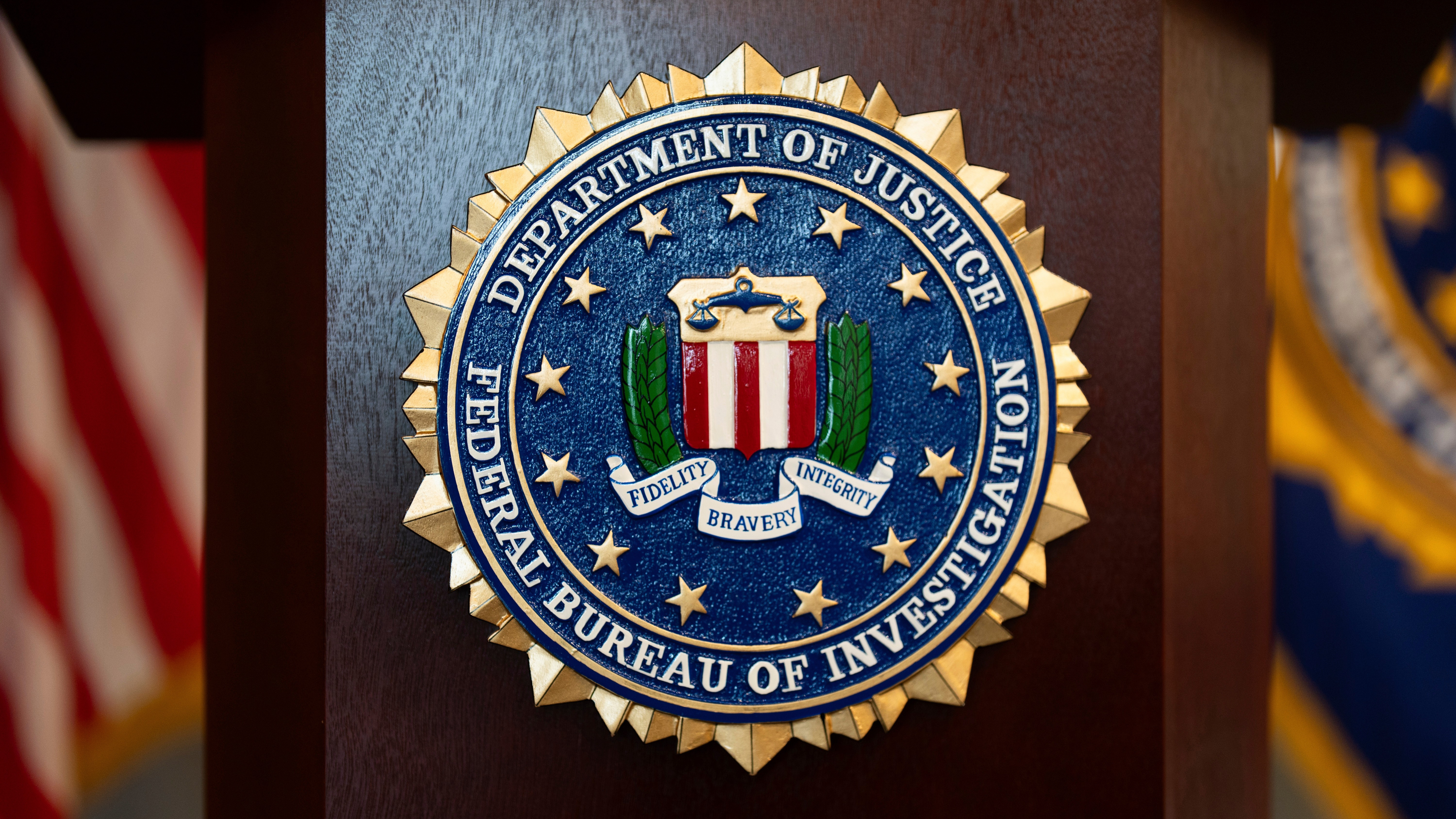
WASHINGTON — The FBI said Wednesday it was investigating a criminal hacking group’s claims that it had stolen “very sensitive data” belonging to thousands of agents and applicants and that it had compromised the bureau’s jobs website.
“The FBI is aware of a cyber-criminal enterprise group claiming a compromise of the FBIJobs.gov portal and alleged impact to FBI employee personally identifiable information,” the FBI said in a statement. It said that while the “point of breach” was undetermined, “we are actively and aggressively investigating this matter and working closely with those third-party providers that support FBIJobs.gov to mitigate any and all risk.”
A message that circulated online from a hacking group known as ShinyHunters claimed responsibility for the hack. The jobs website, the main portal for prospective employees to learn about the FBI and initiate the application process, remained offline as of Wednesday afternoon.
“We have compromised the FBI. We hold very sensitive data on almost ALL FBI Agents and individuals who filed an application with the FBI for a job,” said the ShinyHunters message, which was directed to FBI Director Kash Patel and Brett Leatherman, the assistant director in charge of the bureau’s cyber division.
The claims could not immediately be verified. An email to an address associated with ShinyHunters was not immediately returned.
In its message, ShinyHunters said it would give the bureau one week to correct or remove what it says are false allegations contained in an FBI public advisory from May that described the organization as a “cyber criminal group specializing in large-scale data breaches and extortion.”
That public service announcement characterized ShinyHunters as “threat actors” who often “use their real or exaggerated claims of access to sensitive or personal information to prompt payment from victims,” commonly harass or threaten victims and “may falsely claim to have sensitive or compromising information, including embarrassing photographs or videos of victims, which frequently do not exist.”
ShinyHunters said in its message to the FBI that it was “offended” by those characterizations and demanded that the FBI remove those claims. It did not say what would happen if the FBI did not do so within a week.
“This is not a ransom, coercion, or extortion. Your federal policies do not apply here. This PSA is NOT financially motivated,” the hacking group’s message said.
The FBI, the nation’s premier federal law enforcement agency, has been a common hacking target.
In March, the FBI disclosed that it was investigating “suspicious activities” on an internal system that contains sensitive information related to surveillance operations and investigations. Also that month, a pro-Iranian hacking group claimed to have hacked an account of Patel’s and posted online what appear to be years-old photographs of him, along with a work resume and other personal documents dating back more than a decade.
The FBI described the compromised information as “historical in nature” and said it involved “no government information.”
Nursing homes would no longer be required to report each week how many residents were stricken by COVID-19 and other respiratory diseases, under a Trump administration plan to repeal a key public health response to thousands of pandemic deaths.
A draft summary of the proposed rule obtained by The New York Times outlines how the administration agrees with the industry’s objections to weekly reporting of viral caseloads, calling it burdensome. In its waning days, the Biden administration made COVID reporting rules permanent, adding influenza and respiratory syncytial virus to the list of threats that facilities also must track and record. The policy took effect in January 2025.
Advocates for nursing home residents reacted with dismay to the proposed rollback. Elderly, frail residents are especially vulnerable to infections, and they live in close quarters, where viruses can spread rapidly.
“That’s crazy,” said Sam Brooks, director of public policy at the nonprofit National Consumer Voice for Quality Long-Term Care. “We know, if anything, that respiratory disease has a disproportionate and deadly impact on nursing home residents.”
He said the Centers for Medicare and Medicaid Services, or CMS, which regulates nursing homes, would be blinding itself to an important method for tracking infection control and pinpointing problems.
The administration has cut back on data updates at other agencies, including the Centers for Disease Control and Prevention, where a study published this year found that databases related to vaccine and respiratory diseases had gone dormant.
Nursing home industry representatives declined to comment on specifics, because the changes have not been announced. They contend infection reporting consumes too much staff time and is duplicative, because infection data is reported to the federal government and states in other ways.
CMS, which drafted the plan, declined to discuss the proposal or disclose when it would be made public.
During the peak years of the pandemic, from early 2020 through early 2022, more than 200,000 nursing home residents and staff members died after being infected by coronavirus, according to KFF, an independent health policy organization, which cited CDC data.
The high death toll has been attributed in part to a lack of preparedness and weak infection controls. The Government Accountability Office said in 2020 that inspectors had cited 82% of nursing homes for infection control deficiencies from 2013 to 2017, and that half of those were found to be repeat violators.
In the internal document obtained by the Times, Dr. Mehmet Oz, the director of CMS, recommended to his boss, Health Secretary Robert F. Kennedy Jr., that the agency pursue steps to undo the mandate.
“The agency does not comment on purported internal or predecisional deliberative materials,” a CMS a spokesperson said in an email. He said the agency evaluated regulations to ensure they “allow providers to focus time and resources on delivering care rather than unnecessary administrative burden.”
The draft memo from Oz to Kennedy said CMS would reserve the power to reinstate weekly reporting if another public health emergency occurred.
The plan also would end a requirement that nursing home staffs be educated about COVID vaccines and offered the shots. Groups representing residents called the move unwise, pointing out that front-line caregivers were a key pathway for the coronavirus to enter nursing homes during the height of the pandemic. COVID vaccine rates among staff members in recent years have been below 10%, the CDC has reported.
The administration plan would continue to mandate that facilities offer the COVID vaccine to residents.
The nursing home industry has already achieved its biggest goal of President Donald Trump’s second term: After a heavy lobbying blitz, the administration last year scrapped Biden-era minimum staffing rules that were intended to improve resident care.
Biden officials, in pushing the staff minimums, had cited COVID deaths along with decades of concerns about poor care, including deaths from bedsores, falls and medication errors. But the Trump administration said too many nursing homes, especially in rural areas, could not find enough staff to satisfy the requirements. Many workers who care for the elderly are typically paid less than janitors and retail employees, and the work can be grueling.
With the proposed change on infection reporting, the administration anticipates favorable reaction from the industry, according to the draft memo.
Two main nursing home lobbying groups — the American Health Care Association and LeadingAge — reiterated their opposition to weekly respiratory infection reporting, saying that other government programs track COVID infections and that respiratory illnesses are reported to many local health departments.
“This outdated reporting requirement is only adding hours of unnecessary administrative tasks to caregivers each week” said Holly Harmon, the American Health Care Association’s senior vice president of quality, regulatory and clinical affairs. “It’s time to streamline public health reporting and put patients over paperwork.”
But industry critics contend that operators are failing to heed the lessons of the pandemic. With low staffing levels and high turnover, infection control efforts are most likely in line with the prepandemic patterns flagged by the GAO, said Toby Edelman, senior policy attorney at the Center for Medicare Advocacy.
“I don’t think there is any reason to believe they have beefed up what they are supposed to be doing,” Edelman said.