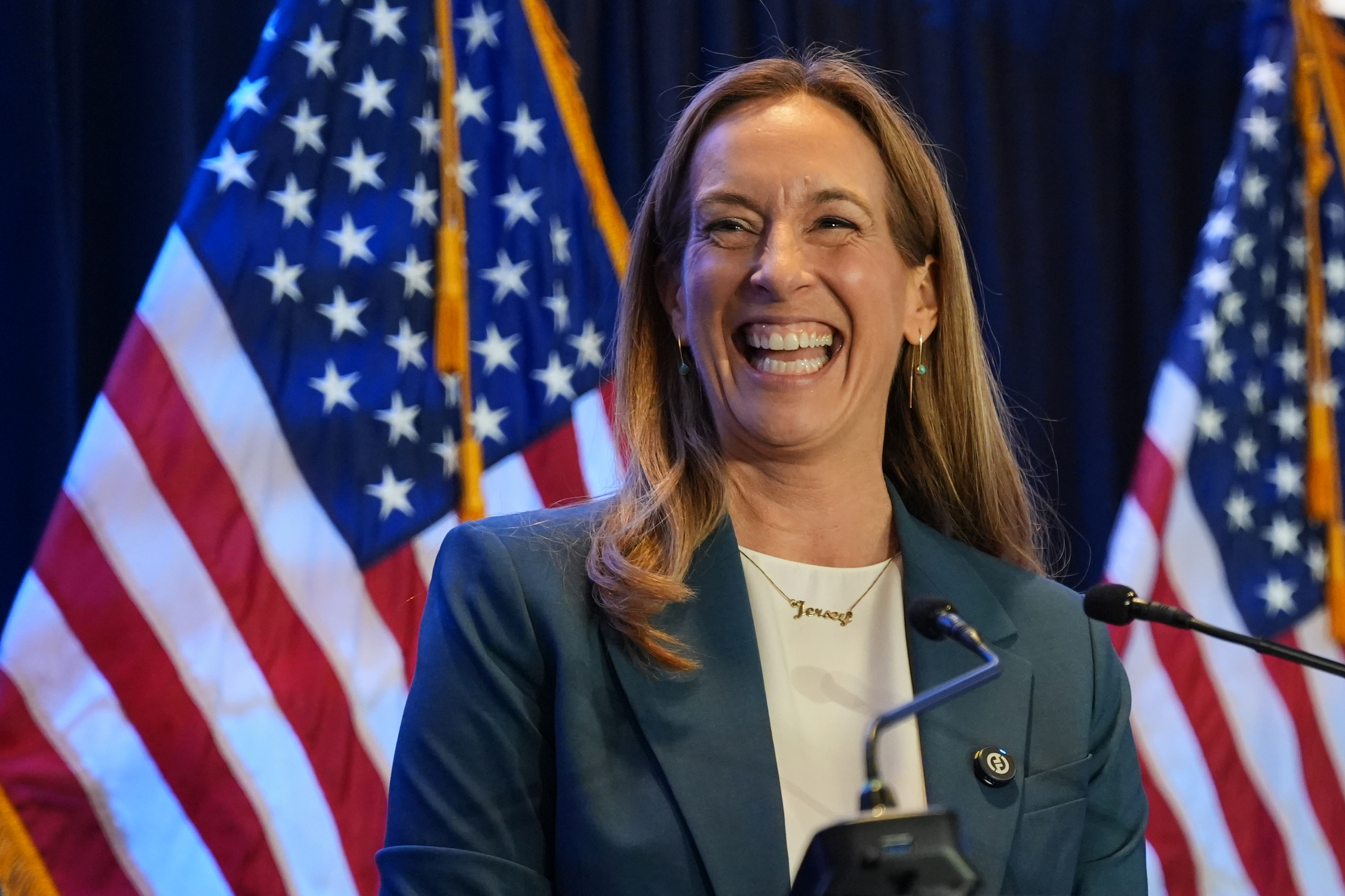
Gov. Mikie Sherrill announced an ambitious plan Monday to improve student literacy in New Jersey, where fewer than half of third graders are proficient in reading.
During a news conference at Arthur M. Judd Elementary School in North Brunswick, Sherrill unveiled a new strategy to target young learners at an earlier age to improve reading skills and narrow the achievement gap.
She signed an executive order that gives the state Department of Education 90 days to develop a plan for districts to use more evidence-based reading practices in the classroom. The order also calls for literacy coaches for teachers and for the state to explore setting up a summer camp for struggling readers. Other states, including Pennsylvania have in recent years passed similar legislation mandating such evidence-based “structured literacy”programs.
“Every child in New Jersey deserves the strong start that comes from learning to read, and reading to learn,” Sherrill said. “We have a responsibility to equip all our kids with the strong literacy skills that are essential for opening doors, enabling them to thrive academically, and preparing them for life-long success.”
Sherrill said the new strategy is modeled after a plan launched in Mississippi in 2013, then ranked 49th in the country for literacy. The state implemented sweeping education reforms and saw tremendous gains for its fourth graders.
By 2024, Mississippi had moved up to ninth in the country and drew attention from educators nationwide. The gains were called “the Mississippi Miracle.”
Lily Laux, New Jersey’s education commissioner, said the state plans to combine evidence-based instruction with high-quality materials, early screening, and timely intervention. The goal is to make sure every student reaches their full literacy potential by third grade, she said.
“We can’t wait until third grade to find out if a child is struggling,” Laux said. “We need to identify those needs and respond quickly.”
Nearly half of New Jersey’s students in grades three through nine fail to meet grade-level expectations in English language arts, according to Sherrill. Achievement rates are substantially lower among economically disadvantaged students, multilingual learners, and students with disabilities, she said.
Here are other takeaways from Sherrill’s executive order:
The state Department of Education has 180 days to update the evidence-based criteria for literacy screening tools and publish a list of at least two approved tools, at least one at no cost. Districts must choose their tool from that list.
The Education Department has 360 days to evaluate early literacy instructional materials currently in use and publish a list of approved high-quality, evidence-based ones.
The state wants to amend the approval criteria for Educator Preparation Programs to make sure they are aligned with evidence-based reading instructions. The state also plans to review its educator certification program and make changes to increase the number of qualified instructors certified in early literacy and reading.
The state plans to start a regional literacy coaching pilot program to train educators in evidence-based literacy instruction and how to use literacy screener data. It also plans to explore the feasibility of setting up a literacy summer camp program.
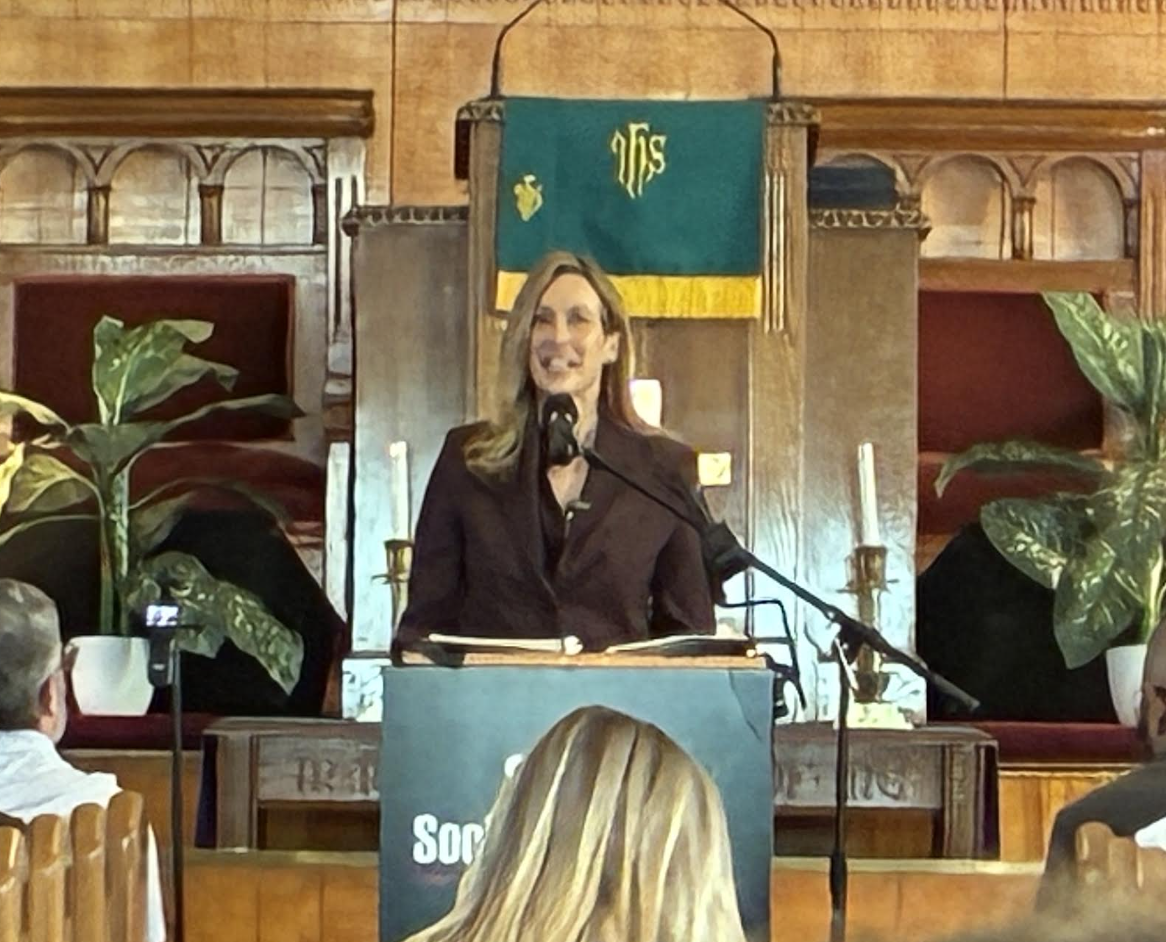
Inside a packed church in Atlantic City, Gov. Mikie Sherrill celebrated the blue wave of wins across the nation in the midterm elections by giving credit to Black women — about 94% of whom voted for Democrats.
Declaring it was “a moment for action,” the Democratic governor signed an executive order from the pulpit that she said would reduce the barriers Black business owners and other people of color face competing for hundreds of millions of dollars in state contracts.
“I’m ready to do it all in partnership with you,” Sherrill told a receptive audience of leaders and congregants before she departed St. James A.M.E. Church.
Then, for the next hour, Black leaders including Newark Mayor Ras Baraka, Assemblyperson Verlina Reynolds Jackson (D., Mercer),and civil rights activists described what Sherrill offered as a meaningful start. But, without naming the governor or any other specific official, they said they intended to use their political clout gained from electing Democrats to work as partners with Sherrill and seek more for their communities.
New Jersey Gov. Mikie Sherrill addresses a group of Black leaders and congregants at the St. James AME Church in Atlantic City on Wednesday. She signed an executive order removing governmental barriers that prevent minorities from competing for state contracts.Susan Livio
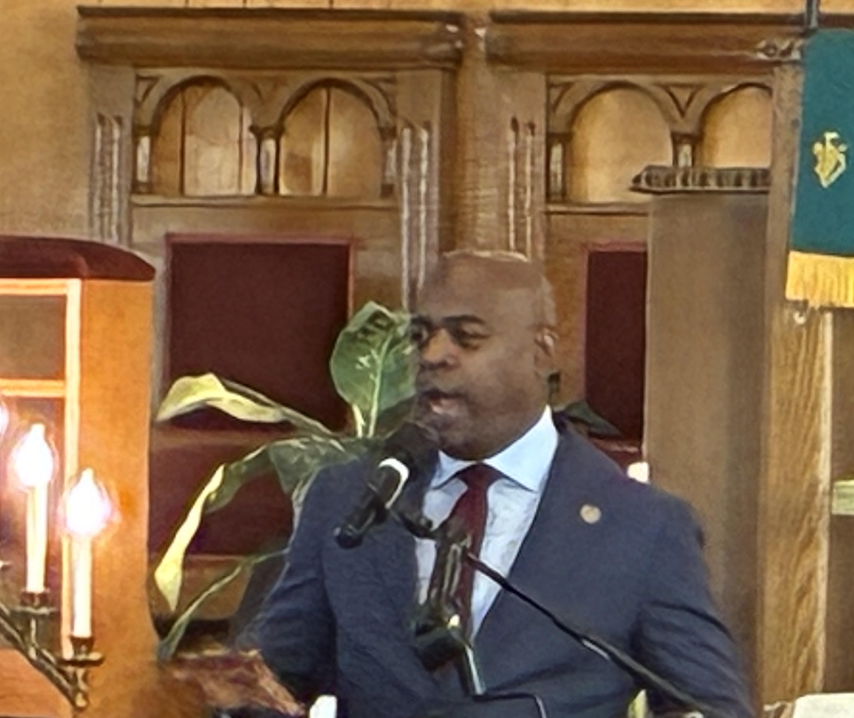
“Why are we still asking for things and begging for things? Why do we have our hand out and let people tell us that they did something for us? I never accepted the concept that we are asking for a handout,” said Baraka, who lost to Sherrill in a crowded primary election in June 2025.
The speeches by the governor and the Newark mayor were part of an event commemorating the first anniversary of the “New Jersey Statewide Black Agenda” organized by Baraka, the clergy-led Salvation and Social Justice, and the New Jersey Institute for Social Justice.
But the gathering, which coincided with a larger of conference of local officials happening in Atlantic City, also took place against the backdrop of this month’s national “blue tsunami.”
Baraka thanked Black women for helping deliver big wins in states like Georgia and Mississippi.
“But what do you do when the state is blue and still deeply racist?”
Newark Mayor Ras Baraka spoke at the first anniversary of the New Jersey Statewide Black Agenda, held at the St. James AME Church in Atlantic City Wednesday.Susan Livio
Reynolds Jackson, who leads the New Jersey Black Legislative Caucus, acknowledged the governor is taking important steps, such as spending more money to recruit midwives and doulas to address the state’s high rate of maternal mortality among Black mothers.
But now it is time to “bring the passion and urgency” to demand more from the state, Reynolds Jackson said. “We are not taking that ‘it’s not in the budget’ anymore. We know the money is there,” she said.
Speakers credited Sherrill for signing the John Lewis New Jersey Voter Empowerment Act in July, which prohibits politicians from redrawing legislative districts that minimize the minority vote, among other provisions. In January, Sherrill’s predecessor, former Democratic Gov. Phil Murphy, signed a “survivor’s justice” law that requires courts to recognize domestic abuse as a mitigating factor if victims retaliate against their abusers.
The blueprint for the Statewide Black Agenda grew in part as a reaction to a disparity study completed two years ago that found people of color owned 28% of construction businesses in New Jersey but received less than 4% of the state construction contracts. Similarly, people of color owned nearly 24% of the businesses selling goods and services but held a little more than 4% of those state contracts.
The agenda is broader than seeking a share of state contracts. The plan includes strategies to improve economic equity and generational wealth through homeownership, reduce homelessness, and prevent companies from polluting urban neighborhoods.
Henal Patel, interim president and CEO of the Institute of Social Justice, said Sherrill signed “one of the strongest voting rights laws in the country.”
”But it didn’t come from nowhere. It came from the relentless advocacy from Assemblywoman Verlina Reynolds Jackson and from communities and activists over four years,” Patel said.
“All of this stuff is progress, but it just scratches the surface,” Patel said.
President Donald Trump’s former Border Patrol chief laughed at protesters, mocked New Jersey’sgovernor and urged young conservatives to “keep the pressure on” to drive more immigrants from the countryduring a Monday appearance at Rutgers University.
Within minutes of taking the stage at the Douglass Student Center in New Brunswick, Gregory Bovino was shouted down by a handful of protesters who called him a “fascist,” “a Nazi” and “a loser.”
Bovino,whose speech was sponsored by the Rutgers Republicans, laughed at the disruption and left the room briefly as Rutgers Police ordered the hecklers to leave or face arrest.
He had been the face of the Trump administration’s mass deportation efforts and oversaw the controversial crackdown in Minneapolis. But he was removed from command in January after federal agents shot and killed two protesters, Renee Good and Alex Pretti, in separate incidents. Bovino was reassigned and retired from the Border Patrol in March.
One student asked if he could defend the deaths of Pretti and Good.
“Poor decisions come with consequences,” Bovino replied, quickly adding, “What took place is still being sorted out.”
He said the “real victims” in the deportation crackdown were the ICE agentscarrying out the mission. “I love them and salute them.”
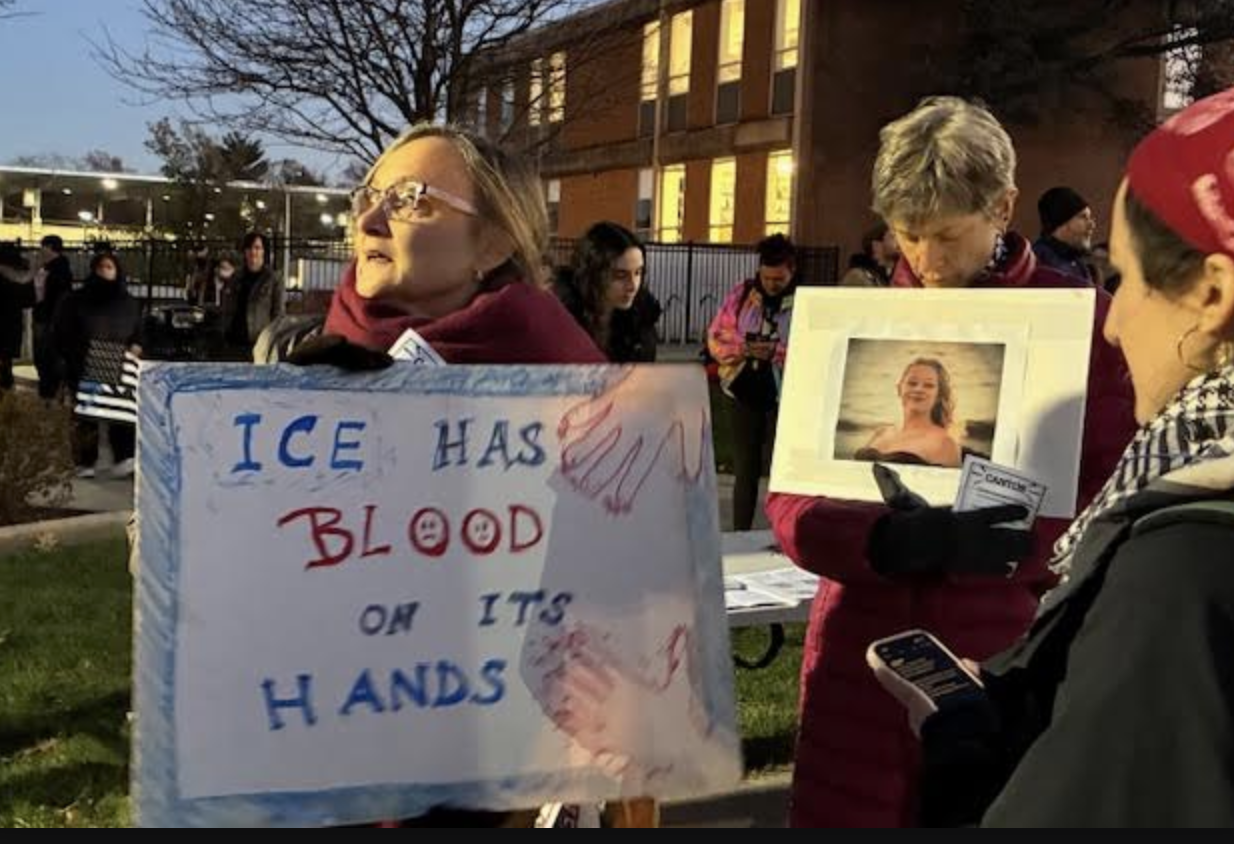
More than 200 protesters, some waving banners bearing Good and Pretti’s photos, had gathered outside the center before his remarks to condemn his leadershipand aggressive tactics againstimmigrant communities.
When Bovino returned to the stage, he told the few dozen people who remained that “the deck is stacked against young Republicans and conservatives.” But they should not feel badly about this month’s midterm elections — what he called “terrible Tuesday” — which swept many Republicans from office across the country, including two U.S. House members from New Jersey.
“You got rid of a whole of RINOs — Republicans in name only,” who have backed away from the mass deportation campaign after Minneapolis, he said.
“But the solution is before me right now. It’s the young people. It’s you guys and girls who will take this back and win it,” Bovino said.
Bovino took repeated shots at Democratic Gov. Mikie Sherrill, whom he referred to as “Sugar Pop” Sherrill and “totalitarian Kim Jong Sherrill” because she criticized the Rutgers Republicans club for inviting him to the campus. In a social media post Monday morning, she suggested people go and ask him why he chose “cruelty over humanity and put Americans’ lives at risk in their own communities.”
Bovino claimed that to have seen studies that show there are 100 million people living in the U.S. illegally, who he blamed for housing prices and other issues.
“The minute all 100 million are deported and taken from American soil, then all those issues – many are solved just like that, overnight,” he said.
But that wildly inflated number would represent roughly a third of the country’s population and is disputed as baseless even by groups that advocate for lower rates of immigration.
An analysis by the Department of Homeland Security’s statistics office reported there were 11 million unauthorized immigrants in the country in 2022. The Center for Immigration Studies pegged the number at 13.5 million as of July and said “claims that there are 100-plus million illegal immigrants have no basis in reality.”
Alan Cummings, a retired teacher and Highland Park resident, scoffed at Bovino’s figures and accusedhim of misleading students who came to see him. “I came here with an open mind, but with the off-color jokes and misinformation… you disappoint me so.”
Gregory Bovino, left, a former top official in the Border Patrol, looks on as demonstrators drown him out during a campus forum at Rutgers University in New Brunswick, N.J., on Monday, Nov. 16, 2026. Bovino, the former face of President Trump’s immigration crackdown, was briefly driven from a Rutgers University stage on Monday evening as demonstrators shouted over him during a campus forum. (Madison Swart/The New York Times)MADISON SWART
Bovino told reporters after the lecture he would return to his job immediately if he was invited back and Trump resumed mass deportation efforts. He said he had confidence that Trump’s new chief of staff, Stephen Miller, would resume this approach.
He disagreed that the election outcomes suggested people did not support the administration’s enforcement approach.
Voters were disappointed because “we didn’t go hard enough on deportations,” he said.
The event went on as scheduled Monday night, despite social media scorn from student and community activists and a petition that called on Rutgers to cancel Bovino’s appearance.
A spokesperson for Rutgers University said as “a recognized student organization at Rutgers University–New Brunswick,” the Rutgers Republicans are permitted to host guest lectures and other activities.
“Providing space for a student-organized event does not constitute university endorsement of the speaker or the views expressed,” university spokesperson Megan Florance said.
The protest drew students from colleges across the state and community activists.
Bovino’s “presence on campus feels like a slap in the face to students and to the communities affected by his actions. Rutgers must put students’ safety and security first,” said Dolly Hernandez Medina of Casa Freehold, an immigrants’ rights group.
Kathy Malkiewicz of Highland Park, holding a sign with Renee Good’s photo, said she has felt “amazed, appalled and distressed — you name it — by the activities and the cruelty of ICE and the murders that have been committed.”
She’s “cautiously optimistic” that the situation will improve when Democrats take control of Congress in January.
“But I also think the next couple of years will be very tough because I see no respect for the law,” she said.
Camden Mayor Victor Carstarphen and the city’s top elected officials are calling on Gov. Mikie Sherrill to remove the city’s state-appointed school superintendent.
In a letter dated Nov. 10 to Sherrill and state Education Commissioner Lily Laux, they cite “serious concern” about decisions made by schools chief Alfonso Q. Llano Jr. that they say “have eroded our confidence” in his ability to lead the troubled district.
The letter, obtained by The Inquirer, lists a series of grievances against Llano since he was appointed by the state in January. Among the complaints, Llano recently notified One Camden Inc., a citywide public school enrollment system, that it plans to withdraw district schools, according to the letter.
“Unfortunately, this is not an isolated decision,” the letter said. “Since taking office, the superintendent has made a series of consequential decisions with limited stakeholder engagement, insufficient planning and significant implications for students and families.”
Llano did not respond to a request seeking comment Monday.
In a statement, district spokesperson Sheena Yera said Llano “remains focused on the work of moving the Camden City School District forward, improving student outcomes, strengthening accountability, and ensuring that the needs of Camden’s students and families remain at the center of every decision. The superintendent respects the right of elected officials and community stakeholders to express their views.”
The letter demanding Llano’s removal sent shock waves through Camden education circles Monday. Llano was highly praised by the mayor when he was named superintendent a few months ago, becoming the first Hispanic person to hold the job.
“I am not in agreement with asking him to resign at this juncture,” said former school board member José E. Delgado. “I disagree with him on many issues, but I don’t know if asking him to resign is the next step.”
A former school superintendent in Vineland, Llano was tapped by the state 10 months ago to run the Camden school district after a national search. He started the job March 1. He has a three-year contract and gets $260,000 annually.
He replaced another embattled superintendent, Katrina T. McCombs, whose contract was not renewed after a group of city leaders, including Carstarphen, called for her removal. The group said Camden schools needed “a new vision for leadership.”
The letter also cited Llano’s decision to end a longstanding uniform requirement at the high schools, implementing instead a dress code policy. School start times were also changed, giving families little notice to prepare, the letter said.
In addition to the mayor, the letter was signed by the city’s legislative delegation, including State Sen. Nilsa Cruz-Perez and Assembly members William Spearman and William Moen. City Council President Angel Fuentes, Vice President Arthur Barclay, and former Mayor Dana L. Redd also signed the letter.
The letter was written on letterhead with logos for the city and the Camden Education Fund. In a statement, Giana Campbell, president of the Education Fund, said her group was committed to working with local and state leaders “to protect Camden’s progress and ensure the best possible outcomes for students and families.”
A Sherrill spokesperson referred comment to the state education department.
Laux’s spokesperson, Cecilia Williams, said in a statement: “The Department remains focused on ensuring Camden students are safe, supported and successful. We take concerns raised by members of the community seriously, and the Commissioner is actively engaging with district leadership and local stakeholders to discuss those concerns.”
The One Camden enrollment system has become a hot debate in recent years as the education landscape has shifted. It is operated by a nonprofit that lets students apply to nearly any public school in the city with one application, ranking their choices and receiving an offer.
Supporters say the process, which began more than a decade ago, is intended to level the playing field for families in a city where more students attend Renaissance and charter schools than the traditional public school system.
According to its website, parents can still enroll their children directly in their neighborhood school without an application or lottery.
One Camden has had an annual contract with the district since 2014, said executive director Tameeka Mason. Llano issued a notice of termination on Oct. 30, which she called a “misinformed policy decision.“
Mason cited possible legal ramifications and declined to comment further.
Critics like Delgado and others say the enrollment system has undermined traditional public schools as thousands of students have left to attend charter and Renaissance schools — taking millions of dollars in funding with them.
“Follow the money,” Delgado said.
Enrollment in traditional public schools has dropped more than 50%, from 11,660 students in 2013-14 to about 5,300 currently. Payments to charter and Renaissance schools during that period have increased from $54.9 million to $198 million.
Activist Vida Neil applauded Llano for moving to cut ties with One Camden. She said she believes it is “devouring” the traditional school system.
“He’s not giving away any more kids,” Neil said. “We’re making moves to get our kids back.”
New Jersey Gov. Mikie Sherrill said Monday she was “deeply disappointed” that a Rutgers University student organization will host the Trump administration official who oversaw the controversial immigration enforcement operation in Minneapolis that resulted in the death of two U.S. citizens.
Gregory Bovino, the former head of U.S. Border Patrol, will speak Monday night at an event hosted by Rutgers Republicans.
Bovino oversaw the controversial operation in Minneapolis that involved ICE and other agencies, but he was removed from command in January after federal agents shot and killed two protesters, Renee Good and Alex Pretti, in separate incidents. He retired from the Border Patrol in March.
Bovino also oversaw Operation Midway Blitz in Chicago, which preceded the Minneapolis deployment. The family of Silverio Villegas González, who was killed by ICE officers during that operation, is suing the federal government over the killing.
Protesters plan to hold a demonstration outside the Douglass Student Center in New Brunswick Monday evening whenBovino addresses the group.
Sherrillsaid in a social media post she would work with the university to “protect the safety of everyone and the rights enshrined in our constitution” for those who attend the speech.
Then-U.S. Border Patrol Cmdr. Gregory Bovino shouts at protesters, Jan. 11, 2026, in Minneapolis.Jen Golbeck
But the Democratic governor also challenged attendees to ask tough questions.
“I would hope that those in attendance use that opportunity to ask him. why he chose cruelty over humanity and put Americans’ lives at risk in their own communities,” Sherrill wrote in her Threads post.
“They should also ask him what he makes of Americans’ overwhelming rejection of his policies in the midterms,” Sherrill’s post said.
Sherrill has contended with her own controversy involving ICE.
A spokesperson for Rutgers University said as “a recognized student organization at Rutgers University–New Brunswick,” the Rutgers Republicans are permitted to host guest lectures and other activities.
“As a public university, Rutgers is committed to protecting freedom of expression, even when views expressed may be controversial or generate disagreement,” Megan Florance, the spokesperson said.
Campus police would be prepared to provide a safe place for people to gather, including demonstrators, she said.
In an interview with NJ.com last week, Andrew Joseph, the club’s president, said he can why Bovino’s presence is “very inflammatory” but argued it was worth having him on campus.
“I’m willing to take the risk on that. We are the Rutgers Republicans. We believe in the open market of ideas,” he said.
Joseph could not immediately be reached for comment on Sherrill’s social media post.
In the wake of a sexual harassment scandal that led to the resignation of her second-in-command, Gov. Mikie Sherrill on Monday announced her choice for the state’s new lieutenant governor: Shirley Emehelu, a former prosecutor who oversaw last week’s election.
Emehelu, 48, who is a Nigerian American woman, is the first immigrant to serve as lieutenant governorin the state.This is also the first time the governor and lieutenant governor in New Jersey are both women.
Emehelu’s predecessor, Dale Caldwell, resigned in late September,after an outside law firm investigating claims of sexual harassment and ethics violations against him concluded some of those offenses were true. Caldwell has repeatedly denied any wrongdoing.
When asked if gender was a consideration in selecting Caldwell’s successor,Sherrill said: “I didn’t have a preconceived notion that I needed to have another woman serving here. I feel like as governor, I had that handled.”
The top responsibility of the lieutenant governor is to serve as acting governor when Sherrill leaves to travel outside New Jersey — which is likely to be often as her national profile grows.
Sherrill said she and Emehelu served together as prosecutors in the U.S. Attorney’s Office, where Emehelu, as chief of the Asset Recovery and Anti-Money Laundering unit, prosecuted financial fraud cases.
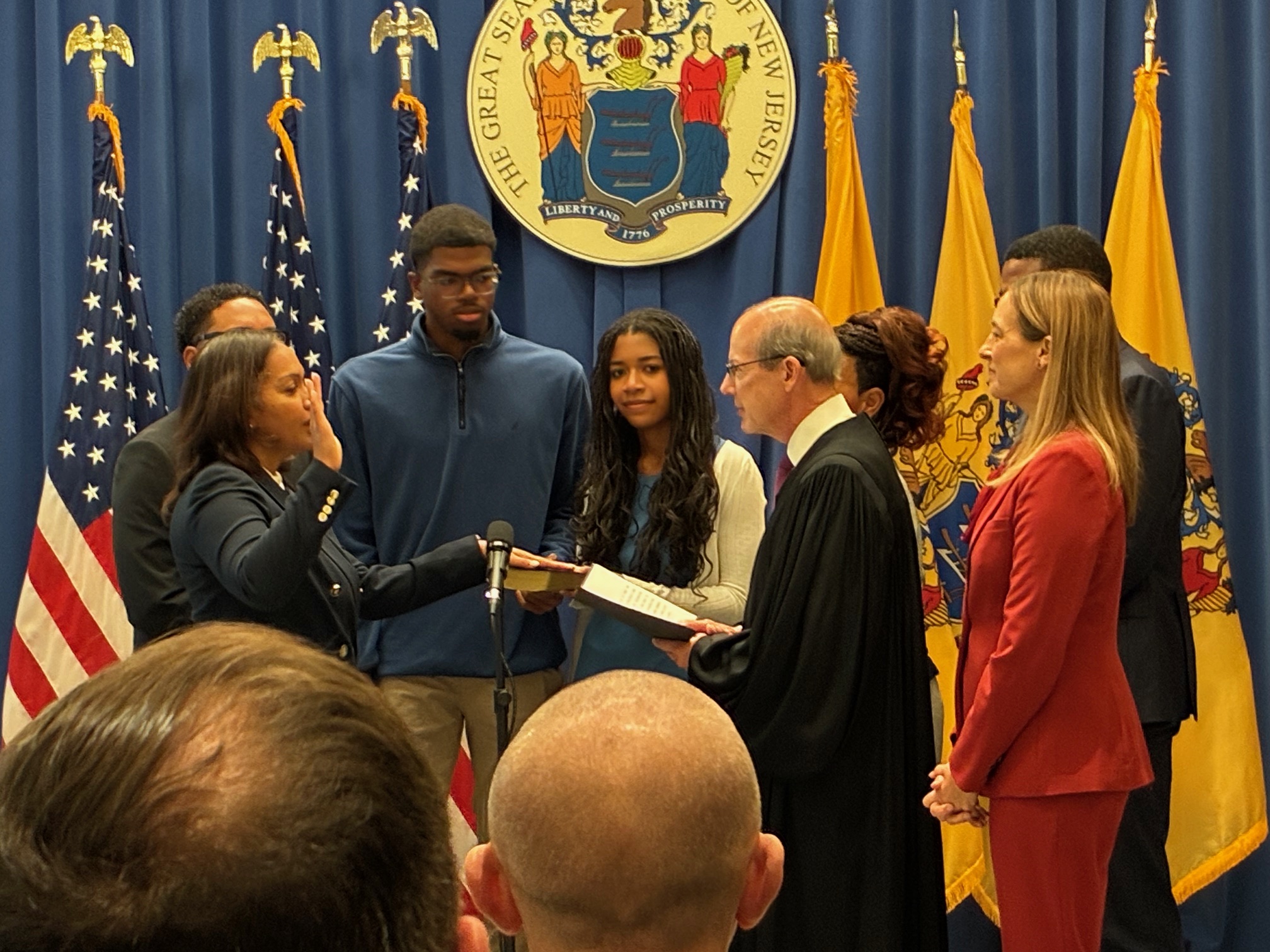
“While she was there, she also oversaw the restitution program that helped victims of crimes rebuild their lives,” Sherrill said moments before state Supreme Court Chief Justice Stuart Rabner swore in Emehelu.
The governor also praised her second-in-command’s recent service as acting secretary of state, which oversees elections. It was another role Caldwell relinquished when he resigned and Emehelu, formerly the state comptroller, assumed in late September.
“By the time the polls closed on Tuesday, about 3 million New Jerseyans had voted without even a hiccup,” Sherrill said.
Shirley Emehelu, left, takes the oath of office as Lt. Gov., administered by state Supreme Court Chief Justice Stuart Rabner. Gov. Mikie Sherrill, right, selected Emehelu to also serve as Secretary of State.Susan Livio
Emeheluwas employed by the law firm of Chiesa, Shahinian & Giantomasi, which Sherrill selected to investigate how the voter registration snafu happened. The investigation is ongoing.
Sherrill said it was important to choose a candidate who understood the concerns of both the immigrant and Black communities. “I do think it was important that we had a lot of communities represented across our government,” she said.
Sherrill also acknowledged that Assembly member Verlina Reynolds Jackson (D., Mercer), the chair of the New Jersey Black Legislative Caucus, had been a contender for the lieutenant governor role, but on Friday took herself out of the running. The governor called Reynolds Jackson “a fantastic partner” who wished to remain in her “powerful position” so she could ”advance issues across the state.”
As word of Reynolds Jackson’s candidacy spread, some Black leaders and activists took to social media in the last several weeks urging the governor to select another Black man to replace Caldwell, rather than Reynolds Jackson.
A week ago, John E. Harmon, president and CEO of the New Jersey African American Chamber of Commerce, posted a video saying that, speaking on his own behalf, Reynolds Jackson, a “hardworking” lawmaker, “had not earned the right to be the next lieutenant governor.” Harmon did not mention gender, but rather his disappointment in previous lawmakers from the Trenton area who had been elevated to higher office and who, he said, “had not done enough to change the lives and/or businesses.”
Addressing all of the officials serving in Sherrill’s cabinet who attended the swearing-in at the statehouse, Emehelu said she “looked forward to working alongside Gov. Sherrill and these dedicated public servants to make life more affordable and expand opportunities for all communities — especially helping the governor meet the goals of the Black agenda and help all our kids, including mine, build a bright future.”
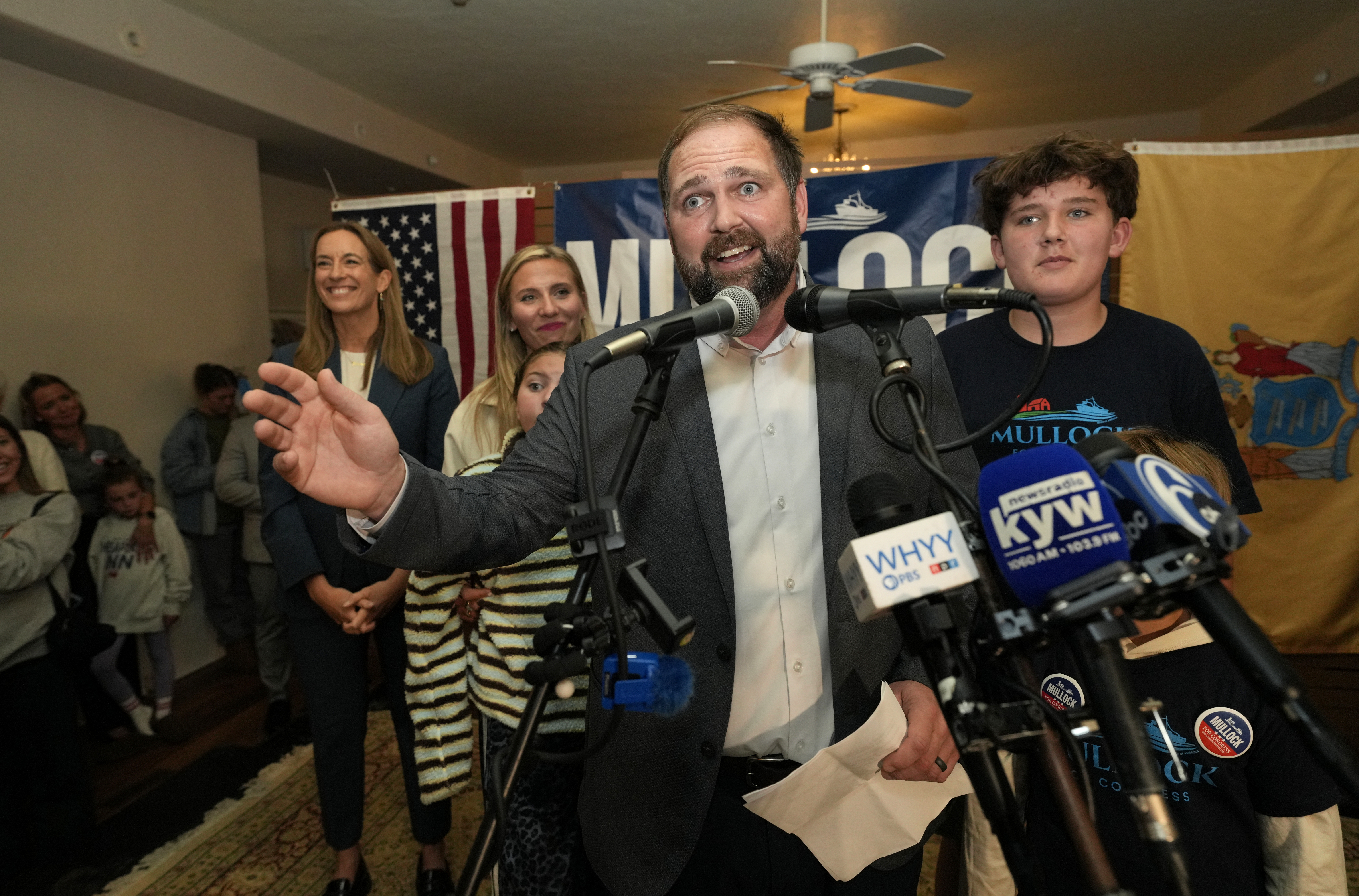
The day after the midterm election, U.S. Rep.-elect Zack Mullock simultaneously fielded calls from members of Congress and hugs from Cape May residents on the street. One person slowed down his car and shouted congratulations out his window. Others stopped their bicycles to express their well wishes.
A coffee shop customer said it was pretty cool thatMullock won. “But who’s gonna be mayor?”
The Jersey Shore mayor’s congressional race was not even on the map for national Democrats until just over a month ago. But after Mullock’s improbable win over a Republican four-term incumbent in a district President Donald Trump won by nearly 13 percentage points in 2024, his phone has not stopped ringing.
“I missed a call from Kamala Harris last night,” Mullock, 41, said Wednesday, sitting on a stool at his friend’s coffee shop, less than a 10-minute walk from the home he bought with his wife, Justine, in 2013, the front yard littered with their three kids’ sporting equipment. “So, yeah, I have a long list of people to call.”
Lee Zektzer of Cape May cheers as she watches returns come in during a party for Democrat Zack Mullock, at the Chalfonte Hotel in Cape May on Tuesday, Nov. 3, 2026.Tim Hawk / For The Inquirer
Locals in Cape May were giddy with excitement that their mayor beat Van Drew, who had won reelection by close to 20 percentage points the last two cycles. If anyone saw it coming, it was local organizers who watched Mullock meticulously build a winning operation over several months as he flew under the radar.
But many people were in utter shock, including Mullock, who said that when he first jumped in the race earlier this year, he didn’t think he would win.
“I really did it out of principle,” he said.
The last Democrat to win the seat was actually Van Drew in the 2018 anti-Trump wave. But the lawmaker switched parties a year later and declared his “undying support” for the president.
After winning a crowded primary in June, Mullock hit the pavement across the six counties in the district, and he kept hearing Republicans and independents say they would vote for him. Come September, he started to feel like, “OK, we have a shot here.”
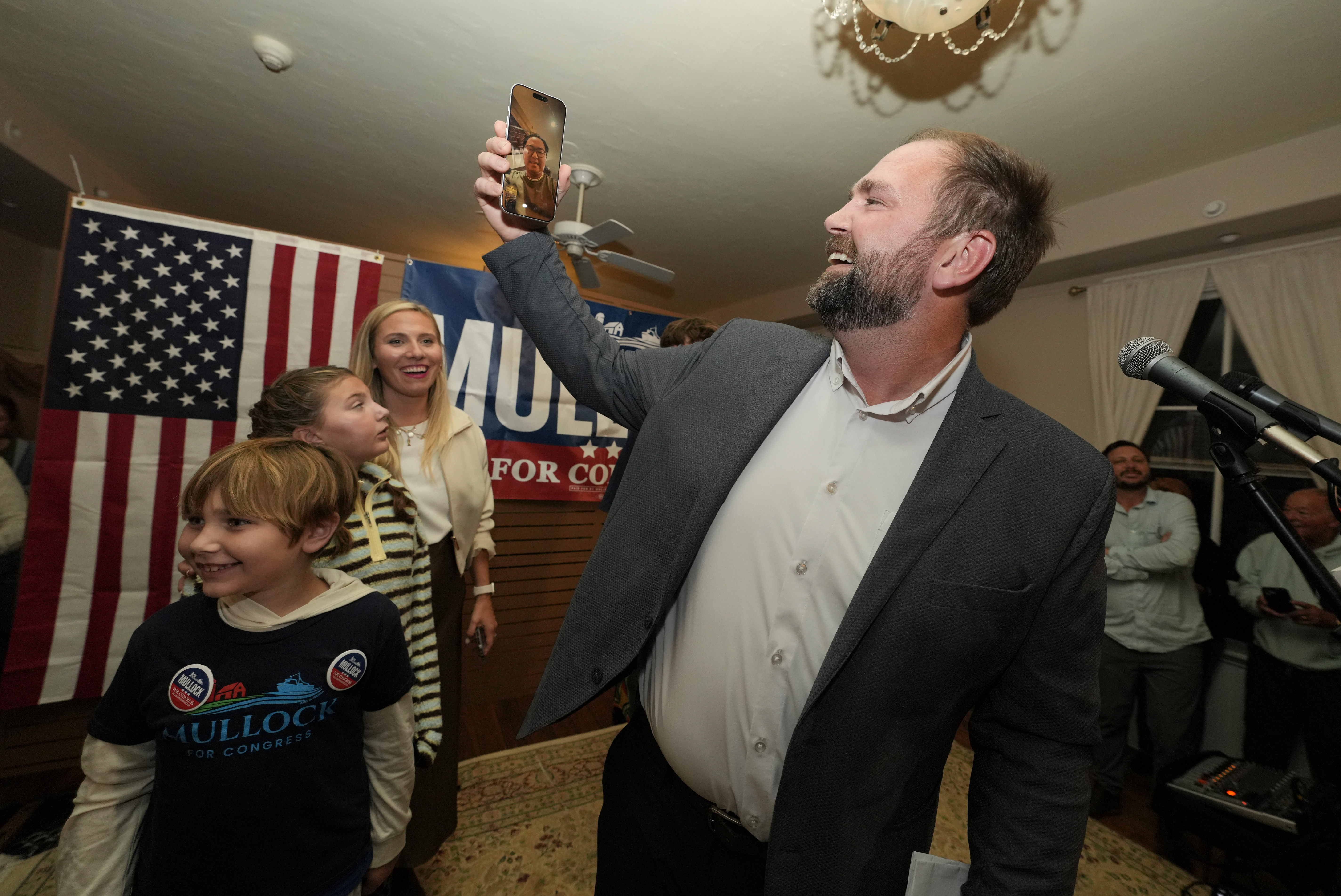
Cape May Mayor Zack Mullock holds his phone to show Sen. Andy Kim the crowd during his election party at the Chalfonte Hotel after incumbent Jeff Van Drew conceded on Tuesday.Tim Hawk / For The Inquirer
As national forecasters predicted Van Drew’s reelection, Mullock felt a tighter race on the ground as he spoke with thousands of South Jerseyans in the sprawling district, which spans from Gloucester County in the Philly suburbs to Ocean County and the Jersey Shore.
“I just felt like there are too many people telling me they want change,” he said.
Video: Zack Mullock talks about pulling off N.J.’s most improbable victory of election night
How Zack Mullock did it
Mullock swung the district by about 20 points, one of the biggest shifts in the national blue wave.
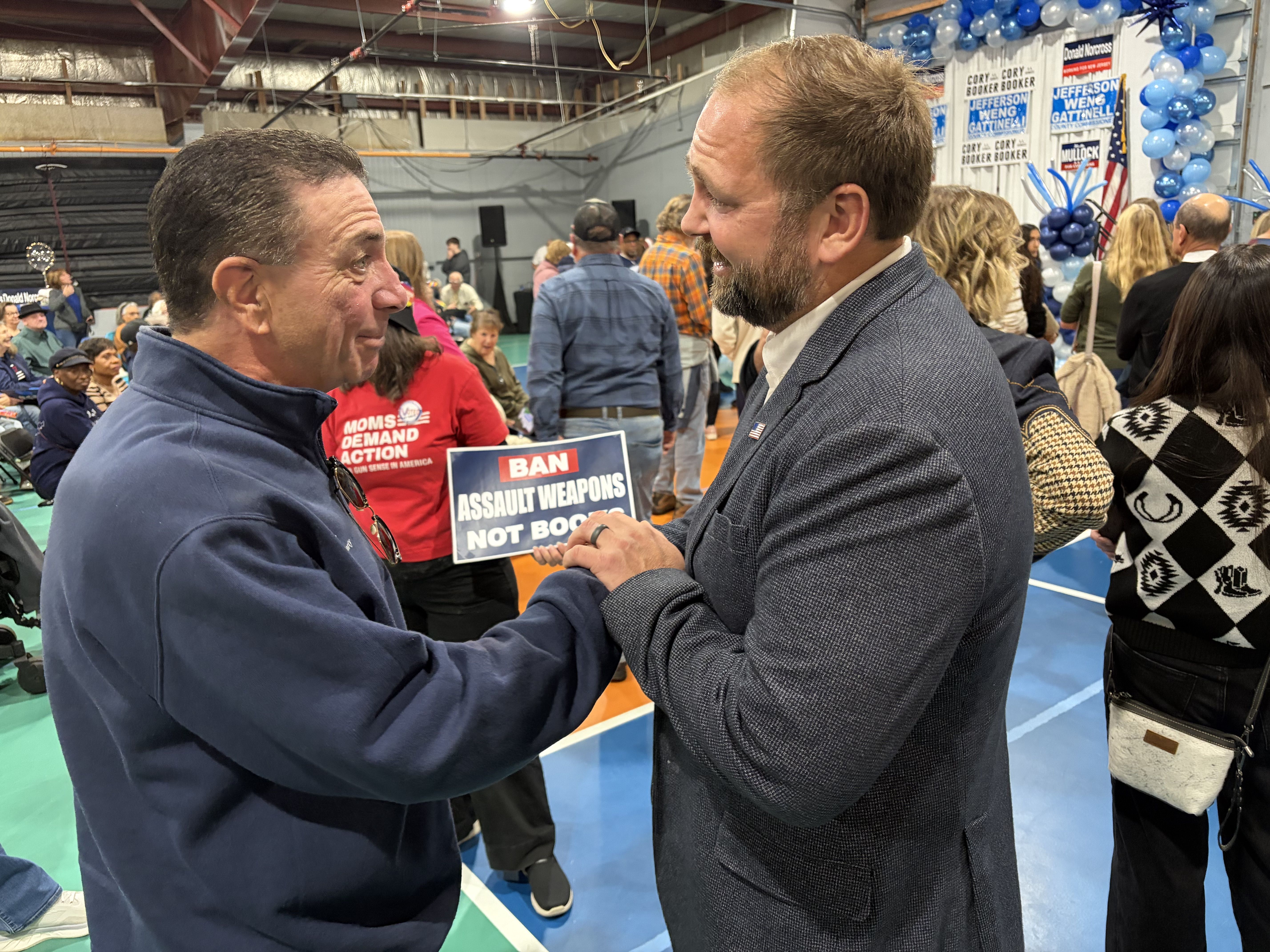
And he did it largely without help from the national party other than a last-minute batch of outside spending and campaign trail appearances by a handful of prominent Democrats, including New Jersey U.S. Sens. Andy Kim and Cory Booker, in the final weeks of the race.
He ran as an everyday guy. His first campaign video featured him watching an Eagles game with his family. And he showed throughout his campaign that he could relate to other South Jerseyans. He was humble, saying he did not have a sales pitch when recording a video for social media with the governor just days before the election. But he also showed a fiery side on the debate stage with Van Drew, unabashedly cutting in to correct the incumbent.
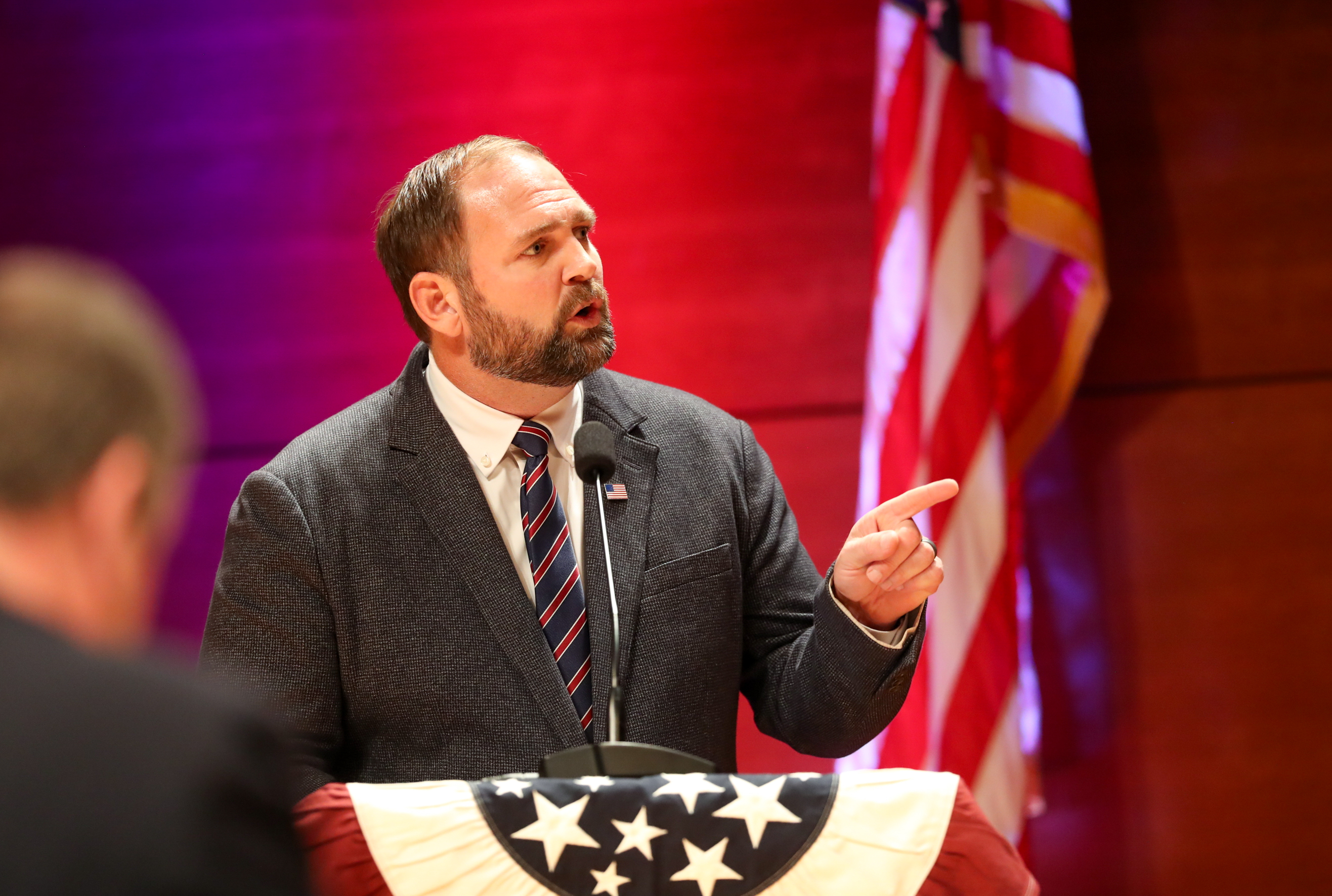
Democrat Zack Mullock points to U.S. Rep. Jeff Van Drew during a debate in the Campus Center Theatre at Stockton University, Thursday, Oct. 22, 2026.Tim Hawk / For The Inquirer
“The way he did that really caught my attention,” said Jacovi Lindsey, a Vineland Democrat who leads Project Inspiration,alocal organization that provides programming for underserved families.
Lindsey was one of many, many district residents who saw Mullock speak on the campaign trail. That was part of his winning strategy, said Mullock’s campaign manager, Chris Carroll.
“We would schedule stops everywhere every day, and we hit all six counties multiple, multiple, multiple times a week,” Carroll, 35, said in an interview Wednesday.
So many people had packed into the back of Independent Spirits Distillery in Gloucester County’s Woolwich to hear Mullock speak in August, they had to move outside.
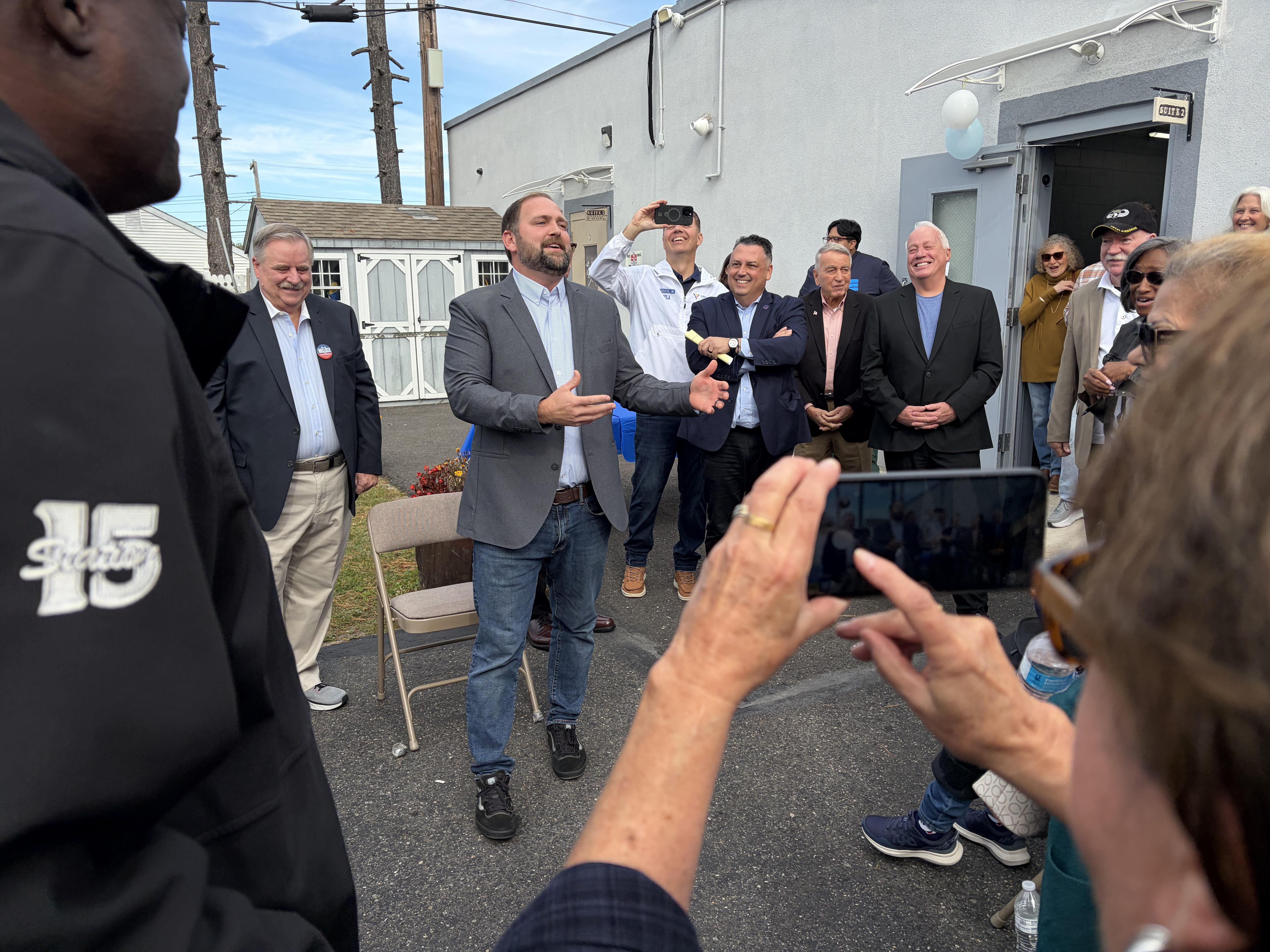
Zack Mullock held a campaign event at Independent Spirits Distillery in Gloucester County’s Woolwich on Aug. 11.Aliya Schneider / StaffZack Mullock speaking to Democrats in Vineland on Monday, the day before Election Day.Aliya Schneider / Staff
Mullock told the crowd that he had asked Amy Kennedy — Van Drew’s 2020 challenger, who had come the closest before Mullock — if she was planning to run again. She was not, but she encouraged him to go for it. (Mullock ended up hiring Carroll, Kennedy’s former scheduler).
Two weeks later, he was sitting in a room with JFK’s bomber jacket behind him in the home Kennedy shares with her husband, the late president’s nephew, former U.S. Rep. Patrick Kennedy.
“The first thing I said is, ‘I’m Zack Mullock, I’m a proud husband and a father of two,’ and my wife looks at me and I said, ‘Oh, I have three kids.’ So that was the start of the campaign,” he told the crowd to laughter.
He also recounted recently going on the national news to talk about Cape May’s water department being hit by an Iranian cyberattack, which he said was “a major reminder of just how important this election is.”
Nearly three months later, supporters had to once again move outside because so many people showed up at a get-out-the-vote event for Mullock with Gov. Mikie Sherrill in Vineland. Angela Bardoe, 55, chair of the Vineland Democratic Committee, said she had not seen that much energy in the decade she has been organizing in Cumberland County.
“We were always pulling teeth trying to get people to volunteer, and we’re not pulling teeth anymore,” she said the day before Election Day.
Mullock, who hasworked as both a local contractor and a businessperson, was able to energize people across thediverse district, which includes multimillion-dollar homes along the Shore, immigrant communities, farmland, and Phillysuburbs.
Carroll described Mullock as “the Mr. Rogers of Cape May” but also “a fighter for the people.”
“You feel at ease and at home with him,” Carroll said, noting voters’ exhaustion with the “messy” politics of the Trump era. “They just want a return of normalcy and decency, and that’s what Zack brought.”
State Sen. Paul Moriarty, a Gloucester County Democrat, speaks with Zack Mullock at a Gloucester County Democratic Committee rally on Oct. 24.Aliya Schneider / Staff
He said the campaign had a big focus on unaffiliated voters,who make up 35% of the district’s electorate, more than either party.
Carroll said he knows the election was a referendum on Trump’s policies. But local issues like concerns about a large data center in Vinelandalso helped Mullock’s bid.
Mullock focused a lot on Van Drew’s support for Trump’s tariffs, his vote for a bill that cut Medicaid, and his votes against resolutions to end the Iran war. The cost of living, homeownership, and flooding concerns were also big issues, he said.
Van Drew’s campaign frequently posted about Mullock online, deriding him as a liar. The lawmaker told The Inquirer ahead of the election thatbacklash to Trump could shed a few points from his total, but he felt confident he would prevail.
As of Oct. 14, Van Drew’s campaign spent nearly $2.3 million during the 2026 cycle while Mullock’s campaign spent just upward of $855,000. Van Drew still had almost $900,000 left in his coffers at that point while Mullock had just over $100,000.
And while it was easy to find a public meet-and-greet with Mullock over the course of the summer and fall, the same could not be said for Van Drew, who largely attended community events without advertising his schedule.
Mullock knows Republicans, who make up 34% of the district’s electorate, crossed the aisle to support him.
“Just walking around town today, people were giving me the thumbs-up … and by the way, a lot of those people are Republicans,” he said Wednesday.
A Republicans for Mullock sign on Almond Road in Pittsgrove on Oct. 12.Aliya Schneider / Staff
Republican Anne Nelson said in a phone interview Wednesday that Mullock was the best vote she has ever cast. Nelson, 56, had voted against Van Drew in the past but said attending a meet-and-greet with Mullock drove her to volunteer with his campaign.
“I’ve never been a huge political person. I paid attention, but not the way I paid attention this time,” said Nelson, a public school speech therapist who lives in Mays Landing.
Over the objections of some of her Trump-supporting family members, she decorated her lawn with “Republicans for Mullock” signs, along with a sign for a local Republican candidate.
“I feel like I can think independently about topics that matter, and I’m not going to just vote straight party lines when so much is on the line,” she said.
Meghan Protassi, Mullock’s childhood friend and owner of Buoy Coffee Shop, said in an interview Wednesday that as she phone-banked for Mullock, people told her that their significant other who historically voted for Van Drew planned to support Mullock.
“They’re just ready for something a little bit different,” said Protassi, 40, a Democrat.
Meghan Protassi, Zack Mullock’s childhood friend and owner of Buoy Coffee Shop, in Cape May on Wednesday.Aliya Schneider / Staff
A Shore mayor headed to Congress
A restaurant on Cape May’s beachside promenade was closing up shop for the season on Wednesday afternoon. But Mullock was quick to say that there is no off season as the small city’s mayor.
In a campaign video on Facebook that garnered more than 6,000 views, Mullock walked through Cape May to show some of his accomplishments in office: a new firehouse, a library, a theater, and a police station in the works. He squeezes down a blue slide, touting an ADA-accessible playground.
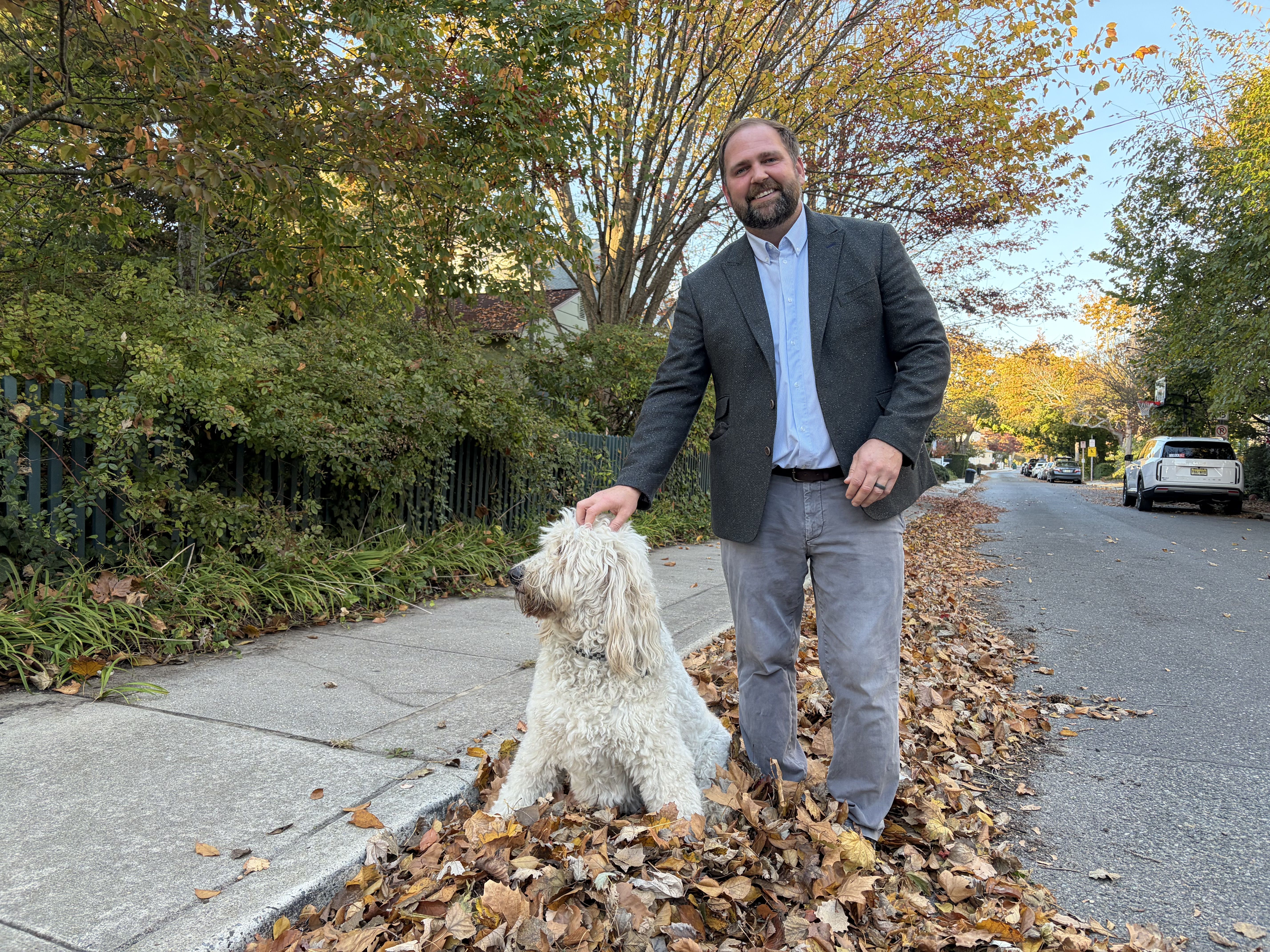
Cape May Mayor Zack Mullock, the representative-elect for New Jersey’s 2nd Congressional District, in Cape May with his dog on Wednesday, the day after the election.Aliya Schneider / Staff
“We’ve done this all the same way: Democrats, Republicans, independents, moderates all working together — and even surfers,” he said, a young surfer making a cameo with a big smile. “That’s what I’ve done here in Cape May, and that’s what we’ll do in Congress.”
Mullock ran for Cape May City Council 10 years ago and lost. He won two years later, unseated the mayor two years after that in 2020, and was reelected without opposition.
It doesn’t hurt that people in Cape May and Cape May Point know the Mullock family well. With the candidate’s father, Bob Mullock, at the helm, family members have taken on projects to save historic landmarks, including the Sisters of St. Joseph’s beachfront retreat they turned into the Cape May Arts and Science Center.
His family also founded the Harriet Tubman Museum in Cape May, where Mullock worked as the volunteer general contractor for the project.
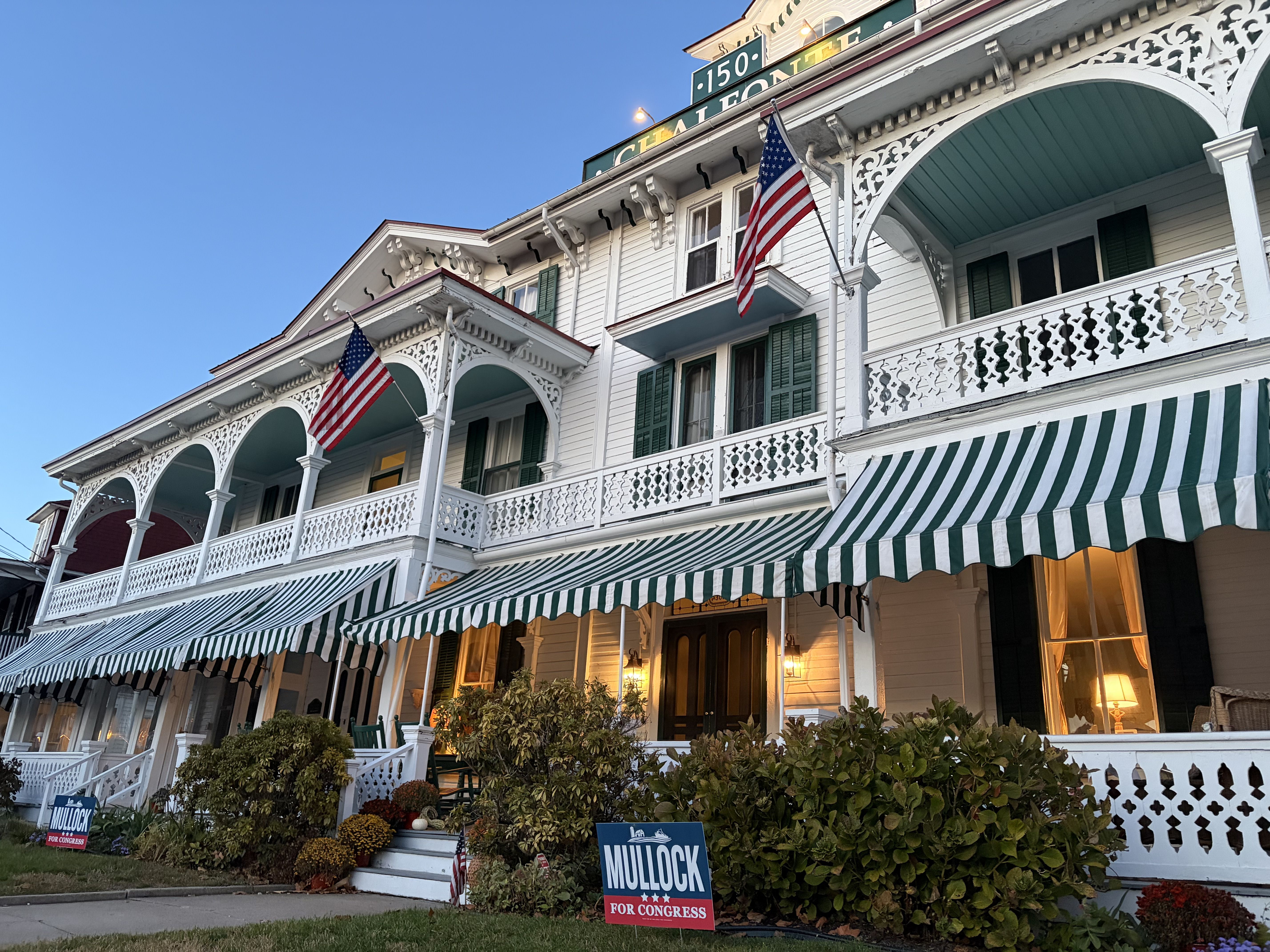
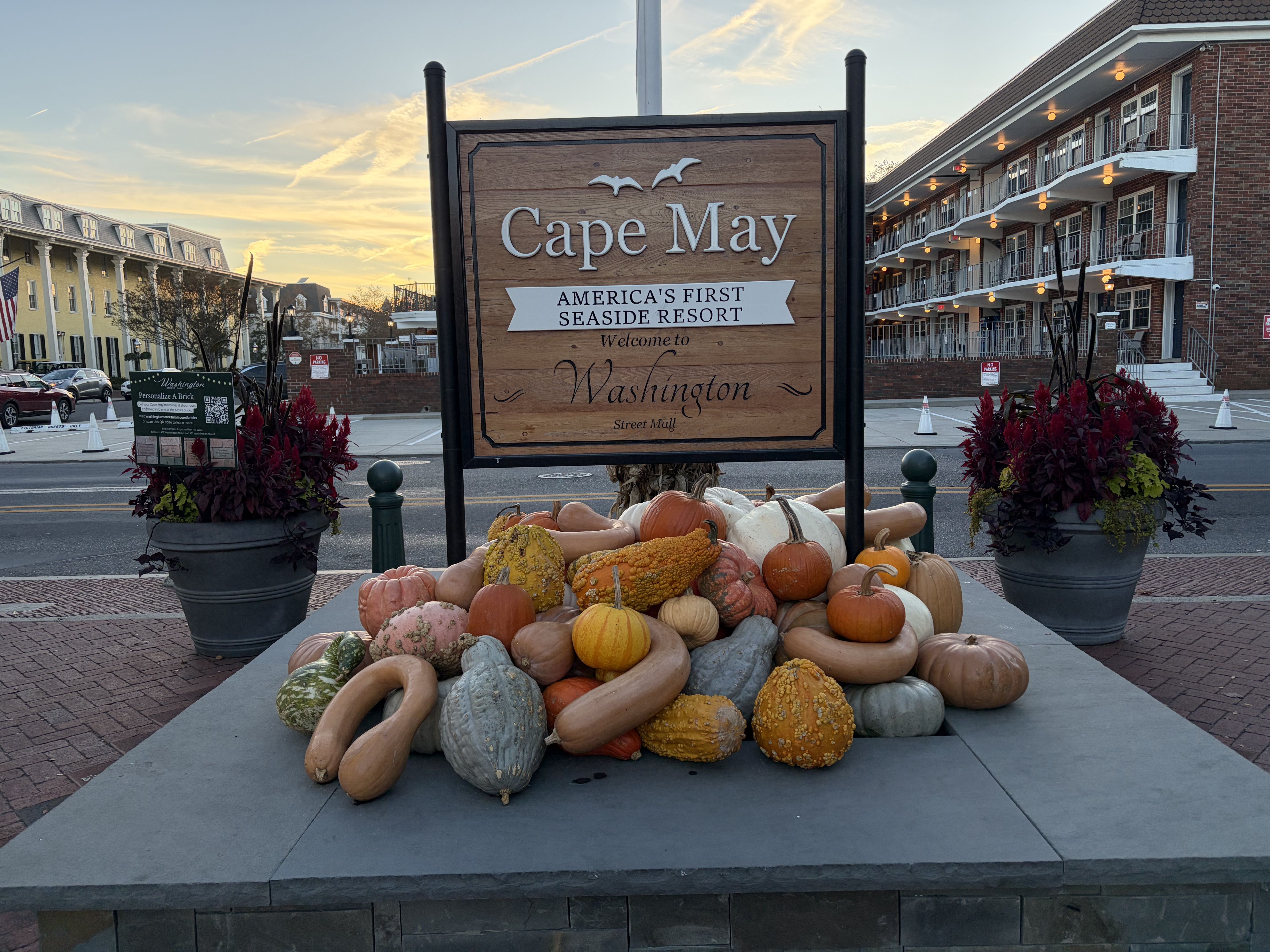
The Chalfonte Hotel in Cape May on Wednesday.Aliya Schneider / StaffThe city of Cape May on Wednesday.Aliya Schneider / Staff
Members of Mullock’s family own the Chalfonte Hotel and the Cape May National Golf Club. Born and raised in Cape May Point, Mullock grew up working in hospitality, plumbing one minute and greeting customers the next, which he said was good training for elected office. He also served on the Atlantic Cape Community College Foundation Board for a decade.
Protassi said she is excited to see Mullock implement changes nationally that she has seen in Cape May.
“I do really think he has the ability to unite people. I think he can speak to people, and they really are receptive, and you know they’re interested in what he has to say.”
James Rosin, 71, who said he leans libertarian, said that he supported Trump’s promises to stay out of wars and the ideas behind the Department of Government Efficiency (DOGE), but that the president has gone “off the rails.”
A retired psychiatric intensive care unit nurse who has lived in Cape May for 10 years, Rosin said independent-minded voters had “a change in tenor” that helped Democrats.
“He’s a very effective mayor,” Rosin said, walking from Acme to his bus stop on Wednesday. “He’s very personable. You know, everybody in town knows him.”
James Rosin, 71, in Cape May on Wednesday.Aliya Schneider / Staff
On Wednesday, Mullock ran into his old friend Rick Rutherford at the coffee shop. The two men were in a basement punk rock band together as young teens — Mullockplayed guitar and sang vocals, and played on a golf team with Rutherford’s brother. Rutherford was shocked and impressed when Mullock was even elected mayor.
Rutherford, 42, said he normally does not vote because he does not like the partisan political system. But the local chef-restaurant owner cast his vote for Mullock — and wrote in his wife for sheriff as a joke.
“I know him from, like, the roots of childhood and that he actually, like, just worked from the grassroots, ground up, all the way to where he is,” said Rutherford, who is registered as a Republican but does not identify with either party.
A political staffer for Gov. Mikie Sherrill takes a video of her with Zack Mullock on the Saturday before the election in Whitesboro.Aliya Schneider / Staff
The final day
Mullock spent the morning of Election Day in a very Jersey fashion: visiting 12 diners across six counties. He went home for a lunch break and started feeling antsy that he was not working, so he began phone-banking, then went to hand out campaign literature in front of three different Wawas.
“I needed something to do,” he said.
Democrats had an enthusiastic showing in early voting, but as more votes came in on Election Day he thought he probably lost.
However, as the votes were tallied, he realized Republicans and unaffiliated voters must have really cast ballots for him. He had a chance.
And all of a sudden, at 10 p.m., Van Drew’s name came up on his phone — he knew thanks to caller ID, because he did not have his contact saved — and the lawmaker congratulated him.
“Honestly I started tearing up, because I just didn’t expect it,” Mullock said. “It was very emotional in that moment. My wife was next to me, so I gave her a big hug, and everyone cheered.”
Protassi was also caught off guard. She said she thought he might not win the seat on his first try and she might be making phone calls for him again in two years. “Then when I heard that he got the call, I was like, ‘Is this? Are we sure?’”
They were celebrating at his family’s hotel. His sister Cindy Mullock noted they hosted fundraisers for Van Drew in the same ballroom back when he was a Democrat.
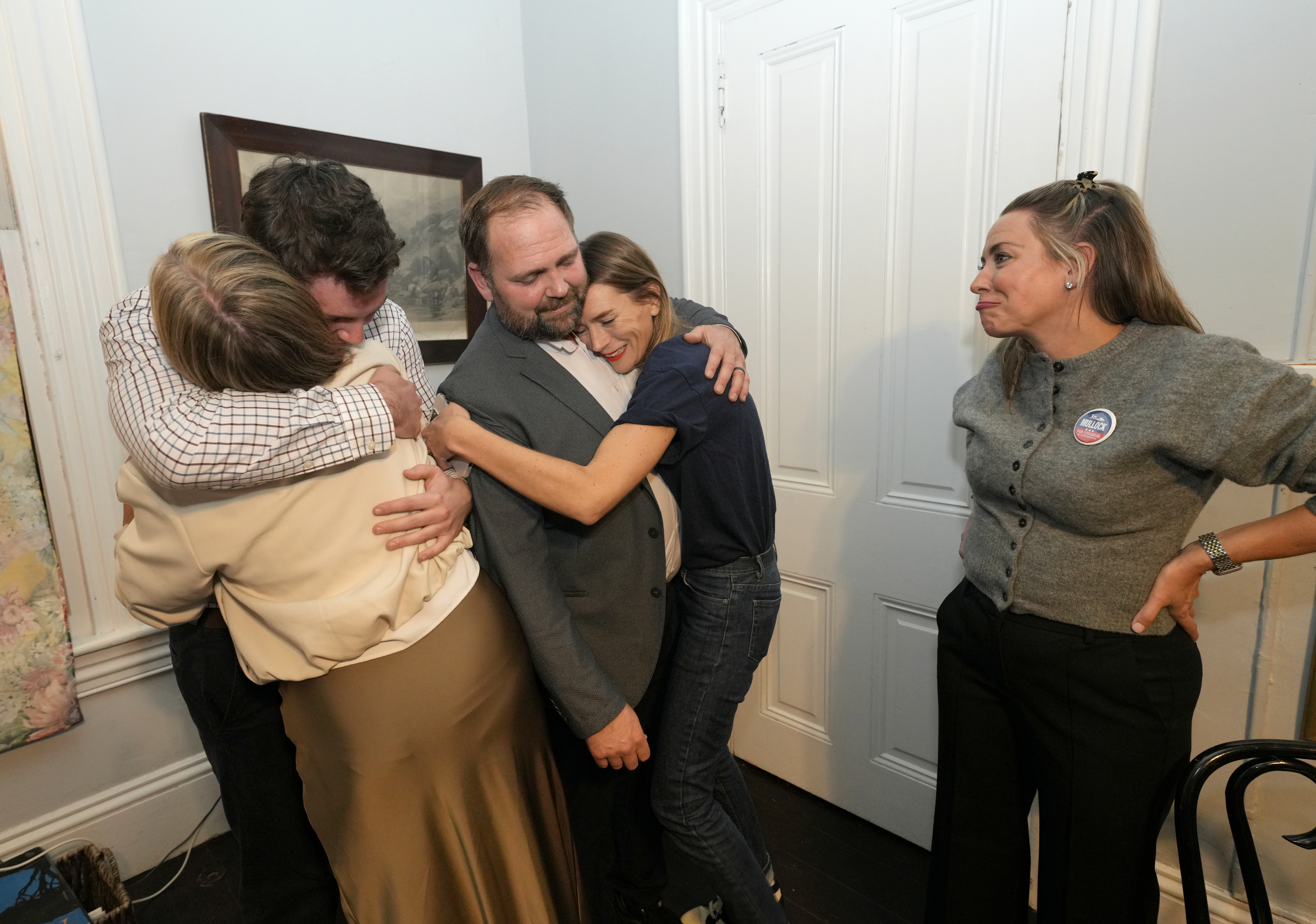
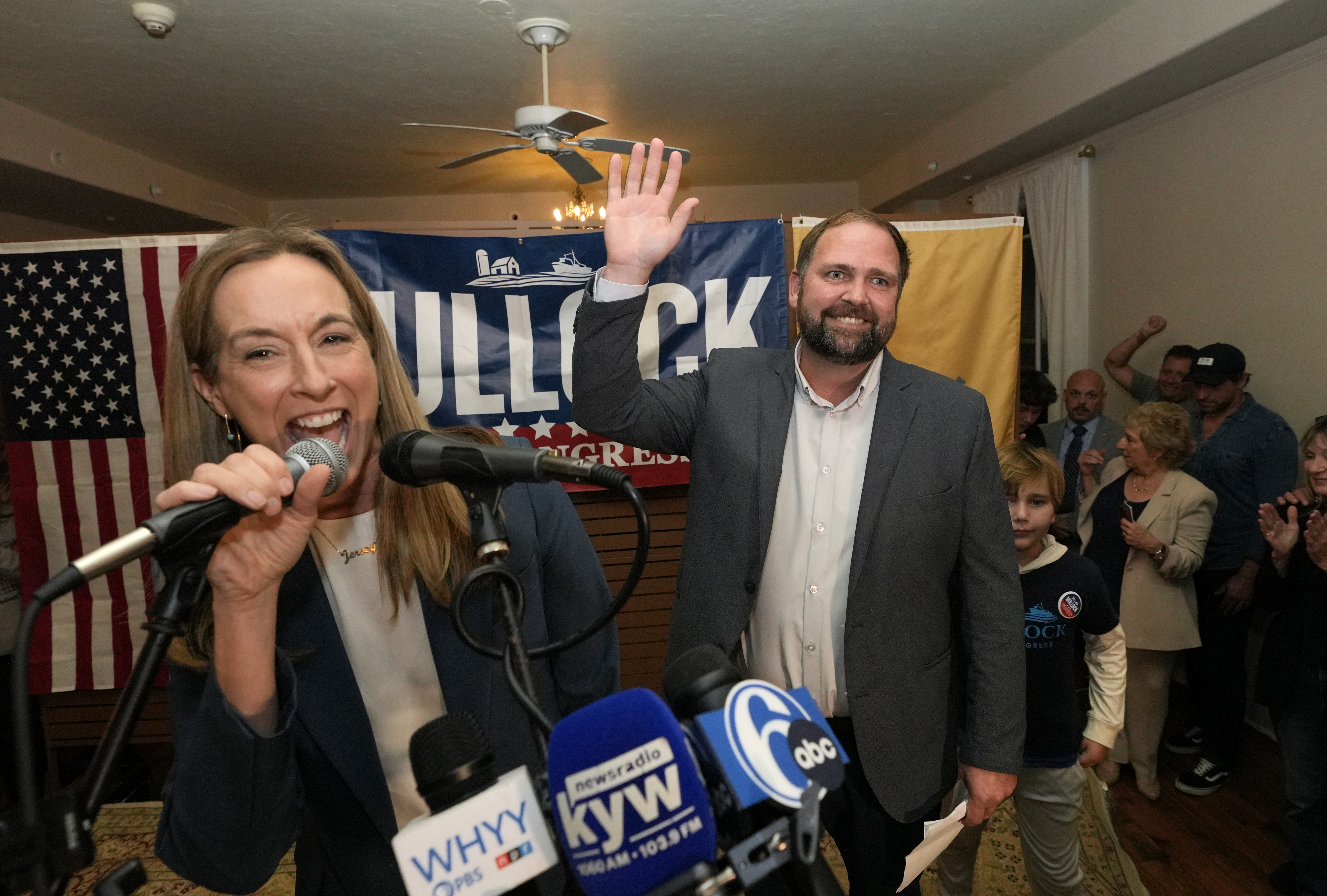
From left, Justine Mullock hugs campaign staffer Aidan Kilgannon and Zack Mullock hugs volunteer campaign advisor Justine Magariel after he received a concession call from U.S. Rep. Jeff Van Drew.Tim Hawk / For The InquirerGov. Mikie Sherrill introduces U.S. Rep.-elect Zack Mullock, during an election party at the Chalfonte Hotel, Tuesday, Nov. 3, 2026. Mullock defeated incumbent Jeff Van Drew.Tim Hawk / For The Inquirer
Mullock got emotional when asked about how his family feels about him going to Washington.
“They’re so proud, my mom and dad,” he said, needing to step aside for a minute. “I just haven’t, I haven’t had a moment to process this yet,” Mullock said Wednesday, running on three hours of sleep, adrenaline, and coffee.
Trying to answer the question again, he said he was grateful for his wife, Justine, for her support, his kids, whose ballgames he had to miss, and his parents.
Mullock said he would not have launched his campaign if not for Trump, who he often says has been a negative role model for his 12-year-old son. But frankly, he acknowledged, he doesn’t feel ready for Congress.
“It is going to be a learning curve,” he said. “But I do remember the day I got elected as the youngest mayor in Cape May, and realizing that I don’t know everything that I’m doing, but I know my guiding principles, and I know my moral compass of right and wrong, and working to help others, and I think ultimately those are the decisions that you’re going to make in Congress.”
After Van Drew’s call came in Tuesday night, the governor flew down by helicopter from fellow New Jersey DemocratRebecca Bennett’s victory party to celebrate. Mullock’s phone began buzzing with calls and texts that never really stopped. He went to bed at 3 a.m. and woke up at 6 a.m., and heard his phone buzzing throughout those three hours as well. He got up feeling full of love and graciousness.
“I mean, I just, I am — I’m a small-town mayor,” he said. “So to feel like people have the faith in you to represent them, … it’s a beautiful thing.”
Staff writer Amy Rosenberg contributed to this article.
New Jersey Gov. Mikie Sherrill is expected to select Shirley Emehelu to serve as lieutenant governor, according to sources familiar with the decision.
Emehelu will replace the Democratic governor’s2025 running mate Dale Caldwell, who resigned in Septemberat Sherrill’s urging after an independent investigation determined he had sexually harassed a woman.
Emehelu had already taken on some of Caldwell’s duties as acting secretary of state.
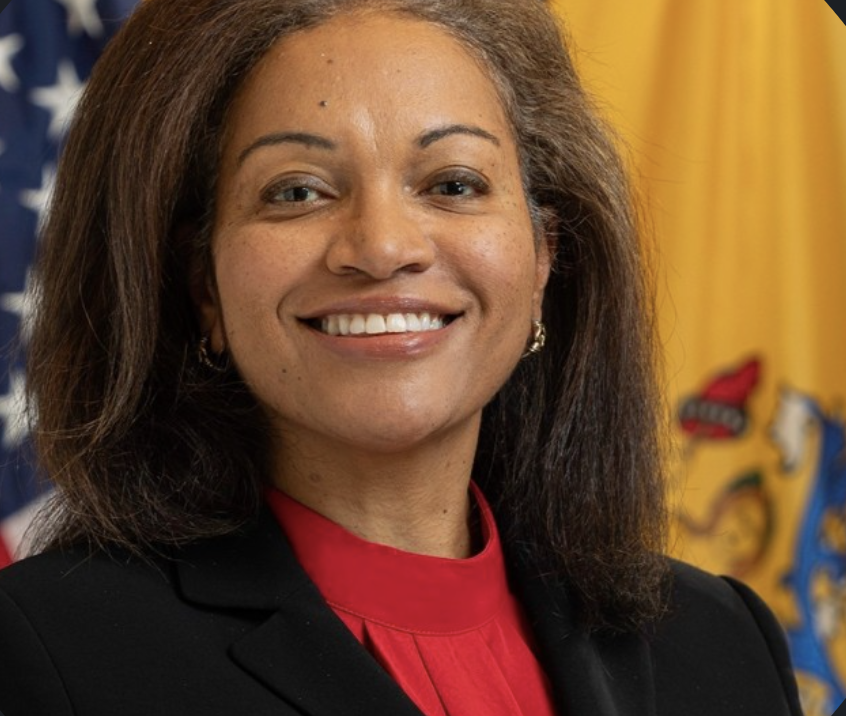
Shirley Emehelu is expected to be named Lt. Gov. by Gov. Mikie Sherrill next week.Courtesy of the State of New Jersey
An outside law firm produced a 61-page report following a monthslong investigation that found Caldwell made inappropriate comments to women and violated ethics rules. Caldwell, a minister and the the former president of Centenary University, denied the accusations but resigned, saying he did not want to distract from the administration’s work.
A spokesperson for Sherrill declined to comment Friday.
This will be Emehelu’sthird job in Sherrill’s 10-month-old administration.
“She has the judgment to run our elections – and the strength to stand up to Trump’s attacks on voting,” Sherrill wrote about Emehelu in a social media post that day. “I have full faith that Shirley and the team at the Department of State will make sure all eligible New Jerseyans can make their voices heard this November.”
Lieutenant governors in New Jersey are not paid but derive a salary by leading a cabinet-level department in state government.
Emehelu was once employed by the law firm of Chiesa Shahinian & Giantomasi, which Sherrill selected to investigate how the voter registration snafu happened.
Emehelu also served in former Democratic Gov. Phil Murphy’s Administration as executive assistant to the attorney general, who is the chief law enforcement official in the state.
Like the governor, Emehelu was a prosecutor in the U.S. Attorney’s Office. She was Chief of Asset Recovery and Anti-Money Laundering and also led numerous prosecutions on financial fraud cases during her nine-year tenure.
She earned her undergraduate and law degrees from Yale University.
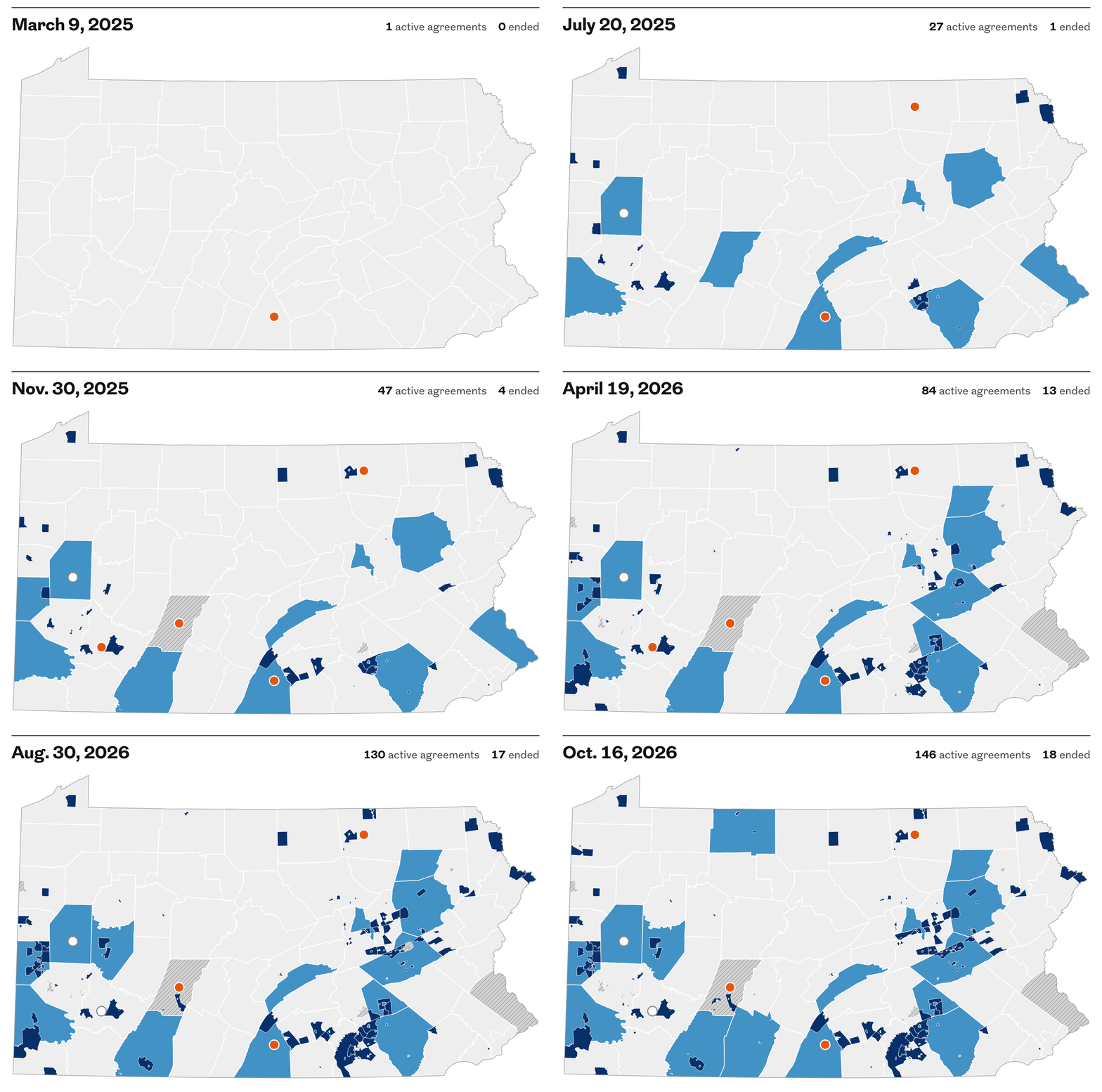
The number of Pennsylvania police agencies signing up to help ICE enforce federal immigration law has nearly doubled in the last six months.
That is on top of a big, earlier increase that took place in winter and spring.
Today 146 local agencies have inked formal agreements to assist U.S. Immigration and Customs Enforcement in its work, up to and including arresting immigrants and turning them over for deportation proceedings.
(function(){function e(){window.addEventListener(`message`,function(e){if(e.data[`datawrapper-height`]!==void 0){var t=document.querySelectorAll(`iframe`);for(var n in e.data[`datawrapper-height`])for(var r=0,i;i=t[r];r++)if(i.contentWindow===e.source){var a=e.data[`datawrapper-height`][n]+`px`;i.style.height=a}}})}e()})();
The police-ICE alliances are part of a controversial agency initiative known as 287(g), named for a section of a 1996 immigration act, in which state and local police assist the agency in identifying, arresting, and removing immigrants. The Trump administration says the agreements make Americans safer, acting as a force multiplier for immigration enforcement.
“Under the Biden Administration, Pennsylvania had zero 287(g) partnerships with ICE,” a spokesperson for the Department of Homeland Security said in a statement. “Under President Trump’s leadership, they are surging because state and local law enforcement want to help make America safe again.”
Nationally, as of Oct. 20, the number of program partnerships had increased nearly 1,900% since the beginning of Trump’s second term ― from 135 agreements to 2,698, according to the department.
“Our 287(g) partners work with ICE to protect the public safety of the communities in which they live and serve, without fear, favor, or prejudice, and they should be commended for doing so,” the department said. “Partnerships with law enforcement are critical to having the resources we need to arrest criminal illegal aliens. … When politicians bar local law enforcement from working with DHS, our law enforcement officers must have a more visible presence so that we can find and apprehend the criminals let out of jails and back into communities.”
Some of the agencies that recently signed up in Pennsylvania include the district attorneys’ offices in Bedford, Armstrong, and McKean Counties, the Butler Township Police Department, the Pottsville City Police Department, the Lehigh Township Police Department, and regional police departments in Northern York County, Eastern Pike County, and Conneaut Lake, which serves Conneaut Lake Borough, Sadsbury Township, North Shenango Township, and Linesville Borough.
They join other municipal police departments, county sheriff’s offices, and constables’ offices that work with ICE to serve the president’s push for mass deportations of immigrants.
(function () {window.addEventListener(‘message’, function (e) { var message = e.data; var els = document.querySelectorAll(‘iframe[src*=”‘ + message.id + ‘”]’); els.forEach(function(el) { el.style.height = message.height + ‘px’; }); }, false); })();
“It’s a very harmful program, because it’s turning local police into ICE agents,” said Patty Torres Vera, co-executive director of the immigrant rights group Make the Road Pennsylvania. “It erodes the trust that the community should have in police. People become afraid, afraid to report crimes, to help in investigations, because they fear consequences.”
The agreements foster racial profiling of Black and brown people, she said, while putting local communities at risk of paying big legal settlements.
“Local police, they’re not required to enforce local immigration laws ― they’re choosing to sign these agreements,” Torres Vera said. “Their limited resources should be focused on keeping their communities safe, not carrying out the duties of federal authorities.”
The new statistics come from the Deportation Data Project, a group of attorneys and academics committed to transparency in immigration enforcement data. The organization used government statistics, provided by ICE in response to a Freedom of Information Act request, that were then processed by the project and analyzed by The Inquirer.
The figures show not just the overall number of agreements, but also how local alliances with ICE are shaping immigration arrests in Pennsylvania.
The first Pennsylvania arrest under the program occurred in July 2025. Since then, 1,342 people have been arrested under 287(g), about 13% of the 10,163 ICE arrests in the state.
Program arrests hit a monthly high of 414 in July, constituting one out of three ICE arrests that month. While arrests under the program are making up a larger share of all immigration arrests in the state, the geographic distribution varies widely.
In dozens of cities, arrests under 287(g) make up more than 90% of all ICE arrests. In hundreds of other places, however, they account for less than 10%.
The arrests data are current as of Aug. 5.
The program designates three main models under which local authorities can help ICE:
The Task Force model, the most expansive, which enables local police to enforce federal immigration laws during routine patrols. That includes arresting people who police suspect are not citizens.
The Jail Enforcement model, where local officers identify and process for possible immigration offenses those who have been arrested on criminal charges.
The Warrant Service Officer program, which authorizes local police to execute ICE administrative warrants at jails.
All but three of the 146 agreements in the state fall under the task force model.
(function(){function e(){window.addEventListener(`message`,function(e){if(e.data[`datawrapper-height`]!==void 0){var t=document.querySelectorAll(`iframe`);for(var n in e.data[`datawrapper-height`])for(var r=0,i;i=t[r];r++)if(i.contentWindow===e.source){var a=e.data[`datawrapper-height`][n]+`px`;i.style.height=a}}})}e()})();
Some police departments and local governments, including those in Philadelphia, not only avoid the agreements but also deliberately limit their cooperation with ICE. They say that their sanctuary and welcoming policies create trust in immigrant communities, and that undocumented crime victims and witnesses will not come forward if they fear being arrested for lack of legal status.
ICE says the program adds staff strength to an agency workforce that numbers an estimated 21,000 nationwide. DHS Secretary Markwayne Mullin encourages local officials to join forces with ICE, saying they can be key partners in keeping Americans safe.
ICE provides incentives for local police including stipends, equipment, and financial reimbursements.
Opponents insist that turning police officers into immigration agents hurts local economies, including at farms and restaurants, as communities use their own tax dollars to help drive away the workforce on which they depend.
New Jersey has long barred local collaboration with ICE, first by directive and, as of March, by law, after Gov. Mikie Sherrill signed legislation prohibiting those agreements.
Pennsylvania has no such restrictions.
Nationally, the number of agencies signing on to help ICE grows nearly every day, covering 38 states and two U.S. territories.
Vanessa Stine, a senior staff attorney for immigrants’ rights at the ACLU of Pennsylvania, said she sees the federal government aggressively pushing the expansion of 287(g) ― increasing racial profiling and legal risk for local taxpayers.
“It’s shameful and squarely wrong for so many law enforcement agencies in Pennsylvania to enter into 287(g) agreements, and really calls into question their core mission and values, when they voluntarily choose to do a job that is not actually their job,” she said. “Pennsylvanians should be upset about that.”
Democratic newcomer Rebecca Bennett defeated incumbent and political scion Tom Kean Jr. to represent New Jersey’s 7th Congressional District, delivering a victory for her party in a race seen as key to wresting control of the U.S. House from Republicans.
National pundits and polls predicted the 7th District — spread across Hunterdon and Warren Counties and parts of Morris, Somerset, Sussex and Union — was the most likely to turn Democratic. Democratic Gov. Mikie Sherrill won big across the state last year, including in Kean’s backyard of Westfield.
Bennett, 39 is a health technology executive and a former U.S. Navy helicopter pilot who changed her political affiliation from Republican to Democrat after President Donald Trump won the 2016 primary election. She has never held elected office.
<iframe src="https://interactives.inquirer.com/embeds/2026-election-results/EMBED/index.html?election=2026/general&id=us-house-nj-7" scrolling="no" frameborder="0" width="100%"></iframe><script type="text/javascript">(function () {window.addEventListener('message', function (e) { var message = e.data; var els = document.querySelectorAll('iframe[src*="' + message.id + '"]'); els.forEach(function(el) { el.style.height = message.height + 'px'; }); }, false); })();</script>
She campaigned against Kean by often reminding the public of Trump’s agenda. But as party leaders directed more money and attention her way, she presented herself as a moderate focused on helping reduce the cost of living.Her candidacy resembles that of Sherrill, who is also a former U.S. Navy helicopter pilot and handily beat Republican Jack Ciattarelli by focusing on Trump’s unpopularity in the state.
“We never let the cynicism of President Trump and his enablers snuff out our belief in a better America for ourselves and for our kids,” Bennett said in her victory speech at the Bridgewater Manor just before 10 p.m. “And now, after 10 long years, something remarkable is happening in New Jersey and across the country. And this is the moment we begin to turn the page on the Trump era.”
Bennett said when she spoke to Kean by telephone, “He congratulated me on our victory and he expressed his commitment to the peaceful transfer of power — a tradition that is deeply American.”
”And here’s something else that is deeply American,” Bennett added. “Tonight is about something bigger than any one of us. It’s about us coming together … This is about my daughters, Rosie and Millie, and for every other little girl watching tonight. I want you to know that I’m going to make sure you can do whatever you want when you grow up.”
Sherrill took the stage just as The Associated Press declared Bennett the winner.
“You wanted a leader. You wanted a leader who was gonna find a way or make one. You wanted a badass,” Sherrill said. “She made it look easy but she worked her butt off.”
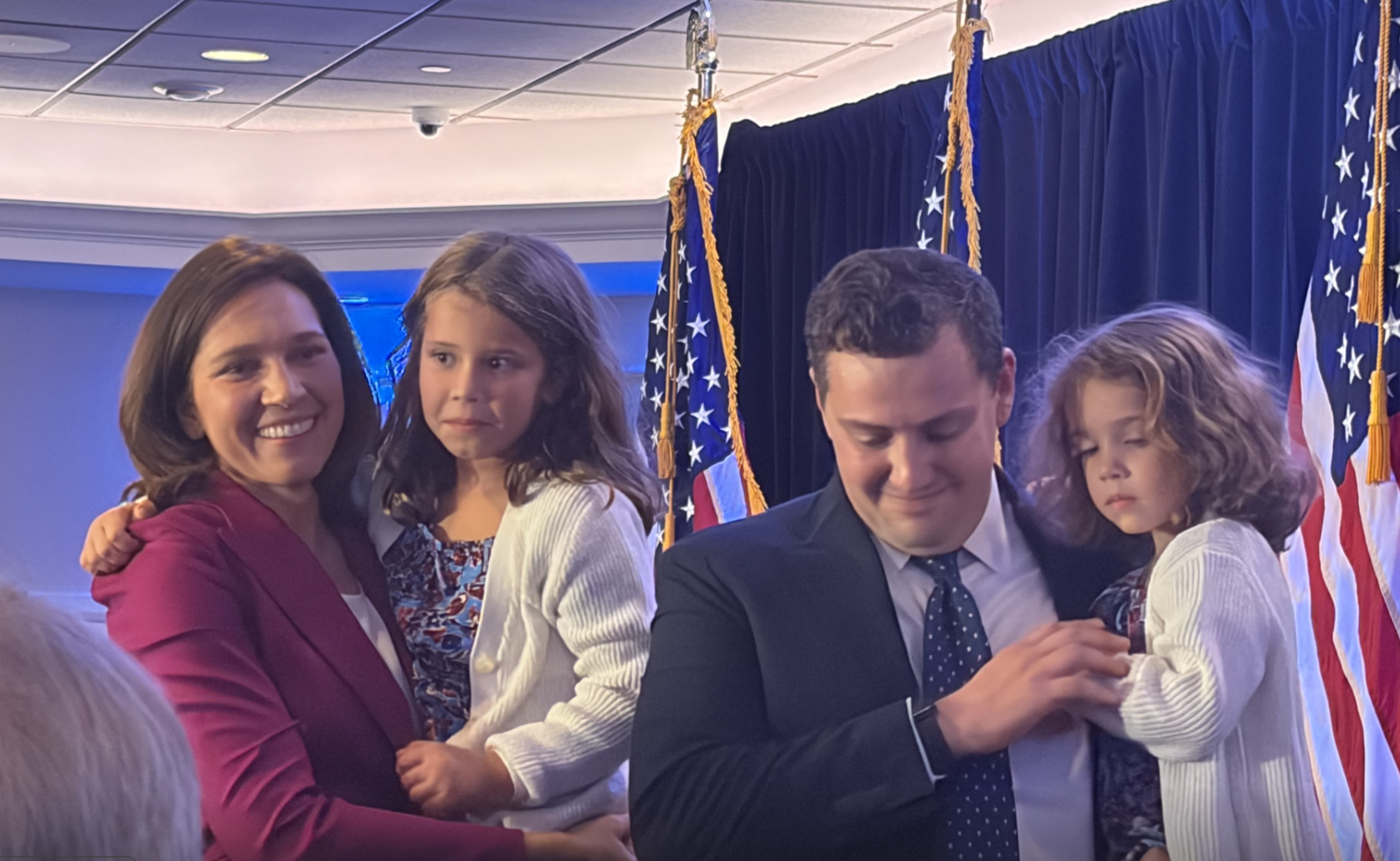
Rebecca Bennett, holds her daughter Rosie and her husband, Alex Hydrean holds Millie after she delivers her victory speech in the 7th District race. She defeated Tom Kean Jr., who has spent a quarter of a century in elective office, including two terms in Congress.Susan Livio
Kean spent two decades in the state legislature before defeating Democrat Rep. Tom Malinowski in 2022 in a newly designed district that contained slightly more Republicans voters. He is the son of former Gov. Thomas H. Kean, who remains New Jersey’s most revered politician.
But Kean faced tough odds. Trump’s plummeting approval rating appeared to drag down loyalists like Kean, who defended the president’s war in Iran. Kean stood apart from the president on some issues, including opposing a new ICE detention facility in Roxbury and defending the $16 billion Gateway Tunnel project that will open a new rail connection between New Jersey and New York. Trump has tried to cancel the project.
Kean also took a nearly four-month medical leave of absence for depression that he did not explain until he returned in June.
(function () {window.addEventListener(‘message’, function (e) { var message = e.data; var els = document.querySelectorAll(‘iframe[src*=”‘ + message.id + ‘”]’); els.forEach(function(el) { el.style.height = message.height + ‘px’; }); }, false); })();
Sue Altman, who lost to Kean in the 7th District race two years ago, said she was out on the trail for Bennett over the weekend and was impressed with the “positive energy.”
“I have no doubt we are going to win tonight,” Altman said at 8:30 p.m., before the race was called.
When asked if she wished she was running this year, Altman said that she was “totally happy with her life choices” and that “Rebecca will be great. I have no regrets.”
“The district overall deserves this win,” she added. “People have been struggling from Sussex to Hunterdon County to Union County. And I think it’s incumbent on Democrats to make the most of this moment. Moments like this don’t come around all the time.”
Mahen Gunaratna, a Democratic operative who lives in the 7th District, said enthusiasm is high, “certainly in New Jersey but also across the country, including the Midwest and the South. It’s certainly a Democratic wave, and this is the hottest race for sure.”
The momentum behind Democrats has “depressed Republican turnout across the country,” Gunaratna said as he awaited results at 9 p.m.
The Kean-Bennett battle is also on track to be the most expensive race in the nation, driven largely by the pricey New York City media market. Bennett overall raised $8.2 million, including outside support from congressional Democrats and left-leaning political action committees, according to the Federal Election Commission. Kean raised $5.8 million during this election cycle, with $4.2 million coming from the Congressional Leadership Fund. Its support ended about a month before the election as House Republicans looked to shore up states Trump won two years ago, such as Pennsylvania and Texas.
For some voters in the 7th District, the state of the economy was a key factor in how they voted.
Nance Shedlock and Kristin Bartel are good friends — such good friends that Bartel trusted Sherlock to mind her dog, Spike, while she cast her ballot at a polling place in Bedminster, Somerset County. And it doesn’t matter to them that they don’t share political viewpoints.
“I want people to get along better. I am a Trump fan. I do go to his golf course. I like him,” said Shedlock, a Republican. “But everyone has their thing. I will still be friends with my friend over here because I love her.”
She added: “I really want the gas prices to go down.”
Bartel said she doesn’t consider herself a political person, but tends to vote Democratic, including this year.
“I’m just about everyone being rational. Just make good decisions,” Bartel said.
Also in Bedminster, Peter Abbate said he never misses a chance to vote. The most pressing issue for him this year is the economy, particularly the cost of gas and groceries. He voted for Kean Jr. because he believes he will do better on economic issues.
“I hope so, based on what he said,” Abbate said. “I liked him better than the opposition.”
Staff writer Sean Collins Walsh contributed to this article.