Tag: Kensington

  • Strong drinks and small plates set BAR ilu and Grace & Proper apart in Philly’s buzzy bar scene

    Strong drinks and small plates set BAR ilu and Grace & Proper apart in Philly’s buzzy bar scene

    There are few Spanish bar snacks as satisfying — or so hotly debated — as a properly made tortilla Española.

    If you’re lingering in the hot southern cities of Andalusia, where the iconic potato-and-onion omelet is typically served room temperature or cold, the eggs are fully set.

    “But from Madrid north to Basque Country, it’s traditionally made to order and served warm and custardy,” says Patrick Iselin, 50, the co-owner of BAR ilu, who spent half his childhood in Spain and now splits time between Philadelphia and the Madrid apartment once owned by his grandmother, Iluminada “Ilu” Prellezo Inchausti.

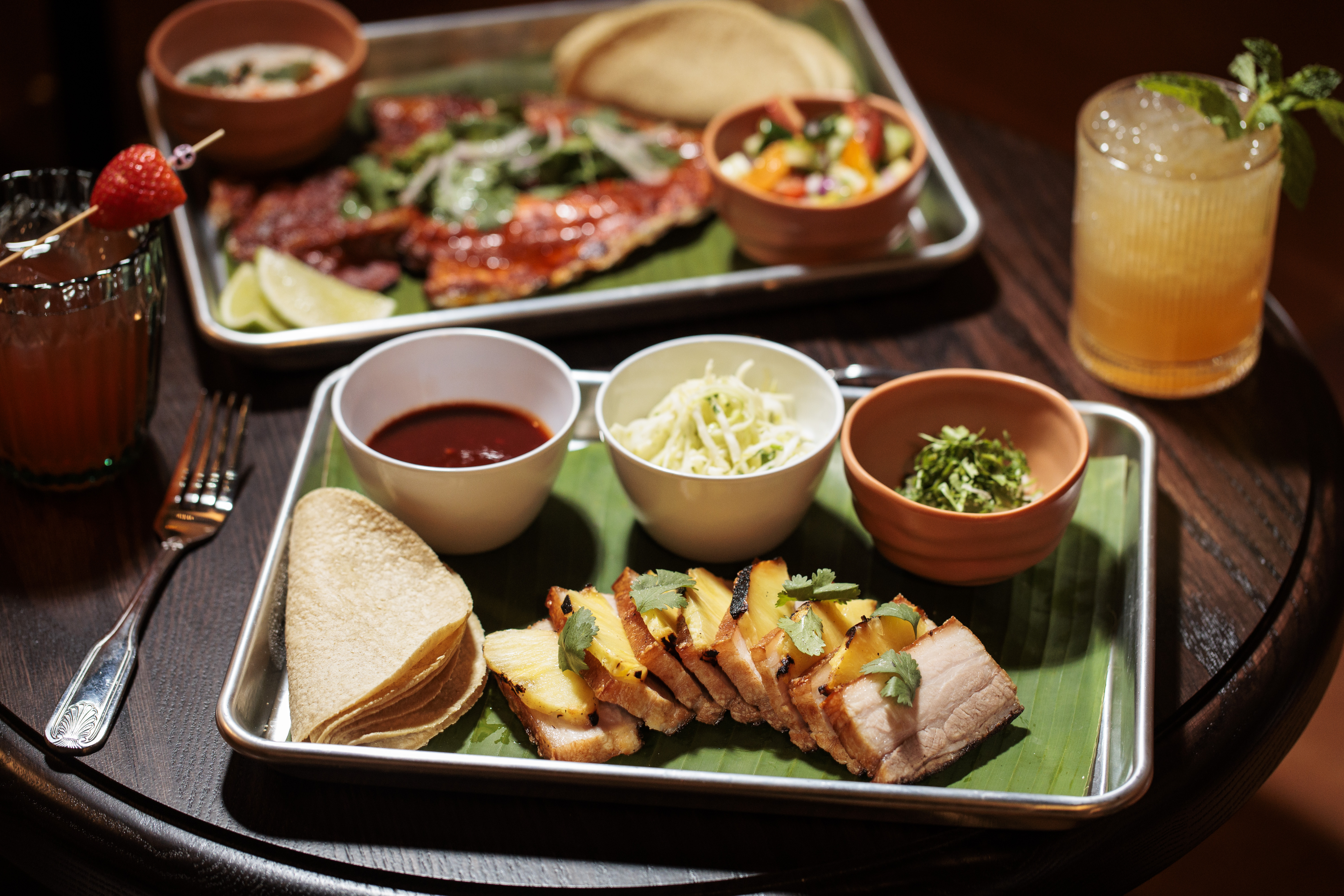
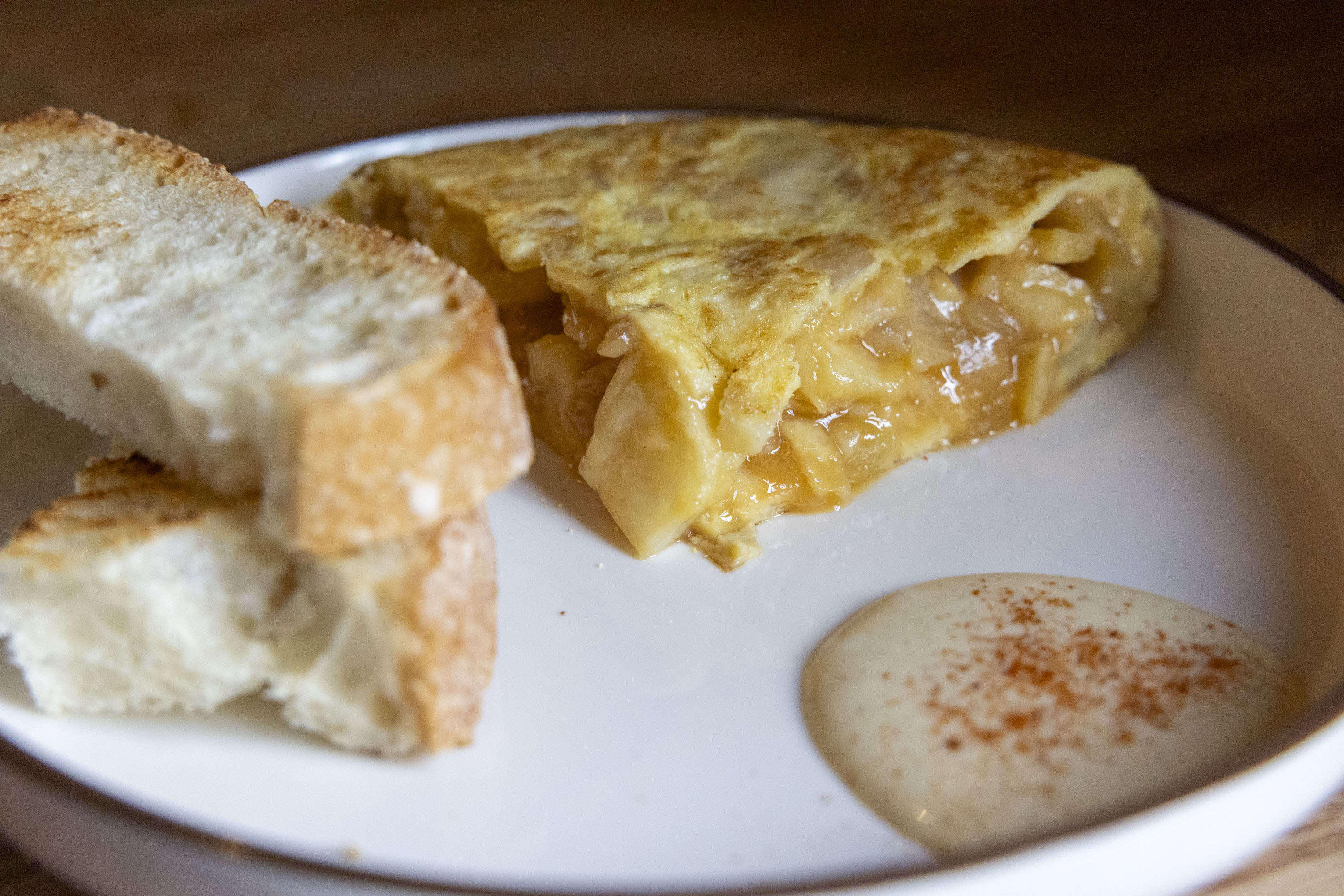
    So it follows that the eponymous new corner bar at Dauphin and Martha Streets — which happen to share the 40th parallel north with Madrid — serves its tortilla Española with a loose and edgy Kensington flair: “runny af,” as noted on the menu. Served as a wedge, with olive oil-fried potato chunks and sweet onion laces bulging from its glossy middle, a warm forkful of this eggy wonder is as transporting as it gets.
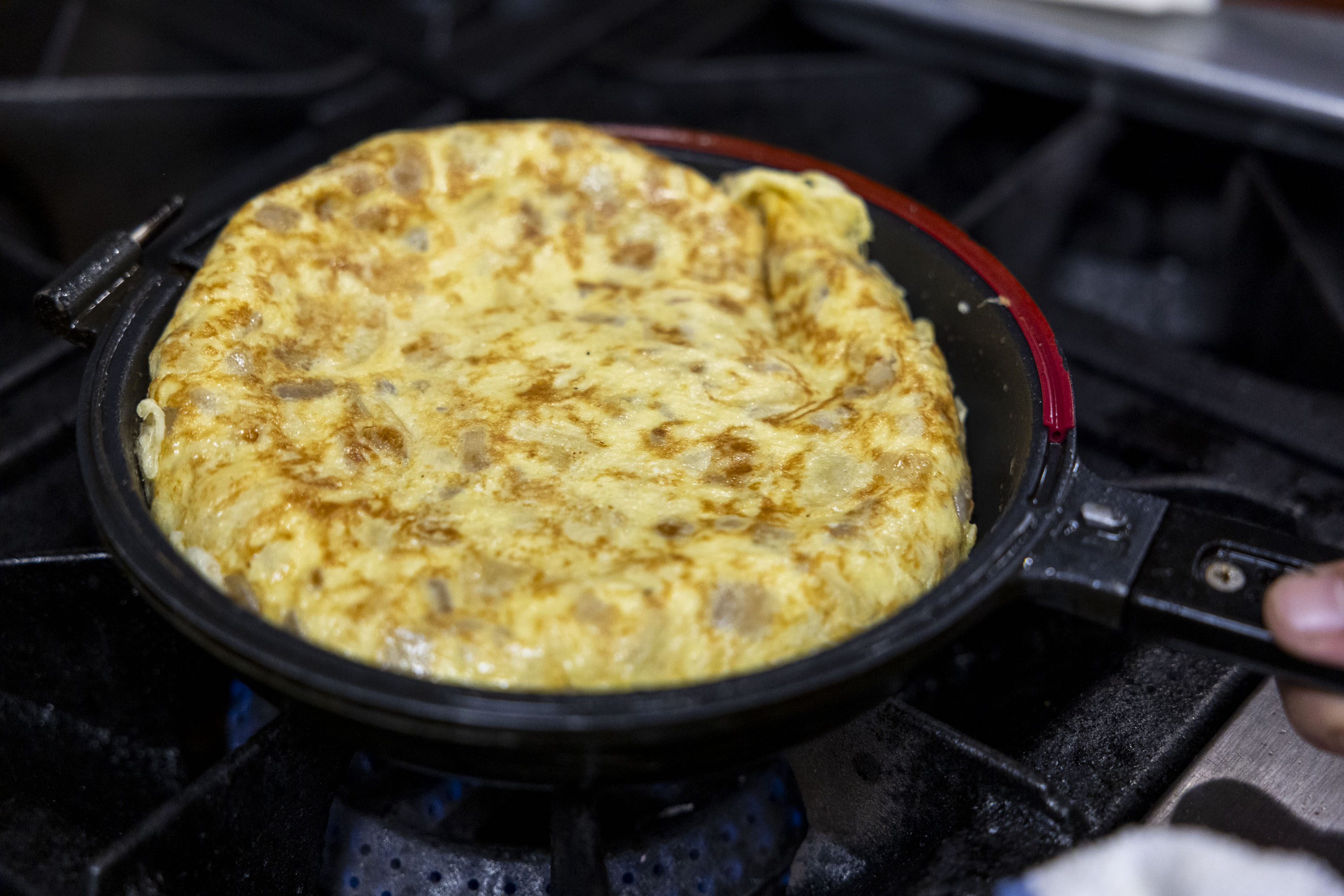
    Andrew Butler, chef de cuisine at BAR ilu, making the tortilla Espanola.Tyger Williams / Staff Photographer
    The tortilla Espanola at BAR ilu.Tyger Williams / Staff Photographer

    Wash it down with a bracingly crisp glass of La Gitana Manzanilla sherry on draft, plus a fistful of crunchy Marcona almonds, a forkful of tangy boquerones, and a crock of olives warmed with orange zest and herbs, and it’s hard to deny that BAR ilu is an appealing development for this rapidly changing corner of Kensington. It is perhaps also a little dissonant for those who know the neighborhood history. This stylish Euro concept, complete with its undulating circular bar and foam-topped glasses of vermouth, has landed in a space previously occupied by the Old Philadelphia Bar, one of the last unreconstructed dive bars from what co-owner Scott Coudriet calls Kensington’s “pre-hip-storic” days.

    Coudriet, who owns Fishtown’s Lloyd Whiskey Bar, is also partnered with Iselin at nearby Cormorant bar. Their other partners in ilu are Salvatore D’Amato and Jason Evenchik, whose Vintage Syndicate hospitality group operates Vintage, Starbolt, Time, Bar, three Garage locations, and the Goat Rittenhouse.

    This veteran team is keenly aware of the sensitive dynamics of change at longstanding bars. That’s why Iselin was adamant about keeping prices reasonable for Kensington locals — no more than $14 a plate, and $16 for distinctive cocktails that would easily cost a few dollars more in Center City — while building this tribute to Spain in his adopted city.
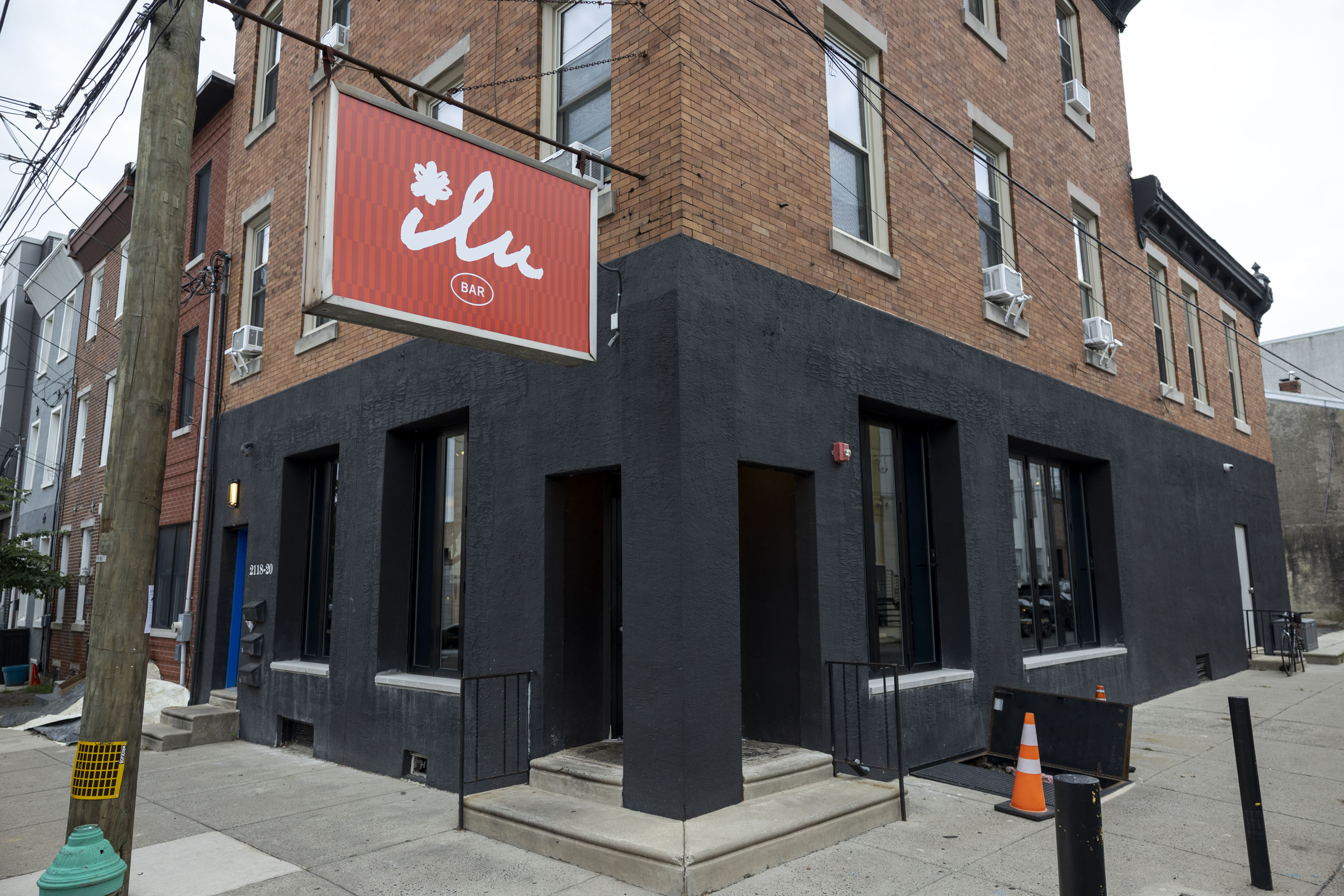
    The outside of BAR ilu on Thursday, Aug. 20, 2026, in Philadelphia.Tyger Williams / Staff Photographer
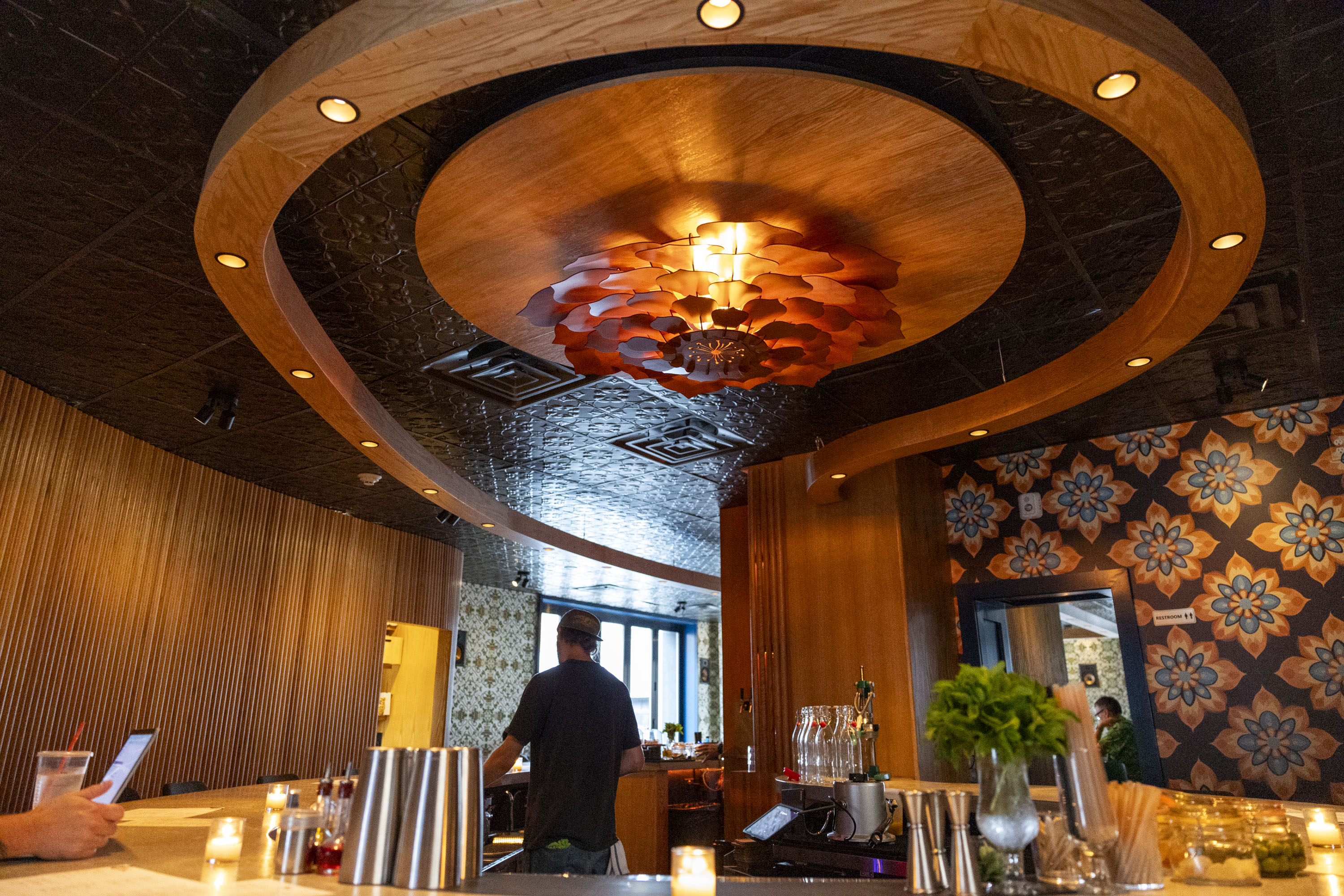
    The back bar area at BAR ilu on Thursday, Aug. 20, 2026, in Philadelphia.Tyger Williams / Staff Photographer

    Iselin wanted to craft this 40-seater with as few clichés as possible (no hanging hams, no toro horns, no sangria), but rather the feel of a modern tapas bar he might frequent in Madrid today. He had no idea he was also tapping into the latest evolutionary trend for the Philadelphia bar.

    Twenty years ago, the smoky old taverns of yore were being replaced by the gastropub movement of the early aughts, where local craft beers flowed and house charcuterie and pickle programs anchored ambitious seasonal menus that gave a cool new vibe to the neighborhood restaurant. In some cases, they helped redefine the neighborhoods themselves.

    Philly’s bar scene is now officially in its grazing phase, with curated drink menus centered around culinary cocktails, natural wines, and nonalcoholic drinks with food offerings often so limited that a hungry fellow like me might need to order three-quarters of the menu to make a meal. Supérette, the charming French wine bar beside East Passyunk’s Singing Fountain, captured this development perfectly in 2025. Owners Chloé Grigri and Vincent Stipo described these snack-centric bars as a “generational thing” for 30-somethings who want a stylish place to hang for in-between meals with friends without committing to an entire evening.
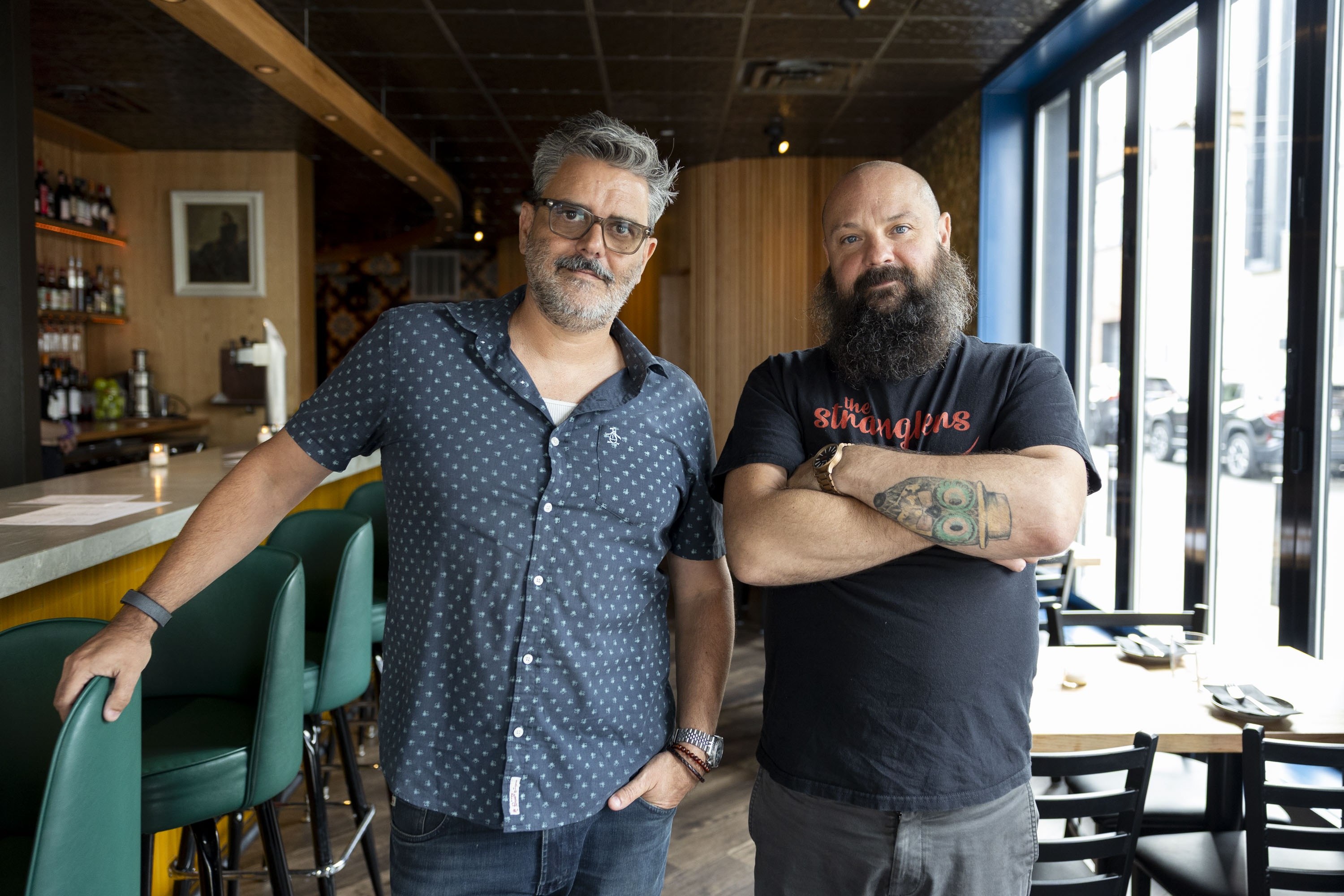
    Co-owners Patrick Iselin and Scott Coudriet of BAR ilu, pose for a portrait together on Thursday, Aug. 20, 2026, in Philadelphia.Tyger Williams / Staff Photographer
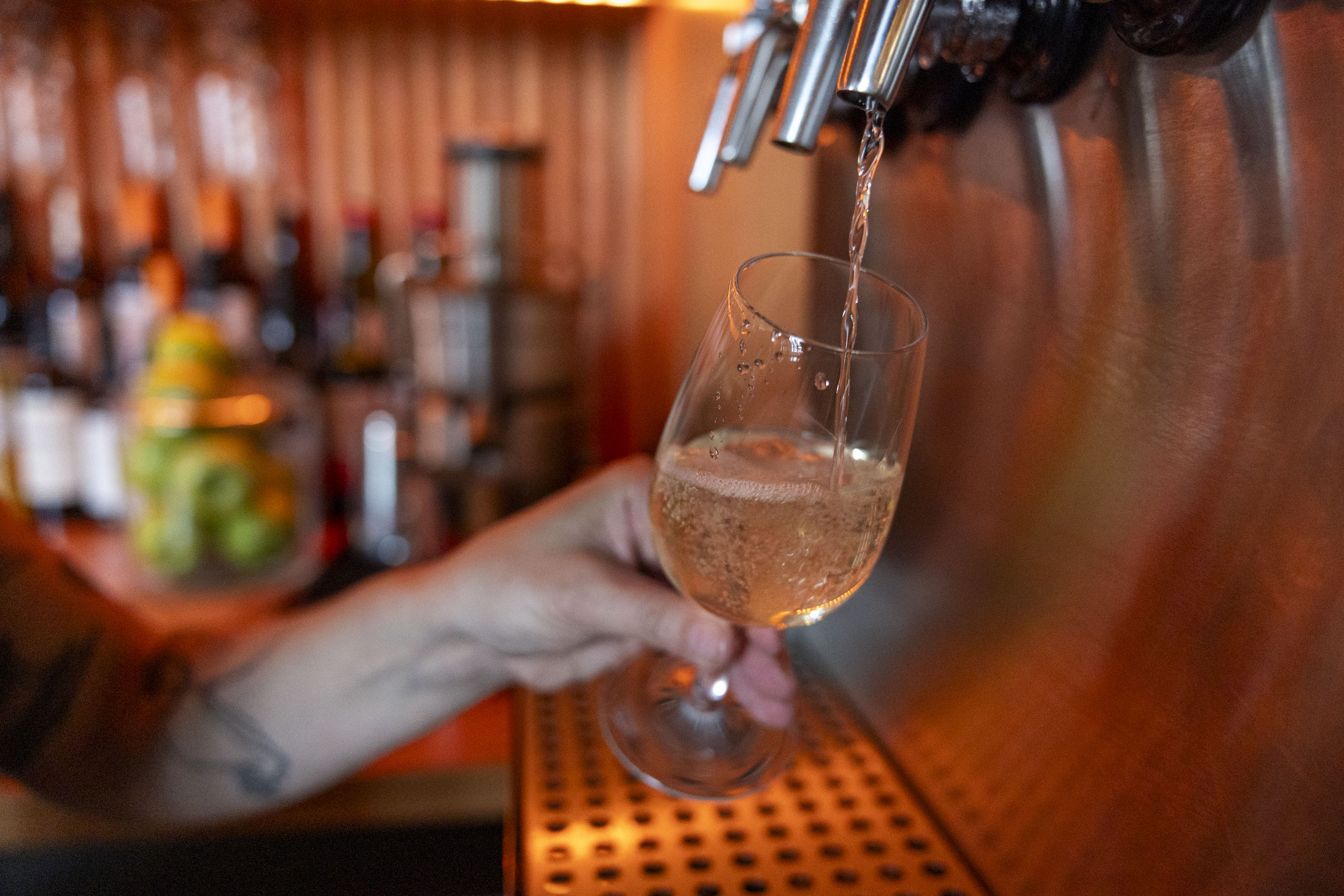
    The La Gitana Manzanilla Sherry at BAR ilu on Thursday, Aug. 20, 2026, in Philadelphia.Tyger Williams / Staff Photographer

    A similar approach is at work through a Japanese lens at Almanac, the cutting-edge Japanese cocktail bar (with Wagyu hot dogs and kombu-cured celery sticks) above the omakase room at Ogawa. The food menu at Chris Kearse’s new cocktail bar in Washington Square West, Known Associates, lists only a dozen items, counting the cool ranch freeze-dried peas. Same with the recently opened Lillian’s Bar in Point Breeze. As Chris Fetfatzes told me about Grace & Proper, the Portuguese-inspired bar with “tasca” nibbles he debuted in 2022, this template — a distinctive drink program bolstered by a small menu that can be produced with limited service and light kitchen investment (i.e. no hood) — makes perfect business sense in the post-COVID era.

    Of course, the Spanish have been doing this for centuries with tapas, a light-bite evening repast that reflects their cultural preference for a larger meal earlier in the day. And yes, Amada has been serving tapas here for 20 years, but always alongside a much broader menu with large plates and paellas.

    Considering all the new small-plate projects that have come online recently, including Bar Cicci, Ellen Yin’s all-day aperitivo bar, Philadelphians may have finally embraced the concept on its own snacky terms.
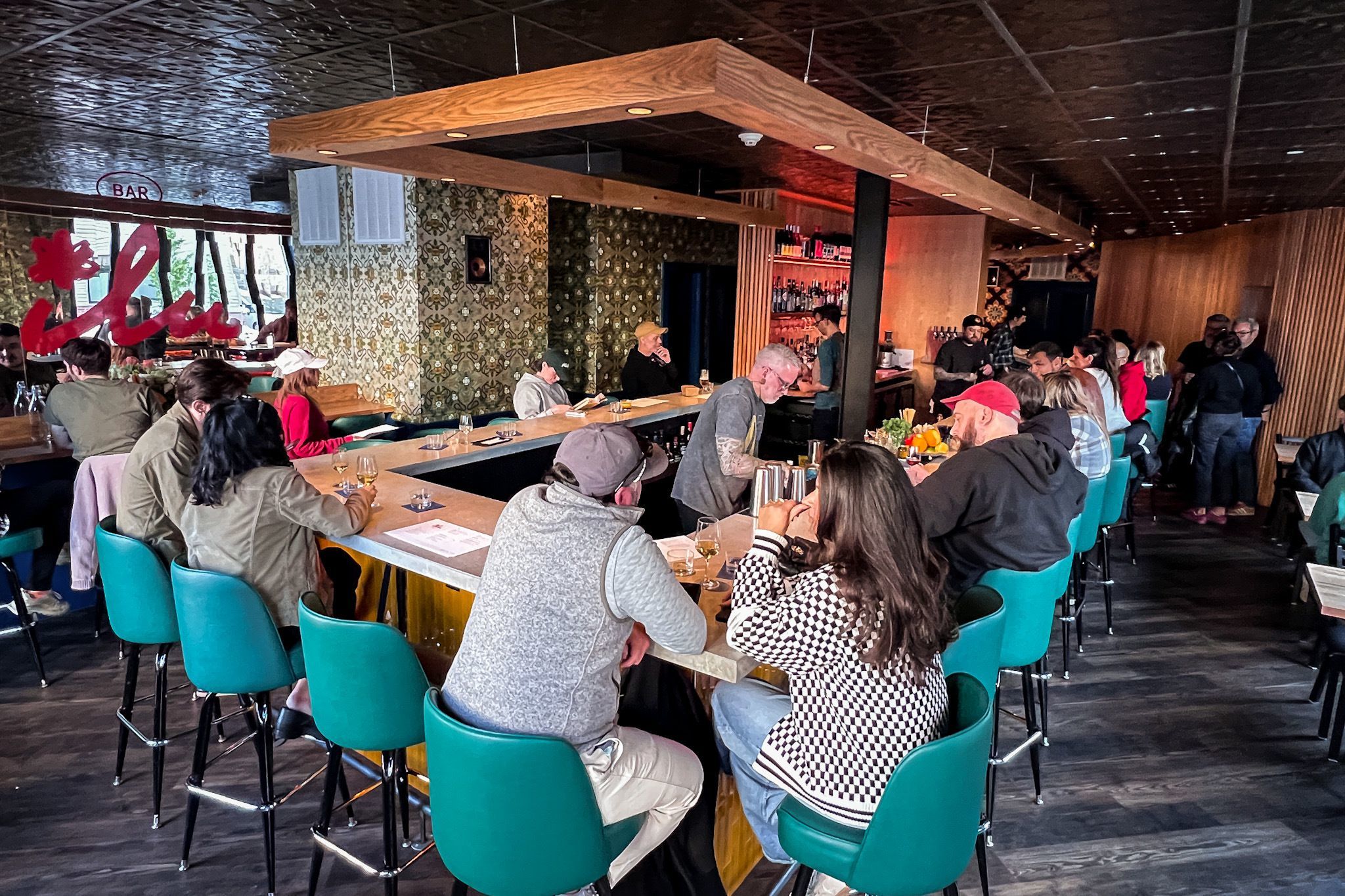
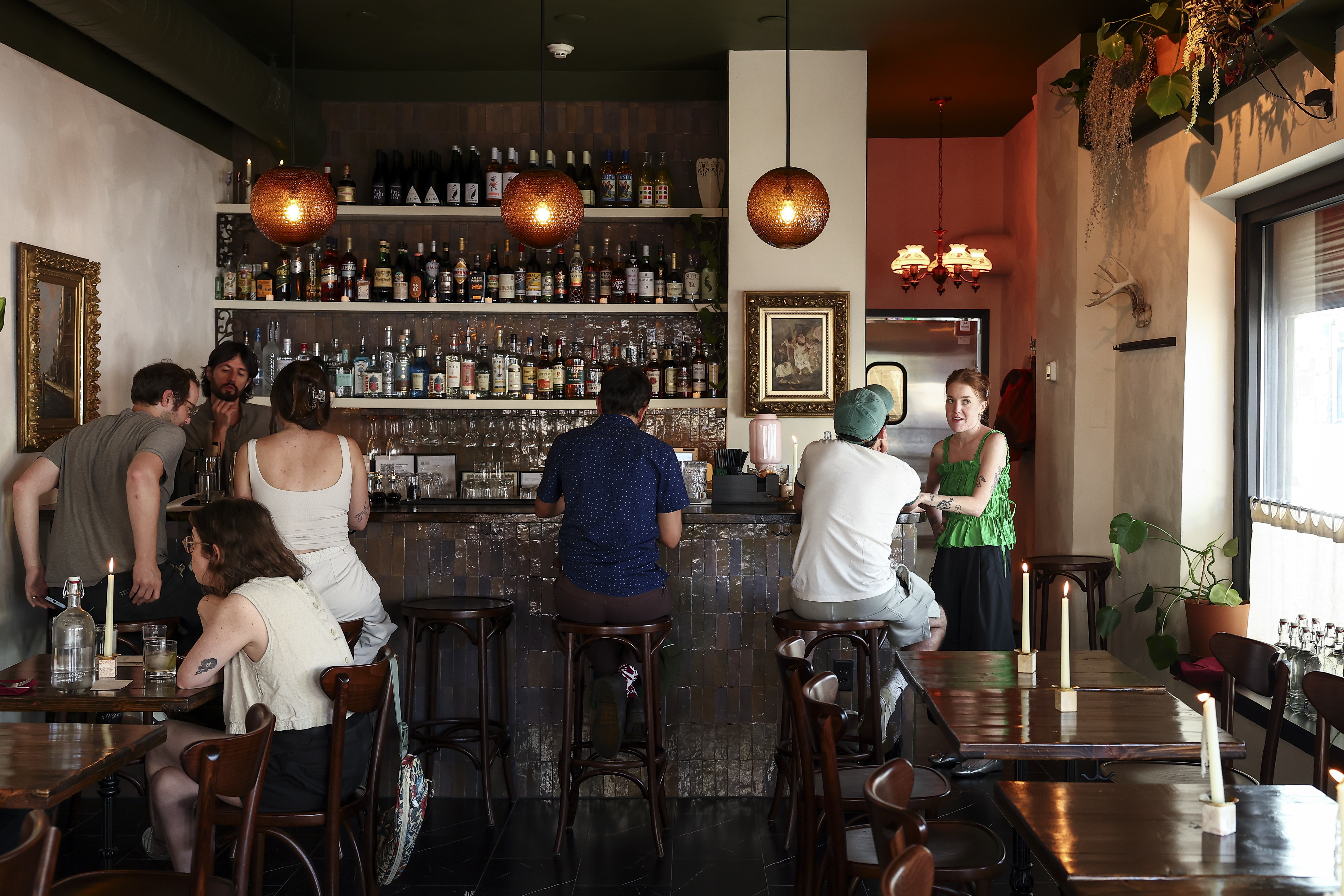
    The front bar at BAR ilu, 2118 E. Dauphin St.Michael Klein / Staff
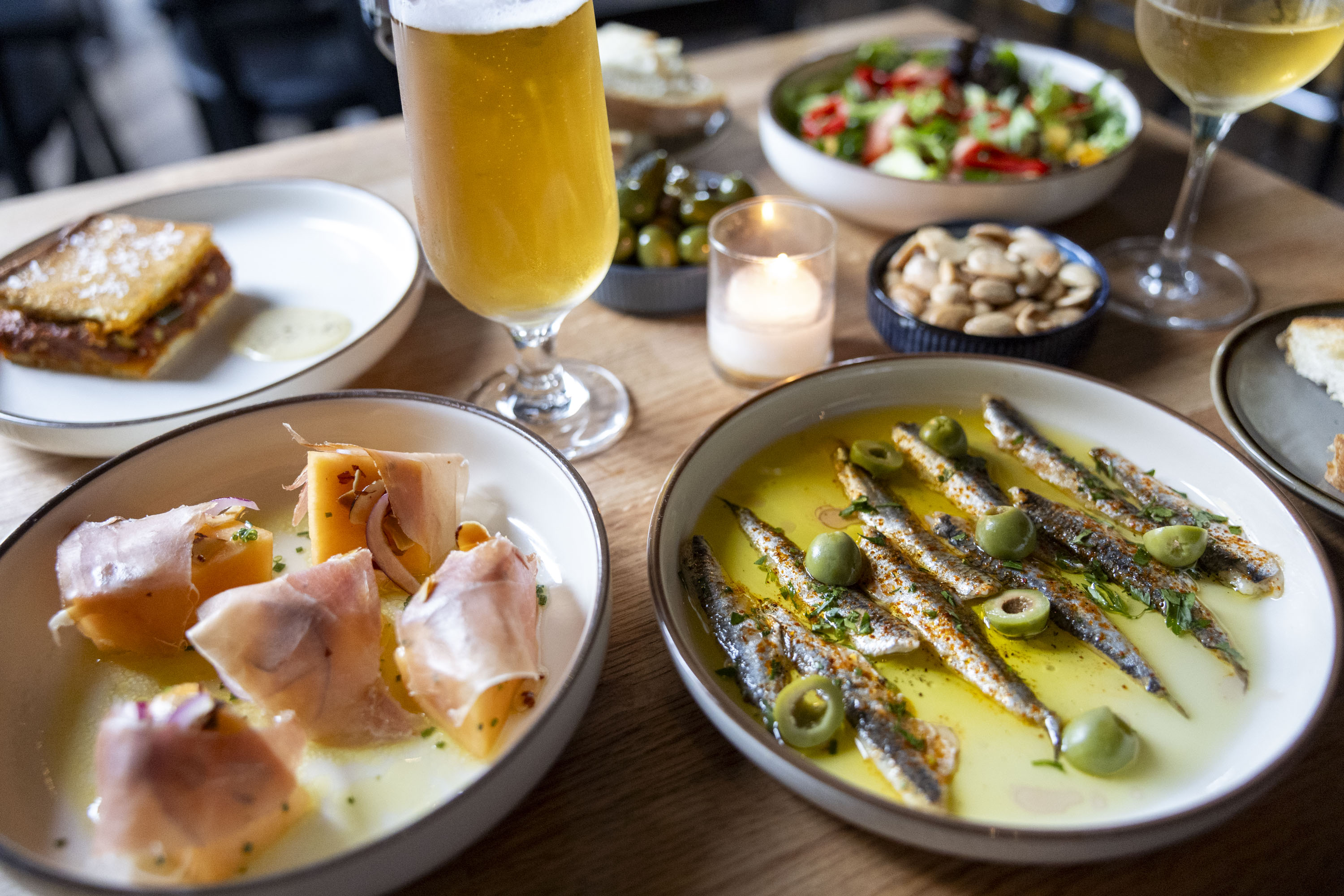
    The various plates including The Boquerones, Melon with Ham, the Tuna Empanada, Tomato Salad, Almonds, and Olives at BAR ilu on Thursday, Aug. 20, 2026, in Philadelphia.Tyger Williams / Staff Photographer

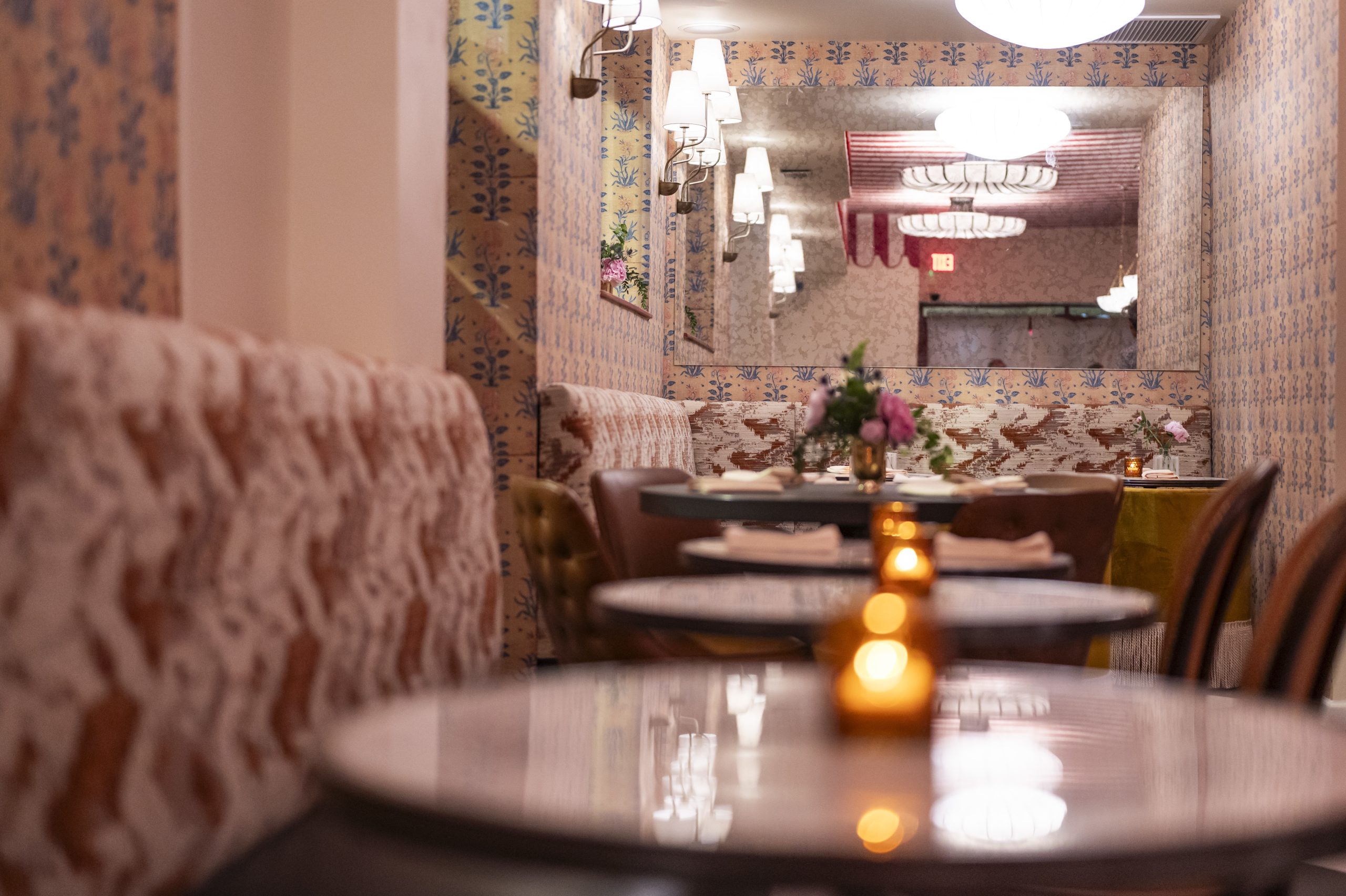
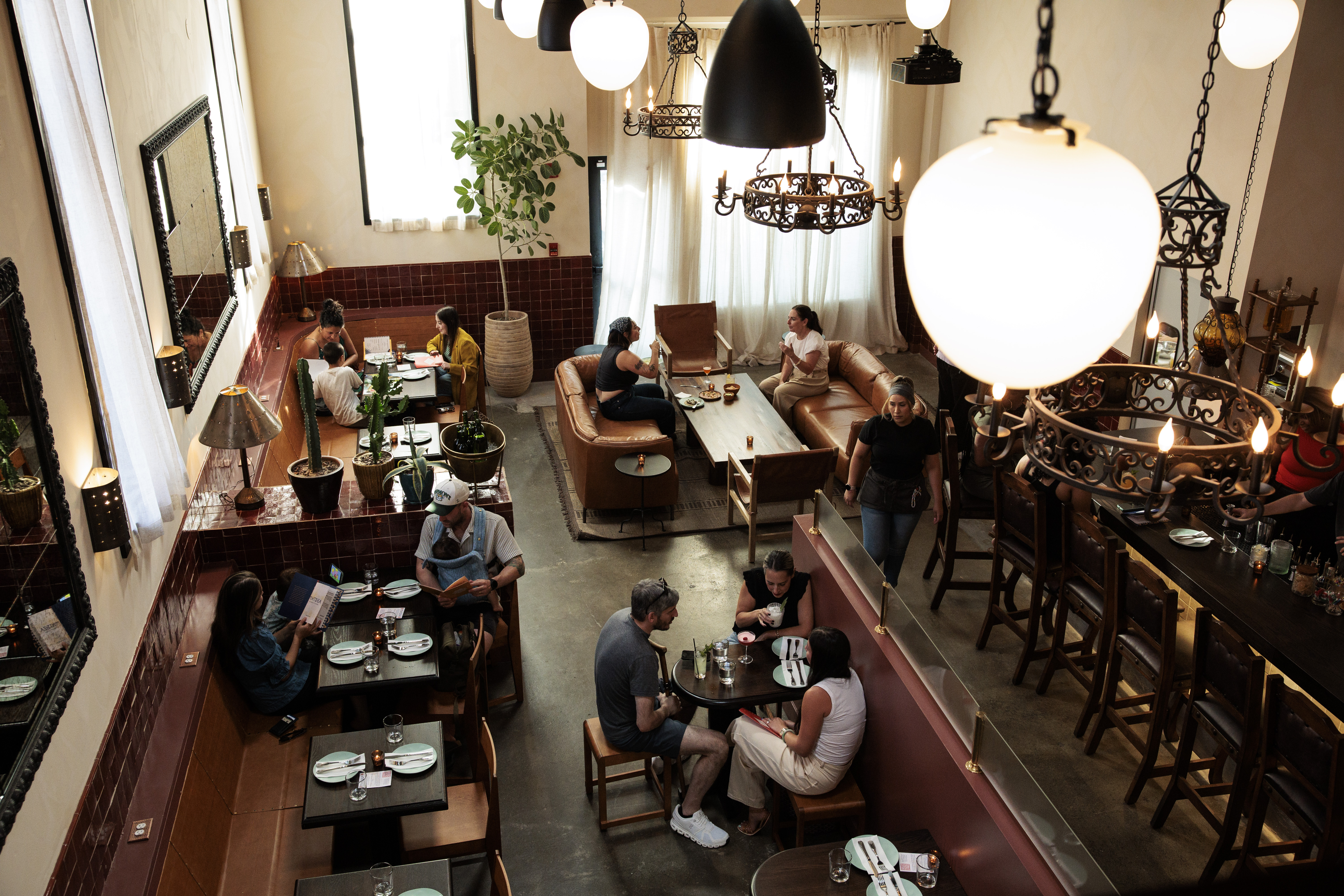
    BAR ilu has a slightly more substantial food menu than most. And part of its appeal is the natural ease with which it blends a Kenzo vibe (see the mismatched thrifter style of its floral-print wallpaper, black tin ceiling, and teal barstools) with an inventive drink program and classic Spanish plates lightly updated by chef Andrew Butler.

    Fig leaf oil adds a shade of coconut-vanilla to a familiar pairing of juicy cantaloupe with shaved serrano ham. Smoked olive oil brings a whiff of earthiness to ripe summer tomatoes with cucumbers and piquillo peppers. A juicy burger topped with Manchego cheese, pickled red onions, and aioli firmly anchors the menu with one can’t-miss comfort option that even the least Spanish-inclined customer will embrace.

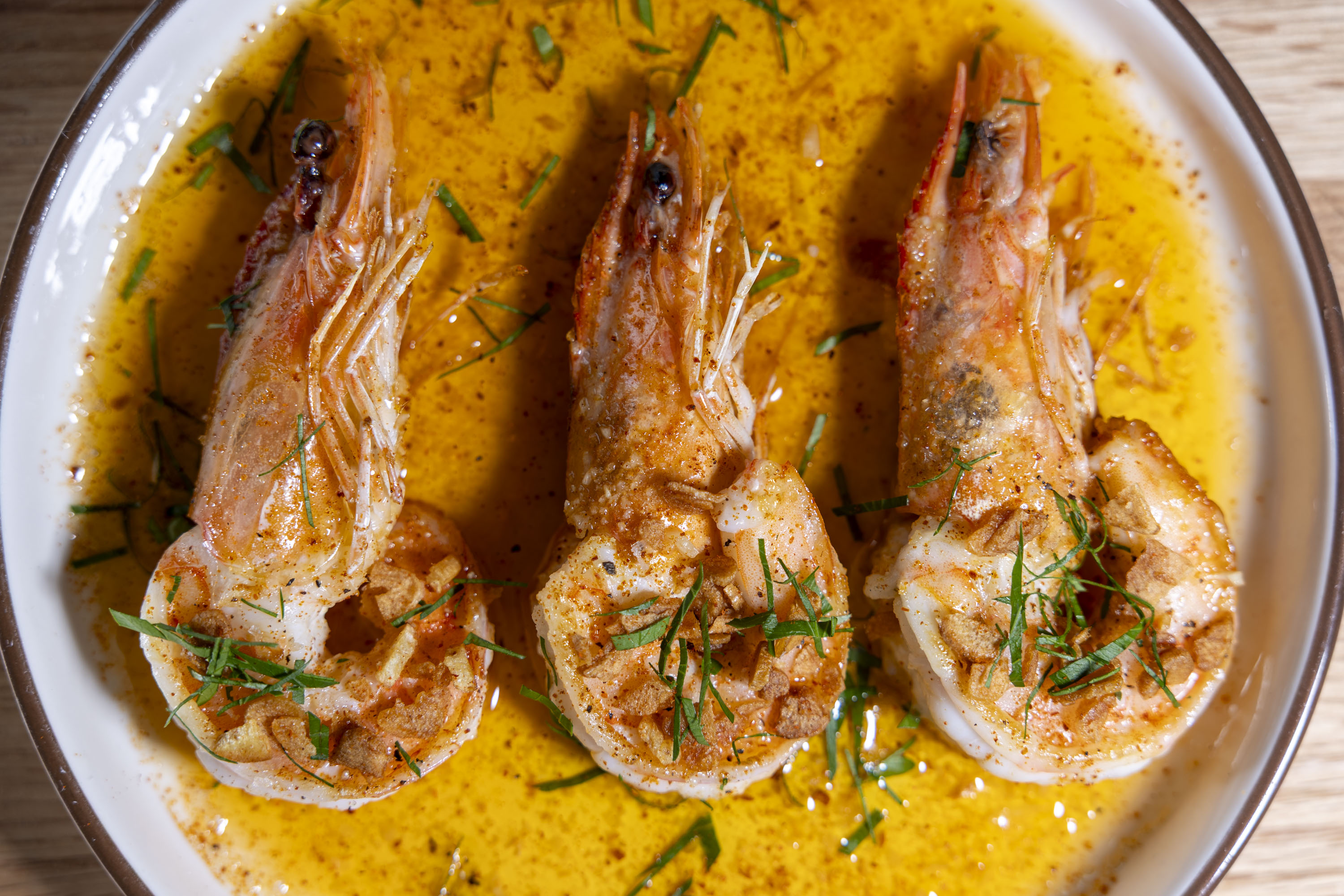
    But the Spanish flavors, both on the plate and in the glasses, are what have me hooked. Aside from the tortilla, there’s a double-crusted Galician-style empanada stuffed with tuna and cooked-down tomate frito. Plump head-on gambas al ajillo take on a flicker of chili oil heat. Crisp spheres of perfectly fried croquetas harbor lusciously creamy béchamel centers flecked with serrano ham or, my favorite, salty flakes of bacalao.
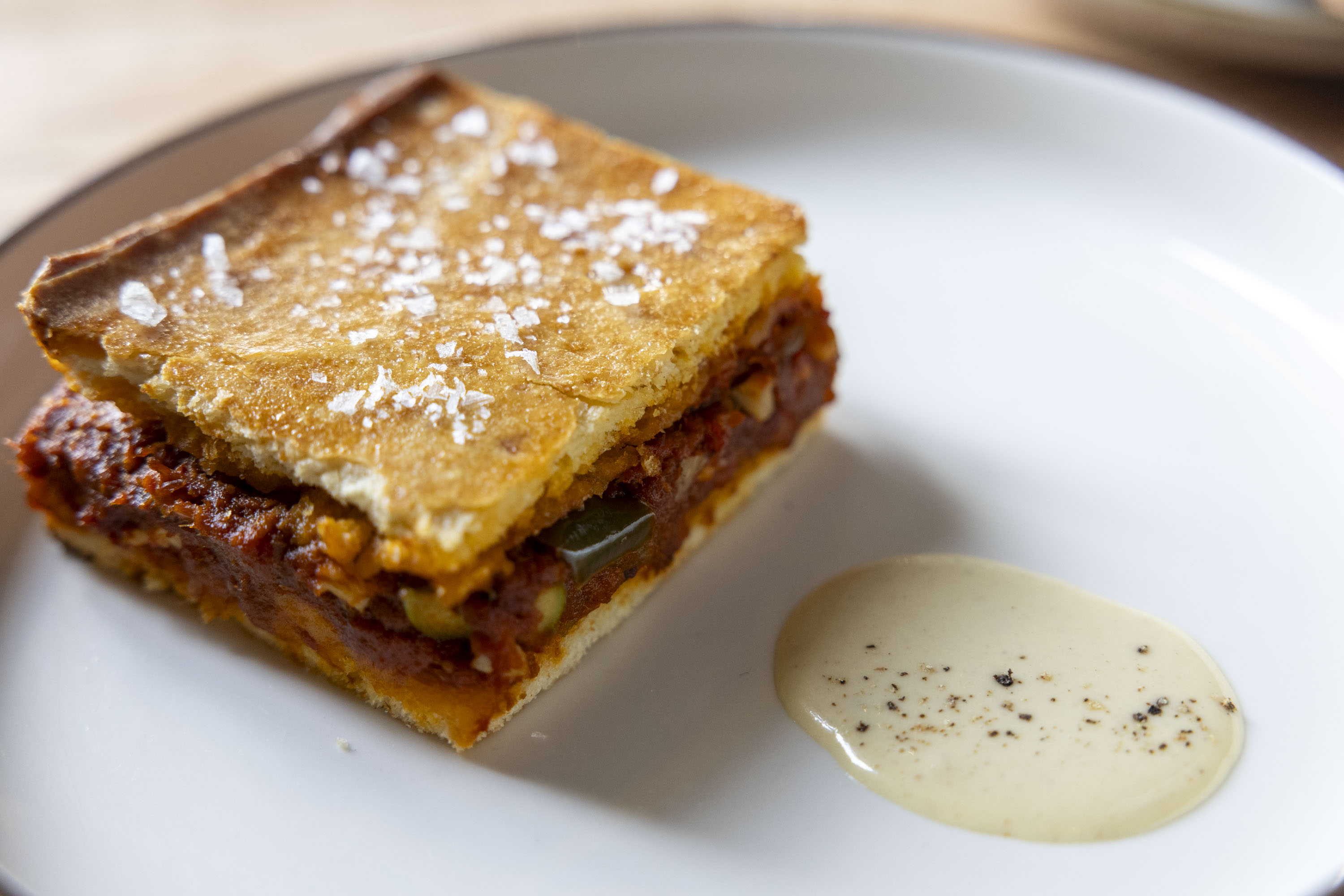
    A Tuna Empanada at BAR ilu on Thursday, Aug. 20, 2026, in Philadelphia.Tyger Williams / Staff Photographer
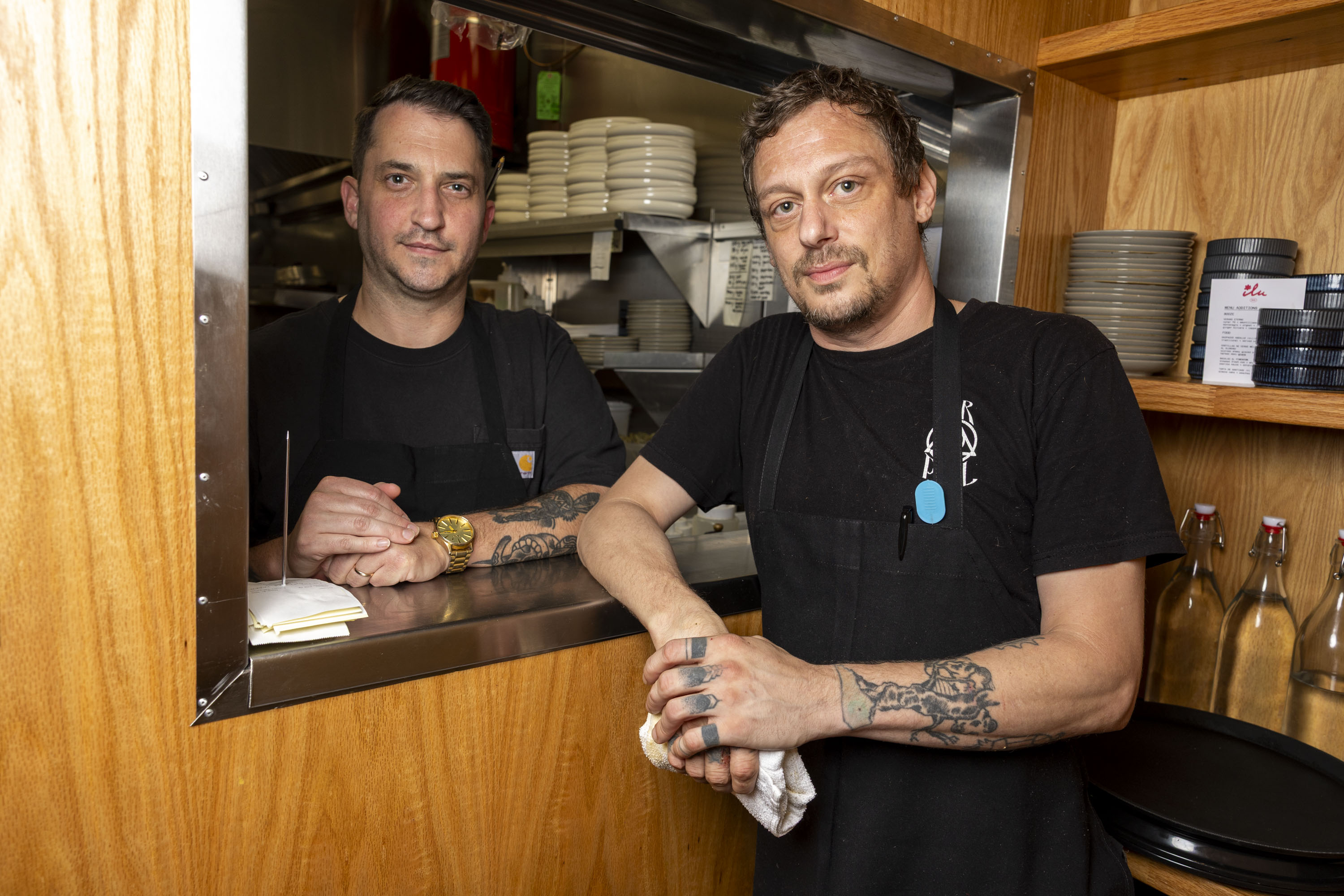
    Pat Szoke, culinary director, and Andrew Butler, chef de cuisine, at BAR ilu.Tyger Williams / Staff Photographer

    There were a few misfires. The patatas bravas were pale and lacking crisp. The flattened confit artichoke heart was mushy. The seared mushrooms were oversalted. But these were minor complaints compared to winners like the crusty bocadillo sandwich overstuffed with paprika-fried baby squid drizzled with lemony aioli and more tomate frito. Along with some tiny olives stuffed with briny anchovy, every morsel seemed deliberately calibrated to stoke a thirst.

    I especially enjoyed BAR ilu’s creative approach to sherry and vermouth, both in cocktails and poured neat. A crisp Manzanilla, already one of my favorite predinner quaffs in summer, added a bracing dryness to Cynar amaro and gin for Remember the Alimony. Vanilla-scented Licor 43 from Spain pairs with chilled Cafe Bustelo for a carajillo whose pebble ice is dusted with coffee-orange powder, and is now one of my top five coffee cocktails in the city.
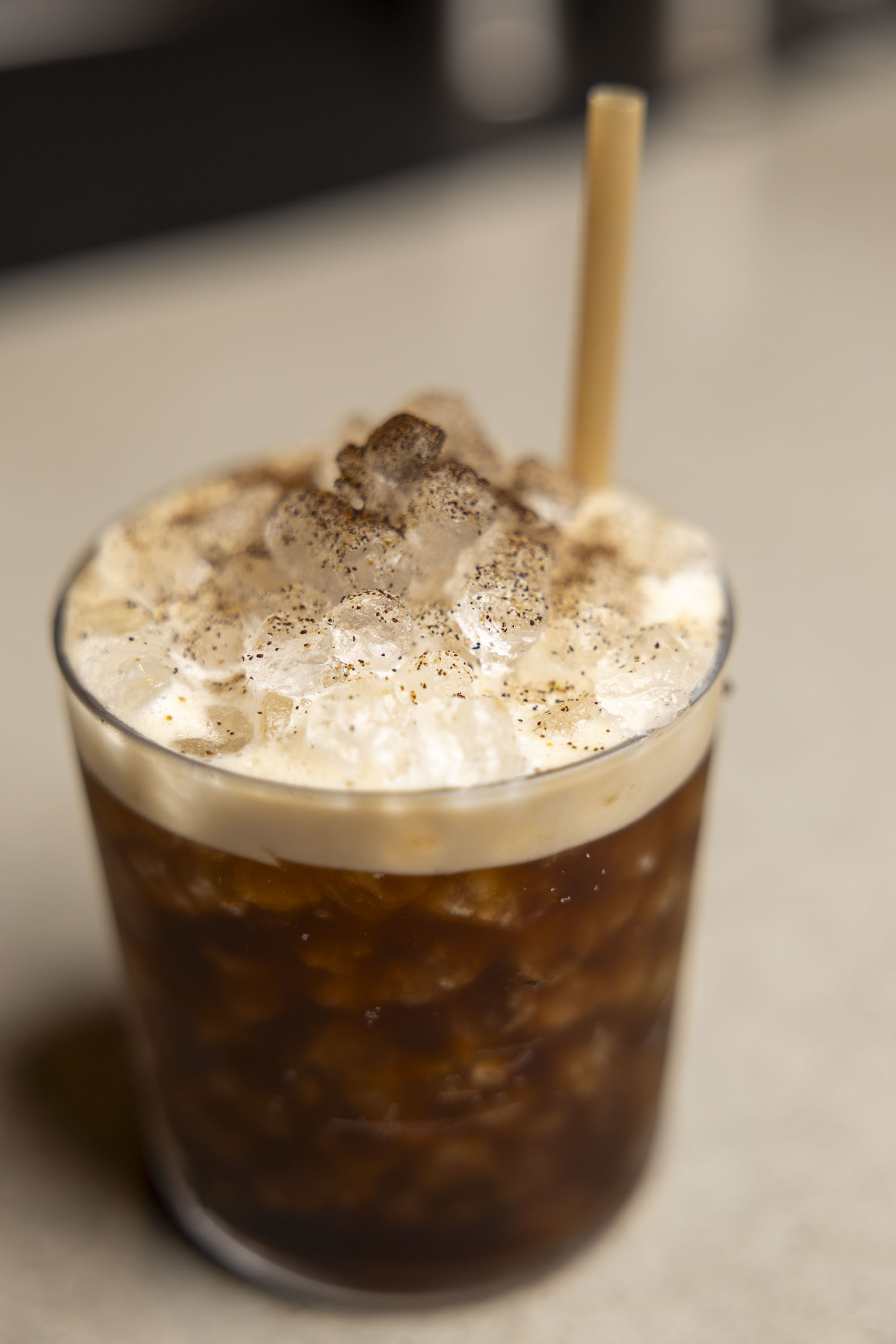
    The Carajillo at BAR ilu on Thursday, Aug. 20, 2026, in Philadelphia.Tyger Williams / Staff Photographer

    The Fire Drill is a refreshing tropical blast of passion fruit swirling in mezcal smoke, with an herbal whiff of Lo-Fi gentian amaro to counter the fruity sweetness. A whole Granny Smith apple is juiced to order for the simple Booze & Juice, paired with the spirit of your choice (make it mezcal).

    Meanwhile, unless you order a glass of dark, sweet-tangy Pedro Ximenez to cap your meal, try the Barquero vermut on draft and top it with orange foam, a combo that tastes like flat Coke dolloped with an orange-creamsicle cloud. There is actual dessert here, too: a perfectly fine almond cake with macerated peaches and cream. But that foamed vermouth was satisfyingly herbal, sweet, and mysterious — and one of the best things I drank all summer.
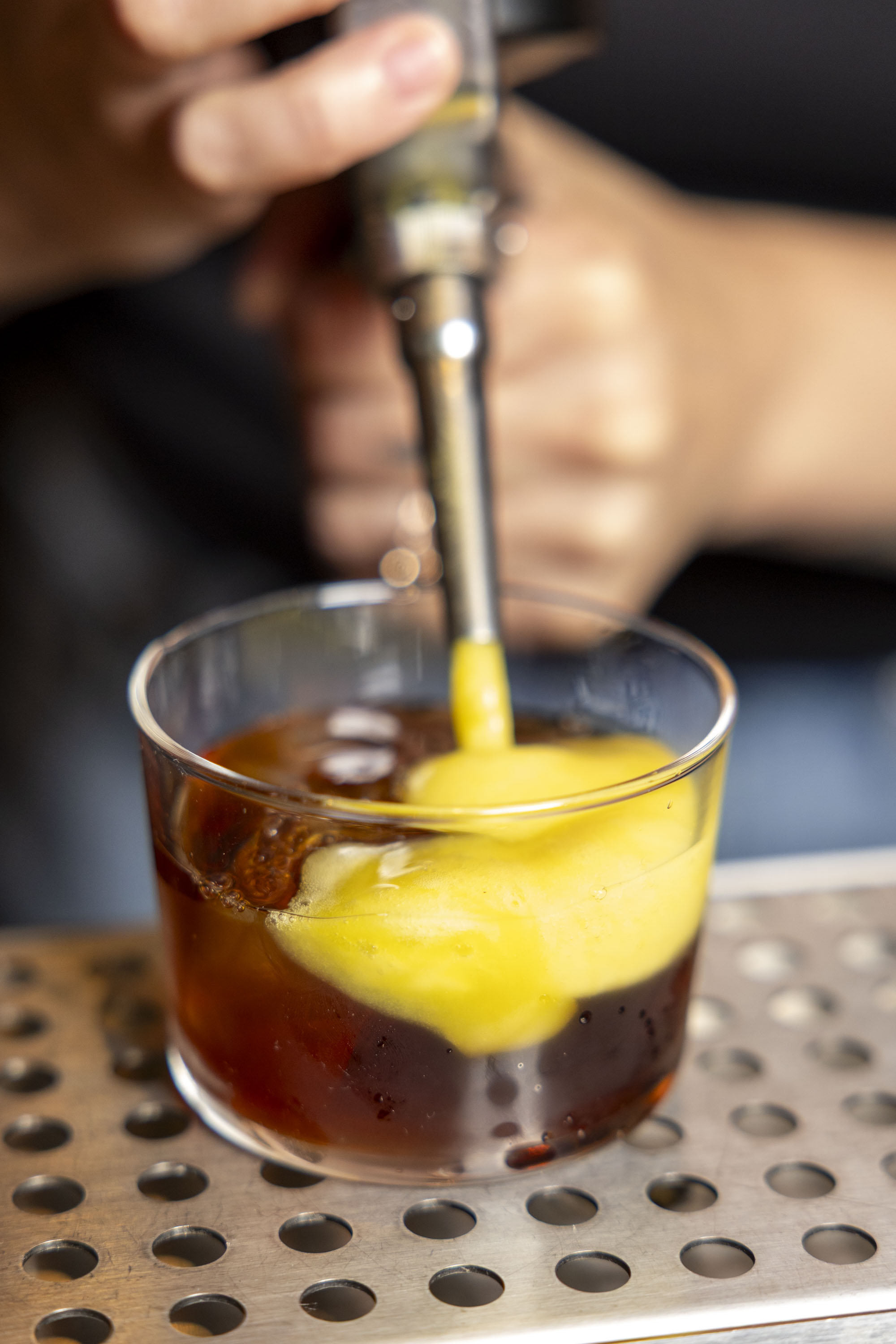
    The Vermouth with Orange foam at BAR ilu on Thursday, Aug. 20, 2026, in Philadelphia.Tyger Williams / Staff Photographer
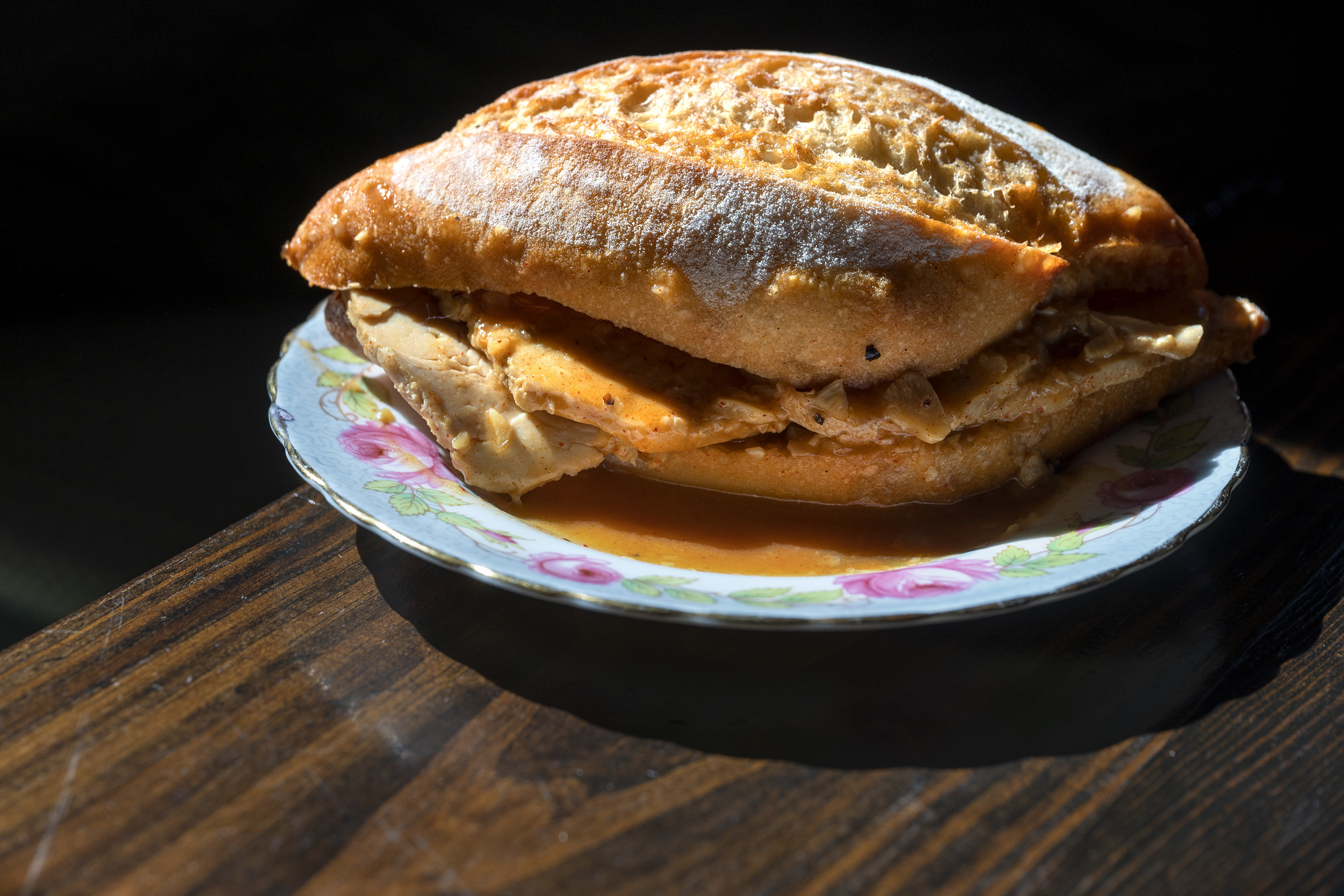
    The Bifana sandwich as served at Grace & Proper in Queen Village Wednesday, Mar. 8, 2023.Tom Gralish / Staff Photographer

    Grace & Proper

    If BAR ilu represents a modern interpretation of tapas culture in Philly, the vintage vibes at Grace & Proper’s Italian Market space reflect a different take on Iberian bar culture, this one influenced by the Portuguese roots of co-owner Chris Fetfatzes’ family.

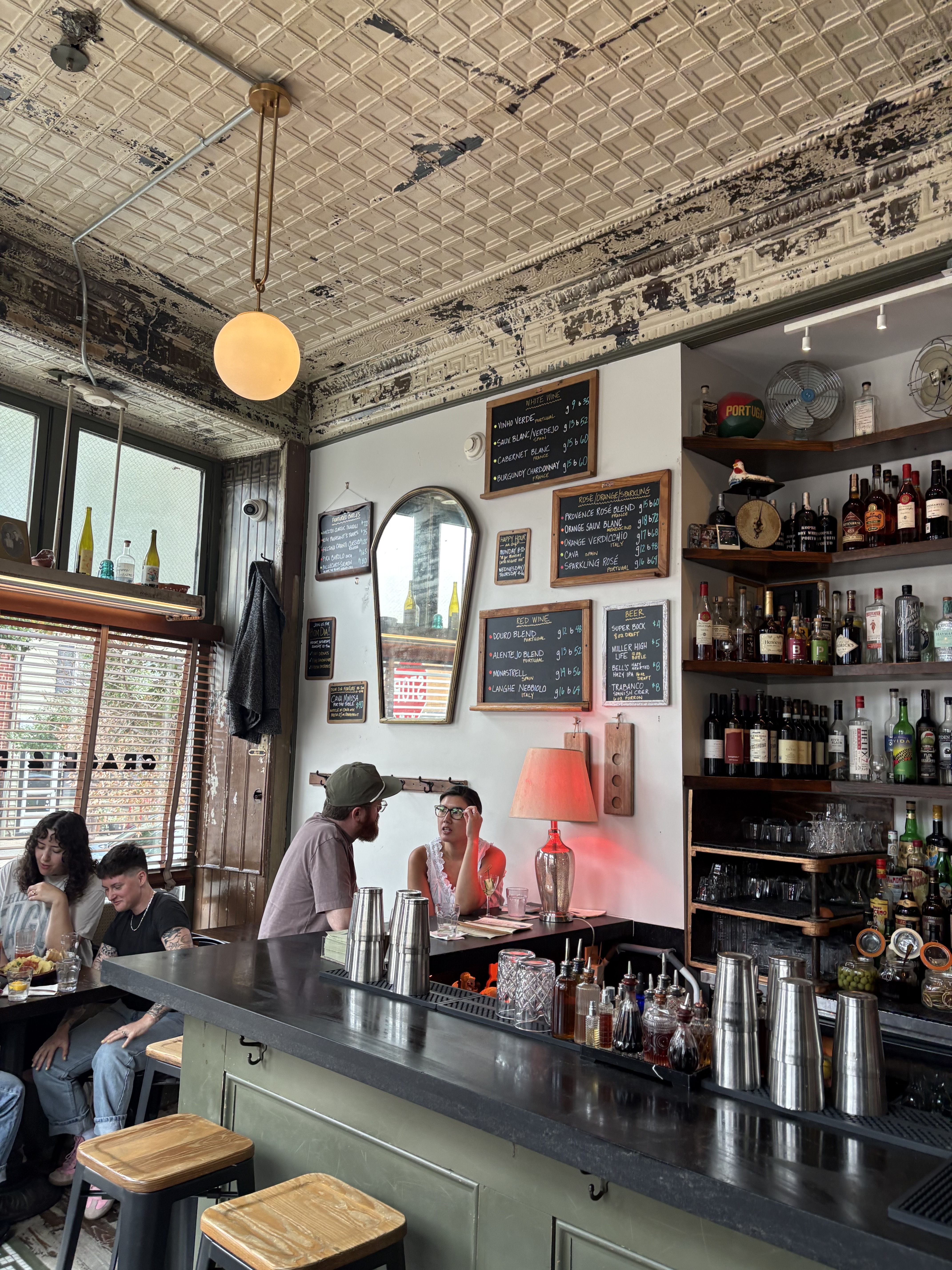
    Fetfatzes, his wife, Heather Annechiarico, and their Happy Monday Hospitality partner Susan Freeman, who also own Wine Dive and Sonnys Cocktail Joint, leaned into the antique charm of the distressed tin ceiling, tiled floor, and exposed brick walls that were uncovered during renovations of the old pharmacy (and Italian deli) that once occupied this corner space at Eighth and Carpenter. Fetfatzes was hoping to create the cocktail counterpart to Fountain Porter, the 14-year-old craft beer destination in East Passyunk known for its $7 burgers and pickles that, perhaps, helped mark the beginning of the minimalist-nibble bar.

    Given Grace & Proper’s compact space, with just 15 barstools and 26 table seats sidled into window banquettes (plus 30 more outside in fair weather), it’s amazing how its 200-bottle collection of amari, vermouths, ports, whiskeys, Madeiras, sherries, agave spirits, and indie Euro wines somehow fits into the tall shelves behind the bar. If you’re a fan of funky Asturian cider, there’s a proper porrón carafe to stream it directly into your mouth from an arm’s length away, ideally while watching Premier League or MLS soccer. Or try the Philly-Portugal Lisbon Wide hybrid, a draft of Super Bock Portuguese lager paired with a shot of ginjinha, a house-made cordial steeped from Morello sour cherries harvested in Northeast Philadelphia.
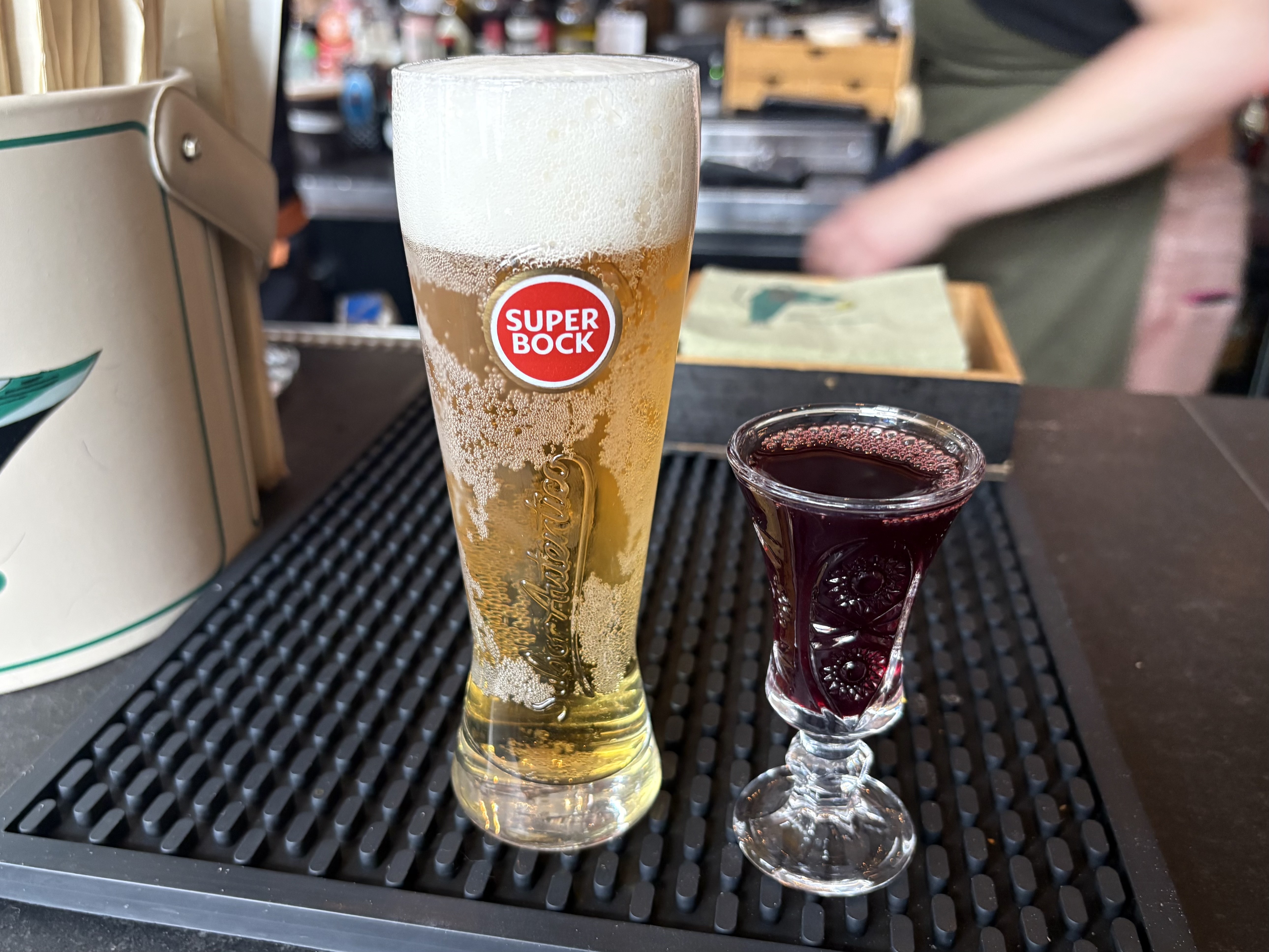
    The Lisbon Wide is Grace & Proper’s Portuguese twist on a Citywide, pairing Super Bock beer with housemade Ginjinha sour cherry liqueur.Craig LaBan / Staff
    The Meat & Chips at Grace and Proper on Thursday, Aug. 3, 2023.Allie Ippolito / Staff Photographer

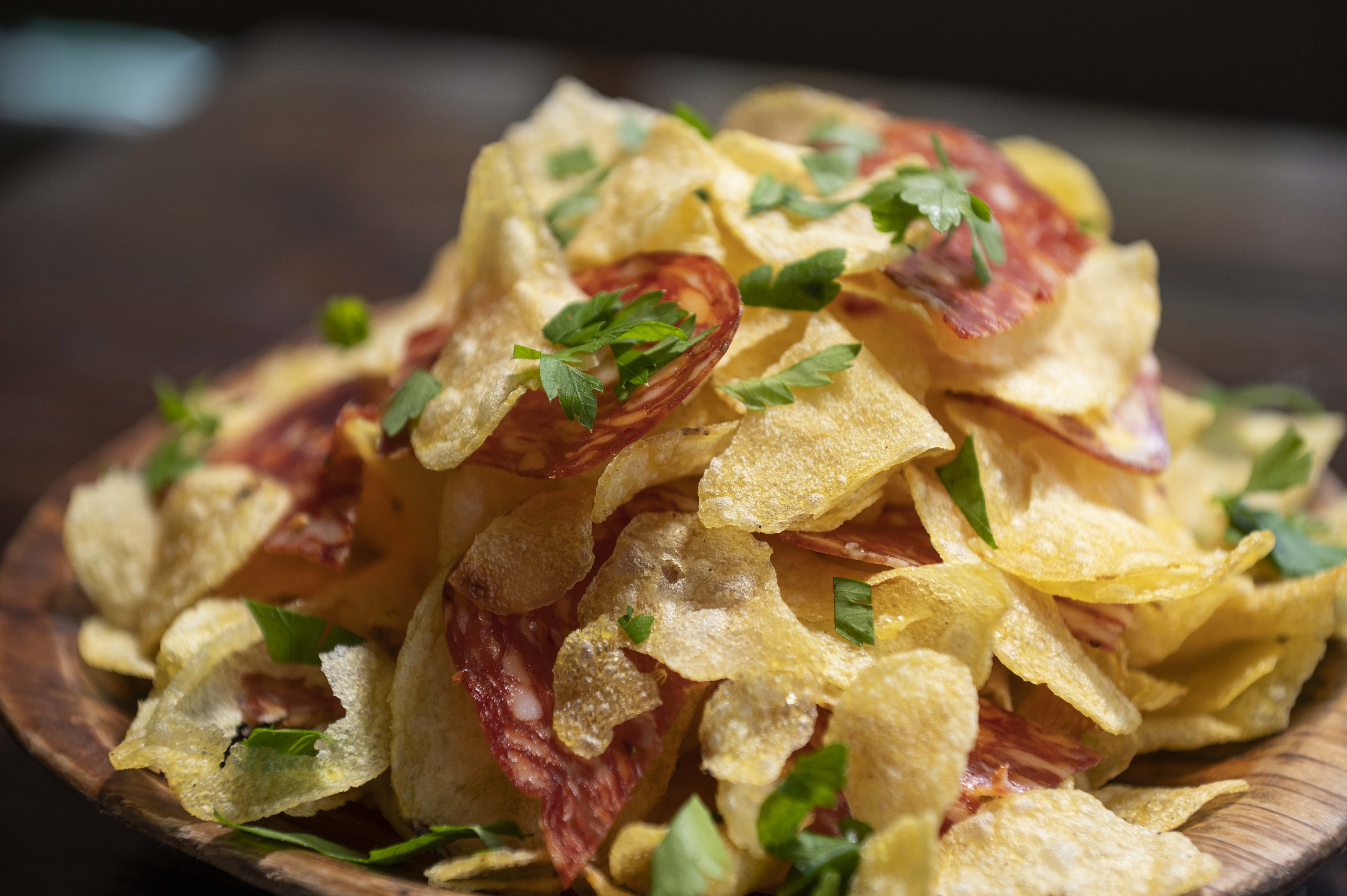
    Grace & Proper doesn’t post a food menu online, but it’s substantial enough to anchor your table for a couple hours of snacking, from an irresistible pile of truffled potato chips feathered with spicy Calabrese salami to soulful onion soup infused with port and lardo, a crock of white bean stew with kale and breadcrumbs, piri piri-spiked Buffalo chicken dip, and sweet-tart-smoky bacon-wrapped prunes with black garlic aioli.

    I didn’t care for the overly firm meatballs and their unbalanced blackberry romesco or, for that matter, the presentation of cheeses as crumbled nuggets. But these are all quibbles. Because there is really a single essential reason to visit Grace & Proper: the bifana, a classic sandwich of wine-marinated roast pork on a molete roll from Teixeira’s Bakery in Newark that comes perched over a paprika-orange pool of zesty gravy. Equal parts lemony, garlicky, winey, and scented with bay, that roasted pork essence is so good, the gravy is also offered as a chaser to the Piggy Back shot (oloroso sherry and Armagnac).

    All you’ll need after that is a custardy sweet pastel de nata (also baked by Teixera’s, according to G&P’s recipe) and what might well be the best crema-topped shot of espresso at any bar in Philly. Grace & Proper is one of the precious few that actually adds fresh-pulled coffee to its espresso martinis, but I still prefer this coffee solo. I value the energy boost because, in these days of no-commitment sip-and-nibble bars, I’ve still got places to go.
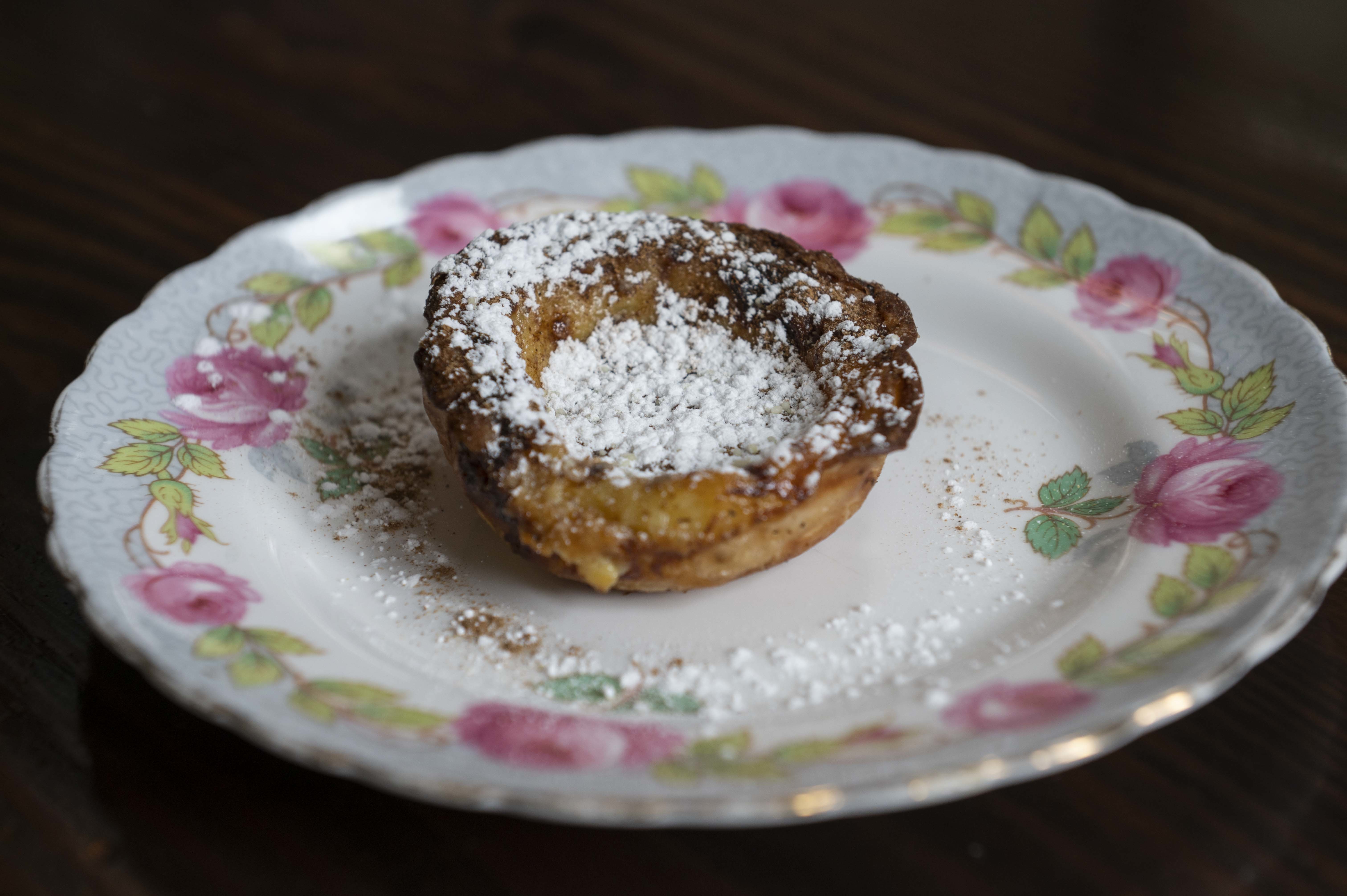
    The Pastéis de Nata at Grace and Proper on Thursday, Aug. 3, 2023.Allie Ippolito / Staff Photographer
    Vintage details of the former pharmacy and Italian deli have been preserved to add character to the bar at Grace & Proper.Craig LaBan / Staff

    BAR ilu

    2118 E. Dauphin St., 267-807-2466, iluphl.com

    Menu available 4 to 11 p.m. Sunday, Tuesday through Thursday; 4 p.m. to midnight Friday and Saturday. Bar is open 4 p.m. to midnight Sunday, Tuesday, Wednesday; 4 p.m. to 1 a.m. Thursday through Saturday.

    Plates, $4-$14.

    Dining room is wheelchair accessible via a ramp off rear of building off Martha Street. Bathrooms are not accessible.

    Not ideal for gluten-free diners, aside from some small snacks.

    Menu highlights: croquetas (ham and bacalao); anchovy-stuffed olives; serrano ham and chips; tortilla Española; ham and melon; cheeseburger; gambas al ajillo.

    Drinks: Cocktails built around sherry and vermouth are the most distinctive opening move, while straight fortified wines on draft, including La Gitana Manzanilla or Barquero vermut with orange foam, are also highlights. There are also 10 affordable Spanish wines by the glass.


    Grace & Proper

    941 S. Eighth St., graceandproper.com

    Menu served 4 p.m. till midnight Monday, Wednesday, Thursday; noon to midnight Friday through Sunday. Bar is open till 1 a.m. on Friday and Saturday.

    Plates, $7-$15.

    Not wheelchair accessible.

    About 40% of the menu is gluten-free or can be modified.

    Menu highlights: bifana; bacon-wrapped plums; salami and truffled chips; Porto lardo onion soup; pasteis de nata.

    Drinks: The vast 200-bottle collection is a sipper’s delight, from amari to fortified wines, extensive whiskies, and a surprising agave spirits collection. Don’t miss creative cocktails made with the company’s new house-distilled spirits, including a Chartreuse-inspired “Green Monk” or the ginjinha cordial, steeped from Northeast Philly sour cherries, served in the Lisbon Wide as a sidecar to a draft of Super Bock.
  • A dozen notable Philly-area restaurant openings you may have missed this summer

    A dozen notable Philly-area restaurant openings you may have missed this summer

    If you spent the summer out of town (or off the grid), you may have missed a busy few months on the restaurant scene. Philadelphia-area newcomers include a Milan-inspired aperitivo bar in Rittenhouse, Japanese barbecue on the Main Line, and two corner bars in Point Breeze.

    Here are 12 noteworthy restaurants that opened in the last few months.

    Academy Grill (424 S. Bethlehem Pike, Fort Washington): This white-tablecloth restaurant in the former Cantina Feliz near Germantown Academy serves house-made pastas, seafood, steaks, and contemporary American dishes in a polished, decidedly grown-up setting.

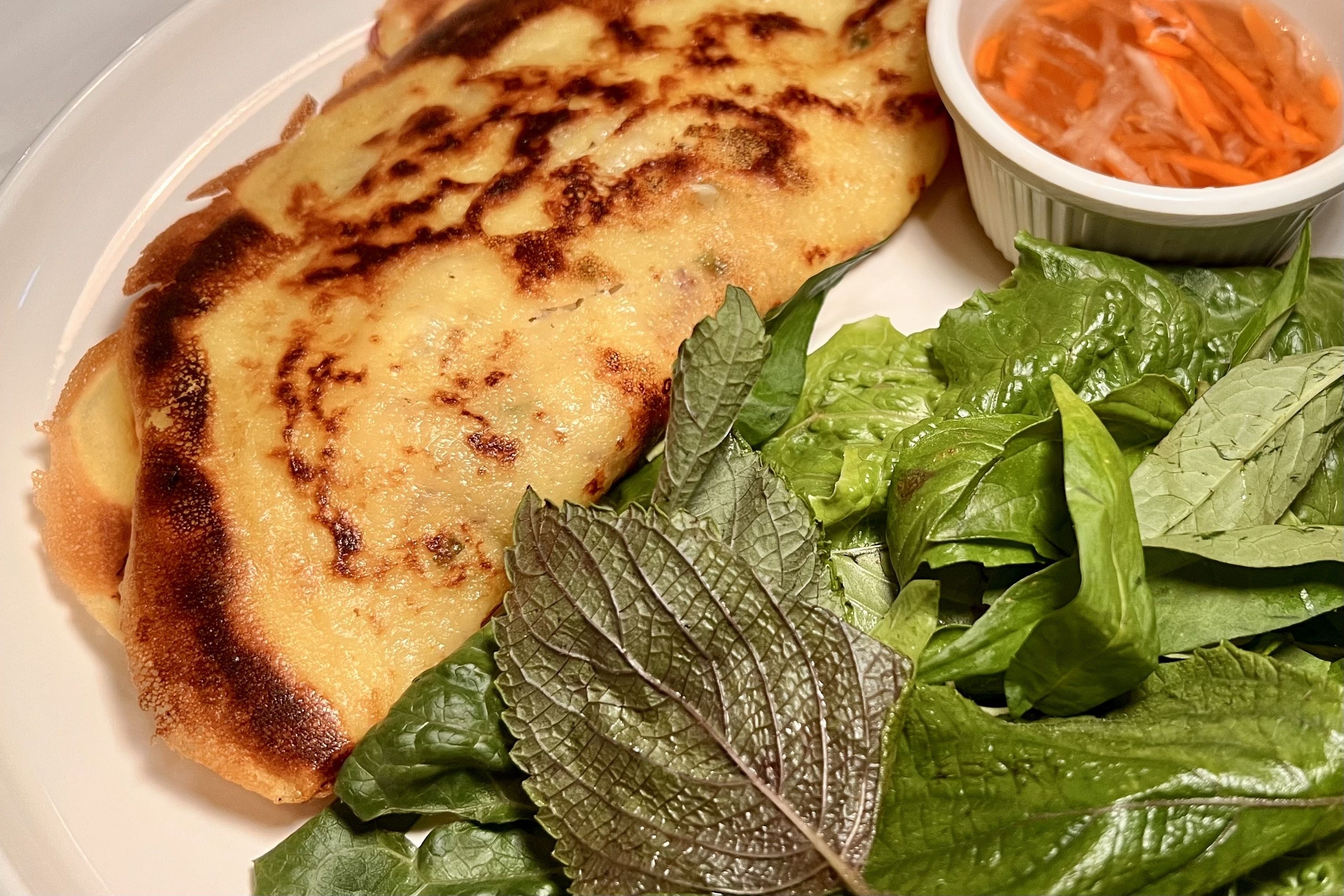
    Bánh xèo at Anh Em, 1252 S. 21st St.Michael Klein / Staff

    Anh Em (1252 S. 21st St.): Pho, bánh xèo, and 24 local beers meet at Anh Em, a Vietnamese bar-restaurant at 21st and Titan Streets in Point Breeze from Victor Nguyen and Anna Huynh. Nguyen draws on dishes the husband-and-wife team grew up eating, while the 20-seat bar gives the neighborhood spot an unusually deep commitment to locally brewed beer.

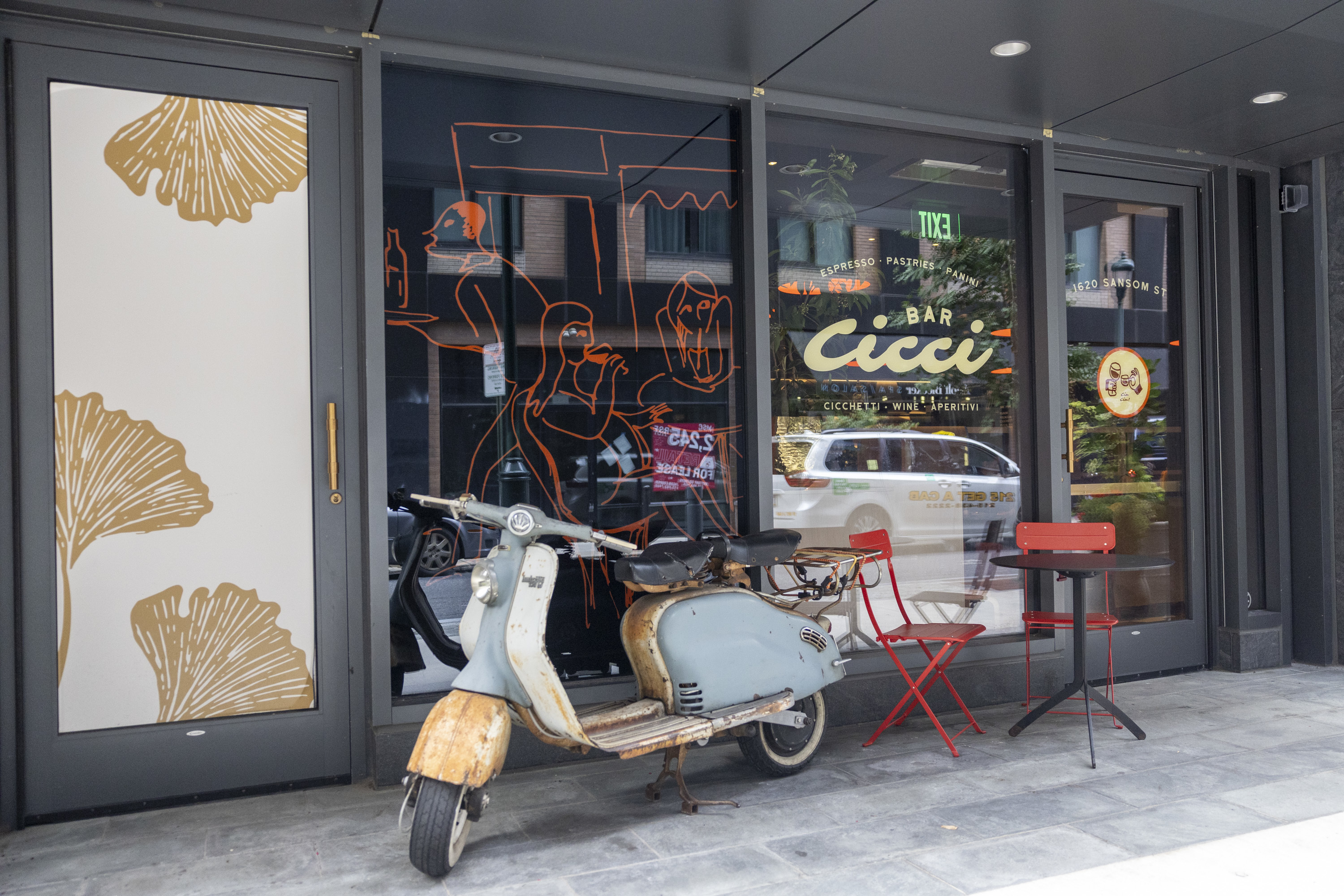
    Bar Cicci (1620 Sansom St.): Ellen Yin’s 30-seat, Milan-inspired spot starts with espresso and Italian pastries, moves into sandwiches at lunch, then shifts to spritzes, wine, cicchetti, and small plates at night. The Rittenhouse newcomer is High Street Hospitality’s take on northern Italy’s all-day aperitivo culture.

    Bluebird Distilling in Phoenixville.Photos courtesy of Ed Newton

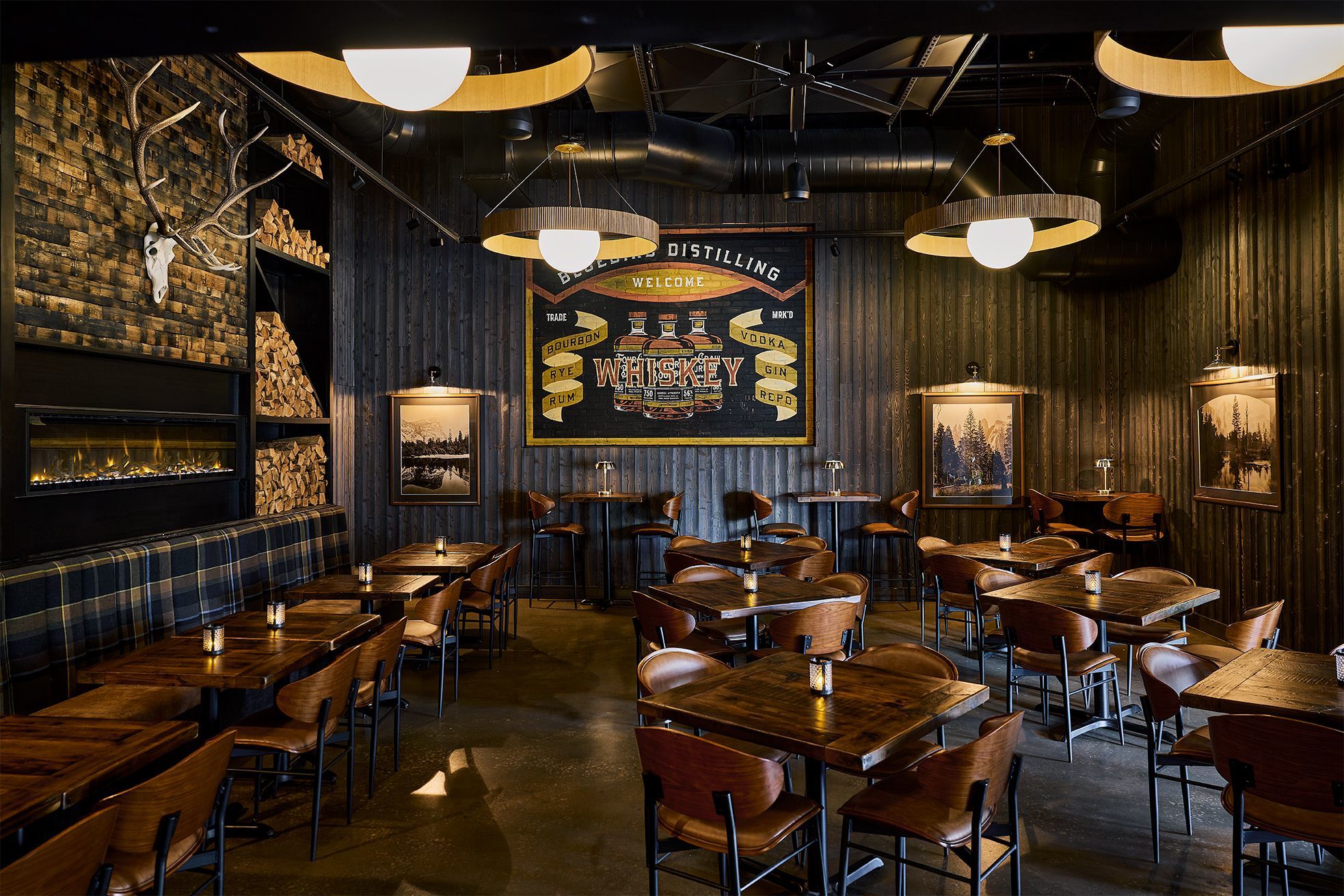
    Bluebird Distilling & Dough House (100 Bridge St., Phoenixville): A $2.2 million investment turned Bluebird’s Bridge Street distillery into a full-fledged restaurant. Executive chef Devon Migeot, whose resumé includes Zahav and Laser Wolf, centers the expanded food program on naturally fermented neo-Neapolitan pizzas, house-baked breads, shareable plates, and, naturally, Bluebird cocktails.

    Silenia and John Rhoads, owners of the Buttery in Bryn Mawr.

    The Buttery (836 W. Lancaster Ave., Bryn Mawr): John and Silenia Rhoads’ third location is an 82-seat bakery-cafe on Lancaster Avenue, where the Malvern-incepted operation’s sourdough breads and house-made pastries share the menu with breakfast dishes, sandwiches, and seasonal fare from its all-day scratch kitchen.

    Known Associates at 10th and Spruce Streets.

    Known Associates ( 941 Spruce St.): Chef Christopher Kearse’s Washington Square West cocktail bar does not treat the food as an afterthought. The former Varga Bar at 10th and Spruce is a 40-seat room where cocktails accompany a concise, European-influenced menu of a dozen savory dishes.

    Lillian’s at 19th and Mifflin Streets.Monica Herndon / Staff Photographer

    Lillian’s (1900 S. 19th St.): Even the chef isn’t permanent at Sam Ahern’s parlorlike cocktail bar/bistro at 19th and Mifflin Streets, whose kitchen rotates among guest chefs. The residency model gives each cook a temporary restaurant within the restaurant — and gives this Point Breeze newcomer an ever-changing menu.

    Saif Manna works on a pavlova at Manna Bakery.Monica Herndon / Staff Photographer

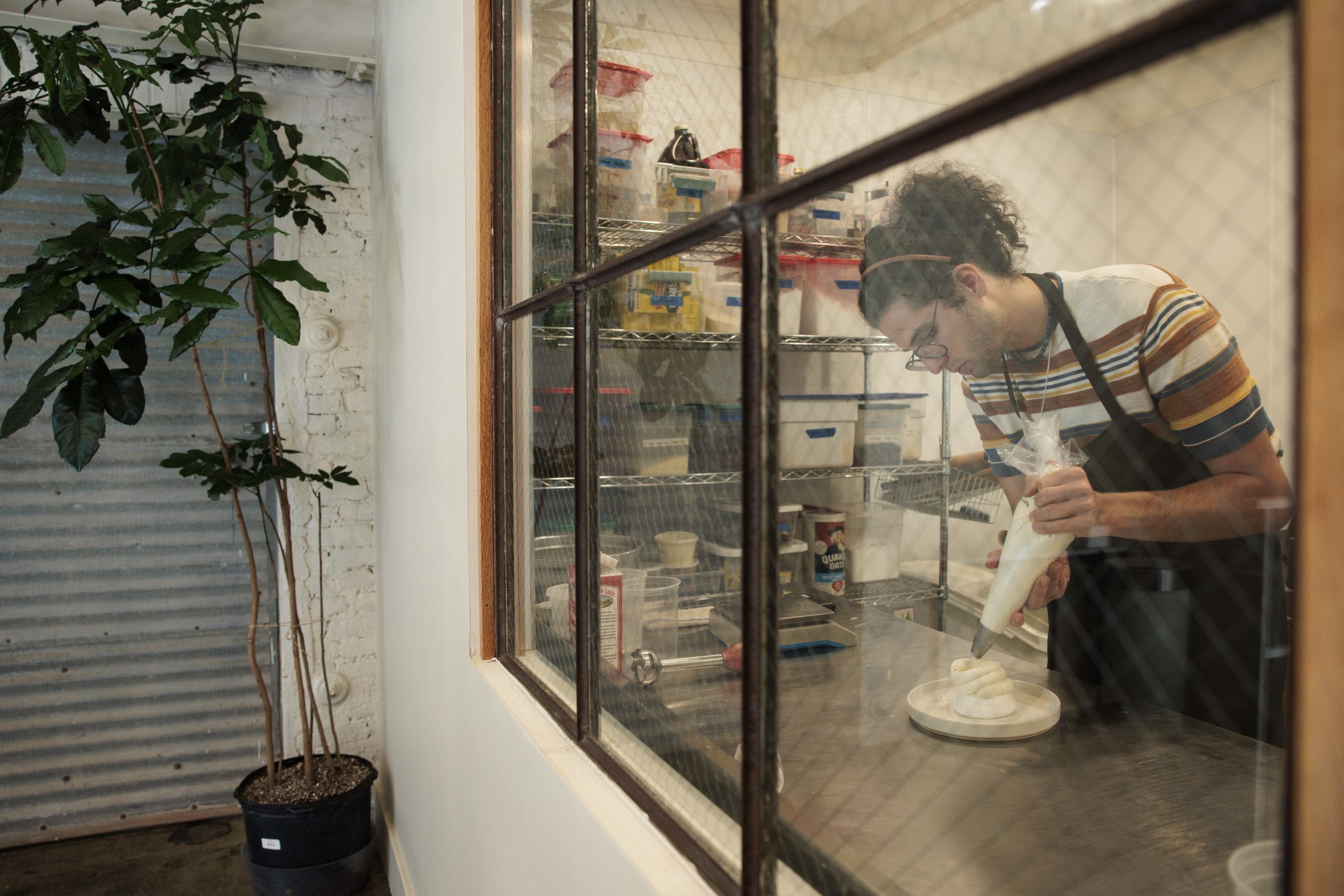
    Manna Bakery (110 W. Berks St.): Five years and countless farmers market appearances later, Saif Manna’s Temple dorm room project has moved into the former Essen Bakery in Kensington. Manna draws on his Palestinian heritage for Levantine pastries and savory dishes in a comfy cafe setting.

    Mr. Edison in the Bellevue Hotel.Monica Herndon / Staff Photographer

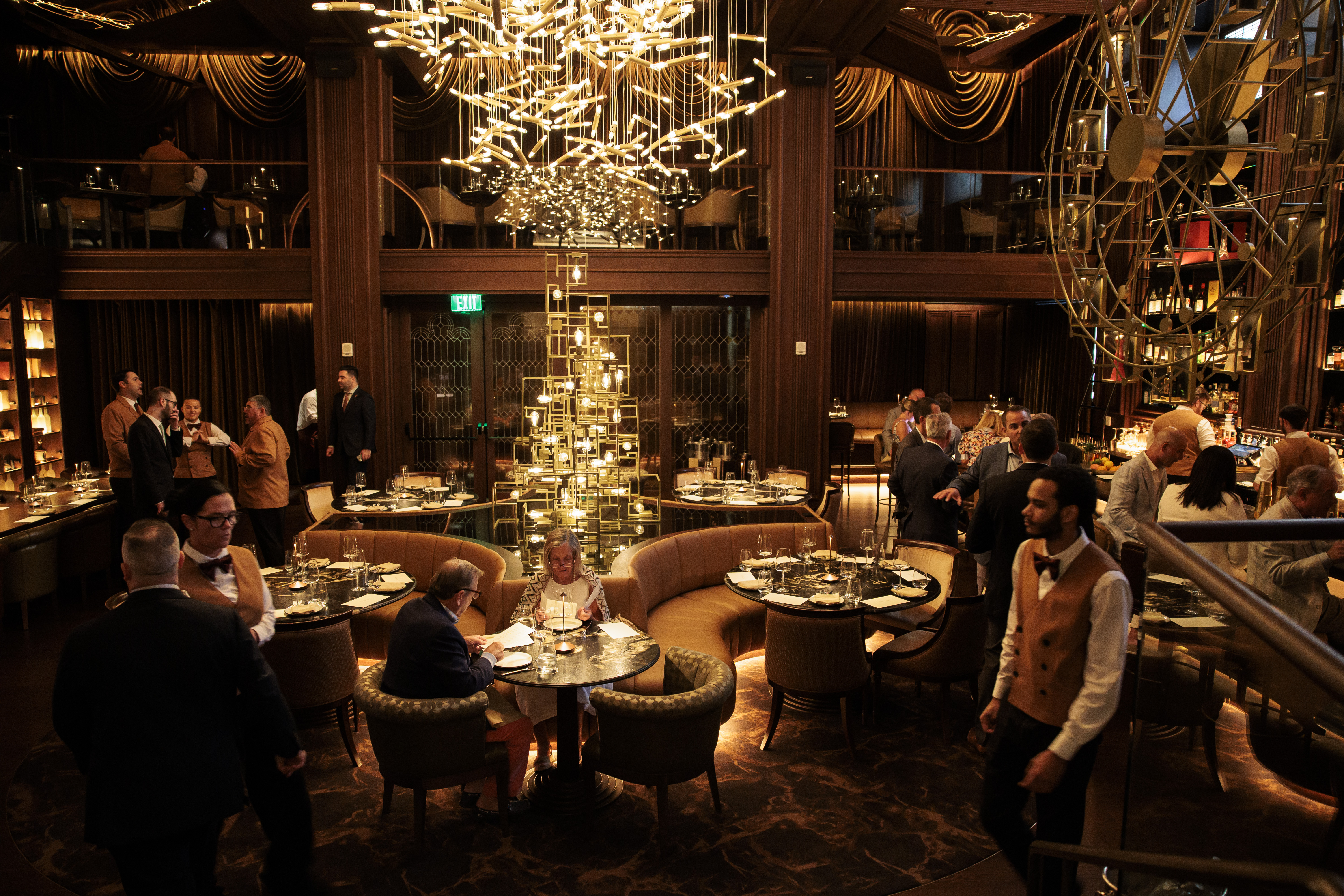
    Mr. Edison (1400 Walnut St.): There’s a Ferris wheel carrying liquor behind the bar at Mr. Edison, which gives some idea of the production. Veteran restaurateur Jeffrey Chodorow’s Philadelphia debut is a theatrical Bellevue supper club where chef Matt Levin’s cooking shares a two-story room with live music, dramatic lighting, and plenty of visual spectacle.

    Ogyu Japanese BBQ in Ardmore.

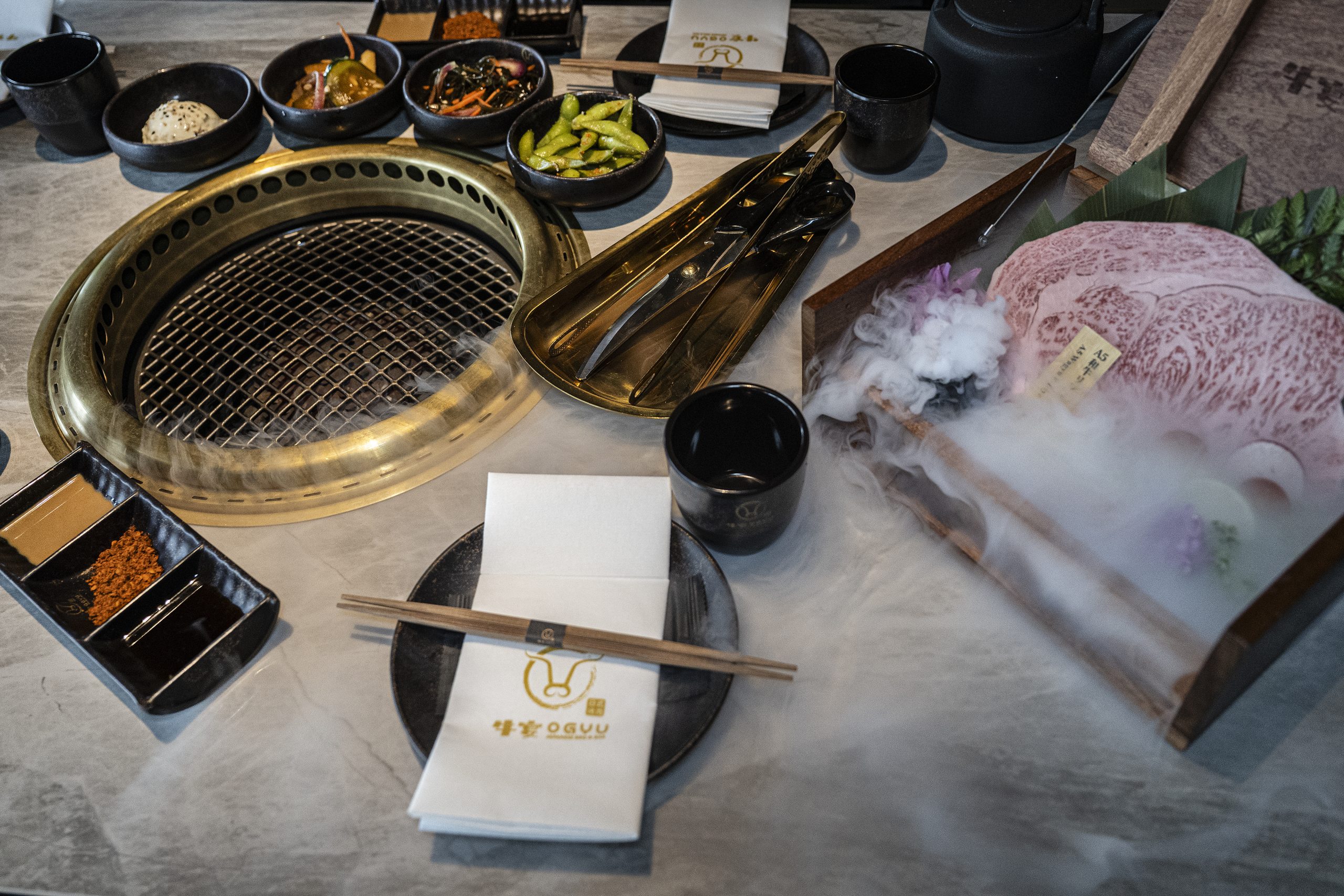
    Ogyu Japanese BBQ (60 Greenfield Ave., Ardmore): Sam Li turned Ardmore’s former Iron Hill Brewery into a sprawling yakiniku restaurant built around the grill at each table. Diners cook wagyu and other meats themselves — or enlist a server — choosing among fixed-price packages and à la carte options in a dramatically remodeled space with private dining rooms and a full bar.

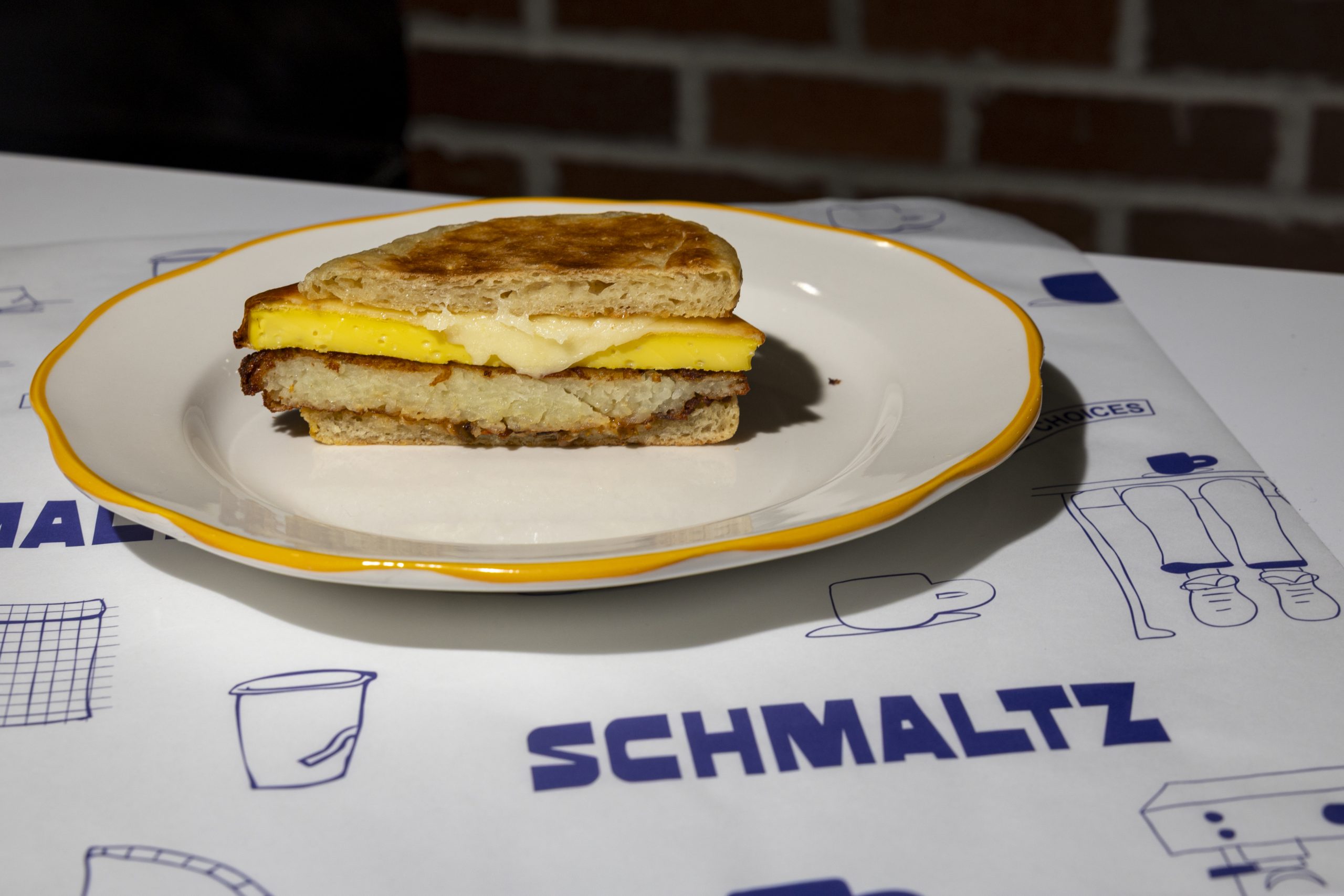
    The latke, egg, and cheese sandwich at Schmaltz.

    Schmaltz (1300 S. 18th St.): This Jewish-inspired breakfast-and-lunch cafe serves latkes, cheese blintzes, egg sandwiches — and no bagels. Jeremy Asch and Abby Armstrong opened the Point Breeze corner spot with chef Sam Chertock, whose deliberately compact menu includes latke, egg, and cheese sandwiches on house-baked English muffins.

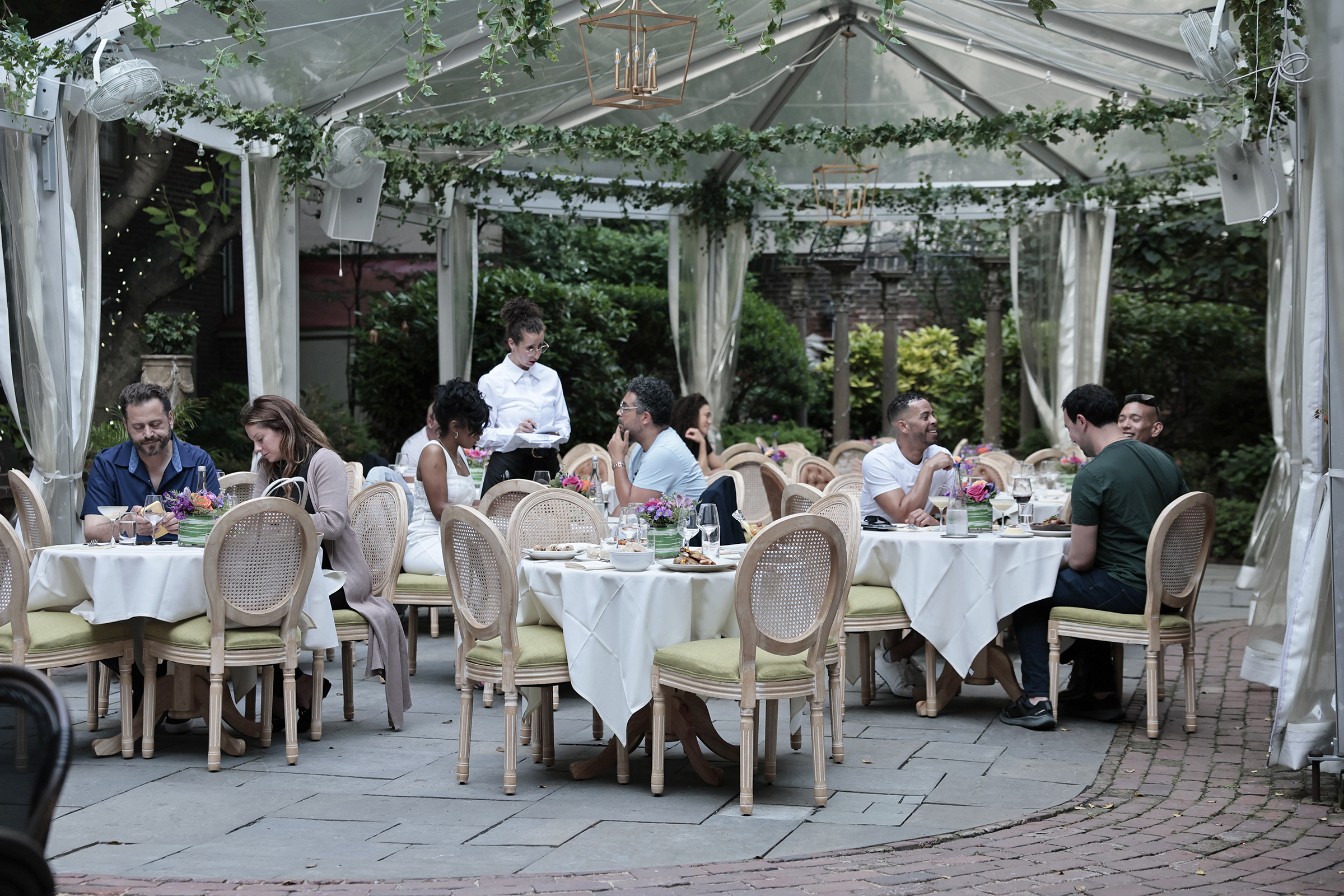
    Outdoor dining at Soufiane at the Morris.Elizabeth Robertson / Staff Photographer

    Soufiane at the Morris (225 S. Eighth St.): The 1787 Morris House provides a peaceful backdrop for Soufiane Boutliliss’ French-Moroccan cooking, served in a secluded stone courtyard shaded by magnolias and dogwoods in Washington Square West. This is the second restaurant from the Moroccan-raised Boutliliss and husband Christophe Mathon of Sofi Corner Cafe.

  • Philly’s getting a pickle tasting room

    Philly’s getting a pickle tasting room

    After eight years, several production spaces, and many tons of cucumbers, Fishtown Pickle Project is putting down permanent roots.

    But it’s still not in Fishtown.

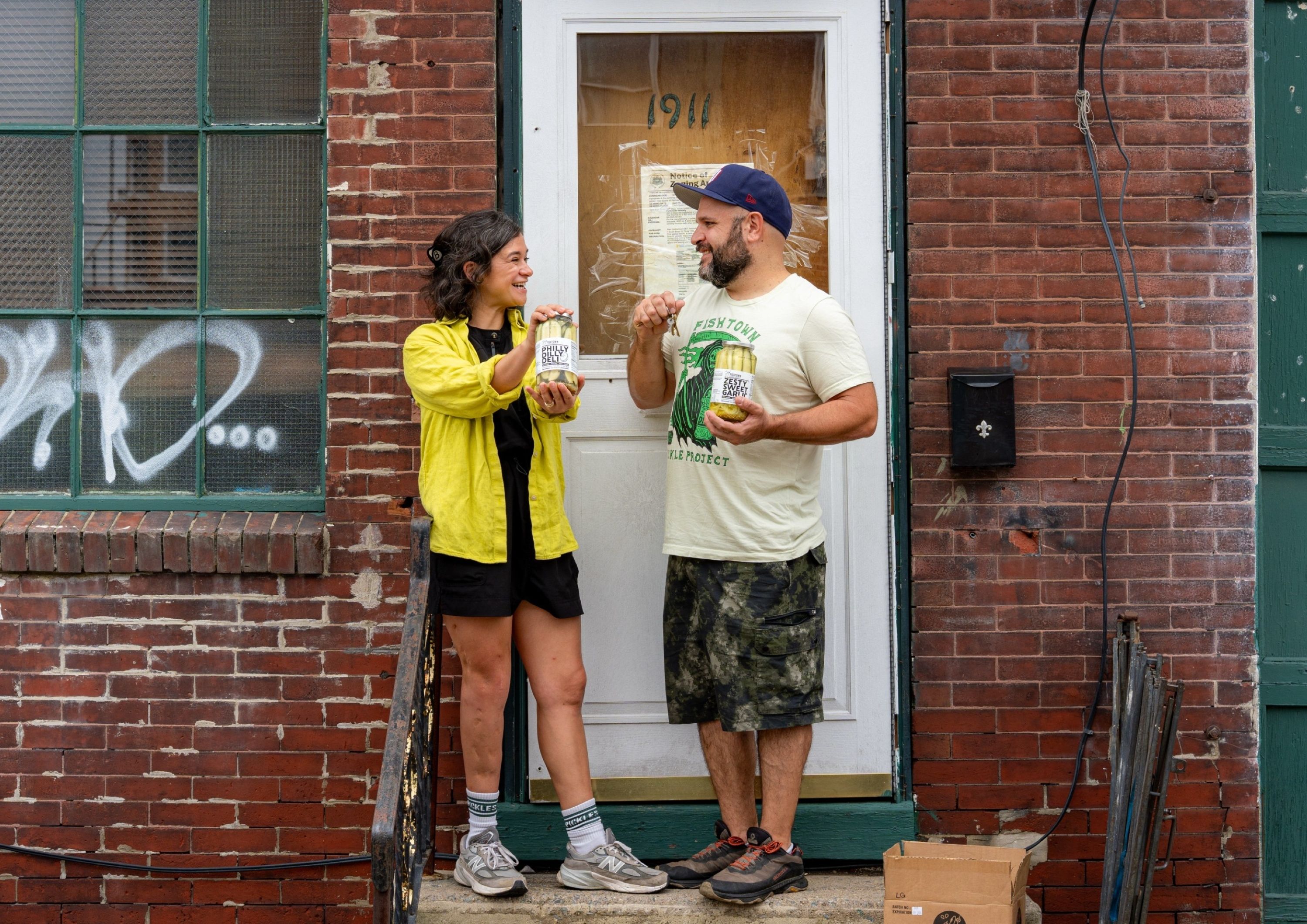
    Last month, Niki Toscani and Mike Sicinski, the husband-and-wife team behind the pickle company, bought a 6,200-square-foot building at 1911-13 N. Second St., just north of Berks Street near Norris Square in Kensington. There, they plan to triple production and, for the first time, invite customers into their briny world.

    The move from Globe Dye Works in Frankford will allow them to combine production with a storefront.

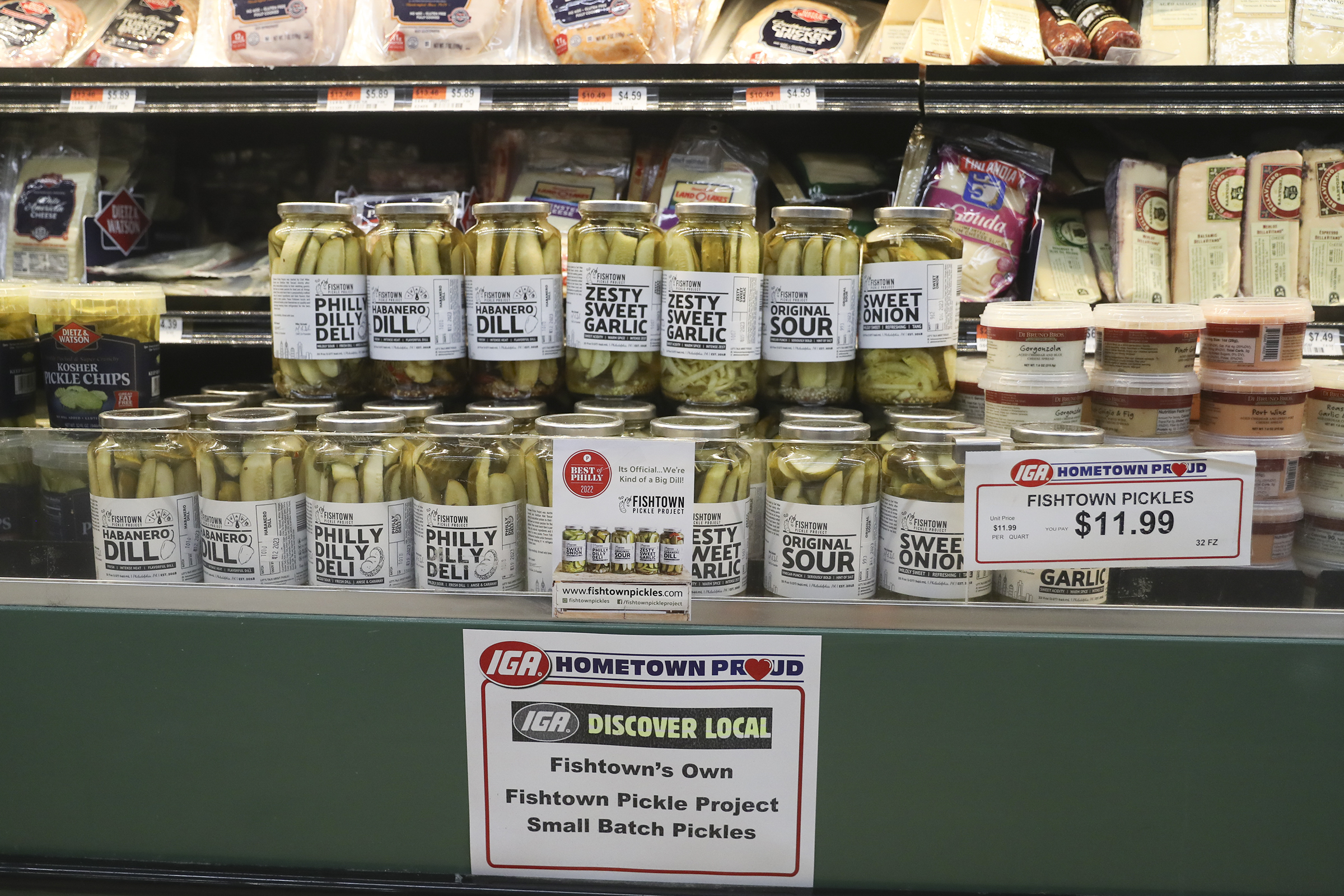
    The Richmond Shops IGA grocery store at Fishtown Crossing was an early customer of Fishtown Pickle Project.Heather Khalifa / Staff Photographer

    The centerpiece will be a 500-square-foot pickle tasting room, where customers can sample varieties, buy pickles by the pound or jar, shop for pickle-themed merchandise, and eventually take classes and production tours. They are aiming for a summer 2027 opening.

    A pickle tasting room? Think brewery, only with cucumbers. Toscani said customers will be able to sample the goods while watching production. She calls the concept a “brinery.”

    Most of the building will be devoted to manufacturing, storage, offices, and events. Fishtown Pickle Project now processes about 3,500 pounds of cucumbers a week, a figure Toscani expects to triple by the end of 2028.

    The couple said they remained at Globe Dye Works because of its affordable rent and highway access, but eventually ran out of room. Their search for a larger property with manufacturing and retail space, plus a driveway and loading area, led them to Norris Square. Finding that combination in Fishtown was difficult, Toscani said, “especially for a bootstrapped small business.”

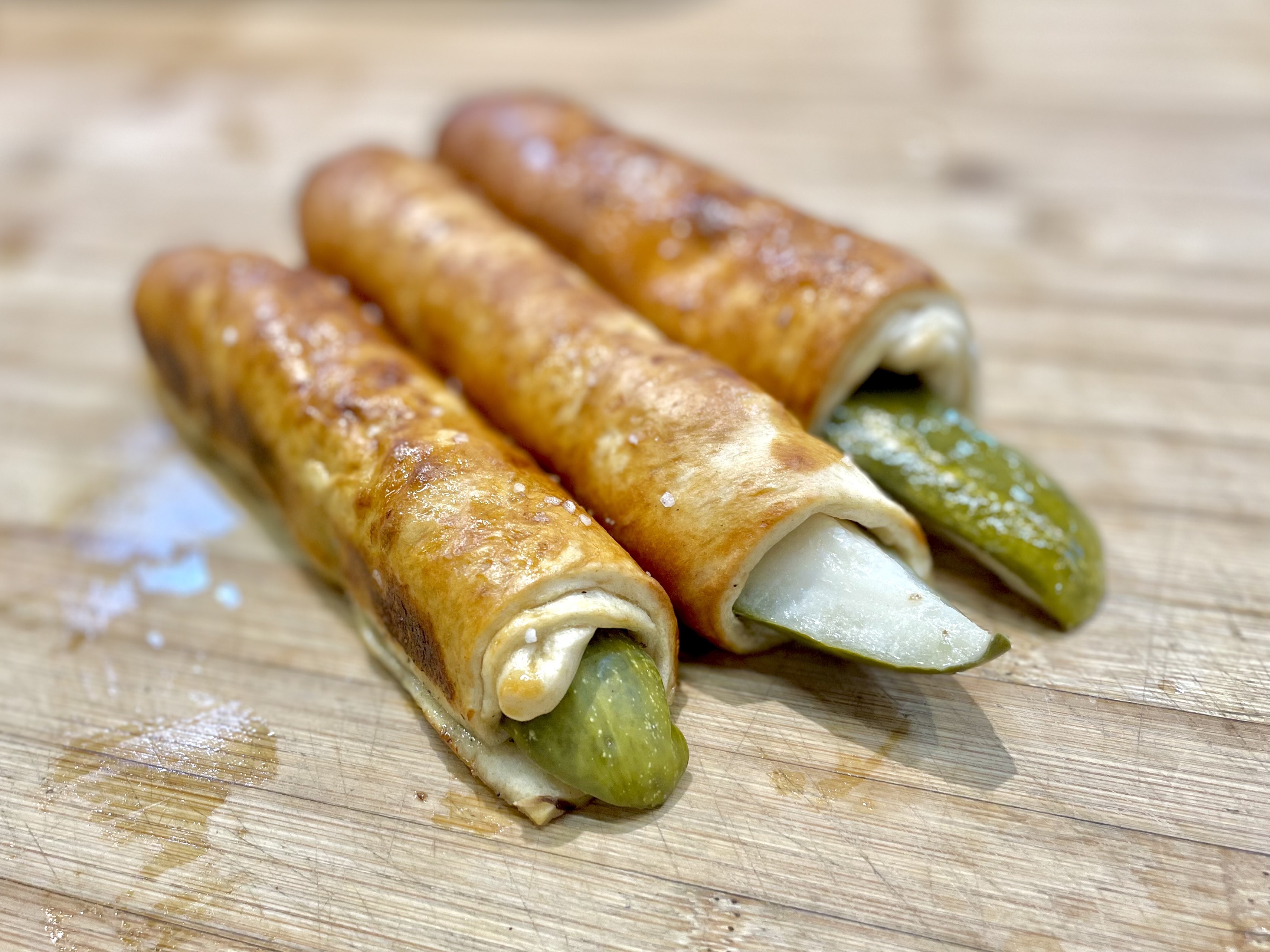
    A 2025 collaboration between Fishtown Pickle Project and Miller’s Twist in Reading Terminal Market resulted in Philly Dilly spears wrapped in a soft, sweet pretzel dough.Craig LaBan / Staff

    The Second Street property should also make deliveries easier. “When we’re getting trailers delivered with glass jars, it helps to have a garage and a street for them to deliver at without tons of traffic,” Sicinski said.

    Wholesale growth is driving much of the expansion. Toscani said revenue from buckets of pickles sold to restaurants, delis, and retailers increased 200% from 2024 to 2025. Some customers use them to stock pickle bars.

    The company sells through about 30 ShopRite stores, 11 Wegmans locations, and the Kimberton Whole Foods and McCaffrey’s Market chains. Toscani and Sicinski make their products and handle distribution themselves.

    “It allows us to grow responsibly without taking on more business than we can handle,” Toscani said.

    The company has the equivalent of about six full-time employees, which Toscani expects to double to about 12 by the end of 2028.

    As for the Fishtown in the name, that goes back to the company’s beginnings in 2018. Toscani and Sicinski lived in the neighborhood, and some of their first customers were Fishtown retailers, including Bottle Bar East (now closed), IGA, and Riverwards.

    The pickles themselves have always been made elsewhere. Sicinski, a chef who was then a food-service director for a New Jersey school district, first made them in his work kitchen. The couple — Toscani is a dietitian — also made pickles as wedding favors, helping turn the hobby into a business. Production later moved to Bridesburg Commissary (now Culinary Collective) and then to Globe Dye Works, where the company eventually moved into a larger space within the complex.

    The passion project became a livelihood after Sicinski was furloughed at the start of the pandemic. The lineup now includes the flagship Philly Dilly Deli, Sweet Onion, and Habanero varieties, and limited releases such as Bloody Mary and Ginger Lemonade pickle chips.

    The Norris Square project is their largest investment yet. They paid $550,000 for the building Aug. 6 and said they expect to spend about $700,000 on construction and outfitting. A $1.6 million Small Business Administration loan is helping finance the project, and they are seeking about $250,000 in grants for equipment and hiring. Toscani puts the overall investment at close to $2 million.

    The couple have no outside equity investors.

    Toscani sees no contradiction in taking the Fishtown name with them to Norris Square.

    “We still consider the neighboring neighborhoods our neighbors,” she said. “Despite the fact that we’re not in Fishtown proper, we feel like the opportunity to have roots in Norris Square actually fits our mission quite a bit.”

  • 52 Philly schools will dismiss early Tuesday because of predicted heat

    52 Philly schools will dismiss early Tuesday because of predicted heat

    With temperatures expected to get close to 90 degrees later this week, some Philadelphia schools will dismiss early Tuesday.

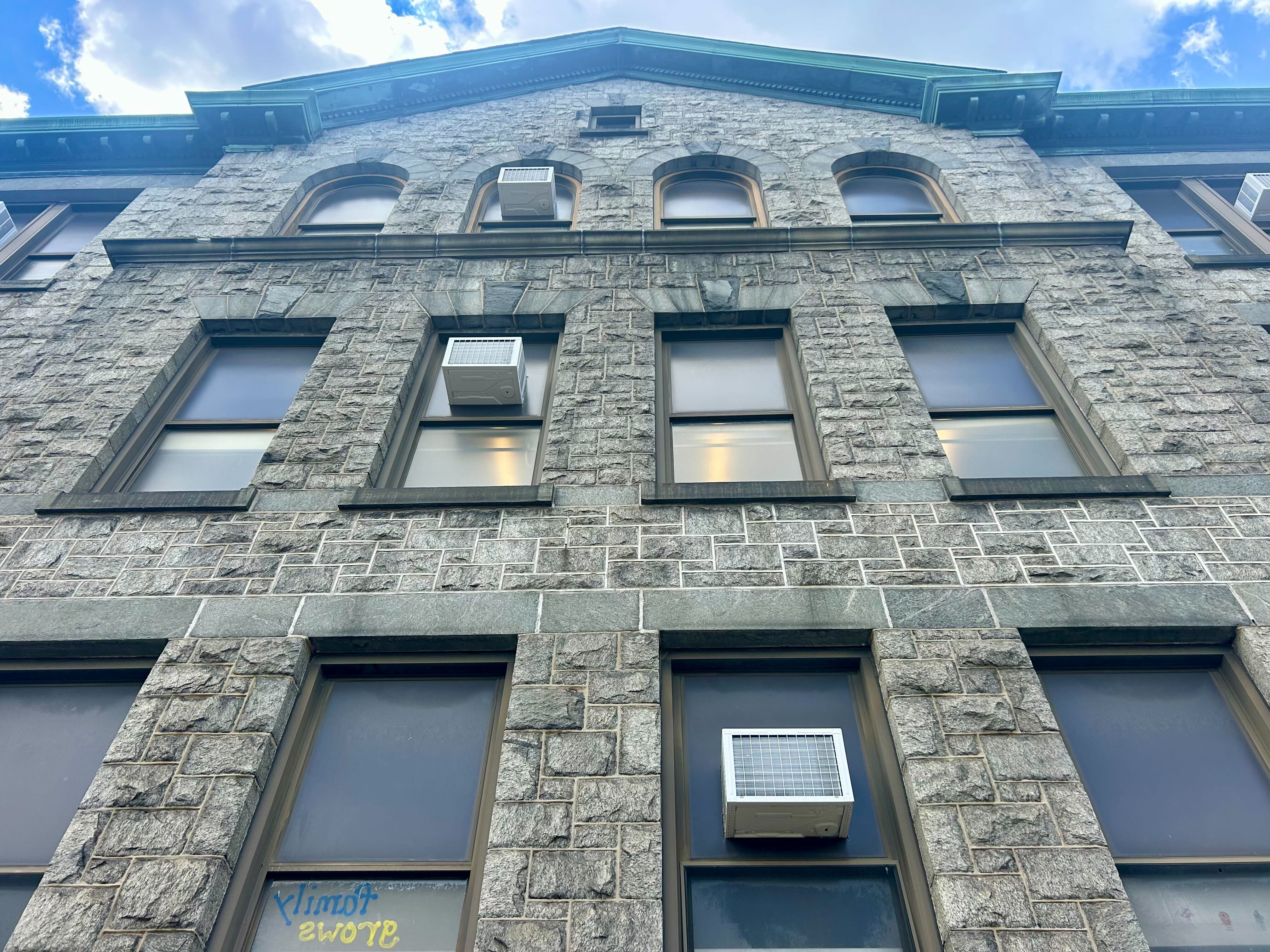
    Fifty-two schools still lack air-conditioning.

    “The Philadelphia region is experiencing higher-than-normal temperatures, and while the district has made significant progress toward ensuring our schools are adequately cooled to provide safe and comfortable learning environments, some schools still have inadequate cooling systems,” Oz Hill, the deputy superintendent of operations, wrote in a letter sent to families Monday.

    The Philadelphia School District’s extreme-weather protocol means that if temperatures are forecast to reach or exceed 85 degrees by noon, those schools dismiss early; if it hits 85 degrees by 9 a.m., the call is for remote learning.

    That means an unequal experience for students across the system, with students in some schools not missing any instructional time when it’s hot, and those in a quarter of schools subject to interrupted schedules.

    “While we know that in-person learning is the best environment for students, the safety and well-being of our students, staff, and families remains our top priority,” Hill wrote. “Thank you for your flexibility and partnership. Please take care, stay cool, and stay safe.”

    The holdup in air-conditioning all district schools is not related to the cost of air-conditioning units, but rather upgrading old electrical systems in the 52 schools.

    Such upgrades are tricky. An HVAC project at Kensington High went awry this summer, triggering asbestos issues that forced students and staff to relocate for the rest of the calendar year.

    School officials said in 2022 they aimed to have all district schools fully air-conditioned by 2027. But on the cusp of that cutoff, that goal seems unlikely.

    Which schools will dismiss early?

    The 52 schools that will have a half day Tuesday are:

    AMY Northwest

    Bache-Martin

    Blaine

    Building 21

    Catharine

    Comegys

    Comly

    Cooke

    Crossan

    Disston

    Dunbar

    Emlen

    Fell

    Fox Chase

    Ben Franklin High School

    Girard

    Harding

    C.W. Henry

    Hill-Freedman

    Hopkinson

    Houston

    Howe

    A.S. Jenks

    J.S. Jenks

    Lamberton

    Lingelbach

    Loesche

    Ludlow

    McCloskey

    McClure

    McMichael

    Mitchell

    J.H. Moore

    MYA

    Olney Elementary

    Overbrook Elementary

    Parkway West

    Patterson

    Rhawnhurst

    Rowen

    Roxborough High

    Sayre High

    Sharswood

    Sheppard

    South Philadelphia High

    Spring Garden

    Spruance

    Sullivan

    Tilden

    The U School

    Wagner

    Martha Washington

  • A Philly man was convicted of murder for shooting his pregnant girlfriend 11 times in the head, then fleeing the city

    A Philly man was convicted of murder for shooting his pregnant girlfriend 11 times in the head, then fleeing the city

    Justin Smith was grasping for the gun that his pregnant girlfriend had pressed to her temple, he told a Philadelphia jury last week, when the weapon accidentally went off, firing 12 shots in a matter of seconds — 11 of them into her head.

    Smith, 28, took the stand at his trial on murder and related charges in the death of Dianna Brice, 21, in Southwest Philadelphia and said the shooting was an accident.

    But a jury rejected Smith’s account and convicted him of first- and third-degree murder on Friday in the 2021 death of Brice and her unborn child. Smith was also convicted of abuse of a corpse, arson, and related crimes after he admitted to committing those acts to cover up the killing.

    Common Pleas Court Judge Anthony Kyriakakis sentenced him to life in prison without the possibility of parole.

    During closing arguments, Assistant District Attorney Lauren Crump cast doubt on Smith’s explanation of how his girlfriend died, saying it was impossible for that many shots to have fired into a concentrated area if the gun accidentally went off during a struggle over the weapon, as he suggested.

    She pointed to other problems with Smith’s defense, urging jurors to reject his contention that the Glock handgun modified with a semiautomatic “switch” was Brice’s, not his.

    And she dismissed Smith’s argument that he covered up the crime and fled Pennsylvania after the killing because he was scared, bidding jurors to recall his swift actions — setting his car on fire and disposing of Brice’s body in trash bags — before heading to Florida in an attempt to reach Cuba.

    “That is not panic,” Crump said. “That is premeditation.”

    Brice, 21, of Upper Darby, was 14 weeks pregnant with Smith’s child when she died on March 30, 2021, Lindsay Simon, chief medical examiner for the Philadelphia Medical Examiner’s Office, testified during the trial.

    Prosecutors said she was last seen with Smith that day driving from a Delaware County laundromat to Philadelphia, where the couple got into a volatile argument after Brice learned she had tested positive for herpes and accused her boyfriend of giving her the sexually transmitted infection.

    It was the last time Brice was seen alive.

    Police discovered her body seven days later in a wooded area near 58th Street and Eastwick Avenue in Southwest Philadelphia, covered in black trash bags and wrapped in a tan blanket.

    She had been shot in the head 11 times at close range and struck once in her right shoulder. Simon, the medical examiner, said the shots would have almost certainly killed Brice instantaneously.

    Philadelphia police quickly identified Smith as a suspect: Cell phone records from the day Brice died showed her phone traveling the same path as Smith’s phone — until 1:38 p.m., when the phone’s trail went dark, said Anthony Vega, a former Philadelphia police detective who testified at the trial as a cell site expert.

    Police also found Smith’s dark gray Ford Fusion, burned to a blackened shell, near 59th Street and Florence Avenue, about a mile from where Brice’s body was discovered.

    Investigators traced the vehicle to Brice’s makeshift grave site, and to where it was found burned, using video footage from street surveillance cameras, Philadelphia Detective Thorsten Lucke testified.

    But the cameras did more than capture the Fusion’s path: It also showed Smith and an accomplice, Tylydia Garnett, wearing gloves and loading what appeared to be a large object into the back of a Hyundai, which police traced to the same locations and to a gas station where its driver purchased a canister of fuel used to set the Fusion ablaze, prosecutors said.

    While detectives soon suspected Smith was involved, he was not arrested until 2025, when Atlanta police took him into custody after he gave an officer a fake name during a routine traffic stop and fled.

    Meanwhile, Philadelphia police arrested his accomplice, Garnett, in April 2021. She pleaded guilty to arson, abuse of a corpse, and related crimes, and was sentenced to 11½ to 23 months.

    Last week, Garnett, 27, told jurors at Smith’s murder trial that he had confessed to her that he shot Brice.

    She testified that she had helped him flee to Florida before he moved to Georgia, though Smith’s attorney, Samuel Stretton, suggested the woman had inflated details of her story to earn a more lenient sentence.

    When Smith testified, he told jurors Brice’s death was a tragic, shocking accident.

    During their argument in the car, he said, the exchange escalated as he drove. He denied cheating on her, he said, but Brice became agitated and held a gun to his head before turning the weapon on herself.

    “I tried to hurry up and pull it from her,” he testified. Instead, he said, “it went off, and she died.”

    In fear for what might happen to him, Smith said, he hatched a plot to dispose of her body and burn the car with the gun still inside it. The gun was never found, prosecutors said.

    “Why didn’t you come to your senses and call for help?” Stretton, his attorney, asked.

    “I just felt like this wasn’t going to go my way,” Smith said.

    Following the jury’s verdict, Brice’s family, who had lined three rows of the courtroom during the three-day trial, expressed relief for the guilty verdict.

  • Police believe a new video shows violent pornographer Raymond ‘R.C.’ Horsch killing a woman on camera, sources say

    Police believe a new video shows violent pornographer Raymond ‘R.C.’ Horsch killing a woman on camera, sources say

    Philadelphia police have recovered video footage that they believe shows the late pornographer Raymond “R.C.” Horsch killing a woman on camera, law enforcement sources said.

    The footage, discovered on a hard drive inside Horsch’s house in Olney, appeared to show him strangling the woman at his home, said the sources, who spoke on the condition of anonymity to discuss an ongoing investigation.

    Police have not disclosed the woman’s identity, but have notified a relative, the sources said. It was not immediately clear when the footage was taken, and the sources said police have not found her body.

    Deputy Police Commissioner Frank Vanore declined to comment Friday. The department has said it is working with forensic experts to discern the authenticity of the materials on the 50 hard drives found in the house, a process that could take months.

    The discovery is the most significant breakthrough yet in the sprawling investigation, and means that at least five missing women are now linked to the Chew Avenue property where Horsch lived for decades with his son, Eugene.

    Police have digital evidence that they believe indicates at least three of those women are dead, according to the sources. Earlier this month, police said they recovered images that showed two women who had been reported missing were inside the home and were later photographed dead there. The new footage adds a third victim.

    Police block the entrance to 417 W. Chew Ave. during an investigation in June. Jose F. Moreno / Staff Photographer

    Sources said police expect the number of missing women connected to the home to grow as investigators sort through the hundreds of thousands of videos, photos, and pages of writings recovered on the hard drives at Horsch’s house.

    The development also means police may have to confront the possibility that the property and hard drives hold evidence of killings that went undetected for years — and at the hands of a man who spoke and wrote publicly about his fantasies of killing women for decades with little scrutiny.

    Police have not found any human remains in the house.

    Horsch died in May 2025, at the age of 82, from lung issues.

    Horsch built a career luring women in addiction in Kensington to his home with drugs and cash. He photographed and featured them in pornographic films that often depicted graphic violence — including hangings, stranglings, and drownings. He adopted the persona of an “empathetic” serial killer who murdered addicts to end their pain, and he claimed his writings were autobiographical, yet laced with threads of fiction that often left his audience wondering what was real.

    Two weeks ago, police said they had recovered “dark and graphic” images on the hard drives that indicated Maribel Fresses, missing since 2018 at the age of 27, and Gabrielle Amarando, who was 22 when she was reported missing in 2012, were dead.

    Gabrielle Amarando, (left) missing since 2012 and Maribel Fresses, 27, reported missing in 2018. Police believe they were killed inside the Olney home.Obtained by The Inquirer

    Police said they had not recovered footage of the women being killed, but instead had images of both women alive inside the house — and then dead. Officials have not determined what happened to their bodies.

    But sources say police have since discovered additional footage that is far more disturbing.

    The investigation began this summer after a chance encounter near Independence Hall.

    On June 19, police said, a U.S. park ranger came upon Eugene Horsch near Sixth and Market Streets acting suspiciously inside his black BMW. When officers searched the car, they found drugs, two illegal guns, a cattle prod, and a fake drug enforcement badge. What’s more, the woman who was with him presented a license in the name of Blair Tonzelli, who had been reported missing in 2023.

    Documents show that police interviewed people connected to Eugene Horsch who said he had bragged about knowing how to mix chemicals that could melt human remains and make a body so small “it could be flushed down a toilet.”

    Records show that Tonzelli was reportedly last seen at the Horsch house in 2022, and Raymond Horsch posted at least one nude photograph of her — with a black eye and bloody lip — on his website. Her friends reported her missing in February 2023.

    Raymond Horsch’s ex-wife, Amy McHale, who went missing in 2016, was also last seen at the Chew Avenue house. Investigators have since renewed the inquiry into her disappearance.

    Amy McHale.Courtesy of the family of Amy McHale

    Local and federal law enforcement searched the Horsch home in the weeks that followed the car stop and said they found an “astonishing” amount of evidence: five urns of cremated remains, more than 20 containers full of unknown chemicals and oily substances, and 50 hard drives and other electronic devices holding more than 600,000 images, 70,000 videos, and 10,000 pages of writings and drawings.

    Police also found additional guns and drugs. And in the weeks that followed, investigators excavated the yard of the Chew Avenue home and recovered a piece of a pipe for additional forensic testing.

    Police continue to investigate the whereabouts of Tonzelli and McHale.

    Eugene Horsch, 44, remains in federal custody, charged with illegal gun possession. Police have declined to say whether they believe he played a role in his father’s business. He has not been charged with any crimes connected to the women’s deaths or disappearances.

    His attorney has declined to comment.

  • A New York City agave bar has opened in the former Martha space in Kensington

    A New York City agave bar has opened in the former Martha space in Kensington

    You can order 10 different margaritas, a tequila-spiked rendition of a Clover Club, and whole barbecued dorade for the table at East Kensington’s newest bar.

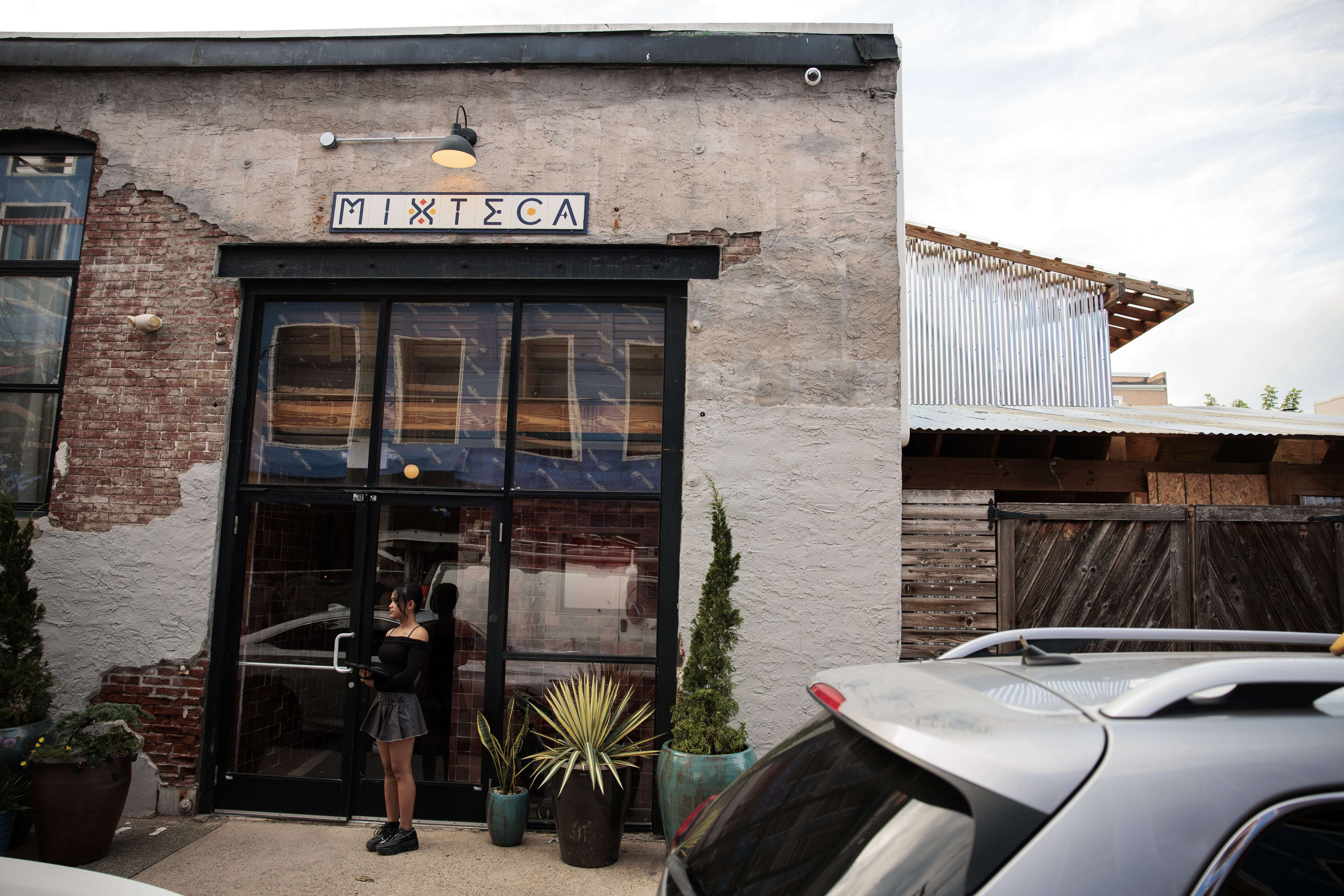
    Mixteca — an agave-focused coctelería from two James Beard Award-winning bartenders — opened at 2113 E. York St. in late August, breathing new life into the space formerly occupied by the acclaimed neighborhood bar Martha.

    This is Mixteca’s second location. Founders Euclides “Victor” Lopez and Jeff Bell worked together for 15 years at the iconic New York City speakeasy Please Don’t Tell (better known as PDT) before opening the first Mixteca in the West Village last summer. The bar is intended as a vibe-y ode to the tequilas and mezcals distilled in Puebla, the Mexican state from which Lopez hails.

    Mixteca — named after the artisan-rich region of central Mexico — is as much a tribute to Lopez’s heritage as it is an outgrowth of Lopez and Bell’s relationship. Bell worked his way up at PDT from Lopez’s barback to lead bartender and eventually owner, after buying the speakeasy and its brand from co-founder Brian Shebairo.

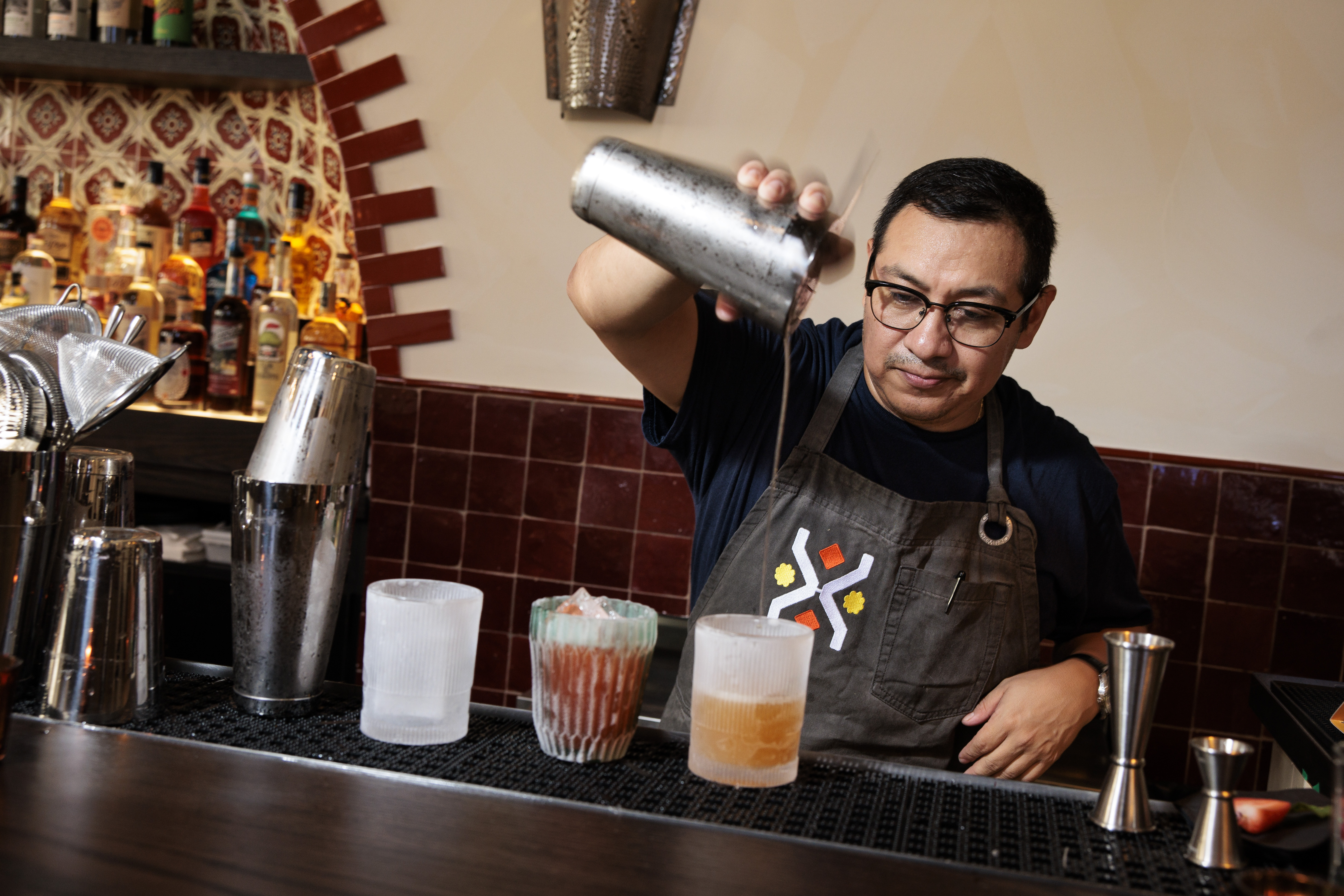
    Victor Lopez pours cocktails at Mixteca in East Kensington.Monica Herndon / Staff Photographer

    The duo were part of the team at PDT that won the inaugural James Beard Award for Outstanding Bar in 2012, and also helped bring the bar — located behind a payphone inside an East Village hot dog joint — to Hong Kong. All the while, Lopez held down consistent bartending shifts four nights a week.

    Lopez “is one of the best cocktail makers I’d ever worked with,” Bell said. “We’d play these games with him back in the day at PDT where we’d make him a drink, and he’d correctly guess the components.”

    In New York, Mixteca is a bar first, with an extensive drink list of inventive takes on classic cocktails prepared with Latin American flavors, like a tomatillo gin and tonic or a Negroni infused with palo santo, a wood used for spiritual cleansing across Latin America. In lieu of a full food menu, Lopez and Bell partnered with Los Angeles-based Tacos 1986 to serve a handful of tacos and quesadillas.

    The dining room at Mixteca on a friends and family night Aug. 26.Monica Herndon / Staff Photographer

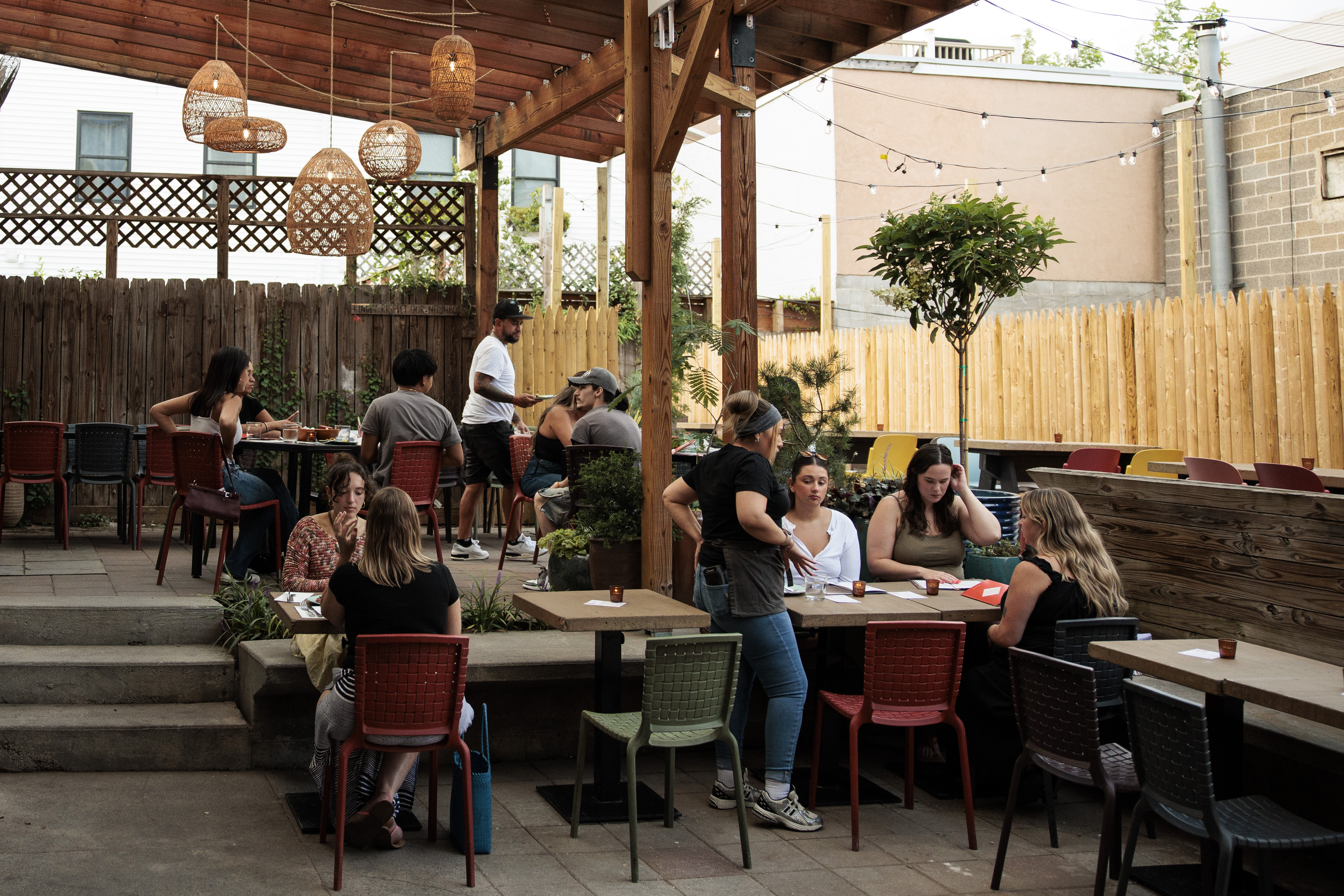
    Mixteca in Philly, meanwhile, is equal parts bar and restaurant, with a full-fledged food menu of Poblano-inspired share plates and nearly double the number of cocktails. The space seats 100 people across its airy, bench-lined main dining room, dimly lit mezzanine, and large patio outfitted with string lights and rainbow-colored chairs. The restaurant has an eye-catching centerpiece: a large arch over the center bar made of intricate ceramic Talavera tiles imported from Puebla. They almost create a halo over the shelves upon shelves of alcohol.

    Lopez and Bell said they have been enthralled with Philly since 2011, when they attended a gin symposium in the city and drank their way through Rittenhouse Square at Franklin Mortgage, the Ranstead Room, and David Suros’ agave-focused restaurant Tequilas. Neither was looking to open another bar until they toured the old Martha space after a deal with the New York City-based Filipino restaurant Pig & Khao fell through. (Pig & Khao and Mixteca are financially backed by the same investment firm, Apres Cru Hospitality.)

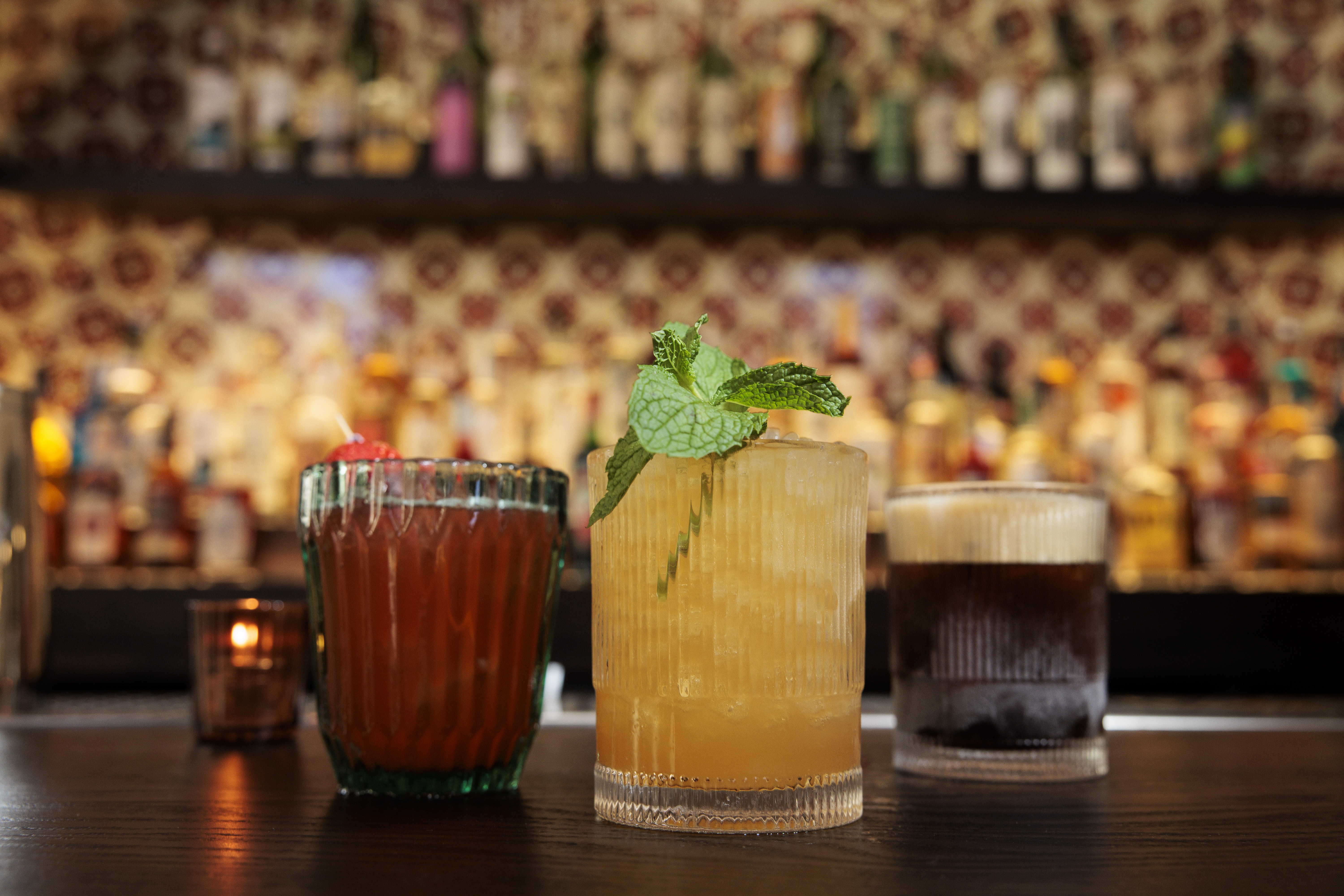
    The strawberry margarita, Fish House Punch, and carajillo cocktails at Mixteca.Monica Herndon / Staff Photographer

    “The high ceilings, the exterior, the energy of the neighborhood … it was perfect,” Bell said. “There’s a chaos to New York that can be exhausting, and I don’t see that in Philly.”

    Lopez needed even less convincing: “I told Jeff, ‘I’ll probably move to Philly because I love it.’”

    Classic cocktails with an agave twist

    Mixteca’s Philly menu uses the New York location’s as a starting point for an array of drinks that draw deep on mezcal and tequila.

    The restaurant has the same house margaritas on the menu — classic, made with Cointreau; and spicy, made with wasabi, cucumber, and hot honey — plus seven new flavored options, such as guava and blackberry, made with fruit juice.

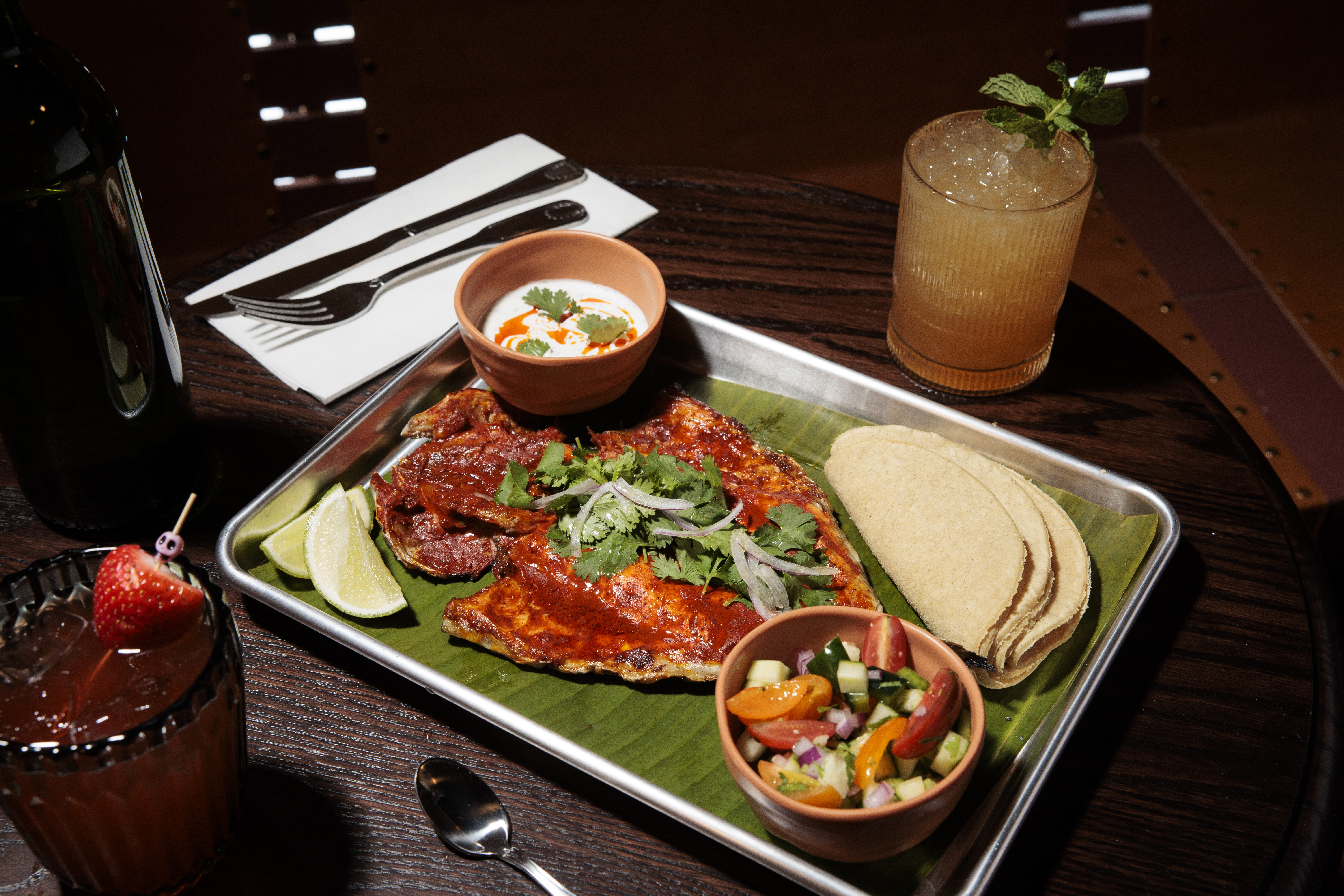
    The aorade asado at Mixteca. The Philly location is equal parts bar and restaurant, with a full-fledged food menu of Poblano-inspired share plates.Monica Herndon / Staff Photographer

    The Philly location’s 18 signature cocktails include classics like rye whiskey Manhattans and espresso martinis as well as agave-centric counterparts, like the aptly named Puebla York (made with reposado tequila, mezcal, Cynar amaro, and cassis) and a cold brew carajillo, the popular Mexican cocktail made with tequila and vanilla-forward Licor 43.

    Lopez also created versions of two timeless local cocktails: a mellower, peach-infused Fish House Punch that swaps brandy for reposado and Oaxacan rum, and a foamy raspberry Clover Club that uses white tequila instead of gin. Both go down easy.

    The patio at Mixteca on a friends and family night Aug. 26.Monica Herndon / Staff Photographer

    Though no executive chef heads up Mixteca’s kitchen in Philadelphia, the food menu got the stamp of approval from Lopez, who said the flavors were “the closest” to what he grew up eating as a kid in Mexico. Highlights include a bright hamachi and yellowtail ceviche; steak, mushroom, and chicken tacos served on made-to-order corn tortillas; and a whole dorade asado designed for sharing. Served with warm tortillas, white salsa, and a crisp tomato-cucumber salad, the fish sits at the center of a table like a prized catch of the day.

    Lopez and Bell aren’t looking to outshine the neighborhood’s already-busy bar scene. Mixteca is blocks away from the Madrid-inspired Bar ILU and industry favorite gastropub Meetinghouse. It’s also around the corner from East Kensington standbys Philadelphia Brewing Co. and Atlantis: the Lost Bar.

    “We’re showing up to a party that’s already happening. We’re not the hosts,” said Bell. “We want to ingratiate ourselves.”

    The exterior of Mixteca, in the former Martha space in East Kensington. Monica Herndon / Staff Photographer

    Mixteca, 2113 E. York St., 215-714-3148, cocteleriamixteca.com. Hours: 4 p.m. to midnight Monday through Wednesday; 4 p.m. to 2 a.m. Thursday to Friday; noon to 2 a.m. Saturday; noon to 10 p.m. Sunday.

  • The sheriff’s office doesn’t need a babysitter; it needs to be abolished | Shackamaxon

    The sheriff’s office doesn’t need a babysitter; it needs to be abolished | Shackamaxon

    This week’s edition of Shackamaxon covers data centers, property assessments, and more woes at the Philadelphia Sheriff’s Office.

    Jason Kelce with Liquid Death mascot Murder Man in an ad for the canned water and Garage Beer.Garage Beer

    Sports data center

    Former Eagles offensive lineman Jason Kelce seems to be more omnipresent in retirement than he was during his career. Most recently, he filmed a commercial for Garage Beer and Liquid Death that asked Americans to send him their urine to supply data centers.

    While conjuring a negative image of yellow liquid in a cup is probably an unwise strategy for someone who co-owns a light beer company, Kelce’s commercial had another major problem — data centers don’t actually use as much water as public perception suggests.

    In fact, the biggest threat to U.S. water supplies is something far more mundane: alfalfa farming.

    Across the arid Western states, farmers are using vast amounts of water to irrigate their fields, which are then used to feed cows for the beef industry. A single acre of alfalfa uses 1.6 million to 2.5 million gallons of water. In Utah, feed farming uses over half the state’s water supply. Meanwhile, the data centers themselves increasingly rely on closed-loop systems. The water used as coolant gets purified and reused, reducing their own need.

    The confusion over water use is emblematic of the general debate over the centers, which is rife with hard-to-vet claims. And shifting public opinion has left politicians in both parties flat-footed and scrambling to react.

    Gov. Josh Shapiro, the ever-Ambitious Abingtonian, issued his own response to the situation. Much of what Shapiro said is reasonable. He wants tech companies to pay for their own power and contribute to community benefits agreements, and to respect the Pennsylvania Constitution’s guarantee of clean air and pure water. Some of it is less sensible, specifically his commitment to local control.

    Local control sounds great in theory: Why shouldn’t communities have the final say over how they are developed? In practice, however, it is shortsighted. There are two reasons for this.

    One, the impact of data centers is regional, not local. If opponents are correct about the impact on water and electricity bills, this impact will exist no matter where the centers operate. Given the PJM grid Pennsylvanians rely on spans multiple states, there is no plausible pathway for local communities to insulate themselves from rising energy demand by blocking data center proposals.

    Two, not every community can afford to say no. Take the bankrupt city of Chester, for example. From its efforts to sell the Chester Water Authority to its role as host for the Reworld Trash Incinerator, financial considerations already play a big role in that city’s policymaking. By handing control to local authorities, the governor is ensuring cities like Chester will disproportionately play host to data centers.

    For those who believe they will have a strong negative impact on quality of life, how is that possibly fair?

    Instead, what is needed is federal, regional, or at least statewide coordination.

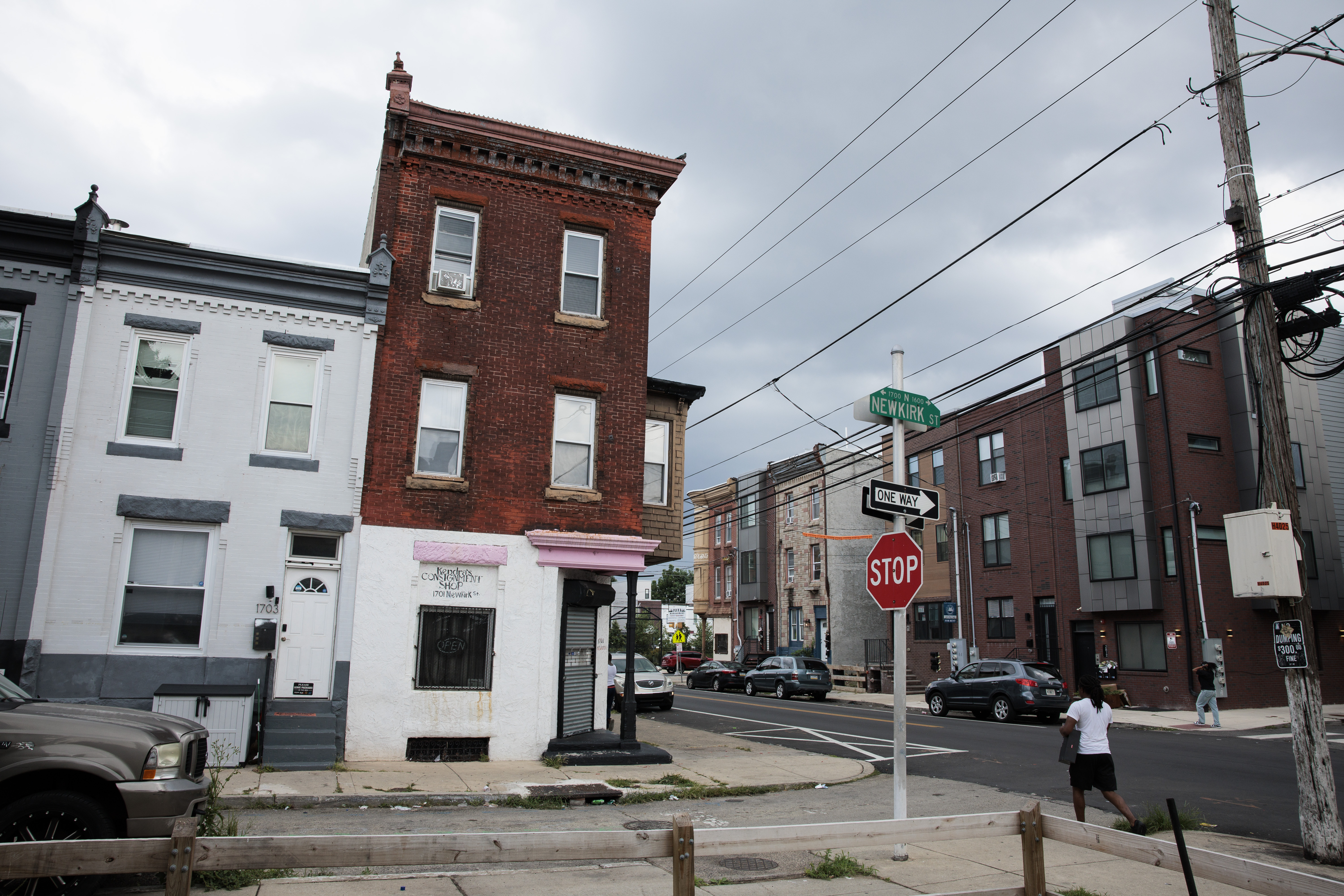
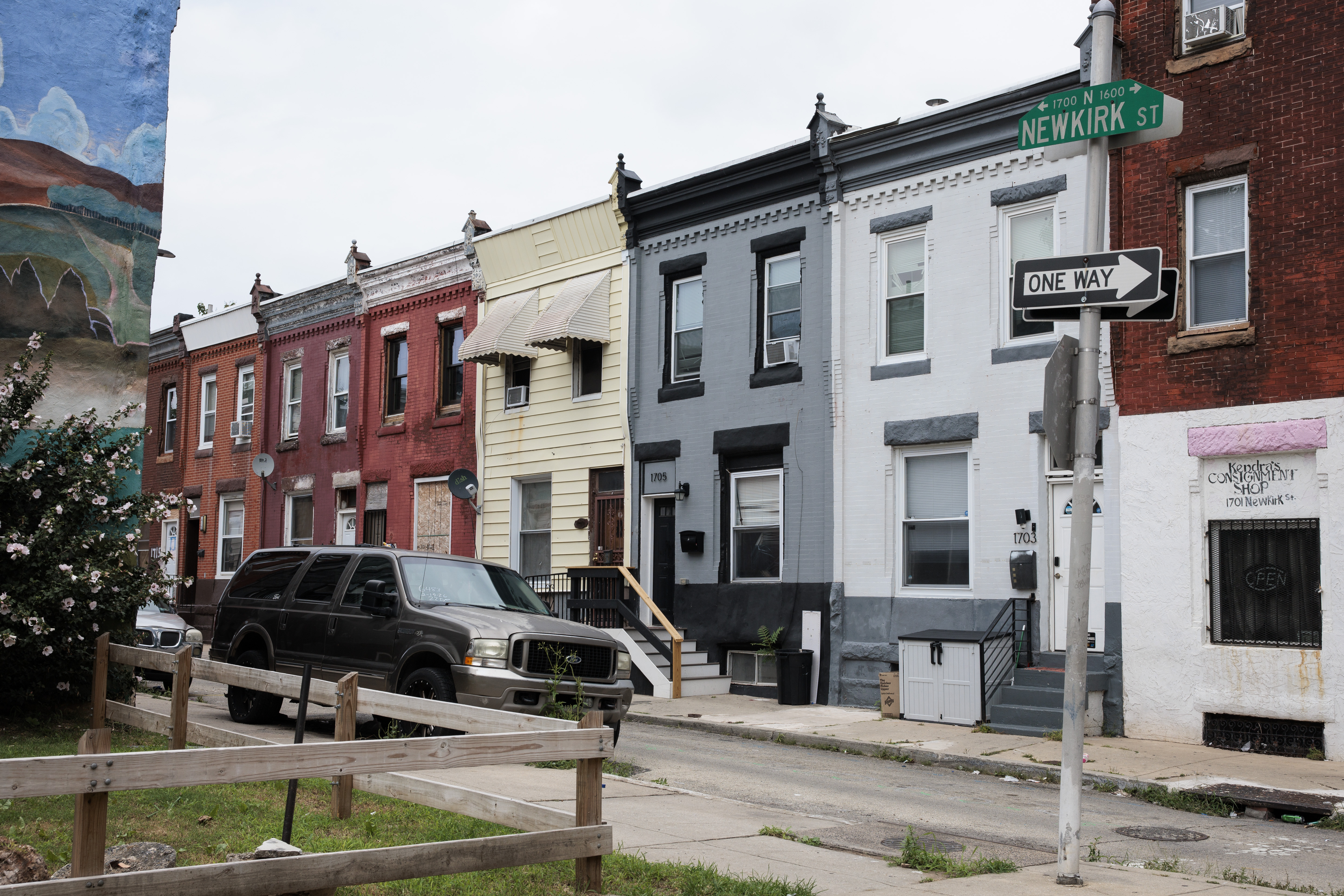
    The 1700 block of North Newkirk Street on Aug. 20. On this block in Strawberry Mansion, some homeowners saw their property assessments double.Monica Herndon / Staff Photographer

    Fair value

    Over in Allegheny County, home to Pittsburgh and many of its suburbs, the courts have ordered local officials to begin a full property reassessment, which must be completed by 2032. Pennsylvania is unique in not requiring regular reassessment.

    Pittsburgh’s values were last set in 2012, but more than a third of the state’s counties haven’t been reassessed since the 20th century. This leads to wildly out-of-whack and unfair tax bills for some residents.

    Of course, Philadelphians can tell you that regular reassessment is not a panacea for discontent. The city’s most recent valuations have set off a firestorm of consternation, especially given how many lower-income areas saw big increases. It doesn’t help matters that the neighborhoods Cherelle L. Parker used to represent on City Council, and powered her election as mayor, saw some of the smallest boosts in valuation.

    As tempting a story as the mayor favoring her core supporters while squeezing the city’s poorest neighborhoods may be, that is not an accurate assessment.

    Given the massive decrease in shootings and consistent efforts to clean and green the city, it is not surprising to see increased demand for neighborhoods like Kensington, Grays Ferry, and Fairhill. While there is still a long way to go on public safety, higher valuations are a sign of progress.

    It also should remind Council members that their theory that development drives property appreciation is faulty. Many of the neighborhoods with higher appreciation have seen little to no new development. In Northern Liberties/Fishtown, one of the city’s hot spots for new construction, values increased by just 1.7%.

    Additionally, the city has a powerful tool for protecting low-income homeowners: the homestead exemption. While the city’s stated property tax rate is 0.013998, owner-occupants pay a much lower rate. For a home valued at the city’s median of $260,000, the total tax bill is $2,239.68, or 0.008614. In Fairhill, where the median home value is $80,000, the homestead exemption eliminates the total tax liability for many residents. Boosting the exemption from $100,000 to $110,000 or $120,000 would ensure more low-income homeowners are protected from rising tax bills.

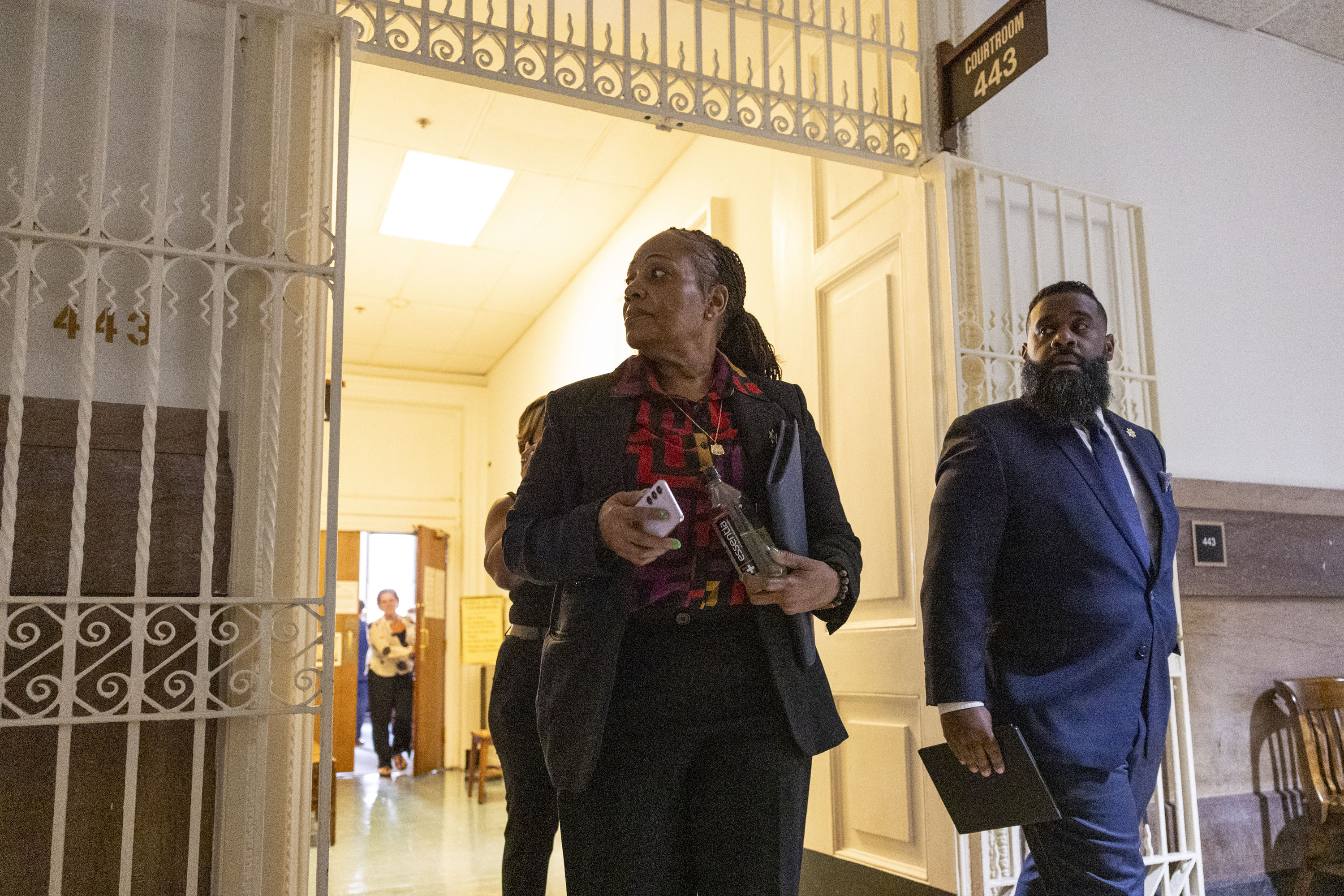
    Sheriff Rochelle Bilal is seen exiting a courtroom at City Hall on Wednesday.Tyger Williams / Staff Photographer

    Bilal’s babysitter

    Mayor Parker wouldn’t do it. City Council wouldn’t, either. Accountability for the Philadelphia Sheriff’s Office instead came from Common Pleas Court Judge Paula A. Patrick.

    After listening to a list of excuses and promises, it was clear Patrick had her fill of incompetence. The beleaguered department, which had been ordered to produce a specific set of documents months ago, suddenly released thousands of pages the night before the hearing.

    Instead of putting officials before the court with direct knowledge of why a backlog in processing property deeds began, Sheriff Rochelle Bilal instead sent Steven Wakefield, a deputy undersheriff who was hired just two months ago. Wakefield was tasked with testifying about past events he was not privy to, despite repeated warnings from the judge.

    As for Bilal herself, she claims to have “limited personal knowledge of the underlying facts.”

    Issuing deeds is one of the core functions of her job, but apparently the sheriff had no idea what was going on. Instead, Wakefield tried to scapegoat a former employee named Melissa Simpson, who had apparently been handling the entire process on her own without oversight from anyone.

    This testimony led to an agreement in which Bilal will have to identify someone to oversee deed sales for six months. A babysitter, essentially.

    While it is good to see someone holding the sheriff accountable for once, a temporary babysitter is only a partial solution. The office should be abolished.

    Sadly, that seems unlikely. Bilal may struggle to perform her day job, but she has thrived at building up political allies. She has been invited to news conferences by District Attorney Larry Krasner, remains a political player after her years running the Guardian Civic League, and faces next to no criticism from City Council. She was even honored by the Phillies as a “hometown hero.”

    Troublingly, Bilal does not even seem to have an opponent in next year’s elections, despite the continued public mismanagement of her office. That, at least, should change.

    Perhaps the Ambitious Abingtonian can find a Perspicacious Philadelphian willing to take on the challenge of replacing Bilal.

  • Two dead in weekend shootings, even as city’s homicide decline continues

    Two dead in weekend shootings, even as city’s homicide decline continues

    Two men were killed in separate shootings over the weekend in Philadelphia, police said, adding to the homicide toll in the city even as it continues to see a sharp decline in deadly violence.

    The killings occurred within hours of each other late Saturday and early Sunday. Investigators have not publicly identified the victims or released a motive in either shooting. No arrests have been made.

    Police continue to investigate, said Officer Shawn Ritchie, a police spokesperson.

    The first shooting was reported shortly before midnight Saturday near Wakeling and Jackson Streets in the Frankford section of Northeast Philadelphia. Responding officers found a 64-year-old man with a gunshot wound to the face, police said.

    He was pronounced dead at the scene.

    Officers detained a 39-year-old man for questioning and recovered two handguns at the scene, police said. The man had not been charged as of Monday afternoon, according to police.

    Several hours later, shortly after 5 a.m., officers were called to the 3200 block of Kensington Avenue for a report of a person with a gun. When they arrived, police said, they found a 35-year-old man with multiple gunshot wounds to his back, chest, and right leg.

    The man was taken to Temple University Hospital, where he was pronounced dead, police said.

    The Kensington shooting occurred along a stretch of the avenue that has long been associated with the city’s open-air drug trade, but police have not said whether the killing was connected to any activity in the area.

    Despite the two weekend killings, Philadelphia’s homicide total remains significantly lower than in recent years. By the same time last year, the city had recorded 146 homicides, and 176 in 2024, according to police data. As of Sunday, the data show, the city has logged 117 homicides this year.

    Both shootings remain under investigation, police said. Anyone with information about either killing is asked to contact the police department’s tip line at 215-686-8477 (TIPS). A reward of up to $20,000 is available for information leading to an arrest and conviction, police said.

  • Thousands of Philly homeowners are facing property tax increases of 50% or more after this year’s reassessment

    Thousands of Philly homeowners are facing property tax increases of 50% or more after this year’s reassessment

    Most Philadelphia homeowners will see slightly higher property tax bills next year after the city conducted a mass reassessment process that resulted in a modest uptick in home values.

    But for thousands of residents, many of whom live in North Philadelphia, next year’s tax bills are expected to soar.

    Nearly 6,000 homeowners in Philadelphia saw their property assessments this year climb by more than 50% compared with two years ago, the last time the city conducted a mass revaluation, according to an Inquirer analysis of city property assessment data released in June.

    Of those homeowners, more than 2,200 saw their assessments more than double.

    That is likely to result in sticker shock come tax time next year, because property tax bills in the city are calculated based on home values. The revenue is split between the city and the Philadelphia School District.

    Homeowners across the city saw a median 3% increase in their property assessments this year compared with the 2025 tax year. Jumps were higher in neighborhoods that border gentrifying areas, such as in parts of Kensington and West Philadelphia.

    But this year, two other areas of the city had the densest concentrations of homes where property assessments increased by 50% or more, according to The Inquirer’s analysis.

    The steep rises are clustered in the southern end of Strawberry Mansion, the historically Black neighborhood along the Schuylkill, and in the tiny Hartranft neighborhood north of Temple University and east of Broad Street, where residents are predominately Latino.

    (function() {
    var l2 = function() {
    new pym.Parent(‘html_sandwich_2026_property4’,
    ‘https://media.inquirer.com/storage/inquirer/projects/innovation/arcgis_iframe/html_sandwich_2026_property4.html’);
    };
    if (typeof(pym) === ‘undefined’) {
    var h = document.getElementsByTagName(‘head’)[0],
    s = document.createElement(‘script’);
    s.type = ‘text/javascript’;
    s.src = ‘https://pym.nprapps.org/pym.v1.min.js’;
    s.onload = l2;
    h.appendChild(s);
    } else {
    l2();
    }
    })();

    Housing experts and advocates for low-income homeowners have long criticized the city’s assessment system as systemically biased, leaving Black and brown homeowners to pay disproportionately high property taxes. Mayor Cherelle L. Parker convened a task force in 2024 to study the city’s revaluation system, and that group’s recommendations are expected to be released later this year.

    Monty Wilson, a senior attorney at Community Legal Services who sits on the task force, said the Philadelphia Office of Property Assessment is the best in the state and has “worked really hard to become more and more accurate.”

    But he said bias persists in part because of the unique challenges that assessors face in low-income neighborhoods that can cause volatility in home values, such as higher rates of vacant lots, foreclosures, and other factors.

    A 2024 CLS report found that errors were clustered in lower-value neighborhoods where a majority of residents are people of color.

    “That means when a property is overassessed,” Wilson said, ”it tends to occur in a Black and brown neighborhood.”

    (function(){function e(){window.addEventListener(`message`,function(e){if(e.data[`datawrapper-height`]!==void 0){var t=document.querySelectorAll(`iframe`);for(var n in e.data[`datawrapper-height`])for(var r=0,i;i=t[r];r++)if(i.contentWindow===e.source){var a=e.data[`datawrapper-height`][n]+`px`;i.style.height=a}}})}e()})();

    The Parker administration did not respond to requests for comment.

    In response to a previous article about this year’s property reassessments, city officials emphasized that some lower-income homeowners pay relatively low tax bills because of the popular homestead exemption tax break. The program, which any homeowners can apply for and obtain if they live in their house as their primary residence, exempts the first $100,000 from a home’s taxable value.

    That means that some homeowners in working-class neighborhoods previously paid little to no property taxes. A sudden increase in valuation, like the ones seen this year in pockets of North Philadelphia, could require they pay bills next year that are several hundred dollars more than in the past.

    Take the 2500 block of North Marshall Street. The residential North Philly street sits between West Kensington and Broad Street, and nearly every home saw its assessment increase by 60% or more, according to The Inquirer’s analysis.

    Most of the homes there had previously been valued at less than $100,000, meaning owners with the homestead exemption owed no property taxes. Now, many of the homes on the block are valued at about $140,000, an amount that would next year yield more than $500 in yearly tax bills for owners with the homestead exemption.

    More than 40% of the Hartranft neighborhood’s residents are below the federal poverty level, which is $33,000 a year for a family of four, according to U.S. Census data.

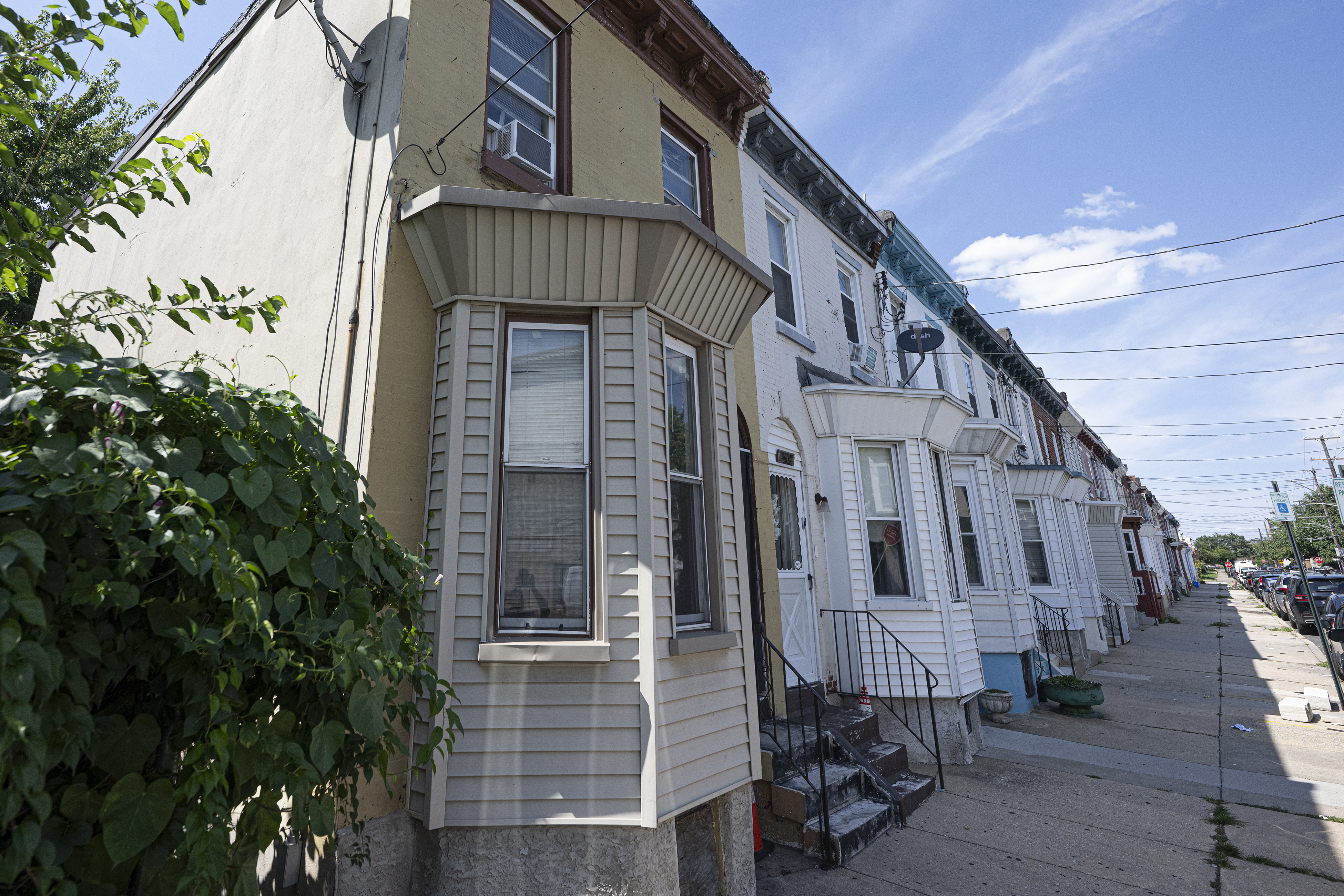
    At Left a property on 2500 N. Marshall St., Philadelphia, PA 19133 is shown Wednesday, Aug. 19, 2026, in Philadelphia.Jose F. Moreno / Staff Photographer

    City Councilmember Quetcy Lozada, whose district includes parts of Kensington and North Philadelphia, said the Hartranft area is not like sections of Kensington that have seen an influx of development in recent years and where increases in property assessments may be expected.

    It is possible, she said, that lower-income residents who have been displaced from parts of Kensington looked to move west of the neighborhood, increasing demand in the Fairhill and Hartranft areas.

    Lozada — who has held workshops in the neighborhood to connect residents with property tax relief programs — said she fears her constituents are being asked to pay disproportionately high taxes and not seeing better city services and stronger public schools.

    “How is it possible that someone in Fairhill is paying a higher tax for a property that has not had any investment, in a neighborhood that is not as safe, whose school system is not as great, as somebody that lives in Chestnut Hill, for instance?” she said, referring to the upscale Northwest Philadelphia neighborhood with a $109,000 median household income. “There has to be a better way of doing a more accurate evaluation in every neighborhood.”

    City Council is expected to hold a hearing this fall to probe the assessment process.

    In Strawberry Mansion, community leaders said that increased assessments are likely a result of market pressure from Brewerytown to its south, a comparatively whiter and higher-income neighborhood.

    “The city has to be super transparent about this assessment system so people can better understand it and not feel that sticker stock,” said Tonnetta Graham, president of the Strawberry Mansion Community Development Corp. “If we know how they came to their number, it’s easier to chew.”

    The 1700 block of North Newkirk Street on Thursday, Aug. 20, 2026 in Philadelphia.Monica Herndon / Staff Photographer

    Councilmember Jeffery Young Jr., whose district includes both Strawberry Mansion and parts of Hartranft, did not respond to requests for comment.

    Jalon Alexander, a Strawberry Mansion native who this month launched a campaign to challenge Young for his Council seat next year, said he was recently at a block party in the neighborhood where he heard repeatedly from older homeowners who were concerned about their increased assessments.

    “They feel taken advantage of, and they feel like it’s coming out of nowhere,” Alexander said. “This is an area where there’s high levels of poverty, and there is not a lot of political or government attention in this area. I’ve spoken with many people whose rates have almost doubled. It’s the biggest issue in the neighborhood.”

    Staff writer Michaelle Bond contributed to this article.