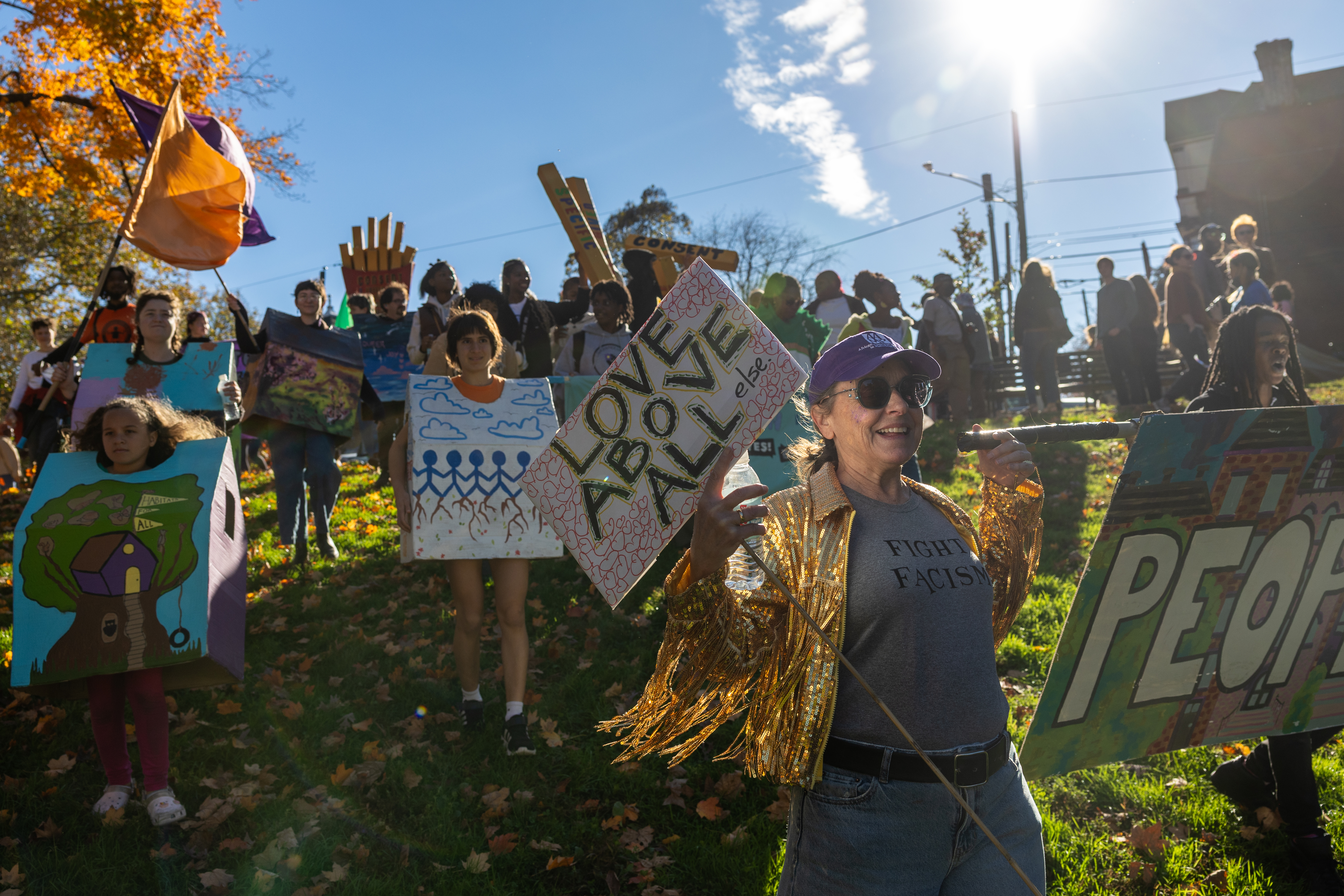
For West Philadelphians, the annual Peoplehood Parade is a familiar tradition — people of all ages join an assemblage of puppets and art displays, chanting, singing, and walking to Clark Park for a community pageant.
But 21 years after Liza Goodell got involved with Peoplehood, what really stands out to her is the community building that happens long before the day of the parade.
“I’m really proud of it. It’s super intentional,” said Goodell, who lives in South Philly.
Maisie O’Brien, 33, of Fairmount, carries a papier-mache SEPTA bus alongside Diana Torres, 19, of West Philadelphia, before the start of the 26th Annual Peoplehood Parade and Pageant outside the Paul Robeson House and Museum in West Philadelphia on Saturday, Nov. 7, 2026.Aidan T. Gallo / Staff Photographer
Goodell, 48, is codirector of Spiral Q, a nonprofit that helps local activists make art. For 26 years, the group has been the driving force behind the parade.
From its inception, the Peoplehood Parade raised awareness of local issues such as a need for HIV/AIDS resources and for bicycle lanes, Goodell said.
But a big change happened a few years ago, when Spiral Q welcomed different community groups into its studio space.
“It makes the process of Peoplehood just as important as the day,” Goodell said. “We’re trying to really make connections in the community.”
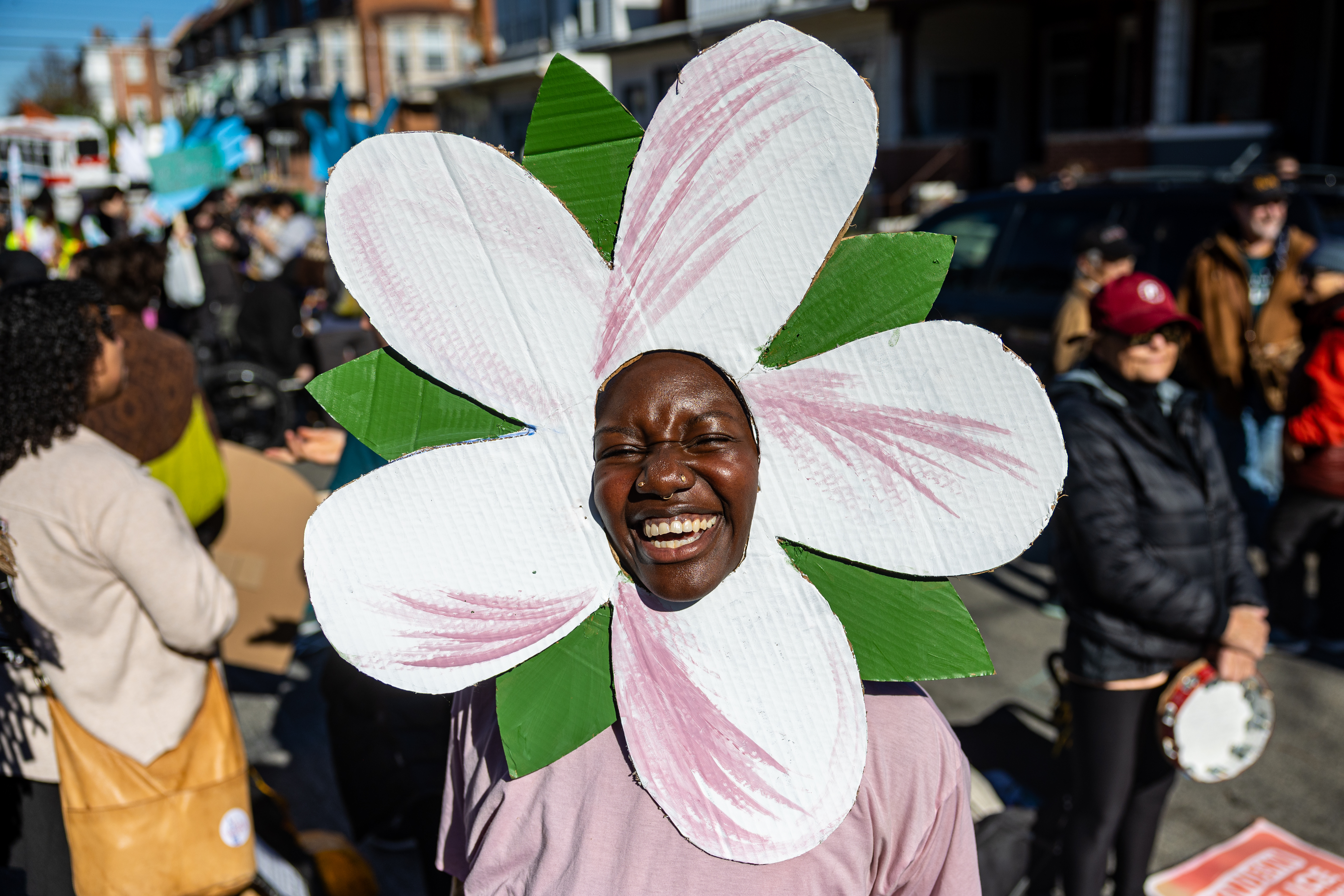
Philadelphia Orchard Project member Sharon Appiah, 34, of West Philadelphia, stands for a portrait before the start of the 26th Annual Peoplehood Parade and Pageant outside the Paul Robeson House and Museum in West Philadelphia on Saturday, Nov. 7, 2026. The Philadelphia Orchard Project is a nonprofit organization that advocates for greener spaces in the city, and provides orchard design assistance, plant materials, and training in orchard care.Aidan T. Gallo / Staff Photographer
At a time when digital devices are all-consuming and low-quality art generated by artificial intelligence is widespread, Goodell said, people have a strong desire to sit near one another and use their hands to make something original.
As artists build puppets from found materials such as cardboard and house paint, they often discuss pressing local issues. In one sense, these issues have not changed all that much over the years, she said: Affordable housing, education, and funding people’s basic needs have remained top concerns.
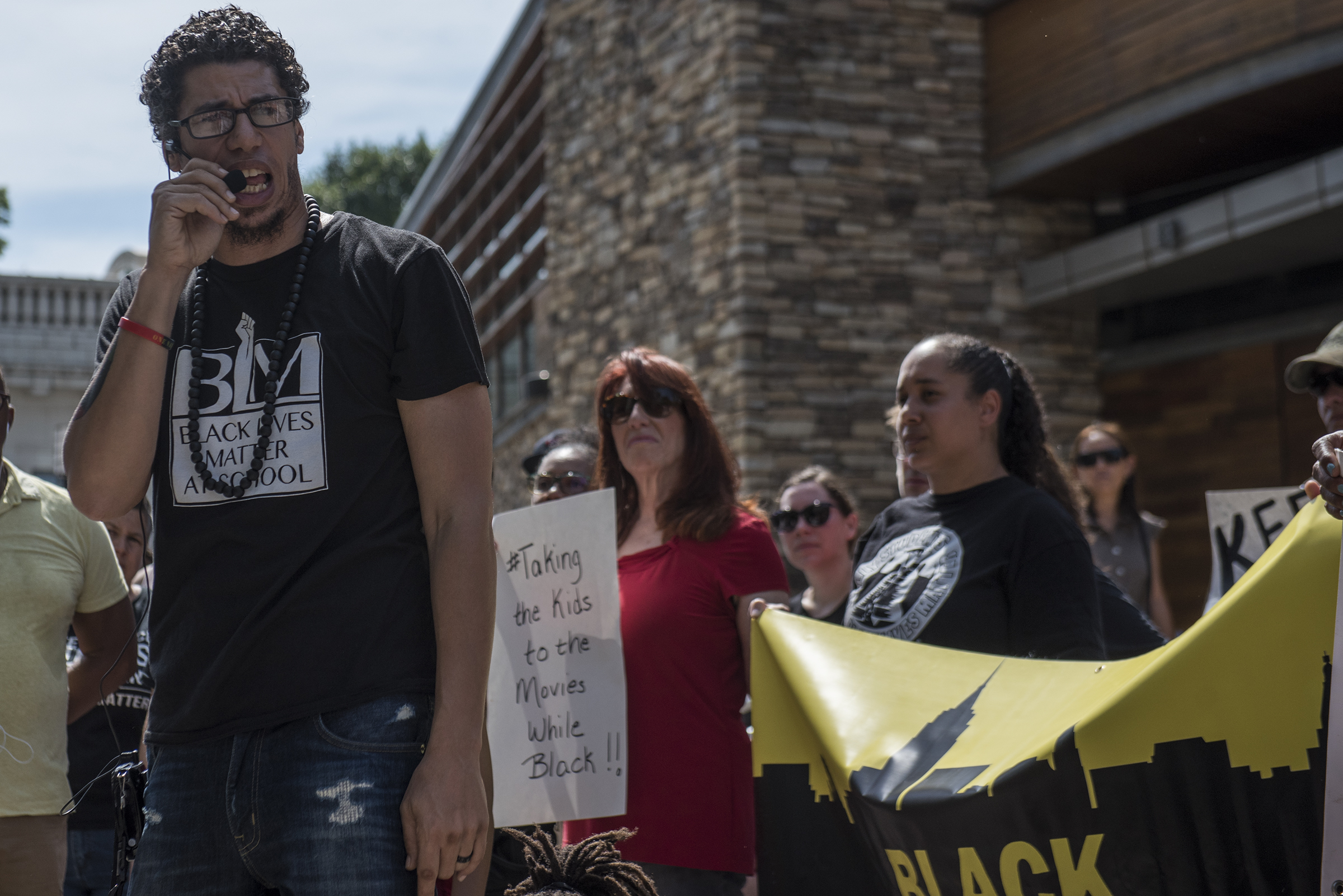
However, around 2014, the parade began to get more focused, coalescing around Black Lives Matter after the 2012 killing of Trayvon Martin and the acquittal of the shooter, George Zimmerman, said Spiral Q codirector Jennifer Turnbull.
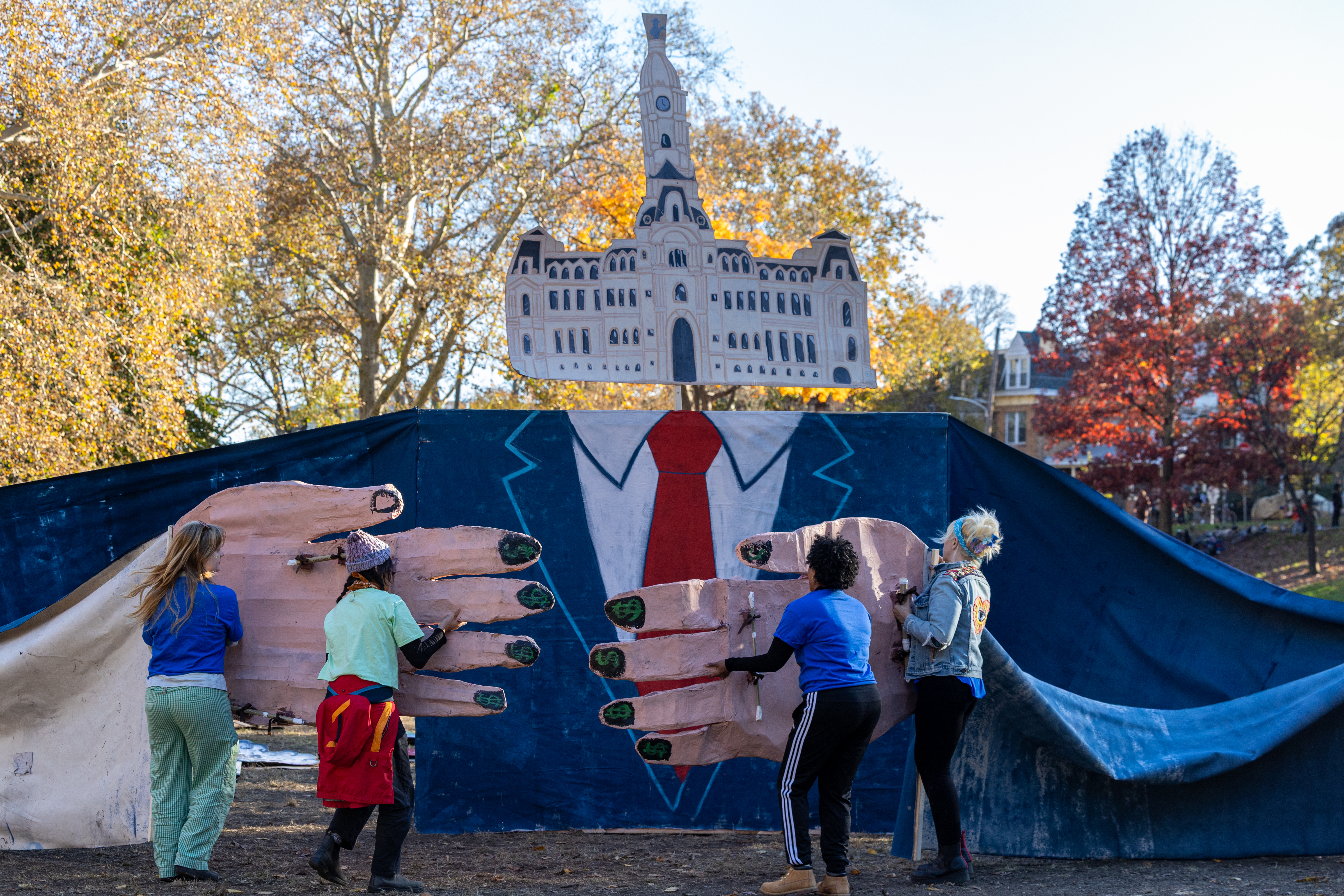
Participants of the pageant of the 26th Annual Peoplehood event perform in Clark Park in West Philadelphia on Saturday, Nov. 7, 2026.Aidan T. Gallo / Staff Photographer
The desire to coordinate the art displays and take on bigger issues only increased with the election of President Donald Trump in 2016, the COVID-19 pandemic in 2020, and the reelection of Trump in 2024, Turnbull said.
“Being alive is kind of political right now for everyone. It’s always been political for folks on the fringes, for sure. But now everyone is feeling that push and crush,” Turnbull said.
For the 2026 parade Saturday, the community partners raised awareness about the environmental risks of data centers, as well as a longstanding issue — SEPTA funding.
The next two years will be a rare time when Democrats control the governor’s office and both chambers of the Pennsylvania legislature. Newly reelected Gov. Josh Shapiro has pledged to better fund SEPTA and other transit systems. But to Turnbull, these political changes do not have much effect on the parade’s need to continue raising issues on a local level.
“Just because we have a blue wave today doesn’t mean people still aren’t snatching folks,” Turnbull said, referring to federal Immigration and Customs Enforcement detaining people.
Turnbull estimated that over 18,000 hours of volunteer work went into this year’s parade designs. To her, that does not just represent hours of work — it represents time that community members spent together sharing ideas.
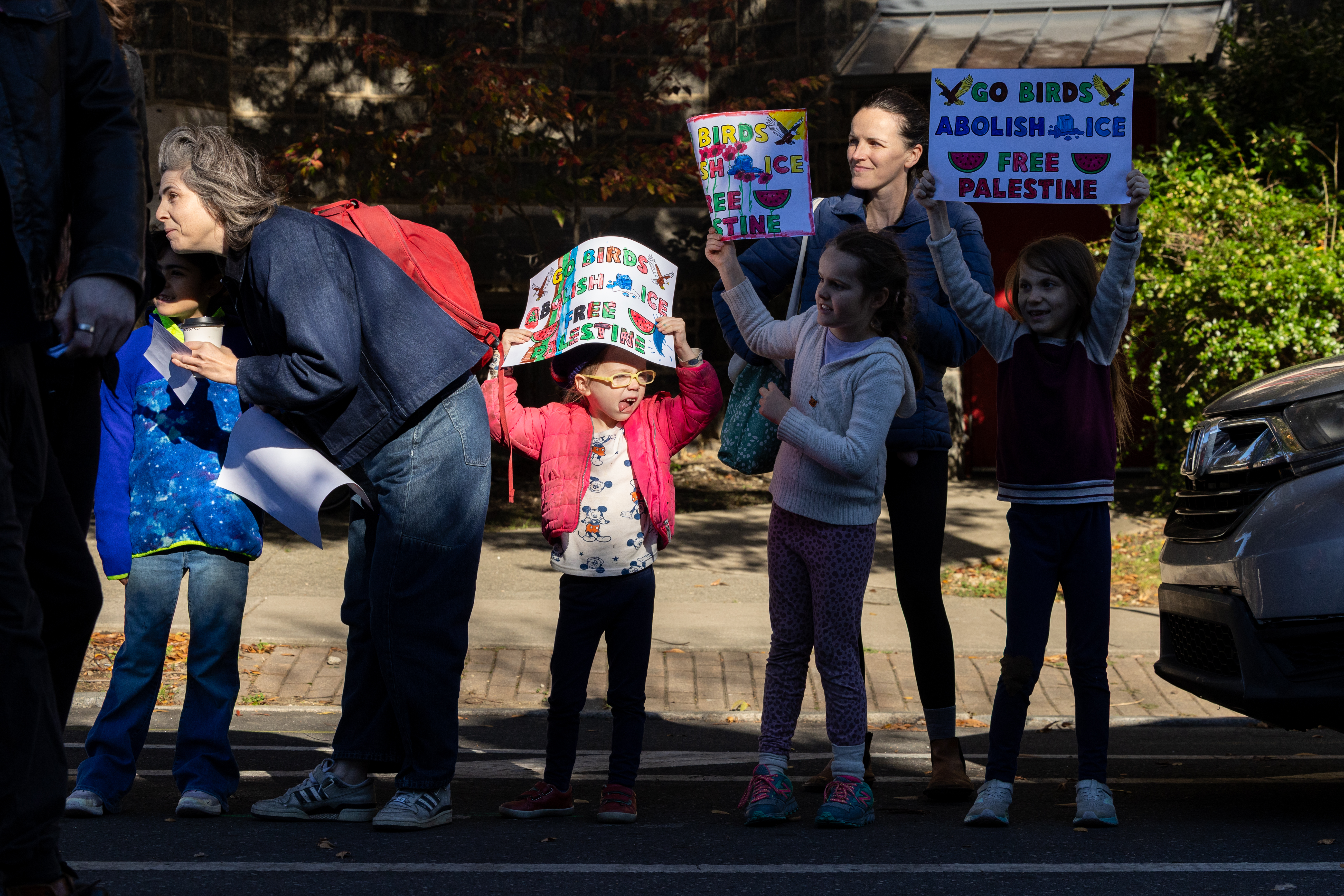
Amarys (center), 5, holds up signage next to her cousin Ama (center right), 7, sister Luci (right), 7, and aunt Laura Smith (upper right), 39, of Germantown, during the 26th Annual Peoplehood Parade and Pageant in West Philadelphia on Saturday, Nov. 7, 2026.Aidan T. Gallo / Staff Photographer
As more people have felt the need to protest issues and find community, Turnbull said, the parades have gotten larger. Turnbull said last year the event began with about 600 people. By the time they got to Clark Park, there were 1,200.
On Saturday, that enthusiasm was evident as drummers, dancing, and singing electrified the corner by the Paul Robeson House and Museum, where people gathered at the start of the parade line.
Tommy McShane of West Philly, who previously worked on an art project with Korea Peace Community Philadelphia, is now an apprentice at Spiral Q and participated in the parade.
“As a group, our unified goal is to end the Korean War, which is still going on after 70 years,” said McShane, who is Korean American. No peace treaty was signed after an armistice in the conflict in 1953.
The group this year is drawing attention to Hanwha Group, a South Korean company that has a shipbuilding operation at the Philly Navy Yard. McShane was protesting its weapons-making operations.
The 22-year-old artist said he is equally interested in the community-building aspect of the parade. “It’s going to the park, while the leaves are changing, and you’re going to learn something about the community.”
As the parade kicked off, cardboard puppets frolicked above the pedestrians. There were cats on bicycles. Signs called to abolish ICE and reject data centers. Several people held aloft a subway train.
Julie Rea of Kensington, who held a sign supportive of public transit, said she is excited that Shapiro has included transit funding in his plans.
“This is an opportunity to make the system safer, better, to extend it, to make it much more accessible,” Rea said.
Other art pieces were less overtly political. One participant, who gave just a first name, Miel, brought an elaborate narwhal made of painted cardboard and wheat paste, built on a furniture dolly.
Miel said the narwhal was initially constructed for the West Philly Dumpster Derby, a Halloween Eve tradition. The narwhal took eight people about three days of dedicated work to make.
For them, Miel said, making something with friends was the best part.
“It was thrilling. Absolutely the most fun I’ve had all year.”
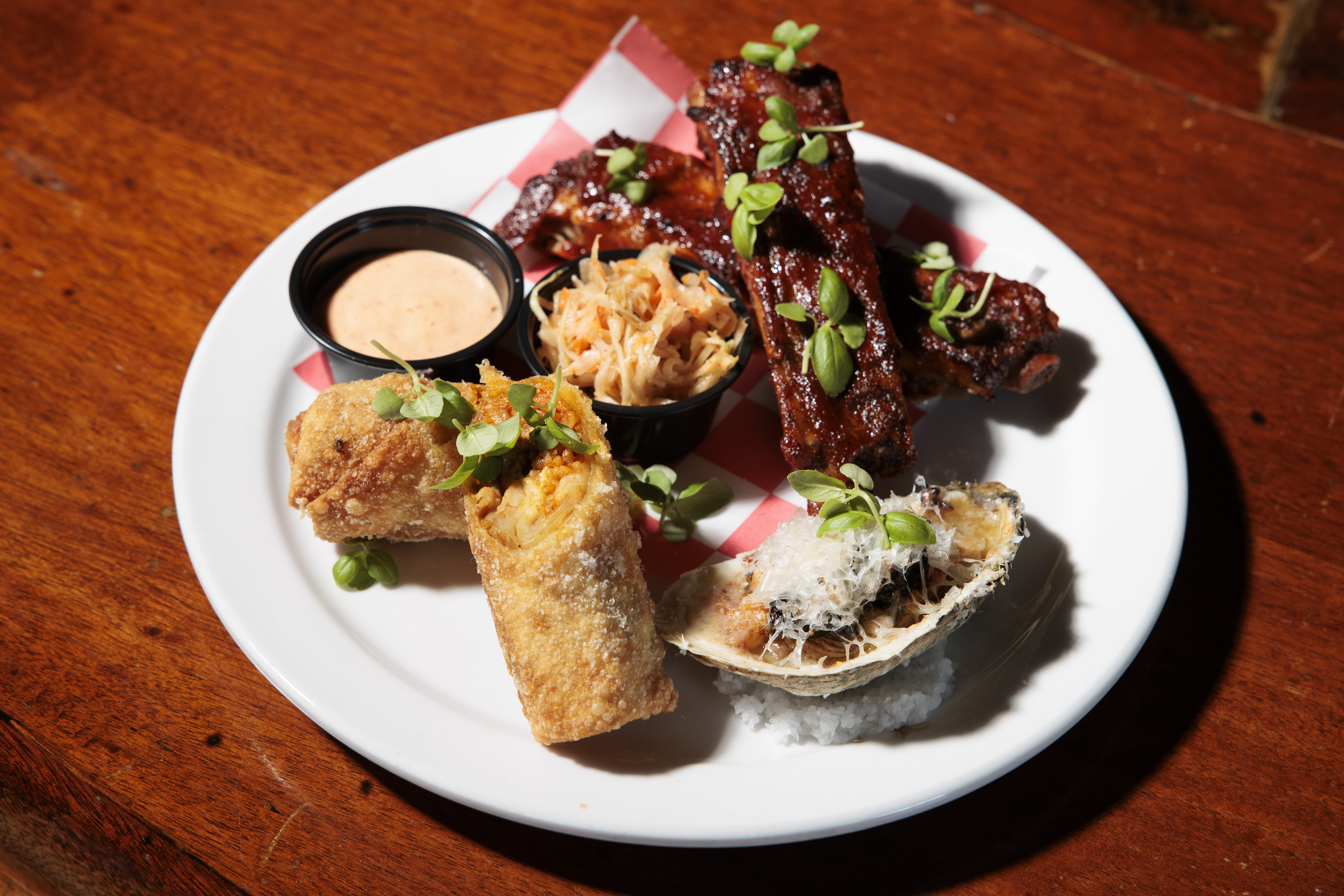
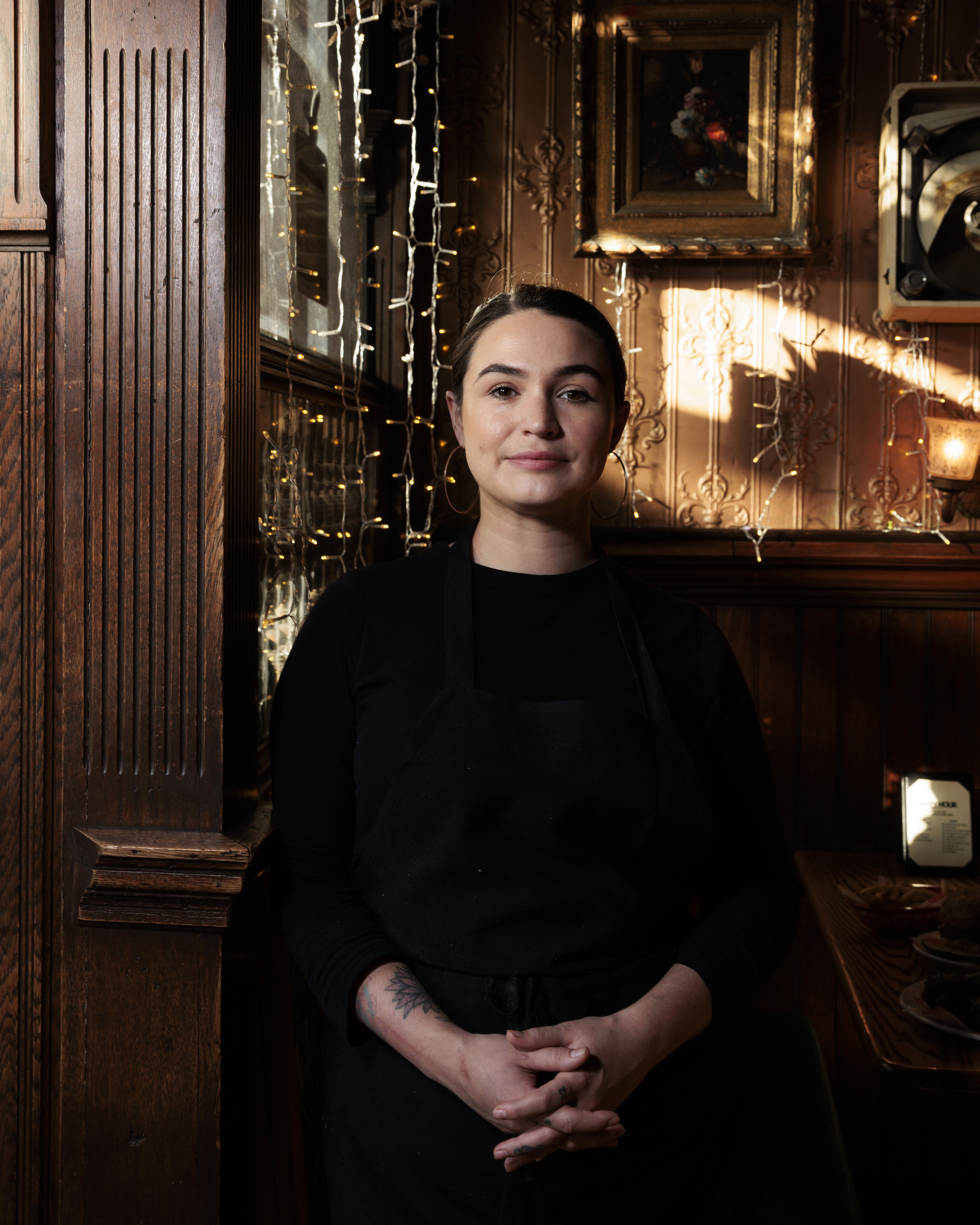
At Bourbon & Branch, a homey taproom in Northern Liberties, chef Brooke Alan serves gumbo two ways: in a bowl and in an egg roll.
The first draws on Alan’s Louisiana childhood. The second owes something to Philadelphia — in particular, the inventive egg rolls at Black Dragon Takeout in West Philadelphia.
“They have all these amazing egg rolls, and I thought, ‘Wow, you really can do anything with them,’” she said.
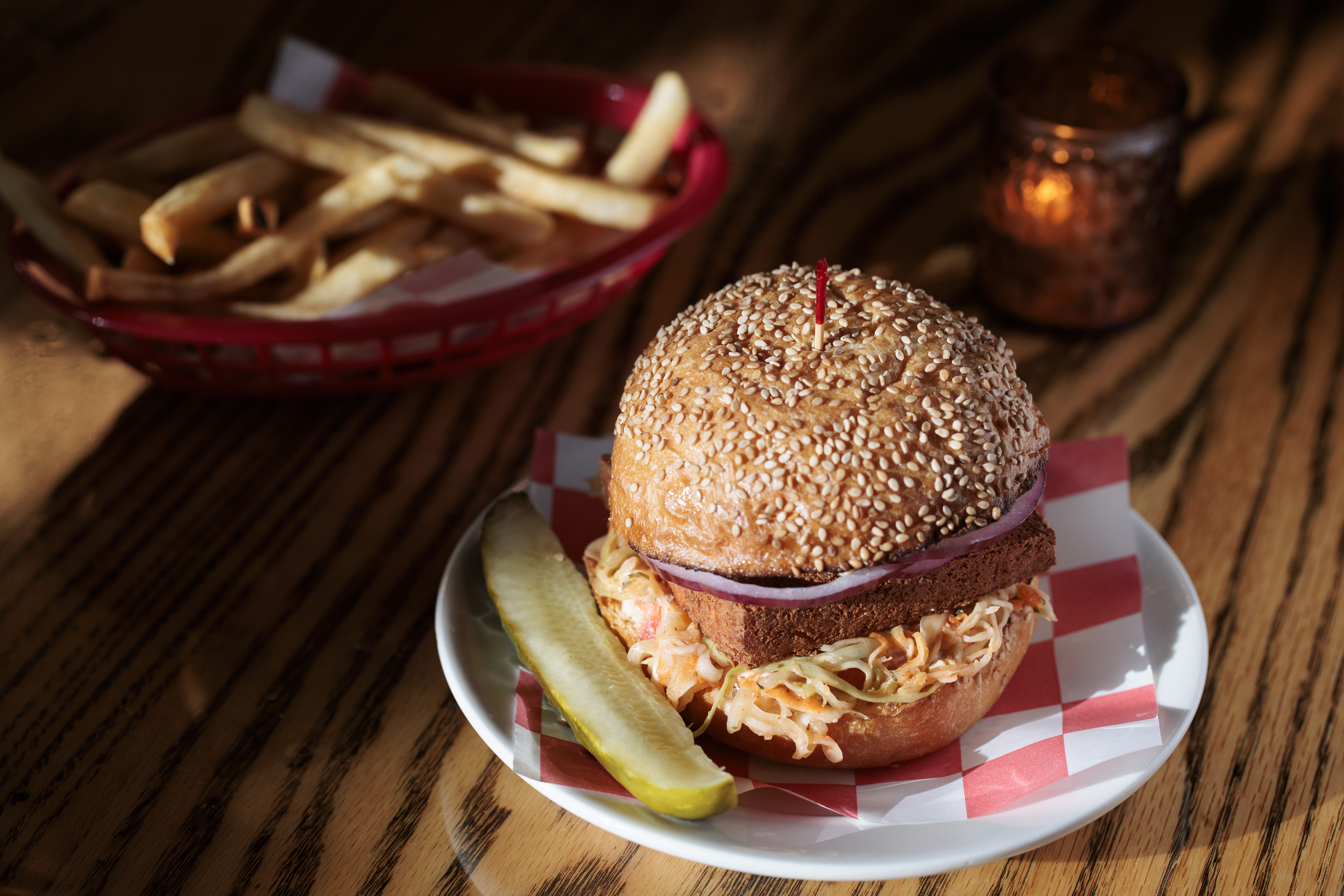
The pimento tofu sandwich with fries at Bourbon & Branch.Monica Herndon / Staff Photographer
Bourbon & Branch, which hired Alan last month, is part of a small surge in Louisiana cooking around Philadelphia. At Carolyn’s Modern Vietnamese in Rittenhouse, seafood-boil noodles and chicken with dirty rice reflect chef Carolyn Nguyen’s Louisiana upbringing. Rougarou Baking in Queen Village brings together Creole and Jewish traditions. Lafayette’s Creole Kitchen & Bar opened last month at Philadelphia International Airport with gumbo, étouffée, and po’boys.
And on Friday, brothers Greg and Chris Lynch will open Philly Po’Boy Co. in Kensington, where Greg has spent about 18 months developing the bread for their po’boys.
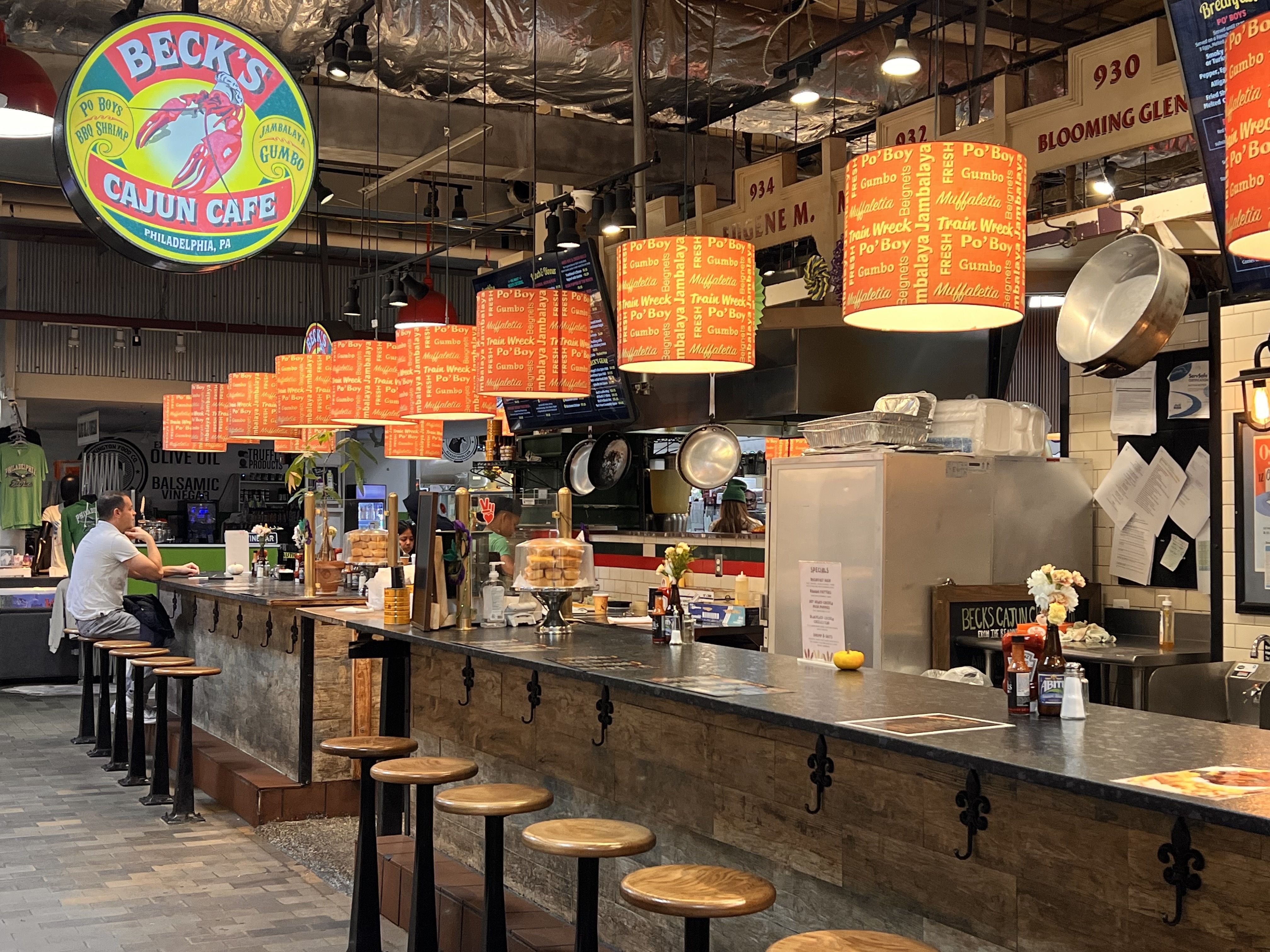
These newcomers join an established local appetite for Louisiana Creole cuisine. Bill Beck’s Beck’s Cajun Cafe, which opened in 2009 in Reading Terminal Market and expanded in 2023, dishes Cajun and Creole fare, including shrimp and crawfish étouffée, jambalaya, red beans and rice, and several gumbos, including chicken-and-andouille and alligator, as well as po’boys served on rolls baked daily by a local Vietnamese bakery.
Khyber Pass Pub in Old City, which adopted Cajun and Creole stylings in 2010 when Stephen Simons and David Frank took it over, serves gumbos, jambalaya, and po’boys made on rolls shipped from New Orleans’ Leidenheimer Baking Co. In the suburbs, High Street Caffe in West Chester has specialized in the cuisine since 1996, while Cajun Kate’s, marking its 20th anniversary, operates at Booth’s Corner Farmers Market and near Wilmington. In Medford, Louisiana native Debbie Rogers opened CrawDaddy’s Cajun in 2024 after starting with a food truck.
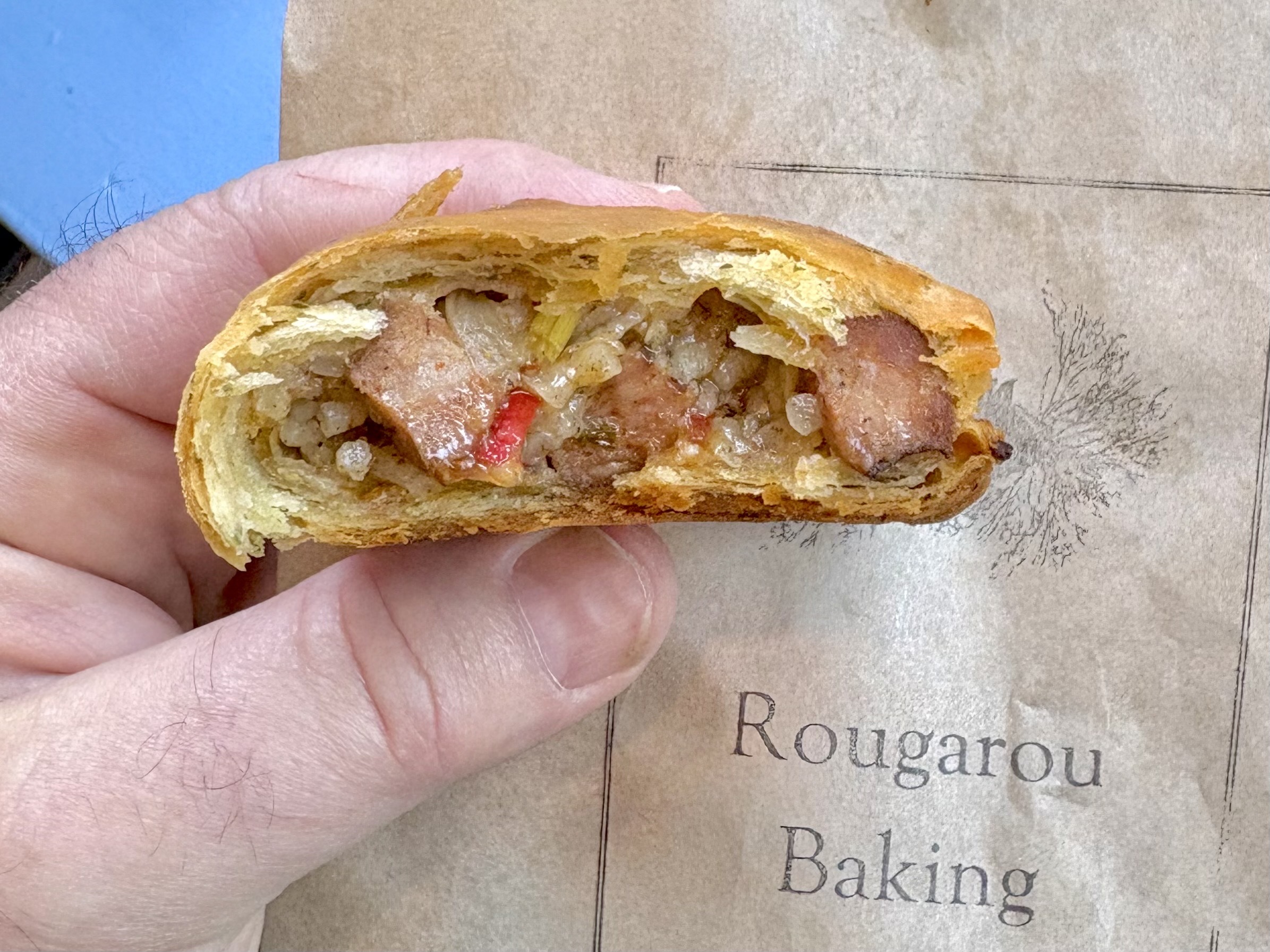
Beck’s Cajun Cafe at Reading Terminal on Oct. 19, 2026.Michael Klein / StaffA hand pie stuffed with jambalaya from Rougarou Baking, a Cajun and Jewish bakery in Queen Village.Craig LaBan / Staff
Alan, previously a sous chef at Middle Child Clubhouse, has revamped Bourbon & Branch’s dinner menu, while most of brunch remains traditional. The bar’s earlier claim to fame was a pizza program under the direction of co-owner Daniel Gutter. The pizzas are gone now.
Alan’s family comes from the Covington-Slidell area, across Lake Pontchartrain from New Orleans. They left Louisiana when she was 4 and moved frequently because of her father’s military service.
Chef Brooke Alan at Bourbon & Branch; her family hails from the Covington-Slidell area.Monica Herndon / Staff Photographer
“These flavors were so prevalent in my childhood that they’ve really been a mainstay in my life,” Alan said. “As you have different life experiences, you see ways to play with them.”
Alan lived in New York from 2006 to 2016 before following a sister who had enrolled at Temple University. Though Philadelphia had Southern restaurants, she said, it was difficult to find the particular dishes she remembered from childhood. Cooking at bars with flexible menus gave her opportunities to introduce them.
“I’ve been able to sneak some of it in there,” she said.
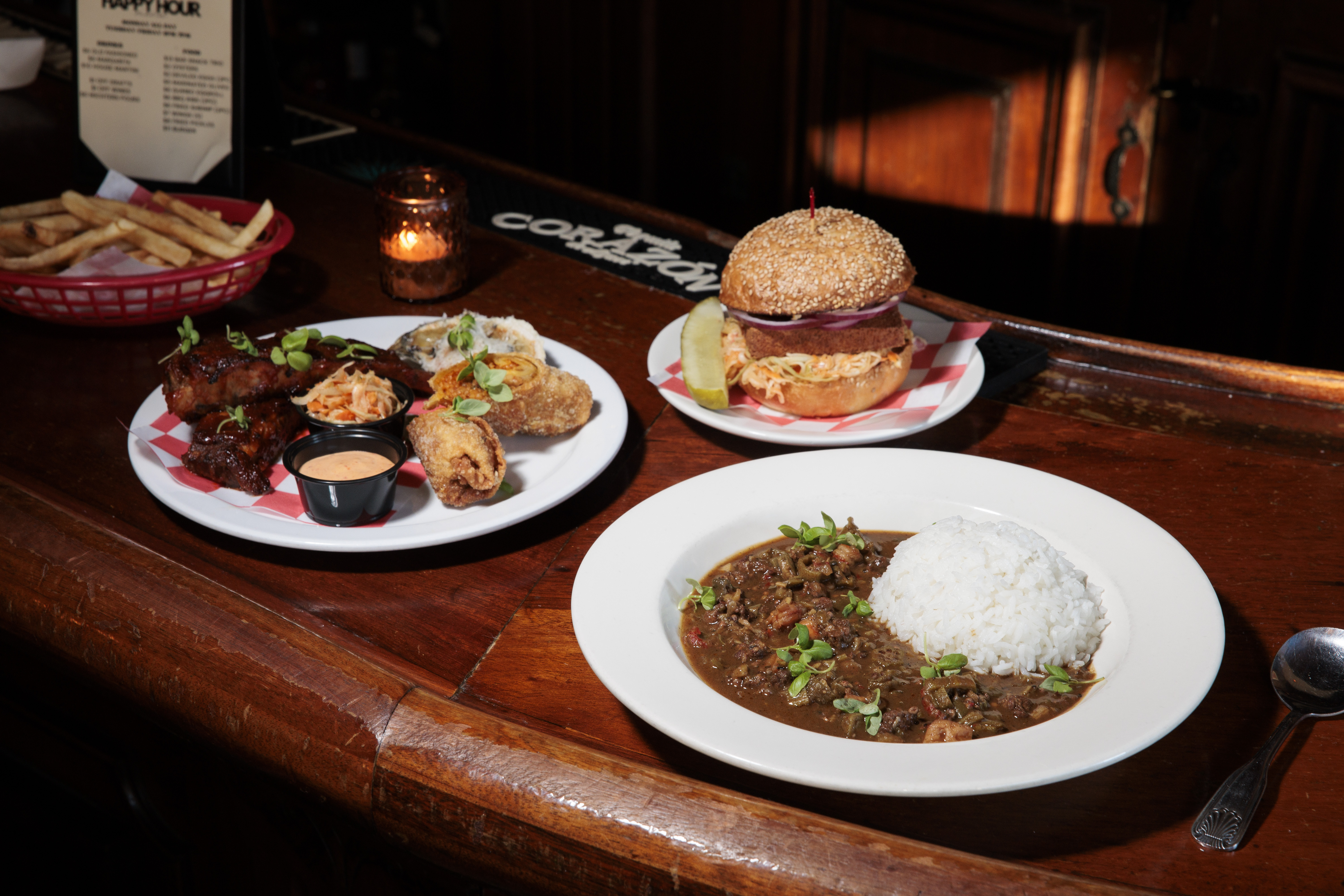
At Bourbon & Branch, gumbo is a signature.
The gumbo, with the bar snack trio and pimento tofu sandwich, is a nostalgic take from Bourbon & Branch chef Brooke Alan. Monica Herndon / Staff Photographer
“It’s forever been one of the most nostalgic and cathartic things for me to make,” Alan said.
Her menu also includes a vegan sweet potato casserole, developed partly with her largely vegan family in mind. She wanted something beyond the usual vegan entrées.
“So I thought, ‘What about a casserole?’” she said. “Casseroles are homey. They’re wonderful. You can build layers of flavor, and you can do exactly what you want with them.”
For a beef shank dish, Alan pairs a sweet plum-based glaze with grits made from fresh corn. The kernels are lightly processed to retain some texture, then cooked until thickened. The result tastes of fresh, sweet Jersey corn.
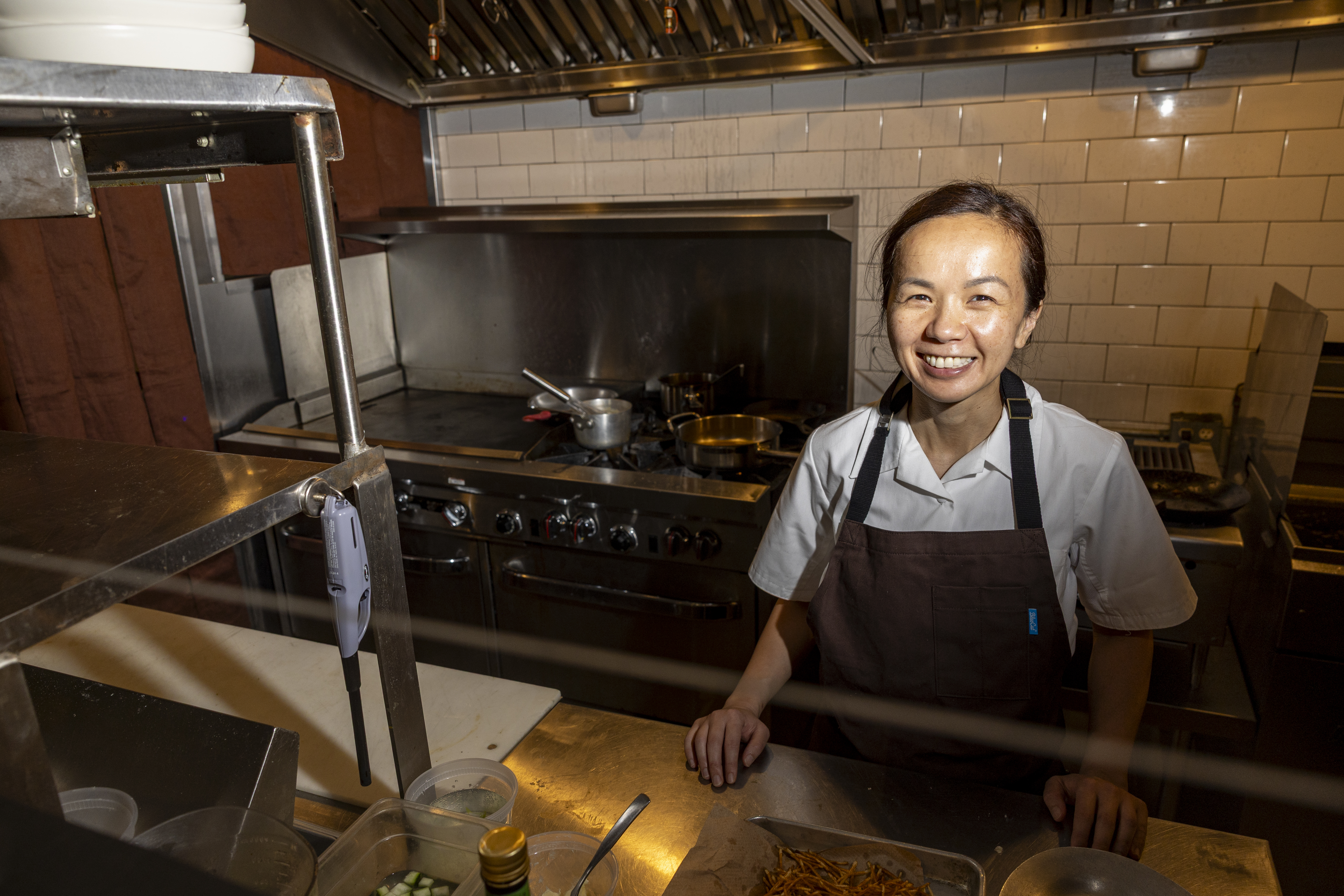
Carolyn Nguyen at Carolyn’s Modern Vietnamese, where she draws on her upbringing in Louisiana’s St. Mary Parish.Aidan T. Gallo / Staff Photographer
At Carolyn’s Modern Vietnamese, 2015 Walnut St., Nguyen draws on her upbringing in Amelia, in Louisiana’s St. Mary Parish, and her Vietnamese family’s cooking.
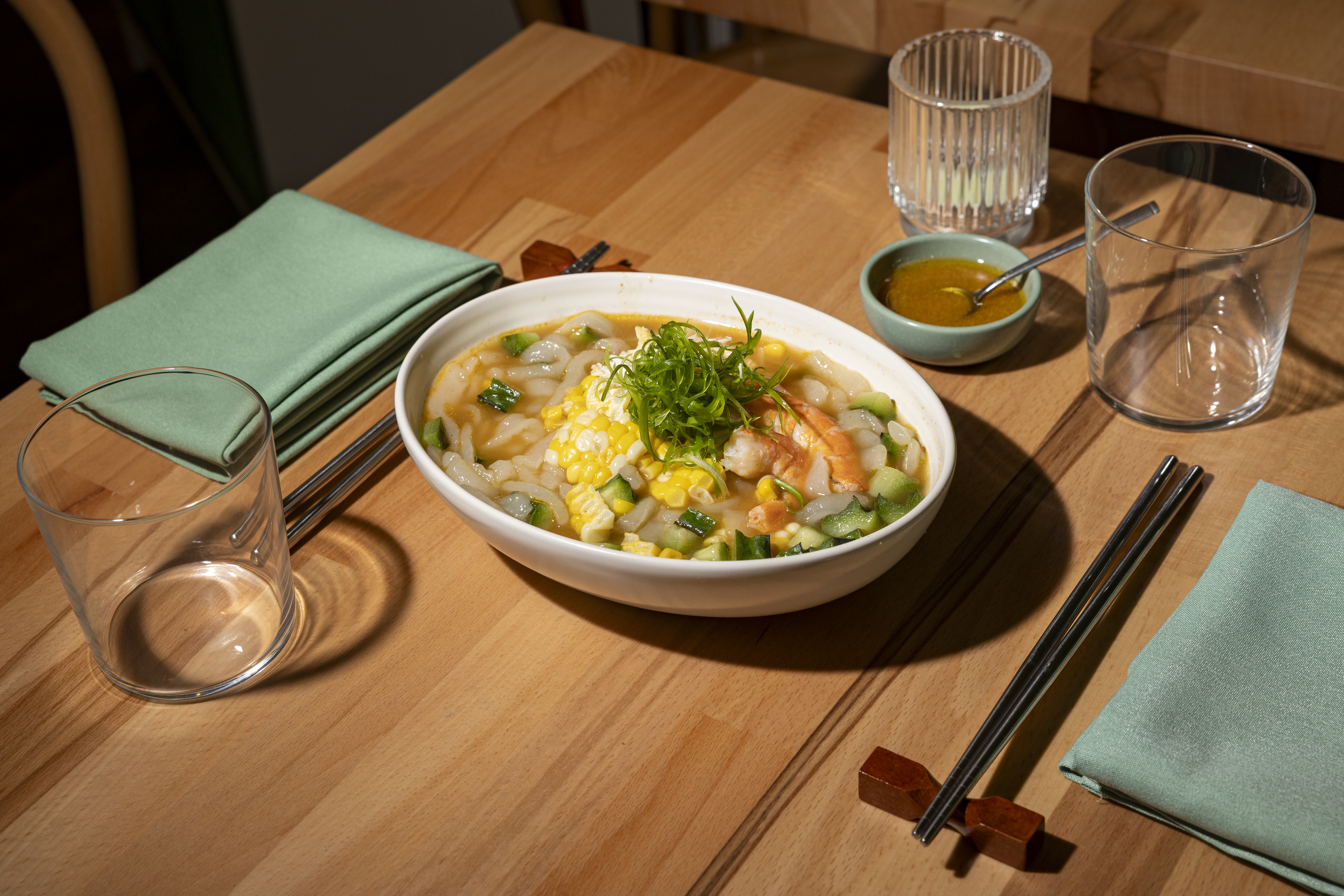
Bánh canh, the thick Vietnamese noodle soup, becomes a seafood boil with shrimp, mussels, and fried potatoes.
Slow-cooked grits come topped with pork belly, a soft egg, and pickled vegetables. Hoi An chicken is served with ginger dirty rice, braised collards, and herb remoulade.
The bánh canh “seafood boil” noodles dish from Carolyn’s Modern Vietnamese.Aidan T. Gallo / Staff Photographer
For Paige and Zach Wernick, the combination at Rougarou Baking reflects two family backgrounds: Paige’s connections to New Orleans and the Gulf Coast, and Zach’s Jewish heritage.
The couple opened the bakery in April at 526 S. Fourth St., following a series of pop-ups. Jambalaya-stuffed hand pies and chocolate babka were among the pastries that built their following.
“We were both homesick,” Paige said before the opening. “This is our way of striking a balance of staying in touch with the cultures we grew up in.”
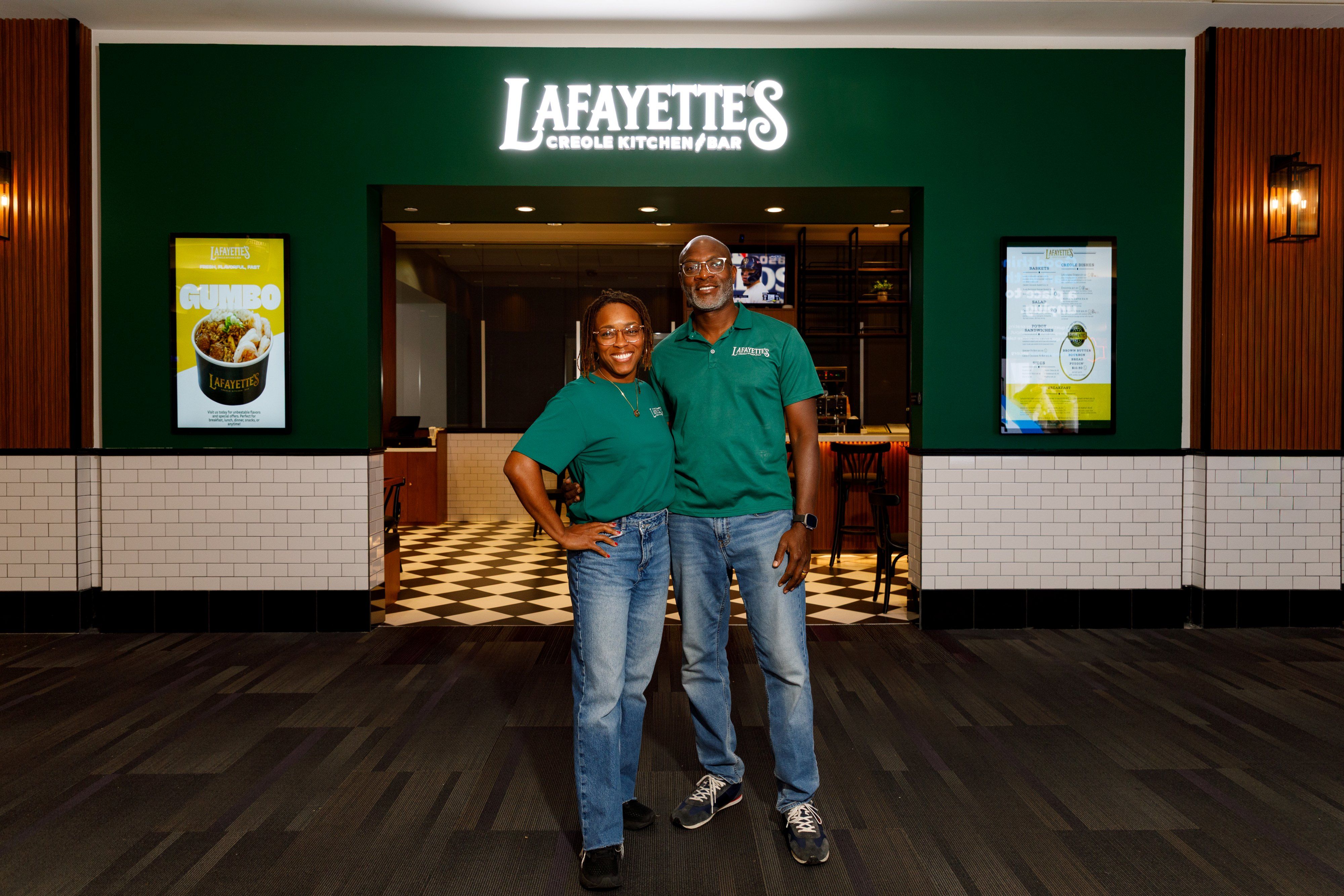
Lafayette’s, near the airport’s B/C Connector, takes its name from the Louisiana city where chef-partner Toyin Alli’s maternal family has roots.
Toyin Alli and Reginald Johnson at Lafayette’s Creole Kitchen & Bar, in the B/C connector at Philadelphia International Airport.Paul Loftland Photography
Alli began selling gumbo and bread pudding at a Washington farmers market in 2010 while working for Amtrak. She and her husband, Reginald Johnson, expanded that business, Puddin’, before opening the airport restaurant in October. Its menu includes gumbo, shrimp étouffée, red beans and rice, po’boys, and brown butter bourbon bread pudding.
At Philly Po’Boy Co., 102 W. Berks St., next to Berks Station on the Market-Frankford Line, the Lynches are concentrating on sandwiches, gumbo, and beignets.
Chris, executive chef at New Orleans’ Atchafalaya, spent much of the last 30 years cooking in that city. Greg, whose career includes a decade with Stephen Starr, is running the Philadelphia kitchen.
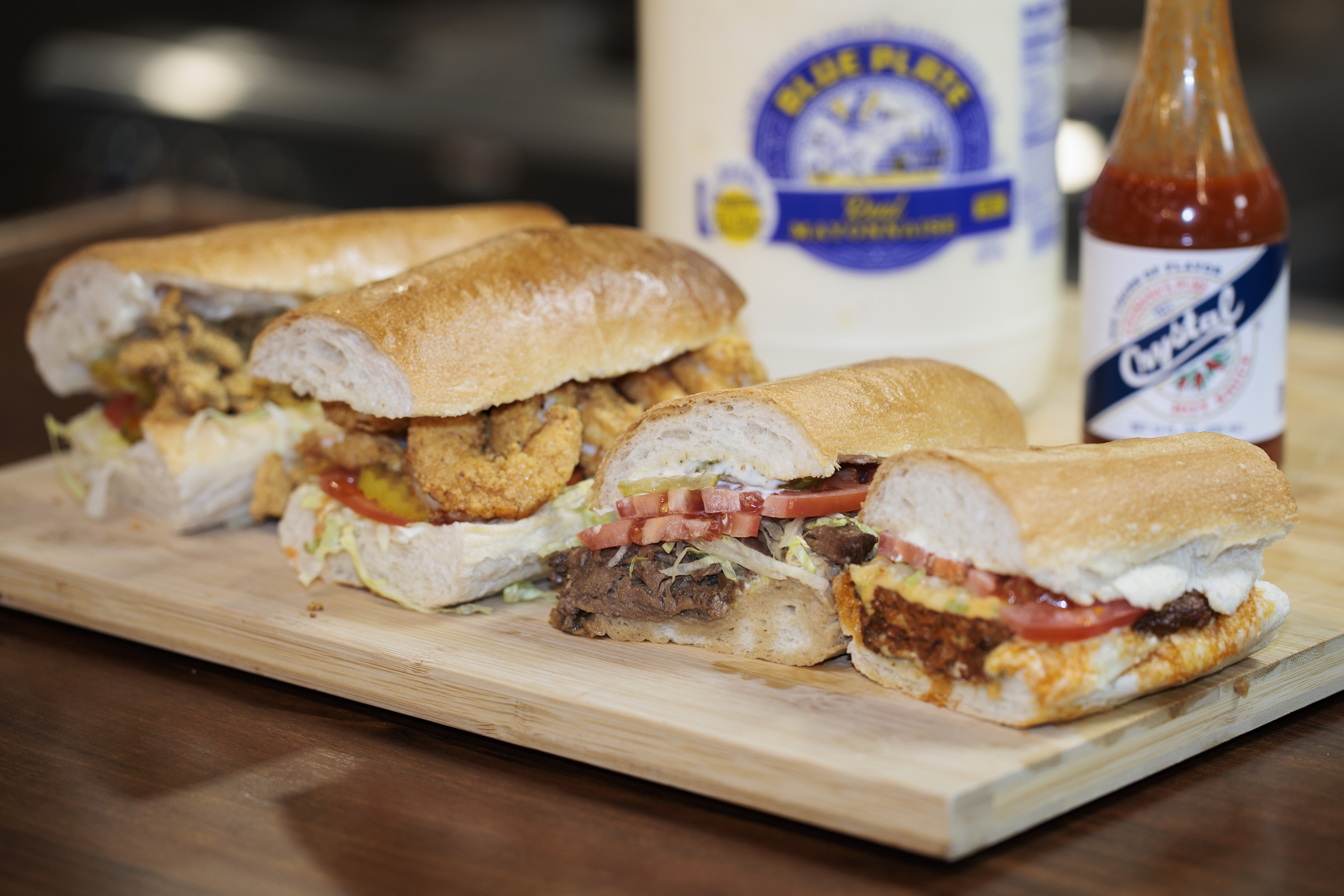
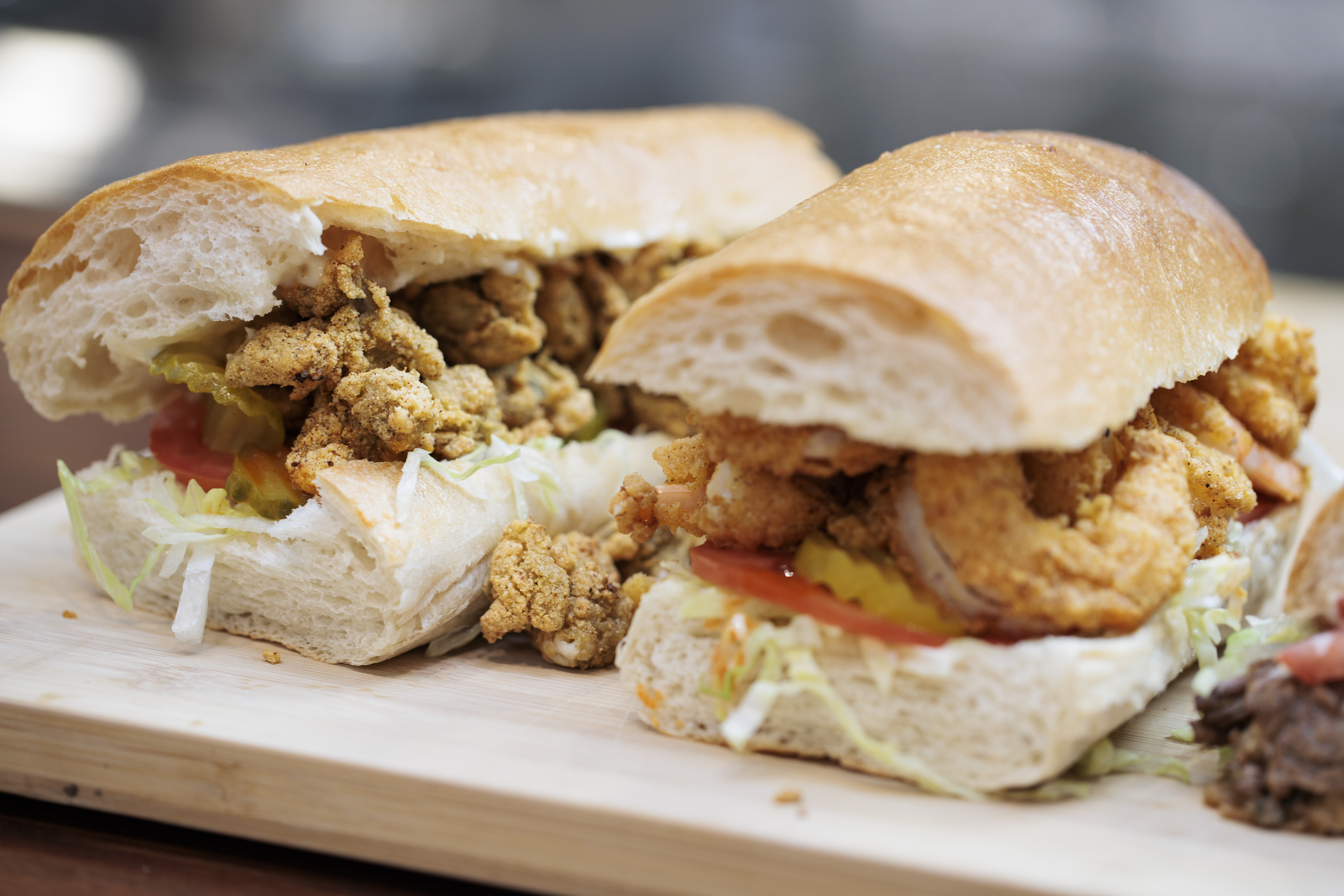
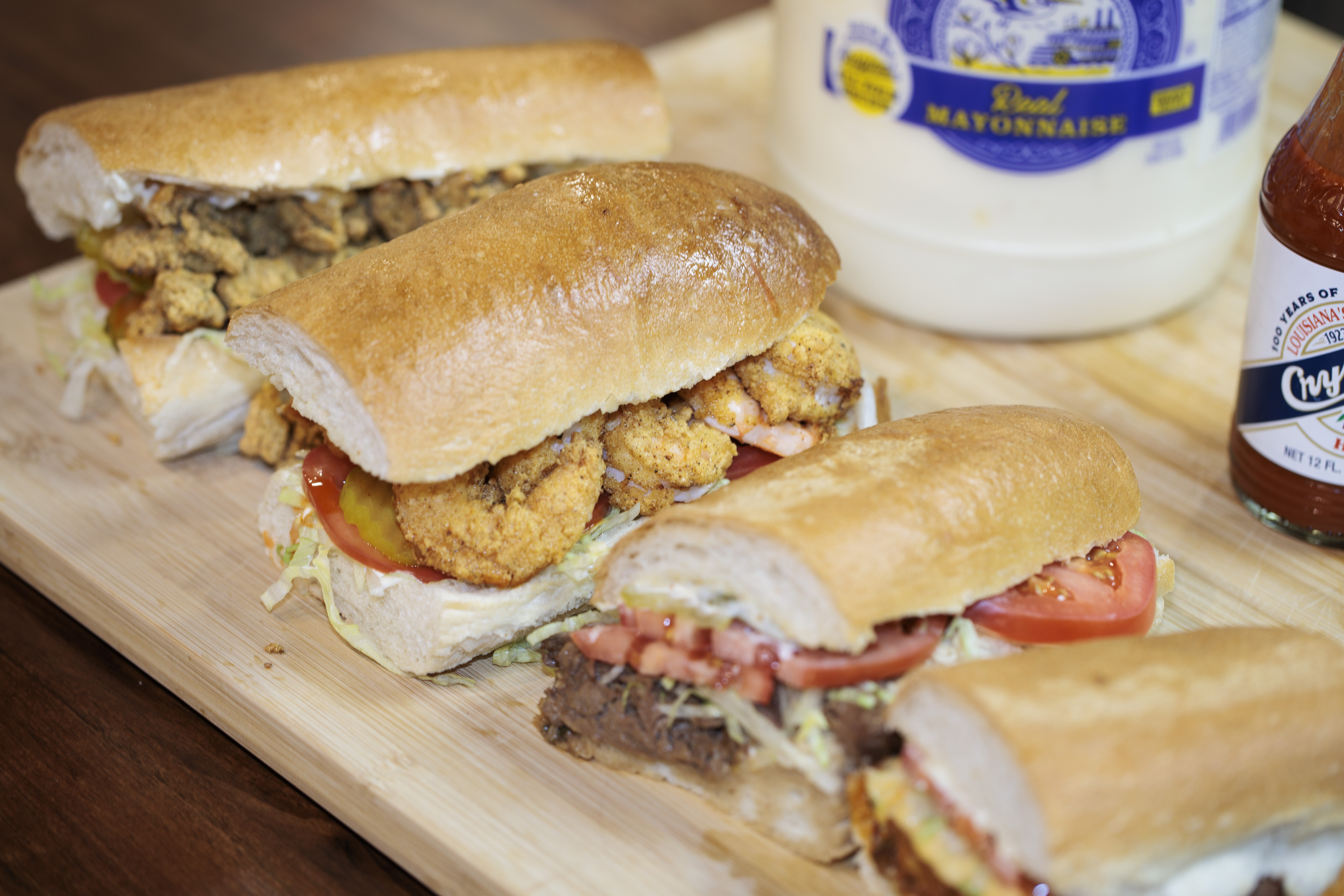
Oyster, shrimp, roast beef and hot sausage po’boys at Philly Po’Boy Co.Monica Herndon / Staff Photographer
The brothers had long imagined opening a full-service restaurant with a liquor license. Over time, a smaller po’boy shop became more appealing.
Greg made roughly 150 test batches to develop the rolls’ thin crust and light interior. The opening sandwiches include fried shrimp, oysters, catfish, and roast beef debris; the sidewalk kiosk will serve café au lait and beignets in the morning.
“We really wanted to separate ourselves through the bread,” Greg said. “When you eat one of our sandwiches, it should make you feel like you’re in New Orleans.”
Since Càphê Roasters opened in Kensington in 2021, it has been an epicenter of Asian American flavors, from its robust Vietnamese coffee drinks to assembling some of Philly’s most beloved banh mis and soul-warming rice porridges. It was at the forefront of the local matcha movement and has hosted many pop-up bakers, such as those peddling mooncakes around Mid-Autumn Festival.
But Càphê Roasters has never really had a pastry program. On the cusp of expanding into South Philly, it’s finally launching one.
“Our chefs would test out some desserts, but then just not have the time to continue researching and developing them,” said CEO and co-founder Thu Pham, 33. “And they also didn’t have pastry background. It takes time and talent, but also hunger.”
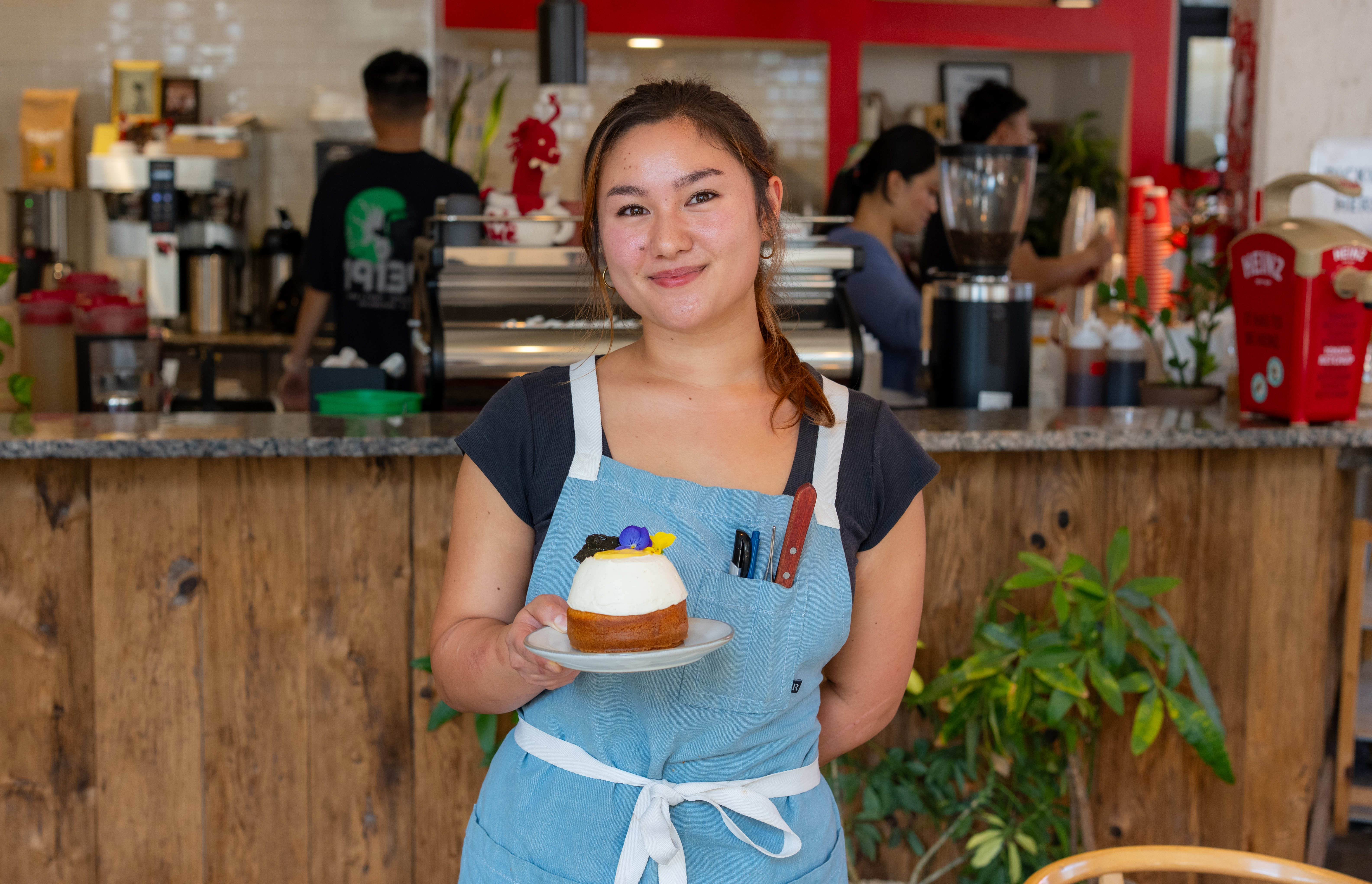
Pham found both those qualities in pastry chef Zoe DeLay, 23, who moved to Philly from St. Louis to work at the now-closed Fleur’s as George Sabatino’s sous chef and head pastry chef.
“We struggled with getting a dessert on the menu that incorporated our espresso beans really well. But Zoe came up with cà phê sữa brownies that have been a major hit, and they’re very different from any other brownie in town,” said Pham.
DeLay’s brownie creations are fudgelike without being dense, generously dusted with flaky sea salt and infused with the deep, robust fragrance of Vietnamese coffee. It mirrors Càphê Roasters’ cà phê sữa in dessert form. Rich, nuanced, precise, and most importantly, not too sweet. They’re now selling about 60 cà phê sữa brownies every weekend (as many as DeLay can make in Càphê Roasters’ current kitchen).
“Balancing pastry is so important because my least favorite thing is to bite into a pastry and think, ‘Oh my God, that is so sweet,’” said DeLay. “But flavors like black sesame [and coffee] add depth and personality.”
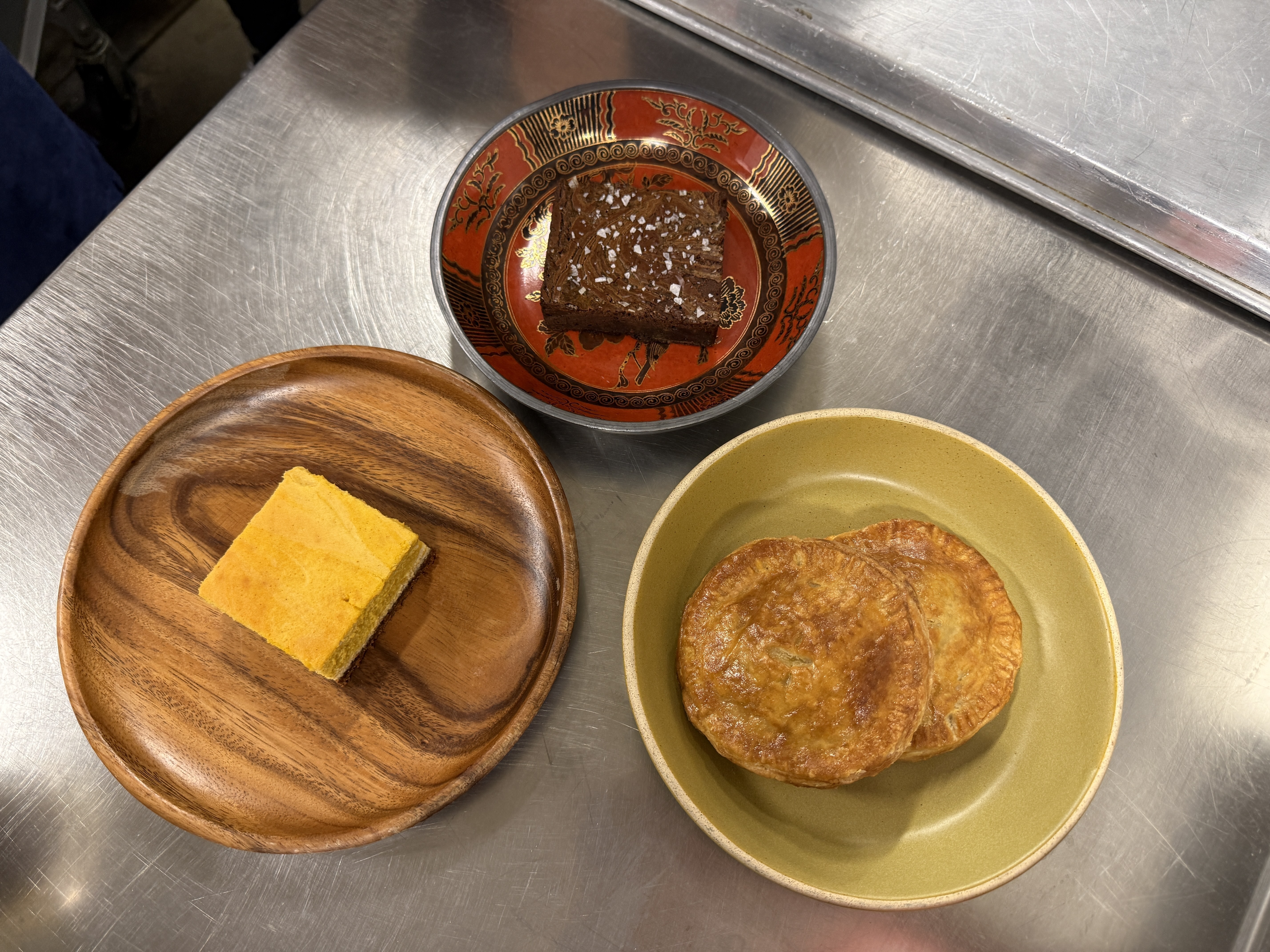
A selection of pastries from new pastry menu at Càphê Roasters. A kabocha squash cheesecake with a gingersnap brown butter crust that is currently being workshopped by pastry chef Zoe Delay, a cà phê sữa brownie that uses coffee roasted by Càphê Roasters, and hand pies filled with kimchi jjigae.Kiki Aranita / Staff /
DeLay is also workshopping a kabocha squash cheesecake with a gingersnap brown butter crust, a sweet interpretation of the squash porridge that has been a staple of Càphê Roasters’ fall and winter menus. Along with the brownie and a savory pastry stuffed with kimchi jjigae that hearkens to DeLay’s Korean American upbringing, the cheesecake will soon be found during the week at Càphê Roasters in Kensington and at the cafe’s new location in South Philly.
DeLay’s kimchi jjigae hand pie takes a classic Korean stew and stuffs it into a pastry. “I braise pork shoulder like carnitas with all the traditional kimchi, onions, gochujang, then add green onion and white cheddar,” said DeLay. She is also working on developing American classics like muffins and yeasted breads, “but adding some of my own personality to them.”
Her yuzu honey cake, the base of a dessert with black sesame brittle, has echoes of cornbread, a nod to DeLay’s Midwest upbringing. “I wanted to bring in the multiple aspects of my identity into a cake,” she said. She’s playing with ingredients like Korean konggaru (soybean powder) in making sweet creams for pies. “They feel really nostalgic, but also like they haven’t existed yet.”
Incorporating DeLay into the fold has meant that Pham and her beverage team can tell more widely inclusive stories through food. “As long as she incorporates some Southeast Asian and, for her, Korean-inspired pastries onto the menu, I’m happy,” said Pham.
Yuzu honey butter cake with salted vanilla cream, yuzu curd, and black sesame brittle.Mike Prince
An exploration of nostalgic flavors that speak to Asian American third-culture kids are happening all over Philly and the rest of the country. Small bakeries and restaurant pastry programs dedicated to celebrating ingredients like matcha, kimchi, ube, pandan, black sesame, and banana milk in never-before-seen ways are cropping up continually, in many different neighborhoods. Seaforest Bakeshop in Graduate Hospital has a similar approach, as do Manong in Fairmount’s new pastry offerings, which have now gone far beyond bibingka waffles.
With Càphê Roasters’ expansion, “We’ll be able to have a pastry program in all our locations, but keep welcoming in pop-up bakers,” said Pham.
“What I love most about pastry is being able to re-create sensory memories through food,” said DeLay. “And maybe become part of what one day will be their own nostalgia.”
Two years ago, Philadelphia’s jails were struggling to stop prisoners from misusing a daily pill offered to ease the craving and withdrawal symptoms that make it hard to overcome opioid addiction.
The city’s solution: a once-a-month shot that eliminated the potential to sell, trade, or give away the medication.
City leaders touted the injection, called Brixadi, as a way to enhance a jail addiction-treatment program long considered one of the most comprehensive in the state. A pilot launched in late 2024 with immediate success, leading to expansion to the city’s intake jail and other facilities four months later.
This year, the city took it away.
The reason, city officials say, is cost. Brixadi costs led the city last year to overspend by nearly $1 million its $4.3 million budget for addiction treatment in the jails, officials said.
As the city moved to rein in the expense, Mayor Cherelle L. Parker’s administration in June slashed funding for jail-based addiction treatment by more than half. The city’s total budget for the program is now about $2 million, according to budget documents.
The city imposed the reductions even as it has begun receiving the first of hundreds of millions of dollars from legal settlements with the pharmaceutical companies that fueled the opioid epidemic.
City and jail officials say that the cuts are the result of extensive discussions around how to appropriately prioritize settlement spending and introduce cost-effective measures to prevent misuse of these drugs.
Officials are “looking systematically” at how they can “do the best for the most number of people” suffering from opioid use disorder, said Deputy Managing Director Crystal Yates-Gale, who oversees health and human services for the city.
Advocates for people suffering from opioid addiction say the move sets back efforts to rehabilitate those whose low-level offenses land them in city jails. Roughly 1,700 people booked into Philadelphia’s jails in 2024 were treated for an opioid use disorder, according to the city’s most recently reported data.
Treatment behind bars can lower their risk of dangerous complications during withdrawal andof dying of an overdose in jail or after release, when people are especially vulnerable. Families have sued the city over such deaths in recent years.
City officials did not provide information for months in response to The Inquirer’s questions about changes to its jails’ addiction-treatment program. Only after the newspaper filed a public records request — and appealed the city’s decision to deny it in part — did they begin providing detailed figures on the funding and numbers of people treated, as well as make decision-makers available for interviews.
At a hearing last week of City Council’s Committee on Legislative Oversight, jail officials were asked what had happened to the injections. The officials cited their cost at a time of significantly rising expenses for prison healthcare overall.
Inside the jails, the funding cuts meant relying on a cheaper oral medication, Suboxone, the same medication widely abused two years ago.
Suboxone is effective and the most cost-efficient option for the city, “given available funding and rising medical expenses needed to treat all patient needs,” said Sharon Gallagher, a spokesperson for the Philadelphia Managing Director’s Office.
But since the city stopped prescribing Brixadi, the same problematic patterns have returned: One in three of the 719 people prescribed Suboxone in city jails since the switch in June got caught misusing it, city officials said in a statement. They were ultimately cut off from treatment.
Gallagher said that the jails’ opioid treatment medication policies have not changed and that officials “remain committed to ensuring that every person housed in our facilities who needs medication-assisted treatment receives it.”
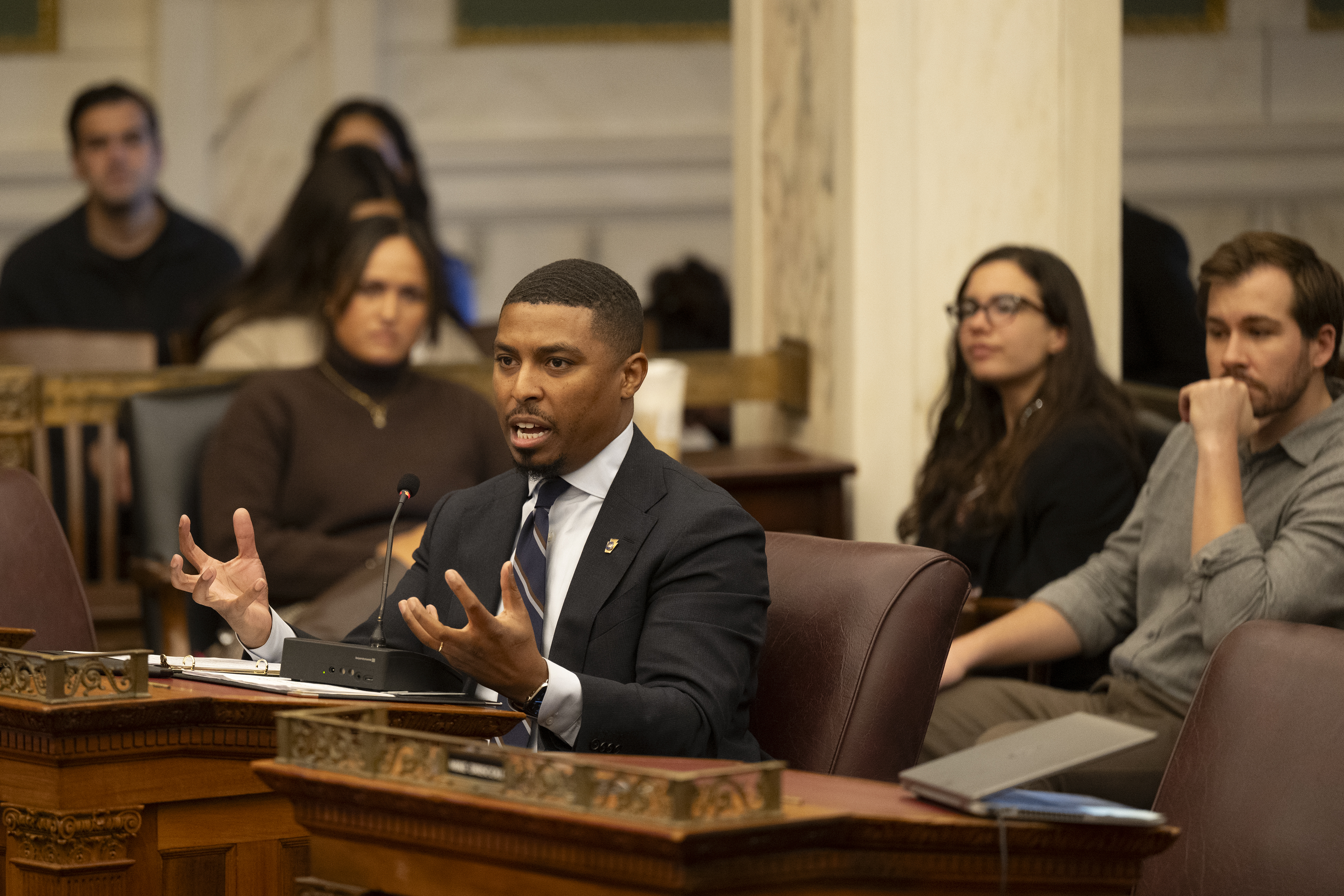
But at last week’s hearing, at-large Councilmember and Minority Whip Nicolas O’Rourke, a member of the Working Families Party, called for further investigation into the decision to end this treatment option.
Incarceration is “a public health challenge directly impacted by the care provided on the inside,” he said, noting that whether people leave jail still in treatment can shape their ability to rebuild their lives.
Philadelphia City Councilmember and minority whip Nicolas O’Rourke speaks during a hearing last week of the City Council’s Committee on Legislative Oversight. Jose F. Moreno / Staff Photographer
Addiction treatment in Philadelphia jails
Philadelphia’s jail system is one of the few in the state that allow incarcerated people in addiction to start treatment with a class of drugs that contain legal forms of opioids, considered state-of-the-art for addiction treatment.
That has included in recent years both Suboxone, taken as a daily pill, and Brixadi, an injection whose effects last for a month, in addition to other medications.
In July 2024, four months before the jails began offering Brixadi, Bruce Herdman, the jails’ longtime medical director, told The Inquirer that about half of the prisoners prescribed Suboxone had been removed from the program for selling it, trading it, or giving it away — a practice known as diversion.
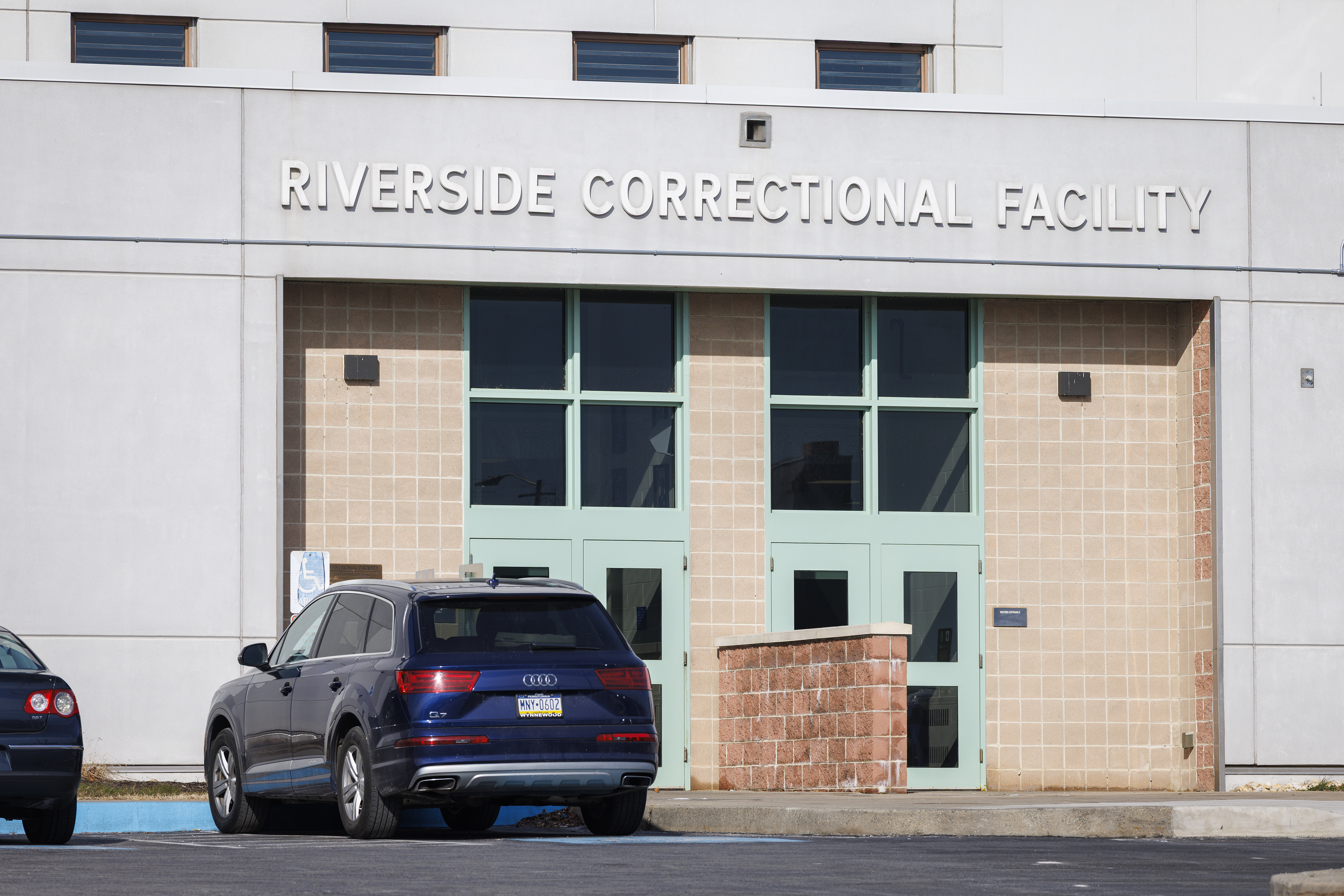
A pilot run offering Brixadi launched in November 2024 under the Parker administration at Riverside Correctional Facility with 46 patients. By 2026, before the program ended, 563 patients had received the injections. A source familiar with the program, who was not authorized to speak publicly, estimated the injections cut diversion by at least 30%.
The Riverside Correctional Facility at prison complex in northeast Philadelphia.Alejandro A. Alvarez / Staff Photographer
Previously, prisoners caught misusing or selling Suboxone were typically tapered off the drug, then left without any addiction treatment for the rest of their time in jail, officials said.
The monthly shot, they said, gave those prisoners another chance at recovery.
The rollout of Brixadi at the city’s jails coincided with the launch of the Parker administration’s “Wellness Ecosystem Initiative” to tackle opioid use in a city that has long struggled with high overdose rates and an open-air illicit drug market in the Kensington neighborhood that is one of the nation’s largest.
She pledged to make the city a national model for opioid treatment.Philly Home at Girard, a low-barrier shelter, opened in 2024 with 180 beds. And in 2025, city officials unveiled the Riverview Wellness Village, a city-run recovery home with 336 beds.
A major source of funding for addiction treatment comes from several multimillion-dollar legal settlements from opioid manufacturers, distributors, and pharmacies. Parker’s predecessor as mayor, Jim Kenney, had first allocated some of this money to the jails’ treatment program in 2023.
In June, as city officials reduced the share going to the jails’ medication-assisted treatment budget to $2 million, they directed roughly $151 million over five yearsto operations, programming, and other costs at Riverview Wellness Village and Philly Home at Girard. Funding for these efforts can come from both opioid settlements and other sources, city officials said in response to a right-to-know request.
At last week’s oversight hearing, O’Rourke questioned whether the settlement funds had been “diverted to other administration priorities.”
In a subsequent interview, Yates-Gale said she would “push back hard” on the idea that “we’ve taken something from one group of people to allocate it to other people.” City officials, she added, are seeing success at the treatment locations.
City officials declined to say how many people have been treated for opioid addiction at Riverview Wellness Center and Philly Home at Girard, saying doing so would compromise patient privacy due to the small number of patients involved.
City officials said they had to tap into settlement fundsfrom the previous year, as well as money from the jails’ general fund, to make up the budget shortfall resulting from Brixadi’s expense. They called the cost unsustainable in a statement.
Yates-Gale said the city was aware of the high cost of Brixadi when launching the jails’ program, but is now taking a more “holistic” approach toward allocating opioid settlement dollars.
Suboxone, the oral treatment used in place of Brixadi, costs about $50 per patient a month, or about $600,000 a year. Between 1,200 and 1,400 prisoners received it annually in the last five years, city officials said in response to the right-to-know request.
Brixadi costs $2,660 per patient for the first month and $1,776 for each month after.
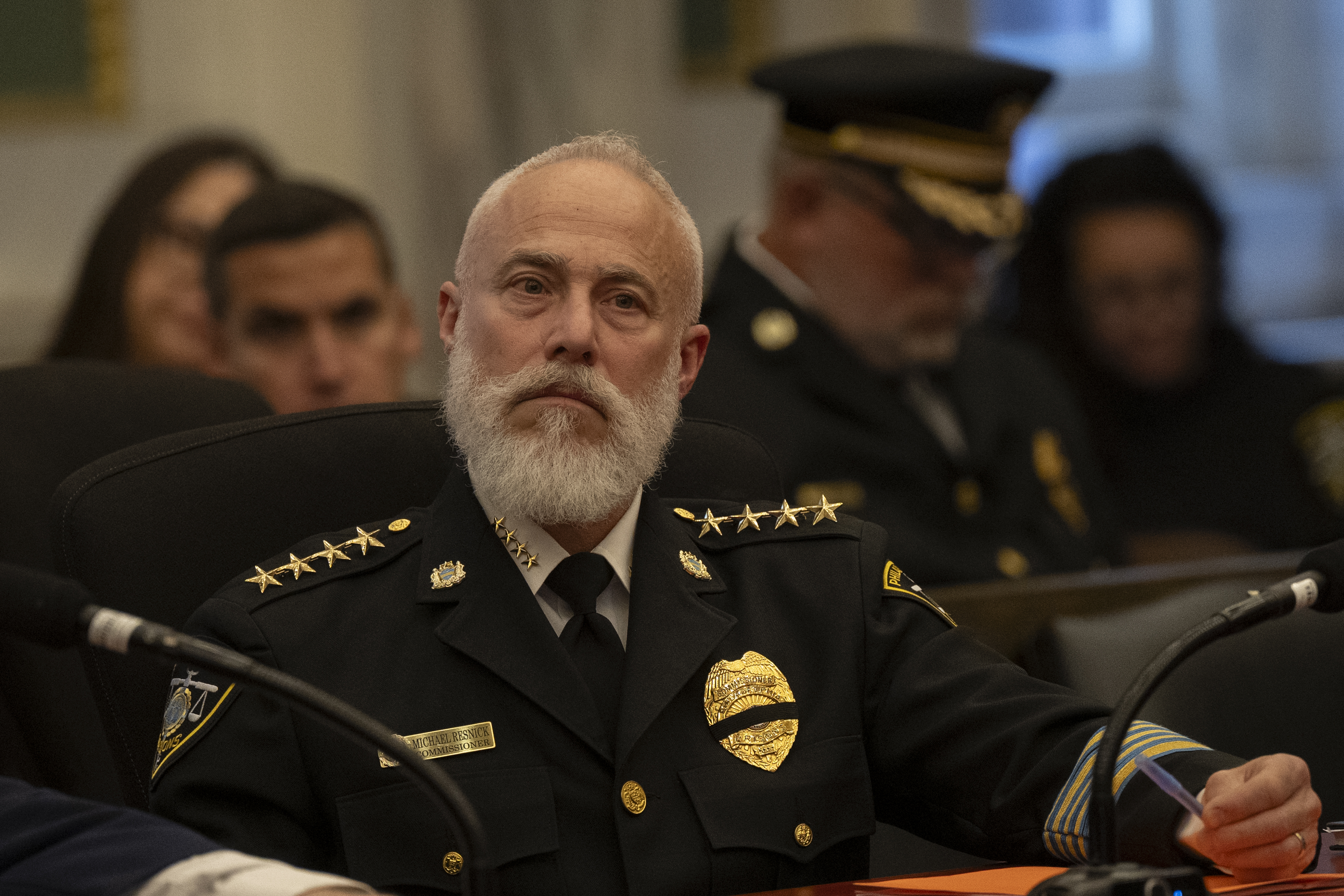
“The math is simple,” Michael Resnick, the city’s prisons commissioner, said in an interview.
In May, the city signed a contract with a new jail healthcare provider, CFG Health. The cost of addiction medications under CFG Health has yet to be determined, officials said.
Back to the daily dose
Many of the patients who moved back to the daily medication had a history of diverting it — and did so again after the switch, according to the source familiar with the program who was not authorized to speak publicly.
Not everyone caught diverting Suboxone was doing so for profit, the source said. Some were being shaken down by fellow prisoners for their doses.
Those people, the source said, benefited the most from the injections and have now lost access to medication treatment for addiction.
The prisoners barred from the oral medication were slowly tapered off to avoid intense withdrawal, Resnick said.
Opioid withdrawal can be severe, and people who quit too suddenly and lose their tolerance face a higher risk of fatal overdose if they use again.
Resnick said that Brixadi shots were effective at preventing misuse. “I don’t know how you divert a shot,” he said.
Jail officials are now working to mitigate the risk of diversion by housing people receiving opioid-addiction treatment in the same units, Resnick said.
If everyone in a unit receives the same medication, “there would be less of an incentive to sell it,” he said. Medical staff have been “extra vigilant” in watching people take their doses to make sure they swallow them rather than hide them, he added.
Sarah Bleiberg Bellos, an attorney advocating for the civil rights of incarcerated people, said Brixadi is not always popular among prisoners with opioid addiction. Some simply prefer Suboxone, or have a skin reaction to the injectable drug.
But, she said, everyone behind bars has a right to treatment for opioid use disorder — in the form that is the best fit for them.
“Whatever form it is, they have a right to that treatment, and that’s what they should be getting,” said Bleiberg Bellos, who works for the nonprofit Pennsylvania Institutional Law Project.
The source familiar with the program said the monthly Brixadi injection helped prisoners walk out with medication already in their system, rather than having to start daily doses on the outside.
Resnick said officials are exploring a more limited use: giving prisoners an injection on the day of their release. That would “hopefully provide them with protection until they get enrolled into a program out in the community,” he said.
For now, he said, people released from the jails are provided with a five-day supply of medication and kits of naloxone, or Narcan, a medication used when someone has overdosed to keep them from dying.
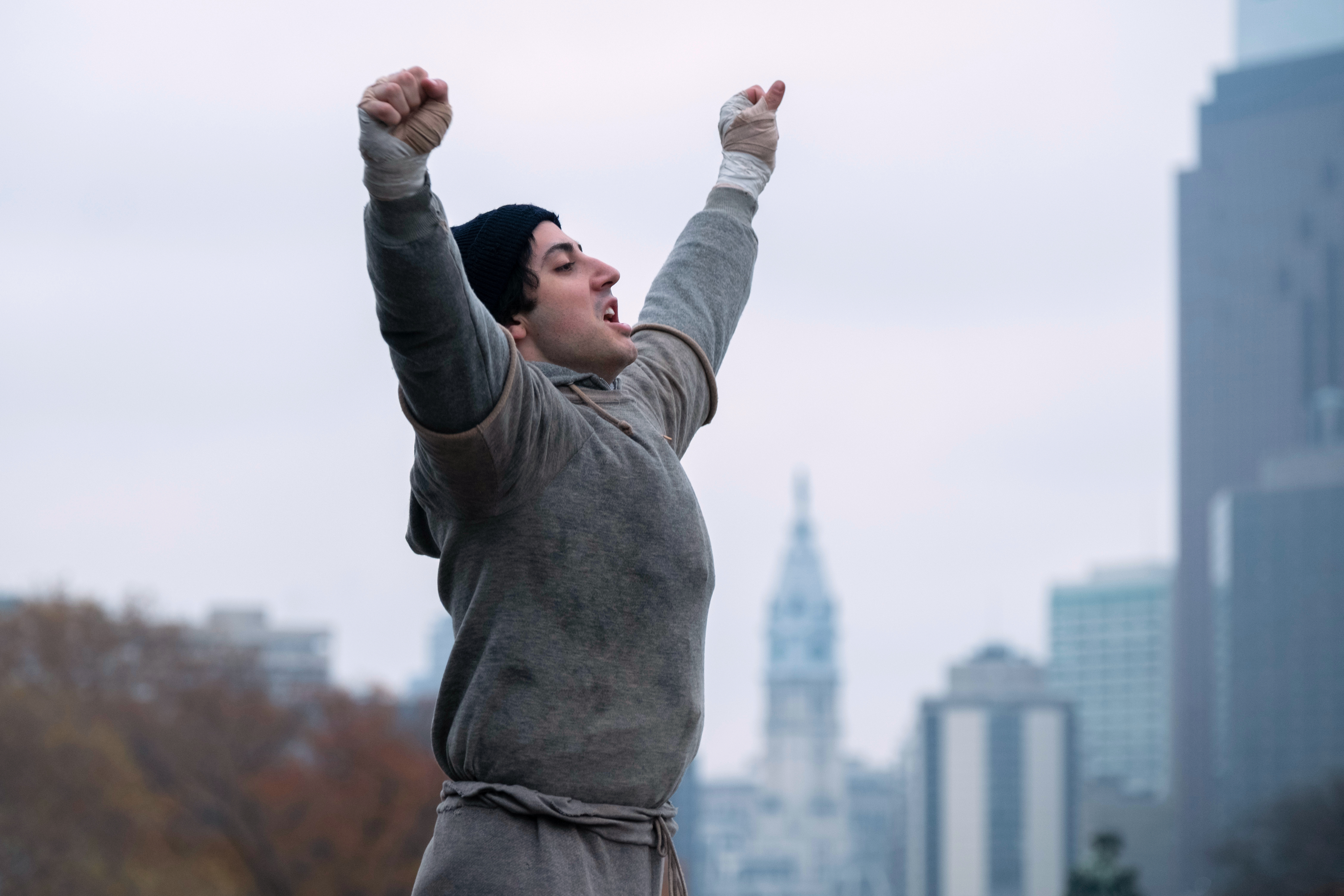
Inside South Philadelphia’s Villa di Roma hangs a poster for I Play Rocky, the new film about the making of Sylvester Stallone’s 1976 classic, which follows an underdog boxer from Kensington who gets an unlikely shot at the world heavyweight title.
More than 50 years ago, Stallone ran past the doors of the family-owned restaurant on his way to the Philadelphia Museum of Art steps in the film’s now-iconic training montage. After climbing the steps, Stallone, as Rocky Balboa, raises his fists toward the city that would embrace him as one of its own.
Rocky made Stallone a Hollywood star, and the fictional boxer he created has became one of Philadelphia’s most-beloved characters and enduring cultural icons.
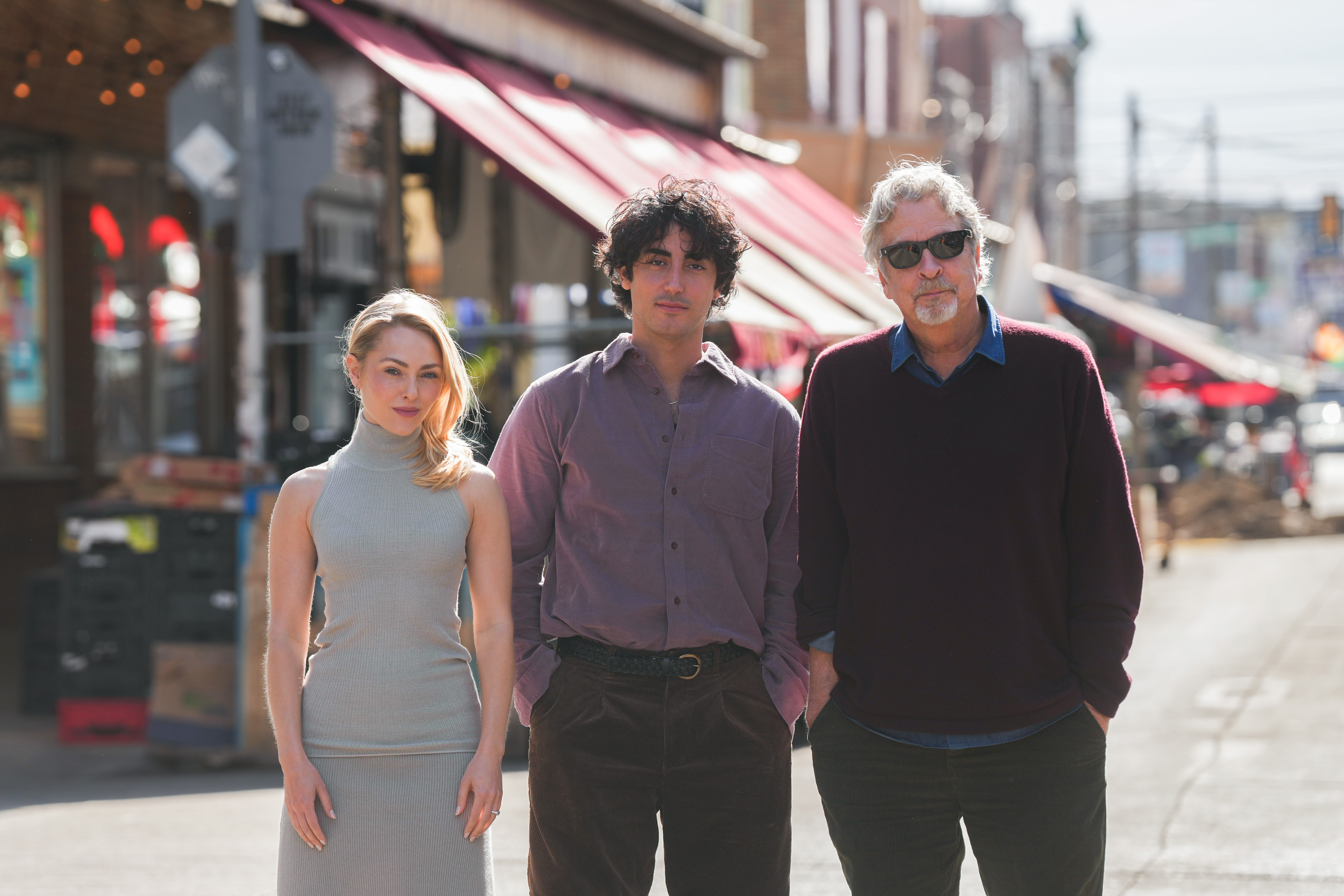
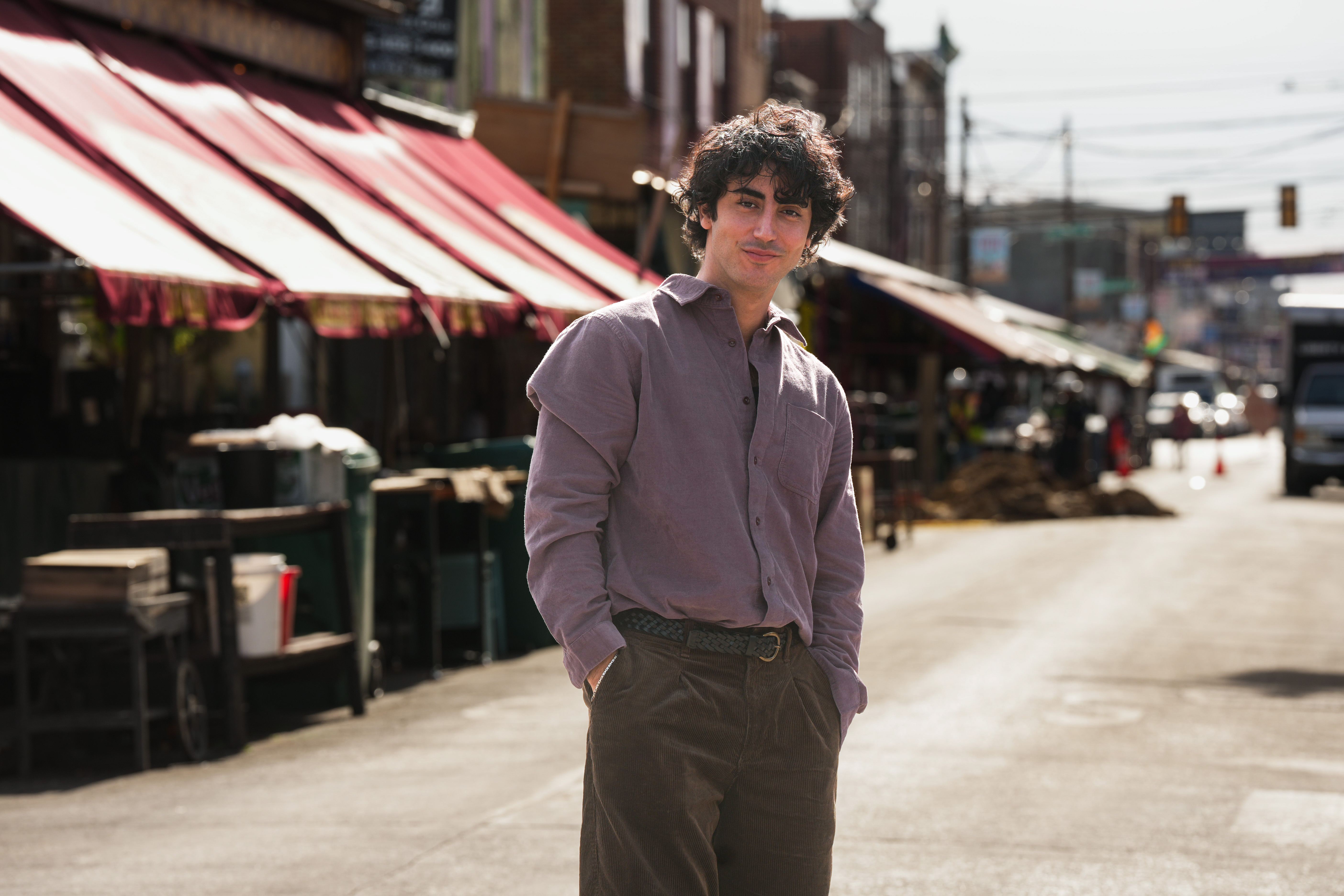
Actor Anthony Ippolito, from the film “I Play Rocky’, outside at the Italian Market, in Philadelphia, November 2, 2026.Jessica Griffin / Staff Photographer
Now, when The Inquirer meets Anthony Ippolito, the actor portraying a young Stallone in I Play Rocky, he is sitting inside that same Italian Market restaurant. That poster of Ippolito raising his fists atop the Art Museum steps, a la Stallone, hangs right by him.
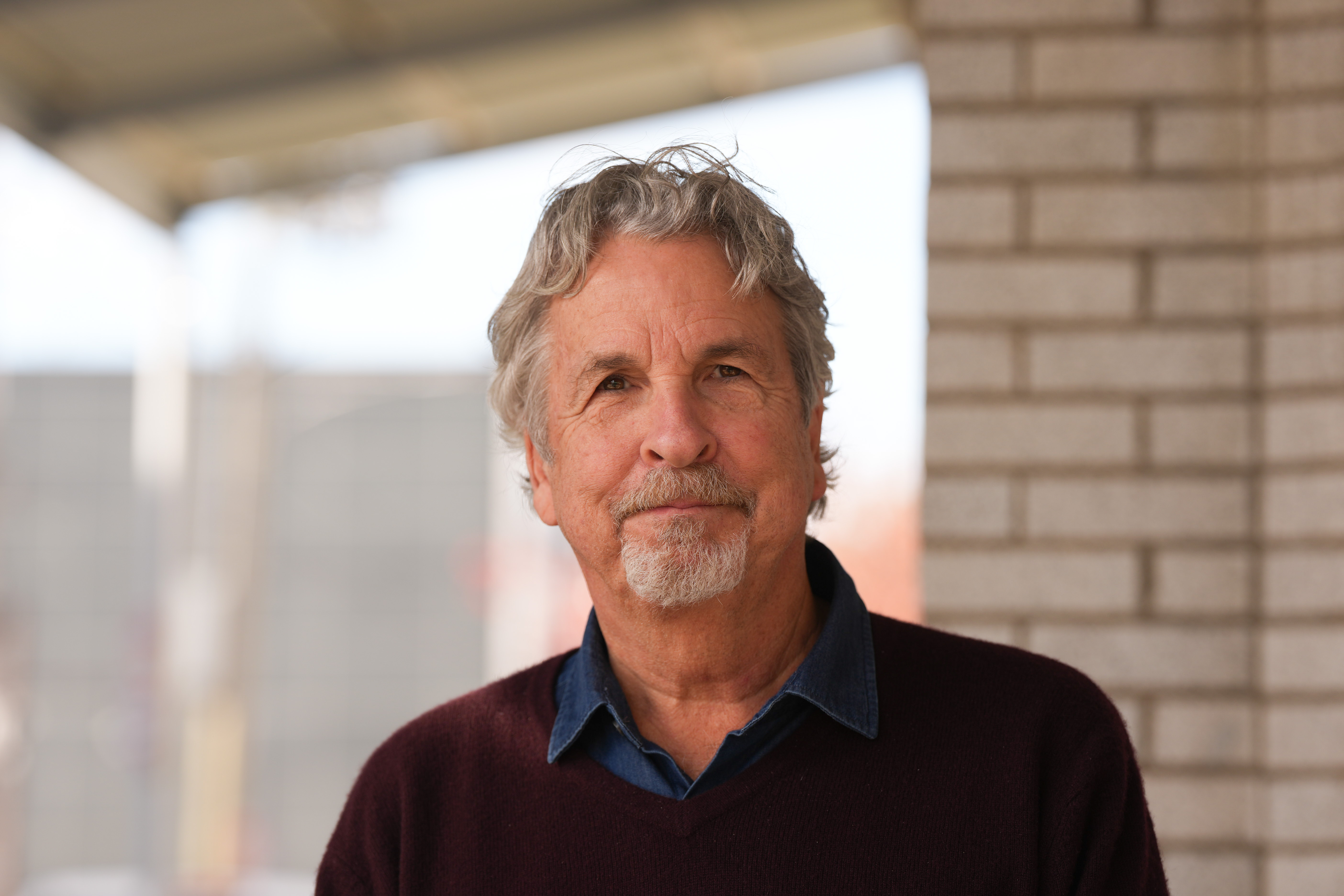
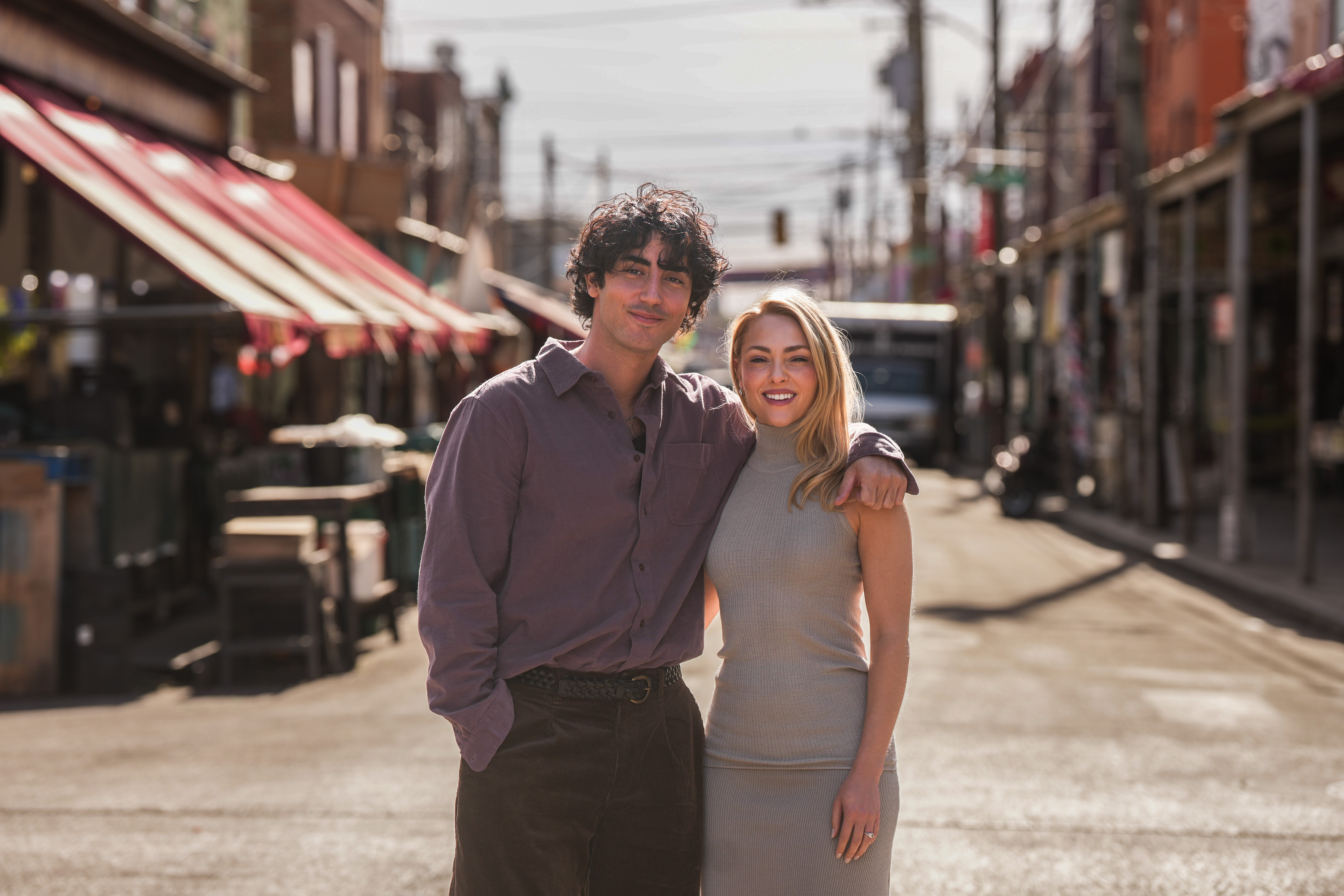
On the sunny November afternoon, Ippolito is joined by costar AnnaSophia Robb, who plays Stallone’s first wife, Sasha Czack, and Oscar-winning director Peter Farrelly.
The lead actor, noticeably fatigued by the media blitz, asks for a cappuccino before sitting down for the interview.
I Play Rocky, opening in select theaters Friday ahead of a wider release Nov. 20, retraces Stallone’s journey from a struggling actor sleeping on the streets of New York City to writing the script for Rocky and fighting to bring his dream movie to the screen.
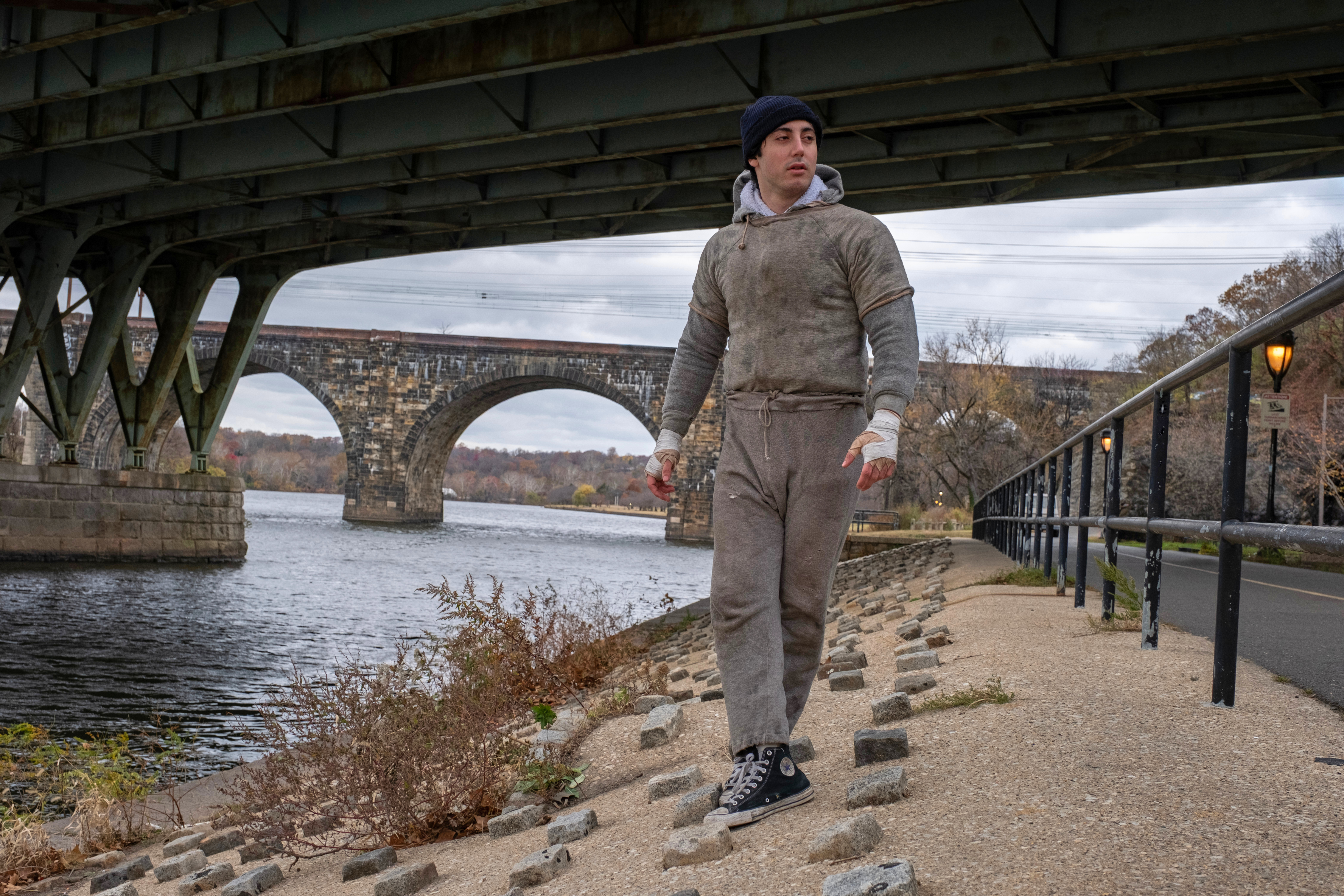
This image released by Amazon MGM Studios shows Anthony Ippolito as Sylvester Stallone in a scene from “I Play Rocky.” Claire Folger
The cast includes P.J. Byrne as producer Irwin Winkler, Toby Kebbell as the late producer Robert Chartoff, Matt Dillon as Frank Stallone Sr., Jay Duplass as director John Avildsen, Stephan James as Carl Weathers, who played Apollo Creed, and Kiki Seto as Talia Shire, who played Adrian.
Before reading Peter Gamble’s script, Farrelly, who was born in Phoenixville and grew up in Rhode Island, thought he knew everything about the making of Rocky. He had seen the documentaries and heard the stories that have circulated in Hollywood for decades. Still, the “shocking” parallels between Stallone and Rocky drew him to the project.
“This is the same story, except I’d argue Stallone has a better or bigger arc than Rocky because when Rocky starts, he at least has a job,” said Farrelly. “He’s breaking bones, but he has a job.”
But Stallone, he said, lived on the street, “selling his dog, and doing soft-core porn.”
“Rocky doesn’t win,” said Farrelly. “He survives.” On the other hand, “Stallone wins Best Picture, and I recognize, like, ‘Wow, this is amazing.’”
Director Peter Farrelly from the film “I Play Rocky’, outside at the Italian Market, in Philadelphia, November 2, 2026.Jessica Griffin / Staff Photographer
Bringing that story to the screen required an actor who could portray both Stallone and his most famous character without slipping into an impersonation or caricature.
After reading an article announcing that Farrelly and producer Toby Emmerich were taking on the project, Ippolito began his campaign.
“I really wanted to try to get my foot in the door for it in some way, but it was hard because at the time I didn’t really have a script or anything like that,” he said. “But I was really passionate about it.”
In his grandmother’s basement on Long Island, Ippolito recorded videos of him reciting lines from Rocky, with a friend’s help, in hopes of grabbing Farrelly’s attention.
The video made its way across Farrelly’s desk, and the director continued to feed Ippolito portions of the script before officially casting him in the role.
Ippolito’s portrayal of Al Pacino in the 2022 biographical mini-series The Offer proved his elasticity as an actor. But Farrelly said it was his Stallone-like approach to the role that convinced him and Emmerich that the 27-year-old actor was the ideal choice.
Not long after, Farrelly tapped Robb to play Czack.
“It was a blessing because we had a great script, and it was fully formed,” Farrelly said. “And then I ran into these two actors, who were both unbelievable … Both of them were the first actors I looked at for these roles.”
Actor AnnaSophia Robb from the film “I Play Rocky,’ at the Italian Market, in Philadelphia, November 2, 2026.Jessica Griffin / Staff Photographer
For Robb, portraying Czack presented a different challenge. Unlike Stallone, Czack has largely remained out of the public eye, leaving Robb with fewer resources to draw from.
She turned to documentaries and The Official Rocky Scrapbook, Stallone’s 1977 book featuring photographs Czack took during the filming of Rocky. Robb also read emails Stallone sent to Emmerich describing Czack as “sunshine” and their marriage as “two rocks leaning against each other.”
“I thought those were really specific and very useful visuals as an actor,” Robb said.
She also took inspiration from her own marriage with entertainment lawyer Trevor Paul to embody the role of Czack.
“I think without [Czack] there wouldn’t be a Rocky. It’s the people in our lives who aren’t necessarily public-facing that are taking you by the hand. They’re encouraging you on your down day,” Robb said.
Actors AnnaSophia Robb and Anthony Ippolito, from the film “I Play Rocky,” at the Italian Market, in Philadelphia, November 2, 2026.Jessica Griffin / Staff Photographer
Ippolito, for his part, amped up his workout routine and changed his diet to gain 40 pounds, a process that required a complete “lifestyle shift,” the actor said.
“Stallone was hugely inspired by Steve Reeves, who played Hercules, so he turned to weightlifting at a really young age,” Ippolito said. “It was a part of who he was, and then who Rocky was. It required a lot, but thankfully I had a lot of time to do it.”
To master Stallone’s voice, Ippolito watched hours of Stallone interviews, and researched the origins of Stallone’s facial paralysis from a birth complication to capture the “depth” of his voice.
“It was a gradual process — the physical part of this,” he said. “None of it was really an overnight thing.”
Robb said she often marveled at Ippolito, as he alternated between playing Stallone and Balboa. “I get goose bumps,” she said. “I think the whole cast looked at each other and thought, ‘Damn.’”
This image released by Amazon MGM Studios shows Anthony Ippolito as Sylvester Stallone in a scene from “I Play Rocky.” Claire Folger
While the production was mostly filmed in Los Angeles and New York City, they also filmed at the Italian Market, Schuylkill River Trail, PMA, and Rocky’s Kensington apartment.
It made Farrelly recognize why the character is such an integral part of the city, even decades after the film’s release.
“You could just feel the energy. The city is such a big character in Rocky,” he said. “We were only here for a few days, but that was the most important part of the shoot. It was just magical.”
The local connection also extends to the music used throughout the film.
The original score by Dave Palmer was recorded and mixed at Northern Liberties’ Undercarriage Recordings with Philly-based musicians Tom Spiker, Daniel Villarreal, and the War on Drugs’ Charlie Hall.
This image released by Amazon MGM Studios shows Anthony Ippolito as Sylvester Stallone in a scene from “I Play Rocky.” Claire Folger
After watching I Play Rocky, Ippolito said he wants Stallone’s story to inspire viewers to follow their dreams, just as Stallone did, and persevere through the obstacles they encounter along the way.
“I don’t think there are as many films that give you that sort of feeling,”he said. “I’m glad that this film has those kinds of elements.”
For Robb, the story also serves as a reminder that even the most celebrated achievements rarely happen alone.
She said there’s often an “individualistic” approach to the American dream, but she hopes audiences recognize the importance of the people who support them along the way.
As long as you cherish those who stick by your side and keep pounding the pavement, “you can go the distance,” she said.
“I Play Rocky” will be in select theaters on Friday, followed by a wider theatrical release on Nov. 20.
Greg Lynch has spent the last year and a half trying to make a loaf of bread that Philadelphia bakeries don’t ordinarily produce.
In the home of the roast pork and cheesesteak, roll-baking is increasingly being elevated to an art form. But Lynch has been pursuing something different from the sturdy, chewy bread that defines Philadelphia’s sandwich culture.
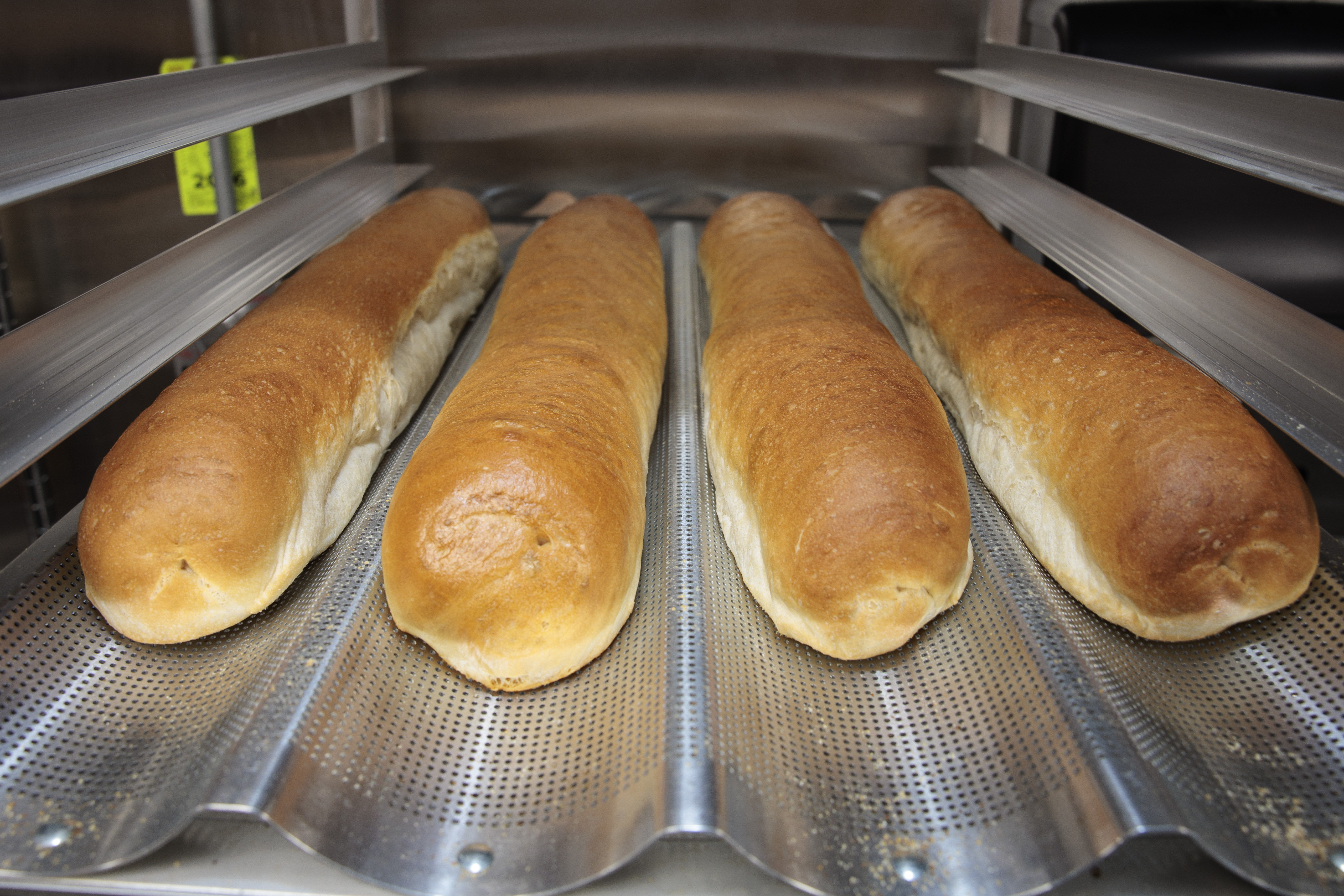
The goal was a light, fluffy loaf with a thin, crackling crust — the bread that makes a New Orleans po’boy a po’boy.
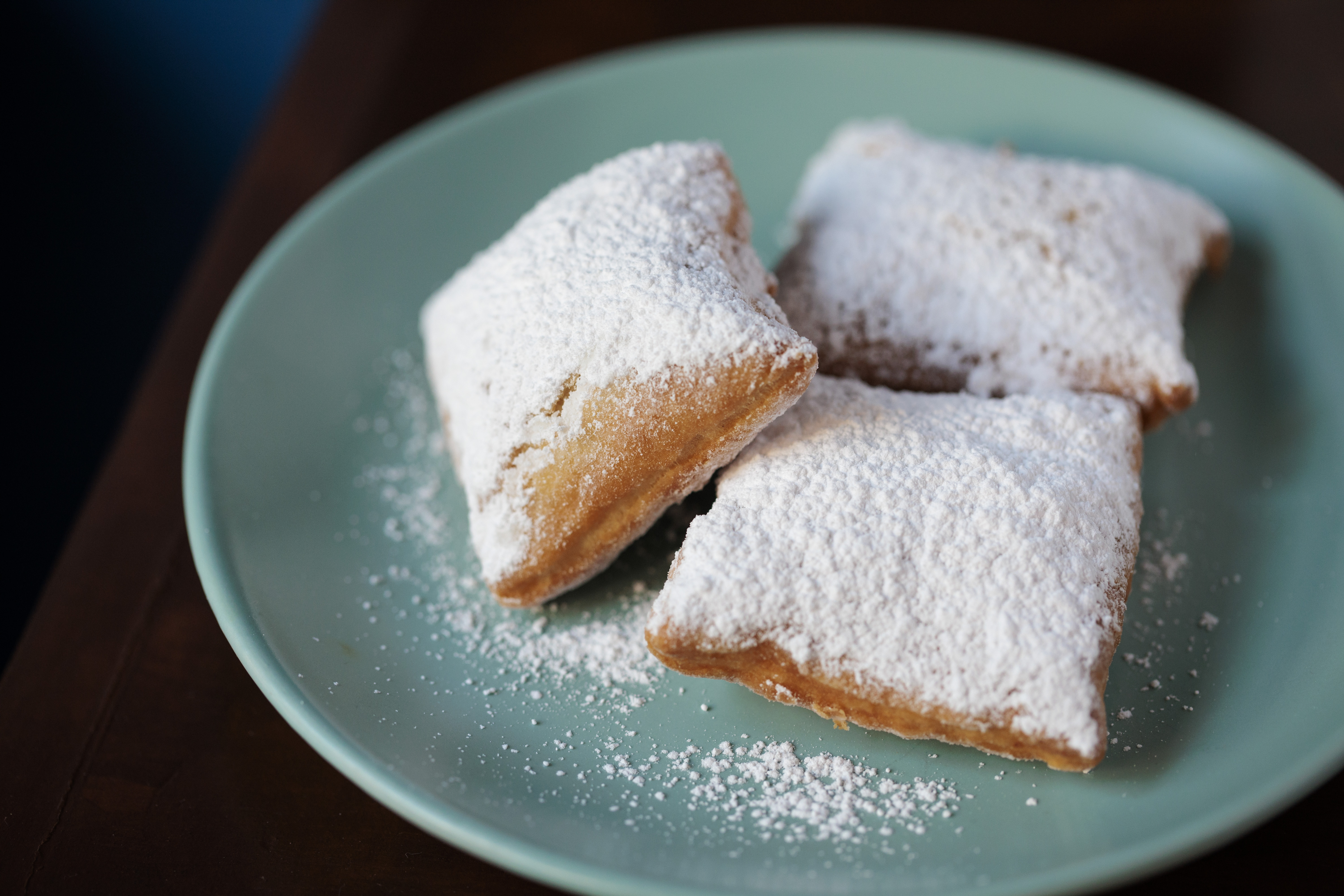
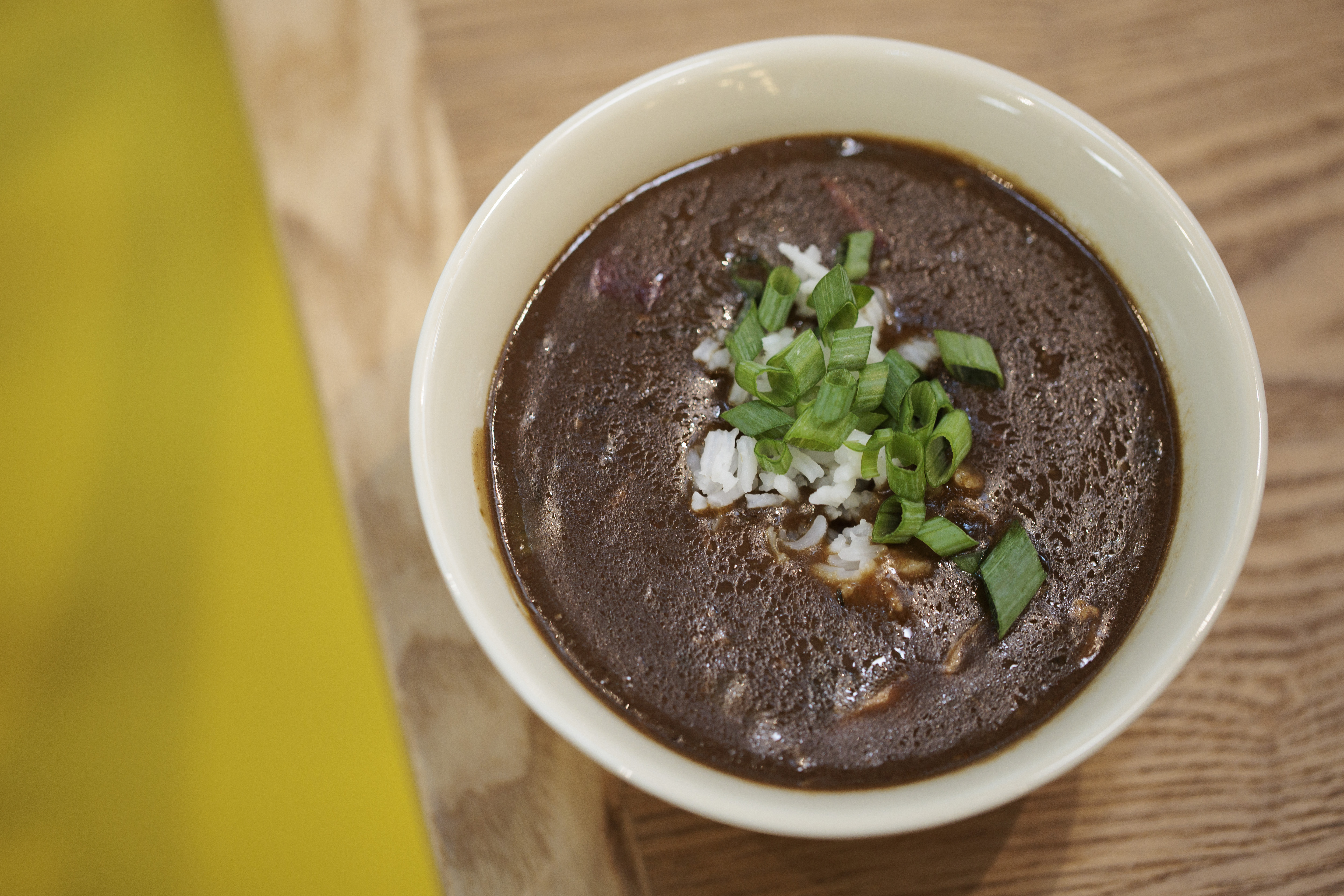
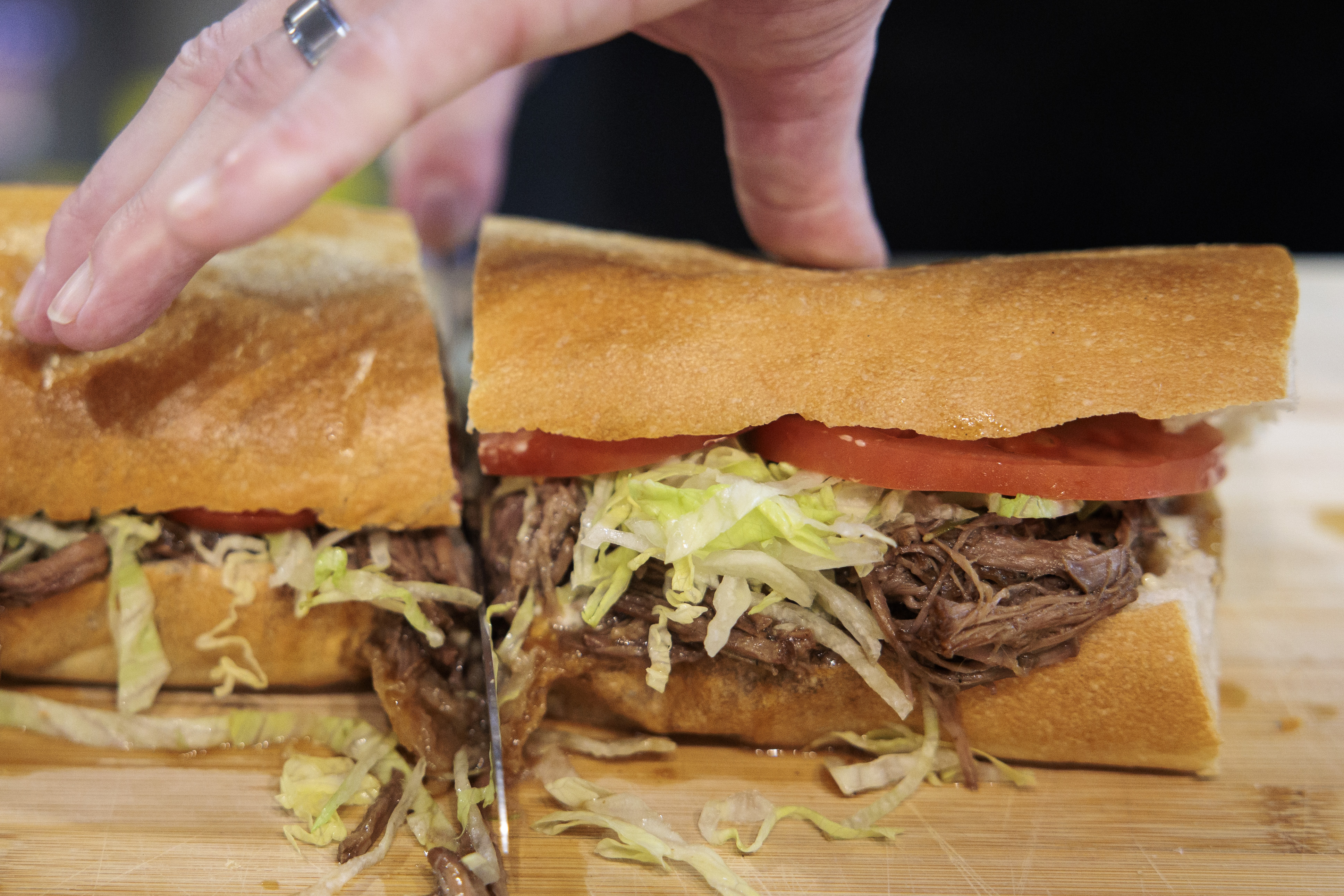
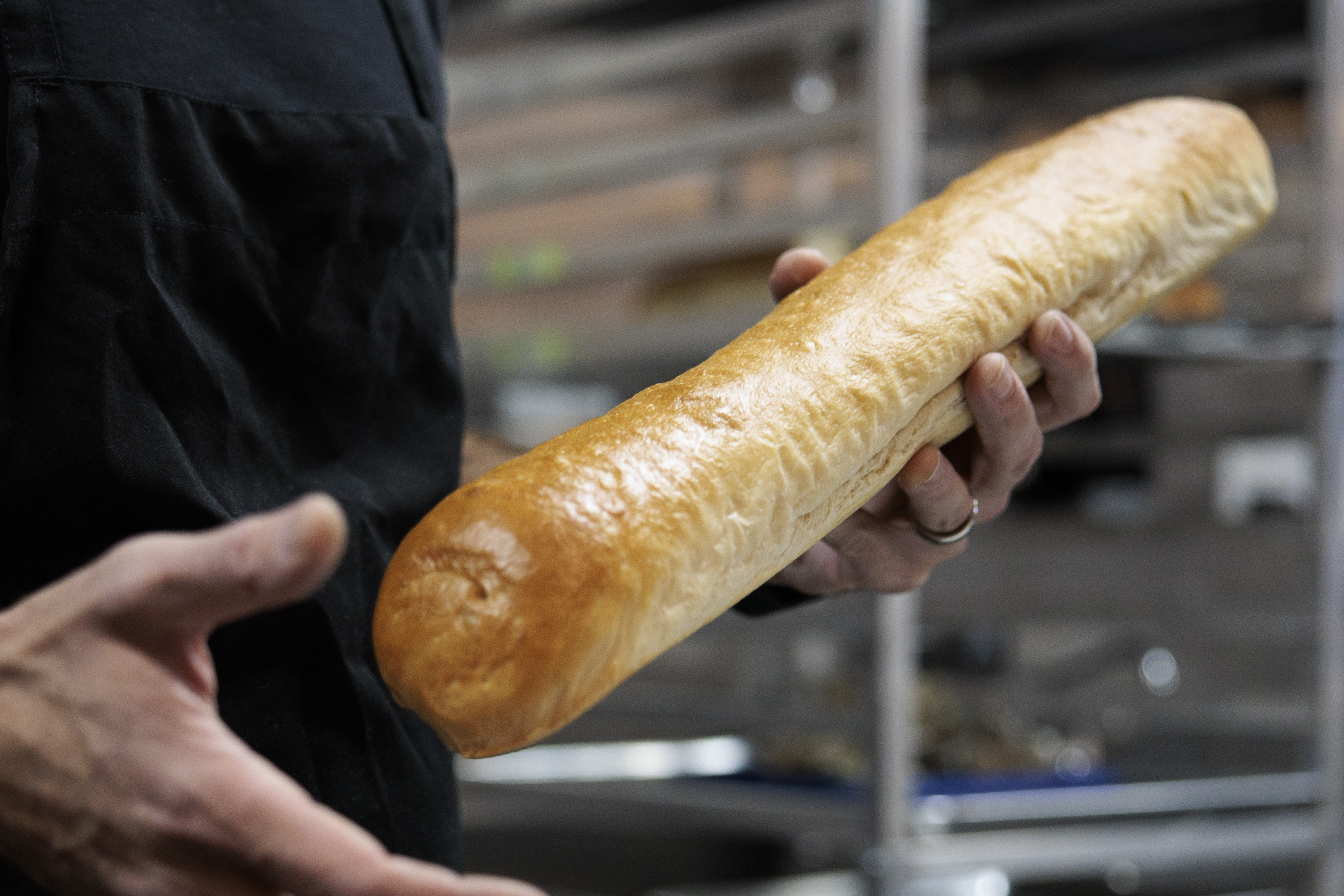
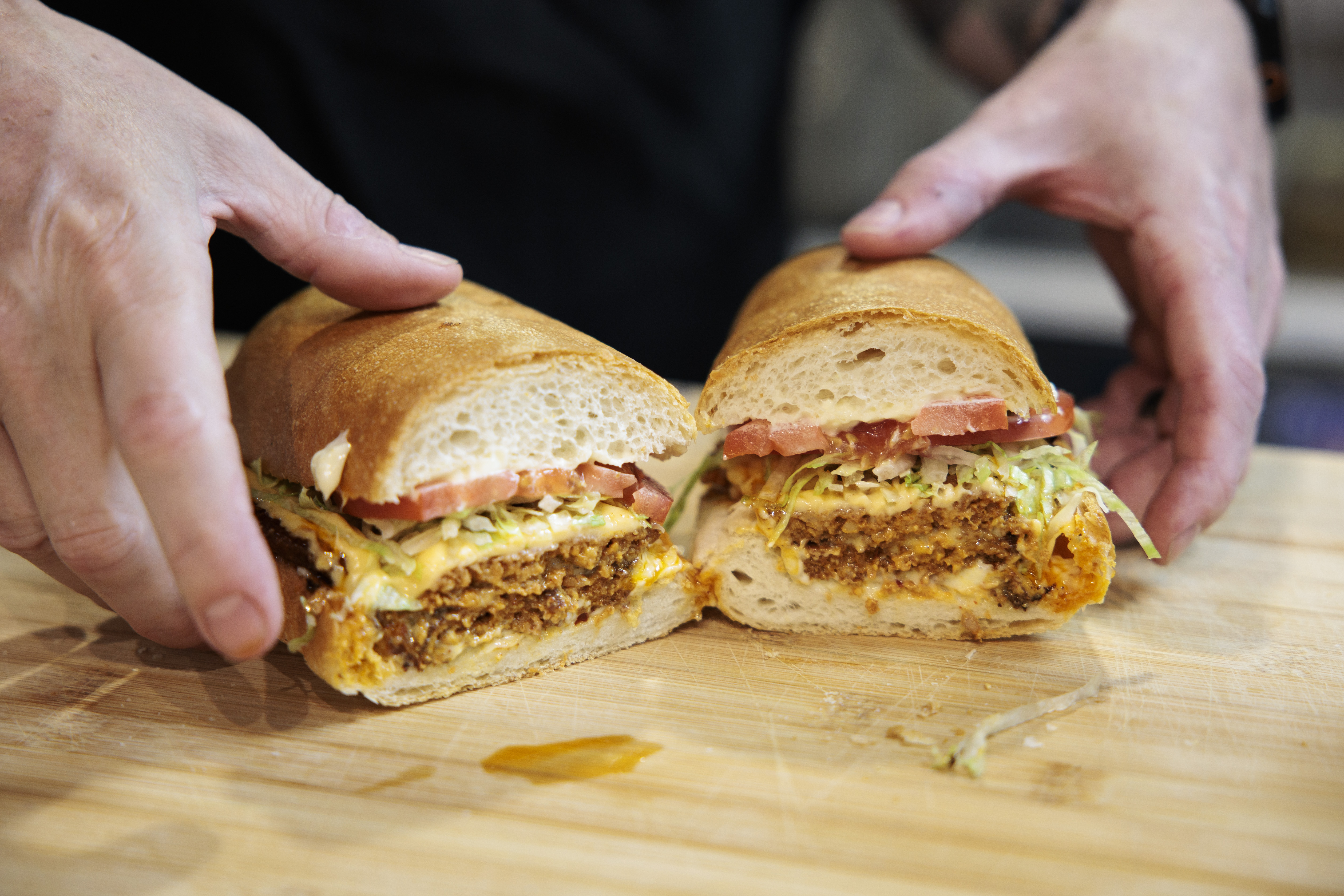
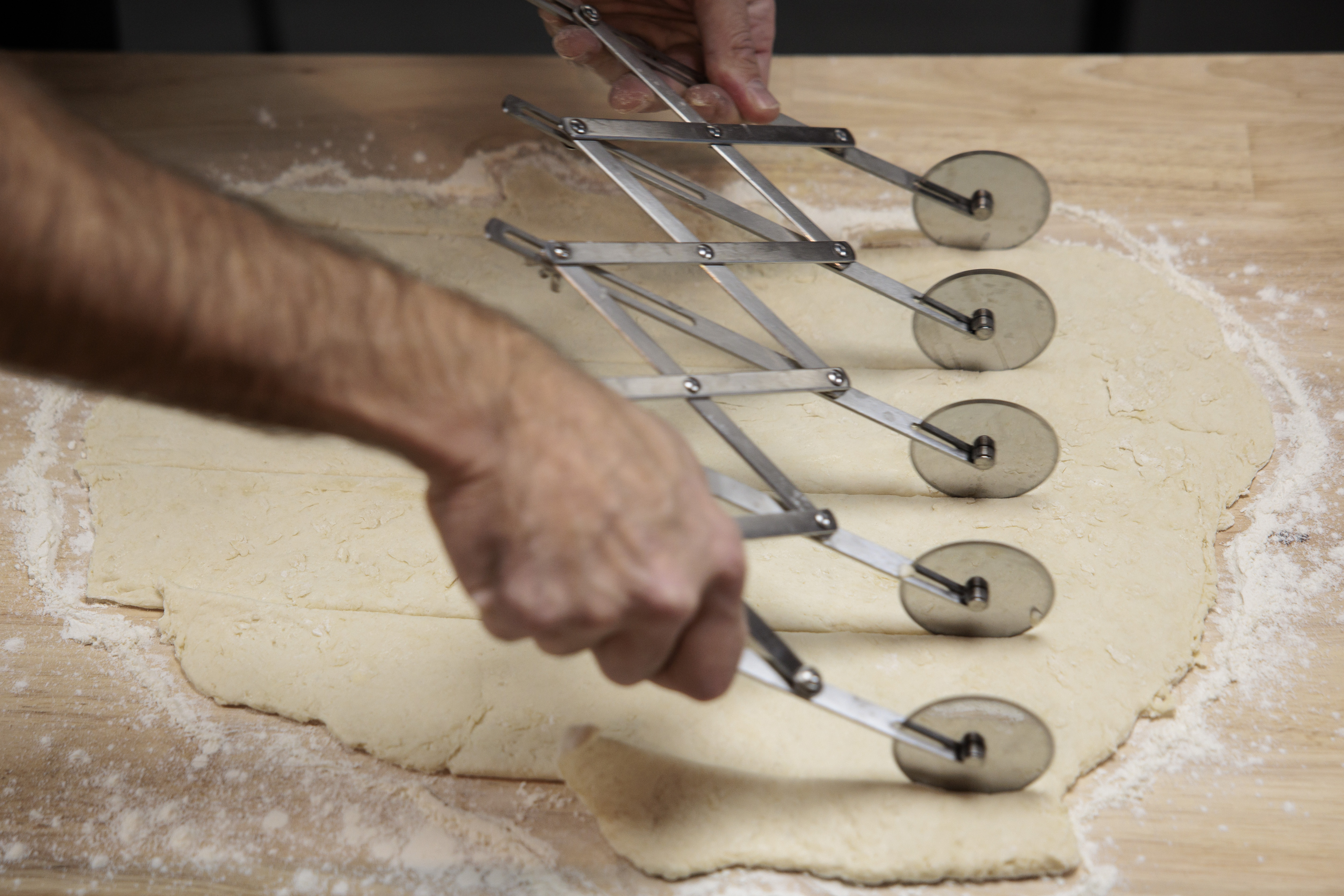
Beignets at Philly Po’Boy Co. on Wednesday, Oct. 7, 2026 in Philadelphia.Monica Herndon / Staff PhotographerThe gumbo at Philly Po’Boy Co. on Wednesday, Oct. 7, 2026 in Philadelphia.Monica Herndon / Staff PhotographerPo’boy rolls in the kitchen at Philly Po’Boy Co. on Wednesday, Oct. 7, 2026 in Philadelphia.Monica Herndon / Staff PhotographerChris Lynch cuts into a roast beef po’boy at Philly Po’Boy Co. on Wednesday, Oct. 7, 2026 in Philadelphia.Monica Herndon / Staff PhotographerGreg Lynch talks about developing the recipe for the po’boy rolls at Philly Po’Boy Co. on Wednesday, Oct. 7, 2026 in Philadelphia.Monica Herndon / Staff PhotographerChris Lynch opens a po’boy with Patton’s hot sausage and American cheese at Philly Po’Boy Co. on Wednesday, Oct. 7, 2026 in Philadelphia.Monica Herndon / Staff PhotographerGreg Lynch cuts dough for beignets at Philly Po’Boy Co. on Wednesday, Oct. 7, 2026 in Philadelphia.Monica Herndon / Staff PhotographerThe oyster po’boy (left) and shrimp po’boy (center) at Philly Po’Boy Co. on Wednesday, Oct. 7, 2026 in Philadelphia.Monica Herndon / Staff Photographer(left to right) Oyster, shrimp, roast beef and hot sausage po’boys at Philly Po’Boy Co. on Wednesday, Oct. 7, 2026 in Philadelphia.Monica Herndon / Staff Photographer
“It’s almost a contradiction in baking,” Lynch said. “You’re developing this very tight gluten structure, working the dough so it can stretch almost like a balloon. But you don’t want it to become dense like a bagel.”
The results will be on display Friday, when Lynch and his brother Chris open Philly Po’Boy Co. next to the Berks stop of the Market-Frankford Line in Kensington. (Its address is 102 W. Berks St., but the entrance is on Front.)
The counter-service restaurant, tucked behind a courtyard, will specialize in New Orleans fare. From a window of a brick kiosk on the sidewalk out front, they will sell café au lait and beignets to morning commuters.
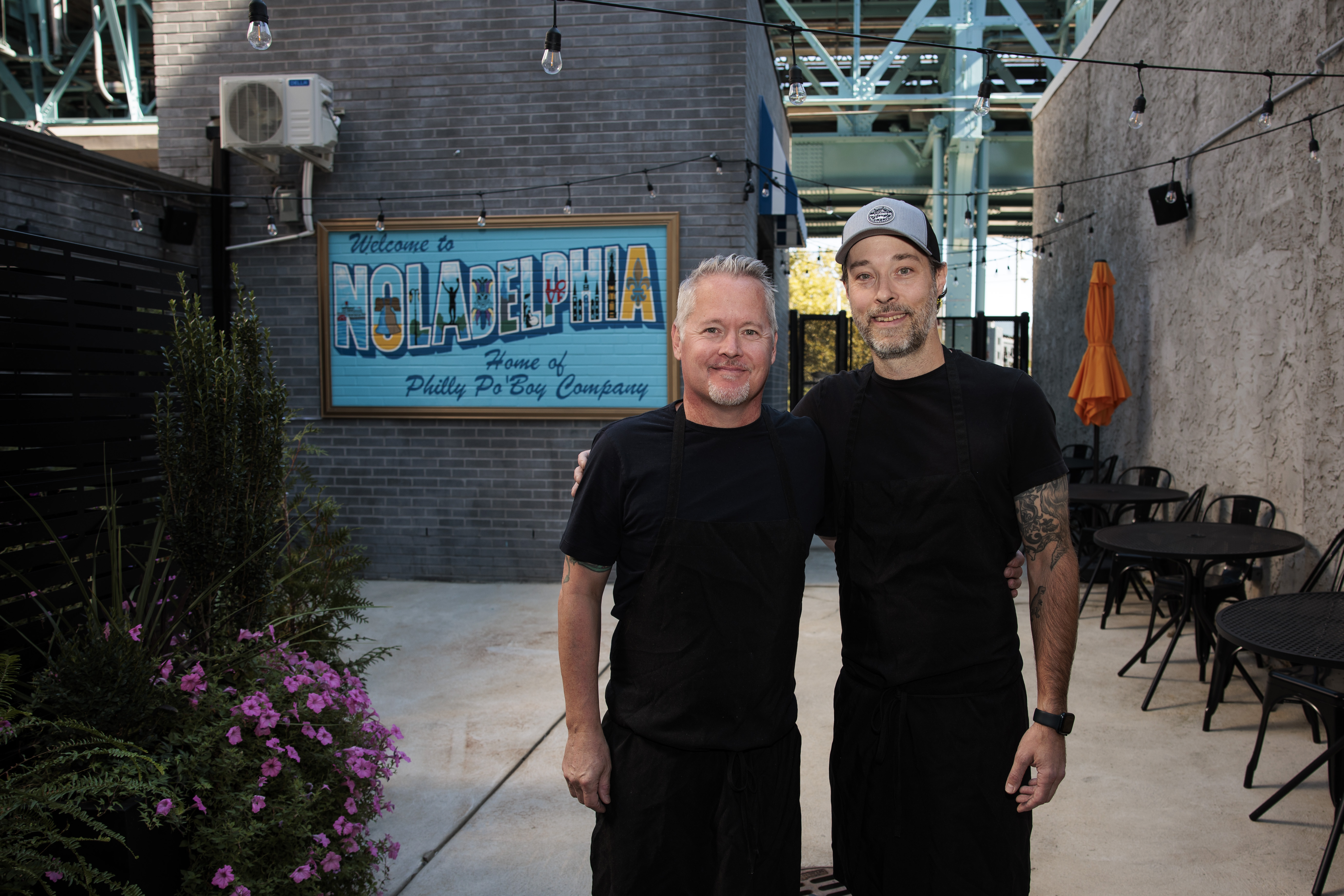
Brothers Chris (left) and Greg Lynch in the courtyard at Philly Po’Boy Co. The kiosk is the gray brick building at left, with Front Street and the El in the background.Monica Herndon / Staff Photographer
The Lynches call the concept “Noladelphia,” a mash-up of two cities with strong opinions about sandwiches.
Their opening coincides with a mini-New Orleans spike in Philadelphia. Creole- and Cajun-influenced dishes inform the menus at Bourbon & Branch in Northern Liberties and Carolyn’s Modern Vietnamese in Rittenhouse. Rougarou Baking in Queen Village blends Creole and Jewish traditions, and the new Lafayette’s Creole Kitchen & Bar at Philadelphia International Airport serves gumbo, étouffée, and po’boys.
The Lynches, originally from Newtown Square, are taking a narrower approach, concentrating on sandwiches, gumbo, and beignets, amid a tight menu including staples such as Creole potato salad and braised collard greens. Po’boys are $13 to $15 for a 6-inch half and $16 to $23 for a full 12-inch sandwich; fried oyster will be market price.
Greg Lynch, 40, who spent a decade working for Stephen Starr, will run the kitchen. Chris, 52, a Culinary Institute of America graduate who has spent most of the last 30 years cooking in New Orleans, developed the gumbo recipes and helped shape the menu. He will split his time between Philadelphia and New Orleans, where he has been executive chef at Atchafalaya since he returned in 2021 after spending four years as executive chef at Commander’s Palace. His wife, Alicia, has family in Media.
The Lynches’ brother, Mike, decorated the dining room at Philly Po’Boy Co. with Philly-meets-New Orleans posters. Monica Herndon / Staff Photographer
Their brother Mike, 51, a sociology professor at Lincoln University, created the restaurant’s murals and music-themed artwork.
The family collaboration took shape when Greg spotted a vacant commercial space while walking to his last Starr job, executive chef at LMNO, two blocks away.
The brothers had considered opening a sit-down restaurant with a liquor license. But Greg wanted something smaller, where he could cook rather than manage a more complex operation.
“I still want to cook. I want to be involved every day,” he said.
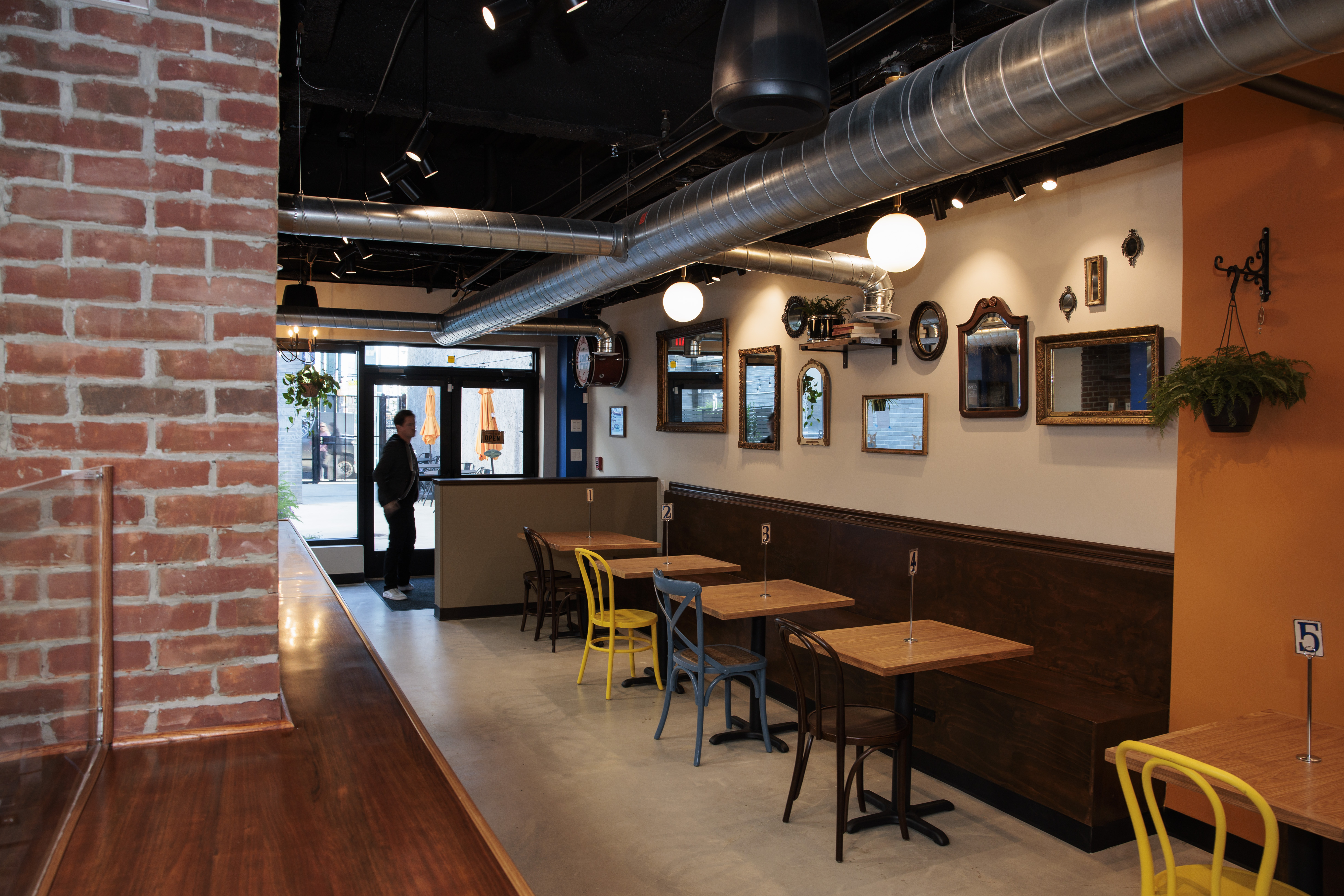
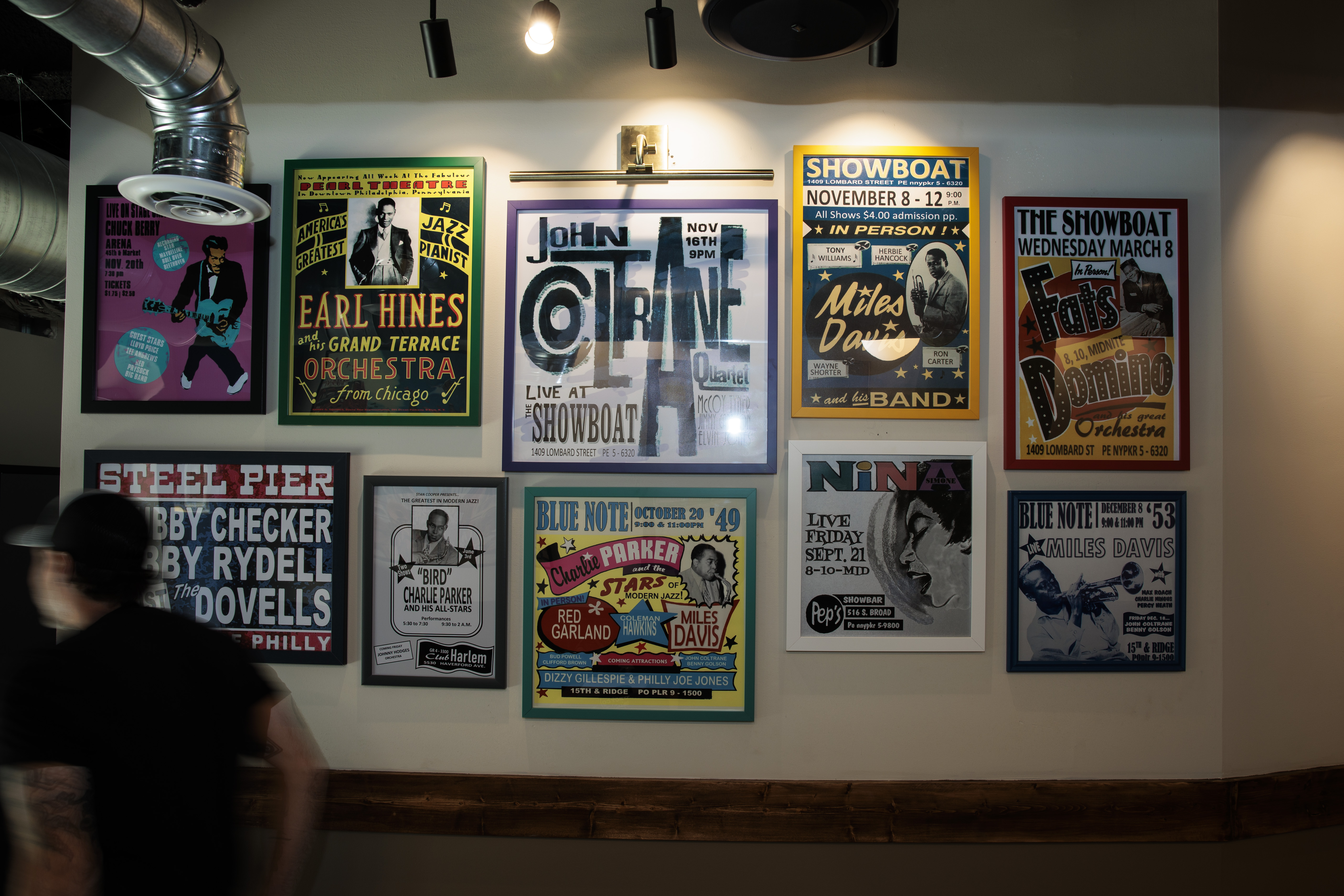
Copies of vintage music posters line a wall in the dining room at Philly Po’Boy Co.Monica Herndon / Staff Photographer
Greg FaceTimed Chris from the space and convinced him to come north.
Behind the brick kiosk and the courtyard, the brothers built an industrial-style dining room with exposed ductwork, concrete floors, and colorful furnishings. Mike’s artwork includes a “Welcome to Noladelphia” mural and a surreal collage of New Orleans’ St. Louis Cathedral, Philadelphia’s Divine Lorraine Hotel, a brass band, and a flying SEPTA trolley. A sign promises “Delicious Jawnbalaya Served Here.” Greg’s wife, Tina, designed the interior and helped train the staff.
Chris’ connection to New Orleans began before his 1996 graduation from the CIA. After visiting friends there, he moved to the city. He later moved to New York to work for Danny Meyer in Manhattan, before returning to New Orleans, where he also was a chef de cuisine at Emeril’s.
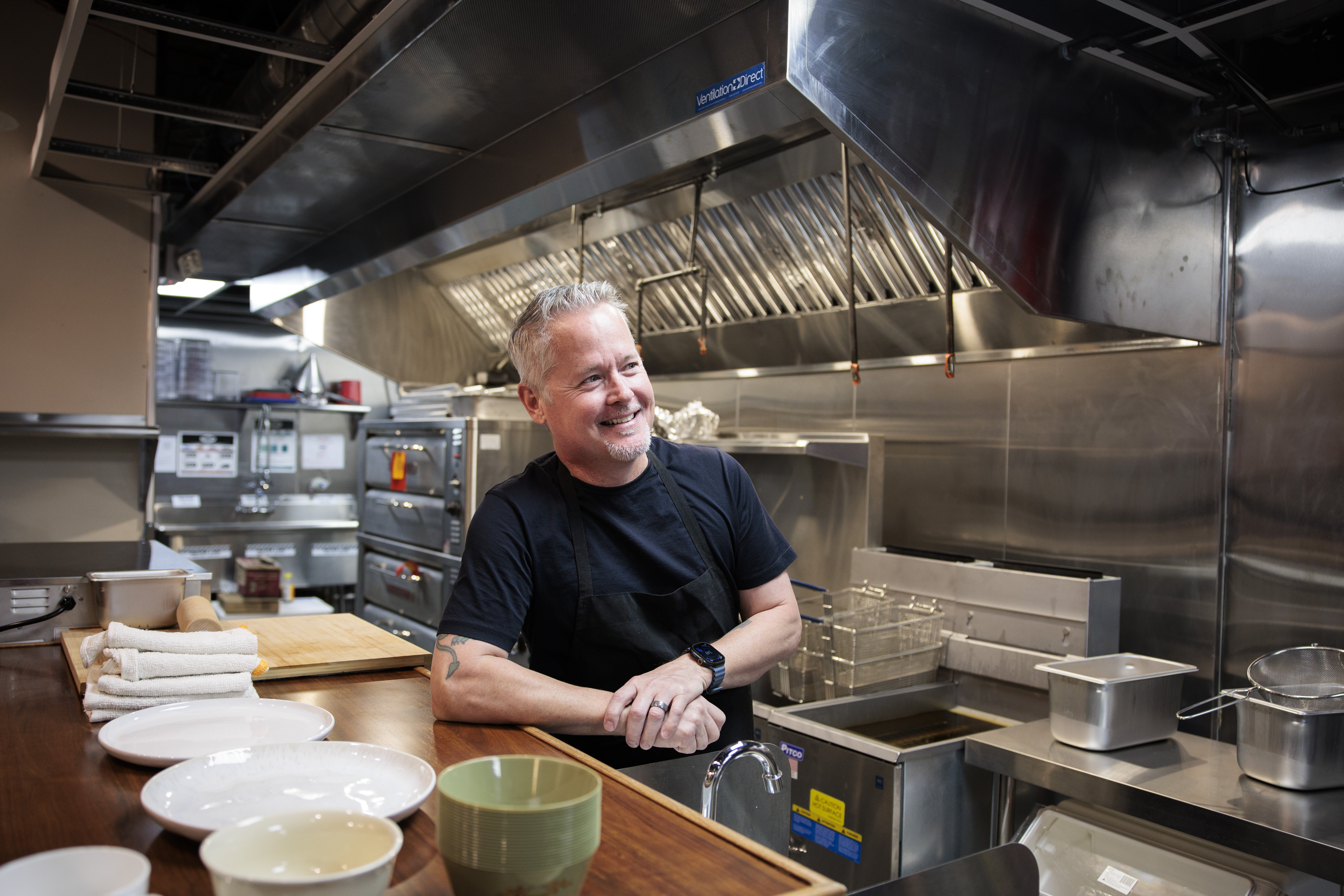
Chris Lynch, who is executive chef at Atchafalaya in New Orleans, in the kitchen at Philly Po’Boy Co. He’ll split his time between the two restaurants.Monica Herndon / Staff Photographer
Greg entered restaurant work at 15, taking a dishwashing job to earn money for a drum set. He never bought the drums, choosing a culinary career instead.
Philly Po’Boy Co.’s menu will include fried shrimp, oyster, and catfish po’boys; roast beef debris, made with slow-cooked beef and gravy; and hot sausage. Specialty versions will feature barbecue shrimp, root beer ham, and fried chicken.
Sandwiches come in half and full sizes. Sides include chicken-and-andouille gumbo, Cajun fries, Southern-style potato salad, and Zapp’s potato chips.
The brothers are using Blue Plate mayonnaise, Patton’s sausage, and coffee roasted in New Orleans by Applied Arts Coffee.
Chris Lynch opens a po’boy with Patton’s hot sausage and American cheese at Philly Po’Boy Co.Monica Herndon / Staff Photographer
But the bread has consumed the most attention.
Greg initially consulted Philadelphia bakers about producing a New Orleans-style loaf, then decided to make it himself. He studied bread from Leidenheimer Baking Co., whose rolls are fixtures in New Orleans po’boy shops.
Over 18 months, he baked about 150 test batches, made repeated research trips to New Orleans, and brought home samples for comparison. Many early attempts resembled baguettes — too dense and chewy for the sandwich he envisioned.
Po’boy rolls in the kitchen at Philly Po’Boy Co.Monica Herndon / Staff Photographer
The challenge was producing bread strong enough to hold substantial fillings and gravy yet light enough to compress easily when bitten.
“Some of the best bread you’ll ever have is made in Philadelphia,” Greg said. “But you can’t make a proper New Orleans po’boy on a hoagie roll.”
Chris said New Orleans bakeries were reluctant to share their methods.
“They might let you look in the window, but that’s about it,” he said. “It’s proprietary.”
Greg kept experimenting until he achieved the texture he wanted.
“We want somebody to eat a shrimp po’boy here and feel like they’re in New Orleans,” he said. “We don’t want it to feel like a shrimp sandwich on a Philadelphia roll.”
Greg Lynch cuts dough for beignets at Philly Po’Boy Co. Monica Herndon / Staff Photographer
The beignets received similar attention. Greg tested numerous recipes, consulted New Orleans chefs, and used Café du Monde as his benchmark. Fresh batches will be made roughly every 10 minutes during morning kiosk service.
The kiosk will operate from 7 to 11 a.m. Wednesday through Friday, with longer weekend hours planned. The restaurant’s regular hours will be 11 a.m. to 9 p.m. Wednesday through Sunday.
For opening weekend, Nov. 6-8, hours will be 9 a.m. to 9 p.m., or until the bread runs out. The regular schedule begins Nov. 11.
Greg eventually hopes to add Monday service, featuring red beans and rice.
For now, the brothers’ focus remains on getting the po’boy right.
“It’s the same as a hoagie,” Greg said. “Like they say, the bread makes the sandwich.”
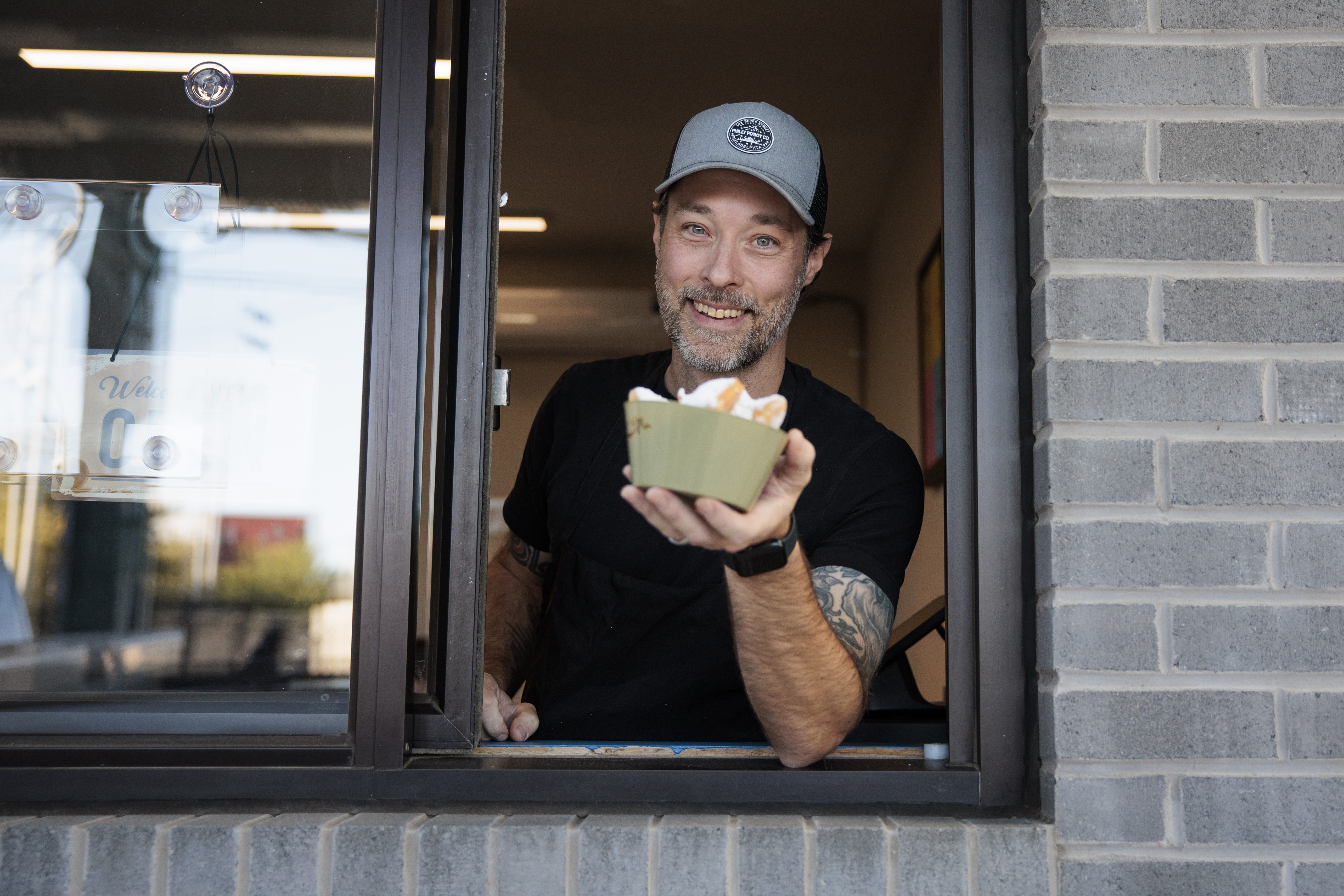
Greg Lynch at Philly Po’Boy’s kiosk window on Front Street.Monica Herndon / Staff Photographer
November’s crop of restaurant openings in Philadelphia will bring Champagne and caviar near Rittenhouse Square, Italian cooking to Bella Vista and the stadium district, plus a party-inspired neighborhood bar in South Philly, and a taste of New Orleans in Kensington. The suburbs are in line for Greek food in Havertown, breakfast tacos in Ardmore, and a swanky Italian steakhouse in Newtown. Magnolia Bakery’s banana pudding arrives in Mount Laurel, a long-awaited pizzeria opens in Collingswood, and an ambitious Japanese omakase restaurant in Cherry Hill is aiming for late November or early December. And there are two openings on the way in Hatboro, typically a quiet town for new restaurants.
Here’s what’s on the way. Opening dates, as always, can shift.
Suburban Philadelphia restaurants
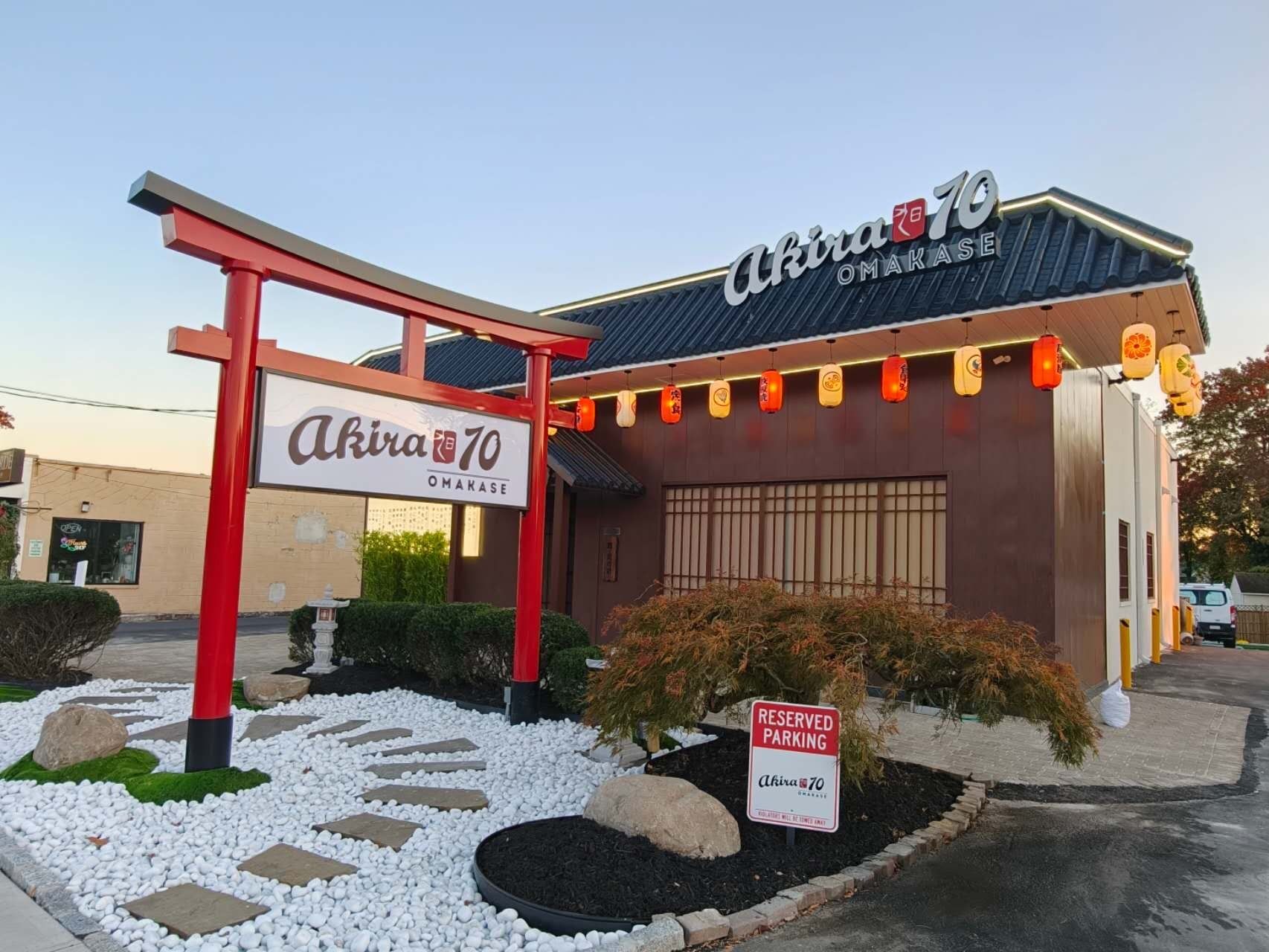
Akira70 Omakase, 249 Route 70, Cherry Hill.Courtesy of Akira70
Akira70 (249 Marlton Pike, Cherry Hill) Frank Zheng’s Japanese BYO, opening in late November or early December in a former Cherry Hill furrier’s shop, is based on a luxe 10-seat omakase counter and a separate chef’s-table experience emphasizing dishes from the kitchen. Zheng, who owns Akira Sushi in Voorhees and Moorestown, said he plans to source many ingredients from Japan.
Casa de Fehu (482 Jacksonville Rd., Hatboro) Anthony Shalamov and Anastasia De Roy’s BYOB, offering European-inspired cooking in an upscale atmosphere, is aiming for midmonth. Sample dishes: paella de mariscos, braised beef cheeks with risotto, and bone marrow beef tartare.
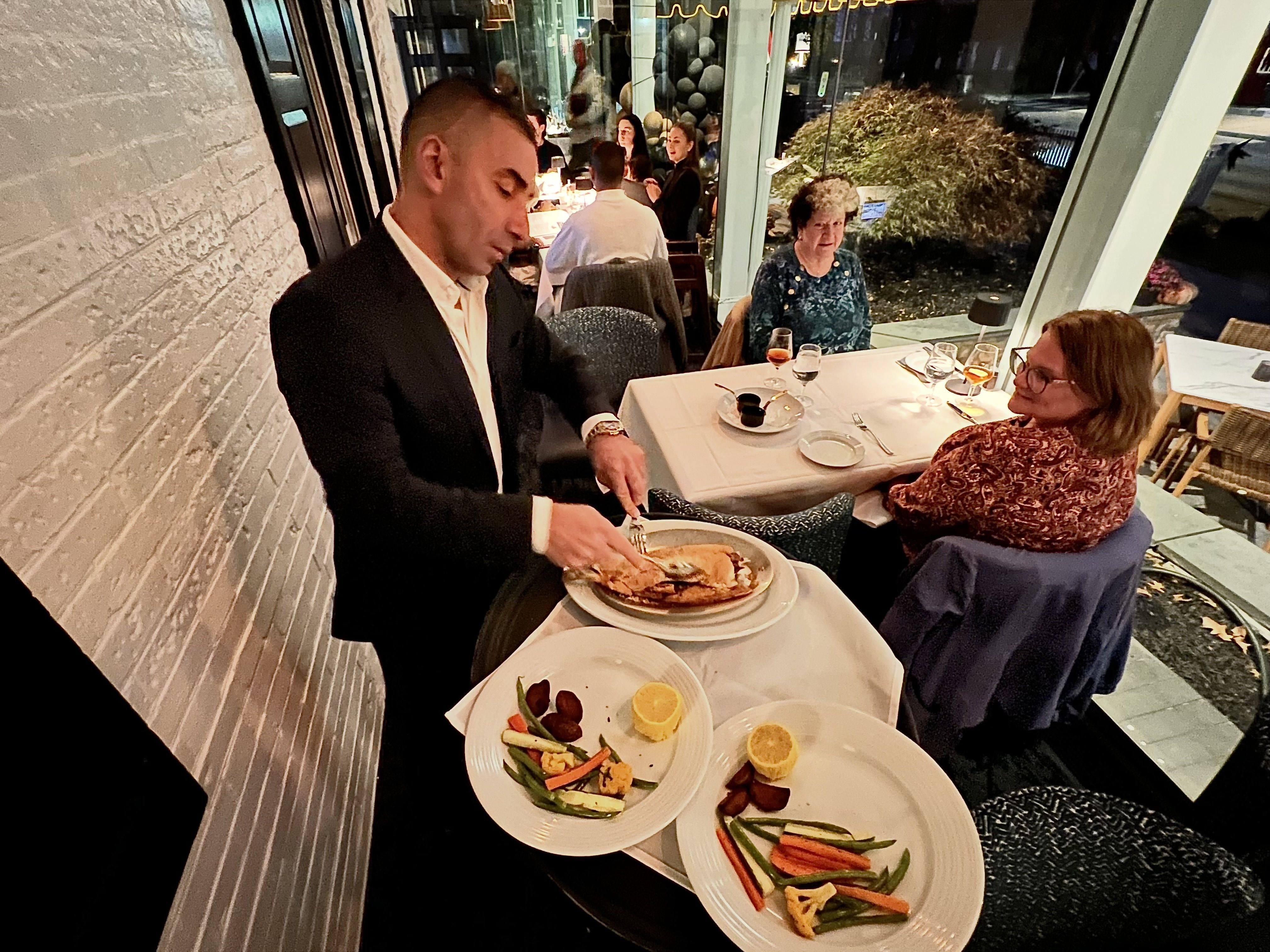
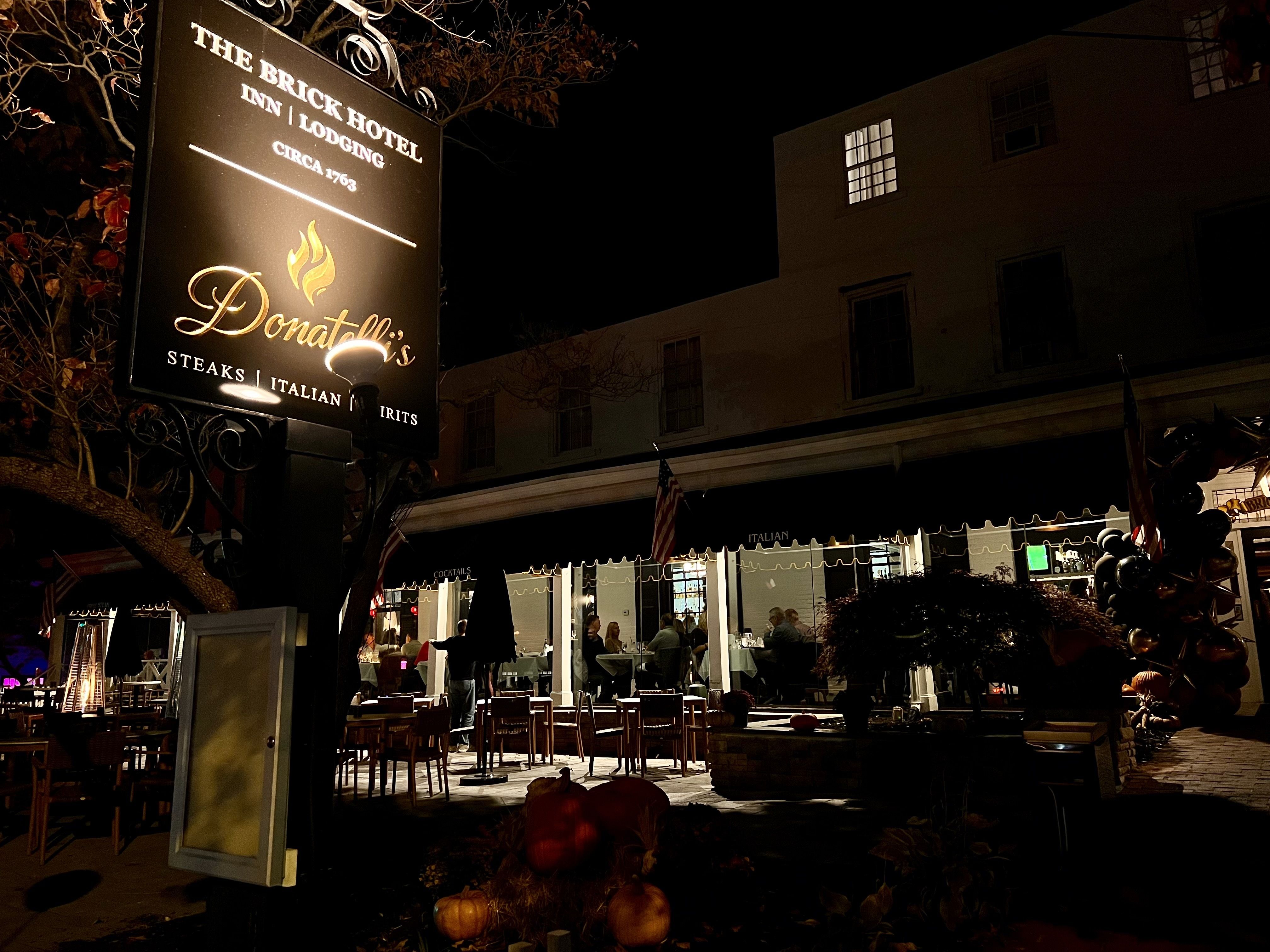
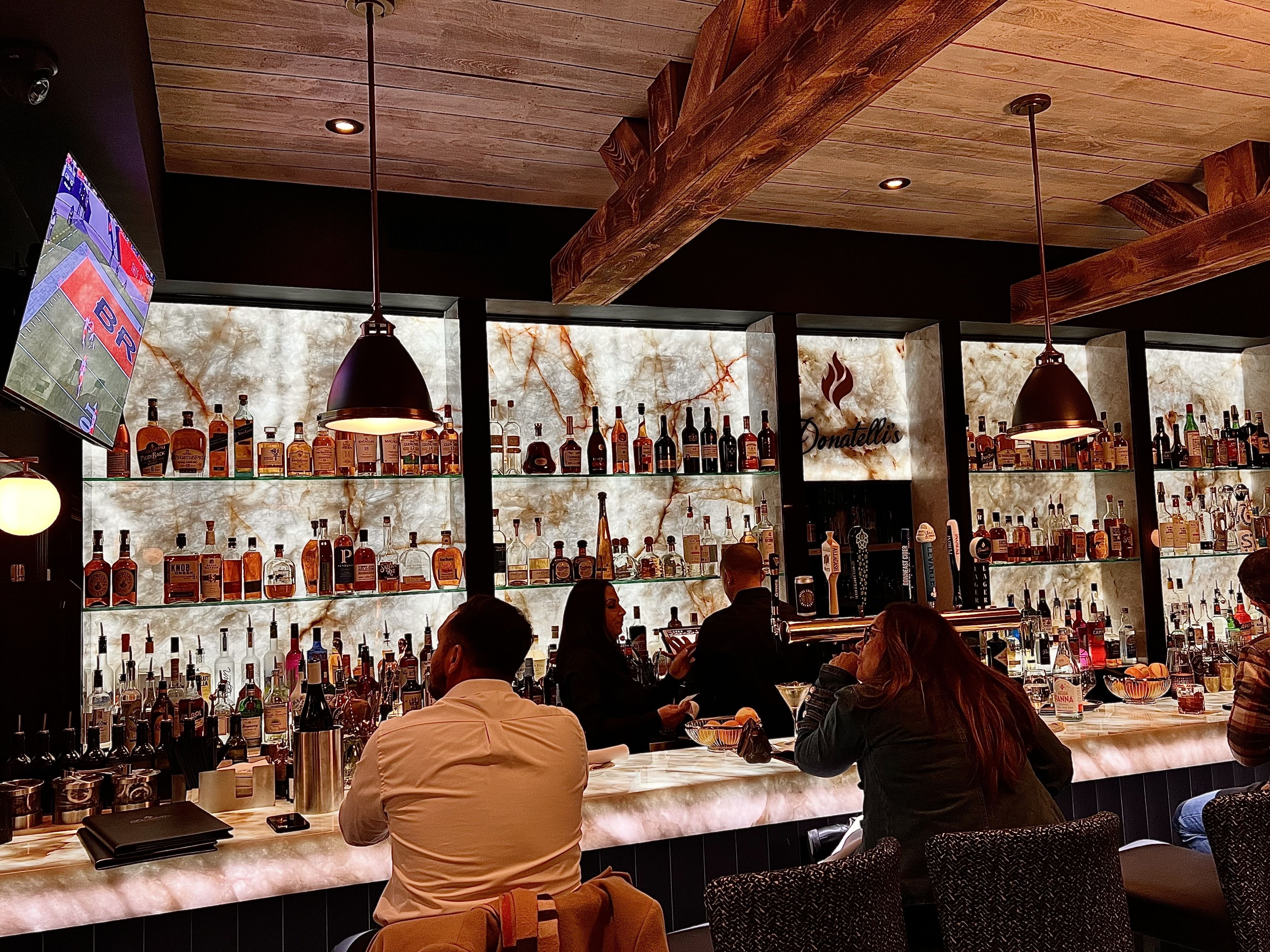
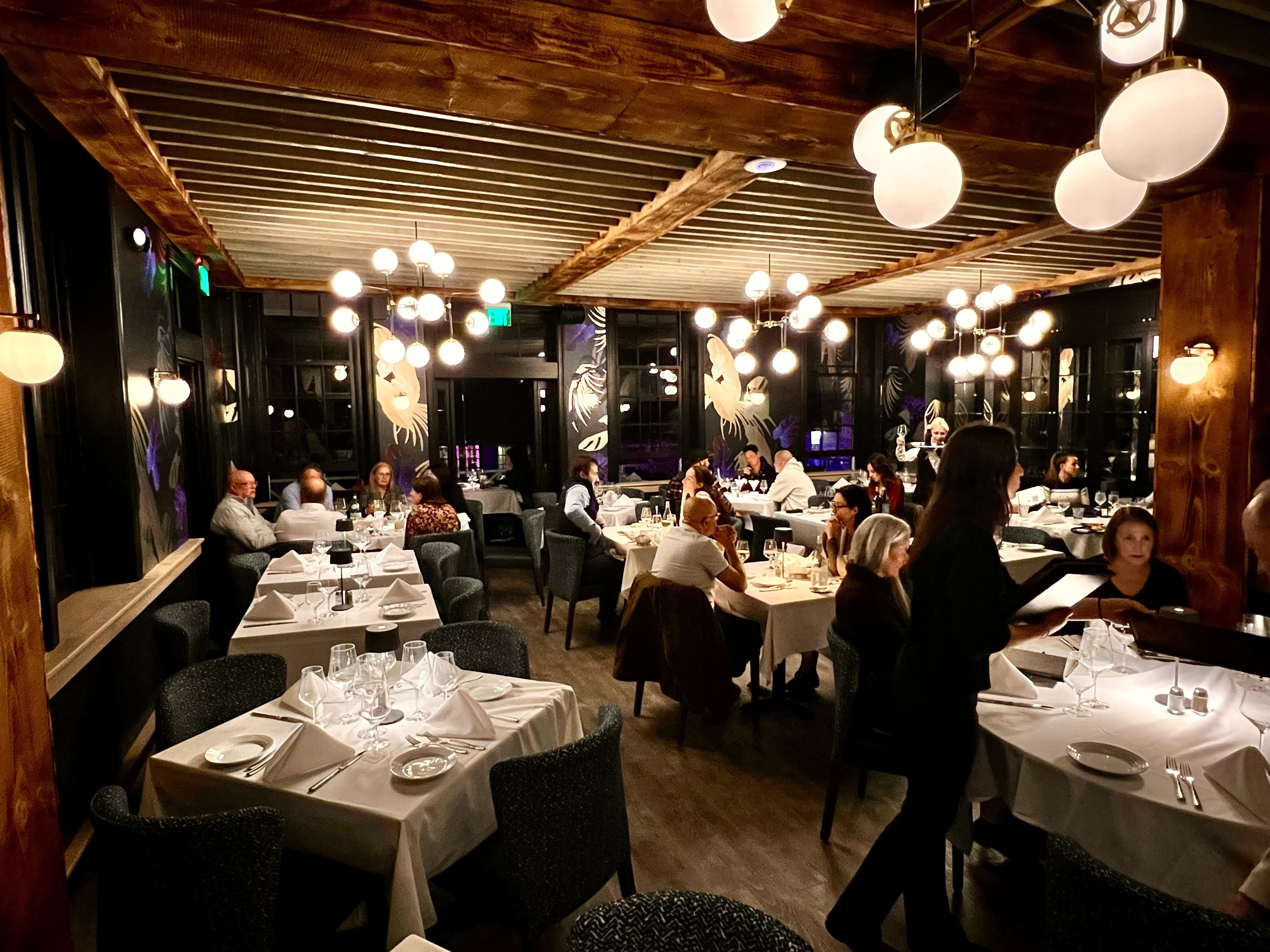
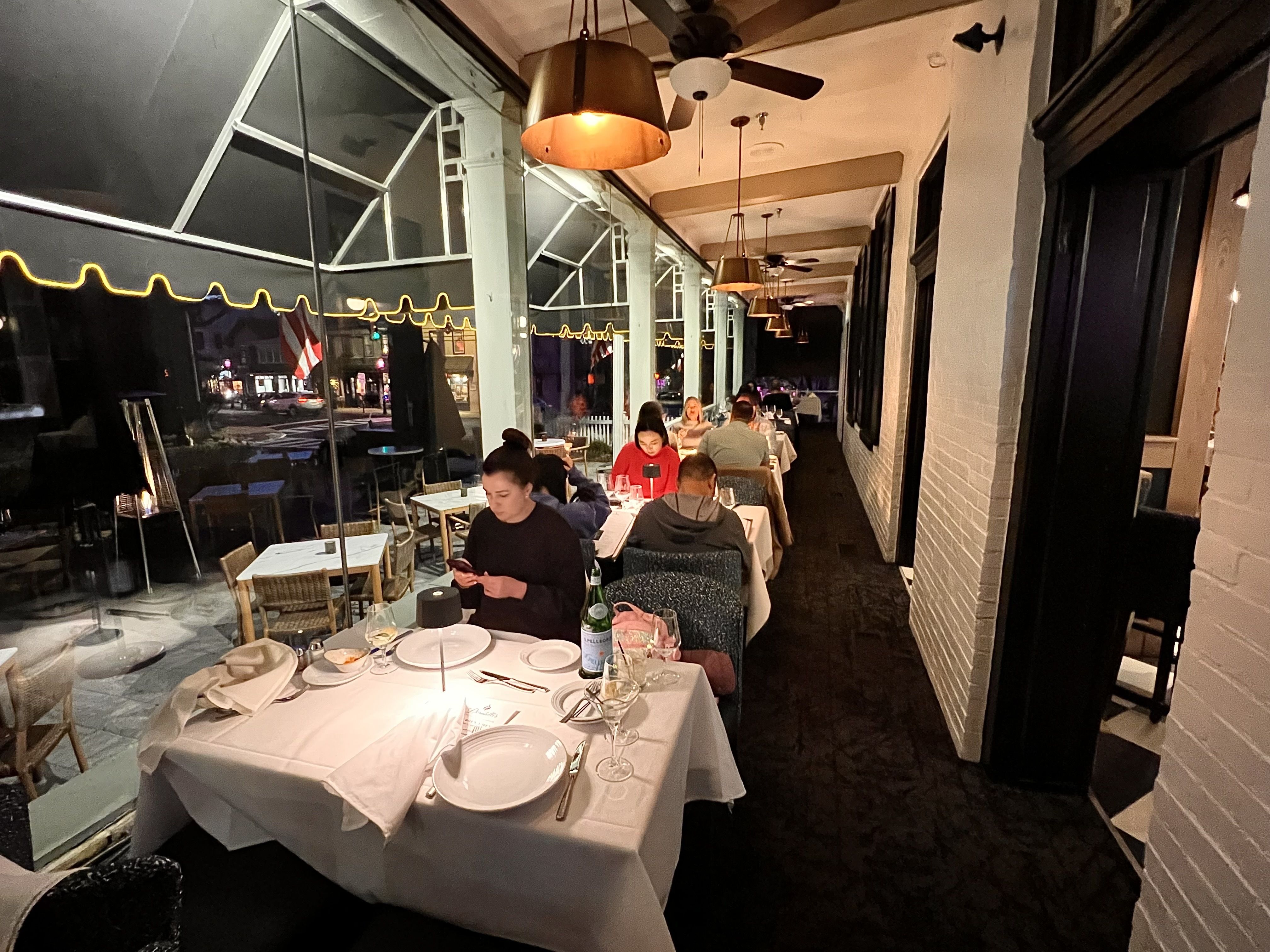
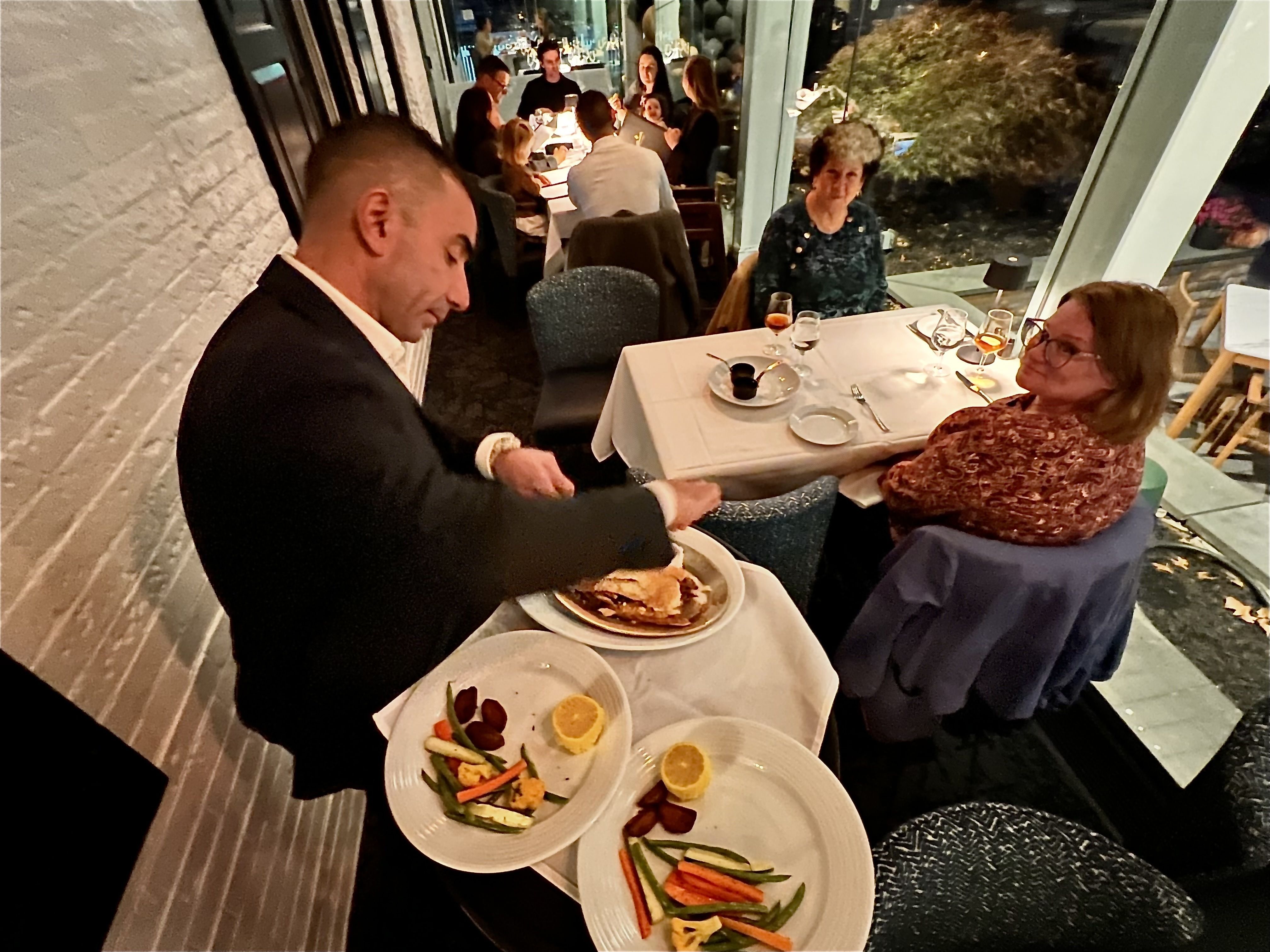
Donatelli’s Italian Steakhouse at the Brick Hotel, 1 Washington Ave., Newtown, on Nov. 1, 2026.Michael Klein / StaffThe bar at Donatelli’s Italian Steakhouse at the Brick Hotel, 1 Washington Ave., Newtown, on Nov. 1, 2026.Michael Klein / StaffThe main dining room at Donatelli’s Italian Steakhouse at the Brick Hotel, 1 Washington Ave., Newtown, on Nov. 1, 2026.Michael Klein / StaffDining by the front window at Donatelli’s Italian Steakhouse at the Brick Hotel, 1 Washington Ave., Newtown, on Nov. 1, 2026.Michael Klein / StaffOwner Habib Troudi filets branzino at Donatelli’s Italian Steakhouse at the Brick Hotel, 1 Washington Ave., Newtown, on Nov. 1, 2026.Michael Klein / Staff
Donatelli’s (1 Washington Ave., Newtown) Last weekend, veteran restaurateur Habib Troudi (Panache and Ristorante Castello in Blue Bell) opened his redo of the former Rocco’s at the Brick, delivering Italian specialties including prime beef, house-made pastas, Petrossian caviar, fish fileted tableside, and a hopping bar.
Iron Oven (58 S. York Rd., Hatboro) Alex Nalbandian is looking at a late-month debut for this offshoot of his Southampton bar-restaurant; it’s the former Ross & Co. The new location will follow the original’s broad American menu, with oversized cheesesteaks. He has targeted late November.
Koutouki (24 E. Eagle Rd., Havertown) Tony Procopos, a former chef at Lourdas Greek Taverna, is behind this traditional Greek restaurant taking its name from the informal neighborhood taverns found throughout Greece. Opening date is “soon.”
Magnolia Bakery (10 Centerton Rd., Mount Laurel) The New York bakery known for banana pudding and cupcakes opens Nov. 17 in Centerton Square. Franchisees Jake Klein and John Candela will produce the baked goods on-site; a Rittenhouse location is planned for spring.
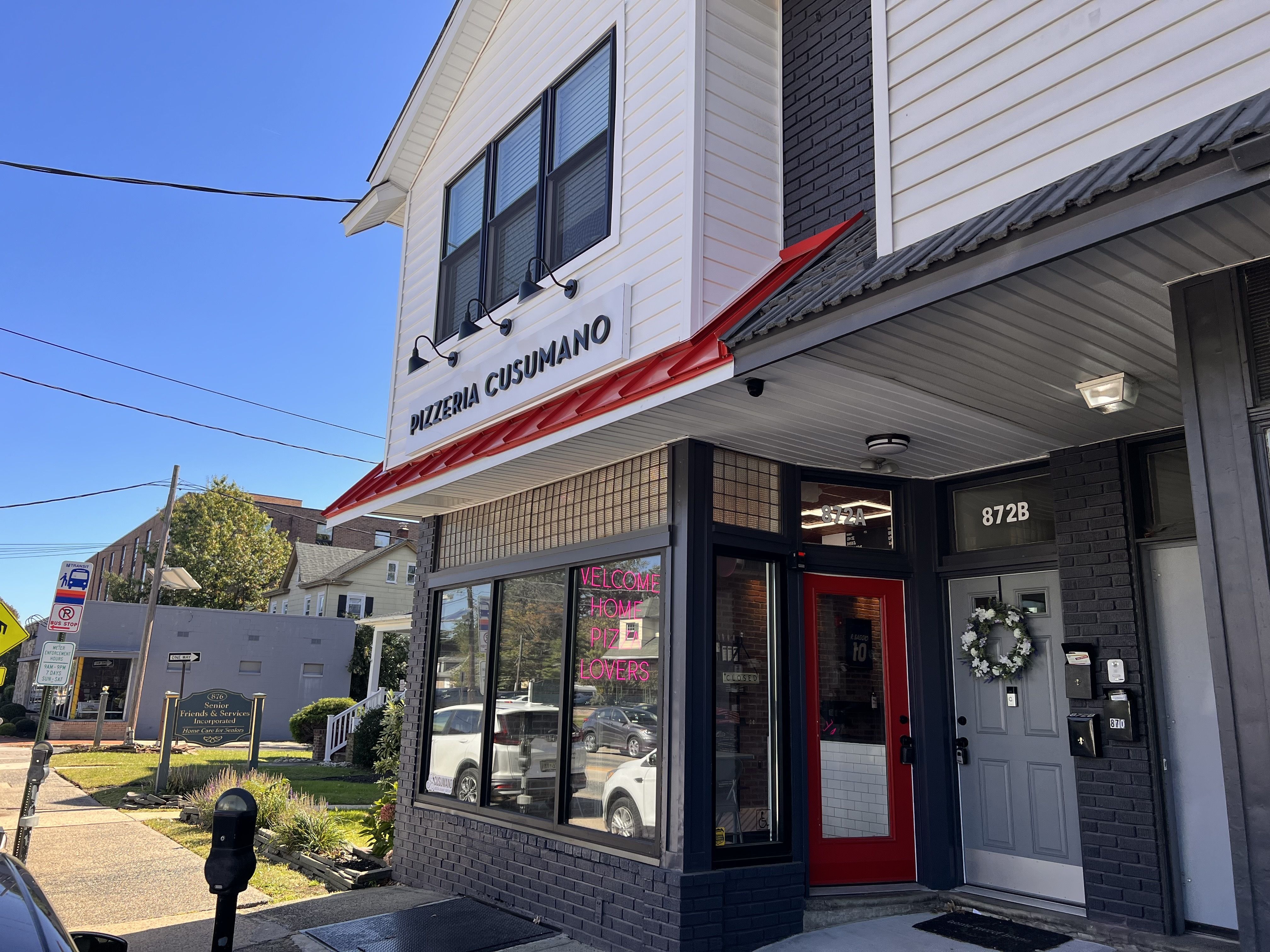
Pizzeria Cusumano, 872 Haddon Ave., Collingswood.Michael Klein / Staff
Pizzeria Cusumano (872 Haddon Ave., Collingswood) Five years in the making, Sal Cusumano’s walk-in pizzeria near the PATCO station will specialize in New York-style rounds when the ovens are fired up midmonth. The third-generation pizza maker, whose family is behind South Jersey’s Angelo’s shops, puts each batch of dough through 72 hours of fermentation.
Taco Heart (120 Coulter Ave., Ardmore) Nano Wheedan’s South Philadelphia taco shop is in soft-opening mode in the Ardmore Farmers Market in Suburban Square with a limited menu and hours. “Baby steps,” Wheedan says. House specialty is Austin-style breakfast tacos made with fresh flour tortillas, with fillings including eggs, potatoes, beans, bacon, and brisket.
Philadelphia restaurants
Bar Caviar (258 S. 16th St.) Champagne, high-end wines, and caviar anchor this intimate bar at the Dwight D hotel, planning a late-month opening near Rittenhouse Square. Menu will include a raw bar and small plates alongside martinis, wines, and an extensive Champagne selection, featuring 15 varietals by the glass.
Eggcetera Haus (625 S. Sixth St.) Chef Rey Tamaka and Vina Kencana’s all-day restaurant have soft-opened at the former Redcrest Kitchen at Sixth and Bainbridge Streets in Queen Village. It’s serving brunch from 8 a.m. to 3 p.m. Monday to Saturday. When the liquor license arrives, so will dinner Monday to Saturday.
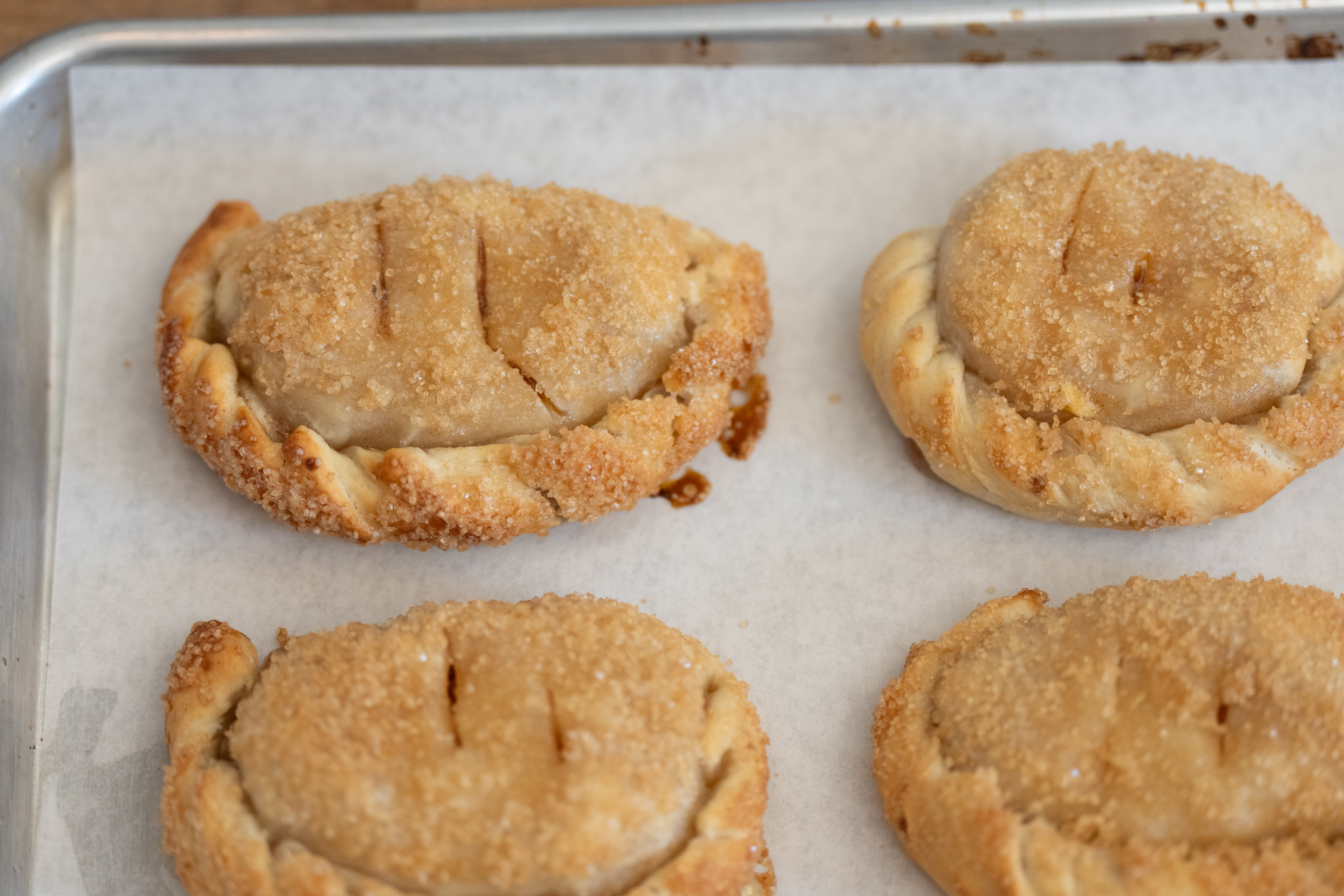
Apple pie’s at Little Susie’s.Jessica Griffin / Staff Photographer
Little Susie’s (2206 Fairmount Ave.) The coffee-and-hand-pie shop’s long-delayed Fairmount location is due to open by Thanksgiving, bringing its sweet and savory pies to a former insurance office.
Macaluso’s (3101 S. 13th St.) Joel Gruenke and Staten Island restaurateur Mark D’Andrea are looking at mid-November for their restaurant, featuring what they call New York-style Italian cooking to the former Venu on Packer Avenue near the stadium district. The restaurant will seat about 150 across two floors.
Mi Casa (3151 Market St.) Washington-based Knead Hospitality + Design, fresh off the opening of East Market’s atmospheric Mi Vida, is bringing Tex-Mex restaurant to University City on Friday. The design draws on the Arizona desert, with natural stone, distressed leather, colorful serape patterns, and metal saguaro cactuses.
Mylar Bar (1636-38 S. Ninth St.) Hospitality veterans Liv Arterbridge and Gina Piccari are turning the former Dino’s Party Center, which moved nearby, into a festive neighborhood bar near Passyunk Square. Later this month, expect martinis, punches, and draft beer, with chef Colin White overseeing shareable snacks, larger plates, and late-night desserts.
Nomu Nomu Don (2026 Frankford Ave.) Later this month, Cake & Joe owner Sarah Qi plans to add a BYOB specializing in donburi two doors away in Fishtown-Kensington, with a menu featuring bluefin tuna, salmon five ways, grilled eel, and steak, with premium additions such as uni and caviar; 10 counter seats; and lunch and dinner daily.
Philly Po’Boy Co. (102 W. Berks St.) Brothers Greg and Chris Lynch bring a taste of New Orleans to Kensington with po’boys built on light, crackly bread that Greg spent 18 months perfecting, plus gumbo and beignets. Opening Friday beside the Berks El station, the counter-service spot also will have a sidewalk kiosk selling coffee and beignets. (See preview.)
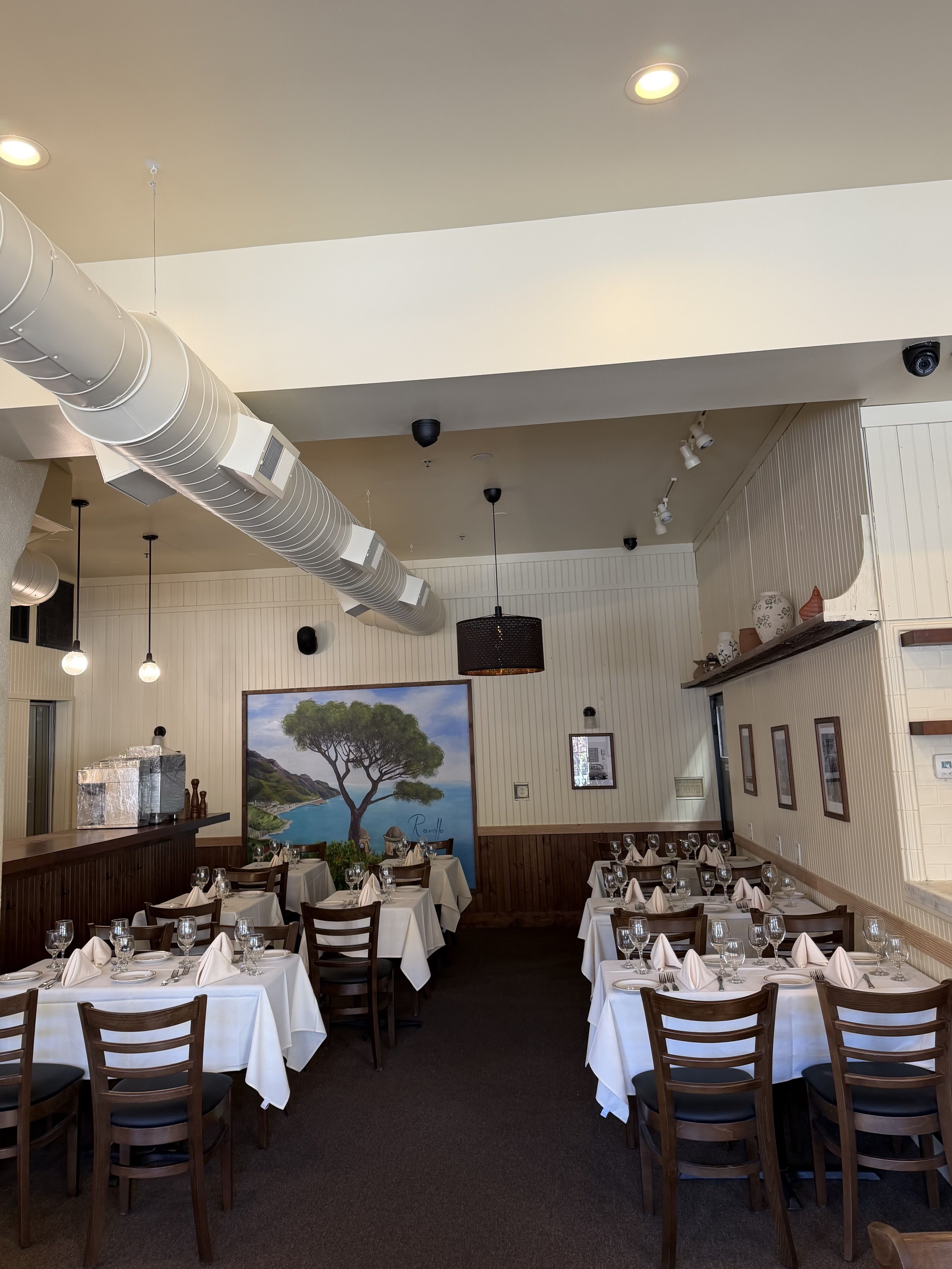
Ravello, 738 S. 11th St., is a redo of the space at 11th and Fitzwater Streets previously occupied by the Lodge by Two Robbers.Marco Matranzxhi
Ravello (738 S. 11th St.) The brothers behind Queen Village’s Adoro opened an Italian restaurant in Bella Vista Wednesday with a menu including Chianti-braised short rib with gnocchi, mushroom agnolotti, branzino, and chicken Parmesan with vodka sauce. Paintings and photographs evoke its Amalfi Coast namesake.
Trattoria Ponte Vecchio (118 Market St.) For his Italian BYOB in Old City, Genti Mataj is inspired by Florence (where the Osteria Ama owner learned to cook). The menu will expand beyond Ama’s offerings with steaks, seafood, pizza, tableside Caesar salad, and cacio e pepe tossed in a Parmesan wheel.
An outspoken educator once lauded and entrusted by the Philadelphia School District to direct the social studies curriculum is fighting to keep his job as the district faces sustained political pressure over allegations of stoking anti-Israel sentiment.
Superintendent Tony B. Watlington Sr. disclosed the revelation to Congress at a hearinginitiated this fall as part of a federal probe of alleged antisemitism in the district —the second such investigation since the Oct. 7, 2023, Hamas attack on Israel and the war against Hamas that followed.
“Mr. Jimenez is in a termination proceeding,” Watlington told Congress, referring toIsmael Jimenez, the district’s social studies curriculum director, according to a transcript of the hearing released Oct. 21. After fielding complaints from some Jewish parents and outside groups, the district is now undertaking a “comprehensive review” of its social studies curriculum under the purview of a new chief academic officer he had hired, the superintendent said.
Watlington also said hehas ordered a review of some teachers’ personal social media posts.
The House Committee on Education and the Workforce report concluded the district teaches students to “hate Israel” and “embrace radical” ideas. The school district roundly rejects the allegations, which it says were “blatantly partisan.”
Jimenez filed suit against the school district Wednesday in federal court, alleging violations of his First Amendment rights. He said he has suffered financial loss, professional injury, and deterrence of protected expression” from the district’s “unlawful retaliation” over his personal social media posts.
Jimenez could be the first district employee to lose a job amid the furor over its handling of antisemitism allegations. Others in the city’s school district have been investigated over personal social media posts and allegations of expressing antisemitic or anti-Israel sentiments in a school setting, but only one other district educator has faced similar discipline.
Jimenez, whose name was invoked 33 times during the daylong hearing, said in an interview he believes the termination attempt and curriculum changes represent the district “kowtowing” to conservative politicians in power and their allies.
“I think it’s appeasing the authoritarian and the fascist tendencies that the Trump administration made possible, that embolden demagoguery of these politicians who are using claims of antisemitism to stifle any type of critical history, critical social studies,” said Jimenez, 45.
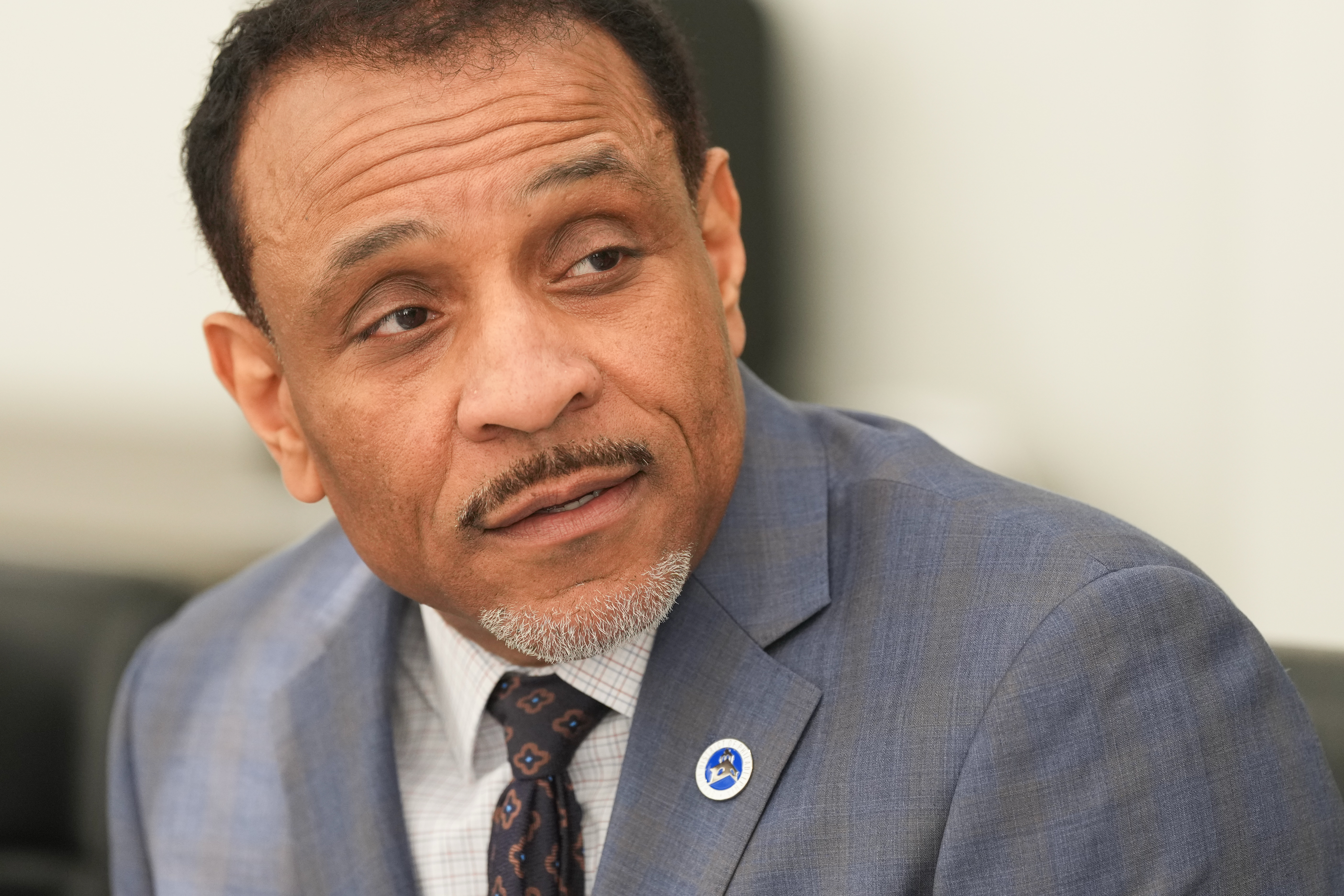
Superintendent Tony B. Watlington Sr. told Congress the district is attempting to terminate Ismael Jimenez, its director of social studies.Jessica Griffin / Staff Photographer
Jason Holtzman, chief of the Jewish Federation of Philadelphia’s Community Relations Council — an organization that has lodged multiple complaints about Jimenez to the district since 2024 — dismissed the notion that the district was reacting solely to the Trump administration.
“As director of social studies for the entire district, Jimenez made statements on camera that rationalized the Oct. 7 massacre and denied the Jewish people’s connection to the land of Israel,” Holtzman said in a statement.
“The Jewish Federation of Greater Philadelphia has raised concerns about Jimenez’s conduct for years, and Jewish parents in Philadelphia asked the district to address these issues more than two years ago, long before the congressional investigation. The concern is not simply how long it took the district to act, but why Jewish students and families had to wait so long for their experiences to be taken seriously.”
The House committee that grilled Watlington has caused ripples in Philadelphia before. In 2023, the University of Pennsylvania’s then-president Liz Magill was called to testify about the university’s handling of antisemitism on campus after Hamas’ Oct. 7 attack. She resigned after days of pressure and ire over her testimony.
A sharp U-turn
Hundreds of pages of documents related to Jimenez’s disciplinary hearings and termination proceedings, obtained by The Inquirer, paint a picture of an educator whose career took a sharp U-turn at the time outside groups began complaining about him.
Jimenez spent 12 years as a district social studies teacher, first at Germantown High, then at Kensington High School for the Creative and Performing Arts. He had no disciplinary incidents during that time.
In 2022, he was promoted to become a social studies curriculum specialist, and then the social studies curriculum director, a job that pays $137,669 annually. The district in 2024 pointed to him as an exemplary employee.
“Mr. Jimenez has invested in the deep and critical work of expanding our city and district’s knowledge and consciousness of the power that Black and African American people have always held, while also advocating for the resources that enable Black and African American communities to truly thrive,” district officials wrote in a February 2024 post celebrating standout Black educators, noting their “immense gratitude and admiration” for Jimenez’s work.
Later that year, in the wake of the Oct. 7 attack on Israel and the start of the politically divisive war between Israel and Hamas, a new group called the School District of Philadelphia Jewish Family Association began lodging complaints about Jimenez.
On March 13, 2024, the SDPJFA sent an email blasting Jimenez to the school board, Watlington, and the district’s chief counsel. Its members, who are not named, objected to what it said was Jimenez’s purchase and distribution of a book about the “colonization of Palestine” for his central office team. The book, the group said, was an attempt to “directly distribute controversial, political information to be shared in classrooms across the district,” which it considered biased, one-sided, and a violation of district policy.
Jimenez, in correspondence with a district official, said that the group’s claim was wrong — another curriculum team member purchased the books, not him. And the books were meant for and distributed only to his curriculum staff, not to schools or students, he said.
The group also objected to Jimenez’s personal social media accounts, which it said contained “antisemitic and anti-Israel views.” The group said they believed the accounts blurred the lines between professional and personal, as Jimenez disclosed his job title.
Jimenez, in the Inquirer interview, said the groups — and Congress — took personal posts out of context, including a post from 2020, when he was still a classroom teacher. In the 2020 post, Jimenez wrote that “Israel is a terrorist state,” which he said was a response to a specific killing.
“I was not talking about an ethnic group,” said Jimenez. “I was not saying, ‘Jewish people are evil,’ or something crazy like that. I literally said the state of Israel, so I was talking about a government, and I made it very clear.”
In April of 2024, the district commissioned an outside firm to investigate possible improprieties by Jimenez.
The Jimenez investigation concluded the educator did not purchase or approve improper or antisemitic learning material, and that the district did not “act indifferently in permitting the creation of a hostile environment in its schools with regard” to Jimenez.
Investigators also, at the time, found that while Jimenez’s personal social media posts were protected by the First Amendment, they violated district policy and were a “cause for concern,” according to the investigation report.
More scrutiny
Soon after that outside investigation concluded, Jimenez’s supervisors began reviewing social studies curriculum in ways they hadn’t before the outside complaints about his work, hesaid.
In June, an activist group backed by GOP donors accused Jimenez of antisemitism with a mobile billboard parked in front of district headquarters and Jimenez’s home. Around that time, similar billboards parked outside the University of Pennsylvania and schools in Central Bucks school district accused other educators of antisemitism.
Jimenez subsequently got written up multiple times, according to district records, with claims of insubordination and not following directives — such as one to respond to an email about proposed professional development sessions on antisemitism and Islamophobia. (Jimenez told his supervisor he had been instructed by his lawyer “not to touch” issues like that one, presumably because of the ongoing outside complaints.)
He was also cited for participating in a radio interview that was streamed on Facebook, and for “liking” posts on his personal account including “Zionism is Racism” and “… the connection of Israel with the system of white supremacy …”
Jimenez, in a response to one write-up, said the district’s social media policy was not clear on whether such passive engagements constituted endorsement or policy violations.
Jimenez that August made an internal complaint about a “toxic work environment,” citing pressure in the wake of the outside pressure and what he said was a lack of support from the district.
In a June 2025 written protest of another disciplinary report, Jimenez said the district’s “actions reflect a troubling pattern of increased scrutiny and appear to be influenced by external attacks on my character rather than any documented violation of district policy. Before the circulation of third-party defamation, there were no documented concerns regarding my work performance.”
Jimenez was eventually suspended with pay, and then without pay, before termination proceedings began in October 2025. Those proceedings are still ongoing, and he is fighting them.
But the scrutiny continues — in February, for instance, the Committee for Accuracy in Middle East Reporting and Analysis, a pro-Israel group, issued a report denouncing the district’s social studies curriculum, which it found is “grounded in a critical race theory framework” and “emphasizes a thematic ‘history of grievance,’ largely at the expense of chronological historical study.”
Jimenez, who has filed complaints with the Pennsylvania Human Relations Commission and the district’s Office of Inspector General, believes the shift from the district promoting him and praising his work to writing him up and now attempting to fire him “is connected to people being scared about these outside attacks,” he said in the interview.
Nearly 2,000 people have signed a petition urging the district to reinstate Jimenez.
“We are concerned that the district has capitulated to the racist, right-wing, and pro-Israel forces that have been attacking Ismael and other antiracist teachers in the school district,” said the petition, started by the Teacher Action Group and Philly Educators for Palestine, a group that recently disbanded.
Aaron Terr, vice president of public advocacy for the Foundation for Individual Rights and Expression, said he did not know enough about Jimenez’s specific case to speak to whether the district’s treatment of him is an attempt to placate political forces.
“The Trump administration has a history of wielding anti-discrimination law against educational institutions in ways that raise serious First Amendment concerns,” Terr said in a statement. “But whatever pressure they face, districts need to meet their dual obligations of addressing discriminatory harassment and respecting educators’ First Amendment rights.”
What Watlington told Congress
Watlington stands by the district’s curriculum, he told the House Education and Workforce Committee, led by U.S. Rep. Tim Walberg (R., Mich.).
Still, Watlington told Congress the district would not use teacher-written social studies curriculum going forward. Watlington said he gave his new chief academic officer, Michael Farrell, the charge to switch to a nationally vetted curriculum, following the standardization of math, English, and science curricula over the past several years.
Jimenez noted the teacher-written social studies curriculum now planned for replacement in the 2027-28 school year was nationally vetted — by the Council of Great City Schools.
“We spent years doing serious intellectual work, developing curriculum grounded in historical inquiry, evidence, and civic reasoning,” he said. “Teaching students about colonialism, resistance, economic inequality, or injustice is not indoctrination. These are essential parts of understanding history and the world we live in. The quality of our work should be judged by its historical accuracy, instructional design, sources, and assessments, not isolated excerpts used to advance a political argument.”
Members of Congress and their staff repeatedly grilled Watlington on posts and activities by individual district employees — not just Jimenez, but also some district teachers, including Hannah Gann, who recently made headlines for pretending to be Black and Palestinian. (She is white and Jewish.)
The stakes are high, as evidenced by Magill’s fate after the Penn congressional hearing.
Watlington said he had told his human resources department to conduct a “look-back” at some district staff’s personal social media posts that may have violated harassment and discrimination policies, even if those had already been probed.
The district was required to examine “any complaint received, regardless of source, related to discrimination based on national origin, shared ancestry,” Watlington told the committee. It agreed to do so in a voluntary settlement of a Department of Education complaint over allegations of antisemitism, but the superintendent said he went further “to do a comprehensive look-back” at any posts that were flagged between 2024 and the present.
“I want to know if anything was missed, quite frankly,” Watlington said. “I’ve asked for a look-back to ensure that things that were investigated, that we didn’t miss anything and that it was done properly.”
Congressional staff cited a 2025 chat on Signal, a private, encrypted messaging platform, started by some district teachers, but allegedly including some district students.
Gann, in the chat, advertised a rally for “rage” and “resistance” with a graphic showing a bulldozer breaking through a fence, as Hamas did during its Oct. 7 terror attack. Watlington was asked whether it was appropriate to share such an image with students
“Absolutely not,” Watlington said. “Let me be crystal clear — teachers have no business, under any circumstances, communicating with children on private chats. Period.”
Staff also pointed to social media posts by Gann and by Shaw MacQueen, another district teacher active in the group Philly Educators for Palestine, which disbanded recently after Gann’s deception was revealed.
Asked if Gann had been disciplined for her posts, Watlington said, “I do know that Ms. Gann, as well as some other individuals, are being reviewed currently.”
Gann declined to comment on the congressional investigation.
MacQueen, who remains a district teacher, said he was surprised to find himself mentioned in a congressional hearing.
He said he was concerned about “continuing attacks” on educators and critical race theory, and also expressed support for the district’s current social studies curriculum and Jimenez.
MacQueen said he was disappointed in the district, which in the past publicly committed to equity and antiracism work, but now is “just going to sit there and say what these people want you to say. I see it as just the continuation of an ongoing history of trying to scare individuals from speaking out, to stop them bringing a light to injustice.”
Philly’s a small town, and that’s true of its chef community, too.
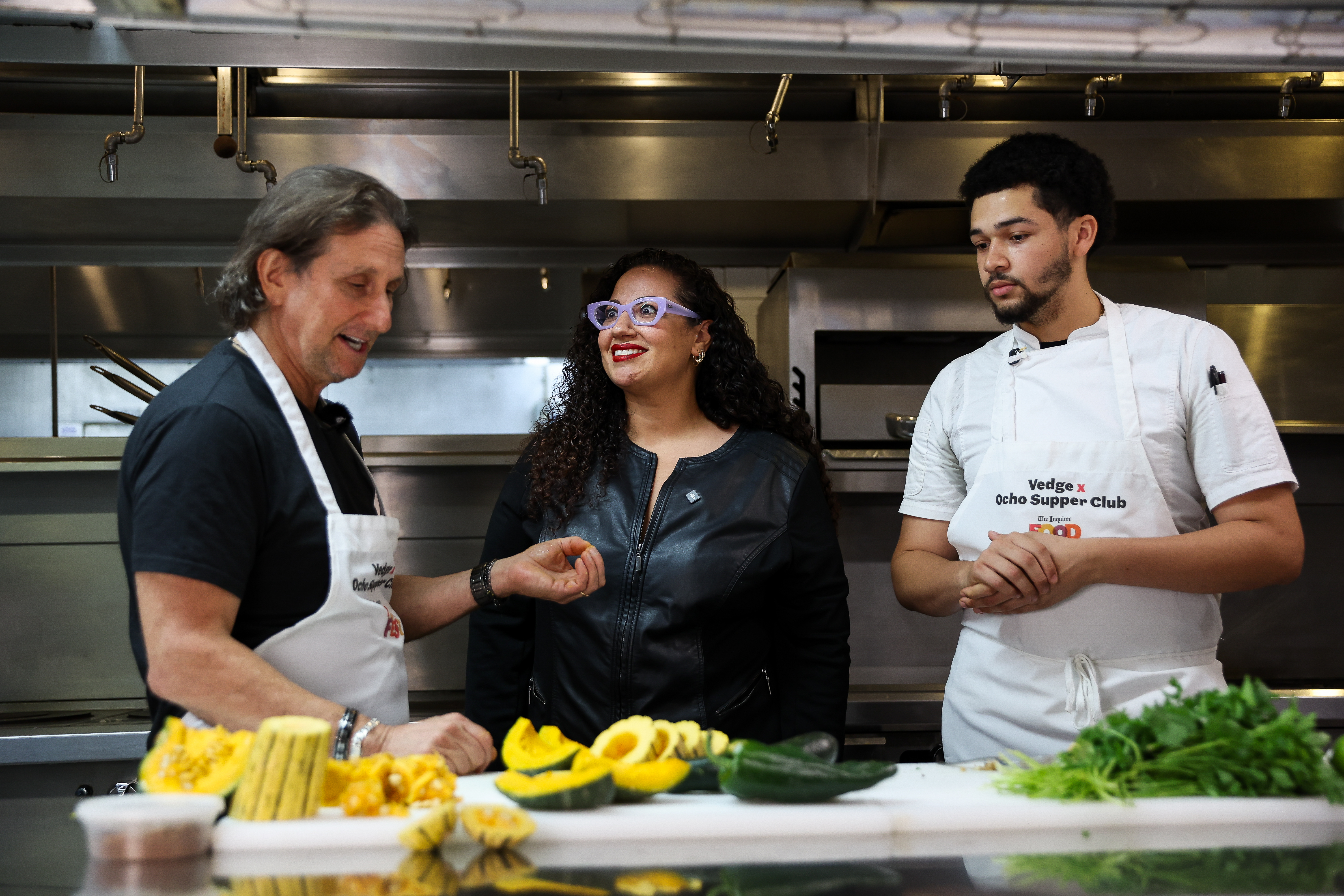
We invited a number of the city’s top chefs to Bridesburg’s BLDG39, where The Inquirer’s Ariane Datil did some light matchmaking, pairing up Philly chefs and tasking them with whipping up something that marries two culinary perspectives into one creative, collaborative dish. Below, read about the dishes they created for The Inquirer Food Festival, scheduled for Nov. 14 at the Fillmore. (Watch their meet-cutes in Datil’s reality TV-inspired series, Love at First Bite.)
If you’re tempted to try the fruits of their labor in person, get a ticket soon: The event is nearing sellout.
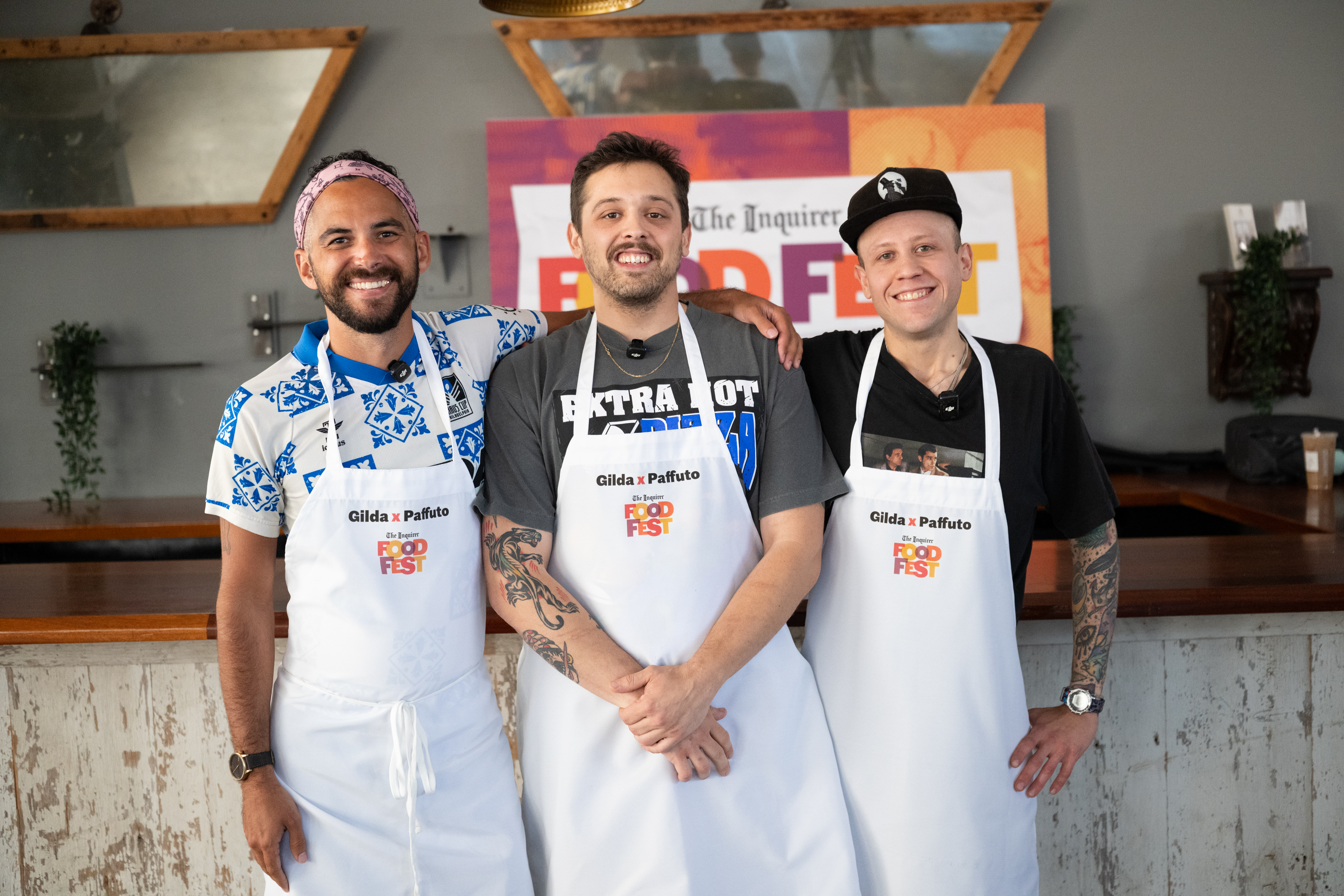
Brian Mattera, chef and owner of Gilda (left), and Paffuto chefs and owners Jake Loeffler and Daniel Griffiths.Erin Blewett / For The Inquirer
Paffuto x Gilda
“Too many cooks in the kitchen spoil the broth,” or so the old saying goes. At The Inquirer Food Festival, they’re actually planning to make a delicious stew.
Gildachef Brian Mattera is teaming up with Jake Loeffler, Sam Kalkut, and Danny Griffiths — the trio behind panzerotti specialist Paffuto — to make a Portuguese-inspired (but mostly Italian) beef stew served with chorizo and crispy mushrooms over polenta.
The stew is “something warm, comforting, [and] familiar,” Griffiths said. “Grandma’s bite.”
The collaboration is kismet. Both restaurants are inspired by no-nonsense, East Coast grandparents. They also happen to share the same interior designer. “Our places are also designed to feel like grandma’s kitchen,” Mattera joked. “Well, a cool grandma.”
Paffuto, which opened in 2023 in Bella Vista, draws inspiration from Griffiths’ and Loeffler’s Italian American upbringings in North Jersey and New York. As such, the menu’s centerpiece is panzerotti, a fried treat that is basically a hybrid of a calzone and a Totino’s pizza roll. Paffuto’s get stuffed with combos of the good stuff — like bacon, eggs, and Cooper Sharp, or sliced rib eye, caramelized onions, and more Cooper Sharp — and they’re delightfully crisp.
The Gilda and Paffuto crews collaborated earlier this year on a knockout panzerotti stuffed with crispy suckling-pig skin. The partnership, Loeffler said, resulted in Mattera giving the Paffuto dudes a sterling piece of advice: “Read the good reviews once, the bad reviews twice, and then never again,” Loeffler recited. “Think about them, learn from them, but never dwell on them.”
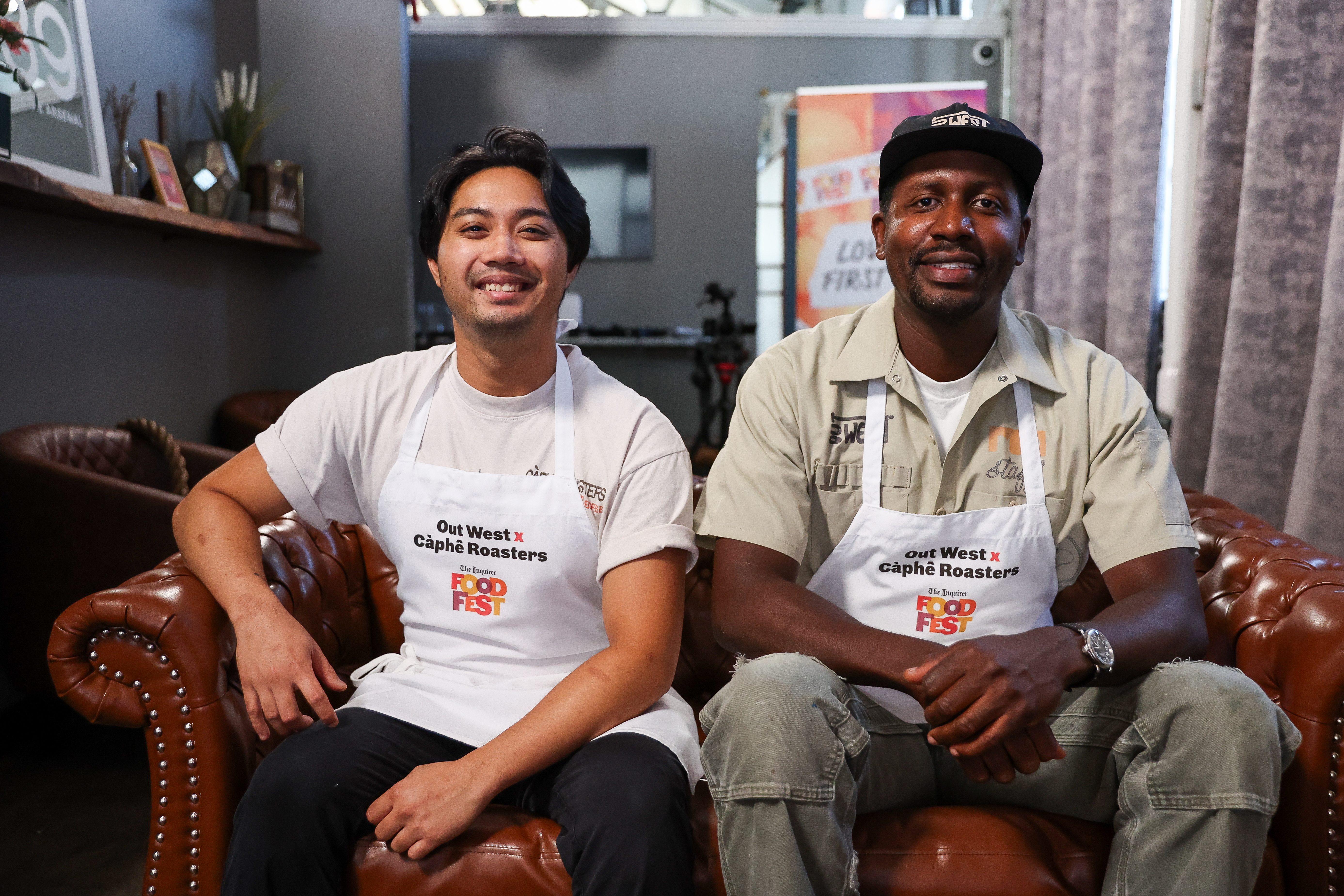
Càphê Roaster’s chef Luigi Datu (left) and Out West’s co-owner Muhammad Abdul-Hadi. Isaiah Vazquez / For The Inquirer
Càphê Roasters x Out West
When Càphê Roasters and Out West come together, it gives a whole new meaning to the term “Philly Special.”
Kensington’s modern Vietnamese café and new-school West Philly coffee shop are mashing up their cultures with a take on the hoagie at The Inquirer Food Festival. A baguette from South Philly’s Ba Le Bakery, the city’s banh mi standard-bearer,will be the vehicle fora lamb-belly terrine banh mi that getssmeared with a pork-free version of Càphê Roasters’ signature pâté and finished with a hearty dose of aromatic Thai basil.
“I don’t think you can have a good sandwich without the right bread,” saidMuhammad Abdul-Hadi, Out West’sowner.
The dish was a fun thought exercise for Càphê Roaster’s chef Luigi Datu, who recommends customers thereadd chả lụa, a steamed pork sausage from Vietnam, to the café’s classic banh mi or staple breakfast sandwich. Out West, meanwhile, is halal, so the coffee shop regularly subs in lamb for pork in its own scrapple and sausage, egg, and cheese options.
Located on opposite ends of the city, the two cafés have mutual respect for each other. Datu admires Out West because the coffee shop “feels pretty Philly” while Abdul-Hadi was quick to start calling Datu “cousin Luigi.”
“Kitchens are like family,” Abdul-Hadi said while bumping shoulders with Datu.
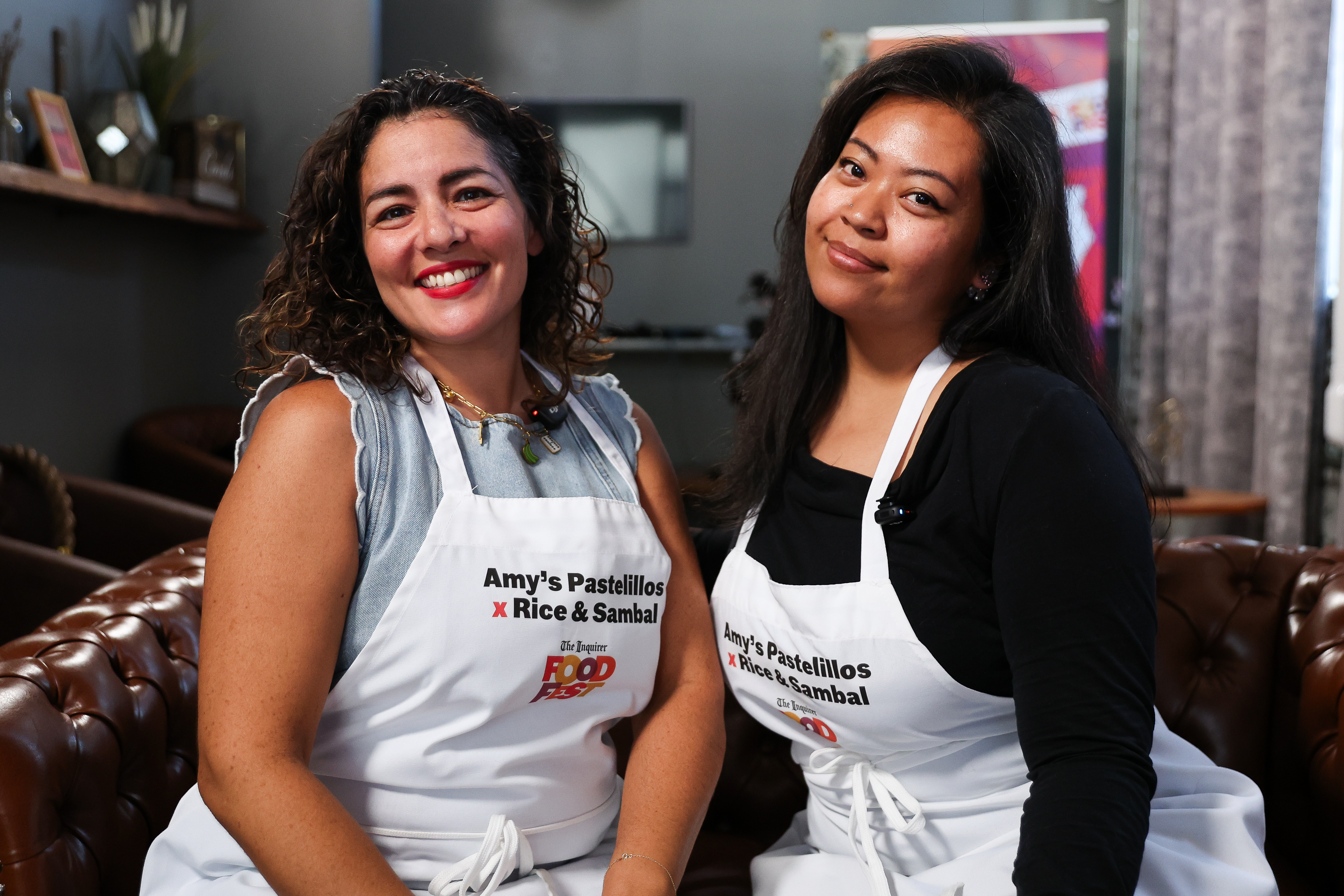
Amy’s Pastelillos owner Amy Rivera-Nassar (left) and Rice & Sambal’s Diana Widjojo partner together during an Inquirer Food Fest “Love at First Bite” production at BLDG 39 on Monday, Sept. 14, 2026, in Philadelphia.Isaiah Vazquez / For The Inquirer
Amy’s Pastelillos x Rice & Sambal
Where else besides The Inquirer Food Festival can you get a single bite that blends flavors from Puerto Rico, Indonesia, and India?
That’s what you can expect from Amy’s Pastellilos’ Amy Rivera-Nassar and Rice & Sambal’s Diana Widjojo, who are collaborating on what they described as a “deconstructed pastelillo,” aka thimble-size servings of slow-cooked ropa vieja and rice served insidehollow spheres of fried Indian panipuri.It all gets topped with lemongrass and Widjojo’s sambal aioli.
“It’s more interesting than mayo-ketchup,” Widjojo said playfully, comparing her signature chile-spiced sauceto the classic Latin American condiment combo that Rivera-Nassar offers with pretty much her entire menu. (Rivera-Nassar immediately told her to cool it with the trash talk.)
Dip dispute aside, it’s all love between Rivera-Nassar and Widjojo in the kitchen. The pair have long admired each other’s tenacity and joyful cooking as members of Sisterly Love Collective, a mentorship community for women entrepreneurs in hospitality. Widjojo, for her part, is an Amy’s Pastellilos regular.
Rivera-Nassar’s stews (often offered as specials), remind Widjojo of growing up in Queens, where Puerto Rican and Southeast Asian communities commingle. They taste like “having my friends around,” Widjojo said.
Rivera-Nassar beamed. The chef converted her neighborhood pop-ups into a brick-and-mortar in Kensington in 2024, cementing locals’ love of the traditional Puerto Rican turnovers.
Widjojo, meanwhile, got her start at Hardena, the James Beard-nominated Indonesian restaurant that she ran with her mom and sister in South Philly. She struck out on her own in 2025 with Rice & Sambal, a cozy East Passyunk BYOB where her skills shine best in the Liwetan platter, a stunning arrangement of 24 Indonesian staples.
“We kept going back and forth on what our cultures look like together,” Widjojo said. The result, Rivera-Nassar bragged, is “memories in a pot” and a whole lot of crunch.
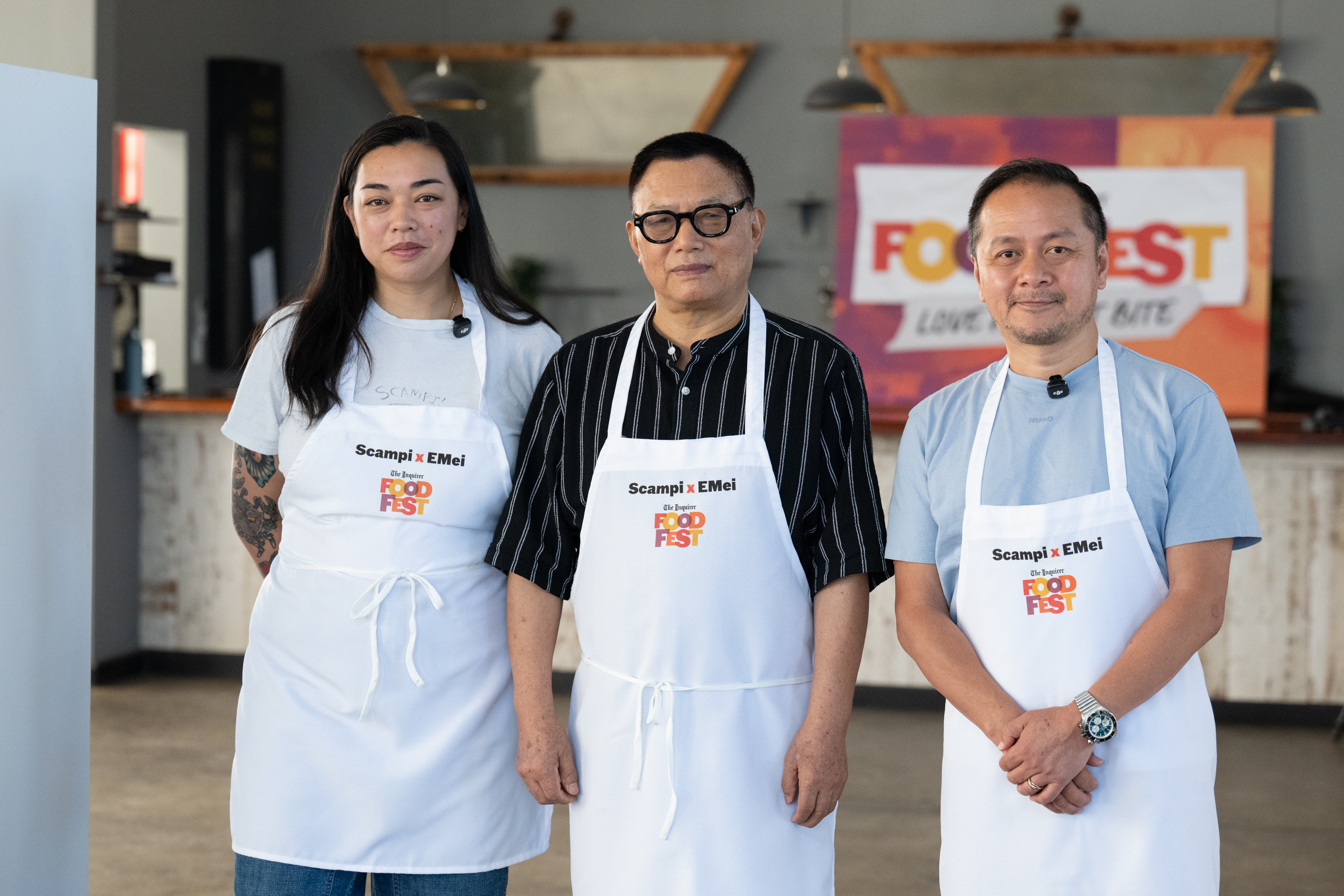
Scampi chef and owner Liz Grothe (from left), EMei chef Yongcheng Zhao, and EMei co-owner Dan Tsao pose for a portrait.Erin Blewett / For The Inquirer
EMei x Scampi
What happens when one of Philadelphia’s most accomplished Sichuan chefs pairs up with a young gun who prefers to keep things “middle-class fancy?” Shockingly, a twist on Irish street food.
Scampi’s Liz Grothe will partner with EMei’s owner and chef, Dan Tsao and Yongcheng Zhao, at The Inquirer Food Festival. They’ll repurpose the Chinatownrestaurant’s best-selling Chongquing chicken as the base for a spice bag — the compulsively snackable Chinese Irish combo of spicy fried chicken and curry on fries. Zhao will bring the heat and Grothe will bring the potato and curry (which will be pumpkin-based, for fall).
For Grothe, cooking alongside Zhao is akin to meeting an idol. She can rattle off a list of favorites from EMei’s extensive menu: mapo tofu, the white fish and green peppercorn pot, and (gluten-free) dan dan noodles. When she was a sous chef at Fiorella, Grothe used to order from EMei every Saturday to cap off a long work week.
“I feel like I’m a kid again trying to soak up everything I can,” she said while firing up the burners next to Zhao. He’s “one of the masters of Chinese cuisine.”
Zhao has been a fixture at EMei since its 2011 opening in Chinatown, where it has endured as one of the neighborhood’s best restaurants, according to food critic Craig LaBan, thanks to its uncompromisingly authentic menu, adaptability, and Zhao’s more than half-century of experience working with Sichuan spice.
Zhao and Tsao are already fans of Grothe’s determination. “There’s a lot we can learn from the younger generation,” Tsao said.
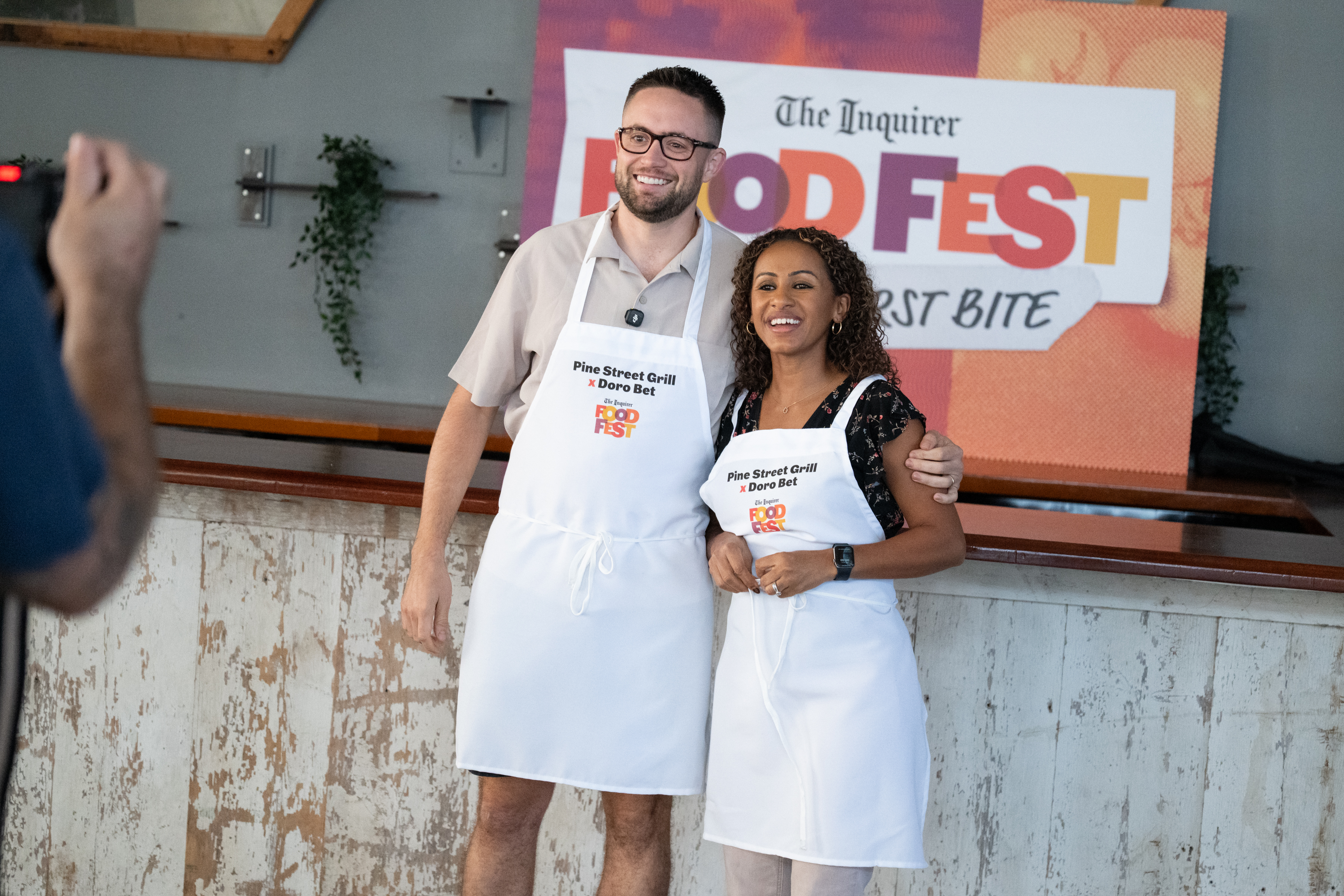
Co-owner and chef at Pine Street Grill Alex Kemp and chef and co-owner Mebruka Kane of Doro Bet pose for a portrait.Erin Blewett / For The Inquirer
Pine Street Grill x Doro Bet
Doro Bet is known for berbere and turmeric-spiced fried chicken. Pine Street Grill is known for brown butter Buffalo wings. But don’t expect them to serve either at The Inquirer Food Festival.
Instead, Alex Kemp, of Pine Street, and Mebruka Kane, of Doro Bet, will collaborate on a classic Canadian smoked trout dip paired withcrispstrips of injera, the spongy Ethiopian flatbread that tastes like pumpernickel when fried.
Both elements are labors of love: Kemp’s trout must smoke for 24 hours before getting the dip treatment, while the injera’s sourdough ferments for four days before baking atop a mitad, a skillet-size griddle designed just for injera. The berbere, Kane said, ties it all together, seasoning both the chips and the dip. (She uses her mom’s recipe, whose secret ingredient is a touch of fenugreek for nuttiness.)
“Trout dip is a little boring [to me] because I grew up eating it,” said Kemp, who is from Quebec. Kane’s additions “are the most interesting. Growing up in Canada, I never saw anything like [her] technique.”
Kemp is also one part of a heavy-hitting Philadelphia family business. Together with his wife, chef Amanda Shulman, the chef co-owns Pine Street Grill, My Loup, and Her Place Supper Club (which was among the first restaurants to earn a coveted Michelin star last year). Kemp takes the reins at My Loup, the James Beard-nominated French bistro where the “Esca-roll” — a giant, garlicky escargot roll with cinnamon bun-esque structure — has become the signature hit.
Pine Street Grill, which opened in Fitler Square in 2025, is where Kemp gets to kick back. It’s a neighborhood restaurant with highlights that include fat eggplant Parmesan, matzo ball soup, a burger, and those Buffalo wings.
Kemp and Kane move about the kitchen as if they’ve known each other for ages, casually swapping spices and stories about what it’s like to scale family businesses. “We might get a cooking show after this,” Kemp joked.
Ocho Supper Club chef RJ Smith and Vedge owner and chef Rich Landau pose for a portrait during an Inquirer’s Food Fest 2026 production shoot.Isaiah Vazquez / For The Inquirer
Vedge x Ocho Supper Club
When a fine-dining legend partners with one of the city’s most exciting young chefs, it’s all about eating your vegetables.
At The Inquirer Food Festival, Vedge and Ocho Supper Club will team up on an autumnal dish: jerk squash smoked over pimento wood, topped with a green jerk sauce and crumble made from the squash skin and seeds.
Husband-and-wife chefs Rich Landau and Kate Jacoby sit at the vanguard of Philadelphia’s vegan dining scene. Their long-closed Bella Vista restaurant Horizons was Philly’s first true experiment in vegetable-focused fine dining. Its sequel, Vedge, has endured for 15 years on Locust Street, with a menu of all-vegan greatest hits, ranging from silky rutabaga fondue to spicy dan dan noodles flecked with oyster mushrooms, that still feels timeless. Now the restaurant is honing its approach to sustainability, turning its food scraps into compost that eventually fertilizes the soil at Linvilla Orchards, the popular Delaware County farm and apple orchard.
While Landau and Jacoby are focused on fine-tuning their business, Ocho Supper Club chef RJ Smith is still looking for a permanent home for his. Smith, 21, grew his supper club from just a few seats in his Drexel University dorm room to the Rittenhouse Hotel, where his elaborate tasting menus scored an indefinite residency.
With Ocho, Smith draws on Afro-Caribbean recipes and fine-dining techniques honed in the kitchen at hot spots such as Provence and Royal Izakaya. He creates dishes that pulse with flavor and originality, like jerk duck and king crab served in a yellow curry laced with roasted garlic.
Front Street Cafe, one of the earlier entrants in the Fishtown-Kensington restaurant boom, is being sold to a Washington, D.C., hospitality group whose holdings include the Michelin-recommended Tiger Fork.
Blagden Hospitality Group is preparing to take over the large restaurant space at 1253 N. Front St., at Thompson Street, beneath the Market-Frankford El, according to co-owner Lee Larkin, who founded the cafe in 2015 with Nicole Barclay.
The deal has not closed, and terms were not disclosed. Blagden plans to continue operating the restaurant before eventually introducing a new name and concept, according to a statement provided by Larkin. No timetable was announced.
Blagden co-founder Greg Algie declined to comment Monday, saying that the group was “still working through things.”
Blagden’s Washington restaurants include Tiger Fork, a Chinese restaurant in Shaw’s Blagden Alley that is listed in the Michelin Guide, as well as Calico, Fainting Goat, and Primrose.
Front Street Cafe opened in September 2015, years before many of the restaurants that have since made Fishtown and neighboring Kensington dining destinations. At a time when vegan and plant-based cooking was less prevalent on Philadelphia menus, it championed farm-to-table sourcing.
The restaurant began with a coffee and juice bar serving commuters using the nearby Girard Avenue station and expanded into a full-service restaurant and bar. Front Street’s sprawling layout, combining a ground-floor dining room, upstairs event space, and expansive outdoor garden, helped establish it as a neighborhood gathering place.
Larkin, a real estate developer who owned the distinctive 19th-century building before opening the restaurant, had envisioned a place that could accommodate diners with varying dietary preferences.
The property was offered for sale following the death in March of executive chef Andrew Petruzelli, who had been involved with Front Street Cafe since its inception.
The real estate listing, handled by MSC Retail, carried an asking price of $4.8 million for the restaurant business, building, liquor license, furniture, fixtures, equipment, and four leased apartments, all occupying 12,500 square feet. Terms were not disclosed.
Jacob Cooper of MSC Retail represented the seller and brought the parties together. Stefanie Gabel, also of MSC, represented the buyer.
In the statement, Larkin said Blagden would build on the restaurant’s community presence while bringing its own ideas to the space, eventually developing a new identity.
“Front Street Cafe has always been about this community: our neighbors, our regulars, and everyone who has made this place feel like home,” said general manager Timothy St. Pierre. “We’re excited to see what Blagden Hospitality Group brings to the table. They have the experience and vision to help this space grow and thrive for years to come.”