Tag: Inquirer Local

  • Is Bradley Cooper really from Jenkintown? We investigate.

    Is Bradley Cooper really from Jenkintown? We investigate.

    Unlike Philadelphia — a city, county, and school district all in one — the collar counties are a mesh of townships, boroughs, and informal neighborhoods.

    That geographical maze, along with the centuries-long evolution of the U.S. Postal Service, means some suburbanites are not even sure what town they live in.

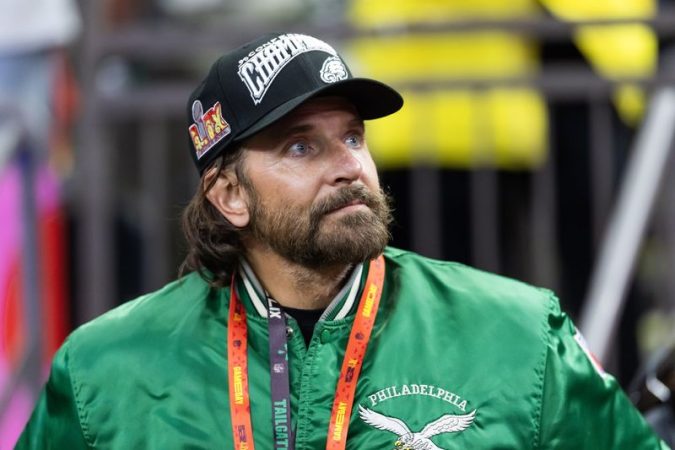
    Which may explain why one of Montgomery County’s most famous sons, former Daily News contributor Bradley Cooper, is often reported to be from Jenkintown, but he is not.

    He is from Abington Township and, like many Abingtonians, he has been living a lie.

    Where is Bradley Cooper from?

    Cooper grew up not in Jenkintown, but a mile away in the unincorporated Abington community of Rydal, in a house his parents bought before he was born, property records show.

    In the 1980s, he attended Rydal Elementary, where he played a mime, according to a playbill shared on social media.

    The Oscar-nominated actor later enrolled at Germantown Academy, a private school in Whitemarsh Township whose reunions he still attends.

    Cooper is known to call nearby Jenkintown his hometown from time to time — maybe because the borough is more well-known, and because that is what his childhood mailing address was. His reps did not return a request for comment this week.

    Some Abingtonians don’t know where they live

    But unlike people who grew up in the tiny enclave, Cooper could not have attended Jenkintown School District or participated in its National Geographic-famous Color Day.

    “As someone who grew up in Jenkintown and loved cute boys and is about the same age as Bradley Cooper, I can tell you he is not from the Borough of Jenkintown,” writer Lauren McCutcheon said.

    Many Abingtonians think they live in J-town, borough manager George Locke has said — so much so that his staff starts resident service calls by asking for an address. Otherwise they could spend 45 minutes on the phone, Locke said, before realizing the caller is in Abington.

    Residents of unofficial neighborhoods like Glenside, or towns that span counties like Telford, may be more aware of their official designation. Some Glensiders attend school in Cheltenham, while others attend Abington School District.

    For people without a kid in public school, an invisible municipal boundary may not matter much day to day. But it matters for local elections and during tax season.

    Nye Stevens, a longtime Postal Service expert for the U.S. Government Accountability Office and the Congressional Research Service, said mailing addresses can also affect people’s insurance rates, which are often based on zip code instead of municipality.

    And a zip code across two towns is nothing, Stevens added — some people get their mail from another state.

    Bob O’Brien of Wyncote used to think his practice, Relief Counseling & Art Therapy, was located in Jenkintown — until the tax bill from Abington arrived.

    “It was confusing,” O’Brien said — especially since there is a Jenkintown post office in the same building.

    “How it got this way, I’m not sure,” he added.

    The demands of mail delivery

    U.S. post offices began primarily as a pickup service in cities until the agency introduced home delivery in the late 1800s.

    Then cars expanded the suburbs, townships shifted, and assigned post office locations grew increasingly messy.

    “As townships grow, post offices seem farther away,” a New York Times headline about South Jersey observed in 1997.

    The U.S. has also closed tens of thousands of post offices in the last several decades, Stevens said, which may mean losing a mailing city that reflects where people actually live.
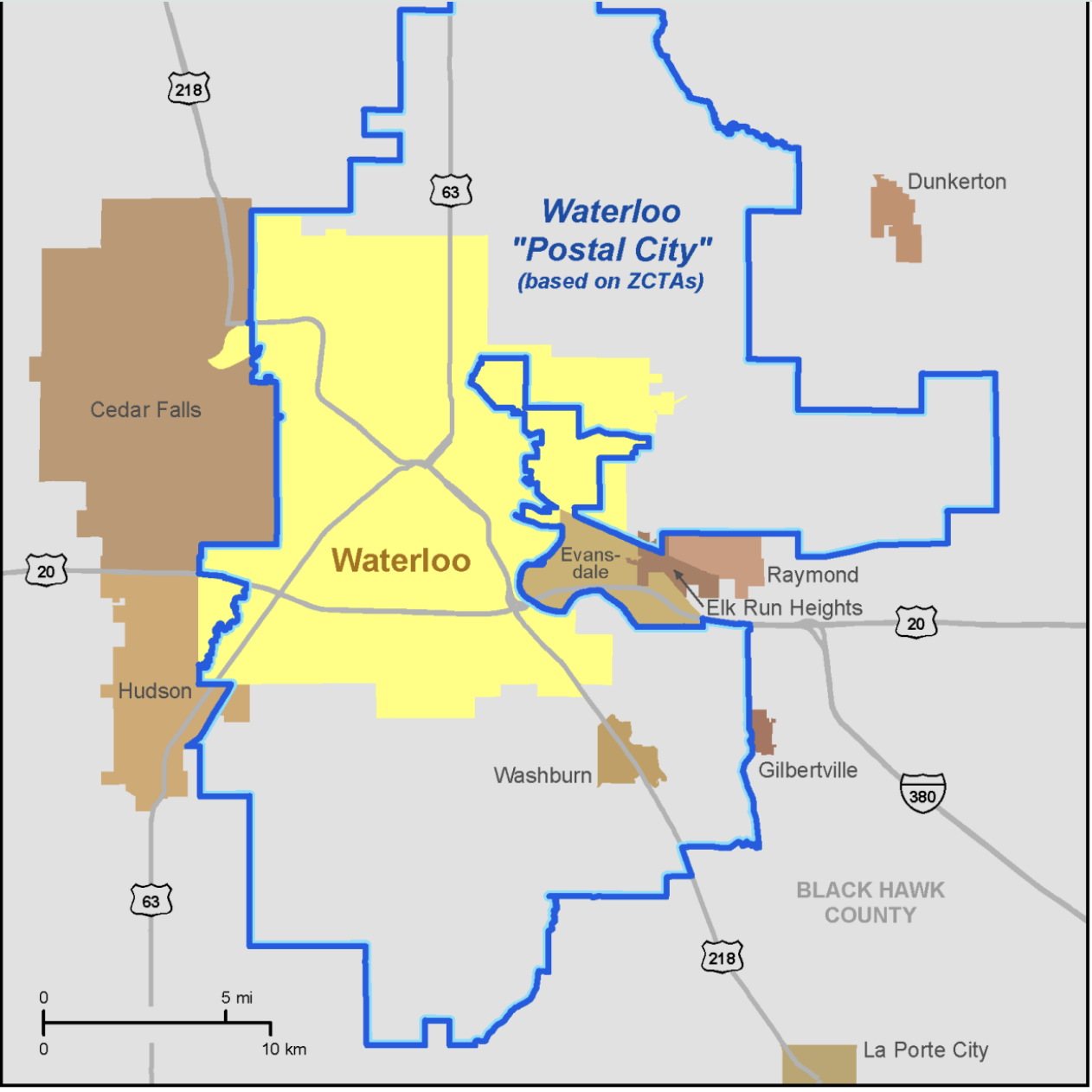
    A map shows the city limits of Waterloo, Iowa, in yellow, while a blue line shows the boundaries of the “Waterloo” zip code.U.S. Census Bureau

    Around 1990, some in Congress tried to fix the issue with a bill requiring the Postal Service make zip codes match municipal boundaries if towns request it.

    But such a change would “absolutely ruin the postal system,” Stevens said. “You can’t have a post office for every little borough.”

    The bill failed, and years later, the Postal Service was routinely rejecting zip code change requests, Stevens wrote in a 2006 Congressional Research Service report.

    “Some communities that lack delivery post offices complain that the need to use mailing addresses of adjacent areas robs them of a community identity,” he noted in the report.

    But at the end of the day, “zip codes are basically a delivery system. They’re not a neighborhood recognition system,” Stevens said this week.

    As for Bradley Cooper, the confusion around his addresses in the Philly suburbs has not ended.

    He supposedly owns an estate in New Hope. But he really lives in Solebury Township.

    This suburban content is produced with support from the Leslie Miller and Richard Worley Foundation and The Lenfest Institute for Journalism. Editorial content is created independently of the project donors. Gifts to support The Inquirer’s high-impact journalism can be made at inquirer.com/donate. A list of Lenfest Institute donors can be found at lenfestinstitute.org/supporters.
  • Main Line psychiatrist stripped of her medical license

    Main Line psychiatrist stripped of her medical license

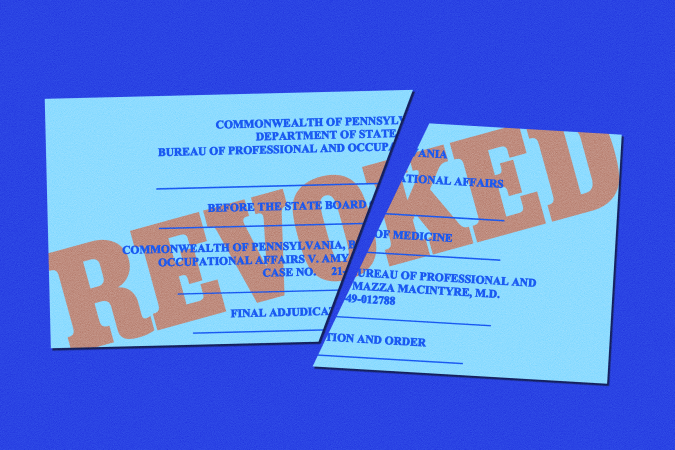
    A Main Line psychiatrist has lost her medical license after a state investigation found she had sex with a young patient for years, all while prescribing him a revolving mix of up to 12 medications, including highly addictive psychotropic drugs, without proper evaluations.

    Amy Mazza MacIntyre, a child, adolescent, and adult psychiatrist in Bryn Mawr, started treating a then-17-year-old cancer survivor in 2004 when he was a senior at Lower Merion High School.

    MacIntyre first had sex with him in February 2011, when he was 24 years old. She stopped billing him for treatment around the same time, though she continued to take patient notes for another 2½ years. She continued prescribing him powerful psychiatric drugs while having sex with him through mid-2017, according to an investigation by the Pennsylvania State Board of Medicine.

    The board revoked her medical license in May, finding she had engaged in sexual misconduct and inappropriate prescribing in violation of state medical licensing laws. She is appealing the disciplinary board’s decision, which followed lawsuits between MacIntyre and the patient, Justin Kopicki, in civil courts.

    The board’s investigation — based partly on emails, texts, and voicemail messages that MacIntyre sent Kopicki — revealed that she gave him a $5,000 saxophone and a Cartier watch, hired him to work in her office, proposed marriage to him, told him she miscarried his baby, sent him naked selfies, and took him on trips, including to Turks and Caicos and Walt Disney World.

    Kopicki, who is now 39, said in an interview that MacIntyre had “groomed” and manipulated him while prescribing “really large quantities” of stimulants and benzodiazepines, including “Xanax and Klonopin mixed together.”

    “If I refused to go away on a trip with her, or I refused to see her, or I wanted to break up with her, she would refuse to prescribe antianxiety medications until I saw her again,” Kopicki said.

    She also prescribed medications to his mother and father, although they were not her patients, the board found.

    The board’s revocation order refers to Kopicki by his initials, but he gave The Inquirer permission to use his name.

    MacIntyre, 52, did not return calls and emails from a reporter. Her lawyer, Gary Samms, said he advised her to decline comment.

    “Dr. MacIntyre is an excellent, caring and compassionate physician,” Samms wrote in an email last week. “The board decision is being appealed to the Commonwealth Court where we believe we will be victorious.”

    The board revoked her license on May 28 and ordered her to “immediately cease practicing medicine.”

    “By engaging in a sexual relationship with a patient while continuing to prescribe medications without appropriate evaluation or oversight, [MacIntyre] compromised the safeguards that protect patients from harm and undermined confidence in the medical profession,” the board wrote in its revocation order.

    A woman who answered the phone at MacIntyre’s Lancaster Avenue office late last week said she was still practicing but unavailable to speak with a reporter. MacIntyre did not reply to a voicemail message asking whether she was still treating patients. Samms did not reply to a follow-up email on the subject.

    Earlier this month, the state board rejected her emergency request to stay the revocation of her license pending her appeal. She plans to argue her case before a judge on Thursday, Commonwealth Court records show.

    ‘Shifting explanations’

    MacIntyre admitted to sexual misconduct and violating medical licensing laws on three other counts: immoral and unprofessional conduct involving a patient; failure to maintain complete medical records; and fraudulent, reckless, or negligent practice.

    During the disciplinary proceedings, MacIntyre had only disputed claims that she engaged in improper prescribing. However, she argued for lighter discipline, such as probation, on all counts.

    She testified at a state hearing last year that she had been fearful of Kopicki and felt “trapped.” She said the sex was not consensual, but coerced, and that she had feared for her safety and that of her family.

    She said she had repeatedly tried to get a protection-from-abuse court order against the patient but did not qualify for one. (Such proceedings are not public record).

    The board rejected her arguments, citing a lack of evidence to support her “claims of coercion,” “shifting explanations,” and inexcusable actions.

    MacIntyre also cited “personal stressors,” including “family losses, the birth of a child, and her mother’s decline due to early dementia,” the report states.

    While treating Kopicki, she introduced him to her young daughter and was married, state and court records show.

    After contact with Kopicki ended in 2017, she said, she went to therapy to address her “understanding of appropriate boundaries.”

    She also limited her interactions with patients to mostly medication management rather than therapy. And she had not violated any regulations for the last decade, she said, arguing for less severe discipline.

    Kopicki said he provided the state with “thousands of text messages,” dating back to 2011, showing she aggressively pursued him and used medication to control him.

    “She put it in writing so it was extremely difficult for her to be like, `It was him. He’s the aggressor,’” Kopicki said.

    Her lawyer, Samms, said he believed MacIntyre’s appeal of the board’s revocation order to the Commonwealth Court will prevail.

    “There are numerous issues and contested facts that support the doctor’s position,” Samms wrote in an email, declining to comment further due to the appeal.

    First treatment, then sex

    Diagnosed with leukemia at age 4, Kopicki received chemotherapy treatments at Children’s Hospital of Philadelphia until age 7, when the cancer went into remission. In high school, he became depressed and anxious. His mother thought his mental health problems stemmed from his cancer history and contacted CHOP, which referred the family to MacIntyre. Then 31, the psychiatrist was considered “relatable to a younger patient,” Kopicki said.

    The board’s order described how her initial therapeutic care morphed into inappropriate sexual contact:

    MacIntyre diagnosed Kopicki with anxiety and agoraphobia at his initial appointment in 2004. She thought he also might have obsessive-compulsive disorder. She started him on medication.

    In 2010, his treatment sessions with MacIntyre “became focused on [Kopicki’s] sexual activity.”

    In early 2011, Kopicki, then 24, expressed feelings for her in an email; the relationship seemed to be crossing professional lines. He was unsure if he should continue treatment with her.

    MacIntyre, then 37, wrote him back, saying she “was sorry if he felt it was best not to meet” and to “let her know if he wanted to be back in touch.”

    During a session a few days later, she told him she “wanted to climb on top on him” and did so, kissing him, the board’s order says.

    They had sex for the first time at his father’s house in early February 2011, and she continued to formally treat him through June 2013, writing patient notes in his medical record, according to the board’s investigation.

    She kept a log of medications she prescribed him through March 2014 and continued prescribing into 2017, the board found.

    When Kopicki tried to cut ties with MacIntyre, he said in the interview, she would change or increase his medications, saying his “mood is out of control.”

    “I trusted her,” he said. “When she was like, ‘You need X, Y, and Z medication,’ I put trust in her.”

    Kopicki said she became very involved with his family, attending dinners and events, including his mother’s wedding in California. She also prescribed medications to his parents.

    In spring 2017, MacIntyre showed up at Kopicki’s father’s house, yelling and demanding to speak with Kopicki. His father called 911, the board found.

    Kopicki cut off all communication with MacIntyre in July 2017.

    ‘Not acceptable’

    Kopicki said he first complained about MacIntyre to the state medical board in 2017, shortly before filing a medical malpractice lawsuit against her in Montgomery County Court.

    His lawyers advised him not to cooperate with the state while the case was in litigation. The state dropped his complaint, he said.

    MacIntyre settled the case with Kopicki in 2020 for an undisclosed amount.

    After the settlement, Kopicki said, he again complained to the board in 2021.

    Later that year, MacIntyre sued Kopicki in civil court for breaching a nondisclosure clause in their settlement agreement that prevented him from discussing her actions with authorities.

    In January, a judge ordered Kopicki to pay MacIntyre $25,000 for violating the agreement, court records show.

    Kopicki, who is now in law school in Oregon, said he intentionally violated the agreement “for the good of the public interest.”

    “This is not acceptable and she needs to be held accountable,” Kopicki said.

  • Cherry Hill’s Brio Italian Grille is closed. For real this time.

    Cherry Hill’s Brio Italian Grille is closed. For real this time.

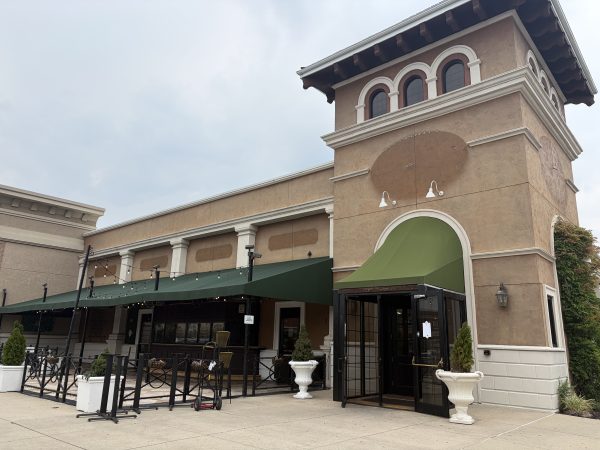
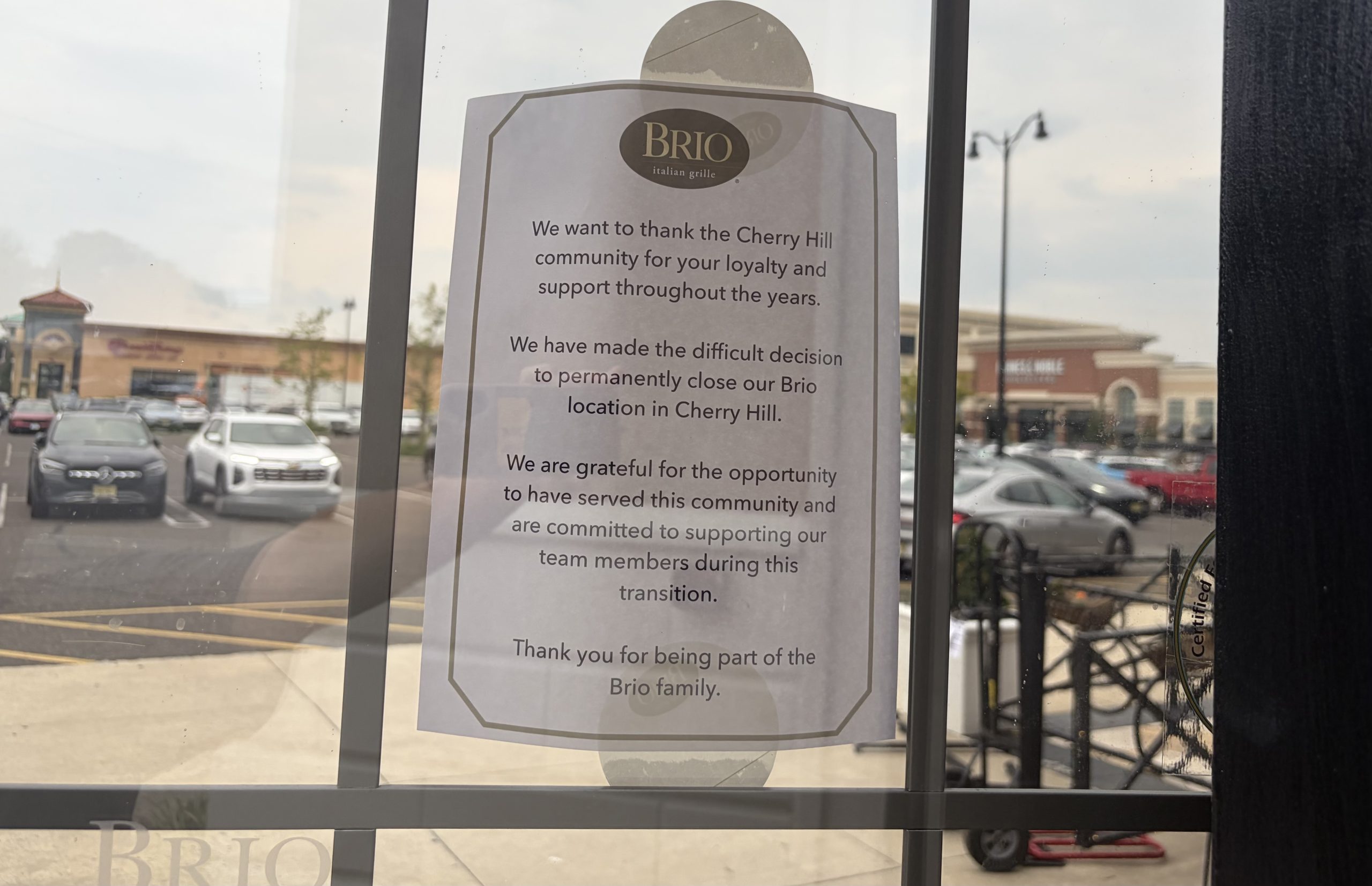
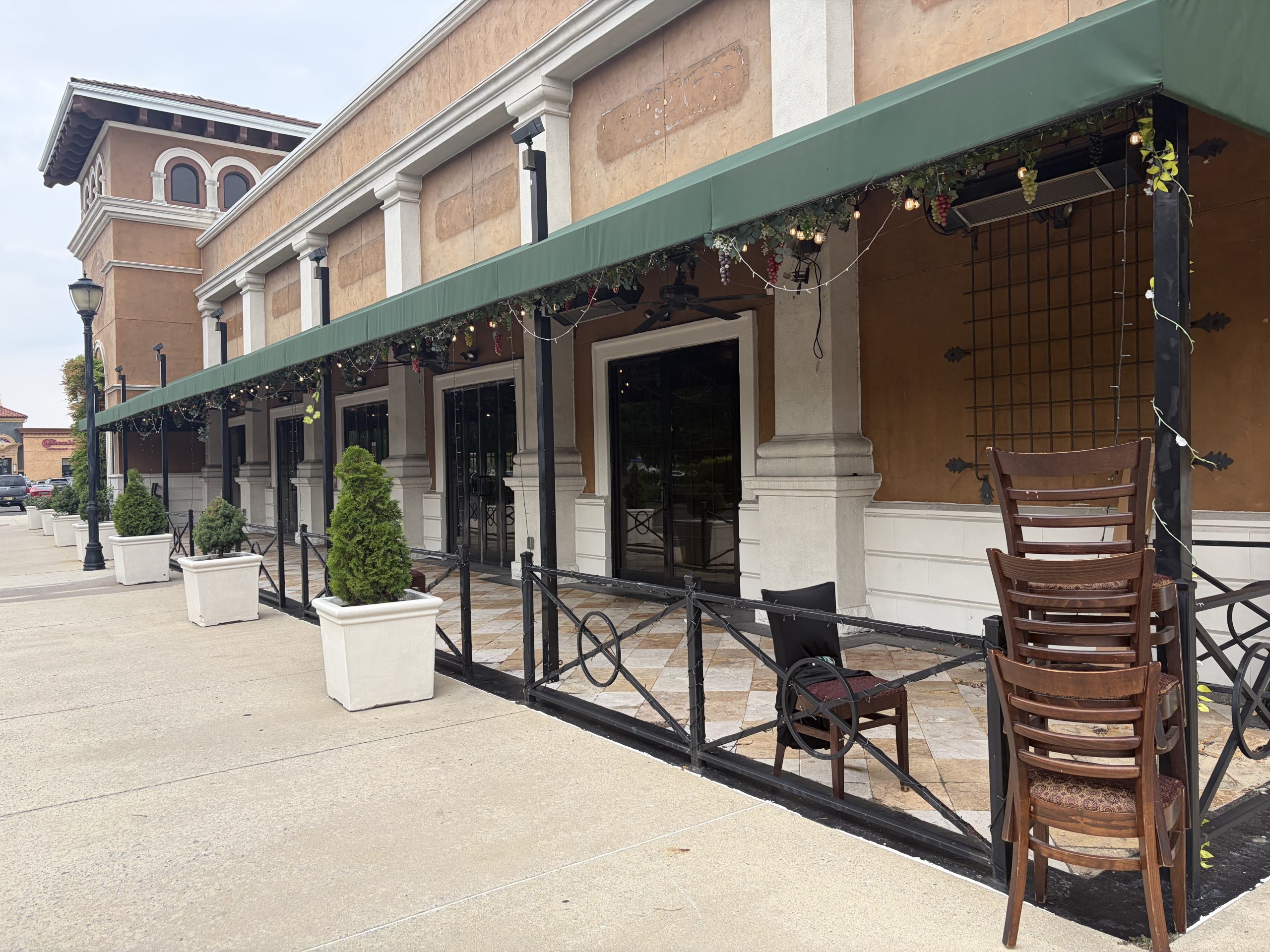
    The signage is down and the furniture and appliances were on their way out of Cherry Hill’s Brio Italian Grille on Tuesday after the restaurant permanently shut its doors.

    “We have made the difficult decision to permanently close our Brio location in Cherry Hill,” a sign posted to the restaurant’s entrance reads. “We are grateful for the opportunity to have served this community and are committed to supporting our team members during this transition.”

    A sign posted to the entrance of Brio Italian Grille in Cherry Hill announces the permanent closure of the restaurant on July 28, 2026.Lacey Latch

    Calls to the restaurant went unanswered Tuesday and the location had been removed from the Brio Italian Grille website.

    The closure comes less than two months after staff at the restaurant emphasized that the doors were still open amid rumors of a potential closure.

    The other Brio Italian Grille location in Marlton closed in May, less than a year after the chain’s parent company filed for bankruptcy for the second time in five years.

    South Jersey residents interested in a visit to the Italian restaurant will now have to travel more than 200 miles to the nearest location, in Connecticut.

    The patio at Brio Italian Grille in Cherry Hill was cleared of all furniture save for some stacks of chairs on July 28, 2026 after the restaurant’s sudden closure.Lacey Latch

    Is Fogo de Chão moving in?

    As rumors of closure swirled last month, so, too, did rumors that Fogo de Chão Brazilian Steakhouse would move into the space.

    42 Freeway, a publication covering development in South Jersey, first reported the news in May, followed by NJ.com, which cited project plans filed by Fogo de Chão and the owners of the Towne Place shopping center to the Cherry Hill Township Zoning Board of Adjustment in April.

    Those plans propose a remodeled restaurant with 296 seats, and the required zoning permits for the conversion to the steakhouse have already been issued, Cherry Hill Township attorney Cosmas Diamantis previously told The Inquirer.

    Staff were at Cherry Hill’s Brio Italian Grille on July 28, 2026 clearing out the restaurant following the sudden closure.Lacey Latch

    Now, with Brio closed, it is still unclear if the steakhouse plans to lease the property.

    A spokesperson for Fogo de Chão declined to comment on the matter last month and again on Tuesday.

    Joe Morris, an executive for M&M Realty Partners, which owns the landlord entity that manages Towne Place tenants, previously said that the chain has inquired about joining the Cherry Hill retail center for more than a decade. Morris did not respond to requests for comment this week.

    “I can absolutely tell you, if Brio gives their space back, Fogo is 100% a tenant we would be interested in speaking with,” Morris said last month amid the first round of closure rumors.

  • Abingtonians can now request anti-speeding devices on certain streets. Will yours be one of them?

    Abingtonians can now request anti-speeding devices on certain streets. Will yours be one of them?

    Neck-downs, chicanes, bulb-outs: They sound like threats from a 1930s mobster, but all three are traffic-slowing techniques that could soon arrive on your Abington street.

    The township will now allow residents to request traffic-calming measures under a new policy approved last week that requires traffic studies and majority approval from nearby property owners.

    The new petition policy adds to over a decade of efforts to curb speeding in Abington, which was the first town outside of Philadelphia to begin installing red-light cameras in 2014. Abington police have said they saw a resurgence in violations after the department limited in-person traffic stops during the pandemic.

    Which streets can get traffic calmers?

    To qualify for a traffic-calmer application, a street has to average between 500 and 6,000 vehicles per day on three weekdays in a row and cannot be a major artery or an emergency route. Private roads and alleys aren’t eligible, either, and the road has to be at least 500 feet long.

    There are other criteria too, depending on why the traffic-calming tool is needed.

    If the issue is speeding, only roads where three-day traffic studies show that over 15% of drivers are going more than 10 miles above the speed limit will qualify.

    If cut-through traffic on a sleepy street is the problem, the traffic volume has to exceed the expected level under a formula the township uses, either as a daily average or at its peak.

    Who decides which roads get bumps?

    There are two ways a road can be evaluated for traffic calmers under Abington’s new policy: a property owner’s petition, or the township manager’s request.

    If the manager requests it and a traffic study shows the road meets the criteria, property owners “directly adjacent” to the proposed traffic calmers will get at least 30 days’ notice of the proposal, the traffic data for that road will be posted on the township website, and there will be a two-week public comment period on the plan.

    If a property owner submits their road, the police will do a traffic study and ensure it meets the criteria, and then get approval from the township manager to proceed with a petition for approval from local residents. The property owner who filed the request has to get signatures from 60% of the directly affected home and business owners supporting the measure within 90 days.

    If approved, the property owner would then pass around a second petition to get 60% to 70% approval from a larger group of affected residents for the specific traffic-calming device and its planned location within 90 days.

    Ticketable speeding not as common as some Abingtonians think, traffic studies show

    The traffic study alone may stop many proposals in their tracks, based on similar studies the township already does when residents complain about speeding.

    Most studies on the township’s website from 2025 and 2026, spurred by complaints, found very few enforceable speeding infractions.

    For example, an October 2025 study at the 500 block of Montgomery Avenue where the speed limit is 25 mph found zero enforceable speeding violations. The average driver was going 18 mph, with 85% going 21 mph or slower.

    Many of the dismissed complaints were for roads posted at 25 mph, where going just 9 mph over is 136% of the speed limit.

    But some complaints do reflect frequent, enforceable speeding violations: An August 2025 study of the 300 block of Shelmire Street next to Lawnview Cemetery found an average speed of 31 mph in the 25 mph zone, and about 10% of passing vehicles met the criteria for enforcement. The police department planned to add speed enforcement on that block, according to the report.

    “Most of our residential streets tend to have 25 mph speed limits,” said Sgt. Michael Coughlin, the traffic safety officer who introduced the new policy at last week’s commissioners’ meeting. “In our experience, people tend to be a little more concerned about speeds where they live, which helps explain some of the complaints.”

    What traffic devices could Abington add?

    The traffic-calming measures mentioned in the policy include speed humps, roundabouts, road narrowing (called neck-outs), bulb-outs (extended curbs), and chicanes, which create artificial curves in the road with deflectors.

    A chicane, or artificial curve, at Charlotte Motor Speedway in Concord, N.C., in 2018. AP

    But there are downsides to some devices, township officials have noted at public meetings: Residents might win speed humps on their street, only to realize they now hear the sound of tires thunking over bumps thousands of times per day.

    This suburban content is produced with support from the Leslie Miller and Richard Worley Foundation and The Lenfest Institute for Journalism. Editorial content is created independently of the project donors. Gifts to support The Inquirer’s high-impact journalism can be made at inquirer.com/donate. A list of Lenfest Institute donors can be found at lenfestinstitute.org/supporters.
  • What’s next for the East Whiteland data center site | Inquirer Chester County

    What’s next for the East Whiteland data center site | Inquirer Chester County

    Hi, Chester County! 👋

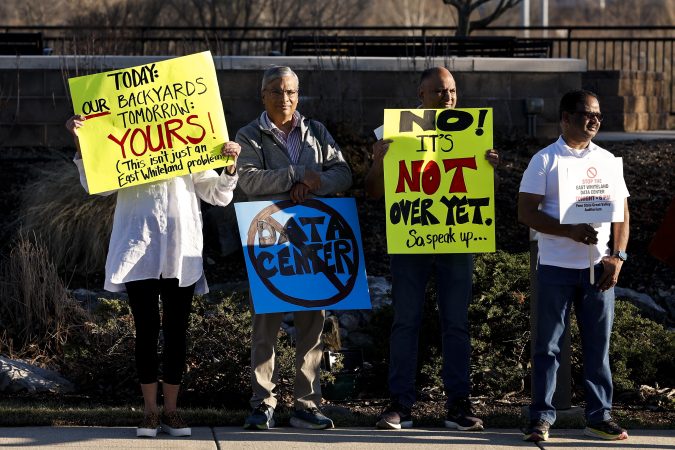
    There’s been a lot of push and pull as developers look to move ahead with a data center on a former Superfund site in East Whiteland Township. We break down the proposals and what comes next. Also this week, local mushroom farmers are at odds over a national policy, two county school districts are among the area’s highest spenders on athletics, plus, a Kennett Square couple used a Longwood Gardens fountain show for their gender reveal.

    If someone forwarded you this email, sign up for free here.

    Everything you need to know about the East Whiteland data center development

    A developer is looking to build a data center on a Superfund site. Jose F. Moreno / Staff Photographer

    Like the plumes of dust rising from the site of what soon could become a data center in East Whiteland Township, concern rose in Malvern Hunt resident Kelly Donia as construction vehicles moved about it last month.

    While the township has issued a stop-work order to assess the safety of the former Cyprus Foote Mineral Co. property, now a Superfund site, neighbors continue to express concern over the potential environmental impacts.

    The Inquirer’s Frank Kummer and Brooke Schultz explain where things stand and what could come next.

    📍 Countywide News

    💡 Community News

    • A Kennett Square couple recently celebrated their wedding and the birth of their child, revealing the gender during a custom fountain show at their reception at Longwood Gardens.
    • Phoenixville native and former Olympian Tyler Nase has been named the next head coach of women’s rowing at the University of Pennsylvania.
    • Longtime Vanguard Group executive and Chester Springs resident Gerry O’Reilly died suddenly last month. He was a former Irish Olympian and Villanova University Hall of Famer.
    • Oxford’s borough council is hosting a special meeting tonight at 7 p.m. to continue discussions about the future of its police department, with a possible vote on the table. The meeting will also be live streamed.
    • Franklin Township’s board of supervisors is holding a meeting Monday at 7 p.m. to discuss the future planned merger of the Avondale and West Grove Fire Companies, including their combined budget and interim governance agreement. Virtual attendees can also join via Zoom.
    • The Coatesville VA Medical Center will undergo a number of updates after receiving funds from Veterans Health Administration, including renovations to two buildings and a new roof on another.
    • East Goshen Township is launching a five-month composting pilot program in August for 50 households.
    • Penn Township is hosting a ribbon cutting today from 10 a.m. to noon for its new fitness court at Penn Township Park.
    • Phoenixville women’s boutique Refinery has expanded to a second location at 117 E. King St. in Malvern.
    • Ducklings Early Learning Center is expanding to Elverson, with its new location set to debut Monday. There’s a sneak peek event today from 4 to 7 p.m. Located at 4987 N. Twin Valley Rd., Ducklings Early Learning Center offers daycare and preschool programming.

    🏫 Schools Briefing

    • West Chester Area School District had a 28% participation rate for student athletics during the 2024-25 school year, putting it among the highest in the region. Along with the Phoenixville Area School District, it spent over $1,100 per high school student on athletics, The Inquirer’s Maddie Hanna reports.
    • Coatesville Area School District has named Jennifer Becker assistant principal of Rainbow Elementary School.
    • Octorara Area School District has named Angela Regrut principal of Octorara Primary Learning Center.
    • The West Chester school district has appointed a supervisor of strategic initiatives and district partnerships. Katie Walker will begin in the newly created role in August.

    🍽️ On our Plate

    • Goodness Bowls, which serves smoothies, bowls, juices, salads, and wraps, opened its newest location last week at 5 Paoli Plaza in Paoli.
    • A new ramen and Hawaiian barbecue spot opened recently in West Chester. Located at 124 E. Market St., Momoyama also serves fried noodles and rice, steamed buns, and dumplings.
    • Origami Asian Fusion recently opened in Exton. The BYOB serves sushi and Chinese dishes.

    🎳 Things to Do

    🎙️ Sound of Summer Free Concert Series: Wide-ranging cover band The Late Ambitions, which plays everything from the ‘50s to today, will perform. ⏰ Wednesday, July 29, 6:30-8:30 p.m. 💵 Free 📍 Anson B. Nixon Park, Kennett Square

    🛍️ Phoenixville Vintage Fest: Browse vintage goods and listen to live music at this two-day event. ⏰ Saturday, Aug. 1 and Sunday, Aug. 2, 9 a.m.-4 p.m. 💵 Pay as you go 📍 Main and Bridge Streets parking lot, Phoenixville

    🎆 Uwchlan Township Community Day: This celebration includes live music, food trucks, and kids activities followed by fireworks. ⏰ Saturday, Aug. 1, 4-9 p.m. 💵 Pay as you go 📍 Lionville Park, Exton

    🎀 Legally Blonde The Musical: See a musical adaptation of the iconic Reese Witherspoon movie. ⏰ Thursday, July 30-Saturday, Aug. 1, times vary 💵 $20-$28 📍 Uptown! Knauer Performing Arts Center, West Chester

    🇺🇸 Drone Show: Catch a patriotic drone show over West Chester. ⏰ Sunday, Aug. 2, 9 p.m. 💵 Free 📍 Downtown West Chester

    🏡 On the Market

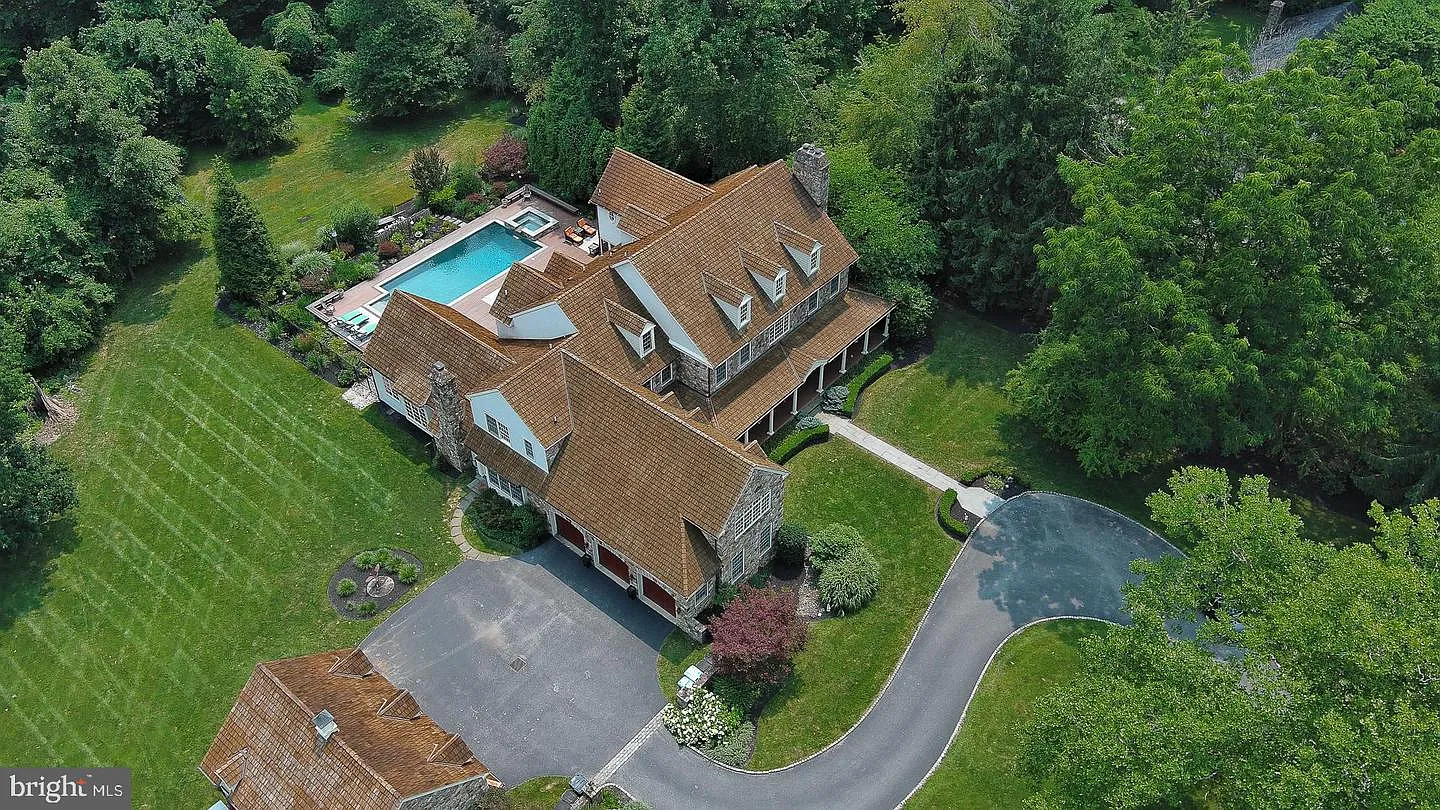
    An elegant six-bedroom Berwyn estate with a pool and spa

    An aerial view of the home, which has a pool, spa, and detached garage.David Ocenas | Courtesy of Michael and Maribeth McConnell/Berkshire Hathaway Fox & Roach Realtors

    Thanks to a classic design, this stone estate looks historic but has all the trappings of a modern home. Some of its features include a kitchen with high-end appliances and an oversized island, a butler’s pantry, and a family room with vaulted ceilings. The home has six bedrooms, including a primary suite with a fireplace and two walk-in closets. There’s also plenty of outdoor living space thanks to a three-season room, a large deck with a fireplace, and a pool and spa. There’s an open house tomorrow from 2 to 4 p.m.

    See more photos of the property here.

    Price: $3.195M | Size: 9,339 SF | Acreage: 1.91

    🗞️ What other Chester County residents are reading this week:

    By submitting your written, visual, and/or audio contributions, you agree to The Inquirer’s Terms of Use, including the grant of rights in Section 10.

    This suburban content is produced with support from the Leslie Miller and Richard Worley Foundation and The Lenfest Institute for Journalism. Editorial content is created independently of the project donors. Gifts to support The Inquirer’s high-impact journalism can be made at inquirer.com/donate. A list of Lenfest Institute donors can be found at lenfestinstitute.org/supporters.
  • Craig LaBan reviews Barclay Pies | Inquirer Cherry Hill

    Craig LaBan reviews Barclay Pies | Inquirer Cherry Hill

    Hello, Cherry Hill! 👋

    Finding a good gluten-free pizza can be a challenge, but Barclay Pies has risen to it, according to Inquirer food critic Craig LaBan. Also this week, the township has banned large-scale data centers, the former chief baking officer at Classic Cake is opening a nearby cake shop, plus, the latest on roadwork throughout the township.

    If someone forwarded you this email, sign up for free here.

    Barclay Pies sets a new standard for gluten-free pizza

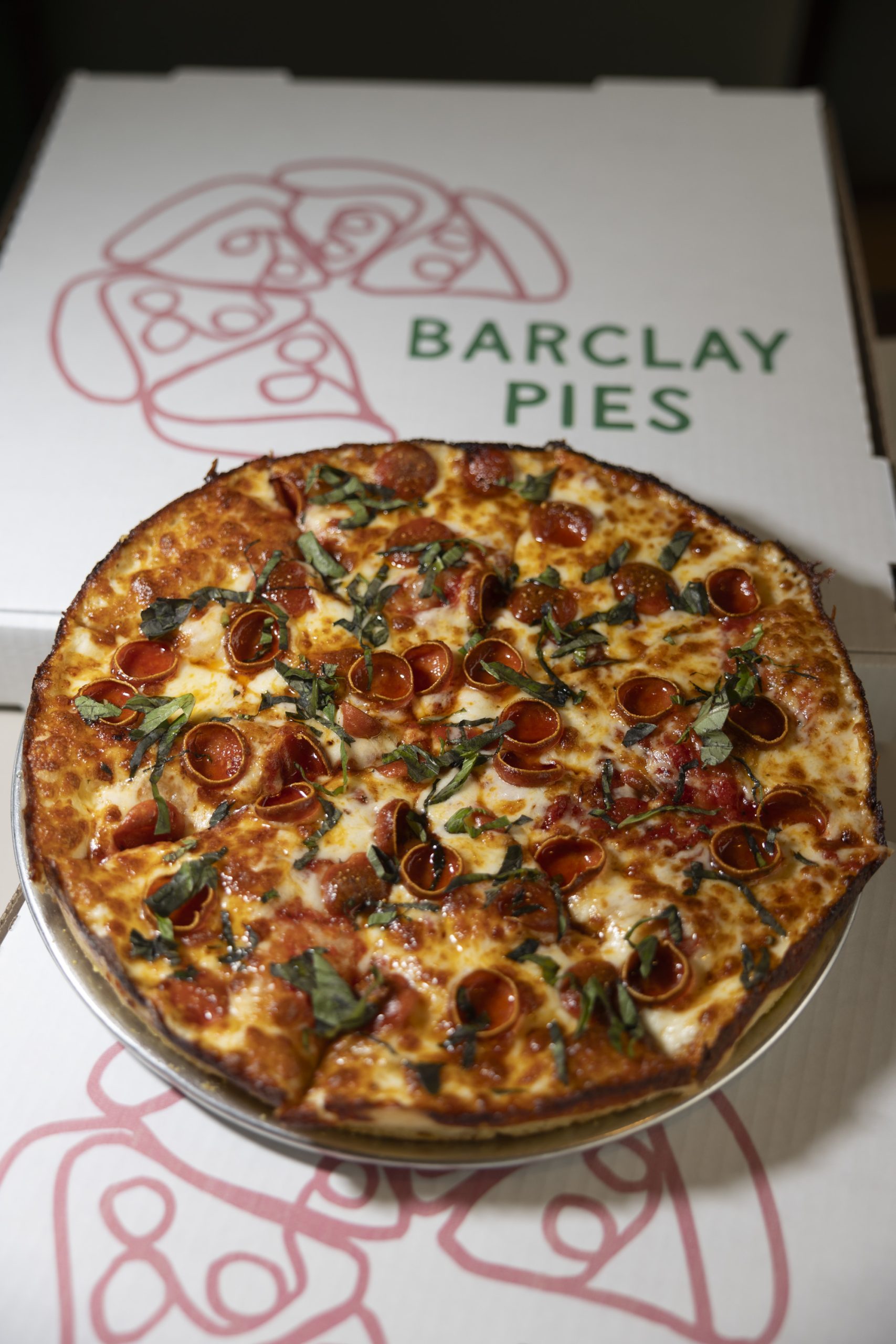
    A gluten-free pepperoni pizza at Barclay Pies. Tyger Williams / Staff Photographer

    Gluten-free pies that don’t look like cardboard circles and mozzarella sticks that are safe for non-gluten-eaters to enjoy? Barclay Pies is serving up versions of both that are far tastier than many of their contemporaries, according to Inquirer food critic Craig LaBan.

    He recently reviewed the roughly year-old Marlton Pike pizza joint and he’s not the only one impressed by the shop’s high-hydration crusts dusted with cornmeal. The shop has gained buzz among the gluten-free community, so much so that gluten-free pies make up about a third of all Barclay’s orders.

    Here’s what LaBan liked about the Detroit-style offerings and how they stack up to their gluten-filled counterparts.

    💡 Community News

    • In case you missed it, large-scale data centers have been banned from being developed in Cherry Hill after township council voted on a zoning ordinance amendment at Monday’s meeting. The Inquirer’s Lacey Latch has the details.
    • The former site of Roma Bank at 1951 Route 70 East could soon become a medical office complex. The developer will go before the planning board on Monday for variance approval for a 6,000-square-foot space for up to two tenants.
    • Roadwork continues on Kenilworth Avenue, and Haddonfield-Berlin, Kresson, Springdale, and Old Orchard Roads, causing closures, detours, and delays. Here’s the latest.
    • After months of searching, Chabad of Cherry Hill West has found a new home in an office building on Chapel Avenue, near AMC Theatres, Philadelphia Jewish Exponent reports.
    • The township mailed tax bills for the second half of 2026 last week and has extended the grace period until Aug. 19.

    🏫 Schools Briefing

    • Kwame Morton is the second-highest paid superintendent in Camden County, according to state budget data for 2025-26. He had a base salary of $242,925, putting him behind Winslow Township’s superintendent and ahead of Camden City’s. That figure ranks 91st statewide, according to the Courier Post.

    🍽️ On our Plate

    • Al DiBartolo, the former chief baking officer at Classic Cake on Evesham Road, is opening his own 900-square-foot bakery within Del Buono’s Pastry Shop, which is set to debut in Haddon Township late next month. DiBartolo’s Kakery will have grab-and-go cakes, as well as custom and wedding cakes.
    • Quickway Japanese Hibachi opened this week at Ellisburg Shopping Center. The eatery serves bento boxes, sushi, poke, and hibachi dishes.

    🎳 Things to Do

    🕺 80s and 90s Party: Throwback hip hop and R&B tunes will dominate this dance party. ⏰ Saturday, Aug. 1, 6-10 p.m. 💵 $24.71 📍 Vera

    🎧 Cherry Hill Record Riot: Browse dozens of tables of albums. ⏰ Sunday, Aug. 2, 10 a.m.-4 p.m. 💵 Prices vary 📍 Holiday Inn Philadelphia-Cherry Hill

    🫧 Mr. Foamtastic Foam Party: Kids can play in suds outside the library. ⏰ Tuesday, Aug. 4, 2-3 p.m. (Rain date: Aug. 7) 💵 Free 📍 Cherry Hill Public Library

    🚓 National Night Out: The community event will feature demonstrations, food, games, and music. ⏰ Tuesday, Aug. 4, 6-8:30 p.m. 💵 Free 📍 Croft Farm

    🗓️ Looking for more things to do? Check out our guide to ongoing South Jersey events.

    🏡 On the Market

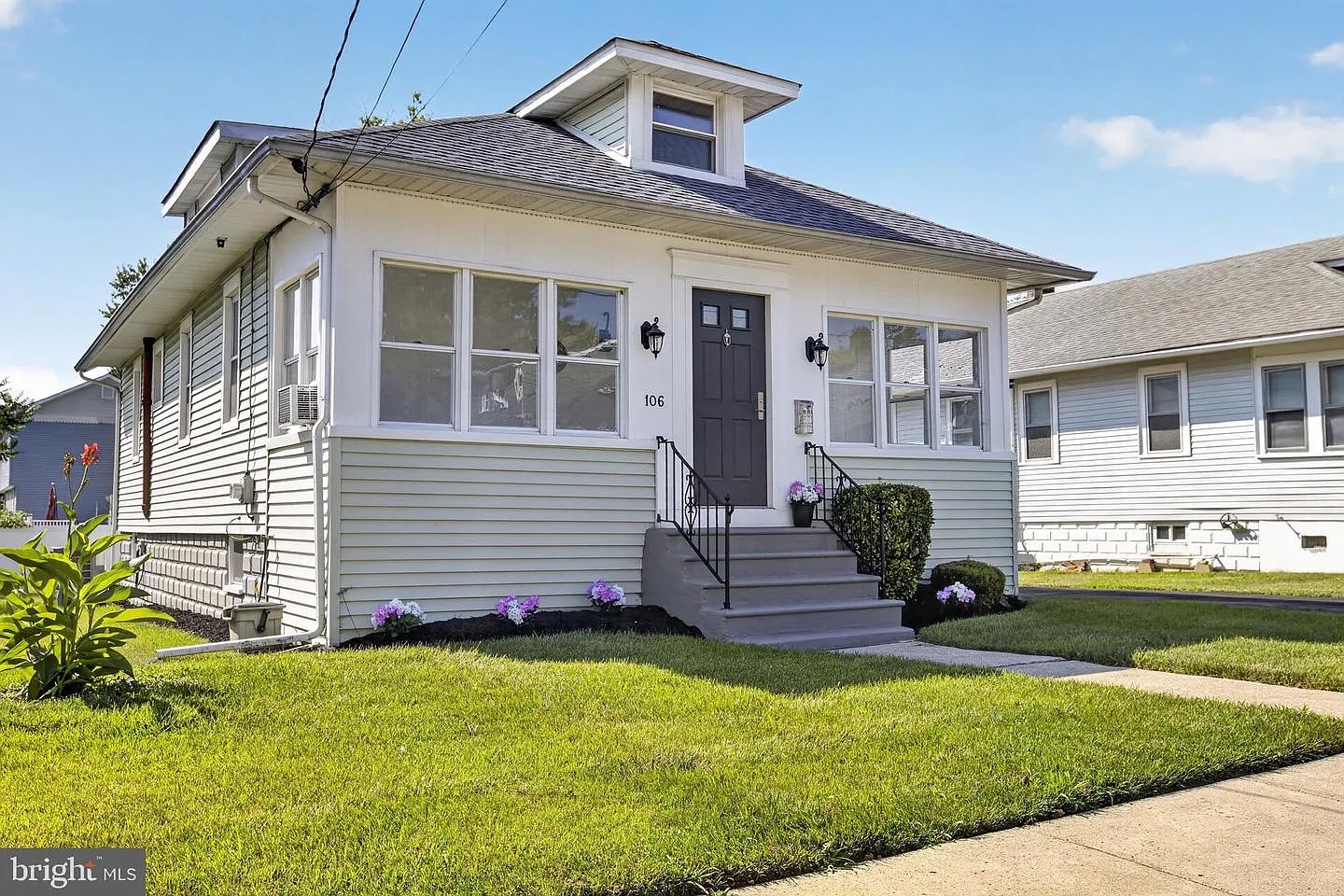
    An updated century-old bungalow

    The exterior of 106 Linderman Ave. in Cherry Hill, New Jersey.
    The exterior of 106 Linderman Ave. in Cherry Hill, New Jersey.Tory Schroff, Keller Williams Realty – Moorestown

    Built in 1926, this three-bedroom, two-bathroom home in the Barlow neighborhood has been recently updated and features two spaces to connect to the outdoors. In the front, there’s an enclosed porch, while out back, a deck leads to the yard and a detached two-car garage.

    See more photos of the home here.

    Price: $389,900 | Size: 1,500 SF | Acreage: 0.14

    🗞️ What other Cherry Hill residents are reading this week:

    By submitting your written, visual, and/or audio contributions, you agree to The Inquirer’s Terms of Use, including the grant of rights in Section 10.

    This suburban content is produced with support from the Leslie Miller and Richard Worley Foundation and The Lenfest Institute for Journalism. Editorial content is created independently of the project donors. Gifts to support The Inquirer’s high-impact journalism can be made at inquirer.com/donate. A list of Lenfest Institute donors can be found at lenfestinstitute.org/supporters.
  • Barclay Pies in Cherry Hill sets a new standard for gluten-free pizza in the Philly area

    Barclay Pies in Cherry Hill sets a new standard for gluten-free pizza in the Philly area

    It’s been a long time since Samantha and Mike Garbose have been able to truly enjoy the same pizza together. Ever since Mike discovered an intolerance to gluten in 2019, their pizza dates have resulted in this married couple ordering a “his” and “hers” situation with separate pies.

    Being relegated to the gluten-free alternative is not a fate Mike begrudges: “We both agree that each of us is totally entitled to the food that our diets and preferences warrant.” Then again, the contrast in quality between standard wheat-flour crusts and those made with gluten-free ingredients can be hard to ignore.

    “At places that have both gluten [-full] and gluten-free pizza,” says Samantha, “usually I get something that looks phenomenal and Mike gets something that looks like a cardboard circle — and then I feel guilty about that.”

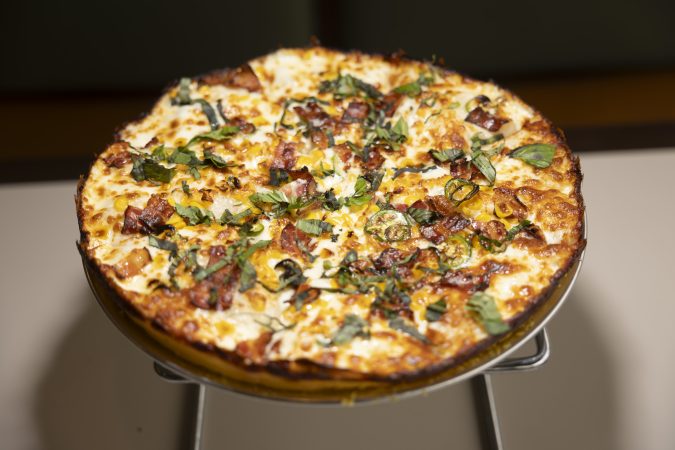
    Gluten-free pizza with summer corn at Barclay Pies in Cherry Hill.Tyger Williams / Staff Photographer

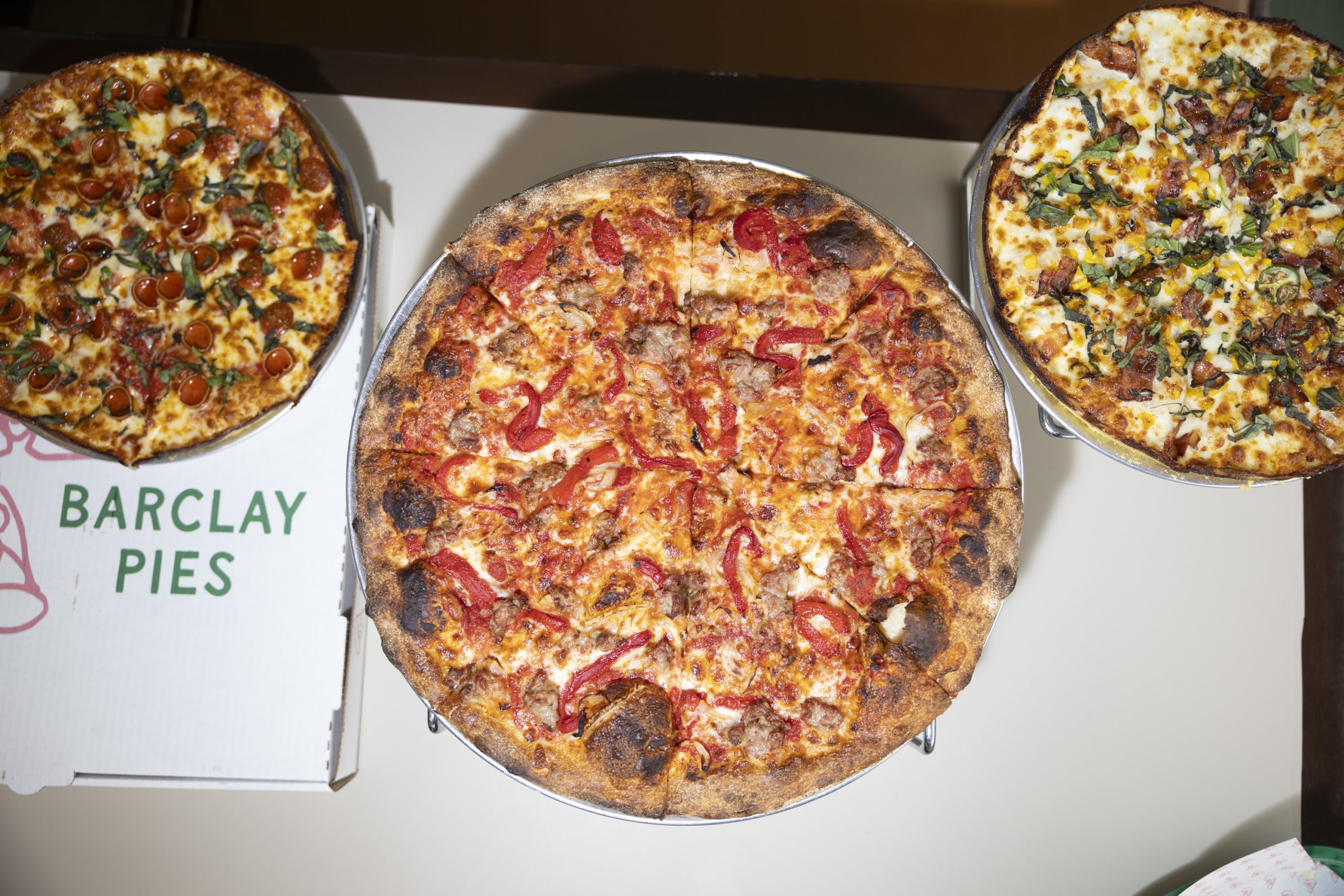
    But there would be no guilt tonight at Barclay Pies. Not once the first gluten-free pizza arrives at our table, its airy puff of a crust crisped around the edges to a tawny snap that beckons from under a crown of molten mozzarella topped with sweet summer corn, bacon, and chile peppers. Another pie arrives, this one zesty with a layer of red sauce bursting with bright California tomatoes and a whiff of oregano; fistfuls of cup-and-char pepperoni rounds are scattered over the top, then finished with honey and freshly ripped basil.

    “Oh wow, that does not even look gluten-free!” says Samantha.

    That’s been my exact reaction every time I’ve visited this pizzeria in Cherry Hill, initially with my daughter, Alice, who has celiac disease. Barclay also makes standard pizzas with glutinous flour, but it has generated a serious buzz within the gluten-free community over the course of its first year — for good reason.

    Gluten-free pizza with pepperoni at Barclay Pies in Cherry Hill.Tyger Williams / Staff Photographer
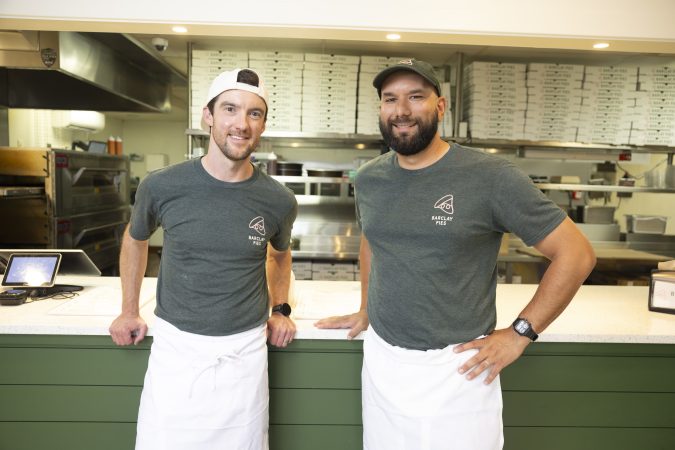
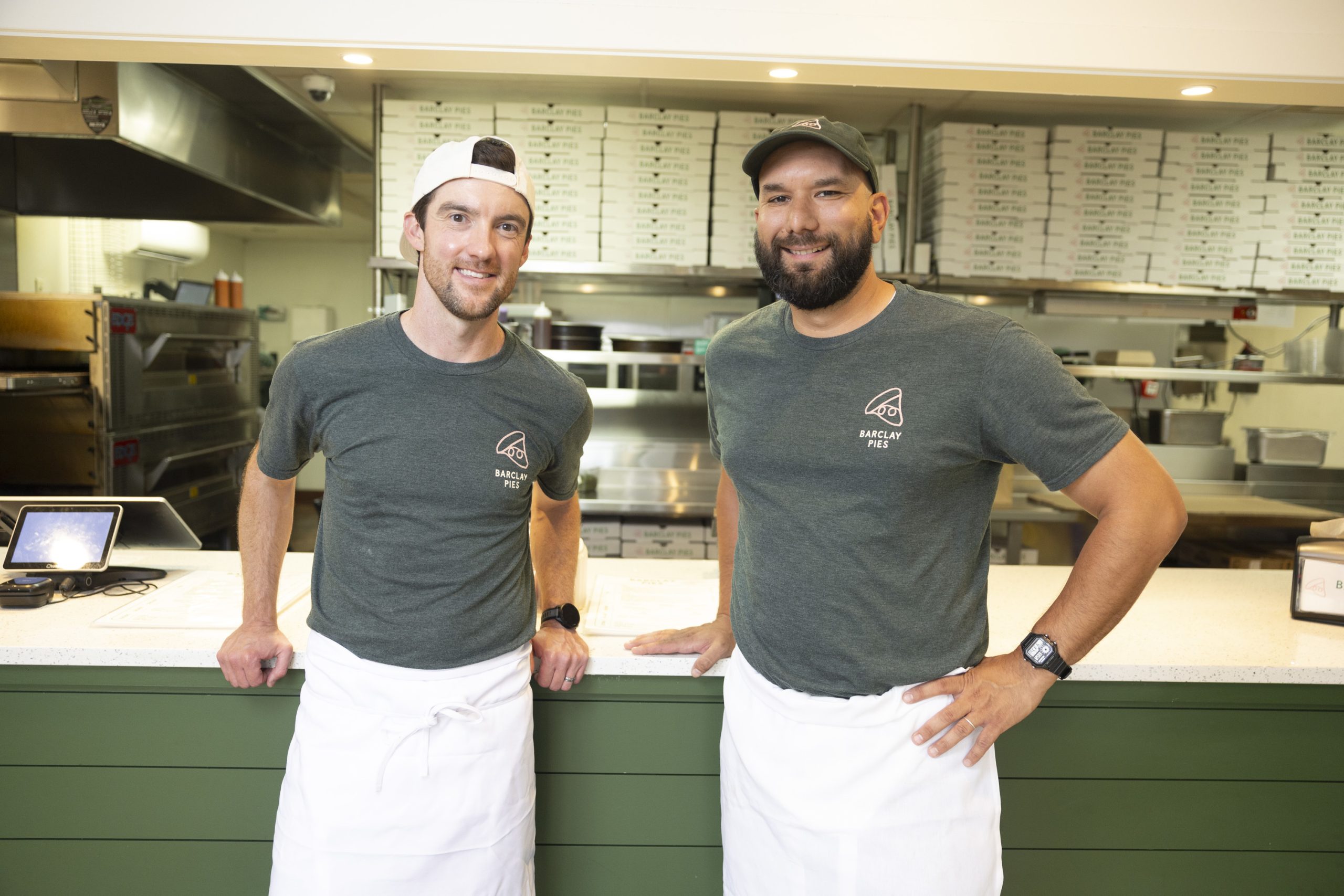
    Co-owners Thomas “TJ” Hunton (left) and Daniel Romero at Barclay Pies in Cherry Hill.Tyger Williams / Staff Photographer

    Barclay Pies was launched last summer by friends Thomas “TJ” Hunton, a regional director of operations for Shake Shack, and Daniel Romero, a vice president in engineering for Aramark. Its remarkably good pizzas, careful protocols to avoid cross contamination, and outgoing hospitality have helped change the narrative about what’s possible in a fast-casual setting with gluten-free options that go beyond just the pies.

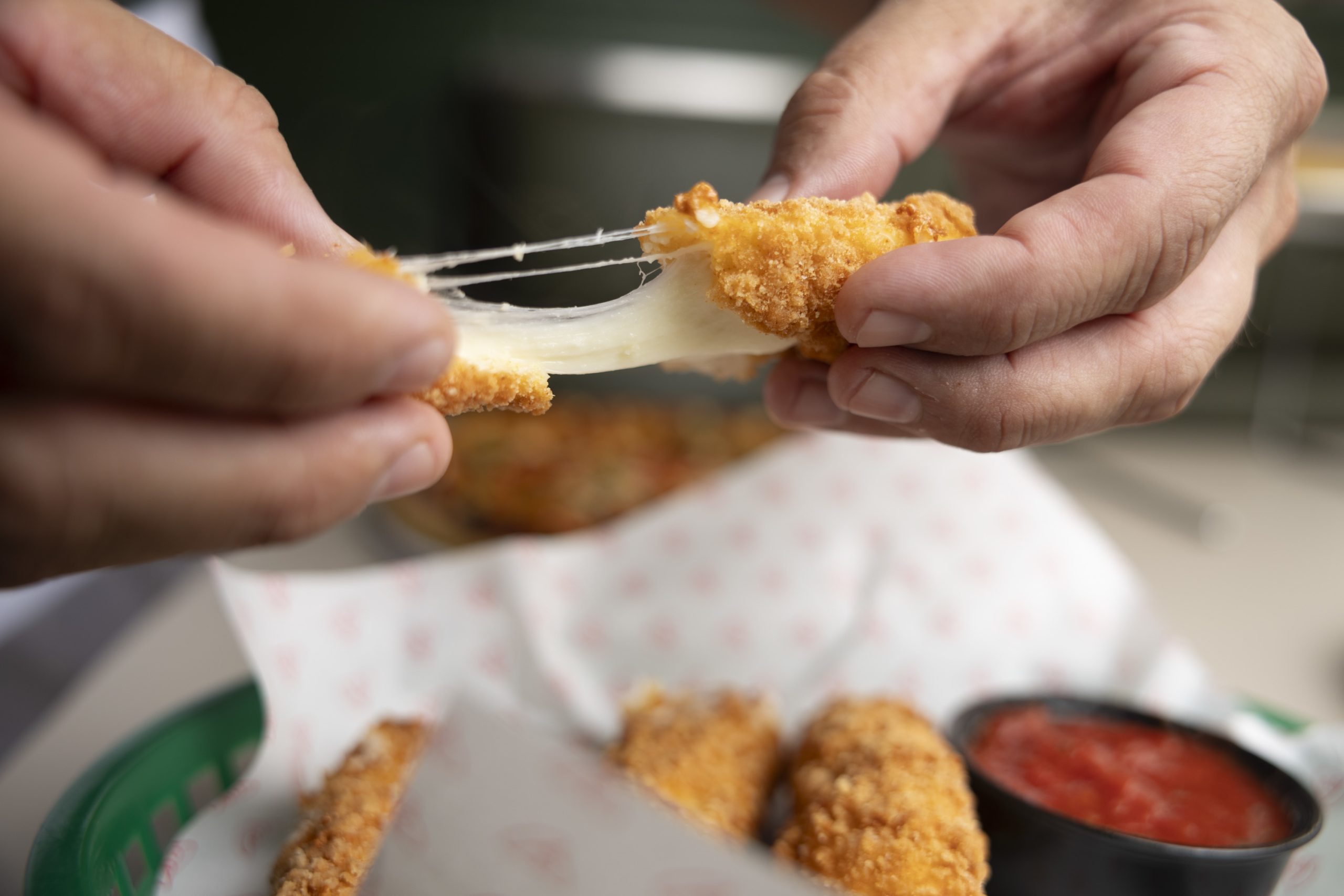
    Indeed, a mozzarella stick was the first bite to turn heads at our table. A safe-to-eat mozzarella stick is rare and coveted in the gluten-free community because deep fryers are common culprits for cross contamination. Not only are Barclay’s fryers completely gluten-free, these delicately hand-breaded sticks encrusted in potato starch, rice flour, and gluten-free panko crumbs are perfectly crisped. There is also a hunk of milky fresh mozzarella inside (another rarity: most use standard low-moisture varieties) that offered hot cheese-pull satisfaction from one side of the table to the next.

    Gluten-free mozzarella sticks at Barclay Pies in Cherry Hill.Tyger Williams / Staff Photographer

    The chicken wings were also superb, tender and juicy from a dry brine and par-bake, sealed inside a sheer crust of egg whites and rice flour, available in several good flavors, from punchy Buffalo sauce shaded with the richness of brown butter to lemon-pepper that sparkled in its craggy breading.

    My encounters on previous visits with boneless chicken tenders were far less inspired, including some overly brined meat so rubbery they gave me a refund. But I was heartened by a 360-degree turnaround on this latest visit. The team recently reworked their recipe, and the final results — expertly verified by Hunton’s 6-year-old daughter, Amelia — are stellar: a perfectly tender baton of meat in a flavorful crust ready for various house-made dips. The tangy ranch with buttermilk and fresh herbs was a favorite, though classic honey mustard also did the trick.

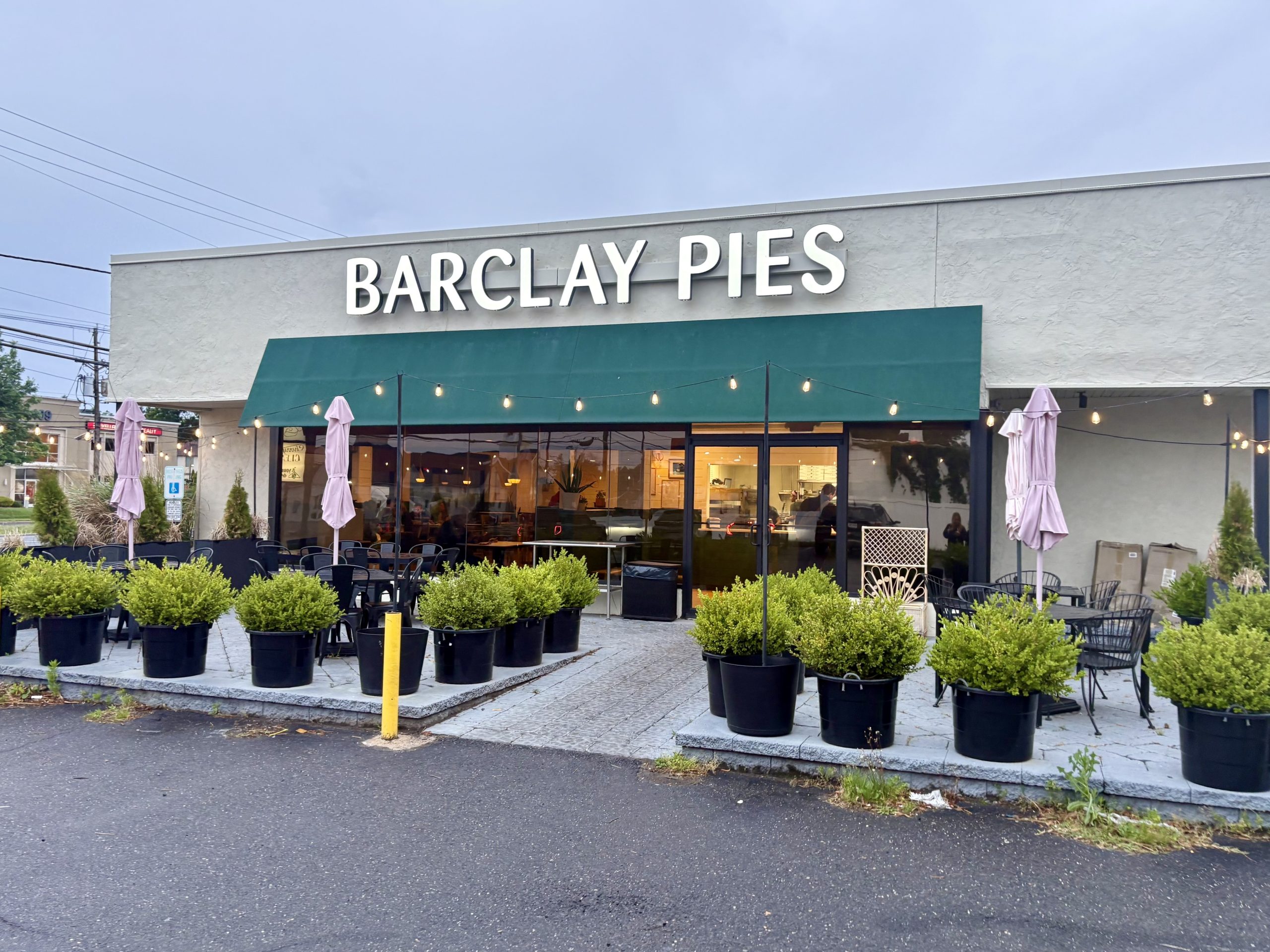
    Barclay Pies, located along Route 70 in Cherry Hill, has become known for its gluten-free pizzas.Craig LaBan / Staff
    Julie Romero (center right), of Cherry Hill, and Claire Ryder, of Collingswood, are enjoying some gluten-free pizza at Barclay Pies in Cherry Hill on July 21.Tyger Williams / Staff Photographer

    But pizza, of course, is the restaurant’s prime magnet. The duo decided to tackle the daunting gluten-free genre because Romero’s wife, Julie, has celiac disease. Making a gluten-free pizza worth the trouble is a major challenge. Gluten is a key protein found in certain grains — namely wheat, barley, and rye — that provides the structure to hold gas bubbles during fermentation and fosters a chewy, complex crust. Until recently, most GF versions of pizza I’ve tasted, whether made from alternative flours or cauliflower — and commonly outsourced in restaurants to avoid cross contamination — have been less than exciting, with textures ranging between pressboard and Styrofoam.

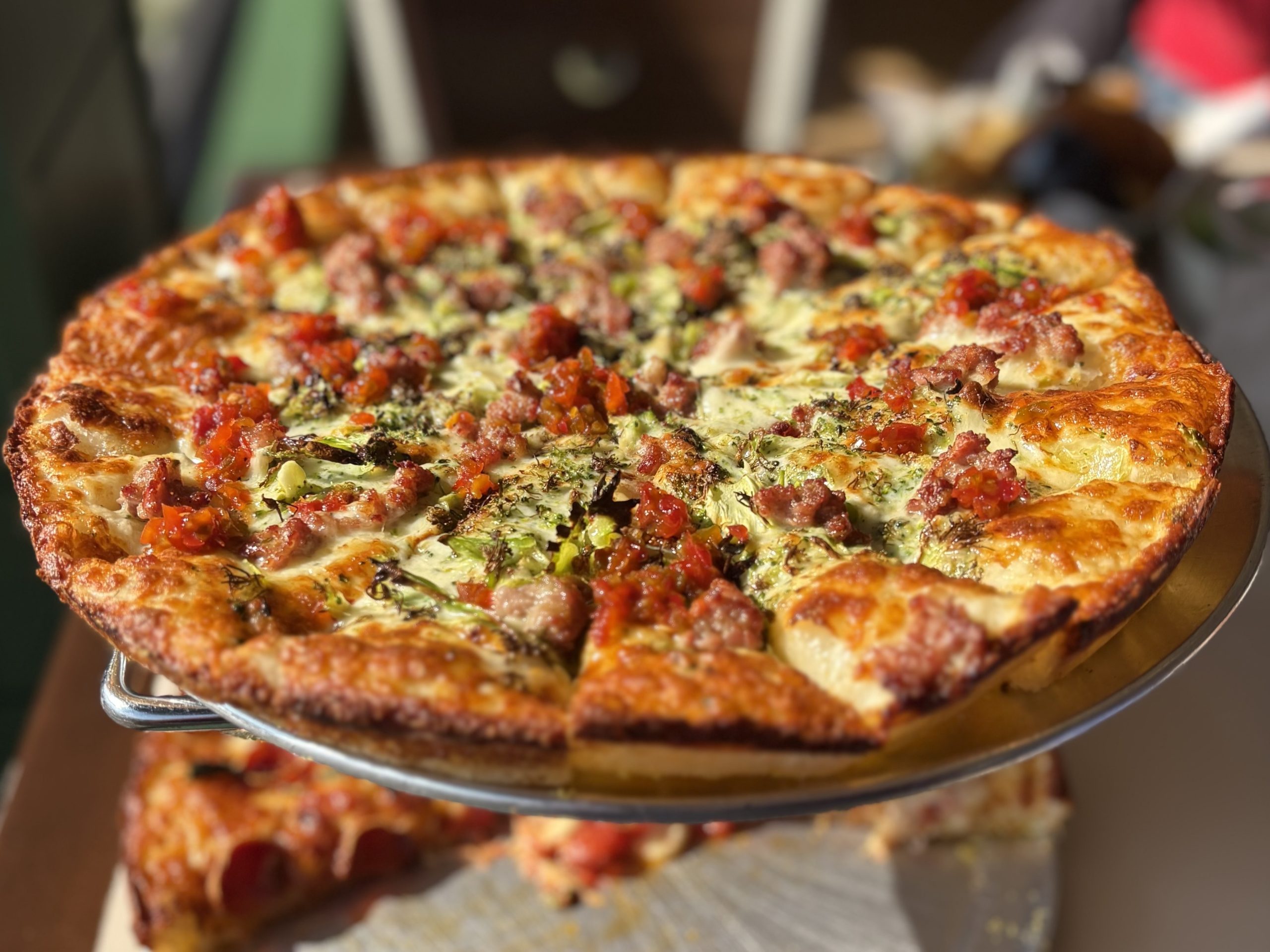
    Barclay’s gluten-free pies are not that. The Romeros worked for nine months to perfect a high-hydration crust that puffs like a supple focaccia. With a light dusting of cornmeal adding a delicate bottom crunch and the Detroit-style crispy frico cheese band around the edges, the pie achieves textural contrasts this gluten-free dough itself would not otherwise form. The pan-based format is helpful to prevent cross contamination, but having grown up in the Midwest, where deep-crusted pies are common, I found these to be completely satisfying platforms for Barclay’s toppings. I was impressed by the mushroom pie that blends thin-shaved creminis with caramelized onions over a white base of seasoned heavy cream and mozzarella. I also enjoyed the locally inspired combo of fennel sausage, broccoli, and zesty cherry pepper hoagie relish, the addition of Cooper Sharp lending the base of molten mozzarella some extra South Philly flow.

    The gluten-free broccoli and sausage pizza at Barclay Pies in Cherry Hill also comes topped with hoagie pepper relish.Craig LaBan / Staff

    I appreciate that Barclay is continuously tweaking its recipes, increasing the size of its fresh sausage chunks from the dried-out crumbles I found early on to the porky nuggets that dotted the roasted pepper-sausage pie we ordered on a traditional gluten-full round. That pizza had a perfectly fine, well-developed crust that was solid by neighborhood pizzeria standards. But the gluten-free pies are the draw, special enough to merit a regionwide pilgrimage.

    Samantha Garbose agreed: “Usually when we get gluten-free food together, I’m pretending it’s good, but I actually thought [Barclay’s] gluten-free pizza was better than the one that had gluten.”

    Standard gluten-full pizza with sausage and peppers at Barclay Pies in Cherry Hill.Tyger Williams / Staff Photographer

    Barclay’s sales numbers are starting to bear this out. Hunton says they initially anticipated selling only 10 gluten-free pies a day to supplement their traditional pizza sales. But gluten-free pies now account for a third of the pizzas they bake.

    “By the end of the first month we realized we’d really struck a chord,” says Hunton. “There’s a market need for a pizzeria that was truly inclusive.” Barclay also offers vegan pizzas with a cheese substitute made in-house from oat milk and tofu, deliberately avoiding nuts, an allergen ingredient commonly used in vegan cheese.

    There’s still a catch. One reason this dough is so good is because it uses Caputo Fioreglut, an Italian gluten-free flour blend that contains wheat starch whose gluten proteins have been removed. Fioreglut performs closer to wheat flour than most GF blends and is considered safe for most celiacs, but not for those who have an allergy to wheat.

    “We need to be pizza for everyone and we’re not fully there quite yet,” concedes Romero. “But that’s our North Star.”

    The gluten-free broccoli and sausage pizza at Barclay Pies in Cherry Hill also comes topped with hoagie pepper relish.Craig LaBan / Staff

    The past few years have been a vibrant era for local experimentation with better gluten-free pizza alternatives, though few compare to Barclay Pies’ crust. Emmy Squared has long made gluten-free versions of its standard Detroit pies in Queen Village. Corio in University City has been working on a potato-based dough for thin-crusted counterparts to its Neapolitan-style pizzas. Gluten-free pasta specialist Settantatré has mastered an airy gluten-free focaccia base for the tomato pies it sells at local farmers market stands and its Berwyn market-cafe. Perhaps the best gluten-free pizza I’ve ever eaten was created by 13th Street Cocktails caterer Aaron Gordon for the exceptional pan pies at his Agricola in Passyunk Square, but this quirky corner pizza atelier is not a reliable source for frequent orders, limited now to only private charity events (but perhaps reopening to the public this fall).

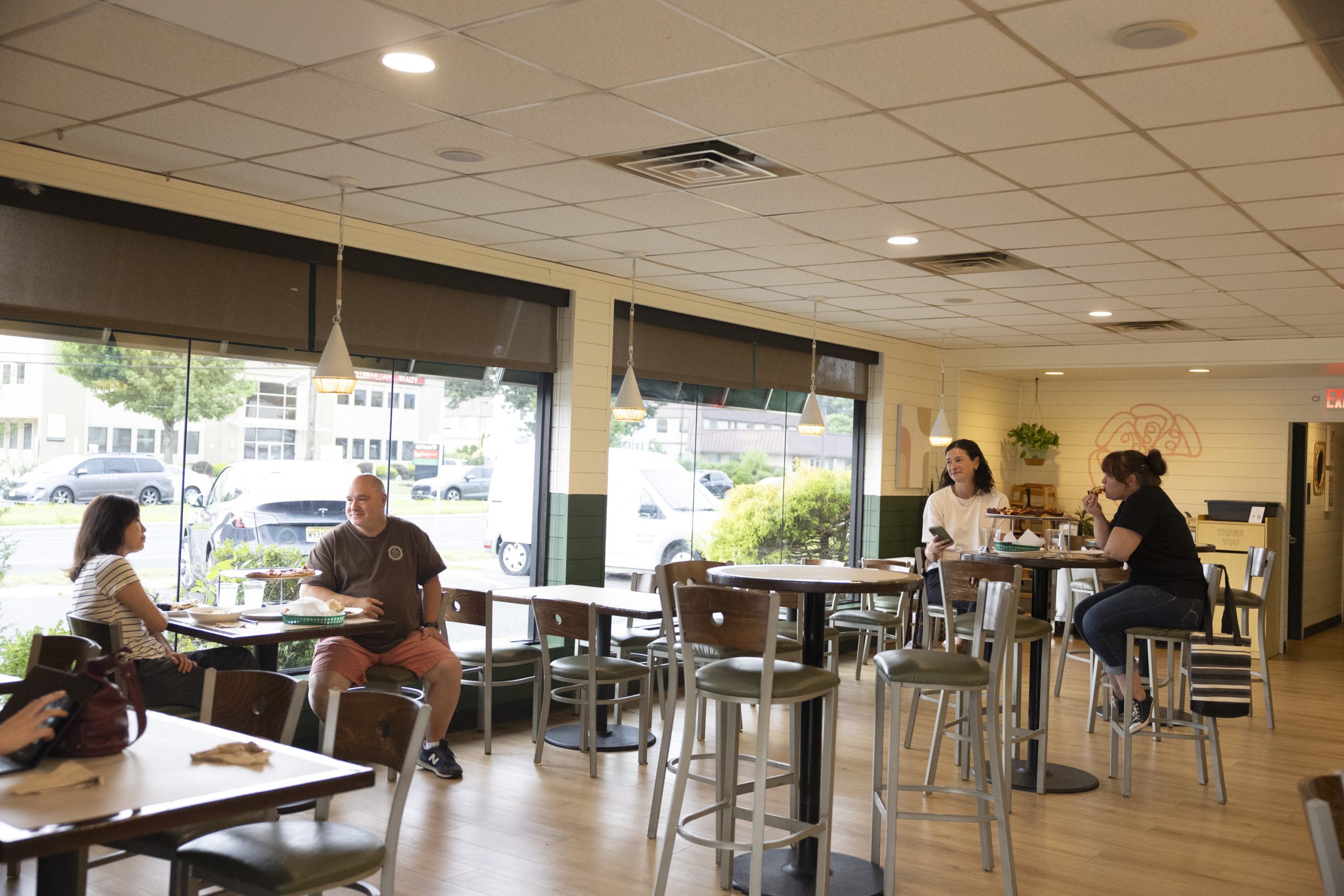
    Hunton and Romero have drawn on their professional experiences to quickly build Barclay Pies into the region’s most accessible hub for gluten-free pizza satisfaction. With its 50 indoor seats, 25 on its patio, and a bright pink-and-green makeover for the former Seasons Pizza, they’ve created a pleasant dining space with user-friendly systems for a cheerful and well-trained staff to operate efficiently while the owners, who are frequently there, also retain their day jobs. (Hunton, a Garces alum, still oversees operations at 70 Shake Shacks from New York to Virginia.)

    Most importantly, gluten-free customers can take comfort in knowing protocols have been put in place to minimize risks of cross contamination. The gluten-free dough is mixed first thing each morning in a separate GF-only mixer, prepped at a separate station, run through a dedicated conveyor belt oven, and finished at a separate station with color-coded cutters and spatulas. The gluten-free pies are also proofed and cooked in round pans to clearly distinguish them from the gluten-full Detroit pies that are cooked in square pans.

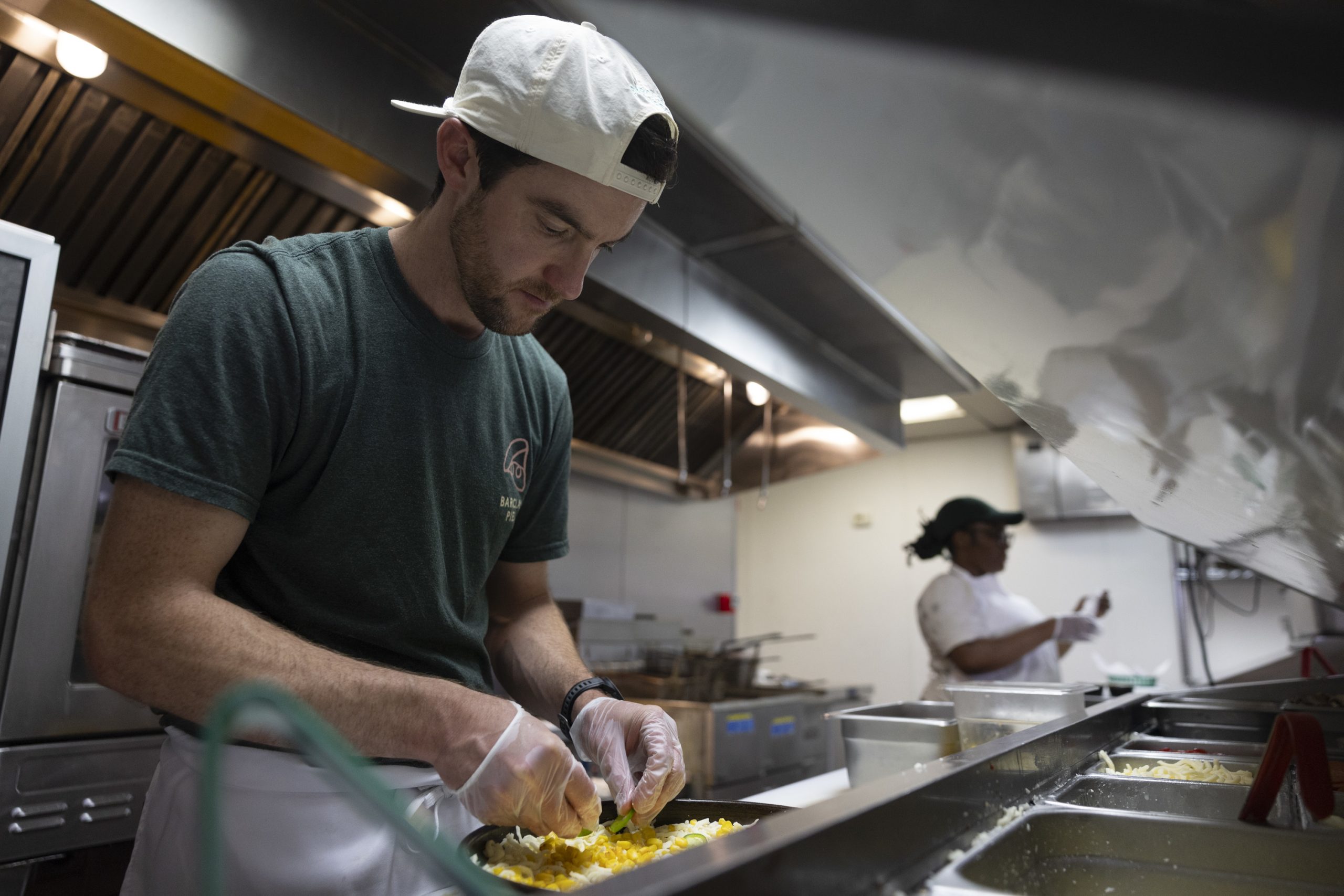
    Co-owner Thomas “TJ” Hunton making gluten-free pizza with summer corn at Barclay Pies in Cherry Hill.Tyger Williams / Staff Photographer

    While there will never be 0% risk as long as products with gluten are made in-house, and that may not suit those who are especially sensitive, my daughter ate there three times without incident. Hunton and Romero also strongly believe there is a broader community benefit to offering both options, as opposed to being entirely gluten-free. This way groups of diners with diverse needs and preferences can feel seen and safely served together without being singled out.

    This works especially well for the Garboses.

    “We’d prefer to go to a restaurant that has great options for both of us,” says Mike. “Life is too short for either of us to eat bad food.”

    But in the case of Barclay Pies, their “his and hers” pizza night had a different, guilt-free twist: “It’s been so long since Mike and I got to actually enjoy the same pizza,” says Samantha. “This was really a thrill.”

    Gluten-free pizza with pepperoni at Barclay Pies in Cherry Hill, N.J., on Tuesday, July 21, 2026.Tyger Williams / Staff Photographer

    Barclay Pies

    450 Marlton Pike, Cherry Hill Township, N.J. 856-712-1900; barclaypies.com

    Open Sunday to Thursday, 11 a.m. to 9 p.m.; Friday and Saturday, until 9:30 p.m.

    Pizzas, $19-$24 (plus $4 for gluten-free crust).

    Wheelchair accessible.

    Menu is almost entirely gluten-free. Standard pizzas with gluten-full flour are made in the same facility but extreme care and protocols are taken to prevent cross contamination.

    BYOB. There are several excellent liquor stores nearby. The restaurant also provides good-quality stemless plastic drinkware.

    Menu Highlights: Gluten-free pizzas; mozzarella sticks; wings; chicken tenders.

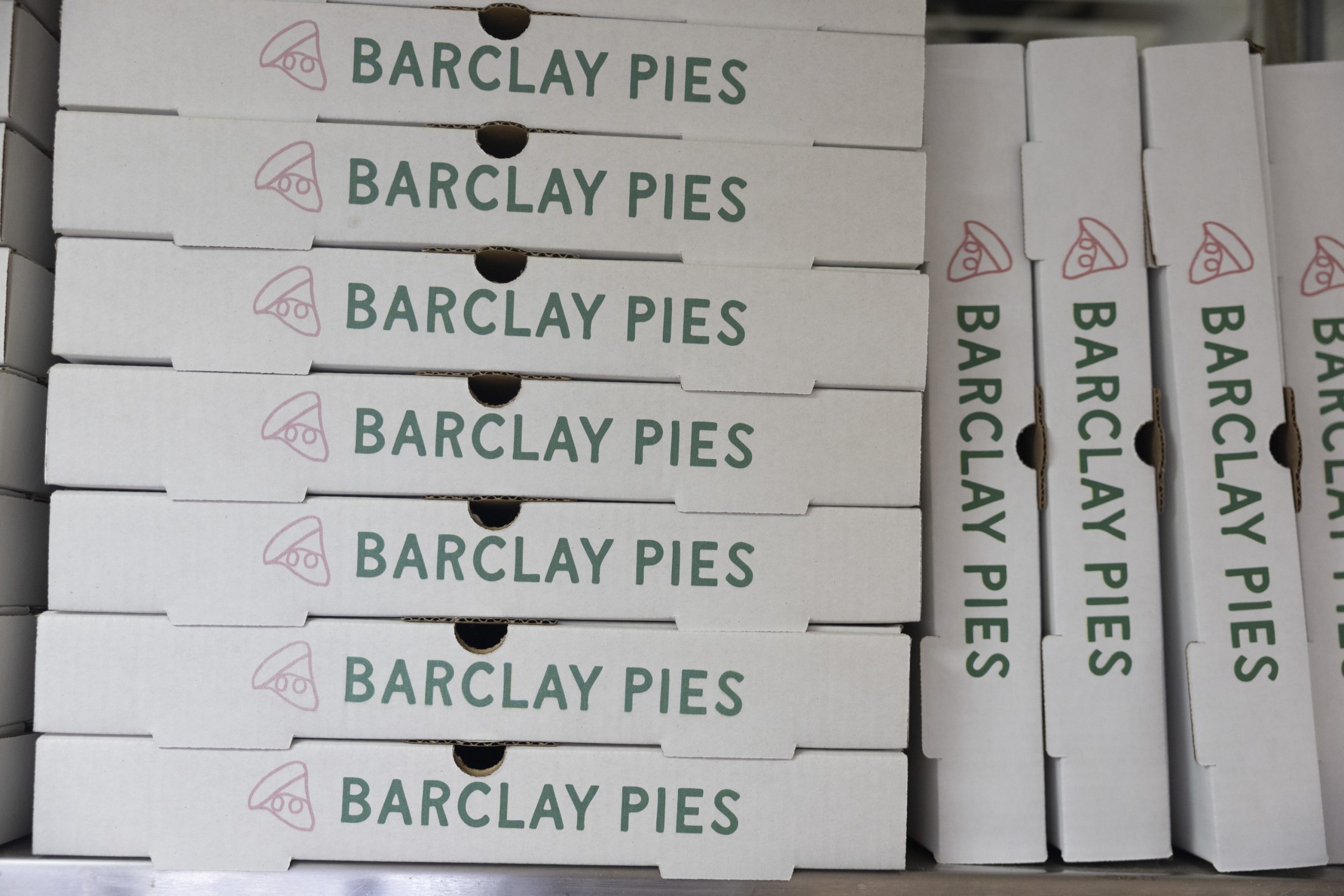
    Barclay Pies boxes in Cherry Hill.Tyger Williams / Staff Photographer
  • Cherry Hill joins a growing list of South Jersey municipalities to formally ban large-scale data centers

    Cherry Hill joins a growing list of South Jersey municipalities to formally ban large-scale data centers

    Cherry Hill just became the latest municipality in New Jersey to formally ban the development of large-scale data centers.

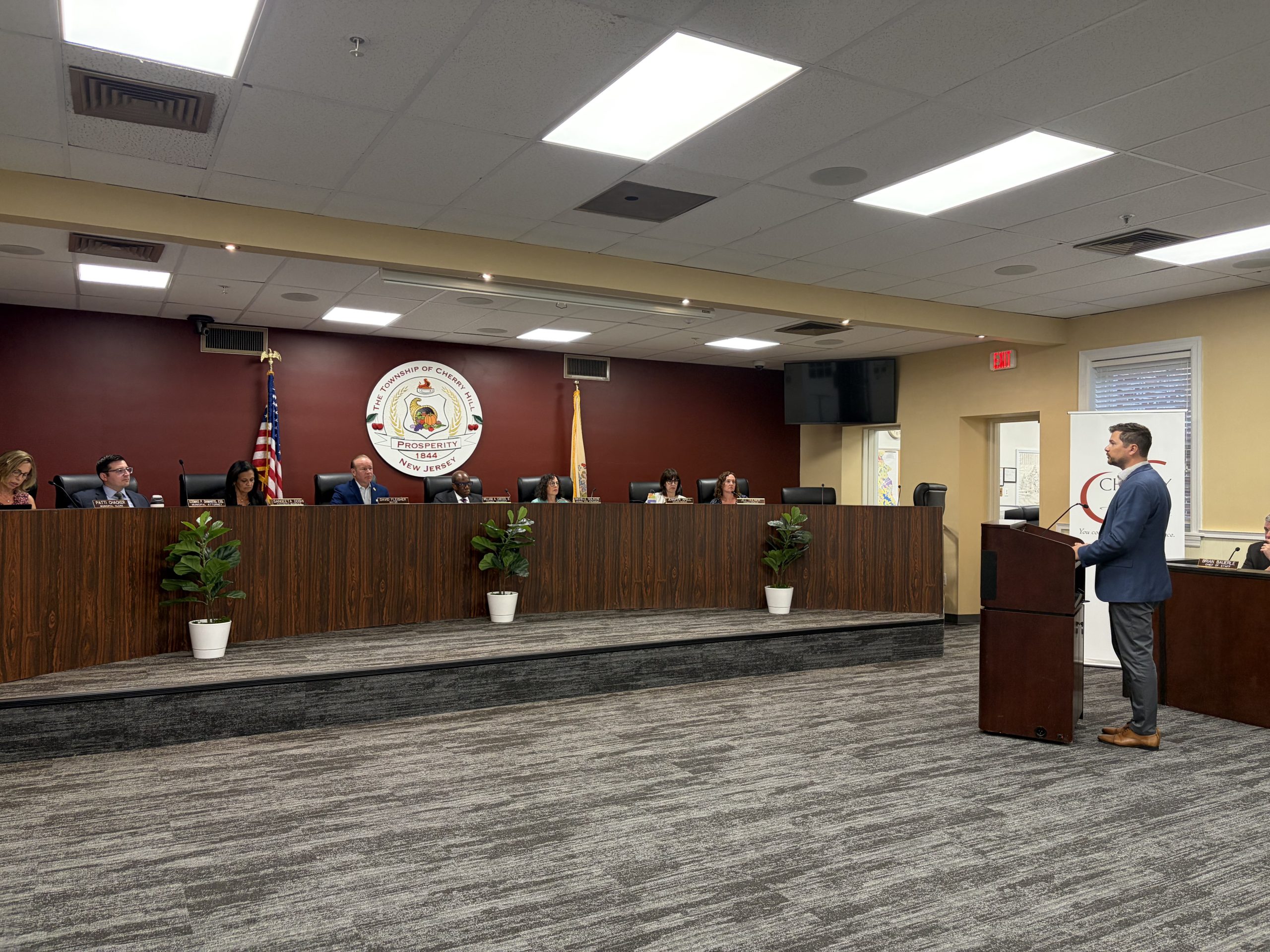
    The township council unanimously passed an ordinance Monday night that lists data centers as a non-permitted land use within the township’s borders.

    “We don’t think that Cherry Hill should be a guinea pig,” Cherry Hill Mayor David Fleisher said after the council meeting. “So while the technology is evolving, we wanted to be proactive and make sure that we eliminated a problem before it became one.”

    The ordinance also clarifies the difference between the now-forbidden data centers used for artificial intelligence or cloud storage and the small server rooms used by standalone businesses for file storage, which will still be permitted.

    Certified planner Christopher Dochney presents information about an ordinance banning data centers to the Cherry Hill Township Council on July 27, 2026.Lacey Latch

    The move is consistent with the goals outlined in Cherry Hill’s master plan, said Christopher Dochney, a certified city planner who worked with the township on the ordinance.

    This includes “maintaining Cherry Hill as a garden suburb, maintaining a desirable visual environment and attractive community, and wanting to preserve natural resources,” he said.

    It also aligns with the economic development portion of the plan, he said, which prioritizes job creation, job retention, and “providing an economic boon to the residents of Cherry Hill.”

    “[Data centers] consume a lot of land, they use a lot of water, they take up a lot of energy, and they also tend to be very big, ugly buildings,” Dochney said. “Things that are all directly inconsistent and contradictory to the stated goals of your master plan.”

    For a data center to be built in the future, a developer would need a land-use variance from the township’s zoning board — generally the most difficult land-use approval to obtain, he said.

    Up to this point, no data center developers have approached the township, “and we wanted to keep it that way,” Fleisher said.

    “As you see in some other towns, by the time an application is submitted, legally it might be too late,” he said. “And we didn’t want to find ourselves in that position.”

    Data center pushback in South Jersey

    Cherry Hill, the most populous municipality in Camden County, is the latest of a growing number of South Jersey towns to pass similar bans as debate around data centers continues across the country.

    This month, Burlington County’s Mansfield and Chesterfield Townships also approved bans after Medford Township did the same a month prior. Millville in Cumberland County banned large-scale data centers in May after promotions for a new 66-acre “Millville Energy & Data Center Campus” circulated online.

    Meanwhile, a massive data center in Vineland is set for completion by the end of the year.

    In Gloucester County, a real estate developer is suing Monroe Township for $300 million after the municipality issued a ban on data centers and subsequently denied its plans to build a 1 million-square-foot data center and a warehouse.

    With the restrictions on data centers now in place in Cherry Hill, Fleisher said he is not worried about potential legal action against the township.

    “We were very cautious to be very thoughtful and methodical about how we were going to address this,” he said. “We made sure we had the appropriate professionals go through the right process and have all the accurate information on the record before we took formal action.”

  • Family speaks on Cheltenham High assault | Inquirer Greater Abington

    Family speaks on Cheltenham High assault | Inquirer Greater Abington

    Hi, Greater Abington. 👋

    Thanks for reading the third edition of this newsletter. It’s been incredibly helpful to hear your thoughts so far. Please keep sharing your insights with us via this survey so we can shape this resource to be the most helpful it can be!

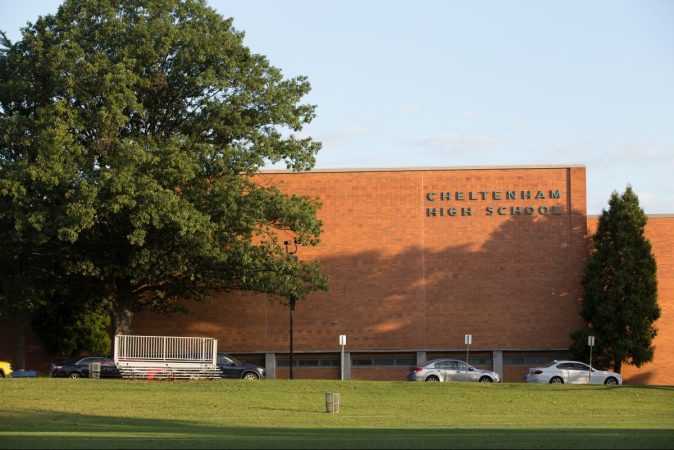
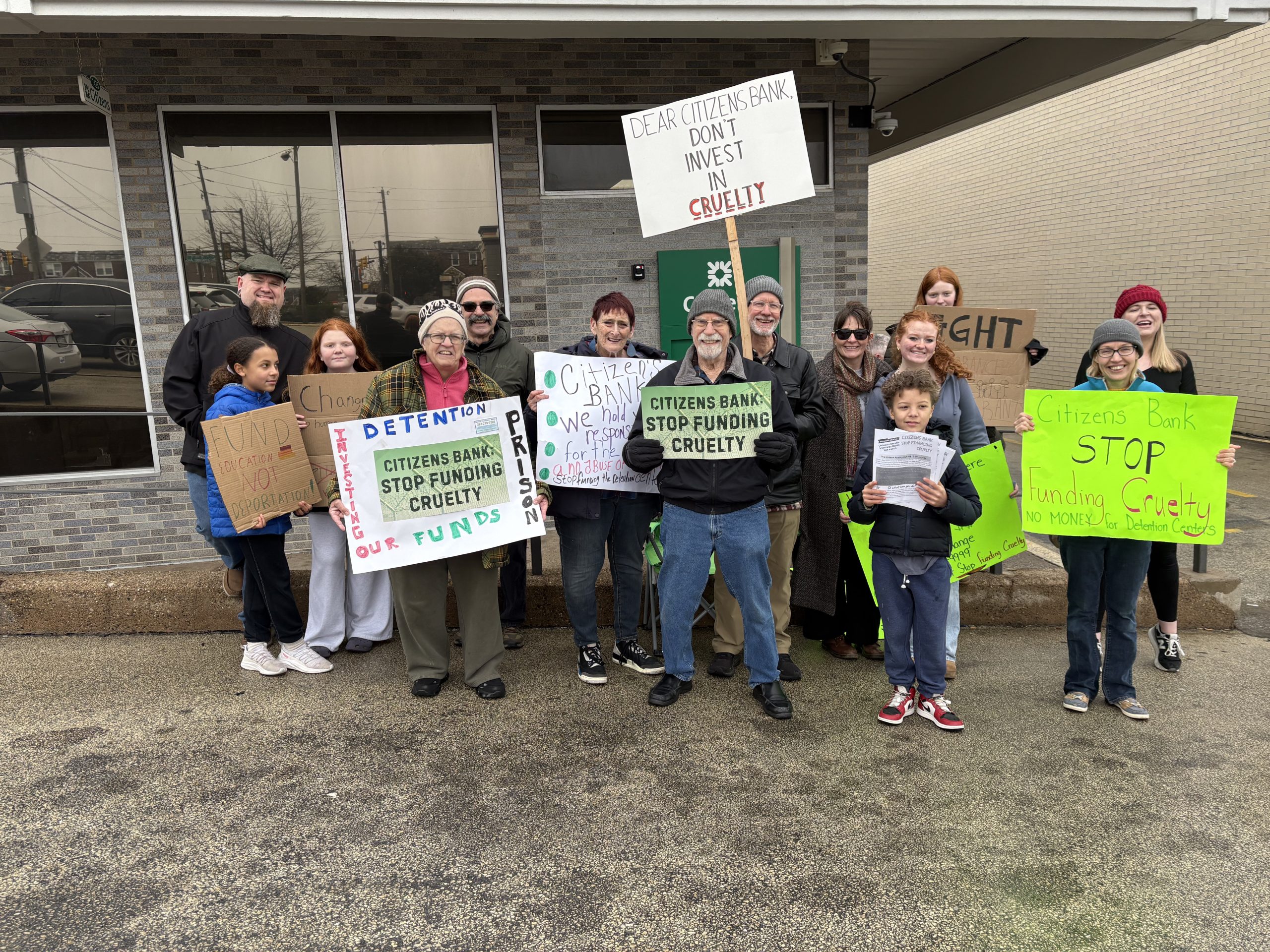
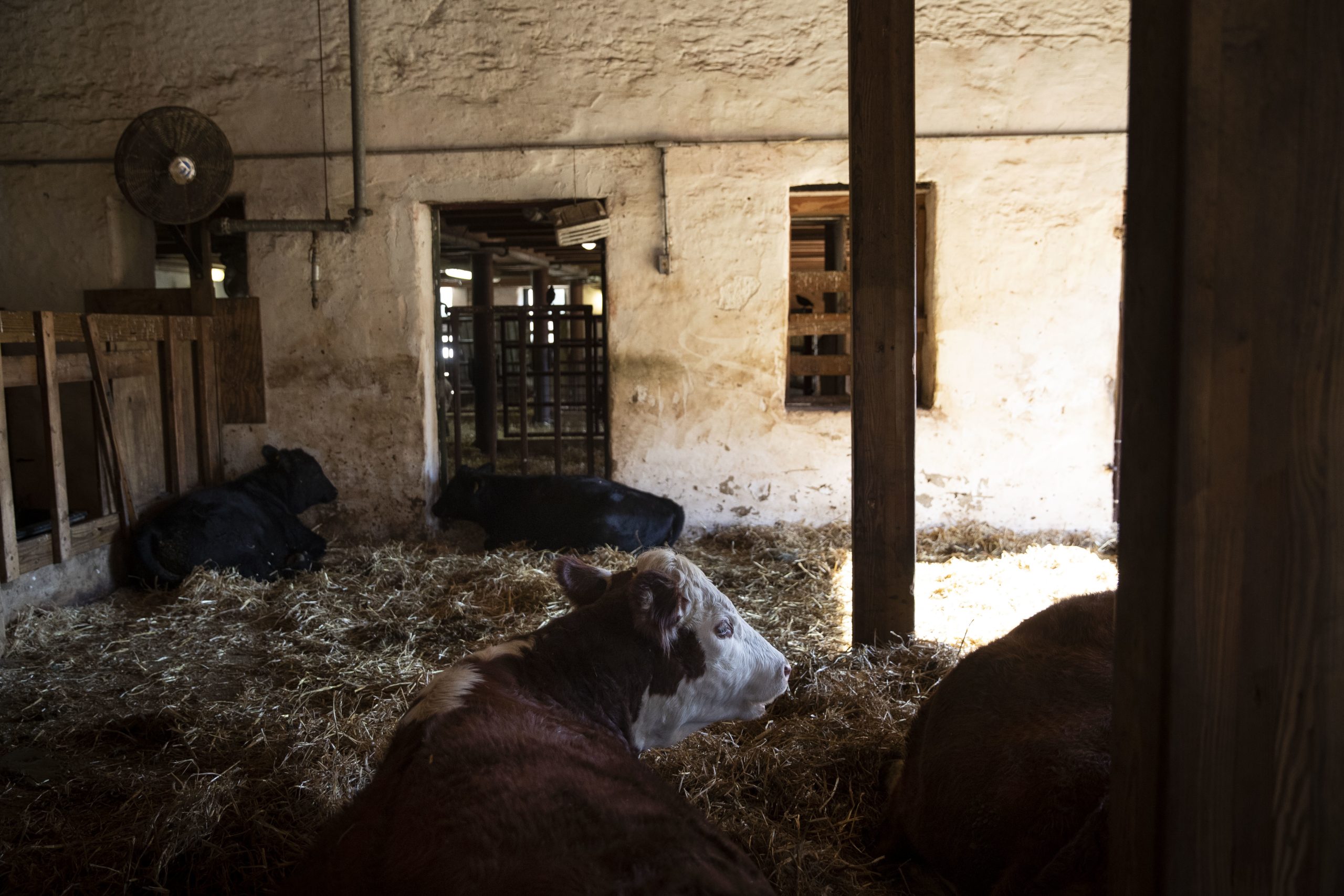
    This week, we go inside the alleged assaults in the Cheltenham High School locker room that led to the cancellation of two football seasons. We also take a look at the resident-driven push that’s prompted Cheltenham Township to pull millions from Citizens Bank, what caused the Friends of Fox Chase Farm volunteer group to disband, and the approach Jenkintown’s new superintendent is taking to overseeing the school district.

    — Laura Smythe (greaterabington@inquirer.com)

    P.S. If you’re not in a survey mood, you can also share your feedback on this newsletter by replying directly to this email.

    If someone forwarded you this newsletter, sign up for free here.

    The long shadow of locker room assaults

    A Cheltenham mother has spoken exclusively to The Inquirer about the alleged assaults her son experienced last year in the Cheltenham High School football locker room. In one instance, nearly 20 students watched as the boy’s teammates attempted to sexually assault him, his lawyers said.

    No students have been disciplined even after the school district determined that an assault had taken place and been recorded on video by witnesses, while the affected teenager “can’t escape” continued harassment throughout the local community, his mother said.

    The school’s previous and upcoming football seasons were both canceled amid the ongoing investigation by the Montgomery County District Attorney’s Office.

    Meanwhile, the teen’s family is still awaiting accountability.

    The Inquirer’s Maddie Hanna tells the story of a school district’s nightmare and a mother’s push for justice.

    Cheltenham closing Citizens Bank accounts over immigrant detention center ties

    Cheltenham Township is closing its last two accounts with Citizens Bank over the bank’s financing of companies that run detention facilities, despite the bank’s announcement it would no longer do so.

    The accounts hold about $9 million cumulatively, which township officials are planning to divert to Santander Bank. The move comes after months of lobbying by local residents.

    The Inquirer’s Jess Rohan explains the divestment plan, plus the pending status of some other Citizens Bank accounts held by the township’s tax collector’s office.

    💡 Community news

    • Friends of Fox Chase Farm, a volunteer group that supports the 112-acre expanse that straddles Abington Township and Philadelphia, has disbanded after more than 30 years.
    • Ramah Day Camp, a Jewish summer program in Cheltenham, will also shutter soon, ending its 30-year run.
    • Abington, Jenkintown, and Cheltenham are among the Montgomery County locales that will be scrutinized by law enforcement in the coming weeks in an effort to combat aggressive drivers.
    • A 27-year-old Nigerian man who laundered money as part of a “sextortion” plot that led a 20-year-old Abington native to kill himself has been sentenced to five years in federal prison.
    • Jenkintown man Seok Joon Lee, 54, has been charged with impersonating a federal officer after allegedly pretending to be an FBI agent at a Philadelphia grocery store, where he carried a loaded gun and attempted to conduct a security check of the supermarket.
    • The community is mourning the deaths of esteemed clothing designer and professor of fashion Emil DeJohn, 88, who was a congregant of St. Luke the Evangelist Church in Glenside, and Ida Schmertz, 91, a former Jenkintonian who became a pioneering women’s activist, presidential appointee, and the first female senior vice president at American Express. They each died in recent weeks.
    • Inquirer contributor Paul Jablow takes a good look at a three-story, six-bedroom Queen Anne Victorian home up for sale in the Wyncote Historic District.

    🏫 Schools briefing

    • Meet Brea D’Angelo, the former Sixers reporter who is now leading Jenkintown School District as its new superintendent.
    • Also in the Cheltenham School District, a new vice principal starts at Wyncote Elementary on Aug. 1. Plus, Glenside Elementary has named an interim principal and Cheltenham Elementary has named a new principal, both pending school board approval.
    • Construction is underway on Abington High School’s forthcoming Ash Carter Courtyard, a tribute to the late 1972 alumnus who served as U.S. Secretary of Defense from 2015 to 2017, the Main Line Times reports.

    🍽️ On our plate

    🎳 Things to do

    🔨 Legacy Park Community Build Week: Volunteers will help assemble the new Legacy Park playground. ⏰ Tuesday, July 28-Sunday, Aug. 2, various shifts 8 a.m.-8:30 p.m. 💵 Free 📍 Legacy Park, Jenkintown

    👻 Summerween Character Event: Enjoy spooky-themed drink specials, check out your favorite scary characters in their summer garb, and get a reading from a medium (if you dare). ⏰ Saturday, Aug. 1, 11 a.m.-1 p.m. 💵 Pay as you go 📍 Pot Heads Coffee House, Jenkintown

    🕺 The Concert: A Tribute to ABBA: The touring production from Sweden, featuring original band members from the iconic pop group, will perform renditions of ABBA’s ‘70s and ‘80s hits to Montgomery County. ⏰ Tuesday, Aug. 4, 8 p.m. 💵 $52.53-$75.74 📍 Keswick Theatre, Glenside

    🏡 On the market

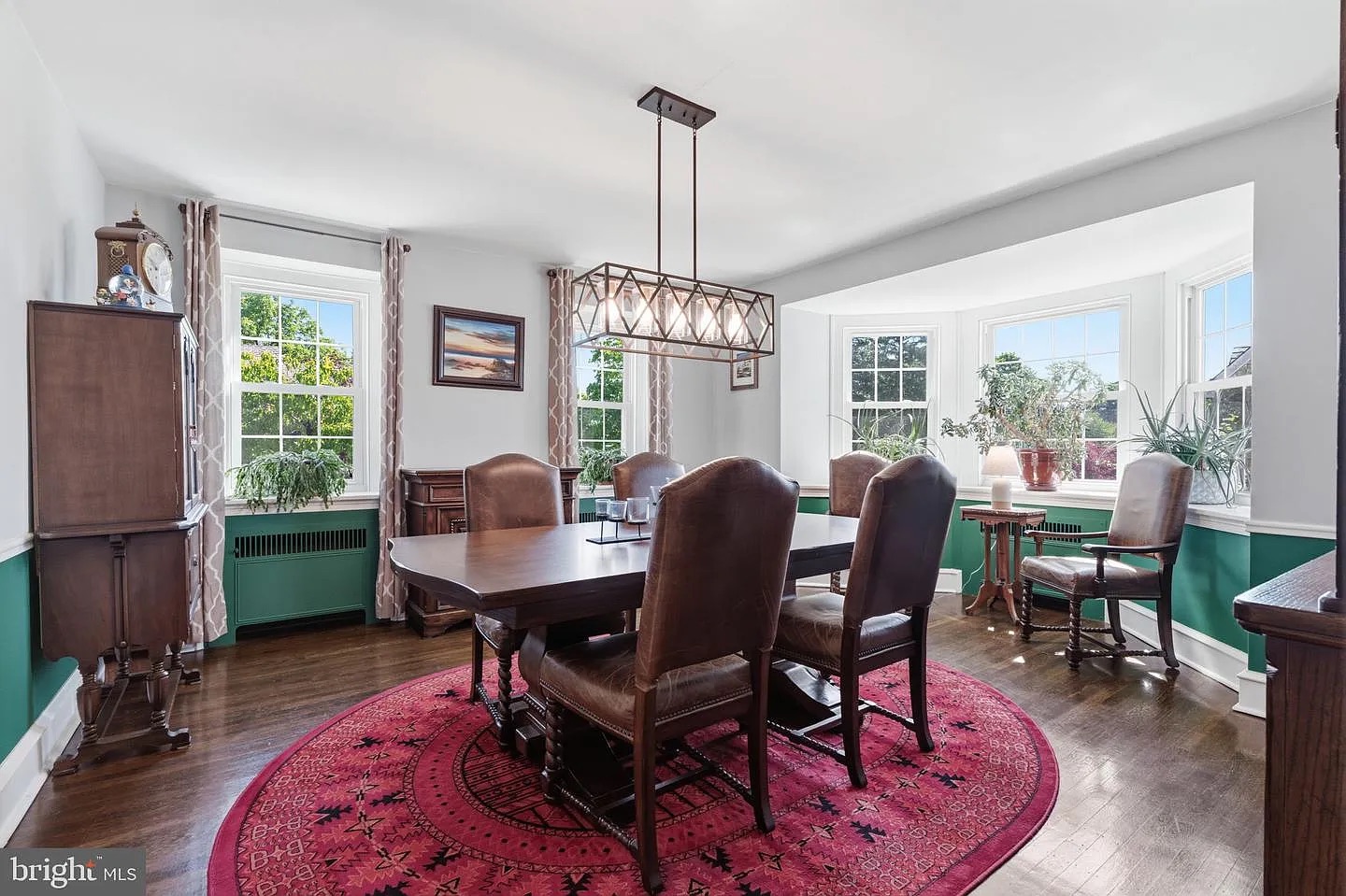
    A cozy Colonial with a wood-burning fireplace

    1248 Gordon Rd. features a bay window in the dining space.

    Built in 1935 in Jenkintown Manor, this charming four-bed, three-bath home features original hardwood floors, a bay window in the dining area, and a wood-burning fireplace. There is a front porch as well as a back patio.

    See more photos of the home here.

    Price: $725,000 | Size: 2,982 SF | Acreage: 0.31

    🗞️ What other Greater Abington residents are reading this week:

    By submitting your written, visual, and/or audio contributions, you agree to The Inquirer’s Terms of Use, including the grant of rights in Section 10.

    This suburban content is produced with support from the Leslie Miller and Richard Worley Foundation and The Lenfest Institute for Journalism. Editorial content is created independently of the project donors. Gifts to support The Inquirer’s high-impact journalism can be made at inquirer.com/donate. A list of Lenfest Institute donors can be found at lenfestinstitute.org/supporters.
  • Meet Jenkintown’s new superintendent, whose background ranges from Sixers reporter to Russian translator

    Meet Jenkintown’s new superintendent, whose background ranges from Sixers reporter to Russian translator

    After the sudden departure of Jenkintown’s longtime superintendent in April, the school district’s new CEO started work this month, and she already has plans.

    “I’m really excited once the year starts to really dive in and go into classrooms,” Brea D’Angelo said last week, “and get the narrative out to the community of the incredible things that are happening. … I’m really looking forward to being the communicator of those types of things.”

    D’Angelo used to be a professional communicator: She went to Rider University for TV and radio and then took a reporting job covering the Sixers at WBCB radio in Levittown.

    “I had the opportunity to go into the locker room and interview players,” D’Angelo said. “What I started realizing was that I wasn’t making a difference.”

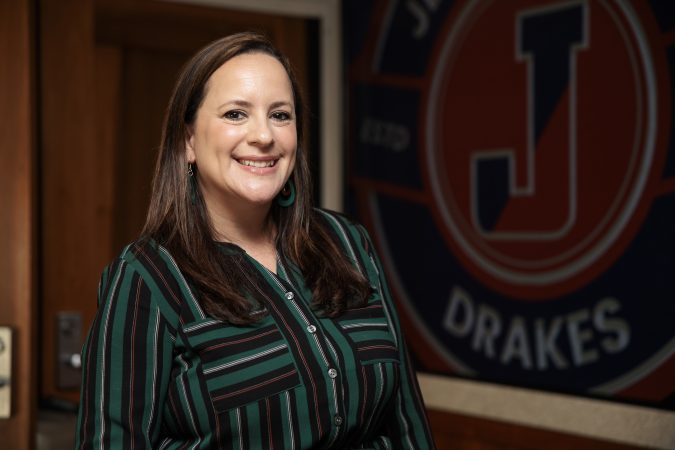
    New superintendent Brea D’Angelo poses for a portrait at Jenkintown High School on Wednesday, July 22, 2026, in Jenkintown. D’Angelo comes to the Jenkintown School District from the Hatboro-Horsham School District.Monica Herndon / Staff Photographer

    From Sixers to secondary education

    She switched from communications to education, starting as a special education assistant in the Lower Moreland Township School District and spending seven years as a secondary school teacher there before working her way up as an administrator in the Hatboro-Horsham School District, where she spent more than 12 years and still lives with her husband and teenage daughter.

    D’Angelo chose to teach English — a subject she came to love as a reluctant reader who learned the joy of books from a teacher when she was about 15.

    “[She] really took an interest and was like, ‘You just haven’t found the right thing to read yet,’” D’Angelo said, and helped her find early favorites, such as Of Mice and Men. “You want teachers to be that for someone.”

    Her plans as superintendent include a return to publishing, of sorts.

    “I’m going to do a newsletter that comes out monthly, from me,” D’Angelo said. “I just want our story to get out there and to show what an incredible place we really are.”

    Jenkintown finds comms pro to replace superintendent

    Jenkintown’s last superintendent, Jill Takacs, had announced her retirement for Aug. 31 this year before leaving early, in April, for an administrator job in New Jersey.

    Takacs’ departure came after an email from a retiring principal leaked to the public last fall that outlined concerns with Takacs’ management style, including a ”lack of transparency,” outgoing Jenkintown Elementary principal Christopher Jahnke wrote. Takacs was on leave shortly afterward.

    But some locals said they had already had concerns about Takacs’ communication with parents in Montgomery County’s smallest school district — particularly amid the universally quick-shifting plans and procedures of the COVID-19 era.

    Jenkintown’s school board appears to have taken that note, highlighting D’Angelo’s narrative chops as a reason for hiring her.

    “The board decided to hire Dr. D’Angelo due to her combination of leadership, team building, and communication skills,” board president Carolyn Riley said. “She struck the right balance between expertise and a ‘friendly but firm’ quality.”

    Riley also highlighted the new superintendent’s experience with special education and facilities management — critical for the steward of Jenkintown’s 103-year-old high school building.

    But the district’s new chief storyteller also knows what communication barriers feel like: D’Angelo grew up hearing both English and Russian, but had to pick up much more Russian as a child to interact with her Ukrainian grandmother.

    Those skills came in handy when Ukrainian refugees arrived in Hatboro-Horsham, and D’Angelo was enlisted to help families get settled.

    “I fell into it because I was pretty much the only Russian speaker on the staff,” D’Angelo said. ”I can’t even imagine fleeing my home, going to a place not speaking the language. … That was really something that I pride myself in, being able to connect with these families and support them.”

    Public relations is often a struggle for public schools, which must balance legally required disclosure with legally required secrecy, especially for personal details about individual students and staff — details like the circumstances surrounding Takacs’ departure.

    D’Angelo, who earned her Ph.D. from Gwynedd Mercy University, hopes that being fully transparent from the beginning with information she is allowed to share will help residents trust her on topics she cannot say much about.

    “I’m OK with being vulnerable in certain situations,” D’Angelo said. “When you build that strength with community members, with staff, with families — there’s a bit more understanding when I go silent on certain things, knowing it’s not because I don’t want to say it; it’s because I can’t.”

    Perhaps sports will be one of those topics: A diehard Philadelphia football and basketball fan (“I bleed green for the Eagles,” she said), D’Angelo already attended a Color Day this year, but she refuses to say which team is better.

    “I will be rooting for Blue and Red all the time, or I’ll be purple,” the new superintendent said. “Yeah, it’s gonna be one of those.”

    This suburban content is produced with support from the Leslie Miller and Richard Worley Foundation and The Lenfest Institute for Journalism. Editorial content is created independently of the project donors. Gifts to support The Inquirer’s high-impact journalism can be made at inquirer.com/donate. A list of Lenfest Institute donors can be found at lenfestinstitute.org/supporters.