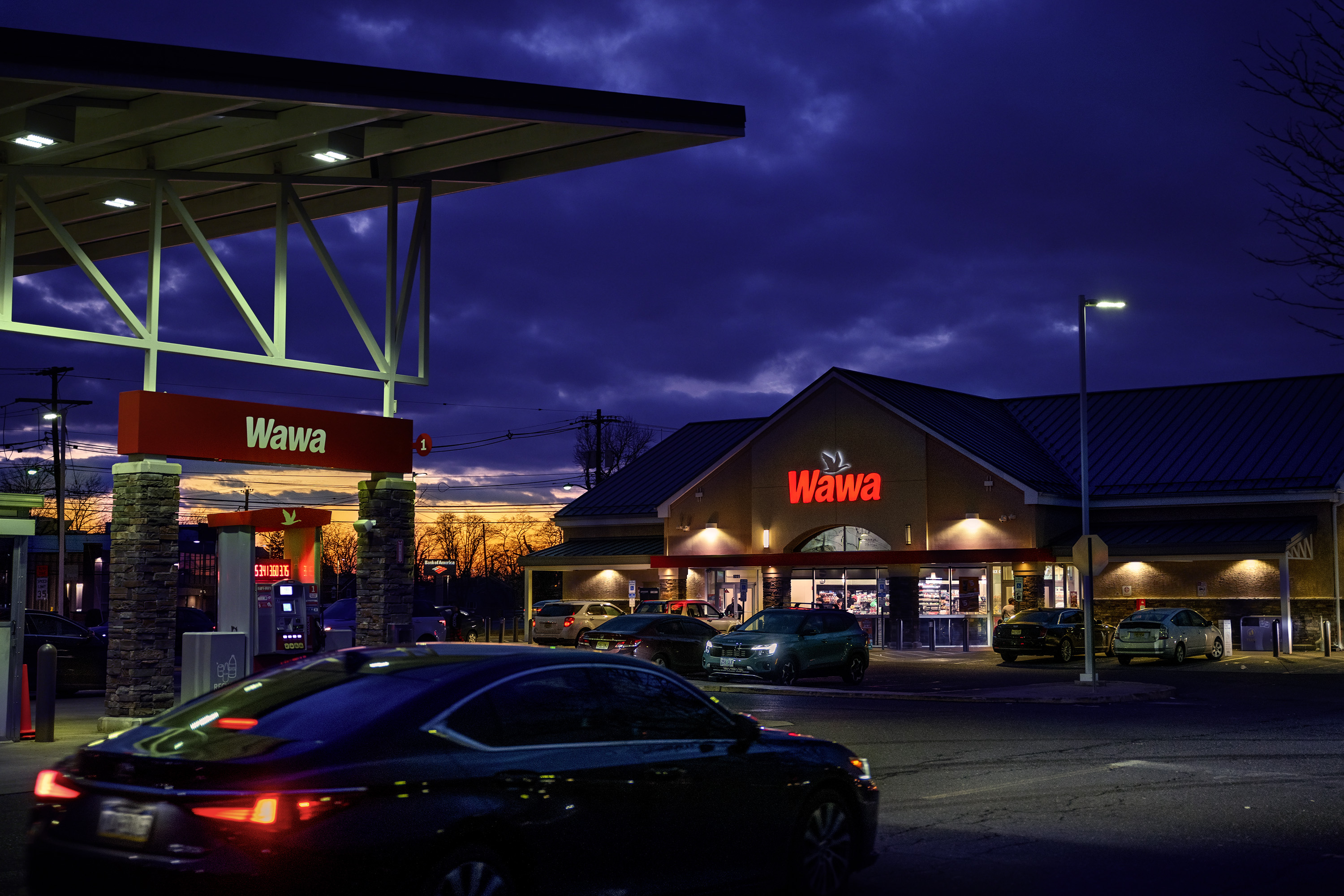
Good news — or perhaps bad news — for sushi fans. Wawa has been quietly testing pre-packaged sushi at some of its area outposts, including in Media and Glen Mills.
The new offering consists of six cooked rolls from Sushi Soku, including Philadelphia, vegetable, spicy shrimp crunch, and California rolls.
Unsurprisingly, it’s drawn strong opinions on social media, with one user saying, “I love Wawa as much as the next girl, but I would never in my life get sushi” there. A Wawa spokesperson, however, said the initial response has been “very favorable.”
The Inquirer’s Beatrice Forman decided to see for herself, hitting up the Wawa at 435 E. Baltimore Ave. in Media. Here’s her takeaway.
🪿 In other Wawa news, the chain claimed the top spot in the Northeast region for overall customer satisfaction among convenience stores. Here’s where it landed nationally.
💡 Community news
A Delaware County nurse who works weekends at Riddle Hospital was recently detained by Immigration and Customs Enforcement on her way to Disneyland, despite being in the country legally. Monica Ryadi, whose parents fled religious persecution in Indonesia when she was 9, spent 15 days in custody before being released. The Inquirer’s Jeff Gammage shares her story.
Making theater plans for the fall? Hedgerow Theatre’s upcoming performance of Misery (more on that below) is one you won’t want to miss, according to The Inquirer’s Rosa Cartagena. Jenn Ladd also offers nearby dining suggestions.
Brendan Flynn won the Delco 10 Miler on Sunday, one of thousands of participants in the second annual event. Flynn unseated last year’s winner, Zach Miller, who finished fifth this year.
Swarthmore is hosting a flu vaccine clinic next Thursday from 4 to 6 p.m. at the borough hall. You can register here.
The county will mark William Penn’s 382nd birthday and his long-ago commitment to the values that helped shape the commonwealth with a ceremony on Wednesday at Rose Tree Park. It will include a tree planting.
🍽️ On our plate
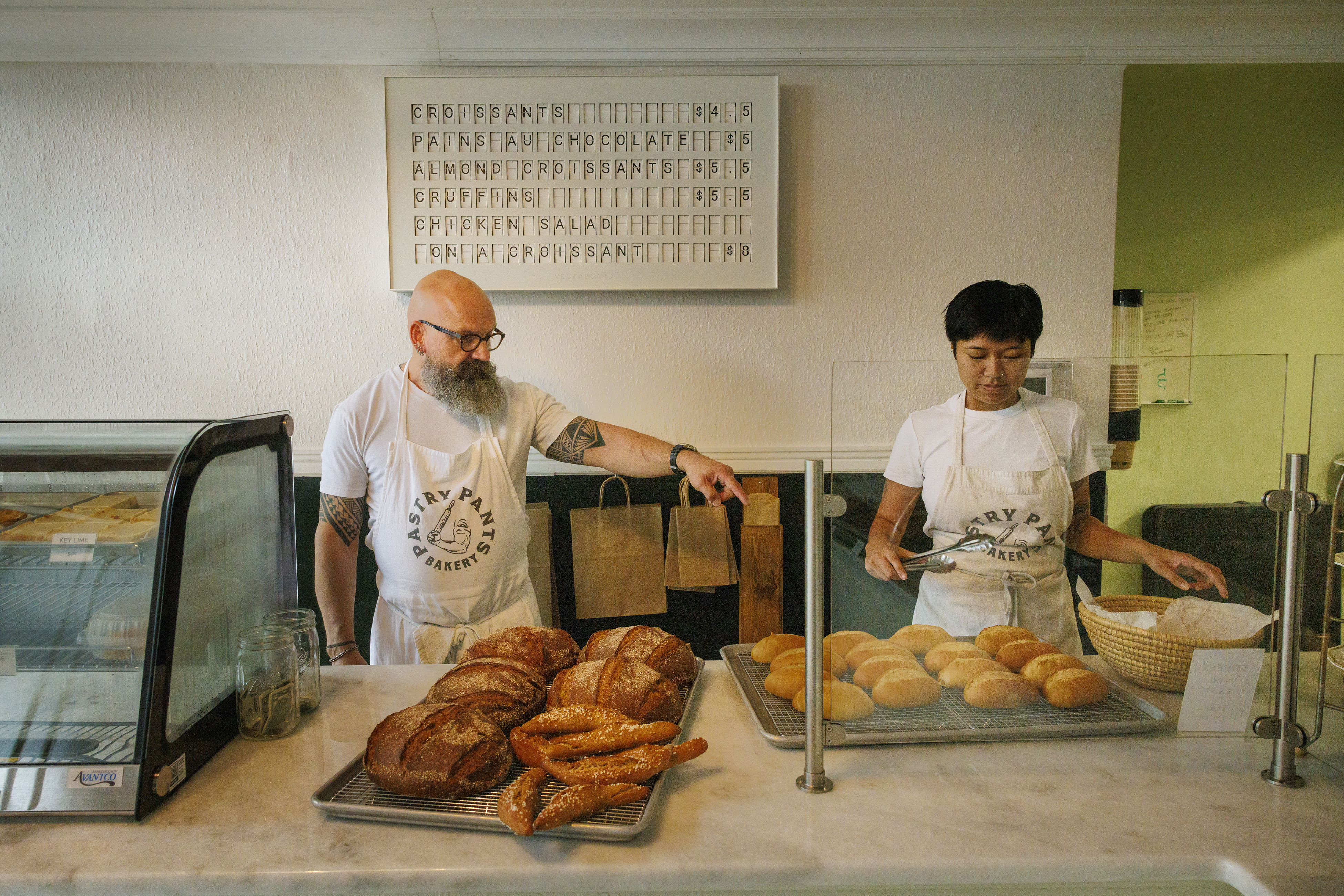
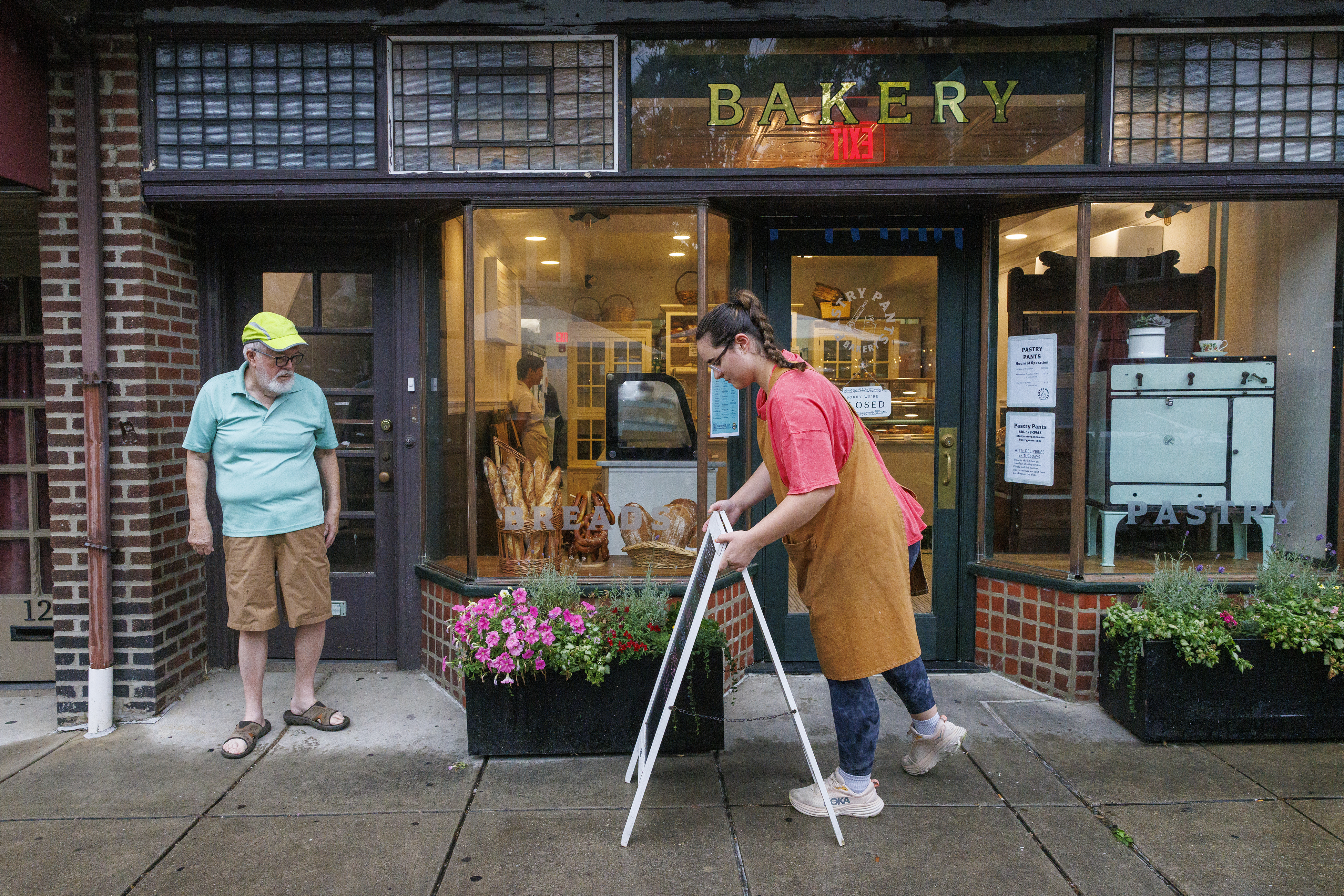
Swarthmore’s Pastry Pants closed its doors last week after three years in business. Started in owner Robert Smythe’s driveway in 2023, and later relocated to Park Avenue, Pastry Pants gained popularity for its homemade breads and international goods. Its closure leaves a “big hole” in the borough, one resident said.
🎳 Things to do
🎭 The Legend of Georgia McBride: Catch a live performance of the comedy about a down-on-his-luck Elvis impersonator. ⏰ Select days from Friday, Oct. 9-Sunday, Oct. 18, times vary 💵 $13.50-$18.50 📍 PCS Theater, Swarthmore
🍂 Nether Providence Township Family Fun Day: Check out carnival games, bounce houses, a petting zoo, and local vendors. ⏰ Saturday, Oct. 10, noon-3 p.m. 💵 Pay as you go 📍 Strath Haven Middle School parking lot, Wallingford
😭 Misery: Hedgerow kicks off its main stage run for the season with an adaptation of the Stephen King psychological thriller. ⏰ Select days Wednesday, Oct. 14-Sunday, Nov. 1, times vary 💵 Prices vary 📍 Hedgerow Theatre, Rose Valley
🗞️ What other Greater Media residents are reading this week:
By submitting your written, visual, and/or audio contributions, you agree to The Inquirer’s Terms of Use, including the grant of rights in Section 10.
This suburban content is produced with support from the Leslie Miller and Richard Worley Foundation and The Lenfest Institute for Journalism. Editorial content is created independently of the project donors. Gifts to support The Inquirer’s high-impact journalism can be made at inquirer.com/donate. A list of Lenfest Institute donors can be found at lenfestinstitute.org/supporters.
Pastry Pants, a bakery that brought international flavors and homemade breads to downtown Swarthmore, closed Saturday after three years.
Owner and longtime Swarthmore resident Robert Smythe said a constellation of factors pushed him to shut down the bakery, located at 10 Park Ave., including rising ingredient costs, staffing shortages, and a lack of predictable business during weekday hours.
What Smythe first thought might be a sleepy home baking business exploded overnight. He hired his first full-time staff member six days after opening, as lines of customers stretched down his driveway and around his house, eager to buy fresh breads and pastries in a town devoid of its own bakery.
Robert Smythe, owner of Pastry Pants, photographed at the bakery on July 12, 2024.Alejandro A. Alvarez / Staff Photographer
When downtown Swarthmore brunch joint Occasionally Yours closed in March 2024, Smythe pitched its owners on opening Pastry Pants there. He wrote a multi-page proposal outlining his “vision of a bakery in a community as something more than just a store.”
Pastry Pants opened in the Occasionally Yours space in May that year.
On Saturday mornings, lines poured out the door as customers stocked up on fresh baguettes, sablé cookies, lemon curd tarts dusted with pistachios and pomegranates, and apple cider donuts. Pastry Pants made wedding cakes, birthday cakes, and more gender reveal cakes than Smythe can count. Smythe broke out of the conventional American bakery menu, stocking his pastry case with Portuguese pastéis de nata, German Brötchen, and Mexican panes de muerto.
Smythe said it was “humbling” to be a part of customers’ most celebratory moments.
“I guess I could say we were a fixture in the community,” Smythe said.
Former customers recalled their favorite Pastry Pants goods and said the bakery brought something unique to the suburban community.
Bethany Formica, a Swarthmore resident and friend of Smythe’s, said Pastry Pants’ closure leaves “a big hole” in town.
A lover of Pastry Pants’ savory goods, Formica reminisced on picking up quiches and sandwiches, from baguettes stuffed with brie to ham and cheese croissants.
The “level of foods was just so much higher” than other local options, Formica said.
For Media resident Nathan Renner-Johnson, trips to Pastry Pants became a regular weekend routine with his husband and son. They’d stock up on bread and pick out sweet treats from behind the pastry case.
“I was always so impressed by how many different things that they were making — all sorts of different kinds of doughs and treats and pastries,” Renner-Johnson said.
The synergy of Pastry Pants and Celia Bookshop, which opened in October 2025, on Park Avenue made it feel like “there was an anchor to our downtown,” Smythe said.
A customer waits for Pastry Pants to open on July 12, 2024.Alejandro A. Alvarez / Staff Photographer
Despite his adoration from local pastry eaters, the math of running Pastry Pants was no longer adding up, Smythe said.
The cost of ingredients has risen tremendously since Pastry Pants opened in 2023, Smythe said. Both vanilla, which Smythe sourced from Madagascar, and cocoa, were hit by the Trump administration’s tariffs in April 2025 (the tariffs on vanilla beans and cocoa were liftedlast November).
“In a bakery like mine, most of the good ingredients that we use that give things flavor — chocolate, spices, whatever — all come from overseas,” he said.
Beyond rising costs, downtown Swarthmore, a sleepy, off-the-beaten path commercial corridor, saw little foot traffic outside of Saturday mornings. Some weekdays, Pastry Pants had no customers.
This summer was “very, very bad,” Smythe said.
On top of the particular challenges of operating in quiet Swarthmore, economic headwinds have damped consumers’ spending across the board. An annual KPMG consumer survey this summer found that 67% of consumers wereeating at home more often than dining out, with 76% citing budget constraints as the primary reason.
Smythe also struggled to find a bread baker. A limited labor pool in the suburbs made it difficult to hire staff, Smythe said, as did the challenge of finding culinary professionals in the city who could commute out to Swarthmore.
Because he was unable to find a bread baker, Smythe was doing the baking on his own, work that took away from his other managerial responsibilities.
A basket of baguettes at Pastry Pants in 2024.Alejandro A. Alvarez / Staff Photographer
A few weeks ago, Smythe’s son got married in a quiet backyard celebration. The next day, after sleeping for just a few hours, he was back at the bakery feeding sourdough and rolling baguettes.
“I had to get up at 5 [a.m.] so I could make bread and hope that people would buy it,” Smythe said. “Everything just clicked and said, ‘Why am I spending more time in a bakery helping other people celebrate their lives than I am taking time to celebrate my own?’”
With Pastry Pants in the rearview, Smythe plans on sleeping (a lot) and recuperating. He described being in “autistic burnout,” a state of intense fatigue experienced by autistic individuals working overtime to fit into a neurotypical world. He’s nowworking on a book.
Smythe said he hopes customers can realize “there is a responsible time to close things.”
By closing now, he said, he can pay his staff, sell his bakery equipment, and wind down before the slow winter season.
“I don’t want to be a cautionary tale,” he said. “But I do want to be a cautionary tale.”
This suburban content is produced with support from the Leslie Miller and Richard Worley Foundation and The Lenfest Institute for Journalism. Editorial content is created independently of the project donors. Gifts to support The Inquirer’s high-impact journalism can be made at inquirer.com/donate. A list of Lenfest Institute donors can be found at lenfestinstitute.org/supporters.
Cheltenham Township commissioners voted Tuesday to cancel a contract with a private developer to build a pool at the former Melrose Country Club, while vowing to proceed with a pool project there.
The special meeting came less than two days before a court was set to hear oral arguments in a lawsuit a resident filed against the township.
Sam Thacker alleged that Cheltenham illegally skirted bidding laws by making a deal with a private developer to build a pool alongside a new housing complex for up to $4.5 million. The pool is to be built on 2.7 acres that the developer gifted to the township late last year.
The agreement came in the form of a ground lease, in which Cheltenham would charge the developer $10 per year to rent the land back from the township. Thacker’s case argues the township instead should have put the project out for competitive bids to ensure a fair price.
Thursday’s hearing has been postponed in light of the vote, Thacker’s lawyer, Christopher McCabe, said Wednesday, and the suit will likely be dropped if Cheltenham agrees not to pursue another ground lease.
The township has not indicated that bids were sought for the project, and has repeatedly declined to explain the legal reasoning for the lease approach to the public. Cheltenham has argued in court filings that the township did its due diligence by getting estimates to redo the aging Conklin Pool.
“We remain confident in the township’s position,” Commissioner Emily Cheramie Walz said at Tuesday’s meeting.
The commissioners emphasized that they intend to move forward with a pool on the 2.7-acre Melrose plot, which the developer gave to Cheltenham last year for the purpose of building a township amenity and for an undisclosed benefit to the developer. The Melrose pool would replace Conklin Pool across town.
Conklin Pool in Cheltenham.Sam Thacker
“Our goal has not changed. Our residents want a new pool. We want a new pool. We continue to believe that Melrose is the right location for that pool,” said Matthew Areman, board president.
The officials offered no details on how the Melrose project would proceed or how Cheltenham could legally exit the lease.
“Our staff is already working to identify alternative options for moving forward. Those options will be evaluated and presented to the board in the coming weeks,” Areman said.
Although the board has repeatedly declined to answer questions about the pending litigation, multiple commissioners said at the meeting that the lawsuit is delaying the pool project, without explaining how.
The main reason the case is delaying the pool project, Commissioner Dwight Pedro Lewis said after the meeting, is that the bank will not finance construction when there is an active lawsuit against the project.
The township has previously declined to explain how its litigation insurance policy works or how much it has to pay out of pocket in the suit.
Thacker, the resident who sued, said at the meeting he is glad the township is canceling the lease and hopes the commissioners opt for a public bidding process this time.
If Cheltenham does a new ground lease instead, Thacker said, “they’ll get sued again.”
This suburban content is produced with support from the Leslie Miller and Richard Worley Foundation and The Lenfest Institute for Journalism. Editorial content is created independently of the project donors. Gifts to support The Inquirer’s high-impact journalism can be made at inquirer.com/donate. A list of Lenfest Institute donors can be found at lenfestinstitute.org/supporters.
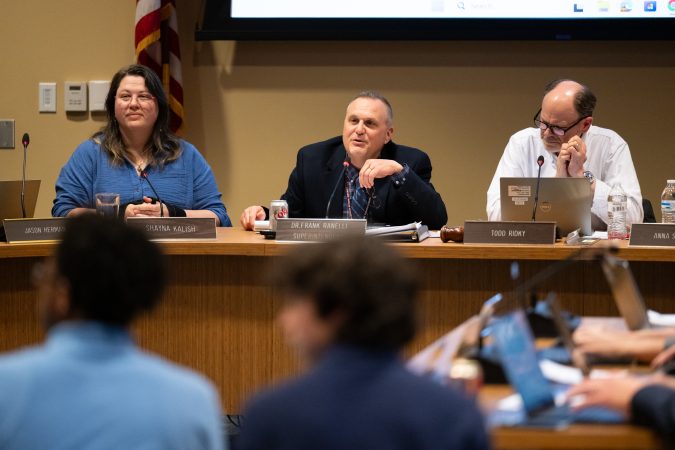
Lower Merion School District Superintendent Frank Ranelli will resign at the end of April — leaving the top-ranked district two years after he started.
“After much thought and consideration, I will be resigning my position as LMSD Superintendent as of April 30, 2027. I am sure people will question why; and simply, this position is just not a good match for me,” Ranelli said in a message to the school district community Wednesday.
The announcement came as a shock to some in the affluent community, which has cycled through superintendents in recent years. Before Ranelli took over in April 2025, the district had been led by three superintendents in three years, including Steven Yanni, who left in May 2024 to become superintendent in Central Bucks and was later fired amid a special education scandal, and Khalid Mumin, who left in January 2023 to become Pennsylvania’s education secretary, then resigned.
Ranelli, who was the superintendent of the Piscataway Township school district in New Jersey before coming to Lower Merion, had said at the time of his hiring in January 2025 that he intended to work in Lower Merion for “a long time.”
Lower Merion school board president Kerry Sautner — who had said at the time of Ranelli’s hiring that the board was “hoping for over five on this one” — said in a message to the community Wednesday that “while we are deeply saddened by Dr. Ranelli’s choice to move on from the district, we are extremely grateful for his time, dedication and willingness to support LMSD through the upcoming leadership transition.”
“We want every student, family and staff member to know that our schools remain steady, our commitment to students remains strong, and the board is dedicated to conducting a careful and thorough search for our next leader,” Sautner said.
Ranelli was hired at a salary of $290,000 to lead Lower Merion, which has 11 schools and enrolls about 8,500 students.
His tenure has been marked by debate around the district’s technology policy, which the district revamped amid pushback from parents who said their children were spending too much time on screens. A group of parents who had been pressing the district to opt their kids out of personal computers — demands Ranelli rejected — sued the district in August, alleging it had violated their parental rights.
Sautner said the school board would begin discussing the search for a new superintendent at its October meeting. She promised “meaningful opportunities for students, families, staff and community members to share their priorities for our next superintendent.”
“As a board, we pledge to find LMSD’s next leader who is a good match and whom we promise to support,” she said.
Measles cases have continued to creep up in Chester County, which had 84 as of this week. That figure is more than the total number of cases in many states across the nation.
In response, officials are ramping up their outreach through education, pop-up clinics, and even vaccinating people in their homes.
While a number of vaccinated residents told The Inquirer they aren’t too concerned, if cases spread from the western part of the county to the more densely populated eastern parts, or infiltrate places where there’s lower vaccine uptake, the virus could spread quickly.
Last week, three county residents were inducted into Pennsylvania’s Voter Hall of Fame, recognizing the individuals who’ve cast ballots in 50 consecutive November elections. Among them is Rita Lese, 77, who was inspired in part by the suffragettes.
Two broadband providers, IBT Group USA and Commonwealth Telephone Company, have been awarded more than $56 million in state grants that will help bring high-speed internet to underserved communities in the county.
Berwyn native and comedian Steve Gerber achieved a rare golf feat, scoring 79 on 18 holes last year, something only about 10% of golfers ever manage. His course prowess has earned Gerber, who costars on the West Chester-rooted Netflix series Tires, a new nickname with local flair.
Penn Vet has broken ground on a $94 million veterinary diagnostic laboratory at its New Bolton Center campus in Kennett Square. The state-funded, 63,000-square-foot facility will perform a range of large-animal testing for public health and horse racing officials, veterinarians, and agricultural producers statewide.
Willistown Township is holding a public hearing Monday about updating its Open Space Conservation District.
Nonprofit the Wardrobe is opening its new location tomorrow at 235 Lancaster Ave. in Malvern, a relocation from its previous Exton Square Mall outpost. The Wardrobe provides clothing and support services as well as retail shopping.
Warehouse Sports Academy is opening a new baseball and softball facility at 77 N. Bacton Hill Rd. in Malvern. There’s an open house tomorrow from 6 to 8 p.m.
🏫 Schools briefing
There will be no classes at some schools on Monday, which is Indigenous Peoples’ Day and Columbus Day.
There are a couple of homecoming events this weekend: Coatesville Area’s and Owen J. Roberts’ festivities will take place Friday and Saturday. Oxford Area will hold a kickoff event Sunday ahead of its weeklong festivities.
Unionville-Chadds Ford School District has named Kyle Brun principal of Charles F. Patton Middle School, a role he’s expected to start no later than Nov. 23.
🍽️ On our plate
Saturday will be the final day for Downingtown restaurant mother., which is shuttering just one year after its debut. The 202 E. Lancaster Ave. eatery specialized in tacos and margaritas.
🍻 Kennett Brewfest: Sample sips from some of the 150 craft brewers on hand and listen to live music. ⏰ Saturday, Oct. 10, 1:30-5 p.m. 💵 $26-$67.60 📍 600 S. Broad St., Kennett Square
🍿Hocus Pocus: Oxford Area School District will screen the Disney classic. ⏰ Saturday, Oct. 10, 2:30 p.m. 💵 $5 per individual or $20 per family 📍 Oxford Area High School
🇬🇧 The Brit Pack: Catch a tribute to iconic United Kingdom bands, including Led Zeppelin, Queen, The Rolling Stones, and David Bowie. ⏰ Saturday, Oct. 10, 7:30 p.m. 💵 $46-$106 📍 Uptown! Knauer Performing Arts Center, West Chester
🫘 West Chester Chili Cook-Off: Sample chili recipes made by local restaurants and home cooks alike and then vote for the best. ⏰ Sunday, Oct. 11, noon-4 p.m. (rain date: Oct. 18) 💵 $10 📍 West Gay Street, West Chester
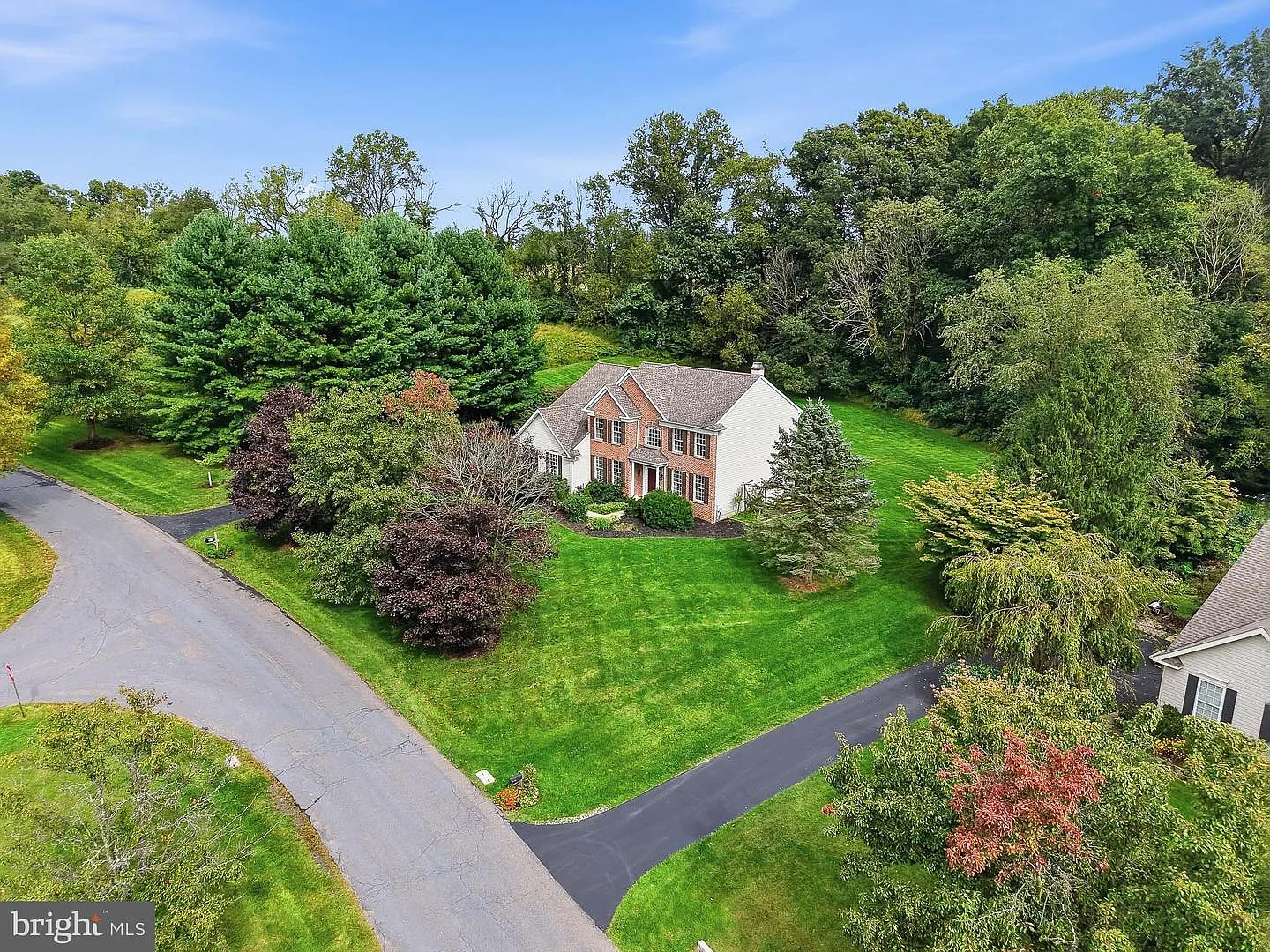
Situated on an acre lot that backs up to preserved land, this Kennett Square home has ample privacy. Its first floor features include open-concept sitting and dining rooms, an eat-in kitchen with granite countertops, and a family room with vaulted ceilings and a fireplace. It has four bedrooms upstairs, including a primary suite with dual walk-in closets and a recently renovated bathroom with a soaking tub. There are open houses Saturday and Sunday from 1 to 3 p.m.
By submitting your written, visual, and/or audio contributions, you agree to The Inquirer’s Terms of Use, including the grant of rights in Section 10.
This suburban content is produced with support from the Leslie Miller and Richard Worley Foundation and The Lenfest Institute for Journalism. Editorial content is created independently of the project donors. Gifts to support The Inquirer’s high-impact journalism can be made at inquirer.com/donate. A list of Lenfest Institute donors can be found at lenfestinstitute.org/supporters.
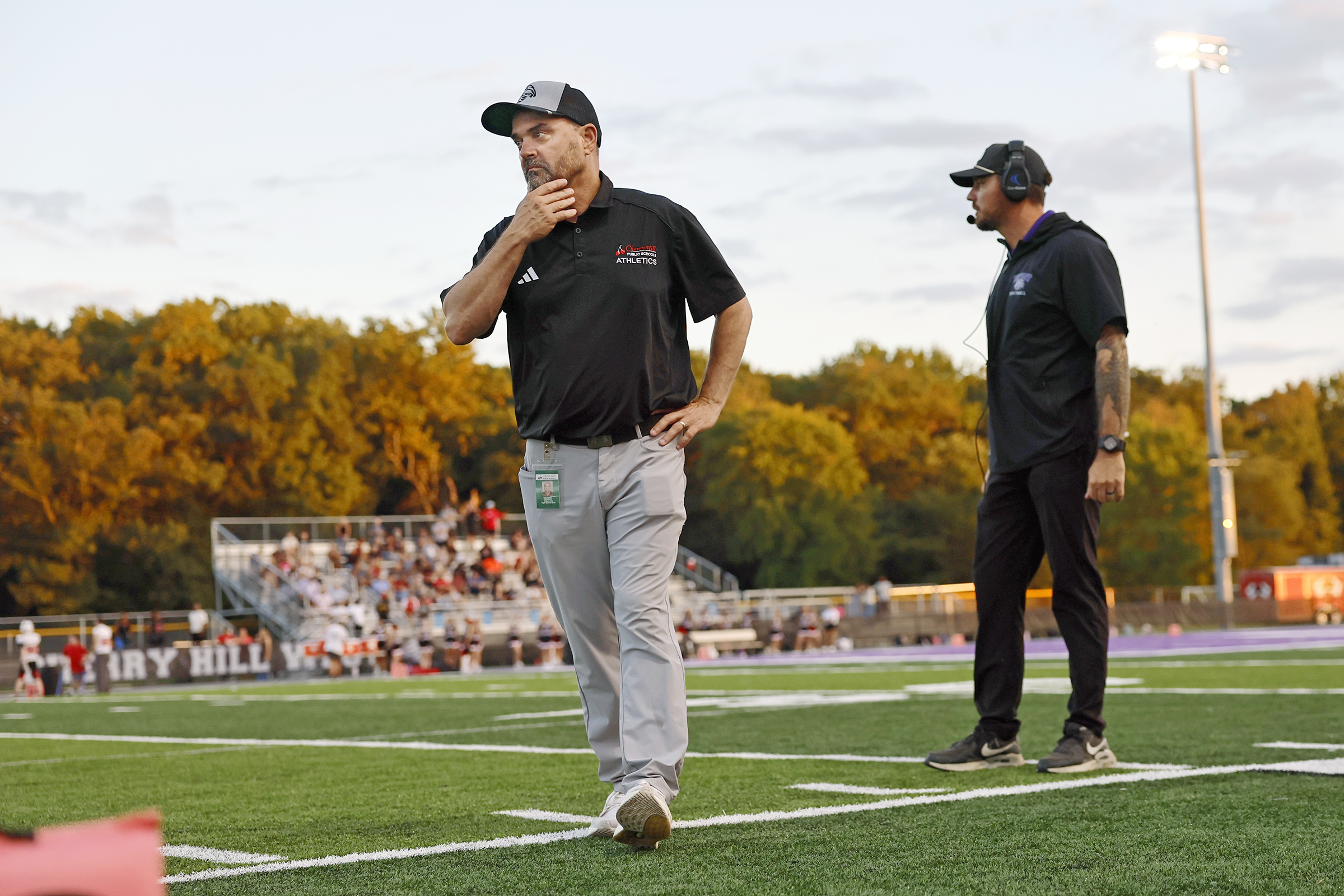
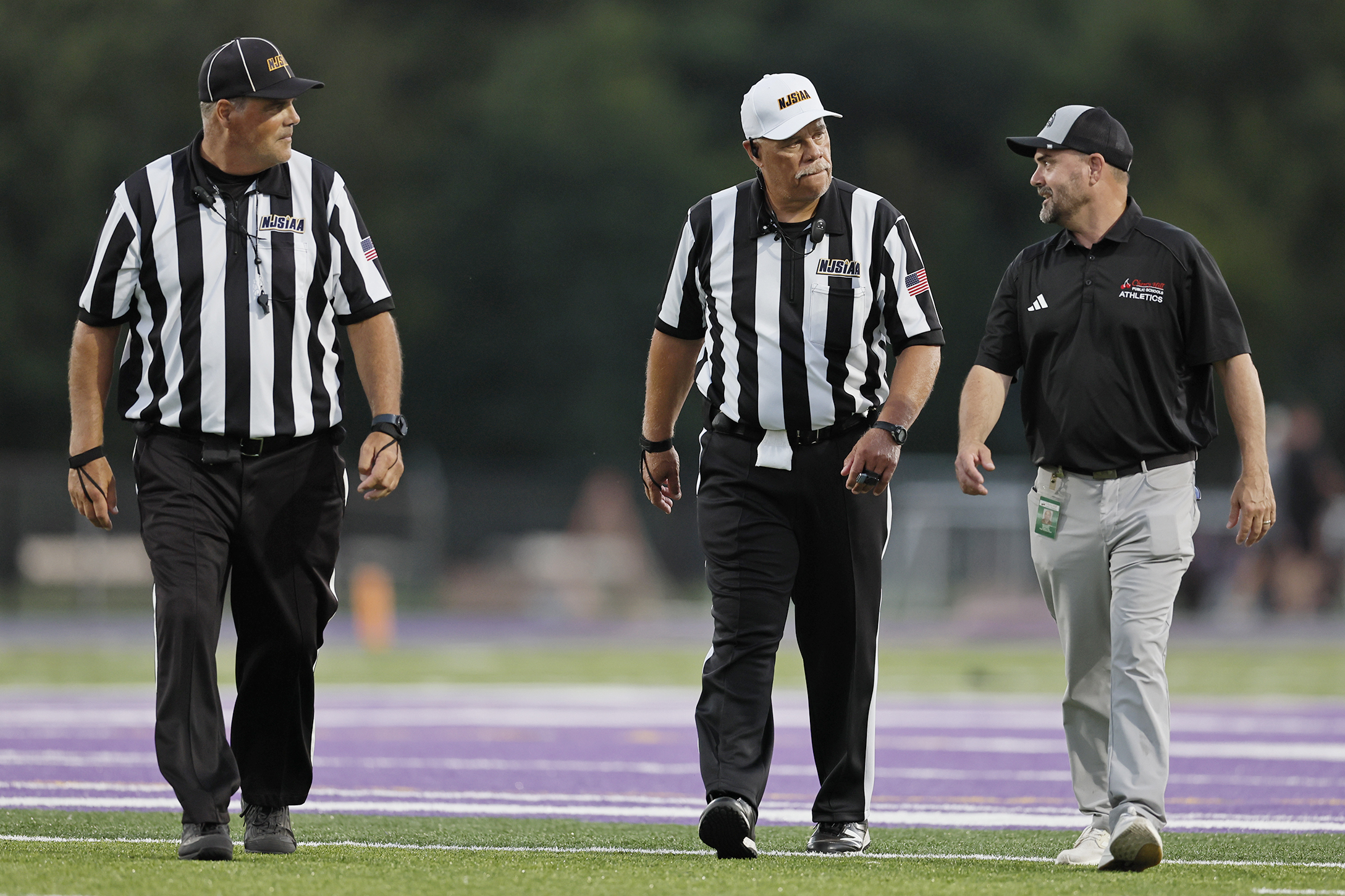
In the world of youth sports, hiring referees and other game officials has become more expensive as the number of refs has dwindled. It’s creating a tricky situation across New Jersey, including in Cherry Hill, where athletic director Michael Beirao stretches a $130,000 referee budget across 1,800 events each academic year.
Beirao oversees Cherry Hill High Schools East and West, which have 63 varsity teams and about 60 junior varsity or freshman groups, as well as Henry C. Beck, Rosa International, and John A. Carusi Middle Schools, which each have 17 sports programs. It’s a constant financial challenge. Yet Beirao says his $130,000 is a relatively large budget in New Jersey.
Part of the puzzle at hand: Is a ref an independent contractor or an employee? Potential changes to that classification could, in the long run, create more budget challenges for athletic programs at public schools struggling to afford them.
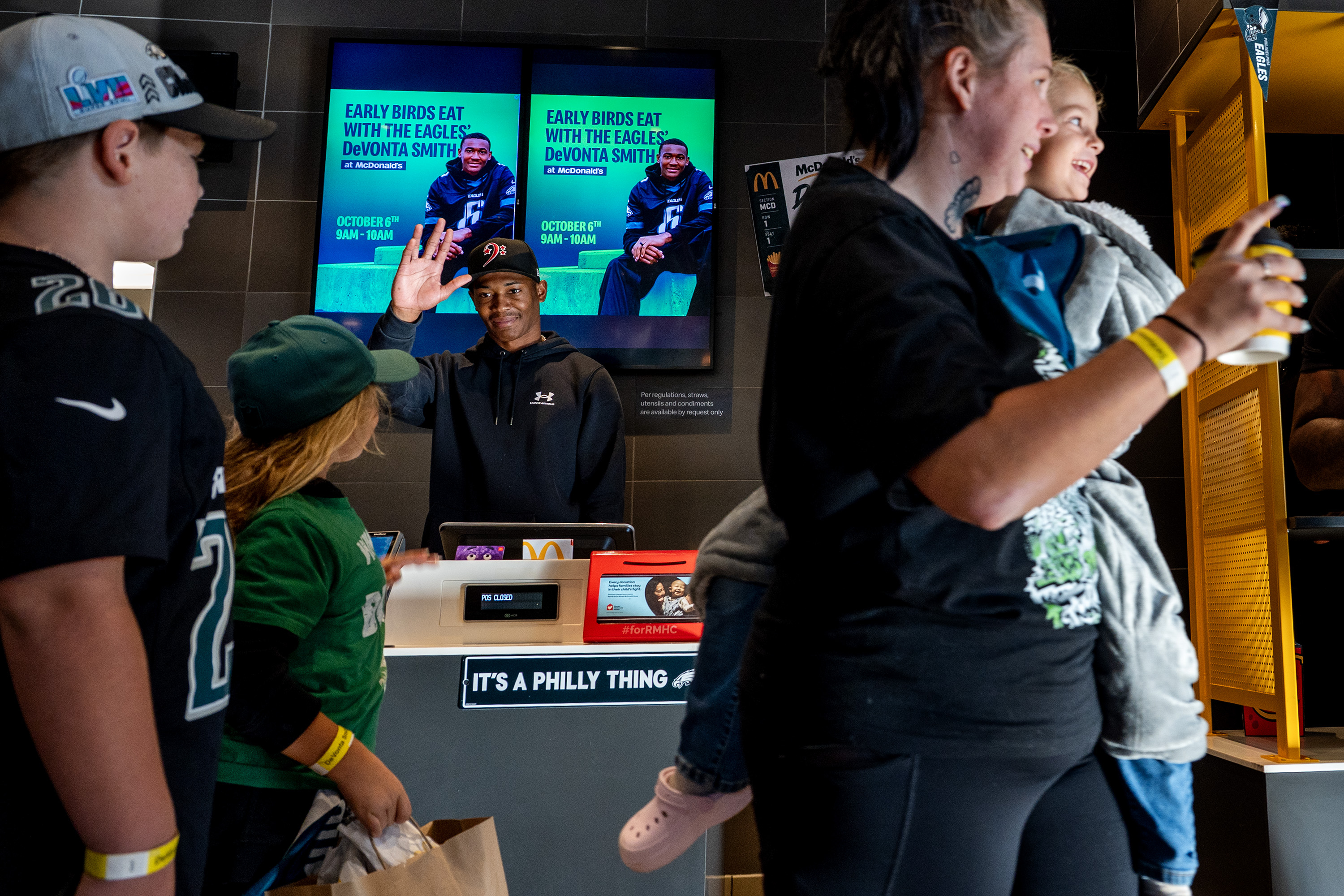
Eagles wide receiver DeVonta Smith greets fans at the McDonald’s in Cherry Hill.Tom Gralish / Staff Photographer
Cherry Hill-based nonprofit Bancroft NeuroHealth is looking to build a two-story school that would serve 160 children with autism and developmental disabilities on its Mount Laurel campus beginning in 2028, according to 70and73.
Brian Adoff, who grew up in Cherry Hill, is the creative mastermind behind the Museum of the Philadelphian, a temporary exhibition in Philly’s Fishtown neighborhood that humorously celebrates the city’s personality, Inquirer columnist Stephanie Farr reports. The museum includes nods to a car flipped after a sporting event, a man who ate 40 rotisserie chickens in as many days, and other absurdities.
The line at the McDonald’s on Kaighns Avenue in Cherry Hill wrapped around the block Tuesday morning as eager Birds fans waited to receive free breakfast handed out by Eagles wide receiver DeVonta Smith.
Almost two dozen healthcare professionals, including a veteran emergency room doctor with 41 years of experience, have exited Our Lady of Lourdes Hospital in Camden after Virtua Health switched staffing providers.
🏫 Schools briefing
At a Department of Education event Monday, several district officials and residents voiced concerns over New Jersey’s formula for providing funding to individual districts, saying the current equation’s focus on average household income unfairly harms the township’s schools, according to 70and73.
Mike Melograna, the East boys soccer coach who has led the program for more than a decade, notched his 100th career win following a home game victory over Washington Township on Saturday, NJ.com reports.
🍽️ On our plate
Husband-and-wife duo Jon and Karri Ricklin are in the midst of a yearslong mission to eat at every diner in New Jersey. As they near the 350-meal mark, their recent conquests have included nearby spots such as Legacy Diner in Audubon, Maple Hill Restaurant in Maple Shade, and White House Restaurant in Moorestown.
🎳 Things to do
🍷 Greek Agora Festival: Keep the wine, food, music, and entertainment flowing all day at this community event, held annually since 1974. ⏰ Thursday, Oct. 8-Sunday, Oct. 11, 11 a.m.-11 p.m. 💵 Pay as you go 📍 Saint Thomas Greek Orthodox Church
☕ Senior Coffee & Connections: Chat up other later-in-life community members over free coffee, cider, and donuts. ⏰ Tuesday, Oct. 13, 2:30-4 p.m. 💵 Free, registration required 📍 Carman Tilelli Community Center
🏒 Flyers vs. Russia 1976: Watch the Cold War in Philly documentary, which tells the story of the politically fraught ice-rink face-off between the Philadelphia Flyers and Soviet Red Army team. ⏰ Wednesday, Oct. 14, 7-9 p.m. 💵 $36 📍 Katz JCC
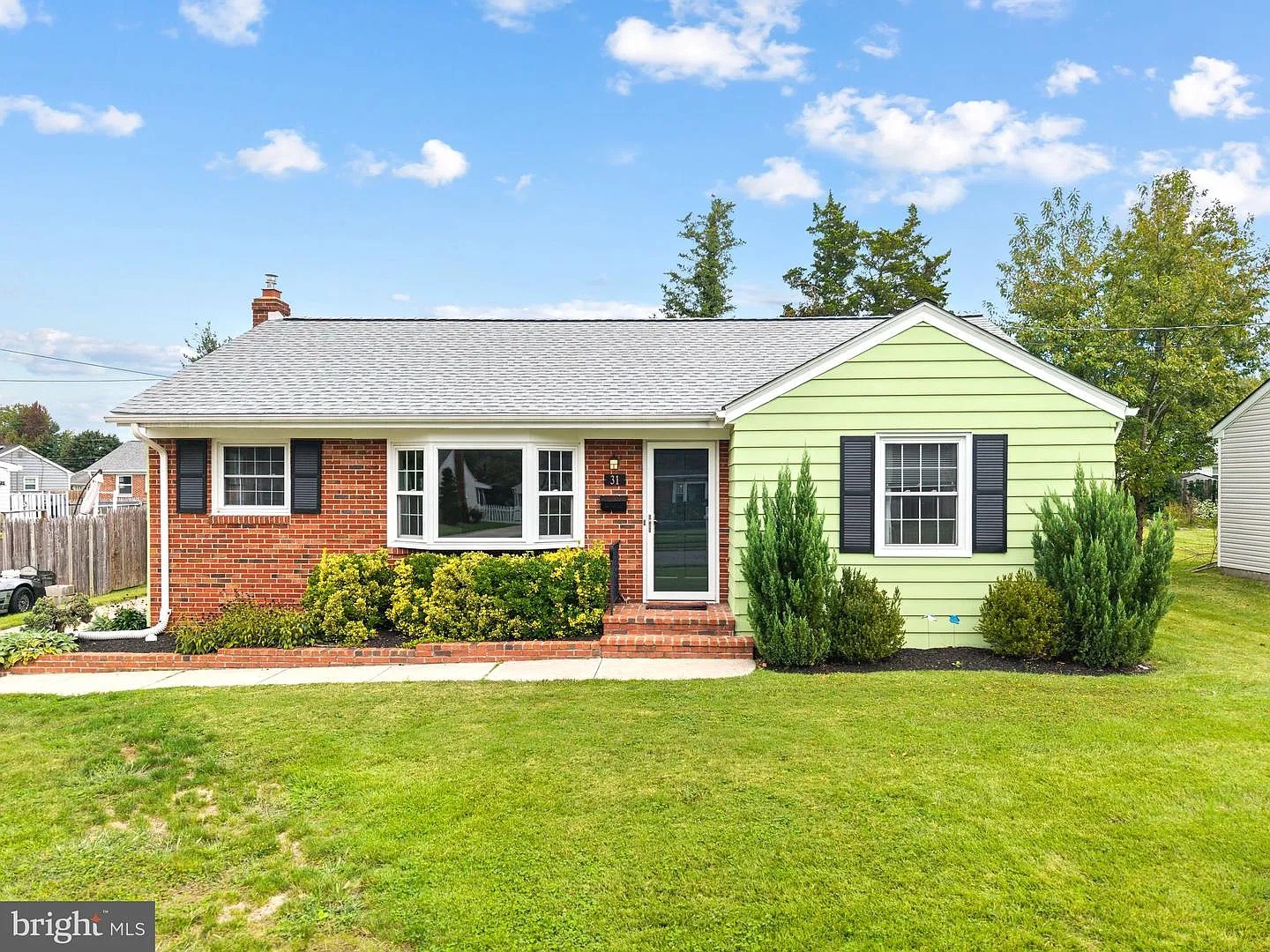
This three-bedroom, three-bathroom house, built in 1950, comes with a finished basement outfitted with a bar. Located near the Haddonfield PATCO station, it also has a fenced-in backyard with a garden and a storage shed.
By submitting your written, visual, and/or audio contributions, you agree to The Inquirer’s Terms of Use, including the grant of rights in Section 10.
This suburban content is produced with support from the Leslie Miller and Richard Worley Foundation and The Lenfest Institute for Journalism. Editorial content is created independently of the project donors. Gifts to support The Inquirer’s high-impact journalism can be made at inquirer.com/donate. A list of Lenfest Institute donors can be found at lenfestinstitute.org/supporters.
The phrase “gas station sushi” is enough to make some stomachs churn.
Not for Wawa.
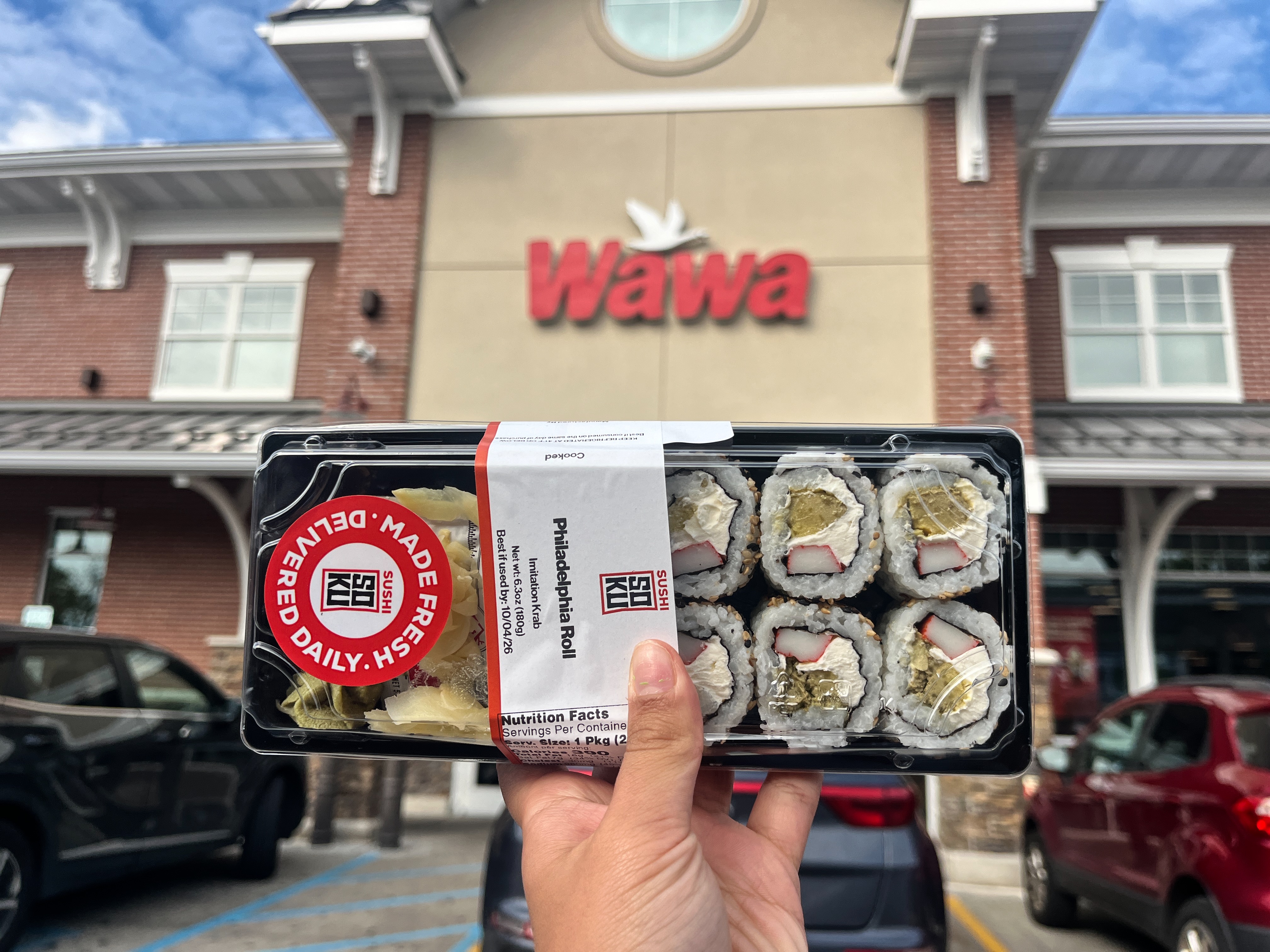
The Delaware County-based convenience store chain has been quietly testing premade sushi rolls at select stores since midsummer, based on customer TikTok videos.
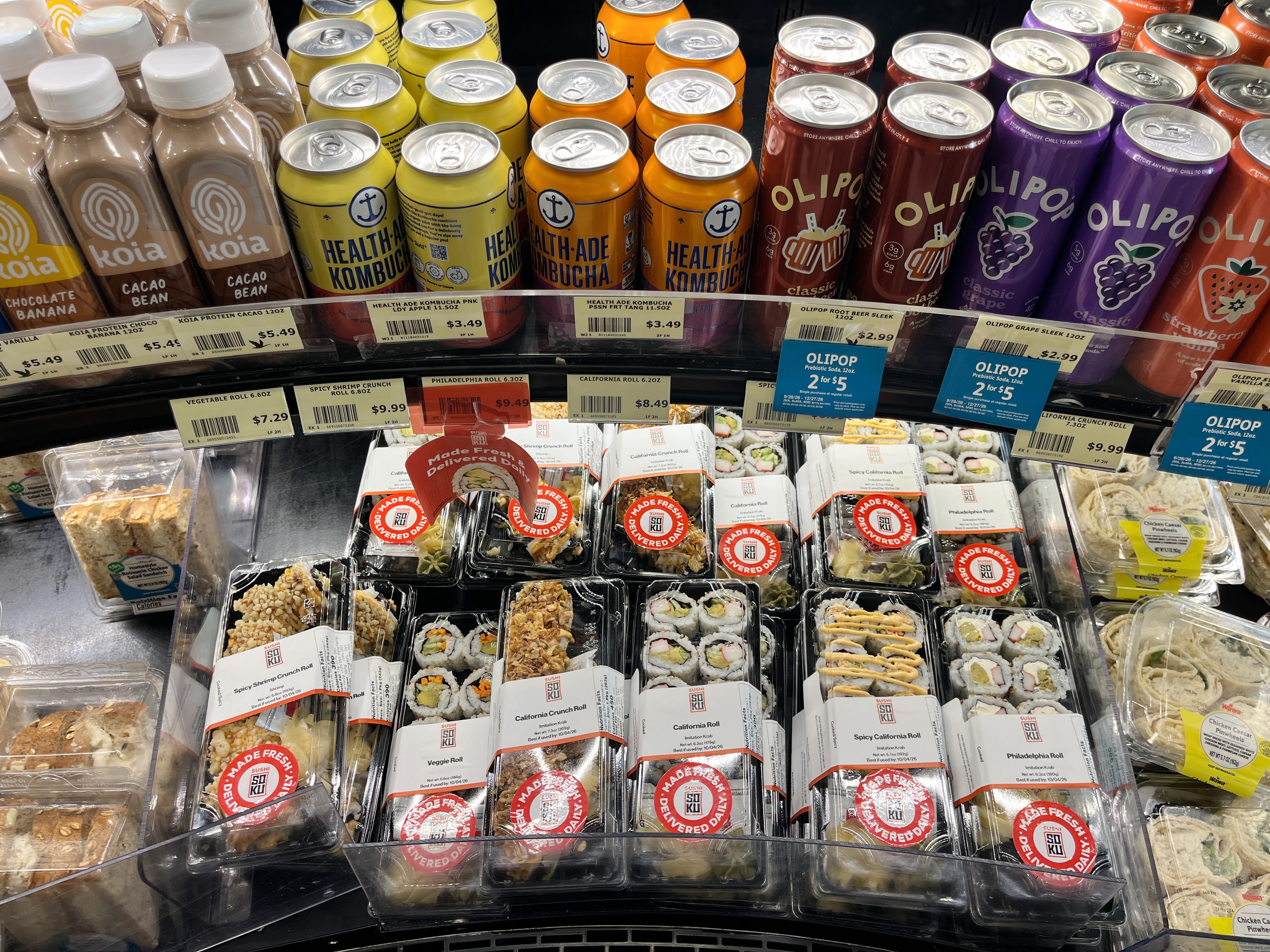
Found in the refrigerated grab-and-go cases among such itemsas deli meat pinwheels and Buffalo chicken wraps, the rolls are sold under the name Sushi Soku and made by the company Hissho Sushi, a prepared-sushi distributor with products in 2,500 stores across the U.S., including supermarkets and airports.
A red sticker on each container advertises the sushi as “made fresh and delivered daily.” To some online, it sounds like a threat.
“We should’ve stopped at egg rolls. What is this?” said Media-based food influencer the Delco Filipino in a TikTok posted on July 27. The first publicly documented Wawa sushi encounter, their video has been watched more than 206,000 times.
“I love Wawa as much as the next girl, but I would never in my life get sushi” there, said Philly-based content creator Alexa Green in a video with over 51,000 views.
A spokesperson for Wawa confirmed via email that the chain is currently testing six cooked sushi rolls from Hissho Sushi’s Sushi Soku brand in select stores. They declined to share when the pilot began or the locations of participating stores, saying only that Wawa regularly tests products near their corporate campus in Delaware County “for speed in gaining feedback.”
“The initial response [to the sushi] is very favorable,” the spokesperson wrote, while also declining to share the criteria used to reach that conclusion. A representative for Hissho Sushi declined to answer questions about the partnership.
There have been confirmed sushi sightings at Wawas in Media and West Chester. Employees at the Wawas at 750 N. Pottstown Pike in Exton and 970 Baltimore Pike in Glen Mills confirmed over the phone that their stores are selling sushi.
While the “gas station sushi” label certainly applies here, the sushi is also technically supermarket sushi: Hissho Sushi supplies prepackaged rolls to Sprouts Farmers Markets and Giant grocery stores throughout the Philly region, often under the Hissho name or their Oumi Sushi label. The Hissho Sushi rep also declined to answer questions about what, if anything, differentiates the Sushi Soku line carried in Wawas from the ones already available in supermarkets.
Is it the quality? Is it the flavor? Is it a secret third thing that I could only discover by driving 23 miles from Fishtown to Delco to find out?
With all of these questions swirling, I did what I had to do: I ate the Wawa sushi.
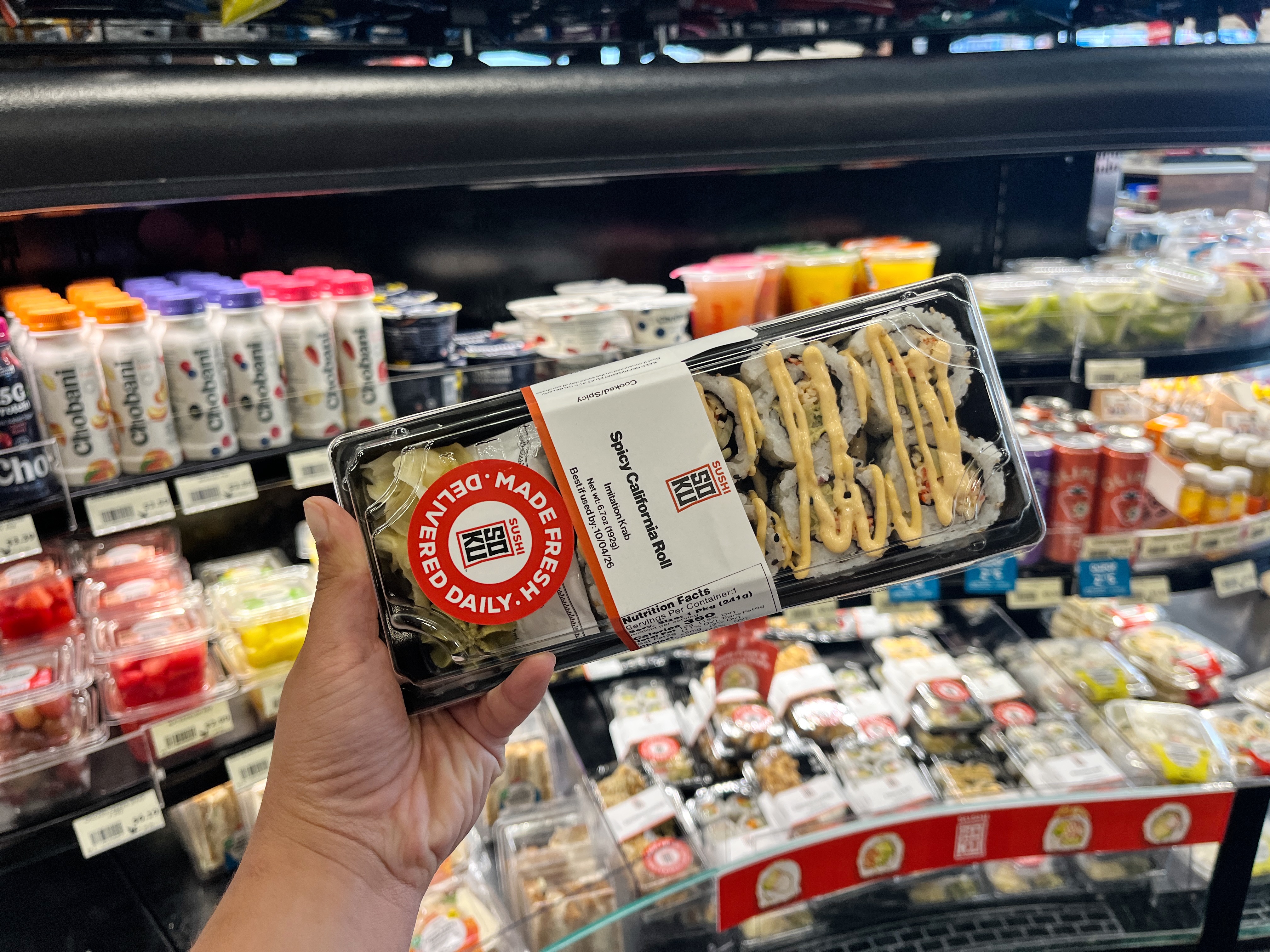
Spicy California rolls are one of six rolls from Hissho Sushi’s Sushi Soku brand that are being tested at a Wawa in Media.Beatrice Forman
What does the Wawa sushi taste like?
When I pulled up to the Wawa at 435 E. Baltimore Ave. (which happens to sell gas) the sushi stuck out like, well, seafood at a place that sells hoagies, pretzels, and lukewarm-yet-delicious bags of fried ravioli.
As part of the pilot, selected Wawas are carrying Philadelphia rolls, vegetable rolls, spicy shrimp crunch rolls, and three different kinds of California rolls (traditional, spicy, and crunchy). Each costs upward of $9 and comes with eight individual pieces of sushi, wasabi, ginger, and a soy sauce packet. Chopsticks were nowhere to be found.
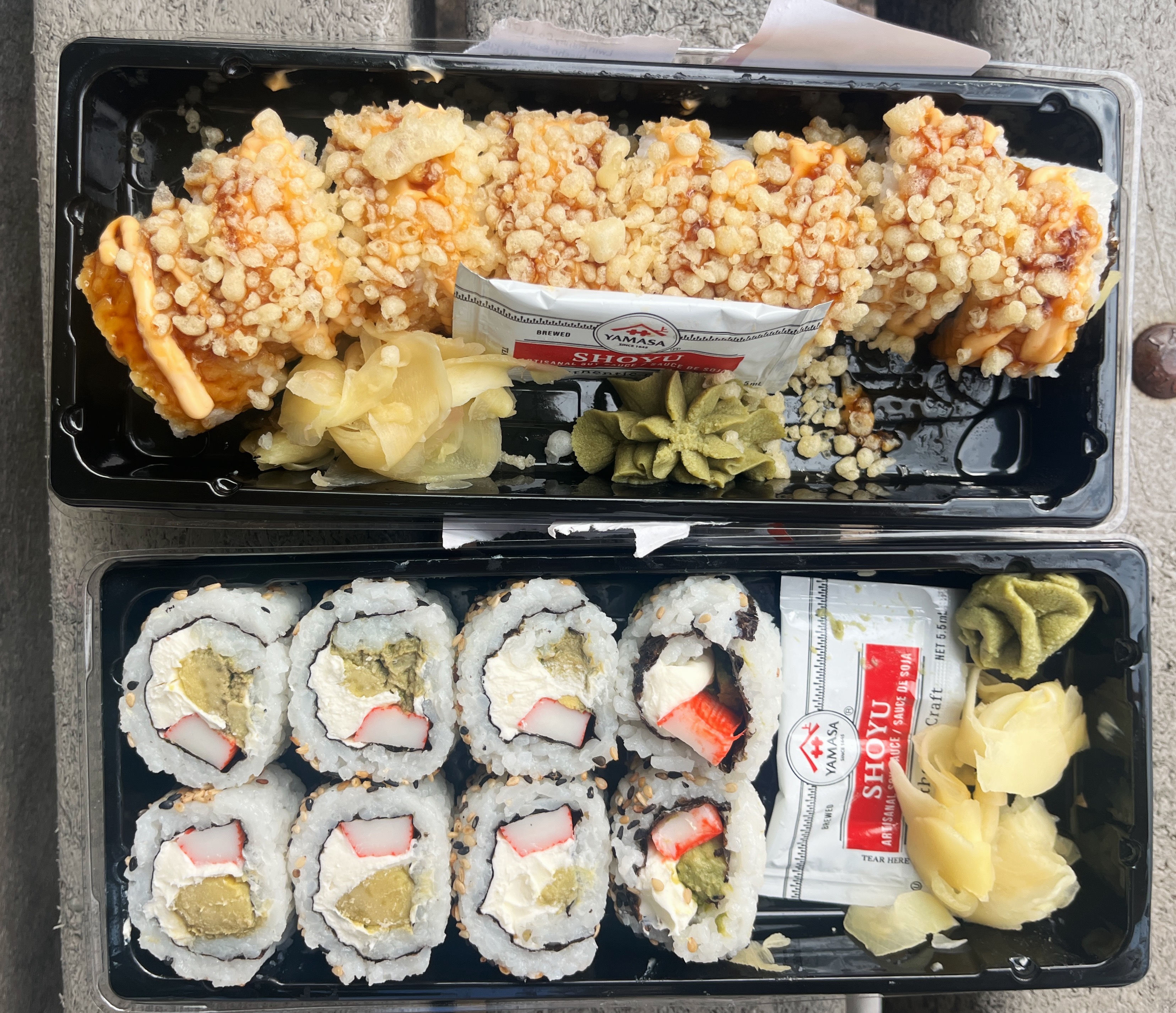
I opted for the Philadelphia roll (duh) and the spicy shrimp crunch roll because I wanted both spice and crunch. Sitting outside, I ate them asI imagined Wawa intended: with my bare hands and a creamsicle-flavored energy drink to wash it down.
The Spicy Shrimp Crunch (top) and Philadelphia Roll (bottom) from a Wawa in Media.Beatrice Forman /S
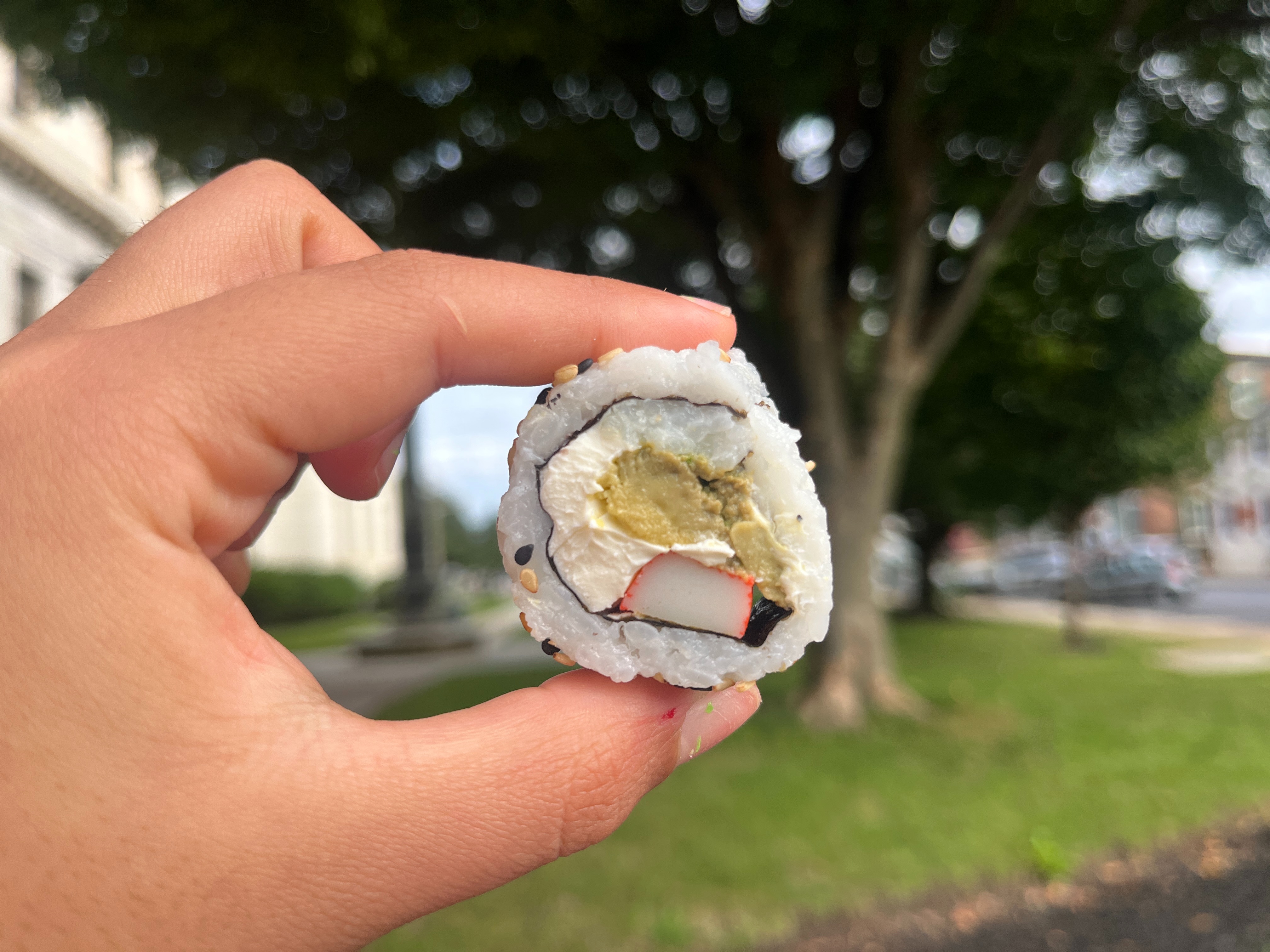
The Philly roll had seen better days. Stuffed with a glob of cream cheese, imitation crab, and avocadowell past its prime, it was shoddily assembled, with the sushi filling hanging out of some pieces. It was oddly flavorless, save for the feeling of mushy avocado mixing with cream cheese.
“This,” I said incredulously to the friend who joined me, “would never happen at Wegmans.” He agreed.
The spicy shrimp crunch roll was fine. Composed of a mayo-and-Sriracha shrimp salad with avocado, the roll comes topped with what Hissho Sushi refers to as tempura puffs. It was mildly spicy. It was mildly crunchy. Perhaps that’s all you can hope for from a gas station.
We didn’t finish either of them. Then, we made the 40-minute drive back home, both a little hungry and deeply cognizant of the effort we put in to track it down.
The Sushi Soku Philadelphia Roll from Wawa has seen better days.Beatrice Forman / Staff
At select Wawas in Delaware and Chester Counties, pre-packaged sushi is available in the grab-and-go cases.Beatrice Forman /
None of these things feel necessary, and none feel authentic to Wawa, whose superpower is the fact that it’s ordinary in the best possible way.
Wawa is the place I get a pretzel from to break up a bad day at work. It is the place where I get ahoagie on the way to a Phillies tailgate after I realize I forgot to eat. It is the place where I order mac ’n’ cheese after a night out and the cashier tells me to get home safe.
It will never, under any circumstances, be the place where you should buy sushi.
Wawa and Sheetz customers across the country are equally satisfied for the second year in a row, according to a new survey.
But Wawa did gain an edge in the Northeast region — which includes Pennsylvania and New Jersey — where it narrowly beat out Sheetz for the top spot. Last year, Wawa and Sheetz tied for first place in the region. In the latest survey, Sheetz tied BP and Shell for second place in the area.
Nationwide, Delaware County-based Wawa, Altoona-based Sheetz, and Oklahoma-based Quiktrip tied for second place in the third-annual American Customer Satisfaction Index (ACSI) Convenience Store Study, released Tuesday.
All three chains received a score of 80 out of 100, two points behind Meijer, the Michigan-based chain that held sole possession of the top spot. Both Wawa and Sheetz dropped two points since last year, when they also tied for second place.
Sheetz ranked no. 1 in the Midwest, while Wawa once again claimed first place in the South, just above Sheetz, Texas-based Buc-ee’s, and Quiktrip. Wawa was the only chain to take the top spot in two regions.
“We appreciate being included in the list and are proud of the role that Wawa and other convenience store brands play in consumers’ daily lives,” Wawa spokesperson Lori Bruce said Monday in a statement.
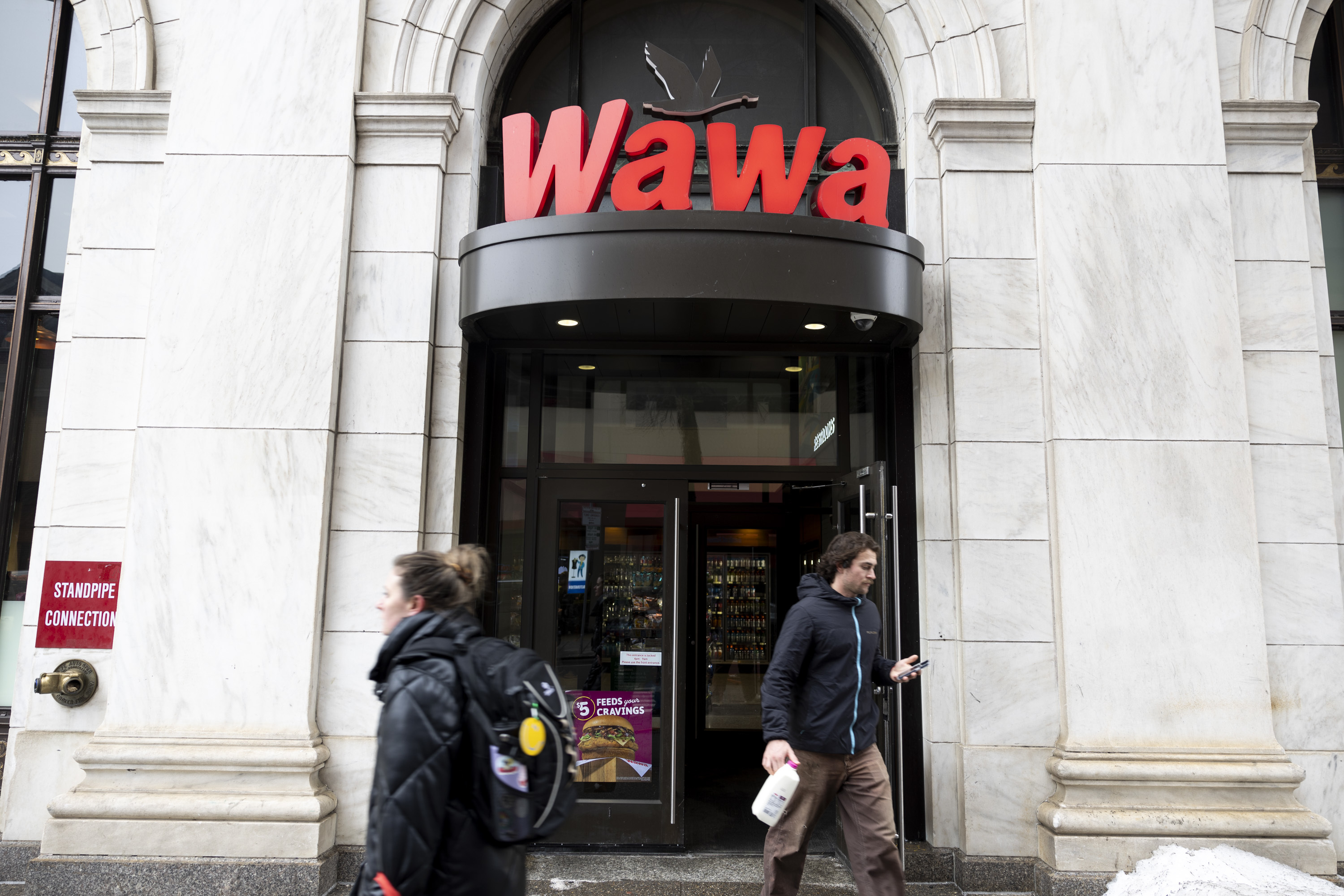
Wawa, which has this store on Independence Mall, was the only chain to rank no. 1 in two regions in the latest ACSI Convenience Store study.Tyger Williams / Staff Photographer
A Sheetz spokesperson did not return a request for comment on Monday.
Among all convenience stores in 2026, the study found the average customer-satisfaction rating dropped 1% amid slight declines in mobile-app quality, as well as layout and store cleanliness.
“Convenience stores are asking customers to do more inside the store and more on the app than ever before. Order ahead, scan loyalty cards, redeem offers, pick up food,” Forrest Morgeson, Michigan State University marketing professor and director of research emeritus at the ACSI, said in a statement. “But every new capability is a new expectation.”
“When the app is clunky, the bathroom is neglected, or the store feels disorganized, that shapes how customers judge the entire visit,” Morgeson added. “The industry has figured out what to sell. Now the experience of buying it has to catch up.”
Inside convenience stores, food service now accounts for more than 28% of sales and nearly 40% of gross profit, the study’s authors noted, citing industry data. And, they added, about 15% of customers picking up prepared foods at convenience stores chose to do so over stopping at a quick-service restaurant.
Overall, fuel accounts for 65% of sales at convenience stores, according to industry data, and 39% of gross profit.
Customers say they are drawn to chains with convenient hours. Many Wawas are open 24/7. Tom Gralish / Staff Photographer
Consumers are drawn most to stores with accessible locations, convenient hours, dependable food and beverages, and quick service, the study found.
“For a lot of people, it’s their daily routine,” Gheysens said. “It becomes a part of their neighborhood. It’s a relationship that’s built on consistency, on trust” — and on getting customers out the door in five minutes or less, depending on the time of day.
Wawa has about 1,200 stores in 13 states and Washington, D.C., and has expanded as far as Florida and Kentucky. Sheetz has about 800 stores in seven states.
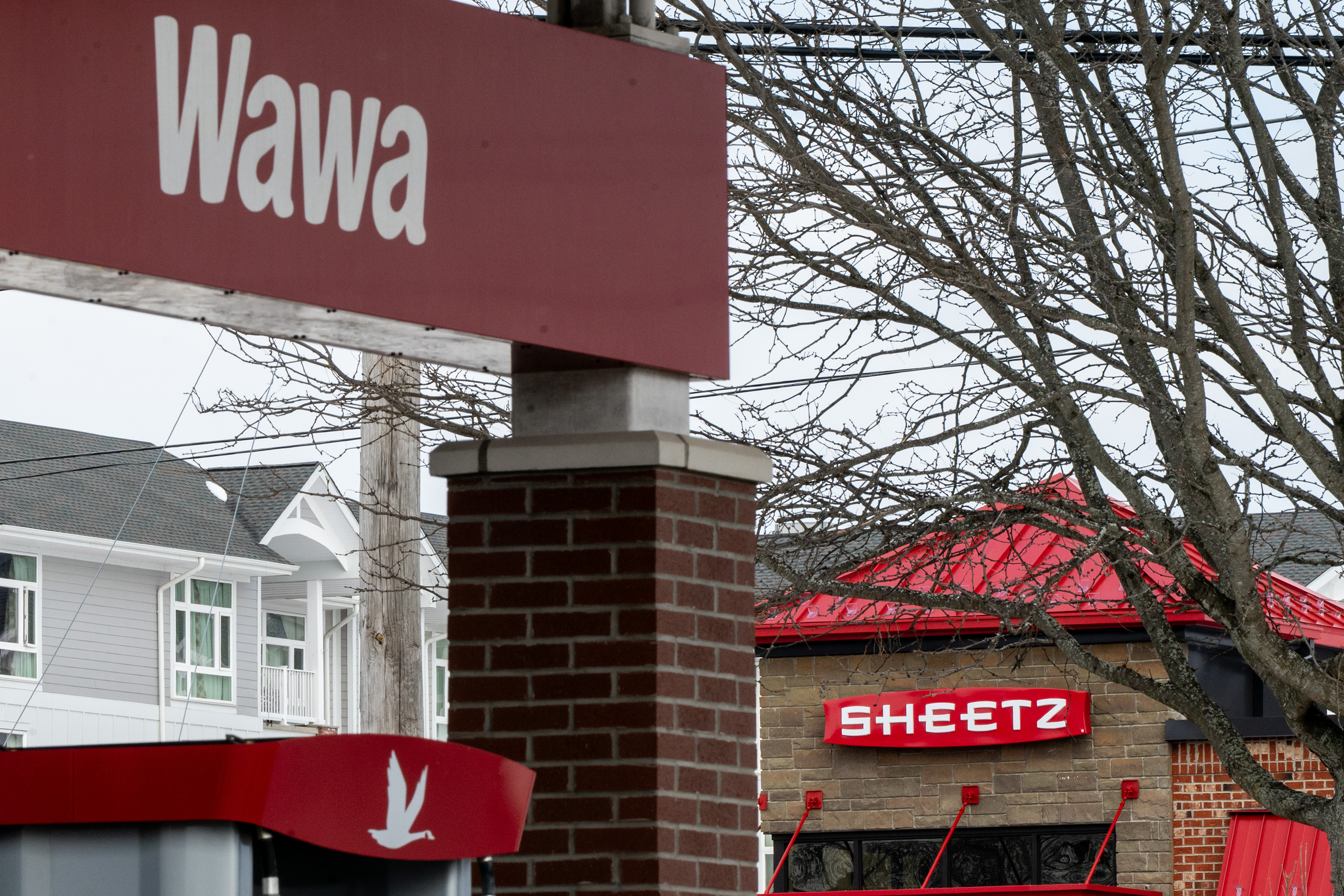
In Pennsylvania, the chains’ footprints — Sheetz’s in Western and central Pennsylvania and Wawa’s closer to Philly — have increasingly overlapped in recent years. Wawa opened its first central Pennsylvania location within eyesight of a Sheetz in 2024, and has since added more stores in the region.
A customer orders at the first Philly-area Sheetz in Limerick Township, Montgomery County, in February.Tom Gralish / Staff Photographer
The ACSI Convenience Store Study was based on 9,475 email surveys completed by a random selection of U.S. consumers between October 2025 and September 2026. Recipients were asked to evaluate their recent store experiences, as well as their perceptions of quality and value.
Wisconsin-based Kwik Trip, which beat out Wawa and Sheetz for last year’s No. 1 spot, fell five points in this year’s survey, tying Arkansas-based Murphy USA for third place.
Parts of an Abington School District playground may still need work after volunteers cleaned racist and antisemiticgraffiti off the structures over the weekend.
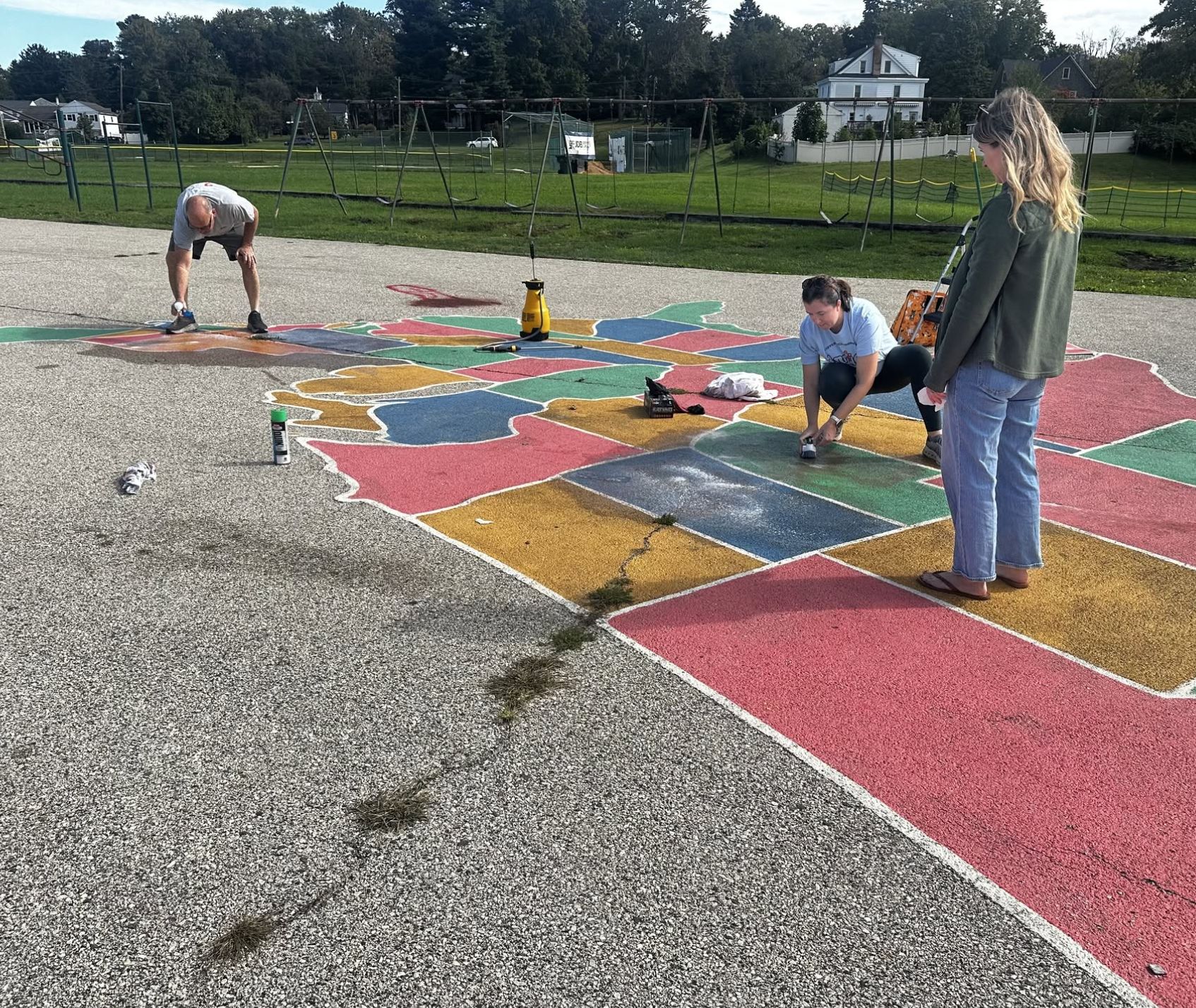
Volunteers joined township and school district staff on Saturday morning to scrub off red, spray-painted swastikas and an anti-Black slur at the recently renovated Glenside Weldon playground. A community rally at the site is planned for Thursday.
Abington Township police announced Saturday they’re investigating the incident, and urged anyone with information to contact the department.
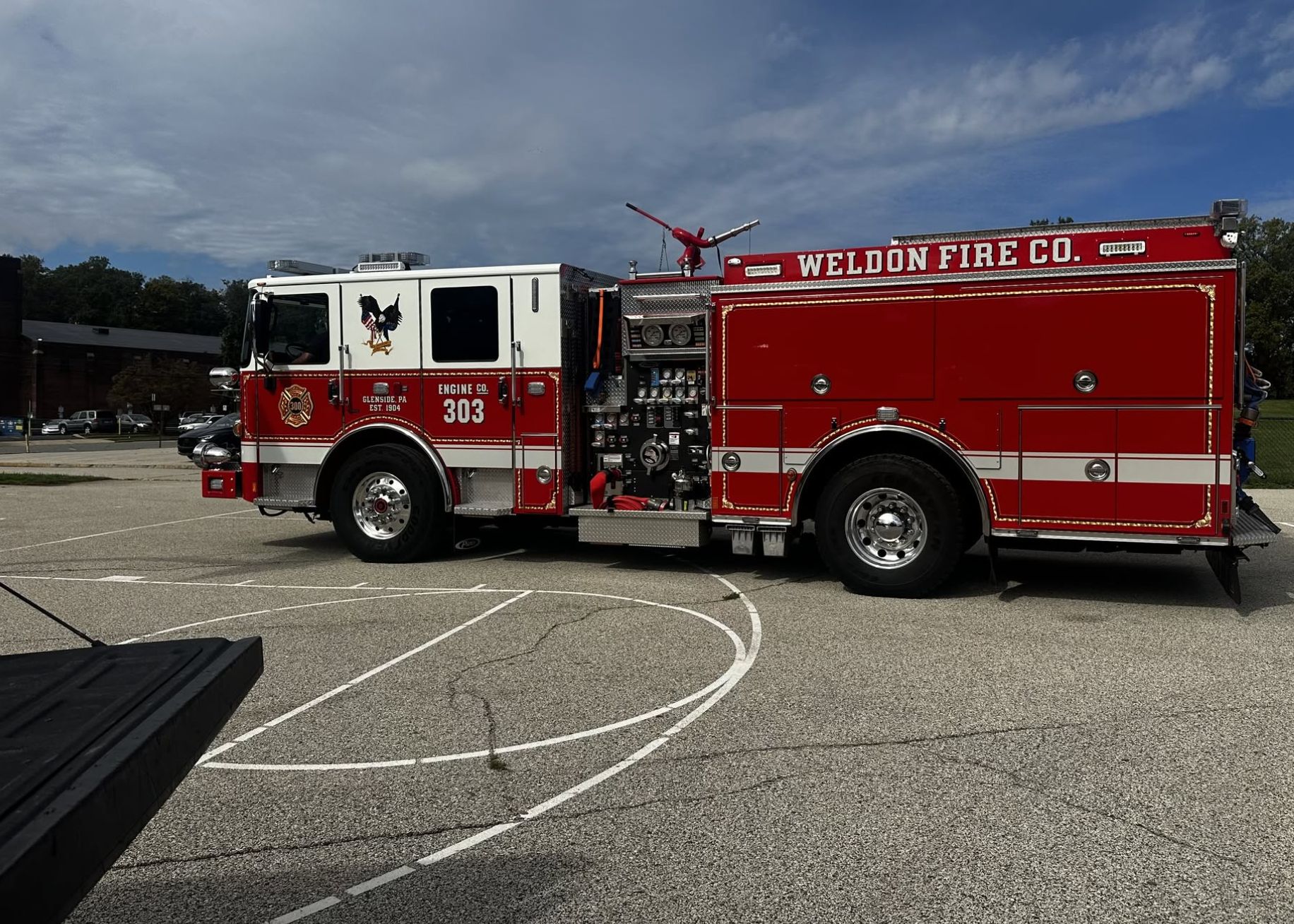
Weldon Fire Company supplied water to clean off racist graffiti at Glenside Weldon playground on Saturday.Krystn Kuckleman
The neighbors who showed up Saturday to clean off the graffiti included Glenside Civic Association president Krystn Kuckelman, who led efforts to restore the beloved park before it reopened in 2022.
Glenside cheese sculpture defaced
Residents, local businesses, and officials raised almost $80,000 to restore the playground, Kuckelman said — including an iconic sculpture that became the symbol of the campaign.
Known as the ”Cheese,” the concrete yellow playwall has delighted children for decades, local residents say. Rosalie Guzofsky, executive director of the Abington Art Center, who consulted on preserving the structure during renovations, said it was designed by prominent mid-century sculptor Jim Miller-Melberg.
The Cheese and a map mural on the pavement created by a local artist were both vandalized and need a fresh coat of paint, Kuckelman said Monday. A playground sign was also defaced.
“Today was one of my saddest day[s],” Kuckelman wrote to the school board president in a Facebook comment on Saturday.
Rally planned at Glenside Weldon playground
The antisemitic symbol and anti-Black slur “are reminders of the worst behavior of human beings over the last 500 years,” the Salem Baptist Church of Abington wrote on social media.
Faith leaders, neighbors, and local officials plan to gather at the playground for a unity rally on Thursday at 5:30 p.m., according to a flyer shard by a township commissioner, Matt Vahey, to “reclaim a shared community space from hate.”
This suburban content is produced with support from the Leslie Miller and Richard Worley Foundation and The Lenfest Institute for Journalism. Editorial content is created independently of the project donors. Gifts to support The Inquirer’s high-impact journalism can be made at inquirer.com/donate. A list of Lenfest Institute donors can be found at lenfestinstitute.org/supporters.
In late June, Chester County reported two cases of measles, as an outbreak in bordering Lancaster County crossed into the farmlands that blend into the suburban sprawl of Philadelphia’s collar communities.
Case numbers grew tenfold in July, and by late August, three dozen people had gotten sick up and down the county’s western border.
The latest numbers now show 83 measles cases in Chester County, more than most entire states have seen all year, making it a locus in Pennsylvania’s largest measles outbreak in more than three decades.
Chester is the first county in the Philadelphia region to grapple with wide circulation of a highly contagious virus that could spread like wildfire if it reaches other under-vaccinated communities, especially densely populated ones closer to the city.
As cases rise in Chester County, public health officials are ramping up educational outreach, scheduling pop-up clinics, and even bringing doses of the vaccine to people’s homes, all in an effort to contain known hot spots in the outbreak.
At Chester County’s schools, homecoming parades, and grocery stores, many families say they are aware of the outbreak, but are not deeply concerned. Those who are vaccinated worry more that their social and school lives may be disrupted, as they were during the COVID-19 pandemic, if the virus continues to spread.
Anne Nemeth, who lives in Paradise in Lancaster County, feels only a little worried, given that her two sons are vaccinated.
At a time of declining vaccination rates, she isn’t sure whether some of her closest neighbors, who the family regularly gets together with,are vaccinated.
They are Amish, and she has read that many of the people getting sick in her area were part of the Plain community. Two Amish infants in Lancaster County died in August after contracting measles in the state’s first deaths linked to the outbreak.
“I’m hoping they would tell us if they were sick,” she said. “It’s a lot of trust.”
Pennsylvania has reported five deaths associated with measles. A 20-year-old Amish woman who died lived just over the Chester border in Lancaster County. She wanted the vaccine after her parents and eight siblings got sick, but couldn’t get it because she was being treated for leukemia.
Close to 1,000 people statewide have been sickened by the virus, marking one of the most robust outbreaks the United States has seen in years. And experts say the cases that have been reported are likely an undercount, as many people do not seek medical care for their symptoms and some have been reluctant to speak with the health department.
“Public health is now in a race with the disease,” said Dale Weiser, the clinical services supervisor for Chester County’s health department. “It’s going to either burn through all the susceptible people, or we’re going to make fewer people susceptible through vaccination. That’s the only way it ends.”
(function(){function e(){window.addEventListener(`message`,function(e){if(e.data[`datawrapper-height`]!==void 0){var t=document.querySelectorAll(`iframe`);for(var n in e.data[`datawrapper-height`])for(var r=0,i;i=t[r];r++)if(i.contentWindow===e.source){var a=e.data[`datawrapper-height`][n]+`px`;i.style.height=a}}})}e()})();
Measles spreads in Chester County
Measles is so contagious that nine out of 10 unvaccinated individuals who come in contact with the disease will get sick.
That’s how a county like Chester, with one of the highest vaccination rates in the state, has also come to log the third-most cases in the outbreak.
Chester County’s kindergarten measles vaccination rate falls just below the 95% threshold that scientists say is necessary to keep the virus from spreading widely. Kindergarten vaccination offers a view into a community’s protection because the vaccines are required for school attendance.
But the county — like the rest of the Philadelphia region — is pockmarked with areas where vaccination has dropped well below the so-called herd immunity threshold, leaving families vulnerable to severe illness.
In eastern Chester County, for instance, five elementary schools in West Chester had kindergarten measles vaccination rates below 95% — one of the vulnerable areas in theregion identified by an Inquirer analysis of 2025-26 school-level data.
Farther east, Chester City in Delaware County, and neighborhoods in West and North Philadelphia have also similarly seen measles vaccination rates drop below so-called herd immunity.
In Chester County, the health department seeks to limit the virus from spreading from west to east across the county, where it would reach more densely populated communities, said Jeanne Franklin, Chester County’s health director.
“If it finds that pocket of unvaccinated individuals, it’s going to popcorn until it finds no one left,” Franklin said.
(function(){function e(){window.addEventListener(`message`,function(e){if(e.data[`datawrapper-height`]!==void 0){var t=document.querySelectorAll(`iframe`);for(var n in e.data[`datawrapper-height`])for(var r=0,i;i=t[r];r++)if(i.contentWindow===e.source){var a=e.data[`datawrapper-height`][n]+`px`;i.style.height=a}}})}e()})();
The health department began reaching out to hospitals and schools months before Chester County reported its first cases, because public health leaders knew it was likely only a matter of time before the virus spread from Lancaster County, Franklin said.
Hospitals were asked to develop a measles screening protocol, if they didn’t have it already, so that early symptoms, such as fever, cough, and runny nose, wouldn’t be dismissed as seasonal illnesses.
Schools were urged to start tracking vaccine status among staff. When a school identifies a measles case, the county requires any student or staff member who is unvaccinated or does not have proof of vaccination to stay home for 21 days, Franklin said. Since many adults don’t have their vaccination records handy, that could create a major staffing disruption.
As case counts in Chester County grow, pop-up vaccine clinics have been scheduled across the county.
The health department has administered more than 500 doses of the measles, mumps, and rubella (MMR) vaccine so far this year, most of them since the outbreak began in April.
The health department’s nurses will bring doses of the vaccine to homes and farms of residents who don’t travel. Vaccines are also available at the county’s health clinics.
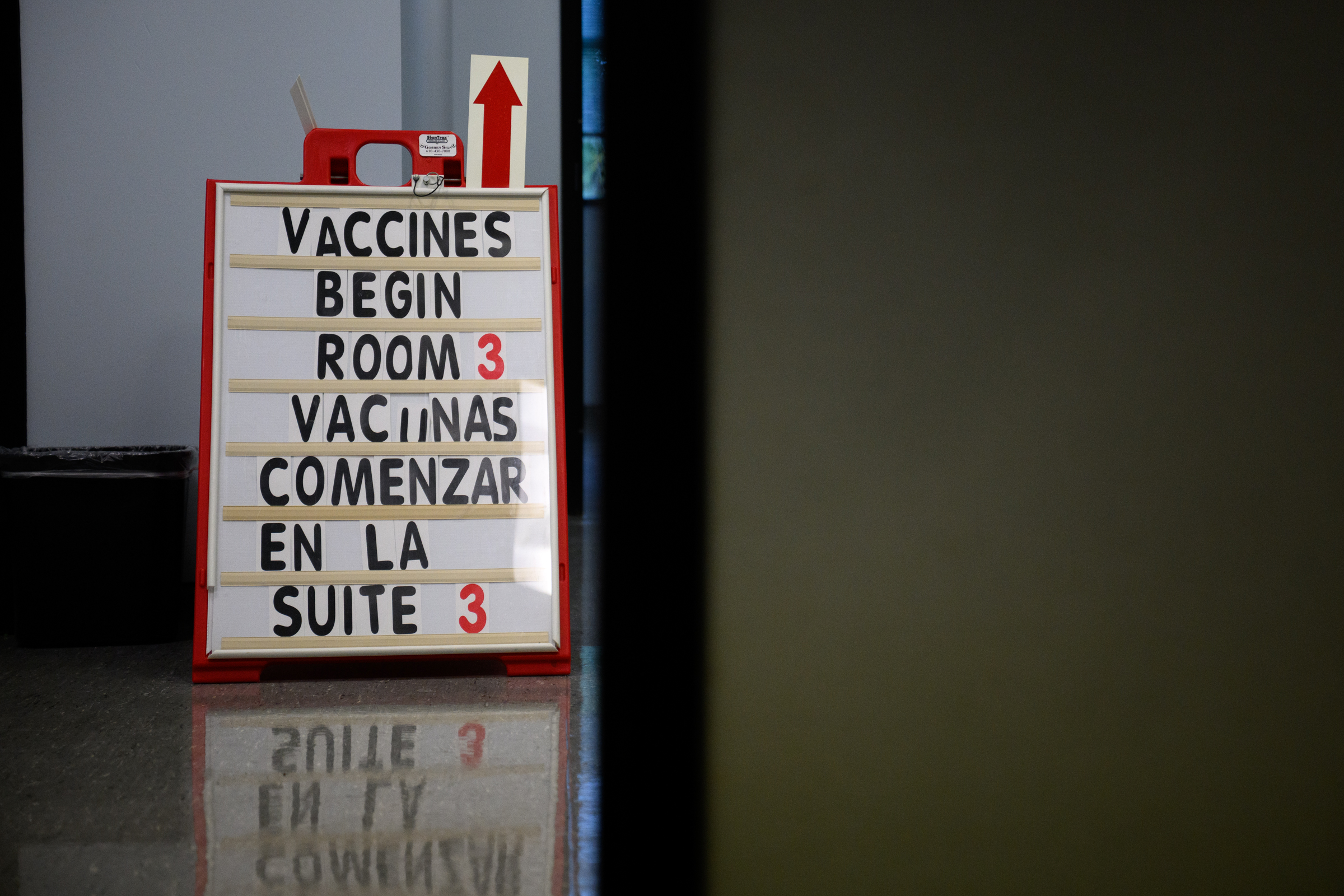
A sign for vaccinations directs visitors at the Chester County Health Department in West Chester.Kriston Jae Bethel / For the Inquirer
Debunking vaccine myths
Many of the parents lined up along Atglen’s Main Street last week for the local school district’s homecoming parade said they did not feel a reason to be deeply concerned about the outbreak because their families are vaccinated.
“I guess I have the same level of concern as I have for all sickness with kids in public schools,” said Sandi Wrigley, a Cochranville mother whose children, ages 9 and 11, are vaccinated. “If we take the time to worry about that, it’ll be an endless worry.”
Until recently, measles was considered eradicated in the United States, and despite declining vaccination rates, most families are still choosing to vaccinate their children.
Some were angry that measles is even a conversation.
Michael Lavender, from Parkesburg, said vaccinating his 12-year-old daughter was an “easy decision.”
“I really feel like there should be no reason to even talk about it,” he said.
On the other side of the county, families lined up inside the Great Valley Middle School gymnasium in Malvern for flu and COVID-19 vaccines.
Kevin Wrabley, of Malvern, doesn’t worry about his 11-year-old son contracting measles because he is vaccinated. But he does worry about other children and adults who aren’t able to get vaccinated.
“It’s discouraging, things we thought were safely behind us are coming back,” he said.
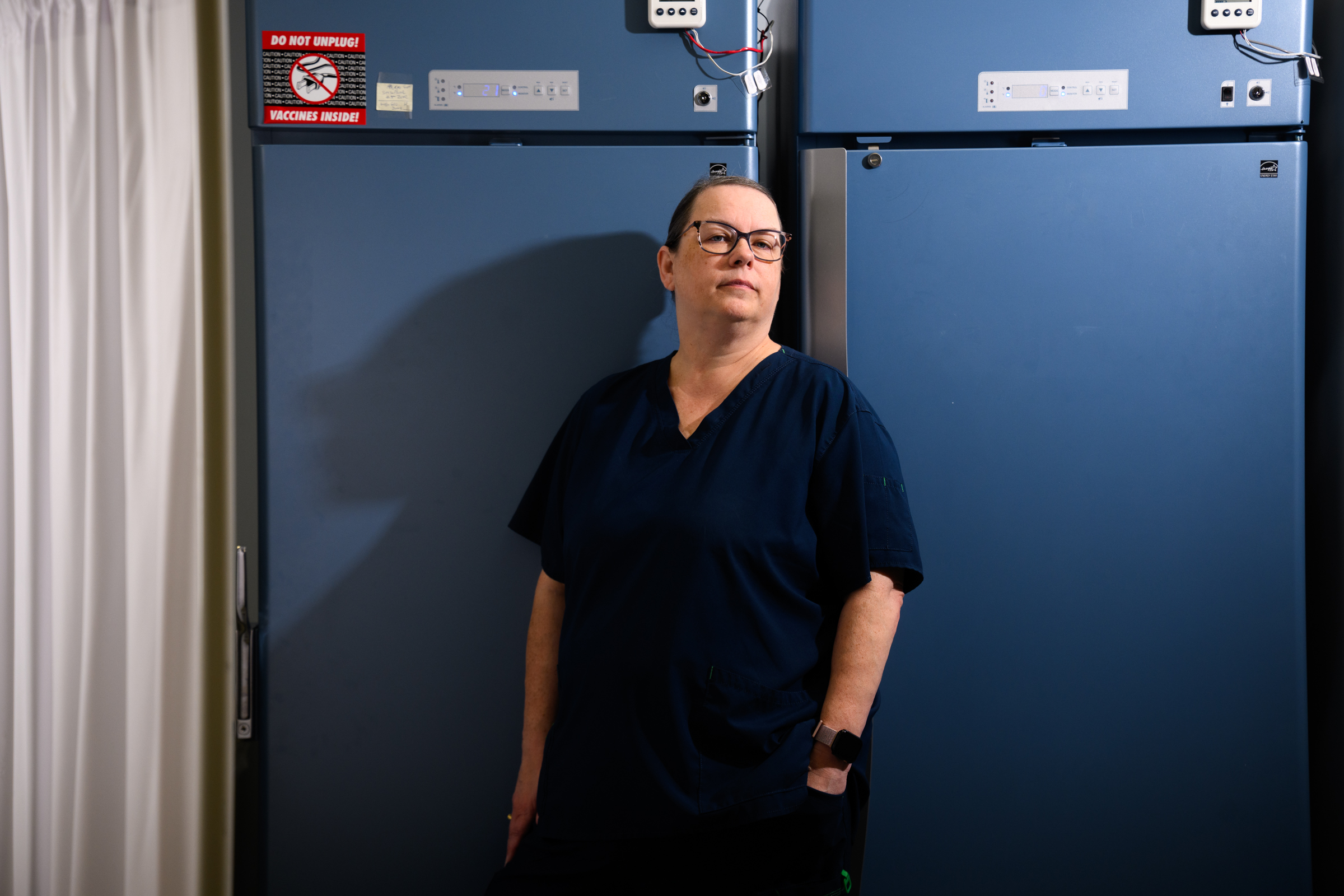
Dale Weiser, clinical services supervisor at the Chester County Health Department, stands in front of freezers storing vaccines at the department’s office in West Chester.Kriston Jae Bethel / For the Inquirer
In Chester County, public health educators have the task of trying to untangle the myriad reasons people are opting out of a vaccination. Many have little to do with science: Two doses of the measles vaccine provide 97% protection — better than most vaccines.
The MMR vaccine is among those long required to attend school in Pennsylvania and every other state. But families here have increasingly been deciding against vaccination for religious and philosophical reasons, as state law permits, often by simply printing and signing a form noting their objection.
Some fluctuations in kindergarten vaccination rates are typical from year to year, but the rise of anti-vaccine rhetoric in federal leadership and a growing distrust in public health authorities has exacerbated fears about vaccination.
On measles awareness flyers posted on social media and in public spaces, Chester County advertises its public health hotline, where people can call to talk to a nurse. Weiser and her colleagues work to dispel worries from callers over misinformation that the vaccine contains tracking chips, heavy metals, and can cause people to become sterile.
Some call back multiple times, with new questions. Weiser answers them all, without judgment and without pushing people to get vaccinated.
“We have a way to prevent this,” Weiser said. “There is no reason that any child, adolescent or adult in this country should be suffering with measles.”
Personalized measles outreach
Standard public health messaging — get vaccinated to protect yourself and your family — may not resonate in the area’s rural farming communities that overlap with Lancaster County.
The area has a large concentration of Amish and Mennonite families who are not necessarily opposed to vaccines, but have gone without most traditional medicine for generations.
Anabaptist religions emphasize self-sacrifice for the betterment of others, said Kevin Ressler, CEO of Alliance for Health Equity, a healthcare nonprofit in Chester County.
Instead of vaccinating, families may isolate themselves at the earliest signs of illness to keep anyone else from getting sick, said Ressler, who is Mennonite and has served as a pastor.
Outside New Holland, Gina King self-quarantined when she and her eight children got sick with measles in June. King was vaccinated, but she and her husband chose not to vaccinate the children.
Her 14-year-old son was briefly hospitalized for breathing difficulty, but he and his siblings all recovered. King, who spoke with The Inquirer in July, later drafted a tip sheet for other families in her Plain community based on their experience, such as stocking up on groceries to avoid going out in the community while contagious.
“If you made the choice to not vaccinate, you knew there was a risk of getting sick,” King wrote. “We should care about others enough to be willing to make some sacrifices to protect vulnerable people.”
Ressler thinks public health messaging may need to be more direct: You are hurting other people by not getting vaccinated.
Measles symptoms may not develop for days or even weeks after exposure, meaning many more people could be exposed before a family decides to quarantine.
Public health nurses say they have had the most success with face-to-face conversations, at people’s homes.
Nurses employed by Chester County and local nonprofit organizations often take doses of the MMR vaccine directly to people’s homes in rural parts of the region. Kriston Jae Bethel / For the Inquirer
Over the last 15 years, Union Community Care, a public health nonprofit in Lancaster County, has developed a route for its mobile clinic with stops at homes, farms, and churches through Lancaster and western Chester Counties.
The program’s nurse practitioner diagnoses earaches and eye infections, gives general physicals, and can administer vaccines.
The program, called Plain Healthy, depends on hard-earned trust that the nurse will come every 10 days for anyone who needs help. It has spread by word of mouth, adding several more stops in Chester County since the outbreak began, said Alisa Jones, CEO of Union Community Care.
“The most important thing is it is community led,” Jones said. “We are invited to these homes and farms. We do not invite ourselves.”