Sixty restaurants are on the slate for this fall in Philadelphia and its suburbs on both sides of the river, with cuisines that span the map: Vietnamese, Lebanese, Greek, Caribbean, Cajun-Creole, Palestinian, Mediterranean, and contemporary American cooking, along with bagel shops, bakeries, breakfast concepts, wine bars, and cocktail rooms.
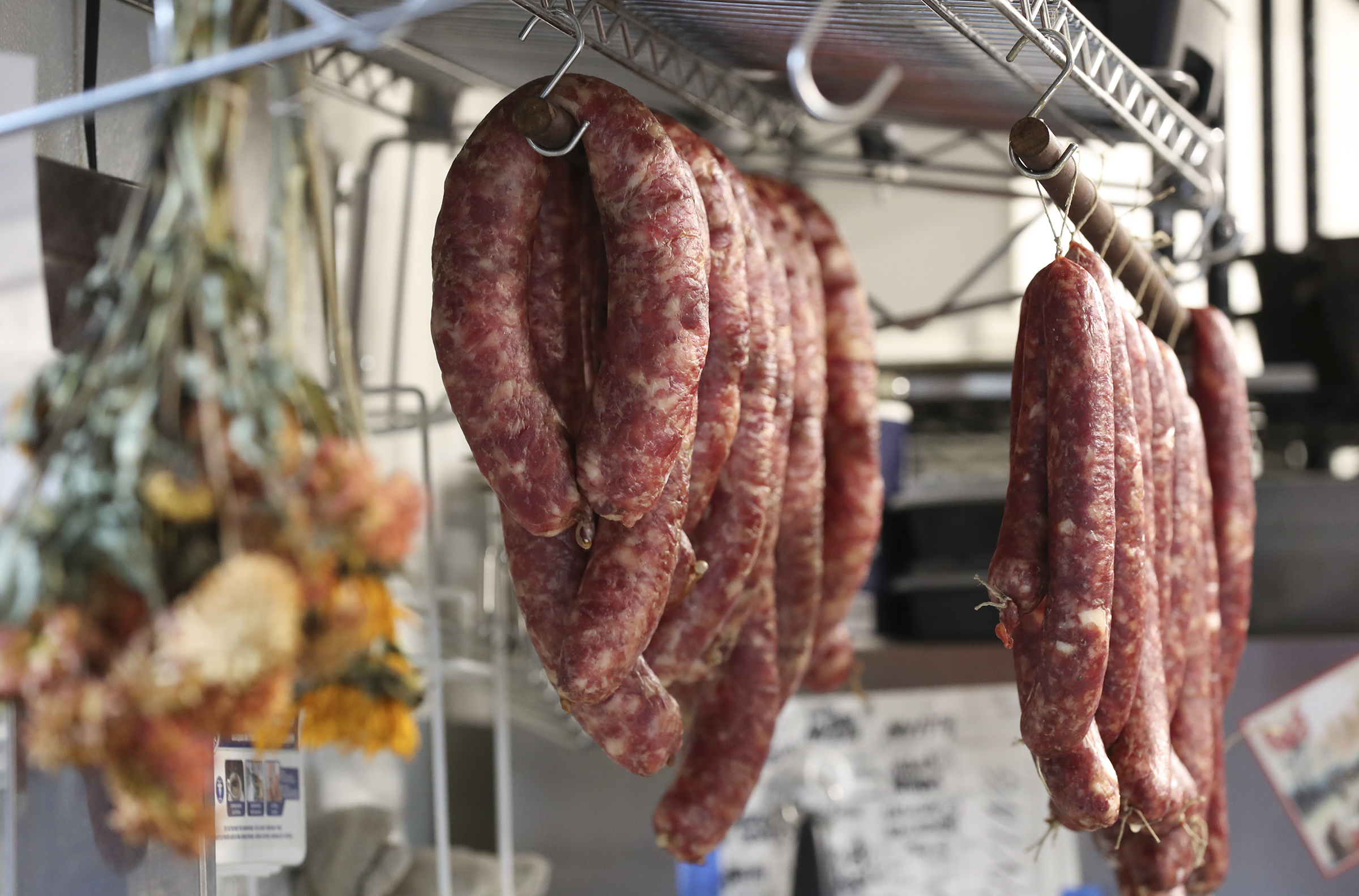
Heavy Metal Sausage was ordered to stop serving dinner. Beatrice Forman says this may spell doom for the acclaimed South Philly butcher shop/restaurant.
The Michelin-starred Friday Saturday Sunday secured a $1.5 million state grant to expand into the rowhouse next door. Beatrice unpacked the process — and the reaction.
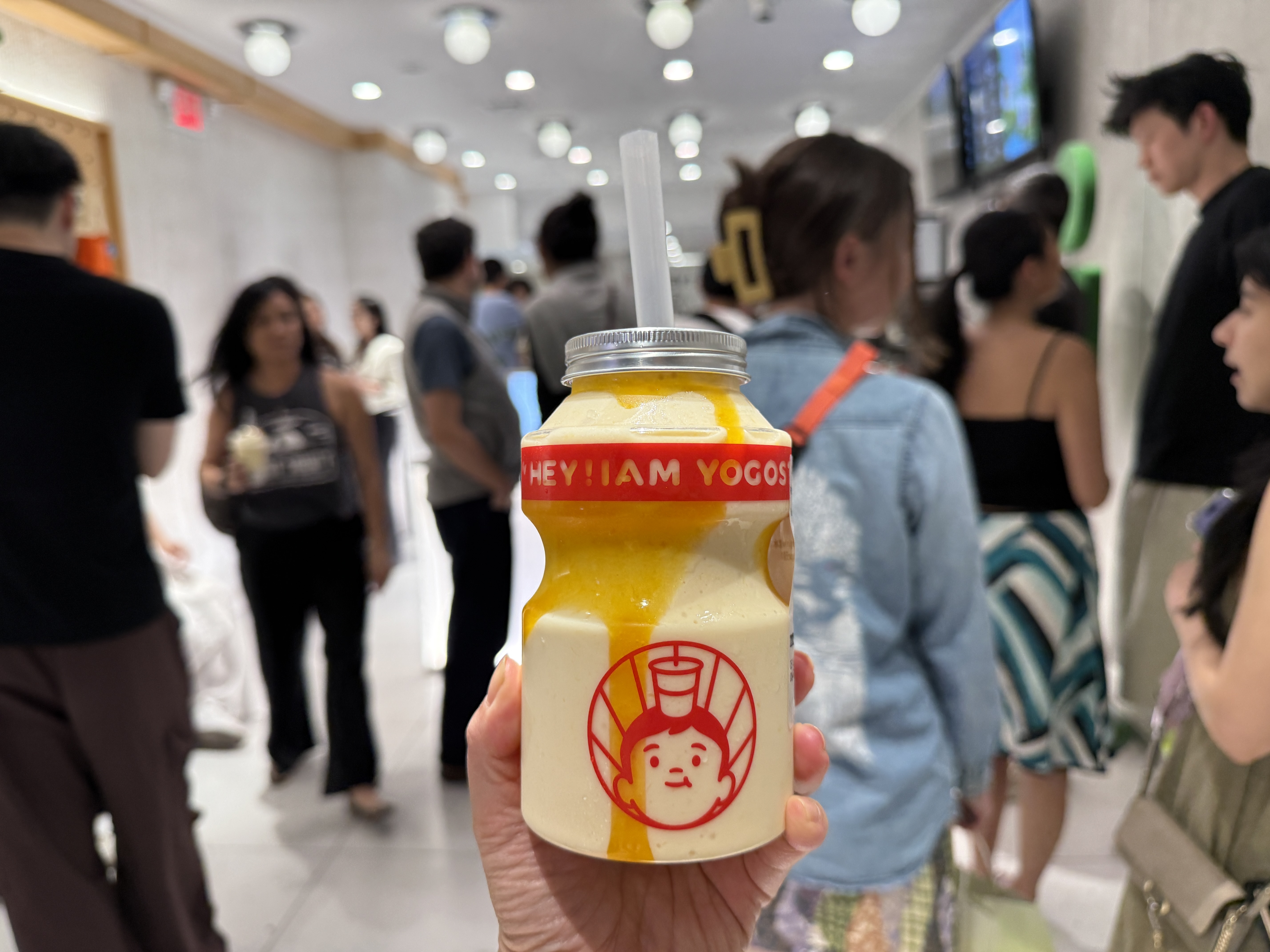
When does a tea shop require security guards? When it’s heytea —just one of a slew of hyped Chinese beverage chains hitting Philly. Kiki Aranita reports on the hottest thing going in Chinatown.
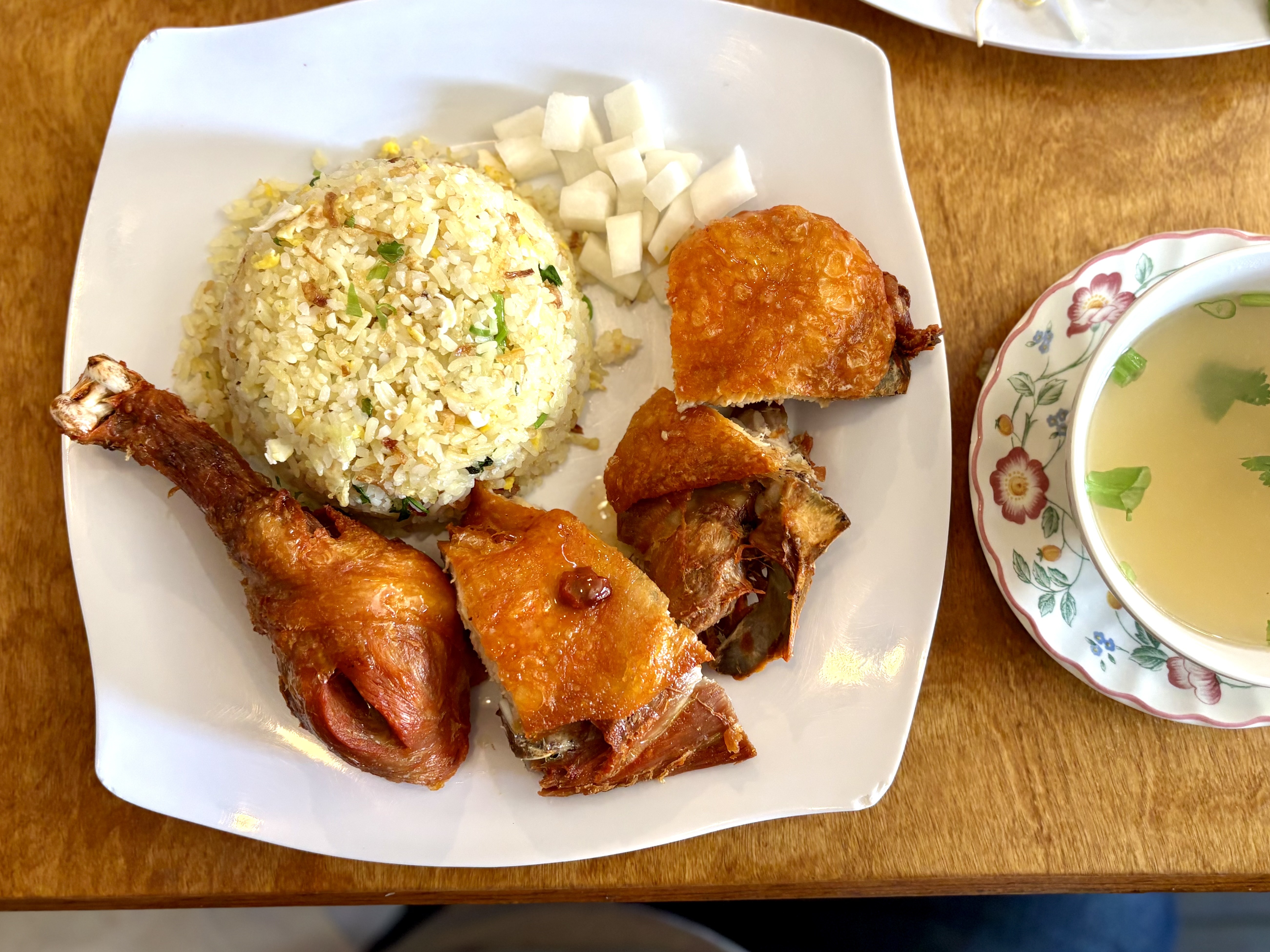
There was a lot of crunching going on as critic Craig LaBan tucked into the Vietnamese fried chicken platter at South Philly’s Phở Duyên — which he dubs “my No. 1 food deal for $15 in Philadelphia right now.”
Scoops
Edd’s & Flo’s Artisan Bakery Cafe plans to close its Lancaster operation on Sept. 20 in advance of a relocation to Fishtown next year. Meghan Young and Sebastian Schuck are still working on a lease, so the location is under wraps. Edd’s & Flo’s, which started in their hometown as Wish You Well Bakery in 2021, found its niche in croissants, savory pastries, and weekend brunch. This move will be a Philly comeback for Young, a Restaurant School at Walnut Hill College graduate who worked at Darling’s Cheesecake Cafe, Green Line Cafe, Barbuzzo, Suraya, John & Kira’s Chocolates, and One Shot Coffee. Young and Schuck rebranded in 2024 with a name that’s both a nod to life’s ebbs and flows and a tribute to Young’s childhood cats, named for the musical duo Flo & Eddie. Stay tuned.
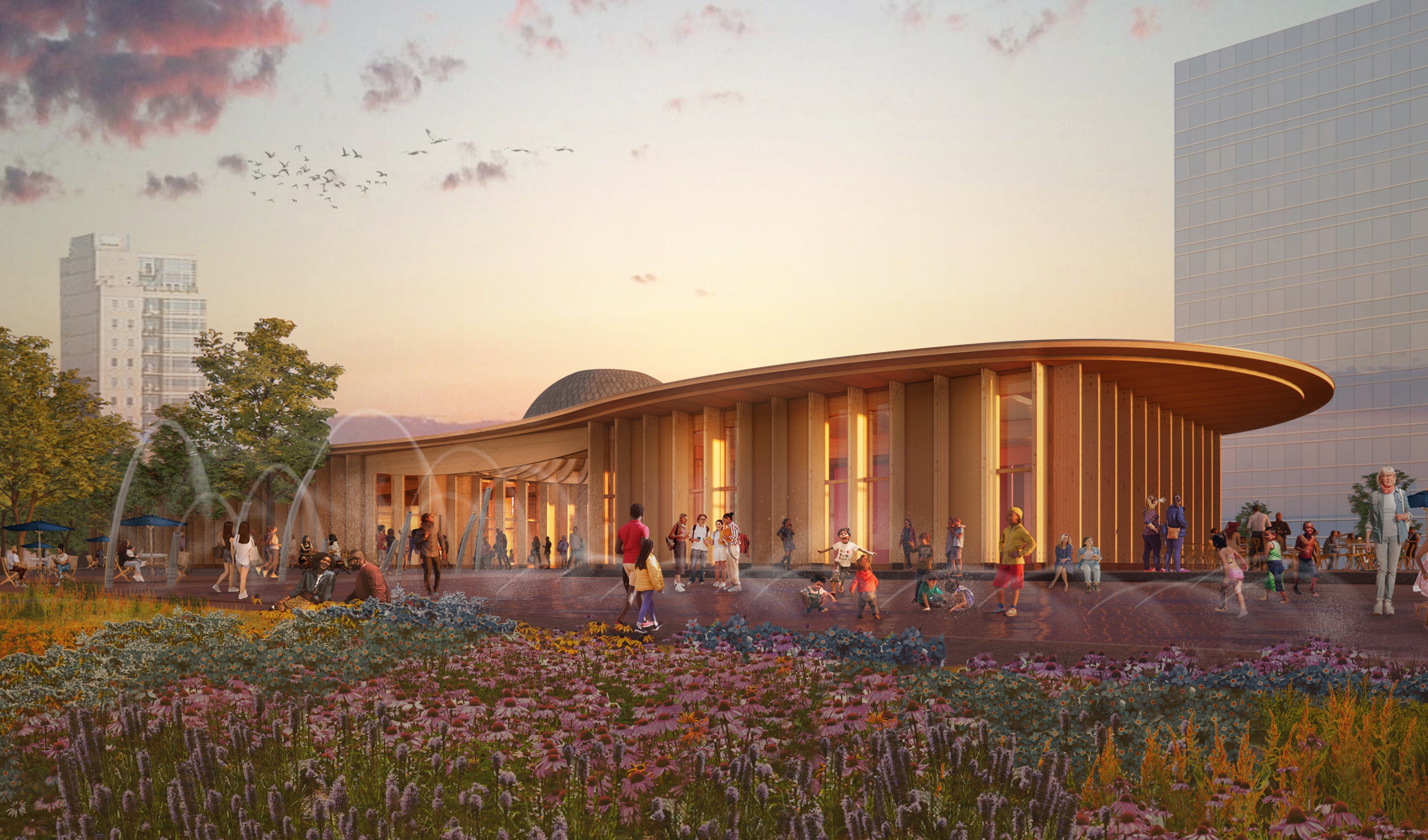
You’ve seen the months of construction along Columbus Boulevard at Penn’s Landing for the park that will cap I-95 and link Old City to the Delaware River. The Delaware River Waterfront Corp. just applied for building permits for the Pavilion and Café (rendering above), which will be part of Penn’s Landing Park when it opens in 2029-2030 at Market Street. The project’s operator has not yet been identified.
Restaurant report
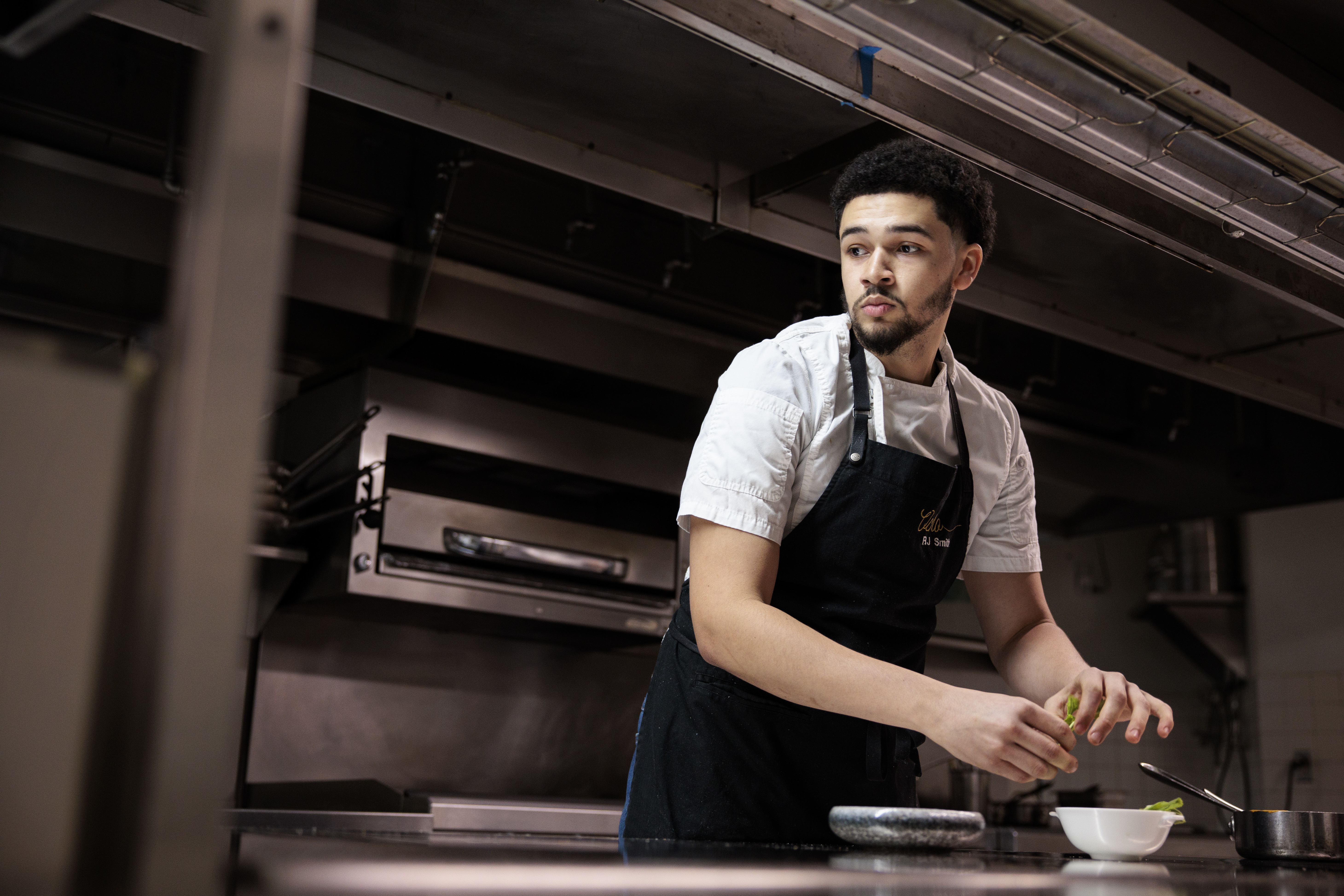
While chef-owner Liz Grothe of Scampi in Queen Village travels in Italy, chef RJ Smith of Ocho Supper Club will take over the restaurant for a five-course Afro-Caribbean tasting menu Sept. 18-21. The $130 menu includes curried oxtail, madai aguachile, plantain coco bread with crab, berbere-spiced duck breast, and turmeric tart. An optional Pennsylvania wine pairing is $50. Seatings are at 5 and 8 p.m., and à la carte dishes will be available on the patio. Reservations are on Resy and OpenTable. Smith is still leading his residency at the Rittenhouse Hotel; the space, which was Scarpetta, will become a steakhouse called Ruxton by next summer.
Old Original Nick’s Roast Beef sets up starting Thursday at Live! Casino & Hotel’s 10th Street Market, where it will follow South Philly Barbacoa’s residency. Besides roast beef, Nick’s will deal in roast turkey, roast pork, baked ham, broccoli rabe sandwiches, and long hot peppers. The pop-up will be open from 5 p.m. to midnight (or sellout) Thursday and Friday, noon to midnight Saturday, and noon to 9 p.m. Sunday, through the fall.
Briefly noted
The Big Dill will mark National Pickle Day with a nine-hour pickle festival Nov. 14 at Stateside Live! in South Philadelphia, closing its 2026 national tour there. More than 50 vendors will offer pickle-themed food and drinks, while 20 pickle brands serve unlimited samples of more than 100 varieties. Entertainment includes the World Pickle Eating Championship, brine-chugging, live music, DJs, games, and mechanical pickle rides. Organizers also hope to break a record by gathering more than 888 people dressed as pickles; the first 1,200 ticket buyers receive numbered costumes. The event runs from 1 to 9 p.m., with early entry at noon. Tickets go on sale Sept. 15 at bigdill.com/tour.
Mish Mish is launching Daydreamers, a quarterly series that will turn the East Passyunk restaurant over to chefs, makers, and other hospitality pros for one-night interpretations of their dream concepts. The first installment, with seatings at 5:30 and 8 p.m. Sunday, features sous chef Koby Epstein serving a six-course, late-summer tasting menu paired with Pray Tell Wines. Seatings, at 5:30 and 8 p.m., are $120 plus tax, tip, and drinks.
Kennett Square’s annual Mushroom Festival is set for Saturday and Sunday with foods and goods from 220-plus vendors, including Aimee Olexy’s Talula’s Table. Signature bite: The restaurant’s so-called “World Famous Riz-Mac,” which places mushroom risotto and mushroom mac and cheese side by side. Festival details are here.
Les Dames d’Escoffier Philadelphia’s Heritage Dinner is 4-7 p.m. Sunday at Glen Foerd, 5001 Grant Ave. More than two dozen chefs will participate, serving Sweet Amalia oysters, chicken mole, seared salmon, Vietnamese vegetable curry, beef tenderloin, and desserts honoring The Cake Bible author Rose Levy Beranbaum. Also honored are Canal House’s Christopher Hirsheimer and Melissa Hamilton and caterer Michele Leff. Tickets start at $200; a $300 ticket includes preferred seating and Beranbaum’s new memoir. Proceeds fund scholarships for women entering culinary and hospitality fields.
Bite for the Fight Food Festival returns for a seventh year from noon to 4 p.m. Sept. 19 at the Greater Philadelphia Expo Center in Oaks with tastings, cooking demos, and a silent auction benefiting the Fight On Makenna Foundation, which supports pediatric cancer patients and their families at Children’s Hospital of Philadelphia. Featured chefs are Brian Duffy, Ariane Duarte, Kenneth McDuffie, and David Schorn. Tickets start at $120.
Top Chef winner Nick Elmi will prepare smoked ribs, whole chicken wings, pork shoulder, brisket, cornbread, baked beans, mac and cheese, apple crisp, and soft-serve for the KB Foundation’s fifth annual BBQ Experience, Sept. 24 at the Pump House in Bala Cynwyd. VIP service begins at 6 p.m. with lobster pies, fried chicken with caviar and white barbecue sauce, smoked foie gras mousse, and oyster fritters; general admission starts at 7:30 p.m. Tickets: $175, or $250 for VIP. Proceeds support youth-mentoring programs.
Uchi in Rittenhouse will launch a fall collaboration series Sept. 24 with Kevin Yanaga of Yanaga Kappo Izakaya. He, Uchi head sushi chef Josephine Fry, and chef de cuisine Ford Sonnenberg will serve 10 courses starting at 6 and 8:30 p.m. Tickets: $175 at the sushi bar, $150 at tables, plus tax/tip; an optional sake pairing will be available. Additional dinners will follow in October and November.
Staff and friends of the recently shuttered Jose Pistola’s have organized a GoFundMe campaign for support (separate from an earlier one created by management).
❓Pop quiz
Name the $88 dish that Kiki Aranita checked out recently at a Philadelphia restaurant.
A) a tasting of New York strip steaks from Urban Farmer
Is ReAnimator Coffee really opening in Manayunk? — Jennie O.
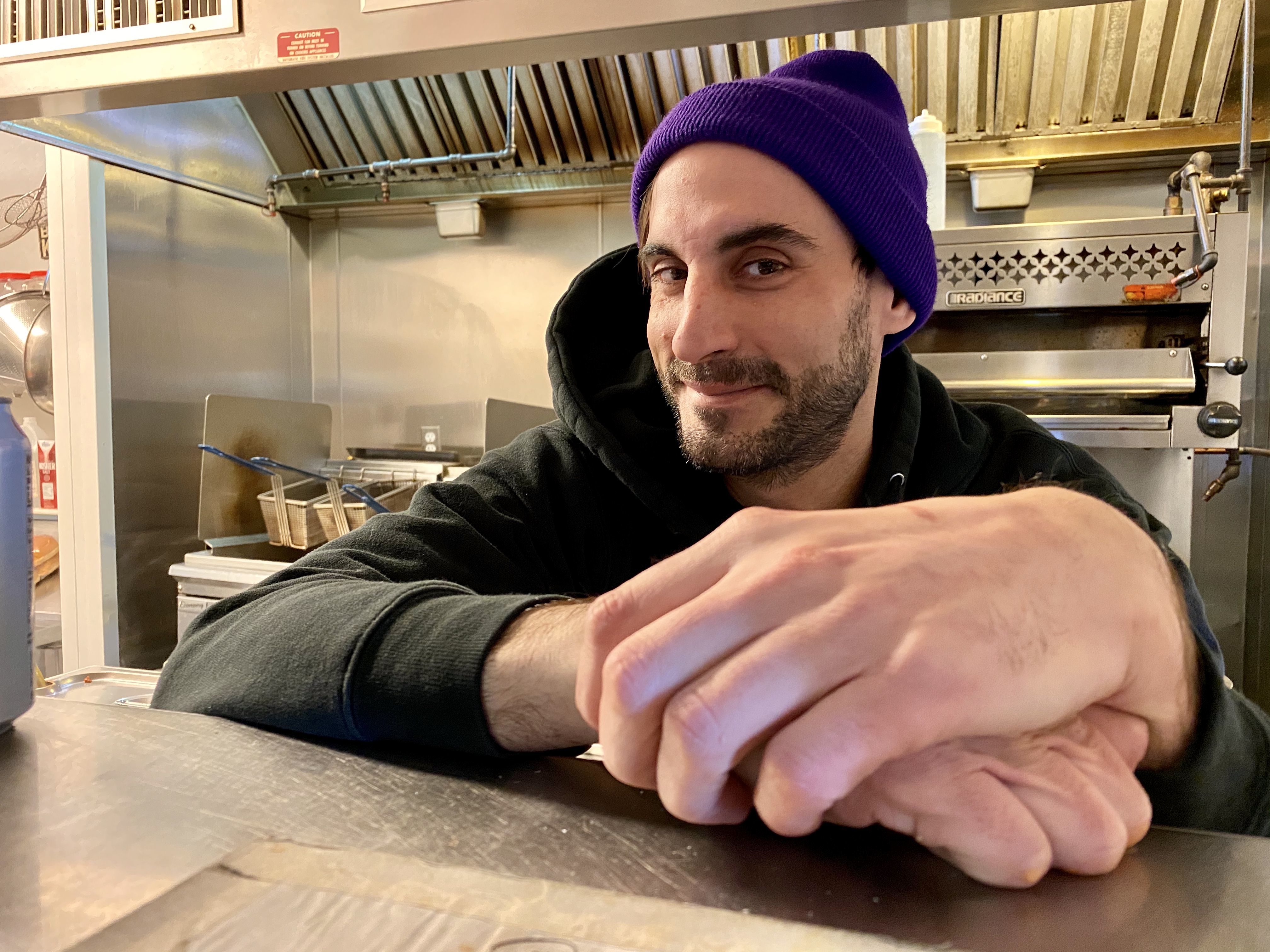
ReAnimator, the Philly-bred coffee brand founded in 2010 by Mark Capriotti and Mark Corpus, has indeed committed to a Manayunk location at 4226 Main St., which was last an art gallery. Capriotti optimistically thinks opening is six months away. “We just opened in Mount Airy and it took us a year,” he said. “But we’re hoping we can learn from our experience.”
📮 Have a question about food in Philly? Email your questions to me at mklein@inquirer.com for a chance to be featured in my newsletter.
By submitting your written, visual, and/or audio contributions, you agree to The Inquirer’s Terms of Use, including the grant of rights in Section 10.
This fall’s restaurant openings reflect an industry hedging its bets: established operators expanding into the suburbs and repurposing familiar spaces, and newcomers pursuing narrowly drawn concepts built around omakase, caviar, Korean barbecue, cocktails, and live-fire cooking.
I count about five dozen restaurants in the region’s pipeline, with Italian concepts (no surprise), all-day service, and experience-driven dining recurring throughout the list. In addition to 60 restaurants opening between now and late December, two other restaurants are expanding: Lovat Square in Chestnut Hill is adding dinners and Palm Vintage across from City Hall is adding nighttime sushi service.
By comparison, last year’s fall roundup covered 53 restaurants. All of those opened except for three that are now a full year behind schedule: Adda in Fishtown is shooting for October, Ayat near Rittenhouse Square is aiming for November, and Brunch Bulls in Point Breeze is targeted for December. (Although this year has seen its share of closings, especially among longstanding restaurants, each of last fall’s restaurants is still open.)
Brand new and notable
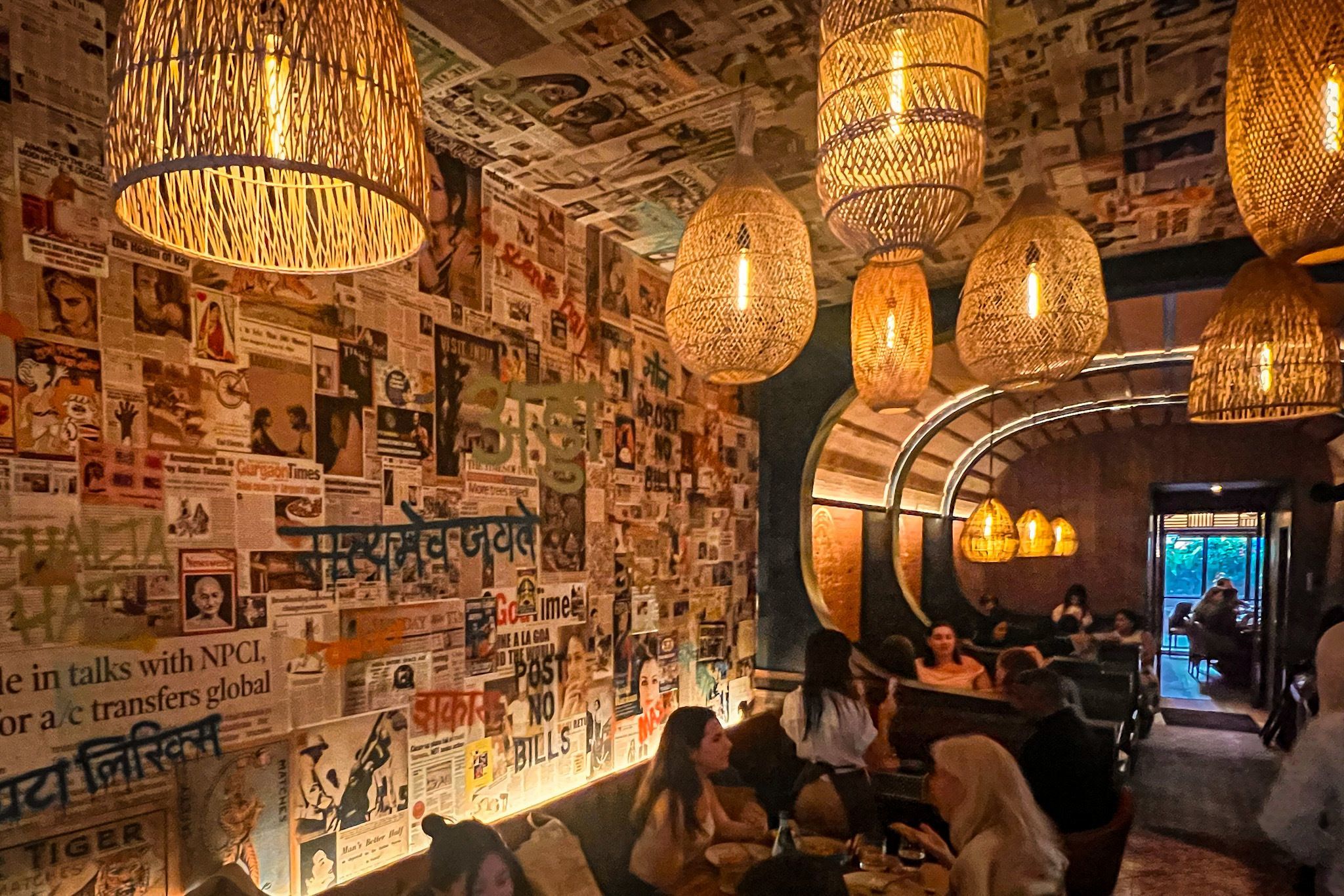
Aogami (4343 Main St.): Underground sushi is coming to Manayunk as chef Tom LoMonte joins chef Moon Krapukthong to offer a 16-course omakase in a 20-seat BYOB setting beneath Krapukthong’s Yanako and neighboring Chabaa Thai Bistro, starting Sept. 25. LoMonte — a veteran of Zama, Izakaya by Yanaga, Pod, and Yanaga Kappo Izakaya — will lead the omakases at 6 p.m. Fridays and Saturdays; reserved sushi-bar seatings will run Wednesdays, Thursdays, and Sundays alongside hand rolls and à la carte service. LoMonte describes the atmosphere as energetic and less formal than typical omakase counters. Upstairs, Yanako will continue serving rolls, sushi platters, udon, tempura, and yakitori.
The Buttery (1099 Germantown Ave.): Malvern-based bakery and cafe the Buttery is preparing a Philadelphia location at Piazza Alta in Northern Liberties, near Scusi and Terra Grill. It recently opened a Bryn Mawr location and expanded its original Malvern operation into dinner service with Neapolitan pizza and shareable plates. An opening date has not yet been shared.
Nick & Nora’s Oyster Dive (560 Stokes Rd., Medford): Michael and Jeniphur Pasquarello (La Chinesca, Piccolina) are bringing a raw bar and American kitchen to a corner space with a large deck at Ironstone Village. The broader menu will include steak frites, burgers, fish, vegetables, and small plates, says Michael Pasquarello, who hopes to open in 60 to 90 days.
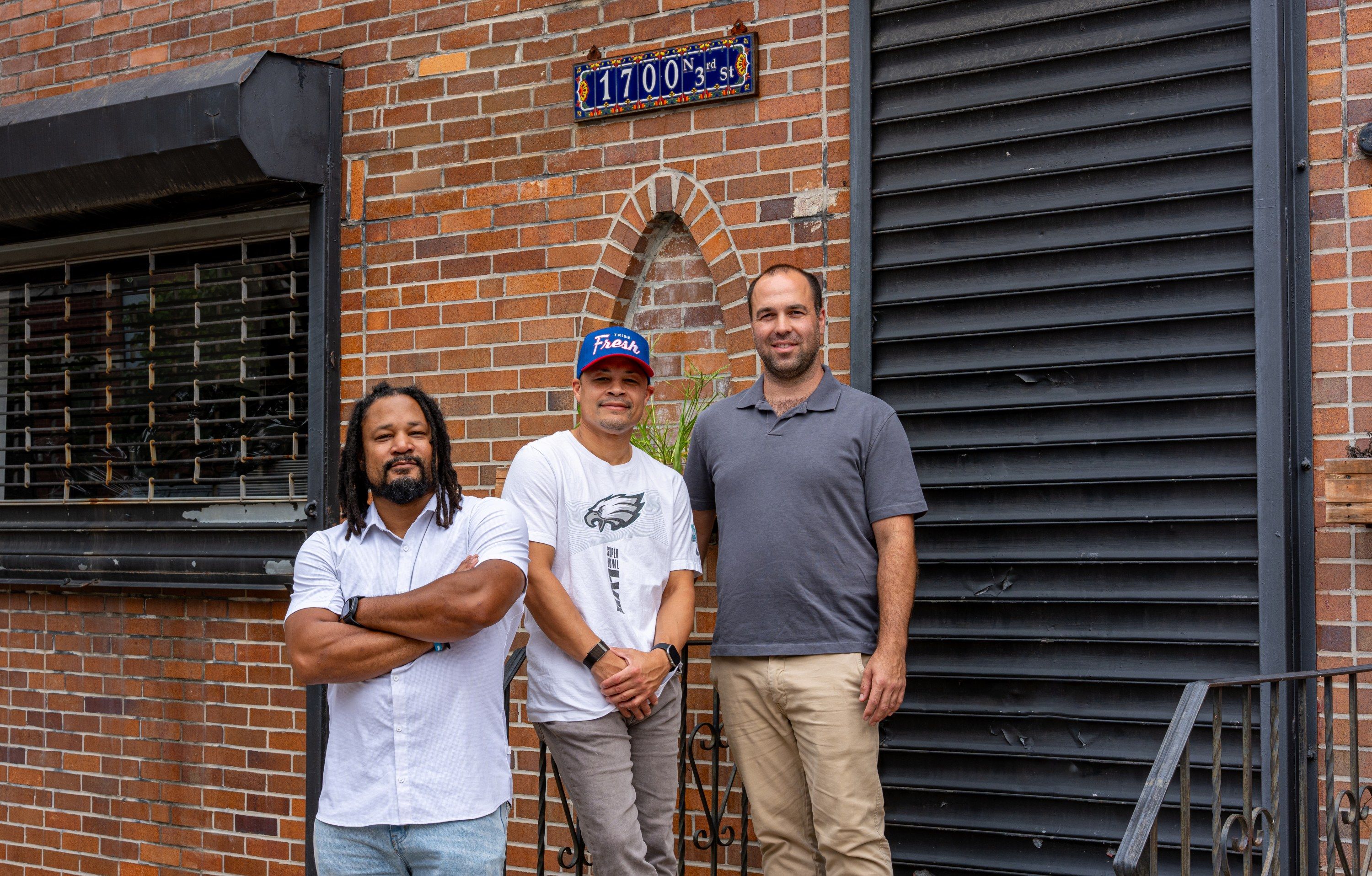
Chef Chaz Brown (left) is partnered with his brother Clifford Brown (center) and John Skeele in Rumblefish, 1700 N. Third St.Mike Prince
Rumblefish(1700 N. Third St.): Chef Chaz Brown is targeting November for this 900-square-foot, fast-casual Caribbean fish-fry restaurant at Third Street and Cecil B. Moore Avenue. Brown — a Trinidadian American chef whose resumé includes Nobu, Le Bec-Fin, Fatty Crab, and television’s Top Chef — will focus on invasive species such as lionfish, snakehead, green crab, and Chesapeake Bay blue catfish when available. (The catfish turned heads at the recent Oxtail Exchange at Forman Arts Initiative.) Brown uses gluten-free corn flour with Trinidadian spice blends and serves the fish on po’boy-style rolls baked by Angelo’s Bakery in Conshohocken. The mostly takeout operation will have counter seating, a 25-seat covered patio, slaws, fries, sea-moss drinks, and Solo Kola Champagne.
Pennsylvania suburbs
Alessandro’s Enoteca (915 W. Lancaster Ave., Bryn Mawr): Alex Fiorello’s third restaurant will bring a bar-focused Italian concept to the former Enoteca Tredici space in Bryn Mawr Village in mid-to-late October. Fiorello and culinary director Matt Arcomone, whose resumé includes Osteria, Vetri, and Palladino’s, are planning house-made pastas, wood-fired pizzas, live-fire cooking, and dry-aged meats. It’s intended to have a stronger evening and bar scene than Fiorello’s Wayne restaurants.
Bruzi (281 Montgomery Ave., Bala Cynwyd): Two couples with Calabrian roots plan to open this Southern Italian restaurant in the former Aldar Bistro in late fall. Expect house-made pastas and Calabrian dishes such as fusilli with slow-cooked meat sauce, baked lamb, and grilled tuna, plus cocktails and an opening list of about 100 Italian wines.
Capperini (137 S. Easton Rd., Glenside): Eastern Montco will get an upscale Italian-Mediterranean destination with a liquor license from Ilya Vorobey and partners including members of the team behind Capri in Queen Village. Vorobey is aiming for October or November.
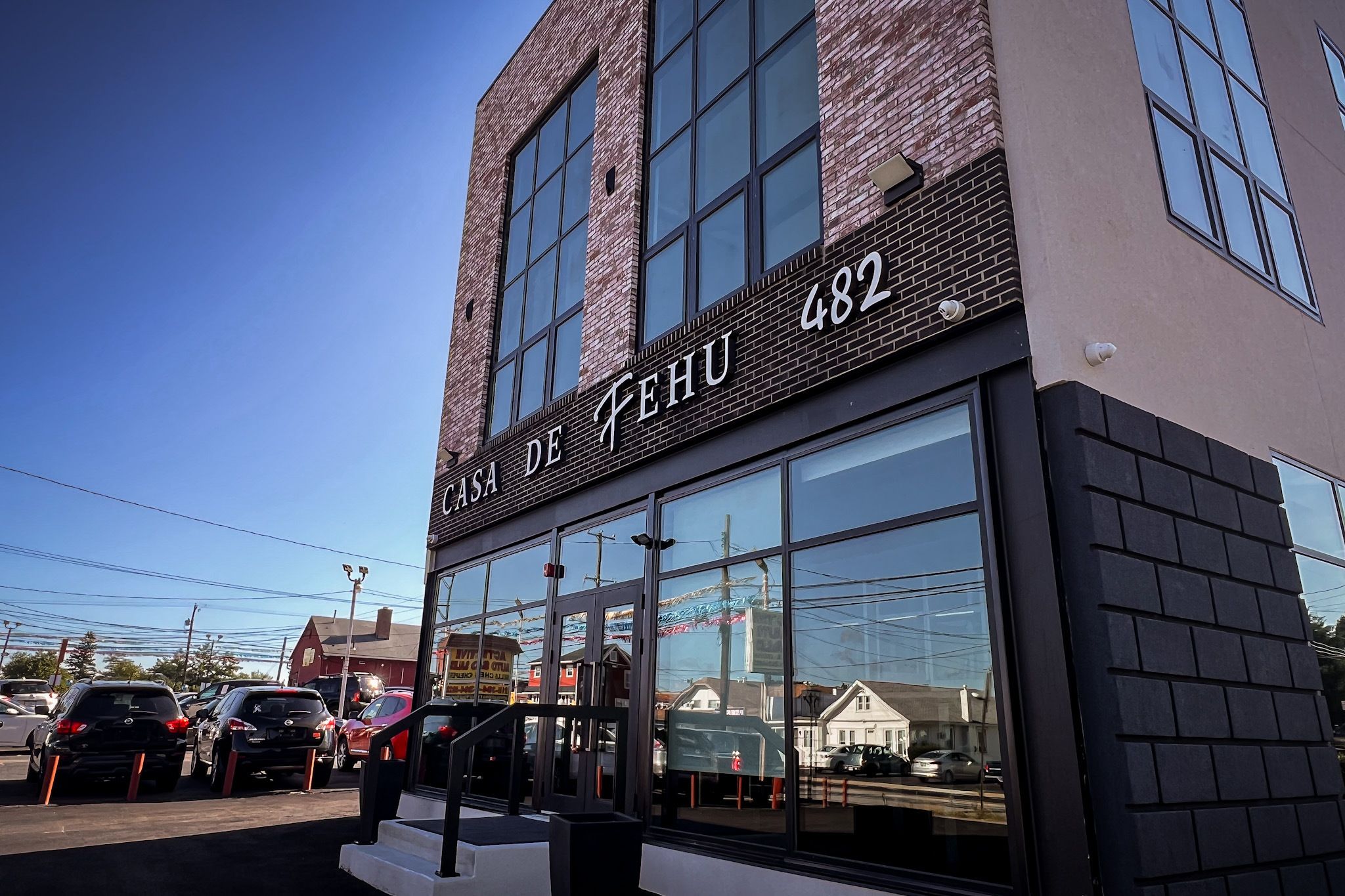
Casa de Fehu, 482 Jacksonville Rd., Hatboro.Michael Klein / Staff
Casa de Fehu (482 Jacksonville Rd., Hatboro): Hatboro couple Anthony Shalamov and Anastasia De Roy are developing this polished restaurant with European-inspired cooking and an upscale atmosphere, possibly with a tie-in to a local brewery that would allow alcoholic drinks. Shalamov is targeting an October soft opening.
Cecilia (266 E. Fourth St., Bridgeport): The team behind Blue Bell Inn and the Copper Crow is just about ready to open this contemporary American bar-restaurant in the extensively renovated former Taphouse 23. The roomy property includes a large patio and a wood-burning oven. The menu emphasizes familiar American dishes, positioning this as an all-purpose neighborhood destination.
Donatelli’s (1 Washington Ave., Newtown): Restaurateur Habib Troudi, who owns Panache and Ristorante Castelloin Blue Bell, is behind a top-to-bottom overhaul of the former Rocco’s at the Brick in downtown Newtown. He said he is hoping to open the Italian steakhouse in October.
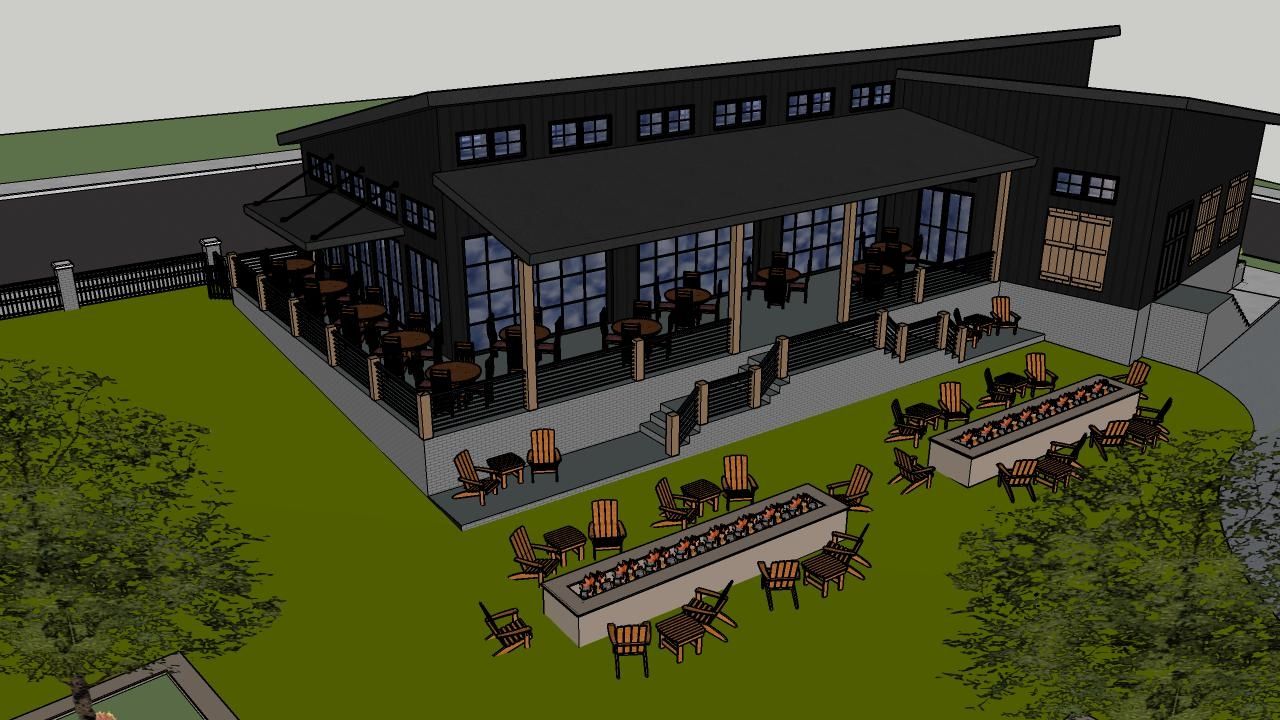
Rendering of the Garden by Pieri Winery, 127 E. Elm St., in Conshohocken.Courtesy of Christina Pieri
The Garden by Pieri Winery (127 E. Elm St., Conshohocken): Winery owner Christina Pieri and restaurateur Brian Pieri (StoneRose, Bar Lucca, Cerdo) are targeting a mid-October opening of their year-round indoor-outdoor restaurant beside the Schuylkill River Trail, an offshoot of Christina’s Coopersburg winery. A wood-fired kitchen will serve seasonal American food, including brick-oven pizzas, focaccia sandwiches, salads, steaks, and fish, at lunch and dinner Tuesday through Sunday. The property will include a covered patio, fire tables, a turf area, and pickleball and bocce courts.
The Hungry Hub (11 S. Orange St., Media): Media native Cassidy Moretti and her mother, Glenda, are taking over the former Rivalry Cafe with a family-run breakfast and lunch operation. The Hungry Hub also plans later hours and a late-night menu, broadening its role beyond that of a conventional daytime cafe. An Oct. 1 opening has been announced.
The Iron Oven (58 S. York Rd., Hatboro): Alex Nalbandian’s Southampton bar-restaurant — known for an expansive American menu, cocktails, craft beer, brunch, and dishes ranging from wings and burgers to flatbreads and entrees — is adding a second location in eastern Montco: the former Ross & Co. He’s aiming at November.
Lazy Dog(160 N. Gulph Rd., King of Prussia): The California-based bar, known for Rocky Mountain lodge imagery and a broad American menu, is targeting late 2026 at the King of Prussia Mall.
Luna (129 E. Butler Ave., Ambler): FineLine Hospitality, which recently opened Academy Grill in Fort Washington, is behind a stylish revamp of Dettera in downtown Ambler. Chef Marie Lavizzo-Mourey will base her menu on the 20-plus countries bordering the Mediterranean. The project is on track for fall.
Martini & Roz(523 W. Lancaster Ave., Wayne): Fearless Restaurants is turning Wayne’s former Bertucci’s into an ambitious, 300-seat Southern Italian restaurant named for founder Marty Grims’ parents, Martin and Roslyn. Menu will include crudo, oysters, steaks and chops, wood-fired pizzas, house-made pastas, and charcuterie. It will feature two open kitchens, a cheese cave, a tasting counter, and extensive outdoor seating.
Maru (2922 Conestoga Rd., Glenmoore): David Backhus and the team behind the former Oori restaurants are in the early days of a fast-casual Korean-inspired restaurant at their former Collective Coffee & Bakery. Think Korean fried chicken sandwiches, wings, and tenders, supplemented by mochi doughnuts and specialty Collective coffee.
Nudy’s Cafe (122 Park Ave., Willow Grove): Prolific suburban breakfast-and-lunch operator Ray Nudy hopes for late September for his latest diner, across from Marshalls in Willow Grove.
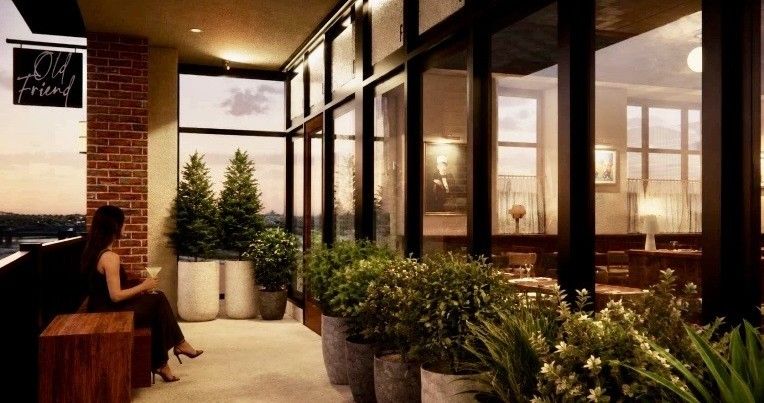
Old Friend (166 E. Lancaster Ave., Wayne): Childhood friends Larry Kagan and Chas McFeely are behind this contemporary American grill, with former Fork executive chef Sam Henzy leading the kitchen. The 86-seat restaurant will center on live-fire cooking in a Josper oven, with dry-aged fish, poultry, and larger proteins intended for sharing. Its compact wine list will be closely tied to the food. A late-fall opening is planned in the Apartments at Wayne Station.
Opus (201 Birch St., Kennett Square): Square Roots Collective will open this 125-seat New American restaurant Sept. 11 in the former temporary home of Hank’s Place, next to the Artelo hotel. Executive chef Matthew Anderson, formerly of Longwood Gardens and Winterthur, plans seasonal dishes, such as Kennett Square mushroom bisque, butternut squash agnolotti, herb gnocchi, and dayboat scallops. The two-story space includes a cocktail lounge, terraces, and work by local artists. Profits will support community projects and nonprofits.
Salt (840 W. Lancaster Ave., Devon): Rich Kim of North Wales’ acclaimed Salt predicts late December for his redevelopment of Devon’s former La Jonquille and Shiraz property into a second Korean barbecue concept, followed in 2027 by Yugo, a carousel sushi restaurant, upstairs.
The Still on State (18 W. State St., Doylestown): Only days open at the Doylestown Inn, this Irish pub-inspired bar/restaurant fills the former Hattery Stove & Still space; it’s paired with an on-site microdistillery called the Tilted Brim.
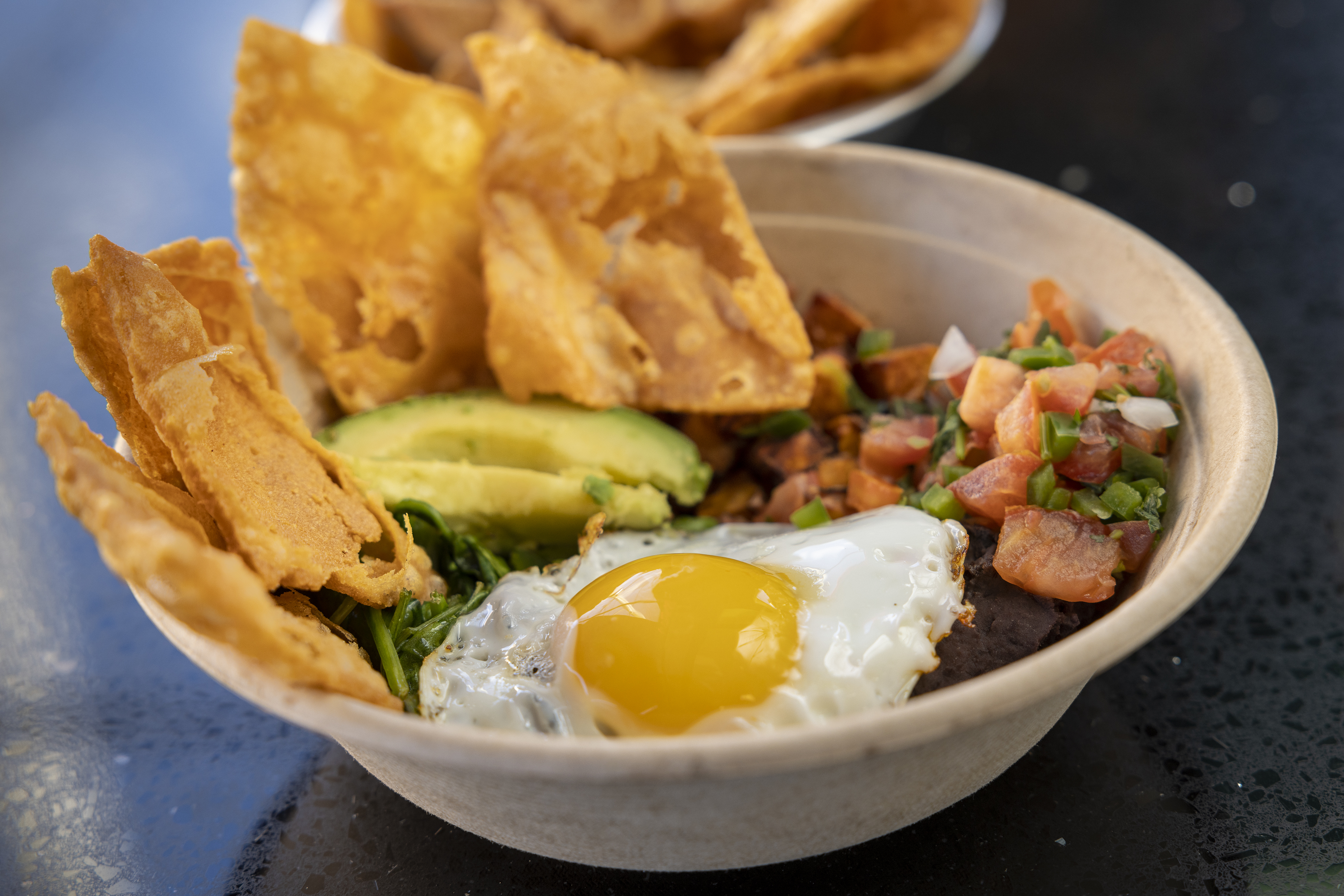
Taco Heart (120 Coulter Ave., Ardmore): Nano Wheedan is bringing his South Philadelphia breakfast-taco shop to the Ardmore Farmers Market, its first expansion beyond its East Passyunk-area home. Expect Austin-style flour tortillas and breakfast tacos built around eggs, potatoes, beans, bacon, brisket, and house salsas. Opening is set for Oct. 5.
Top Dog Cocktails (110 E. State St., Kennett Square, and 2012 Frankford Ave., Fishtown): Ken Smuckler’s cocktail company plans two vinyl listening rooms this fall inspired by Japanese jazz kissas. Kennett Square’s 750-square-foot space partners with local music venue Kennett Flash, while Fishtown’s 350-square-foot flagship — arguably the neighborhood’s smallest bar — will feature a 15-seat bar, two-turntable DJ station, and retail.
Tusk (50 N. Main St., Doylestown): Mike and Joy Grafenstine, owners of Roberts Block in Glenside and Bonnet Lane Family Restaurant in Abington, are taking over the former Water’s Edge wine bar, combining the martini-and-wine-bar airs of Roberts Block with approachable upscale American comfort food. Target is October.
Vintner’s Table (24 Cricket Ave., Ardmore): Andrea and Marco Folino, behind Kutztown’s Folino Estate Winery, are opening a third location of their Italian-inspired wine bar, salumeria, and lifestyle boutique in downtown Ardmore in October.
New Jersey suburbs
Akira 70 Omakase (249 Marlton Pike, Cherry Hill): Ming “Frank” Zheng is expanding his Japanese holdings — he owns Akira Sushi in Voorhees and Moorestown — with an omakase experience in a former fur salon.
Banjara Indian Bistro (687-689 Berlin-Cross Keys Rd., Sicklerville): Vaneet Chopra, whose family operates Cross Culture in Haddonfield and previously ran Banjara in Chestnut Hill, is bringing the Banjara name to Sicklerville; its dine-in starts Thursday.
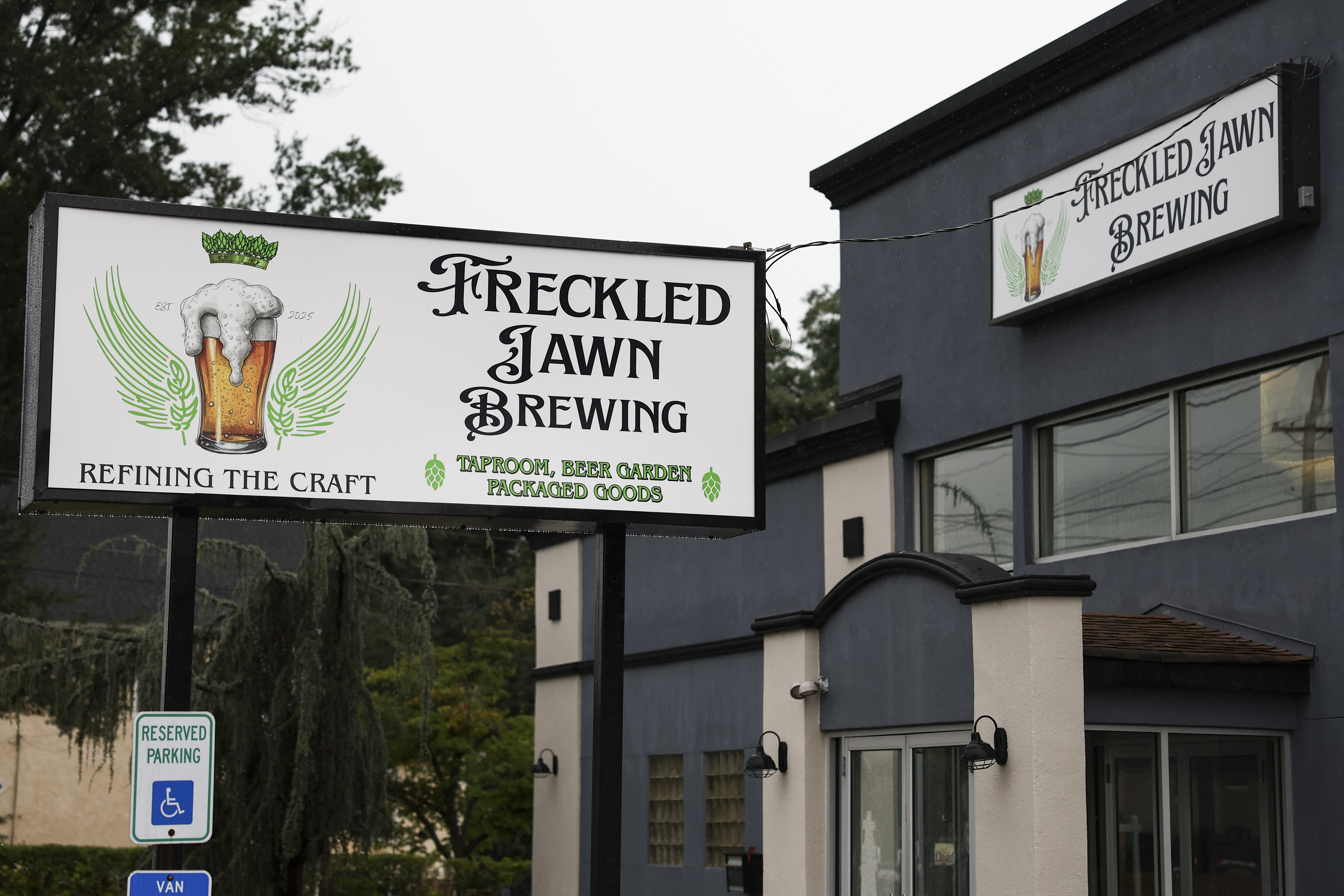
Freckled Jawn Brewing(1003 N. Evergreen Ave., Woodbury): Woodbury residents John Wagner and Colleen Gibson are taking over the former Eight & Sand Beer Co., which closed in June after 10 years. Targeting the first week of October, the brewery will introduce new branding and a fresh lineup of approachable beers, emphasizing natural and locally sourced ingredients when possible.
Irishtown Steaks (155 S. Burlington St., Gloucester City): Donkey’s Placealumnus Dave Murphy is targeting Halloween for his steak shop, joining recent Gloucester City entries Lillo’s and Pudge’s Pub. Murphy will use rolls from Boaggio’s, which has a bakery in town.
Penny’s Bagels (212 Kings Highway East, Haddonfield): Chris Fetfatzes and the Happy Monday Hospitality Group (Wine Dive, Grace & Proper) are developing this long-delayed bagel shop in downtown Haddonfield, now with an October target.
Pizzeria Cusumano (872 Haddon Ave., Collingswood): Announced back in September 2021, this passion project from South Jersey’s Sal Cusumano is finally about to start offering his Roman-inspired squares and neo-New York rounds, but “I don’t want to box myself into a certain style.” Cusumano, a third-generation pizzaiolo, is planning a small shop with limited seating. This week, he said it will open in October for sure.
Philadelphia
Adda (1700 Frankford Ave.): New York’s Unapologetic Foods — behind Dhamaka, Semma, and the original Adda — is bringing its energetic Indian cooking to Fishtown, across from the 19125 post office. Expect regional dishes in an informal setting, continuing the restaurant group’s practice of pushing beyond familiar Indian American standards. Originally expected in fall 2025, the Philadelphia location is now targeting an October opening.
Ayat (2021 Sansom St.): Abdul Elenani’s New York-based Palestinian restaurant — first announced in spring 2024 — is looking at a November opening in the former Roxy Theater near Rittenhouse Square. Ayat is known for generous portions of mansaf, maklouba, mezze, grilled meats, and other homestyle Palestinian dishes.
The bar at Bar Caviar, 256 S. 16th St.Kenneth Schutz
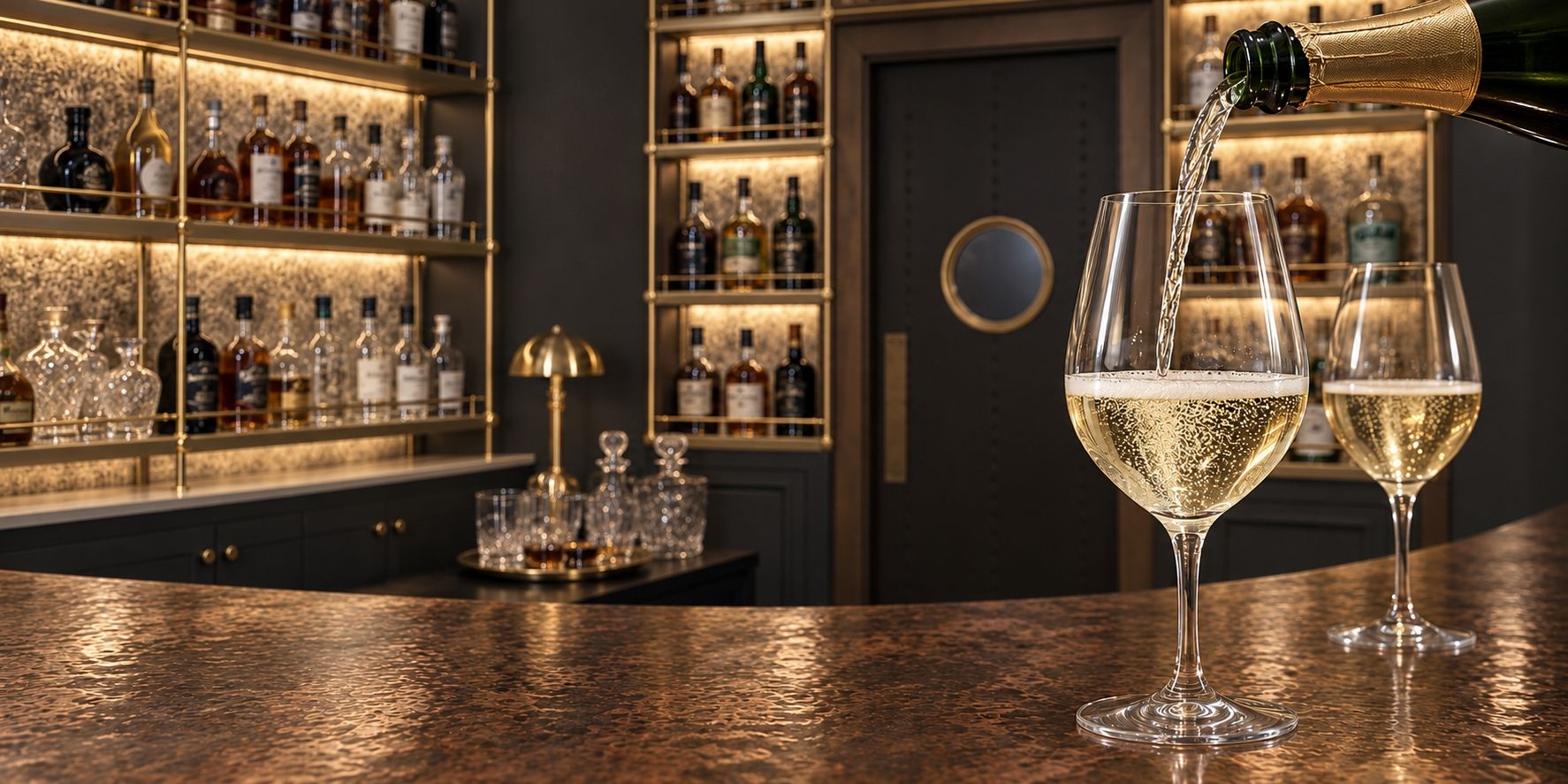
Bar Caviar (256 S. 16th St.): Opening in early October in the Dwight D Hotel in Rittenhouse, this bar will pair caviar and seafood with 50 varieties of Champagne and a full wine program in a setting that’s more neighborhood than hushed luxury lounge. Executive chef Greg Vassos’ contemporary American menu, informed by classical French technique and Japanese precision, will feature raw-bar selections, caviar-focused dishes, and seasonal small plates. The restaurant also will operate Parallel, a caviar program emphasizing careful sourcing and extended maturation. In 2027, Vassos plans to follow with Fall Line, a Mid-Atlantic-focused tasting-menu restaurant.
Brunch Bulls (1638 W. Passyunk Ave.): Brothers Derrick “Dee” Long and Jarrick “Jakk” Long are behind this all-day brunch/dinner/dessert restaurant in Point Breeze. They say they’ll be open by December.
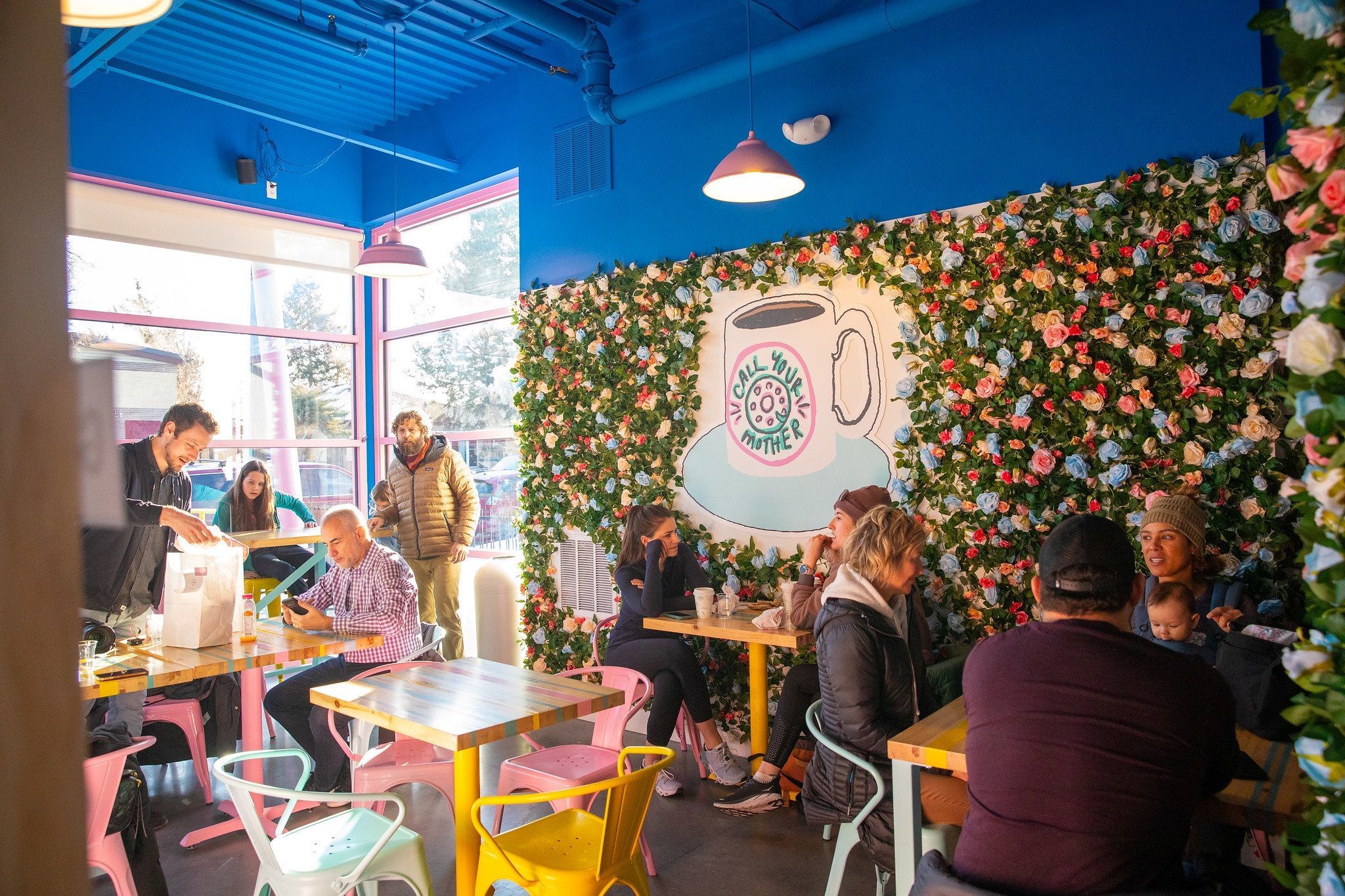
Call Your Mother (262 S. 19th St., 1500 Frankford Ave., 12th and Sansom Streets): The lively, Washington-based “Jew-ish” bagel chain is making a three-location push into Philadelphia, starting this week with its Fishtown debut. Menu includes bagel sandwiches, schmears, latkes, coffee, and deli-inspired specials.
Carolyn’s Modern Vietnamese (2015 Walnut St.): This week, chef Carolyn Nguyen opens her deeply personal successor to Revolution Taco, which she co-owned in the space for a decade. Her menu brings together her family’s Vietnamese cooking, the seafood boils and Southern food of her Louisiana childhood, French culinary technique, and the freewheeling flavor combinations that defined her earlier ventures. The 33-seat restaurant serves dinner, and alcohol, in a spare, contemporary dining room.
Corte (1175 Ludlow St.):Corio partners Ryan Mulholland, chef David Feola, and James Smith are taking over the former Mulherin’s Pizzeria at East Market, between Iron Hill Brewery and Mi Vida. Feola will lead a menu built around house-made pastas plus proteins, vegetables, and small plates cooked in the large Mugnaini wood-burning oven. Mulholland will oversee daily operations and oversee an Old World-leaning wine list and cocktails inspired partly by forgotten recipes from century-old books. The dark-wood, earth-toned restaurant is targeting a fall opening.
DiDi (3748 Lancaster Ave.): DanDan owners Kevin and Catherina “Cat” Huang say they are “within a month or two” of opening their fast-casual pan-Asian concept at the Triad apartment building in Powelton Village. DiDi will join Kabobeesh, Karak Cha House, Shibam Coffee, Two Locals Brewing, and other businesses in the growing complex at 38th and Lancaster.
Divers Club (733 S. Fourth St.): Queen Village is in line to get a neighborhood wine bar from Susan Freeman, Chris Fetfatzes, and Heather Annechiarico (Grace & Proper, Wine Dive) in a former hair salon that sits on the same stretch as Famous 4th Street, Southwark, Ambra, and Fitz on 4th. Fetfatzes describes the mood as “dark, scrappy, and European — somewhere between a Paris backstreet wine bar and a graffitied Berlin hangout.”
Eggcetera Haus (625 S. Sixth St.): Husband-and-wife team Rey Tamaka and Vina Kencana soon will turn the former Redcrest Kitchen into an all-day bar-restaurant. Tamaka, previously the chef at an Old City brunch restaurant, plans breakfast, lunch, and dinner, moving from specialty coffee and morning dishes into pastas, steaks, cocktails, and comfort food at night. The couple expects daily service, giving the Queen Village-Bella Vista border another full-day neighborhood option.
Field Day (923 N. Second St.): James Beard Award-winning bartender and author Danny Childs and his wife, Katie, have a fall opening targeted for their casual regional cocktail bar in Northern Liberties, next to Cescaphe Ballroom. Childs’ drinks will use locally farmed, foraged, and fermented ingredients. Executive chef Melissa McGrath, known for her work at the idled Sweet Amalia Market & Kitchen, will offer Pennsylvania Dutch-inspired snacks, sandwiches, and tomato pies. Highballs, house-made sodas, boozy gelati, and walk-in seating will help keep the mood informal.
Habibi Supper Club (1515 E. Passyunk Ave.): Miled Finianos is giving his itinerant Lebanese dinner series a permanent home on East Passyunk — possibly by the end of year — serving late breakfast and lunch before he offers ticketed, multicourse suppers.
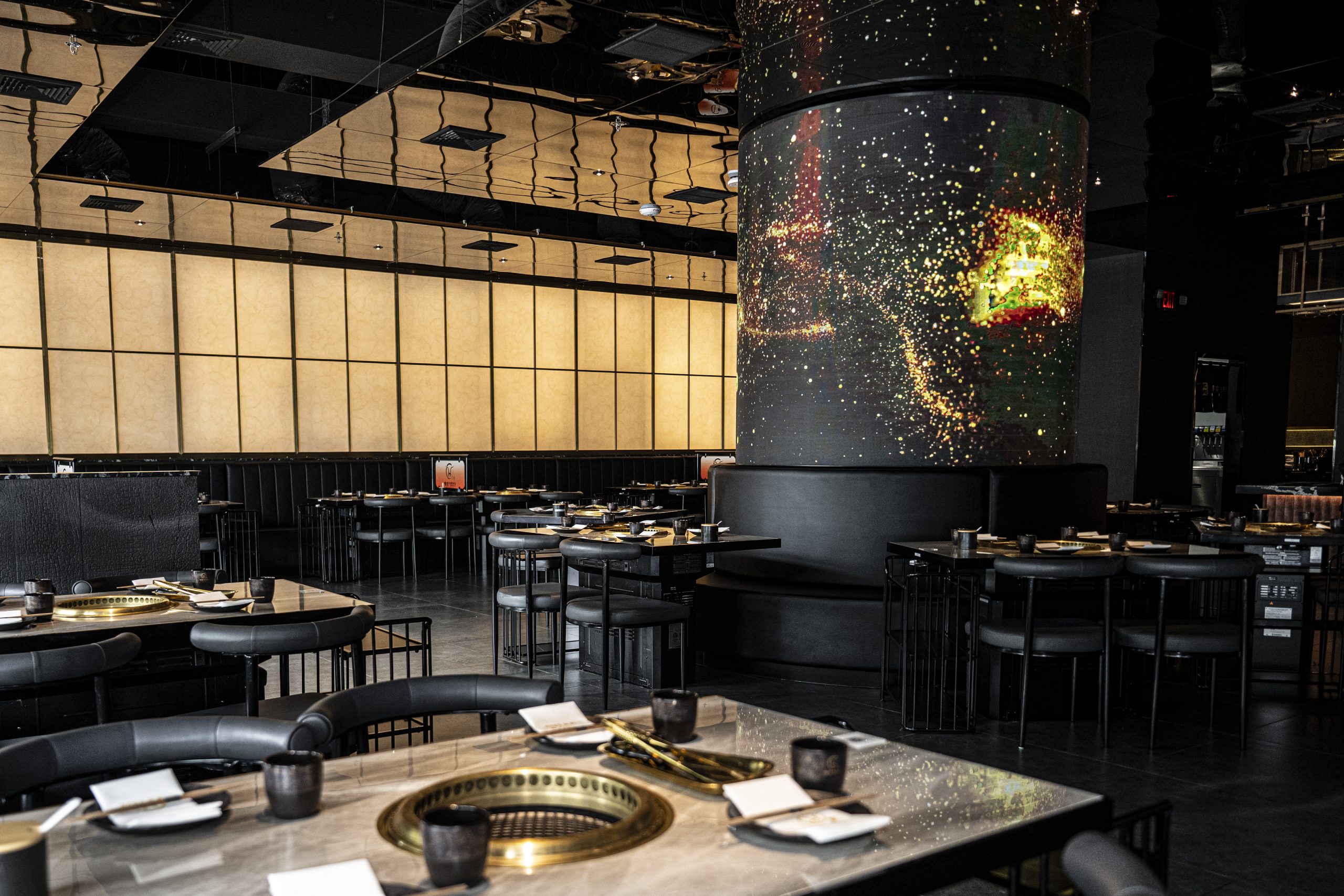
HYO (1222 Walnut St.): Nightlife veteran Justin Jordan plans an October opening for this Korean tabletop barbecue restaurant behind Hearsay, his indoor-outdoor sidewalk bar and listening lounge. Guests will enter HYO through a phone booth inside Hearsay. The restaurant is part of Jordan’s multilevel entertainment complex, which also includes Celine and the forthcoming Chancellor Room event space and karaoke lounge.
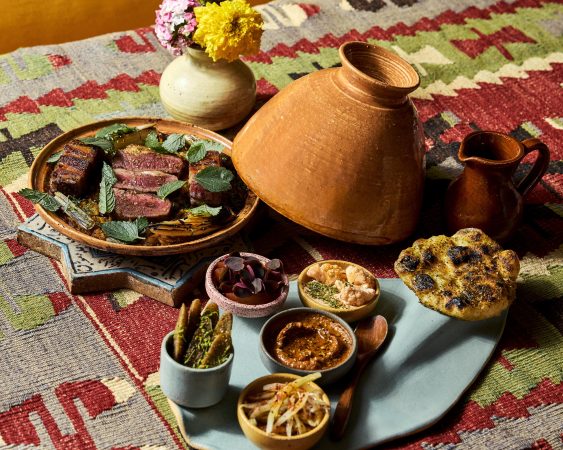
Jean (161 W. Girard Ave.): Emmett chef Evan Snyder and partner Julian van der Tak are going upstairs with a 15-seat tasting menu restaurant opening this fall. Snyder and chef de cuisine Antonio Pizzo will prepare a 12-course menu centered on a 7-foot wood-burning hearth, drawing on Algeria, Tunisia, coastal Morocco, and the southern Mediterranean for culinary influences. A tagine will roast throughout dinner before being served family-style.
Kato (1832 Frankford Ave.): Mei Meichef-owner Jay Ho is taking over the former Izakaya Fishtown space for a restaurant inspired by his Taiwanese father and the food Ho grew up eating. Influences from Korean, Thai, and Vietnamese cooking will broaden the menu. Ho, who hopes to open in late fall, plans to retain the front bar while replacing the rear sushi counter with additional seating that can double as a private dining area.
Lovat Square(184 E. Evergreen Ave.): Former Four Seasons sommelier Damien Graef and journalist Robyn Semien opened this Chestnut Hill wine shop and tasting room in February, offering small-production bottles, wines by the glass, and light fare. The couple, who also own Brooklyn’s Bibber & Bell wine shop, will debut a full dinner menu by the end of September.
Macaluso’s (3101 S. 13th St.): Realtor Joel Gruenke and restaurateur Mark D’Andrea, long-ago roommates at Valley Forge Military Academy, are looking at an early October opening of this white-tablecloth Italian restaurant at 13th Street and Packer Avenue, near the sports complex. D’Andrea’s family owns RoadHouse in Staten Island, N.Y. Gruenke says the moderately priced menu will stick to traditional Italian cooking and offer a full bar. Parking will be available across the street.
Mylar Bar (1636-38 S. Ninth St.): Hospitality veterans Liv Arterbridge and Gina Piccari are turning the former Dino’s Party Center into a festive neighborhood bar inspired by the building’s history. They promise something nostalgic, playful, and deliberately unserious. Drinks will include martinis, punches, classics, and draft beer. Chef Colin White, formerly of Sally and Emmett, will oversee shareable “party snacks,” larger plates, and desserts available late.
Nippy’s on South (1312 South St.): Nurse and first-time restaurateur Nikia Peterson has purchased the former Ms. Tootsie’s building for an ambitious restaurant and bar. Peterson plans a polished setting with seafood towers, steaks, Asian and Caribbean influences, a substantial happy hour, and weekend brunch. The project will revive a prominent South Street property that had remained closed since restaurateur KeVen Parker’s death in 2021.
O’Morrey’s (1720 Sansom St.): Chefs Biff Gottehrer and Kenjiro Omori are developing a cocktail bar on the former site of Genji, the Japanese restaurant created by Omori’s father. The name is a cheeky rendering of the Omori family name. Plans call for a comfortable neighborhood bar in the spirit of the Ripplewood, where both chefs work, with cocktails and a serious food component. Their second joint project, Tako Taco, is months away at the former Bing Bing Dim Sum in South Philadelphia.
Palm Vintage (1414 S. Penn Square): Houston Yang and Mike Beja, who opened this day-to-night cafe and cocktail bar across from City Hall in the Residences at the Ritz-Carlton, are close to expanding into a nighttime scene with cocktails, sushi, oysters, caviar, and light food in a lush, tropical-inspired room meant to offer an escape from Center City.
Panco (2300 S. Croskey St.): Chef Ryo Igarashi, whose background includes Tokio Global and Maru Global (noted for its takoyaki balls), is behind a corner shop in West Passyunk whose menu will focus on Japanese cutlets. He says it’s opening soon.
Philly Curio (2240 Frankford Ave.): Tattoo Arts Convention founder Troy Timpel is creating an intimate Kensington restaurant-bar around his private collection of curiosities (think tribal masks, skeletal displays, taxidermy, and glass-topped tables containing preserved animals). Inspired partly by Savannah’s Alligator Soul, Timpel has discussed a Cajun-Creole menu with small plates and unconventional proteins such as rattlesnake. Drinks are expected to include cocktails, wine, bottled beer, and limited drafts. Target is November.
Philly Po’Boy (102 W. Berks St.): Brothers Chris and Greg Lynch are bringing a taste of New Orleans to the storefront beneath the Berks station of the Market-Frankford Line. Chris spent years cooking in New Orleans, while Greg’s Philadelphia background includes Starr Restaurants and LMNO. Plans call for classic powdered-sugar-dusted beignets, gumbo, and a mix of classic and specialty po’boys like fried shrimp, oysters and roast beef “debris,” plus fries, Creole potato salad, and café au lait from coffee roasted by Applied Arts in New Orleans.
Santé Social(1546 E. Passyunk Ave.): Sommelier Daniel Solway is giving his roving dinner series a permanent home across from the Singing Fountain. The approximately 30-seat space will function less like a conventional restaurant than a flexible hospitality venue, hosting wine dinners, tastings, classes, collaborations, private events, and some walk-in service. Cocktails are being developed with Danny Childs of Slow Drinks and Field Day, while changing chefs and collaborators may shape the food programming.
Somedays Bakery (1601 Walnut St.): Hand-laminated croissants are the foundation of this Queens-rooted bakery, which deals in sandwiches, salads, soft serve, and coffee. It’s targeting the end of the month.
Thalassa (918 N. 28th St.): Matt Maltepes is looking at late October or early November for his Greek-inspired cafe in Fairmount that will serve baklava, croissants, and house-made ice cream in flavors that change weekly. Savory offerings will include small plates such as feta grilled cheese with honey, avocado toast, and bagels with cream cheese. The drinks menu will feature European-style coffee preparations, including frappes and Freddo espresso.
Looking ahead
Two major projects are now on the docket for January, as the owners don’t want to compete with the holiday-season madness:the Pelican Club, Stephen Starr’s flashy Greek-themed restaurant taking shape in the former Devon Seafood Grill on Rittenhouse Square, and the yet-to-be-named “punk French” restaurantthat chefs Justin Bogle and Arthur Cavaliere are creating at the former Winnie’s Manayunk.
The long-closed Mermaid Bar in Mount Airy will retain its name under the new ownership of pizzaiolo Dan Gutter and business partner Alex Carbonell of Circles & Squares and Pizza Plus. The project, announced earlier this year, is aiming at a summer 2027 rollout.
In our quest to keep you up to date on the restaurant scene, here are 12 spots that opened in the last few months. One example is Ogyu (shown above), which took over Ardmore’s former Iron Hill Brewing. It’s a grill-it-yourself Japanese steakhouse from the owner of the nearby Osushi.
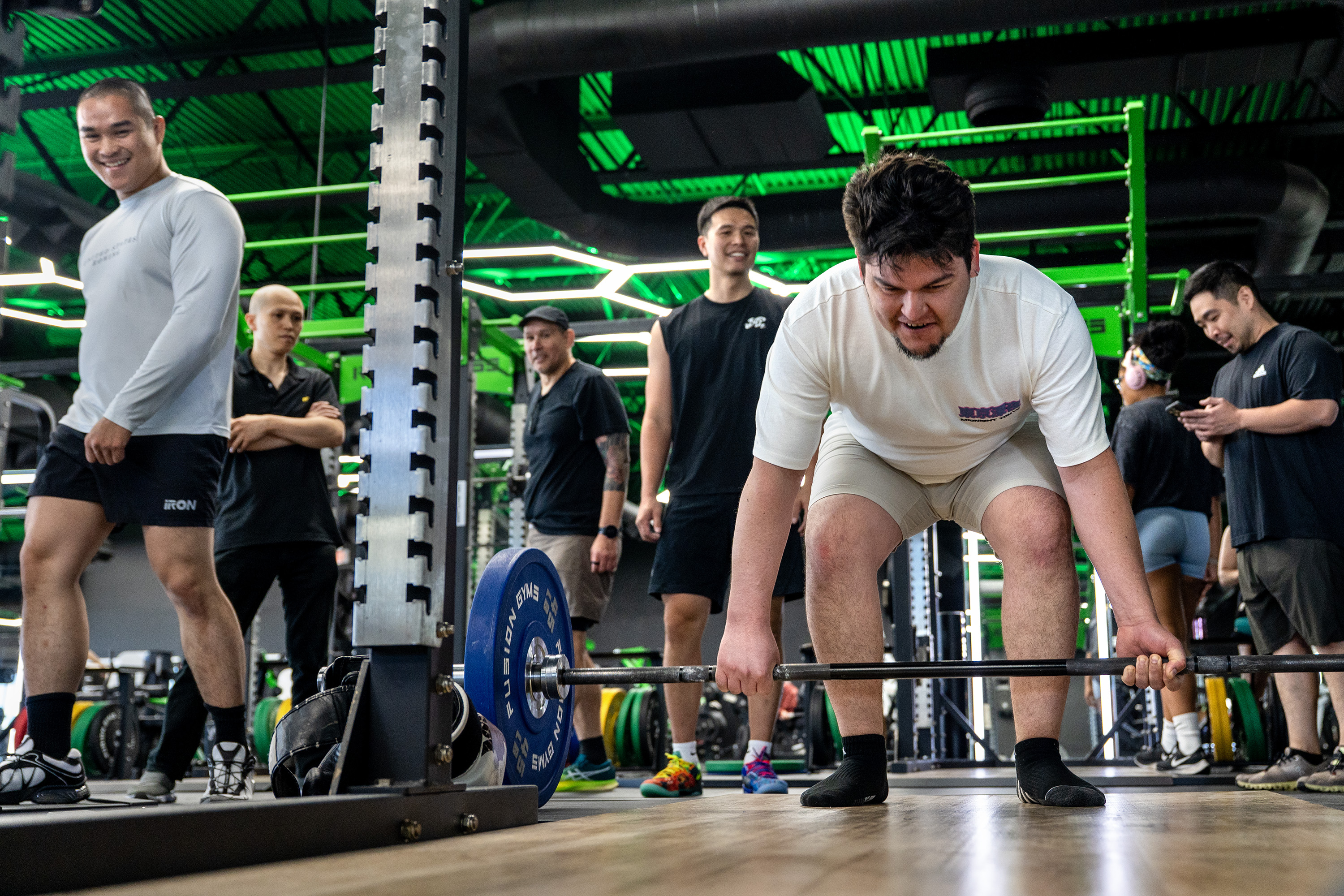
You have to be in shape to lug around 100-pound salmon and tuna. Kiki Aranita found a group of sushi chefs who routinely lift weights. As they say in the maki game: no pain, no grain.
A couple didn’t want their local drinking spot to shut down for good. Sarah Nicell writes that they found a solution: They bought it.
The lines are long, and the branding is adorable. Kiki Aranita visits Kyo Matcha in Chinatown.
Pinot grigio is wildly popular for a good reason, and wine writer Marnie Old explains where the best ones come from.
Poe is expanding
Sandwichmeister N.A. Poe will expand the hours of his kitchen operation at Poison Heart next week while preparing to open a new Poe’s Sandwich Joint location by the end of the year.
Starting Tuesday, Poe’s will operate seven days a week out of Poison Heart, 931 Spring Garden St., where he’s run the cocktail bar’s kitchen since last September. Daytime service will be pickup, takeout, and delivery only; Poison Heart itself will not open for daytime bar or dine-in service.
Poe, the nom de plume of Richard Tamaccio Jr., is not disclosing the new joint’s location or opening date. “We look forward to the freedom to do things our way without interference or apologies,” he said.
The move follows Poe’s split with Human Robot Brewing Co., where he had operated since 2019. His last day at Human Robot’s Kensington location is Thursday. Cantina La Martina will take over Human Robot’s kitchens at both Kensington and Brewerytown. Poe also parted company with the Monto, a new Old City bar.
At Poison Heart, Poe’s will operate from 11 a.m. to 9 p.m. Sunday through Tuesday and 11 a.m. to 6 p.m. Wednesday through Saturday. Poison Heart’s regular Wednesday-through-Saturday evening service will continue, with Poe’s classics and specials added to the menu.
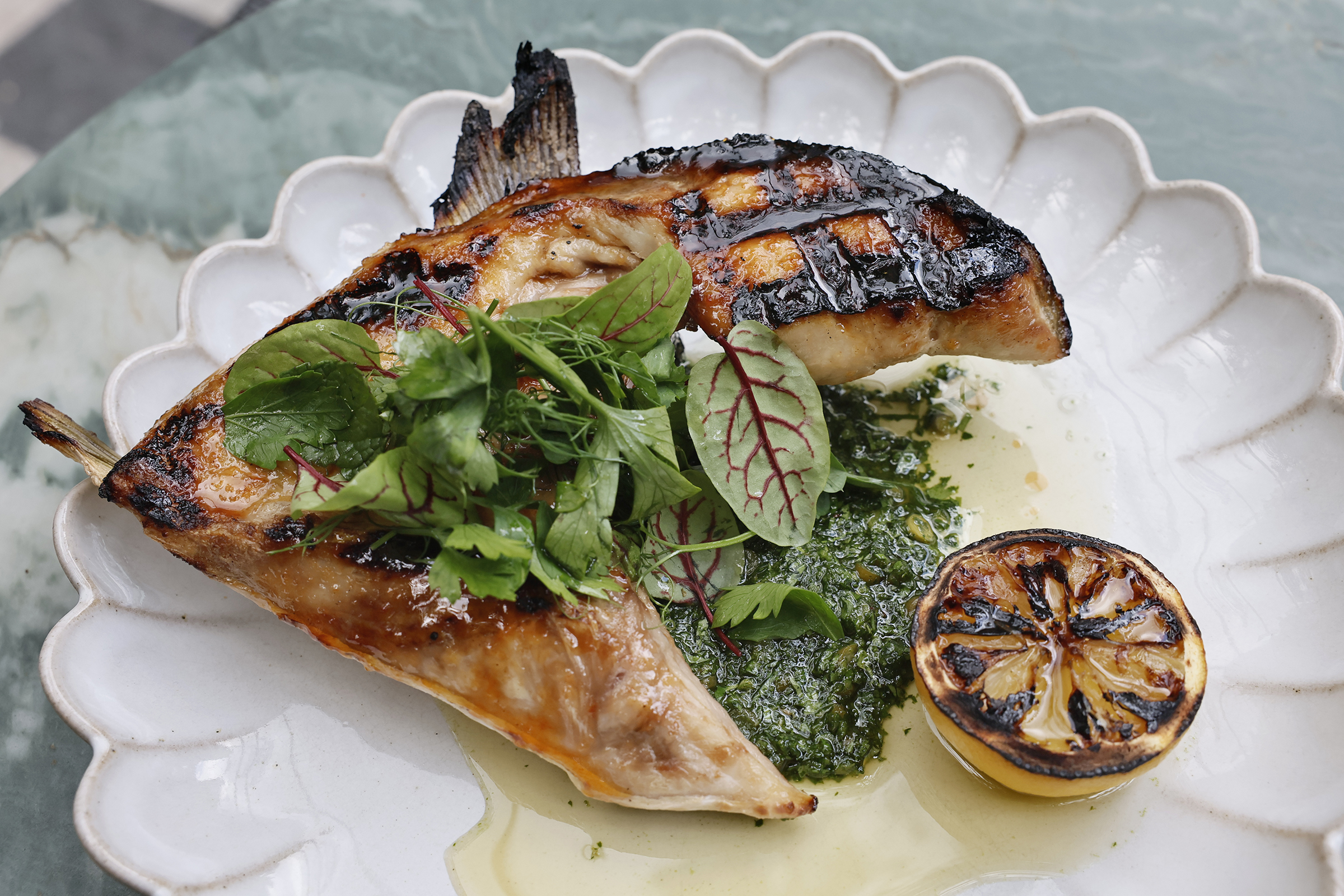
Two tasty bright spots of a staycation for Emily Bloch and her boyfriend included hamachi collar and poolside swordfish skewers. In other words: There’s great fish to be had in Fishtown.
Scoops
Old Friend, an upscale restaurant with a wood-fired grill and a chef with a Center City pedigree, is coming to the Main Line later this year.
Corte, on its way to the former East Market home of Mulherin’s Pizza, will have an Italian backbone, focusing on handmade pasta and cooking from the wood-fired oven. If that sounds like University City’s Corio, that’s because the same crew is behind it.
Big Charlie’s Saloon, the nationally known Kansas City Chiefs-theme bar in South Philadelphia that closed with the owner’s death last December, is under agreement of sale. The buyers’ plans don’t include NFL memorabilia.
Restaurant report
We’re in a New York state of mind:
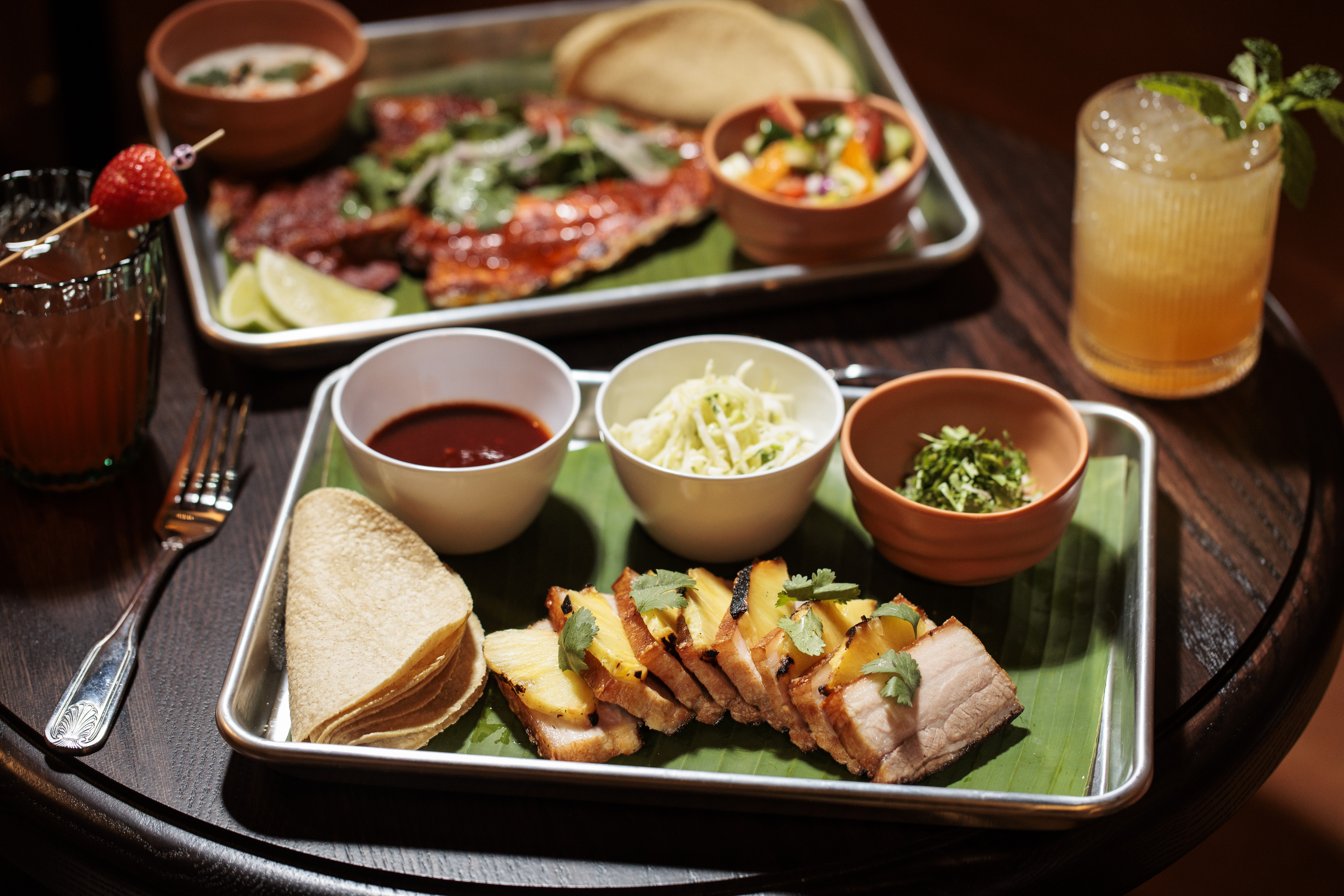
Dorade asado and pork belly al pastor (shown above) are two dishes offered at the new Mixteca, the Kensington offshoot of a Manhattan agave-focused coctelería from two James Beard Award-winning bartenders. Beatrice Forman heads to the former Martha for a look around.
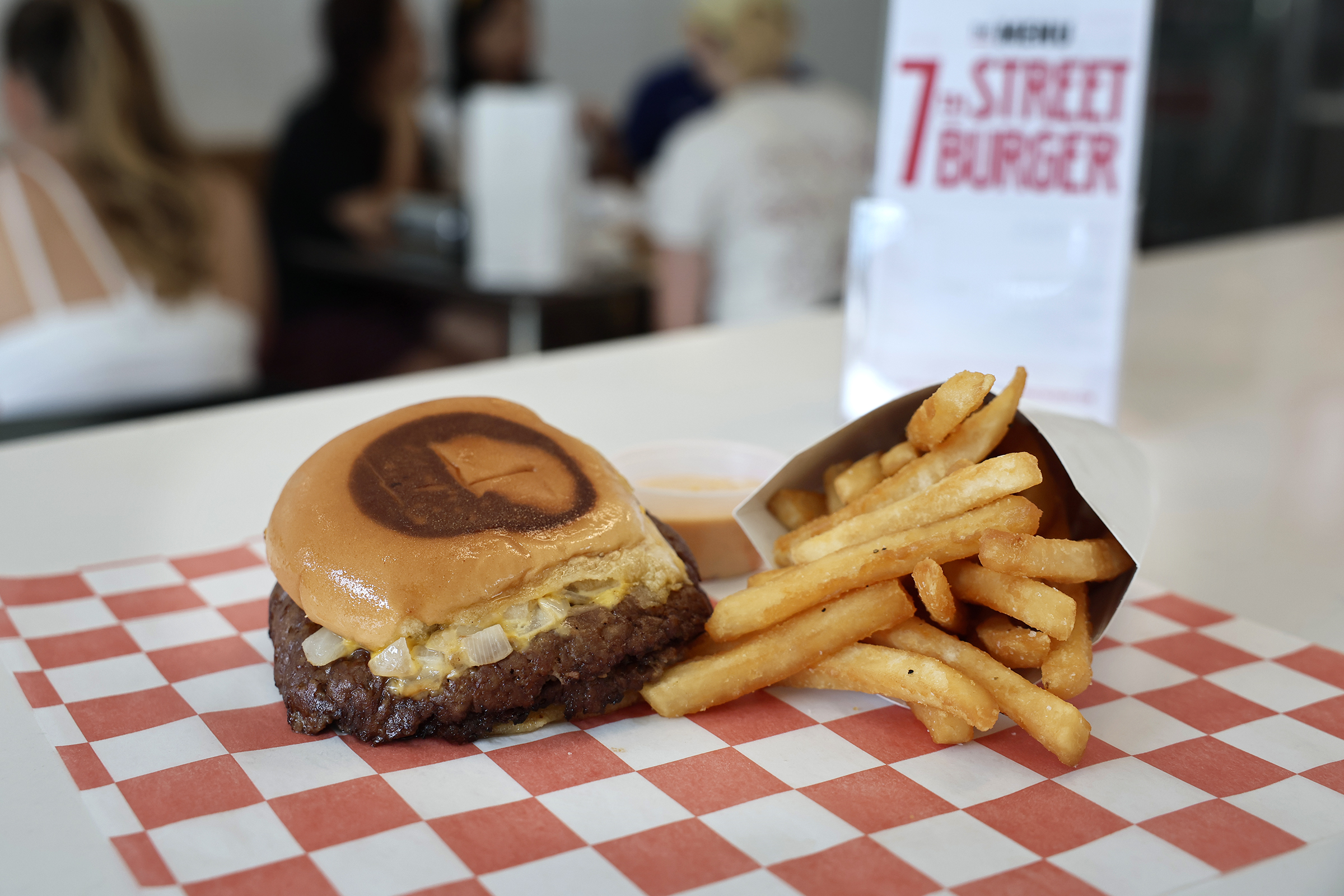
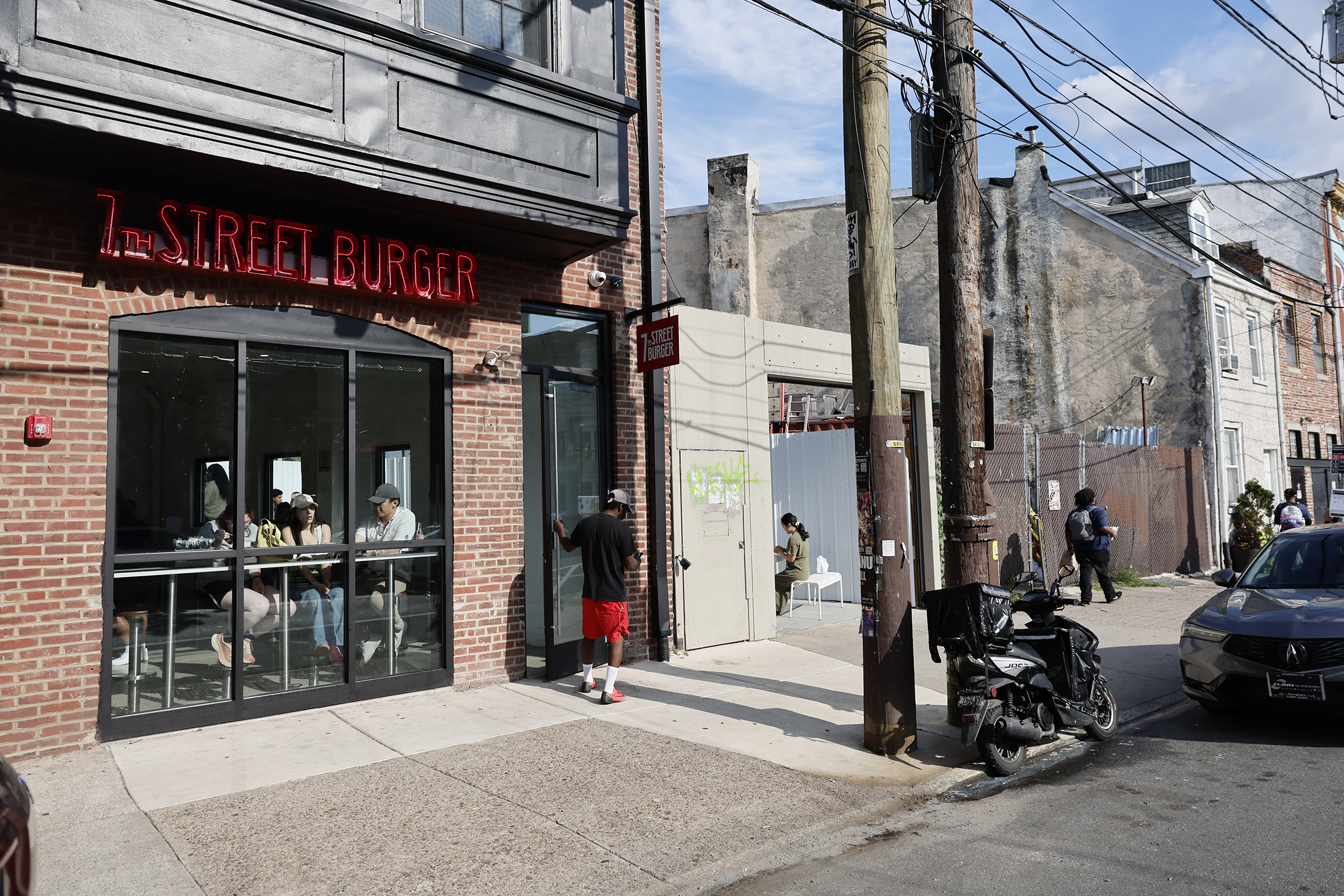
Smash burgers and fries are the hook at 7th Street Burger, a fast-growing Manhattan-based burger chain that just opened the first of four Philadelphia-area locations in Fishtown. Kiki Aranita takes a bite.
Briefly noted
Jose Pistola’s 19-year run in Center City has ended. Its related bars in Fishtown and South Philadelphia are unaffected.
Mount Masala Himalayan Cuisine (300 White Horse Rd., Voorhees) will host a Nepal disaster-relief fundraiser on Thursday, Sept. 10 from 5 p.m. to closing under the auspices of South Jersey Food Scene. It’s a $25 buffet of Nepali-Himalayan dishes for dine-in or takeout, with all sales donated to the Nepalese government for flood relief.
🥂 New Jersey has permanently allowed the sale and delivery of to-go alcoholic beverages in towns that permit it.
Ask Mike anything
Did Philip Korshak ever open his store, Korshak Picnic Provisions? — Joan M.
Back in February, Phil Korshak, the poet-baker who left town in 2023 after closing his cult-favorite Korshak Bagels, thought he’d open his quirky corner store at 13th and Reed Streets by May. However, “you have no idea how many contractors, electricians, and plumbers go to Europe and Japan in the summertime,” he told me in June. This week, Korshak said the store — now called Korshak Parkside Provisions — is in the health department inspections queue and he’s expecting equipment deliveries. “Let’s call it October,” he told me.
📮 Have a question about food in Philly? Email your questions to me at mklein@inquirer.com for a chance to be featured in my newsletter.
By submitting your written, visual, and/or audio contributions, you agree to The Inquirer’s Terms of Use, including the grant of rights in Section 10.
There are few Spanish bar snacks as satisfying — or so hotlydebated — as a properly made tortilla Española.
If you’re lingering in the hot southern cities of Andalusia, where the iconic potato-and-onion omelet is typically served room temperature or cold, the eggs are fully set.
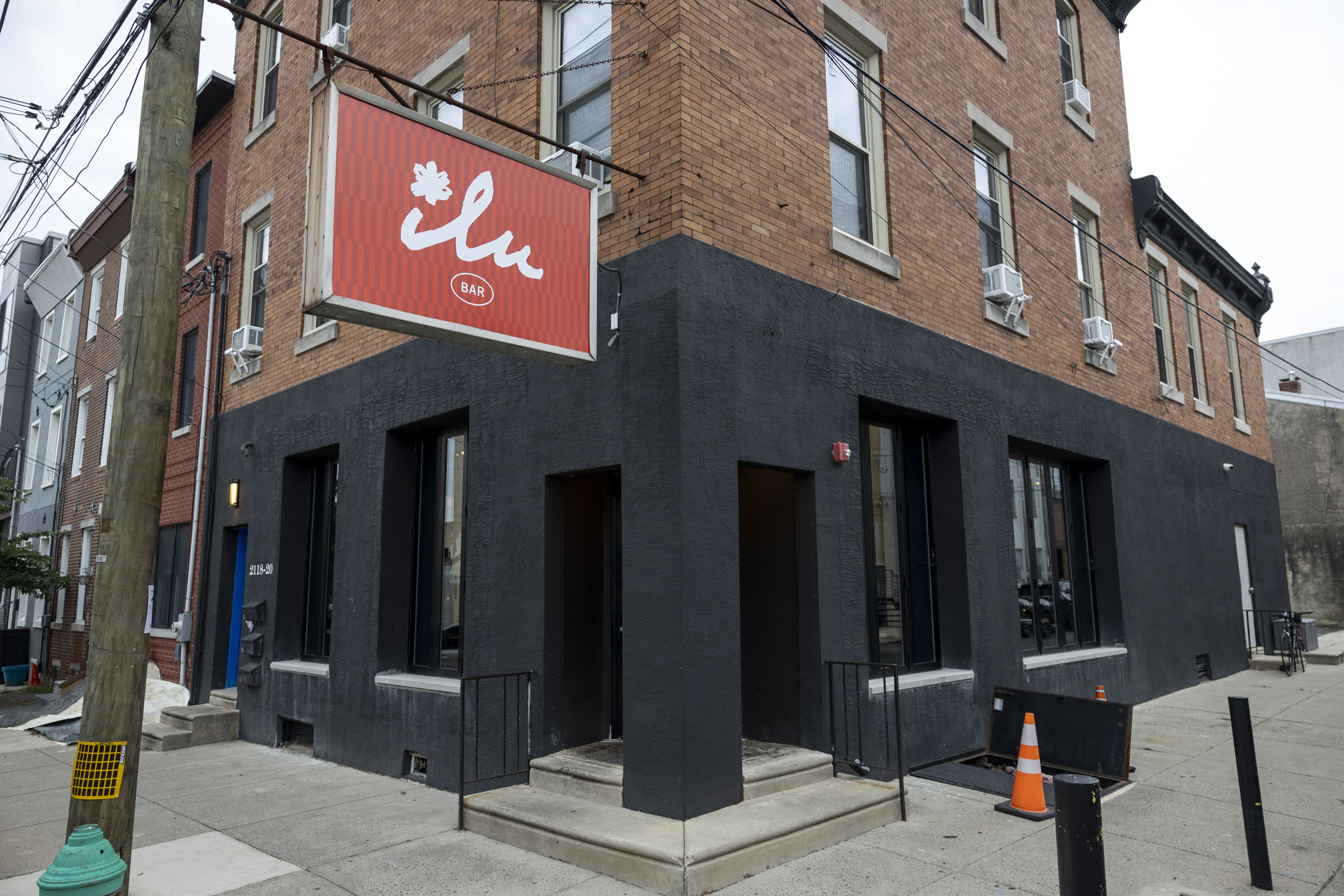
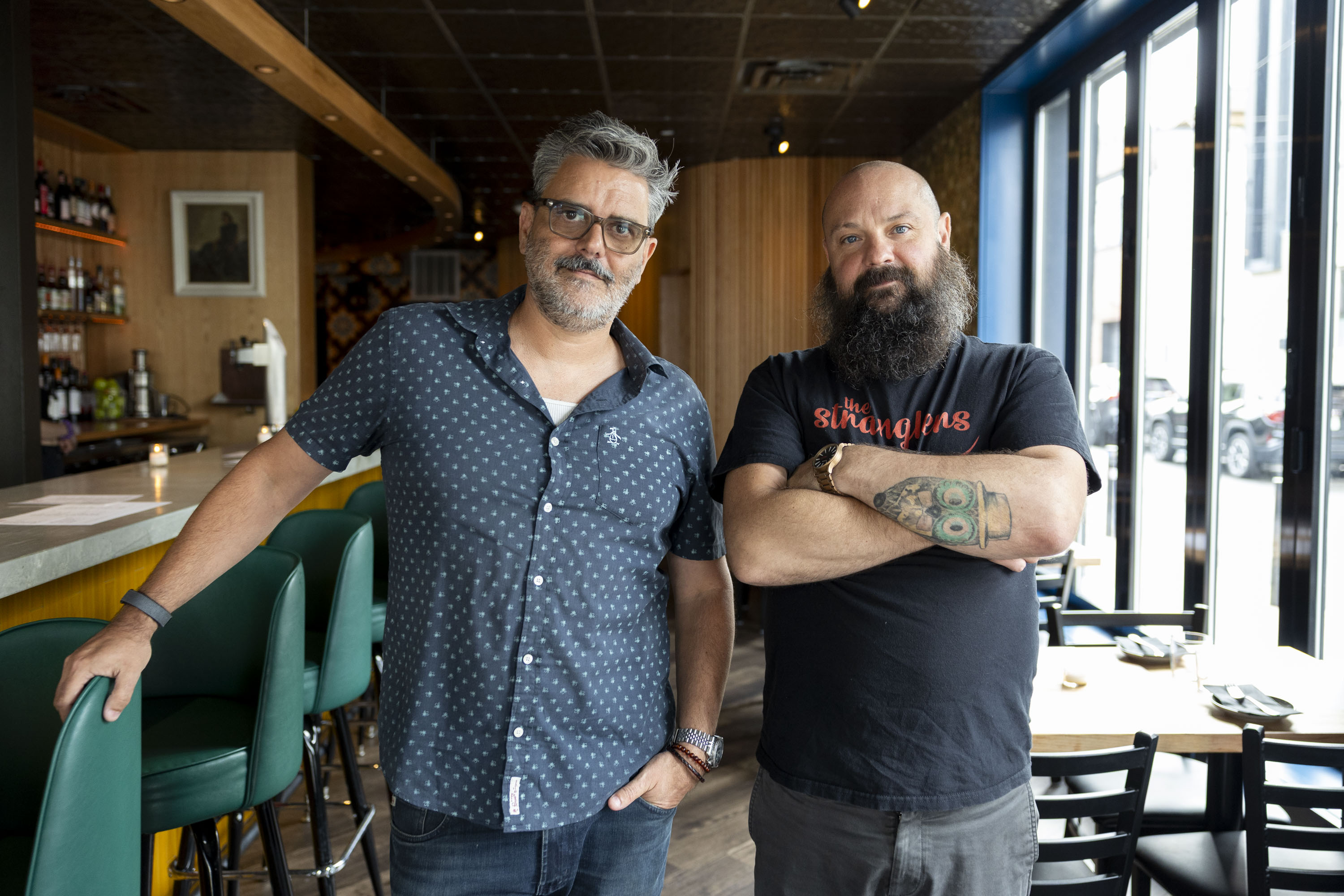
“But from Madrid north to Basque Country, it’s traditionally made to order and served warm and custardy,” says Patrick Iselin, 50, the co-owner of BAR ilu, who spent half his childhood in Spain and now splits time between Philadelphia and the Madrid apartment once owned by his grandmother, Iluminada “Ilu” Prellezo Inchausti.
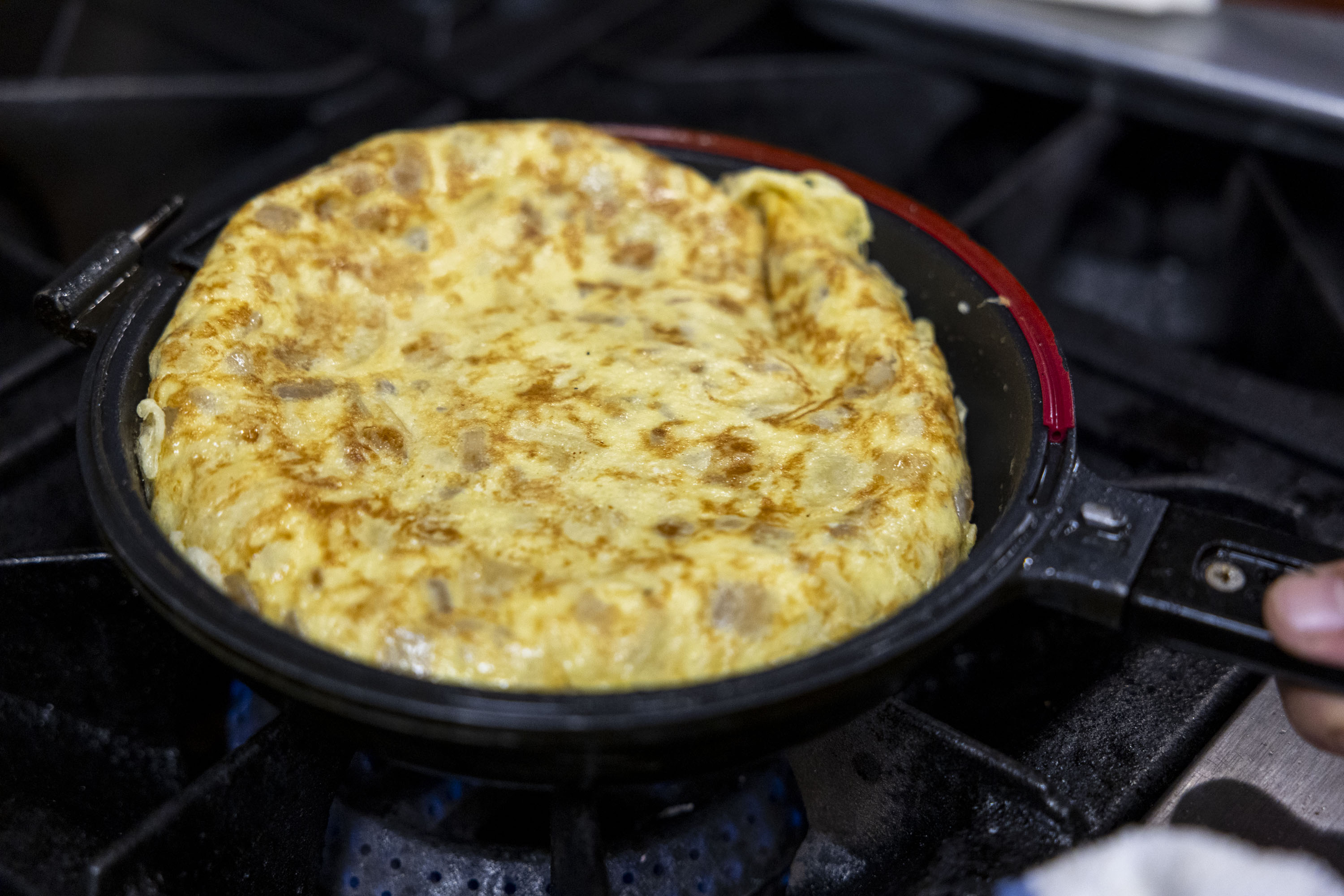
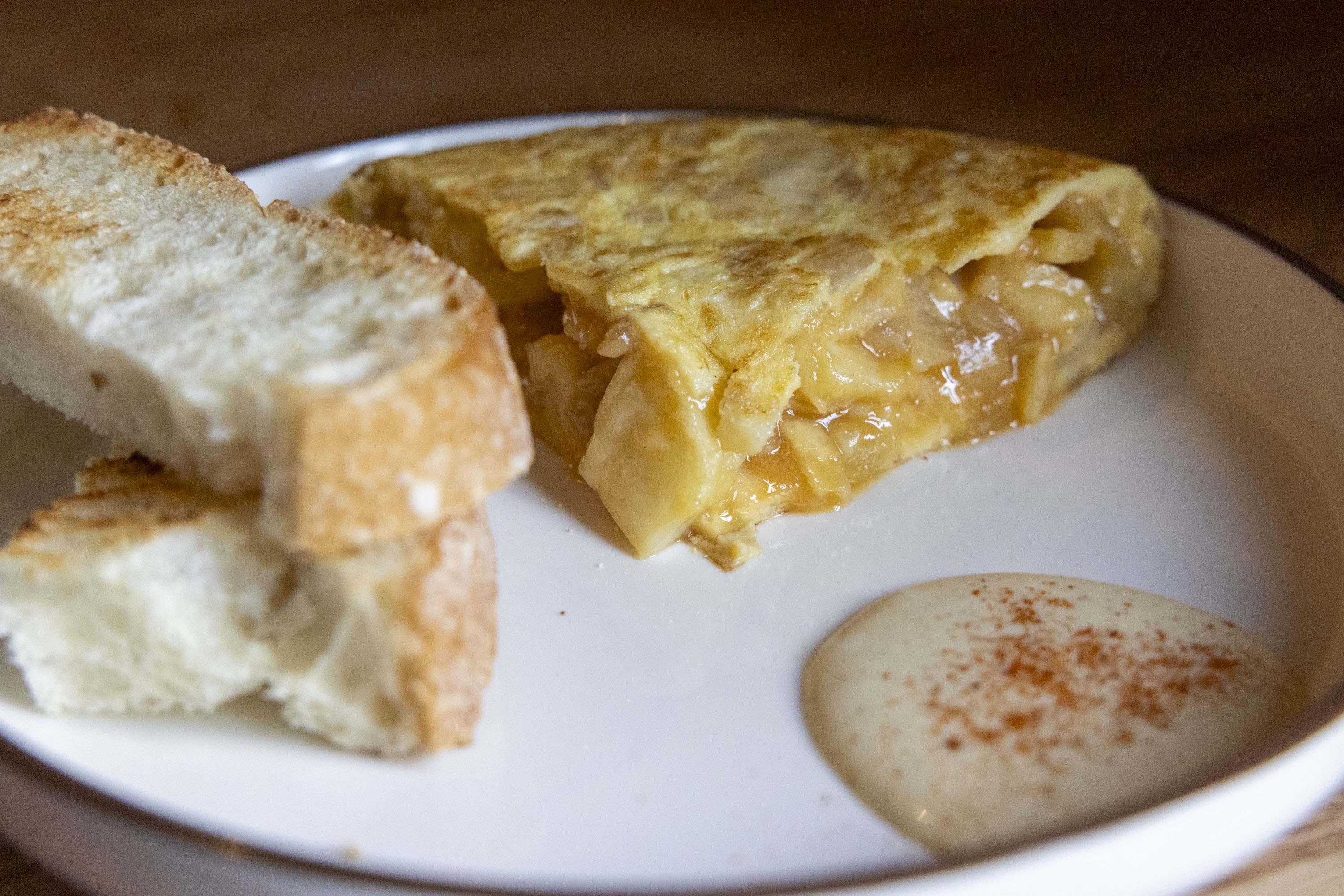
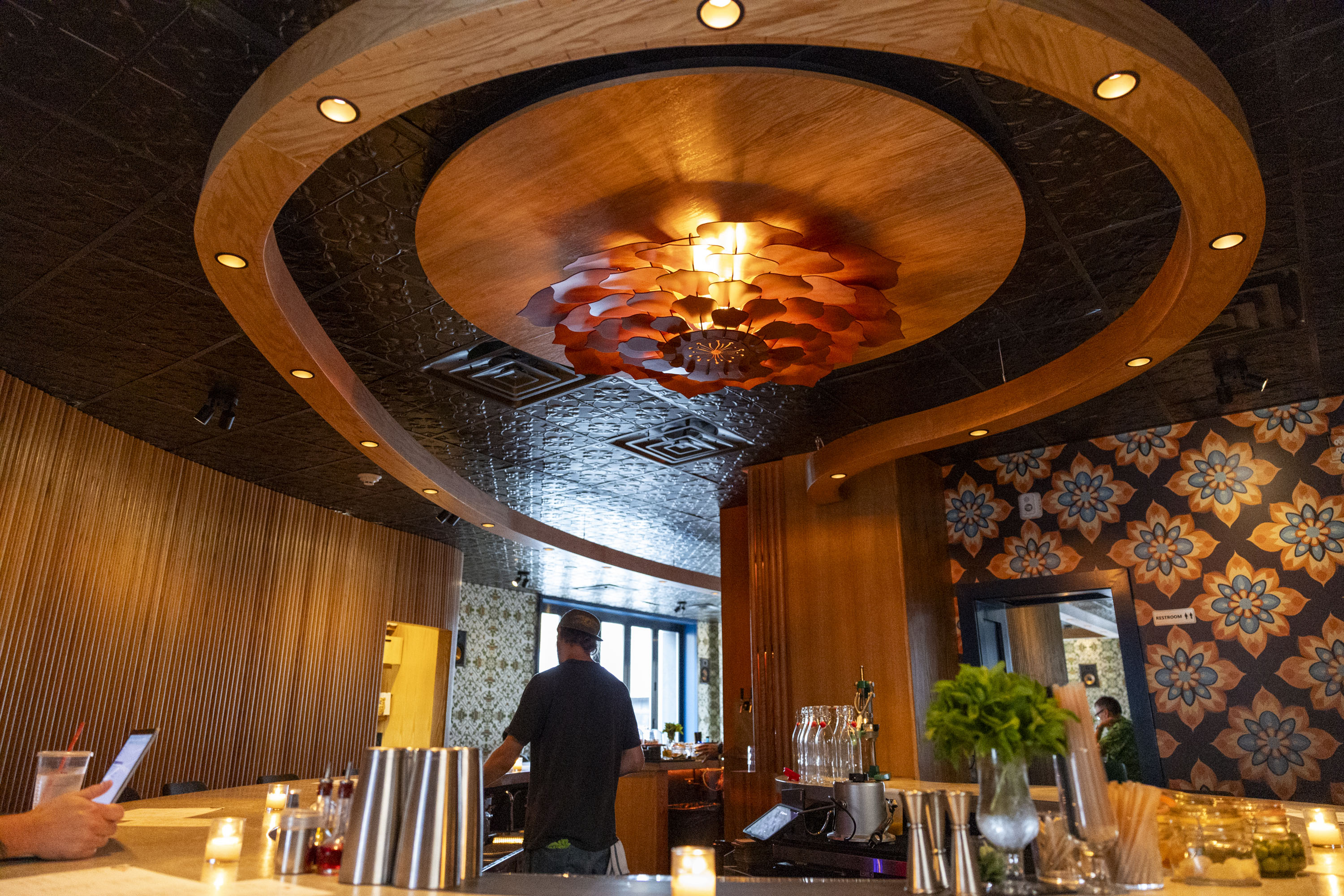
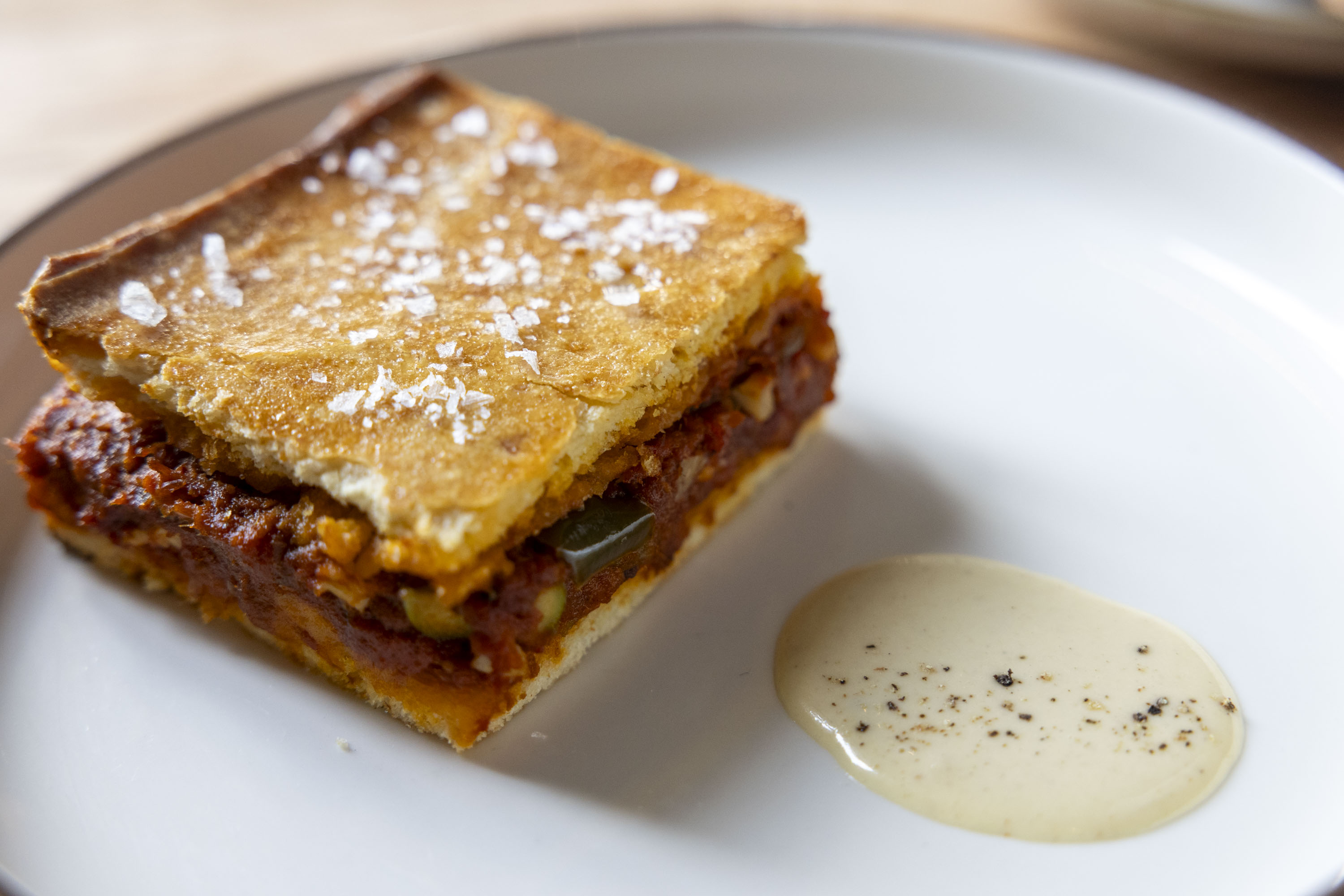
So it follows thatthe eponymousnew cornerbar at Dauphin and Martha Streets — which happen to share the 40th parallel north with Madrid — serves its tortilla Española with a loose and edgy Kensington flair: “runny af,” as noted on the menu. Served as a wedge, with olive oil-fried potato chunks and sweet onion laces bulging from its glossy middle, a warm forkful of this eggy wonder is as transporting as it gets.
Andrew Butler, chef de cuisine at BAR ilu, making the tortilla Espanola.Tyger Williams / Staff PhotographerThe tortilla Espanola at BAR ilu.Tyger Williams / Staff Photographer
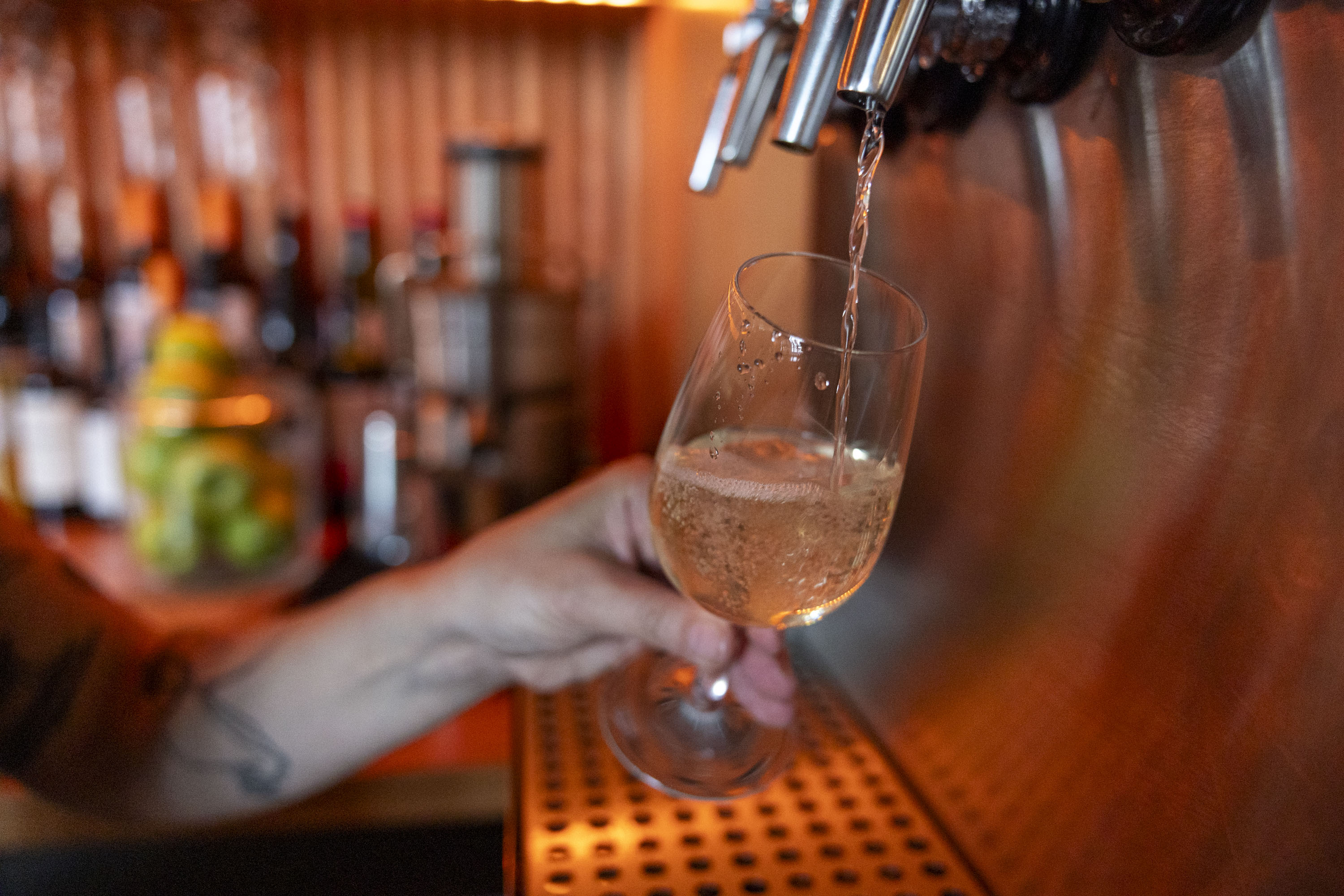
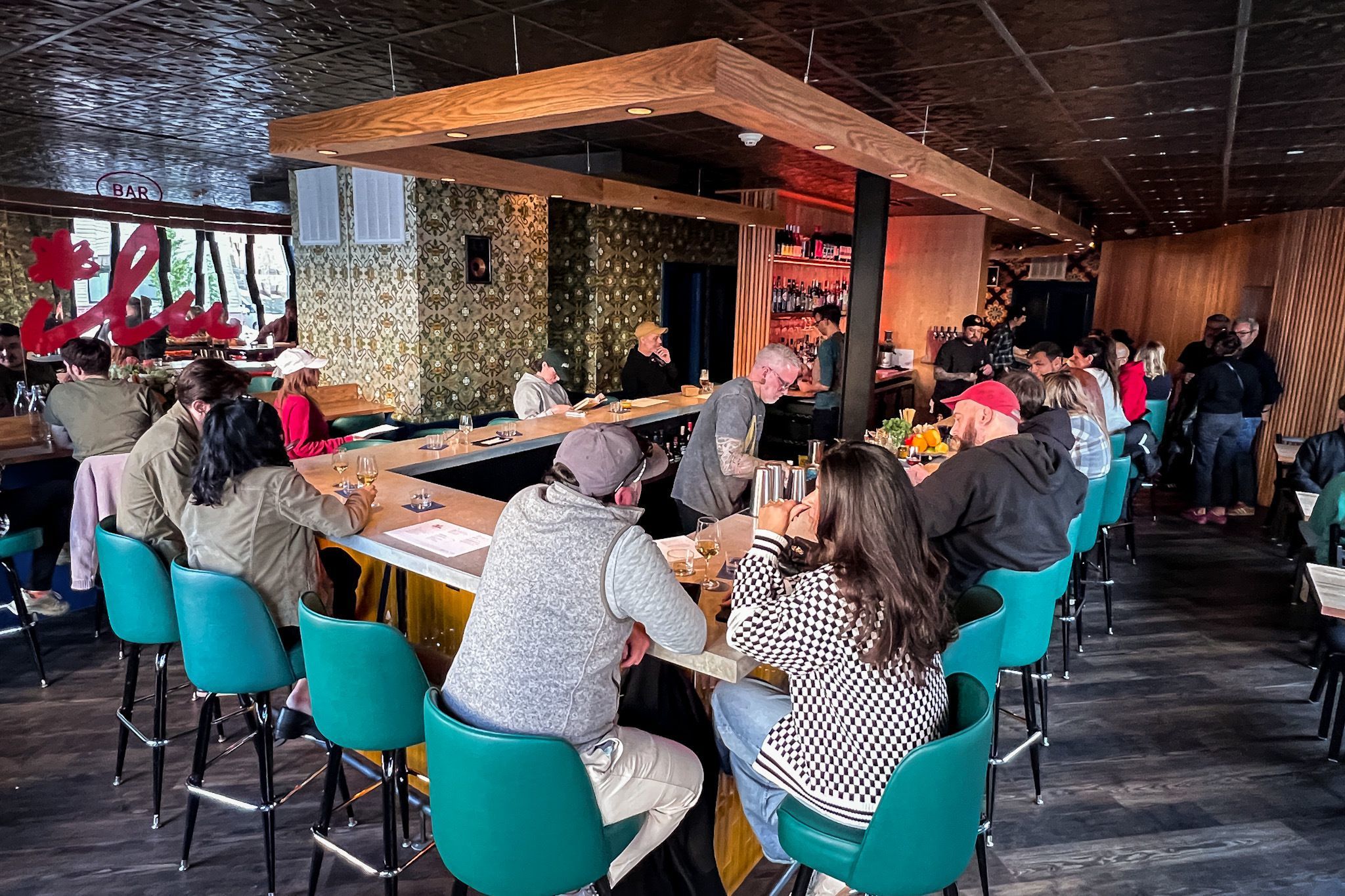
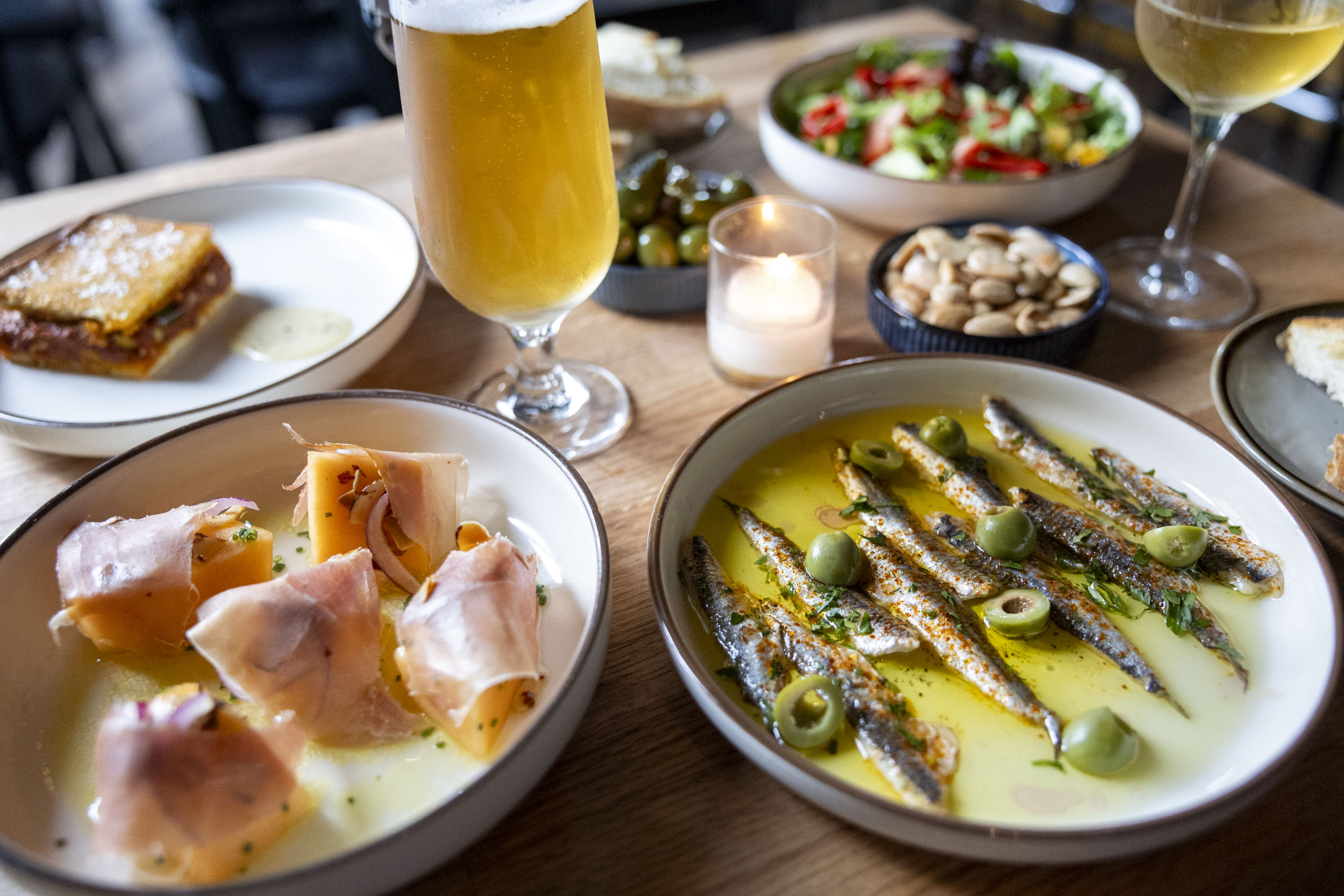
Wash it down with a bracingly crisp glass of La Gitana Manzanilla sherry on draft, plus a fistful of crunchy Marcona almonds, a forkful of tangy boquerones, and a crock of olives warmed with orange zest and herbs, and it’s hard to deny that BAR ilu is an appealing development for this rapidly changing corner of Kensington. It is perhaps also a little dissonant for those who know the neighborhood history. Thisstylish Euro concept, complete with its undulating circular bar and foam-topped glasses of vermouth, haslanded in a space previously occupied by the Old Philadelphia Bar, one of the last unreconstructed dive bars from what co-owner Scott Coudriet calls Kensington’s “pre-hip-storic” days.
Coudriet, who owns Fishtown’s Lloyd Whiskey Bar, is also partnered with Iselin at nearby Cormorant bar. Their other partners in ilu are Salvatore D’Amato and Jason Evenchik, whose Vintage Syndicate hospitality group operates Vintage, Starbolt, Time, Bar, three Garage locations, and the Goat Rittenhouse.
This veteran team is keenly aware of the sensitive dynamics of change at longstanding bars. That’s why Iselin was adamant about keeping prices reasonable for Kensington locals — no more than $14 a plate, and $16 for distinctive cocktails that would easily cost a few dollars more in Center City — while building this tribute to Spain in his adopted city.
The outside of BAR ilu on Thursday, Aug. 20, 2026, in Philadelphia.Tyger Williams / Staff PhotographerThe back bar area at BAR ilu on Thursday, Aug. 20, 2026, in Philadelphia.Tyger Williams / Staff Photographer
Iselin wanted to craft this 40-seater with as few clichés as possible (no hanging hams, no toro horns, no sangria), but rather the feel of a modern tapas bar he might frequent in Madrid today. He had no idea he was also tapping into the latest evolutionary trend for the Philadelphia bar.
Twenty years ago, the smoky old taverns of yore were being replaced by the gastropub movement of the early aughts, where local craft beers flowed and house charcuterie and pickle programs anchored ambitious seasonal menus that gave a cool new vibe to the neighborhood restaurant. In some cases, they helped redefine the neighborhoods themselves.
Philly’s bar scene is now officially in its grazing phase, with curated drink menus centered around culinary cocktails, natural wines, and nonalcoholic drinks with food offerings often so limited that a hungry fellow like me might need to order three-quarters of the menu to make a meal. Supérette, the charming French wine bar beside East Passyunk’s Singing Fountain, captured this development perfectly in 2025. Owners Chloé Grigri and Vincent Stipo described these snack-centric bars as a “generational thing” for 30-somethings who want a stylish place to hang for in-between meals with friends without committing to an entire evening.
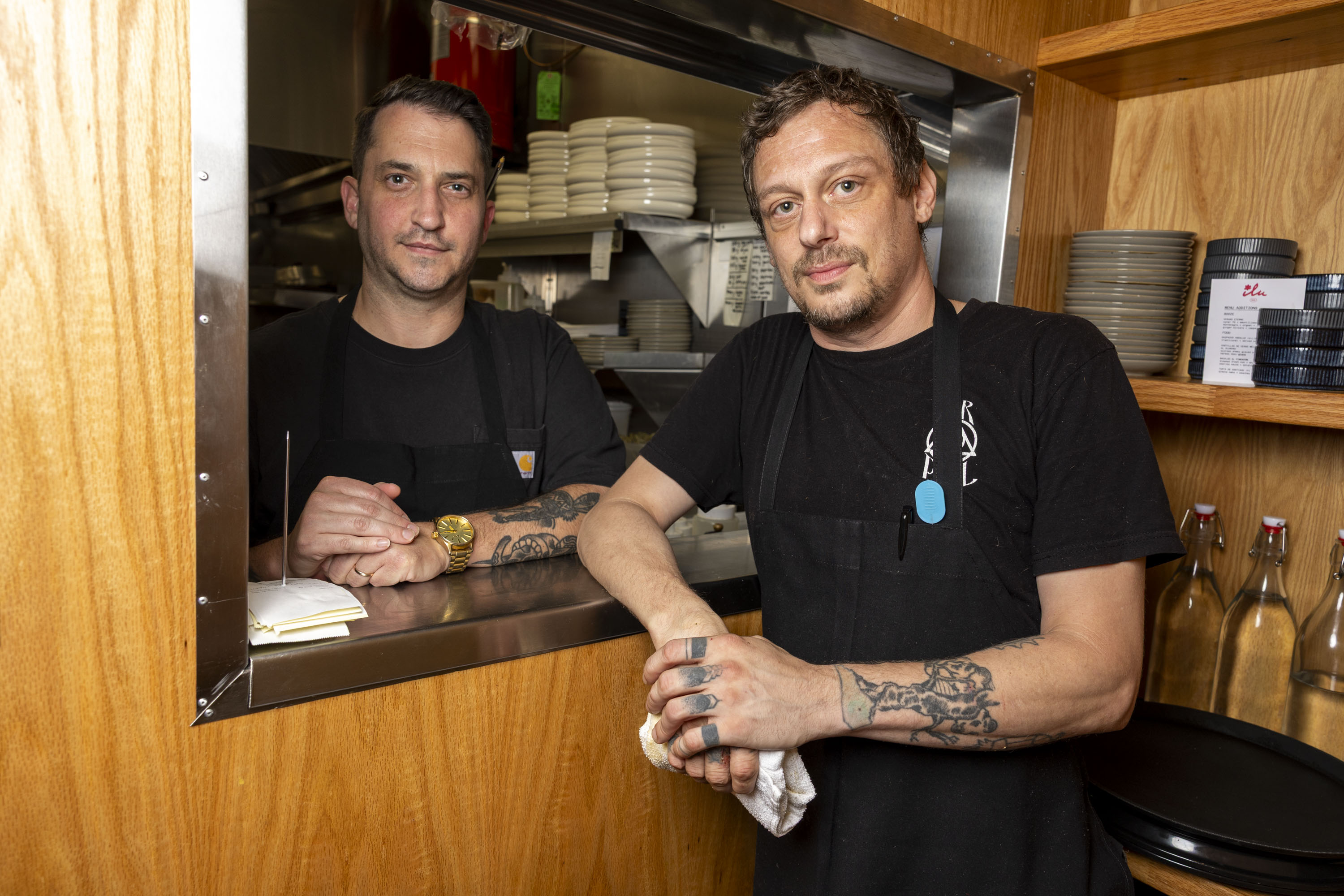
Co-owners Patrick Iselin and Scott Coudriet of BAR ilu, pose for a portrait together on Thursday, Aug. 20, 2026, in Philadelphia.Tyger Williams / Staff PhotographerThe La Gitana Manzanilla Sherry at BAR ilu on Thursday, Aug. 20, 2026, in Philadelphia.Tyger Williams / Staff Photographer
A similar approach is at work through a Japanese lens at Almanac, the cutting-edge Japanese cocktail bar (with Wagyu hot dogs and kombu-cured celery sticks) above the omakase room at Ogawa. The food menu at Chris Kearse’s new cocktail bar in Washington Square West, Known Associates, lists only a dozen items, counting the cool ranch freeze-dried peas. Same with the recently opened Lillian’s Bar in Point Breeze.As Chris Fetfatzes told me about Grace & Proper, the Portuguese-inspired bar with “tasca” nibbles he debuted in 2022, this template — a distinctive drink program bolstered by a small menu that can be produced with limited service and light kitchen investment (i.e. no hood) — makes perfect business sense in the post-COVID era.
Of course, the Spanish have been doing this for centuries with tapas, a light-bite evening repast that reflects their cultural preference for a larger meal earlier in the day. And yes, Amada has been serving tapas here for 20 years, but always alongsidea much broader menu with large plates and paellas.
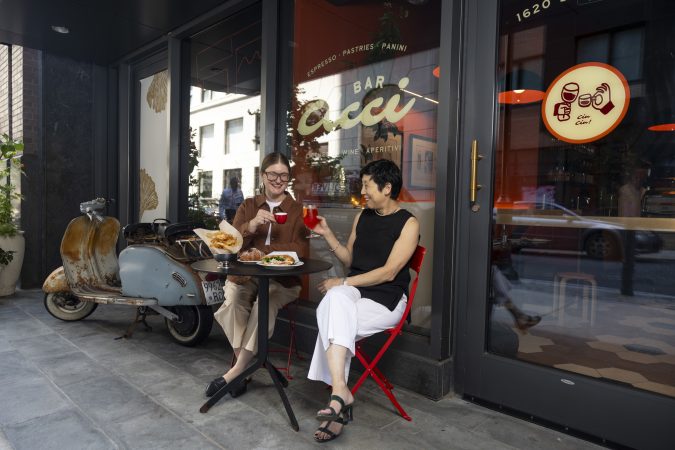
Considering all the new small-plate projects that have come online recently, including Bar Cicci, Ellen Yin’s all-day aperitivo bar, Philadelphians may have finally embraced the concept on its own snacky terms.
The front bar at BAR ilu, 2118 E. Dauphin St.Michael Klein / StaffThe various plates including The Boquerones, Melon with Ham, the Tuna Empanada, Tomato Salad, Almonds, and Olives at BAR ilu on Thursday, Aug. 20, 2026, in Philadelphia.Tyger Williams / Staff Photographer
BAR ilu has a slightly more substantial food menu than most.And part of its appeal is the natural ease with which it blends a Kenzo vibe (seethe mismatched thrifter style of its floral-print wallpaper, black tin ceiling, and teal barstools) with an inventive drink program and classic Spanish plates lightly updated by chef Andrew Butler.
Fig leaf oil adds a shade of coconut-vanilla to a familiar pairing of juicy cantaloupe with shaved serrano ham. Smoked olive oil brings a whiff of earthiness to ripe summer tomatoes with cucumbers and piquillo peppers. A juicy burger topped with Manchego cheese, pickled red onions, and aioli firmly anchors the menu with one can’t-miss comfort option that even the least Spanish-inclined customer will embrace.
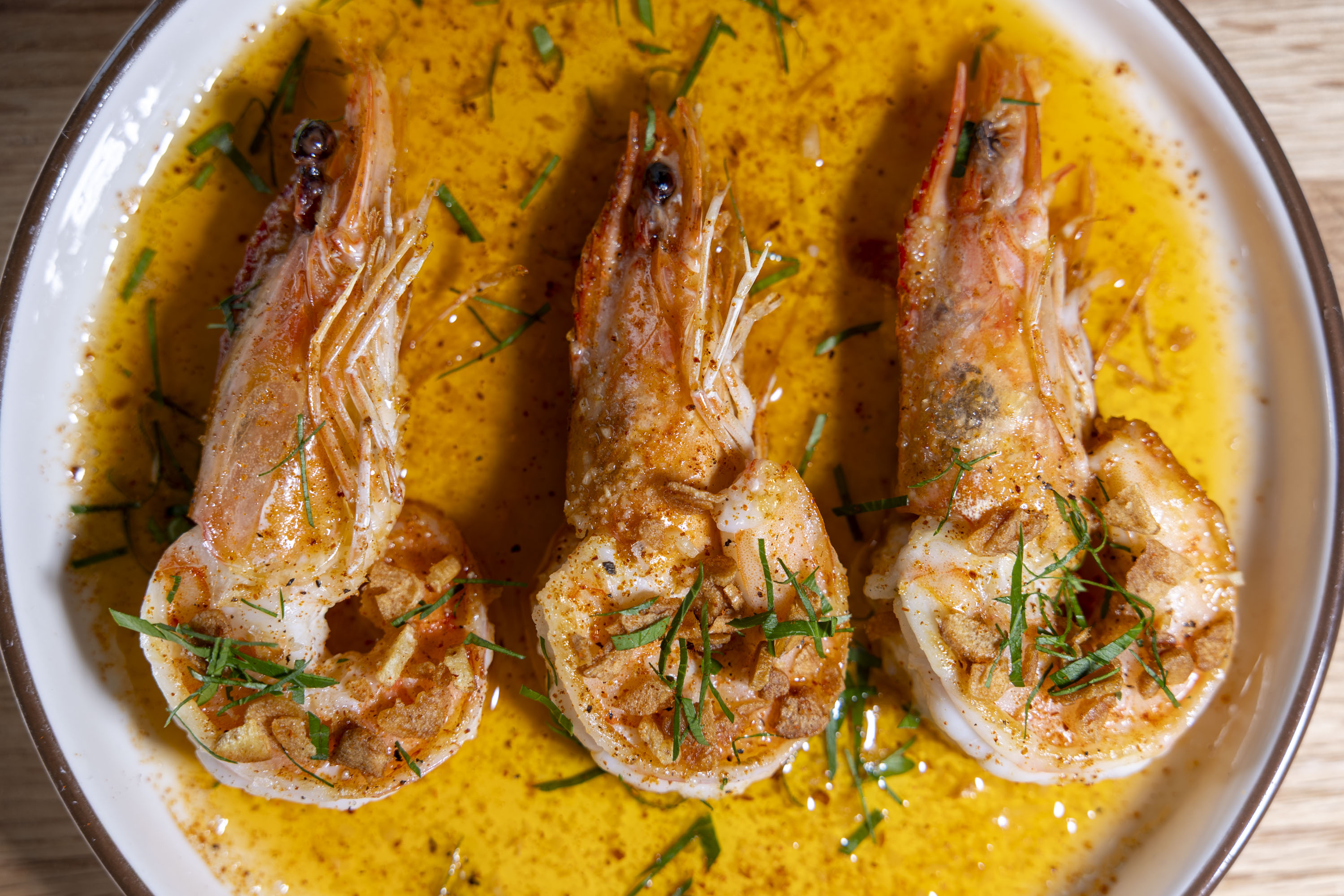
But the Spanish flavors, both on the plate and in the glasses, are what have me hooked. Aside from the tortilla, there’s a double-crusted Galician-style empanada stuffed with tuna and cooked-down tomate frito. Plump head-on gambas al ajillo take on a flicker of chili oilheat. Crisp spheres of perfectly fried croquetas harbor lusciously creamy béchamel centers flecked with serrano ham or, my favorite, salty flakes of bacalao.
A Tuna Empanada at BAR ilu on Thursday, Aug. 20, 2026, in Philadelphia.Tyger Williams / Staff PhotographerPat Szoke, culinary director, and Andrew Butler, chef de cuisine, at BAR ilu.Tyger Williams / Staff Photographer
There were a few misfires. The patatas bravas were pale and lacking crisp. The flattened confit artichoke heart was mushy. The seared mushrooms were oversalted. But these were minor complaints compared to winners like the crusty bocadillo sandwich overstuffed with paprika-fried baby squid drizzled with lemony aioli and more tomate frito. Along with some tiny olives stuffed with briny anchovy, every morsel seemed deliberately calibrated to stoke a thirst.
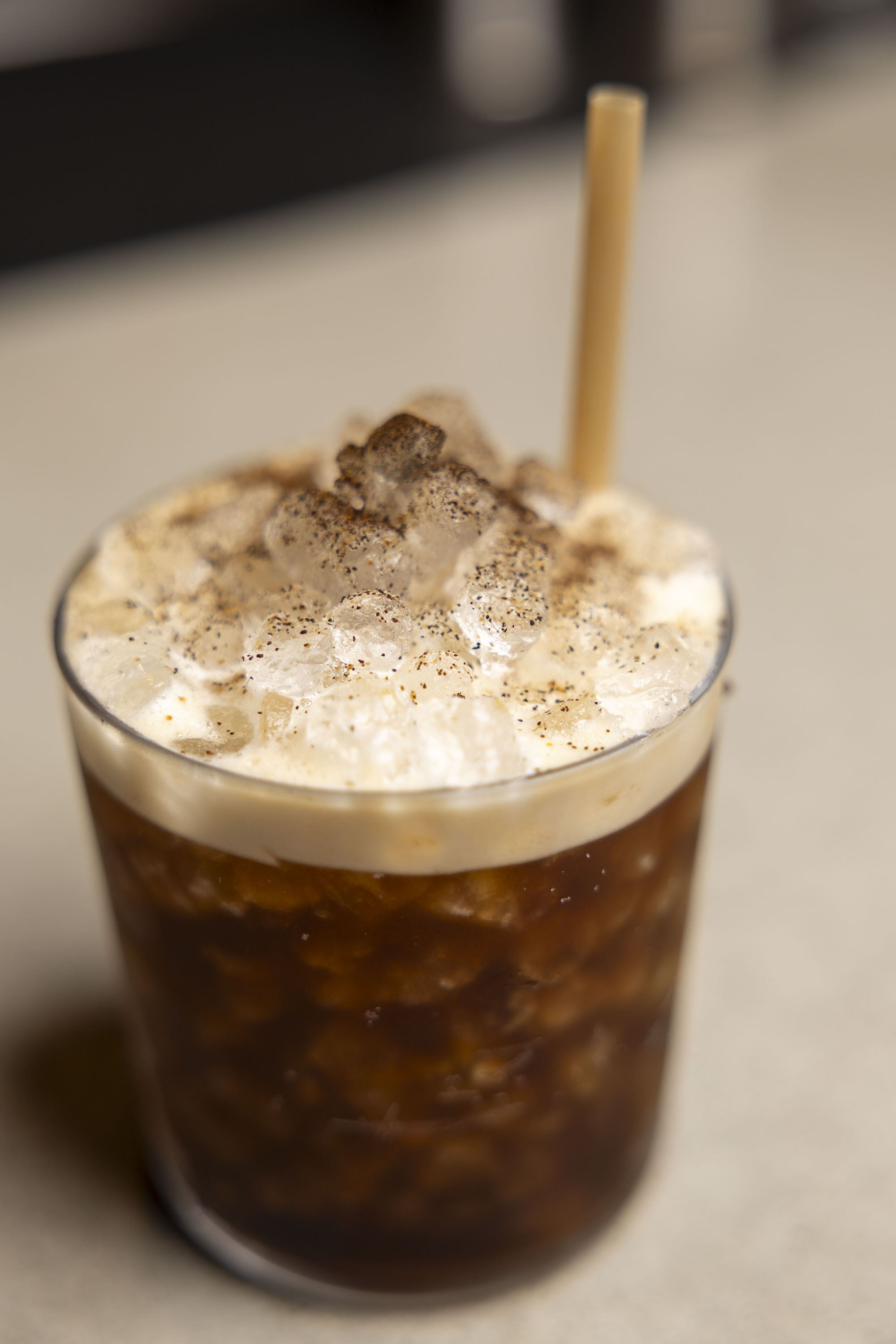
I especially enjoyed BAR ilu’screative approach to sherry and vermouth, both in cocktails and poured neat. A crisp Manzanilla, already one of my favorite predinner quaffs in summer, added a bracing dryness to Cynar amaro and gin for Remember the Alimony. Vanilla-scented Licor 43 from Spain pairs with chilled Cafe Bustelo for a carajillo whose pebble ice is dusted with coffee-orange powder, and is now one of my top five coffee cocktails in the city.
The Carajillo at BAR ilu on Thursday, Aug. 20, 2026, in Philadelphia.Tyger Williams / Staff Photographer
The Fire Drill is a refreshing tropical blast of passion fruit swirling in mezcal smoke, with an herbal whiff of Lo-Fi gentian amaro to counter the fruity sweetness. A whole Granny Smith apple is juiced to order forthe simpleBooze & Juice, paired with the spirit of your choice (make it mezcal).
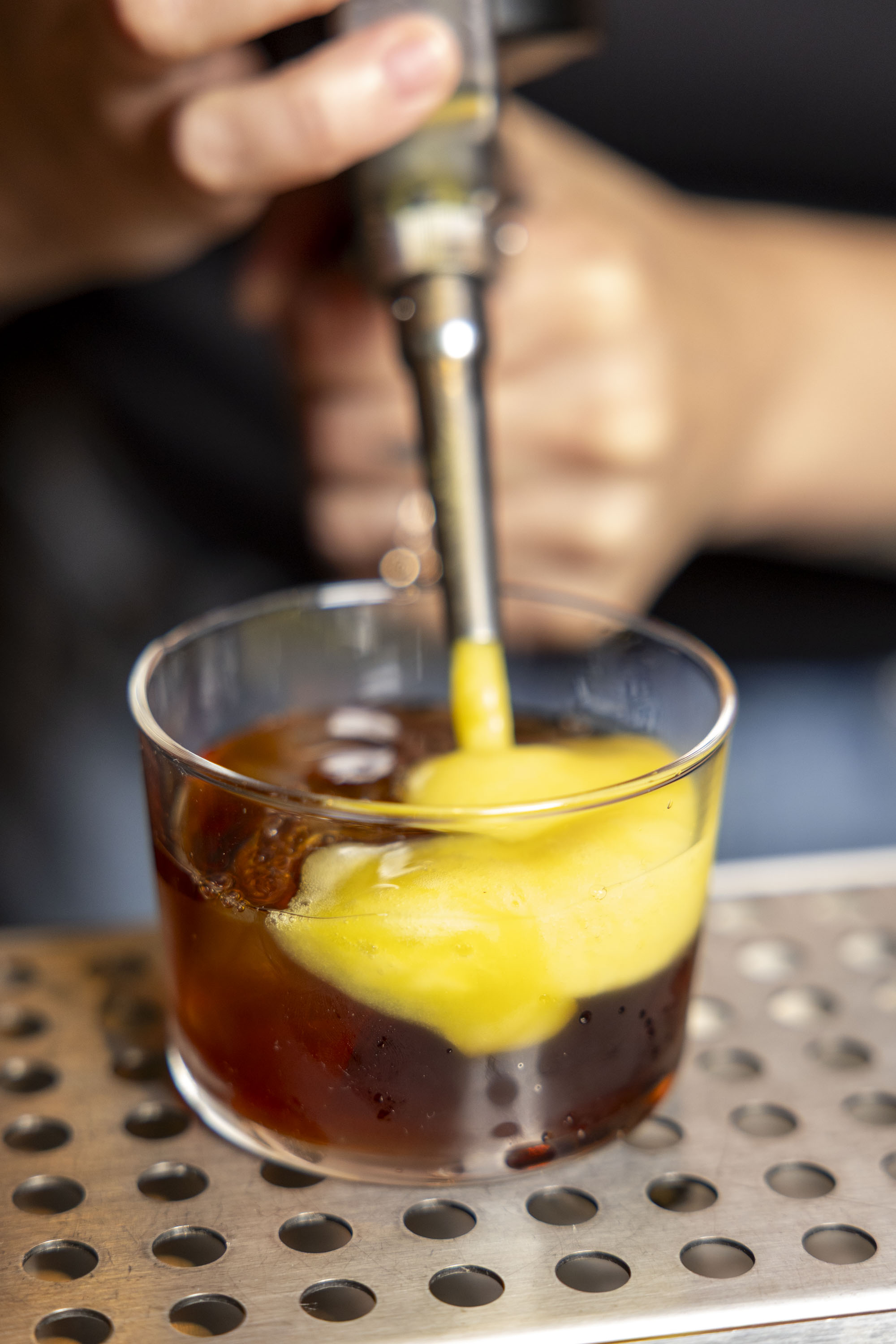
Meanwhile, unless you order a glass of dark, sweet-tangy Pedro Ximenez to cap your meal, try the Barquero vermut on draft and top it with orange foam, a combo that tastes like flat Coke dolloped with an orange-creamsicle cloud. There is actual dessert here, too: a perfectly fine almond cake with macerated peaches and cream. But that foamed vermouth was satisfyingly herbal, sweet, and mysterious — and one of the best things I drank all summer.
The Vermouth with Orange foam at BAR ilu on Thursday, Aug. 20, 2026, in Philadelphia.Tyger Williams / Staff PhotographerThe Bifana sandwich as served at Grace & Proper in Queen Village Wednesday, Mar. 8, 2023.Tom Gralish / Staff Photographer
Grace & Proper
If BAR ilu represents a modern interpretation of tapas culture in Philly, the vintage vibes at Grace & Proper’s Italian Market space reflect a different take on Iberian bar culture, this one influenced by the Portuguese roots of co-owner Chris Fetfatzes’ family.
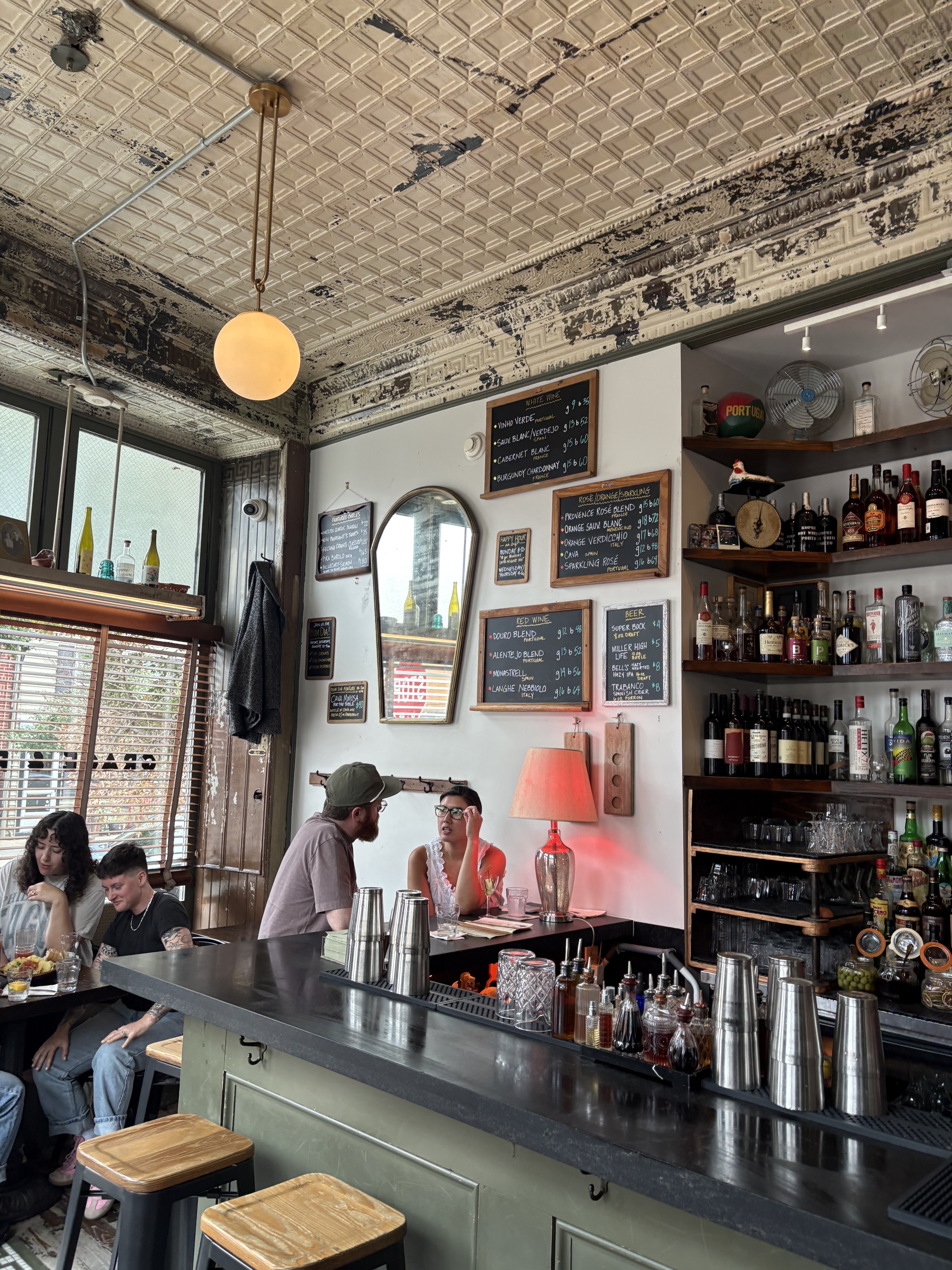
Fetfatzes, his wife, Heather Annechiarico, and their Happy Monday Hospitality partner Susan Freeman, who also own Wine Dive and Sonnys Cocktail Joint, leaned into the antique charm of the distressed tin ceiling, tiled floor, and exposed brick walls that wereuncovered during renovations of the old pharmacy (and Italian deli) that once occupied this corner space at Eighth and Carpenter. Fetfatzes was hoping to create the cocktail counterpart to Fountain Porter, the 14-year-old craft beer destination in East Passyunk known for its $7 burgers and pickles that, perhaps, helped mark the beginning of the minimalist-nibble bar.
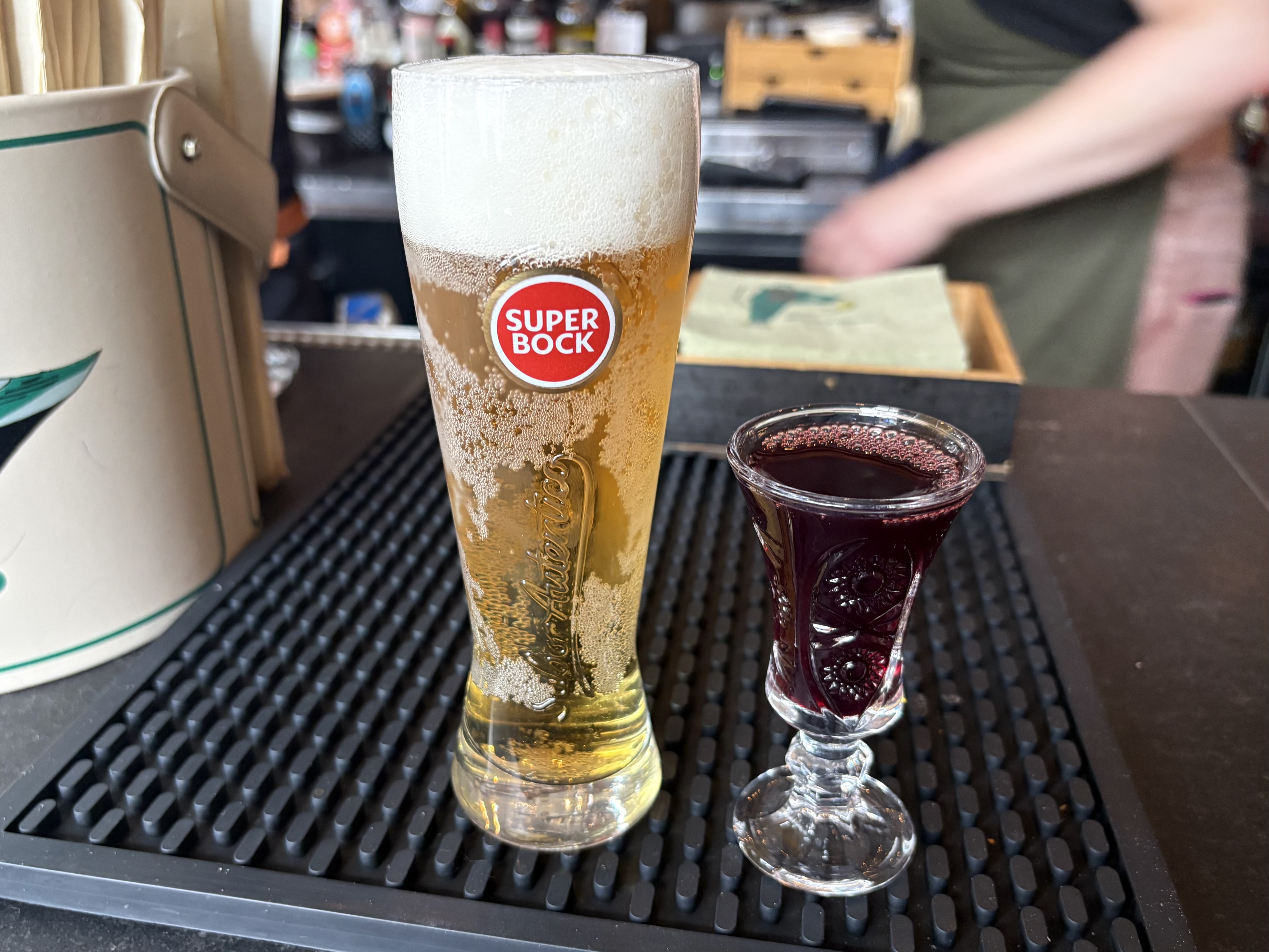
Given Grace & Proper’s compact space, with just 15 barstools and 26 table seats sidled into window banquettes (plus 30 more outside in fair weather), it’s amazing how its 200-bottle collection of amari, vermouths, ports, whiskeys, Madeiras, sherries, agave spirits, and indie Euro wines somehow fits into the tall shelves behind the bar. If you’re a fan of funky Asturian cider, there’s a proper porrón carafe to stream it directly into your mouth from an arm’s length away, ideally while watching Premier League or MLS soccer. Or try the Philly-Portugal Lisbon Wide hybrid, a draft of Super Bock Portuguese lager paired with a shot of ginjinha, a house-made cordial steeped from Morello sour cherries harvestedin Northeast Philadelphia.
The Lisbon Wide is Grace & Proper’s Portuguese twist on a Citywide, pairing Super Bock beer with housemade Ginjinha sour cherry liqueur.Craig LaBan / StaffThe Meat & Chips at Grace and Proper on Thursday, Aug. 3, 2023.Allie Ippolito / Staff Photographer
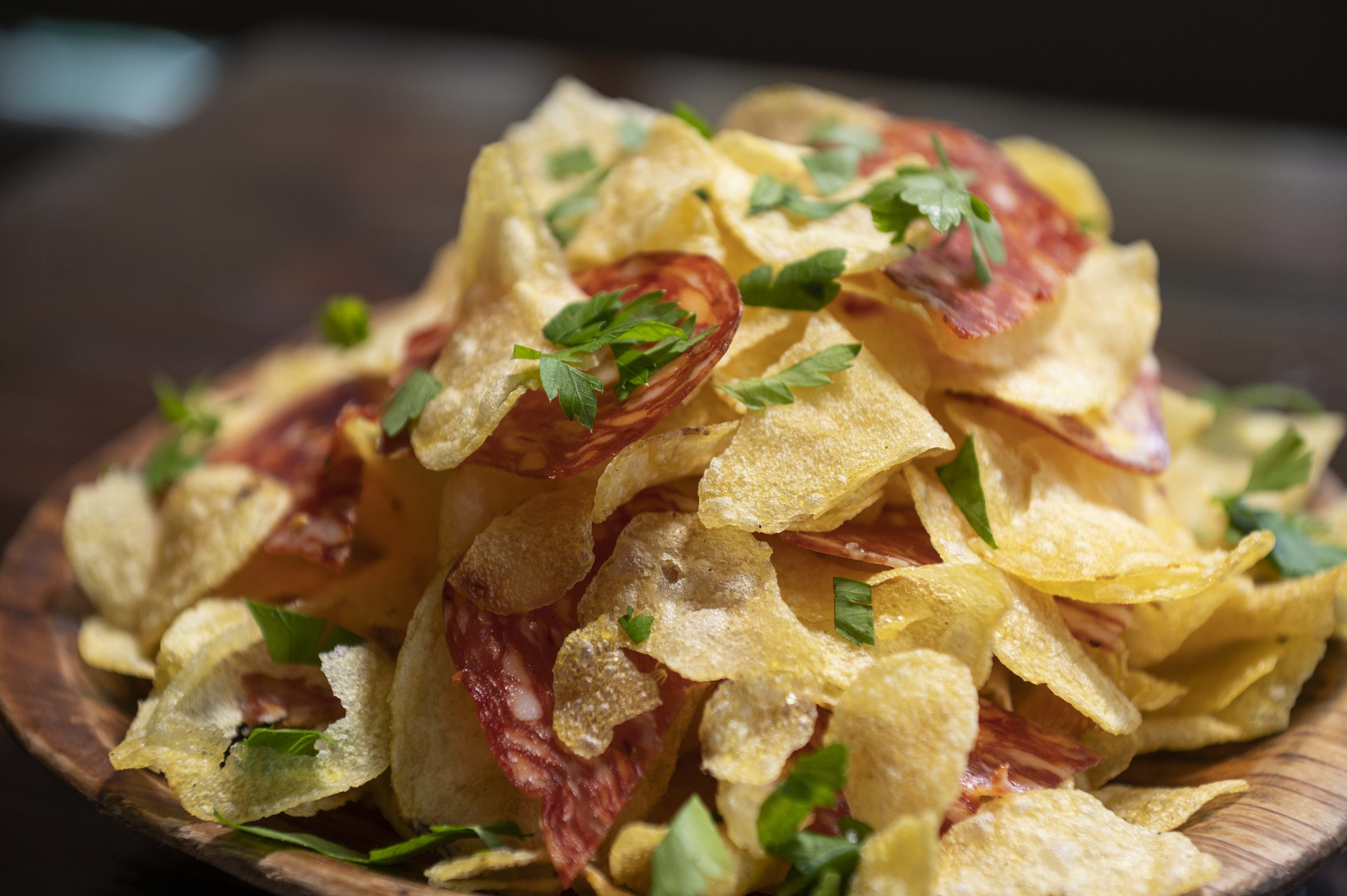
Grace & Proper doesn’t post a food menu online, but it’s substantial enough to anchor your table for a couple hours of snacking, from an irresistible pile of truffled potato chips feathered with spicy Calabrese salami to soulful onion soup infused with port and lardo, a crock of white bean stew with kale and breadcrumbs, piri piri-spiked Buffalo chicken dip, and sweet-tart-smoky bacon-wrapped prunes with black garlic aioli.
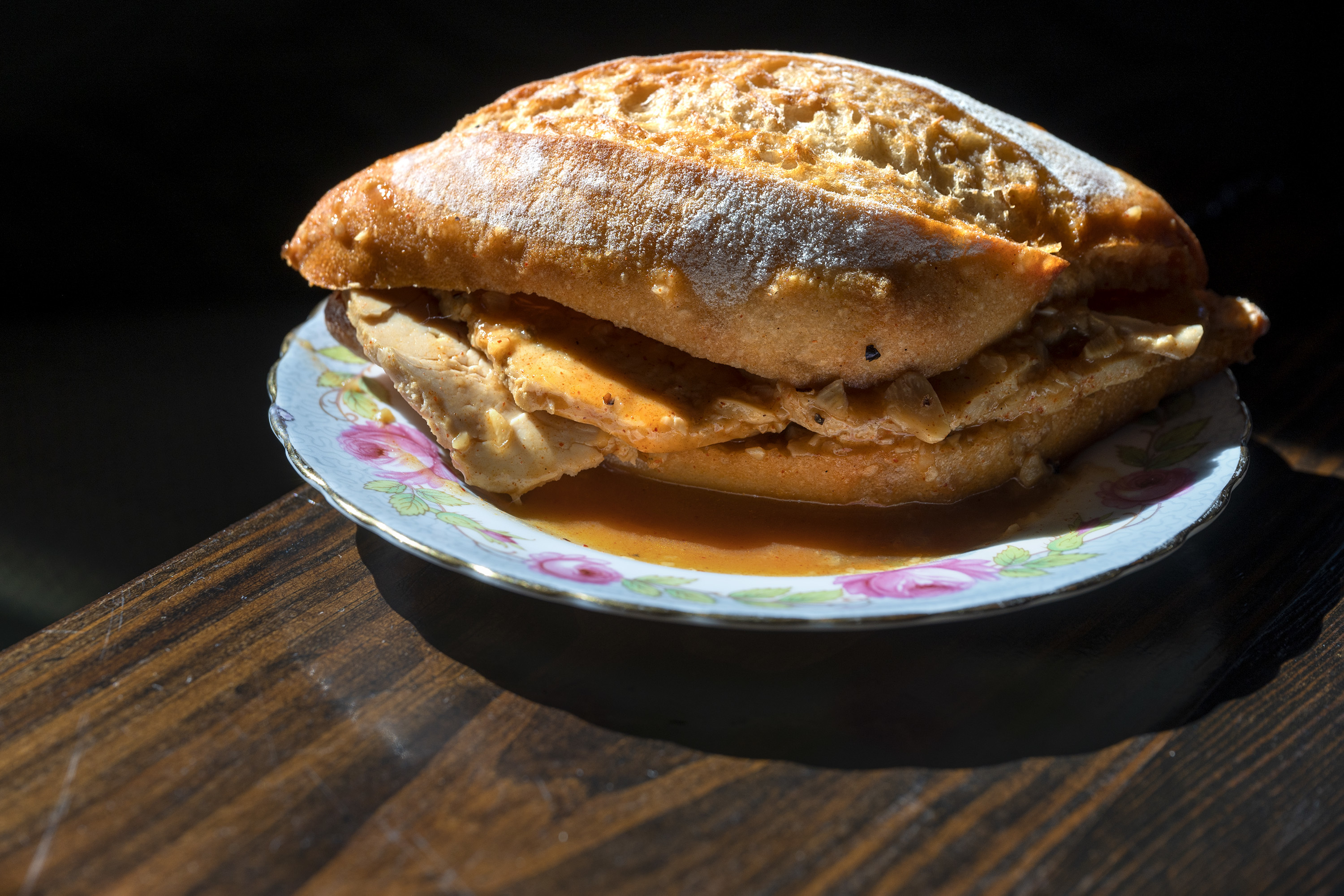
I didn’t care for the overly firm meatballs and their unbalanced blackberry romesco or, for that matter, the presentation of cheeses as crumbled nuggets. But these are all quibbles. Because there is really a single essential reason to visit Grace & Proper: the bifana, a classic sandwich of wine-marinated roast pork on a molete roll from Teixeira’s Bakery in Newark that comes perched over a paprika-orange pool of zesty gravy. Equal parts lemony, garlicky, winey, and scented with bay, that roasted pork essence is so good, the gravy is also offered as a chaser to the Piggy Backshot (oloroso sherry and Armagnac).
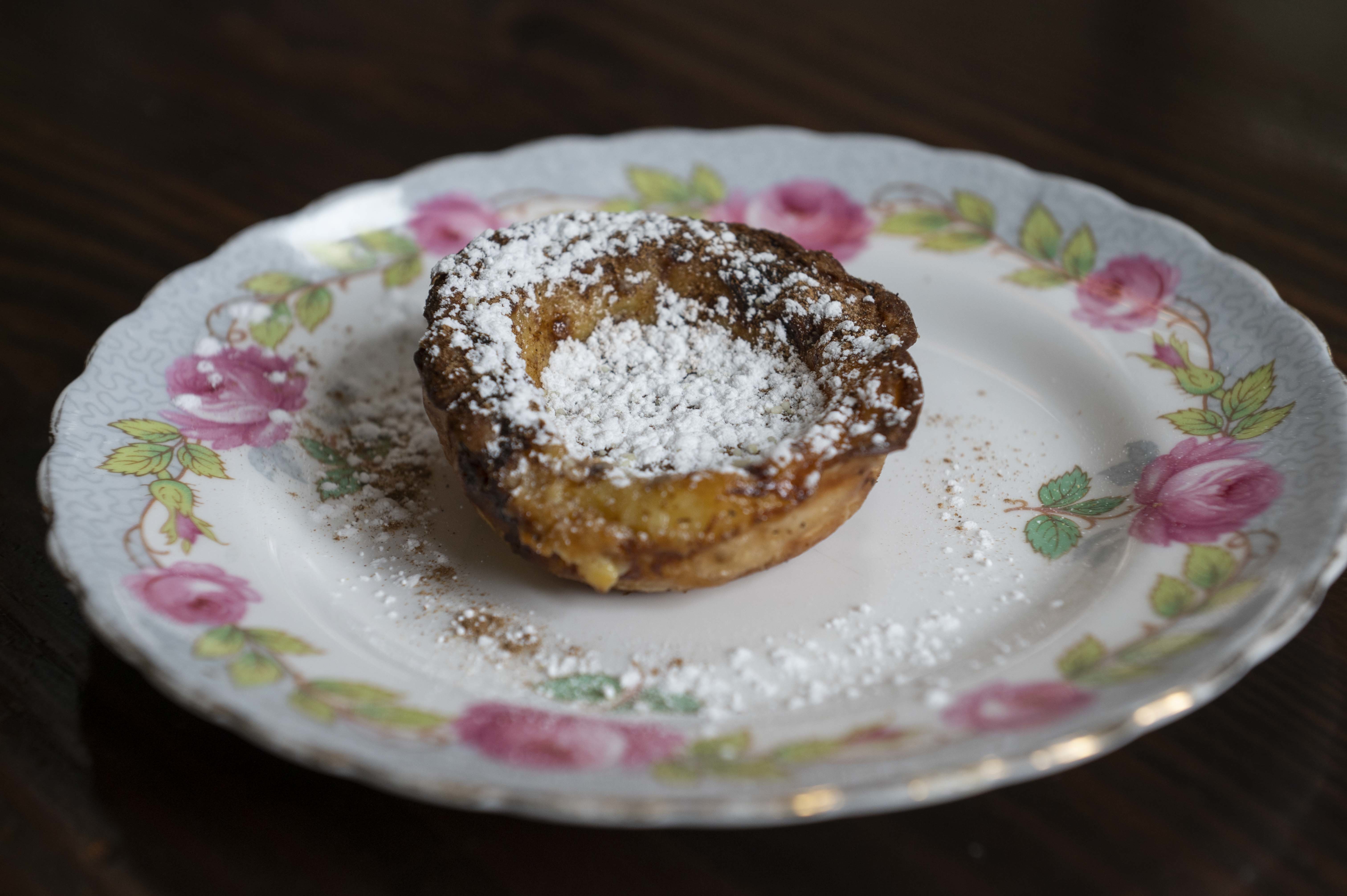
All you’ll need after that is a custardy sweet pastel de nata (also baked by Teixera’s, according to G&P’s recipe) and what might well be the best crema-topped shot of espresso at any bar in Philly. Grace & Proper is one of the precious few that actually adds fresh-pulled coffee to its espresso martinis, but I still prefer this coffee solo. I value the energy boost because, in these days of no-commitment sip-and-nibble bars, I’ve still got places to go.
The Pastéis de Nata at Grace and Proper on Thursday, Aug. 3, 2023.Allie Ippolito / Staff PhotographerVintage details of the former pharmacy and Italian deli have been preserved to add character to the bar at Grace & Proper.Craig LaBan / Staff
Menu available 4 to 11 p.m. Sunday, Tuesday through Thursday; 4 p.m. to midnight Friday and Saturday. Bar is open 4 p.m. to midnight Sunday, Tuesday, Wednesday; 4 p.m. to 1 a.m. Thursday through Saturday.
Plates, $4-$14.
Dining room is wheelchair accessible via a ramp off rear of building off Martha Street. Bathrooms are not accessible.
Not ideal for gluten-free diners, aside from some small snacks.
Menu highlights: croquetas (ham and bacalao); anchovy-stuffed olives; serrano ham and chips; tortilla Española; ham and melon; cheeseburger; gambas al ajillo.
Drinks: Cocktails built around sherry and vermouth are the most distinctive opening move, while straight fortified wines on draft, including La Gitana Manzanilla or Barquero vermut with orange foam, are also highlights. There are also 10 affordable Spanish wines by the glass.
Menu served 4 p.m. till midnight Monday, Wednesday, Thursday; noon to midnight Friday through Sunday. Bar is open till 1 a.m. on Friday and Saturday.
Plates, $7-$15.
Not wheelchair accessible.
About 40% of the menu is gluten-free or can be modified.
Menu highlights: bifana; bacon-wrapped plums; salami and truffled chips; Porto lardo onion soup; pasteis de nata.
Drinks: The vast 200-bottle collection is a sipper’s delight, from amari to fortified wines, extensive whiskies, and a surprising agave spirits collection. Don’t miss creative cocktails made with the company’s new house-distilled spirits, including a Chartreuse-inspired “Green Monk” or the ginjinha cordial, steeped from Northeast Philly sour cherries, served in the Lisbon Wide as a sidecar to a draft of Super Bock.
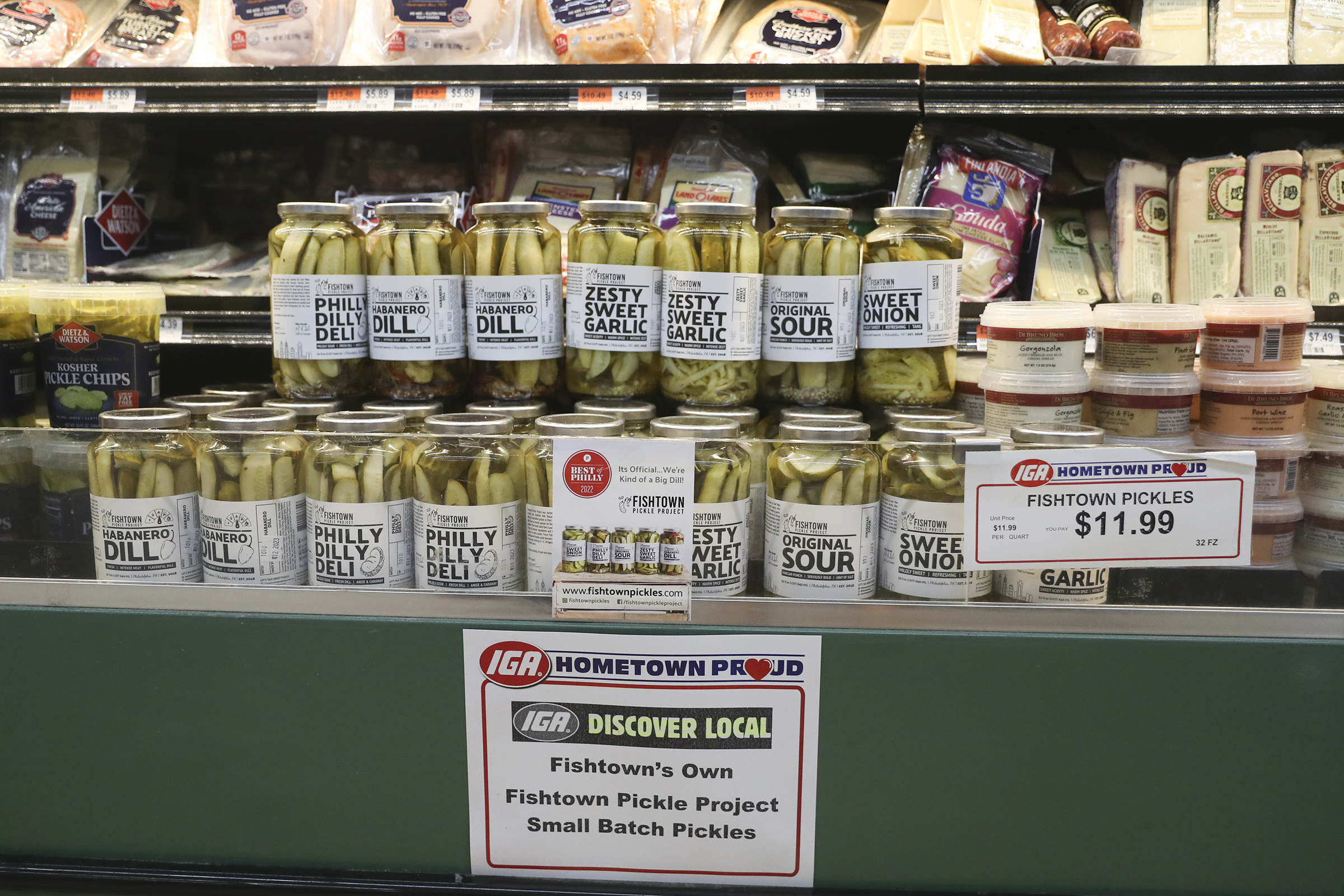
After eight years, several production spaces, and many tons of cucumbers, Fishtown Pickle Project is putting down permanent roots.
But it’s still not in Fishtown.
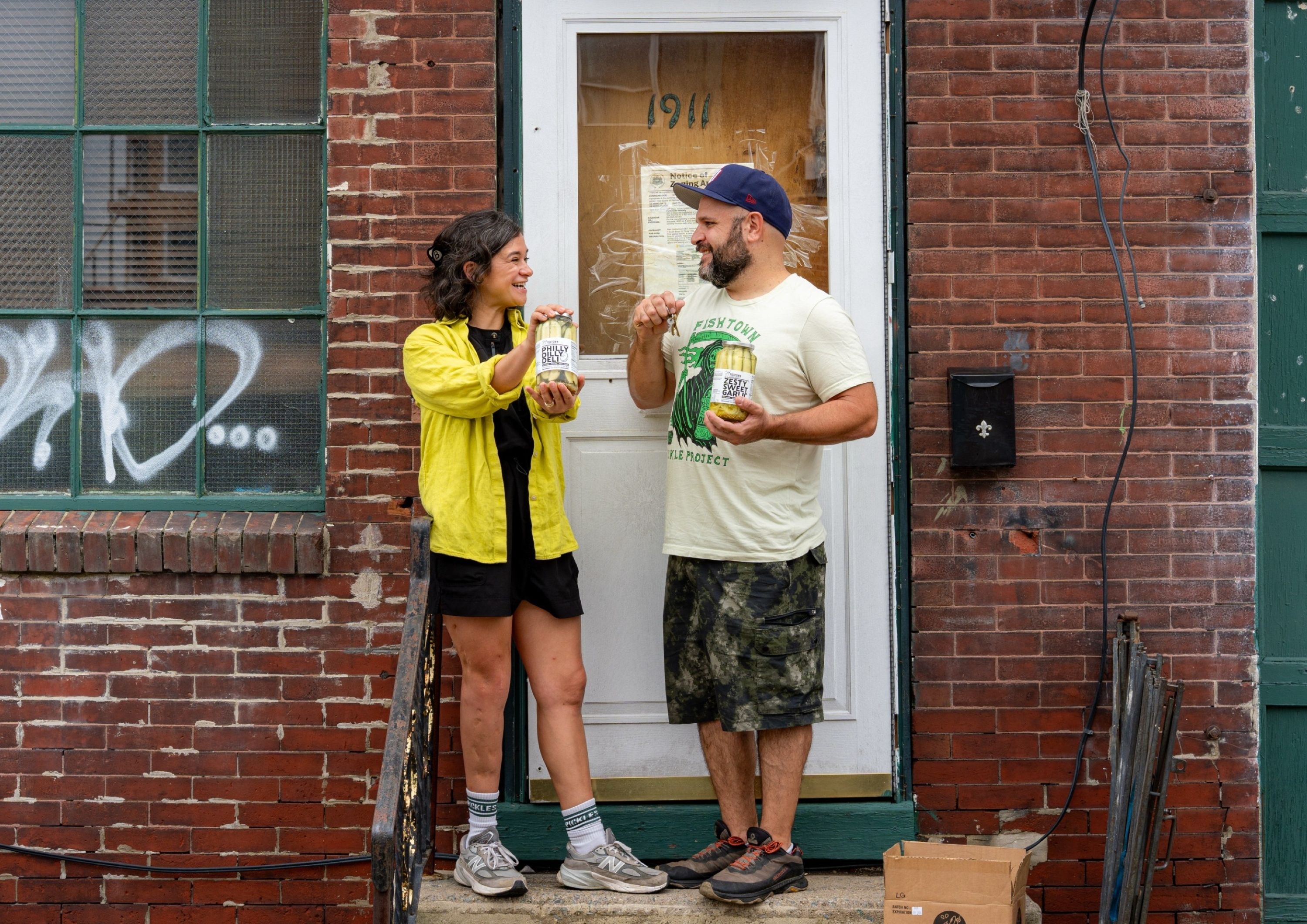
Last month, Niki Toscani and Mike Sicinski, the husband-and-wife team behind the pickle company, bought a 6,200-square-foot building at 1911-13 N. Second St., just north of Berks Street near Norris Square in Kensington. There, they plan to triple production and, for the first time, invite customers into their briny world.
The move from Globe Dye Works in Frankford will allow them to combine production with a storefront.
The Richmond Shops IGA grocery store at Fishtown Crossing was an early customer of Fishtown Pickle Project.Heather Khalifa / Staff Photographer
The centerpiece will be a 500-square-foot pickle tasting room, where customers can sample varieties, buy pickles by the pound or jar, shop for pickle-themed merchandise, and eventually take classes and production tours. They are aiming for a summer 2027 opening.
A pickle tasting room? Think brewery, only with cucumbers. Toscani said customers will be able to sample the goods while watching production. She calls the concept a “brinery.”
Most of the building will be devoted to manufacturing, storage, offices, and events. Fishtown Pickle Project now processes about 3,500 pounds of cucumbers a week, a figure Toscani expects to triple by the end of 2028.
The couple said they remained at Globe Dye Works because of its affordable rent and highway access, but eventually ran out of room. Their search for a larger property with manufacturing and retail space, plus a driveway and loading area, led them to Norris Square. Finding that combination in Fishtown was difficult, Toscani said, “especially for a bootstrapped small business.”
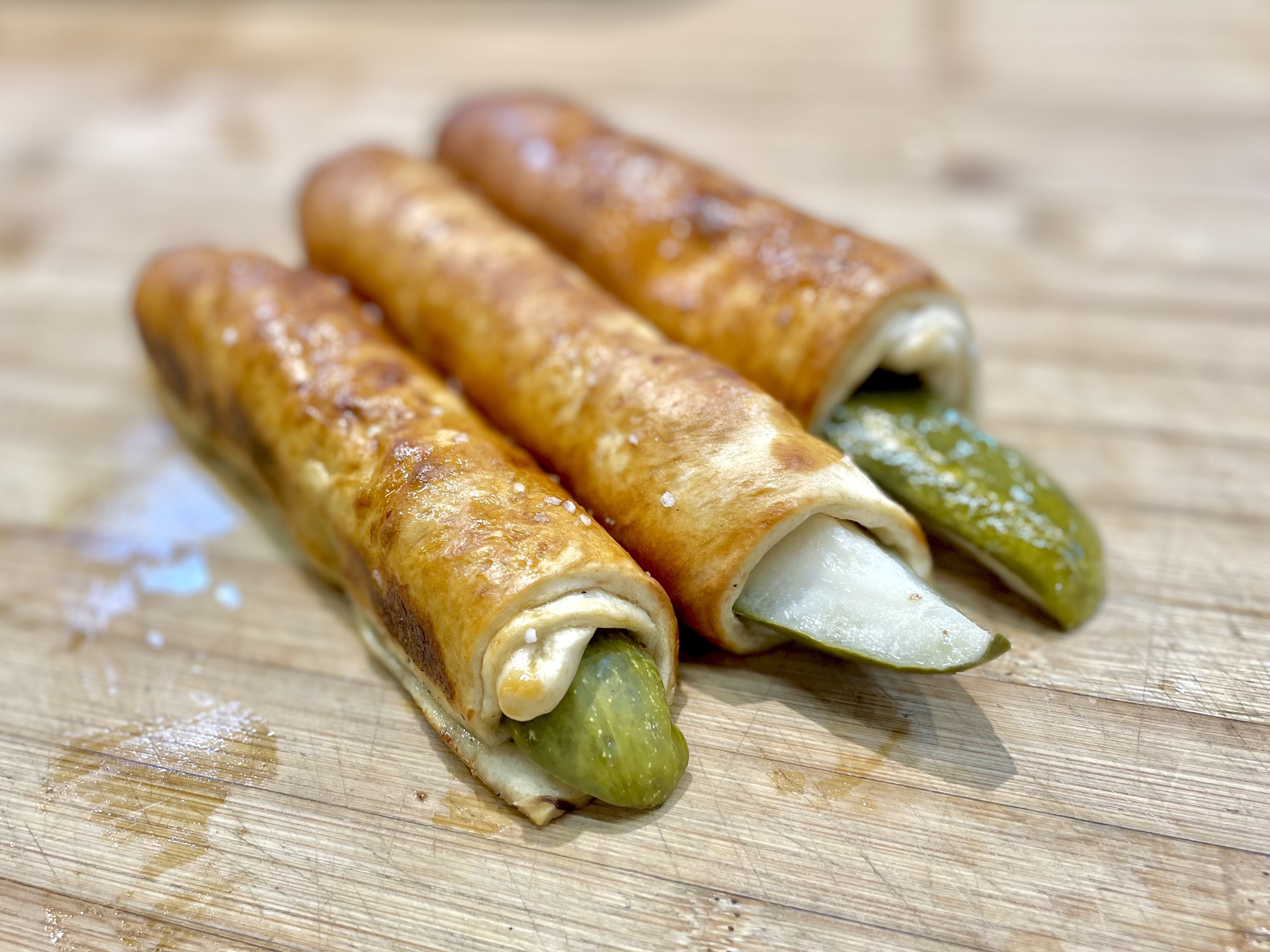
A 2025 collaboration between Fishtown Pickle Project and Miller’s Twist in Reading Terminal Market resulted in Philly Dilly spears wrapped in a soft, sweet pretzel dough.Craig LaBan / Staff
The Second Street property should also make deliveries easier. “When we’re getting trailers delivered with glass jars, it helps to have a garage and a street for them to deliver at without tons of traffic,” Sicinski said.
Wholesale growth is driving much of the expansion. Toscani said revenue from buckets of pickles sold to restaurants, delis, and retailers increased 200% from 2024 to 2025. Some customers use them to stock pickle bars.
The company sells through about 30 ShopRite stores, 11 Wegmans locations, and the Kimberton Whole Foods and McCaffrey’s Market chains. Toscani and Sicinski make their products and handle distribution themselves.
“It allows us to grow responsibly without taking on more business than we can handle,” Toscani said.
The company has the equivalent of about six full-time employees, which Toscani expects to double to about 12 by the end of 2028.
As for the Fishtown in the name, that goes back to the company’s beginnings in 2018. Toscani and Sicinski lived in the neighborhood, and some of their first customers were Fishtown retailers, including Bottle Bar East (now closed), IGA, and Riverwards.
The pickles themselves have always been made elsewhere. Sicinski, a chef who was then a food-service director for a New Jersey school district, first made them in his work kitchen. The couple — Toscani is a dietitian — also made pickles as wedding favors, helping turn the hobby into a business. Production later moved to Bridesburg Commissary (now Culinary Collective) and then to Globe Dye Works, where the company eventually moved into a larger space within the complex.
The passion project became a livelihood after Sicinski was furloughed at the start of the pandemic. The lineup now includes the flagship Philly Dilly Deli, Sweet Onion, and Habanero varieties, and limited releases such as Bloody Mary and Ginger Lemonade pickle chips.
The Norris Square project is their largest investment yet. They paid $550,000 for the building Aug. 6 and said they expect to spend about $700,000 on construction and outfitting. A $1.6 million Small Business Administration loan is helping finance the project, and they are seeking about $250,000 in grants for equipment and hiring. Toscani puts the overall investment at close to $2 million.
The couple have no outside equity investors.
Toscani sees no contradiction in taking the Fishtown name with them to Norris Square.
“We still consider the neighboring neighborhoods our neighbors,” she said. “Despite the fact that we’re not in Fishtown proper, we feel like the opportunity to have roots in Norris Square actually fits our mission quite a bit.”
A distinctive stretch of 15th Street in Center City has lost both of its longtime bars within a year.
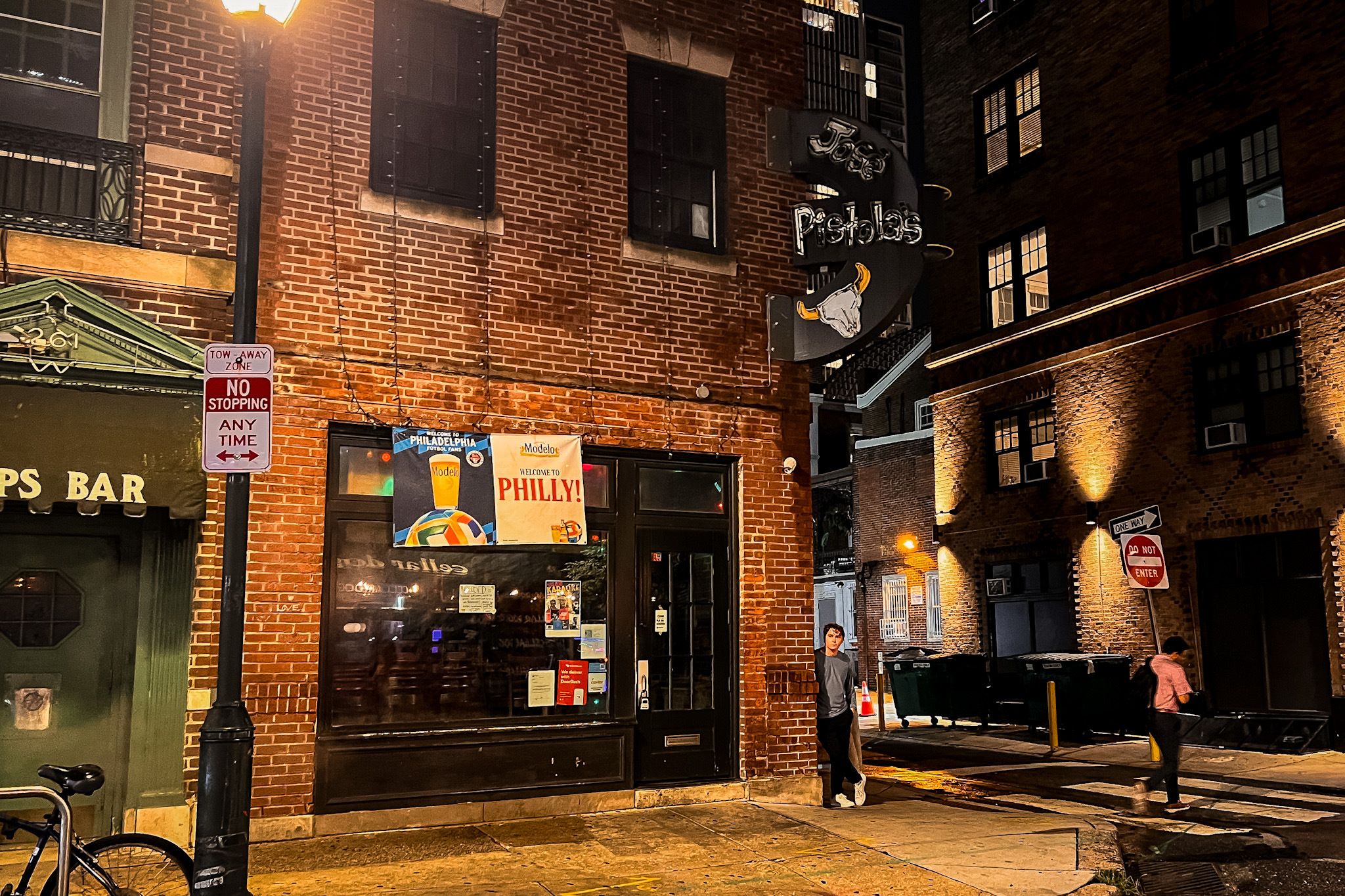
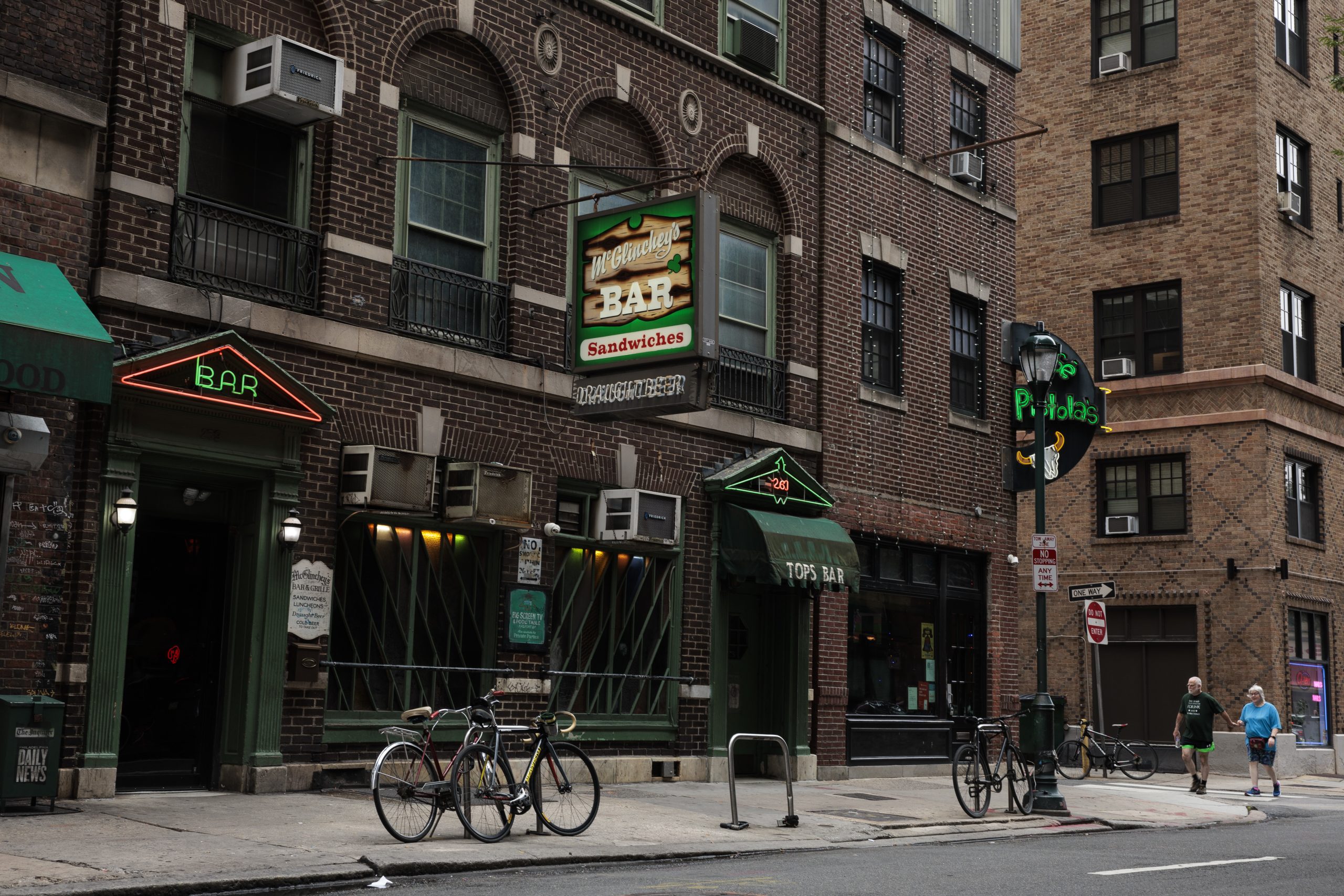
Jose Pistola’s, the Mexican-inspired craft beer bar at 263 S. 15th St., has closed after 19 years, following last August’s closing of its next-door neighbor, McGlinchey’s.
The closing of Jose Pistola’s came abruptly Tuesday amid a number of factors, including the Philadelphia Gas Works’ cutoff of its gas service. Although co-owner Joe Gunn said the business had made payments and was trying to resolve the issue, he said PGW would not restore service for three more days. . “That was the straw that broke the camel’s back,” Gunn said.
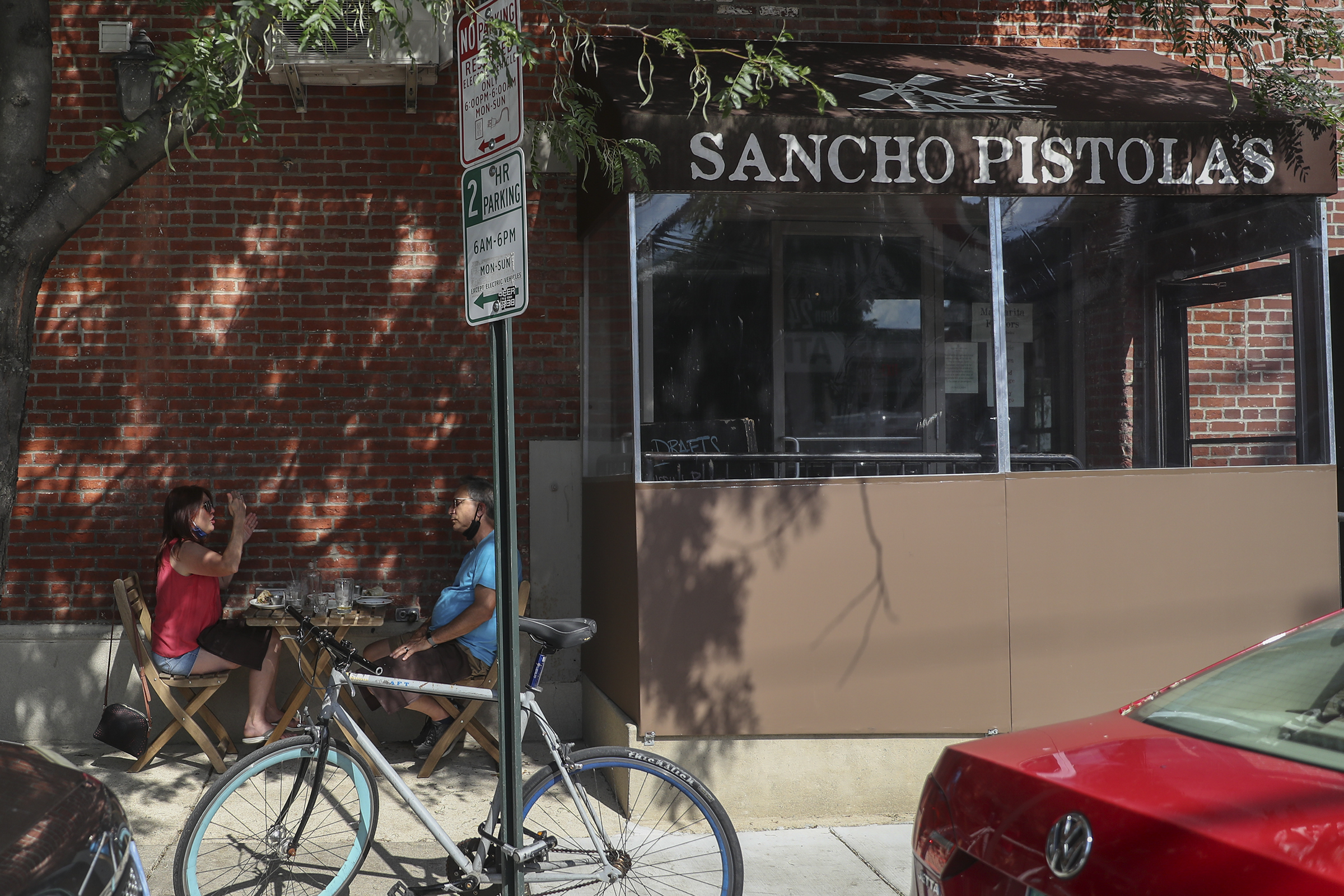
Sancho Pistola’s in Fishtown, which opened in 2014, is not affected by the Center City closing.Heather Khalifa / Staff Photographer
The closing does not affect Sancho Pistola’s on Girard Avenue in Fishtown, which opened in 2014, or Pistola’s Del Sur on East Passyunk Avenue in South Philadelphia, which opened in 2017. They are doing well, Gunn said. “They’re in no danger of going anywhere.”
In 2009, court records show, the City of Philadelphia, which owns PGW, obtained a judgment of nearly $48,000 against Jose Pistola’s. According to a 2025 court docket entry, the judgment was never satisfied. A PGW spokesperson on Friday declined to comment, saying it does not share information about individual accounts.
Gunn, saying that he did not want to blame PGW, said the interruption forced a decision that he and business partner Casey Parker had already been contemplating.
A view of Jose Pistola’s pandemic-era outdoor seating at 15th and Manning Streets in 2021. Tom Gralish / Staff Photographer
Gunn said they had about a year remaining on their lease and had been discussing a five-year renewal with their landlord. But with both Gunn and Parker now 51 and their children getting older, he said another long commitment seemed increasingly daunting. “It takes a lot of energy to play that game,” Gunn said.
The numbers were difficult, too. As other bar and restaurant owners have lamented, higher food and operating costs had squeezed the business, while the late-night trade that once helped sustain bars like Pistola’s has diminished.
“Frankly, [the bar] just never fully recovered from COVID,” Gunn said. “Coming out of COVID, the world was a different place — the price of goods, the cost of everything, and people don’t go out as much late. These younger generations are too smart to drink their life away.”
“It’s always been tight, but everything changed,” Gunn said. “And then people just don’t drink as much.”
About 25 people worked at Jose Pistola’s. Gunn said they had little warning because the owners themselves had not decided to close until the last minute. He said he and Parker are trying to place employees at their other restaurants or with friends in the industry.
“We’ll absorb what we can, obviously, in the other two places,” Gunn said. “We have a lot of friends in the business, so we’re aggressively trying to help them.”
Jose Pistola’s bar, as decorated in 2019 for its annual Jose Pistola’s Christmas Smackdown Bar Crawl.Tom Gralish / Staff Photographer
Jose Pistola’s — its name a loosely licensed Spanish rendering of Gunn’s first and last names — opened Aug. 29, 2007, taking over the longtime Copa, Too! space. Gunn and Parker were both veterans of Fergie’s Pub; Gunn had worked there for about seven years before leaving to open Pistola’s, while Parker had moved on by then.
The bar quickly established itself through its combination of craft beer, Mexican-inspired food, and an irreverent neighborhood-bar atmosphere. It became particularly associated with Philadelphia’s burgeoning craft beer movement and the early years of Philly Beer Week.
Its food grew more ambitious after Puebla-born chef Adán Trinidad joined the operation and eventually became a partner. Trinidad, whose resumé included El Vez and Alma de Cuba, brought to the menu such dishes as tortilla soup, goat sopes, carnitas-filled steamed buns, and Brussels sprout tacos that caught the attention of Inquirer critic Craig LaBan.
The partners later expanded the Pistola’s name to Fishtown and East Passyunk. Trinidad died after a fall in October 2021 at age 39.
Adán Trinidad was chef-partner until his death in an accidental fall in 2021.Rachel Delsurdo / Courtesy of Jose Pistola's
For most of Jose Pistola’s run, its next-door neighbor offered a study in contrasts.
McGlinchey’s — now on the market — was a cash-only dive bar known for low prices, dim lighting, smoke in the air, and an eclectic clientele. It endured by barely changing, while Jose Pistola’s brought craft beer and more ambitious food to an equally unpretentious neighborhood-bar sensibility.
The two businesses were nevertheless close.
“We had a great relationship with them,” Gunn said. “We loved them because of how funny they were. They were just kind of cranky, and they put up with us.”
McGlinchey’s, as seen in August 2025, was next door to Jose Pistola’s.Monica Herndon / Staff Photographer
Gunn said the McGlinchey’s closure was part of a broader change he has watched on this stretch of 15th Street between Locust and Spruce Streets.
“The whole corridor used to be more vibrant,” he said. “I think COVID wiped out a lot of those places. It changed everything for us.” The block is also home to Cellar Dog and Garage Rittenhouse.
As recently as Thursday, Gunn said, he and Parker were “still fighting to figure out a way to [save] it. But it just, I think, ran out of steam.”
This week’s edition of Shackamaxon covers data centers, property assessments, and more woes at the Philadelphia Sheriff’s Office.
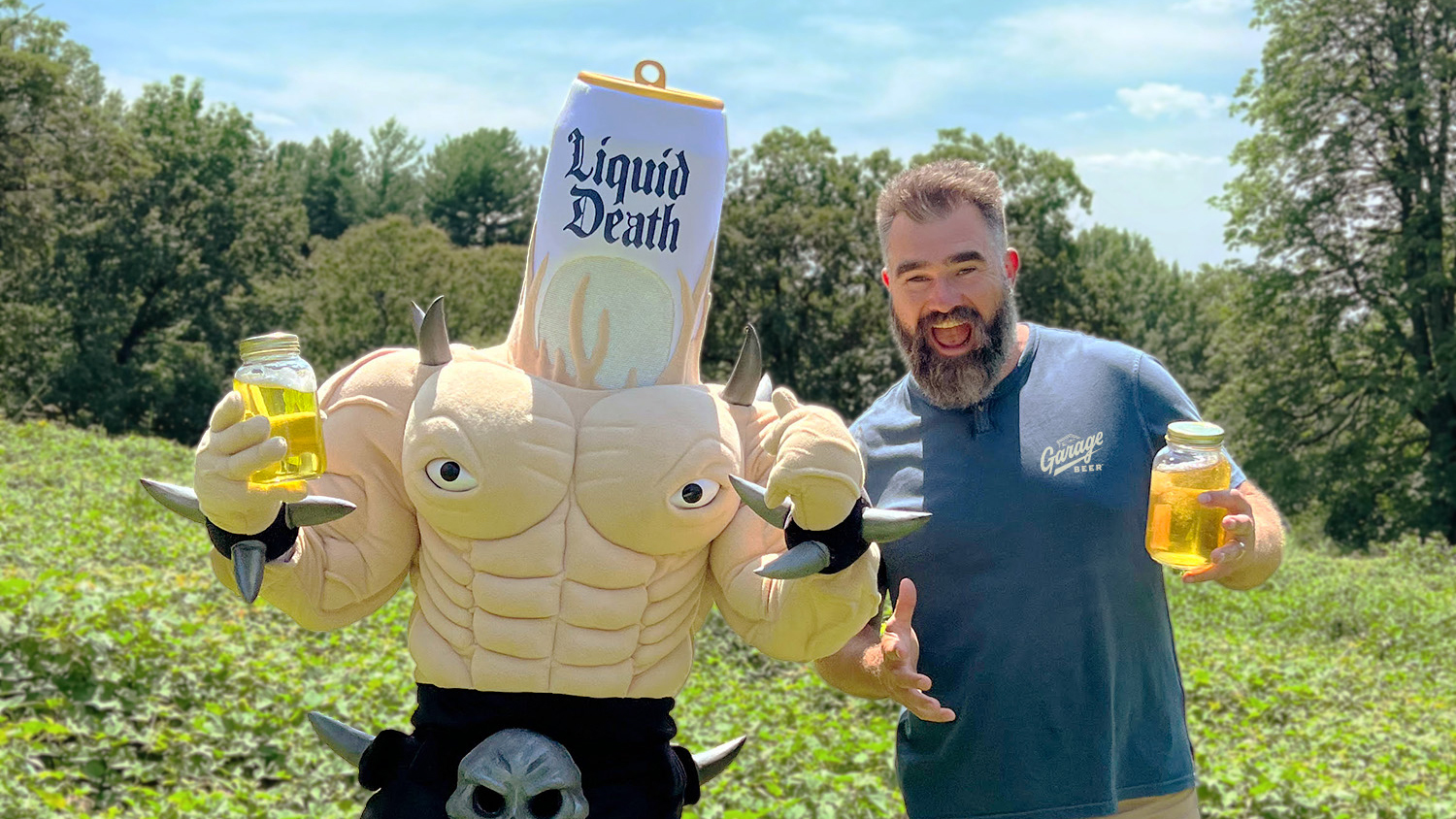
Jason Kelce with Liquid Death mascot Murder Man in an ad for the canned water and Garage Beer.Garage Beer
Sports data center
Former Eagles offensive lineman Jason Kelce seems to be more omnipresent in retirement than he was during his career. Most recently, he filmed a commercial for Garage Beer and Liquid Death that asked Americans to send him their urine to supply data centers.
While conjuring a negativeimage of yellow liquid in a cup is probably an unwise strategy for someone who co-owns a light beer company, Kelce’s commercial had another major problem — data centers don’t actually use as much water as public perception suggests.
In fact, the biggest threat to U.S. water supplies is something far more mundane: alfalfa farming.
Across the arid Western states, farmers are using vast amounts of water to irrigate their fields, which are then used to feed cows for the beef industry. A single acre of alfalfa uses 1.6 million to 2.5 million gallons of water. In Utah, feed farming uses over half the state’s water supply. Meanwhile, the data centers themselves increasingly rely on closed-loop systems. The water used as coolant gets purified and reused, reducing their own need.
The confusion over water use is emblematic of the general debate over the centers, which is rife with hard-to-vet claims. And shifting public opinion has left politicians in both parties flat-footed and scrambling to react.
Gov. Josh Shapiro, the ever-Ambitious Abingtonian, issued his own response to the situation. Much of what Shapiro said is reasonable. He wants tech companies to pay for their own power and contribute to community benefits agreements, and to respect the Pennsylvania Constitution’s guarantee of clean air and pure water. Some of it is less sensible, specifically his commitment to local control.
Local control sounds great in theory: Why shouldn’t communities have the final say over how they are developed? In practice, however, it is shortsighted. There are two reasons for this.
One, the impact of data centers is regional, not local. If opponents are correct about the impact on water and electricity bills, this impact will exist no matter where the centers operate. Given the PJM grid Pennsylvanians rely on spans multiple states, there is no plausible pathway for local communities to insulate themselves from rising energy demand by blocking data center proposals.
Two, not every community can afford to say no. Take the bankrupt city of Chester, for example. From its efforts to sell the Chester Water Authority to its role as host for the Reworld Trash Incinerator, financial considerations already play a big role in that city’s policymaking. By handing control to local authorities, the governor is ensuring cities like Chester will disproportionately play host to data centers.
For those who believe they will have a strong negative impact on quality of life, how is that possibly fair?
Instead, what is needed is federal, regional, or at least statewide coordination.
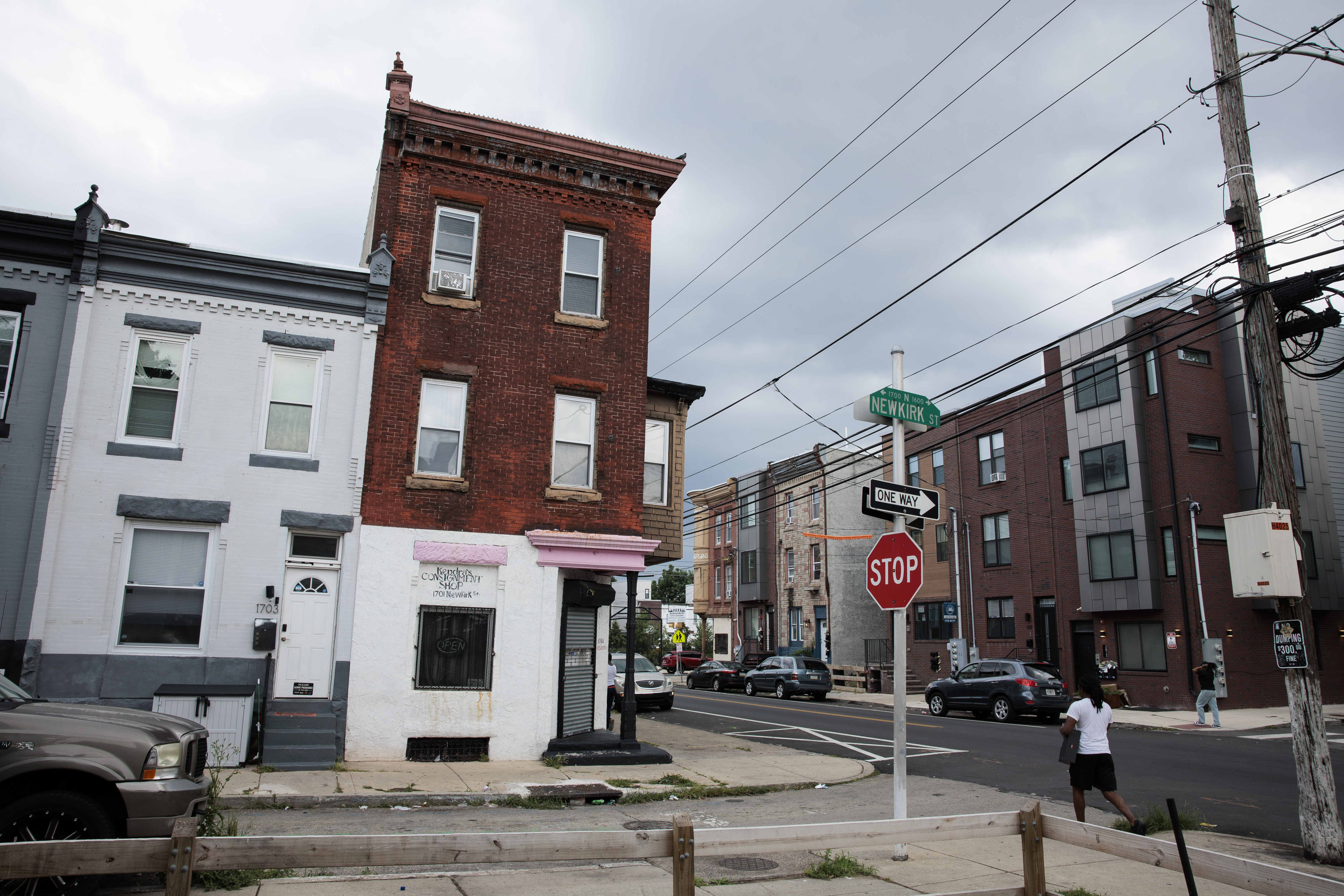
The 1700 block of North Newkirk Street on Aug. 20. On this block in Strawberry Mansion, some homeowners saw their property assessments double.Monica Herndon / Staff Photographer
Fair value
Over in Allegheny County, home to Pittsburgh and many of its suburbs, the courts have ordered local officials to begin a full property reassessment, which must be completed by 2032. Pennsylvania is unique in not requiring regular reassessment.
Pittsburgh’s values were last set in 2012, but more than a third of the state’s counties haven’t been reassessed since the 20th century. This leads to wildly out-of-whack and unfair tax bills for some residents.
Of course, Philadelphians can tell you that regular reassessment is not a panacea for discontent. The city’s most recent valuations have set off a firestorm of consternation, especially given how many lower-income areas saw big increases. It doesn’t help matters that the neighborhoods Cherelle L. Parker used to represent on City Council, and powered her election as mayor, saw some of the smallest boosts in valuation.
As tempting a story as the mayor favoring her core supporters while squeezing the city’s poorest neighborhoods may be, that is not an accurate assessment.
Given the massive decrease in shootings and consistent efforts to clean and green the city, it is not surprising to see increased demand for neighborhoods like Kensington, Grays Ferry, and Fairhill. While there is still a long way to go on public safety, higher valuations are a sign of progress.
It also should remind Council members that their theory that development drives property appreciation is faulty. Many of the neighborhoods with higher appreciation have seen little to no new development. In Northern Liberties/Fishtown, one of the city’s hot spots for new construction, values increased by just 1.7%.
Additionally, the city has a powerful tool for protecting low-income homeowners: the homestead exemption. While the city’s stated property tax rate is 0.013998, owner-occupants pay a much lower rate. For a home valued at the city’s median of $260,000, the total tax bill is $2,239.68, or 0.008614. In Fairhill, where the median home value is $80,000, the homestead exemption eliminates the total tax liability for many residents. Boosting the exemption from $100,000 to $110,000 or $120,000 would ensure more low-income homeowners are protected from rising tax bills.
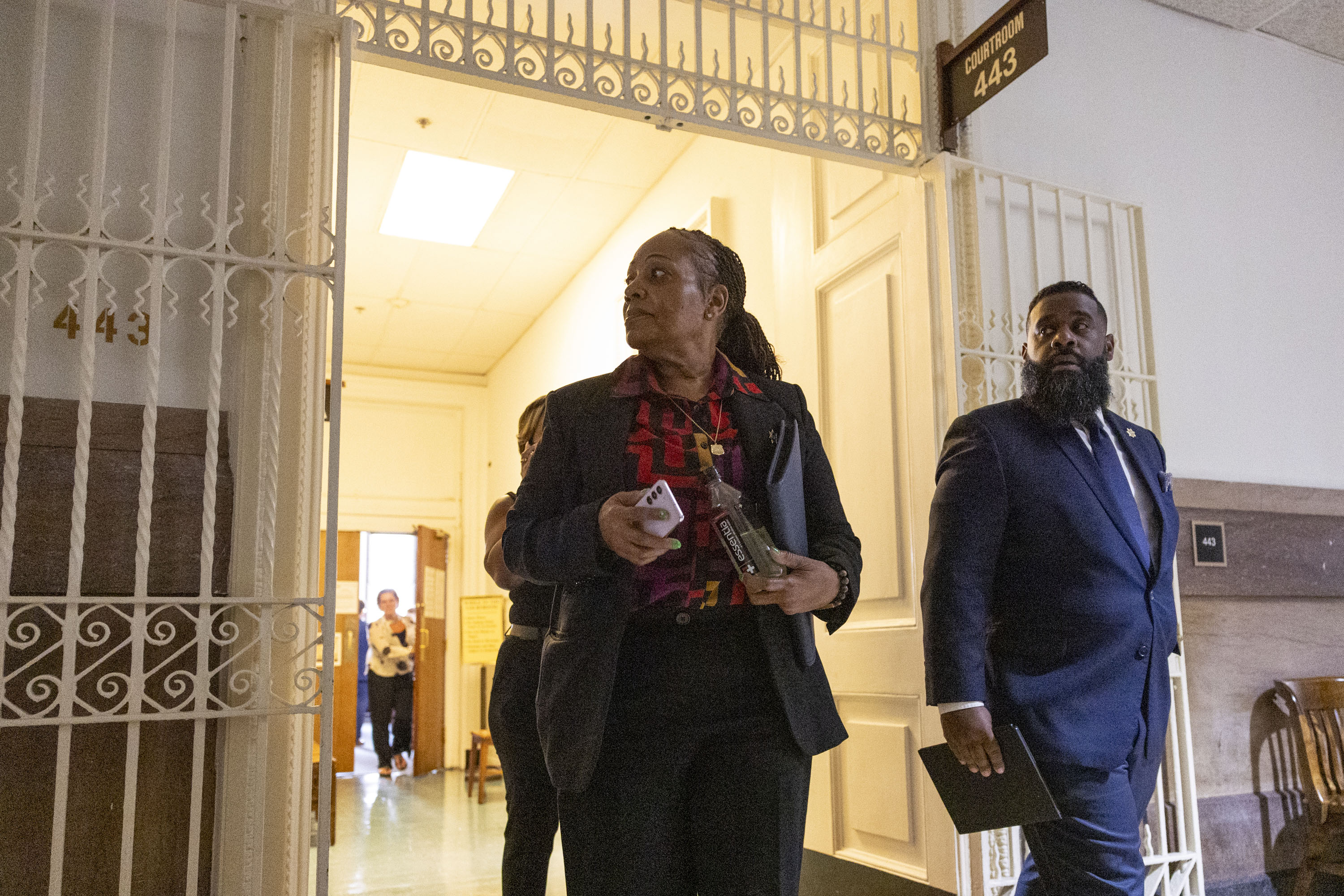
Sheriff Rochelle Bilal is seen exiting a courtroom at City Hall on Wednesday.Tyger Williams / Staff Photographer
Bilal’s babysitter
Mayor Parker wouldn’t do it. City Council wouldn’t, either. Accountability for the Philadelphia Sheriff’s Office instead came from Common Pleas Court Judge Paula A. Patrick.
After listening to a list of excuses and promises, it was clear Patrick had her fill of incompetence. The beleaguered department, which had been ordered to produce a specific set of documents months ago, suddenly released thousands of pages the night before the hearing.
Instead of putting officials before the court with direct knowledge of why a backlog in processing property deeds began, Sheriff Rochelle Bilal instead sent Steven Wakefield, a deputy undersheriff who was hired just two months ago. Wakefield was tasked with testifying about past events he was not privy to, despite repeated warnings from the judge.
As for Bilal herself, she claims to have “limited personal knowledge of the underlying facts.”
Issuing deeds is one of the core functions of her job, but apparently the sheriff had no idea what was going on. Instead, Wakefield tried to scapegoat a former employee named Melissa Simpson, who had apparently been handling the entire process on her own without oversight from anyone.
This testimony led to an agreement in which Bilal will have to identify someone to oversee deed sales for six months. A babysitter, essentially.
While it is good to see someone holding the sheriff accountable for once, a temporary babysitter is only a partial solution. The office should be abolished.
Sadly, that seems unlikely. Bilal may struggle to perform her day job, but she has thrived at building up political allies. She has been invited to news conferences by District Attorney Larry Krasner, remains a political player after her years running the Guardian Civic League, and faces next to no criticism from City Council. She was even honored by the Phillies as a “hometown hero.”
Troublingly, Bilal does not even seem to have an opponent in next year’s elections, despite the continued public mismanagement of her office. That, at least, should change.
Perhaps the Ambitious Abingtonian can find a Perspicacious Philadelphian willing to take on the challenge of replacing Bilal.
You’d be forgiven if you walk into any 7th Street Burger and think that the burger chain has been around forever. Its spare, almost bare-bones menu of smash burgers and fries is more classic than innovative, but perhaps its austerity is part of what is fueling its growth.
The chain is growing at a breakneck pace. The New York-based chain opened its 35th location in Fishtown (1215 Frankford Ave.) earlier this week. It has three more Philly-area locations that are slated to open by the end of this year, in University City, Center City, and Conshohocken.
On a Wednesday at 4 p.m., squarely between regular lunch and dinner hours, it was packed with people of seemingly every demographic, waiting in line for burgers.
It was first opened on its namesake East 7th Street in New York’s East Village in May 2021 by entrepreneurs Kevin Rezvani and Paras Jain who “maxed out” their credit cards in order to do so. The burger joint took off. They quickly opened another location in Greenwich Village within a year. Venture capital firm Left Lane Capital invested in 7th Street Burger in 2023, and since then, the brand has been on an opening spree up and down the East Coast.
Philly’s first location took nearly a year to open, from when the chain first took possession of the previously empty space in October.
7th Street Burger at 1215 Frankford Ave.Elizabeth Robertson / Staff Photographer
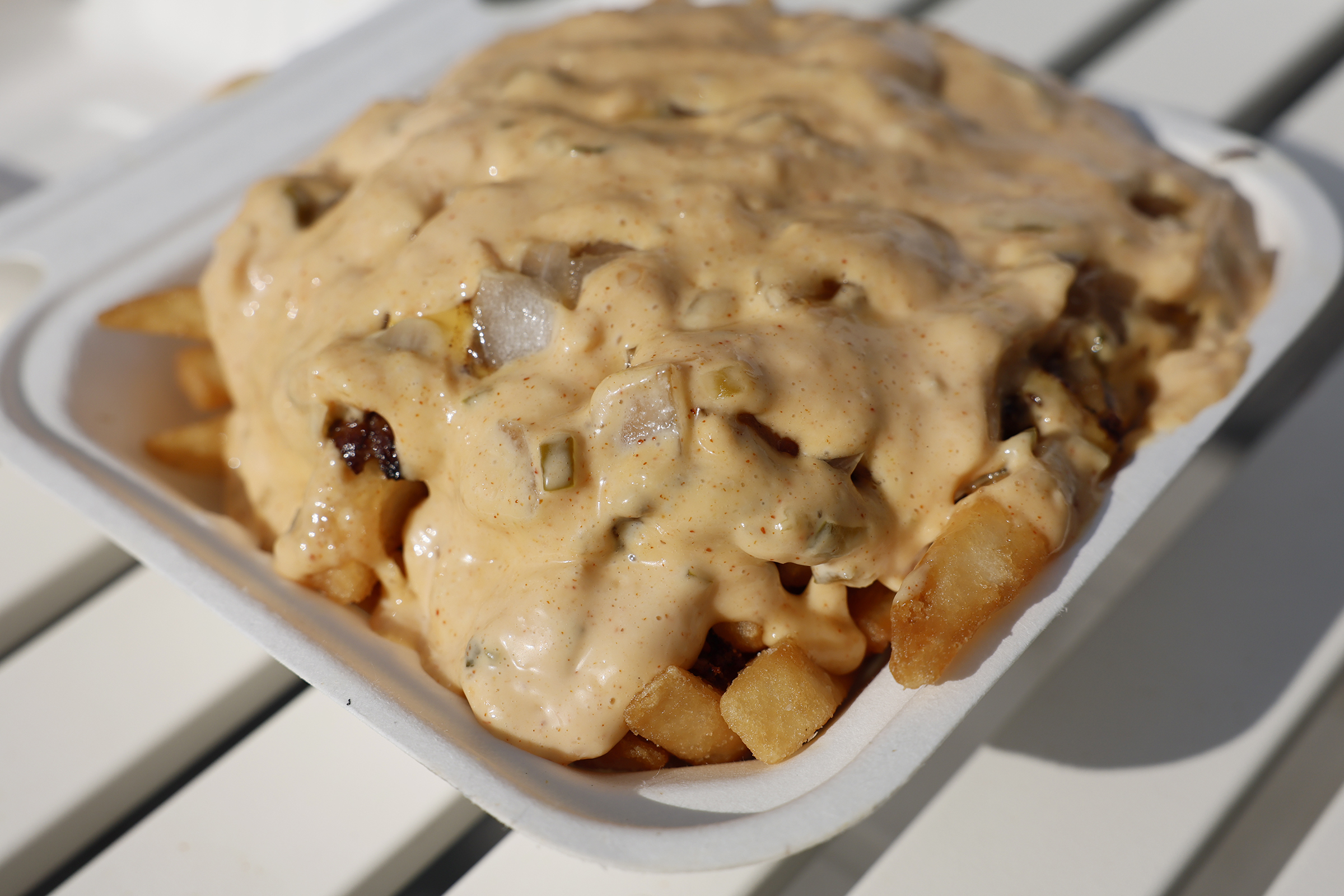
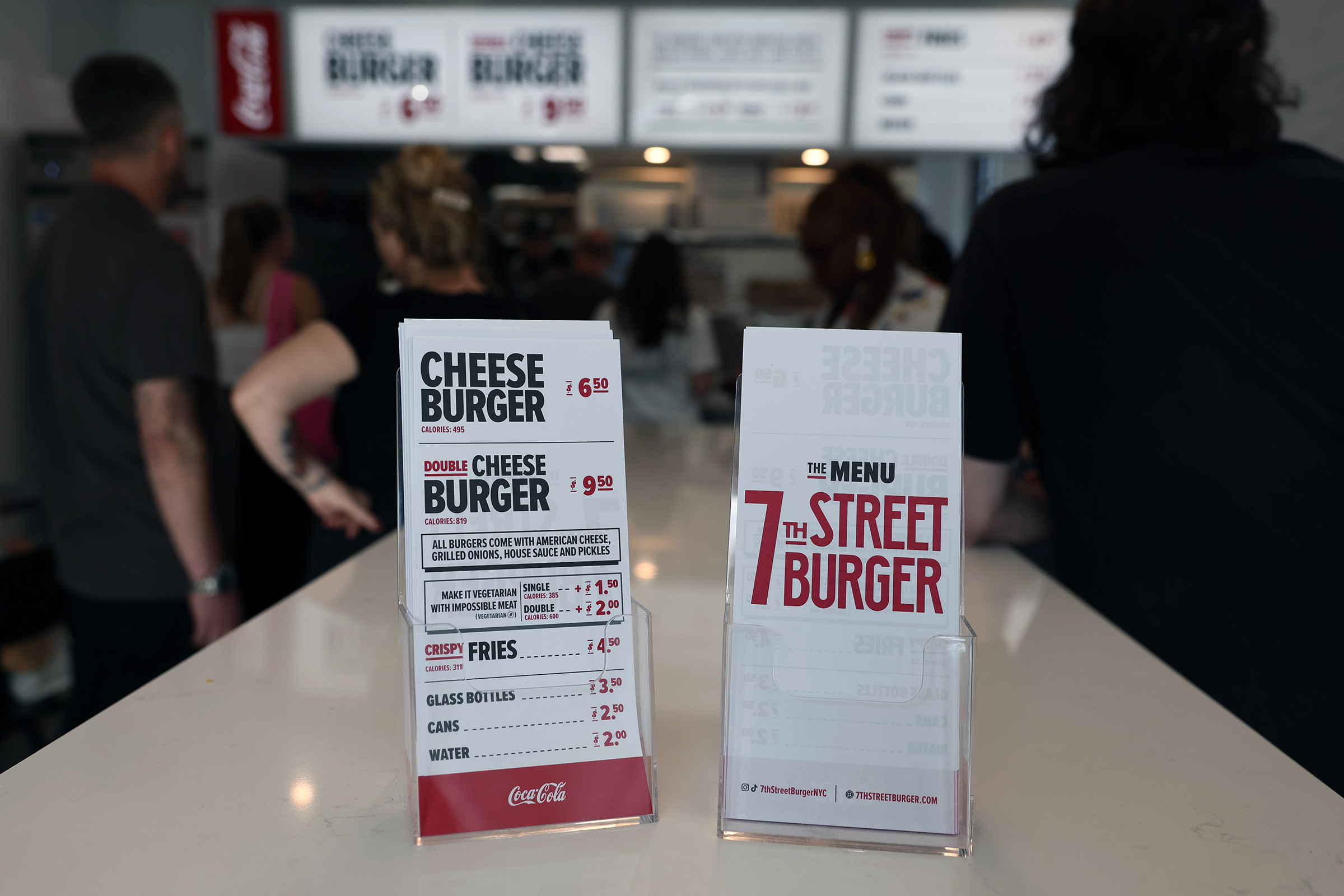
All 7th Street Burger locations serve the same menu (at the same prices) consisting of a cheeseburger ($6.50), double cheeseburger ($9.50), and crispy fries ($4.50). Cheeseburgers and double cheeseburgers can be made vegetarian with Impossible Meat for an additional $1.50 and $2, respectively. Only Coca-Cola, Sprite, and water are available as beverages. All burgers are served on Martin’s potato rolls with American cheese, grilled onions, a mayonnaise-based house sauce that manager Frank Perez declined to give any other ingredients of, and pickles. There is a secret menu of Cajun fries and loaded fries that isn’t posted at any of their restaurants, but is rather written with a Sharpie on a takeout box at the register. Loaded fries are topped with the same ingredients as the burgers, with options to make them spicy (with a ghost pepper sauce and jalapeños).
The loaded French fries at 7th Street Burger.Elizabeth Robertson / Staff PhotographerThe menu is limited and the same from location to location.Elizabeth Robertson / Staff Photographer
Hours will likely change, as 7th Street Burger learns the Philly market’s demands and that of their locations’ surrounding neighborhoods. “For late night, we’ll probably extend Friday and Saturday to be closer to our New York shops,” said Perez. In New York, the locations are open until 3 a.m.
Since opening, Philly’s 7th Street Burger has sold hundreds of burgers (Perez declined to state how many hundreds) but did note that they have sold far less Impossible Meat burgers here than in any other markets.
7th Street Burger is at 1215 Frankford Ave. 877-428-2693, 7thstreetburger.com. Hours: 11 a.m. to midnight every day. Hours may change depending on demand.
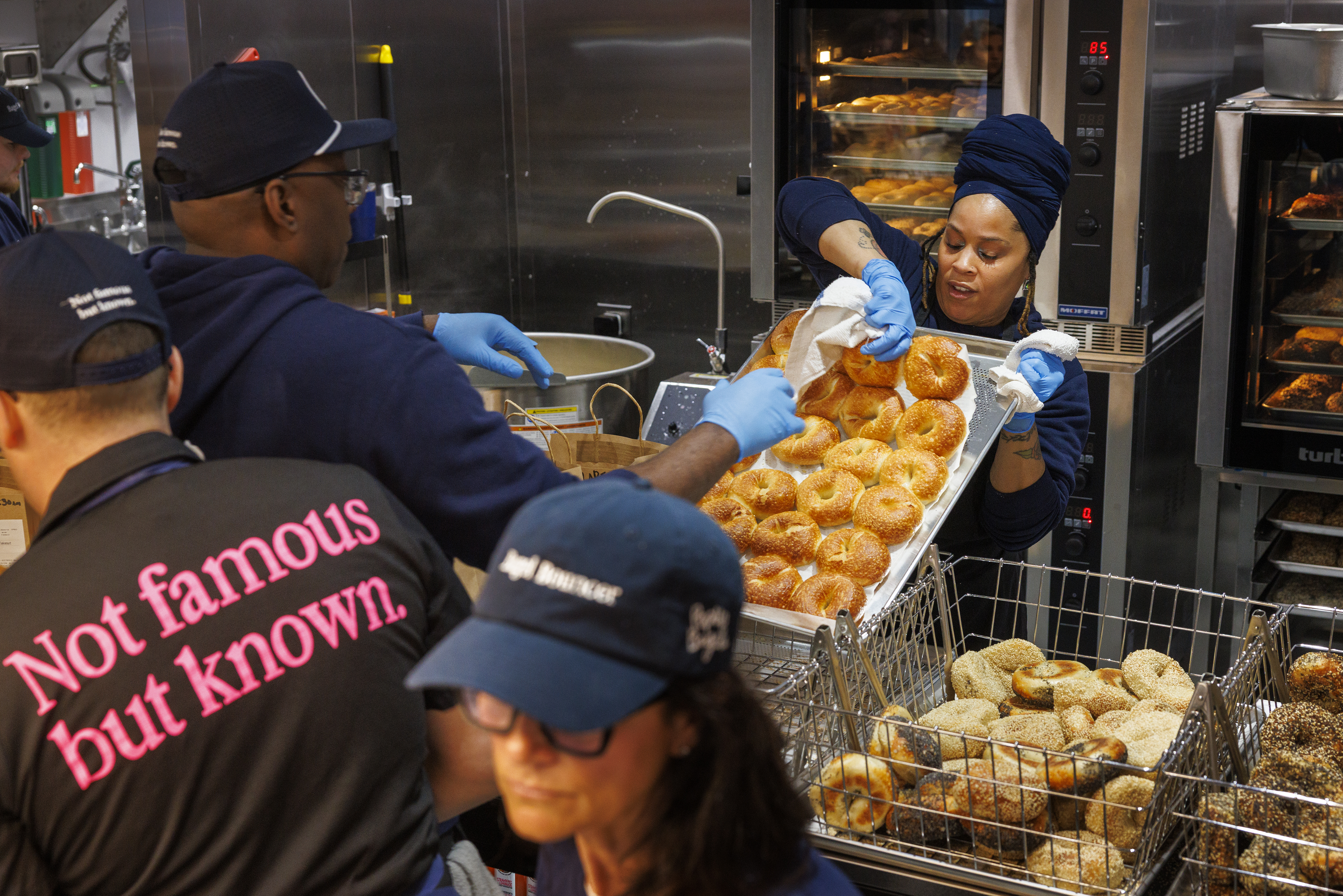
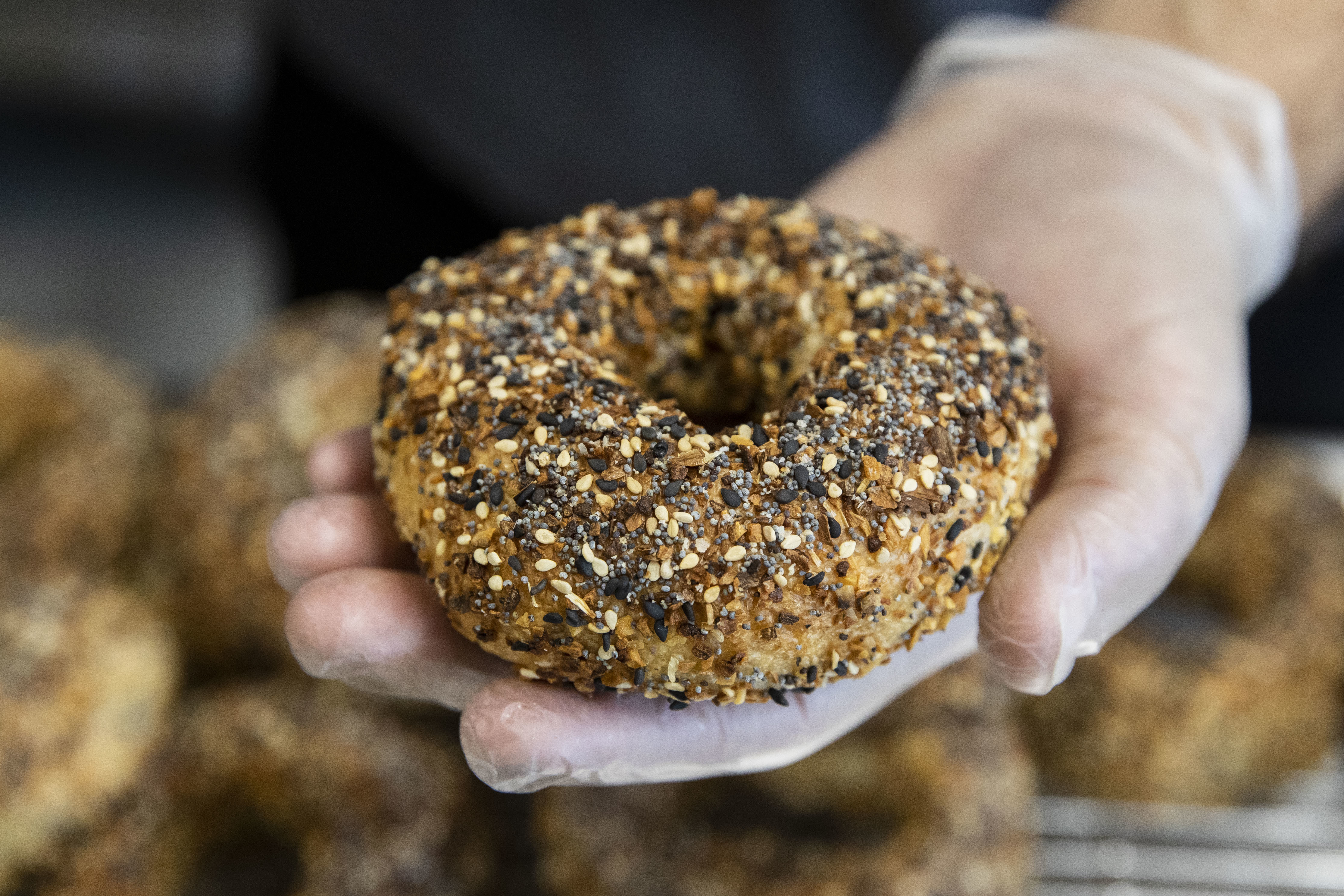
Since the beginning of 2025, nearly a dozen bagel shops have opened or leased space in Philadelphia and its suburbs, bringing new locations from local operators as well as fast-growing out-of-town brands that see the region as fertile ground for expansion.
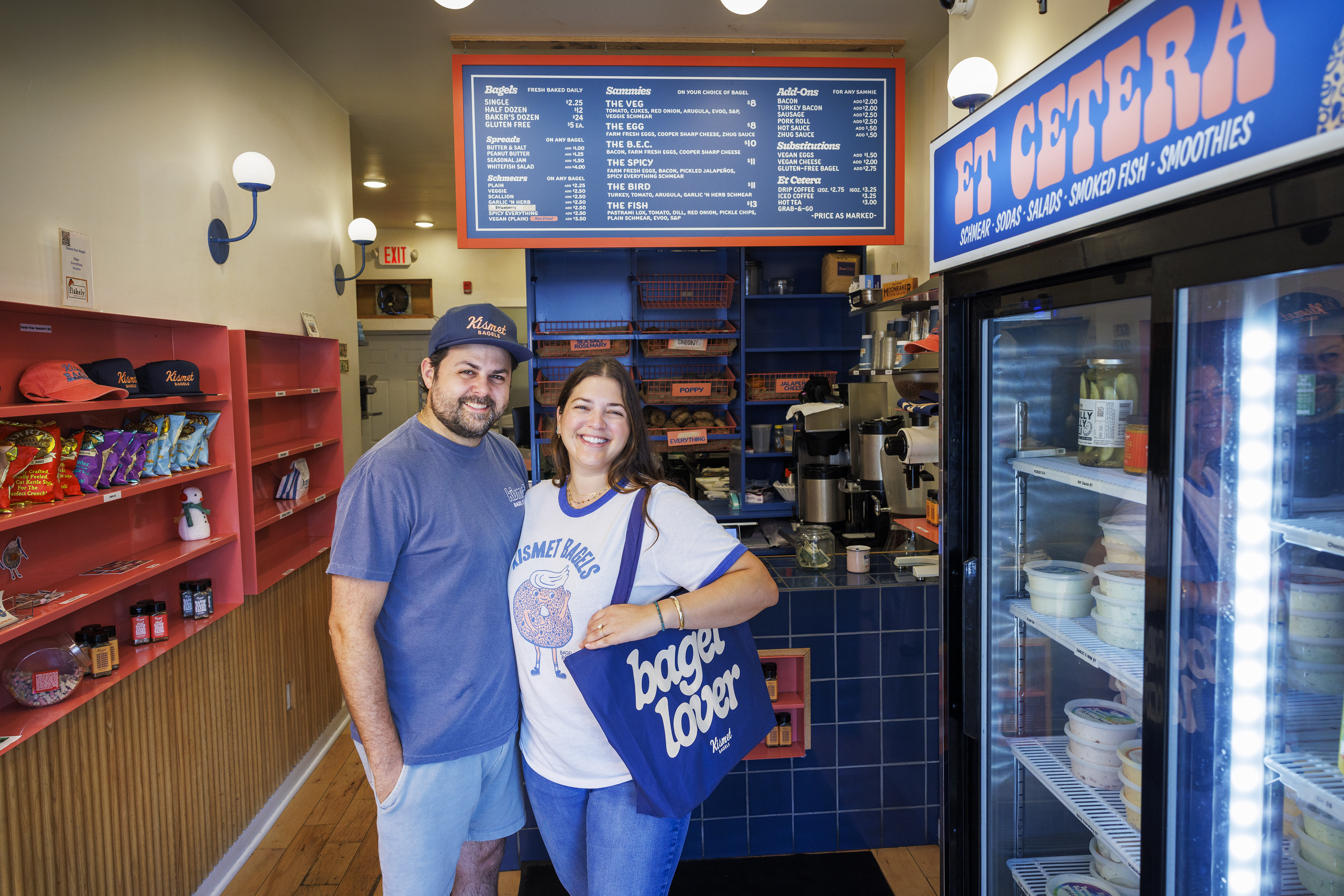
Jacob and Alexandra Cohen, owners of Kismet Bagels, at their location on Girard Avenue in Fishtown in 2024.Alejandro A. Alvarez / Staff Photographer
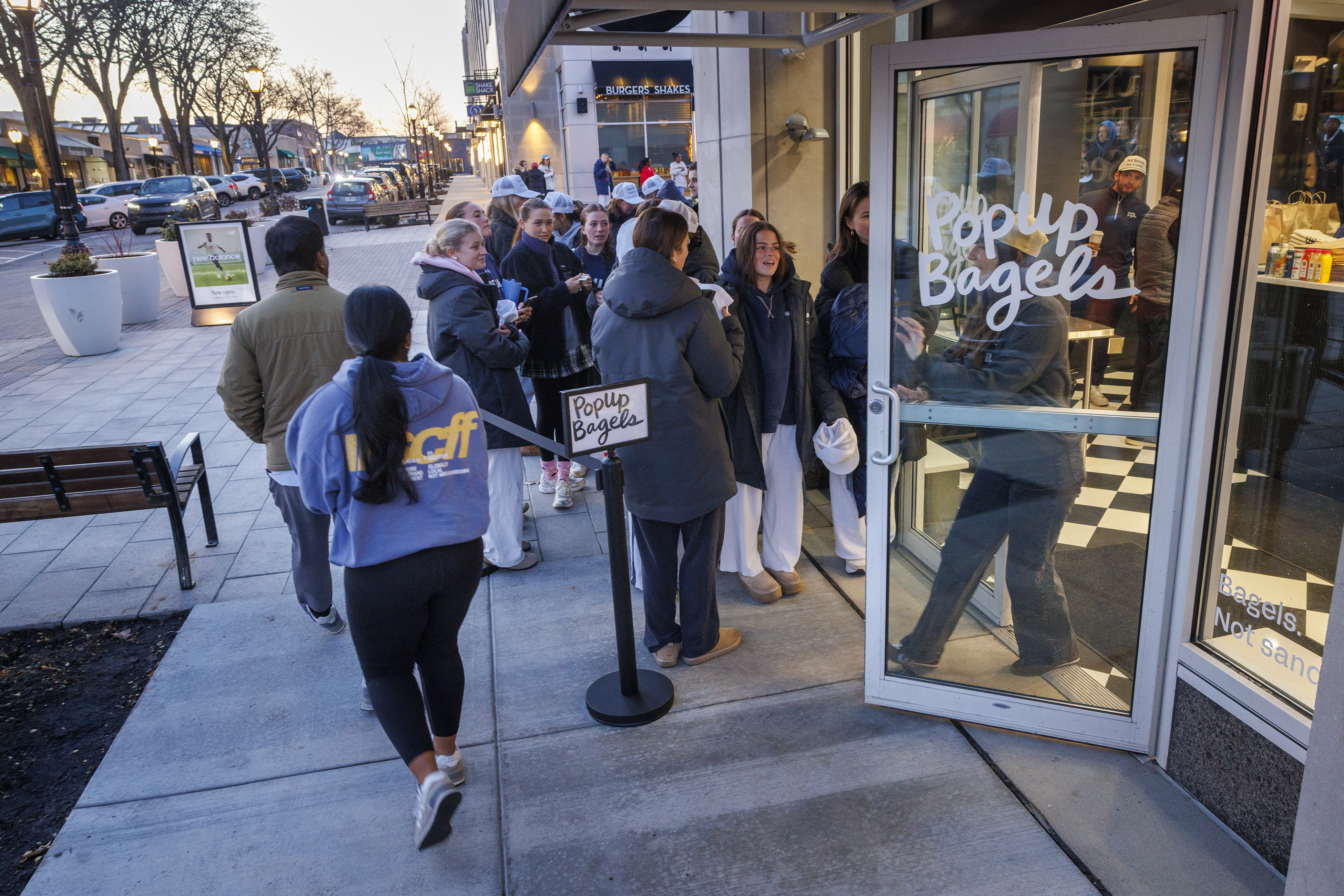
Kismet Bagels has opened its fourth and fifth shops, in Manayunk and Collingswood. Bart’s Bagels, which has shops in West Philadelphia and Bella Vista, recently expanded to the founders’ hometown of Bala Cynwyd. PopUp Bagels, the Connecticut-born chain that built a following on social media, made its local debut in Ardmore this spring and has signed a lease for a Rittenhouse shop as part of a larger regional expansion.
And Washington, D.C.-based Call Your Mother is preparing three soon-to-open Philadelphia locations — in Fishtown (due first), Rittenhouse, and Washington Square West — committing to all three before serving its first Philadelphia bagel.
Call Your Mother bagel sandwich shops have a subtropical feel.Courtesy of Call Your Mother
That tally doesn’t include all of the stores that could follow. Florida-based Jeff’s Bagel Run has announced a 10-unit development agreement for Eastern and South Central Pennsylvania, while PopUp franchisee Brian Harrington is scouting additional territory in the Philadelphia suburbs.
All this raises an obvious question: How many bagels can Philadelphia eat?
Plenty, apparently — at least for now.
Jacob Cohen, who started Kismet six years ago with his wife, Alexandra, said the company has seen sales increase even as new bagel shops have entered the market. “I don’t think they’re just dividing the same customer base, because we’ve already had new shops open in Philadelphia and we haven’t seen a decrease in sales,” Cohen said.
But Cohen, who rapidly expanded Kismet before putting thebrakes on growth earlier this year, also sees a limit. “More is not always better,” he said. “I obviously don’t have a crystal ball, but I have a feeling that some of these private-equity bagel companies coming are going to learn that the hard way.”
Bagels are having a moment
Philadelphia is part of a much broader bagel boom. The U.S. bagel market generated an estimated $3.17 billion in revenue in 2025 and is projected to reach $4.51 billion by 2033, according to Grand View Research, a market-research firm. That represents annual growth of about 4.6%. Worldwide, the firm values the bagel market at $5.8 billion in 2025 and projects it will reach $8.6 billion by 2033.
Customers lining up for the grand opening of PopUp Bagels in Ardmore in March.Alejandro A. Alvarez / Staff Photographer
Mike Kostyo, vice president of Menu Matters, a Vermont-based food-industry consulting firm, sees the current surge as the convergence of several trends rather than the sudden discovery of a new food. Artisan baked goods have been rising in popularity for years, he said, after the pandemic produced a generation of home bakers and pop-ups experimenting with sourdough and bagels. At the same time, café culture and the rise of the “little treat” have made consumers more willing to spend on premium versions of everyday foods.
“At its core, the bagel has always been a blank canvas for lots of flavors and toppings,” Kostyo said. “But now, instead of sesame seeds, you see them topped with Flamin’ Hot Cheetos.”
The traditional formula — bagels by the dozen, cream cheese, lox, and coffee — also has evolved into something closer to a breakfast-and-lunch fast-casual restaurant.
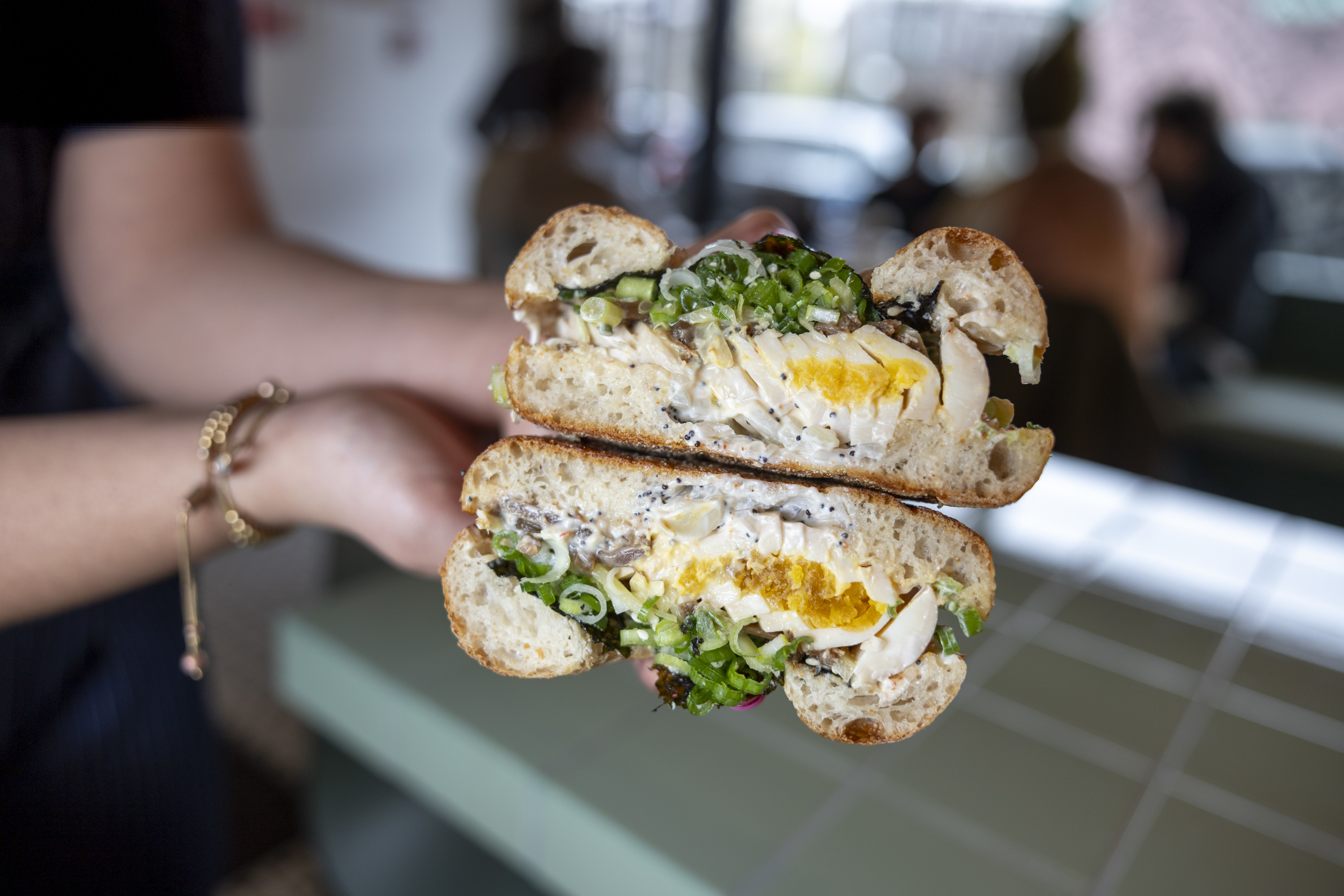
The Ramen Thing bagel sandwich from Cleo Bagels in West Philadelphia.Tyger Williams / Staff Photographer
Bagels become vehicles for egg sandwiches, smoked salmon, avocado, specialty cream cheeses, and elaborate combinations that can command substantially more than a plain bagel and schmear. And operators increasingly are looking beyond breakfast.
“The sandwich factor is so important,” Kostyo said. “You need something that you can sell across multiple occasions, not just to commuters in the morning.”
That versatility helps explain why investors have noticed.
“Investors are always looking for that next category that could blow up,” Kostyo said. “They want Call Your Mother or PopUp Bagels to be the next 7 Brew or Dutch Bros.”
From pandemic project to expansion vehicle
Some of the brands now expanding grew directly out of the pandemic.
The Cohens started Kismet as a pandemic project before turning it into a brick-and-mortar business and eventually growing to five locations — down from seven after the company shuttered a stand at Reading Terminal Market in 2025 and closed a shop in Ventnor earlier this year.
Jacob Cohen of Kismet Bagels holds an everything bagel.MONICA HERNDON / Staff Photographer
PopUp followed a similar trajectory. Founder Adam Goldberg began baking bagels at home during the pandemic and developed the idea into a business built around an unusually stripped-down concept: hot bagels and schmears, rather than the sprawling sandwich menus associated with many modern bagel shops.
Customers are encouraged to “grip, rip, and dip,” tearing apart the bagels and dipping them into containers of cream cheese.
The company’s first Philadelphia-area shop opened in the spring in Suburban Square in Ardmore. Harrington, the franchisee developing PopUp in this region, said sales have remained strong even through the summer.
“We anticipated a little bit of pullback with a lot of our core [teen] clientele getting jobs in Avalon and down the Shore, and with vacations and things like that,” Harrington said. “But it’s been very, very steady.”
In more than 25 years in the restaurant business, Harrington said, he has typically seen sales soften in late June, July, and early August. “We’ve not seen that,” he said.
PopUp has signed for the former Starbucks at 1709 Chestnut St. in Rittenhouse, as reported by the Philadelphia Business Journal. Harrington said he has a deal for a location in Lawrence Township, N.J., near Princeton, that is awaiting its permits. Another South Jersey deal is close, he said, and he sees additional potential in Montgomery County.
Despite the influx of bagel shops, Harrington said he believes PopUp occupies a somewhat different niche.
“We’re not making sandwiches,” he said. “So far, people have found us and enjoyed the way that we do it, and it doesn’t preclude them from going and getting a bacon, egg, and cheese somewhere else.”
Three stores before the first bagel
Call Your Mother is making an even larger initial bet on Philadelphia. Founded in Washington in 2018 by Andrew Dana and his wife, chef Daniela Moreira, the self-described “Jew-ish” deli has expanded beyond the Washington area as New York investment firm Invus acquired a majority stake in the company in January 2025.
Call Your Mother has signed three Philadelphia leases: 1500 Frankford Ave. in Fishtown, the former Metropolitan Bakery at 262 S. 19th St. near Rittenhouse Square, and 12th and Sansom Streets in Washington Square West. Dana said the decision to enter Philadelphia was considerably less scientific than the three-store commitment might suggest.
“My mom grew up there, my grandparents lived there, and I’ve been there so much visiting my friends,” Dana said. “I’ve been in Fishtown on a Sunday when it’s popping, and I’ve been in Rittenhouse Square when it’s super-crowded on the weekend and the market’s going. A lot of it is just gut and feel.”
Dana does not believe Philadelphia lacks good bagels. On a recent trip, he tried Bart’s and came away impressed.
“I think a lot of people are doing a great product in Philadelphia,” he said, “but there’s always room for a different bagel shop. At least I hope so.”
Dana also rejects the idea that taking investment inevitably leads to runaway growth or declining quality.
He described Invus as “patient capital” and said the investment agreement carries no requirement that Call Your Mother open a prescribed number of stores.
“We’re going to do what we can do while still keeping the quality of the food and the service top-notch,” Dana said. “And if that ever slips, we have the ability to hit the pause button.”
Local operators dig in
For some Philadelphia bagel operators, however, the arrival of heavily financed brands is cause for skepticism.
Cohen, at Kismet, is particularly wary.
“I think it’s the rare exception when private equity marries itself to a food brand and they continue to do good things,” he said. “I’d like to keep private equity out of bagels.”
He stressed that Kismet remains owned solely by him and Alexandra, financed through bank loans rather than outside investors.
David Fine, owner of Schmear Bagel Parlor, is also watching the expansion. Fine entered the business in 2013 with his Schmear It food truck and has since acquired the shops owned by Philly Bagels, giving the company eight locations in Philadelphia.
David Fine of Schmear with his son.Courtesy of David Fine
Fine said those stores have not appeared to steal business from one another.
He thinks part of the bagel’s appeal is almost mundane: It is familiar, relatively accessible, portable, and infinitely customizable.
“They’re comfort food at their very core, and they can really appeal to such a wide variety of customers,” he said.
He is less certain about the economics behind the rapid expansion of some competitors.
“The buildouts are expensive,” Fine said. “You have to be quite profitable for quite some time just to recoup that investment.”
Schmear is expanding, too, Fine said, renovating its original brick-and-mortar location at 36th and Market Streets. But he believes that being local gives the company an advantage as more national and regional shops arrive.
“There’s a keen allegiance to local brands,” Fine said.
Built for the feed
Bagels also have another quality particularly suited to the moment: They look good on a phone.
Kostyo points to the now-familiar image of a bagel sandwich sliced in half and held toward the camera, its fillings and schmear exposed.
“The visual factor is also so important in today’s social media age,” he said. “That picture … is the type of indulgent food that people go out of their way for today.”
The lines themselves become part of the marketing. A crowd outside a shop signals that the food is worth leaving home for, he said, while arguments over the proper density, crust, schmear, toppings, and even whether a respectable bagel can be made outside New York keep the category in the conversation.
“In the end, it’s all advertising and marketing,” Kostyo said.
But social media enthusiasm is fickle — witness the rise and fall of cookies and cupcakes — and Kostyo sees the flood of investment and expansion as carrying the seeds of an eventual shakeout.
“This is a pretty classic bubble where some of these brands that are doing a great job and really resonate with people will survive, but a lot will overexpand and shut down in the next few years,” he said.
Cohen, meanwhile, has decided not to test Kismet’s limits.
After years of opening shops, Kismet entered 2026 determined to improve what it already has rather than add more locations. The company is focusing on consistency, profitability, new products, employees, and customers, he said.
He is happy to see Philadelphia’s bagel culture growing and says he does not regard every new shop as a competitor. Years ago, Cohen recalled, Inquirer restaurant critic Craig LaBan told him that Philadelphia did not have enough bagels per capita.
“We might be starting to get there now,” Cohen said.
Several weeks ago, The Inquirer food desk deliberated on declaring a sandwich of the summer, after the New York Times designated Italian piadinas their pick for said title (a phenomenon that seems mostly confined to Brooklyn). Personally, I think the designation is pretty silly. Why?
The hot dog is the sandwich of the summer. It always has been, but it’s especially true now.
Hot dogs at Royal Tavern’s Dog Days of Summer special, held annually in July. (A few dogs remain on the menu in August.)Tom Gralish / Staff Photographer
The boom times won’t necessarily end after Labor Day, but, for many people, hot dogs have a season, and it is summer. After all, nearly half of the 100 million hot dogs made annually by Dietz and Watson, Philly’s homegrown deli meat maker, are sold between May and August, according to Lauren Eni Canseco, Dietz’s vice president of brand strategy and fourth-generation family owner.
Food handlers packaging Black Forest Uncured Knockwurst at Dietz and Watson plant Philadelphia in 2025. Dietz and Watson produces and distributes deli meats, cheeses, and other specialty food products.Alejandro A. Alvarez / Staff Photographer
That the hot dog is the sandwich of the summer, here or anywhere, seems so obvious, it almost shouldn’t even need to be verbalized. It’s ballpark food, barbecue food — summer food.
The one major hitch? The enduring, irreconcilable debate over whether a hot dog is a sandwich. This is well-tread ground among hot dog enthusiasts, a subset of civilization that is fiercely opinionated and quite vociferous.
To give both sides of the argument equal air time, I asked several local glizzy authorities — makers, avid consumers, etc. — to weigh in. Is a hot dog a sandwich? Here’s what they said:
Craig LaBan, Inquirer restaurant critic: Technically, yes. As much as a hoagie, or hot roast beef, cheesesteak or cutlet can be a sandwich. You put sausage on a bun and call it a sandwich. Hot dog is a sausage, so …That is not to say hot doggery is the same thing as eating a peanut butter and jelly. … and it’s true hot dogs can absolutely exist on their own — in a pot of beans or Korean Army soup, baked into a croissant, wrapped in a blanket, in which cases they are not a sandwich. So … now that I rethink it, a hot dog is NOT a sandwich, but it can become one.
Standard hot dog with ketchup and mustard, hot dog with pepper hash, and hot dog with fish cake and pepper hash at Johnny’s Hots on Aug. 17.Jessica Griffin / Staff Photographer
Chris Barnes, owner of Lucky’s Last Chance: A hot dog is a hot dog! It’s unique and perfect and one of one. Anyone who says otherwise probably also likes ketchup on it.
Jen Zavala, owner of Juana Tamale: Yes, a finger sandwich.
Sandwiches are commonly considered a complete meal. One hot dog is a snack. You need two or three to make a meal.
Sandwiches are usually portable, packable. Something you can put in a Ziploc, bring for lunch, or save for later. This is not a pleasant or regular practice with hot dogs, they are designed to be eaten immediately.
Sandwiches are usually COLD, unless advertised as a “hot sandwich.” Hot dogs are almost NEVER served cold.
Hot dogs and sandwiches are best purchased from different sorts of vendors. You probably wouldn’t want a hoagie from your favorite Center City hot dog lunch cart; and you probably wouldn’t want a hot dog from your favorite Philadelphia deli (I’ve tried) — unless it was Famous 4th Street.
I’ve been painting and writing about hot dogs for almost 20 years. Poring over old articles, menus, going back to the early 1900s. Very rarely, or maybe even never, have I seen a hot dog historically referred to as a sandwich.
An assortment of classic hot dogs with mustard and ketchup writing at Ortlieb’s in Northern Liberties.Tyger Williams / Staff Photographer
Nic Macri, chef at Royal Tavern: Considering a hot dog is a hot dog without the bun, I am going to say no. I’ll tell you what is not a hot dog — a sausage in a hot dog roll!
Pierre Li Peters, aka @theehotdogsummer: A hot dog is not a sandwich because it’s an entirely different art form. A hot dog is a hot dog, even when it doesn’t look like the classic Nathan’s frank we all imagine. For example, a corn dog could be considered a part of the hot dog family but doesn’t really fit into the sandwich category … The beautiful thing about the hot dog community: It’s not limited in being classified as a sandwich; creativity flourishes due to unique characteristics shaped by the regions that enjoy them.
Lauren Eni Canseco, Dietz & Watson VP: A hot dog CAN be a sandwich, but it can also be an ingredient, an entree, or a snack! If it’s a high-quality, high-protein dog, the possibilities are endless.
Retro wall decor at Dietz & Watson pop-up store at Fifth and South Streets in 2019.JESSICA GRIFFIN / Staff Photographer
Emilie Dormer, aka @glizzygirliez: In my heart, I don’t consider a hot dog a sandwich. A hot dog feels like its own category entirely. There’s something culturally distinct about it that gets lost when you simply call it a sandwich. That said, if you forced me to place it into one of the traditional food categories, I’d have to admit that yes, structurally, I guess that it probably qualifies as a sandwich. Bread, filling, handheld … the evidence is unfortunately there.
Ralph Stollenwerk, artist and hot dog illustrator: I think a hot dog is as much of a sandwich as a hoagie. Nobody officially calls it a “hoagie sandwich,” [just] as nobody calls it a “hot dog sandwich,” but it is meat held between bread. I’m calling it a sandwich, but I would NEVER call it a sandwich in public.
As for me, I pretty much agree with Stollenwerk. You can quibble with my headline, but the substance of the argument is undeniable: The hot dog is the sandwich of the summer, even if the “sandwich” is silent.