Tag: Democrats

  • Central Bucks engaged in a ‘concerted cover-up’ of abuse at elementary school, lawsuit says

    Central Bucks engaged in a ‘concerted cover-up’ of abuse at elementary school, lawsuit says

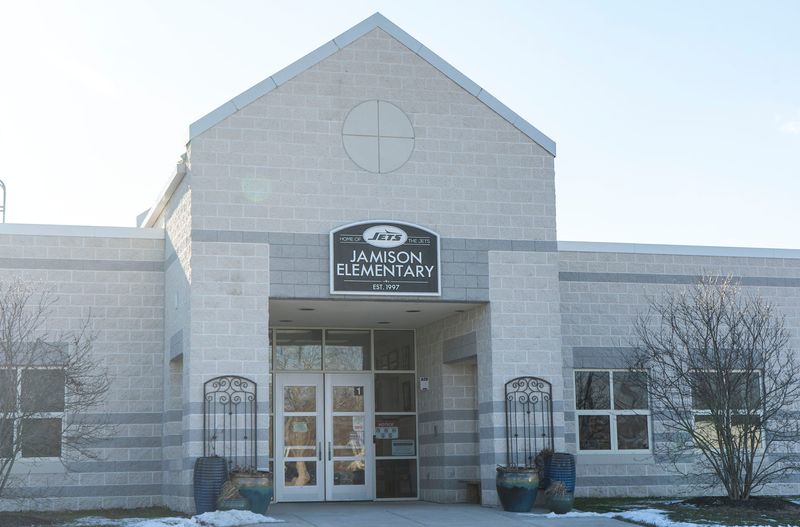
    The parents of a nonverbal autistic 10-year-old who was among the students the Central Bucks School District has said were abused in an elementary school classroom in 2024 have filed a lawsuit against the district and nearly a dozen former and current employees.

    James Pepper, a former school board member, and his wife, Lisa Pepper, say their son’s “horrific abuses” at Jamison Elementary School amounted to a “calculated pattern of debasement” that district and school leadership failed to report as part of a “concerted cover-up.”

    The bulk of the 92-page complaint, filed Tuesday in federal court in Philadelphia, outlines events that began in fall 2024, when a special education aide reported the abuse. Her allegations rocked Pennsylvania’s third-largest district, spurring an investigation by a disability rights watchdog, a public outcry, and a series of terminations that included the district’s superintendent.

    Now, the Peppers are suing Central Bucks, as well as former Superintendent Steven Yanni, former Jamison principal David Heineman, other former district administrators, the special education teacher and educational assistant accused of misconduct, and teachers union representatives.

    The district continued to endanger the child after learning about the abuse, and the alleged “cover-up” was motivated by James Pepper’s position as a board member and history of advocacy, the suit says.

    “This case involves an extraordinary betrayal of a child who depended entirely on the adults around him for his safety, education, and care,” M. Stewart Ryan, the attorney representing the parents, said in a statement.

    Central Bucks spokesperson Michael Petitti said in a statement that the district “has acknowledged what occurred” in that classroom.

    Petitti said the district “took the actions within its power” to discipline employees, including firing Yanni, Heineman, and the former special education director, Alyssa Wright. It also “fully litigated” terminations of the teacher and educational assistant, Petitti said, and “implemented significant changes at Jamison Elementary School to make sure that nothing like this ever happens again.”

    “The district understands that none of these actions can change what happened,” Petitti said.

    The allegations

    District officials learned about the allegations in November 2024 from Alyssa Kline, who was assigned as the one-on-one aide for the Peppers’ child.

    Kline said special education teacher Gabrielle McDaniel and educational assistant Rachel Aussprung had improperly restrained and punished the Peppers’ child, among other forms of abuse.

    The abuse included “nearly 3,000 illegal restraints … water restriction, corporal punishment, forced exposure to nudity and sexual self-stimulation, screaming, mocking, belittling, and concealment of a head injury in a series of events that were intended to, and indeed did, dehumanize” the boy, the lawsuit says.

    The nonverbal child could not share his experience in school, and his parents were not initially informed of the accusations, the suit says. The district reassigned Kline days after she made the allegations, telling the Peppers the reason for the change was a “personal conflict” between the aide and classroom staff, according to the complaint.

    The Peppers learned about the allegations of abuse only in December, when Kline reached out to share what she had reported with the parents, the suit says. But in an official letter that month, the district said its investigation found “no evidence of abuse.”
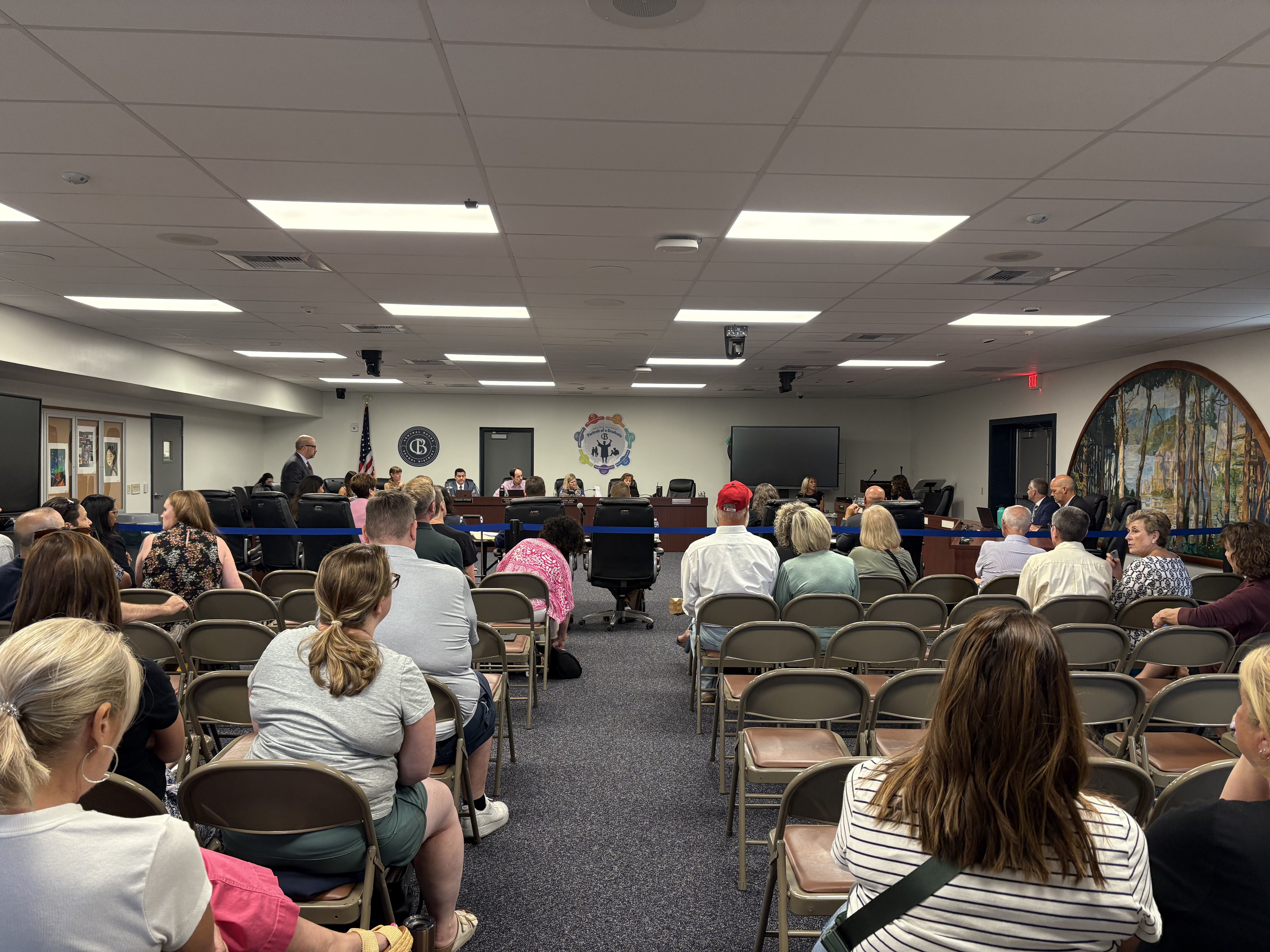
    Members of the public watch the joint termination hearing of Central Bucks Superintendent Steven Yanni and Jamison Elementary School Principal David Heineman in August 2025.Fallon Roth / Staff

    School board members initially stood by district officials, who noted police had not found any abuse. But that changed in April 2025, when a report from the watchdog group Disability Rights Pennsylvania found that the teacher and assistant had illegally restrained students, creating a “reasonable likelihood of bodily injury” and likely interfering with their breathing, among other abusive behaviors.

    It also faulted Yanni and other administrators for failing to adequately investigate the allegations, and accused Yanni of withholding information from police.

    The school board terminated Yanni and Heineman in October. Pepper recused himself from the vote and the termination hearings that preceded it.

    Yanni, now the CEO of Northwood Charter School in Philadelphia, did not respond to a request for comment.

    A lawyer for Heineman did not return a request for comment. Neither did a lawyer for McDaniel and Aussprung, who have sued the district since their terminations. Wright, whose lawyer did not return a request for comment, has also sued the district, saying she was scapegoated.

    The Peppers’ lawsuit says district and teachers union officials, whom Kline also informed, failed to report the abuse.

    Cara Alderfer, the union president, declined to comment Tuesday.

    The ‘cover-up’

    The Peppers’ lawsuit alleges a sprawling cover-up that started the moment Kline made the allegations.

    The accused teacher and assistant were not removed from the classroom, and the district recommended that McDaniel or Aussprung take the Peppers’ child to therapy sessions after Kline was reassigned, according to the complaint.

    The district did not turn over an email outlining Kline’s allegations to Disability Rights Pennsylvania, the suit says.

    Yanni and other officials “were actively engaged in a conspiracy to bury the reports of child abuse they had received,” the complaint says.

    The complaint blames a few factors as motivating the alleged “cover-up.”

    Yanni, who took over the deeply divided district after a bitter and highly publicized school board election won by Democrats, said one of his goals was to keep the school system “out of the newspaper,” the suit says.

    And the district was motivated to retaliate against Pepper — then the only Republican on the board — for stances he had previously taken against the district, the suit says.

    The actions of the school district and its employees deprived the Peppers’ son of “safety, liberty, and bodily integrity,” the complaint says.

    “It is devastating to learn that our son was treated this way by the very people we trusted to care for and protect him,” the Pepper family said in a statement. “Our son and entire family have been changed forever. This can never happen again to another child.”
  • Trump administration has abandoned plans to hold immigrants at a South Jersey military base, GAO says

    Trump administration has abandoned plans to hold immigrants at a South Jersey military base, GAO says

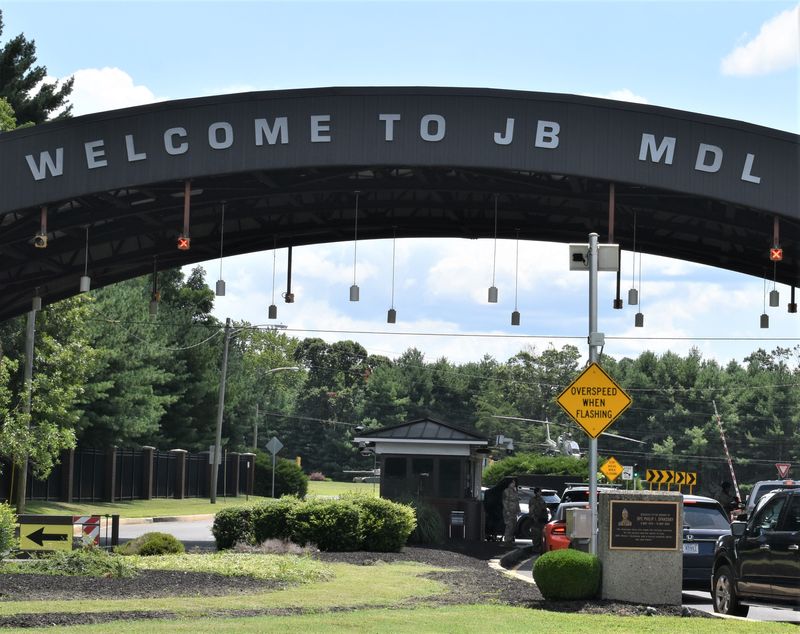
    The Trump administration has dropped its plans to build an immigrant-detention center at Joint Base McGuire-Dix-Lakehurst in South Jersey, according to a new report from the Government Accountability Office.

    The office said that in October, after the opening of an ICE detention site at Fort Bliss in El Paso, Texas, Pentagon officials said they “no longer plan to build detention facilities on other military installations.”

    Specifically, the report said, Defense Department and Immigration and Customs Enforcement officials “told us that they did not move forward with plans for facilities in Indiana and New Jersey.”

    The development was first reported by NJ Spotlight News.

    More than a year ago, in July 2025, the administration confirmed plans to house detainees at the South Jersey base as a way to support President Donald Trump’s plans for mass deportations.

    Estimates were that Joint Base McGuire-Dix-Lakehurst, which spreads through parts of Burlington and Ocean Counties, could hold 1,000 to 3,000 detainees.

    Specific details were not released, and as time went on it was unclear if planning had gone forward.

    In November 2025, local Democratic elected officials said they had received a letter from the administration saying there was currently no approved construction plan, nor a timeline, for confining people at the base.

    U.S. Reps. Donald Norcross and Herb Conaway, both New Jersey Democrats and members of the House Armed Services Committee, requested more information about the administration’s plans from the Department of Homeland Security.

    The administration’s response said the government’s need for more detention space “reflects the Trump administration’s commitment to restoring the rule of law and ending the catch-and-release policies of prior years that jeopardized American communities.”

    The base had been named as one of two sites certified to hold immigrants, the other being Camp Atterbury in Indiana.

    The report by the GAO, a nonpartisan, investigative arm of Congress, said ICE had begun new detention initiatives before developing a plan for expansion, resulting in waste. Since January 2025, ICE had invested significant resources in six new initiatives to increase detention capacity, but by July 2026 had scaled back four of them, the GAO said.

  • Pa. Democrats have mostly positive view of socialism as progressive candidates secure wins

    Pa. Democrats have mostly positive view of socialism as progressive candidates secure wins

    With recent victories by democratic socialists nationwide prompting a fierce debate about the future of the Democratic Party, most Democrats in Pennsylvania have a positive view of socialism — and nearly 40% consider themselves to be a democratic socialist, a new poll found.

    Still, socialism remains broadly unpopular among all voters in the key swing state, according to the poll, conducted by Siena University on behalf of The Inquirer and the New York Times.

    About one-third of likely voters in the midterm elections this fall have a favorable view of socialism and 56% have an unfavorable view. That result closely mirrors a recent national poll from the New York Times and Siena University, raising questions about the appeal of socialism to a wider swath of voters.

    But as Philadelphians prepare to send a democratic socialist to Congress for the first time — and also as talk builds of a larger wave of progressivism across the state — 57% of Democratic likely voters in Pennsylvania have a favorable view of socialism and 24% have an unfavorable view, the poll found.

    “We’re more popular than ever,” said Dan Parker, cochair of Philadelphia’s chapter of the Democratic Socialists of America (DSA). “But we still have a long way to go.”

    (function(){function e(){window.addEventListener(`message`,function(e){if(e.data[`datawrapper-height`]!==void 0){var t=document.querySelectorAll(`iframe`);for(var n in e.data[`datawrapper-height`])for(var r=0,i;i=t[r];r++)if(i.contentWindow===e.source){var a=e.data[`datawrapper-height`][n]+`px`;i.style.height=a}}})}e()})();

    The survey of 615 likely Pennsylvania voters conducted from Sept. 15 through 21 comes amid a surge of leftist victories both locally and across the country.

    State Rep. Chris Rabb defeated a pair of more moderate candidates in Philadelphia’s highly competitive congressional primary in May. A democratic socialist, Rabb is highly favored to win in the general election and has spent the months since his primary campaigning for other like-minded candidates.

    Nearly all of those candidates — from Abdul El-Sayed in the high-stakes Michigan U.S. Senate race to a pair of New York candidates boosted by Mayor Zohran Mamdani — have also won their primaries as Rabb and his allies look to grow the ranks of progressives starting on Capitol Hill in January.

    Beyond the next Congress, the leftist wing of the party is hoping for momentum heading into the 2028 races for president and Pennsylvania’s U.S. Senate seat held by Democratic Sen. John Fetterman, who has antagonized socialists and made appeals to Republicans.

    “The mainstream Democratic establishment candidates are telling us time and time again to settle for less, to expect nothing other than the status quo,” Parker said. “People are looking for a different set of politics that speaks to their material needs and to the values of freedom that many are striving for.”

    Parker said Philadelphia DSA has been “exploding” since Rabb’s victory. The group mobilized hundreds of volunteers to knock between 75,000 and 100,000 doors during his campaign, and more than 750 new members have joined since May to put the chapter’s total ranks at about 3,000, he said.

    Councilmember Kendra Brooks speaks with colleague Nicolas O’Rourke during a March 12 caucus session. Alejandro A. Alvarez / Staff Photographer

    Rabb’s success follow that of Pittsburgh’s U.S. Rep. Summer Lee, who was first elected to Congress with DSA support in 2022. Other DSA-backed elected officials include Philadelphia City Councilmembers Kendra Brooks and Nicolas O’Rourke, as well as State Sen. Nikil Saval, while new primary victories this year include Mark Pinsley and Ce-Ce Gerlach in Lehigh Valley-based legislative races.

    Further growth, Parker said, will come with DSA-backed candidates working in office to “prove that government can exist to serve ordinary people.”

    On that agenda: Advocating for universal healthcare, affordable housing, progressive tax policies, defunding and ultimately abolishing ICE, and ending the wars in Iran and Gaza.

    “What makes DSA distinct — and democratic socialism as a political movement distinct — is that it’s not really just about who has the right ideas,” Parker said. “It’s about a theory of change that puts the vast majority of society in the driver’s seat.”

    (function(){function e(){window.addEventListener(`message`,function(e){if(e.data[`datawrapper-height`]!==void 0){var t=document.querySelectorAll(`iframe`);for(var n in e.data[`datawrapper-height`])for(var r=0,i;i=t[r];r++)if(i.contentWindow===e.source){var a=e.data[`datawrapper-height`][n]+`px`;i.style.height=a}}})}e()})();

    As Democrats look to retake control of Congress and the White House, how much influence that movement will yield remains an open question.

    Moderates like Gov. Josh Shapiro, a potential 2028 Democratic presidential candidate, have acknowledged the energy on the left while advocating for a more centrist approach. Shapiro said this summer that the progressive candidates were practicing “performative politics” and would need to deliver if elected. He has also said he expects the party to have the most significant “battle over what we believe in” in more than three decades as the next presidential race gets underway.

    The latest poll shows the party’s base remains divided in Pennsylvania.

    While Democrats in the state remain split in their views of socialism, 38% consider themselves to be a democratic socialist while 57% do not, the poll found. Just over half of Democrats see their party as divided and 45% believe it’s united.

    ‘A tiny, tiny fraction’

    Some observers also cautioned that the number of self-identifying democratic socialists across all of Pennsylvania — a swing state that has largely elected moderates to statewide office — may appear larger than reality. The poll did not define democratic socialism, for one. And progressives have been overrepresented in other polling this year, including in Wisconsin and Michigan, said Lew Irwin, a political science professor at Duquesne University in Pittsburgh.

    “A lot of people will claim an affiliation when they actually have an affinity,” Irwin said, adding that it’s still become “increasingly mainstream and acceptable inside the Democratic Party” to identify as socialist.

    J.J. Balaban, a Philadelphia-based ad maker for more moderate Democrats like U.S. Rep. Brendan Boyle, pointed to the fact that even with the additional energy on the left, the vast majority of Democrats in Washington next year will not be socialist.

    “We’re talking about a tiny, tiny fraction of the Democratic caucus,” he said.

    Balaban said that is one of the reasons why Republicans’ campaign messaging may also not be effective as they try to defend their majorities in the November midterm elections. Republicans have branded all kinds of Democrats as socialists — repeatedly denouncing the entire party as far left and “communist” in its agenda.

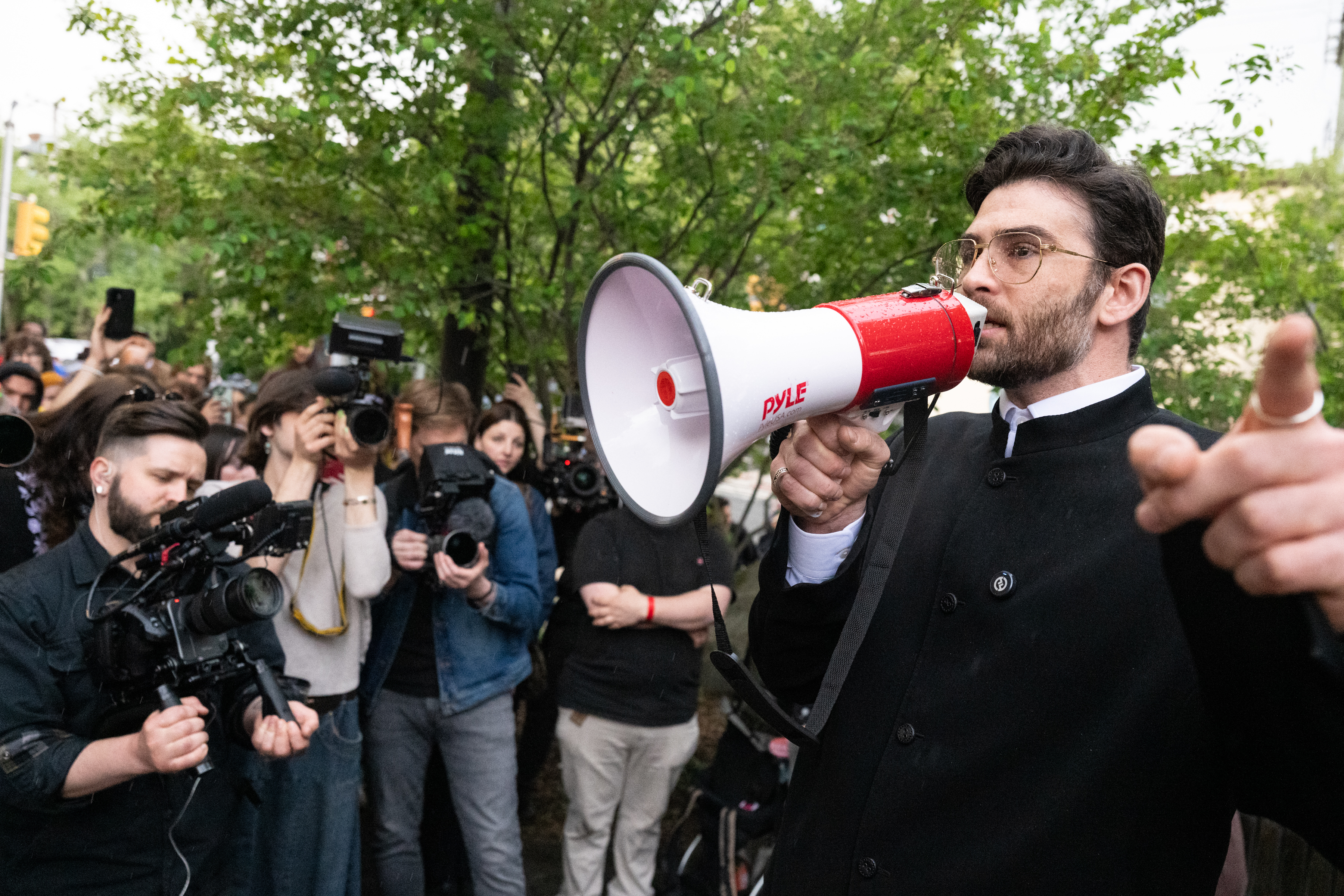
    One of the main characters featured in those attacks has been Hasan Piker, the controversial leftist streamer who campaigned with Rabb and other candidates this year. His visit to Philadelphia in April drew hundreds of young progressives but was condemned by Rabb’s opponents and Jewish groups who consider his views antisemitic.

    Online influencer Hasan Piker speaks to attendees at an April 30 fundraiser for State Rep. Chris Rabb’s 2026 congressional campaign at Renata’s Kitchen in West Philadelphia.Erin Blewett / For The Inquirer

    Piker’s support of El-Sayed has become a dominant issue in the Michigan race, but the poll of Pennsylvania voters shows he is mostly unknown in the Keystone State.

    Among Pennsylvania likely voters, 23% had an unfavorable view of Piker and 6% had a favorable view. Two-thirds said they had not heard of him — and a higher share of Republicans knew him compared to Democrats.

    “He is a much greater part of the discourse in the Fox cinematic universe than he is in actual Democratic discourse,” Balaban said.

    With polls increasingly showing Democratic momentum this fall, even some conservatives appear to be pushing for Republicans to shift their messaging away from socialism.

    Former U.S. Rep. George Santos, a Republican who has reportedly lived at least partially in the Poconos since President Donald Trump commuted his sentence last year, posted a video Thursday in which he criticized a mailer for U.S. Rep. Rob Bresnahan, a freshman Republican in a tight reelection campaign. The mailer claims Bresnahan will “stop the socialists” and lists his Democratic challenger, Paige Cognetti, alongside the “socialist dream team” of progressives Mamdani, U.S. Sen. Bernie Sanders (Ind., Vt.), and U.S. Rep. Alexandria Ocasio-Cortez (D., N.Y.).

    “Please stop sending me this. It’s silly,” Santos said in the video, adding colorful language to say Pennsylvania Republicans should be focusing on the cost of living.

    “No more rhetoric!” he added.

    Staff writer Joe Yerardi contributed to this article.

  • A political scientist studied the rise of grassroots activism in local government. Philly was his case study.

    A political scientist studied the rise of grassroots activism in local government. Philly was his case study.

    In the five years he spent researching his book Mobilization Politics, Haverford College political scientist Stephen J. McGovern interviewed former Mayor Jim Kenney and other Philadelphia elected officials, political activists, campaign consultants, labor leaders, and protesters.

    The book, which covers events from the 2010s through Mayor Cherelle L. Parker’s victory in the 2023 election, uses Philly as a case study to examine the national rise of grassroots progressive politics over the last two decades. McGovern details how local activists employed bottom-up tactics to win major policy victories in areas like criminal justice reform, helping to decrease the jail population, and immigration, leading to Philly becoming a so-called sanctuary city.

    The activists often used an inside/outside strategy, McGovern wrote, of leaning on officials they helped elect, like District Attorney Larry Krasner, and publicly pressuring more moderate ones, like Kenney.

    Haverford College political scientist Stephen J. McGovern authored the 2025 book “Mobilization Politics,” on grassroots activism in Philadelphia.Sean Walsh

    McGovern also explores areas where progressives have fallen short of their goals, and the problems associated with a brand of politics driven by groups that tend to be more affluent and white than the city as a whole. Much of the new type of political organization has been driven by millennials born outside the city, McGovern found, leading to tensions over gentrification.

    McGovern recently spoke with The Inquirer about his 2025 book, the rise of the local progressive movement, and what it all means during Parker’s administration. The interview has been lightly edited and condensed for clarity.

    Your book describes how grassroots activists are really driving the agenda in Philadelphia City Hall, and, as you say, across the nation in local government. Is that an accurate summation of your thesis statement?

    I think that’s fair, and what I want to call attention to is how significant that change is. There may be a lot of people today who assume, “Well, hasn’t that always been the case in city politics?” But no, for much of the mid- to late 20th century, city politics operated in a very different way. It was much more of a top-down phenomenon, and the shift towards more bottom-up politics has been a relatively recent one. And increasingly it’s pretty widespread throughout the United States. So as a scholar of urban politics, I was interested in trying to explain how and why that happened.

    In the book, you describe various political science theories that have sought to explain urban politics in the past. Can you explain how your thesis is different from those previous schools of thought, such as “regime theory”?

    Many scholars have argued that downtown-led regimes wielded a great deal of power over urban policymaking. Regimes were led by business leaders and their allies — law firms, accounting firms, mass media relations firms, and interest groups that had an interest in promoting growth, especially pro-growth labor unions, and, of course, public officials. Basically from 1970 on, every Philadelphia mayor headed a downtown-led regime in a relatively top-down fashion, in terms of governing style. So that’s the backdrop. My book is all about how that pattern began to change around the turn of the century, and then picked up in the 2010s with a burst of social movement activity. Occupy Wall Street really started things off, but then it picked up, especially with Black Lives Matter, the immigrant rights movement, and all of that social movement protest had a catalytic effect on grassroots organizing in cities with respect to a whole host of public policy issues.

    As your book points out, much of the activism has been driven by millennial transplants who have moved into the city. Is it fair to say that trend is the main driver of this change, or one of several factors?

    That is one of the main factors in explaining why there is this big shift. But there are also some underlying changes in the local political environment, what social movement scholars sometimes call the “political opportunity structure.” One of those changes is a decline in the organizing capacity of the downtown business community, which had been so dominant. It started to create a vacuum. Into that vacuum steps young people. Populations had been steadily declining in virtually all big American cities. They started to stabilize around 2000, and you see an influx of young people who are relatively well educated, more likely to be professional, more likely to be progressive, more likely to get involved in local politics. Some people call it the “back to the cities” movement.

    What’s different about these newcomers compared with other left-leaning groups that have sought to impact city politics in the past?

    In the past, a lot of young people tended to get involved in protest politics. People on the left were very wary about engaging in electoral politics. The folks who are moving into Philadelphia after 2000 increasingly are participating in more conventional politics, including electoral politics, and that’s a big change. That escalates when Bernie Sanders runs for president in 2016. One of the lessons learned for lots of people who volunteered for him is: This is something we can do at the local level.

    As you note, the groups driving this style of politics tend to be more affluent, more educated, and more white than Philadelphia as a whole. That’s created a lot of friction. There’s a debate over whether this is a phenomenon that will be limited to gentrified areas, or whether it will grow into a cross-racial or cross-class coalition. Is it fair to say that’s the central question going forward?

    Absolutely. So much of this is turf-oriented. The millennials and Gen Zers moving into Philadelphia tended to congregate in neighborhoods that attract a lot of white, middle-class people who were relatively well educated, and so those became significant bases of progressive politics. The challenge then becomes organizing in other neighborhoods. Some of the grassroots groups made impressive inroads. I’m thinking about campaigns for Larry Krasner, in particular, in lower-income, predominantly Black and brown neighborhoods, where a group like Reclaim Philadelphia or the 215 People’s Alliance were pretty effective. But in many cases, it was fairly difficult for a group like Reclaim Philadelphia to venture into neighborhoods beyond their comfort zones, if you will. They were mindful of some of the skepticism that residents of those neighborhoods felt towards the millennials and Gen Zers flocking into the city and contributing to gentrification. Somebody from Reclaim Philadelphia might be knocking on the door talking about the affordable housing crisis, and people answering the door might look at them and say, “You’re actually a big part of the problem here.” This tension between so-called new Philadelphians and old Philadelphians became more pronounced, and navigating those tensions becomes a real challenge.

    Your book finishes with the 2023 mayor’s race, when Cherelle L. Parker defeated more progressive candidates and won the election with a “law and order” platform. So perhaps that was a surprising twist on your thesis at the end of your research.

    She’s obviously fascinating. She’s a shrewd operator. In the primary election, two progressives split the vote. And being the only prominent Black candidate worked to her advantage. But since she’s been elected, she’s been very skillful about maneuvering in ways that have brought back a return of the traditional kind of urban politics — a top-down governing coalition led by a somewhat resurgent business community and pro-growth unions, the building trades unions, and a somewhat resurgent establishment-oriented Democratic Party, all of which is led by Parker. This is very reminiscent of standard politics of the mid- to late 20th century. So in some ways, Philadelphia is a bit of an aberration in that it’s moved backwards, if you will, recently. But I still see lots of evidence that bottom-up grassroots activism remains a force, and will become much more impactful in the next four years.

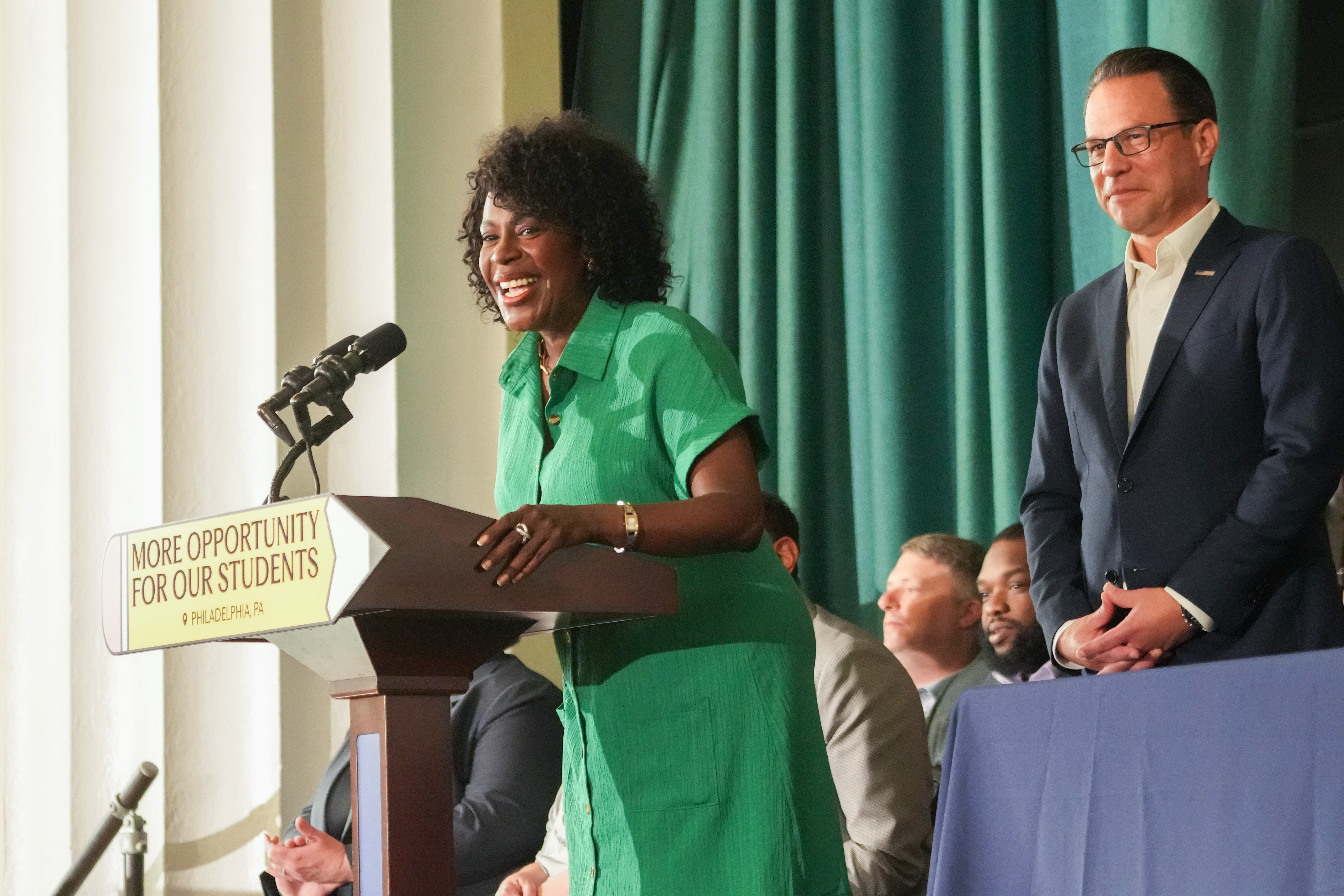
    Mayor Cherelle L. Parker speaks at Vare-Washington Elementary School to highlight the historic education investments included in the 2026-27 state budget, in Philadelphia, July 14, 2026.Jessica Griffin / Staff Photographer
    For what it’s worth, Parker herself seems to be mindful that grassroots politics are still relevant. We reported last year that she ordered a bunch of copies of a book called Performative Outrage: How Manufactured Fury Undermines Local Government and Public Service, and was handing it out to people. So I think it’s safe to say she isn’t a fan of the trends you described. You alluded to Parker returning to a “regime theory” style of politics. What’s an example of that?

    The 76ers’ arena, for example. She was siding with the Sixers and other downtown-oriented interests that wanted to see the arena in Center City on East Market Street, and discounting the views of community groups, most prominently Chinatown. There’s a general mode of governance style associated with Parker that’s very uncomfortable with dealing with grassroots-oriented groups. That’s just not her style. She’s much more comfortable dealing with downtown business elites and people in the building trades unions. Her whole mindset is much more comfortable with the old ways of governing cities.

    Parker won in 2023, when Joe Biden was president. Progressives in Philly and elsewhere seem to do better when Trump is in office. This spring Democrats just elected Chris Rabb, a progressive firebrand, in a high-profile primary for a Philly congressional seat.

    Politics is cyclical. Donald Trump has had that effect of reinvigorating lots of activists. So there was a lull in progressive activism in the city for a while, but it’s on the rise again. But it takes time to regroup, especially on the activist side. Some groups last for a long time, but the norm is for groups to be quite ephemeral. New groups have to pop up, often involving activists who had been involved in the old groups. The transition costs are pretty steep. Somebody like Chris Rabb winning doesn’t surprise me at all. There will probably be more successes in the next two or three years. That said, progressive activists have lots of challenges. They’re in a holding pattern right now.

    Thanks for your time. That’s all I’ve got. Is there anything I didn’t touch on that you want to include?

    I’m an urban politics specialist. I wrote this book. I devoted five years of my life to it. But in the last year or two, I’ve been so fixated on what’s going on in national politics and Donald Trump and the threat that he and his administration pose to democracy. With that in mind, I just want to say that urban politics in general offers some hope for people who are increasingly demoralized. At the local government level, partisan polarization isn’t nearly as intense. We’ve got divisions between progressives and moderates, but that’s nothing like what we’re seeing in national politics. There’s real hope for city governments to address big problems and offer real solutions. There’s a path forward. One can make a case that right now, democracy in American cities is actually thriving.

  • Pennsylvania voters are split on whether they want Gov. Josh Shapiro to run for president in 2028

    Pennsylvania voters are split on whether they want Gov. Josh Shapiro to run for president in 2028

    Voters in the nation’s most contested swing state are split on whether Gov. Josh Shapiro should pursue a White House bid in 2028.

    About the same proportion of likely Pennsylvania voters say they want Shapiro, a first-term Democrat seeking reelection this year, to run for president as those who don’t — 43% to 44%, according to a poll by The Inquirer, the New York Times, and Siena University.

    Almost two-thirds, 64%, of self-identified Democrats back Shapiro seeking higher office, a strong consolidation of support within the party’s base that still leaves room for other prospective candidates. But more than one in five Republicans also support a potential White House run by the governor, a sign of Shapiro’s moderate appeal in a key battleground state.

    Those who want him to run ranked his character and competence as their highest factors, with 41% of respondents giving those as reasons they would want him to run. Nearly 20% said they were satisfied with Shapiro’s performance as governor.

    “I like him. No scandals. He’s an honest man, and he has a nice, wonderful family, and he doesn’t lie,” said Michael Koller, a 77-year-old Democrat in Pittsburgh. “I think he’s helped the people of Pennsylvania just by being a good governor.”

    The survey, conducted Sept. 15 to 21, comes just six weeks before his matchup against Republican State Treasurer Stacy Garrity, whom he has far outpaced in both polling and fundraising. It also arrives before any prominent Democrats have formally declared candidacy for the nation’s highest office, with nearly all vowing to wait until after the midterm elections to make a decision.

    Shapiro has said he is laser-focused on winning in November as well as helping fellow Democrats flip four hotly contested U.S. House seats and take over the state Senate for the first time in more than 30 years. But his fundraising prowess and recent book publication suggest he is well positioned for a run. In interviews with reporters, Shapiro has never outright denied his interest to become commander in chief.

    (function(){function e(){window.addEventListener(`message`,function(e){if(e.data[`datawrapper-height`]!==void 0){var t=document.querySelectorAll(`iframe`);for(var n in e.data[`datawrapper-height`])for(var r=0,i;i=t[r];r++)if(i.contentWindow===e.source){var a=e.data[`datawrapper-height`][n]+`px`;i.style.height=a}}})}e()})();

    And yet despite Shapiro’s 60% job approval rating in a politically divided state, poll respondents highlighted the disconnect between his relatively high popularity as governor, where he is focused on the needs of Pennsylvanians, and their interest in him as a possible president, who would oversee the entire country and control foreign policy.

    A balancing act on Israel

    Kathrine Sidiqi, 77, a Democrat who lives in Delaware County, regards Shapiro as a “competent governor” who impressed her with a quick reopening of I-95 in 2023 after a fiery gasoline tanker crash threatened to close the transportation corridor for months. He expedited government procedures and got it reopened in just 12 days. “Stuff works,” she said.

    However, when asked if she would support Shapiro for president, Sidiqi said no.

    “I am Muslim, and he is too much of a supporter of Israel for me to do that,” she said. “I have nothing against him being Jewish … but he seems to have an outdated opinion of what’s going on.”

    Sidiqi said she does not want the U.S. to provide any taxpayer money for weapons to Israel, a view shared with 60% of Pennsylvania likely voters who are against providing additional American economic and military support to Israel, according to the poll.

    Among Democrats, whom Shapiro would first need to win over in a presidential run, 63% of poll respondents said they would support a candidate who opposed aid to Israel.

    More than 70,000 Palestinians have been killed and nearly all Gazans have been displaced in the three years since Israel launched its war against Hamas, the militant group that carried out the Oct. 7, 2023, terror attack that killed more than 1,200 people, according to the Council on Foreign Relations.

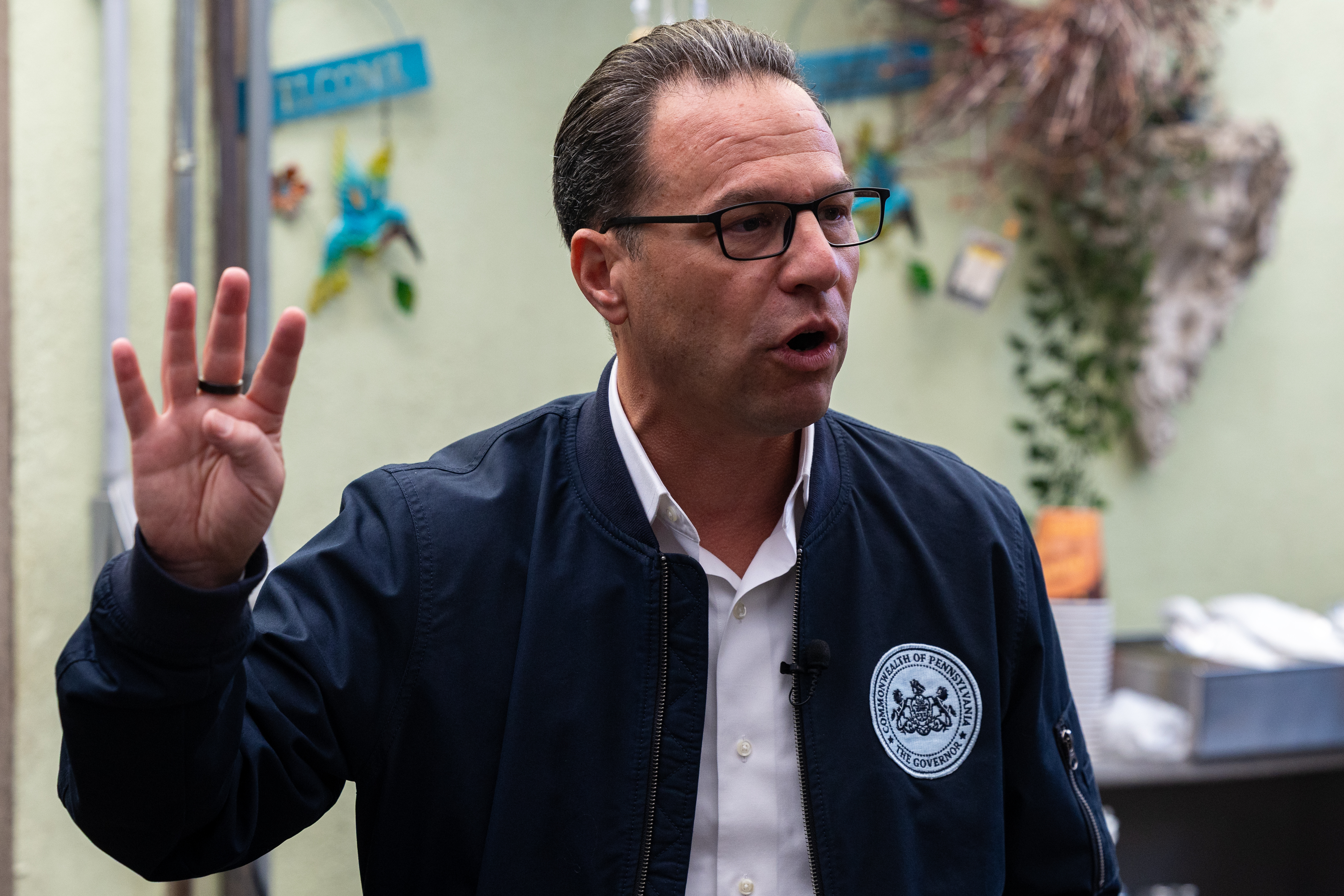
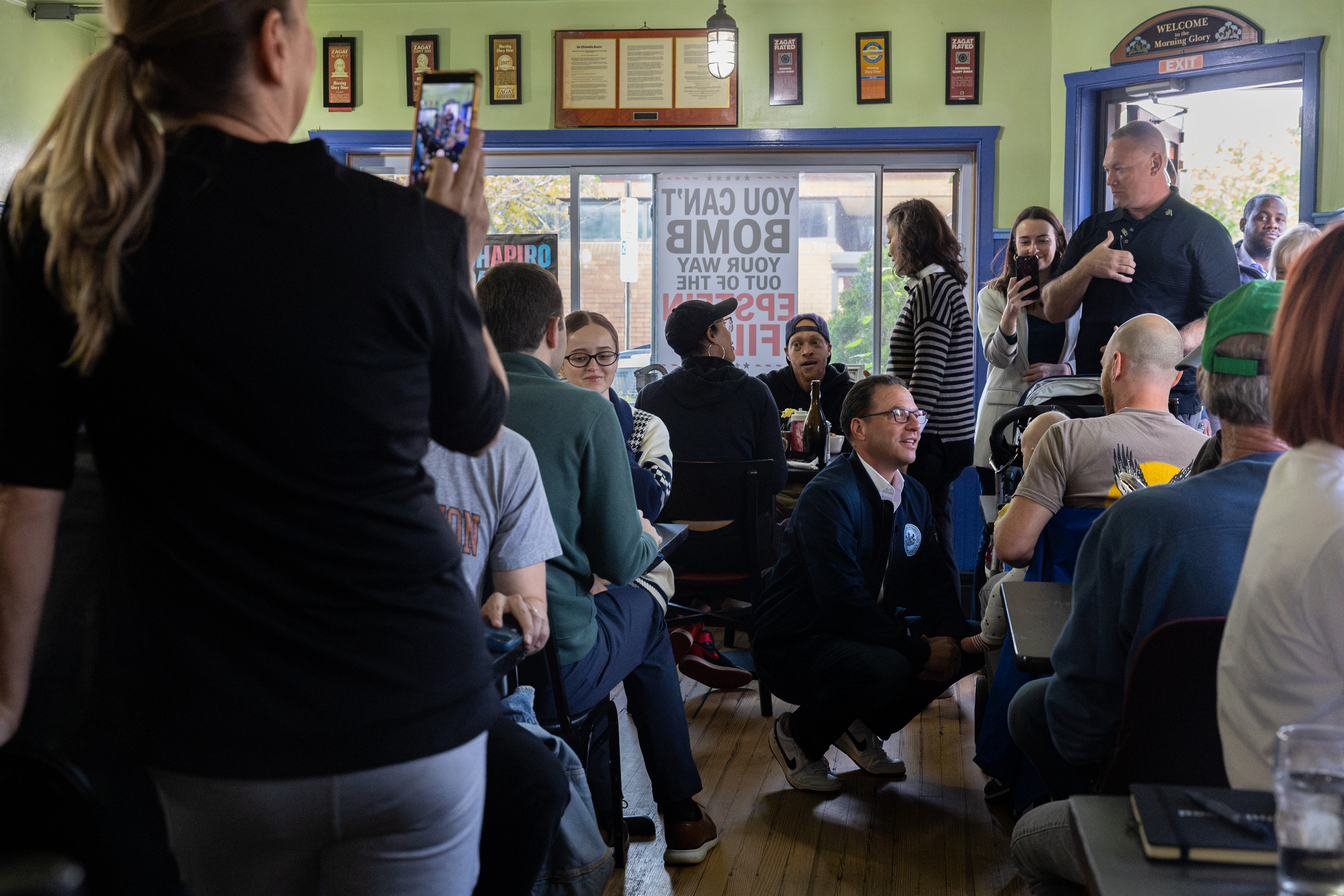
    Gov. Josh Shapiro talks to patrons alongside Michigan Gov. Gretchen Whitmer out in the back patio of Sam’s Morning Glory Diner in South Philadelphia on Friday, Sept. 25, 2026. Aidan T. Gallo / Staff Photographer

    The war in Gaza has bitterly divided Shapiro’s party, and his positions on Israel may have a played a role in preventing his nomination as vice president in 2024. Shapiro in his book called questions about his relationship with Israel from Vice President Kamala Harris’ team “offensive.”

    Shapiro, Pennsylvania’s third Jewish governor, has said his views on the topic have evolved from when he was in college and wrote that peace with Palestinians was “not possible.” The governor now favors a two-state solution, with Israelis and Palestinians “living peacefully side by side, being able to determine their own futures and their own destiny.”

    He has been a vocal critic of Israeli Prime Minister Benjamin Netanyahu, calling him a “destructive force” who has undermined U.S. and Israeli relations.

    The governor has also repeatedly spoken out against antisemitism at campus protests against Israel and called for an encampment at the University of Pennsylvania to be disbanded in 2024.

    (function(){function e(){window.addEventListener(`message`,function(e){if(e.data[`datawrapper-height`]!==void 0){var t=document.querySelectorAll(`iframe`);for(var n in e.data[`datawrapper-height`])for(var r=0,i;i=t[r];r++)if(i.contentWindow===e.source){var a=e.data[`datawrapper-height`][n]+`px`;i.style.height=a}}})}e()})();

    Multiple respondents brought up Shapiro’s Jewish faith unprompted — sometimes in connection with Israel — and questioned whether the country is ready for a Jewish president.

    “I think a Jewish candidate is going to have a hard time winning the election,” said Michael Biello, a 68-year-old Democrat in Philadelphia. “I like his views. I like his policies. I like everything. I just think his religious affiliation will stop him from winning because I think the rest of the country, especially the middle of the country, will rally against him.”

    Shapiro is one of several potential contenders who could make history as the first Jewish president, along with former Chicago Mayor Rahm Emanuel, Illinois Gov. JB Pritzker, Georgia Sen. Jon Ossoff, and Michigan Sen. Elissa Slotkin.

    Shapiro has spoken frequently about his faith and his experiences with antisemitism.

    An arsonist — who said in a 911 call he would “not take part in [Shapiro’s] plans for what he wants to do to the Palestinian people — attacked the governor’s mansion last year during Passover while Shapiro and his family were inside. (The arsonist’s family said he had spiraled into a mental health crisis.) Since then, Shapiro said, there have been a half dozen more terroristic threats against him and his wife “because of how I worship.”

    In his memoir, Where We Keep The Light, published earlier this year, Shapiro wrote that since the Oct. 7 attack in Israel, he and his family “feel both a responsibility and pride demonstrating our faith and living it out loud.”

    Hailey Brinnel, who is Jewish, said she does not believe Shapiro’s faith alone would hinder a potential campaign.

    “People didn’t think New York was ready for a Muslim mayor,” she said, referring to the 2025 election of Mayor Zohran Mamdani. “New York right now has really been changing what I come to think of as someone who’s electable. So I do not think it’s out of the question now.”

    Brinnel, a 31-year-old Democrat, said she will “always love” Shapiro and said she believes he has strong appeal to older, more centrist Democrats. But she is more interested in whether ideologically progressive candidates are electable.

    “After seeing the success of Zohran Mamdani and different democratic socialists, it makes me at least curious if we should be moving in a more progressive direction.”

    How does Shapiro compare with Trump and Vance?

    Several respondents highlighted Shapiro’s support for education, healthcare, and business development work during his first term as governor as reasons he would make a good president. His recent orders on data centers, which face majority opposition in Pennsylvania, have also been a point in his favor among voters.

    Despite his early embrace of data centers, Shapiro in August issued what he called some of the nation’s “strictest guardrails,” requiring developers to get local approval, bring their own power, and hire and train local workers.

    “I appreciate that he went and he asked what other people wanted, and then he advocated against the data centers,” said Mac Alasad-Murphy, a 27-year-old attorney in Haverford.

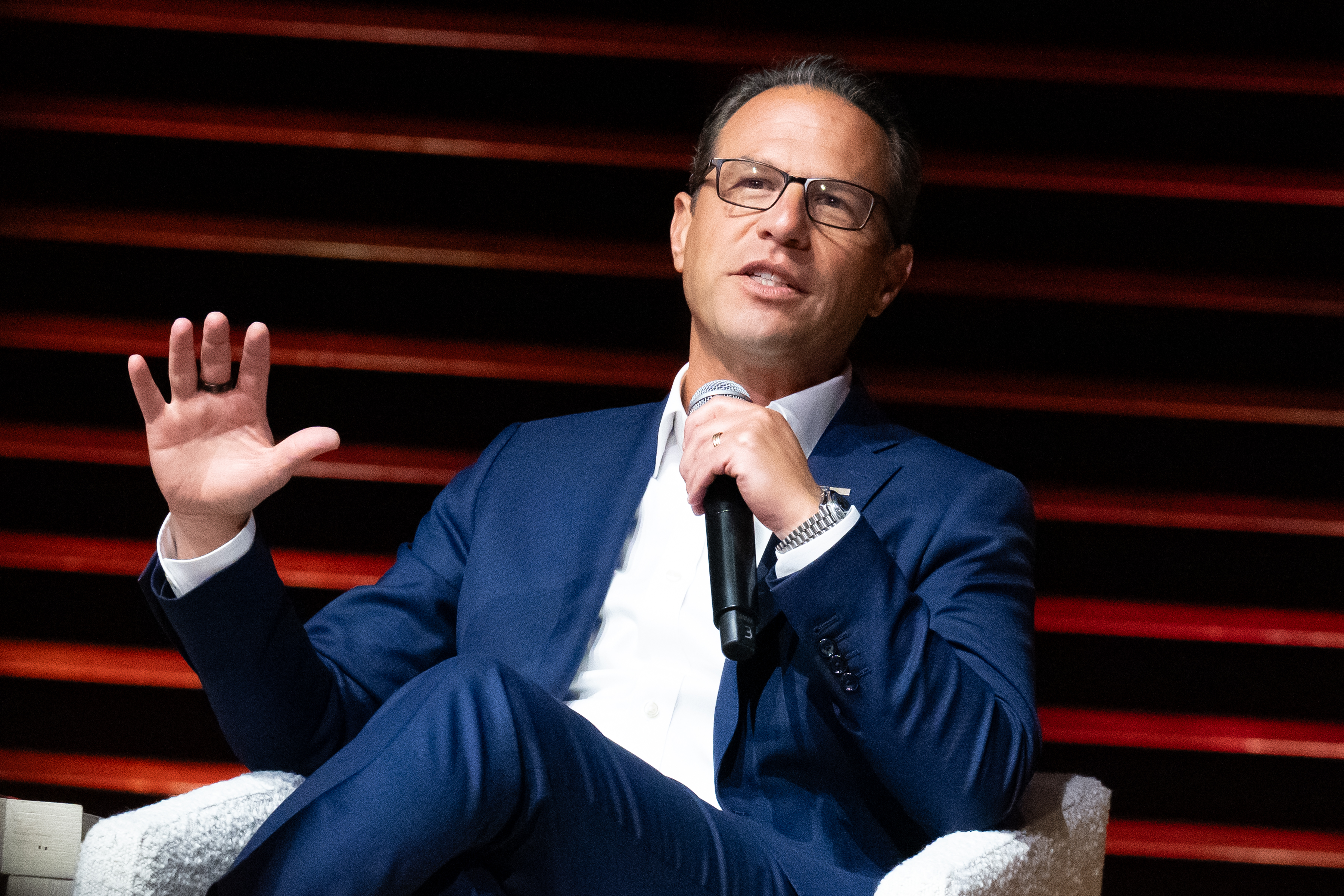
    Pennsylvania Gov. Josh Shapiro speaks during a discussion on free expression and civil dialogue at the Kimmel Center in Philadelphia on Wednesday, Sept. 9, 2026nErin Blewett / For The Inquirer

    Alasad-Murphy, a Democrat, said she believes Shapiro is capable of approaching complicated situations by listening with a careful and cautious ear.

    “He does a really good job of meeting with the people and trying to get an understanding of what the community he’s serving actually wants,” she said.

    (function(){function e(){window.addEventListener(`message`,function(e){if(e.data[`datawrapper-height`]!==void 0){var t=document.querySelectorAll(`iframe`);for(var n in e.data[`datawrapper-height`])for(var r=0,i;i=t[r];r++)if(i.contentWindow===e.source){var a=e.data[`datawrapper-height`][n]+`px`;i.style.height=a}}})}e()})();

    Shapiro’s 63% favorability rating trounces that of President Donald Trump, who has pushed for more data center construction even amid opposition from Republican voters. As gas prices climb to $4.55 in Philadelphia, just 38% of likely Pennsylvania voters have a favorable view of the president while they see him taking little action on the economy and cost-of-living concerns, their top issues.

    Vice President JD Vance has a slightly higher favorability rating than Trump, 44%, as he is increasingly seen as the Republican front-runner in a 2028 primary. Almost half of respondents view Vance very or somewhat unfavorably.

    Among voters in the poll who opposed a potential Shapiro run, 21% said they dislike him personally and 19% they dislike his policies and views.

    Susan Roller, 72, of Lancaster, disagrees with Shapiro’s support for abortion access and vaccine policy.

    “Our current governor doesn’t respect life at all stages, especially pre-born children, and is trying to push through a lot of health initiatives that would take away our freedom of choice,” said Roller, who is a Republican.

    Many of those surveyed said they are interested in seeing who else throws their hat in the ring before deciding whom to get behind in 2028. Democrats mentioned included Kentucky Gov. Andy Beshear, former Transportation Secretary Pete Buttigieg, and U.S. Rep. Alexandria Ocasio-Cortez of New York — all of whom have made visits to Pennsylvania this year.

    Before making her decision, with the 2028 primaries more than a year away, Alasad-Murphy, the Haverford voter, said she wants to understand Shapiro’s plan to tackle the country’s biggest problems.

    “I couldn’t say just because I like him and I like what he’s done for Pennsylvania that I would like what he might do for the country. Those are two completely different things,” she said.

    But his temperament and willingness to work across partisan lines to pass legislation go a long way, she said.

    “He’s very level-headed. He’s very respectful toward others, even when they don’t see eye to eye. And in the current political climate, I think that having stability and respect is really important,” she said.

  • Gov. Josh Shapiro’s administration will rescind Pa. disease-tracking proposal that reignited pandemic-era outrage

    Gov. Josh Shapiro’s administration will rescind Pa. disease-tracking proposal that reignited pandemic-era outrage

    Gov. Josh Shapiro’s administration will rescind a series of proposed vaccination and disease-tracking regulations that reignited public outrage toward restrictive pandemic-era policies in Pennsylvania — a decision made after receiving more than 10,000 comments opposing the changes, the Pennsylvania Department of Health said Friday.

    The department will withdraw the regulations, incorporate feedback, and resubmit the public health rules “once Pennsylvanians’ feedback has been adequately incorporated,” Neil Ruhland, a spokesperson for the department, said in a statement.

    Shapiro’s administration earlier this year submitted the proposed regulations aimed at combating infectious diseases to the Independent Regulatory Review Commission, a little-known board that assesses and approves new state regulations, requiring public input before they can be implemented. These regulations had been in progress for years, but were not introduced to the public until June 4.

    The public comment period coincided with a high-profile clash between Shapiro and U.S. Secretary of Health and Human Services Robert F. Kennedy Jr. over two infant deaths that Pennsylvania attributed to measles — the first deaths from the highly contagious and preventable disease in the state in 35 years. And it quickly refueled public disapproval of government mandates enacted during the COVID-19 pandemic.

    The 502-page proposed regulations would have expanded the state health department’s investigatory powers deemed necessary to track, prevent, contain, or mitigate a contagious disease. Republican state lawmakers and thousands of enraged constituents were especially concerned by a provision that would allow the state health department or local health authorities to enter schools or private properties to investigate alleged outbreaks or review vaccination records. They also criticized the health department’s effort to change references to a “pregnant woman” to a “pregnant individual” throughout the policy, claiming it was an effort to remove women from the state’s public health rules.

    The pushback comes at a time when federal health officials, under Kennedy, who has a history of anti-vaccine activism, have worked to reduce the number of childhood vaccination recommendations — and as childhood vaccination rates hit new lows in Pennsylvania. The effort has prompted Shapiro and other Democratic governors to sign executive orders to protect vaccine access. Setting vaccination mandates for schoolchildren falls to the states, not the federal government.

    The proposals rescinded Friday will not affect federal or state executive orders related to vaccination access.

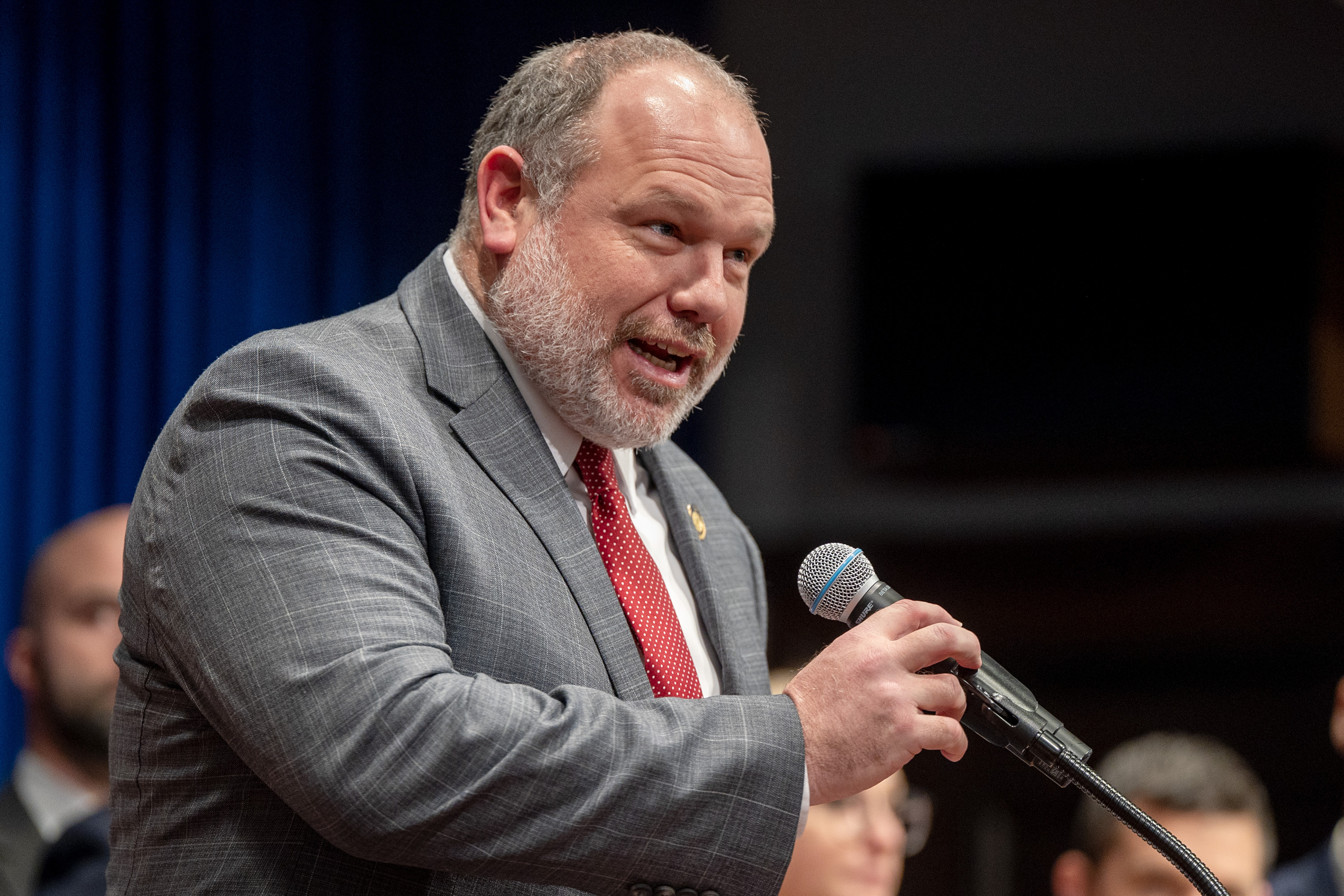
    State House Minority Leader Jesse Topper (R., Bedford) during a news conference at the Capitol in Harrisburg Feb. 3, 2026.Tom Gralish / Staff Photographer

    House Minority Leader Jesse Topper (R., Bedford) was among the first officials last month to raise alarm about the proposed regulations. In a statement Friday, he said it was the “correct and logical conclusion” for the health department, following the outpouring of public opposition.

    Senate Majority Leader Joe Pittman (R., Indiana) called Friday’s announcement “a tremendous victory for the grassroots efforts of Pennsylvanians.”

    ”This is a stark reminder that we must continue to be vigilant when the Executive Branch attempts overreach,” Pittman said in a statement. “We cannot and will not allow actions like we saw taken by the Executive Branch during the height of the COVID-19 pandemic to be put in place again.”

    Nearly all of the members of the Republican caucuses in Pennsylvania’s Senate and House submitted letters in opposition to the proposed regulations, arguing they were more restrictive than the ones enacted during the COVID-19 public health emergency and would infringe on Pennsylvanians’ constitutional rights.

    “The proposed regulations represent executive-branch overreach reminiscent of what we experienced during the COVID-19 pandemic — but this time, the rules would be permanent,” Senate President Pro Tempore Kim Ward (R., Westmoreland) said in a statement last week. “Every Pennsylvanian should understand these regulations and how they could impact their lives.”

    At least one Democrat — State Rep. Dan Frankel (D., Allegheny), who chairs the House Health Committee — submitted his support during the public comment period for updating the state’s existing communicable disease rules. Even so, his remarks recommended several changes to the proposed regulations, including to how the state would evaluate some vaccination exemptions to consider how children will be affected if their parent forgoes the preventive measures.

    Senate Minority Leader Jay Costa (D., Allegheny) said in a statement Friday he was looking forward to continuing the conversation about the regulations, adding that “public trust and buy-in is crucial to effective governance.”

    Beth Rementer, a spokesperson for House Democrats, said Friday that Shapiro’s administration was “acting responsibly” by considering public opinion.

    “After all, that’s how government is supposed to work,” Rementer said.

    Shapiro’s administration has rescinded at least 11 other regulation proposals since taking office in 2023, according to administration officials. But a deluge of feedback is rare, and most proposed regulations receive around five public comment submissions, a Shapiro administration official said.

    Monday was the final day for public comment submissions. As part of their opposition campaign, Republican lawmakers encouraged their constituents to voice their opinion as part of public comment. By the end of the day, the review commission had received more than 10,000 comments opposing the regulations.

    “The Department of Health received a historically high volume of feedback during the public commentary period, and it is clear additional stakeholder input is needed,” Ruhland said in the statement.

    Shapiro, a Democrat, is seeking reelection in November. His GOP challenger, State Treasurer Stacy Garrity, has criticized Shapiro over the proposed regulations, calling them “mandates that would make draconian COVID-era restrictions blush.”

    On Friday, Garrity celebrated the regulation withdrawal, and in a statement called Shapiro “the least transparent governor in America” who “got caught trying to sneak a 502 page invasion of privacy and parental rights through.”

    A spokesperson for Shapiro declined to comment Friday, deferring to the state health department.

  • Josh Shapiro and Gretchen Whitmer, potential 2028 rivals, meet at Philly diner to boost Democrats ahead of midterms

    Josh Shapiro and Gretchen Whitmer, potential 2028 rivals, meet at Philly diner to boost Democrats ahead of midterms

    Pennsylvania Gov. Josh Shapiro and Michigan Gov. Gretchen Whitmer, stopped by a Bella Vista diner on Friday morning to pump up Democratic volunteers to turn out voters, with less than six weeks until the high-stakes midterm elections in both of their swing states.

    On the menu: Electing Democratic candidates to Pennsylvania’s four nationally-watched U.S. House seats that could determine control of Congress, and flipping the state Senate to Democratic control for the first time in more than 30 years.

    Shapiro is also seeking a second term as Pennsylvania’s Democratic governor this November, and maintains a sizable polling and fundraising advantage over his Republican opponent, state Treasurer Stacy Garrity.

    “I know we’re in a moment of tumult right now, where chaos and cruelty and corruption is just enveloping our lives. The good news is in 39 days, you’ve got the power to change that,” Shapiro told the group of a couple dozen volunteers from voter protection groups. Servers at Sam’s Morning Glory Diner, wearing T-shirts with messages condemning President Donald Trump and supporting former Vice President Kamala Harris, whisked by with plates of omelettes and pancake stacks.

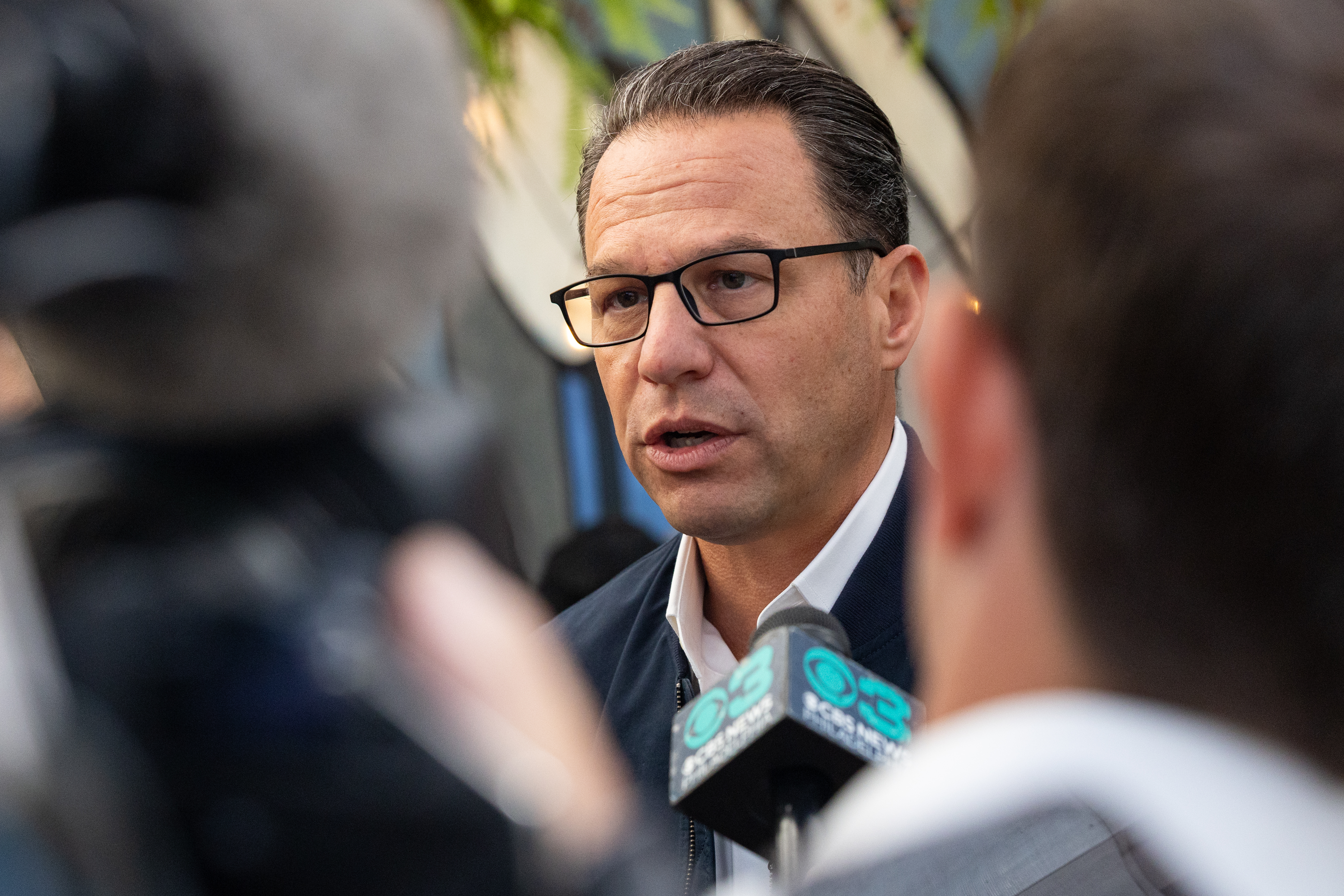
    Gov. Josh Shapiro talks to patrons alongside Michigan Gov. Gretchen Whitmer out in the back patio of Sam’s Morning Glory Diner in South Philadelphia on Friday, Sept. 25, 2026. Shapiro is canvassing to get Pennsylvania Democrats elected up and down the ballot as the midterms are upcoming in November. He wants to flip the state Senate for Democrats to take back control. Whitmer is present to support Shapiro’s re-election campaign.Aidan T. Gallo / Staff Photographer

    Shapiro also assured voters that elections in Pennsylvania will be conducted fairly and accurately, following a CNN report that Trump’s Department of Justice is sending a surge of election monitors to oversee polling locations.

    “We’re prepared again in court, and we’re also prepared should they try and bring personnel into certain communities, particularly minority communities, to try and intimidate people, make it harder for people to vote, or make them worried about showing up to vote,” he said.

    State election officials are coordinating with the Pennsylvania National Guard, the Pennsylvania State Police and local law enforcement to protect voting access, he said.

    “We will do everything in our power to stop Donald Trump from interfering with this election and ensure, whether you vote by mail or you vote in person, you will have access to the ballot box, and it will be protected,” he said.

    Gov. Josh Shapiro meets with patrons alongside Michigan Gov. Gretchen Whitmer inside Sam’s Morning Glory Diner in South Philadelphia on Friday, Sept. 25, 2026. Shapiro is canvassing to get Pennsylvania Democrats elected up and down the ballot as the midterms are upcoming in November. He wants to flip the state Senate for Democrats to take back control. Whitmer is present to support Shapiro’s re-election campaign.Aidan T. Gallo / Staff Photographer

    Whitmer is nearing the end of her second term as Michigan’s governor, and like Shapiro, has been floated as a contender in the 2028 Democratic presidential primary.

    The two have been coy about any future pursuits. Shapiro has demurred on his ambitions for higher office, saying he’s focused on his reelection, though he’s also said he will “be a part of that conversation” about who Democrats should nominate for president. Whitmer previously said she had no plans to run in the Democratic presidential primary in 2028 but later walked it back, saying “never say never.”

    But on Friday in South Philadelphia, there were no signs of rivalry. Whitmer said she was in town to help support Shapiro’s reelection effort. Shapiro praised Whitmer, saying she has been a guiding light for the kind of governor he wanted to emulate.

    Whitmer, Shapiro said, is ”someone I have looked up to, someone who knows how to get stuff done in her state, and someone who I think leads with integrity, with purpose, with drive and determination.”

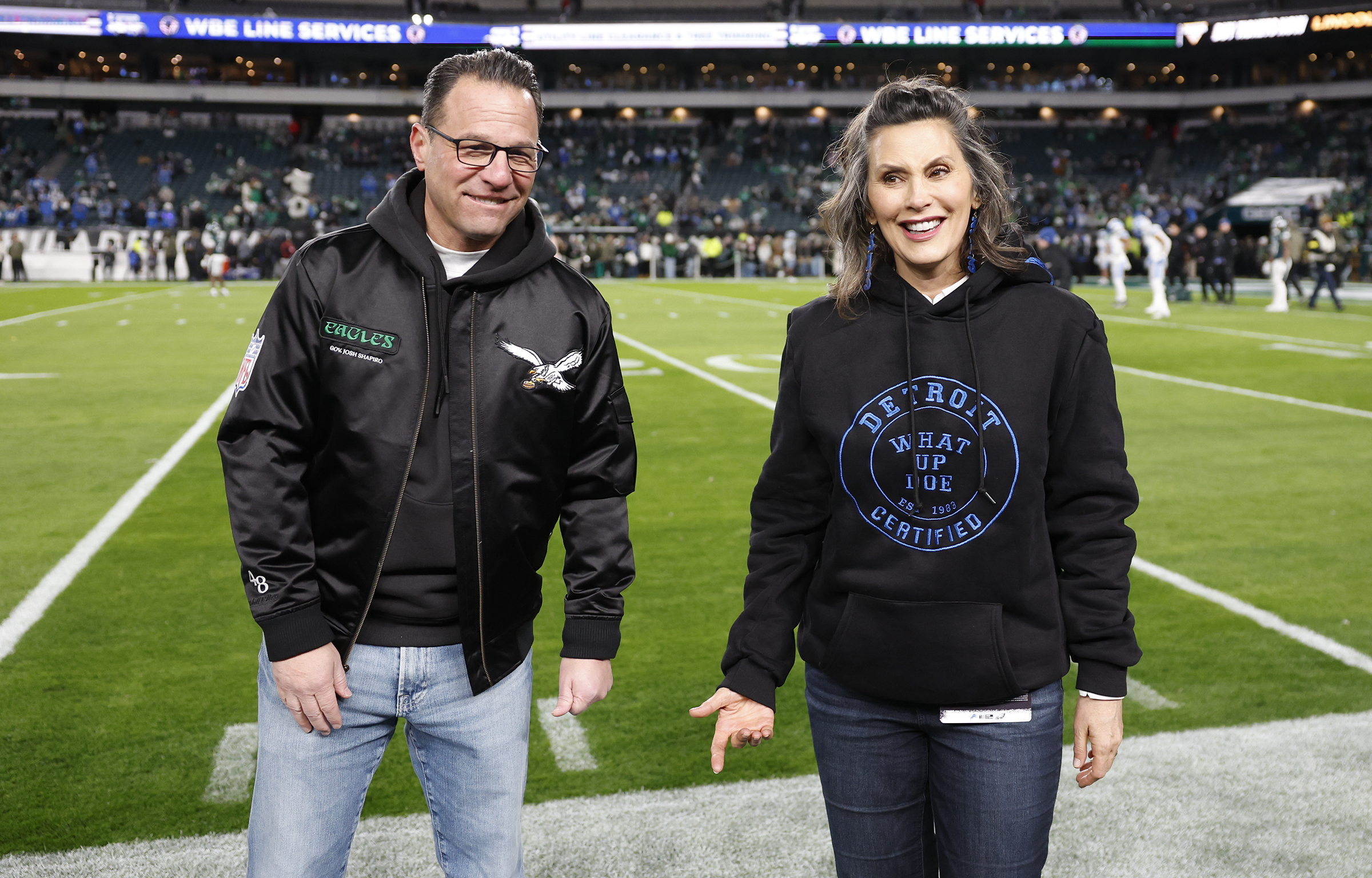
    The two appeared together publicly last year at an Eagles-Lions football game at Lincoln Financial Field, as part of what Whitmer called a friendly rivalry between the NFC championship contenders.

    Pennsylvania Governor Josh Shapiro (right) and Michigan Governor Gretchen Whitmer before the Eagles played the Detroit Lions at Lincoln Financial Field on Sunday, Nov. 16, 2025, in Philadelphia, PA.Yong Kim / Staff Photographer

    During the 2024 presidential election, Shapiro also visited Michigan to stump alongside Whitmer for Harris’ campaign.

    On Friday, Whitmer called Shapiro a “good friend and colleague.”

    “When Washington, D.C. is making life harder — whether it’s through tariffs or a war in Iran that’s jacking up the price of everything — it’s the governors that are protecting our rights, that are making sure we keep more money in our pockets. It’s the governors who are solving problems,” she said. “You got one of the best in the country.”

    After talking with patrons, Shapiro said he planned to sit down with Whitmer to eat something at the restaurant. Featured on Sam’s Morning Glory Diner menu on Friday: “Shapiro 2026″ and “2028 sausage, eggs and gravy.”

    Shapiro did not elaborate on his order.

  • Bitcoin memes and Ponzi schemes | Editorial

    Bitcoin memes and Ponzi schemes | Editorial

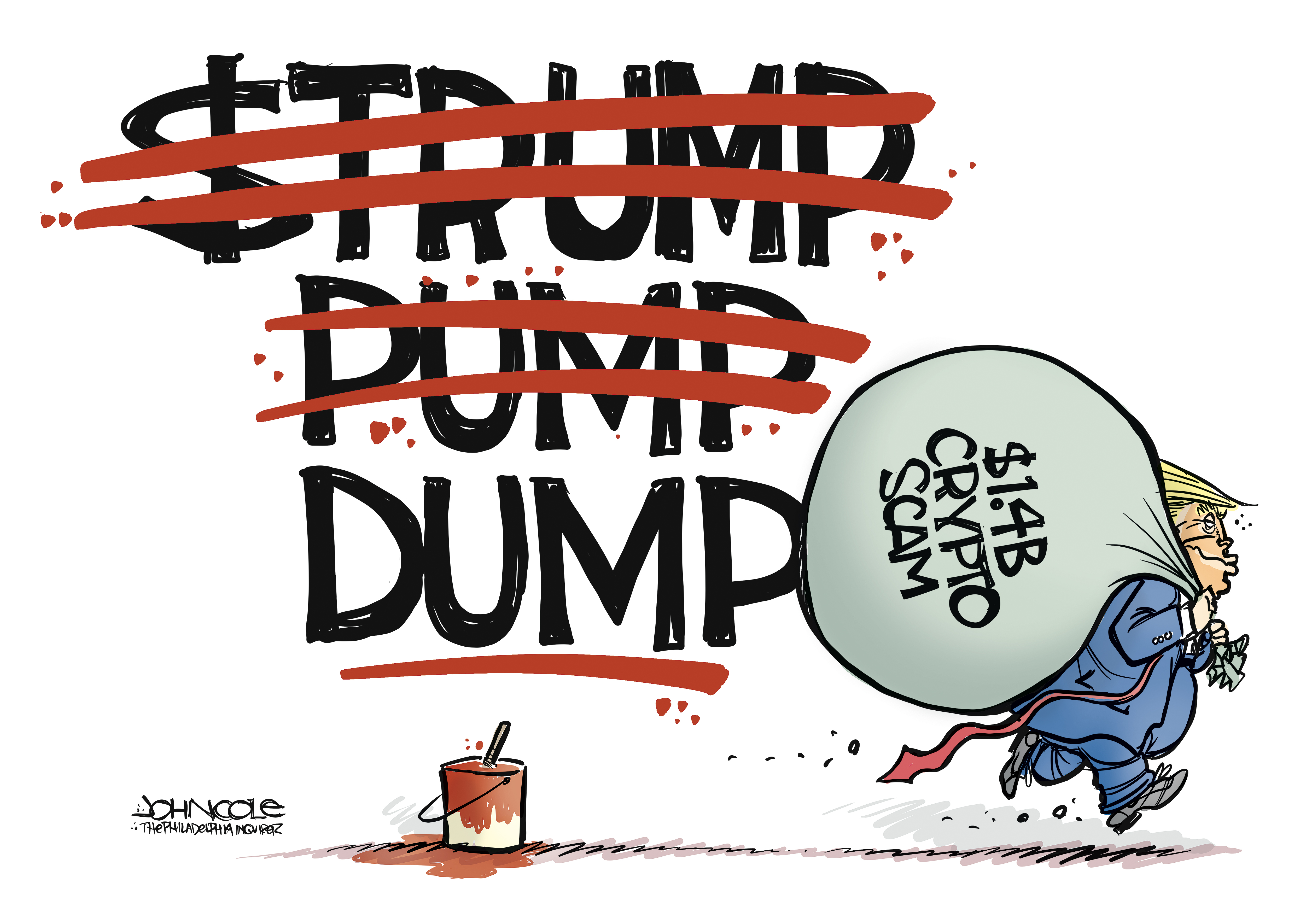
    Much has been made of Donald Trump’s apparent about-face on cryptocurrency. This is particularly notable since the president’s dealings in the virtual cash he once spurned have earned him at least $1.4 billion since he returned to office. Not bad for something he had called “a scam” and an asset “based on thin air.”

    Of course, that assumes he meant those things as derogatory.

    After a lifetime of pushing real estate, casinos, liquor, and steaks, one may think the Art of the Steal has finally gone high-tech. But at least for retail investors, Trump’s crypto ventures reek of old-fashioned Ponzi schemes.

    Launched a few days before his inauguration in 2024, the $TRUMP memecoin — a digital token with no intrinsic value — reached a peak price of around $74 as the president hyped up the asset to his followers. The coin’s value cratered soon after and was trading under $3 in September.

    A few dozen early investors made multimillion-dollar profits, but most buyers fared poorly, losing almost $4 billion as of earlier this year, according to a New York Times analysis.

    Even if Trump supporters and less savvy investors played along willingly, the game was always rigged in the president’s favor — regardless of the memecoin’s price, Trump and his business partners were always going to rake in transaction fees.

    All told, Trump walked away with a $636 million payout.

    It is unseemly and deeply unethical for Trump to use the office of the presidency for personal benefit. But profiting off the sale of a worthless tchotchke is very much on-brand for the inveterate huckster whom voters returned to the White House.

    Much more troubling than his déclassé dealings is how individuals and foreign governments with interests before the United States, including government regulation of the crypto industry, have made large investments that have gone to line Trump’s pockets.

    The president has repeatedly brushed off ethical concerns about his crypto windfall, saying there is “nothing illegal” and “nothing wrong.”

    Yet, there can be little question that Trump’s memecoin remains a way to funnel large amounts of money to him with little transparency or oversight.

    Speaking at a Center for American Progress event recently, U.S. Sen. Chris Murphy of Connecticut called the president’s crypto business “a bribery conspiracy,” and said the very founding of Trump’s crypto empire was “bathed in corruption.”

    Murphy pointed to the half billion dollars Sheikh Tahnoon bin Zayed Al Nahyan put up to secure a 49% stake in the Trump family’s crypto company, World Liberty Financial, shortly before Trump assumed office. The Abu Dhabi royal, the United Arab Emirates’ national security adviser and brother of that country’s president, is also backing the launch of a new Trump crypto bank, according to the Wall Street Journal.

    There is no evidence of a quid pro quo, but there is also little explanation as to why long-standing bipartisan national security concerns were ignored and the UAE was given access to advanced AI chips by the Trump administration, long a goal for the Gulf nation.

    Tahnoon was not the only investor in World Liberty Financial who benefited from his relationship with Trump. Justin Sun, a Chinese billionaire accused of fraud, sank $30 million into World Liberty Financial and saw a lawsuit by the Securities and Exchange Commission put on hold soon after, with a settlement reached in April in which Sun admitted no wrongdoing.

    (Sun is now accusing World Liberty Financial of “criminal extortion” after he was prevented from selling off the memecoin, allegedly once he declined to sink more money into the Trump-owned company.)

    Earlier this month, legislation long sought by the crypto industry as a way to legitimize its business failed to move forward in the Senate, as Democrats demanded stricter ethics guidelines to prevent further Trump profiteering.

    Crypto companies have spent hundreds of millions of dollars lobbying for this legislation — and they are likely willing to spend much more — but Congress should hold firm. Lawmakers must ensure that any legitimate use for cryptocurrency does not include the ability to bribe a president.

  • Amid rising political violence, N.J. passes bill that would allow campaigns to use funds for security

    Amid rising political violence, N.J. passes bill that would allow campaigns to use funds for security

    New Jersey is poised to allow political candidates to spend campaign donations on security guards and equipment, amid a rising toll of national violent threats and deadly attacks against politicians and their families.

    The 80-member state Assembly on Thursday gave final approval to a bill that would enable politicians to buy alarm and motion-detection systems and hire guards “provided that the security measures address ongoing dangers or threats that would not otherwise exist were it not for the individual’s status or duties as a candidate or officeholder.”

    The bill passed 53-13 with eight abstentions.

    Majority Democrats did not speak during the debate. Some Republicans questioned why candidates’ safety should in any way depend on the size of their campaign fund. They recommended that concerned candidates apply for a firearm and protect themselves.

    Assemblywoman Dawn Fantasia (R., Sussex) said she encountered “some real live wires out there” and has beefed up security in her own home. She has enlisted help from the state police and the attorney general’s office as well. But the bill still gave her pause.

    “I don’t believe anyone has ever donated to me … thinking, ‘I hope it keeps her alive,’” Fantasia said.

    Typically, candidates cannot not use political donations to cover personal expenses. But since the execution of New Jersey U.S. District Judge Esther Salas’ son in their Middlesex County home in 2020 by a self-described men’s rights lawyer, appointed and elected public officials nationwide have taken steps to protect their privacy.

    Those fears only multiplied after President Donald Trump was wounded during a shooting at a Pennsylvania campaign rally in 2024, last year’s arson attack at the Pennsylvania governor’s mansion while Gov. Josh Shapiro slept inside, and the 2025 assassination of Democratic Minnesota State Rep. and former House Speaker Melissa Hortman and her husband.

    This image provided by Commonwealth Media Services shows damage after a fire at the Pennsylvania governor’s mansion while Democratic Gov. Josh Shapiro and his family slept inside on Sunday, April 13, 2025, in Harrisburg, Pa. (Commonwealth Media Services via AP)A

    New Jersey would be the 17th state to allow political contributions to be spent on security, according to the National Conference of State Legislatures.

    Rowan University political science professor Ben Dworkin called the need for such a bill “an unfortunate development in the hyper-partisan world we live in.”

    “For any number of years, protecting the candidate meant staff walking in a circle around them, creating a bubble, and moving through the crowd,” said Dworkin, the director of the Rowan Institute for Public Policy and Leadership. “It’s sad if we have gotten to the point the majority of the legislature needs professionals.”

    It is now up to Democratic Gov. Mikie Sherrill to decide whether to sign the legislation into law. The 40-member Senate passed the measure in June.

    The next major statewide election is next year, when all 120 seats in the legislature are on the ballot.

    The protections could extend to candidates’ immediate family members with whom they live. Security personnel could not be relatives, nor could candidates hire security companies owned by family, according to the bill.

    Security devices may be sold after the campaign, according to the bill.

    The state Election Law Enforcement Commission would implement the measure if Sherrill signs it.

  • A GOP backer of Mayor Parker resigned from three city boards as he weighs ‘civic engagement’ opportunities

    A GOP backer of Mayor Parker resigned from three city boards as he weighs ‘civic engagement’ opportunities

    Private equity investor Gregory L. Segall, a Philadelphia Republican who was a key backer of Mayor Cherelle L. Parker’s 2023 campaign, has resigned from three city boards as he weighs other “civic engagement” opportunities, according to a copy of one of his resignation letters obtained by The Inquirer.

    Parker, a Democrat, appointed Segall to the Philadelphia Gas Works board, the Philadelphia Tax Reform Commission, and the Mayor’s Business Roundtables. Segall resigned from all three effective Aug. 31. He also served as a vice chair of Parker’s transition committee when she was taking office.

    “While I am stepping away from this role, I remain committed to civic engagement and intend to explore other ways to continue the journey I have been privileged to pursue over the last several years,” Segall, the chairman and CEO of Versa Capital, wrote in his letter resigning from the Mayor’s Business Roundtables, an advisory group convened by Parker.

    Segall’s moves come as candidates are gearing up to run in next year’s municipal elections, when Parker and all 17 City Council members are up for reelection.

    Candidates in the primary election have until early spring to decide whether they are running.

    Claudia Vargas, a journalist who formerly worked for NBC10 and The Inquirer, reported this week that Segall was considering running for Council.

    When contacted by The Inquirer, Segall, who lives in Chestnut Hill, said Wednesday he is “not running” for Council.

    “People have suggested multiple forms of public service, including Council, and I have no plans or commitments at this time,” Segall, 63, said in an interview.

    Segall said he continues to “strongly support Mayor Parker, and my highest and best hope is that my public service will be in aid of her continued success.”

    Parker on Wednesday declined to comment on the report of Segall exploring a run for office.

    From 2022 through 2025, Segall and his wife donated $37,300 to Parker’s campaign, according to campaign finance records. He also gave $150,000 to a super PAC backing her 2023 run, and $6,200 to her transition committee, the records show.

    Segall introduced Parker last year when she gave a high-profile speech at the Union League, where he is a member.

    “The 2023 election took place at a time of crisis in the city, and getting the right leader was never more critical,” Segall said. “So the reason for my commitment to her was quite simple: Before I’m a Republican, I’m a Philadelphian.”

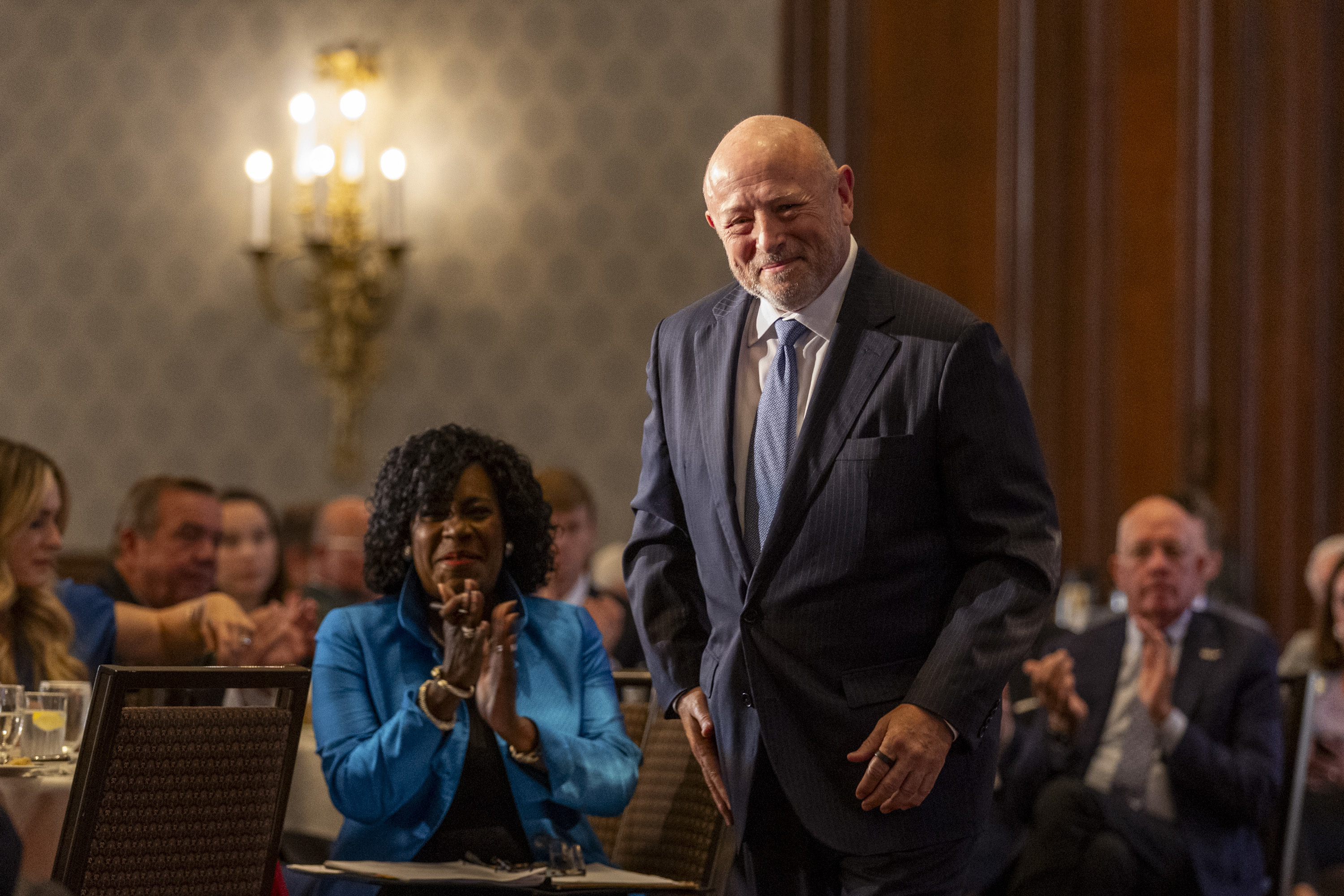
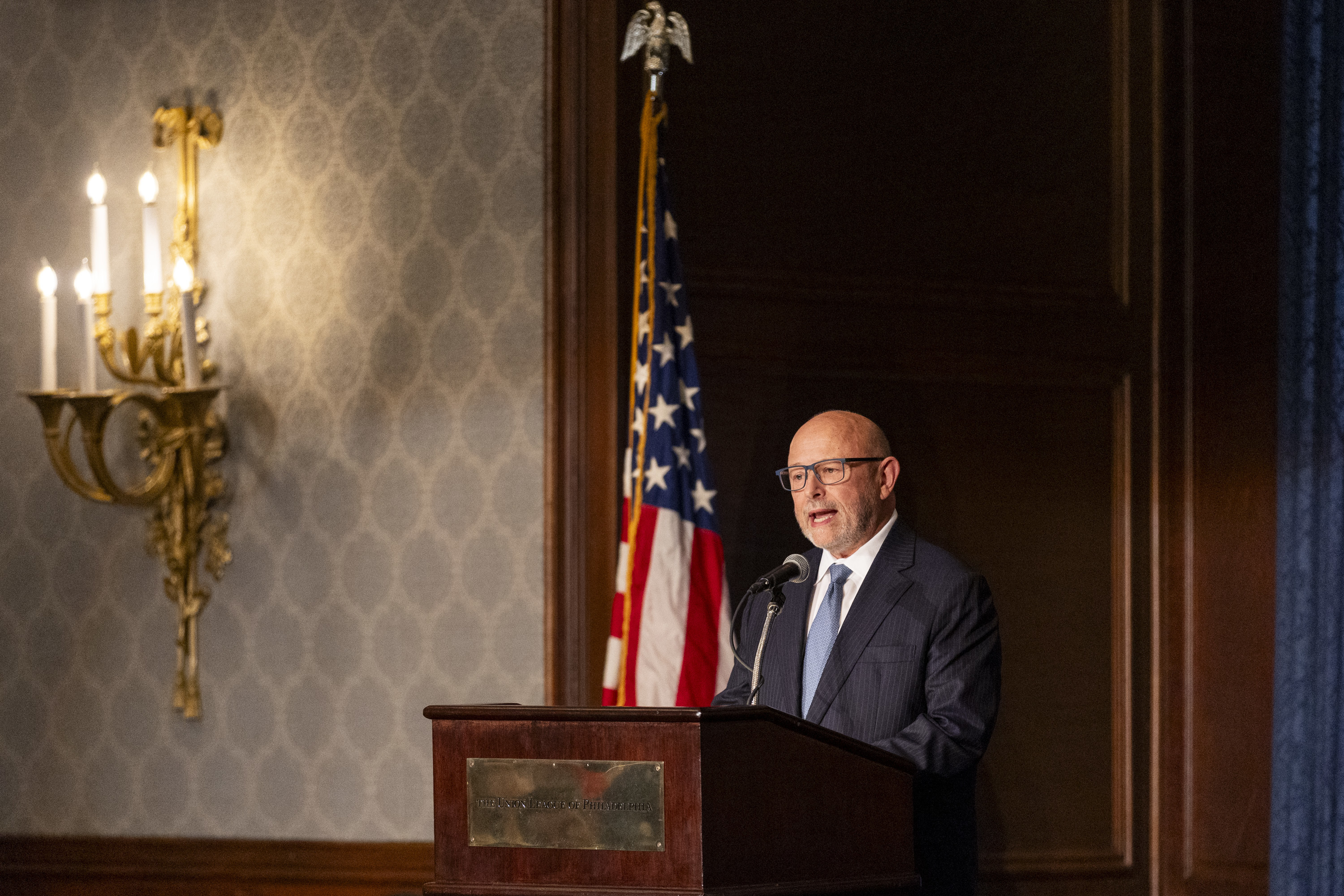
    Gregory Segall, Chairman and CEO of Versa and Supporter of Mayor Parker, speaks at the Union League of Philadelphia Presidential Luncheon in Philadelphia, Pa., on Thursday, September 18, 2025.Tyger Williams / Staff Photographer

    Citing Republican Party sources, Vargas reported that Segall was considering running for one of the two at-large seats on Council that are elected citywide and are set aside by the Home Rule Charter for minority-party or independent candidates.

    Republicans held those seats for about seven decades until Councilmembers Kendra Brooks and Nicolas O’Rourke won them over the last two election cycles as members of the progressive Working Families Party.

    Brooks is considering challenging Parker in next year’s mayoral election, sources previously told The Inquirer, which would require her to resign from her Council seat.

    The Philly GOP has been strategizing ways to recapture the seats, and a run by Segall, a wealthy businessman who could potentially help fund his own campaign, could be a major opportunity for the party.

    Segall donated $2,500 to the Republican City Committee last October.

    GOP chair Vince Fenerty said he has met Segall and thinks he is a “nice and honorable man.”

    “We’re a party that welcomes any potential candidate, and the decision to endorse would be up to our ward leaders,” Fenerty said in an interview Thursday.

    Brian O’Neill, who represents the 10th District in Northeast Philadelphia, is currently the only Republican on Council. Democrats hold the remaining 14 seats.