Tag: Democrats

  • Affordability is on voters’ minds in Pa. swing districts as the cost of gas and groceries skyrockets

    Affordability is on voters’ minds in Pa. swing districts as the cost of gas and groceries skyrockets

    SCRANTON — Four of Mike Parry’s tenants can no longer afford to pay their rent. Suddenly, their financial pain is his.

    “It’s the affordability of everything that’s the problem,” said Parry, 60, of Clarks Summit, Lackawanna County. “We’re all feeling it now.”

    With the war in Iran rocketing gas to almost $5 a gallon, inflation surging to 3.4% from 2.6% in 2025, and food prices up nearly 3% over last year, the high cost of living is weighing on the minds of many voters — and candidates — as the midterm elections draw near.

    Nowhere is that more critical than in four tightly contested Pennsylvania congressional districts that could decide the control of the U.S. House — in Bucks County, the Lehigh Valley, the Harrisburg area, and Northeast Pennsylvania.

    Mike Parry of Clark Summit, Lackawanna County.Courtesy of Mike Parry

    Parry, a Republican and supporter of President Donald Trump, said he is aware that many Americans hold the president and his party accountable for the affordability crisis, including in the 8th Congressional District, where Parry plans to back GOP U.S. Rep. Rob Bresnahan over Scranton Mayor Paige Cognetti, the Democratic nominee.

    But other voters might not be so kind to Trump-aligned incumbents this fall.

    Among likely voters in Pennsylvania, 75% disapprove of how Trump is handling the cost of living, compared with just 25% who approve, according to a recent poll from The Inquirer, the New York Times, and Siena University. And 73% disapprove of how he has handled gas prices, vs. 24% who approve. About 65% disapprove of his handling of the economy, vs. 34% who approve.

    “It doesn’t matter what party you’re in,” Parry said. “We’re all getting hammered the same.”

    ‘Spend less’

    At his local Wawa gas station in Allentown, P.J. Santos, 32, removed his finger from the pump trigger before his tank filled.

    “Now I tell myself to spend less,” said Santos, a Democrat who is supporting former firefighter Bob Brooks over Republican U.S. Rep. Ryan Mackenzie in the Lehigh Valley’s 7th Congressional District.

    P.J. Santos of Allentown.Courtesy of P.J. Santos

    “So I buy less than I need,” he added, tightening his gas cap. “Same goes for date nights with my wife: Spend less.”

    That is harder when you’re buying food, said Tammy McCoy, 52, of Easton, in the same district. “Walk into any grocery store,” said McCoy, a Democrat and professional cook. “It’s like you have to hand them $50 at the door.”

    (function(){function e(){window.addEventListener(`message`,function(e){if(e.data[`datawrapper-height`]!==void 0){var t=document.querySelectorAll(`iframe`);for(var n in e.data[`datawrapper-height`])for(var r=0,i;i=t[r];r++)if(i.contentWindow===e.source){var a=e.data[`datawrapper-height`][n]+`px`;i.style.height=a}}})}e()})();

    Trump, she remembered, promised to lower prices on Day 1 of his presidency. Not only did that not happen, she added, he raised tariffs, making imported staples like coffee, nuts, and olive oil more expensive. “Because of that,” McCoy added, “I’m against him and Republicans.”

    Tapping into the frustration over food prices, Democrat Janelle Stelson’s campaign is pointing to the cost of hamburgers as she seeks to oust Republican U.S. Rep. Scott Perry in the 10th Congressional District.
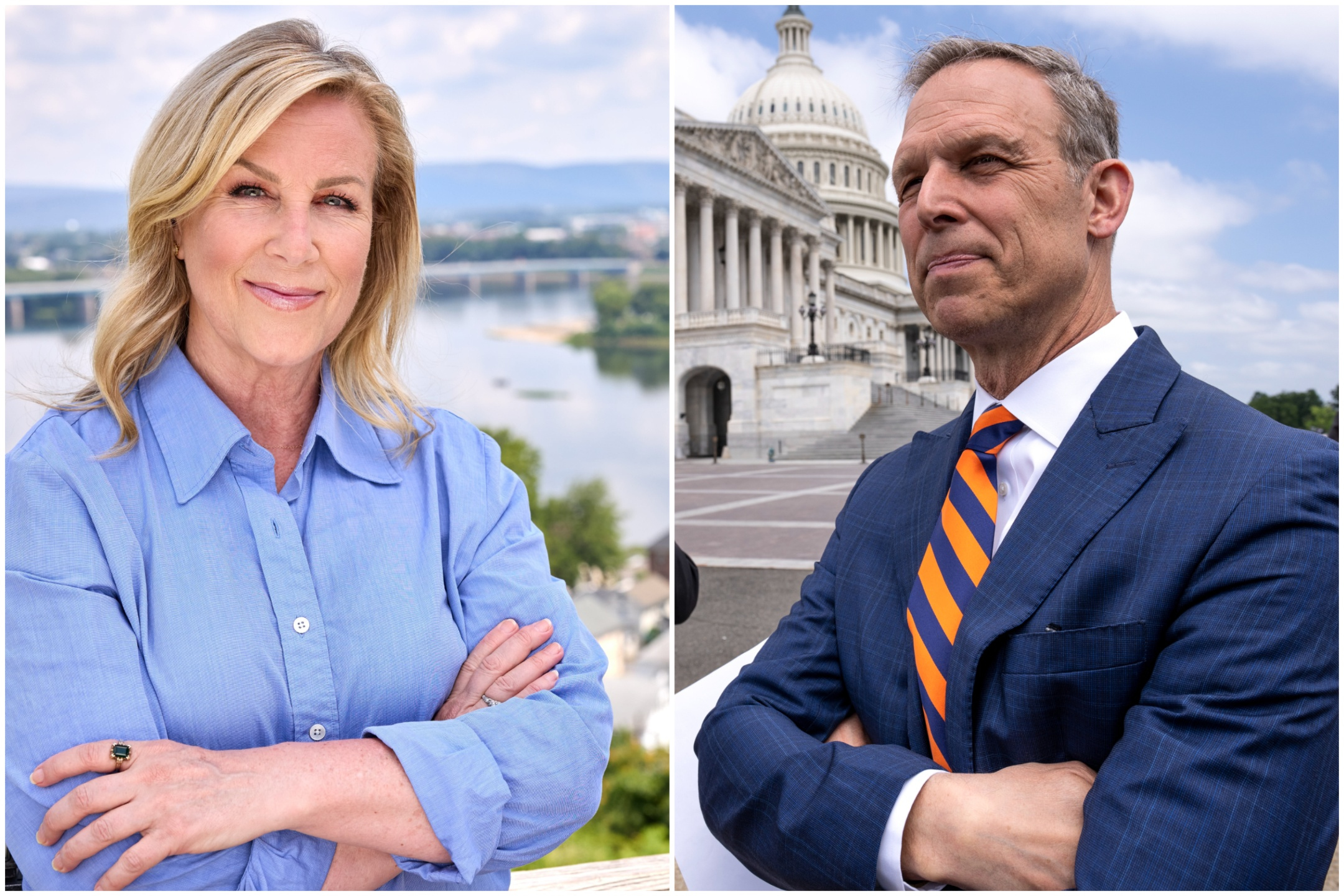
    Janelle Stelson (left) and Rep. Scott Perry, R-Pa.(right) from a Stelson campaign photo in 2024, the last time the two squared off against each other in a bid to represent the 10th Congressional District. Stelson Campaign, AP

    Stelson eats a burger in a TV ad that says Americans now pay $7.29 for a pound of ground beef — a result of tariffs Trump imposed and Perry supported.

    But criticism of Trump’s tariffs will not sway Tammy Green, 60, a Republican voter in the 8th Congressional District who supports Bresnahan over Democrat Cognetti.

    “Because he’s a businessman, President Trump understands the economy. … He’s negotiating fair prices with tariffs,” said Green, a former travel agent who lives in West Wyoming, Luzerne County.

    More households need help

    On a hot September day in Levittown, people gathered to celebrate the grand opening of the new headquarters of the United Way of Bucks County. Focused on helping anyone experiencing financial hardship, the building features an expanded HELP Center, where diapers, fresh produce, and clothing are available at no charge.

    As need skyrockets, the nonprofit expects a 40% to 50% increase in demand this year, Marissa Christie, president and CEO, said in an interview.

    “Folks are telling us that in the grocery store, their budget is not going as far as it used to,” Christie said. “When they go to fill up their gas tank, their money is not going as far as they expected.”

    Attending the event alongside other local lawmakers was U.S. Rep. Brian Fitzpatrick (R., Bucks), who secured $4.15 million in federal funds for the building and said the agency will “always be in that top-10 list” of key nonprofits helping those in need.
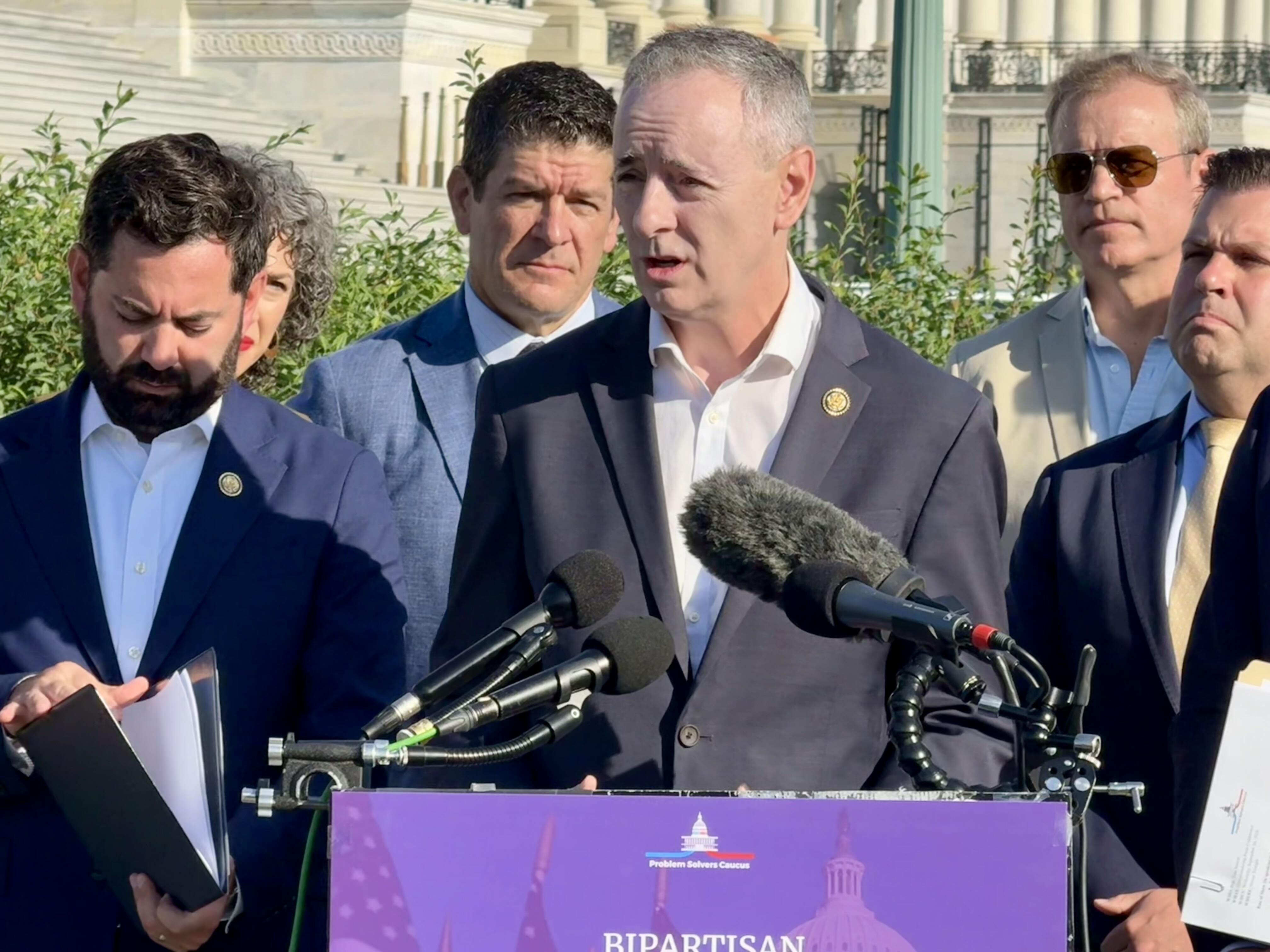
    U.S. Rep. Brian Fitzpatrick (R., Bucks) speaks outside the U.S. Capitol about legislation to put national restrictions on gerrymandering on Sep. 16, 2026.Sam Janesch / Staff

    The cost of living has become a focal point in the 1st Congressional District race as Fitzpatrick fends off a challenge from Democratic County Commissioner Bob Harvie in the Bucks County-based swing district.

    Pennsylvania Democrats, including Harvie, have centered their campaign messaging on affordability in hopes of appealing to voters across the political spectrum.

    “Costs are what affect people every single day … whether it’s at the pump, whether it’s in the grocery store,” Harvie said in an interview with The Inquirer’s Editorial Board. “Housing costs obviously are huge. It’s a major issue here in this district, especially in the county.”

    (The Editorial Board, which runs The Inquirer’s opinion pages and decides endorsements, operates independently from the newsroom. Newsroom editors and reporters have no role in endorsements, and opinion staffers have no role in news coverage.)

    Fitzpatrick, too, acknowledged in an interview at the U.S. Capitol last month that affordability is the top issue not just in this election, but in every election.

    “The No. 1 priority, the No. 1 focus, has to be on affordability — has to be,” he said. “That’s the issue that got Trump elected in ’24. It’s what got [New York Mayor Zohran] Mamdani elected in ’25. It’s what people care about.”

    ‘Affordability front and center’

    Demonstrating their awareness of voter focus on the high cost of living, Trump administration officials and local Republicans repeatedly emphasized “affordability” as they touted their work to combat rising electricity prices at a PPL Electric Utilities facility in Allentown last week.

    “This is a quick way to lower electricity prices and increase reliability,” U.S. Energy Secretary Chris Wright said as he announced up to $71.5 million in federal funding for PPL, which was among $2 billion in new spending aimed at improving the electric grid.

    Upgrades to existing transmission lines will include new technology like sensors to detect weather conditions, improving efficiency and ultimately lowering electricity costs, according to the Energy Department.

    Asked how quickly consumers might see those improvements, Wright did not specify a timeline but noted that new, large-scale energy users — like data centers — are negotiating with utilities about how much of the increased demand they will cover.

    Mackenzie, a freshman lawmaker whose district includes the Lehigh Valley and Poconos, also emphasized a bill he supports that would set federal standards for data centers to pay for their electricity use, and another to promote transparency around retail electric costs.
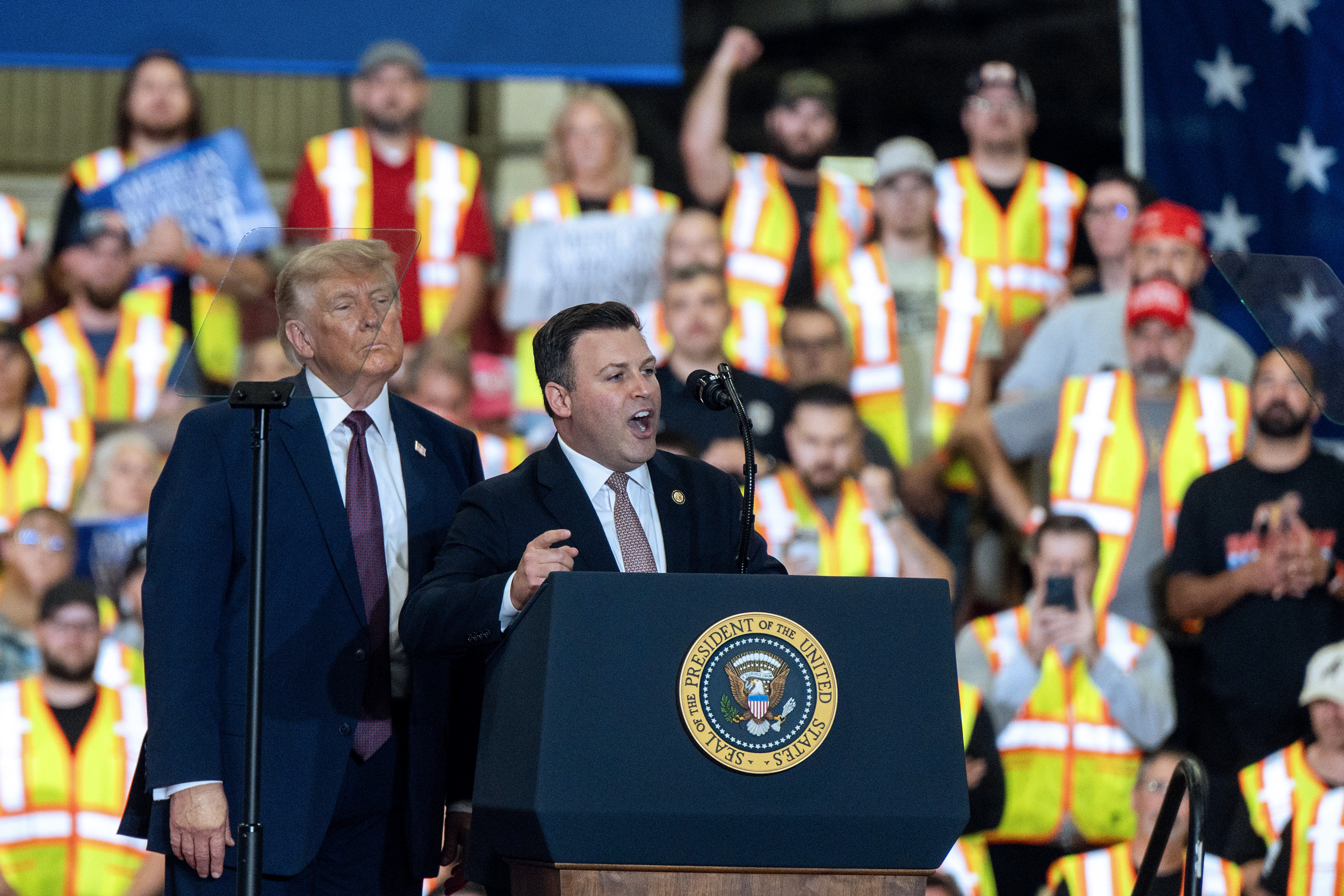
    President Donald Trump invites 7th District U.S. Rep. Ryan Mackenzie (right) to the stage to visit Mack Trucks in Macungie, outside Allentown in the Lehigh Valley, in June.Tom Gralish / Staff Photographer

    Mackenzie said energy policy needs to keep “affordability front and center.”

    The war’s economic consequences

    Some Trump voters say they are willing to pay more for gas and other essentials as the president pursues his policy goals at home and in Iran.

    “We incur a cost that stinks now to avoid another Sept. 11 later,” said T.J. Fitzgerald, 60, a Republican bail bondsman from Nanticoke, Luzerne County, in the 8th Congressional District. “Fighting Iran, a terrorist organization, is worth inflation at the pump.”

    Ryan Kavulich, a 37-year-old project manager from Dunmore in nearby Lackawanna County, disagreed with that logic.

    “The war’s a nightmare with what it’s costing for diesel,” said Kavulich, a Democrat who plans to back Cognetti in November.

    (function(){function e(){window.addEventListener(`message`,function(e){if(e.data[`datawrapper-height`]!==void 0){var t=document.querySelectorAll(`iframe`);for(var n in e.data[`datawrapper-height`])for(var r=0,i;i=t[r];r++)if(i.contentWindow===e.source){var a=e.data[`datawrapper-height`][n]+`px`;i.style.height=a}}})}e()})();

    People in the 8th District know that Bresnahan voted against ending the war with Iran in September, Kavulich said.

    “And that makes voting for Paige [Cognetti] in November the easiest choice ever,” he said. “So many people around Scranton have a blue-collar, kitchen-table, commonsense vibe. They know going into Iran isn’t what you do. They know it’s time to be over Bresnahan and Trump.”

    As the cost of fuel continues to climb, even some longtime Republicans in the district are expressing their doubts about the economic consequences of Trump’s war.

    “I voted for Trump three times,” said Greg Kerrick, 58, a Republican voter from Scranton.

    “But I don’t like him pushing up gas prices,” added Kerrick, who is unemployed. “And I feel for anyone paying over $4 a gallon.”
  • Democrats are calling for the resignation of a GOP lawmaker who reportedly hurled a homophobic slur at Philly’s Malcolm Kenyatta

    Democrats are calling for the resignation of a GOP lawmaker who reportedly hurled a homophobic slur at Philly’s Malcolm Kenyatta

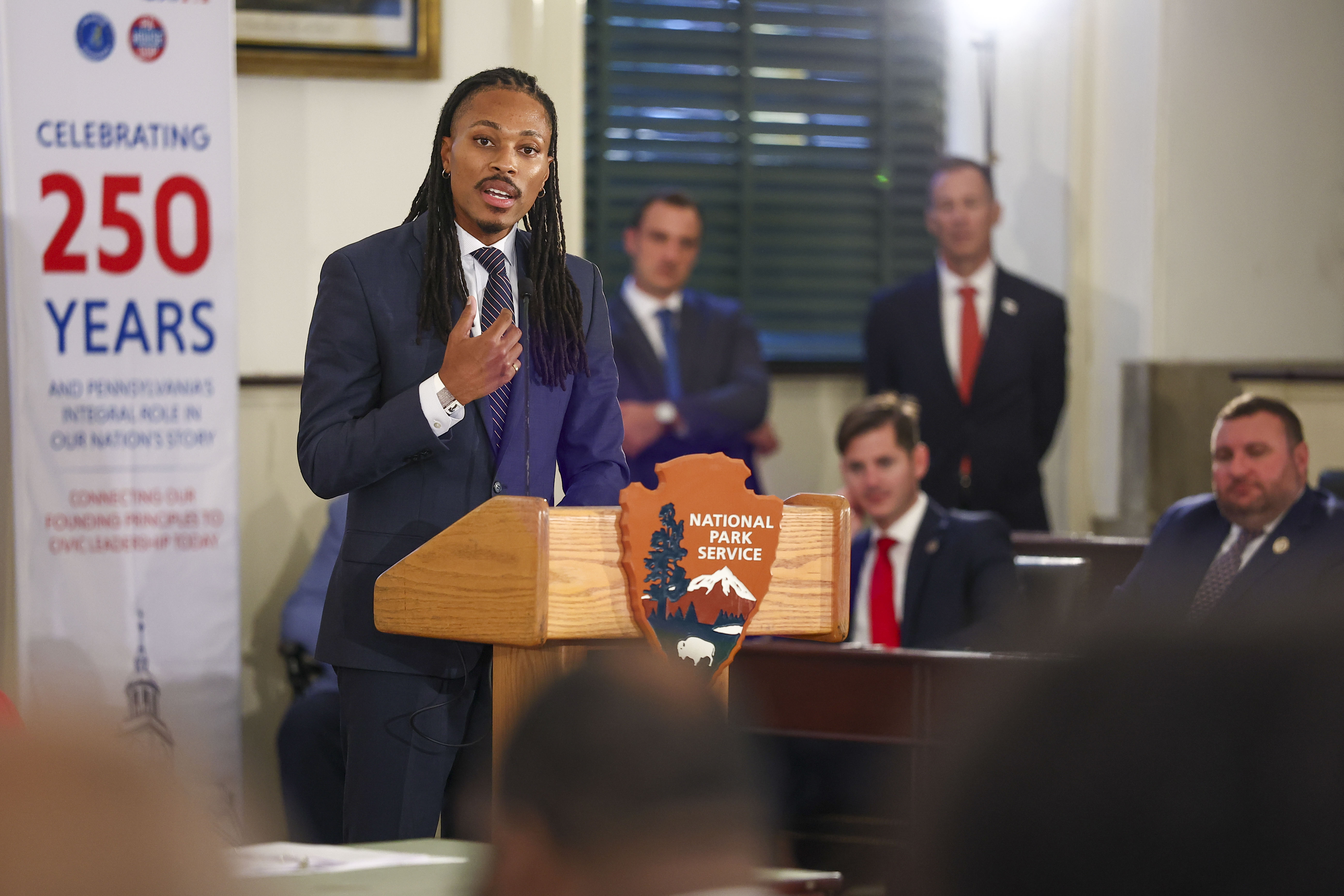
    The Pennsylvania House Republican Caucus chastised a GOP state legislator Thursday after he reportedly hurled a homophobic slur earlier in the week at Democratic State Rep. Malcolm Kenyatta of Philadelphia, who is gay.

    State Rep. Aaron Bernstine, a Republican who represents portions of Butler and Lawrence Counties in Western Pennsylvania, also allegedly said in a Harrisburg bar that Kenyatta had lost weight, which Bernstine allegedly attributed to AIDS, according to reporting by PennLive. Kenyatta was not present when the alleged remarks were made.

    “The alleged conduct is troubling and does not comport with the values and professionalism Pennsylvanians expect of their state lawmakers,” Republican Caucus spokesperson Jason Gottesman said in a statement.

    “All elected officials, regardless of party or position, must act in a manner consistent with the expectations of their constituents. When they fall short of that standard, it is upon them to take personal and individual responsibility for their actions quickly and appropriately.”

    Kenyatta didn’t respond to several requests for comment, but other Democrats expressed their outrage on his behalf, including the Democratic National Committee, for which Kenyatta serves as vice chair.

    “Hateful, homophobic, and racist attacks like this have absolutely no place in our politics, our communities, or our country,” DNC chair Ken Martin said in a statement.

    The Democratic leaders of Pennsylvania’s Legislative LGBTQ Equality Caucus, as well as the Black Caucus, demanded Berstine’s immediate resignation in a joint statement Thursday, saying that Bernstine’s “unacceptable” conduct has rendered him “unfit to serve.”

    “We are calling on all House members, but especially Republican leaders, to denounce his behavior, to join us in demanding his resignation, and for Republican leaders to identify the steps they will take to guard against this kind of pathetic behavior within their caucus,” said the statement from Black Caucus Chair Napoleon Nelson (Montgomery County), and LGBTQ Equality co-Chairs Ismail Smith-Wade-El (portions of Lancaster County), and Jessica Benham (portions of Lancaster County).

    Bernstine denied that he made the comments.

    “The allegations attributed to me are false. This is a political attack,” he said in a statement Thursday.

    He also referenced an altercation he had at the bar that same night with individuals he identified as being with the Pennsylvania Building Trades Council. Saying he was the subject of threats, he added that he alerted local police.

    Berstine went on to criticize reporters who initially broke the story. “Reporters should scrutinize elected officials, including me,” he said. “But scrutiny is not a license to publish falsehoods or omit critical context. We are exploring all available legal remedies.”

    The Philadelphia House Delegation posted a statement on X Thursday afternoon, calling for Bernstine’s resignation in response to his “alleged disgusting, hate-filled tirade.”

    House Democratic leadership said it was “exploring potential next steps” and that majority party looks forward to “hearing what repercussions Republican House leadership will impose for his abhorrent behavior.”

    Expulsion requires two-thirds majority in the House, which could happen if some Republicans crossed the aisle in the narrowly divided chamber.

    In 2020, House Republican leaders called for Bernstine’s resignation after videos of him encouraging his young son to smoke and curse surfaced. Soon after, Bernstine was reelected, and the demands quieted.

    Three years earlier, in the midst of Black Lives Matter demonstrations in which motorists were blocked, Bernstine posted on X, “If anyone EVER tries to stop my car on a highway with negative intentions… I will not stop under any conditions.”

    Staff writers Gill McGoldrick and Michelle Baruchman contributed reporting.

  • A former Philly woman who voted twice in the 2024 election was sentenced to three years of probation

    A former Philly woman who voted twice in the 2024 election was sentenced to three years of probation

    A former Philadelphia woman who voted twice in the 2024 presidential election was sentenced Thursday to three years of probation.

    Miya Pack, 40, who now lives in Georgia, pleaded guilty earlier this year to voting more than once in a federal election after prosecutors said she cast ballots in 2024 in Bergen County, N.J. — where she grew up — and in Philadelphia.

    Pack was not affiliated with any political party at the time, according to Pennsylvania voter records. And prosecutors did not specify which candidate she voted for.

    Pack also did not name her preferred candidate Thursday while addressing U.S. District Judge Joshua D. Wolson. Instead, she simply said she was “nervous” about the election’s outcome, but recognizes now that that was no excuse for voting twice.

    “I was wrong,” she said. “I’m very, very sorry.”

    Pack voted in-person in North Jersey on Oct. 26, 2024, court documents said, and then cast another ballot in-person in Philadelphia 10 days later, on Election Day.

    Assistant U.S. Attorney Nancy Potts said Pack’s crime “violates the trust that we have in one another to abide by the basic rules of society.”

    And Wolson, the judge, said Pack’s offense “strikes at the heart of democracy in many respects.”

    “There’s a degree of honor code in voting, and breaches of that undermine the public confidence in elections,” he said. “And our elections function in no small part because they rely on a public perception of confidence.”

    Pack said she understood. And both she and her attorney said Pack has been left “mortified” and “embarrassed” by the case, which has been covered by a variety of news outlets, making her name and background easy to find online.

    President Donald Trump has repeatedly made questionable or false statements about the prevalence of voter fraud, particularly in places like Philadelphia, where Democrats heavily outnumber Republicans.

    Election officials and other experts generally agree that voter fraud has not historically occurred on a large scale, or at rates that might undermine electoral results — particularly in national elections, such as presidential contests.

    Pack’s indictment was announced last year alongside the indictment of another man, Matthew Laiss, who voted twice for Trump in 2020. Laiss was sentenced earlier this year to six months of house arrest and three years of probation.

  • Bucks and Montgomery Counties could determine which party gets control of the Pa. state Senate

    Bucks and Montgomery Counties could determine which party gets control of the Pa. state Senate

    Gov. Josh Shapiro’s hope for a Democratic state Senate likely hinges on the Philadelphia suburbs, where three swing districts could give his party the majority in the chamber for the first time in 33 years.

    And that includes two seats in purple Bucks County — forever the focal point of Pennsylvania’s political landscape — where Shapiro will be campaigning for downballot candidates in key races on Saturday at a canvass launch organized by Planned Parenthood’s state PAC.

    Democrats in the Keystone State have zeroed in on the GOP-held seats in the 6th District in Bucks County, the 16th in Bucks and Lehigh, and the 24th in Montgomery and Berks Counties as three of the districts they’re hoping to flip to create a Democratic trifecta in Harrisburg with a possible blue wave in November.

    The competitive races in Bucks and Montgomery Counties are unfolding ahead of this November’s midterm elections when Pennsylvania will also be in the spotlight for Shapiro’s reelection bid and four congressional contests that could determine party control of the U.S. House.

    Like most Democrats across the country, Eileen Hartnett Albillar in the 6th District, Mark Pinsley in the 16th District, and Chris Thomas in the 24th are centering their pitch to voters around affordability as Pennsylvanians’ signal their overwhelming disapproval of President Donald Trump’s handling of economic issues and gas prices.

    “Individual candidates matter, campaigns matter … but I do think it’s pretty clear that all these elections, to one extent or another, wind up being a referendum on President Donald Trump, and I think that puts Democrats in a very strong position,” said State Sen. Santarsiero, the chair of Bucks County’s Democratic Party. Santarsiero is also running for reelection this year.

    Republicans currently hold 27 seats in the 50-member state Senate. Democrats would need to flip at least two seats and hold the governor’s office to take control with the lieutenant governor’s tie-breaking vote.

    A Democratic trifecta in Harrisburg — if the party maintains its House majority and flips the Senate — would allow Shapiro in a second term to usher through a minimum wage increase and more transportation funding among other priorities that have been blocked by the GOP Senate.

    But Democratic candidates will have to win over independent and even some Republican voters to prevail in the swing districts against GOP incumbent State Sens. Frank Farry in the 6th, Jarrett Coleman in the 16th, and Tracy Pennycuick in the 24th. The GOP has a registration advantage in all three districts, according to state data.

    Farry, Coleman, and Pennycuick did not respond to requests for an interview, but the state party projected confidence about their ability to hold their seats.

    “Maintaining the majority in the Senate is a top priority for Republicans in Pennsylvania,” said James Markley, executive director of the PA GOP.

    He also praised Farry, Pennycuick, and Coleman for their work to lower costs and improve the state’s education system.

    “When it comes to majorities in the State House or the State Senate, every seat matters,” he said.

    Here’s what to watch.

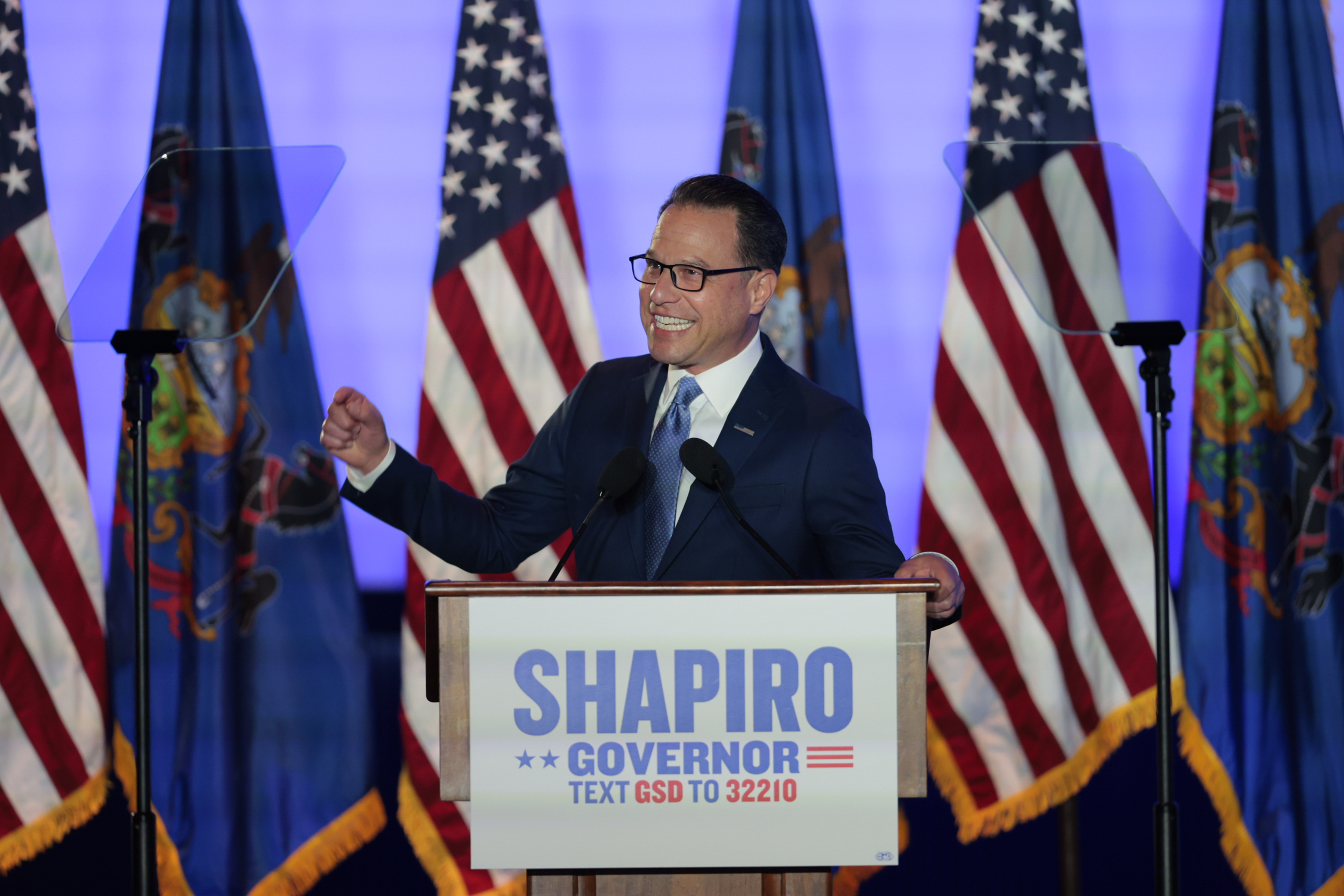
    Gov. Josh Shapiro addresses supporters at a primary night part in Warminster on Tuesday, May 19, 2026Steven M. Falk / For The Inquirer

    ‘You don’t take for granted anything in Bucks County’

    Bucks County’s importance ahead of November has been clear for months.

    In Warminster last May, Shapiro held a primary night party at a former space centrifuge where he promoted his reelection campaign and a slew of downballot candidates. There, Hartnett Albillar, who is also the county’s clerk of courts and a social worker by trade, declared: “The path to flipping the Senate runs right through Bucks County.”

    As she continues knocking on doors and courting voters in the 6th District, which includes most of the middle of the county, that reality could not be more obvious. But, Hartnett Albillar said, despite Shapiro’s support (he has endorsed all three candidates) and a blue wave in the forecast, she’s not thinking of her election as a shoo-in.

    “We know that you don’t take for granted anything in Bucks County,” she said in an interview last month.

    That’s because the suburb is notorious for split-ticket voting, she said.

    “Democrats have won here in other races, but I believe you have to make your case to voters individually,” Hartnett Albillar said, adding that voters in her district don’t look at party labels.

    It’s a dynamic that has, for example, allowed GOP U.S. Rep. Brian Fitzpatrick to maintain his congressional seat even in years Democrats do well — like in 2022 when Shapiro won the county by nearly 20 points.

    Pinsley is trying to make that argument in the Upper Bucks County portion of the 16th where voters are less familiar with the Lehigh County controller and where Republicans have a roughly 22,000 voter registration advantage — the largest gap of the three districts.

    Eileen Hartnett Albillar (center) is challenging State Sen. Frank Farry in Bucks County’s 6th District.Hartnett Albillar Campaign

    This race is also a rematch for Pinsley after he lost by 8 points against Coleman in 2022.

    But the Democrat was given another chance by voters this year after he succeeded in a heated primary without the Bucks County Democratic Committee’s backing.

    Now that he has the party’s support, he says it’s helped him reach a whole new circle of people for his events, including “Pastries with Pinsley,” a regular meet-and-greet at various coffeehouses in the district, but especially in Bucks. This weekend, he’s headed to the So Fresh So Green Cafe in Perkasie.

    “60% of the vote is in Lehigh County, and 40% of the vote is from Bucks County,” Pinsley said in an interview last month. “We need Bucks. We need Bucks to win. You’re not going to win in just Lehigh.”

    Across county lines into Montgomery County — Shapiro’s home county, which has a reputation for being deep blue — also lies another swing district that Democrats are investing in as Thomas, a volunteer firefighter and community organizer, hopes to bring Pennycuick’s tenure in the state Senate to a close.

    Until now, the 24th District, a hodge-podge of suburban and rural communities in Montco and Berks County that Thomas calls “all-encompassing of Pennsylvania” has “always been just out of reach in terms of how the district was drawn.”

    But this year, with a combination of voters’ frustrations and Shapiro on the ballot, Thomas believes “a lot of the stars are aligning.”

    “There’s a slim path to the majority without this district,” he said.

    But Republicans won’t be giving up these suburban swing districts so easily.

    Michael Straw, a spokesperson for the Pennsylvania Senate Republican Campaign Committee, said the GOP is “ready to compete for every vote in Bucks County.”

    Straw said in a statement that candidates will highlight the bipartisan bills that lawmakers have introduced and have since been signed into law, including Farry’s legislation to reduce cost barriers for breast cancer screenings and Coleman’s bill to address school safety and increase parental transparency.

    “We are making these legislative accomplishments known to voters across the political spectrum,” Straw said.

    Both parties are betting on affordability

    Heading into November, both Democrats and Republicans are trying to make the case to voters in these key swing districts that they are the party of affordability.

    Straw said that Republicans view these elections as an opportunity to emphasize affordability and fiscal responsibility to put “an important check on the Democrats overspending.”

    “Senate Republicans have helped to prevent wasteful spending, stop the Democrats’ electricity tax that would have cost Pennsylvanians more, and have supported reducing taxes on working families,” Straw said. “PA Senate Republicans have made affordability the priority while Democrats have repeatedly stood in the way.”

    Bucks County GOP State Sen. Frank Farry (center) during a ceremonial meeting of the Pennsylvania Senate at the National Constitution Center May 5, 2026.Tom Gralish / Staff Photographer

    And for Democrats, that means addressing voter frustrations that have trickled down from federal policies.

    Trump — who has urged voters to think of him as being on ballot — is getting worsening marks on the economy from Pennsylvania voters. The president’s own voters in 2024 are also dissatisfied with his handling of gas prices, polling shows.

    “They’re not happy about the Iran war. They’re not happy about the cost of gas. There are other costs that are going up, and many of them do blame the president, and all of these races have been federalized in many ways,” Pinsley said.

    In response to the rising costs of living, affordability has taken up most of the oxygen in Democrats’ messaging as the party shifts away from issues that have been prevalent in previous campaigns, such as abortion.

    With a focus on prices, the three swing district candidates have not had to switch up their stump speech even when chatting with Republican or independent voters that they’ll need to win over to be successful in November.

    Hartnett Albillar said that all voters are simply looking for a “functional” and competent government.

    Other key issues popping up in these races include funding for SEPTA and data centers; the latter of which has sparked contentious ads, including one by Hartnett Albillar’s campaign in the 6th District that provoked Farry’s campaign to file a cease-and-desist.

    “I’ve heard many times that folks are not looking at whether there’s a ‘D’ or an ‘R’ next to the name,” she said. “They’re looking at the person who will be able to bring change and bring fresh ideas because the current system is not working for us. Costs are way too high, and they want someone who’s going to do the work.”

  • Central Bucks engaged in a ‘concerted cover-up’ of abuse at elementary school, lawsuit says

    Central Bucks engaged in a ‘concerted cover-up’ of abuse at elementary school, lawsuit says

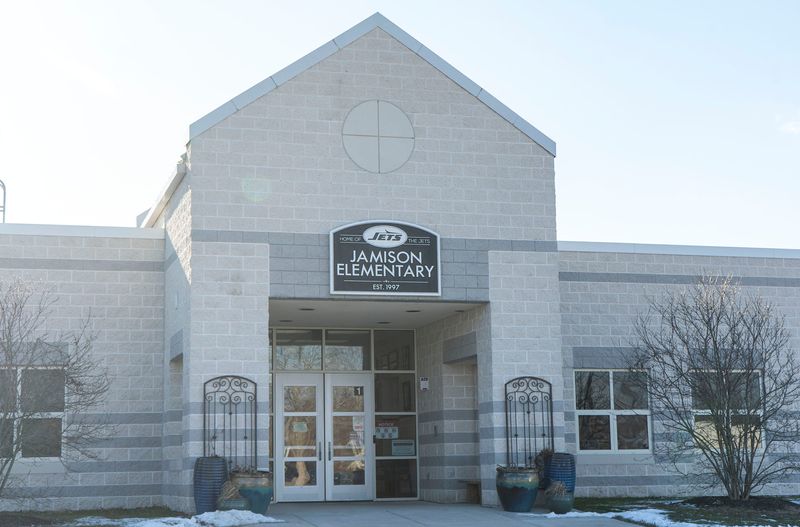
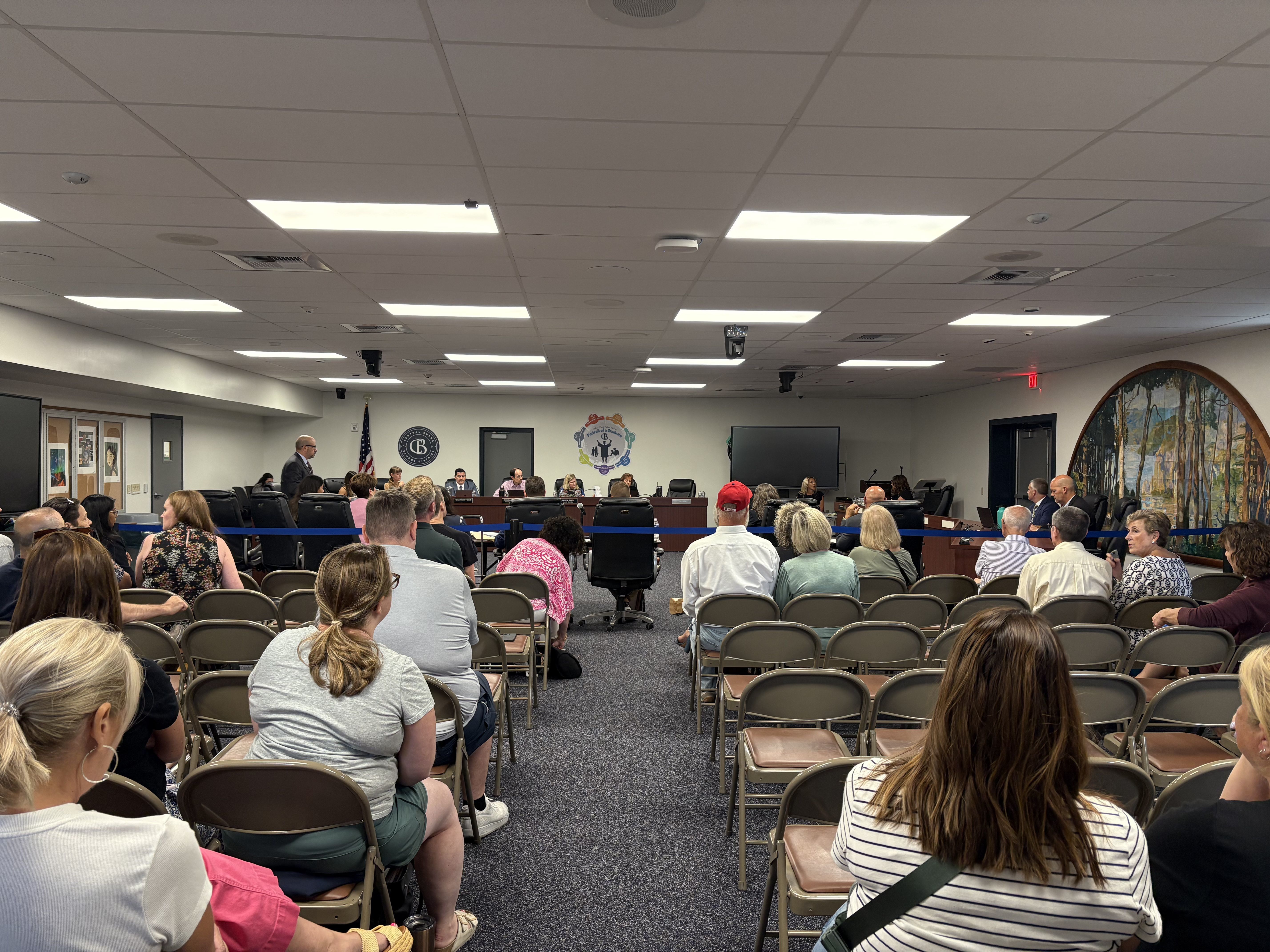
    The parents of a nonverbal autistic 10-year-old who was among the students the Central Bucks School District has said were abused in an elementary school classroom in 2024 have filed a lawsuit against the district and nearly a dozen former and current employees.

    James Pepper, a former school board member, and his wife, Lisa Pepper, say their son’s “horrific abuses” at Jamison Elementary School amounted to a “calculated pattern of debasement” that district and school leadership failed to report as part of a “concerted cover-up.”

    The bulk of the 92-page complaint, filed Tuesday in federal court in Philadelphia, outlines events that began in fall 2024, when a special education aide reported the abuse. Her allegations rocked Pennsylvania’s third-largest district, spurring an investigation by a disability rights watchdog, a public outcry, and a series of terminations that included the district’s superintendent.

    Now, the Peppers are suing Central Bucks, as well as former Superintendent Steven Yanni, former Jamison principal David Heineman, other former district administrators, the special education teacher and educational assistant accused of misconduct, and teachers union representatives.

    The district continued to endanger the child after learning about the abuse, and the alleged “cover-up” was motivated by James Pepper’s position as a board member and history of advocacy, the suit says.

    “This case involves an extraordinary betrayal of a child who depended entirely on the adults around him for his safety, education, and care,” M. Stewart Ryan, the attorney representing the parents, said in a statement.

    Central Bucks spokesperson Michael Petitti said in a statement that the district “has acknowledged what occurred” in that classroom.

    Petitti said the district “took the actions within its power” to discipline employees, including firing Yanni, Heineman, and the former special education director, Alyssa Wright. It also “fully litigated” terminations of the teacher and educational assistant, Petitti said, and “implemented significant changes at Jamison Elementary School to make sure that nothing like this ever happens again.”

    “The district understands that none of these actions can change what happened,” Petitti said.

    The allegations

    District officials learned about the allegations in November 2024 from Alyssa Kline, who was assigned as the one-on-one aide for the Peppers’ child.

    Kline said special education teacher Gabrielle McDaniel and educational assistant Rachel Aussprung had improperly restrained and punished the Peppers’ child, among other forms of abuse.

    The abuse included “nearly 3,000 illegal restraints … water restriction, corporal punishment, forced exposure to nudity and sexual self-stimulation, screaming, mocking, belittling, and concealment of a head injury in a series of events that were intended to, and indeed did, dehumanize” the boy, the lawsuit says.

    The nonverbal child could not share his experience in school, and his parents were not initially informed of the accusations, the suit says. The district reassigned Kline days after she made the allegations, telling the Peppers the reason for the change was a “personal conflict” between the aide and classroom staff, according to the complaint.

    The Peppers learned about the allegations of abuse only in December, when Kline reached out to share what she had reported with the parents, the suit says. But in an official letter that month, the district said its investigation found “no evidence of abuse.”

    Members of the public watch the joint termination hearing of Central Bucks Superintendent Steven Yanni and Jamison Elementary School Principal David Heineman in August 2025.Fallon Roth / Staff

    School board members initially stood by district officials, who noted police had not found any abuse. But that changed in April 2025, when a report from the watchdog group Disability Rights Pennsylvania found that the teacher and assistant had illegally restrained students, creating a “reasonable likelihood of bodily injury” and likely interfering with their breathing, among other abusive behaviors.

    It also faulted Yanni and other administrators for failing to adequately investigate the allegations, and accused Yanni of withholding information from police.

    The school board terminated Yanni and Heineman in October. Pepper recused himself from the vote and the termination hearings that preceded it.

    Yanni, now the CEO of Northwood Charter School in Philadelphia, did not respond to a request for comment.

    A lawyer for Heineman did not return a request for comment. Neither did a lawyer for McDaniel and Aussprung, who have sued the district since their terminations. Wright, whose lawyer did not return a request for comment, has also sued the district, saying she was scapegoated.

    The Peppers’ lawsuit says district and teachers union officials, whom Kline also informed, failed to report the abuse.

    Cara Alderfer, the union president, declined to comment Tuesday.

    The ‘cover-up’

    The Peppers’ lawsuit alleges a sprawling cover-up that started the moment Kline made the allegations.

    The accused teacher and assistant were not removed from the classroom, and the district recommended that McDaniel or Aussprung take the Peppers’ child to therapy sessions after Kline was reassigned, according to the complaint.

    The district did not turn over an email outlining Kline’s allegations to Disability Rights Pennsylvania, the suit says.

    Yanni and other officials “were actively engaged in a conspiracy to bury the reports of child abuse they had received,” the complaint says.

    The complaint blames a few factors as motivating the alleged “cover-up.”

    Yanni, who took over the deeply divided district after a bitter and highly publicized school board election won by Democrats, said one of his goals was to keep the school system “out of the newspaper,” the suit says.

    And the district was motivated to retaliate against Pepper — then the only Republican on the board — for stances he had previously taken against the district, the suit says.

    The actions of the school district and its employees deprived the Peppers’ son of “safety, liberty, and bodily integrity,” the complaint says.

    “It is devastating to learn that our son was treated this way by the very people we trusted to care for and protect him,” the Pepper family said in a statement. “Our son and entire family have been changed forever. This can never happen again to another child.”

  • Trump administration has abandoned plans to hold immigrants at a South Jersey military base, GAO says

    Trump administration has abandoned plans to hold immigrants at a South Jersey military base, GAO says

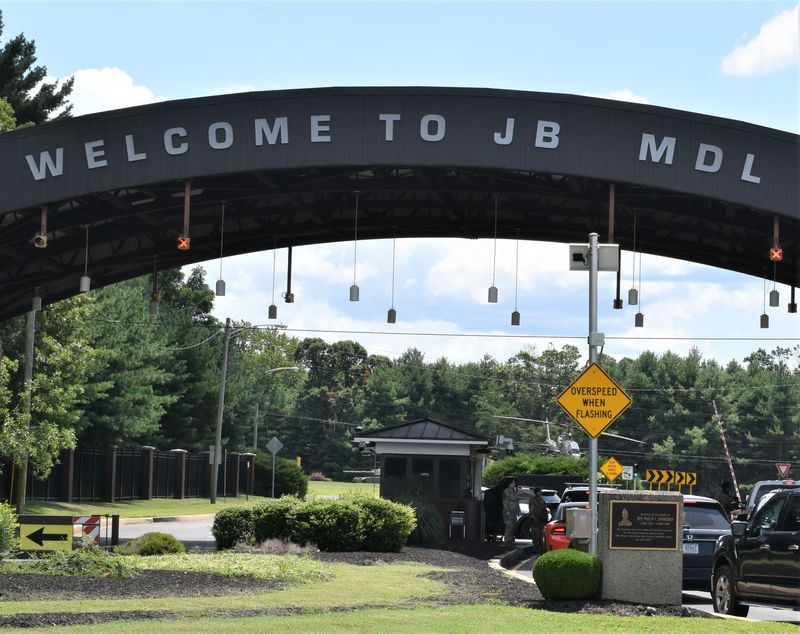
    The Trump administration has dropped its plans to build an immigrant-detention center at Joint Base McGuire-Dix-Lakehurst in South Jersey, according to a new report from the Government Accountability Office.

    The office said that in October, after the opening of an ICE detention site at Fort Bliss in El Paso, Texas, Pentagon officials said they “no longer plan to build detention facilities on other military installations.”

    Specifically, the report said, Defense Department and Immigration and Customs Enforcement officials “told us that they did not move forward with plans for facilities in Indiana and New Jersey.”

    The development was first reported by NJ Spotlight News.

    More than a year ago, in July 2025, the administration confirmed plans to house detainees at the South Jersey base as a way to support President Donald Trump’s plans for mass deportations.

    Estimates were that Joint Base McGuire-Dix-Lakehurst, which spreads through parts of Burlington and Ocean Counties, could hold 1,000 to 3,000 detainees.

    Specific details were not released, and as time went on it was unclear if planning had gone forward.

    In November 2025, local Democratic elected officials said they had received a letter from the administration saying there was currently no approved construction plan, nor a timeline, for confining people at the base.

    U.S. Reps. Donald Norcross and Herb Conaway, both New Jersey Democrats and members of the House Armed Services Committee, requested more information about the administration’s plans from the Department of Homeland Security.

    The administration’s response said the government’s need for more detention space “reflects the Trump administration’s commitment to restoring the rule of law and ending the catch-and-release policies of prior years that jeopardized American communities.”

    The base had been named as one of two sites certified to hold immigrants, the other being Camp Atterbury in Indiana.

    The report by the GAO, a nonpartisan, investigative arm of Congress, said ICE had begun new detention initiatives before developing a plan for expansion, resulting in waste. Since January 2025, ICE had invested significant resources in six new initiatives to increase detention capacity, but by July 2026 had scaled back four of them, the GAO said.

  • Pa. Democrats have mostly positive view of socialism as progressive candidates secure wins

    Pa. Democrats have mostly positive view of socialism as progressive candidates secure wins

    With recent victories by democratic socialists nationwide prompting a fierce debate about the future of the Democratic Party, most Democrats in Pennsylvania have a positive view of socialism — and nearly 40% consider themselves to be a democratic socialist, a new poll found.

    Still, socialism remains broadly unpopular among all voters in the key swing state, according to the poll, conducted by Siena University on behalf of The Inquirer and the New York Times.

    About one-third of likely voters in the midterm elections this fall have a favorable view of socialism and 56% have an unfavorable view. That result closely mirrors a recent national poll from the New York Times and Siena University, raising questions about the appeal of socialism to a wider swath of voters.

    But as Philadelphians prepare to send a democratic socialist to Congress for the first time — and also as talk builds of a larger wave of progressivism across the state — 57% of Democratic likely voters in Pennsylvania have a favorable view of socialism and 24% have an unfavorable view, the poll found.

    “We’re more popular than ever,” said Dan Parker, cochair of Philadelphia’s chapter of the Democratic Socialists of America (DSA). “But we still have a long way to go.”

    (function(){function e(){window.addEventListener(`message`,function(e){if(e.data[`datawrapper-height`]!==void 0){var t=document.querySelectorAll(`iframe`);for(var n in e.data[`datawrapper-height`])for(var r=0,i;i=t[r];r++)if(i.contentWindow===e.source){var a=e.data[`datawrapper-height`][n]+`px`;i.style.height=a}}})}e()})();

    The survey of 615 likely Pennsylvania voters conducted from Sept. 15 through 21 comes amid a surge of leftist victories both locally and across the country.

    State Rep. Chris Rabb defeated a pair of more moderate candidates in Philadelphia’s highly competitive congressional primary in May. A democratic socialist, Rabb is highly favored to win in the general election and has spent the months since his primary campaigning for other like-minded candidates.

    Nearly all of those candidates — from Abdul El-Sayed in the high-stakes Michigan U.S. Senate race to a pair of New York candidates boosted by Mayor Zohran Mamdani — have also won their primaries as Rabb and his allies look to grow the ranks of progressives starting on Capitol Hill in January.

    Beyond the next Congress, the leftist wing of the party is hoping for momentum heading into the 2028 races for president and Pennsylvania’s U.S. Senate seat held by Democratic Sen. John Fetterman, who has antagonized socialists and made appeals to Republicans.

    “The mainstream Democratic establishment candidates are telling us time and time again to settle for less, to expect nothing other than the status quo,” Parker said. “People are looking for a different set of politics that speaks to their material needs and to the values of freedom that many are striving for.”

    Parker said Philadelphia DSA has been “exploding” since Rabb’s victory. The group mobilized hundreds of volunteers to knock between 75,000 and 100,000 doors during his campaign, and more than 750 new members have joined since May to put the chapter’s total ranks at about 3,000, he said.

    Councilmember Kendra Brooks speaks with colleague Nicolas O’Rourke during a March 12 caucus session. Alejandro A. Alvarez / Staff Photographer

    Rabb’s success follow that of Pittsburgh’s U.S. Rep. Summer Lee, who was first elected to Congress with DSA support in 2022. Other DSA-backed elected officials include Philadelphia City Councilmembers Kendra Brooks and Nicolas O’Rourke, as well as State Sen. Nikil Saval, while new primary victories this year include Mark Pinsley and Ce-Ce Gerlach in Lehigh Valley-based legislative races.

    Further growth, Parker said, will come with DSA-backed candidates working in office to “prove that government can exist to serve ordinary people.”

    On that agenda: Advocating for universal healthcare, affordable housing, progressive tax policies, defunding and ultimately abolishing ICE, and ending the wars in Iran and Gaza.

    “What makes DSA distinct — and democratic socialism as a political movement distinct — is that it’s not really just about who has the right ideas,” Parker said. “It’s about a theory of change that puts the vast majority of society in the driver’s seat.”

    (function(){function e(){window.addEventListener(`message`,function(e){if(e.data[`datawrapper-height`]!==void 0){var t=document.querySelectorAll(`iframe`);for(var n in e.data[`datawrapper-height`])for(var r=0,i;i=t[r];r++)if(i.contentWindow===e.source){var a=e.data[`datawrapper-height`][n]+`px`;i.style.height=a}}})}e()})();

    As Democrats look to retake control of Congress and the White House, how much influence that movement will yield remains an open question.

    Moderates like Gov. Josh Shapiro, a potential 2028 Democratic presidential candidate, have acknowledged the energy on the left while advocating for a more centrist approach. Shapiro said this summer that the progressive candidates were practicing “performative politics” and would need to deliver if elected. He has also said he expects the party to have the most significant “battle over what we believe in” in more than three decades as the next presidential race gets underway.

    The latest poll shows the party’s base remains divided in Pennsylvania.

    While Democrats in the state remain split in their views of socialism, 38% consider themselves to be a democratic socialist while 57% do not, the poll found. Just over half of Democrats see their party as divided and 45% believe it’s united.

    ‘A tiny, tiny fraction’

    Some observers also cautioned that the number of self-identifying democratic socialists across all of Pennsylvania — a swing state that has largely elected moderates to statewide office — may appear larger than reality. The poll did not define democratic socialism, for one. And progressives have been overrepresented in other polling this year, including in Wisconsin and Michigan, said Lew Irwin, a political science professor at Duquesne University in Pittsburgh.

    “A lot of people will claim an affiliation when they actually have an affinity,” Irwin said, adding that it’s still become “increasingly mainstream and acceptable inside the Democratic Party” to identify as socialist.

    J.J. Balaban, a Philadelphia-based ad maker for more moderate Democrats like U.S. Rep. Brendan Boyle, pointed to the fact that even with the additional energy on the left, the vast majority of Democrats in Washington next year will not be socialist.

    “We’re talking about a tiny, tiny fraction of the Democratic caucus,” he said.

    Balaban said that is one of the reasons why Republicans’ campaign messaging may also not be effective as they try to defend their majorities in the November midterm elections. Republicans have branded all kinds of Democrats as socialists — repeatedly denouncing the entire party as far left and “communist” in its agenda.

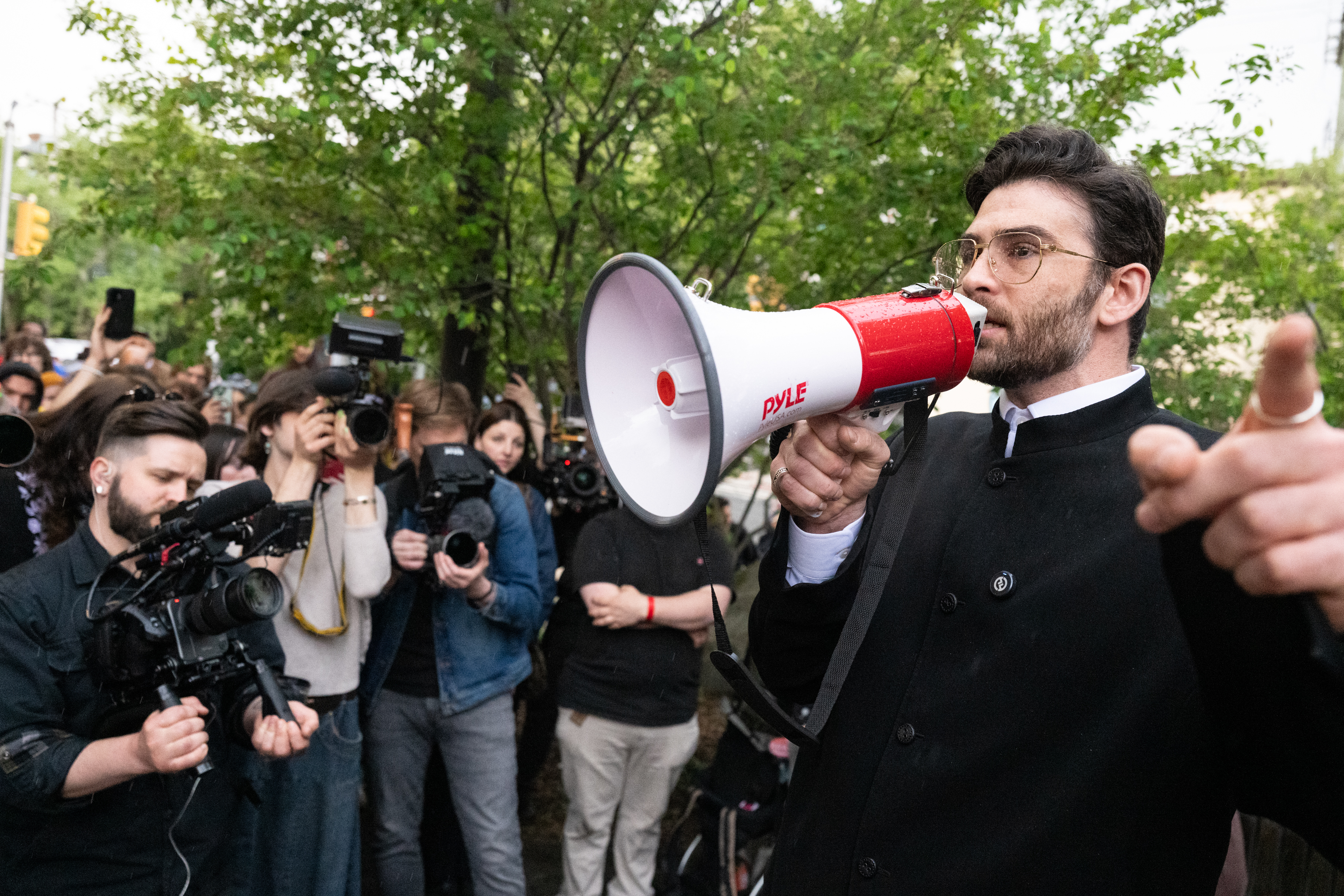
    One of the main characters featured in those attacks has been Hasan Piker, the controversial leftist streamer who campaigned with Rabb and other candidates this year. His visit to Philadelphia in April drew hundreds of young progressives but was condemned by Rabb’s opponents and Jewish groups who consider his views antisemitic.

    Online influencer Hasan Piker speaks to attendees at an April 30 fundraiser for State Rep. Chris Rabb’s 2026 congressional campaign at Renata’s Kitchen in West Philadelphia.Erin Blewett / For The Inquirer

    Piker’s support of El-Sayed has become a dominant issue in the Michigan race, but the poll of Pennsylvania voters shows he is mostly unknown in the Keystone State.

    Among Pennsylvania likely voters, 23% had an unfavorable view of Piker and 6% had a favorable view. Two-thirds said they had not heard of him — and a higher share of Republicans knew him compared to Democrats.

    “He is a much greater part of the discourse in the Fox cinematic universe than he is in actual Democratic discourse,” Balaban said.

    With polls increasingly showing Democratic momentum this fall, even some conservatives appear to be pushing for Republicans to shift their messaging away from socialism.

    Former U.S. Rep. George Santos, a Republican who has reportedly lived at least partially in the Poconos since President Donald Trump commuted his sentence last year, posted a video Thursday in which he criticized a mailer for U.S. Rep. Rob Bresnahan, a freshman Republican in a tight reelection campaign. The mailer claims Bresnahan will “stop the socialists” and lists his Democratic challenger, Paige Cognetti, alongside the “socialist dream team” of progressives Mamdani, U.S. Sen. Bernie Sanders (Ind., Vt.), and U.S. Rep. Alexandria Ocasio-Cortez (D., N.Y.).

    “Please stop sending me this. It’s silly,” Santos said in the video, adding colorful language to say Pennsylvania Republicans should be focusing on the cost of living.

    “No more rhetoric!” he added.

    Staff writer Joe Yerardi contributed to this article.

  • A political scientist studied the rise of grassroots activism in local government. Philly was his case study.

    A political scientist studied the rise of grassroots activism in local government. Philly was his case study.

    In the five years he spent researching his book Mobilization Politics, Haverford College political scientist Stephen J. McGovern interviewed former Mayor Jim Kenney and other Philadelphia elected officials, political activists, campaign consultants, labor leaders, and protesters.

    The book, which covers events from the 2010s through Mayor Cherelle L. Parker’s victory in the 2023 election, uses Philly as a case study to examine the national rise of grassroots progressive politics over the last two decades. McGovern details how local activists employed bottom-up tactics to win major policy victories in areas like criminal justice reform, helping to decrease the jail population, and immigration, leading to Philly becoming a so-called sanctuary city.

    The activists often used an inside/outside strategy, McGovern wrote, of leaning on officials they helped elect, like District Attorney Larry Krasner, and publicly pressuring more moderate ones, like Kenney.

    Haverford College political scientist Stephen J. McGovern authored the 2025 book “Mobilization Politics,” on grassroots activism in Philadelphia.Sean Walsh

    McGovern also explores areas where progressives have fallen short of their goals, and the problems associated with a brand of politics driven by groups that tend to be more affluent and white than the city as a whole. Much of the new type of political organization has been driven by millennials born outside the city, McGovern found, leading to tensions over gentrification.

    McGovern recently spoke with The Inquirer about his 2025 book, the rise of the local progressive movement, and what it all means during Parker’s administration. The interview has been lightly edited and condensed for clarity.

    Your book describes how grassroots activists are really driving the agenda in Philadelphia City Hall, and, as you say, across the nation in local government. Is that an accurate summation of your thesis statement?

    I think that’s fair, and what I want to call attention to is how significant that change is. There may be a lot of people today who assume, “Well, hasn’t that always been the case in city politics?” But no, for much of the mid- to late 20th century, city politics operated in a very different way. It was much more of a top-down phenomenon, and the shift towards more bottom-up politics has been a relatively recent one. And increasingly it’s pretty widespread throughout the United States. So as a scholar of urban politics, I was interested in trying to explain how and why that happened.

    In the book, you describe various political science theories that have sought to explain urban politics in the past. Can you explain how your thesis is different from those previous schools of thought, such as “regime theory”?

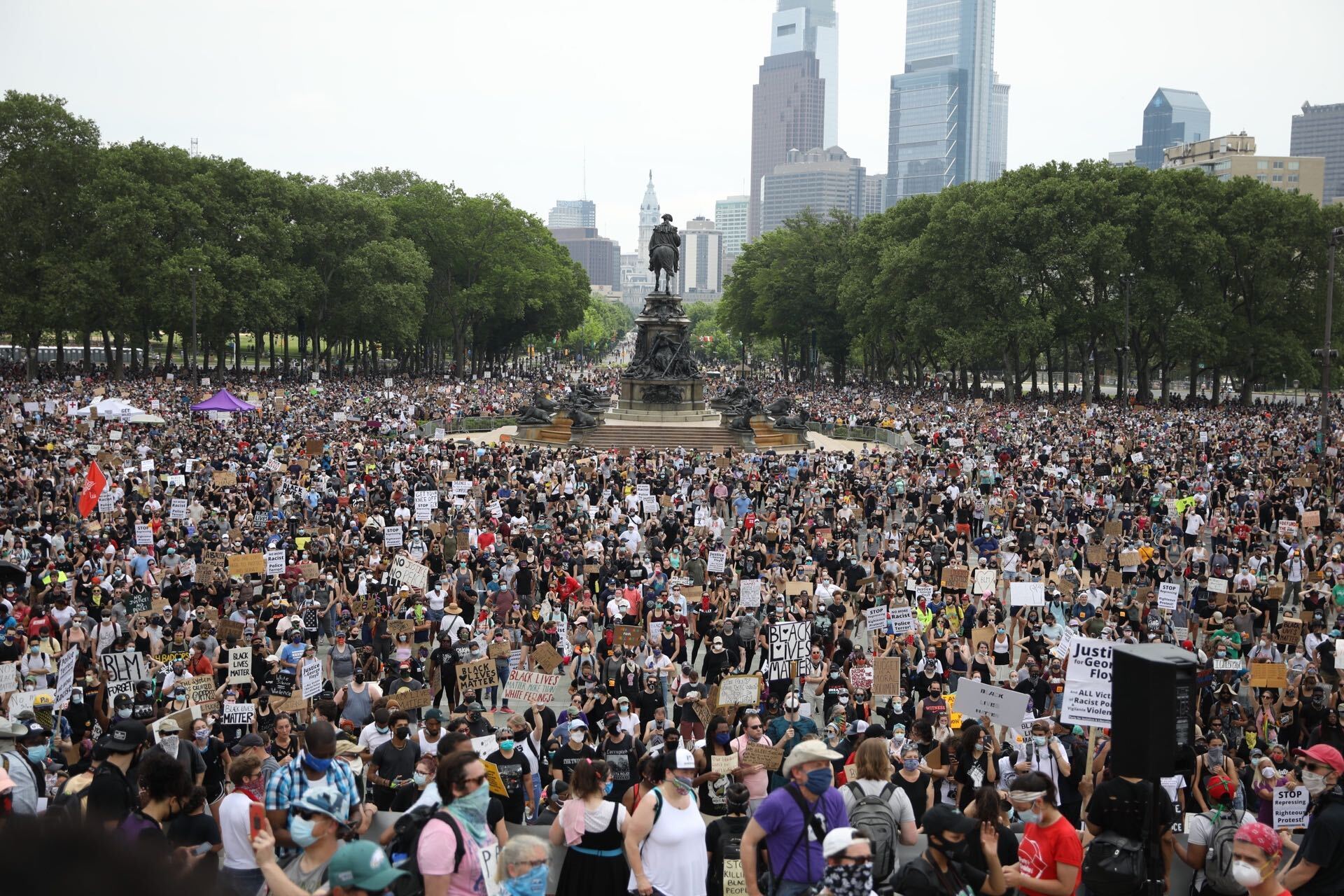
    Many scholars have argued that downtown-led regimes wielded a great deal of power over urban policymaking. Regimes were led by business leaders and their allies — law firms, accounting firms, mass media relations firms, and interest groups that had an interest in promoting growth, especially pro-growth labor unions, and, of course, public officials. Basically from 1970 on, every Philadelphia mayor headed a downtown-led regime in a relatively top-down fashion, in terms of governing style. So that’s the backdrop. My book is all about how that pattern began to change around the turn of the century, and then picked up in the 2010s with a burst of social movement activity. Occupy Wall Street really started things off, but then it picked up, especially with Black Lives Matter, the immigrant rights movement, and all of that social movement protest had a catalytic effect on grassroots organizing in cities with respect to a whole host of public policy issues.

    As your book points out, much of the activism has been driven by millennial transplants who have moved into the city. Is it fair to say that trend is the main driver of this change, or one of several factors?

    That is one of the main factors in explaining why there is this big shift. But there are also some underlying changes in the local political environment, what social movement scholars sometimes call the “political opportunity structure.” One of those changes is a decline in the organizing capacity of the downtown business community, which had been so dominant. It started to create a vacuum. Into that vacuum steps young people. Populations had been steadily declining in virtually all big American cities. They started to stabilize around 2000, and you see an influx of young people who are relatively well educated, more likely to be professional, more likely to be progressive, more likely to get involved in local politics. Some people call it the “back to the cities” movement.

    What’s different about these newcomers compared with other left-leaning groups that have sought to impact city politics in the past?

    In the past, a lot of young people tended to get involved in protest politics. People on the left were very wary about engaging in electoral politics. The folks who are moving into Philadelphia after 2000 increasingly are participating in more conventional politics, including electoral politics, and that’s a big change. That escalates when Bernie Sanders runs for president in 2016. One of the lessons learned for lots of people who volunteered for him is: This is something we can do at the local level.

    As you note, the groups driving this style of politics tend to be more affluent, more educated, and more white than Philadelphia as a whole. That’s created a lot of friction. There’s a debate over whether this is a phenomenon that will be limited to gentrified areas, or whether it will grow into a cross-racial or cross-class coalition. Is it fair to say that’s the central question going forward?

    Absolutely. So much of this is turf-oriented. The millennials and Gen Zers moving into Philadelphia tended to congregate in neighborhoods that attract a lot of white, middle-class people who were relatively well educated, and so those became significant bases of progressive politics. The challenge then becomes organizing in other neighborhoods. Some of the grassroots groups made impressive inroads. I’m thinking about campaigns for Larry Krasner, in particular, in lower-income, predominantly Black and brown neighborhoods, where a group like Reclaim Philadelphia or the 215 People’s Alliance were pretty effective. But in many cases, it was fairly difficult for a group like Reclaim Philadelphia to venture into neighborhoods beyond their comfort zones, if you will. They were mindful of some of the skepticism that residents of those neighborhoods felt towards the millennials and Gen Zers flocking into the city and contributing to gentrification. Somebody from Reclaim Philadelphia might be knocking on the door talking about the affordable housing crisis, and people answering the door might look at them and say, “You’re actually a big part of the problem here.” This tension between so-called new Philadelphians and old Philadelphians became more pronounced, and navigating those tensions becomes a real challenge.

    Your book finishes with the 2023 mayor’s race, when Cherelle L. Parker defeated more progressive candidates and won the election with a “law and order” platform. So perhaps that was a surprising twist on your thesis at the end of your research.

    She’s obviously fascinating. She’s a shrewd operator. In the primary election, two progressives split the vote. And being the only prominent Black candidate worked to her advantage. But since she’s been elected, she’s been very skillful about maneuvering in ways that have brought back a return of the traditional kind of urban politics — a top-down governing coalition led by a somewhat resurgent business community and pro-growth unions, the building trades unions, and a somewhat resurgent establishment-oriented Democratic Party, all of which is led by Parker. This is very reminiscent of standard politics of the mid- to late 20th century. So in some ways, Philadelphia is a bit of an aberration in that it’s moved backwards, if you will, recently. But I still see lots of evidence that bottom-up grassroots activism remains a force, and will become much more impactful in the next four years.

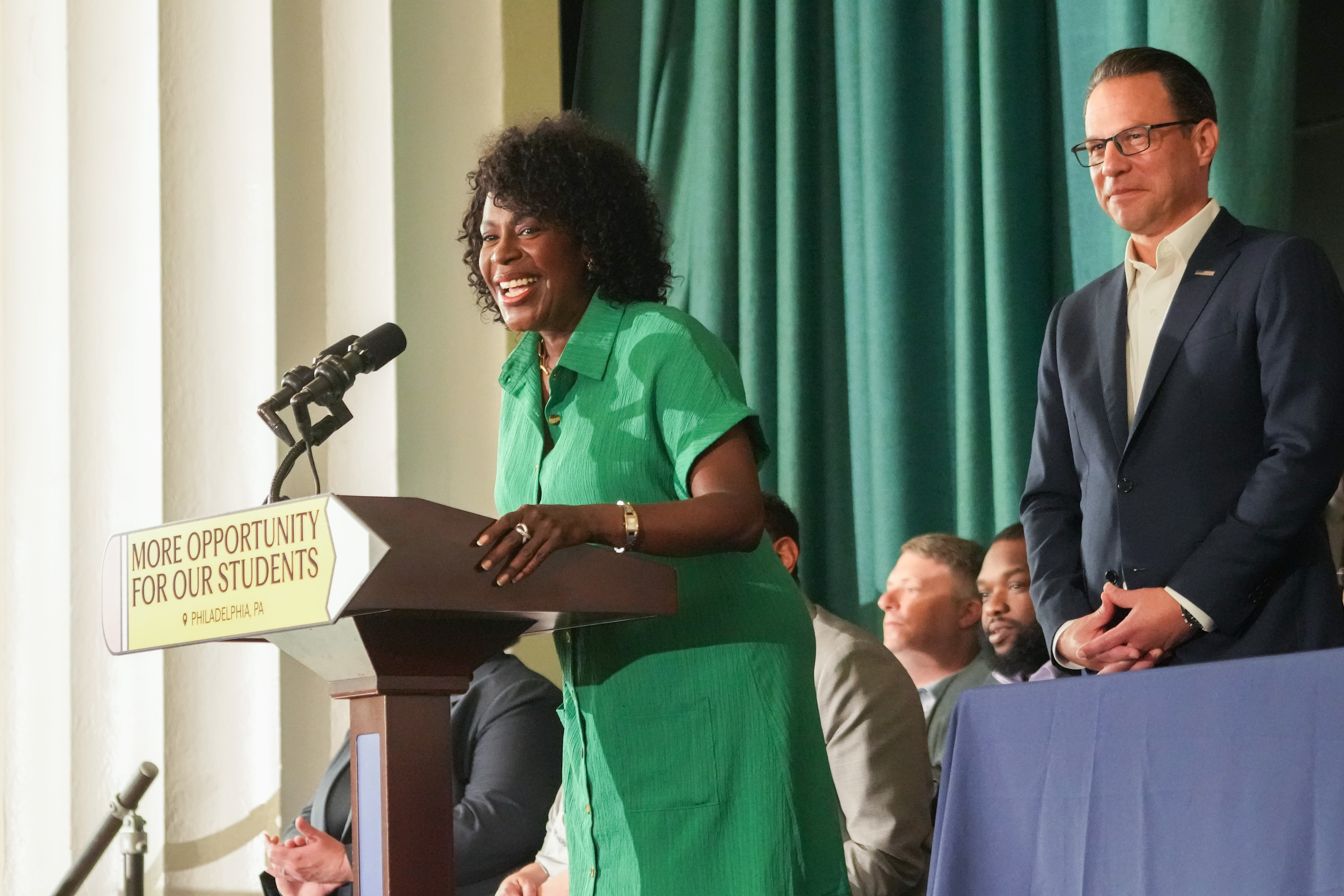
    Mayor Cherelle L. Parker speaks at Vare-Washington Elementary School to highlight the historic education investments included in the 2026-27 state budget, in Philadelphia, July 14, 2026.Jessica Griffin / Staff Photographer
    For what it’s worth, Parker herself seems to be mindful that grassroots politics are still relevant. We reported last year that she ordered a bunch of copies of a book called Performative Outrage: How Manufactured Fury Undermines Local Government and Public Service, and was handing it out to people. So I think it’s safe to say she isn’t a fan of the trends you described. You alluded to Parker returning to a “regime theory” style of politics. What’s an example of that?

    The 76ers’ arena, for example. She was siding with the Sixers and other downtown-oriented interests that wanted to see the arena in Center City on East Market Street, and discounting the views of community groups, most prominently Chinatown. There’s a general mode of governance style associated with Parker that’s very uncomfortable with dealing with grassroots-oriented groups. That’s just not her style. She’s much more comfortable dealing with downtown business elites and people in the building trades unions. Her whole mindset is much more comfortable with the old ways of governing cities.

    Parker won in 2023, when Joe Biden was president. Progressives in Philly and elsewhere seem to do better when Trump is in office. This spring Democrats just elected Chris Rabb, a progressive firebrand, in a high-profile primary for a Philly congressional seat.

    Politics is cyclical. Donald Trump has had that effect of reinvigorating lots of activists. So there was a lull in progressive activism in the city for a while, but it’s on the rise again. But it takes time to regroup, especially on the activist side. Some groups last for a long time, but the norm is for groups to be quite ephemeral. New groups have to pop up, often involving activists who had been involved in the old groups. The transition costs are pretty steep. Somebody like Chris Rabb winning doesn’t surprise me at all. There will probably be more successes in the next two or three years. That said, progressive activists have lots of challenges. They’re in a holding pattern right now.

    Thanks for your time. That’s all I’ve got. Is there anything I didn’t touch on that you want to include?

    I’m an urban politics specialist. I wrote this book. I devoted five years of my life to it. But in the last year or two, I’ve been so fixated on what’s going on in national politics and Donald Trump and the threat that he and his administration pose to democracy. With that in mind, I just want to say that urban politics in general offers some hope for people who are increasingly demoralized. At the local government level, partisan polarization isn’t nearly as intense. We’ve got divisions between progressives and moderates, but that’s nothing like what we’re seeing in national politics. There’s real hope for city governments to address big problems and offer real solutions. There’s a path forward. One can make a case that right now, democracy in American cities is actually thriving.

  • Pennsylvania voters are split on whether they want Gov. Josh Shapiro to run for president in 2028

    Pennsylvania voters are split on whether they want Gov. Josh Shapiro to run for president in 2028

    Voters in the nation’s most contested swing state are split on whether Gov. Josh Shapiro should pursue a White House bid in 2028.

    About the same proportion of likely Pennsylvania voters say they want Shapiro, a first-term Democrat seeking reelection this year, to run for president as those who don’t — 43% to 44%, according to a poll by The Inquirer, the New York Times, and Siena University.

    Almost two-thirds, 64%, of self-identified Democrats back Shapiro seeking higher office, a strong consolidation of support within the party’s base that still leaves room for other prospective candidates. But more than one in five Republicans also support a potential White House run by the governor, a sign of Shapiro’s moderate appeal in a key battleground state.

    Those who want him to run ranked his character and competence as their highest factors, with 41% of respondents giving those as reasons they would want him to run. Nearly 20% said they were satisfied with Shapiro’s performance as governor.

    “I like him. No scandals. He’s an honest man, and he has a nice, wonderful family, and he doesn’t lie,” said Michael Koller, a 77-year-old Democrat in Pittsburgh. “I think he’s helped the people of Pennsylvania just by being a good governor.”

    The survey, conducted Sept. 15 to 21, comes just six weeks before his matchup against Republican State Treasurer Stacy Garrity, whom he has far outpaced in both polling and fundraising. It also arrives before any prominent Democrats have formally declared candidacy for the nation’s highest office, with nearly all vowing to wait until after the midterm elections to make a decision.

    Shapiro has said he is laser-focused on winning in November as well as helping fellow Democrats flip four hotly contested U.S. House seats and take over the state Senate for the first time in more than 30 years. But his fundraising prowess and recent book publication suggest he is well positioned for a run. In interviews with reporters, Shapiro has never outright denied his interest to become commander in chief.

    (function(){function e(){window.addEventListener(`message`,function(e){if(e.data[`datawrapper-height`]!==void 0){var t=document.querySelectorAll(`iframe`);for(var n in e.data[`datawrapper-height`])for(var r=0,i;i=t[r];r++)if(i.contentWindow===e.source){var a=e.data[`datawrapper-height`][n]+`px`;i.style.height=a}}})}e()})();

    And yet despite Shapiro’s 60% job approval rating in a politically divided state, poll respondents highlighted the disconnect between his relatively high popularity as governor, where he is focused on the needs of Pennsylvanians, and their interest in him as a possible president, who would oversee the entire country and control foreign policy.

    A balancing act on Israel

    Kathrine Sidiqi, 77, a Democrat who lives in Delaware County, regards Shapiro as a “competent governor” who impressed her with a quick reopening of I-95 in 2023 after a fiery gasoline tanker crash threatened to close the transportation corridor for months. He expedited government procedures and got it reopened in just 12 days. “Stuff works,” she said.

    However, when asked if she would support Shapiro for president, Sidiqi said no.

    “I am Muslim, and he is too much of a supporter of Israel for me to do that,” she said. “I have nothing against him being Jewish … but he seems to have an outdated opinion of what’s going on.”

    Sidiqi said she does not want the U.S. to provide any taxpayer money for weapons to Israel, a view shared with 60% of Pennsylvania likely voters who are against providing additional American economic and military support to Israel, according to the poll.

    Among Democrats, whom Shapiro would first need to win over in a presidential run, 63% of poll respondents said they would support a candidate who opposed aid to Israel.

    More than 70,000 Palestinians have been killed and nearly all Gazans have been displaced in the three years since Israel launched its war against Hamas, the militant group that carried out the Oct. 7, 2023, terror attack that killed more than 1,200 people, according to the Council on Foreign Relations.

    Gov. Josh Shapiro talks to patrons alongside Michigan Gov. Gretchen Whitmer out in the back patio of Sam’s Morning Glory Diner in South Philadelphia on Friday, Sept. 25, 2026. Aidan T. Gallo / Staff Photographer

    The war in Gaza has bitterly divided Shapiro’s party, and his positions on Israel may have a played a role in preventing his nomination as vice president in 2024. Shapiro in his book called questions about his relationship with Israel from Vice President Kamala Harris’ team “offensive.”

    Shapiro, Pennsylvania’s third Jewish governor, has said his views on the topic have evolved from when he was in college and wrote that peace with Palestinians was “not possible.” The governor now favors a two-state solution, with Israelis and Palestinians “living peacefully side by side, being able to determine their own futures and their own destiny.”

    He has been a vocal critic of Israeli Prime Minister Benjamin Netanyahu, calling him a “destructive force” who has undermined U.S. and Israeli relations.

    The governor has also repeatedly spoken out against antisemitism at campus protests against Israel and called for an encampment at the University of Pennsylvania to be disbanded in 2024.

    (function(){function e(){window.addEventListener(`message`,function(e){if(e.data[`datawrapper-height`]!==void 0){var t=document.querySelectorAll(`iframe`);for(var n in e.data[`datawrapper-height`])for(var r=0,i;i=t[r];r++)if(i.contentWindow===e.source){var a=e.data[`datawrapper-height`][n]+`px`;i.style.height=a}}})}e()})();

    Multiple respondents brought up Shapiro’s Jewish faith unprompted — sometimes in connection with Israel — and questioned whether the country is ready for a Jewish president.

    “I think a Jewish candidate is going to have a hard time winning the election,” said Michael Biello, a 68-year-old Democrat in Philadelphia. “I like his views. I like his policies. I like everything. I just think his religious affiliation will stop him from winning because I think the rest of the country, especially the middle of the country, will rally against him.”

    Shapiro is one of several potential contenders who could make history as the first Jewish president, along with former Chicago Mayor Rahm Emanuel, Illinois Gov. JB Pritzker, Georgia Sen. Jon Ossoff, and Michigan Sen. Elissa Slotkin.

    Shapiro has spoken frequently about his faith and his experiences with antisemitism.

    An arsonist — who said in a 911 call he would “not take part in [Shapiro’s] plans for what he wants to do to the Palestinian people — attacked the governor’s mansion last year during Passover while Shapiro and his family were inside. (The arsonist’s family said he had spiraled into a mental health crisis.) Since then, Shapiro said, there have been a half dozen more terroristic threats against him and his wife “because of how I worship.”

    In his memoir, Where We Keep The Light, published earlier this year, Shapiro wrote that since the Oct. 7 attack in Israel, he and his family “feel both a responsibility and pride demonstrating our faith and living it out loud.”

    Hailey Brinnel, who is Jewish, said she does not believe Shapiro’s faith alone would hinder a potential campaign.

    “People didn’t think New York was ready for a Muslim mayor,” she said, referring to the 2025 election of Mayor Zohran Mamdani. “New York right now has really been changing what I come to think of as someone who’s electable. So I do not think it’s out of the question now.”

    Brinnel, a 31-year-old Democrat, said she will “always love” Shapiro and said she believes he has strong appeal to older, more centrist Democrats. But she is more interested in whether ideologically progressive candidates are electable.

    “After seeing the success of Zohran Mamdani and different democratic socialists, it makes me at least curious if we should be moving in a more progressive direction.”

    How does Shapiro compare with Trump and Vance?

    Several respondents highlighted Shapiro’s support for education, healthcare, and business development work during his first term as governor as reasons he would make a good president. His recent orders on data centers, which face majority opposition in Pennsylvania, have also been a point in his favor among voters.

    Despite his early embrace of data centers, Shapiro in August issued what he called some of the nation’s “strictest guardrails,” requiring developers to get local approval, bring their own power, and hire and train local workers.

    “I appreciate that he went and he asked what other people wanted, and then he advocated against the data centers,” said Mac Alasad-Murphy, a 27-year-old attorney in Haverford.

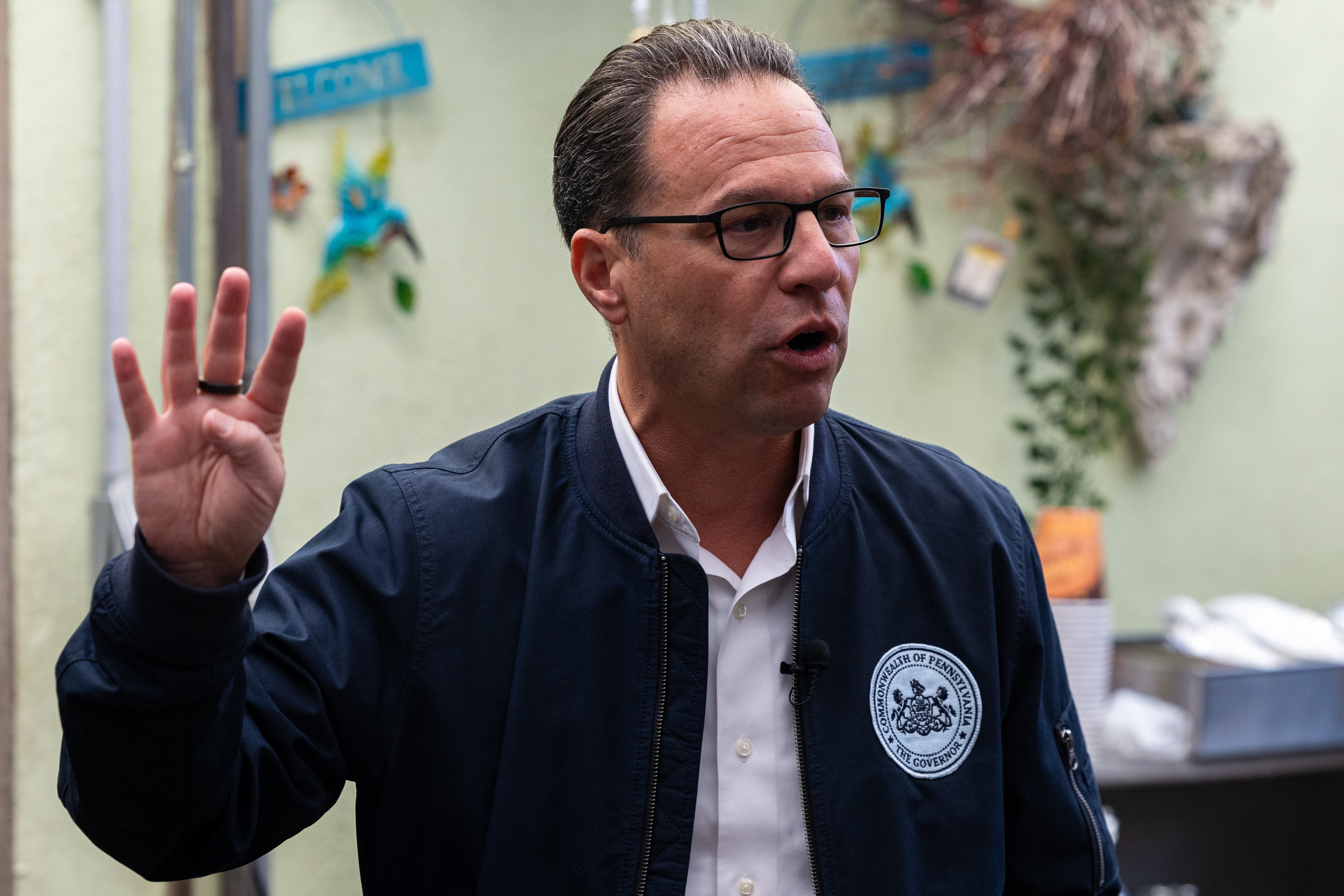
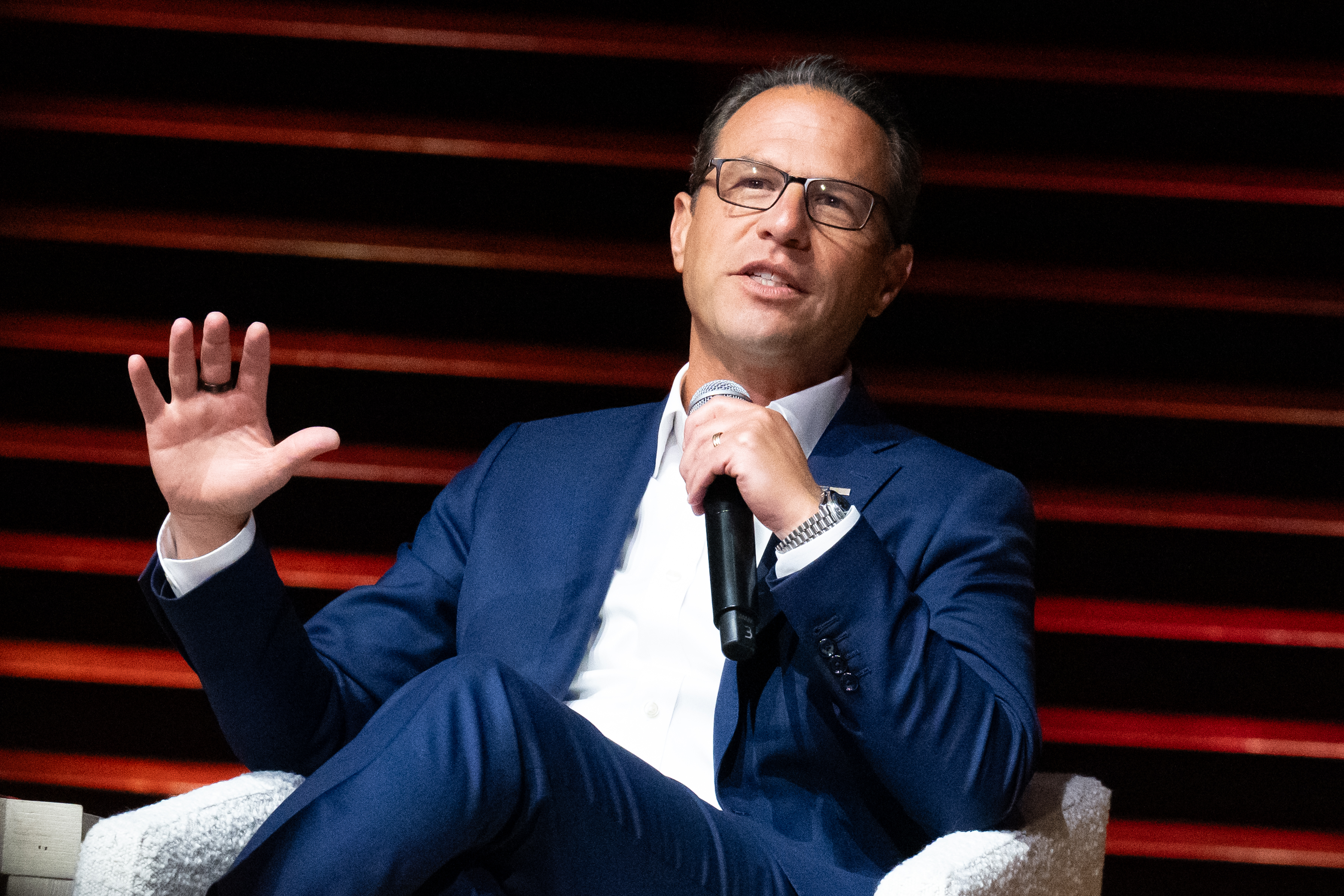
    Pennsylvania Gov. Josh Shapiro speaks during a discussion on free expression and civil dialogue at the Kimmel Center in Philadelphia on Wednesday, Sept. 9, 2026nErin Blewett / For The Inquirer

    Alasad-Murphy, a Democrat, said she believes Shapiro is capable of approaching complicated situations by listening with a careful and cautious ear.

    “He does a really good job of meeting with the people and trying to get an understanding of what the community he’s serving actually wants,” she said.

    (function(){function e(){window.addEventListener(`message`,function(e){if(e.data[`datawrapper-height`]!==void 0){var t=document.querySelectorAll(`iframe`);for(var n in e.data[`datawrapper-height`])for(var r=0,i;i=t[r];r++)if(i.contentWindow===e.source){var a=e.data[`datawrapper-height`][n]+`px`;i.style.height=a}}})}e()})();

    Shapiro’s 63% favorability rating trounces that of President Donald Trump, who has pushed for more data center construction even amid opposition from Republican voters. As gas prices climb to $4.55 in Philadelphia, just 38% of likely Pennsylvania voters have a favorable view of the president while they see him taking little action on the economy and cost-of-living concerns, their top issues.

    Vice President JD Vance has a slightly higher favorability rating than Trump, 44%, as he is increasingly seen as the Republican front-runner in a 2028 primary. Almost half of respondents view Vance very or somewhat unfavorably.

    Among voters in the poll who opposed a potential Shapiro run, 21% said they dislike him personally and 19% they dislike his policies and views.

    Susan Roller, 72, of Lancaster, disagrees with Shapiro’s support for abortion access and vaccine policy.

    “Our current governor doesn’t respect life at all stages, especially pre-born children, and is trying to push through a lot of health initiatives that would take away our freedom of choice,” said Roller, who is a Republican.

    Many of those surveyed said they are interested in seeing who else throws their hat in the ring before deciding whom to get behind in 2028. Democrats mentioned included Kentucky Gov. Andy Beshear, former Transportation Secretary Pete Buttigieg, and U.S. Rep. Alexandria Ocasio-Cortez of New York — all of whom have made visits to Pennsylvania this year.

    Before making her decision, with the 2028 primaries more than a year away, Alasad-Murphy, the Haverford voter, said she wants to understand Shapiro’s plan to tackle the country’s biggest problems.

    “I couldn’t say just because I like him and I like what he’s done for Pennsylvania that I would like what he might do for the country. Those are two completely different things,” she said.

    But his temperament and willingness to work across partisan lines to pass legislation go a long way, she said.

    “He’s very level-headed. He’s very respectful toward others, even when they don’t see eye to eye. And in the current political climate, I think that having stability and respect is really important,” she said.

  • Gov. Josh Shapiro’s administration will rescind Pa. disease-tracking proposal that reignited pandemic-era outrage

    Gov. Josh Shapiro’s administration will rescind Pa. disease-tracking proposal that reignited pandemic-era outrage

    Gov. Josh Shapiro’s administration will rescind a series of proposed vaccination and disease-tracking regulations that reignited public outrage toward restrictive pandemic-era policies in Pennsylvania — a decision made after receiving more than 10,000 comments opposing the changes, the Pennsylvania Department of Health said Friday.

    The department will withdraw the regulations, incorporate feedback, and resubmit the public health rules “once Pennsylvanians’ feedback has been adequately incorporated,” Neil Ruhland, a spokesperson for the department, said in a statement.

    Shapiro’s administration earlier this year submitted the proposed regulations aimed at combating infectious diseases to the Independent Regulatory Review Commission, a little-known board that assesses and approves new state regulations, requiring public input before they can be implemented. These regulations had been in progress for years, but were not introduced to the public until June 4.

    The public comment period coincided with a high-profile clash between Shapiro and U.S. Secretary of Health and Human Services Robert F. Kennedy Jr. over two infant deaths that Pennsylvania attributed to measles — the first deaths from the highly contagious and preventable disease in the state in 35 years. And it quickly refueled public disapproval of government mandates enacted during the COVID-19 pandemic.

    The 502-page proposed regulations would have expanded the state health department’s investigatory powers deemed necessary to track, prevent, contain, or mitigate a contagious disease. Republican state lawmakers and thousands of enraged constituents were especially concerned by a provision that would allow the state health department or local health authorities to enter schools or private properties to investigate alleged outbreaks or review vaccination records. They also criticized the health department’s effort to change references to a “pregnant woman” to a “pregnant individual” throughout the policy, claiming it was an effort to remove women from the state’s public health rules.

    The pushback comes at a time when federal health officials, under Kennedy, who has a history of anti-vaccine activism, have worked to reduce the number of childhood vaccination recommendations — and as childhood vaccination rates hit new lows in Pennsylvania. The effort has prompted Shapiro and other Democratic governors to sign executive orders to protect vaccine access. Setting vaccination mandates for schoolchildren falls to the states, not the federal government.

    The proposals rescinded Friday will not affect federal or state executive orders related to vaccination access.

    State House Minority Leader Jesse Topper (R., Bedford) during a news conference at the Capitol in Harrisburg Feb. 3, 2026.Tom Gralish / Staff Photographer

    House Minority Leader Jesse Topper (R., Bedford) was among the first officials last month to raise alarm about the proposed regulations. In a statement Friday, he said it was the “correct and logical conclusion” for the health department, following the outpouring of public opposition.

    Senate Majority Leader Joe Pittman (R., Indiana) called Friday’s announcement “a tremendous victory for the grassroots efforts of Pennsylvanians.”

    ”This is a stark reminder that we must continue to be vigilant when the Executive Branch attempts overreach,” Pittman said in a statement. “We cannot and will not allow actions like we saw taken by the Executive Branch during the height of the COVID-19 pandemic to be put in place again.”

    Nearly all of the members of the Republican caucuses in Pennsylvania’s Senate and House submitted letters in opposition to the proposed regulations, arguing they were more restrictive than the ones enacted during the COVID-19 public health emergency and would infringe on Pennsylvanians’ constitutional rights.

    “The proposed regulations represent executive-branch overreach reminiscent of what we experienced during the COVID-19 pandemic — but this time, the rules would be permanent,” Senate President Pro Tempore Kim Ward (R., Westmoreland) said in a statement last week. “Every Pennsylvanian should understand these regulations and how they could impact their lives.”

    At least one Democrat — State Rep. Dan Frankel (D., Allegheny), who chairs the House Health Committee — submitted his support during the public comment period for updating the state’s existing communicable disease rules. Even so, his remarks recommended several changes to the proposed regulations, including to how the state would evaluate some vaccination exemptions to consider how children will be affected if their parent forgoes the preventive measures.

    Senate Minority Leader Jay Costa (D., Allegheny) said in a statement Friday he was looking forward to continuing the conversation about the regulations, adding that “public trust and buy-in is crucial to effective governance.”

    Beth Rementer, a spokesperson for House Democrats, said Friday that Shapiro’s administration was “acting responsibly” by considering public opinion.

    “After all, that’s how government is supposed to work,” Rementer said.

    Shapiro’s administration has rescinded at least 11 other regulation proposals since taking office in 2023, according to administration officials. But a deluge of feedback is rare, and most proposed regulations receive around five public comment submissions, a Shapiro administration official said.

    Monday was the final day for public comment submissions. As part of their opposition campaign, Republican lawmakers encouraged their constituents to voice their opinion as part of public comment. By the end of the day, the review commission had received more than 10,000 comments opposing the regulations.

    “The Department of Health received a historically high volume of feedback during the public commentary period, and it is clear additional stakeholder input is needed,” Ruhland said in the statement.

    Shapiro, a Democrat, is seeking reelection in November. His GOP challenger, State Treasurer Stacy Garrity, has criticized Shapiro over the proposed regulations, calling them “mandates that would make draconian COVID-era restrictions blush.”

    On Friday, Garrity celebrated the regulation withdrawal, and in a statement called Shapiro “the least transparent governor in America” who “got caught trying to sneak a 502 page invasion of privacy and parental rights through.”

    A spokesperson for Shapiro declined to comment Friday, deferring to the state health department.