Tag: Collingswood

  • Collingswood residents have spent years fighting for backyard chickens. This time, they think they might win.

    Collingswood residents have spent years fighting for backyard chickens. This time, they think they might win.

    Any Collingswood resident over the last 18 years can remember the fight to legalize backyard chickens. Or the second attempt. Or the third.

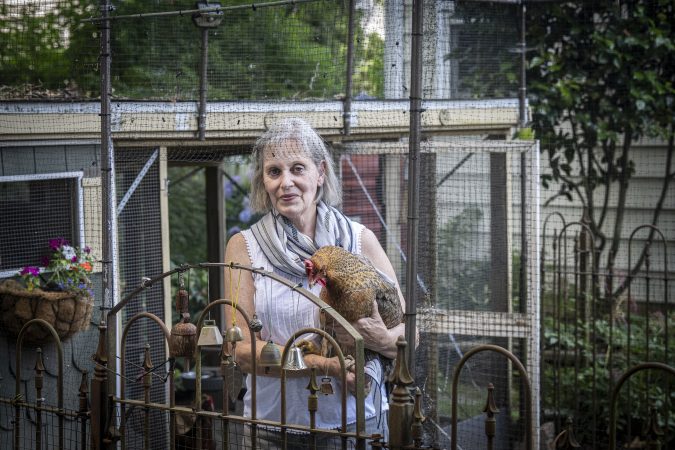
    Gwenne Baile, 77, knows the efforts well. A Haddon Township resident and the unofficial “Chicken Lady of South Jersey,” Baile initially became interested when she saw Martha Stewart showing off her chickens on TV. After retiring in 2009 from a long career as an ob-gyn nurse, Baile decided she needed a hobby.

    “I started looking into it,” Baile said, “but it was illegal here.”

    Since then, Baile said, she has played some part in changing the ordinances in 35 municipalities across South Jersey, including in her hometown. She keeps a list of places with pro-chicken zoning rules, including the 19 municipalities in Camden County that allow them. Baile now has five hens, taken in as fosters, including those injured by predators or forced from owners whose municipalities do not allow coops.

    One hen with arthritis lives indoors. Baile calls her a “mini me” since she hates the heat, doesn’t like exercise, and has golden feathers that match Baile’s hair.
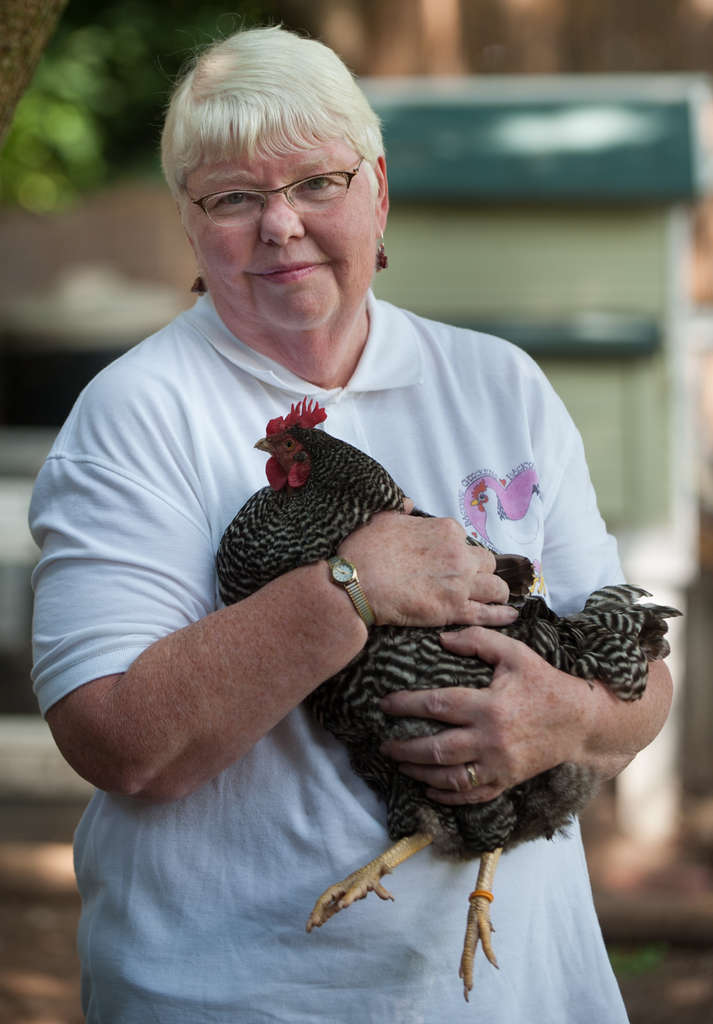
    Gwenne Baile, an advocate of backyard chickens, holds Mimi, a family’s hen in Audubon.TRACIE VAN AUKEN / For The Inquirer

    Baile and a small group of hopeful Collingswood residents have frequented Collingswood Borough Board of Commissioners meetings in recent months. At its last working meeting on June 17, the group handed over proposed language that they hope the board will use in a future ordinance supporting backyard chickens, informed by Baile’s years of advocacy.

    The last major push for residential hens fizzled out in 2019 after several Collingswood residents spent more than a year regularly attending meetings to champion an ordinance that never saw the light of day.

    But this time feels different, Baile said, and some locals and officials agree.

    Dan DiVito, 42, has lived in Collingswood for six years and owns Front Yard Food, a business that teaches people how to grow their own crops and helps design the backyard infrastructure to do it. If Collingswood passes an ordinance, DiVito said, he will get chickens himself and join the new Backyard Chicken Advisory Board — a five-member commission that would oversee the initiative and investigate complaints.

    “Chickens are a no-brainer,” DiVito said. “It’s a pet that makes you breakfast.”
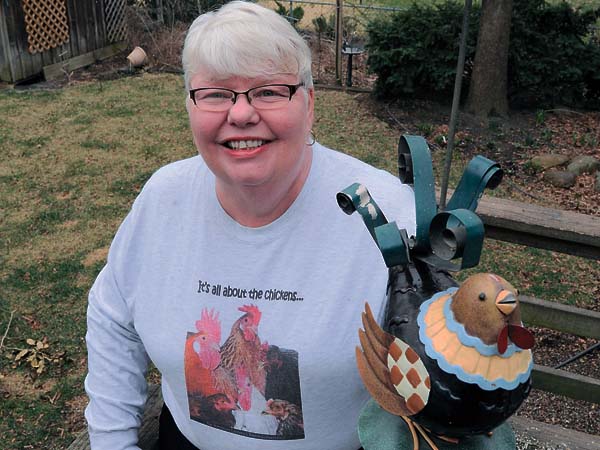
    Gwenne Baile in her backyard in 2014. CLEM MURRAY

    ‘A change and an opportunity’

    Collingswood did not always ban chickens.

    But in 2008, Collingswood’s three-person board of commissioners — made up of a mayor, deputy mayor, and a commissioner — adopted measures prohibiting residents from keeping or breeding a long list of livestock and fowl, including chickens.

    Local news records from 2008 do not give a clear explanation why the rules were adopted, other than comment from then-Mayor Jim Maley that the board wanted to “head off a problem before it presents itself.”

    The maximum penalty for violating the ordinance is a $500 fine.

    Repeated attempts to end the ban have been unsuccessful, even as neighboring municipalities passed ordinances to allow chickens. Some residents voiced concerns about the smell or the noise, or about Collingswood properties being too small to house chicken coops. Collingswood Chicken Uprising, the local Facebook group for the chicken resistance, was created 16 years ago and is up to 234 members.

    But a recent political shift in Collingswood has meant hope for some local chicken advocates.

    Maley’s 28-year tenure as mayor ended last May, when two progressive challengers joined Maley to win seats on the board of commissioners.

    Daniela Solano-Ward became the first female and Latina mayor of Collingswood in 2025, and Deputy Mayor Amy Henderson Riley became one of only a handful of women to serve on the board in the borough’s history. That shuffling was one factor that brought on the chicken resurgence.

    “Advocates and community members saw that this was a change and an opportunity to try this out with the new team and see what could happen,” Henderson Riley said.

    Maley, who has said that he would not want chickens living next door or support a backyard chicken pilot program, would be one of three votes if an ordinance makes it to the floor. It takes only a majority to pass.

    Passing an ordinance takes time. There must be two separate readings of the proposal, and time must be given for residents to comment. The next commissioners meeting is not until July 15, and Henderson Riley said Tuesday that she was unsure whether the proposal drafted by Collingswood residents would make it to the agenda.

    But with an organized, citizen-led group, Henderson Riley said, she suspects this is the most favorable effort thus far. Plus, with concerns like the cost of living and gas prices, she said, there are bigger things to worry about than banning chickens.

    “Let the chicken people have their thing,” she said.

    Maley and Solano-Ward did not respond to requests for comment.

    What advocates are proposing
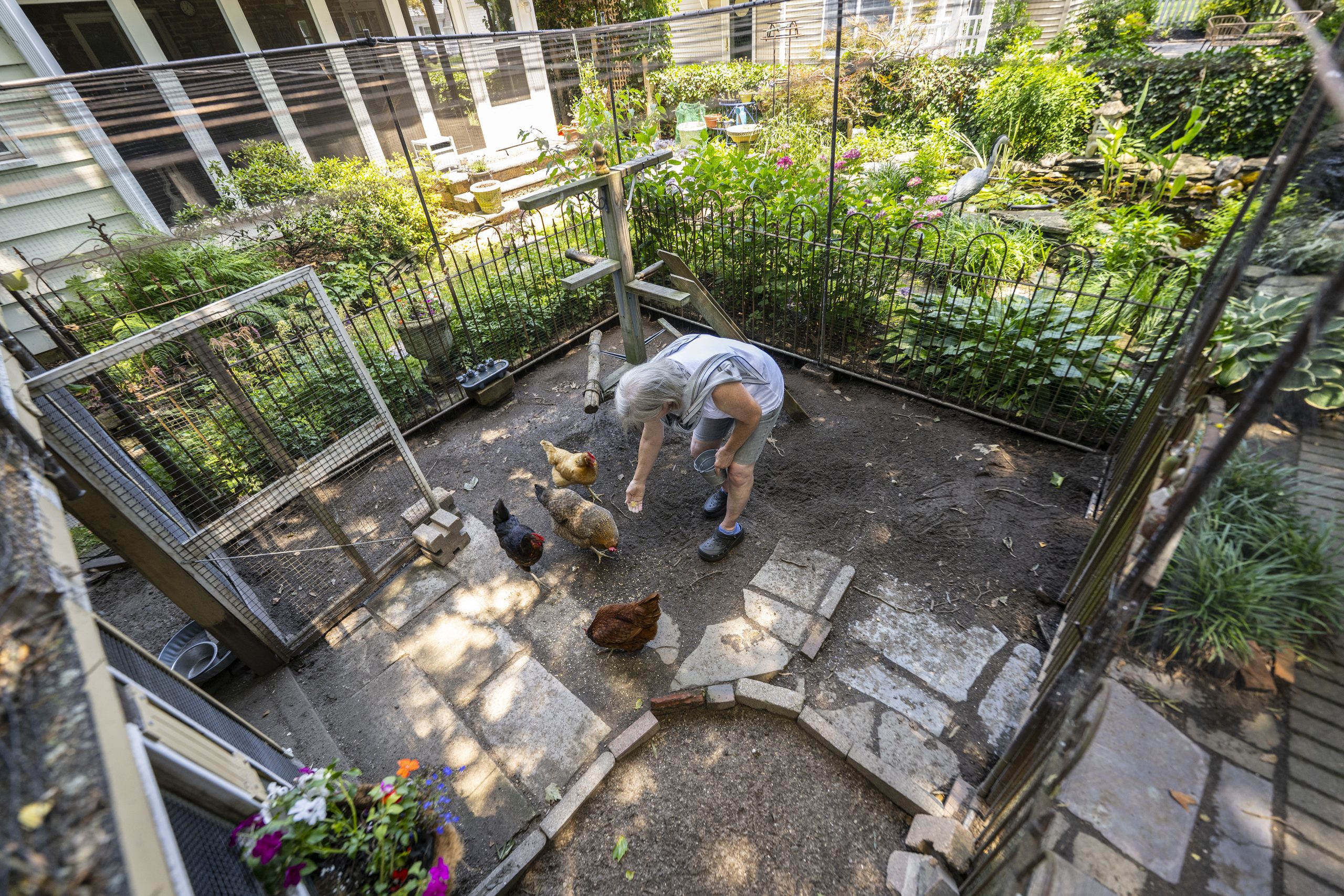
    Suzanne Passante feeds her chickens inside the chicken coop in the backyard of her home in Haddon Township, N.J., on Wednesday, June 24, 2026.Jose F. Moreno / Staff Photographer

    Every municipality’s backyard chicken ordinance is slightly different. Most have strict requirements, including that coops are predator-proof, set a certain distance from other properties, and kept dry and clean.

    Collingswood residents’ pitch to the commissioners would ban roosters, forbid residents from selling their eggs, and require completion of an online course teaching applicants how to care for hens. Collingswood could have only 30 households with hens at a time (of the 6,900 estimated housing units the U.S. Census Bureau estimates are in Collingswood), and new licensees would be capped at four chickens.

    Chicken owners would have to pay $10 fees annually to renew their licenses. The Backyard Chicken Advisory Board would investigate complaints and help relocate chickens that are no longer wanted, since the advocates are calling for a ban on slaughtering hens.

    Any violations could result in a fine of up to $1,250 or imprisonment of up to 90 days, a more severe punishment than the current ordinance gives for keeping chickens.

    Henderson Riley, who has a doctorate in public health, took the three-hour backyard chicken course to learn more about the potential process residents would have to go through to get a coop.

    She passed, but not without a bunch of red markings and a reality check that owning chickens takes time, money, and energy that she does not have. Henderson Riley said she thinks the long list of requirements, along with the difficulty of raising hens, will dissuade the vast majority of people from partaking in the hobby.

    “It’s not like the hens are going to take over Collingswood.”

    Words of wisdom

    Lynn Parker, 52, has 10 hens in her backyard in Stratford Township, Camden County. When Stratford passed its ordinance allowing chickens in 2023 (an effort Baile helped with), Parker was the first person in line for a chicken permit.

    She now chairs the township’s Hen Advisory Commission, which inspects new coops and educates residents. Fourteen homes in Stratford have chickens now, Parker said, and there have been no complaints.

    Her advice to people who want to change their municipality’s chicken law is simple.

    “Even if you get a no, do it again,” Parker said.

    Suzanne Passante, 71 and Baile’s neighbor, chairs Haddon Township’s Backyard Chicken Advisory Board. She has four chickens and averages a dozen eggs per week.

    It took time to educate residents about the benefits of hens and to quell misconceptions, like chickens attracting rats, but she said complaints have been nonexistent in recent years.

    “Now, after 11 years, people don’t even think about it,” Passante said.
  • Collingswood is considering lifting its dry town status to boost local restaurants. Residents may have the final say.

    Collingswood is considering lifting its dry town status to boost local restaurants. Residents may have the final say.

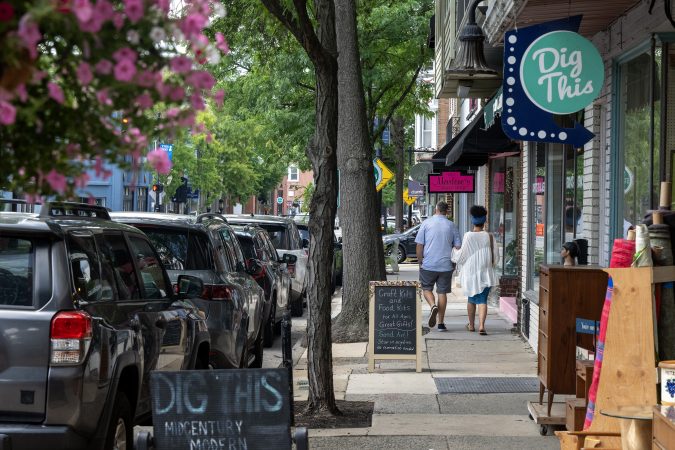
    After more than a century as a dry town, Collingswood is considering lifting its ban on alcohol sales within the borough.

    For months, the three-person Collingswood Board of Commissioners has been discussing whether to lift the long-standing restrictions on liquor sales both as a potential new revenue source for the borough and as a way to bolster the local restaurant industry.

    Per the state’s population-based license cap 一 one liquor license for every 3,000 residents — Collingswood would be able to issue as many as four retail consumption licenses that permit restaurants or bars to serve alcohol, or one distribution license for a liquor store within borough limits.

    If liquor sales are eventually permitted, the borough could receive anywhere from $1,000 to $10,000 annually through licensing and renewal fees.

    But discussions are still preliminary as the commissioners work to determine what is best for Collingswood’s existing restaurant and business owners, borough administrator Cassandra Duffey said.

    “There’s a general sense that liquor can be a good thing, but there’s a concern that if it’s done in a way that’s unbalanced, it can also throw people off,” she said.

    “Is there strength in the dry-town brand that has been around for years and years?” Duffey said.

    Tracing back to its Quaker roots, Collingswood has prohibited alcohol sales by ordinance since the 19th century.

    A change to the policy would require public approval through a referendum during the November general election, borough solicitor Caitlin Harney Norcia said.

    To begin that process, the borough’s commissioners would need to adopt a resolution by Aug. 21 so that the Camden County Clerk’s Office has enough time to add the question to the ballot. In order to adopt the resolution, at least 15% of voters who participated in the last general election must sign a public petition in favor of putting the question on the ballot, Harney Norcia said.

    After that, “repealing any kind of prior restrictions could all be done relatively easily,” Harney Norcia said, describing the logistics of updating local ordinances if a referendum passes.

    If voters approve lifting the ban, Harney Norcia said, the borough could either award licenses in a competitive bidding process, which could generate one-time revenue for Collingswood’s budget, or enact an application and review process that includes annual fees and public presentations by prospective licensees.

    But if the measure were to fail on Election Day, Collingswood would be barred from holding another referendum on alcohol sales for five years, according to state law.

    Some business owners have expressed concern that the public bidding process could result in one of the borough’s few licenses being awarded to an outside business instead of an established Collingswood restaurant, Duffey said.

    “The challenge is not to disrupt the balance of businesses that already exist here,” she said. “If you get a bidder that gets a license from outside of town, sure, you get the revenue, but then you’ve added somebody and it doesn’t necessarily benefit one of our businesses.

    “The other option is to award [the licenses] directly, but then somebody must make a decision on who gets them, which is also a challenge,” she added.

    The commissioners are in continued talks with the borough’s business improvement team, local restaurateurs, and others about the best approach, she said.

    “Is there a way to distribute licenses or award licenses that is a boost for everybody?” Duffey said.

    The internal debate in Collingswood comes less than two years after residents in neighboring Haddon Heights voted to get rid of its de facto ban on liquor sales. The town has set a $200,000 minimum bid for its first retail liquor license and is currently accepting applications ahead of a public auction sale in September.

    Haddon Heights is hoping to leverage the new liquor licenses as a way to help boost a broader revival and redevelopment, Mayor Zachary Houck said.

    The licenses “would hopefully draw in one or two additional restaurants or enhance existing restaurants and let us then continue to move that ball forward when it comes to enhancing our downtown historic district,” Houck said.

    Making more, and more affordable, liquor licenses available statewide was a goal of legislation then-Gov. Phil Murphy signed into law in 2024. The measure was touted as an unprecedented reform of New Jersey’s liquor laws, long described by critics as arcane and antiquated.

    “By easing restrictions and boosting the availability of licenses, we are creating new opportunities for small businesses, especially mom-and-pop establishments, to expand and facilitate development on main streets across New Jersey,” Stella Porter, a spokesperson for Murphy, told The Inquirer that year.

  • The son of the Jersey Kebab restaurateurs now faces his own fight to stay in the U.S.

    The son of the Jersey Kebab restaurateurs now faces his own fight to stay in the U.S.

    The son of the Jersey Kebab restaurant owners whose ICE arrests sparked wide condemnation last year now confronts his own battle to stay in the United States.

    Muhammed Emanet, 26, said he is trying to be upbeat as he faces the prospect of being separated from his wife and two sons, ages 4 and 1, all American citizens.

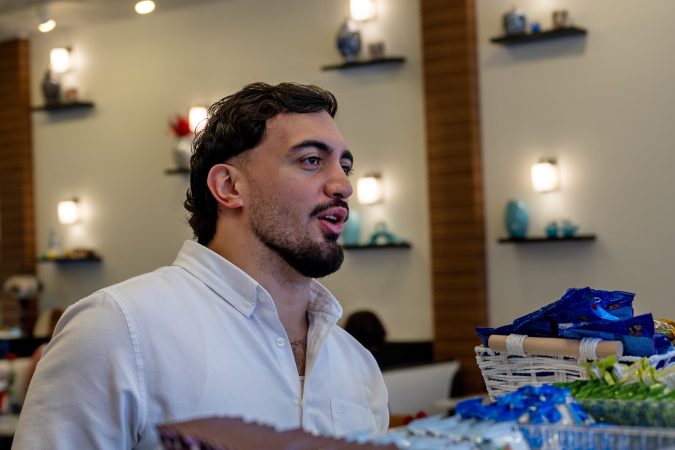
    “I try not to dwell on what I can’t control,” said Emanet, who with his parents operates the popular South Jersey eatery in Collingswood. “I still have a restaurant to run, employees that depend on me, customers, family. I have no other choice but to be positive.”

    Still, his situation feels disorienting, as what seemed to be settled is now newly unsettled.

    In spring the Department of Homeland Security ended its effort to deport Emanet, which seemed to clear the path for him to stay in the U.S. But this month, a different federal immigration agency told him it plans to deny his request for legal permanent residency, what is known as a green card.

    That intended denial carries a 30-day window for Emanet, who came here from Turkey as a boy, to present new or additional evidence to try to change the minds of officials at U.S. Citizenship and Immigration Services.

    The government also told him that under a new Trump administration policy, he and other immigrants who are pursuing green cards while living in the U.S. must leave the country and apply from their home nations. Emanet hasn’t been in Turkey since he was 12.

    It’s unclear what will happen when the 30-day deadline expires around July 2.

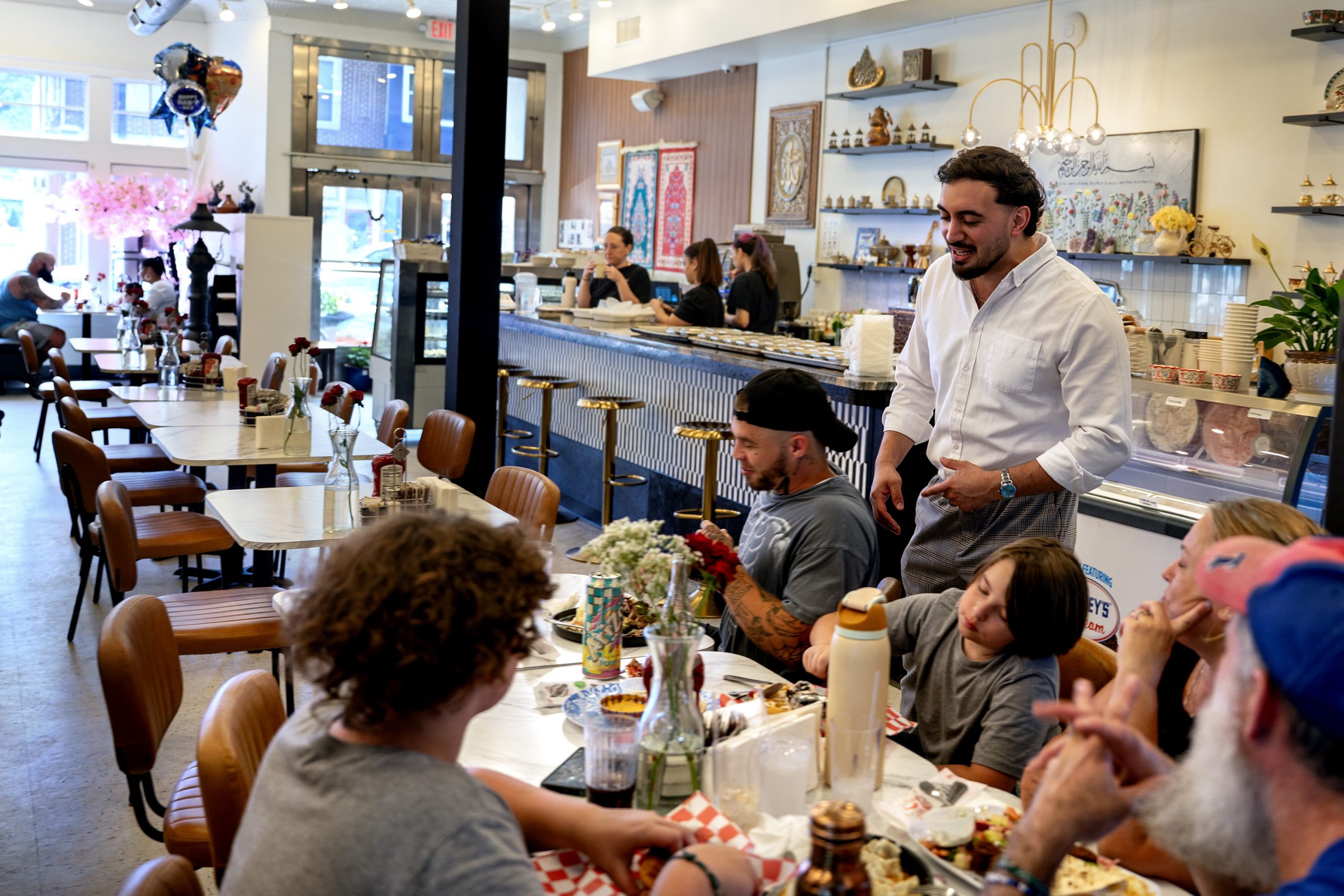
    Muhammed Emanet greets Elijah Brown, a friend from high school, and his family, at Jersey Kebab in Collingswood on Sunday.Tom Gralish / Staff Photographer

    A little more than a year ago, on Feb. 25, 2025, the small Mediterranean restaurant on Haddon Avenue generated national headlines. Immigration advocates and local leaders railed against what they saw as government injustice, after ICE agents arrested owners Celal Emanet and his wife, Emine.

    Celal Emanet was released after being fitted with an electronic ankle monitor ― later removed ― while his wife was held at an ICE detention center in Elizabeth. She was released on bond after two weeks and a day.

    Their arrests angered a South Jersey community that has long known the couple as caring people who offer free food to the hungry. A GoFundMe campaign to pay family costs and expenses raised $327,000, drawing donations from across the country and beyond, including from Ireland, Germany, and England.

    Now, a community effort to help Muhammed Emanet is driving a new letter-writing campaign, with person after person attesting to his good character and his importance to his neighbors. Hundreds of letters have been signed and gathered to be presented on his behalf, said Lori Leonard, who organized the GoFundMe campaign last year.

    “People are rallying behind Muhammed,” she said.

    State Assemblyman Bill Moen, a Democrat who represents parts of Camden and Gloucester Counties, signed a letter of support. He said on social media that Emanet “has touched the lives of many people throughout South Jersey” as a husband, father, neighbor, friend, and businessperson.

    “While I don’t make immigration decisions,” Moen said, “I do believe decision-makers should understand the character of the people whose lives are affected by those decisions.”

    U.S. Rep. Donald Norcross, a South Jersey Democrat, met with the family soon after Emine Emanet was released from ICE detention, and as her son’s situation emerged this month he stressed in a statement that the family had been long “rooted in our community.”

    In response to questions on Muhammed Emanet’s situation, USCIS said it does not comment on individual immigration cases.

    Being removed to Turkey would likely separate Emanet from his wife and children for years. It also could subject him to reprisals from the Turkish regime, where repressive human-rights conditions under President Recep Tayyip Erdogan has driven an exodus.

    Marriage to a U.S. citizen by someone who legally entered the country ― as Emanet did ― has long been a reliable route to an adjustment of status and acquisition of a green card.

    But the Trump policy change announced in May said adjustment should be an “extraordinary” relief, one that depends on government discretion, not merely on having a valid marriage and submitting the proper forms. Failing to depart the U.S. under the policy can by itself be treated as a negative factor in the government’s decision-making.

    Emanet’s immigration lawyer, Joseph Best, said that change in administration policy does not alter the law around eligibility for green cards.

    “If USCIS follows the law,” Best said, “he will attain his lawful permanent resident status just as Congress intended. It is not some fluke or exceptional ‘ask’ here.”

    Discretionary factors, he said, all favor Emanet, who was brought legally to the U.S. as a child, was admitted under a valid visa, and has no criminal history. He is loved in his community, and a key person in a successful family business that is known for helping others, Best said.

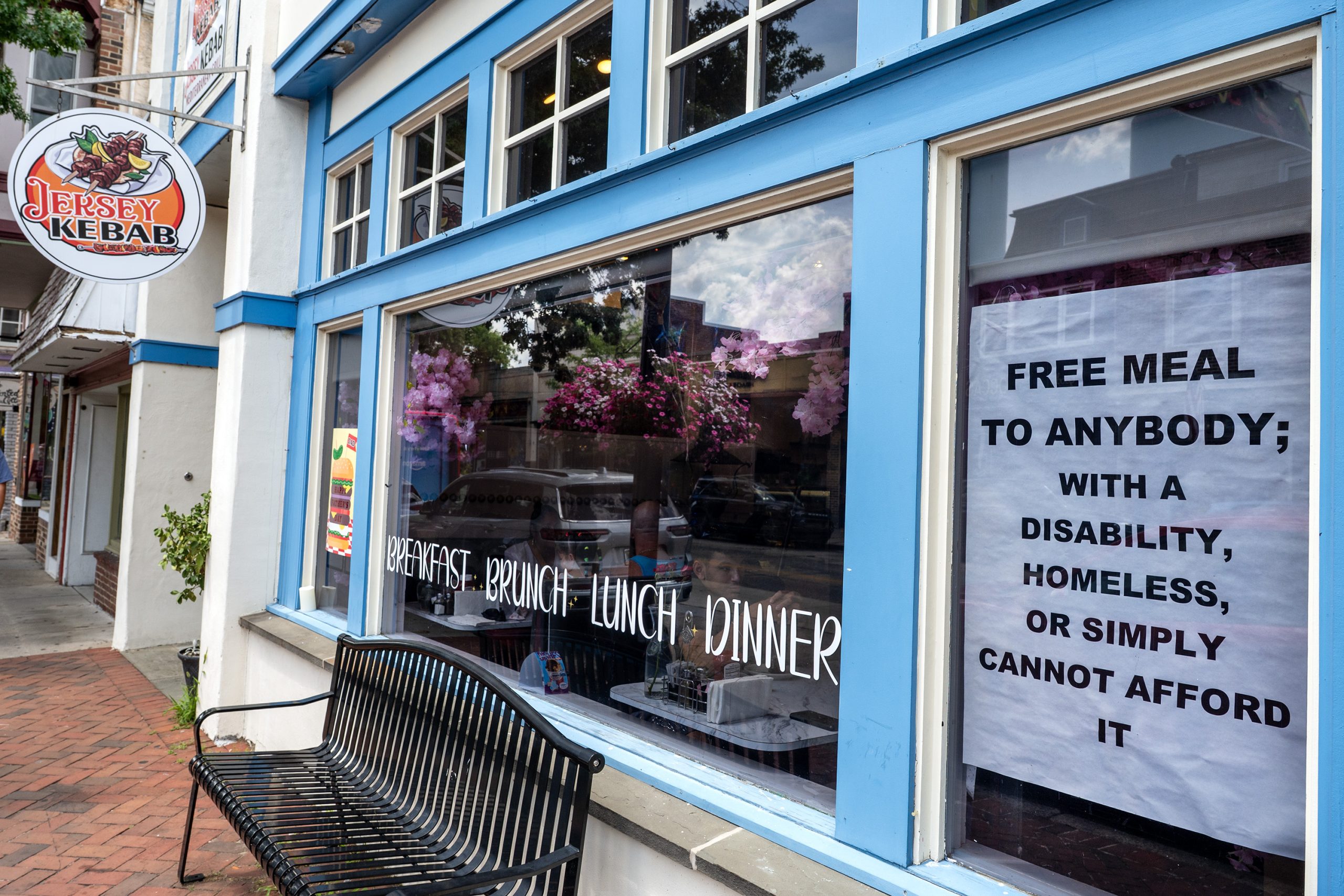
    The Jersey Kebab restaurant in Collingswood where Muhammed Emanet works is seen on Sunday, June 21. It offers the same “Free Meal” policy as at the prior location in Haddon Township.Tom Gralish / Staff Photographer

    Celal and Emine Emanet came legally to the United States with two young children in 2008, entering under a religious visa that allowed the father to work at a New Jersey Islamic center.

    They said that they sought green cards before that visa expired in 2013, but that the application has been in government limbo for years.

    In 2021, they founded Jersey Kebab in Haddon Township, and the restaurant recently moved west on Haddon Avenue to a new location in Collingswood.

    The couple’s immigration cases continue. Celal Emanet’s next hearing is scheduled for December, while his wife is to appear in April 2027.

    The family stands among roughly 386,000 Turkish immigrants and people of Turkish ancestry who live in the United States, according to Inquirer computations of U.S. Census figures. That includes about 15,000 in Philadelphia and surrounding suburban Pennsylvania and New Jersey counties.

    Turkey is a longtime U.S. ally, a rectangular land bridge between Europe and Asia that is surrounded by sea on three sides. It is a Muslim nation, a country of tea drinkers, the place where Julius Caesar is said to have immortally proclaimed “Veni, vidi, vici” ― “I came, I saw, I conquered” ― after a decisive battle victory near what is now the modern town of Zile.

    Today, people are leaving the country amid economic instability and political purges, with many trying to get to the United States.

    U.S. government apprehensions of Turkish nationals at the Mexican and Canadian borders surged from 67 in 2020 to more than 15,000 in 2022 and another 15,000-plus in 2023, dropping to 10,500 in 2024. Figures for 2025 were not immediately available.

    President Donald Trump is expected to be in Turkey next month to attend the NATO summit in Ankara.

    Muhammed Emanet works at his family’s restaurant, Jersey Kebab, in Collingswood on Sunday, June 21.Tom Gralish / Staff Photographer

    During Trump’s second term, USCIS has repeatedly paused the processing of applications for all types of immigration benefits, including those for legal permanent residency.

    Last month, the administration announced it would require foreigners who are living in the U.S. and want to obtain green cards to leave the country to do so. The administration said they must now apply in their homelands, a departure from longstanding policy that has sowed confusion and concern.

    For decades, foreign nationals who meet requirements have been able to complete the green-card process in the United States, including those married to U.S. citizens, holders of work and student visas, and refugees and asylum seekers.

    USCIS spokesperson Zach Kahler said in a statement that entering the U.S. on a visa should not be a first step toward obtaining a green card, that tourists and temporary workers are permitted to come here for limited times.

    “Our system is designed for them to leave when their visit is over,” he said.

    Making people leave the country to apply for green cards “reduces the need to find and remove those who decide to slip into the shadows and remain in the U.S. illegally,” he said.

    The administration instructed immigration officers to consider violations of immigration laws, including overstaying a visa, as negative factors in their decision-making.

    Since the uproar, though, USCIS has seemed to walk back the policy, saying it would be implemented on a case-by-case basis. That could mean that some immigrants will be able to stay in the U.S. while they seek green cards.

    Emanet said his immigration case started in 2020, when two plainclothes ICE officers arrived at the family home and said he was in the country illegally.

    In spring, his attorney persuaded an immigration court in Newark to terminate Emanet’s court case ― with no opposition from the DHS Office of the Principal Legal Adviser, the ICE prosecutors. That termination seemed to clear the way for Emanet to adjust his status.

    Instead, on June 3 he received a Notice of Intent to Deny from federal immigration officials, indicating they plan to reject his application to adjust his status. He is not sure what will happen when the 30-day deadline for new information expires.

    “I have children here who need my support ― American citizens who depend on me,” Emanet said. “I thought I was that one, that I did everything exactly how I was supposed to, that I should receive my green card. … It feels like a punch in the gut.”

  • Collingswood’s James Garfield Elementary School set to close due to budget cuts

    Collingswood’s James Garfield Elementary School set to close due to budget cuts

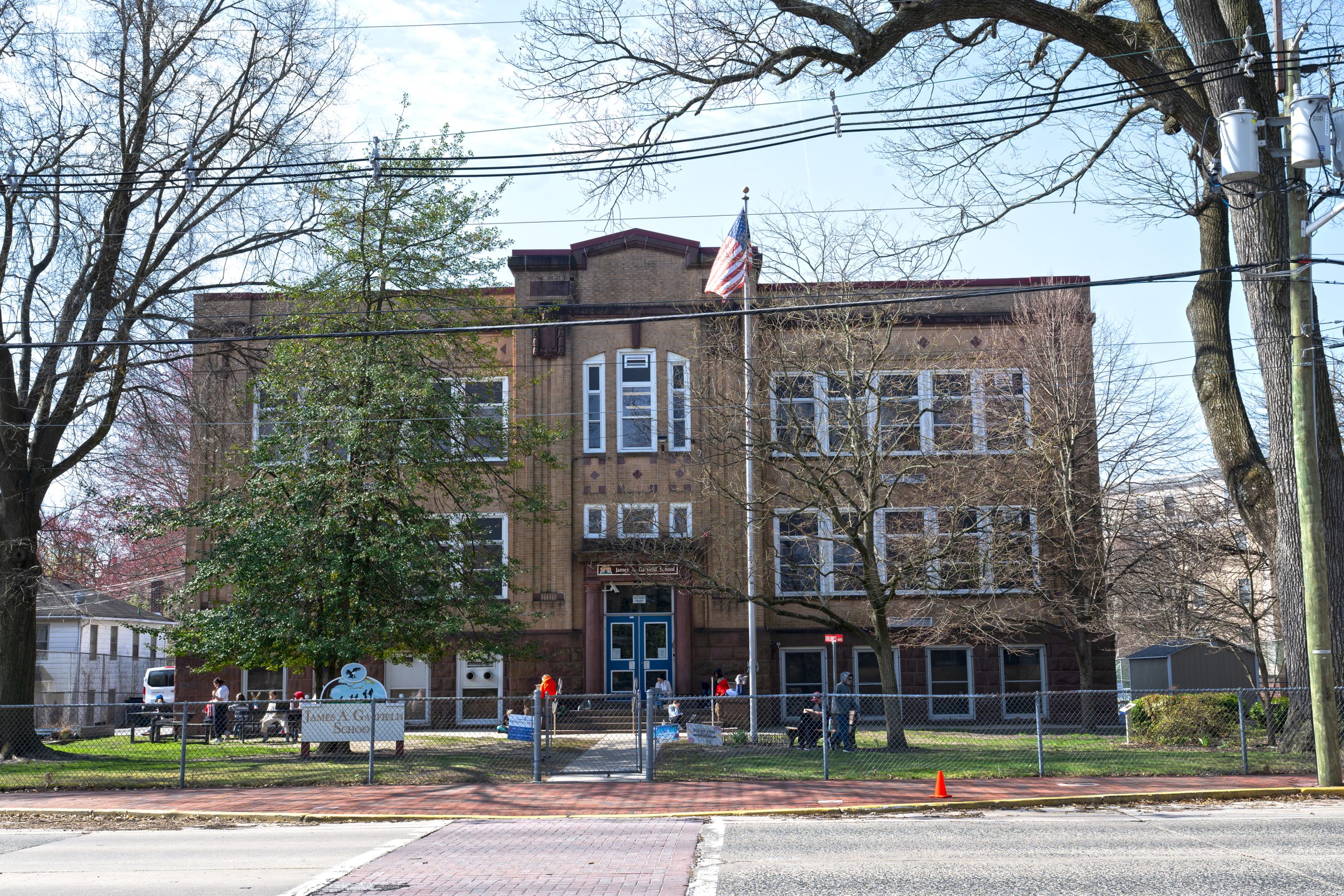
    Tucked away on a bustling tree-lined Collingswood street, James A. Garfield Elementary has been the center of its South Jersey neighborhood for more than a century.

    Built in 1915, it is the second-oldest public school in Collingswood and has educated generations of families. Passersby stop in the front yard to reminisce under two giant trees or sit on a century-old bench.

    Garfield enrolls about 128 students in kindergarten through fifth grade. The teachers know every student by name and parents love the sense of community.

    It will come to an end next week when Garfield closes its doors.

    “It’s been the best 13 years of my career,” said principal Mark Wiltsey. “Is it sad? Of course. I was all about it. It’s who I am.”

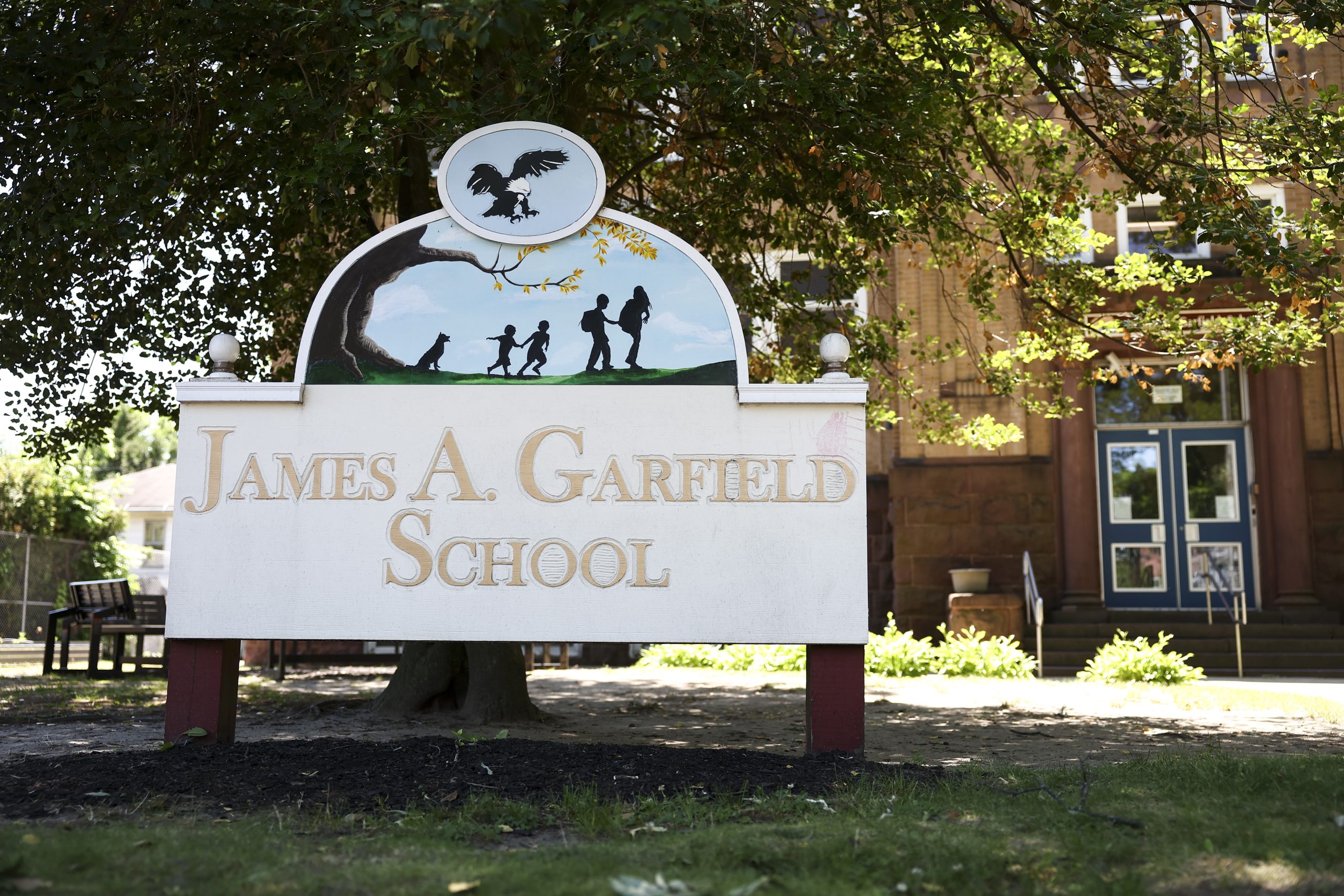
    The exterior of James A. Garfield Elementary School in Collingswood.Monica Herndon / Staff Photographer

    Facing a $3.3 million budget deficit for the 2026-27 school year, Superintendent Fred McDowell made the difficult decision to close Garfield and transfer students and staff to other schools. With operating costs exceeding available revenues, the district also cut 33 positions and programs.

    “No one ever wants to make reductions to staff,” McDowell said in an interview this month. “It has become necessary. It’s just not sustainable.”

    Collingswood Public Schools Superintendent Fredrick McDowell at James A. Garfield Elementary School earlier this month. He said budget issues forced him to close the school, which his own child attends.Monica Herndon / Staff Photographer

    Collingswood’s state aid for the coming year was reduced by $305,000, while expenses have increased by $4.8 million. The district increased property taxes by 6.4% but still had a budget hole.

    In what has been described as one of the toughest budget seasons in years, districts across the state are facing similar dilemmas. Cherry Hill, Haddonfield, and Washington Township are cutting positions, too.

    A vote of no confidence

    The Garfield closing and other cuts struck a nerve in Collingswood, which currently enrolls about 2,500 students in nine schools. The district plans to consolidate its high school and middle school operations, shut down its high school wellness center, and impose fees for some extracurricular activities.

    The Collingswood Education Association criticized the decisions and took a no-confidence vote against McDowell. Saying there was an “urgent need for a change in the leadership direction,” the union implored the school board to relieve McDowell of his duties.

    The union, which represents about 230 teachers and support staff, said 150 staff members have left since McDowell became schools chief in 2021. Morale has dropped and fiscal decisions have impacted the classroom, the union said.

    Garfield Elementary in Collingswood is preparing to close.Jose F. Moreno / Staff Photographer

    McDowell, whose contract expires in 2027, defended his record and blasted the union for finger-pointing during a budget crisis. Staff turnover follows post-pandemic nationwide trends, and Collingswood’s structural budget deficit has been years in the making, he said.

    “It’s not a mismanagement problem. It’s a revenue problem,” McDowell said. The district plans to ask voters to approve a bond referendum on Nov. 5 to cover operating costs. Voters rejected a controversial $44.5 million bond proposal in 2024.

    McDowell will be affected personally by the Garfield closing. His 9-year-old daughter is a fourth grader and a son would have been a kindergartner in the fall.

    “In what world does a father want to close his own child’s school, unless there’s no other way,” the superintendent said.

    ‘Heartbroken’ to lose an elementary school

    There were tears and high emotions as word spread that the two-story neighborhood school would close, affecting about 100 students and about 15 teachers and support staff. The fifth graders will move to middle school, and the remaining students will be sent to the district’s four other elementary schools with larger class sizes to accommodate more students.

    “I feel heartbroken. I feel angry,” said Elizabeth Vukovic Gartlan, whose youngest, Liam, is a fourth grader at Garfield. “It’s such a wonderful school and a beautiful community.”

    Gartlan said Liam asked: “Why can’t we have a bake sale” to save the school? He will go to Newbie Elementary in the fall. His mother worries that more cuts could come.

    Teacher Samantha Nash Rovner talks with a reporter at James A. Garfield Elementary School on this month. Garfield is closing at the end of the school year.Monica Herndon / Staff Photographer

    The closing has been bittersweet for teachers, too, as they pack up years of materials. Fourth-grade English teacher Samantha Nash Rovner will have third graders at Zane North.

    “It’s very mixed emotion,” Rovner said. “It’s really sad that Garfield is closing.”

    McDowell said no employees will lose their jobs, although some staff may be put in different positions.

    Located on Haddon Avenue, Garfield is a hub in Collingswood, known for its quintessential Main Street aura. The schools and the downtown district are walkable, making its quaint shops and restaurants popular destinations.

    “It’s just a special place,” said Julie Donato, the mother of two Garfield students. ”Our entire life revolved around this school.”

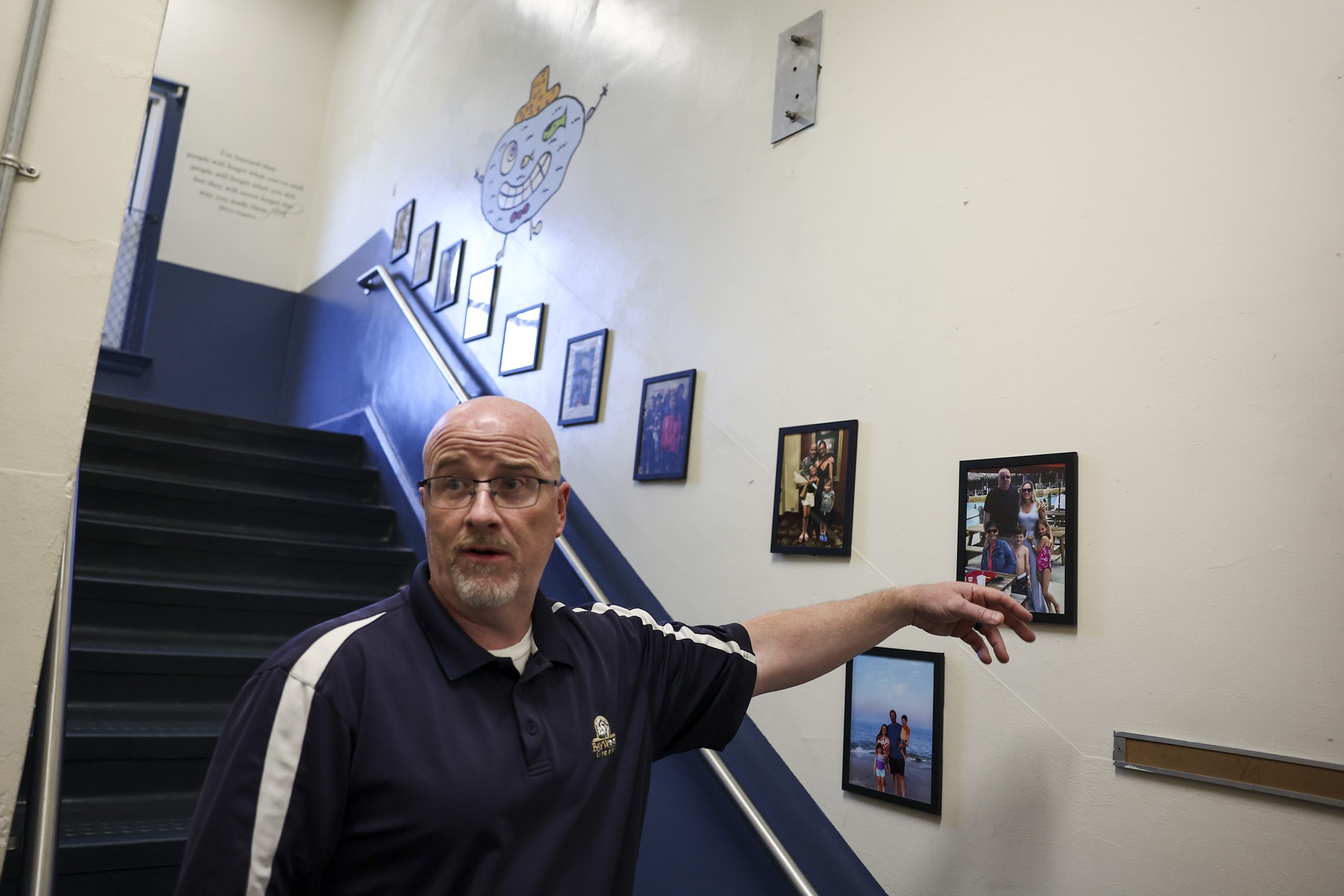
    The school is decorated with colorful murals and inspirational quotes. Framed pictures of students and their families line the walls. A memorial garden out front pays tribute to Michael Jubb, a student killed in an accident, and a sign honors Dolores Bobb, a beloved crossing guard.

    Donato said her husband’s grandmother attended Garfield. When his grandmother came to the United States from Italy, Garfield students taught her English, she said. And Donato’s children were especially fond of visiting senior citizens who live next to the school at Collingswood Manor.

    The school is named for James A. Garfield, who was elected the 20th U.S. president in 1881 and assassinated just 200 days into his term.

    Most students are unaware of the school’s history, Wiltsey said. Because the school is often referred to as Garfield, they believe the name comes from the comic strip about a cynical orange tabby cat with the same name, he said with a laugh.

    Fifth grade students work in English class at James A. Garfield Elementary School in Collingswood this month. The school is closing at the end of the school year.Monica Herndon / Staff Photographer

    Wiltsey said the school receives letters from former students sharing memories of their time at Garfield. They are archived in an album with old photographs.

    For a Garfield history project that has been saved at the school, Bonnie Brown Saunders of Colorado recalled enrolling as a kindergartner in 1948. She recalled memories for every year, including first grade when a pretty girl transferred in.

    “All the boys liked her — a lot. I learned about two emotions — boys and jealousy. I also learned how to read and become the picture of health,” she wrote.

    A photograph of the seventh grade class at James A. Garfield Elementary School on April 24, 1922.Monica Herndon / Staff Photographer

    Wiltsey, who will move to the middle school complex as a supervisor, said school officials began preparing students last month for the closing. Tatum Elementary will get the biggest chunk, about 52 students.

    There have been walking tours and activities to meet new classmates and teachers, he said. Siblings were assigned to the same school.

    Wiltsey compared preparing for the last day of school — June 22 — to the grief process and has experienced a range of emotions. Teacher Jessica Harbridge said the reality will hit in September.

    “I’ve accepted it,” Wiltsey said. “We’re all moving on to new challenges.”

    Principal Mark Wiltsey talks about the family photographs that line the walls at James A. Garfield Elementary School.Monica Herndon / Staff Photographer