Tag: Cherry Hill

  • South Jersey’s Spencer’s, armed with lava lamps and band tees, plans for a future beyond the mall

    South Jersey’s Spencer’s, armed with lava lamps and band tees, plans for a future beyond the mall

    Pink cheetah-print beer bongs. Fugglers. Studded belts. A fridge full of Red Bull. Band T-shirts and lava lamps galore.

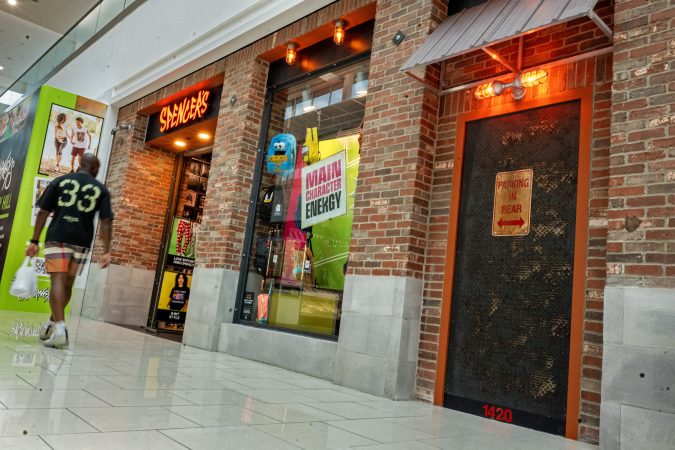
    It’s hard to predict what you’ll spot when you round a corner at Spencer’s, or more specifically, what expletive, hit TV show, or meme will be featured on the next rolling tray. The novelty item retail chain recently moved into a new spot, 1,000 square feet bigger than its last one, in the JCPenney wing of the Cherry Hill Mall.

    In 1963, the South Jersey mall gave Spencer’s its first in-person retail store after 16 years as a mail-order catalog.

    Now, Spencer’s is one of Cherry Hill Mall’s last remaining early tenants, and though the gag gifts have changed over the years, the chain remains alive and well, even as mall culture and the ways people shop change across the country.

    The Cherry Hill location is one of hundreds of Spencer’s stores across the U.S. and Canada. While CEO Steven Silverstein declined to share how much Spencer’s made in 2025, he said the company’s revenue has grown 50% since 2019 and benefited from a spike in shopping interest post-pandemic.

    On a rainy Thursday afternoon in July, the store was mostly quiet. Eddie Frazier of North Philadelphia looked for a new T-shirt. One woman bought a lingerie set, and a grandmother stopped in to browse.

    Alex Williams of Mount Laurel said she and her friends have shopped at Spencer’s for years. Since she recently turned 21, Williams said she likes to hunt for novelty shot glasses. Last time she visited, she bought a mini Playboy-themed tumbler.

    “I just like how comfortable everybody is,” Williams said. “They don’t make you feel weird.”
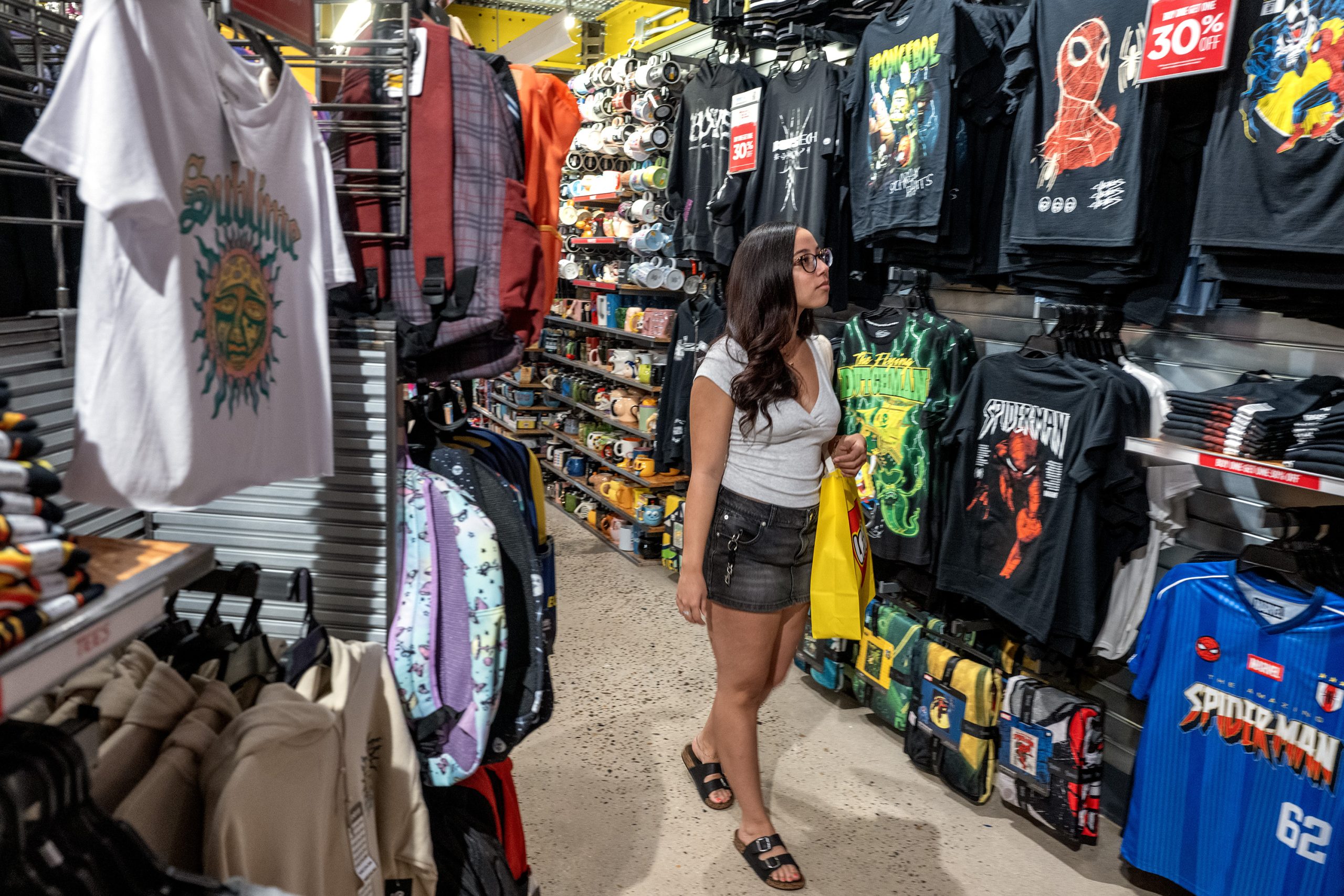
    Alex Williams of Mt. Laurel shops at Spencer’s in the Cherry Hill Mall on July 9. She says she and her friends have shopped at the store for years. Tom Gralish / Staff Photographer

    Silverstein agrees. He has run the parent company of Spencer’s, which also owns Spirit Halloween, since 2003. Spencer’s Spirit Holdings is headquartered in Egg Harbor Township, Atlantic County, a short drive away from the Shore, and has been since the ‘70s. It counts about 700 employees.

    “We’re a South Jersey-based company,” Silverstein said. “I say that with a lot of pride because I think that we belong here.”

    ‘A rite of passage’

    Max Spencer Adler, a U.S. Army Corps bombardier once imprisoned by Germany during World War II, founded Spencer Gifts in Atlantic County in 1947 with “$200 and an idea.”

    That idea, in alignment with the Spencer’s of today, was a bit outrageous. A catalog from 1956 featured “imitation shrunken heads” ($1, or 2 for $1.49 if you were seeking a deal) and a “magic stump remover” ($1.50), a powder that claims to quickly dissolve tree stumps of any size.

    Giant rubber feet and golf tees (spelled “tease”) in the shape of a woman’s body were also available.

    By 1963, the novelty business had bloomed. Adler sent about 14 million copies of the Spencer’s Christmas catalog across the country and opened his first retail store in Cherry Hill, store #001.
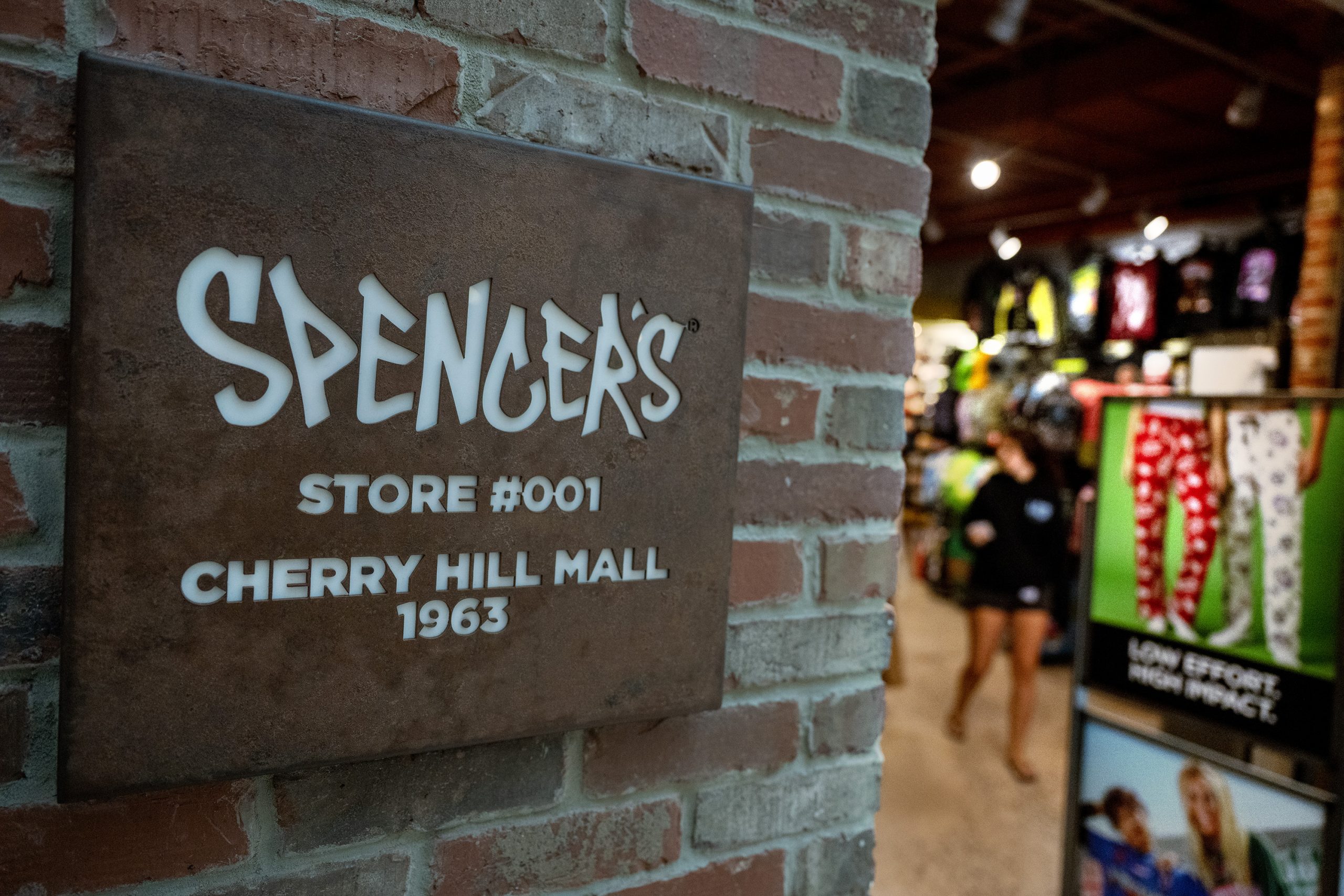
    A plaque in the Cherry Hill Mall marks the store as the very first Spencer’s retail shop, #001. Then called Spencer Gifts, it opened in 1963 in the then-brand-new mall. Now Spencer’s has moved to a bigger storefront.Tom Gralish / Staff Photographer

    Since then, Spencer’s physical presence has moved well beyond South Jersey, and teens and young adults have continued to shop for sparkly lava lamps, body jewelry, horror movie dolls, and whatever is trending at the moment. During the July visit, the store featured Dubai chocolate, blind boxes, and plushies from popular TV series.

    “It is a rite of passage,” Silverstein said. “You remember the first time when your mom said, ‘OK, you can go in there, but I’m not going in there with you.’”

    Today the chain has 661 stores across the U.S. and Canada, Silverstein said, a number not dramatically different from previous years. Spencer’s will open 20 stores this year and will likely close the same amount. Its most popular products tend to be its T-shirts, accessories, jewelry, and objects from the sex and wellness section.

    The Cherry Hill location gets about 100 customers on a regular weekday, but more people flood in on weekends and at night, said Danielle Voelkel, the district store manager. Voelkel, who has worked there for 11 years, said sometimes people are hesitant to enter.

    “You don’t always know what you’re coming into the store for, but at the end of the day, there’s something for everyone,” Voelkel said.
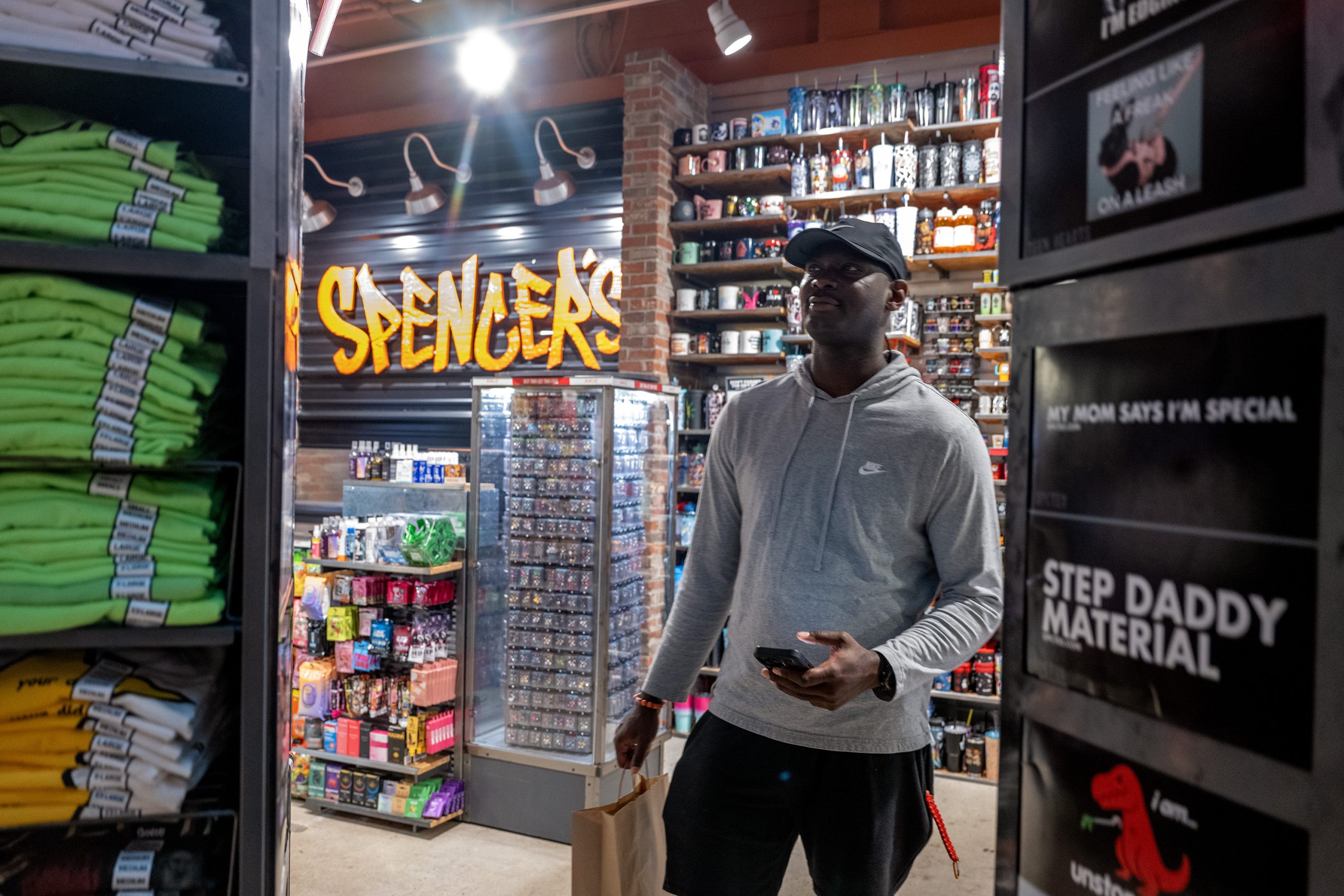
    Eddie Frazier of North Philadelphia shops at Spencer’s in the Cherry Hill Mall in early July.Tom Gralish / Staff Photographer

    How Spencer’s survives

    While American mall culture isn’t dead, it has certainly changed, at least in the Philly region. The pandemic turned some malls into ghost towns, and the popularity of online shopping has grown immensely.

    “You could never invent Spencer’s today,” Silverstein said. “It’s just really been that tree that’s been pruned in so many different directions … but somehow works.”

    Spencer’s has found ways to keep moving forward, Silverstein said, by building up in malls that are thriving, such as the Cherry Hill Mall, and reevaluating its place in struggling markets. Spencer’s, like other retailers, has an online store for shoppers who can’t or won’t go in person.

    To stay embedded in the community, employees volunteer at the Community Food Bank of New Jersey, and the chain’s anti-cancer campaign, “Boobies Make Me Smile,” has raised $16.5 million since 2008, Silverstein said. In April, the chain launched a sex education tour to Temple University, Stockton University, and Rowan University. Stockton and Rowan students currently make up half the company’s interns.

    Items for sale at Spencer’s in the Cherry Hill Mall include Chucky dolls and a Stitch plushie from the “Lilo & Stitch” Disney movies. Tom Gralish / Staff Photographer

    Plus, Spencer’s is no longer just for mall rats.

    The chain recently expanded to strip malls and shopping centers, where Spencer’s can’t rely on the fleeting curiosity of mall walkers for revenue.

    “The power of our brand has to be strong enough to be its own destination. … Can we attract an intentional shopper?” Silverstein said.

    Spencer’s has discovered it can, at least right now.

    The chain has opened 50 non-mall locations, Silverstein said, though it’s unclear how they’re performing financially. There are no strip mall spots in Jersey so far, though Spencer’s intends to open a location at Consumer Square in Mays Landing, Silverstein said, about 10 minutes from its Atlantic County headquarters. And some outlets down the Shore already feature Spencer’s, including Jersey Shore Premium Outlets.

    Despite the move beyond malls, Silverstein said the rumors of mall death are greatly exaggerated. Mall culture will keep pushing Spencer’s forward, so long as the chain keeps coming up with original ideas, whether that’s alien-duck shot glasses or Pennywise lava lamps.

    “Retailing is like being a shark,” Silverstein said. “You constantly have to be moving or you die.”
  • At Trump-promoted Freedom Fuel gas stations, prices are up and questions linger

    At Trump-promoted Freedom Fuel gas stations, prices are up and questions linger

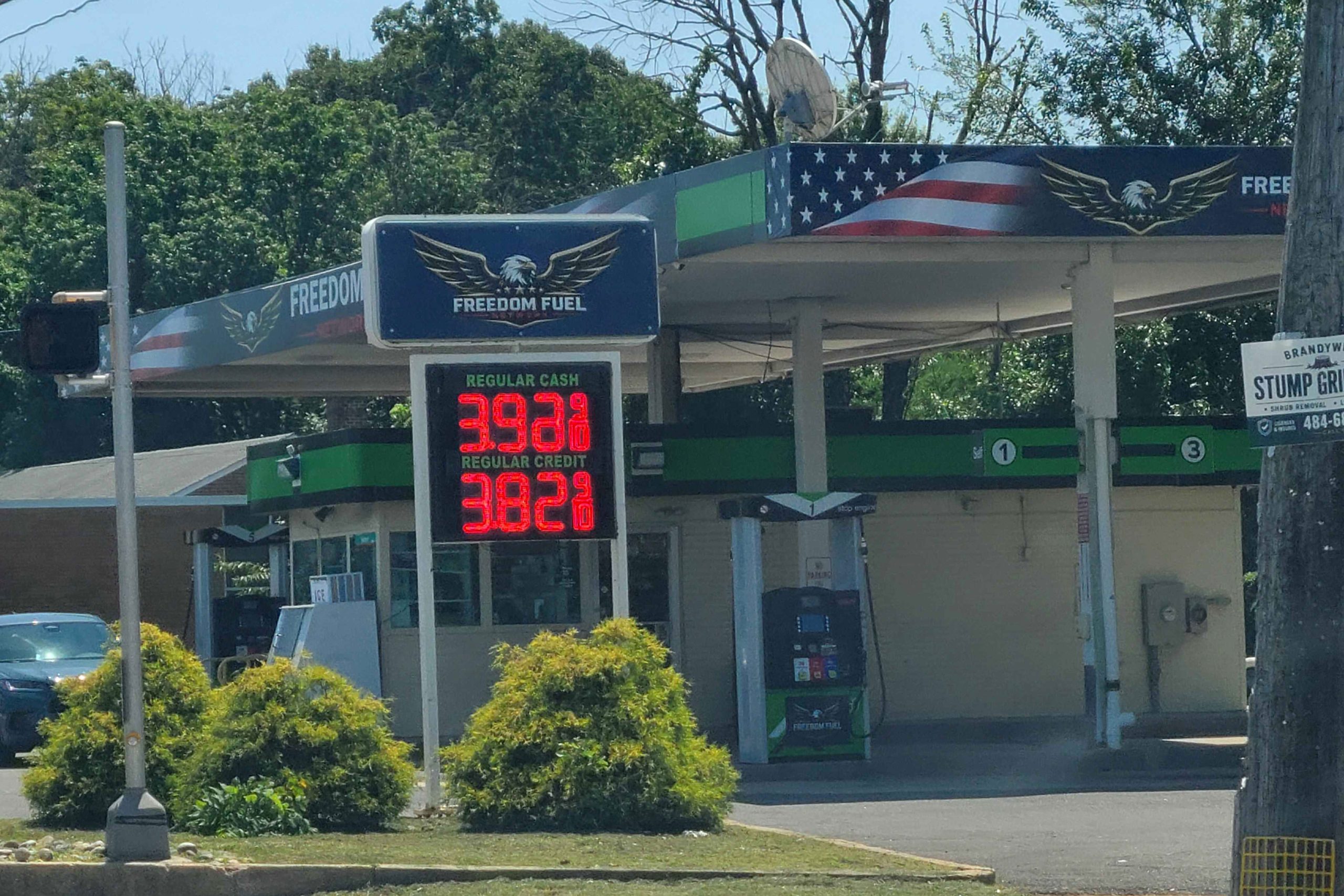
    Even the Freedom Fuel Network promoted by President Donald Trump isn’t immune to rising gas prices.

    Yet, the Philadelphia-area network of gas stations is expanding anyway, according to the company’s website.

    The enterprise, currently made up of 25 stations spread across the region, garnered national attention earlier this month when it began selling regular gas for $3.47 a gallon — a nod to Trump, and 40 to 50 cents cheaper than other stations.

    Gas station owners suddenly undercut, political observers, and government watchdogs wondered how long the promotion would continue.

    It turns out, not long.

    The Inquirer visited seven Freedom Fuel locations over several days, and while all were still selling gas cheaper than nearby competitors, the deep discounts from earlier were gone.

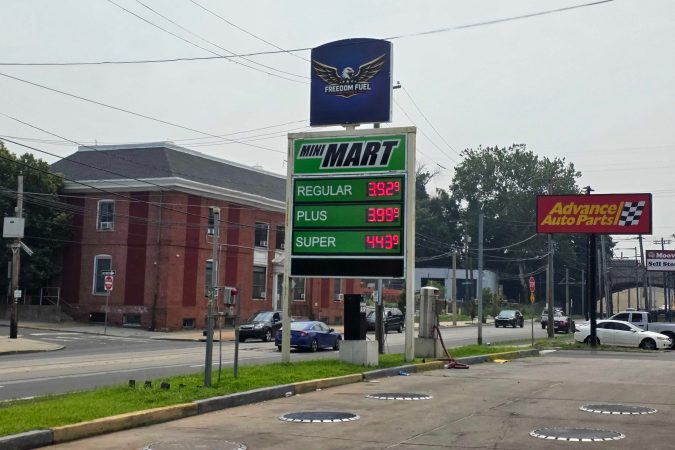
    Gas prices are up everywhere, including the Freedom Fuel Network station on Edgemont Avenue in Brookhaven, Delaware County.Rob Tornoe /

    Three Philadelphia gas stations and two Delaware County locations were among those within the network selling gas at $3.92 a gallon Monday. Near Philadelphia’s Freedom Fuel stations, competitors were charging $3.89 to $4.09 for a gallon of gas. The same was true in South Jersey, where Freedom Fuel stations in Marlton and West Berlin were selling gas around 10 cents a gallon less than their nearby competitors.

    (function(){function e(){window.addEventListener(`message`,function(e){if(e.data[`datawrapper-height`]!==void 0){var t=document.querySelectorAll(`iframe`);for(var n in e.data[`datawrapper-height`])for(var r=0,i;i=t[r];r++)if(i.contentWindow===e.source){var a=e.data[`datawrapper-height`][n]+`px`;i.style.height=a}}})}e()})();

    Selling gasoline is a low-margin business, with owners making just “a few pennies” of profit per gallon sold, according to Eliezer Fich, a finance professor at Drexel University’s LeBow College of Business.

    “They can sustain those losses for a little while, but it becomes unsustainable if you can’t offset that with a convenience store or a car wash,” said Fich.

    Several Freedom Fuel stations visited by Inquirer reporters were small, appeared somewhat rundown, and offered a limited selection of products beyond gas. One location had an inoperable convenience store.

    Fich doesn’t know the specifics of Freedom Fuel. He said independent stations banding together can offer purchasing power with refineries, which can be one route to securing lower fuel costs. But those savings wouldn’t come close to supporting the deep discounts the stations were offering.

    Despite the White House’s involvement in promoting Freedom Fuel, a spokesperson said the company received no government subsidies and did not obtain fuel at a lower cost. The below-market prices would exist “for as long as the company chooses,” the spokesperson said.

    If that’s the case, the business itself was already absorbing dramatic losses before the United States resumed attacks on Iran, leading to a jump in gas prices over the past week.

    The average cost of a gallon of fuel in Philadelphia was $4.17 a gallon Monday, up from $3.95 a gallon last week, according to AAA. Nationally, the average cost of a gallon of gas also jumped back to $4 a gallon, up from $3.14 a gallon compared to last year.

    While questions remain, Freedom Fuel plans to expand

    Little is known about who is taking on the likely losses expected from the promotion.

    Former Evesham Township mayor, Baltimore Ravens assistant coach, and self-proclaimed “proud Trump supporter” Randy Brown, along with former commodities trader Yoni Gontownik, both signed the certificate of formation, first obtained by The Newsground, an investigative news outlet. Neither could be reached for comment.

    Cherry Hill developer Shamikh Kazmi and his brother Syed Kazmi are linked to at least six locations. The brothers, who have been embroiled in at least two lawsuits related to previous gas station ventures, also could not be reached for comment.

    One of Shamikh Kazmi’s businesses was sued as a result of a lengthy trademark dispute with BP America Inc. and BP Products North America Inc. in 2021. That case ended with four deputies with the U.S. Marshals Service seized remaining brand signs in June 2022, according to court documents.

    Also in 2021, the brothers were accused by Petroleum Marketing Group Inc, a fuel distribution company, of stealing thousands of gallons of gas from the company. Petroleum Marketing Group sued the brothers, who were ordered by a federal judge in February to pay $600,000.

    The company has yet to receive payment.

    Still, the people behind Freedom Fuel are looking at expansion.

    “Since launch, drivers have flooded us with one request: bring Freedom Fuel Network to my area,” read the website Monday. “We heard you. Due to overwhelming demand for additional locations, we’re expanding to serve more communities with lower prices at the pump.”

    The website did not give a timeline for when those additional stations could come online and did not respond to a request for comment.

    The Associated Press contributed to this article.

  • A real estate developer has sued a South Jersey township for $300 million over its data center ban

    A real estate developer has sued a South Jersey township for $300 million over its data center ban

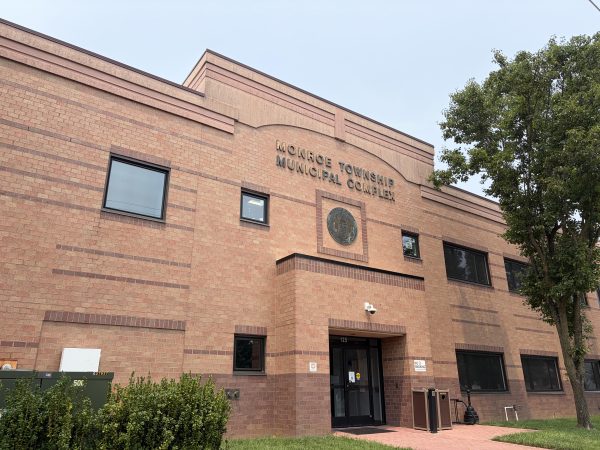
    A real estate developer sued local officials in Monroe Township for $300 million shortly after the Gloucester County municipality banned data centers. Now, the case has moved to federal court.

    Hexa Builders, a Princeton-based real estate developer, has long sought to develop a property at 3043 Black Horse Pike. Hexa filed a lawsuit on June 5 in New Jersey Superior Court after Monroe officials denied its application to build a 1 million-square-foot data center and a warehouse on the property.

    The ban, put in place by two ordinances approved by the township on April 22, followed months of public outcry against Hexa’s potential project. Even after the ban was passed and officially took effect on May 13, Monroe Township residents packed the room when Hexa presented its application that still included a data center at a rowdy Special Planning Board meeting on May 22.

    In the filing against Monroe’s mayor, township, and planning board, Hexa claimed the application rejection and data center ban are arbitrary, violate freedom of speech rights and the 14th Amendment, and more. The Woodbury Warbler, a local news site, reported on the filing last month.

    Jim Maley, Hexa’s lawyer and a partner at Maley Givens in Collingswood, said he expects the ban to be overthrown, since he believes the ban in Monroe stems from trending public disdain for data centers.

    “Nobody is giving any testimonial, any scientific reasons for the good of the community. Everybody’s doing it,” Maley said. “It’s just a thing.”

    Debate around data centers, which opponents claim will lead to environmental problems and noise, are not new in South Jersey. A massive data center in Vineland is set for completion by the end of the year, while Medford Township passed an ordinance banning data centers in June. Millville in Cumberland County banned large-scale data centers in May after promotions for a new 66-acre “Millville Energy & Data Center Campus” circulated online. Cherry Hill‘s council scheduled a public hearing for July 27 to potentially adopt a ban across the township.

    For now, Maley said Hexa is at a standstill. But the company still wants to complete the project, even with the public’s pushback and what could be a lengthy court process.

    On July 6, the township moved for the case to be pushed to federal court, closing the Superior Court case, and no federal proceedings are on the docket yet.

    “The Township is committed to vigorously and zealously defending this lawsuit while remaining steadfast in its commitment to protecting the interests of the Township, its residents, and its taxpayers,” said Sandra Graise, solicitor for Monroe Township, in an email.

    Graise declined to further comment on the case or the data center ban, but the township wrote in a Facebook post last month that the lawsuit wasn’t a surprise.

    How the ban came to be

    Hexa, led by CEO Dipal Patel, officially obtained the property in a $5 million transfer of about 170 acres of farmland back in 2022. The township has included that land in a resolution for commercial redevelopment since 2019.

    The site was previously approved for the construction of hundreds of homes when Hexa bought it, Maley said, but the township ended up moving in a different direction. In 2022, the township approved a redevelopment plan that set the grounds for Hexa to build warehouse, storage, and distribution facilities on Black Horse Pike, but not data centers.

    That changed in early 2025, when the township passed an ordinance amending the redevelopment plan to allow data centers.

    It didn’t take long for residents to speak out about the impact a data center could have on water quality, pollution, and noise in their neighborhoods, even before Hexa officially added a data center to their plan.

    A planning board meeting in January 2026 dragged on for more than four hours because of resident objections, but the township still voted to approve a preliminary site plan for Hexa to move forward with its warehouse and distribution center project. The proposal didn’t include a data center at the time, though the lawsuit filed in June claims that Hexa had already expressed interest in developing one, and residents made it clear they weren’t fans of the possibility.

    The township drafted an ordinance in March to set standards for data centers, including noise restrictions and a closed loop cooling system to avoid groundwater withdrawal, but that ordinance was tabled and never moved forward.

    Instead, in April, Monroe passed two ordinances: one banning data centers altogether, and another repealing the 2025 ordinance that allowed data centers on Hexa’s property.

    “At the end of the day, this Township has now banned any data center use from ever coming to Monroe Township. I thank those residents who attended the many meetings and expressed their concerns. The process worked,” Mayor Greg Wolfe wrote in a May township newsletter.

    Two weeks before the ban was adopted, though, Hexa’s legal complaint claimed it submitted an amended application to the township to turn one of its proposed warehouses into a data center.

    Maley said the amendment was driven by “interest from the marketplace that began before Township passed the ordinance” that allowed data centers at 3043 Black Horse Pike last year.

    When Hexa sought approval for the new application on May 12, the township deemed the company’s application incomplete, prompting Hexa’s lawsuit.

    The lawsuit

    The $300 million sought by Hexa Builders accounts for financial losses related to the stunted data center project, Maley said.

    “The damages all come from real, actual commercial realities here. … It’s the loss of the value of the project,” Maley said.

    In its 102-page complaint, initially filed in Gloucester County court on June 5, Hexa claimed that Monroe violated the 14th Amendment by treating Hexa’s plan differently from similarly sized projects, like warehouses and other high water usage facilities, that it claims would have similar environmental and aesthetic impacts.

    Hexa also claimed that banning data centers violates the First Amendment and free speech rights, since the facilities could support artificial intelligence and social media communications in the area.

    Maley said the data center ban will have “an adverse effect on communications,” and the argument is an effort to adapt constitutional law to today’s tech.

    “Data centers are a medium of expression and banning data centers would impose a significant burden on the free speech rights of all citizens in the United States,” the complaint reads.

    Those are just some of the 20 counts alleged by Hexa, including that the township didn’t give the company ample notice of its ban as it prepared data center plans. Monroe Township officials have publicly shared their intention to keep mostly silent on the litigation as the case moves forward.

    Some residents have continued to speak out at meetings and ask questions about potential loopholes in Monroe’s ordinances to ensure their neighborhoods remain data center-free.

    At the township’s planning board session on July 9, Williamstown resident John Romano asked who allowed Hexa’s application to get so far in the first place, and whether Monroe will be able to hold a case against Hexa in court. He said the data center would be right in his backyard.

    “I’d like to sit out in my backyard and enjoy a stogie and a cold one and not hear noise and pollution and this and that,” Romano said. “I would like to be able to stay in Monroe Township, live out my golden years here, which was the plan. This has got my wife and I really concerned.”

  • Archaeologists looked for artifacts at an Underground Railroad site in Cherry Hill. Here’s what they found.

    Archaeologists looked for artifacts at an Underground Railroad site in Cherry Hill. Here’s what they found.

    Archaeologists have nearly wrapped up their analysis of artifacts found at Cherry Hill’s Croft Farm, a historic Underground Railroad site where items have accumulated over thousands of years.

    That catalog includes 6,300 ceramic fragments, hundreds of bones, and belongings of the Lenni-Lenape Indigenous people who once inhabited the land along the Cooper River.

    In February, Cherry Hill Township invited the public to spectate the dig at Croft Farm, a property purchased by Cherry Hill in 1985 and since added to the National Register of Historic Places. It sits at a dead end behind a playground and a dog park, and Megan Brown, deputy chief of staff for Cherry Hill Mayor David Fleisher, said lifelong residents tend to not know it exists.

    The township recruited PS&S, an architectural firm headquartered in Somerset County, a year before the February dig to oversee cultural resource management at the site, triggered by renovations to preserve a building there.

    Upgrades to the Kay-Evans House, an 18th-century home at Croft Farm that once served as a stop along the Underground Railroad, are funded in part by a $638,000 grant from the New Jersey Historic Trust, which requires work to ensure the safety of historic artifacts found there. Those items will become Cherry Hill Township property.

    Brown said the artifacts collected could find their way into public displays on the first floor of the house.

    “We do tell the history, but kind of more as a whispering,” Brown said. “We’re going to start really yelling about it.”

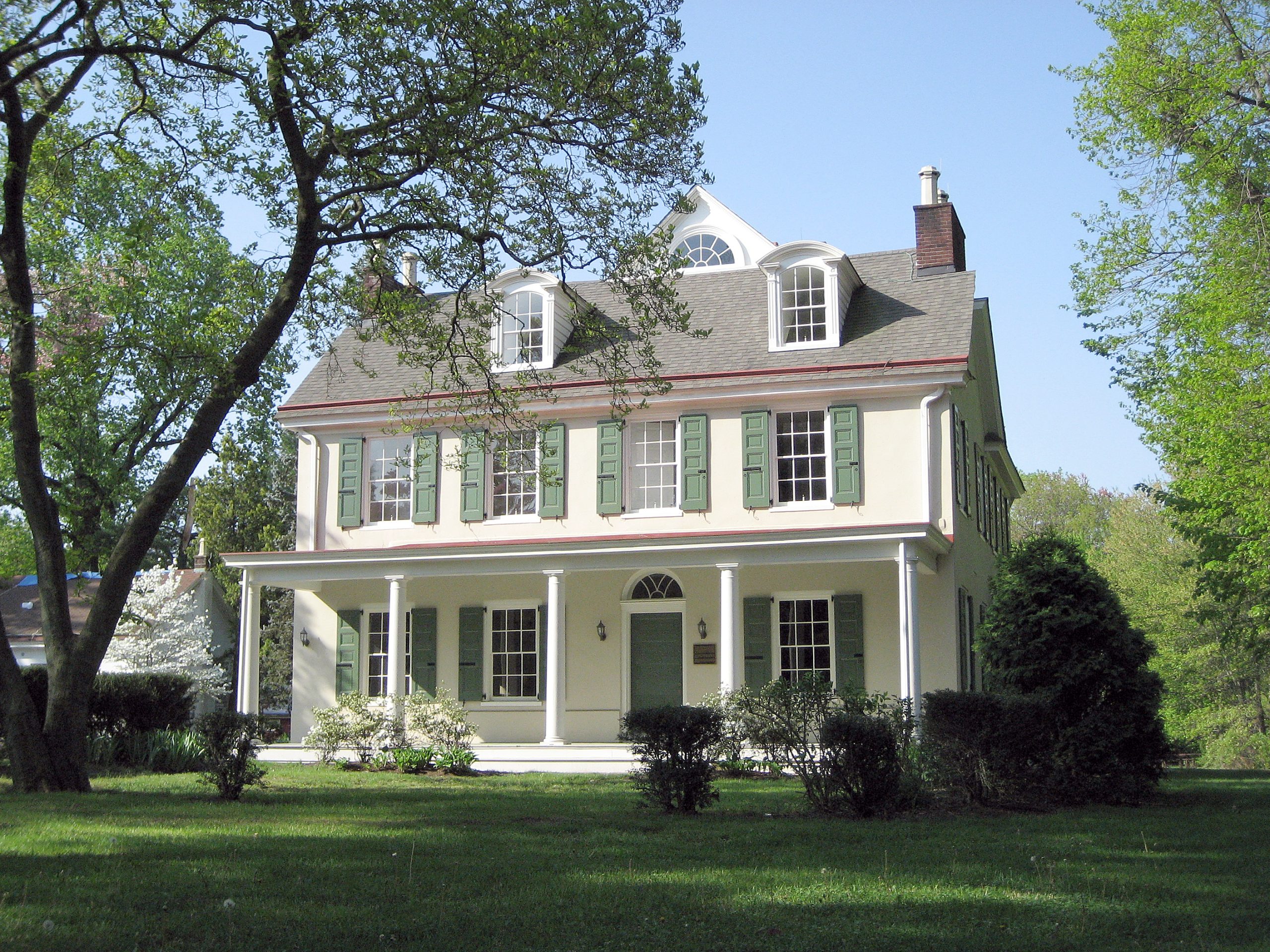
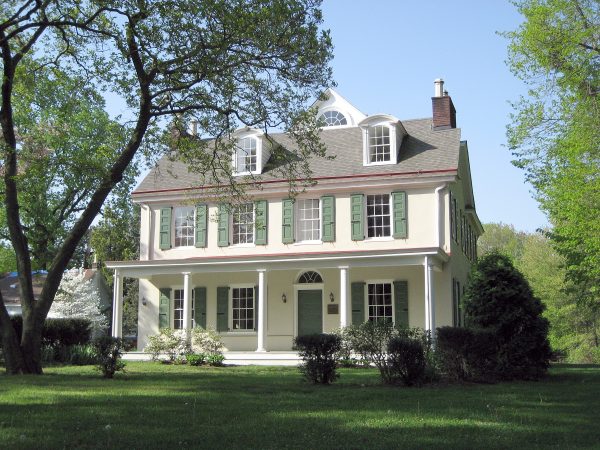
    The Kay-Evans House, a historic building at Croft Farm in Cherry Hill, is home to Cherry Hill Township’s Recreation Department.Cherry Hill Township

    Hundreds of ceramics

    Croft Farm has housed generations of people living along the Cooper River, and artifacts like ceramics help archaeologists identify lifestyle and socioeconomic changes over time.

    The land at Croft Farm was purchased by the Kay family in the early 18th century, and around 1750, Quaker Isaac Kay built an early version of the building now known as the Kay-Evans House, which today houses the Cherry Hill Recreation Department.

    In the 19th century, the Evans family moved onto the property and expanded the home. Like other Quakers, owner Thomas Evans and his son Josiah were members of the New Jersey Abolition Society who pushed to end slavery and support the Underground Railroad, according to the township’s online history of Croft Farm.

    Matthew Tomaso, the senior director of cultural resources for PS&S, said the firm found material spanning from the 18th century to the early 20th century. About 1,000 artifacts come from the 18th and 19th centuries, including when the Evans family helped operate the Underground Railroad.

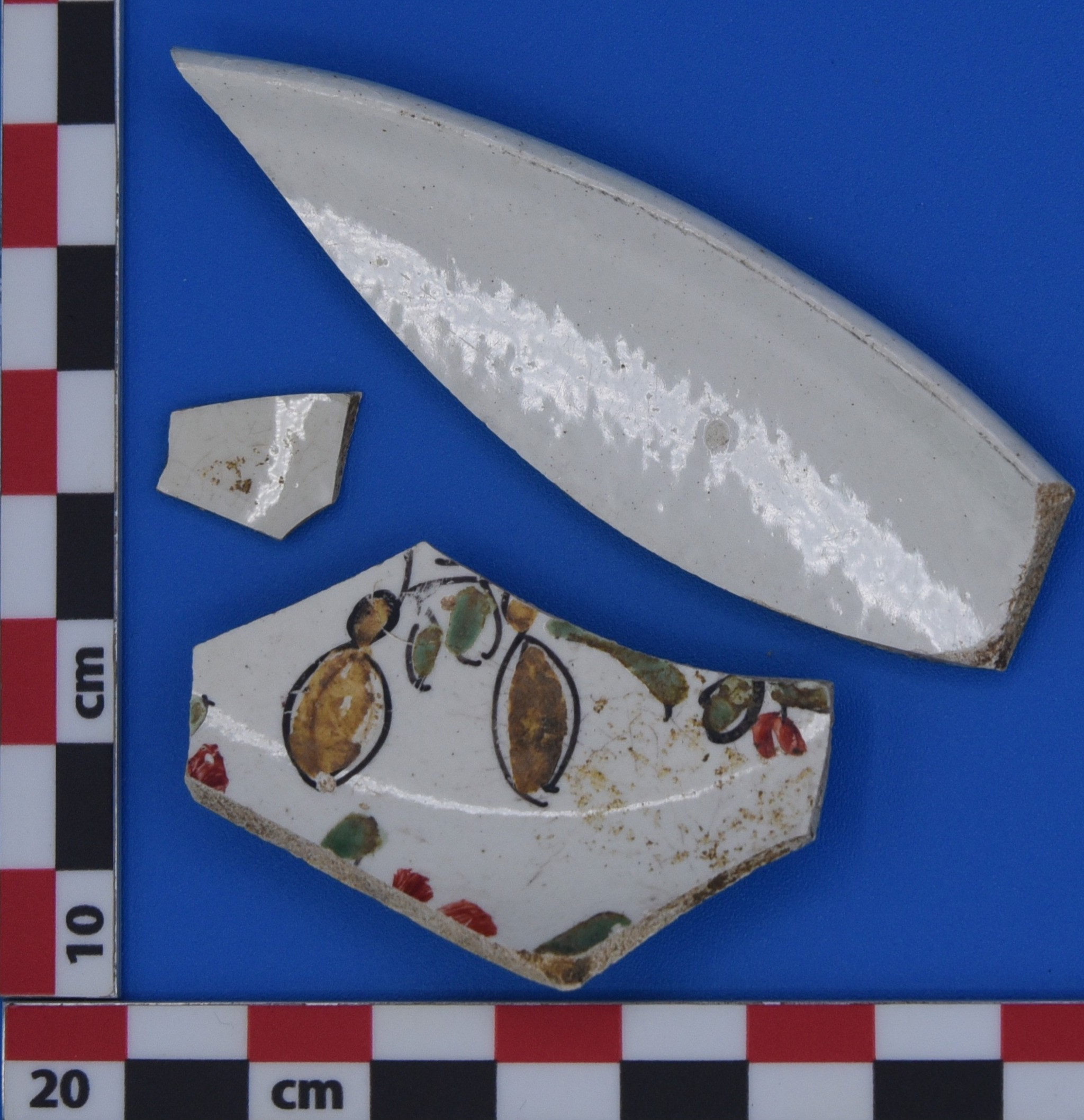
    Nineteenth-century hand-painted polychrome ceramic sherds are among the artifacts found by PS&S during site work at Croft Farm in Cherry Hill. Matt Kraemer

    Matthew Kraemer, a PS&S archaeologist on the project, said the type of ceramics discovered on the site varied by time period, from 18th-century Staffordshire slipware to more creamware, pearl ware, earthenware, and whiteware as time went on.

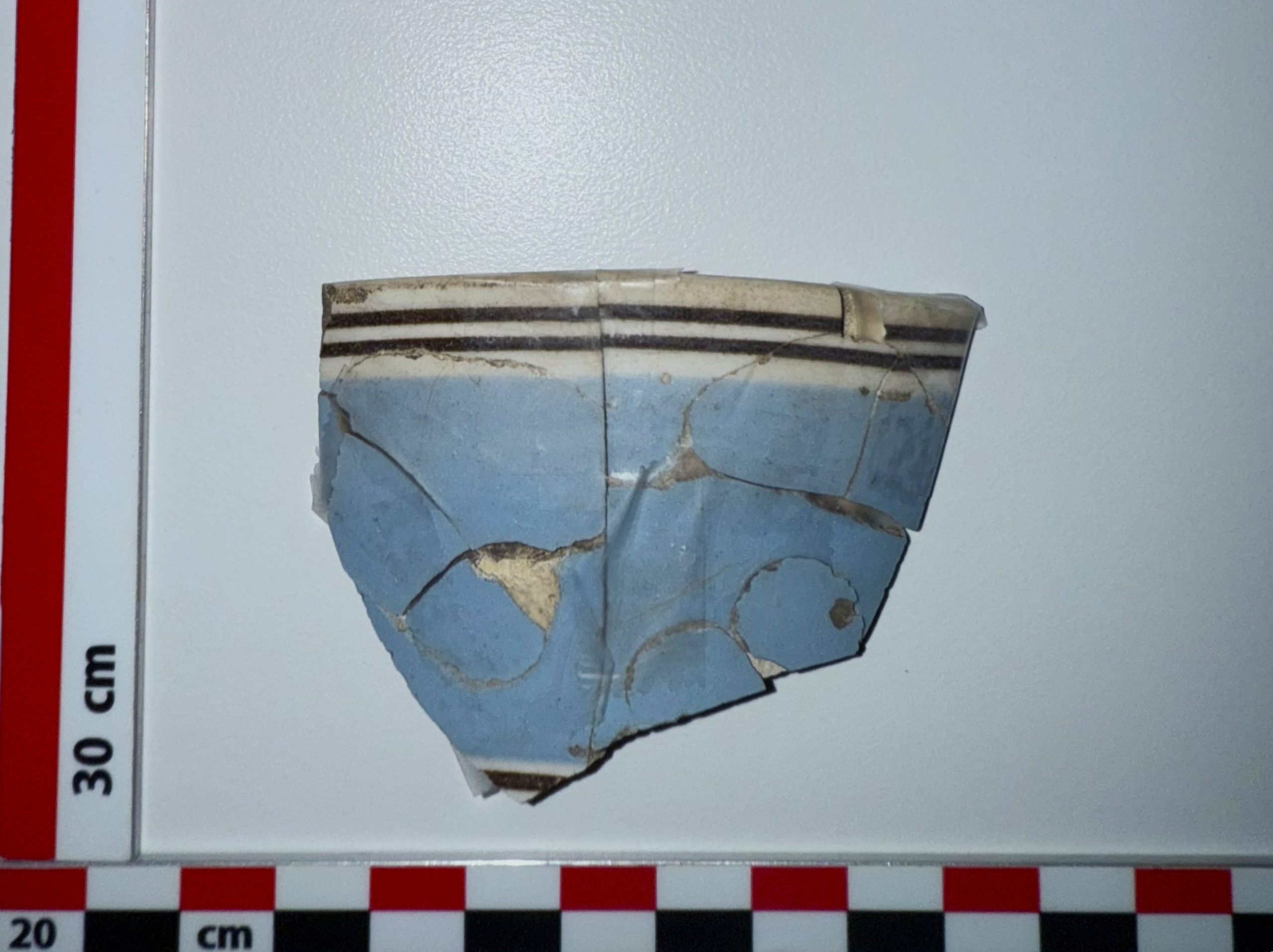
    The ceramics, buried by time, were not found in one piece. Tomaso said his team sorted through thousands of tiny fragments to assemble 359 vessels.

    Kraemer said he is looking at how the ceramics change through time, since a transition from simple to fancy bowls could indicate shifting values among the Quakers, traditionally known for their modesty.

    The location where the ceramics are found matters, too. Since enslaved people often used backyards as outdoor kitchens, Kraemer said, finding ceramics outside the house is telling, since that tradition likely continued as formerly enslaved people fled northward.

    A 19th-century annular banded dipware ceramic refit, with shards pieced together by PS&S archaeologists, is one artifact found during site work at Croft Farm in Cherry Hill, New Jersey.Matt Kraemer

    “If we find a higher proportion of hollowware in the backyard, then we know this could further indicate, from an archaeological point of view, involvement in the Underground Railroad,” Kraemer said.

    The Croft Farm site is known as a former home to previously enslaved people, including Joshua Saddler, who founded nearby Saddlertown, a Black settlement in what is today Haddon Township.

    ‘An awful lot of butchering’

    Chelsea Carriere, another archaeologist at PS&S, said she had not expected to find so many animal remains, since nearby water typically makes bones degrade faster.

    But Carriere ended up with a stash of 480 bone fragments showing human alteration, or bones with burn or cooking marks.

    So far, she has identified goat, cow, sheep, rodent, and turtle bones, along with a raccoon scapula, clearly chopped, and animals likely trapped and hunted, like rabbits. While historical documents show pigs lived on the property, Carriere did not find many pig bones, though she said it could be that the animals were butchered elsewhere or were cooked in a way that did not make for good preservation.

    “We can dive into what the recipes of the time were and see if there’s any correlation between the cut marks we’re seeing and what kind of foods were typically cooked or fashionable during certain periods,” Carriere said.

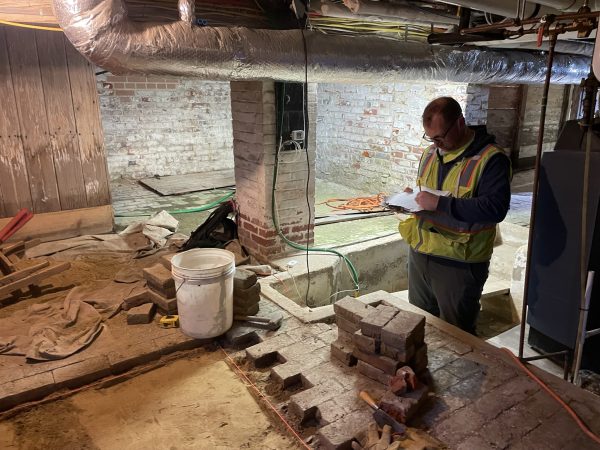
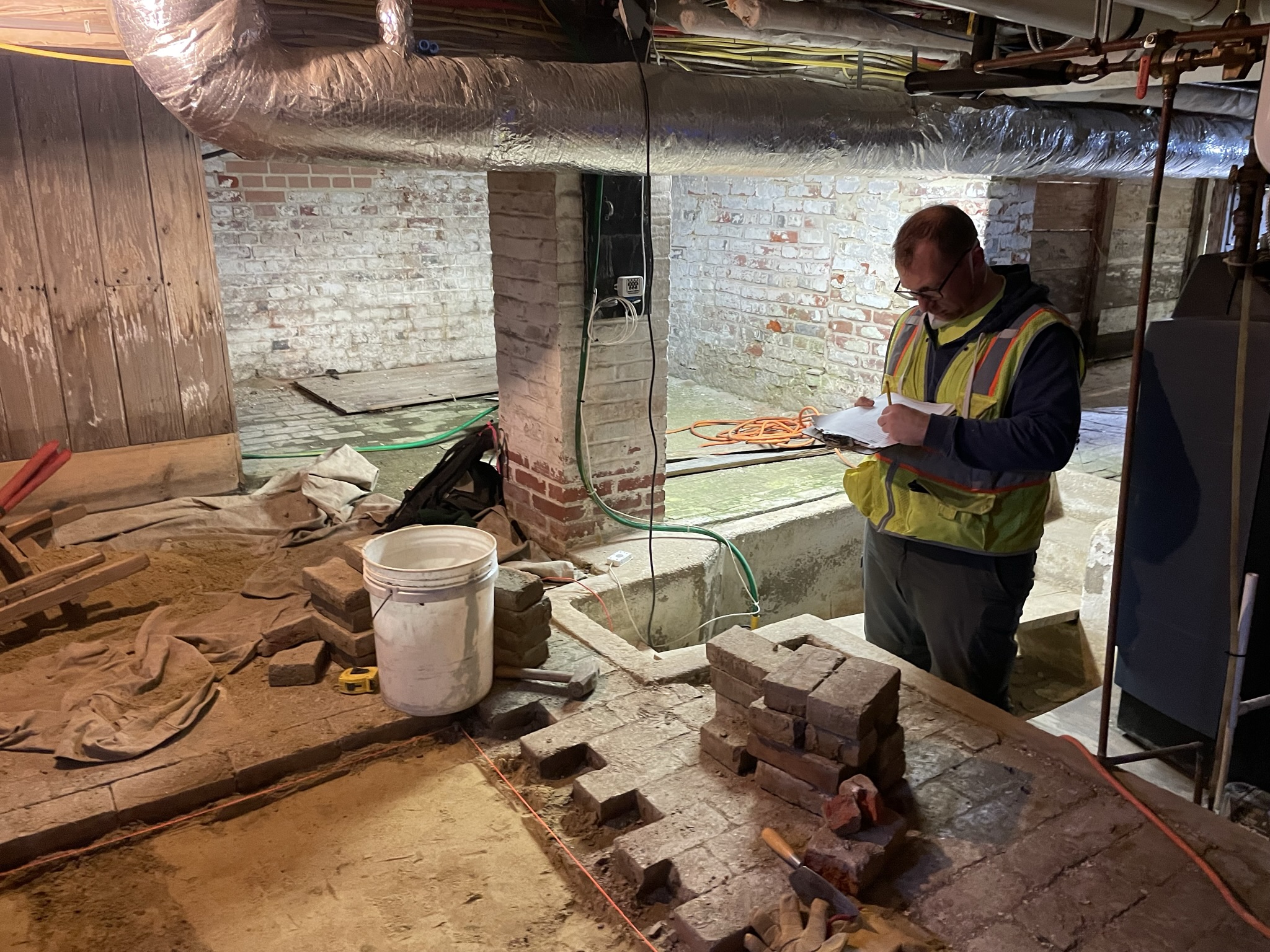
    The team also found bones in the Kay-Evans House basement, which Tomaso said was strange, since people did not usually throw away organic waste indoors.

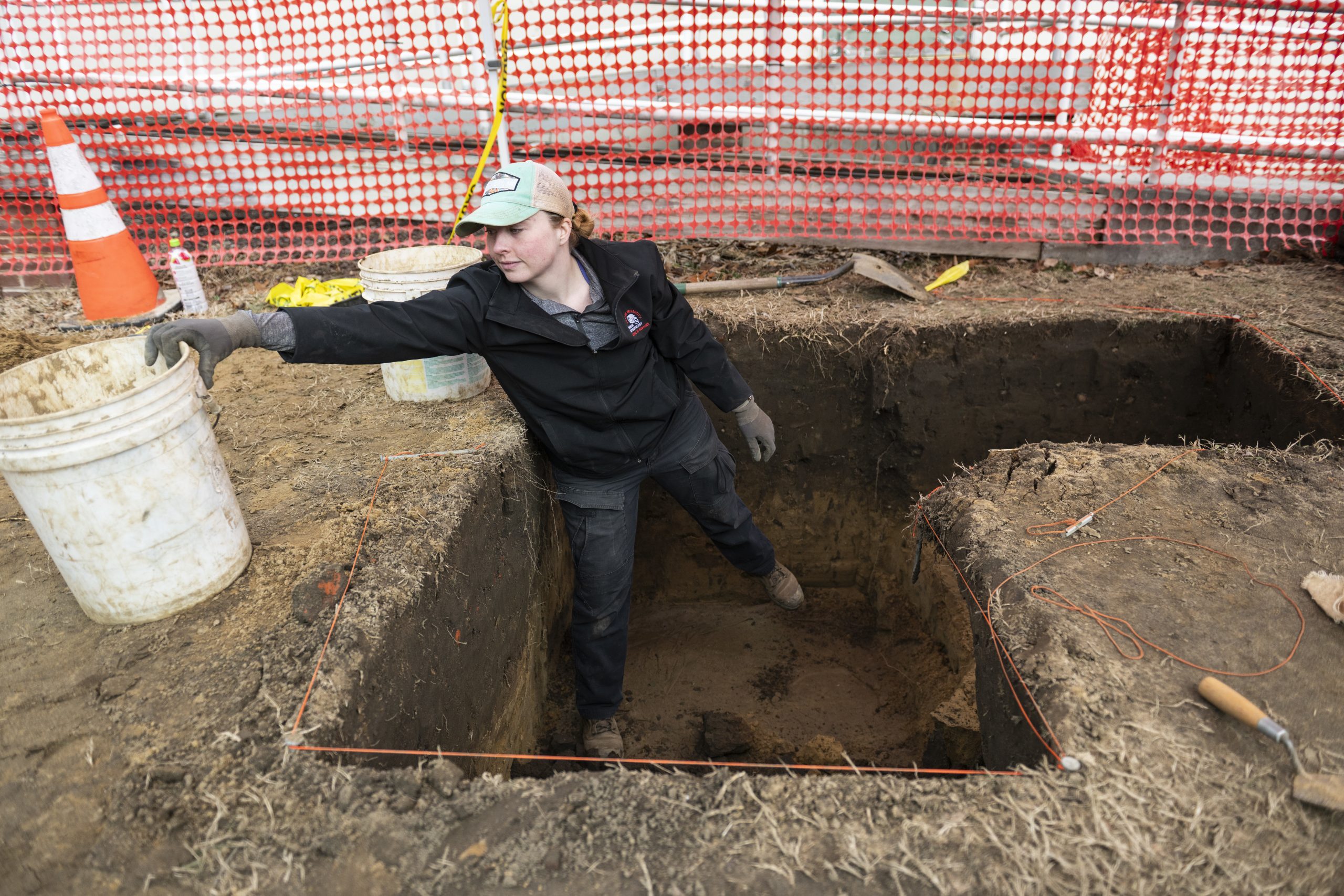
    Chelsea Carriere, archeologist with PS&S, grabs for a bucket while digging at Croft Farm in Cherry Hill, N.J. on Saturday, Feb. 21, 2026. Allie Ippolito / For The Inquirer

    Studying those remains will help Carriere determine how the people living there butchered and prepared their food, and how the Evans family lived off the land. Bones with rough, choppy markings could indicate at-home butchery by a novice, while clean cuts imply meat purchased from a local butcher.

    “You would kind of expect to see a change there where people might be having more access to store-bought cuts of meat in the 19th century during the Evans family’s occupation,” Tomaso said. “And one of the things I think is really interesting … is that it seems like they’re doing an awful lot of butchering right there on the property.”

    Over 4,500 years

    Most of the recently found artifacts came from the last 300 years, but some items go back further, including ones PS&S archaeologists have not disturbed at Croft Farm.

    “We now know that it was probably reoccupied over about 4,500 years or more,” Tomaso said. “So that’s kind of cool.”

    Before white settlers came to Croft Farm in the late 17th century, the Lenni-Lenape Indigenous people are known to have lived on the land. Tomaso said artifacts from the Indigenous people are deeper in the ground, and seemingly less intact.

    But based on the site’s location and proximity to water, Tomaso said, he suspects Native American tribes used the land for thousands of years, though not continuously. PS&S has bolstered that timeline with the Indigenous artifacts its team managed to find, including triangular projectile points typical of the Woodland Period long before the arrival of white colonists.

    The absence of some typical artifacts caught Tomaso’s eye, too. The Croft Farm site had very few glass and liquor bottles, and few smoking apparatuses, and Tomaso said the team is still trying to figure out why.

    “I think that these guys might have been practicing temperance, which would have been common for the Evans period, really uncommon for the Kays, even among Quakers,” Tomaso said. “Because 18th century, basically, people just drank all the time. For example, beer was not considered an alcoholic beverage.”

    Once the project is wrapped up and the data compiled, PS&S will report its findings to the state, Tomaso said.

    In the meantime, Brown said, Cherry Hill is working toward awarding a bid for construction at the Kay-Evans House and finding ways to increase the public’s awareness of the Croft Farm property.

    “You can really just kind of disappear from Cherry Hill in this location,” Brown said. “It’s really beautiful and we’re really just looking forward to having people take more advantage of it and having people get to understand it better.”

  • What archaeologists dug up at Croft Farm | Inquirer Cherry Hill

    What archaeologists dug up at Croft Farm | Inquirer Cherry Hill

    Hello, Cherry Hill! 👋

    An analysis of the archaeological dig at Croft Farm is nearly wrapped up. Here’s what the team behind it discovered. Also this week, a longtime Cherry Hill educator is leaving the district to become a superintendent, a former Rite Aid is set to become a gym, plus, the family of a slain veterinarian continues to grapple with his death.

    If someone forwarded you this email, sign up for free here.

    Here’s what archaeologists turned up at Croft Farm

    The basement of the Kay-Evans House was excavated as part of the project. Chelsea Carriere

    Hundreds of bones, thousands of ceramic fragments, and items belonging to long-ago members of the Lenni-Lenape Indigenous people are among the artifacts archaeologists unearthed as part of their recent dig at Croft Farm.

    The dig took place around the 18th-century Kay-Evans House, part of which was open to the public in February, and archaeologists are now wrapping up their findings. Those items are helping them better understand the people who lived along the Cooper River centuries ago and how society evolved.

    Some artifacts could even be on public display at the house one day as the township looks for ways to showcase its history.

    The Inquirer’s Sarah Nicell digs into what else archaeologists turned up.

    💡 Community News

    • In case you missed it, Cristian Custodio-Aquino was sentenced to 30 years in prison last week for the murder of beloved Cherry Hill veterinarian Michael Anthony.
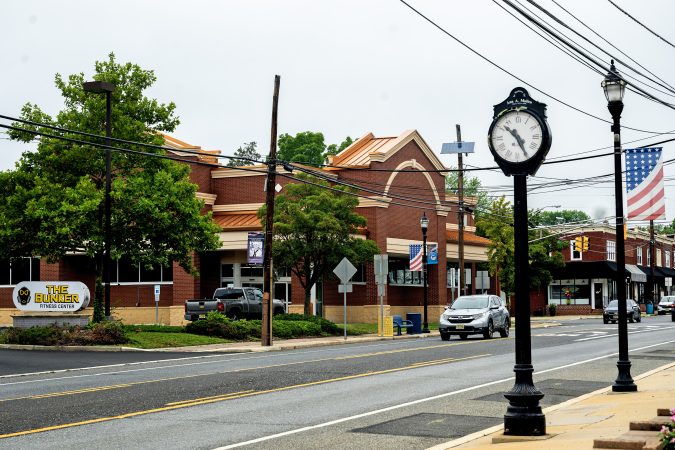
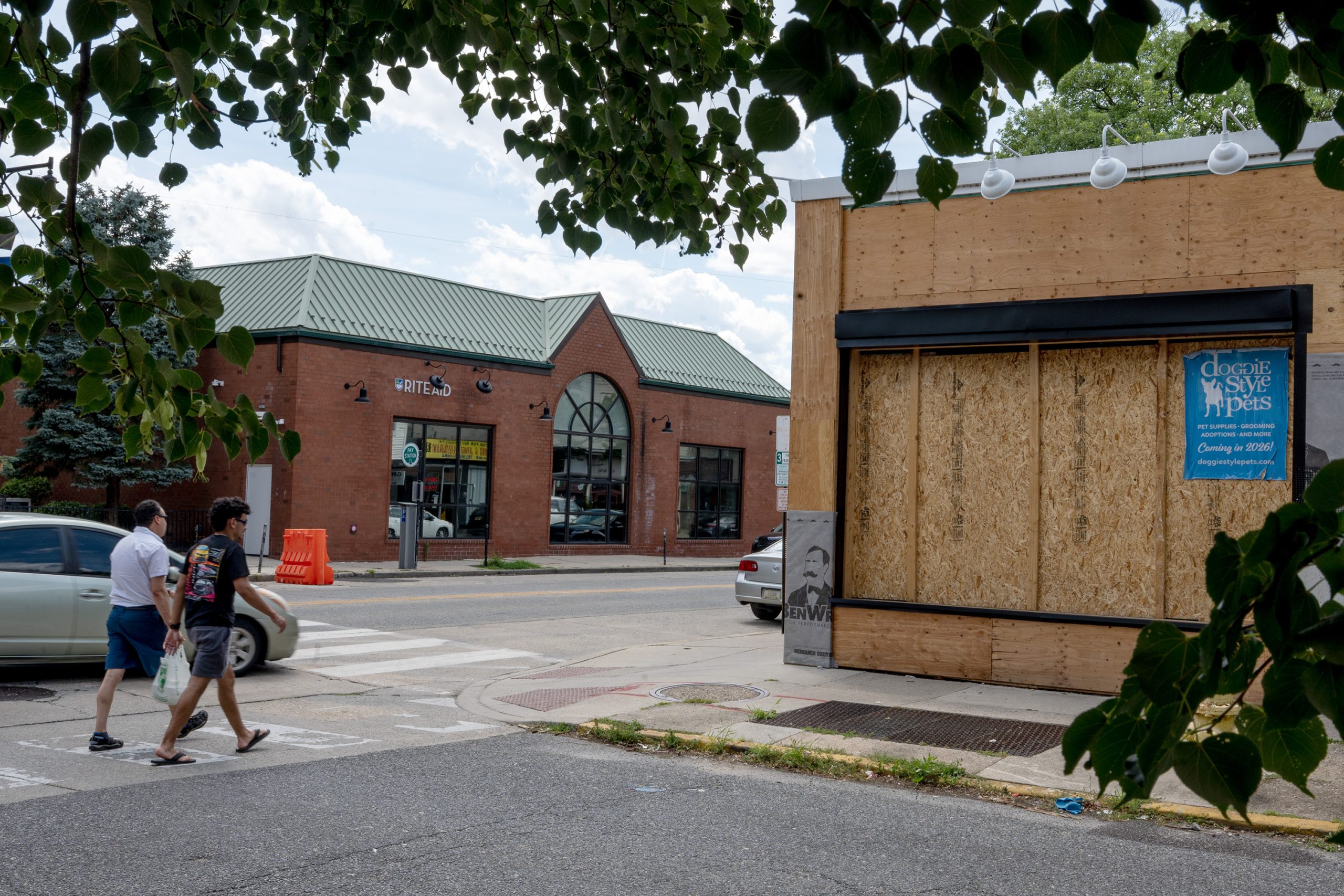
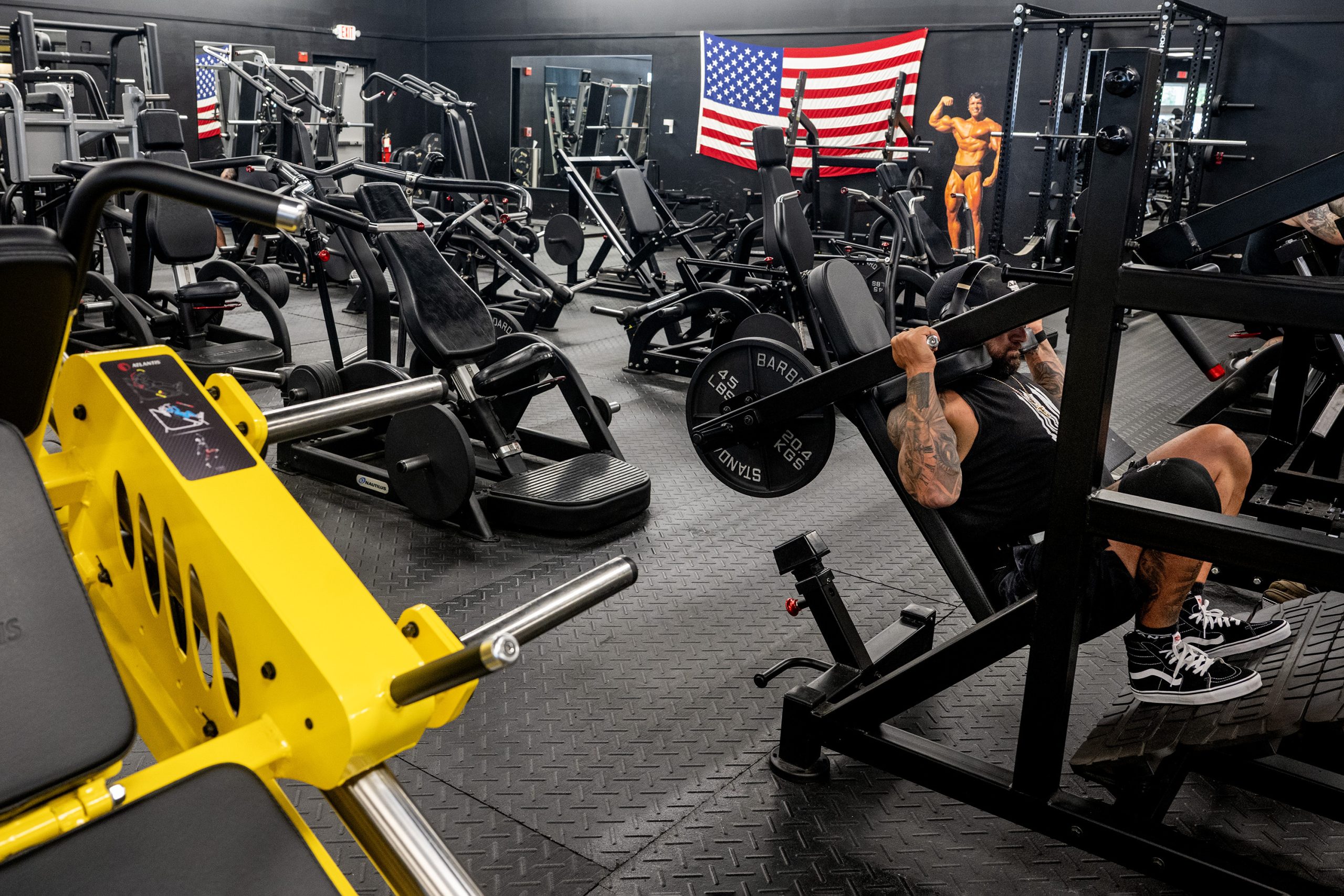
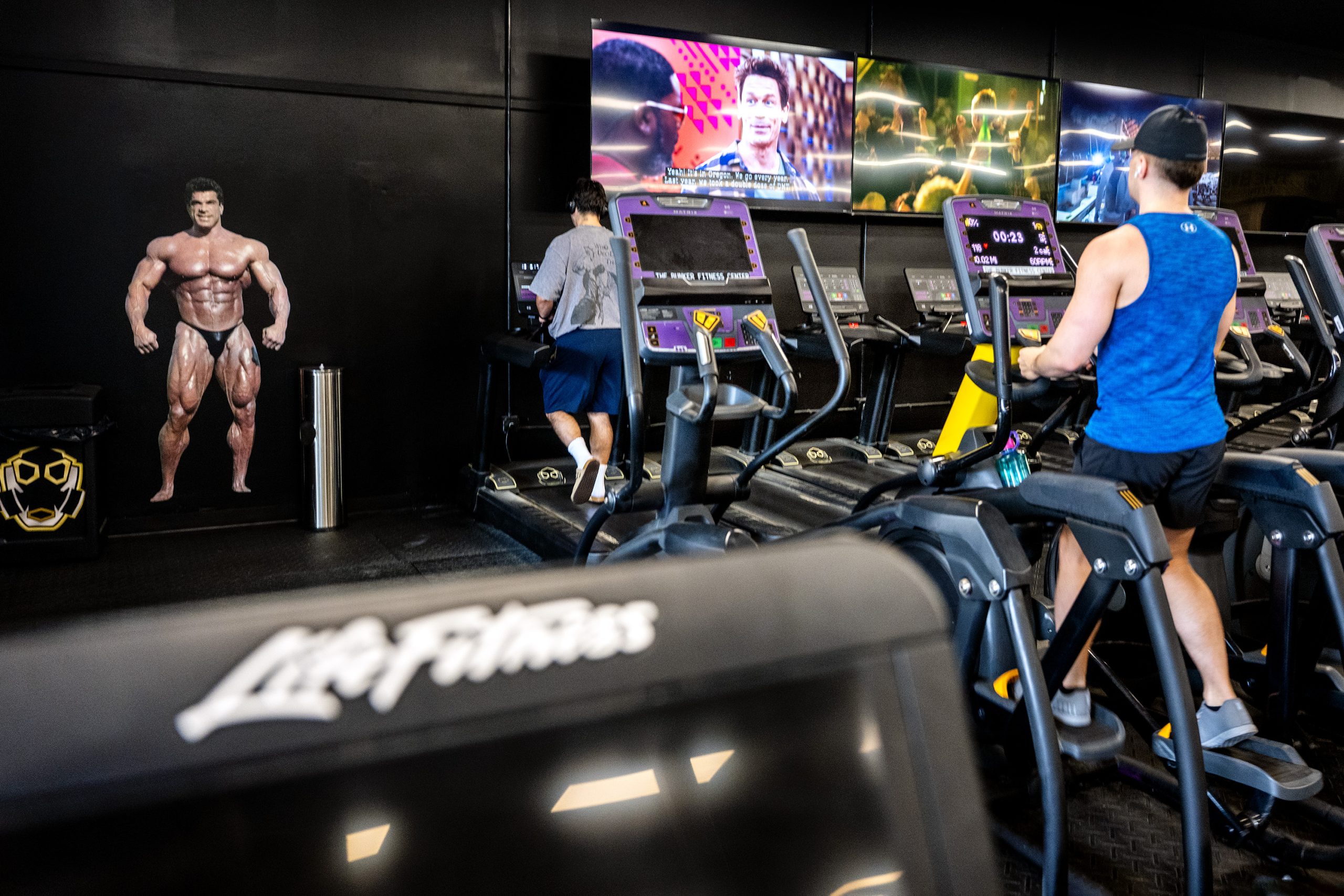
    • The former Rite Aid at 1360 Brace Rd. is slated to become a Bunker Fitness Center, as the gym expands from its current location in Blackwood.
    • TruGolf Links opened a flagship location last week at the Plaza at Cherry Hill. It offers six golf simulator bays, in addition to food and drinks.
    • Speeders Car Wash opened last week, taking over the former Route 41 Car Wash at 1507 Kings Highway North.
    • Philadelphia arts-and-crafts studio Deko Deko is expanding to Cherry Hill this summer. The shop offers a range of DIY projects, including hair accessories, keychains, and charm bracelets. The studio hasn’t announced exactly where or when it will open its new outpost.
    • Due to the heat, trash and recycling will be picked up today through Friday starting at 6 a.m.
    • Work on westbound Kresson Road will cause a weekday detour between Cropwell Road and Cooper Run Drive from 6 a.m. to 4 p.m. Work will also take place between Springdale Road and Middle Acre Lane, causing traffic pattern changes. Elsewhere, work is continuing on Kenilworth Avenue, which will be closed between Route 38 and Helena Avenue from 7 a.m. to 3:30 p.m. through Friday. And starting tomorrow, expect roadwork on Springdale Road at the Mount Laurel border from 7 a.m. to 3 p.m.
    • There’s a new assistant rabbi at Temple Beth Sholom. Jacob Lipkin began in the role this month.

    🏫 Schools Briefing

    🍽️ On our Plate

    • Looking for great Filipino food? Reyta’s Filipino Cuisine dishes up some of the best in the state, according to NJ.com. The outlet noted the Haddonfield-Berlin Road eatery offers authentic dishes as well as boodle fights served on banana leaves.

    🎳 Things to Do

    🎶 Twilight Music Series: Beach Boys’ cofounder Al Jardine will perform along with The Pet Sounds. ⏰ Thursday, July 16, 8-11 p.m. 💵 Free 📍 Cooper River Park Jack Curtis Stadium

    💫 Music Under the Stars: Party band 80’s Revolution will perform. There will also be food trucks and a beer garden. ⏰ Tuesday, July 21, 7 p.m. 💵 Free 📍 Barclay Farmstead

    🍑 The Peach Truck Tour: The roving peach truck will make a stop at the mall to sell boxes of the fruit. ⏰ Wednesday, July 22, 4:30-6 p.m. 💵 $15-$120 📍 Cherry Hill Mall

    🏡 On the Market

    A four-bedroom home with a cozy family room

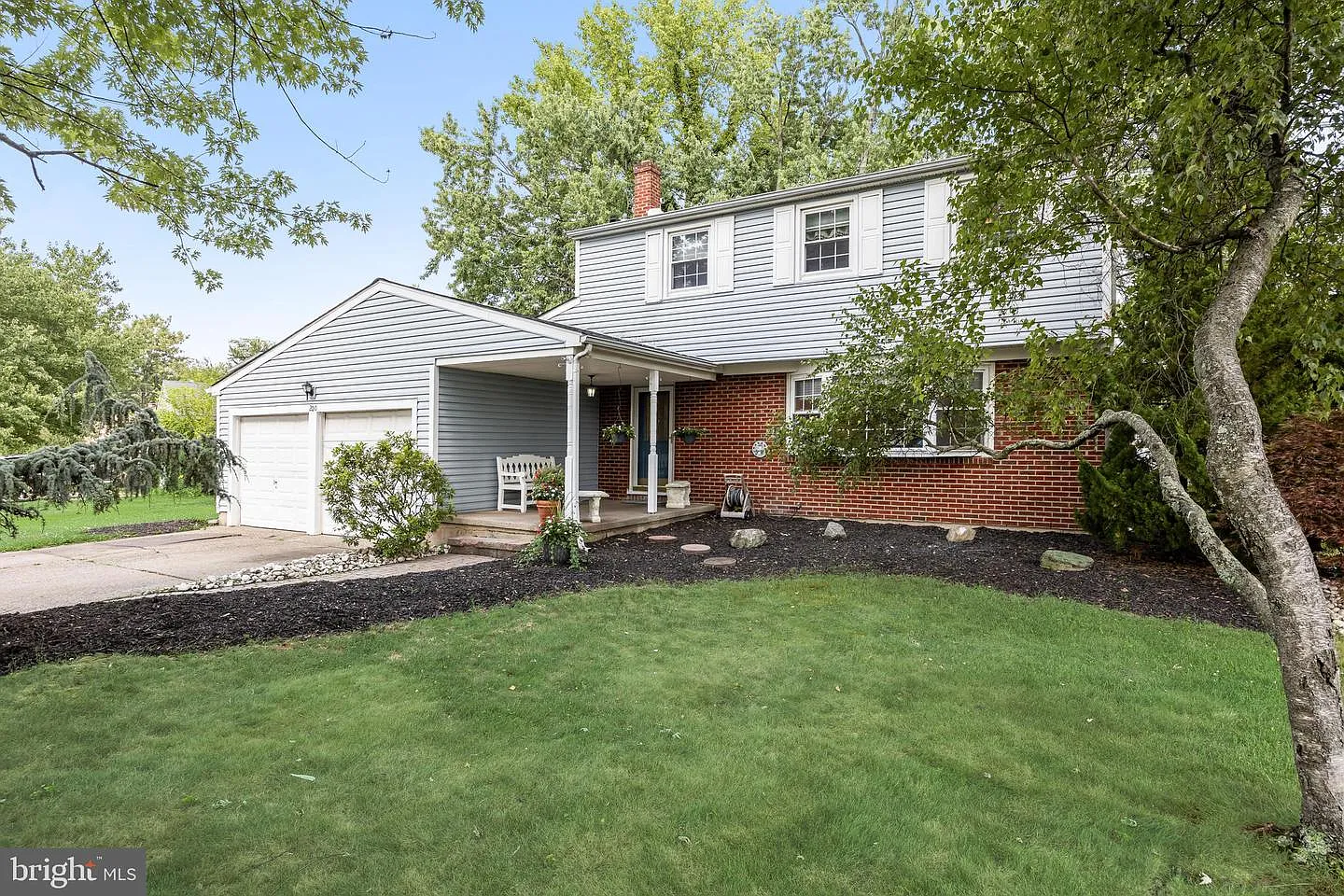
    The home has a covered front porch and a two-car garage.John Marie/Steven Edwards Photography | Courtesy of Susan Grimm/Berkshire Hathaway HomeServices

    Located in the Old Orchard neighborhood, this four-bedroom home has undergone a number of recent updates, including fresh paint, refinished hardwood floors, a newer roof, and refreshed bathrooms. The home has living and dining rooms, an eat-in kitchen, and a family room with vaulted ceilings, skylights, and a fireplace. Outside, a deck overlooks the backyard.

    See more photos of the home here.

    Price: $515,000 | Size: 2,102 SF | Acreage: 0.25

    🗞️ What other Cherry Hill residents are reading this week:

    By submitting your written, visual, and/or audio contributions, you agree to The Inquirer’s Terms of Use, including the grant of rights in Section 10.

    This suburban content is produced with support from the Leslie Miller and Richard Worley Foundation and The Lenfest Institute for Journalism. Editorial content is created independently of the project donors. Gifts to support The Inquirer’s high-impact journalism can be made at inquirer.com/donate. A list of Lenfest Institute donors can be found at lenfestinstitute.org/supporters.

  • Camden County wants to spend $400M to make Cooper River swimmable and improve other waterways

    Camden County wants to spend $400M to make Cooper River swimmable and improve other waterways

    Camden County officials announced a $400 million master plan Tuesday to protect the county’s network of rivers, lakes, and streams such as the Cooper River.

    They are hoping voters will approve a referendum in the fall to help pay for it over the next decade.

    That waterway network is threatened by aging infrastructure, stormwater runoff, industry, and changing regulations that have left it degraded. A comprehensive plan is imperative, officials said.

    An ultimate goal, they say, is that residents may one day be able to swim safely in Cooper River Lake without a health risk.

    “Repair. Replenish. Recreate,” County Commissioner Jeffrey Nash said. “Those three words summarize the generational change that Camden County is about to embark on to improve the quality of our water bodies.”

    County, state, and local officials made the announcement at the Camden County Municipal Utilities Authority headquarters in Camden, backed by representatives from various environmental groups and nonprofits.

    To raise the money, officials are assembling federal, state, and government grants and loans, as well as help from private nonprofits.

    Voters could be key

    But they also said a planned voter referendum on increasing the county’s open space tax to $0.03 per $100 of assessed property value is key to secure permanent funding. Voters will weigh in on Election Day, Nov. 3.

    The rate would nudge up from $0.02. That means someone with property assessed at $500,000 would pay $150 a year toward open space, up from the current $100.

    Waterways that would see increased protection include:

    • Cooper River Lake, which spans Camden, Pennsauken, Cherry Hill, Collingswood, and Haddon Township.
    • Kirkwood Lake in Lindenwold.
    • Atco Lake in Waterford Township.
    • Pennsauken Creek, which runs through Pennsauken, Maple Shade, and Cherry Hill.
    • Big Timber Creek, which spans multiple towns.
    • Evans Pond and Wallworth Lake in Cherry Hill and Haddonfield.

    Nash said the county’s population growth over the last 100 years can be attributed to people drawn to the waterways. But increased population also resulted in the need for more sewer lines and attention to aging infrastructure.

    “We stand at a crossroads, and we have a choice to make: Either we’re going to shrug our shoulders and pass this problem on to the next generation, or we’re going to do something that is generational,” Nash said.

    The cost breakdown

    The plan calls for:

    • $200 million to fix aging combined sewer systems that overflow during storms.
    • $75 million for dredging and other methods to reduce sediment.
    • $50 million for rehabilitation of sanitary sewer systems across multiple towns.
    • $50 million to restore recreational lake areas.
    • $25 million for green infrastructure.

    And it includes an unspecified amount for continued planning, monitoring, and management.

    Scott Schreiber, executive director of the Camden County Municipal Utilities Authority, called the plan “a comprehensive strategy that addresses every major factor affecting the health of our rivers, lakes, and streams.”

    He said it represents a new way of thinking about water quality by coordinating across towns, rather than planning by one municipality at a time.

    “Water doesn’t recognize political boundaries or municipal borders,” Schreiber said.

    The biggest chunk of money will go to address combined sewer overflows (CSOs), which are now antiquated. A combined sewer system collects rainwater runoff and household sewage into one pipe. Normally, it can transport all of that to a sewage treatment plant. But storms can bring so much water that they can exceed the system’s capacity. When that happens, untreated stormwater and wastewater flow into bodies of water, such as the Delaware River.

    Schreiber said projects are being designed and built to capture and treat much more stormwater before it reaches the Delaware.

    Separately, money will be used to repair and rehabilitate aging sewer systems, reducing leaks and groundwater infiltration that pollutes waterways.

    He said the infrastructure money will also be used to install rain gardens, permeable pavement, and bioswales, which are typically sloped channels covered with vegetation and designed to capture or slow stormwater.

    The county will start a regular dredging operation to remove decades of accumulated and contaminated sediment in lakes and ponds to improve aquatic habitat, restore ecological function, and create overall healthier waterways.

    And the county plans to restore recreational lakes by improving public access, bolstering shorelines, and boosting overall water quality.

    Officials plan to finance part of the plan through the New Jersey Water Bank, an independent state authority that provides low-interest loans for water quality infrastructure projects.

    However, Schreiber said, the voter referendum will be key. If voters approve it, the referendum would provide $7 million per year that could be used to pay off that debt and pay for other improvements.

    ‘Vibrant waterfront communities’

    Don Baugh, founder of the nonprofit Upstream Alliance, which has helped Camden County build its first water trail, called the master plan a major step.

    “I feel like I should pinch myself,” he said. “This is the dream of restored waterways, swimmable waterways, kids playing in the water, and vibrant waterfront communities.”

    Daniela Solano-Ward, mayor of Collingswood, one of five towns that border Cooper River Lake, said the new coordination by the county is vital.

    “Collingswood can do very little to alter our geographic reality,” she said. “We are bordered by Cooper River to the north and Newton Lake to the south. Ultimately, protecting urban watersheds has fallen to local government. But with 35 municipalities in Camden County, the weight of this lift is too heavy for any one of us to shoulder alone.”

  • ‘Your life is officially over’: Oregon man who murdered Cherry Hill veterinarian sentenced to 30 years in prison

    ‘Your life is officially over’: Oregon man who murdered Cherry Hill veterinarian sentenced to 30 years in prison

    An Oregon man on Thursday was ordered to spend 30 years in prison for fatally stabbing a beloved South Jersey veterinarian at the vet’s Cherry Hill home.

    Cristian Custodio-Aquino, 28, of Portland, pleaded guilty to first-degree murder in June for the killing of 45-year-old Michael Anthony.

    The body of Anthony, a divorced father of two, was discovered on the front lawn of his home in Cherry Hill’s Barclay Farm section in December 2024.

    He had been stabbed in the body, neck, and head. Detectives used a variety of methods to link Custodio-Aquino to the crime, including the collection of DNA from a pair of prescription eyeglasses he had left at the crime scene.

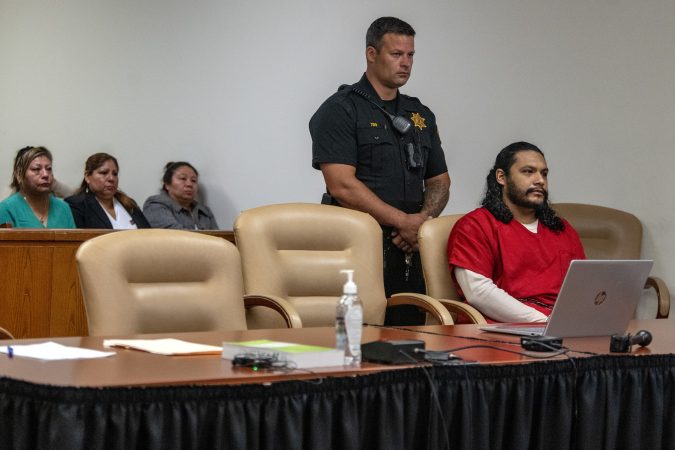
    During Custodio-Aquino’s sentencing before Camden County Superior Court Judge Judith Charny, Anthony’s family members spoke tearfully of late veterinarian, who they described as kind, wickedly funny, and a devoted father to his sons.

    Above all, they grappled for answers as to why Custodio-Aquino murdered Anthony that morning on his front lawn.

    “You took all of the future moments that should have belong to him,” said Patricia Anthony Gershefski, one of Anthony’s sisters.

    Anthony Gershefski said her brother was warm and sensitive, even moving his veterinarian practice just to be closer to his children.

    The brutal nature of the crime confounds the family to this day.

    In her career as a professional psychologist, Anthony Gershefski said, she has found “no diagnostic category for the deliberate destruction of another person’s life in this savage and grotesque manner.”

    Kyle Bartsch, Anthony’s partner, said in a statement read by prosecutors that Anthony had filled their home on Sharrowvale Road with love and laughter.

    His death, Bartsch said, leaves “a permanent void in the lives of those who knew him.”

    While Custodio-Aquino’s attorneys had previously suggested that prosecutors did not have enough evidence to convict their client of murder, they were mum throughout the proceeding.

    In addition to the eyeglasses investigators linked to the Peru native, license plate readers captured Custodio-Aquino’s car entering and exiting Anthony’s neighborhood that morning, and forensic experts later recovered a sample of the veterinarian’s blood from the vehicle.

    Prosecutors believe Custodio-Aquino traversed the country in a fit of jealousy that fall before killing Anthony.

    He had previously dated Anthony’s partner, Bartsch, and once lived with the man in Haddon Township before the couple separated in 2021 after a domestic dispute, according to prosecutors.

    Custodio-Aquino, given the opportunity to address the court, spoke so softly that Charny asked that he repeat himself.

    Raising his voice, he said: “I do agree that the world is less than without Michael Anthony.”

    He was sentenced to 30 years in a state correctional facility without parole. Charny offered few words on the ruling beyond wishing Custodio-Aquino good luck.

    It was Henry Anthony, Anthony’s teenage son, who saved some of the most biting remarks for his father’s killer.

    “Your life is officially over,” Anthony said, turning to look at Custodio-Aquino. “I honestly wonder what your reason for living will be for the next 30 years.”

  • Mount Laurel schools name longtime Cherry Hill educator Neil Burti as new superintendent

    Mount Laurel schools name longtime Cherry Hill educator Neil Burti as new superintendent

    Mount Laurel public schools will start the next academic year with a new leader at the helm.

    Neil Burti will take over as superintendent of schools starting Aug. 1, succeeding George Rafferty, who is retiring after leading the district for a decade.

    After an extensive search, “Dr. Burti distinguished himself as the candidate whose experience, leadership style, and vision best aligned with the needs of the Mount Laurel School District,” Danielle Stuffo, president of the Mount Laurel Board of Education, said in an email.

    Burti has more than 25 years of experience as an educator and administrator and is a longtime employee of the Cherry Hill Public Schools. While there, he served at all levels of leadership and was most recently the director of secondary education for the district.

    Earlier this year, Burti also stepped in to handle the principal responsibilities during the second half of the school year at Cherry Hill High School East following a period of administrative upheaval in the school district.

    The shake-up came after a lawsuit filed last September alleged that East’s former principal, alongside the Cherry Hill Board of Education and two other top administrators, subjected a former assistant principal to discrimination and retaliation.

    A new principal at East, John Cafagna, took over this month.

    “We are confident [Burti] will build upon the district’s many strengths, work collaboratively with our staff and community, and continue our focus on providing an exceptional educational experience for every student,” Stuffo said.

    Stuffo said the district’s goals will largely remain the same under new leadership.

    She acknowledged that the district will need to address increasing financial pressures, as Mount Laurel has not been spared from the budgetary challenges affecting school districts across New Jersey.

    Like other districts, Stuffo said, Mount Laurel will work to continuously improve student experience and outcomes while adapting to evolving educational needs — and doing so within an increasingly limited budget.

    “Fortunately, Mount Laurel is well positioned, with excellent staff and strong systems already in place. As Dr. Burti becomes familiar with the district, he will have the opportunity to evaluate our organizational structure and administrative leadership and, if appropriate, make recommendations to the Board for consideration,” she said in the email.

    Burti was named the 2024 New Jersey Secondary School Principal of the Year during his time leading Cherry Hill’s John A. Carusi Middle School.

    Burti holds a bachelor’s degree in movement studies and exercise science from East Stroudsburg University, a master’s degree in educational leadership from Temple University, and a doctorate in innovation and leadership from Wilmington University.

  • The mall is adding 7 new retailers | Inquirer Cherry Hill

    The mall is adding 7 new retailers | Inquirer Cherry Hill

    Hello, Cherry Hill! 👋

    The mall is getting seven new concepts between now and spring, adding retailers and an eatery. Here’s a look at what’s on tap. Also this week, the county is assessing flood damage from the heavy thunderstorms, a Cherry Hill alum known for his witty film criticism has died, plus, roadwork continues on Kresson Road and Kenilworth Avenue.

    If someone forwarded you this email, sign up for free here.

    More stores are coming to the mall

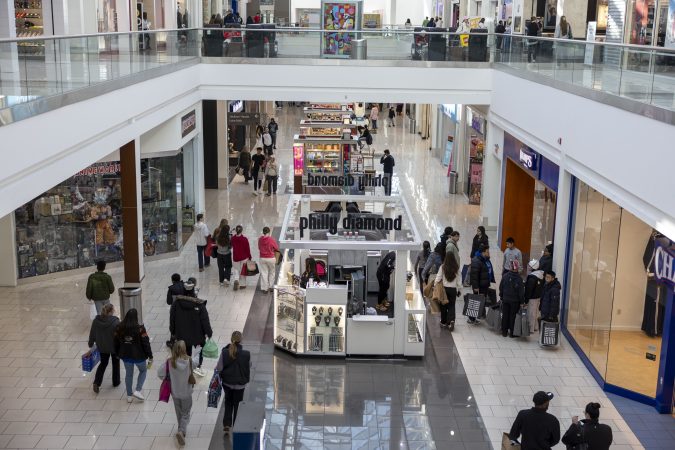
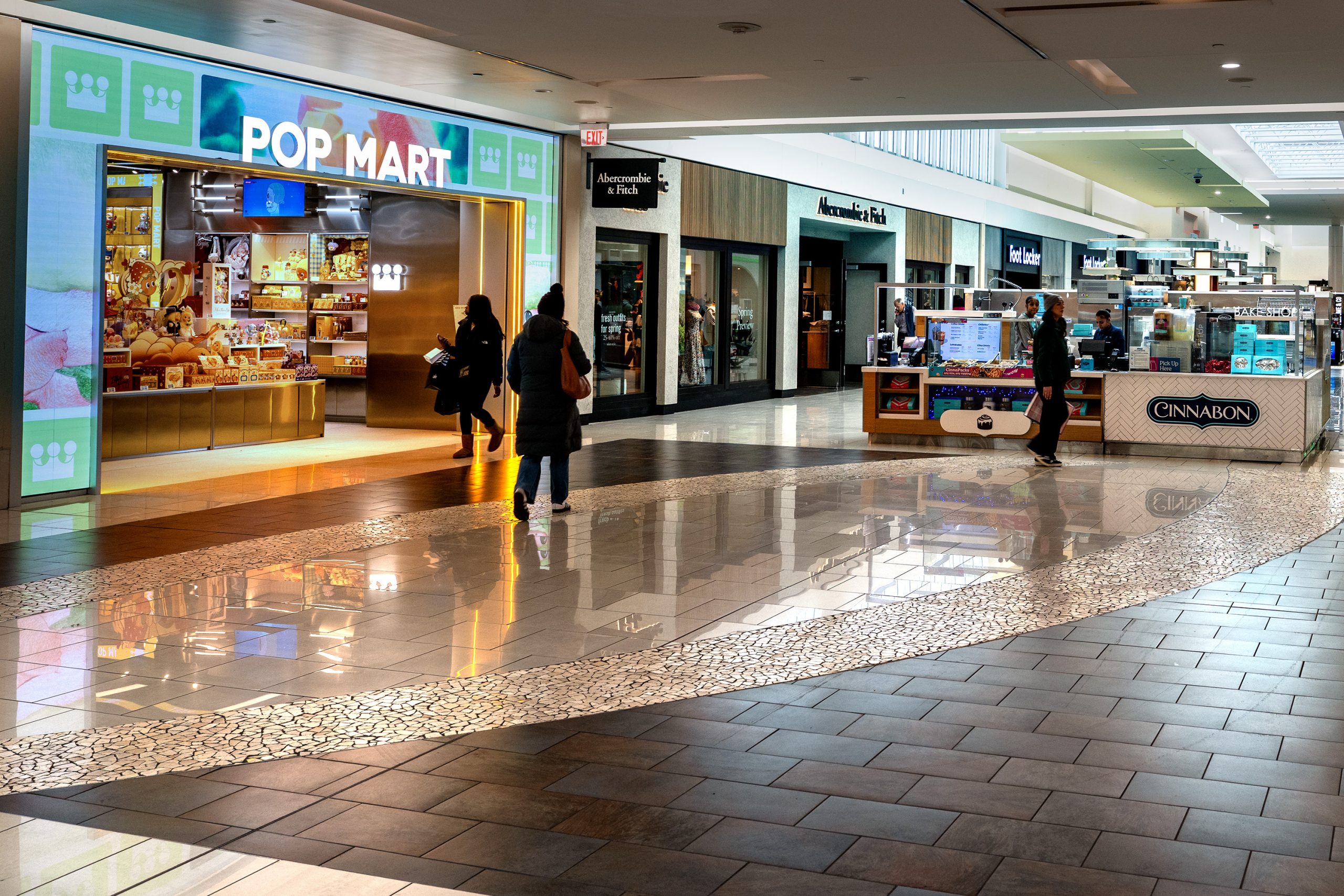
    A handful of new stores are expected to open in the Cherry Hill Mall in the coming months. Tom Gralish / Staff Photographer

    The Cherry Hill Mall’s slate of stores continues to evolve, with new retailers planning to set up shop in the coming months.

    Popular footwear brand Crocs opened a 2,000-square-foot space last month, DoneRight Doner Kebab is expected to open in the food court later this summer, and a massive Dick’s House of Sport is on track to debut this year.

    They’ll be joined by several other concepts, including viral women’s clothing brand Aritzia.

    The Inquirer’s Erin McCarthy looks at everything you can expect now through spring.

    💡 Community News

    • The storms that started rolling in late Sunday resulted in widespread flooding on Monday throughout Camden County, where several inches of rain fell. Cherry Hill saw 3.44 inches, which resulted in flash flooding. (NJ.com)
    • Cherry Hill alum and three-time Mid-Atlantic Emmy Award-winning film and TV critic Bill Wine died last month at the age of 81 of complications from Parkinson’s disease. Raised in Philadelphia and Cherry Hill, where he graduated from the old Cherry Hill High School, Wine was a longtime film critic at WTXF-TV, Channel 29, and KYW radio and known for his pithy, witty, and acerbic reviews.
    • Heads up for drivers: Work continues on Kresson Road this week, which will have altered traffic patterns between Springdale Road and Ravenswoods Way from 6 a.m. to 4 p.m. through tomorrow; a detour between Harrowgate Drive and Cropwell Road from 7 a.m. to 4 p.m. through Friday; and altered traffic patterns between Marlkress Road and Browning Lane from 7 a.m. to 4 p.m. through Friday. Ongoing work will result in a road closure on Kenilworth Avenue between Route 38 and Helena Avenue from 7 a.m. to 3:30 p.m. through Friday.
    • Cherry Hill resident and youth soccer coach Brian Epstein, 43, has been charged with lewdness and sexual contact after an April incident during which he allegedly exposed his genitals to two girls while scouting players at Brian Bende Park in Medford. (Courier Post)
    • Cherry Hill resident and Marine Corps veteran Kevin D. Cooper was among five veterans recognized with service medals by the county last week.
    • Friends of Cherry Hill Public Library’s book sale continues today, when it’s open to all Friends members. The sale opens to the public tomorrow and continues through Saturday.

    🍽️ On our Plate

    • Three former Cherry Hill staples are among the most iconic New Jersey restaurants to close too soon, according to a list from NJ.com. The outlet lamented the closing of beloved mall eatery The Bistro at Cherry Hill, which shuttered abruptly about a year ago amid bankruptcy proceedings. Other restaurants the outlet says are gone too soon? The Cherry Hill Diner, which has been demolished to make way for a car wash, and Latin Casino, which was torn down in 1982.

    🎳 Things to Do

    🎶 Twilight Music Series: Oklahoma R&B outfit Color Me Badd headlines this week’s event. ⏰ Thursday, July 9, 8-11 p.m. 💵 Free 📍 Cooper River Park Jack Curtis Stadium

    🃏 Cherry Hill Card Expo: Browse over 300 vendor tables featuring trading cards, memorabilia, art, and more. ⏰ Saturday, July 11, 10 a.m.-5 p.m. and Sunday, July 12, 10 a.m.-4 p.m. 💵 $10-$25 📍 DoubleTree by Hilton

    🕹️ Super Smash Bros. Ultimate Tournament: Test your skills head-to-head. Advanced registration is required. ⏰ Saturday, July 11, 1-3 p.m. 💵 Free 📍 Cherry Hill Public Library

    💫 Music Under the Stars: Taylor Swift cover band Fearless will perform. There will also be food trucks and a beer garden. ⏰ Tuesday, July 14, 7 p.m. 💵 Free 📍 Barclay Farmstead

    🏡 On the Market

    A five-bedroom contemporary with a wooded walking path

    The home combines brick and glass and has a number of patios.John McBay | Courtesy of Keren Niv/Real Broker

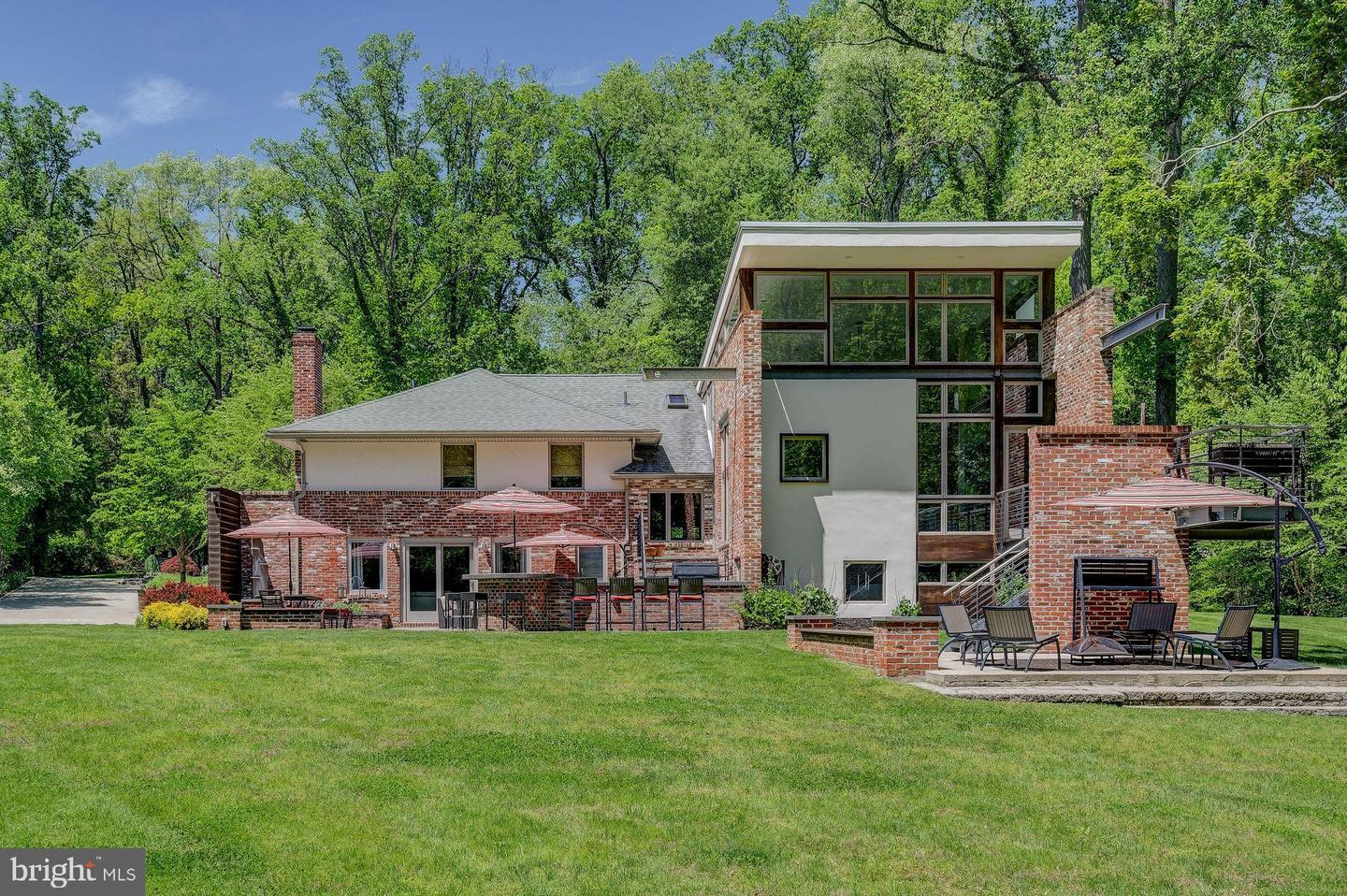
    Located in the Voken Tract in Springdale, this five-bedroom contemporary is striking inside and out. It features a distinct architectural design that blends brick and glass. The home has a two-story living room, complete with numerous windows and a wood-burning fireplace, that opens onto a contemporary kitchen. Other features include a dining room, an office, and a family room. There are several patios outside, including one with a built-in kitchen, all overlooking a wooded lot with a private walking loop. There’s an open house Sunday from 1 to 3 p.m.

    See more photos of the property here.

    Price: $1.249M | Size: 3,395 SF | Acreage: 1

    🗞️ What other Cherry Hill residents are reading this week:

    By submitting your written, visual, and/or audio contributions, you agree to The Inquirer’s Terms of Use, including the grant of rights in Section 10.

    This suburban content is produced with support from the Leslie Miller and Richard Worley Foundation and The Lenfest Institute for Journalism. Editorial content is created independently of the project donors. Gifts to support The Inquirer’s high-impact journalism can be made at inquirer.com/donate. A list of Lenfest Institute donors can be found at lenfestinstitute.org/supporters.

  • Rite Aid is gone. Its shells remain, with some becoming gyms and car washes.

    Rite Aid is gone. Its shells remain, with some becoming gyms and car washes.

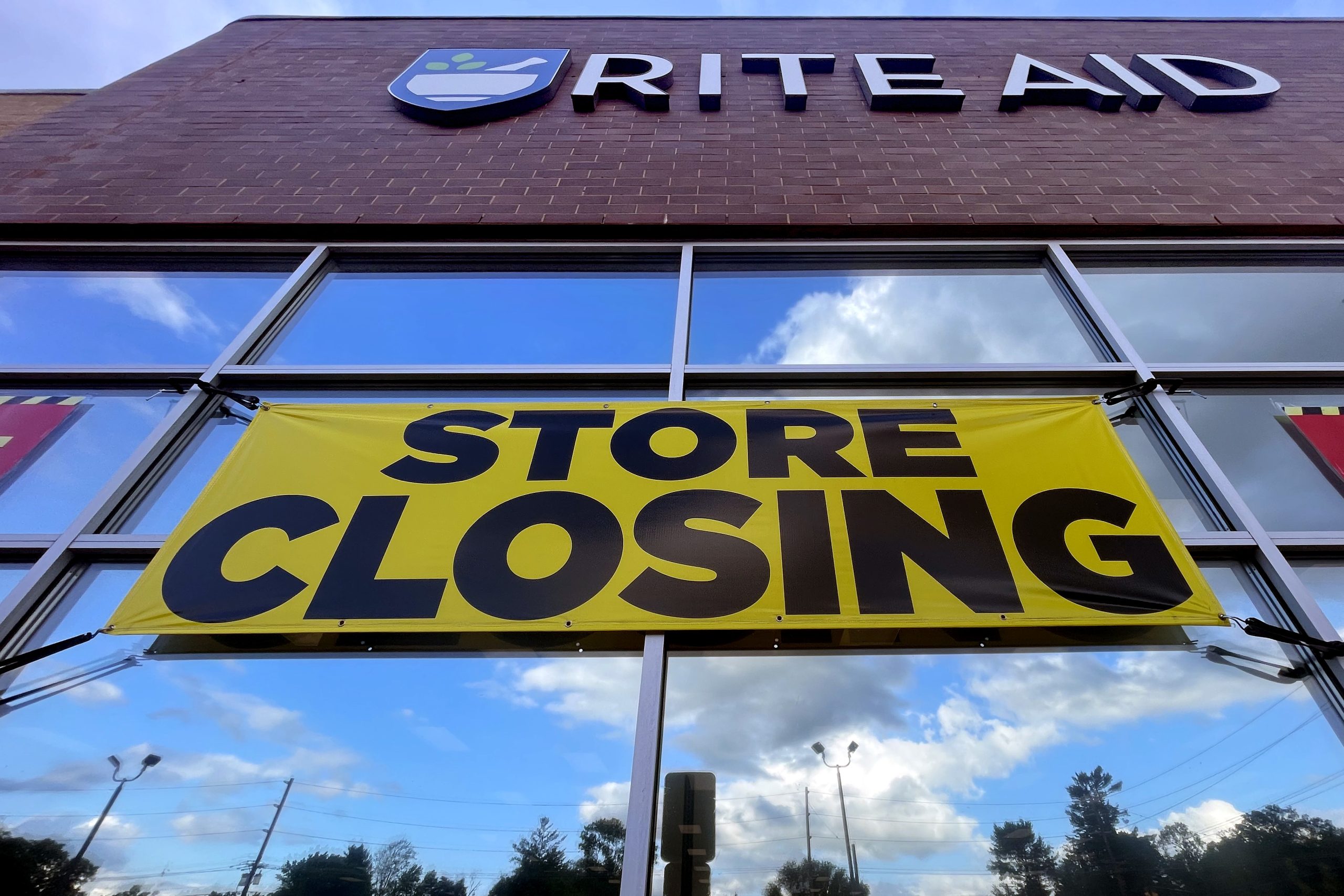
    It’s been almost a year since the last Philly-area Rite Aids closed their doors for good after years of financial trouble.

    But the pharmacy chain’s distinct facade still dots the landscape — in suburban shopping centers, on the corners of congested intersections, sometimes even smack dab in the middle of city blocks.

    Some of these buildings are still vacant, surrounded by overgrown grass and empty parking lots. Others are getting new life as dollar stores, medical clinics, daycares, Spirit Halloweens, and a Rally House sports retailer.

    A former Rite Aid (left, rear) and former Wawa (right) sat empty in Collingswood in June. Tom Gralish / Staff Photographer

    The 8,000- to 16,000-square-foot shells are ideal for only so many tenants, real estate experts have said, and it is not unusual for these kinds of properties to take several months or more to lease.

    Here is a look at what’s happening at a few local zombie Rite Aids:

    South Jersey Rite Aids are becoming fitness centers

    A former Rite Aid in Blackwood, Camden County, has been a gym for more than a year, and its owners soon plan to open a second location at another old Rite Aid in Cherry Hill.

    Nick Bennett, CEO of the Bunker Fitness Center, said the owner of the Blackwood Rite Aid building approached him after seeing the gym’s content on TikTok. At the time, Bennett said, the gym was outgrowing its 3,000-square-foot space in Franklinville, Gloucester County.

    When he went to see the 13,000-square-foot former Rite Aid in Blackwood, he said, it had already been demolished inside.

    “It was just wide open,” Bennett said. “That floor plan works for our business model because gyms are open. You don’t really need to put up walls.”

    Steve Cristelli works out at the Bunker Fitness Center in Blackwood. Tom Gralish / Staff Photographer

    Another plus, he said: Pharmacies have rows of refrigerators, which require electrical outlets, and the Bunker crew could use those outlets to plug in workout equipment.

    The old Rite Aid on Black Horse Pike needed “very little” work, just paint and rubber floors, Bennett said, and was easily transformed into the exercise and recovery space he had envisioned. The gym opened in 2025.

    “We’re smashing it,” Bennett said, with thousands of members who pay between $49 and $59 a month for the 24/7 gym, which has cardio and strength machines, weights, a sauna, and a cold plunge. He declined to provide specific sales or membership figures for competitive reasons.

    The Bunker Fitness Center operates inside a former Rite Aid in Blackwood.Tom Gralish / Staff Photographer

    But Bennett said the business is doing so well that it is expanding into another former Rite Aid, 12 miles away in Cherry Hill with franchisee Jack Prendergast.

    That 10,000-square-foot pharmacy shell at Brace and Kresson Roads closed more recently and needs a bit more work inside, Bennett said. When they signed the lease, he said, it “looked like a Rite Aid.”

    Bennett said he and Prendergast are demolishing the interior, aiming for a September opening.

    In Delco, a Rite Aid could become a township’s first car wash

    The former Rite Aid in Newtown Square may get new life as a car wash.

    The store at West Chester Pike and St. Alban’s Circle closed last year. In February El Car Wash, a Florida-based chain looking to expand into Pennsylvania, New Jersey, and Maryland, applied to open there, said Newtown Township Solicitor Rich Sokorai.

    On its website, El Car Wash lists several other Philly-area locations as “coming soon,” including Cherry Hill, Drexel Hill, Feasterville, and Maple Shade.

    The Newtown Square Rite Aid operated a drive-through, Sokorai said, and drive-throughs are permitted in that commercial zone. After a June meeting, the township zoning hearing board is considering whether to permit the car wash, with a decision expected in the coming weeks.

    A Rite Aid with a “store closing” sign last summer.Tom Gralish / Staff Photographer

    If approved, it would be the only car wash in Newtown Township, the solicitor said.

    Residents of the neighborhood behind the old Rite Aid have expressed concerns to local officials, Sokorai said, “because they fear traffic.”

    Others have said they are looking forward to a new business moving into the vacant space on a prime corner, Sokorai said. Even before the Rite Aid closed last summer, its shelves were often empty, the solicitor said, and “it was dying a slow death.”

    Temple University buys another old Rite Aid

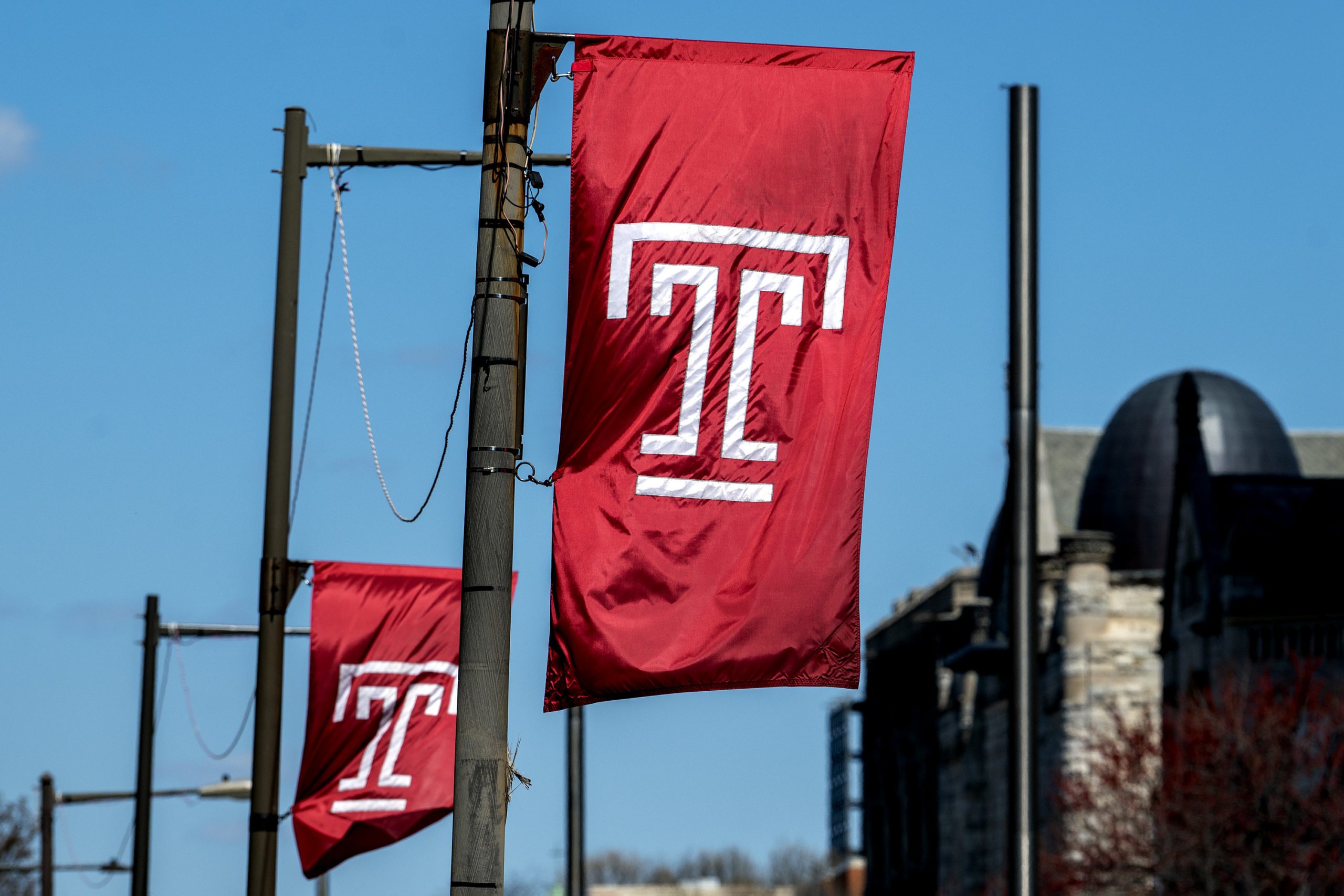
    Temple “T” flags fly on North Broad Street.Tom Gralish / Staff Photographer

    Temple University recently bought a second former Rite Aid on North Broad Street.

    The school recently closed on the old Rite Aid building on the 2100 block of North Broad for $9.25 million, according to spokesperson Stephen Orbanek. He said ArchWell Health, which operates a primary-care clinic for seniors there, will remain the tenant.

    “This property’s location, directly across the street from James S. White Residence Hall, supports the priorities of our campus safety and physical environment plan,” Orbanek said.

    This latest Rite Aid acquisition comes two years after Temple bought a Rite Aid and its surrounding shopping center near Temple University Hospital for $8.2 million. The Rite Aid is being converted into Temple Health neurology offices.

    The moves are part of a broader expansion of the university’s footprint on Broad Street, which includes the January acquisition of a vacant property at the site of a former McDonald’s for $8 million.

    Editor’s Note: This story has been updated to indicate that Temple Health plans to open neurology offices at the previously acquired Rite Aid building.