Blog

  • From a simple awning to a six-figure outdoor room, how Philly homeowners add shade to their yards

    From a simple awning to a six-figure outdoor room, how Philly homeowners add shade to their yards

    Carla and Steve Red had a pair of covetable outdoor living spaces on their Fitler Square rowhouse, with a first-floor patio and a rooftop deck. But they weren’t so pleasant in the summer.

    “During Philly summers, you want to spend a lot of time outside on your patio, but the roof is basically baking in the sun,” Carla said. “There aren’t trees to cover you, and you really get crushed.”

    So last year they added some shade, and it was a game changer.

    With the help of a landscape designer and Paul Construction & Awning, the couple installed motorized retractable awnings over each deck. They now escape the summer heat and extend the outdoor season through the fall and early winter.

    The roughly 600-square-foot roof deck is the prime spot for entertaining guests and enjoying an evening glass of wine while watching the sunset. During rain showers, they’re no longer forced to retreat inside and instead enjoy the pitter-pattering of precipitation on the gray-and-white striped awning.

    The patio awning on their first level covers about half the 300-square-foot space, allowing for a mix of shade and sun. The couple also upgraded the furniture and added colorful flowers, a koi pond, and gas firepit.

    “We created extensions of the house where people really want to hang out,” said Carla, who spent about $27,000 on the two awnings. “It’s a Zen experience.”

    Outdoor structures, including pergolas, arbors, and gazebos, were added or upgraded by 35% of homeowners in 2026, according to the 2026 Houzz Outdoor Trend Study. That’s up from 20% in 2024. It’s a sign that homeowners are thinking about outdoor spaces less as occasional-use areas and more as functional living spaces, said Marine Sargsyan, head of economic research at Houzz.

    The most budget-friendly shade options, like a simple pergola kit ordered online, have price tags of a few hundred dollars at the low end. Customized structures offering year-round comfort can come with six-figure costs.

    “Shade structures are a key part of how homeowners turn outdoor areas into true extensions of the home,” Sargsyan said. “By adding comfort, definition, and protection from the elements, these structures help transform a yard, patio, or deck into an outdoor room.”

    Choosing an outdoor structure

    No matter the size of the property — from a city rowhouse’s garden to a sprawling yard in the suburbs — outdoor living can be enhanced with a thoughtfully designed shade structure. Options range from a DIY shade sail, constructed from UV-resistant fabric hung onto poles, to an elaborate gazebo outfitted with a retractable louvered roof and walls, rain and wind sensors, and radiant heat or air-conditioning.

    People just want to spend more time outside, said Gregg DiSantis, president of Distinctive Outdoor Structures in North Wales. Finding a new appreciation for the outdoors during the pandemic, homeowners sought out ways to turn their decks and patios into structures they could enjoy year-round.

    “They got used to being outside and really enjoyed it,” he said. “Now it’s a way of life.”

    Popular options include a pergola, cabana, awning, or screen. The yard’s layout and the homeowner’s budget shape the options.

    Rooftop decks, prevalent in the city and at the Shore, are a popular spot for a louvered pergola system with adjustable horizontal slats that open and close by the push of a button. The closed roof offers relief from the hot daytime sun and then opens to enjoy the evening breeze under the stars.

    Structures come in a multitude of colors, wood grains, designs, and styles. Homeowners can choose decorative features and trim to match the home’s architecture. A custom-built pergola from Distinctive Outdoor Structures costs $35,000 to $45,000 on average.

    Building an outdoor room at a historic city home

    Construction projects in the city, even for an outdoor feature, come with additional challenges. Permitting, installing electricity, and using a crane to get materials up to the roof are more likely to be part of the project. These steps take time and are costly.

    Bob and Amy Kothari’s outdoor space at their home in Washington Square West.Allie Ippolito / For The Inquirer

    Amy and Bob Kothari took the time to see these challenges through. After many years living in the suburbs, the couple were anxious for city living when they bought a Washington Square West rowhouse in 2019. But they didn’t want to give up the outdoor space they enjoyed and depended upon when they lived in Ardmore.

    Their new home offered the best of both worlds: the benefits of urban living and an 800-square-foot yard. The house is a designated historic home, requiring special permits before starting construction.

    Distinctive Outdoor Structures built a 10-foot square pergola in their yard, complete with a louvered roof operated by a remote. In inclement weather, the roof closes automatically. The space includes lights, a ceiling fan to keep it cool in the summer, and heaters that kick on when it’s cold outside.

    They use the space to entertain, enjoy evening cocktails and morning coffee, and for private work-from-home space. The project cost about $140,000 for the pergola, brickwork, lighting, landscaping, and flagstone.

    “It’s a very functional but comfortable area,” Amy said. “It extends the inside of the house outside.”

    Budget-friendly shade

    Awnings and motorized retractable shades and screens are popular ways to create a cooler, more comfortable outdoor space.

    “An awning is ideal when the homeowner wants protection from direct sun overhead, shelter from light rain, a lower-cost alternative to building a permanent roof, and the flexibility of a retractable system — sun when desired, shade when needed,” said AnnMarie Salassa, executive assistant at Paul Construction & Awning in Skippack.

    Awnings are especially common over patios, decks, outdoor dining areas, and windows to reduce indoor heat gain.

    Bob Kothari stands in his yard, under an awning that also provides protection from the elements just off the back of the house.Allie Ippolito / For The Inquirer

    Screens are selected when homeowners want to enjoy fresh air without being bothered by mosquitoes and other insects, Salassa said. Screens also keep space clean from debris, pollen, or leaves, and reduce glare while maintaining views, she said.

    Motorized screens are often paired with covered patios or decks because they can disappear when not needed.

    “The shades we install can withstand 100-mile-per-hour winds,” DiSantis said. “They block out the sun and rain, and keep the heat in. They are a game changer in how people enjoy their spaces.”

    Motorized awnings range in price from about $6,000 to $10,000 for a 12-foot installed product, depending on the materials used, DiSantis said. A 10-foot-wide retractable screen costs $4,500 to $6,000 on average. On the lower end, the screens offer shade or keep out insects but aren’t able to withstand strong winds, he said.

    Budget-friendly shade options aren’t limited to awnings and shades. A prefabricated pergola, for instance, can be more affordable than a custom-built one. Hanso, for instance, a Scandinavian-based company with a large U.S. market, sells prefabricated aluminum gazebos and pergolas starting at $6,000. Ordered online, these are shipped to the consumer, who can then DIY the installation or hire a local contractor to help.

    Home improvement stores and other manufacturers also offer pergola kits, the simplest of which are less than $1,000.

    These structures are made with a powder coating that “last more than 30 years and does not require repainting,” Hanso CEO Darius Kunca said. And, he noted, “Aluminum kits can move with you when you move houses — simple to pack and rebuild again.”


  • 6abc lands a Philly native to lead ‘Action News’ after predecessor’s abrupt exit

    6abc lands a Philly native to lead ‘Action News’ after predecessor’s abrupt exit

    After more than five months, 6abc finally has a news director.

    The station announced Nneka Nwosu, a Philadelphia native serving as the vice president of marketing and local programming at sister-station WLS in Chicago, would take over running the Action News newsroom.

    6abc president John Morris announced the move to staff in an email Tuesday, noting that Nwosu is such a big Eagles fan “their 2018 Super Bowl win may have actually sent her into labor with one of her sons.”

    “Running the news department at the station I grew up watching is surreal!” Nwosu wrote on LinkedIn, adding she was “thrilled to be coming home.”

    Nwosu spent the past four years in Chicago, previously serving as one of the station’s assistant news directors. Prior to that, she spent eight years at Boston ABC affiliate WCVB.

    At 6abc, Nwosu is inheriting the city’s most-watched newscast dating back more than 40 years. Her first day in the newsroom will be Oct. 5, and among her first tasks will be overseeing a new chief meteorologist following the retirement of Cecily Tynan, who delivered her final forecast Monday after more than three decades at the station.

    Nwosu is filling the spot vacated by the sudden departure of Tom Davis, who abruptly left in March after more than two decades.

    In a note to staff, Chad Matthews, the president of ABC’s eight owned and operated TV stations, wrote Davis “made the decision to leave 6abc” and thanked him “for his years of service to the station.”

    Davis could not be reached for comment. He spent 15 years as news director, maintaining the station’s place as the region’s most-watched newscast. He also served as an assistant news director for seven years before that.

    In a separate move, Morris also announced Mike Amato had been promoted to the vice president of technology. The Drexel grad has been with the station since 2015, and prior to that he spent nine years at NBC Sports Philadelphia.

    6abc still threatened by Trump administration

    Nwosu and 6abc also face the threat of being taken off the air by President Donald Trump’s administration.

    ABC’s parent company, Disney, is locked in a legal fight as the Federal Communications Commission considers whether to take away the broadcast licenses for the company’s eight owned-and-operated stations in the wake of a Jimmy Kimmel joke involving first lady Melania Trump.

    The FCC contends the unusual early review of the licenses stems from an earlier investigation into diversity, equity, and inclusion initiatives at Disney, citing “the agency’s prohibition on unlawful discrimination.”

    It’s unclear if and when the government will take action. The FCC’s final deadline for public comments was Aug. 5, and respondents were overwhelmingly supportive of 6abc and the network’s other local stations.

    Trump also recently called on the FCC to punish NBC and Philly native Kristen Welker, the moderator of Meet the Press, over a TV segment in which she said the president had “mixed results” backing candidates this election cycle.

    The FCC is also investigating NBC and its parent company, Comcast, over the company’s DEI policies and how it handles its owned and operated affiliates, including NBC10.

    Anna Gomez, the only remaining FCC commissioner appointed by a Democrat, wrote “the FCC has no authority to punish journalists this administration doesn’t like.”

  • Being first is only the beginning for the Philadelphia Zoo. We want to build a movement.

    Being first is only the beginning for the Philadelphia Zoo. We want to build a movement.

    In early August, Philadelphia Zoo had the honor of being celebrated as part of Philadelphia’s “52 Weeks of Firsts,” recognizing the people, places, and ideas that have made our city a birthplace of American innovation.

    Our place on that list is well-established. Chartered in 1859 and opened in 1874, Philadelphia Zoo is America’s first zoo. But what makes us most proud is not simply that we were first. It is what we have done with that distinction, and what it challenges us to do next.

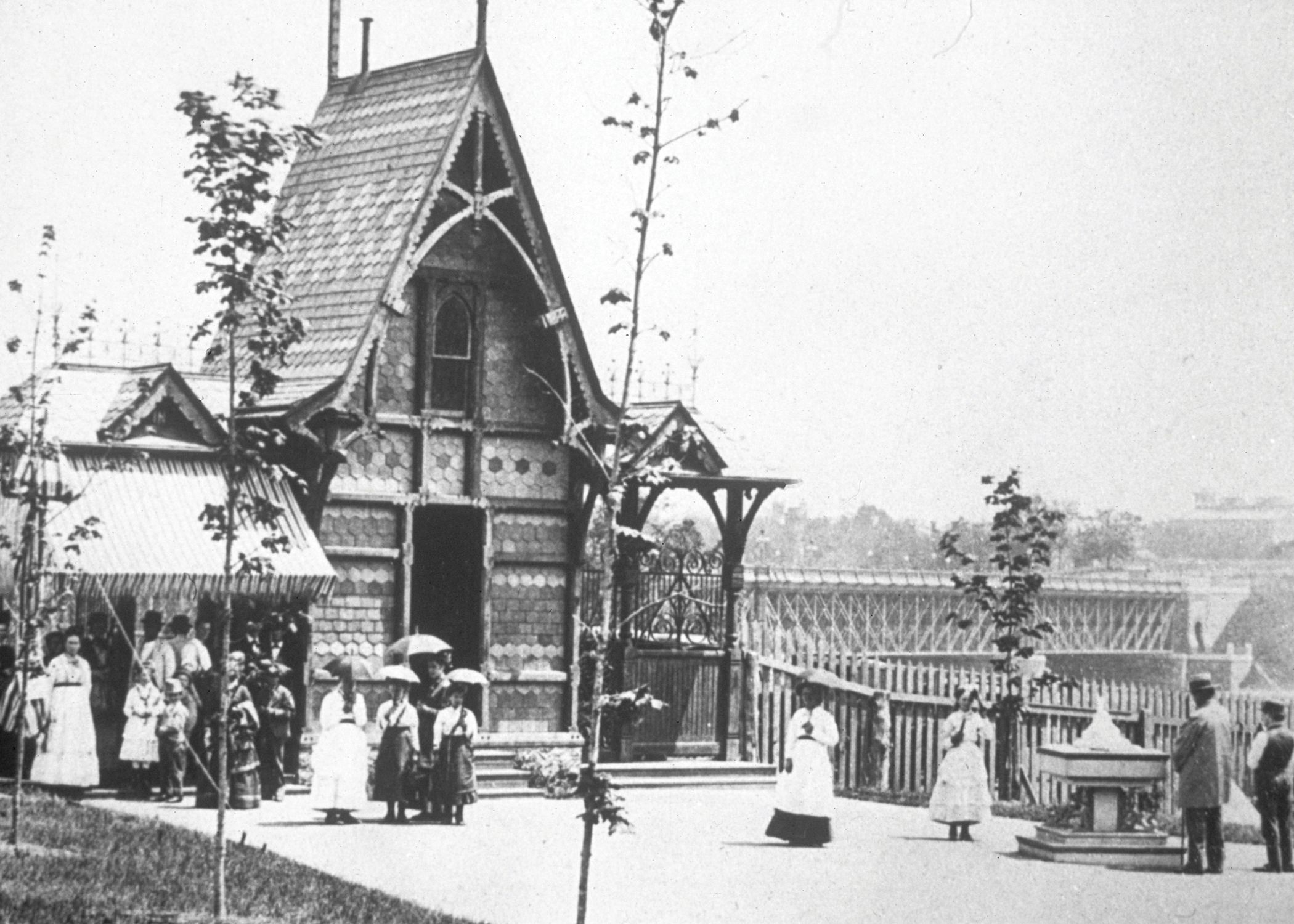
    The Philadelphia Zoo on opening day, July 1, 1874.The Philadelphia Zoo

    For more than 150 years, Philadelphia Zoo has pioneered advances in animal care, conservation, education, and the visitor experience. We recorded the first successful births of orangutans and chimpanzees in a U.S. zoo, and opened the nation’s first children’s zoo.

    At the Philadelphia Zoo, Momma Maggie and Baby Lucky, the first orangutan born in an American zoo, in 1928.The Philadelphia Zoo

    More recently, we created Zoo360, a first-in-the-world network of trails that gives animals greater opportunities to move, explore, and make choices while allowing visitors to experience wildlife from an entirely new perspective.

    Those innovations matter. But the most important thing a zoo can create is not a record or a “first.” It is a connection. When a child comes face-to-face with an animal they have only seen on a screen, suddenly that animal is more than an image or an abstraction. It is alive, individual, and extraordinary. And perhaps that child begins to understand that we humans are animals, too, connected to an astonishing web of life we have both the privilege and responsibility to protect. It led both of us to the work we do today.

    During America’s 250th anniversary, Philadelphia Zoo is not only looking backward. We are asking what we can build together for the next 250 years.

    The story we tell about wildlife conservation often centers on grand gestures — a landmark law, a sweeping treaty, a species pulled back from extinction’s edge by heroic intervention. But grand gestures only occur because ordinary people, over and over, choose to act in ways too small to make headlines.

    As part of the Philadelphia Zoo’s 250,000 Actions for Animals Challenge, two young boys picked up nearly 80 pounds of trash at a park in Wilkes-Barre, Pa.Courtesy of the Philadelphia Zoo

    Through our 250,000 Actions for Animals Challenge, we are asking Philadelphia — and the world — to complete a quarter million individual actions by the end of 2026 that make life better for animals, habitats, and the people who share space with them.

    When a baby squirrel fell out of its nest, a Manayunk resident took care of them overnight and transported them to a rescue the next day.Courtesy of the Philadelphia Zoo

    Some actions are wonderfully simple: Plant native flowers. Pick up litter. Refill a bird bath. Make a sustainable swap. Participate in a wildlife survey. Help an animal in need. Introduce a child to nature. None of them require expertise or money. They require only the decision to act, repeated.

    An individual in Philadelphia saved an endangered red-bellied turtle who was caught in the middle of crossing a busy highway.Courtesy of the Philadelphia Zoo

    Our community is answering the call. A Tinicum resident has stopped traffic to help snapping turtles safely cross a four-lane highway.

    A family in Mantua planted 500 plants and bulbs in memory of a city worker who died in the line of duty.

    Neighbors in Fort Washington faithfully refill bird baths and tend butterfly gardens.

    A mother and toddler in the Lehigh Valley have spent two summers raising caterpillars into monarch butterflies, and their backyard is now a thriving ecosystem the monarchs return to.

    These individual actions will never appear on a list of Philadelphia firsts. But multiply them by 250,000, and they become something remarkable. In many ways, this is how change has always been made — through individual choices repeated until they become collective action.

    An individual helped install bird-safe window decals at John Heinz National Wildlife Refuge in Tinicum.Courtesy of the Philadelphia Zoo

    Philadelphia Zoo is proud to have been first. We are proud of the generations of people who have made this institution a leader in wildlife conservation, education, animal care, and innovation.

    But as Philadelphia and America celebrate 250 years, our greatest responsibility is not simply to honor what came before us. It is to decide what we want the next 250 years to look like — for wildlife, for people, and for the planet we share.

    Our future won’t be written by a handful of grand gestures, but by a multitude of individual actions — turtle by turtle, season by season, neighbor by neighbor — growing into something much bigger: a movement.

    Submit your actions for animals at philadelphiazoo.org.

    Dani Hogan is the director of mission integration at the Philadelphia Zoo, and Jo-Elle Mogerman is the zoo’s president and CEO.

  • Good news for soccer fans: All of MLS’ U.S. teams will return to the U.S. Open Cup in 2027

    Good news for soccer fans: All of MLS’ U.S. teams will return to the U.S. Open Cup in 2027

    With all the craziness in the soccer world, it can feel like there isn’t much good news out there. But this week, American fans are finally getting some.

    MLS announced Wednesday morning that all 27 of its U.S.-based teams will compete in the U.S. Open Cup next year, returning the league to full standing in the national championship after three years of acrimony.

    The league was in a protracted argument with U.S. Soccer, which runs the Open Cup, over a variety of factors from a lack of marketing to travel costs, revenue splits, and stadium standards.

    The dispute led the nation’s top circuit to withdraw many of its clubs from the tournament from 2024-26. There were attempts to send reserve teams, and to exempt teams in the Leagues Cup and/or Concacaf Champions Cup in the name of schedule congestion. The Union were one of those teams this year.

    Cavan Sullivan (left) in action in the U.S. Open Cup last year.Elizabeth Robertson / Staff Photographer

    None of it held water with fans who value the Open Cup’s special place as the only American soccer competition in which teams from every level can play against each other, similar to England’s FA Cup and other national cup tournaments around the world.

    There was even a rare public rebuke from U.S. Soccer, making the league’s stubbornness look even worse.

    Fans also value the Open Cup’s over 110 years of history, much of which was created in Pennsylvania. The state ranks No. 3 all-time for most Open Cup winners. Its famous teams down the decades include the Bethlehem Steel dynasty of the 1910s, and Philadelphia’s Ukrainian Nationals, German-Americans, and United German-Hungarians.

    The list of great players is even longer: Archie Stark, Francis “Hun” Ryan, Walter Bahr, Walt Chyzowych, and Larry Sullivan — not just a great player and coach, but grandfather to the Union’s Quinn and Cavan Sullivan.

    A program from the 1977 U.S. Open Cup final soccer game between Philadelphia’s United German-Hungarians and Los Angeles Maccabee, with Larry Sullivan in the German-Hungarians’ lineup, displayed at the National Soccer Hall of Fame in Frisco, Texas.Jonathan Tannenwald

    Larry’s son Brendan also played in the Open Cup in the 1990s, making three generations of the family to take part in the tournament.

    In recent times, the Union have made three Open Cup finals: 2014, 2015, and 2018. But they haven’t yet joined their predecessors in lifting the trophy. Fans will hope the Sullivans and the club’s other academy products finally break through next year.

    A pair of tournament rules changes could help the Union’s odds. Game-day rosters will expand from 18 to 20 players, and MLS teams can pick their squads from a wider range of first-team and reserve-squad prospects.

    Next year’s Open Cup will be played in the midst of MLS changing its schedule to a winter-centric one. The Open Cup will change some too, though it will remain based on the calendar year for now.

    Nashville SC won last year’s U.S. Open Cup.Eric Gay

    MLS teams will enter the tournament in the round of 64, which will be played in July — during MLS teams’ preseasons for the 2027-28 campaign. Notably, all MLS teams will be at home for that round, which will help with advance ticket sales.

    David Applegate, U.S. Soccer’s director of competitions told the Sports Business Journal that the governing body agreed to change its take of revenue to a flat fee instead of a percentage.

    The pre-set home games will annoy fans of lower-division clubs hoping for upsets. But a reward will come after that: any lower-division team that makes the round of 32 will have priority to host. And there should be some lower teams still alive at that point, since having 27 MLS teams in a round of 64 means there won’t be a MLS team in every game.

    The round of 32 will be played in September. The round of 16 isn’t set yet, but the remainder of the tournament is: quarterfinals in late November, semifinals on Dec. 1, and the final on Dec. 15. That could make for a cold title game, since it’s on a Wednesday night. But it could also be memorable.

    “The Lamar Hunt U.S. Open Cup is one of the most powerful platforms we have to showcase what makes American soccer special,” U.S. Soccer chief operating officer Dan Helfrich said in a statement. “When you bring various levels of the soccer community together, you create a connected, competitive environment that moves the sport forward and gives fans the drama of knockout soccer.”

  • Six takeaways from the Massachusetts primaries

    Six takeaways from the Massachusetts primaries

    Massachusetts, as it turns out, is a good state in which to be a very old Democratic incumbent.

    Three Democrats who have been in office since long before the iPhone was in stores all won renomination Tuesday. Sen. Ed Markey, 80, and Reps. Richard Neal, 77, and Stephen F. Lynch, 71, are all likely to return for additional terms.

    Each faced challengers who had called for a new generation of leadership. Markey coasted past Rep. Seth Moulton, 47, who ran to the middle, while Neal and Lynch both fought off progressive challengers.

    Markey has been in office for 50 years. Neal has represented western Massachusetts since 1989. Lynch first won election from South Boston in 2001. The state’s Democrats do not seem inclined to reject their incumbents.

    Here are six takeaways from the Massachusetts primary results:

    Voters didn’t care about Markey’s age

    The party still scarred by former President Joe Biden’s public meltdown during the 2024 campaign was not convinced that an octogenarian senator should not serve another six years.

    Perhaps if Markey, 80, had faced a younger challenger with better political relationships than Moulton, he would have been in trouble in Tuesday’s Democratic primary. But Moulton has spent his career challenging his party’s orthodoxy and its leaders.

    That record left Markey the political space he needed to paint himself as the progressive in the race, campaigning on the ideas of the future — even though he has been in Congress for 50 years.

    In the waning days of the Massachusetts primary, several Democrats described Moulton as having the generational change message the party needed but being the wrong messenger to deliver it.

    Markey said throughout the campaign that he would resign his seat if his advanced age left him unable to properly fulfill his Senate duties. He is now favored to win in November, which would have him serve in the Senate until he is 86 years old.

    Moulton’s trans remarks weren’t forgotten

    If Massachusetts were a general election battleground state, perhaps Moulton’s skepticism about trans athletes’ participation in youth sports might have played better among primary voters.

    But from the moment Moulton entered the race last October, Markey used his remarks questioning transgender girls’ participation in girls’ sports as a battering ram against him. Not only did it galvanize the LGBTQ vote for Markey, it also helped frame him as the progressive candidate.

    It was the same formula that powered Markey’s last primary triumph in 2020 against another younger, more moderate Democrat, Joe Kennedy III.

    Moulton eventually offered a qualified apology for his remarks, which came the day after President Donald Trump won a second term in the 2024 election. But by then the state’s progressive voters had heard for months from Markey and his supporters that Moulton, during tough times, was willing to toss trans people aside.

    Dan Koh wins, thanks to Biden and Harris

    A lot of Democrats rolled their eyes when Dan Koh rolled out endorsement videos from Biden and former Vice President Kamala Harris.

    Koh, who was a White House aide for Biden, was running against Tram Nguyen, a progressive state legislator, for Moulton’s House seat north of Boston.

    Tying one’s political identity to a presidential administration a lot of Democrats would like to move past was a unique strategy. No other Democrat in a competitive primary this year had video testimonials from both Biden and Harris. (He also had a lot of help from a pro-AI super political action committee.)

    The strategy worked. Koh won a relatively easy victory over Nguyen and four other candidates. In a heavily Democratic district, he is all but certain to enter Congress in January as a legacy of the Biden administration.

    Stephen Lynch and Richie Neal hang on

    Markey was not the only old guy to hang on Tuesday. Neal and Lynch both fended off younger challengers for their House seats.

    Unlike Markey, Neal and Lynch both faced progressive upstarts. And while both won by margins closer than they have achieved in previous races, they are both likely to return to Congress for another two years.

    Massachusetts has not elected a Republican to any of its congressional seats since 1994. As long as that remains the case — and it is widely expected to — five of the nine members of the Massachusetts House delegation next year will be 63 or older. Both senators will be 77 or older. And efforts by young challengers to oust the state’s older incumbents have failed time after time.

    The pollsters got one right

    The polling industry has gotten a lot of grief lately after Democratic primary results were way off from the forecasts of the final surveys in Michigan and Wisconsin, followed by a big upset in the Florida Senate race.

    In Massachusetts, Big Polling got it right.

    Emerson College and the University of New Hampshire released polls in the final week before the primary showing Markey as getting more than 60% of the vote — blowout numbers.

    They turned out to be right on target.

    Getting the numbers right is something of a triumph for pollsters as they head into the final general election sprint in election battlegrounds.

    Ambitious Democrats are already looking toward 2030 and ’32

    The next two Massachusetts Senate contests could feature a pileup of ambitious Democrats from competing wings of the party.

    The state’s Senate races in 2030, when Sen. Elizabeth Warren, now 77, would face reelection, and 2032, when Markey’s next term would end, are likely to be open-seat contests.

    Markey said in July that the term he was running for now would be his last. Warren would be 81 in 2030.

    Massachusetts has no shortage of Democrats who have been eyeing upcoming Senate openings. Reps. Ayanna Pressley and Jake Auchincloss have barely disguised their interest in the seats. Mayor Michelle Wu of Boston is a popular progressive. Marty Walsh, the former Boston mayor who served as Biden’s labor secretary, could also mount a run.

  • U.N. says world will miss its climate target, warming must be reversed

    U.N. says world will miss its climate target, warming must be reversed

    The world has failed in its goal of limiting global warming to 1.5 degrees Celsius above preindustrial times, the United Nations said Wednesday, in a sober assessment that laid out a new goal for fighting climate change that would set the world on an uncertain path.

    A decade ago, most of the world’s countries agreed in Paris to try to limit global temperature rise to “well below” 2 degrees Celsius while aiming for the more ambitious target of 1.5 degrees Celsius, or 2.7 degrees Fahrenheit.

    But Wednesday’s 141-page U.N. report warned that the world is certain to breach that mark and should focus on finding ways to limit “overshoot” and eventually bring global temperatures back down.

    Despite advancements in wind and solar power, countries have continued to burn oil, gas and coal, releasing carbon dioxide into the atmosphere where it traps the sun’s heat and has raised average global temperatures by about 1.4 degrees Celsius. The damage from global warming is now felt across the planet, with intensifying heat, drought, floods, fire and other threats to humans, animals and plants.

    The idea laid out in the U.N. report would be extremely difficult because it would require pulling carbon dioxide out of the atmosphere on a colossal scale. Achieving that would potentially mean blanketing enormous parts of the world with forests or relying on novel technologies for sucking carbon out of the air that haven’t yet worked on any significant scale.

    Under such a scenario, the planet would still continue to heat up for the foreseeable future, and wouldn’t return to temperatures like today’s for decades or even centuries. And some changes, like glacial melting or rising seas, would be essentially irreversible.

    “This is by no means an acceptable or preferred pathway,” the U.N. said in its report Wednesday. “It is simply the best remaining option.”

    But even this fallback plan would require the kind of climate ambition and major cuts in greenhouse gas emissions that have long been out of reach. To add to the challenges, the Trump administration has withdrawn the United States, the largest historical emitter of greenhouse gases, from the global fight against climate change and weakened domestic environmental policies.

    Based on current climate policies among nations and trends, the planet is expected to warm 2.6 degrees Celsius, or 4.7 degrees Fahrenheit, by the end of the century.

    “So long as we fail to find political will, we will be marching past every target we put out there. That is the danger,” said Michael Mann, a professor of earth and environmental science at the University of Pennsylvania who was not involved with the report.

    Mann noted that even at current levels of warming, “dangerous and catastrophic climate change is here,” referencing last week’s deadly glacial collapse and flood in Nepal.

    António Guterres, the U.N.’s secretary-general, had previously acknowledged that the 1.5 Celsius mark — the most ambitious aspect of the Paris Agreement among nations to limit global warming — would inevitably be breached. The new report makes clear just how little margin there is for the overshoot plan to be feasible.

    Specifically, in order for temperatures to be brought back to the 1.5 degree mark this century, global warming at its peak would have to be limited to 1.8 Celsius (3.2 Fahrenheit), compared with preindustrial times. Most scientists describe that as unlikely.

    Then, countries would have to ramp up an enormous program for removing carbon dioxide from the atmosphere. Even under the most optimistic scenarios, a single decade of warming could take about 50 years to reverse.

    Glen Peters, a senior researcher at the CICERO Center for International Climate Research in Norway, said the idea of bringing down temperatures might sound as easy as “planting a billion trees” to absorb carbon dioxide. But tracts of land larger than entire American states would need to be reforested. Conflicts with agriculture could arise. Higher temperatures could hinder forest growth. And of course, wildfires could stymie progress.

    “Anything at scale, you’re going to run into some sort of problem,” said Peters, who was not involved in the report.

    The report says that while tech-based solutions would be needed, it noted that the current industrial capacity to pull carbon dioxide from the atmosphere is extremely limited. The technology has long been controversial in part because the fossil fuel industry has pitched it as a way for their products to continue to be used. Over the course of the industrial age, the burning of fossil fuels has released immense amounts of planet-warming carbon dioxide into the atmosphere.

    Climate Analytics, a Berlin-based climate science and policy institute, said in a statement that the U.N. report risked “being a call to apathy,” and criticized the report for not more explicitly mentioning the need to phase out fossil fuels. Countries committed to pivot away from oil, gas and coal at an international climate summit in 2023 but carbon emissions continue to climb.

    The U.N. report predicted the rise in average global temperatures would eclipse 1.5 degrees Celsius in “the next few years.” At that level of warming, “there are no good outcomes,” said Inger Andersen, the executive director of the U.N. Environment Program.

    Already common extreme weather events, like heat waves and floods, will intensify, as will the melting of glaciers, the rising of sea levels and the bleaching of coral reefs, the report said. There is also a risk of changes in crucial global systems, like the weakening or collapse of ocean currents that carry heat northward from the tropics, the report said, with the potential to “reshape the world forever.”

    This article originally appeared in The New York Times.

  • In Thailand, weary U.S. warship crew gets first break in months

    In Thailand, weary U.S. warship crew gets first break in months

    PATTAYA, Thailand — As the USS Abraham Lincoln docked Wednesday morning in Thailand, the first of some 5,000 crew members were expected to begin arriving in the beach town of Pattaya to begin a handful of days of shore leave.

    For the sailors and Marines serving aboard the beleaguered aircraft carrier, this is the first significant break they have had in more than nine months. The nuclear-powered Lincoln left its home port of San Diego before Thanksgiving and deployed to the Middle East.

    After disembarking at the port of Laem Chabang, north of Pattaya, crew members were expected to bus into the city, where many have booked hotels for their shore leave, according to the city’s mayor, Poramet Ngampichet.

    “Our arrival in Laem Chabang provides a well-deserved opportunity for our Sailors and Marines to rest and recharge,” Rear Adm. Robert E. Loughran, the commander of the Carrier Strike Group 3, of which the Lincoln is the aircraft carrier, said in a statement issued by the U.S. Embassy in Bangkok. “It also underscores the strong and enduring partnership and alliance between the United States and Thailand.”

    Two other vessels in the strike group docked at nearby ports. The admiral called Thailand the United States’ oldest partner and only treaty ally in Southeast Asia.

    Pattaya, a city about 60 miles south of Bangkok that is best known for its nightlife and red-light districts, has been an R&R spot for American troops for decades. The local authorities, after discussions with U.S. officials, said the U.S. military had imposed restrictions for this shore leave, including no parasailing or jet skiing, no visiting certain areas and no consuming marijuana, even though it is legal in Thailand and widely sold.

    During its deployment in the war in Iran, the Lincoln came under repeated missile and drone attacks, and was able to shoot down all of them, Defense Secretary Pete Hegseth has said. But after Iranian missiles and drones destroyed much of a major naval base in Bahrain at the start of the war, resupplying and making repairs on the Lincoln became difficult.

    Last month, Democratic senators raised concerns about growing problems on the ship, including supply shortages, water contamination, plumbing problems and the deteriorating mental health of the crew.

    Soon after, the Lincoln was replaced in the Middle East by the USS George Washington, which had been based in Japan. After its stopover in Thailand, the Lincoln is scheduled to depart for San Diego on Sunday.

    This article originally appeared in The New York Times.

  • A new commission risks embedding the gendered conceptions that have long subordinated military spouses

    A new commission risks embedding the gendered conceptions that have long subordinated military spouses

    On Aug. 3, President Donald Trump established the President’s Military Spouse Commission. Chaired by Jennifer Hegseth, the wife of Defense Secretary Pete Hegseth, the commission will be comprised of over 20 military spouses of high-ranking officials — currently all women. The group will recommend policies to the president that address quality-of-life issues for military spouses, such as employment, childcare and housing.

    Although these policies are aimed at benefiting military spouses in general, the commission’s composition follows in a longstanding tradition of gendering the work done by service members and their spouses — with the former more important and worthy of recognition than the latter.

    Dating back to the Revolutionary War, military leaders have envisioned service members as men, and their spouses as women. The men’s heroism was valorized and compensated, while the crucial domestic and emotional labor that wives performed to ensure the military’s success was often credited to the service members themselves. Military leaders believed that this framework made soldiers more willing to endure the horrors of combat as a necessary part of their masculine identity.

    In recent decades, as women have moved into all roles in the military and LGBTQ soldiers legally have been able to serve openly, this paradigm has been undermined. Yet, the all-female makeup of the commission, along with other recent initiatives by the War Department, suggests that the commission will mark a return to military policies that connect gender with labor to idealize the hypermasculine “warfighter.”

    During the American Revolution, military wives, along with other women in camp, performed essential services for the Continental Army, including cooking, washing clothes and caring for the wounded. Their work was integral to the war effort, yet these women were only grudgingly accepted by military leaders. Continental officers lamented the women’s ragtag appearance as an embarrassment — though they sometimes provided the wives with pay and rations for their services.

    Legally, married women were considered dependents of their husbands, who had the right to their labor. Military pensions reinforced these ideas by rewarding men’s work through the continued support of their supposed dependents. Sarah Osborn Benjamin, a young bride from New York, spent three years with her husband laboring for the army. Yet, when he died in 1837, Benjamin received a widow’s pension for her husband’s service, not for the labor she had performed.

    In the rare cases when women did receive pensions for their service, it simply reinforced the idea that military labor was masculine and worthy of compensation, while the support services typically provided by women was the work of dependents.

    During a battle in November 1776, Margaret Corbain took over the fighting duties of her dead husband. She was injured and captured by the British but later released. In appreciation of her service, her regiment’s officers petitioned for her to receive a pension, which she received. The crucial detail here was not that Corbain was a woman, but that she had labored like a man.

    These patterns only intensified during the 19th century. By the time of the Civil War, most spouses sustained the army through labor far from the battlefield, further dividing soldiers’ duties and the support work performed by their spouses. While men labored on fortifications, marched to battle and fought valiantly in combat, women tended to farms and households (including the management and oversight of enslaved people) and sent care packages that provided the resources soldiers needed to sustain themselves.

    A small group of women worked directly for the army in camp, primarily as nurses, laundresses and cooks. The exigencies of war had forced the military to make this concession. Still, the military classified women’s domestic labor as less valuable than nursing — even though the lines between jobs often blurred as women stepped in where needed.

    Susie King Taylor, a formerly enslaved woman, traveled extensively with her husband, an officer of the 33rd United States Colored Infantry. Taylor washed clothes, nursed wounded soldiers and taught formerly enslaved people to read and write — all without receiving any pay. After Congress passed the Army Nurses Pension Act, which granted pensions to women who had been nurses, Taylor applied for a pension. She was denied on the grounds that she had been listed as a laundress, not a nurse.

    This technicality hindered many women from earning a pension, as they had to provide credible witnesses to testify to their nursing work. This obstacle was especially prohibitive for formerly enslaved women whose work was more closely scrutinized. Nursing could be accepted as work commensurate with soldiering, but domestic labor was not.

    Made By History sponsors. FOR USE ON MADE BY HISTORY STORIES ONLY.Inquirer Staff

    In the 20th century, American wars moved overseas. The two World Wars required massive mobilization of men, who were largely sent to Europe or Asia to fight.

    With spouses on different continents, the military paid more attention to the morale of both spouses. Yet, these efforts were highly gendered, and made clear which spouse was more valued. Instructional material aimed to persuade military wives that their job was to “make do” and sacrifice, in the service of providing their husbands with a reason to fight.

    In the 1942 Army Woman’s Handbook, Clella Reeves Collins felt it was “unnecessary to state” that women, especially military wives, should give as much time and support to the war effort as possible. This guidance made it clear that the state expected wives to voluntarily perform domestic labor. The government, however, wouldn’t compensate them for these efforts — however essential they were to the war effort. Military policies and guidance left no doubt that women’s roles were subordinate to the work of the men fighting overseas.

    Emotional labor was an important part of this job. Collins wrote that “much of the burden [of being a soldier] is lightened by a cheerful attitude and encouragement at home.” She urged military wives to elevate the feelings of servicemen over their own. Collins taught wives to stifle any negative emotions when they interacted with their husbands — reinforcing the gendered expectation that women should bear the emotional burden of a military relationship.

    This labor continued even when a spouse was deployed. Magazines, handbooks and government posters all pushed women to keep up a positive and constant stream of communication. Columnist Mary Lee Smith, who edited a “Soldier’s Letter Box” column in a Black newspaper in Cleveland, counseled women to make the man “feel that he is still a mighty important person in this world — especially to a certain girl back home.”

    Most of all, the military expected wives and girlfriends to avoid sending infamous “Dear John” letters, in which they broke off a romantic relationship with a soldier overseas. Soldiers and military officers saw these letters as more lethal than enemy bullets, causing emotional injury that threatened the well-being of the serviceman and the efficacy of military operations. The hatred generated by women choosing to exit a relationship exposed how the presumption of female support underpinned martial manhood.

    During the Cold War, military spouses returned to serving in proximity to the army. Often tasked with the majority of childcare amid frequent moves, spouses struggled maintaining outside employment. Accordingly, many of them spent their time laboring for the military, whether they were making sure dinner was on the table or volunteering in the military community. Officer’s wives also were expected to entertain and socialize appropriately, or risk jeopardizing their husband’s career.

    Yet, despite these expectations, the military didn’t value women’s services as labor — as seen in the cases of divorced women who did not receive any benefits.

    Today, military spouses, now a more diverse group, still shoulder a large workload, one that traditionally has been expected given their status as a dependent of the service member. Straight civilian women are still the biggest category of spouses, corresponding with the large number of straight men in military. Many servicewomen marry servicemen, creating a dual-military household. The question of who performs the necessary domestic and emotional labor poses new complexities.

    The executive order creating the military spouse commission continues to see a connection between the labor of military spouses and warfare. It claims that military spouses are “intrinsically linked” to the effectiveness of the military. It’s the very same idea that underpinned the gender binaries of the past, which allowed the military to leverage romantic relationships as sources of labor.

    By treating the labor of spouses as different and, implicitly, less valuable than the work of service members, the military has long celebrated perceived masculine values like aggression and bravery while diminishing perceived feminine values of care and support. This has not only shaped the operation of the military, but it has rippled into civil society as well.

    To truly help military families, the commission can’t simultaneously expect the labor of military spouses, while treating it as subordinate to soldiering, as the government has throughout American history. Doing so risks alienating not only military spouses, which could affect recruitment and retention, but the American people as well.

    Margaret G. Matheson is a PhD student in history at the University of Virginia

    Made by History takes readers beyond the headlines with articles written and edited by professional historians. Opinions expressed do not necessarily reflect the views of The Inquirer.

  • 12 new restaurants you may have missed this summer | Let’s Eat

    12 new restaurants you may have missed this summer | Let’s Eat

    Simple and fancy, lavish and chill. Here are 12 new restaurants that opened over the summer.

    💡 Come back next week for an exclusive rundown of the dozens of restaurants due to open this fall.

    Also in this edition:

    • Do you even roll, bro: Sushi chefs let us watch their workout.
    • A landmark bakery: New owner, old recipes.
    • Go apple picking: Galas, winesaps, and Golden Deliciouses await.
    • Intel: Read on for first word on restaurants coming to the Main Line and East Market.

    — Mike Klein

    If someone forwarded you this email, sign up for free here.

    12 new restaurants you may have missed

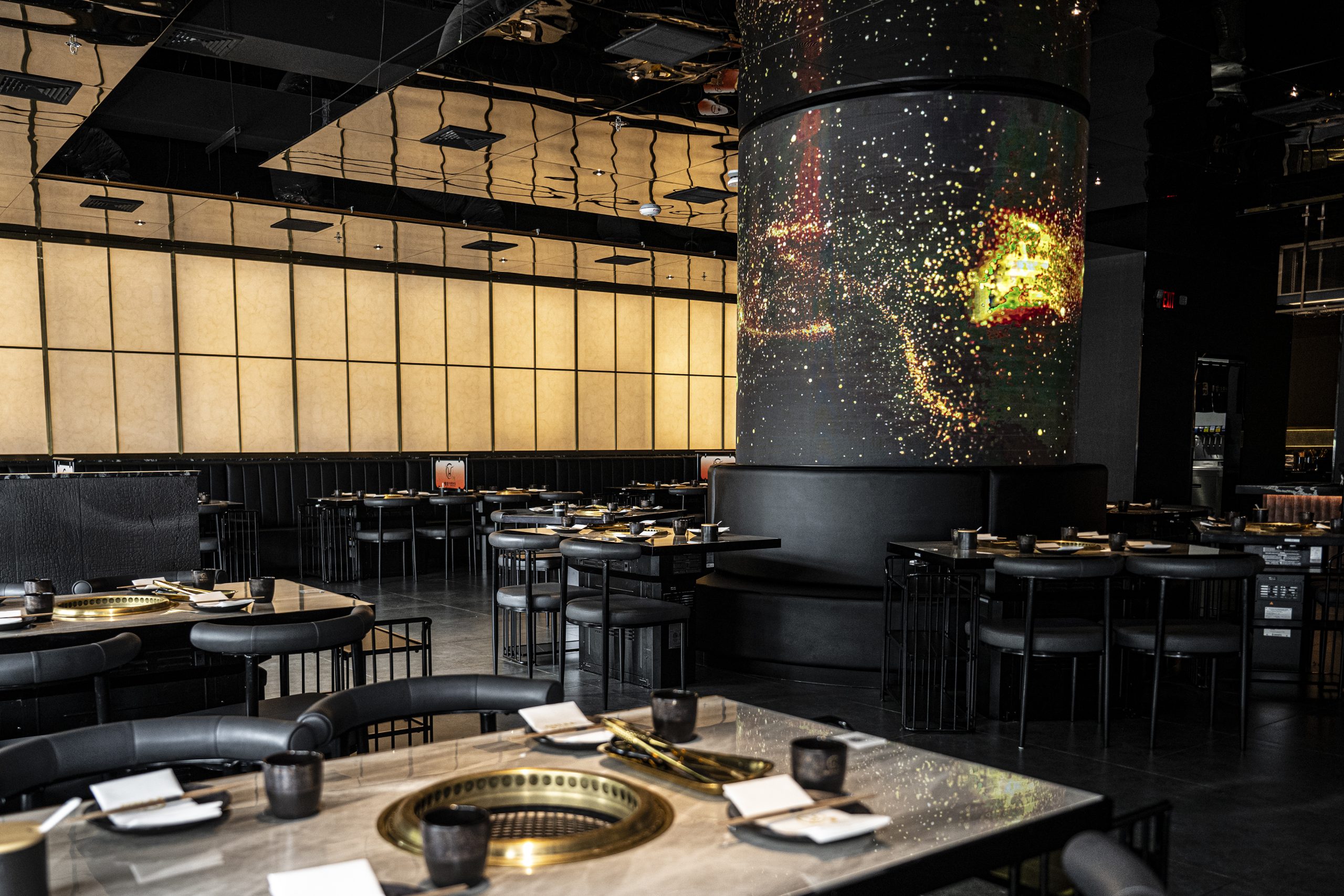
    In our quest to keep you up to date on the restaurant scene, here are 12 spots that opened in the last few months. One example is Ogyu (shown above), which took over Ardmore’s former Iron Hill Brewing. It’s a grill-it-yourself Japanese steakhouse from the owner of the nearby Osushi.

    Strong drinks and Iberian small plates

    Two reviews from critic Craig LaBan:

    BAR ilu and Grace & Proper deliver Spanish tapas and Portuguese bifana sandwiches that are a natural fit in today’s bar scene.

    Mr. Edison is flashy and ambitious, Craig finds, but as for the rest …?

    Pumping tuna: How sushi chefs stay in shape

    You have to be in shape to lug around 100-pound salmon and tuna. Kiki Aranita found a group of sushi chefs who routinely lift weights. As they say in the maki game: no pain, no grain.

    Beer, wine, and matcha in the news

    A couple didn’t want their local drinking spot to shut down for good. Sarah Nicell writes that they found a solution: They bought it.

    The lines are long, and the branding is adorable. Kiki Aranita visits Kyo Matcha in Chinatown.

    Pinot grigio is wildly popular for a good reason, and wine writer Marnie Old explains where the best ones come from.

    Poe is expanding

    Sandwichmeister N.A. Poe will expand the hours of his kitchen operation at Poison Heart next week while preparing to open a new Poe’s Sandwich Joint location by the end of the year.

    Starting Tuesday, Poe’s will operate seven days a week out of Poison Heart, 931 Spring Garden St., where he’s run the cocktail bar’s kitchen since last September. Daytime service will be pickup, takeout, and delivery only; Poison Heart itself will not open for daytime bar or dine-in service.

    Poe, the nom de plume of Richard Tamaccio Jr., is not disclosing the new joint’s location or opening date. “We look forward to the freedom to do things our way without interference or apologies,” he said.

    The move follows Poe’s split with Human Robot Brewing Co., where he had operated since 2019. His last day at Human Robot’s Kensington location is Thursday. Cantina La Martina will take over Human Robot’s kitchens at both Kensington and Brewerytown. Poe also parted company with the Monto, a new Old City bar.

    At Poison Heart, Poe’s will operate from 11 a.m. to 9 p.m. Sunday through Tuesday and 11 a.m. to 6 p.m. Wednesday through Saturday. Poison Heart’s regular Wednesday-through-Saturday evening service will continue, with Poe’s classics and specials added to the menu.

    The best thing we ate last week

    Two tasty bright spots of a staycation for Emily Bloch and her boyfriend included hamachi collar and poolside swordfish skewers. In other words: There’s great fish to be had in Fishtown.

    Scoops

    Old Friend, an upscale restaurant with a wood-fired grill and a chef with a Center City pedigree, is coming to the Main Line later this year.

    Corte, on its way to the former East Market home of Mulherin’s Pizza, will have an Italian backbone, focusing on handmade pasta and cooking from the wood-fired oven. If that sounds like University City’s Corio, that’s because the same crew is behind it.

    Big Charlie’s Saloon, the nationally known Kansas City Chiefs-theme bar in South Philadelphia that closed with the owner’s death last December, is under agreement of sale. The buyers’ plans don’t include NFL memorabilia.

    Restaurant report

    We’re in a New York state of mind:

    Dorade asado and pork belly al pastor (shown above) are two dishes offered at the new Mixteca, the Kensington offshoot of a Manhattan agave-focused coctelería from two James Beard Award-winning bartenders. Beatrice Forman heads to the former Martha for a look around.

    Smash burgers and fries are the hook at 7th Street Burger, a fast-growing Manhattan-based burger chain that just opened the first of four Philadelphia-area locations in Fishtown. Kiki Aranita takes a bite.

    Briefly noted

    Jose Pistola’s 19-year run in Center City has ended. Its related bars in Fishtown and South Philadelphia are unaffected.

    Mount Masala Himalayan Cuisine (300 White Horse Rd., Voorhees) will host a Nepal disaster-relief fundraiser on Thursday, Sept. 10 from 5 p.m. to closing under the auspices of South Jersey Food Scene. It’s a $25 buffet of Nepali-Himalayan dishes for dine-in or takeout, with all sales donated to the Nepalese government for flood relief.

    The shuttered McMillan’s Bakery in Haddon Township has opened as Del Buono’s. If the doughnuts look familiar, that is no accident.

    Fishtown Pickle Project plans to invest $2 million in a new production facility and a pickle tasting room. This is kind of a big dill.

    Where to pick apples? We’ve found seven farms near Philadelphia.

    Horsham Township Restaurant Week, with 13 restaurants, is Sept. 13-18. Details are here.

    Conshohocken Restaurant Week, with 16 restaurants, is Sept. 21-27. Details are here.

    ❓Pop quiz

    According to legend, this will happen if Collingswood lifts its ban on the sale of alcoholic beverages:

    A) the High-Speed Line stop shuts down

    B) the borough secedes from Camden County

    C) Knight Park becomes available for development

    D) liquor stores in neighboring Haddon Township create an alliance

    Find out if you know the answer, provided by The Inquirer’s Lacey Latch.

    🥂 New Jersey has permanently allowed the sale and delivery of to-go alcoholic beverages in towns that permit it.

    Ask Mike anything

    Did Philip Korshak ever open his store, Korshak Picnic Provisions? — Joan M.

    Back in February, Phil Korshak, the poet-baker who left town in 2023 after closing his cult-favorite Korshak Bagels, thought he’d open his quirky corner store at 13th and Reed Streets by May. However, “you have no idea how many contractors, electricians, and plumbers go to Europe and Japan in the summertime,” he told me in June. This week, Korshak said the store — now called Korshak Parkside Provisions — is in the health department inspections queue and he’s expecting equipment deliveries. “Let’s call it October,” he told me.

    📮 Have a question about food in Philly? Email your questions to me at mklein@inquirer.com for a chance to be featured in my newsletter.

    By submitting your written, visual, and/or audio contributions, you agree to The Inquirer’s Terms of Use, including the grant of rights in Section 10.

  • Jury in Lindsay Clancy trial tells judge for a second time that it can’t agree on a verdict

    Jury in Lindsay Clancy trial tells judge for a second time that it can’t agree on a verdict

    Jurors in the Lindsay Clancy murder trial said for a second time they were unable to reach a verdict on whether she is criminally responsible in the killings of her three children, but the judge on Wednesday told them again to keep trying.

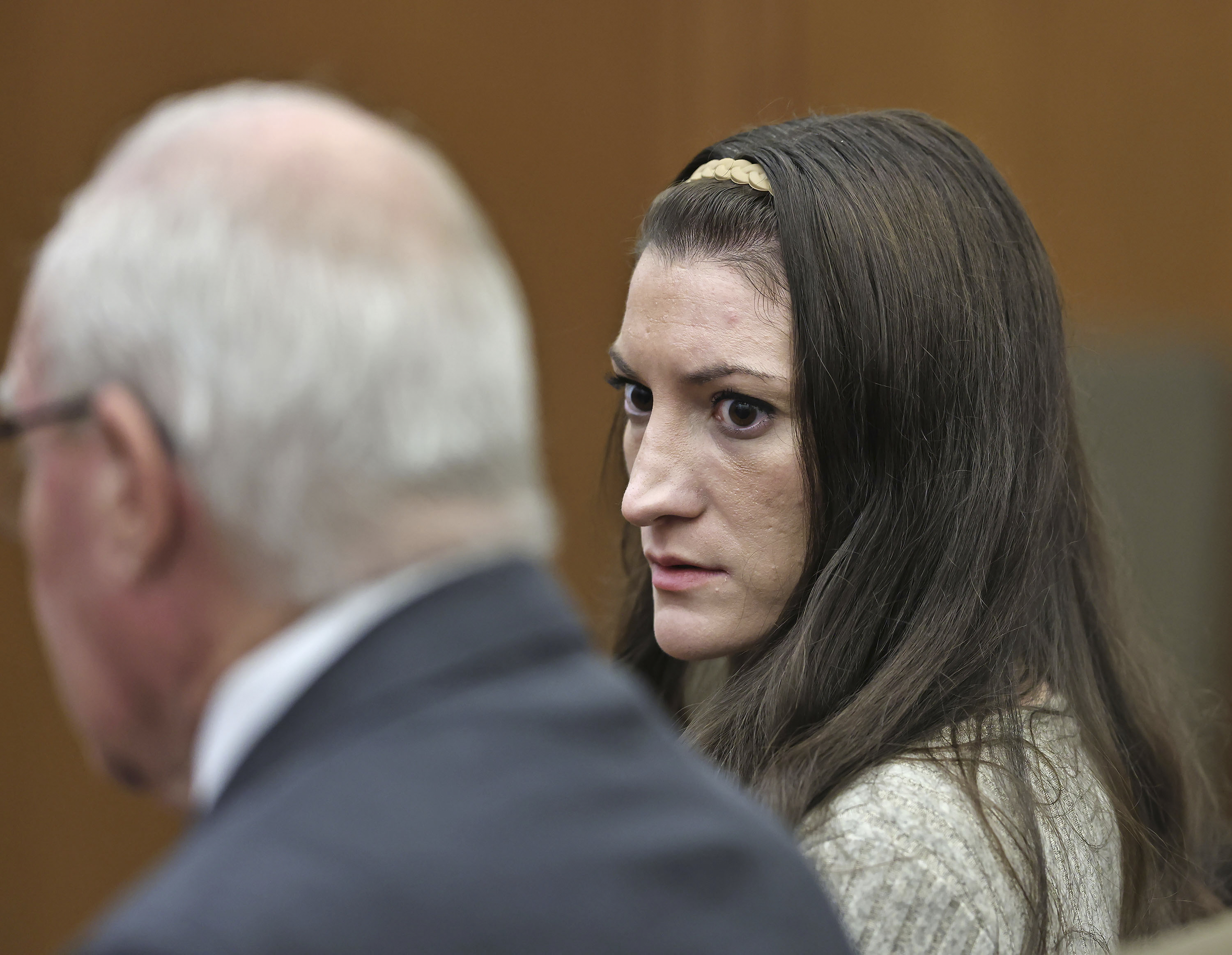
    Clancy stared at the jury with no expression as Judge William Sullivan explained to the courtroom that jurors were at an impasse on their fifth day of deliberations.

    The judge then sent them back out after giving them a standard, legally required instruction intended to prod them to keep discussing a possible verdict. He gave them similar instructions Tuesday morning the first time they said they couldn’t reach a unanimous decision.

    Clancy, a former labor and delivery nurse in Massachusetts, doesn’t deny strangling her three children in their home in 2023. But her attorney argues that postpartum psychosis led to her actions. Prosecutors say she knew what she was doing.

    The jury resumed deliberations Wednesday, but not before the judge questioned jurors one by one following the arrest of a woman accused of filming them as they left the courthouse the previous day.

    Clancy’s livestreamed trial has generated intense interest, with reporters and spectators packing the courtroom. The case has also sparked deep public divisions over her culpability and the issues around maternal mental health after childbirth.

    What happens if there’s a mistrial

    Jurors have heard testimony from relatives and doctors about how Clancy’s mental health declined in the months before the killings and how her treatment included several medications and a short stay in a psychiatric hospital. Medical experts hired by the prosecution and the defense reached sharply different conclusions about her psychiatric state when she killed the children.

    If jurors ultimately can’t agree on a verdict, the judge could declare a mistrial. Prosecutors would then have to decide whether to put Clancy on trial again, drop the charges, or try to negotiate a plea deal with her lawyer.

    If the jury decides Clancy was criminally responsible for her actions, it could convict her of either murder or manslaughter. If she is acquitted, a judge could still order her confined to a mental health facility if an evaluation determines that she poses a danger to the public.

    After court ended Tuesday, Clancy’s attorney said it was a good sign that the jury kept working.

    “The fact that they have not said that they’re done is very, very heartening,” Kevin Reddington said. “Obviously, they’re working very hard.”

    What happened on the night of the killings

    Clancy strangled the children with exercise bands in their home’s basement, then jumped from a second-floor window. She remains paralyzed from the waist down. Her lawyers say she heard a voice telling her to kill the children so she could end her own life.

    The prosecution argues she deliberately sent her then-husband on errands to get him out of the house, and prosecutors have questioned the seriousness of her suicide attempt. Patrick Clancy has said in interviews that he forgives his ex-wife, whom he viewed as ill rather than evil.

    Woman arrested outside court says she was trying to photograph Clancy, not the jury

    Dawn Light, 56, of Sutton, Mass., was arraigned Wednesday at the same courthouse in Plymouth, south of Boston.

    Surrounded by reporters while going to her car, Light was asked why she filmed outside the courthouse Tuesday.

    “To see Lindsay. And I did see her. She was getting picked up by the van,” Light said.

    Light’s attorney, Jennifer White, called it a “misunderstanding” and said Light, a retired nurse, was only trying to take a photo of Clancy and “not interact with the jurors.”

    Light described herself as a “crime junkie” and Clancy supporter, in an interview with Hearst Connecticut Media Group before her arraignment.

    She was charged with intimidation of a witness, jurors or person furnishing information in connection with criminal proceedings. A not-guilty plea was entered on her behalf and she was released without having to post bail, but was ordered to stay away from the court, the jurors, and any witnesses.

    Police searched the woman’s phone for video of the jury

    Assistant District Attorney Nicole Piacentini said Light was parked in a restricted area behind the courthouse and is accused of filming the jurors as they left court. Light told state police that she was waiting to film Clancy and denied recording jurors. However, troopers found video of jurors in her phone’s deleted-files folder, Piacentini said.

    “The sanctity of the judicial system is at risk because of her actions,” Piacentini told a judge during the arraignment.

    The jury resumes deliberations a day after the courthouse arrest

    Sullivan opened Wednesday’s proceedings with a warning to the courtroom about following his orders.

    “Everybody should be well aware that the order and that statute is being enforced,” he said.

    The order bars people from photographing or filming a jury until the case ends, and prohibits anyone from following, contacting, harassing, or tampering with a jury.

    Clancy’s lawyer told The Associated Press that the judge called jurors up one by one to ask them if there was anything they saw that would affect their ability to be impartial. The judge’s questions could not be heard from the gallery, and he didn’t disclose what he asked.