Blog

  • I’ve caught real voter fraud. What Trump’s saying about New Jersey doesn’t come close.

    I’ve caught real voter fraud. What Trump’s saying about New Jersey doesn’t come close.

    When I heard that roughly 6,600 people who were not American citizens were registered to vote in New Jersey ahead of the 2024 election because of a software glitch, I felt a familiar sense of dread.

    It wasn’t just because having ineligible voters on the rolls is concerning and never should have happened. It’s because despite what President Donald Trump would have you believe — with his unfounded claims of mass voter fraud — there is absolutely no evidence that these kinds of irregularities are the result of any organized effort to influence our election results.

    For Trump, this was not a coding error. It was evidence that America’s elections have been corrupted and the only way forward is to pass the SAVE America Act, a measure that would make it more difficult for many people to vote and which would represent the biggest ever federal intrusion into state control over elections.

    “These are just the ones that got caught,” the president wrote — again, without any evidence — in a social media post urging passage of the measure. “The real numbers will prove to be many times this amount.”

    That kind of rhetoric is the exact opposite of what our electoral system needs. Election fraud, administrative mistakes, and other voting irregularities deserve careful investigation, not fearmongering. I know this firsthand.

    Before joining The Inquirer, I worked at the Philadelphia City Commissioners where I investigated and identified real examples of voter fraud.

    What I saw when I worked in the system — and what my reporting has shown in the years since I’ve left it — is that electoral fraud is exceedingly rare; that the public officials I worked with didn’t hide or ignore any problems; and that when mistakes are made, they are found, fixed, and handled transparently.

    That last is exactly what New Jersey Gov. Mikie Sherrill did on July 21 when she explained that because of an error at the state’s Motor Vehicle Commission, a computer system erroneously registered people who were not eligible. Officials said that the 400 or so people from that pool who voted lived throughout the state, were registered in both political parties, and there was no evidence that any election results were swayed by their participation.

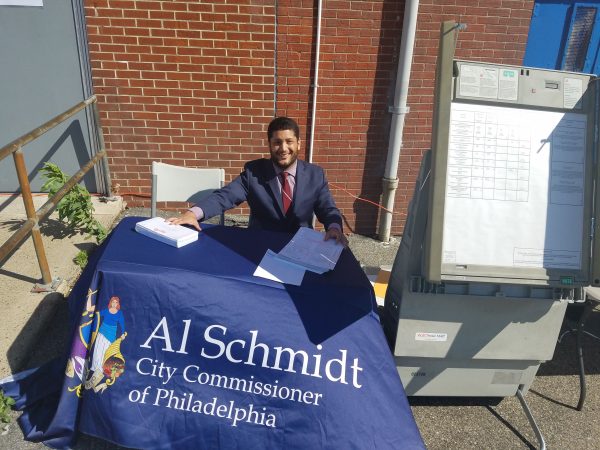
    Daniel Pearson and then-City Commissioner Al Schmidt in 2015.Courtesy of Daniel Pearson

    For those who diligently follow election administration news here in Philadelphia, this story might have felt like a distant echo. That’s because nine years ago, something similar occurred here.

    In 2017, Al Schmidt, who now leads voting statewide, was a Republican city commissioner in charge of voting in Philadelphia when he announced that an investigation had uncovered 220 people who were not American citizens on the city’s voting rolls.

    As with the situation recently in New Jersey, the source of the problems back then was also traced to a computer glitch connected to the driver’s license process. Even though they were ineligible, the system still asked the affected people whether they wanted to register to vote.

    Schmidt publicly stated what had happened without inflaming the situation, and pledged to protect people whose immigration status was now threatened by mistakes made by others. (He went as far as attending immigration hearings on behalf of some of those affected.)

    That style of leadership — clear, non-alarmist, focused on solutions — mirrors what Sherrill is doing in New Jersey now.

    It’s also worth noting that the Garden State is hardly alone in owning up to its errors. Earlier this year, Republican Auditor General Tim DeFoor released an audit of Pennsylvania’s system. Out of the 210,000 records his office examined, just one included an ineligible voter — a lapse blamed on human error, rather than any broader issue.

    In Pennsylvania, the system worked. A mistake was found, identified, and corrected. Sherrill seems on the path to doing the same.

    Unfortunately, the president wants to try to use New Jersey’s stumble for his own political gain — a cynical approach that makes it harder to be taken seriously when actual irregularities and malfeasance are discovered.
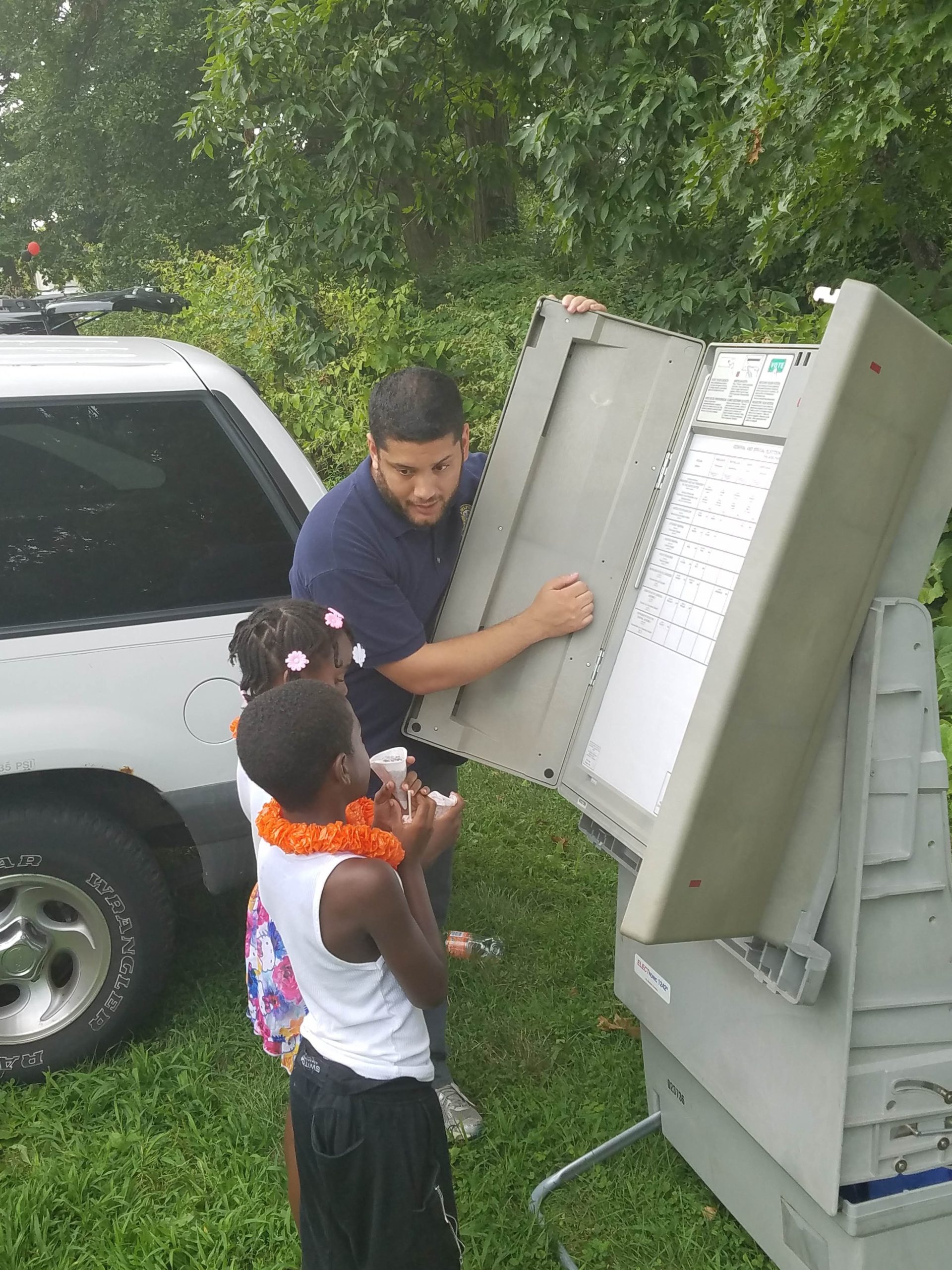
    Daniel Pearson explains how a voting machine works as part of a voter information event at Fisher Park in 2016.Courtesy of Daniel Pearson

    Disorganized crime

    After he was released from federal prison in 1985, convicted over bribery charges stemming from the Abscam investigation, former U.S. Rep. Michael “Ozzie” Myers became a political consultant and adviser. Over the years, business began to flag, so Myers and his allies came up with a scheme in the mid-2010s.

    Once the polls closed, poll workers would go into the booth and vote again, and again and again and again. Typically, these votes were for candidates running for positions at the very end of the ballot, like judges.

    Schmidt became my boss in 2014 when I joined the City Commissioners Office. Initially, my job was preparing street lists (names and addresses of registered electors) and voter files for campaigns. I attended community events and meetings on behalf of the office, and compiled data and information for voter guides.

    In retrospect, it would have been impossible to predict just how much interest people would soon have in elections. Back then, I could barely give away the guides.

    In time, I began helping with investigations into voting irregularities. When my colleagues and I started investigating the source of the overvotes, it pointed to one man, Dom DeMuro, a South Philadelphia poll worker.

    We compiled the evidence and referred the case to law enforcement. The FBI confronted DeMuro, who turned on Myers. Eventually, Myers, DeMuro, and another poll worker pleaded guilty to federal charges.

    Found, identified, and corrected.
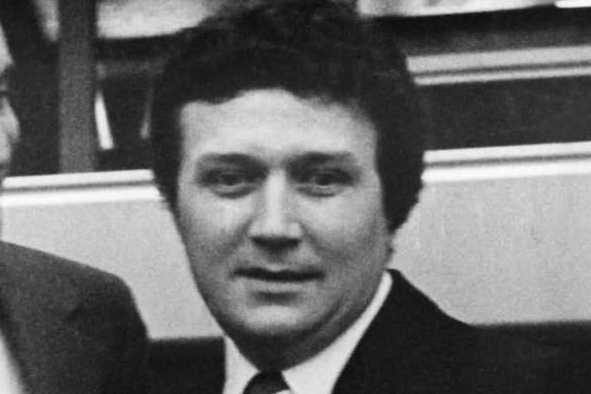
    Michael “Ozzie” Myers in 1976.MICHAEL MERCANTI / Staff file photo

    Small-time ruses like Myers’ are the face of “organized” voter fraud in this country, a few people trying to make an easy buck. There’s absolutely nothing in the SAVE America Act that could have stopped them.

    Looking back, I shudder to think of what 2020 may have been like without the groundwork Schmidt laid over a decade. How Philadelphia could have melted under the spotlight as Trump hurled accusations of fraud and the eyes of the world turned to vote counters inside the Pennsylvania Convention Center.

    For me, it was an unforgettable lesson in the grind that goes into making democracy work and also how difficult — and how rewarding — making positive change really is.

    To ensure election security and that voting remains easy and accessible, our country needs more leaders like Schmidt and Sherrill — and fewer bomb throwers.

    We don’t need any more false data points and baseless conspiracy theories. And we certainly don’t need the SAVE America Act, which would only increase the burden on ordinary voters — and wouldn’t fix a thing.

  • 🔨 To remodel or not | Morning Newsletter

    Rise and shine, Philly. It’s August, and we’re promised a warm, partly sunny day.

    A reader feels torn on wanting to tear up the 1950s-style bathroom in their new South Philly home. Inquirer staffers debate the dilemma.

    Plus, we’re talking about a developer’s plans for Manayunk’s Venice Island, a sit-down with Cecily Tynan, and our report card for this week in Philly news.

    — Paola Pérez (morningnewsletter@inquirer.com)

    If someone forwarded you this email, sign up for free here.

    What you should know today

    The pink bathroom problem

    This week’s question is: I just bought a South Philly house with a pristine 1950s bathroom. Everyone who sees it says I MUST keep it, pink toilet and all. But I want radiant heat flooring, marble, and a moody paint scheme. Am I a monster?

    Inquirer reporters Earl Hopkins and Stephanie Farr joined forces to tackle this one, discussing ways to pay respects to the house’s roots, while also honoring one’s free will and individuality.

    Farr, who grew to love the anachronistic feel of pink tile in her bathroom, suggested our reader soak it in a little bit longer before taking a hammer to it. “I’m in the modern era in the rest of my house, but when I go to the bathroom I’m transported back to the 1950s,” Farr said. ”It’s a bathroom time machine!”

    Read their full chat here. And if you’re looking for advice, or want to share your thoughts, we want to hear it. Email us here.

    One viewpoint

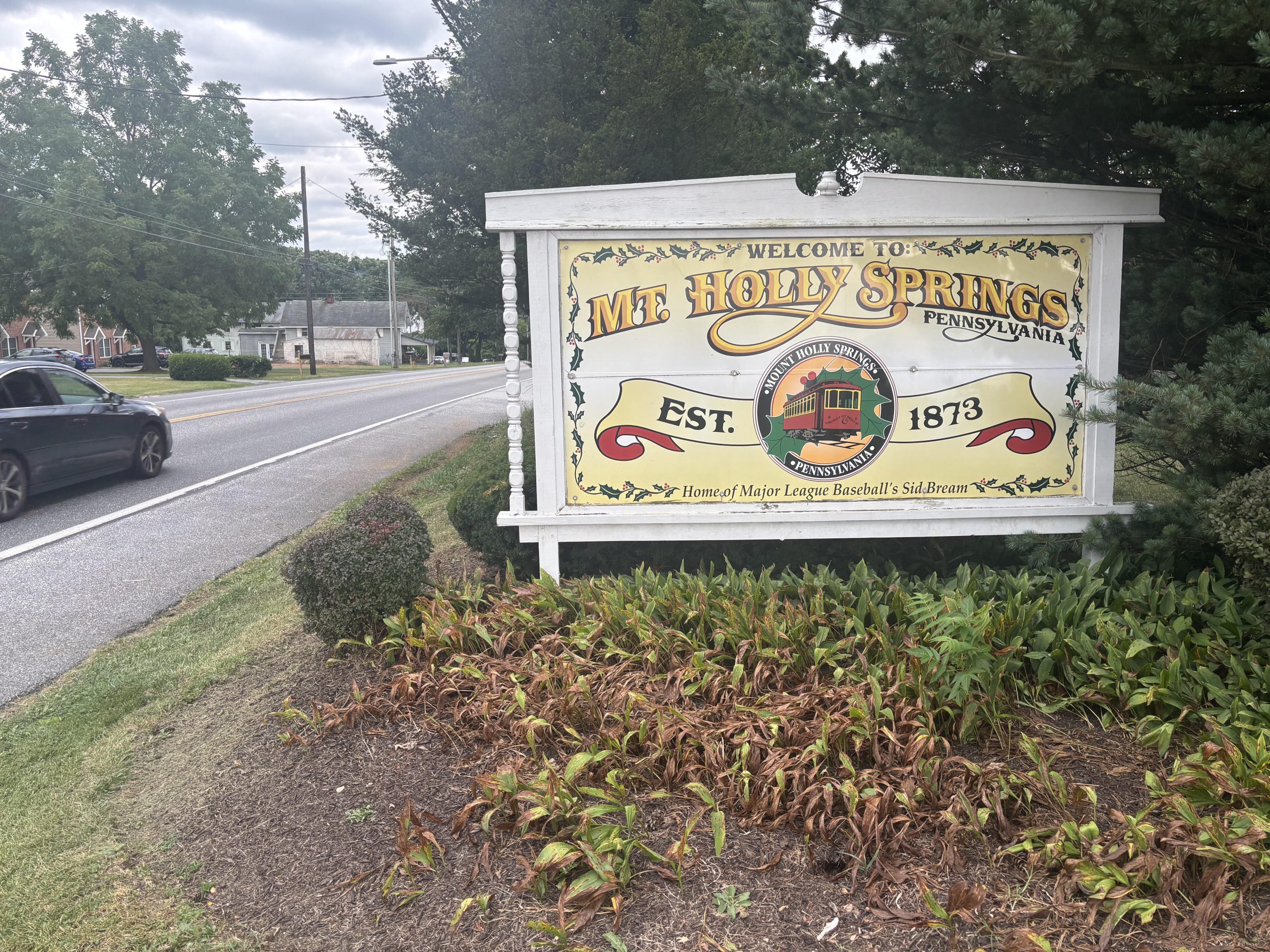
    A quaint Pennsylvania borough has become a “speed trap” for detaining immigrants through a partnership with ICE, Inquirer columnist Will Bunch writes, with police having turned over 32 immigrants since March.

    “Some longtime residents of Mount Holly Springs are worried that things will never be the same,” Bunch writes. Read more here.

    📍 Find the location

    We’ll show you a photo taken in the Philly area, you drop a pin where you think it was taken, and we’ll tell you a fun story behind the photo. Good luck.Tom Gralish / Staff Photographer

    This photo was our very first Citywide Quest question. Think you know where it was taken? Check your answer.

    P.S. Thanks for playing Citywide Quest with us over the last year. This is the last edition of the game. Rest assured, we’re making new experiences for you to enjoy, including Pillars, a new word game built specifically for Philly.

    🧩 Unscramble the anagram

    Hint: In Bucks County (one word)

    QUART WOKEN

    Email us if you know the answer. We’ll select a reader at random to shout out here.

    Cheers to Mary Keeley, who correctly guessed Friday’s answer: Brio Italian Grille. The Cherry Hill restaurant permanently shut its doors — for real this time. The nearest location is now 200 miles from South Jersey.

    We were there

    The FBI conducted a search of Dane Fine Art in Haverford Township on Wednesday.

    A “premier dealer of limited edition and unique works of art,” the gallery buys, sells, and auctions prints and original works from a variety of artists like Andy Warhol and Keith Haring, according to its site.

    Here’s what staff photographer Jose F. Moreno and reporter Denali Sagner heard and saw at the scene after the gallery reopened Thursday.

    Somewhere on the internet in Philly

    🏙️ LeBron James made his NBA debut in 2003. A Philly real estate agent showcases just how much the city has changed since then.

    🗺️ Waze? Apple Maps? Nah, let me hear that Delco GPS.

    🏀 Even “Dr. Seuss” can’t help but trust the process.

    👋🏽 Thanks for reading. Have a good one, and I’ll catch up with you again tomorrow.

    By submitting your written, visual, and/or audio contributions, you agree to The Inquirer’s Terms of Use, including the grant of rights in Section 10.

  • The Legionnaires’ outbreak in Philly 50 years ago led to months of mystery — and gave the disease its name

    The Legionnaires’ outbreak in Philly 50 years ago led to months of mystery — and gave the disease its name

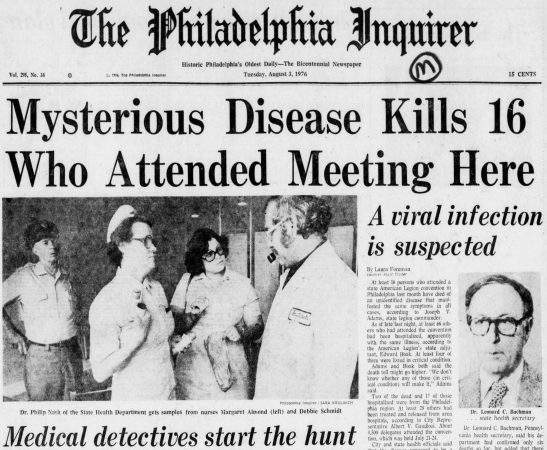
    As Philadelphia wallowed in self-pity over its seemingly botched Bicentennial celebrations 50 years ago, thousands of American Legion members arrived for a late July convention at the Bellevue-Stratford Hotel.

    Weeks later, dozens of them were dead from a mystery ailment, and scores of others were sickened. The victims, authorities said, returned home to develop respiratory infections that in some instances progressed to fatal cases of pneumonia.

    For more than half a year, local and federal health authorities were unable to determine what killed them, resulting in a web of fear, paranoia, and frustration that gripped not only Philadelphia, but also the nation at large.

    This was the infamous Legionnaires’ disease outbreak of 1976, perhaps the blackest of marks on Philadelphia’s record for the year. Today, the disease — known as legionellosis, caused by Legionella pneumophila bacteria — still crops up, most recently in a 50-building outbreak in Manhattan that has so far caused at least seven deaths.

    Philadelphia was not the last, or even the first, city to experience the disease. But that outbreak half a century ago is how it got its name. Here is how The Inquirer and Daily News covered it:

    https://www.newspapers.com/article/philadelphia-daily-news/202696263/

    Article from Aug 3, 1976 Philadelphia Daily News (Philadelphia, Pennsylvania) <!— –>

    The initial outbreak

    About 2,000 American Legion delegates came to town for a convention that ran from July 21 to 24, 1976, at the iconic Bellevue-Stratford Hotel. There were no signs of trouble during the convention, or for several days afterward.

    But by early August, about a week after the convention’s end, 14 Pennsylvania American Legion members were dead of an unclear illness, with their deaths involving “some type of respiratory problem,” reports from the time indicate. Roughly 50 others were reportedly hospitalized.

    Many of the initial victims were from Western Pennsylvania and had traveled to the city, though some Philadelphians were among the sick and dead. All had attended the American Legion convention the month before, officials said.

    https://www.newspapers.com/article/the-philadelphia-inquirer/202696881/

    Article from Jul 17, 1977 The Philadelphia Inquirer (Philadelphia, Pennsylvania) <!— –>

    As officials mounted an investigation that cost the state $25,000 a day, the death toll continued to increase. By mid-August, 29 people were dead and about 200 were sickened, reports indicate.

    The Centers for Disease Control said at the time that the outbreak was “without precedent” in the agency’s 30-year existence, and began conducting laboratory work to determine the cause.

    “We have not seen anything like this take place in such a short period of time,” said Jay Satz, chief virologist with the Pennsylvania Department of Health. “This is something to be quite concerned about.”

    https://www.newspapers.com/article/philadelphia-daily-news/202696483/

    Article from Aug 9, 1976 Philadelphia Daily News (Philadelphia, Pennsylvania) <!— –>

    Conspiracies reign

    Health officials largely expected the cause to be a then-long-awaited epidemic of swine flu, which had killed a soldier at Fort Dix in New Jersey earlier in the year, and focused much of the investigation on identifying that disease, reports indicate. Other possible causes, including toxins such as nickel carbonyl, were also considered.

    But public speculation about the cause, as well as how the disease arrived in the city, ran rampant. Or, as The Inquirer put it at one point, there were more people who had “their own ideas on what is causing the mysterious disease than there are Kennedy assassination conspiracy theories.”

    Inquirer readers wrongly blamed everything from pigeon droppings to contaminated ice. One person claimed the trash piling up on city streets, thanks to a municipal worker slowdown at the time, was the reason. Another contended shellfish was the cause, noting that “mostly men had been stricken because women don’t like shellfish.”

    Others believed the cause was more nefarious. Surely the disease had come from communists from Ecuador or Poland, who intentionally spread it to American Legion members. No, it was a sneak attack staged by the potentially disruptive activist groups Mayor Frank Rizzo had warned about.

    The American Legion, meanwhile, did not believe foul play was involved — nor did investigators, who said no evidence supported any of these theories. The truth, it seemed, was far less salacious.

    The Bellevue closes

    As worry over the illness wore on, the Bellevue-Stratford hotel itself also fell victim to the disease’s impacts, closing in November 1976.

    Though investigators avoided directly implicating the hotel early on, it suffered severe financial damage. Reservations collapsed into single-digit occupancy percentages, resulting in losses of up to $10,000 per day, reports from the time indicate. William G. Chadwick, the hotel’s vice president and general manager, said business had been devastated.

    https://www.newspapers.com/article/philadelphia-daily-news/202696555/

    Article from Nov 10, 1976 Philadelphia Daily News (Philadelphia, Pennsylvania) <!— –>

    “We have found it impossible any longer to withstand the economic impact of the worldwide adverse publicity which has been associated with the Legionnaires’ disease,” he said.

    By then, the Bellevue had operated for more than 70 years and was considered a jewel in the city’s hospitality crown. Its closure, Rizzo said, was a “great loss,” and he vowed the property would host a new, modern hotel to fill the gap. Today, it is a mixed-used development at 200 S. Broad St. that includes a hotel portion.

    Philadelphia’s Bicentennial tourist business also suffered, with several conventions canceling their bookings over fear of the illness, significantly affecting what was expected to be a banner year for visitors. Public perception erred on the side of avoiding the city, which some local officials tried to rebut.

    https://www.newspapers.com/article/philadelphia-daily-news/202696766/

    Article from Aug 19, 1976 Philadelphia Daily News (Philadelphia, Pennsylvania) <!— –>

    “We are still a safe city,” said Eugene Hosmer, director of the Philadelphia Convention and Visitors Bureau, noting the disease struck just as low civic self-esteem seemed to be fading. And then, “we’re hit with this.”

    Robert Jacob, manager of the Penn Center Inn and head of the Greater Philadelphia Hotel Association, put the illness’ impact more dramatically.

    “We’re being crucified,” he said.

    A break in the case

    Investigators searched for months for the disease’s cause to no avail, facing substantial criticism — including a congressional subcommittee hearing during which their efforts were labeled an “embarrassment,” according to reports from the time.

    But in January 1977, after tens of thousands of tests, investigators identified the culprit. The deadly Legionnaires’ disease, the CDC found, was caused not by a toxin or virus, but a bacterium. One so strange and unknown, lab workers and scientists had missed it for months.

    https://www.newspapers.com/article/the-philadelphia-inquirer/202696612/

    Article from Jul 17, 1977 The Philadelphia Inquirer (Philadelphia, Pennsylvania) <!— –>

    Credited with its discovery was Joseph McDade, then a CDC microbiologist in the agency’s leprosy and rickettsia laboratory. On a hunch after receiving a routine report, McDade reexamined slide samples and decided to look for unfamiliar microbe shapes. And he found them — and they appeared not only in samples from Philadelphia, but also in past unsolved outbreaks.

    The disease was found to be present in samples from a 1965 pneumonia outbreak at St. Elizabeth’s Hospital in Washington, in which 18 people died, and a 1968 one that sickened 144 people at a Pontiac, Mich., health department building. Additionally, the illness had struck a 1974 Independent Order of Odd Fellows convention in an outbreak that killed two people — also held at the Bellevue-Stratford.

    https://www.newspapers.com/article/the-philadelphia-inquirer/202696954/

    Article from Jul 17, 1977 The Philadelphia Inquirer (Philadelphia, Pennsylvania) <!— –>

    Investigators later determined the 1976 outbreak had been spread via airborne water mist from the hotel’s air-conditioning cooling towers. The towers allowed the bacteria to grow and be spread to convention attendees, as well as some individuals who had traveled near the hotel, investigators found.

    “We are dealing with a very real phenomenon which has been present in the past but has never been recognized,” said CDC director David Sencer in 1977. “We now know what to look for.”

  • Uninsured but undaunted, a surgical patient searched the globe for a deal

    Uninsured but undaunted, a surgical patient searched the globe for a deal

    Around the end of last year, Ronmel Rangel, 63, began to feel a familiar discomfort in his lower abdomen. Twenty-five years earlier, while living in his native Venezuela, he had undergone surgery to repair a hernia on the right side of his groin.

    Now, the same pain had returned — on the left.

    This time, Rangel was in the U.S. and lacked health insurance. In 2019, he moved to Portland, Maine, where one of his daughters lives.

    As a green-card holder, he qualified to purchase health insurance through the Affordable Care Act marketplace. But he quickly realized that the premiums for someone his age were beyond his budget. He decided to go without insurance, even though it had been a priority for him.

    Instead, Rangel signed up for a plan at a concierge practice where patients pay as little as $70 a month for services, including unlimited office visits and minor procedures such as stitches and biopsies.

    But when Rangel was diagnosed with a hernia, surgery became unavoidable. Ben Hagopian, his primary care physician, helped him compile a list of hospitals and surgical centers to consider. Rangel has a PhD in management, a field he pursued while serving in the navy in Venezuela. Armed with that knowledge and a naturally inquisitive mind, he began researching prices.

    His efforts paid off when the bill came.

    The medical service

    Rangel had what is called an inguinal hernia, which occurs when the contents of the abdomen bulge through a weak spot in the lower abdominal wall. The condition is relatively common, particularly among older adults.

    In most cases, surgery is required to fix the muscle wall and can be performed as an outpatient procedure. There are three main surgical approaches to repair an inguinal hernia: open, laparoscopic, and robot-assisted. Studies have shown that the three approaches have similarly low rates of hernia recurrence and are safe and effective.

    Rangel underwent an open repair, an approach often preferred by physicians for recurrent hernias. He said his operation lasted less than two hours, and he walked out of the surgical center shortly afterward.

    The bill

    $2,900: The flat rate Rangel ultimately paid for his hernia repair at an outpatient surgery center in Maryland, including the surgeon’s fee and anesthesia. He said he also paid around $1,800 to travel to the surgery center from his home in Maine, including airfare, meals, and lodging for him and his wife.

    The billing problem: No insurance — but time to shop

    Because Rangel did not have insurance, he had no protections from high costs — except time and his ability to shop for an acceptable price for his procedure.

    Rangel’s first stop was a nonprofit hospital close to home. He scheduled a consultation with a surgeon with MaineHealth, the state’s largest health system, and received an estimate showing it would cost approximately $23,000 to repair his hernia laparoscopically.

    Laparoscopic procedures generally cost more because surgeons use more advanced tools. Still, the average laparoscopic inguinal hernia repair costs nearly twice as much at a hospital as it does at an ambulatory surgery center for a patient covered by Medicare, which pays $5,280 for the hospital-based option.

    “I wasn’t going to mortgage my life just to have surgery and spend the next 30 years paying off the debt,” said Rangel, now 64.

    So, he kept shopping. He considered a surgical center in Oklahoma that was far cheaper, but he ultimately ruled it out because it was so far away. He also explored traveling to Universidad de los Andes in Santiago, Chile, where another of his daughters lives. There, his hernia repair would have cost about $7,000, but once he added thousands of dollars in travel expenses, that option no longer made financial sense.

    Gerard Anderson, a professor who analyzes healthcare spending at the Johns Hopkins Bloomberg School of Public Health, said patients without health insurance are often the ones hit hardest by wide price variations.

    A closer look at any hospital bill helps explain why. “Every hospital is different,” he said, “but generally about half of the total charge is the facility fee,” a charge added to hospital care to help cover overhead costs.

    Anderson said hospitals often mark up prices far more than smaller facilities do.

    Medical billing researchers say the price gap between hospitals and ambulatory surgery centers partially reflects the higher overhead costs of operating a hospital.

    Hagopian, Rangel’s physician, acknowledged that hospitals have higher administrative expenses. “But that doesn’t explain the high costs.”

    MaineHealth declined to comment to KFF Health News, directing questions about the hospital-based procedure’s cost to Jeffrey Austin, president of the Maine Hospital Association.

    Austin said that, unlike surgery centers, hospitals must absorb the costs of providing “money-losing” services, such as behavioral healthcare and care for Medicaid patients. He added that revenue generated by large hospitals in a health system supports other facilities, improving access to care.

    Hospital prices, which can vary widely, are also driven by negotiations with insurers and market concentration. For uninsured patients, those list prices can become the starting point for negotiations — or the full amount owed.

    Anderson noted that standardized payment rates exist for Medicare and Medicaid but not for most privately priced medical services. “In the private sector, providers can charge whatever they want.”

    The resolution

    Rangel has another daughter in Argentina, a son in Venezuela, and other family in Spain. But he decided to stop looking around the globe for a good price, because he finally found what he was looking for in Maryland.

    In April, he traveled to the Affordable Hernia Surgery center in Rockville, where he said “an efficient, well-coordinated system” guided him through the entire process.

    “I received professional and very human care,” Rangel said. He was fully recovered within two weeks, as his surgeon predicted, he said.

    The surgery center charged Rangel a flat fee for his hernia repair. The added travel expenses for the two-day trip with his wife went toward airline tickets, transportation, meals, and one night in a hotel.

    Rangel said he paid about $4,700 total.

    Alan Kravitz, the surgeon who performed Rangel’s operation, said the price difference uninsured patients face compared with insured patients is far from fair. “In the predatory and strategic world of U.S. healthcare pricing, uninsured patients generally get charged more than providers would accept from Medicare or commercial insurance.”

    Kravitz then pulled out an estimate another patient had received for an inguinal hernia repair from a different large health system. The price: $37,000.

    The takeaway

    Without insurance, many patients are on their own to negotiate.

    “With the help of their primary physicians, patients can dig into prices and compare their options to avoid falling into medical debt,” Rangel said.

    That approach, however, is most feasible for elective procedures with several surgical options offering comparable outcomes.

    Patients facing medical emergencies do not have the luxury of comparing prices before seeking care, though many hospitals offer cash-pay discounts or charity care for those paying without insurance.

    Billing analysts say patients who do have time to shop should look beyond cost alone. They recommend checking the quality of hospitals and surgical centers by reviewing publicly available ratings and patient reviews. Research has found that higher prices do not necessarily translate into a better quality of care, but it’s also important to select a reputable care provider.

    Comparison shopping for medical care can be time-consuming. But for patients facing elective procedures, the effort can pay off — sometimes saving thousands of dollars.

    “This was a learning experience for me,” Rangel said, “and I hope it will be for other people, too.”

    Bill of the Month is a crowdsourced investigation by KFF Health News and The Washington Post’s Well+Being that dissects and explains medical bills.

    KFF Health News is a national newsroom that produces in-depth journalism about health issues and is one of the core operating programs at KFF — the independent source for health policy research, polling, and journalism.

  • Quality Community Health Care’s financial troubles have deepened this summer

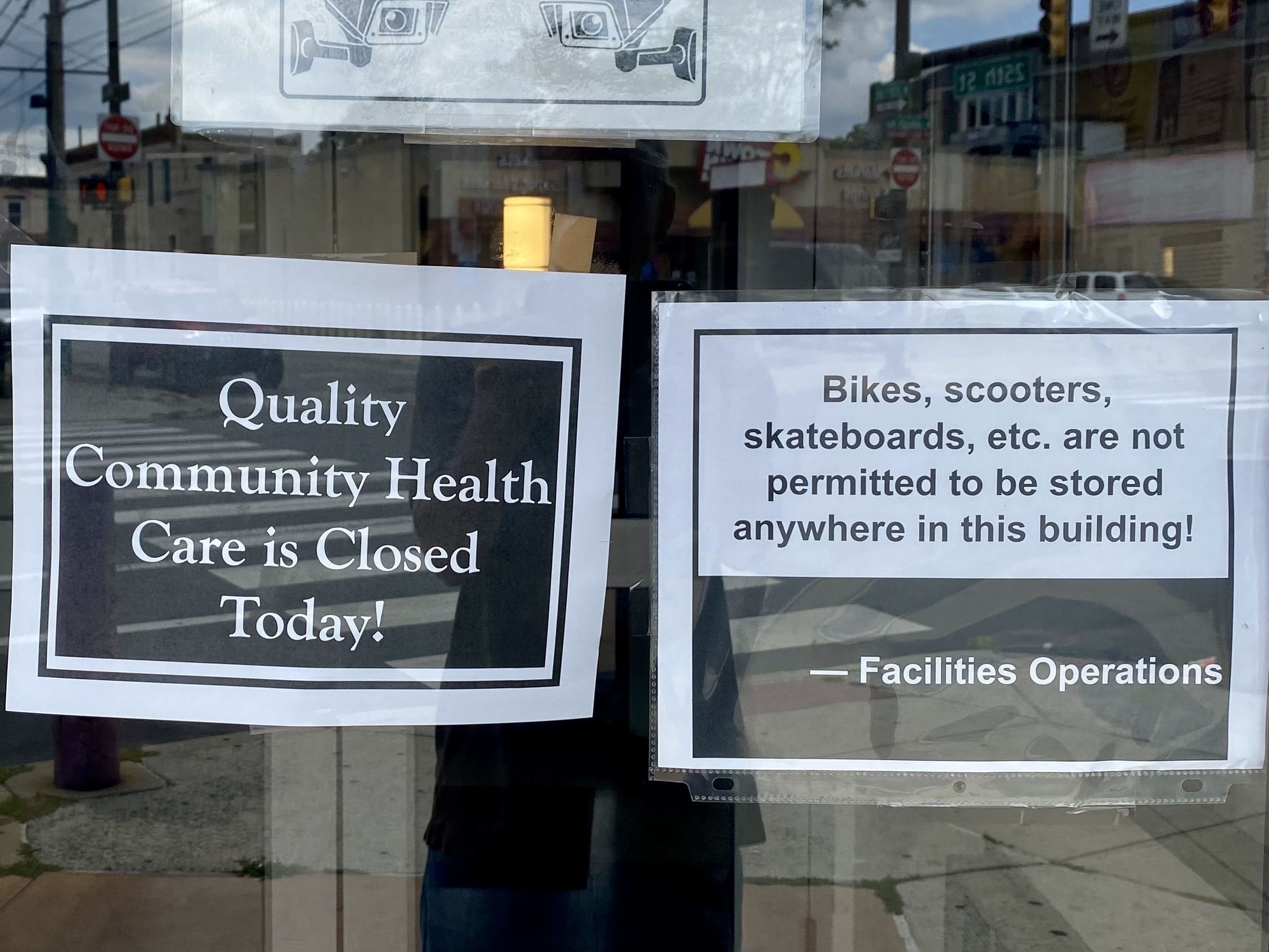
    When Pele Lewis arrived at Quality Community Health Care’s clinic in North Philadelphia Wednesday for his 1:30 p.m. appointment, he found the doors locked and a sign saying the clinic was “closed today.”

    Lewis was puzzled. “They called me this morning” with a reminder to come in, he said, as he stared at the door.

    The clinic, known as QCHC, was closed Thursday and Friday, as well, according to its phone message.

    “For many of our patients, QCHC is far more than a medical office,” its CEO, Helen Wilkinson, said in an email. “Members of our community are treated with dignity and respect regardless of their ability to pay.”

    She did not answer specific questions.

    The clinic at 2501 W. Lehigh Ave. began operating in 1981 under a federal program designed to provide medical and dental care in neighborhoods with few other options.

    Its troubles became public in the spring.

    After years of warnings from federal regulators that the clinic was delinquent on its audits, officials took the rare step in March of suspending it from the federally qualified health center program. At that time, audits for the years 2021 to 2024 were overdue. Now, the same is true for 2025. Typically such audits are due nine months after the fiscal year ends.

    Quality Community Health Care Inc., at 2501 W. Lehigh Ave. in North Philadelphia, was closed Wednesday. Management did not respond to emailed questions about the clinic’s status.Harold Brubaker / Staff

    A new audit

    In a small sign of progress, Quality Community Health Care last week posted an audit for the fiscal year that ended July 31, 2021, on a federal audit clearinghouse. Federal regulators had given a May 2 deadline to complete that audit or risk termination.

    The fiscal 2021 audit pointed to significant problems.

    “None of the data in it can be verified by the auditor,” said Steven Balsam, a professor of accounting at Temple University’s Fox School of Business.

    The auditor put it this way in the filing: “Because of inadequacies in QCHC’s accounting records, we were not able to obtain sufficient appropriate audit evidence for the amounts” stated in numerous categories of the financial statements.

    “I don’t know if just filing reports, if they look like this, is going to get them their funding back,” said Balsam, who reviewed the audit at The Inquirer’s request.

    The federal Health Resources and Services Administration, which regulates federally qualified health centers, has not responded to questions about QCHC since the suspension.

    Missed paychecks

    Some employees were not paid on July 10 and July 24, according to an email from the organization’s chief financial officer to staff Monday. This followed the organization not receiving the main federal funding for health centers, known as Section 330 grants, CFO Denise Ingram wrote.

    “QCHC is experiencing significant cash flow constraints following the suspension of 330 grant funding associated with the unresolved FY2021 audit submissions requirements,” Ingram wrote in the email obtained by The Inquirer.

    “QCHC remains committed to paying employees for all wages earned. Leadership continues to pursue funding, financing, and other lawful alternatives to address outstanding payroll obligations and restore normal operation,” the email said.

    Ingram did not respond to an emailed request for comment.

  • America’s biggest companies are burning cash on AI. It’s risky for everyone.

    America’s biggest companies are burning cash on AI. It’s risky for everyone.

    Over the past decade, the giants of Silicon Valley became reliable engines of the American economy and the nation’s retirement accounts.

    Must-have digital products like Google and Facebook hooked people and businesses, spewing geysers of cash that made tech giants the new blue chip stocks and fattened investment portfolios as markets soared.

    The finances of America’s technology stalwarts now look very different. To develop and deliver what the companies say is revolutionary artificial intelligence, they’re feeding every available dollar into the cash-incinerating maw of AI machines. Tech superstars that once had oodles of cash left over at the end of each year are now flipping into the red, with enormous stakes for every American and the wider economy.

    To optimists in Silicon Valley, the White House, and beyond, the big AI bet promises an even bigger payoff: huge corporate profits and a societywide boost to wealth and well-being when AI delivers the promised transformation of life, work, and the economy.

    But questions about that AI vision are now growing more urgent: When, if ever, will this payoff arrive? And what will the fallout be for Americans if the titanic investment doesn’t quickly deliver?

    “This AI thing better work out because if it doesn’t … we’re going to have a problem,” said Torsten Slok, chief economist at investment firm Apollo Global Management.

    AI costs and doubts are spreading. The U.S. stock market has swooned this summer over fear of the AI bubble going bust. The AI boom is pushing up inflation, adding to President Donald Trump’s challenges in tackling Americans’ affordability concerns. And there are signs that AI may be widening the economic divide between the country’s haves and have-nots by directing more wealth toward places and people that are already economically ahead.

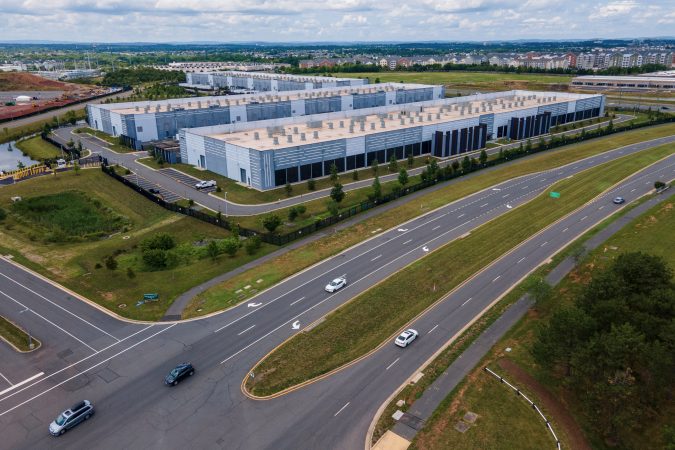
    The AI gamble sweeping up American fortunes is led by tech companies splurging on hulking data centers packed with computer chips and equipment needed to develop sophisticated AI models and deliver them to customers.

    In investor calls in the past week, Google, Microsoft, Meta, and Amazon pointed to soaring AI-related sales and business deals. Advertisers are using the technology to tailor marketing pitches and corporations and startups are buying access to chatbots and other AI software to boost productivity. The wider U.S. economy, including construction workers and electricians, are getting a lift from the build-out of AI computer hubs.

    But this spending can only continue if AI generates an even larger avalanche of new revenue to pay for it all. Financial results released over the past week show that the AI titans’ mammoth costs are largely swamping the sales boost from the technology.

    At Google, for every dollar of cash its business generated in the past three months, $1.15 went out the door to pay for AI computer chips and equipment, land for AI data centers, and other big-ticket purchases. The company is covering the difference partly by borrowing money and selling more of its stock.

    Next year, five leading AI companies — Google, Amazon, Microsoft, Meta and Oracle — are projected to have negative free cash flow, which measures the cash left over after paying expenses and AI infrastructure costs. The figures, based on investment analyst projections compiled by S&P Global Market Intelligence, show a stunning reversal for what have been some of the world’s most cash-generating corporations.

    On Thursday, Amazon CEO Andy Jassy gave an impassioned defense of the company’s huge spending to capitalize on what he said was sustained zeal from businesses to buy AI. “We have clear line of sight to strong financial returns,” he told investors. (Amazon Executive Chairman Jeff Bezos owns The Washington Post.)

    The companies remain profitable by standard financial accounting measures that spread out the costs of their AI infrastructure spending over many years.

    Silicon Valley’s AI spending spree has become a high-stakes Rorschach test. AI boosters see the mammoth costs of building out computing facilities for AI as a rational, once-in-a-lifetime opportunity to cash in on insatiable demand for history’s most transformative technology. Pessimists see a bet so gargantuan that it cannot possibly pay off.

    The pessimists are growing louder. The Bank for International Settlements, a typically measured institution in Switzerland that advises government bankers around the world, recently warned there was risk of “economywide recessions” if the AI boom falters. That could mean pain for workers and communities across the United States.

    “I’m not saying AI is going to go away, it’s just not clear to me these guys are going to make money on it,” said Christopher Wood, global head of equity strategy at investment bank Jefferies who has correctly predicted past financial bubbles.

    As recently as June 2, exuberance about AI helped lift the S&P 500 stock index to an all-time high. But fear is now winning in what’s become an AI freak-out summer. People who own stock in the biggest losers of recent months, including Elon Musk’s Tesla and SpaceX, business software firm Oracle and computer chip titans Nvidia and SK Hynix, have collectively lost trillions of dollars.

    Matt Orton, chief market strategist of investment firm Raymond James, says the panic is out of control because AI has huge potential. “A lot of investors have lost their minds,” he said.

    At the same time AI is eviscerating Americans’ stock wealth, it’s further straining their cost of living.

    Many executives are lamenting that the companies developing AI are buying so many computer chips for AI calculations that it’s gobbling all the available supplies and driving up their costs. As a result, companies including Apple and Microsoft have raised prices for smartphones, laptops, video game consoles, and other consumer and business products.

    In some parts of the country including the mid-Atlantic, energy demand from data centers is pushing up household electric bills. Some economists and government officials have pointed to those AI-related price increases as one culprit for persistently stubborn inflation.

    NCTA, a trade association representing large internet service providers and cable TV companies, is among the American business groups pleading with the Trump administration to do something about AI-related computer chip price increases.

    Without action, executives say that AI will hold back new products and features or spark even higher prices for home internet equipment, cars, and medical devices. “Consumers are really going to suffer both from costs and from lack of innovation,” said Cory Gardner, CEO of NCTA.

    White House spokesman Kush Desai said that the Trump administration is supporting U.S. computer chip manufacturing to “ensure Americans have access to a ready supply of critical inputs for everyday electronics.”

    Evidence is also emerging that undermines the idea that AI can become a great equalizer that empowers people and businesses of all backgrounds to better their financial circumstances.

    Research by Barbara Denham, lead economist at research and consulting firm Oxford Economics, found that large U.S. metropolitan areas that are already economic winners are benefiting the most from the AI boom.

    Denham said that’s because many of the tech companies developing AI, and the white-collar industries that have been the most avid users of AI, are concentrated in wealthy regions including the Bay Area, New York, Seattle, and Washington, D.C.

    The economic gains of the AI boom are “self-reinforcing,” she said.

    Dan Gallagher contributed to this report.

  • Over a decade removed from her Little League World Series moment, Mo’ne Davis is poised to make history again

    Over a decade removed from her Little League World Series moment, Mo’ne Davis is poised to make history again

    When Mo’ne Davis heard that there was going to be a professional women’s baseball league, she couldn’t believe it.

    “I thought it was fake at first,” Davis said. “I just thought it was a fan’s idea of wanting to see a women’s baseball league.”

    Then she saw Kelsie Whitmore (the first woman to play in a MLB partner league) sign on as a player and former baseball and softball standout Alex Hugo sign on as an adviser and thought, “OK, this might actually be a thing.” After confirming that the Women’s Pro Baseball League was actually happening and being encouraged to think about it, the Philadelphia native and Springside Chestnut Hill Academy graduate joined the 600-plus women trying out August 2025 to be considered for the draft that fall. From there, she was drafted 10th overall by the Los Angeles Queens.

    Now preparing for the sold-out opening day on Saturday in Springfield, Ill., Davis, a center fielder, is ready to pave the way for what she hopes is years of pro women’s baseball to come.

    The league currently has four teams: the Los Angeles Queens, the Boston Hunters, the New York Heights, and the San Francisco Firebells. The season consists of 30 games, running through Sept. 6, followed by two weeks of playoffs to determine the inaugural champion. Players from 11 countries and territories ranging from ages 18-40 are ready to take the field at Robin Roberts Stadium in Springfield, which will host every game this season.

    Though the league is all-new, the players share a love for a sport that often lacked opportunities for women.

    Davis has been a pioneer in the sport since her legendary Little League World Series game in 2014, when, with the Taney Dragons, she became the first girl to win and pitch a shutout. More recently, she took her skills to Banana Ball with the Indianapolis Clowns, where she’s spent the summer throwing trick pitches and dancing on the field, and she’s ready to bring what she’s learned to the WPBL.

    “In Banana Ball, we’re so used to just keeping people entertained,” Davis said. “But it’s all the same sport, and, at the end of the day, it’s all about still being able to have fun.”

    There has been growing interest in women’s baseball. MLB hosts annual girls’ baseball training camps, such as the Trailblazer Series and the Elite Development Invitational, that are growing in numbers every year.

    Davis says it’s important to remember that as the sport grows, they are following in the footsteps of the All-American Girls Professional Baseball League, which ran from 1943 to 1954.

    One of the AAGPBL players was Jeneane “Lefty” DesCombes Lesko, who pitched for the Grand Rapids Chicks in 1953 and 1954. Like many of the women in the WPBL, DesCombes grew up learning baseball and loving the game without many opportunities to play. Now 91 years old, she is cautiously optimistic about the future of the sport.

    “I’m just really anxious to see how many people actually attend,” Lesko said.

    Lesko and Davis want to see more publicity for the WPBL and its players. Davis believes that having the games in a central location will help build a community around the sport, and that the Queens can become a “fan favorite” by showing off their personalities on the field and on social media.

    “I think that’s the biggest thing, is having someone relate to you that can allow this to grow and want more people to watch because they’re like, ‘Oh my God, that person — I agree with what they’re saying, I agree with their lifestyle,’ whatever the case may be.” Davis said.

    Mo’ne Davis believes her team, the Los Angeles Queens, can become a “fan favorite.”Women's Pro Baseball League

    Lesko also emphasized the importance of supporting young girls in baseball to continue to propel interest and opportunities at the professional level.

    “My real dream has always been that every girl has the opportunity to play baseball, that they have that option,” Lesko said. “We haven’t even begun to tip the iceberg to really concentrate on finding all these girls who were brought up that way and can play baseball.”

    It’s been over 70 years since the nation has had a professional women’s baseball league, but Lesko and Davis show that there are great opportunities for girls and women in the sport.

    “When you finish and you’ve done the very best you could in sports — just like the men, you have friends forever.” Lesko said, reflecting on her pro career. “It’s been the greatest thing in my life, actually. I have a family, and I have another family, and that’s the baseball family.”

  • Brenden Aaronson looks back at the World Cup, and ahead to his future with the USMNT and Leeds United

    Brenden Aaronson looks back at the World Cup, and ahead to his future with the USMNT and Leeds United

    MORRISTOWN, N.J. — Though the World Cup only just reached the rearview mirror, the soccer world is already speeding toward the new European club season.

    Brenden Aaronson is proof.

    After taking the three-week break that FIFA’s rules allow for players after major tournaments, the Medford native returned to work at his club, Leeds United of the English Premier League, on Monday. Conveniently, that was right as his teammates arrived in North Jersey amid Leeds’ first preseason tour of the U.S. in nearly 30 years.

    “Just great to get home, spend some time in Jersey,” he told The Inquirer. “I just needed to just get home and see family. I hadn’t been home since last September. That’s been probably the longest time I’ve been away from home.”

    Leeds fell to Wrexham of the second-tier Championship last Saturday in Tampa, 3-2, then beat fellow Premier League club Sunderland 1-0 on Thursday in Harrison, N.J. The finale is Sunday against powerhouse Liverpool in Chicago (4 p.m., ESPN Deportes), the same day Wrexham and Sunderland meet at Subaru Park (noon, ESPN).

    Alas, Aaronson wasn’t in the game squad Thursday, as much as he wanted to play being close to home. He had a lot of friends and family in attendance, and a busload of fans from the Leeds supporters’ group in Philadelphia made the trip. (Their viewing parties at the Black Taxi in Fairmount are lively occasions.)

    But if his absence disappointed the box office, it wasn’t too surprising since he’d only just returned. No one begrudged him the time to rest, having gone just about nonstop since the last preseason started.

    Not for nothing, too, he was also able to finally enjoy being a husband after his whirlwind wedding that briefly took him out of U.S. camp in late May.

    That was just one early turn in a roller-coaster ride through the World Cup.

    Brenden Aaronson (left) in action during the U.S.-Turkey group stage game, the only game of the World Cup he played in.Gregory Bull

    There were so many good moments, with three wins that brought unprecedented attention to the U.S. team and the sport. Then there was the sour ending of the crashout to Belgium and the scandal around Folarin Balogun’s red card.

    ‘An opportunity lost’

    As he looked back, Aaronson started by saying “I think we have to be proud of what we did,” before turning to the rest.

    “It’s a shame that our worst game was in the round of 16,” he said. “I don’t think that we were at our best that game — I don’t think it’s anything to blame this or that, I just think we weren’t at our best. And sometimes you have to put your hands up, because they were also very good on the day, Belgium.”

    He added that “it did feel like an opportunity lost” for a group of players who “felt very, very confident” heading into the biggest game of their lives.

    A dejected Matt Freese (right) amid Belgium players celebrating one of their goals against the U.S.Ted S. Warren

    “I felt like we knew what we could do and what we could have accomplished, and we knew we could have went farther in the tournament,” Aaronson said. “So I think that’s the thing that hurt the most. … It’s not fun when you lose that type of game, but also, I think we were upset with the way that we played, too.”

    The emotions were particularly strong around U.S. centerback and captain Tim Ream, whom Aaronson said “was really upset after the game, knowing that maybe this [was] his last one — it was difficult to see.”

    There was never any doubt about how the Balogun scandal affected Belgium’s team, especially President Donald Trump’s intervention with FIFA president Gianni Infantino to get Balogun reinstated. But there hasn’t been too much clarity about how it all affected U.S. players.

    In mid-July, Balogun told CBS This Morning that “I could almost see within my teammates a bit of nerves.” Not long after that, Ream spoke on ESPN’s First Take and said “I don’t think it affected the group.”

    Folarin Balogun’s reinstatement might have ended up hurting the U.S. against Belgium more than it helped.Ted S. Warren

    Aaronson came down on the latter side.

    “I wouldn’t say it affected us,” he said. “I think we did a good job the whole time of kind of just staying in our little bubble and not really paying attention to the outside noise. We know in those moments, of course there’s media, it’s the World Cup, everybody’s going to be talking and stuff like this. But I didn’t really think much of it, to be honest, myself.”

    He didn’t hesitate to add, though, “that it gave [Belgium] maybe a little more fire under their belly.”

    On to a new season

    As the next World Cup cycle begins, it’s natural that some players will move on, and newcomers will be welcomed. That’s likely to start in the fall, when the new FIFA calendar takes effect with a four-game national team window from Sept. 18-Oct. 3. And it will be no surprise if some of the players who’ve succeeded Aaronson at the Union get invitations, such as Cavan Sullivan, Frankie Westfield, and perhaps Quinn Sullivan too.

    A lot of U.S. fans want to see Union midfielder Cavan Sullivan (left) get a shot with the senior team this fall.Yong Kim / Staff Photographer

    “There’s a time period where you can test things out and try things,” Aaronson said. “So it’ll be interesting to see what goes on the next four years, but I’m excited for it. I think it’s an exciting time for the national team, and we need to keep getting better and better.”

    Aaronson hasn’t gotten a ton of playing time from Mauricio Pochettino, who from all indications seems headed toward a new four-year contract as U.S. manager. But it’s hard to believe that a 25-year-old who plays regularly in the Premier League, the world’s top domestic circuit, will be cast off entirely.

    He certainly intends to do his part to stay on the radar.

    “My aspiration, of course, is to play every game for the club, be a big player at the club and score goals and get assists, and then ultimately transfer that to the national team,” he said. “I want to play every game for the national team — I think that’s what everybody wants to do. That’s just been my aspiration, my goals. I’ve always been hungry like that.”

    Brenden Aaronson (right) signing autographs for fans during the U.S. team’s World Cup training camp.Jonathan Tannenawld

    And he was pleased by the news that Pochettino is likely to return.

    “I think it’s something that we can continue to grow on,” Aaronson said. “I mean, he’s coached the best players in the world [over his career]. Being able to study under him and learn from him is massive for me.”

    This will be Aaronson’s fourth season at Leeds, one of England’s most passionately supported clubs, and his third in the Premier League. As with last year, when the Peacocks returned to the top flight, the first goal is to stay up. But now Leeds can aim a little higher, with new signings bankrolled by an ownership group tied to the NFL’s San Francisco 49ers.

    “I swear, Leeds fans are everywhere,” Aaronson said. “It’s got such a big fan base, and it will continue to grow. Because what we want to do is put this club in the right spot, and that’s being in the top of the Premier League. So that’s the goal.”

    Brenden Aaronson at work during one of Leeds’ practice sessions leading up to Thursday’s game in North Jersey.Jonathan Tannenwald

    He has his share of critics in England, largely for the same reason he has them over here: for all his industrious work on the field, he’s an attacking midfielder who doesn’t score a lot of goals. But Leeds manager Daniel Farke has been one of Aaronson’s biggest backers, and intends to stay that way.

    “The task is more or less keep going exactly in the same way and develop exactly in the same way that he’s done since I’ve really worked with him,” Farke said. “I’m pleased for him that he was called up to the U.S. team — didn’t play perhaps as many minutes as he was hoping for, but he’s also a player full of potential, and he’s still in an age where he can develop and hopefully make the next steps. He is, in addition to that, also a great human being, and it’s a pleasure to work with him.”

    Forward Lukas Nmecha, who scored the winner Thursday, also gave a nice endorsement.

    “Firstly, on a personal level, he’s a lovely guy, works really hard,” he said. “On the football side, I think we all know what he brings. He’s very active in the game, he runs a lot, he creates a lot, and he’s just a good guy to have around.”

  • What’s it like to be a player in the ‘Welcome to Wrexham’ fishbowl?

    What’s it like to be a player in the ‘Welcome to Wrexham’ fishbowl?

    If you watch the popular “Welcome to Wrexham” TV show, you might think you’ve gotten to know the Welsh soccer team’s players. And if you’re in Philadelphia, local favorite Rob Mac’s role as part-owner offers another reason to watch.

    But the scenes that unfold are real life, with real players in a real English soccer league. They actually live through everything others watch from their couches.

    That will happen again Sunday, albeit in exhibition form, when Wrexham plays Sunderland of the Premier League at Subaru Park (noon, ESPN). It’s Wrexham’s second visit to Mac’s hometown, three years after the first included a friendly against the Union’s reserves.

    What’s life in the fishbowl actually like? Centerback Max Cleworth knows better than most. Though he’s just 23, he has been with Wrexham since his youth days and has been with the first team since 2019 — a span in which the Red Dragons have earned historic promotions from the fifth-tier National League to the second-tier Championship.

    Max Cleworth celebrates with teammates and fans after Wrexham earned promotion from England’s third-tier League One to the second-tier Championship in 2025.Jon Super

    “It’s been pretty surreal, to be fair,” Cleworth told The Inquirer. “When I first heard of it, it was probably just over six years ago now, it was a bit like I didn’t believe it, wasn’t sure. And then, obviously, the cameras come in, and I remember the lads at the time were a bit unsure of the whole thing.”

    American sports fans are accustomed to behind-the-scenes shows, such as NFL Films’ famed Hard Knocks series. There are countless others these days, including in American soccer.

    But they are rarer abroad. Locker rooms traditionally aren’t open to the media in the world’s game the way they are in many U.S. sports (including MLS), and that’s especially true in Europe. So it took some convincing to make this show happen.

    These days, Cleworth said, Wrexham’s players are used to having cameras around all the time.

    A mural advertising the “Welcome to Wrexham” TV show on the wall of a house in the Welsh city in 2024.Jon Super

    “At first it was a bit strange, especially because of the level we were at — it’s [the] National League, not much coverage of that sort of league at all,” he said. “It’s gotten better over the years, but it was really a small amount of coverage. And then as you go up the leagues, the cameras become more and more, and the publicity becomes even bigger. So it’s something I’ve gotten used to, certainly, and something I’ve quite enjoyed, to be fair.”

    This season will be Wrexham’s second straight in the Championship, a level they hadn’t previously reached since 2004. Last year, they finished a remarkable seventh in the 24-team standings, just two points short of the playoffs for promotion to the Premier League.

    “I think we surprised a few people coming into last year,” Cleworth said. “The people we signed, the squad we had, we knew we’d always have a good chance, and the success we’ve had, we had that momentum that we just wanted to keep pushing and we knew how high we could finish. Obviously, everyone was a bit down after the last game of the season, but that’s past us now, and I think we’re certainly looking to be up near the top again going into this season.”

    It’s a wild rise for sure, even though cynics have pointed at the big sums of money (and, of course, publicity) offered by Mac, fellow celebrity co-owner Ryan Reynolds, and the sponsors they’ve attracted.

    Rob Mac (center) waving to fans at a Wrexham game in 2025.Getty Images

    This has led to a lot of roster turnover along the way, though that isn’t as much of a surprise. No one would expect too many fifth-tier players to be as good many levels higher.

    So it’s a compliment to Cleworth that he has made it all the way. He played 45 games last season, chipping in three goals along with his defensive work.

    “There’s been kind of an unwritten policy here that the gaffer only signs good people first,” he said, using England’s slang term for manager in referring to Phil Parkinson. “So, in that sense, it’s made easier because I’ve never had to share the changing room with what would be considered a bad lad or anything. … I’ve just tried to work hard every day and see it as a challenge to stay within a big part of the group, and I’d like to think I’ve done that over the last few years.”

    As for Mac and Reynolds, Cleworth said he has met them “a lot of times,” including at parties to celebrate promotions.

    Rob Mac (front) and Ryan Reynolds embrace after Wrexham scored a goal during an FA Cup home game against traditional Premier League power Chelsea in March.Nick Potts

    “They have the fame that comes with them, but they’re two really down-to-earth and humble people that do anything they can to help not only us as individuals, but as a collective,” he said. “I have a really good relationship with both of them, and am looking forward to seeing them.”

    And yes, he knows about Mac’s rabid Eagles fandom.

    “He hasn’t complained too much to me, to be fair,” Cleworth said. “I know a bit about the NBA — my NFL knowledge is a bit worse.”

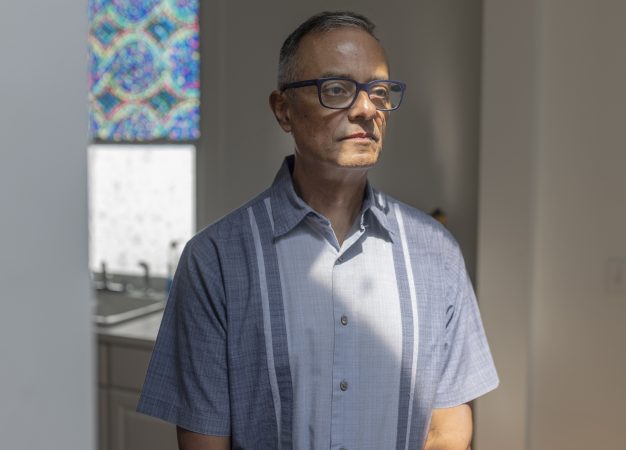
  • The U.S. faces financial losses as the Trump administration ends temporary protections for thousands of immigrants

    The U.S. faces financial losses as the Trump administration ends temporary protections for thousands of immigrants

    The government protection that allows more than a million immigrants to live and work in the U.S. because it is unsafe for them to go home expired last month for people from Syria and Haiti.

    It is set to conclude for more than 170,000 people from El Salvador in September, and in October 100,000 from Ukraine could face the same termination of temporary protected status (TPS).

    The Trump administration promises to deport those who lose legal status ― a fate advocates say is guaranteed to hurt immigrant families that include spouses and children who are American citizens.

    But immigration researchers and organizations say that immigrants will not be the only ones hurt, that the rest of the U.S. will pay a big financial price ― in lost taxes, wages, spending, and services, as large numbers of workers and dollars exit the U.S. economy.

    The nation’s 1.3 million TPS-holders work at higher proportions than the country as a whole, pay billions of dollars each year in federal and local taxes, and contribute to the solvency of a Social Security system from which they are unlikely to ever draw benefits.

    “Even if you don’t care anything about immigration in this country, removing this many highly productive workers from the economy is going to hurt Americans in their pocketbooks,” said Rebecca Shi, executive director of the American Business Immigration Coalition, a Chicago-based, bipartisan network of companies and CEOs. “Americans are going to get hit, in terms of inflation, in healthcare, in housing.”

    Many TPS-holders work in critical jobs and industries. They are the people who build homes, keep restaurants running, fix plumbing and wiring, and, particularly in the case of Haitians, care for the ill and elderly.

    “If you access our healthcare system in any way, shape, or form, particularly elderly care or senior care, you’re going to feel it,” said Anuj Gupta, president and CEO of the Welcoming Center in Philadelphia, “Whether it’s shortage of staff at facilities, whether it’s longer wait times to get in for the appointment that you need. … And if we start going down the road of Salvadorians, Ukrainians, Venezuelans, all having their TPS removed, then those kinds of day-to-day impacts will be more profound.”

    (function(){function e(){window.addEventListener(`message`,function(e){if(e.data[`datawrapper-height`]!==void 0){var t=document.querySelectorAll(`iframe`);for(var n in e.data[`datawrapper-height`])for(var r=0,i;i=t[r];r++)if(i.contentWindow===e.source){var a=e.data[`datawrapper-height`][n]+`px`;i.style.height=a}}})}e()})();

    TPS-holders live in every state. Florida is home to the largest number, about 404,000, followed by Texas and New York. New Jersey ranks seventh, with 43,360, and Pennsylvania 14th, with 23,770, according to the National Immigration Forum.

    “Certain states are just going to get obliterated by this,” said Jeff Hornstein, executive director of the Economy League of Greater Philadelphia, a regional policy and research organization.

    The Philadelphia region will get hit, too. The league examined four countries where designations are ending or at risk ― El Salvador, Ukraine, Syria, and Haiti.

    In the local area, between 4,100 and 6,100 workers from those countries depend on TPS, and as many as 4,600 could lose legal employment authorization, the league said.

    In the city, those TPS workers bring home $36 million to $76 million in annual salaries and pay $1.5 million to $3 million in wage tax.

    The most affected local sectors are predicted to be construction, building cleaning and landscaping, trucking and warehousing, manufacturing, restaurants, and retail.

    The league’s Saloni Tandon, who directs research and analytics, said area residents may notice changes in everyday life, such as the cleanliness of offices and buildings, and the speed of delivery for goods.

    “Because our minimum wage is so low, there are fewer workers coming into the region,” she said. “So it’s going to get very tricky and very stressful to compensate for that.”

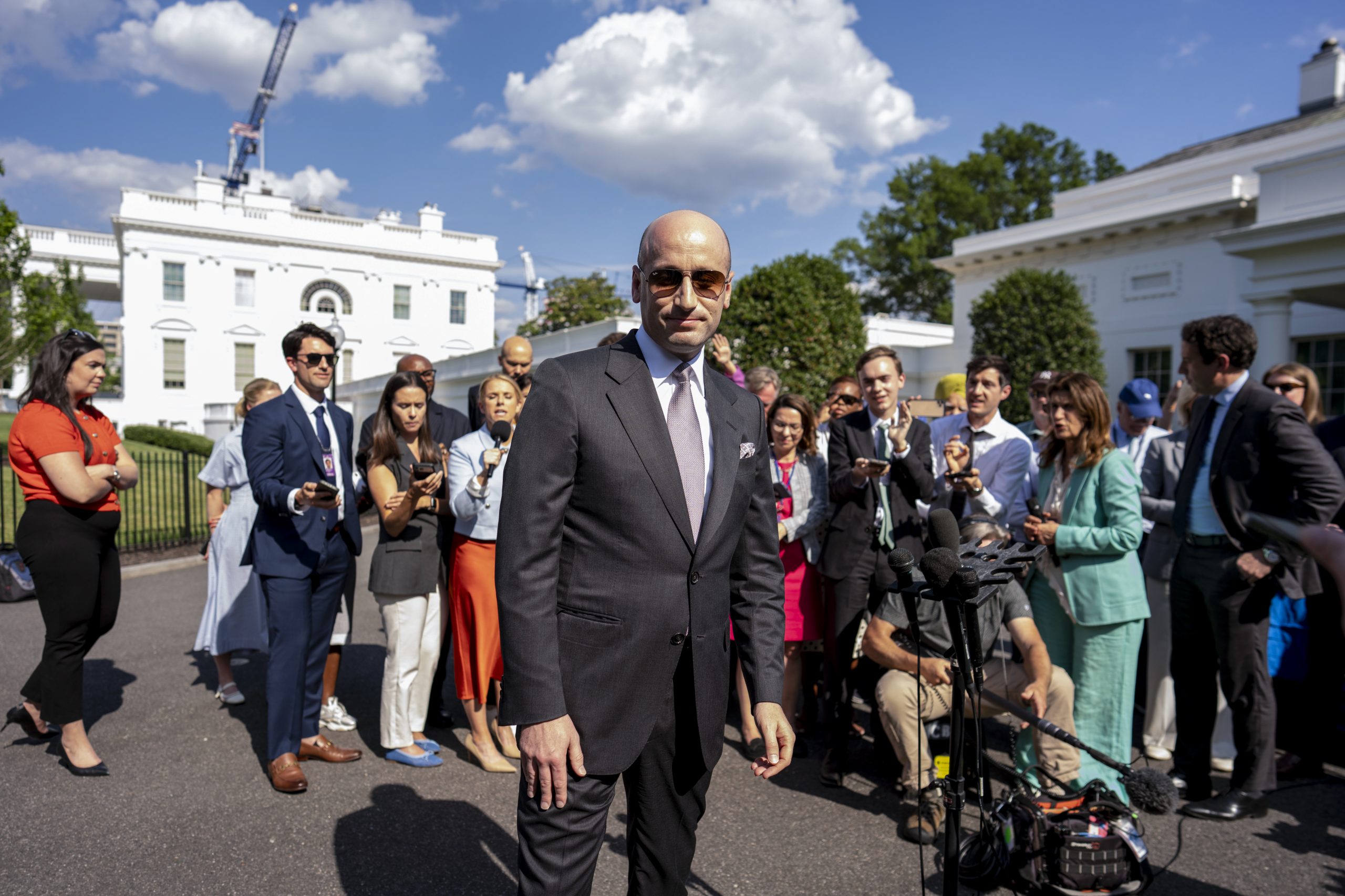
    Stephen Miller, a key White House advisor, speaks to reporters outside the White House after the Supreme Court ruling on June 25. He called Supreme Court’s ruling on TPS “a victory 10 years in the making.”DOUG MILLS

    The American Business Immigration Coalition notes that while the U.S. has only 4% of the world population, it produces 25% of all gross national product and captures 65% of global stock market value. That is tied to the strength of the economy, which depends on the growth and productivity of the workforce.

    With birth rates falling below replacement levels and a shrinking pool of domestic labor, the coalition said, the United States must embrace a robust legal immigration system to ensure sustained economic growth.

    That has become harder for people here under TPS.

    In June, the Supreme Court ruled that the Trump administration could terminate temporary protected status for countries like Haiti and Syria, putting more than 350,000 people from those lands at immediate risk of deportation.

    More broadly, the ruling appears to make Department of Homeland Security decisions about TPS unreviewable by lower courts, creating deep uncertainty for the future.

    Homeland Security says TPS has officially ended for Haiti and Syria, even though cases involving stays and constitutional issues are technically alive in lower courts. The Supreme Court decision started the process for an implementation order that typically takes 32 days. Once TPS ends for individual countries, holders revert to their previous immigration status, meaning those who have no other protection will be subject to arrest and deportation.

    The Trump administration has made a goal of ending TPS, insisting that “temporary” means temporary. It’s unclear if the administration may let TPS designations end on their staggered schedules or attempt to conclude the status for all holders at once.

    Work authorizations for Haitians expired on Monday.

    They face a forced return to a country crippled by natural disasters, governmental collapse, and ongoing gang violence.

    The U.S. government warns Americans not to go to Haiti, issuing its highest “Do Not Travel” advisory. The United Nations estimates that 90% of Port-au-Prince, the capital and largest city, is controlled by criminal gangs, the violence having left thousands dead and displaced more than 1.4 million people.

    White House adviser Stephen Miller told reporters after the court ruling that it was safe for Haitians to return, saying it would be “crazy to say that Haitians couldn’t live in Haiti.”

    Asked if people who lose TPS would be deported, he answered: “Of course. If you no longer have status in this country, then you’re supposed to be deported.”

    CBS News reported last Sunday that U.S. Immigration and Customs Enforcement is preparing a operation to quickly arrest and deport Haitians — including those in Ohio, where Trump falsely accused migrants in Springfield of eating cats and dogs.

    The Haitian Bridge Alliance, a California-based advocacy organization, warns against “one of the largest family separation events in modern-day history,” as TPS-holders live with an estimated 390,000 American-citizen children and 410,000 citizen adults.

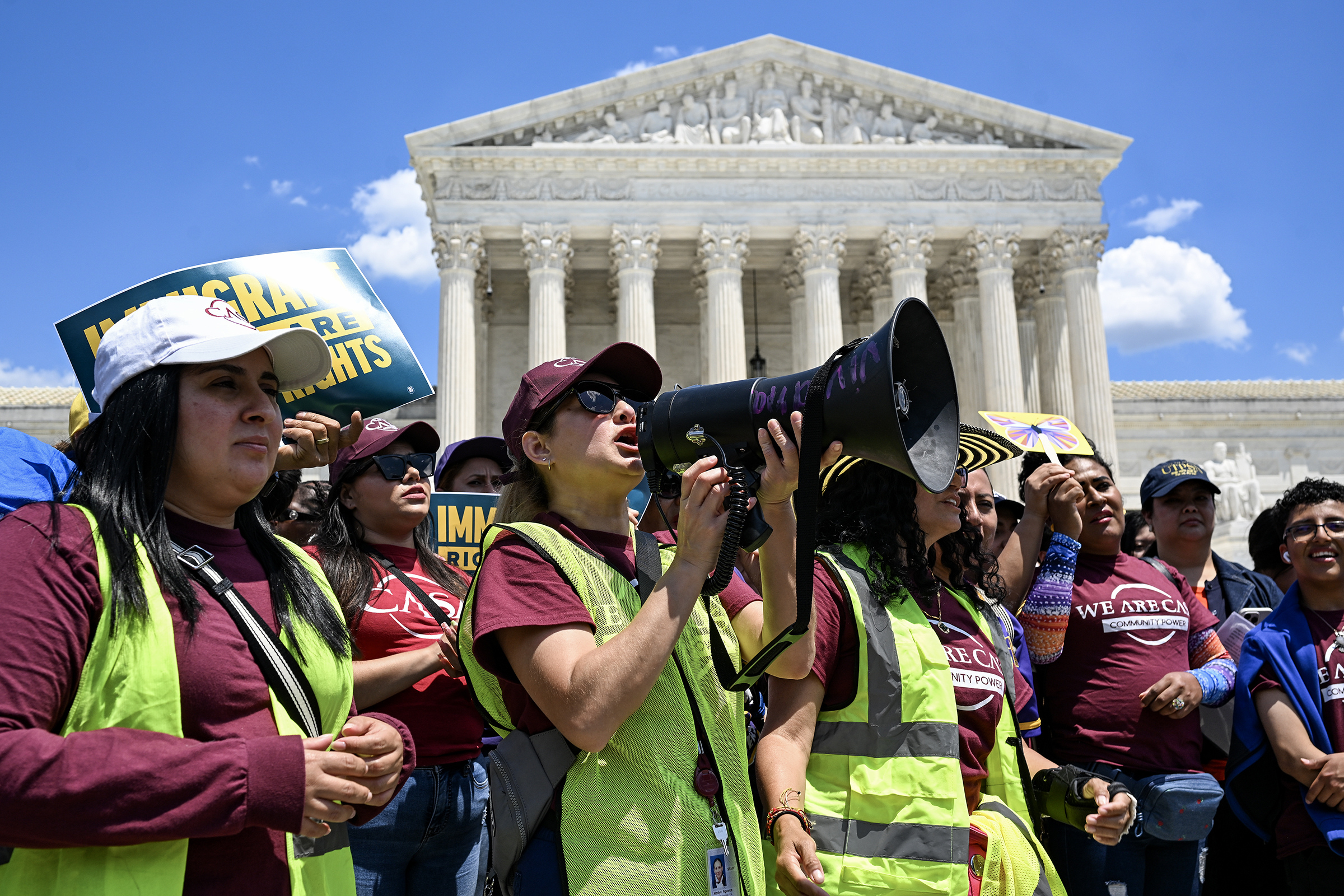
    Demonstrators protest outside the U.S. Supreme Court after the court issued a 6-3 ruling that significantly impacts the future of Temporary Protected Status, a U.S. immigration program established by Congress in 1990.KENNY HOLSTON

    Immigrant allies are planning a rally for Haitians in Philadelphia on Thursday.

    TPS is a humanitarian status that the U.S. can grant to foreign nationals whose countries are embroiled in war, environmental disasters, epidemics, or other extraordinary circumstances. It provides work authorization and protection from removal, but no path to permanent residency or citizenship.

    People with TPS participate in the labor force at a rate of 85%, well above the overall U.S. rate of 63%, according to a new policy briefing from FWD.us, a bipartisan advocate for immigration and criminal justice reform.

    About one-third of TPS households own homes and pay mortgages.

    Each year, people with TPS pay about $7.8 billion in federal, payroll, state, and local taxes, and contribute $690 million to Social Security, FWD.us said.

    Haitian TPS-holders pay close to a billion dollars in taxes annually, according to the American Immigration Council.

    They compose a disproportionate share of nursing aides and long-term-care assistants, and any removal is expected to hurt nursing homes and assisted-living facilities that already face a shortage of workers.

    “In Ohio, Florida, and Pennsylvania, businesses will lose workers, the elderly will lose caretakers, and families will be separated,” said Vanessa Cárdenas, executive director of America’s Voice, a Washington-based advocacy organization.

    The pro-business U.S. Chamber of Commerce has urged the Senate to pass legislation that would extend protections for Haiti, in order “to prevent significant disruption to America’s workforce and avoid an unnecessary humanitarian crisis.”

    The chamber knows TPS was never intended to be permanent, it wrote in a letter to Senate leadership, but the reality is hundreds of thousands of Haitian nationals have lived and worked lawfully in the U.S., “contributing to communities and filling critical positions throughout the American economy.”

    At the same time, widespread violence and governmental dysfunction in Haiti “make safe and orderly large-scale repatriation unrealistic.”

    Ukrainians in the U.S. face a similar situation.

    Many have nothing to return to ― their homes were destroyed in the war. Or they lived in cities that face constant bombardment, making any return potentially deadly.

    The Philadelphia region has been a main resettlement area for people escaping the war, spurred by the vitality of a local Ukrainian community that is tens of thousands strong. Now Ukrainians who fled to the U.S. see their TPS scheduled to end on Oct. 19, and wonder how they will afford food and housing if that happens.

    “People are really panicked,” said Iryna Mazur, the honorary consul of Ukraine in Philadelphia.

    Ukrainians need both an extension and a redesignation of TPS ― the latter allowing newer arrivals to qualify, she said. Employers are upset, too, worried they are about to lose good, qualified workers, including many employed as mechanics or plumbers’ and electricians’ assistants.

    “They are losing their employees, and their businesses will be hurt,” Mazur said. “We need the [Trump] administration to act.”