Blog

  • A political scientist studied the rise of grassroots activism in local government. Philly was his case study.

    A political scientist studied the rise of grassroots activism in local government. Philly was his case study.

    In the five years he spent researching his book Mobilization Politics, Haverford College political scientist Stephen J. McGovern interviewed former Mayor Jim Kenney and other Philadelphia elected officials, political activists, campaign consultants, labor leaders, and protesters.

    The book, which covers events from the 2010s through Mayor Cherelle L. Parker’s victory in the 2023 election, uses Philly as a case study to examine the national rise of grassroots progressive politics over the last two decades. McGovern details how local activists employed bottom-up tactics to win major policy victories in areas like criminal justice reform, helping to decrease the jail population, and immigration, leading to Philly becoming a so-called sanctuary city.

    The activists often used an inside/outside strategy, McGovern wrote, of leaning on officials they helped elect, like District Attorney Larry Krasner, and publicly pressuring more moderate ones, like Kenney.
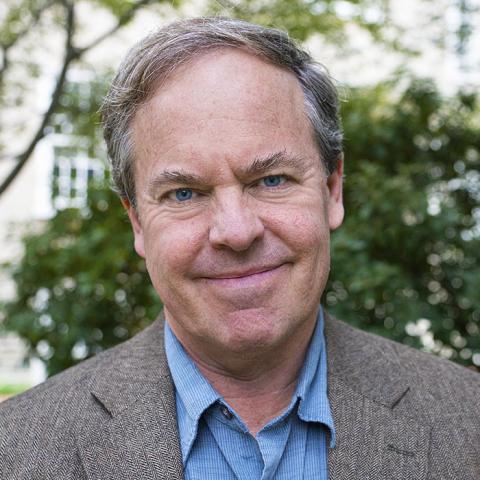
    Haverford College political scientist Stephen J. McGovern authored the 2025 book “Mobilization Politics,” on grassroots activism in Philadelphia.Sean Walsh

    McGovern also explores areas where progressives have fallen short of their goals, and the problems associated with a brand of politics driven by groups that tend to be more affluent and white than the city as a whole. Much of the new type of political organization has been driven by millennials born outside the city, McGovern found, leading to tensions over gentrification.

    McGovern recently spoke with The Inquirer about his 2025 book, the rise of the local progressive movement, and what it all means during Parker’s administration. The interview has been lightly edited and condensed for clarity.

    Your book describes how grassroots activists are really driving the agenda in Philadelphia City Hall, and, as you say, across the nation in local government. Is that an accurate summation of your thesis statement?

    I think that’s fair, and what I want to call attention to is how significant that change is. There may be a lot of people today who assume, “Well, hasn’t that always been the case in city politics?” But no, for much of the mid- to late 20th century, city politics operated in a very different way. It was much more of a top-down phenomenon, and the shift towards more bottom-up politics has been a relatively recent one. And increasingly it’s pretty widespread throughout the United States. So as a scholar of urban politics, I was interested in trying to explain how and why that happened.

    In the book, you describe various political science theories that have sought to explain urban politics in the past. Can you explain how your thesis is different from those previous schools of thought, such as “regime theory”?

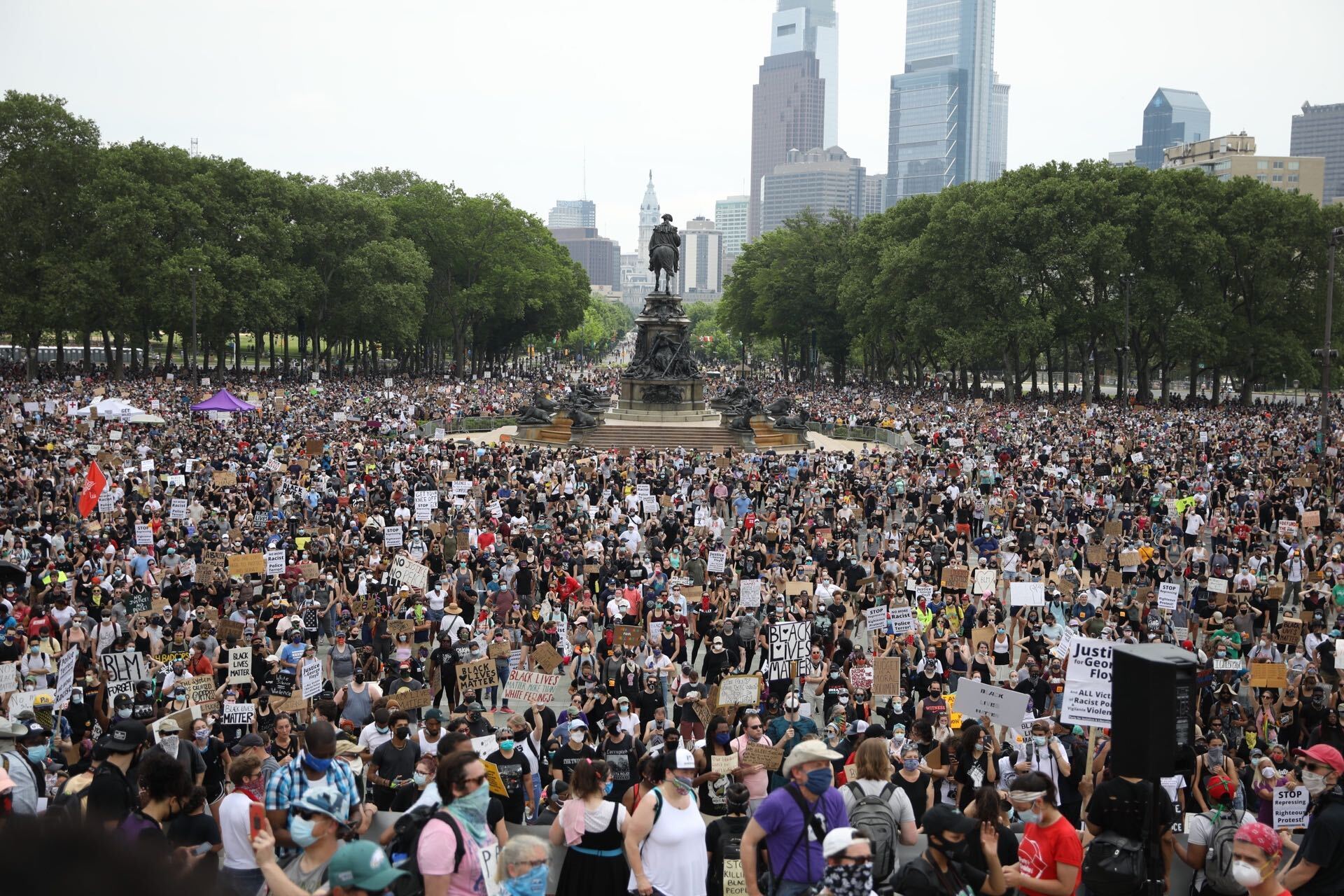
    Many scholars have argued that downtown-led regimes wielded a great deal of power over urban policymaking. Regimes were led by business leaders and their allies — law firms, accounting firms, mass media relations firms, and interest groups that had an interest in promoting growth, especially pro-growth labor unions, and, of course, public officials. Basically from 1970 on, every Philadelphia mayor headed a downtown-led regime in a relatively top-down fashion, in terms of governing style. So that’s the backdrop. My book is all about how that pattern began to change around the turn of the century, and then picked up in the 2010s with a burst of social movement activity. Occupy Wall Street really started things off, but then it picked up, especially with Black Lives Matter, the immigrant rights movement, and all of that social movement protest had a catalytic effect on grassroots organizing in cities with respect to a whole host of public policy issues.

    As your book points out, much of the activism has been driven by millennial transplants who have moved into the city. Is it fair to say that trend is the main driver of this change, or one of several factors?

    That is one of the main factors in explaining why there is this big shift. But there are also some underlying changes in the local political environment, what social movement scholars sometimes call the “political opportunity structure.” One of those changes is a decline in the organizing capacity of the downtown business community, which had been so dominant. It started to create a vacuum. Into that vacuum steps young people. Populations had been steadily declining in virtually all big American cities. They started to stabilize around 2000, and you see an influx of young people who are relatively well educated, more likely to be professional, more likely to be progressive, more likely to get involved in local politics. Some people call it the “back to the cities” movement.

    What’s different about these newcomers compared with other left-leaning groups that have sought to impact city politics in the past?

    In the past, a lot of young people tended to get involved in protest politics. People on the left were very wary about engaging in electoral politics. The folks who are moving into Philadelphia after 2000 increasingly are participating in more conventional politics, including electoral politics, and that’s a big change. That escalates when Bernie Sanders runs for president in 2016. One of the lessons learned for lots of people who volunteered for him is: This is something we can do at the local level.

    As you note, the groups driving this style of politics tend to be more affluent, more educated, and more white than Philadelphia as a whole. That’s created a lot of friction. There’s a debate over whether this is a phenomenon that will be limited to gentrified areas, or whether it will grow into a cross-racial or cross-class coalition. Is it fair to say that’s the central question going forward?

    Absolutely. So much of this is turf-oriented. The millennials and Gen Zers moving into Philadelphia tended to congregate in neighborhoods that attract a lot of white, middle-class people who were relatively well educated, and so those became significant bases of progressive politics. The challenge then becomes organizing in other neighborhoods. Some of the grassroots groups made impressive inroads. I’m thinking about campaigns for Larry Krasner, in particular, in lower-income, predominantly Black and brown neighborhoods, where a group like Reclaim Philadelphia or the 215 People’s Alliance were pretty effective. But in many cases, it was fairly difficult for a group like Reclaim Philadelphia to venture into neighborhoods beyond their comfort zones, if you will. They were mindful of some of the skepticism that residents of those neighborhoods felt towards the millennials and Gen Zers flocking into the city and contributing to gentrification. Somebody from Reclaim Philadelphia might be knocking on the door talking about the affordable housing crisis, and people answering the door might look at them and say, “You’re actually a big part of the problem here.” This tension between so-called new Philadelphians and old Philadelphians became more pronounced, and navigating those tensions becomes a real challenge.

    Your book finishes with the 2023 mayor’s race, when Cherelle L. Parker defeated more progressive candidates and won the election with a “law and order” platform. So perhaps that was a surprising twist on your thesis at the end of your research.

    She’s obviously fascinating. She’s a shrewd operator. In the primary election, two progressives split the vote. And being the only prominent Black candidate worked to her advantage. But since she’s been elected, she’s been very skillful about maneuvering in ways that have brought back a return of the traditional kind of urban politics — a top-down governing coalition led by a somewhat resurgent business community and pro-growth unions, the building trades unions, and a somewhat resurgent establishment-oriented Democratic Party, all of which is led by Parker. This is very reminiscent of standard politics of the mid- to late 20th century. So in some ways, Philadelphia is a bit of an aberration in that it’s moved backwards, if you will, recently. But I still see lots of evidence that bottom-up grassroots activism remains a force, and will become much more impactful in the next four years.
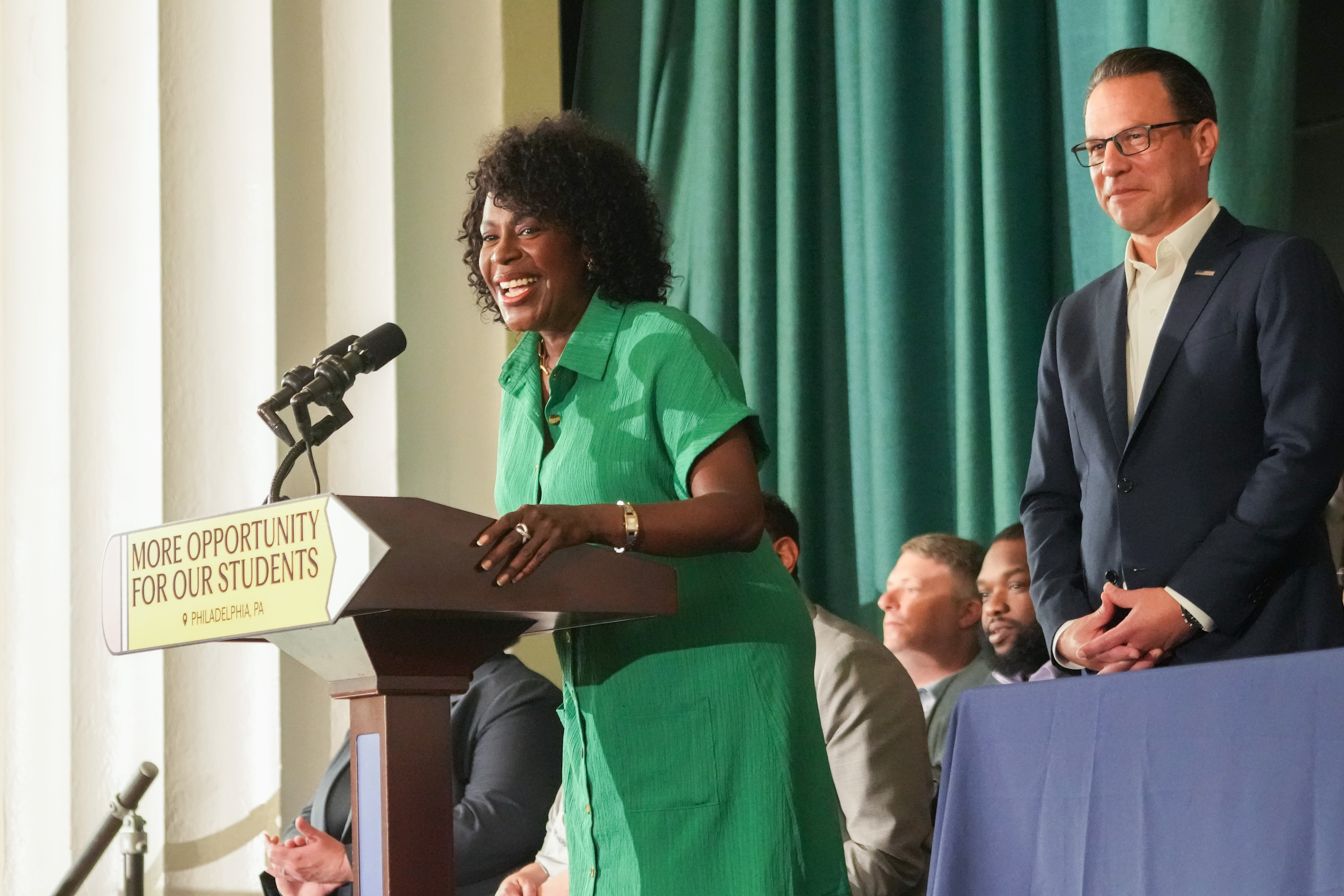
    Mayor Cherelle L. Parker speaks at Vare-Washington Elementary School to highlight the historic education investments included in the 2026-27 state budget, in Philadelphia, July 14, 2026.Jessica Griffin / Staff Photographer
    For what it’s worth, Parker herself seems to be mindful that grassroots politics are still relevant. We reported last year that she ordered a bunch of copies of a book called Performative Outrage: How Manufactured Fury Undermines Local Government and Public Service, and was handing it out to people. So I think it’s safe to say she isn’t a fan of the trends you described. You alluded to Parker returning to a “regime theory” style of politics. What’s an example of that?

    The 76ers’ arena, for example. She was siding with the Sixers and other downtown-oriented interests that wanted to see the arena in Center City on East Market Street, and discounting the views of community groups, most prominently Chinatown. There’s a general mode of governance style associated with Parker that’s very uncomfortable with dealing with grassroots-oriented groups. That’s just not her style. She’s much more comfortable dealing with downtown business elites and people in the building trades unions. Her whole mindset is much more comfortable with the old ways of governing cities.

    Parker won in 2023, when Joe Biden was president. Progressives in Philly and elsewhere seem to do better when Trump is in office. This spring Democrats just elected Chris Rabb, a progressive firebrand, in a high-profile primary for a Philly congressional seat.

    Politics is cyclical. Donald Trump has had that effect of reinvigorating lots of activists. So there was a lull in progressive activism in the city for a while, but it’s on the rise again. But it takes time to regroup, especially on the activist side. Some groups last for a long time, but the norm is for groups to be quite ephemeral. New groups have to pop up, often involving activists who had been involved in the old groups. The transition costs are pretty steep. Somebody like Chris Rabb winning doesn’t surprise me at all. There will probably be more successes in the next two or three years. That said, progressive activists have lots of challenges. They’re in a holding pattern right now.

    Thanks for your time. That’s all I’ve got. Is there anything I didn’t touch on that you want to include?

    I’m an urban politics specialist. I wrote this book. I devoted five years of my life to it. But in the last year or two, I’ve been so fixated on what’s going on in national politics and Donald Trump and the threat that he and his administration pose to democracy. With that in mind, I just want to say that urban politics in general offers some hope for people who are increasingly demoralized. At the local government level, partisan polarization isn’t nearly as intense. We’ve got divisions between progressives and moderates, but that’s nothing like what we’re seeing in national politics. There’s real hope for city governments to address big problems and offer real solutions. There’s a path forward. One can make a case that right now, democracy in American cities is actually thriving.


  • Neil Pierre and Frankie Westfield’s USMNT debuts vs. Peru weren’t forgotten amid Cavan Sullivan’s hype

    Neil Pierre and Frankie Westfield’s USMNT debuts vs. Peru weren’t forgotten amid Cavan Sullivan’s hype

    ORLANDO — Everyone knew who the man of the hour was Saturday night, especially the two guys who know him best.

    And if it wasn’t enough that Frankie Westfield and Neil Pierre are Cavan Sullivan’s Union teammates, they walked right by him in the postgame interview area as a pack of reporters stood by the 16-year-old.

    Of course Sullivan was the big story, having started and played well in his senior U.S. men’s soccer team debut. (And for the record, he might not be a 16-year-old anymore by the time you read this. His 17th birthday is Monday.)

    He wasn’t the only story, though. Westfield and Pierre also made their debuts, part of a total of 11 players who earned their first caps in the 4-1 win over Peru. Both entered as late-game substitutes.

    Neil Pierre (center) and Frankie Westfield (right) got to celebrate on the field with Cavan Sullivan after the game.Alex Menendez

    They all deserve a share of the spotlight, and U.S. Soccer made sure they got them. Each received a commemorative game ball in the locker room.

    “This is a moment we’ve both been working for, for our whole lives,” said Westfield, a 20-year-old right back from Morrell Park in Northeast Philadelphia. “Truly an honor and a blessing to go out there and support the team, and help the team in any way possible. And I’m very thankful that we got the win today — just made it even better.”

    Pierre, an 18-year-old centerback from Blue Bell and originally Harrisburg, was equally thrilled.

    “You dream of this as a kid,” he said. “Coming out to the field and then also finishing the game off and winning it, obviously it was a great feeling, and a great moment for us and the team.”

    Frankie Westfield at work during a U.S. practice last week.Jonathan Tannenwald

    Pierre said he had some family in the stands. Westfield didn’t have any, but they are expected at later games in this window.

    The duo didn’t get to play with Sullivan in the game, since he exited just after the hour mark and they entered later: Westfield in the 77th minute and Pierre in the 88th. But they enjoyed what they saw from the bench.

    “I was happy for him to be able to start and make a great performance, and [he was] just living it up in the moment and enjoying it,” Pierre said.

    While the players spoke, the Union were in the midst of their 4-2 win over Orlando City back at Subaru Park — up 2-0 right then, late in the first half. MLS played a round of league games during the FIFA window because of the summer World Cup break, going back to an old bad habit. This could be the last time, with the big calendar flip coming next year.

    “We were checking” in the locker room, Westfield said. “Five starters [missing], the whole right side being gone, that says a lot about the fight in the team, and the hunger. … Hopefully they can hold [the lead], and I know they will hold it.”

    As the U.S. team headed off into the night, bound for a flight back to the national training center, his hunch was proven true.

  • ⚾ Phils punch their ticket | Sports Daily Newsletter

    ⚾ Phils punch their ticket | Sports Daily Newsletter

    It took until the final game of the regular season, but the Phillies officially clinched the final NL wild-card spot on Sunday with a 7-3 win over the Rays.

    As the nor’easter came howling through the Philadelphia region, Zack Wheeler threw six strong innings, and the big bats woke to lead the Phillies to their fifth straight postseason berth.

    Now what? Game 1 of the best-of-three wild card series begins at 2 p.m. Tuesday in Atlanta. The Phillies essentially have a clean slate, though there’s still a pitching toll to pay for the late-season swoon.

    But anything can happen in the playoffs. Think back only to 2022, when they didn’t get in until the third-to-last game of the season and went on a run to the World Series.

    However, after four days being filled with boos, the Phillies merely postponed a disaster.

    That’s a good thing — much better than the alternative, writes columnist David Murphy, but in the end, they need to win two more games in order to fully erase the disaster they’ve been over the last week-plus.

    — Isabella DiAmore, @phillysport, sports.daily@inquirer.com.

    If someone forwarded you this email, sign up for free here.

    ❓How far do you think the Phillies can go in the playoffs? Email us back for a chance to be featured in the newsletter.

    Keys to Eagles vs. Bears

    Jalen Hurts should have a chance to build on winning performances in the first two weeks against a Bears defense with some holes.Jose F. Moreno / Staff Photographer

    The 2-0 Eagles still are in search of an identity, but the Bears are something of a mystery because of injuries at quarterback. Caleb Williams was officially ruled out, and the Bears are expected to start veteran Case Keenum, the third-string QB.

    As for the Eagles, DeVonta Smith and Saquon Barkley were full participants in Saturday’s practice and will play on Monday. Jonathan Greenard was listed as questionable.

    Jeff McLane tells us what we need to know — on both sides of the ball — about Monday night’s matchup.

    What we’re…

    🤔 Wondering: How the national media is predicting the Eagles vs. Bears game. Can the Birds improve to 3-0?

    📖 Reading: Our writers are leaning in favor of a Birds win — and maybe even in blowout fashion.

    👂Hearing: How a phone call with Tyrese Maxey helped LeBron James’ decision to choose the Sixers.

    👏 Applauding: Cavan Sullivan making his USMNT debut and Mauricio Pochettino praising Sullivan’s game.

    Updates from Briére

    Flyers general manager Danny Brière says goalie Dan Vladař “should be ready for Game 1.”Jose F. Moreno / Staff Photographer

    The puck drops on the Flyers season on Wednesday, and general manager Danny Brière offered some insight, starting with injuries: Goalie Dan Vladař should be good to go for the season opener. He was a full participant at practice on Sunday.

    Brière also shared his thoughts on Matvei Michkov, who came to camp slimmer and spent the summer working on his skating, among other thoughts about the rising youngsters.

    ‘One more play’

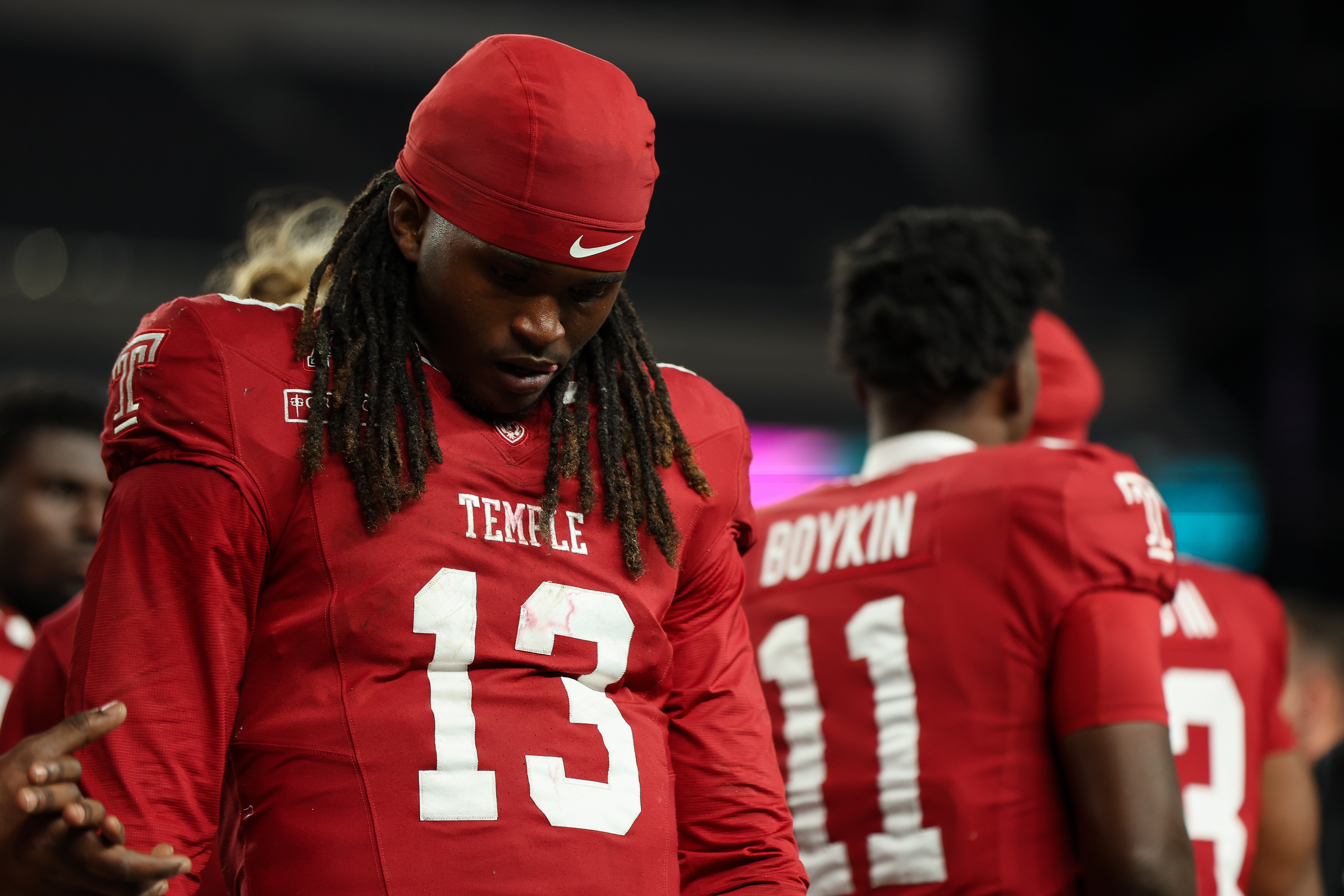
    Quarterback Ajani Sheppard after Temple’s 21-17 loss to Army on Friday.Isaiah Vazquez / For The Inquirer

    It was a bleak weekend for college football.

    Penn State gave up a 10-point second-half lead to lose to Wisconsin, which moved the Nittany Lions out of the AP Top 25 rankings after being ranked No. 13.

    Villanova and Penn both fell to Patriot League teams, as the Wildcats made costly mistakes and the Quakers went quiet in the first half.

    And during a Friday matchup with Army at the Linc, Temple “needed to make one more play” to came out on top, but couldn’t get the job done. However, there could be some clarity at quarterback.

    Broadway to golf course

    Mary Kate Morrissey went from performing on Broadway as Elphaba in “Wicked” to the fairway.Joan Marcus Photography, Andrew Hertherington / The Photo Caddie.

    Downingtown’s Mary Kate Morrissey spent most of her life trying to excel at one thing: musical theater. She eventually ended up on Broadway and played Elphaba in Wicked.

    Morrissey was always expected “to be the very best of the best” on stage, which led her wanting to learn something that she could just be bad at. And that’s how golf entered her life.

    We compiled today’s newsletter using reporting from Lochlahn March, Scott Lauber, David Murphy, Jeff McLane, Jeff Neiburg, Ryan Novozinsky, Jackie Spiegel, Olivia Reiner, Jonathan Tannenwald, Lauren Jones, Lexie Linderman, Mike Livingston, and Hannah Chang.

    By submitting your written, visual, and/or audio contributions, you agree to The Inquirer’s Terms of Use, including the grant of rights in Section 10.

    Thanks for getting your morning started with me. Hope you were able to stay dry this weekend. I’ll be back in your inbox with tomorrow’s newsletter. — Bella

  • ‘That’s why they gave us these contracts’: Wheeler, Harper, other Phillies millionaires (finally) produce

    ‘That’s why they gave us these contracts’: Wheeler, Harper, other Phillies millionaires (finally) produce

    Before Sunday, the last time the Phillies won a baseball game, Zack Wheeler started. He dominated early and they beat the first-place Brewers.

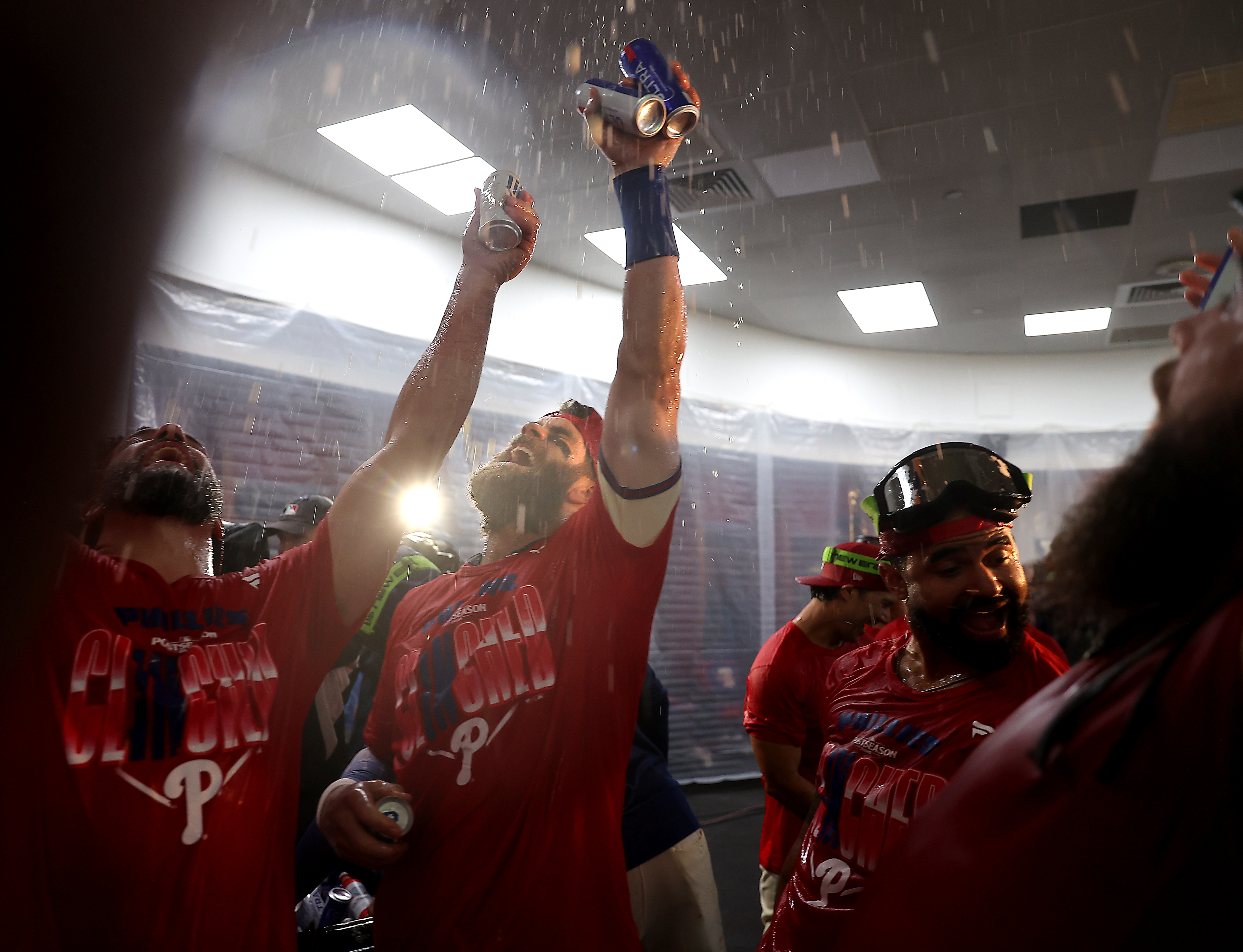
    The Phillies didn’t win again until Sunday, a game the Phillies had to win to ensure a fifth straight postseason berth. Wheeler started again. He dominated through his six innings.

    Wheeler’s legend grew.

    He helped avert the greatest collapse in Philadelphia sports history, and carried the rest of the franchise-record $330 million payroll with him. Most of that money pays Wheeler and four cornerstones of the lineup: two-time MVP Bryce Harper, three-time home run champion Kyle Scwharber, two-time batting champion Trea Turner, and two-time Silver Slugger catcher J.T. Realmuto.

    Sunday, after a four-game slide recalled the horrors of the 1964 Phillies, all of the big names finally earned their money.

    “We know who we are. You know who’s got to step up in big moments,” Wheeler said. “I mean, that’s why they gave us the contracts that they did. We got to play like it.”

    After three straight years of dead bats in the playoffs, can they do this postseason what they did Sunday? We don’t know about the hitters.

    We know about Wheeler.

    Kyle Schwarber led the National League with 45 home runs and tied Pete Crow-Armstrong for the major league lead.David Maialetti / Staff Photographer

    It was Wheeler, more than anyone else, who earned the Phillies the third wild-card slot with a 7-3 win in the season finale over the visiting Rays. Surprise cleanup hitter Bryson Stott went 3-for-3 with a walk, but Wheels dealt six innings of one-run, five-hit, five-strikeout ball in the biggest game of the season.

    “You see a game that he has like or today — he goes out there, he knows what the task is at hand, and he was able to rise to that,” Schwarber said.

    The win earned the Phillies the No. 6 seed, lowest in the playoffs, which means a three-game, first-round series, all at No. 3 Atlanta. That begins Tuesday, with the winner headed to idle No. 2 seed Los Angeles over the weekend.

    The Phillies have lost 11 of their last 17 games against playoff-caliber teams. That’s the main reason why, after holding a five-game lead for the final wild-card spot with eight games to go, they needed a win in Game No. 162 to guarantee a playoff spot.

    Is there any real hope they make it to L.A.?

    “We got a chip and a chair,” said Realmuto, a poker enthusiast.

    Interim manager Don Mattingly was both more succinct and more vulgar:

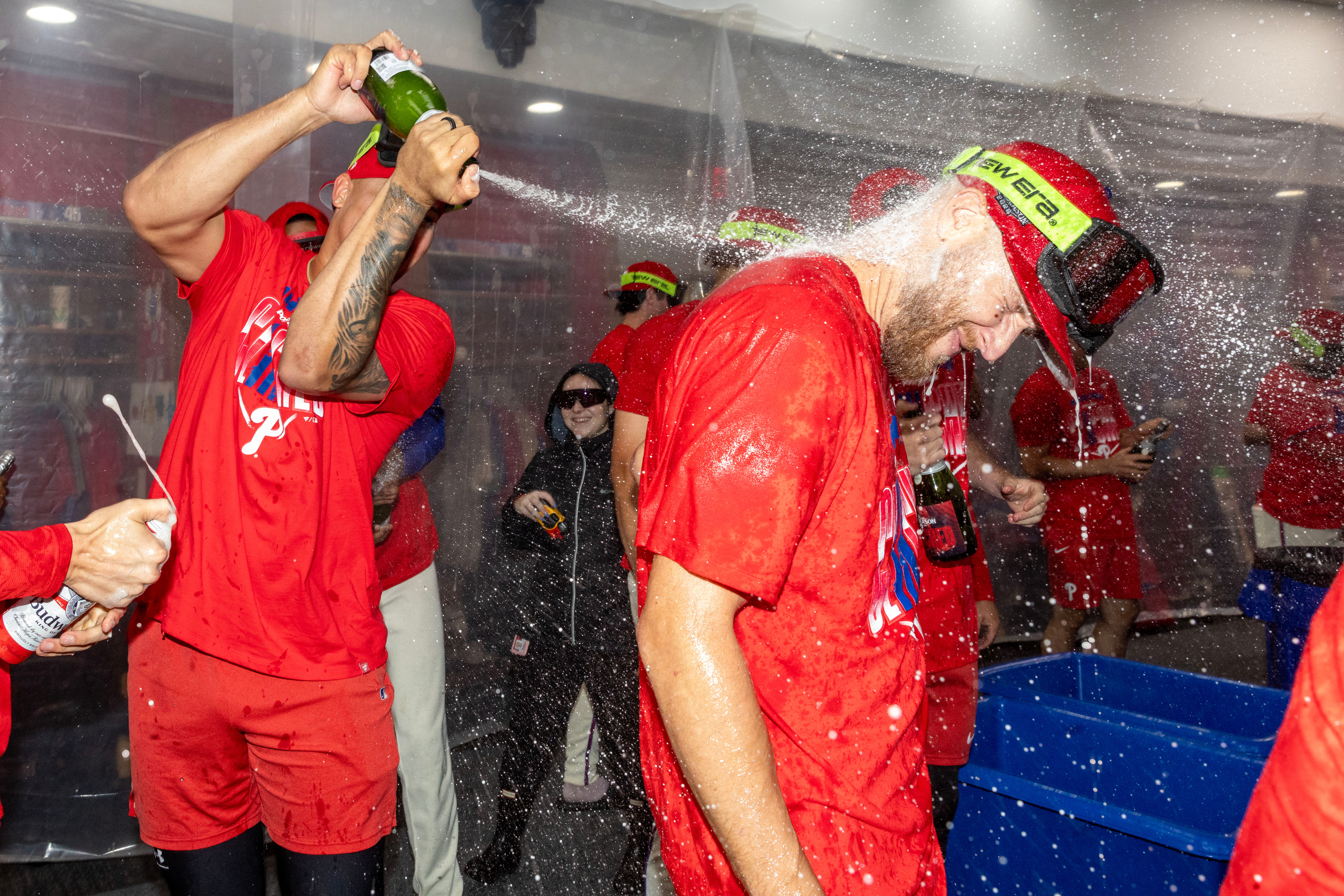
    “It doesn’t matter how you get in. You just gotta get in,” he told his team during their long-delayed, champagne-drenched clubhouse celebration. “And we’re [bleeping] in!”

    There’s recent reason for optimism. With largely the same roster, the Phillies were the No. 6 seed in 2022, when they beat Atlanta in the playoffs and won the National League pennant. Wheeler was magnificent during that run.

    He was just as magnificent Sunday.

    Wheeler long ago locked up Comeback Player of the Year after missing the end of last season and the beginning of this season recovering from thoracic outlet syndrome. Sunday was his final argument, ending a season in which he allowed two runs or fewer in 20 of his 28 starts.

    Wheeler is the highest-paid player in Phillies history, at $42 million per season. He earned his money Sunday, and has done so pretty much all season, especially down the stretch. Wheeler is 4-0 with a 1.67 ERA in his last six starts.

    He has played to his pay grade.

    His well-heeled teammates?

    Not so much.

    In the four straight losses that made Sunday so excruciating, Harper, Schwarber, Turner, and Realmuto were 10-for-59 with no home runs and two RBIs. None was great but Realmuto was brutal: 0-for-12 in those four games, part of an 0-for-33 stretch in his last 10 games.

    On Sunday, that quartet went 6-for-18 with a home run, two doubles, and four RBIs.

    Harper’s $330 million contract is the richest in franchise history. His homer Sunday, the 29th of his borderline elite season, stretched the lead to 5-1. Turner’s $300 million deal is No. 2. He batted leadoff and got two hits. Schwarber’s $30 million salary is second-highest in team history, and he singled, scored, and drove in two more runs with a double. Realmuto doubled and scored.

    Bryce Harper hit his 29th home run of the season in the fifth inning on Sunday.David Maialetti / Staff Photographer

    In the biggest of moments, this is what the top end of a $330 million payroll is supposed to do, said the man who signs the paychecks.

    “I think the best competitors, the best players, are great competitors. If you’re a great competitor, you have the ability to rise to the occasion,” Phillies owner John Middleton said. “You have the confidence, but you know you’ve done it before, so you know you can do it again.”

    Phillies celebrate clinching a fifth-consecutive postseason berth
    Video: Phillies celebrate clinching a fifth-consecutive postseason berth

    Middleton is right. For all of the failure that has marred the Phillies’ last three playoff runs, many of the current principals have produced in big moments, most recently Game 3 of the NLDS last year against the Dodgers.

    They did it again Sunday, and so now, for at least three more days and for two more games, the Phillies’ season will continue.

    Harper doesn’t much care.

    Simply making the playoffs has never been his goal. No, Harper wants to win a World Series. It is the only achievement lacking in his Hall of Fame career. It is the only accomplishment for this group that justifies the $1.4 billion Middleton has spent in the past five seasons.

    “Obviously, the job’s not finished, right?” Harper said. “We’ve never been able to win that big one. I think this group — we need to do that.”

  • The Flyers and their fans have craved a star in the mold of the Tkachuk bros. They look to have one in Porter Martone.

    The Flyers and their fans have craved a star in the mold of the Tkachuk bros. They look to have one in Porter Martone.

    The tweets have come and gone for years.

    Former Philly radio host John Kincade posted on X in February 2025: “I say @flyers offer a slew of those draft picks and we get Brady Tkachuk back to the states. 🇺🇸“

    This past February, Crossing Broad posted: “the Flyers need a Tkachuk, either one will do.”

    And in April, when there was an uptick in trade rumors after it became apparent the then-Ottawa Senators captain wanted out, FlyersJohnny wrote, “Brady Tkachuk would be a perfect Philadelphia Flyers player.”

    It’s not a surprise.

    Brady Tkachuk — and Matthew, his brother and new linemate on the Florida Panthers after June’s trade — has the blend of skill and grit that has long been a hallmark of the Flyers. The two sons of longtime NHL power forward Keith Tkachuk, who will be inducted into the Hockey Hall of Fame in November, can rack up points — especially on the power play — and equally get under opponents’ skin.

    The younger Tkachuk brother, Brady, has put up big point and penalty minute totals throughout his eight-year career. He’s averaged 31 goals, 66 points, and 118 penalty minutes per 82 games, including posting 35 goals, a career-high 83 points, and 126 PIMs in 2022-23.

    Matthew, who is 21 months older, has been even more impactful — and as much of a nuisance — with 82-game career averages of 31 goals, 82 points, and 90 penalty minutes. The pair’s exploits have earned them a whopping 1,559 career penalty minutes — with Brady (second) and Matthew (seventh) each ranking in the top 10 in penalty minutes per game since the former entered the league in 2018-19.

    “Always the bridesmaid, eh, Leon? Always the bridesmaid, never the bride,” Matthew Tkachuk was famously heard saying via a hot mic to Edmonton Oilers star Leon Draisaitl during February’s Olympics.

    Flyers fans have long dreamed of landing Matthew or Brady Tkachuk. They might have the next best thing in Porter Martone.Charles Krupa

    Google “Brady Tkachuk chirping” and you’ll find plenty, none suitable for print.

    Matthew has won two Stanley Cups with Florida, and the brothers — who famously dropped the gloves on the opening shift with J.T. Miller against Canada at the 2025 4 Nations Face-Off — just helped Team USA win gold at the Olympics for the first time since 1980.

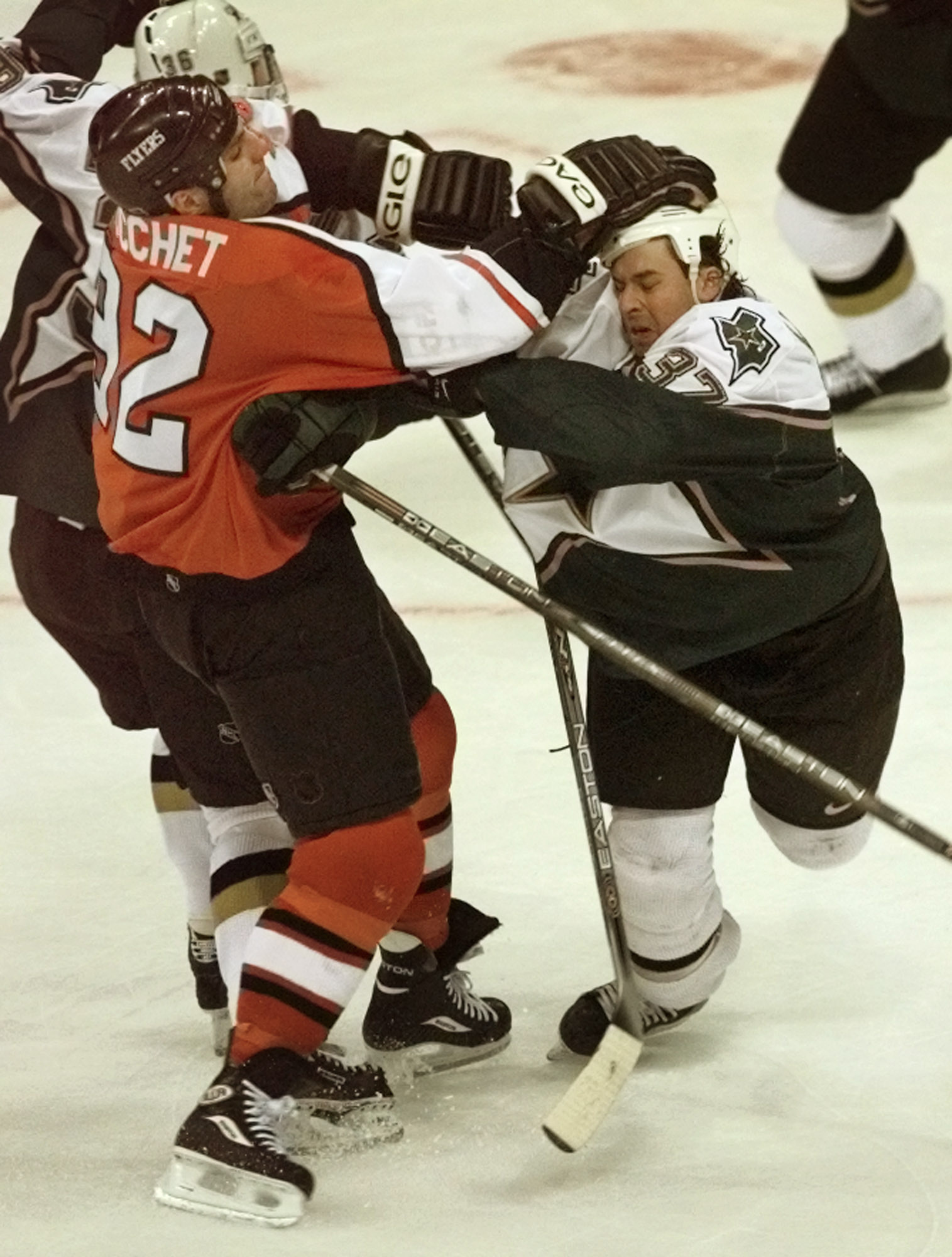
    It’s why every NHL general manager seems hungry to add a true power forward of Brady and Matthew’s agitating ilk to their lineup. The Flyers are no different. Skill. Grit. Getting under opponents’ skin. Those attributes fit with the franchise’s archetype of hard-nosed, blue-collar players dating back to the Broad Street Bullies. There was Gary Dornhoefer in the 1970s, Tim Kerr and Rick Tocchet in the ’80s, Eric Lindros and John LeClair in the ’90s, and Keith Primeau and Wayne Simmonds since the turn of the millennium.

    Next up: Porter Martone?

    ‘A star in the making’

    Martone came out like gangbusters.

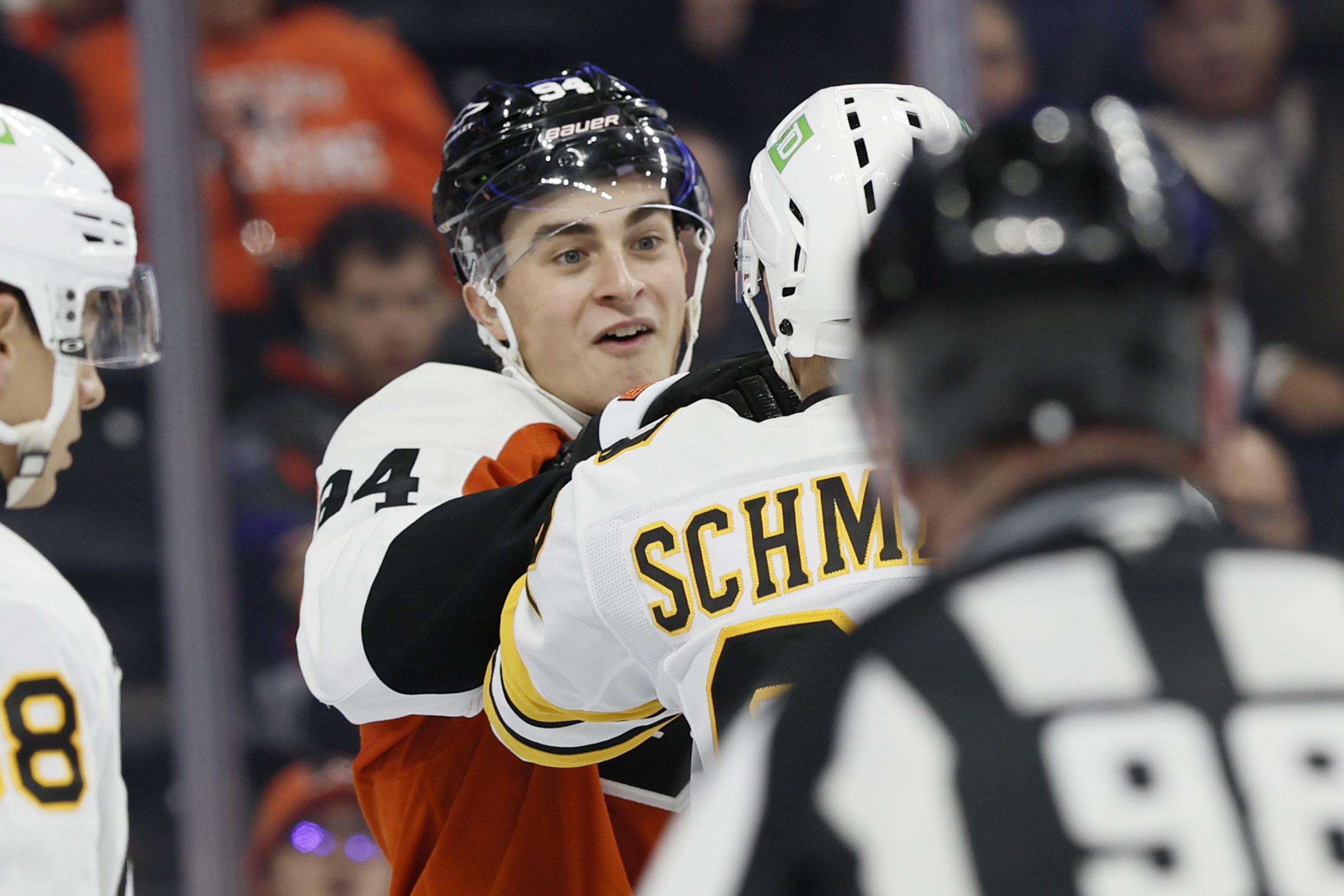
    In nine games with the Flyers last spring, after wrapping up a dominant freshman season at Michigan State, the teenager notched four goals and 10 points. The sixth overall pick in the 2025 NHL draft’s first career goal was a monster one: an overtime winner against the Boston Bruins that kept the Orange and Black’s playoff dreams alive. He met the moment of the postseason, too, adding two goals and five points in 10 playoff contests.

    “He has just that ‘it factor,’ and you know he’s going to be a good hockey player for a really long time. So maybe how quickly he did [it] I was a little surprised. But you know he was going to get to it eventually,” forward Noah Cates told The Inquirer on Thursday about Martone’s fast start.

    “ … He’s a star in the making.”

    Cates and his teammates are excited to see what the 19-year-old can bring in his first full pro season. And expectations are high. The Canadian is the betting favorite to win the Calder Trophy as the NHL’s top rookie.

    That’s the key word: rookie.

    Although he has Hockey Canada pedigree, serving as captain at multiple age groups, Martone was drafted only 15 months ago. Given his impressive run in last year’s playoffs and 6-foot-3, 214-pound frame, it’s easy to forget he’s still a teenager.

    Flyers right wing Porter Martone did not look fazed by the pressure of the NHL playoffs, despite being just 19 years old.

    But Martone, who, in addition to the Tkachuk brothers, grew up modeling his game after “The Worm,” Corey Perry, does not play like a wide-eyed kid. He has the skill and confidence to fill the net and the size, snarl, and tongue to crawl under his opponents’ skin.

    In 19 games, including playoffs, he racked up six penalties — and drew six more.

    “I think it’s great to have a little bit of size up front, have some physicality. The last few years, that’s one area we wanted to get a little bigger, be a little tougher to play against, and you add a guy like him doing that. … He has the size, the physicality, and then the under-your-skin kind of approach,” Flyers general manager Danny Brière told The Inquirer recently.

    “I think it’s exciting. Our fans have had the chance to see him down the stretch in the playoffs last year, but they’re going to get to appreciate him even more as he gets more and more comfortable. It’s not easy for a young guy to come in this league and to play that way right away. It takes a little bit of time, which we understand, and we’re going to give him the time that he needs for that.”

    ‘He wants the puck’

    Brière doesn’t think it’s fair to compare Martone to the Tkachuks just yet, as the brothers have been doing it for years. But Martone is building his own reputation as an agitator, notably stirring the pot at World Juniors against Czechia and frequenting the middle of scrums against the Pittsburgh Penguins in the playoffs. The Flyers GM wants him to “find his own style,” but acknowledged the youngster’s game is “definitely a combination of abrasiveness and skill at the same time.”

    Martone will get his first extended opportunity to showcase that in-your-face brand of hockey in the NHL this season.

    Based on preseason line combinations, it looks like he is penciled in to play on a line with creative center Trevor Zegras and high-flying winger Owen Tippett. The plan is also to deploy Martone in the bumper on the first power-play unit with forwards like Zegras, Matvei Michkov, Tyson Foerster — a guy Cates says Martone is similar to in stature, release, and reach — and defenseman Jamie Drysdale.

    Porter Martone might say he tries to stay out of things, but his actions tell a different story.Elizabeth Robertson / Staff Photographer

    Tocchet, a beloved Flyers power forward himself and now the team’s head coach, sees the comparison to the Tkachuk brothers, particularly with the man advantage.

    “Well, I think part of his talent is the Matthew Tkachuk, Brady, inside game,” said Tocchet, who had four 30-goal seasons with the Flyers and is the franchise’s all-time leader in penalty minutes (1,815).

    “I don’t want to compare, but I remember Tim Kerr; people could be all over him [and] he could still score,” Tocchet said of his old teammate.

    Kerr notched 650 points in 601 games as a Flyer before injuries took a toll, and he remains the franchise’s all-time leader in power-play goals (144).

    “Porter’s got that — we talked the other day — like he wants the puck, even though he’s covered, especially on the power play,” Tocchet said. “Like he’s got that; he can somehow protect it and get that shot off. A lot of guys don’t have that in the tool bag. I was talking to [Michkov] and Zegras: If you see him around the net with people on him with another guy, throw it there.

    “ … So hopefully, we’ll start to throw pucks in Porter’s way, where he can kind of redirect or outmuscle a guy in front to get those goals. Those are the [things] that I think that he can be really elite at as his career goes on.”

    Rich Tocchet knows all about Philadelphia’s appreciation for power forwards who can score goals and also mix it up.Bill Janscha / AP

    Face of the franchise

    It will be interesting to see how things progress as Martone’s career rolls on. He quickly drew acclaim with his play last season, even catching the eye of Matthew Tkachuk before they ever met on the ice. “Martone, he looks unreal,” he said in April on his show, Wingmen with Matthew and Brady Tkachuk, before adding, “That Martone, he’s solid.”

    The ceiling is high for Martone, and the accolades and accomplishments should continue to flow for a kid who, at 18, was skating alongside Sidney Crosby, Travis Konecny, Foerster, and Travis Sanheim at the 2025 World Championships.

    Philly has been clamoring for the next Flyers superstar since Claude Giroux left. And now it may have two. Michkov’s game appears to be back on track, and the fan base, with many already donning Martone jerseys, looks ready to embrace a player who not only grew up a Flyers fan but embodies the spirit of the city.

    And it makes sense that the Tkachuk brothers are also fans of Martone’s game. Brady, during his time at Boston University, said his favorite player was none other than former Flyer Wayne Simmonds, someone renowned for his skill, snarl, and willingness to battle in front of the net. Those traits are all present with Martone, too.

    Back on his 2018 draft night, Brady Tkachuk had “Trust the Process” silk-screened on the inside of his suit. He scored his first two NHL goals and three points against the Flyers on Oct. 10, 2018.

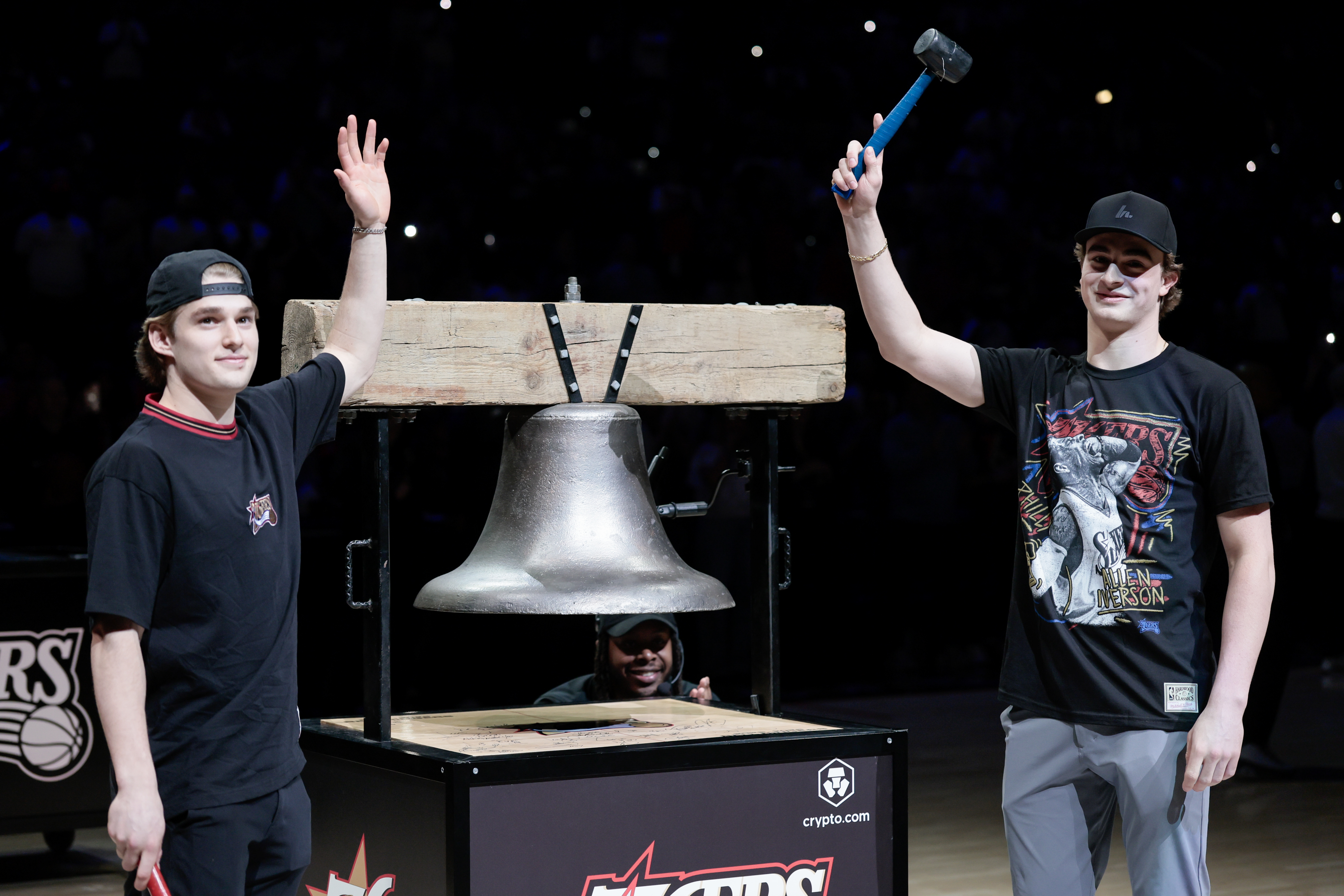
    Flyers players Denver Barkey, (left) and Porter Martone ring the bell at a Sixers game last season. Martone, 19, has already become a fan favorite in the city.Elizabeth Robertson / Staff Photographer

    Maybe it was a message to the Flyers. Maybe it was a message that they should have moved up to get him. Maybe the Flyers at long last have that type of player in Martone.

    When asked Thursday about his style and how he balances having so much skill and playing with an edge, the 19-year-old Martone showed his maturity.

    “Yeah, I think honestly, just get in the forecheck hard, try to cause turnovers, and get in front of the net. I think that’s where I’m at my best. You know, I think I can make those plays when I need to.

    “So just try to, honestly, not get too much into the kind of out-of-play stuff and chirping because that’s when I get off my game. But just kind of continue to keep on playing with the skill and [be a] hard-nosed player.”

    It all begins on Wednesday night.

  • Gameday Central: Eagles vs. Bears Postgame

    Gameday Central: Eagles vs. Bears Postgame

    The Eagles take on the Chicago Bears! Join Ryan Novozinsky after the final whistle for a full breakdown of the game, biggest moments, standout performances, key takeaways and what’s next for Philadelphia.

  • Airbnb is recruiting Pennsylvania farmers to host guests

    Airbnb is recruiting Pennsylvania farmers to host guests

    Pennsylvania is home to tens of thousands of farms, and Airbnb wants you to stay on them.

    The short-term rental giant is partnering with the American Farmland Trust and recruiting Keystone State farmers — and even offering grants — to host guests and tap into the growing agritourism industry. The average farm stay listing on Airbnb, the company said, can make an extra $9,600 per year.

    Valerie and Jeff Fellenbaum said they’re making much more than that at Pleasant Pines Stables, their horse farm dating to the early 19th century in Lancaster County.

    “Once we started, we never looked back,” Valerie Fellenbaum said. “I would say, from March to about the end of October, we’re anywhere from 85% to 90% booked.”

    Nationwide, farms — particularly smaller operations — struggle to stay profitable and find alternate sources of revenue, and agritourism is leading the way. Some farms, like Arasapha Farm in Glen Mills, transform into wildly popular Halloween attractions every fall. Others host concerts and court influencers who take selfies in acres of sunflowers.

    The Headless Horseman rides behind David and Jelly Luty from Sharon Hill during the hayride at the Bates Motel in Glen Mills, on Sept. 30, 2022. Along with fall hayrides, listing farmhouses as short-term rentals is another way to make extra cash.Steven M. Falk / Staff Photographer

    According to Airbnb, Google Trends shows U.S. search interest for “farm stay” nearly quadrupled between 2016 and early 2026. The vacation rental company is partnering with the American Farmland Trust to offer farmers up to $10,000 through the Farm to Stay Grant Program. Farmers could use the funds to renovate or prepare their property to host overnight guests and launch unique farm-based experiences.

    “This really gives folks the opportunity to broaden their horizons,” said Ashley Brucker, American Farmland Trust’s senior manager of grant making. ‘It gives them a little more freedom.”

    Brucker said interested farmers can apply at farmland.org and attend informational webinars. Workshops will be held on Oct. 14 at 5 p.m. and Nov. 13 at noon.

    Webinars will discuss how Airbnb works, with particular emphasis on rural and farm stays, the company said.

    At the Fellenbaums’ Airbnb, Valerie said guests can simply enjoy the peace of a rural farm or ride horses.

    “People really love to come and see the horses,” she said, “and we give them opportunities to do more than see them.”

  • The surprise winners from record-high diesel prices

    The surprise winners from record-high diesel prices

    No one seems happy about record-high diesel prices.

    Farmers complain about the cost to harvest their crops. Truckers say they’re getting squeezed. Retailers such as Kroger have warned that it’s driving up costs.

    The pressure has led President Donald Trump to float a diesel export ban, while some in Congress want to suspend fuel taxes.

    But in a few places, the galloping price of diesel is seen as an opportunity — albeit a tricky one to navigate.

    Railroads are taking business from truckers, while alternative-fuel trucks are getting a fresh look. Big oil extractors and refiners are benefiting too, of course. But so are smaller operations that have gotten an indirect boost.

    “We sure don’t want to have the economy damaged by having high fuel prices and slowing some things down,” Jim Vena, CEO of Union Pacific, among the country’s largest railroads, said recently at an investor’s conference.

    But the soaring price of diesel has been good for his line of business so far. The biggest driver of growth for Union Pacific is moving freight that could have gone by truck, the company said.

    Diesel reached a record $6.53 a gallon this past week, according to AAA’s national average. That’s up about 75% from a year ago.

    The national average for a gallon of regular gas, meanwhile, is $4.48 — about 40% higher than a year ago, though still well below the $5.02 record set in June 2022.

    All of this has worked out well for companies like Wex, a major provider of fleet fuel cards.

    “We’re a net benefactor of what happened with fuel prices,” CEO Melissa Smith told investors this summer.

    Diesel is the lifeblood of trucks, tractors, and construction equipment. And its eye-watering cost brings a set of problems different from high gas prices. Consumers don’t feel diesel’s “pain at the pump” in the same way. When diesel gets pricey, it raises the cost of transporting food and goods — anything that needs to be moved from one place to another.

    Now, containers and trailers stuffed with bananas, furniture, or flat-screen TVs are increasingly going by rail. This “intermodal traffic” has jumped in recent months, setting a record for U.S. railroads in August, according to the Association of American Railroads.

    Railroads run on diesel, too. But freight trains are three to four times more efficient based on tons per mile.

    “I do think that’s a plus for us,” Jennifer Hamann, Union Pacific’s chief financial officer (CFO), said recently at the annual Morgan Stanley Laguna Conference.

    Norfolk Southern chief commercial officer Ed Elkins said diesel prices are so high they’re like “science fiction” and are just pulling freight off the road.

    Trucking giants like J.B. Hunt Transport Services have felt pinched. Diesel prices have spiked faster than the firm’s fuel surcharges. But J.B. Hunt has seen a boost to its intermodal service.

    “Do I want fuel to be $6 a gallon? No, not long term. But for today, it can be helper” in growing that business, Brad Delco, CFO of J.B. Hunt, told investors recently.

    The company said the cost gap between trucking and trains was the largest it had seen.

    Truckers are also hurt by the rapid price moves, said Bob Costello, chief economist for the American Trucking Associations. Most fuel surcharges are set weekly, based on the federal Energy Information Administration’s Tuesday morning price for diesel. Midweek moves make it even less likely that truckers can recoup their costs, Costello said.

    “They’re not happy about it,” he said. “It’s absolutely costing them money.”

    That’s spurred online angst, including a viral call to launch a nationwide trucker strike on Oct. 1. It’s unclear how much support this push has. Costello said his organization was unaware of it. Another major trucking organization, the Owner-Operator Independent Drivers Association, said it was not involved.

    “Besides the obvious difficulty in getting hundreds of thousands of drivers to all agree to shut down, the greatest obstacle involves antitrust laws and illegal boycotts,” said Lewie Pugh, the group’s executive vice president.

    Trucks that don’t use diesel are seeing renewed interest.

    Morgan Stanley suggested in a research note that this makes electric trucks more attractive, writing, “$6 Diesel … Enter Tesla Semi.”

    The first battery-electric Tesla tractor-trailer rolled off a new high-volume production line in April, several years after it’d been first promised. The company has been lining up orders since then. Last week, it got one for up to 2,500 trucks for a coalition that plans to lease out the vehicles.

    Clean Energy Fuels, a company that provides renewable natural gas for vehicles, said they were hearing more interest from trucking fleets “particularly with higher diesel prices,” according to CEO Clay Corbus.

    States that impose diesel sales taxes could reap more revenue. Others have taken steps to blunt the impact on consumers.

    California — which has the highest average diesel price in the nation at $8.43 a gallon — puts a 13% state tax on diesel.

    This summer, Illinois suspended plans to raise its flat diesel tax by 1.3 cents to 57.1 cents a gallon. And Kentucky briefly suspended a planned increase to its diesel tax.

    But even industries that are benefiting from higher diesel prices today are worried about what is to come.

    Several railroad executives said prolonged, elevated diesel costs would hurt the broader economy.

    “At some point it will be a drag on consumers,” said Elkins of Norfolk Southern.

  • A Chesco man was detained by ICE a week after his wedding celebration. He was unexpectedly just released.

    A Chesco man was detained by ICE a week after his wedding celebration. He was unexpectedly just released.

    When Nelson Contreras-Gelves arrived at an immigration appointment in June, he worriedly “already saw myself being back in Venezuela.”

    The threat of deportation had loomed ever since he arrived in the United States in March 2022, surrendering at the border and requesting asylum. It hung over conversations he and Ariel Whaley had about marriage. It dictated when they held their wedding reception.

    And just a week after the Chester County newlyweds celebrated their marriage, Contreras-Gelves, 35, walked into an immigration appointment in Philadelphia. An hour later, he called to tell his wife he had been arrested and detained by ICE.

    That is, until Sept. 10, when he was abruptly released after months at Moshannon Valley Processing Center, the giant ICE detention center in Philipsburg, Clearfield County.

    Contreras-Gelves and Whaley say he has no criminal record.

    “Those first couple of days, we just kept on looking at each other, like, ‘Wow, I cannot believe that you are here,’ because it was so out of the world,” said Whaley, 27, during a recent interview in Kennett Square’s Cypress Beach Park, where the pair had volunteered planting trees and rehabbing the park together. Contreras-Gelves does not speak English; Whaley translated his comments during the conversation.

    Contreras-Gelves is one of an increasing number of immigrants taken into custody as they pursue asylum, a long-established legal process that can grant permission to live in the United States to people who could be harmed at home.

    It comes as President Donald Trump takes an aggressive approach on immigration, departing from prior administrations that largely allowed asylum seekers with no criminal record to remain free while they pursued their claims. But in recent months, applicants have been detained across the United States, including Pennsylvania and New Jersey.

    Contreras-Gelves and Whaley are now starting a new chapter — not life as it was before. They don’t know precisely why Immigration and Customs Enforcement granted Contreras-Gelves’ release after a string of denials. And he is under more surveillance than before his detention. He was fitted with an ankle monitor; is limited to traveling only within Pennsylvania, New Jersey, and Delaware; and has frequent in-person check-ins in King of Prussia.

    “There’s still uncertainty, but at the very least, we can go through it together, and not have the same sense of immediacy that we have to make some sort of decision,” Whaley said.

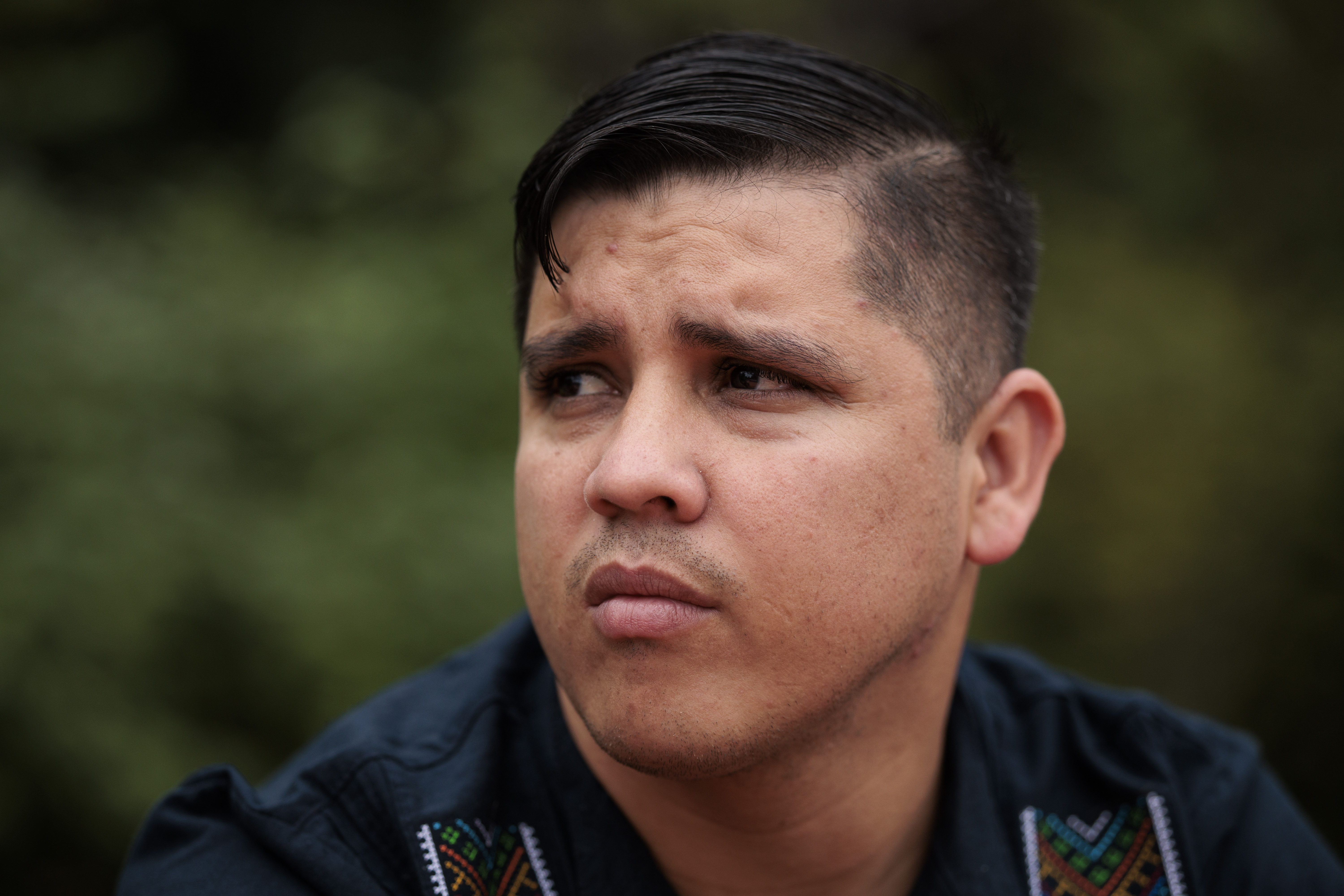
    Nelson Contreras-Gelves talks about his proposal to Ariel Whaley at Cypress Beach Park on Sept. 21 in Kennett Square. Contreras-Gelves was released from ICE detention earlier this month.Monica Herndon / Staff Photographer

    ‘If she enters my heart, she won’t leave’

    When it came to Whaley, Contreras-Gelves was nervous to make the first move.

    The two met in 2023 at Mighty Writers, a nonprofit educational program for children that also offers food and other resources for underserved families in the Philadelphia region.

    Whaley, a Downingtown native, was working at the Spanish-language preschool; Contreras-Gelves started as a volunteer in the food pantry, working his overnight shift at a mushroom farm and then arriving just a few hours later at the nonprofit.

    They spent a lot of time together there. Whaley remembers sorting donations together, sifting through an array of lotions and shampoo. He sniffed each one.

    Something about it struck her: “I just saw a curiosity and a wonder for the little things that I don’t normally see in a lot of people,” she said. “It made me fall in love very quickly.”

    He was likewise smitten. He told a coworker “that muchacha is so pretty.”

    “If she enters my heart, she won’t leave,” he recalled saying.

    As their relationship got more serious and they both considered marriage, they had to discuss it “kind of like in a business way,” Whaley recalls.

    They hesitated for a bit. But ultimately, they bought their rings, and despite his nerves about the pressures of an American proposal, he asked Whaley to marry him in February 2025 at the park where they had their first date.

    After a ceremony in May, Whaley wanted to celebrate their love. They picked the date for their June 2026 reception because it was “literally the last weekend” before Contreras-Gelves could possibly be detained, Whaley said. Whaley’s panic attacks about it got worse, a sharp come-down from the pure happiness she had felt at their reception.

    Though this appointment was routine, and he had been to immigration check-ins previously, they saw what was unfolding around them. They knew the government was increasingly taking people into custody when they appeared. Something similar had happened to Contreras-Gelves’ friend.

    Nelson Contreras-Gelves speaks with a reporter at Cypress Beach Park on Sept. 21 in Kennett Square.Monica Herndon / Staff Photographer

    ‘Keep the faith’

    When the appointment came, what typically was a 15-minute process — fingerprints, a photo — took two hours. Immigration officials asked Contreras-Gelves to report back a few days later with another form of ID from Venezuela.

    Friends and family told Contreras-Gelves not to go back. But he knew it would be worse if he didn’t.

    One week after their party, Contreras-Gelves stopped Whaley 50 feet from the door to the immigration office, told her he would go in alone, and kissed her goodbye.

    He didn’t come back out.

    It was a scramble for Whaley, who mobilized to contact lawyers with the Defender Association’s immigration unit. She struggled to figure out how to see him while he was held at the Federal Detention Center in Philadelphia for roughly three weeks, before he was transferred to the 1,880-bed Moshannon center.

    For months, his detention consumed Whaley’s life. She was constantly on alert, answering calls from the lawyers and waiting to hear from Contreras-Gelves, unsure if the next time he would tell her he was being deported.

    But a community sprung up around them. Whaley helped other detainees contact their loved ones, and helped families navigate adding money to their accounts. She connected others with Contreras-Gelves’ attorneys, and visited another man at Moshannon whom Contreras-Gelves had been detained alongside in Philadelphia, helping him communicate with his wife in Mexico.

    A GoFundMe page, set up by loved ones, raised nearly $40,000 to support Whaley and Contreras-Gelves as they fought for his release. They launched a letter-writing campaign, sending postcards to elected officials.

    Over the months in detainment, Contreras-Gelves faced repeated denials to be released on bond. The conditions of Moshannon were “horrible,” he said. He recalls scalding shower water that burned; a mysterious and unsettling number of bugs; and poor food quality. Medical assistance was often just a pill. He shared his commissary purchases with other detainees who did not have the same access.

    A spokesperson for ICE did not respond to a request seeking comment about the conditions at Moshannon or the reason for Contreras-Gelves’ release.

    He began to get weary. He thought about signing a voluntary departure form and returning to Venezuela. Whaley, at first, agreed, not wanting him to remain locked up when he could be free — and they could be united — somewhere else. But she pressed him to wait.

    “Everybody in our community that already knew us played such a large role in helping us keep the faith, and then all of the people that we’ve met and we’ve been able to help or have helped us have done the same thing,” Whaley said.

    And then on the morning of Sept. 10, as Whaley was heading into work as a graduate assistant at West Chester University, she got a phone call. Contreras-Gelves was talking so fast, it took her a minute to understand: He was being released.

    She hesitated to tell anyone. It didn’t feel real. But after she talked with an ICE agent to coordinate picking him up, she started calling people.

    “I still was like, I’m not going to believe it until he comes out the gate,” she said. “And then he did.”

    Ariel Whaley and Nelson Contreras-Gelves walk through Cypress Beach Park.Monica Herndon / Staff Photographer

    ‘Incredibly lucky’

    When people ask them what comes next, they say there is still a lot of uncertainty. They don’t feel like they are returning to the lives they had before.

    There’s a lot of ambiguity around the relations between his home country and the United States, and what it could mean for his status. But he will have a new court date, some time in the future.

    They hope the momentum they built around Contreras-Gelves’ detention can be directed to others who are still at Moshannon, Whaley said. They continue to help others detained there when they can.

    After Contreras-Gelves’ release, they drove a woman and her children to Moshannon to visit her husband, from whom she had been separated for more than a year without the means to visit.

    “We were so incredibly lucky. There’s so many people who don’t even get the opportunity to fight as hard as we have, and so we are just so grateful to have the support from everybody,” she said. “We both feel a responsibility to help others who are still going through it.”

  • Collingswood could privatize ambulance services to help overworked firefighters

    Collingswood could privatize ambulance services to help overworked firefighters

    At least one Collingswood commissioner is eager to move forward with privatizing the borough’s ambulance services after a $40,000 study said it would help its understaffed fire department.

    Amy Henderson Riley, a member of Collingswood’s three-person board of commissioners, said the borough should follow through on its plan to outsource ambulance transports that started, and abruptly ended, last year after fellow Commissioner Jim Maley sued the borough over alleged ethics violations.

    “What I aim to do, at least in the short-term, is privatization,” Henderson Riley said last week. “That’s not to say it’s a long-term solution. We’re not looking to sell out to the hospital system. We’re looking to cut costs for residents pulled in every direction.”

    In December, Henderson Riley and Mayor Daniela Solano-Ward, also a commissioner, voted to approve a one-year contract with Virtua Health to use the hospital system’s ambulance services.

    The deal, at no direct cost to the borough, would have allowed Virtua to bill patients who ride an ambulance. Collingswood made about $407,000 from ambulance billing last year, according to its 2026 budget, and it is unclear exactly how much they spent to keep the EMS program running.

    EMS is currently handled by Collingswood’s 19-person fire team, which also manages fire emergencies across the 14,000-resident borough and parts of Haddon Township.

    The Virtua contract was voided when Maley, who voted against the agreement, sued, alleging that Solano-Ward’s vote was a conflict of interest because her husband works for Virtua. The borough settled the lawsuit and agreed that Solano-Ward should recuse herself from future EMS matters.

    If Collingswood tries to outsource ambulance transport again, it would not be the first local municipality to successfully privatize EMS, according to Collingswood Fire Chief Geoffrey Joyce. For instance, Camden uses Cooper Health ambulances, Gloucester Township and Pine Hill each use Inspira Health, and Gloucester City uses Virtua.

    The commissioners have not moved toward privatizing again since the borough settled Maley’s lawsuit in January. Henderson Riley said it would take time to put together a request to send out to bid, which would need to be reviewed by lawyers first.

    With Maley still not sold on privatizing and Solano-Ward’s vote out of the running, the path toward privatization might be difficult. Commissioners do not reconvene until Oct. 5, and Henderson Riley said Thursday she was not sure how a vote would work for EMS without the mayor able to pitch in.

    Plus, key officials think there is a better option for Collingswood’s firefighters that could take years to develop.

    An overworked fire department

    Collingswood contracted Manitou, a private public safety consulting firm, in June to conduct a four-month study examining whether the borough should privatize ambulance services or hire more firefighters to give the department some relief.

    Borough officials have expressed concern that the fire department, which has lost all its part-timers in recent years and responds to about 4,000 annual calls, lacks the capacity to respond with a safe, and mentally well, team of firefighters.

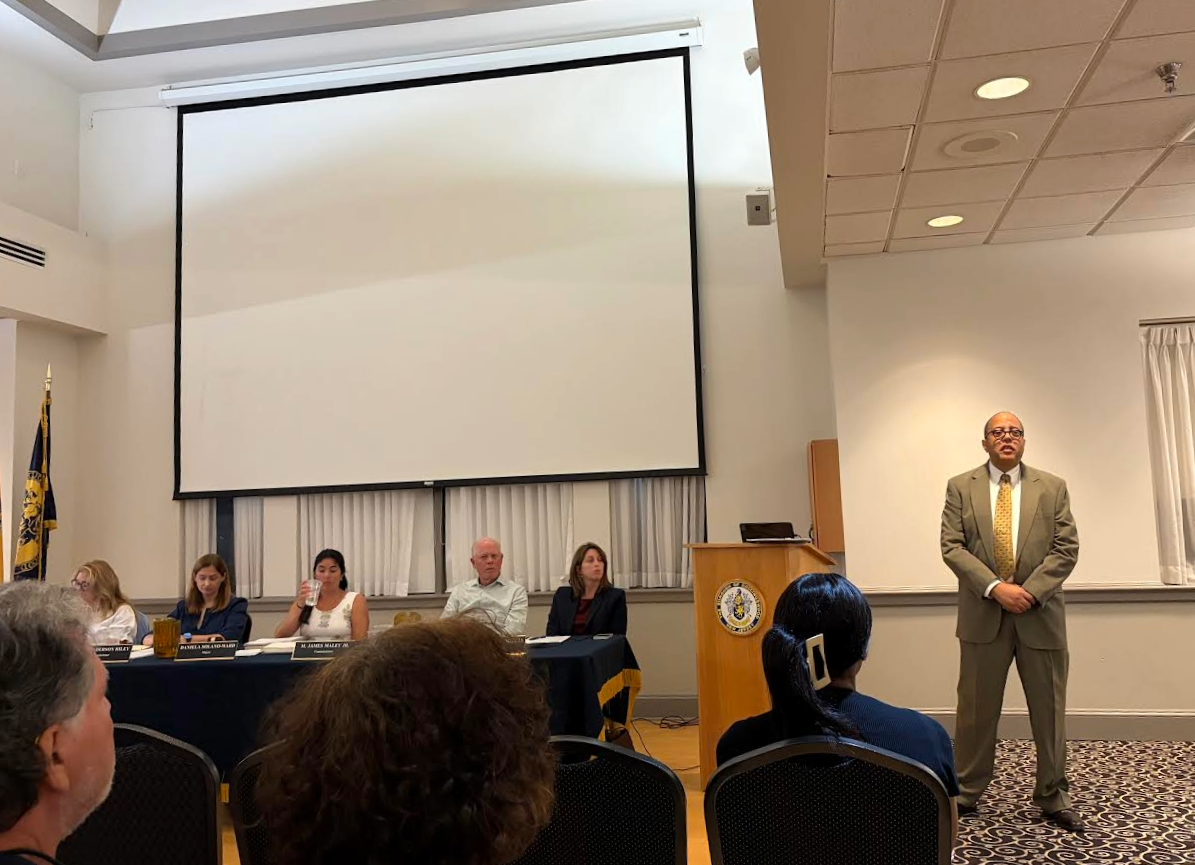
    The study, presented at a public meeting on Sept. 8, was a condition of settling Maley’s lawsuit. The combined cost of legal fees and the study was about $70,000 in taxpayer funds, according to Henderson Riley.

    Charles Jennings, a principal at Manitou, said at the meeting that having no part-time staff has led to an increase in hours for firefighters, and 80% of surveyed staff said they are working too much overtime. Firefighters also reported that the “trajectory of [the] job is getting worse.” Nearly half of current employees said they are considering leaving the Collingswood Fire Department.

    Jennings said privatizing would bring the borough improvements, including cutting costs, more training time for firefighters, and a more competitive workplace. He said outsourcing would make it less likely that firefighters end up with too few staff on an engine to safely respond to emergencies.

    The alternative option — hiring three more firefighters — would cost Collingswood $350,000 and would not fix the understaffing issue when personnel call out, Jennings said.

    Joyce, the fire chief, said he has seen the department change significantly over his 24-year career. His hiring in 2002 was part of Collingswood’s effort to take over EMS from a private contractor. The borough had privatized after struggling to respond to emergencies on its own.

    Growing responsibilities for firefighters have left the community in need of help again, he noted.

    “If at the start of my career you told me I would one day have to receive training on weapons of mass destruction, active shooter threat response, and all of the other facets of emergency response that this career now demands aside from response to fires, I would have never believed you,” Joyce said in an email.

    ‘The most equitable solution’

    With a long list of fire departments across Camden County’s 37 municipalities, Jennings said, the area is “ripe” for consolidation.

    That, too, is Joyce’s ideal outcome. He calls regionalization, which would bring nearby fire departments under one, larger roof, “the most equitable solution.”

    “My dream is that irrespective of whatever zip code you live in, or the wealth or lack thereof in your community, as a resident you should know that when you call 911 that the emergency services are going to arrive quickly and fix whatever your problem is efficiently without delay,” Joyce said.

    Other departments in the Philly area have made moves to regionalize their fire and ambulance services in recent months, including in Kennett Square and Delaware County.

    Solano-Ward, who became a commissioner in May 2025 alongside Henderson Riley, said that strategy would reduce expenses, but it would take a lot of time.

    It took Haddon Heights 20 years to regionalize among three municipalities, she said. Plus, there is no guarantee that Collingswood would not get the short end of the stick.

    “Everyone loves the idea as long as our staff remain, [and] our house is the main house. But guess what?” Solano-Ward said. “We can’t all have that.”

    Henderson Riley, though, said regionalization could happen sooner than people think. She said she is in early talks with officials from three other nearby municipalities, which she declined to name, with interest in consolidation. As healthcare and other affiliated costs rise, she said, Collingswood has to move outside the box.

    “If you’re interested in joining us, talk to us,” she said. “Let’s have everybody at the table together.”

    ‘I don’t think it’s a good idea’

    Maley, who voted with his fellow commissioners to authorize a request for private ambulance proposals last September, said he wants the borough to keep control of its EMS services and has spoken out against privatization.

    Earlier this month, he voiced concerns about losing the revenue that the medical services bring in annually.

    “I don’t think it’s a good idea that a company that’s very interested in the bottom line would run our EMS,” Maley said at the public meeting.

    Henderson Riley said Thursday that the financial impact is more complicated. By privatizing, Collingswood would not have to pay more than $150,000 in overtime wages for its firefighters, or pay a third-party provider more than $30,000 to handle ambulance billing, as it does now. The borough could also sell some of its EMS equipment, Henderson Riley said, and preserve the mental health of overworked employees along the way.

    “These men and their mental health are critical,” she said.

    Maley also said the study’s results should have been delayed due to “an internal investigation” into a fire incident in Collingswood this year.

    Maley, Henderson Riley, and Joyce declined to give details on the investigation, but the borough approved Andrea Wyatt, a municipal lawyer based in Toms River, as special counsel to investigate back in June.

    The Retrospect news organization reported that the incident in question occurred in April, when the department did not have enough staff to transport a 63-year-old injured resident to the hospital and handle a house fire at the same time.

    Henderson Riley said last week that the investigation has “nothing to do” with Jennings’ work, and she doesn’t know why Maley would delay the results based on the investigation.

    Maley declined to explain his thought process until the investigation concludes.

    Some attendees spoke out against the delay in privatizing at the public meeting. Donna Helmes, a Collingswood resident, said it is disappointing that taxpayers paid for an outside source to tell officials to do the same thing they had already voted for with Virtua.

    “I am not wealthy. I don’t want to raise my taxes any more, but I feel like these people will run into my house when it’s on fire to save me and my family, so I want them to be as well-resourced as possible,” Helmes said. “And I think we could have done this last year. It’s very upsetting that we’re still arguing this.”