Blog

  • Pa. state workers’ pension outsources $2 billion to a firm it just fired

    Pa. state workers’ pension outsources $2 billion to a firm it just fired

    The $42 billion Pennsylvania State Employees’ Retirement System (SERS) last month unanimously agreed to end a $300 million foreign-stocks investment for failing to meet targets — then gave the same firm a fresh $2 billion to invest in U.S. stocks.

    The plan to eliminate Center City-based Xponance Inc.’s Non-U.S. Small Cap Equity fund passed unanimously at SERS’s meeting July 28.

    That came 20 months after SERS put the investment on its “Evaluation List,” a special status that SERS’s adviser, Callan Inc., told trustees in a memo was “due to underperformance.”

    According to SERS investment data, Xponance, which manages around $25 billion, was the only one of five firms it hired to pick foreign company stocks that has failed to beat its benchmark index of those stocks “since inception.” SERS uses Morgan Stanley’s MSCI ACWI ex USA Small Cap Index of foreign stocks, as Xponance’s benchmark.

    Xponance actually met or slightly beat that index in three of the seven years since SERS invested. But that wasn’t enough to cover larger shortfalls from other years, including 2025, when Xponance trailed the index by 6%, yielding $15 million less than its target.

    SERS has paid Xponance more than $10 million in fees since hiring the firm’s predecessor, FIS, in 2018, with the support of longtime SERS trustee State Sen. Vincent Hughes (D., Phila.).

    Hughes and Xponance officials didn’t return calls seeking comment.

    In all, SERS paid more than $230 million in fees, profit sharing, and expenses to hundreds of investment fund managers in 2024, the last year for which it has published data.

    SERS has profited from rising investment valuations in recent years, which helped persuade state lawmakers in July to boost pensions for staff retired more than 25 years.

    The system also beat its self-imposed annual investment benchmark, currently 6.875% a year, by more than one percentage point from 2015 to 2025. That enabled SERS to reduce the “employee contributions” collected from 67,000 state employees, which vary from 5% to 9%, by half a percentage point for three years. SERS collected about five times as much from taxpayers last year, and collects varying amounts from its investments.

    While SERS voted to “liquidate” Xponance’s account with one hand, it awarded Xponance a new account with the other. In the same July 28 vote, trustees headed by chairman Gregory Thall, a Harrisburg lobbyist, unanimously agreed to give Xponance $2 billion to invest in a “passive” index fund based on the Russell 3000 index of large and small U.S. stocks.

    Though the $2 billion SERS granted is more than six times the $300 million SERS took away, Xponance is still likely to lose significant income in the switch. Xponance charged SERS around 80 basis points a year (that’s 0.8% of the investment’s value) plus expenses — a total of around $2 million a year — for the former stock-picking account.

    According to a formula in Xponance’s marketing materials, for a $2 billion investment in its “passive” Russell 3000 index fund, the firm would typically charge around $400,000 in client fees a year. That’s less than one-quarter what Xponance charged SERS to “actively” pick and manage foreign stocks.

    The highest fees are typically paid to private-equity and real estate investors. Stock-pickers like the former Xponance foreign-stock fund are paid less. Index funds such as the new Xponance fund tend to collect some of the lowest fees. Xponance’s new fees will be “very competitive,” according to SERS spokesperson Pamela Hile.

    SERS said it’s still negotiating the terms of its new Xponance mandate.

    “SERS has been laser-focused on negotiating and lowering investment manager fees,” which totaled 0.41% for all managers last year, according to Hile.

    Xponance, headed by past Philadelphia city chief investment officer Tina Byles Williams, is the only fund managing stocks for SERS that is “owned and/or controlled by a majority of persons who are women and/or minorities.”

    SERS investment policy “encourages the use of diverse investment managers” in all asset classes “within the bounds of financial and fiduciary prudence,” adding that a diverse range of professionals contribute different points of view that improve the system and its economic performance.

    Among SERS’s more than 200 outside money managers are five other firms controlled by women or diverse owners. Those five firms all manage private assets, rather than publicly traded stocks and bonds like Xponance, according to SERS.

    The pension system helps defray the annual cost to taxpayers of funding guaranteed pensions for around 250,000 working and retired state troopers, prison guards, social workers, state college staff, judges, legislators, and other state employees. The majority of its board is appointed by Gov. Josh Shapiro.

    SERS already pays Mellon Investment Management, a Pittsburgh unit of New York-based BNY Mellon, to manage $14 billion, SERS’s largest single investment, in Mellon’s Russell 1000 big-stock index fund, and for smaller investments in two Russell 2000 small-stocks funds.

    The new Xponance investment will be SERS’s only Russell 3000 fund, combining the big- and small-stock indexes. The Russell indexes are licensed to Xponance and other fund managers by the London Stock Exchange Group.

    Money for the new Xponance investment will include funds taken from SERS’s Mellon account.

    Elsewhere, BNY Mellon has been winning significant new public business. In June, the larger Pennsylvania school pension plan, PSERS, agreed to outsource $20 billion in investments to BNY Mellon.

    Last month, BNY Mellon was also named financial agent for Trump Accounts, the federal government’s new lifetime savings program.

  • Montco will move its 9/11 memorial to Norristown ahead of the 25th anniversary of the attack

    Montco will move its 9/11 memorial to Norristown ahead of the 25th anniversary of the attack

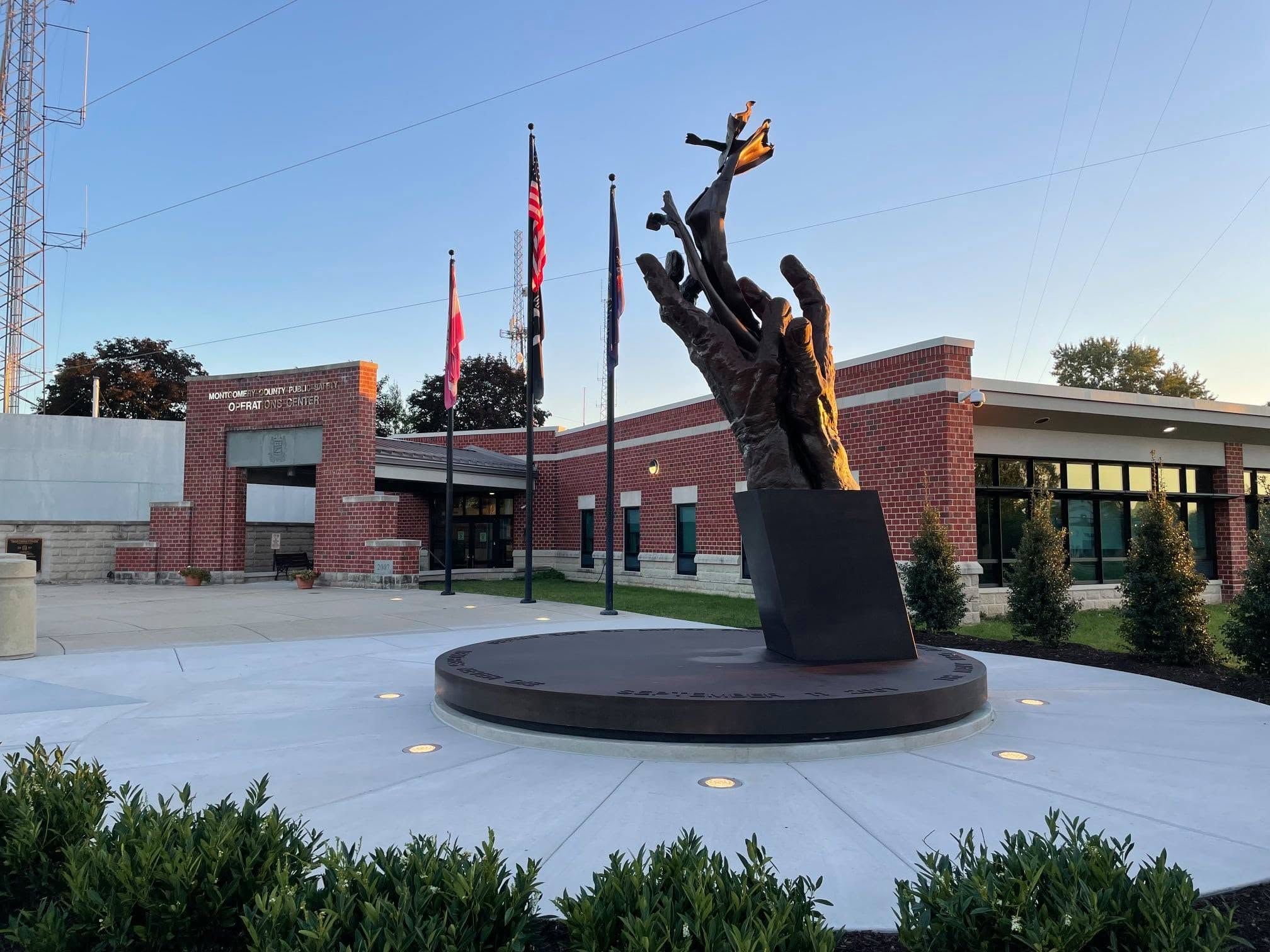
    Montgomery County will move its 9/11 memorial to Elmwood Park in Norristown on Sept. 1 in advance of the 25th anniversary of the terrorist attack.

    The goal is to make the memorial more accessible for county residents and visitors than it is at its current location at the county’s emergency operations center in Eagleville, Jamila H. Winder, chair of the Montgomery County Board of Commissioners, said in a statement.

    The monument, which was commissioned by the Montgomery County Board of Commissioners in 2003, was created by sculptor Sassana Norton, who used an I-beam from the North Tower of the World Trade Center in the 18-foot monument honoring victims and first responders. It was erected at the Montgomery County Courthouse in September 2005 and then moved to the Eagleville campus in 2021 due to courthouse construction.

    Members of the public are invited to watch the procession of the memorial starting at 9 a.m. on Sept. 1. The monument will travel from Eagleville through Lower Providence and West Norriton Townships to Elmwood Park in Norristown. The procession will be accompanied by a Norristown Police Department motorcycle escort as well as other first responders and representatives from across the county.

    A rededication ceremony will be held at 10 a.m. on Sept. 11 at Elmwood Park.

    “Norristown is proud to host the County’s 9/11 Memorial in Elmwood Park,” Rashaad Bates, president of Norristown Municipal Council, said in a statement. “We are honored to provide a permanent home where residents can gather to remember, reflect, and pay tribute to those whose lives were forever changed on September 11.”

  • Trump ignores joint efforts by his favorite dictators to undermine U.S. security

    Trump ignores joint efforts by his favorite dictators to undermine U.S. security

    He’s become world famous for embracing America’s enemies and backstabbing our allies. Yet, Donald Trump outdid himself Sunday — on the eve of joint military exercises with South Korea — when he announced the U.S. was scaling back participation to avoid offending his great friend, the nuclear-armed North Korean dictator Kim Jong Un.

    Perhaps this was just a frantic attempt to shift attention from the quagmire in Iran. Having failed to end Tehran’s nuclear program, the president is offering nuclear talks “without preconditions” to Kim. You will recall the two “fell in love” after Kim wrote Trump “beautiful letters” in 2018, and he responded in kind.

    The military exercises, Trump said, would be “inappropriate and hostile” to a country that “has been unthreatening and respectful” during his presidency.

    Unthreatening? Respectful? Anything but.

    Kim humiliated Trump after meetings in 2018 and 2019 by rejecting nuclear talks and massively increasing his stock of nuclear weapons and missiles. He’s made clear he wants U.S. recognition as a nuclear power, one that threatens South Korea, Japan, the Philippines, as well as U.S. bases and territory.

    Yet, Trump’s selective memory — remembering Kim’s love letters, but ignoring his rebuffs and insults — lays bare a terrible truth about our aging, raging president: his unshakeable belief that his “great” relations with Kim (and with Russia’s Vladimir Putin and China’s Xi Jinping) will ultimately convince them to do his bidding.

    The president’s megalomaniacal belief in his own brilliance blinds him to his repeated failures with all three dictators. He refuses to recognize that far from friendship, Kim, Putin, and Xi are bound together in an axis of adversaries who are helping a fourth member — Iran — stand up to the United States.

    Trump’s superman delusions aid all these adversaries, even as he dismisses allies who could help keep them in check.

    “To treat Kim Jong Un as a partner of some kind is absolutely illogical and counterproductive,” I was told by retired Rear Adm. Mark Montgomery, who served for more than three decades in the U.S. Navy, including in the Pacific.

    Montgomery, who is a recognized expert on cyber and technology policy, is now a senior fellow at the Foundation for Defense of Democracies, where he has coauthored an important book, Axis of Aggressors: Countering the Cooperation of China, Russia, Iran, and North Korea.

    Canceling the South Korea exercises, which Trump said he would have done if it wasn’t too late, decreases U.S. readiness, Montgomery told me, and puts U.S. troops at risk. About 28,500 are based in South Korea.

    “Kim is not going to give up his nuclear weapon nor is he going to make some kind of deal that will win a Nobel Prize,” he said.

    In fact, Montgomery added, Trump’s touted first term tête-à-têtes with Kim “made no impact whatsoever.” Kim increased his nuclear weapons yearly during Trump’s first and second term, and is now estimated to have around 50 to 60 nuclear warheads ready for use.

    Moreover, North Korea is the perfect example of the close ties and fraternal help that the axis powers provide to each other. “Russia has helped North Korea build more accurate intercontinental missiles which can reach much of U.S. territory,” Montgomery said. “This already puts us under threat.”

    Russia has also aided Pyongyang with advanced technology to improve its nuclear and missile programs, which decreases Kim’s willingness to negotiate.

    For his part, the North Korean leader has repaid Russia by sending artillery shells, missiles, and tens of thousands of troops to help Putin attack Ukraine. They also work in Russian drone factories, freeing up Russian soldiers to go to the front.

    Thus, the man Trump so admires contributes daily to Moscow’s slaughter of civilians in hospitals, schools, and apartment buildings in Ukraine.

    Moreover, Putin, the president’s other self-professed buddy, joins axis members in helping the Iranian regime survive and continue to threaten American troops. Iran initially provided Russia with deadly Shahed drones, which Moscow now manufactures and upgrades. Those now-upgraded Iranian drones have killed U.S. troops in Kuwait. Putin also shared intelligence with Tehran that helped the regime target U.S. bases.

    All this hasn’t even touched on the intensified partnership between Moscow and Beijing in which the two primary axis members share technology and intel to jointly undermine U.S. interests.

    “The axis has helped Iran. The conflict with Iran ties up the U.S. military and makes us less ready for China, and the Russian attack on Ukraine distracts Europe. And Trump doesn’t see that the threats from North Korea make us less able to defend Taiwan,” Montgomery said.

    Trump is incapable of connecting the dots. Like a sun god at the center of the world, he looks at each adversary through the lens of their relationship to him. He is blind to the links that bind them together.

    The president thinks his personal diplomacy and that of close friends, like fellow real estate tycoon Steve Witkoff and son-in-law Jared Kushner, are superior to normal diplomatic engagement. No expertise is necessary, Montgomery told me.

    “His first term didn’t prove that to be true. It hasn’t moved any of the four axis powers, and it hasn’t moved the Iranian Revolutionary Guards,” he noted. “It is an integrated task to fight the axis of aggressors. Especially if the president doesn’t recognize who the bad guys are.”

    And, I would add, if those who do recognize the bad guys — like Secretary of State Marco Rubio and many GOP senators — are more interested in pacifying POTUS than in the security of the United States.

  • How to watch TV in your yard, just in time for a Phillies playoff fight and Eagles season

    How to watch TV in your yard, just in time for a Phillies playoff fight and Eagles season

    It shouldn’t make sense.

    Watching TV outside comes with a host of challenges: Humidity. Mosquitoes. Glare so fierce you risk losing sight of Jalen Hurts at the goal line.

    And yet, people are increasingly heading to the backyard for movies, sitcoms, and sports. One industry report values the global outdoor TV market at more than $400 million in 2026 and projects annual growth of nearly 12% through 2035.

    The Philadelphia region? Right on trend. According to Kim Bucholsky, office manager with All Systems Audio & Visual, the Hatboro-based company has seen a 50% uptick in outdoor installations since 2019 — “with no slowdown in sight.”

    Some people are sinking hundreds of thousands of dollars into these entertainment setups; others are dragging lawn chairs and an iPad to the front stoop every time Love Island releases a new episode. The common denominator isn’t age or gender or socioeconomic status. Kids and adults, armchair quarterbacks and prestige-TV junkies, agree: There’s something special about a backyard binge.

    “When the sun’s going down, the breeze is blowing, you can hear the ocean in the distance and maybe the occasional coyote, and you’re watching your favorite Philly sports team, there’s absolutely nothing better,” said Anthony Farina, a communications executive based in Cape May. “To me, this is utopia.”

    So how, exactly, did the lawn usurp the living room?

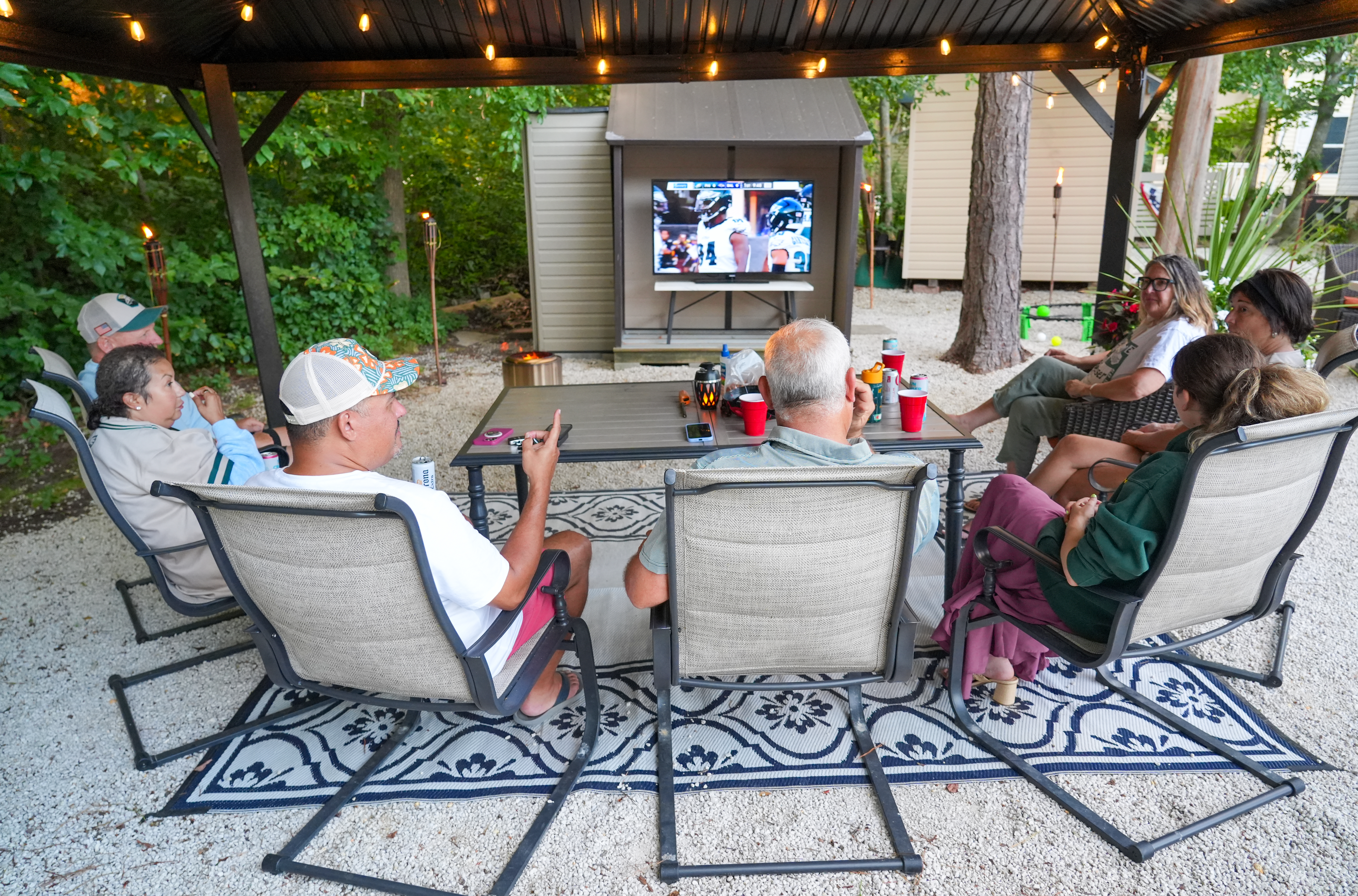
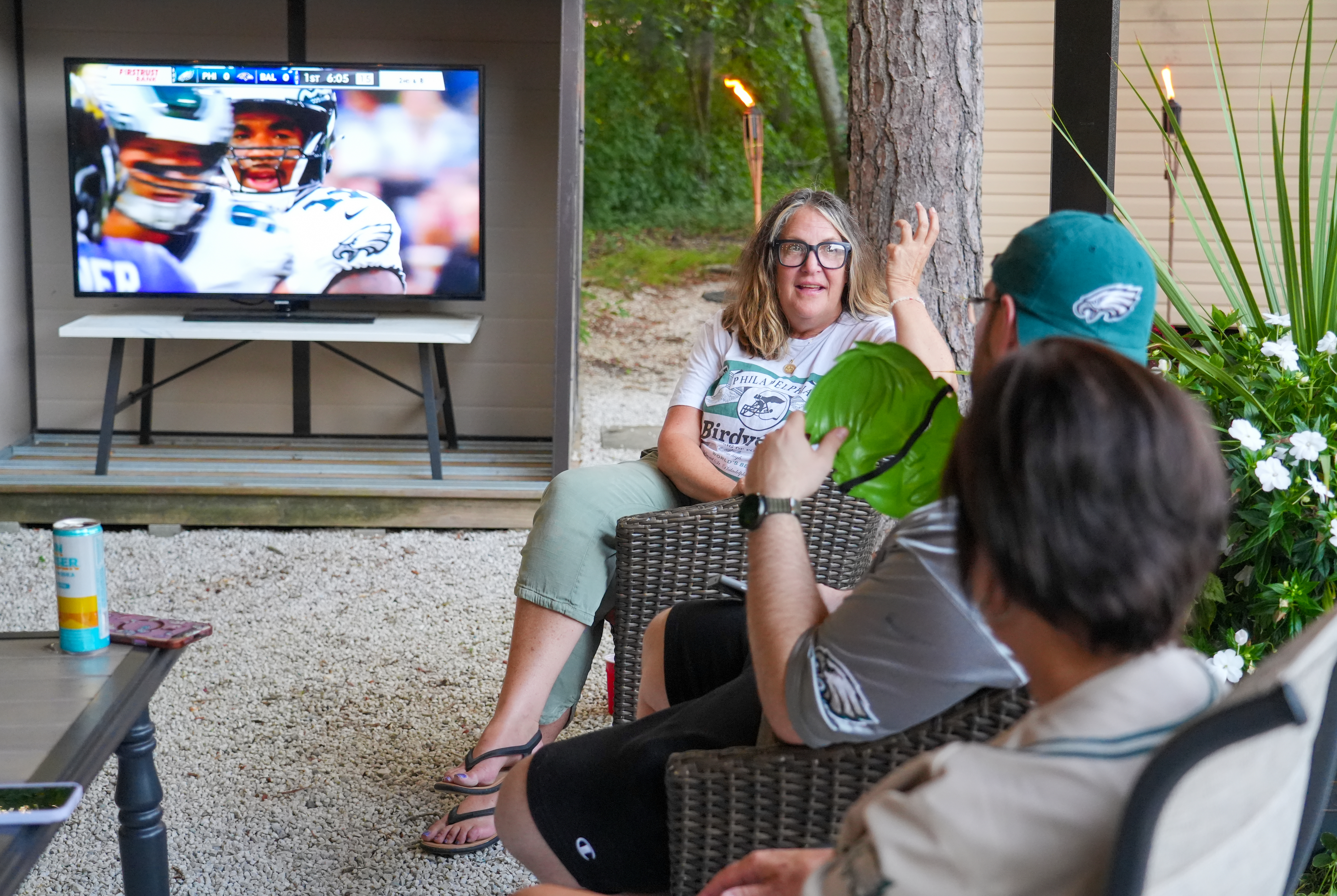
    Cori Laphan talks to Randy Bock of Turnersville, as they watch the Eagles in the first preseason game of the year at her summer home in Cape May Court House. Tim Hawk / For The Inquirer

    Experts say the hobby gained momentum during the COVID pandemic, when families had no choice but to hunker down at home. People invested in their spaces: pools, fitness rooms, and — yes — expanded entertainment options. Even after restrictions were lifted, the stay-put mentality stuck.

    “Once you sink that money in, you have less to spend outside the home,” said Kevin Gillen, an economist with the Henderson Real Estate Institute at Drexel University. “Movie theaters, which are incredibly expensive and ruined by one loud family in the room, have not rebounded since COVID.”

    But backyard viewing goes beyond financial sense. It’s also the sneakiest way to sidestep a 21st-century affliction: screen-time guilt.

    “There’s a lingering bias around TV,” said Emil Steiner, associate professor at Rowan University, who lives in University City and studies audience viewing habits. “The stereotype is that you’re being a lazy couch potato staring at the idiot box while cooped up inside a dark room. But watching outside in the fresh air among friends? It feels like a free pass.”

    That social piece matters. Open-air viewing has a way of turning into an event — firepit glowing, grill smoking, cooler cooling. What’s really streaming is camaraderie. Recent World Cup watch parties, from Lemon Hill to suburbia, are a proof point: Alfresco airtime is a happiness booster.

    In Glenside, Emily Kelly and her family built a mount for their backyard projector screen out of a PVC pipe and some carabiners.Courtesy of Emily Kelly

    “People feed off one another’s energy,” said Michael Marciante, executive director of the Partnership for Haddonfield, the town’s business improvement group. He spearheaded three viewing parties, drawing a total of 2,500 residents and visitors to a temporary screen on Kings Highway. “Outdoor viewing brings communities and neighbors together, and you can just feel the electricity.”

    But before you haul your sectional onto the deck, you’ve got homework. To make the most of an outdoor viewing experience, channel surf through the following tips.

    Know your why: Are you looking for romantic date nights? Neighborhood gatherings? Family bonding? Will this be a one-off thing or a permanent setup? Is your preference ultra-luxe or a bit more rustic? Zach Kades, who’s been hosting watch parties as an event manager at Soccer Post Cherry Hill, said his own home setup in Bryn Mawr involves little more than a projector and the back wall of his garage, because he likes the nostalgic, “camplike feel” it brings to a night with friends. Knowing your goal will make choosing your gear easier.

    Try it out: Before his family gifted him a new TV for the front porch and a permanent mounting system, Farina spent four years carting his flat-screen and a trusty coffee table back and forth from the living room on a near-daily basis, a ritual he calls a “labor of love.” While your trial period doesn’t need to last that long, Farina does recommend a test run with your existing screen. “Notice whether people rally around it,” he said. “See if you feel the joy.”

    Set your limit: Technically, you can make this work for the cost of a thrifted projector and a bedsheet flung over a fence. Or you can take the Jim Malamut route and spend more than $500,000 creating an oasis: “I call it my midlife crisis,” he said.

    The mortgage lender purchased an overgrown lot behind his Linwood home and spent about three years converting it into a pool-and-bar retreat complete with three TVs (two at 98 inches and one at 75) for watching multiple games at once. No matter where on the spectrum you fall, the important thing is to know your financial cap “and stick to it,” Malamut said, “or things can get crazy fast.”

    Research your tech: Purists will die on this hill: Your screen needs to be outdoor rated to fight glare with premium LED technology even in direct sunlight and withstand the elements longer than a few seasons. Others swear by less expensive, indoor screens that are shaded during viewing and protected with a water-resistant cover when not in use. Whatever you choose for your specific space, you’ll want to run a simple internet test: Stream a program from your phone or laptop in the designated spot, and see if Wi-Fi can handle the job or if hard-wired Ethernet is the better, no-buffer option. Ensure any required cables are made for outside use.

    Bug off: Mantua resident Cori Laphan loves her “outdoor living room” at the Driftwood Too Camping Resort in Cape May Court House, complete with fire pit, grilling station and 55-inch TV. Only problem: things that bite. To keep the gnats, mosquitoes and greenheads at bay, she staged an offensive campaign: tiki torches, citronella candles, fans, even coffee grounds — TikTok wisdom holds that lighting them on fire inside a metal canister is a natural deterrent. Laphan, a senior-living salesperson, also took an empty planter to a local garden center with one instruction: Fill it with bug-repelling plants. “We’ve done everything imaginable,” she said. “Insects love me, and I’m still able to be outside much of the time.”

    Get resourceful: If you don’t call in a team of home-theater professionals, creativity is key. Laphan’s brother-in-law, Jon Morad, reimagined a cutout in the side of a Home Depot shed intended for firewood — it now serves as an entertainment console that shades the family’s TV and offers some protection from the elements. “You have to think outside the box,” said Morad, a hospital maintenance supervisor.

    In Glenside, another family built a mount for their backyard projector screen out of a PVC pipe and some carabiners — neighborhood kids sit on one side while adults watch on the other, reverse-image and all. “Our setup is definitely makeshift,” said physical therapist Emily Kelly. “But I think it feels more genuine that way.”

    Learn the rules: Municipalities, HOAs, campgrounds … they all play by their own noise rules. According to Philadelphia code, your true-crime documentary or Hallmark movie marathon cannot exceed “three decibels above background level measured beyond the property boundary.” Translation: If your block’s typical soundtrack is the hum of traffic, your TV can raise that only slightly.

    Kate Evans and her wife, a Philadelphia police officer, built a roofed pergola for watching games and movies behind their Roxborough rowhouse. They recommend investing in a soundbar, which aims audio directly at viewers so that sound doesn’t wander. “We don’t need to blare our TV,” Evans said. Be sure to check the relevant code books and, if in doubt, purchase a basic sound-level meter to ensure you’re in compliance.

    Kate Evans and her wife built a roofed pergola for watching games and movies behind their Roxborough rowhouse. They recommend investing in a soundbar, which aims audio directly at viewers so that sound doesn’t wander.Courtesy of Kate Evans

    Be a good neighbor: Even if you’re operating within the law, outdoor TV enthusiasts risk alienating neighbors who won’t appreciate the glow of a flat-screen after dark. Head off any tension early by inviting them over for a viewing. Or, at the very least, Farina advises: “Keep your emotions in check while watching Philly sports,” he said. “I know that’s tough to do.”

  • ICE workplace enforcement is increasing. Here’s what Philadelphia employers should do | Expert Opinion

    ICE workplace enforcement is increasing. Here’s what Philadelphia employers should do | Expert Opinion

    Border czar Tom Homan is putting employers on notice: Expect significantly more scrutiny of who you’re employing and whether your paperwork is in order.

    Homan, in a recent conversation with the Center for Immigration Studies, talked about his intention to expand employment verification inspections that would “dramatically increase” worksite enforcement.

    “We want to hold employers who circumvent the law responsible,” he said.

    This statement is in addition to a number of changes recently made to the Form I-9, Employment Eligibility Verification, which is required by the U.S. Citizenship and Immigration Services (USCIS) within the Department of Homeland Security and which employers generally must complete and retain for employees to verify their identity and authorization to work in the United States.

    The bottom line is that immigration enforcement activity is, and will be, of increased concern for employers, and if your company is not in compliance, you could not only face fines but potential civil and criminal charges.

    Here is what employers should do.

    Audit your employees’ I-9s

    “For businesses, the biggest mistake is having no plan at all,” said immigration attorney Kristofer C. Kaufmann of Philadelphia-based Kaufmann & Associates.

    Kaufmann encourages his clients to conduct a privileged internal I-9 audit under the guidance of immigration counsel and then create a one-page response protocol that every manager knows.

    “The audit tells you what is actually in the files and what needs fixing before the government ever asks, and the protocol tells your people exactly who to call, what to say, and what not to do if agents appear,” he said. “Most small businesses that get into serious trouble do so because they had neither.”

    When auditing I-9s, businesses should not try to hide problems, said attorney Zachary Gold, from New Jersey law firm Cruz Gold & Associates, which serves clients in the Philadelphia area.

    “Correct mistakes in the open: line through the error, enter the correction, then initial and date it,” Gold said. “Never backdate, which turns a compliance problem into fraud. Good compliance is a folder you can hand an auditor in five minutes.”

    He says to keep I-9 records organized and separate enough that they can be produced quickly. Employers should include former employees as they can also be subject to a review, Gold said.

    “Run the audit the same way for everyone, and do not start demanding new or different documents based on how a worker looks or sounds, because that trades an I-9 problem for a discrimination claim,” Gold said.

    Ricky A. Palladino, an immigration attorney in Philadelphia, recommends going one step further by using E-Verify, an online system that compares an employee’s Form I-9 with records from the Department of Homeland Security and the Social Security Administration.

    This step “gives an immediate answer on whether a person is authorized to work and provides electronic updates on when forms need to be updated,” he said.

    Create an ICE response plan

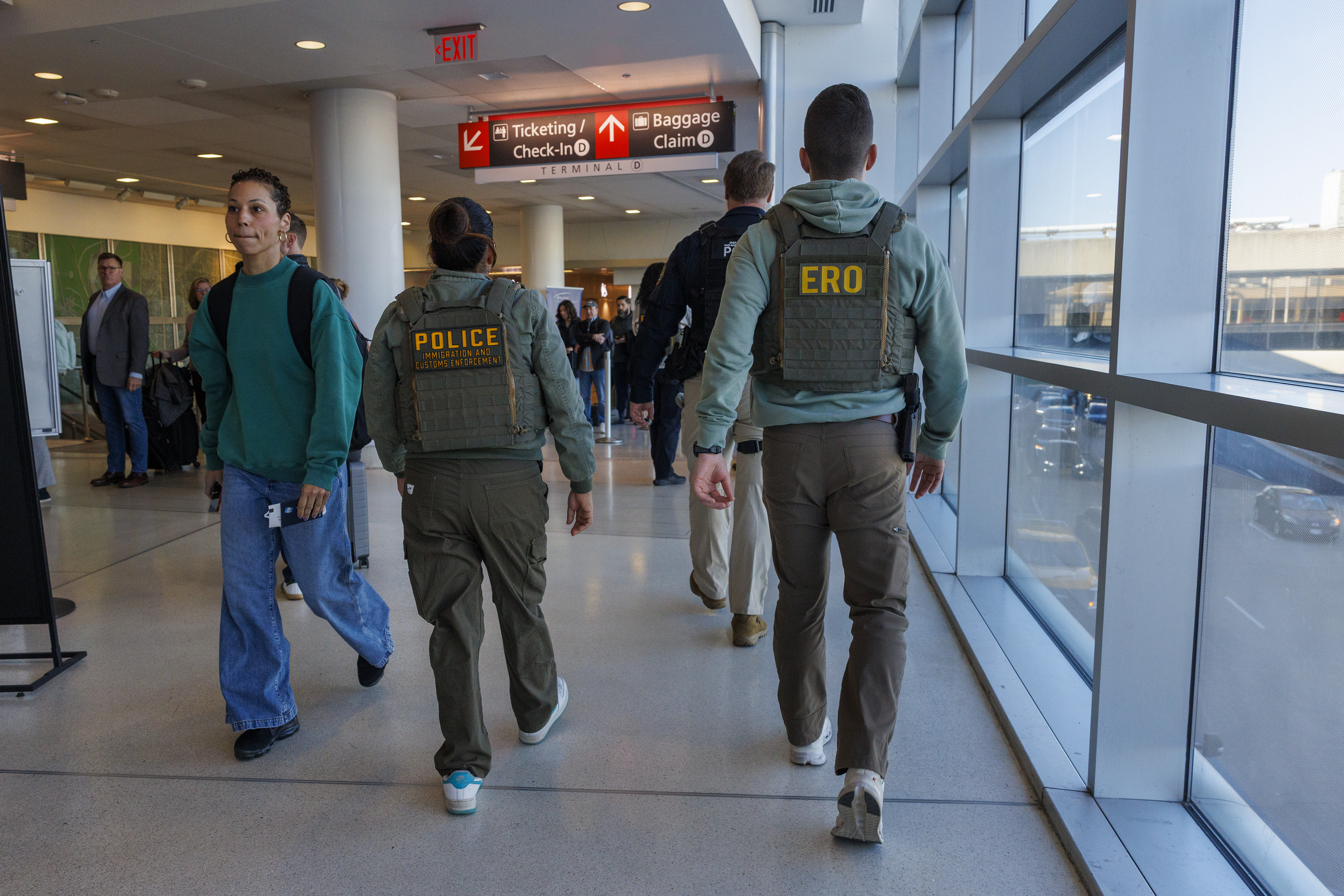
    So what happens if Immigration and Customs Enforcement shows up at your company’s door? The most important thing is to stay calm, professional, and cooperative but have some guardrails. And the first thing to know is that there’s a difference between an I-9 audit and a raid.

    “An I-9 audit, sometimes called a ‘silent raid,’ begins with a Notice of Inspection,” Kaufmann said. “By regulation, ICE must give the employer at least three business days to produce the Forms I-9 and related documents.”

    A raid, or unannounced worksite enforcement action, Kaufmann said, “usually involves a judicial search warrant. There is no advance notice.”

    Kaufmann advises his clients to designate one or two people in advance to handle any ICE interaction, preferably the company owner or a senior manager. Requesting and verifying each agent’s identification card is also important.

    When ICE agents arrive, employers should ask the purpose of their visit and then document all interactions either in writing or video in case questions later arise about what the agents requested, where they went, or what was produced, said Nadine C. Atkinson-Flowers, a Philadelphia-based attorney with experience in U.S. and Jamaican immigration law.

    “If things get testy, try to de-escalate tensions so that you and your employees are safe,” she said. “Don’t become hostile. Don’t refuse lawful orders like a request to see compliance documents. Don’t allow ICE to go through private spaces.”

    Palladino also warned against giving ICE access to nonpublic areas. “Employers should always ask to see a warrant and review it to determine which part of their premises ICE can examine,” he said.

    Gold also recommends understanding the different types of warrants.

    “A judicial warrant is signed by a judge and lets agents into the areas it lists,” he said. ”An administrative warrant is signed by an ICE officer, and it does not reach your nonpublic areas without your consent.”

    If ICE presses in their search, Gold recommends telling them that you are not consenting and documenting that, too.

    “Then, call your attorney,” he said.

    Palladino is urging his clients to prepare.

    “It’s clear that DHS intends to dramatically increase the number of audits moving forward,” Palladino said. “We’re telling our clients to get ready now. Businesses can be fined for both technical and substantive violations.”

  • The gang is back this week with Season 18 of ‘It’s Always Sunny in Philadelphia’

    The gang is back this week with Season 18 of ‘It’s Always Sunny in Philadelphia’

    Philly’s favorite people to hate are back on TV this week.

    It’s Always Sunny in Philadelphia dropped two episodes on Monday for the premiere of its 18th season and the legendary comedy is already off to a stomach-churning start. (Spoilers ahead.)

    Frank (Danny DeVito) has found love with Sam (Carol Kane), whom he met competing on The Golden Bachelor in a crossover episode last season, and they’re getting married at Paddy’s Pub. Much to Dennis (Glenn Howerton) and Dee (Kaitlin Olson)’s delight, Sam is rich and generously offers to leave them money as her new stepchildren. But the bride suddenly dies before she can get to the altar, so Dee makes the depraved decision to drag her corpse down the aisle.

    Hence the episode titles “Frank Marries a Corpse” and “Dennis and Dee Don’t Get Rich.”

    For America’s longest-running sitcom, it’s an especially fitting way to kick off the latest season of outrageous shenanigans with the gang of morally bankrupt misfits. The show celebrated its 20th anniversary last year and it’s not slowing down anytime soon.

    The new season promises even wilder stunts and ever-worsening bad behavior from its cast including DeVito, Howerton, Olson, Rob Mac (Mac), and Charlie Day (Charlie). The group will somehow be allowed to sponsor a Little League team — these people should not be around children, as last year’s crossover episodes with Abbott Elementary underscored — and they’ll spoof classic films like Gilligan’s Island and Back to School.

    The gang will also be joined by guest actors throughout the season, like Big Mouth comic Nick Kroll, who cameos in a Renaissance Faire episode. Older characters who haven’t appeared in recent seasons also make a comeback, like the McPoyle family — longtime rivals of the Paddy’s Pub crew — including Liam (Jimmi Simpson), Ryan (Nate Mooney) and Pappy (Guillermo del Toro).

    It’s not all petty battles and absurd high jinks, though.

    In one episode, the show will memorialize Charlie’s mother Bonnie, played by the late Lynne Marie Stewart; last season featured a tribute montage to Stewart and this season will spotlight Charlie as he sings a ballad dedicated to her at the Mummers Parade.

    ‘It’s Always Sunny in Philadelphia’ airs weekly on Mondays on FX and FXX and streams on Hulu and Disney+.

  • Better communication skills and ethical use of AI: How NBME’s new CEO sees the future of medicine

    Better communication skills and ethical use of AI: How NBME’s new CEO sees the future of medicine

    The National Board of Medical Examiners has named Suzanne Anderson the next CEO of the Philadelphia-based nonprofit that develops exams for medical licensing.

    She will succeed Peter Katsufrakis, who has led the organization since 2017, the board announced Monday.

    Anderson, who starts in October, will help steer the organization as the skills and competencies needed to practice medicine evolve. The organization creates the United States Medical Licensing Examination and other tests for medical students and resident physicians.

    Anderson anticipates greater emphasis on communication skills, the ethical use of AI, and what happens outside of the clinic setting.

    “Without having these assessments that ensure that people are developing the skills that they need, we wouldn’t have as high-quality a workforce as what we want in healthcare,” Anderson said.

    Anderson most recently served as regional president of SSM Health Wisconsin, a not-for-profit health system. She has also been involved in the National Board of Medical Examiners for the last 20 years, chairing the board and volunteering on committees.

    The Inquirer spoke to Anderson about the future of medicine in an interview lightly edited for length and clarity.

    What is your vision as the incoming CEO?

    My entire career, I’ve been really focused on the patient experience, quality and safety, and effective operations. The priorities for NBME will be to continue to innovate — because things are changing so rapidly — in order to continue to meet the needs of health professionals.

    That’ll mean focusing on competencies in addition to medical knowledge. Things like critical reasoning, communication, professionalism, and other competencies ensure that we have high-quality healthcare professionals.

    How have the exams evolved?

    Communication skills, as an example, are something that NBME is focused on and has new assessments to address. The goal is to help people have better communication with their patients and families.

    There are specific components of communication skills, in terms of creating a connection to the individual that you’re communicating with and communicating clearly in language that everyone can understand. It’s empathy.

    Are there any other trends that you’re seeing in how future doctors are tested and trained?

    One obvious trend is how AI will inform the development and assessment of skills. NBME has focused a lot on how we can use AI to support the human actions involved in providing human-centric care, as well as on the ethical use of AI.

    When professionals are presented with information from AI, how do they evaluate it critically and ensure that they’re getting the right information to support particular circumstances? And then, also, how can NBME use AI to help streamline the examination development process?

    What does the future of medicine look like?

    The future of medicine is going to be highly collaborative, with health professionals across all disciplines working together to meet people’s needs. There’ll also be more focus on what happens in the home.

    How do we help professionals work with patients outside of the normal office setting or hospital setting? You see it on the consumer side with wearables and having much more information at your fingertips that can help support the care that’s provided to you in more formal settings.

    How do you feel about becoming the next CEO?

    It’s an organization that is already performing at a very high level, and I’m just excited to be able to continue to help advance the mission.

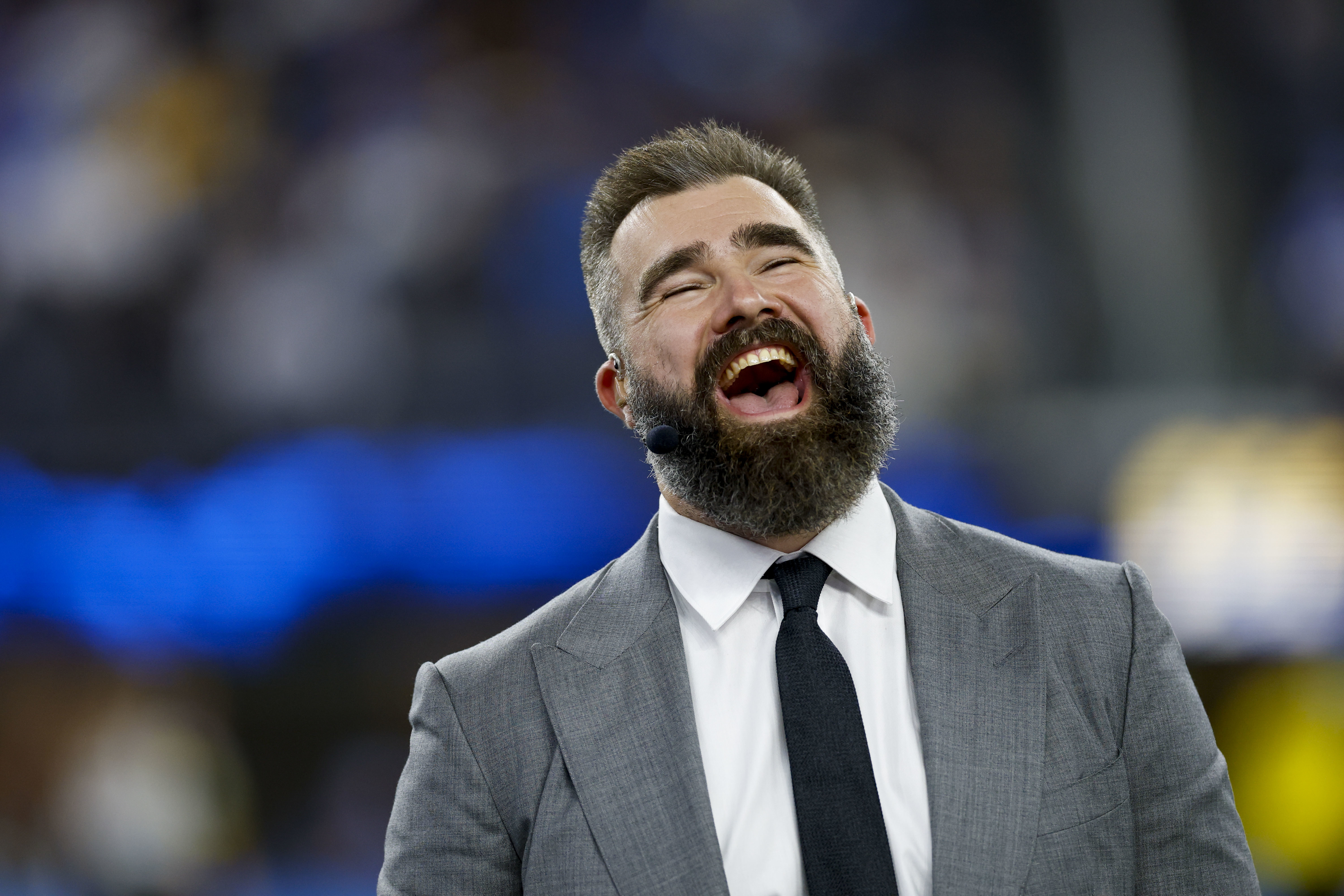
  • Jason Kelce gets a new gig at ESPN and a new teammate: Pat McAfee

    Jason Kelce gets a new gig at ESPN and a new teammate: Pat McAfee

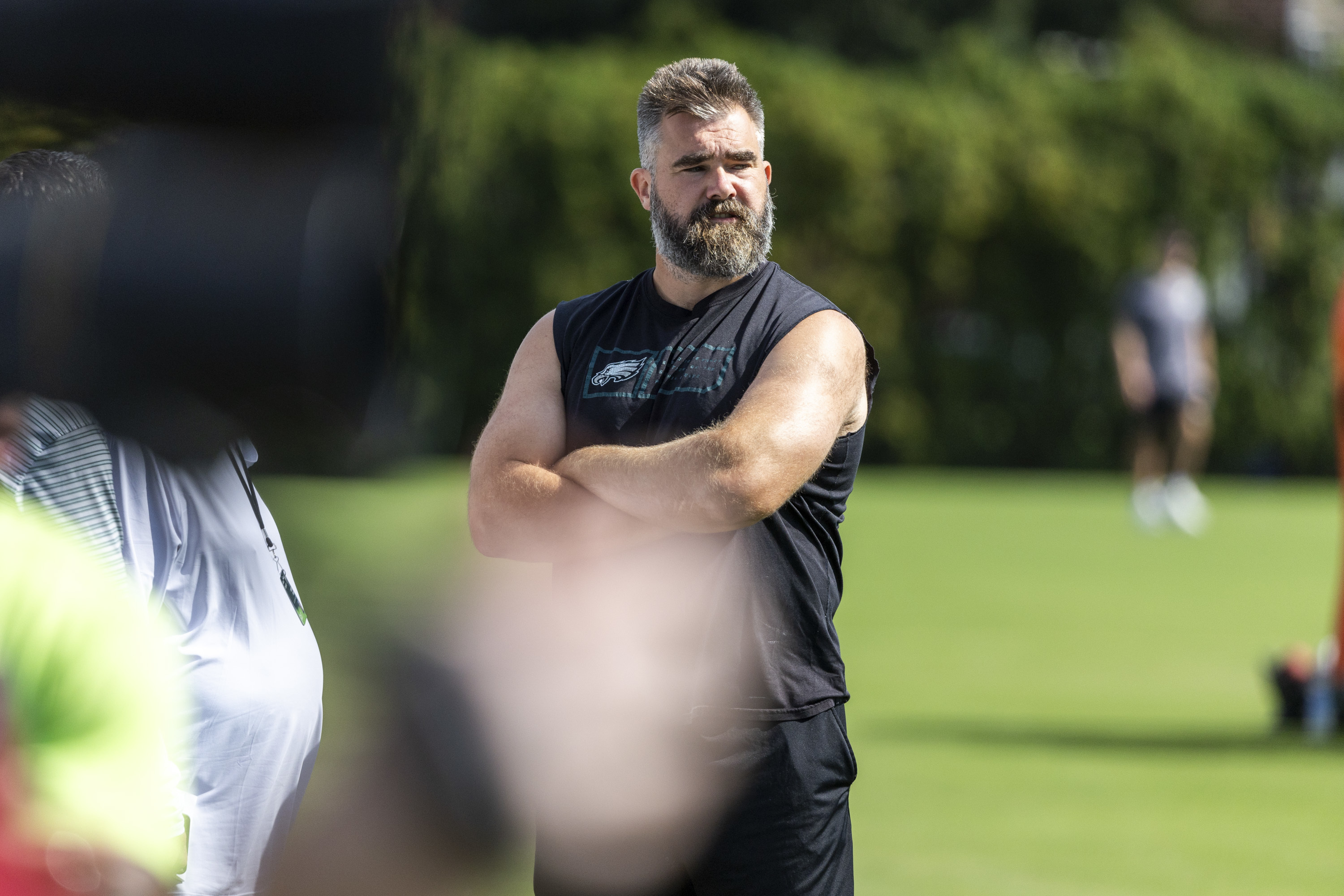
    Jason Kelce spent 13 seasons with the Eagles. Now he’ll get the chance to call a Birds game.

    The former offensive lineman turned podcaster and ESPN announcer is jumping to the booth to call a handful of NFL games this season on the NFL Network, the network announced.

    Kelce will join play-by-play announcer Dave Pasch and Hall of Famer Kurt Warner to call four games, including the Eagles’ Week 5 matchup against the Jacksonville Jaguars in London on Oct. 11.

    Here are the four games Kelce, Pasch, and Warner are slated to call:

    • Week 4: Colts at Commanders in London (Oct. 4)
    • Week 5: Eagles at Jaguars in London (Oct. 11)
    • Week 7: Steelers at Saints in Paris (Oct. 25)
    • Week 16: TBD matchup (Dec. 26)

    ESPN inherited seven NFL games as part of its purchase of the NFL Network. The remaining three will be called by play-by-player Bob Wischusen and one-time Eagles executive Louis Riddick.

    Molly McGrath will serve as sideline reporter for both teams.

    Joe Buck and Troy Aikman are back to call Monday Night Football, with King of Prussia native Lisa Salters and Laura Rutledge on the sidelines. Because of his role as a consultant with the Miami Dolphins, Aikman won’t have access to practice facilities or team practices this season, the same restrictions placed on Tom Brady.

    Jason Kelce is entering his third NFL season with ESPN. Yong Kim / Staff Photographer

    While Kelce has yet to call a full NFL game, he did swap out his South Philly tuxedo for a suit to call part of a 2024 Eagles game alongside Monday Night Football’s Buck and Aikman.

    “I think I got better as it went. There were a couple [of moments] trying to figure out where you fit in and what to say,” Kelce said following the game. “In the heat of the moment, you have to offer a perspective or something the viewer can take and enjoy … it’s difficult.”

    Kelce will also be back for his third season as a studio analyst on ESPN’s Monday Night Countown alongside Marcus Spears and host Scott Van Pelt. The show is adding two new analysts: Jason McCourty (replacing Ryan Clark, who was laid off last month) and Pat McAfee, ESPN’s omnipresent star who will still host his daily show and continue as a co-host of College Gameday.

    Pat McAfee will join Jason Kelce on “Monday Night Countdown” this season. Darron Cummings

    Kelce is in the final year of a three-year deal he signed with ESPN in 2024. During that time, he’s appeared on the network’s coverage of the Masters and The Golf League, and a five-episode stint as a late-night host in Philly.

    He also launched a new YouTube series called Kelce Versus, which features the former offensive lineman trying out other sports, including driving for NASCAR and learning how to dunk a basketball (which he did in front of a live crowd in Los Angeles in June). It’s unclear how many episodes there will be.

    Kelce also remains a presence at Eagles training camp and continues to host the popular New Heights podcast with his brother, Kansas City Chiefs tight end Travis Kelce.

    Exhausted? Some fans are, too. But Kelce has a lot of time to fill since having retired from the Eagles in 2024 and is focused on bucket-list stuff he couldn’t do during his playing days.

    “We’re definitely capitalizing on the ability to go and do random things,” Kelce told CBS analyst and Eagles pregame announcer Ross Tucker on his podcast last month. “Maybe too much. We got to talk as a team, but it’s been fun.”

  • AI erodes trust between students and teachers. That’s no small concern.

    AI erodes trust between students and teachers. That’s no small concern.

    It was my fourth year teaching, and I had just completed a unit on descriptive writing with my ninth graders. I sat down to read their final pieces, both curious and terrified to see what they had come up with. The first few were solid, if unremarkable, but then I picked up a piece that opened with a line that remains crystal clear in my mind 25 years later.

    The trees were sprayed with the scent of wonderful.

    Once I finished reading, I couldn’t wait to get to school the next day to talk to the author about her work, a delightful evocation of a place in South Carolina where she had gone for a family reunion. For the rest of the year, I recommended poems and stories she might like, and we stayed in touch for years after she graduated.

    Contrast this with my experience last semester in a college course I’m teaching. I began reading my students’ response papers to the week’s readings and encountered a particularly astute opening line.

    This time I was neither excited nor delighted. Instead, I was wary. I spent the next 15 minutes using a variety of tools to try to figure out if AI wrote the paper.

    I am not alone. According to an NPR/Ipsos poll, almost 60% of teachers believe artificial intelligence is eroding trust between educators and students. I’ve talked to my university colleagues, as well as the many current high school and middle school teachers I work with, and in the classrooms of America, suspicion pervades. Now when we teachers see great work, we don’t feel pride or wonder or joy. We feel skepticism.

    To make matters worse, schools at all levels are inviting the vampire into the house, spending millions on AI products and, in some cases, mandating that teachers incorporate AI use into their curriculum, despite the misgivings of many teachers.

    These policy decisions are not happening in a vacuum. Our school districts are a lucrative market for Silicon Valley and have become targets of relentless campaigning.

    So, teachers and students end up stuck in a Groundhog Day cycle, as districts continue to pursue the latest technological solution, despite the repeated failure of this strategy.

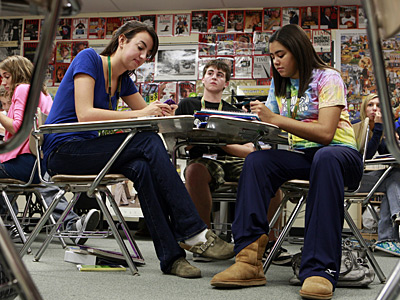
    In a photo from 2018, students use their cell phones to look up information on political races during a social science survey class at Fremd High School in Palatine, Ill.Stacey Wescott/Chicago Tribune/MCT

    Cell phones were marketed as a great way to enhance participation and engagement by students — for example, teachers were encouraged to use tools like Poll Everywhere. Now, states are increasingly passing bills banning phones from schools because we recognize their distracting effects.

    Then there was the movement to get every student a laptop in class to allow for individualized, work-at-your-own-pace instruction — for example, teachers were encouraged to use video collections like Khan Academy. Now, we are starting to recognize that students staring into screens for seven hours a day isn’t necessarily what we want for our children.

    AI companies are making familiar bold claims about how this latest technology will improve learning and revolutionize classrooms with little consideration or acknowledgment of the downsides.

    During one of my recent AI conversations, I was reminded by a friend that 25 years ago, American author and educator Neil Postman asked us to be thoughtful when adopting new technology. He told us to ask not only what a new technology will do, but also “What will a new technology undo?”

    We have an answer for what AI will undo: AI is spoiling the interactions between students and teachers, undoing the relationship-building that is vital for learning.

    There have been and should continue to be vigorous debates about whether and how AI helps or doesn’t help student performance. But we must include in these debates the damaging effects such tools are having on relationships between teachers and students. Those relationships are critically important to learning no matter what technology surrounds them, and we neglect them at our peril.

    Jeremy Glazer is a former high school teacher in Philadelphia and Miami, and is currently an associate professor in Rowan University’s College of Education focusing on teacher preparation.

  • End of a restaurant era | Let’s Eat

    End of a restaurant era | Let’s Eat

    Nothing lasts forever, friends. Including your favorite restaurants.

    Also in this edition:

    — Mike Klein and Kiki Aranita

    If someone forwarded you this email, sign up for free here.

    End of a restaurant era

    Nothing is forever, especially restaurants. This summer, a rash of restaurants are hitting the market or closing altogether, including some longtime favorites. Here’s what’s going on.

    💔 Northeast Philly will lose its last Jewish deli this weekend. We visited Steve Stein’s Famous Deli for a final slice or two of corned beef.

    🍝 After being closed for six years, Mamma Maria’s is on the market, with its three adjoining buildings on East Passyunk Avenue and Jessup Street listed separately.

    A perfect day with Philly’s cookbook maven

    An ideal day for Binding Agents owner Catie Gainor involves pastries, pilates, happy hour, and of course, cookbooks.

    Wawa debuts a Phanatic smoothie

    And interestingly, it’s not green. Stephanie Farr investigates the limited-edition Phanatic Caramel Curveball Cream Smoothie.

    Any cheesesteak will do, within reason

    Stephanie Farr and cheesesteak connoisseur Tommy Rowan debate where to take a visitor for a true Philly cheesesteak.

    The best thing Mike ate last week

    Chicken from a restaurant that turns out steaks, chops, and house-made pasta? At Academy Grill, chef Jeffrey Power turns out a roulade that’s a throwback to his Le Bec-Fin days.

    Scoop

    Fairmount’s London Grill, which has sat dark at 23rd Street and Fairmount Avenue since closing in May 2019, is being readied for a new tenant, building owner Jack McDavid told Mike this week. The concept, bearing a new name, has not been nailed down. McDavid, who with a partner bought the property from longtime owners Michael McNally and Terry Berch McNally in 2019, said he was overseeing a rehab. There’s no timeline. In 1991, the McNallys took over the mid-19th-century building — then known simply as London — and helped turn Fairmount into a dining destination. McDavid himself is a Fairmount pioneer, as he founded Jack’s Firehouse down the street in 1989, two years after he opened Down Home Diner at Reading Terminal Market.

    Restaurant report

    What’s new can feel old. Craig LaBan finds South Philly nostalgia at Waltz, which opened five months ago at 2351 S. Front St. The menu was designed by Eric Leveillee, formerly of Lacroix at the Rittenhouse, and hits the right notes with sourdough pizzas, bouncy pastas, and a 14-ounce strip steak.

    Read Craig’s review of Waltz here.

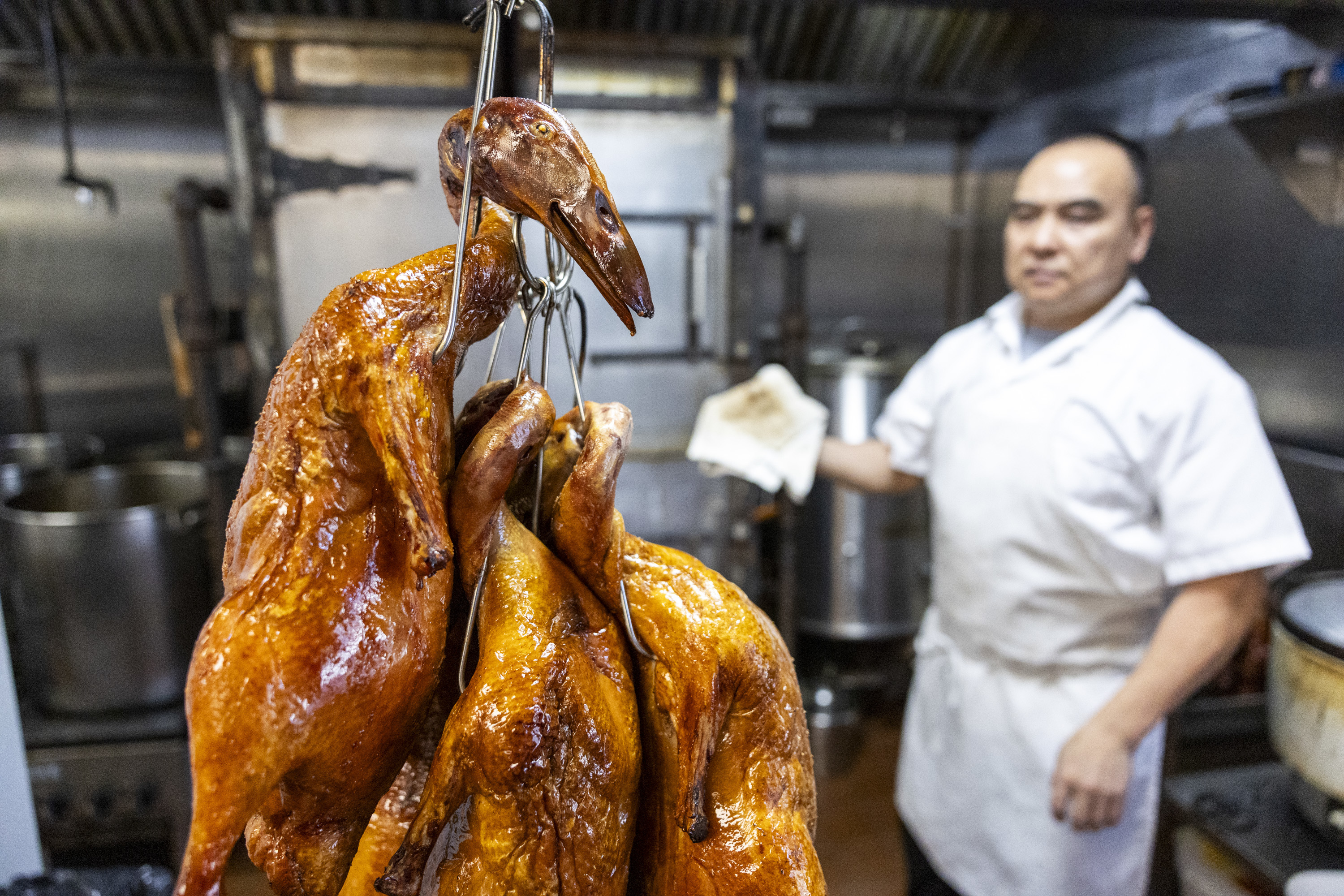
    Craig also found delicious nostalgia of a different sort at Chinatown’s Lau Kee, a specialist in both Peking- and Cantonese-style roast ducks. The owners hail from Fujian, a completely different province than that of their succulent ducks.

    Read Craig’s review of Lau Kee here.

    Briefly noted

    Bridget Foy’s will turn Headhouse Plaza (Second Street north of South) into four pickleball courts Thursday for its third annual tournament, timed to National Pickleball Day. The 4-to-8 p.m. event includes a hospitality-industry tournament, free open play, a live DJ, pickled snacks, prizes for the best-dressed duo, and cocktails. Day-of registration at Bridget Foy’s, 200 South St. Rain date: Aug. 27.

    Philadelphia Zoo’s Summer Ale Festival, postponed due to severe weather, returns Aug. 22 with more than 100 beers, ciders, seltzers, meads, spirits, nonalcoholic drinks, food trucks, and live music. Early admission is 6 to 10 p.m.; general admission is 7 to 10 p.m. Taps close at 9:30. Tickets, which include zoo admission, are $75-$99 for early admission, $65-$85 for general admission, $45 for nondrinkers. Tickets must be purchased in advance through the zoo; the event is rain or shine and 21-plus.

    Honeysuckle, the North Philadelphia restaurant from James Beard finalist chef couple Omar Tate and Cybille St.Aude-Tate and a regular on The 76, will launch Honeysuckle Midday on Sept. 17, offering a pay-what-you-can, three-course lunch service Wednesday through Friday, from 11 a.m. to 3 p.m. Diners can choose to pay $20, $35, or $55 for a menu that includes Blackcaesar salad, epis-roasted chicken, BBQ sweet potato, escovitch mussels, and beef and broccoli, followed by bean pie or water ice. Honeysuckle favorites including the Goat Bun, Fish Hoagie, and McDonald’s Money burger will be available for an additional charge. Tables are up on OpenTable.

    Cannonball Club, a sort of members-only car museum, will have food and a bar when it opens next month in Fishtown. Our auto columnist, Scott Sturgis, takes you inside.

    ❓Pop quiz

    Kiki says she has found the best chicken sandwich in Philly. Where is it from?

    A) Raising Cane’s

    B) Jollibee

    C) Dave’s Hot Chicken

    D) a corner store with a mysterious name

    Find out if you know the answer.

    📮 Have a question about food in Philly? Email your questions to Mike at mklein@inquirer.com for a chance to be featured in the newsletter.

    By submitting your written, visual, and/or audio contributions, you agree to The Inquirer’s Terms of Use, including the grant of rights in Section 10.