Blog

  • Jalyx Hunt is fine with you noticing his ascent. Just don’t call the Eagles pass rusher a breakout player.

    Jalyx Hunt is fine with you noticing his ascent. Just don’t call the Eagles pass rusher a breakout player.

    Don’t call it a potential breakout season for Jalyx Hunt.

    Hunt, the 2024 third-round outside linebacker out of Houston Christian, has been one of the standout defensive players in training camp due to his consistent disruption off the edge. His performance in joint practices against the New England Patriots, which included a diving interception of Drake Maye, provided more evidence of his stellar summer ahead of his third season with the Eagles.

    But Hunt isn’t all that fond of the “breakout” label for any player who is putting in the work behind the scenes, let alone himself.

    “I feel like to say ‘breakout’ is not disrespectful to any player, but the amount of work that the athletes on the field, whether it be practice squad, whether it be rotational guys, whether it be starters, the amount of work they put in … it’s no surprise when someone is able to make plays or to do anything like that,” Hunt said Monday.

    After all, there’s an argument to be made that Hunt has already broken out.

    In his second season with the Eagles last year, the 25-year-old outside linebacker led the team in sacks with 6½, a dramatic increase over his rookie year output of 1½. His 16.5% pressure rate was the highest among all Eagles outside linebackers, too, according to Next Gen Stats.

    The former Cornell safety also led the team with three interceptions.

    Hunt said he has always known that he was capable of the production. The general public is just catching up with his potential.

    “Last year was just a reflection of the work I put in,” Hunt said. “So I don’t think there’s any type of breakout. I think it’s just me and y’all are starting to see the type of plays I can make and the type of player I would like to be.”

    Jalyx Hunt’s play in his second NFL season was a revelation, one he’s seeking to build on. Monica Herndon / Staff Photographer

    Hunt could have plenty of opportunities to make more plays when the season begins. Jonathan Greenard has been sidelined for all of training camp with a pectoral muscle strain. Vic Fangio said on Aug. 19 that he didn’t know when Greenard would be back, casting some uncertainty about his availability for the season opener against the Washington Commanders in three weeks.

    Greenard was sidelined during the offseason program, too, as he recovered from shoulder surgery earlier this year. At the time, Fangio didn’t seem too concerned about his ability to get up to speed in a new defense given his veteran status.

    Still, if Greenard is sidelined for Week 1 or if he is on a snap count, that could mean more reps for the rest of the room, especially Hunt and Nolan Smith Jr. Even in training camp, Hunt is taking advantage of those additional opportunities, whether he’s going up in practice against Lane Johnson and Jordan Mailata or Patriots tackle Will Campbell.

    He was especially grateful to get away from Johnson and Mailata for two practices last week.

    “In a very respectful way,” Hunt said. “They’re just really good at their craft, so it’s nice to go against people who are stronger in other areas, make me work different moves and different tendencies, and try to dissect the rush as I go along in the game.”

    Hunt is learning from his fellow Eagles teammates on defense, too. No longer the least experienced player among the edge rusher corps, he still relies on the entire room for input, and vice versa. The group feeds off of one another, he said, regardless of age or experience.

    Jalyx Hunt (58) has explicitly credited teammate Zack Baun (53) in helping to fuel his growth. Yong Kim / Staff Photographer

    That culture goes beyond the edge rusher room. Hunt said he has looked to Zack Baun for inspiration since both players arrived in Philadelphia in 2024. Baun had signed a one-year deal with the Eagles after spending four years with the New Orleans Saints primarily as a core special teams player.

    But Hunt quickly picked up on Baun’s hardworking nature in training camp that year as he catapulted himself from a relatively unknown depth defender to an All-Pro inside linebacker and starter on a Super Bowl-winning defense.

    Baun had put in the work early on, and when he earned his opportunity, he never gave it up.

    “He became Zack Baun, the Bald Eagle, the superhero, the captain at the helm,” Hunt said. “So I learned that from him, too. You just have to keep putting in the work, and then when you’re put in those positions, your work will come through.”

    Hunt is laying the groundwork with the aspiration of following the same trajectory as Baun. His progress in Year 3 is promising. Hunt has taken up residence in the backfield this training camp, but that isn’t a surprise to the outside linebacker given his work ethic.

    Come Week 1, he will have an opportunity to replicate that performance in the regular season. He knows what he is capable of achieving, even if everyone else outside of the Jefferson Health Training Complex is just taking notice.

    “I don’t think there’s any type of breakout,” Hunt said. “I think it’s just me and y’all are starting to see the type of plays I can make and the type of player I would like to be.”


  • Body of Delran woman who helped rescue drowning girl found in Delaware River

    Body of Delran woman who helped rescue drowning girl found in Delaware River

    The body of a 33-year-old woman who disappeared in the Delaware River after she rescued a struggling swimmer on Monday afternoon has been recovered, the Delran Township Police Department said Tuesday.

    Search crews located the body of Priscila Alvares Pereira Dos Santos about 20 feet off a beach at Amico Island Park in Riverside shortly after 8 a.m. Tuesday, Delran police said, roughly 16 hours after she was last seen in the water.

    Alvares Pereira Dos Santos reportedly drowned after saving a girl who was struggling in the river around 4 p.m. on Monday, according to officials.

    She was able to push the girl toward bystanders on the shore before she vanished under the surface, they said.

    The girl she saved has not been publicly identified and her condition is unknown.

    Amico Island Park was closed Tuesday as the investigation into the incident continued.

  • Who do the Phillies trust in the bullpen? The bridge to Jhoan Duran is taking shape.

    Who do the Phillies trust in the bullpen? The bridge to Jhoan Duran is taking shape.

    SEATTLE — Six weeks after the Phillies lost their primary eighth-inning reliever for the season, five weeks before the playoffs, the bridge to Jhoan Duran is taking shape.

    And Brooks Raley is emerging as the top lefty.

    “Brooks has been easy to trust,” Don Mattingly said as the Phillies continued their West Coast trip here Tuesday. “He’s throwing strikes. He’s not walking people, all that. So, yeah, he’s easy to trust.”

    Mattingly’s word choice was notable because, this time of year, there’s only one question for a manager as it relates to the composition of the bullpen: Who do you trust?

    Rob Thomson trusted José Alvarado in Game 6 of the 2022 World Series … and got burned. Craig Kimbrel melted like an ice cube in the 2023 NL Championship Series. It was Jeff Hoffman, Matt Strahm, and Carlos Estévez against the Mets in 2024. Last year, Strahm, David Robertson, and eventually Orion Kerkering were done in by the Dodgers.

    The Phillies tweaked the bullpen in the offseason. But their most expensive addition, Brad Keller, had Tommy John elbow surgery last month. Jonathan Bowlan has outkicked expectations. But holdovers Kerkering and Alvarado have been inconsistent.

    So, as the Phillies attempt to cement a wild-card spot and close in on the division-leading Braves, the bullpen is coming into focus again, with relievers jockeying for position behind Duran in Mattingly’s circle of trust.

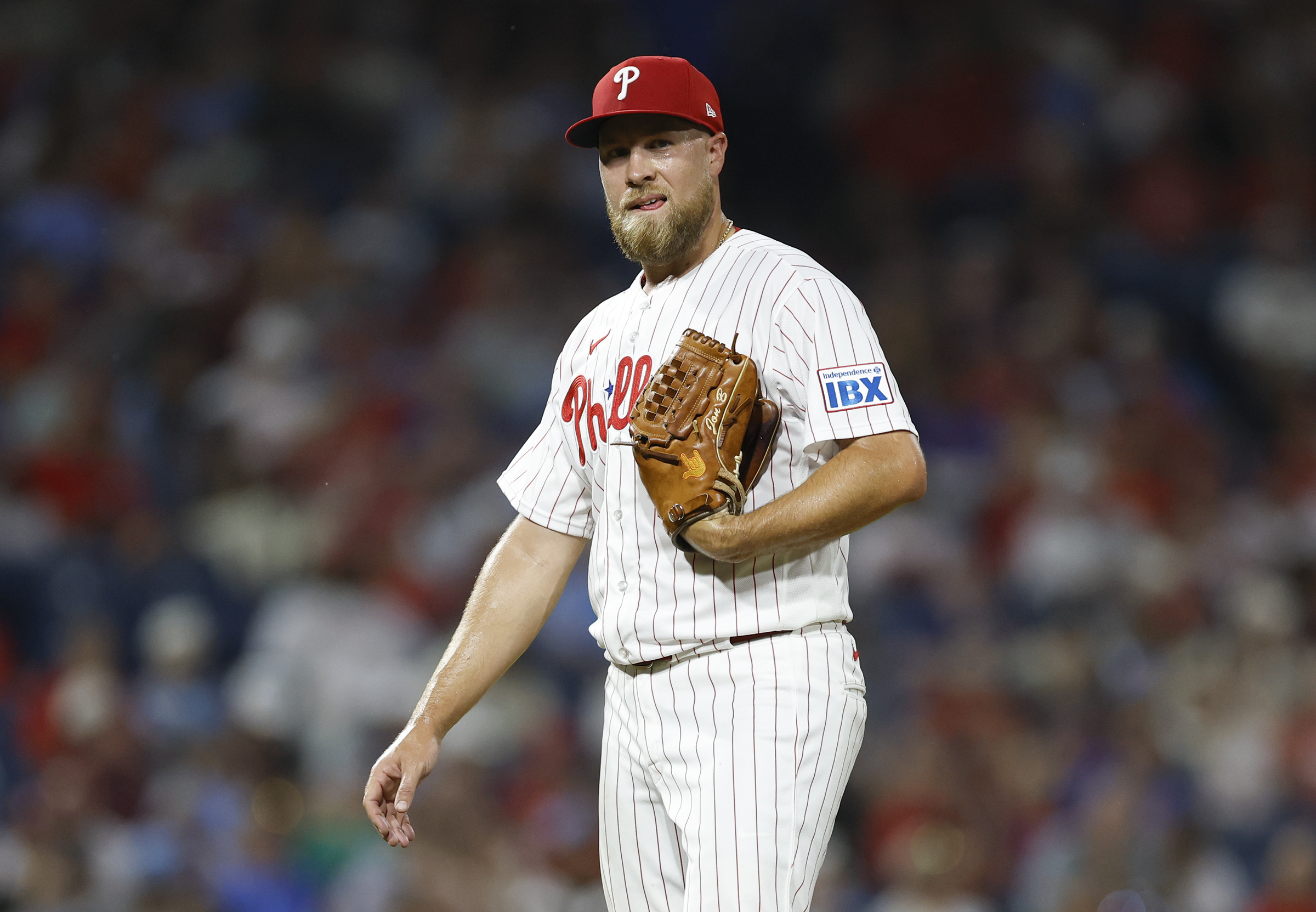
    Hard-throwing Phillies rookie reliever Alex McFarlane has pitched well since returning from triple A.Elizabeth Robertson / Staff Photographer

    Here’s what we know: Raley is earning more late-inning chances after being acquired in a deadline trade with the rival Mets. But hard-throwing rookie Alex McFarlane isn’t quite there yet.

    Let’s start with Raley. After giving up a pair of two-out runs in his Phillies debut on Aug. 5, the 38-year-old lefty has allowed one run on three hits and a walk in six innings over his last seven appearances.

    And with Duran unavailable last Tuesday night, Raley picked up his first save since 2023 in a 6-4 victory over the Marlins.

    “He’s given up some hits, but I feel like he’s going to make pitches,” Mattingly said. “He’s not going to panic.”

    There isn’t a more essential trait in October. Raley has appeared in 15 postseason games, mostly with the Astros, and has a 4.73 ERA that was inflated by a three-run outburst in Game 3 of the 2021 American League division series. He allowed two runs in his last 7⅓ postseason innings.

    Raley also has a track record against some of the most dangerous left-handed hitters in the National League. Shohei Ohtani, for instance, is 1-for-7 with three walks and a .506 OPS against him. Freddie Freeman is 1-for-6; Pete Crow-Armstrong and Max Muncy are both 1-for-4 with a walk; Christian Yelich is 1-for-4 with three strikeouts.

    And with Alvarado struggling (five earned runs in his last five appearances), Raley appears to be Mattingly’s lefty of choice with a late lead.

    Phillies reliever Jonathan Bowlan has a 2.89 ERA in 49 appearances.Yong Kim / Staff Photographer

    From the right side, Bowlan moved into the setup role vacated by Keller. But Mattingly has leaned hard on him and Kerkering, who appears to be catching a second wind after struggling to throw strikes for a stretch in late July.

    The Phillies have given McFarlane some higher-leverage tests since recalling him from triple A two weeks ago. The 25-year-old righty has uncorked 32 pitches that reached at least 100 mph, with his fastball averaging 99.9.

    But he also has given up three runs (one earned) on five hits and three walks in seven innings.

    “I think he’s been good. He’s been fine,” Mattingly said. “But there’s no reason to have to push him forward. … He’s been easy to trust when I don’t have another righty out there. I trust him in right-handed pockets. I don’t put him in Bowlan’s category yet, or even Kerk’s. But I do put him in the category of like, if you match him up in the right pocket.”

    Mattingly’s level of trust figures to rise as McFarlane’s command improves. He hasn’t issued a walk in his last three appearances after walking the leadoff batter in each of his previous three.

    “We talked about the walks earlier with him,” Mattingly said. “He’s thrown strikes for the most part. I think he’s a tough at-bat, especially on the righty, with the combination of his movement and velo. Just the velo, in general.

    “The more specific he gets over time with his breaking ball, the fastball, not just throwing it but getting it to an area of the plate. Being able to use both fastballs, the sink and the run straight [four-seamer], those are going to kind of dictate how good he becomes.”

    Every appearance is an audition for a larger role. And the auditions will continue for another month.

    Extra bases

    With a third-inning single Monday night, Bryce Harper became the 34th player to record 1,000 hits with the Phillies. He has 1,922 hits overall, seventh-most among active players behind Freeman, José Altuve, Andrew McCutchen, Paul Goldschmidt, Manny Machado, and Nolan Arenado. … Aaron Nola (5-9, 5.12 ERA) is lined up to start Tuesday night against Mariners righty George Kirby (8-10, 4.18). The series wraps up Wednesday with Jesús Luzardo (11-5, 3.35) set to face Mariners righty Bryan Woo (9-8, 4.10).

  • Ex-Sharon Hill cop pleads guilty to trading confidential information for cocaine from dealer

    Ex-Sharon Hill cop pleads guilty to trading confidential information for cocaine from dealer

    A former Sharon Hill police detective admitted Tuesday that he provided confidential information to a drug dealer in exchange for cocaine, using his inside knowledge as a member of the Delaware County Drug Task Force to help the man evade arrest.

    Vincent Procopio pleaded guilty to unlawful use of a computer, criminal use of a communication facility, hindering apprehension, and related crimes. He is scheduled to be sentenced by Judge Deborah Krull on Oct. 7.

    His attorney, Meaghan Wagner, said after the hearing that Procopio accepted responsibility for his actions as a means of continuing “to move forward in a positive direction in his life.”

    “Meanwhile he continues to work on his sobriety every day and celebrates eight months sober on Sept. 7,” she said.

    Before he resigned after his arrest in April, Procopio, 34, of Newtown Square, had worked for Sharon Hill for four years. He was at Academy Park High School on the night 8-year-old Fanta Bility was killed by a stray bullet amid a shooting caused by three of his colleagues.

    Procopio and the dealer, whom investigators did not identify, met through mutual friends in 2025, according to court filings. The dealer told police Procopio approached him, saying he “wanted in” on his drug-smuggling operation.

    Over the course of the next year, the dealer would give Procopio $100 baggies of cocaine in exchange for information from police databases, including whether undercover officers planned to make drug busts in the area where he was operating, and whether there were any warrants for his arrest.

    The narcotics, prosecutors said, were for Procopio’s personal use and “wholly unrelated to his law enforcement duties.”

    The scheme unraveled when the dealer was pulled over in Chester in December with 63 grams of cocaine in his car. He called Procopio for help, and Procopio made calls on his behalf, telling officers in Chester the man was a friend and was in the process of signing up to become a confidential informant.

    Procopio later told investigators he knew the man had sold drugs, but said he had recently stopped. He said he never saw the dealer sell cocaine and had never bought cocaine from him.

    Prosecutors said that Procopio’s statement was a lie, and that Procopio had deleted text messages between him and the dealer that made that clear.

    Procopio and the dealer had developed a jocular relationship, they said. On the day they met, the detective snorted a line of cocaine with the dealer inside his truck. He later went to the man’s home, where they “stayed up all night doing cocaine,” according to the affidavit of probable cause for Procopio’s arrest.

    The two regularly exchanged text messages, including one in which the detective, on his way to Sunday Mass, asked the dealer for a bag of cocaine.

    And Procopio instructed the man to tell any police officer who stopped him that he was the detective’s cousin, prosecutors said.

    In a statement announcing Procopio’s arrest earlier this year, State Attorney General Dave Sunday, whose office is prosecuting the case, decried Procopio’s actions, saying his “selfish, criminal acts also stain the reputations of many public servants who make sacrifices for their communities every day across the Commonwealth.”

    As part of the same investigation, another Sharon Hill officer, Domenic Dellabarba Jr., was arrested for allegedly providing confidential information to the dealer.

    Dellabarba, 27, is charged with obstructing the administration of the law and related crimes, and his case is pending in Delaware County Court.

  • Under Trump, protected wild horses are going to slaughter

    Under Trump, protected wild horses are going to slaughter

    They once had run free through the desert mountains of the West, a multicolored band of 68 wild mustangs that had never been saddled or corralled.

    Then the federal government rounded them up with helicopters in an attempt to control wild populations on public lands. The horses were held for years in a feed lot in Idaho while the government tried to find them what it called “loving homes.”

    Abruptly this March, the government found a home. Whether it was loving didn’t seem to matter.

    The horses were packed into metal trailers and trucked 1,800 miles east to the pens of a livestock trader in Ohio named Brandon Jones, who bought them for $25 each.

    A day later, two double-decker cattle trucks pulled up at midnight, loaded the mustangs, and quickly drove off into the night.

    From there, the mustangs disappeared. The trader won’t say where they went. Wild horse advocates suspect the horses were shipped to slaughter.

    But that’s not the government’s concern. It got what it wanted: two more truckloads of wild horses off its books.

    An examination of government records by the New York Times found that all over the country, the Bureau of Land Management, the agency in charge of protecting wild horses, is quietly selling thousands of horses to buyers like the one in Ohio. Slaughtering wild horses is illegal, but the bureau’s actions create a loophole that enables people to get mustangs on the cheap and then quickly resell them to be exported alive, processed into cuts of meat, and sold abroad.

    Livestock inspection records show mustangs sold by the government soon ended up on trucks bound for slaughter plants in Canada.

    The U.S. government’s sales of wild horses were once rare but started to rise after President Donald Trump took office. In 2025, they more than doubled to 3,700 horses, according to bureau records.

    In that time, the bureau has sent about 500 horses to Jones.

    In an interview, Jones said he was able to resell the horses quickly, though he didn’t advertise online or even post a “For Sale” sign at his corral. He would not say where the horses went and denied selling any to slaughter.

    The government can spend more than $3,000 to capture a mustang and bring it to market but sells each for as little as $25. A horse can fetch up to $750 at a slaughter plant. The potential for profit keeps buyers coming.

    By selling mustangs at a huge loss, animal welfare organizations say, the agency in charge of protecting wild horses is, instead, subsidizing their destruction.

    “The BLM is saying to the public that slaughter is off the table, but they’re doing it in plain sight using a third party,” said Clare Staples, who runs a wild horse sanctuary in Oregon called Skydog Ranch.

    The bureau did not respond to questions about its sales or make leaders available for comment. An unattributed statement from the agency said it “remains dedicated to placing animals into good homes, protecting their welfare, and upholding its statutory responsibilities on behalf of the American public.”

    About 73,000 wild horses roam federal public lands in the West, where they are protected from hunting or capture. For decades, in an attempt to keep the population sustainable, the bureau has rounded up 9,500 on average each year and offered them for adoption. But it finds adopters for only about half.

    The rest go into a labyrinth of feedlots and pastures that the bureau calls “the holding system.” The system now stores 58,000 wild horses at an annual cost of $100 million. Caring for them eats up most of the bureau’s $142 million wild horse budget.

    Over the years, bureau leaders have floated various lethal proposals for reducing the herds. But Congress — aware that the public wants mustangs protected — has barred the bureau from spending any money to kill healthy wild horses.

    There are alternatives to the roundups that have left so many horses in storage. For 20 years, the bureau has had access to inexpensive fertility-control drugs delivered by dart gun. They have been used effectively to control a few wild herds, and the government’s own experts have repeatedly urged the bureau to use them more widely.

    But because the bureau is spending so much on storage, it has little left to make the changes that would save it from storing more.

    And because the bureau has been unable to stop horses from coming into the storage system, it is now focused on getting them out.

    While the bureau can’t kill wild horses, it can use a series of bureaucratic maneuvers and financial transactions to transform them on paper into domestic livestock, stripping their legal protections.

    First, the bureau has to show a wild horse can’t be adopted. It does this by posting hundreds of horses at a time on its online adoption site. After a horse has three one-week listings with no takers, the law permits the government to designate it as unadoptable.

    Then it can be put up for sale.

    That’s an important legal distinction because a wild horse that is adopted retains its federal protections. One that is sold loses those protections immediately.

    A sold horse still can’t be legally killed — at least not yet — because the buyer is required to sign a contract promising not to slaughter the horse or “knowingly” sell it to anyone who intends to resell it for slaughter.

    But if the buyer resells to a middleman without asking questions, the buyer is safe from prosecution.

    The middleman has not signed a contract with the bureau and is free to legally sell the mustang to slaughter.

    Jones, 35, appeared out of nowhere in the wild horse world last spring and quickly became the bureau’s biggest buyer, bureau records show.

    He said he sold horses only two or three at a time to good owners. “I’m not dealing with traders,” he said. “I’m dealing with a farmer, come up the road, who wants to buy a horse.”

    Shown photos and video of the trucks of horses that left his property at midnight — taken by a local wild horse lover and shared with the Times — he questioned whether it had happened.

    “Could have been cattle,” he said.

    To buy large numbers of mustangs, Jones had to get approval from top officials in the bureau. His application stood out.

    Nearly all of the other buyers who have qualified over the years have well-established mustang sanctuaries. Not Jones.

    He had no ties to the wild horse world and no history of working with mustangs. The application asked what veterinarian would care for the horses. He listed an office an hour away from his land with a website that says it treats only small animals.

    On Facebook, he was friends with a number of livestock dealers but no wild horse rescues.

    For a year, his application sat at the bureau with no action. Then, in March 2025, a federal court ordered an end to one of the bureau’s leading ways of off-loading horses — the program that paid adopters $1,000 per horse.

    A few weeks later, Jones’ application was approved.

    He denied selling mustangs to the traders. He said it was wrong to see him as a bad guy. By reselling mustangs, he said, he had saved the government millions.

    There are small clues to what may have happened to the wild horses sold to Jones.

    Four showed up late last fall at an auction in Tennessee frequented by slaughter buyers.

    Jones said the horses in Tennessee were the result of just one bad sale to an irresponsible buyer.

    Another clue emerged at the Canadian border.

    The United States has no horse slaughter plants. The industry here was shut down in 2007, so horses are now exported to Canada.

    Jones lives about an hour from the main Canadian horse export crossing.

    Last summer, a few weeks after Jones received a load of 97 mares, export records show that one of the largest exporters of slaughter horses to Canada, an Ohio man named Fred Bauer, shipped two truckloads of horses to Canada. Grainy photos of the trailers’ interiors taken by border inspectors show some of the horses had distinctive serial numbers on their necks — government wild horse brands.

    Jones denied that his horses went to Canada through the exporter, saying, “I’d never deal with Freddy Bauer. Me and Freddy Bauer don’t get along.”

    Reached by phone, Bauer declined to say whether he had bought mustangs from Jones. When asked where Jones’ horses were going, Bauer said it would be simple for authorities to track the horses.

    “The government put Brandon Jones in charge of this whole wild horse situation,” he said. “There’s all kinds of records. So they ought to be able to find out what he’s doing if they want to.”

    This article originally appeared in the New York Times.

  • Jenkintown might expand its historic, 187-year-old library

    Jenkintown might expand its historic, 187-year-old library

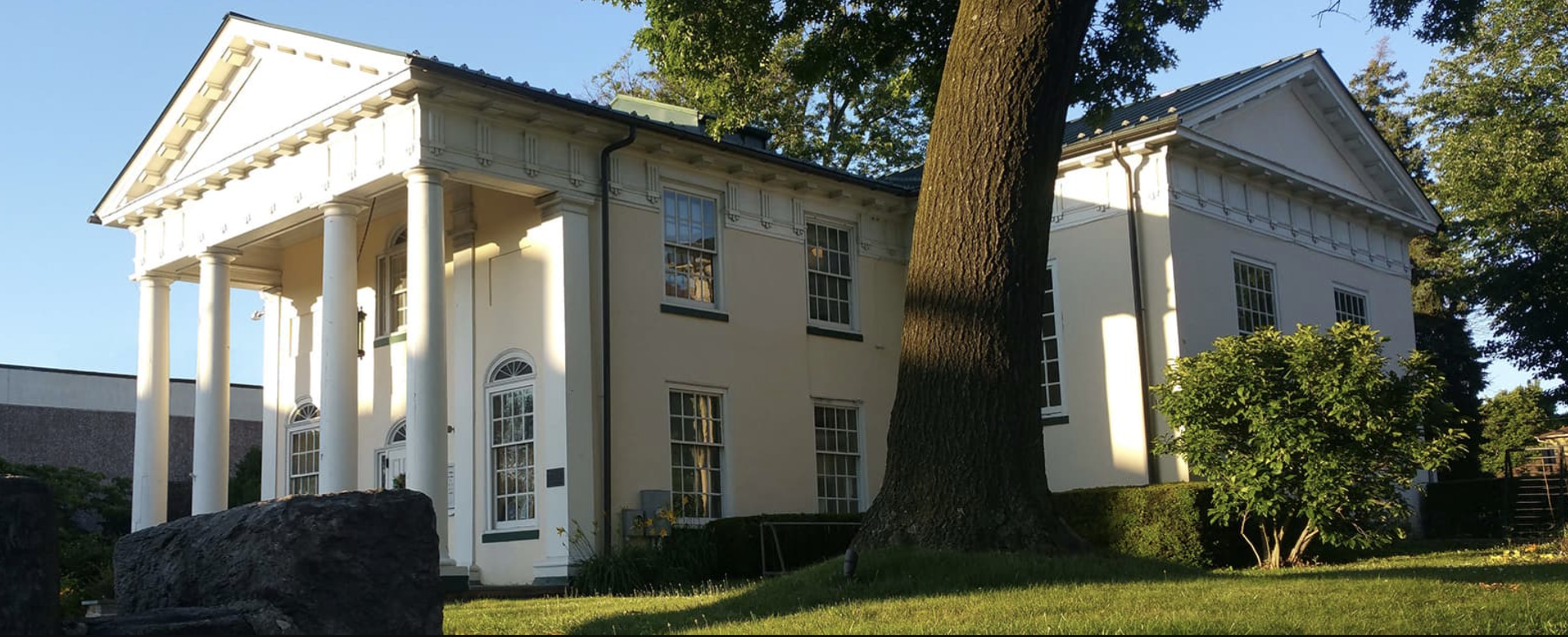
    Jenkintown Borough is seeking a design and engineering consultant to help decide whether to expand or reorganize its historic library.

    Library use is booming, according to Jenkintown’s request for consultant proposals: Almost a third of the borough’s residents are active patrons, owing in part to new apartments within walking distance, borough officials wrote. Visits from Philadelphia residents are also up 28% from last year.

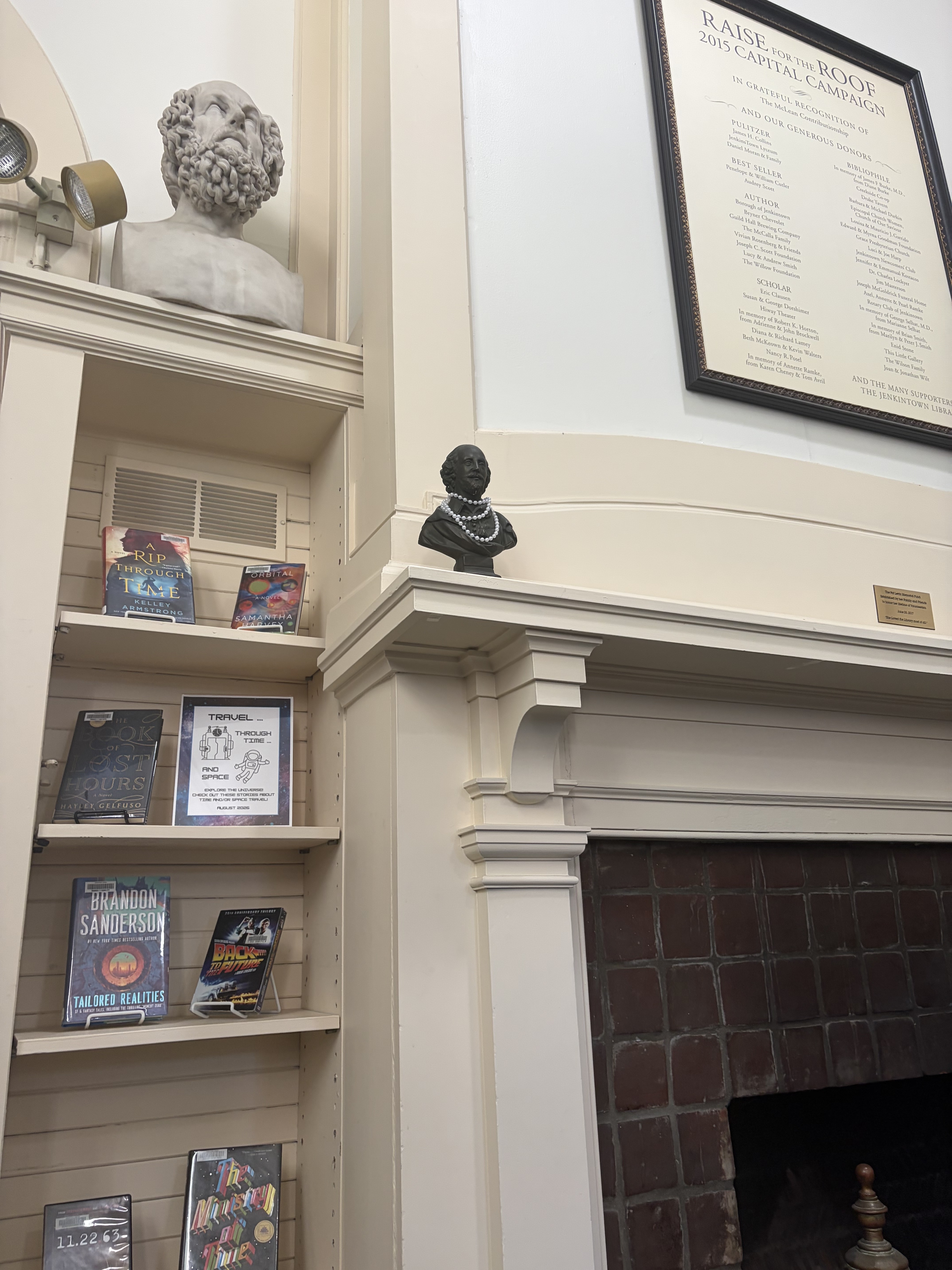
    Busts by the fireplace at Jenkintown Library, a pre-Civil War building listed on the National Register of Historic Places.Jess Rohan

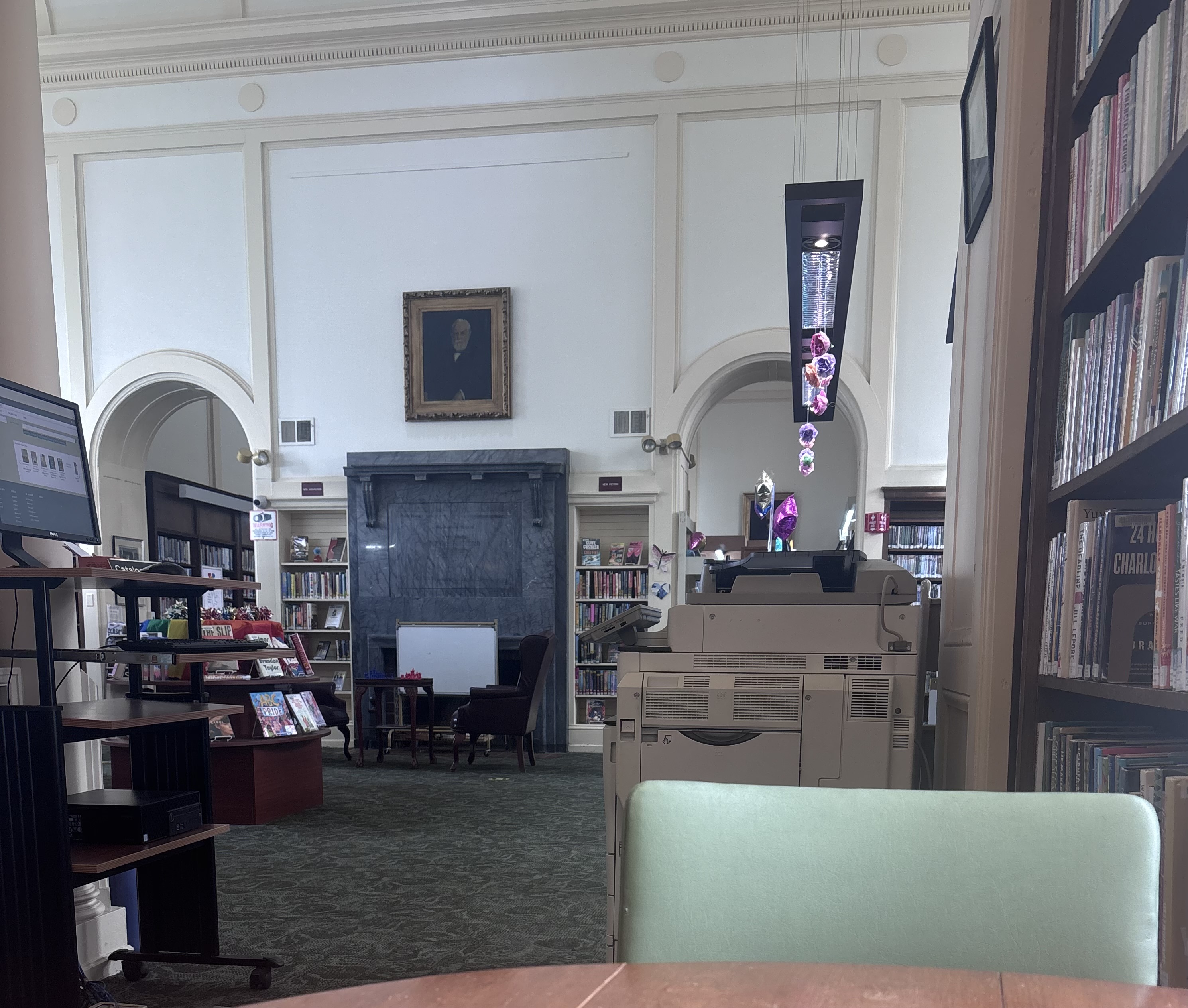
    But the 187-year-old building, which is on the National Register of Historic Places, is not suited to the needs of modern library users. The building, which includes additions from 1909 and the 1970s, has just six computer stations and no quiet study areas. Originally designed as a lecture hall, the library also lacks energy efficiency and accessibility.

    “These spaces were designed for a very different era,” borough officials wrote.

    Jenkintown won a state grant for $81,900 to fund the master plan process, which the borough will match with its own money under the grant requirements.

    Jenkintown Borough plans to either reorganize or expand its historic library, which has only six computer stations and no quiet study room.Jess Rohan

    The consultant will assess all of the library’s facilities, including fire code compliance, the electrical system, and architectural elements, and identify short- and long-term facilities needs.

    The community would then be presented with the consultant’s recommendations for two options: either expanding the library or reconfiguring the existing space. The consultant would use the community feedback to create the final master plan.

    This suburban content is produced with support from the Leslie Miller and Richard Worley Foundation and The Lenfest Institute for Journalism. Editorial content is created independently of the project donors. Gifts to support The Inquirer’s high-impact journalism can be made at inquirer.com/donate. A list of Lenfest Institute donors can be found at lenfestinstitute.org/supporters.

  • Paying parents to become influencers and other priorities for Philly schools superintendent in 2026-27

    Paying parents to become influencers and other priorities for Philly schools superintendent in 2026-27

    Philadelphia Superintendent Tony B. Watlington Sr. zigzagged the city Monday, visiting seven schools across the city to start the 2026-27 year.

    The late-summer weather was perfect, sunny but not sweltering — an important factor in a school system laden with old buildings, where extreme heat sometimes means about a quarter of the district’s 113,000-plus students cannot learn in person or at all,

    Watlington is hoping that the back-to-school weather was an omen.

    “The way we start is going to be the way that we roll, and the way we finished last year,” the superintendent said. “We started off really well.”

    Watlington sat down with The Inquirer on Tuesday to preview the 2026-27 school year. Here are five things to know from the conversation.

    Priorities for this school year

    Three priorities will drive his administration this year, Watlington said: academics, customer service, and family engagement.

    Though new data are not yet available, Watlington is leaning hard on a study released earlier this year that found Philadelphia School District students’ post-pandemic learning is tops among large urban school systems, according to research out of Harvard and Stanford Universities.

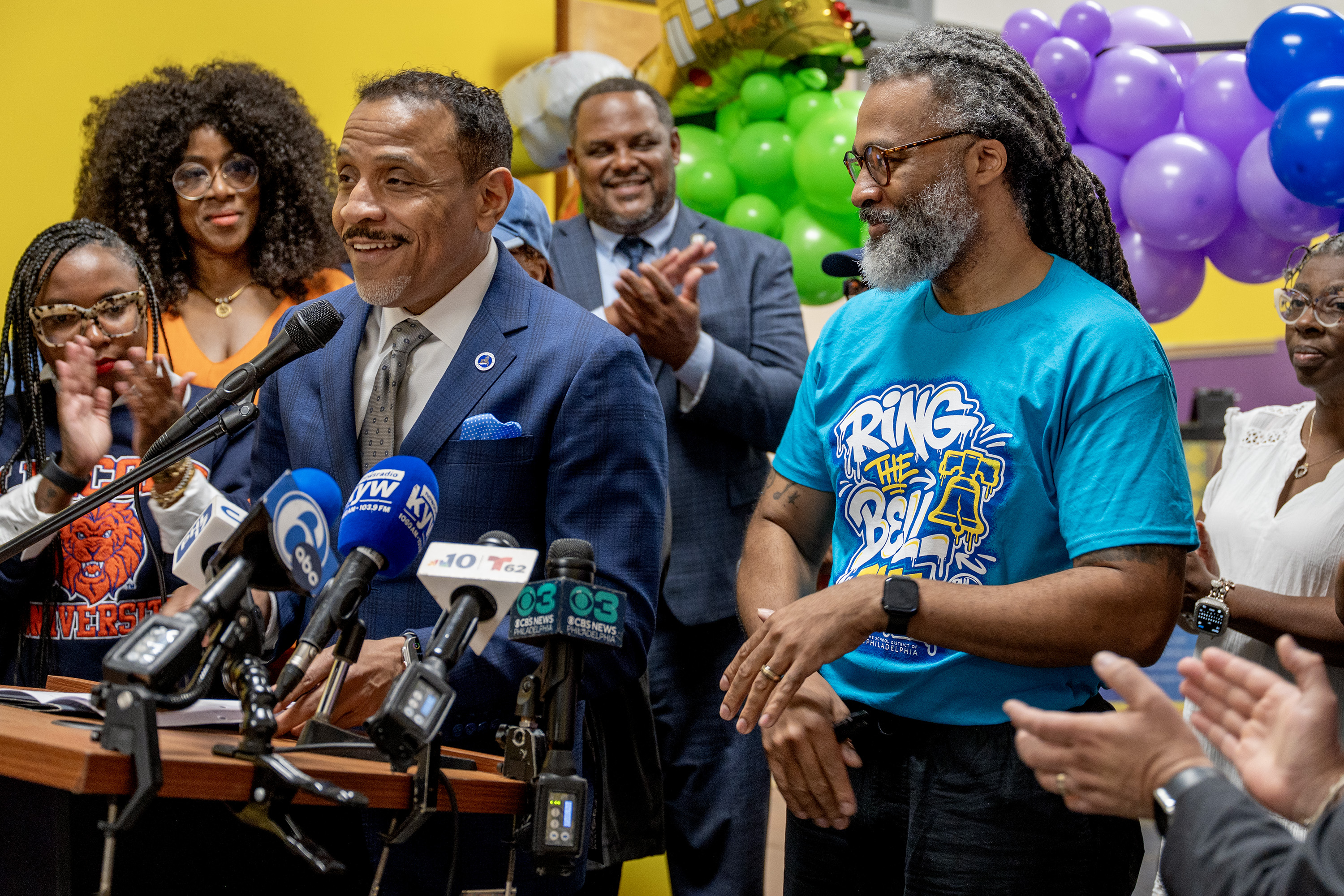
    Superintendent Tony B. Watlington Sr. (left) and district board president Reginald L. Streater (right) hold a press conference at McClure Elementary Monday, Aug. 24, 2026 on the first day of school in the Philadelphia School District. Behind them in center is Carlton Williams, just a week into his job as the City’s Philadelphia’s Managing Director (he started Aug. 17)Tom Gralish / Staff Photographer

    “We want people to stop and digest that for a moment,” Watlington said. “Because people will say, ‘Well, are the scores still too low?’ I’d say absolutely, yes, we’ve got a lot of work to do and it’s not acceptable that two out of three kids don’t read or perform on grade level in math, but we’re getting better faster than the 25 largest school districts, and that’s our goal to be the fastest-improving, so we’re well on our way,” Watlington said.

    “We believe it’s important for us to work with parents as equal partners because they are our children’s first teachers, and when we support our parents and families, our kids just do better in school,” he said.

    Some parents will be paid to help schools improve

    Watlington said this is the year the district will begin paying some parents to help schools reach their goals. He announced a plan to do so in 2023, when he first laid out his strategic plan, but this year it is finally happening.

    The Parent and Community Ambassador Program will provide small stipends to “key community members and parents who just have a level of influence and cachet that no teacher, principal, counselor, police officer, or superintendent has in communities,” Watlington said. “If we can figure out how to connect with some of these key community folks, it will do nothing but help us to improve student attendance in schools where there may be some tensions or poor communication between families and school staff.”

    Johnny Beauchamp (right) waits with his son Johnny (5, not a Jr.) as they arrive early at McClure Elementary Monday, Aug. 24, 2026 on the first day of school in the Philadelphia School District. Young Johnny is going into kindergarten and Beauchamp, a single father, took two days off from his work as a truck driver to make sure he could be there on “the start of the rest of his life.”Tom Gralish / Staff Photographer

    The aim, the superintendent said, is to address issues like homework completion, or family cooperation with key school initiatives.

    “We think that’s a pioneering effort,” Watlington said. “Families first in 2026-2027.”

    The program will begin as a pilot in a limited number of schools. Watlington did not provide details about how much ambassadors will be paid or how many schools will participate initially. He said details will be released soon.

    About those PSSA and Keystone scores

    There has been significant speculation around the release of state test scores. Pennsylvania released preliminary data to districts in the late spring, as it typically does, but Philadelphia has shared only limited student PSSA scores with select staff. Most Philly principals and teachers have not seen the scores, though other districts and schools have not withheld the data.

    Wuimarlyn Sanchez, (left) , 7, is greeted by a classmate outside McClure Elementary Monday, Aug. 24, 2026, starting as second graders on the first day of school in the Philadelphia School District.Tom Gralish / Staff Photographer

    The Pennsylvania Department of Education notified districts last week that statewide results, typically available to districts in late August or early September, would be delayed, though the release of the data to parents and the public does not typically happen until the fall.

    Philadelphia officials then suggested the state holdup was the reason for their own delay.

    Watlington said Tuesday that “we’re just going to wait for the official, verified data to come to us. We’re not trying to hide anything, but we need to get the verified data.”

    The superintendent suggested, however, that both statewide glitches in the administration of the test on the first day of PSSAs and the shift to online administration of exams, which research links to decline in student scores, will show an effect when the scores are finally made public.

    “My hunch is that, at the end of the day, online testing will have had some impact, but I don’t want to speculate on that across the Commonwealth of Pennsylvania,” Watlington said. “When the state verifies the data, we’ll release it immediately.”

    Some students were unable to access tests for up to 40 minutes on the first day PSSAs were administered.

    “All things being equal, I personally would like to be able to do over every single first-day test,” Watlington said. “That’s not really financially or time practical, but in an ideal world that would be my, my superintendent’s wish.”

    School selection’s still up in the air

    The district’s much-watched school selection process will open this year on Sept. 8 and close on Oct. 30. Watlington said its details are still being worked out, given the state score wrinkle.

    Pencils and crayons in the first grade classroom of teacher Lauren Cucinotta at Fanny Jackson Coppin Elementary are ready to write and color Tuesday, Aug. 18, 2026, as she prepares for the start of the School District of Philadelphia school year on Aug. 24.Tom Gralish / Staff Photographer

    Students who wish to gain admission to the system’s 37 criteria-based schools typically submit PSSA scores for consideration. Last week, district officials said they would not use PSSAs for school selection.

    Watlington said Tuesday that his team was “currently reviewing a number of options about how to handle the fact that we won’t have 2025-26 data in time for our school selection process. So we’re reviewing all of our options. I believe there was a thinking initially that we’d have students who have access to some special test — the Terra Nova, etc. We’ve not finalized a decision there yet, so we don’t want to get ahead of our skis just yet.”

    District size, and winning back kids to Philadelphia schools

    When Watlington talks about Philadelphia being one of the 10 largest school systems in the U.S., he is counting children enrolled in both traditional district schools and charters — all of which are supported by taxpayer dollars.

    Counted together, last year, the district had 113,735 students, and charters enrolled 64,469.

    The district’s enrollment grew for the first time in a decade in 2024-25, inching up by a little fewer than 2,000 students. It then lost 794 students last year, which Watlington attributes to a SEPTA strike at the beginning of the school year that caused a pronounced drop in student attendance and, he believes, caused some families to disenroll children from district schools.

    “It’s too soon to know exactly where our numbers will shake out, but my expectation and hope would be that we maintain the similar enrollment to last year,” Watlington said. “I expect this school district to grow over time, though.”

    Why? Watlington touted Masterman’s recent ranking by U.S. News & World Report as the nation’s No. 3 public high school in the country and the district’s academic gains.

    “We just need to tell that story,” Watlington said, “and go out and market ourselves to parents.”

  • The Philadelphia Cycling Classic — with its famed Manayunk Wall — returns this weekend. Here’s everything you need to know.

    The Philadelphia Cycling Classic — with its famed Manayunk Wall — returns this weekend. Here’s everything you need to know.

    The Philadelphia Cycling Classic is back this weekend for the first time in a decade.

    From 1985 to 2016, the race was a staple in the streets of Philadelphia, and it’s finally making its return with the men’s and women’s races on Sunday.

    Here’s everything you need to know about the race and its return …

    What is the Philadelphia Cycling Classic?

    The Philadelphia Cycling Classic started in June 1985 and was recognized as one of the most iconic cycling races in the country.

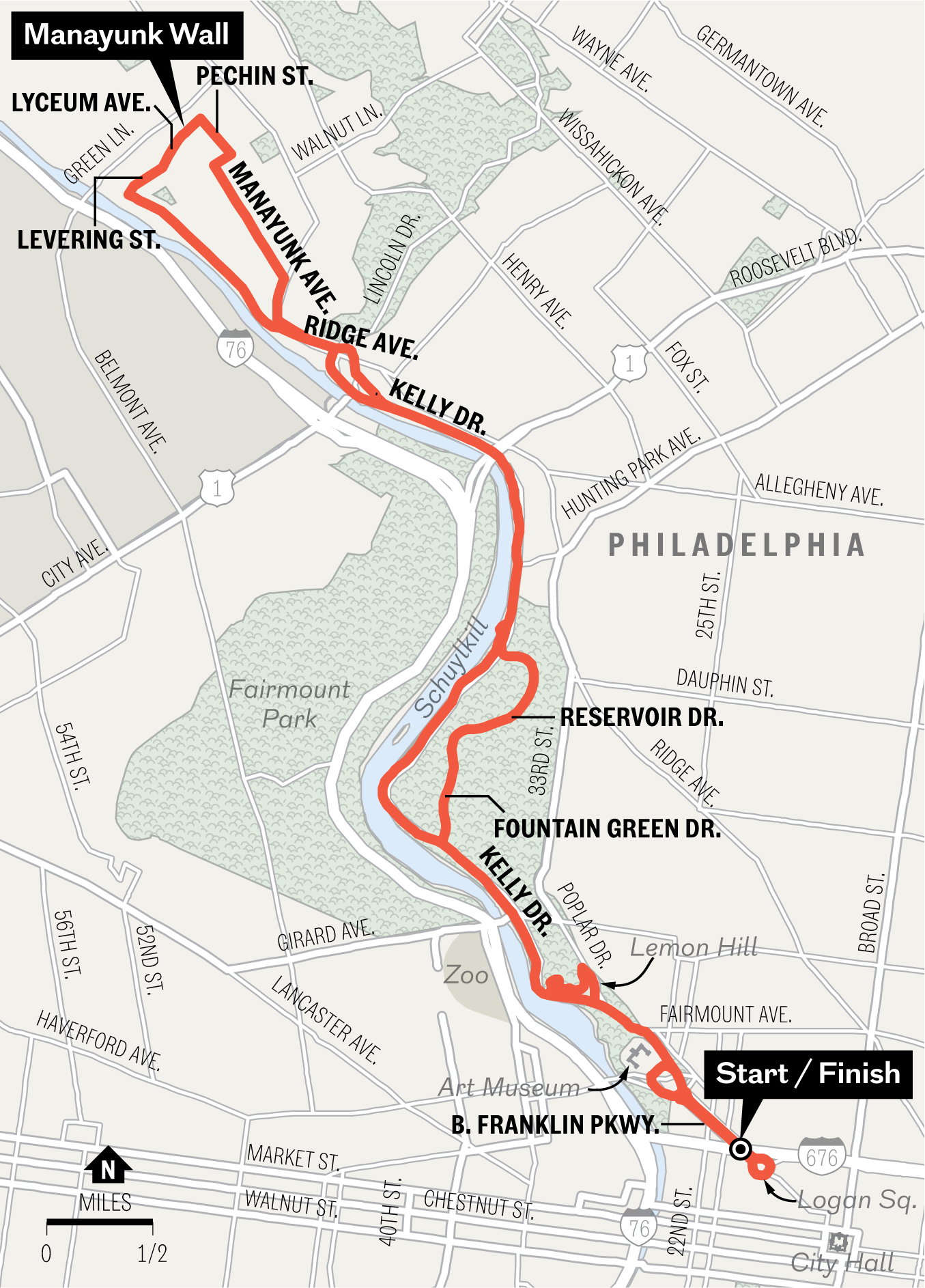
    The course is a 14.4-mile circuit that will start and finish on the Benjamin Franklin Parkway. The women’s race will total 65 miles, while the men’s race will be 122 miles.

    Originally known as the CoreStates U.S. Pro Cycling Championship, the race took about 100 professional riders on a 10-lap circuit spanning Fairmount Park and the hills of Manayunk, with speed skater and Olympic gold medalist Eric Heiden winning the inaugural race.

    In late January 2017, city officials announced that the race’s run had come to an end. That year, organizers said, the race would cost an estimated $1 million to stage successfully and safely, and not enough sponsors were interested.

    Former racer Carlos Rogers, former Philadelphia Mayor Michael Nutter, and Eric Robbins are responsible for spearheading the race’s return this year.

    What is the race route?

    The original course ran up the Ben Franklin Parkway to Kelly Drive, passing through East Falls, Roxborough, and Manayunk, which was home to the most famous part of the course, the Manayunk Wall.

    This year’s race will return to that original course, and will take participants past Strawberry Mansion, Lemon Hill, Boathouse Row — and, of course, up the Wall.

    Course map for the 2026 Philadelphia Cycling Classic.John Duchneskie

    The Wall is a steep incline hill, reaching up to a 17% grade over a stretch of about a half mile, mostly on Levering Street in Manayunk. It is considered one of the race’s most iconic components, and has been part of the race since 1985, when Jerry Casale and David Chauner first mapped out the course.

    Road closures will start Saturday with the Philadelphia Cycling Classic Amateur Time Trial and continue into Sunday for the main races.

    Who is competing?

    The Philadelphia Racing Classic will feature 36 teams and 212 riders.

    Eight of the teams competing are WorldTour teams — three women’s and five men’s. Overall, there will be 21 women’s teams and 15 men’s teams, with riders representing 28 countries.

    Olympians and national champions are among the riders on Sunday, including world class athletes who have competed in the Tour de France, Giro d’Italia, and Vuelta a España.

    Racers Robin Carpenter of Modern Adventure Pro Cycling and Kim Stoveld of AUTOMATIC Racing will be among the local riders. For Carpenter, this is his fourth Philadelphia Cycling Classic while Stoveld has witnessed the race as a spectator before she started cycling around the time of the COVID-19 pandemic.

    What do the winners receive?

    The Philadelphia Cycling Classic offers equal prizes, in the men’s and women’s races, of $75,000 each. Winners will also receive trophies crafted by John Rais, an artist and metalsmith with a studio located in North Philly.

    How do I watch?

    Locally, 6abc will air the race live on television for those who want to watch from home, which includes streams on 6abc’s YouTube Channel, website, and on Hulu and Disney+. A special will air at 5:30 p.m. on Sunday on 6abc.

    The women’s race will start at 8:35 a.m. with the men’s race to follow at noon.

    For fans interested in attending, access to the race will be free, meaning anyone can line up along the course to watch.

    Traditionally, large parties take place along the tight streets of Manayunk, turning the race into a festival of sorts. But for those not located in the Manayunk area, the event’s official Fan Fest will be held by the Iroquois Sculpture near Philadelphia Museum of Art from 10 a.m. to 5 p.m. on Saturday and 8 a.m. to 5 p.m. on Sunday. Entry is free and will include vendors, live entertainment, a stream of the race, activities for kids, and a beer garden.

  • Doctors, not pharmacy benefit managers, should be determining the treatment for my cancer

    Doctors, not pharmacy benefit managers, should be determining the treatment for my cancer

    For the better part of two decades, I have been living with cancer. I’m grateful for the advances in treatment that have made that possible, but I also have faced denials and delays to my care that could have meant a different outcome for me.

    In 2010, I went to the doctor with what I thought was the flu. I was having trouble sleeping, frequent heartburn, and a persistent cough. My life quickly took an unexpected turn when I was diagnosed with chronic myelogenous leukemia (CML), a cancer that starts in the bone marrow.

    Again, the unexpected. Suddenly my family and I were navigating an unknown and scary world — multiple tests and treatments I couldn’t spell, countless decisions, and most unexpectedly, despite having insurance coverage, wondering how we’d be able to afford the treatments to save my life.

    For most of my adult life, like most people, I paid insurance premiums for my family, expecting that if my wife or I or one of my daughters gets sick, the money I’ve paid into that pool will be there to help cover what we need. But when I was diagnosed, I quickly realized this wasn’t the case.

    It turns out the insurance company had a treatment plan of its own for me, but not the one my actual oncologist had prescribed.

    I was told that before the insurer would grant coverage for the treatment my oncologist felt was best for me, I had to try and fail on medications the insurance company preferred. That practice is called step therapy, and for cancer patients, it can be deadly.

    I can’t speak for everyone, but for me, failure is not really a word you want to be part of the discussion when it comes to cancer. The companies driving it, pharmacy benefit managers like OptumRx, Express Scripts, and CVS Caremark, profit from controlling what drugs get covered and in what order.

    For patients with other blood cancers like chronic lymphocytic leukemia, the most common adult leukemia, the consequences can be even more severe. Delays and forced substitutions can allow the disease to evolve in ways that close the window on the best available treatment entirely.

    If I had been diagnosed 10 years earlier, the treatment for CML would have included chemotherapy or a bone-marrow transplant. Today, thanks to medical advances, the most effective treatment option for my type of leukemia is daily oral anti-cancer therapy.

    There are no comparable IV medications, and the self-administered pills allow me to continue to work and be an active person. In the last several years I’ve started running again, which has been a great outlet for me and another way to protect my health.

    Thankfully, when my insurance tried to force me to try and fail on their alternative treatment plan, my oncology team was able to get me enrolled in a program with a drug company through which I’m able to get my medication directly from them and at low cost. But without that option, I could be forced to deal with my insurer and likely face delays and denials for my care.

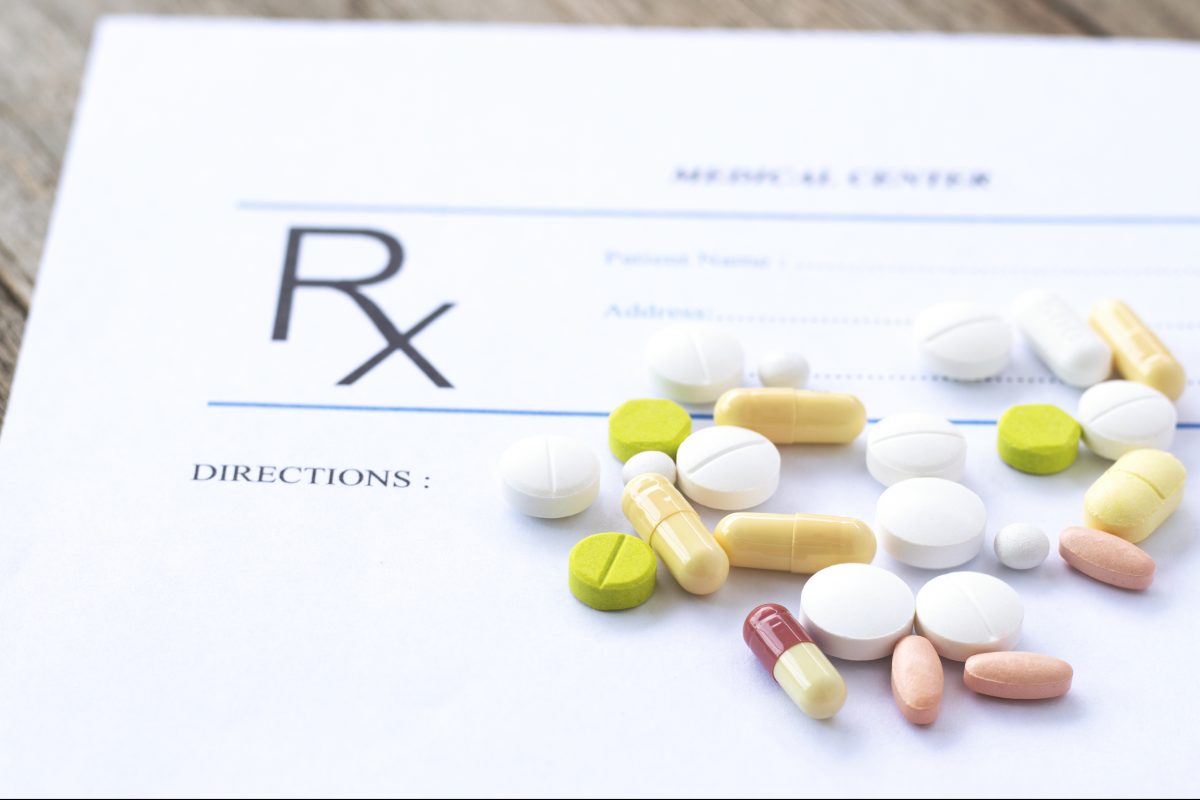
    Thanks to medical advances, the most effective treatment option for his type of leukemia is daily oral anti-cancer therapy, writes Paul O’Hara.Pongsak Tiantad/Dreamstime/TNS

    Congress has an opportunity to stop this from happening to cancer patients, and everyone else who has been put through the dangerous process of step therapy.

    The House Oversight Committee is already leading the charge. In a letter to Mehmet Oz, administrator of the Centers for Medicare and Medicaid Services (CMS), Oversight Committee Chair James Comer called on the centers to do more to protect Medicare Part D patients from insurer- and pharmacy benefit manager-imposed step therapy.

    Part D plans are already bound by national cancer treatment guidelines that make clear not all cancer drugs are interchangeable, yet insurers and their pharmacy benefit managers routinely substitute treatments for financial reasons rather than medical ones. CMS has the tools to crack down and needs to use them.

    Comer also played a critical role in crafting pharmacy benefit manager reforms. He and his colleagues should seize on the momentum of those successes by passing the Safe Step Act, which would ensure patients can receive timely exceptions when step therapy is medically inappropriate.

    The commitment to putting patients first should extend to ending fail-first policies that can delay access to the cancer treatments that physicians determine are most appropriate for their patients.

    All cancer patients want is to live life to its fullest, to see the other side of their diagnosis, and to get back to knowing what to expect out of each day. Patients deserve to know that their health insurance will provide the care their doctors say they need. I ask the Pennsylvania federal delegation to get behind the Safe Step Act. It is vitally important to the lives of American patients.

    Paul O’Hara is a Doylestown resident and the president of Connected Cloud LLC, an information technology consulting firm specializing in cybersecurity.

  • Canada strikes back at US with retaliatory tariffs as trade war escalates

    Canada strikes back at US with retaliatory tariffs as trade war escalates

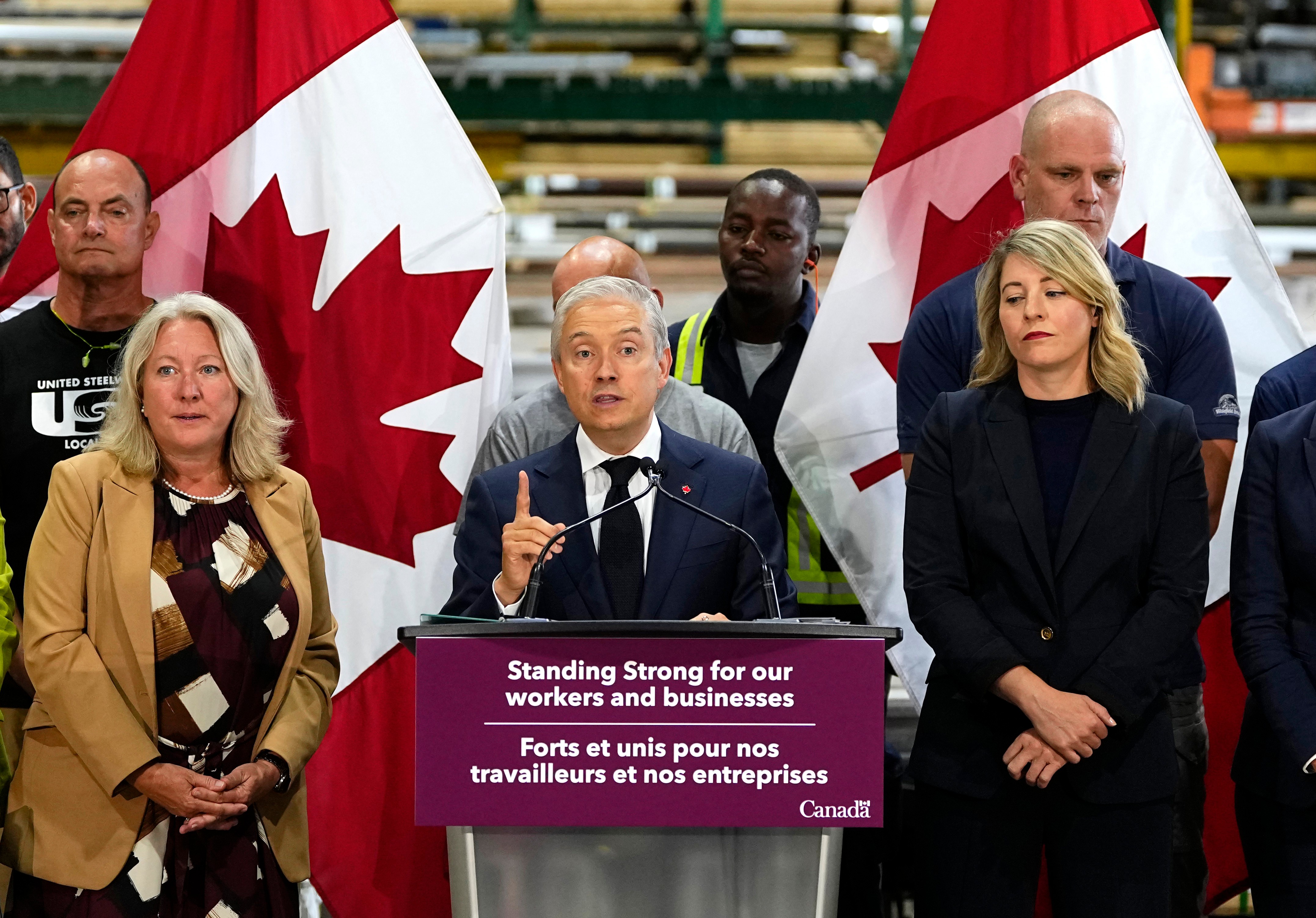
    TORONTO — Canada struck back at the United States on Tuesday with retaliatory tariffs on about $20 billion worth of American goods, including steel, dairy products, appliances, and farm equipment, as the trade war between the once-friendly neighbors escalated sharply.

    The confrontation threatened one of the world’s largest trading relationships and further strained ties between the United States and a country long considered one of its closest allies. A prolonged dispute could raise costs for American businesses and consumers less than 2½ months before the midterm elections.

    The new tariffs extended well beyond industrial goods, hitting everyday purchases such as seafood, cheese, clothing, cosmetics, and toilet paper, with some facing duties as high as 50%.

    “We did not choose this conflict, but when our economic integration is used as a weapon rather than the foundation for a win-win partnership, we need to stand up,” Finance Minister François-Philippe Champagne said in French, calling the situation “an unprecedented challenge imposed on Canada.”

    Industry Minister Mélanie Joly urged Canadians to buy Canadian goods, saying doing so would help protect jobs and launch a “movement of resistance.” She said Canada selected some American products for tariffs to put political pressure on particular U.S. states. Canadian officials used a similar strategy during Trump’s first term, when retaliatory tariffs targeted Kentucky whiskey, Florida orange juice, and Wisconsin yogurt.

    Canada’s retaliation came after the Trump administration imposed 50% tariffs over the weekend on Canadian goods following the collapse of trade negotiations. Canadian Prime Minister Mark Carney accused Washington of trying to subordinate Canada and said U.S. demands during the failed talks showed that Americans wanted to “destroy our major industries.”

    Trump told Canadian leaders to ‘fall in line’

    Trump intensified the confrontation Monday, telling Canadian leaders to “fall in line” or face consequences “far WORSE” than existing tariffs and threatening new 50% tariffs on Canadian vehicles, auto parts, and steel.

    Trump added another provocation Tuesday, saying the United States was giving “serious consideration” to renaming Lake Ontario “Lake America” in a feud with Ontario Premier Doug Ford. Such a change would be reminiscent of the Republican president’s unilateral action last year by executive order to rename the Gulf of Mexico to the Gulf of America.

    In the hours before Canada’s announcement, Trump went on a social media tear against the country, accusing it of ripping off American farmers and driving American companies out of business.

    “I deal with many countries, and Canada is easily the most difficult and unreasonable,” Trump wrote in one post. “They feel entitled, but they are not a State, and will be entitled no longer!”

    Tariffs on many U.S. products would double

    The tariffs will take effect Sept. 8 at rates of 15%, 25%, and 50%, with Canada matching the corresponding U.S. tariff rate on more than 700 products such as pulp and paper and electronics. The tariffs on many American products would double from 25% to 50%, with the largest share of the new measures affecting steel and aluminum.

    Canadian officials said the goal is not to raise revenue but to protect Canadian companies and reduce U.S. imports.

    U.S. steel imports, for example, have already fallen 30% since Canada imposed a 25% tariff, and the new 50% rate is expected to cut them further, Canadian officials said.

    Goods facing 50% tariffs include some steel and aluminum products, furniture, and clothing. Appliances, dairy products including cheese, fish and seafood, and certain steel and aluminum derivatives will face 25% tariffs. Existing Canadian countertariffs on U.S. autos will remain in place.

    Canada also announced a support package for workers and businesses affected by the dispute worth $7.5 billion in Canadian dollars ($5.4 billion in U.S. dollars).

    Canadian officials acknowledged the counter tariffs will raise costs for some businesses and consumers but said they expect the overall economic effects to be moderate.

    They said the government has provided more than $30 billion Canadian dollars (US$21.7 billion) in tariff-related support since the beginning of 2025 — far more than it has collected in retaliatory duties — as it tries to cushion the blow from the trade fight.

    Countries have integrated supply chains

    Canada and the United States have deeply integrated supply chains across autos, energy, agriculture, and manufacturing, making a prolonged trade fight potentially costly for businesses and workers on both sides of the border.

    Businesses and consumers are caught in the middle, facing uncertainty about how much prices may increase.

    Michael Howard II, owner of a furniture business in Warren, Mich., outside Detroit, said the tariffs will hamper the “ability for us to put food on the table for our family” and affect ”the ability for us to give back to our community.”

    Howard and his wife started their business a decade ago. They make and sell everything from dining room tables to bookcases.

    “To say that we don’t need Canada is just disingenuous,” he said. “It’s dishonest. And it’s just absolutely not truthful. We need our neighbor, but also they need us.”

    On Monday, Carney said U.S. negotiators had raised objections to French-language content on streaming platforms and French-language labeling rules. He rejected the idea that those issues were negotiable, saying in French: “For the Americans, questions about the French language, Quebec culture, francophone culture, and Canadian culture are irritants. Here in Quebec, here in Canada, they are rights.”

    In a social media post early Tuesday, Trump wrote: “I would never interfere with Canadians speaking French! In fact, I have never even thought of doing such a stupid thing. This lie was made up by a weak and ineffective Prime Minister in an attempt to gain political support, which he has totally lost, from the people of Quebec. I love French Canadians!”