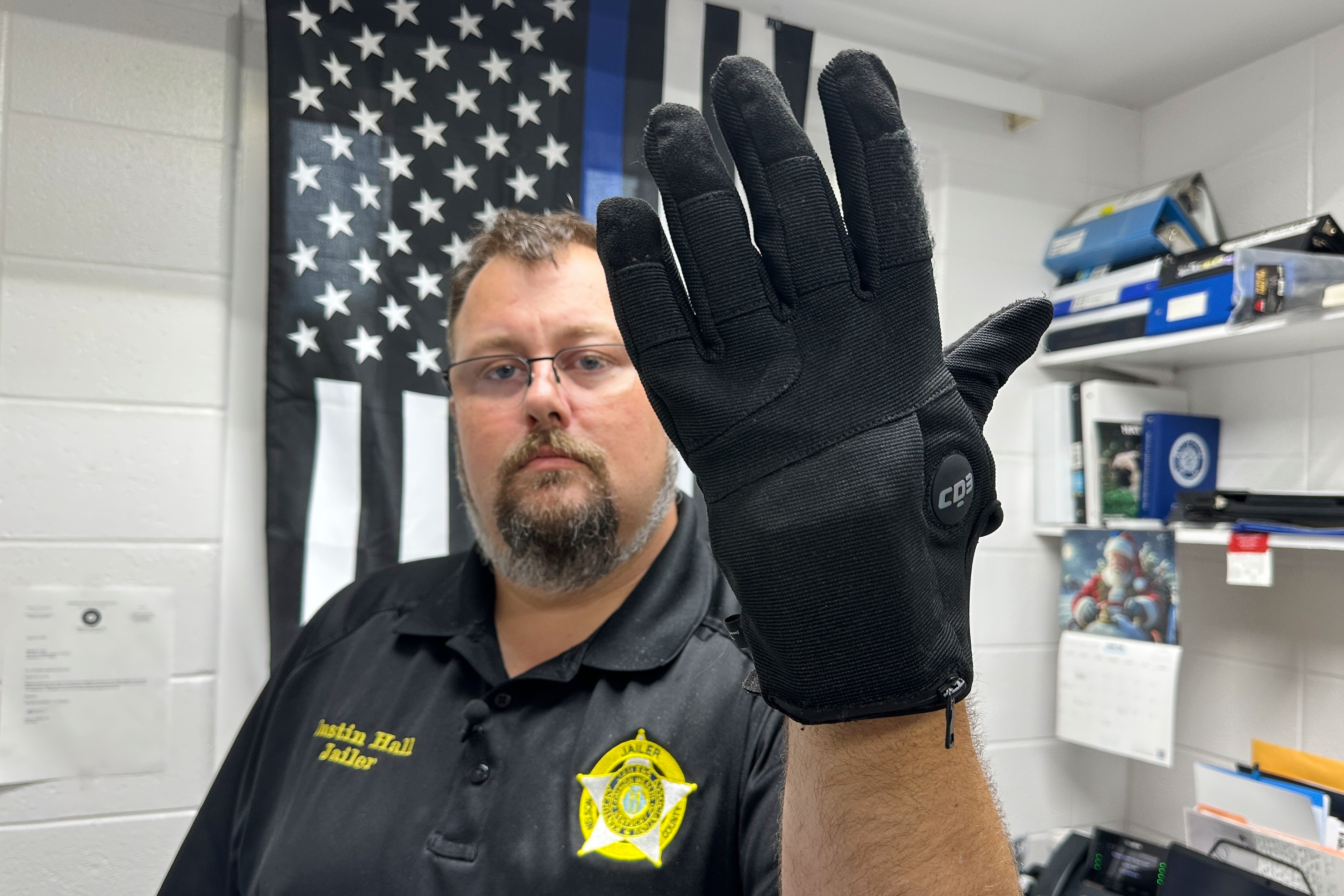
U.S. Immigration and Customs Enforcement has awarded a $16.7 million contract to purchase 6,000 pairs of gloves that can deliver painful electric shocks, saying officers would use them to control detainees and protesters who resist.
ICE moved forward with the purchase despite opposition from civil rights advocates and Democratic members of Congress, who said ICE officers cannot be trusted to use them appropriately.
A notice published in a federal database Thursday said ICE entered into a no-bid contract to purchase the gloves from Compliant Technologies LLC, a Kentucky-based firm that manufactures them. The deal includes acquiring 6,000 of the devices along with support equipment and services over the next six months.
ICE published the notice hours after a group of U.S. senators, led by Democrat Catherine Cortez Masto of Nevada, urged the agency to cancel its plan to buy the gloves. In a letter to ICE’s acting director Thursday, Cortez Masto and 15 of her colleagues in the Democratic caucus questioned ICE’s need for the devices.
“The blatant and tragic misuse of force in Los Angeles, Chicago, Minneapolis, Houston, Maine, and other locations around the country raises significant skepticism about the agency’s professional capability to safely deploy a new tool that could be used to harm Americans without cause,” the letter said.
The senators were the latest to express opposition to the plan, which became public this month when ICE published a notice outlining its intent to purchase thousands of “conductive distraction and de-escalation devices” for officers and investigators.
The devices are normal patrol gloves until an officer presses a button to activate the electrical mode. They must be applied directly to someone’s skin to produce a shock that causes pain, which is promoted as a way to gain compliance from people who are resisting. They have been used by some local jails and police departments in recent years.
ICE’s notice said officers would use them in “high-tension environments,” including while making arrests, transporting combative detainees and responding to civil disturbances outside detention facilities.
“It will be used when a subject is actively or passively resisting and an officer needs to gain control quickly to prevent injuries to both parties,” the document said.
It said that the shocks would help “maintain control over inmates and prevent aggression or escape attempts,” allow officers to handcuff people hiding their hands, and assist in crowd control. The goal would be to avoid using “more severe force,” including firearms. The notice said the gloves would be used with “approved policy, training, and accountability standards,” but it did not elaborate.
Cortez Masto and the other senators said in their letter that the device “presents substantial risks if deployed during civil arrests — even more so if it is deployed without clear limits, appropriate training, and comprehensive oversight.” They said ICE must make public details about how officers will be trained and how use of the gloves will be documented and reviewed internally to avoid misuse.
ICE’s parent agency, the Department of Homeland Security, reacted defiantly Thursday to critics of the purchase.
“Sanctuary politicians attempting to ban our federal law enforcement from any safety equipment is despicable and a deliberate attempt to undermine and endanger our officers,” the agency said in a statement.
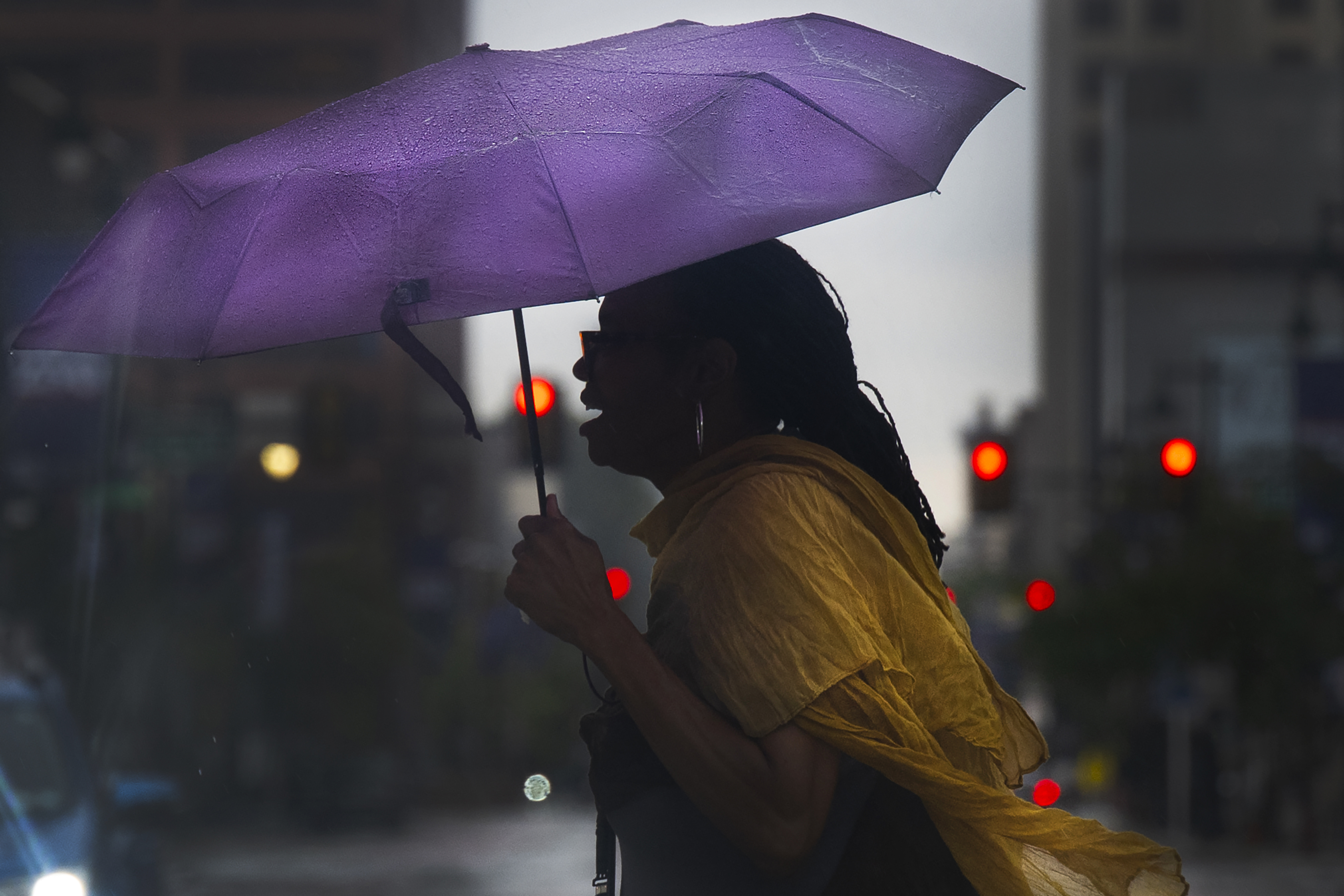
It’s been a while — about a week, actually — but fresh rounds of strong thunderstorms and flooding bedeviled the Philadelphia region yet again Thursday.
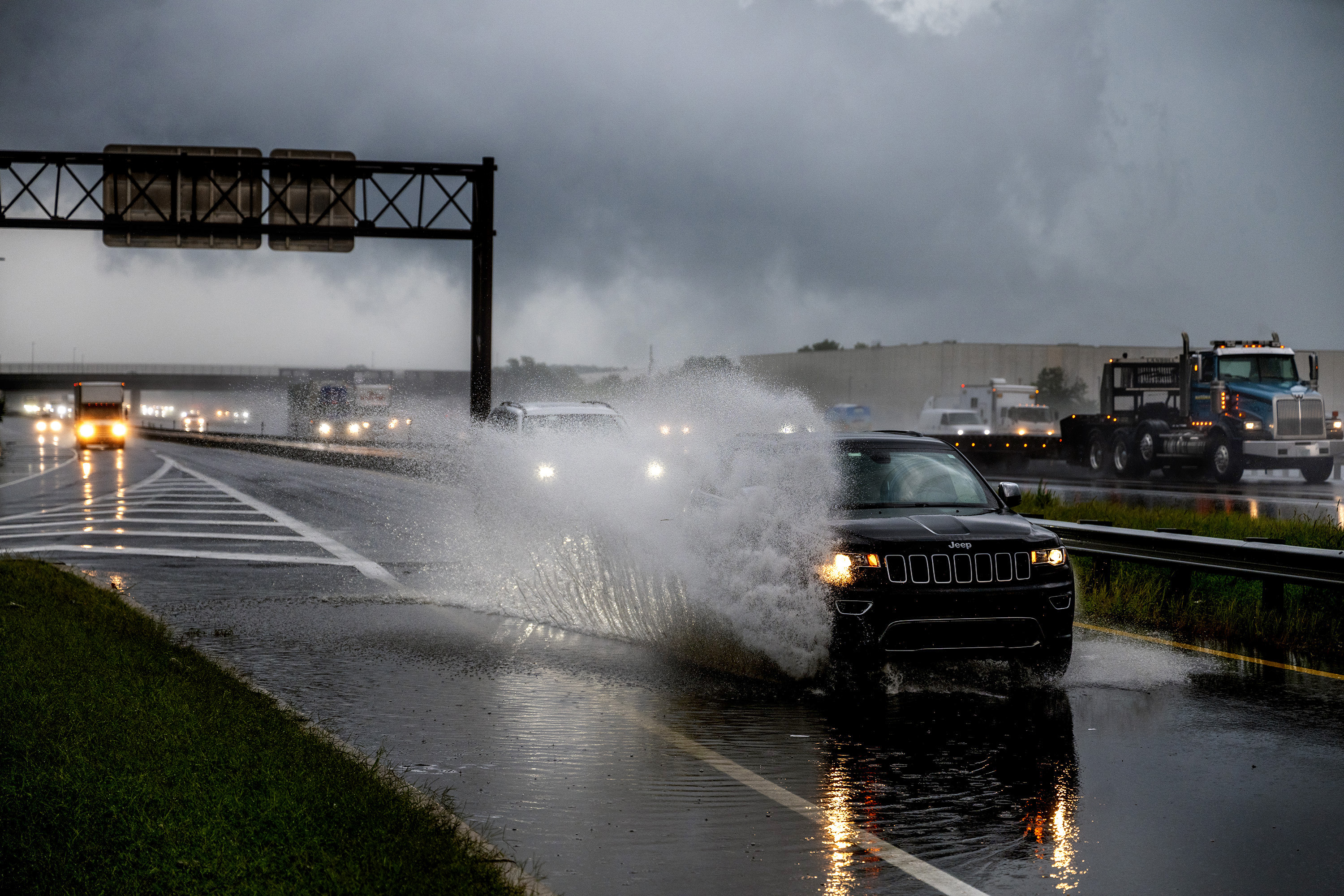
South Jersey evidently was bearing the brunt of the ferocity during the afternoon, with 5-plus inches of rain reported in Gloucester County, where flooding closed portions of Route 130.
A tornado warning had been posted in Salem County, but it was not yet known if one was sighted.
During the late-day commute, a second round of heavy rain moved into northern Chester County and central Montgomery County, prompting flood warnings.
“Multiple water rescues” were reported in Parkesburg, Chester County, the National Weather Service said, with water up to car windows. Flooding on Route 422 in East Conventry Township resulted in at least one vehicle accident.
After a couple of uncharacteristically pleasant days, pulses of moisture have returned, and the National Weather Service was warning that as much as three to five inches of rain could fall in “isolated” areas into Thursday night.
Drivers on the New Jersey Turnpike exit for the Molly Pitcher Service Area during a rain storm Thursday.Tom Gralish / Staff Photographer
Strong storms rumbled through the area late in the morning and pounded South Jersey in the afternoon.
Officially, 1.48 inches of rain was measured at Philadelphia International Airport, bringing the 2026 total to 28.84 inches, for 0.03 inches over the year-to-date normal.
(function(){function e(){window.addEventListener(`message`,function(e){if(e.data[`datawrapper-height`]!==void 0){var t=document.querySelectorAll(`iframe`);for(var n in e.data[`datawrapper-height`])for(var r=0,i;i=t[r];r++)if(i.contentWindow===e.source){var a=e.data[`datawrapper-height`][n]+`px`;i.style.height=a}}})}e()})();
Heavy rains also set off flash flooding warnings in Delaware County and in portions of Bucks County.
In addition, a severe thunderstorm watch was in effect for the entire region.
The flood watch is in effect for the city and the seven neighboring counties from noon Thursday to 4 a.m. Friday, with rain-repelling high pressure moving offshore and a warm front migrating northward.
Said Cody Snell, meteorologist with the national Weather Prediction Center in College Park, Md., “It’s a pretty typical pattern that we’ve seen before this summer.”
Indeed.
Computer model runs were suggesting that the atmosphere would not only be moist, but charged with energy, the weather service in Mount Holly said Wednesday afternoon.
The federal Storm Prediction Center in Norman, Okla., listed a 15% chance of severe storms, those with wind gusts approaching 60 mph, along the I-95 corridor. At least it made no mention of possible tornadoes — yet.
When might the storms hit the Philly region?
The likeliest window for the main events would be between 2 and 8 p.m., said Bill Deger, senior meteorologist with AccuWeather Inc. said
The sun is likely to appear after the morning rain shuts off, he said, and that would “help destabilize the atmosphere,” adding a kick to potential thunderstorms.
He expected a midafternoon round, followed by an encore in the evening.
What areas are likeliest to see flooding or severe storms?
For severe weather, all of Southeastern Pennsylvania and New Jersey areas along the Delaware River are in the storm center’s highest risk zone, which extends from the Maryland-Virginia border to upstate New York.
Along the Delaware River, Snell said, “there’s a little bit of signal for training thunderstorms.” Those are the kind to develop and not move, the kind that can wring out three to five inches.
He said the west-to-east moving storms may run out of steam by the time they get to Jersey.
However, any rains are likely to cause trouble, he said.
“Our ground can’t handle much more at this point,” said Deger, who lives in the Quakertown area and has seen the harvests of the downpours in his backyard.
“I’m mowing every four days,” he said.
Staff writer John Duchneskie contributed to this article.
KATHMANDU, Nepal — It was already too late when the call came.
Rajan Khatri, 41, a police officer, was working at his station in a mountain village in northern Nepal when a friend rang Wednesday morning to warn that a flash flood was thundering downriver in his direction. As soon as he hung up, giant waves slammed into the station.
“I cannot explain how big the waves were,” Khatri said from a hospital bed in Nepal’s capital, Kathmandu, on Thursday. “They engulfed several meters-high buildings in a fraction of seconds. It wasn’t just water. It was a combination of boulders, sand and thick sludge.”
The onslaught flung Khatri out of the building, and he lost consciousness and suffered chest injuries. Two of his colleagues survived, but four were missing on Thursday.
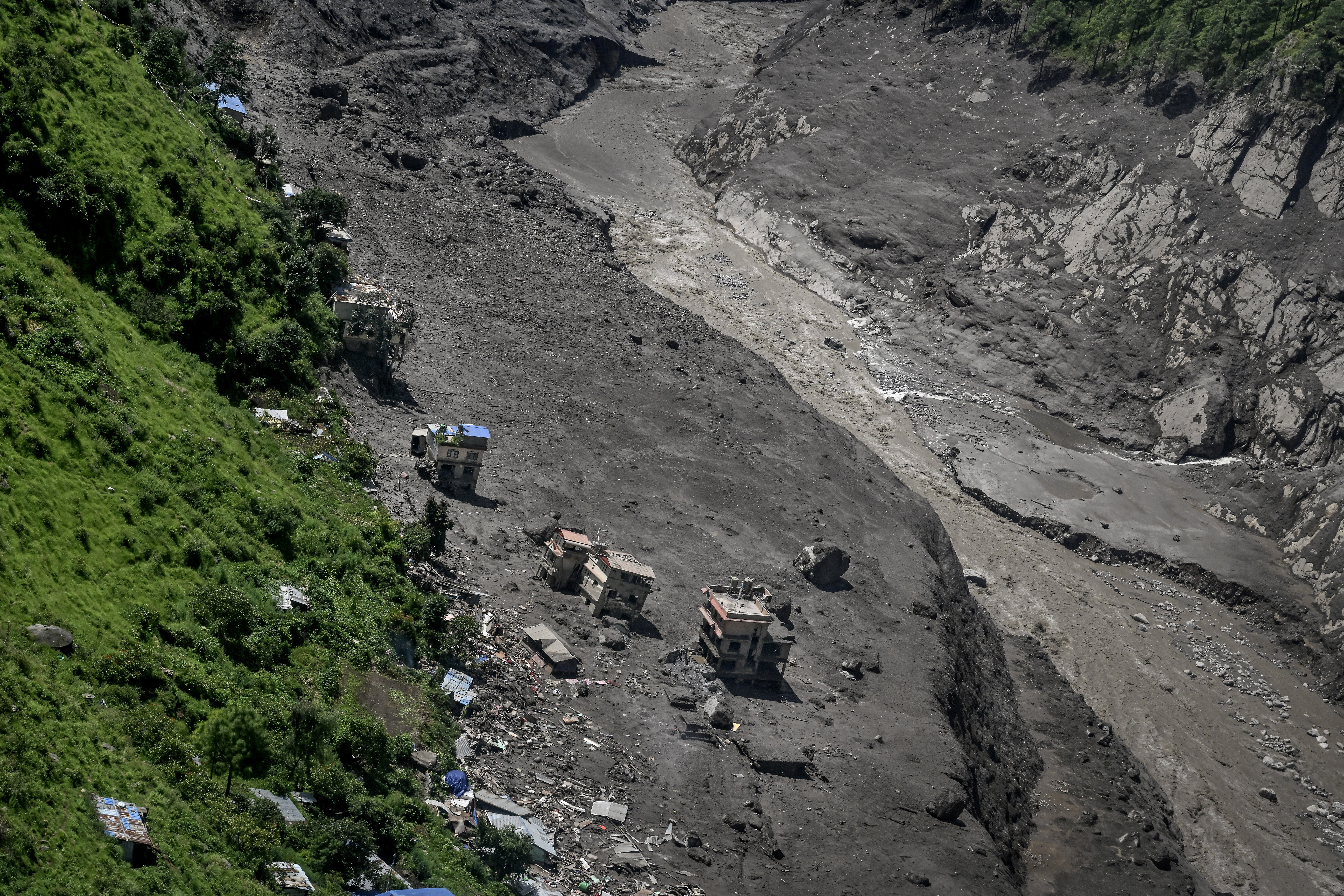
They were among the more than 1,400 people missing in the devastating deluge of rock, ice, trees, mud and water that blasted through river valleys on the border between Nepal and Tibet, washing away bridges, smashing homes, schools, and hydropower plants, and swallowing people who tried to run away.
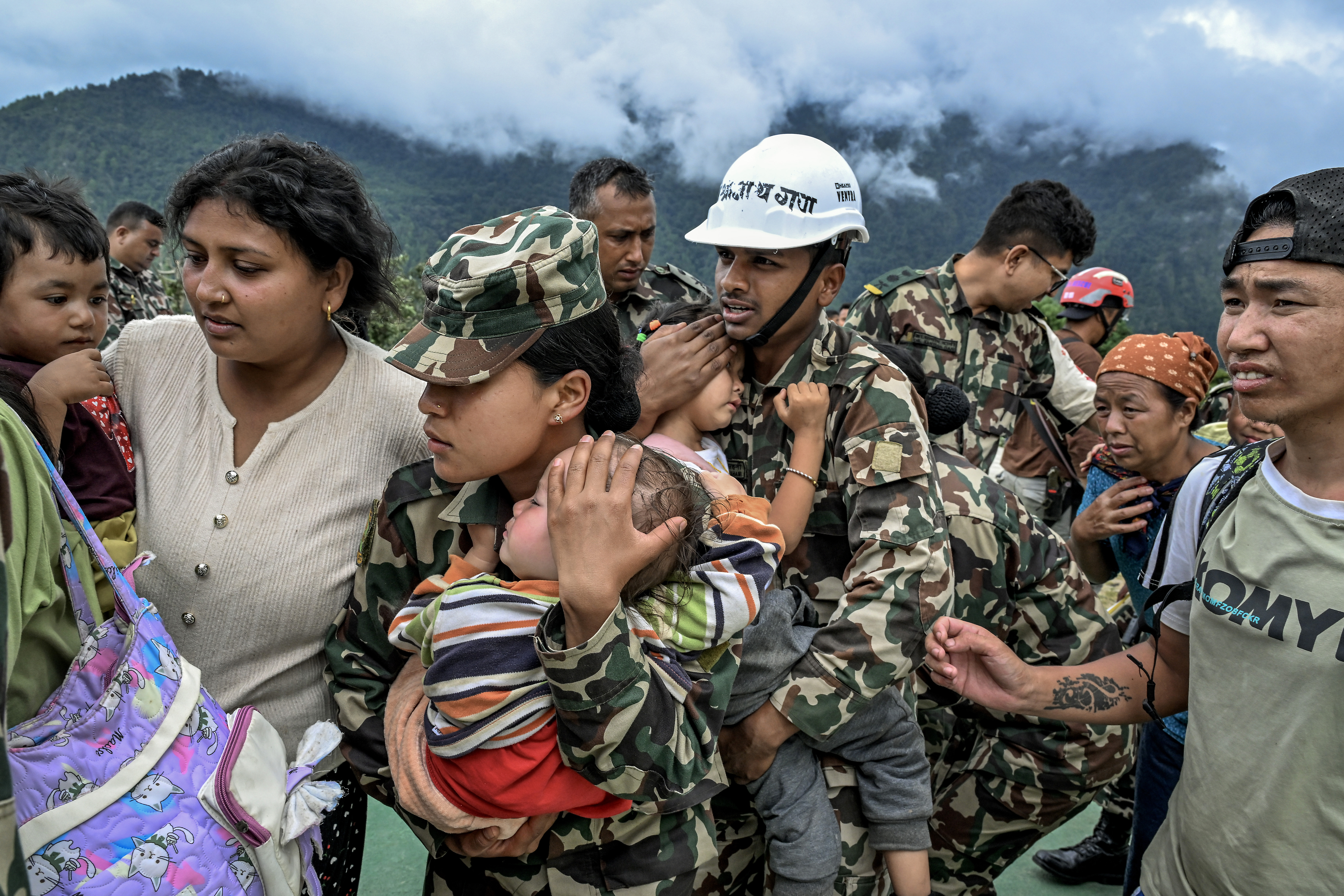
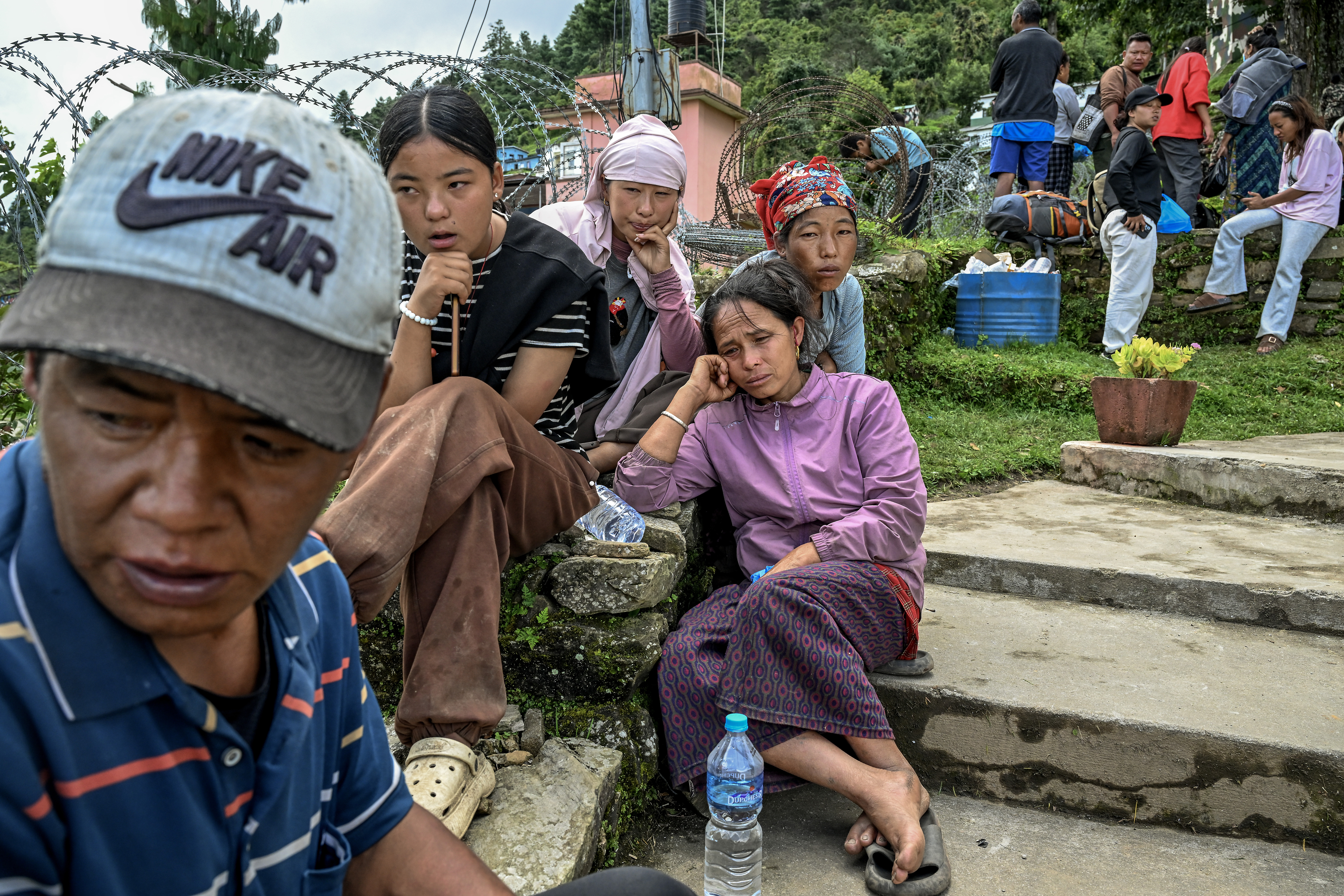
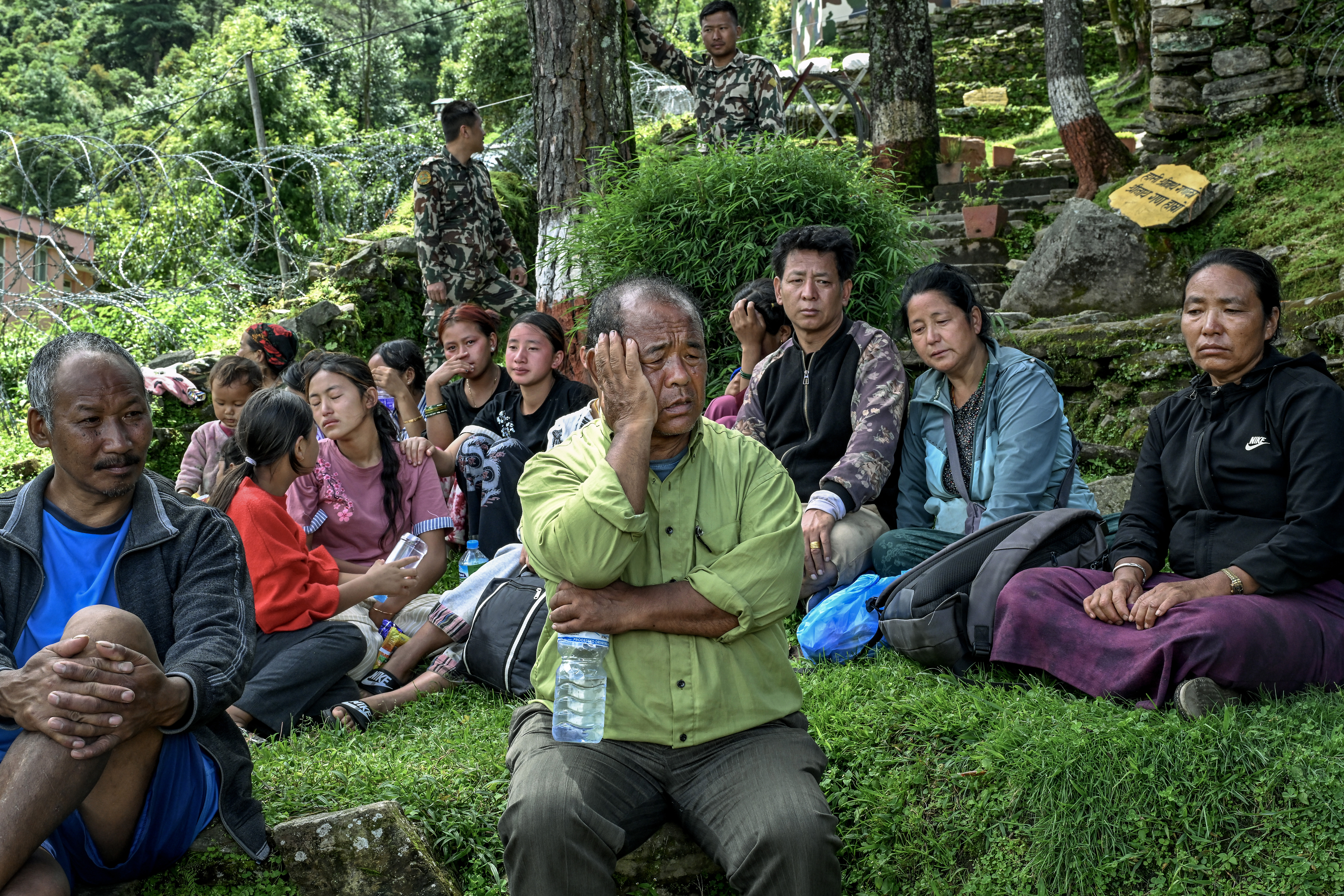
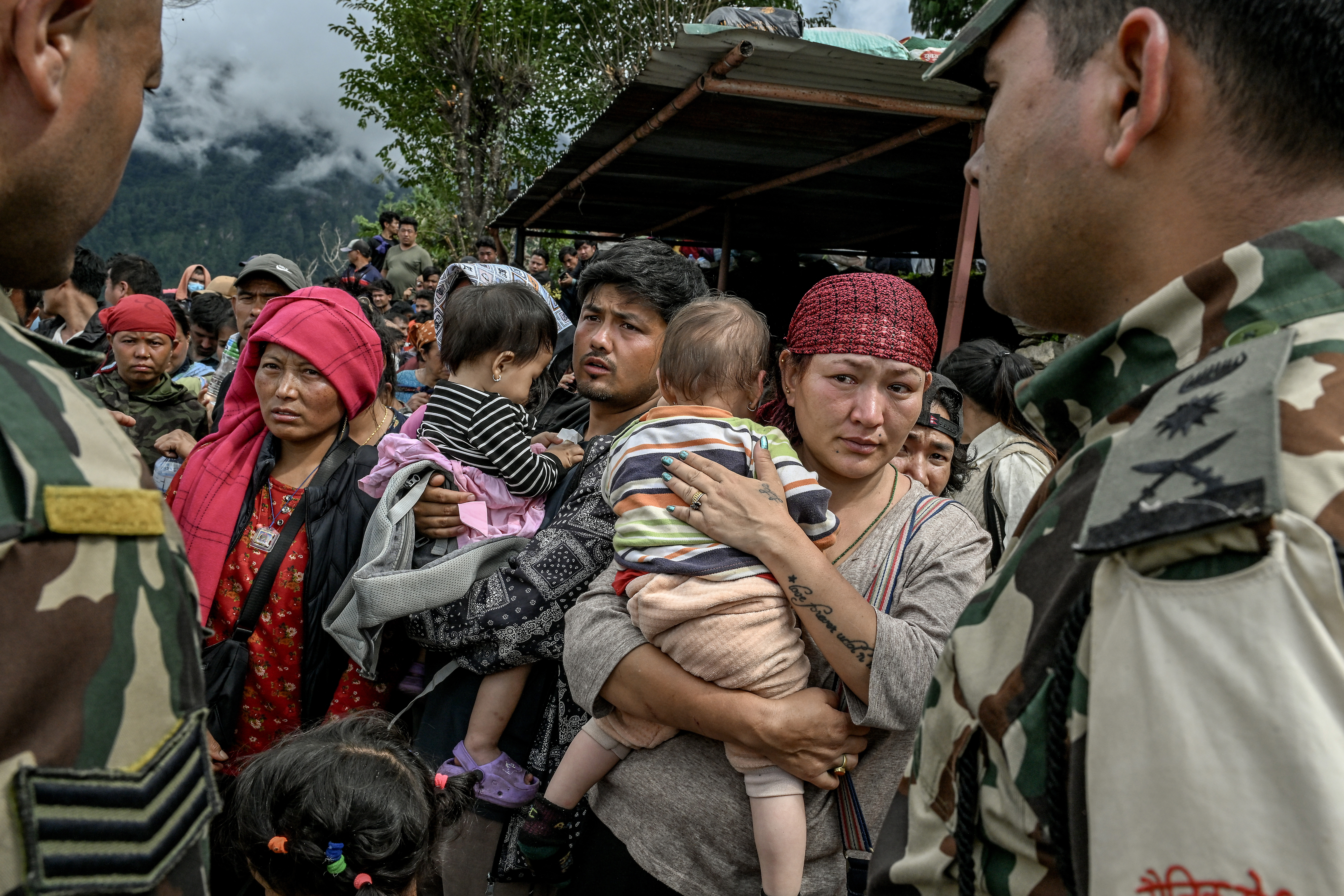
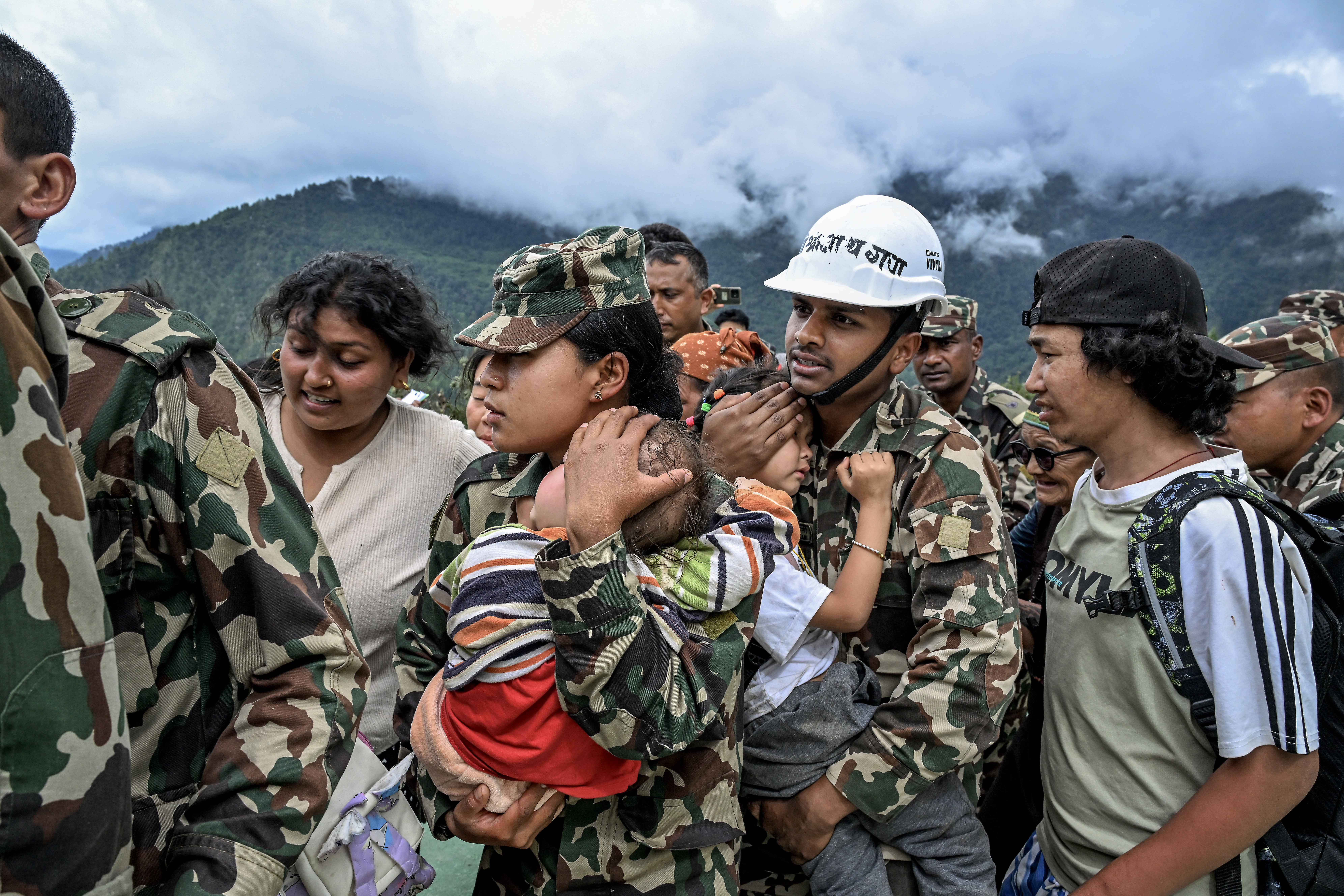
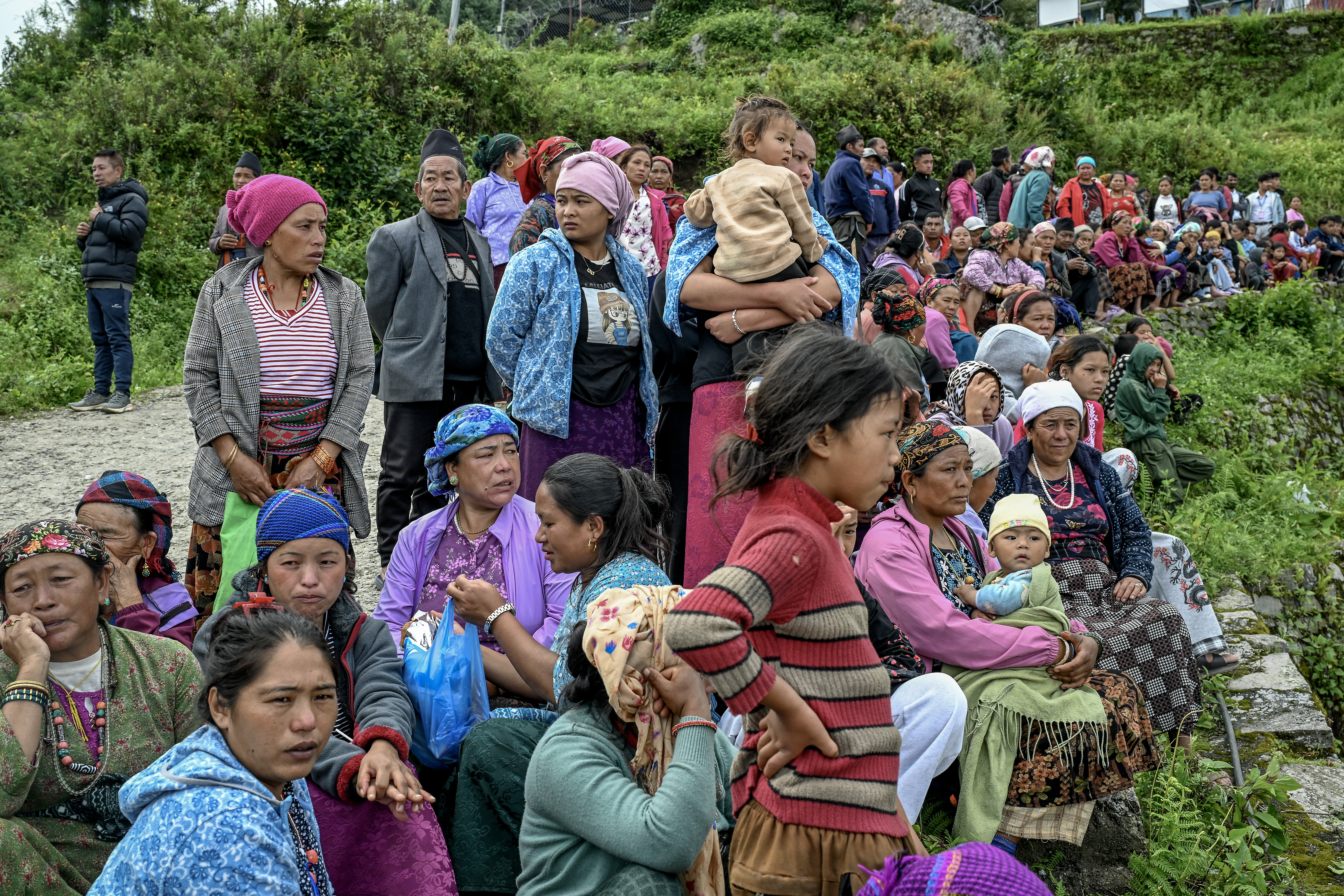
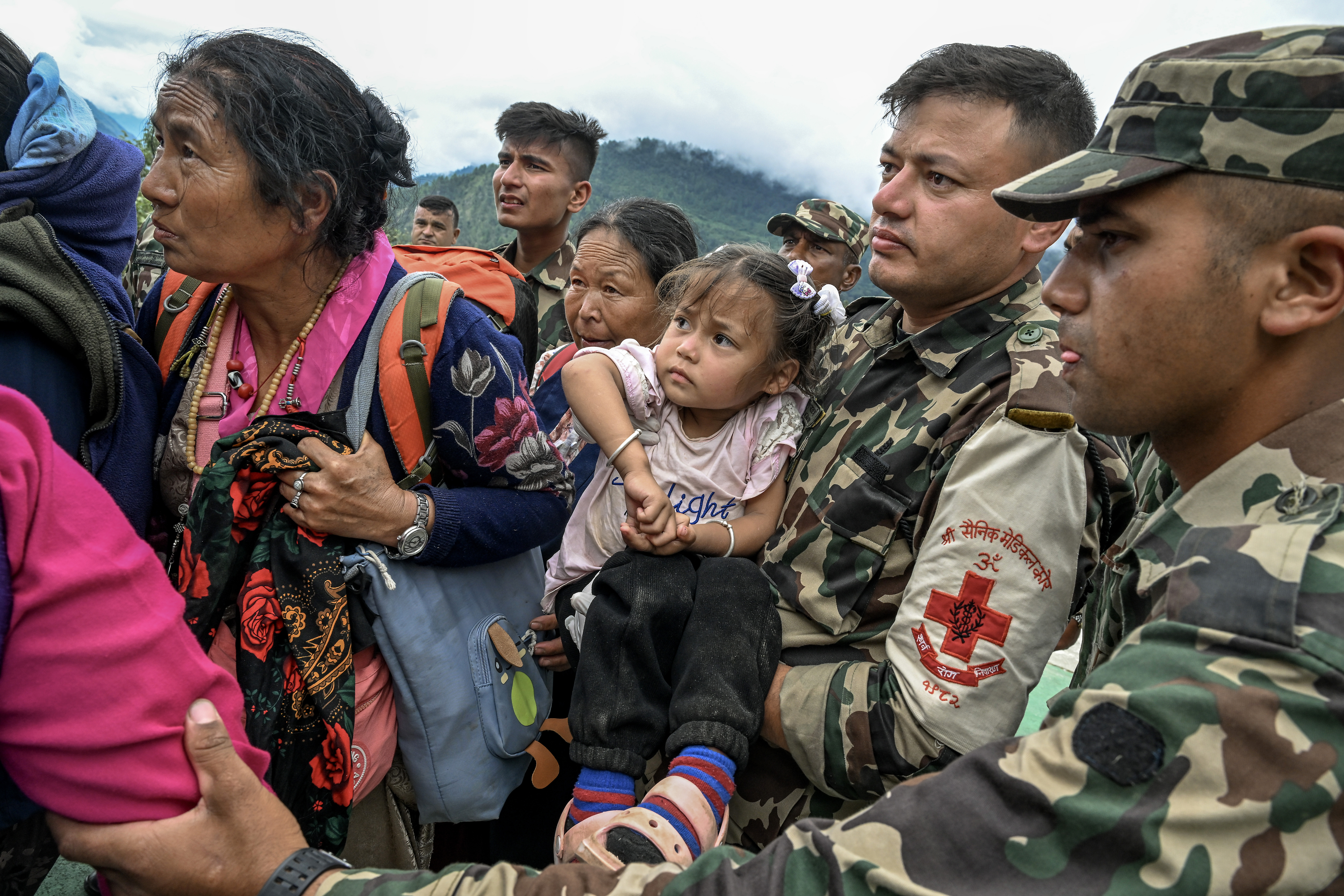
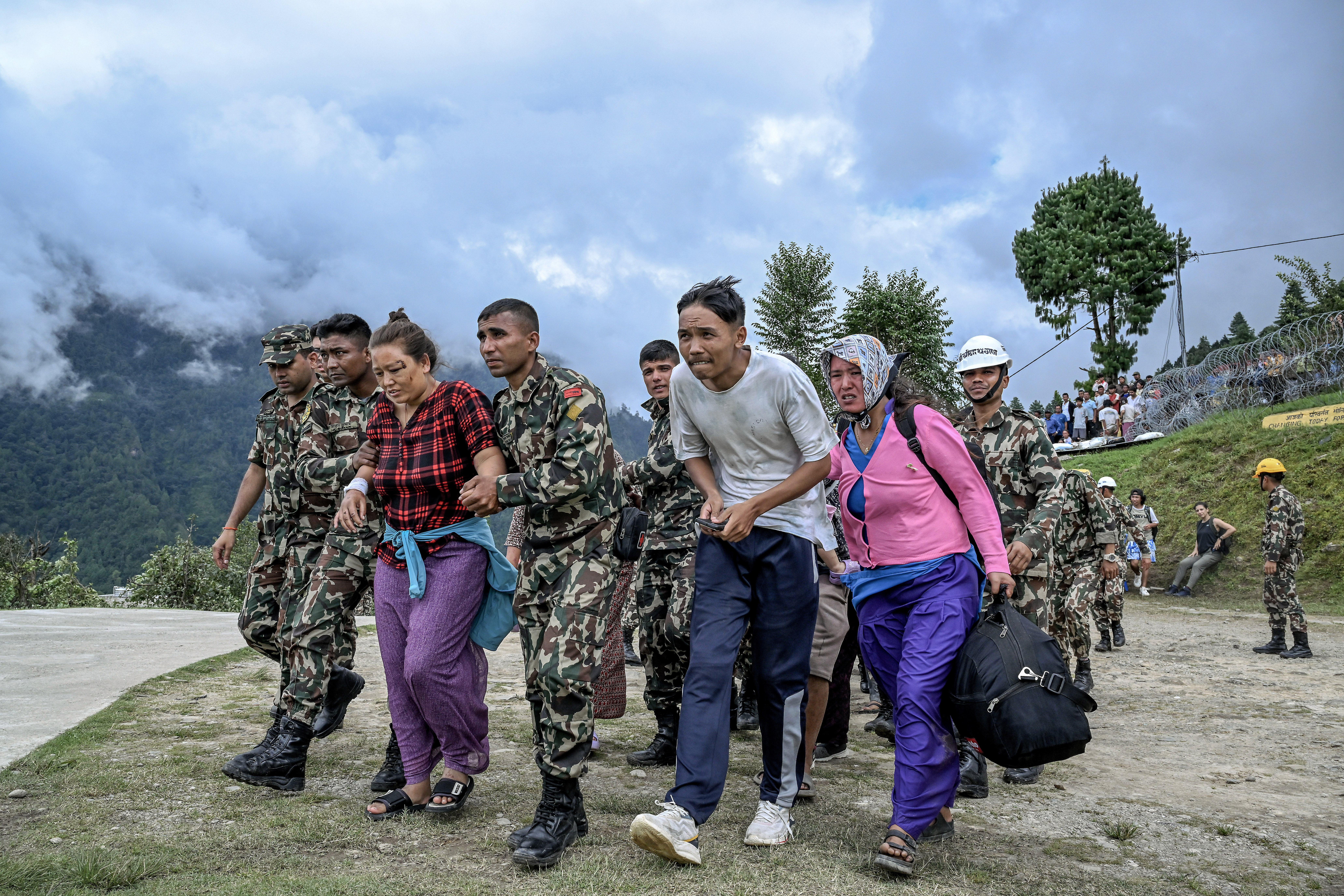
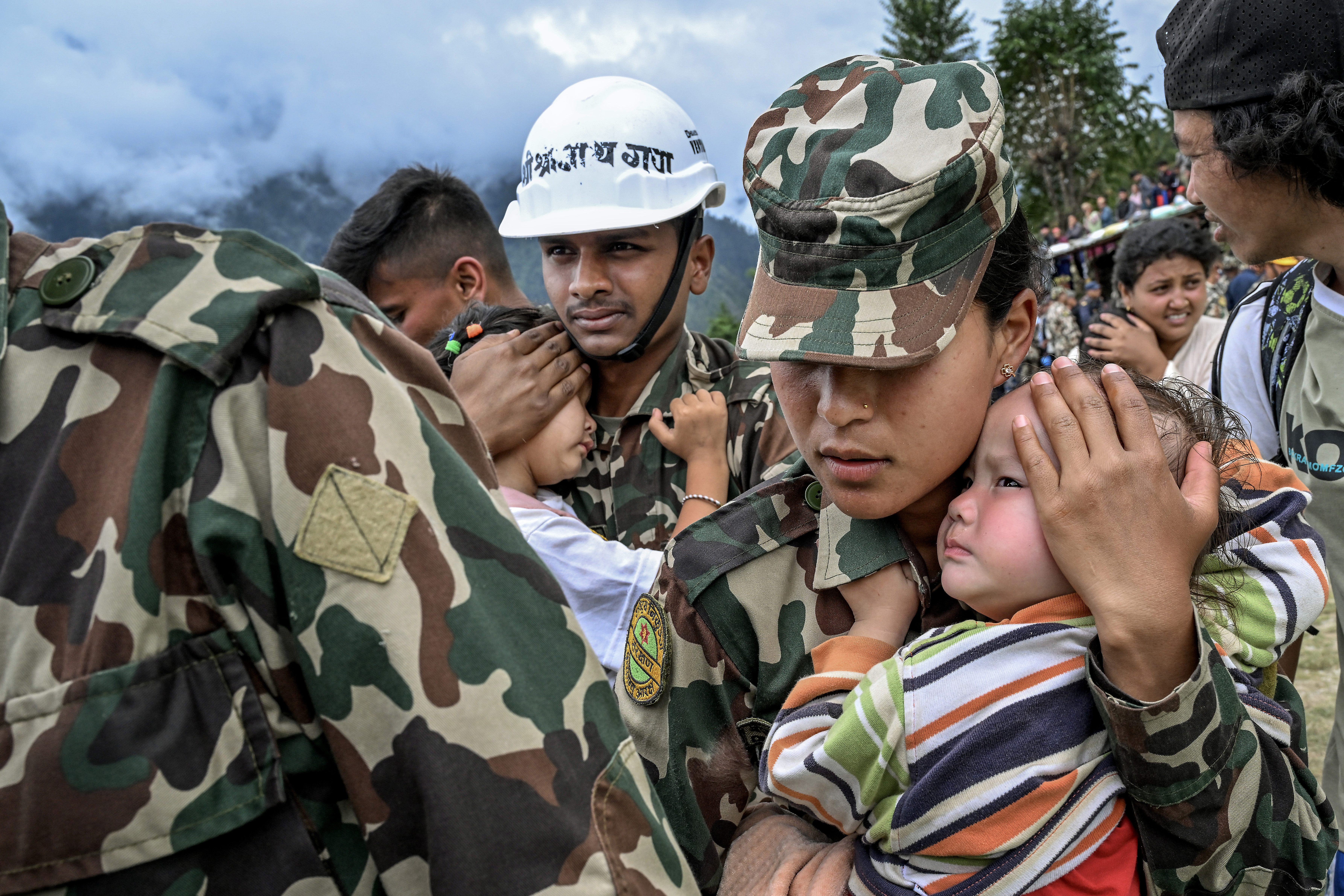
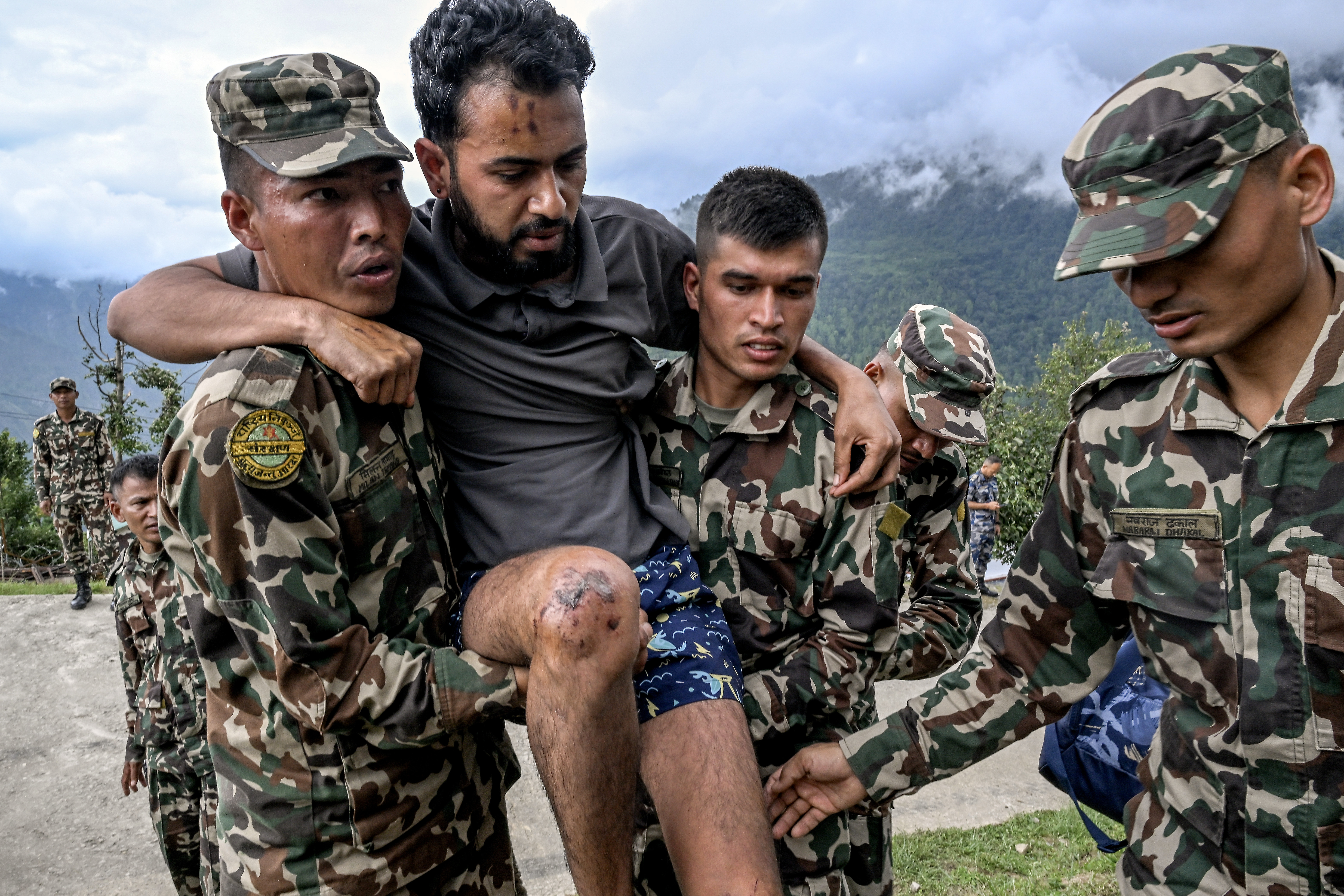
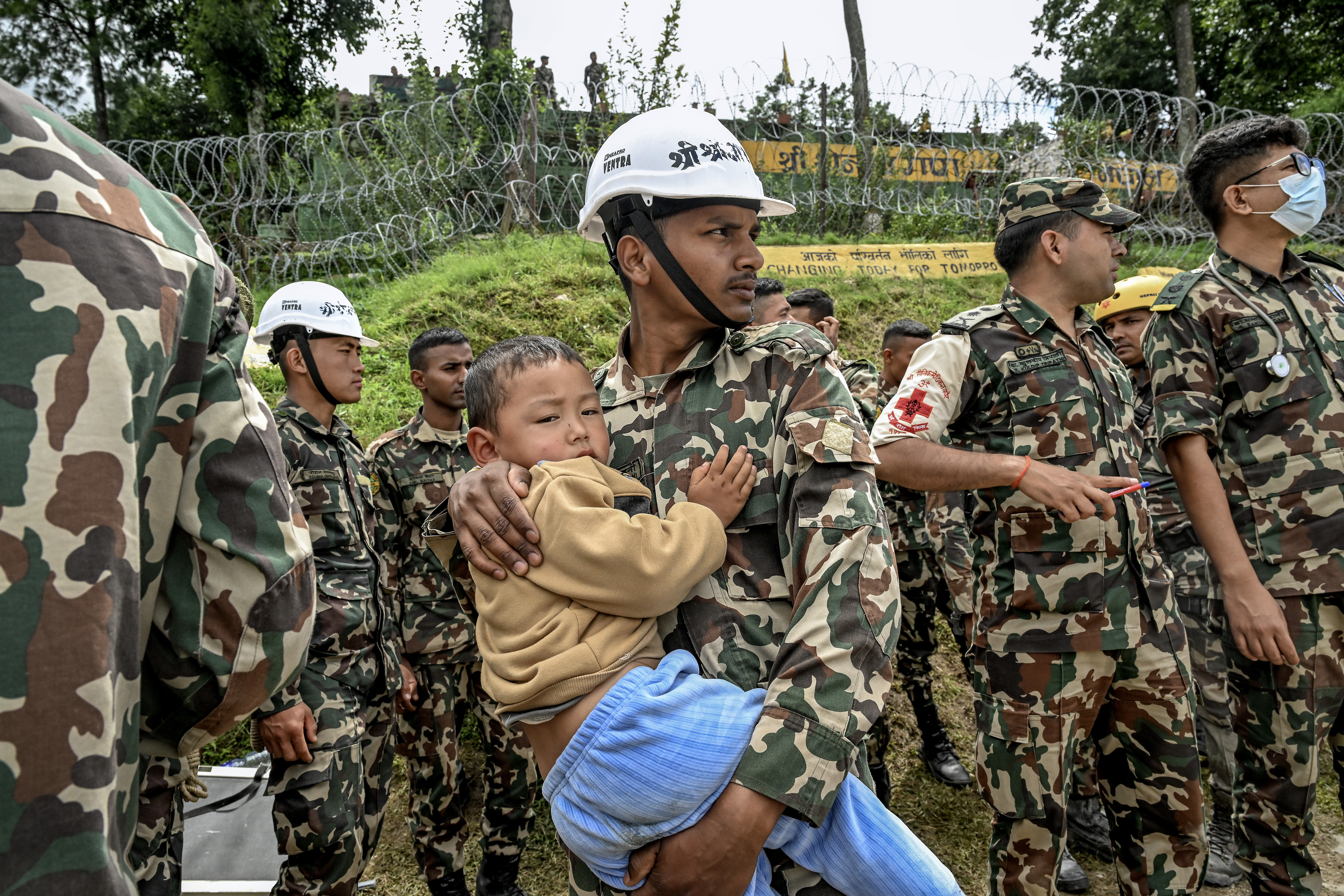
On Thursday, emergency workers climbed across steep Himalayan valleys and used helicopters to ferry shocked survivors to safety as they carried out a sprawling search for anyone who had managed to escape the flood.
Nepali officials said at least 389 people had been killed, while the authorities in China, where far less information was being released, reported three deaths in the Tibet region of China.
The death toll was expected to rise.
In Nepal, more than 900 people, including about 500 foreign visitors, were unaccounted for, the country’s disaster management agency said. The missing foreigners included at least 288 from India, as well as travelers from the United States, Australia, Britain, Canada, and Malaysia.
In Tibet, at least 558 people were missing in Gyirong County, including 260 foreigners, Chinese state media reported. China’s Foreign Ministry said 100 Chinese citizens were missing in Nepal.
The U.S. State Department said in a statement that about 90 U.S. citizens “may be impacted by the floods” and three had been rescued in Nepal. It said it was not aware of any Americans who had died.
Survivors described having almost no time to react before giant waves came roaring down the Bhotekoshi and Trishuli rivers.
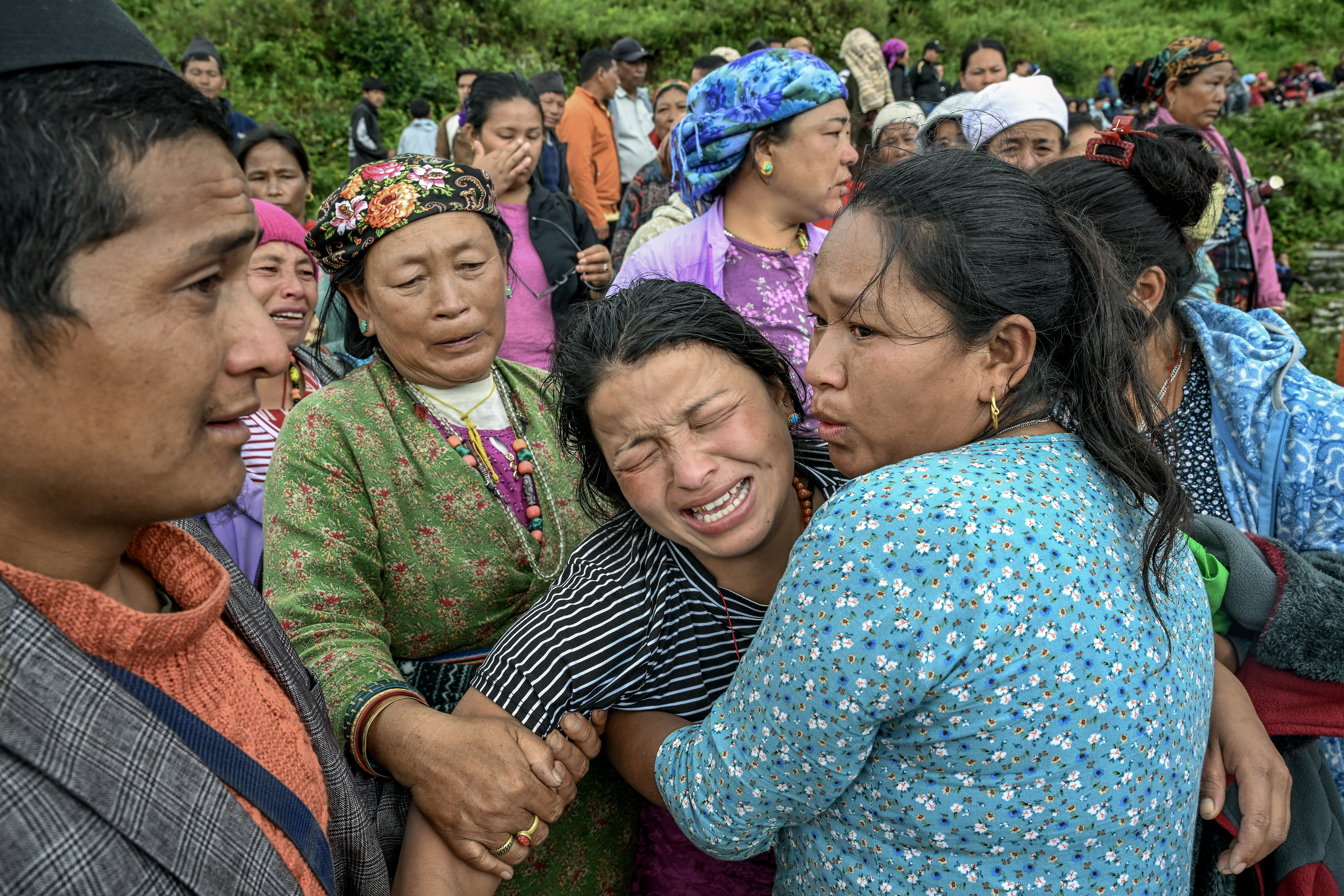
Smriti Ojha, 17, said she had been getting ready for school Wednesday morning when she felt the ground shaking. She ran out of her house, believing an earthquake had struck. Then she saw the flood. She said her immediate family had survived, but four of her relatives were missing.
“It was terror,” Ojha said from a hospital bed in Kathmandu. “I cannot believe everything was swept away before my eyes.”
Officials and aid organizations were still assessing the scale of the destruction in the remote region, renowned for its high-altitude lakes and steep peaks.
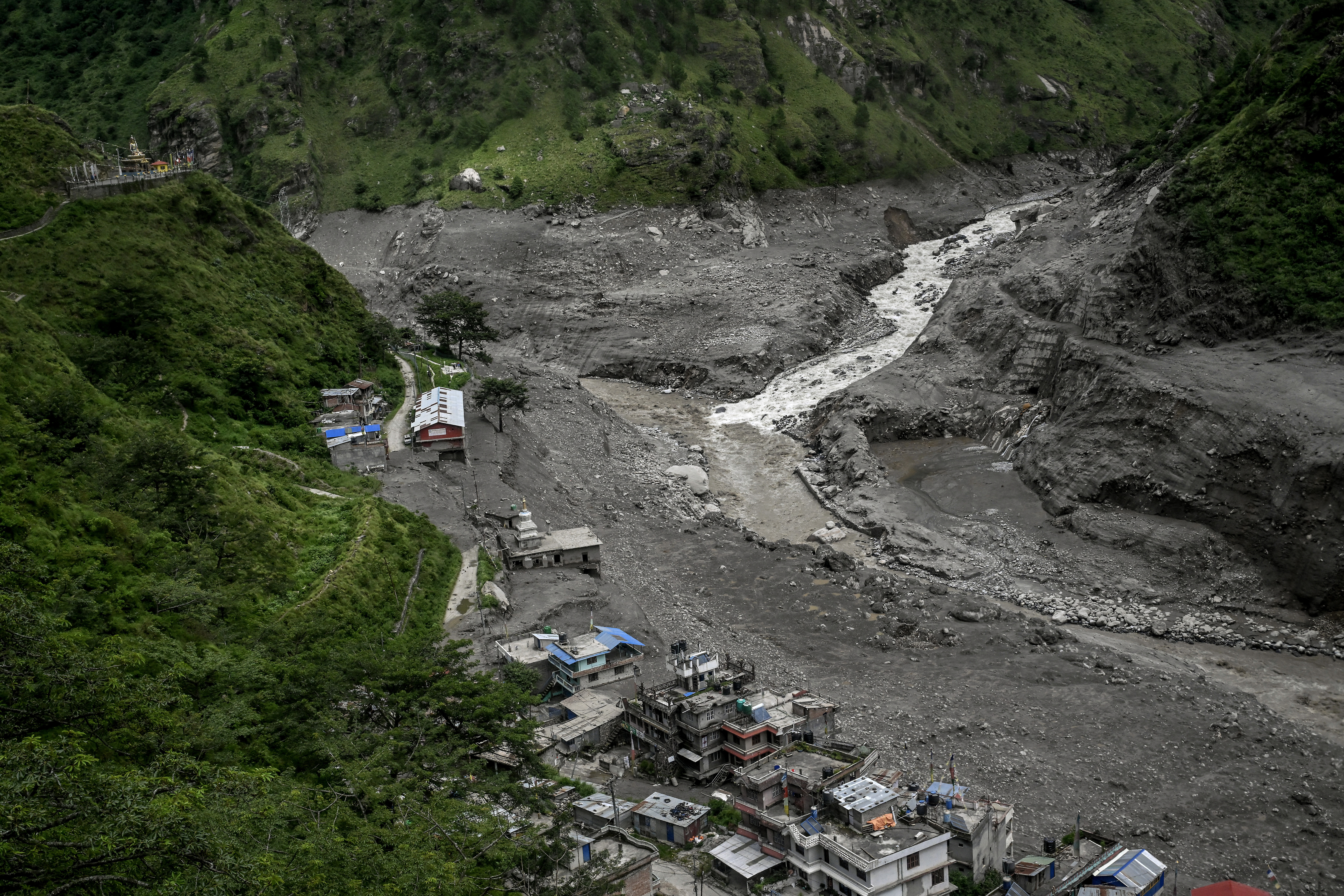
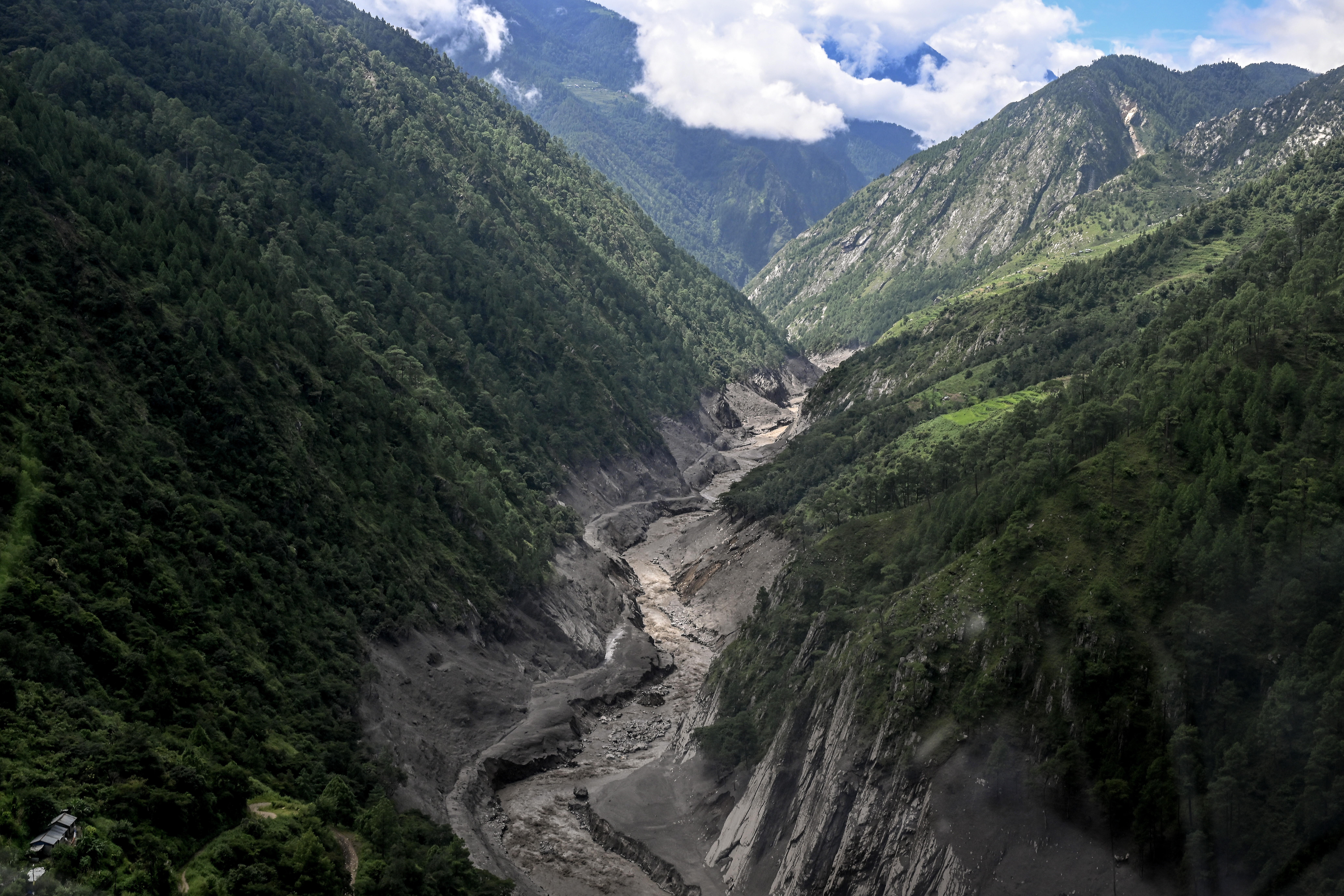
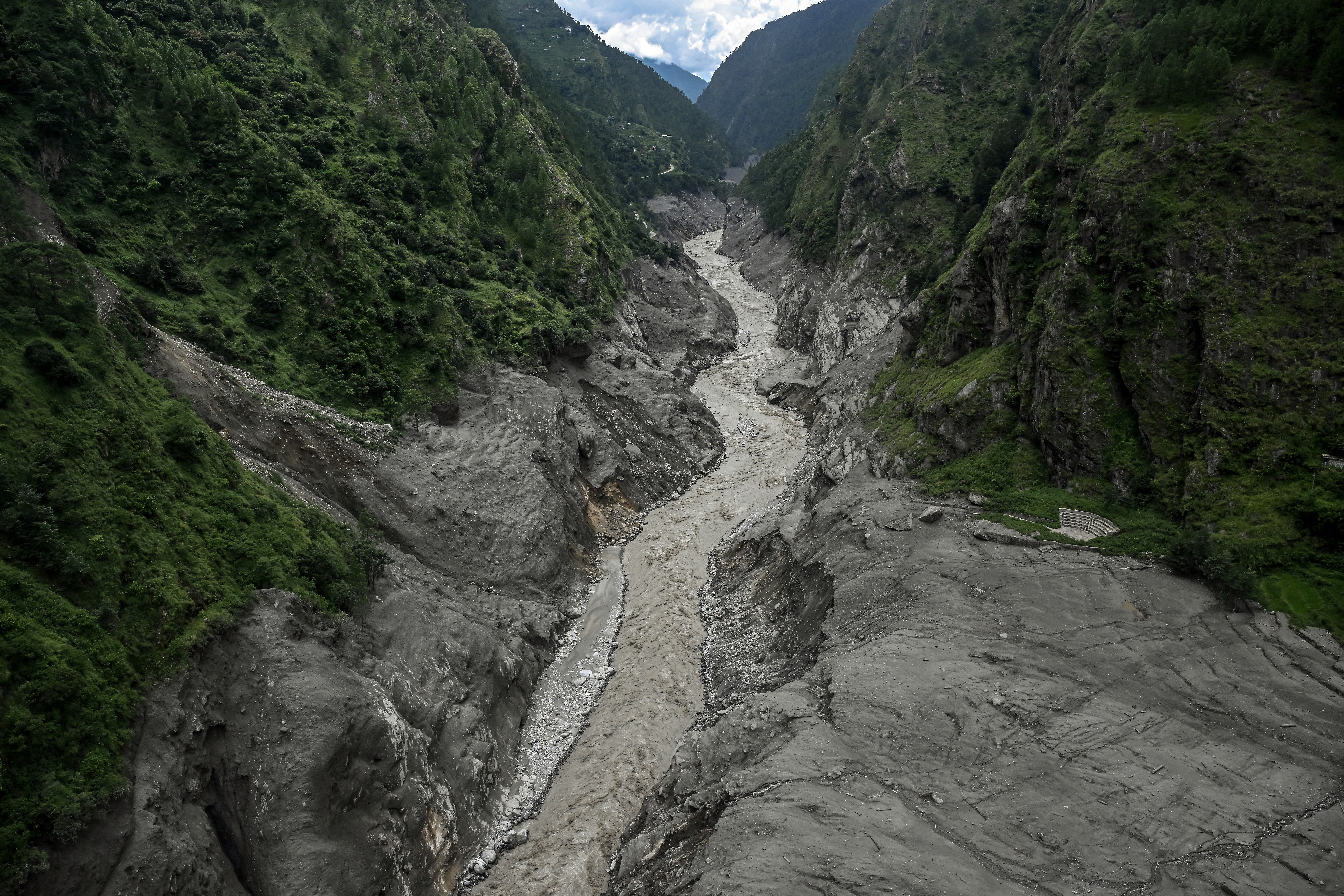
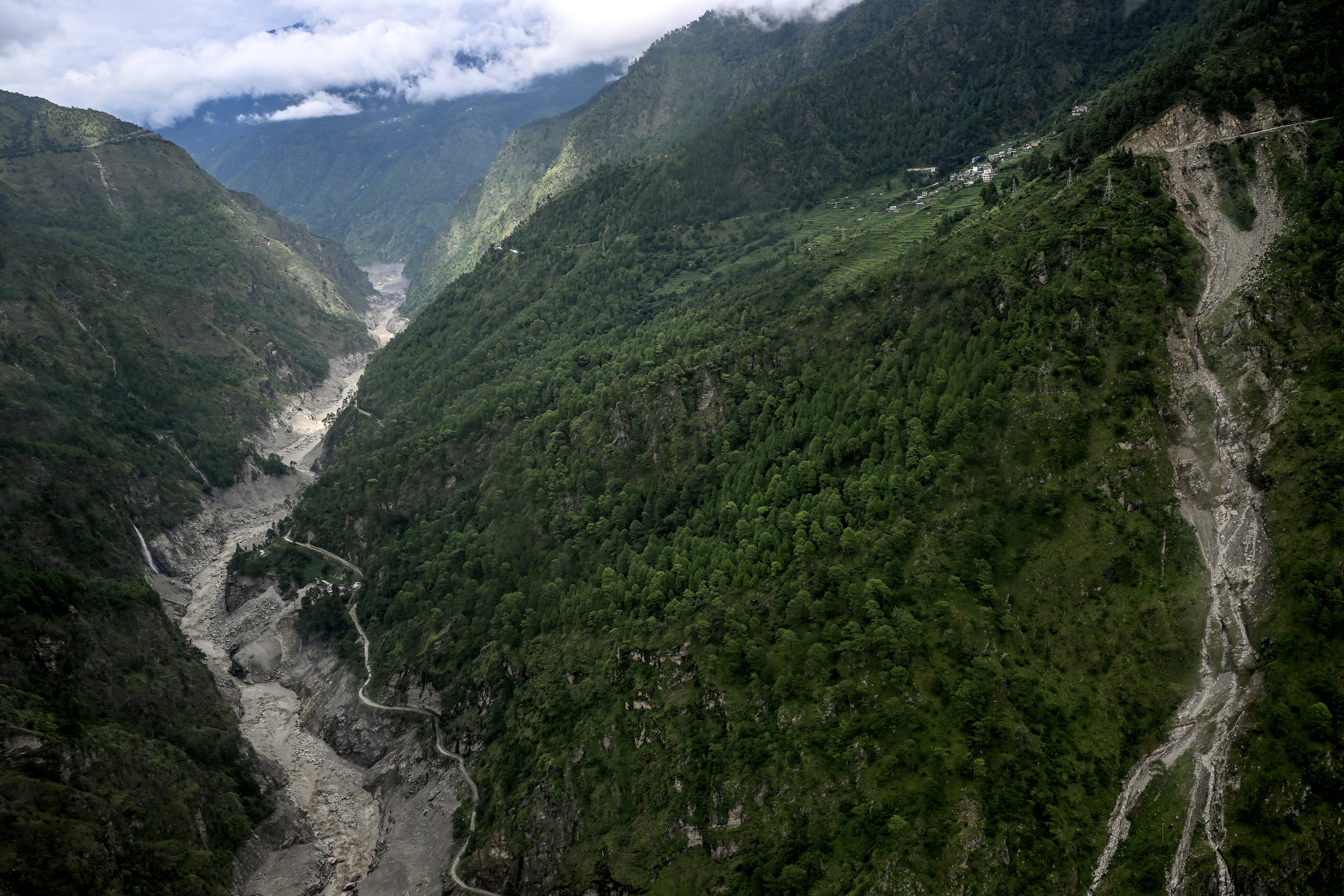
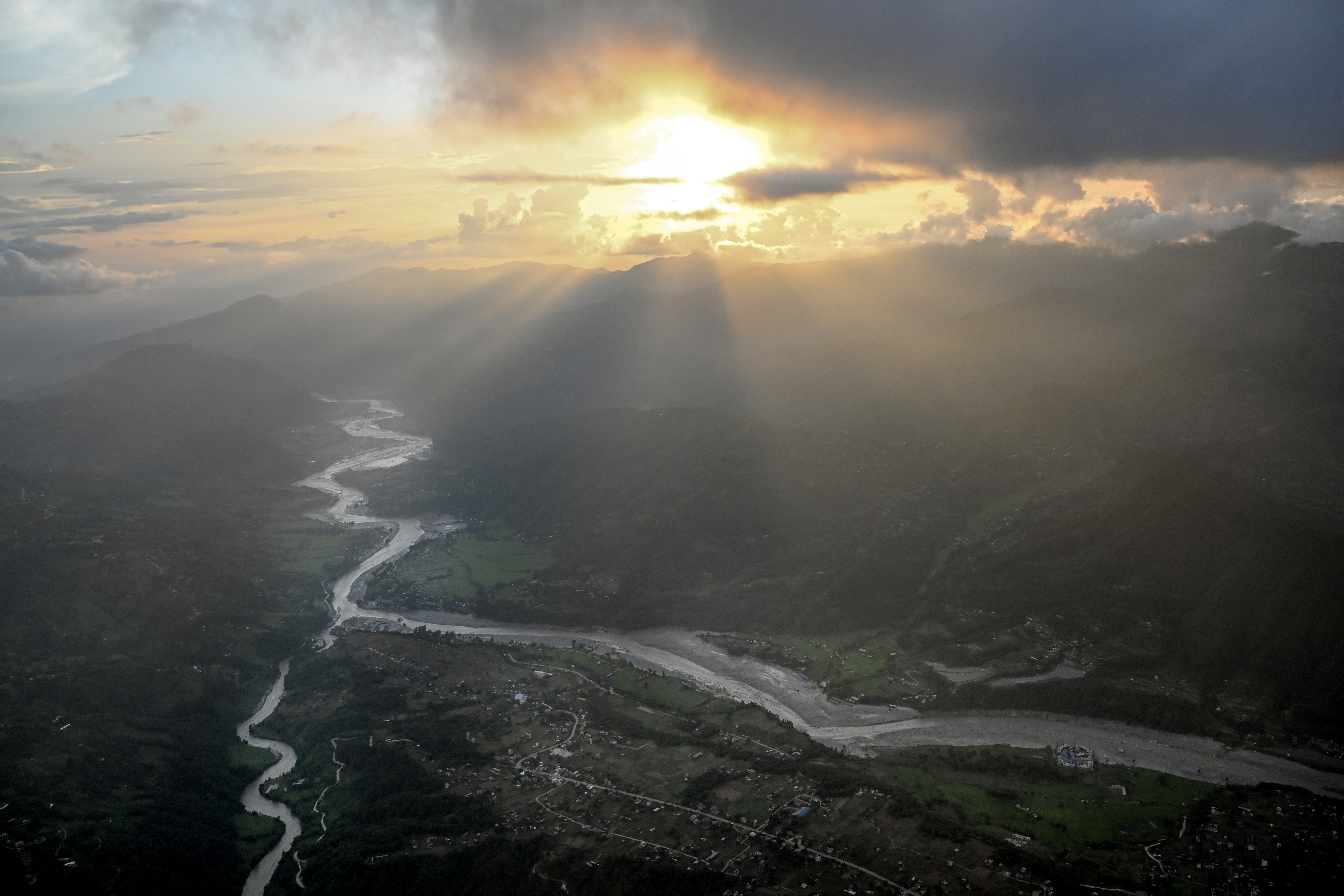
New York Times journalists traveling with the Nepali military Thursday surveyed the devastating aftermath. One highway, near the Bhotekoshi River, had mostly disappeared. Scars on hillsides showed that in some places, the river had risen more than 650 feet during the flood.
Rescue efforts were being hampered by communication lines that had been cut and the destruction of dozens of bridges and about 25 miles of roads, Nepal’s government said.
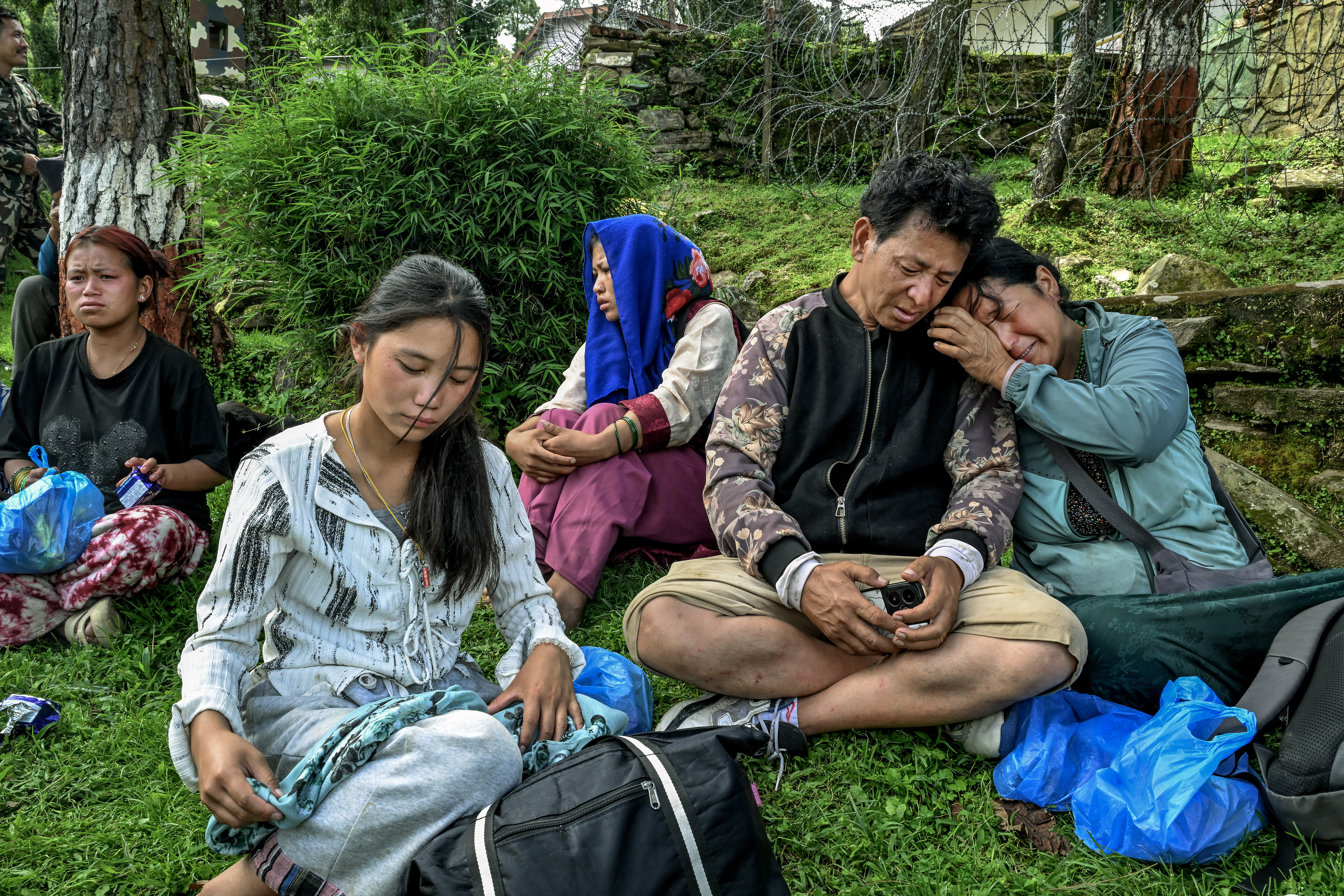
The Nepali army’s search-and-rescue base was packed with hundreds of army personnel and survivors, some of whom wept after arriving by helicopter. The area had no electricity or phone networks after the flood, and soldiers and other rescuers were using military radios to communicate.
Nepal’s foreign minister, Shisir Khanal, called it “one of the largest natural disasters we have experienced in recent memory.”
President Donald Trump, speaking in the Oval Office, said he had offered U.S. aid to Nepal. “We are sending aid, and we’ve spoken to the leadership, and we let them know anything they want will happen,” he said.
Scientists piecing together satellite imagery and seismological data said that a high-altitude landslide coinciding with a glacial collapse most likely caused the flash flood. The collapse happened on the north face of Langtang Lirung, a Nepalese mountain near the border with Tibet, at an elevation of around 17,000 feet, scientists said.
After a huge chunk of the mountainside broke off, it sent millions of tons of rock and ice crashing into the river valleys below, said Kristen Cook, a geomorphologist at the Université Grenoble Alpes in France.
“It was a much larger collapse than we were initially able to see in the satellite imagery,” she said.
The shaking caused by the falling rock and ice was so powerful that the U.S. Geological Survey registered it at a magnitude of 5.2, as if it were a moderately powerful earthquake. Warming temperatures caused by climate change may have destabilized the glacier and rock face, scientists said, adding that it was too early to determine a precise cause.
“Earthquakes, landslides, slope failures all could happen even without climate change,” said Austin Lord, an anthropologist and senior fellow at the Stimson Center in Washington who has studied natural disasters in Nepal. “It’s just that climate change is this additional factor that increases the likelihood, scale, frequency and intensity of these events.”
Nepal has a flood warning system, but it relies on a conventional network of river and lake gauges that was not equipped to alert people to the sudden collapse of part of a mountain, according to scientists and disaster response researchers.
The river gauges are designed instead to detect slower-rising water levels that typically precede a monsoon-driven flood or glacial lake outburst, which occurs when a pool of glacial meltwater bursts its banks.
“We didn’t have the right information at the right time, so we couldn’t save more people,” said Basanta Raj Adhikari, director of Tribhuvan University’s Centre for Disaster Studies in Nepal. “The Nepalese government is very good on monsoon floods and perennial floods, but we were not prepared for this fast-moving flash flood,” he added.
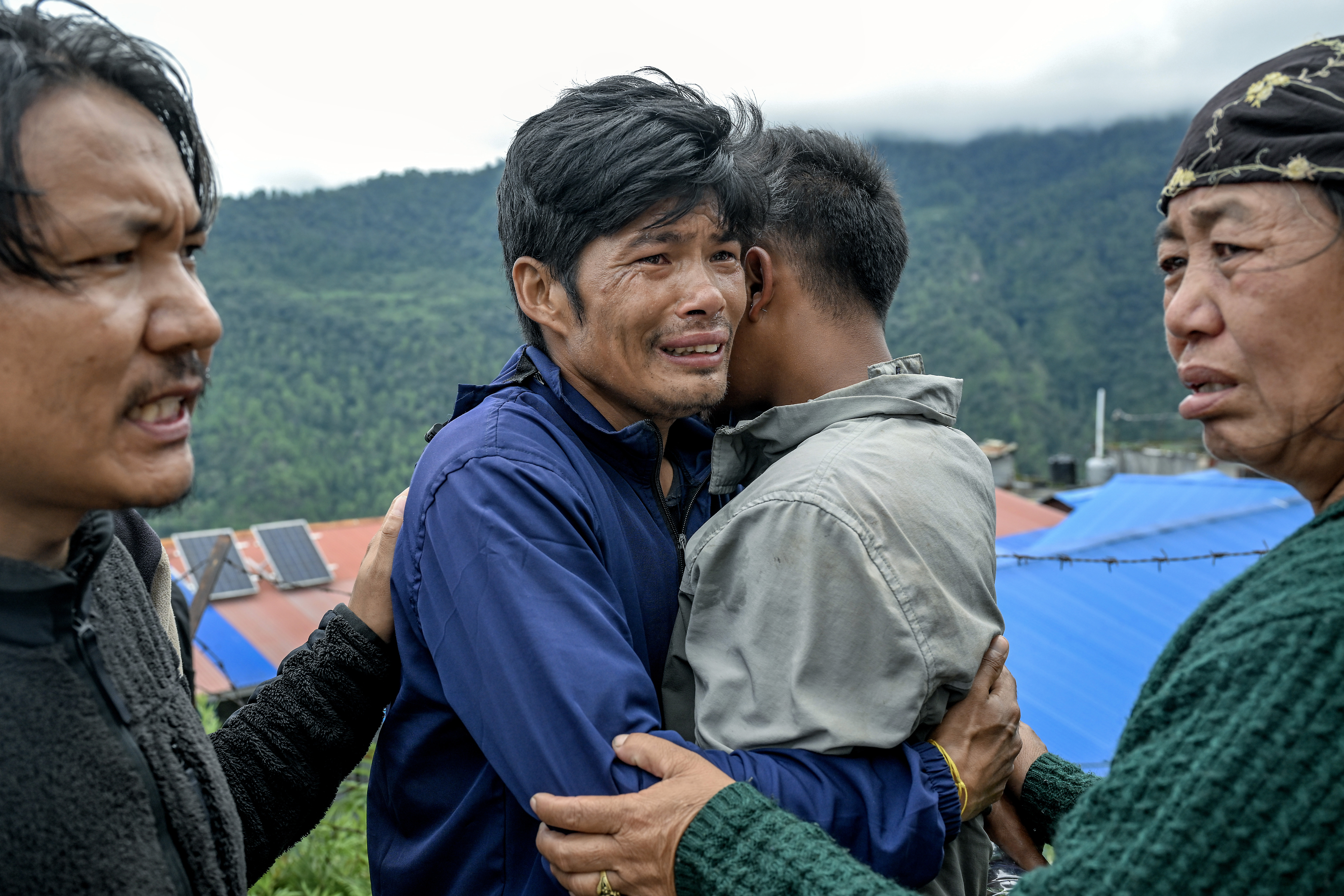
The banks of the debris-choked Bhotekoshi River show signs of the giant torrent of water, mud and ice that swept through the remote river valley in the Rasuwa district near Nepal’s border with Tibet, on Thursday, Aug. 27, 2026. Emergency workers and helicopters scoured steep Himalayan valleys on Thursday in a desperate search for survivors after a torrent of water, mud and ice killed hundreds — and perhaps many more — as it swept through a river valley that runs through Tibet and Nepal. More than 1,400 people are still missing. (Atul Loke/The New York Times)ATUL LOKEPeople wait to board rescue helicopters in the disaster-stricken Rasuwa district near Nepal’s border with Tibet, on Thursday, Aug. 27, 2026. Emergency workers and helicopters scoured steep Himalayan valleys on Thursday in a desperate search for survivors after a torrent of water, mud and ice killed hundreds — and perhaps many more — as it swept through a river valley that runs through Tibet and Nepal. More than 1,400 people are still missing. (Atul Loke/The New York Times)ATUL LOKEPeople wait to board rescue helicopters in the disaster-stricken Rasuwa district near Nepal’s border with Tibet, on Thursday, Aug. 27, 2026. Emergency workers and helicopters scoured steep Himalayan valleys on Thursday in a desperate search for survivors after a torrent of water, mud and ice killed hundreds — and perhaps many more — as it swept through a river valley that runs through Tibet and Nepal. More than 1,400 people are still missing. (Atul Loke/The New York Times)ATUL LOKEThe banks of the debris-choked Bhotekoshi River show signs of the giant torrent of water, mud and ice that swept through the remote river valley in the Rasuwa district near Nepal’s border with Tibet, on Thursday, Aug. 27, 2026. Emergency workers and helicopters scoured steep Himalayan valleys on Thursday in a desperate search for survivors after a torrent of water, mud and ice killed hundreds — and perhaps many more — as it swept through a river valley that runs through Tibet and Nepal. More than 1,400 people are still missing. (Atul Loke/The New York Times)ATUL LOKEPeople wait to board rescue helicopters in the disaster-stricken Rasuwa district near Nepal’s border with Tibet, on Thursday, Aug. 27, 2026. Emergency workers and helicopters scoured steep Himalayan valleys on Thursday in a desperate search for survivors after a torrent of water, mud and ice killed hundreds — and perhaps many more — as it swept through a river valley that runs through Tibet and Nepal. More than 1,400 people are still missing. (Atul Loke/The New York Times)ATUL LOKEStructures damaged by the giant torrent of water, mud and ice that swept through a remote river valley in the Rasuwa district near Nepal’s border with Tibet are seen on Thursday, Aug. 27, 2026. Emergency workers and helicopters scoured steep Himalayan valleys on Thursday in a desperate search for survivors after a torrent of water, mud and ice killed hundreds — and perhaps many more — as it swept through a river valley that runs through Tibet and Nepal. More than 1,400 people are still missing. (Atul Loke/The New York Times)ATUL LOKEPeople wait in line to board rescue helicopters in the disaster-stricken Rasuwa district near Nepal’s border with Tibet, on Thursday, Aug. 27, 2026. Emergency workers and helicopters scoured steep Himalayan valleys on Thursday in a desperate search for survivors after a torrent of water, mud and ice killed hundreds — and perhaps many more — as it swept through a river valley that runs through Tibet and Nepal. More than 1,400 people are still missing. (Atul Loke/The New York Times)ATUL LOKEA woman is overcome as she waits for his turn to board a rescue helicopter in the disaster-stricken Rasuwa district near Nepal’s border with Tibet, on Thursday, Aug. 27, 2026. Emergency workers and helicopters scoured steep Himalayan valleys on Thursday in a desperate search for survivors after a torrent of water, mud and ice killed hundreds — and perhaps many more — as it swept through a river valley that runs through Tibet and Nepal. More than 1,400 people are still missing. (Atul Loke/The New York Times)ATUL LOKEChildren are carried to a rescue helicopter by military personnel in the disaster-stricken Rasuwa district near Nepal’s border with Tibet, on Thursday, Aug. 27, 2026. Emergency workers and helicopters scoured steep Himalayan valleys on Thursday in a desperate search for survivors after a torrent of water, mud and ice killed hundreds — and perhaps many more — as it swept through a river valley that runs through Tibet and Nepal. More than 1,400 people are still missing. (Atul Loke/The New York Times)ATUL LOKEPeople wait in line to board rescue helicopters in the disaster-stricken Rasuwa district near Nepal’s border with Tibet, on Thursday, Aug. 27, 2026. Emergency workers and helicopters scoured steep Himalayan valleys on Thursday in a desperate search for survivors after a torrent of water, mud and ice killed hundreds — and perhaps many more — as it swept through a river valley that runs through Tibet and Nepal. More than 1,400 people are still missing. (Atul Loke/The New York Times)ATUL LOKEA man is overcome as he waits for his turn to board a rescue helicopter in the disaster-stricken Rasuwa district near Nepal’s border with Tibet, on Thursday, Aug. 27, 2026. Emergency workers and helicopters scoured steep Himalayan valleys on Thursday in a desperate search for survivors after a torrent of water, mud and ice killed hundreds — and perhaps many more — as it swept through a river valley that runs through Tibet and Nepal. More than 1,400 people are still missing. (Atul Loke/The New York Times)ATUL LOKEThe banks of the debris-choked Bhotekoshi River show signs of the giant torrent of water, mud and ice that swept through the remote river valley in the Rasuwa district near Nepal’s border with Tibet, on Thursday, Aug. 27, 2026. Emergency workers and helicopters scoured steep Himalayan valleys on Thursday in a desperate search for survivors after a torrent of water, mud and ice killed hundreds — and perhaps many more — as it swept through a river valley that runs through Tibet and Nepal. More than 1,400 people are still missing. (Atul Loke/The New York Times)ATUL LOKEThe banks of the debris-choked Bhotekoshi River show signs of the giant torrent of water, mud and ice that swept through the remote river valley in the Rasuwa district near Nepal’s border with Tibet, on Thursday, Aug. 27, 2026. Emergency workers and helicopters scoured steep Himalayan valleys on Thursday in a desperate search for survivors after a torrent of water, mud and ice killed hundreds — and perhaps many more — as it swept through a river valley that runs through Tibet and Nepal. More than 1,400 people are still missing. (Atul Loke/The New York Times)ATUL LOKEA child is carried to a rescue helicopter in the disaster-stricken Rasuwa district near Nepal’s border with Tibet, on Thursday, Aug. 27, 2026. Emergency workers and helicopters scoured steep Himalayan valleys on Thursday in a desperate search for survivors after a torrent of water, mud and ice killed hundreds — and perhaps many more — as it swept through a river valley that runs through Tibet and Nepal. More than 1,400 people are still missing. (Atul Loke/The New York Times)ATUL LOKEFlooding survivors are assisted by military personnel as they walk to board a rescue helicopter in the disaster-stricken Rasuwa district near Nepal’s border with Tibet, on Thursday, Aug. 27, 2026. Emergency workers and helicopters scoured steep Himalayan valleys on Thursday in a desperate search for survivors after a torrent of water, mud and ice killed hundreds — and perhaps many more — as it swept through a river valley that runs through Tibet and Nepal. More than 1,400 people are still missing. (Atul Loke/The New York Times)ATUL LOKEChildren are carried to a rescue helicopter by military personnel in the disaster-stricken Rasuwa district near Nepal’s border with Tibet, on Thursday, Aug. 27, 2026. Emergency workers and helicopters scoured steep Himalayan valleys on Thursday in a desperate search for survivors after a torrent of water, mud and ice killed hundreds — and perhaps many more — as it swept through a river valley that runs through Tibet and Nepal. More than 1,400 people are still missing. (Atul Loke/The New York Times)ATUL LOKEAn injured man is carried to a rescue helicopter by military personnel in the disaster-stricken Rasuwa district near Nepal’s border with Tibet, on Thursday, Aug. 27, 2026. Emergency workers and helicopters scoured steep Himalayan valleys on Thursday in a desperate search for survivors after a torrent of water, mud and ice killed hundreds — and perhaps many more — as it swept through a river valley that runs through Tibet and Nepal. More than 1,400 people are still missing. (Atul Loke/The New York Times)ATUL LOKEThe banks of the Trishuli River show signs of the giant torrent of water, mud and ice that swept through the remote river valley in the Rasuwa district near Nepal’s border with Tibet, on Thursday, Aug. 27, 2026. Emergency workers and helicopters scoured steep Himalayan valleys on Thursday in a desperate search for survivors after a torrent of water, mud and ice killed hundreds — and perhaps many more — as it swept through a river valley that runs through Tibet and Nepal. More than 1,400 people are still missing. (Atul Loke/The New York Times)ATUL LOKEA young flooding survivor is carried to a rescue helicopter by military personnel in the disaster-stricken Rasuwa district near Nepal’s border with Tibet, on Thursday, Aug. 27, 2026. Emergency workers and helicopters scoured steep Himalayan valleys on Thursday in a desperate search for survivors after a torrent of water, mud and ice killed hundreds — and perhaps many more — as it swept through a river valley that runs through Tibet and Nepal. More than 1,400 people are still missing. (Atul Loke/The New York Times)ATUL LOKE
A federal judge on Thursday said actions city prosecutors took in a controversial post-conviction case could ultimately amount to perjury, conspiracy, or obstruction of justice — a stunning suggestion that inserted the threat of potential criminal consequences into a matter that has already roiled District Attorney Larry Krasner’s office.
U.S. District Judge Paul S. Diamond did not say whom he was referring to when he made that remark during an unusual hearing in his courtroom. But he raised the issue while an assistant district attorney was testifying about conversations she had with Krasner about the case, in which she said Krasner told her to “protect the office” and, by extension, violate her ethical obligations as a lawyer.
“If what they say is true,” Diamond said, “potential wrongdoing abounds.”
Diamond, as a judge, does not have the ability to file criminal charges himself. But his remarks from the bench were another new development in the case, which had already featured a host of explosive accusations about how prosecutors have behaved while determining whether a man’s murder conviction should be overturned.
And it was not the only notable moment during Thursday’s hearing.
During a full day of testimony, three prosecutors made a series of striking statements about the interoffice drama behind the case. And some of their assertions directly accused Krasner of questionable conduct.
Assistant District Attorney Katherine Ernst said Krasner repeatedly told her and others to protect the office and avoid additional scrutiny from the courts. She and colleague Steven Wildberger also said Krasner threatened “consequences” — which they believed to be potential firings — for those who resisted his preferred method of handling it.
Krasner also rejected their advice to ask the state attorney general’s office to take the lead on the matter, they said, because, according to Ernst, Krasner “hated” everyone in that office and said “everybody in that [office] is Nazis.”
And all three prosecutors said Krasner and another supervisor, Matthew Stiegler, tried to persuade them to effectively find a way to protect Stiegler’s reputation at the expense of a prosecutor he supervised, Jaclyn Mason.
As Ernst recalled it, Stiegler said he wanted to make it seem as if any mistakes in the case were “100% [Mason’s] fault and 0% his fault.”
In Ernst’s view, the events demonstrated that Krasner cared “more about the reputation of the office than competently handling this case.”
Wildberger said he was so disillusioned that he stepped down as a leader of the law division to move to a different unit because “I have lost faith in the administration of the Philadelphia District Attorney’s Office.”
The testimony from Ernst, Wildberger, and their colleague David Napiorski served as an extended rebuke of the office where all three still work. Ernst at one point acknowledged that some of her relationships in the office have become “icy.”
Ernst and Wildberger accused Krasner in court documents last month of some of the conduct they testified about Thursday.
Krasner’s office responded by saying their filings were unauthorized and “ill-informed.” He also said that he had taken steps to alleviate their concerns with how the case was being handled, and that they were in no position to comment on behalf of his office.
The prosecution at issue is the conviction of Dennis Johnson for second-degree murder. In 2009, a jury found Johnson guilty of fatally shooting Kenyatta Smith during a robbery outside a North Philadelphia convenience store two years earlier. He was sentenced to life in prison.
Johnson appealed, in part because he said his trial attorney was ineffective. And in 2022, Mason filed court documents agreeing with one of his post-conviction petitions and saying Johnson’s conviction should be overturned.
But this spring, Ernst and some of her colleagues reviewed the case and took the opposite view, saying they had discovered clear and important errors in Mason’s brief. They then took the unusual step of filing another brief to ask that Mason’s recommendation be withdrawn.
In the days after that development, Mason resigned, a decision she later said was an attempt to protect herself from what she viewed as a plot to turn her into a scapegoat.
Ernst and her colleagues denied that they were seeking to blame Mason. And in the weeks after Mason’s resignation, Ernst said, she and other supervisors got into an extended series of arguments with Krasner over how to handle the situation — which is what formed the basis of much of their testimony Thursday.
Most of the disputes concerned whether the office should recuse itself from handling Johnson’s case at all. Ernst said she repeatedly tried to get Krasner to let the attorney general’s office take over the case because the internal discussions had veered into areas of self-interest rather than the merits of the case.
Krasner consistently refused, she said. And Wildberger said Krasner once grew “apoplectic” when they attempted to memorialize their concerns in writing, because that would make their memos and emails potentially discoverable in future litigation.
Wildberger said Krasner threatened “consequences” if they continued to resist his preferred method of proceeding, which was to hire an outside lawyer to handle the matter on the office’s behalf.
But neither Wildberger nor Ernst saw that path as appropriate, and last month both signed on to a brief before Diamond saying they could no longer participate in the case because of their ongoing debates with Krasner.
Diamond paused Thursday’s hearing in the middle of Napiorski’s testimony. He plans to continue the proceedings next week.
He has not ordered Krasner to testify.
Krasner said it would violate ethical rules to comment while the hearing remains ongoing.
“As much as I would like to speak right now,” he said, “my comments will have to come at a later time.”
Two Philadelphia men were charged with attempted murder for a shooting that occurred during an alleged road-rage incident in May, Chester County District Attorney Christopher L. de Barrena-Sarobe said Thursday.
Sophay Yem, 35, and Intanon Chay, 36, who also were charged with terroristic threats and related offenses, surrendered to police, de Barrena-Sarobe said.
Yem was being held in lieu of $500,000 cash bail, and Chay was being held on $350,000 cash bail. Both men did not post bail and remained in custody at the Chester County Prison, court records show.
Thomas Kenny, Yem’s attorney, said he intended to “vigorously defend” his client against the charges.
“I am fighting this case,” Kenny said.
Patrick T. Doherty, Chay’s lawyer, said his client “denies any involvement in these crimes,” and looks forward to his day in court.
On May 12, the victim, who was not identified, contacted Tredyffrin Township police to report that his vehicle had been shot in the driver’s side door, de Barrena-Sarobe said.
The victim said he unintentionally cut off another driver on Route 202 near the Route 30 Bypass, and then the other driver followed him aggressively, attempting to force the victim’s vehicle off the road, de Barrena-Sarobe said.
The passenger in the other vehicle allegedly threw objects onto the road toward the victim’s vehicle. When the victim exited onto Route 252, he heard glass shatter and later found a bullet hole in his door, de Barrena-Sarobe said.
The driver was identified as Yem and the passenger was Chay, de Barrena-Sarobe said.
“Just because someone cuts you off does not mean you get to shoot at them. This was absurd criminal conduct that put the lives of everyone on the road that day in danger,” de Barrena-Sarobe said in a statement.
Union fans know well by now how forgiving an MLS season can be. But that doesn’t mean it forgets.
The team’s progress since the World Cup break will hit a milestone at Saturday’s visit to Red Bull New York: it will be the teams’ first meeting since the 3-1 Union win on July 22 that started their six-game unbeaten run in league games.
Extending the streak would bring another round of good headlines, especially if Cavan Sullivan and Neil Pierre lead the way again. But a win wouldn’t bring the milestone fans really want, getting into a playoff spot. Though it could tie the Union (5-10-6, 21 points) with ninth-place Orlando City, the Lions would keep the lead on the first standings tiebreaker of total wins.
In a way, that frees interim manager Ryan Richter to focus on the day-to-day, as he prefers. He knows as well as anyone how far the team still has to go — even as he knows how far it has come in the last five weeks.
Cavan Sullivan (left) battling Red Bull New York’s Matthew dos Santos when the teams met at Subaru Park last month.Isaiah Vazquez / For The Inquirer
“On one hand it feels like that was 20 games ago, and then on the other it feels like it was yesterday,” Richter said Thursday in his weekly news conference.
“I’ve learned a lot about the guys — I hope they’ve gotten to know myself and the staff, and how we’re operating through a season when you’re actually playing a lot of games. And I know I’ve learned a lot about the guys, and seen the good side and the bad side of them, and just appreciate the way that they’ve continued to work, and stay focused, and be honest in conversations over this really busy last couple of weeks.”
A look forward finds an equally unclear horizon. Usually when the season hits the end of August, the conversation starts turning to the playoff race. But the World Cup break means there are still 13 of the 34 games left to play in just over two months, with the regular season concluding on Nov. 7.
“You guys know my outlook on this,” Richter said. “The position the team’s in, the position that I’m in myself, I’m not worrying about 10 games from now. I’m excited for the game this weekend and putting all our energy into that, and trying to prepare the guys the best way that we possibly can so that they can be successful.”
The headlines are already touting Red Bull-Union as Julian Hall vs. Cavan Sullivan.
If it was up to me, it would be Adri Mehmeti vs. Cavan Sullivan – yes, I think that highly of Mehmeti.
I asked Ryan Richter his opinion of Mehmeti, and got plenty in the answer:
The Union loaned forward Stas Korzeniowski to Rhode Island FC of the second-tier USL Championship for the rest of the year on Thursday.
A 23-year-old Penn product in his second year as a pro, he has made nine appearances for the Union’s first team this year, and scored two goals in the early-season Concacaf Champions Cup rout of Trinidad’s Defence Force FC. He has spent the rest of the year with the Union’s reserve squad in MLS Next Pro, scoring seven goals in six games.
The state of the first team’s depth chart means Korzeniowski was stuck between sitting on the first team bench and playing for the second team at a level he’s probably better than. Going to the USL Championship for a few months will let him play in between the two.
Stas Korzeniowski celebrates after scoring a goal for the Union against Defence Force FC in the Concacaf Champions Cup back in February.Elizabeth Robertson / Staff Photographer
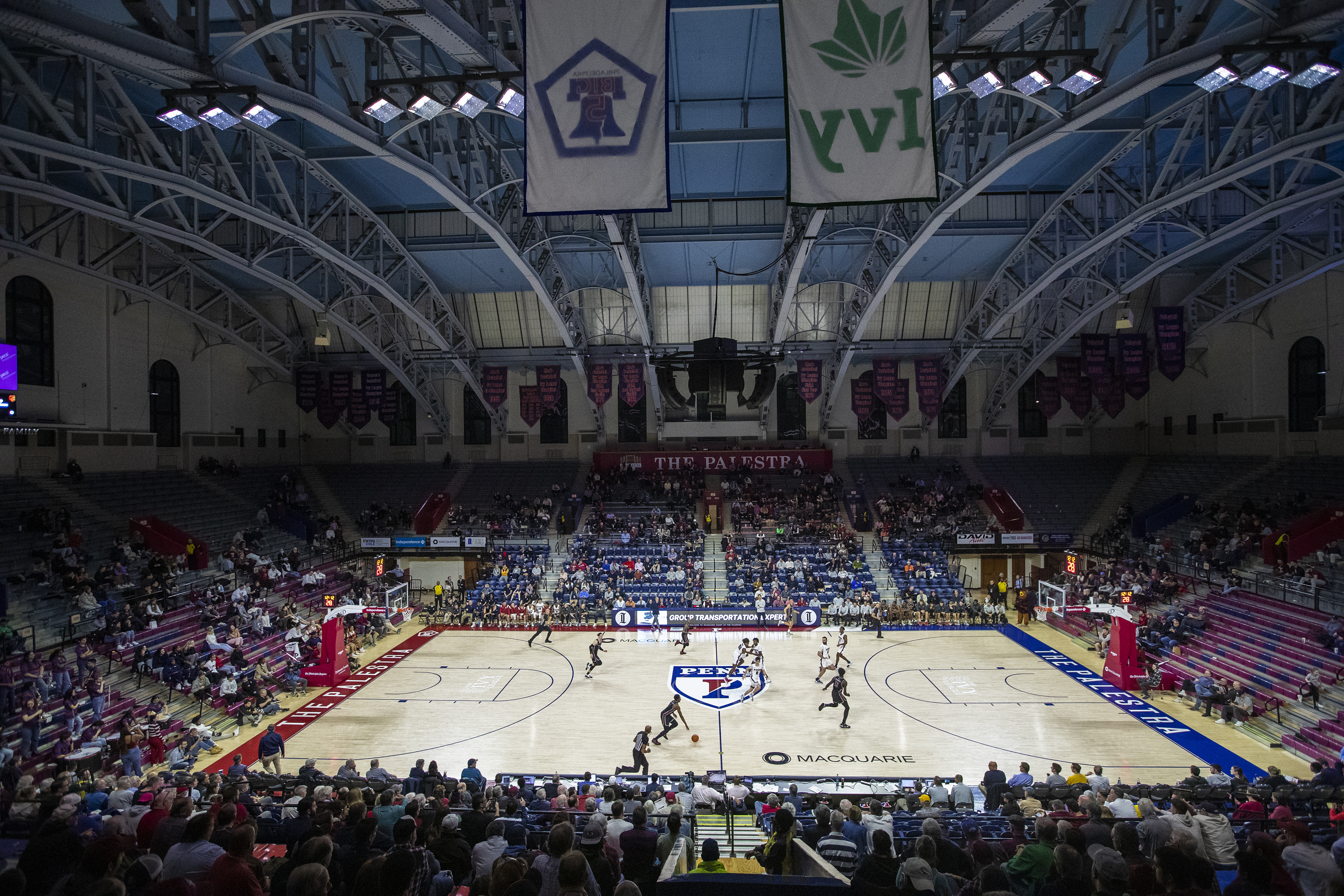
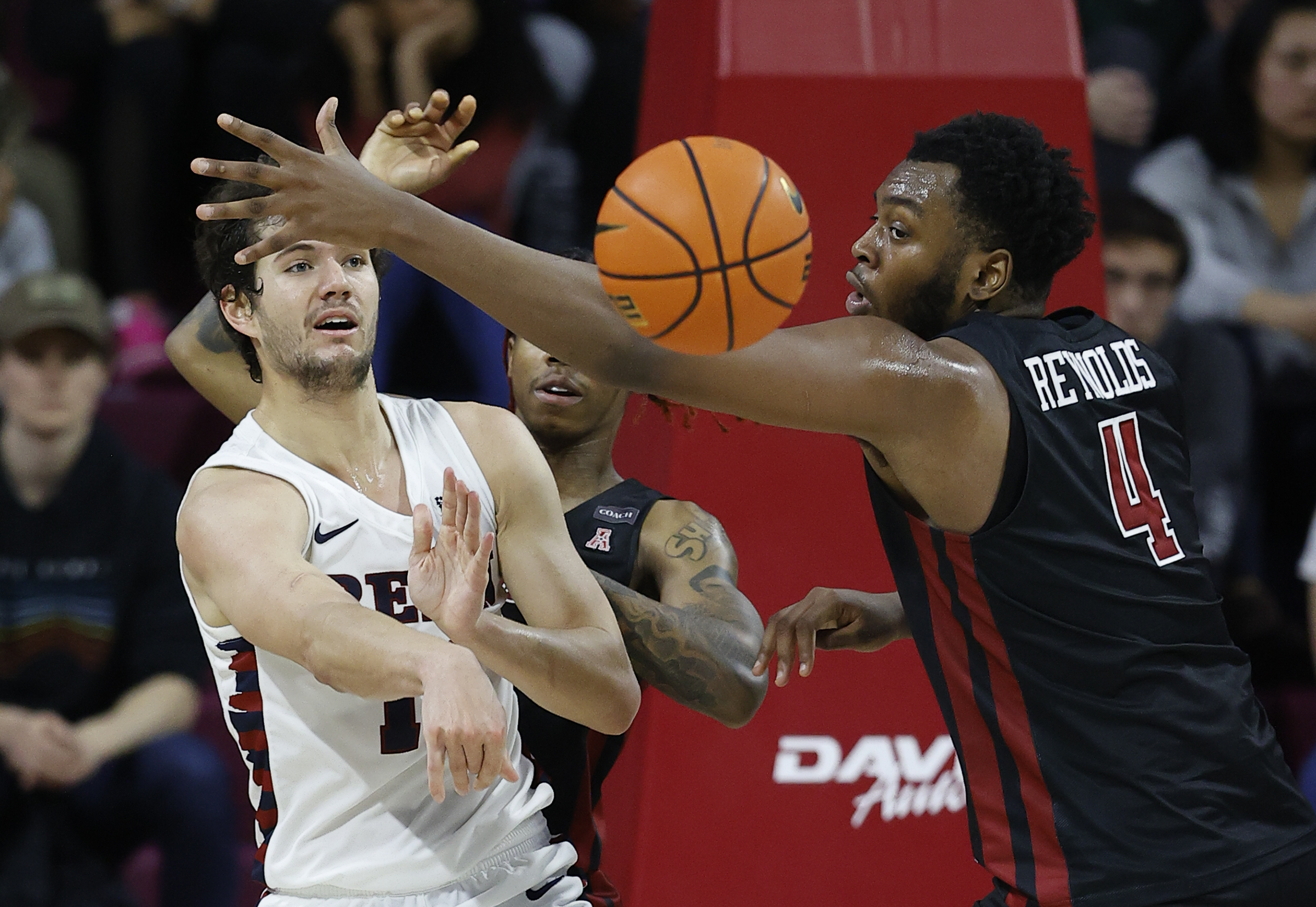
Temple will play in two neutral-site games at the Palestra this season.
The Owls will face Richmond on Nov. 8 and St. Bonaventure on Dec. 12 at the Palestra to celebrate the storied arena’s 100th anniversary. Temple called the Cathedral of College Basketball home from 1955 to 1984.
“The Palestra holds a special place in the history of college basketball and Philadelphia, and we are honored to be part of its 100th anniversary celebration,” Temple coach Adam Fisher said in a release. “Richmond and St. Bonaventure present two challenging matchups against well-coached programs, and we look forward to competing at one of college basketball’s most historic venues.”
The Temple men’s basketball program last played at the Palestra during the 2022-23 season.Yong Kim / Staff Photographer
Temple’s matchup with Richmond will mark the 22nd between the two schools. The Owls hold an 11-10 all-time advantage. The programs last played during the 2022-23 season at another neutral site — the Brooklyn Nets’ Barclays Center, which ended in a 69-41 win for Richmond.
The Bonnies have faced Temple at the Palestra three times, losing each matchup. Temple has a 53-7 record all-time against its former Atlantic 10 rival. Their game on Dec. 12 will be their first since the Owls left the A-10 after the 2012-13 season.
“We are excited for the opportunity to play at the Palestra during its 100th anniversary season,” St. Bonaventure coach Mike MacDonald said. “The Palestra is one of the most iconic venues in college basketball, and the opportunity to take on the Temple Owls, a longtime Bonnie rival, makes this game even more special.”
Some of the world’s swiftest cyclists, many of whom have competed in races like the Tour de France and Vuelta a España, will compete on the 14-mile course.
The event will run from 8:30 a.m. to around 4:45 p.m., giving spectators plenty of time to explore the course. And best of all, as ex-cyclist John Eustice pointed out to reporter Jason Lo, watching will “cost you nothing except your picnic food.”
The Fan Fest will coincide with the bike race. It will go from 10 a.m. to 5 p.m. on Saturday and 8 a.m. to 5 p.m. on Sunday.
Race organizers recommend taking public transportation to the event, because there is no designated parking and there will be numerous road closures.
The grilled Vietnamese chicken noodle bowl at Saigon Grace cafe on South Street.Craig LaBan / Staff
🌏 Celebrate Asian cultures: Kampoeng Indonesia will take over Cherry Street Pier on Saturday with performances, family-friendly activities, and food representing cultures from across Asia.
🍽️ A restaurant week debut: The first Graduate Hospital Restaurant Week will roll out special three-course prix fixe menus for $30 and $45. Participants include Chateau Rouge, a selection in last year’s 76 Dining GuideSaigon Grace Cafe, The Sidecar Bar & Grille, and other South Philly restaurants.
🚘 Wheels up in smoke: Don’t miss out on motorsport glory during Hot Wheels Monster Trucks Live Glow-N-Fire this weekend. Bigfoot, Mega Wrex, Bone Shaker, and other massive trucks will strut and stunt at Xfinity Mobile Arena starting Saturday.
📅 My calendar picks this week: Twilight in the Gardens, Illumination 250 Festival, Ethiopian Day at Clark Park. Here’s our full list for the week.
Don’t miss these end-of-summer happenings
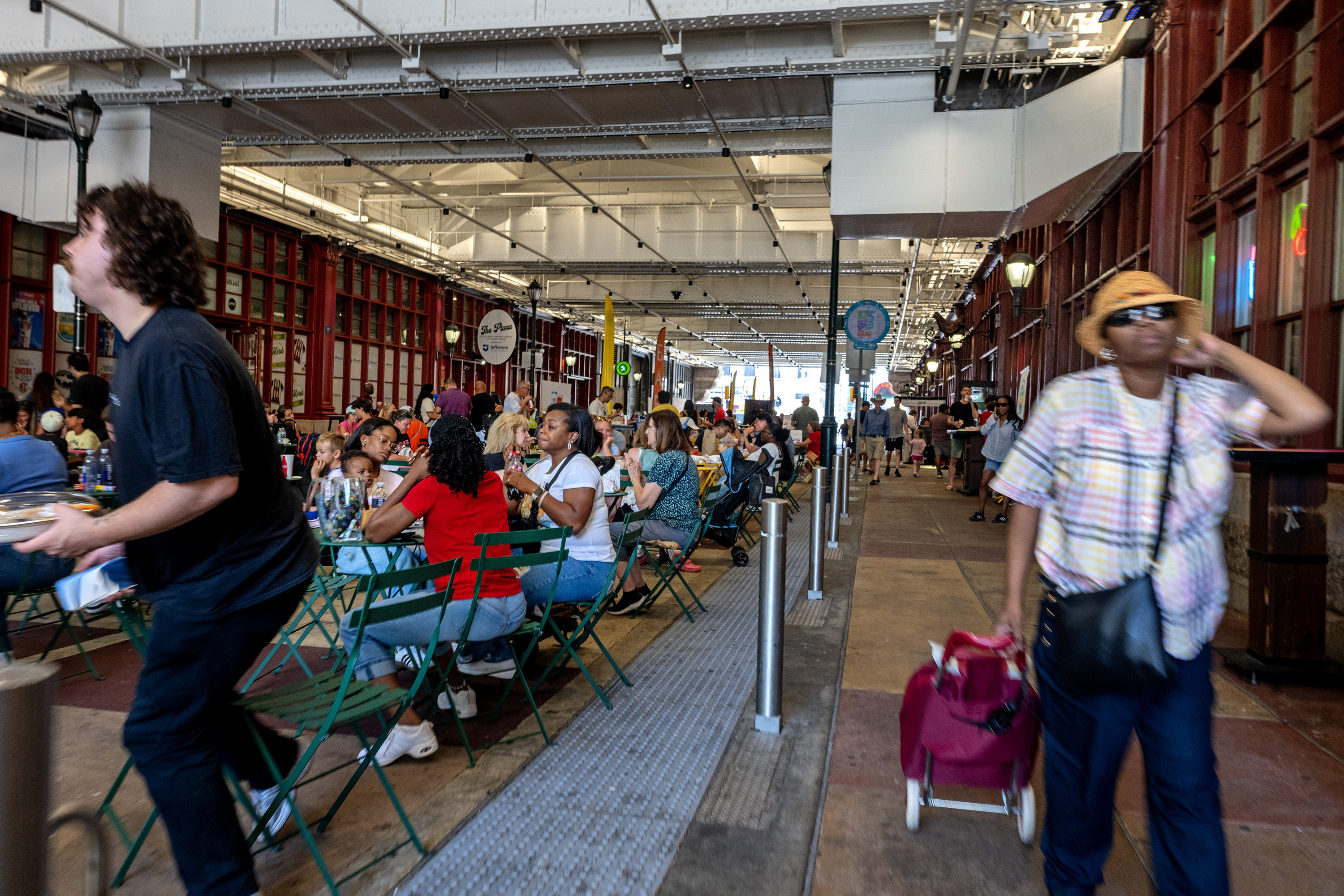
The pop-up outdoor destination at Reading Terminal Market July 20, 2026. The new plaza transformed 15,000 square feet of the 1100 block of Filbert Street into an outdoor space featuring expanded seating, shopping, entertainment and beverage options. It comes at the completion of a $1 million lighting improvement project on Filbert Street, opening June 9 and ending Aug. 2.Tom Gralish / Staff Photographer
There are signs that fall is beginning to knock on summer’s door.
Philadelphia schools are back in session, the heat is easing, and seasonal attractions are starting to close up shop.
Don’t wait until next year. Stop by these attractions and citywide offerings before the week’s end.
Summer fun this week and beyond
People in the crowd reacting to participants falling in the Red Bull Championship Pole Run at the Spruce Street Harbor Park at Penn’s Landing in Philadelphia on Saturday, July 12, 2025.Tyger Williams / Staff Photographer
🚩 A greased-up climb: Visit Spruce Street Harbor Park on Saturday for a full-on sprint up a greased telephone pole at the Red Bull Championship Run. Whoever captures the flag takes the crown.
🍃 Nature in full color: This weekend, discover art and handmade treasures at the Philadelphia Zoo’s After Hours & Wildest Art Festival. There will be live music, light bites, and the work by more than 30 local artists.
🍴 A new Fishtown eatery:Cannonball Cafe is a new, members-only social club located in Fishtown. The alluring cocktail lounge features a restaurant, private bar, and car collection inside a spacious storage garage.
🎨 Take an exclusive guided art tour: Tour Brandywine Workshop and Archives’ latest exhibitions, printmaking studios, archives, and collections during a guided art tour on Saturday.
Staffer picks
Here’s pop music critic Dan DeLuca’s list of the best concerts this weekend.
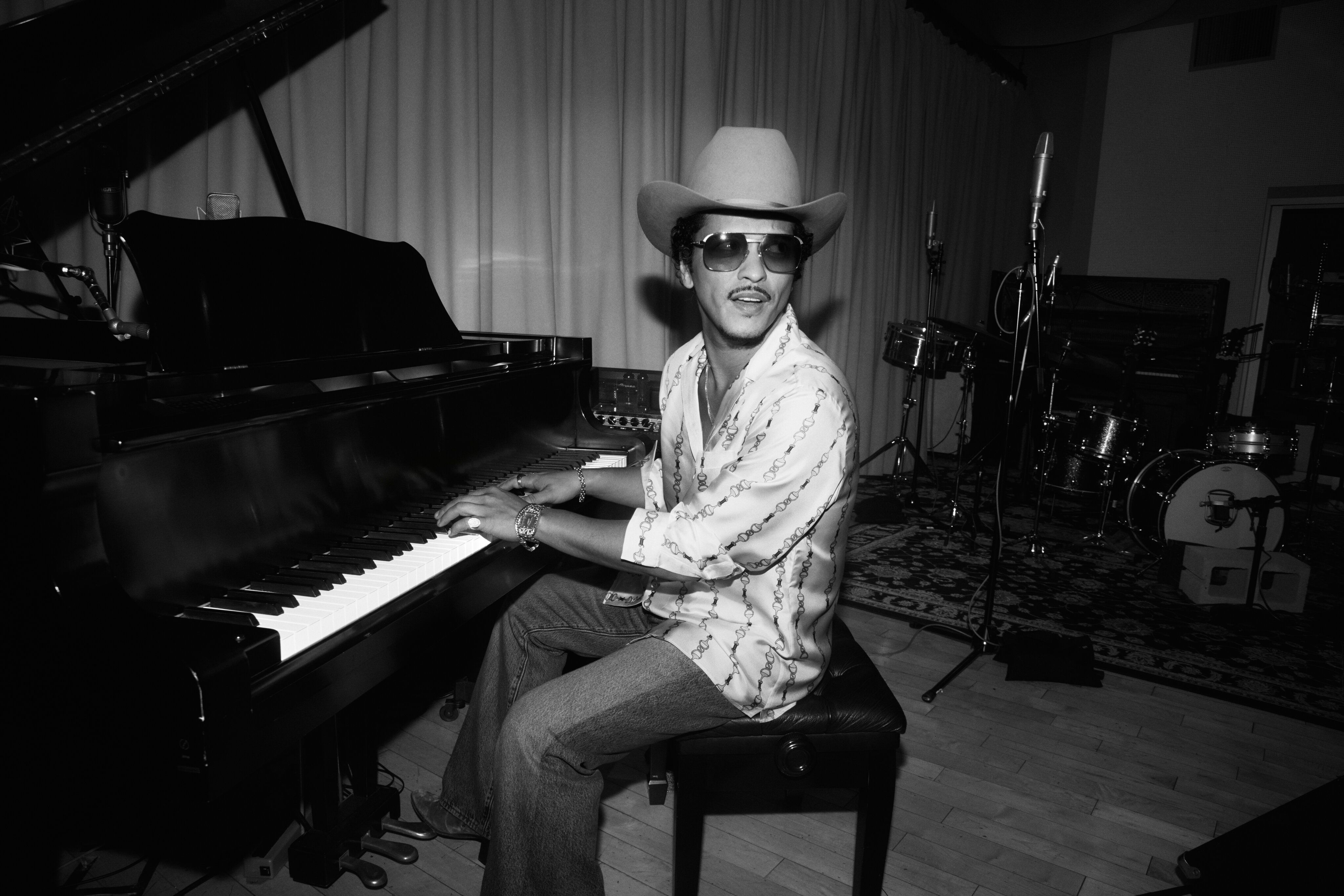
Bruno Mars brings his Romantic Tour to Lincoln Financial Field in South Philly on Tuesday and Wednesday.John V. Esparza
🎤 Friday: Remember 2025’s “Wu Tang Forever” tour that was supposedly the supergroup’s last? Well, RZA, Method Man, Ghostface Killah, and their musical brothers are back for a show at Atlantic City’s Hard Rock Live.
🎸 Friday and Saturday: Eleven-time Grammy winner Chris Stapleton brings his rugged country hits to the region for back-to-back nights at Camden’s Freedom Mortgage Pavilion.
🎙️ Sunday: Cleveland-born indie band Cloud Nothings, fronted by locally-based guitarist Dylan Baldi, will hit the Ruba Club stage on Sunday alongside Philly band Knifeplay.
🪩 Tuesday and Wednesday: Bruno Mars, Mr. 24K Magic himself, is joined by British singer Raye and DJ Pee. Wee, who is Mars’ disguised Silk Sonic bandmate Anderson .Paak, for a two-night stay at Lincoln Financial Field.
Which athlete won the first Philadelphia Cycling Classic in 1985?
A) Eric Heiden
B) Megan Guarnier
C) Greg Lemond
D) Roberto Gaggioli
Here’s the answer to last week’s question: The 2004 blockbuster ‘Natural Treasure’ was filmed inside Independence Hall. But the film also filmed inside a replica of the landmark building — where? Answer: Los Angeles
Ask Earl anything
Many of you have questions about each week’s listings, and others about Philly’s arts, culture, and entertainment scene.
I have you covered. Have a question? Email me for a chance to have it answered in an upcoming newsletter.
Pedal over to these late-summer offerings before they wrap up and enjoy the other regional attractions available this weekend.
– Earl Hopkins
By submitting your written, visual, and/or audio contributions, you agree to The Inquirer’s Terms of Use, including the grant of rights in Section 10.
“We think the offseason training went well when we came back in January, February,” Villanova head coach Mark Ferrante said. “Then that follows up with spring practice and spring practice went pretty well from our perspective. So our guys were here, the whole team [was] here for the month of July. The bulk of our upperclassmen are here for June and July, so they get the opportunity to train together. And then the freshmen come in July and it gives the upperclassmen and freshmen almost a month to learn to get to know each other a little bit.”
However, Villanova is facing questions at quarterback as the eligibility of Pat McQuaide, its hopeful starter, is tied up in an Ohio court after the Patriot League informed the program he was ineligible.
Here are five things to know as Villanova prepares to kick off its 2026 campaign:
A new conference
Villanova officially joined the Patriot League on July 1 after spending 19 seasons in the Coastal Athletic Association (CAA).
Outside of Villanova and William & Mary, the conference includes Bucknell, Colgate, Holy Cross, Lafayette, and Lehigh, as well as fellow associate football members Fordham, Georgetown, and Richmond.
Richmond joined last season after departing the CAA. Four programs have now left the CAA within the last two seasons, the fourth being Delaware, which transitioned to the Football Bowl Subdivision (FBS).
The largest impact this has on Villanova is travel. A trip for the Wildcats will cover an average of 175 miles, which lowers costs for the program, especially on air travel.
Before its debut in the Patriot League, Villanova was voted to finish first by the league’s preseason coaches poll, receiving seven first-place votes. Lehigh, which fell to the Wildcats in last year’s FCS playoffs, got three.
Pat McQuaide’s eligibility to play for Villanova this season rests in the Ohio courts. Isaiah Vazquez / For The Inquirer
Who starts at quarterback?
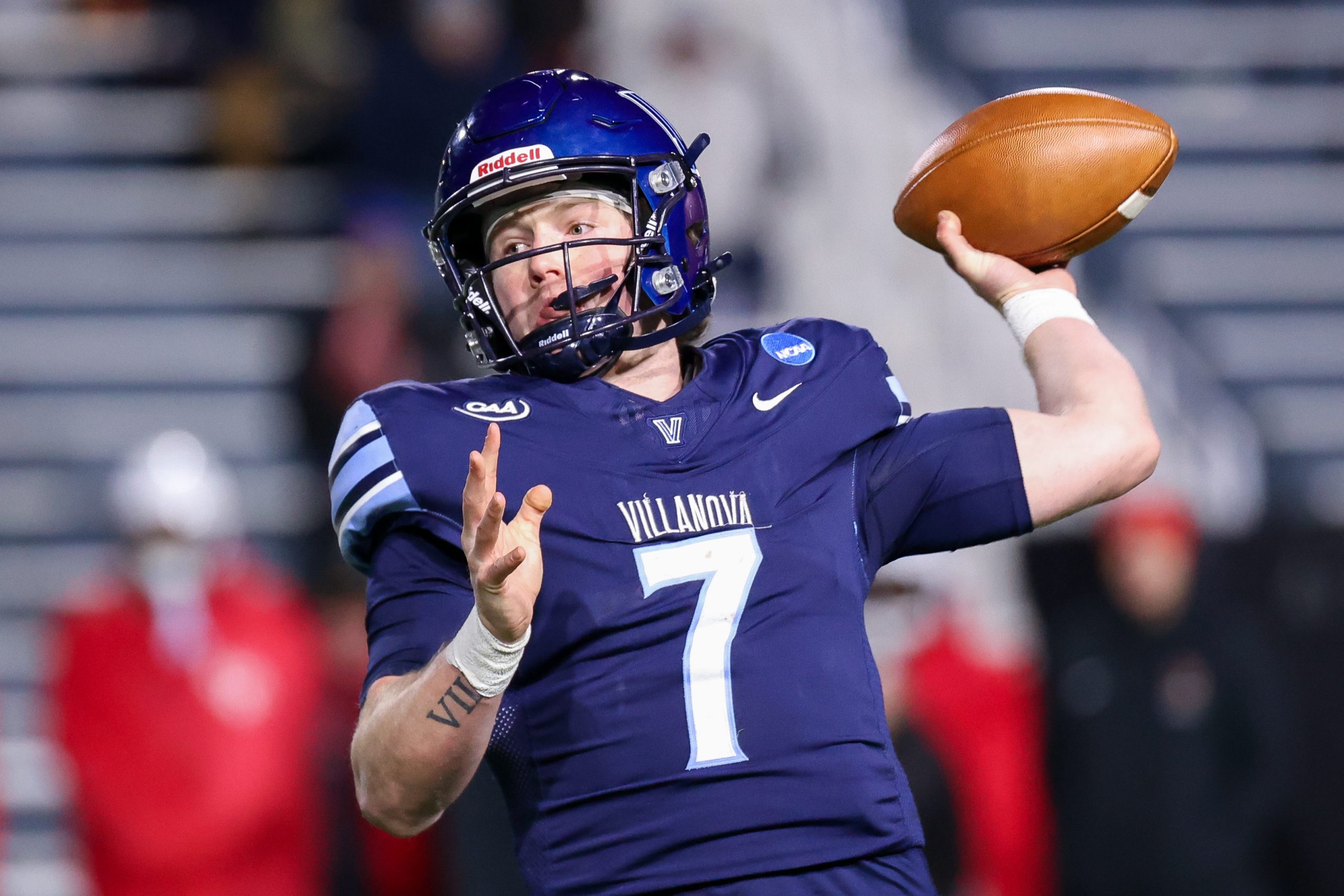
McQuaide, last year’s starting QB, led the team to a 12-3 record. The Ohio native passed for 3,123 yards and 25 touchdowns. It marked what was expected to be his final year of eligibility.
However, this summer, Villanova submitted a request to the NCAA asking to grant McQuaide an extra year of eligibility. The NCAA denied the request, forcing Villanova and McQuaide to take it to court.
On Aug. 1, an Ohio judge ruled that the NCAA cannot enforce its eligibility rules against McQuaide, granting him an extra year of eligibility.
However, the Patriot League notified Villanova on Aug. 4 that it was deeming McQuaide ineligible by its own bylaws. An appeal by Villanova to the Patriot League’s Council of Presidents Executive Committee was also denied on Aug. 21.
McQuaide’s attorney, Richard Hamilton Jr., is still fighting the ruling in the Ohio court system, and an update could come as early as Thursday.
If McQuaide is not able to play for Villanova, two Wildcats will battle for the starting gig — senior Robert Russo and freshman Nolan DiLucia. The two have been getting the bulk of the starter reps through spring and summer practices, according to Ferrante.
Villanova’s quarterback situation remains unsettled as the 2026 season kicks off.Steven M. Falk / For The Inquirer
“Taking a majority of the reps were, obviously, we had Dylan Mills, we had Robbie Russo, going into his senior year, Dylan going into his junior year, and then Nolan DiLucia, the incoming freshman,” Ferrante said. “Those are the guys that were kind of rotating through, seeing who wants to take it over, who wants to take the lead there. … It’s an ongoing process. We’re going to continue to evaluate everybody.”
Outside of McQuaide, Villanova’s quarterbacks have only attempted just one pass.
Key games
In the Patriot League, Villanova will play all its conference opponents during the regular season, as opposed to the larger CAA where tiebreakers often helped determine automatic playoff qualifiers.
The biggest game on Villanova’s regular-season calendar is most likely its home game against Lehigh on Oct. 24 (3 p.m., ESPN+). The two programs have a long-running rivalry. Villanova leads the all-time series, which dates back to 1903, 14-5.
Until last year’s playoff game, Lehigh was 12-0 and was the Patriot League champion.
Former CAA opponent Richmond, which will visit Villanova on Nov. 7 (1 p.m., ESPN+), tied for third with William & Mary in the coaches preseason poll.
Mace returns
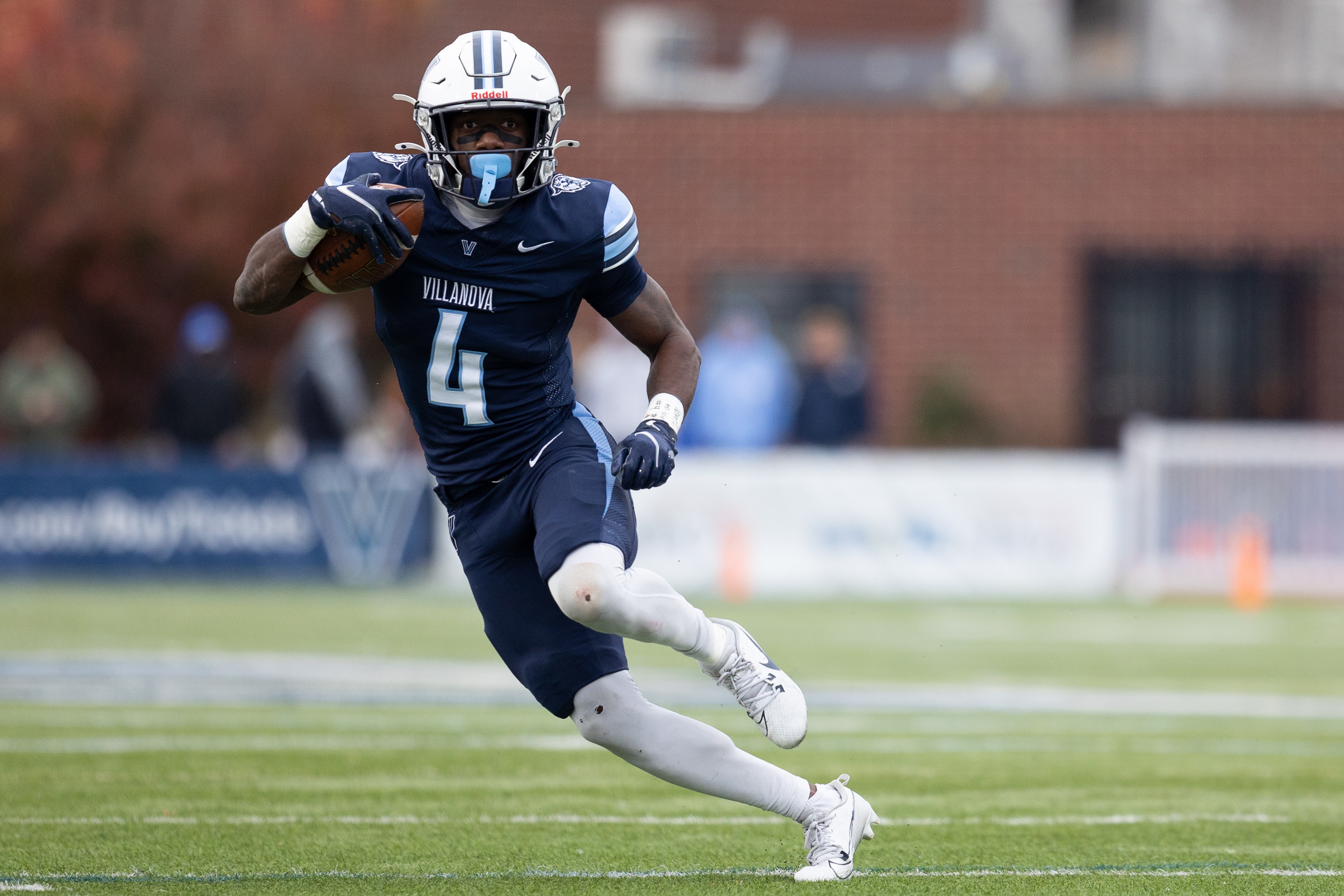
Villanova’s biggest win this offseason was retaining breakout running back and returner Ja’briel Mace. He entered the transfer portal but decided to return to Villanova. Mace was named the 2025 CAA Special Teams Player of the Year.
Mace broke Brian Westbrook’s single-game rushing record with 28 carries for 291 yards and four touchdowns against Towson on Nov. 8. He tallied three 100-yard-plus rushing games, and totaled 946 rushing yards and 11 touchdowns on 128 attempts for the season.
Mace was named to the Walter Payton Award 2026 preseason watchlist, the Patriot League’s preseason all-conference first-team and the 2027 East-West Shrine Bowl 1000, which highlights the top 1,000 NFL draft prospects ahead of the 2026 college football season.
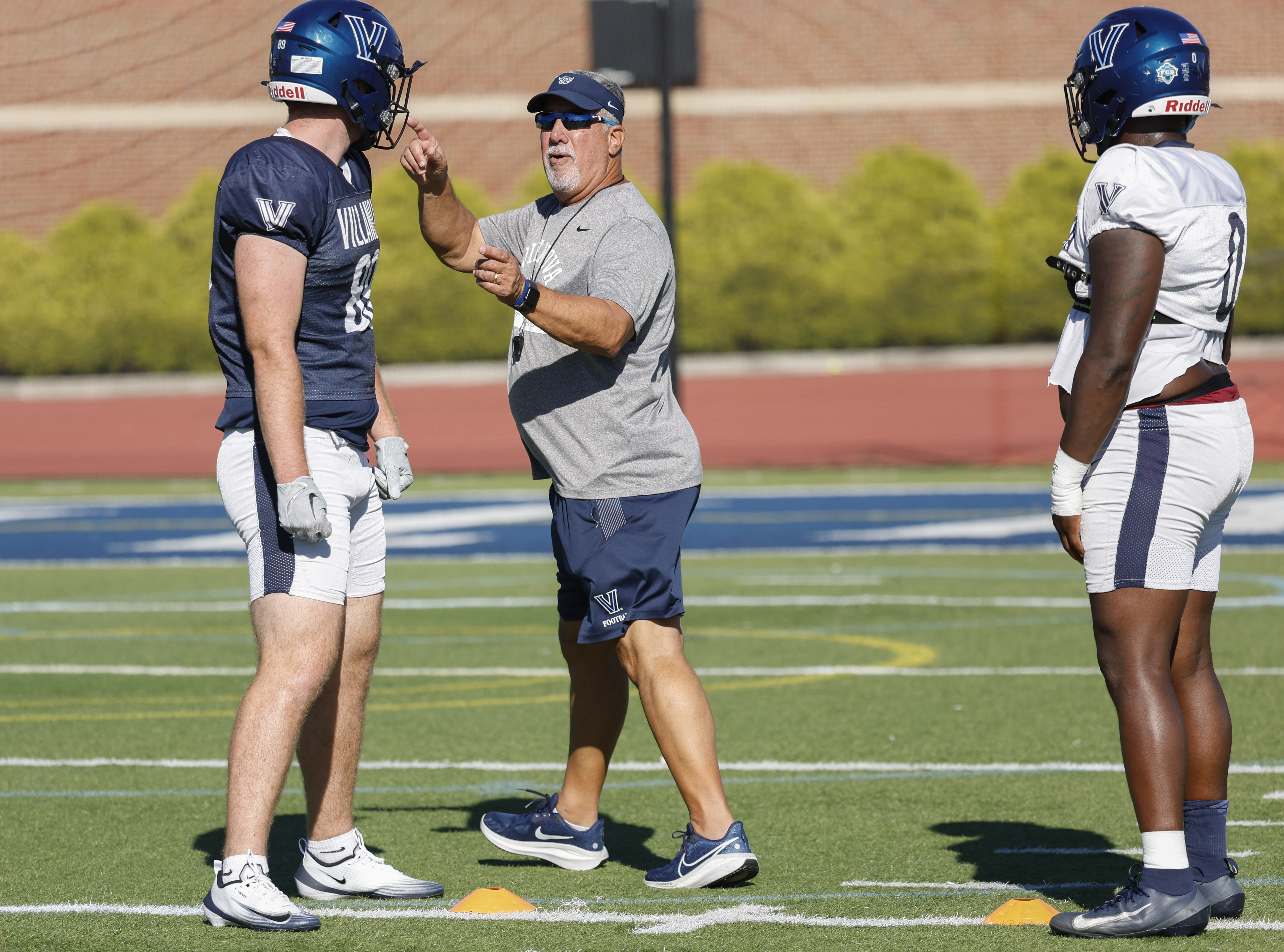
Villanova’s head coach Mark Ferrante during practice, Tuesday in Radnor, August 25, 2026Steven M. Falk / For The Inquirer
New faces and key returners
The Wildcats were not very active in the transfer portal, with a majority of the new names on their roster coming from the high school recruiting class. Most of the new faces starting on both sides of the ball come from within the program.
Junior offensive lineman Chris McCullers, who started 14 games for Villanova last season, will fill one of the holes that opened with the departures of Stephane Voltaire, Temi Ajirotutu, and Jake Picard. Senior defensive lineman Capri Martin also withdrew his name from the transfer portal to stay at Villanova.
“Yeah, we’re excited to have Ja’briel [Mace] and Capri [Martin] back,” Ferrante said. “A couple guys did go into the portal briefly, but then they decided to stay after talking with their families and their coaches, and, obviously, our staff here. We’re excited to have those guys back. We have a good nucleus back on both sides of the ball.”
Fifth-year offensive lineman Quin Whalen, who will be a key part of the offense, started the last nine games last season at center.
Returning wide receivers will include sophomore Braden Reed, who had a breakout freshman year on special teams and at wide receiver during the postseason. Sophomore Brandon Binkowski could see more snaps. Junior Chris Colby will also have an elevated role.
Two starting Wildcat defensive backs, Zahmir Dawud (Rutgers) and Anthony Hawkins (Iowa), departed Villanova for FBS programs. Junior defensive backs Josh Oluremi and Newton Essiem are returning. Fifth-year Garret Rogan is set to return and will see playing time at safety. Junior Jayvont Williams is in contention for the starting safety spot.
“And the secondary, unfortunately, that’s kind of where we got to hit the hardest with the transfer portal,” Ferrante said. “So you’re going to see some new faces back there again. Last year, we had five new defensive backs from the year before, and everyone did not know how we would do defensively with five new faces, and we ended up doing pretty well.”
What has been the summer of floods, thunder, and smoke is fortuitously poised for a shower of good fortune upon the reconvened Philadelphia Cycling Classic this weekend.
“I would say it looks good Saturday and Sunday,” said Robert Oravec, a lead forecaster at the national Weather Prediction Center.
The odds strongly argue in favor of the 212 cyclists completing their miles — 120 for the men, 62 for the women — without encountering a drop of rain, a fitting way to end the classic’s 10-year hiatus.
What’s more, the winds should be light, forecasters say, on the order of 6 to 12 mph, from the north on Saturday, and southwest on Sunday.
For Saturday’s fan fest, which begins at 10 a.m. and ends at 5 p.m. near the Philadelphia Museum of Art, it should be sunny throughout, with temperatures in the low to mid-80s.
For race day, it will be a shade steamier than Saturday, but not heat-wave level, said Matt Benz, senior meteorologist with AccuWeather Inc.
Conditions are likely to be more comfortable in the morning during the women’s 62-mile race, which starts at 8:30. Temperaturereadings should be in the 70s, with heat indexes well below 90.
The predicted heat index creeps past 90 during the men’s race, and expect some serious shirt-soaking during the scalings of the iconic Manayunk Wall and by the time the 120-mile course is completed.
Benz said there is a way-outside chance of a shower near the end of the race, but the National Weather Service is listing the probability at under 10%.
Given that on average Philly receives measurable rain once every three days, dry weekends are not the norm around here, especially this summer.
Since June 1, officially Philadelphia has experienced only two weekends without measurable rain.
The rain cups have been overflowing throughout the region, and Philadelphia’s totals for the last two months have been 133% of normal, according to the Middle Atlantic River Forecast Center.
While both Chester County and all of New Jersey remained under state drought “warnings,” conditions have improved markedly in Philly and the seven neighboring counties, according to Thursday’s interagency U.S. Drought Monitor update.
Parts of the region this week were classified as “abnormally dry,” the lowest drought designation on the monitor’s scale.
But portions of Bucks and Montgomery Counties were labeled as completely drought-free.
Showers are possible during the workweek as temperatures approach 90 and humidity increases, forecasters say.
But fortunately for the cyclists, the rain gauges should be empty Saturday and Sunday.