Blog

  • World Series or bust? The surging Phillies should know that answer by the time they leave Arizona.

    World Series or bust? The surging Phillies should know that answer by the time they leave Arizona.

    In October of 2023, the Diamondbacks dashed the Phillies’ dream of winning consecutive pennants.

    In September of 2026, the Diamondbacks will serve as a benchmark as to whether these Phillies even have a chance of achieving what the 2023 Phillies came so close to achieving.

    Hard to believe, Harry.

    A month ago, as the Phillies foundered on the edges of relevance, none of this seemed to matter much. Today, the Phillies have found an identity grounded in smart at-bats, a solid starting rotation, and unexpectedly competent defense. Suddenly, what seemed like a wasted season through four months has transformed into a season of hope and expectations.

    As in, if the Phillies are playing this well now, there’s no reason to think they can’t win their first World Series in 18 years.

    We’ll know better by dinnertime Wednesday.

    The Phillies on Monday night begin a three-game series in Arizona that could determine whether the Phils host a wild-card series in October. The D-backs lead the season series after winning two of three in Philly in April.

    As this series begins, the Diamondbacks hold the final wild-card slot but stand 4½ games behind the Phillies. The Phillies are tied with the Cubs, but the Cubs won six of seven against the Phillies in the April games that exhausted the teams’ head-to-head matchups. Should the Diamondbacks surge and the Cubs stall, there’s a chance this week’s results provide the tiebreaker that gives the Phillies the top wild-card spot, the No. 4 seed in the National League playoffs, and home-field advantage over No. 5 that comes with it.

    Of course, the Phillies can render these scenarios obsolete if they clobber the Diamondbacks, pass the Cubs, and maybe even catch the Braves for the NL East title, in which case tiebreakers won’t matter. But the Braves lead by five games with 25 to play, so that seems a bit much to ask.
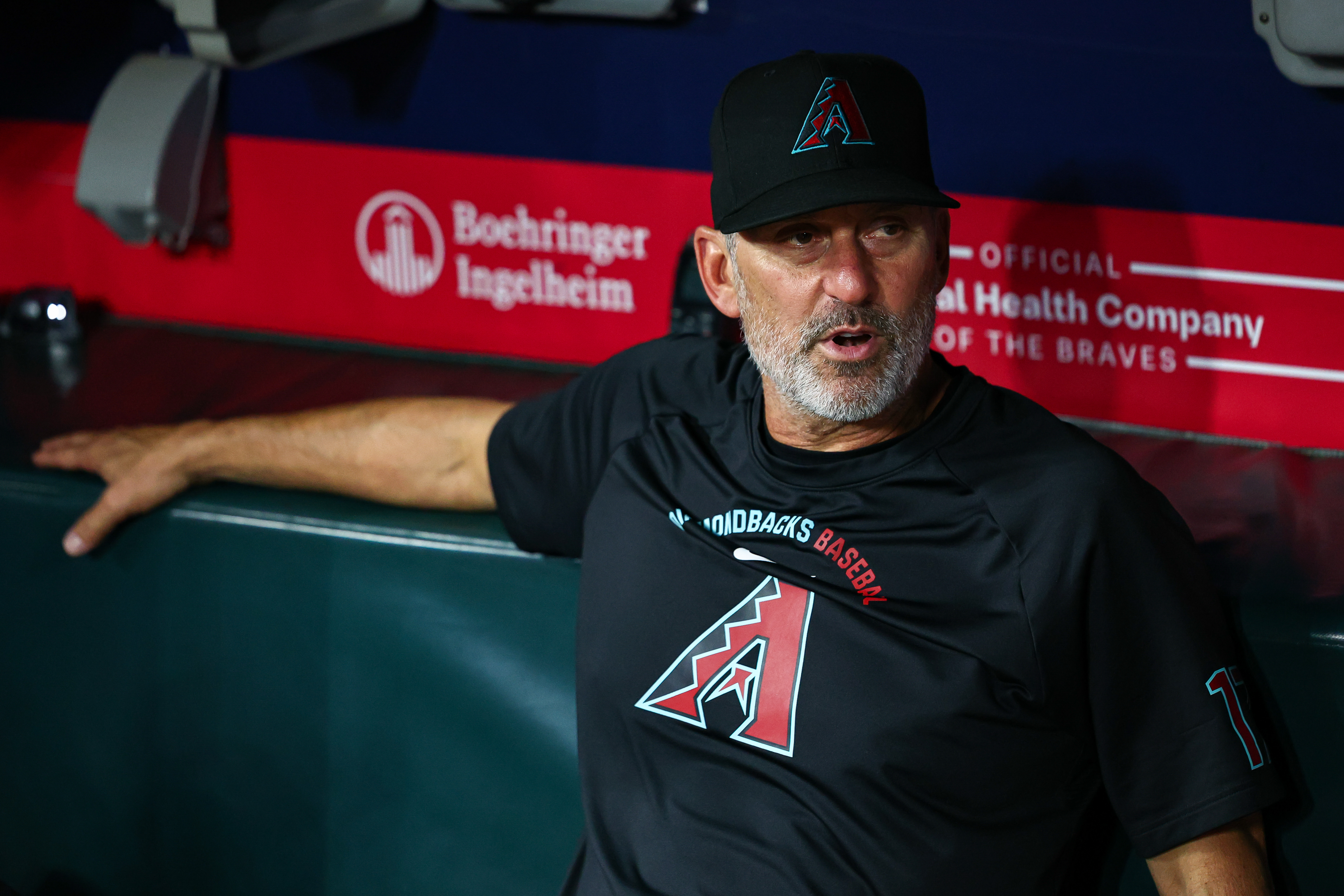
    Manager Torey Lovullo’s Diamondbacks have a half-game lead on the Padres for the third and final wild-card spot going into Monday’s series opener against the Phillies.Colin Hubbard

    For the moment, it’s more important to judge whether the Phillies can play excellent baseball on the road against a team that is 13-8 against them since Game 3 of the 2023 NLCS.

    The magnitude of the lows might skew the emotions, but the lows against the Diamondbacks seem to be lower than most of the other lows this Harper-Wheeler-Schwarber edition of the Phillies has delivered since 2022.

    It begins with that 2023 NLCS, when the Phillies’ bats deserted them and they lost Games 6 and 7 at home. The Phils haven’t won a season series against Arizona since, and their first meeting this season did not portend favorably.

    The Phillies struck out 16 times against the Diamondbacks on April 10, 16 games before the Phillies fired manager Rob Thomson and promoted new bench coach Don Mattingly to interim manager. The 16 Ks remain a season high, part of the 8.8 strikeouts per game that was among baseball’s worst rates.

    Now, though, they’re striking out 2.5 fewer times per game, the second-best rate in baseball. It is the most promising stat of a slew of numbers that indicate that this Phillies team might even be able to topple the Dodgers in the postseason.

    If it’s hard for you to believe, that’s completely understandable. Even in the middle of their recent nine-game winning streak, their longest in four years, the Phillies supplied little real reason to believe they might make another long run into October.

    Shortstop Trea Turner’s Season from Hell continued. The bullpen remained unreliable. And the two best pitchers weren’t the two best pitchers.

    Things change.
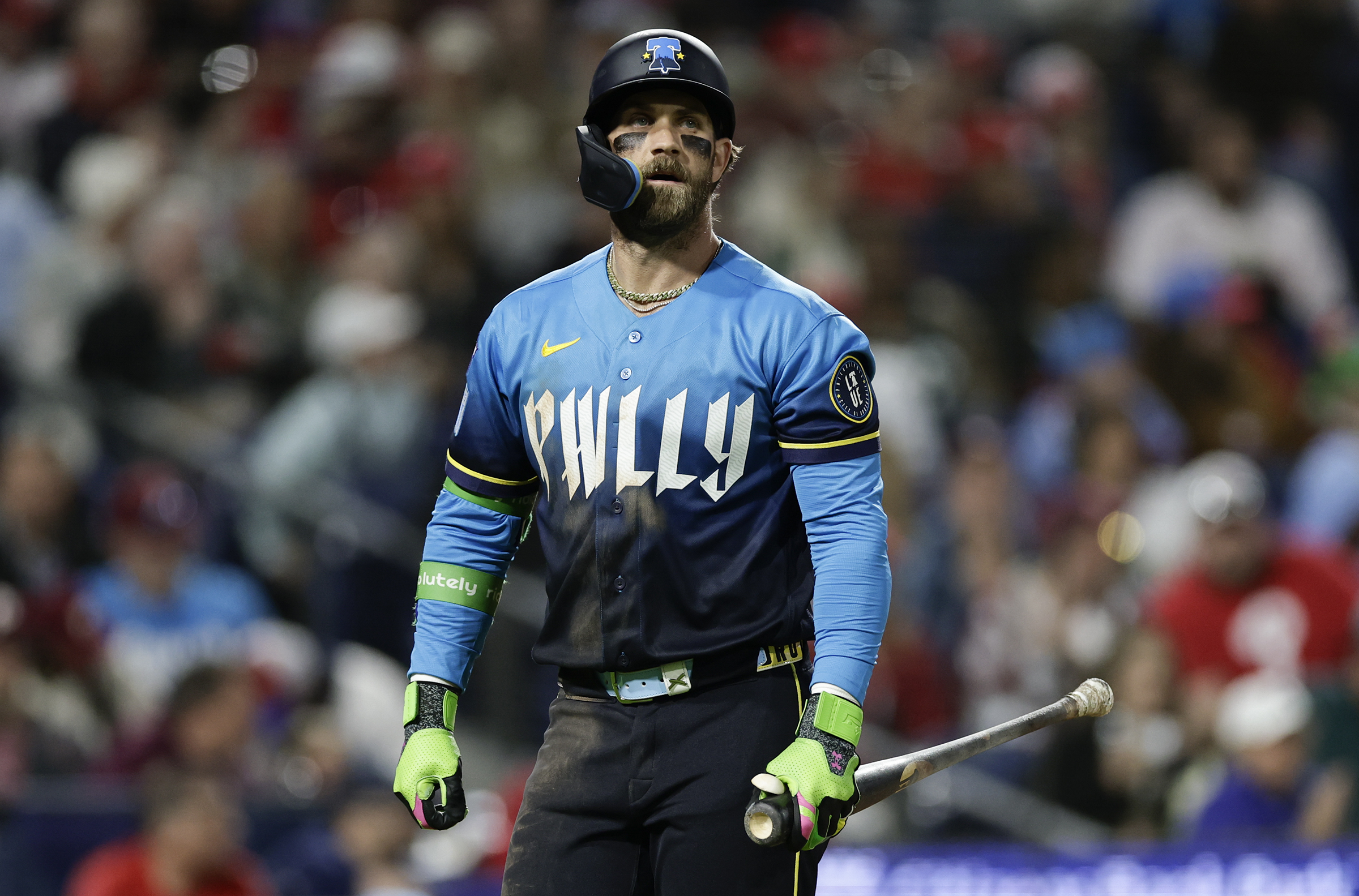
    Phillies first baseman Bryce Harper after striking out against the Arizona Diamondbacks on April 10.Yong Kim / Staff Photographer

    Struggling aces Cristopher Sánchez and Zack Wheeler just combined to allow one run over 13 innings Saturday and Sunday against the Angels. Which, of course, makes them formerly struggling aces Cristopher Sánchez and Zack Wheeler. Add in Jesús Luzardo’s seven shutout innings in Seattle on Wednesday, and that’s one run allowed for the Big Three in their last 20 innings.

    That’s just the icing.

    Consider the continued efficiency of No. 4 starter Aaron Nola, who’s on a six-game heater, and rookie Andrew Painter, who’s been better than a No. 5 in five of his six starts since his recall from the minors, and the Phillies transform from Lost Cause to Title Contender.

    They’ve won 13 of 15 games, six of those wins on the road, three of the last five in their last at-bat.

    Oh yeah.

    The hitting.

    Since three-time batting champ Luis Arráez played his first game Aug. 4 just after Dave Dombrowski’s latest deadline magic, the Phillies lead Major League Baseball with a .272 batting average and are tied with the Red Sox for the lead in on-base percentage, at .353, improvements of 35 and 48 points, respectively; their .305 on-base percentage had been third-worst. In that same span, they lead the National League with 100 walks. They are averaging 5.5 runs, an improvement of more than a run per game.

    Since Arráez slid into the cleanup spot they are 16-7, have gone from eight games above .500 to a season-high 17 games above .500, and are tied with the Cubs atop the National League wild-card standings going into Monday.

    Arráez’s arrival shuffled the defense, an unintended consequence that reaps daily rewards. Arráez is best at second base, so Bryson Stott moved to third base, where he has proved to be the best third baseman in baseball since the move. Third baseman Alec Bohm pushed first baseman Bryce Harper to right field, where both are at least average, whereas neither was average in his previous position.

    In the middle of it all, Harper has reached base in 32 consecutive games, a career best. A two-time MVP in the midst of his most efficient stretch of offense would be the biggest news of all on a team that didn’t have so much to win, so much to lose, and so much scar tissue since its NLCS collapse in 2023.

    Still.

    Listen, the Phillies aren’t the best team in baseball. They still make too many baserunning errors. Wheeler is still walking too many batters (three more Sunday). The bullpen is still thinner than the Arizona atmosphere.

    But if they take off from PHX on Wednesday night with two or three wins in hand, maybe overtake the Cubs if the Brewers beat up on them the next four days, and sustain this surprising run of professionalism and competence, then yes.

    Believe it.

    World Series or bust.
  • Philly’s first Kyo Matcha draws long lines in Chinatown

    Philly’s first Kyo Matcha draws long lines in Chinatown

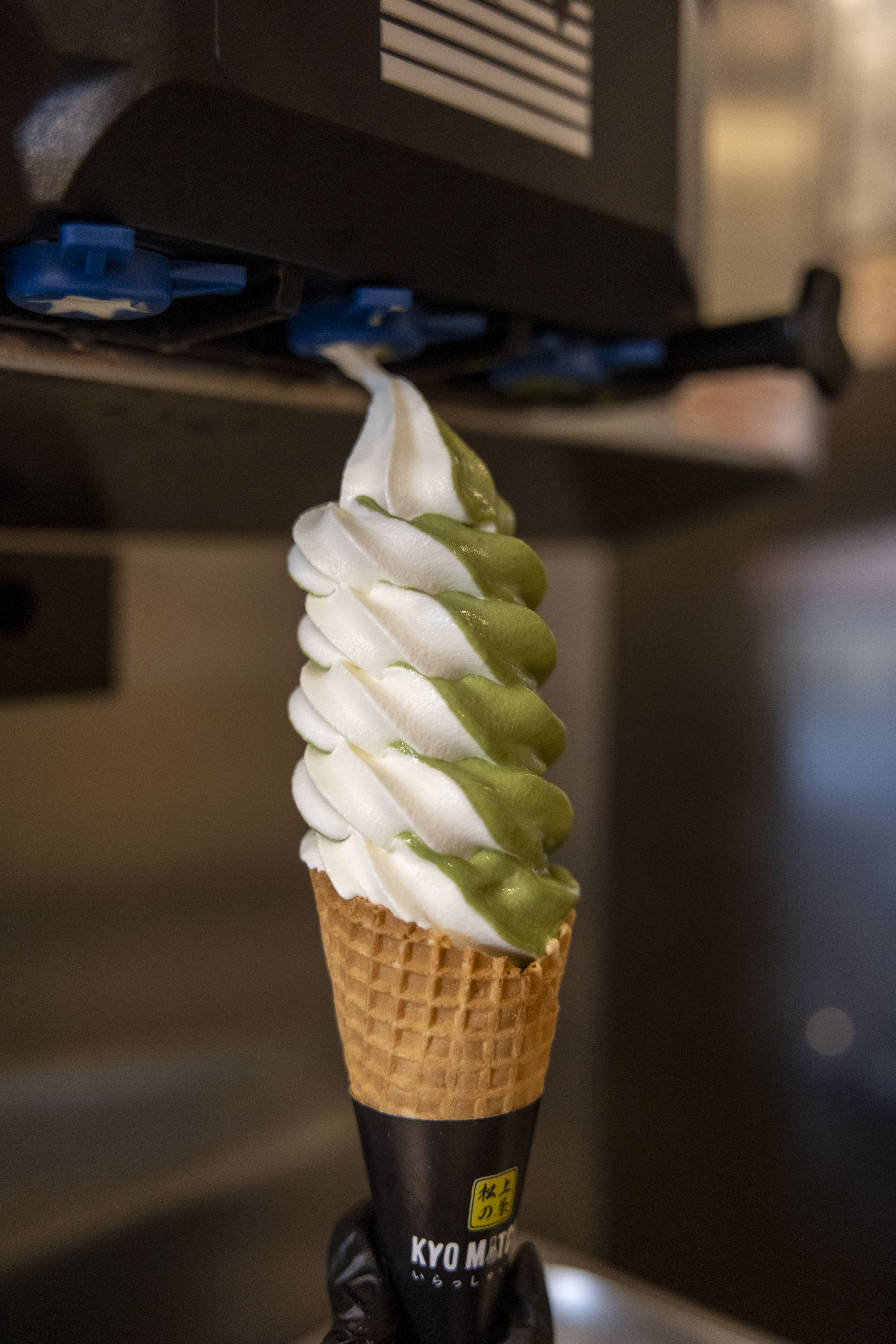
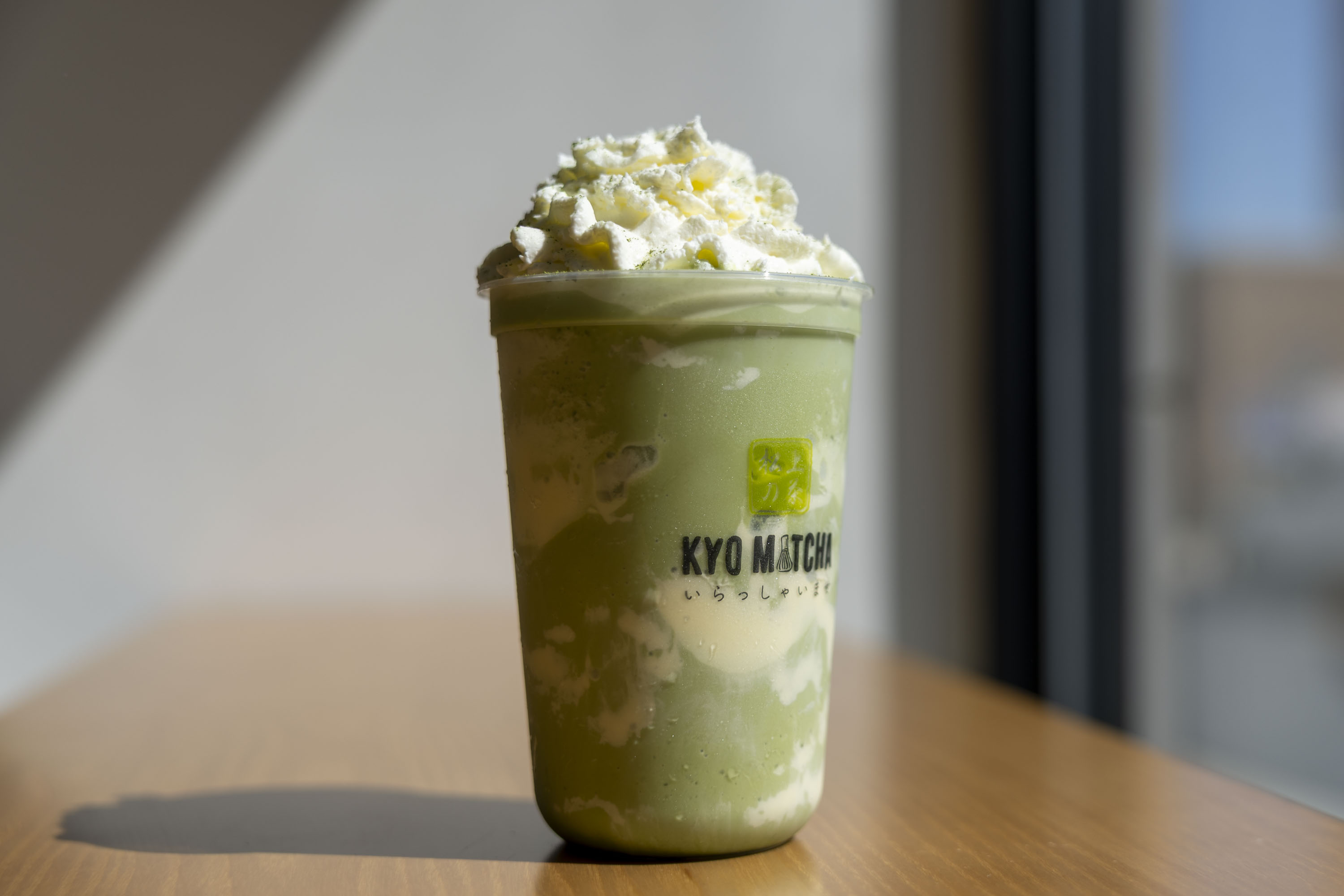
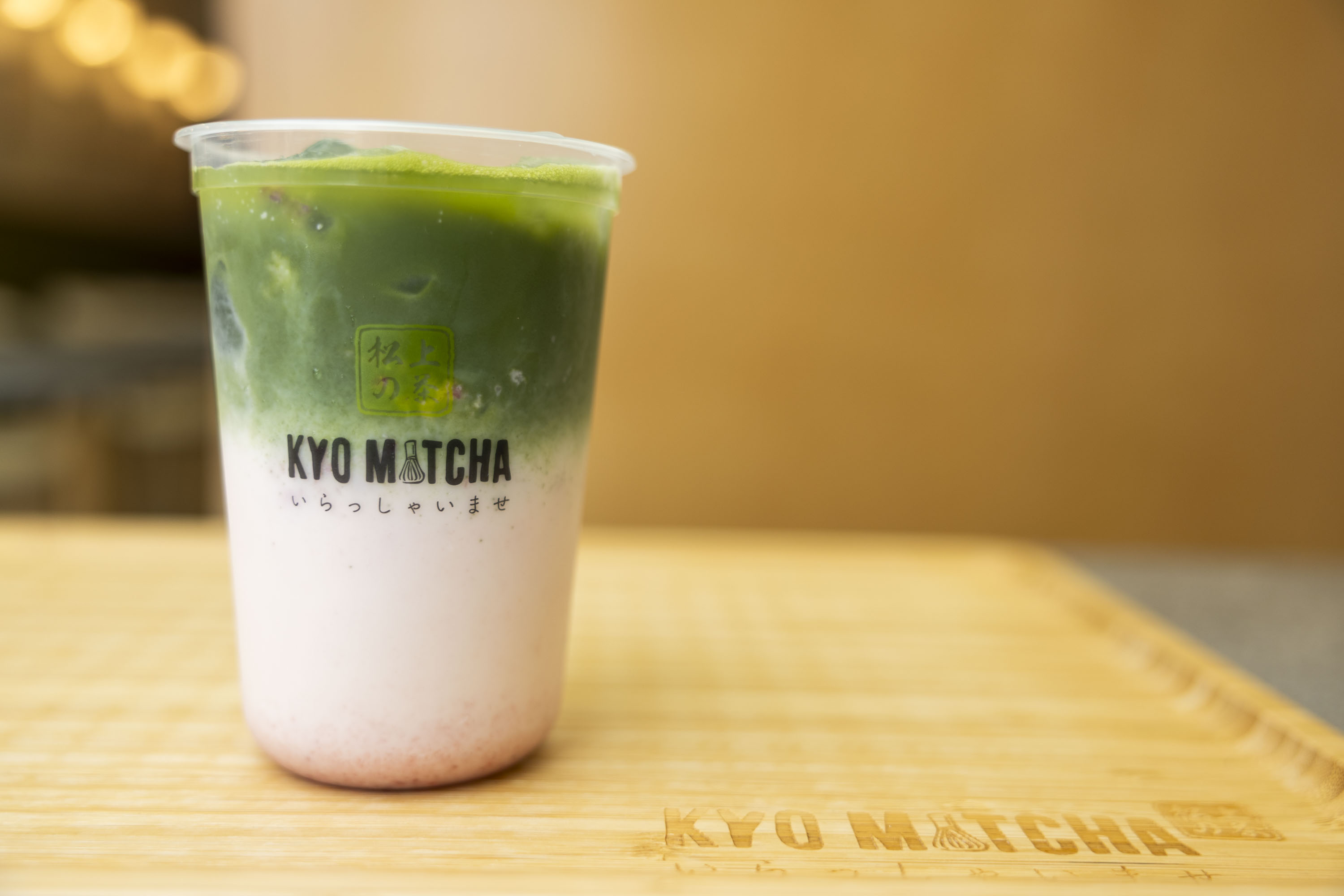
    The lines are long. The branding is adorable. The drinks are bright green, as are the lacy swirls of matcha-seasoned soft serve. This is the formula for Kyo Matcha, which opened in August in Chinatown.

    The same trappings can be found at both Matcha Panda Cafe, which opened in 2022, and Matcha Cafe Maiko, which opened in 2023 — years before high-end Japanese tea became so in-demand that suppliers couldn’t keep up. But there’s something a little curious about Kyo Matcha, a chain that is also known as Kyoto Matcha, with locations in Maryland, Pittsburgh, Virginia, and Massachusetts, as well as in Spain, Vietnam, and Turkey.

    The inside of Kyo Matcha.Tyger Williams / Staff Photographer
    A soft serve ice cream matcha mix at Kyo Matcha.Tyger Williams / Staff Photographer

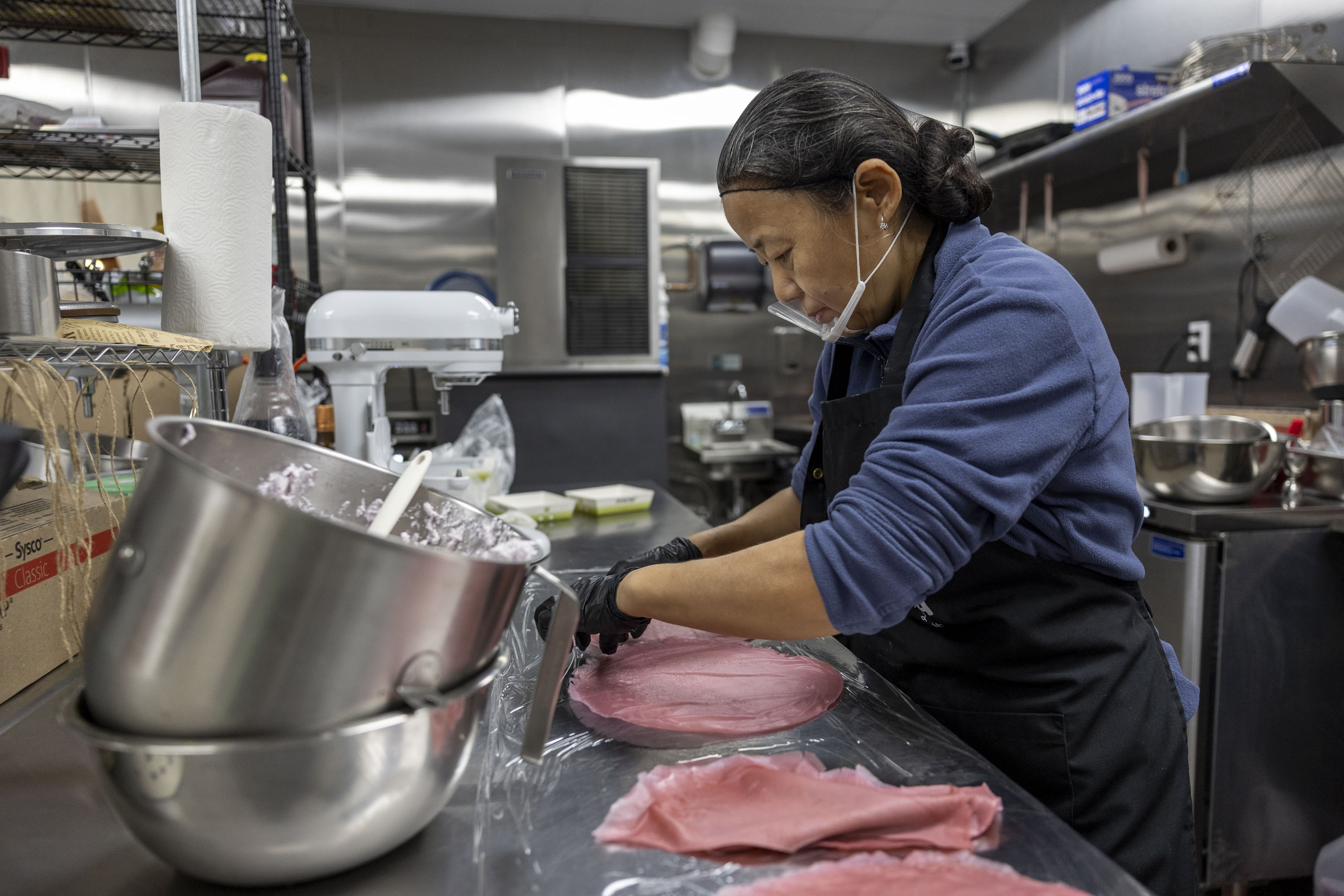
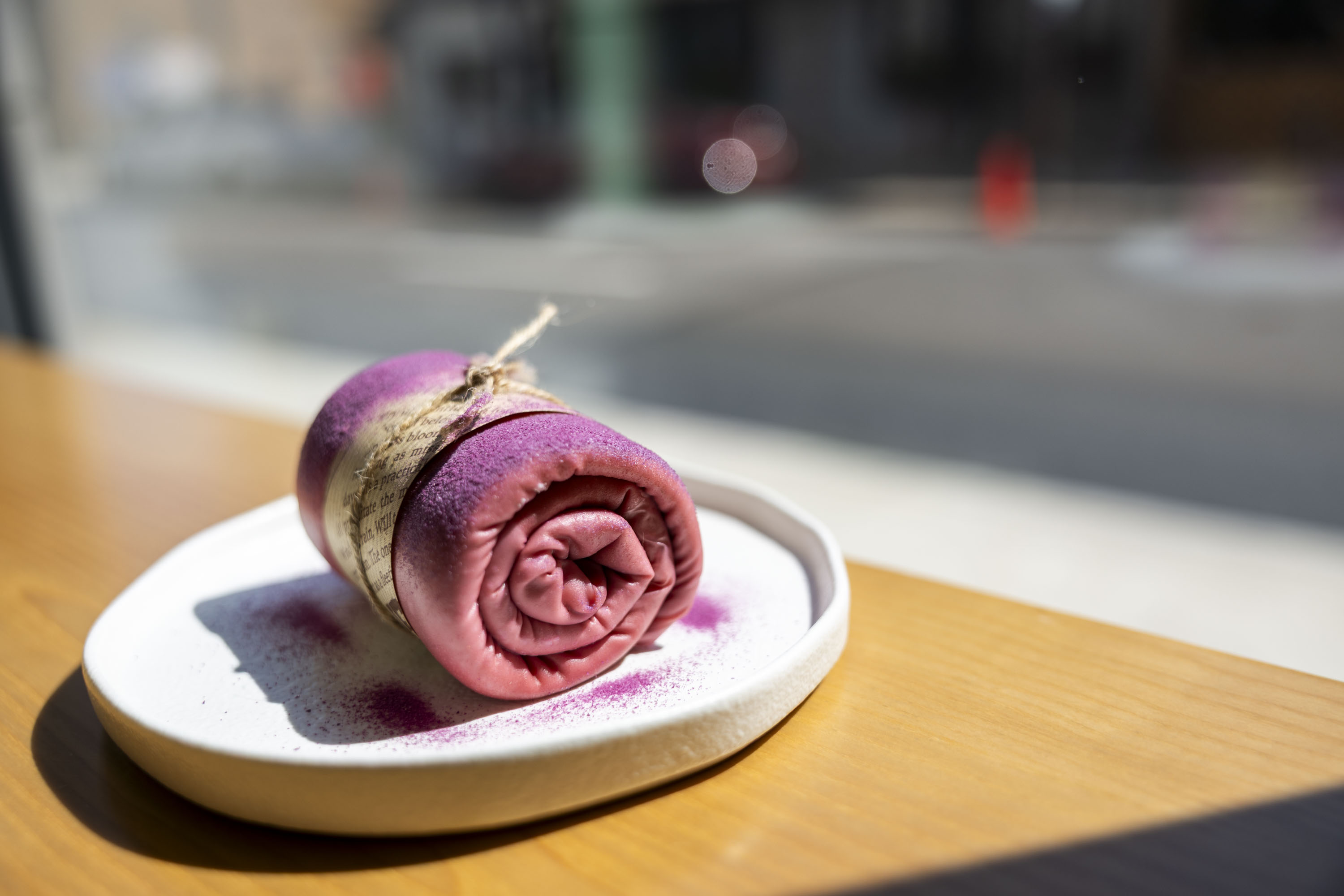
    Indeed, the students who work the front of house are just as bubbly as the ones who serve similar ice creams and tea drinks at the other matcha-focused shops in Chinatown. But in the kitchen at Kyo Matcha, a small crew of older Chinese chefs who previously worked at dumpling stores or preparing food in retirement homes are painstakingly making matcha and ube crepes, then layering them into cakes or rolling them into desserts by hand.

    The franchise is a project that brought two mainland Chinese couples into business together: Tom Kang, 34, and Danya Li, 30, who met studying hospitality at Temple University; and Alex An, 32, who also owns an international trading business, and Jing Xiong, 31, a UX lead designer.

    Mrs. Jiao is making a fresh Ube Tower Cake at Kyo Matcha on Wednesday, Aug. 26, 2026, in Philadelphia.Tyger Williams / Staff Photographer
    A Ube Tower Cake at Kyo Matcha on Wednesday, Aug. 26, 2026, in Philadelphia.Tyger Williams / Staff Photographer

    Kang also owns and operates Stay at Luna, a collection of 10 apartment hotels mostly clustered around Chinatown. (There’s a Stay at Luna located above Kyo Matcha.)

    Located on 11th Street between Race and Vine Streets, in the former Vietnam Palace space, Kyo Matcha is a little off Chinatown’s beaten path. “We felt that if we created a beautiful space and offered something a little different, it could become another reason for people to come to this part of Chinatown,” said Kang.

    A Creme Brûlée Matcha at Kyo Matcha on Wednesday, Aug. 26, 2026, in Philadelphia.Tyger Williams / Staff Photographer

    He became enamored with Kyo Matcha due to both its high-quality matcha powder and its menu, equally balanced between beverage and desserts.

    And why did four young people choose to open a franchise instead of creating their own brand?

    “Starting a brand from scratch is so hard,” said Li.

    While menu items all have to be approved by Kyo Matcha’s corporate office, the business arrangement still leaves room for the owners to innovate as they develop desserts for Philly customers.

    As at other beverage chains, you can specify your preferred level of sweetness when ordering a drink here. There’s only one option, a simple iced matcha, where you can try matcha unadulterated by milk or syrup, to appreciate its grassiness. All beverages are served cold.

    A Matcha Crepe Cake at Kyo Matcha on Wednesday, Aug. 26, 2026, in Philadelphia.Tyger Williams / Staff Photographer

    The matcha trend shows no sign of abating, though global shortages persist as the tea’s leaves take four to five years to mature. The obsession with the bright green Japanese tea has manifested in a slew of matcha-driven beverages and desserts in Philly’s Chinatown, where there’s also been a wave of beverage shop openings.

    Kyo Matcha opened the same week as Arch Street’s branch of Heytea, a Chinese brand operating over 4,000 locations worldwide. They join over a dozen tea-focused shops in the neighborhood.

    The inside of Kyo Matcha on Wednesday, Aug. 26, 2026, in Philadelphia.Tyger Williams / Staff Photographer

    But there still seems to be plenty of appetite for approachable matcha offerings. “Matcha is especially popular among younger customers, and we see a lot of students and younger professionals, but we’ve also seen families, tourists, Chinatown residents, and people who have never tried matcha,” said Kang.

    Kyo Matcha, 222 N. 11th St., kyotomatcha.us. Hours: Noon to 10 p.m. Monday to Thursday, 11:30 a.m. to 10:30 p.m. Friday and Saturday

  • With shutdown looming, House leaders aim to quickly pass funding bill

    With shutdown looming, House leaders aim to quickly pass funding bill

    House lawmakers, fresh from their August break, are expected to vote this week on a Senate-passed measure that would fund federal agencies through Dec. 11, avoiding a government shutdown before the Nov. 3 midterm elections.

    Republican leaders aim to pass the stopgap funding bill Tuesday under a “suspension of the rules” — a fast-track process that requires support from a two-thirds majority of the chamber, according to two House GOP aides who spoke on the condition of anonymity to candidly discuss party strategy.

    Bills on the House suspension calendar get limited time for debate and are not subject to amendment or other procedural hurdles, allowing Republican leaders to move quickly to avert a shutdown. With control of Congress on the line, both parties are eager to return to the campaign trail.

    “That’ll be a priority over in the House because we get things done,” Majority Whip Tom Emmer (R-Minnesota) said Sunday in an interview on Fox News.

    The House passed its own stopgap funding measure in July, but it lacked support in the Senate. Senate appropriators Susan Collins (R-Maine) and Patty Murray (D-Washington) instead drafted their own stopgap bill, which passed the Senate on a bipartisan 90-6 vote.

    In addition to funding the government past the Sept. 30 deadline, the measure includes additional funding for housing and nutrition programs requested by the White House. It also would temporarily block the White House budget office from adopting a rule to give political appointees more power over discretionary grants.

    Despite that constraint on its authority, the White House has issued a statement of administration policy in support of the legislation.

    “President [Donald] Trump strongly opposes another futile Government shutdown,” the White House said in the statement. “Every Member of Congress should support passage of this [bill] to keep the Government open as discussions on fullyear appropriations continue.”

    If the House approves the measure, lawmakers will be free to head back out of town by the end of the week.

    Avoiding a shutdown is just the most urgent of several items on lawmakers’ to-do list before November elections. Republicans also hope to approve fresh funding for the war in Iran and implement new restrictions on voting — top Trump priorities. And they want to provide emergency assistance to American farmers battered by Trump administration policies, including tariffs and high fuel costs caused by the Iran war.

    GOP lawmakers are looking to use the reconciliation process to advance all three priorities, which would allow them to pass with a simple majority in both chambers, forgoing Democratic support. But last month, Senate Republicans delayed a vote on a budget framework — the first step in the reconciliation process — amid opposition from multiple members of the conference.

    Senate Budget Committee Chairman Ron Johnson (R-Wisconsin) told reporters that senators would bring forward a “better” budget framework in September.

    Work on the federal farm bill — which is due to expire Sept. 30 — is also stalled just as lawmakers are eager to find another way to demonstrate support for a critical constituency. The House passed its version in April, but the Senate has struggled to advance its own version amid opposition from Democrats who do not support reductions in federal funding for food stamps proposed by Republicans.

    With the Senate not due back in Washington until Sept. 14, House lawmakers are in a holding pattern on these measures. Emmer, speaking to Fox News on Sunday, expressed frustration with the Senate logjam.

    “We sent our priorities over to the Senate,” he said. “We sent the Clarity Act. … We sent the Save America Act several times, and it sits over there, languishing in the Senate. … It really is going to be on the Senate’s shoulders to start getting something done when we get back.”

    Besides voting on the stopgap budget bill this week, the House is expected to vote on a censure motion against Rep. Chuck Edwards (R-North Carolina) following a recommendation from the Ethics Committee.

    Earlier this month, the committee found that Edwards engaged in “persistent unprofessional and inappropriate conduct” toward two female staffers, behavior Edwards denies.

  • Grand Canyon braces for more storms after deadly flash flood, about 15 people still missing

    Grand Canyon braces for more storms after deadly flash flood, about 15 people still missing

    FLAGSTAFF, Ariz. — More rain and thunderstorms were possible Monday at the Grand Canyon following a major flash flood that left one person dead and about 15 others missing or unaccounted for, with scores of visitors evacuated and the only water pipeline for tourists and residents destroyed.

    Emergency water restrictions that began Monday prevented tourists from staying overnight at lodges and hotels within the park. Year-round residents were asked to conserve water.

    A flood watch was in effect. Visiting the Grand Canyon — a crown jewel of the national park system — can be particularly dangerous in the summer because of the risk of flash flooding that accompanies the monsoon, or rainy season. Clear days can give way quickly to thunderstorms and downpours.

    “With deep monsoonal moisture in place and already saturated soils in some locations, an elevated risk of flash flooding will be in place through Monday,” the National Weather Service said early Monday.

    The body of a 46-year-old man was recovered Sunday evening near Crystal Rapids along the Colorado River, the National Park Service said without providing additional details.

    The flooding Saturday in Bright Angel Creek, which flows into the river, led to more than 60 people being airlifted from the depths of the canyon. The park service asked anyone with details about hikers or campers still unaccounted for to get in touch. The Arizona Department of Public Safety helped with additional evacuations Sunday.

    “These measures are crucial for ensuring the safety and sustainability of water resources,” the park said in a statement.

    Parth Desai was hiking through a narrow passage in Bright Angel Canyon with fellow physicians and a park ranger when heavy rain started falling Saturday.

    “We saw the creek flood, waterfalls coming up out of nowhere, boulders, mud, landslides happening everywhere,” he said.

    Later, as they made their way toward Phantom Ranch, a colleague shouted “Up, Up, Up, Up!” as a 4-foot (1-meter) debris wall headed toward them and they ran up into a patch of cacti, he said. They were rescued by helicopter late Saturday after making it to the Phantom Ranch area, he said.

    Torrents of water wiped out footbridges over the creek and altered the landscape, widening the creek bed and extending an existing river rapid or creating a new one. The flood was a major blow to an enduring effort to modernize the pipeline that serves 6 million visitors a year and roughly 1,600 residents of Grand Canyon Village.

    “Heaven help us if the whole thing down there at the bottom has to be reconstructed,” said Jack Schmidt, director of the Center for Colorado River Studies at Utah State University. “Where are they going to get the money?”

    Halting overnight stays at the park because of a lack of water is rare, although the pipeline frequently has failed over the years. While the Grand Canyon has large storage tanks for potable water on the South Rim, they won’t be refilled while the pipeline is out of service.

    A $208 million rehabilitation of the pipeline and upgrades to the associated water delivery system started in 2023, with the park service calling it a crucial investment to ensure the park can meet the needs of residents and visitors. The project was expected to be completed next year.

  • This principal in Nepal evacuated 900 students before flooding swept away their school

    This principal in Nepal evacuated 900 students before flooding swept away their school

    BIDUR, Nepal — Rajendra Dawadi was inside his classroom when the school’s accountant rushed in with a warning: Floodwaters were racing through Nepal’s Trishuli Valley, tearing apart homes, bridges and entire villages.

    Then a teacher received another warning by phone. Moments later, a parent arrived to take her child home. The danger had not yet been confirmed, but Dawadi had little time to act. He rang the school bell and ordered his students and staff out of the building and toward higher ground.

    “I immediately decided to stop … school and (get the children out),” he told The Associated Press.

    As he followed them to a nearby hill, the floodwaters rose behind him. From the safety of the hillside, he turned to watch the school where he had once been a student — and where he had spent years teaching — disappear beneath a torrent of water, mud, boulders and debris. Two staff members could not make it and remain missing.

    Dawadi’s decision to evacuate the school saved at least 900 students from last week’s devastating flash floods in Nepal, unleashed after a glacial collapse in the Himalayas. The disaster killed over 900 people across Nepal and China, while more than 4,700 remain missing.

    As Nepal grapples with the catastrophic natural disaster, Dawadi’s story has emerged as a striking example of foresight and courage.

    The Tribhuvan Trishuli Secondary School in the Trishuli Valley of north-central Nepal had 1,643 students. At least 900 were on campus that morning, while some students were still making their way to school. Dawadi ordered those already there to leave and called bus drivers, telling them to only stop at safer places.

    One bus, packed with students, had already reached the school when Dawadi told the driver to turn back, he said. The bus crossed a newly constructed bridge and, moments later, the old bridge beside it collapsed.

    For Dawadi, the scale of the destruction has become personal, as the school had been both his workplace and a large part of his life.

    “I have no words. I got education from that school. And I gave education at that school,” he said.

    The destruction of Dawadi’s school was not an isolated loss.

    Across northern Nepal, the floods have left thousands of children without classrooms, disrupted their education and raised fears that the disaster could cost them months of schooling. Charity group Save the Children said in a statement that at least 69 schools in northern Nepal have been completely destroyed, putting the education of nearly 19,000 students at risk.

    Dawadi’s quick thinking and swift response during the disaster have been hailed as an act of heroism. When he returned to the site of the school days later, parents embraced him as they thanked him for saving their children.

    “Their parents hugged me, they cried with me,” he said. “They were emotional.”

    Student Suvina Tamang, 14, said the school’s three-story building was swept away shortly after all the students had been evacuated.

    “I will thank him when I see him” for saving my life, she said.

    But Dawadi is reluctant to accept the role of hero. For him, rescuing his students was his responsibility. Now he says, students will need psychological counseling. Then, lessons must begin again, even if the school must temporarily relocate.

    His appeal to the Nepalese government is simple: rebuild the schools and get children back to classes.

  • The Black women whose voices lifted hearts at the March on Washington

    The Black women whose voices lifted hearts at the March on Washington

    After hours of wandering and waiting in the late August heat of the nation’s capital, the hundreds of thousands gathered for the 1963 March on Washington were welcomed with a program announcement by the march’s architect, labor leader A. Philip Randolph. In his signature baritone, he announced, “Permit me to present to you to sing the national anthem, Miss Camilla Williams.”

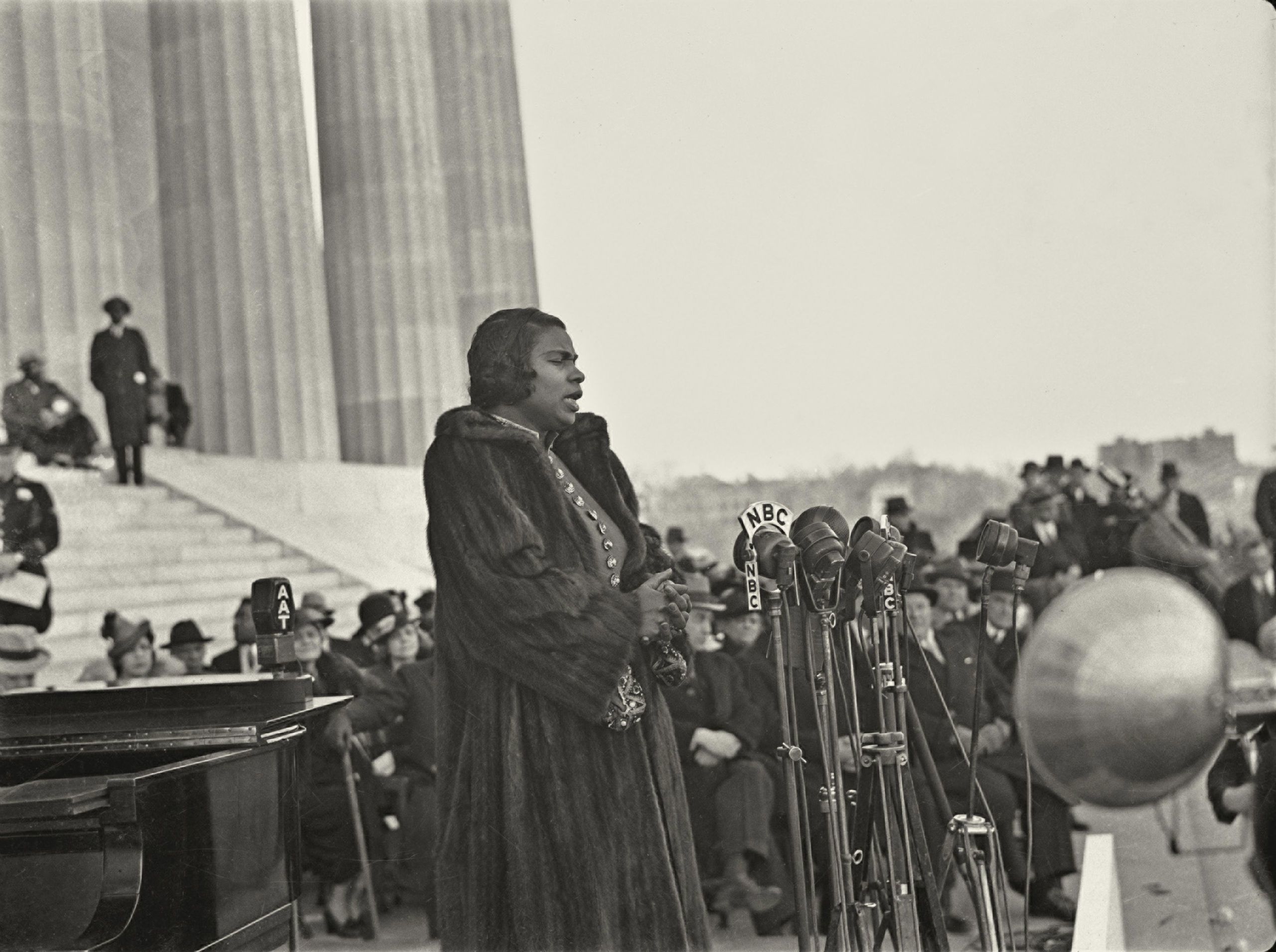
    More than a few marchers may have shared a puzzled glance. The march leaflets offered that none other than the diva Marian Anderson would open the day’s program of 18 speakers and songs. The march’s planners and crowds alike would have remembered Anderson’s historic 1939 Easter Day concert. At that time, Anderson had been barred, like all African American performers, from taking the stage at Constitution Hall — the Daughters of the American Revolution venue. With support from first lady Eleanor Roosevelt and Interior Secretary Harold Ickes, however, Anderson sang instead at the Lincoln Memorial before an interracial crowd.

    Marian Anderson singing at the Lincoln Memorial on Easter Sunday, 1939.World History Archive / Alamy Stock Photo

    The moment elevated the Philadelphia native beyond her status as a pioneer in opera and made her a symbol of a nascent civil rights struggle. In the estimation of the march planners in August 1963, there was none other than Anderson who could set the right tone for a day fueled by idealism, as well as calls to action.

    But that Wednesday afternoon, the contralto was stuck in the monstrous traffic surrounding the National Mall, and Randolph, likely in consultation with his lieutenant, Bayard Rustin, called forward Camilla Williams, Anderson’s protégé.

    By 1963, Williams had also fought hard to establish herself in the racist and exclusionary world of opera. Born in Danville, Va., in 1919, she landed in Philadelphia after her local community raised funds to help her continue her music education up north. When she arrived in the city, she paid the bills by selling concessions at a movie theater, while she trained with some of Anderson’s former teachers. Williams, an early recipient of a Marian Anderson Scholarship, eventually debuted at the New York City Opera in Madame Butterfly and later lent her voice to a recording of George Gershwin’s Porgy and Bess.

    A seasoned performer, she opened the program for the 1963 March on Washington. The substitute rose to the occasion, and the crowd responded with the first of several rounds of rapturous applause and shouts that roiled across the rows of NAACP chapter members dressed in their church outfits, young rebels in denim, and clergy in full vestments. Eventually, traffic cleared, and Anderson arrived, as well, making her way to the multi-microphoned platform to sing “He’s Got the Whole World in His Hands” to an adoring audience.

    Anderson and Williams were two of only four women whose voices were heard by the marchers that day. Most accounts of the March on Washington focus on Martin Luther King Jr.’s “I Have a Dream” speech, and to a lesser degree, John Lewis’ controversial and fiery address about the slow pace of social change in America. Sixty-three years later, the voices and vision of several key women of the march have yet to be fully recognized and appreciated.

    The march was born from the struggles of Black labor organizers who understood the importance of taking up the problems of racial caste and class together, not separately. Randolph and Rustin, with political theorists, leftist activists, and labor organizers, had conceptualized the March on Washington during World War II to pressure the federal government to desegregate the military and provide fair employment opportunities for Black workers. At every turn, Randolph consulted and relied on female comrades who shared his leftist political inclinations, including legal scholar Pauli Murray, pacifist Pauline Myers, labor organizer Maida Springer, longtime National Council of Negro Women leader Dorothy Height, as well as Anna Arnold Hedgeman, the only woman on the march’s New York-based planning committee.

    By the time of planning for the 1963 march, men dominated — men led all the supporting organizations, and the programming committee resolved to schedule speakers based on those groups. Despite their decades-long commitment to the March on Washington Movement, the women of the march were never able to pierce the ranks of executive leadership, nor serve as spokespeople for the larger civil rights struggle. As the movement gained steam into the 1950s and 1960s, male religious leaders — like King — and institutional heads calcified an image of who was leading.

    Made By History sponsorsInquirer Staff

    With weeks to go before the assembly, however, organizer Hedgeman argued for a last-minute addition to the schedule. She sought to honor Black women who had struggled in the many fights to desegregate schools, eradicate Jim Crow laws, and secure voting rights. In an appeal to her colleagues, Hedgeman argued, “In light of the role of Negro women in the struggle for freedom and especially in light of the extra burden they have carried … it is incredible that no woman should appear as a speaker.” Her chastening confrontation was met with no resistance, but the depth of her frustrations was never fully recognized. A hastily planned tribute would have to do.

    In the end, her recommended “Tribute to Negro Women Freedom Fighters” barely scratched the surface, offering just a nod to the depth and breadth of leadership and passion so many Black women offered the freedom movement.

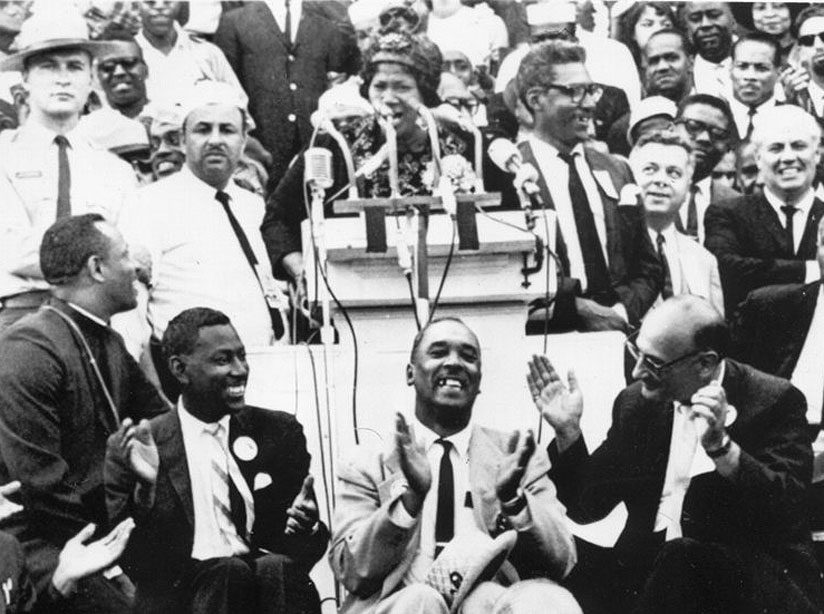
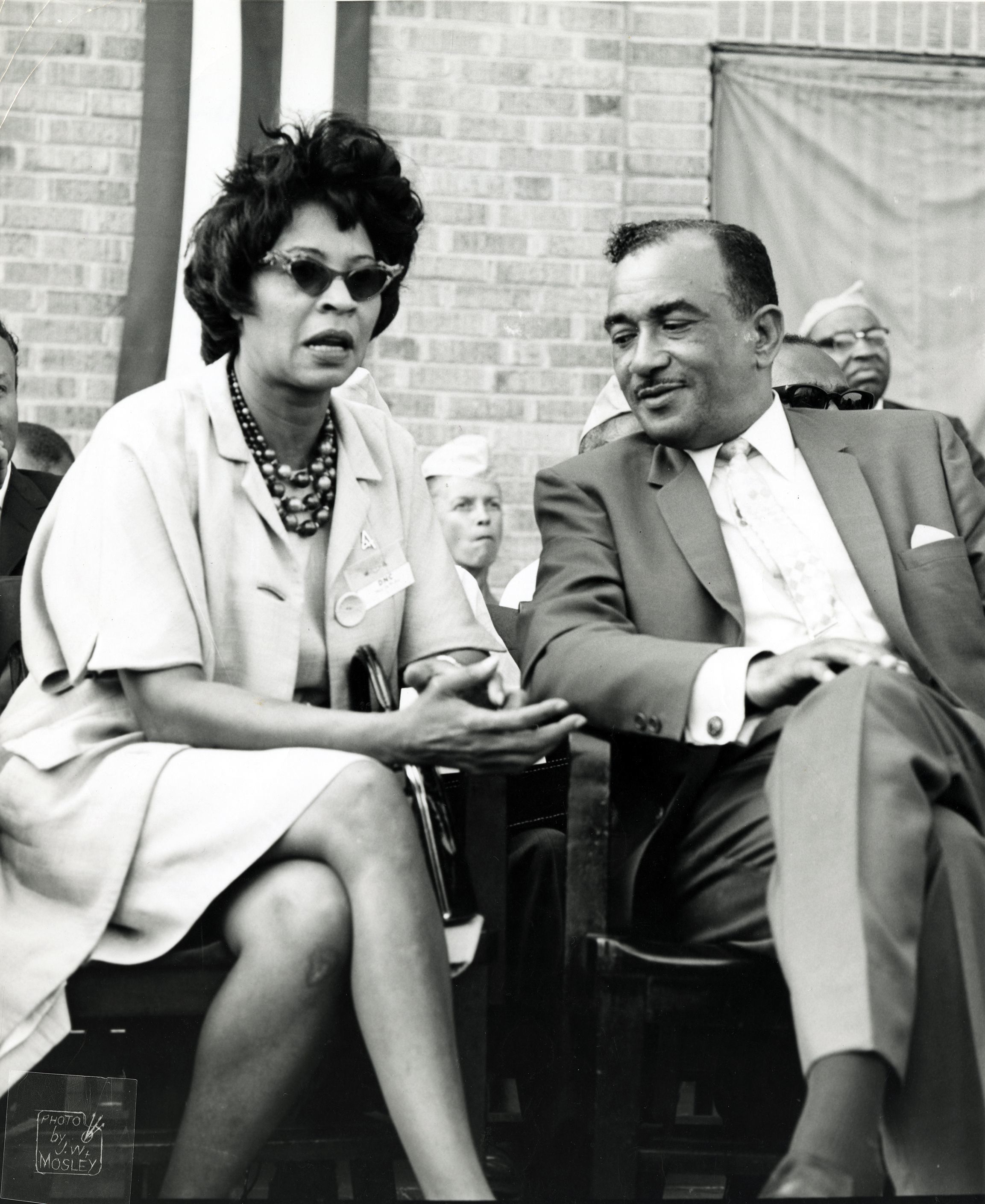
    The crowd heard directly from Daisy Bates, coordinator of the school desegregation battle in Little Rock, Ark., in 1957, and from gospel great Mahalia Jackson, a personal friend to King. Their words and lyrics soared. Bates pledged that Black women would “sit-in … kneel-in, and … lie-in, if necessary, until every Negro in America can vote.”

    Cecil B. Moore and Daisy Bates at the 1964 Democratic National Convention in Atlantic City.Photo Credit: John Mosley Collection, Courtesy Charles L. Blockson Afro American Collection, Temple University Libraries, Philadelphia, Pa.

    Jackson was prompted to deliver an encore, and as she sang the gospel hit “How I Got Over,” the dignitaries behind her closed their eyes and swayed to the beat.

    I’m gonna thank him for heart felt religion

    I’m gonna thank him for a vision

    I’m gonna sing hallelujah

    Oh, shout all my trouble over

    But three female singers, one speaker, and one “tribute” didn’t begin to convey the contributions of Black women to the movement. In truth, Black women often struggled against the choke hold of racism and sexism they faced in local and national organizations, and their relative absence on the stage of the march spoke to a deeper silencing.

    Each year, the anniversary of the March on Washington is marked by remembrances that venerate Dr. King even as they fail to recognize the depth of his message. The speeches that day touched on a range of issues: a still-prescient critique of automation, exposure of police brutality, advocacy for work training to reduce unemployment, as well as a higher federal minimum wage.

    But there was more to it than that: It was an inspiring day, but also, for Black women involved in the struggle, a disappointing day. Remembering the march, as a movement and as an event, we can remedy the silences by learning about the women who, through their music and their intellect and their leadership, allow us to keep dreaming.

    Marcia Chatelain is a Presidential Penn Compact Professor of Africana Studies at the University of Pennsylvania. She is the author of the forthcoming book “How Bright the Path Grows: The Untold Story of the Women Who Made the March on Washington” (Pantheon Books, 2026).

    Made By History takes readers beyond the headlines with articles written and edited by professional historians. Opinions expressed do not necessarily reflect the views of The Inquirer.

  • 🍻 A brewery for their neighbors | Inquirer South Jersey

    🍻 A brewery for their neighbors | Inquirer South Jersey

    Good morning, South Jersey.

    A husband-and-wife duo didn’t want their local drinking spot to shut down for good — so they bought it.

    And a petroleum distributor filed a federal lawsuit claiming that some Freedom Fuel stations have been able to sell gas at low prices partially because of fuel for which it didn’t pay.

    Plus, take a peek inside the bakery that helped Cherry Hill native Dominic Sessa transform into Anthony Bourdain, and more news of the day.

    — Taylor Allen (southjersey@inquirer.com)

    If someone forwarded you this email, sign up for free here.

    A new neighborhood brewery in Woodbury

    After a decade, Eight & Sand Brewing Co. in Woodbury closed its doors in June.

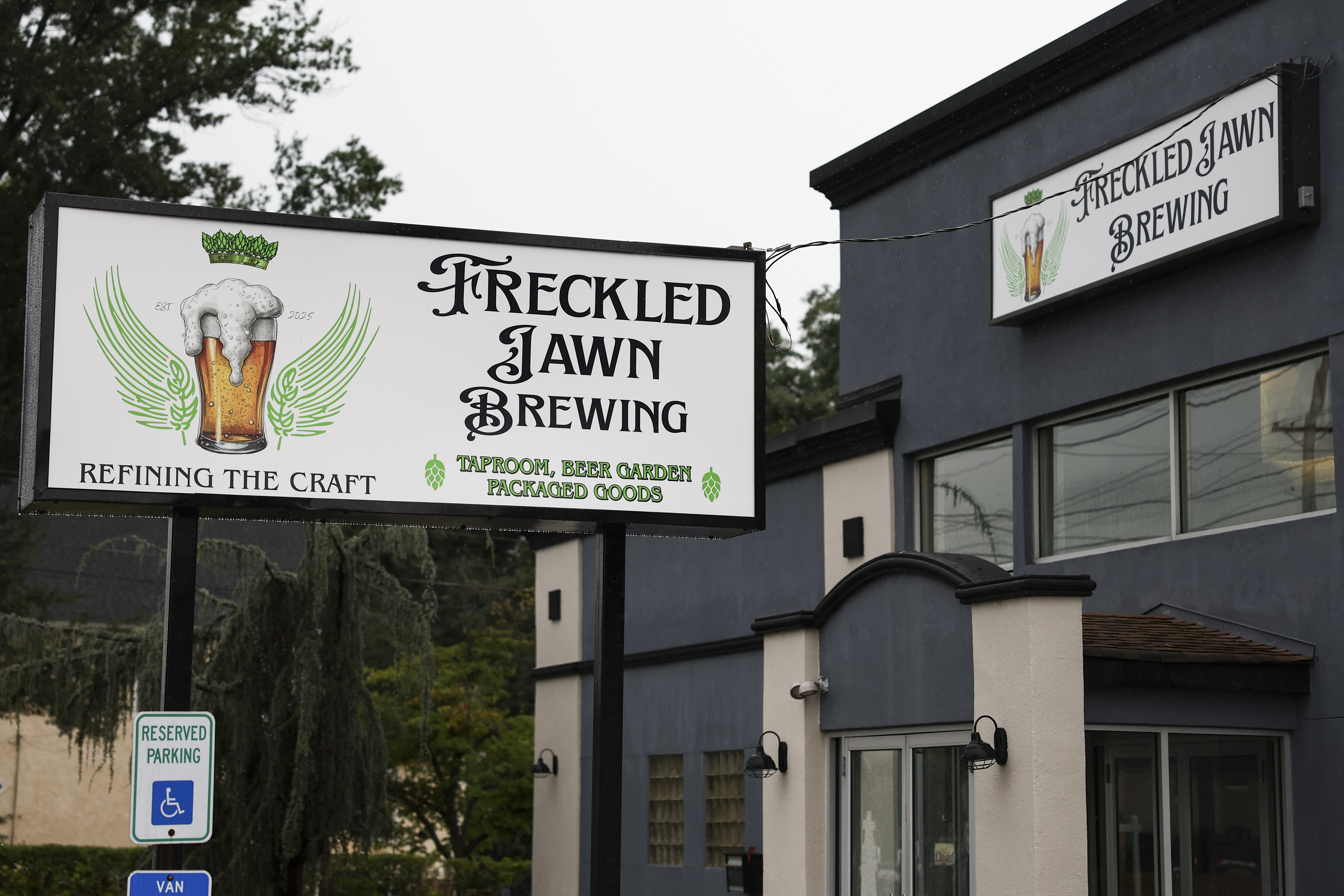
    But a local husband-and-wife duo, Colleen Gibson and John Wagner, will soon open a new one in its place, Freckled Jawn Brewing.

    Rather than lose their local drinking spot, they bought it and aim to serve their neighbors.

    Before their expected opening in October, they’re working on $40,000 worth of renovations and adding new furniture.

    Expect dim lighting, an electric fireplace, and a bit of Philly sports.

    The indoor tasting room can hold 77 people and the expanded patio area is expected to accommodate 150 to 200 people.

    The Inquirer’s Sarah Nicell has more details, including the inspiration behind the name and the brewery’s initial beers.

    Allegations of unpaid fuel bills

    Mansfield Oil Co. of Gainesville Inc. filed a civil suit in federal court alleging it provided $4 million worth of gasoline to multiple Freedom Fuel gas stations for which it was never compensated.

    The suit goes on to claim that the fuel in question is at least one of the reasons why the network has been able to sell gas cheaply. Freedom Fuel has been promoted by President Donald Trump.

    According to the suit, KRSM president Syed Kazmi, requested and took 1.12 million gallons of gasoline and then sold it to several stations that are part of the Freedom Fuel Network without ever paying for it.

    Kazmi and his brother, Cherry Hill developer Shamikh Kazmi, are connected to at least eight of the Freedom Fuel’s 29 locations.

    Reporters Frank Kummer and Rob Tornoe have the story.

    What to know today

    • A Philly-based federal appeals court on Friday ruled that ICE’s controversial policy mandating detention for nearly all undocumented immigrants is unlawful. The ruling took immediate effect in Delaware, New Jersey, Pennsylvania, and the U.S. Virgin Islands.
    • According to the Gloucester County Prosecutor’s Office, a Paulsboro man was sentenced Friday to more than three decades in state prison for sexually assaulting an underage girl in 2023.
    • The Camden school district dropped its uniform policy at its five high schools and replaced it with a dress code.
    • Cherry Hill native and actor Dominic Sessa who plays the title role in the A24 Anthony Bourdain biopic, Tony, spent four summers working at a bakery in Ocean City. He pulled from that experience to help him get into character.
    • Absenteeism rates among Cherry Hill’s school district’s pre-K students are almost at the same level as high school seniors, according to 70and73.
    • The typical homeowner in New Jersey has one of the highest levels of housing wealth compared to other states. It made the top five states where homeowners report having the most home equity.
    • Gov. Mikie Sherrill signed legislation Friday that permanently allows the sale and delivery of to-go alcoholic beverages.
    • Asianfresh Food Market in Cherry Hill announced its soft opening on Thursday and its grand opening on Sept. 12, 42 Freeway reports.

    🧠 Trivia time

    Which former Disney star performed in Atlantic City last Friday?

    A) Miley Cyrus

    B) Demi Lovato

    C) Selena Gomez

    D) Hilary Duff

    Think you know? Check your answer.

    What we’re …

    🍿 Watching: Steel Magnolias at AMC Voorhees 16 in honor of the country music icon Dolly Parton.

    🏈 Tasting: Bird Gang Spirits’ new line of Eagles tailgate-themed canned cocktails.

    💭 Reminiscing on: Childhood memories playing with a Slinky.

    📬 Your South Jersey view

    The fountains run on the lake at Laurel Acres Park in Mount Laurel during an August afternoon.Taylor Allen

    The popular Laurel Acres Park in Mount Laurel always brings a crowd typically on the weekends with its baseball fields, natural trails, playgrounds, and more.

    What does your community look like? What South Jersey memory would you like to share? Submit a photo and/or a brief description for a chance to be featured in the Monday edition of this newsletter.

    🗞️ What other South Jersey residents are reading

    I hope you have a wonderful start to your week. I’ll have more news for you tomorrow.

    By submitting your written, visual, and/or audio contributions, you agree to The Inquirer’s Terms of Use, including the grant of rights in Section 10.

  • 🗳️ More money in politics | Morning Newsletter

    Good morning and happy Monday. Shower chances are back in the forecast, with highs in the mid-80s.

    We begin with how a recent U.S. Supreme Court decision could give Democratic Party-backed candidates in Philly an edge.

    And, we follow the story of one Venezuelan immigrant detained in Pennsylvania after a routine check-in with immigration authorities.

    Plus, new speed cameras are coming online in West and North Philly, and more news of the day.

    — Laura Benshoff (morningnewsletter@inquirer.com)

    If someone forwarded you this email, sign up for free here.

    Party spending, supercharged

    This summer, the U.S. Supreme Court overturned a federal limit on campaign spending by political parties, allowing them to spend freely on their chosen candidates while coordinating with their campaigns.

    Philadelphia elections experts told The Inquirer they’re still figuring out how this decision could affect local races.

    One possibility? In Philly, a majority of voters are registered Democrats, which means some hotly contested races are primaries pitting establishment Democrats against members of an insurgent, progressive wing of the party. With this new decision, the party-backed candidates could gain an edge.

    Reporter Sean Collins Walsh has more on this scenario and other potential outcomes.

    Asylum limbo

    During a crackdown against Venezuela’s opposition party in 2019, Jhon Perez Romero said he received an order he could not follow.

    Perez Romero worked for Venezuela’s national intelligence agency, and his decision to defy his superiors led him to be branded a traitor.

    Fearing he could be killed or thrown in jail for life, he fled his home country, eventually applying for asylum in the United States. He settled in York, Pa., and married a U.S. citizen.

    Today, he sits in an immigration detention center in Central Pennsylvania, after being arrested during a routine check-in with ICE.

    Inquirer reporter Jeff Gammage has this story on his case and the uptick in arrests of immigrants with pending asylum claims.

    What you should know today

    Quote of the day

    QOTD 8-31-26Photo courtesy of Chester County Economic Development Council

    Mike Grigalonis recently took the helm at the Chester County Economic Development Council. He sat down with the Inquirer’s Brooke Schultz to discuss the county’s economic landscape, from farmland, to QVC, to proposed data center projects.

    🧠 Trivia time

    Which rapper recently co-headlined a Pilates event with more than 800 attendees in Center City?

    A) Meek Mill

    B) Waka Flocka Flame

    C) Cardi B

    D) Lil Yachty

    Think you know? Check your answer.

    What we’re…

    🏋️‍♀️ Discovering. Forget beach bodies. Inquirer food writer Kiki Aranita found Philadelphia sushi chefs hit the gym — together — so they stay fit enough to hoist 280-pound tunas at work.

    🚽 Covering. Reporter Jason Nark traveled to Dushore, Pa., to witness an unusual event commemorating the town’s founding: outhouse racing.

    🚲 Considering. “The prospect of living without a car can seem a little like trying to swim without arms and legs,” writes Inquirer architecture critic Inga Saffron. Still, with the price of gas spiking, she shares tips for driving less.

    🧩 Unscramble the anagram

    Hint: He plays Anthony Bourdain in the new biopic Tony.

    CANOE DISMISS

    Email us if you know the answer. We’ll select a reader at random to shout out here.

    Cheers to Meg Berlin who correctly guessed Sunday’s anagram: Nikil Saval. The state senator recently told The Inquirer about his “perfect day” in the city, which involves buying fresh tortillas, strolling down Fabric Row, and playing a game at the Philadelphia Museum of Art inspired by the Surrealists.

    Photo of the day

    Tim Torn Teutenberg crosses the finish line to win the men’s race in the Philadelphia Cycling Classic on Sunday, Aug. 30, 2026 in Philadelphia.Monica Herndon / Staff Photographer

    📬 Your ‘only in Philly’ story

    This week’s “only in Philly” story comes from reader Michael Leibrandt, who describes the feeling of shared anticipation the approaching NFL season brings. It has been edited for length.

    That Unmistakable, August Eagles Feeling.

    … Each August, when the North America light begins to change, slowly drifting us from summer into fall — like most Philadelphians — that feeling finds me again. It builds during the anticipation of the August heat, escalates through Training Camp and the NFL Pre-season, and reaches a peak right before opening day and stays at that passionate level through the chill of February.

    Being obsessed with the Eagles in Philadelphia isn’t a cause for therapy — but rather — a tradition handed down for nearly a century directly like a scene from Silver Lining’s Playbook. The great generation saw Steve Van Buren run in the snow to the team’s first NFL Championship in 1948, our Dads saw Chuck Bednarik stop Green Bay’s Jim Taylor in 1960, and we got to see Super Bowl wins in 2018 and 2025 (and almost another in 2023) … it all began in the heat of August.

    When that feeling found us, once again.

    Have an ‘only in Philly’ story to share? We’re looking for personal anecdotes about what makes you feel connected to the city. Email us a few sentences for a chance to be featured in the Monday edition of this newsletter.

    👋 Enjoy the last day of August!

    By submitting your written, visual, and/or audio contributions, you agree to The Inquirer’s Terms of Use, including the grant of rights in Section 10.

  • A South Jersey couple will open Freckled Jawn Brewing just in time for Oktoberfest

    A South Jersey couple will open Freckled Jawn Brewing just in time for Oktoberfest

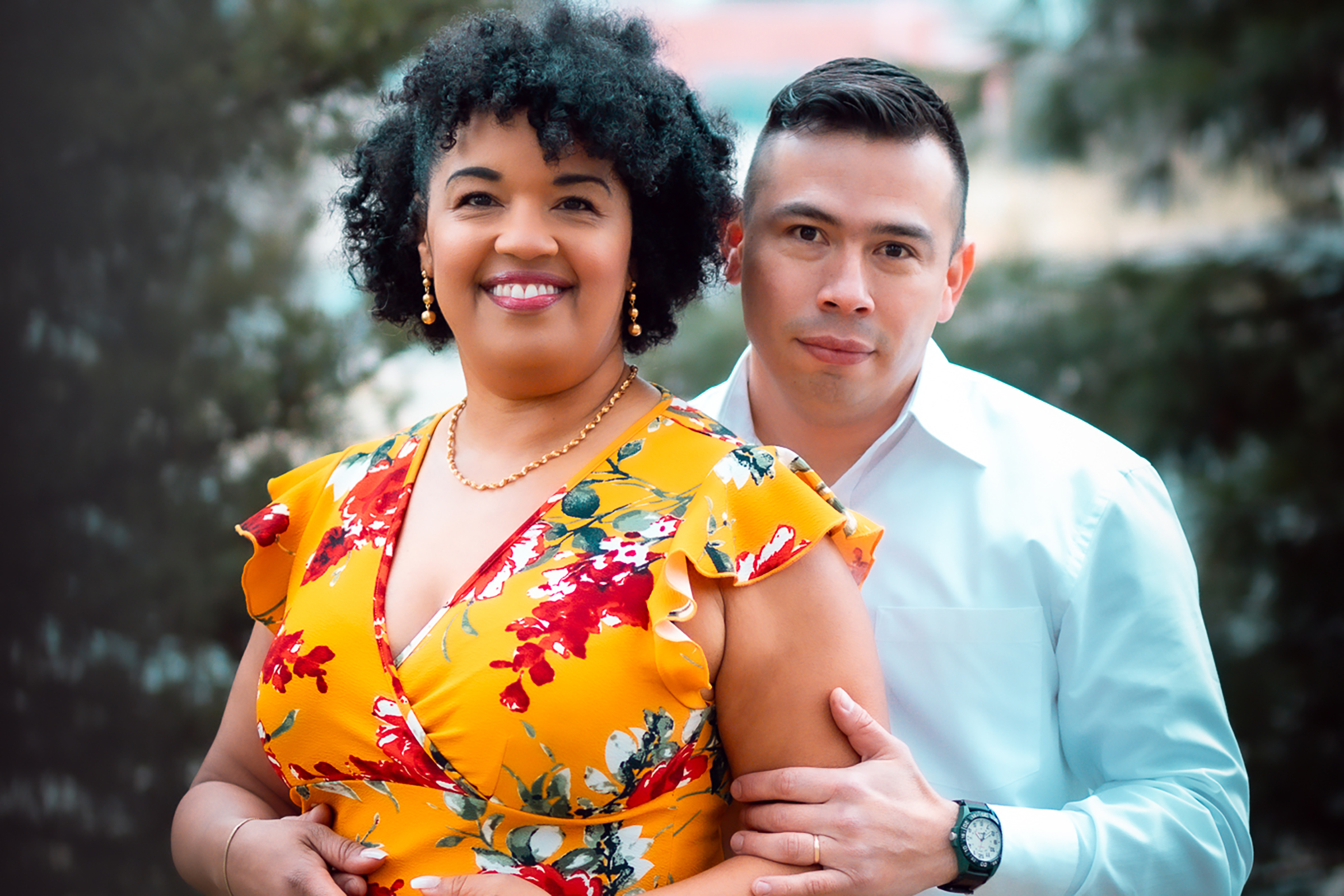
    Woodbury residents John Wagner and Colleen Gibson never planned to own a brewery.

    But when the husband-and-wife duo heard that their local drinking spot, Eight & Sand Beer Co. at 1003 N. Evergreen Ave., was up for sale last September, Wagner said they didn’t want to see a place so close to home shut down for good. They spoke with their neighbor, Woodbury’s former mayor Peg Hertrich, who connected them with the 10-year-old brewery’s owners.

    The exterior of the new Freckled Jawn Brewing on Thursday, Aug. 27, 2026 in Woodbury, NJ.Monica Herndon / Staff Photographer

    “We never got an answer or a reason why not… so here we are,” Wagner, 53, said. “Fast forward almost a year later, and we’re getting ready to open.”

    The couple, together for 12 years, officially closed on the 4,300-square-foot brewery (that includes the brewhouse) in Gloucester County in early August, months after Eight & Sand closed. The $730,000 sale, Wagner said, included brewery equipment and a vacant lot behind the building, which will help the couple expand the property’s beer garden come spring.

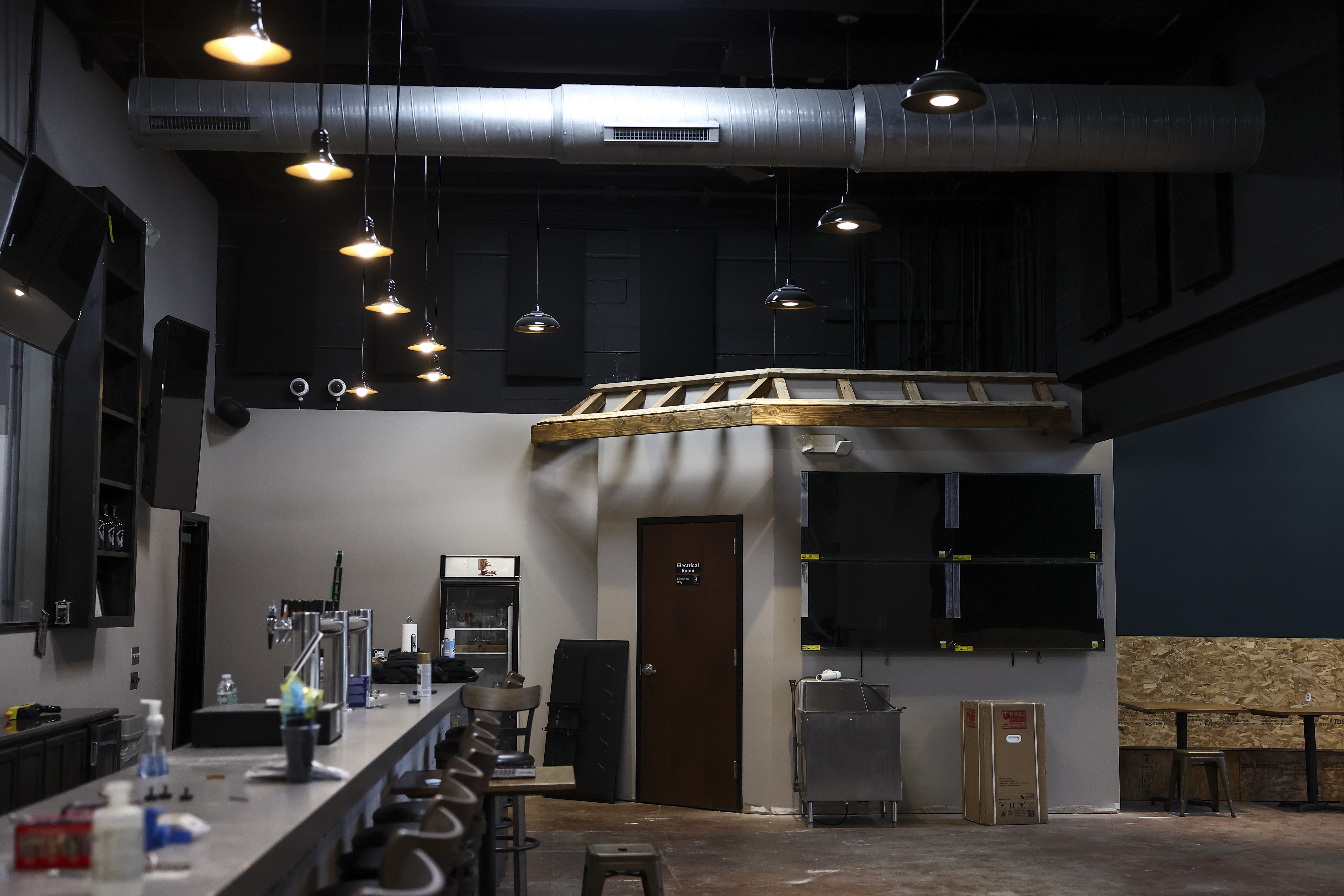
    The in-progress interior of Freckled Jawn Brewing.Monica Herndon / Staff Photographer

    Wagner and Gibson hope to open Freckled Jawn Brewing in the first week of October. An official date will come in the next couple of weeks, as they continue $40,000 of renovations and add new furniture to make the space feel less industrial and more inviting. Details will include leather and wood accents, an electric fireplace, dim lighting, and hopefully a touch of Philly sports.

    “I just want the community to have somewhere they can go that they’re excited and proud to have in the neighborhood,” Wagner said.

    The new brewery acquired Eight & Sand’s liquor license within 17 days of closing on the property, Wagner said, so Freckled Jawn has been clear to brew beer since Aug. 21.

    The in-progress interior of Freckled Jawn Brewing on Aug. 27, 2026, in Woodbury, N.J.Monica Herndon / Staff Photographer

    Three years ago, before their recent venture, the couple installed a basement bar in their South Jersey home for friends and family. They like to host St. Patrick’s Day parties.

    They affectionately called the bar “Freckled Jawn Tavern,” Wagner’s 2 a.m. brainchild. The name was inspired by Gibson’s own freckles and the way she pronounces her husband’s name, John, as the multipurpose Philly term “Jawn,” a symptom of her Jersey accent. The new brewery kept it.

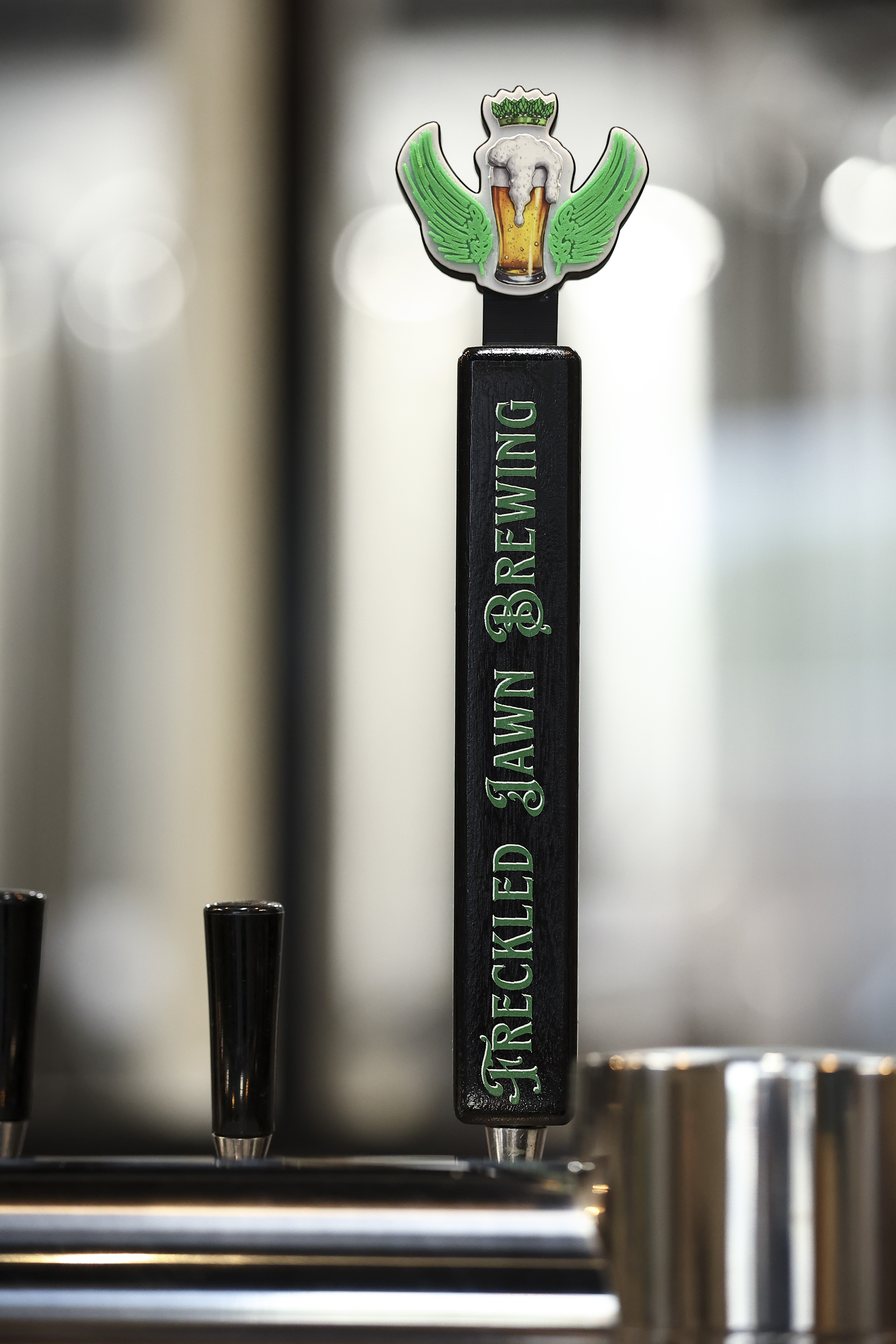
    A Freckled Jawn Brewing tap in the in-progress brewery.Monica Herndon / Staff Photographer

    “He calls me his ‘freckled jawn’ because I’m his anything and everything,” Gibson, 44, said.

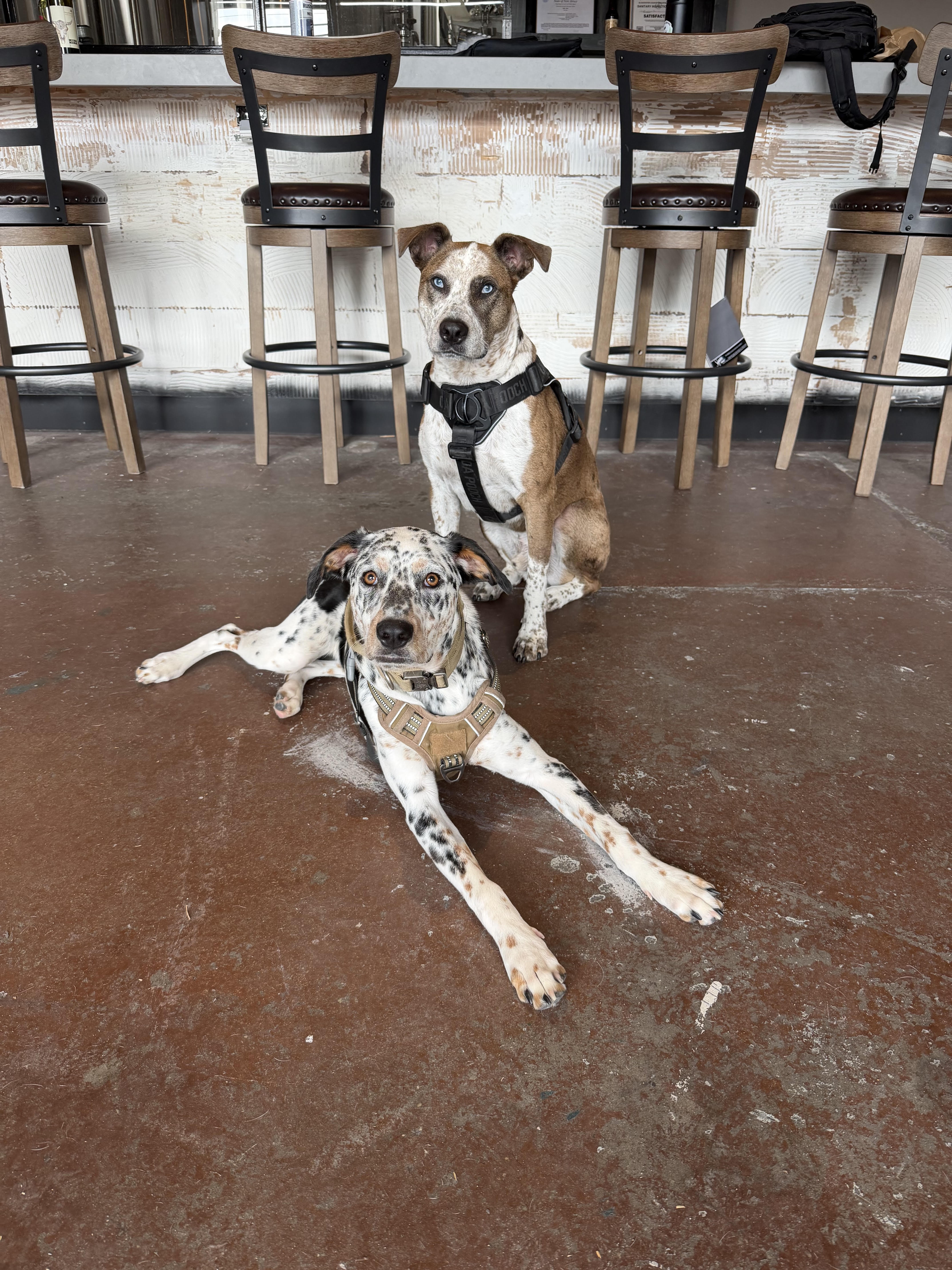
    Plus, the couple has two freckled dogs, Neo and Trinity, adoptees named after The Matrix characters, who will be welcome in the brewery’s pet-friendly beer garden when it opens next year.

    Neo (top) and Trinity (bottom) are the unofficial mascots of Freckled Jawn Brewing in Woodbury, Gloucester County, set to open in October 2026.Colleen Gibson

    The brewery’s indoor tasting room has capacity for 77 people, while the expanded patio area will fit between 150 to 200 people, Wagner said.

    Wagner and Gibson plan to run the brewery while continuing their jobs as managers in supply chain distribution and in transportation, respectively, in the Philly region, Gibson said. They’ll manage a staff under 10 to start, which will include some of their children, and head brewer Matt Karg.

    The in-progress interior of Freckled Jawn Brewing.Monica Herndon / Staff Photographer

    Karg, 37, moved to Philadelphia with his partner in July to be closer to family, and the head brewer position happened to open at the perfect time. He started brewing when he got out of the U.S. Coast Guard and went to North Carolina’s Asheville-Buncombe Technical Community College to learn brewing, distillation, and fermentation.

    He previously brewed for Hickory Nut Gorge Brewery in Chimney Rock, North Carolina, before the spot was destroyed by Hurricane Helene in 2024, and then for Hi-Wire Brewing in Asheville. He said he’s eager to introduce people to Freckled Jawn’s Oktoberfest beer, made just in time for the fall opening.

    “The New Jersey brewing scene is a close-knit community, which we’ve learned and loved. But everyone knows everyone,” Wagner said. “They almost know every brewer, so it’s exciting that nobody knows this guy.”

    Ready for something new, Karg said his hope for the brewery is simple.

    “Good beers and a good environment to sit and hang out for awhile,” he said.

    The brewery started on an Oktoberfest lager, Wagner said, since it takes the longest to brew. Freckled Jawn will also serve a light lager, an IPA, a blonde ale, and a stout.

    “We’ll continue to expand,” Wagner said. “But we don’t want to wait too long to open.”

    Freckled Jawn Brewing’s hours will be 4 p.m. to 9 p.m., Monday through Thursday; noon to 10 p.m., Friday and Saturday; and noon to 7 p.m. on Sunday.

  • These Philly sushi chefs lift weights — and bluefin tunas — together

    These Philly sushi chefs lift weights — and bluefin tunas — together

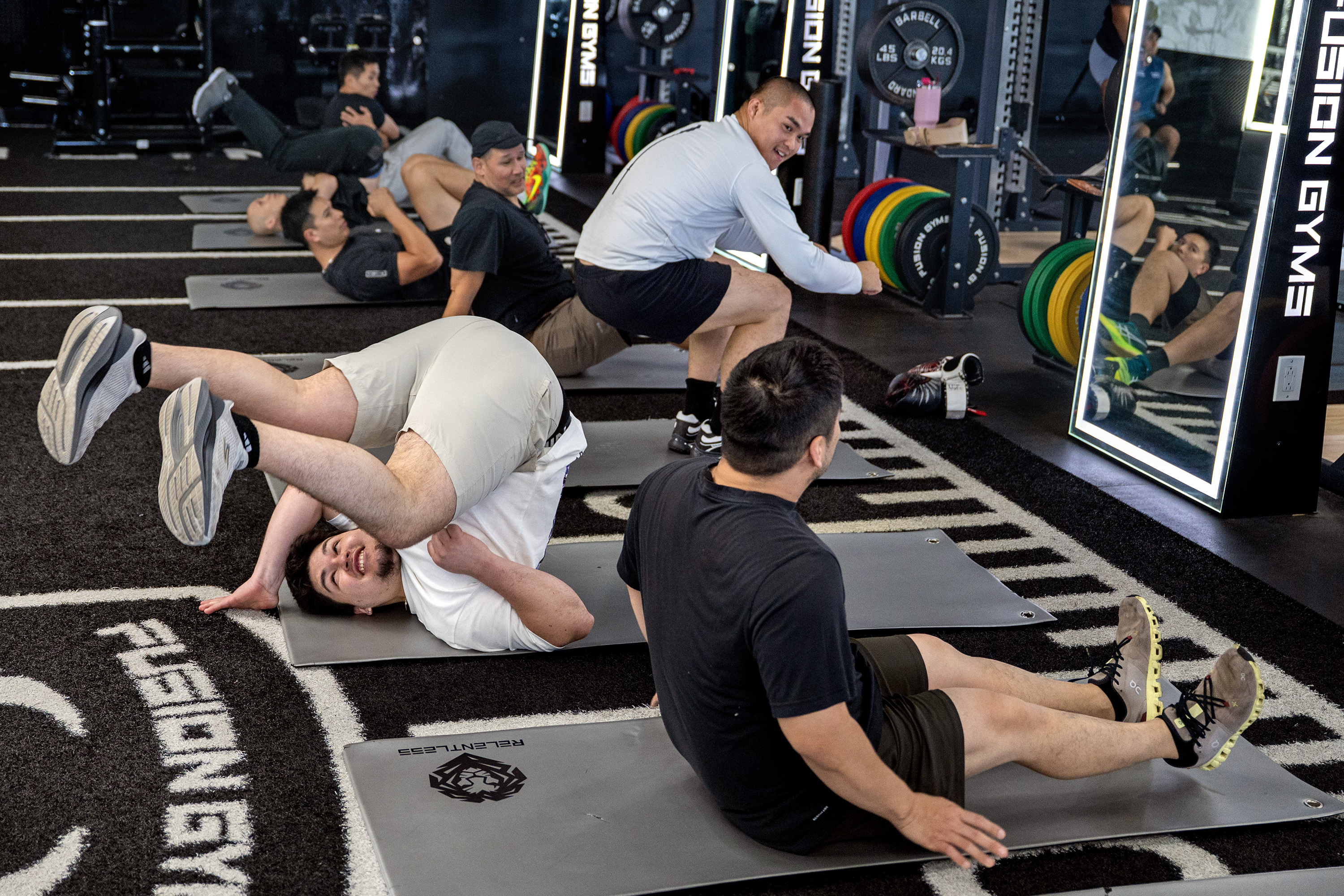
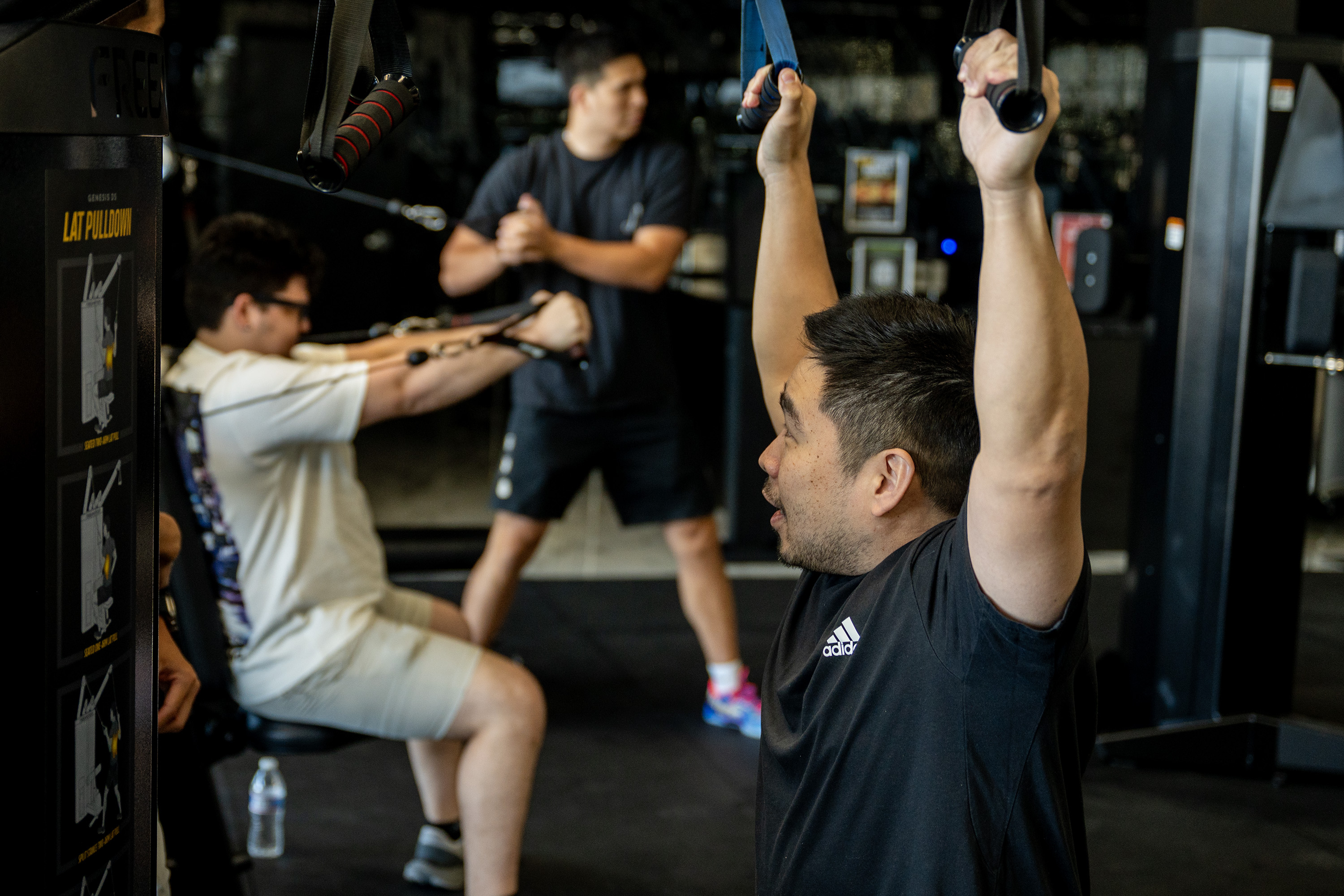
    One of Fusion Gyms’ five locations is in a strip mall in deep South Philly, sandwiched between a children’s clothing shop and a wig store. In the neon-green glow of the gym’s bright lights, seven Philly sushi chefs stretched on rubber mats, preparing to lift weights set to be as heavy as a fully grown bluefin tuna.

    The crew — usually just four or five chefs — meets regularly on weekday mornings, loosely led by Albert Zheng, 34, and Dan Santana, 40, who co-own and run Kiku Sushi in South Philadelphia. (Zheng also owns Javelin in Fairmount and is a partner in the upscale Old City omakase restaurant Ogawa.)

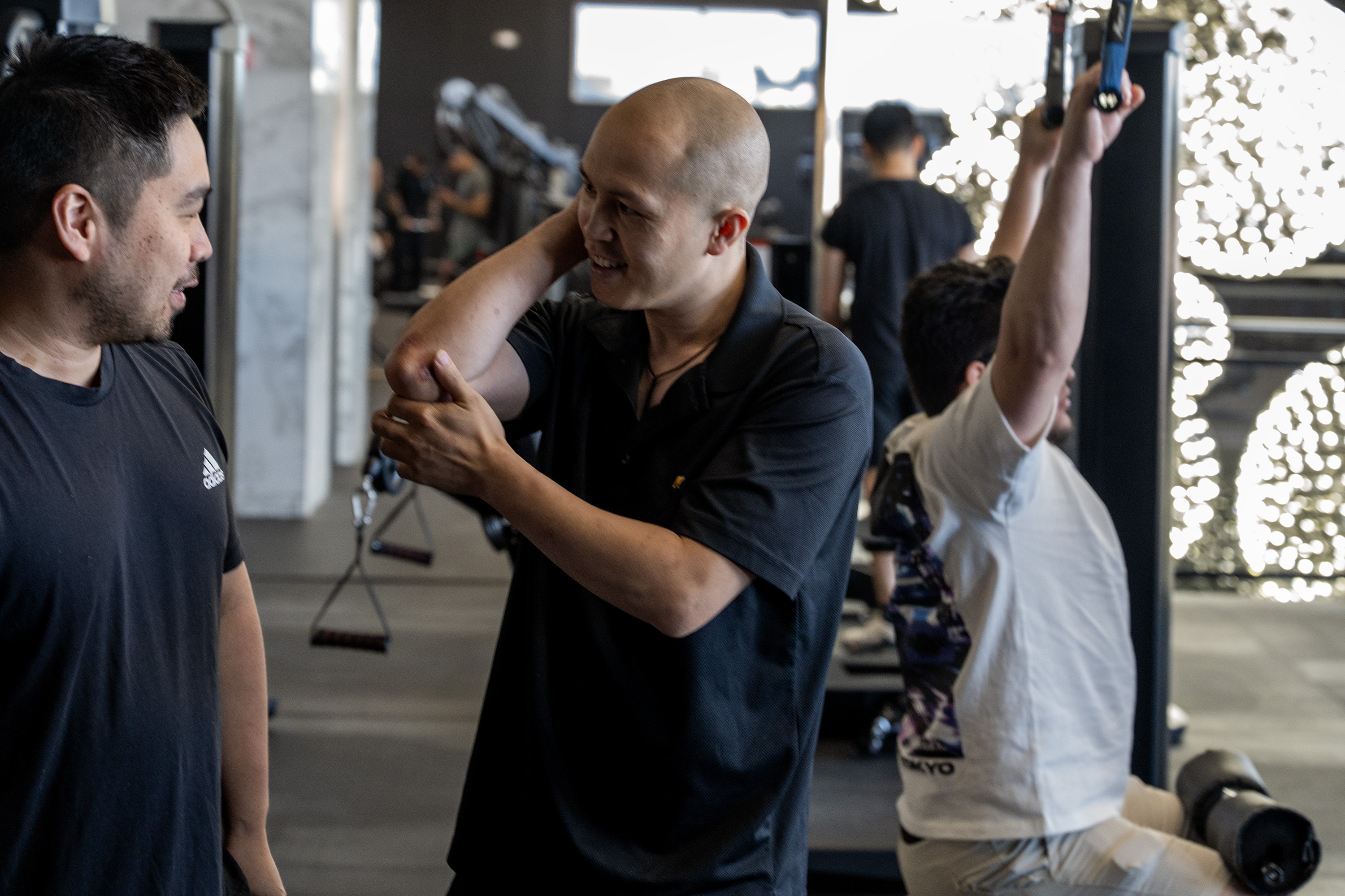
    Zheng and Santana are there every weekday. The other chefs drop in weekly or monthly. They exercise to stay fit for their physically demanding jobs, but also just to hang out with each other.

    On a recent Tuesday morning, a larger-than-normal group gathered, including chefs from Kiku, Ogawa, and Javelin, as well as Kichi Omakase and Yanaga Kappo Izakaya, which houses the omakase counter 637 Sushi Club.

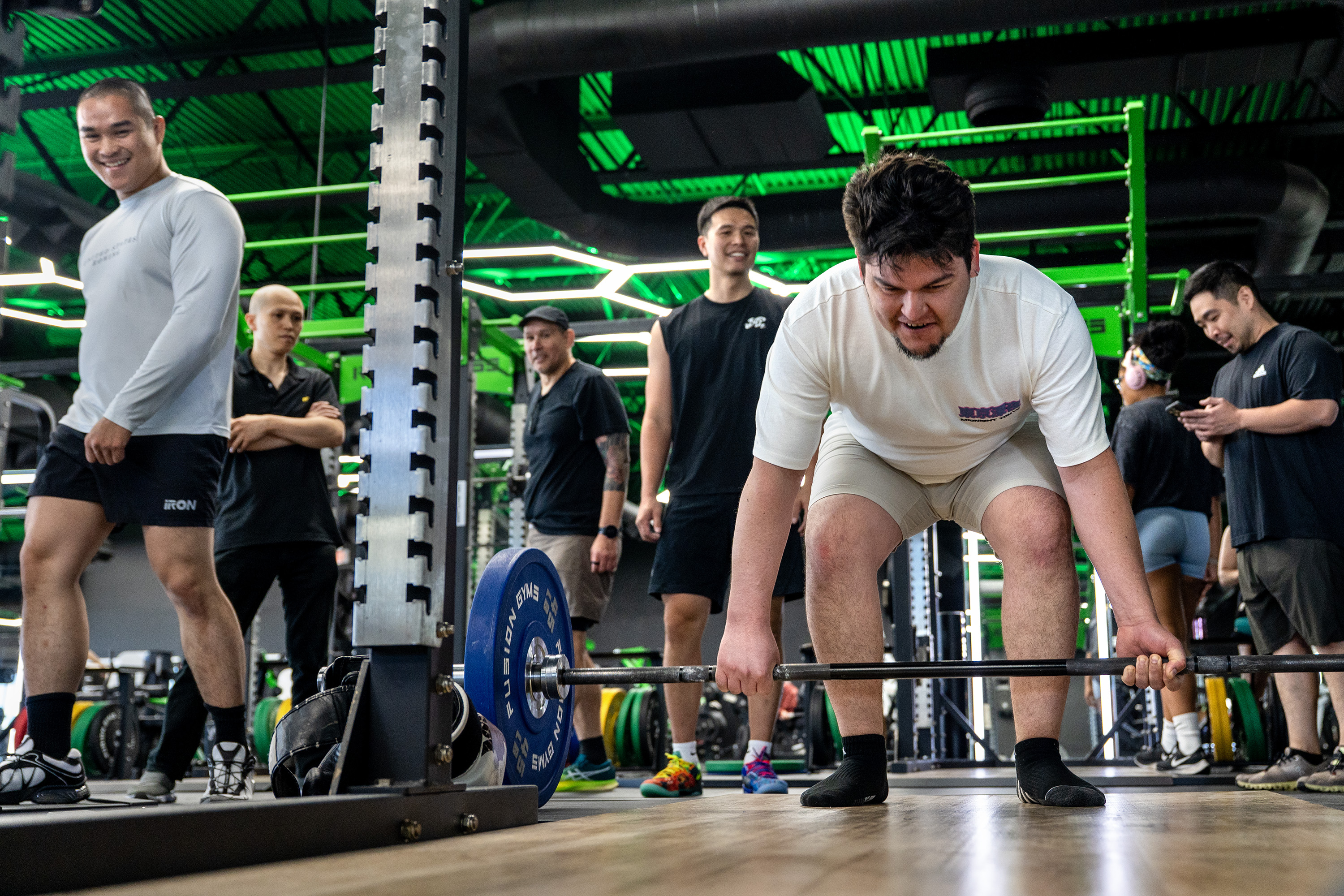
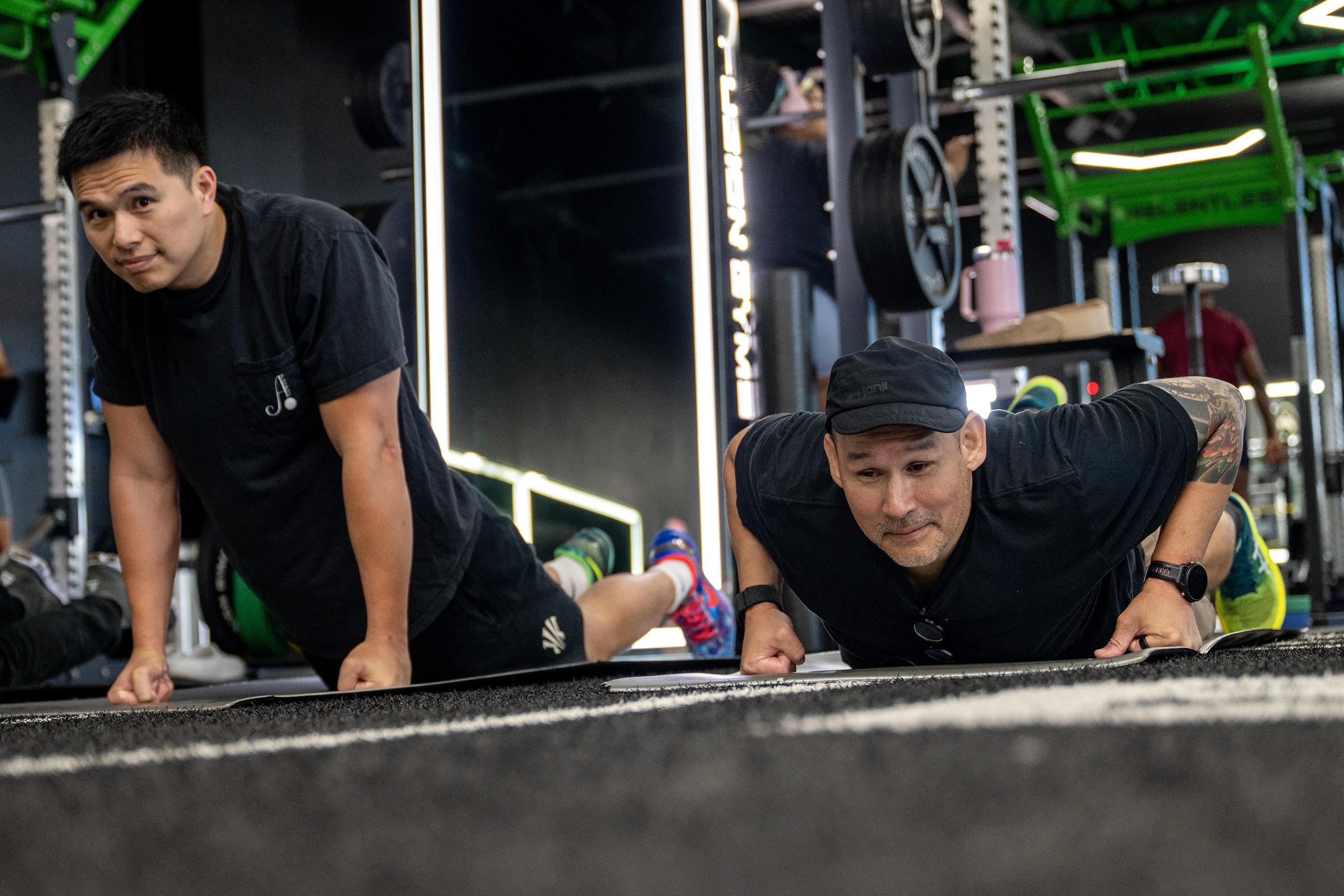
    Sushi chefs work out at Fusion Gyms in South Philadelphia in August. They get together regularly, trading both exercise tips and fish intel. From front to back are Dan Santana; Carlos Wills, Joseph Nguyen, Kevin Yanaga, Albert Zhang, Cai Li, and Alex Jiang.Tom Gralish / Staff Photographer

    They also count among their crew sushi chefs from Sagami and Nakama. “We’re less consistent in summer, when our kids are home from school,” Zheng said. “During the school year, we drop the kids off and meet at the gym right after.”

    They work out for two, sometimes three hours at a stretch. “The third hour is usually our jaw workout,” joked Zheng. “And it takes longer when there are more people.”

    As they wove through Fusion Gyms’ open-floor plan, they compared ingredient lists and traded tips about good restaurants and where to get salmon for a better price. These are regular topics of discussion, along with mise en place and sourcing.

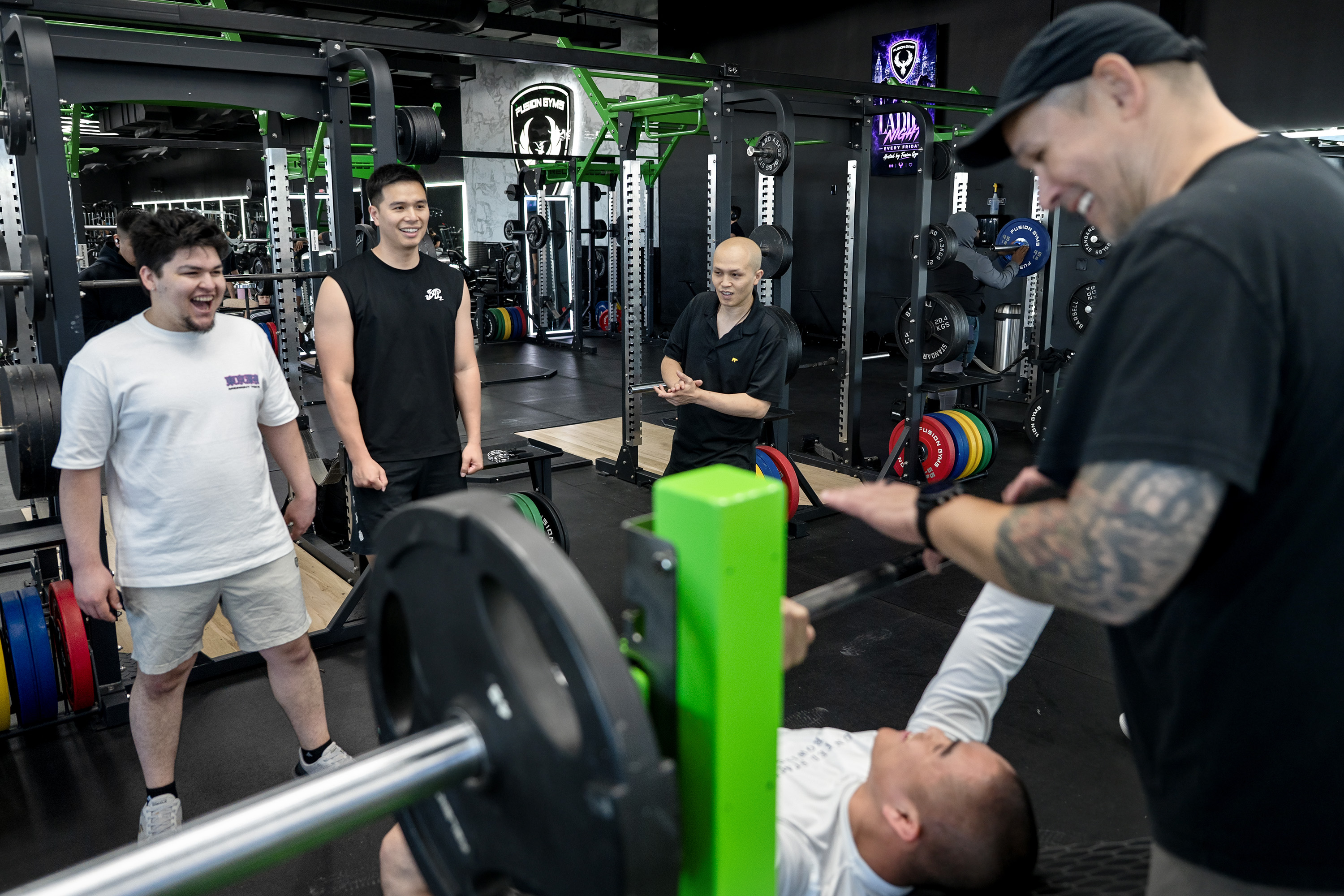
    Sushi chefs work out at Fusion Gyms in South Philadelphia in August. They get together regularly, trading both exercise tips and fish intel. Clockwise from left: Carlos Wills, Albert Zheng, Alex Jiang, Kevin Yanaga, and Joseph Nguyen (on bench).Tom Gralish / Staff Photographer

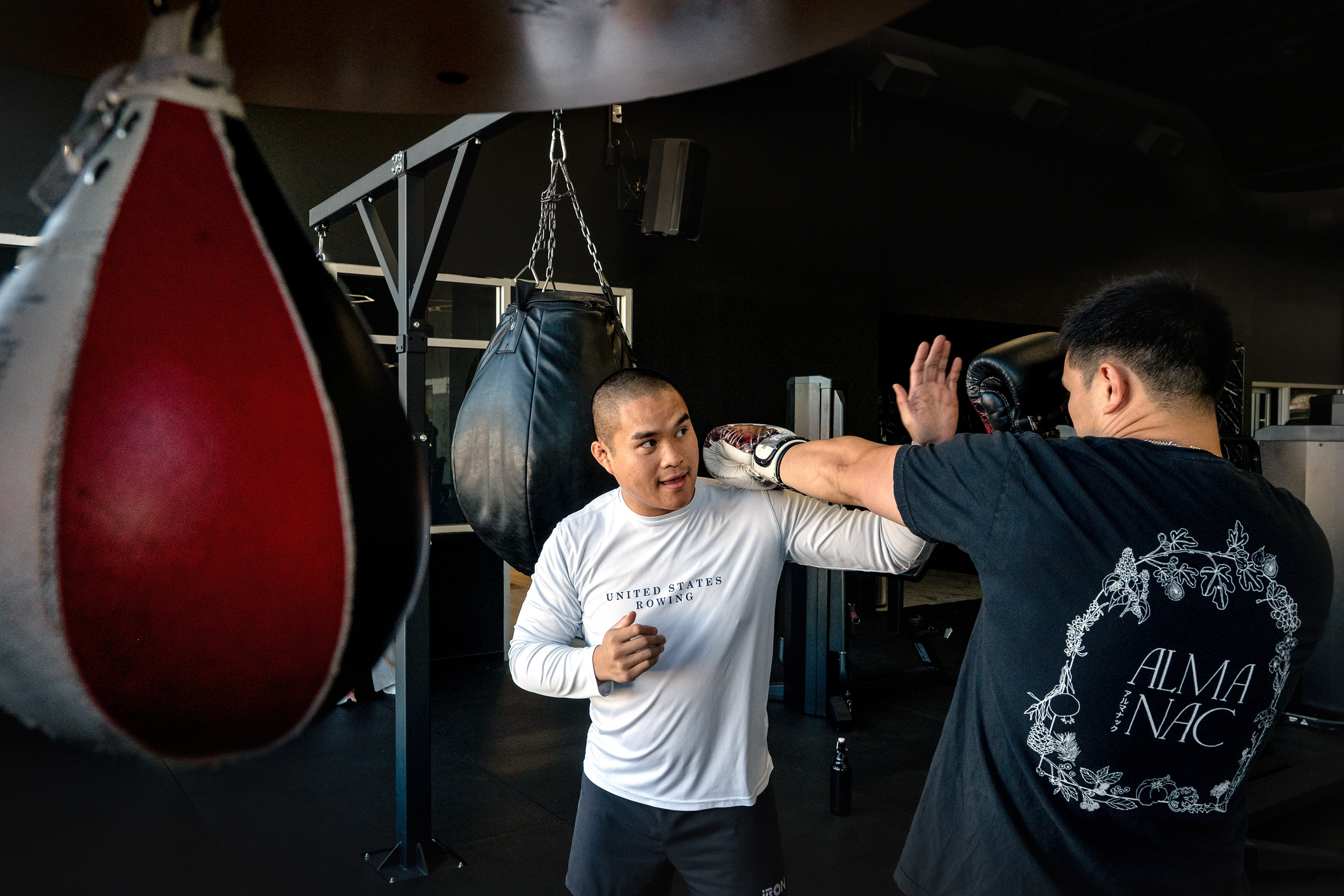
    Kevin Yanaga, 55, and Joseph Nguyen, 27 — partners in 637 Sushi Club’s Oma Cafe, which pairs fish with coffee — coached the others through Muay Thai moves while trying to convince the other chefs to join them on a November trip to Vietnam for a three-day Oma Cafe pop-up. “I need help prepping,” said Yanaga.

    Sushi chefs work out at Fusion Gyms in South Philadelphia. They get together regularly, trading both exercise tips and fish intel. From front to back are Dan Santana, Carlos Wills, and Albert Zheng.Tom Gralish / Staff Photographer

    At one point, Carlos Wills, 26, who helms the omakase counter at Ogawa, pulled up a list of available ingredients sent by his buyer from Japan’s Toyosu Market, the world’s largest wholesale seafood market, and showed Yanaga the $500 tray of uni and $55 60-sheet packet of nori that he was considering ordering once he was done working out.

    On this Tuesday, the chefs were also drinking some of the world’s most expensive coffee, brewed by Nguyen. “It’s Orange Geisha and it’s expensive because it’s so rare and it takes half a pound of beans for me to brew one bottle,” explained Nguyen, who also owns and operates the Coffee Connoisseur Club. The Instagram-based subscription club sources beans from Nguyen’s plots in Vietnam and small farmers in South America. “This is a $250 bottle of coffee,” Yanaga interjected.

    “I’m getting kumquat, jasmine, and orange notes coming from it,” said Nguyen. “I like saba [mackerel] paired with this, as the fattiness of it pairs with the bright citrusy notes. Saba with a little bit of wasabi.”

    There was no saba in sight as Nguyen held a punching bag while Zheng jabbed, gently coaxing him on where to aim his punches. He did the same for Alex Jiang, 42, from Kichi Omakase. “We have a heavy jab over here!” he proclaimed.

    Sushi chefs Joseph Nguyen (left) and Albert Zheng work on boxing at Fusion Gyms.Tom Gralish / Staff Photographer

    When the crew moved on to bench-pressing, Wills said, “You can tell people this is how I prepare to lift a tuna.”

    As Wills sat back on the weight bench and lifted the bar, he said, “This is a 60-pound tuna.”

    The sushi chefs spot one another and cheer each other on: “One more! Half a tuna more! You’re very strong!”

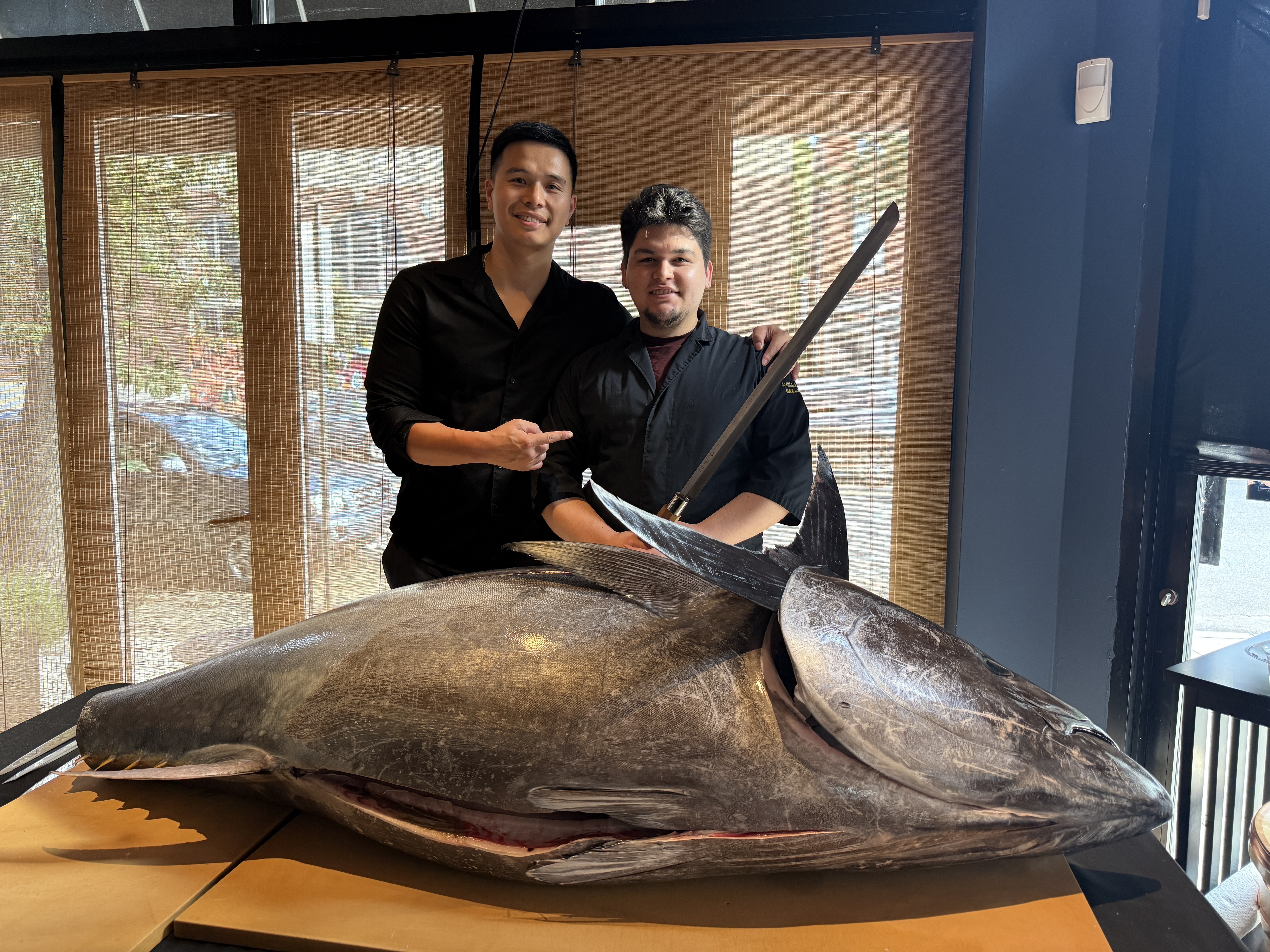
    “I thought about bench-pressing the 281-pound tuna we brought into Javelin for the tuna breakdown last week,” said Zheng. “But it was so slippery.”

    Sushi chefs like Albert Zheng and Carlos Wills say they work out to stay in shape for lifting fish like this 281-pound Spanish bluefin tuna at Javelin in Fairmount.Kiki Aranita / Staff /

    “When we get a tuna like that, it takes eight of us to lift it,” said Yanaga.

    “We got a Spanish bluefin last week,” said Wills. “It was $23 per pound, so just over $6,600. Pretty cheap. The Japanese ones are $31 per pound right now.”

    “Who wants to do a whole tuna?” asked Zheng as he and Santana added more weights on to a bar for a round of dead lifts.

    Nguyen steps up and dead lifts 315 pounds. “We’re hiring him for the next tuna breakdown,” said Wills.

    Sushi chefs (from left) Dan Santana, Alex Jiang, and Carlos Wills work out at Fusion Gyms.Tom Gralish / Staff Photographer
    Sushi chefs Albert Zheng (left) and Kevin Yanaga work on planks at Fusion Gyms in South Philadelphia.Tom Gralish / Staff Photographer

    In fact, the chefs do often join up for tuna cuttings, helping one another out even if they aren’t in business together.

    But mostly, the crew keeps one another accountable at the gym, welcoming each other even if weeks or months pass between workouts.

    Once the coffee was consumed and their muscles were spent, the chefs dashed off in different directions, to their respective sushi counters.