Blog

  • Trump appeals to Supreme Court as time runs out on push to restrict mail voting

    Trump appeals to Supreme Court as time runs out on push to restrict mail voting

    MADISON, Wis. — President Donald Trump is running out of time in his quest to limit voting by mail, even as he filed another last-ditch appeal to the Supreme Court on Sunday.

    A judge has consistently held up the administration’s plans, and election officials have begun sending ballots to voters in two swing states and are gearing up to send them across the country.

    Nearly a third of voters used mail ballots in 2024, and last-minute changes to how they are handled could lead to undelivered ballots and uncounted votes.

    Trump has long argued that mail ballots are prone to fraud, though evidence over many elections and independent investigations suggests that mail-in balloting is secure and that any fraud is exceedingly rare. Trump regularly votes by mail, including in last month’s primaries in Florida.

    A lower-court judge has blocked Trump’s plans for now in a legal fight that has made its way to the Supreme Court once and could soon be before the justices again. On Sunday, the Trump administration asked the Supreme Court to pause the injunction, saying its reasoning is “baseless” and erroneously blocks the president’s goals.

    The Supreme Court could still upend mail ballot rules, but the president and the U.S. Postal Service are running out of options that don’t involve significant upheaval because tens of thousands of voters will be getting ballots in their mailboxes in the coming days.

    New rules are ‘effectively impossible’

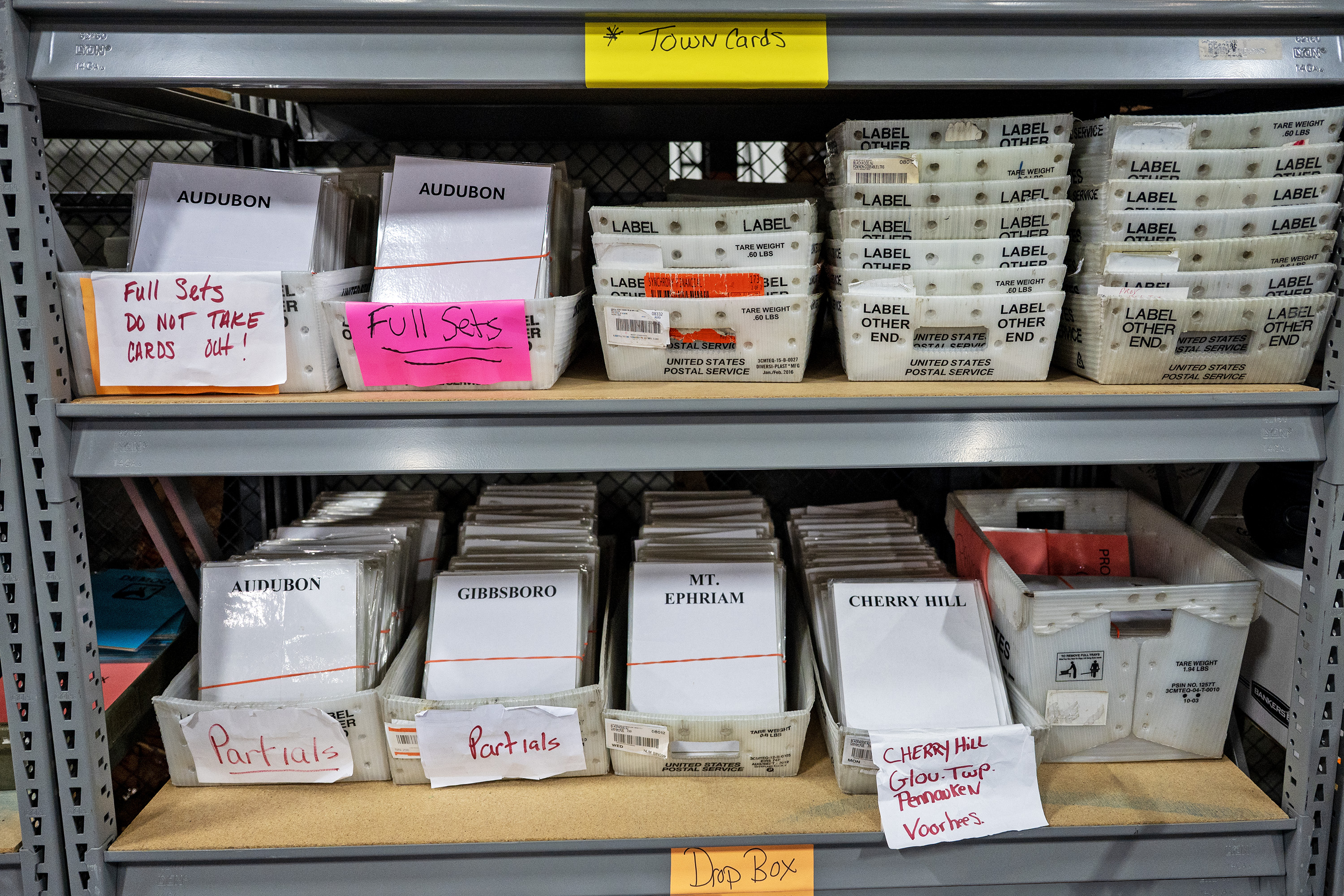
    Wisconsin’s bipartisan elections board told local officials on Aug. 31 they could start putting ballots in the mail, and by Tuesday at least a few already had. And officials in North Carolina mailed ballots to voters on Friday. Election clerks in other states plan to do the same soon.

    Those ballots are getting placed in the mail under long-standing policies, not the new ones Trump has spent months trying to impose. Some officials said they wanted to mail ballots as soon as possible because they considered the new rules — which require new approvals and the use of technology that has not yet been deployed — impossible to follow.

    “There’s no practical way for Wisconsin clerks to comply,” said Don Millis, chairperson of Wisconsin’s elections board.

    Millis, a Republican who has helped oversee Wisconsin elections for years, said the president’s proposal would “hurt the Republican turnout more than the Democratic turnout.”

    Cities that are home to large numbers of Democratic voters can easily expand early in-person voting opportunities if mail voting is curtailed. Republican-leaning rural communities in Wisconsin don’t have the staffing or budgets to do the same, he said.

    Even if the president can win in court, he will have tremendous difficulty changing how ballots are mailed because of timing constraints and logistical obstacles, according to election officials and those who work closely with them.

    In a court filing, Tammy Patrick, chief programs officer at the National Association of Election Officials, called making required changes in time for this year’s election “effectively impossible.”

    Under Trump’s plans, the Postal Service is seeking to have state and local officials submit lists of voters — possibly multiple times a day — through an online portal that has not yet been made public. An anonymous whistleblower has submitted a report to Congress describing the portal as riddled with errors and at risk of a catastrophic failure.

    The plans would also require thousands of jurisdictions to get approval for the design of their ballot envelopes. It’s unclear how long the approvals would take, and election officials say there’s not enough time to redesign them and print new ones if they’re rejected.

    Election officials would have difficulty updating the Postal Service on their voter lists because they change so frequently, said Gerry Cohen, a Democrat on the elections board in Wake County, N.C. His county receives about 1,500 voter registrations a week, he said.

    “Tell me you don’t know anything about elections without telling me you don’t know anything about elections,” he said after reviewing the Postal Service’s plans.

    The online portal will probably be made available to states this week, according to the Postal Service, which has said its plans will ensure that mail ballots “will be handled securely and delivered reliably.” White House spokesperson Lauren Bis said the technology the Postal Service plans to deploy “is neither complex nor unique” and would help make elections “safe, transparent, and honest.”

    Ballots are in the mail

    Officials across North Carolina mailed ballots to tens of thousands of voters on Friday under a state law that requires them to be promptly sent to those who request them starting 60 days before an election. The swing state is home to one of the most closely watched Senate races this year.

    In Wisconsin — a battleground state with a marquee race for governor — ballots don’t need to be mailed under state law until mid-September. But local officials can send them before then, and state officials are recommending they do so.

    “It’s more important that we get the ballots out because there are other ways at least to return them” in ballot drop boxes or at government offices, said Ann Jacobs, a Democrat on Wisconsin’s elections commission. “But if you can’t even get the ballots out, people can’t vote.”

    By Tuesday, the tiny Wisconsin towns of Alban and Lanark had mailed out ballots, said Portage County Clerk Maria Davis. Others, including larger cities such as Madison, plan to follow soon, local officials said.

    Richard Hasen, a UCLA law professor and director of the school’s Safeguarding Democracy Project, said “it is already too late” to implement the president’s executive order.

    “I cannot see how any court in good conscience could allow them to be implemented for the midterm elections,” Hasen said.

    That may be true of some courts, but the Supreme Court has shown a willingness to disregard local timelines, even after warnings of chaos. In April, the conservative majority on the court hollowed out a major section of the Voting Rights Act, eliminating the need to preserve Black-majority districts. The ruling prompted several red states to redraw their congressional districts to benefit Republicans, in one case after thousands of primary election ballots had been cast.

    The Supreme Court revived the fight over mail ballots last month, issuing a ruling that gave the administration a temporary lifeline in imposing the new rules. The administration’s plans have since been blocked again, and it is trying to get the Supreme Court to allow them to go into effect.

    The most recent setback to Trump’s plans came Friday, when U.S. District Judge Indira Talwani in Massachusetts issued an injunction barring the new postal rules for the midterm elections. She wrote that the postal policy “threatens disenfranchisement of millions of United States citizens who seek to vote by mail.”

    In appealing to the Supreme Court on Sunday, Solicitor General D. John Sauer disputed that characterization, saying the Postal Service was well within its authority. The new rule, he wrote, “simply imposes reasonable preparation requirements for certain election-related mail.”

    Officials in some states want to follow the new postal policies even if they are not required to do so. Missouri Secretary of State Denny Hoskins (R) said in a court filing that he was “figuring out some details of implementation” but believed it would be “straightforward” to adhere to the rules for the midterm elections.

    Hoskins did not respond to questions about what he had done to voluntarily comply. It’s unclear how voters in that state would be affected if Hoskins carries out such plans — or whether local officials would go along with them.

    Talking to FedEx and UPS

    Even if Trump’s executive order remains blocked, election officials fear more mail ballots will be discounted because of delays in postmarking them. In 19 counties in Washington state, more than twice as many primary ballots were rejected this year compared with two years ago, according to state officials. For instance, in Mason County, 258 ballots were rejected this year for having a late postmark, compared with 60 in the primary two years ago.

    Election officials have said they don’t expect Trump’s executive order to go into effect but are developing contingency plans in case they do. Some are considering establishing pickup locations where voters can get their ballots. Others are planning to deploy more ballot drop boxes so voters have more options to return them.

    New Mexico officials are talking to FedEx and UPS about using their companies to deliver mail ballots instead of the Postal Service, said Secretary of State Maggie Toulouse Oliver (D). The cost would be manageable because the state sends out a relatively small number of mail-in ballots, she said.

    “We are still planning for plan B in a worst-case scenario,” she said. “There are other ways to deliver ballots.”

  • Report: Fetterman called Wall Street Journal story ‘a hit piece’ and apologized for a text message dismissing CHOP leaders

    Report: Fetterman called Wall Street Journal story ‘a hit piece’ and apologized for a text message dismissing CHOP leaders

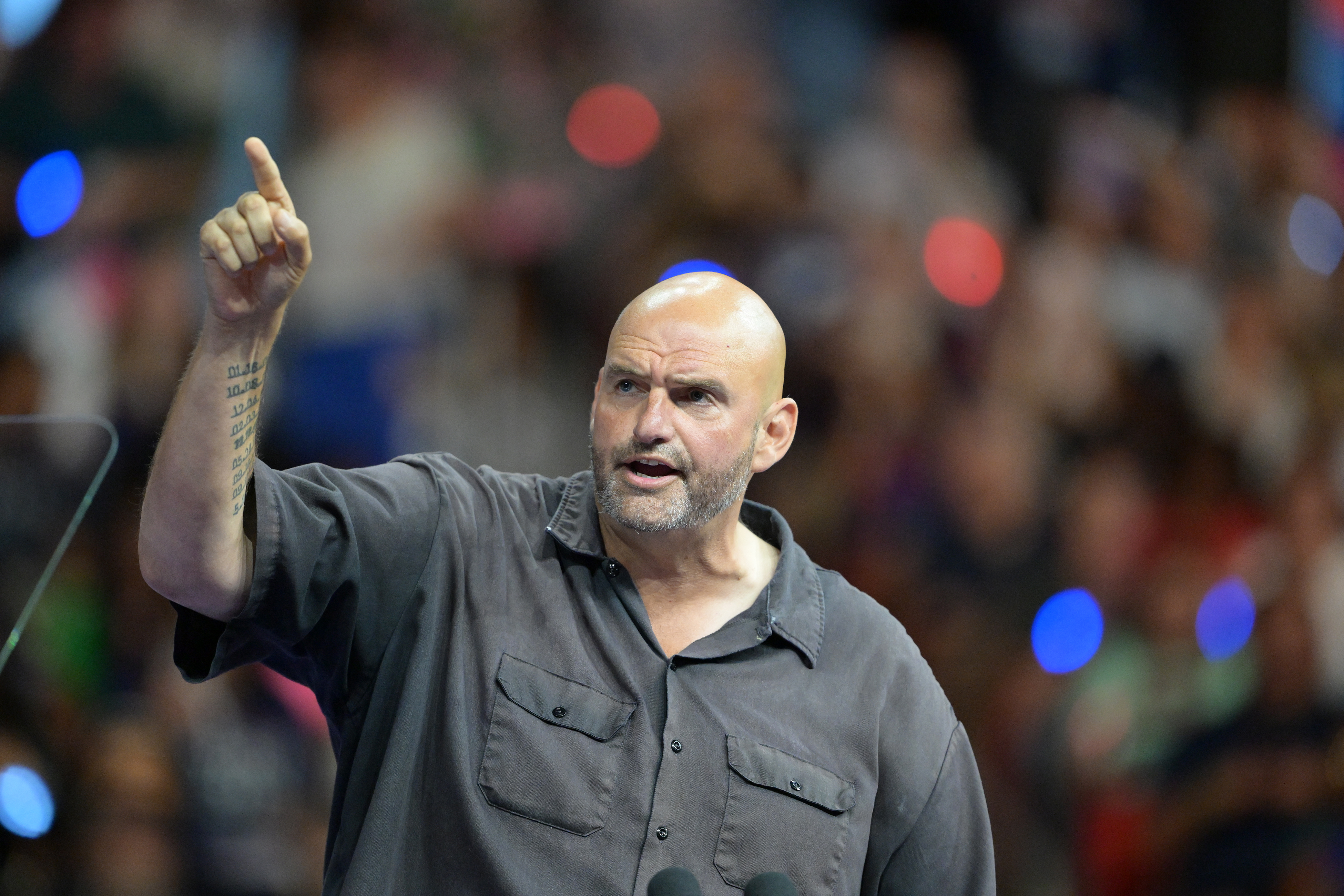
    A curt text message privately rejecting concerns from leaders at the Children’s Hospital of Philadelphia about Medicaid cuts was a “dumb joke,” U.S. Sen. John Fetterman (D., Pa.) told CNN this weekend.

    In his statement to CNN, Fetterman called a recent report from the Wall Street Journal — which reignited claims that he’s not fully performing the role of a U.S. senator — a “hit piece from disgruntled staffers.”

    “Per usual — lies, half-truths, innuendos, smears, and anonymous,” Fetterman said. He later added: “No matter how many smears or stories, I’m proud to continue to deliver for Pennsylvania.”

    The Wall Street Journal report included text messages between Fetterman and his staff and detailed several meetings or events that Fetterman tried to get out of attending, including the meeting with CHOP leaders and a funeral for three York County police officers who were killed while on duty.

    Fetterman said the leaked text messages were “stripped of any context and circumstances.”

    According to the Wall Street Journal, while discussing the meeting with CHOP officials last September, Fetterman asked in a text, “Why do I have to keep having to meet with chop.”

    An aide responded, “Because they’re worried about Medicaid cuts.” Fetterman wrote back, “Well, I’m not.” He then wrote, “I’m convinced they just want free trips to DC.”

    Fetterman told CNN that comment was a “dumb joke,” and “for that, I sincerely apologize.”

    “My office and I always have, and always will, advocate for CHOP, support their requests and any other needs that we can assist with,” Fetterman told CNN.

    The newspaper’s report also included text messages in which Fetterman questioned the length of the funeral for the three York County police officers, writing “3 hours??,” and said attending “may be a nonstarter.” Fetterman, who grew up in York County, did not attend the funeral, according to the report.

    Fetterman told CNN that he “privately ordered flowers to be delivered for their families and expressed my condolences publicly” on the day of the fatal shooting. He also said he privately attended a fundraiser for the officers’ families in June, saying, “I met with their chief and the family members directly to express my personal condolences.”

    The first-term senator’s tenure has been plagued with criticism. Former staffers have said he often cancels meetings at the last minute, and he has increasingly isolated himself from Democrats in Washington, according to the Wall Street Journal. He regularly appears on conservative media and attacks his own party, and he does not make regular public appearances in the Keystone State.

    And pressure on the senator appears to be mounting. After the Wall Street Journal article, an X profile claiming to be former Fetterman staffers said it would post accounts of working for the senator.

    “If you were troubled by yesterday’s Wall Street Journal story… trust us, that’s just the tip of the iceberg,” the account posted. “It’s even worse than you thought.”

    Staff writer Sam Janesch contributed to this article.

  • The Union scrapped their way to another win, but their flaws remain clear

    The Union scrapped their way to another win, but their flaws remain clear

    If you want to be optimistic about the Union, finding a way to scrape out a 2-0 win over CF Montréal on Saturday at Subaru Park gives you a reason.

    So does Cavan Sullivan scoring in a third straight game, his seventh goal of the year in all competitions, and the fact that the win put the Union (7-10-6, 27 points) in ninth place, finally above the playoff line.

    But if you’re still skeptical of this team’s true level, the rest of the night offered a pile of proof.

    It was not a performance to sugarcoat, even as it took the unbeaten streak in league play to all eight such games of interim manager Ryan Richter’s tenure.

    In truth, the quality — or lack of it — was what you’d have expected from the teams that entered the night in 12th and 14th place in the Eastern Conference.

    There was Bruno Damiani’s latest pile of misses, especially a wide-open look in the middle of the 18-yard box in first-half stoppage time.

    Then came Milan Iloski’s failure to score on a breakaway in the 75th, bailed out by Montréal goalkeeper Sebastian Breza fumbling the ball and Sullivan pouncing.

    And in between the Union’s goals, Neil Pierre committed a soft but callable penalty kick foul, only for Montréal’s Prince Owusu to offer one of the worst attempts from the spot you’ll ever see.

    A performance like that won’t cut it on Wednesday against FC Cincinnati (7:45 p.m., FS1, Fox Deportes, Apple TV), the first time the Union will face a truly good opponent since Inter Miami — but without the buzz of Lionel Messi visiting, and the energy that brings to the players on the field.

    Nor will it stand next Sunday at San Diego (9 p.m., Apple TV). Or in the five-game stretch next month against big teams that will likely define the season: at Chicago, home vs. Charlotte and New England, then at Nashville and Cincinnati.

    Richter knew it, too, and didn’t hesitate to say so Saturday night.

    “The reality is, you’re not going to show up and play your best game every single week,” he said. “And that was the case [Saturday night], that is true. But we also created enough chances to get the goals that we did, and then the guys came up in big moments.”

    He acknowledged there had to be an “honest conversation” about it, especially after a first half where the Union were caught asleep defensively in the first two minutes and didn’t offer enough attacking-wise afterward.

    Richter called Wednesday’s game “huge,” acknowledging its stakes and the spice that has simmered between the Union and Cincinnati in recent years.

    “It’s a friendly rivalry, but it’s a chance for us against a really good team at home to show that we can compete with the next level of teams in the Eastern Conference,” he said.

    There it was, as clear as could be: the next level of teams. A level the Union aren’t at.

    Bruno Damiani (right) rues one of his big misses during the first half.Elizabeth Robertson / Staff Photographer

    The players were just as blunt.

    Goalkeeper and captain Andre Blake said that at halftime, “there was a lot of chattering, because we knew that it wasn’t our best. … We just needed to find a way to figure out how to break them down.”

    It took a scrappy set-piece goal to finally get through Montréal’s man-to-man defense, finished off by Danley Jean Jacques in the 58th.

    “You’re going to have games like these where it’s difficult, different tests,” Blake said. “I’m just happy that we were able to find a way to get some goals. A win is a win.”

    Danley Jean Jacques (right) celebrates his goal that opened the scoring.Elizabeth Robertson / Staff Photographer

    Sullivan concurred.

    “The first half was — we put on some pressure, but it wasn’t a great game to play in, in all honesty,” he said. “It was just not a pretty game. In the second half, I think our defensive pressure raised the level, and that sets the tone for the rest of play.”

    If this piece sounds too cynical for a team on an eight-game unbeaten run in the league, the apology from here will be limited. It’s the reality of what the Union face, and the scale of the task for a team that wants to have high standards for results.

    As Sullivan said: “We know that there’s a lot of stuff on the line right now. Playoff spots, we’re in one now, but you can go up and down at any moment.”

    And if you think you’ve heard this message before on these pages, you’re right. The point isn’t to be repetitive. It’s to be clear that as Philadelphia fans line back up for the Union bandwagon, they need to know there are much harder games ahead. Better to be realistic about that now, so that you won’t be surprised if the sting comes later.

  • Villanova earned its first Patriot League win but showed there’s still plenty of work to do

    Villanova earned its first Patriot League win but showed there’s still plenty of work to do

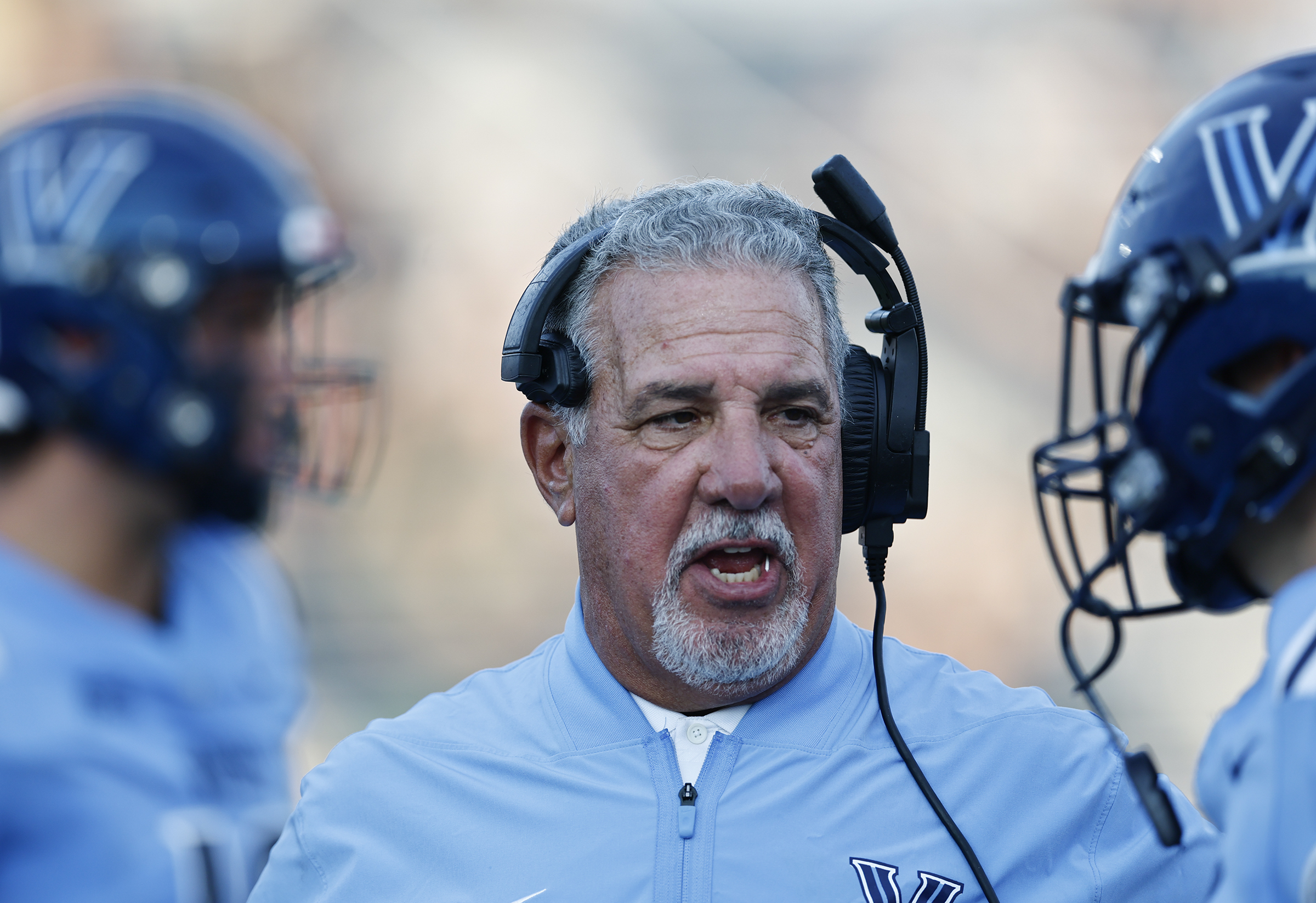
    It was nowhere near perfect, but Villanova did what it needed to pick up its first Patriot League victory on Saturday night.

    Villanova (1-1, 1-1 Patriot League) went on the road to take on conference opponent Bucknell. The Wildcats were coming off a devastating season-opening loss and needed a win to get back on track.

    After Villanova took a two-possession lead, Bucknell (0-2, 0-2) battled back to set up a thrilling fourth quarter. With the help of a tipped field goal, Villanova held off the Bison in the fourth quarter to win, 17-16.

    Villanova was able to lead Bucknell at halftime, 14-0, after wide receiver Braden Reed collected a pair of passing touchdowns from graduate quarterback Pat McQuaide. On the other side of the ball, Villanova’s defense was able to limit Bucknell to 100 yards of total first-half offense.

    Reed, a sophomore, led all Villanova receivers with five receptions for 68 yards and two touchdowns. Sophomore Brandon Binkowski totaled 71 yards on three receptions, including a 27-yard reception on a drive that ended in a touchdown.

    Delaware County native and Strath Haven graduate Sam Milligan led all Bucknell receivers with 13 receptions for 135 yards and two touchdowns. Milligan tied the program’s record for touchdown receptions.

    McQuaide was able to clean up his passing game after last week, completing 13 passes for 218 yards and two touchdowns. Last week, McQuaide threw three interceptions against William & Mary after throwing only four all of last season.

    Garrett Rogan fills in without missing a beat

    After Villanova starting linebacker Christian Caballero went down with an injury and did not return to the game, Garrett Rogan entered from the sidelines.

    Rogan collected seven total tackles (five solo) and the Wildcats’ lone pass breakup while filling in for Caballero. However, Rogan’s big play came on Bucknell’s 29-yard field goal attempt to take the lead with 1 minute, 57 seconds remaining.

    With his right hand wrapped in a club cast, Rogan was able to get a piece of the ball as Bucknell kicker Juan Garanton attempted a 29-yard field goal that would have given Bucknell a 19-17 lead with under two minutes left in regulation. Rogan’s tip was enough for the ball to miss the uprights as it went wide left.

    Against William & Mary last week, Rogan had seven total tackles (two solo) and one tackle for a loss.

    Last season, Rogan played in 15 games for the Wildcats and tallied 33 tackles (25 solo), one sack, one tackle for loss, and three pass break-ups.

    Wildcats clean up penalties and turnovers

    Villanova head coach Mark Ferrante always puts a big emphasis on winning the turnover and penalty battles, and that was no different going into this weekend.

    The Wildcats gave up only 45 yards on five penalties after giving up 15 penalties for 107 yards against William & Mary last week.

    “You’re going to have a couple of penalties during the course of the game,” Ferrante told The Inquirer before the Bucknell game. “When you can put 15 of them together, that’s a big deal.”

    Villanova did not turn the ball over against Bucknell, despite a single fumble from a snap that flew over McQuaide’s head in the second quarter. Bucknell also did not record a turnover.

    Villanova’s zero turnovers this week are in contrast to its four last week (five if the botched onside kick recovery counted, which it should have, according to Ferrante).

    “If you tell me we’re going to have a turnover a game, we’re going to have 11, 12 turnovers by the end of the year, that’s probably a pretty good year. Right now we’re on pace to have 60 if we do five a game. That’s not a good year.”

    Up next

    Villanova has less than a week to prepare for its annual FBS matchup, which will be against Louisville on Sept. 11 (7 p.m., ESPN/ACCN). Louisville was ranked No. 24 in the Associated Press Preseason Top 25 Poll.

    It will be a tight turnaround for Louisville, which plays Ole Miss on Sunday at 7:30 p.m. The Cardinals will have just four days between games.

    It will be the first time in history that the two programs will share the same field.

  • Teaching in Philly can be tough. At some schools, so is finding a place to park.

    Teaching in Philly can be tough. At some schools, so is finding a place to park.

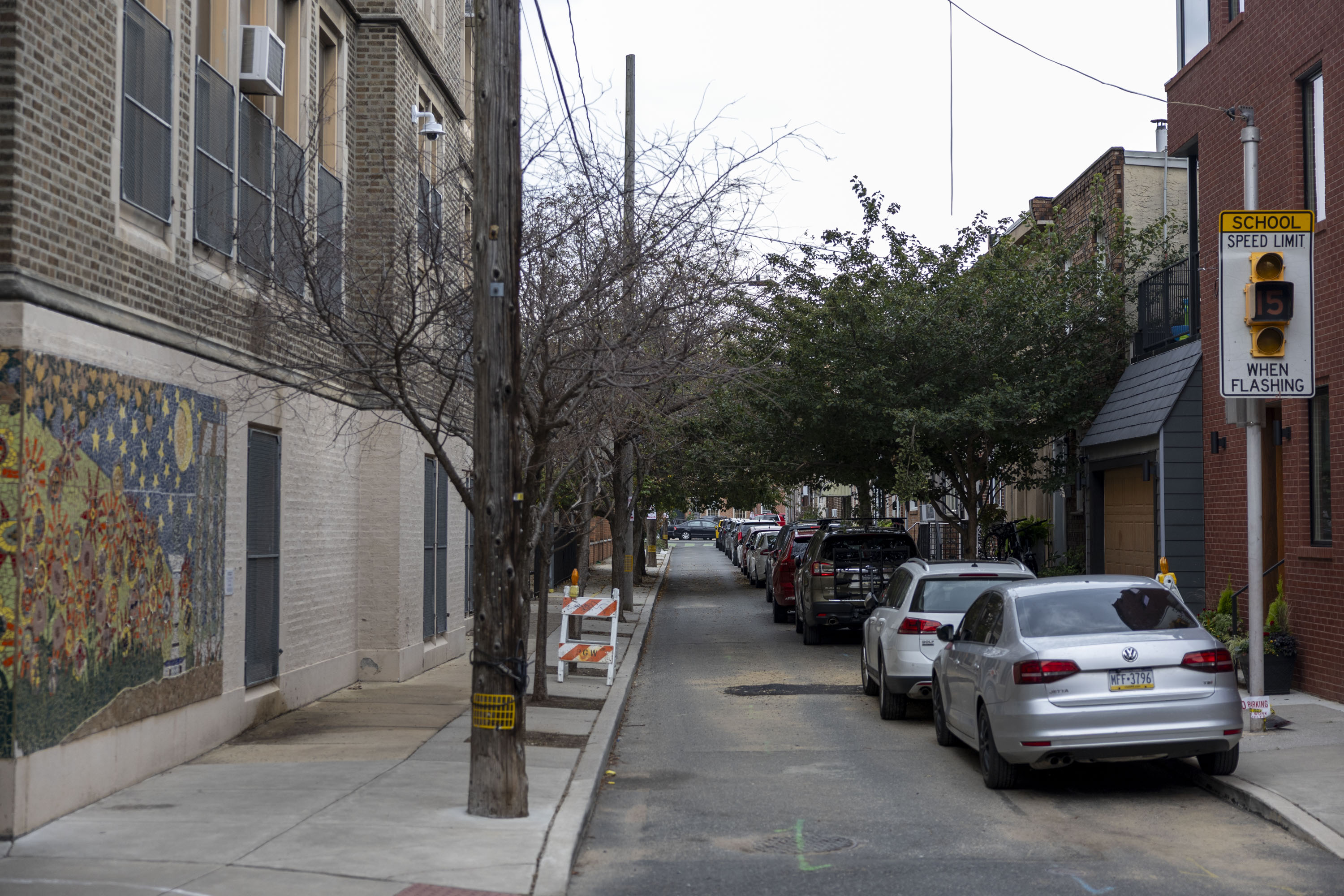
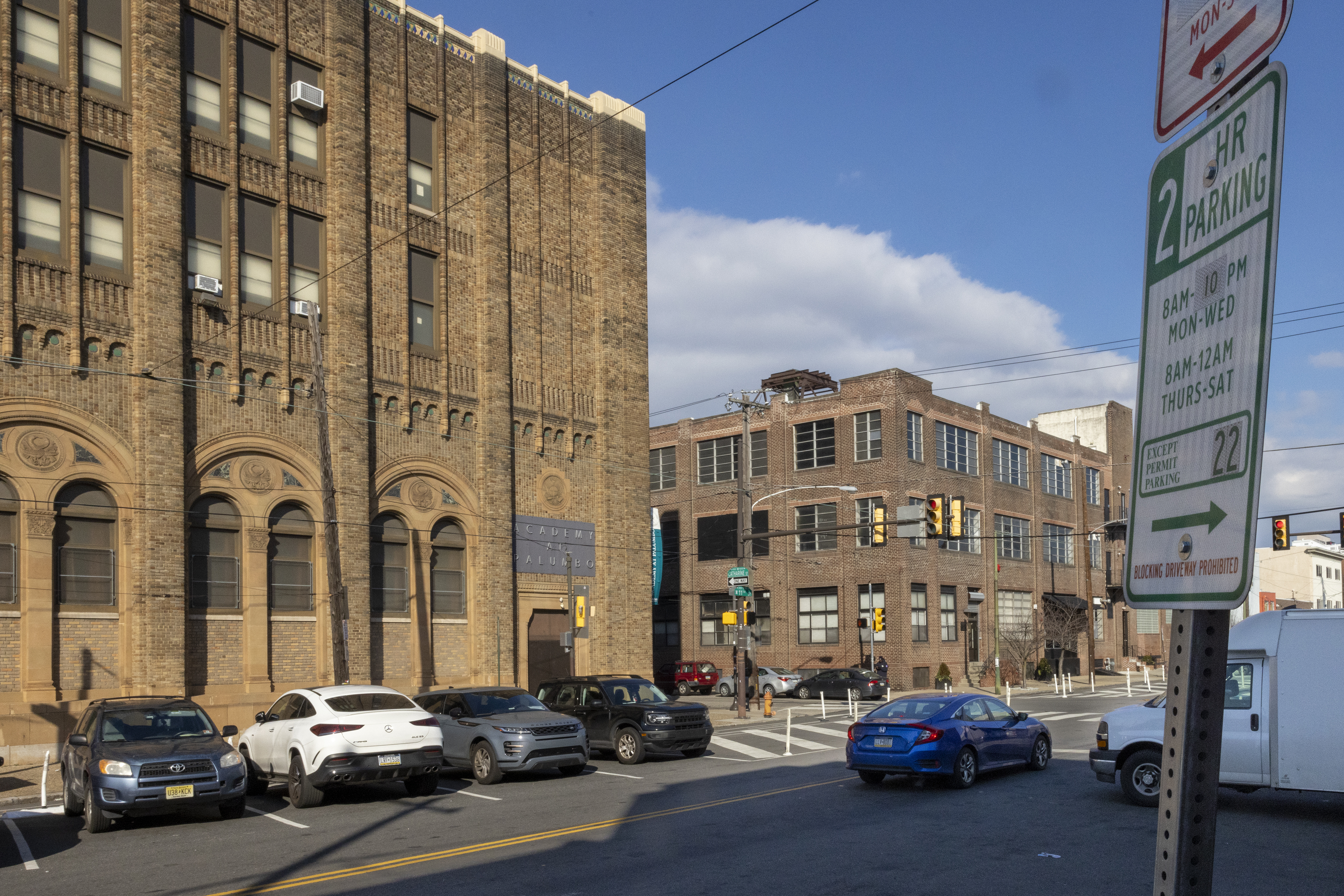
    The math is simple: There are 11 parking spots reserved for Academy at Palumbo teachers and 107 teachers and staff at the South Philadelphia school.

    There’s no parking lot and people who work at the acclaimed magnet school tend to drive, teachers say.

    Though public transportation is an option for some school staff, many teachers live outside the city, with fewer transit options nearby. And while some schools in the Philadelphia School District are close to bus, train, or trolley stops, others are farther afield, making them tougher to access via public transit.

    “Before I even walk in the doors of the school, I am already overwhelmed with stress every single day,” Palumbo teacher Sheila Fisher said. She and other Palumbo staff might circle for 30 minutes or more hunting for a space and often have to park in two-hour spots, they said — meaning they have to dash out during the school day to move their cars.

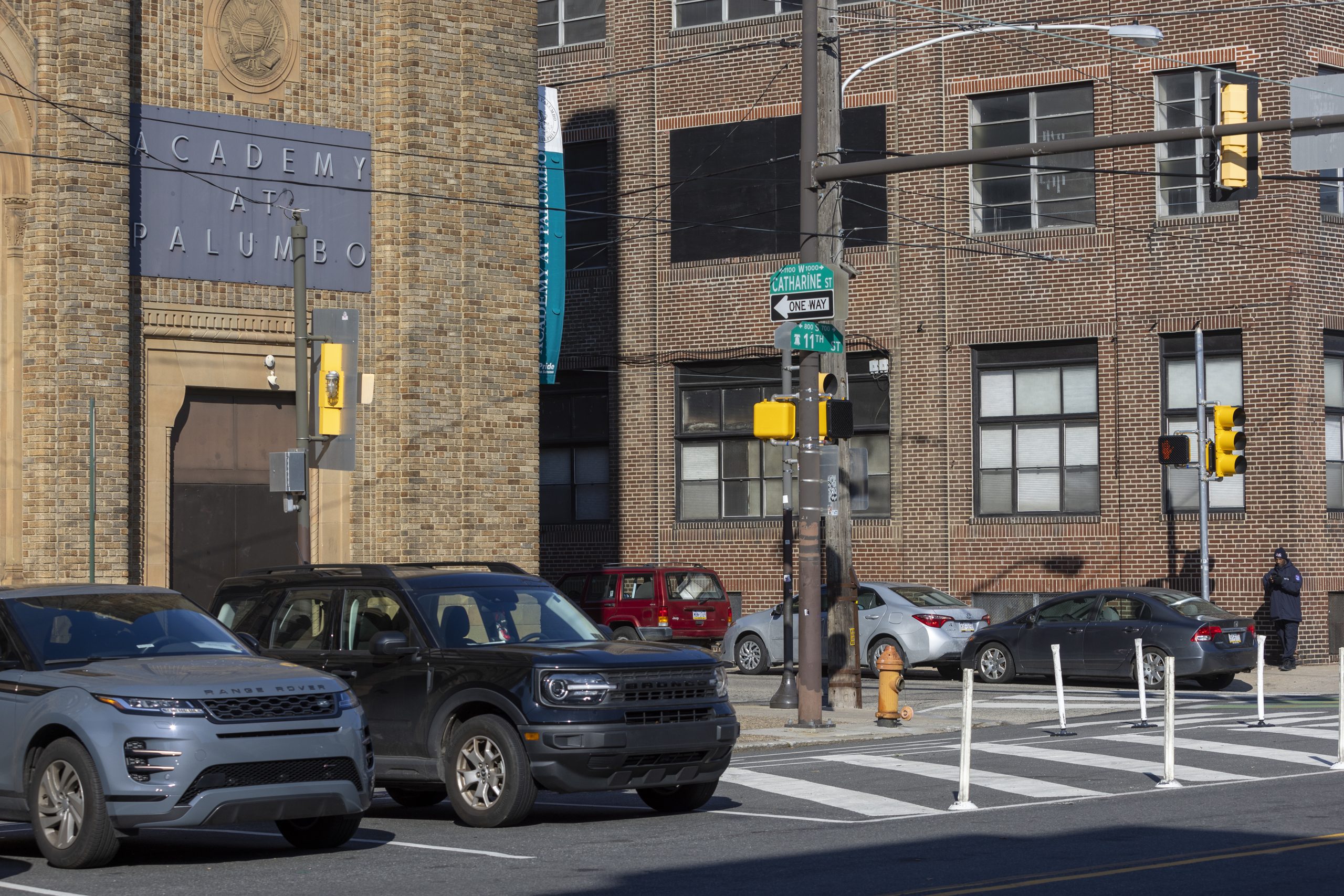
    Parking is at a premium at The Academy at Palumbo, at 11th and Catharine Streets, shown in this 2023 file photo. The school has over 100 staffers, no staff parking lot, and just 11 dedicated spaces.Alejandro A. Alvarez / Staff Photographer

    It’s a common problem at many Philadelphia School District schools that lack dedicated parking lots, or those that have lots too small to fit all employees’ cars. Amid a continuing teacher shortage, in an underfunded school system that offers lower pay and tougher working conditions than many neighboring districts, it’s a quality-of-life problem with a real effect.

    Bridget Mason, a Palumbo teacher, said neighbors have threatened to slash her tires if she parks in front of the public spaces in front of their houses.

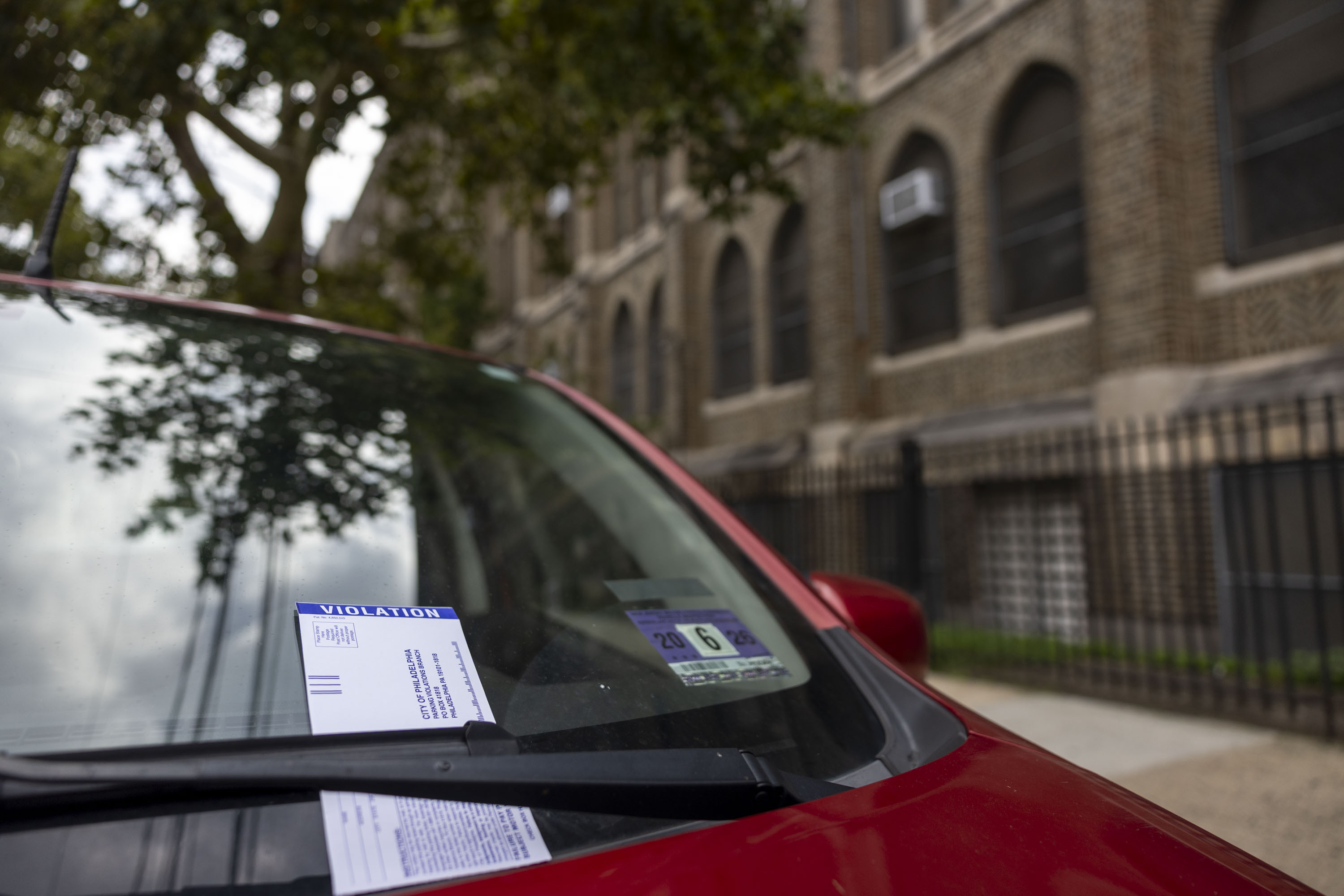
    Fisher estimates she’s gotten 150 or more tickets in the three years she’s worked at Palumbo and said she has paid close to $5,000 in tickets and lot fees on the days she just can’t find any spot.

    Fisher loves teaching at Palumbo and hopes it will be her last job before retirement, years from now. But that’s not a given, she said.

    “The stress has come to the point where my husband has mentioned the option of me leaving Palumbo to work elsewhere, because parking has become such a challenge,” Fisher said.

    ‘It’s a nightmare’

    To park at Penn Treaty High School in Fishtown, you can’t arrive too early, because neighbors won’t have moved their cars yet. But you can’t arrive too late, or you’ll miss your window, get locked out of a spot, and be late to work because you have to “circle and circle” for a space, said Kerri Todd, a longtime Penn Treaty teacher.

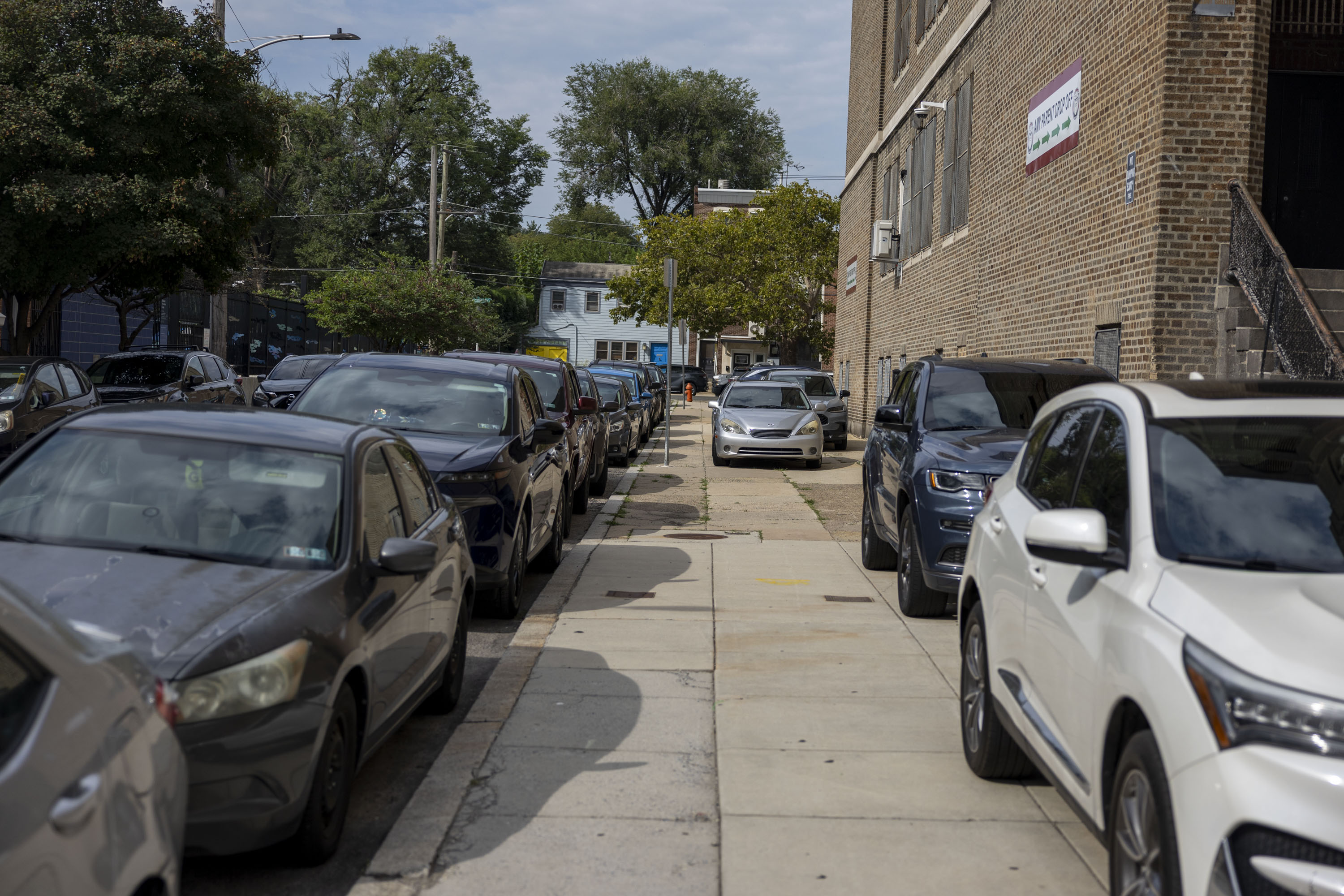
    Cars fill the streets and sidewalks outside Penn Treaty High School on Tuesday.Tyger Williams / Staff Photographer

    “It’s a nightmare — parking is so scarce,” Todd said. Some cars park on the sidewalk around the perimeter of the building.

    Todd knows exactly when she has to arrive for the best chance at a parking spot. And if she ends up having to settle for a two-hour space, it’s not as tough as it would be for other teachers, because Todd’s free periods make convenient times for car moving.

    But it’s still difficult, Todd said. (Penn Treaty teachers have the extra headache of knowing their school is closing for good in 2030 — the fifth- through 12th-grade school is one of 17 the district plans to close permanently.)

    Even Todd’s principal gets into the act. If she’s working in her office, Wajibah Thompson might hang her head out the window and help.

    “She’s like, ‘Yo, Kerri, move over, I think another car can squeeze in there.’ She’ll ask neighbors, ‘Can you move your car up a little more? We can get another car in,’” Todd said.

    A car with a parking ticket outside of Penn Treaty High School on Tuesday.Tyger Williams / Staff Photographer

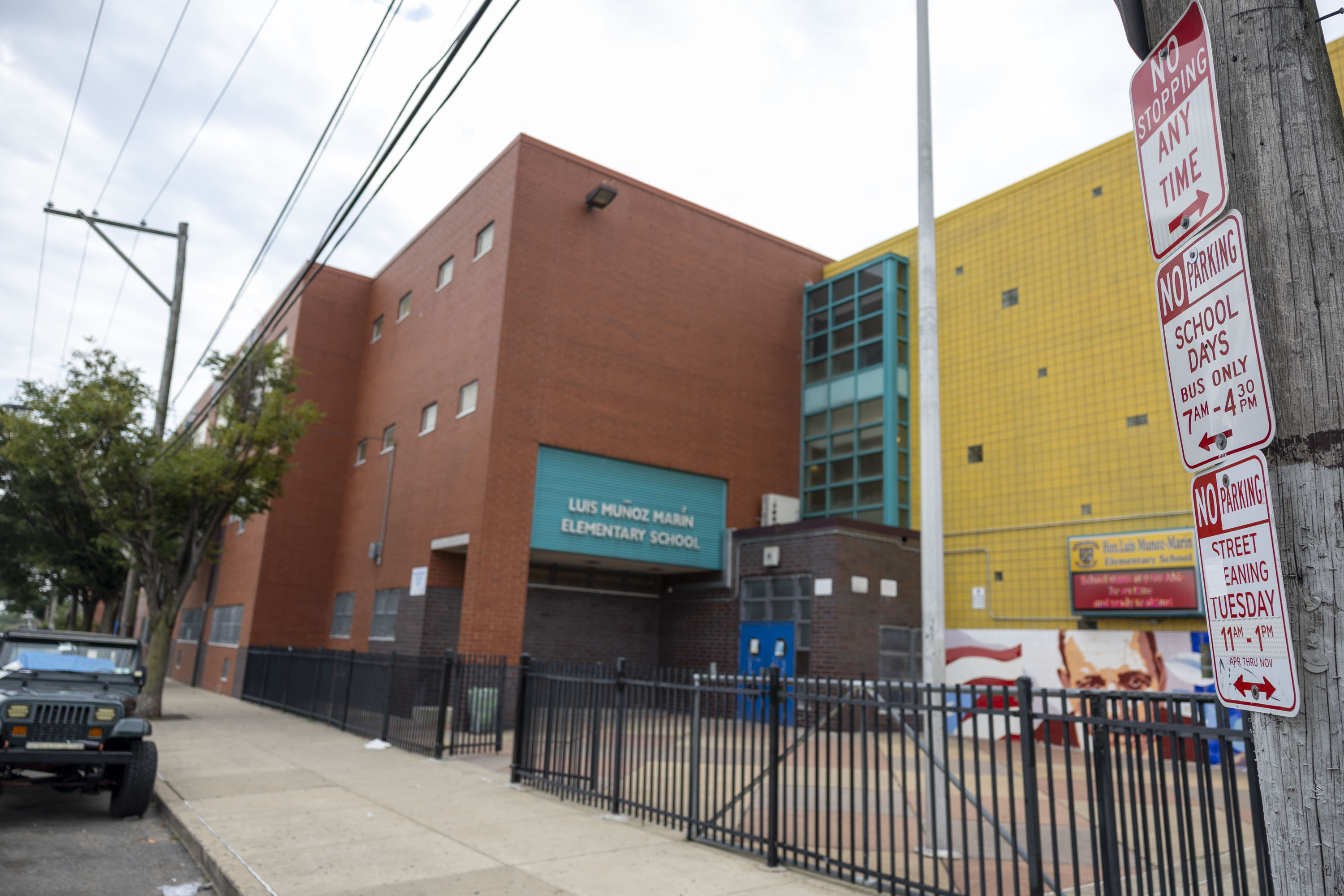
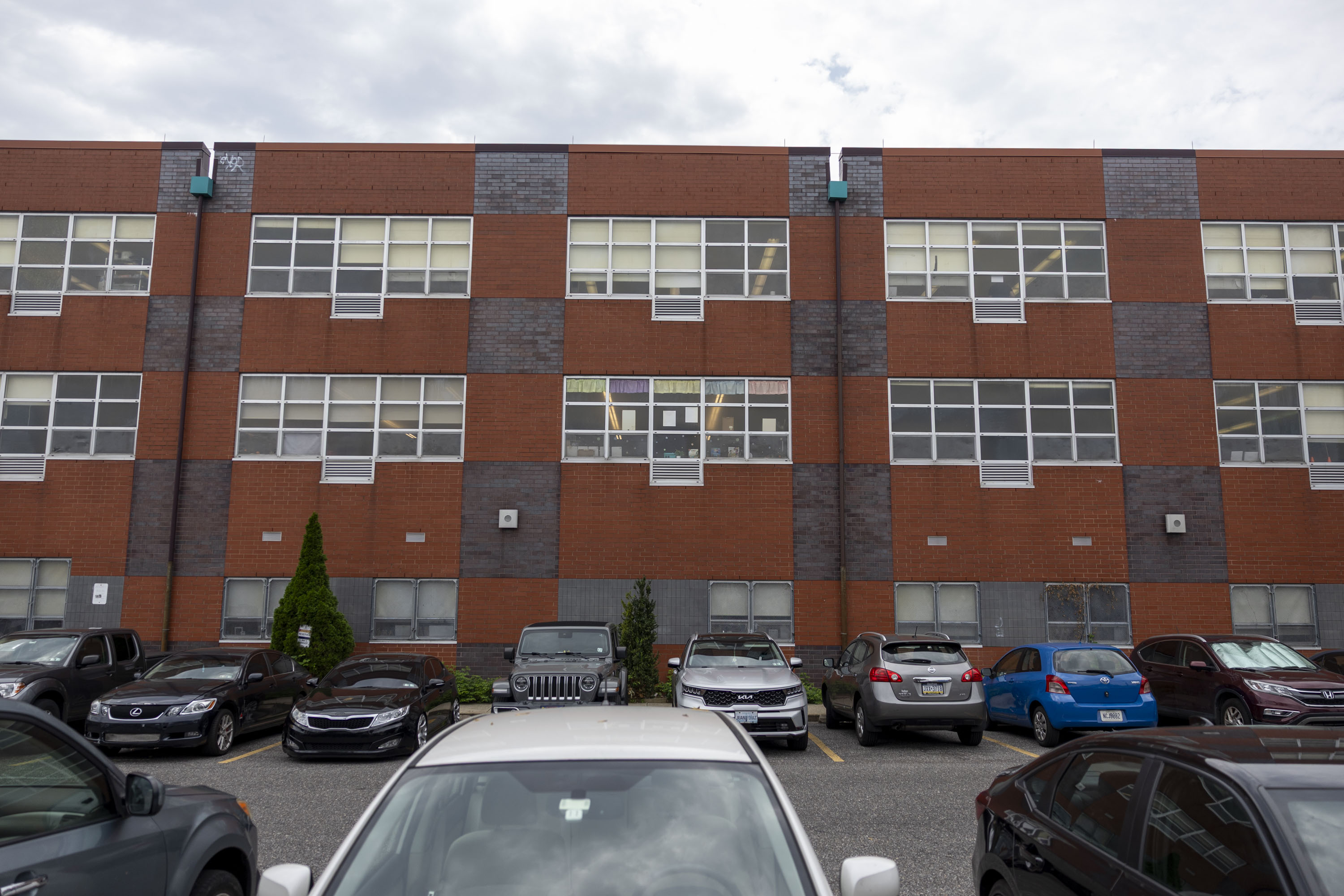
    Parking is also a perpetual worry at Muñoz-Marín Elementary at Third and Ontario Streets in North Philadelphia, said Jennifer Goldman, a veteran teacher there. Muñoz-Marín has a lot, but it’s not nearly large enough for all staff at the 500-student school.

    Compounding the problem, Goldman said, is a vacant parcel adjacent to Muñoz-Marín’s parking lot — people dump trash there, and it’s smelly and not usable.

    “It’s awful parking around here,” Goldman said. “We just have to circle — it’s a race to find a spot, and sometimes people are late. Residents have started [putting cones in] their spots.”

    Educators working in neighborhoods around the city struggle with parking, with teachers at schools including Bache-Martin in Fairmount, Fanny Jackson Coppin and Southwark in South Philadelphia, and Robert Morris in North Philadelphia raising the issues to an Inquirer reporter.

    Cars parked all along a side street outside of Fanny Jackson Coppin School on Tuesday.Tyger Williams / Staff Photographer

    ‘It should not be this difficult’

    There’s some precedent for school parking help.

    Councilmember Jamie Gauthier paved a way for special parking permits for teachers at Powel Elementary in West Philadelphia. (The same permits are not available to Science Leadership Academy Middle School staffers, who work in the same building.)

    The permits are not free: The cost is roughly similar to the price of a monthly transit pass.

    Palumbo’s parent group wants a similar option for their teachers and staff, but three years of efforts have yielded only frustration, its leaders said. They’ve been shuffled from bureaucrat to bureaucrat, and ultimately have been told the person who can make it happen is City Council President Kenyatta Johnson, whose district includes Palumbo.

    Vincent Thompson, Johnson’s spokesperson, said Johnson understands parent and staff concerns but “at the same time, any discussion of changes to parking policy must consider the impact on the broader community” — the Philadelphia Parking Authority, neighbors, and residents who would be affected by turning some spaces into school staff permit parking during school hours.

    “Council President Johnson and his district office are willing to work with the Philadelphia Federation of Teachers to find thoughtful, practical solutions to parking challenges around our schools in the Second Councilmanic District,” Thompson said in a statement.

    The Philadelphia School District did not respond to a request for comment.

    Academy at Palumbo Liberal Arts High School, located at the corner of Catherine and S. 11th Streets. The teachers at school need to move their cars during work day because of timed street parking.Alejandro A. Alvarez / Staff Photographer

    Martin O’Rourke, a spokesperson for the PPA, said it “does its best to assist whenever possible, recognizing the delicate balance that exists among residents, businesses, visitors and teachers necessary to manage and share the limited curb space available for parking in many neighborhoods near local schools.”

    It’s frustrating to Julie Kaeli, the former Palumbo HSA president, that three years of “begging and nagging” Johnson’s office and others on behalf of students and teachers has led nowhere, she said.

    “They’re giving us lip service,” Kaeli said. “It’s so clear to us that they are no interested in addressing this issue. Our school is highly ranked, our teachers are amazing and so dedicated. We know what little resources and support they have. This is such an easy fix; it should not be this difficult.”

    ‘Parking was a must have’

    The lack of adequate parking for staff has consequences, according to educators and those who support them.

    “For me, parking was a must have when deciding on a school,” said Cathy Provenzano, who recently retired from teaching at Hill-Freedman World Academy in East Mount Airy. Hill-Freedman has a large lot.

    Parking problems have scared off teachers who were otherwise interested in coming to Palumbo, too.

    “Each year when interviewing potential new staff, the school may be interested in offering a position to a candidate, but candidates turn down offers because of the lack of parking,” the school HSA said in a statement. “With the teacher shortages the district has had, this is not ideal.”

    The parking lot full with teachers and staff’s cars at Luis Muñoz-Marín Elementary School on Tuesday.Tyger Williams / Staff Photographer

    A teacher at a Kensington school has dealt with a lack of parking lot for years. But it’s gotten tougher to park in the neighborhood, and she’s at her wit’s end, she said. The teacher requested her name be withheld because she feared reprisal.

    “I’ve been at my school for over 10 years and have never considered leaving until the first day of school this year,” the teacher said. “I drove around for about 35 minutes, trying to find parking.”

    She ended up clocking in late.

    “Our students deserve high-quality educators, but us not having a parking lot is a huge deterrent for many people,” she said. “While we are lucky to have several staff members at our school that have been there for five or more years, we also have had a higher turnover in the years since street cleaning became a thing. Teachers don’t want to spend extra time driving around to find parking. That time is meant to be preparing for our student, to make sure that they’re getting the education they deserve.”

  • Ursinus College starts its first graduate program

    Ursinus College starts its first graduate program

    For its 157-year-history, Ursinus College has educated only undergraduates. But that will change next year when the school starts its first graduate program.

    About 85% of faculty voted in favor of the move into graduate education on Thursday, and the small liberal arts college, which enrolls about 1,370 undergraduates and is based in Collegeville, will start a master’s in exercise and sport science next May.

    The move comes as colleges around the country are coping with a drop in the available pool of high school students, and consequently undergraduates and increasing financial pressures. As part of an ongoing effort to close a budget deficit, Ursinus in June eliminated 26 full-time and 10 part-time employees, representing 15% of the school’s nonfaculty staff. And last December, the school announced it would cut 29 full-time faculty positions — nearly a quarter.

    Most four-year colleges in the region already offer graduate programs, with few exceptions such as Haverford and Swarthmore Colleges, both small, highly selective liberal arts schools.

    “This is an important moment in the history of Ursinus College and a natural next step in our evolution as an applied liberal arts institution,” Ursinus President Gundolf Graml said in a statement. “Our first graduate program builds on the strength of our health sciences programs and, importantly, extends the applied, professional and experiential approach at the heart of an Ursinus education to graduate study.”

    Graml said the college is planning to eventually offer more graduate programs and that a second one already is in the works, but he declined to provide further details. The college has appointed a new director of graduate studies.

    Ursinus’ new master’s will be a 30-credit, 15-month online program, costing about $600 per credit for a total of $18,000, the school said. That is below the new annual federal cap on loans for graduate programs, Graml noted.

    The college said it will give students currently enrolled in its undergraduate program in that field a direct path into a graduate program.

    From 2020 to 2024, the college’s health sciences department awarded 188 undergraduate degrees, and more than half of those graduates pursued a graduate degree or certification at other colleges, the school said.

    “We know that there’s student demand,” Graml said. “We see our students going out after graduation and continuing, and so we want to offer them an opportunity to continue that path at Ursinus.”

    Serving as a potential enticement to stay at Ursinus, the program will allow undergraduates to take up to two graduate courses if they are preliminarily accepted into the program, the school said.

    That means Ursinus undergraduates who enroll in the program might be able to finish more quickly than 15 months, said Kyle Beyer, associate professor of health sciences.

    “We recognize this is something we could offer that would enhance our students’ learning and make them more competitive in the job market,” Beyer said.

    An alum already emailed him, he said, asking how to enroll in the program.

    The move into graduate programming will not require an increase in faculty, Graml said. Over time, it could boost revenue.

    Ursinus has been running total operating losses for most of the last nine years, reaching $13.4 million in 2024 but falling to $4 million in 2025, financial records show.

    Ursinus experienced a 10% decline in first-year enrollment last fall and a 6.4% decline in overall enrollment.

    Graml said this year’s overall and freshman enrollment numbers won’t be available until after census later this month.

  • 🎾 A bet gone wrong | Morning Newsletter

    🎾 A bet gone wrong | Morning Newsletter

    Good morning, Philly! Happy Sunday. 👋 Good news: Today and Labor Day are shaping up to be beautiful, with sunny skies and temps near 80.

    Back in 2024, a man from Amish country bet on the U.S. Open, then sent the U.S. Tennis Association a bomb threat. His goal was to disrupt a match and stop himself from losing money. The Inquirer took a look back at the incident, digging deeper into the story of what happened that day.

    Pennsylvania’s governor’s race is around the corner, and voters say they most want the candidates — Democratic incumbent Gov. Josh Shapiro and Republican Stacy Garrity — to address cost-of-living concerns, according to a recent poll.

    — Sam Stewart (morningnewsletter@inquirer.com)

    If someone forwarded you this email, sign up for free here.

    Loss of control

    It was Sept. 2, 2024, the U.S. Open was in full swing, clouds dimming the early afternoon sun. Inside Louis Armstrong Stadium, a surprise was brewing.

    Brian Maguire, the USTA’s director of security, answered a call from one of his staff members. Someone had sent a direct message to the USTA’s Twitter/X account: “I’m inside Louis Armstrong with a bomb that will go off at 1 pm est.”

    Maguire requested that the FBI open a guardian — that is, begin gathering evidence for a federal case — against the person who had made the threat. Within 20 minutes, the officers and agents were radioing back from their search to tell Maguire, We’re clear. Louis Armstrong Stadium was never evacuated.

    Cut to May 2026. Aidan Getchius trudged into a courtroom with his lawyer and his mother. He has admitted he used a gambling app to place a $100 wager on a match, but when it became clear that he would lose out, he panicked. From 160 miles away, he had thumb-typed and sent the bomb threat.

    ‘Pennsylvanians need a relief’

    For most voters in Pennsylvania, the economy and cost-of-living concerns are the most important issues in the governor’s race between incumbent Democratic Gov. Josh Shapiro and his Republican challenger, state Treasurer Stacy Garrity, according to a recent poll from The Philadelphia Inquirer, the New York Times, and Siena University.

    As Election Day draws nearer, both campaigns are focusing their messaging on these kitchen table issues.

    While mounting his reelection campaign, Shapiro is highlighting his accomplishments during his first term that his campaign says has given Pennsylvanians more money back through tax cuts and wage increases for childcare workers.

    Meanwhile, Garrity has recently shared her own plan, called “Turnaround PA,” to make living more affordable with an outline of how she’d lower prescription drug costs, reduce property taxes, and aim to cut energy bills to get there.

    What you should know today

    • Last week William F. Dunbar Sr., a lobbyist and former informal adviser to Mayor Cherelle L. Parker, pleaded guilty to federal tax fraud charges. The Inquirer broke down everything you need to know.
    • Weeks after thousands of Haitian and Syrian immigrants saw the end of their protected status in the U.S., exposing them to ICE arrest and deportation, more than 170,000 people from El Salvador now face the same fate.
    • An executive order signed by New Jersey Gov. Mikie Sherrill blocking federal immigration agents from using nonpublic state property does not violate the constitution, a federal judge ruled.
    • Michael Fanning, the Philadelphia Family Court judge who faced domestic violence charges earlier this year on allegations he assaulted his wife and adult daughter, resigned from the bench, a source said.
    • Only one applicant has been prequalified to bid on Haddon Heights’ first retail liquor license — a Philadelphia-based developer with plans for a restaurant and luxury apartments on the corner of Station Avenue and the White Horse Pike.

    This week in history

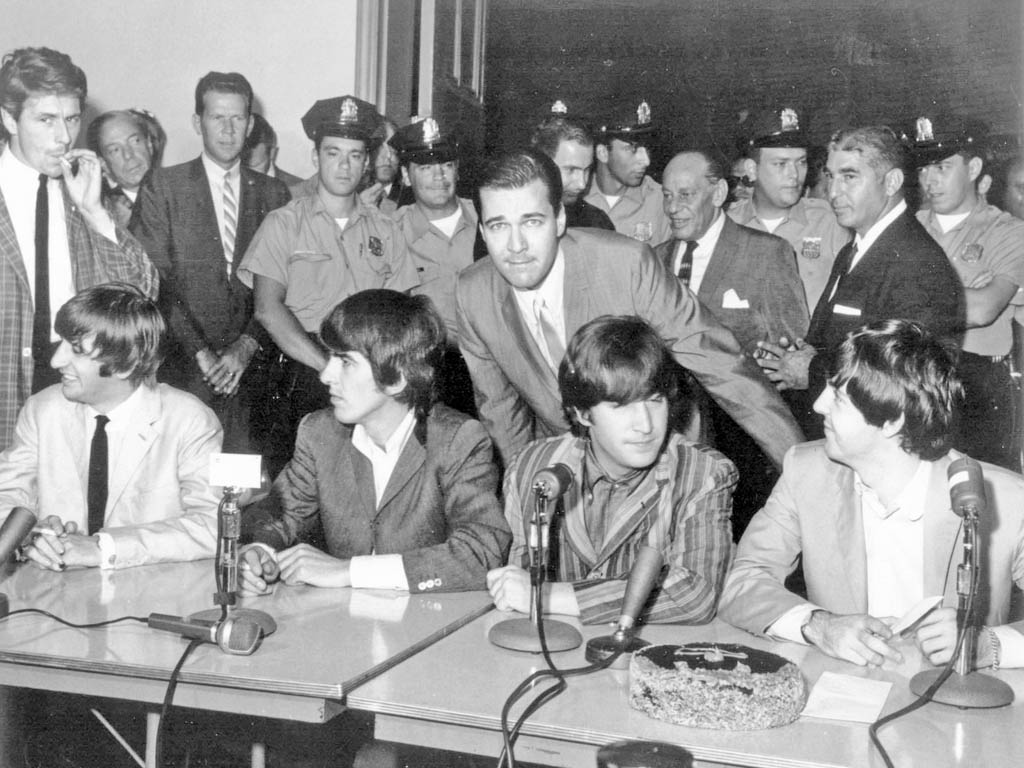
    🎤 Here’s Tommy Rowan with a look back at the Beatles sneaking into a Philly concert hall in a fish truck.

    The Beatles needed to get to Philadelphia and into Convention Hall to put on a show, but Beatlemania had fully taken hold of youth in the United States.

    Of all people, not-yet-commish Frank Rizzo had a plan.

    He just needed a diversion, and an inconspicuous mode of transportation.

    Read on for the full story.

    ❓Pop quiz

    The Philadelphia metro area’s top out-of-town market for rental searches was from which area?

    A) Maryland

    B) New Jersey

    C) New York

    D) Rhode Island

    Think you know? Check your answer.

    What (and whom) we’re …

    💑 Admiring: A couple who used to date are now best friends, and they’re raising a baby together.

    🧠 Playing: This week’s Pillars, The Inquirer’s new word game, built specifically for Philly.

    🦅 Proud of: Dolan’s Bar in Ridley Park, for organizing a surprise party for Uar Bernard. They showed support from Eagles fans to the seventh-round draft pick, who is now a member of the Eagles’ practice squad.

    🍽️ Craving: A South Philly restaurant’s Vietnamese fried chicken and phở, which are some of the best things Craig LaBan ate this week.

    🧩 Unscramble the anagram

    Hint: Luxury hospitality brand with boutique beachfront hotels along the Jersey Shore

    ASCOT IRONERS

    Email us if you know the answer. We’ll select a reader at random to shout out here.

    Cheers to Rick Eisenberg, who correctly guessed Saturday’s answer: Rite Aid. A former location of this now-defunct chain on Walnut Street could become an apartment tower.

    Photo of the day

    A replica Batmobile was parked near Loews Philadelphia Hotel on Market Street on Saturday.Courtesy of @phillychitchat

    🦇 One more fun thing: A couple was spotted in Center City over the weekend taking wedding photos with an iconic ride: the Batmobile.

    🎶 Today’s song goes a little like this: “When you decide that your life is a prize / Renew, revive.”

    👋 That’s all from me, folks. Have a wonderful holiday weekend!

    And speaking of the holiday, a friendly reminder that our next Morning Newsletter is coming to you on Wednesday. Talk to you soon!

    By submitting your written, visual, and/or audio contributions, you agree to The Inquirer’s Terms of Use, including the grant of rights in Section 10.

  • In a deeply divided nation, remembering a time of unity | Editorial

    In a deeply divided nation, remembering a time of unity | Editorial

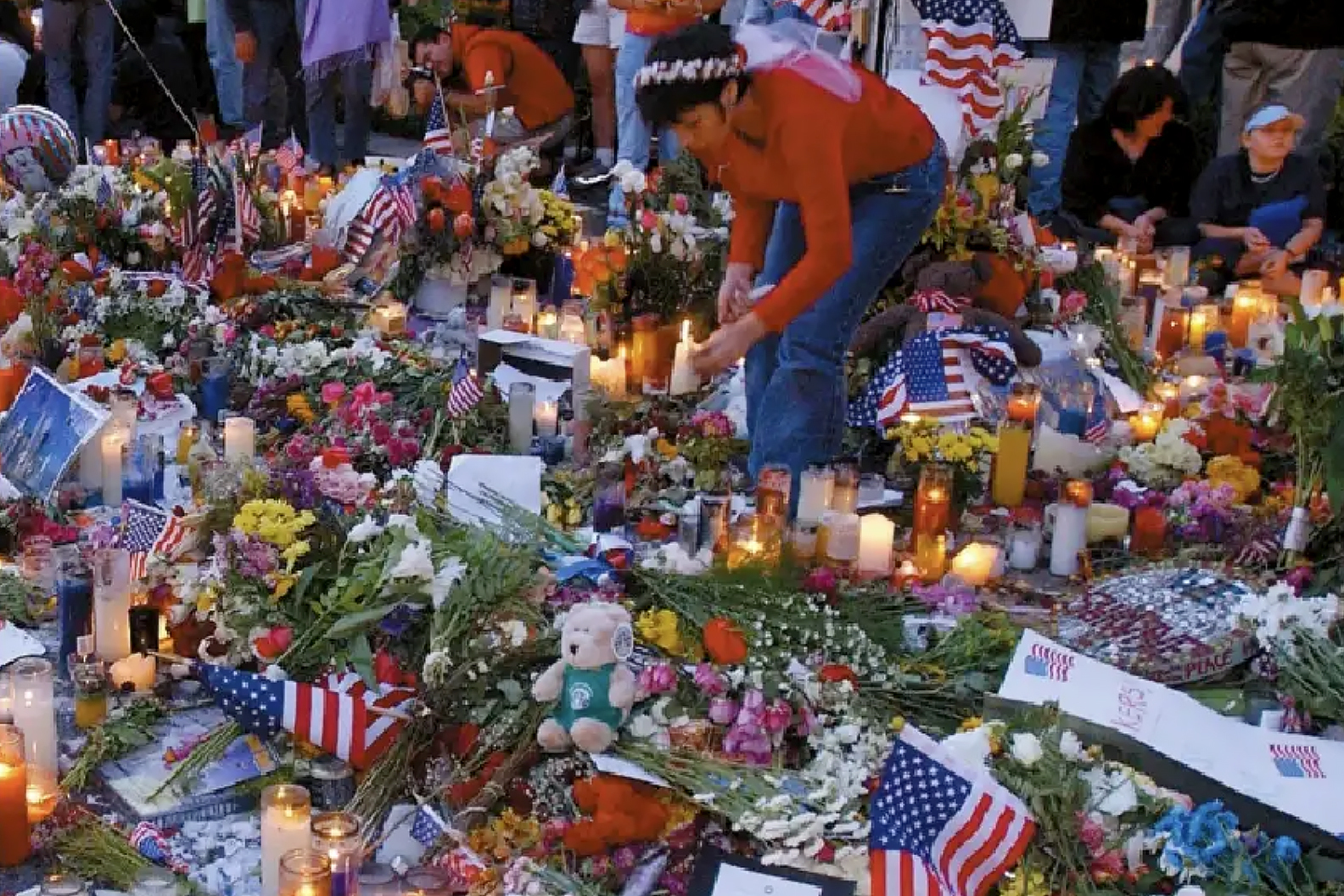
    It is as important to remember what happened after the Sept. 11, 2001, terrorist attacks as it is to recall the nearly 3,000 lives lost, dozens of buildings mangled or destroyed, and the millions of prayers said in response to what many believed could never happen to the most powerful nation in the world.

    In the immediate aftermath 25 years ago, this country became unified across income, religious, and racial lines in a manner it had not shown since imperial Japan’s despicable aerial attack on Pearl Harbor in 1941. But in both instances, there was shameful xenophobic backlash. The Japanese suffered internment. The anti-Muslim rhetoric and actions continue to this day.

    Just as undeniable was that unity after the attacks — including President George W. Bush’s words that “Islam is peace” — helped blunt prejudice.

    Black people, white people, Christians, Jews, Muslims, Republicans, Democrats, the rich, the poor, citizens and new arrivals — they all saw themselves as Americans on 9/11. We found common ground in using the nightmare that had just occurred as the impetus toward a greater sense of community.

    That spirit of togetherness was a reminder of just how important the word united is in calling our country the United States of America. The 9/11 attacks made it easier to see why we as a nation must not let our differences be exploited by calculating entities looking for ways to weaken our resolve.

    A quarter century later, the U.S. is much different in that respect.

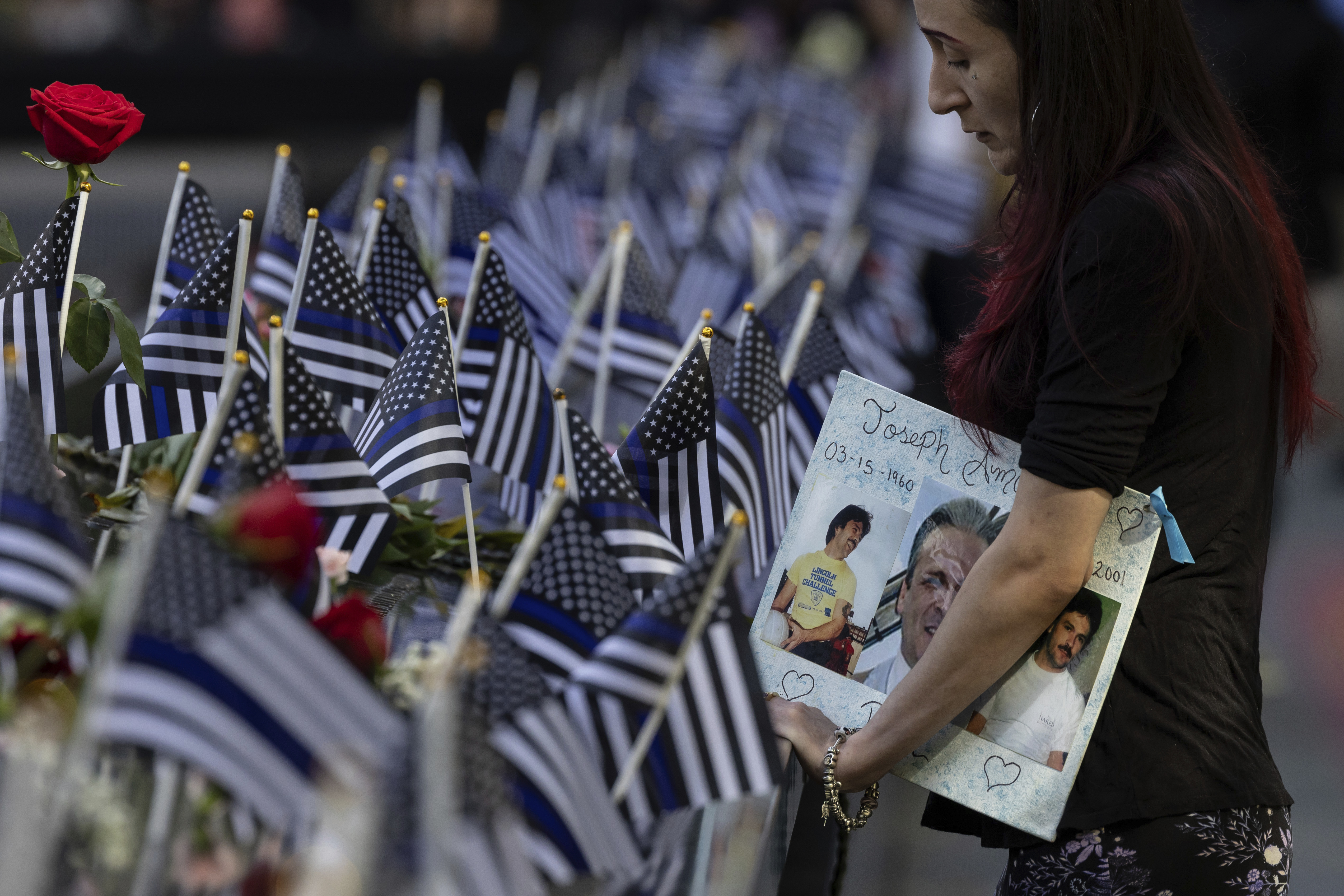
    Mercedes Arias stands by the name of her father, Joseph Amatuccio, on the south pool during the 9/11 memorial ceremony on Sept. 11, 2024.Yuki Iwamura

    Our current leadership prefers sowing seeds of division instead of reaching past political, economic, religious, social, and ethnic distinctions to help Americans of every station and persuasion work together for our common good.

    Instead of trying to unify, this nation’s current leaders decided it was more important to wage war with Iran and argue with our allies. Iran may one day develop a nuclear weapon, they said. Dismissing that Russia and China already have that capability and, unlike militarily feeble Iran, have delivery systems to reach our shores.

    Washington also decided to overthrow Venezuela’s despotic president to seemingly gain control of its oil reserves, and has made threats against Cuba and Greenland. It’s hard to believe the same Donald Trump who is now so eager to use military force once promised that if reelected, “we will have no more wars, no more disruptions, and we will have prosperity and peace for all.”

    Are we supposed to forget the president said that? Is he playing games with the American public? Is he distracting our attention by waging wars that lack clear goals, abruptly destroying historic settings like the White House Rose Garden, and putting unqualified people in charge of public health, public safety, and national security?

    So much is going on that too little attention has been paid to all the money changing hands amid the clamor.

    President Donald Trump attends a cabinet meeting at the White House in May.Jacquelyn Martin

    Trump’s personal wealth has increased by a staggering $2 billion since he took office, much of it in cryptocurrency holdings. Investors in these schemes have lost about $3 billion as the currencies’ value continues to decrease, but many see their losses as the price to get the president’s ear.

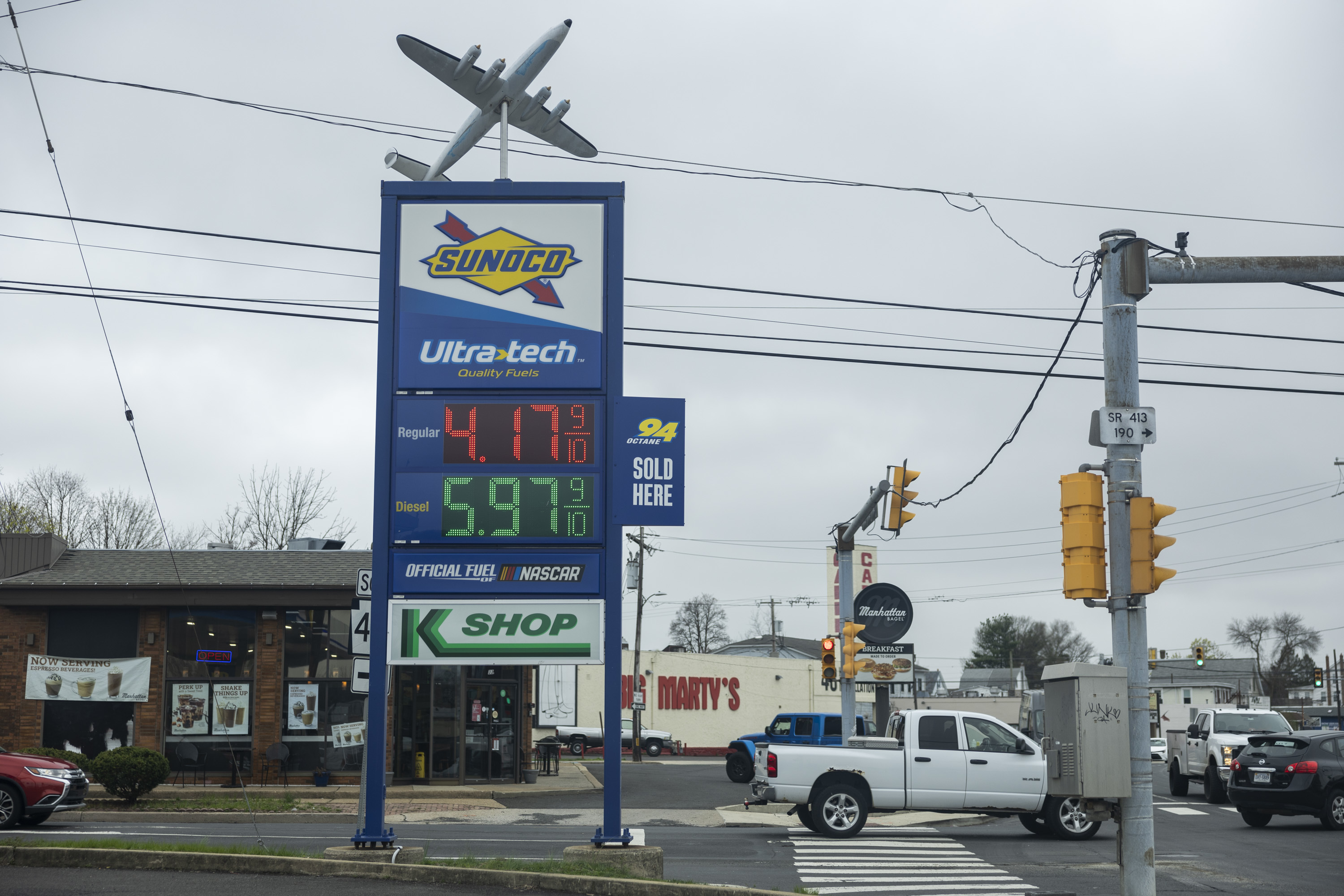
    As Trump continues to be Trump — more engaged with building monuments to himself and posting aggrandizing AI slop on social media — everyday Americans struggle to make ends meet because of his policies. Although the cost of his mindless tariffs and needless war goes beyond the high prices people are paying at the pump and the checkout line, it is emblematic of the president’s complete abandonment of the American people.

    While Trump counts bitcoins, our healthcare system continues to undergo dramatic changes that have allowed insurance companies to acquire hospitals, doctors’ offices, pharmacies, and otherwise take control of this nation’s medical institutions.

    The president’s draconian immigration policies haven’t really solved the problem. There will always be people seeking a better life who will do anything, legal or illegal, to cross the border or stay past their visas’ expiration. That’s because despite its faults — and Trump’s best efforts — the United States remains the land of opportunity, even if dwindling.

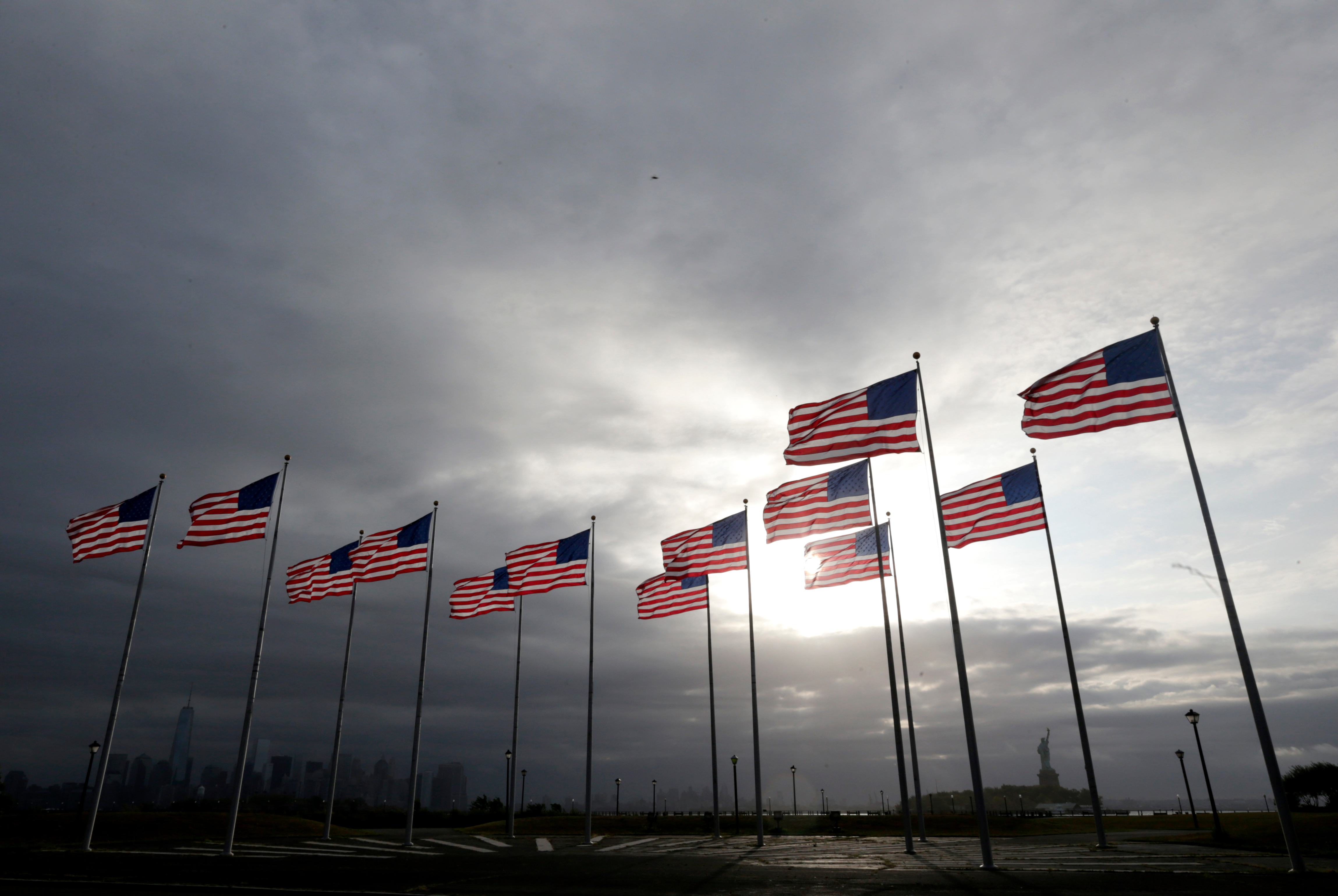
    Thirteen United States flags representing the 13 original colonies are seen at Liberty State Park with 1 World Trade Center (bottom left) and the Statue of Liberty (bottom right) in the background, in Jersey City, N.J.Julio Cortez

    America’s problem isn’t immigrants, most of whom have no criminal intent; it’s the lack of an effective system to better manage border crossings and adjudicate the cases of people who may have lived here illegally for years but otherwise committed no crimes.

    Effective immigration reform almost occurred 20 years ago, when the so-called Gang of Eight senators, including now-Secretary of State Marco Rubio, supported a bipartisan bill written primarily by Republican John McCain and Democrat Edward Kennedy that would create a 10-year registered provisional immigrant status for eligible illegal residents who paid fines and back taxes to eventually obtain permanent legal residency.

    This country also needs innovative equal opportunity ideas to replace the diversity, equity, and inclusion programs now considered reverse discrimination by federal judges. But instead of addressing that issue, the president and his enablers choose to demonize trans people, crack down on speech they disagree with, and abandon civil rights enforcement — all while embracing economic and tax policies that favor the rich.

    None of these issues will be resolved with leaders who seem to thrive with our nation as divided as it is now.

    It shouldn’t take another 9/11 to bring us closer as Americans. But as we seek a greater sense of community, let’s remember that day and what Todd Beamer was heard saying after he and fellow passengers aboard the hijacked United Airlines Flight 93 realized they had no alternative but to forget their differences and act: “Are you ready? OK, let’s roll.”

    It’s time for us to fight together for each other, too.

  • Finding heroes in the Cheltenham football assaults | Expert Opinion

    Finding heroes in the Cheltenham football assaults | Expert Opinion

    The disturbing story of the assaults in the Cheltenham High School football locker room is sadly not unique. Incidents of hazing and locker-room violence have made headlines for decades.

    The allegations in Cheltenham have many familiar features: a younger or more vulnerable student was targeted, other students knew what was happening, and adults appear to be protecting the team rather than a victimized child.

    But within this terrible story, I see two heroes — and both offer lessons for parents.

    The first is the person who reported the violence through Pennsylvania’s Safe2Say system. That report helped move information about the abuse outside the closed world of the football program and into the hands of authorities.

    That matters. According to prosecutors, coaches exchanged messages saying the incident had to be “kept quiet,” with one writing that if it became public, “They will cancel the whole season.”

    Closed systems are dangerous. Information cannot get out, outside help cannot get in, and problems can fester — especially when the people responsible for setting the rules are also the people with something to lose.

    The second hero is the victim’s mother.

    She knew her son well enough to recognize that something was wrong. Their relationship was strong enough that he eventually told her he had been attacked. And when he did, she acted.

    Experts will undoubtedly recommend changes in supervision, reporting, hazing prevention, and school culture. But there are also things parents can do, starting at home.

    Lesson 1: Make it clear: We never blame the victim.

    One of the most heartbreaking details in this story is that the young man eventually switched to virtual school after being harassed by other students following the attacks.

    Being victimized should never become a source of shame for the person who was harmed.

    Parents can make one family value unmistakably clear: In our family, we never blame or humiliate someone for being victimized.

    We do not mock someone for being smaller, frightened, or embarrassed. We do not treat reporting abuse as weakness or betrayal. We think about how it feels to be in their shoes.

    Schools can adopt programs and conduct training, but culture begins long before a child walks through the schoolhouse door. When parents send kids to school already believing that cruelty is unacceptable and victims deserve support, schools have a much better chance of creating and maintaining a healthy culture.

    This is particularly important in adolescence. Teenagers can reason remarkably well, but the brain systems involved in empathy, impulse control, and weighing consequences are still developing. At the same time, adolescents are especially sensitive to the opinions of peers, social pressure, and belonging.

    That is not an excuse for cruelty. It is precisely why adults should create environments in which empathy, respect, and intervention are explicitly expected.

    Lesson 2: Don’t wait for a crisis to talk about sex and sexual violence.

    Too many families wait until there is a sense of immediacy; puberty is about to arrive, a child sees something explicit online, a dating relationship begins, or a frightening story about sexual assault like Cheltenham appears in the news.

    In that moment both parent and child may feel distressed and unprepared.

    Research consistently finds that parents remain an important influence on their adolescents’ sexual decision-making, even though parents often underestimate how much influence they have. Parent-child communication about sexuality is also associated with healthier and safer sexual behavior.

    Too many kids are now learning about sex from peers, pornography, and predators, and what they learn is often inaccurate and rarely matches the values parents have for their children.

    In The Sex-Wise Parent, I encourage parents to share sexuality information and values not as “the talk,” but as an ordinary part of parenting that begins early and develops as children grow. Parents need not know every answer in the moment. Rather, they should communicate that questions are welcome, and children can bring uncomfortable experiences to them without fear of being blamed.

    The Cheltenham victim eventually told his mother because something in their relationship allowed him to. Every parent can build that kind of relationship before a child ever needs it.

    And a relationship where a child can ask questions about sexuality is important for more than just crisis intervention; ultimately, we want our kids to grow up and be sexually safe and healthy in every aspect of their life. Parents who can discuss sexuality with their kids of every age are a gift; they send sexually safe and healthy people out into communities where they are safe peers, partners, and members of the public.

    Janet Rosenzweig, Ph.D., is a longtime child welfare and sexuality-education professional and author of “The Sex-Wise Parent,” a practical guide for parents to support healthy sexual development. The updated third edition was released in July.

  • 19th-century Chester County home with a two-story wine cellar hits the market for $3.3M

    19th-century Chester County home with a two-story wine cellar hits the market for $3.3M

    A six-bedroom West Chester home with a two-story wine cellar and tasting room in a converted ice house has hit the market for $3.3 million.

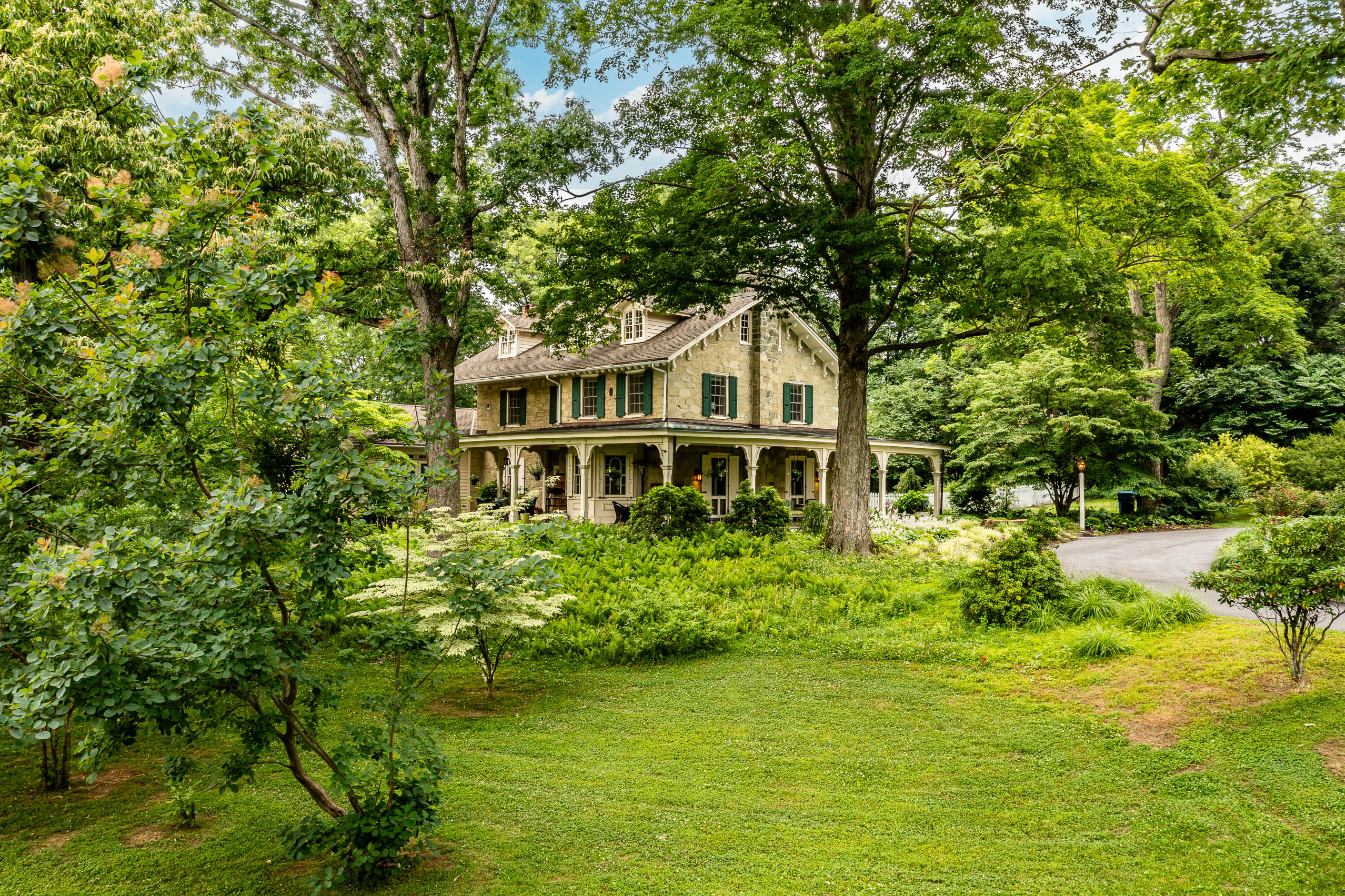
    Known as Fernbank Farm, the nearly 5,400-square-foot home at 1001 Country Club Rd. was built of green serpentine stone from the nearby defunct Brinton’s Quarry, said Stephen Gross, who shares the listing with Stewart Gross and Holly Gross, all of the Holly Gross Group.

    “It’s a beautiful stone that’s just unique to the area,” he said.

    An aerial view of the property, which sits on six acres.Virtual Vista | Courtesy of Holly Gross Group

    A small portion of the home is believed to date back to the 1790s, said Stephen Gross. It was then expanded around 1846 by James Cheston Morris, a University of Pennsylvania alum and surgeon who invented “a number of surgical appliances,” according to a 1923 Inquirer obituary.

    Morris used the property as a summer country estate retreat and also to reportedly experiment with architectural insulation techniques, including in an attached ice house, the Gross brothers said.


    A former ice house has been converted into a two-story wine cellar and tasting room.Jeffrey Totaro

    That space was converted about five years ago by its current owners into a two-story wine cellar and tasting room.

    Situated off the breakfast room, the roughly 1,500-bottle wine cellar is accessed via a staircase that opens onto a room with vaulted ceilings and stone walls. The upper level has seating, a bar, and wine refrigeration, while the lower level is predominantly for wine storage.

    “There’s no other space like that I’ve been to in Chester County,” said Stephen Gross, adding that it “would be a really neat space to entertain.” He estimates it can hold eight to 10 people seated or 10 to 15 for a standing cocktail party.

    The space has a bar and incorporated millstones.Jeffrey Totaro

    Old millstones have been incorporated into the space, which also has a dumbwaiter and an exterior door where blocks of ice would have once been delivered.

    Elsewhere, the home has a number of original architectural details, including hardwood floors with distinctive patterns like a two-tone herringbone in the foyer and an octagonal shape in the library.

    Other original details include woodwork and fireplace mantels, including the living room’s Campan rubané breccia mantel from 19th-century France.

    The home’s six bedrooms are spread across two upper floors, with the primary suite on the second level. It has a fireplace, built-in storage, a sitting area, and an en suite with a soaking tub.

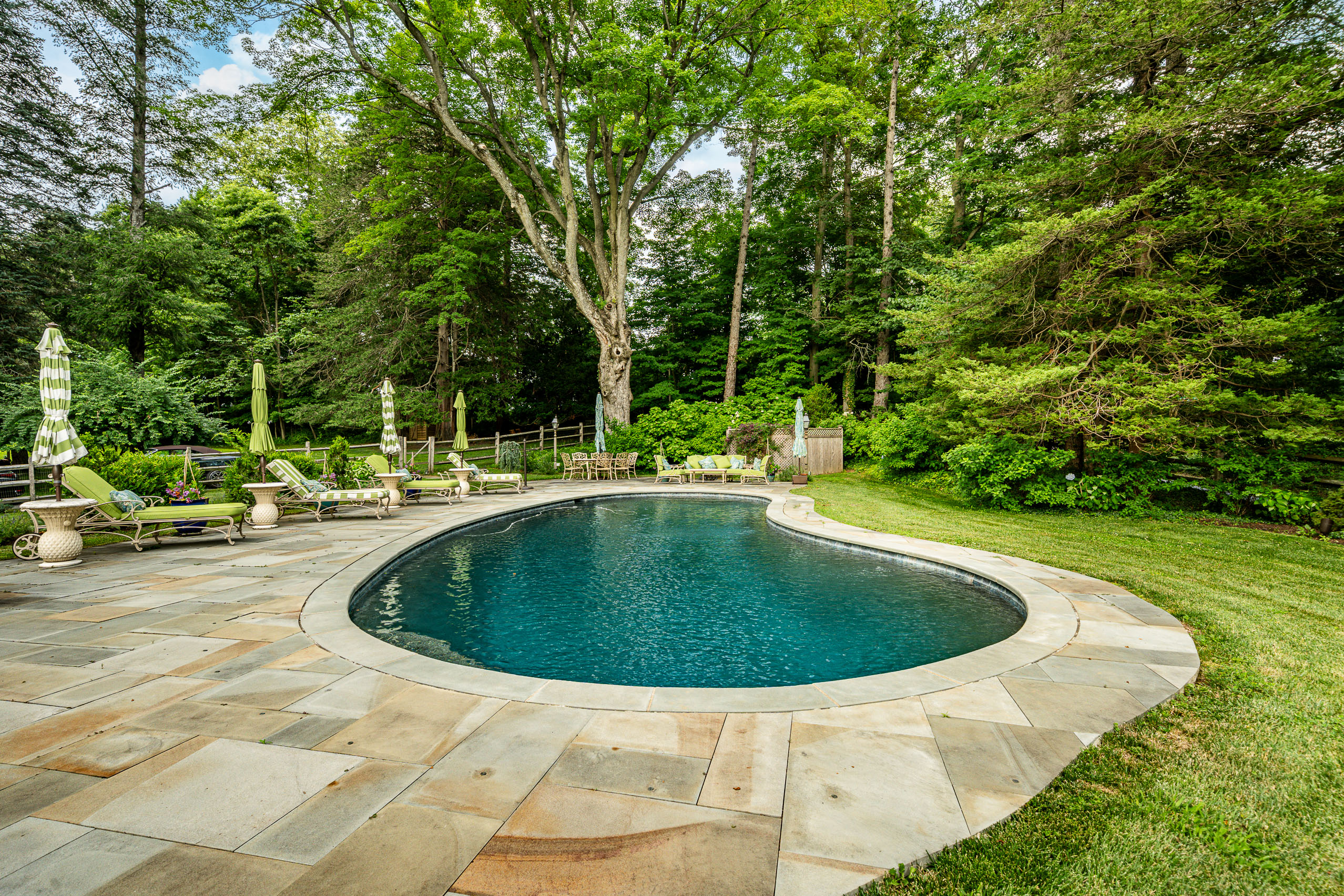
    The home has a kidney-shaped heated saltwater pool and a nearby spa.Virtual Vista | Courtesy of Holly Gross Group

    Situated on six acres and partly surrounded by conserved land, Fernbank Farm has several seating areas outdoors, including a wraparound veranda that overlooks old and specimen trees. It also has a spa and an in-ground heated saltwater pool, which was restored in 2018.

    Elsewhere on the property is a detached three-car garage in a converted 1910 carriage house.

    This suburban content is produced with support from the Leslie Miller and Richard Worley Foundation and The Lenfest Institute for Journalism. Editorial content is created independently of the project donors. Gifts to support The Inquirer’s high-impact journalism can be made at inquirer.com/donate. A list of Lenfest Institute donors can be found at lenfestinstitute.org/supporters.