Blog

  • Dear Abby | Double dreamer struggles to get by

    Dear Abby | Double dreamer struggles to get by

    DEAR ABBY: I am a person with a million-dollar heart and a 5-cent bank account. I have big dreams that I know could change lives. I want to write a book about my experience with emotional abuse so I can help others heal. I also dream of starting a soda stand to build something tangible with my kids. The problem is that my current life is exhausting. I’m raising kids and stepkids, navigating co-parenting drama and working a job I hate just to survive. By the time I finish the daily grind, I’m broke and bone-tired. I know there is more out there for me, but I’m struggling to stay focused when my reality feels like a trap. How can I start these projects when I’m just trying to keep my head above water? I don’t want to escape into my dreams; I want to build them.

    — SODA STAND DREAMER

    DEAR SODA STAND DREAMER: If you try to write a book and start a business on top of everything else, you may not do any of it well. Choose one dream and put the other on hold for now. If you choose the book, set aside some time each day (or week) and dedicate yourself to writing during that time — no excuses. If you choose the soda stand, get a part-time job at a similar business where you can learn the ropes and earn some startup money. Either dream will require a lot of work and perseverance, but don’t give up!

    ** ** **

    DEAR ABBY: My husband and I have a blended family. When he received child support for his daughters, I didn’t think it was any of my business what he did with the money. When I received child support for my sons, he thought I should tell him what I spent it on. I don’t think it’s any of his business. Who’s right? Please advise me, as this has been an ongoing argument in our relationship for 20 years. Mind you, our children are grown now with children of their own, and it’s time to put this to rest. Who is right?

    — HAPPILY MARRIED EXCEPT FOR THIS

    DEAR HAPPILY MARRIED: You are right. You are also entitled to some privacy if it’s important to you. In light of the fact that the child support money your husband received was not a subject of discussion, I see no reason why he should feel he has the right to know how you spent yours. What matters in both cases is that the money went toward caring for the children. I truly hope that’s what happened.

    ** ** **

    DEAR ABBY: I was invited to my nephew’s wedding in a small town. Without my knowledge, the mother of the groom verbally offered my hotel room to the mother of the bride of a different wedding! (The connection is that they both used the same wedding planner.) When she approached me, I declined to give up my room and move to a different hotel. Subsequently, she unilaterally withdrew my wedding invitation. Am I obligated to send a gift?

    — TOTALLY STUNNED

    DEAR STUNNED: What the groom’s mother did is appalling, but don’t take it out on your nephew unless you have reason to believe he was complicit in these shenanigans.

  • Horoscopes: Sunday, Sept. 13, 2026

    Horoscopes: Sunday, Sept. 13, 2026

    ARIES (March 21-April 19). You’re doing what you intended to do! You’ll get proof. The people you wanted to reach are paying attention, and you’re connecting with them. As you achieve goals, you’ll make new ones, because now you know more.

    TAURUS (April 20-May 20). You hope to know the heart of another, but each heart is a unique, vast and mysterious emotional expanse — it’s hard enough to know your own! Any connection we make, however brief or tenuous, is very much worth the effort.

    GEMINI (May 21-June 21). This is a day when patience is required. No one can learn everything at once. Information takes time to sink in and even more time to become applied knowledge. And the wisdom to predict patterns takes the longest time of all.

    CANCER (June 22-July 22). You do the work as well as you can, because it matters now and may matter in ways you cannot see yet. Even if you don’t feel like you’re exerting influence, people are watching you for tips and cues they can follow.

    LEO (July 23-Aug. 22). There’s only one battle that deserves your energy today, and you’ll know exactly which one that is. Handle this one thing and the others will either fall in line with the solution or become nonissues — not your problem to solve.

    VIRGO (Aug. 23-Sept. 22). You don’t expect things you want to come to come to you easily. You’ll do the work that’s uncomfortable, but not unsafe. Avoiding some kinds of pain keeps life good, while avoiding other kinds keeps it small. You know the difference.

    LIBRA (Sept. 23-Oct. 23). The design of social life is an art. You’re so good at figuring out the conditions under which people talk, work, play or get along well. But it does take practice, and nothing that works once is guaranteed to work every time. Keep experimenting.

    SCORPIO (Oct. 24-Nov. 21). You’ll hear the words, but they make no sense on their own. You’ll be intrigued enough to listen with your deep emotional intelligence to try to break the code and get to the true meaning.

    SAGITTARIUS (Nov. 22-Dec. 21). You’re fair. You have taste. They’ll ask for your assessment and advice. They’ll ask you to mediate, judge and critique. It’s work! And to appreciate the contributions of others without having to rate them — that’s a day off!

    CAPRICORN (Dec. 22-Jan. 19). You will feel pulled to demonstrate your value, but resist that impulse. If you have to prove yourself, perhaps the other person isn’t observant enough. When it’s really a match, you don’t have to do somersaults for them to see you.

    AQUARIUS (Jan. 20-Feb. 18). Negative space can be seen. It is the area around a subject, helping to define its shape. Negative space can also be felt, as you’ll notice today when there’s not quite enough of it to get clarity.

    PISCES (Feb. 19-March 20). You can be the glue that brings everyone together and gives them a reason to stay connected. But today, you’ll be the grease that has everyone moving easily. You keep small differences from grinding the whole thing to a halt.

    TODAY’S BIRTHDAY (Sept. 13). It’s your Year of the Coin in which your “riches,” whether financial, emotional or relational, seem to have a beautiful symmetry and weight, a specificity that tells you where they are from and a size that allows you to invest in the increments that best suit you. More highlights: Close time with usually distant friends, success in games and sports, a remarkable healing that opens up a whole new world. Capricorn and Aries adore you. Your lucky numbers are: 7, 10, 3, 34 and 1.

  • Plumbing the shipwrecks of an infamous pirate cove

    Plumbing the shipwrecks of an infamous pirate cove

    History might be written by the winners, but the seafloor keeps a more faithful record. For Sean Kingsley, a British marine archaeologist who built his career studying submerged ruins in the Mediterranean and trade routes along the Levantine coast, shipwrecks offer an unvarnished honesty that paper records often distort.

    Over the last three decades, Kingsley has poked around some 350 sunken sites from the shallow, sun-bleached waters off Israel to the bruising, deep-sea trenches off the Irish coast. With a doctorate from the University of Oxford, he is an independent scholar and the founder and editor of Wreckwatch, both a quarterly and a popular YouTube channel. He funds his fieldwork in part by consulting for high-profile clients like Allen Exploration, an outfit known for its recovery and documentation of historical wrecks, for whom he founded and manages a scientific journal, Ocean Dispatches. He publishes some research in peer-reviewed journals; most is directed toward media outlets and the public.

    Recently, Kingsley secured the ultimate golden ticket: exclusive access to the forbidden, heavily guarded harbor of Nassau, the capital of the Bahamas. Nassau has long traded on its reputation as the world’s premier pirate sanctuary, but its waters never yielded an authenticated brigantine — a two-masted sailing ship — until now. During an undersea expedition off the island of New Providence last fall, a research team led by Kingsley and Michael Pateman, the director of the Bahamas Maritime Museum, discovered — but did not touch or disrupt — six shipwrecks, three of which date back to the golden age of piracy, from 1690 to 1725.

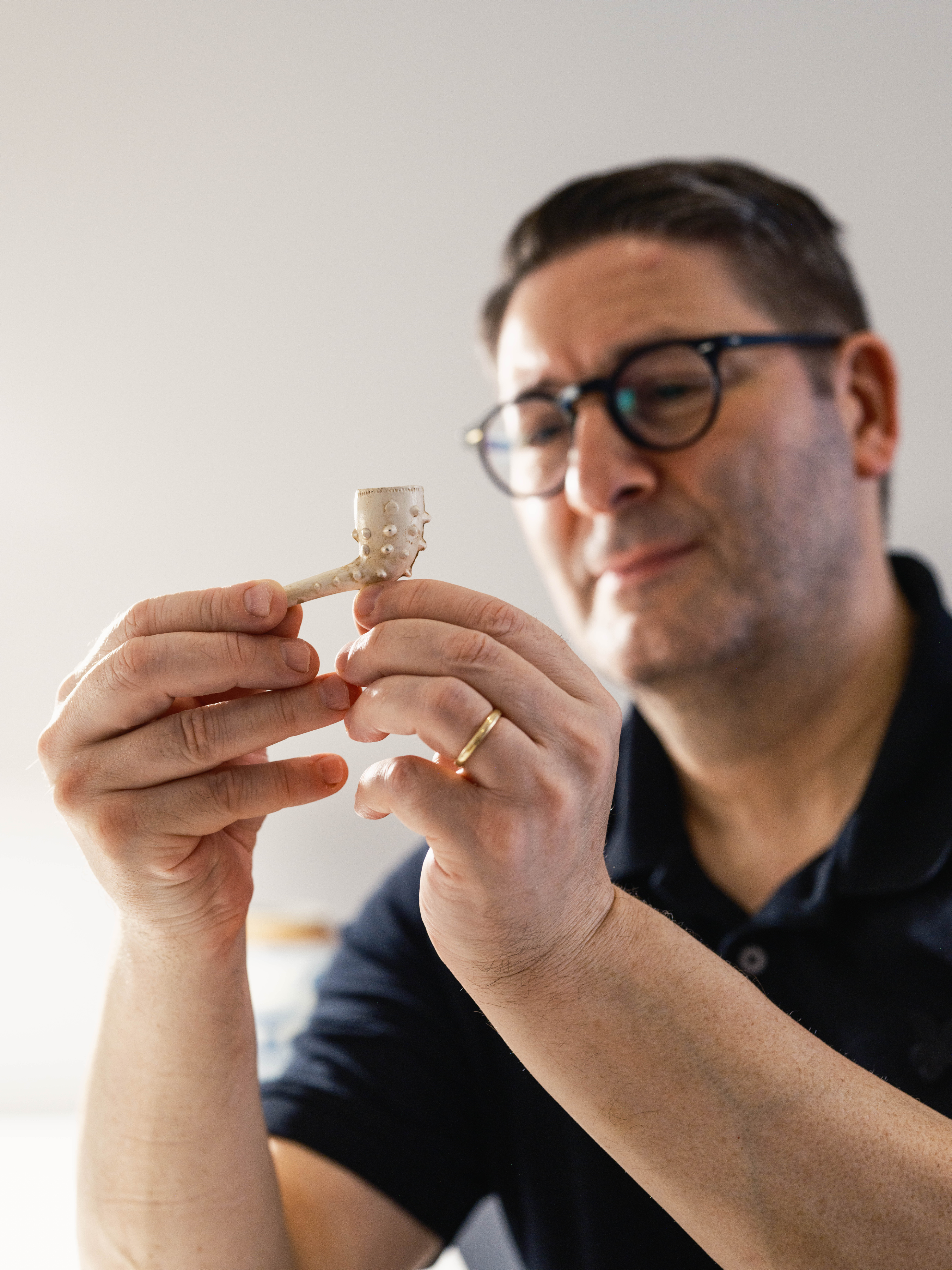
    The debris field was a textbook spread of freebooter booty: iron cannons, musket balls, swivel cannons, ballast stones, glass wine bottles, and 143 clay tobacco pipes stamped with the royal crest of England. But the real prize was a wooden hull burned down to the waterline — a classic pirate trick for torching evidence. Kingsley suspects that this charred skeleton is none other than the Fancy, the 46-gun flagship of Henry Avery.

    In 1695, Avery, known as the King of Pirates, pulled off history’s most outrageous high-seas heist, ambushing a Mughal Empire fleet and vanishing with a haul worth roughly $150 million today. To secure Nassau as a safe haven, Avery apparently took his cut of the plunder and gave the vessel to the local proprietary governor as a glittering bribe.

    Kingsley and his colleagues combined local maritime lore with cutting-edge tech to map Nassau’s sunken history. They interviewed fishers and sailors to trace where colonial ships went down. They then overlaid old maps with satellite imagery to pinpoint the wrecks. Finally, they used administrative logs to build a three-dimensional digital model of the infamous pirate hub.

    To Mallory R. Haas, an archaeologist who runs the SHIPS Project, a community initiative in England that tracks local wrecks, Kingsley’s Nassau expedition represents the ultimate antidote to modern boredom. She noted that by using rigorous science to revive fabulous, real-world adventures, Kingsley’s mission “has the potential to pull together the historic background research, getting the stories from early divers who know these sites well, looking at it with an archaeological perspective and inspiring a new generation of explorers.”

    This conversation has been condensed and edited for clarity.

    Q: Treasure Island, the Robert Louis Stevenson novel, depicted the pirate base in Nassau as a desperate web of untrustworthy murderers and alcoholics. But you have written that it was more a mix of cowboy frontier town and 18th century holiday camp.

    A: You can read all the history you like, but only when you sail around New Providence do you appreciate the true way of the pirates. Anchored above the cannon wreck’s ruins in the middle of nowhere was when reality hit me. Avery, Blackbeard, and the Flying Gang could pillage an ocean of bottomless loot. But they knew the odds of getting out of piracy with their heads attached to their necks were small. Piracy was escapism from the system, living in a small shantytown, sticking it to the man and the ultimate freedom of the high seas. The pirates lived for today, and damn tomorrow — a merry life and a short one.

    Q: Nassau Harbor has been heavily gouged and modified by modern dredging. Were you surprised to find intact pirate-era wooden hulls surviving beneath such heavy industrial disturbance?

    A: I wouldn’t have been surprised if nothing survived and our team left empty-handed. Underwater trophy-hunting found important relics in the years before laws came into effect in the 1990s. On-the-spot accounts leave no doubt that eye-watering underwater heritage was chewed up and lost since 1969.

    Q: So, you’re underwater beneath Nassau’s old bridge, battling strong currents and dodging an aggressively moody bull shark. How exactly do you still manage to get the mapping done?

    A: In the end, the bark was worse than the bite. The twice-daily riptides were managed by precision dives in slack water. When visibility was poor, the team relocated to quieter parts of the harbor. Much to my delight, the grumpy bull sharks decided we were small fry and left us to it.

    Q: Your team uncovered iron cannons and rail-mounted swivel guns — devastating antipersonnel weapons. What does the positioning of the swivel gun mounts on the wreck site reveal about how the crew structured its deck defenses?

    A: Not much. Swivel guns were the antipersonnel artillery of choice for pirates to fire on boarding parties and enemy cannon crews. But the shallow cannon site is poorly preserved on an exposed coral reef, ripped by hurricanes. Nassau was also the Caribbean epicenter of the wrecking industry, and salvors undoubtedly “fished” the wreck in the 18th or 19th century. Archaeologists are left with cultural breadcrumbs and the miracle that anything survives.

    Q: Is it true that the pirates in Nassau rarely attacked ships flying their native flags?

    A: Many English pirates were deeply patriotic. Both Avery and Benjamin Hornigold, the godfather of Nassau’s pirates, refused to attack English traders. French and especially Spanish sailors constantly ignored the peace at the end of the War of the Spanish Succession in 1714 and continued to attack shipping and Nassau itself. Foreign belligerence gave Blackbeard and many pirate lords what they felt was a rightful license to unleash hell on the high seas. Other pirates, such as the psychopath Charles Vane, supported Catholic pretenders to the throne and had no reservations blitzing the Protestant king’s trade.

    Q: In 1718, surrounded by British warships in the harbor, Vane set a captured French vessel ablaze and sent it straight at the royal flotilla as a floating bomb, using the chaos to escape. When you return to the site next year, any chance you will encounter what’s left of the fire ship?

    A: I imagine that if the French ship sank midchannel at the harbor entrance, it would likely have been dredged away. But never say never.

    Q: One of your premier finds is a large hull burned down to the waterline. Are there specific structural anomalies or patterns of charred wood that differentiate an accidental ship fire from a pirate’s effort to destroy evidence?

    A: The archaeological magic relies on overlapping evidence, firming up proof with each layer. The wooden hull was burned, seemingly stripped of shipboard items, and was built with wooden treenails, a shipbuilding philosophy largely tied to the 1690s through the first half of the 18th century. Of the 504 ships that historical accounts show were lost inside the harbor, 89% date to after 1750. The combination tentatively suggests that the burned hull went down before then, in the golden age of piracy.

    Q: If Avery’s ship, Fancy, truly met its end in the harbor, what evidence would turn a compelling match into an absolute certainty?

    A: An elephant tusk from Avery’s pretend slaving venture to the African coast. A merchant’s seal stamped “H.A.” A loose Indian ruby lost in the bilges. But the tree species of the ship’s timber needs to be of a British or European genus. A dendrochronological tree-ring reading from around 1690 would also be compelling.

    Q: You have expressed a desire to map the entire port using underwater drones. How does autonomous technology stack up against old-school divers when you are dealing with dangerous tides and zero visibility?

    A: Nassau’s colonial-era harbor was huge; it was said that 500 ships could fit inside, including the British Royal Navy’s whole fleet. Our project worked low-tech. But what lies below will never be discovered if you don’t go high-tech. Autonomous underwater vehicles deploying side-scan sonar, sub-bottom profilers and cameras can map in days what it would take marine archaeologists years. AUVs can work at night and in harsh environments, taking human failure out of the equation.

    Q: Films like Pirates of the Caribbean have turned historical privateers into cartoon cutouts. Did the rogues of the open waters really swagger through history in crushed velvet and rakish eye patches?

    A: The pirates of the Hollywood imagination were devilishly handsome, well-to-do swashbucklers who overcame moral challenges to return to their rightful place in society. The wrecks we explored are real, gritty touchstones of how life almost always ended brutally for these sea dogs. Almost all were hanged or died in sea storms. There was no Hollywood happy ending.

    This article originally appeared in the New York Times.

  • Psychedelic ‘Furthur’ bus rolls back into San Francisco for new Grateful Dead exhibit

    Psychedelic ‘Furthur’ bus rolls back into San Francisco for new Grateful Dead exhibit

    SAN FRANCISCO — Ken Kesey’s school bus — once painted in bright, swirly colors and driven across the country on a psychedelic journey — is back in San Francisco after 60 years as the centerpiece of a new exhibition celebrating the legacy of the Grateful Dead, a band that rose from the city’s famed hippie movement.

    “Forever Grateful/Golden Gate Park” opened Sept. 5 and also features the Grateful Dead frontman Jerry Garcia‘s BMW, which remains in mint condition and has never been displayed publicly.

    The two iconic artifacts anchor an exhibition that immerses visitors in the colors, sounds, and sights of the counterculture that flourished in San Francisco in the 1960s.

    Kesey rode the bus dubbed “Furthur” during the cross-country trip by the late author and his Merry Band of Pranksters to expand human consciousness through art, music, and mind-altering drugs.

    “This invites people to communicate and connect around art, music, and activism,” said Kelly Harris, executive director of the Haight Street Art Center, which organized the exhibition. “In this day and age, when we need something to bridge community, we know that this space allows for that to happen, and Furthur is the portal.”

    A celebration of hippie love, activism

    The exhibition aims to celebrate the city’s history of hippie love and activism at a time when San Francisco is grappling with widening economic inequality fueled by an AI-driven technology boom, and the nation confronts deepening political divisions and collective fatigue.

    Formed in 1965, the Grateful Dead is synonymous with San Francisco and its counterculture. Members lived in a dirt-cheap Victorian in the Haight and later became a significant part of 1967’s Summer of Love.

    And it all started with the bus.

    Kesey bought the bus with the proceeds from his novel One Flew Over the Cuckoo’s Nest. In 1964, the writer and his friends drove it on a marijuana- and LSD-fueled journey from coast to coast, helping introduce Americans to the emerging psychedelic scene.

    That history-making road trip was later recounted in Tom Wolfe’s 1968 bestseller, The Electric Kool-Aid Acid Test.

    Upon their return to California, Kesey, who as a student had been a guinea pig for government tests of the mind-altering drug, shared his experiences at a series of parties at his home in the hills above Stanford University that became known as the “acid tests.”

    The parties featured a local bar band called the Warlocks, which turned into the Grateful Dead. The bus became a defining feature of the “acid tests” as Kesey and his friends took the parties on the road, mainly around the Bay Area.

    “This entire exhibit, it’s a very layered story of the Grateful Dead and their influence, their phenomenon, and their impact on communities, on society, on people, and how their legacy still lives on,” said Renee de Cossio, director of exhibitions at the Haight Street Art Center.

    Deadheads can recite why they fell in love with the music, how it happened, and the moment it all clicked. They embrace something just as important as the music itself — the community that comes together at a Dead show.

    Exhibit immerses visitors in counterculture

    Visitors are be invited to record their first encounter with the counterculture — whether it was becoming a Deadhead, as the band’s fans are called, while Garcia was still alive, discovering the band after his death, or experiencing the Grateful Dead for the first time through the exhibition.

    Actors with the Third Rail Projects, a New York-based experiential performance company, guide visitors through part of the exhibit, including a dark tunnel full of mirrors that leads into booths where they will start conversations with the audience.

    They will then lead small groups to experience a liquid light show, a 1960s art form that mixes liquids of different densities in watch glasses and projects colorful, shifting psychedelic patterns onto every space of a room, creating the sensation of being inside a giant, multicolor lava lamp.

    “You might go with the people that you came with, or you might get packaged with a couple other folks that you didn’t know, and you’ll then unpack the experience with each other and have a conversation with a stranger that you wouldn’t have had otherwise,” said Edward Rice, associate managing director at Third Rail Projects.

    The exhibit, which runs through Oct. 25, also features photographs from the band’s many concerts in Golden Gate Park and a screen-printing station where visitors can create their own art.

    It will also help launch an effort to restore the now-dilapidated “Furthur” bus, which got its name after a typo on its destination sign. The bus was kept on the Kesey family farm in Pleasant Hill, Ore., and was last seen in public at Woodstock in 1969.

    “The focal point is the Furthur bus. And Furthur is a call to action. Never stop creating, never stop exploring, keep going further,” Harris said.

  • Phillies see chance at catching Atlanta’s NL East lead dwindle following 10-run loss to Braves

    Phillies see chance at catching Atlanta’s NL East lead dwindle following 10-run loss to Braves

    ATLANTA — Bryson Stott had a brief moment of hesitation.

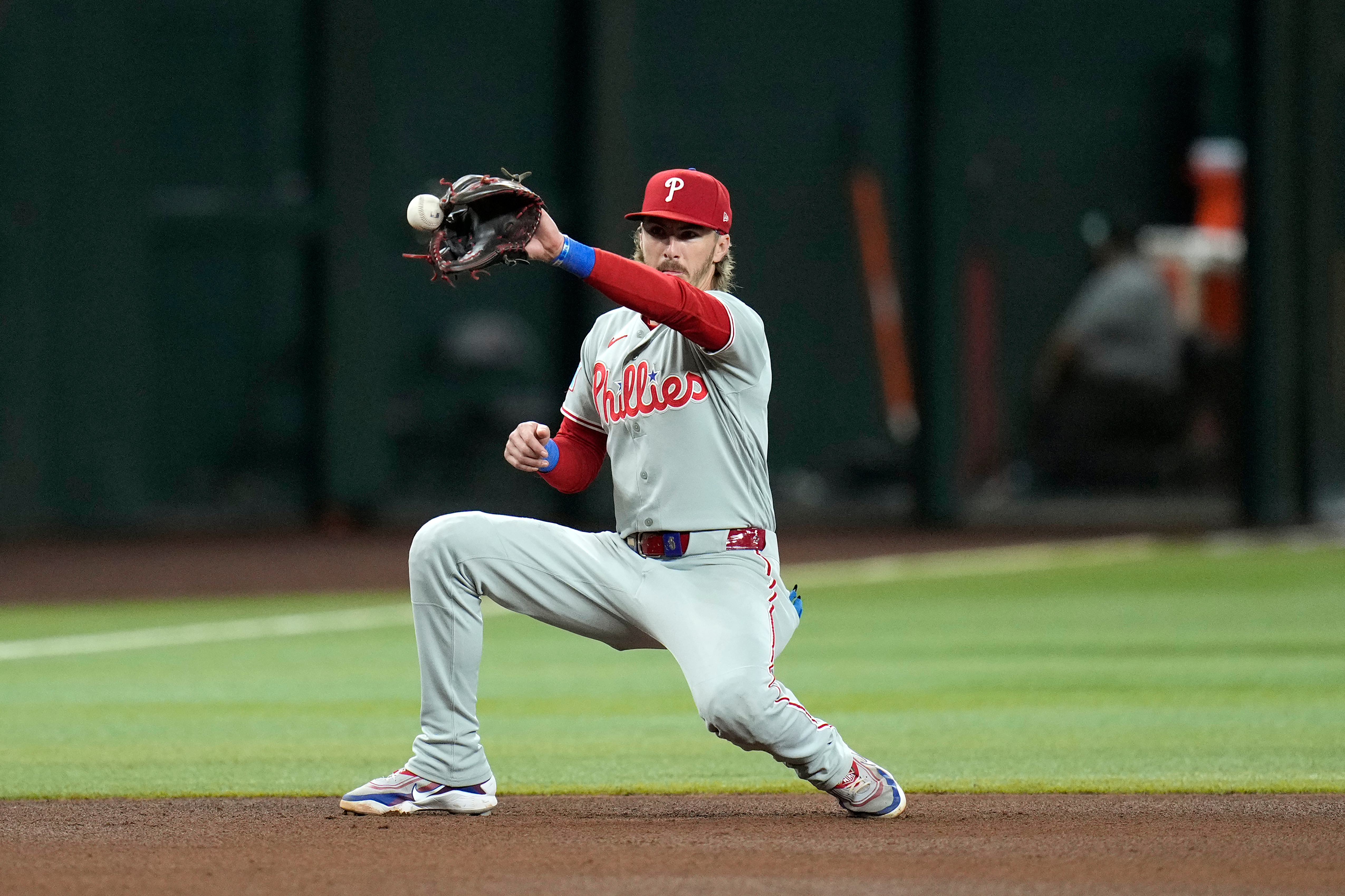
    As the ground ball bounced into his glove at third base, he paused to take a peek over at second. But Braves infielder Austin Riley was already sliding in, and it was clear Stott’s only play would be across the diamond.

    After he double-clutched, Stott’s throw to first was low, and Alec Bohm couldn’t come up with it off the hop. Instead of ending the inning, yet another run scored for Atlanta.

    And that’s about when the inning spiraled completely out of control.

    The Braves exploded for eight runs in the fourth on Saturday, en route to a 12-2 rout of the Phillies that all but dashed their hopes of catching the National League East leaders. Seven of those runs came with two outs in the inning.

    “Obviously, that’s a really good team over there,” Bryce Harper said. “They’re pitching the ball really well right now, hitting in timely situations. But also, we got baseball to play, so we can’t get down. We can’t wonder what’s going to happen or what-ifs. We just got to keep playing.”

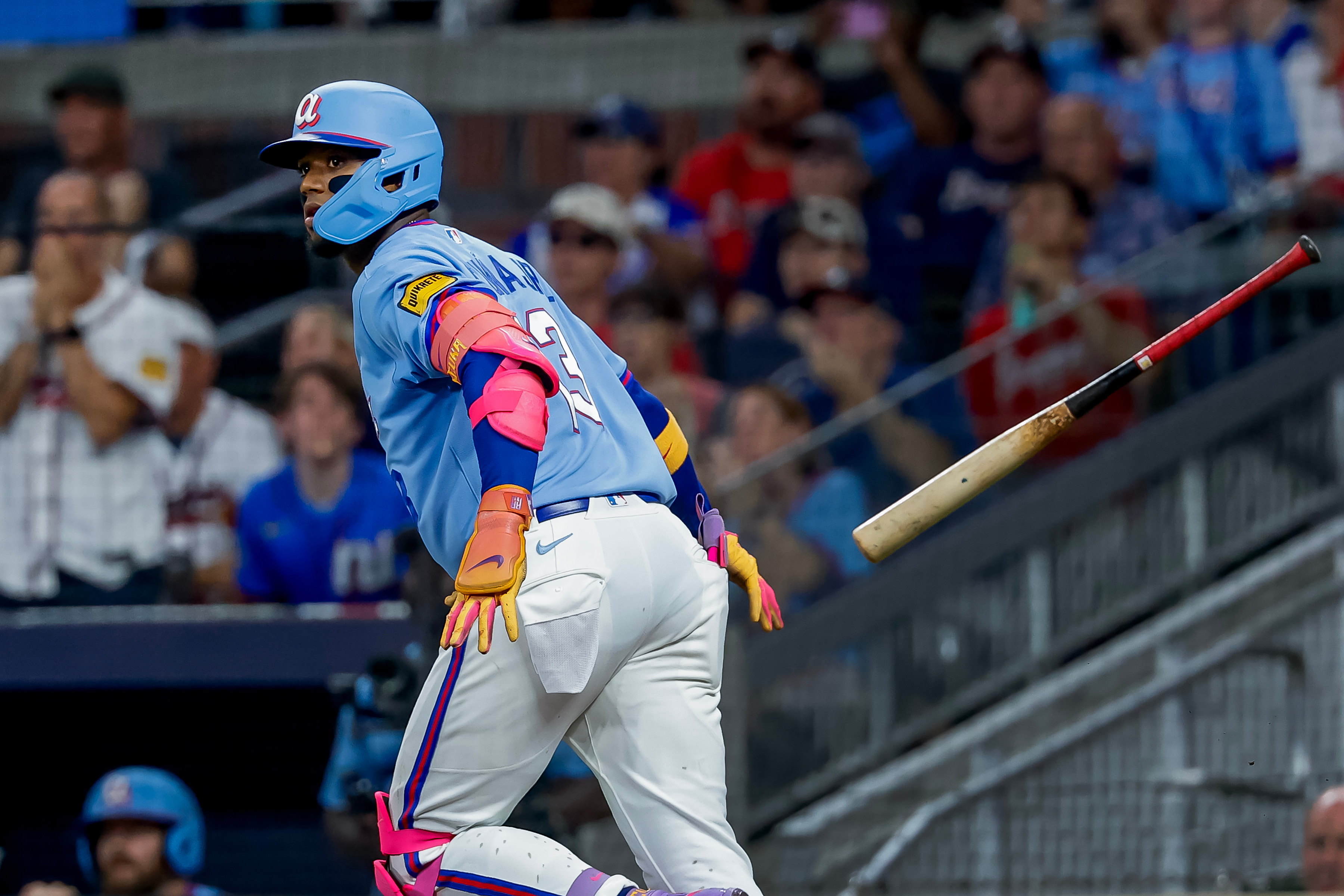
    Atlanta’s Ronald Acuña Jr. (13) flips his bat after hitting a solo home run during the fourth inning.Erik S. Lesser

    Scratching Jesús Luzardo, one of the NL’s most dominant pitchers, the night before and replacing him with a bullpen game was always going to make securing a win on Saturday a tall task. But the Phillies were hardly even competitive.

    The Braves’ lead on the division has grown to six games over the Phillies, with 13 games remaining in the regular season for both teams. With the Cubs’ victory over the Pirates earlier on Saturday, the Phillies have now fallen behind Chicago into the second wild-card spot.

    “You always set out the year, you want to win your division,” said interim manager Don Mattingly. “And you’d like to set yourself up with a bye if you can. But none of that guarantees anything, even if you do that. So now, the focus is really to win every day. We got to get ourselves in, and then if you’re good enough, you win.”

    The fourth-inning meltdown completely erased the work done by Tim Mayza, who was billed as an opener but was efficient enough to complete three scoreless innings for the first time this season. Mayza used 31 pitches to face the minimum, as the infield turned two double plays to erase the only two hits he allowed.

    Harper even gave him a lead to work with, responding to the resounding boos from the Braves fans with a first-inning homer off Tyler Mahle, 426 feet to straightaway center.

    Harper took his time rounding the bases, just like Ronald Acuña Jr. had after his game-tying blast earlier this week in Philadelphia. The Braves star also popped out on the top step of the visitors’ dugout at Citizens Bank Park for a curtain call to further taunt Phillies fans. Harper didn’t go quite that far, but still relished the villain role in Atlanta.

    “They’re going to boo me when I come in here. They love their players. They love their team,” Harper said. “… We’ve had a heated rivalry for 15 years now, me and them.”

    But Acuña had the last laugh this time. Once Brooks Raley took over for Mayza in the fourth, he matched Harper with a homer of his own, right into the visitors’ bullpen in left field.

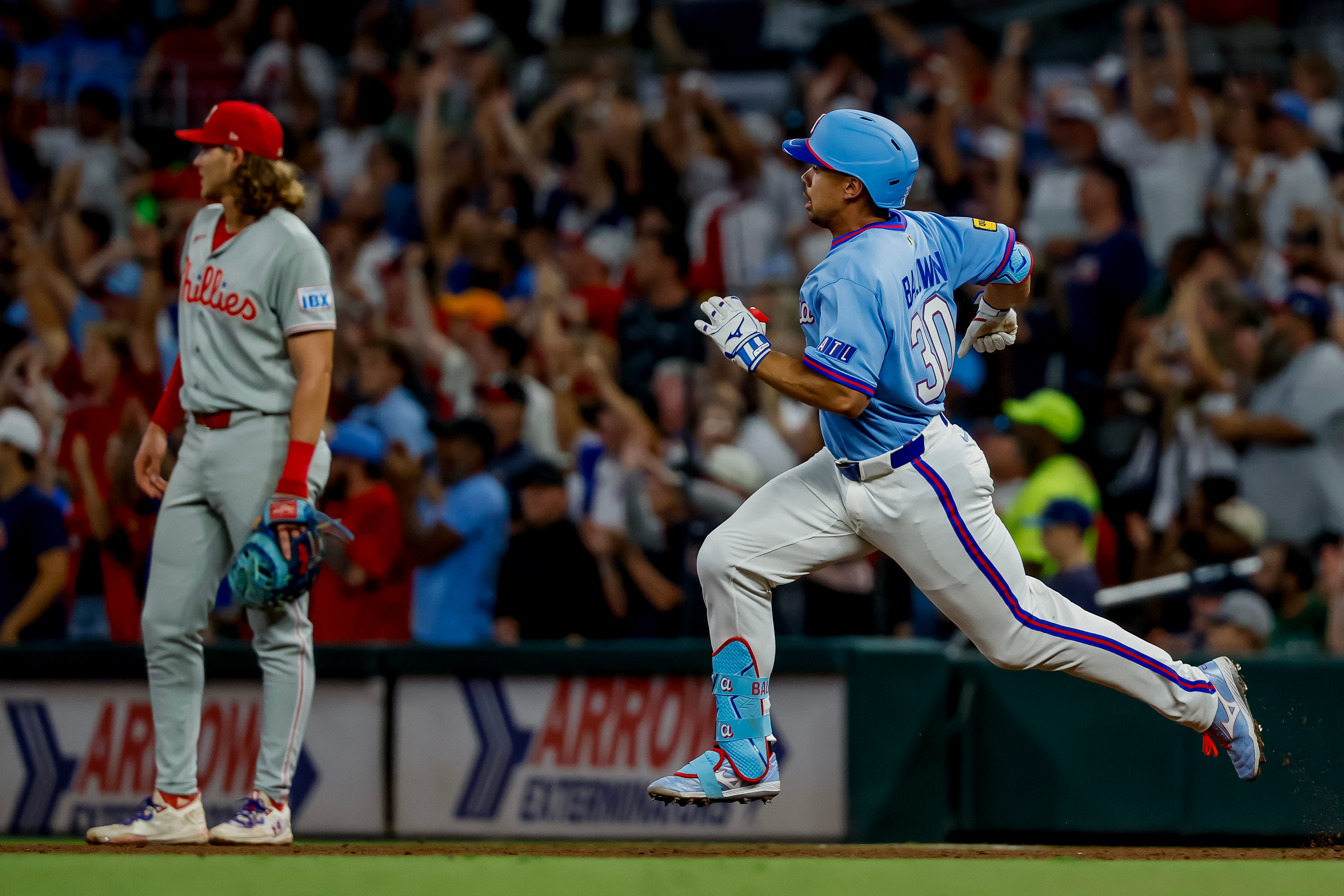
    Raley had been one of three Phillies pitchers charged with a blown save in Friday’s 11-inning game, and the veteran left-hander also took the loss when Drake Baldwin walked him off. Raley didn’t fare much better Saturday.

    “Not the success I would want, especially how last night finished and today,” Raley said. “But all you can do is execute pitches and go about your day and put your head down the next day and go back again.”

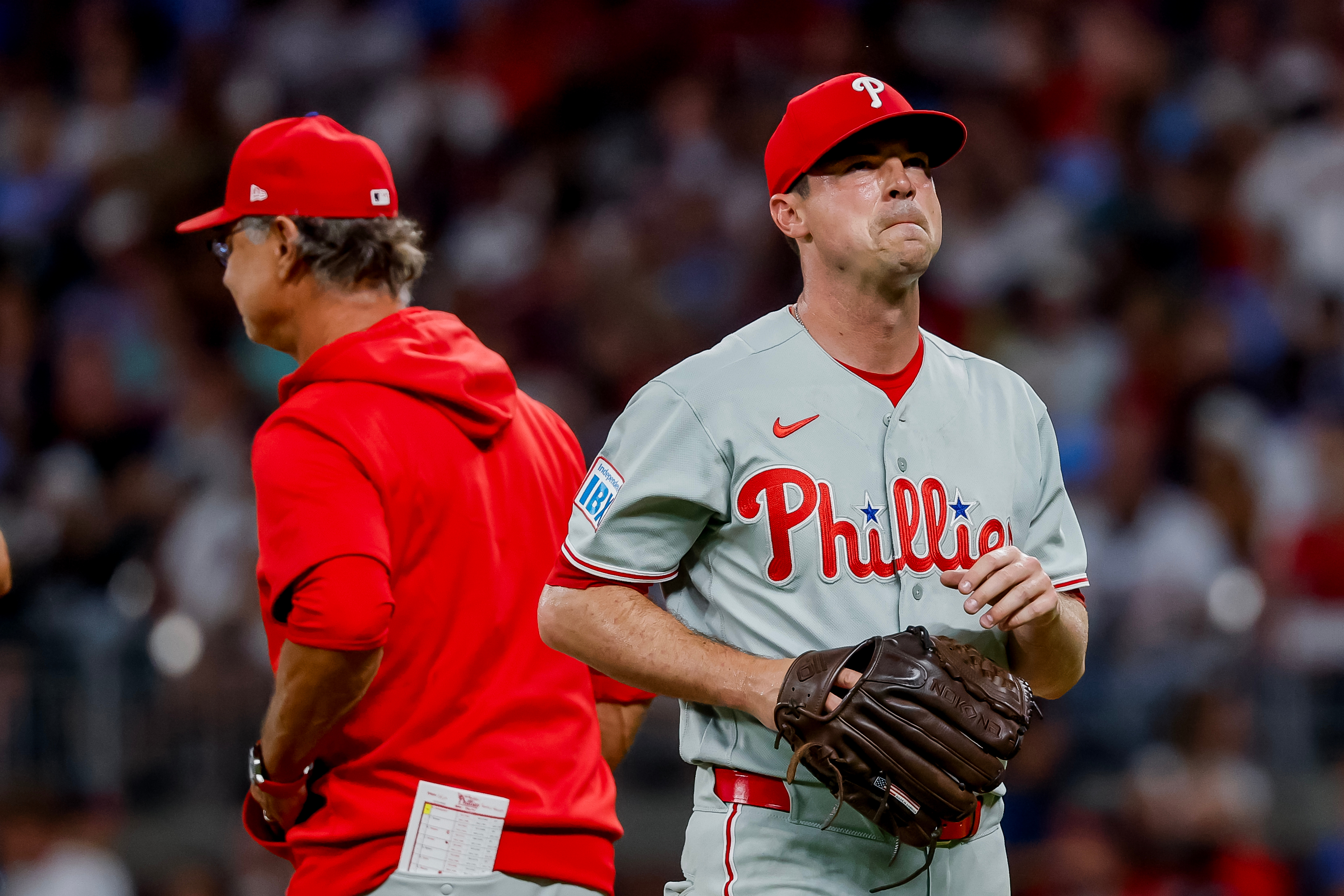
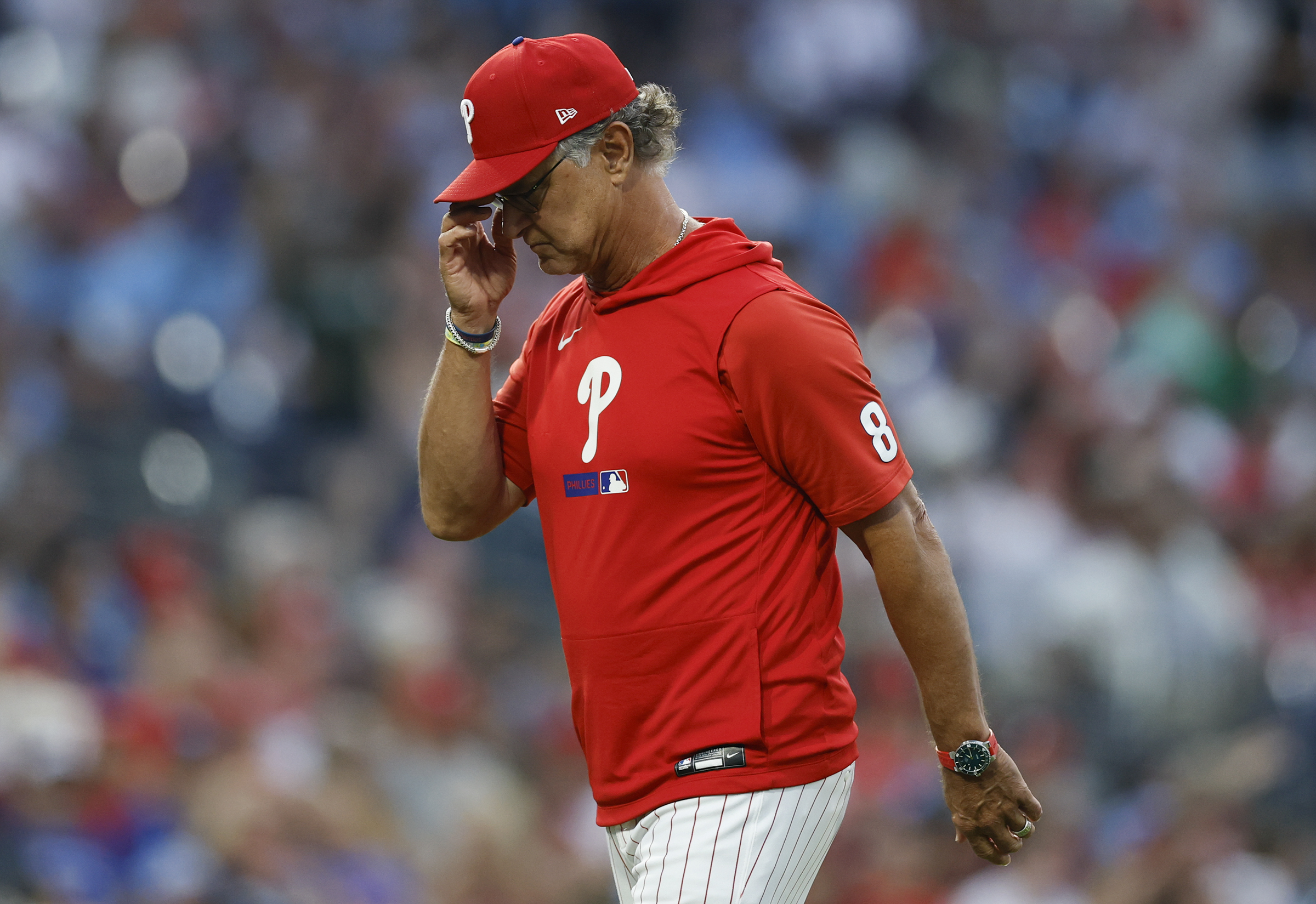
    Phillies pitcher Brooks Raley reacts after getting relieved by interim manager Don Mattingly during Saturday’s fourth inning against the Atlanta Braves.Erik S. Lesser

    He managed to secure two outs, but still left runners on the corners for Grant Holman, the next man up in the bullpen.

    Holman had been added to the Phillies roster after it expanded on Sept. 1, taking the extra pitcher slot. But since then, he had waited in the bullpen for 11 days to be called on.

    He allowed both inherited runs to score right away, on a single from Mauricio Dubón through the left side of the infield.

    “It seems like every ground ball they hit found a hole tonight,” Mattingly said.

    Riley hit another single, before Sean Murphy sent the grounder to Stott for what could have been the third out. If Stott had made a higher throw, or if Bohm had been able to pick it, the Phillies would have kept Atlanta’s lead to a manageable 3-1. But instead, Murphy was safe at first and the tailspin continued.

    Stott has been the Phillies’ most reliable infielder this season, even after switching positions to third after the trade deadline to open second base for new acquisition Luis Arraez. The error was his fourth of the season.

    Phillies third baseman Bryson Stott, seen here with an error in the Sept. 2 game against the Arizona Diamondbacks captured his fourth error of the season in the loss to the Braves on Saturday.Ross D. Franklin

    “To me it just looks he just didn’t set his feet,” Mattingly said. “He still had time with Murphy running, just kind of threw it quick, obviously. Anytime he makes an error, really, it surprises me because he’s been really, really good over there.”

    A walk, a wild pitch, and two more hits later, and the Braves had run up the score to 8-1 before Holman finally stopped the bleeding with a fly out.

    Because of the error, none of the runs he allowed were earned.

    Orion Kerkering made his first appearance since Sept. 4 in the fifth. He loaded the bases in the fifth on a single and two walks, but managed to end it without further damage with a lineout from Ha-Seong Kim.

    Kerkering wasn’t so fortunate after returning for the sixth. A walk and another error, this time from Bohm, put runners on the corners and Atlanta tacked on another run with a sacrifice fly. With the bullpen already thin after Saturday’s extra-innings loss, Mattingly had had no choice but to push Kerkering for 1 ⅓ innings, even after a long layoff for the right-hander.

    “We were definitely right on the edge of everything tonight,” Mattingly said. “If something went bad, like it did, then we were stuck.”

    Don Mattingly said the Phillies felt “stuck” in Saturday’s loss to the BravesYong Kim / Staff Photographer

    Justin Crawford hit his third homer of the year in the eighth inning, but by then the Phillies had already functionally conceded the game. They had put catcher Garrett Stubbs on the mound with two outs in the seventh to finish it off. Stubbs surrendered a three-run shot to Michael Harris II.

    Now that the division has all but slipped away, the wild-card race comes to the forefront as the season enters its final two weeks. According to Harper, though, the Phillies must focus on themselves rather than scoreboard-watching.

    “You can’t worry about what other teams are doing, especially when you’re in this situation,” he said. “So we got to play better baseball. If we don’t, we’re not going to be in. So I mean, I think as a team, we just got to look in the mirror, understand what we need to do on a nightly basis, and guys got to grind. … We got to take care of business as a team, and if we don’t, then we’re not going to be there.”

  • Police are investigating a North Philadelphia shooting as a murder-suicide

    Police are investigating a North Philadelphia shooting as a murder-suicide

    Police are investigating after a man and a woman were shot and killed in North Philadelphia early Saturday evening, police said.

    Police said they are investigating the incident as a “domestic-related murder-suicide.”

    The shooting happened on the 2300 block of North 18th Street around 5:31 p.m. Saturday, according to police.

    Officer Tanya Little, a spokesperson for the police department, said police took the man and woman to Temple University Hospital, where they were pronounced dead at 5:54 p.m.

    A firearm was recovered at the scene, Little said. No further details were available, and the investigation is ongoing.

  • Phillies pitcher Jesús Luzardo is playing it ‘smart’ by not playing through his nagging shoulder stiffness

    Phillies pitcher Jesús Luzardo is playing it ‘smart’ by not playing through his nagging shoulder stiffness

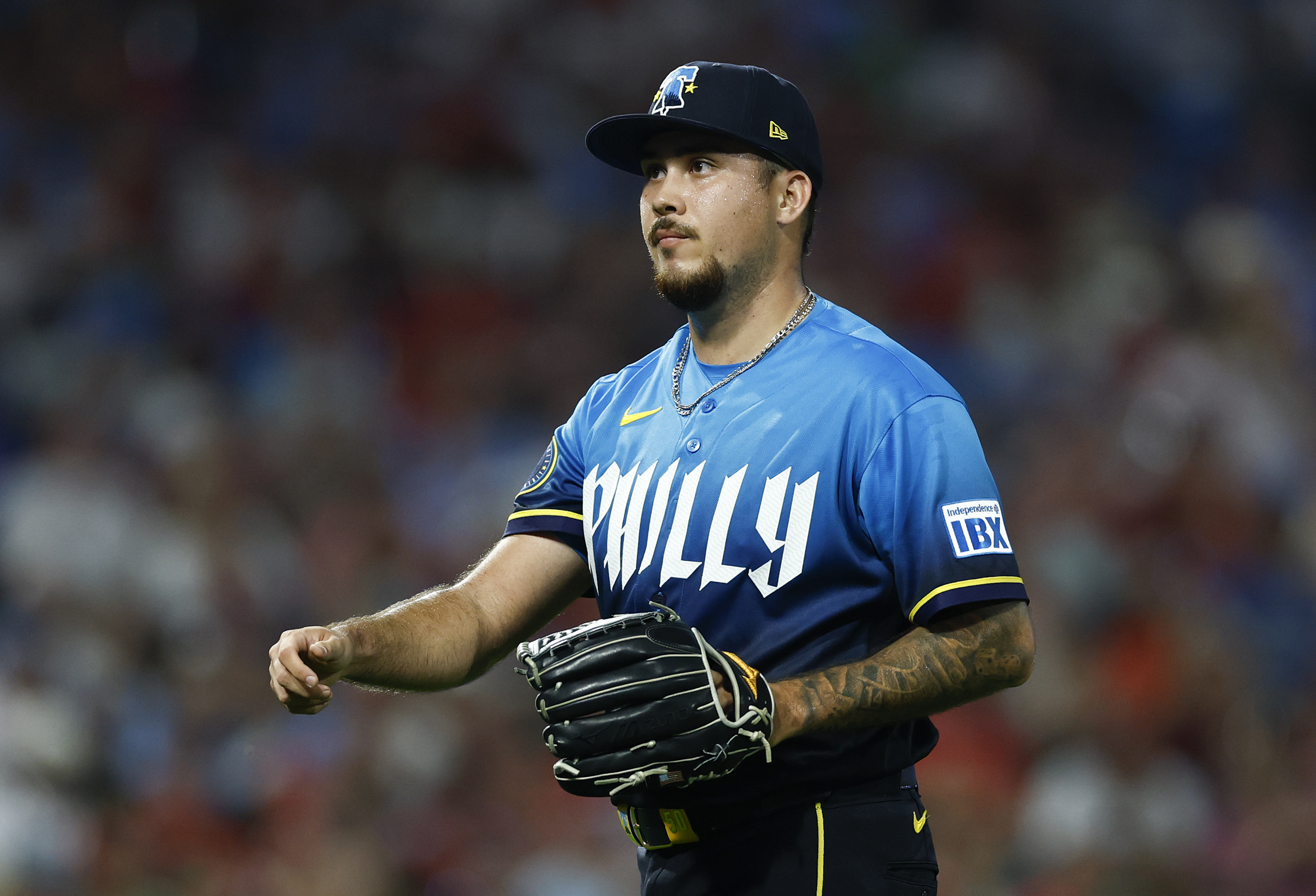
    ATLANTA — If Jesús Luzardo had his way, he would have pitched on Saturday.

    The Phillies left-hander was scratched from his scheduled start against the Braves due to left shoulder stiffness. As the calendar flipped to September and the innings started to pile up, Luzardo said he started feeling sore, and it worsened after his two-hit shutout against Atlanta on Sept. 7.

    An MRI on Friday evening revealed no structural damage, and Luzardo said if needed, he would have taken the ball and felt confident he’d be able to get outs. But with the postseason in mind, the Phillies staff chose caution and opted to give the 28-year-old pitcher extra rest.

    “That was a conversation I had with them: If today was Game 7 of the World Series, I’m throwing no matter what,” Luzardo said. “But I think to get to that point, it’s probably better to be smart now than it is to throw [Saturday] and then see my body getting worse throughout the next couple weeks, so I think we’d rather get it right now.”

    Luzardo reacts to the third out in the eighth inning against the Atlanta Braves at Citizens Bank Park earlier this month.David Maialetti / Staff Photographer

    The lefty dealt with plenty of injuries earlier in his career, undergoing Tommy John surgery before he was even drafted in 2016 and hitting the injured list several times during previous stops in Oakland and Miami. But since arriving in Philadelphia via trade in December 2024, Luzardo had never missed a start until now. He pitched a career-high 183 ⅔ innings in 2025 and already has 178 ⅔ this season.

    Luzardo said he believes inflammation is the root of the issue. He has not taken any injections such as a cortisone shot, which would require him to be shut down for a few days afterward. He is taking a few anti-inflammatory medications.

    The Phillies have no plans to place Luzardo on the 15-day injured list at this point. They hope that rest will resolve the stiffness and that he will be able to start next week. The Phillies also have an off day on Monday, which gives Luzardo an extra day.

    Interim manager Don Mattingly said he was “really encouraged” about Luzardo’s MRI results.

    “It’s kind of what we thought,” he said. “We didn’t feel like there was anything truly going on other than the inflammation, which was causing the stiffness and things like that. I do think it was the right thing to do for sure. … He would have taken the ball, but we just didn’t know if that pushes to the next one, and then we’re doing this the rest of the year. So it feels better to take care of it now, get it knocked out, and then just have Zeus be Zeus.”

    Luzardo isn’t sure the complete game, which was the first of his career and required 109 pitches, was the cause of the stiffness.

    “If you ask me, I think it’s a coincidence, especially because I felt good in the moment,” he said. “Yeah, I honestly don’t know. Maybe it didn’t help, but again, it’s September, so it could have really been anything.”

    Adding to the frustration is the fact that Luzardo had been hitting his stride in the second half. The shutout against Atlanta had just been the latest in a dominant stretch for the left-hander, who has a 1.84 ERA and 0.85 WHIP in 10 starts since the All-Star break.

    “I would like to get back to action as fast as possible for the team, for the organization,” Luzardo said.

    With Luzardo down, the Phillies instead went with a bullpen game on Saturday with Tim Mayza opening. Orion Kerkering was also expected to appear, although he has been dealing with “turf toe” since his last appearance on Sept. 4 that has kept him in a walking boot away from the field.

    Orion Kerkering recently pitched a bullpen session that gave manager Don Mattingly hope that he’ll return to form soon. Yong Kim / Staff Photographer

    “He threw a [bullpen session] that went good, and so really since then it’s just been choosing whether to use him or not,” Mattingly said of Kerkering. “So we feel good about him. He feels good about pitching and all that stuff. He may be a little sore to run, but it’s not like something that he’s going to do any damage to it or anything like that. So the pitching part is fine.”

    Extra bases

    Tanner Banks (left forearm strain) joined the team in Atlanta and is expected to be activated from the 60-day injured list Sunday. … Nestor Cortes was scheduled to pitch an inning for triple-A Lehigh Valley on Saturday. … Andrew Painter (3-9, 5.71 ERA) is scheduled to start Sunday’s series finale opposite Atlanta right-hander Grant Holmes (9-5, 3.46).

  • Temple honored its 2016 team. A few of them offered advice on how the Owls can reclaim success.

    Temple honored its 2016 team. A few of them offered advice on how the Owls can reclaim success.

    At halftime Saturday, Temple honored the standard it has spent nearly a decade trying to reclaim.

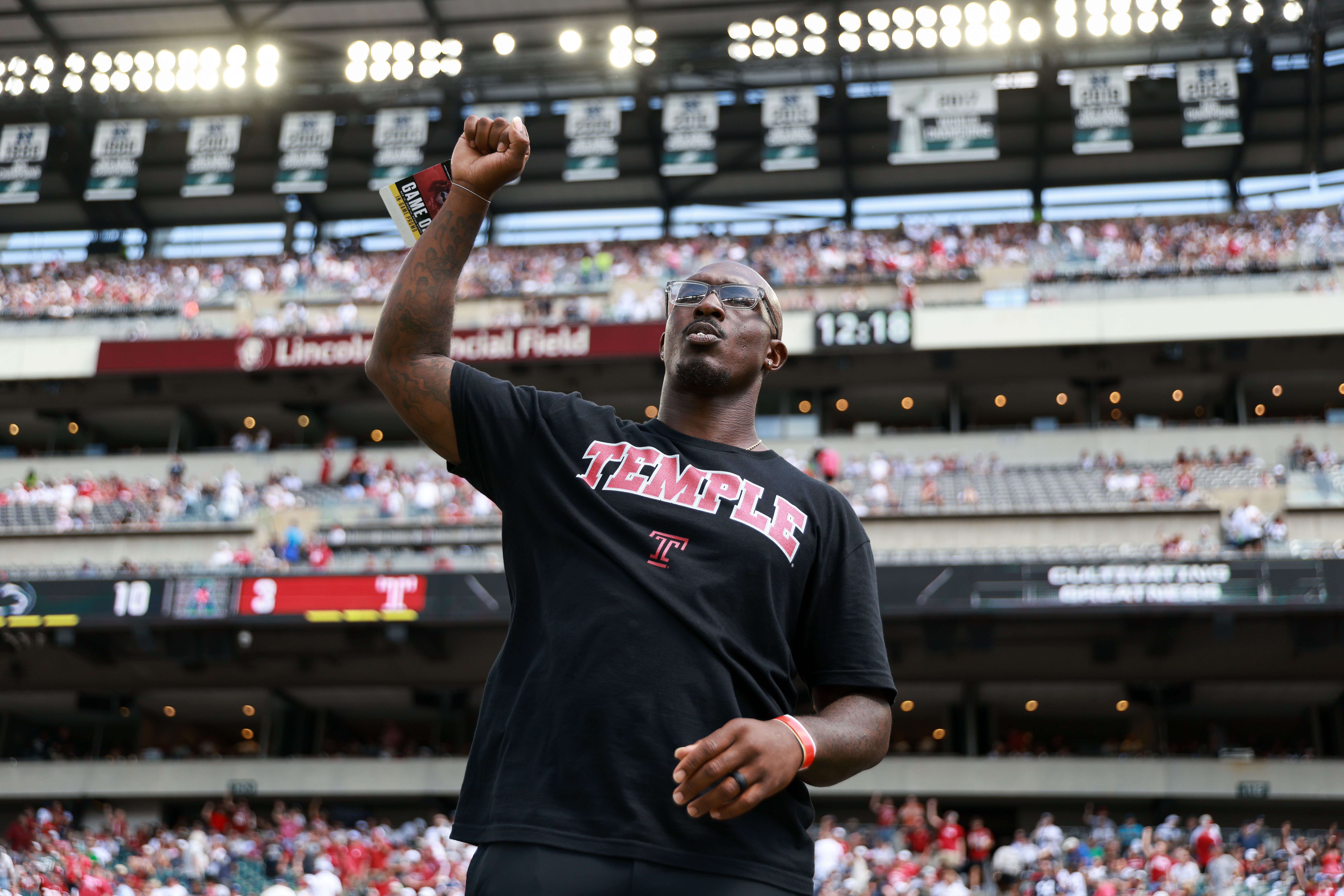
    Members of Temple’s 2016 conference championship team returned to Lincoln Financial Field during the Owls’ 27-9 loss to Penn State and gathered in an end zone for a halftime recognition.

    The reunion celebrated the defining accomplishment of Temple’s modern era while recalling the toughness, resilience, and brotherhood that transformed an uneven start into a conference title.

    Nearly a decade later, those qualities offer a blueprint for a program that is attempting to recapture its former success in its second season under coach K.C. Keeler.

    Former Temple quarterback P.J. Walker says it’s a thrill to be honored for the successes during his time with the program.

    “It means everything [being recognized],” said P.J. Walker, quarterback of the 2016 team. “I think it’s a great opportunity for the guys to get back and understand the value of the success we had while we were there playing and the appreciation we received.”

    Temple entered 2016 carrying expectations created by the previous season, when the Owls started 7-0, defeated Penn State, 27-10, at Lincoln Financial Field, and reached the conference championship game. Their return trip did not follow the same path.

    The Owls opened with a loss to Army and fell to 3-3 after losing at Memphis. With their hopes of an undefeated season gone, Walker said the team narrowed its focus to the goal still within reach.

    “We were finally able to settle in and focus on what was important, and that was winning the conference,” Walker said. “One thing led to another and led to us being able to play in the conference championship and win it.”

    Temple did not lose again during the regular season. The Owls won their final six conference games before defeating then-No. 20 Navy, 34-10, in Annapolis, Md., to complete a seven-game winning streak and capture the championship of the American Athletic Conference (now the American Conference) .

    The turnaround was rooted in lessons learned before 2016. Walker arrived during coach Matt Rhule’s first season in 2013, when Temple finished 2-10, and developed alongside players who eventually formed the core of consecutive 10-win teams.

    “We were battle-tested,” Walker said. “The resiliency we showed day in and day out — we were pushed by Matt Rhule at a high level. When I say pushed, we were pushed, and we respected that. We knew the work we put in was a lot, and we weren’t going to let that work not pay off when it came to Saturday.”

    That standard had become embedded within the locker room by 2015. Former Temple offensive lineman Kyle Friend and defensive lineman Matt Ioannidis, leaders on the team that preceded the championship group, said players became responsible for maintaining it.

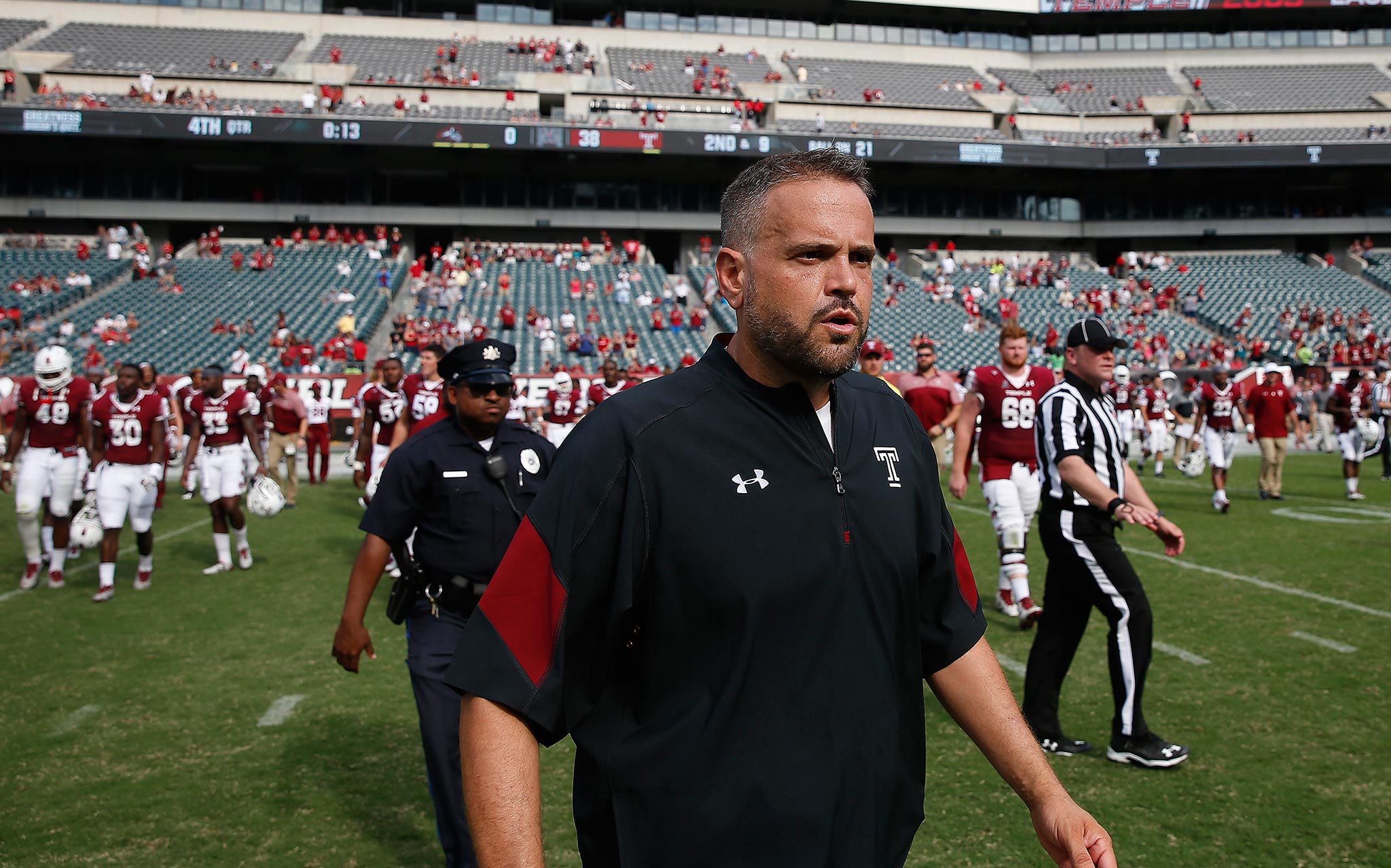
    Players from Temple’s 2016 championship team say that the standard created by former Owls coach Matt Rhule (pictured) was at an all-time high.

    “We pushed each other to the point where the coaches didn’t need to push us,” Ioannidis said. “We were harder on ourselves than the coaches could have been on us. We held each other accountable, and we stuck together in the tough games.”

    Saturday illustrated the distance Temple still must travel and the possibility of beginning that climb. The Owls entered as considerable underdogs against Penn State but kept the game competitive throughout the first half before the Nittany Lions pulled away after halftime.

    The loss on Saturday dropped Temple to 1-1, but its ability to remain within striking distance of a ranked team offered a glimpse of the toughness its predecessors considered essential.

    However, doing so has become more complicated in a college football landscape reshaped by the transfer portal and name, image, and likeness compensation. Friend and Ioannidis were developed from lightly recruited prospects into NFL players, a path that defined Rhule’s Temple teams but has become increasingly difficult for subsequent Owls teams to replicate.

    “It’s exciting to have a new coach who has a good track record,” Friend said. “I think it’s an interesting dynamic with NIL. That has changed the game drastically.”

    Former Temple players believe that, like Rhule, Owls’ current head coach, K.C. Keeler, has the tools to bring success back to the program.Isaiah Vazquez / For The Inquirer

    For Walker, however, the foundation of Temple’s success was not dependent upon the era.

    “I think the brotherhood meant more than anything,” Walker said. “The way we went out there and fought for one another and battled for one another made a huge difference during those 2015 and 2016 seasons.”

    Walker believes Keeler can restore that culture by recruiting players willing to compete for opportunities and commit to one another. And, while the former Owls returned Saturday to celebrate their own achievement, Walker said their role now is to support the players attempting to create the program’s next successful era.

    “I think Coach Keeler is a great coach,” Walker said. “I think he’s the right coach for this program. To see those guys continue building that legacy and building who they are as a unit — it’s awesome to see. I think they are doing it the right way.”

  • No. 16 Penn State pulls away from Temple, 27-9, at Lincoln Financial Field

    No. 16 Penn State pulls away from Temple, 27-9, at Lincoln Financial Field

    Penn State walked into Lincoln Financial Field for the first time in over a decade as heavy favorites over Temple and left having satisfied expectations in a 27-9 win on Saturday.

    While the Owls scored first and continued to run stride-for-stride with No. 16 Penn State, they came back to earth in the second half. They faltered under Penn State’s Big Ten pressure and lost to a ranked opponent for the 13th straight time.

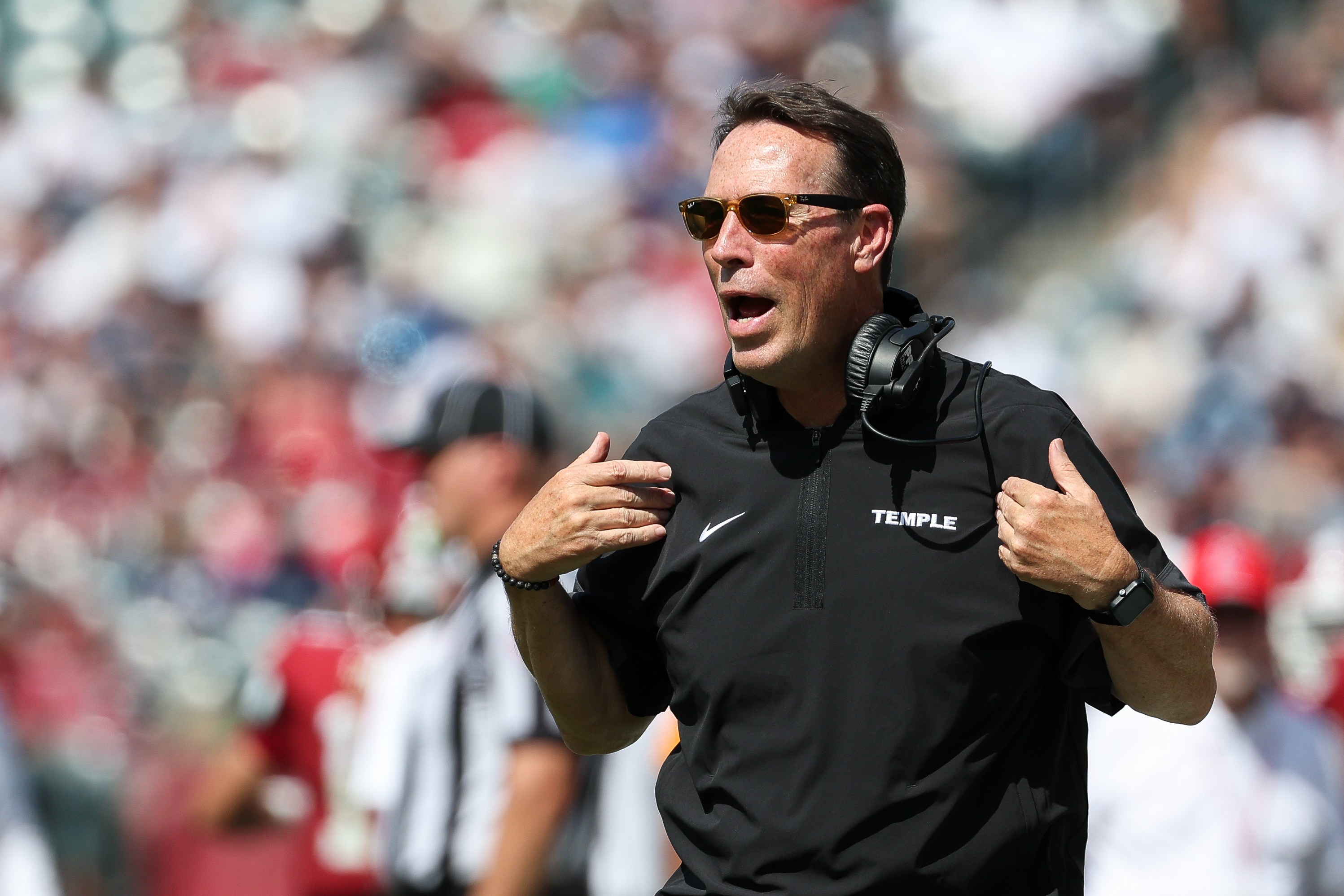
    “All in all, I thought our kids battled all day long against a good team,” Temple coach K.C. Keeler said. “I told them it was more about us playing clean than anything else, and we didn’t play clean enough.”

    Early goal-line defense

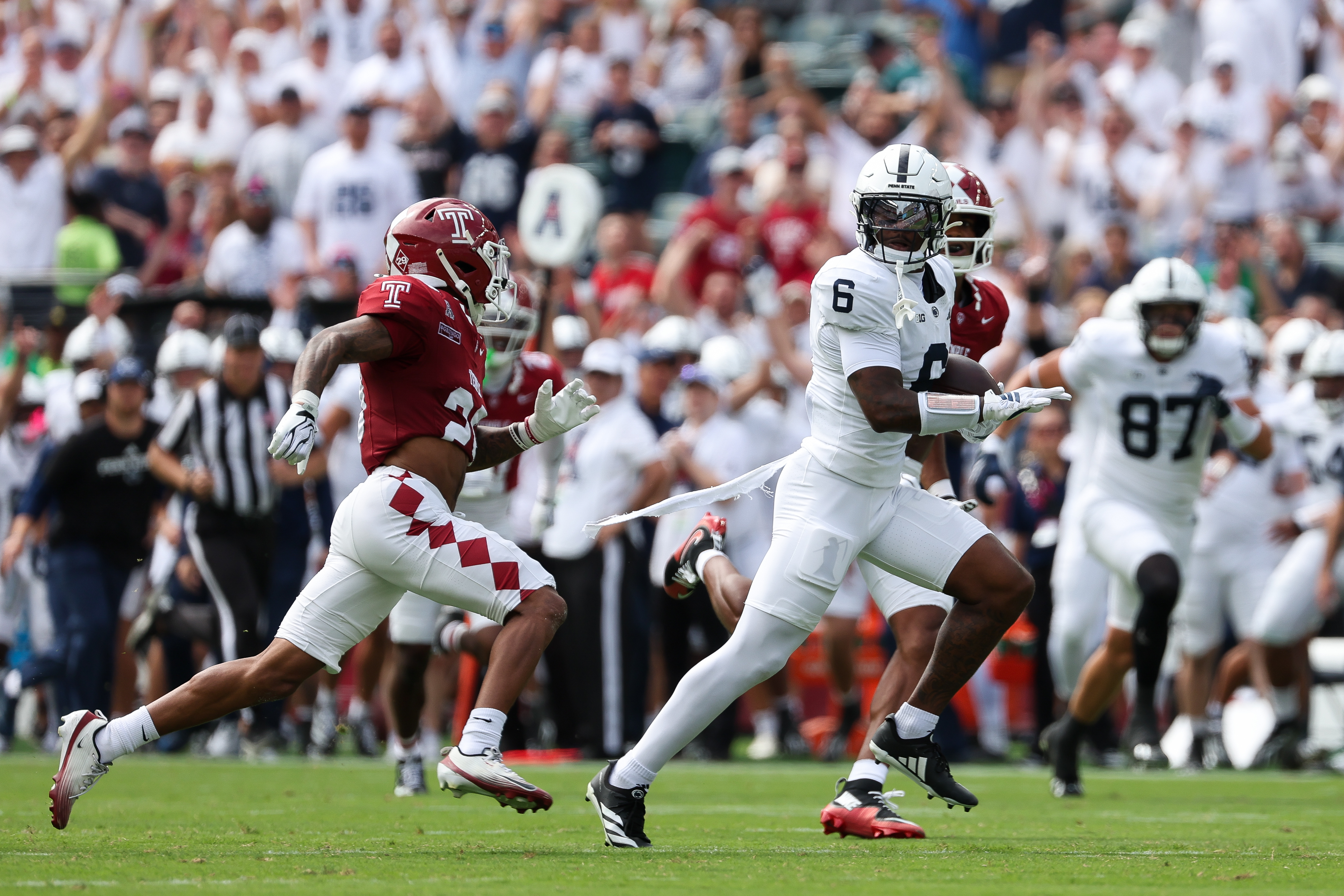
    On the first play from scrimmage, Penn State quarterback Rocco Becht went long to Koby Howard for 56 yards, good for the team’s longest pass this season. Suddenly, the Nittany Lions stood 9 yards away from six points.

    After a Carson Hansen rush brought the visitors 4 yards closer, Penn State was flagged for an illegal forward pass. On third-and-9, Becht was sacked for a loss of 6 yards. Penn State then missed a 33-yard field goal attempt.

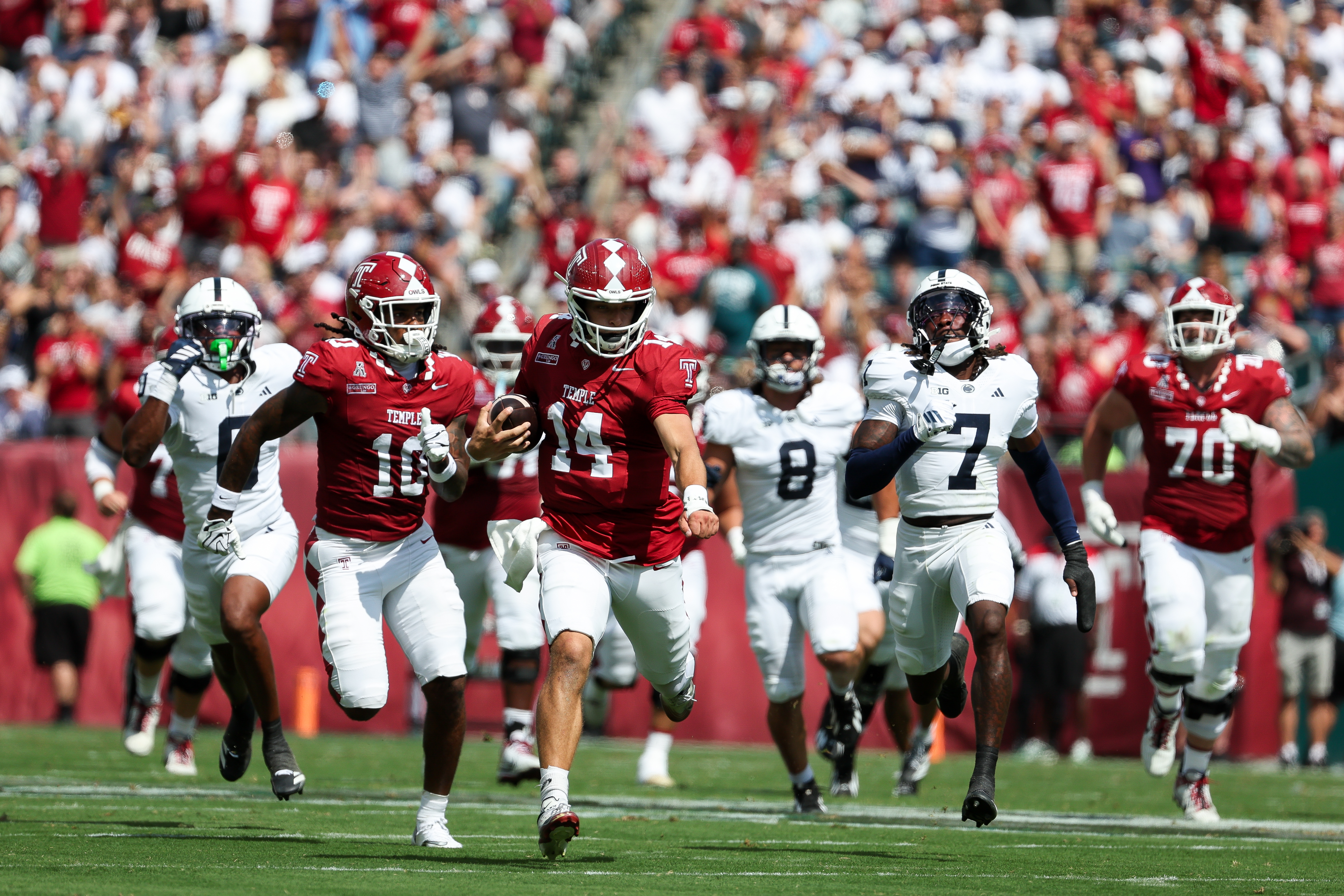
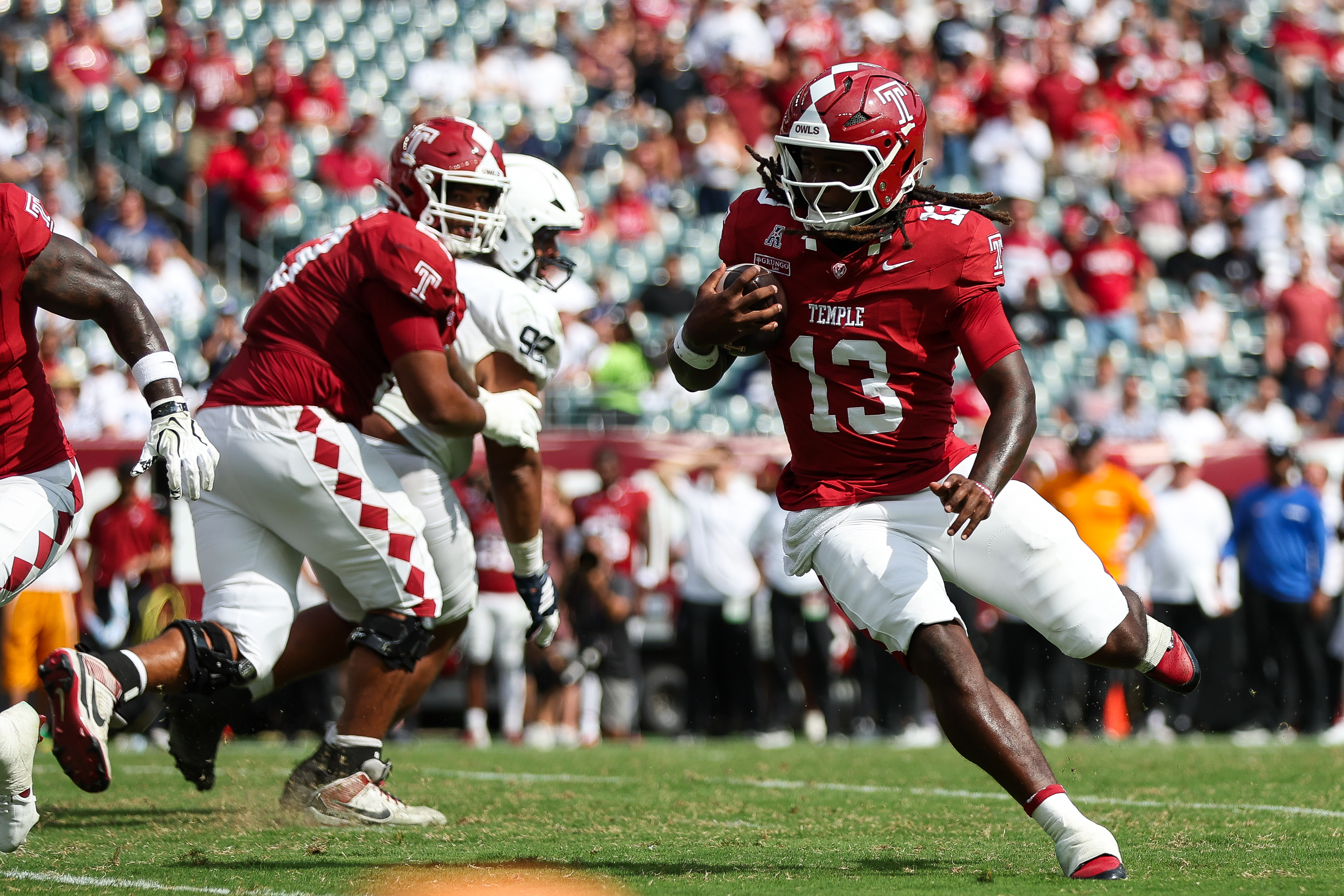
    Temple quarterback Jaxon Smolik (14) runs the ball during the second quarter.Isaiah Vazquez / For The Inquirer

    After a three-and-out, the Owls’ second possession ended when Tony Rojas picked off Jaxon Smolik and returned it 13 yards to Temple’s 5-yard line. The Nittany Lions were in prime position, but they gained just 2 yards before Becht decided to throw on fourth-and-goal. The Owls closed all windows and forced an incomplete pass at their front door.

    “We almost knew every play they ran and kind of knew what was coming,” Temple linebacker Curly Ordonez said.

    The scariest close call came at the start of the second quarter. Becht launched a rocket to Chase Sowell in front of the end zone. Temple cornerback Adrian Laing broke up the pass, and Penn State settled for a 31-yard field goal.

    But the pressure in the red zone dwindled as the second quarter rolled around.

    Becht settles in

    Becht completed just one of three passes in the opening quarter — that 56-yarder in the first minute. The Nittany Lions largely kept the ball in Hansen’s hands for their 11 first-quarter plays on offense.

    But Becht, the Iowa State transfer, looked more comfortable in the next 15 minutes, and it translated to the score sheet.

    With the game tied, 3-3, Penn State began its final drive of the first half at its own 17-yard line with 1 minute, 57 seconds remaining. Becht completed four straight passes as the Nittany Lions marched to Temple’s 44. After a 12-yard rush by James Peoples, Becht took back over and connected with Benjamin Brahmer from 23 yards out to take a 10-7 lead.

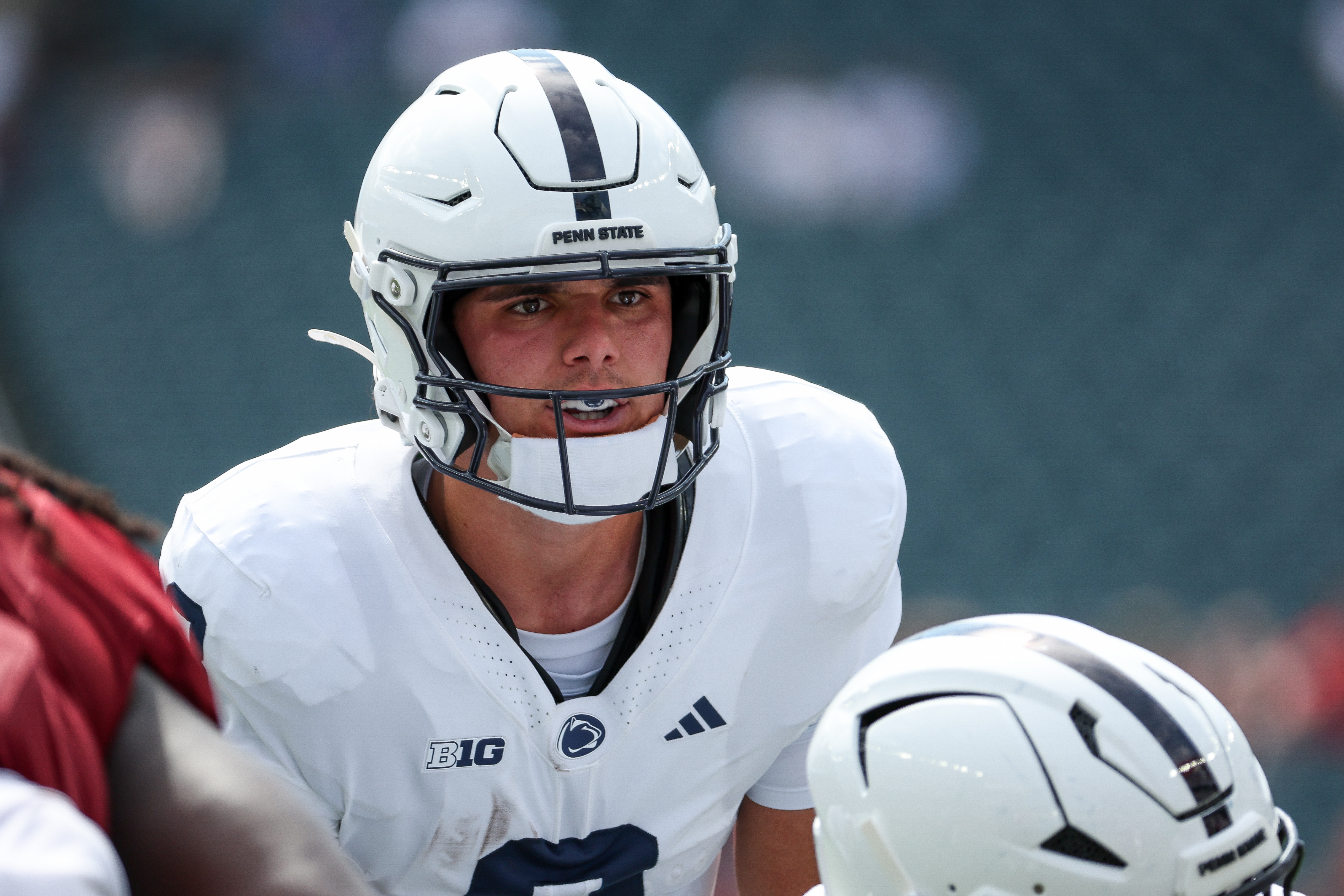
    The drive lasted 1:49, so Temple didn’t have much time to respond, and Penn State scored all 27 of its points unanswered. Backed by a cagey offensive line, Becht looked calm and comfortable in the pocket and finished 268 yards and three touchdowns on 21-of-27 passing. Brahmer, a senior tight end, was Penn State’s leading receiver with five catches for 79 yards and two touchdowns.

    Penn State quarterback Rocco Becht finished with 268 passing yards.Isaiah Vazquez / For The Inquirer

    Jaxon Smolik takes the reins

    In last week’s 38-14 win over Rhode Island, Smolik and Ajani Sheppard split reps, and neither created much separation in coach Keeler’s eyes in the battle for the starting role.

    But on Saturday, Keeler went to Smolik to start and stayed there. While Temple went three-and-out on its first drive, Smolik connected regularly on short passes once he settled in. He tallied 59 yards on 10-16 passing.

    Against Rhode Island, Sheppard held a clear edge on the ground, but Smolik flipped that on Saturday. He managed to create positive plays on scrambles and squeak past linebackers for 71 rushing yards on seven carries.

    Temple even ran a bootleg play for him, which he executed perfectly. After faking a handoff to Hunter Smith, Smolik burst to his left for 47 yards while most eyes followed his partner.

    Sheppard took the field with Temple down, 27-3, and 7:48 left. He made the most of his time and scored a 3-yard rushing touchdown with 1:56 left.

    But to Keeler, the competition is ongoing.

    “Probably midway through we decided to give Jaxon the ball for the snaps, and Ajani was going to be more of a package guy,” Keeler said. “We’ll evaluate the tape.”

    Temple quarterback Ajani Sheppard scored the Owls’ lone touchdown on Saturday.Isaiah Vazquez / For The Inquirer

    Up next

    Temple hits the road for the first time this season to face Toledo on Sept. 19 (3 p.m., CBSSN).

  • This year’s Kennett Square Mushroom Festival celebrates the families who helped build the agricultural capital

    This year’s Kennett Square Mushroom Festival celebrates the families who helped build the agricultural capital

    This weekend is more than just about breaded mushrooms for Gale Ferranto, even if her family’s farm stand continuously boasts one of the longest lines at the Kennett Square Mushroom Festival.

    The two-day annual celebration, featuring educational courses on mushrooms, as well as plates of them fried, grilled, and served in nearly every other method of preparation, is a time for her to reflect on the three generations that came before her, all the way from Italy, to claim a stake in Chester County and its signature crop.

    “Most family-run farms don’t last past two generations,” Ferranto, a lifelong Kennett Square resident and president of Buona Foods, said as hundreds of people milled down the borough’s main drag. ”Here, we have fourth-, fifth-, sixth-generation farms still going strong, and we’re proud of that.”

    This year’s festival, Kennett Square’s 41st, is celebrating that intergenerational work, which grew a pastoral slice of the Philadelphia suburbs into an agricultural mecca: 64% of the country’s mushrooms are grown in Pennsylvania, and the majority of those farms are located here.

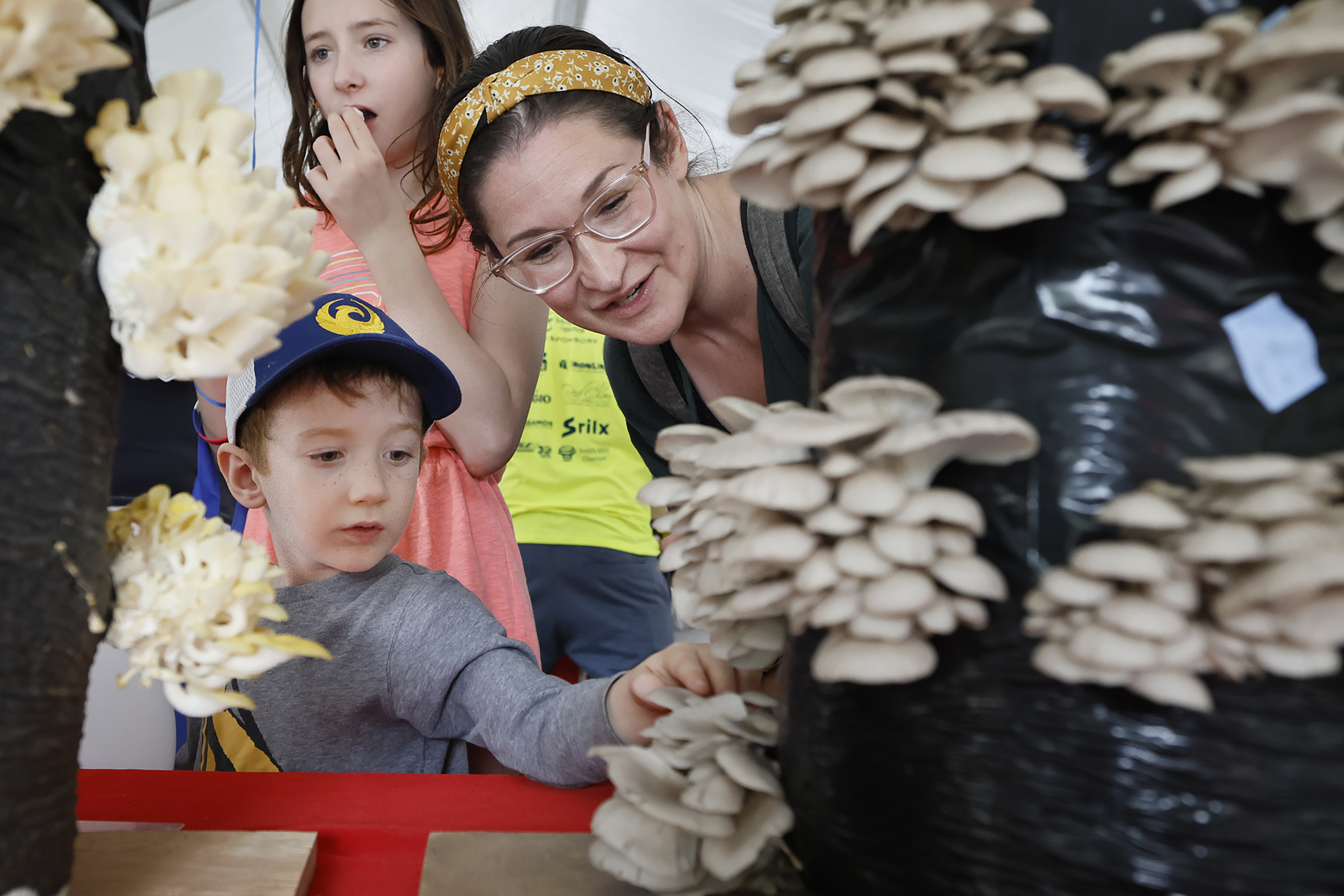
    Colleen Farnsworth of Ardmore and her son Ambrose Farnsworth, 4, touch the mushrooms in the mushroom exhibition during Kennett Square’s 41st Mushroom Festival on Saturday. Elizabeth Robertson / Staff Photographer

    Recycling sustains mushroom farming

    By its very nature, Ferranto said, mushroom farming is forward-thinking. Farms, like her family’s, rely on agricultural byproducts that otherwise would be discarded.

    “Recycling is a pillar of everything we do,” she said. “It’s an important message to pass on to younger generations doing this work, because what we’re doing now is shaping the environment of farmwork to come.”

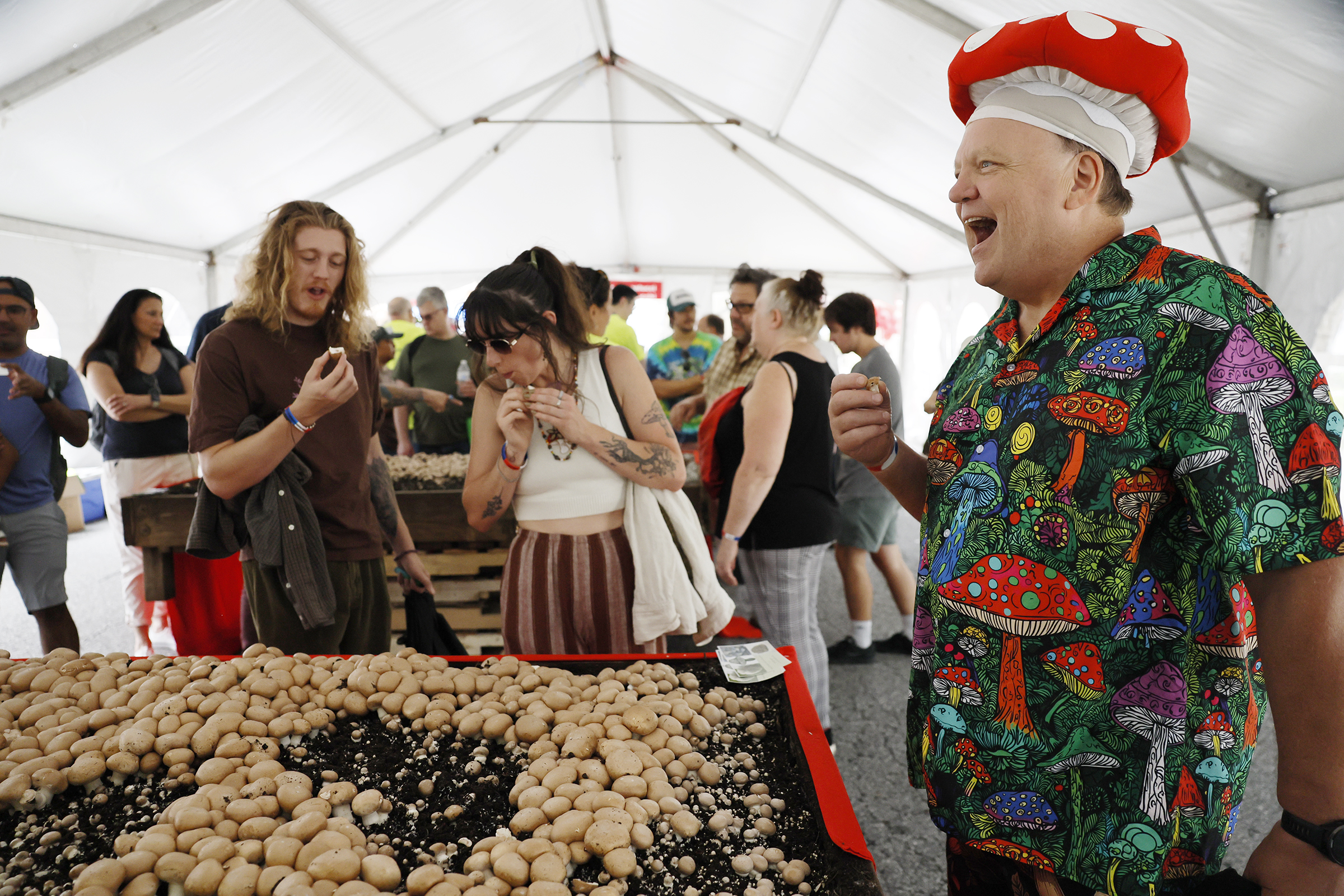
    In the nearby exhibit tent, Richie Forte explained that work to festivalgoers, some from as close as Delaware County, and others who traveled from as far as British Columbia to learn about mushrooms.

    Forte, who’s been in the mushroom business for 30 years, following his father’s lead, walked visitors through the growing process, from spawn planted in soil to cardboard cartons placed on supermarket shelves.

    He said he couldn’t be happier answering questions about a crop he’s been handling since he was a teenager. His father, he said, did the same volunteer work for many past festivals.

    “In a world of private equity and big business, the fact that Kennett Square can still maintain this small, hometown feel is amazing,” he said.

    “You get to a point in your life where you look around you, at the fabric of a community like this, and you realize it’s responsible for giving you everything you have.”

    It’s a family affair

    The farmers running the festival stands weren’t the only ones reveling in generational tradition. The event, and its signature, knit mushroom hats, have become an annual tradition for countless families in the region.

    Rhiannon Betts has been driving up from Cecil County, Md., every summer for the festival for 21 years, and she and her family previously ran in the 5k race that accompanies it.

    This year, Betts brought her boyfriend, Aidan Ward, with her to experience something that was integral to her childhood.

    “This has always been an event that seems to put families first,” she said. “No matter what we have going on in the summer, we have to make it out here for this.”

    For Corlan Blyskal and his wife, Emily, this year’s festival was the hopeful beginning of a new family tradition: The King of Prussia couple, decked out in homemade mushroom hats, brought their 10-month-old son, Knox, with them for their first visit to the event.

    The self-described “mushroom-obsessed” couple gave their son his first bite of a raw mushroom, straight from the source.

    It was a big hit.