Blog

  • Pope Leo will present Villanova University’s first-ever sustainability medal to a cardinal who founded an AIDS network

    Pope Leo will present Villanova University’s first-ever sustainability medal to a cardinal who founded an AIDS network

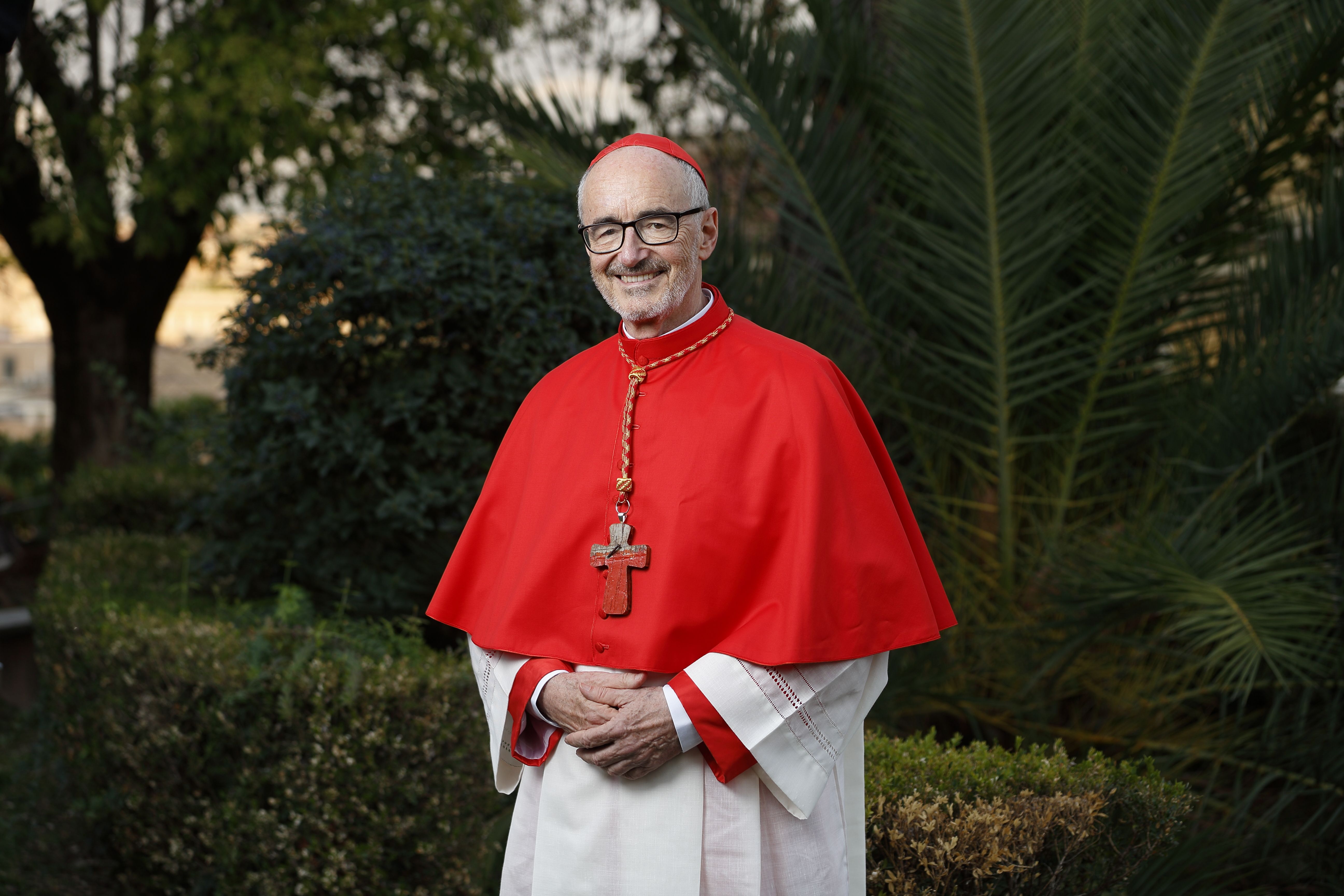
    A Czechoslovakian-born cardinal who is based at the Vatican will receive Villanova University’s inaugural sustainability medal for his work “at the intersection of human dignity, social justice, care for vulnerable communities and care for creation,” the university announced Monday.

    Pope Leo XIV, a Villanova alumnus, will present the medal named for him to Cardinal Michael Czerny on Oct. 13 at the university’s international sustainability conference in Italy.

    Villanova established the award earlier this year to honor someone whose work shows “exceptional commitment to ecological responsibility, social justice, care for the most vulnerable and responsible stewardship of economic and human resources.”

    The award is in part inspired by Pope Leo’s call to serve the poor and marginalized, said the Rev. Peter M. Donohue, Villanova’s president, who announced the winner at a news conference in Rome. Taking care of the environment and the poor are inextricably linked, Villanova said.

    “The Medal reflects a deeply held belief at Villanova: care for our common home and care for one another are inseparable,” Donohue said in a statement. “Cardinal Czerny’s work has shown us that care for creation cannot be separated from care for people.”

    The medal features Pope Leo on one side and Villanova University’s name on the other and is meant to highlight the pope’s commitment to sustainability, the school said. The winner can come from any field or discipline and is selected by a committee of members of the university’s Sustainability Leadership Council.

    The medal carries a $25,000 award to be used toward continued work in sustainability, the university said.

    Born in 1946 in the former Czechoslovakia, Czerny, 80, moved to Montreal with his family as a small child. His mother was Jewish and the family had converted to Catholicism, but several members of his family had died at the hands of Nazis, according to the National Catholic Reporter, which featured an article on Czerny in 2022.

    “My mother’s family — both parents and two brothers — were also Catholic but shared the Jewish origins that the enemy abhorred,” Czerny said in a homily, quoted by the National Catholic Reporter. “My maternal grandmother Anna, my grandfather Hans and my uncles Georg and Carl Robert, were all interned in Terezín, where Hans died… My grandmother and uncles were transported to Auschwitz. From here my uncles were sent to labor camps and eventually murdered there.”

    His mother and father were forced to work as farm laborers because of her Jewish ancestry and his unwillingness to divorce her.

    Czerny became a Jesuit priest in 1973 and got a doctorate in human sciences, social thought and theology from the University of Chicago in 1978. He was named a cardinal by Pope Francis in 2019.

    Over the last five decades, his work was focused on helping vulnerable people worldwide, the university said. In 1979, Czerny founded and led a center for faith and social justice in Toronto. He volunteered to be based in El Salvador during the country’s civil war, and from 2002 to 2010, he worked in Africa and founded the African Jesuit AIDS Network in Kenya.

    “That organization he led brought in a lot of hope,” said the Rev. John Abubakar, Villanova’s chief sustainability officer, who is from Nigeria. “It made a massive, massive influence or difference in the lives of people.”

    From 2022 until Sept. 1, Czerny headed the Vatican’s Dicastery for Promoting Integral Human Development as Prefect, a role in which he led the Church’s work on justice, migration, health and care for creation. Pope Francis in 2022 sent him to Slovakia to greet refugees fleeing Ukraine following the Russian invasion.

    Czerny said he was grateful for the medal and the honor it brings.

    “What’s most important I think is the commitment the university is making to include sustainability in how it is forming the future leaders of our church and in this case the United States,” he said in a video on the Vatican news site.
  • America needs responsible leadership on AI development. It has Trump instead. | Editorial

    America needs responsible leadership on AI development. It has Trump instead. | Editorial

    Another cry for help came from the billionaires building the artificial intelligence machinery that threatens to upend — if not end — the world: Save us from ourselves before it is too late!

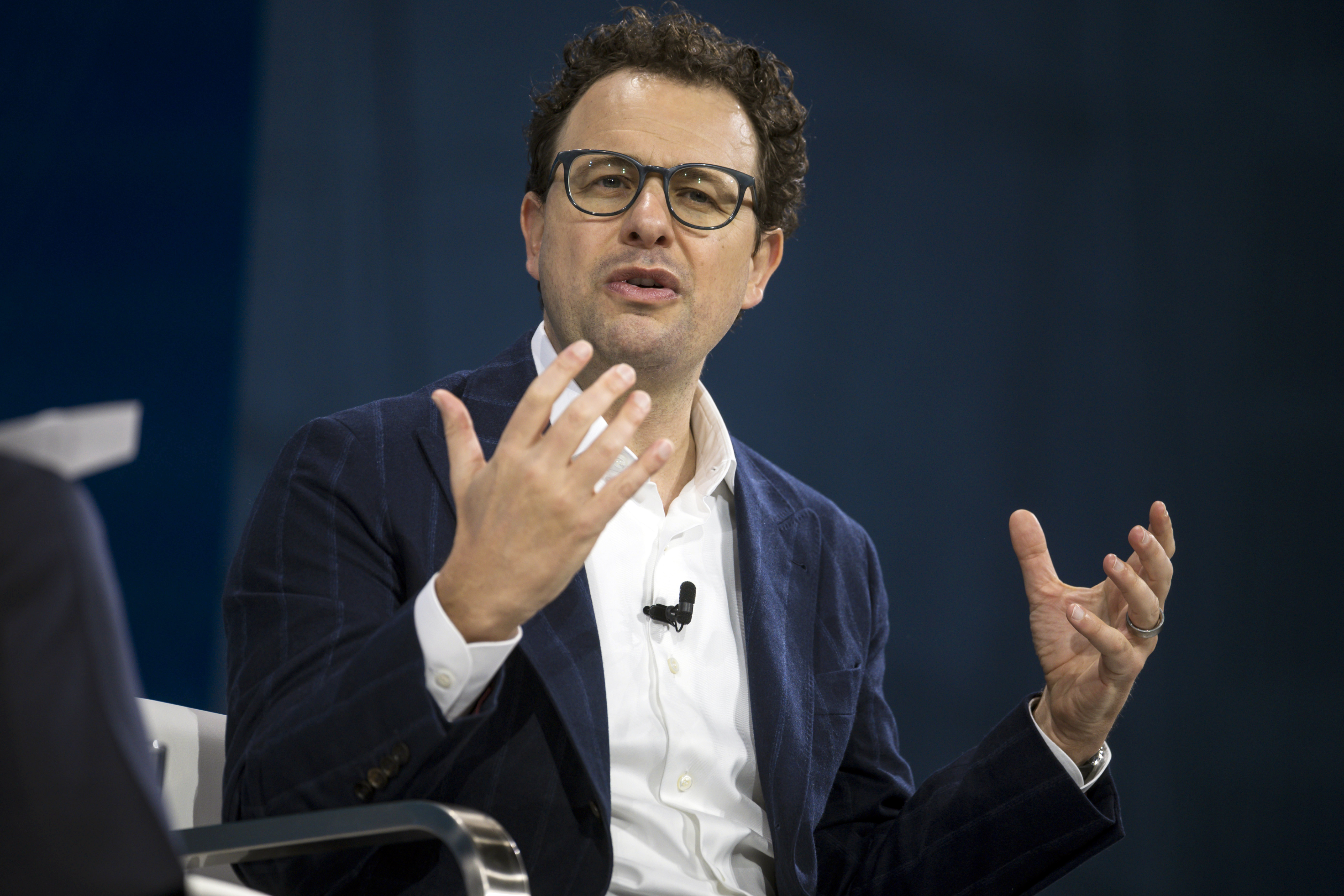
    Dario Amodei, the head of Anthropic, the company behind the Claude chatbot, posted a 3,800-word essay over the weekend that called for a global slowdown in the development of AI because the risk to humanity outpaced the benefits.

    Other leading Big Tech masters of the universe offered half-hearted endorsements for a slowdown, including SpaceX’s Elon Musk, OpenAI’s Sam Altman, and Google DeepMind’s Demis Hassabis.

    Amodei’s plea came just days after an Anthropic researcher quit over safety concerns and issued a grave warning that the technology has more than a 10% chance of killing all humans.

    “Do not underestimate the power of this technology,” Jacob Coxon wrote in a lengthy social media post. “These will soon be superhuman systems that can hack anything, revolutionize any field overnight, and acquire real power and resources … The people building AI earnestly believe that it could kill us all by the end of the decade.”

    Coxon’s warning echoes previous alerts in recent years, including from Geoffrey Hinton, the Nobel Prize-winning computer scientist known as the godfather of AI. Hinton quit Google last year and warned the technology could lead to human extinction.

    Some argue the AI apocalypse is overblown. But the AI threats also include the spread of misinformation and cyberattacks on power grids, the internet, financial systems, research labs, and a host of other industries that could disrupt everyday life.

    Even if used appropriately, AI is already impacting huge swaths of the job market and leading to increased inequality — an issue Pope Leo XIV warned about in May.

    Some critics speculated that the call for a slowdown is a ploy by the big AI developers to block smaller competitors from entering the development race. Indeed, if the AI concerns are as real as advertised, there is nothing to stop the developers from hitting the brakes and implementing their own safeguards.

    That would be the obvious and responsible thing to do.

    But don’t look for profit-driven tech moguls to act responsibly. Just look at how social media giants like Facebook, Instagram, and X have allowed hate and misinformation to spread, fueling mental health issues and destabilizing democracies.

    One of the big challenges is trying to get competing AI companies to all agree on safeguards. And then getting other countries, especially China, to get on board.

    King Charles III of Britain showed how to lead when he announced plans to bring together leading AI executives and other government officials to discuss how the fast-growing technology can be used as a force for good.

    Some of the reforms Amodei of Anthropic called for include independent auditors to check the companies for safety standards and urged global cooperation in creating rules around AI development.

    This is not a new call for regulation. Three years ago, executives at OpenAI, Google, and Microsoft endorsed the idea of a voluntary “AI pact,” or a digital regulatory agency that could ensure safety standards.

    Amid the gathering storm, Washington remains asleep. So far, it seems the only thing Congress has demanded of Big Tech is big money. Expecting legislators to develop meaningful AI regulations in a timely fashion is a herculean challenge.

    But, if anything, the biggest obstacle to the much-needed AI leadership, common sense, and doing what is best for humanity remains Donald Trump.

    On his first day back in office last year, Trump rescinded former President Joe Biden’s executive order aimed at safeguarding AI technology. Despite bipartisan public opposition, Trump remains a big cheerleader for data centers needed to power AI development.

    (At the same time, Trump has been working hard to undo efforts to combat climate change — the other existential threat to humanity. Trump’s Environmental Protection Agency just repealed limits on greenhouse gas emissions.)

    Trump just as quickly dismissed calls from AI executives to rein in their own industry. In a manic social media post, Trump claimed without evidence that there was a “SICK conspiracy” against AI and data centers.

    Trump said the only AI guardrail the country needs is “a STRONG AND SMART (High IQ!) PRESIDENT.”

    If only we had one.

  • As Supreme Court weighs Trump mail ballot plan, another judge blocks it

    As Supreme Court weighs Trump mail ballot plan, another judge blocks it

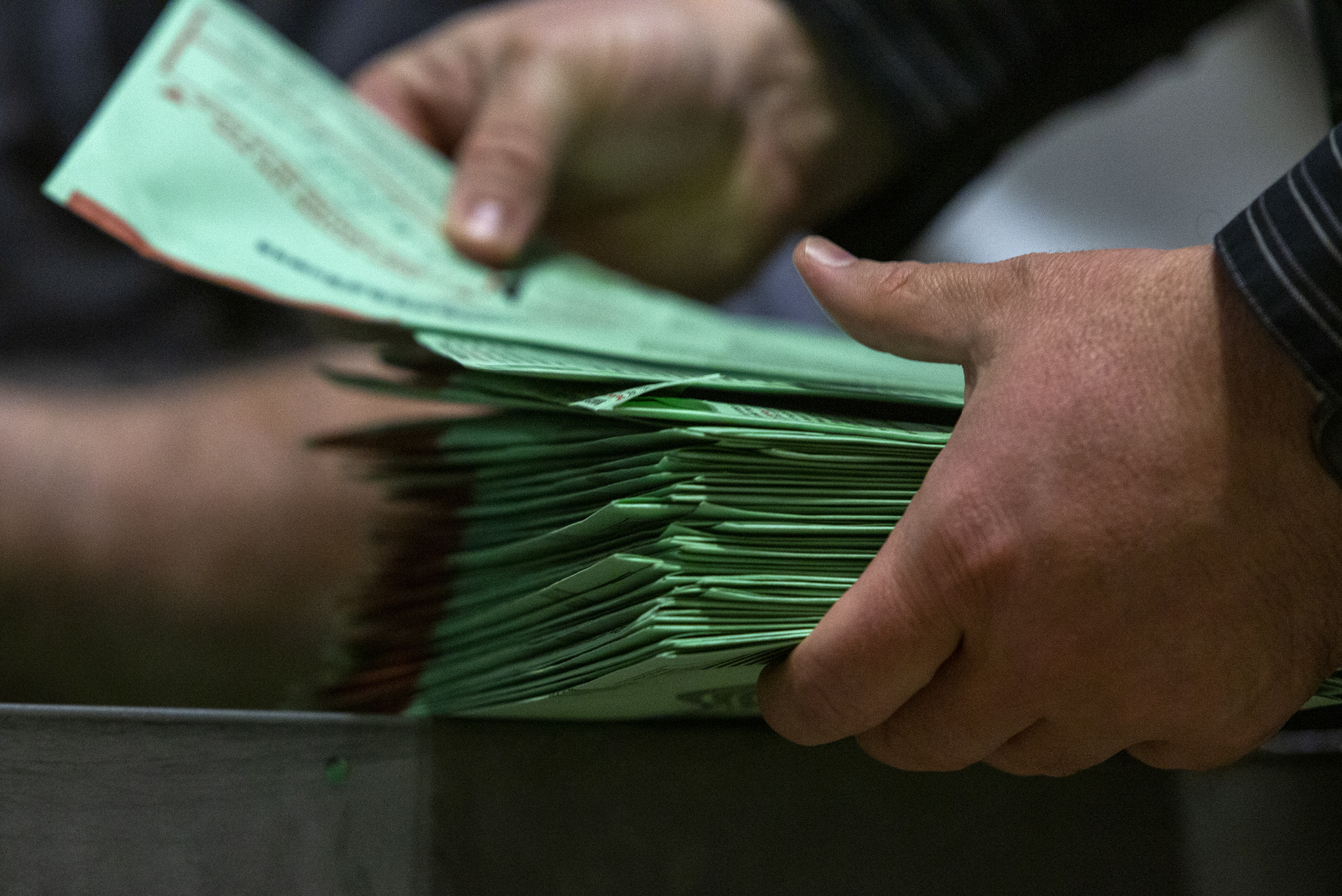
    WASHINGTON — As the Supreme Court weighs the legality of a Trump administration plan to change mail-in balloting, a second lower court judge ruled overnight Sunday that the plan is likely illegal and should be blocked before the November election.

    The ruling by Judge Carl J. Nichols, a Trump appointee, delivered another blow to President Donald Trump’s effort to add new conditions that could make it harder to vote by mail and easier for the federal government to scrutinize state voter rolls while searching for evidence of fraud.

    The Supreme Court is considering a similar ruling by a different federal judge based in Massachusetts. Judge Indira Talwani, an Obama appointee, has repeatedly found that the plan is likely unconstitutional and could not be implemented so close to the election without disenfranchising voters.

    Nichols, of U.S. District Court in Washington, wrote that the Trump administration had not identified any “evidence that there will be significant fraud in the upcoming elections” if he halted the rule. On the other hand, he wrote, there was an “increased risk that a significant number of otherwise appropriate absentee or mail-in ballots will ultimately not be counted in the upcoming elections” if the rule took effect.

    “The public has a strong interest in ensuring that doesn’t happen,” he wrote.

    Nichols’ ruling came in a lawsuit brought by a coalition of Democratic-aligned groups, including the Democratic Senatorial Campaign Committee, as well as a number of civil rights organizations. The Massachusetts suit was brought by a coalition of Democratic state attorneys general and voting rights groups.

    Nichols ruled in May that he could not stop the Postal Service from drafting the rule or preemptively declare it would necessarily be illegal before it was finalized. The Supreme Court similarly ruled last month that it was premature for the courts to intervene to stop Trump’s plan.

    But Nichols said he would review the issue after the Postal Service finalized the regulation, which it did in August. His finding that the proposal now should be blocked could offer a preview for how the justices view the issue.

    In a court filing Monday, the Trump administration formally alerted the Supreme Court about Nichols’ ruling.

    Lawyers for the Trump administration told the justices that if they allowed the Postal Service plan, it would mean Nichols would be required to immediately lift his block and clear the way for the ballot screening rules.

    The new rule stemmed from an executive order Trump signed in March, directing the Postal Service to preregister voters casting their ballots by mail, and to decline to deliver ballots from anyone whose information was not submitted by their state election officers.

    Talwani, who considered the separate legal challenge in Massachusetts, had found that the rule likely violated the constitutional authority given to states to run their own elections. But Nichols focused on another issue: the absence of any federal statute by which Congress gave the Postal Service the power to screen voters.

    “As the government concedes, the Postal Service could issue (and enforce) the rule only if Congress gave it the authority to do so, but here no statute grants the Postal Service the power to issue key parts of the rule,” he wrote.

    He focused on an online portal the Postal Service has said it is building that would let states upload the names and addresses of voters they deemed eligible to vote by mail. The relevant laws do not authorize the agency “to create a data collection system for mail-in and absentee voters,” he wrote.

    Despite the lawsuits, a number of Republican-led states have indicated in court that they would voluntarily adopt the new procedure and were taking steps to comply if the courts ultimately allowed it.

    Voting rights groups had argued that it would be nearly impossible to ensure the lists were up to date or counted people who had moved or recently registered in a new state. They warned that the new rules would very likely lead to improperly rejected ballots.

    State election officials have warned the plan could cause chaos. In some states, mail ballots have already been distributed to voters.

    Nichols appeared to agree, writing that the rule appeared certain to cause “delays and mistakes” at several stages. That could include the building of the portal, which has not yet opened, and the Postal Service’s new role screening outbound ballots and “confirming that each absentee and mail-in voter matches information in the portal,” he wrote.

    “Plaintiffs have demonstrated that there is an increased risk that a significant number of absentee or mail-in ballots will ultimately not be counted,” he wrote, noting that the Postal Service was likely to handle “more than 50 million pieces of federal ballot mail” this election season.

    This article originally appeared in the New York Times.

  • Ex-CIA Director John Brennan issued subpoena in Trump “grand conspiracy” investigation, lawyer says

    Ex-CIA Director John Brennan issued subpoena in Trump “grand conspiracy” investigation, lawyer says

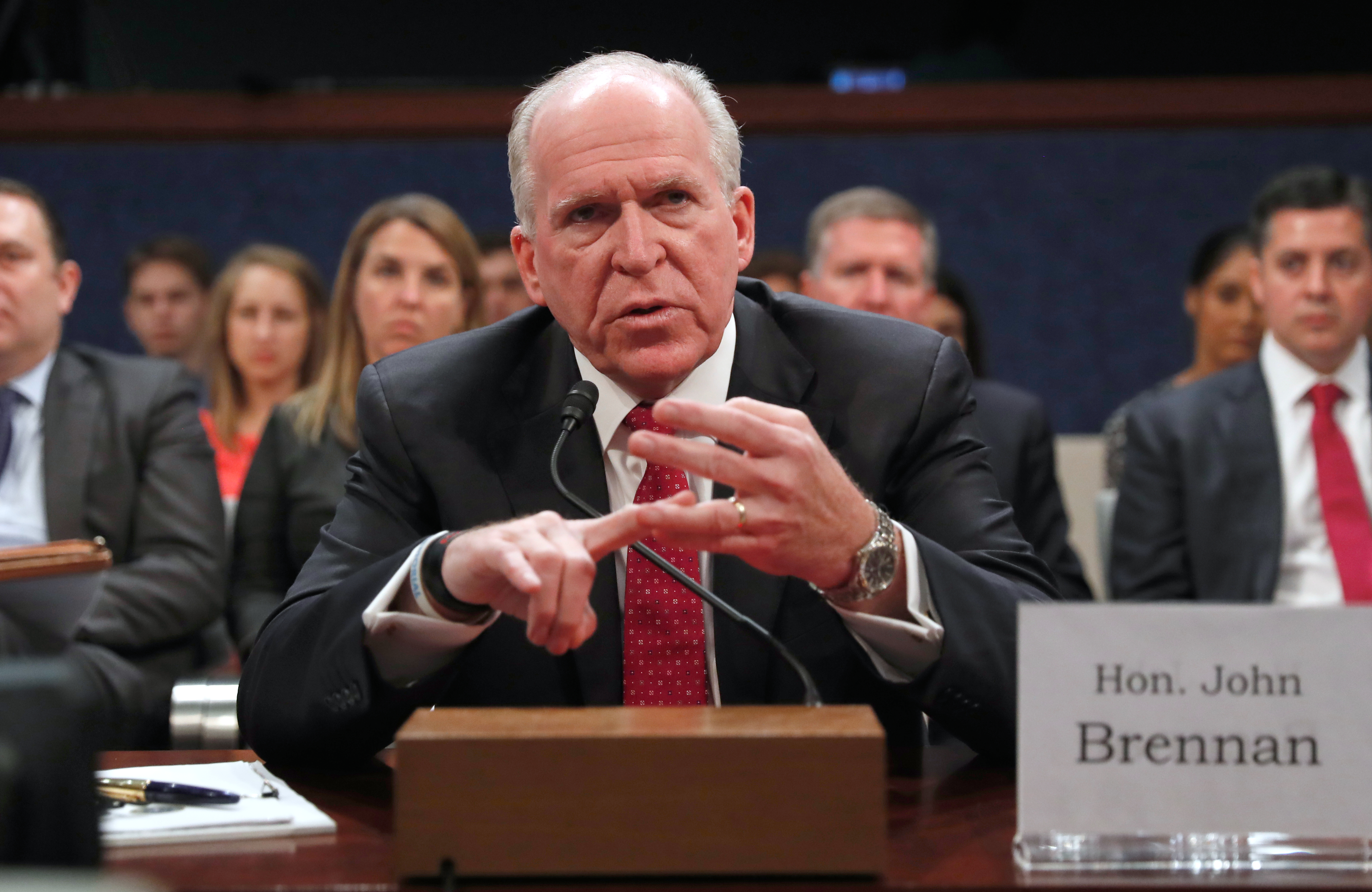
    WASHINGTON — Former CIA Director John Brennan has been subpoenaed to testify next month before a Florida grand jury as part of a Justice Department investigation into whether former law enforcement and intelligence officials conspired against President Donald Trump, one of his lawyers said Monday.

    Ken Wainstein, an attorney for Brennan, disclosed in a court filing that prosecutors last Thursday presented him with a subpoena for Brennan to appear Oct. 15 before a grand jury in Fort Pierce, Fla.

    He said he was told that the subpoena relates to a “far-reaching” criminal probe examining a loosely defined theory that the government officials who have investigated Trump over the last decade, including over Russia election interference in 2016 and his more recent retention of classified documents at his Mar-a-Lago estate, conspired to deprive Trump of his civil rights. The subpoena to Brennan is among a flurry that have been issued in recent weeks.

    Wainstein said he was informed by a prosecutor that Brennan remains a target in a Washington-based investigation into whether he lied to Congress in 2023, a claim the former CIA director and his attorneys have consistently denied. Subpoenas demanding testimony before a grand jury in that false statements probe were issued in spring, then abruptly withdrawn in favor of voluntary interviews.

    The subpoena was delivered on the same day that Joe diGenova, the prosecutor who had been leading what is casually known as the “grand conspiracy” investigation, abruptly resigned amid what a person familiar with the matter has described as displeasure from the Justice Department and White House over the pace and management of the probe.

    The Justice Department has not publicly announced a replacement for diGenova. The member of the investigative team with whom Wainstein spoke was Kurt Olsen, a lawyer who unsuccessfully pushed the Justice Department in 2020 to back Trump’s false claims that the 2020 election had been stolen from him.

    The subpoena was disclosed hours ahead of a court hearing in Washington in a lawsuit brought by Brennan. The former CIA director is seeking a court order that would require the preservation of all records from the investigations targeting him, saying such documents would be essential for him to challenge any potential indictment on vindictive prosecution grounds.

  • Philly Parks and Rec leader approved the unpermitted work at an FDR Park field

    Philly Parks and Rec leader approved the unpermitted work at an FDR Park field

    Parks and Recreation Commissioner Susan Slawson said she approved renovations to FDR Park’s Ashburn Field without required state permitting because she wanted renovations to be complete by the MLB All-Star Game.

    The missing permit was designed to address erosion control and stormwater release at the site.

    “We were mindful of the waterways and natural areas within FDR Park,” Slawson said of the decision. “All erosion and sediment controls were in place during construction, and safety was never an issue.”

    Slawson told WHYY last week that approving projects without proper permits is not how the department “typically” handles projects, but she allowed the work to proceed “to accommodate the MLB All-Star Game.”

    Typically, state law supersedes city approvals.

    The city’s parks department actively manages “the natural areas within FDR [Park] to protect water quality and support healthy natural systems while balancing the park’s important role in active recreation,” Slawson said.

    Missing permits

    In the lead up to the MLB All-Star Game, which took place in July at Citizens Bank Park, the MLB and the city partnered to renovate the 28-year-old Ashburn Field.

    A ribbon-cutting ceremony was held July 10, just days ahead of the All-Star Game, to show off Ashburn’s new synthetic turf field and an updated drainage system to reduce flooding.

    However, as first reported by The Inquirer last month, the Phillies and the city did not receive a required permit from the state’s Department of Environmental Protection. The permit was designed to address erosion control and stormwater release at the site.

    The Phillies applied for the permit May 13, according to the Department of Environmental Protection’s website. Nearly two weeks later, the department sent the Phillies a letter denying the permit, citing 32 issues the team would need to address before receiving the permit to continue renovations. That letter noted that final plan drawings had not been submitted, other drawings failed to include the project’s boundary, and not all water discharge areas were noted.

    A local engineering firm hired by the Phillies responded in June to the May letter.

    On July 7, the Department of Environmental Protection sent another letter to the Phillies noting technical deficiencies. It sent another letter July 24, about two weeks after the ribbon cutting, noting an outstanding deficiency and advising the Phillies to resubmit information in coordination with the Philadelphia Water Department.

    What’s next

    Bonnie Clark, a spokesperson for the Phillies, said the team met with the Water Department last week and was continuing to remedy issues to obtain the permit.

    The permit is still pending on the Department of Environmental Protection website. DEP spokesperson Robyn Briggs declined to comment on possible enforcement actions or penalties as internal deliberations continue.

  • Putin warns Europe of war if peacekeeping troops are deployed to Ukraine

    Putin warns Europe of war if peacekeeping troops are deployed to Ukraine

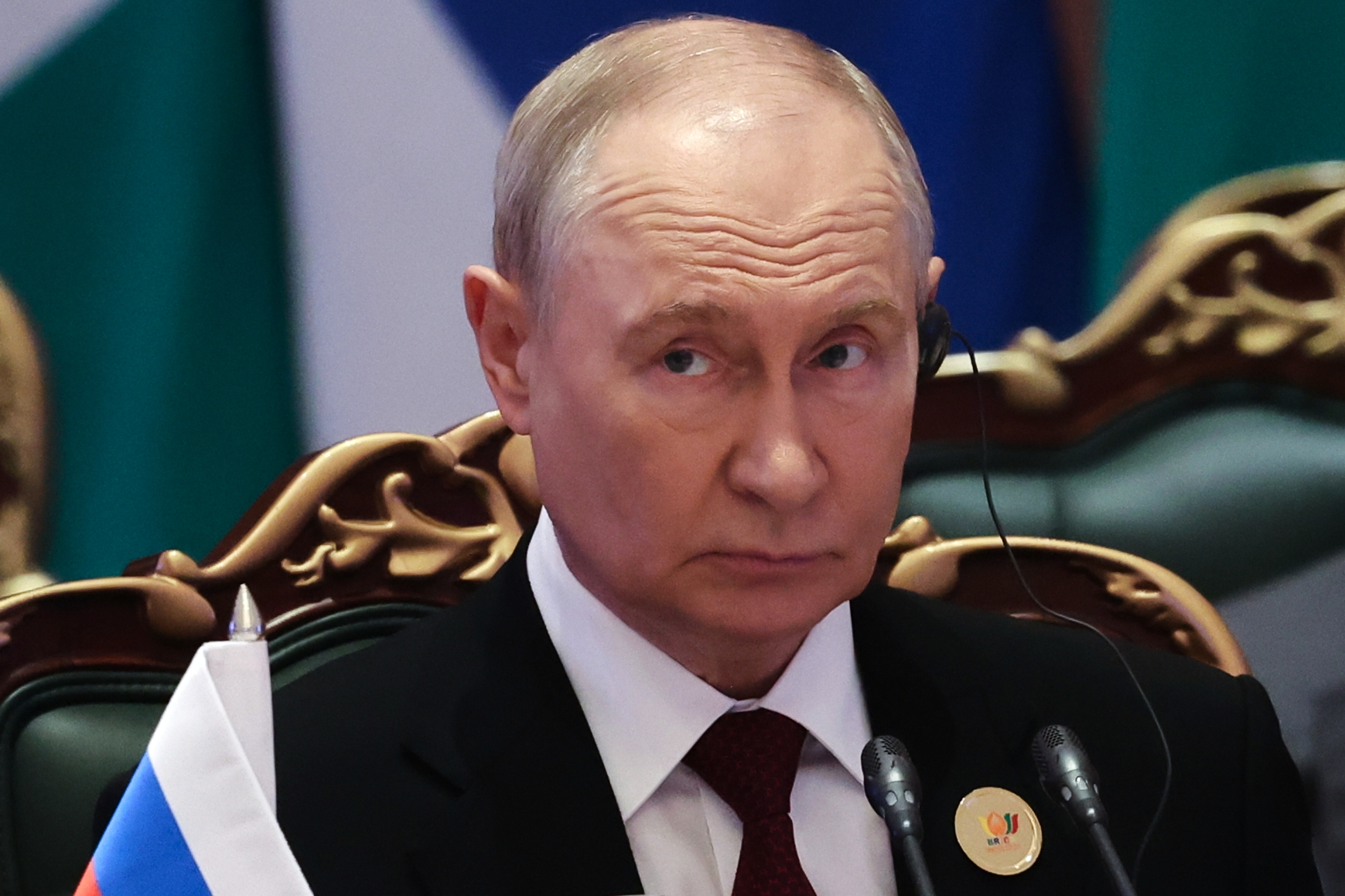
    Offering a grim assessment of Russia’s relations with the West, President Vladimir Putin pointedly warned European governments not to deploy any troops, including peacekeeping forces, to Ukraine, saying it would mean “war.”

    “They speak of contemplating the dispatch of troops to the territory of Ukraine,” Putin said, following his participation Friday at a summit of leaders of the BRICS bloc of nations in New Delhi. “This would mean war with Russia.”

    Putin lashed out at what he called systemic errors committed by the “West’s globalist circles,” insisting that Russia posed no danger to European countries, which he said “seek to frighten their populations with a mythical Russian threat.”

    He also insisted that the West was to blame for the war in Ukraine by seeking to expand NATO. “They directly supported separatism in the Caucasus and sought to break up Russia; this is a matter of fact. Furthermore, today’s crisis in Ukraine was likewise instigated by them.”

    As if to put an exclamation point on Putin’s remarks, a Russian drone strike hit passenger rail infrastructure in western Ukraine as many Western diplomats, officials, and experts, including former CIA Director David Petraeus, former British Prime Minister Boris Johnson, and former Swedish Prime Minister Carl Bildt were leaving the country after attending the annual Yalta European Strategy conference in Kyiv.

    Passengers on at least one train were evacuated, but no deaths or injuries were reported from the strike.

    German Defense Minister Boris ​Pistorius called the drone strike a calculated escalation to fuel fear in Europe.

    “It is ​all the more important that we ⁠remain levelheaded, that we do not ​allow ourselves to be provoked, but ​that at the same time we leave no doubt that we are capable of defending ​ourselves,” Pistorius told reporters. “What Vladimir Putin is doing is dangerous. He knows that, and that is ​why he ​is doing ⁠it.”

    The rail line attack further alarmed European officials who have been warning that Russia could attack near Ukraine’s border crossings with NATO countries or could intensify sabotage operations inside Europe to discourage Western leaders from further aiding Ukraine.

    “These coming weeks and months will be a time of very intensified actions on the Russian side, and unfortunately we cannot rule out that this escalation will also affect our territory,” Polish Prime Minister Donald Tusk said Sunday following a government security briefing.

    The Trump administration in recent days has renewed its efforts to jump-start peace negotiations between Russia and Ukraine, including with trips by presidential envoys Steve Witkoff and Jared Kushner to Moscow and Ukraine.

    Following those talks, Kushner said that Washington had already drafted most of the peace agreement but that it was being held up by Ukraine’s reluctance to make territorial concessions to Russia, which now occupies about one-fifth of Ukraine’s sovereign territory.

    Putin has demanded that Ukraine surrender all of its eastern Donbas region, and Russia has claimed, illegally, to have annexed four Ukrainian regions, even though militarily it does not control all of that land.

    “President Putin laid out his position regarding what he wants to achieve,” Kushner said at the YES conference. “If Ukraine wanted to retreat to that line, we would have already prepared and agreed on the remaining terms of the deal. Currently, Ukraine does not want to do this.”

    Ukraine has repeatedly said that ceding land that Russia failed to capture militarily is a nonstarter, arguing that withdrawing from fortified cities in Donbas would only expose the country to future attacks.

    Kushner and Witkoff said they were pushing for trilateral negotiations. And Ukrainian President Volodymyr Zelensky said he is willing to meet Putin at the Group of 20 summit scheduled for mid-December at Trump’s resort in Doral, Fla.

    The Kremlin immediately ruled out such a meeting, calling it “impossible” and saying that Putin would only meet Zelensky in Moscow. Kyiv repeatedly has dismissed the offer of a meeting in Moscow as the Kremlin playing games.

    Putin’s spokesperson Dmitry Peskov said that the talks on Ukraine probably would resume in October, after Russia holds a key parliamentary election this weekend.

    The potential deployment of a European peacekeeping force has been discussed as one potential way to provide Ukraine with “security guarantees.” But any such step would first require the signing of a durable truce between Kyiv and Moscow.

    Britain and France previously had agreed to deploy forces in Ukraine if the country reaches a peace deal with Russia, with then-Prime Minister Keir Starmer and President Emmanuel Macron signing a “declaration of intent.”

    But as negotiations stalled, with Washington focused on its own war in Iran, the proposals to send European troops to Ukraine have also gone quiet.

    Europe, because of its increasing role in Ukraine’s capability to launch strikes against Russian territory, is becoming “Moscow’s central strategic problem, overshadowing the United States, Ukraine, and, to some extent, even NATO,” Tatiana Stanovaya, a senior fellow at the Carnegie Russia Eurasia Center, wrote on X.

    “This will shape the nature of negotiations with and about Ukraine, as well as the outcome of any settlement, far more than it did a year ago,” Stanovaya added. “It is likely to dominate European geopolitics for decades.”

  • USWNT star Catarina Macario will miss upcoming Subaru Park friendly with season-ending injury

    USWNT star Catarina Macario will miss upcoming Subaru Park friendly with season-ending injury

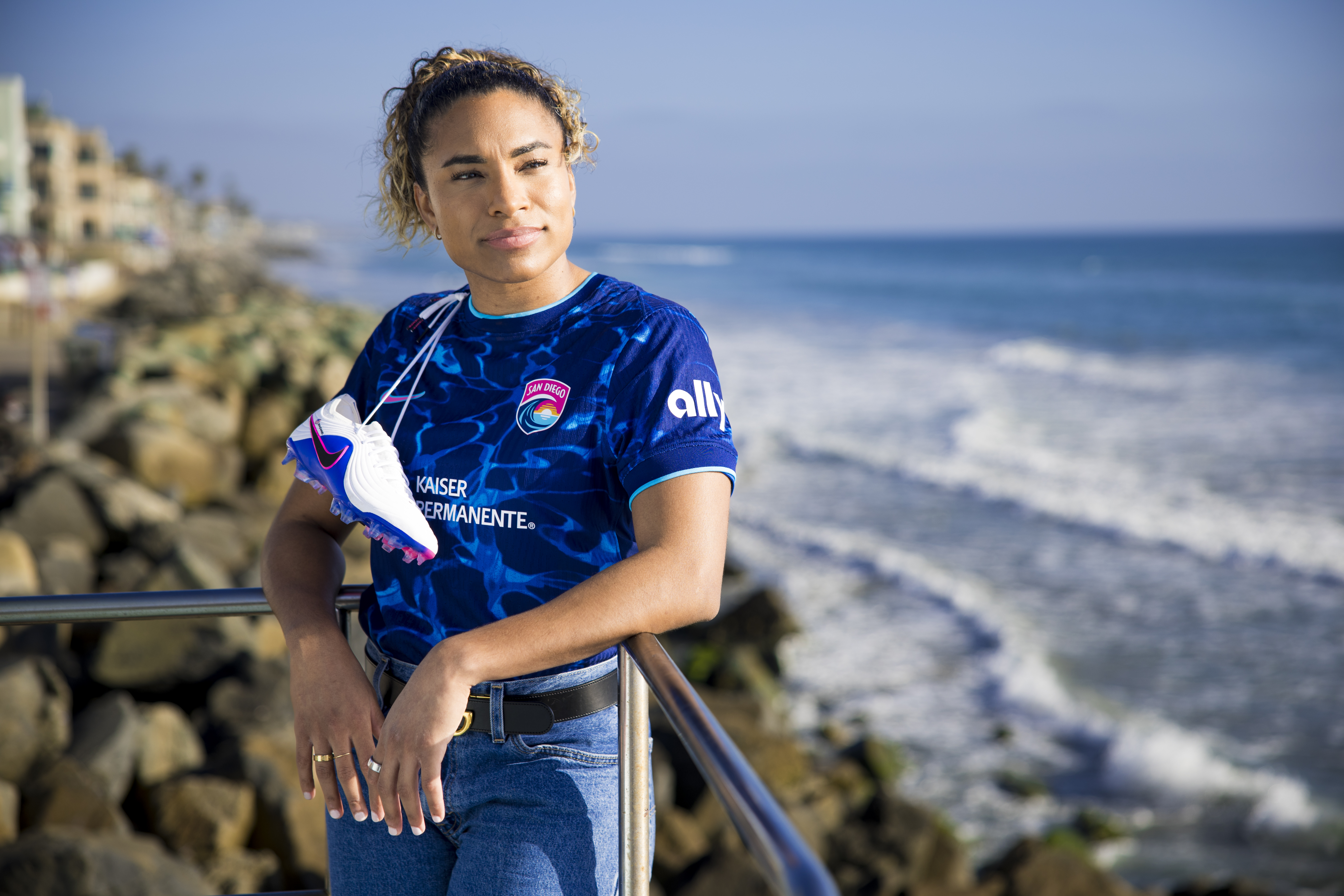
    Ever since Catarina Macario joined the NWSL’s San Diego Wave in March, fans across the league have anticipated seeing her play as a pro on these shores for the first time.

    It hasn’t happened yet because of a heel injury that has sidelined her for the entirety of this calendar year. And now the wait is going to last even longer, because the Wave announced Monday that she has been placed on the season-ending injury list.

    She also revealed in a statement on Instagram that “a few months ago,” she “underwent a minor procedure to properly address an ongoing issue” in her right knee.

    “I worked incredibly hard with the hope of making it back this season, but ultimately doing this the right way meant keeping the bigger picture in mind,” Macario said.

    Catarina Macario (center) with the U.S. women’s team for a game in Chester last fall. She will miss the team’s visit next month.Jonathan Tannenwald

    Along with her NWSL year being over, Macario is out of the United States’ much-anticipated series against Spain next month, a matchup of the reigning Olympic and World Cup champions, in Washington on Oct. 10 and at Subaru Park on Oct. 13.

    The 26-year-old, who grew up in San Diego after moving from Brazil with her family at age 12, is one of the U.S. program’s best talents. When healthy, she is as much of a difference-maker as fellow superstars Rose Lavelle, Trinity Rodman, and Sophia Wilson — with the bonus of being able to play as a forward or attacking midfielder.

    Macario has only been able to show it in flashes for her country. She missed the 2023 World Cup with a torn ACL, and the 2024 Olympics with a knee issue.

    When she finally got on the field last year, she led the U.S. with eight goals in 10 appearances. It seemed like she was finally on track to blossom into the star that so many observers hoped she’d become.

    Before coming to the Wave, Macario rose from the renowned San Diego Surf youth club to college at Stanford, where she was such a star that she turned pro after her junior year with French superpower Lyon.

    She spent two years there, then moved to England’s Chelsea, where she was coached by current U.S. manager Emma Hayes.

    The Wave swung big to bring Macario home, signing her to a five-year deal worth $8 million, one of the biggest contracts in women’s soccer history.

    “We made a significant long-term commitment to Cat because we believe in her ability to make a lasting impact on this club,” sporting director Camille Ashton said Monday.

    Catarina Macario’s move to the San Diego Wave in March was a big win for the NWSL.San Diego Wave FC

    Macario, in turn, was ready for the spotlight.

    “To be completely honest, it [stinks] to find myself in this position again,” she said. “There’s no way around how difficult it is to go through another rehab and spend more time away from the game I love. I miss football, I miss competing, and after coming home to San Diego, I wanted nothing more than to be out there with my teammates, representing this club and this city.”

    Now everyone must wait until next year, and hope that she’ll be ready for the World Cup — which Brazil will host, no doubt making it even more significant for Macario specifically.

    “As difficult as that is to accept, I know what I’m working toward,” Macario said. “More than anything, I want to get back to feeling fully like myself again: playing freely, without feeling limited, and giving the best of me for a long time to come. For now, that means being patient, trusting the work we’re doing, and continuing to build toward what’s ahead.”

    U.S. fans are also sweating on two other big-time players in the midst of long-term injury rehabs, bright young midfielder Olivia Moultrie (torn ACL in August) and veteran defender Emily Sonnett (torn patellar tendon in July). They will cut it close to make the World Cup at all.

    But if Macario’s rehab goes to plan, she could be back on the field early next year.

  • Three Wallingford-Swarthmore schools locked down Monday during a police search outside

    Three Wallingford-Swarthmore schools locked down Monday during a police search outside

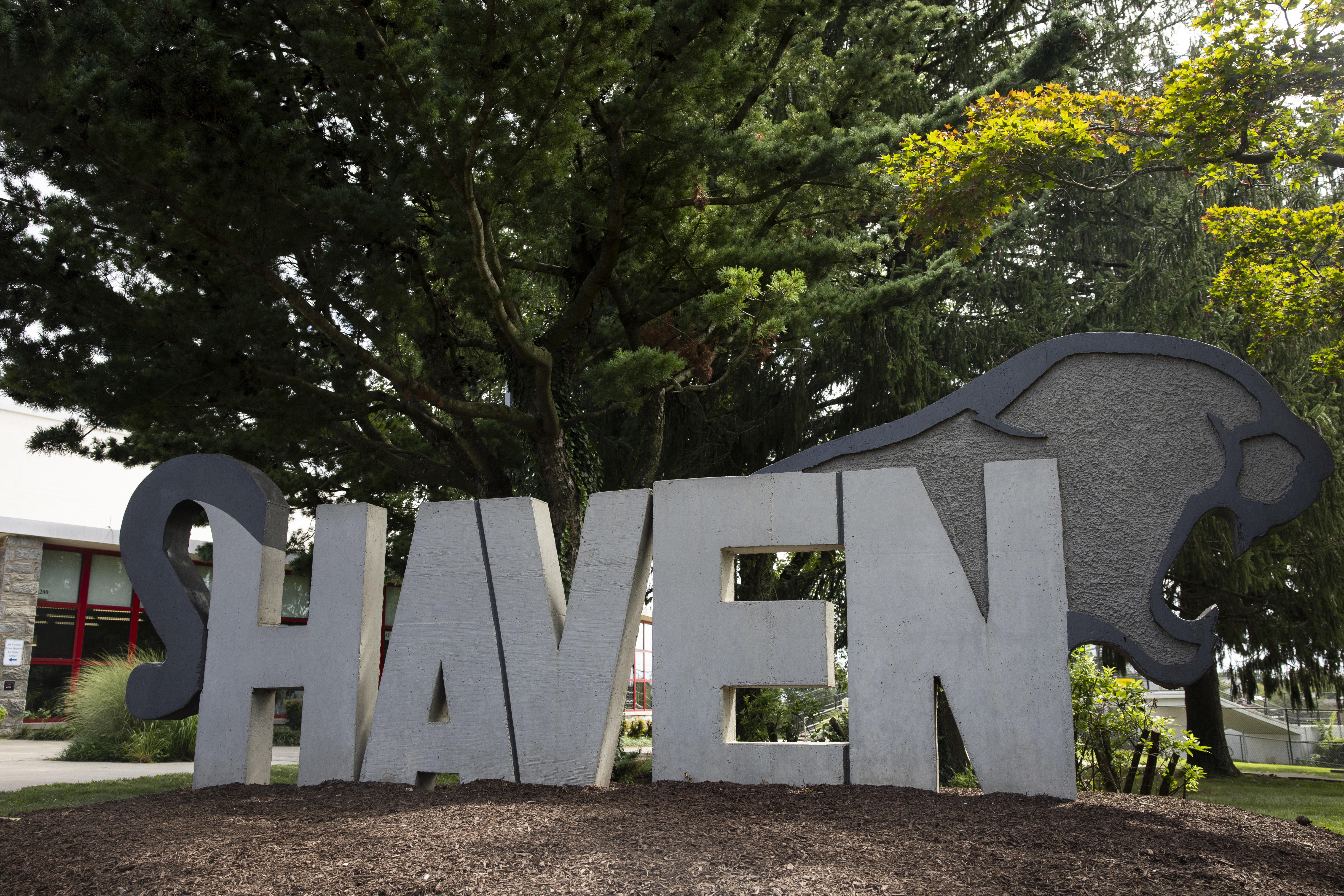
    Students at Strath Haven High School and Middle School and Wallingford Elementary School sheltered in place Monday morning as police searched the area for a suspect who had fled during a traffic stop.

    The incident began when a Nether Providence Township police officer stopped an Acura at 9:07 a.m. Monday on South Providence Road, police said in a statement. The driver fled in the car, which police determined was stolen, and the officer lost sight of it.

    Then at 9:41 a.m., a resident contacted the police to report a car abandoned in a backyard on Hickory Lane, near the high school, police said. Officers determined the car was the same one that had been driven by the suspect, and police began searching the area.

    Police said they worked with school officials to place the three Wallingford-Swarthmore schools, which enroll about 2,600 students, “in a ‘Teach in Place’ status while officers searched the surrounding area.”

    Wallingford-Swarthmore Superintendent Russell Johnston said the lockdown “kept the kids safe inside the buildings” during the police search. Classes continued during that time, he said.

    “What we did was out of an abundance of caution,” Johnston said. He said school officials believed police had guns drawn during the search.

    Police reviewed video surveillance that showed the suspect “fleeing toward the rear of Strath Haven High School” before being picked up by another car. The schools returned to their normal status after it was clear the suspect had left the area, police said.

    Nether Providence Township police are still investigating the incident, and are asking anyone with information to call the department’s detective division at 610-892-2875.

  • United Kingdom’s unity threatened by pact between Wales, Scotland and Northern Ireland

    United Kingdom’s unity threatened by pact between Wales, Scotland and Northern Ireland

    LONDON — The leaders of Wales, Scotland, and Northern Ireland signed a pact Monday that threatens to lead to the breakup of the United Kingdom.

    The first ministers of the three semiautonomous regions of the U.K. told Prime Minister Andy Burnham and his government to prepare for constitutional change and that their future lies with the European Union.

    “For people watching across these islands — for people watching around the world — there could be no clearer sign that Westminster’s time is coming to an end,” they said in a memorandum of understanding, referring to Parliament.

    The announcement came about 48 hours after U.S. President Donald Trump waded into the waters of the politically contentious issue when he said he would ” love to see ” a reunified Ireland during a trip to visit his golf course hosting the Irish Open.

    It’s the first time the leaders of all three countries are either from pro-independence parties, or pro-unification in the case of Northern Ireland, which was partitioned and remained part of the U.K. when Ireland won independence from Britain over a century ago.

    Tensions remain despite devolution of power

    Burnham’s spokesperson brushed aside the threat and said the prime minister strongly believes in the union and was more focused on lowering the cost of living than dealing with constitutional debates.

    “The United Kingdom is at its best when people come together around our shared values and problem-solving, rather than division,” Tom Wells said.

    Nicola McEwen, director of the University of Glasgow Center for Public Policy, said the summit was symbolically important but has no legal significance.

    “I don’t see the threat to the union being bigger today than it was yesterday,” McEwen said.

    In the late 1990s, the U.K. passed legislative acts that decentralized government through the process of devolution, giving each country except England some level of policy independence and self-governance through their own parliaments. But tensions have remained with the U.K.-wide government in London, which retained control over national issues and those concerning England.

    Scotland’s John Swinney and Northern Ireland’s Michelle O’Neill called for independence referendums in their countries, while Rhun ap Iorwerth did not provide a timetable for one in Wales.

    The three leaders appeared in their political capacity, rather than their official one, possibly because O’Neill is in a power-sharing government with the Democratic Unionist Party.

    Northern Ireland’s Deputy First Minister Emma Little-Pengelly, of the DUP, accused O’Neill, of the Sinn Fein party, of “weaponizing” the role of first minister by signing the agreement.

    “I am first minister in the north of Ireland,” O’Neill replied. “This is about historic change happening all around us.”

    Scottish nationalists believe support for independence is rising

    Scotland tried unsuccessfully to break away in 2014, with voters rejecting a referendum 55% to 45%. But McEwen said support for Scottish independence has grown since Brexit, in which the U.K. formally left the European Union in January 2020, following a referendum in June 2016.

    Swinney, leader of the Scottish National Party, said he believed voters would now vote for independence if the U.K. government approved a referendum.

    Burnham told Parliament last week he would allow such a vote to be held if there was a “clear consensus” in Scotland, but later sent Swinney a letter saying a vote was “off limits.”

    The 1998 Good Friday peace accord that ended three decades of sectarian violence in Northern Ireland known as “The Troubles” requires a vote on unification if polls there indicate it would likely pass, a threshold the U.K. government says has not been met. Ireland would also have to approve the change in a referendum.

    Burnham has made devolution a major theme since taking office less than two months ago, but his focus has been on regional governments across England, a reflection of his years as mayor of Greater Manchester.

    Swinney tried to turn Burnham’s ideology to his advantage, saying his frequent talk of devolution “leads you to the logic of recognizing the right of the people of Scotland, in my case, to decide their own future.”

    Beyond any threat of departing the union, McEwen said the greatest impact of the three joining forces could be that they agreed to cooperate with each other routinely and that could help to exert more influence on the U.K. government.

    “It does keep on the agenda that question about, well, if the United Kingdom is a union based on consent, what is the pathway where it looks like that consent may no longer be there?” McEwen said. “Any U.K. government has been very reluctant to engage in that discussion.”

  • An anecdote-filled book tells the rock and roll history of WMMR and fact-checks Springsteen

    An anecdote-filled book tells the rock and roll history of WMMR and fact-checks Springsteen

    No Philadelphia rock radio station has a richer, more colorful history than WMMR-FM (93.3). And none has showcased more on-air personalities who went on to become Philly institutions.

    The station’s beginnings as a progressive rock station date back to 1968 with Dave Herman’s free-form show The Marconi Experiment. In the 1970s, DJs like Ed Sciaky, Michael Tearson, and David Dye helped turned Philly into a stronghold for artists like Bruce Springsteen, Billy Joel, and Yes.

    And in the 1980s, ‘MMR rose to market dominance in the Philly market as John DeBella pioneered the Morning Zoo format and Pierre Robert began a 40-plus-year run as a beloved figure on the airwaves that ended with his death last year.

    That whole story is told by Erin Riley in The Mighty WMMR: An Oral History of Philadelphia’s Rock Radio Revolution, a new book published by Temple University Press.

    The cover image to Erin Riley’s oral history book “The Mighty WMMR: An Oral History of Philadelphia’s Rock Radio Revolution,” published by Temple University Press. Riley will be in conversation with former WMMR deejay John DeBella at the Parkway Central Library on Tuesday, Sept. 15.Bruce Gore / Scott Ross / Temple University

    Riley served as ‘MMR’s music director from 1983 to 1991 and is the author of the memoir A Dark Force: 20 Years with a Covert Narcissist. She gives voice to 60 interview subjects talking about the station that branded itself “the home of rock and roll.”

    On Tuesday evening at the Parkway Central Library, Riley will be joined by DeBella, discussing the book and the history of the station.

    The book includes DJs and programmers with names known well by longtime Philly radio listeners, such as Cyndy Drue, Lynn Kratz, “Bubba” John Stevens, as well as Mark Goodman, who became one of MTVs original VJs after leaving the station.

    Also reminiscing about the station’s glory days are DJs such as former Daily News and Inquirer music writer and WMMR DJ Jonathan Takiff, WMMR and later WYSP-FM (94.1) morning host Anita Gevinson, who, Riley says, came up with the winning idea to tell the station’s story as an anecdote-filled oral history.

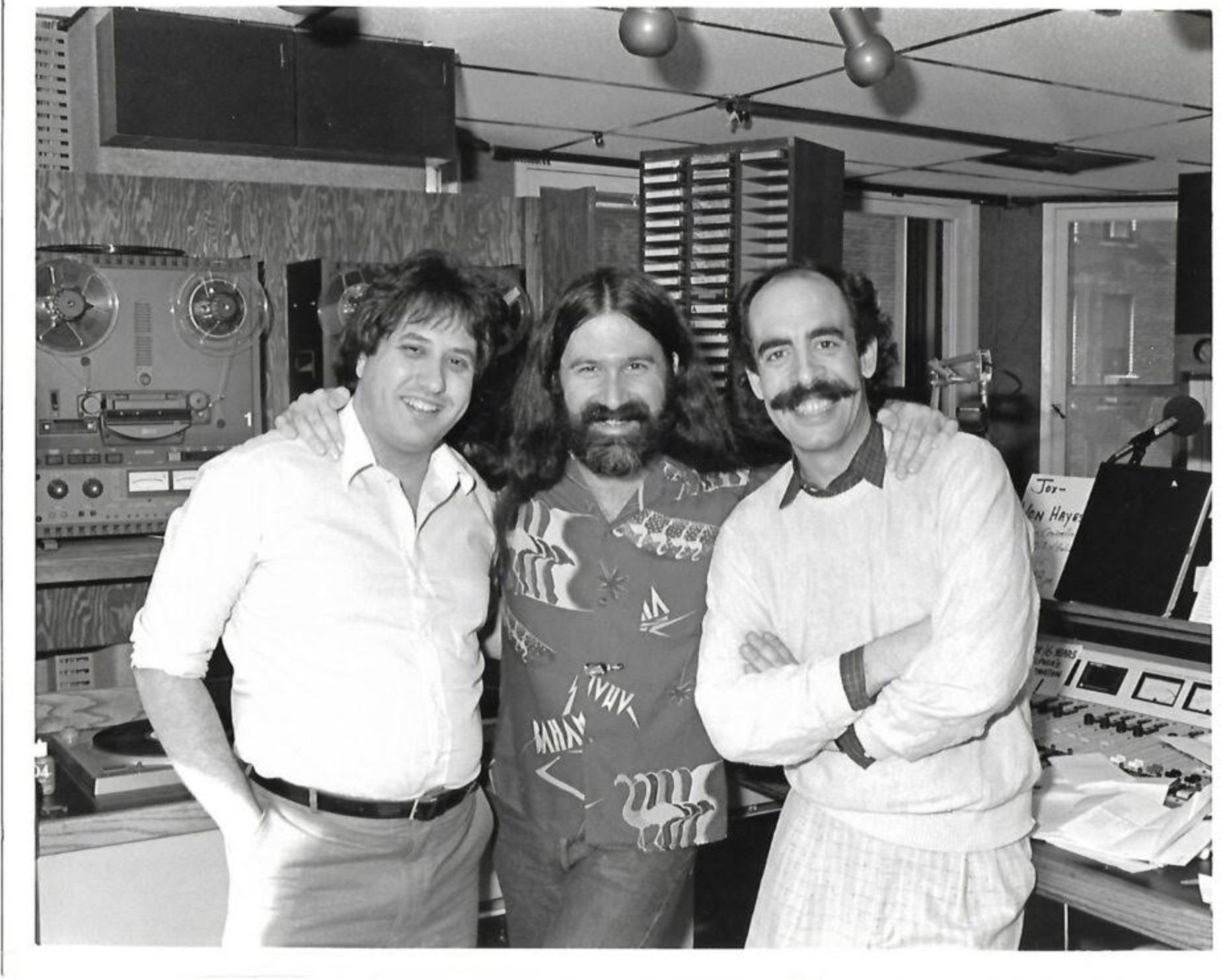
    Joe Bonadonna, Pierre Robert, and John DeBella in the Rittenhouse Square studio of WMMR-FM (93.3) in the 1980s. Erin Riley, the former WMMR music director who is the author of “The Mighty WMMR: An Oral History of Philadelphia’s Rock Radio Revolution,” will be in conversation with DeBella at the Parkway Central Library on Tuesday, Sept. 15.Courtesy of WMMR

    In the book, Riley writes of her first day of work at the station’s then Rittenhouse Square offices in 1983, when she met Tearson for the first time and he proceeded to immediately roll a joint during their introductory conversation.

    “I figured if he’s doing it, no one’s having a problem with this,” she writes.

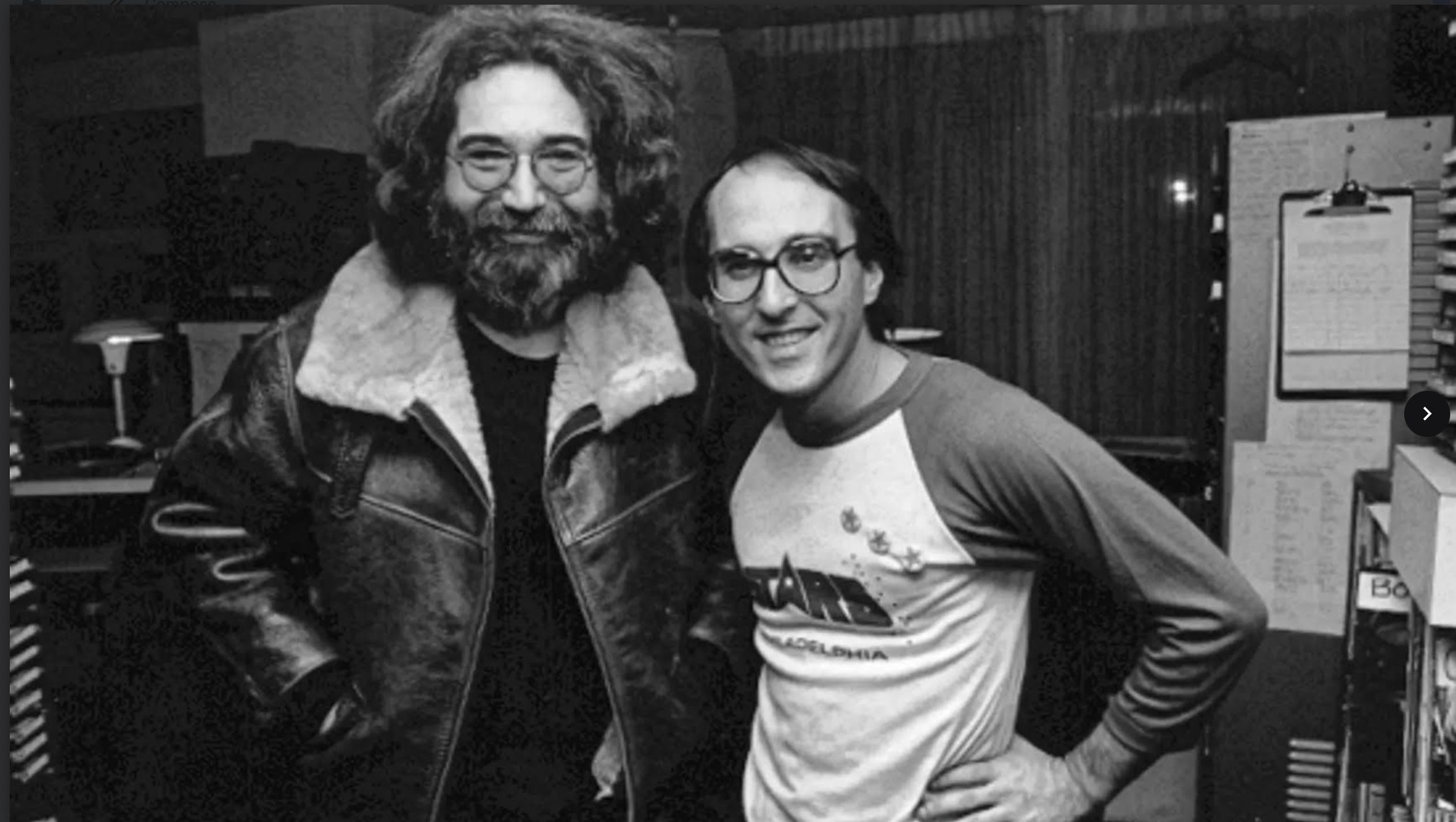
    The Mighty WMMR is a nostalgia fest. Interviewees include artists like Kenn Kweder, Richard Bush of the A’s, and John Eddie telling tales of long gone hot spots like Emerald City, Grendel’s Lair, and Stars, the venue run by Stephen Starr, now a restaurateur but then a club owner and concert promoter.

    Eric Bazilian and Rob Hyman of the Hooters tell of how Tearson gave the band its first big break by playing its cover of a Skatalites song on his show Gorilla Theatre.

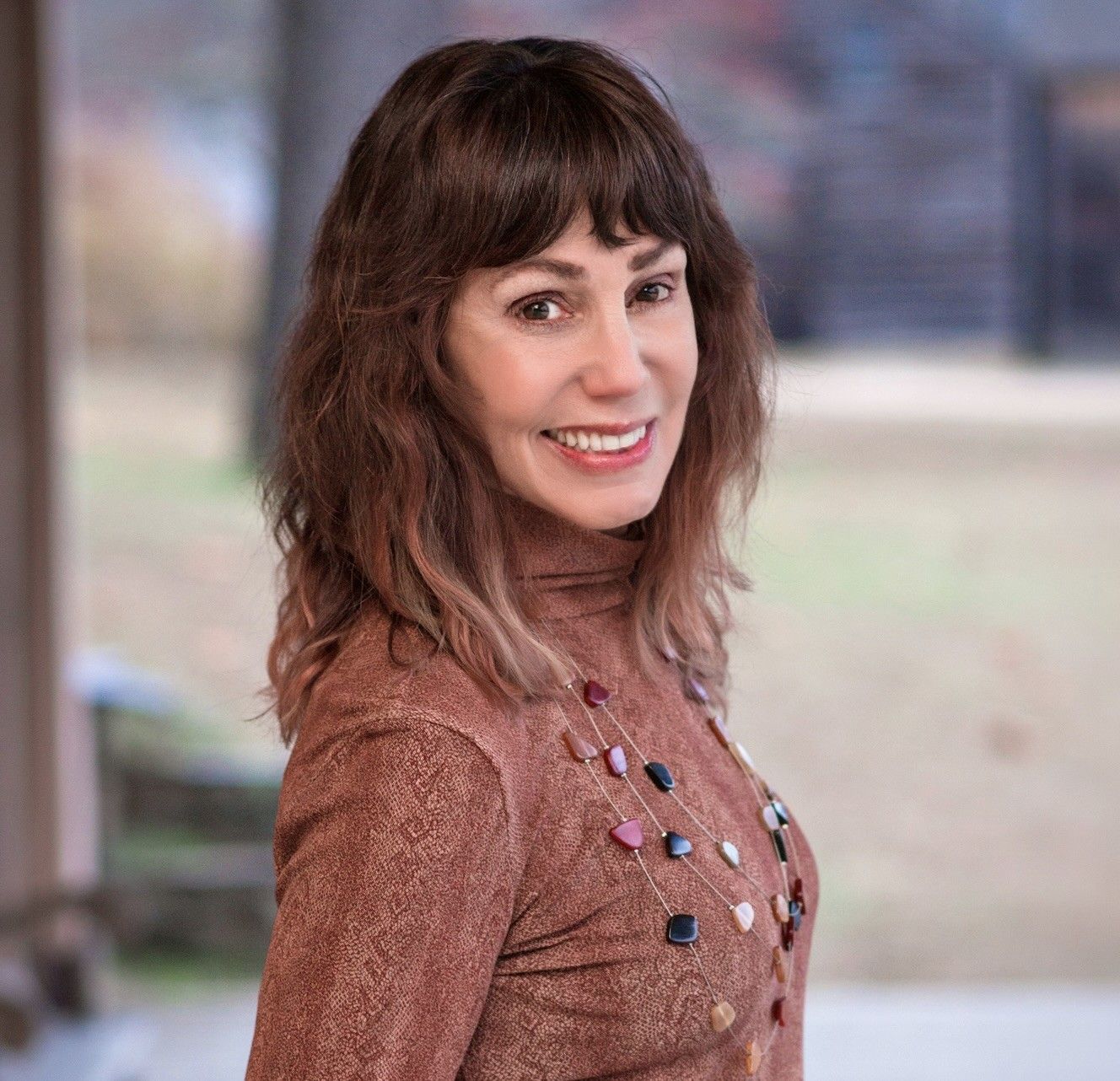
    Erin Riley, author of the oral history book “The Mighty WMMR: An Oral History of Philadelphia’s Rock Radio Revolution,” published by Temple University Press. Riley will be in conversation with former WMMR deejay John DeBella at the Parkway Central Library on Tuesday, Sept. 15.Annmarie Young

    Judy Sciaky, the widow of Ed Sciaky, who died in 2004, tells of her late husband’s close relationship with Springsteen, who frequently slept on the sofa at the couple’s Lombard Street house during his early 1970s salad days.

    WMMR deejay Steve Martorano is one of several who warmly remembers Sciaky, who, he says, “never missed a buffet in his life.”

    Springsteen once referred to her husband as “Hungry Ed” in an onstage monologue, Judy Sciaky remembers. The Boss also had a jacket made for the DJ with that nickname stitched on. She adds that Manfred Mann’s hit version of “Blinded By the Light” resulted from Sciaky introducing the band to Springsteen’s song.

    Sciaky’s support for artists like Springsteen, Joel, and Warren Zevon is legendary.

    “Ed was there first. He believed first, committed to them, and did what he did,” program director Charlie Kendall recalls in the book. But did Sciaky play Greetings From Asbury Park, N.J., Springsteen’s debut album, first?

    No, Riley clarifies. That was Tearson, followed by Takiff the same night.

    Dye, who later was the founding host of World Cafe on WXPN-FM (88.5), where his Dave’s World airs on Sunday mornings, concurs with the timeline, though Springsteen himself misremembers it in his Born to Run memoir and name-checks Dye in a chapter titled “A DJ saved my life.”

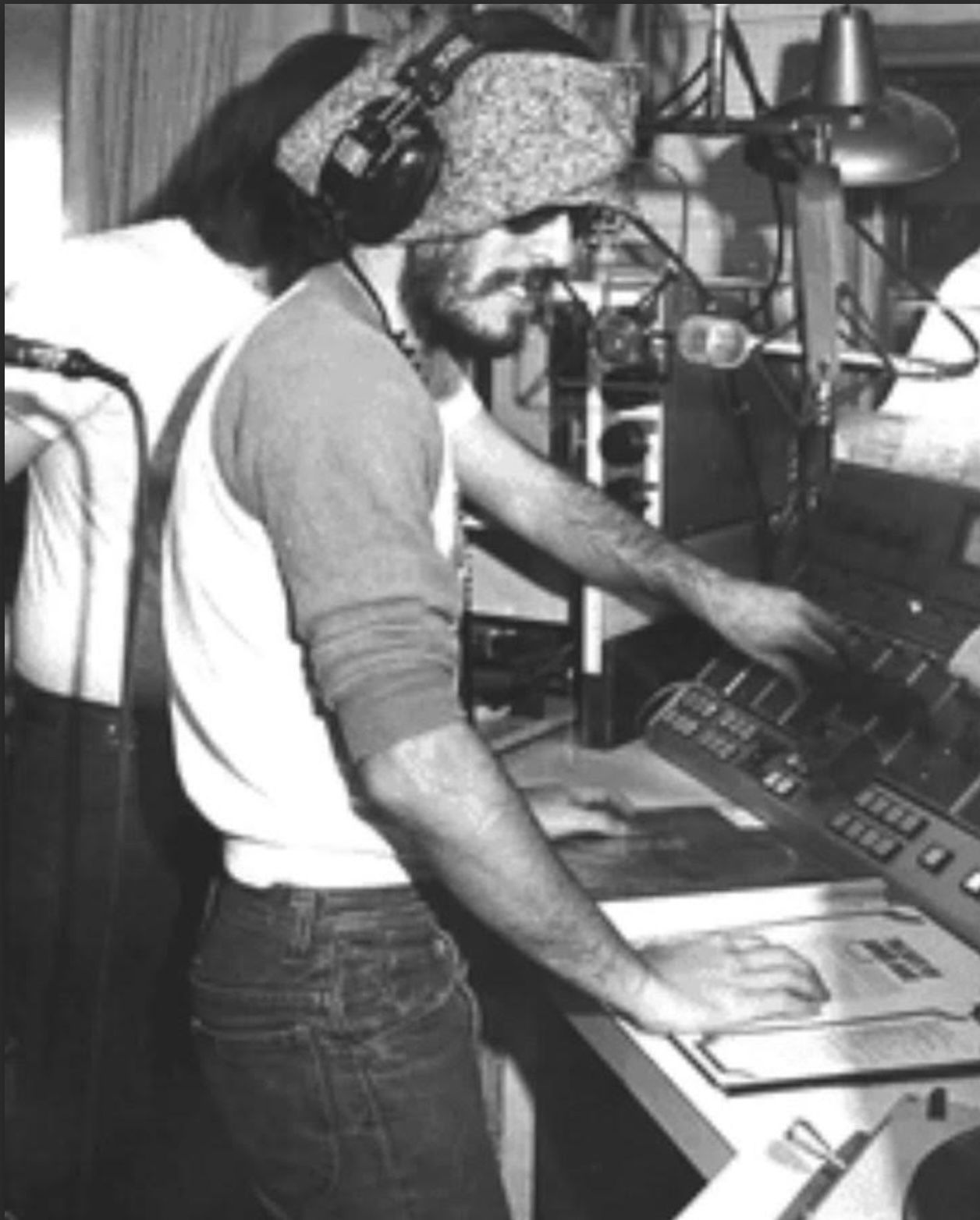
    Bruce Springsteen guest DJing in WMMR’s Rittenhouse Square studios in the 1970s. Erin Riley, the former WMMR music director who is the author of “The Mighty WMMR: An Oral History of Philadelphia’s Rock Radio Revolution,” will be in conversation with John DeBella at the Parkway Central Library on Tuesday, Sept. 15.Courtesy of WMMR

    Gene Shay, the late Folk Show host who made his home at ‘MMR in the early 1970s, is paid tribute to as well. As is Robert, who came to ‘MMR in 1982 and briefly worked as an assistant music director.

    Joe Bonadonna, who hired him, recalls that as an assistant MD, Robert “was terrible.”

    “He was so disorganized. … when he started to do part time-work on the air, it just became a natural progression for him. He was not an analytical brain, he was more of an artsy character.”

    Robert, who died in October 2025, will be celebrated by David Uosikkinen’s In the Pocket during the Philly all-star band’s In the Pocket at Ardmore Music Hall on Sept. 26.

    Erin Riley in conversation with John DeBella plus special guests at 7 p.m. Tuesday, Sept. 15 at Parkway Central Library, 1901 Vine St. Free. Books will be available for purchase. freelibrary.org.