Blog

  • ‘Alligator Alcatraz’ used small cages as ‘calming areas,’ report says

    ‘Alligator Alcatraz’ used small cages as ‘calming areas,’ report says

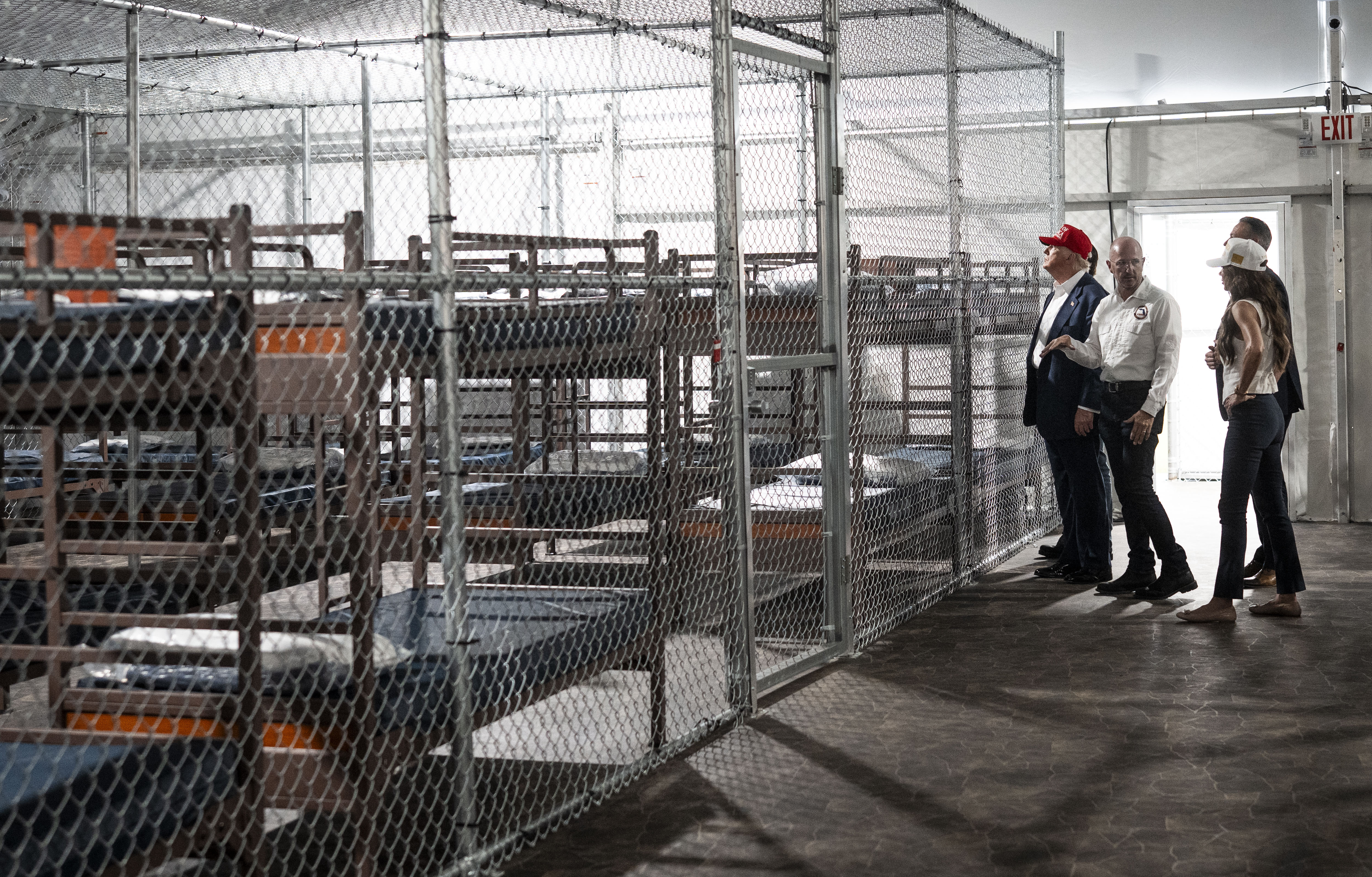
    WASHINGTON — A state-run immigration detention center in the Florida Everglades failed to comply with a host of federal detention standards, creating cramped conditions and confining migrants in “small metal enclosures,” according to a new report by the Department of Homeland Security’s independent watchdog.

    The report said the use of the enclosures was unprecedented among facilities the watchdog, the department’s Office of Inspector General, has previously inspected and presented “significant risks” to detainees’ health and safety. It focused on a high-profile facility known as Alligator Alcatraz, which came under intense scrutiny before it closed this summer.

    The report raised further questions about a facility that became synonymous with the Trump administration’s harsh treatment of immigration detainees. President Donald Trump had joked that the location was in such a remote area that detainees would have to learn “how to run away from an alligator.” It was shuttered after criticism about conditions and cost, and after enduring legal challenges.

    Federal investigators found that the metal enclosures — each providing only about 18 square feet of floor space — were used as “calming areas,” where detainees were held for periods ranging from several minutes to nearly two hours. Although facility staff said detainees asked to spend time in the enclosures, federal investigators found at least one instance in which the enclosures were used to discipline a detainee who “failed to comply with a lawful command.”

    “The use of such restrictive spaces is highly unconventional and does not align with standards for humane treatment,” the report said.

    The Department of Homeland Security did not immediately respond to a request for comment. The office of Gov. Ron DeSantis of Florida also did not immediately respond to a request for comment. Neither did the Florida Division of Emergency Management, which operated the facility before it closed.

    Investigators found that the facility complied with intake and use-of-force standards, but it did not comply with a variety of national detention standards related to medical care, food service, personal hygiene, and recreation.

    The report said the facility’s staff failed to provide detainees with sufficient living space. National standards require detainees to be given at least 75 square feet of floor space per person. But at maximum capacity, the housing units at the facility only provided 28 square feet per detainee, according to the report.

    In July 2025, Florida quickly erected the detention center on a training airport in a rural area between Miami and Naples, championing the facility as part of the state’s efforts to assist Trump’s crackdown on immigration. They even erected an “Alligator Alcatraz” sign on a road to the facility, which critics denounced as cruel.

    The facility had cost state officials more than $1 million per day to operate, including for trucking in water and wastewater disposal. Florida officials closed the facility this summer, citing impending hurricane season — even though detainees spent the 2025 season at Alligator Alcatraz.

    This article originally appeared in the New York Times.

  • Oliver Bonk’s goal is to make the Flyers’ opening roster. The defenseman is off to a good start.

    Oliver Bonk’s goal is to make the Flyers’ opening roster. The defenseman is off to a good start.

    For the first time, Oliver Bonk is entering training camp with a bit of NHL experience.

    He made his NHL debut in the Flyers’ final regular-season game of the year, scoring his first NHL goal against Montreal a night after the Flyers clinched a playoff berth. He spent the playoffs practicing with the big club and returned to the lineup for Game 4 against Carolina, in the game where the Flyers were eliminated from the postseason.

    That experience is a “confidence booster” heading into this year’s training camp, but it hasn’t changed the 21-year-old’s approach as he looks to make the opening night roster for the first time.

    “You can’t just come out saying, ‘Oh, I played one game in the NHL last year, I’m good. I can take this rookie camp off,’” said Bonk, whose hopes to make last year’s team were derailed by a preseason injury. “I think every game has been my best, and I’ve got to keep building on it.”

    Bonk joked that he attempted to improve “everything” this summer, but said he spent significant time working on his skating. Lehigh Valley Phantoms head coach John Snowden praised Bonk for his transition game and ability to jump into the play at the right time.

    With Rasmus Ristolainen still with the organization despite persistent trade rumors, there’s only one spot on the Flyers defense that doesn’t return an NHL regular from last year. Bonk, along with David Jiříček and newcomer lefty Simon Benoit, who was acquired in the Joseph Woll trade, will be among the biggest contenders.

    “Where he ends up is up to Bonker,” Snowden said. “I think he’s done everything to put himself in a great situation to fight for a spot on that team.”

    Phantoms coach John Snowden believes Oliver Bonk has taken a step in terms of his skating this offseason.Monica Herndon / Staff Photographer

    The NHL season is now 84 games, which means a shortened training camp for all players. Snowden said that at the start of rookie camp, he told the Flyers prospects to treat rookie camp like their training camp. There will be limited runway to make an impression in main camp and in the four preseason games.

    That’s why the Rookie Series games took on increased importance. Bonk assisted Denver Barkey on the first goal of the Flyers’ 4-1 win over the New York Rangers’ rookies on Sunday. He also was in the bumper spot on the power play.

    “In the rookie games, it’s that time to test yourself and see how far you can go, see how many plays you can make, see how well you can do,” Bonk said. “It’s kind of like the test before the big dance.”

    If Bonk doesn’t earn that third-pairing spot out of camp, which begins Thursday in Voorhees, he’s likely to return to Lehigh Valley to play every night. He’d likely be one of the first AHL call-ups in case of injury or a trade.

    “It’s just continuing to teach and find the moments that are going to help him be an everyday NHL player,” Snowden said. “He’s got the right mindset, he’s got the right attitude, and he works the right way to give himself a chance for that.”

    Breakaways

    Denver Barkey and Jett Luchanko were not on the ice for skate Monday. Snowden said it was “maintenance” and that both players will be back on the ice Tuesday for the final day of rookie camp. Luchanko played in both Rookie Series games, while Barkey only played Sunday.

  • Houthis seize 2 strategic Red Sea islands

    Houthis seize 2 strategic Red Sea islands

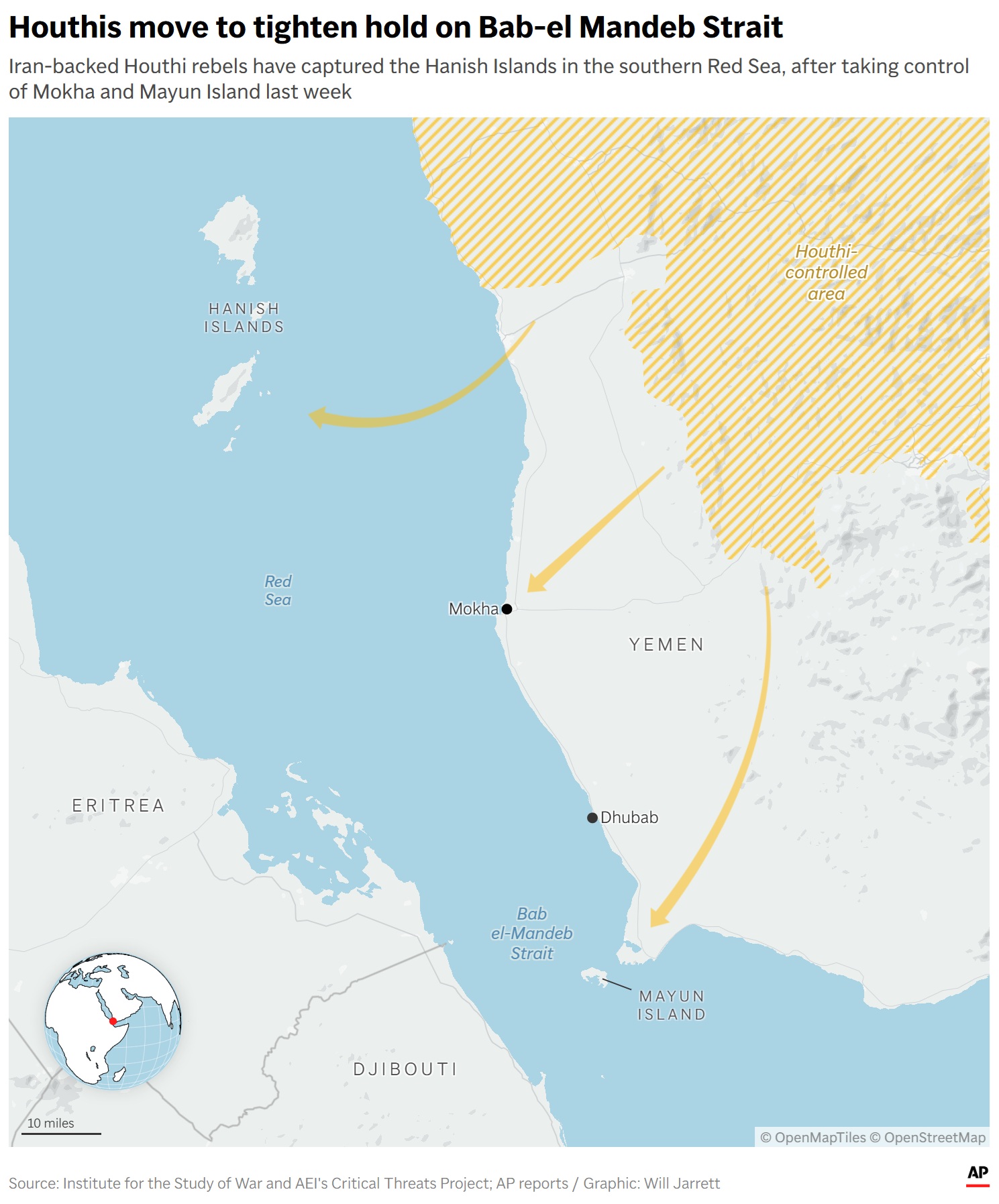
    Yemen’s Houthi rebels have seized the strategic islands of Greater and Lesser Hanish in the southern Red Sea, bolstering the Iran-backed rebels’ ability to control a key maritime shipping route.

    Meanwhile, repairs to a crucial Saudi Arabian oil pipeline that was struck in an attack last week could last three to five weeks, putting it mostly out of service, two regional officials said.

    Houthis gain ground as oil prices face more pressure

    Houthi officials said Monday that rebels had taken over the two islands just as Saudi-backed government forces tried to claw back territory from the rebels’ swift advances around the Bab el-Mandeb Strait, a crucial shipping alternative to the Strait of Hormuz.

    Iran effectively closed the Strait of Hormuz — through which a fifth of the world’s traded oil and gas transits in peacetime — in the opening days of the war. The Saudis have since used the Bab el-Mandeb Strait, which leads out of the Red Sea, for crude oil exports.

    The Houthis’ latest takeover, following the seizure of the Red Sea port of Mokha and a strategic island last week, puts more pressure on Saudi shipments and, in turn, global oil supplies and prices.

    This could give Iran additional leverage in its war with the United States.

    Oil might only partially move through damaged line

    Saudi Arabia relies on the East-West Pipeline to move crude from Gulf ports to ports on its western, Red Sea coast. From there it can be put on tankers for export.

    Two officials briefed on the matter said repairing damage from an attack on Sept. 10 could take weeks, including at a major pumping facility.

    The officials spoke on condition of anonymity because they weren’t authorized to brief the media. One said the line may work partially while teams carry out the repairs.

    China, a major Middle East oil importer, called Houthi attacks on Saudi energy infrastructure “unacceptable” and said that it was “deeply concerned” about further escalations by the rebels.

    Iran says Saudi Arabia behind postponed meeting on Hormuz

    Iranian Foreign Ministry spokesperson Esmail Baghaei said Monday that Saudi Arabia had “demanded” that a meeting bringing together Iran with other regional countries to discuss the Strait of Hormuz be scrapped “for the time being.”

    Baghaei called the meeting, which was to be hosted by Oman, a “proper opportunity” to restore security in the region.

    The spokesperson said that an agreement between Iran and Oman on the Strait of Hormuz has been finalized and it will be announced later.

    Saudi Arabia had submitted amendments to the agreement, citing concerns that it could have lasting implications for the Strait of Hormuz, negatively impacting other Gulf Cooperation Council countries, according to a Gulf official familiar with the matter who wasn’t authorized to comment publicly and spoke on condition of anonymity.

    Iran condemns Austria’s visa refusal for its nuclear chief

    Iran denounced on Monday the refusal by Austria to issue visas to the Iranian nuclear chief and other delegation members for the International Atomic Energy Agency’s general conference in Vienna, calling the decision “completely unjustified.”

    Baghaei said that Tehran summoned the Austrian chargé d’affaires, saying Austria was obligated as the host country to issue the visas.

    Baghaei accused Western countries of denying Iran an opportunity to defend itself and blamed the U.S. for pressuring Austria to deny the visas.

    The refusal is part of U.N. sanctions on Iran, reinstated last year, that include a travel ban on Iranian officials.

    Iran fails to live up to nuclear obligations, U.S. official says

    U.S. Energy Secretary Chris Wright on Monday criticized Iran’s failure to cooperate with the U.N. nuclear watchdog.

    Wright was particularly critical of Tehran’s refusal to grant U.N. inspectors access to Iran’s nuclear sites affected by the war. He said that Iran had “ample time to address its egregious negligence” toward its obligations ”but that time is up.”

    Speaking at the IAEA general conference in Vienna, Wright said that giving Iran more time “only delays overdue accountability.”

    Yemenis flee homes as rebels press on

    Nearly 94,000 people have fled their homes in Yemen since fighting between Iran-backed Houthi rebels and government forces escalated this month, the International Organization for Migration said Monday.

    The worst-hit areas are Taiz and Lahj, where 48,000 have been displaced, the U.N. agency said, adding that more than 2,000 people have fled across the sea into Djibouti.

    Around 200 schools have been converted to shelters in southwestern Yemen to absorb an influx of families, the International Rescue Committee, an aid group, said.

    Fears mount that Yemen is inching closer to a return to a civil war that killed 150,000 before a 2022 ceasefire. The World Health Organization said more than 500 people were killed in a weeklong period ending Saturday, a sharp increase.

    Israel accused of dismantling ‘Palestinian existence’ in West Bank

    The B’Tselem human rights group said Monday Israel is carrying out a systematic and accelerated project aimed at “dismantling the foundations of Palestinian existence” in the occupied West Bank.

    The group said in a new report that Israeli actions against Palestinians in the West Bank by settlers and the military are designed to undermine Palestinian collective life “while entrenching a permanent system of Jewish supremacy” across the territory.

    Settler violence has surged under the ultranationalist government of Israeli Prime Minister Benjamin Netanyahu. Rights groups say the military frequently turns a blind eye to the violence, and that when it intervenes it often focuses on protecting the settlers.

    The B’Tselem report also says that Israeli actions rely heavily on open cooperation between state authorities and armed settlers who attack Palestinian communities, while the military either fails to prevent the violence or sometimes participates in it.

  • Largest bond referendum in South Jersey school’s history will be in voters’ hands on Tuesday

    Largest bond referendum in South Jersey school’s history will be in voters’ hands on Tuesday

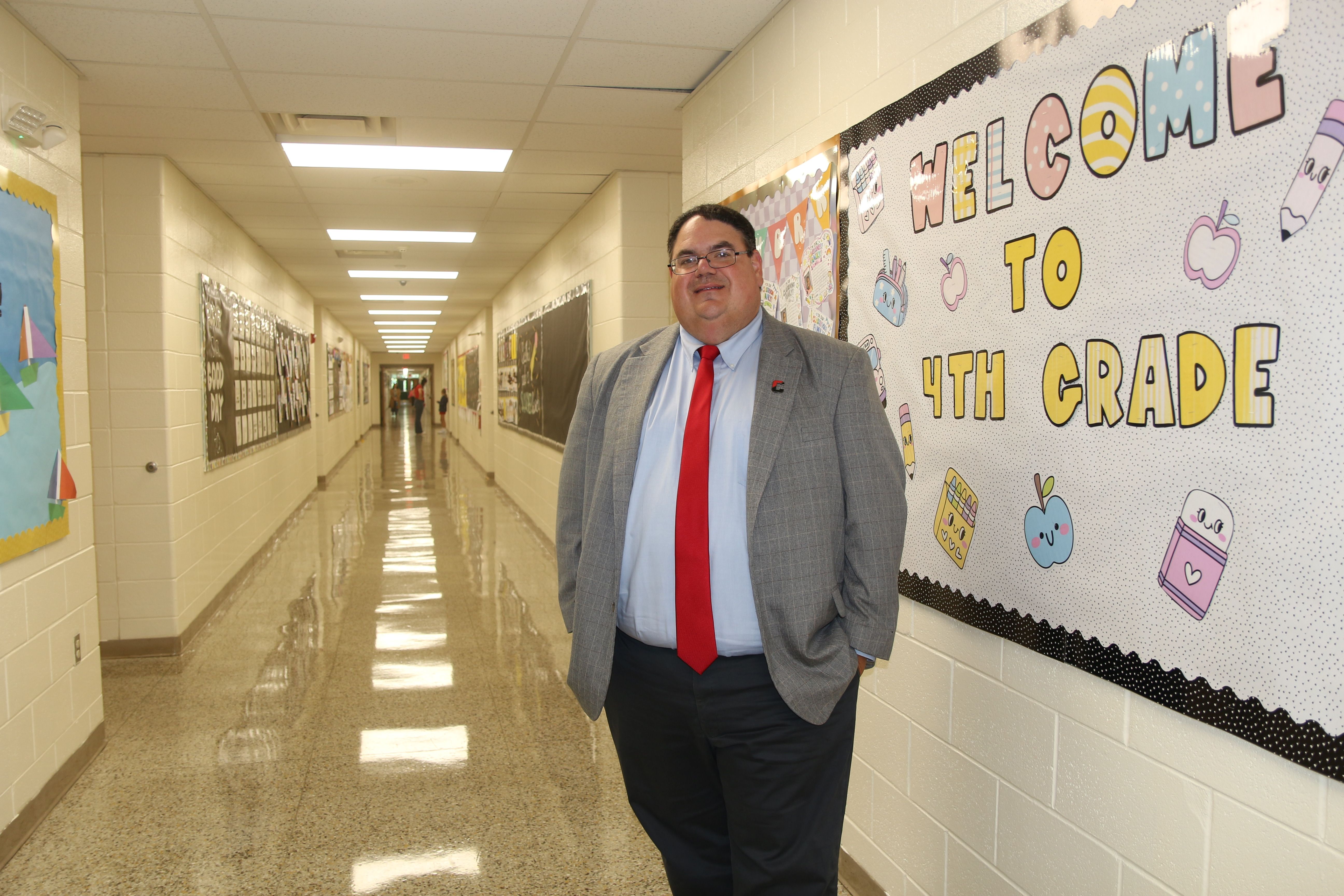
    Cinnaminson School District Superintendent Stephen Cappello has big plans for his South Jersey school system — if voters approve a $76 million bond referendum, the largest in the district’s history.

    It would allow the district to make desperately needed changes and improvements in all five of its schools. Voters head to the polls Tuesday to consider the proposal that would raise local property taxes.

    “This is a big one,” Cappello said in an interview. “This will be an important part of where we are moving forward.”

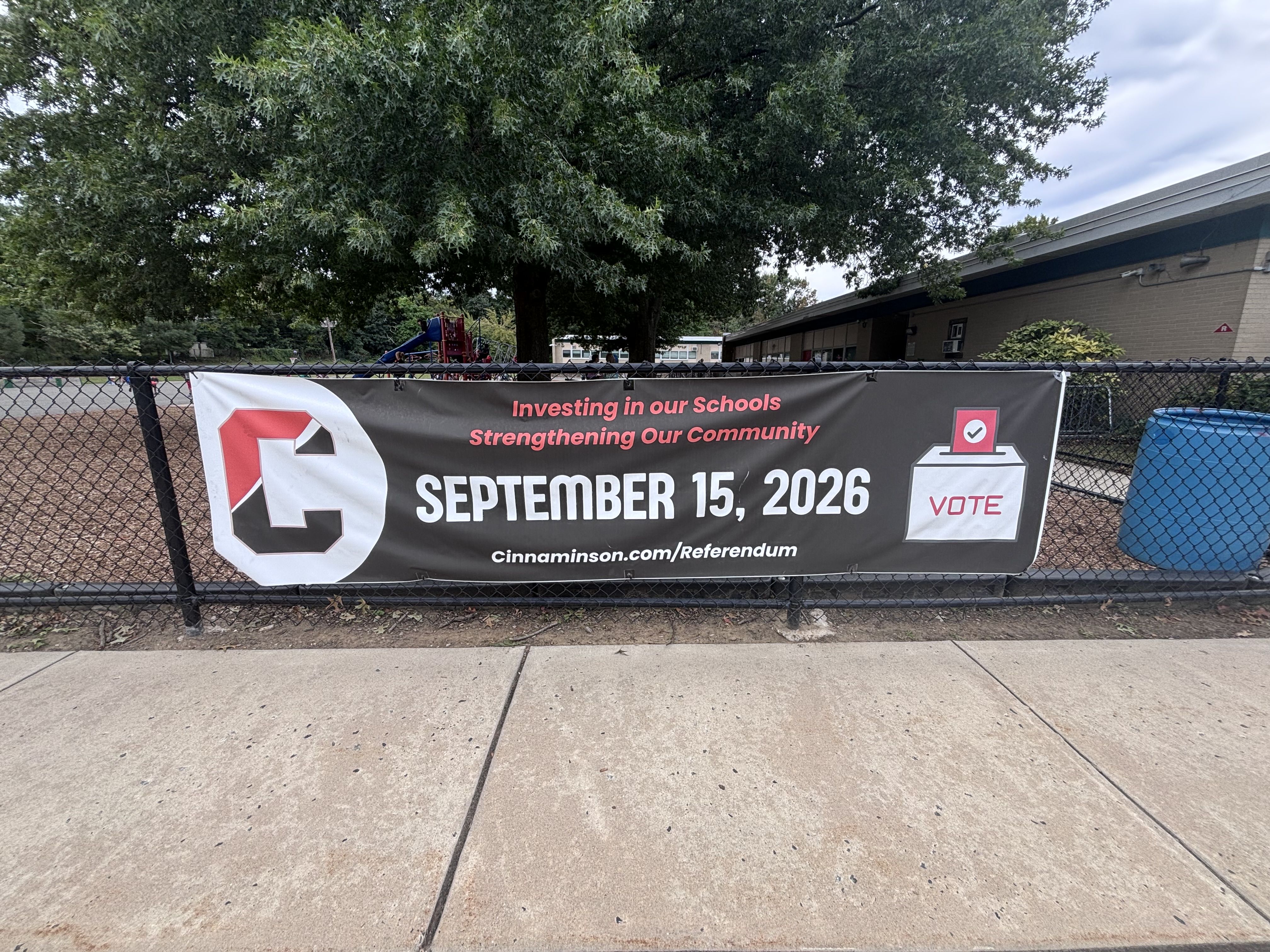
    Cinnaminson voters will decide on two school bond referendums totaling $76 million during a special election on Sept. 15.Melanie Burney

    If approved, it would help ease overcrowding at two elementary schools where some students attend classes in trailers, upgrade security systems, improve HVAC systems, and add new gyms and a high school stadium complex.

    Cinnaminson in Burlington County and Clementon School District in Camden County are the only districts in the tri-county region with bond referendums in Tuesday’s special election.

    Cappello acknowledged that referendum questions can be a tough sell especially amid tight economic conditions because they typically seek a property tax increase. Cinnaminson residents are still paying down a $40 million bond referendum in 2014 that added $238 annually to the average tax bill.

    The latest proposal, which includes two questions, would add about $560 annually on a home assessed at the township average of $236,538. The state would contribute $17.5 million.

    “No one takes those numbers lightly,” Cappello said. “We’re all sensitive about that.”

    Cappello said the Burlington County district has been struggling with crowding in light of a growth explosion in the township. The district has about 600 more students than it had a decade ago, he said.

    The district has spent millions to relocate students to six trailers the district calls “learning cottages.” It also leases space in a strip mall for administrative offices.

    “There’s instruction happening in hallways, which is not our favorite,” Cappello said.

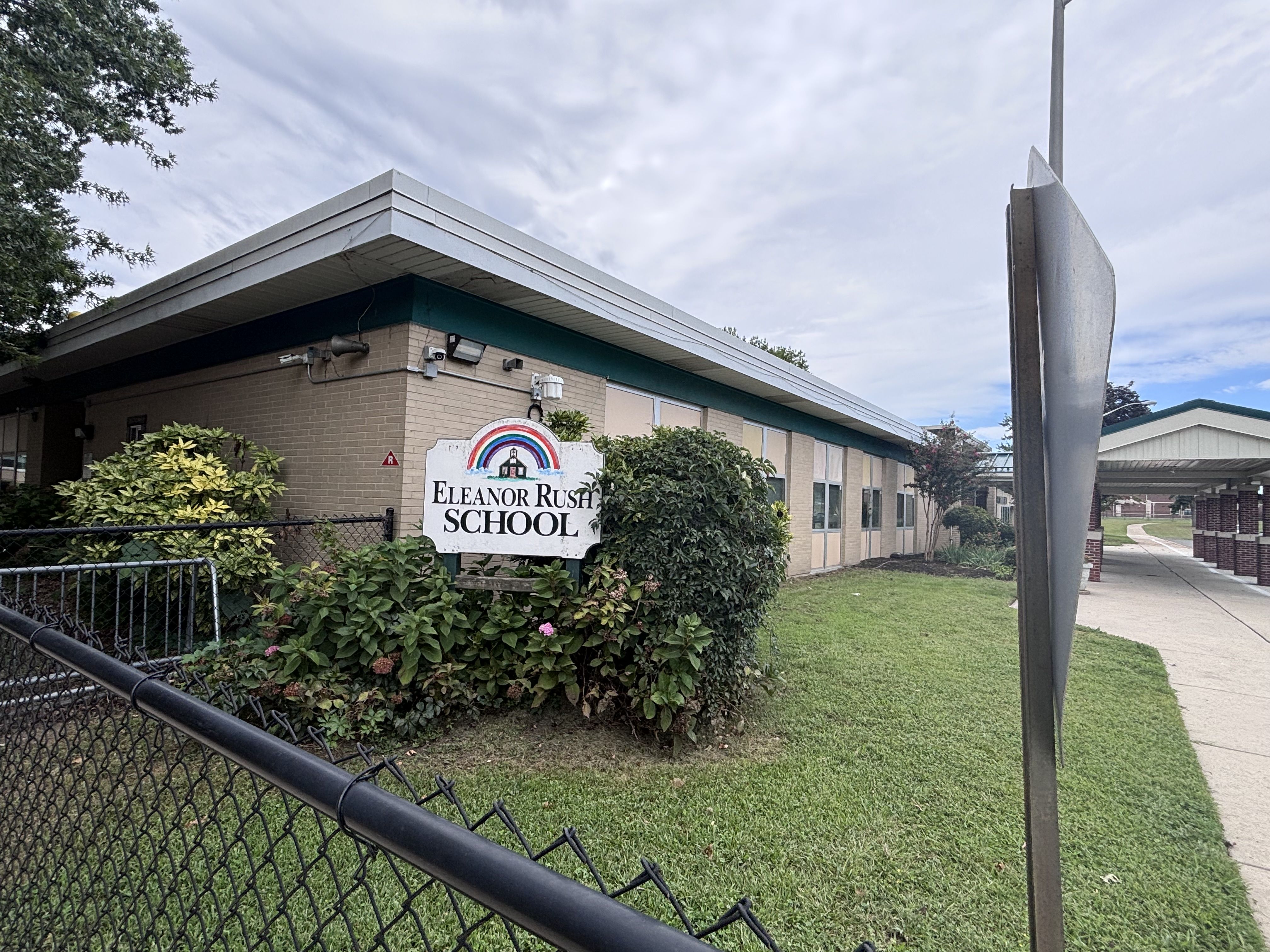
    The Eleanor Rush School would get eight new classrooms and other improvements if Cinnaminson voters approve a $76 million bond referendum on Tuesday.Melanie Burney

    The need is especially felt at Eleanor Rush Elementary where the all-purpose room is always bustling with activity. Because it is used for lunch, special classes including gym, music, STEM, and art cannot be held during the two-hour lunch period, presenting a scheduling challenge, Cappello said.

    Tom Angelone, a STEM teacher at Eleanor Rush and a father of three in the district, said the district desperately needs more space. His classroom is located in one of several trailers on the complex.

    Tom Angelone, a STEM teacher at Eleanor Rush Elementary.Melanie Burney

    “I think we need to support the future generation,” Angelone said. “I will be voting yes on both questions. It’s a cup of coffee a day.”

    Cinnaminson split its list of improvements into two bond questions. The first question includes a repaved parking lot at Memorial School, new fountains and renovated bathrooms at Eleanor Rush, six pre-K classrooms at New Albany School, a new esports arena and robotics classroom at the middle School, and a new roof and STEM lab at the high school.

    Voters must approve question 1 in order to adopt the second question. It would fund a new one-story pre-K addition with six classrooms and bathroom additions at Memorial, a new gym addition at Rush, and a new turf field and track and field replacements at Cinnaminson High.

    In Clementon, voters are deciding on a $13.5 million bond referendum to build a new early childhood center on a vacant lot. If approved, it would add about $243 annually to the tax bill for a home assessed at the borough average of $115,178.

    The new center would include eight classrooms, a multipurpose room, and a playground area, according to the district’s website. Pre-K enrollment is expected to nearly triple to about 135 students for the 2027-28 school year, the district said.

    An artist rendering of an Early Childhood Center proposed for the Clementon school district if voters approve a $13.5 million bond referendum in Tuesday’s special election.Clementon school disyrict

    By shifting its youngest learners, the district said it would use the vacated space for other grade levels and electives, and add a dedicated sensory room for special needs students. The pre-K classes were temporarily moved this year to a site in Lindenwold, the district said. Clementon enrolls 621 students in kindergarten through eighth grades.

    Statewide, voters in at least four other districts are considering 12 bond questions, according to the New Jersey School Boards Association. They allow districts to pay for projects that cannot readily be funded through their annual general operating budgets.

    Tuesday is one of five times during the year that school boards may ask voters to approve a bond issue or special question.

    The questions total more than $308 million with the state contributing about 40%, or roughly $122 million, if approved by local voters.

  • Saudi Arabia faces ‘worst-case scenario’ after being rebuffed by Trump

    Saudi Arabia faces ‘worst-case scenario’ after being rebuffed by Trump

    RIYADH, Saudi Arabia — Saudi Arabia has increasingly found itself caught in the middle of the war between the United States and Iran. Now, the kingdom’s leadership is assessing dwindling options on how to respond.

    In recent weeks, the Iran-allied Houthi militia in Yemen has repeatedly attacked the kingdom, threatening to throttle its ability to export oil and piling pressure on the global economy. But Saudi Arabia has been left frustrated and disappointed by President Donald Trump’s reluctance to confront the Houthis, former diplomats and analysts say.

    The kingdom’s diplomatic efforts to engage with Iran have also had limited results. A meeting planned Monday between officials from Iran, Saudi Arabia, and other Persian Gulf countries was abruptly postponed Sunday night, as the gap between their positions remained vast.

    “Right now the Saudis are really frustrated,” said Michael Ratney, a former U.S. ambassador to Saudi Arabia. “In some sense it’s their worst-case scenario.”

    The Saudi government’s Center for International Communication, which fields queries from journalists, did not respond to a request for comment.

    The kingdom’s conundrum underscores the heavy costs that the U.S.-Israeli war with Iran has imposed across the Middle East, including on countries whose leaders opposed the war or have sought repeatedly to bring it to an end.

    In the first few months of the fighting, Saudi Arabia was relatively untouched by Iran’s retaliatory attacks, compared with its neighbors. Now, with no end to the hostilities in sight, Iran is seeking greater leverage over the United States, and Saudi Arabia — the world’s largest oil exporter until the war knocked it down the list — has become a primary target.

    Over the past two weeks alone, Saudi Arabia has faced Iran-backed attacks from the east, the south, and the north.

    A Saudi oil tanker was struck in the Strait of Hormuz at the end of August, killing two sailors.

    On Friday, the Houthi militia, which had already declared a blockade on Saudi oil shipments through the Red Sea, seized territory on an important global shipping route and trounced Saudi-allied forces in Yemen.

    The same day, Saudi authorities announced that they had been forced to shut down a critical oil pipeline, blaming a drone attack by an Iran-backed Iraqi militia. The pipeline had become a key alternative export route for Saudi Arabia to get its oil to the Red Sea, after Iran effectively choked off the Strait of Hormuz.

    “The reason a country like Saudi Arabia invests so heavily in developing a security partnership with the United States is for just this sort of eventuality,” Ratney said.

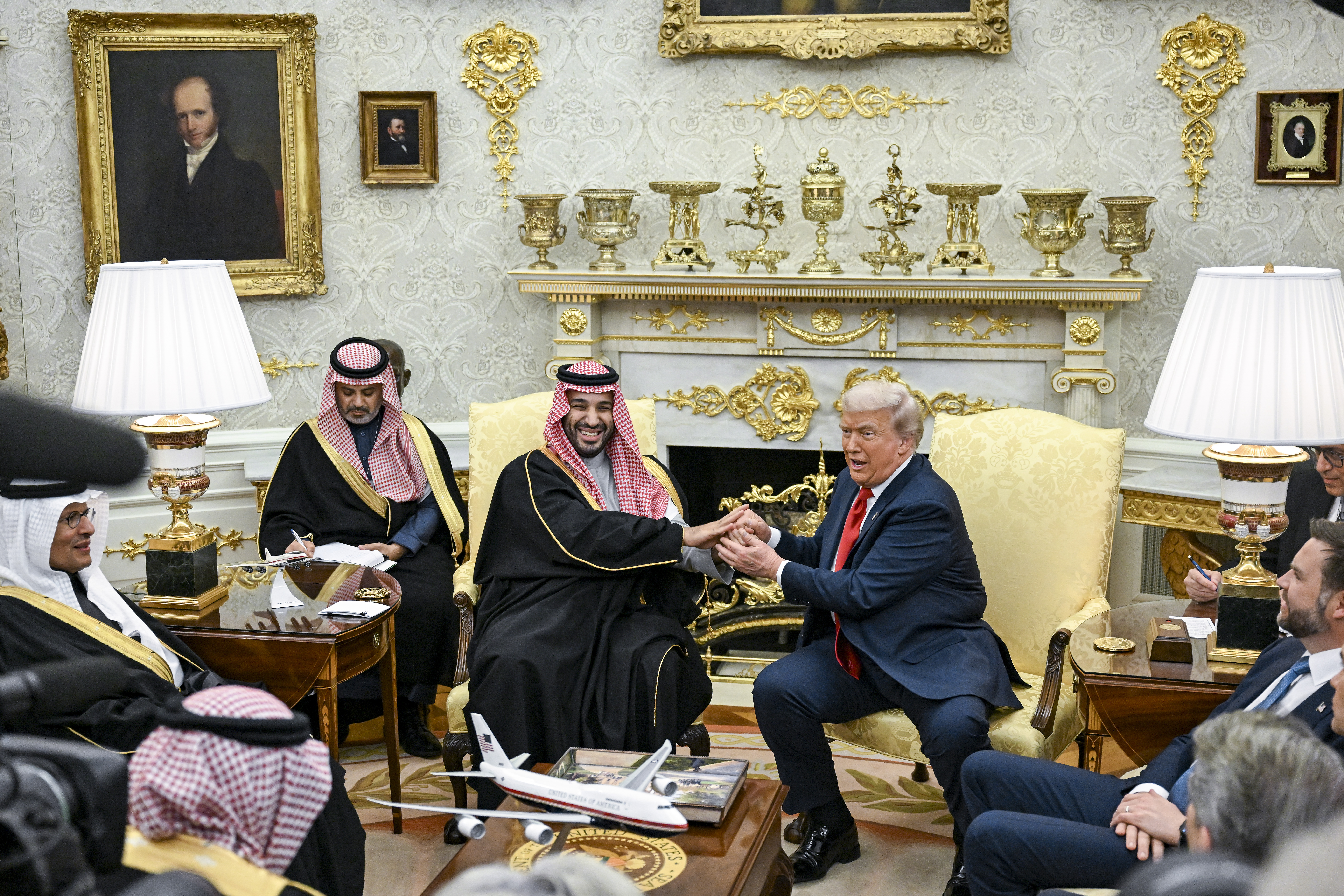
    Crown Prince Mohammed bin Salman of Saudi Arabia, the country’s de facto ruler, had reasons to be confident in that partnership. For years, his government has invested billions of dollars and extensive political capital in building personal relationships with Trump and his family.

    But when the crown prince asked Trump last week to take military action against the Houthis, the president declined, according to officials with knowledge of the conversations.

    Saudi officials and pundits have been clear that the kingdom does not want to fight the Houthis alone. That is especially true because an earlier military campaign that Saudi Arabia led against the group turned into a decade-long quagmire.

    “This demands international support, not only from Saudi Arabia and regional countries,” Abdulrahman al-Rashed, a columnist close to the Saudi government, wrote in a Saudi-owned newspaper Saturday.

    Trump, however, appears reluctant to get involved.

    “Already confronting one open-ended conflict with Iran, with an overstretched Navy and a diminishing munitions stockpile, it’s unsurprising that he does not want to open this new front,” said Dan Shapiro, a former top Middle East policy official in the Pentagon during the Biden administration. “But it is bitterly disappointing to the Saudis.”

    On Saturday, Trump told journalists on a trip to Ireland that the Houthis had “called us and they don’t want to fight with us.”

    “There’s just one country that they’re not too happy with and we’ll get that straightened out,” he added, referring to Saudi Arabia.

    Mohammed al-Bukhaiti, a Houthi political official, denied that the group had reached out to the United States. “We did not communicate with Trump, nor did we ask him not to attack us,” he said.

    Whether the United States gets involved in Yemen is still a matter of discussion, and Washington is continuing to assist Saudi Arabia with intelligence, said Vice Admiral John W. Miller, a retired U.S. Navy commander in the Middle East.

    Saudi Arabia is now likely to turn to diplomacy, according to Barbara Leaf, a former assistant secretary of state for Near Eastern affairs at the State Department. Despite years of Saudi, U.S., and Israeli bombing campaigns against the Houthis, “no one has come up with a military solution” for dealing with them, she said.

    Saudi Arabia could also work with its neighbors and Iran to hammer out an “ugly set of arrangements” to bring the war with Iran to an end, she said.

    The kingdom could look to China to try to find a solution, but Beijing’s previous diplomatic efforts in the region have not led to lasting peace deals, she noted. China brokered a rapprochement between Saudi Arabia and Iran in 2023 that has since frayed.

    For now, Saudi officials are unlikely to complain publicly about the United States, however frustrated they feel, analysts said.

    “They’re not going to show some sort of distance,” she said. “They’re going to have to generate some other diplomatic effort.”

    This article originally appeared in the New York Times.

  • Reading Terminal Market’s efforts to prevent food waste get the attention of the EPA

    Reading Terminal Market’s efforts to prevent food waste get the attention of the EPA

    The Reading Terminal Market is often bustling with voices, crowded aisles, and populated hallways. But on Monday, the real motion was behind the scenes, among the trash cans and scraps.

    After two years of diverting as much food waste from landfills as possible, the market has managed to keep 1,045,931 pounds of organic waste from the trash fields.

    A pilot program began in April 2024, through a partnership with the composting service Mother Compost, and 10 of the market’s sellers. Now, as part of the celebrations for the nation’s 250th, the Environmental Protection Agency’s Feed it Onward program is highlighting initiatives that ensure food resources are redistributed instead of wasted.

    EPA officials toured the market’s facilities on Monday, getting a behind-the-scenes look at how the composting and other recycling and reuse programs work.

    “We are not just one organization championing for change, but more than 80 small, family-owned businesses under one roof who have the potential to make a difference,” said Annie Allman, Reading Terminal Market CEO and general manager.

    Kamal’s Middle Eastern Specialties is one of them. Its owner Adham Albarouki, has been in the market for 45 years and sees in the composting program a way for his juice bar to give back.

    “We produce about 15 to 30 pounds of waste per day. Being part of something a little bit bigger here we can contribute a lot more,” Albarouki said. “It’s something to give back to mother nature.”

    The process is easy, Albarouki said. He or his workers run the vegetables and fruits through juicers. The juice goes to the customers, while the peels, fiber, and leftover organics are taken to a merchants-only area.

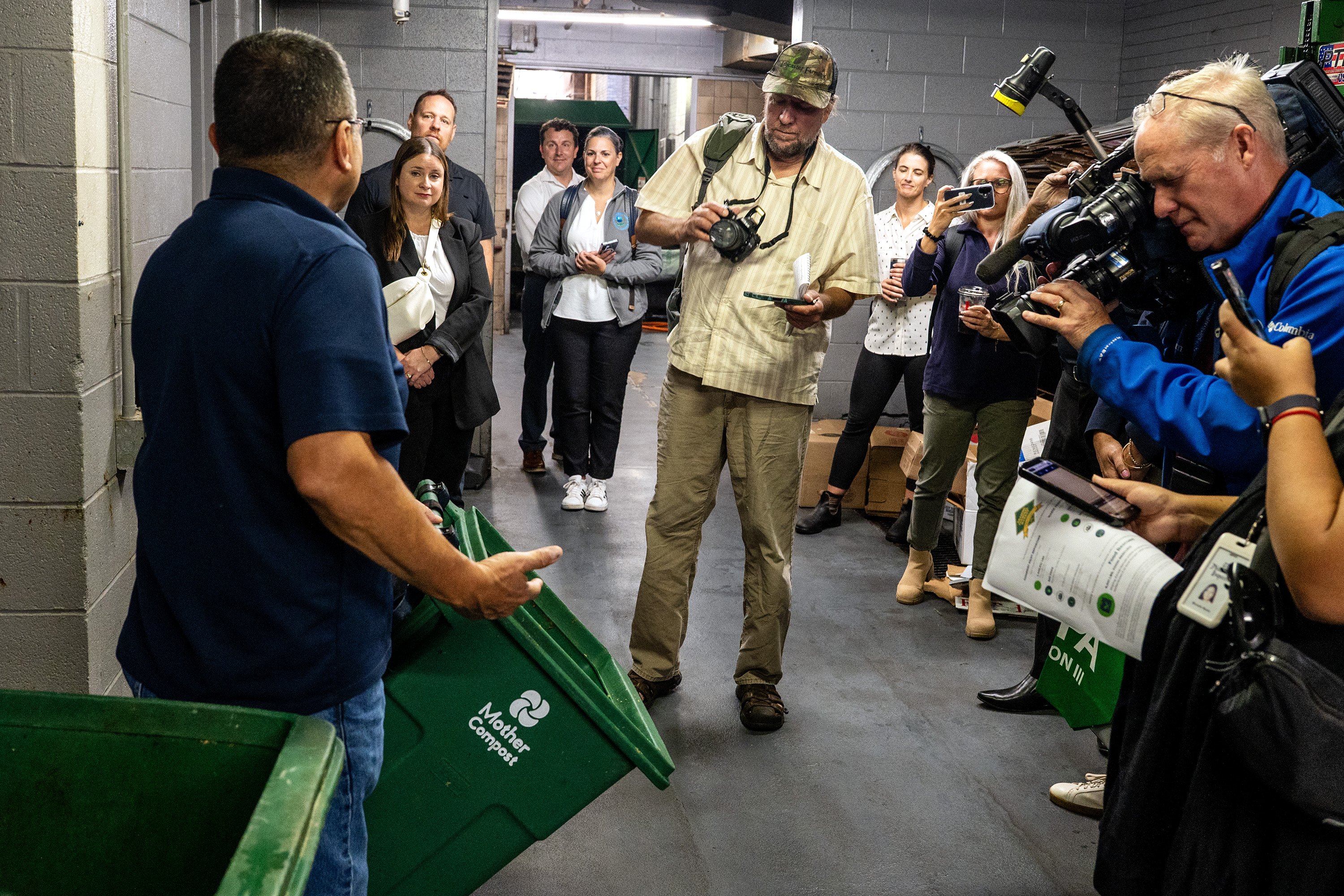
    Behind closed doors, 20 Mother Compost green trash cans are lined up, waiting to be fed scraps.

    Miguel Servellon (left), assistant general manager at Reading Terminal Market, gives merchants, EPA officers, and news media a behind-the-scenes tour of the market’s food waste diversion operations and sustainability programs on Monday. The green bins are from Mother Compost, a local, woman-owned pickup service, that composts organic materials to keep food scraps out of landfills and return their nutrients to local soils.Tom Gralish / Staff Photographer

    Miguel Servellon, the market’s assistant general manager, runs a tight machine to ensure the compost doesn’t get contaminated.

    On Monday morning the cement room smelled like orange peels, as one trash can had already been loaded with the citrusy scraps ahead of an early pick up, Servellon said.

    Fruit and vegetable peels, meat, eggs, cheese, milk, coffee grinds, and even fish all go inside the green containers.

    “The smell is not so inviting; occasionally it can be a challenge,” Servellon said.

    The organic waste is layered on top of each other.

    Mother Compost takes as much as 1,300 pounds of composting per pickup, which happen three times a week, Servellon said. The waste then goes to be repurposed at Linvilla Orchards, in Delaware County.

    But organic waste is not the only thing being recycled.

    At the other end of the room, two big gray containers sat full of vegetable oil waiting to be picked up by LifeCycle Renewables.

    Since 2022, the market has gathered 100,209 gallons of oil from sellers to be used as heating fuel in commercial buildings, Allman said.

    And since 2023, the nonprofit Sharing Excess has been working with the market’s sellers to redistribute surplus food.

    Earlier this year, Sharing Excess got its own fridge inside the market where sellers can deposit their donations to be redistributed in places with food insecurity.

    “We come by five days a week, and our driver weights them and tracks who donated each so we can give them their proper tax credit,” said Braden Walper, Sharing Excess retail rescue manager.

    The food goes to stock food pantries and provides as much as 100 meals a day for people experiencing food insecurity, Walper said.

    These Reading Terminal Market programs are crucial to inspire businesses across the region to reuse and recycle their food, said EPA Mid-Atlantic regional administrator Amy Van Blarcom-Lackey.

    “More than one million pounds diverted from landfills is an impressive milestone, but what really stands out to me is how the merchants made these practices part of their everyday operations,” Van Blarcom-Lackey said. “It’s important to continue because it’s good for the community and better for the environment.”

  • Nobel Peace Prize winner and Eagles fan Malala Yousafzai attends her first game

    Nobel Peace Prize winner and Eagles fan Malala Yousafzai attends her first game

    On Sunday, Nobel Peace Prize-winning activist Malala Yousafzai was spotted at Lincoln Financial Field with her husband, Asser Malik, for the Eagles’ season opener against the Washington Commanders.

    According to a team spokesperson, the Eagles leadership invited the education activist and her husband to attend the game.

    Malala Yousafzai visiting an Ethiopian classroom as part of the Higher Education Readiness (HER) programMalin Fezehai

    Fans took to social media to post images of Yousafzai in the stands, donning a custom Eagles jersey with her last name stitched on the back.

    She quote-tweeted an X post of her pictured on the jumbotron with the caption, “GO BIRDS 🦅.” .

    On Monday, she made an Instagram post of her wearing her a custom Birds jersey and matching hat, and enjoying the home opener with Malik from their seats near the 50-yard line.

    Last October, Yousafzai visited Philadelphia on the book tour for her memoir, Finding My Way, where she was in conversation with Kylie Kelce.

    “I’m really excited to be in Philadelphia,” the cricket fan had said to The Inquirer, “and open to going to an Eagles game. I don’t think I’ve been to any of the games.”

    At the book event, encouraged by Kelce, Yousafzai joined the live audience for an Eagles chant. She later posted a picture of herself hugging Kelce on Instagram, with her husband and former Eagle Jason Kelce smiling in the corner of the photo.

    Last December, Yousafzai posted a picture of herself wearing an Eagles jersey during her travels with Malik, who is a former executive with the Multan Sultans, a Pakistani professional cricket team. The team’s primary color, coincidentally enough, is also green.

    Judging by the online reaction, Yousafzai, the youngest person to receive a Nobel Peace Prize,was welcomed into the Eagles fold.

    “You deserve a 2nd Nobel Prize for bringing a peaceful approach to Eagles fandom!,” one X user commented.

    Yousafzai’s first visit to Philly was in 2014, when she received the Liberty Medal at the National Constitution Center.

    In April, she rolled back into Philly to receive WHYY’s Lifelong Learning Award, where she also gave a Birds shout-out.

    “I just want to say one thing to Philly. Go Birds,” she said to the crowd.

    Now that she witnessed the Eagles’ victory over Washington on Saturday, she might just be saying that a lot more.

    Reporter Rob Tornoe contributed to this article.

    An earlier of the article misstated details of Malala Yousafzai’s Eagles jersey. She wore one with her last name on it.

  • Trump says he likes Flock license-plate cameras amid growing backlash

    Trump says he likes Flock license-plate cameras amid growing backlash

    President Donald Trump expressed his support for a fast-growing surveillance tool opposed by many Americans, saying he likes Flock cameras “because of law enforcement.”

    “I sort of like them because of that, because of law enforcement, but some people don’t,” Trump told reporters aboard Air Force One on Sunday in his first public comments endorsing the technology. “They think it’s an infringement. I like them.”

    Trump has previously sidestepped questions about his stance on the artificial intelligence-powered license-plate readers that have provoked broad privacy and surveillance concerns. Asked about them in the Oval Office last month, he said: “It’s being studied right now. We’ll have an answer … as to our views on it over the next couple of weeks.”

    Trump’s new comments on Flock came shortly after he rejected calls from top AI leaders to limit the pace of development of artificial intelligence models. “We’re leading China in AI, we’re the most sophisticated country in the world, and frankly I want to keep it that way,” he said on the sidelines of the Irish Open golf tournament. “Whoever wins AI, wins.”

    Atlanta-based Flock has a network of more than 120,000 cameras across the U.S. The cameras record 20 billion license plate scans every month, the company says, which have helped officers investigate 1 million crimes a year.

    The surveillance systems had broad support as recently as last year, but an August survey by YouGov of approximately 20,000 U.S. adults found that 46% said they oppose the technology being used in their communities, compared with 38% support.

    The same month, an investigation by the Washington Post found dozens of law enforcement officers have been charged with or accused of misusing the plate-reading technology. Soon after, Flock announced changes to its platform to prevent the camera network from being abused by police officers, including a requirement for every search to be labeled with a criminal case number.

    But the technology has increasingly become a topic of political debate ahead of the midterm elections, with candidates from both parties outlining their opposition to them.

    “Do you ever feel like you are in a cage, kind of stuck, being watched?” U.S. Senate candidate Abdul El-Sayed asked in a video posted last month. “Well, that is because you are,” the Michigan Democrat continued, before criticizing what he called the “mass proliferation of” Flock cameras across the country.

    Rep. Keith Self, a Republican running for reelection in Texas, mentioned the cameras in a social media post, saying: “Big Brother has NO place in the Lone Star State.”

    Florida Gov. Ron DeSantis (R) last month said the cameras are “out of control.”

    “I don’t want to have this become a surveillance state,” he added.

  • Pa., N.J., and other states reach settlement that limits Trump changes to AmeriCorps

    Pa., N.J., and other states reach settlement that limits Trump changes to AmeriCorps

    Pennsylvania Gov. Josh Shapiro and 24 other state leaders have reached a settlement in a federal lawsuit that keeps President Donald Trump’s administration from making significant changes to AmeriCorps without prior warning and justification.

    The settlement announced last week stipulates that AmeriCorps must provide at least 30 days’ notice before making changes to its services, and protects funding for the organization through fiscal year 2026. The settlement comes more than a year after Shapiro and other governors and state attorneys general challenged a 2025 move to discontinue about $400 million worth of AmeriCorps programs and wipe out a vast majority of the organization’s staff.

    Created in 1993, AmeriCorps is a federal community service program that oversees thousands of volunteers, and acts as a domestic version of the Peace Corps. It provides services that include natural-disaster relief with the Red Cross, building homes with Habitat for Humanity, and providing instructors in underserved schools.

    The lawsuit’s outcome, Shapiro said in a statement, protects “critical funding the Commonwealth relies on to help communities respond to natural disasters, support seniors and veterans, keep our trails clean, and teach children to read.”

    Previously, a federal court ordered the Trump administration to reinstate the terminated AmeriCorps programs, and the Office of Budget Management agreed to release about $184 million in funds to programs around the country, said New Jersey State Attorney General Jennifer Davenport in statement. Davenport, who is part of the coalition of lawmakers in the lawsuit, said AmeriCorps members work “as critical volunteers in our communities.”

    “While this disruption never should have happened in the first place, I am pleased that by uniting together, states were able to not only stop these unannounced and drastic cuts to these important programs, but also to take steps to prevent this from happening again,” Davenport said.

    The lawsuit was filed in April 2025, after the Department of Government Efficiency recalled hundreds of members of the organization’s National Civilian Community Corps and placed a majority of its federal employees on administrative leave. DOGE also ordered AmeriCorps to terminate grants to more than 1,000 community service programs nationwide, including several in Pennsylvania.

    Now, under the settlement, AmeriCorps has said that it “does not anticipate mass terminating grants on a scale comparable to what happened in Spring 2025,” or conducting mass layoffs during fiscal year 2026. If those actions, among others, were to take place, it must provide the coalition of state lawmakers who brought the lawsuit with at least 30 days’ notice, and explain its legal authority to make the changes.

    Additionally, the settlement pauses litigation in the lawsuit through February, after which point the case will be dismissed so long as the terms of the agreement are upheld, Shapiro’s office said in a statement.

    In Pennsylvania, PennSERVE is the designated state service commission for AmeriCorps, and it distributes about $16 million in federal money annually to more than two dozen programs, Shapiro’s office said. There were 655 active AmeriCorps volunteers serving in 41 counties across the state at time the grant terminations were announced.

    “The federal government made a commitment with the Commonwealth of Pennsylvania to support these programs,” Shapiro said. “It’s my job as Governor to protect the interest of Pennsylvania taxpayers — and this settlement agreement ensures that these programs are protected for another year.”

  • Trump Jr. wedding celebrations were sponsored by powerful Russian businessperson

    Trump Jr. wedding celebrations were sponsored by powerful Russian businessperson

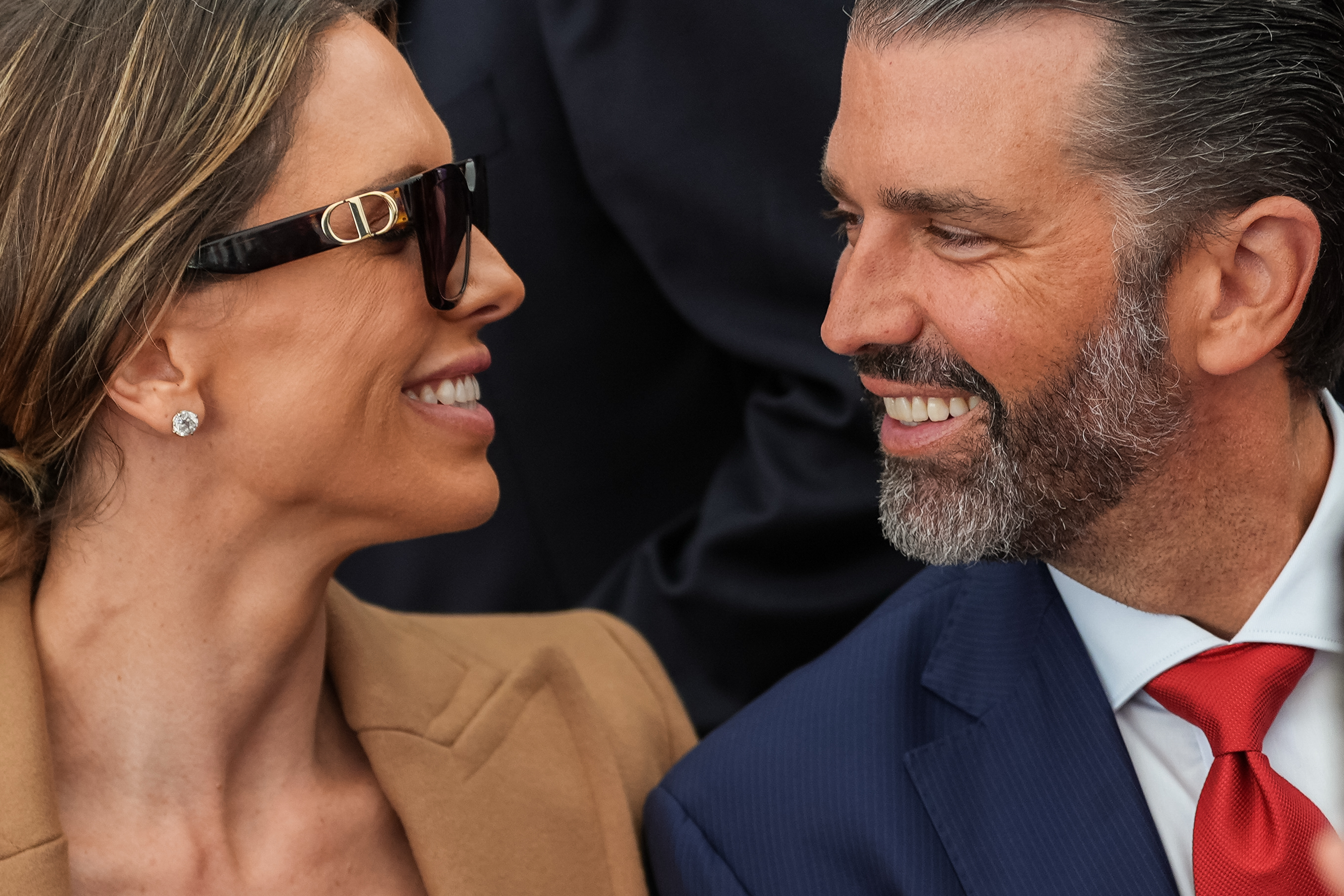
    Some of the festivities for Donald Trump Jr.’s intimate wedding celebration on two private Bahamian islands in May were paid for by a wealthy Russian who does business with the state.

    Umar Kremlev is the president of the International Boxing Association, a Switzerland-based sports league financed by Russian state energy giant Gazprom. He recently accompanied Russian President Vladimir Putin on a delegation to China, and he is under Ukrainian sanctions that describe him as a “close friend of the head of Putin’s security service.”

    Kremlev hosted two nights of celebrations after Trump Jr.’s wedding ceremony, the bride, Bettina Trump, said on Instagram on Monday.

    “It was an extraordinarily generous wedding gift from a friend, and something for which we were and remain incredibly grateful,” she wrote alongside photos from the festivities showing the couple and other Trump family members.

    Kremlev’s contribution was first disclosed by the investigative news website ProPublica, which reported that it cost hundreds of thousands of dollars and included event planning, a fireworks show, and rental of one of the private islands where guest slept. The payments came from a Dubai entity affiliated with the boxing agency, the website reported, citing records reviewed and interviews with three people.

    Bettina Trump denied any sinister or political motive. “Generosity doesn’t automatically come with an agenda,” she wrote on Instagram. “Sometimes a wedding gift is simply a wedding gift.”

    President Donald Trump did not attend the wedding. “It’s going to be just a small little private affair,” he told reporters at the time. “This is not good timing for me. I have a thing called Iran and other things.”

    In response to questions, the White House referred to Bettina Trump’s Instagram post.

    Kremlev did not immediately respond to a request for comment through the boxing association. He met Trump Jr. several years ago and speaks limited English, according to ProPublica.

    Kremlev has a criminal record under a previous name, the Washington Post reported in 2024. As head of the Russian Boxing Federation, Kremlev awarded Putin a diamond boxing glove, and Putin gave Kremlev a prestigious state honor known as the Order of Merit to the Fatherland. In April, Putin awarded Kremlev another honor, the Order of Friendship.