Blog

  • Democratic gains could advance an alternative to the Electoral College

    Democratic gains could advance an alternative to the Electoral College

    Democrats’ midterm victories may raise the chances that enough states sign onto a mechanism that, in theory, could elect the next president effectively by popular vote instead of through the typical rules of the Electoral College.

    The party’s surge in Tuesday’s elections included gaining a hold on the governor’s office and both statehouse chambers in at least four states, Michigan, Nevada, Pennsylvania and Wisconsin. Those states could join an agreement called the National Popular Vote Interstate Compact, which promises that participants would give all their electoral votes to the presidential ticket that wins the national popular vote.

    But the agreement, which has been more popular among Democrats, takes effect only once signed by states representing a majority of the Electoral College, or at least 270 electoral votes, the amount needed to win the presidency. Eighteen states and the District of Columbia have adopted the compact so far, representing 222 electoral votes.

    If all four of the states that just won total Democratic control were to join the agreement, it would tip the group over the 270-vote threshold. Arizona, which is allotted 11 electoral votes, was also projected to have a blue trifecta, though not all of its races had been called by Thursday evening.

    Lawmakers in key states said on Thursday that they had already begun having conversations this week about introducing legislation to join the agreement in the next session, and were hopeful that they would succeed ahead of 2028. But broadening the compact could present a mighty political lift.

    “The time is right,” Carrie Rheingans, a Democrat in the Michigan House of Representatives, said in an interview. “This blue tsunami is really going to help push this forward across the whole nation.”

    Still, Democratic lawmakers “can be apprehensive” with a new majority, said Mattie Daughtry, the Democratic president of Maine’s state Senate. She worked on the compact issue for over a decade before her state joined in 2024.

    “The biggest roadblock is convincing them to use these majorities to do big things,” Daughtry said.

    In 2019, Nevada’s Democratic governor vetoed a bill to join the agreement, saying it could diminish smaller states’ influence in presidential elections.

    Now, it is unclear whether lawmakers will prioritize passing the compact after running campaigns dominated by other concerns, like easing high costs and imposing guardrails on the Trump administration.

    “Time will tell,” said Clinton Anderson, a Democratic state Assembly member in Wisconsin, adding that he planned to reintroduce a compact bill. “I want to make it a priority, but it’s not the thing I heard on the doors I knocked.”

    Kelda Roys, another Democratic lawmaker in Wisconsin, said that her initial attempt to get her state to join the compact in 2009 had been met with hesitancy among people who were unsure exactly what it was. Now, she said, there is a broader public understanding of what problems the Electoral College could present.

    “National popular vote will be something that we’ll prioritize early in the session,” Roys said.

    The idea for a compact among states to bypass the Electoral College gained traction among legal scholars and supporters after 2000, when George W. Bush won the presidency while losing the national popular vote. Momentum grew in 2016 after a second Republican candidate, Donald Trump, won despite losing the popular vote.

    Supporters of the compact said they view the Electoral College as a less democratic mechanism than the popular vote. A YouGov poll conducted in June showed that 56% of American adults supported choosing the president via popular vote.

    The compact is also more practical than amending the Constitution and popular among voters, supporters said.

    Opponents and legal experts said the compact would face a slew of court challenges. One obstacle is that compacts traditionally require the approval of Congress and the president, said Derek Muller, an election law expert at Notre Dame Law School who has written about the agreement.

    “It’s a very real possibility that enough states join this compact,” he said. “There will be a lot of challenges.”

    This article originally appeared in The New York Times.
  • Why Pa. Attorney General Dave Sunday is challenging corporate mergers

    Pennsylvania Attorney General Dave Sunday had a decision to make.

    The federal government and dozens of states, including Pennsylvania, had sued Ticketmaster and parent company Live Nation, accusing them of violating competition laws in the live events market.

    But just days into the closely watched civil trial this spring, the U.S. Justice Department cut a deal with the companies — at the direction of President Donald Trump, the Wall Street Journal later reported.

    Several Republican-led states joined the settlement, which critics viewed as inadequate. But Sunday, a Republican elected in 2024, chose not to settle and continued to try the case, along with some 30 other states.

    “We chose to stay in and fight it out in the jury trial,” Sunday said. “And thank God we did.”

    A New York federal jury in April found the biggest U.S. concert ticket seller held an illegal monopoly over big concert venues, a verdict that came after fans and artists including Taylor Swift had criticized the companies. A judge still has to weigh potential penalties, while the companies are hoping to overturn the verdict.

    The episode marked Sunday’s foray into the world of antitrust at a time when the Trump administration has at times been at odds with states over how best to enforce competition law.

    Since then, Pennsylvania’s top law enforcement officer has sued to block a media merger that had been endorsed by Trump over the deal’s potential to “knock out the Fake News,” challenged a playground equipment merger that Sunday says could increase costs for taxpayer-funded projects, filed a complaint that sought to protect competition in the asphalt market, and sued drugmakers and pharmacy middlemen for allegedly inflating insulin prices.

    Sunday spoke with The Inquirer about his approach to these cases and whether he agreed with a senior Justice Department official’s assessment that antitrust law has “become a battlefield for political resistance to the Trump administration.”

    The interview has been edited for length and clarity.

    How did antitrust become a priority for your office?

    The whole purpose of antitrust is to make sure that illegal monopolies don’t exist. When you have an illegal monopoly, it negatively impacts consumers because when they control all the things that an illegal monopoly controls, it impacts innovation. It drives prices up, and it’s just not lawful.

    We have seen, since I was elected, a flurry of potential mergers, potential acquisitions that we felt were in flagrant violation of our antitrust laws that prohibit illegal monopolies, and so that’s how we got into this.

    In the Live Nation case, why did you decide to continue at trial, as opposed to settling?

    When we conduct analyses on these different issues, the question very simply is, ‘What is the impact on Pennsylvania?’ And as a result of an understanding of that impact, what should the correct course be?

    Live Nation-Ticketmaster — that materially impacted, disproportionately, Pennsylvania, in particular the Southeast Philadelphia region, the collar counties, some areas in Northeast [Pennsylvania], and in Harrisburg, the Hershey Amphitheater.

    I felt that I would be not doing my job if I would have just walked away from that and not pressed forward, considering the impact of the Live Nation-Ticketmaster merger and the inflation of prices, and concert tickets, and sporting events.

    Do you think DOJ was wrong to settle?

    I was not part of their decision-making. It was very unusual and unexpected for another partner in longtime litigation like that to very quickly — and without notice — walk away from a case.

    But going back to the bipartisan relationships amongst attorneys general across the country, we were able to very quickly adapt and move forward, and that’s just what we did.

    Earlier this year Pennsylvania and several other states sued to unwind the merger of broadcast TV companies Nexstar and Tegna, even though the Justice Department approved the deal. Why did you take that action and what’s at stake in this case?

    We have two very large media markets that would have been directly impacted by the merger, and that would be the whole Harrisburg-Central Pa. area, and also up in the Northeast region in the Wilkes-Barre-Scranton area as well.

    We look at this from a Pennsylvania perspective, and sometimes looking at it from a Pennsylvania perspective can reasonably differ from a national analysis, and that’s what we saw here.

    What’s at stake is a lack of competition with regard to media, and that obviously is something that’s really important. Competition amongst media outlets is a foundational element to the First Amendment and to the way that we communicate with each other, and the way that news media communicates with us.

    Nexstar says the combined company is a fraction of the size of the Big Tech companies it competes against like Meta’s Facebook and Instagram, Google’s YouTube, and TikTok. Why should broadcasters face constraints on growth that don’t apply to the tech platforms, especially when so many people get their news and information from those tech companies?

    The analysis as to how people get their news in their media is different based on location, and you know there’s a lot of people in those media [markets], older Pennsylvanians, older adults that rely on broadcast media for their news.

    And that being said, just because you have one technology where that might be the case, you have to look deeper than that again at the actual usage and what news platforms these individuals are utilizing to get their information. That’s what we did here.

    President Trump endorsed the merger in a Truth Social post earlier this year. Did that give you any pause in deciding whether to challenge the merger?

    I actually didn’t even see the post, but [my office has] the same analysis for every legal issue that comes through. And I have a very robust, thoughtful, smart team of lawyers in the office and investigators, and they’ve been doing this for a long time through many different administrations.

    We process it through the lens of what is the right thing to do for Pennsylvanians.

    Associate Attorney General Stanley Woodward — the DOJ official who oversees antitrust matters for the Trump administration — recently criticized state attorneys general who have sued to block corporate mergers that had already been approved by the federal government. With regard to the Nexstar case, why not defer to the Justice Department, which approved the merger?

    With all respect to the Justice Department’s legal analysis, there will be times where there will be disagreement. We are a sovereignty here in Pennsylvania, and we have the right to take actions that may deviate from those actions taken by the federal government, that we believe are the right thing to do to make sure that Pennsylvanians are protected under the law.

    Woodward also said, “It seems antitrust enforcement, like many areas of American law, has become a battlefield for political resistance to the Trump administration.” Have you seen evidence of that?

    There obviously in this world are partisan actions that some people take. From my experience, the AGs that I work with all the time across the country and our staffs, they literally look at the facts and the law and the impact on their states.

    These are professionals that focus on doing the right thing for the right reason. And I can tell you that political consideration has never been part of our conversation in literally anything that we’ve done.

    Colorado Attorney General Phil Weiser, a Democrat, said in September that “the federal government has become an unreliable and inconsistent partner in antitrust enforcement.” Have you seen any evidence of that?

    We have an outstanding relationship with the Federal Trade Commission. The Federal Trade Commission has been a consistent partner with us. As you know, under federal law, the DOJ and the FTC both have powers to enforce antitrust law.

    I’ve been in office for a year and eight months at this point. Phil Weiser has been doing this for a long time. He’s going to be leaving his office soon. He’s running for governor, and so you know he would have a longer time period to pull from.

    I don’t have as much of a time period to pull from, but what I can say is that the FTC certainly has been more active with us on these issues than the DOJ.

  • 🍁 Fall hikes | Outdoorsy Newsletter

    🍁 Fall hikes | Outdoorsy Newsletter

    How’s the time change treating you?

    I’m not a huge fan of losing daylight, but I know I can make the most of it by soaking up the early morning sunshine as often as possible. That natural vitamin D is a powerful antidote.

    The Inquirer’s Jason Nark, who reports on rural areas far beyond city life, thinks fall is the best season to hike, despite feeling like the shortest. Let’s scope out his favorite hikes to try while fall lasts.

    Plus:

    🌦️ Your weekend weather outlook: Friday will be rainy, but we can expect sunshine and low 60s on Saturday and Sunday.

    — Paola Pérez (outdoorsy@inquirer.com)

    If someone forwarded you this email, sign up for free here.

    Grab your boots

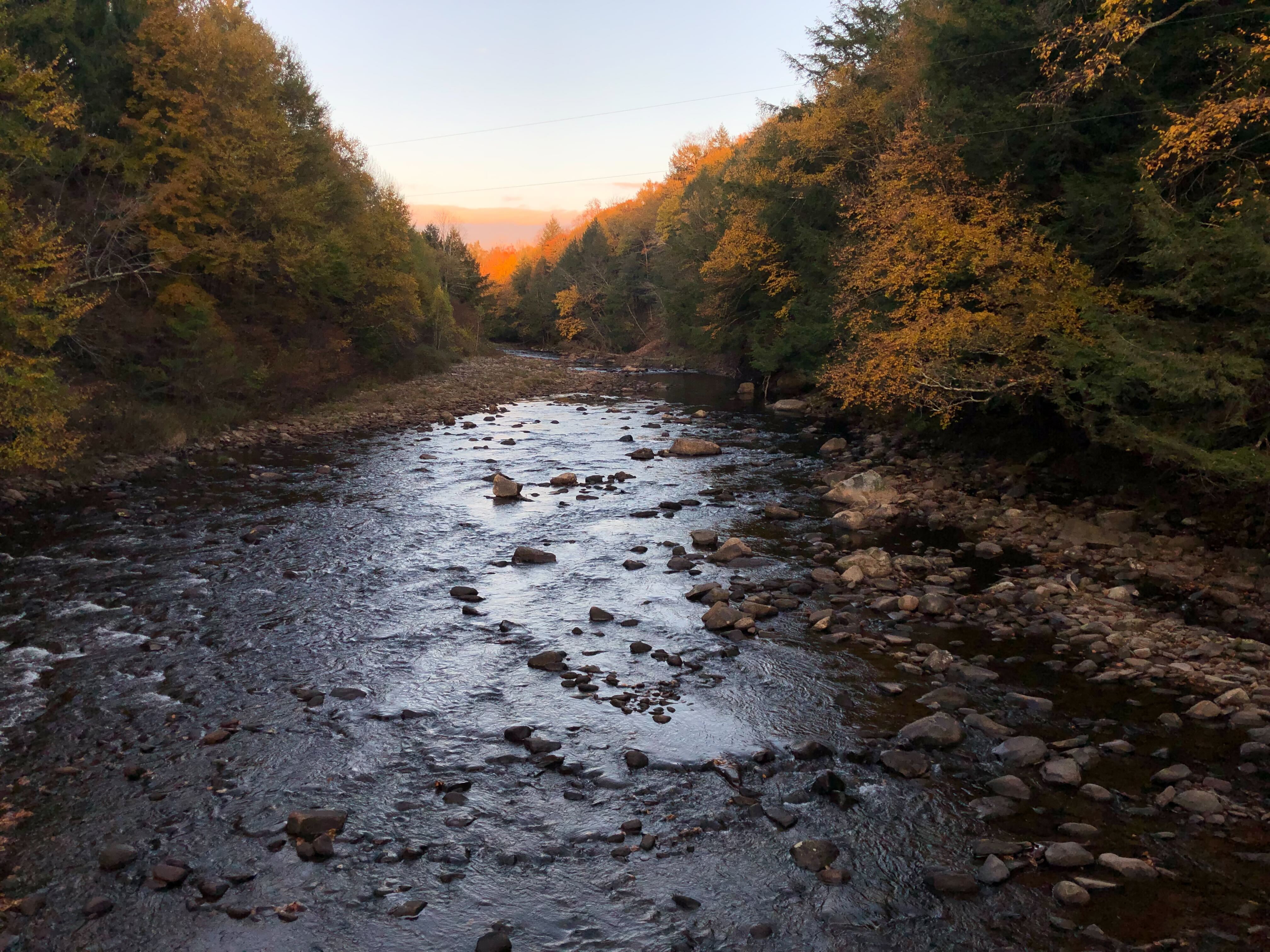
    The Loyalsock Creek in Sullivan County, Pa.William Bender

    The rainy weather may tumble down some gorgeous fall foliage across our region, but there’s still time to score a spectacular view of Mother Nature’s transformation.

    🥾 New Jersey may be mostly flat, but there are great hikes hiding in plain sight, like winding trails at Crows Woods Nature Preserve, and the Elephant Swamp Trail, which traverses Salem and Gloucester Counties.

    🥾 Pennsylvania is approximately 58% forested, packing an abundant volume of fall foliage and plenty of options. Try the rocky, 1.6-mile out-and-back trail to Hawk Rock Overlook, and you’ll have hiked a portion of the Appalachian Trail.

    🥾 Pro-tips: Many hikes have elevation changes. Be sure to review their difficulty ratings, bring plenty of water, and be realistic about what you can handle. And don’t forget to protect yourself from ticks and chiggers. Even in fall, critters are lurking.

    Check out these Garden State hikes, and more to try near and far from Philadelphia.

    News worth knowing

    🦇 Your outdoorsy experience

    GIF of a video Torin captured of a batTorin Sweeney

    My colleague Torin Sweeney sent in a video of a bat swooping through the air:

    My daughter and I were out for a walk around Ridley Park Lake on an unseasonably warm evening when we saw this little bat flapping around and snatching up bugs.

    Thanks for sharing, Torin. Pennsylvania bats are insectivores, and flying insects are their favorite dinner.

    Got any special memories in nature you’d like to share? Email me your story (and a photo, if you have one). You may see it featured here.

    Trees threatened

    🎤 Now we’re passing the microphone to Lacey Latch.

    Nestled neatly between a bustling shopping center and two schools, the lush old-growth forest that sits along MacArthur Boulevard in Haddon Township can be easy to overlook.

    But this environment, home to hundreds of unique plant and animal species, is being threatened by beech leaf disease, a fast-spreading invasive condition that has taken hold among the American beech trees in Saddler’s Woods. The “widespread” disease, first discovered in New Jersey five years ago, has infected trees in every county in the state, according to the New Jersey Department of Environmental Protection.

    So far, the Saddler’s Woods Conservation Association has counted more than 200 infected American beech trees on the 25-acre preserve, said Janet Goehner-Jacobs, the organization’s executive director.

    There is no effective treatment to combat the disease, she said. — Lacey Latch

    Read on to learn more about the disease and how the organization is working to slow and hopefully stop its spread.

    Paola’s picks

    🍂 A set of illustrations: Local Philly illustrator Marie Coons’ favorite signs of fall in Philly.

    🐟 A fun mini-game: “Ameriquarium” by Pauline challenges you to match a fish with its state.

    🌅 A quote: “I arise in the morning torn between a desire to save the world and a desire to savor the world. This makes it hard to plan the day.”

    🏵️ An activity: Check out the Chrysanthemum Festival at Longwood Gardens through Nov. 15.

    🍍 A new finding: Primates can prioritize friendships over tasty treats.

    A vibrant view

    A row of trees displays its vibrant autumn colors at Laurel Hill Cemetery on a sunny Monday in November.Jose F. Moreno / Staff Photographer

    One more thing

    Outdoorsy is taking a break very soon. Before we wrap up, I want to hear about your experience with this newsletter.

    Did you join any clubs or discover new places? Which activities did you enjoy, or are still yearning to try for the first time? Email me here.

    In next week’s edition, I’ll be sharing some of my favorite adventures, and some of yours, too.

    👋🏽 Our 2026 finale awaits!

    By submitting your written, visual, and/or audio contributions, you agree to The Inquirer’s Terms of Use, including the grant of rights in Section 10.

  • Tangled up in blue | PA 2026 Newsletter

    Tangled up in blue | PA 2026 Newsletter

    📅 It’s 3 days after Election Day.

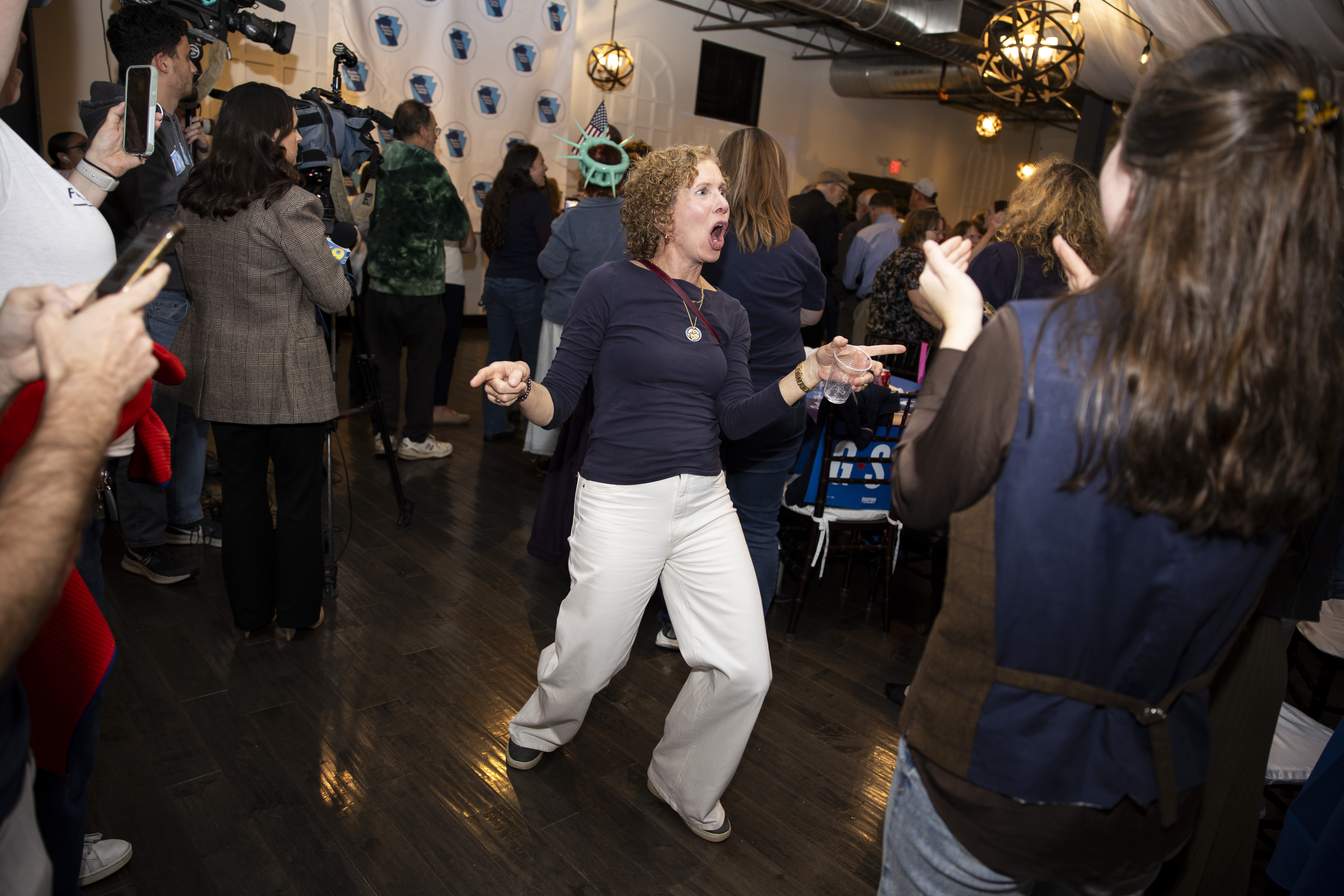
    A crowd of boisterous Democrats in a Newtown event hall screamed with joy on Tuesday night when the blue wave washed over races in South Carolina, Georgia, and Texas.

    Those states are hundreds of miles away.

    So can you imagine how loud supporters — full of adrenaline and pizza — roared when their homegrown Bucks County Democrat, Bob Harvie, walked in and declared victory over Republican incumbent Rep. Brian Fitzpatrick in one of the toughest races this cycle?

    🎤 I’m Fallon Roth, The Inquirer’s suburban politics reporter, bringing you our final PA 2026 newsletter, and I can personally tell you the answer to that question is: very loud.

    I’ve spent the better part of the past year covering the 1st Congressional District race in Bucks County, and on Tuesday night, Harvie achieved something no one else has — defeating Fitzpatrick, a five-term incumbent.

    And when January comes, Harvie will be the first Democrat to represent Bucks County in Congress since 2011.

    But that’s hardly the only win Democrats notched in Tuesday’s “blue tsunami.” Key seat flips in Bucks County helped expand Democrats’ majority in the state House and won the party’s control of the state Senate, delivering a Democratic trifecta for Gov. Josh Shapiro (who coasted to reelection) for the first time since 1993.

    In this edition:

    🗳️ Complete control: Democrats score a trifecta in Harrisburg for the first time since 1993, giving Shapiro a lot more power.

    🗳️ Staying put: Philly’s Rep. Brendan Boyle won’t seek Sen. John Fetterman’s seat in 2028 as he prepares to take a House chairmanship instead.

    🗳️ Big swing: Bucks County Democrats tried for years to unseat Brian Fitzpatrick. Here’s how Bob Harvie finally did.

    — Fallon Roth, Sam Janesch, Gillian McGoldrick, Michelle Baruchman (pa2026@inquirer.com)

    If someone forwarded you this email, sign up for free here.

    The latest

    Data dive

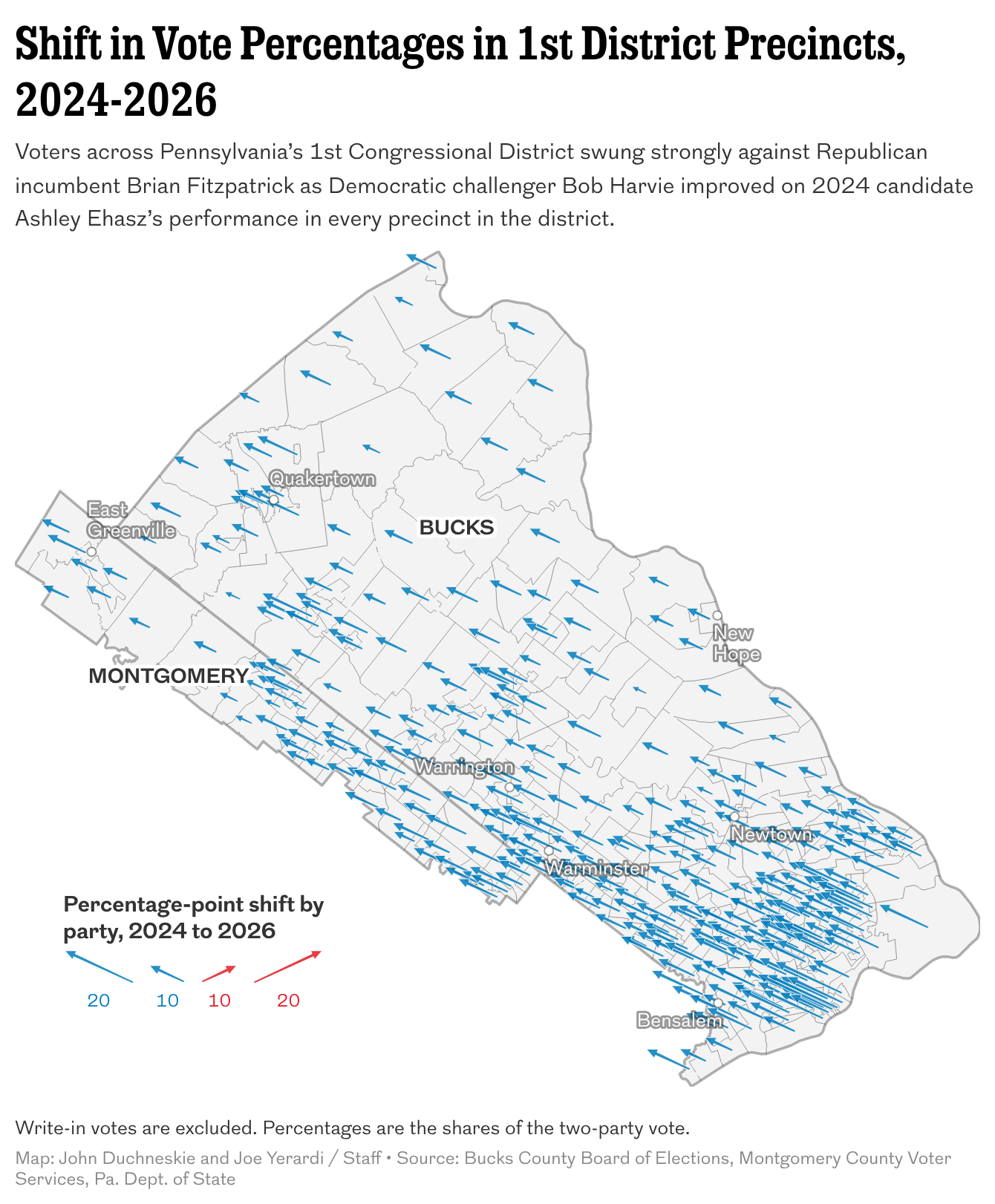
    Every precinct in the 1st Congressional District shifted toward Democrats Tuesday in comparison to 2024.

    Every single one.

    Shift in vote percentages in 1st district precincts 2024-2026.John Duchneskie

    Harvie significantly improved on the performance of Ashley Ehasz, the party’s 2024 nominee, in a year when Fitzpatrick comfortably won reelection by 10 points even as the district went for Democrat Kamala Harris in the presidential race.

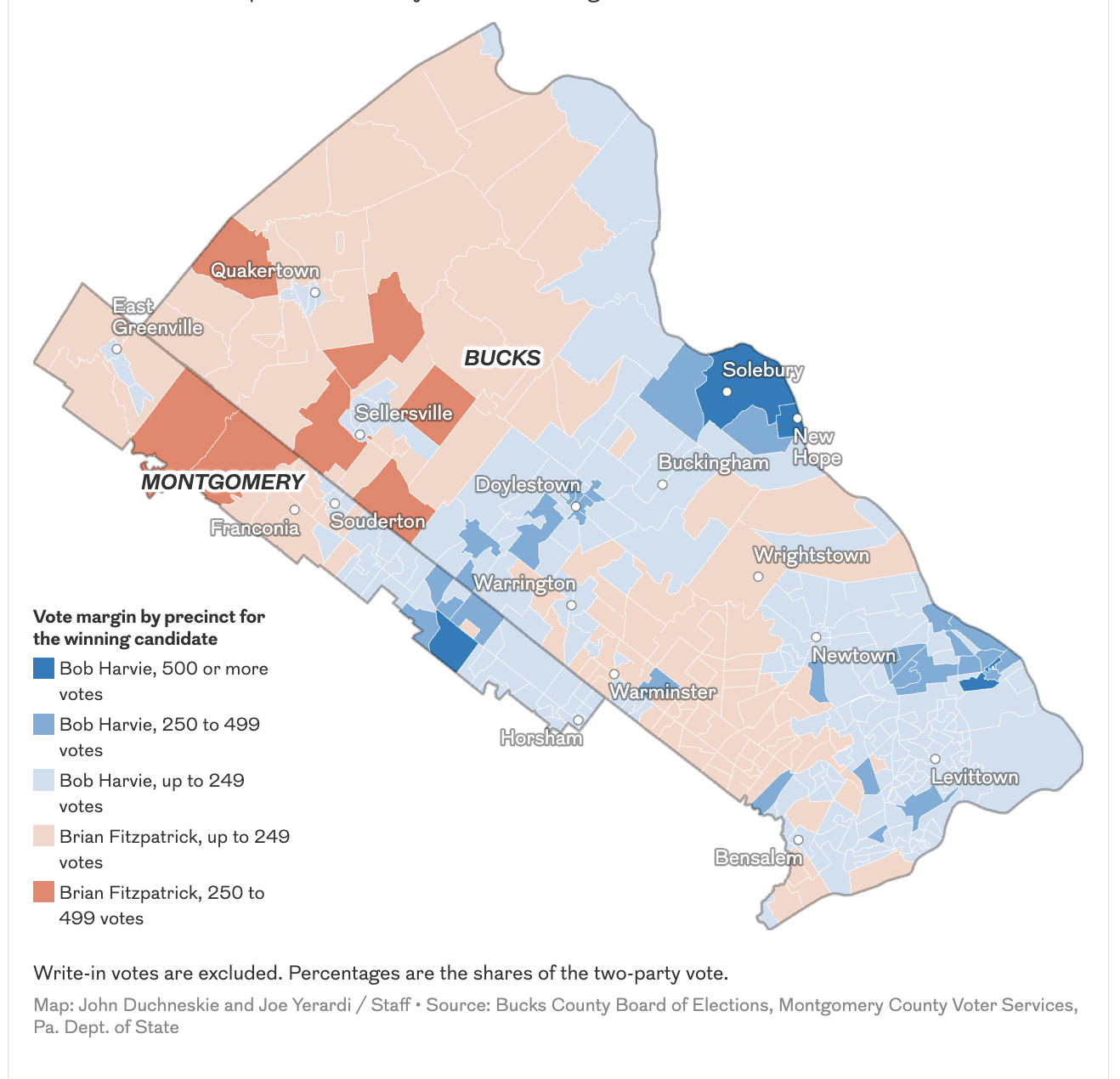
    The district covers all of Bucks County and a portion of Montgomery County. Harvie saw his highest vote margins in a precinct in Solebury Township, New Hope Borough, a precinct slightly north of Horsham in Montco, and in a precinct in Falls Township, Harvie’s stomping grounds.

    Bob Harvie received about 52.7% of the two-party vote in his 2026 election victory over Republican incumbent Brian Fitzpatrick in Pennsylvania’s 1st Congressional District.John Duchneskie

    Most of Lower Bucks — a populous part of the county where both candidates are from — went blue, as did most of Central Bucks and the district’s portion of Montgomery County.

    Upper Bucks, a more rural part of the county, leaned red and Fitzpatrick had his largest precinct win margin in a part of Hilltown Township.

    Campaign Scrapple

    • Culture clash: Our colleague Al Lubrano caught an exchange between two voters in Carlisle in the 10th District. Republican Robert House, 57, a beekeeper who said he owns 175 firearms, said he voted for Republican Rep. Scott Perry because he “agrees with the Bible” and opposes abortion. That prompted Adrienne Cedro, a 21-year-old college student, to say she voted to oust Perry and anyone “who’s against the rights of women, LGBTQ, and trans people.”
    • Name that tune: After Republican gubernatorial nominee Stacy Garrity concluded her concession speech Tuesday, she walked off to Fleetwood Mac’s “Don’t Stop” — a song famously associated with Democrat Bill Clinton’s 1992 presidential campaign. Shapiro, for his part, walked off the stage from his reelection victory speech to Tom Petty’s “I Won’t Back Down,” previously associated with George W. Bush’s 2000 presidential campaign until Petty’s team demanded Bush stop using it.

    📸 Behind the scenes snapshot

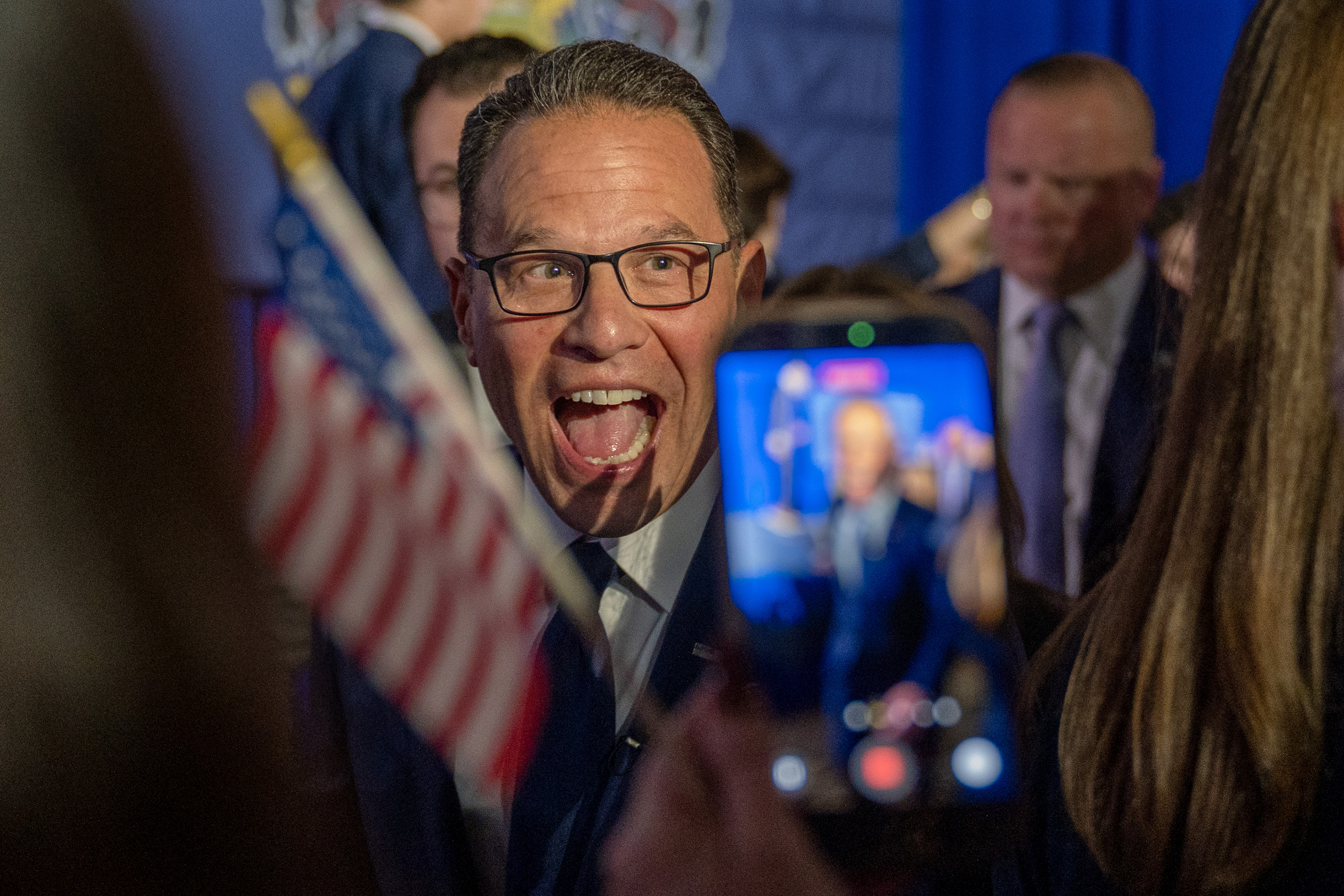
    Gov. Josh Shapiro greets supporters after making his victory speech at his Election Night party in Camp Hill, Tuesday Nov. 3, 2026.Tom Gralish / Staff Photographer

    Rarely do we get to see Shapiro giddy or animated, but our photographer Tom Gralish was able to capture him authentically gleeful on Tuesday evening at his reelection party in Camp Hill. Shapiro went on to bring a similar excitement about Pennsylvania Democrats’ major wins to national network news, as he boasted about his own role in Tuesday’s “bluenami.”

    👀 What we’re watching

    The historic midterm results didn’t just answer massive lingering questions about the limits of Trump’s enduring stranglehold on American politics. It raised countless others — transforming the range of possibilities for the rest of Trump’s time in the White House and far beyond it.

    How will Democrats unite — or butt heads — as they wield their new majorities in Congress amid their own ideological battles? How will Republicans, both in Pennsylvania and Washington, handle the repudiation of a president who’s molded their party in his image over a decade?

    By mid-2027, we’ll also likely — finally — get answers to critical questions about 2028.

    Will Josh Shapiro launch a long-rumored campaign? And, if so, how will his record in the nation’s largest swing state match up against what’s almost certainly going to be a huge field of other Democratic governors, senators and outsiders?

    The other big prize on the 2028 ballot for both parties will be John Fetterman’s seat in the U.S. Senate. Fetterman’s decisions about his own future are a mystery that may not be answered any time soon.

    But Democrats who’ve been promising for months to oust him are already preparing to run (check out our coverage of Rep. Chris Deluzio here) or deciding against it (Rep. Brendan Boyle is taking his talents to the Budget Committee chairmanship).

    Quote of the week

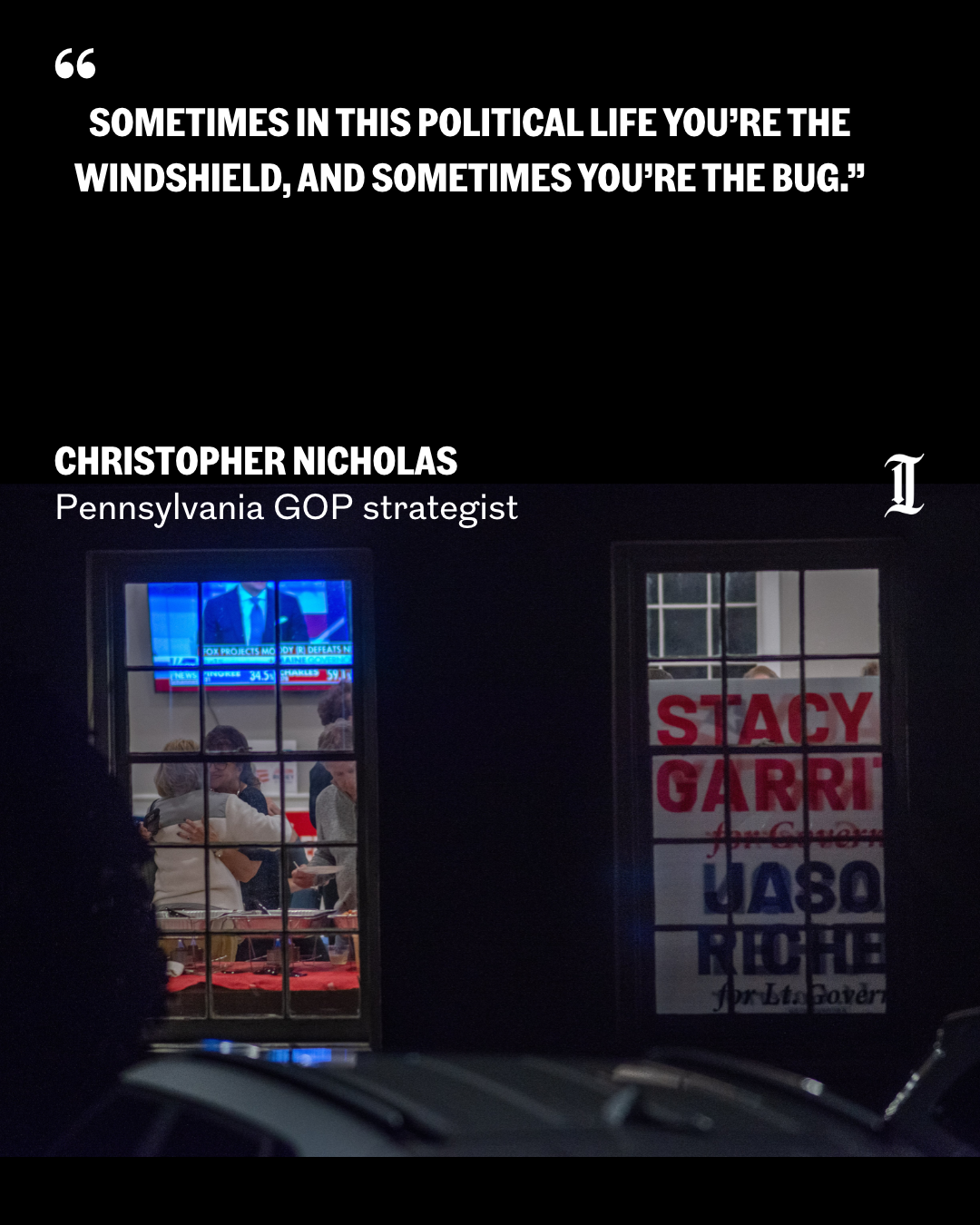
    Christopher Nicholas, a GOP consult, described the reality for Pa. Republicans.William Thomas Cain / For The Inquirer

    Nicholas, a veteran strategist who grew up in Bucks County, captured the reality for Republicans after their wipeout across the state and country.

    It happens.

    Democrats were the bug just two years ago when they lost every statewide race and two congressional seats. But this year, they were the windshield, and Republicans went splat.

    The contrast in mood between the two parties was stark.

    Harvie held his election night party at a massive wedding venue while Fitzpatrick watched in private and Bucks County Republicans kept a small watch party closed to the media. And up in Wyoming County, the AP called Garrity’s loss a minute after polls closed, as people were still filtering into her party.

    👋 Thank you for following along on our journey through the homestretch of this chaotic, exciting, and unpredictable midterm cycle. This may be our last PA 2026 newsletter, but you can always find our in-depth reporting here.

    And see you in 2028? 😎

    By submitting your written, visual, and/or audio contributions, you agree to The Inquirer’s Terms of Use, including the grant of rights in Section 10.

  • European air traffic targeted by new threats in at least 3 incidents

    European air traffic targeted by new threats in at least 3 incidents

    COPENHAGEN, Denmark — Police in Denmark and the Czech Republic investigated threats to air traffic on Friday, while a Romanian plane received a bomb threat following a string of hoaxes that have targeted flights and disrupted travel across Europe this week.

    A flight from Prague to Bucharest operated by Romanian carrier Tarom received a bomb threat. The plane landed at its intended destination, and airport administration officials said the bomb threat proved to be false.

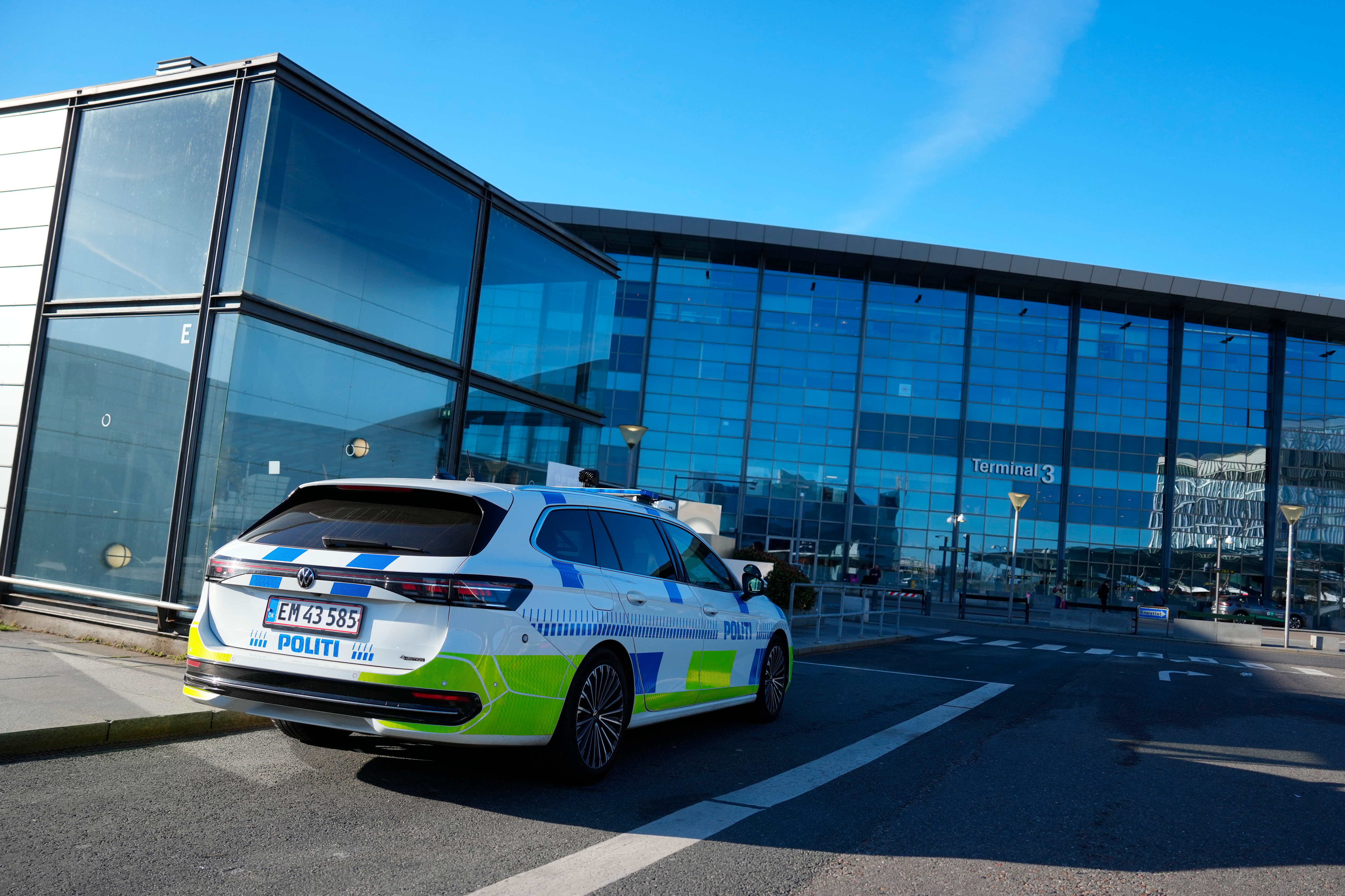
    In the Danish capital, Copenhagen, police said Friday they were present at the airport for a second consecutive day “in connection with threats directed at air traffic.” They said their immediate assessment was that there had been no danger to passengers or to others at the airport. It added that air traffic was proceeding safely and without disruption.

    Czech police also said they were again dealing with threats against planes on Friday. They said necessary security measures have been taken in cooperation with Prague’s Vaclav Havel Airport that have “a minimal impact on the normal operations at the airport.”

    Meanwhile in Ireland, the Dublin headquarters of national broadcaster RTE was evacuated Friday after a bomb threat, and live broadcasts were replaced with pre-recorded programs.

    Ireland’s police force, An Garda Síochána, said it was ”aware of a threat made against media organisations here and in Europe.” It said that it has been liaising with Irish media organizations and the threat will be investigated.

    More than two dozen flights were affected by threats earlier in the week, with some diverted as authorities scrambled to rule out any danger.

    Europe has experienced a slew of other disruptions recently, such as attacks on supermarket refrigeration systems, drone incursions and mysterious triggers to alert apps.

    Fake bomb threats are relatively common but it is unusual to see so many in such a short period. They come at a time of increased geopolitical tensions and warnings from authorities that Russia may be ramping up so-called hybrid threats in Europe.

  • Federal judge orders 14-day delay on any work beginning on Trump’s monumental arch

    Federal judge orders 14-day delay on any work beginning on Trump’s monumental arch

    WASHINGTON — A federal judge late Thursday blocked the Trump administration from breaking ground on a towering memorial arch for 14 days.

    The temporary restraining order by U.S. District Judge Tanya Chutkan halting the work represents a major setback for one of President Donald Trump’s most prominent projects in his vision to remake Washington.

    The decision followed a series of steps taken earlier Thursday by the government, including the final approval of the arch by the National Capital Planning Commission in an 8-4 vote after a 9 ½ hour hearing where scores of witnesses opposed the construction.

    The administration said the work could begin as soon as the approval and the Interior Department issued a final decision authorizing construction and the proper notification was published by the National Park Service.

    In approving the temporary stop, Chutkan said Virginia and the District of Columbia had shown that the immediacy of the construction would cause real harm to the plaintiffs.

    “The harm is certain,” she wrote. ”Defendants initially notified the court that construction could begin as early as November 5, 2026, if the NCPC approves the project at its meeting that day and the Department of the Interior authorizes construction.” In their filing, Virginia and D.C. warned of traffic pattern distortions as well as concerns about the impact on mutual aid emergency calls if the arch were to proceed.

    “Second, the District and Virginia will incur significant unrecoverable costs. As soon as construction begins, DDOT will need to expend staff time and operating resources to affirmatively and proactively manage temporary detours, crashes or disabled vehicles,” Chutkan wrote.

    The judge ordered the government to provide a status report next Monday to ensure they are complying with the order.

    The judge’s decision came just over an hour after the National Capital Planning Commission hearing ended. The vote by the commission broke along federal and local lines. Those in favor work for the administration or are connected to the president, who was pushing for the immediate construction. Opponents represented the city of Washington.

    The remote, call-in hearing — which crashed repeatedly in the first few hours and was accompanied by a nearly universally negative comment section — drew witnesses who gave impassioned comments opposing an arch they said will destroy the solemnity of the nearby Arlington National Cemetery, where hundreds of thousands of fallen service members and military veterans are buried.

    The panel’s Trump-appointed chairman launched the meeting with a gushing appraisal of the towering monument and lauded Trump for wanting to build it.

    “President Trump understands as president and a superb builder that it’s important to our national identity to display who we are through grand monuments,” said Mark Paoletta, the commission’s chairman.

    As Trump has often remarked, “the great cities around the world have arches: Paris, Rome, London,” said Paoletta, who also serves as general counsel for the White House Office of Management and Budget.

    Commissioner Paul Ingrassia, a lawyer for the General Services Administration, said the arch was “not about politics. It’s about remembrance. It’s about celebrating our history. It’s about commemorating veterans. And it’s really something that’s a noble tribute to our nation and something that we can all rally behind.”

    But D.C. City Council Chairman Phil Mendelson, who also serves on the planning panel, said the project has not received required approval from Congress, nor has Congress appropriated any money for it. The plan submitted to the commission does not include a reference to military use cited by Trump and other administration officials, Mendelson said.

    “We cannot approve final site and building plans until we have the final site and building plans,” he said.

    The commission oversees construction on federal land in the city and began reviewing the arch plan in June.

    The arch is one of several projects around Washington that the Republican president has undertaken as he alters the capital to his tastes — from renovating one of its storied public golf courses to threatening to demolish the John F. Kennedy Center for the Performing Arts. Those projects could soon face intense scrutiny after Democrats gained control of Congress in the midterm elections this week.

    Rep. Jared Huffman, a California Democrat who is set to chair the House Natural Resources Committee, called the project ill-advised and illegal.

    “This arch would dishonor America,” Huffman told the commission. He called the proposed arch “a tribute to Donald Trump,” not veterans as Trump administration officials claim. The monument is similar to those built for emperors or kings, Huffman said, adding that Trump was using veterans as a pretext to build a memorial to himself.

    Other critics, including the plaintiffs, argue that the Trump administration must seek congressional approval. The administration maintains that Congress cleared the way for a monument at Memorial Circle decades ago.

    Several members of the Planning Commission used that logic in approving the project. Paoletta said it was a “national disgrace” that a memorial arch had not been placed there, despite a 1925 law that designated such a memorial, he said.

    Chutkan rejected that argument in her ruling: “The sheer improbability that a 100-year-old statute would contain authority, unknown to every previous administration, to erect a 250-foot arch at a principal location in the Nation’s capital indicates how far defendants must stretch to justify this project.”

  • ‘She deserved a chance to grow up’ | Inquirer South Jersey

    ‘She deserved a chance to grow up’ | Inquirer South Jersey

    Good morning, South Jersey. Be mindful of more rain and slick roads on the way to work today.

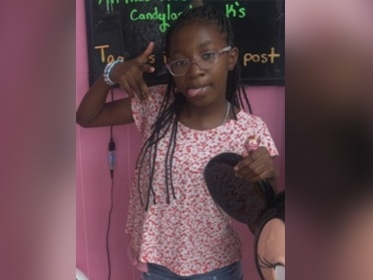
    The search for 10-year-old Malayshia Allford that went on for more than a week ended with her body found in the trunk of a car in Lindenwold and her foster mother charged with her murder.

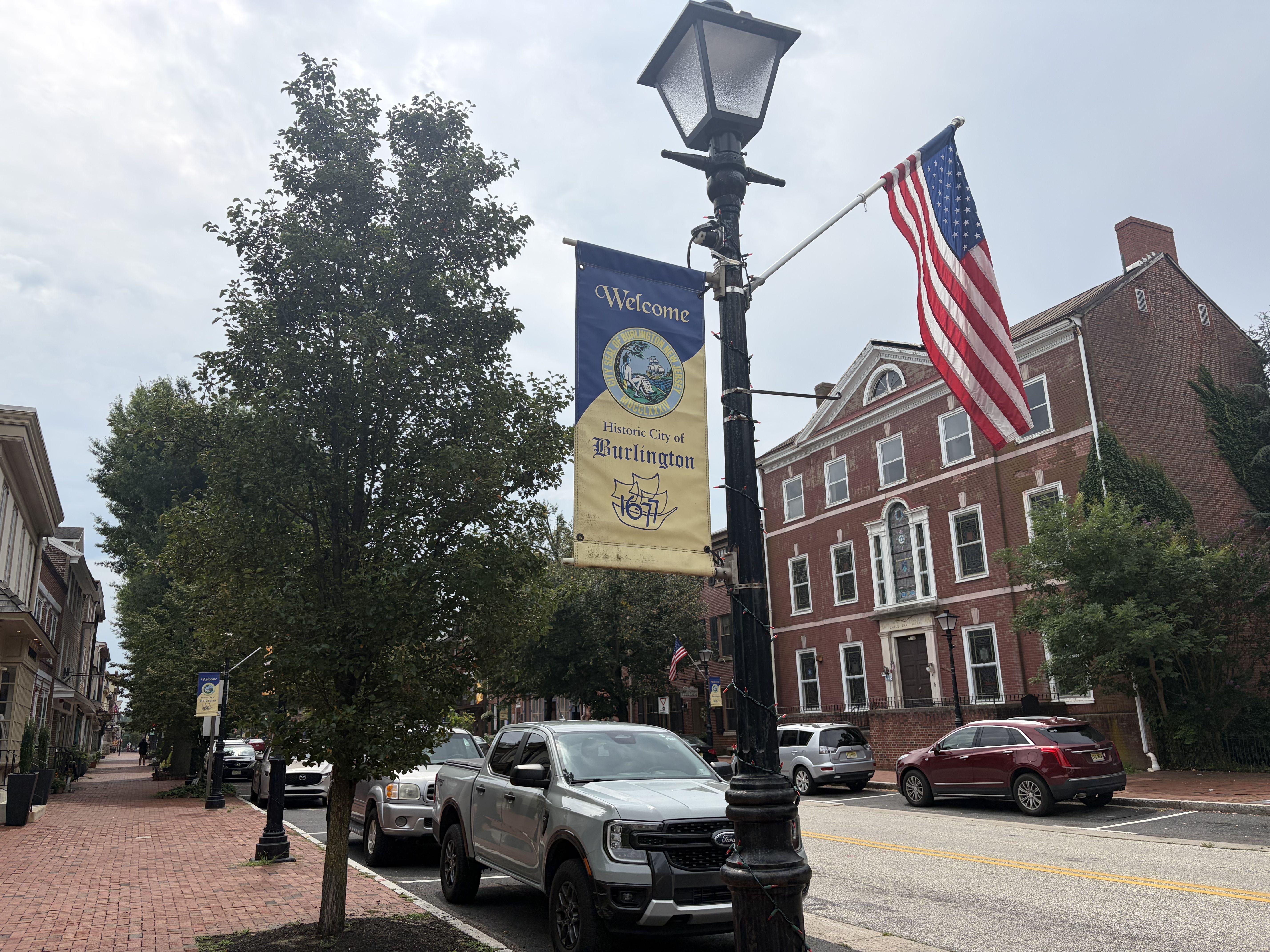
    And the voters of the city of Burlington decided they could live with property tax hikes to preserve open space and historic sites.

    Plus, the Pemberton Township mayor who charged at a resident during a council meeting lost his reelection bid, and more news of the day.

    — Taylor Allen (southjersey@inquirer.com)

    P.S. Our features reporter Zoe Greenberg writes the “Life Partners” series about unconventional relationships. Share your creative co-parenting styles, living arrangements, or second chances at love at lifepartners@inquirer.com. She might reach out. And don’t worry, your stories won’t be published without your knowledge.

    If someone forwarded you this email, sign up for free here.

    A foster mom charged with murder

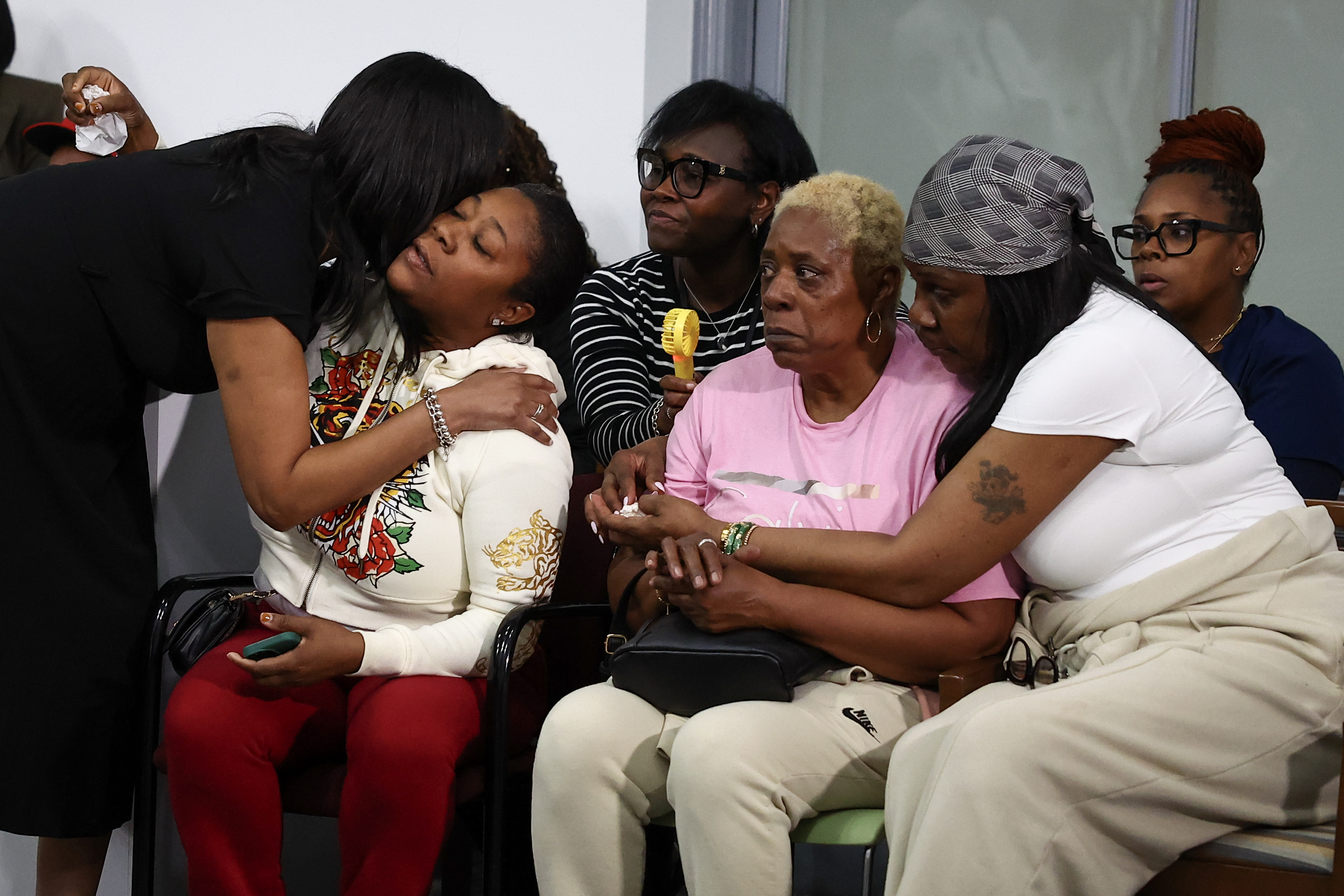
    Philadelphia District Attorney Larry Krasner announced Thursday that the foster mother of 10-year-old Malayshia Allford was charged with her murder.

    After an extensive 10-day search that included local police, FBI agents, and community members, the young girl’s body was found in a parked car at an apartment complex in Lindenwold.

    The car belonged to one of the relatives of Carprice Williams, her foster mother, and police questioned at least one other person who they believe helped Williams dispose of Malayshia’s remains, sources said.

    Law enforcement sources told The Inquirer that Williams’ statement and timeline of events had inconsistencies when she reported the child missing on Oct. 26.

    The Inquirer’s Ellie Rushing, Dana Munro, and Robert Moran have the story.

    Burlington to raise taxes to preserve historic sites

    With 60% of the vote based on preliminary results, residents of the city of Burlington said yes to forming a trust fund to preserve open space and historic sites.

    Over the next decade, the city council will increase property taxes up to 2 cents per $100 of assessed value. Based on the city’s average assessment, that means about $20 to $30 for the typical homeowner.

    Exclusively reserved for the purpose of recreation and conservation, the money can only be earmarked to obtain, develop, and fund the upkeep of land and historic sites.

    According to Mayor Barry Conaway, the primary use will be for the preservation and maintenance of the city’s historic properties.

    Reporter Lacey Latch has more details about the new fund.

    What to know today

    • The Pemberton Township mayor, Republican Matthew Bianchini, who leapt from his seat and charged at a resident during a township council meeting last month, lost his reelection bid to Democrat Belinda Fontanez.
    • Glassboro’s planning board approved a mixed-use building with 220 apartments Wednesday, 70and73 reports.
    • The Associated Press officially called the race in favor of Democratic Cape May Mayor Zack Mullock in his race against incumbent Republican U.S. Rep. Jeff Van Drew for New Jersey’s 2nd Congressional District seat. It came two days after Van Drew conceded Tuesday.
    • U.S. Sen Cory Booker has not officially announced his candidacy for president, but his travel plans suggest that he might try to run in 2028.
    • A lucky person in New Jersey bought the winning $847 million Powerball jackpot ticket. It was bought at a Wegmans Food Market in Montvale.

    🧠 Trivia time

    PATCO made its first trip from Lindenwold to Center City in 1969.

    How many passengers were onboard?

    A) 300

    B) 250

    C) 200

    D) 150

    Think you know? Check your answer.

    What we’re …

    🍴 Planning: A date night at Umile Trattoria in Haddonfield.

    🥊 Taking: An inside look into I Play Rocky, the movie about the making of the 1976 classic sports drama.

    ⚾ Reviewing: The 2027 Phillies starting pitching outlook.

    📸 Photo of the week

    New Jersey Gov. Mikie Sherrill is reflected in the glass of the shark tank at the Adventure Aquarium in Camden.Tom Gralish / Staff Photographer

    TGIF. Enjoy your weekend and I’ll have more news for you on Monday.

    By submitting your written, visual, and/or audio contributions, you agree to The Inquirer’s Terms of Use, including the grant of rights in Section 10.

    Correction: This story has been updated to correct the spelling of Malayshia Allford’s last name after law enforcement reports included an incorrect spelling.
  • When Sylvester Stallone was challenged to a ‘five-to-the-head’ in Fishtown and other very Philly gems from ‘The Steps’

    When Sylvester Stallone was challenged to a ‘five-to-the-head’ in Fishtown and other very Philly gems from ‘The Steps’

    Shortly after it premiered in Los Angeles in November of 1976, Rocky was embraced as an instant American classic. A rebuke to the pervading cynicism of post-Watergate, post-Vietnam America (and American cinema), the movie’s story of a down-on-his-luck boxer overcoming all the odds struck a chord with viewers who wanted to feel good, for a change.

    And it made an overnight star of its writer, and lead, Sylvester Stallone.

    It’s tempting to view Rocky as a parable of itself.

    The making of the film is its own underdog story, featuring Stallone’s unlikely ascent from small-time debt collector to Hollywood leading man status. That story is coming to the silver screen, with Peter Farrelly’s new making-of biopic I Play Rocky. It’s also the core of The Steps, Stallone’s new memoir. It chronicles the actor’s journey from his childhood in New York Hell’s Kitchen to the success of Rocky. Stallone devotes a lot of thought and reflection to Philadelphia, where he spent and misspent, his teenage years, beginning in the early 1960s.

    Here are some of the most Philly anecdotes from The Steps:

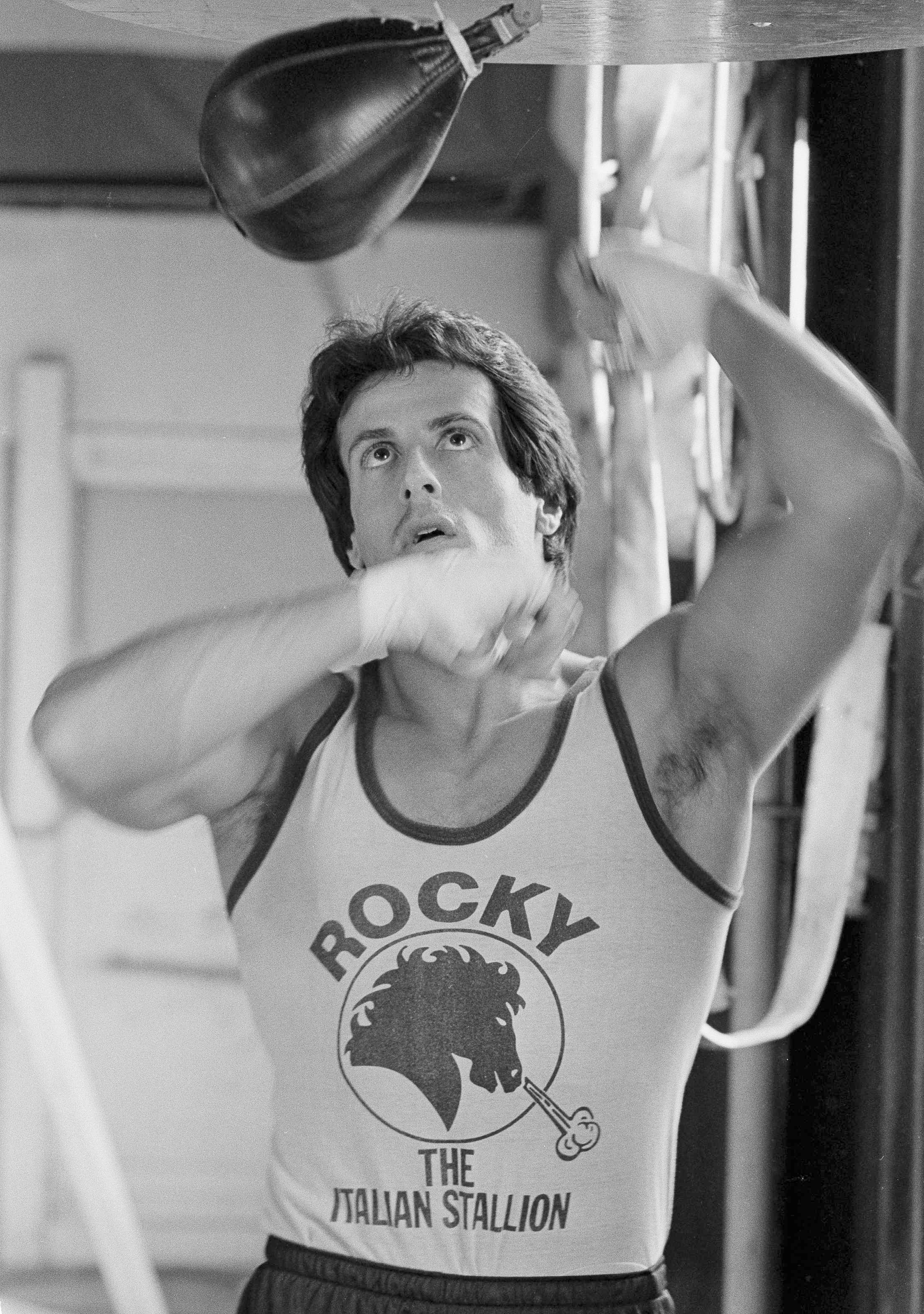
    FILE – Sylvester Stallone works over a punching bag in Los Angeles, Feb. 9, 1981. (AP Photo/Randy Rasmussen, File)Randy Rasmussen

    A very Philly welcome

    Most Philadelphia transplants have a “welcome to Philly” memory and Stallone’s was particularly pointed. When he moved to Holme Circle as a teenager to live with his mom, he was immediately greeted by a local toughie named Pat, who immediately proceeded to kick a teenage Sly in the groin. Stallone would get his revenge, years later, after inviting Pat into his mother’s basement, and laying a beatdown on him.

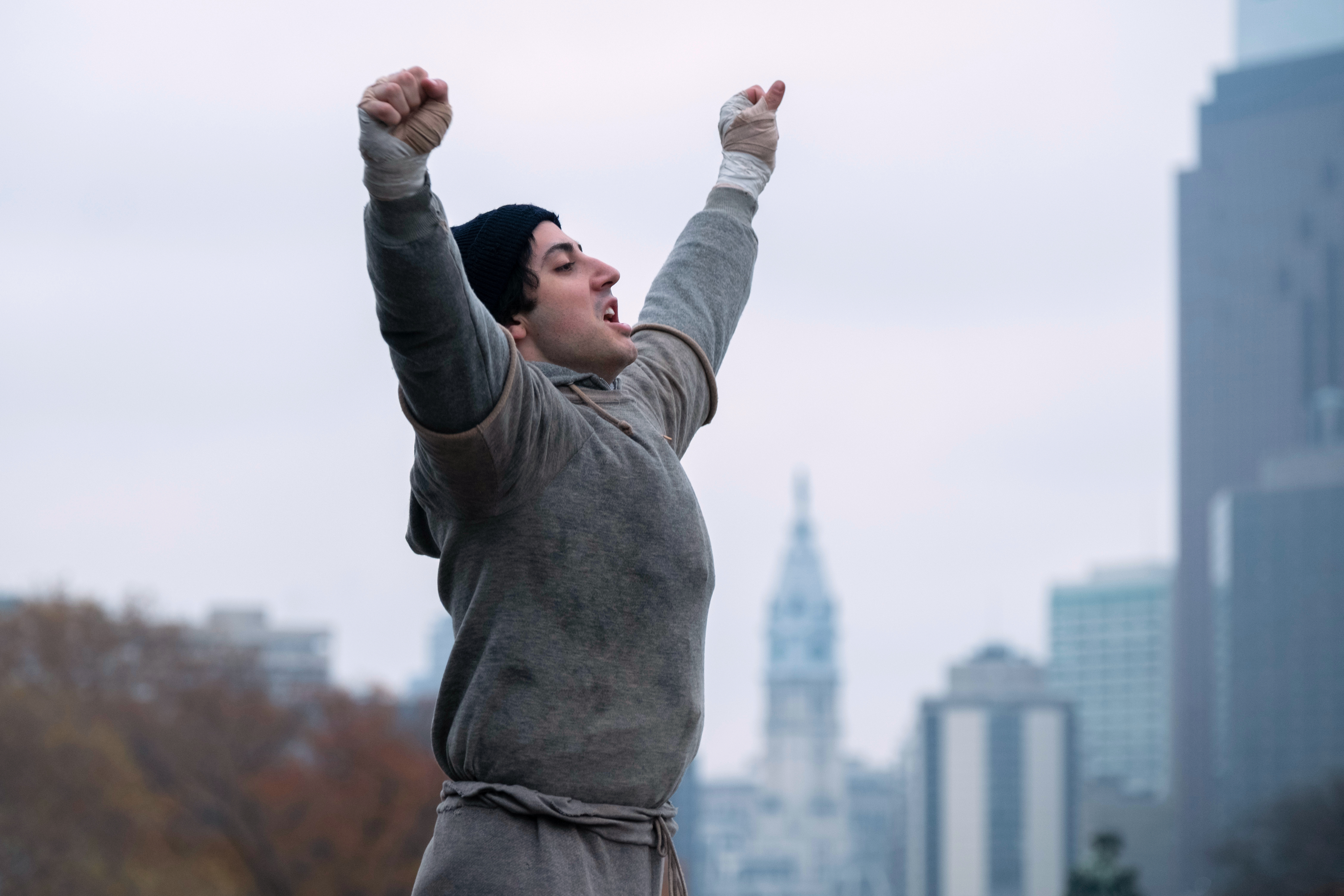
    This image released by Amazon MGM Studios shows Anthony Ippolito as Sylvester Stallone in a scene from “I Play Rocky.” (Claire Folger/Amazon MGM Studios via AP)Claire Folger

    A picture of pre-gentrification Fishtown

    Before it was all private equity bagel shops and sidewalks gridlocked with double-wide stroller-wagons, Fishtown was, in Stallone’s words, “a real rough part of the city.” At a school dance in ‘60s Northeast Philly, Stallone was challenged to a game of “five-to-the-head” — described as “a painful game where the first guy who punched or slapped the other guy five times to the head would be declared the winner” — with a gaggle of Fishtown thugs. A foot-chase ensued, which saw the Fishtownies beating down a local priest.

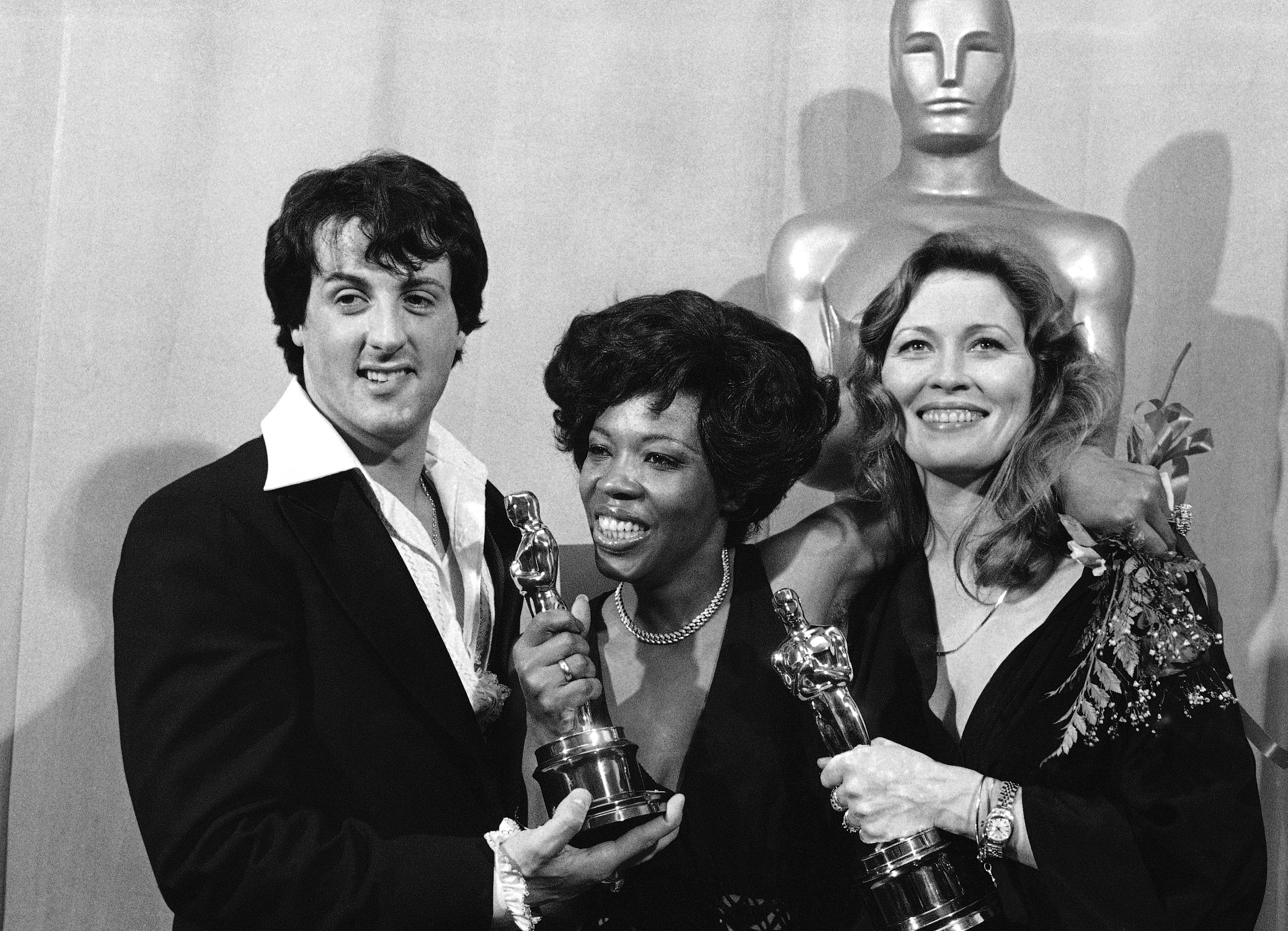
    FILE – Actor and screenwriter Sylvester Stallone, left, poses with Eletha Finch, center, widow of actor Peter Finch, and actress Faye Dunaway at the Academy Awards in Los Angeles on March 28, 1977. (AP Photo/File)Uncredited

    An IQ test at Drexel

    As the street-tough anecdotes suggest, Stallone’s teen years were pretty rough; he claims he cycled through a dozen schools by the time he was 16. At one point, the state sent him to the Drexel Institute of Technology for IQ testing. “The tests,” Stallone writes, “revealed that I was smart and dumb at the same time. I had a high IQ for spatial relations and an aptitude for abstract thought, but horrible scores in pragmatic thinking and math.” It was suggested he’d make a fine electrician’s assistant.

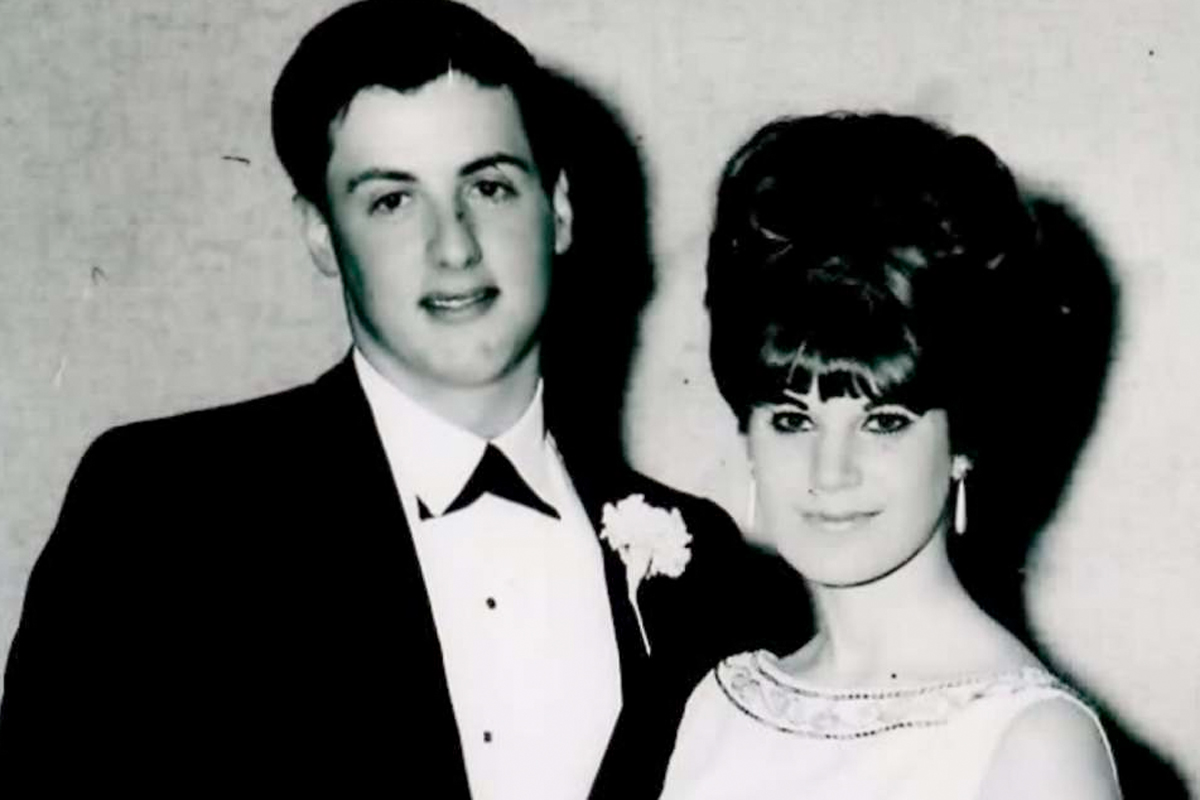
    Ellen Blum in 1965 with her Northeast High prom date, Sylvester “Mike” Stallone.

    Attending Devereux, the school for troubled Youth

    Following his IQ testing, Stallone was faced with three options: dropping out of school, moving to Maryland to live with his hairdresser father, or enrolling in “the one school in Pennsylvania still open to me — a school called Devereux.”

    Founded in 1918 by Philadelphia schoolteacher Helena Trafford Devereux, the school is credited with minting the phrase “troubled teens.” Stallone found himself completely at ease among misfits and outcasts. It was in Devereux that he began taking strength-training seriously, and also where he developed a lifelong interest in abstract impressionist painting.

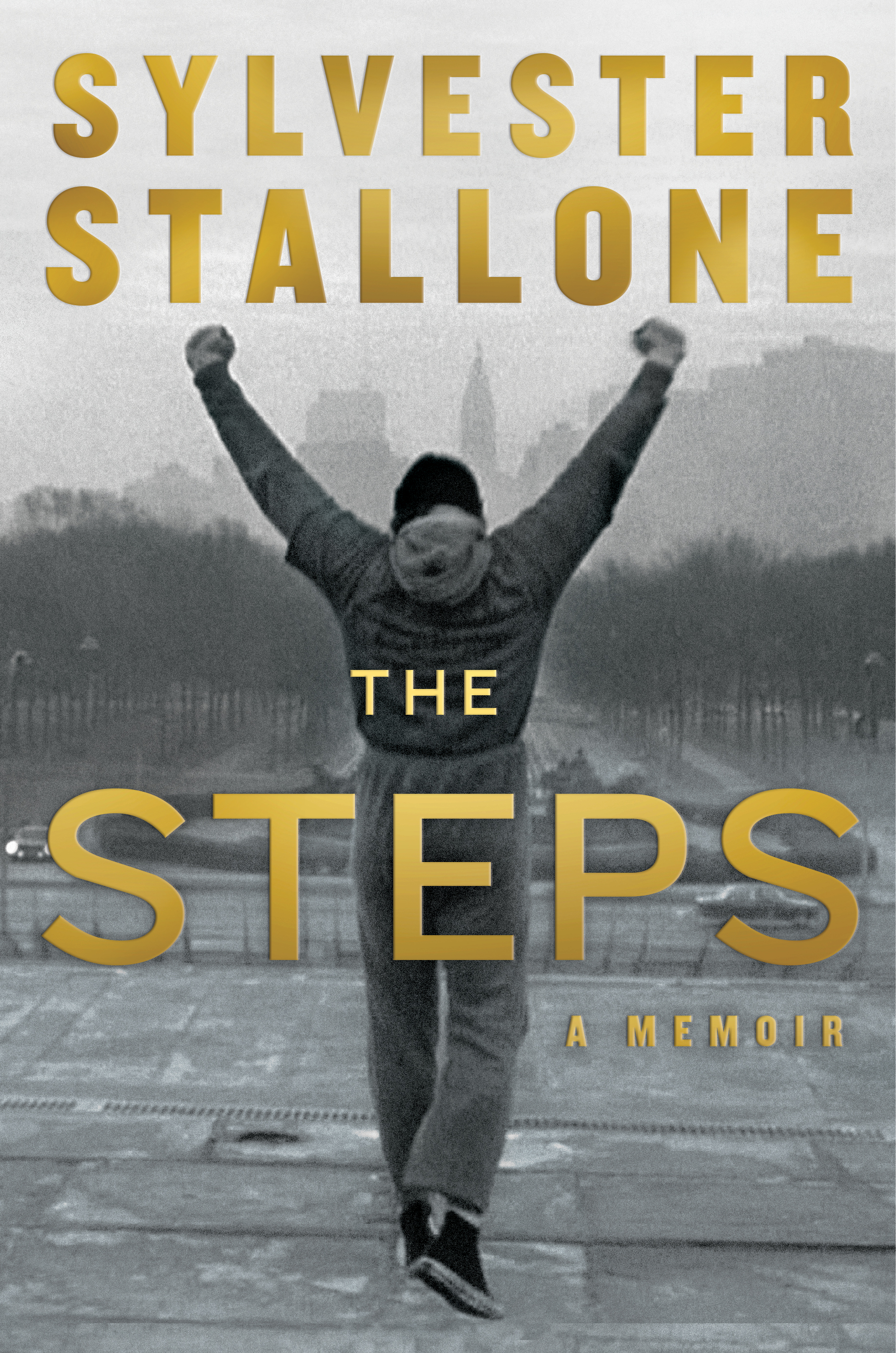
    This cover image released by William Morrow shows “The Steps” by Sylvester Stallone. (William Morrow via AP)Uncredited

    Rocky was always from Philly

    The historical influence on the Rocky Balboa character is often debated. (After the film became a huge success, New York boxer Chuck Wepner sued Stallone, claiming the story was modeled after his own life.) In his own telling, Stallone claims that the character was modeled after Philadelphia boxers like Joe Frazer, and the city itself.

    “Philadelphia is a town of tough, bare-knuckled, working class people who fight for everything they have — including respect,” he writes. “The city has a big-time chip on its shoulder.”

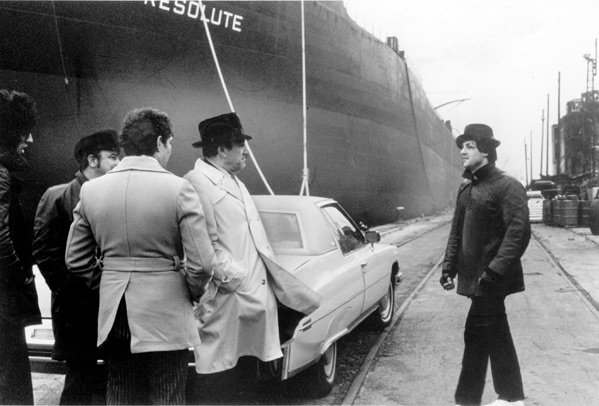
    Sylvester Stallone filming a scene in Philadelphia for “Rocky,” released in 1976. The flim, written by Stallone, was a big hit and won best picture.

    Before ‘Rocky,’ there was ‘Poe’

    Before Stallone set to work on his Rocky script — which he legendarily turned around in just three days — he was nurturing another dream project, a biopic of writer and Philly resident Edgar Allan Poe. “I became obsessed with Poe,” Stallone recounts. “I read everything he wrote. I became an unofficial Poe authority. I knew more about him than I knew about anything else on the planet.”

    Stallone says he worked through as many as 20 drafts of his Poe screenplay, and received interest from directors like William Friedkin and Roman Polanski. Poe, however, remains unproduced.

    Fans try to approach Sylvester Stallone at the Philadelphia Museum of Art steps in Philadelphia, Pa. on Sunday, Dec. 3, 2023. On Sunday, the city of Philadelphia declared Dec. 3 as “Rocky Day.” Sylvester Stallone spoke to the crowd for a few minutes.Monica Herndon / Staff Photographer

    Stallone insisted on filming ‘Rocky’ in Philly

    When the Rocky script was picked up, producer Irwin Winkler tried to persuade Stallone to shoot the film in Beverly Hills. He (mistakenly) believed the toney L.A. country borough could double as Philly. Stallone knew better. “From the very first draft, Rocky took place in Philadelphia,” he writes. “This wasn’t by chance. I grew up there. I knew the city. I understood what it represented.”

    Actor Sylvester Stallone greets fans after visiting the Rocky statue outside the Philadelphia Museum of Art on Friday, April 6, 2018.TIM TAI / Staff Photographer

    Rocky Balboa’s iconic leather jacket came from a North Philly department store

    For reasons of both frugality and authenticity, Stallone’s Rocky wardrobe comprised mostly the actor’s own clothes. This includes the character’s trademark leather jacket, which Stallone bought off the rack at a defunct (and unnamed) North Philly department store when he was 18. In 2015, that same jacket fetched $149,000 at an auction of Hollywood memorabilia.

    John G. Avildsen films Sylvester Stallone in “Rocky.” Avildsen is profiled in “King of the Underdogs.”Chassy Media

    Philly boos Balboa

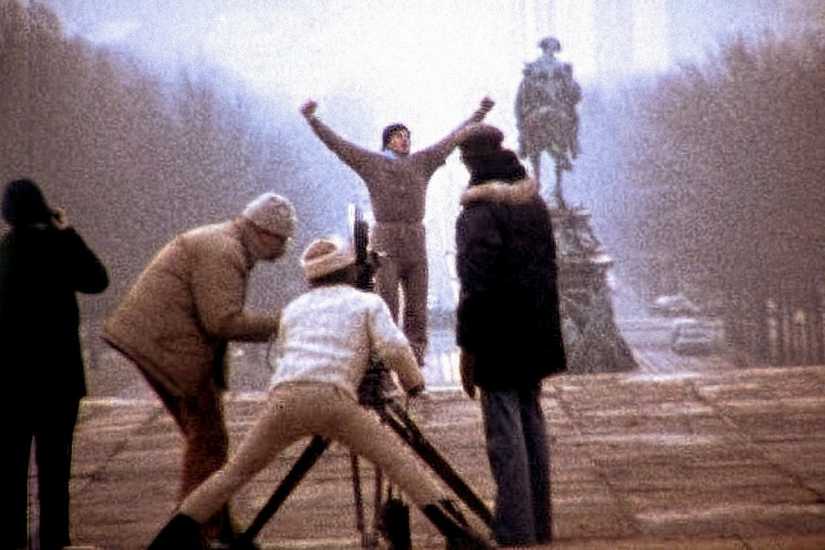
    There are fewer montages in all of cinema as legendary as Rocky’s training scenes, which sees the character running — sluggishly, at first, and then with mounting speed and purpose — through the streets of Philadelphia. Stallone confessed that the sequence was filmed in scattershot fashion, without proper permitting. And in true Philly style, he was regularly booed by locals as he ran by.

    People gathered around the Rocky statue at the top of the steps of the Philadelphia Museum of Arts on Dec. 3, 2024, during a ceremony to kick off Philly’s first Rocky Festival.Jose F. Moreno / Staff Photographer

    A ‘sacred place’ on the Parkway

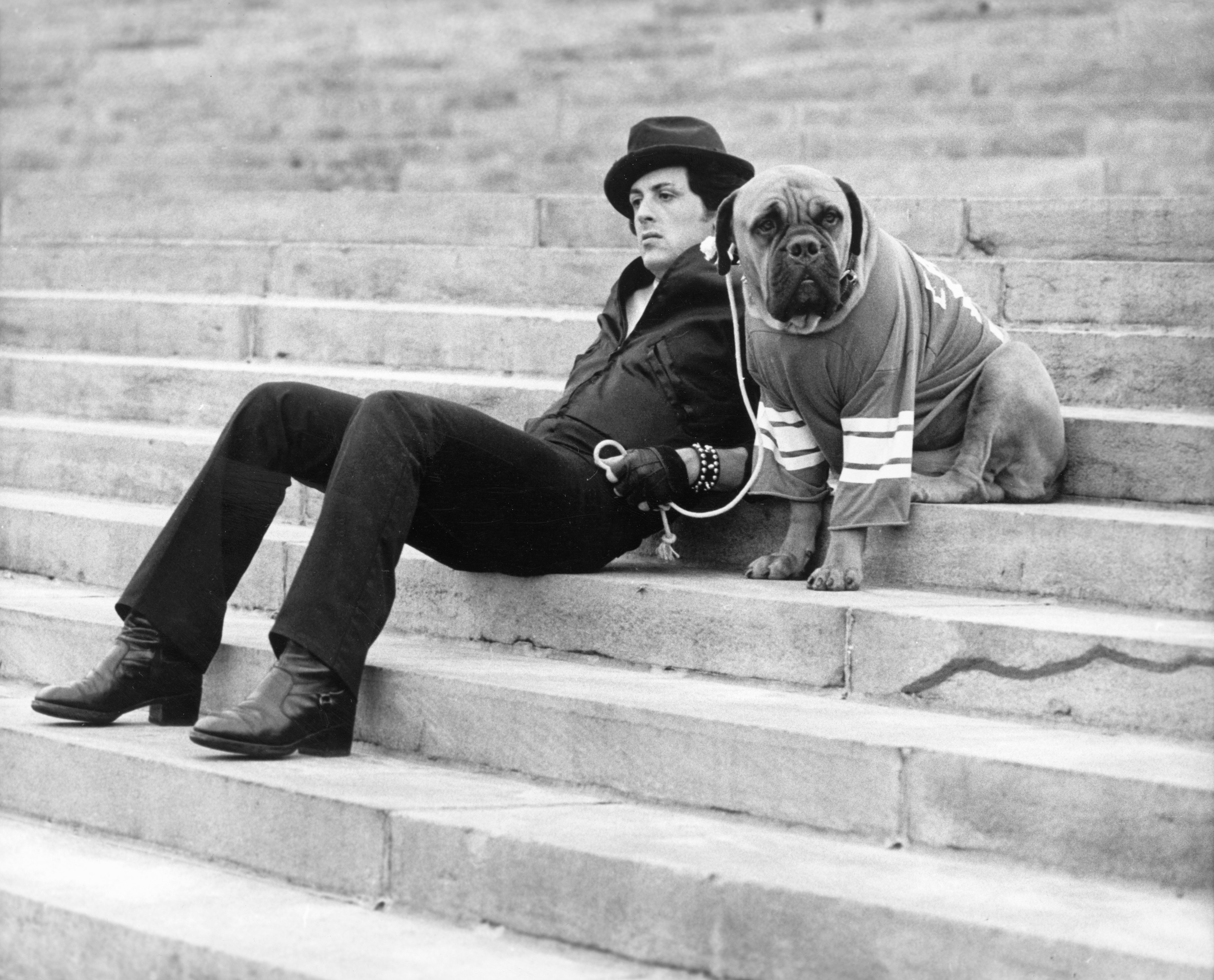
    Of course, that Rocky training montage climaxes with our hard-luck hero bounding up the 72 stone stairs of the Philadelphia Art Museum. For Stallone, those steps had long been a “sacred place.” As a teenager, when his mom would boot him out of the house, he’d find solace sitting on the Art Museum steps. “I don’t know why the place was so special,” he writes, “maybe it was the fact that when I was very young this was the magical place that transported me to the world I wanted to live in. Little did I know that running up the steps would be the most famous shot in the entire movie, which would ultimately allow me to build the life I wanted to live and the world I wanted to live in.”

    “The Steps” is available in digital and physical bookstores all over.

  • A 21-year-old ballet star died from injuries suffered in a car crash on this week in Philly history

    A 21-year-old ballet star died from injuries suffered in a car crash on this week in Philly history

    Philadelphia’s rising ballet star fell in South Jersey.

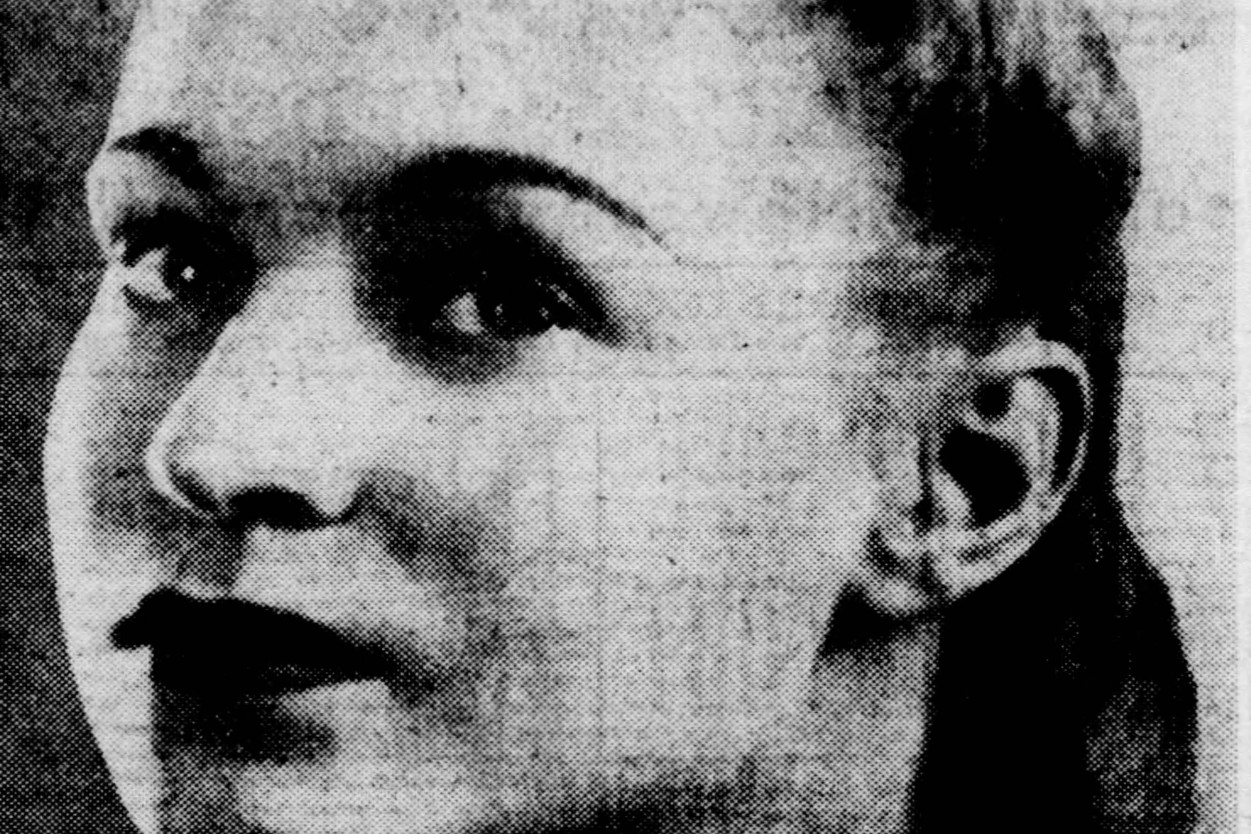
    One of the opera company’s top dancers, Mardee Vosseler, full of performance potential and all of 21, was being driven home after a New Jersey nightclub appearance on the morning of Nov. 3, 1941.

    The car was filled with friends. Samuel Matthews, a 29-year-old shipfitter at the Navy Yard, was at the wheel, and Kitty Mason, a 36-year-old entertainer, was also in the car.

    On their drive home, around 3 a.m., their vehicle collided, head-on, with another in the streets of Camden.

    Police had speculated that “one of the two automobiles had skidded on an asphalt-paved bridge over Newtown Creek,” The Inquirer reported. “The rest of the boulevard is of rough-surfaced concrete.”

    The other vehicle, occupied by two others, rolled over. And when it came to rest, “the motor lay on the front seat,” the paper reported.

    Vosseler, born to dentist P.C. Vosseler in Germantown, was the protégé of Catherine Littlefield, the rowhouse-born choreographer and founder of the Philadelphia Ballet. She had been the prima ballerina of the Philadelphia-La Scala Opera company for two seasons.

    But she had been unable to resume her role that year due to all of her nightclub bookings, supplemental to her dancing work.

    Her even more famous dancing sister, Broadway performer Heidi Vosseler-Draper, who had recently married the famous dancer Paul Draper, flew in from New York to give a blood transfusion.

    Mardee Vosseler would die a few days later from a skull fracture, an early end to a short career. The others in the two vehicles were injured but survived.

    Vosseler’s dancing feet “were stilled forever,” The Inquirer wrote.

  • From missing to a ‘brutal murder’ | Morning Newsletter

    From missing to a ‘brutal murder’ | Morning Newsletter

    Good morning, Philly. Morning showers should ease off by this afternoon, clearing the way for crisp weekend weather.

    Today, we’re starting with the horrific story of a little girl’s death, and calls to investigate the foster care system that she was entrusted to.

    And, we’ll break down the dollars and cents of a now more-likely minimum wage hike in Pennsylvania.

    Plus, Philly’s top sustainability official has resigned, and more news of the day.

    — Laura Benshoff (morningnewsletter@inquirer.com)

    If someone forwarded you this email, sign up for free here.

    “Take a hard look”

    Ten-year-old Malayshia Allford was a shy, timid, smart girl with three siblings, her aunt Yolanda Brown recently told The Inquirer.

    When Malayshia was reported missing in late October by her foster mother, Brown was among those posting flyers around West Philly, pleading for information that could lead them to their missing relative.

    The information they would ultimately receive was crushing.

    Overnight on Wednesday, Philly police recovered Malayshia’s body inside a Lincoln sedan parked in New Jersey. Her foster mother has now been charged with what the District Attorney’s Office called a “brutal murder.”

    Other city officials were quick to condemn the tragedy and call for accountability. The city must “take a hard look at the circumstances surrounding [Malayshia’s] disappearance and the systems entrusted with her care,” City Council President Kenyatta Johnson said in a statement Thursday.

    On social media, Mayor Cherelle L. Parker said Malayshia’s death has “shaken me to my core.”

    The Inquirer’s Ellie Rushing, Dana Munro, and Robert Moran have the latest.

    Minimum wage math

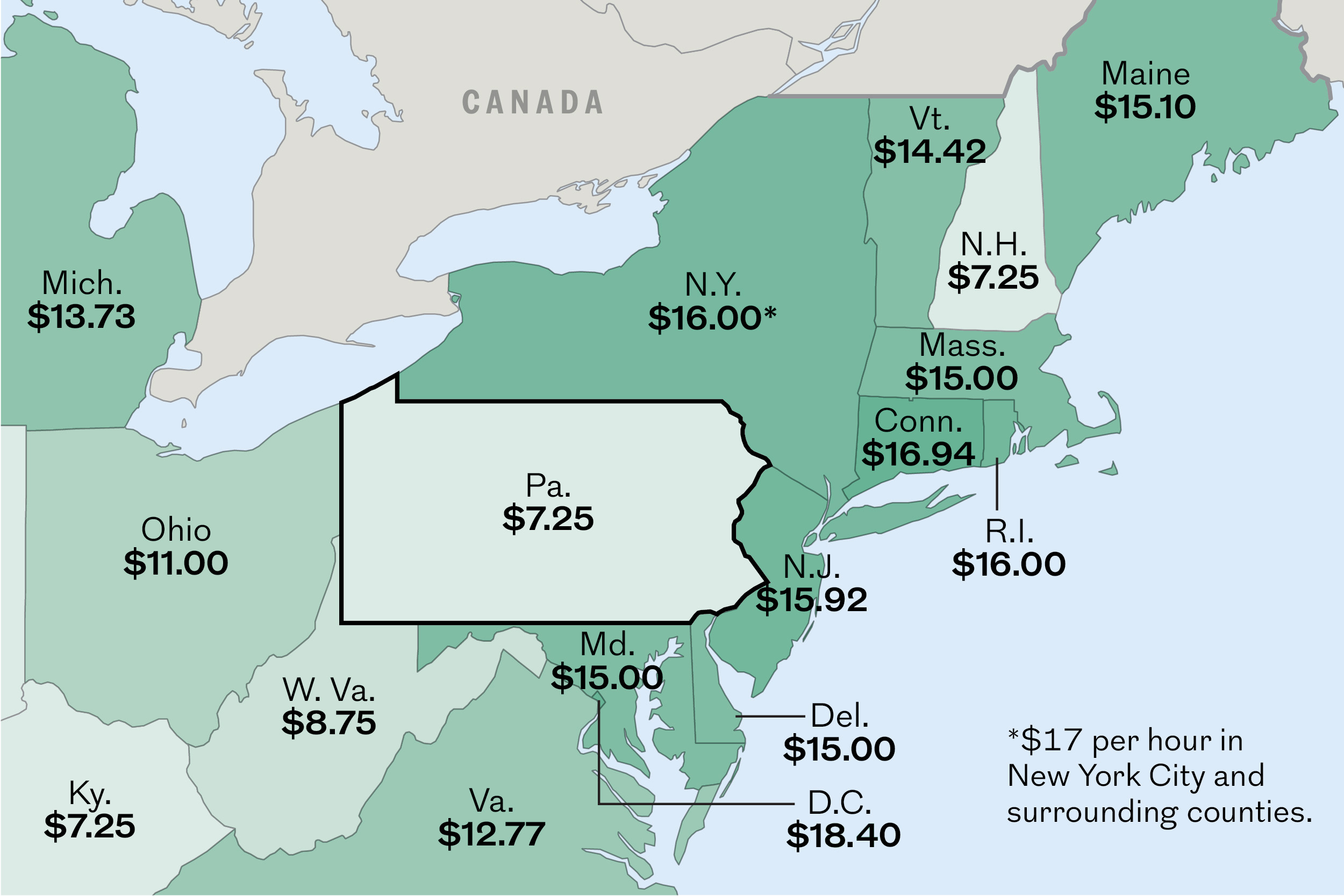
    With Democrats poised to take control in Harrisburg, Gov. Josh Shapiro’s administration hopes to deliver on a long-desired goal: raising Pennsylvania’s minimum wage to $15.

    Since 2009, it’s been pegged to the federal minimum of $7.25 an hour.

    The Inquirer’s Andrew Seidman dug into the details of what raising that standard could do, such as:

    Who would benefit: Less than 1% of workers in the commonwealth earn minimum wage. The group is predominately white and female, and leans younger. But a much larger group earns less than $15 an hour and would also see a lift in income.

    Yes, but: A 2021 analysis by the nonpartisan Congressional Budget Office estimated that a $15 federal minimum wage would slightly reduce overall employment.

    Does it go far enough? A living wage calculator developed by MIT estimated that a Philly single adult must earn $25.38 an hour working full time to make ends meet.

    Keep reading for more on the bottom line.

    What you should know today

    • Philadelphia’s jails stopped offering a monthly shot to ease opioid cravings and withdrawal to save money. Now, inmates are misusing a cheaper, pill-based option.
    • Philadelphia’s top sustainability official has resigned, vacating a key position in Mayor Cherelle L. Parker’s administration as it navigates a live debate over whether the city should keep sending trash to an incinerator in Chester.
    • Pemberton Township Mayor Matthew Bianchini, who made national headlines for charging at a resident last month, lost his bid for reelection.
    • LeBron James’ attorneys have sent a cease and desist letter to makers of the AI sports-betting app Bron, to stop them from using his name, image, and likeness. In addition to the name, the company’s ads show a figure wearing James’ No. 23 jersey.
    • Graduates of Williamson College of the Trades in Delaware County find themselves flooded with job offers, bucking larger hiring trends.
    • Voters in Philly approved a ballot measure to make the city’s office of arts and culture permanent, but that move does not come with additional funding for Philly’s struggling cultural institutions.

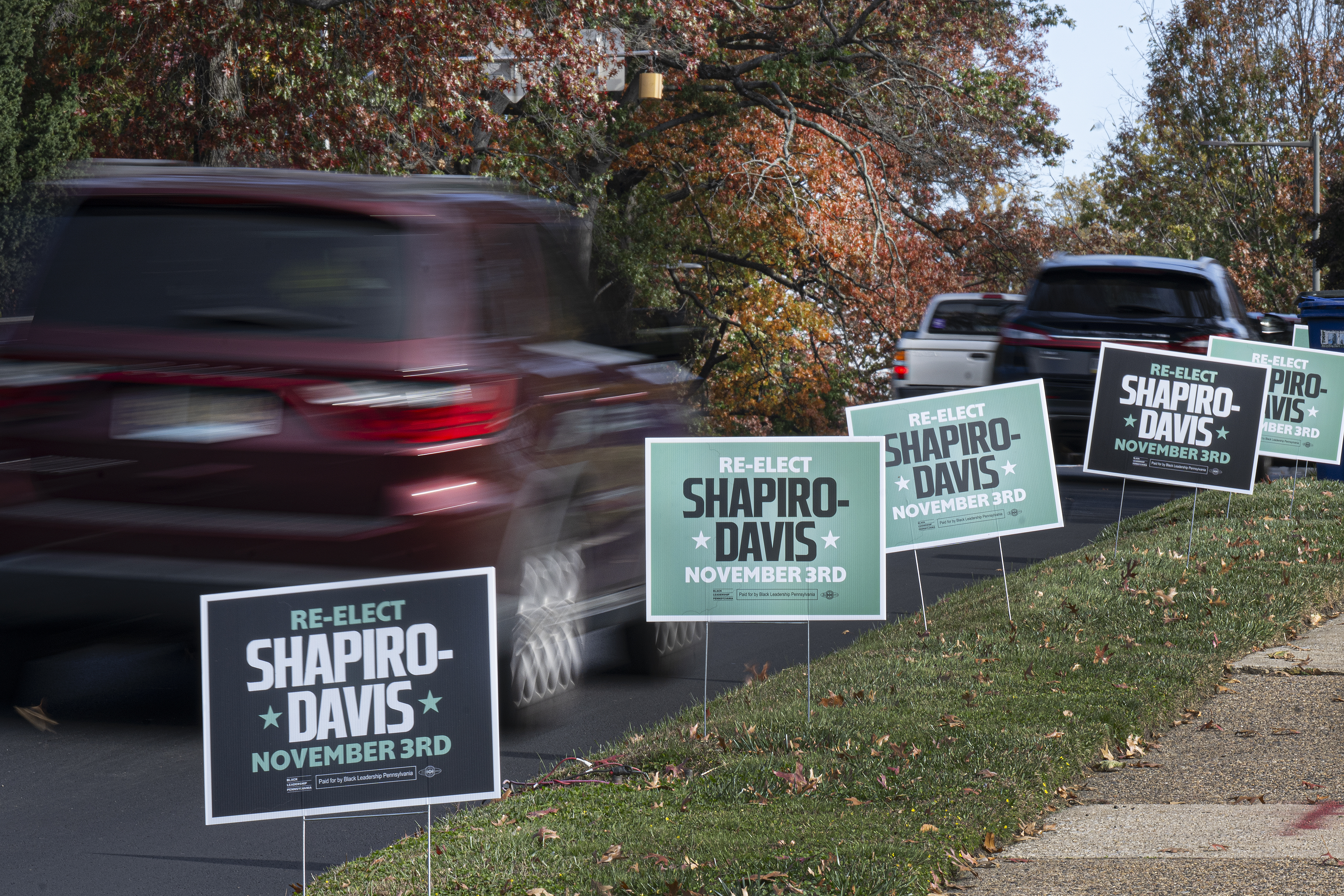
    Plus: Now that the election is over, who cleans up all those campaign signs?

    Welcome back to Curious Philly Friday, our forum in which readers ask about the city’s quirks and we report the answers.

    This week, we’re resurfacing a timely article from 2023 on what happens when campaign swag becomes campaign trash. When an election ends, a reader asked: Whose job is it to clean up the mess?

    Within the city of Philadelphia, private-property owners are responsible for disposing of any signs on their lawns or buildings. Meanwhile, campaigns are supposed to collect their signs from public spaces, a city spokesperson said.

    But in many cases, that doesn’t happen or at least not very quickly. Here’s the full story.

    Have your own burning question about Philadelphia, its local oddities, or how the region works? Submit it here and you might find the answer featured in this space.

    🧠 Trivia time

    On Monday’s game against the Bulls, Sixers star LeBron James had a viral moment after crashing into a fan courtside and helping himself to some of their:

    A) Wine

    B) Beer

    C) Popcorn

    D) Cotton candy

    Test your local news know-how and check your answer in our weekly quiz.

    What we’re …

    🥊 Reading. Sylvester Stallone’s recent memoir The Steps describes his gritty teenage years in Philly, where he details street fights and getting sent to a school for troubled youth, writes Inquirer contributor John Semley.

    🗳️ Answering. Inquirer politics reporters Sam Janesch and Gillian McGoldrick will be taking your questions about the midterms live on Reddit at 11 a.m. today. Click here to tune in or submit a question.

    🩰 Watching. BalletX’s new piece Speakeasy blends ballet with Broadway, with dancers flexing their acting chops to bring Prohibition-era Philly to life, per Inquirer dance critic Ellen Dunkel.

    🧩 Unscramble the anagram

    Hint: Former SNL cast member set to have a cameo on Abbott Elementary this season.

    HERBAL LID

    Email us if you know the answer. We’ll select a reader at random to shout out here.

    Congrats to Matt McClain who correctly solved Thursday’s anagram: Christian Pulisic. For the first time, Cavan Sullivan, Philadelphia Union player and U.S. Mens soccer’s new star, will soon team up with the veteran star.

    Photo of the day

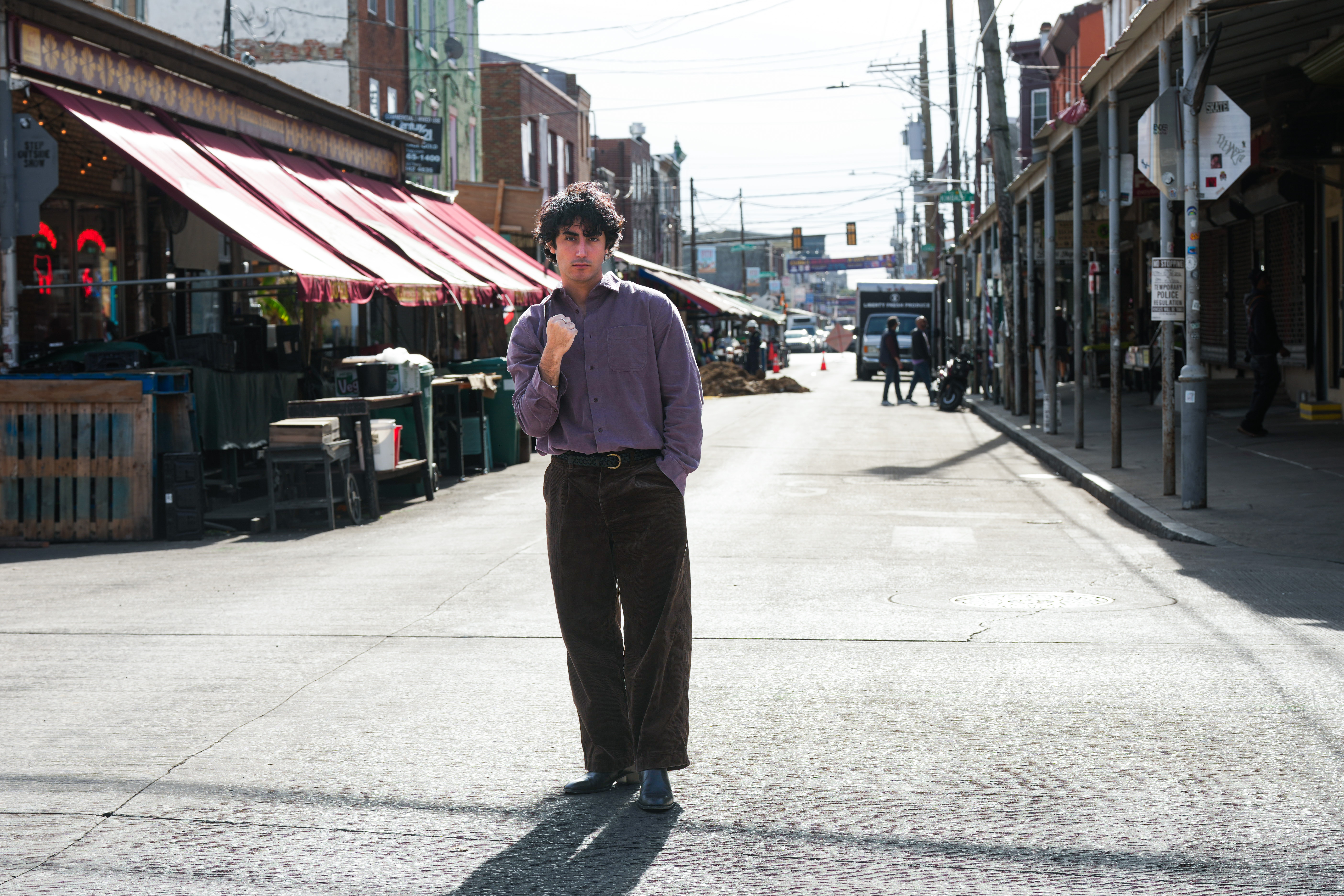
    Actor Anthony Ippolito, from the film “I Play Rocky’, at the Italian Market on Monday.Jessica Griffin / Staff Photographer

    Today, the Sylvester Stallone biopic “I Play Rocky” debuts in theaters. Arts and Culture writer Earl Hopkins interviewed the cast that brought a Cinderella story even bigger than that of Rocky Balboa to life.

    👋 It’s always hard to read about a child who’s been harmed by trusted adults. I hope you take a beat and hug a loved one today.

    By submitting your written, visual, and/or audio contributions, you agree to The Inquirer’s Terms of Use, including the grant of rights in Section 10.

    Correction: This story has been updated to correct the spelling of Malayshia Allford’s last name after law enforcement reports included an incorrect spelling.