Blog

  • Rejecting Trump, South Korean leader says he will not send troops to Iran

    Rejecting Trump, South Korean leader says he will not send troops to Iran

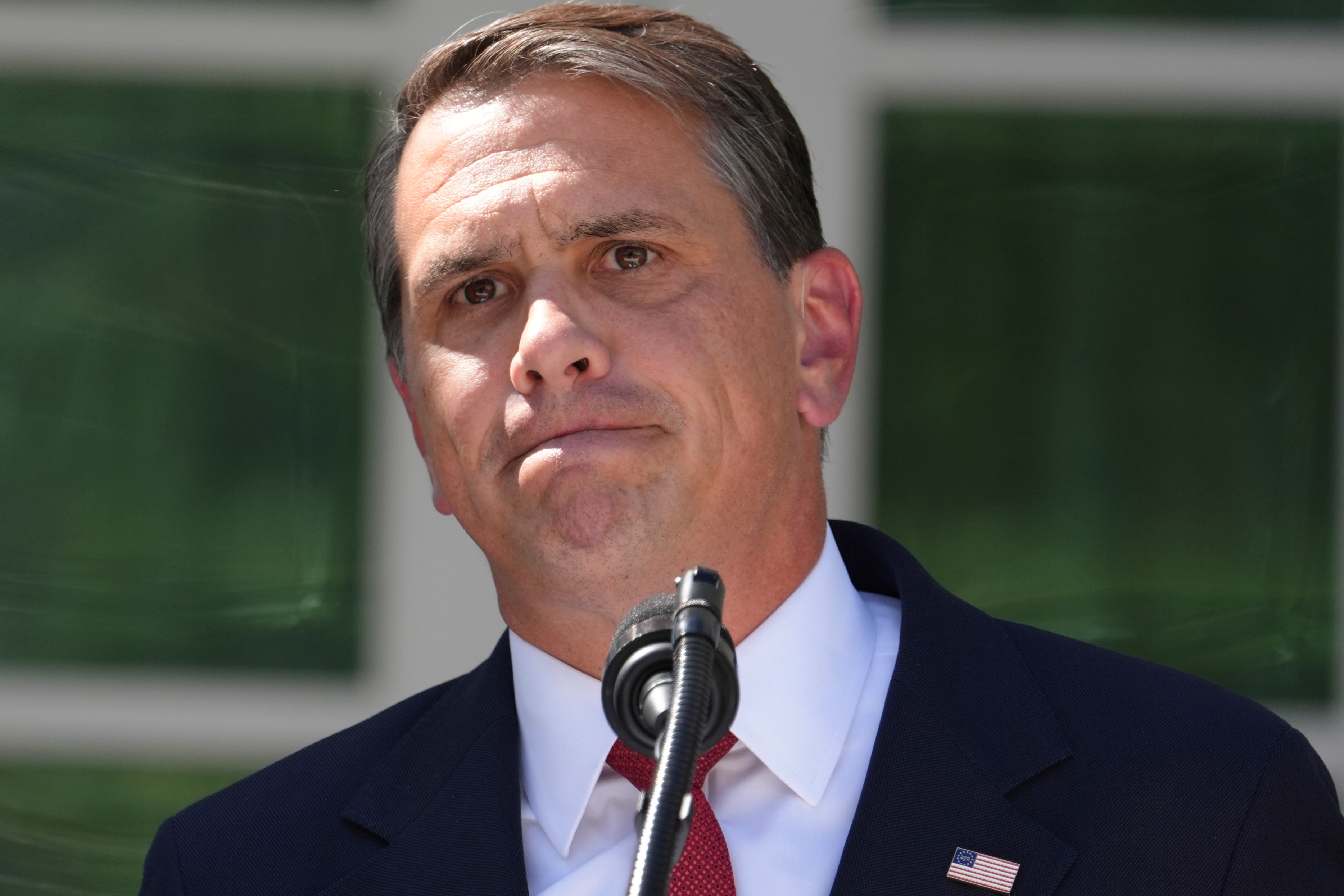
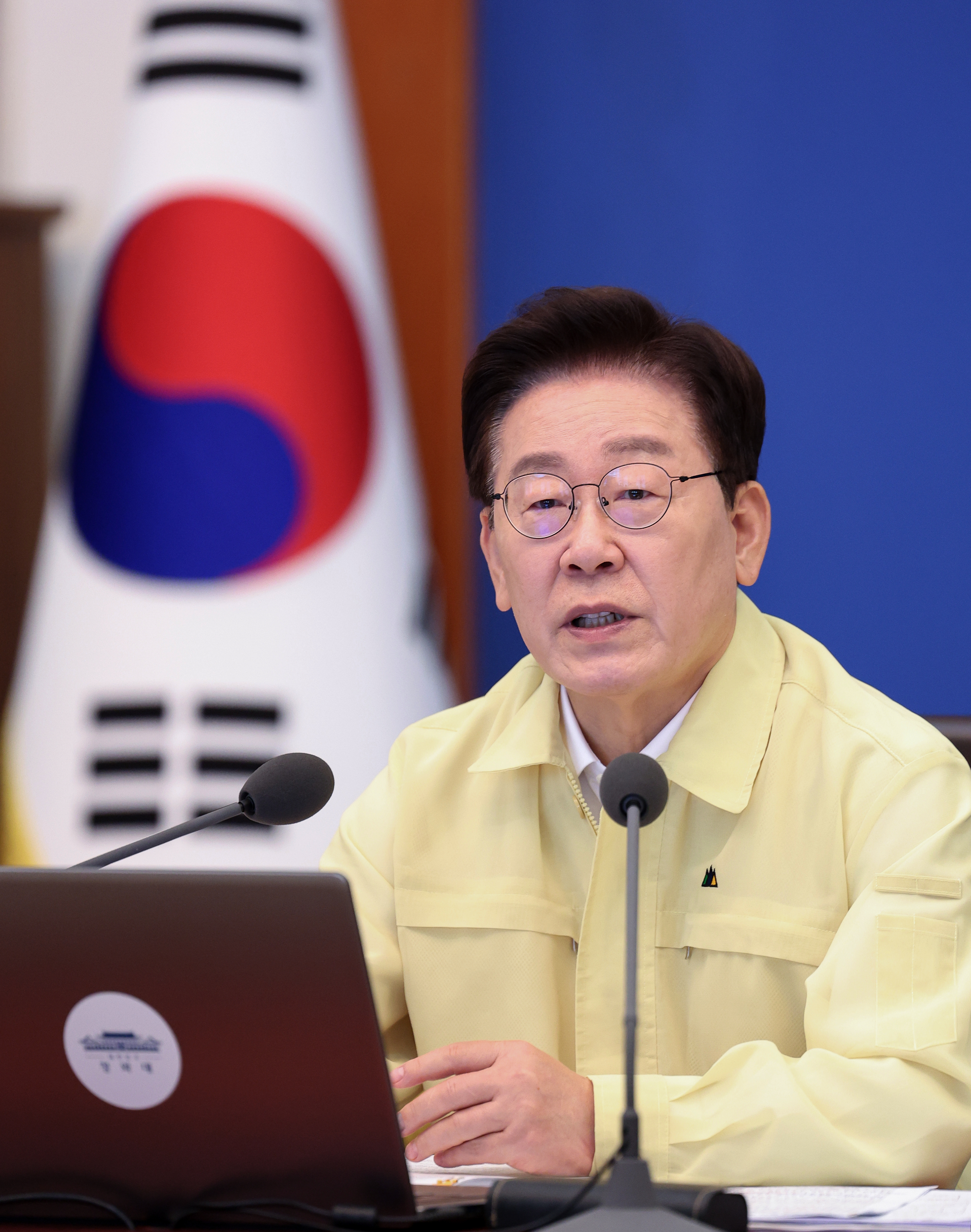
    SEOUL, South Korea — President Lee Jae​ Myung of South Korea pushed back against pressure from the Trump administration Friday, declaring that his country would not deploy troops or military assets to support the U.S.-led war against Iran.

    In recent weeks, President Donald Trump has publicly taunted the South Korean leader, venting frustration over ​what he described as Seoul’s refusal to help defend the Strait of Hormuz — once the world’s main transit point for oil — while American troops remain stationed on​ ​the Korean Peninsula to shield ​South Korea from North Korea.​ On Friday, Lee ​firmly rejected any ​military involvement in the Middle East conflict.

    “There will be no deployment of troops or dispatch of military assets to​ be involved in or intervene in this war,” Lee said in a news conference.

    Instead of a combat deployment, Lee noted that Seoul is considering expanding the operational scope of a South Korean navy destroyer and its support ships stationed off the coast of Somalia for antipiracy operations. He emphasized that even if those assets move closer to the Red Sea or the Strait of Hormuz, their sole focus would be protecting South Korean ​oil tankers and other commercial vessels. They will not participate in any operations that could be interpreted as supporting the war against Iran​, he said.

    ​While Trump has not specified the exact type of assistance he expects from Seoul, he complained last month that he had asked Lee “to give us a little hand” in the conflict, reminding him of the U.S. military presence in South Korea.

    “He said, ‘No, thanks,’” Trump ​recalled. “I see. Well, why are we involved in helping you?”

    It was not the only issue that a grim-faced Lee addressed Friday. Fifteen months into his single five-year term, his approval rating has fallen to a new low of 37%, battered by troubles brewing not only at home but also by strains with South Korea’s most important ally, the United States.

    Last month, Trump unilaterally scaled down one of the United States’ annual joint military exercises with South Korea, calling the drills not only “costly” but also “totally inappropriate and hostile” toward North Korea. He said that, for as long as he had been in office, North Korea had been “unthreatening and respectful.” Trump also boasted of having a “very good relationship” with North Korea’s leader, Kim Jong Un, even as the North has become a bigger nuclear threat against the South.

    At home, South Korea’s main stock index — once lauded as a premier beneficiary of the global artificial intelligence boom — has crashed, devastating the portfolios of millions of individual investors who were encouraged by Lee’s government to buy stocks. Lee has also failed to deliver on his repeated pledges to curb rising housing costs.

    The opposition has accused him of seeking a constitutional amendment that would allow him to run for a second term, a move explicitly barred by the current constitution. His presidency also remains marred by his suspended criminal trials on charges including violating election laws and inducing perjury. The opposition has claimed that Lee was plotting a special bill to erase those charges, ​which he has insisted were fabrications orchestrated by his conservative adversary and predecessor, the impeached and ousted former President Yoon Suk Yeol.

  • Cherry Hill will get rid of its 10 Flock cameras at the end of the year

    Cherry Hill will get rid of its 10 Flock cameras at the end of the year

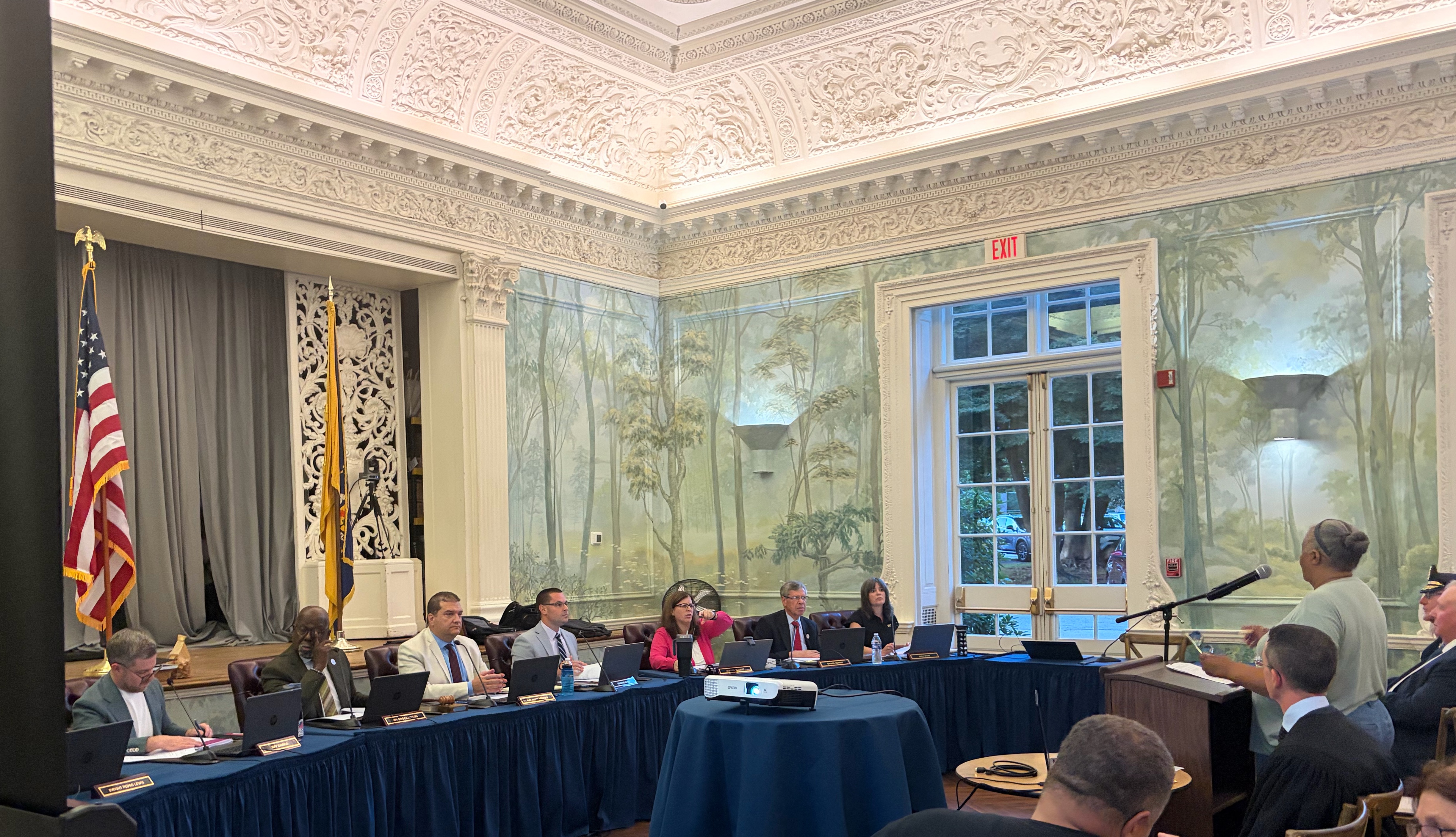
    As public pushback against the use of automated license plate readers continues to grow nationwide, Cherry Hill announced this week that it will not be renewing its contract with controversial company Flock.

    The township’s contract with the company expires on Dec. 31, Cherry Hill Mayor Dave Fleisher announced at the Sept. 14 township council meeting.

    “The Cherry Hill Police Department continues to evaluate its use of technology,” Fleisher’s chief of staff, Brian Bauerle, said in an email Friday. “In conjunction with that evaluation, Cherry Hill Township was also aware of ongoing nationwide conversations concerning the Flock network.”

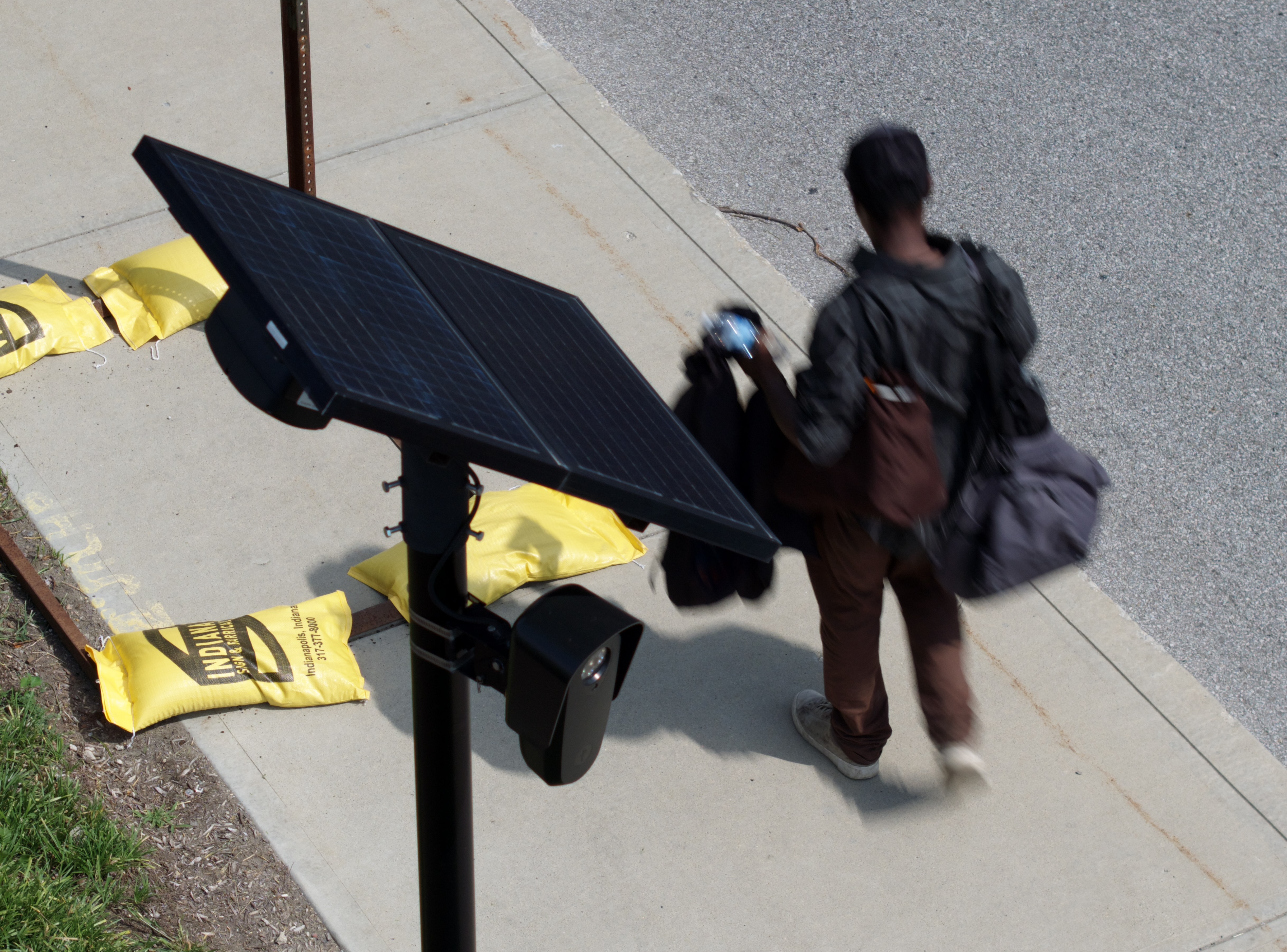
    Flock cameras capture the license plates and identifying features of passing vehicles, including bumper stickers and dents, in addition to the make, model, body type, and color. That information is then compiled into a searchable database that can be accessed by law enforcement and private owners of the cameras.

    In 2022, Cherry Hill entered into a two-year, 10-camera pilot program with Flock, Bauerle said.

    Once the contract expires, the cameras, which were installed at the end of 2024, “will become inactive immediately with the hardware to be removed by the vendor,” he said.

    As the township prepares for the cameras to come down, the Cherry Hill Police Department is now looking into other options for similar technology that can be used in town.

    “The police department is in the final stages of evaluating Axon automated license plate readers,” the same company that provides the department’s body-worn and dash cameras, Bauerle said. Axon’s dash cameras can serve as mobile automated license plate readers while the police car is in operation, he said.

    “These cameras do not connect to the Flock network,” Bauerle noted. “The Department uses automated license plate recognition technology only for authorized law-enforcement and public-safety purposes and in accordance with both New Jersey law and New Jersey Attorney General directives.”

    The department has not yet moved beyond the “evaluation phase” of the Axon cameras, but if it does, Bauerle said, the decision will be subject to various approvals by the township.

    Cherry Hill’s decision to sever ties with Flock comes as people across the country increasingly push back against the technology. Critics argue that the cameras amount to mass surveillance and unconstitutionally track the movements of citizens.

    Earlier this month, rural Shamong Township in neighboring Burlington County introduced an ordinance that would ban the cameras within the township for one year.

    “Flock cameras basically create a surveillance system for people who have done nothing wrong,” Shamong Mayor Michael Di Croce said at the time.

    “We should not create a permanent or searchable record of where law-abiding residents drive merely because they happen to pass a government camera or, in the case of Flock, private-entity cameras,” Di Croce said.

  • Johnny Doc reportedly switches to Republican Party after receiving prison commutation from Trump

    Johnny Doc reportedly switches to Republican Party after receiving prison commutation from Trump

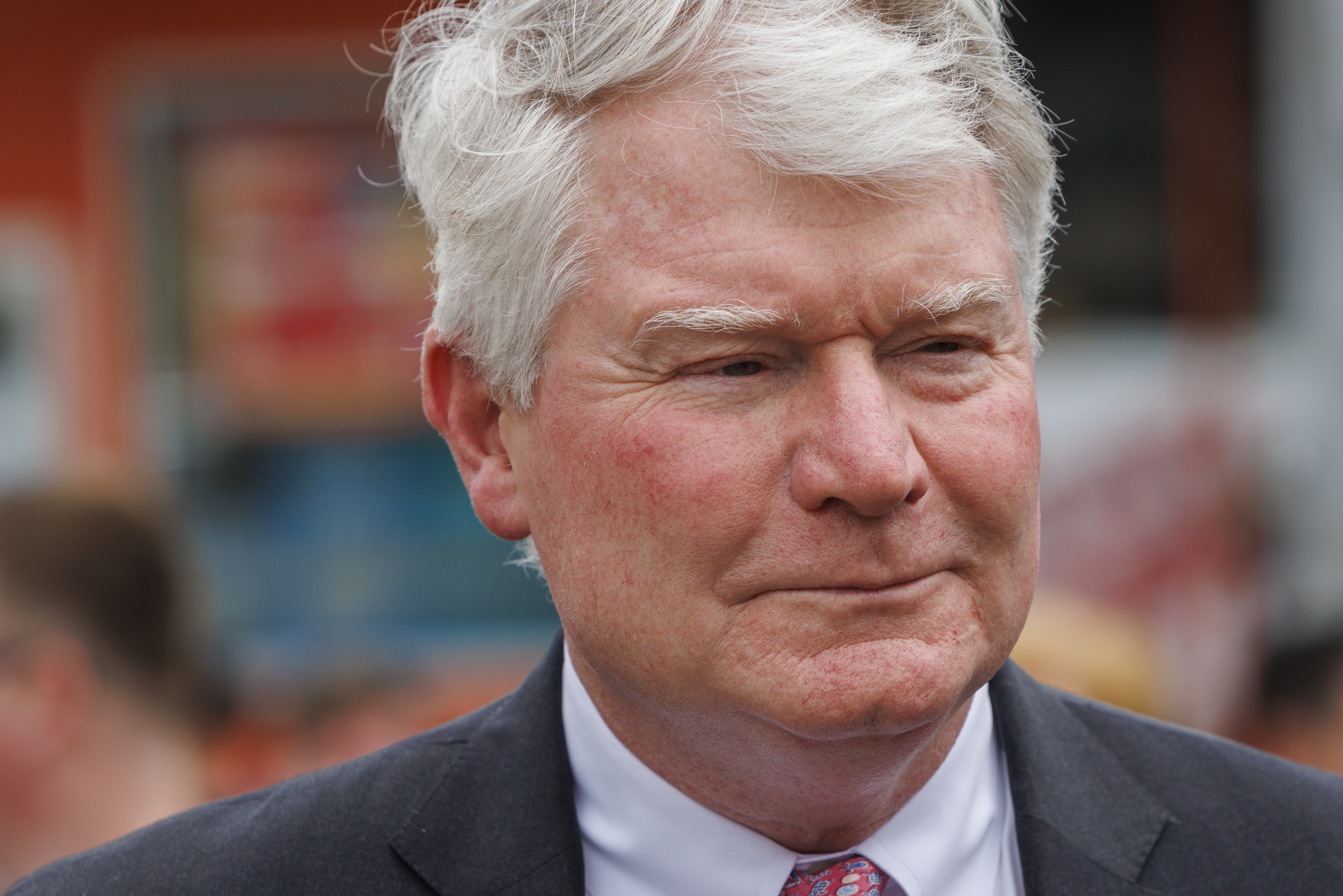
    John “Johnny Doc” Dougherty, the former Philadelphia labor leader and longtime Democratic power broker whose prison sentence for a corruption conviction was commuted by President Donald Trump earlier this month, has reportedly switched political parties.

    Claudia Vargas, a former journalist for NBC10 and The Inquirer, reported Friday that Dougherty changed his party registration on Sept. 11 to Republican, and that he has since moved from South Philadelphia, where he had served as a ward leader, to Center City.

    The website for the Office of the Pardon Attorney in the U.S. Department of Justice shows Trump signed Dougherty’s commutation Sept. 3.

    Dougherty, who served less than two years of his six-year sentence, had been seeking an early release so he could care for his gravely ill wife, Cecilia. He was released Sept. 4 from the federal penitentiary in Lewisburg, Pa., his lawyer, George Bochetto, confirmed that day.

    Neither Dougherty nor Bochetto could be reached for comment on Friday.

    Dougherty was found guilty of bribing former Philadelphia City Councilmember Bobby Henon in one trial, and was convicted in a second trial for his participation in an embezzlement scheme that cost his union nearly $600,000.

    He had petitioned U.S. District Judge Jeffrey L. Schmehl to release him on house arrest so he could care for his wife. Schmehl repeatedly denied those efforts.

    As a result of Trump’s commutation, Dougherty not only had his incarceration cut short, but also will no longer have to pay about $1.6 million in restitution to the union he was convicted of defrauding.

    A representative for Local 98 of the International Brotherhood of Electrical Workers could not be reached for comment about the loss of the restitution funds.

    Dougherty, whose conviction remains intact, also will not be subject to monitoring or house arrest.

    On the day Dougherty was released, Bochetto called Trump’s decision “a magnificent gesture of compassion.”

    Bochetto said he had been in regular communication with White House staffers about the health challenges faced by Dougherty’s wife.

    A White House official said those circumstances figured into Trump’s decision, particularly because Dougherty’s father-in-law, who had been serving as the primary caretaker, died last year.

    Bochetto said there was “absolutely no reason” to keep Dougherty locked up while his wife’s health was continuing to decline.

    Federal prosecutors had opposed Dougherty’s early release.

  • Duncan Sheik, who traded pop stardom for Broadway, dies at 56

    Duncan Sheik, who traded pop stardom for Broadway, dies at 56

    Duncan Sheik, an introspective singer-songwriter whose alt-pop hit “Barely Breathing” became a Generation X touchstone, but who squirmed under the label of MTV heartthrob and eventually decamped to Broadway, winning two Tonys for composing the smash musical Spring Awakening, died Thursday in Manhattan. He was 56.

    His death, in a hospital, was confirmed by his mother, Suzanne Sheik, who said that the cause was organ failure.

    Soft-spoken and cerebral — complete with a degree in semiotics from Brown University — Mr. Sheik seemed like a long shot for fame when he arrived in Los Angeles in 1992 with a demo tape and a deep unease with the spotlight.

    Though he had played guitar in a band with future hitmaker Lisa Loeb in college, he “could barely sing in public to save my life at that point,” he recalled in a 2011 interview with the site Pop Dose.

    Yet in just a few years, he was a rising star. In 1996, Rolling Stone called his first album, Duncan Sheik, a “defiant debut — beautiful and benevolent of spirit” and praised his “raw and articulate singing.”

    The single “Barely Breathing,” an unvarnished sketch of a dying relationship that was propelled by candy-sweet hooks, saturated the radio airwaves. It earned a Grammy nomination and rose to No. 16 on the Billboard Hot 100, remaining on the chart for 55 weeks — at the time, the fourth-longest run ever.

    In the decade of Nirvana and Soundgarden, Mr. Sheik intended his artfully crafted record “as a reaction against the existing alternative music,” he said in a 1997 interview with the Palm Beach Post, complaining that alt rock had become “this kind of monolithic distorted guitar chord.”

    With a grounding in classical composition, and influences as diverse as Joni Mitchell, the Cocteau Twins, and Estonian composer Arvo Pärt, Mr. Sheik mixed heart-rending melodies with lyrics that mined Buddhist philosophy and brimmed with existential angst.

    In a review of his second album, Humming (1998), in the New York Times, Stephen Holden wrote that Mr. Sheik’s “beautifully orchestrated meditations suggest that pop can still aspire to a lofty, searching classicism.”

    Fans embraced him as a tortured troubadour, like Jeff Buckley or Elliott Smith. Critics often noted his musical similarities to Nick Drake, the haunting and haunted British singer-songwriter of the late 1960s and early ’70s.

    But Mr. Sheik — with looks that called to mind the Gen X dreamboat John Cusack and a female-tilting fan base — was also cast in the news media as a sensitive, soulful sex symbol. The Palm Beach Post noted his “name straight out of a romance novel and the face of a GQ model.”

    “Don’t hate Duncan Sheik because he’s beautiful,” critic Ann Powers wrote in a review of a 1998 concert in the New York Times. “He is trying very hard to distance himself from that fact.”

    Duncan Scott Sheik was born Nov. 18, 1969, in Glen Ridge, N.J., to Jack and Suzanne (Tracy) Sheik. By the time he was 6, he was learning piano from his grandmother, who had studied at Juilliard. After his parents divorced, his mother moved to Hilton Head Island, S.C., where Duncan got his first electric guitar and played in a band that performed Def Leppard and Van Halen covers.

    After graduating from Phillips Academy in Andover, Mass., in 1988, he enrolled at Brown, where he holed up in the campus recording studio working on his own material, when he wasn’t playing with Loeb, a fellow student who in 1994 would hit No. 1 with “Stay (I Missed You).”

    It took a few years of living in Los Angeles after college for his career to take off — but once it did, he found fame to be at times overwhelming.

    “I was put in situations that I didn’t have the experience to handle,” he recalled in a 2003 interview with University Wire, adding that he had performed on David Letterman’s and Jay Leno’s late-night shows when he had “just made one album and I had played maybe 30 or 40 shows in my life. And I’m sure I sucked.”

    An adherent of Nichiren Buddhism, rooted in 13th century Japan, since he was 19, he found that daily chanting helped him to be “just a bit more positive about life in general,” he told the Palm Beach Post.

    Despite critical plaudits, Humming sold modestly. Sheik’s somber third album, Phantom Moon (2001) — a collaboration with the poet and playwright and his fellow Buddhist Steven Sater — was, according to Holden’s Times review, “the most entrancing collection of pop dream songs since Nick Drake’s 1969 album, Five Leaves Left.”

    That, Holden added, was “not to suggest that this hauntingly melancholy suite is poised to hurtle up the charts anytime soon.”

    By that point, Mr. Sheik said in a 2015 interview with HuffPost, “the ‘authenticity’ of the alt-rock era of the early and mid-90s was over and the music business took a hard right turn back toward artifice and the more overtly pop sound of Britney, Christina, ’N Sync, and Backstreet Boys.”

    He scored an unlikely dance hit in 2002 with the percolating “On a High,” from the album Daylight, but he was growing ever more weary of the industry hustle.

    “I thought, I’m not going to win in this game of trying to be Justin Timberlake,” he recalled in a 2022 interview with the Houston Chronicle. “Maybe I should try and do something different.”

    Mr. Sheik met Sater through the Buddhist association Soka Gakkai, and in 1999, Sater broached the idea of working together on a musical based on Spring Awakening, Frank Wedekind’s 1891 play exploring the tormented inner lives and flowering sexuality of a group of teenagers.

    After initial doubts, Mr. Sheik ended up feeling a kinship with the material. “Being a recording artist who tours and performs and who has never had a normal job or anything, I have never really evolved past my 17-year-old self,” he said in a 2014 interview with Broadway World.

    In development for years, the rock-meets-folk-meets-emo musical — striking for its raw treatment of topics such as abortion, abuse, and suicide — ran off-Broadway at the Atlantic Theater Company starting in spring 2006, before opening on Broadway that December.

    “It was really about ‘Can we make a musical score that sounds as cool as the music that any alternative rock kid is listening to on their iPod?’” Mr. Sheik recalled in a 2020 interview.

    Before the show premiered, he coached the cast — which included future stars like Lea Michele, Jonathan Groff, and John Gallagher Jr. — to steer clear of traditional Broadway bombast.

    “Imagine that you’re Thom Yorke,” he said he told them. “Imagine that you’re a young David Bowie. Imagine that you are Fiona Apple. And please forget about all the vocal training you’ve ever had.”

    In a rave review in the Times, critic Charles Isherwood praised Mr. Sheik’s “ravishing rock score,” calling the show a “brave new musical, haunting and electrifying by turns.”

    Spring Awakening won eight Tony Awards, including best musical, with Mr. Sheik taking home two, for the score — an honor he shared with Sater, who wrote the book and lyrics — and for his orchestrations. The show ran for over two years on Broadway, where it was revived in 2015; a new production opens off-Broadway in November.

    Mr. Sheik wrote the scores for several other musicals, including Alice by Heart, a version of “Alice’s Adventures in Wonderland” set in London during World War II, and American Psycho, an adaptation of the blood-soaked Bret Easton Ellis novel, which flopped on Broadway in 2016.

    He is survived by his parents; his wife, Nora Ariffin; their daughter, Ines Sheik; and his half siblings, Peter and Kacie.

    Along the way, Mr. Sheik continued to release nontheater albums, including a 2011 collection of covers of songs by British acts of the 1980s like Depeche Mode and Tears for Fears. His final album, Claptrap (2022), wove his trademark delicate melodies into an ambient electronic soundscape.

    In interviews over the years, his Buddhist outlook came through as he described fame, critical success, and even life itself as capricious and beyond anyone’s control.

    “I subscribe to the death-of-the-author theory,” he said in a 1997 interview with the Orange County Register, “that once a cultural product has been created and sent out into the world, it no longer has any attachment to its author.”

    This article originally appeared in the New York Times.
  • Titans ‘ready to plaster’ Eagles receivers, Jeffery Simmons’ hot take, and more before Sunday’s game

    Titans ‘ready to plaster’ Eagles receivers, Jeffery Simmons’ hot take, and more before Sunday’s game

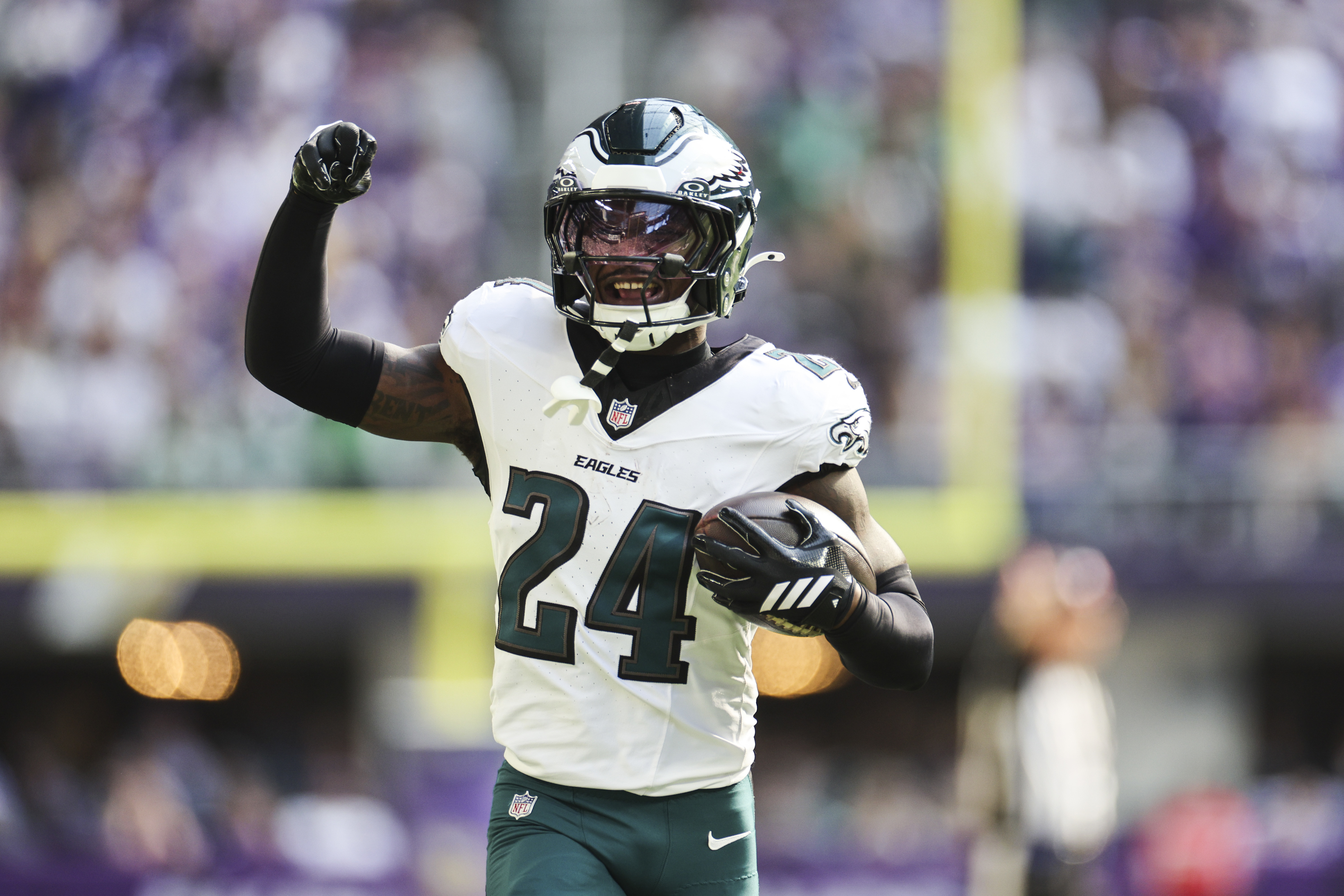
    Last week, the Eagles kicked off the 2026 season with a 24-22 victory over the Washington Commanders. Now, they will face the Tennessee Titans in Nashville for the first time since 2018. The Titans, who haven’t had a winning season since 2021, lost, 23-10, to the New York Jets in Week 1.

    The Eagles are favored to win on Sunday (1 p.m., Fox29), with many predicting a Birds blowout. Here’s what the Titans are saying about their chances:

    ‘Make Jalen Hurts be a QB’

    The biggest headline-grabbing quote of the week goes to Titans defensive tackle Jeffery Simmons.

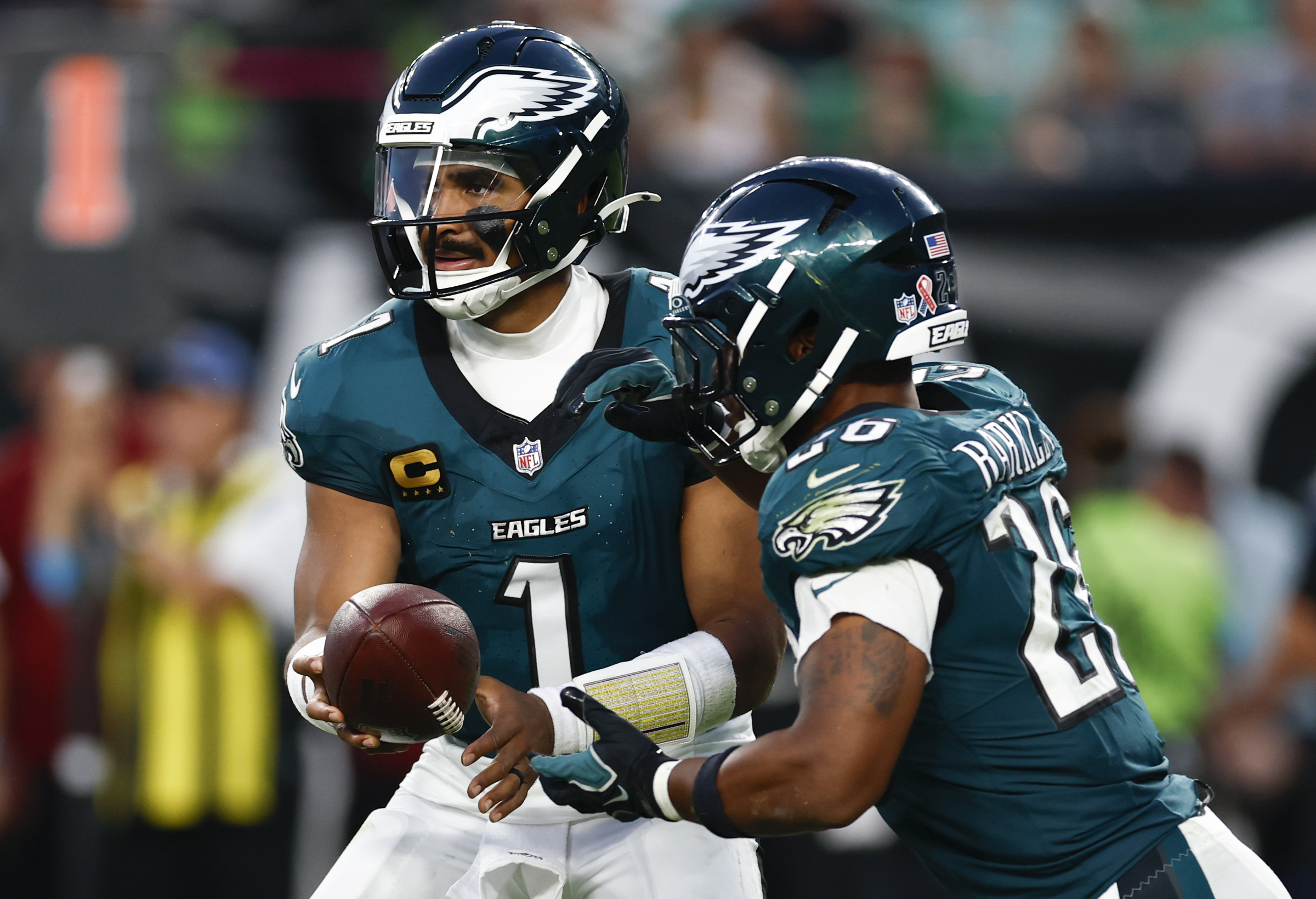
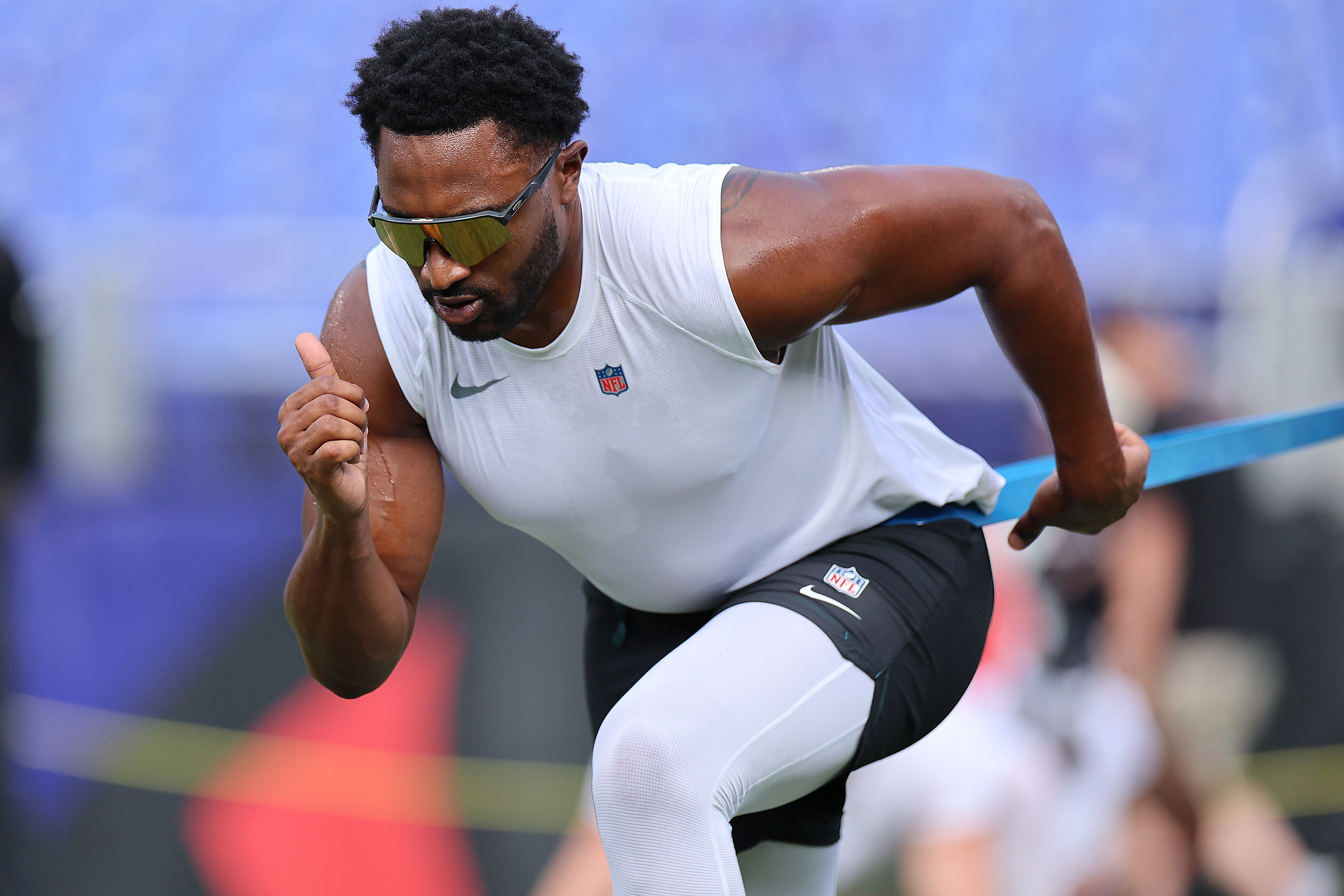
    “We just need to make Jalen Hurts be a QB,” Simmons said Wednesday. “Stop his runs, make sure Hurts doesn’t get out of the pocket and make plays.”

    For Hurts, the criticism is nothing new. Coming off a 2025 season that ended with coordinator Kevin Patullo fired, Hurts’ play was scrutinized by fans and the media alike.

    However, all three of Hurts’ touchdown passes against the Commanders came from the pocket.

    Simmons, a four-time Pro Bowler at defensive tackle, will line up against a depleted Eagles offensive line. Earlier this week, the Eagles placed left guard Landon Dickerson on injured reserve. It is expected that second-year offensive lineman Drew Kendall will replace Dickerson, but the team has kept its plan private.

    “We’re going to keep that in-house in terms of what our plan is for this week, just for competitive reasons,” offensive coordinator Sean Mannion said Tuesday regarding whether center Cam Jurgens could move to left guard.

    Titans defense ‘ready to plaster’ Birds wideouts

    Titans defensive coordinator Gus Bradley is concerned with Hurts’ ability to extend plays with his legs. His solution? Shut down his wide receivers.

    “With any quarterback that can use his legs to extend the play, you got to be ready to plaster [his receivers],” Bradley said. “That’s been a big emphasis.”

    With eyes on newly minted No. 1 wide receiver DeVonta Smith and 2026 first-round pick Makai Lemon, the story at wideout in Week 1 was former Packer Dontayvion Wicks, who came down with a 64-yard reception in the first quarter to set up the Eagles’ first score. Then, he hauled in a 9-yard touchdown pass to put the Eagles up, 14-3, in the second quarter. Wicks trailed just Smith, who finished with three receptions for 53 yards, in offensive snaps.

    Lemon is looking to break out against the Titans’ man coverage. The rookie was involved early in new offensive coordinator Sean Mannion’s game plan, but he finished with three catches for minus-5 yards.

    Bradley also had praise for Eagles running back Saquon Barkley.

    “Where [Barkley is] really good is if he has an opportunity,” Bradley said. “I mean, he will run through darkness. That’s probably a good way to describe it. He will run through darkness, and if he can hit it with a full head of steam, he is extremely difficult. Somehow, we’ve got to do a good job setting the edges, check his feet a little bit like with most good backs, right? You don’t want to hit him full speed. He’s so dynamic, he can take one to the house at any time.”

    With the Eagles offensive line struggling, Barkley consistently was bottled up against the Commanders. His 83 yards on 15 carries look a lot worse if you consider that 42 of those yards came on a single rush in the second quarter. Barkley will look to have a more consistent game against a Titans defense that was gashed by Jets running back Breece Hall in Week 1. Hall finished with 102 yards and a touchdown on 22 carries.

    ‘Tough challenge’ facing the Eagles

    Titans second-year starting quarterback Cam Ward described the Eagles defense as “standout.”

    “I think their back end is very good,” Ward said. “Their rush, they get a lot of praise, which they deserve. I think it’s going to be a great challenge for the guys up front, for myself, and in the protection game and the run game. Make sure we’re in the right look. I think it’s going to be a fun atmosphere, too.”

    Ward struggled against the Jets in Week 1 and completed just 19 of his 32 passes for 140 yards and a touchdown. Ward was under pressure on 41% of his snaps, according to Next Gen Stats. On those possessions, he completed just 3 of 10 attempts for 17 yards. Just as New York did, expect Eagles defensive coordinator Vic Fangio to dial up the blitz against the 2025 first overall pick.

    Like his quarterback, Titans offensive coordinator Brian Daboll also showed the Eagles respect during his press availability. Daboll, who was head coach of the Giants from 2022 to 2025, finished 2-7 against the Eagles during his tenure there.

    “Coach [Nick] Sirianni is an excellent head coach,” Daboll said. “42-4 when he wins the turnover ratio, which is a pretty impressive stat. So that’s going to be paramount. Coach Fangio has done this for about 40 years in the NFL, plus whatever he did in college. Tremendous scheme, very sound. … And then you add the players, a collection of players that Howie [Roseman] assembles each and every year. It’s a tough challenge.”

  • Judge isn’t swayed by government’s claims that plans for an ‘anti-weaponization fund’ are dead

    Judge isn’t swayed by government’s claims that plans for an ‘anti-weaponization fund’ are dead

    ALEXANDRIA, Va. — A federal judge who blocked the creation of a $1.8 billion “anti-weaponization fund” for compensating President Donald Trump’s political allies wasn’t swayed by a government attorney’s assurances Friday that the administration has abandoned the concept.

    U.S. District Judge Leonie Brinkema in Virginia didn’t rule from the bench on the government’s request for her to dismiss a lawsuit challenging the fund’s formation and operation. But the judge rejected the notion that the case’s claims are moot because the Trump administration says the fund is dead and won’t go forward.

    “The issues that underlie this case are still alive and kicking, in my view,” Brinkema said.

    The fund for compensating Trump’s political allies encountered a fierce bipartisan backlash and threatened to derail Attorney General Todd Blanche’s Senate confirmation. On Aug. 2, Blanche issued a formal order terminating the fund after negotiating for weeks with two Republican senators who wanted to see the promise in writing before they endorsed his nomination.

    “The case is moot,” Justice Department attorney Andrew Block told Brinkema. “The mootness has been addressed at every stage.”

    But the judge noted that Blanche’s assurances have been undercut by the president and other administration officials. Trump, a Republican, continued to publicly express support for the fund even as Blanche insisted it was dead.

    “They contradict themselves all the time,” Brinkema said.

    The administration created the settlement fund to resolve Trump’s lawsuit against the IRS over the leak of his tax returns. The plan stoked outrage over the notion that Trump supporters who attacked police officers while storming the U.S. Capitol on Jan. 6, 2021, could be eligible for payments.

    Attorneys from the legal advocacy group Democracy Forward sued in May, asking the Alexandria, Va., court to suspend the fund’s implementation temporarily and stop the Trump administration from disbursing any payouts. Plaintiffs’ attorneys argued the government can’t divert taxpayer money to a slush fund for enriching Trump’s allies.

    Brinkema, who was nominated to the bench by Democratic President Bill Clinton, agreed in June to extend an order blocking the fund until further notice from the court.

    Democracy Forward attorney Pooja Boisture told the judge on Friday that the administration will most likely move forward with the fund — “either in its current iteration or a new one” — if her order is lifted.

    The Virginia lawsuit’s plaintiffs include a fired prosecutor and a college professor acquitted of assaulting federal agents at a protest. Also named as plaintiffs are the government watchdog Common Cause; the city of New Haven, Conn.; and the National Abortion Federation, an association of abortion providers.

    “This scheme is an unprecedented, unlawful, and corrupt attempt to manipulate the legal process and laws intended to prevent political interference to achieve benefits that President Trump and his political allies could not have obtained lawfully,” the plaintiffs’ attorneys wrote.

    Justice Department attorneys argue the plaintiffs don’t have a legal basis for claims challenging a fund that “has never existed and will not exist.”

    “The time has come to stop this inquisition,” they wrote.

  • Cheltenham police will use AI-enabled surveillance cameras at a construction site, and could expand use around town

    Cheltenham police will use AI-enabled surveillance cameras at a construction site, and could expand use around town

    Cheltenham police will soon use AI-enabled cameras to deter crime at a construction site, and may use them in the future for crime hot spots and community events.

    The $35,000 contract with Packetalk, a New Jersey technology company, that township commissioners approved Wednesday includes artificial intelligence-enabled camera technology with motion detection and software that allows police to both review live feeds and search recorded footage for license plate numbers and vehicle characteristics.

    Packetalk is smaller than the more widely known Flock Safety, but the company is not without controversy.

    In 2023, Packetalk’s current CEO, Tamer Zakhary, was charged with allegedly selling Chinese surveillance equipment banned under the National Defense Authorization Act as his own product, asking a manufacturer to change the color and logo to hide it, and lying to public safety clients about compliance.

    The federal charges were dropped in 2024 without explanation or prejudice, meaning prosecutors are allowed to charge Zakhary again for the same thing in the future.

    Township Manager Jonathan Altshul said Friday he had not been aware of the case.

    The Packetalk cameras will initially be used at the La Mott Community Center construction site, but police will keep the cameras for use at crime hot spots and community events, IT director Michael Rubin said at a Tuesday committee meeting. The contract includes five years of maintenance.

    Packetalk also allows police to create a surveillance network using both public and private cameras with owners’ permission. The township already has Packetalk cameras at Wall Park, Rubin said.

    Cheltenham officials, in an interview Friday, characterized the existing Wall Park technology as more akin to conventional surveillance cameras. Though the department may access the cameras through the same Packetalk monitoring platform, the Wall Park cameras are not integrated with other surveillance systems and do not use AI-powered tools.

    The Packetalk systems can help solve crime, Police Chief Richard Schaffer said at the Wednesday meeting where commissioners approved the AI surveillance contract: “These cameras don’t get tired, they don’t leave … they don’t sleep.”

    Schaffer added Friday that camera technology was critical to solving cases like the 2023 homicide of Rachel King.

    “For any investigation, we would take any legal avenue for trying to solve a case,” Schaffer said. “That would include if we identify cameras.”

    Several Cheltenham commissioners also emphasized that the camera contract was well worth the cost to protect the more than $8 million investment the township is making in the community center.

    Flock cameras have raised questions across the country — including in neighboring Abington, where both police and residents became concerned about data security and privacy.

    Like the Flock cameras, the Packetalk system can flag wanted vehicles, according to the company’s website.

    But unlike Flock cameras, which can be connected to a nationwide network where other agencies can request access, the data from the Packetalk system will be stored by the township, and only Cheltenham will have access, Schaffer said.

    Cheltenham does not have its own Flock cameras, but has access to Flock’s surveillance network via private companies within the township, police previously said.

    The new cameras have not yet arrived, but in general, the police department retains video for a minimum of 60 days, officials said.

    The township originally planned to order two surveillance trailers from Packetalk for $35,000 each, but commissioners amended the agenda item to approve just one, which will be paid for via Cheltenham’s capital fund.

    Packetalk was significantly cheaper than other vendors, a township memo noted.

    This suburban content is produced with support from the Leslie Miller and Richard Worley Foundation and The Lenfest Institute for Journalism. Editorial content is created independently of the project donors. Gifts to support The Inquirer’s high-impact journalism can be made at inquirer.com/donate. A list of Lenfest Institute donors can be found at lenfestinstitute.org/supporters.

  • Tesla’s AI-powered Cybercabs have been spotted in Philly. Will you be able to try one soon?

    Tesla’s AI-powered Cybercabs have been spotted in Philly. Will you be able to try one soon?

    Tesla seems to be testing its autonomous Cybercabs in the Philadelphia area after launching them in Austin earlier this month.

    Local Cybercab sightings have been posted on Reddit and other social media in recent days, with photos and excited commentary reminiscent of trainspotters. Several people posted shots of the gold vehicles parked in the lot of a Devon Tesla dealership.

    One Reddit user reported being told at the dealership that vehicles are undergoing “training” for future deployment in Philadelphia.

    “We’re not at liberty to discuss that,” a person who answered the phone in the sales department said Friday.

    Tesla’s corporate media team did not respond to a request for comment about its Cybercab plans in the Philadelphia market.

    Competitor Waymo is already here, so if Tesla does make a Philly play, a robotaxi arms race is possible.

    On Sept. 3, two-seat Cybercabs began offering driverless rides to the public in parts of Austin, Texas. after a closed-door launch party attended by Tesla enthusiasts and influencers.

    The fully autonomous version has no steering wheel, pedals or mirrors, and is piloted by AI, using an array of cameras to navigate.

    Waymo has not announced when it will start carrying passengers in Philadelphia. Under state law, PennDot must approve before people can hail one of its autonomous taxis and pay for a ride.

    Waymo started manual testing and mapping in Philadelphia in July 2025 and in December shifted to testing autonomous driving with safety specialists behind the wheel as backup.

    The Cybercabs caught the attention of James Mosley this week.

    Mosley, a commercial and fashion photographer, was waiting for a Route 65 SEPTA bus on City Avenue for the second leg of his commute to work Wednesday morning when he saw the brassy gold, soundless EV with a Cybercab logo on the front bumper and a Texas license plate on back.

    “It was shock and awe,” Mosley said. “I thought, ‘This is crazy.’”

    He captured a short video clip of the autonomous vehicle passing through an intersection and changing lanes (with signal) to make a left turn at the next traffic light.

    Mosley said he didn’t see a person in the cab, which has tinted windows. In any case, he wouldn’t trust AI to drive him in a fully autonomous Cybercab.

    “I don’t even like the self-checkout at the grocery store,” he said.

  • Eagles’ Jonathan Greenard out vs. Titans; Andrew Mukuba is questionable

    Eagles’ Jonathan Greenard out vs. Titans; Andrew Mukuba is questionable

    The Eagles have ruled out Jonathan Greenard (pectoral) for a second straight week ahead of Sunday’s game against the Tennessee Titans.

    Safety Andrew Mukuba (knee) is listed as questionable to play. Both players were limited participants in Friday’s practice. Everyone else on the Eagles active roster is available to play in Week 2.

    Greenard, the 29-year-old edge rusher, was sidelined throughout the offseason program (in team drills) and training camp (in its entirety). During the spring, he was recovering from shoulder surgery, which he underwent earlier this year while he was a member of the Minnesota Vikings.

    Shortly before training camp, he strained his pectoral muscle while lifting, which prevented him from practicing all summer. Greenard has returned to practice since the regular season began, but he has been listed as a limited participant for each session.

    On Thursday, Greenard, who hasn’t played in a game since December, acknowledged the difficulty of sitting out from game action.

    “I was just mad at, obviously, the timing of the injury,” Greenard said. “But at the end of the day, everything happens for a reason, so all I can control is moving forward and my next step forward. And I feel like they’ve done a great job here with the rehab process. I’m feeling better. I’m getting more and more confident in it, and just only going to stack days to where I can eventually get out there.”

    Safety Andrew Mukuba showed up on the Eagles injury report Thursday with a knee injury.David Maialetti / Staff Photographer

    Mukuba, a second-round pick out of Texas in 2025, popped up on the injury report Thursday, when he was missing from practice. He passed through the Eagles locker room afterward with a sleeve on his left leg.

    Last year, Mukuba fractured his fibula in his right leg in Week 12 against the Dallas Cowboys, ending his rookie year. He played 100% of the snaps in his return to game action in Week 1 against the Washington Commanders.

    If Mukuba isn’t healthy enough to play on Sunday, or if he’s on a snap count, Michael Carter II could take his place. Carter, 27, competed with Marcus Epps for the starting safety job next to Mukuba during training camp.

    Carter wears a variety of hats as a backup in the Eagles secondary. He is the sixth defensive back in the dime package, plus he’s capable of playing safety and nickel cornerback. He has taken the vast majority of snaps in his NFL career (particularly in his 3½ years with the New York Jets) at nickel cornerback.

    Still, Carter said in an interview with The Inquirer on Wednesday that he has felt “comfortable” in his cross-training at safety. He took four snaps at safety in Week 1 against the Commanders.

    “I feel pretty good, and I feel like the preseason was good, training camp, and just getting so many reps at the position, at safety,” Carter said. “And then playing in the games, I felt like helped me out a lot, because I was able to get the feel of it, game pace, game speed, and everything like that. So Sunday wasn’t my first time going out there and playing safety live. And so I felt like that was really helpful and beneficial for them to throw me out there and make sure I got those reps, live action.”

    Additionally, defensive tackle Jalen Carter (wrist) was a limited participant in Friday’s practice, but did not have a game status on the final injury report, indicating that he is available to play.

    Defensive back Cooper DeJean (calf/abdomen) was a full participant in Friday’s practice. He did not participate on Wednesday and was limited on Thursday.

    The Eagles had two additions to Friday’s injury report — wide receivers Hollywood Brown (hamstring) and Elijah Moore (neck). Both players are available to play against the Titans.

  • Hundreds of thousands attend Iran’s biggest government-organized rally since the war began

    Hundreds of thousands attend Iran’s biggest government-organized rally since the war began

    CAIRO — Hundreds of thousands of Iranians rallied Friday in a government-organized show of defiance after months of war, pledging their readiness to take up arms in the biggest such demonstration since the United States and Israel attacked in February.

    Iran’s government has sought to rally the people and stress national unity, even as the economy worsens under a U.S. naval blockade of Iranian ports and new U.S. sanctions. On Friday, it claimed another attack on a tanker in the Strait of Hormuz, a key waterway it has sought to control since the start of the war.

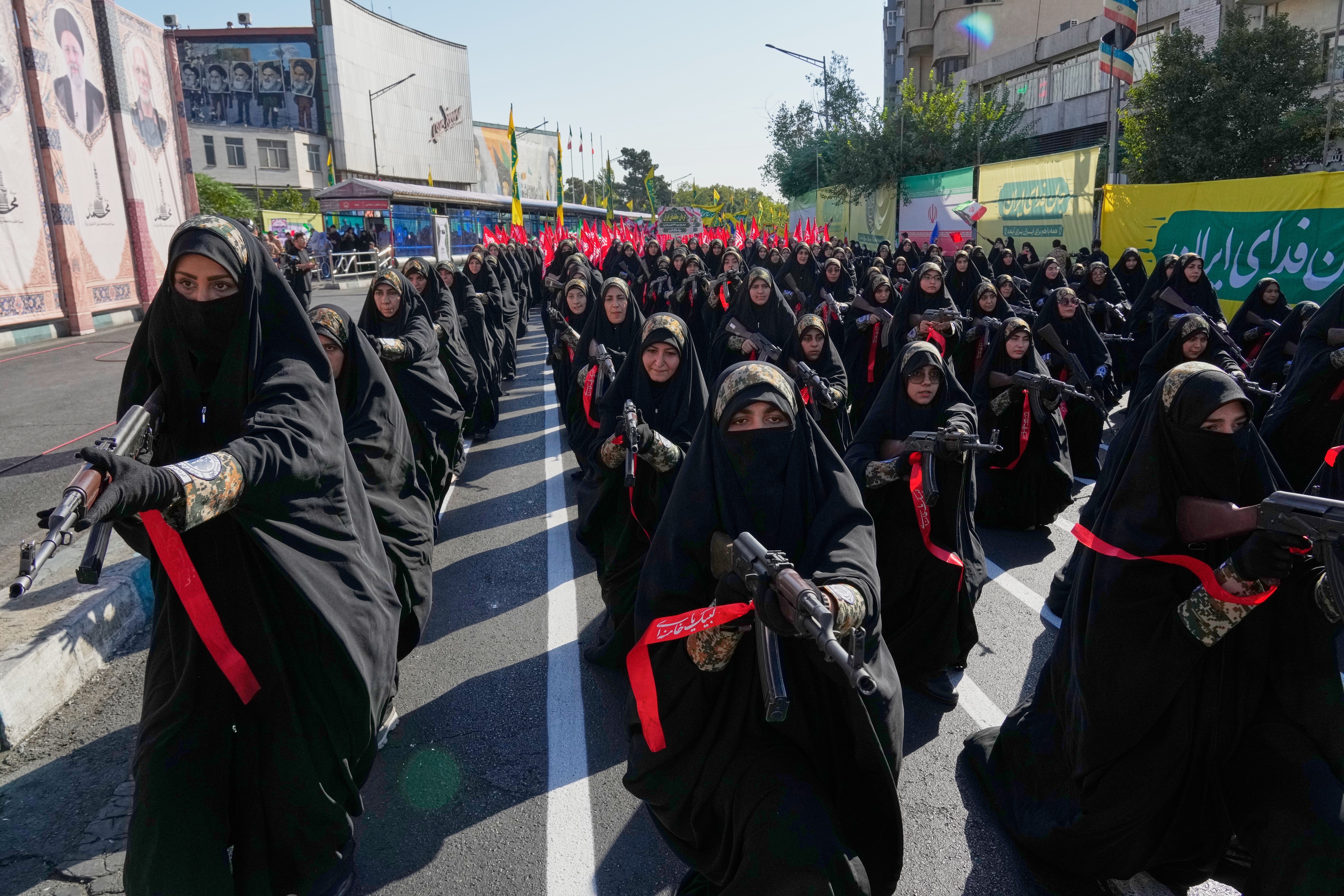
    Estimates varied of the number of people volunteering to receive limited military training and defend the country in an effort described as “Janfaday-e Iran,” or the “ones who sacrifice their lives for Iran.” They marched through downtown Tehran in combat uniform, carrying flags, as onlookers cheered.

    For days, state media have encouraged Iranians to join the campaign, saying training with assault rifles would begin soon. The volunteers would be an additional layer of security to the paramilitary Revolutionary Guard and the Basij militia, which has played a key role in quashing anti-government protests.

    Rally seeks to project strength under U.S. pressure

    Tehran’s Guard chief, Gen. Hassan Hassanzadeh, told the state broadcaster that over 600,000 people had registered to participate, with over 1 million expected to take part in the training. On Friday morning, the broadcaster estimated over 300,000 people were on the streets.

    The new head of the Basij, Hossein Taeb, declared in a speech as the rally began that the volunteers will be ready for “full-fledged defense” and similar rallies will take place in other cities soon.

    The new trainees will make a “nightmare” for Iran’s enemies, Taeb added, as President Masoud Pezeshkian, military commanders, and other senior officials watched the march.

    Some participants trampled flags of the U.S. and Israel. Others chanted “Death to America” and “Death to Israel.”

    “I am here to tell (U.S. President Donald) Trump that we Iranians have no fear about his threats against our homeland,” said Marzieh Afaghi, 24, who attended the rally with her toddler and husband. “No one in history could invade Iran and remain there.”

    The rally was also a chance for Iran to show off military hardware. Anti-aircraft batteries were on display, while female Guard members in black headscarves sat with truck-mounted machine guns.

    Iran says it attacked another tanker in the Strait of Hormuz

    The Guard displayed drones that have been used against ships in the Strait of Hormuz, where Iran’s attacks and threats have severely affected the Gulf region’s shipments of oil and natural gas to the rest of the world.

    Iran said it had attacked a Togo-flagged oil tanker, the Trend, for what it called an “illegal attempt” to pass through the Strait of Hormuz, the state broadcaster reported. The U.K. Maritime Trade Operations center said a tanker was hit by a projectile, sparking a fire on board that was extinguished.

    The UKMTO in a separate update said ship transits facilitated by the U.S. military off Oman have averaged 24 a day over the past week but overall traffic remains about 90% lower than before the war.

    Iran’s new volunteers could help suppress future dissent

    Friday’s events also suggested that hard-liners like Taeb among Iran’s leadership will be more prepared to suppress any future demonstration against the theocracy.

    In January, shortly before the war, Iran saw some of its largest nationwide protests in history, which began over the struggling economy and turned to wider grievances. Activists have said a crackdown killed over 7,000 people and saw tens of thousands detained.

    In May, government officials said more than 30 million people in Iran — which has a total population of some 90 million — had volunteered via an online form or at public gatherings to lay down their lives for the theocracy. The Associated Press could not independently confirm that.