Blog

  • The newly minted Philadelphian who plays the music in ‘I Play Rocky’

    The newly minted Philadelphian who plays the music in ‘I Play Rocky’

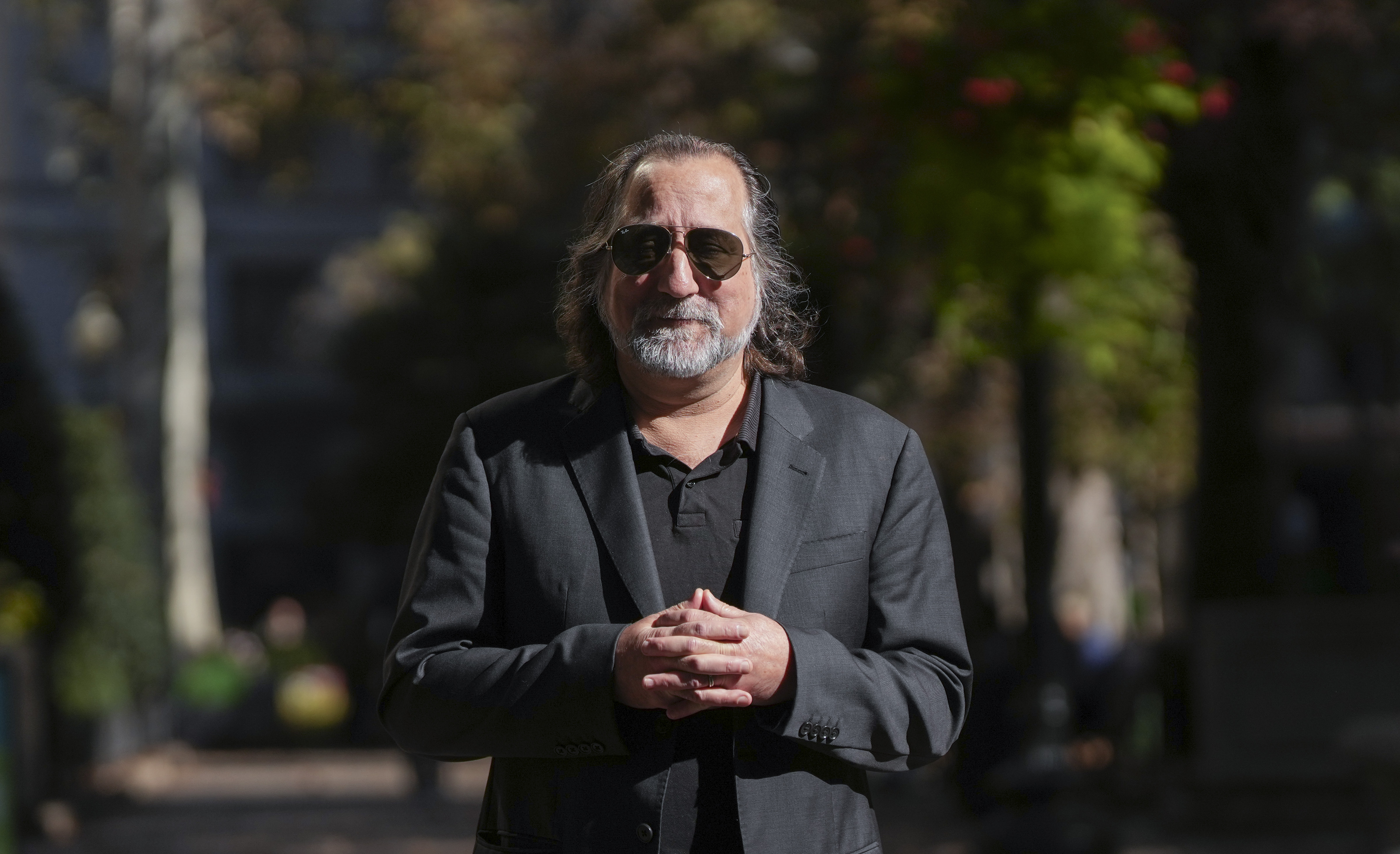
    Before Dave Palmer moved to Philadelphia and recorded the score to the new movie I Play Rocky with a team of all-Philly musicians, the jazz pianist and composer built an impressive music and movie industry résumé.

    He scored several films for Oscar-winning and Phoenixville-born I Play Rocky director Peter Farrelly before making the music for the Anthony Ippolito-starring love letter to Sylvester Stallone’s 1976 ultimate underdog story that topped The Inquirer’s 2026 list of the most Philly-centric movies of all time. It helps stitch together the making-of-Rocky movie and its aspiring screenwriter and actor’s nonnegotiable favorite three words: “I play Rocky.”

    Those movies include 2022’s The Greatest Beer Run Ever and this year’s Balls Up.

    Hanging out on a recent sunny afternoon in Rittenhouse Square a few blocks from where he lives with his wife, Cheryl, Palmer shared the bullet points of a busy career that began when he hit the road with the band MC 900 Ft. Jesus in the 1990s.
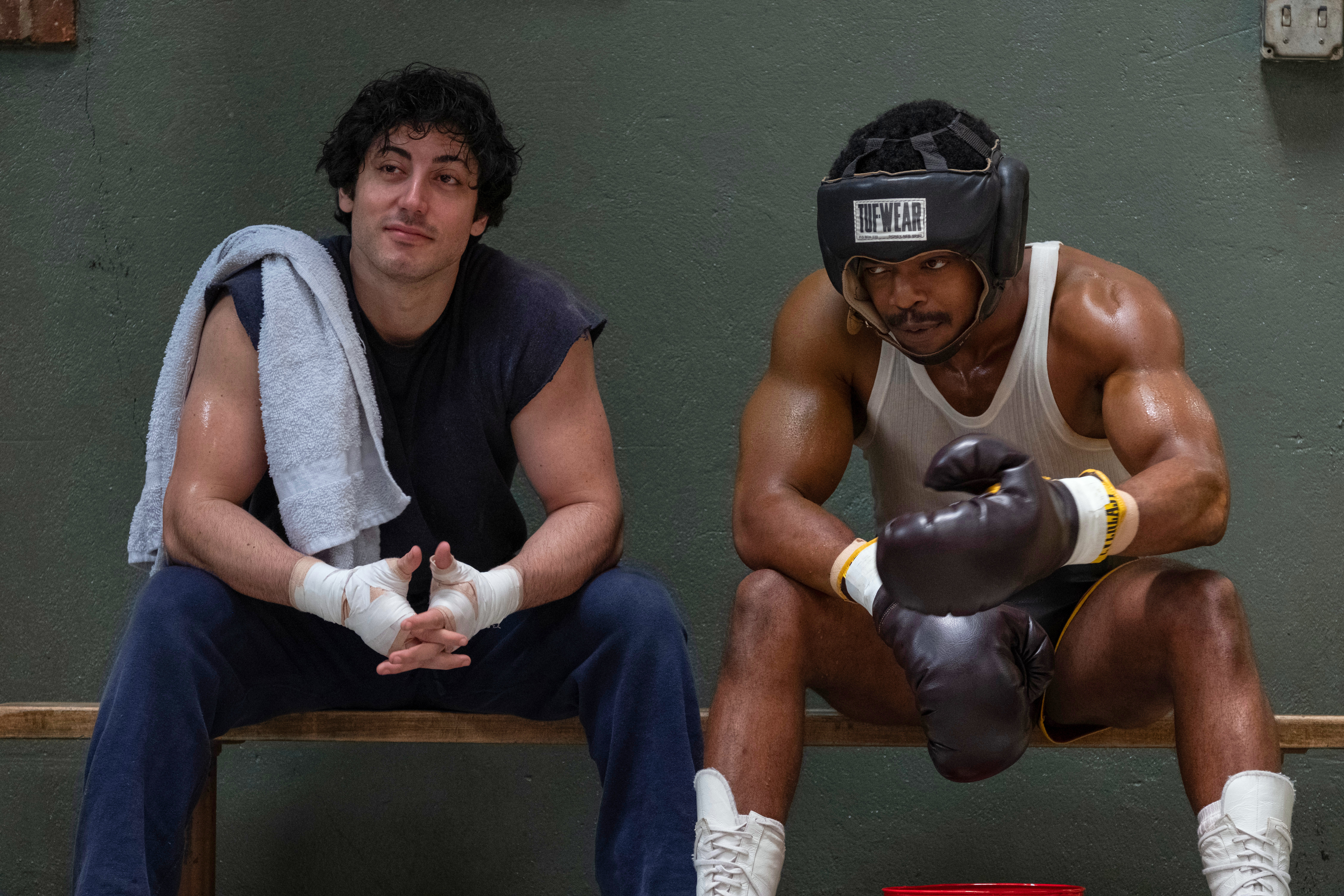
    Anthony Ippolito is Sylvester Stallone (left) and Stephen James is Carl Weathers, in “I Play Rocky.” (Claire Folger/Amazon MGM Studios via AP)Claire Folger

    It has included stints touring and recording with Fiona Apple, Seal, Chris Isaak, Aimee Mann, Air, and Joe Henry. He has collaborated with hip-hop acts such as De La Soul, Twista, David Banner, and the artist formerly known as Kanye West.

    In 2009, Palmer produced The Best Is Yet To Come, a tribute to Great American Songbook writer Cy Coleman featuring Apple, Patty Griffin, and Jill Sobule. And Dave Palmer Trio Plays Cy Coleman, an EP with vocalist Gaby Moreno, came out Friday, the same day I Play Rocky hit theaters.

    Palmer didn’t need to be in Philly to create the score for that film — along with songs by the Spinners, Hall & Oates, and Todd Rundgren, and, of course, Bill Conti’s “Gonna Fly Now.”

    But, as it happened, he already was.

    A real estate story

    Palmer had operated out of Los Angeles for the last two decades. But he and Cheryl, who grew up in Wilmington — “I married into being an Eagles fan,” he said — had already relocated to Philly when he got the assignment to score I Play Rocky.

    Like so many other musicians whose moves to Philly have benefited the city’s fruitful music scene in recent years, the Palmers’ migration is a real estate story.

    They were renting in Hollywood, shut out of an ever-escalating housing market. “I equate it to being on a hamster wheel,” Palmer said. Buying a home “keeps being out of reach.”

    “My wife used to hang out in Philly, she knew the neighborhoods,” Palmer said. So while also considering moving to pricey entertainment industry cities like New York and London, the couple bought an apartment in Rittenhouse as an investment.
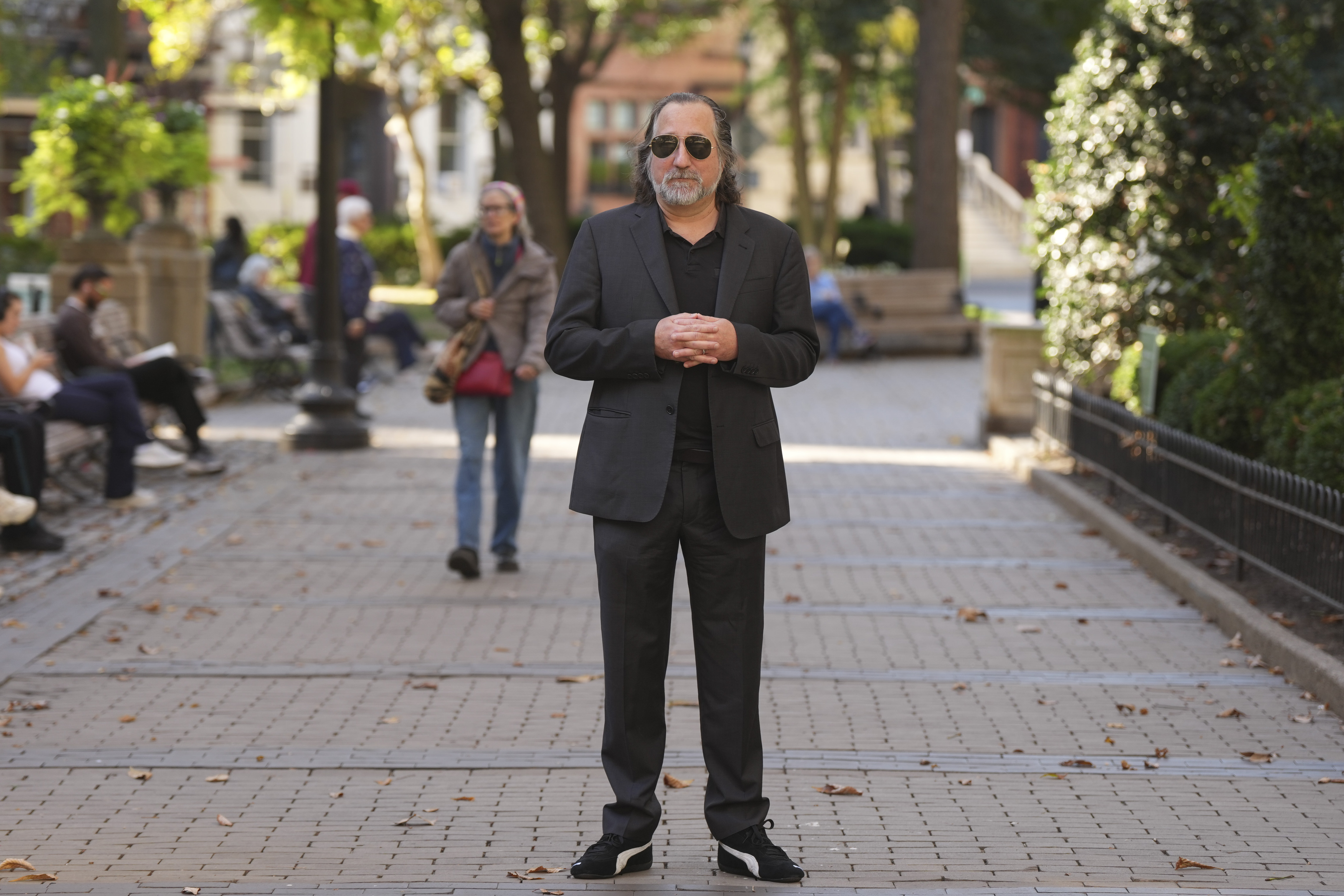
    Dave Palmer, the jazz and rock pianist, bandleader and film score composer who’s behind the music in Peter Farrelly’s new Sylvester Stallone saga ‘I Play Rocky.’ In Rittenhouse Square, in Philadelphia, November 4, 2026.Jessica Griffin / Staff Photographer

    They were unsure if they would move here permanently, but after the LA fires forced the couple to evacuate in early 2025, the Palmers decided to come east.

    Palmer didn’t know anyone in the Philly music scene, “so I didn’t know what to expect,” he said. A bass-playing friend introduced him to Charlie Hall, the War on Drugs drummer and Philly Specials producer who is deeply connected in the local scene.

    Palmer and Hall had never met in person, but the day the Palmers arrived in town in June 2025, Hall showed up at their door with a box of cookies as a welcome gift.

    “Through Charlie, I started meeting all these people,” Palmer said, like guitarists Tom Spiker and Kevin Hanson, and percussionist Daniel Villarreal, with whom he played his first gig as a Philadelphian last October at the 700 Club in Northern Liberties.
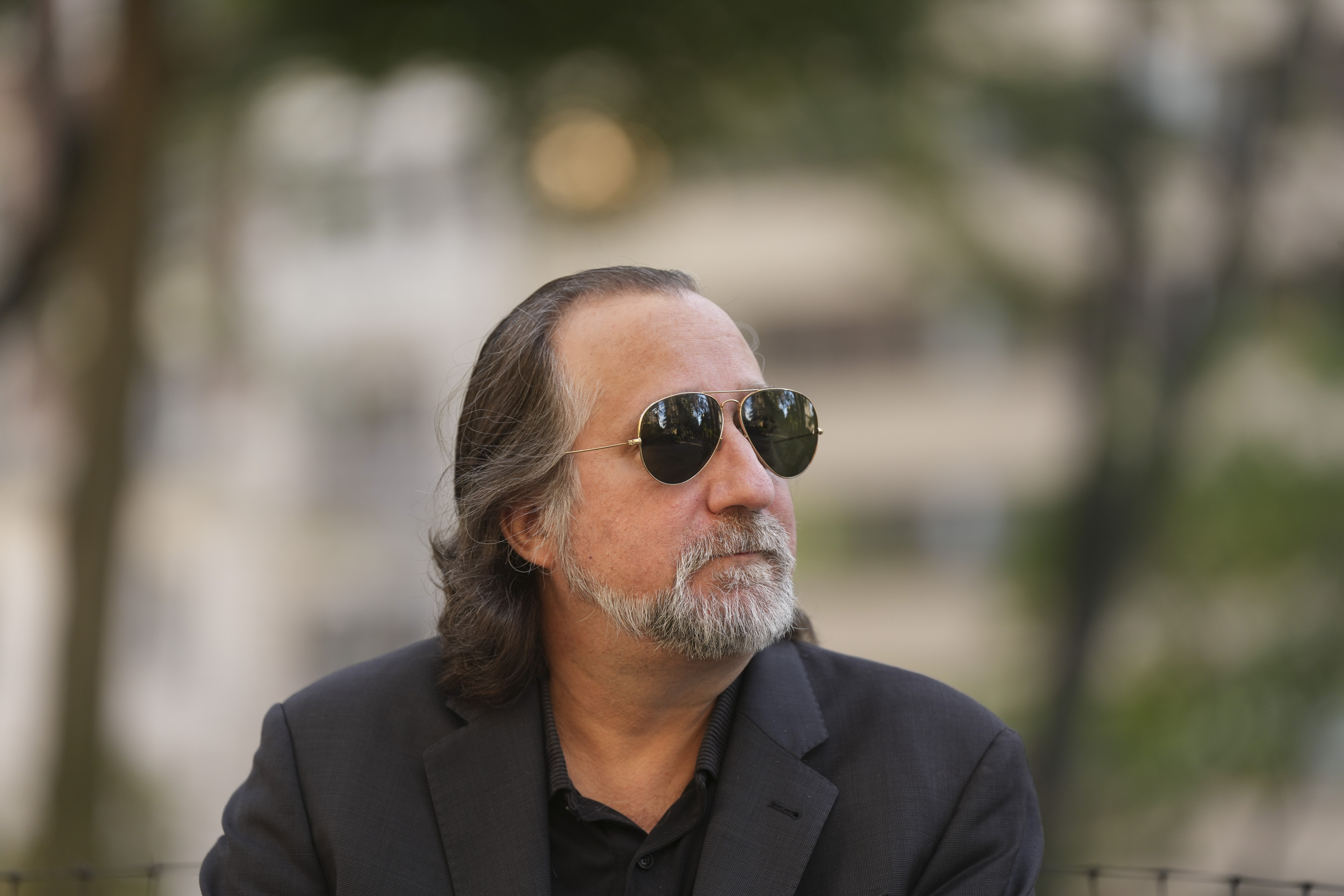
    Dave Palmer, the jazz and rock pianist, bandleader and film score composer who’s behind the music in Peter Farrelly’s new Sylvester Stallone saga ‘I Play Rocky.’ In Rittenhouse Square, in Philadelphia, November 4, 2026.Jessica Griffin / Staff Photographer

    ‘I love it here’

    Palmer met Philly bandleader Don McCloskey that night, and has since produced the songwriter’s forthcoming album at Retro City Studios in Germantown. He also plays regularly with Spiker, Hall, Villarreal, and bass player Sandy Eldred in an aggregation called Tom Spiker’s Mobile Pleasure Lounge: Live Improvised Film Scoring.

    The group performed at Black Squirrel Club in Fishtown last month, making up music as they went along, to clips from The Blues Brothers and other, more obscure films.

    Dropping down into a scene where he had no contacts has turned out to be a seamless experience. And he’s smitten with his new hometown.

    “I love it here,” he said. “It’s a big city, but at the same time, it’s kind of chill. All the neighborhoods are so different. And one thing I didn’t expect: People are really friendly. It’s way easier to get to know people and talk to them than in LA. And they’re not full of s—!”

    Musically, he said, he didn’t know what to expect.

    “I knew the history of the music. I knew there were good musicians here. But I’ve been working with top musicians in LA for 20 years. … And so far, it’s been amazing. I can do anything I need to do on any professional level in Philadelphia. 100%. Because the players are that good.”

    Anthony Ippolito as Sylvester Stallone and the bullmastiff who plays Stallone’s dog Butkus in the new making-of movie “I Play Rocky.”Claire Folger / Courtesy Amazon Content Services LLC

    Playing for ‘I Play Rocky’

    For I Play Rocky, Palmer wrote mostly what he calls “utilitarian” music to heighten tension or amplify a mood in the movie, which also includes original music by Andrew Bird.

    In an early scene in the movie, when Ippolito as a young and broke Stallone auditions for a role in a soft-core porn film, Palmer followed Farrelly’s instruction to create a funky, boogaloo-style piece of music inspired by Mel Brown’s 1967 jam “Chicken Fat.”

    A pivotal scene involving Stallone and his dog Butkus required a Latin instrumental passage. To recreate the drama behind the scene in which Rocky pummels a slab of meat instead of a punching bag, “we used a lot of banging on pieces of metal, and low drones, and big smashing piano sounds. It’s about creating tension.”

    Palmer recorded the score at Spiker’s Undercarriage Recording in Northern Liberties, with a crew of Philly players, some of whom he also worked with in producing a forthcoming album with Indianapolis songwriter Richard Edwards.

    Palmer shouts out other Philly players like guitarists Ross Bellenoit and Erik Sayles, drummers Fred Berman and Adrian Harpham, and songwriter Dave Cope.

    “I’m really meeting a lot of musicians,” Palmer said, adding with a laugh, “The easiest way to get to know musicians is to hand them some money.”

    He’s been able to do that “because I’m controlling the budgets for these projects. And in the case of I Play Rocky, it was a decent-sized budget, so you’ve got several thousand dollars to throw around at people.”
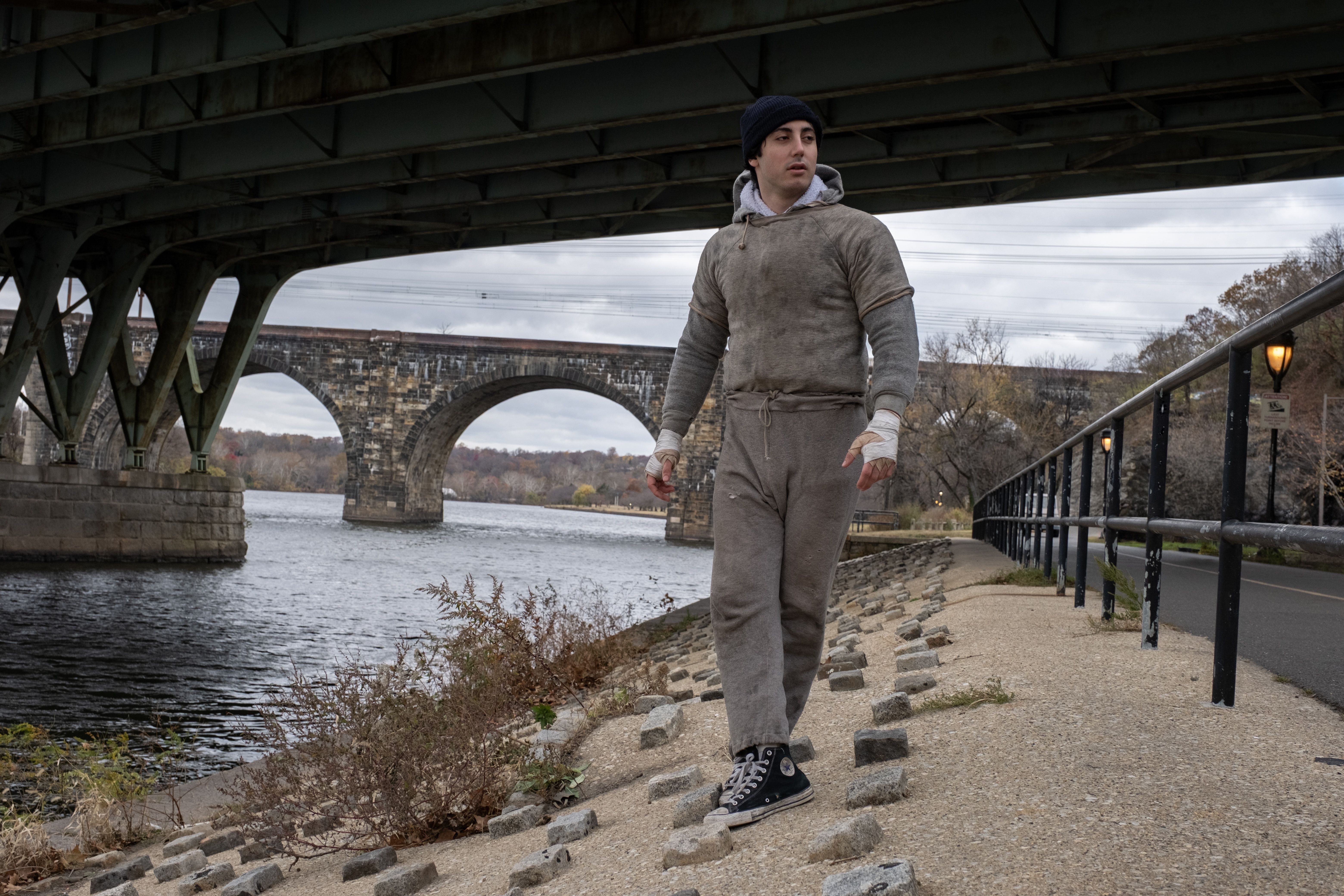
    Anthony Ippolito as Sylvester Stallone on Kelly Drive in the Peter Farrelly diredtred ‘I Play Rocky.’ Composer and pianist Dave Palmer scored the film using all Philly musicians.Claire Folger / Courtesy Amazon Content Services LLC

    Looking at the musical landscape, he sees a Philly scene primed to expand, with studios like Spice House Sound in Fishtown, where he recorded the Cy Coleman EP with his bandmates Joey Waronker and Reggie Hamilton, as well as facilities like Will Yip’s Memory Music Studios in South Philly.

    Palmer has quickly seen how Philly’s affordability fuels creativity.

    “There’s so much flexibility in doing music like this in Philadelphia, because the costs are substantially lower on every metric,” he said. “But the quality is just as high. The musicianship, the studios. Everything.

    “So many young bands are here because it’s one of the last cities that you can afford to be a young, punkish musician,” Palmer said.

    “I’ve been fortunate to be in different areas at different times. I was in Seattle in the mid-’90s and LA in the ’90s and early 2000s. I’ve been around places where scenes really happen, and I see all the seeds of it in Philadelphia right now.”

  • Johnny Gaudreau’s mother says he wanted to finish his career with the Flyers

    Johnny Gaudreau’s mother says he wanted to finish his career with the Flyers

    It was a remarkable image: the biggest, strongest inductee in the 2026 class of the Philadelphia Sports Hall of Fame dissolving on stage. Considering the subject matter, he had plenty of company.

    Jon Runyan’s teary reminiscence of a mother’s devotion moistened many an eye among the nearly 500 so assembled friends, family, and fans of the 18 inductees at Live! Casino and Hotel.

    Runyan told the story of how, knowing that Jon might struggle with algebra in the upcoming school year, his mother went back to a local community college near their home in Flint, Mich., and studied algebra so she could tutor him when his difficulties inevitably arose.

    Jon had undiagnosed dyslexia.

    The room, together, sighed.

    This was the final of the dozens of moving stories told by those inducted or their representatives. But it was only the second-most emotional.

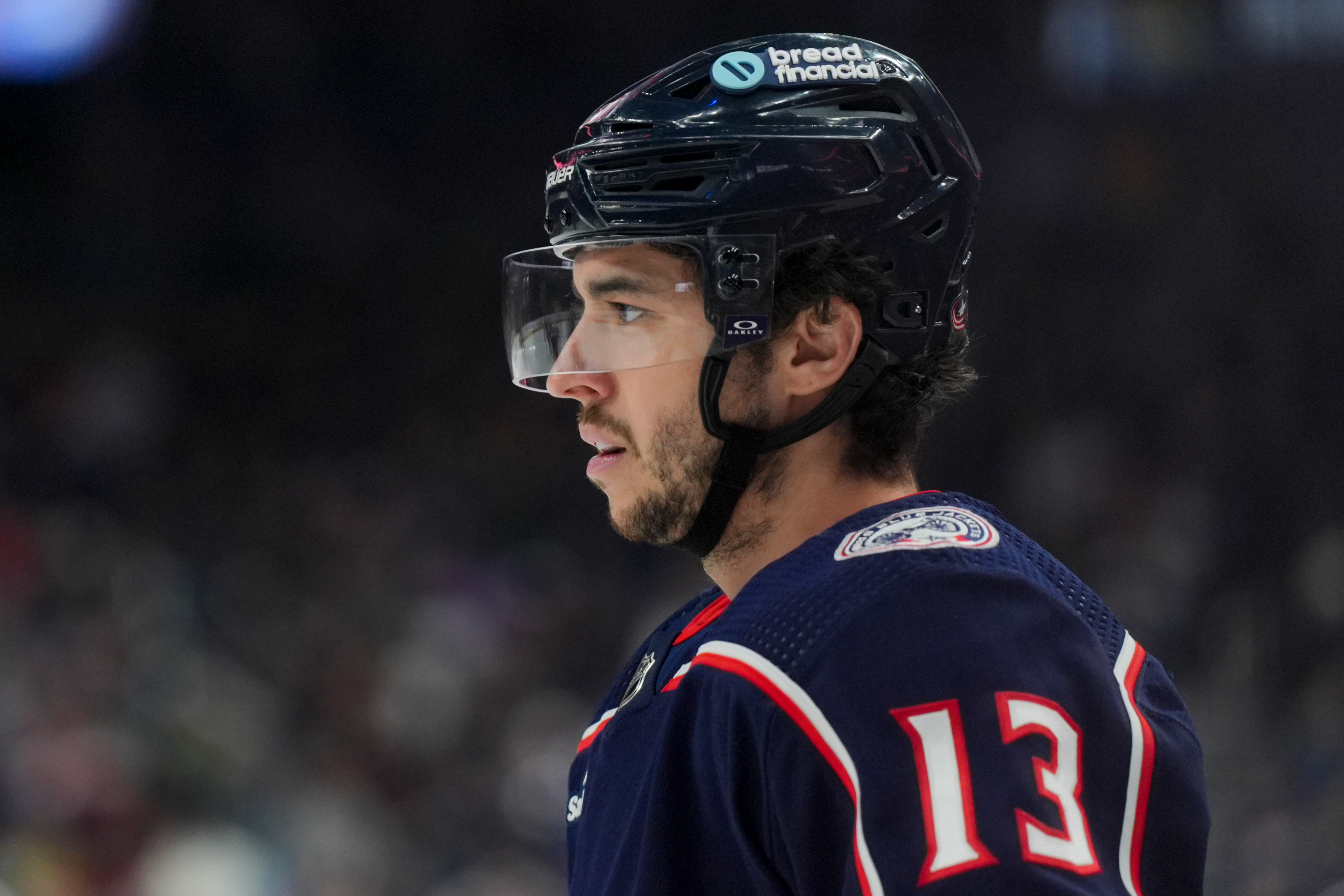
    Blue Jackets star Johnny Gaudreau was killed by an alleged drunk driver while cycling with his brother Matthew in South Jersey two years ago. It shook the hockey world. On Thursday, their mother, Jane Gaudreau, was flanked onstage by their father and two sisters. First, a video from the Columbus team depicting little John’s unlikely rise to stardom; then, a video testimonial from three of his former Columbus teammates; then, Jane’s acceptance speech.

    The audience traveled through waves of emotions: sadness, joy, pain. For a few minutes, all that mattered was the memory and the loss of a kid in Carneys Point Township who had worshipped the Orange and Black.

    Gaudreau had starred at Boston College, then in Calgary, then in Columbus, but his final goal, even if it meant signing a symbolic, one-day contract, was closer to home, Jane said:

    “He was going to end his career as a Philadelphia Flyer.”

    Silence.

    Sniffles.

    “Johnny Hockey” never made it to the Flyers, but he is, at least, in the Philadelphia Sports Hall of Fame. That gives the Gaudreau family some degree of comfort, knowing their boy would be happy.

    “He would be so incredibly proud,” she continued, “and so thankful to everyone.”

    It was a beautiful night.

    Some induction ceremonies have a measure of self-satisfaction, of hubris, of validation. Thursday had none of that.

    The evening was a carnival of gratitude. Gratitude at being honored. Gratitude for the people who helped them along the way. Gratitude at fate smiling upon unlikely beneficiaries.

    Gratitude was the overarching theme of the three hours of acceptance speeches. Yes, three hours.

    Former Eagles defensive end and current radio host Hugh Douglas, who went third-from-last, provided a brief and funny (and loud) acknowledgment of the program’s length and promised that he and the other hosts on 94 WIP would “talk bad about all of y’all long talkers” during Friday’s slate of shows. Looking at you, Coach Lynam.

    Douglas was joking, of course. Some of the speakers might have rambled — after all, jocks are schooled in performance, not rhetoric — but all of the speakers were authentic, and so entertaining, and many of them were even educational.

    For instance, there were plenty of people in the crowd who didn’t know that Jim Lynam, the former Sixers coach and current TV analyst, was part of an All-Star backcourt at West Catholic High in 1959 with former Philadelphia Textile coach and world-renowned shooting guru Herb Magee.

    Nor did we know that, when St. Joseph’s coach Dr. Jack Ramsay went to recruit Lynam at a high school game, he returned to tell his assistants that he was duly impressed — only to find that he had been impressed by Magee, not Lynam.

    Nor did we know that Dr. Jack only had one scholarship allotted to his backcourt court that year, so he took Lynam over Magee, who then played at Philadelphia Textile (now known as Thomas Jefferson University). Both became successful coaches at their alma maters, but Magee beat Lynam to the Hall by 18 years, largely on the strength of his 1970 Textile team, which won the Division II title.

    Former Inquirer writer Sal Paolantonio and Upper Merion product Lisa Salters, both of ESPN, both earned induction, but only one of them, at 5-foot-2, is the shortest player in the history of Penn State women’s basketball.

    The original Philly fanatic, Dave Raymond, delivered a stirring example of how effective a motivational speaker he has become, following his days of donning the suit and then developing mascots for other college and professional teams. His successor, Tom Burgoyne, made a cameo in full-on Phanatic regalia as Raymond took to the stage.

    Runyan told the most stirring story, but perhaps the most moving line of the night was delivered by former Villanova champion runner and coach Gina Procaccio. She said that, despite a career that includes national titles and world records, she always is stunned to receive any honors, because when she thinks about her career, “I always focus on the failures.”

    Great athletes dwell on the losses.

    Not so with Big 5 basketball coaches.

    If you’d been there Thursday night you might have smelled the Palestra: Fran Dunphy, who coached and played at La Salle and coached both Penn and Temple; former Penn and current St. Joseph’s coach Steve Donahue; and Jay Wright, who somehow is even better looking and better dressed that he ever was at Villanova, despite having retired four years ago. Of course, Wright just met his second Pope, so maybe we’re witnessing divine intervention.

    Pope Francis receiving the basketball autographed by the national-champion Villanova Wildcats from coach Jay Wright.VATICAN MEDIA

    Dunphy made the Hall in 2019, Wright in 2023, and Donahue’s day will likely come; after he left Dunphy’s staff at Penn, Donahue took Cornell to the Sweet 16 in 2010, farther than Dunphy ever got with any of his teams.

    There now are 374 members in the Hall, if you include inanimate honorees like JFK Stadium, which was part of this class, joining the Palestra, The Army-Navy Game, and, in 2014, Shibe Park, whose name was changed to Connie Mack Stadium but whose essence was always Shibe.

    Shibe Park preceded its namesake, Ben Shibe, into the Hall. Ben Shibe was part of this year’s class. He owned the Philadelphia A’s, lived to see them take three of the five World Series titles they won while in Philadelphia, and oversaw innovations in manufacturing baseballs.

    Shibe was the most significant inductee this year.

    Carli Lloyd of Delran High School was the most decorated.

    A soccer superstar for 21 years, she played in four World Cups, won two of them, and was the FIFA women’s player of the year in 2015 and 2016. However, fellow inductee Bobby Smith — a Trenton kid who starred at Rider University and won a NASL title as a rookie in 1973 with the Philadelphia Atoms — told the best soccer story.

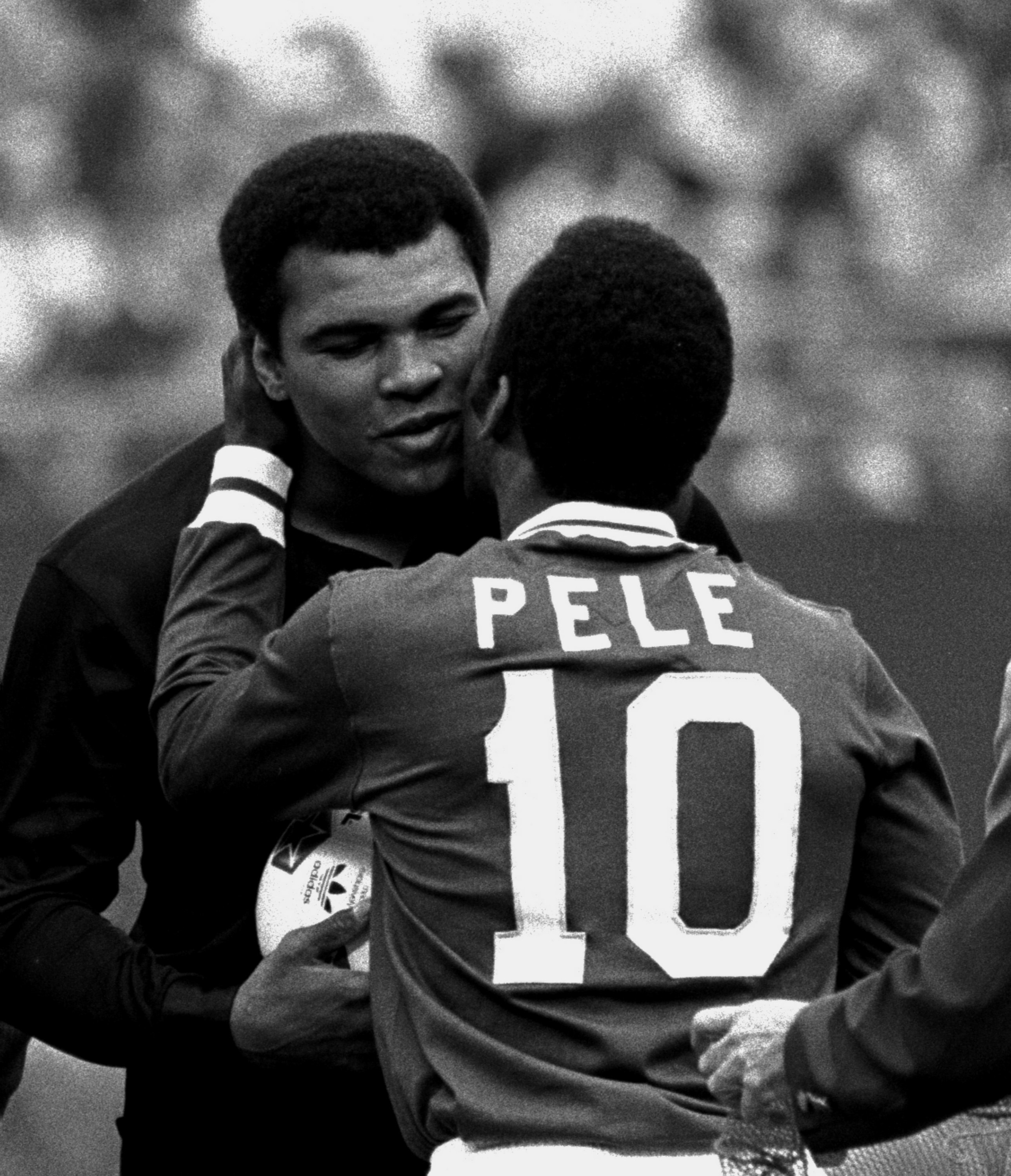
    Smith later was Pelé’s teammate with the New York Cosmos, so he was there on Oct. 1, 1977, when Muhammad Ali came into the Cosmos’ locker room before a game to meet fútbol’s version of The Greatest.

    Soccer player Pele embraces boxer Muhammad Ali during a ceremony honoring the Brazilian soccer star of the New York Cosmos on Oct. 1, 1977. Richard Drew

    Thursday was a slick, professional production, with snappy videos for all of the inductees who were represented in person. The event has come a long way.

    The first Hall of Fame ceremony, a shambolic event in 2004, has grown far past the constraints of the ballroom at the Sheraton Society Hill (now a Marriott).

    I covered the induction of that charter class, which included Wilt Chamberlain, Mike Schmidt, Chuck Bednarik, Steve Carlton, and Julius “Dr. J” Erving.

    Work and life conspired so that, before Thursday, I hadn’t been back since 2015. That was a memorable one.

    Pete Rose crashed the party at the Sheraton. In a pink shirt with a white collar and a white baseball cap, Pete set up a pay-for-play autograph booth in an alcove near the ballroom.

    He later lobbied organizers to induct him into the Hall.

    Pete died in 2024.

    They have, so far, declined.

  • Planned protest against Jewish-owned Philly restaurants draws ire, security, and feelings of unease

    Planned protest against Jewish-owned Philly restaurants draws ire, security, and feelings of unease

    Philadelphia business leaders and elected officials are condemning a planned bike-ride protest against half a dozen eateries owned by Jewish restaurateurs, days before the cyclists are set to gather in Center City.

    The “Boycott Ride” has drawn ire internationally in recent days, as many have denounced the anticipated action — planned for the eve of Kristallnacht on Sunday — as antisemitic and hateful. In response, city, state, and congressional leaders have called for increased security, and Philadelphia’s Jewish community have rallied behind the businesses.

    “Everyone has the right to peacefully protest and express their political views,” Philadelphia Mayor Cherelle L. Parker said in a statement. “But singling out businesses because their owners are Jewish is unacceptable and has no place in our city.”

    It’s unclear how many people will participate in the bike ride or how the organizers plan to express their dissent. An Instagram post promoting the demonstration had less than 800 likes as of Saturday morning. Meanwhile, a counter, “community food crawl” has galvanized, encouraging people to patronize the targeted businesses this weekend.

    Philadelphia police said Thursday they were monitoring the protest and will “take appropriate measures to maintain public safety,” and a spokesperson for Gov. Josh Shapiro said his administration and state police were working with local authorities ahead of Sunday.

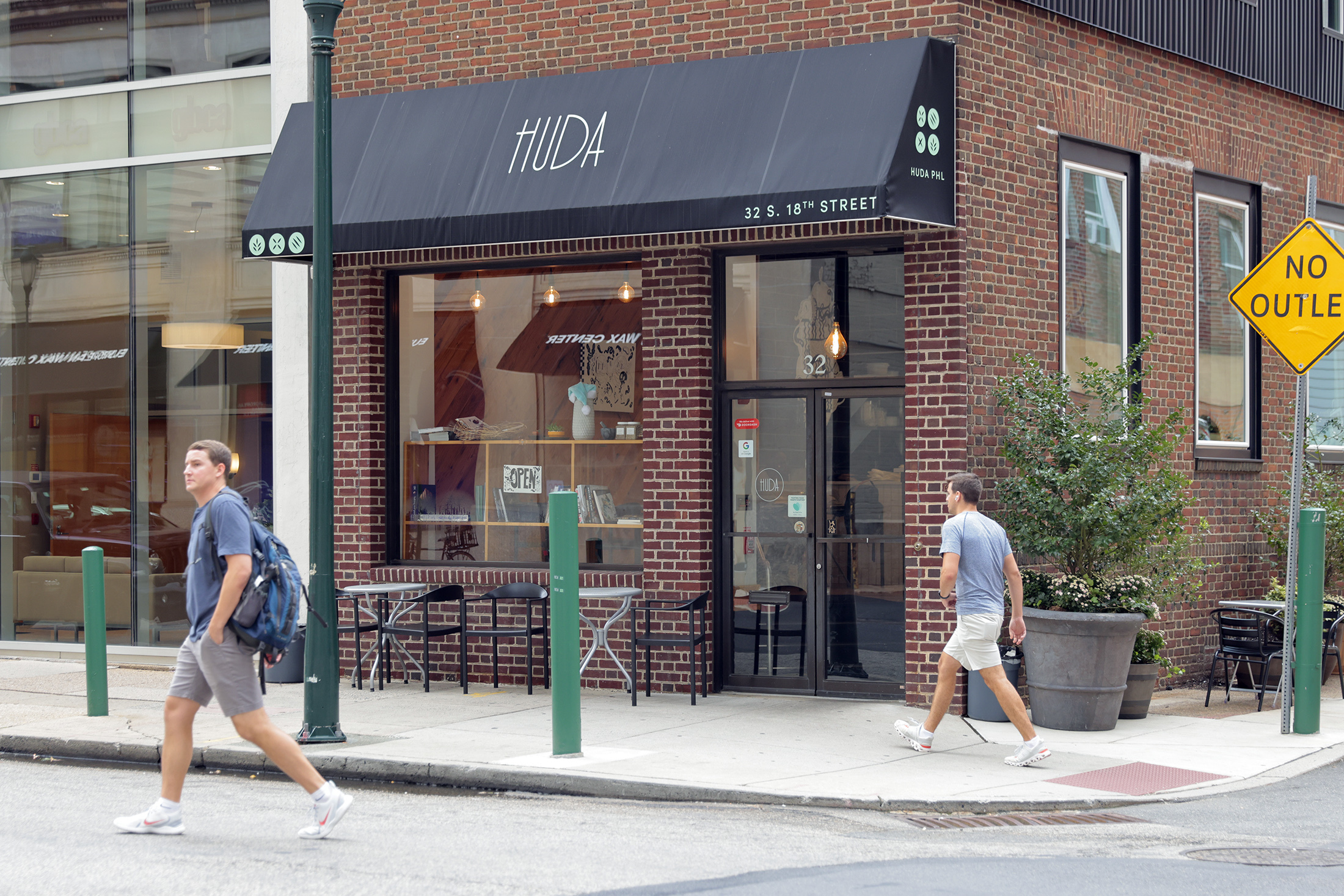
    Organizers of the “Boycott Ride” said on Instagram the cycling demonstration was intended to show pro-Palestinian solidarity and protest six businesses they say are “Zionist establishments”: Mac Mart, K’Far Cafe, Huda, Goldie, Dizengoff, and Schlesinger’s Deli. A widely circulated flier reads, “No business for Zionists! These Zionist Establishments must go! Not in our city!”

    Allan Domb, owner of Schlesinger’s Deli and a former Philadelphia city councilmember, called the boycott “unsettling.”

    “This group wants to see our businesses shut down because we’re Jewish,” he said in a phone interview. “Imagine if this was another group that was being targeted — everybody would be up in arms.”

    In a statement, the Jewish Federation of Greater Philadelphia denounced the bike ride as an attempt to “intimidate Jewish businesses or drive them out of Philadelphia.” The federation, and others, have also taken issue with the boycott’s timing: The protest is planned for the eve of the 88th observance of Kristallnacht, an organized attack on Jewish businesses, homes, and synagogues in Nazi Germany in 1938. During Kristallnacht, Nazis assaulted and killed Jewish people, imprisoned about 26,000 Jewish men in concentration camps, and burned more than 1,400 synagogues, according to the U.S. Holocaust Memorial Museum.

    “Publicly identifying Jewish-owned businesses and declaring that they must go sends a message to Jewish Pennsylvanians that they are unwelcome in the economic and civic life of their own communities,” said Andrea Martin, commissioner of the Pennsylvania Human Relations Commission.

    “Such efforts to intimidate, marginalize, and exclude Jewish business owners should concern every Pennsylvanian who believes in equal rights and the dignity of all people,” Martin said.

    On Saturday, the ride’s organizers — a group called Philly Bike On Your Left — posted a statement to Instagram that said in part, “our ride has been grossly misrepresented.”

    “We firmly stand with indigenous Palestinians in their struggle for freedom and justice,” the statement read. “Let us be clear: the reason we are calling for a boycott of these businesses is because of their support for Israel.”

    The statement also addressed the protest’s timing: “We plan rides around people’s schedules. Palestinians need our support now. Any suggestions about the timing of our ride are simply false.”

    Another group, Boycott CookNSolo — a movement protesting the restaurant group that owns Goldie, K’Far Cafe, and Dizengoff, among others — came to Philly Bike On Your Left’s defense, writing on Instagram that all the restaurants’ owners “have made statements and/or raised funds” in support of Israel in the war. Since the Oct. 7 Hamas attack on Israel, when Hamas militants killed 1,200 people and took 251 hostages, Israel has responded with an offensive that has killed more than 74,000 Palestinians, according to Gaza’s Health Ministry.

    Boycott CookNSolo called the social media fury and attention a “coordinated campaign to discredit and villainize the organizers,” while “disingenuously conflating Zionism with Judaism and invoking Kristallnacht.”

    “Hate has no place in our community or directed at small businesses working hard to feed their families and bring joy to others,” Mac Mart owner, Marti Lieberman, said in a statement. “Since day one, Mac Mart has welcomed everyone, regardless of background, culture, religion, or beliefs.

    “Our mission has always been simple: Make people happy with delicious comfort food. That’s what we’re going to continue doing.”

    A spokesperson for CookNSolo — co-owned by Israeli-born chef Michael Solomonov — did not immediately respond to emails seeking comment. Solomonov and CookNSolo have previously come under scrutiny for fundraising for an Israeli nonprofit.

    Tensions escalated in December 2023 when pro-Palestinian protesters chanted, “Goldie, Goldie, you can’t hide, we charge you with genocide” outside of the falafel shop. Those chants drew rebukes from local leaders up to the White House.

    Huda’s owner, Yehuda Sichel, was not immediately available for comment.

    Both Domb and Lieberman said they’ve received an outpouring of support.

    “Right now, it’s just meant to be a bike ride, but there’s a lot of attention,” Domb said. “We want to keep it peaceful, calm.

    “And I actually think the noise might be greater than the reality.”

  • How Independence Blue Cross Helps Turn Good Ideas Into Better Care

    How Independence Blue Cross Helps Turn Good Ideas Into Better Care

    Independence Blue Cross (IBX) is more than a health insurer. As Philadelphia’s hometown health plan for almost 90 years, IBX has a deep and enduring commitment to improving the health of the communities it serves. That dedication starts with the relationships IBX builds with regional health care organizations.

    “We actively seek out and invest in partnerships with local health systems, physicians, researchers, and community organizations to develop innovative solutions that improve access, advance quality, and make health care more affordable,” Dr. Richard Snyder, IBX executive vice president, said. “By bringing together the people and organizations best positioned to address our region’s most pressing health challenges, we’re helping transform promising ideas into programs that benefit our members and strengthen the health of Southeastern Pennsylvania.”

    From groundbreaking treatments to new models of care, a focus on collaboration, innovation, and local investment is helping to build a healthier future for the region.

    Creating Pathways for Transformative Treatment

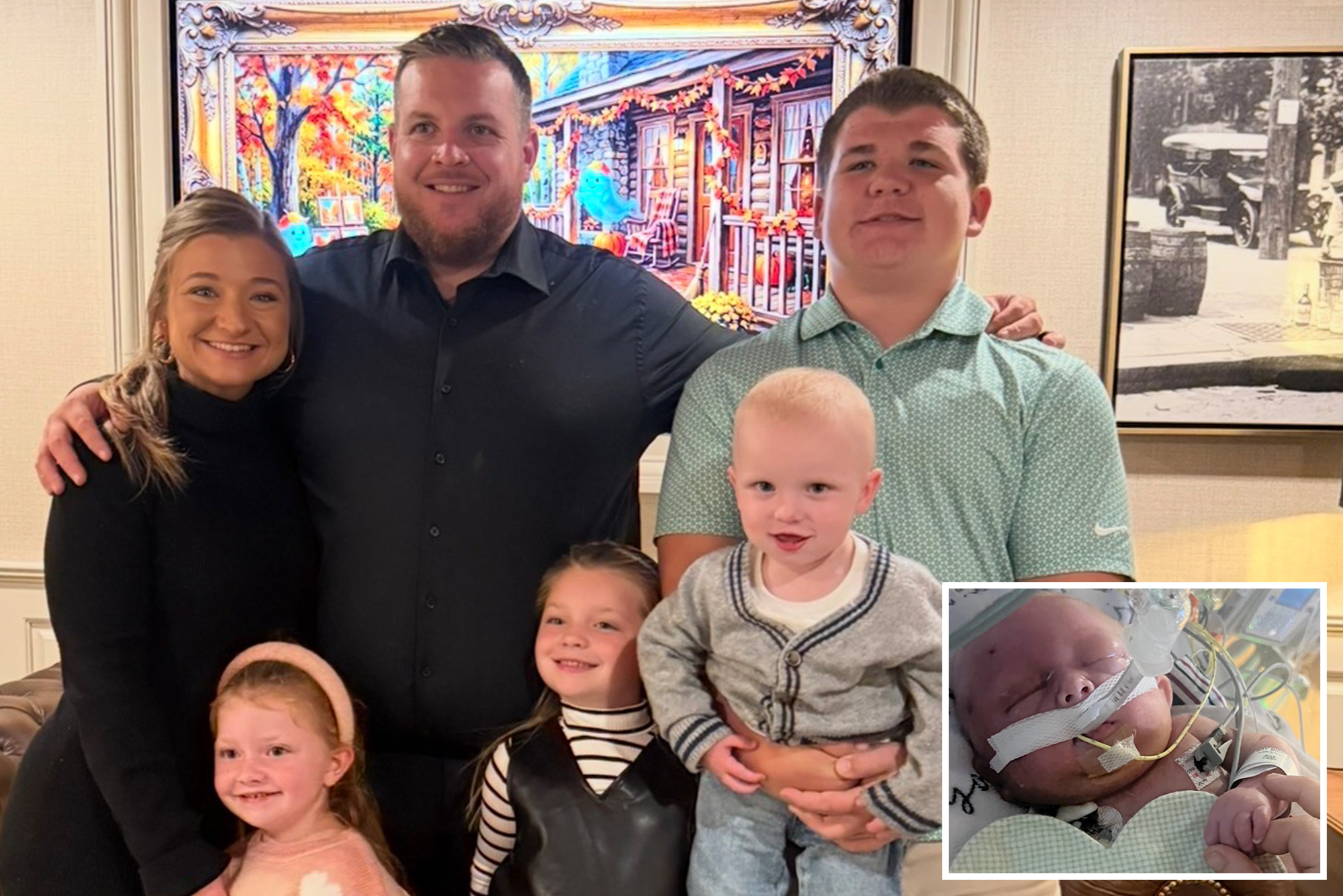
    K.J. Muldoon was 6 months old when he became the first person to undergo personalized CRISPR gene-editing therapy. Days after his birth in August 2024, the Delaware County infant was diagnosed with severe carbamoyl phosphate synthetase 1 (CPS1) deficiency, a rare metabolic disorder that impairs the liver’s ability to process protein, causing potentially fatal amounts of ammonia to collect in the blood.

    Through their coverage with IBX, K.J.’s parents, Kyle and Nicole Muldoon, sought care at Children’s Hospital of Philadelphia (CHOP), one of the nation’s leading pediatric hospitals and research institutions. Researchers there had been exploring ways to treat rare genetic diseases like CPS1 deficiency using experimental gene editing. “At IBX, we’re proud to help create pathways that connect members to these innovative therapies and the experts delivering them,” Dr. Reetika Kumar, IBX’s senior vice president and chief of customer product, clinical solutions, and pharmacy services, said. The health insurer is investing in medical innovation as part of its mission to bring exceptional care to its members.


    For the Muldoons, a health plan with IBX gave them access to world-class care at CHOP, where the team spent six months working closely with Penn Medicine to develop a customized therapy for K.J., using groundbreaking CRISPR technology that enables precise changes to DNA, including the correction of disease-causing mutations. In K.J.’s case, scientists were able to send the gene-editing drug through his bloodstream to his liver. Following his pioneering treatment, K.J. made considerable progress, and his protein intake increased.

    Now two years old, K.J. has met developmental milestones that his parents feared he might not reach. “He’s doing really well,” Nicole said. “He fits right in with the rest of his siblings. He keeps right up with them, and we’re very active, so we stay busy. He loves Philadelphia sports and loves watching his big brother play football.”

    Still, K.J. continues to require medical attention, and his parents are exploring the possibility of a liver transplant. “We knew going in that gene editing wasn’t going to be the ultimate cure for him, but it took a very, very severe disease and made it much [more] mild,” his mother Nicole said. “And now we’re at a place where it’s safe enough for him to receive a transplant.”

    K.J.’s dad said his son is a hero. “Every day, I watch my two-year-old get up and have to do all these things,” Kyle said. “When he’s done being upset about whatever poke and prod he’s got [from his treatment], he goes right back to smiling and watching Buzz and Woody, and doing all the things every two-year-old should do.”

    IBX played an important role in the Muldoons’ health journey, helping to connect the family to experienced care teams through its groundbreaking Advanced Network for Gene-Based Therapeutics. The network is just one of the initiatives in IBX’s broader strategy to expand access and help ensure members can benefit from advances in care.

    “One of the key objectives of the Advanced Network for Gene-Based Therapeutics is to help eligible members access leading experts and specialized centers capable of delivering these highly complex treatments,” Dr. Kumar said. “Gene-based therapies are transforming medicine, particularly for people living with rare genetic disorders and serious conditions,” she said. “As these treatments began reaching the market, we recognized the need to ensure our members could access them.”

    Through partnerships with leaders in gene therapy research like Penn Medicine and CHOP, IBX’s network creates pathways for members to access cutting-edge medical care. At its core, the network’s goal is “to connect members with high-quality care, support the best possible outcomes, and help navigate the complexity and cost associated with these groundbreaking treatments,” Dr. Kumar said. But IBX’s commitment extends beyond providing coverage. “As new therapies continue to emerge, the network provides a structure that helps members access care while receiving support from dedicated nurse health coaches and experienced clinical teams,” she said.

    It’s a testament to the company’s mission to “never stop caring,” a sentiment that reflects the company’s belief that “health care is fundamentally about people,” Dr. Kumar said. “Our partnerships with organizations like Penn Medicine, Temple Health, and the Children’s Hospital of Philadelphia help turn that belief into action,” she added. “By working together on innovative programs, expanding access to advanced treatments, and investing in new approaches to care, we’re helping members receive the right care at the right time from trusted providers.”

    And it’s an ethos that resonates deeply with IBX members like the Muldoons. “Part of what could be a very hard process has been relatively seamless,” Nicole said, referring to the family’s coverage through IBX. Their plan offers access to their son’s tests and medications as well as the support of an IBX nurse whom they can call with any questions outside of their regular check-ins. “She is somebody that I look forward to talking to on a monthly basis. Since [K.J.] was born, she’s kind of gone through all this with us and has been a fantastic liaison,” Nicole said. “That’s been a blessing, especially for me as mom, trying to juggle all the things and knowing I can rely on her.”

    “While the clinical achievements rightly belong to the physicians, researchers, and the family themselves, we’re grateful to have played a supporting role in helping members access specialized care,” Dr. Kumar said.

    At Temple Health, innovations like robotic surgery expand treatment options and aim to improve patient outcomes, goals shared by IBX Clinical Care Innovation Grants.Courtesy Temple

    Driving Innovation to Improve Health Outcomes

    Gene therapy isn’t the only area IBX is focusing on as it strives to expand access to groundbreaking care. Through its Clinical Care Innovation Grant Program, IBX has awarded $4.8 million to health systems and specialty groups as they develop and test new care delivery models that improve the patient experience, advance equitable, whole-person health, and lower health care costs, among other objectives. These programs are designed to benefit patients regardless of whether they are IBX members.

    The program was established in 2020 with the goal of scaling successful models to improve health throughout the Greater Philadelphia region and beyond. To date, the competitive program has awarded 29 grants to respected institutions such as Penn Medicine, Main Line Health, Temple Health, Trinity Health Mid-Atlantic, and Jefferson Health. After a rigorous selection process, recipients are announced, with grants typically running for around two years. IBX’s Clinical Care Innovation team meets with awardees bimonthly to offer guidance and support along the way.

    “The grant funding is truly a gift,” Patrick Dudley, IBX’s director of clinical care innovation, said, noting that funded studies may benefit patients beyond IBX’s membership. “The study is open to any patient at the institution who meets the inclusion criteria. Ultimately, we want to know whether the care model achieved its intended outcomes and validated the underlying hypothesis.” When it does, the findings can inform broader adoption of the model and improve health outcomes for everyone.


    IBX’s Clinical Care Innovation Grant Program has a high success rate, with 66% of its awardees going on to scale new care models, Dudley said. It’s proof of the initiative’s impact in just six years, he added, noting that, within the health industry, it normally takes, on average, approximately 17 years to develop, test, and implement new care models.

    Finding New Ways to Meet Patients Where They Are

    With funding from IBX’s Clinical Care Innovation Grant Program, health care providers like Temple Health have developed and scaled care models that meet patients where they are. Temple’s Trauma-Informed Oncology Evaluation Clinic (MVP-CAN) is a powerful example. The wraparound clinic serves Philadelphia’s underserved communities by evaluating potentially cancerous findings and connecting patients with Temple specialists for a diagnosis and treatment plan, instead of referring them to a primary care physician. By doing so, MVP-CAN expedites what can be a lengthy process and helps ensure that people without access to primary care aren’t falling through the cracks.

    More than 40% of Temple patients don’t have consistent access to primary care, Dr. Dharmini Shah Pandya said, noting that many people either don’t have a doctor, haven’t engaged with their doctor in some time, or have lost access to them after relocating. Dr. Shah Pandya is a professor of medicine; a vice chair of quality, safety, and innovation in the Department of Medicine at the Lewis Katz School of Medicine at Temple University; and a patient safety officer for Temple University Hospital. Dr. Shah Pandya found that the lack of primary care created a risk that patients may not follow up on potentially cancerous screenings. Her efforts to close the gap resulted in the MVP-CAN clinic, which she launched with her colleagues, Dr. Claire Raab and Dr. Rachel Rubin. Dr. Rubin is chief of the Section of Hospital Medicine at Temple University Hospital and associate professor of clinical medicine at the Lewis Katz School of Medicine.

    During the grant period, approximately one-third of IBX members evaluated through MVP-CAN were ultimately diagnosed with cancer, including several advanced-stage malignancies. The rest were either determined to be cancer-free or enrolled in appropriate cancer screening programs, sparing unnecessary procedures while ensuring that concerning findings remained under clinical observation. These outcomes demonstrate the program’s value in improving care coordination and supporting timely, evidence-based follow-up.

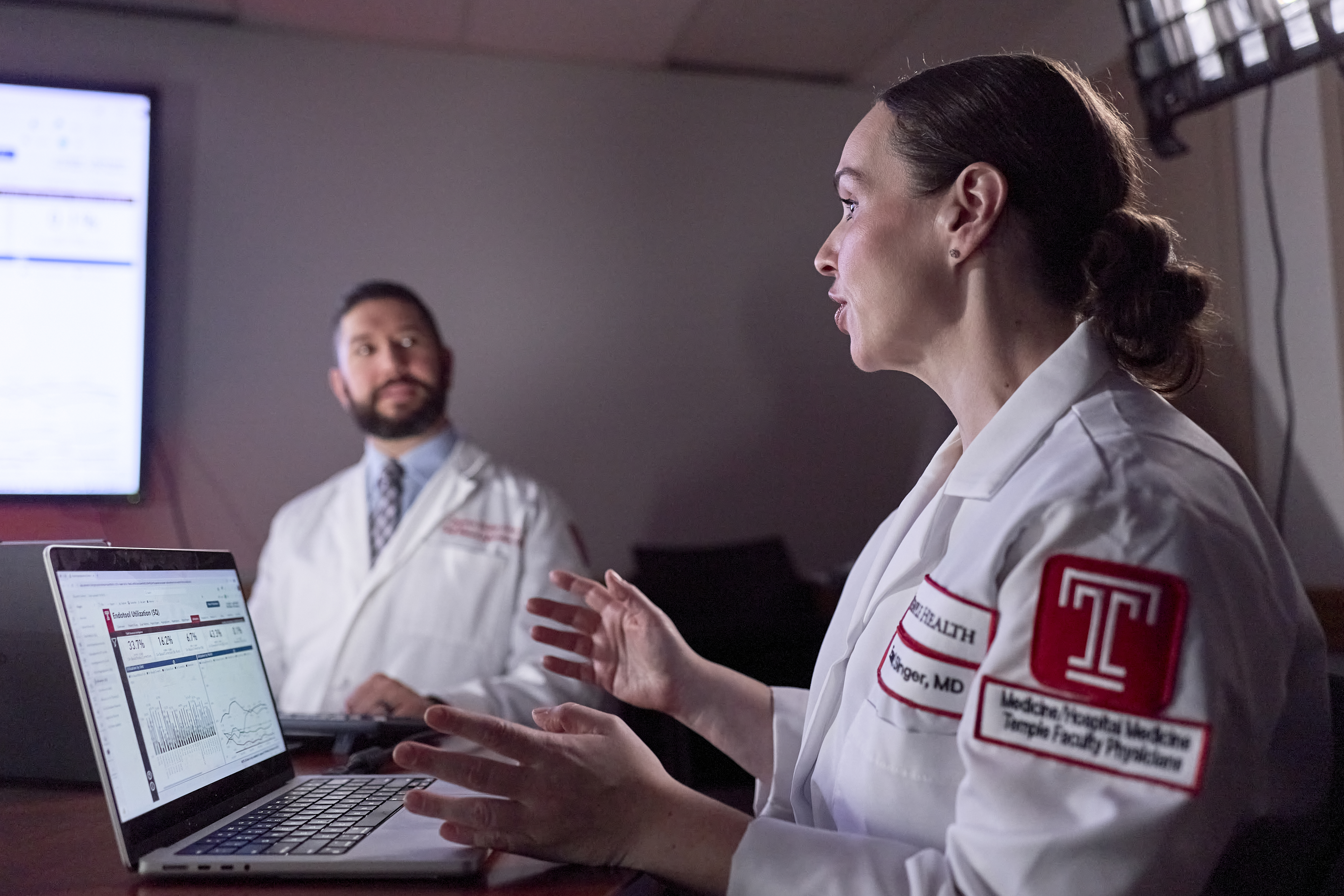
    Dr. Esme Singer and Dr. Benjamin Slovis at Temple Health, where teams are developing innovative approaches to improve patient care.Courtesy Temple

    The clinic opened in May 2025, a year after securing funding from IBX, and continues to provide Temple patients with high-touch care. “You have providers communicating to providers behind the scenes, diagnostic pathways identified, and then patient navigation — all before the patient has to actually do anything themselves,” Dr. Esme Singer, chief medical officer of Temple Faculty Physicians and associate professor of clinical medicine at the Lewis Katz School of Medicine, said. So, instead of telling patients, “You come to us, and we’ll tell you what is going to happen next,” she added, “it becomes us going to them and saying, ‘This is the plan.’”

    That proactive approach is also reflected in My Health Aide, another Temple-led initiative awarded an IBX Clinical Care Innovation Grant. The project uses conversational AI to help patients with Type 2 diabetes manage their health between doctor visits. Dr. Janet Lee, assistant dean for clinical research; director of the Laboratory for Implementation and Dissemination Science; and associate professor of pediatrics at the Lewis Katz School of Medicine, saw an opportunity to bring the technology to Temple patients with Type 2 diabetes. “Our goal is to improve outcomes by providing patients with personalized, easy-to-use support between clinic visits, helping them manage medications, monitor their condition, and access trusted health information while enabling clinicians to identify issues earlier through real-time insights,” she said.

    “Thanks to funding from Independence Blue Cross, we are able to offer the innovative technology free of charge to patients in North Philadelphia, many of whom face significant social and health care access challenges,” Dr. Lee said. Lee and her team will evaluate the platform’s impact on medication adherence, glycemic control, patient engagement, and overall care delivery.

    IBX’s involvement doesn’t end with funding. “One of the most valuable aspects of working with Independence Blue Cross has been their commitment as a collaborative partner rather than simply a funding organization,” Dr. Lee said. “Their team remains actively engaged, offering thoughtful guidance, sharing best practices, and leveraging their expertise to help projects succeed and achieve meaningful impact for patients and communities.”

    For IBX, that kind of collaboration is part of what it means to be Philadelphia’s hometown health plan: bringing organizations together, investing in promising ideas, and helping successful approaches reach more people across the region.


    Chloé Pantazi-Wolber is a writer and editor. Her work has appeared in Business Insider, Philadelphia Magazine, The Rooted Journal, Travel Bulletin, The Paris Review, and more.

  • Flash flood warnings are posted for South Jersey as the region’s 18-day dry spell ends

    Flash flood warnings are posted for South Jersey as the region’s 18-day dry spell ends

    Flash flood warnings were up Friday morning for portions of Burlington, Camden and Gloucester Counties, where up to 3 inches of rain have fallen.

    Heavy rains fell around daybreak in Philadelphia, but totals were considerably more benign west of the Delaware River, where no flooding was anticipated, the National Weather Service said. The warning for South Jersey was in effect until 10:15 a.m..

    Although patches of blue were making cameos, more showers were expected during the day.

    Of note: At 7 a.m. Thursday, officially a mighty 0.01 inches had been measured at Philadelphia International Airport, ending Philly’s longest dry spell in two years.

    And after that long dry run, before the rains come to end on Friday, the region’s motorists may be contending with a hazard more common to Californians.

    The rain was likely to continue through the Friday morning peak commuting period, he said, and raindrops won’t be the only thing falling.

    With the end of the peak foliage season comes the peak leaf-fall seasons, and officials warn that wet leaves could be a nuisance for motorists and Regional Rail commuters.

    In addition, storm drains are prone to clogging with wet leaf-fall, which can lead to road ponding.

    Pennsylvania Department of Transportation staff in Philly and the neighboring counties “have been clearing drains, inlets, and debris on interstates and major routes,” spokesperson Brad Rudolph said.

    For its part, SEPTA was advising Regional Rail commuters to expect delays.

    “The main issue customers may notice is a bit of a slowdown from top speeds — about 10 mph,” spokesperson Andrew Busch said. ”It typically does not result in canceled trips, and as long as there are no other issues impacting service, the slippery rail delays are usually kept to a few minutes or so.”

    He added: “We have had our track-cleaning train out regularly in recent weeks and that will continue tonight, so we think we are in pretty good shape.”

    On the roads, the wet leaves can become “almost like ice out there,” said Isaac Longley, senior meteorologist with AccuWeather Inc.

    After experiencing a California-like dry spell, drivers may get a taste of a common problem in the heavily trafficked areas of the Golden State when rains have broken a dry spell.

    In dry times, “you get a lot of oil building on roadways,” Longley said. “Once you see that first rain in a while, that can cause some slippery spots.”

    The rains were being generated by a slowly approaching cold front, and some part of the region is going to get a serious soaking. Downpours were likely to be confined to a “narrow corridor,” Longley said.

    The weather service said it was possible that up to 3 inches could fall in areas that receive the heaviest rains. Cooper said those areas likely would be to the south and east of the city.

    Thursday’s precipitation ended a stretch of 18 days without measurable rain in Philadelphia, the longest dry run since the rainless October of 2024.

    The weekly interagency U.S. Drought Monitor report Thursday noted “abnormally dry” areas in parts of Bucks, Montgomery, and Burlington Counties, but overall the region remained drought-free.

    After the rains shut off Friday, “the weekend is looking really good,” Longley said. Saturday and Sunday should be sunny with afternoon temperatures in the low 60s, just a shade above the normals for the date.

  • Càphê Roasters launches a pastry program celebrating Asian American flavors

    Càphê Roasters launches a pastry program celebrating Asian American flavors

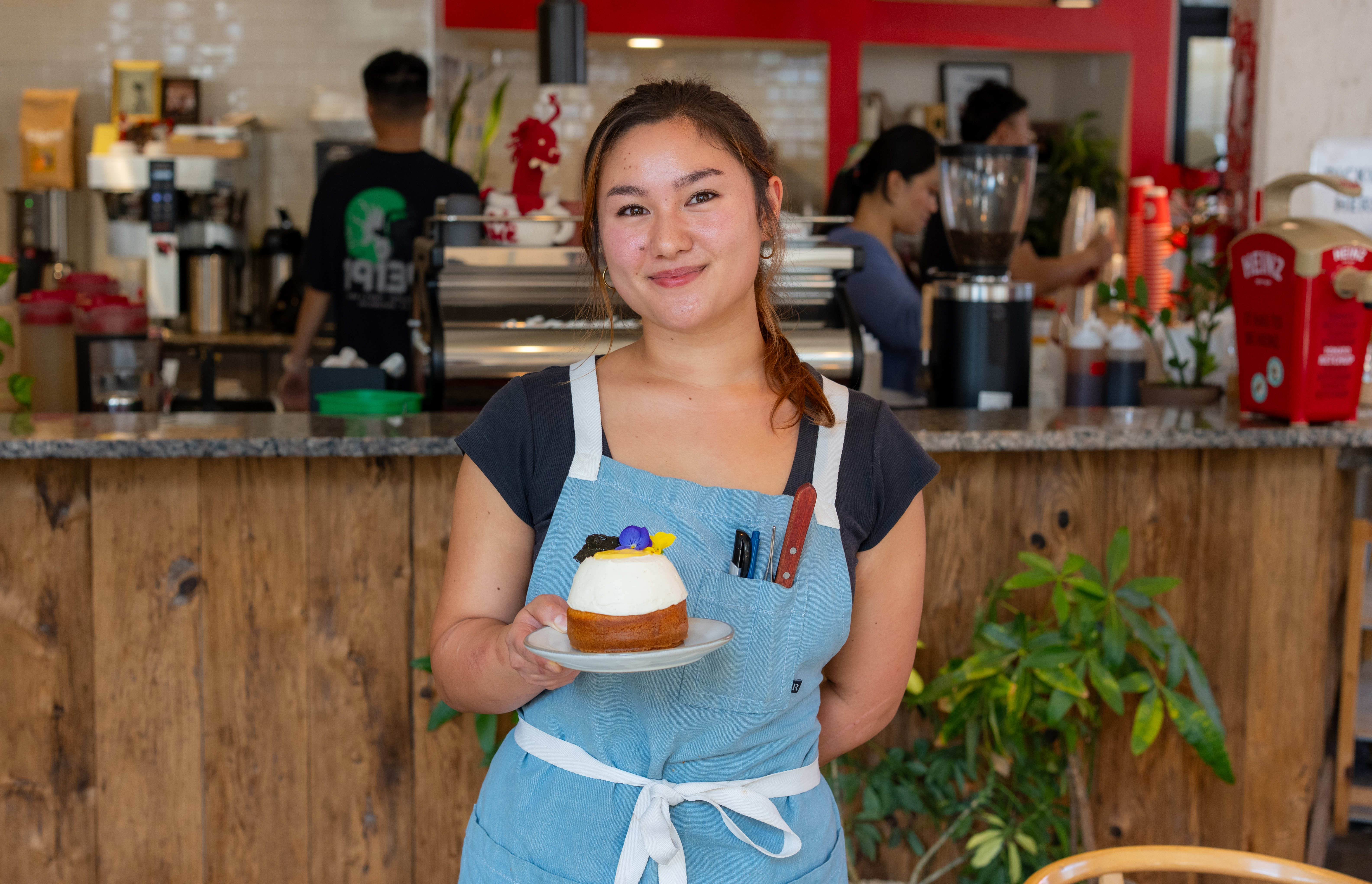
    Since Càphê Roasters opened in Kensington in 2021, it has been an epicenter of Asian American flavors, from its robust Vietnamese coffee drinks to assembling some of Philly’s most beloved banh mis and soul-warming rice porridges. It was at the forefront of the local matcha movement and has hosted many pop-up bakers, such as those peddling mooncakes around Mid-Autumn Festival.

    But Càphê Roasters has never really had a pastry program. On the cusp of expanding into South Philly, it’s finally launching one.

    “Our chefs would test out some desserts, but then just not have the time to continue researching and developing them,” said CEO and co-founder Thu Pham, 33. “And they also didn’t have pastry background. It takes time and talent, but also hunger.”

    Pham found both those qualities in pastry chef Zoe DeLay, 23, who moved to Philly from St. Louis to work at the now-closed Fleur’s as George Sabatino’s sous chef and head pastry chef.

    “We struggled with getting a dessert on the menu that incorporated our espresso beans really well. But Zoe came up with cà phê sữa brownies that have been a major hit, and they’re very different from any other brownie in town,” said Pham.

    DeLay’s brownie creations are fudgelike without being dense, generously dusted with flaky sea salt and infused with the deep, robust fragrance of Vietnamese coffee. It mirrors Càphê Roasters’ cà phê sữa in dessert form. Rich, nuanced, precise, and most importantly, not too sweet. They’re now selling about 60 cà phê sữa brownies every weekend (as many as DeLay can make in Càphê Roasters’ current kitchen).

    “Balancing pastry is so important because my least favorite thing is to bite into a pastry and think, ‘Oh my God, that is so sweet,’” said DeLay. “But flavors like black sesame [and coffee] add depth and personality.”

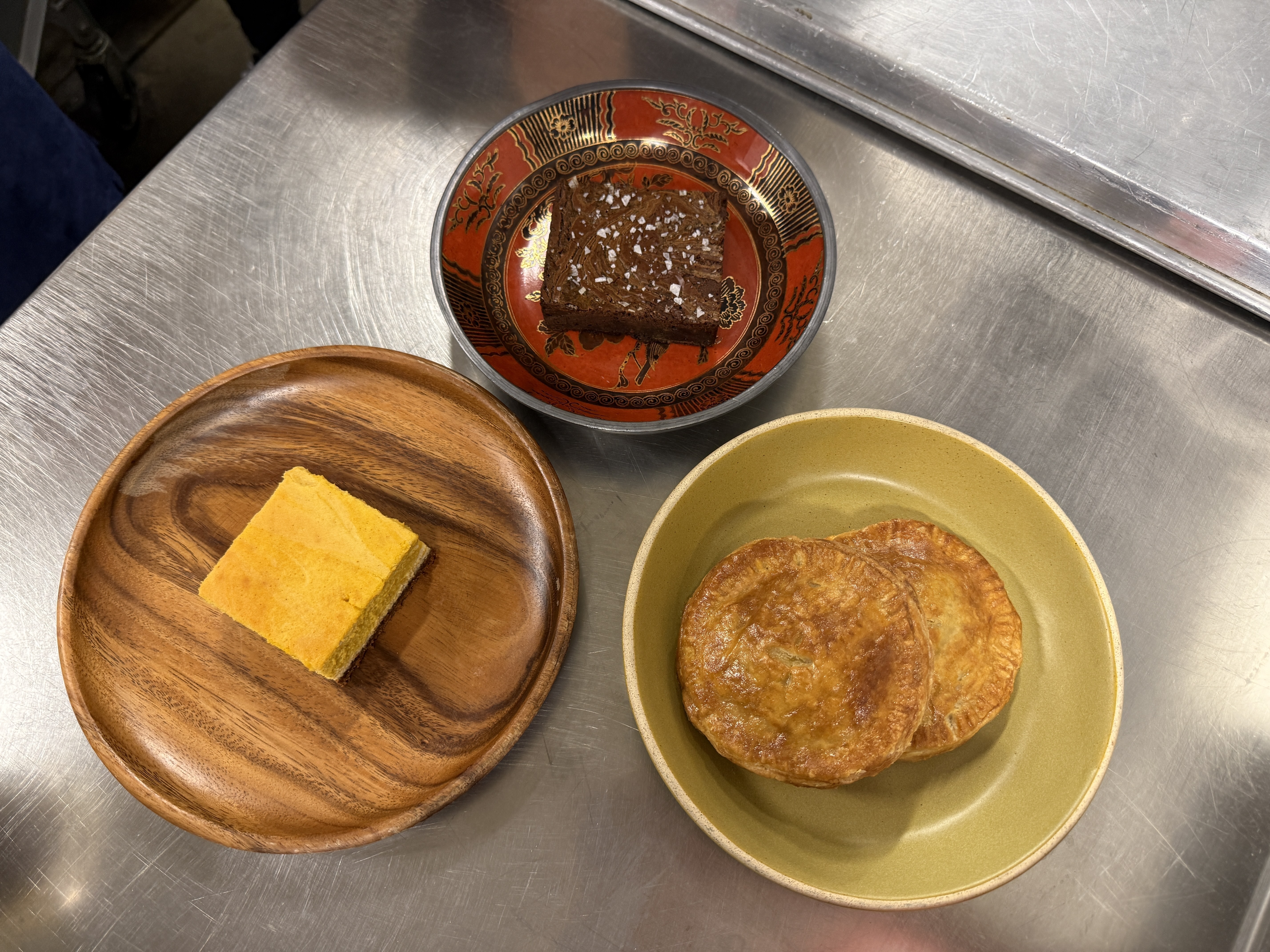
    A selection of pastries from new pastry menu at Càphê Roasters. A kabocha squash cheesecake with a gingersnap brown butter crust that is currently being workshopped by pastry chef Zoe Delay, a cà phê sữa brownie that uses coffee roasted by Càphê Roasters, and hand pies filled with kimchi jjigae.Kiki Aranita / Staff /

    DeLay is also workshopping a kabocha squash cheesecake with a gingersnap brown butter crust, a sweet interpretation of the squash porridge that has been a staple of Càphê Roasters’ fall and winter menus. Along with the brownie and a savory pastry stuffed with kimchi jjigae that hearkens to DeLay’s Korean American upbringing, the cheesecake will soon be found during the week at Càphê Roasters in Kensington and at the cafe’s new location in South Philly.

    DeLay’s kimchi jjigae hand pie takes a classic Korean stew and stuffs it into a pastry. “I braise pork shoulder like carnitas with all the traditional kimchi, onions, gochujang, then add green onion and white cheddar,” said DeLay. She is also working on developing American classics like muffins and yeasted breads, “but adding some of my own personality to them.”

    Her yuzu honey cake, the base of a dessert with black sesame brittle, has echoes of cornbread, a nod to DeLay’s Midwest upbringing. “I wanted to bring in the multiple aspects of my identity into a cake,” she said. She’s playing with ingredients like Korean konggaru (soybean powder) in making sweet creams for pies. “They feel really nostalgic, but also like they haven’t existed yet.”

    Incorporating DeLay into the fold has meant that Pham and her beverage team can tell more widely inclusive stories through food. “As long as she incorporates some Southeast Asian and, for her, Korean-inspired pastries onto the menu, I’m happy,” said Pham.

    Yuzu honey butter cake with salted vanilla cream, yuzu curd, and black sesame brittle.Mike Prince

    An exploration of nostalgic flavors that speak to Asian American third-culture kids are happening all over Philly and the rest of the country. Small bakeries and restaurant pastry programs dedicated to celebrating ingredients like matcha, kimchi, ube, pandan, black sesame, and banana milk in never-before-seen ways are cropping up continually, in many different neighborhoods. Seaforest Bakeshop in Graduate Hospital has a similar approach, as do Manong in Fairmount’s new pastry offerings, which have now gone far beyond bibingka waffles.

    With Càphê Roasters’ expansion, “We’ll be able to have a pastry program in all our locations, but keep welcoming in pop-up bakers,” said Pham.

    “What I love most about pastry is being able to re-create sensory memories through food,” said DeLay. “And maybe become part of what one day will be their own nostalgia.”

  • Villanova takes its three-game winning streak into a critical Patriot League game vs. Richmond

    Villanova takes its three-game winning streak into a critical Patriot League game vs. Richmond

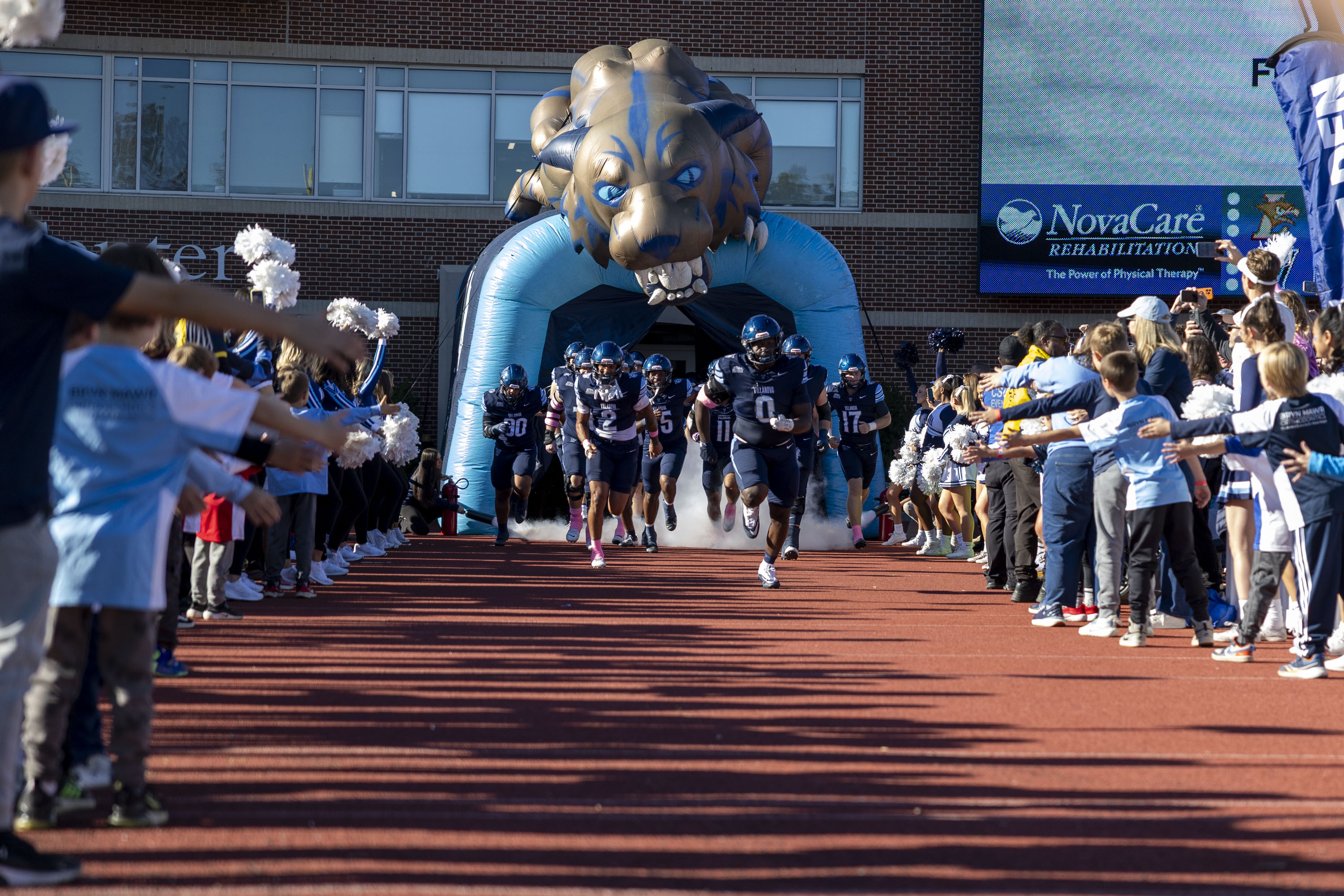
    After entering its bye week at 2-4, Villanova has course corrected to win three straight games and put the Wildcats back in the conversation for a Patriot League football title.

    Wins over Fordham, No. 11 Lehigh and Lafayette have Villanova (5-4, 4-2 Patriot League) tied for second in the conference behind the Mountain Hawks. Saturday’s matchup against Richmond (6-3, 4-2 Patriot), one of two teams Villanova is tied with for second place in the conference, is at Villanova Stadium (1 p.m., ESPN+).

    The Wildcats lead the all-time series against Richmond, 9-6. The Spiders defeated Villanova in their last matchup in 2022.

    Graduate quarterback Pat McQuaide said the bye week happened at a good time, allowing the Wildcats to put the disheartening start to the season behind them.

    “The guys handled that really well in terms of taking that extra week to really look in the mirror and [dive] into what we do and what we need to do better,” McQuaide said. “From there, [it] allowed us to build some more confidence and then fortunately, we’re able to get a good win at Fordham and keep it rolling from there.”

    The positive results since that bye week (3-0, 106 points scored, 56 allowed) have spoken for themselves. McQuaide’s performance has improved, with 729 passing yards and six touchdowns (four passing, two rushing) in that time frame.

    “When you’re not winning games, everybody’s gonna be frustrated,” McQuaide said. “I thought the guys have done a good job, learning from it and saying we made some mistakes that ultimately cost us some games. But it’s in the past, we talk about all the time having a next-play mentality.”

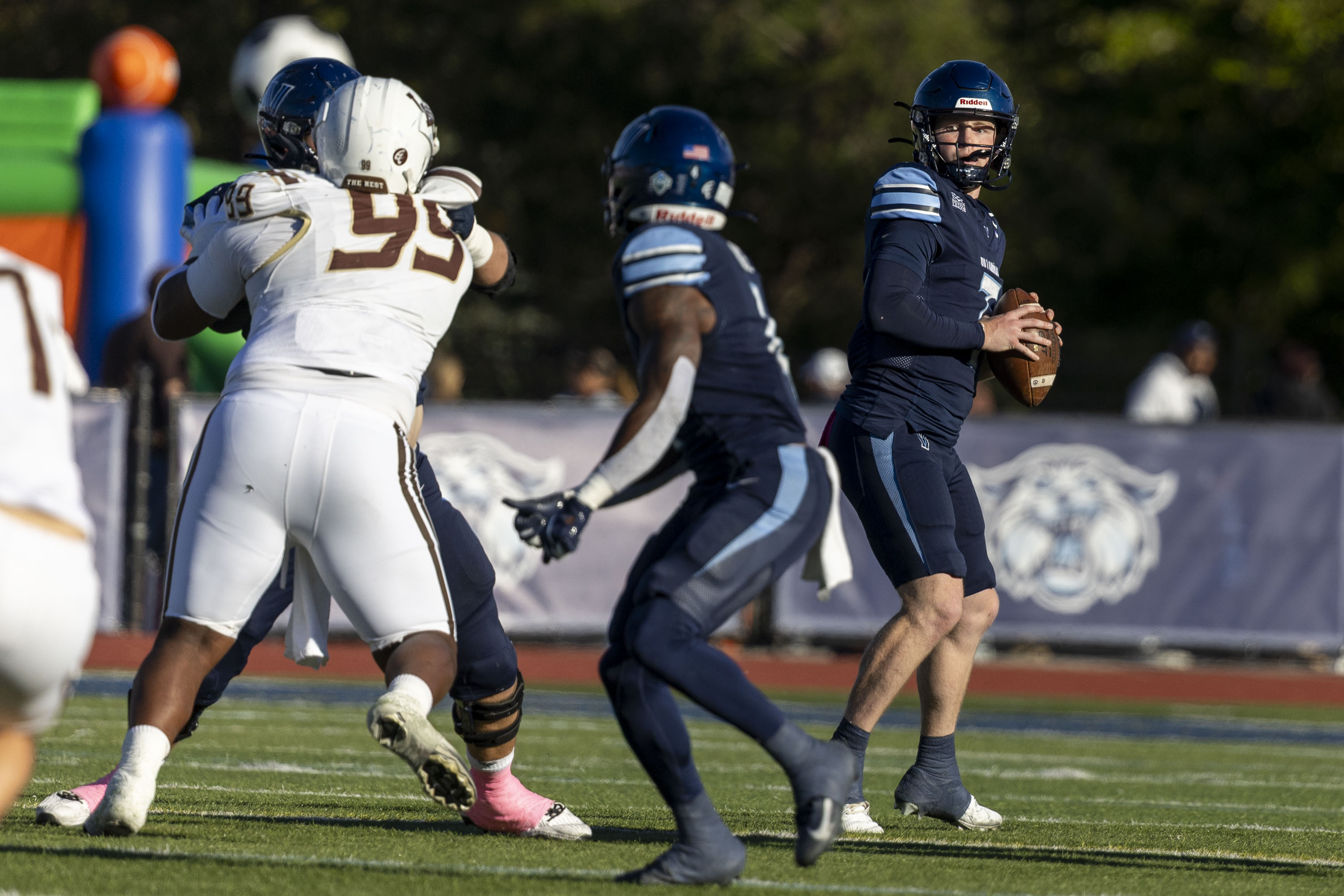
    Villanova will look to defend its home turf on Saturday vs. Richmond.Tyger Williams / Staff Photographer

    McQuaide’s uneven start to the 2026 campaign could be attributed to the protracted conflict and legal battles surrounding his eligibility. The Ohio native got a late start to the preseason with new pieces on offense to work with. McQuaide threw three interceptions in the Wildcats’ opening game, an epic meltdown against William & Mary that received national attention. Villanova held a 10-point lead with 55 seconds remaining only to lose 35-32.

    “You can’t just turn it on and be a good team player with 10 other guys on the field at the same time when you haven’t been working with those 10 guys for six months,” head coach Mark Ferrante said. “[Returning wide receiver] Braden Reed, yes, [tight end] Nolan Clayton a year ago yes, the backfield yes, but just about everybody else, the other wideouts were gone. … I think [McQuaide] is now getting back in the groove of where he left off last year, but with a [hiatus], it’s going to take a little time to get it back for sure.”

    Coming off a trip to the FCS semifinals a season ago, Villanova’s sloppy play to open the season was not the start anyone on the team desired, especially Ferrante.

    “I think they are playing better together the more reps they get together, in game-like situations obviously always helps,” Ferrante said. “Especially the older guys [realized] that prior to the bye, we weren’t putting out the product we anticipated on being. … We’ve hurt ourselves less, we’re playing better and I credit that to leadership on the team, obviously our coaching staff keeping the guys going in the right direction.”

    After averaging eight penalties per game in their first six games, the Wildcats have cut the infractions down to five per game across their last three games. Villanova has also gotten off to hot starts, putting points on the board on their first possession in each game since the bye.

    The offense has eclipsed at least 100 yards rushing and 200 yards passing across their three-game win streak. Their plan of attack has been aided by a rock-solid defense, which has held their previous three opponents to 155 or fewer passing yards.

    Villanova’s defense has tightened up during its three-game win streak.Tyger Williams / Staff Photographer

    “We have gotten to the quarterback a little more lately and gotten a few more sacks under our belt,” Ferrante said. “Putting pressure on a quarterback and getting the ball out of his hands a little earlier than maybe he wants definitely plays into it. But the guys are doing better, [they’re] starting to get comfortable with each other.”

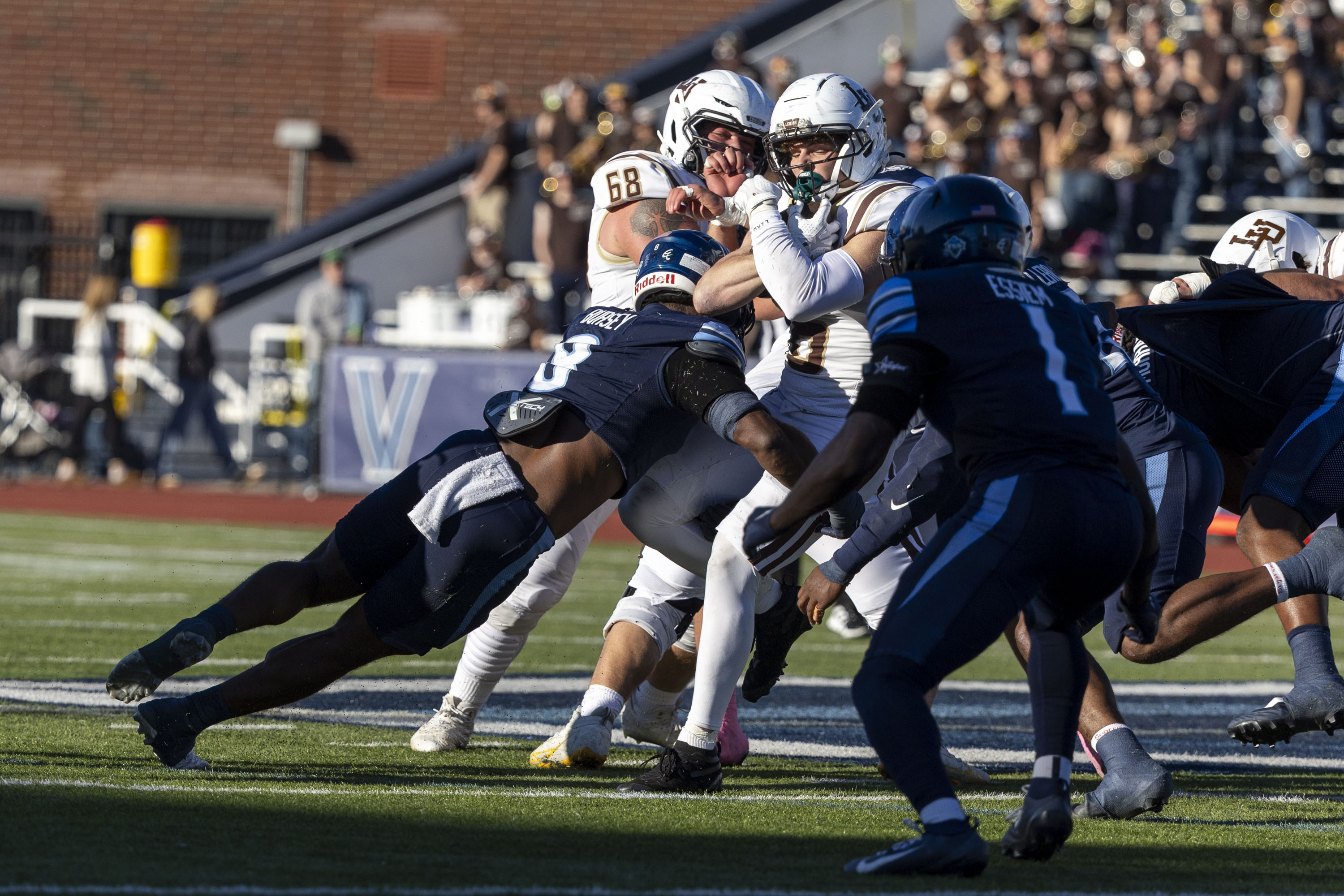
    A big help on defense has been linebacker Omari Bursey, who leads the Patriot League in tackles (99), is tied for second in tackles for loss (10½) and fourth in sacks (4½).

    “He’s just a really good player, he works really hard,” Ferrante said. “He’s our green dot, so he’s the one that gets the calls in from the sideline [and] lines everybody up. He’s the quarterback of the defense and he’s had some good mentors along the way and some good coaches as well.”

    For McQuaide, the battle-tested veteran on the team, the message to the team is clear, this Saturday against Richmond and beyond.

    “It’s about us, we can’t control anything that happens in the conference or with teams we’ve already played or who we’re going to play next week,” McQuaide said. “It doesn’t matter what everybody’s saying outside of here, what the Patriot League says or the rest of the country. It’s about us, finding a way to win every Saturday.”

  • Americans hate data centers. But they might not actually be raising prices.

    Americans hate data centers. But they might not actually be raising prices.

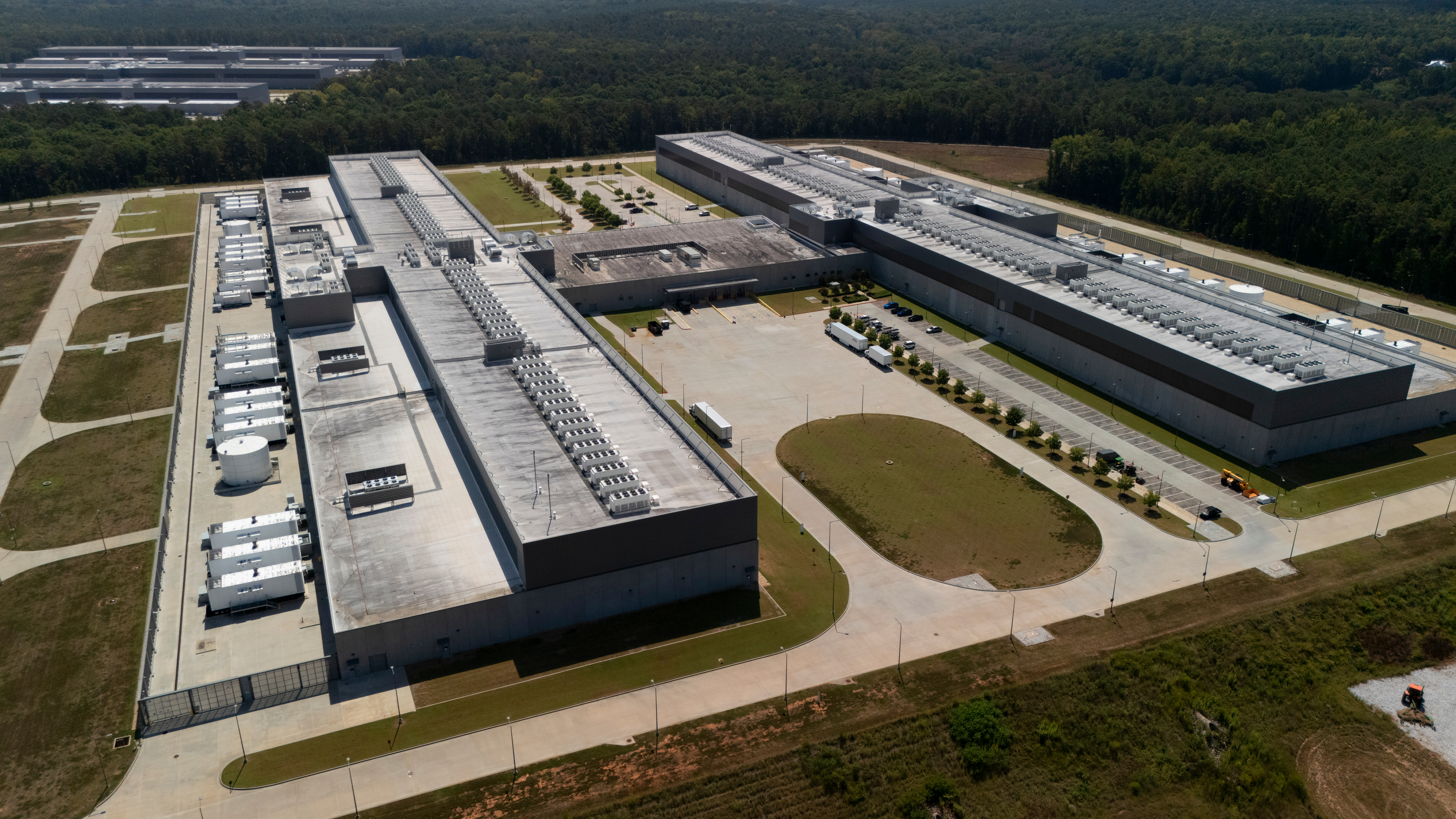
    On Tuesday, Americans voted overwhelmingly against data centers and artificial intelligence growth. In 40 of 41 local ballot races around the country, many in the state of Ohio, voters opted to restrict or prohibit new data center constructions in their areas.

    Much of the growing opposition to data centers has come from rising electricity prices, which are squeezing Americans in a time of already high prices and cost of living.

    But, according to a new study by researchers at Harvard University and the University of Pennsylvania, data centers are probably having only a small effect on residential electricity prices. The researchers calculated that these operations were responsible for just 4% of the utility rate increases over the last five years.

    “Even to me it was somewhat surprising,” said Serguei Netessine, professor at the Wharton School at the University of Pennsylvania and one of the study’s authors.

    In the run-up to the elections, Democrats pointed to data centers — and Republican support for their development — as key drivers of electricity price increases. In one campaign ad, Democrat James Talarico, now senator-elect of Texas, said that Texans were “paying the price with skyrocketing utility bills.” Sherrod Brown, Democratic senator-elect of Ohio, similarly argued that state residents were facing higher electricity bills due to the build-out of energy-hogging data centers.

    There are certainly some areas — like in Pennsylvania, Virginia, Ohio, and other states covered by grid operator PJM — where data centers have skyrocketed demand, pushing some costs onto residential customers.

    But multiple studies by different researchers and organizations have failed to find a strong connection between data centers and the overall trajectory of U.S. electricity prices in recent years. Another analysis earlier this year by researchers at the Massachusetts Institute of Technology found that, between 2010 and 2024, data centers increased average electricity prices for residential customers by just 2.1%.

    Last year, research from the Brattle Group and Lawrence Berkeley National Laboratory found that data centers were actually decreasing costs in certain regions. And another study by the Electric Power Research Institute found that a doubling of data center capacity between 2019 and 2024 resulted in a 4% drop in home electricity prices.

    “Depending on which techniques you use, you can identify a slight increase or decrease in prices historically” due to data centers, said Ryan Hledik, principal at the Brattle Group. “None of these are the kind of earth-shattering rate impacts you hear about.”

    The new Harvard and Penn study found a slightly higher impact on industrial electricity prices — the price paid by manufacturers and large facilities. For those customers, data centers were responsible for 15% of the price increase between 2020 and 2025. But for ordinary Americans, Netessine said, the changes simply were not substantial.

    “So far we have no evidence that data centers increase prices all that much,” Netessine said. Instead, he said, prices are rising due to more quotidian factors: rising gas prices, an aging electricity grid, and wildfires and hurricanes requiring improvements to the grid and recovery after disaster.

    Most of the cost of generating and delivering electricity is based on large, up-front capital costs, such as the costs to build power plants, wires, and transmission lines to carry that power into homes. Some areas of the United States also have excess “capacity” in the grid — meaning that the grid is overbuilt for the actual demand. In those areas, adding a data center means that large fixed grid costs are spread over more consumers. That could lower prices.

    Of course, that’s not the case everywhere. PJM has had booming data center growth that has also required additional build-out of the power grid. This has raised prices at power capacity auctions, and states like Maryland have seen increasing residential prices that are at least in part from this boom.

    If the number of data centers continue to boom, experts say, residential prices could be affected more down the line. Data center electricity demand is expected to increase steeply over the next few years, requiring new power generation — wind, solar or natural gas — to be put onto the grid.

    And residents have issues with data centers that go beyond the price of electricity. The new developments have been singled out for loud noise, polluting power generation, and for disturbing residential neighborhoods and natural landscapes. According to the Pew Research Center, more than half of Americans say that data centers are mostly bad for the environment. Others feel that the AI race — which could ultimately leave many Americans out of work — is being forced upon them.

    “I think generally what we’re seeing is a broader range of reasons the public has opposed data centers,” Hledik said. “Concern about AI leading to loss of jobs — all of that is getting packaged together.”

  • 12 planes in 12 days: Pope begins major Latin America tour, weeks after surgery

    12 planes in 12 days: Pope begins major Latin America tour, weeks after surgery

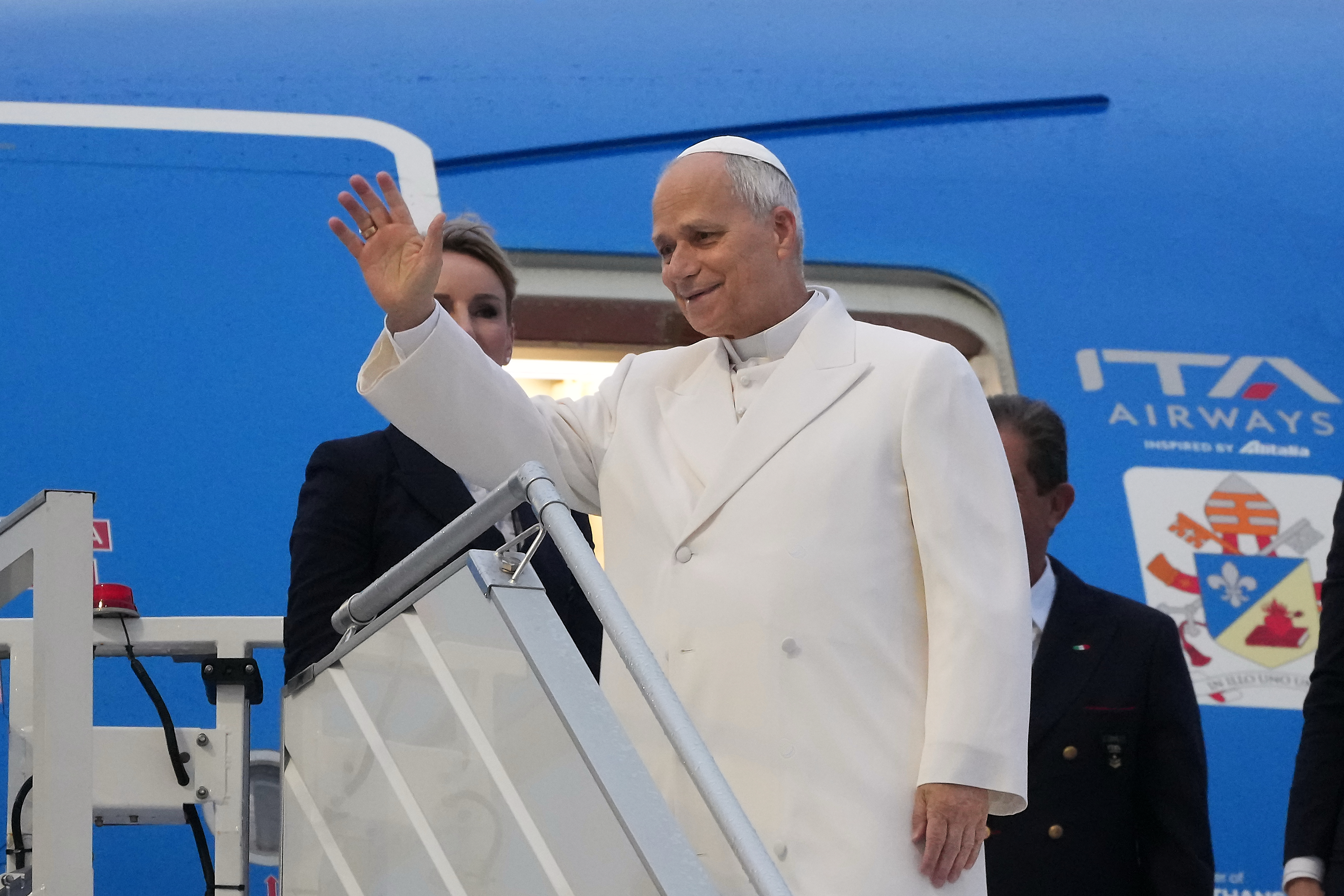
    ROME — Twelve days, 12 plane flights, two helicopter rides. Nine Masses and 36 speeches. In one six-hour stretch, a flight to a city more than 11,000 feet above sea level to conduct a prayer and blessing service, and another to the Amazon jungle to celebrate Mass.

    It’s a schedule that would tax anyone, let alone Pope Leo XIV, 71, who less than four weeks ago was diagnosed with lung cancer and underwent surgery to remove a lobe of his right lung.

    Yet this is the itinerary that awaits Leo as he embarks Friday for Latin America, where he will meet with dozens of politicians, diplomats and bishops as well as visit a prison, universities and facilities for the elderly and disabled. Strong rains connected to the El Nino phenomenon could pummel some of his destinations.

    Leo will start his journey in Uruguay, a largely secular country where ambivalence about Catholicism may foreshadow that of Latin America, where participation in the church is declining. On Sunday, he will visit Argentina, the homeland of his predecessor, Francis, who never once returned home as pope. Finally, on Wednesday, he will make a kind of homecoming to Peru, where he spent half his priestly life — and became a naturalized Peruvian citizen — before being elected pontiff last year.

    But perhaps the most closely watched aspects of the trip will be the pope’s health and stamina, and how he holds up under the intense schedule.

    Leo left the hospital days after his surgery and appeared robust during prayers above Rome’s St. Peter’s Square a day later. Since then, he has held daily meetings, appeared at general audiences in the square and even briefly dribbled a basketball while meeting the basketball teams from his alma mater, Villanova University, and their rivals from the University of Notre Dame, which were all in Rome last weekend.

    In the days immediately following the pope’s diagnosis, the Vatican Secretary of State, Cardinal Pietro Parolin, suggested the pope might need to “reshape” the journey. But late last month, the pope’s doctor said Leo would not need further treatment and cleared him to travel without any alterations to the planned schedule. In a statement, citing Dr. Luigi Carbone, the pope’s personal physician, the Vatican said “the Pope is following medical recommendations with great care and diligence.”

    Friends of the pope said he did not want to postpone the trip.

    “When he commits to it, he commits to it,” said the Rev. Arthur Purcaro, a theologian at Villanova University who served as an Augustinian missionary in the Andes region of Peru with Leo before he was pope.

    Leo was probably aware of how much hosts invest in planning papal visits, according to the Rev. Peter M. Donohue, president of Villanova, who has been a friend of the pope since they were students at the university. “Knowing the kind of person he is, I think he would be, like, ‘I don’t want to let them down,’” Donohue said.

    Vatican officials said there would be no special accommodations for the pope’s health, though he will be accompanied by his usual international entourage.

    “He’ll have plenty of medical care on board should something happen,” said Maria Montserrat Alvarado, who heads the Vatican’s communications department. “But we don’t see that in his prognosis or even the way that he’s acting.”

    In Peru, Juan José Dioses, a spokesperson for the archdiocese of Lima, said local officials were scheduling Leo’s rides in the so-called “popemobile” — the vehicle from which the pope greets the faithful on the streets — so that he would not have to stand for long. And in at least one location in Lima, Dioses said, the pope can take an elevator rather than climbing stairs.

    Although the pope’s official schedule has not changed since his surgery, his handlers might try squeezing in extra rest time for him during the trip, said Francesco Facciolo, former president of the Italian Society of Thoracic Surgery. “Instead of resting for a quarter of an hour, he can take 25 minutes or half an hour,” said Facciolo, who is not part of the pope’s treatment team.

    Fears about Leo’s health on the trip may stem from stereotypes about the severity of his illness. “I think that there is a false impression that if you’re diagnosed with lung cancer, you’re a goner,” said Dr. Lecia Sequist, a thoracic oncologist at Mass General Brigham Cancer Institute and a professor at Harvard Medical School. But “when cancers are caught early,” as the pope’s was, she said, it is quite common “to get back into activities, to get into work and to be able to be active within a few weeks.”

    Sequist said that although high altitudes could put stress on the heart and lungs, “there’s certainly nothing just across the board where we would say, ‘well, if you’ve had lung cancer surgery, you shouldn’t go to high altitudes.’” Leo’s itinerary includes a stop in Cusco, a Peruvian city more than 11,000 feet above sea level.

    By visiting more far-flung locales, the pope is showing his care for “people who are on the margins of the economic revolution,” said Natalia Imperatori-Lee, an expert in Latin American theology at Fordham University in New York.

    The pope has issued a major teaching document about the need to protect the most vulnerable people from the biggest disruptions caused by artificial intelligence.

    In Peru, said Imperatori-Lee, “nobody who is coming out to see Leo is a tech bro or AI giant.”

    Leo’s highest-profile meetings will be with two allies of President Donald Trump — President Javier Milei in Argentina and President Keiko Fujimori in Peru. Both encounters could be tense: Milei has championed unregulated AI, diverging from the pope. And while serving as a priest in Peru, Leo protested violence associated with Fujimori’s father, Alberto, who led the country for a decade and was later convicted of rights violations, including murder.

    But away from these meetings, the papal voyage will be about showing the faithful that the pope cares about them and is making an effort to reach them, even in far-flung places.

    In scheduling Leo’s stops in Peru, Vatican planners included not only places where the pope could reunite with old friends and associates but also areas that rarely receive papal visits, or where he could show the Church’s efforts to collaborate with local cultures. He will go to Pucallpa in the Amazonian rainforest, for example, to meet with missionaries and representatives from local Indigenous communities.

    By refusing to cancel any part of the trip, the pope may be trying to remind people that even if he is simply human, he can persist, experts said.

    Before his illness, “there was a temptation to think here we have superman, super pope,” said Archbishop Paul Gallagher, the Vatican’s foreign minister, in a meeting with journalists last month. “The fact that he has fallen ill with, in many ways, one of the most common illnesses of our age, means that he is a poor mortal like the rest of us.”

    This article originally appeared in The New York Times.