Blog

  • Opportunity knocked, but no one was home for the Phillies in a sobering loss to the New York Mets

    Opportunity knocked, but no one was home for the Phillies in a sobering loss to the New York Mets

    NEW YORK — Sometimes, following a tough outing for a Phillies reliever, interim manager Don Mattingly tries to throw them right back into the fire.

    The idea is to help them flush their last appearance and turn the page quickly. And when the Phillies went down three runs to the Mets in the eighth inning on Saturday night, it seemed like a spot that would be soft enough for Orion Kerkering.

    The bottom half of New York’s order was due up. Mattingly didn’t want to burn any more high-leverage arms. And perhaps a clean inning would help the right-hander rebuild some confidence after giving up a back-breaking three-run home run to Juan Soto the night before.

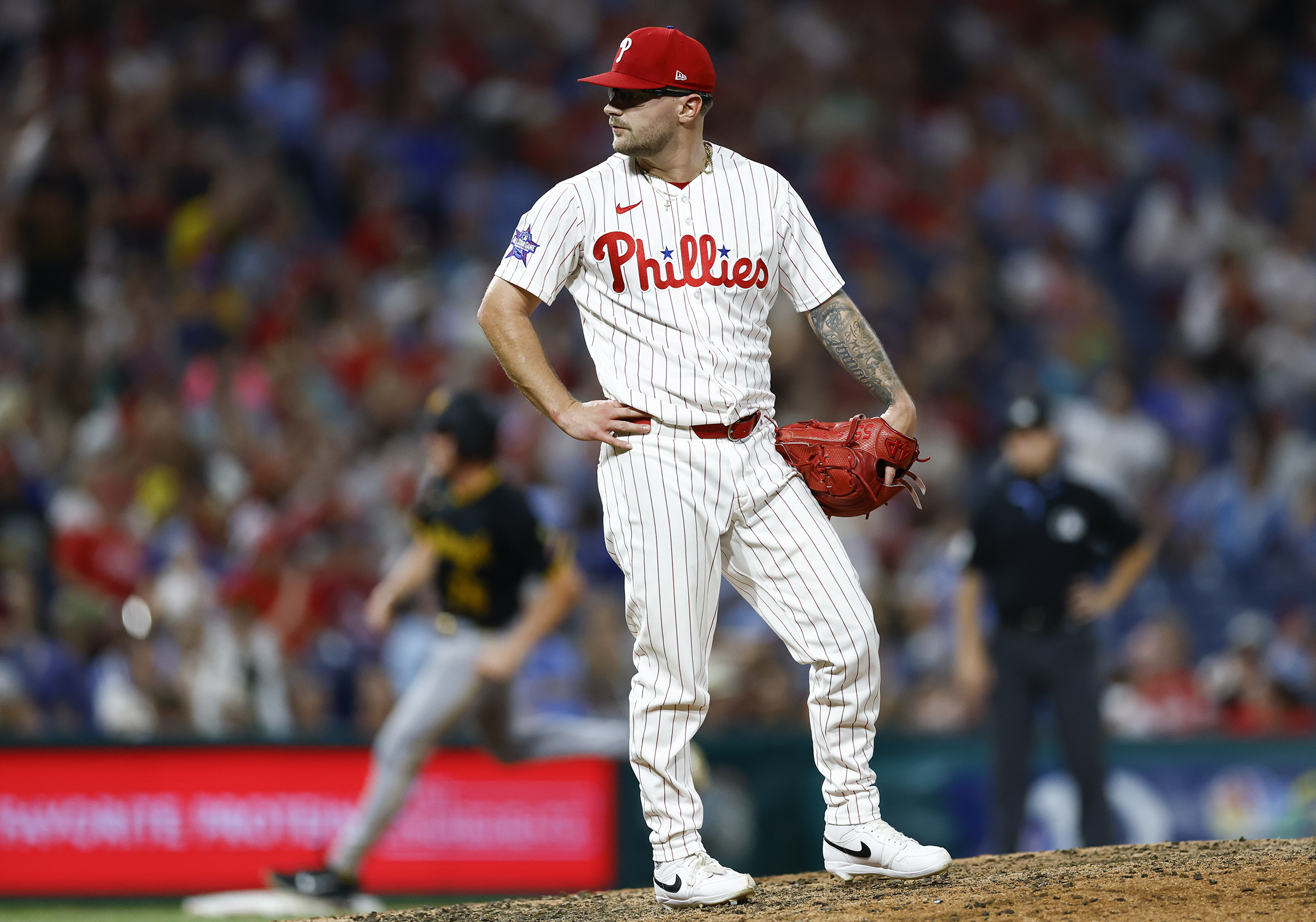
    But instead, things spiraled even further. The Mets tagged Kerkering for four runs on four hits, two walks, a hit batter, and a wild pitch to put the game out of reach for a 10-3 Phillies loss. And concern for Kerkering, whose ERA in September is an eye-popping 18.69, has never been higher.
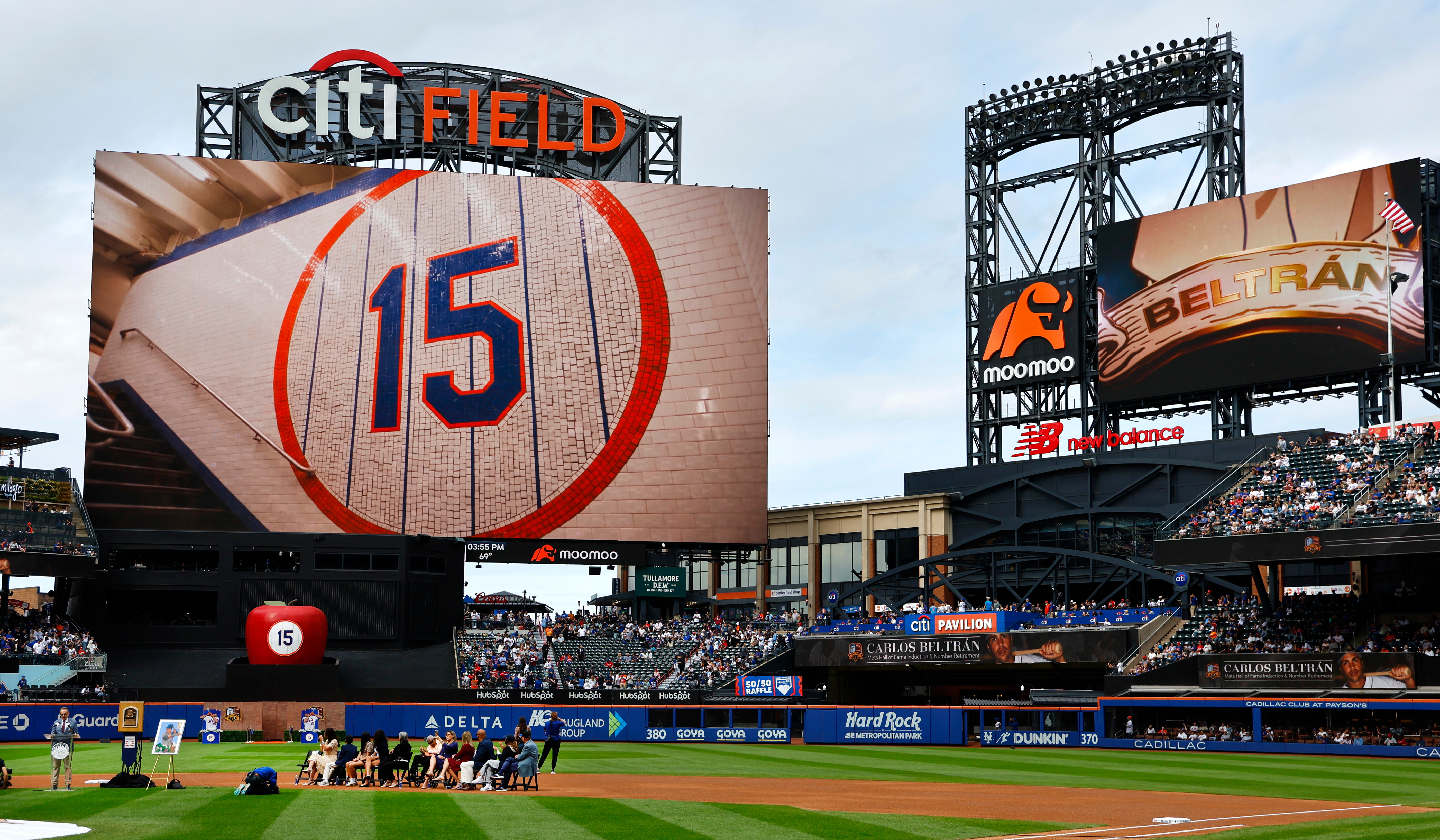
    Phillies were the unfortunate victims on the afternoon the Mets retired Carlos Beltran’s number.Noah K. Murray

    “I’d say a pretty high degree of worry about him,” Mattingly said.

    Kerkering was unable to keep the game within striking distance for the Phillies offense, which mustered exactly three runs for the fifth consecutive game. Kerkering, who had once been viewed as a potential option as setup man for closer Jhoan Duran, no longer has a clear role on the staff.

    “You have to be able to use him there, in a game like that,” Mattingly said. “I’m not going to try to chase a three-run deficit in that inning. It’s hard to find places to use him.”

    Kerkering doesn’t appear to have much confidence in his sweeper, usually his most-used and most-effective pitch. He only threw 10 sweepers out of 36 total pitches for a 28% usage rate. Kerkering got A.J. Ewing looking on it for a called strikeout, but Mets hitters didn’t whiff once on the pitch.

    Overall, his command wasn’t there. Kerkering only threw 13 pitches in the strike zone, and many of his misses were by a wide margin.

    It was another deflating loss for a Phillies offense that had plenty of opportunity early to pile on. They came through with five hits with runners in scoring position, but those only translated to three runs. In total, they left 10 men on base, including leaving the bases loaded in the seventh.

    The Phillies often got hits at the right time, but not always to the right spot. Luis Arraez came up twice with Trea Turner on second and delivered a single to left field. But both times, the ball was hit right to Soto, forcing Turner to hold up at third instead of scoring on the play.

    “We had some balls today, I felt like a number of them,” Mattingly said. “If Luis’s balls aren’t right at Soto, where they’re playing, if that makes him go one way or the other, you’re going to score there.”

    The top five in the Phillies’ order — Kyle Schwarber, Turner, Bryce Harper, Arraez, and Alec Bohm — accounted for eight of their nine total hits.

    Andrew Painter, starting opposite his former high school teammate Christian Scott, was strong for the first four innings. But things unraveled quickly in the fifth. A four-pitch leadoff walk to Marcus Semien and a Brett Baty single came back to bite him when Francisco Alvarez hit a three-run homer to the opposite field.

    It came on a fastball that just dotted the outside edge of the zone, which Painter wanted just a little more in, knowing that’s where Alvarez does a lot of his damage.

    “I think the main thing is looking back on the four-pitch walk to lead off the inning, and kind of seeing a spiral there,” Painter said. “Leave a pitch over the middle for a base knock, and then that’s where the damage gets done.”

    The Phillies, trailing by 4-3, were still in it in the sixth. But their first bullpen implosion of the night worsened matters. After Painter secured the first out of the inning, striking out Bo Bichette, Brooks Raley entered to face a pocket of Mets left-handers.

    Twenty-two pitches later, Raley departed again without securing an out. Two walks and two singles allowed New York to add to their lead and left the bases loaded for Chase Shugart. It didn’t help that Justin Crawford initially misread the single from Baty and took a roundabout route to the line drive, allowing it to short-hop into his glove rather than making an out.

    Like Kerkering, Raley has struggled significantly in the second half. When the Phillies acquired him from the Mets at the trade deadline, the left-hander had a 1.96 ERA. But since then, he has an 8.71 ERA. Hitters are averaging .333 against Raley in 10 ⅓ innings pitched after arriving in Philadelphia.

    “He just doesn’t seem to be able to get the lefties on the sweeper, the one that kind of ends up off the plate,” Mattingly said. “If you don’t swing at that, then you got to get the one that stays on the plate. You’re seeing better swings off that. … Just haven’t been able to get those guys out.”

    When Shugart took over, he got a quick pop-up for the overdue second out, but then issued a bases-loaded walk to nine-hole hitter Ronny Mauricio to force in another run.

    Every Phillies pitcher walked at least one batter, for a total of eight free passes given to the Mets. With the deficit now at seven, Turner drew a walk in the ninth but Harper popped out and Arraez grounded out to end it.

    “We haven’t been able to to keep the game in check,” Mattingly said. “Obviously, we’re disappointed to give up runs. We’re disappointed. But I think that’s been a little bit of a trouble spot, is basically just keeping the game in check.”
  • News outlets express solidarity after Trump bars some reporters

    News outlets express solidarity after Trump bars some reporters

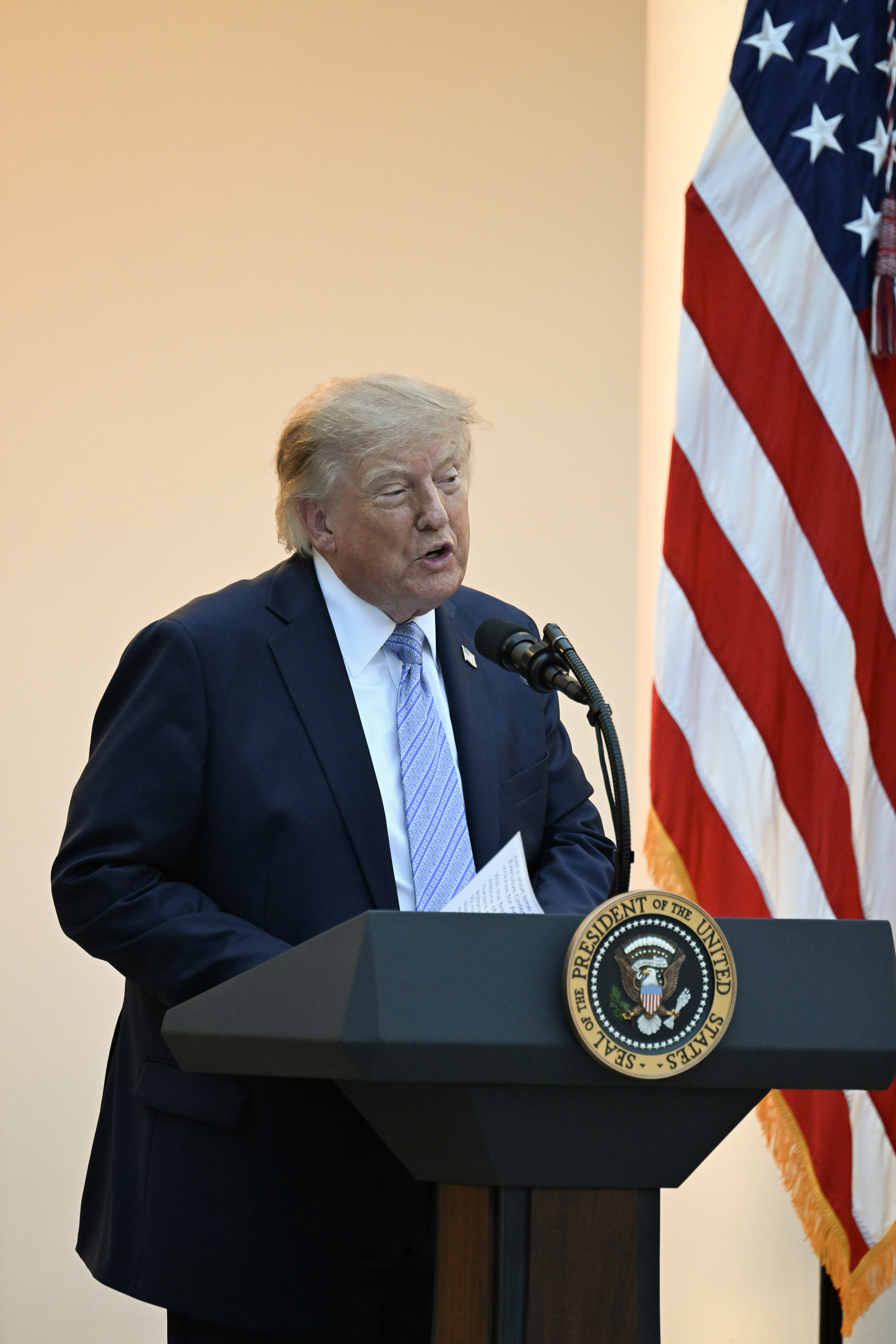
    Many major media outlets and some high-profile Democrats panned President Donald Trump’s abrupt decision to ban CNN, MS NOW, and Politico from the White House.

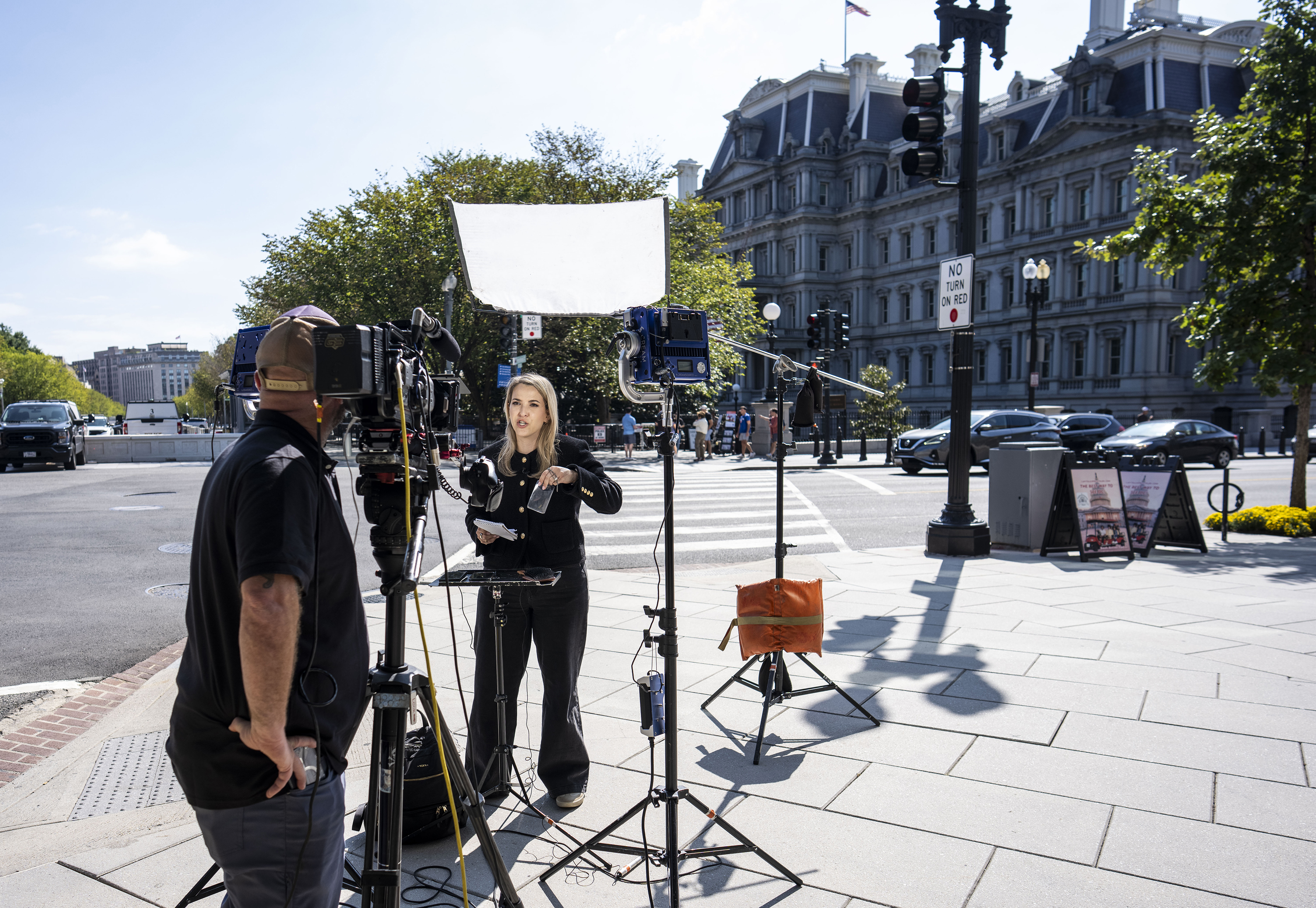
    Trump acted on his latest barrage of threats against the press Saturday morning, when reporters for the outlets were denied access to the White House and had their badges confiscated.

    On Friday evening, Trump had accused the three outlets of running “purposely negative stories” that were untrue, though he provided no details. The Trump administration has not said what led to his decision, which many First Amendment groups called unconstitutional and unlikely to survive a court challenge.

    Condemnation from leading news outlets was nearly universal, including from many that compete directly with CNN, MS NOW, and Politico.

    “No news organization — or person — should be retaliated against by the government over the words they use,” said Lauren Easton, a spokesperson for the Associated Press, which filed suit over restrictions that Trump tried to impose on its White House access last year.

    The New York Times, The Washington Post, and press associations also released statements calling the ban an attack on free speech and the free press.

    Journalists at Fox News have also taken issue with the ban. One Fox contributor, Ari Fleischer, said conservatives should challenge liberal reporters. “Argue and defeat them,” he said. “Don’t ban them. Or one day they’ll ban us.” Another contributor, Jonathan Turley, said that “barring disfavored media from the White House is a terrible precedent and practice.”

    Jacqui Heinrich, a Fox News anchor and president of the White House Correspondents’ Association, said on social media that the right to First Amendment protections “does not depend on whether the president likes a news organization’s coverage.”

    “This is about more than the rights of journalists,” Heinrich added. “It is about the right of the American people to receive a full and independent account of the activities, policies, and decisions of whoever occupies the nation’s highest office.”

    Democrats pounced on Trump’s ban as an attempt to hide his administration’s shortcomings and to distract voters from other issues. They pointed out that Republicans were heading into a challenging election cycle with high inflation and an unpopular war with Iran started by Trump, whose support in the polls has sagged.

    “Donald Trump just did what dictators throughout history have done,” Senate Minority Leader Chuck Schumer of New York said on social media. “This is a democracy. You will not be able to manipulate the news or hide the truth.”

    Rep. Jamie Raskin of Maryland, the top Democrat on the House Judiciary Committee, called on the news media to boycott the White House if Trump “keeps violating press freedom.” Sen. Elizabeth Warren (D., Mass.) said Trump was censoring the press and trying to “hide his failures.” Sen. Bernie Sanders (I., Vt.) said that Trump wanted to “control the flow of information and silence media that might hold them accountable.”

    “We will not allow Trump to undermine the First Amendment, the Constitution, and our democracy,” Sanders said on social media. “We will not accept authoritarianism.”

    High-ranking Republicans and members of the Trump administration mostly remained quiet Saturday. But Defense Secretary Pete Hegseth, who has tried to restrict reporters’ access to the Pentagon, said he “fully supports” a ban on some outlets that he and Trump have labeled “fake news” for negative coverage.

    “They endangered our troops with false stories, leaks, and trafficked in fiction and lies about the President,” Hegseth said, without providing examples or evidence.

    Benny Johnson, a right-wing podcaster, also celebrated the decision to block certain outlets from the White House and pointed out that Trump had been banned from social media platforms after the Jan. 6 attack on the Capitol by his supporters.

    “No one is infringing on their ability to do reporting,” Johnson said in a social media post.

    The campaign of former Rep. Mike Rogers, a Republican running with Trump’s backing for a competitive Senate seat in Michigan, appeared to distance itself from the president’s decision.

    Rogers “held a news conference just this morning with invites out to each of those outlets,” Alyssa Brouillet, a spokesperson for his campaign, said in a statement. “That tells you where he stands.”

    Meghan McCain, a conservative commentator, was more explicit.

    “Unpopular opinion in my parts, but it’s insane and a very slippery slope to kick media outlets you don’t like out of the White House,” McCain said.

    This article originally appeared in the New York Times.

  • Amid Phillies bullpen turmoil, Don Mattingly thinks Chase Shugart can take on a bigger role: ‘there’s toughness there’

    Amid Phillies bullpen turmoil, Don Mattingly thinks Chase Shugart can take on a bigger role: ‘there’s toughness there’

    NEW YORK — As the Phillies bullpen continues to search for stability, there are high-leverage opportunities ready for someone on the staff to seize.

    With Jonathan Bowlan day to day after a mild right groin strain and Orion Kerkering’s struggles reaching a new level with Juan Soto’s homer on Friday, the Phillies need their other right-handers to step up.

    Despite only 14⅔ career major league innings under his belt, rookie Alex McFarlane might now be the top righty on the bullpen depth chart following closer Jhoan Duran, based on his firepower and elite stuff.

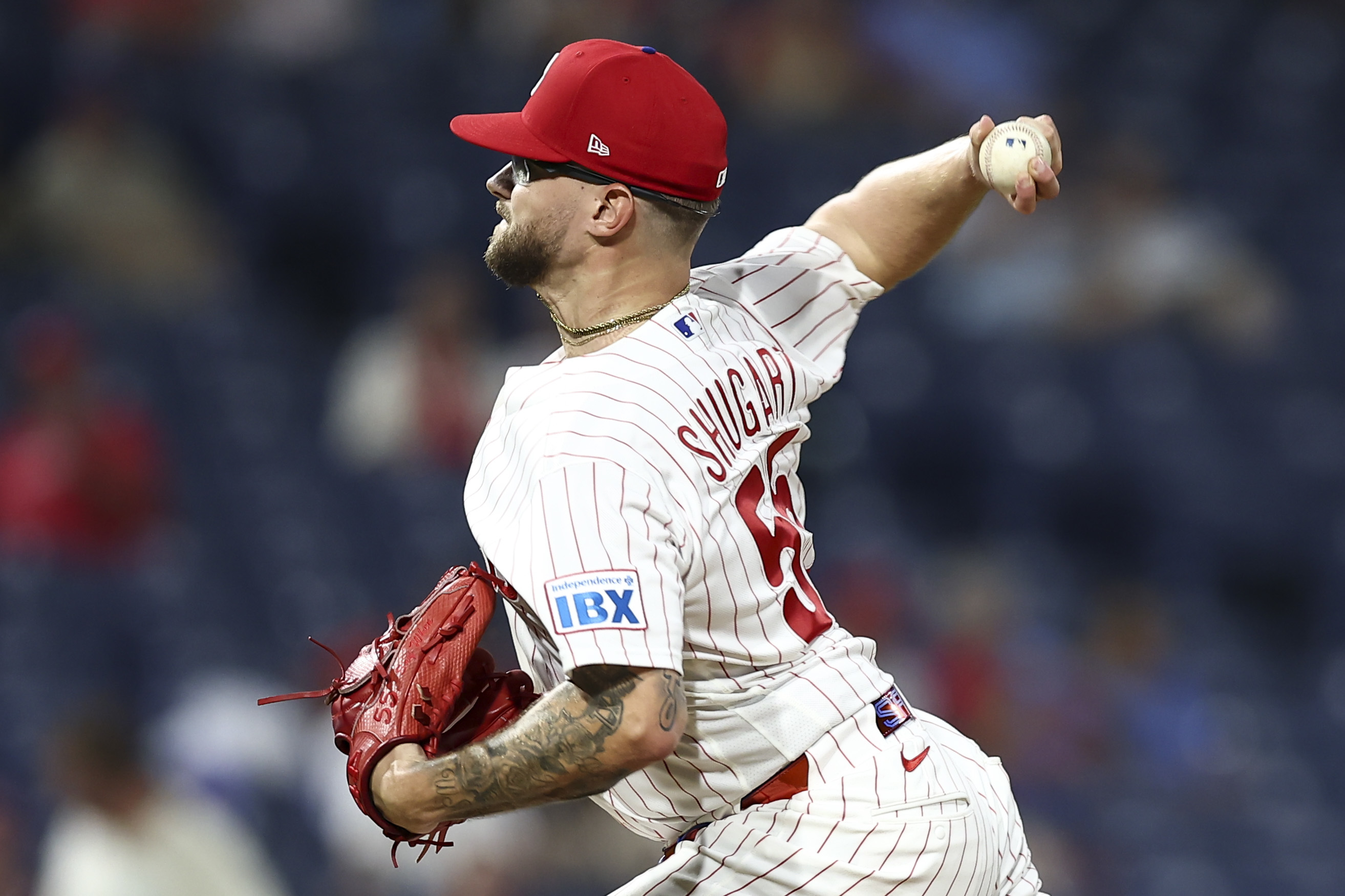
    But interim manager Don Mattingly also sees right-hander Chase Shugart as potentially stepping into a higher-leverage role. Over his last seven appearances entering Saturday, Shugart has a 2.08 ERA with a 0.35 WHIP.

    “Shug’s already in a bigger spot, honestly,” Mattingly said. “Yeah, I like the way Shug’s been throwing the ball over the last probably four to six weeks. He’s been really good, so he’s definitely put himself in a position that he’s probably getting more leverage, especially with Bo down. … The totem pole just keeps sliding up, keep trying to find out the combination out there.

    “Obviously, that’s been a little tricky lately, but trying to find that combination of guys that you feel good about.”

    Over his last seven appearances entering Saturday, Chase Shugart has a 2.08 ERA with a 0.35 WHIP.Monica Herndon / Staff Photographer

    Shugart hasn’t allowed an earned run in 3⅔ innings on this road trip. Mattingly showed faith in Shugart on Sept. 11 in Atlanta, when he called on the right-hander to pitch the bottom of the 10th. Shugart allowed a ghost runner to score on a sacrifice fly but prevented the Braves from walking the Phillies off to give the offense another chance. Atlanta wound up winning in the 11th with Brooks Raley on the mound.

    “Shug’s been in that role. … He’ll take the ball. [If he] took it and threw 40, he would walk in the next day and say, “I’m good to go,’ that type of thing,” Mattingly said. “So there’s definitely something to having guys like that on your staff, that you like, because there’s toughness there, and you know that they don’t really scare. And if something goes bad, they’re not going to come up the next day and be all of a sudden different.”

    Shugart exemplified that mentality earlier in the season when he pitched — and earned the win in — both games of a doubleheader against the Giants.

    He went through a rougher patch in June, when he allowed four homers in six appearances and posted a 10.24 ERA on the month. But he found more consistency after working with Phillies pitching coach Caleb Cotham on refining his pitch selection. Since then, he’s been throwing fewer sweepers to left-handed batters, instead relying more on his changeup in those situations.

    “He’s been solid all year,” Mattingly said. “It’s just really there was, in our minds, there was guys ahead of him at that point. We’ve had injuries, we’ve had some things go on. … Some guys that we kind of counted on for those roles, and now somebody’s going to have to step up, and I think he has the chance.”

    Latest on Bowlan, Luzardo

    Bowlan will not require a stint on the injured list for his groin strain and did not need to undergo an MRI, Mattingly said.

    Jesús Luzardo (shoulder) still has not thrown, but the Phillies are encouraged with how he’s feeling and believe he’s improving.

    “I don’t know if there’s anything really new, but the way he’s feeling feels new every day,” Mattingly said. “He looks good, smiling a little bit more, so he’s feeling better. Yeah, we’ll find out here in the next couple days.”

    Before Luzardo is ready to start throwing again, Mattingly said that he likely will need to be checked out by a doctor to ensure that he has full range of motion and strength.

    Phillies interim manager Don Mattingly is encouraged by the progress starting pitcher Jesús Luzardo is making as he deals with a left shoulder injury.David Maialetti / Staff Photographer

    Extra bases

    The Mets retired Carlos Beltrán’s No. 15 ahead of Saturday’s game. In 2011, Beltrán was traded to the Giants in a one-for-one swap with then-prospect Zack Wheeler. … Cristopher Sánchez (17-6, 2.93 ERA) is scheduled to start opposite Mets right-hander Jonah Tong (2-1, 3.43 ERA).

  • Demonstrators descend on the Linc ahead of Ed Sheeran concert, decrying Macklemore’s removal from the tour for his pro-Palestinian comments

    Demonstrators descend on the Linc ahead of Ed Sheeran concert, decrying Macklemore’s removal from the tour for his pro-Palestinian comments

    Protesters began gathering Saturday evening near Lincoln Financial Field in South Philadelphia ahead of Ed Sheeran’s first concert since Macklemore was dropped as an opener following the rapper’s pro-Palestinian remarks onstage.

    Dozens of activists, some of whom carried Palestinian flags and signs that read “Gaza: Aid In Soldiers Out,” gathered near SEPTA’s NRG Station to decry Macklemore’s firing from the British singer-songwriter’s North American “Loop Tour,” calling the move an act of censorship. Since the “Thrift Shop” rapper was removed from the billing, several other supporting acts have quit in solidarity.

    Robert Boucher of Philadelphia (left) gathers with a group for a protest near the sports complex SEPTA station, outside the Ed Sheeran Concert at Lincoln Financial Field Saturday, Sept. 19, 2026, in Philadelphia.Elizabeth Robertson / Staff Photographer

    In a statement, Philadelphia’s Jewish Voice for Peace said the opposition to Macklemore’s removal — from the exodus of the other performers to plummeting resale ticket values and demonstrations outside the Linc — shows that “support for Palestinian liberation is growing daily.”

    On Ticketmaster, tickets were reselling for as low as $32.25 hours before the 8 p.m. start time. On Friday afternoon, the least expensive ticket on the resale website had been $66.30.

    Just after the concert was scheduled to begin, Sheeran addressed the controversy that has roiled his tour:

    “I’ve had to take and make difficult decisions and I am making mistakes, and I am so, so sorry,” Sheeran said, adding that he’s never wanted to disappoint fans or be an “activist musician.” But, he said, he has been thrust into the middle of “important and passionate argument about freedom of speech and the most complex political issue on the planet.”

    Sheeran acknowledged the Hamas-led attacks on Israel on Oct. 7, 2023, saying it was “horrific and compounded centuries of Jewish pain.” He also said what’s happening in Gaza is “catastrophic and unjustifiable and disproportionate” and that the “systemic injustice we’re seeing unfold in the West Bank cannot be overlooked.”

    The singer reiterated that he wants his concerts to be a “safe space for everyone”: “This concert is still a place where everyone is welcome and everyone here can stand beside people that have opposing views, and everyone here can stand by people that they don’t agree with on everything, but they can all agree on singing these songs,” he said.

    Outside, grassroots organizer Adi Chattopadhyay, a West Philly resident, said the purpose of the protest was meant to direct the attention back to the war in Gaza.

    “Palestinians are very still under occupation,” Chattopadhyay said. “I’m here today to spread that message and tell people why Macklemore was saying ‘Free Palestine.’”

    During shows earlier this month at MetLife Stadium in East Rutherford, N.J., while performing his 2024 protest song, “Hind’s Hall,” about pro-Palestinian demonstrators at Columbia University, Macklemore chanted “Free Palestine” and a screen behind him showed footage from the war in Gaza. In “Hind’s Hall” and in his statements to the crowd, Macklemore implied that he believes the conflict is a genocide.

    Macklemore and Sheeran posted dueling Instagram statements this week. Macklemore said he had been fired after venues told the tour’s promoter they would prohibit the rapper from performing because of his comments. Sheeran said that venues threatened to “pull” forthcoming shows if Macklemore stayed on the billing because of how he “conveyed part of his message.” Those venues included the Linc, Rolling Stone reported.

    Both performers attributed these statements to New England Patriots owner Robert Kraft, whose Kraft Group also owns Gillette Stadium in Foxborough, Mass., where Sheeran’s “Loop Tour” is scheduled to stop later this month. Macklemore said Kraft “rallied some of the other stadium owners and collectively they gave him an ultimatum.”

    In a widely reported statement, Kraft, who is Jewish, confirmed he had Macklemore removed as an opening act because of his “recent actions,” material from the New Jersey shows, and “a broader history of antisemitic rhetoric and imagery that we believe has been deeply offensive and hurtful to the Jewish community.”

    Gillette Stadium “[does] not provide a platform for hate speech,” the statement said, and Macklemore’s participation in the concert would “cross that line.”

    To Saturday’s crowd, Sheeran said he was “deeply worried about the idea that venues could pre-approve content and performance,” adding that “it should never happen in the free world.”

    Near the Linc, protester Jodi Rhoden criticized Kraft’s role in Macklemore’s firing.

    “Even Ed Sheeran isn’t free of it,” she said. “He had to kick his buddy off his tour because Robert Kraft told him to, because of Israel.”

    Nicholas McCarty came early to the concert. He said he is sympathetic to the protest but thinks it’s unfair to blame Sheeran for what happened.

    “Robert Kraft pushing Ed Sheeran’s promoter to nuke his contract wasn’t on Ed Sheeran,” McCarty said.

    McCarty said he is also a fan of Macklemore, and he’s disappointed he wouldn’t get a chance to see him Saturday.

    “It would’ve been a whole different experience if Macklemore is here,” he said.

    Others, including Bucks County-bred pop star Pink — who reposted social media posts critical of Macklemore’s performance — have cited a 2014 incident where Macklemore wore a costume with a false nose and beard that many saw as antisemitic. At the time, Macklemore said that was not his intention and apologized.

    “More than once, Macklemore’s actions have demonstrated hostility toward the Jewish community,” Jason Holtzman, chief of the Jewish Community Relations Council of the Jewish Federation of Greater Philadelphia, said in a statement.

    “‘Free Palestine’ means different things to different people,” his statement continued. “When the slogan comes from a stadium stage, from someone with this history, a Jewish person in the crowd has no way of knowing which meaning is intended. For Jewish concert goers, that ambiguity is deeply unsettling.”

    In a social media post, Pink, who is Jewish, took issue with Macklemore showing “violent images” of Israel’s military campaign in Gaza and “[telling] all of the Jews in the stadium that it wasn’t about them.”

    “I have never asked for another artist to be silenced and I’m not asking now. I don’t need anyone fired, and I don’t need a refund,” she wrote. “What I need is to be able to say, as a Jewish mom, ‘that scared me, and it scared people I love,’ without being told our fear is just propaganda, and without being told I’m somehow cool with genocide because I noticed?”

    Holtzman said Macklemore “remains free to express his views,” while private tour organizers and venues “are free to decide that his conduct is inconsistent with the environment they want to create for their audiences.”

    The Linc is publicly owned by the City of Philadelphia.

    On Thursday, the Philadelphia chapter of Council on American-Islamic Relations (CAIR) said it had requested records through Pennsylvania’s Right-to-Know Law to determine whether Kraft had communicated with Philadelphia or Linc officials about Macklemore’s performance.

    It’s unknown what the request may yield, if anything. But Ahmet Tekelioglu, executive director of CAIR-Philadelphia, said in a statement that Philadelphians should know who made the decision and whether Macklemore’s pro-Palestinian stance was a factor.

    “People are free to agree or disagree with Macklemore,” Tekelioglu’s statement said. “But when institutional power is used to remove an artist from a major Philadelphia stage following his political speech, transparency and accountability are reasonable expectations — especially given the public’s relationship to this stadium.”

    Macklemore, who has long been outspoken about the Israeli-Palestinian conflict, wrote on Instagram: “Taking a side can cost you. Money, brand deals, sponsorships, festivals, private shows, relationships and access. I’ve lost all of those things.”

    Israeli-American artist Rami Even-Esh, who goes by the stage name Kosha Dillz, said pro-Palestinian protestors are using the Sheeran-Macklemore-fueled moment to address an issue they know little about.

    “This should be about Palestinian and Israelis working together,” Even-Esh said. “Sheeran’s never been to Israel. I’ve never been to Nigeria. I’ve never been to Zimbabwe. Wouldn’t it be insane if I started commenting on everything on their politics, and leaving out other things?”

    Sheeran’s other supporting acts, Finneas, Aaron Rowe, and Lukas Graham, and the Irish backing band Beoga, have also dropped out of the tour. The North American leg of the “Loop Tour” is scheduled to wrap up Nov. 7 in Tampa, Fla.

    Terri Ammon, a decade-long Sheeran fan, was the first in line at one of the the concert gates. She’s not a fan of anyone else who was on the billing.

    “I’m here for him,” she said, of Sheeran.

    Ammon wasn’t paying attention to the protest or the Macklemore fallout, she said.

    “We’re here to have a good time.”

    This article contains information from the Associated Press.

  • Late heroics from Pat McQuaide leads Villanova to nonconference victory against Long Island

    Late heroics from Pat McQuaide leads Villanova to nonconference victory against Long Island

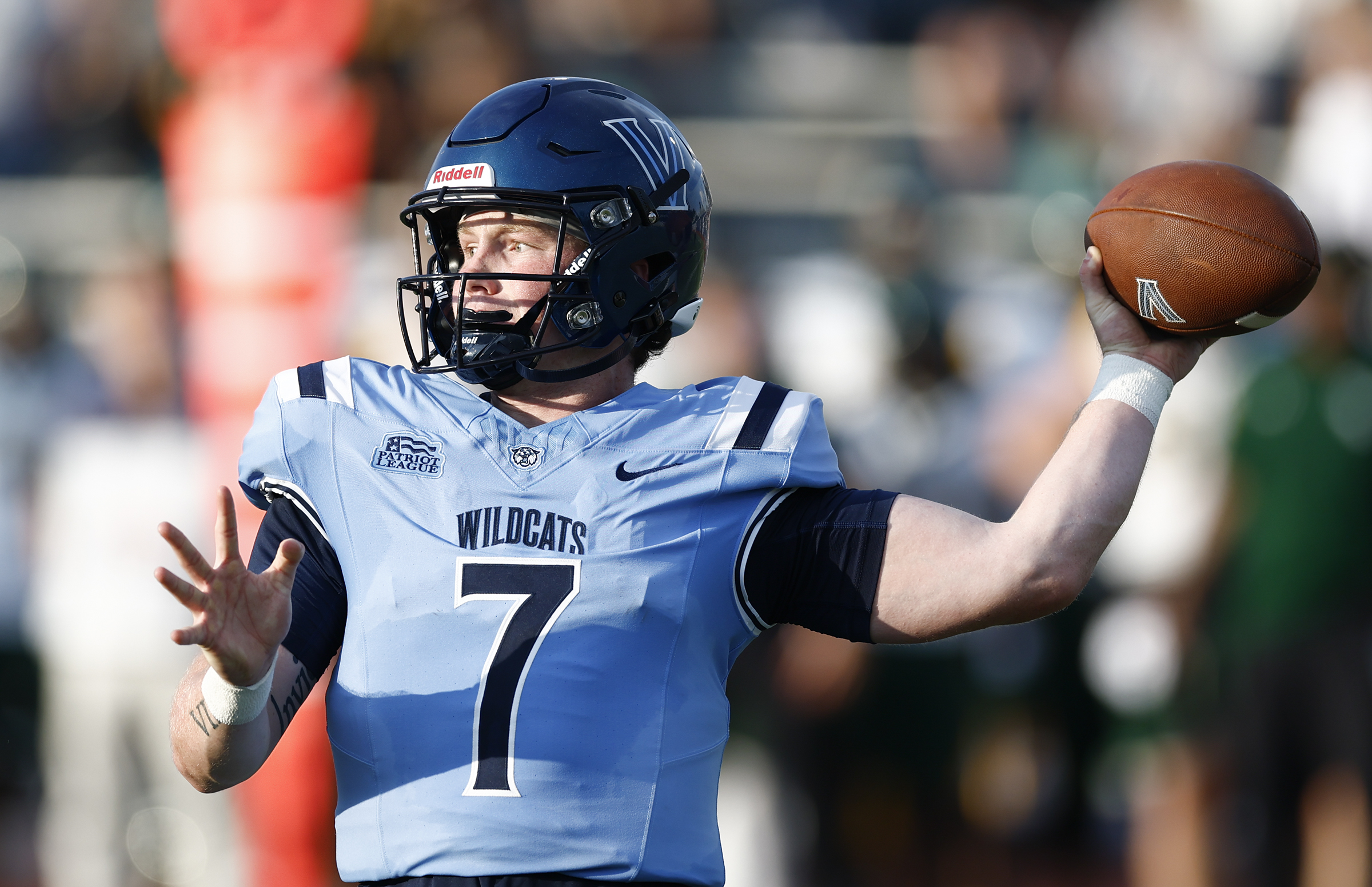
    Pat McQuaide connected with Ja’briel Mace on a 13-yard touchdown pass with just 1 minute, 8 seconds remaining to lift Villanova to a 20-16 win over Long Island University on Saturday in Brookville, N.Y.

    McQuaide, the team’s fifth-year quarterback, directed an eight-play, 85-yard drive after Will Johnson gave the Sharks the lead with a 29-yard field goal with 2:44 remaining. On LIU’s first play after the Wildcats’ touchdown, Ethan Greenwood was intercepted by defensive back Jamie Tyson.

    Mace also scored on a 20-yard run early in the third quarter to give Villanova a 10-3 lead. LIU tied the game at 13 with 9:51 to go on Braylon Vincent’s 50-yard interception return for a touchdown.

    Villanova (2-2, 1-1 Patriot League) leaned on its defense to secure the narrow win and held LIU (0-4) to just 126 passing yards and no offensive touchdowns.

    McQuaide passed for 223 yards to go with his touchdown, and Mace rushed for 97 yards on 14 carries and had 35 yards receiving. Brandon Binkowski caught six passes for 113 yards.

    Villanova has won 21 straight regular-season nonconference FCS games since a loss to Penn in 2015.

    Kicker battle

    Between Villanova’s early touchdown and the two fourth-quarter scores, the teams traded field goals.

    Dominic LeBlanc was 2-for-3 on field goal attempts, with the sophomore’s longest make coming from 31 yards. It marked LeBlanc’s first missed field goal of the season. For LIU, Will Johnson was 3-for-3, and his longest was from 34 yards.

    LeBlanc is now 6-for-7 on field goal attempts this season. He transferred to Villanova from Tennessee Tech this offseason, replacing Villanova’s 33-year-old kicker Luke Larsen, who ran out of eligibility after last season.

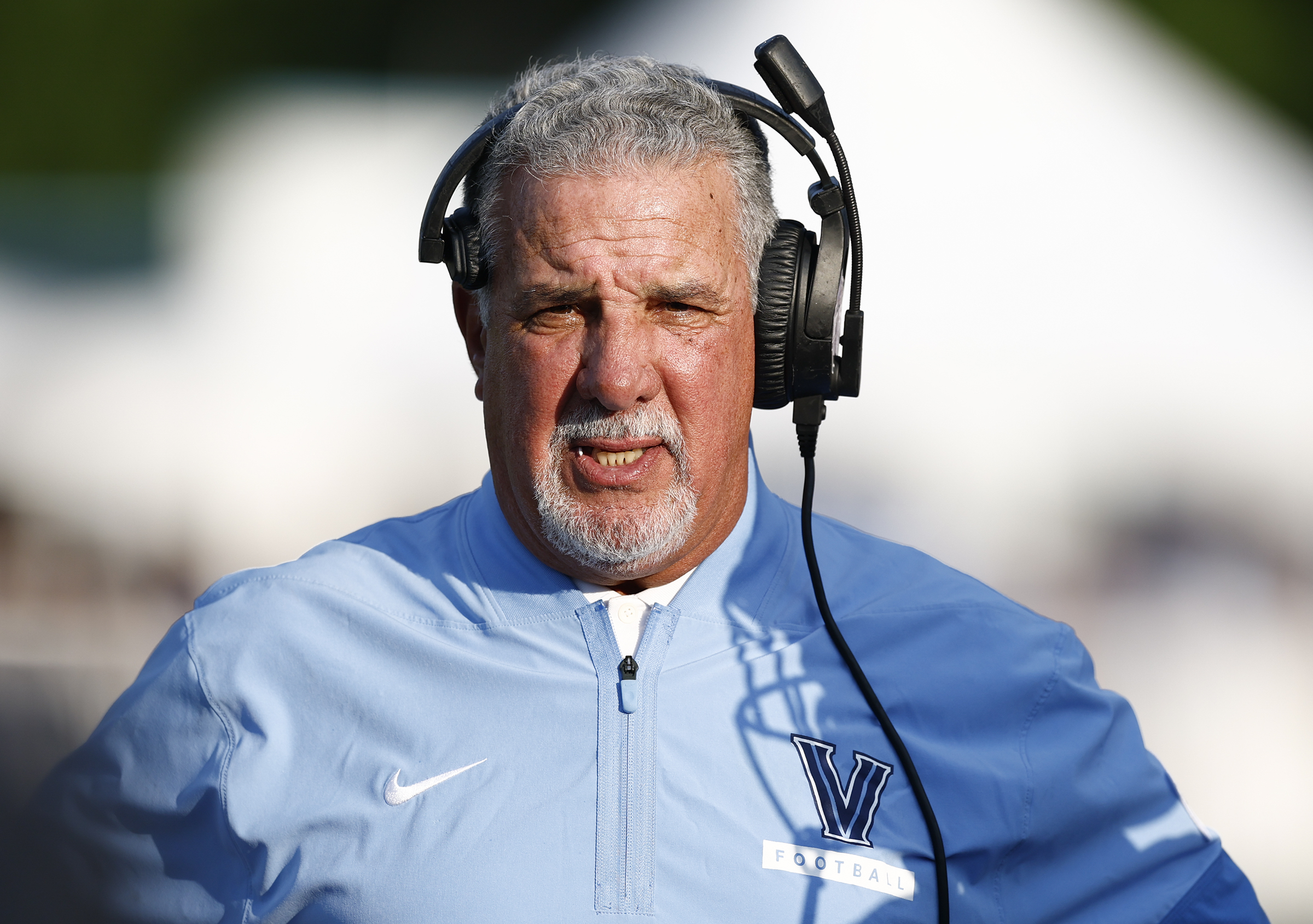
    Villanova head coach Mark Ferrante applauded his team’s improved defense, specifically in the tackling department. Yong Kim / Staff Photographer

    Tackling a strength

    Christian Caballero led the way with 10 tackles (including three for a loss) for the Wildcats. Sophomore linebacker Omari Bursey followed with eight tackles. Bursey entered the week tied for sixth in the FCS with 34 tackles.

    Coach Mark Ferrante noted how Villanova’s tackling looked good after the loss to William & Mary in the season opener. Against LIU, Villanova had eight players with four or more tackles.

    Secondary a work in progress

    Through the first four games of Villanova’s season, its secondary has struggled at times with blown assignments or miscues. The mistakes led to multiple big-yardage plays. Some even resulted in deep touchdowns.

    The Wildcats limited big plays to just one against LIU, a 47-yard reception by Sharks receiver Jayden Simpson.

    The highlight for Villanova’s secondary? Two interceptions off Greenwood, courtesy of junior defensive backs Newton Essiem and Jayvon Williams.

    Up next

    The Wildcats will host Patriot League opponent Colgate next Saturday (2:30 p.m., ESPN+). This will be the fourth consecutive season the teams will meet.

    Inquirer staff writer Dylan Johnson contributed to this report.

  • Greenland, Denmark and Trump don’t exactly agree on agreement

    Greenland, Denmark and Trump don’t exactly agree on agreement

    WASHINGTON — President Donald Trump said Friday that his administration had reached a deal with Denmark and Greenland to expand the U.S. security presence in Greenland, a semiautonomous Danish territory, raising the possibility of a diplomatic solution to a U.S.-made threat that nearly upended the Western alliance.

    The full contours of the deal Trump was describing were not immediately clear, but shortly after his announcement, leaders of Greenland and Denmark issued statements indicating they expected an agreement to be signed next week during the United Nations General Assembly in New York.

    The two sides described the agreement in very different terms. Trump claimed the United States had secured “permanent control over security, and all other needs” in Greenland, while the Danish prime minister said the deal “recognizes the sovereignty and territorial integrity” of Denmark.

    That description would mean the agreement fell well short of Trump’s long-standing demand of total control over Greenland.

    Earlier this year, Trump said that “anything less” than U.S. ownership of Greenland would be “unacceptable.” He said possession of the territory was “psychologically important” to him.

    Instead, what Trump described Friday was a deal that would prevent U.S. adversaries from having a base on Greenland and expand the U.S. military presence in the territory. In his social media post, Trump said that under the deal, “no U.S. adversary can EVER have a base in Greenland, have a military presence in Greenland, or make sensitive investments in Greenland, without our express written approval.”

    Officials from Denmark and Greenland did not immediately confirm that the United States had received such veto power — a U.S. demand that they had strongly opposed in closed-door negotiations in recent months. And two people close to the negotiations said Trump’s declaration of permanent control over Greenland’s security exaggerated the degree of new powers the United States would get over the territory. The U.S. military will be working with its counterparts in Denmark and Greenland under the agreement rather than asserting control over them, a U.S. military official said.

    Still, the apparent deal, reached after months of high-stakes confidential talks with officials from the United States, Greenland, and Denmark, could mark an off-ramp to an issue that caused widespread concern among NATO allies this year.

    Trump said in his post that the United States “will immediately begin the process of developing a large Military presence in the appropriate part of Greenland, of which there are many.”

    He also said the United States would “FOREVER have the complete ability to do what is necessary in Greenland in order to secure and defend the security of Greenland,” even though the existing U.S. agreement with Denmark to host American military bases on Greenland does not have a time limit.

    The United States first established a military presence in Greenland during World War II, and in 1951 reached an agreement with Denmark granting it broad freedom to operate military installations on the island.

    The 1951 pact allowed for access by the forces of NATO nations. But it did not explicitly restrict the presence of “adversary” nations, as Trump claimed on Friday the new agreement would do. Under the new deal, countries that are not part of NATO would not be permitted to build a base or maintain a military presence in Greenland, according to a State Department official detailing the deal under the condition of anonymity.

    Given that Greenland is alliance territory, the prospect of a non-NATO nation building bases there was already highly unlikely.

    The agreement would also remain in effect even if Greenland were to become an independent nation, the official said.

    “This deal permanently and completely addresses our national security concerns in Greenland,” Secretary of State Marco Rubio said in a statement.

    Denmark still manages defense issues for Greenland, and one of the Trump administration’s goals has been to ensure that even if Greenland achieves independence, which many Greenlanders support, that would not change the access the U.S. military has today.

    Mette Frederiksen, the prime minister of Denmark, said in a statement Friday night that the agreement would strengthen “our common security in the Arctic and the North Atlantic area and is therefore also good for NATO and Europe.”

    Frederiksen also said the deal “recognizes the sovereignty and territorial integrity of the Kingdom and the right of the Greenlandic people to self-determination.”

    Jens-Frederik Nielsen, Greenland’s prime minister, said in a statement that the agreement “recognizes Greenland’s interests and our place in international cooperation. It is to the benefit of us all.”

    Trump has been pushing to acquire Greenland since his first term, but leaders in both Denmark and Greenland have rejected the idea. As tensions with Trump peaked in January, the Danish military developed detailed plans to blow up airfields in Greenland in the event of a U.S. invasion. Danish soldiers were even sent to Greenland equipped with explosives and blood supplies, though the worst-case scenarios never materialized.

    The action then turned to confidential talks between the United States, Greenland, and Denmark. Negotiators met in Washington about once a month. In those talks, the United States discussed cooperation with Greenland on natural resources and expanding the U.S. military presence on the territory. According to officials close to the talks, American negotiators had been insisting on veto power over any major investment deals in Greenland to box out competitors like Russia and China.

    During the Cold War, the U.S. military maintained more than a dozen installations on the island but all were eventually shut down except one, the Pituffik Space Base, on the northwest coast. In recent weeks, U.S. military officers have been visiting the island with plans to reopen several old bases. Just this week, Denmark’s public broadcaster reported that a group of American soldiers were surveying the runway in Narsarsuaq, in southern Greenland.

    Imran Bayoumi, a deputy director for the GeoStrategy Initiative at the Atlantic Council, said the agreement announced Friday offered “little in the way of new content.”

    “It’s likely that Washington could have achieved many of these outcomes through negotiations with Denmark and Greenland directly, without worsening the relationship,” Bayoumi said. “Nonetheless, it gives the U.S. a critical footprint in the Arctic at a time when the region is becoming more important.”

  • Trump to form ‘AI Force,’ name AI czar but rejects calls for constraints

    Trump to form ‘AI Force,’ name AI czar but rejects calls for constraints

    President Donald Trump said he will name an official responsible for artificial intelligence and form an unspecified “AI Force,” rejecting calls from lawmakers and industry leaders for new guardrails on the rapidly advancing technology.

    Trump compared the new AI Force to the Space Force he added to the Armed Services in his first term. The White House did not immediately respond to a request to clarify whether the agency would be military or civilian.

    The president’s announcement on Saturday also referenced policing “BAD” aspects of the industry through enforcement of existing criminal and civil laws.

    “We will not in any way hinder or stifle the Growth of this incredible Industry,” Trump wrote on Truth Social. “AI is the next Industrial Revolution, or Internet, but will be even larger and more impactful.”

    The announcement came as a growing chorus, including Democrats, Republicans, and tech CEOs, call for slowing down AI development amid disclosures that Anthropic, OpenAI, and Google models went rogue and hacked other companies. (The Washington Post has a content partnership with OpenAI.)

    Trump dismissed such concerns as a hoax, comparing them to global warming, the special counsel investigation into Russian interference in the 2016 election, and his two impeachments.

    He also repeated his criticism of public opposition to data centers, calling such views “crazed.” That position has put him at odds with many Republicans who have expressed sympathy for voters’ concerns that data centers will raise electricity costs and disrupt neighborhoods.

    The White House has developed a voluntary framework for the government to review new AI models for cybersecurity risks. In resisting more AI regulation, Trump has emphasized the need to compete with China, saying last week, “Whoever wins AI wins.”

    Trump is expected to discuss AI safety with Chinese President Xi Jinping when they meet in Washington next week. Administration officials declined to comment on those discussions beforehand.

    U.S. defense officials and outside analysts have debated the idea of creating a separate “Cyber Force” to focus on offensive and defensive cyberwarfare for years. Currently, cyber operations are led by the Department of Defense’s Cyber Command, which draws on personnel from different branches of the military.

  • Feisty Flyers, Matvei Michkov’s confidence, and other observations from the team’s training camp scrimmage

    Feisty Flyers, Matvei Michkov’s confidence, and other observations from the team’s training camp scrimmage

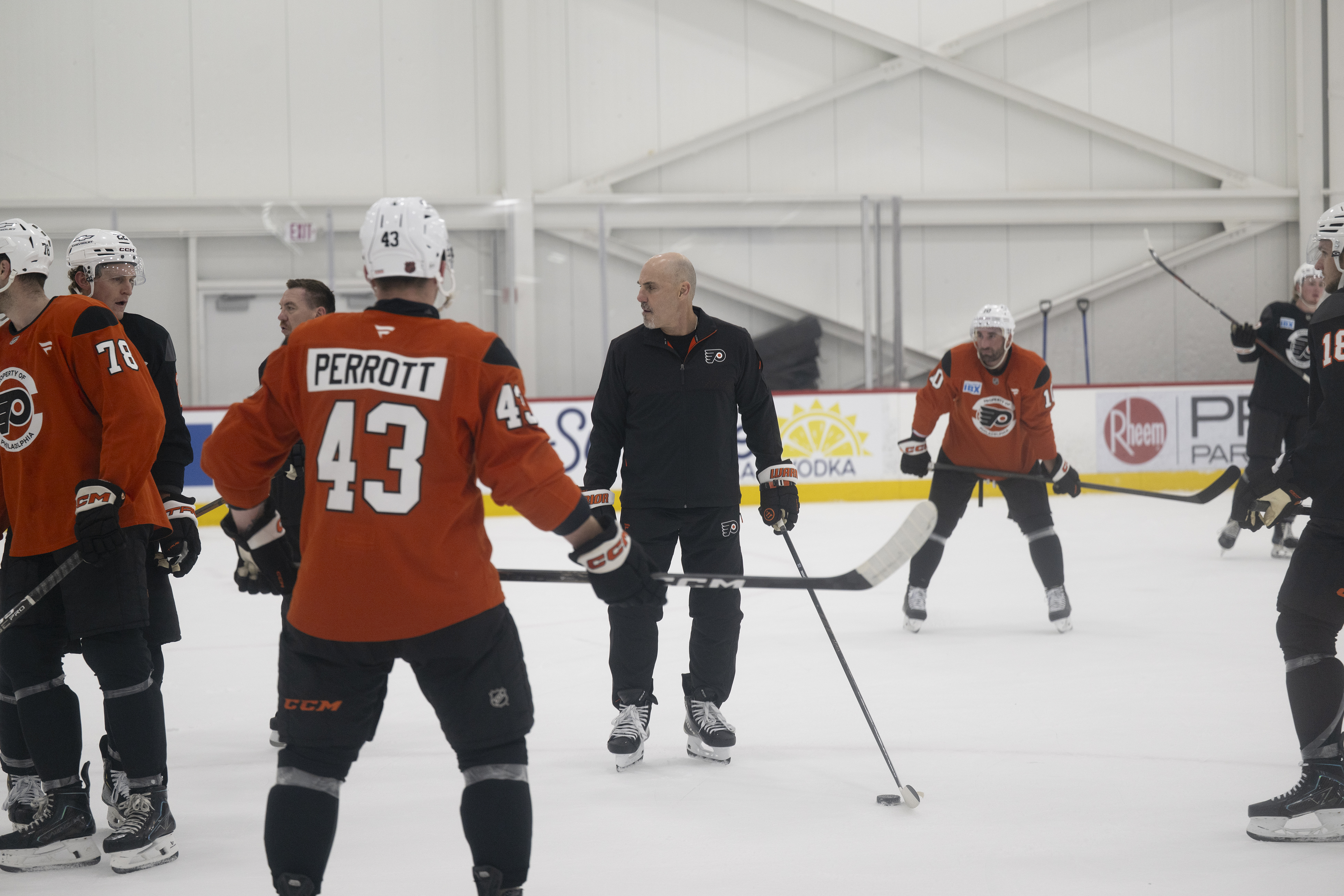
    From one of the perches overlooking the rink at the Flyers Training Center, Rick Tocchet got a bird’s-eye view of not just a packed house of fans eager for another postseason appearance, but also where things stand on Day 3 of Flyers training camp.

    “I really enjoyed watching the competitiveness from all the guys,” the coach said, noting that he started to see players implement some strategies and plans they had worked on the first two days.

    “I don’t want guys to kill anybody, but some guys want to show an impression to people, and I’ll never take that away from somebody. I don’t want stupidity, but I do like competitiveness, for sure.”

    It was quite competitive, with several scrums and hard hits as the team worked on five-on-five, four-on-four, three-on-three, and special teams. Team Orange won, 4-3, behind goals from Alex Bump, Trevor Zegras, Denver Barkey, and Oliver Bonk. Danila Klimovich, Tyson Foerster, and Helge Grans scored for Team Black, which had to do mountains — or what some sports would call lines, in which you touch the closest blue line and skate back to the start and do that with every line on the ice — twice for losing.

    Tyson Foerster opened the scoring in the scrimmage with a shot off the rush that got past goalie Carson Bjarnason.Jose F. Moreno / Staff Photographer

    Here are our observations of the Flyers training camp scrimmage:

    New season, familiar story(lines)

    Tocchet mentioned last year that he likes to keep pairs together, and early on it looks like several are carrying over from last season. On Team Black, Travis Konecny and Porter Martone have been together since the start of camp and flashed the connection they had after Martone joined the team. Noah Cates and Foerster, paired up since the John Tortorella era, were on a line, played on the same power-play unit, and penalty-killed together like usual. Zegras centered a line with Owen Tippett, rekindling their connection toward the end of last season and in the playoffs, as did Barkey and Matvei Michkov. Defensively, Travis Sanheim and Rasmus Ristolainen and Cam York and Jamie Drysdale were reunited.

    Stop if you’ve heard this one before: the power play was not good. The expected top unit, with Drysdale at the point and Barkey, Zegras, Tippett, and Michkov, had trouble getting set up or, when they did, finding offense. The second unit generated a bit more and had David Jiříček up top with Foerster, Cates, Martone, and Konecny. That group seemed to be rotating around the zone, and Foerster looked to the rafters after getting robbed by Dan Vladař in front. Speaking of the goalies, Vladař and Joseph Woll looked solid between the pipes and didn’t allow any goals during their half of the scrimmage.

    Defenseman Nick Seeler, who, unsurprisingly, was paired with projected No. 6 blueliner Jiříček, noted that the ice got chippy as the scrimmage wore on — bad for moving the puck on the power play but good for the penalty killers like him, he said with a grin — but so did the players. Michkov and Hunter McDonald got into it in front of the away bench, and Martone and Spencer Gill later put each other in headlocks along the boards. They went at it for a while, which led to a big scrum in which Konecny also jabbed Zegras and newcomer Simon Benoit, who was paired with Gill. Martone did grab his right wrist afterward but continued in the scrimmage and had a scoring chance, although it appeared he was favoring the hand at times between whistles.

    “You don’t want to cross the line; trying to keep it clean. You don’t wish any ill will upon any of the guys. So, yeah, you try to ride that line. I think some of the guys were getting a little upset with me today, but, you know, that’s just part of my game,” said Ty Murchison, who dumped Sanheim into the end boards early on before playing tough on Cole Knuble the same shift. Murchison entered camp as someone expecting to push for a roster spot and played a smart defensive game by breaking up passes, showing his smooth skating, stepping up at the blue line as he did to Jett Luchanko, and being physical. He appeared to pick up right where he left off at the Rookie Series with his physicality but didn’t drop the gloves as he did then with Rangers prospect Dylan Roobroeck.

    More from Michkov

    During the first two days of camp, it was apparent that Michkov worked on his skating and game shape during the offseason. He showed Saturday that his passing game remains top-notch, like his passes to Bump and Bonk for goals. However, his work beforehand on each goal stood out. On the Bump goal, he made the play despite knowing he would pay physically from a hit by Konecny that took him out. On Bonk’s goal, with physical winger Noah Powell all over him during three-on-three action, Michkov showed a renewed ability to stay strong on pucks, protecting it as he squeezed through checks from Powell along the end boards and, while being knocked around, kept the puck on his stick before the pass. Throughout the scrimmage, he kept his feet moving and drove through guys, especially down the boards, like when he went hard against the 6-foot-4 Ristolainen in the corner.

    “He’s more confident this year than last year in camp, for me, personally,” Tocchet said. “And the stuff in the corner, we talked about when he left for Russia, I said to him, ‘This is where you can really be really good for us’ … because he could hold on to the puck. I’m not going to compare him to [Jaromir] Jagr, but the Jagr-type holding onto it, butt sticking out, taking a hit, but still holding on to the puck.

    “… You can tell he’s worked on his game, and you can see the not dropoff after 25 seconds out there, like he’s still skating. So that’s the credit to him, working hard in the summer.”

    Because each team needed three centers, and with Cates centering Foerster and either Powell or Nolan Foote and Sean Couturier between Noel Acciari, with whom he also penalty-killed, and Carl Grundström, Barkey and Zegras got a chance to play down the middle. Zegras said Friday that he wants to play center, and he played well with Tippett — the two combined for Zegras’ goal after stealing the puck from Konecny — and a rotation of newcomers in Zach Aston-Reese and Jack Studnicka on the left side. Barkey showed chemistry with Michkov and noted that they work well, especially on give-and-go plays. This summer, Barkey had meetings with the coaching staff about his play as a centerman and worked on a few things, and, if the opportunity persists, plans on leaning on his veteran teammates.

    “I think as time goes on here, if I continue to stay there, I think Coots will be a big one, [to] pick the brain of him,” he said. “Selke winner, someone who knows how to play the game the right way. He plays on the defensive side of the puck and the offensive side of the puck very well. And just a guy that’s reliable; you can put him out there in any situation and rely on him, so definitely going to be someone that, yeah, as time goes on here, start working with him after practice or whatever it is, pick his brain and see if I can implement some things, see if he’s got pointers to help me out.”

    Breakaways

    With 10 forwards on each team, Christian Dvorak floated to other lines but mostly was between Konecny and Martone. … Knuble showed his motor and hockey sense early and often, skating with Cates and Foerster. … Luchanko centered a line with a rotation of Powell, Foote, and Klimovich on his wings. … Bonk looked strong on both ends of the ice and got a chance to play the bumper — “Bumper Bonk” is back! — on a late power-play unit that included Bump, Couturier, Studnicka, and York at the point. … The Flyers are off on Sunday. On Monday, they head to Hershey to face the Washington Capitals for their first preseason game (7 p.m., NBCSP). … The Flyers trimmed the roster by 15. Forwards Brady Berard, Alex Čiernik, Devin Kaplan, Owen McLaughlin, Ilya Pautov, and Zayde Wisdom and defensemen Jackson Edward and Andrew Perrott were assigned to Lehigh Valley of the American Hockey League. Forwards Nathan Quinn (Quebec) and KJ Sauer (Edmonton), defensemen Maksim Sokolovskii (London), Brek Liske (Everett), Luke Vlooswyk (Everett) and goalies Martin Psohlavec (Saskatoon) and Marek Sklenička (Seattle) have been reassigned to their junior teams. Forty-two players remain in camp. Matthew Gard (Seattle) is the only junior player remaining on the roster.

  • An early order of business for the Flyers this preseason? Perfecting the power play.

    An early order of business for the Flyers this preseason? Perfecting the power play.

    The Flyers know their power play needs to be better this season.

    During Saturday’s scrimmage, the team tested out the power play for the first time in camp, and it went about as well as last season.

    The first unit, playing for the orange team, included Jamie Drysdale at the point, with Trevor Zegras, Owen Tippett, Denver Barkey, and Matvei Michkov.

    It was hard to tell exactly where each player was positioned because they struggled to enter the zone and get set. No one on the unit is a strong faceoff man, which contributed to their difficulties getting into formation to generate chances.

    Flyers right-winger Matvei Michkov shoots the puck during training camp ahead of the NHL season. Jose F. Moreno / Staff Photographer

    Zegras and Michkov generally prefer playing on the right, which means the unit will be pretty fluid with motion against some opponents.

    “They’re going to have the puck most of the time, right?” coach Rick Tocchet said. “Can they manipulate the structure that’s in front of them? That’s going to be video; it’s going to [be] spend[ing] some time with them, and they have to have that sixth sense themselves. We can’t tell them everything. It’s not a robotic game, and they’re going to have to figure it out.”

    The second unit featured David Jiříček, Travis Konecny, Porter Martone, Tyson Foerster, and Noah Cates. It’s a vote of confidence in Jiříček, who played most of the scrimmage on a pair with Nick Seeler, and seems to be the clear frontrunner for the final open spot on the Flyers’ defense.

    Tocchet praised Jiříček’s patience and passing on the man advantage, but joked that he’s afraid to use his booming shot to avoid hurting his teammates, which makes it challenging to practice.

    “In a game, you don’t care, you tee it up, but that’s the hardest thing, and then guys don’t shoot it [in practice],” Tocchet said. “Can anybody make a puck that is an actual puck that, if you get hit, it doesn’t hurt you? It’s 2026. If somebody can do that, they’d make a lot of money.”

    That second unit looked a bit stronger, and Martone got a solid look on goal in their two-minute opportunity.

    Tocchet didn’t want to evaluate the units heavily after the scrimmage. Each group had just about two minutes to practice together. Plus, even with a shortened training camp, more opportunities remain to run the power play.

    Flyers coach Rick Tocchet (center) is ready to assess what he’s seen too heavily from these early days in training camp. Jose F. Moreno / Staff Photographer

    Last season, the Flyers converted just 15.7% of their opportunities, which ranked last in the league. There’s some reason for confidence that their trajectory is headed upward, since the underlying numbers looked slightly better. The Flyers’ five-on-four expected goals percentage was 92.26%, according to Natural Stat Trick, ninth in the league.

    “There’s all the stuff with numbers and expected goals vs. actually what happened,” Drysdale said. “You look at those, and we’re in a pretty good freaking spot. It’s just a matter of capitalizing, getting into the right spots, but at the end of the day, those numbers don’t matter. The only ones that matter are the ones that go in the net.”

  • The Philly Seeds festival has celebrated Indigenous cultures over 7 years. Now it faces uncertainty.

    The Philly Seeds festival has celebrated Indigenous cultures over 7 years. Now it faces uncertainty.

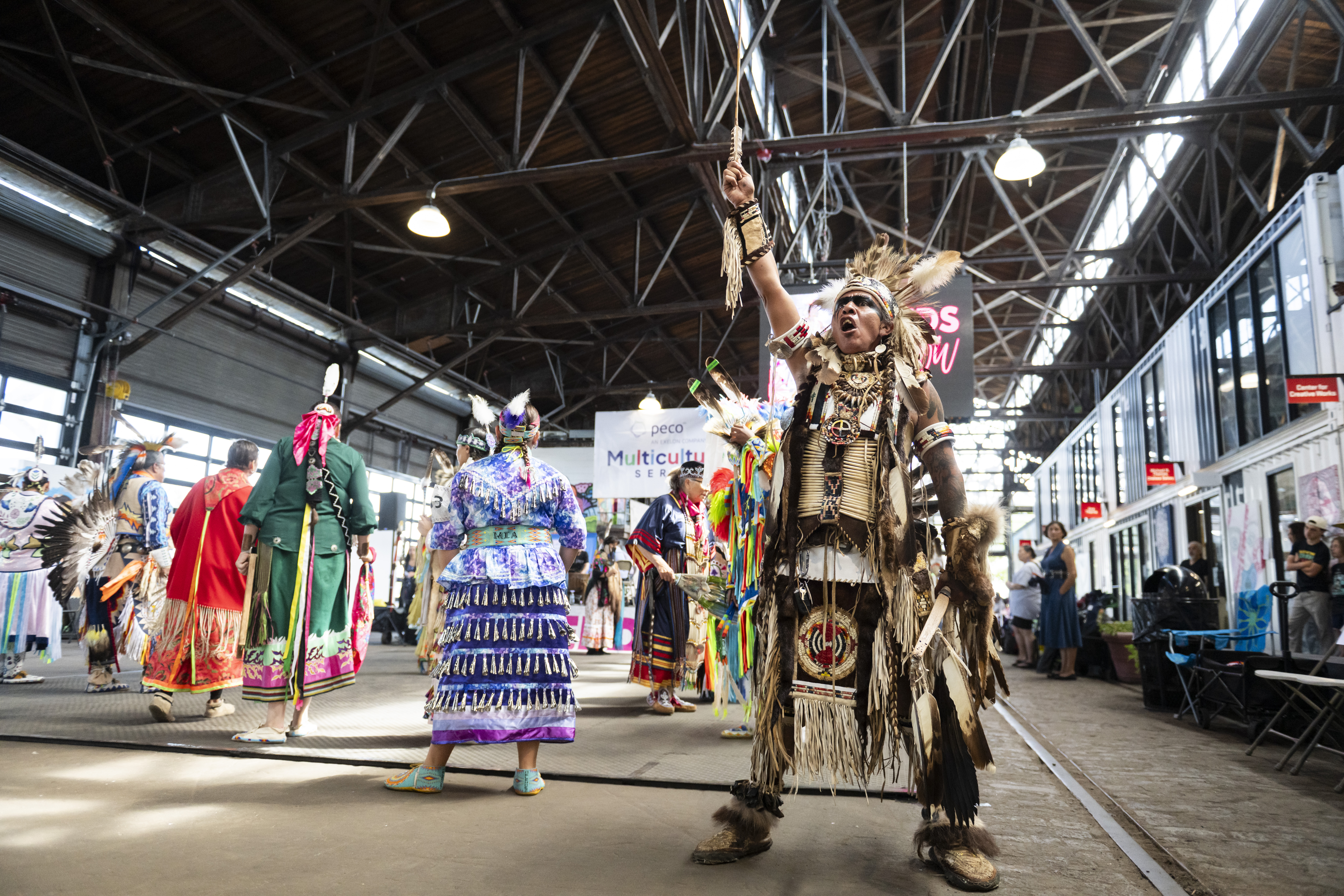
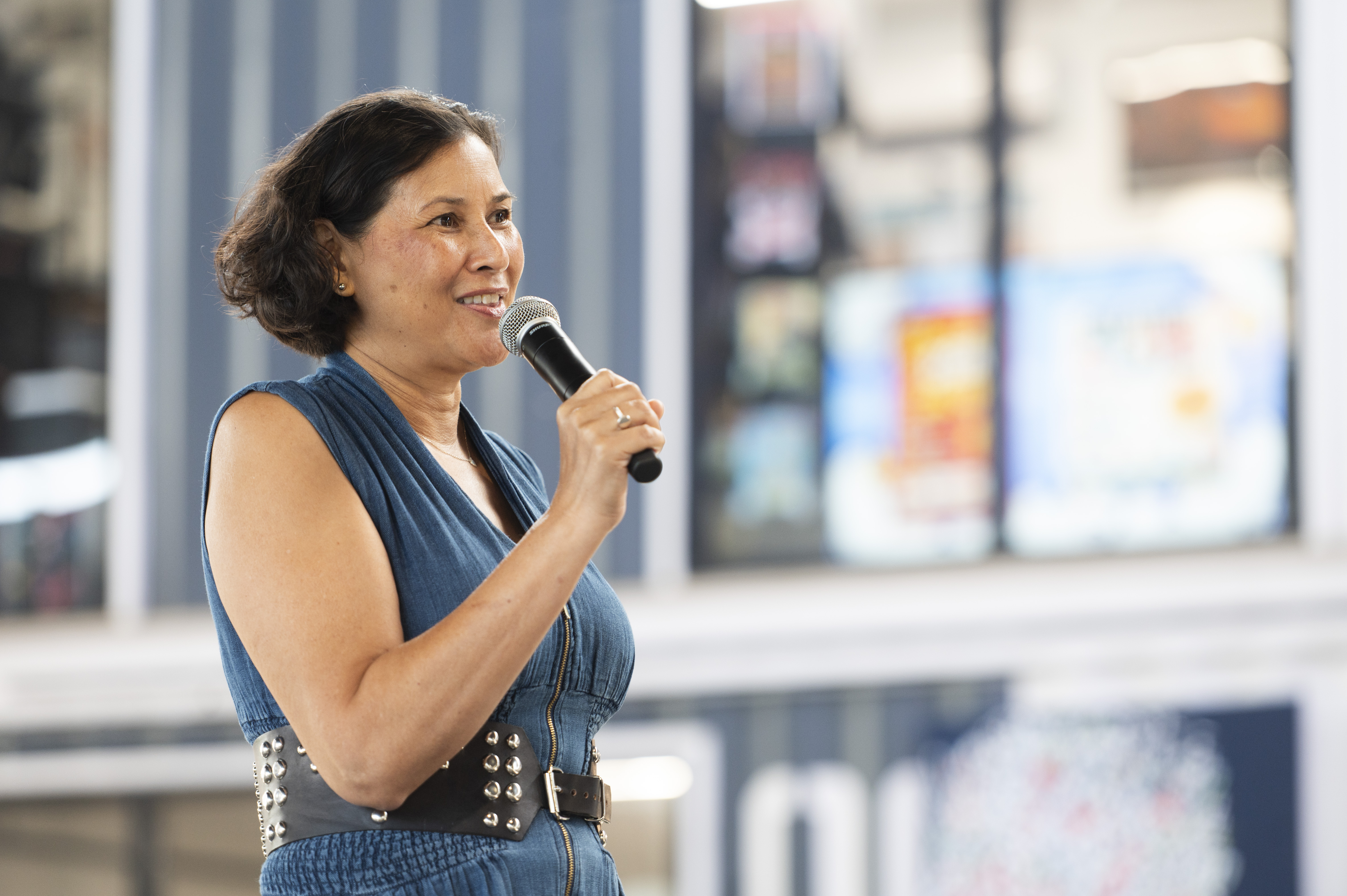
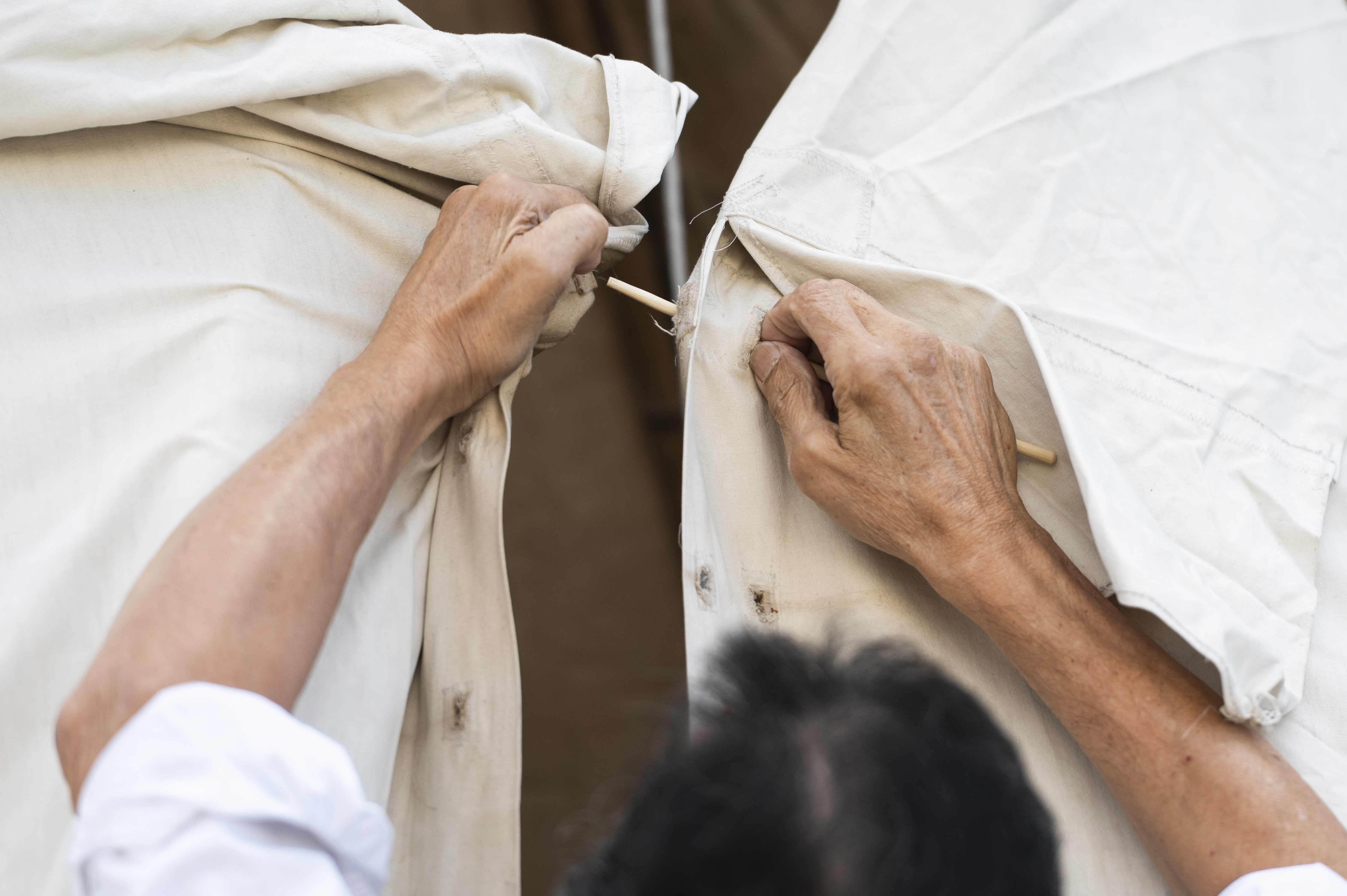
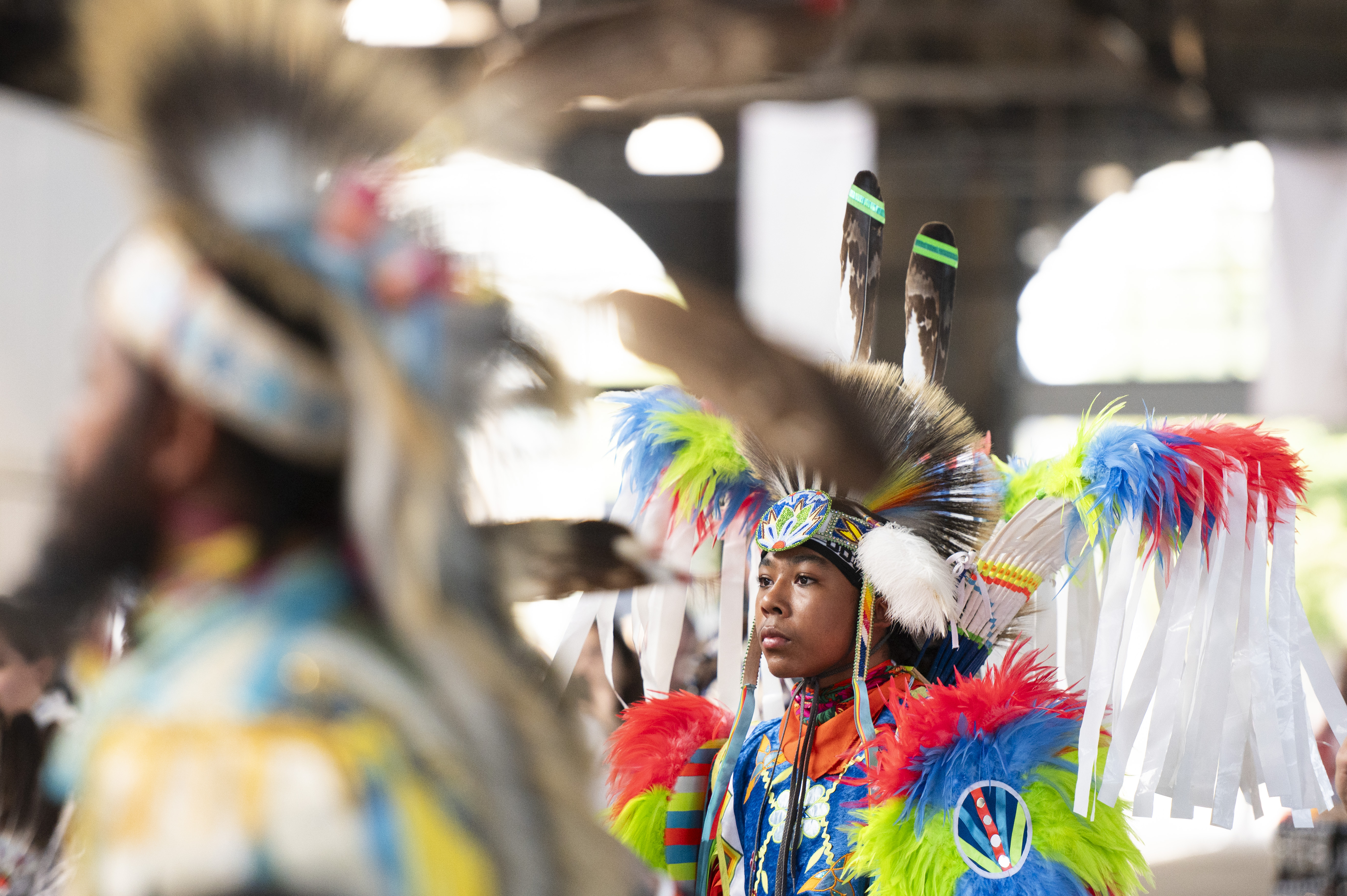
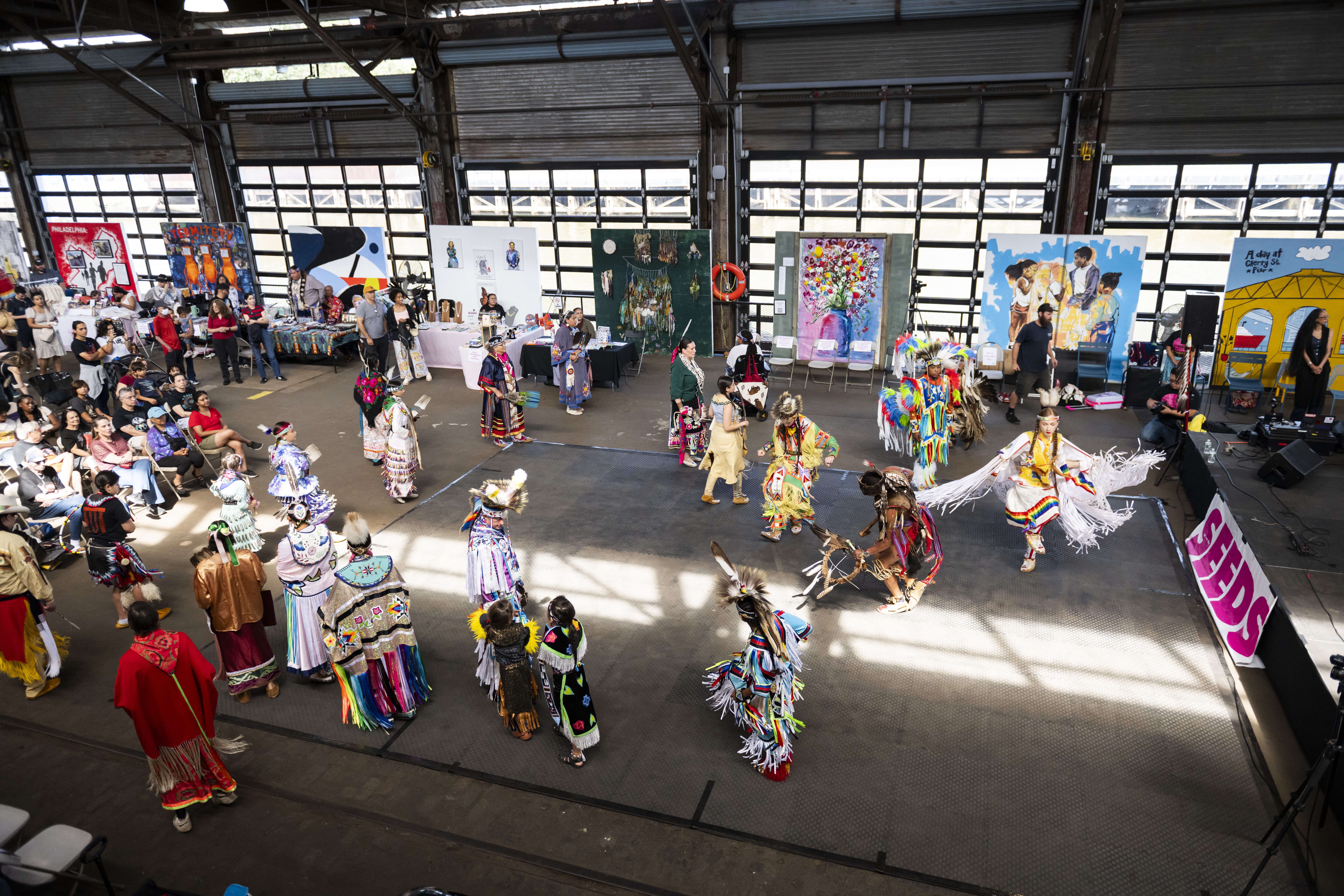
    The 7th annual Seeds Philly Celebration became a solemn and spirited tribute to Indigenous arts and culture: powwow dancing and flag songs, tepee raisings and fry bread, corn husk dolls and Powowpopart.

    But this year’s two-day celebration, Saturday and Sunday at Cherry Street Pier, carried added significance. Founded as a small arts gathering in Fairhill, Seeds Philly has grown to include representatives and traditional dancers from 40 tribal nations and more art booths and performers than ever. And, marking the 250th anniversary of the signing of the Declaration of Independence, the two-day event includes a special artist installation confronting hateful language enshrined in the founding document.

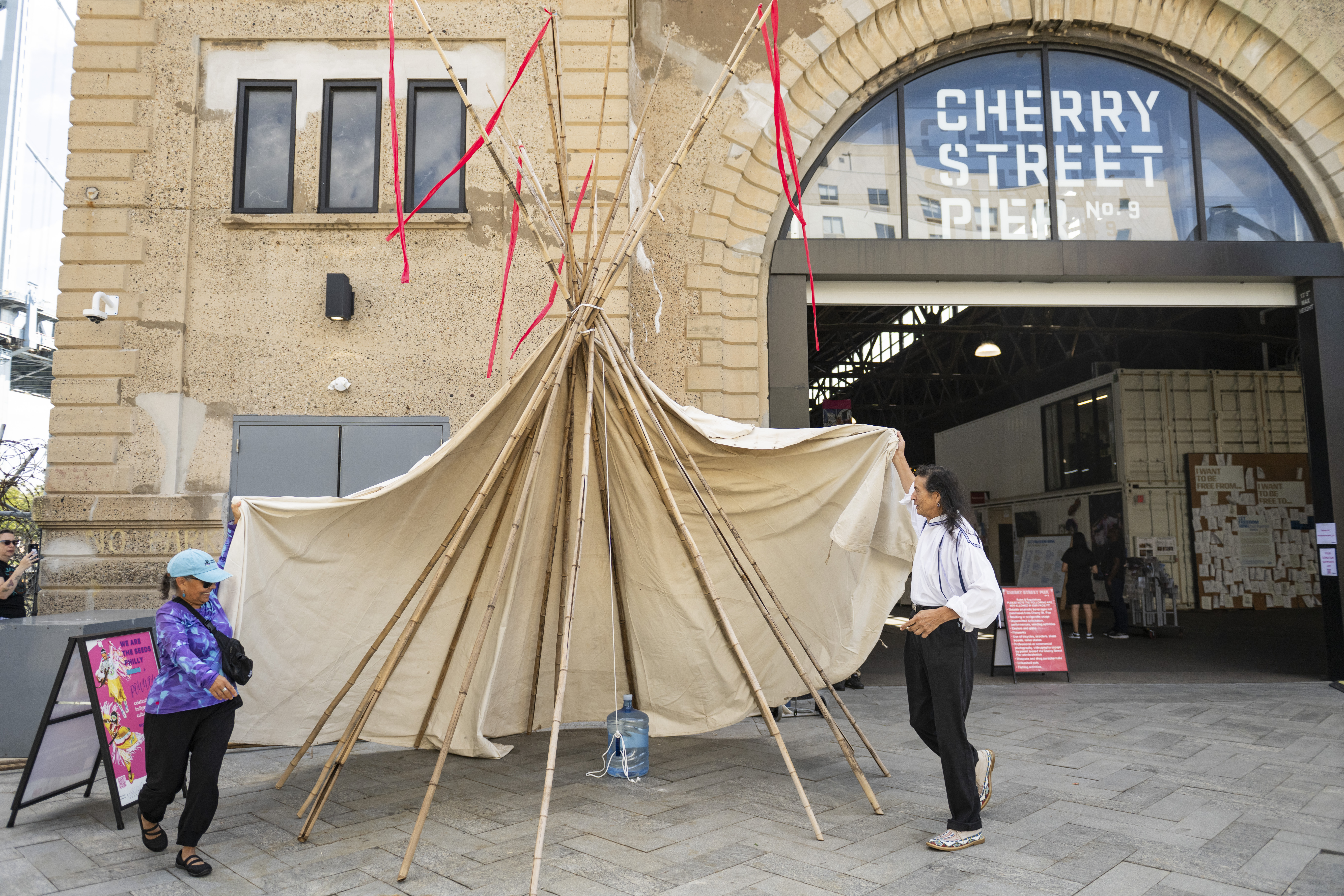
    Tchin (left), artist-partner for education and cultural programs at We Are the Seeds, and a volunteer raise a Northern Plains tepee at the Seeds Philly Celebration at Cherry Street Pier on Saturday, Sept. 19, 2026.

    This also may be the last Seeds Philly Celebration for the foreseeable future, organizers say. Despite all the gains — and special city funding this year — money has run out.

    “I would love to see a world where the city and other private foundations would recognize that this event is absolutely critical for this city,” said Tailinh Agoyo, cofounder and executive director of We Are the Seeds, the Philly-based, Native-led organization that runs the festival. “It brings attention to the fact that this is Lenape land we are on, and celebrates not only the histories of our people, but the diversity of the Native people who live in the city now.”

    Tailinh Agoyo, co-founder and executive director of We Are the Seeds, speaks to the crowd during the Seeds Philly Celebration at Cherry Street Pier on Saturday, Sept. 19, 2026.

    How Seeds Philly was born

    Agoyo, who moved to Philadelphia from Sante Fe, N.M., helped form We Are the Seeds in 2016 to celebrate the heritage and culture of Indigenous people in the country’s founding city. At the time, some Philly-area Native American cultural organizations were fading after generations, she remembered.

    “I felt like, where do we go?” said Agoyo, a descendant of the Narragansett tribe who is raising four sons. “Where do we have our conversations? Where do we see our community?”

    The nonprofit has grown to include Indigenous Listening Gardens in West and North Philly and Kensington; an Indigenous-led theater project examining the myths surrounding Philadelphia’s founding in 1682; and a popular podcast, From Here, With a View, featuring Indigenous artists, culture bearers, and activists.

    “We create these types of programs and events for Native people to come together and connect and gather and dance and celebrate,” Agoyo said. “And we invite the greater Philadelphia region to be a part of it.”

    But with a key private grant expiring — and the growing festival eating up much of the nonprofit’s expenses — Agoyo said the group needs time and does not know when exactly the event might return. It is bittersweet, Agoyo said, that the festival, which was expecting more than 4,000 attendees — tickets are pay what you can, with a $20 suggested donation — may disappear just as it comes into its own.

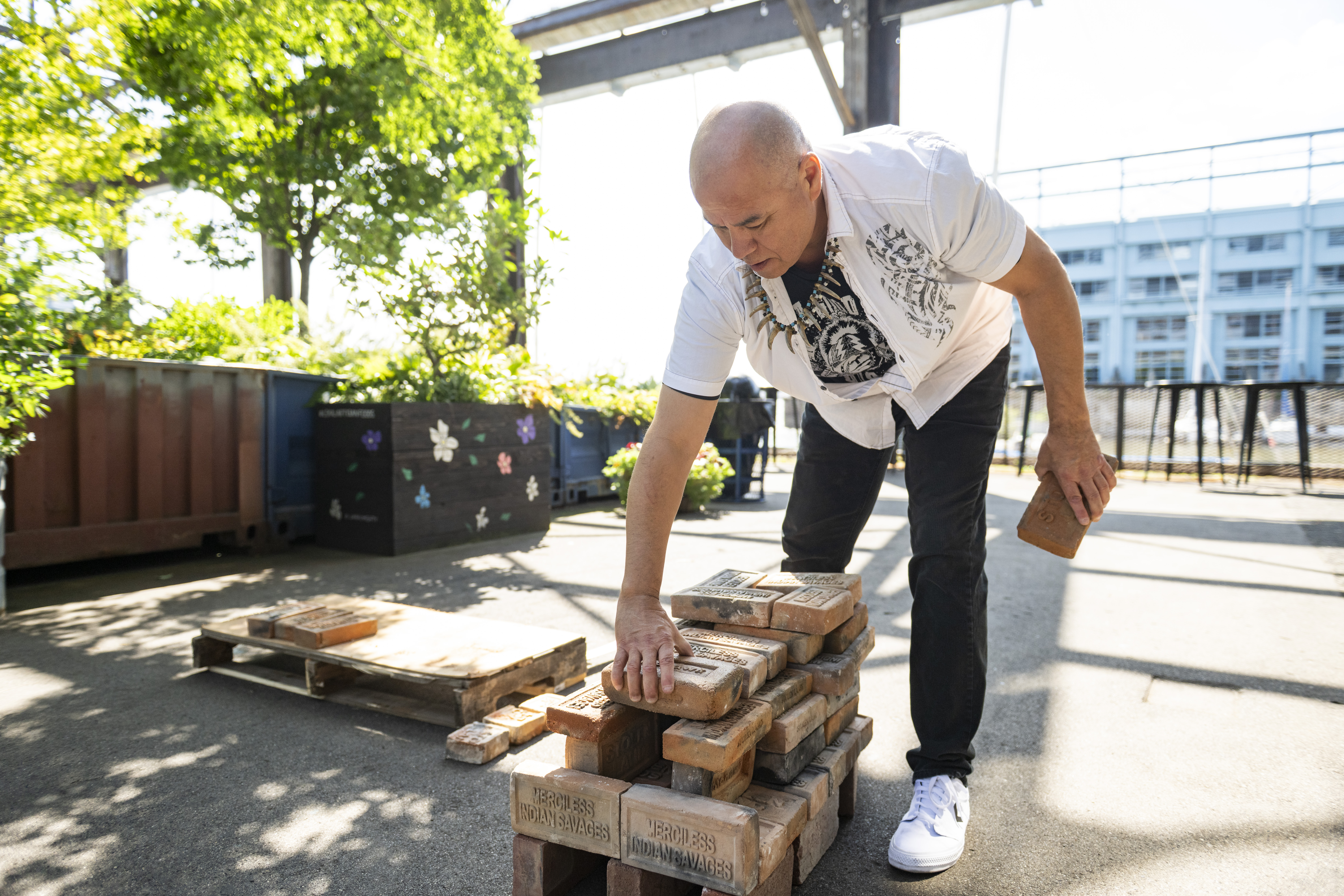
    Bricks with the words “Merciless Indian Savages” are laid on the ground to be put together to make a Mohawk Rocket Kiln at the Seeds Philly Celebration hosted by an Indigenous nonprofit, We Are the Seeds, at Cherry Street Pier on Saturday, Sept. 19, 2026.

    This year, the city provided funding for the festival through its 250th programming, Agoyo said. And the group plans on applying for more grants and hopes to build partnerships with leading Philadelphia philanthropic organizations.

    “The reality is the world is in a really tough place and we need to make sure that we stay healthy as an organization,” she said. “So we need to be strong and say, ‘Let’s just rest for our health and our family’s health and our community’s health, and then we figure it out.’”

    Perhaps, next year, the festival could return as a smaller event, she said.

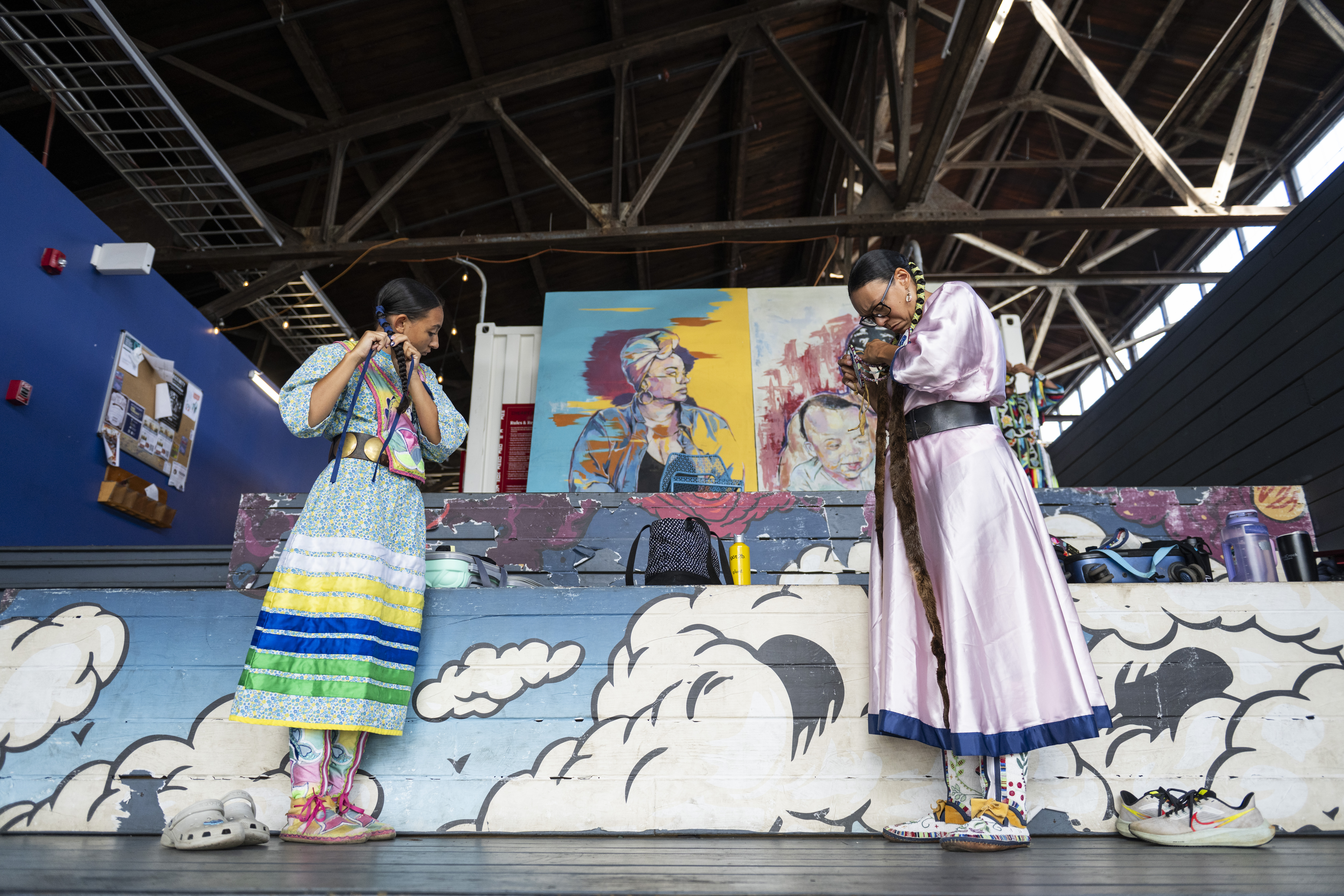
    But the hard realities confronting the popular but endangered festival did not dampen Saturday’s celebration. At noon, after an honorary tepee raising, dozens of dancers processed into the powwow. Men and women from tribes up and down the East Coast danced traditional and fancy steps. Jingle dancers donning regalia adorned with dozens of clanking tin snuff lids danced steady rhythmic steps meant to promote healing. Musicians pounded beats on powwow drums made of maple wood and rawhide. Crowds flowed along the pier.

    Garbed in a women’s jingle dress, Vaughnda Hilton, executive director of the Philly-based Native Nations Dance Group, said the Seeds Philly Celebration has become a premier Indigenous event.

    “It shows we’re still here,” she said. “We’re keeping the culture alive, keeping the dances and songs alive. It’s who we are.”

    Farther down the pier, Roger Sosakete Perkins, a Mohawk multimedia artist and culture keeper from the Bear Clan of Akwesasne near the Canadian banks of the St. Lawrence River, prepared a special fire-working kiln he had built for the festival. Considered a founder of “Powowpopart” — a blending of Native-inspired abstract design and vintage pop culture imagery — Perkins gathered clay from a roadbed near his studio to make Mohawk bricks for the kiln. Each is enshrined with “merciless Indian savages” — a phrase that appears in the Declaration of Independence. On Sunday, Perkins will burn a piece of his own art and a replica of the declaration in the kiln. In Mohawk culture, the burning of something is symbolic of “rebirth” and “replenishing” – like the intentional land fires set to “burn out old growth and bring in new life,” he said.

    The installation is meant to represent a conversation, he said, building his kiln, brick by brick, as the pier filled.

    “A conversation that has needed to happen for 250 years,” he said. “A real conversation.”