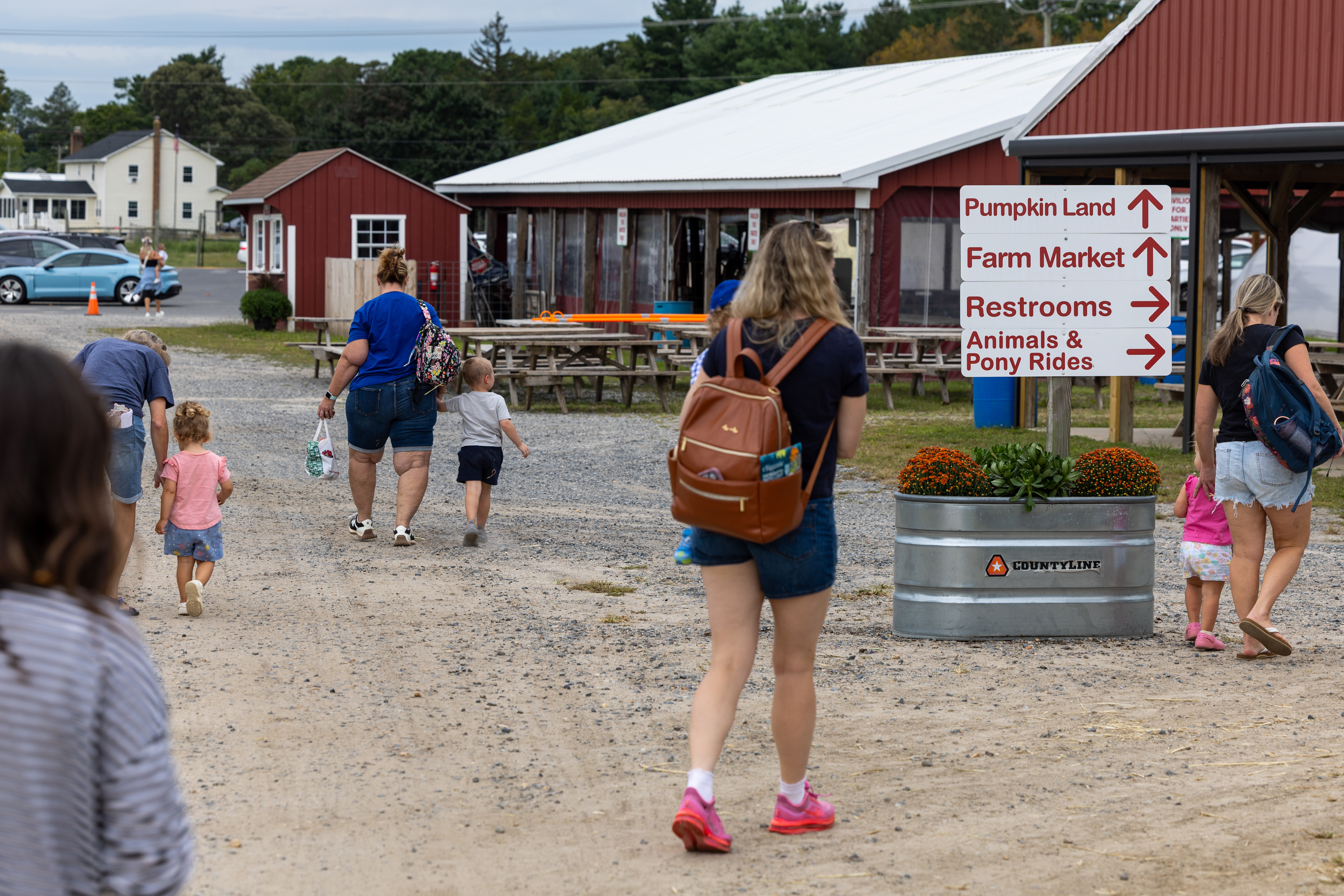
Despite still reeling from decimated apple crops due to a surprise spring freeze, South Jersey farmers are fighting to find a way to ring in fall with festivals, cider, and more.
South Jersey farmers have an uphill battle if they want to fulfill customers’ typical fall desires, from warm ciders to bushels of fresh-picked apples.
They’re trying their best to fill gaps after a late April freeze left farms across the state with massive crop damages.
With fewer apples, some have outright canceled their apple-picking offerings this year.
It’s caused farmers to get more creative to retain customers who still want to have a festive season. Strategies include:
🍏 Importing apples from other states
🌻 Planting sunflower fields and popcorn plants for picking
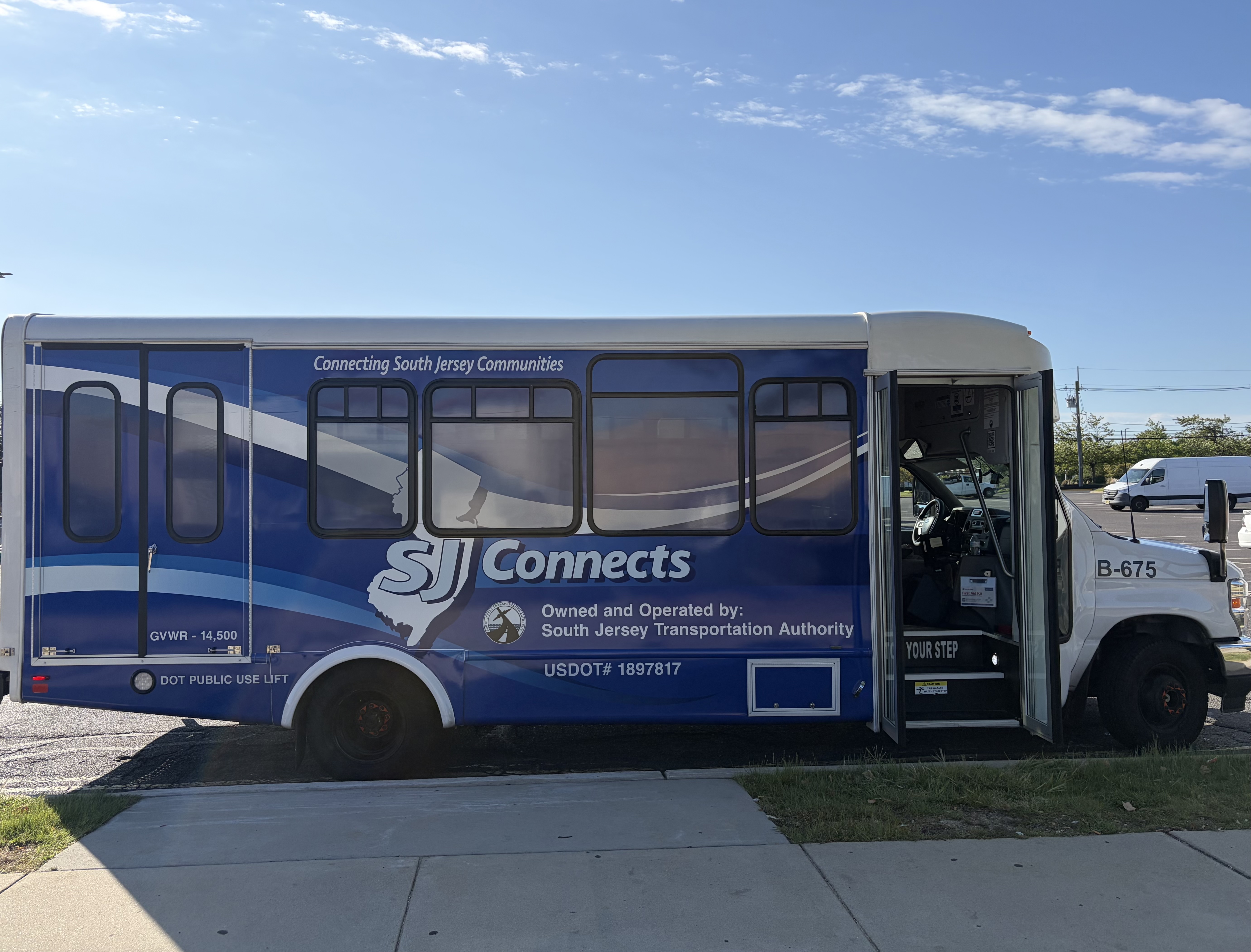
Starting Sept. 21, Burlington County residents will able to ride on a free blue bus.
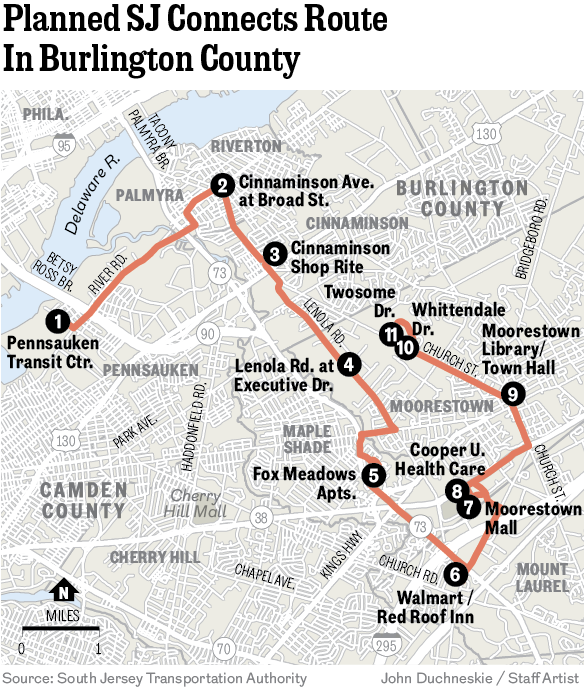
The 11-stop route begins at the Pennsauken Transit Center and concludes at Twosome Drive and Church Street in Moorestown after looping south.
The new public transit offering is called the Burlington County Shuttle, and it’s the last of the six lines that make up SJ Connects, a no-cost bus service run by the South Jersey Transportation Authority.
Voters in Cinnaminson and Clementon will head to the polls today to decide on multimillion bond referendums that would raise local property taxes for school updates.
During a legislative hearing in Trenton on Monday, parents from Camden and Burlington Counties pleaded for New Jersey lawmakers to mandate the installation of cameras in group homes serving people with disabilities, The Inquirer’s Susan K. Livio reports.
New Jersey and 24 other state leaders reached a settlement that limits the Trump administration’s ability to make significant changes to AmeriCorps without at least 30 days notice.
Burlington County began repaving a 1.9-mile stretch of New Lisbon Road in Pemberton Township Monday. It’s expected to take two weeks, and those traveling eastbound will be detoured. Expect delays.
The Burlington County Clerk’s office is mailing out 52,000 vote-by-mail ballots ahead of the general election for registered voters who requested them. Residents should expect them to arrive in mailboxes soon.
🗣️ Quote of the week
Romagnoli, a player at Kingsway Regional High School in Woolwich Township, grew up playing coed flag football. Now that the New Jersey State Interscholastic Athletic Association has sanctioned girls’ flag as a high school varsity sport, the first season can begin in the spring of 2027.
🧠Trivia time
Laura Quinn’s debut historical romance novel, Thicker Than Water, was set in Cape May, Wildwood, and Philadelphia. But where does the author live?
Some Burlington County residents might see an unfamiliar blue shuttle bus on the roads next week as the region welcomes its first new public transit option in more than two decades.
The new route will officially start service on Sept. 21, the last of six new shuttle lines that form SJ Connects, a free bus service run by the South Jersey Transportation Authority (SJTA). The first five lines were launched on June 1 while the transportation authority worked to get formal authorization to operate in the county.
Together, the shuttles can take riders from Cape May Court House to as far north as Palmyra with connections to other shuttles, SJTA routes, NJ Transit lines, and more sprinkled throughout.
Though the newest route is called the Burlington County Shuttle, it technically begins over the Camden County line at the Pennsauken Transit Center before concluding 10 stops later at Twosome Drive and Church Street in Moorestown.
Along the new route, up to 20 riders per bus can hop on or off at various locations including the Cinnaminson ShopRite, Fox Meadow Apartments in Maple Shade, or at Cooper University Healthcare’s Moorestown Mall location.
Stretching from early morning to late evening, the shuttles will make a total of five visits to each of the stops along the route throughout the day.
The first shuttle leaves from the Pennsauken Transit Center at 7 a.m. with the final drop-off scheduled for 8:11 p.m., according to the SJTA schedule. A full schedule for the Burlington County shuttle is available online.
SJ Connects received $5 million in state funding from former Gov. Phil Murphy’s administration for an 18- to 24-month trial run to boost transit services in the region.
Map of planned SJ Connects route in Burlington County.John Duchneskie
The investment was secured in part thanks to the efforts of state Sen. Troy Singleton, a longtime Burlington County resident who called the county “the crown jewel of South Jersey.”
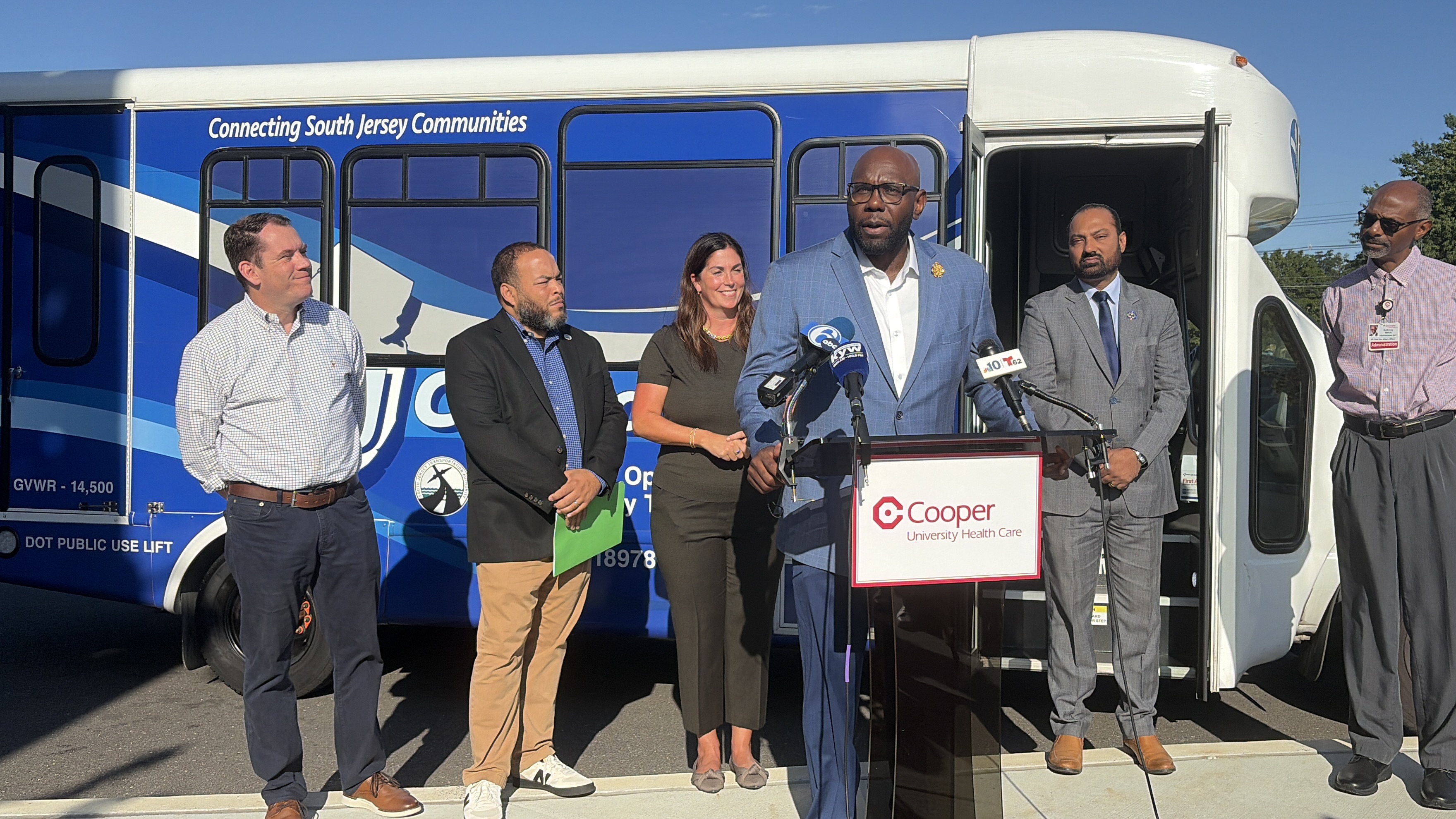
“Burlington County is the largest county by land mass here in New Jersey and being able to connect what was a lot of former farmland to economic and educational opportunities is critically important,” Singleton said during a ride-along of the new route Monday.
“We know that there’s enormous economic opportunity here in South Jersey as it connects to Philadelphia and connects to other parts of New Jersey so continuing that investment is one of my responsibilities that I take really personal,” he said.
Many of the stops along the SJ Connects routes were chosen to help South Jersey residents travel between medical centers, educational institutions, and other areas of interest, said Stephen Dougherty, SJTA’s executive director.
The Burlington County Shuttle will begin service on Sept. 21, 2026.Lacey Latch
The half-dozen routes include stops at multiple Cooper and Inspira locations in addition to the region’s various community colleges and universities. The routes also have stops located at or near large employers, Dougherty said, including Logan Township’s Pureland Industrial Complex, the second largest industrial park east of the Mississippi River.
“We know that these routes are crucial — based on the nature of what these stops are — to people’s everyday lives,” Dougherty said.
Now that all six of the SJ Connects shuttles are ready for riders, local leaders are simply asking South Jersey residents to hop on for a ride.
The more demand there is for this service in Burlington County, the more likely it will be for legislators to get state funding to keep the rides free and create more routes in the future, Singleton said.
“My hope and my ask of the public is to utilize this free resource — their tax dollars coming to their benefit — in order for us to try and expand it even more,” Singleton said.
For many, a quintessential South Jersey fall includes apple picking, a warm cider, and sugared doughnuts.
But fall in the Garden State might look a little different this year after a spring freeze left farms across the region with damaged apple varieties and huge crop losses — at least $300 million worth, Gov. Mikie Sherrill said in May.
At Russo’s Fruit & Vegetable Farm in Tabernacle, which typically attracts visitors for six weeks of picking, the apple cropwas decimated by the freeze. The farm had to purchase apples from a farm in New York to sell this year, the most local they could get.
Third-generation owner Joann Gsell, 59, said she won’t know the extent of their lost profit until fall is over, but the farmers are doing their best to fill in the gaps.
Russo’s staff planted sunflower fields and popcorn plants for picking instead, both new experiments, along with their usual pumpkins. Gsell planned new events, too, spread across the picking season to draw in more customers.
“Even if we get the same amount of customers coming out, the per-dollar sale won’t be what it was when apples were available,” Gsell said. “But we really don’t know until we’re past it.”
Jersey’s apple harvest season typically begins in mid-July and wraps up by the end of October, according to a report by the state Department of Agriculture, but local farmers, who are still recovering from a tough summer of sparse berries and higher prices, say the season will likely be much shorter and will rely on success in their pumpkin fields.
Still, fall must go on, farm owners say, starting with their apple festivals.
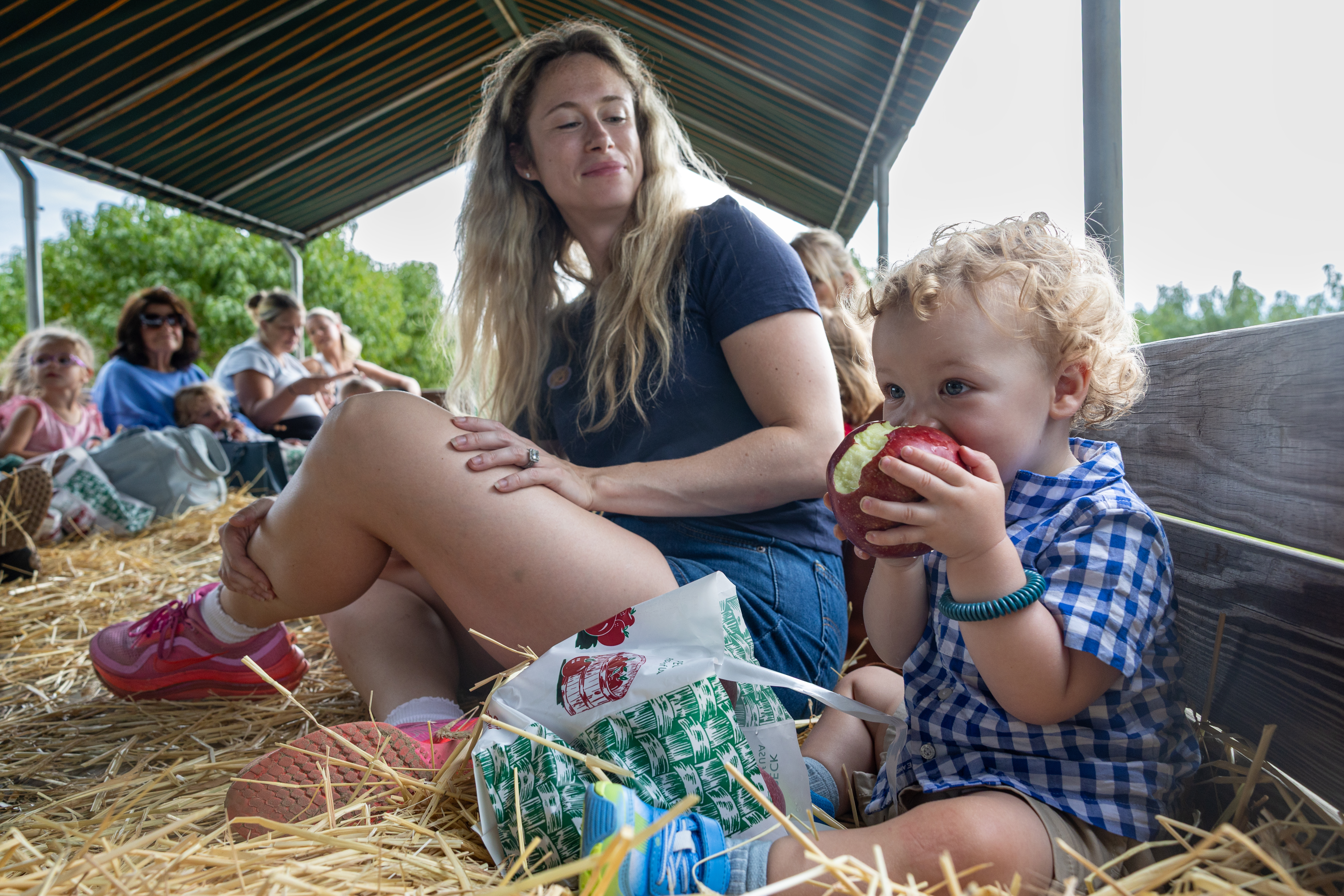
17-month-old Rome Imbesi bites into a big apple next to his mother Kristen Imbesi, 34, of Haddonfield, after picking apples at Duffield’s Farm.Aidan T. Gallo / Staff Photographer17-month-old Rome Imbesi bites into his apple.Aidan T. Gallo / Staff Photographer
‘Figure things out’
Tracy Duffield, who has worked at Duffield’s Farm Market in Sewell for four decades, said the Gloucester County farm had to push back the start of apple picking by a month.
The freeze killed Duffield’s early apple cropplanted in January, and with half its crop remaining, it’s uncertain how long picking will last this fall.
But that didn’t stop Duffield’s from hosting its annual Apple & Food Truck Festival on Saturday, featuring apple picking, pony and hayrides, and face painting. It’s the official launch of the farm’s apple season this year.
“I compare it to COVID. You have to get creative and figure things out,” Duffield said. “It is what it is. You just make the best of it.”
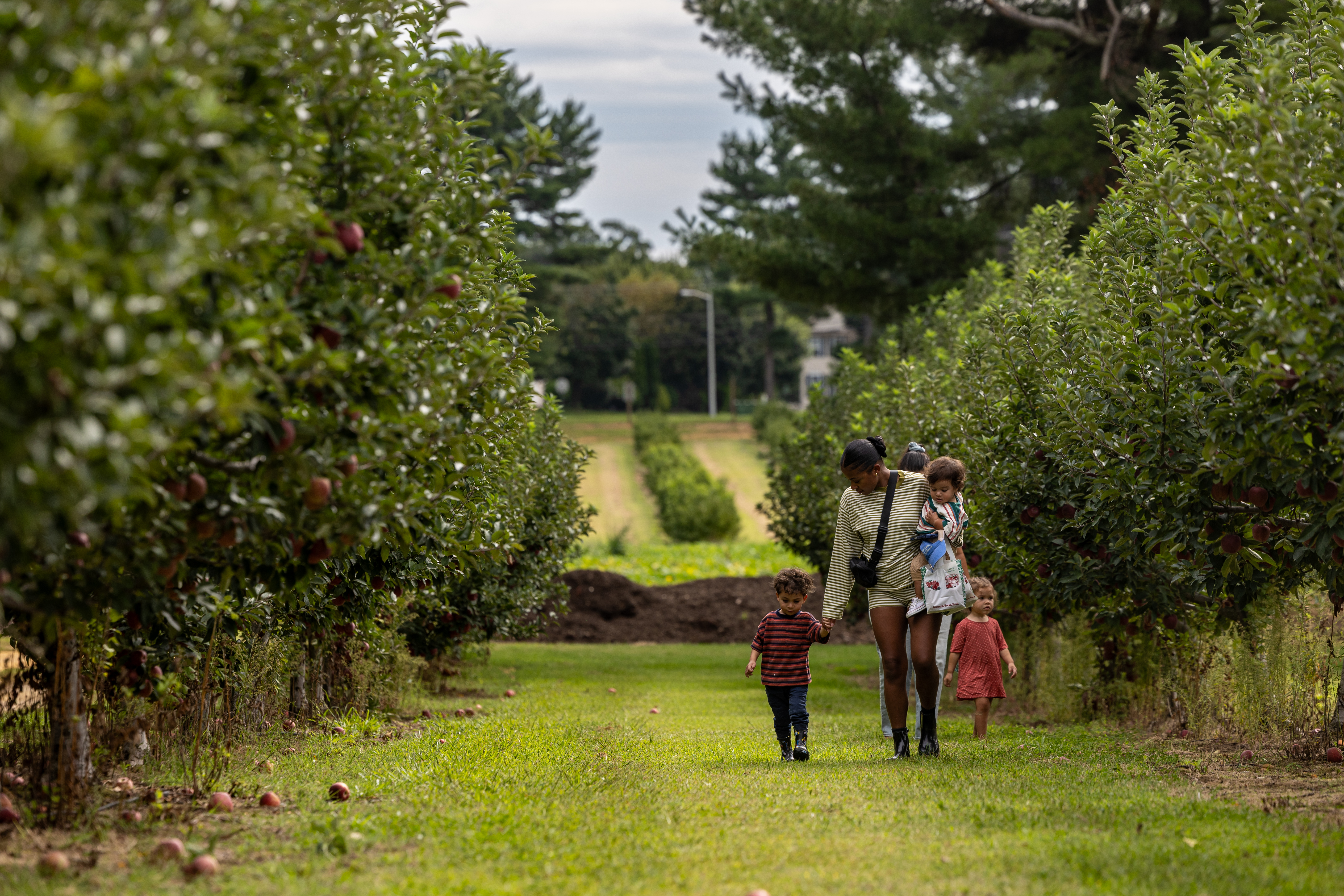
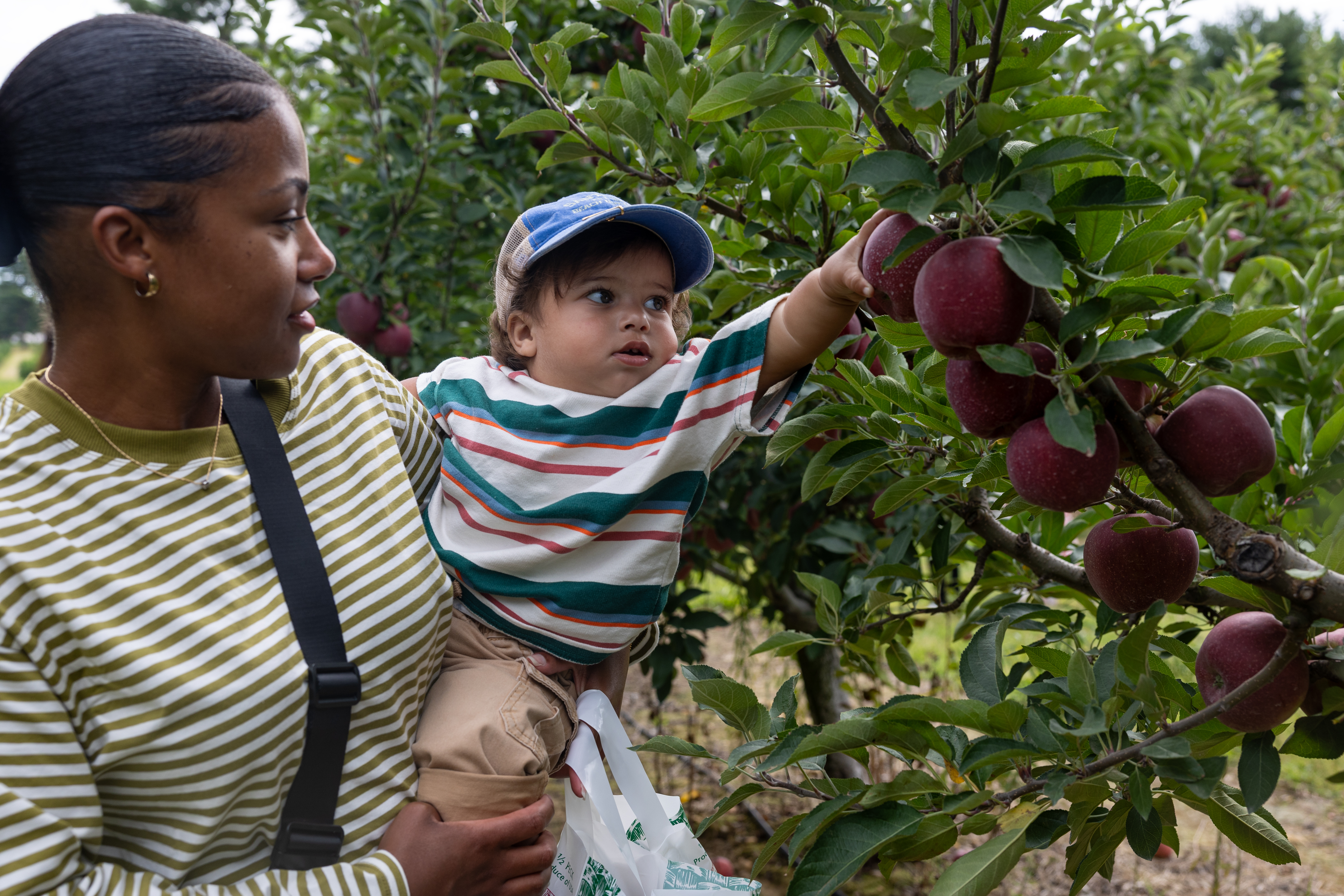
Calah Donato, 26, of Port Elizabeth, N.J., holds her son Neo, 1, while he picks an apple off an apple tree at Duffield’s Farm.Aidan T. Gallo / Staff Photographer
Duffield’s will still carry its beloved apple cider doughnuts this year, along with new apple-cider-doughnut-scented candles. But they did have to switch cider providers this year, buying from a Central Jersey-based farm instead of Mood’s Farm, 20 minutes away in Mullica Hill.
Mood’s is not making fresh cider this year, said co-owner Patti Mood, but they’ll have frozen cider from past apple seasons to get them through.
“We’ll just see how long it lasts,” Mood said. “We’re not sure what next year will look like.”
Kristine Duffield (center), the daughter-in-law of farm owner Tracy Duffield, hosts an apple-themed story time at Duffield’s Farm in Sewell on Friday, Sept. 11.Aidan T. Gallo / Staff Photographer
This fall, Mood’s doesn’t have enough quality apples to run its pick-your-own operation. At the farm’s own Apple Festival on Saturday, visitors gathered apples sourced from nearby states placed in bins in the orchard during discounted hayrides, instead of picking them off the trees.
Other farms have canceled their apple-picking operations this year. Neither Strawberry Hill Farm in Chesterfield nor Johnson’s Corner Farm in Medford have apples to pick.
Julian, who is two-and-a-half years old, makes a craft next to his grandmother Deb Carter, 69, of Washington Township, at Duffield’s Farm Market on Friday, Sept. 11.Aidan T. Gallo / Staff Photographer
Off the farm
Despite the shortage, apples are still being celebrated this year, on and off the farm. First Methodist Church of Moorestown is hosting its third apple festival on Sept. 18.
And Medford Historical Society will host its 47th annual Apple Festival on Oct. 10, their biggest fundraiser of the year.
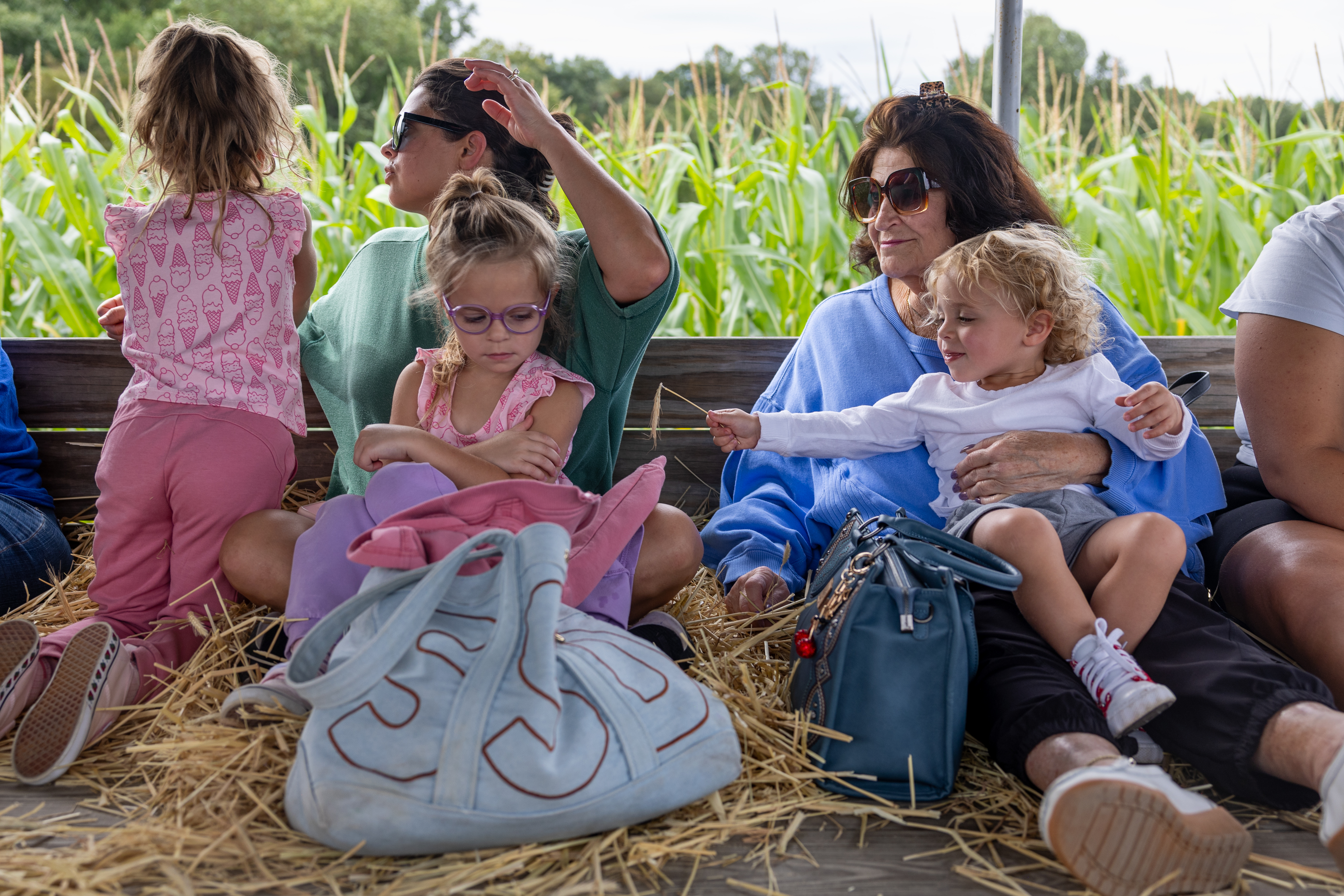
Danny, 2, attempts to poke his sister Sosie, 4, with a piece of hay while being held by his great-grandmother Joan Ballah, 80, at Duffield’s Farm in Sewell on Friday, Sept. 11. The family is local to Sewell and comes to the farm often to participate in the farm’s activities and shop the farmer’s market.Aidan T. Gallo / Staff Photographer
Thomas Gerber, copresident of the historical society, said their usual supplier in Pennsylvania lost all their apples and couldn’t provide the 320 pounds needed for the festival, so they found a different farm in New Jersey.
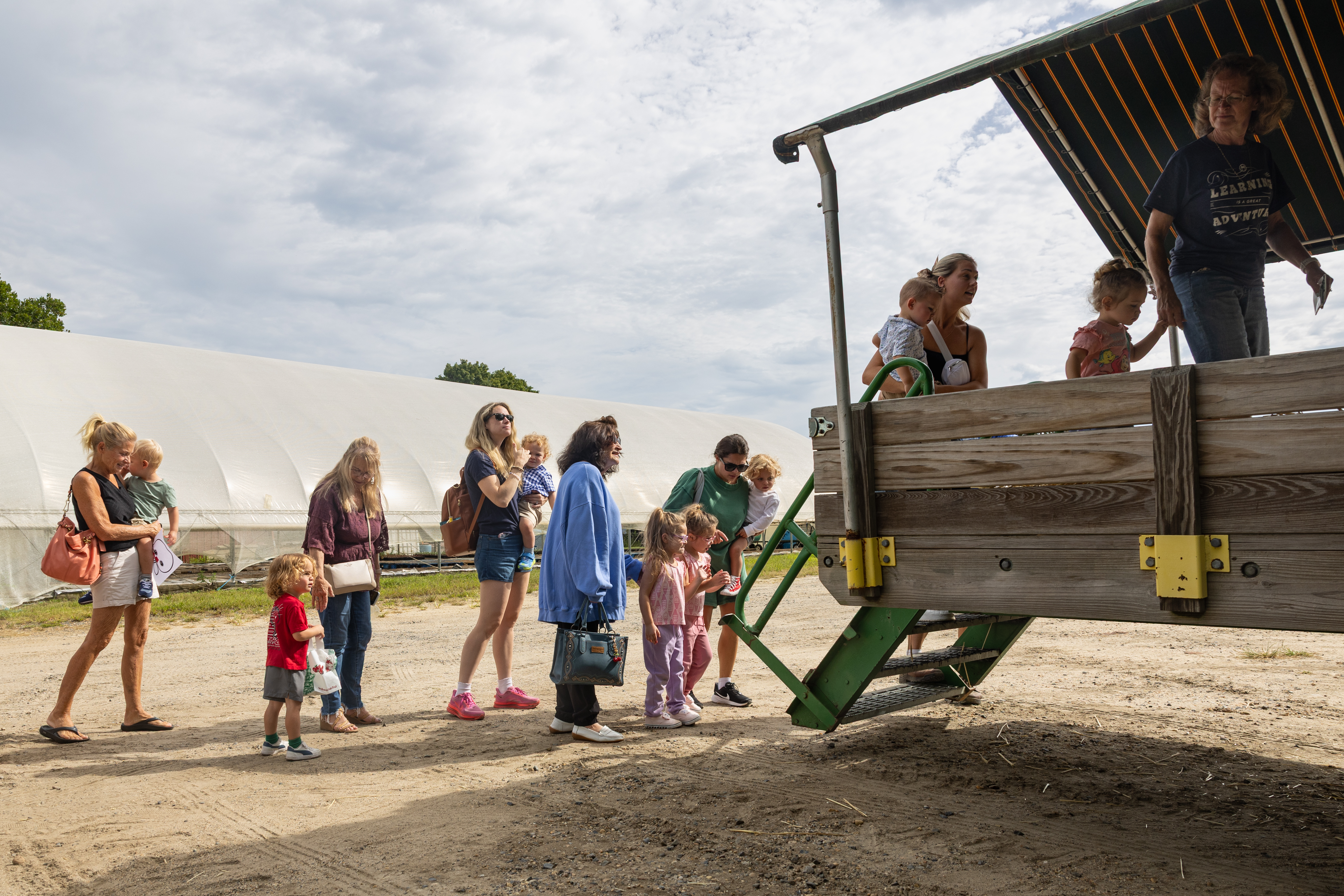
Families wait to enter the hayride to pick apples out in the orchard at Duffield’s Farm in Sewell on Friday, Sept. 11.Aidan T. Gallo / Staff Photographer
Amy Zorn, an eighth-generation owner of Hunter’s Farm in Cinnaminson, said their farm market has been able to buy Jersey apples from other farms, but they’ve had to pay higher rates for smaller apples compared to previous years. She hopes customers continue to support their local farms through this year’s challenges.
“There are still Jersey fresh items out there,” she said. “You might not see as many apples, but there are fall squashes, sweet potatoes, and other things coming to Jersey. I encourage people to go out to their farmers markets.”
Families exit Duffield’s Farm after the apple-themed activities concluded on Sept. 11.Aidan T. Gallo / Staff Photographer
‘For the long run’
Mario Caltabiano, 31, has been farming since he was 6 years old. As the owner of MC Farms in Pilesgrove in Salem County, Caltabiano grows 14 varieties of apples, Asian pears, and several types of vegetables.
He said he’s used to freezes that take out large sums of fruit, but apples, “the hardiest things,” usually power through.
Caltabiano said one of his farms saw a total apple loss, and the other lost 90% of its crop. With about 20 apples clustered on each tree, and thousands of trees, Caltabiano said he’s not sure how long it’ll take the public to pick them all. Either way, Caltabiano has to continue to tend to the orchards to make sure the trees stay strong enough to produce fruit next season.
“This year, when fruit is 90% of your business, you have the same amount of bills. You have to take care of the trees to the very end,” Caltabiano said. “How do you make up for that?”
In recent years, MC Farms has ventured into the agritourism world, offering hayrides, barrel train rides for kids, cut-your-own flowers, and a wine garden settled in the orchards. Rising prices for fuel and fertilizer are still making work difficult, along with the destruction of most of his crops.
But Caltabiano said he plans to make it to next fall, and the one after that.
“I’m in it for the long run,” Caltabiano said. “I’m in it till I croak.”
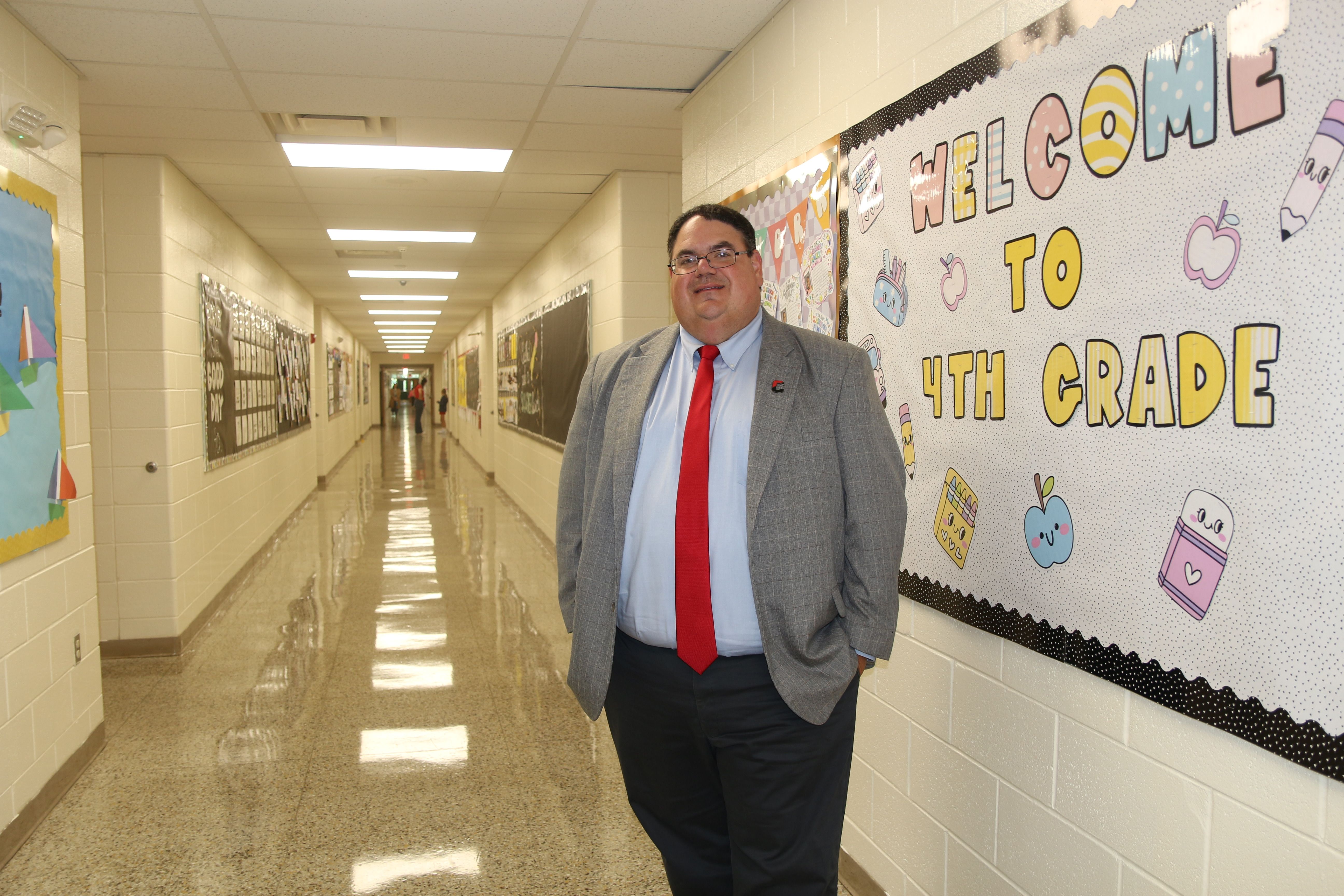
Cinnaminson School District Superintendent Stephen Cappello has big plans for his South Jersey school system — if voters approve a $76 million bond referendum, the largest in the district’s history.
It would allow the district to make desperately needed changes and improvements in all five of its schools. Voters head to the polls Tuesday to consider the proposal that would raise local property taxes.
“This is a big one,” Cappello said in an interview. “This will be an important part of where we are moving forward.”
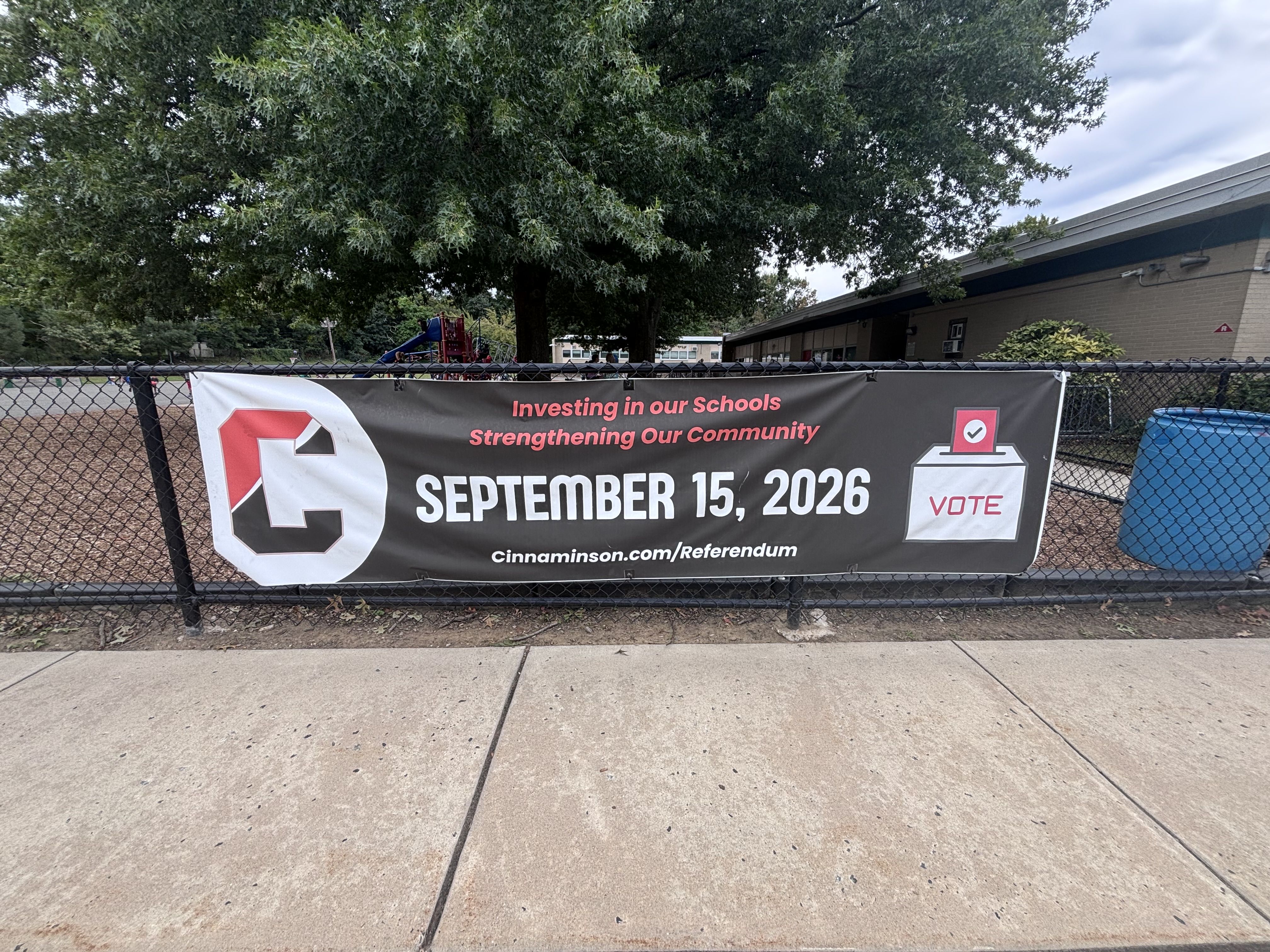
Cinnaminson voters will decide on two school bond referendums totaling $76 million during a special election on Sept. 15.Melanie Burney
If approved, it would help ease overcrowding at two elementary schools where some students attend classes in trailers, upgrade security systems, improve HVAC systems, and add new gyms and a high school stadium complex.
Cinnaminson in Burlington County and Clementon School District in Camden County are the only districts in the tri-county region with bond referendums in Tuesday’s special election.
Cappello acknowledged that referendum questions can be a tough sell especially amid tight economic conditions because they typically seek a property tax increase. Cinnaminson residents are still paying down a $40 million bond referendum in 2014 that added $238 annually to the average tax bill.
“No one takes those numbers lightly,” Cappello said. “We’re all sensitive about that.”
Cappello said the Burlington County district has been struggling with crowding in light of a growth explosion in the township. The district has about 600 more students than it had a decade ago, he said.
The district has spent millions to relocate students to six trailers the district calls “learning cottages.” It also leases space in a strip mall for administrative offices.
“There’s instruction happening in hallways, which is not our favorite,” Cappello said.
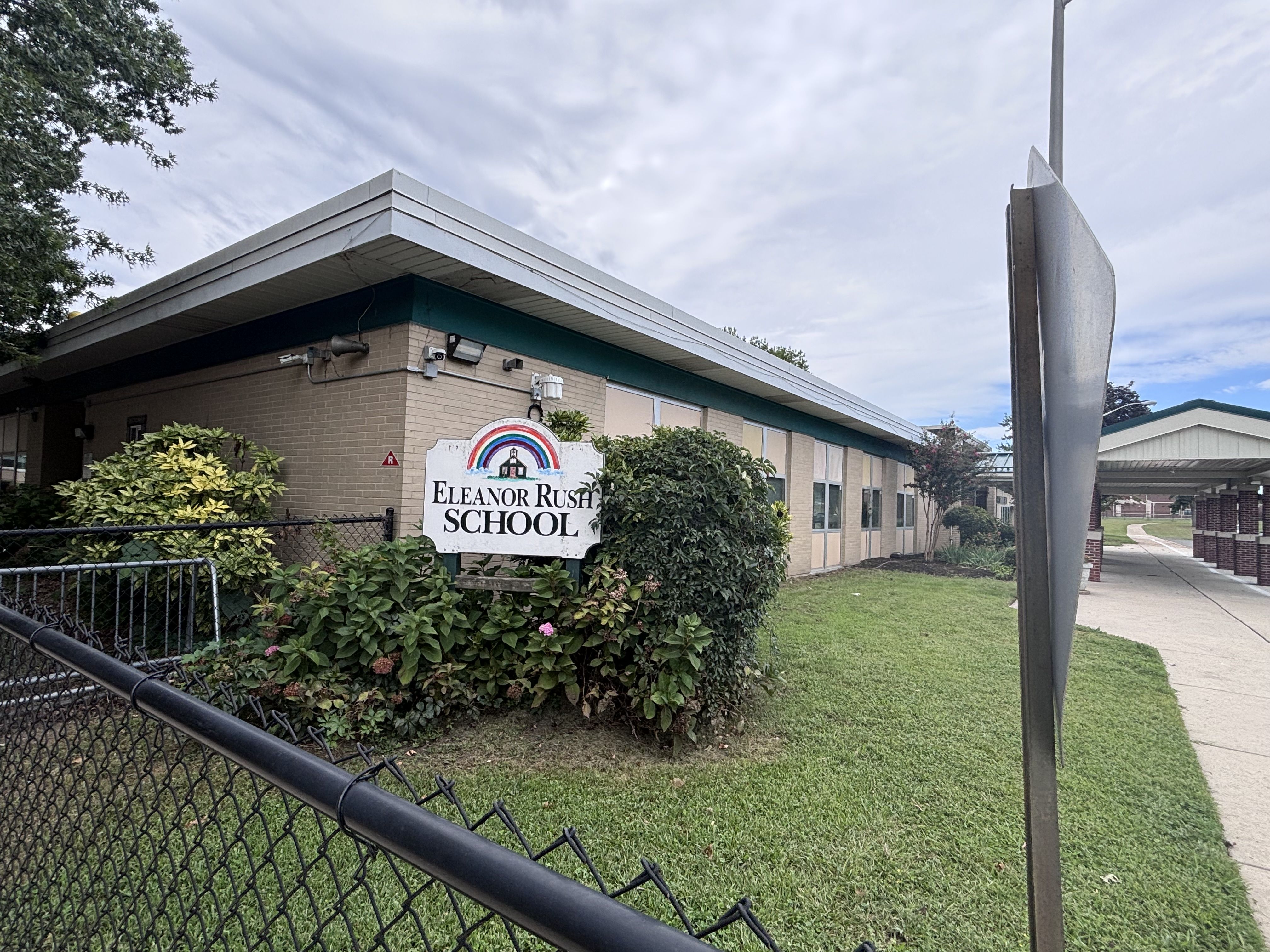
The Eleanor Rush School would get eight new classrooms and other improvements if Cinnaminson voters approve a $76 million bond referendum on Tuesday.Melanie Burney
The need is especially felt at Eleanor Rush Elementary where the all-purpose room is always bustling with activity. Because it is used for lunch, special classes including gym, music, STEM, and art cannot be held during the two-hour lunch period, presenting a scheduling challenge, Cappello said.
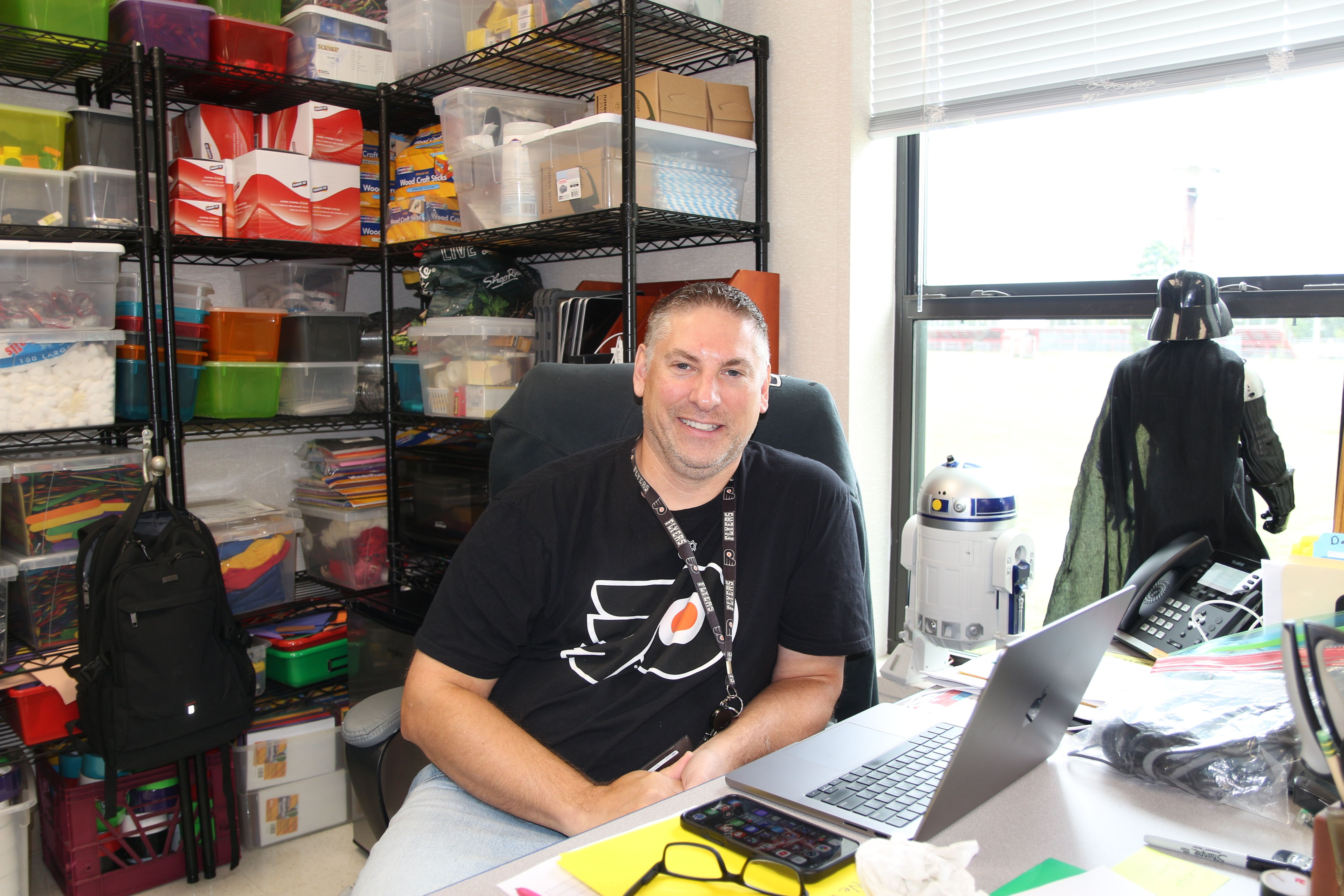
Tom Angelone, a STEM teacher at Eleanor Rush and a father of three in the district, said the district desperately needs more space. His classroom is located in one of several trailers on the complex.
Tom Angelone, a STEM teacher at Eleanor Rush Elementary.Melanie Burney
“I think we need to support the future generation,” Angelone said. “I will be voting yes on both questions. It’s a cup of coffee a day.”
Cinnaminson split its list of improvements into two bond questions. The first question includes a repaved parking lot at Memorial School, new fountains and renovated bathrooms at Eleanor Rush, six pre-K classrooms at New Albany School, a new esports arena and robotics classroom at the middle School, and a new roof and STEM lab at the high school.
Voters must approve question 1 in order to adopt the second question. It would fund a new one-story pre-K addition with six classrooms and bathroom additions at Memorial, a new gym addition at Rush, and a new turf field and track and field replacements at Cinnaminson High.
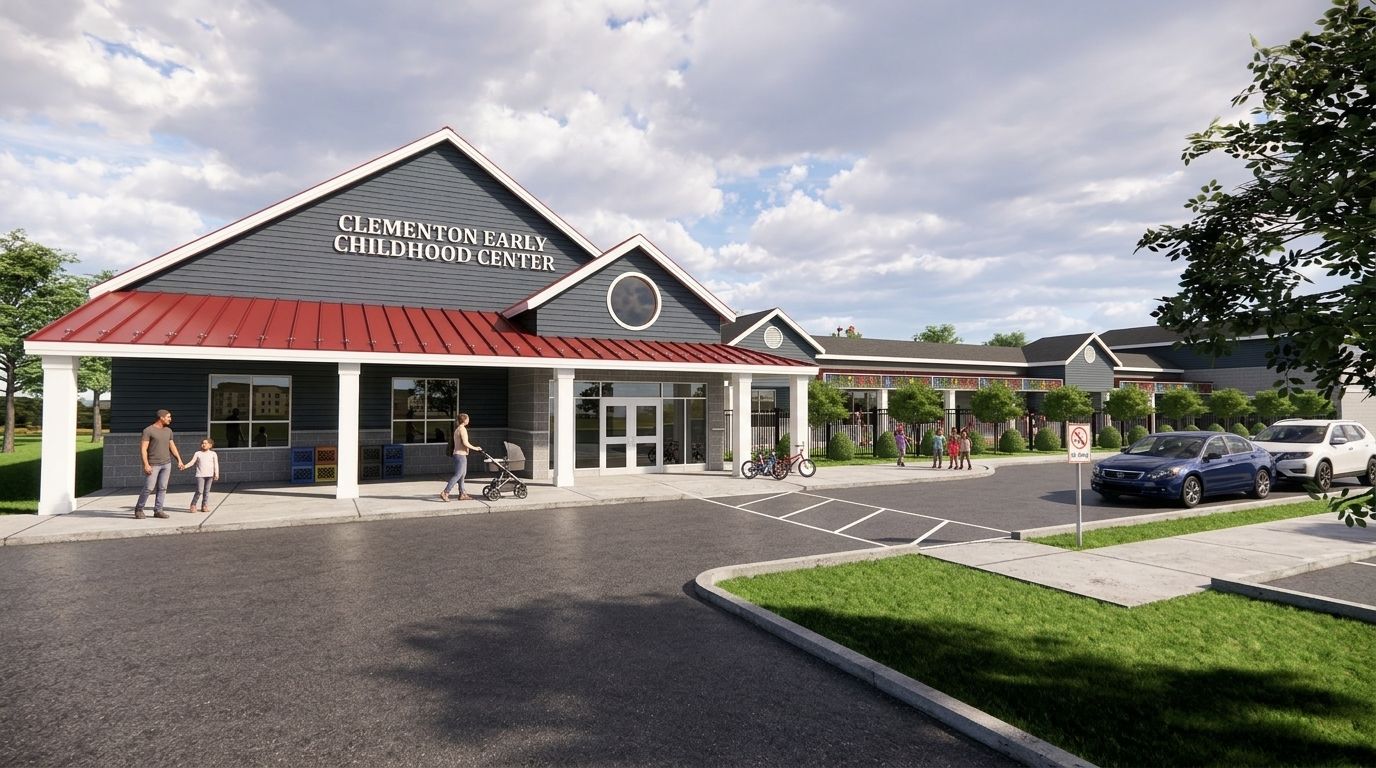
In Clementon, voters are deciding on a $13.5 million bond referendum to build a new early childhood center on a vacant lot. If approved, it would add about $243 annually to the tax bill for a home assessed at the borough average of $115,178.
The new center would include eight classrooms, a multipurpose room, and a playground area, according to the district’s website. Pre-K enrollment is expected to nearly triple to about 135 students for the 2027-28 school year, the district said.
An artist rendering of an Early Childhood Center proposed for the Clementon school district if voters approve a $13.5 million bond referendum in Tuesday’s special election.Clementon school disyrict
By shifting its youngest learners, the district said it would use the vacated space for other grade levels and electives, and add a dedicated sensory room for special needs students. The pre-K classes were temporarily moved this year to a site in Lindenwold, the district said. Clementon enrolls 621 students in kindergarten through eighth grades.
Statewide, voters in at least four other districts are considering 12 bond questions, according to the New Jersey School Boards Association. They allow districts to pay for projects that cannot readily be funded through their annual general operating budgets.
Tuesday is one of five times during the year that school boards may ask voters to approve a bond issue or special question.
The questions total more than $308 million with the state contributing about 40%, or roughly $122 million, if approved by local voters.
Automated license plate readers have become nearly unavoidable in New Jersey.
Major retailers cite loss prevention and employee safety for their use, while the vast majority of the state’s law enforcement agencies have used them since at least 2023.
The Cherry Hill Police Department is one of the agencies using the tech:
Last year, the majority of its system’s 2.2 million alerts were for expired registration and suspended plates.
The alerts connected to criminal activity during the same year were for 800 stolen plates, 212 stolen vehicles, and 15 missing persons.
Organizations like DeFlock South Jersey are aiming for more regulation, due to their concerns about privacy. They are part of the growing pushback against the technology among both conservatives and progressives.
According to the Cherry Hill Special Education PTA, the group has tabled back-to-school nights at district schools to educate parents about their rights for 12 years.
But this year, the request was denied.
The organization has since filed a grievance with the school board, alleging discrimination for denying an independent group.
The district is saying that organizations like the special education PTA will have to coordinate with Zone PTA, the umbrella group of the district’s various parent-teacher associations.
The Medford mother who spent more than $27,000 on her daughter’s prom two years ago was sentenced to about a year in federal prison for a pandemic-relief fraud scheme worth over half a million dollars.
U.S. Rep. Jeff Van Drew will debate his Democratic challenger, Zack Mullock, in the 2nd Congressional District race at Stockton University next month.
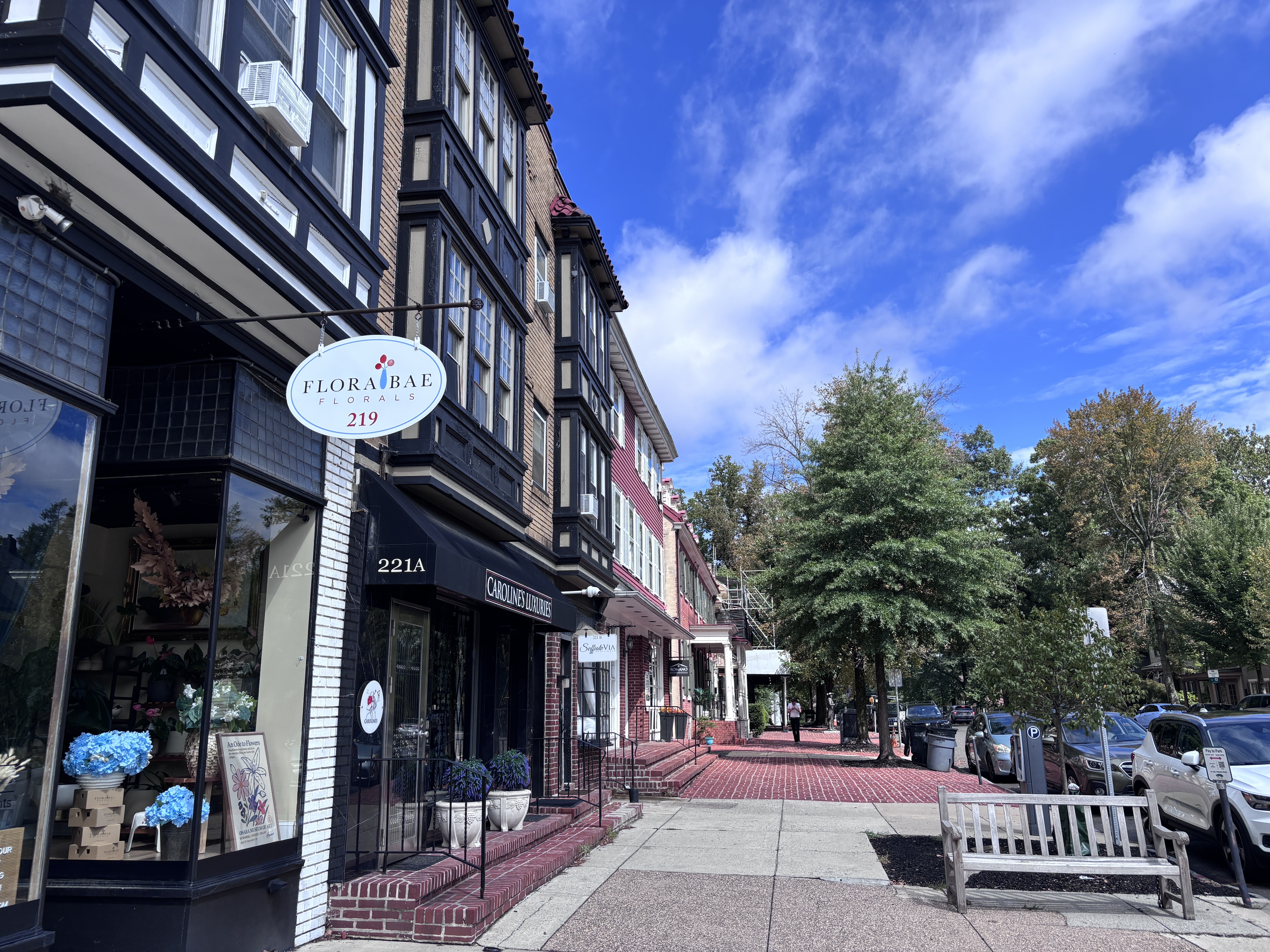
A quiet Sunday afternoon in downtown Haddonfield.Taylor Allen
I spent my sunny Sunday afternoon walking down Kings Highway in downtown Haddonfield after the morning rain cleared up.
What does your community look like? What South Jersey memory would you like to share? Submit a photo and/or a brief description for a chance to be featured in the Monday edition of this newsletter.
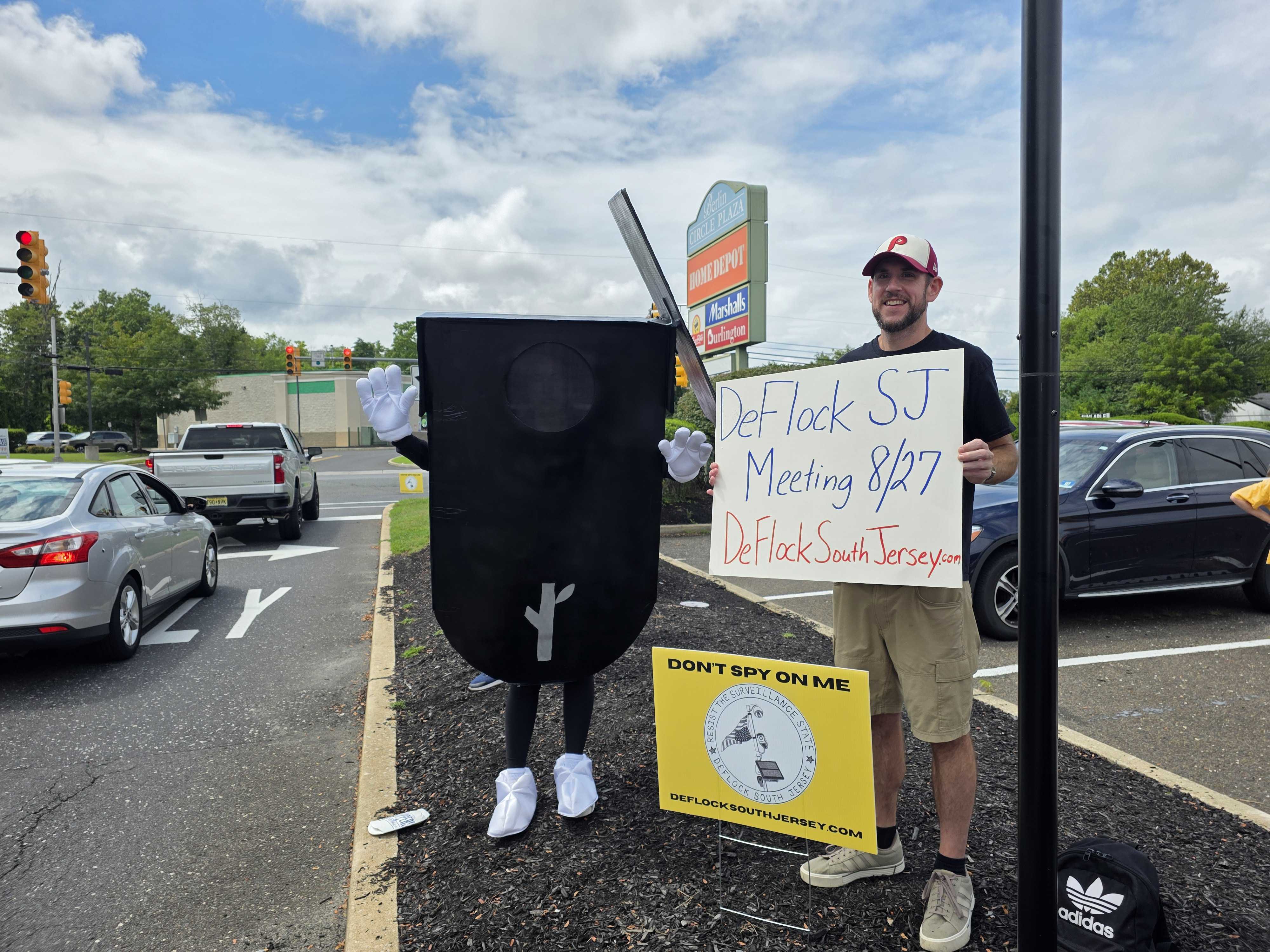
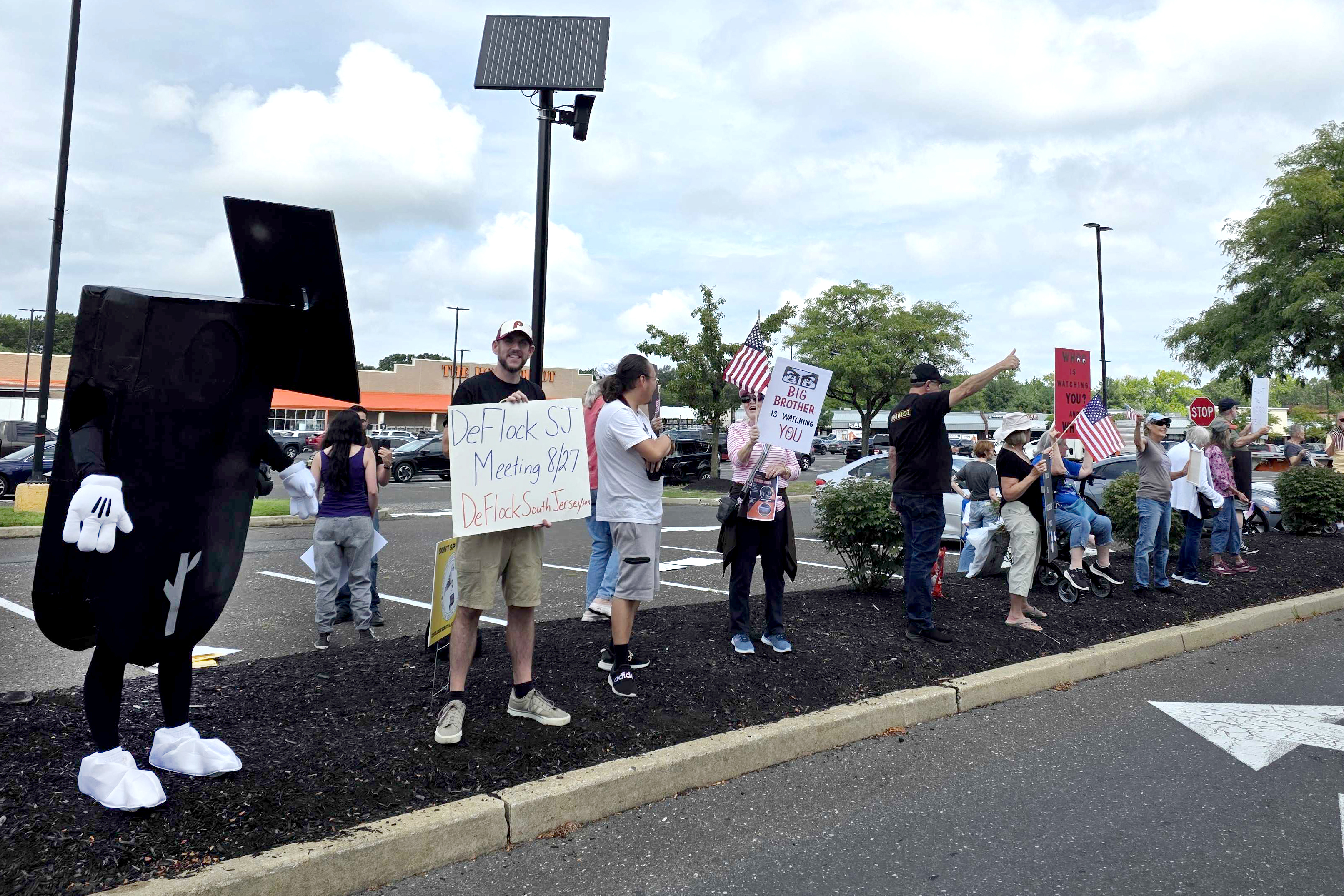
On the outer rim of a Home Depot parking lot in West Berlin, N.J., a group of more than 20 people — many of them senior citizens — did their part to fight Big Brother in the searing August sun.
“It got your license plate number!” shouted one man, pointing to a black, Flock brand solar-powered license plate reader above him and then to various cars in an Oprah-like manner, albeit at a slower clip. “They’re watching you! And You!”
The camera also captured the make, model, and any bumper stickers on passing vehicles going through the shopping plaza’s main entry and exit point, whether they went to Home Depot or not, someone else rattled off. Not to mention all the police-operated license plate readers dotting the region.
Waiting for the light to turn, one driver clearly isn’t buying the “surveillance state” claims. He tells the organizers their phones are already listening, lifting his for emphasis, and flipping them the bird as the line of cars begins to move again.
Michael Cannon, 72, understands that response, but insists these cameras are different.
“This is the freedom to travel,” he said over honks of support. “I can leave my phone at home. I don’t have to shop at Amazon. I don’t have to surf the internet. I choose to use them and I realize I’m giving up some privacy.”
It’s not just that Flock cameras can capture a vehicle’s license and other details, critics say. That information goes into a much-touted national database, which is fed by hundreds of local police departments in every state but Alaska. What’s more, Flock is not the only player in the market.
Automated license plate readers from Motorola Solutions, Axon, Avigilon, Neology, Leonardo, and Genetec are already peppered across the Jersey Shore, the Cherry Hill Mall, and shopping plazas across New Jersey. Major retailers including Lowe’s, Walmart, and Ulta Beauty have embraced the technology, citing loss prevention and employee safety as the driving force. And a majority of New Jersey’s law enforcement agencies have been using the technology since at least 2023, with a $10 million funding boost from then-Gov. Phil Murphy.
The “surveillance state,” say the technology’s harshest critics, is already here and rapidly expanding with a patchwork of regulations people are only now beginning to understand.
But at the Home Depot, Adam Sheridan tried to convince passing drivers it doesn’t have to be this way.
Sheridan is an organizer with the nascent group DeFlock South Jersey, which formed over the summer as the technology was subject to a flurry of investigative pieces, from local outlets like NJ.com to national publications including the New York Times. The South Jersey group is part of an effort to regulate and limit the growing assortment of automatic license plate readers. Everyday people are filing records requests, planning boycotts of retailers using the technology, and courting elected officials across the political spectrum, urging them to introduce bills regulating the technology.
“We’re trying to educate people,” Sheridan said of the group’s efforts. “They don’t know that this surveillance system is being built without their knowledge or their consent and we have found that when you tell people, they don’t like it.”
Progressives like Sheridan see the collective concern and outrage as a boon to their cause.
“There really is a lot of alignment between very vastly different people and that’s unusual,” he said. “We can go and talk to a Republican legislator and say your voters care about this and then we can go to a Democratic politician and say the same thing.”
Adam Sheridan, an organizer with the new DeFlock South Jersey, alerts passing drivers to an organizing meeting in August where people hope to spread awareness regarding automated license plate readers. Flocky, a homemade mascot, acts as a visual boost.Ximena Conde / Staff
High-profile cases of abuse
One of the reasons Flock has received the brunt of criticism in the license plate reader backlash is because of a number of incidents where the technology was abused or misused.
Then there are the legal concerns, including whether the technology can help authorities circumvent the laws of neighboring states. Tech outlet 404 Media reported that police in Texas used Flock to track a woman who left the state to self-administer an abortion. While Texas prohibits almost all abortions, police were able to tap into Flock data in states where abortion is legal because of that national network.
The quandaries are not limited to Flock.
Immigration enforcement is another area where policies and safeguards can change from camera provider, to state, to police department, to private business.
Flock says it does not contract with U.S. Immigration and Customs Enforcement, but clients in states like New York have allegedly used license plate reader data on ICE’s behalf.
For its part, New Jersey limits how state and local law enforcement assist immigration authorities and Flock says it has its own guardrails, requiring out-of-state agencies to confirm that they’ll comply with state law before receiving license plate data. Yet retailers set their own policies on when data can be shared with local and federal law enforcement.
People like Sheridan, someone who organizes for progressive causes in South Jersey, worry about the use of the technology under the current political climate. Even so, he’s encouraged by the criticism the technology has received across the political spectrum.
“We think that people on the right should also be concerned about it because Donald Trump won’t be the president forever,” he said. “There will be a Democratic president, and we don’t think that that president should have these powers either.”
Privacy advocates also urge critics to look beyond Flock and consider how license plate reader technology is being used by other companies and paired with other surveillance tools.
Motorola Solutions didn’t respond to a list of questions, but the American Civil Liberties Union reports it also offers a searchable national database of vehicle information captured by its cameras.
And Leonardo, as first reported in 404 Media, is rolling out sensors to their license plate readers that would capture “unique identifiers” of phones and other Bluetooth-enabled devices in cars. The company said in a statement that this is a separate product that can be paired with their license plate readers and all that information is kept in the end users’ own database.
Critics concede this is all a lot to take in. Yet they hope to tap into the sudden interest in license plate readers and replicate some of the data center bans in New Jersey. Though license plate readers are already ubiquitous, privacy advocates believe a mass mobilization could push for regulation.
A technology used statewide
License plate readers have been around for a long time.
In New Jersey, the Office of Attorney General has led efforts to regulate the technology since at least 2010. The latest tweaks to regulation came out of the office in 2022, mandating annual audits of law enforcement agencies using the technology; requiring license plate reader coordinators to improve oversight and information sharing; and cutting the time these departments can keep data and records from cameras from five to three years.
By the time the first statewide audit was published in 2024, 517 law enforcement agencies were already using the technology, including the New Jersey State Police, NJ Transit Police Department, and various county prosecutor’s offices. The latest report auditing the use of the technology, found 523 law enforcement agencies are using license plate readers. There areabout 530 law enforcement agencies in the state, according to NJ.com.
And while agencies are told to report significant violations and citizen complaints — there were none listed for 2025 — information regarding how many cameras agencies have or how often they’ve been used in investigations is not provided.
Much of what’s known about license plate readers is coming from the companies themselves, with many of the service providers remaining rather tight-lipped.
In its more recent “impact census,” Flock reported its technology supported more than 1 million criminal investigations in 2025 across 700 law enforcement agencies nationwide, helping locate more than 10,000 missing persons. The company also claims more than 40% of its customers used Flock in more than half the cases that resulted in the recovery of a stolen car.
The Cherry Hill Police Department, however, is careful to not to overemphasize the technology’s role in solving crimes.
“In nearly every case where a reader mattered, it gave detectives a direction and the case was then built by corroborating that lead through other evidence: video, physical evidence, witness accounts, forensics,” said the department’s Capt. Sheldon Bryant.
A reader can offer a lead, he said, but proving the crime is still up to law enforcement.
The department has contracted with Flock for the last two years. Bryant highlighted several instances where the township’s 10 readers identified vehicles connected to crimes committed in and out of the township, which led to arrests.
A shooting investigation in Camden last January led authorities to a vehicle in Cherry Hill and just last month, a shooting in Cherry Hill led authorities to New York, according to the department. Cherry Hill Police obtained a warrant in the latter incident and a Flock reader picked up the vehicle’s license plate in New York, leading to an arrest.
In the last year, Cherry Hill’s system generated 2.2 million alerts, the overwhelming majority being expired registration and suspended plates — the department doesn’t use the readers to run enforcement sweeps on those. The alerts connected to criminal activity are far smaller, Bryant said. In the same year the department received alerts for about 800 stolen plates, 212 stolen vehicles, and 15 missing persons.
Many critics of license plate readers argue more granular data from individual law enforcement agencies on how they use the technology would aid in transparency.
How many people are being recorded to try to capture a select few, they ask. An oft-quoted statistic from the Electronic Frontier Foundation, which has been studying new surveillance technology for more than 30 years, noted that less than 1% of cars scanned are connected to a crime, but that’s from research looking at data from 2016 and 2017.
At the inaugural DeFlock South Jersey organizing meeting, this statistic drew denouncements from the crowd.
“I know there’s some benefits but it’s not up to us to prove we didn’t commit a crime,” said a Howell Township resident named Joe afterward. He’s a registered Republican who declined to give his last name to preserve his privacy — a common stance among the group. “I’m driving past these all the time, I shouldn’t be surveilled in case something happens.”
Fighting the warrant loophole
Consider this: Police want to stick a GPS tracker on a suspect’s car. Law enforcement would have to get a judge to sign off on a warrant in order to do so and they would only be able to track an individual’s movements going forward.
Matthew Guariglia, a senior policy analyst at the Electronic Frontier Foundation, said license plate reader technology inverts that system by collecting sensitive data all the time.
“Not only is it like skipping the judge, it’s skipping the judge and going back in time and putting a GPS device on a car 30 days ago,” Guariglia said.
The amount of time license plate readers keep that information varies by company and law enforcement agency. Amid backlash, Flock cut its retention period last month from 30 to seven days. Critics looking for greater regulation feel retention should be uniform across companies and shorter still.
One of the many tactics DeFlock South Jersey aims to take is pushing legislation that forces agencies to delete captured data after 48 hours unless it is needed as evidence. The suggested bill language promoted by the ACLU, also requires other law enforcement agencies to request access to license plate data collected by another entity. The asking agency would have to agree not to further share the data, unless required by law, or have a warrant.
Republican Sen. Michael Testa (Atlantic, Cape May, Cumberland) plans to introduce legislation for license plate reader guardrails this month, though the text has yet to become available.
“The legislation that I will be introducing will establish commonsense protections for law-abiding citizens while still allowing law enforcement to use this technology to catch dangerous criminals,” he said in July.
Back at the organizing meeting, held at the South County Library in Winslow, attendees looked over drafts of the suggested legislation and headed to DeFlock.org — not affiliated with DeFlock South Jersey. The website is an open-source project that flips the script on license plate readers. Volunteers submit the locations of cameras across the country, regardless of brand, despite the name.
Many in the room were already acquainted with the app, having sent in tips themselves. Sheridan floated the idea of a license plate reader “scavenger hunt” as a potential event to raise awareness. Boycotting retailers that use the cameras was also floated as an idea.
Joe, the Republican attendee from Howell, doesn’t mind the cameras on private businesses. Still, as Sheridan hoped, Joe left the meeting ready to take action. He’s stayed in touch with DeFlock South Jersey in the weeks since and they’re coordinating a possible meeting in Howell, Sheridan said.
Despite the technology’s ubiquity in South Jersey, Sheridan feels regulation is within reach because people like Joe are joining the fight.
“Not to be corny about it but this is an American value,” said Sheridan. “The ‘don’t tread on me’ stuff is sort of in our DNA as Americans, the government doesn’t get to watch me everywhere I go.”
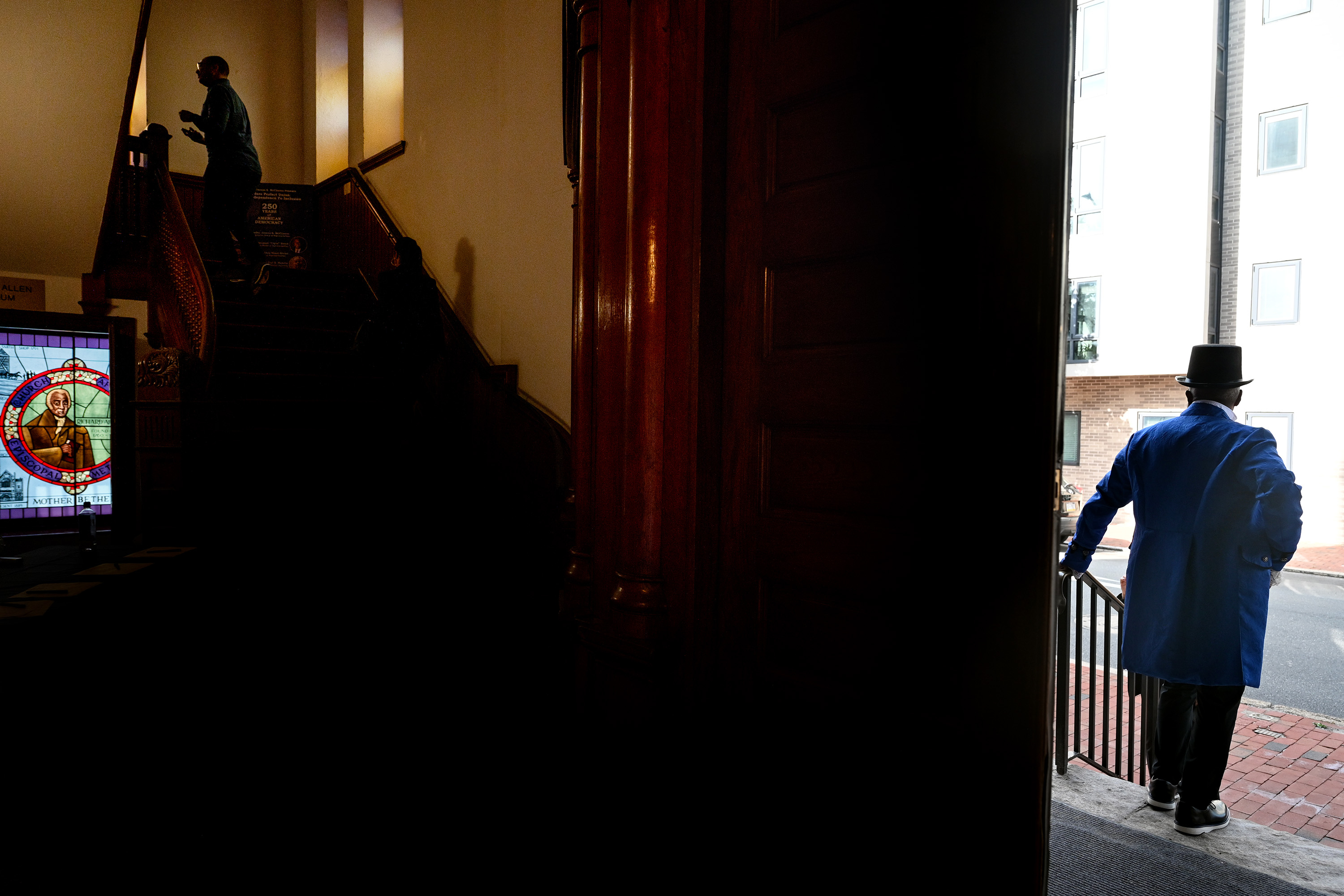
I was standing next to a big sign before the start of an event this week. It had a photo of the host and the large words “America 250.” More than one person arriving wondered out loud, “Why the 250?” Or, “Isn’t that passed?”
They weren’t asking me. I was just there, inside looking out the front door, waiting for re-enactor Chris Lewis to step into a favorable position so I could make the photo above.
The registration table was farther inside, so nobody was there to say something like, “Just because July 4 is behind us doesn’t meant we can’t continue the celebration of what was accomplished in 1776. Or we could think about what we want the next 250 years to look like.”
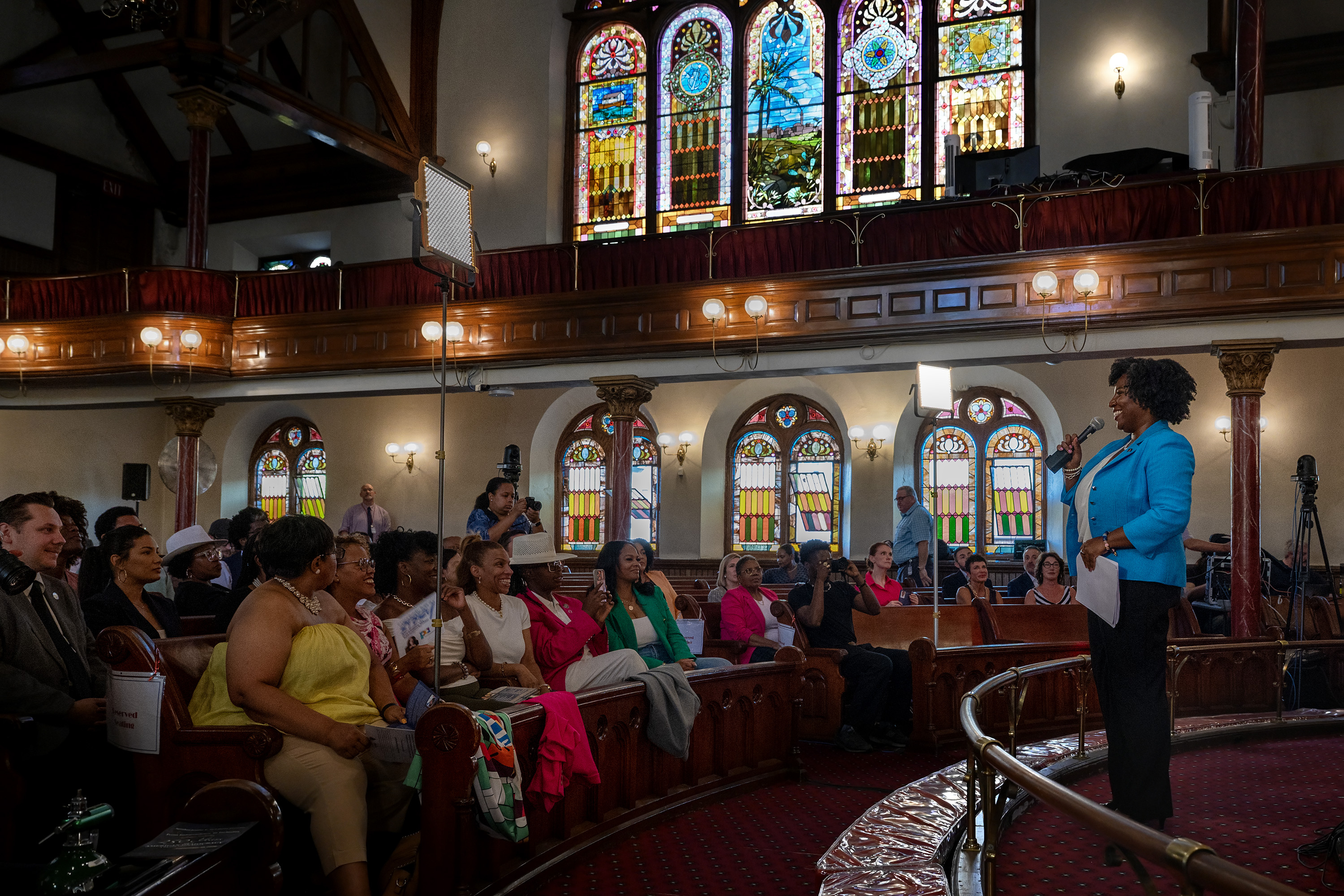
House Speaker Joanna McClinton hosts an America 250 Conversation at Mother Bethel AME Church Thursday Sept. 10, 2026.Tom Gralish / Staff Photographer
I did my own share of looking both back and forward while covering another anniversary this week. Those of us old enough to remember knew even on that day that nothing about our future would never be the same again.
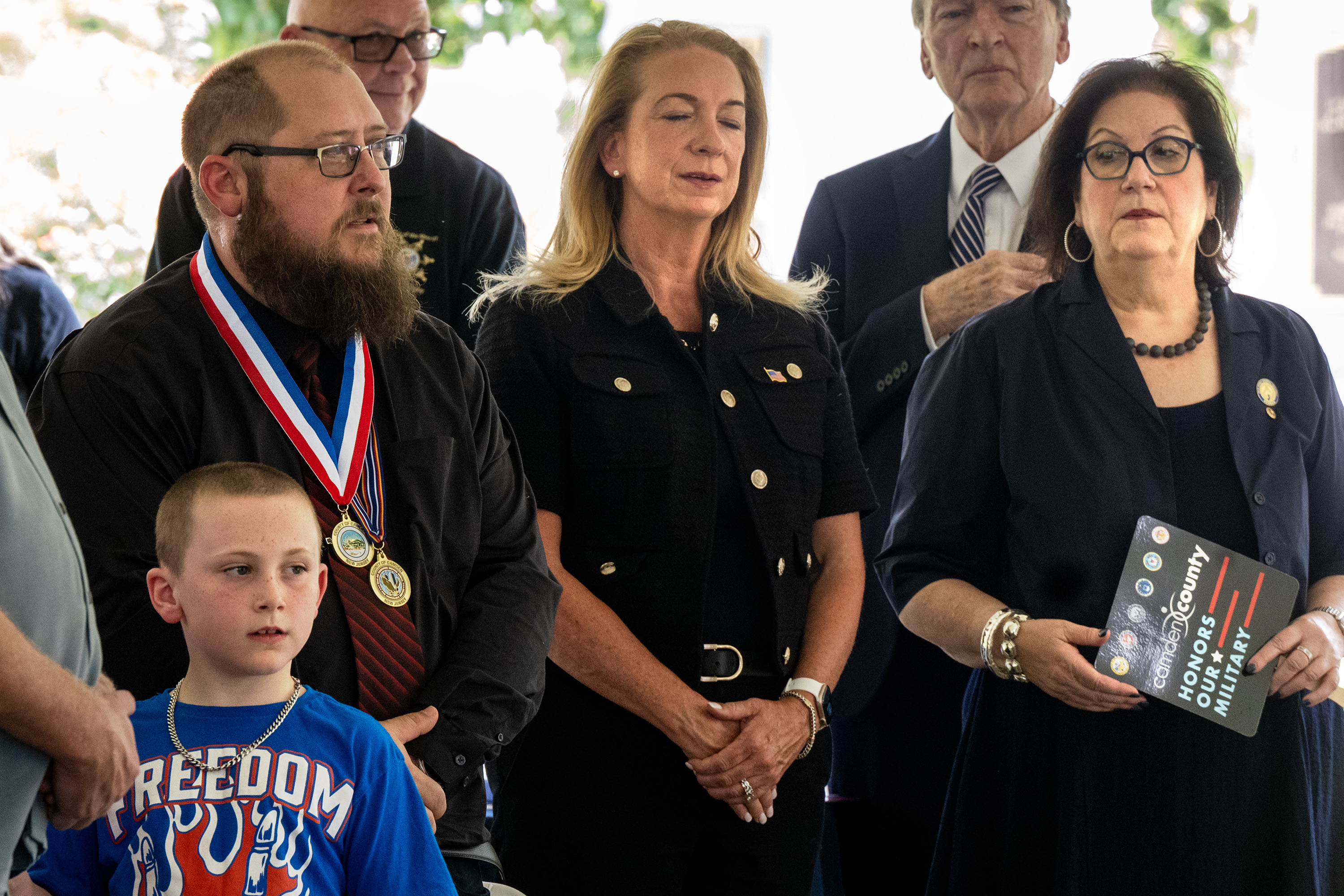
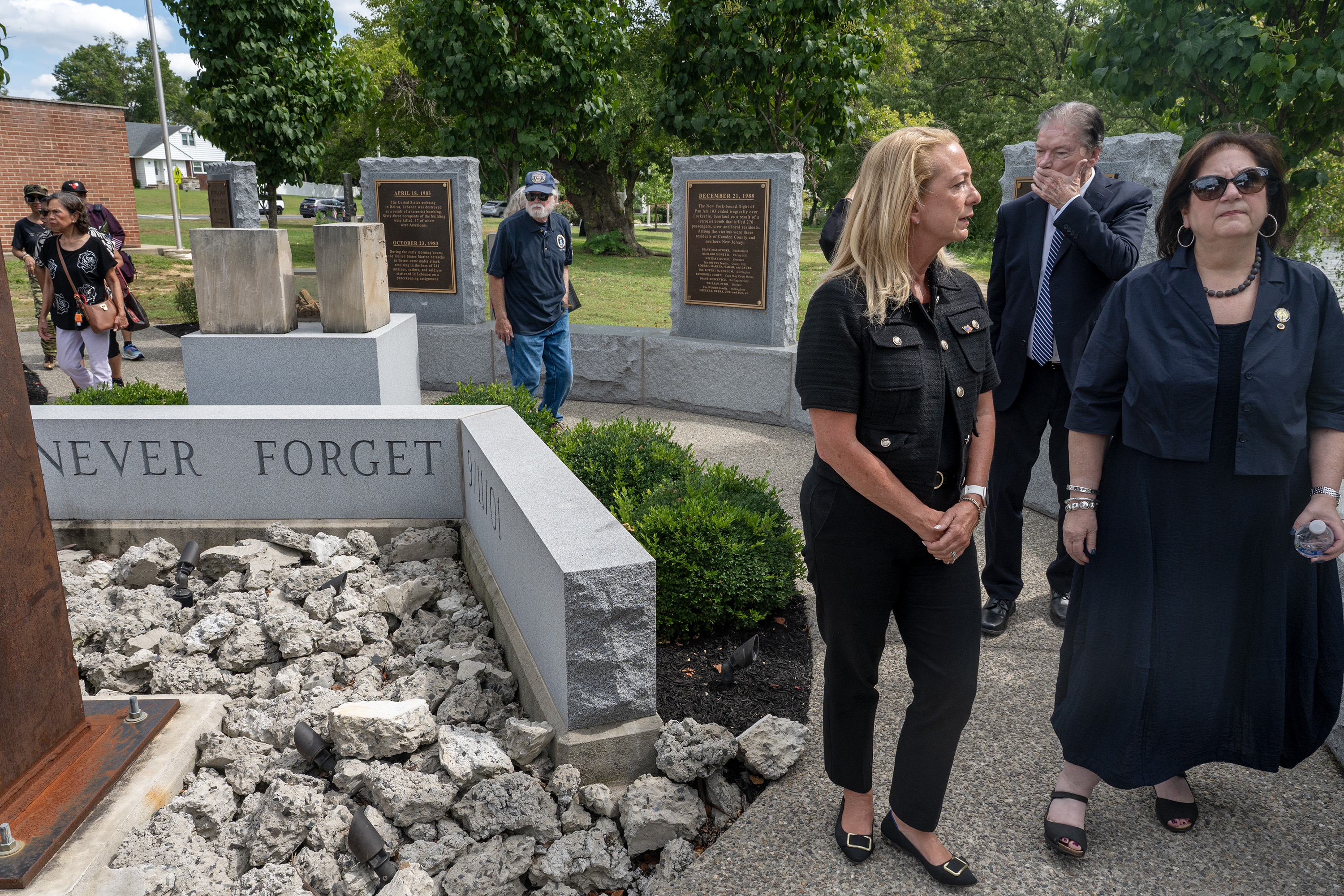
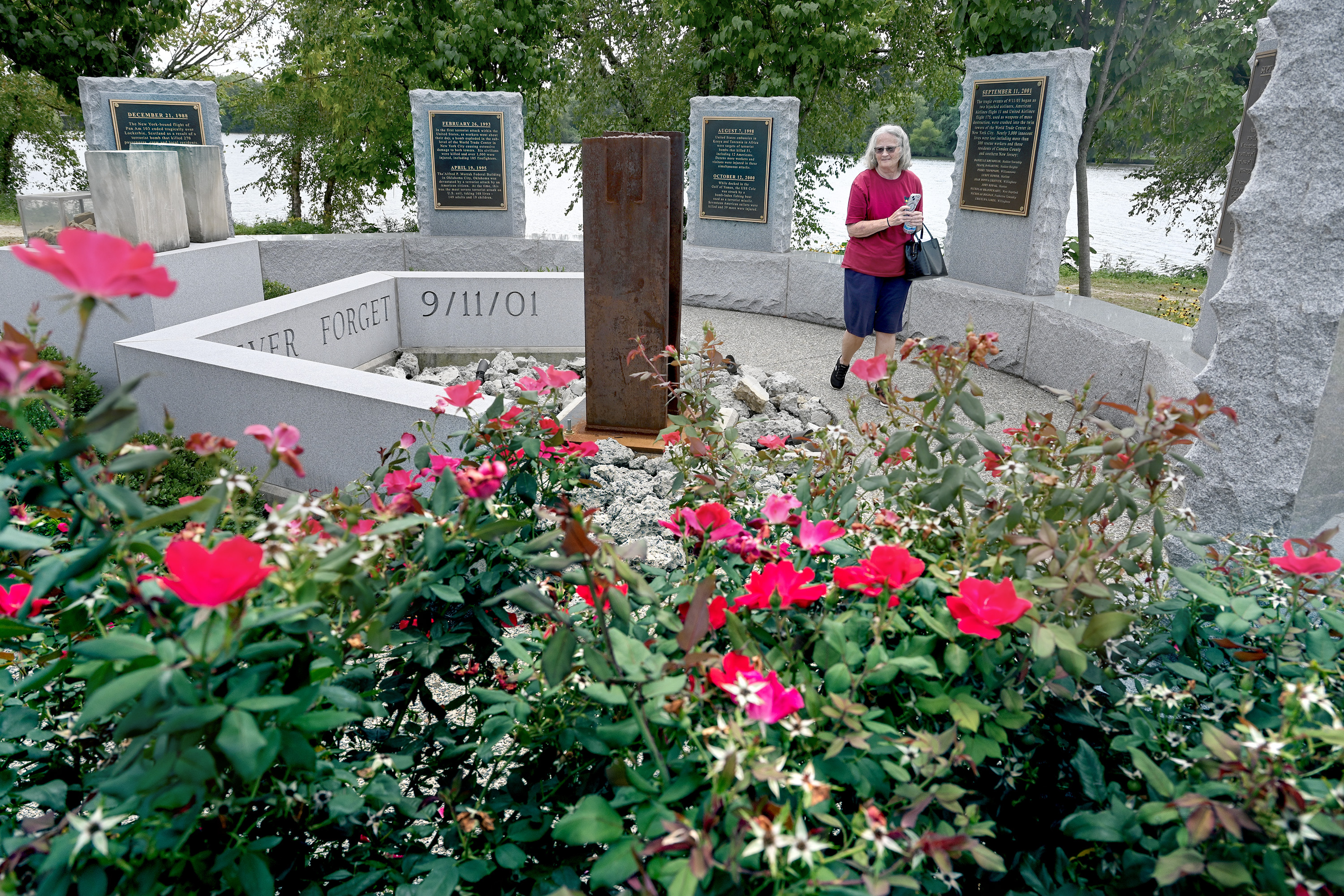
Names and photos of County residents who died on 9/11 and in the War on Terror following the September 11 attacks are posted during a medal ceremony at the Victims of Terrorism Monument in Cooper River Park in Pennsauken on Thursday, Sept. 10, 2026. Tom Gralish / Staff PhotographerOne of the medal recipients, U.S. Army veteran Michael R. Newberg of Chesilhurst and his son, Connor, 8, stand with elected officials during the ceremony.Tom Gralish / Staff PhotographerA Marine Corps League honor guard with the PFC Daniel Giordano detachment 200 in Somerdale fires a rifle salute.Tom Gralish / Staff PhotographerCamden County Commissioner Jennifer Cooley Fleisher (left) and State Assemblywoman Melinda Kane (right) visit the Victims of Terrorism Monument following the medal ceremony. Kane is a Gold Star Mother whose 22 year-old son, Marine Lance Corporal Jeremy Kane was killed in 2010 in Afghanistan. He was deeply affected and felt “compelled” to enlist, joining the Marines on Sept. 11, 2006—exactly five years after the terrorist attacks. Tom Gralish / Staff PhotographerAlice Hastings of Gloucester Township visits the Victims of Terrorism Monument. She was there with her husband Tom Hastings, who was among the local veterans honored for their bravery, sacrifice, and service. Hastings served in the U.S. Air Force, including with the dignified transfer of remains at Dover Air Force Base, Del. Tom Gralish / Staff Photographer
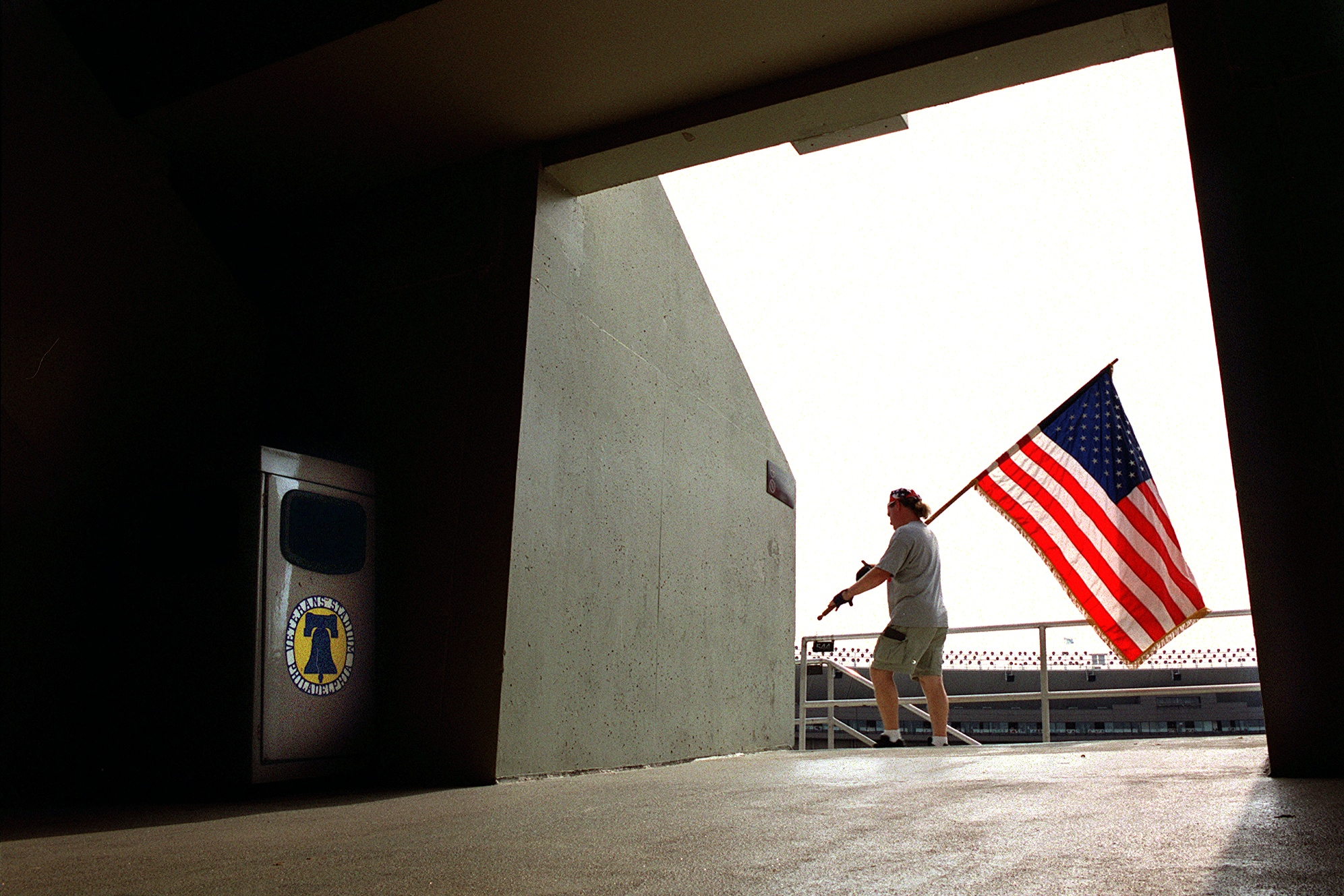
After 9/11 the flag became a symbol of shared feelings, giving people a way to express emotions that words could not.
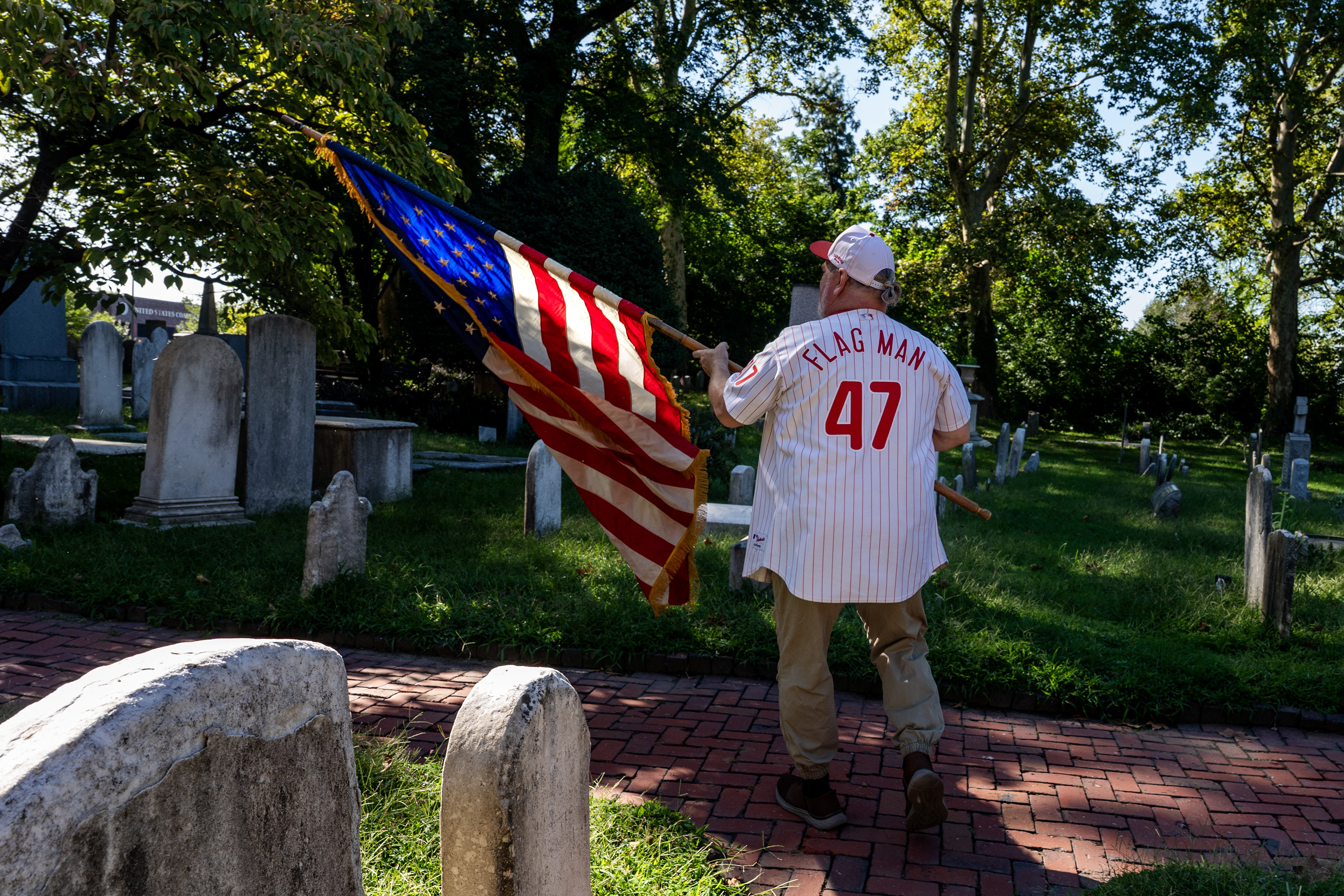
Sports reporter Matt Breen — a Northeast Philly native and Temple grad — writes the kind of stories I like to read, full of history and nostalgia, trivia, and tidbits. And plenty of “Only in Philadelphia” characters. Like Flag Man.
Jim Minacci at Veterans Stadium, September, 2001.Tom Gralish / Staff Photographer
I photographed Jim Minacci twenty-five years ago when the Phillies were back at Veterans Stadium after the season was paused following 9/11.
He and his son walked around all the concourses carrying a large American flag — trailed like the Piped Piper by a line of kids. They did it at every home game for the rest of that season as he became a symbol of patriotism.
Minacci still attends Phillies games and he still has the flag (but it’s too big to be allowed into Citizens Bank Park).
Jim Minacci at Gloria Dei Old Swedes Episcopal Church Tuesday, Sept. 8, 2026.Tom Gralish / Staff Photographer
Surprisingly, while there have been stories about the Minaccis — and the dozens of music events they host all yearlong to raise money for the historic church — it looks like Matt is the first one to write about Flag Man since 2001.
Looking ahead, it would be great if Americans could reclaim that feeling today, reclaim the sense of community that emerged from the tragedy (without something else terrible having to happen).
A flag at a South Jersey home on Flag Day, June 14, 2005, tattered, torn and tarnished by time over the years after 9-11, when well-intentioned home-owners bought flags to display in the heat of patriotism. Tom Gralish / Staff Photographer
Since 1998 a black-and-white photo has appeared every Monday in staff photographer Tom Gralish’s “Scene Through the Lens” photo column in the print editions of The Inquirer’s local news section. Here are the most recent, in color:
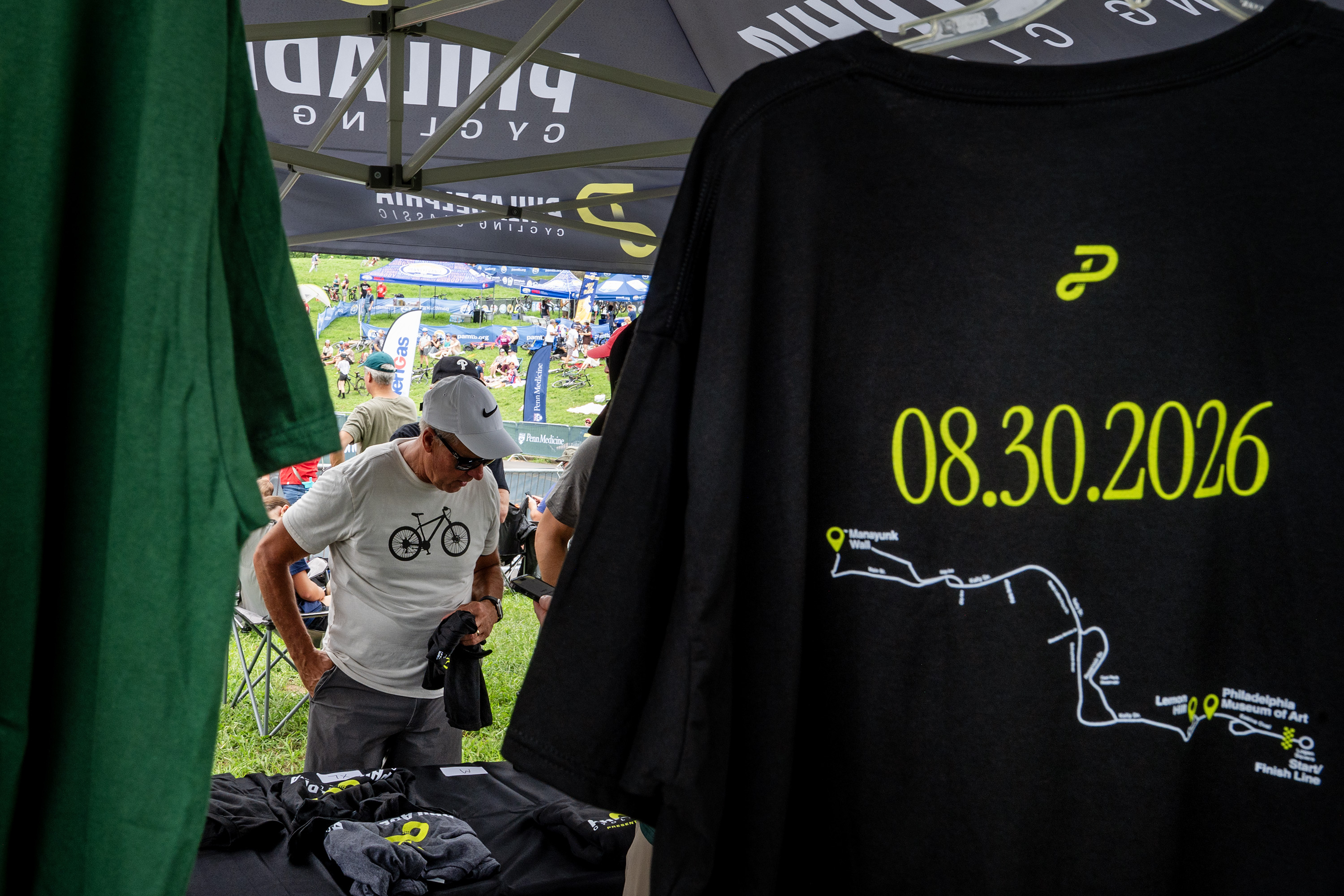
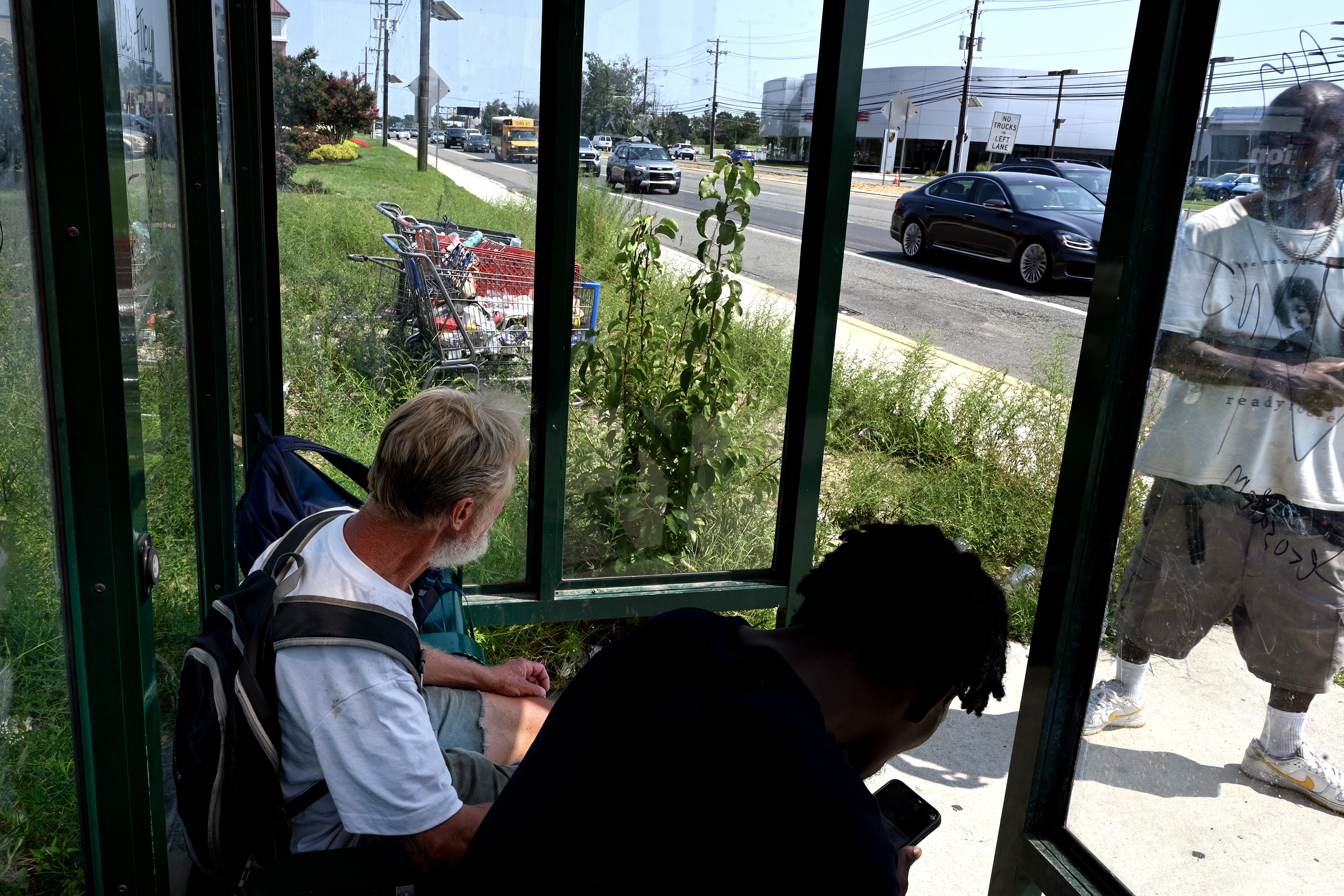
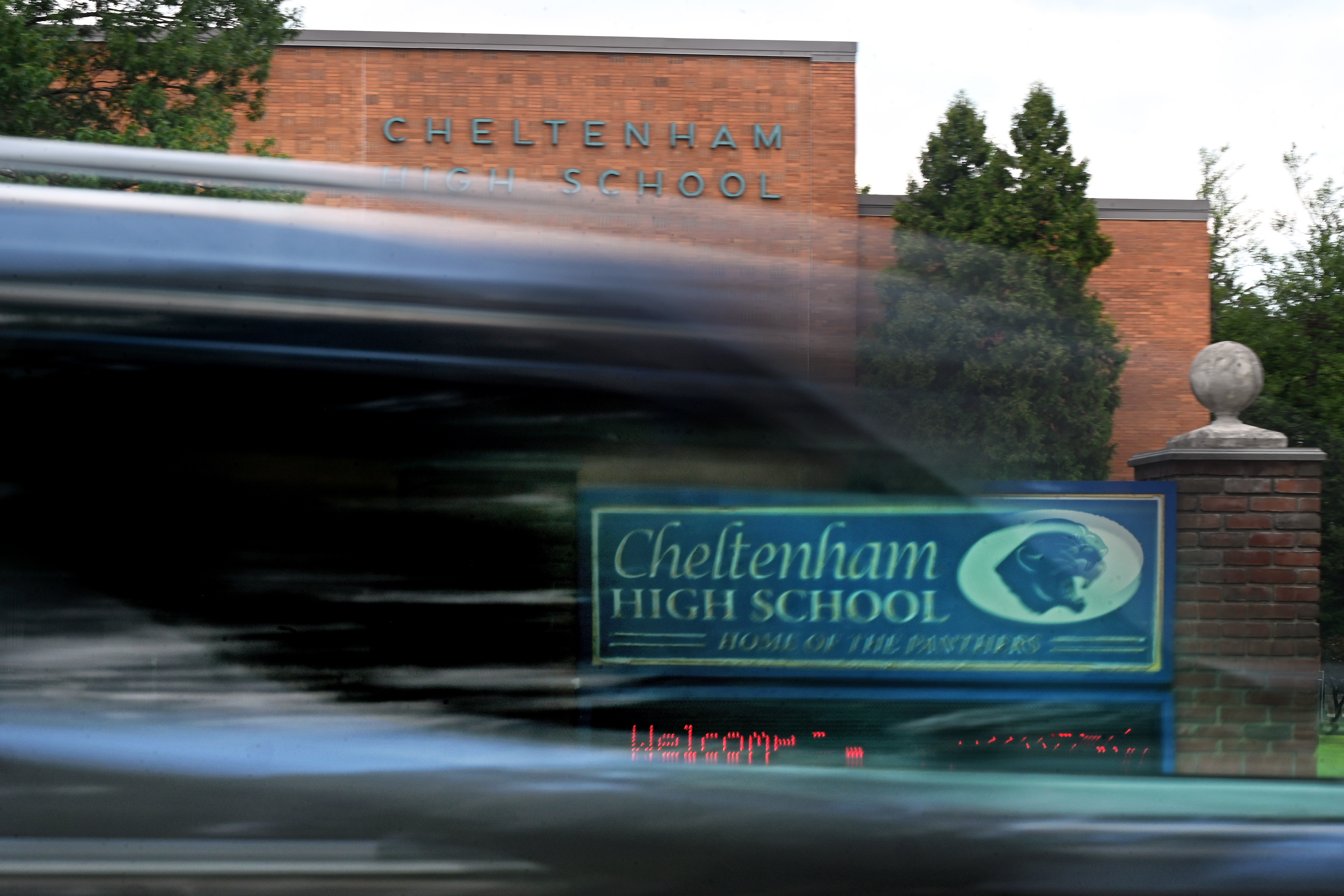
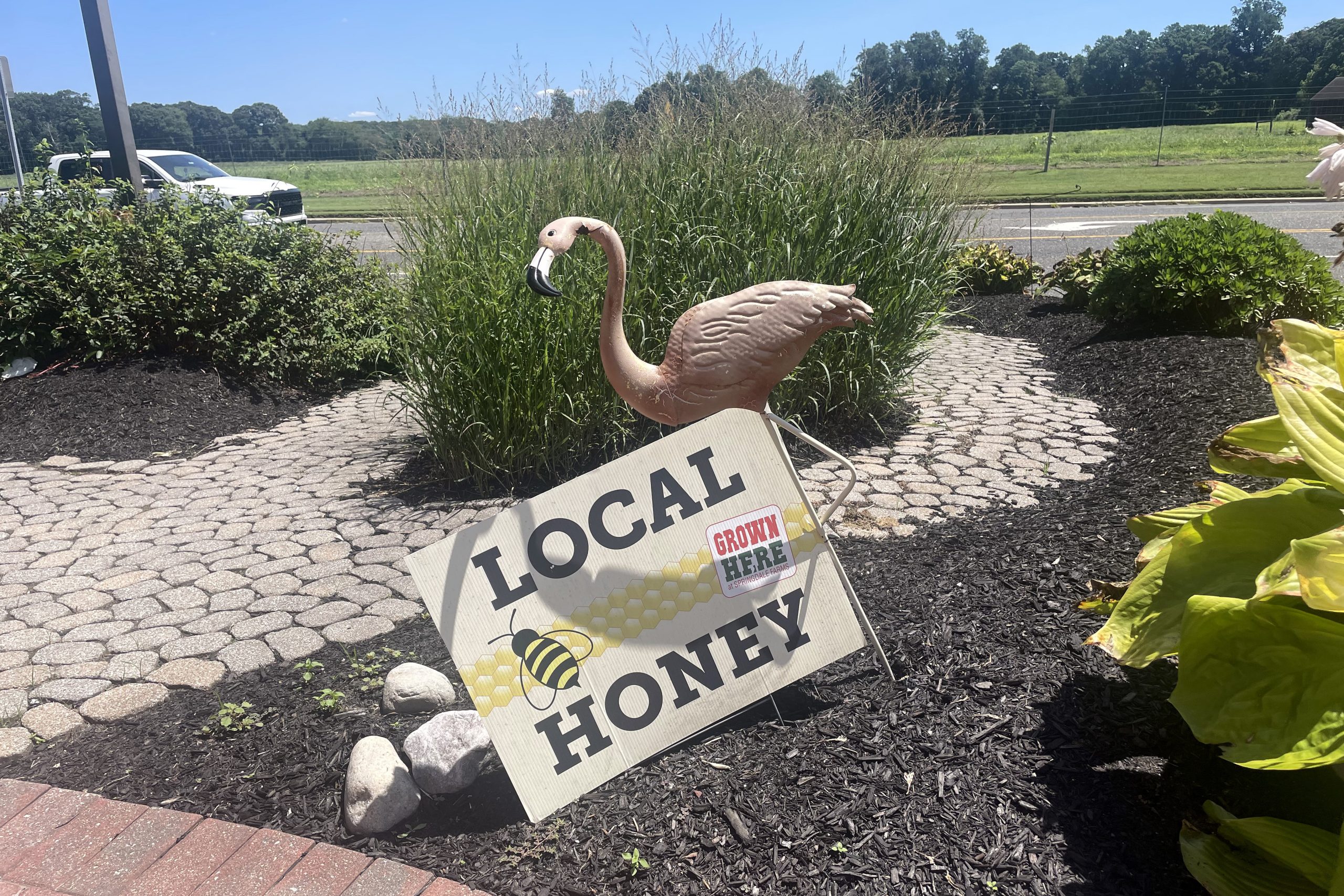
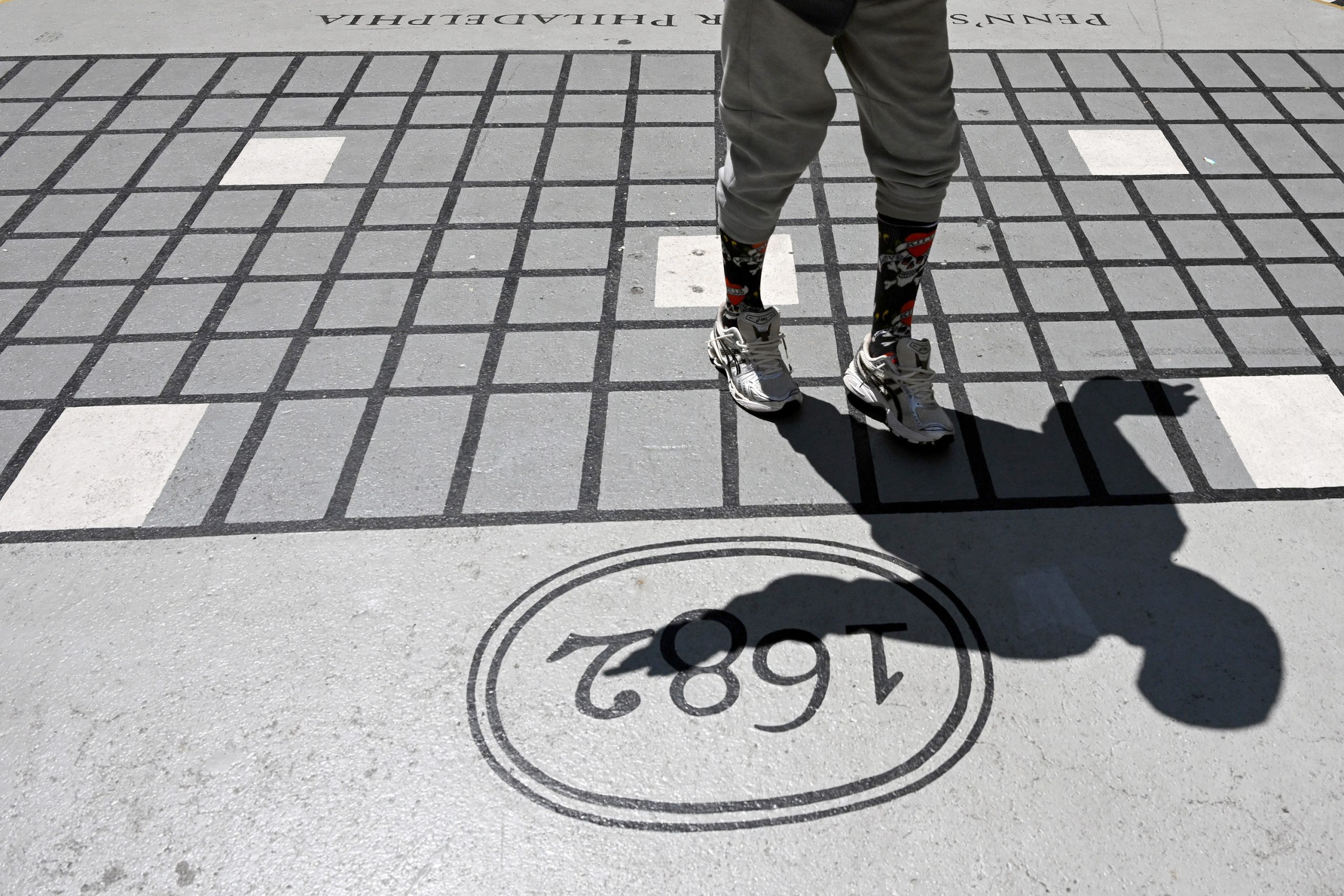
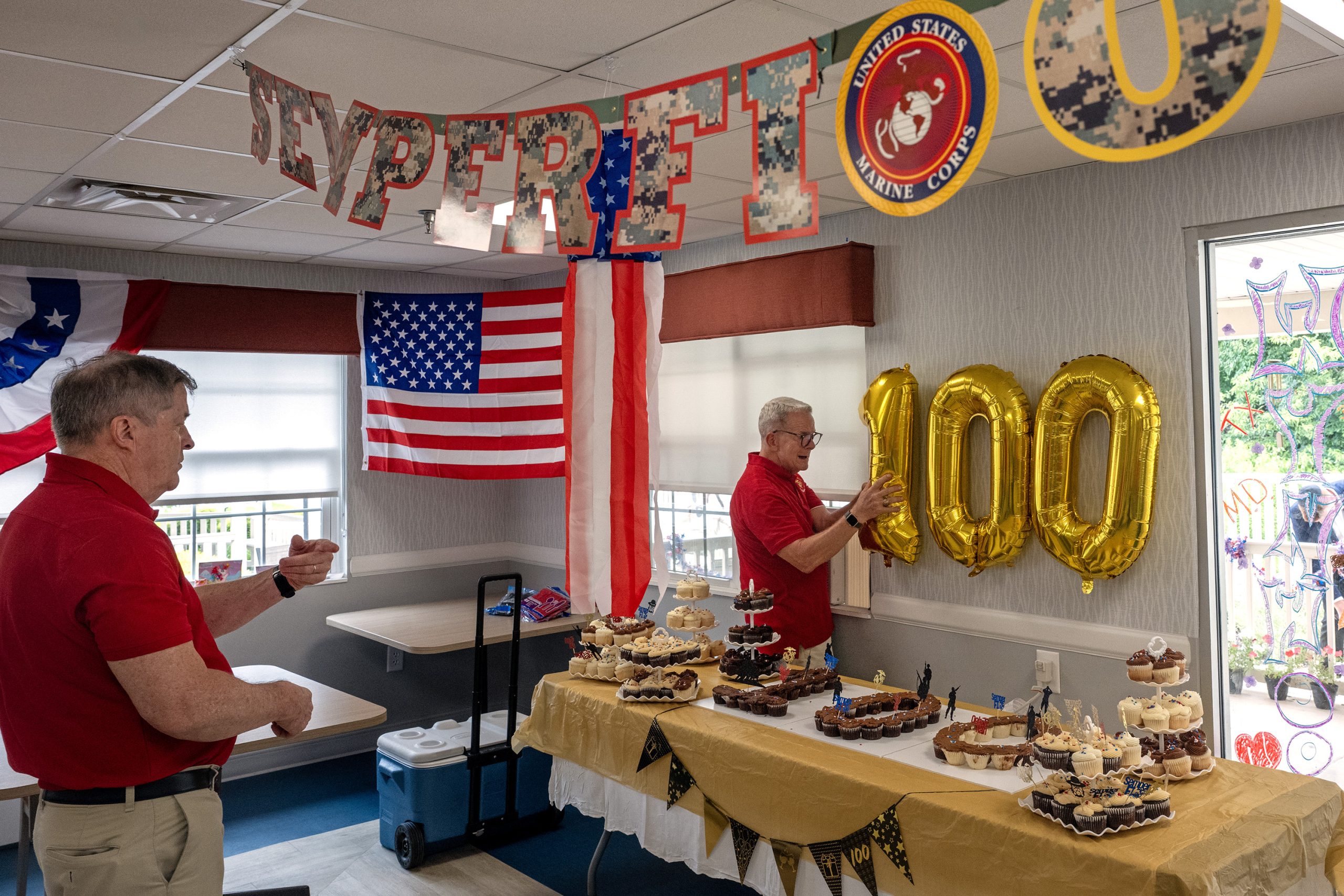
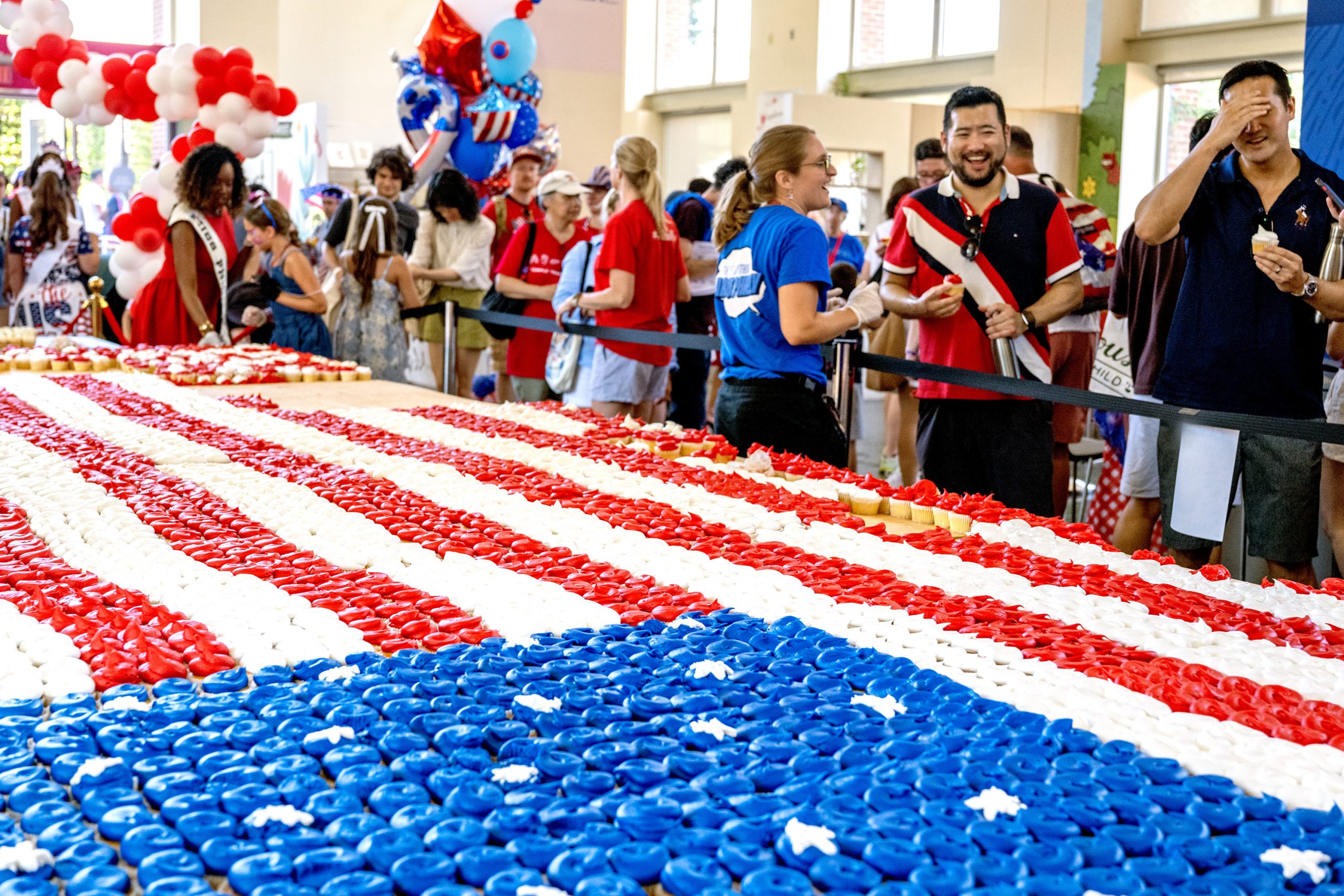
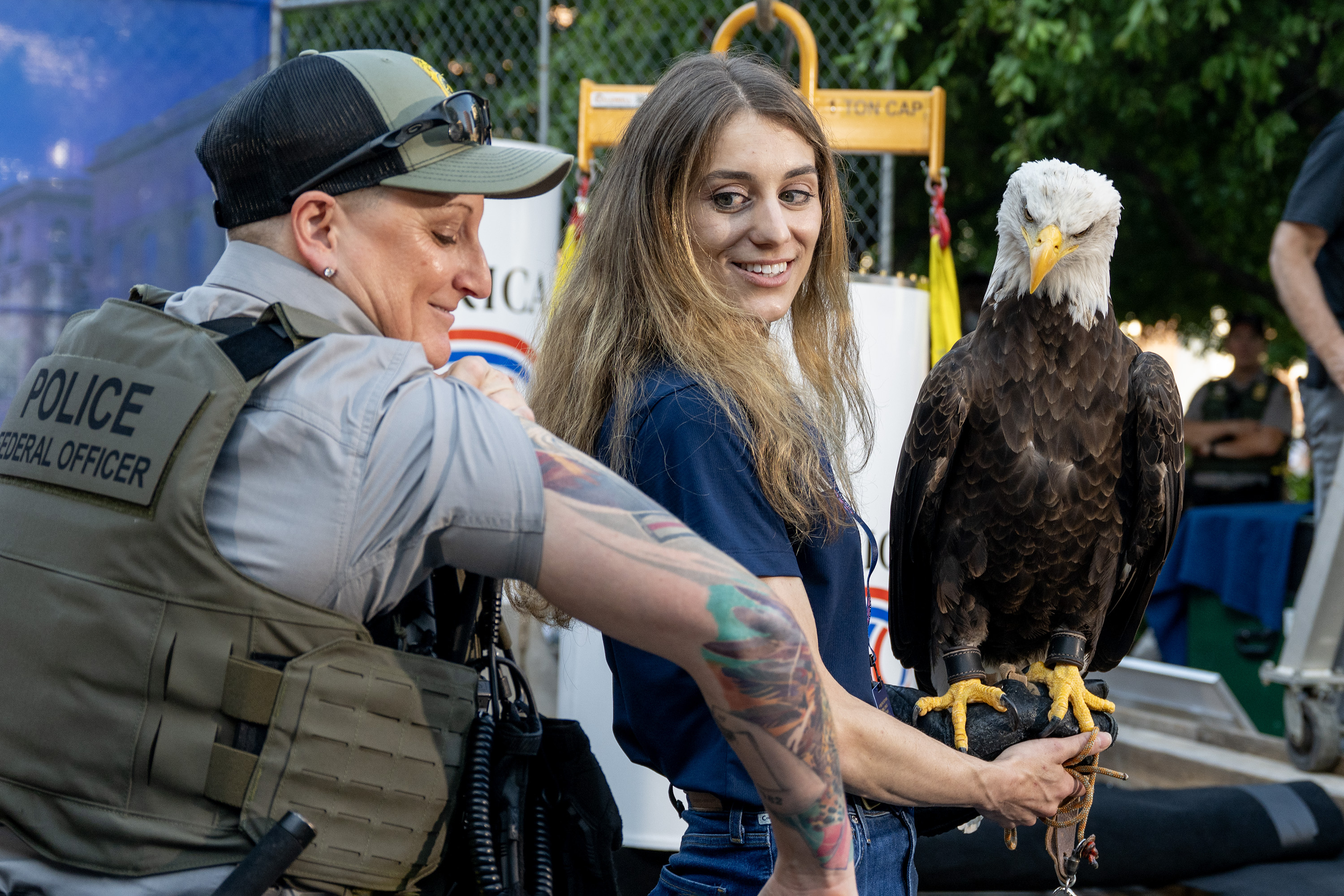
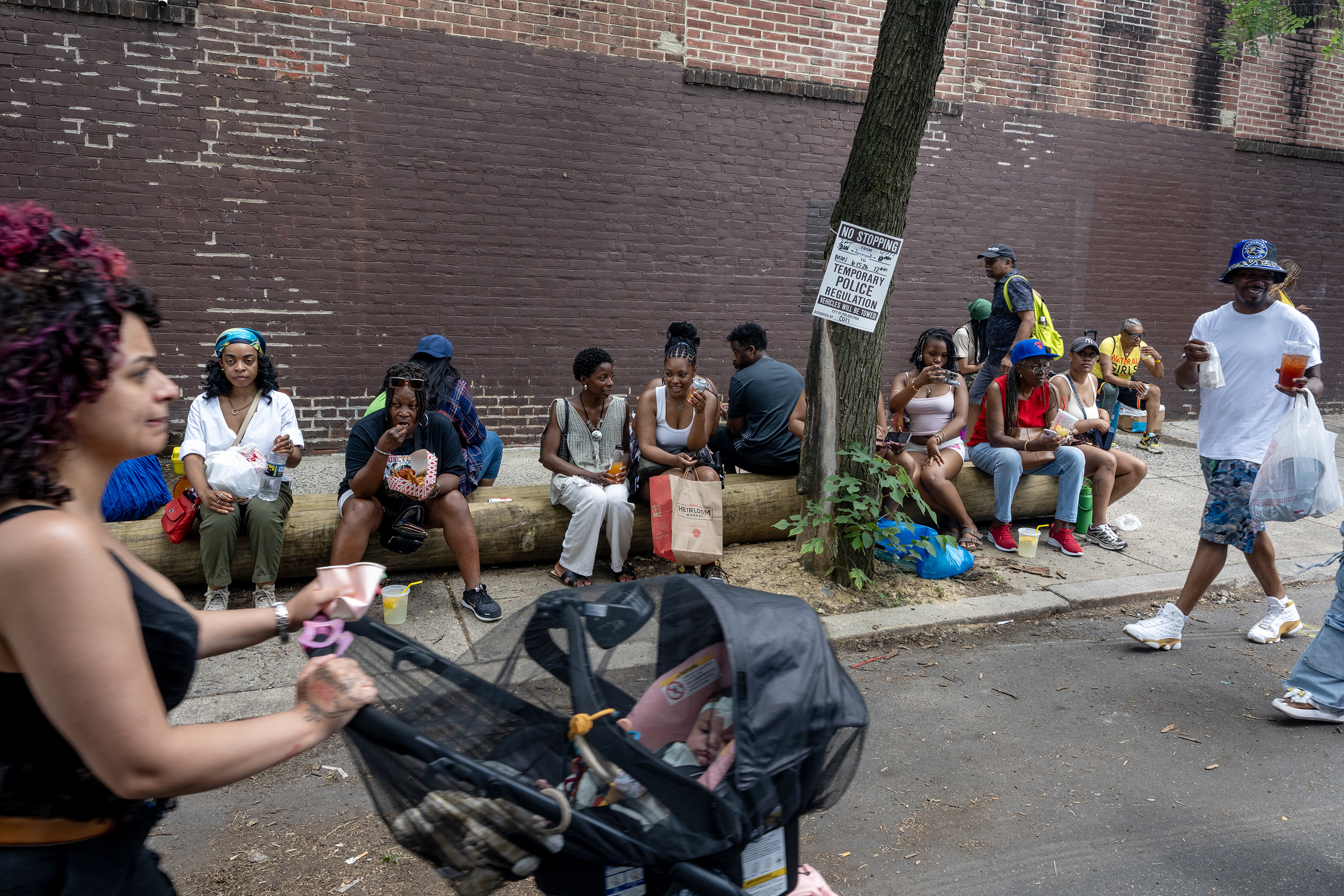
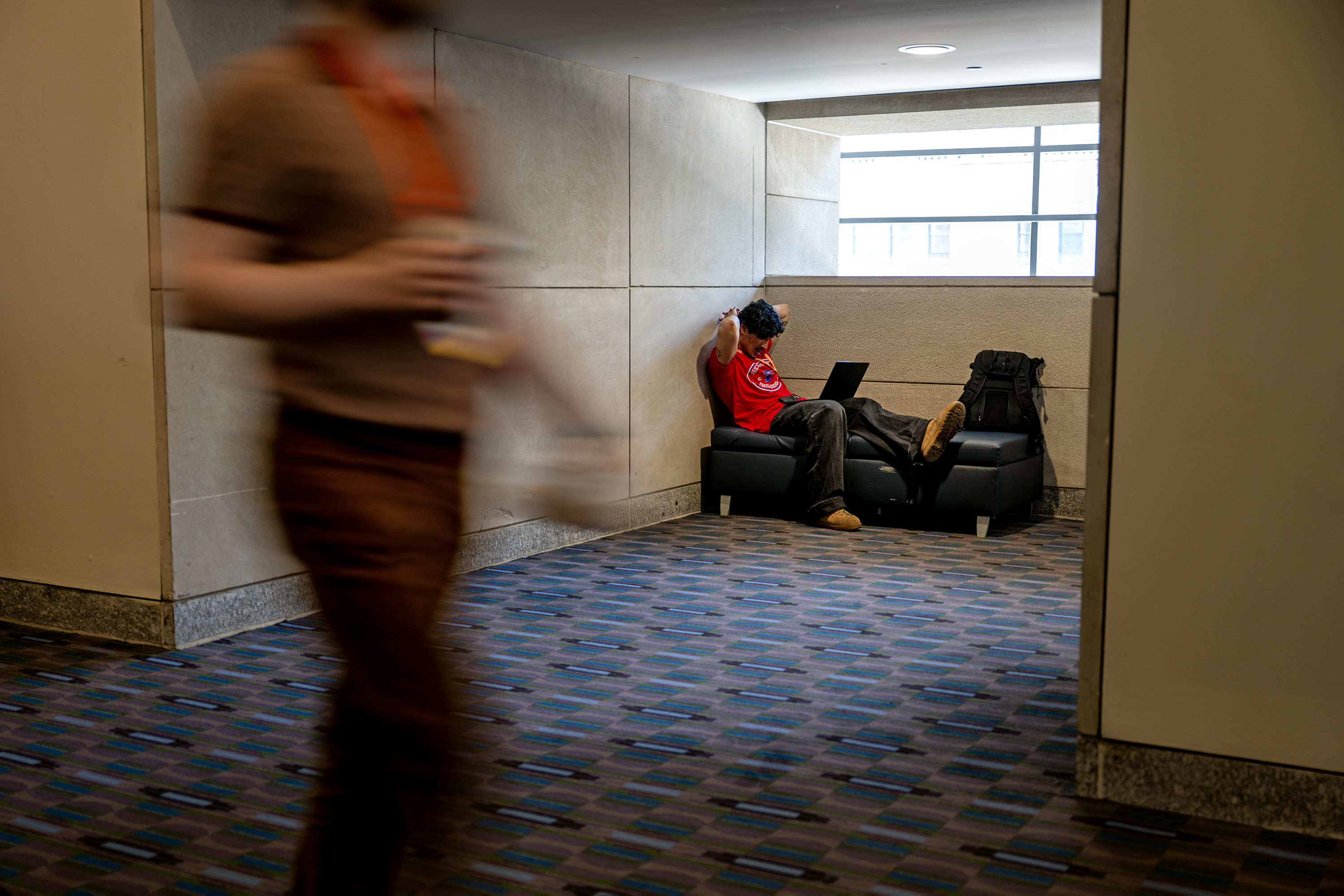
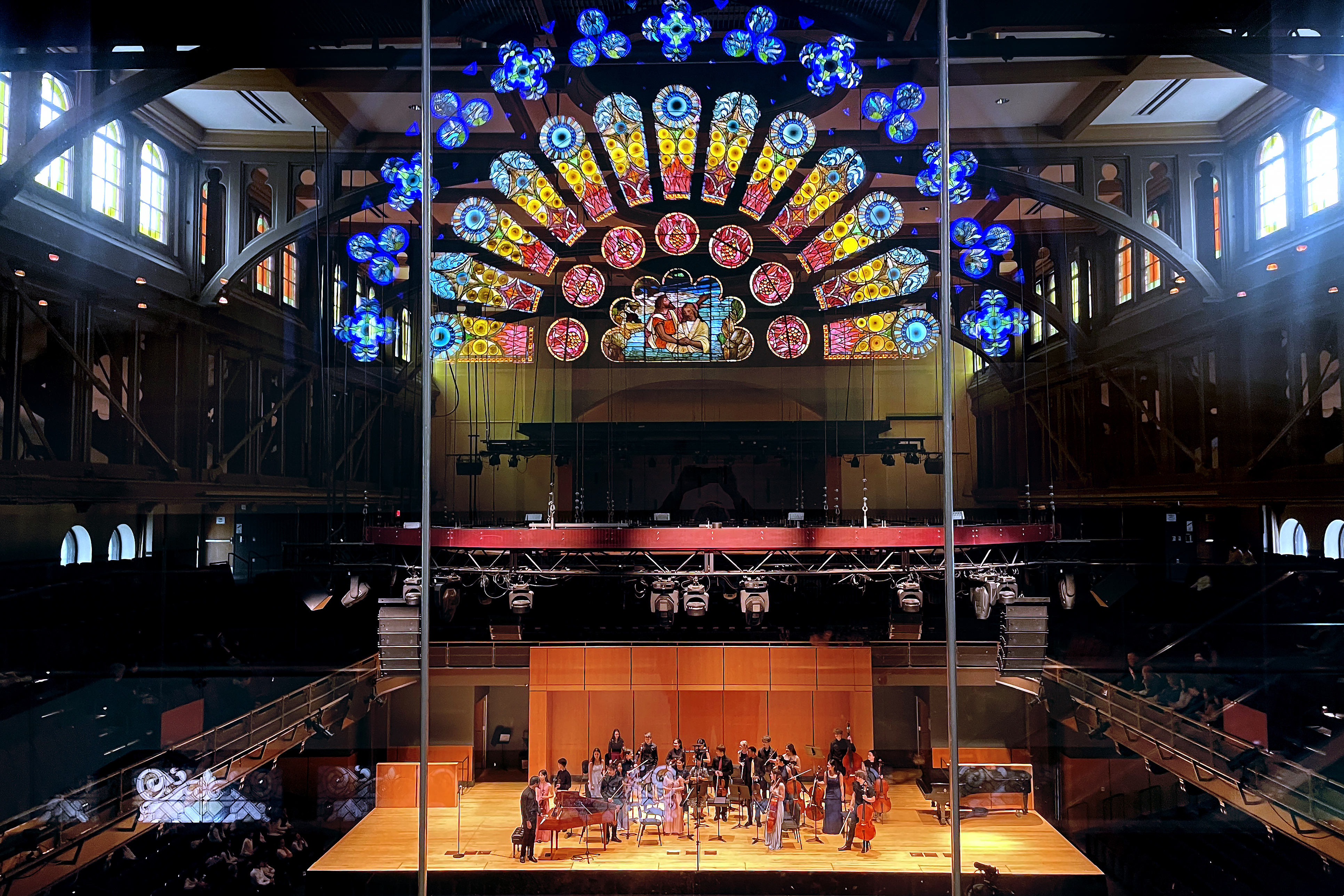
September 7, 2026: Joe Ackler of Skippack shops for a race T-shirt during a lull between laps in the Philadelphia Cycling Classic on Aug. 30. He is wearing a shirt he bought in 2003 when he attended the Tour de France. Tom Gralish / Staff PhotographerAugust 31, 2026: Robin P. Cooper (upper right) watches as Superintendent Tony B. Watlington Sr. (far left) gathers school and city officials for a group photo outside the district bus, stopped at McClure Elementary on the first day of school in Philadelphia. The bus was on its annual back-to-school celebration visit to schools throughout Philadelphia. Cooper later left the bus to join in the photo. Tom Gralish / Staff PhotographerAugust 24, 2026: Pencils were sharpened in the first-grade classroom of teacher Lauren Cucinotta at Fanny Jackson Coppin Elementary as she prepared for the start of the new school year for the Philadelphia School District on Monday.Tom Gralish / Staff PhotographerAugust 17, 2026: Wayne Peters (left) and Bobby White (right) wait for the #406 bus to Camden, on Rt. 70 in Cherry Hill, near the entrance to stores at the Garden State Pavilion shopping center and NJ Transit’s Cherry Hill station. Peters says it “Gotta be the worst bus stop in the state,” with White adding, “You’d think something in Cherry Hill would be better. How hard would it be to put a trash can here?” Before their bus arrives, Peters, trying to be positive about the shelter, reminds him “They fixed a broken window once.”Tom Gralish / Staff PhotographerAugust 10, 2026: Cheltenham High School in Wyncote, on the day the Montgomery County district attorney announced charges in connection with two assaults in the school’s football locker room. A photo of the static signs was made more visually interesting by using a slow camera shutter speed to blur the passing cars. Tom Gralish / Staff PhotographerAugust 3, 2026: Sign for locally “grown” honey outside the market at Springdale Farms, the only working farm left in Cherry Hill. Before WWII, when it was still known as Delaware Township, there were 82 farms in operation feeding South Jersey markets and supplying the massive fresh vegetable and crop demands of the Campbell’s Soup Company in Camden. Tom Gralish / Staff PhotographerJuly 27, 2026: Lyn-el “The Torch” Wright pauses on the City Hall Courtyard’s rendering of William Penn’s Philadelphia city grid plan. Penn designed the 1,200-acre “Greene Countrie Towne” between the Delaware and Schuylkill rivers with wide, crisscrossing streets to prevent the overcrowding and fires he had witnessed in London. July 20, 2026: Pat Dailey (left) and Ken Hopper with the Tun Legacy Foundation prepare a room at the Wynwood Rehabilitation & Healthcare Center in Cinnaminson, N.J., for a surprise 100th birthday party for WWII U.S. Marine Corps veteran Stephen Anderson. Dailey founded the nonprofit that supports veteran causes, Masonic charities, and educational scholarships. The organization is also rebuilding and reestablishing an authentic reproduction of the original Tun Tavern building in Philadelphia. The Tun, constructed in 1693, was the first documented lodge in North America and the birthplace of the U.S. Marine Corps in 1775.July 13, 2026: The Independence Visitor Center offers free birthday cake to the public on the Fourth of July, in the form of a massive American flag made of 5,000 cupcakes frosted red, white and blue.July 6, 2026: National Park Police Deputy Chief Rebekah Spedaliere shows off her own bald eagle tattoo while posing for a photo with bald eagle “Indy” and handler Amanda Sweeney with the Auburn University Raptor Center, during ceremonies over the July Fourth weekend. Indy came to Auburn, in Alabama, in 2018 after suffering a wing injury as a young bird and imprinted on humans during rehabilitation, so she couldn’t be released back into the wild. Now, she serves as an ambassador bird, teaching people about raptors, conservation, and the ecosystems that sustain them. Not her first rodeo in Philly, she made her first appearance at the Linc for an Eagles’ game in 2023. Tom Gralish / Staff PhotographerJune 29, 2026: Shecky Perlman as Ben Franklin is inside the Free Quaker Meeting House on Independence Mall as he and other historical reenactors receive their diplomas after weeks of intensive, immersive training for the 21st season of Historic Philadelphia’s Once Upon a Nation program — where costumed actors perform first-person interpretations of real 18th-century Philadelphians in the Historic District and at Valley Forge National Historical Park.Tom Gralish / Staff PhotographerJune 22, 2026: A downed utility pole serves as a quiet place to eat, away from the crowd at the Odunde Festival, billed as the largest African street market in North America.” Tom Gralish / Staff PhotographerJune 15, 2026: Bob Myers, president of Harris Blitzer Sports & Entertainment, owner/operator of the 76ers and the NHL’s New Jersey Devils, as well as a future Philadelphia WNBA team, talks to reporters after Mike Gansey made his first appearance as Sixers president of basketball operations at the Penn Medicine Philadelphia 76ers Training Complex in Camden. June 8, 2026: Obet Montalvo, a digital strategist with Radicle Digital, finds a quiet nook at the Convention Center on Thursday June 4, 2026, while attending Netroots Nation, the country’s largest annual gathering for progressive political activists, and organizers. The fan fest is an outgrowth of the blog Daily Kos, and brings together thousands of grassroots organizers to participate in training sessions, panel discussions, and keynote addresses.Tom Gralish / Staff PhotographerJune 1, 2026: The signature half-rose stained glass window of the 1891 Grace Baptist Church is reflected in a glass wall inside the Temple Performing Arts Center, as a spring concert by Temple University Music Prep’s Center for Gifted Young Musicians gets underway below. A school started at the church so working men unable to afford traditional college could attend at night eventually became Temple University, and the congregation relocated to the suburbs. Over the years the building deteriorated and in 1986 university trustees voted to demolish it. Public outcry and help from the Preservation Alliance of Greater Philadelphia convinced Temple’s leaders to preserve the building, and a few years and $30 million later the old church was reborn in 2010 as a 1200-seat, multipurpose state-of-the-art event center. Tom Gralish / Staff Photographer
Cherry Hill Public Schools is battling with a group for parents of special education students about information tables at back-to-school night.
The Cherry Hill Special Education PTA, known as CHSEPTA, said it has sponsored tables at district schools at the beginning of the school year for 12 years, but the request was denied this year by Superintendent Kwame Morton.
It has filed a grievance with the nine-member school board after unsuccessfully lodging an appeal with Morton. The group has alleged discrimination by the district for refusing to allow an independent group to set up a table.
“This is a clear-cut case of discrimination,” said Jennifer Naddeo, president of CHSEPTA. “Our families that have children with special needs need to have their own table with representation as well.”
Naddeo said her group educates parents about their rights, offers assistance to help them get their children evaluated for services, and makes sure that individualized education plans, or IEPs, are followed. The group, which has about 400 parents on its mailing list, also brings in experts to speak, she said.
The Cherry Hill school district, which enrolls nearly 11,000 students, has a parent-teacher association at each of its 18 schools as well as a Zone PTA, an umbrella group. It also has a special education advisory group, required by the state for every public school district.
In a statement, the district said it“continues to review and strengthen procedures across the district to ensure greater consistency among our schools.”
It said districtwide organizations like the special education PTA will coordinate a table with Zone PTA. Naddeo said that process has not been followed previously and her group had not been notified of any changes in procedures.
Dr. Kwame Morton, Cherry Hill’s schools superintendent, at his office on June 3, 2024.Alejandro A. Alvarez / Staff Photographer
“This approach provides a clear and consistent process for participation while continuing to support opportunities for parent organizations to connect with families throughout the district,” the district’s statement said.
Naddeo said her group, which has about 80 dues-paying members, is a separate nonprofit and should not be required to seek permission from another group. The grievance asked the board to overturn Morton’s decision.
About one-fourth of Cherry Hill’s students are classified as special education and have IEPs, according to Naddeo. Others have a 504 plan that accommodates disabilities. Cherry Hill also sends some students to a school or specialized program outside the district because the student needs services the district cannot provide.
Cherry Hill Board of Education President Gina Winters told the special education PTA that the board lacked the authority to review an administrative decision by the superintendent.
Peg Kinsell, policy director of the SPAN Parent Advocacy Network based in Newark, said the dispute was troubling. Naddeo’s group has a reputation as an active advocacy group for special education, she said.
“I don’t know why you would want to put barriers in front of families getting information,” Kinsell said in an interview this week. ”I can’t figure out what the big deal is.”
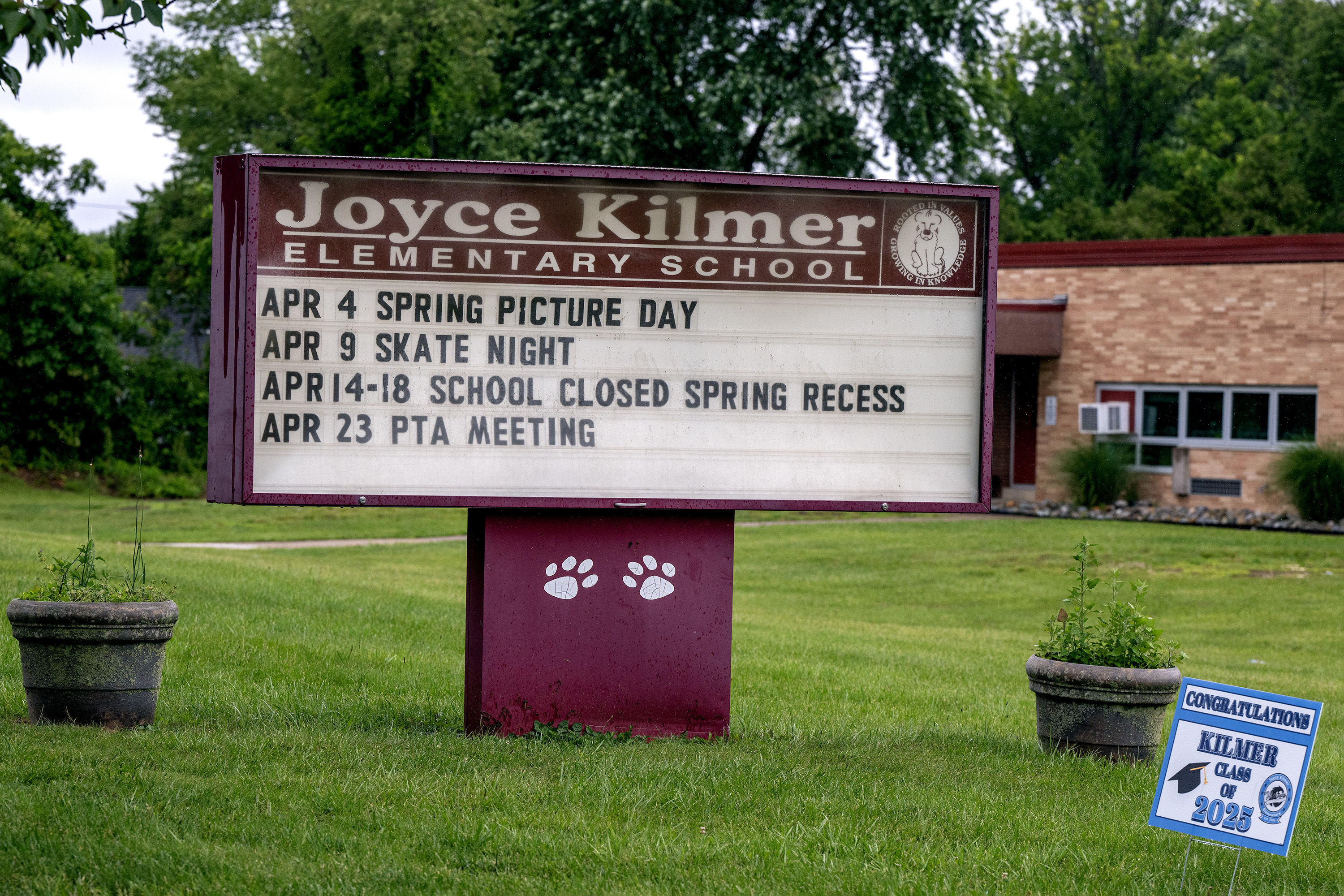
Joyce Kilmer Elementary at 2900 West Chapel Ave. in Cherry Hill, May 28, 2025.Tom Gralish / Staff Photographer
Naddeo said her group missed a back-to-school night held this week at Joyce Kilmer Elementary School because it was not given permission to have a table. The school PTA groups are geared toward general education students, she said.
“When your child is struggling, you want to be represented,” Naddeo said.
She said the group plans to set up information tables next month outside the Cherry Hill library and during the township’s Harvest Festival on Oct. 18.
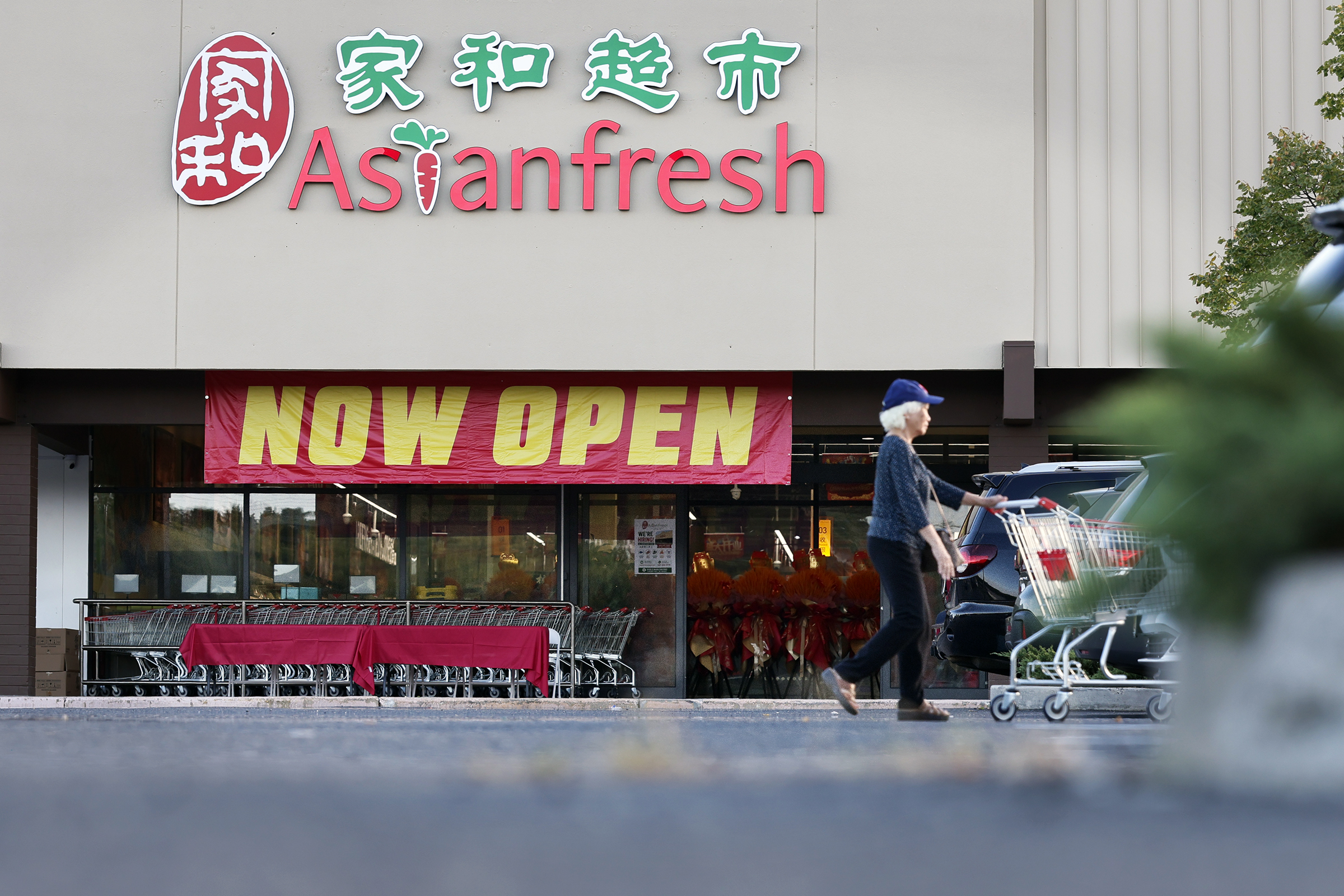
Hundreds of early-bird shoppers have gotten a sneak peek at the new Asianfresh Food Market in Cherry Hill ahead of the store’s grand opening this weekend.
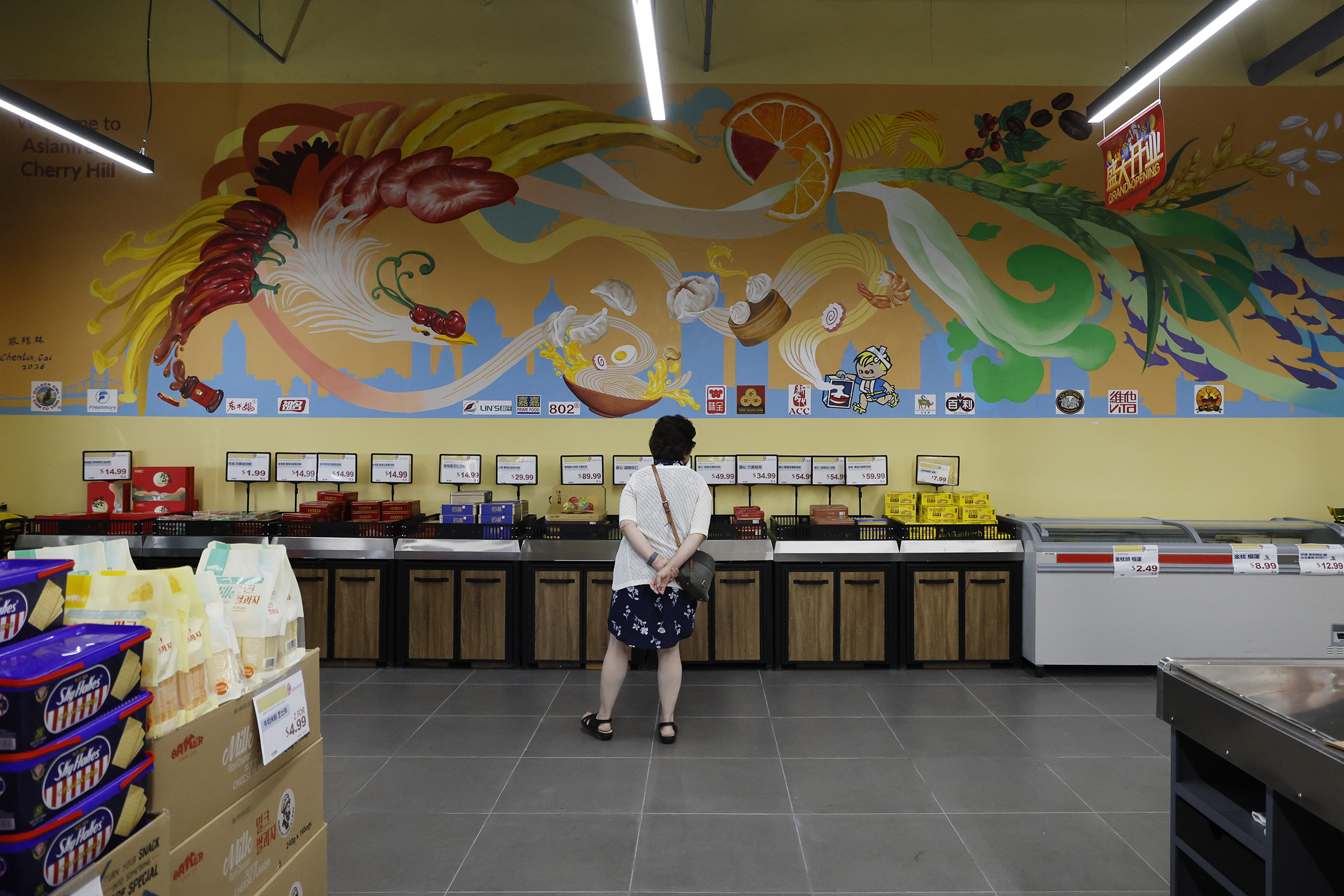
A colorful mural by Chinatown artist Chenlin Cai welcomes shoppers into the sprawling store at 2005 Route 70 East, the second location of the popular specialty market offering hard-to-find Asian imports.
Shoppers at the Asianfresh Food Market in Cherry Hill on Thursday, Sept. 10, 2026.Elizabeth Robertson / Staff Photographer
Stocked with a wide variety of fresh produce, seafood, and specialty products from across Asia, the new store expands on the offerings available at the two-story flagship on 10th Street in Philadelphia that opened in 2019.
“Anyone with an Asian background can come and find something that they need,” including Cambodian, Vietnamese, Filipino, and Thai staples, spokesperson Karen Louie said.
Employees stocked the shelves at Asianfresh Food Market in Cherry Hill on Thursday, Sept. 10, 2026.Elizabeth Robertson / Staff Photographer
For siblings Eric Alindogan and Daffodil Evans, the opening of Asianfresh creates another option for them to hunt for the best bargains in South Jersey.
The pair primarily cook vegetarian Chinese and Filipino dishes, they said, which often requires trips to multiple grocery stores to get all of the necessary ingredients at a reasonable price.
Jason Huynh, of Cherry Hill, kept the youngsters entertained while his wife shopped at Asianfresh Food Market on Thursday, Sept. 10, 2026.Elizabeth Robertson / Staff Photographer
“We’re just doing research right now,” Evans said as they moved through the aisles, carefully filling their cart while mentally comparing products and prices to other international grocers in the area.
The store’s grand opening event will kick off at 11 a.m. on Saturday and will include a durian eating contest — the winner of which will get a one-minute shopping spree for free drinks and snacks in the store, Louie said.
Shoppers check out at the Asianfresh Food Market in Cherry Hill on Thursday, Sept. 10, 2026.Elizabeth Robertson / Staff Photographer
Given the “overwhelmingly positive” response to the store since its soft opening on Sept. 3, she said they’re prepared for Saturday’s event to be packed.
Once officially open, the store will welcome shoppers daily from 8 a.m. to 8 p.m., boasting large refrigerated and frozen food sections alongside aisles of items ranging from snacks to housewares.
Shoppers at the Asianfresh Food Market in Cherry Hill on Thursday, Sept. 10, 2026.Elizabeth Robertson / Staff Photographer
Similar to popular big-box warehouse stores like Costco and Sam’s Club, Asianfresh also sells a number of items in bulk, both to individuals and to local restaurants, Louie said.
Alexus Mackenzye Dick and Trinity Jagdeo were 5 years old when they met on the blacktop at Mary F. Janvier School in rural Franklinville, Gloucester County.
While Dick isn’t around to tell the story anymore, Jagdeo remembers it well: They played hopscotch, but not in the traditional way. Dick zipped through the squares in her wheelchair. Jagdeo, a Vineland resident, said it amazed her.
“I’ve told the story 1,000 times,” said Jagdeo, 25. “But now that I think about it — and I’ve revisited the location — there was nothing else for her to do.”
The pair quickly became best friends. They bickered over the Justin Bieber tattoo Dick got at 15, gossiped at sleepovers, and traded lip gloss recommendations.
There’s a reason Jagdeo repeats those tales so often.
When they were still teenagers, Jagdeo founded a nonprofit, From We Can’t to We Can, inspired by her best friend. She has self-published comic books that turn local kids with disabilities into superheroes, hosted fashion shows for models with disabilities, frequented local TV stations, and gifted thousands of pieces of medical equipment to families denied by insurance or who can’t afford the supplies. Jagdeo has talked about Dick on social media for years, including to her nearly 50,000 TikTok followers.
The daily posts haven’t stopped since Dick died five months ago at 25 due to complications related to spinal muscular atrophy type 2, a genetic disease diagnosed in childhood that causes progressive muscle weakness.
“One of the things she said was, ‘I wish I could help people.’ … And so, in my heart, I knew that at that point, I wasn’t going to just let that conversation stay there,” Jagdeo said.
Now, another family is benefitting from the efforts to keep Dick’s memory alive.
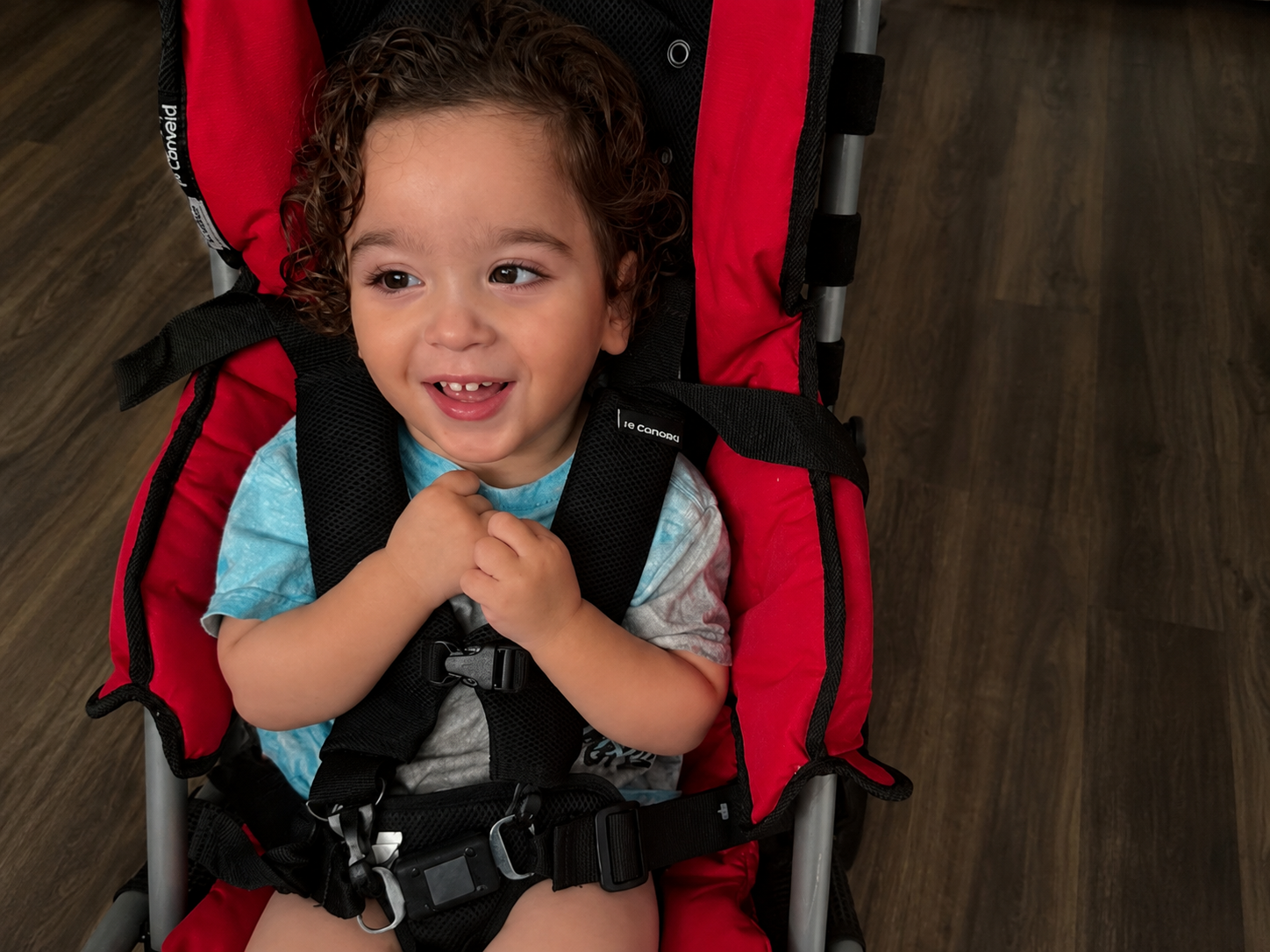
Domenique Meyer, 33, lives in Aberdeen Township, Monmouth County, with her husband Mike and two children, Mikey and Mia. Born prematurely at 30 weeks, a lack of oxygen to Mikey’s brain left him with severe spastic quadriplegic cerebral palsy.
“He knows our voices, loves being talked to and cuddled, and has his own special way of showing us what he likes and dislikes,” Meyer said. “He has been fighting since the very beginning of his life.”
At 3 years old, Mikey is blind, nonverbal, unable to sit independently, and has multiple seizures per day. He receives his nutrition through a gastrostomy tube since he has a hard time swallowing. His disabilities mean a lot of time spent on care, and on one income, it’s been hard to get by, Meyer said. Their family fell behind on household bills as medical expenses piled up.
Mikey Meyer, 3, sits in a stroller given to him by From We Can’t to We Can in Aberdeen Township, Monmouth County.Domenique Meyer
“When you have a medically complex child, life does not stop because bills are due,” Meyer said. “There have been so many times when Mikey needed us at an appointment, in the hospital, or at home, and work simply had to come second.”
When Meyer reached out to From We Can’t to We Can for a medical stroller that would better suit Mikey’s needs, she explained their financial stressors to Jagdeo. Since the nonprofit had recently received thousands of dollars from anonymous donors, Jagdeo decided it was time to fulfill her best friend’s wish.
The Alexus Mackenzye Legacy Fund provided Meyer and her family with about $5,500 that went toward their mortgage and brought their utility bills up to date. And while times are still hard, Meyer said the foundation’s support gave them hope.
“For the first time in a while, it felt like we could breathe again and focus on our children instead of constantly worrying about what bill was coming next,” Meyer said.
The Meyers will attend Roar for a Reason at the Edelman Fossil Park & Museum in Mantua on Saturday, the first major event and fundraiser the nonprofit has hosted since Dick died. There, Jagdeo said she plans to release a hundred butterflies, Dick’s favorite, and read a letter addressed to her best friend. Kids with disabilities will walk the runway, and Jagdeo will introduce her newest book, Jaiyana and the Jainosaurus, which takes place at the museum and is based on the experiences of a local child with autism and a rare brain condition. She’ll introduce the new legacy fund to the public, which she said she hopes will support a family in need annually from now on.
Jagdeo has kept busy in the meantime. She still posts on social media every day, usually about Dick, and recently flew to Michigan to judge this year’s Miss Wheelchair USA competition. She’s been putting in hours on an outdoor memory garden for Dick in her yard, and she said she hopes monarch butterflies hatch this weekend in time for the celebration.
“Some people say, ‘This person was my world,’” Jagdeo said. “And for me, she wasn’t just my world. She was the world. I created a world because of her.”