T-shirt hawkers have captured LeBron James’ name, image, and likeness.
The face of the newly minted Philadelphia 76er and all-time NBA legend has already wound up on unauthorized merch outside stadiums and down the Jersey Shore, as seen in social media posts.
“coming to you live from the wildwood boardwalk,” they wrote, alongside a photo of two T-shirts with LeBron’s face (likely) photoshopped onto No. 23 Sixers jerseys. The tweet has more than 3,500 likes.
A video from TickPick, a ticketing marketplace, also showed LeBron gear being peddled outside the Phillies’ game Saturday.
For decades, hawkers have been a fixture outside stadiums before and after games and concerts. And at the Jersey Shore, the staple mildly offensive and oft-vulgar garb has taken on its own culture.
These merchandisers are not beholden to trademark restrictions, capitalize on fan — not corporate — interests, and press catchy slogans onto cotton at lightning speeds.
That’s probably how King James landed at the Shore before the ink dried on the deal.
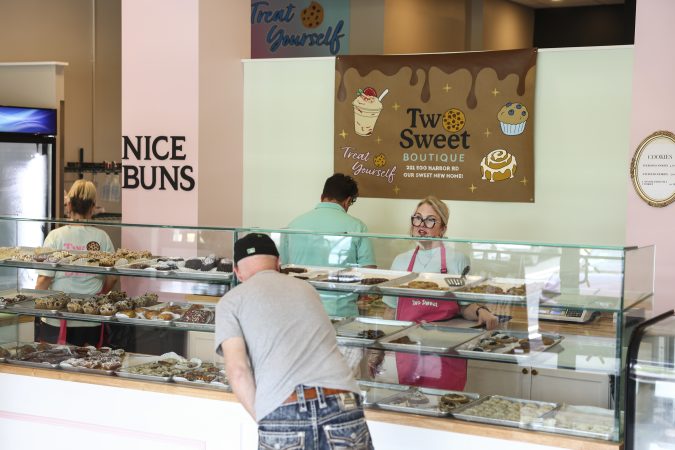
South Jersey dessert lovers looking for banana pudding, cinnamon rolls, cookies, and more sweets just gained a new stop in Washington Township.
Two Sweet Boutique, named for its founding by a mother-daughter duo, moved to their new location at 201 Egg Harbor Rd. and opened on July 8.
Jeanne Centrone, who runs the bakery with her daughter Alex Centrone Coyle and husband, Rocco Centrone, said the store has stayed busy since its launch. Some days, floods of customers have wiped their shelves clean, forcing Two Sweet to close early. People have been waiting outside before the store opens.
“Everything is homemade,” Centrone said. “We bake from 5 a.m. until 5 at night. Sometimes we’re here later. I think we pride ourselves in that.”
The opening came weeks after Two Sweet closed its former spot at 1526 Hurffville Rd. in Deptford, where it served patrons for nearly a decade.
“We got a lot of new customers out of it. Something that started out devastating turned around and worked in our favor. We haven’t heard anything since,” Centrone said. “It was an honor that the governor wanted to come here to our little shop.”
The original business began when a neighbor offered to rent out his vacant property to Centrone and her daughter so they could sell their sweets.
At the time, Centrone was making chocolate-covered fruit trays, and Alex Centrone Coyle baked cakes. They started Two Sweet with cupcakes, cookies, and chocolates in a 900-square-foot space with no air-conditioning. But as time went on, the Centrones, Washington Township residents, experimented with more recipes and grew their staff and customer base.
“Through trial and error, it’s exploded,” Centrone said.
Two Sweet’s new location, which neighbors tanning salon Glow Lab in a local shopping center, is more than 1,800 square feet and will soon feature a coffee bar with hot coffee, cold brew, lattes, and iced tea, Centrone said. The larger space, which formerly housed The Color Room beauty salon, has given the family more room to bake and store their ingredients.
Centrone’s other two daughters are helping out at the bakery, too, along with about five bakers and a few employees working the counter. The Centrones are looking for new hires to support the recent rushes.
“I hope that things continue on a positive note and we continue to grow, with the shop and with the community,” Centrone said. “We’re extremely grateful the way that we’ve been welcomed here and the way people continue to show up every day.”
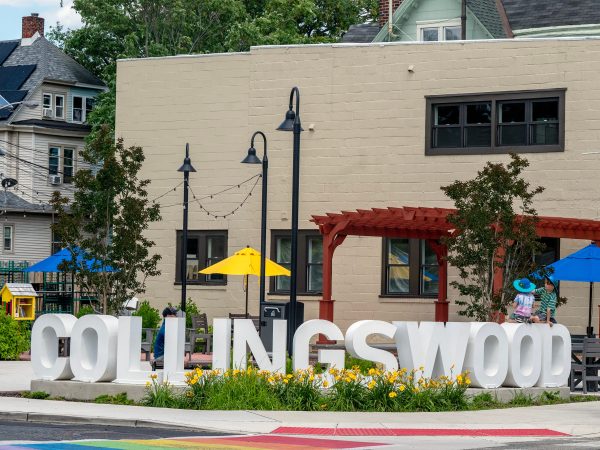
Collingswood is reviewing the borough’s public pool policies after “recent incidents” at Roberts Pool gained traction on social media, officials said Thursday.
“The safety and well-being of our residents and Borough employees is our highest priority, and we take these matters seriously,” the borough wrote on Facebook. “Harassment of any resident will not be tolerated. We are currently reviewing our pool policies to determine where updates or clarifications may be needed. Additional information will be shared as appropriate.”
The statement was posted after Libs of TikTok, an anti-LGBTQ social media account that often gets the attention of conservative media organizations, posted a screenshot from a private local borough Facebook group from someone seeking advice after being harassed for their attire during a visit to Roberts Pool.
The post from the conservative account also posted photos of the person and described them using transphobic language before pointing to what they called the pool’s “inclusivity policy” that allows people to use the locker rooms based on their gender identity.
Collingswood Mayor Daniela Solano-Ward declined to provide any details about theincidents that prompted the policy review, but said, “we’ve had multiple complaints over the past two weeks.”
“We are working to address them all in an appropriate and timely manner,” she said.
“We are taking this opportunity to review our entire rules and regs sheet that is distributed to both staff and patrons,” Solano-Ward said in an email.
An update on the policy review will be shared “after all relevant borough personnel have reviewed it,” she said.
The resident who was the target of the viral post declined to speak to The Inquirer citing fear of more backlash from the far-right.
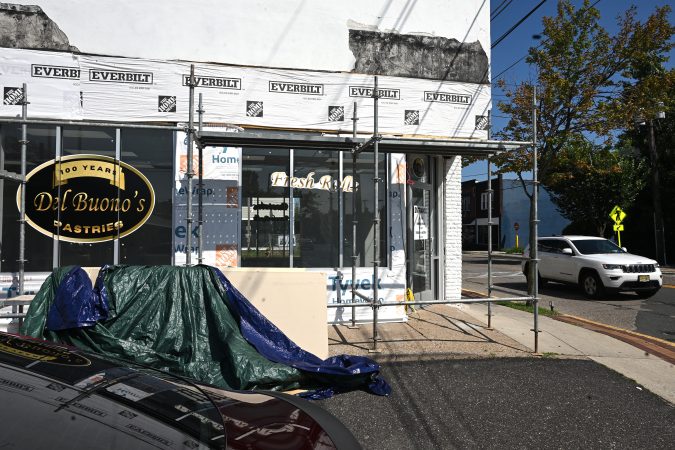
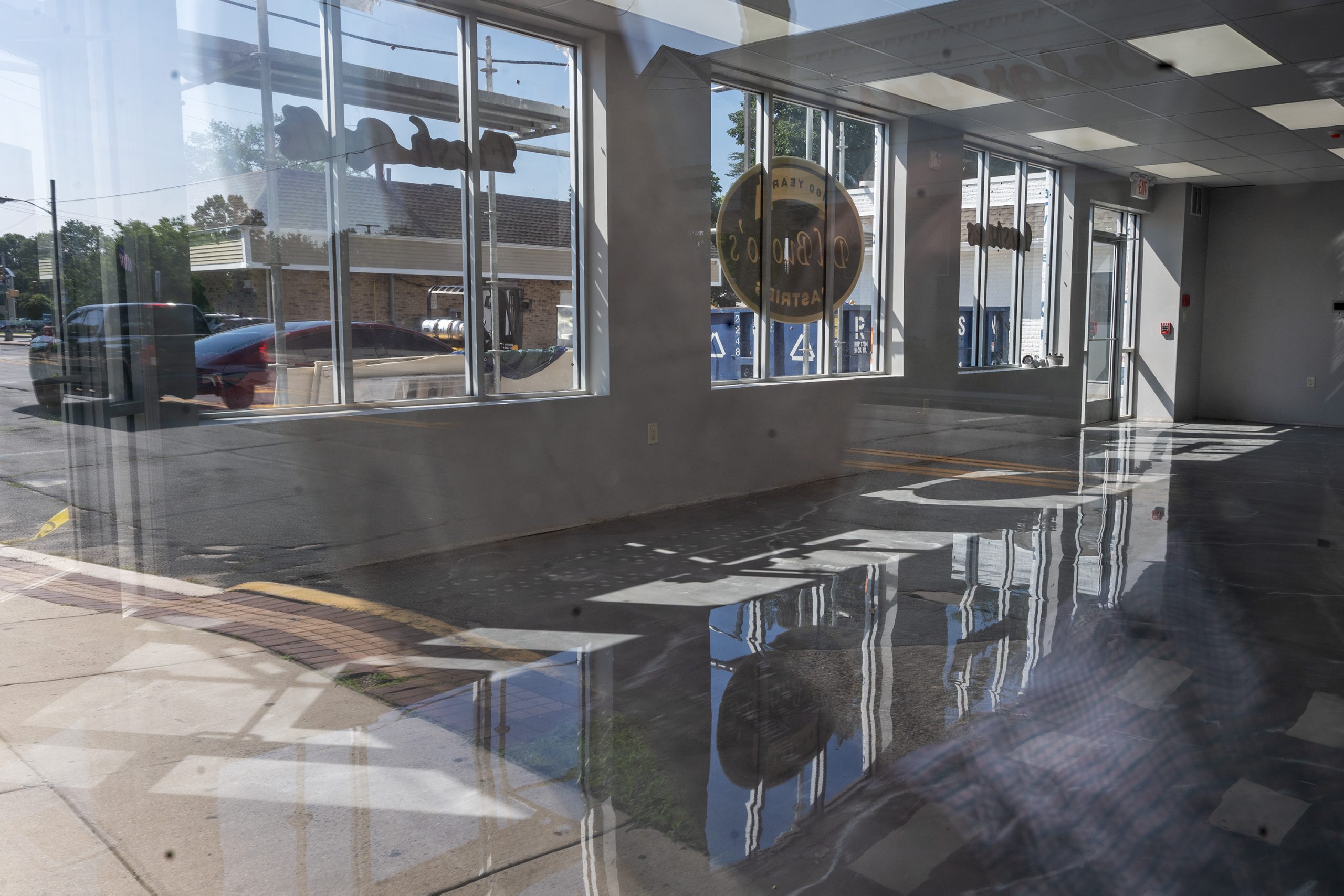
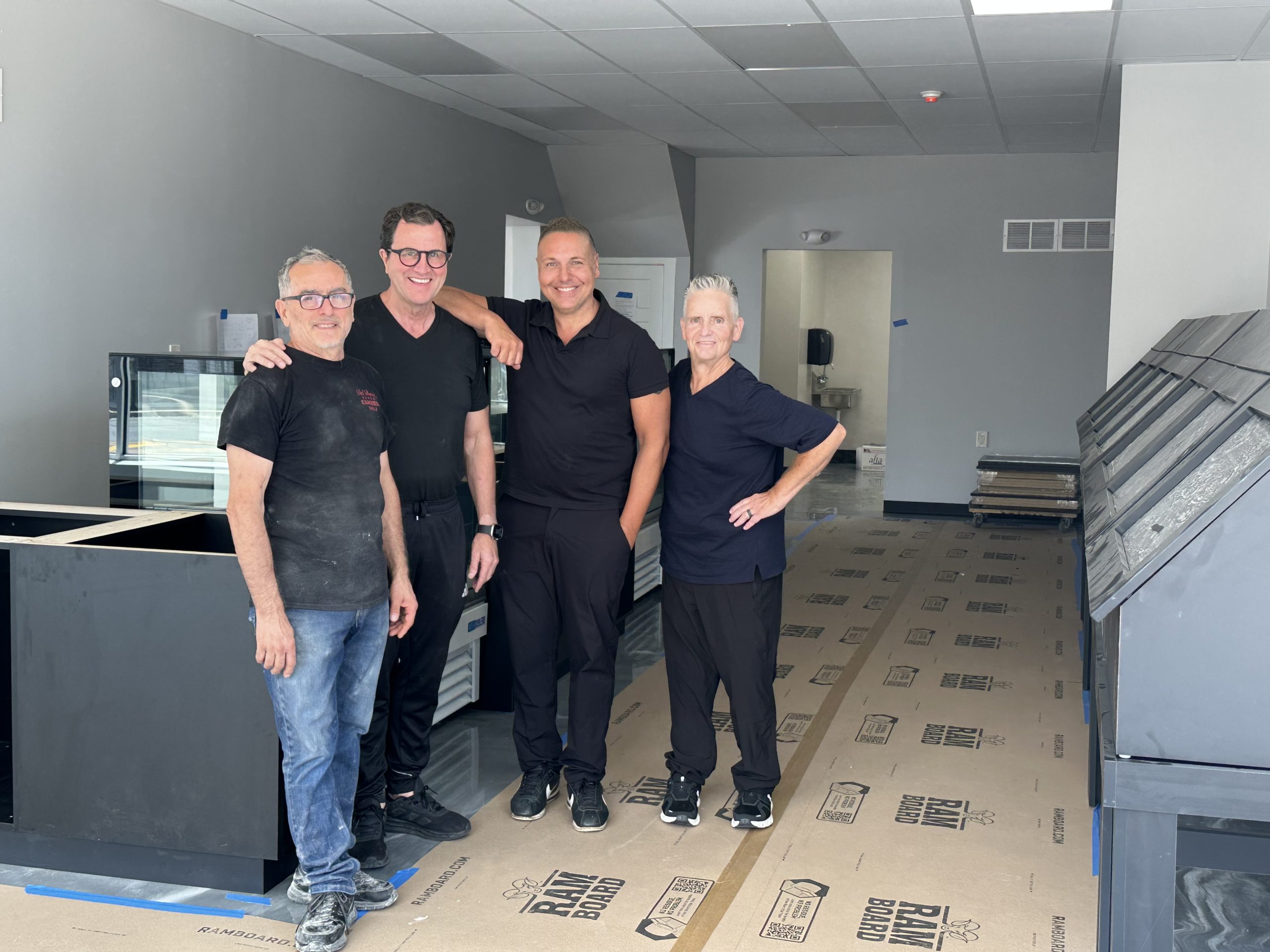
The former McMillan’s Bakery in Haddon Township will reopen as Del Buono’s Pastry Shop in late August after months of extensive renovations, featuring the expertise of a McMillan family member and a Food Network alum.
Construction is still underway, but entrepreneur and Haddon Heights resident Tom Whitman, 63, said he plans to host a grand opening on Aug. 29.
Whitman, who also owns 100-year-old Del Buono’s Bakery in Haddon Heights and all three Carmen’s Deli locations, said he and his team took the South Jersey staple, once known for its cream doughnuts and holiday cakes, down to the studs.
“We’re going to build upon that legacy,” Whitman said. “We’ll have some of the original flavor of the business, and hopefully make it better.”
Construction continues July 20, 2026 on the former McMillan’s Bakery on Haddon Avenue in the Westmont section of Haddon Township. The family business closed in May 2025 after 86 years. It will be a new bread-and-pastry shop operated by the local Del Buono’s chain.Tom Gralish / Staff Photographer
The new pastry shop, set to open seven days a week, will be 2,000 square feet, more than double the size of McMillan’s Bakery. It will feature doughnuts, pastries, desserts, specialty coffee, and bread and rolls sourced from Del Buono’s Bakery. Whitman said he hopes the products at Del Buono’s Pastry Shop will also be sold at his other storefronts.
“I combine legacies and use the strengths of each of the businesses and try to combine them,” Whitman said.
The pastry shop will use 900 square feet of the new space to host DiBartolo’s Kakery, a cake shop led by Woolwich resident Al DiBartolo.
DiBartolo, 51, has long baked for South Jersey residents and made his name in years past as a winner of Food Network’s Halloween Wars and as a contestant on TLC’s Next Great Baker.
Whitman, a former Domino’s Pizza franchisee, plans to employ between 20 and 40 workers, including part-time and full-time staffers. Some employees who worked at McMillan’s for decades will return, Whitman said.
One returning employee is Doug Biemiller, a grandson of McMillan’s founders George and Evelyn McMillan. Whitman said Biemiller, DiBartolo, and other bakers have worked together to compile 400 of their recipes to start the pastry shop off.
From left to right, Atilla Baysal, Tom Whitman, Al DiBartolo, and Doug Biemiller stand in Del Buono’s Pastry Shop at 15 Haddon Ave. on Friday, July 24, 2026, in Haddon Township, N.J.Robin Lange
The founding family of McMillan’s Bakery, a fourth-generation business at 15-17 Haddon Ave., put the shop up for sale in 2024. Whitman purchased the building for $500,000 last September from Grake Homes Construction, according to deed records, to pursue his third revival of a family-owned South Jersey food destination.
In October, Whitman said he planned to spend $1.5 million to $2 million on the project, including the real estate purchase and the construction of two apartments above the pastry shop. Weeks before the August opening, Whitman declined to share the total spent, but he said the ticket price was over $2 million, after rebuilding the property from scratch.
He had initially expected the shop to open in February, but construction has taken longer than Whitman anticipated.
“It was extremely expensive, but I just want to do it once, and I want to do it right,” Whitman said.
Until recently, DiBartolo served as chief baking officer for Cherry Hill’s Classic Cake.
But after moving between three jobs in the last two years, DiBartolo said, he jumped at the chance to finally bake with his own recipes again and work with Del Buono’s, where his family members are regulars.
“It’s still nice to be in your 50s and make your parents proud,” DiBartolo said.
DiBartolo’s Kakery will have grab-and-go cakes, including fan favorite rum and pound cakes, along with a consultation area where customers can discuss options for custom specialty and wedding cakes.
Del Buono’s Pastry Shop currently plans to have a soft opening in mid-August. In the meantime, renovations to the property are still in progress, and with the Aug. 29 grand opening looming, Whitman said he thinks the shop will meet the deadline to serve locals looking to rediscover their neighborhood “mental health food” destination.
“I’m like a little kid waiting for Christmas,“ Whitman said. ”I want to see it as much as anybody else does.”
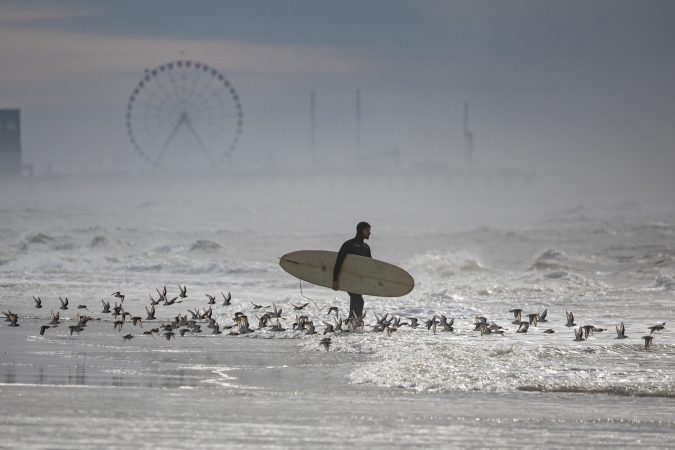
Long Beach Island recently hosted the 18th annual Coquina Jam at Brant Beach, an all-women surfing event that raises funds for the David’s Dream & Believe Cancer Foundation and the Jetty Rock Foundation. With summer in full swing, there are many opportunities to catch waves down the shore: for example, on Aug. 22, people ages 5 to 60 can compete at Ocean City’s 7th street at the Eastern Surfing Association competition. Kids and adults alike can book a lesson up and down the shore.
Surfing might be a part of the shore experience today, but it was not always a staple of the East Coast. In fact, surfing was once seen as the domain of the countercultural West Coast. But during the 1960s, fanatics brought their boards to New Jersey in the hope of disassociating surfing with its rebellious and countercultural image—and instead promote it as a purposeful pursuit and competitive sport. Positioning surfing as no different than playing basketball, baseball, and football helped entrench it in New Jersey seaside life, while also reinforcing ideas about conformity and respectability.
Surfing’s image has evolved greatly over the years, with its roots tracing back to Hawaii. Since about the 12th century, Hawaiians of all classes and genders took to the waves. They steered large, finless, wooden boards known as alaia and olo boards.
However, by the late 19th century, an influx of American Christian missionaries into the islands pushed the “lustful” sport to the margins, casting it as incompatible with the aims of settlers and businesses. Nevertheless, Hawaiians continued to find ways to surf, and soon white settlers began to appropriate Indigenous beach culture for their own purposes.
In the early 20th century, tourism-minded opportunists including Alexander Ford Hume, Tom Blake, and writer Jack London promoted surfing to draw white American settlers and vacationers to the pristine warm waters of Hawaii. In his book chapter “A Royal Sport,” published in 1907 and 1911, London remarked, “I was chiefly conscious of ecstatic bliss at having caught the wave.” Local surfing legends Duke Kahanamoku and George Freeth then spread surfing to the mainland United States. Freeth brought lifeguarding and beach culture to Southern California, while Kahanamoku traveled the globe, showcasing his Olympic-level swimming and extraordinary surfing skills.
In 1912, after the Stockholm Olympics where he won the gold in the 100-meter freestyle event, Kahanamoku visited Atlantic City, exposing the shore resort to “the sport of kings” for the first time. In the early 1930s, Tom Blake, an innovator who manufactured surfboards for U.S surfers in the first half of the 20th century, introduced his 13-foot wooden longboards to Ocean City. But despite these early exposures, surfing did not catch on in the Garden State until the 1960s.
Movies and music were instrumental to surfing fever at the Jersey Shore. Viewers were drawn to Gidget’s (1959) Cliff Robertson as “the Big Kahuna,” a youthful nonconforming rebel who valued the hedonism of the beach and consistent access to surf over responsibilities. Young people were captivated by the carefree lifestyle found in the Beach Party (1963) franchise. These movies were fictional but spoke to growing white affluence and greater access to leisure in real-life postwar America. Teenagers flocked to local theaters to watch the globe-trotting adventures of surfers Robert August and Mike Hynson in 1966’s TheEndless Summer.
Some New Jersey teenagers embraced the fad, perhaps hoping to foster the freedom and youthful expression associated with surfing in their own waters.
Soon, surf shops popped up and down the coast, sponsoring new surf teams and providing locals with access to equipment. Ron Jon Surf Shop was founded in Ship Bottom in 1961, while Surfer Supplies in Ocean City, and Heritage Surf Shop in Sea Isle both opened in 1962. The New Jersey Hobie team was hosted by the Manatee Surf Shop, founded in Belmar in the early 1960s.
Yet as surfing proliferated along the shore, initial community reactions were sour. Young surfers were seen as troublesome, an unpredictable hazard on crowded beaches. Police, concerned parents, and hotel owners all spoke out against surfers, viewing them as vandals with unkempt, long hair, huge unwieldy surfboards, and worst of all, they used profanity and disobeyed authority figures. The presence of surfers threatened to disrupt the peace of beachside resort towns, places for respectable families who followed the rules.
In 1966, for example, authorities in Bradley Beach curtailed surfers’ access to the Kent Avenue Beach, with Police Chief Harvey Gaunt reporting that surfing was a safety hazard. He claimed that surfers “set fires in trash barrels, illegally exchanged beach badges, are often injured, are often poor swimmers, leave their boards where bathers may walk into them, use foul language, create a danger when they carry their boards, and use the beach instead of a toilet.” The litany of charges revealed an almost visceral disgust at people who surfed, evoking an ongoing moral panic about juvenile delinquency and the erosion of middle-class norms.
Made By History sponsors. FOR USE ON MADE BY HISTORY STORIES ONLY.Inquirer Staff
To overcome such associations and convince the broader community that surfing deserved a place down the shore, surfers organized, hoping to show how surfing might channel young people’s energy and coexist with other popular shore activities and sports. They formed surfing associations and clubs.
In 1963, Cecil Lear, a schoolteacher from Belmar, along with eight other members, founded the Jersey Surfing Association (JSA), aiming to garner respect for surfing as a growing American sport. In his fight to establish designated surfing beaches in New Jersey, the schoolteacher touted the positive health benefits of surfing: it provided quality exercise, and what’s more, morning surfing sessions could promote earlier bedtimes—keeping young surfers out of late-night trouble. The association hosted successful competitions during the 1960s, such as the Greater Point Pleasant Jaycee Contest and the Jersey State Open State Surfing Championships in Belmar.
In 1965, John “Bull” Carey, a real estate developer and former lifeguard and surfer, and Don Pileggi, Ocean City’s Recreational Director, founded the Ocean City Surfing Association (OCSA). They instituted a yearlong tournament schedule that operated around school breaks.
The summer season featured contests every Tuesday, where bronze, silver, and gold medals were awarded, culminating in early September with a final event, the Ocean City Open Surfing Championship. During the school year, a contest was held each school break: the Turkey Trot over Thanksgiving, the Polar Bear over winter break, and the Spring Fling over spring break.
By the middle of the decade, the surfing association was strengthening relationships with the city and local businesses. For example, in preparing for the Polar Bear Championship on Dec. 28, 1966, the OCSA worked closely with the city, the Port-O-Call Hotel, and Bob Harbaugh’s oceanside restaurant, providing free hot showers and changing rooms for frozen contestants, drum fires along the contest beaches at 14th and 15th streets, hot coffee and soup on standby, and a catered lunch for the winners.
Treating surfing as a competitive sport and potential money-maker for local businesses helped reposition surfing as a purposeful pursuit, not just teenage trouble.
However, this reframing also solidified a surfing demographic that was solidly middle class, mostly white, and mostly male—thereby marginalizing people of other identities who wished to surf. In this small way, surfing culture reinforced a history of segregation at the Jersey Shore, fortifying the beach and the ocean as mostly white spaces. Events like the Coquina Jam, an all-women surfing competition, may be eroding such boundaries today—but due to the history of how surfing came to the Jersey Shore, there is still a long way to go.
Thomas DiGiovanni is a graduate student at Rutgers-Camden interested in the intersections of race and class within sporting cultures, with a concentration on surfing history.
Made by History takes readers beyond the headlines with articles written and edited by professional historians. Opinions expressed do not necessarily reflect the views of The Inquirer.
Gov. Mikie Sherrill is placing the blame on a vendor for the thousands of illegal voter registrations amid what she calls broader “disarray” at the Motor Vehicle Commission.
And a bankrupt weed company is set to close two of its grow sites in Vineland and lay off 86 employees.
Plus, a presumed lightning strike from Tuesday’s storm caused the closure of two Maple Shade businesses, and more news of the day.
Gov. Sherrill shared Thursday that she was already less than impressed with the vendor that she says is responsible for illegally registering 6,600 noncitizens to vote before she discovered the issue.
In fact, she said, she had been trying to get rid of the company, IDEMIA, and that the new state Motor Vehicle Commission administrator “was already in the process of removing them for their incompetence.”
Earlier this week, Sherrill disclosed that a software glitch at the MVC operated by IDEMIA registered people to vote through the state’s automatic motor vehicle voter registration program even after people identified themselves as noncitizens.
The vendor responsible for the error is also to blame for long waits, bureaucracy, and red tape, according to Sherrill.
Meanwhile, IDEMIA released a statement blaming the New Jersey Department of State’s Division of Elections, saying that the department is “ultimately responsible for verifying eligibility to vote.”
The Cannabist Company dispensaries in New Jersey were among the first adult-use locations to open when the state began to allow recreational weed sales in 2022.
Four years later, the company will shut the doors of its two Vineland grow sites in October after the company filed for bankruptcy back in March.
Nearly all of the Cannabist’s cultivation and manufacturing employees in New Jersey will be laid off. That’s a total of 86 staff members out of a job.
The company also plans to sell the rest of its operation in the state, including the retail store in Deptford.
New Jersey, Pennsylvania, and Delaware are part of a lawsuit against President Donald Trump to reverse new rules that tie disaster aid funding to abiding by the Trump administration’s requests for voter data.
A lightning strike from Tuesday’s storms is suspected to have started a fire and forced a chocolate shop and a bakery to close on Maple Shade’s Main Street. The official investigation into the cause is ongoing.
Chef Nana Araba Wilmot, raised in South Jersey, competed in Season 23 of Top Chef, Bravo’s elimination-style reality culinary competition show. Where exactly was she raised?
Amy recently published a story about how Sea Isle has undergone a transformation and has become an upscale Shore town. Whether or not that’s a good thing is up for debate.
Below are two responses to the piece:
“My wife and I had the good fortune to buy our home at 34th & Central in 1985. I was 35 and my wife was 33. Can you imagine two 30-year-olds being able to do that today? I do feel bad that isn’t possible in today’s day and age.Certainly, things have changed; I hate some of these housing monstrosities. Those changes aside, I love Sea Isle and consider ourselves absolutely blessed to call it home.”
“We saw what the future of Sea Isle was becoming many years ago when the quaint little cottage next door was sold, demolished, and converted into a QUADRUPLEX!”
How do you feel about Sea Isle’s changes? Is it that different compared to other Shore towns? Email Rosenberg your thoughts at downtheshore@inquirer.com.
📸 Photo of the week
Nahir Albright, of Sicklerville, right, fishes with his daughter Gia Albright, 5, on the Cooper River in Collingswood, N.J. Monica Herndon / Staff Photographer
Have a wonderful weekend and I’ll see you on Monday!
By submitting your written, visual, and/or audio contributions, you agree to The Inquirer’s Terms of Use, including the grant of rights in Section 10.
Collingswood is hoping to get more pets on the books as a way to help fund the borough’s animal control services.
Per New Jersey law, all cats and dogs 5 months of age and older are required to be licensed with their local municipality, but borough officials say registration is lagging.
Without the fees collected through licensing, Collingswood has to find the funding for animal control services from elsewhere in the budget, Deputy Mayor Amy Henderson Riley said.
In 2025, the borough spent $33,305 on an animal control officer and other services, she said. But as of the June 17 commissioners meeting, Collingswood had collected only $5,740 this year through residential pet licenses, which cost between $5 and $20 each annually.
Assuming animal control services will cost the same for 2026, that leaves a more than $27,000 gap to fill.
“This isn’t meant to be, you know, a ‘nanny state,’” Henderson Riley said of pet licensing. “This is meant to help have a balanced budget in town. We can find the money elsewhere, but I’d much rather have that $27,000 for all the rest of the required and amazing things that we do in town.”
The cost for a license in Collingswood varies by type of animal and whether it is spayed or neutered:
Spayed/neutered dog: $17.
Non-spayed/neutered dog: $20.
Spayed/neutered cat: $5.
Non-spayed/neutered cat: $8.
Since 2020, Collingswood has struggled to collect even close to half the amount needed to pay for annual animal control services, averaging around $7,680 in fees paid each year, according to borough records.
As of July 21, registrations were further behind than they were at this time last year, when the borough had already collected around 20% more in fees, totaling over $7,000.
In response to the drop, the borough is planning a small informational campaign on social media and in town bulletins to spread the word and get licensing rates up, Henderson Riley said.
She said she wants to better inform the public on how this money is used, including for euthanasia of critically injured animals and reunification services for lost pets.
If the funding gap continues, she said, the borough will consider conducting a pet census, hiring staff members to go door-to-door counting the animals in town.
And while Henderson Riley said she understands that many household budgets are already tight, she argues that a relatively small fee can go a long way in helping animals across the borough.
“Affordability is the word of the year,” she said. “People are paying a ton in taxes, and I think sometimes they think, ‘Why should I be paying for a pet license for my 14-year-old dog?’”
The money residents spend on licensing may not go directly to their pet, she said, “but it might help care for an animal who’s hurt or injured or who got loose from their house.”
Two cannabis grow sites in South Jersey will close their doors in October, laying off 86 staff members as multistate operator the Cannabist Company files for Chapter 15 bankruptcy.
The cultivation facilities — located at 17 W. Park Ave. and 1560 N. West Blvd. in Vineland — will close on Oct. 11, laying off nearly all of the Cannabist’s cultivation and manufacturing employees in New Jersey according to a Worker Adjustment and Retraining Notification, or WARN, filing with the state.
In its bankruptcy filings, the company stated that due to “regulatory, industry, and financial challenges,” it was facing a severe liquidity crisis and “unable to meet its financial obligations as they become due.” The Cannabist Company did not respond to a request for comment.
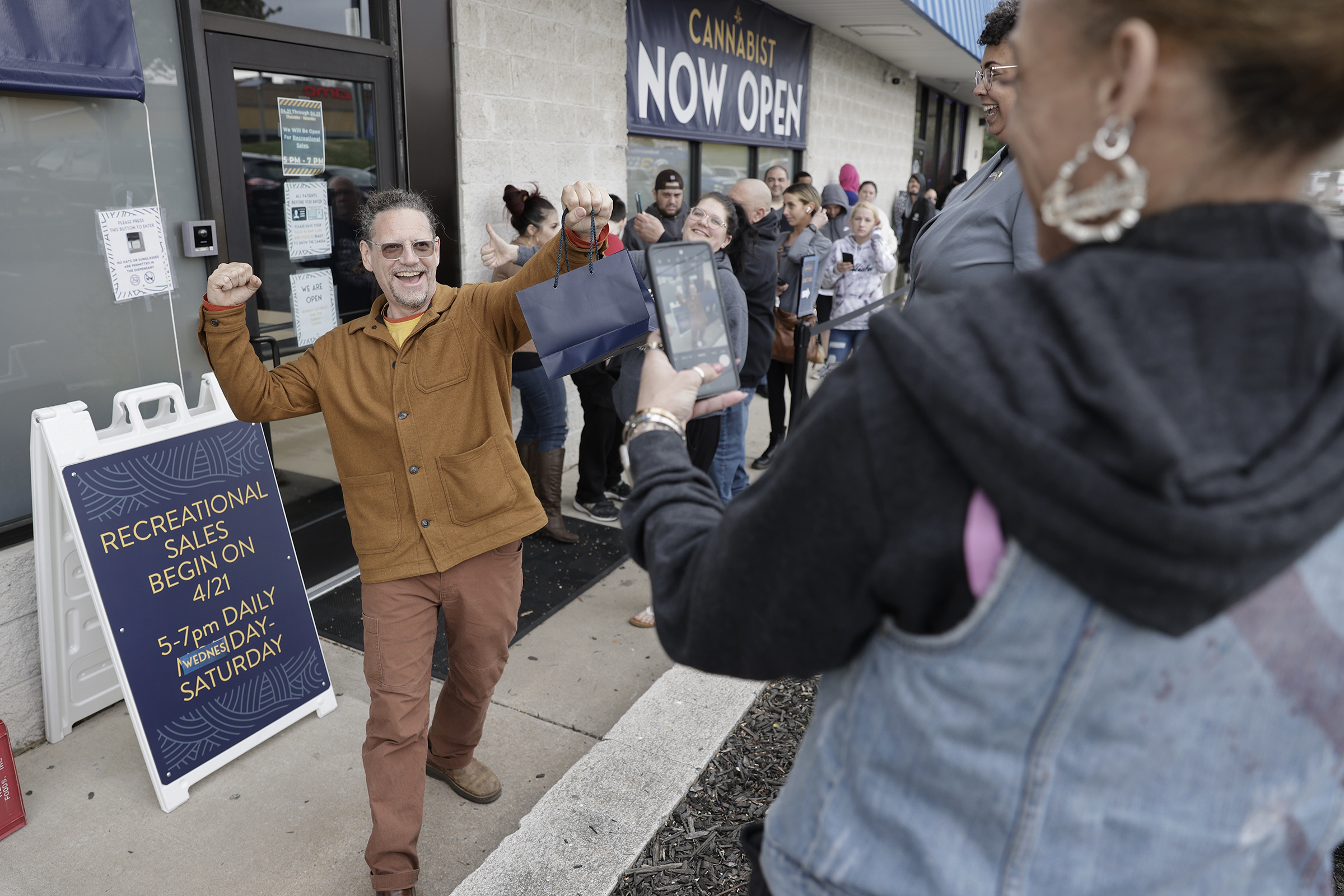
Frank Burkhauser of Woodbury handed his phone to Cannabist employee Jennifer DeWalt so he could have a photo to remember this day that he made a legal marijuana purchase at Cannabist in Deptford on April 21, 2022. Burkhauser said he has been working for the legalization of marijuana since the early ’90s.ELIZABETH ROBERTSON / Staff Photographer
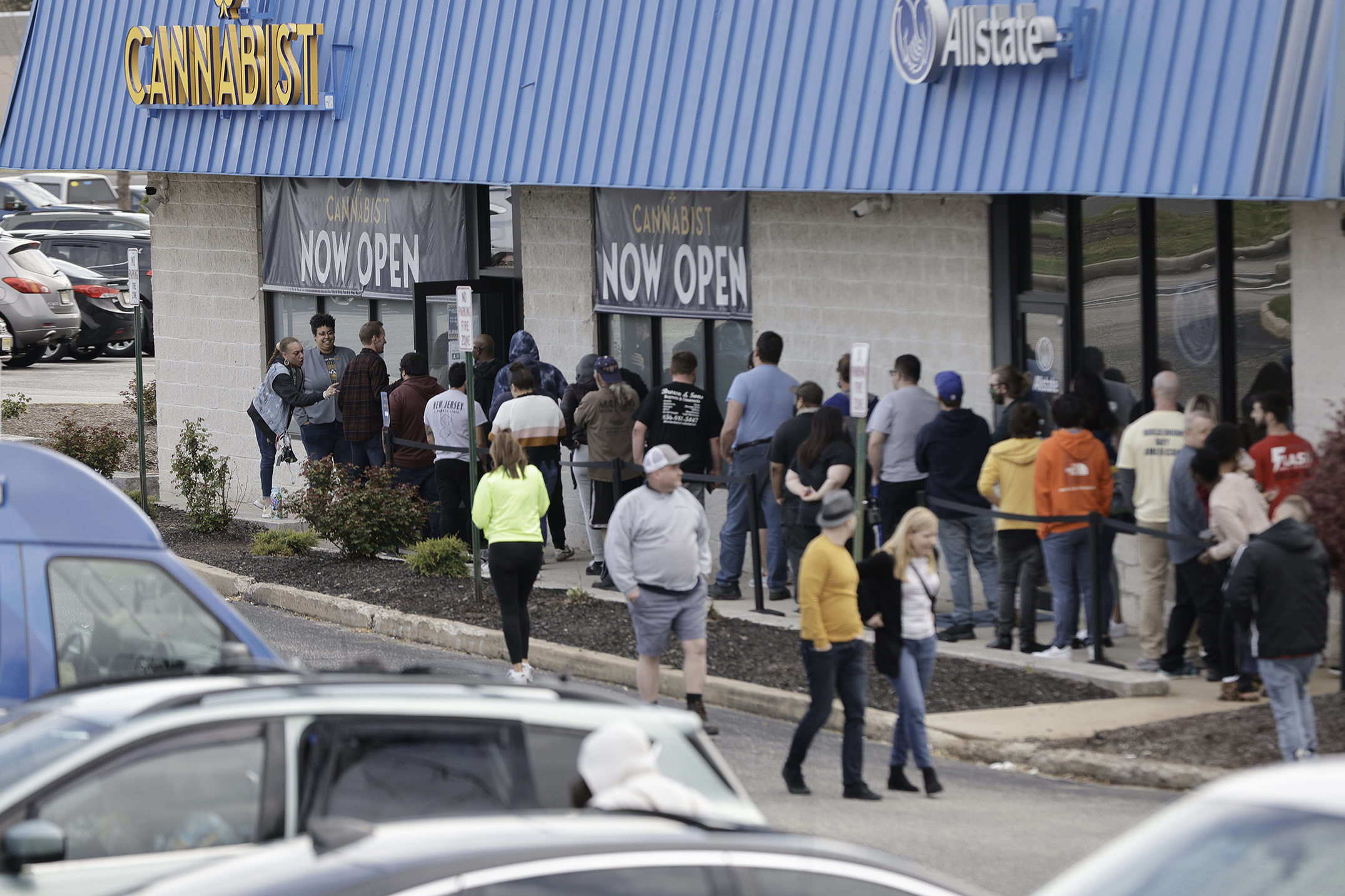
The Cannabist’s New Jersey dispensaries were among some of the first adult-use locations to open in 2022. It operated one of the closest recreational weed dispensaries to the Philadelphia border. On the first day of Jersey’s recreational weed sales, it attracted consumers from all over, with a line wrapping around the building to the front door.
The New York-based weed company operates 40 dispensaries and 14 cultivation and manufacturing facilities across 10 markets, including in New Jersey and Delaware. Those sites are being closed or sold off to new buyers. Last week, The Cannabist announced layoffs at one of its Denver grow sites, laying off 50 people in September, according to Colorado WARN notices.
Customers line up just after 5:30 pm to make legal marijuana purchases at Cannabist in Deptford on April 21, 2022.ELIZABETH ROBERTSON / Staff Photographer
Following the news of the two Vineland grow site closures, The Cannabist announced it would be selling the rest of its New Jersey operation, including the three retail stores in Deptford, Vineland, and Mays Landing, to Vireo Growth Inc for $35 million. The sale will also include some of the Cannabist’s operations in Colorado, Illinois, Massachusetts, and West Virginia markets.
The Cannabist Co., which got its start as Colombia Care, began in Massachusetts in 2012 and soon expanded to 10 states. As of February, the company employed more than 1,200 people, including 101 manufacturing and 43 retail workers in New Jersey.
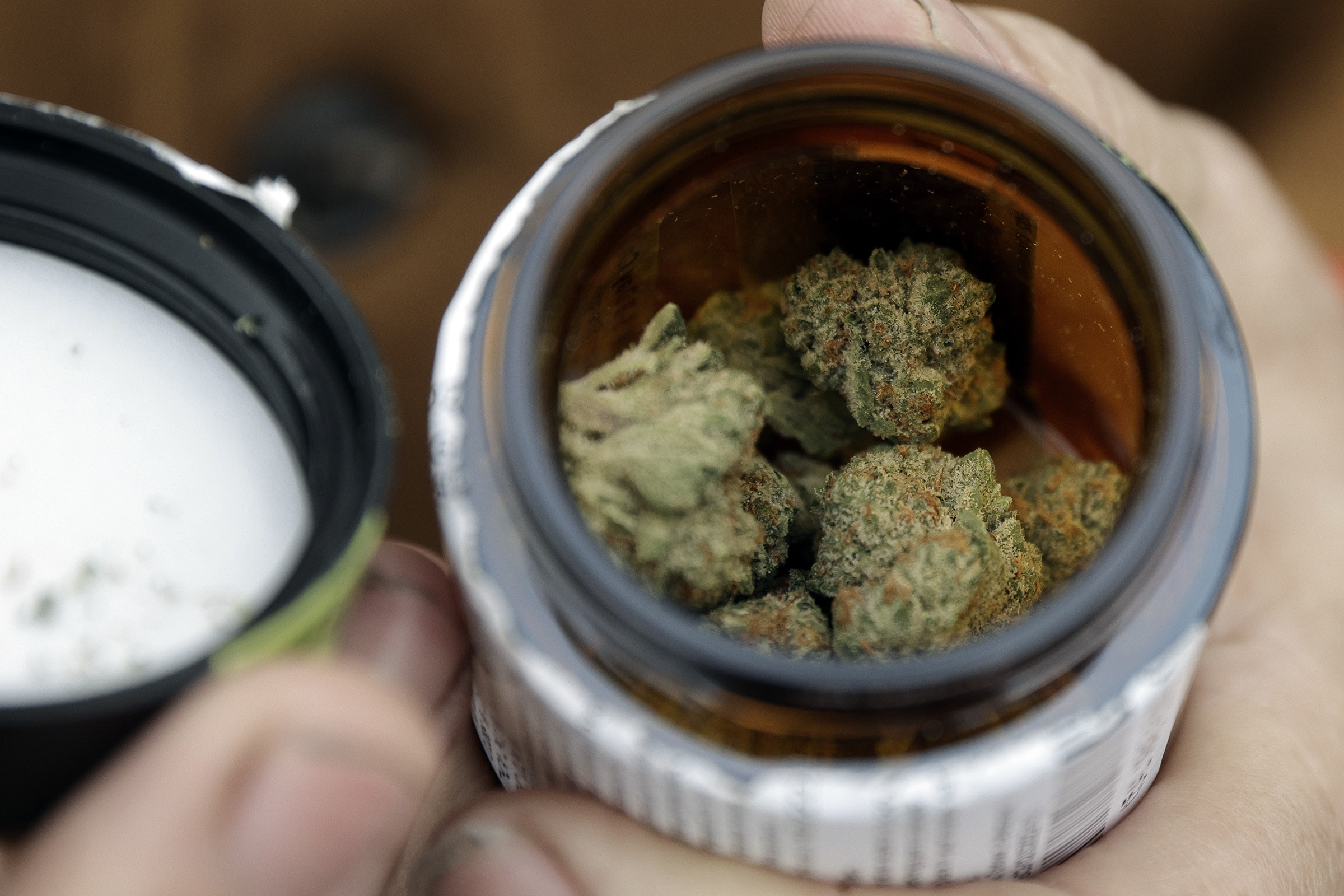
Frank Burkhauser of Woodbury displays the legal marijuana purchase that he just made at Cannabist in Deptford on its opening day in 2022. ELIZABETH ROBERTSON / Staff Photographer
In March, Cannabist filed for Chapter 15 bankruptcy due to owing lenders and the IRS more than $270 million. In addition to closing many operations across the country, Cannabist sold its Virginia business to Parma for $130 million, Delaware to Arboretum DE PermitCo for $16.5 million, and its Ohio dealings to Holistic for $47 million.
Since the Cannabist Company is also filing for bankruptcy in Canada, this case is poised to be the first time a U.S. Bankruptcy Court recognizes a foreign insolvency proceeding related to a marijuana business, despite cannabis remaining federally illegal.
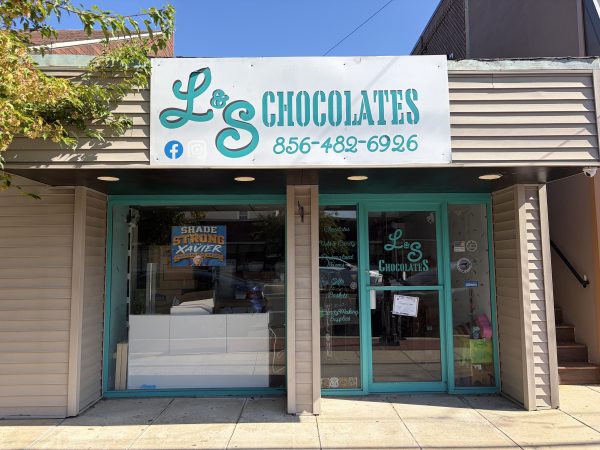
From this past December to April, Julie Hause took only three days off. The rest of her time was spent on Maple Shade’s Main Street, transforming the longstanding chocolate shop she purchased in 2023.
Hause spent months personally ripping up the worn green carpet by hand, installing laminate flooring, repainting, and more, breathing new life into the aging downtown staple.
Now, her L&S Chocolates is closed with extensive smoke, water, and roof damage from a fire Tuesday night that is suspected to have been caused by lightning.
“It was a group effort. My husband, my kids, my friends — everybody came in and we did it all ourselves. And that’s why I’m so devastated,” Hause said. “I put my blood, sweat, and tears into this. And now, I feel like it literally went up in smoke or washed away in a flood because that’s what I’m dealing with.”
Hause was in her shop — which had been open for less than four months — when powerful storms rolled through South Jersey Tuesday evening and she heard a “very loud crack” that came from the back of the neighboring bakery, she said.
The lights flickered in an unusual way, “a really quick stutter of flashing,” she said, before she smelled something burning. Hause quickly searched in her back workroom for the source of the fire before exiting the building and calling the fire department, she said.
The official investigation into the cause of the fire is ongoing, Maple Shade Fire Marshal Matthew Orsini said.
Firefighters responded to the scene at 5:53 p.m. Tuesday when they located the fire in “a small area involving the rear exterior wall and roof” of the bakery, Orsini said. The bulk of the fire was extinguished within 10 minutes, he said.
“Damage was limited primarily to the vinyl siding on the rear exterior wall and an approximately 5-by-5-foot section of the roof,” Orsini said, noting that the concrete construction beneath the siding helped prevent the fire from extending into the interior of the building or the adjoining property.
The National Weather Service confirmed there were lightning strikes in the area around the time of the fire but the agency does not collect the location-specific data needed to determine whether a particular building was struck or not, a meteorologist with the NWS office in Mount Holly said Thursday.
Tis So Sweet, the adjoining bakery, posted on social media shortly after Tuesday’s storm announcing that it will be closed until further notice.
“Unfortunately our Maple Shade store was struck by lightning during this evening’s storm and will be closed until we can clean up and repair damage,” the bakery wrote.
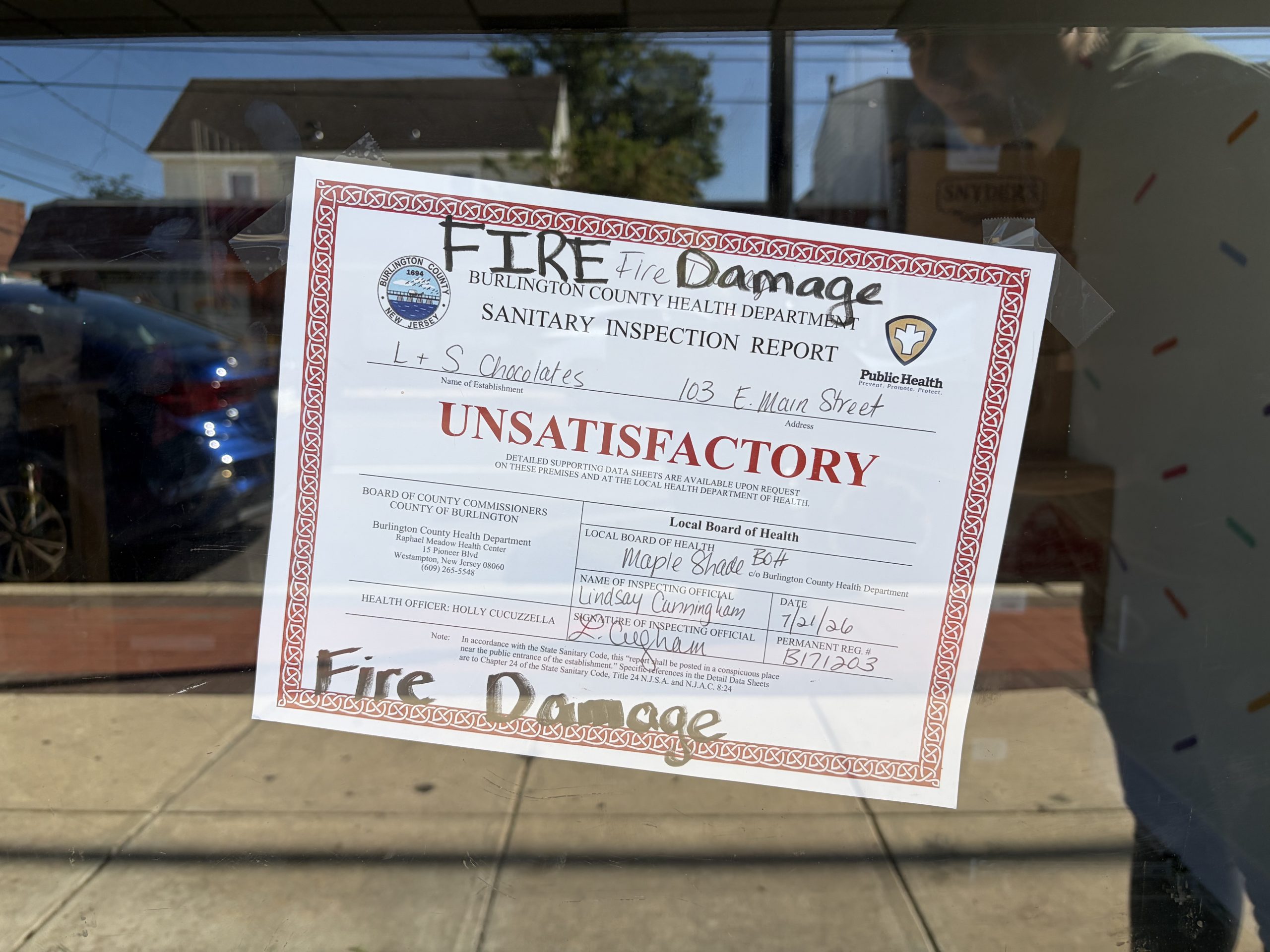
By Thursday morning, cakes and cupcakes were still sitting in the display cases inside the shuttered bakery on the corner of Maple Avenue, and an “unsatisfactory” designation from the health department was taped to the front door. The bakery’s owners could not be reached for comment.
L&S Chocolates is closed until further notice due to smoke and water damage from a suspected lightning-caused fire in Maple Shade on Tuesday.Lacey Latch
Since the fire, Hause has spent nearly every waking moment trying to determine her next steps. Fielding visits and phone calls from the health department, multiple insurance adjusters, her landlord, and more, she said it will likely be at least four to six months before she can reopen the store.
“It’s hard. I put so much work and effort into this. I cried most of last night, I’ve cried most of today,” Hause said Wednesday afternoon. “Maybe a couple days off of just breathing and relaxing, and then I’ll figure out my next steps.”
Before the fire, Hause had begun developing ideas for classes and community events that she could host at the store, like cake decorating classes or a “Chocolate & Sip” wine night. Now, she’s just taking things “hour by hour” as she starts to rebuild.
“I’m scared. I’m absolutely scared for my future now,” she said. “After putting everything into this and, overnight, it’s gone.”
P.S. Drop your burning questions about the region for Curious South Jersey. The answers might end up in our team’s reporting, and of course, in this newsletter.
Gov. Mikie Sherrill disclosed Tuesday that 6,600 noncitizens between June 2023 and June 2024 were illegally registered to vote, and fewer than 400 of those cast a ballot.
🗳️ How did this happen?
New Jersey allows automatic voter registration when a citizen gets a driver’s license at the Motor Vehicle Commission unless they decline. According to Sherrill, the noncitizens who were improperly registered answered no when asked on a keypad if they were citizens, but were registered anyway through a software error.
🗳️ What’s next?
Sherrill said she ordered an investigation, and ordered noncitizens to be removed from voter rolls.
Plus: Within hours of Sherrill’s disclosure, the Department of Justice sent an updated request for New Jersey’s voter database and said it’s to ensure more noncitizens aren’t registered to vote.
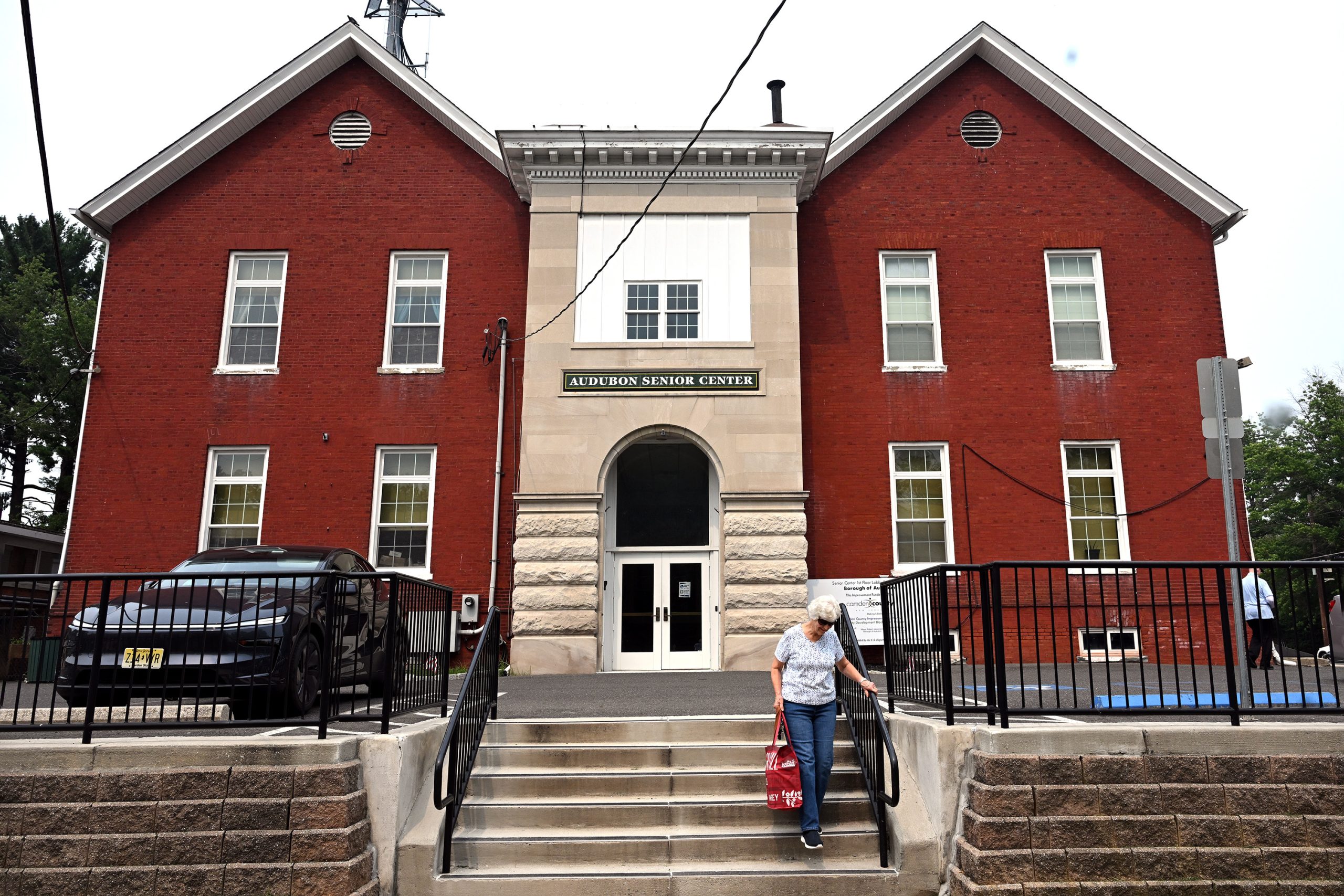
Camden County’s newest museum invites visitors to peruse items that cover more than a century of Audubon.
The Audubon Borough Historical Society museum on the second floor of the Audubon Senior Center boasts a collection made up of donations from residents, including a few from historical society members.
Items include a Monopoly board based on the borough, outdated land-use maps, and memorabilia featuring NFL star and Audubon High alum Joe Flacco.
Starting Aug. 8, the museum will be open for two hours on the second Saturday of every month.
Trump-supported gas station chain Freedom Fuel Network is run by a collection of business owners that includes an NFL coach who is also a former mayor of Evesham Township, AP reports.
According to the Camden County Prosecutor’s Office, two teenagers have been arrested and charged for allegedly shooting a 19-year-old man in Winslow Township in June. The alleged assailants are both from Sicklerville.
A Berlin Borough police officer helped a woman deliver a baby while in a Route 73 Wawa parking lot, 6abc reports. The woman and her husband were on the way to a Voorhees hospital when her labor progressed quickly.
Philly-area food brands are investing in high-protein offerings as they compete for GLP-1 consumers, including Camden-based snack company Campbell’s.
🚜 Burlington County Farm Fair: The 80th annual fair returns for five days, featuring agricultural exhibits, games, competitions, rides, various food vendors, and more. ⏰ Daily through Friday, July 24, from 2-10 p.m.; Saturday, July 25 from noon-10 p.m. 💵 Pay as you go 📍 1990 Jacksonville Jobstown Rd., Columbus
🎵 Swedesboro’s Food Truck Festival & Dancing in the Park: Enjoy food trucks and live music from The Company. Bring your own lawn chair. ⏰ Thursday, July 23, 7-10 p.m. 💵 Pay as you go📍 Auction Park, 101 Leahy Ave., Swedesboro
🚲 Spellbound Century: South Jersey’s largest summer cycling event is back for its 12th year. Participate or spectate as bikers ride various routes that pass local horse farms and historic towns. ⏰ Saturday, July 25, 6 a.m.-4 p.m. 💵 Free for spectators; rider registration is $75 📍 1 Park Dr., Mount Holly