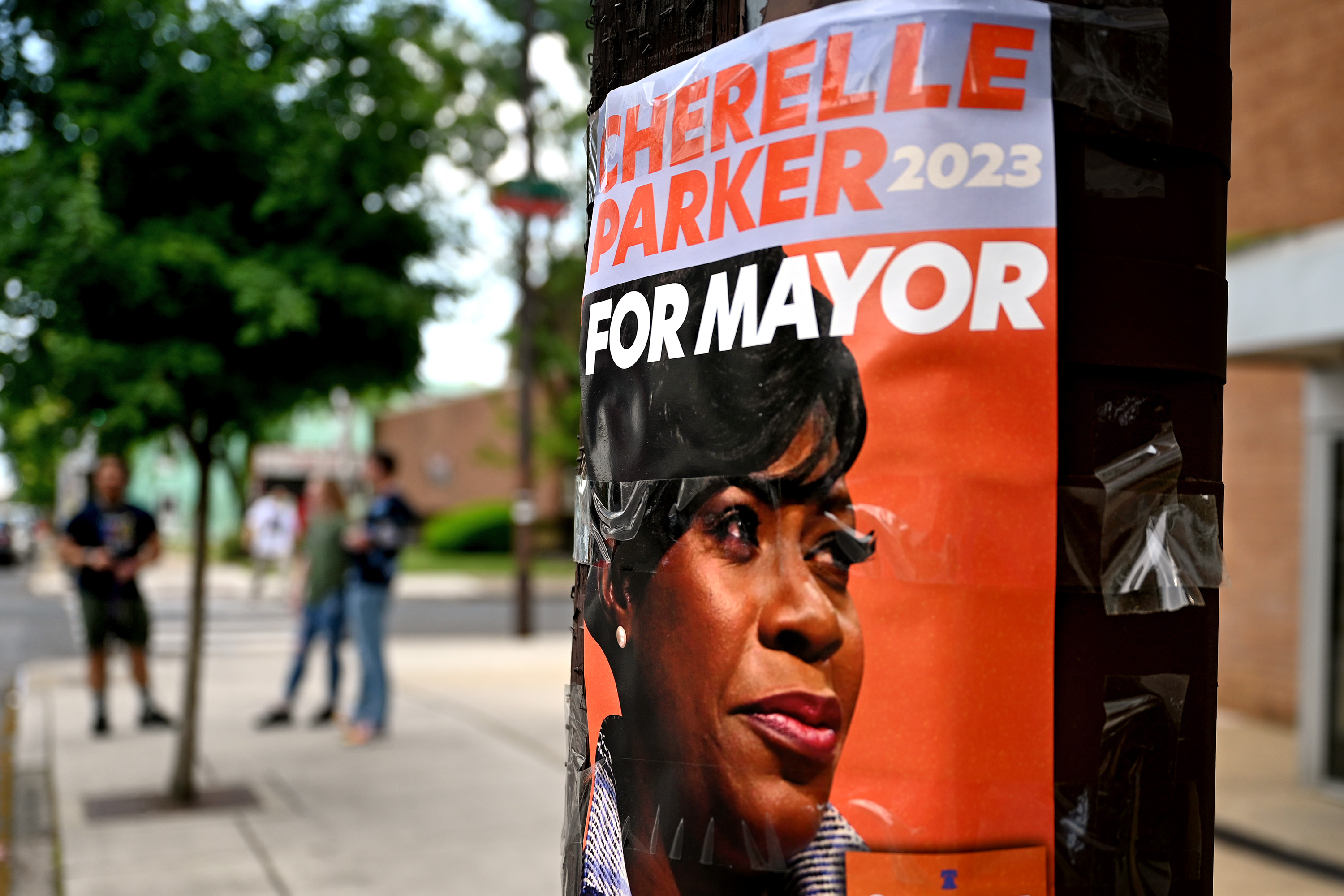
Political parties in Philadelphia can now spend unlimited amounts of money in coordination with their chosen candidates, according to a new board of ethics policy approved Wednesday.
For instance, in next year’s city elections — when Mayor Cherelle L. Parker and all 17 City Council members will be up for reelection — the candidates endorsed by the Democratic City Committee could be able to access major financial advantages over their Democratic primary rivals, if the party chooses to coordinate with them.
Candidates are still bound by the city’s strict campaign finance rules limiting the size of donations to their campaigns — no more than $3,700 per year for individual donors, and $14,800 for organizations — and prohibiting them from coordinating with independent expenditure committees, or outside groups that spend money on candidates’ behalf.
But endorsed candidates will now be the only primary contenders allowed to coordinate with a group that has no restrictions on how much money it can collect: the party. The candidates, for instance, will be able to work with the party on messaging strategy, the timing of TV ads, and where to deploy door-knocking canvassers.
While the policy does not allow donors to require that parties spend their money on particular candidates, endorsed politicians with deep-pocketed backers can encourage donors to contribute to the party, with the understanding that the party will ultimately decide how the money is spent.
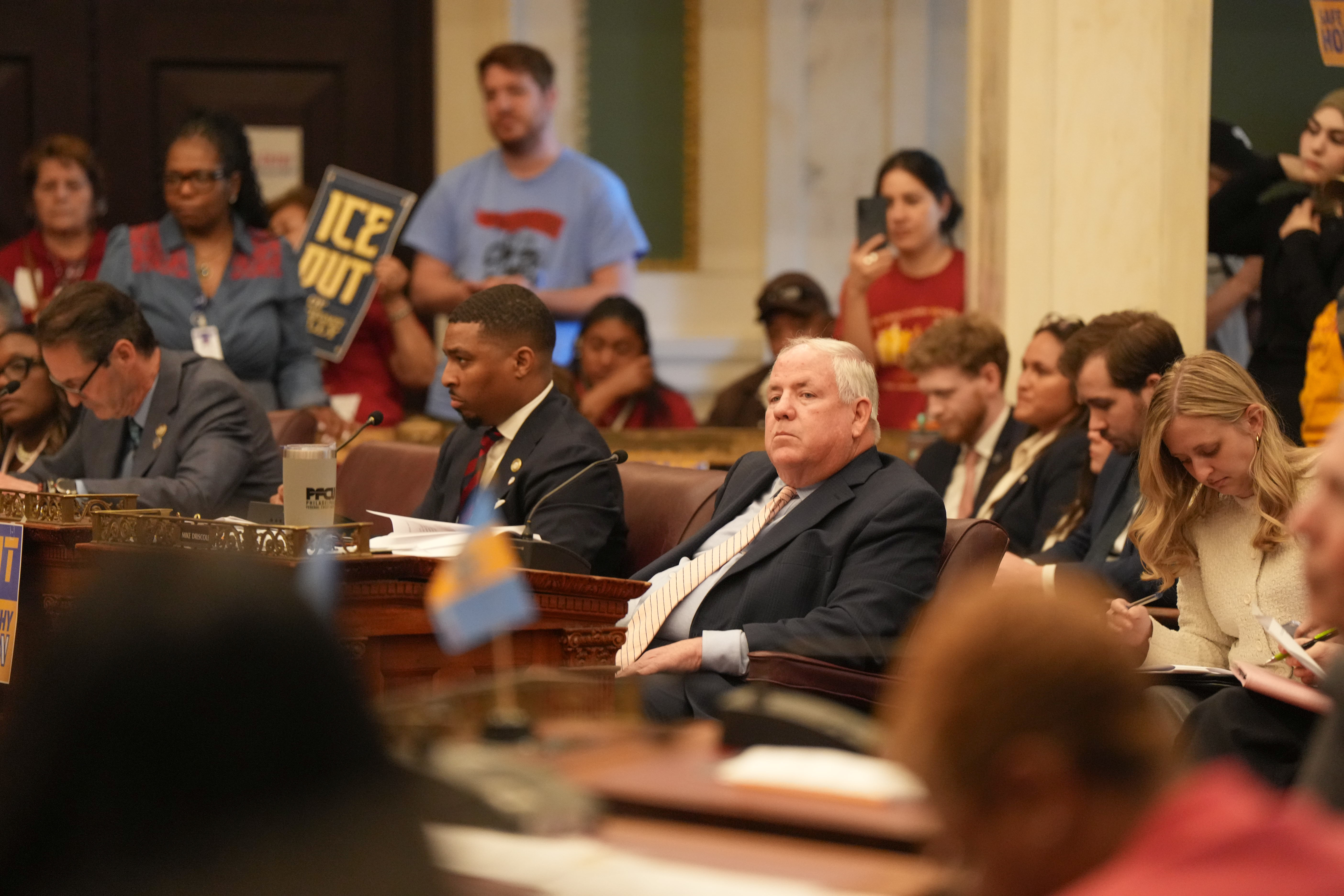
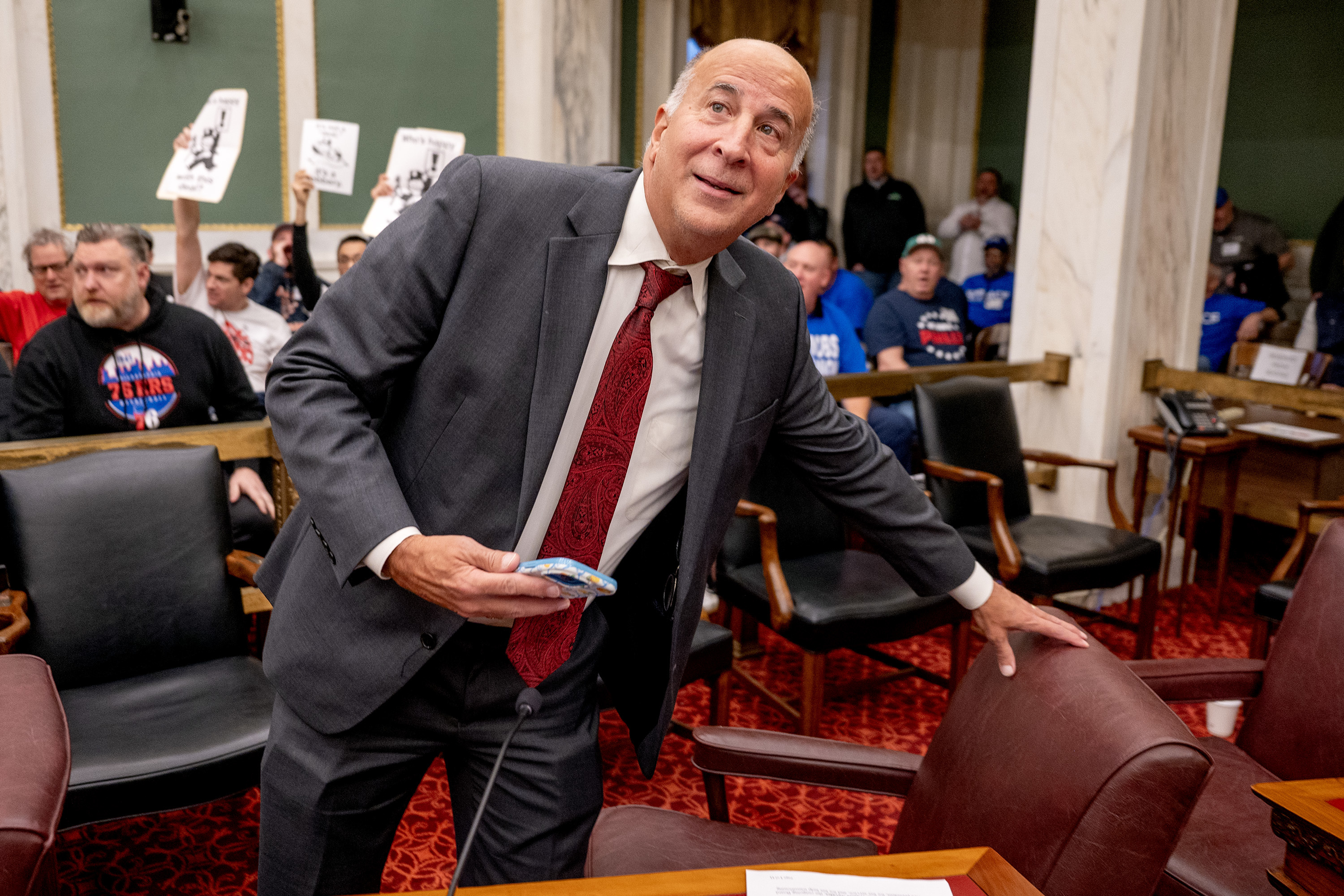
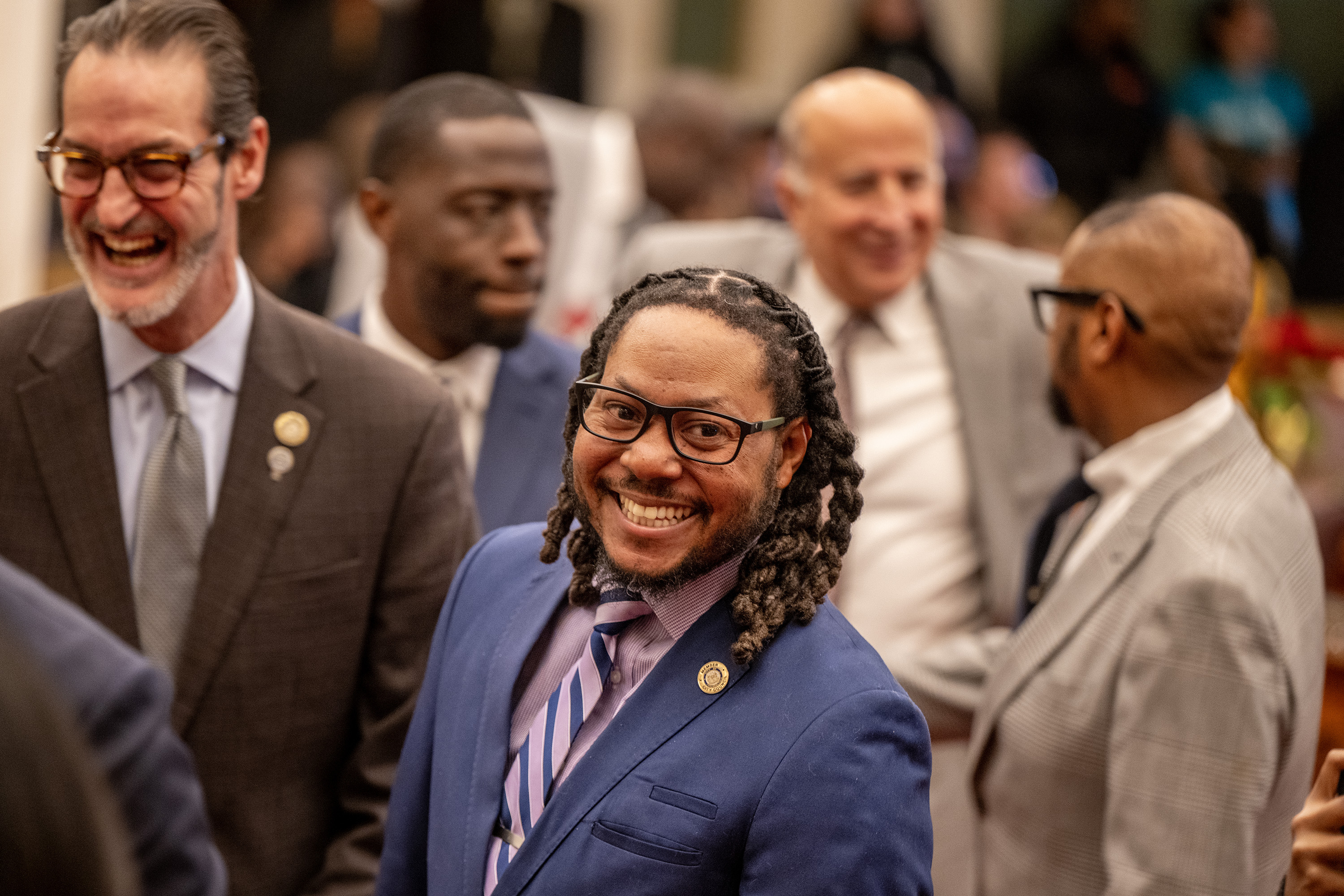
The Philadelphia Council members inside the caucus inside City Hall in Philadelphia, Pa on Thursday, June 11, 2026.Aidan T. Gallo / Staff Photographer
The impact of the new policy will depend on how aggressively candidates, parties, and donors seek to take advantage of it. But it has the potential to steer power in some elections back toward the city’s Democratic establishment after a period in which labor unions, special interest groups, and progressive super PACs have become increasingly influential.
“This Supreme Court ruling is going to have the effect of shifting power back to political parties and away from independent expenditures in a lot of ways,” said Philadelphia elections lawyer Adam Bonin.
In National Republican Senatorial Committee v. Federal Election Commission, the Supreme Court in June overturned limits on how much money parties could spend in coordination with candidates, citing parties’ free speech rights. The 6-3 decision, with the conservative justices in the majority, was widely seen as the latest in a series of cases that have demolished longstanding rules around money in politics.
But the NRSC case centered on a law related to general elections for federal office, and it was not initially clear whether the Philadelphia Board of Ethics would determine the ruling applied to local elections and to primaries.
The board, in a 4-0 vote with member Nelson Diaz absent, approved a policy that answered both of those questions affirmatively, meaning local political parties are now able to coordinate with their chosen candidates in primaries.
In deep-blue Philadelphia, where Democrats hold a 7-1 voter registration advantage over Republicans, the party’s primary contests usually determine the outcomes of elections.
The new policy holds that the party can only coordinate with its nominees in general and special elections. In primaries, the ethics board will allow the parties to set their own rules for determining their preferred candidates that they can coordinate with. The Democratic City Committee determines its endorsements by holding a vote among its ward leaders.
The policy, meant to clarify the city’s rules in advance of next year’s municipal elections, is temporary. The full details of the new rules will be fleshed out in regulations the board will tackle in the coming months.
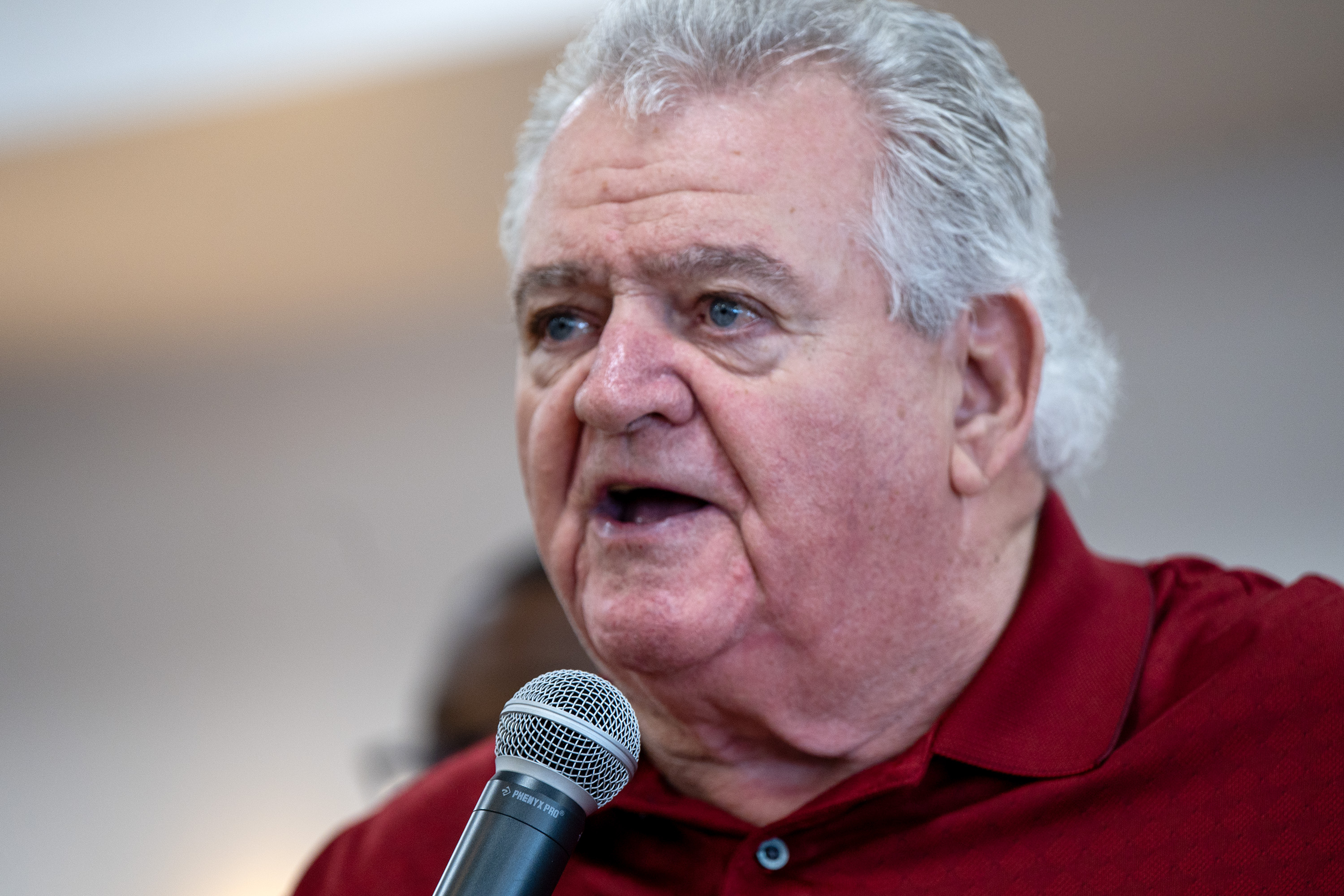
Philadelphia Democratic Party Chairman Bob Brady on May 18, 2026.Tom Gralish / Staff Photographer
Democratic City Committee Chairman Bob Brady said the party was “still reviewing the new guidelines.”
“Protecting constitutional rights remains a priority of the Democratic Party, especially the right to participate in our democratic process,” Brady said in a statement. “We will continue the work to ensure that the final implementation of these policies and laws will right the wrongs that have too long infringed on First Amendment rights.”
To be sure, there are significant roadblocks for candidates hoping to benefit from the new policy. In crowded primaries, for instance, the Democratic City Committee often declines to endorse when a majority of ward leaders fail to coalesce around one candidate. And the candidates and parties would have to find donors willing to give large sums knowing that they cannot control how the money will be spent.
Additionally, Bonin said, the new policy may still be more restrictive than what the Supreme Court decision appears to have envisioned because the board is seeking to maintain many of the city’s existing campaign finance rules.
“They are doing it in a way in which, initially, it seems they’re trying to change their rules as little as possible, while still recognizing they need to act,” he said.
The policy could also have an impact on elections for the two seats on Council that are set aside for minority-party or independent candidates. Republicans held those seats for about 70 years before Councilmembers Kendra Brooks and Nicolas O’Rourke of the progressive Working Families Party won them in the last two election cycles.
City Council candidates Kendra Brooks and Nicolas O’Rourke celebrate after the Working Families Party declared victory at their election night gathering at Roar Nightclub in Philadelphia, Pa. on Tuesday, Nov. 7, 2023.Monica Herndon / Staff Photographer
Before Wednesday, it appeared possible the ruling could create an uneven playing field, with the Republican City Committee being allowed to coordinate with its nominees while the Working Families Party was unable to do so because it is not a major political party under state law.
The language of the board’s approved policy, however, effectively gives the Working Families Party the same rights as the Democratic and Republican Parties because it fielded candidates in the most recent municipal election.
Republican City Committee chairman Vince Fenerty celebrated the ethics board’s decision.
“I’m very happy,” Fenerty said. “It will make our candidates be able to interact with other groups easily, and hopefully it will be a good day for the Republican Party of Philadelphia when we can have good funding to be victorious in some municipal elections.”
A Working Families Party spokesperson said this summer that the party opposed the Supreme Court’s attacks on campaign finance law, but did not rule out the possibility of the progressive group taking advantage of any new policy.
One evening last week, City Council President Kenyatta Johnson stood on South Broad Street and greeted his fellow lawmakers as they arrived at Steak 48.
Johnson had invited them to the swanky Center City steakhouse to “reconnect, share conversation, and enjoy each other’s company outside of City Hall,” according to an invitation for the Sept. 9 “members only” event obtained by The Inquirer.
Council resumes for its fall session Thursday — and after the way things ended in the spring, the city’s legislators may have needed the opportunity to break bread together.
When lawmakers last met in June, they approved a $7.1 billion city budget that left all sides feeling dejected. Council turned away a series of tax proposals from Mayor Cherelle L. Parker, including a $1-per-ride levy on rideshare companies like Uber and Lyft, and ended up passing a budget that omitted a number of members’ own priorities and left unanswered how the city will help the Philadelphia School District navigate its funding crisis in the long run.
In addition to representing a new low in Parker’s relationship with the legislative body of which she was once a member, some Council members also questioned their own negotiating team’s handling of the ordeal.
Councilmember Mike Driscoll noted last week that while he was not “pointing fingers,” Council could have added more money in the budget for line items requested by lawmakers, such as funding for community groups.
“I’m disappointed and pissed off at the way it played out,” Driscoll, who represents parts of Northeast Philadelphia, said in an interview. “Our priorities weren’t analyzed in a more thoughtful [way]. … We do the amendments. [Parker] doesn’t. We could have put money in.”
Councilmember Michael Driscoll in Philadelphia on April 23, 2026.Jessica Griffin / Staff Photographer
An Inquirer reporter saw at least 11 of Council’s 17 members at the Steak 48 event, meaning a majority, or quorum, of Council was present. The Pennsylvania Open Meetings Act, or Sunshine Act, requires legislative bodies to notify the public if a quorum is present for a meeting at which official business is discussed.
But Johnson said at the beginning of the dinner that would not be happening.
“Tonight we do no official business,” Johnson said in an interview. “Just social. Welcome back to City Council. Eat and drink and be merry. No policy on the table. No legislation on the table. Just having a good time.”
Johnson’s invite directed members to RSVP to a Council staffer’s city email address. Johnson said his campaign picked up the tab.
“Everyone facing reelection next spring knows they have to be able to point to real accomplishments on the important issues voters care about,” City Hall lobbyist John C. Hawkins said. “And this fall is their last opportunity for them to address the most pressing issues that were not fully resolved in the spring budget process.”
Budget fight hangover
When Council and the mayor in the spring failed to reach a deal over new tax revenue to plug a $48 million hole in the school district’s budget, Johnson said Council had helped identify one-time savings in the city budget to fill the gap for a year while vowing to explore new recurring revenue streams for the district.
Johnson has not yet scheduled a hearing on schools funding, and Council’s dissatisfaction with the district appears to have been mounting.
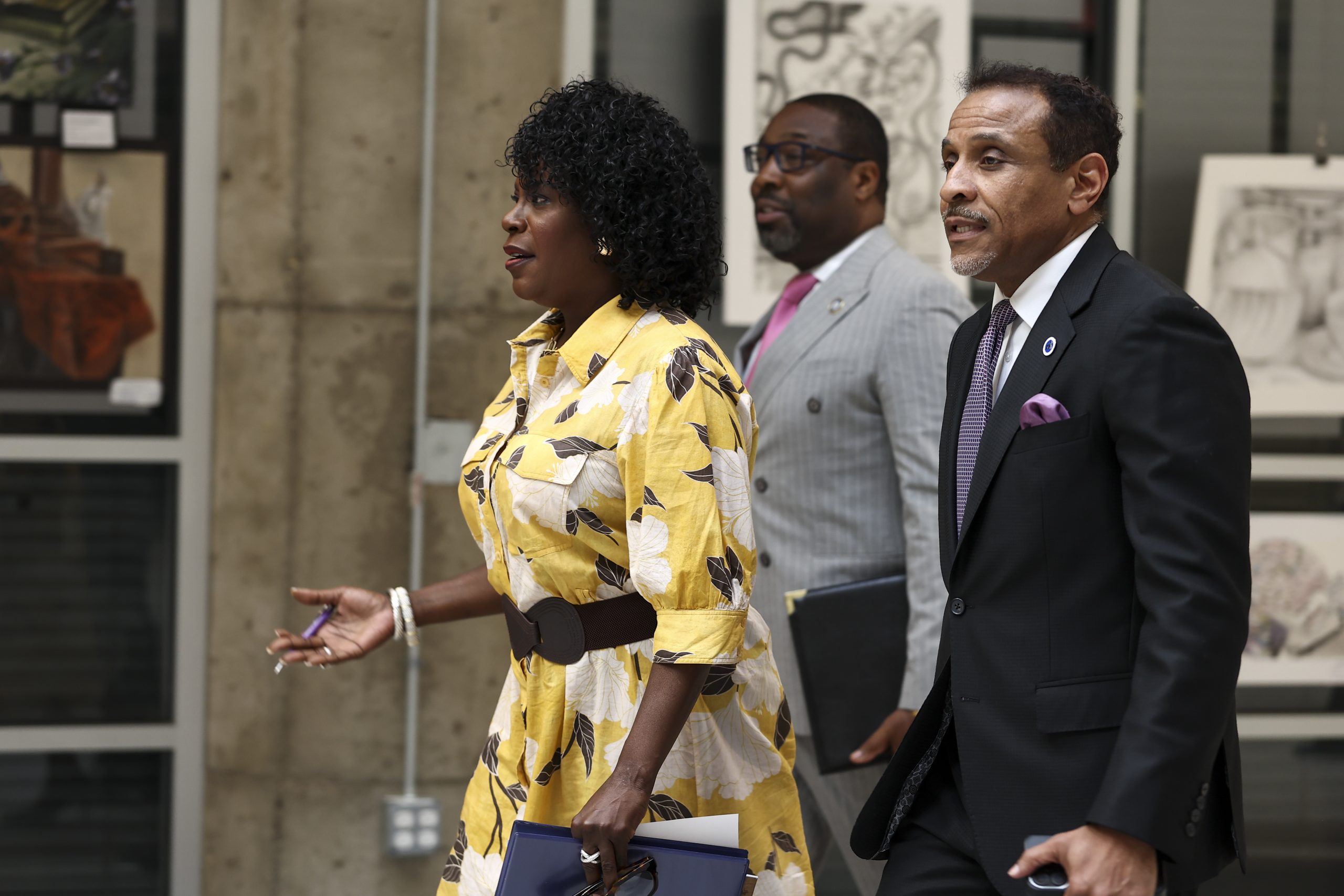
Mayor Cherelle L. Parker, Council President Kenyatta Johnson, and Superintendent Tony B. Watlington Sr. arrive for an announcement at the School District of Philadelphia Headquarters on Wednesday, June 10, 2026 in Philadelphia. Monica Herndon / Staff Photographer
He said in a statement this week that Council will honor its commitment, but also alluded to finding that money in the district’s own budget, despite school officials saying they are navigating a $300 million structural deficit.
Johnson said Council is awaiting the results of a performance audit of the school district that is being conducted by City Controller Christy Brady. He said that report “will help Council identify any available funds to support recurring funding.”
New arena, who dis?
In the fall of 2024, Council wasconsumed by the debate over the 76ers’ proposal to build an arena in Center City.
Lawmakers spent much of the session debating the economic benefit of the project, while opponents cried out that it would displace businesses and residents in nearby Chinatown.
Despite Council approving it, that project was scuttled by the Sixers, who instead teamed up with Comcast, which owns the Flyers, to plot a different project: a joint venture that would bring a new arena to the South Philly sports complex. Earlier this month, they released the first renderings of what the Spectrum-inspired arena could look like.
There will likely be spirited discussions about it all in Council — at some point. But don’t expect a redux this fall of the all-out brawl that was 2024.
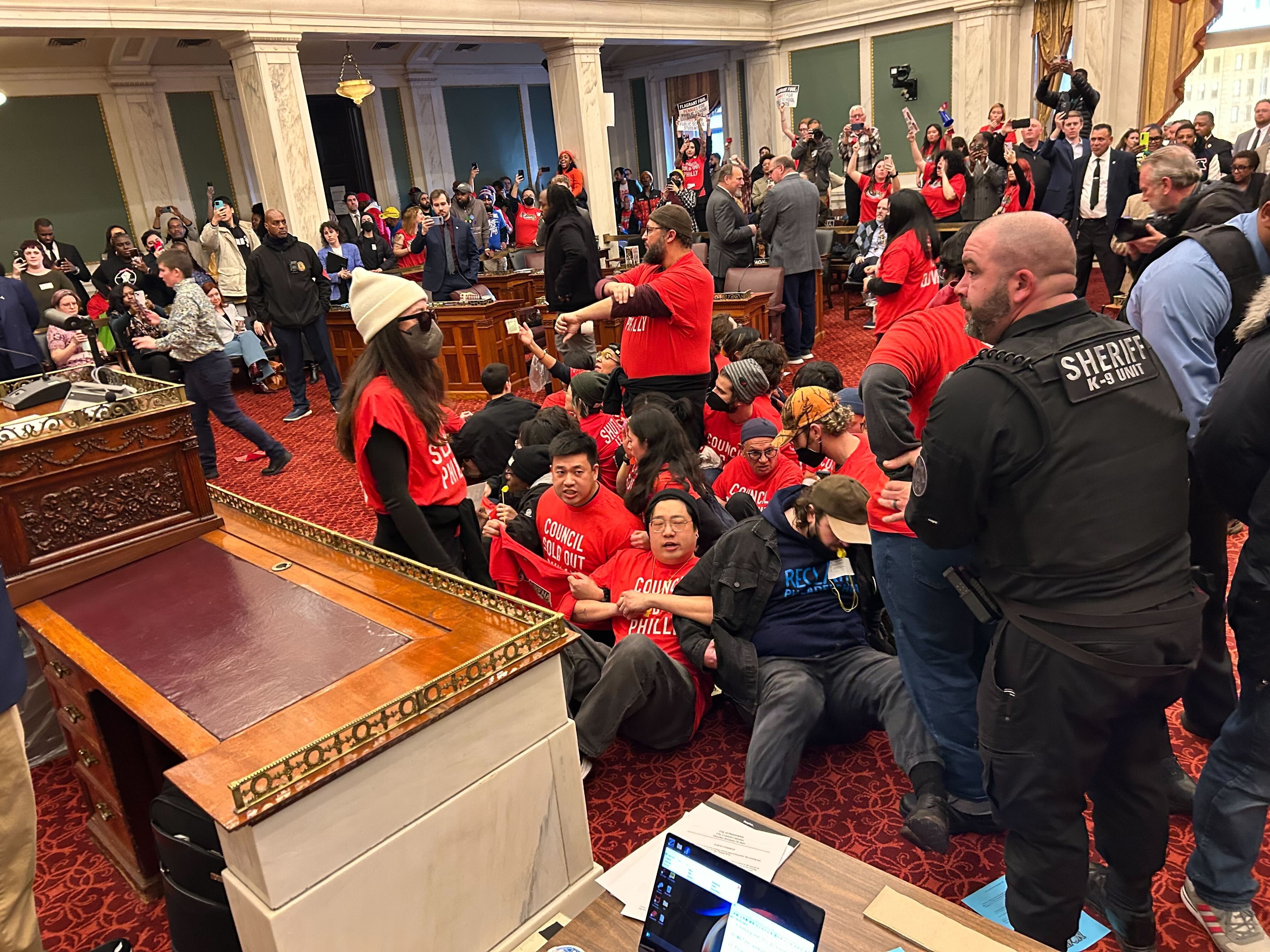
Protesters link arms as sheriff’s deputies attempt to remove them from Philadelphia City Council chambers as the council is scheduled to vote on final approval for the Sixers’ proposed Center City arena on Thursday, Dec. 19, 2024.Sean Collins Walsh / Staff
The stadium district falls in Johnson’s 2nd District, meaning it will be on him to introduce legislation that would green-light the project. And he has not been in a hurry to accommodate the Sixers’ timeline, which would be to approve the project as soon as possible so the venue can open by 2030.
Johnson said in a statement that “no zoning legislation is scheduled for introduction,” and that he is working to find consensus with the Parker administration and other Council members before introducing any legislation.
“I am focused on ensuring that any future legislation concerning the new arena addresses the interests and concerns of the community around the Stadium District and in Philadelphia,” he said.
When that legislation is brought forth, it is unlikely to be anywhere near as controversial as the 76ers’ Center City proposal, which drew opposition due to its proximity to Chinatown, so long as the teams uphold their promise to not seek public subsidies.
The Asian Pacific Islander Political Alliance, which led opposition to the Center City arena, released a statement earlier this month that signaled openness to the South Philly project.
“The people of South Philly should have a meaningful voice in whether and how this project moves forward,” said Will Gross, an API PA member who is rumored to be considering a run for Council. “And if it does, it should mean good union jobs, a strong community benefits agreement, and real benefits for the people who live and work in the neighborhood.”
Trash issue continues to burn
Councilmember Jamie Gauthier has spent the better part of the last year trying to whip up support for a bill that would ban the city from shipping off its trash to be burned at an incinerator in Chester, a longtime practice she and others say is poisoning residents of the city to Philadelphia’s south.
The Parker administration opposed the measure, saying it would limit the government’s ability to carry out its normal competitive bidding process and select the best-value contractor. Gauthier failed to get a majority of Council on her side, and she never called up the Stop Trashing Our Air Act for a vote.
This fall, she will try a new tactic.
Gauthier and her allies are attempting to kill the Parker administration’s effort to approve a new contract with Reworld, which operates the Chester waste-to-energy facility where the city sends about a third of its garbage. (The remainder is hauled off to landfills.)
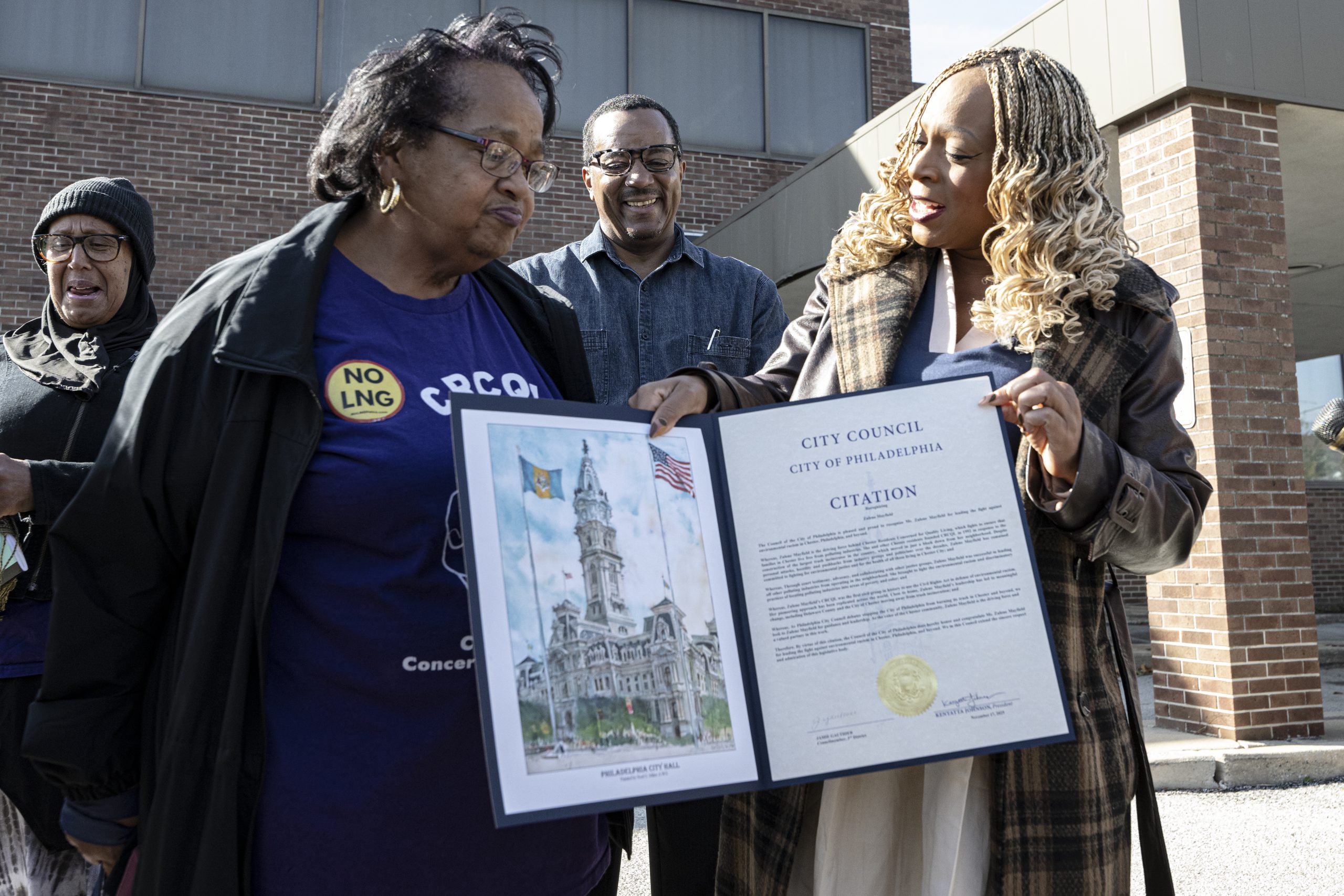
Chester resident Zulene Mayfield, left, Philadelphia Councilmember Jamie Gauthier, right, and Chester Mayor Stefan Roots meet to discuss Gauthier’s “Stop Trashing Our Air Act,” which would ban the city from incinerating waste, during a visit with lawmakers and staff in Chester, Pa., on Friday, Nov. 7, 2025.Jose F. Moreno / Staff Photographer
In July, the Parker administration announced that it intends to enter into a new four-year contract for waste processing and disposal with Reworld, as well as two landfill operators, Republic Services and Waste Management. The terms of those contracts have not yet been made public.
Council must approve multiyear contracts, and Gauthier, who represents parts of West and Southwest Philadelphia, said she is planning a full-court press to get her colleagues to “block Mayor Parker’s dirty deal with trash incinerators.”
The question is whether she can get eight other members on her side to reach a majority of Council. She is likely to find support from three fellow progressives, and she is expected to be joined by Councilmember Isaiah Thomas, the Democratic majority whip, at a Thursday news conference calling on the city to end its contract.
Councilmember Mark Squilla takes his seat in chambers Wednesday, Dec. 11, 2024, before a scheduled committee vote on Sixers arena related legislation was postponed,Tom Gralish / Staff Photographer
Meanwhile, Councilmember Mark Squilla said he has been working with the administration on a plan to build out a “circular waste” system that would replace incineration and landfilling over time with composting and waste “digestion.”
“The incinerator bill …. doesn’t solve a problem we have: to reduce our waste,” Squilla, whose district includes parts of Center City, South Philadelphia, and the river wards, said in an interview. “If we can reduce our waste by going to composting and digestion and other forms, we then eliminate all of our trash. Therefore end up with the result of what the goal should be, [which] is to get as close as possible to zero waste.”
Squilla’s proposal, which would involve “a long-term contract to attract providers to be able to build out a possible digester to decrease the amount of food waste,” could make it easier for Council members sympathetic to Gauthier’s goals but skeptical of her incinerator bill to approve the administration’s contract with Reworld while committing to a long-term solution.
The business tax, revisited
Separate from the school district revenue, some Council members are hoping to advance measures that would provide tax relief to businesses.
Council two years ago approved a 13-year schedule of rate cuts that would dramatically reduce the business income and receipts tax. But at the same time, Parker moved to eliminate a tax break that primarily helped small businesses after its legality under the Pennsylvania Constitution was challenged in court.
The elimination of the tax break — which excluded from taxation companies’ first $100,000 in revenue — has forced thousands of small firms and sole proprietors that make less than that threshold to begin paying a tax from which they had been effectively exempted.
Driscoll worked with tax experts to find a workaround that could pass legal muster — exempting certain types of businesses, such as sole proprietors, from the tax entirely — and he is planning to call up for a vote his bill this fall.
Thomas, meanwhile, said he will introduce a resolution Thursday to hold hearings this fall on the feasibility of reducing the net income portion of the business tax “much sooner” and more “aggressively,” meaning an acceleration of the tax cuts already scheduled.
The measures are likely to spark opposition from more progressive members of Council and could be tricky to navigate for Parker, who wants to make Philly more business-friendly but may not want to forgo additional revenue.
Members eye priorities as election looms
With next year’s election looming — and all 17 members indicating they intend to seek new four-year terms — the fall session is also likely to see movement on a myriad of issues championed by individual legislators.
Majority Leader Katherine Gilmore Richardson said she will propose bills to “protect communities from harmful nuisance businesses and improve processes around code violations,” continuing her efforts to crack down on businesses that neighbors say attract crime.
Councilmember Rue Landau, who represents the city at-large, said she is “tackling the impact of emerging technologies, making Philadelphia more affordable for working people, and ensuring equity remains at the center of how we serve our LGBTQ+ communities.”
Landau said she also plans to introduce a resolution calling on the state to ban automated license plate readers like Flock cameras.
The Philadelphia Council members inside the caucus inside City Hall in Philadelphia, Pa on Thursday, June 11, 2026.Aidan T. Gallo / Staff Photographer
And Councilmember Kendra Brooks will propose new protections for temporary workers and tenants facing eviction, according to her spokesperson, Kathleen Melville.
Brooks, a progressive who represents the city at-large, will also fight for additional funding for reproductive healthcare providers, a priority of hers that was left out of the budget following Council’s impasse with Parker, Melville said.
“That was her biggest focus going into the budget,” Melville said. “She had the same experience as every other Council member in that none of her budget priorities made it into the budget.”
Several members have also said that they want to bolster the city’s property tax relief offerings after the administration this summer released its citywide assessments that will mean higher taxes for thousands of homeowners.
The most likely move would be for Council to amend the city’s tax code to increase the popular homestead exemption, which currently exempts the first $100,000 from a home’s taxable value if the owner lives in the dwelling as their primary residence.
Johnson said Council “will review all tax-relief options” this fall.
The battle over data centers and the artificial intelligence they power has officially reached Philadelphia City Hall.
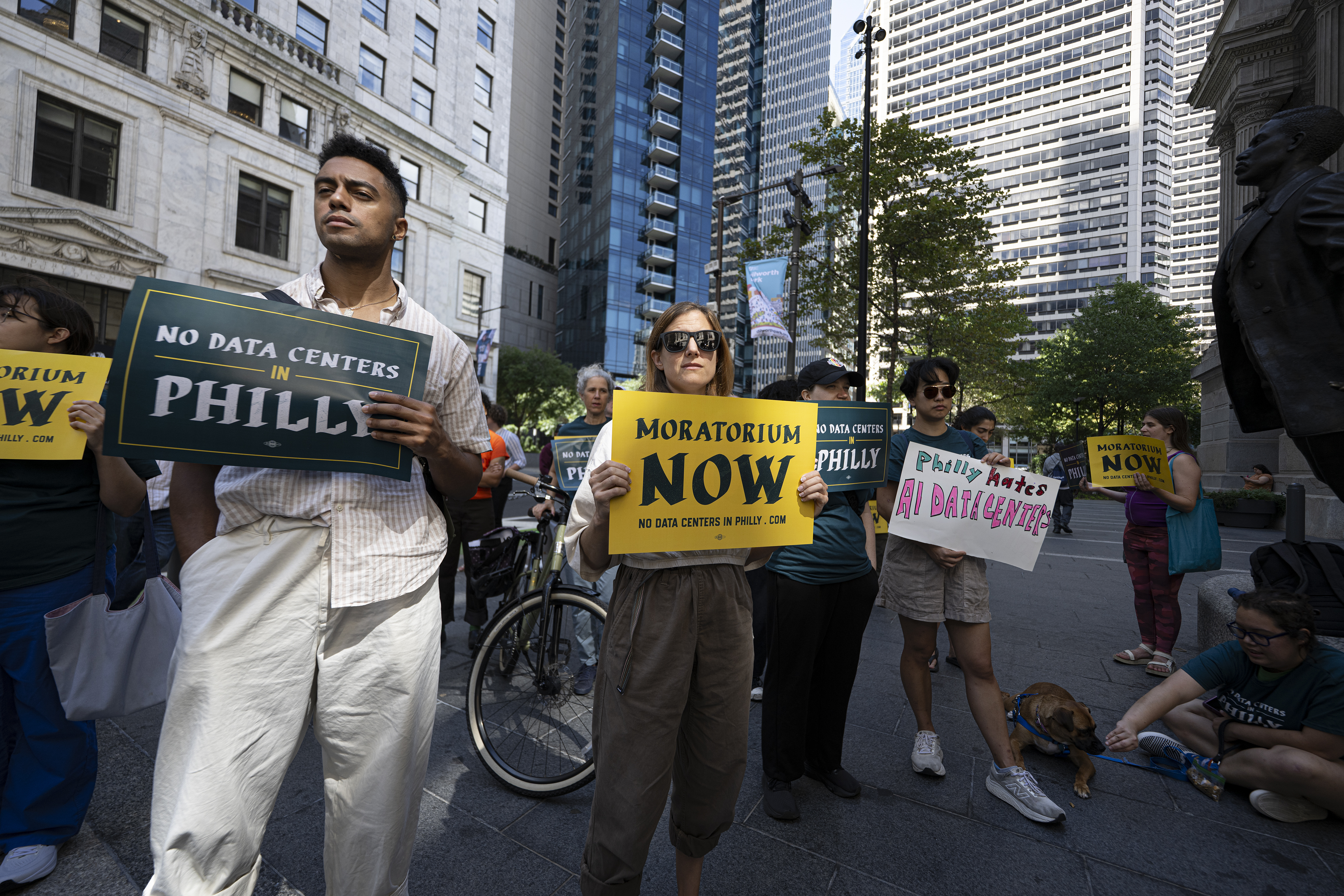
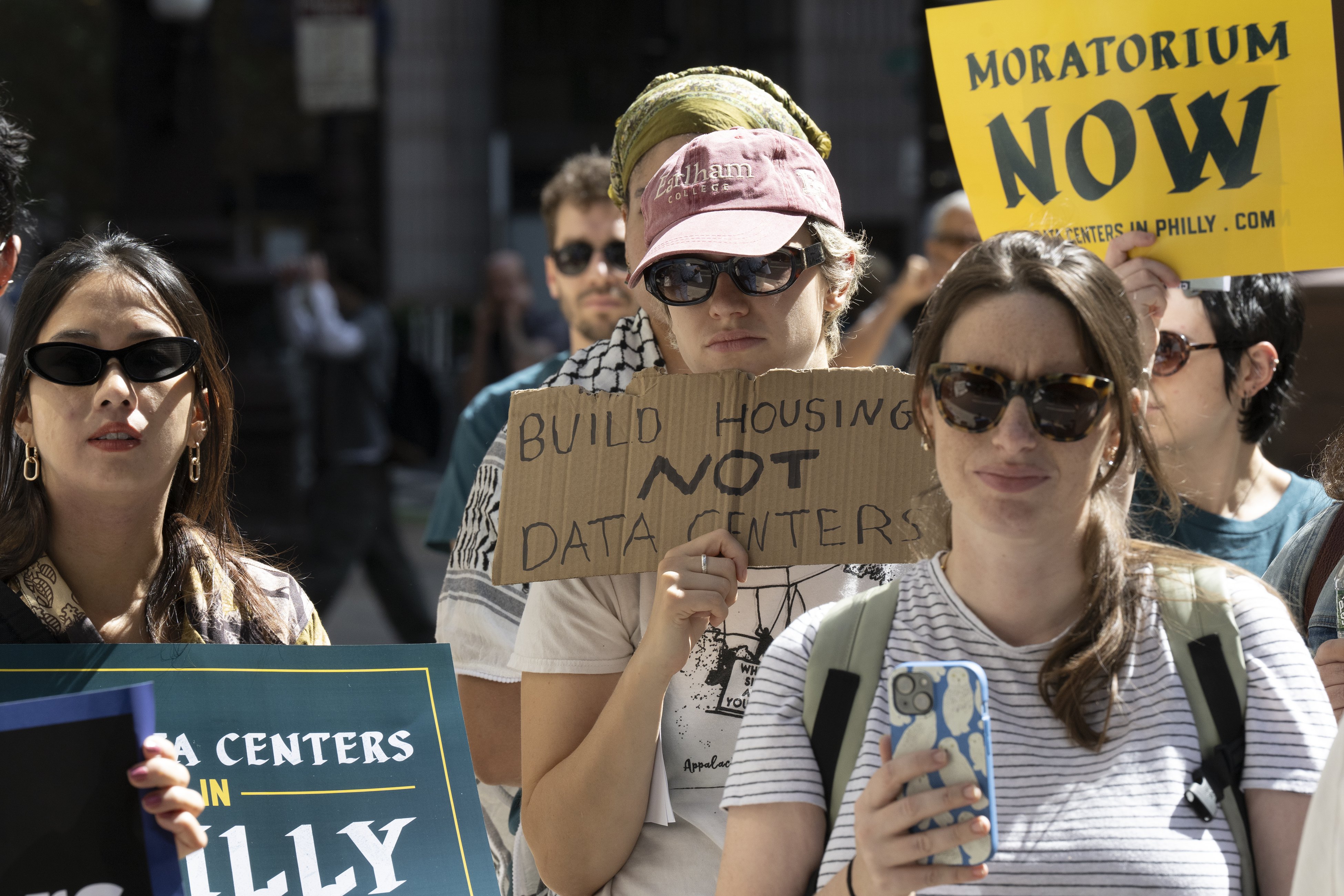
A coalition of activist groups and environmental advocates gathered at City Hall Monday to call on local lawmakers to pass a moratorium on data center construction in the city, the opening salvo for the group’s public pressure campaign to oppose the projects that it says could hike energy rates and drive pollution.
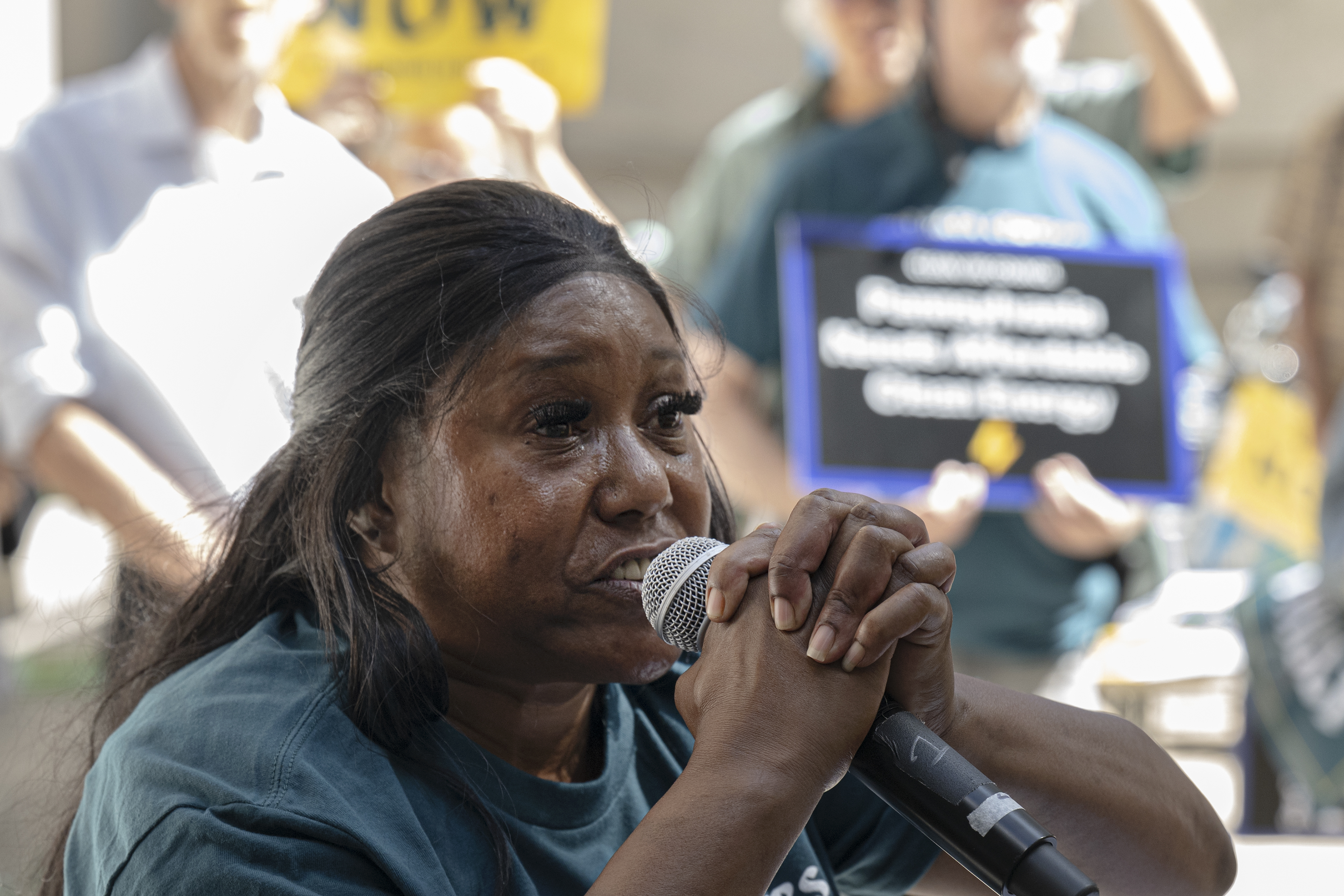
“There’s way too much at stake to let data centers expand without guardrails,” said Sonya Sanders, board president of Philly Thrive, an advocacy group for racial, economic, and environmental justice.
The coordinated push could put Mayor Cherelle L. Parker and members of City Council in a politically tricky spot as they gear up to run for reelection in the spring. Data centers have proven deeply controversial and have drawn bipartisan backlash, but some unions that see job-creating potential support their construction.
There is no specific data center proposal currently under consideration by City Council, andno member has said that they will introduce a moratorium bill. A spokesperson for Council President Kenyatta Johnson said that Council members and Parker’s administration are in “discussions on the future of data centers in the city.”.
Any data center legislation would have to run through Parker, a centrist Democrat who has not staked a position on the issue. She is allied with the unions that represent construction workers and has generally been pro-development. However, she positioned herself as an opponent of Big Tech earlier this year when she advocated for new taxes on companies like Uber and Airbnb.
Parker said in a statement Monday that she would sign an executive order this week to “formalize” a task force she convened over the summer to explore potential standards for data center development, and she vowed that the city would put “rigorous guardrails in place.” She did not specify a timeline.
Grays Ferry resident Sonya Sanders speaks during a rally at Philadelphia City Hall on Monday, calling on City Council to pass a citywide data center moratorium and kicking off the No Data Centers in Philly campaign.Jose F. Moreno / Staff Photographer
The data centeractivists’ event in Philadelphia came as fear of AI’s rapid development and increasingly humanlike capabilities has spread substantially and as leaders of the nation’s largest AI developers over the weekend signaled support for a global slowdown.
On Saturday, Anthropic chief executive Dario Amodei wrote that the technology is advancing more rapidly than leading companies can implement safeguards. Several of his top rivals, including Sam Altman of OpenAI and Elon Musk of SpaceX, endorsed his call for a slower pace of growth.
Meanwhile, talks of regulation have gripped Washington, with lawmakers from both major parties drafting plans to rein in tech companies and add layers of oversight to AI development. Any proposal faces an uncertain future, as President Donald Trump has said the country should remove barriers to AI development and accelerate advancement in order to outpace China.
On Monday morning, Trump posted on his Truth Social platform: “The only control or ‘guardrails’ that AI needs is a STRONG AND SMART (High IQ!) PRESIDENT, and the U.S.A. has that, in spades!”
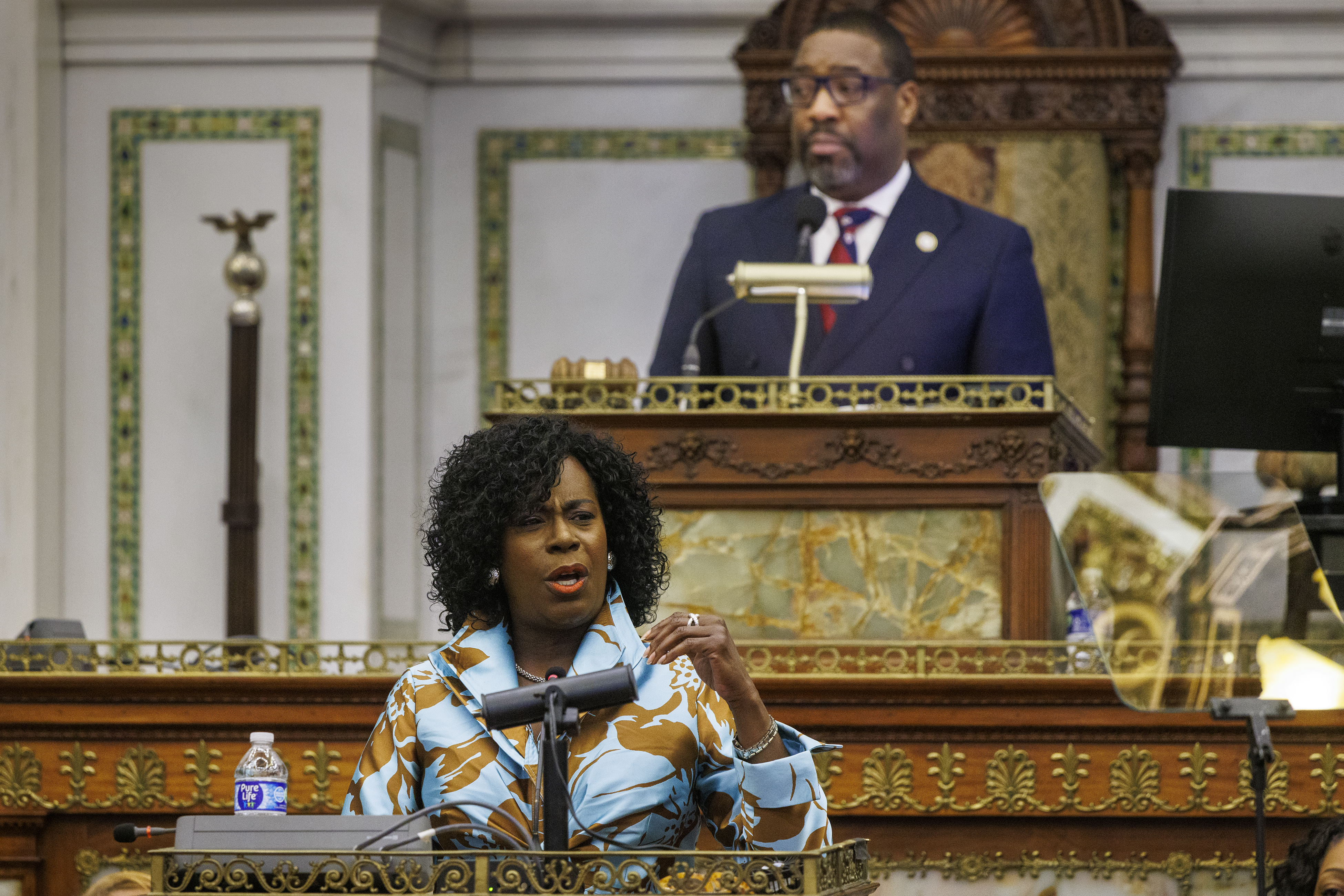
Philadelphia Mayor Cherelle L. Parker start to make her budget presentation to City Council in Council Chambers on March 12. In the background is Council President Kenyatta Johnson.Alejandro A. Alvarez / Staff Photographer
Inaction in Washington has left an opening for states and cities to regulate the construction of data centers, which produce the massive amount of computing power needed for artificial intelligence. They have become increasingly unpopular — a July poll found that 3 in 4 Pennsylvanians don’t want a data center in their backyard.
Municipalities in Pennsylvania, including Philadelphia, now have more power than ever to slow or halt the development of data centers. Gov. Josh Shapiro, a Democrat who is considered a potential presidential contender and who had previously courted data center projects, last month signed an executive order requiring local approval for any project to receive a state permit.
Philadelphia is already home to eight data centers that were constructed before the issue was widely controversial. The existing data centers are far smaller than the newer “hyperscale” projects that are meant to power AI and have faced opposition in communities across the country.
In July, the city’s planning commission said there are only two locations in the city that could support an industrial-size data center: the former South Philly refinery site known as the Bellwether District and 2600 Grant Ave., a city-owned plot adjacent to the Northeast Philadelphia airport.
Planning commission officials emphasized that they were not asked to consider a specific proposal to build a data center at either of those sites.
People hold signs opposing data centers during a rally at Philadelphia City Hall on Monday, calling on City Council to pass a citywide data center moratorium and kicking off the No Data Centers in Philly campaign.Jose F. Moreno / Staff Photographer
City Council has thus far not taken action on data centers, aside from passing a resolution authored by Councilmember Rue Landau earlier this year to hold hearings on the issue. A hearing has not yet been scheduled.
Council, which is led by a supermajority of Democrats, will convene Thursday for the first meeting of the fall session.Members are unlikely to green-light a controversial data center project ahead of the primary election in May, when every Council seat will be on the ballot.
But activists said Monday that city lawmakers must take proactive steps to ban data centers temporarily while they draft a regulatory framework and a system for considering public input on proposed projects.
Shawmar Pitts, the managing co-director of Philly Thrive — which is rooted in the communities that surround the former South Philly oil refinery — said Council members are “on notice.”
“Don’t put a moratorium in place, and your seat will be taken,” he warned.
Senia Lopez, a Northeast Philly resident and an organizer with the advocacy group 215 People’s Alliance, said people in neighborhoods surrounding any future hyperscale data center would be saddled with higher utility costs and “increased threats to our health.”
“City Council must chose whose interests it represents,” Lopez said. “It can side with Big Tech companies seeking to extract from our communities, or it can stand with the working people who have built and sustained them.”
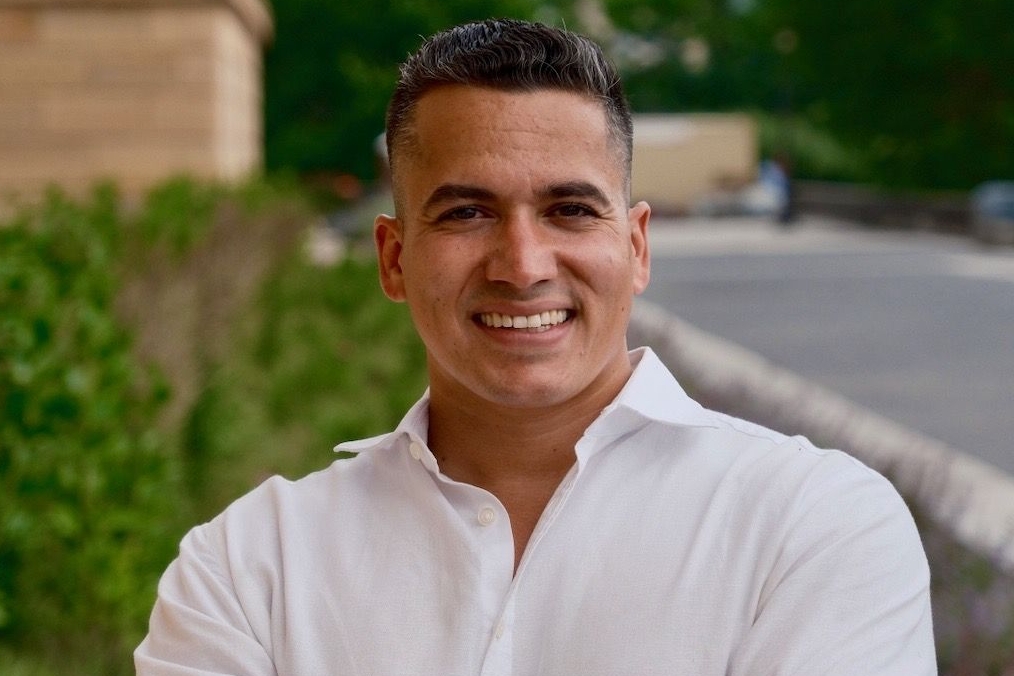
Dennis Mahoney has spent a decade in disaster relief, dispatching humanitarian aid in the wake of devastating hurricanes in the United States and Puerto Rico and poverty crises in 18 countries in Asia, Africa, and Latin America.
Now the 34-year-old independent candidate is using that same determination to engage in an uphill battle as he seeks to represent Philadelphia’s 3rd Congressional District this November.
Mahoney, from South Philadelphia, is the lone opponent running against State Rep. Chris Rabb, a democratic socialist from Northwest Philly who won the crowded Democratic primary in May to succeed retiring U.S. Rep. Dwight Evans.
“I think it’s going to be a hard fight and a hard run, but I feel so strongly that people in Philadelphia want something different,” Mahoney said of his independent campaign.
Mahoney will have his work cut out for him to persuade voters to back his grassroots candidacy.
The 3rd Congressional District is one of the most Democratic-leaning districts in the country, where Rabb won with almost 45% of the vote. Rabb saw national support from big-name progressives, including U.S. Rep. Alexandria Ocasio-Cortez (D., N.Y.), and used his victory to support other like-minded candidates throughout the United States.
And the last time Pennsylvania elected an independent to Congress was in 1920, when Milton W. Shreve of Erie won as an Independent Republican.
But Mahoney and his allies view his candidacy as an opportunity to present an alternative option after more than half of 3rd District voters in the May primary cast their ballots for Rabb’s opponents. Mahoney’s platform focuses on addressing poverty, expanding access to affordable housing, and investing in education.
Rabb’s campaign did not comment on Mahoney’s candidacy Wednesday.
The race comes amid shifting political dynamics in the United States in response to growing frustration with the two-party system.
On one hand, progressive candidates — many of whom, like Rabb, are part of the Democratic Socialists of America — have been gaining momentum in elections nationwide.
Earlier this year, meanwhile, a Gallup poll showed a record high of 45% of U.S. adults identified as independents in 2025.
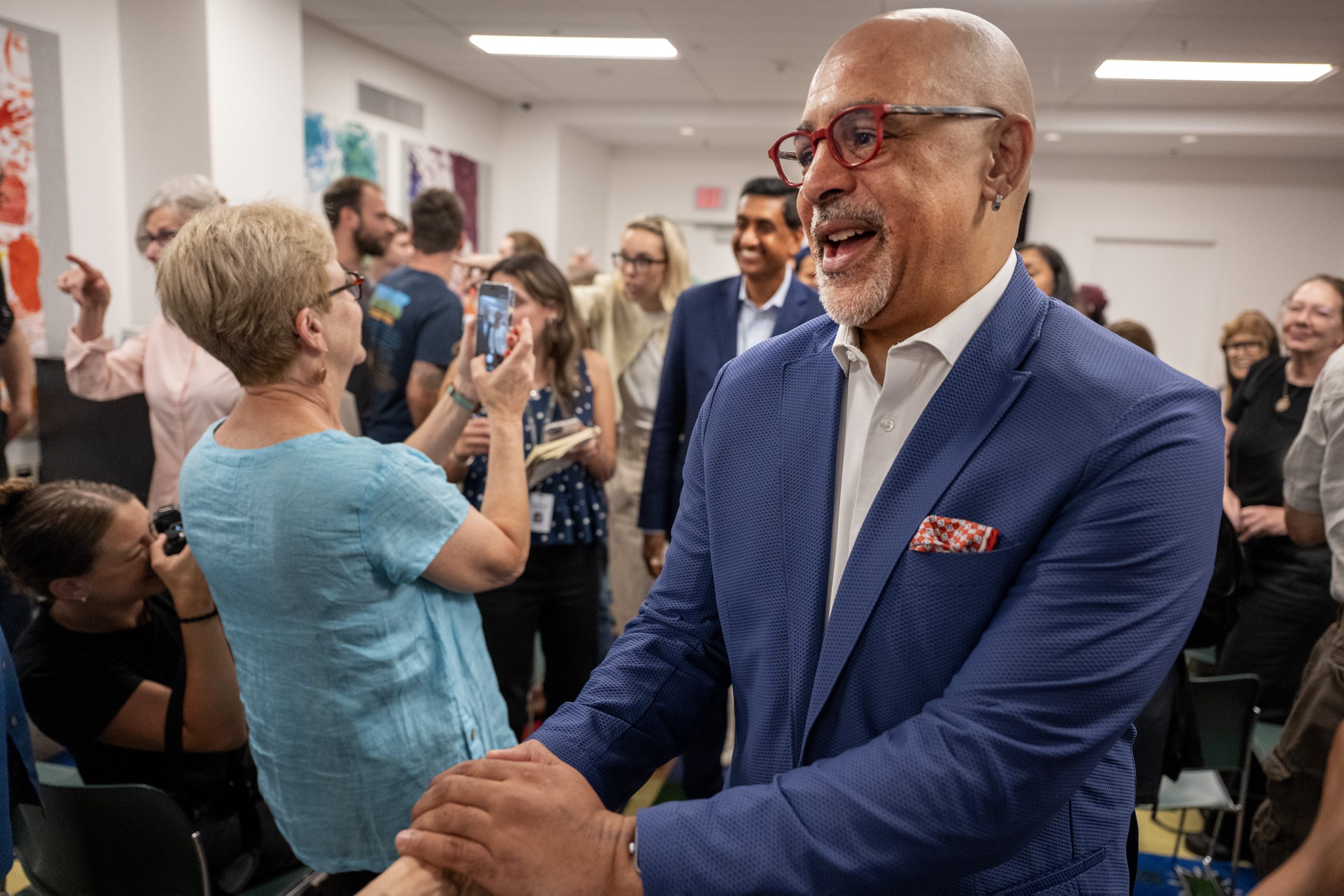
State Rep. Chris Rabb greets supporters after appearing with U.S. Rep. Ro Khanna (rear) Tuesday, July 28, 2026, on his “Made in PA: New Economic Patriotism Tour” at the City Institute Library on Rittenhouse Square.Tom Gralish / Staff Photographer
Mahoney said he has belonged to both political parties in the past, but did not find a home in either.
The first-time politicalcandidateworked in humanitarian aid through his former Washington, D.C., church, the Christiannonprofit Food for the Hungry, and now his own firm, AOI Solutions. He said the experience provides lessons for overcoming partisan division in Congress.
“Let’s build bridges and partnerships and bring results. And that’s the same work that I did in the disaster relief field, where we would land in a spot where a disaster happened, and we’d work with anyone we could to really make the place come back to whole,” Mahoney said.
‘Anti-MAGA’ and ‘anti-DSA’
It’s those middle-of-the-road qualities that made Mahoney an appealing candidate to Craig Snyder, a registered Republican who led an effort to support Vice President Kamala Harris’ presidential bid two years ago and is now leading the Philly-based Forward Party Victory Fund.
The super PAC plans to support Mahoney and other independent candidates across the country — including a pair of independent Senate candidates running in GOP-leaning states, Todd Achilles of Idaho and Brian Bengs of South Dakota — this fall via spending on digital ads and text messages. The PAC is also supporting U.S. Rep. Kevin Kiley, who switched from the GOP to run for reelection in California as an independent, and Kevin Block, an independent running for Rhode Island governor.
Snyder said the group is an independent offshoot of the Forward Party, founded in 2022 by former presidential candidate Andrew Yang and former New Jersey Gov. Christine Todd Whitman. He described the centrist candidates the PAC is backing as both “anti-MAGA” and “anti-DSA.”
He said a win in one of the group’s targeted races wouldbe “an earthquake in American politics.” But even if Mahoney is unsuccessful, Snyder said, it will be the start of elevating the independent movement in Philly politics.
“I think people don’t want to be told that they have to vote for somebody just because of the party label,” Snyder said. “I think that they want there to be alternatives, and so it’s our job to make that case.”
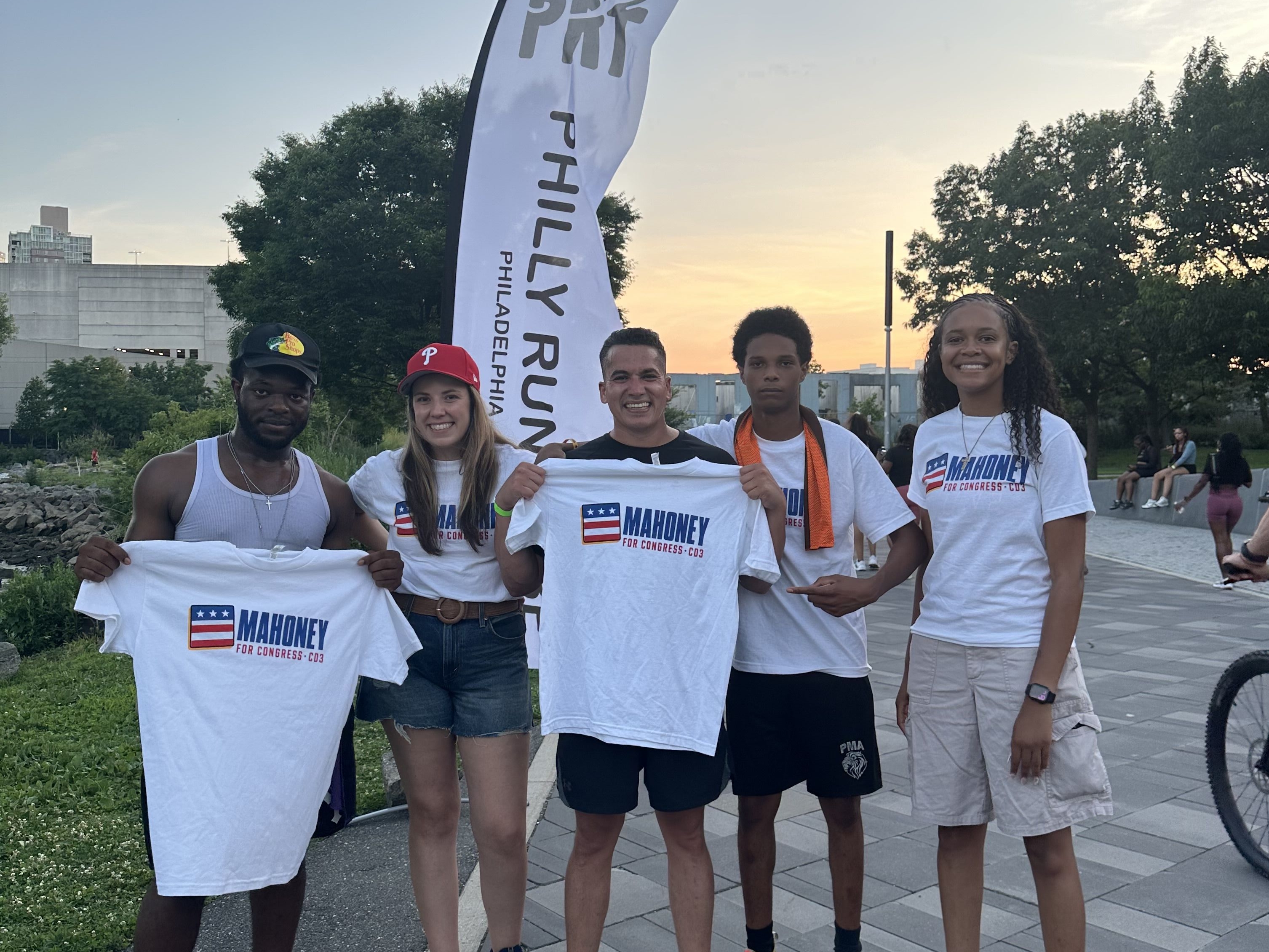
Dennis Mahoney (center) on the campaign trail as he prepares to run against State Rep. Chris Rabb in the general election in the 3rd Congressional District this November.Dennis Mahoney
Mahoney said, if elected, he would help form the first independent caucus in the U.S. House, contending he would become a coveted vote for both parties that would enable him to influence legislation and score committee assignments.
Butunder current House rules — which Kiley has proposed changing — Mahoney would not be able to hold a committee seat if he does not caucus with either party. Kiley, for instance, has continued caucusing with the GOP even after becoming an independent.
Mahoney pointed to the 19,000 signatures he received for his petition to join the ballot as a sign some voters are open to a choice in the deep-blue district.
He said he would like to debate Rabb.
“He talks a lot and engages a lot, and I think that that’s wonderful,” Mahoney said. “But I think at the end of the day, there’s people who are hurting in the district who need somebody who isn’t worried about being on, you know, MSNBC or TV, but who really is like, let’s just get into the community and drive results.”
Mahoney said he has been connecting with religious leaders, educational organizations, community groups, and youth organizers to hear feedback on what they want public service to look like in the 3rd District.
The independent will have scant resources to spread his name in just two months but said he is not concerned with raising big money for advertising. He had roughly $8,200 cash on hand in his most recent campaign finance report.
Rabb had a little more $21,000, but that was after the Democrat raised and spent more than $1.3 million for the primary campaign in which he out-raised his opponents.
Mahoney, meanwhile, has been trying to meet voters where they are — at running clubs and other fitness groups, for example.
“I think people find it refreshing to have somebody who wants to represent them out there running alongside them,” he said.
Shania Bennett was the director of youth engagement in Mayor Cherelle L. Parker’s administration until she resigned in May. The mayor, she said, once treated her as a protégé.
Now, Bennett, 26, says she plans to run against Parker next year — the first candidate to publicly announce an intention to challenge the mayor’s reelection bid in next May’s Democratic primary.
“Sometimes, you have to be willing to hold people you love accountable,” Bennett said in an interview Tuesday. “To be honest, I’m the change that I want to see. I think a lot of Philadelphians [are] waiting on it.”
She released a video on social media Tuesday announcing her campaign with the slogan, “Leadership you can trust.”
A Parker campaign spokesperson declined to comment.
Bennett, who lives in her native South Philadelphia and graduated from Pennsylvania State University in 2020, said she resigned from Parker’s cabinet in May after realizing the administration would not give her office the budget or authority it needed to accomplish its mission.
“My hands were tied. I couldn’t do anything on behalf of young people,” she said. “It was an opportunity for me to put all of my passion into something I really believed in, just to end up disappointed.”
In July, she posted on social media that working for the administration was “the worst experience of [her] life” and that she had quit after “unprofessional harassment.”
No Philadelphia mayor has lost reelection since the city’s Home Rule Charter was adopted in 1951, and Bennett has her work cut out for her if she wants to break that streak in her first run for office.
Parker, 54, has spent 21 years in elected office, and her campaign had more than $1.4 million in the bank as of May 4, according to her most recent campaign finance report.
Bennett said she has not yet put together a campaign team and is still ironing out her policy platform. She said she plans to conduct listening sessions so she can craft proposals that address Philadelphians’ needs.
“Let me see the things you want me to talk about as a candidate,” she said. “I haven’t seen a candidate that really reflects the people’s choice in Philadelphia.”
Bennett said she was alarmed by last weekend’s “teen takeovers,” when police officers arrested three people after confrontations erupted between large groups of teenagers who congregated near City Hall on consecutive nights.
“It’s just young people acting out, and we have to get to the root cause,” Bennett said. “Is what we’re funding effective, and is it giving us the outcome that we want?”
Parker, a moderate Democrat with strong support among the local party establishment, is seen by some as potentially vulnerable to a challenge from a progressive politician such as District Attorney Larry Krasner.
Bennett said her platform will reflect the problems facing the city, not ideology.
“Some of it might be progressive, but some of it might be: You have to put your foot down,” said Bennett, who founded the anti-violence nonprofit Reach4Peace as a teenager. “Philly has some unique challenges. It is not one party or one ideology that can fix them.”
Mayor Cherelle L. Parker, speaks at the ribbon cutting for the newly renovated skate plaza at the Municipal Services Building in Philadelphia, Pa., on Friday, April. 17, 2026.Tyger Williams / Staff Photographer
Bennett said she understands that many powerful politicians and deep-pocketed groups like labor unions are unlikely to endorse her challenge to Parker. But she is holding a launch event on Sept. 26 and hopes to gain momentum from there.
“It’s still extremely early, but I’m hoping to announce early to do the hard work of fundraising and listening sessions,” she said.
Parker took Bennett under her wing during the 2023 mayor’s race.
Bennett had previously worked for State Rep. Jordan Harris and State Sen. Nikil Saval, both Philadelphia Democrats, but had no previous ties to Parker before showing up at a campaign office offering to help, she said.
Bennett stood out as a hardworking volunteer as she knocked on doors and organized neighborhood canvasses, and she caught Parker’s eye.
“Every time I saw her, she was hard at work,” Parker said when she appointed Bennett to lead the Mayor’s Office of Youth Engagement in early 2024.
After leaving the administration, Bennett briefly worked for the Pennsylvania Democratic Party as a regional organizing director before resigning to launch her mayoral bid.
“When you leave somewhere with your integrity intact, it’s like, ‘OK, you can do something about it,’” Bennett said. “I was just like, ‘Know what? I’mma press play.’”
Philadelphia real estate developers see the writing on the wall.
As progressives have toppled centrist Democrats in nationally watched races, some local development interests are wary that the same trend could reshape Philadelphia City Council this spring, when every member is up for reelection. They see a growing progressive faction as a threat to business.
Enter the incumbent protection plan.
Nearly a dozen local developers are already pouring hundreds of thousands of dollars into Philly For Growth, a group that in the past two Council election cycles spent millions on advertising campaigns to back business-friendly Democrats, according to a source familiar with the planning.
Philly For Growth is an independent expenditure group, also known as a super PAC. It can raise and spend unlimited amounts of money to influence an election, but there are rules barring super PACs from most forms of coordination with the candidates they support.
In 2023, the group was the biggest special interest group involved in that year’s Council races, and it provided a substantial boost to its chosen candidates by outspending individual campaigns.
Ahead of the May primary election, Philly For Growth plans to spend $1.5 million to support pro-business Democrats, most of whom are sitting Council members, according to the source, who spoke on the condition of anonymity because they were not authorized to discuss the plans. The group will not fund negative advertising about Council’s four incumbent progressives, the source added.
Councilmember Kendra Brooks, of the progressive Working Families Party, speaks during a rally outside of the School District of Philadelphia headquarters in May. At left is Councilmember Rue Landau and at right is Councilmember Jamie Gauthier. All three are members of Council’s progressive faction.Monica Herndon / Staff Photographer
The idea is to keep progressives from growing their power on Council instead of spending money to knock off the leftists who are already there. There are currently four reliably progressive votes out of the total 17 on Council, but some members may be more likely to vote with that faction as Democratic voters nationally revolt against incumbents.
That’s a different strategy than in 2023, when Philly For Growth backed a slate of five candidates — two incumbents and three challengers. Both incumbents won, but all three challengers lost.
Philly For Growth has previously been affiliated with the Building Industry Association of Philadelphia, an advocacy group for development interests. Mo Rushdy, the BIA’s former president who leads the organization’s political activity, declined to comment.
The source said that Philly For Growth will fund advertising to support Council members Mark Squilla, whose 1st District includes parts of South Philly, Center City, and Fishtown; Cindy Bass, whose 8th District is based in North and Northwest Philadelphia; and Quetcy Lozada, whose 7th District includes much of North Philadelphia and Kensington.
All three are seen as more centrist members and have said they intend to run for reelection. No challenger has officially launched a campaign against any of them, but candidates who are aligned with the city’s left-leaning political organizations are expected to emerge as the primary — still eight months away — draws nearer.
The super PAC is making one exception when it comes to supporting incumbent district Council members, the source said. In the 5th District, currently represented by Councilmember Jeffrey Young Jr., the group will support a to-be-decided challenger.
Councilmember Jeffery Young Jr. speaks to other members of Council during a 2025 session.Tom Gralish / Staff Photographer
At least five people have said they are interested in running for the North Philly-based 5th District seat, and Young has drawn opposition from development interests for pushing proposals that would slow or halt some projects in his district.
Young said in a statement that building “sensible, affordable housing” is one of his top priorities and that he has supported city programs like Turn the Key, which provides mortgage support to first-time homebuyers.
“People are free to back those who share their values. These are my values,” Young said. “I am leaving it to the residents of the 5th to determine whose values best reflect them.”
The super PAC will also fund advertising backing four incumbent members who represent the city at-large: Isaiah Thomas, Katherine Gilmore Richardson, Jim Harrity, and Nina Ahmad. That group doesn’t include progressive at-large Councilmember Rue Landau, but Philly For Growth doesn’t plan to oppose her, the source said.
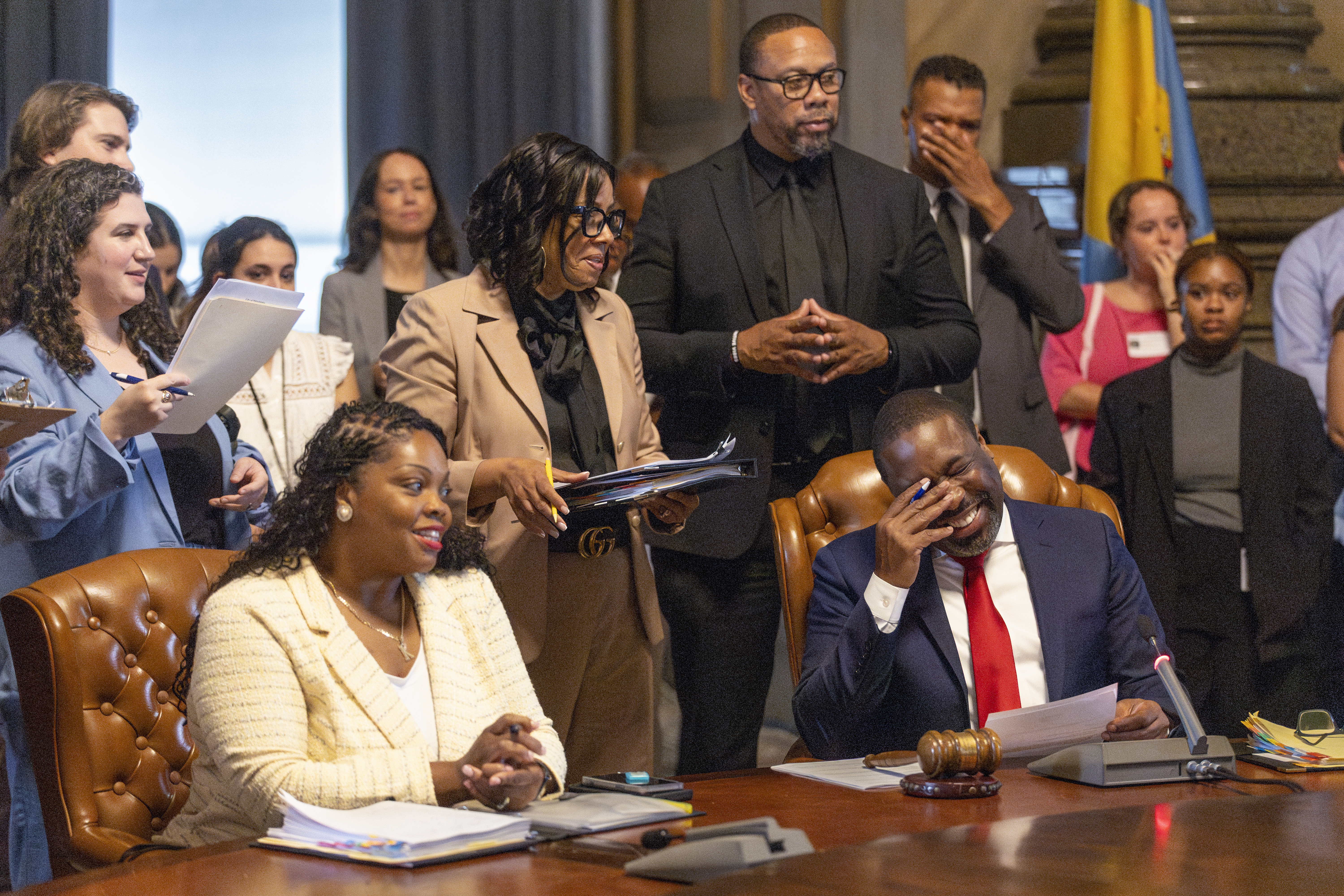
Council President Kenyatta Johnson laughs inside the caucus inside City Hall on June 11.Aidan T. Gallo / Staff Photographer
A spokesperson for Landau’s campaign arm said in a statement that the Council member “stands by her accomplishments for working people, small businesses and vulnerable communities in Philadelphia and looks forward to voters having the opportunity to make up their own minds next year.”
It’s unclear just how competitive the at-large race will be, and candidates have until the spring to decide — nomination paperwork is typically due in March. Seven of Council’s members represent the entire city at-large, and two of those seats are effectively reserved for members of minority parties under the city’s Home Rule Charter.
That has traditionally meant that five seats are held by Democrats, given the party’s massive voter registration advantage in the city. In recent years, Republicans and the progressive Working Families Party have battled for the remaining two seats during the fall general election, and the WFP currently holds both.
Mayor Cherelle L. Parker, who is also up for reelection, and Council President Kenyatta Johnson, who insiders do not expect will see a serious challenger, will likely be on Philly For Growth’s slate, too, the source said.
When Mayor Cherelle L. Parker took office in early 2024, William F. Dunbar Sr. became one of the most important people in Philadelphia politics.
A confidant of Parker who played an important advisory role in her 2023 campaign, Dunbar was also a registered lobbyist with a growing client list.
When other key figures in Parker’s campaign took top roles in her administration, Dunbar stepped into an official, but unpaid, role managing People for Parker, the mayor’s political committee.
Those dual roles created an unusual circumstance: Someone who raised money from donors for the mayor’s campaign was also a lobbyist whose clients paid him to influence her administration.
And they werephysically embodied in a 2,250-square-foot office in the Penn Center complex one block west of City Hall. Dunbar’s lobbying firm, Dunbar Public Affairs & Associates, rented the space in March 2024, and People for Parker paid half of the $3,750 rent through a sublease agreement, according to lease documents obtained by The Inquirer.
But the heady days for Dunbar didn’t last. Parker let Dunbar go from her campaign in August 2024. Neither side has publicly explained what led to the separation. And last week, he pleaded guilty to federal tax fraud charges unrelated to Parker’s campaign.
A plea agreement Dunbar signed allows U.S. District Court Judge Kelley B. Hodge to consider three instances of “additional misconduct” — separate from the tax fraud scheme — that did not result in charges when she decides his sentence in January.
One instance stemmed from a dispute over the sublease agreement for the Penn Center office. (In the other incidents, prosecutors said Dunbar falsified a document for a mortgage application and submitted false financial information to receive additional financial aid at a private school.)
In the plea agreement, Dunbar stipulated that he “falsely modified the terms of the lease agreement” to increase the notice the campaign was required to give him to terminate the lease, a move that could have resulted in the campaign paying him money he was not owed had it not been discovered.
City law prohibits officials from using government resources, including City Hall office space, for political purposes. By renting space with Dunbar’s firm, Parker and her team could pop across the street and attend to political tasks without running afoul of ethics rules.
In a letter from March 2025 that was obtained by The Inquirer, an attorney for Dunbar wrote that his firm “had no need for an office space that was close to City Hall other than to support the Mayor’s needs.”
The dispute culminated in the final breakdown of their already-strained relationship, an exchange of emails between lawyers for Parker and Dunbar shows.
“It has come to our attention that Mr. Dunbar has misrepresented that he continues to have relationships with People for Parker to current and prospective clients,” Timothy J. Ford, an attorney for Parker, wrote to Dunbar’s lawyer, Mark Jaffe, in March 2025. “Mr. Dunbar must cease and desist immediately from making incorrect statements of any affiliation with People for Parker, Mayor Parker in her political or personal capacity, or staff or consultants related to People for Parker.”
Jaffe fired back.
“Respectfully, my client asks that the Mayor cease and desist from contacting all donors and personal/business contacts that Dunbar Public Affairs supplied her immediately,” Jaffe wrote Ford in response. “It has come to Mr. Dunbar’s attention that the Mayor continues to misrepresent that Dunbar is still supportive of her efforts and that said relationships should still support her.”
Dunbar asked for “a letter of formal apology from the Mayor [for] the harm she has caused as to his reputation and financial losses to his company.”
Dunbar declined to comment for this story.
From Lincoln to ‘kitchen cabinet’
Dunbar, 42, first met Parker, 53, around 2005, when he was a student at Lincoln University, he said in a 2023 interview. Parker, a Lincoln alum, was a Pennsylvania state representative, and she visited her alma mater to speak to political science students.
“She was a star to the folks at Lincoln then,” Dunbar said in the interview. “Cherelle is the big sister. She sometimes call me the big little brother. I’m very, very protective of Cherelle.”
Both were elected student government presidents during their time at the historically Black university in Chester County.
They maintained a connection over the years as they made their way up the ladder in local politics, Parker as an increasingly high-profile elected official and Dunbar as a well-connected operator.
By the time Parker began preparing to launch her mayoral campaign, Dunbar had become a lobbyist for Comcast. He volunteered as part of her “kitchen cabinet” of informal advisers, and he made a key contribution by championing a strategy of Parker leaning into her life experience, from growing up in a household that needed public assistance to being a single mother.
“I always would come back to that we need to continue to define Cherelle as the authentic Black woman working mom,” he said. “Cherelle is able to live with that every day, so I knew and believed that the message would always resonate more, in particular with Black women, who obviously are the No. 1 voting bloc in our city.”
An unexplained separation
When the top aides in Parker’s campaign joined her administration, preventing them from managing or being paid by a political group, the mayor turned to Dunbar to run People for Parker in 2024.
Although Parker is not up for reelection until 2027, her campaign has remained active, raising and spending hundreds of thousands of dollars each year since she became mayor.
Meanwhile, Dunbar’s lobbying practice grew: the School District of Philadelphia, which employed him a subcontractor, and an ATM company became clients in January 2024, according to the public records. (Dunbar is no longer representing the district because the primary contractor terminated their agreement, according to the district.)
“Will has been a valued friend to me, and let me just say that life is good right now [for Dunbar] and business is good and it’s growing,” she said.
Dunbar said at the time: “I’m very much still an informal senior adviser but because of a different set of priorities, the mayor has decided to manage her politics herself. … My business has continued to grow as we work to support our clients.”
In the March 2025 letter, Dunbar’s attorney said Parker in August 2024 had “agreed to continue a business relationship for public perception” after the split.
The sublease dispute that unfolded over the next six months eliminated that possibility.
Two documents, one lease
The Inquirer has obtained two versions of the sublease agreement, one with a 30-day termination window and one lasting a year. Both versions include electronic signatures from Dunbar on March 2, 2024, and Gabrielle Cook-Frazier, on behalf of the campaign, on March 8, 2024.
Parker’s attorney said it only ever had the version with a 30-day window. Federal prosecutors alleged Dunbar forged the version with a one-year window to squeeze more rent payments out of the campaign.
“People for Parker is particularly concerned that Mr. Dunbar produced a different version of the Document containing a term to which People for Parker did not and never would have agreed,” Ford wrote.
Ford said the campaign was willing to make rent payments through the end of 2024 to “soften” Dunbar’s separation, but not after. The campaign made rent payments totaling $22,850 to Dunbar Public Affairs between March 2024 and November 2024, according to campaign finance records.
In the letter, Dunbar’s attorney suggests Parker’saides could have violated city ethics laws by doing political work “on City time using said space for political meetings with the Mayor.”
The Parker campaign declined to answer questions for this story, but sent a statement rejecting Jaffe’s assertion in the 2025 letter.
“The allegation is patently false,” Ford said in a statement. “Neither the Mayor nor her team engaged in political activity on City time or using City resources.”
It’s far from clear that the arrangement would be a violation of ethics rules. The top officials in Parker’s administration were salaried employees for the city who worked far more than 40 hours per week, making it difficult to assess when they were on the clock. They are allowed to participate in political meetings so long as they are not paid by the campaign and have only “minimal input” on strategy, communications, or finance, the city’s ethics regulations state.
Despite the breakdown in their relationship, Dunbar held out hope for a reconciliation.
“Notably, if the Mayor or her political team would ever like to reconcile and restore this relationship, my client would welcome that and he stands ready to continue to be a selfless supporter of the Mayor and her administration,” Jaffe wrote,adding that Dunbar would no longer seek additional rent payments.
Weeks later, Dunbar learned that federal agents were investigating him for tax fraud.
Tom Corcoran, 82, of Philadelphia, retired president of the Delaware River Waterfront Corp., founding president and former chief executive officer of the old Cooper’s Ferry Development Association in Camden, former business administrator for the city of Camden, onetime Peace Corps program director in West Africa, mentor, and poetry enthusiast, died Sunday, Aug. 30, of complications from dementia at his home in Center City.
Born in Chicago and a graduate of Loyola University Chicago, Mr. Corcoran earned a master’s degree in public administration at the University of Pennsylvania’s Wharton School in 1975 and never strayed far from the Delaware River after that. He spent 25 years, from 1984 to 2009, as president and CEO of the Cooper’s Ferry Development Association on the Camden waterfront, and eight years, from 2009 to 2017, as president of the Delaware River Waterfront Corp. in Philadelphia.
He championed what he called “the two cities, one waterfront strategy” and was especially adept, former colleagues said, at political maneuvering and marshaling funds and projects. Former colleagues on both sides of the Delaware called him “a tireless public servant,” “a visionary urban planner,” and an “economic development strategist with short-term practicality and long-term vision.”
In Camden, Mr. Corcoran added more than $550 million of investments to the waterfront area and oversaw the development of what is now the Freedom Mortgage Pavilion, the Adventure Aquarium, Wiggins Waterfront Park, the Riverlink Ferry, several office buildings, and other projects. Another New Jersey developer called him a “cult figure” among state lawmakers.
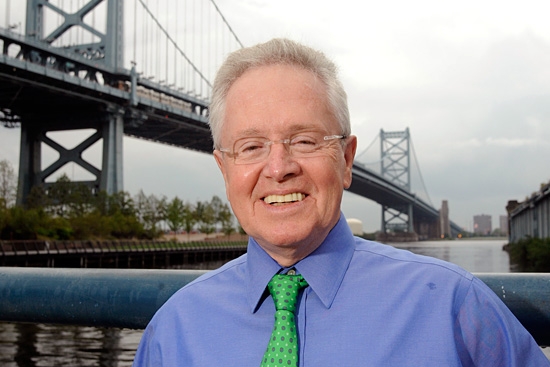
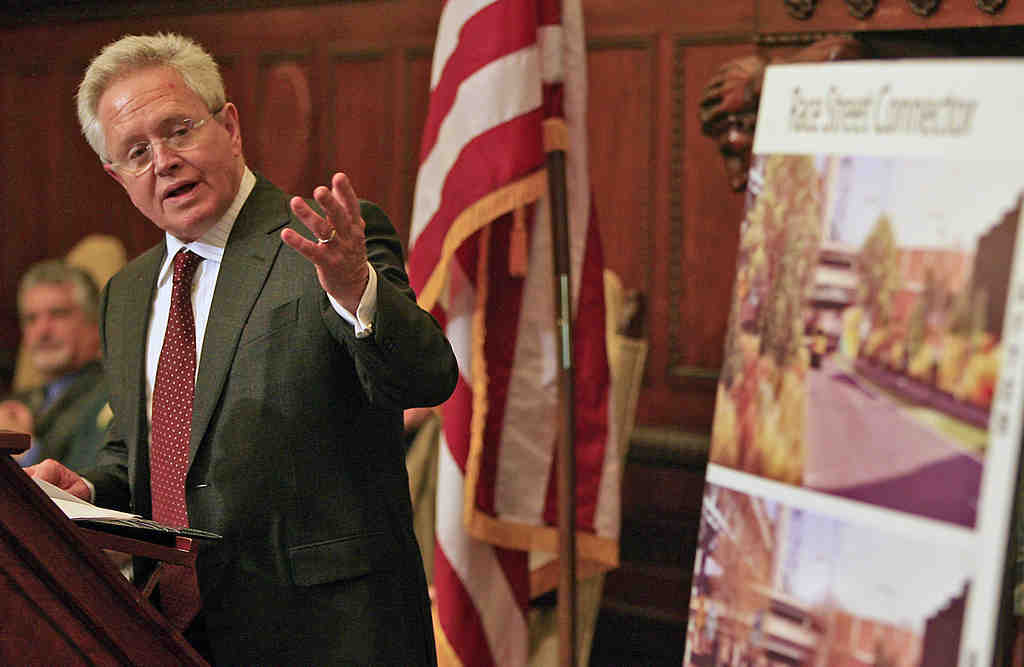
Mr. Corcoran talks at City Hall in 2011 about creating a string of parks along the Delaware River.Akira Suwa / Staff Photographer
He said education as well as development was key to building a strong local economy and told The Inquirer in 2006: “Until Camden has a good-quality education system, we’re not going to be able to attract families with school-age children back to the city.”
Dana L. Redd, former Camden mayor and current president and CEO of Camden Community Partnership, said on Facebook that Mr. Corcoran often slept on a cot in his Camden office and left daily handwritten messages that his project managers called “love notes.” Redd said: “He challenged a generation of urban leaders to think bigger, believe in Camden, and dream about what the city could become.”
In Philadelphia, he initiated the Race Street and Washington Avenue pier parks, the Spruce Street Harbor Park, a miles-long bike and walking trail, and the I-95 overpass park to reconnect Center City with its waterfront. “The more we look at the concept of one waterfront, two states, the more opportunities we’re going to find,” he said when he left Camden for Philadelphia in 2009.
When he retired in 2017, he said: “Instead of swinging for the fences, we decided we would hit singles and doubles and bunts and sacrifices, steal bases, and do whatever we could. Eventually, we thought, we’d always get back to the center.”
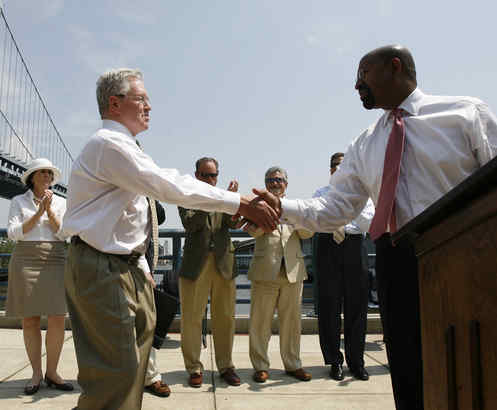
Mr. Corcoran (left) shakes hands with then-Mayor Michael Nutter in 2009 after joining the Delaware River Waterfront Corp. Alejandro A. Alvarez / Staff Photographer
Longtime colleague and friend Bill Hankowsky said: “It is truly unique that a single individual could have the vast impact across two facing waterfronts in the center of one of the country’s major urban metros.”
Earlier, Mr. Corcoran served nine years, from 1975 to 1984, in Camden city government, rising from administrative aide to business administrator. In 2001, he earned a Good Neighbor Award from the Camden County chapter of the American Red Cross for his “integral role in the revitalization of the city.”
In the 1960s, Mr. Corcoran joined the Peace Corps after college and spent seven years in Africa building dams and wells with local farmers. He spoke French and the local African language, and rose to program director.
“What an exemplary life he led,” a former Peace Corps colleague said in a tribute, “without fanfare or drama and always with service to others.”
Mr. Corcoran (right) led visitors on a tour of the Washington Avenue pier park in 2014.Viviana Pernot / Staff Photographer
Off the waterfront, Mr. Corcoran was enthralled by poetry and his Irish heritage. He liked to recite lines from Ulysses and other poems, and sing songs from the old country.
“He was a true Renaissance man who had a remarkable vision for communities and people,” a former colleague said. Former colleague John Grady said: ”Tom was a giant, unassuming, persistent force for the local community.”
Thomas Patrick Corcoran was born May 13, 1944. He earned a bachelor’s degree in political science at Loyola in Chicago and rode camels to work in Africa during his time in the Peace Corps.
He met Robin Lowey at a dinner society event, and they married in 2003, and lived in Camden and Philadelphia. They enjoyed traveling and dining together, and hashing over world affairs.
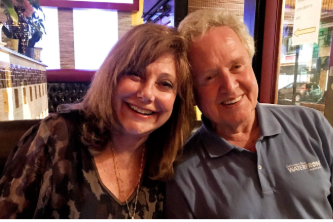
Mr. Corcoran and his wife, Robin Lowey, married in 2003. Courtesy of friends
In 2009, he said he often peered through a telescope at the Philadelphia waterfront from his home in Camden and wondered how he would develop Penn’s Landing. “He’s the one who brought together the business leaders and was able to steer through difficult political waters,” then-Camden County freeholder Jeffrey Nash said in 2009.
His wife said: “He was a kind and generous gentleman. He was a good, nice person.”
In addition to his wife, Mr. Corcoran is survived by three sisters, a brother, and other relatives.
Services were held Thursday.
Donations in his name may be made to the Caplan Caring Difference Fund at the Penn Memory Center, Office of the Treasurer, Box 71332, Philadelphia, Pa. 19176.
Mr. Corcoran spent seven years in the Peace Corps after college. Courtesy of friends
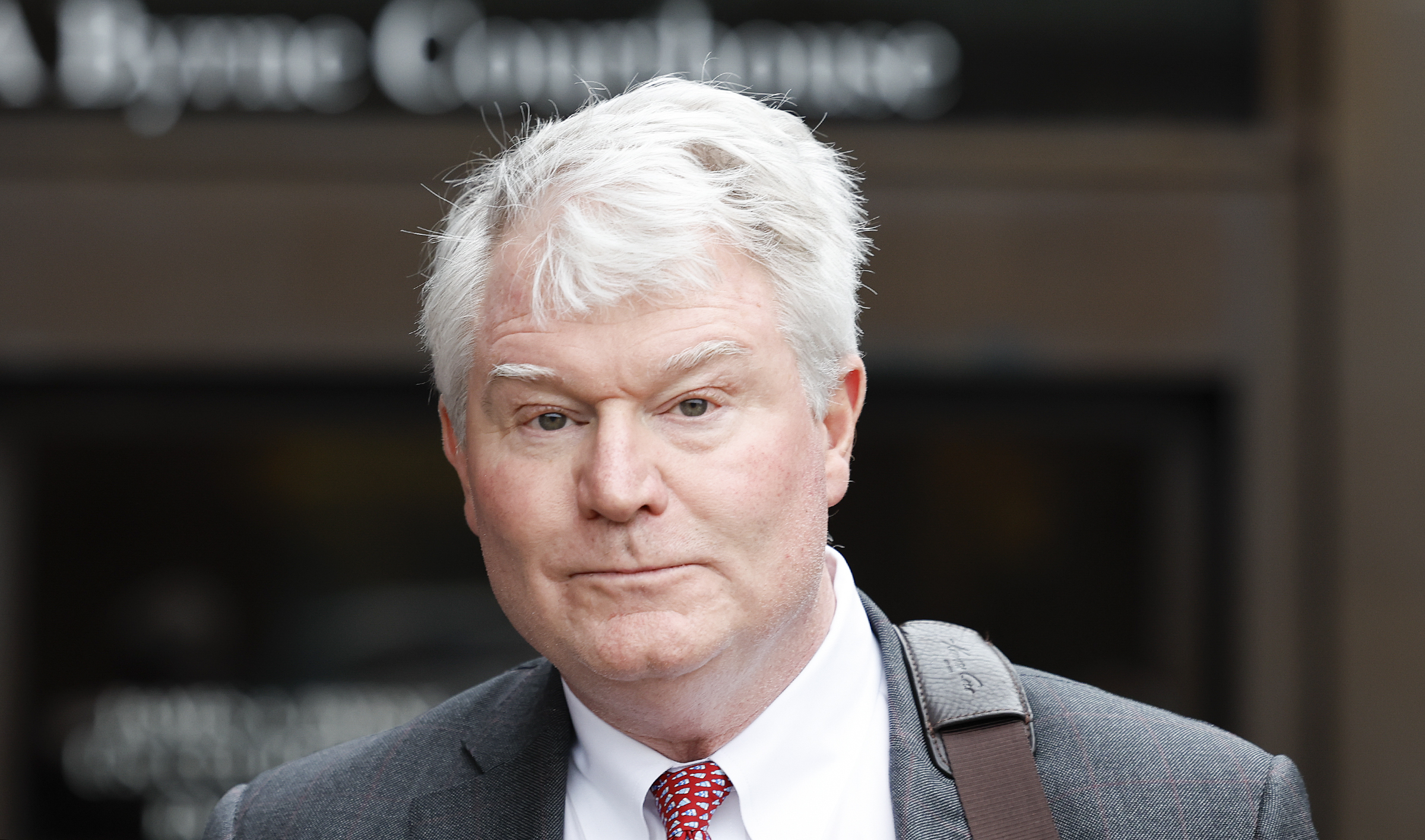
Convicted former Philadelphia labor leader John Dougherty will have his six-year prison term cut short after President Donald Trump agreed to sign a commutation ending the rest of Dougherty’s sentence, according to Dougherty’s lawyer.
George Bochetto said in an interview Thursday night he’s hopeful that Dougherty, the former city power broker known as Johnny Doc, could be freed from a federal penitentiary in Lewisburg as soon as Friday.
Bochetto called Trump’s decision “a magnificent gesture of compassion.” He said Trump had signed the commutation Thursday afternoon.
Records on the Office of Pardon Attorney’s website did not yet reflect a commutation approval as of Thursday night. And the White House press office did not immediately respond to a request for comment.
Trump had denied Dougherty’s bid for a commutation earlier this year, according to that agency’s website. It was not immediately clear why circumstances changed this week.
For months, Dougherty had been petitioning U.S. District Judge Jeffrey L. Schmehl to be released on house arrest to provide care for his gravely ill wife. But Schmehl had repeatedly denied those efforts, saying in part that Dougherty had failed to demonstrate he was the only person who could serve as an adequate caretaker.
Prosecutors had opposed Dougherty’s request for similar reasons, and said the two years he spent behind bars of his six-year sentence was not enough time to merit release. A spokesperson for the U.S. Attorney’s Office did not immediately respond to a request for comment Thursday night.
A commutation will keep Dougherty’s conviction intact, but allow him to return home to his wife, Cecilia, who Bochetto said was in “a desperate situation.” Bochetto said the act of clemency would also relieve Dougherty of having to pay about $1.6 million in restitution, and that Dougherty would not be subject to any monitoring or house arrest, saying Dougherty, upon release, would be “a free man.”
Presidents have broad authority to issue pardons and commutations in federal cases, and Trump has shown a willingness to grant them to political allies during his second term in office. But Bochetto said Trump, a Republican, was being particularly gracious in this instance by commuting the sentence of Dougherty, a longtime Democratic stalwart.
“Our criminal justice system needs to have some compassion,” Bochetto said. “There’s absolutely no reason to keep John Dougherty housed in a country club environment facility in Lewisburg when his wife so desperately needs him.”
Bochetto said he’d been in regular communication with White House staff members in seeking to free Dougherty, and that his arguments focused on the same issues he used in the bid to receive compassionate release from Schmehl: That Dougherty’s wife, who has long suffered from a debilitating brain injury, has seen her condition worsen significantly since her husband was imprisoned, and that he is the only person equipped to provide the care she needs.
Dougherty’s prosecution was one of the more significant local criminal cases in recent memory. For years, Dougherty had served as the head of his politically powerful union, Local 98 of the International Brotherhood of Electrical Workers. And from that perch, he was a certified political kingmaker — an organized labor leader with connections in City Hall and Harrisburg, and a man with the ability to raise funds or impart influence on a variety of issues across the state.
Earlier this year, while testifying before Schmehl, Dougherty revealed just how far away he was in prison from his life as a political power player: He told the judge that nearly all of his time now revolved around his wife, including sending her dozens of letters, using all of his allotted monthly phone minutes to call her, and singing her lullabies over the phone.
Ryan Boyer, who replaced Dougherty as chair of the Philadelphia Building and Construction Trades Council, said he was happy for Dougherty.
“I don’t think that John should have been arrested for what he did,” Boyer said in an interview Thursday night. “It’s correcting an injustice, and he’ll be welcomed home by a lot of people in the Philadelphia building trades, as well as Philadelphia in general.”
Boyer said he expects Dougherty will be prohibited under the terms of his release from jumping back into labor and politics right away.
“With him having a commutation, I think there will be some prohibitions with him getting back involved with labor,” Boyer said.
But, he added, he doesn’t expect Dougherty to stay away forever.
“John has a sharp mind,” Boyer said. “If I know John the way I know John, he’s not going to sit on his hands.”
City Councilmember Jimmy Harrity said in an interview Thursday night he was happy Dougherty would be able to return home to take care of his wife.
“I’m just happy that he’s going to be able to take care of Celia. I’m just happy for his family,” Harrity said. “I never want to see anybody go to jail, but the bottom line is everybody must pay their dues back. He got in trouble, he went to jail, he did some time.”
As for whether Dougherty’s release would have an influence on Philly politics going forward, Harrity declined to say.
“Oh, I don’t even want to speculate on that,” he said. “I have no idea.”
While some labor leaders cheered the news of Dougherty’s release, one was notably less enthusiastic: Mark Lynch Jr., who succeeded Dougherty as business manager of the International Brotherhood of Electrical Workers Local 98.
“We don’t spend our time focused on that,” Lynch said in a statement Thursday night, referring to Dougherty’s commutation. “Our focus is on the future of IBEW Local 98 and delivering results for our members.”
While Lynch often appears at news conferences and Local 98 is still politically influential, he has taken a more under-the-radar approach than his predecessor.
“Today, our members are working at essentially full employment,” Lynch said in his statement. “We have secured better health, dental and vision benefits while lowering costs to our members. We have negotiated some of the strongest wage increases in the country.”
Another change: Lynch has lowered the amount that electricians pay into the union’s political committee. Dougherty, on the other hand, was able to build Local 98 into a political powerhouse in no small part by convincing his members to increase their contributions.
“We are proud of the direction of the organization, and we intend to keep moving forward,” Lynch said.
William F. Dunbar Sr., a former confidant to Mayor Cherelle L. Parker who pleaded guilty this week to federal tax fraud charges, also sought to bilk a political campaign out of rent payments he was not entitled to, according to a court document filed Tuesday.
The document does not name the campaign, but it appears to be Parker’s.
Dunbar, 42, never actually received any ill-gotten funds related to the lease with the campaign, prosecutors said, and he was not charged in connection with the matter.
But prosecutors said in court documents that he’s agreed to let a judge consider the episode and two other incidents of “additional misconduct” as she weighs his sentence for tax fraud.
Dunbar, a Philadelphia lobbyist, was an unpaid but important adviser to Parker during her winning campaign for mayor in 2023. He officially joined her campaign, People for Parker, around the time she took office in January 2024.
The mayor let Dunbar go from her campaign in July 2024 in a move that Dunbar at the time described as Parker’s decision.
The campaign made a series of rent paymentstotaling $22,850 to his lobbying firm, Dunbar Public Affairs & Associates, between March 2024 and November 2024, according to campaign finance records. The address listed for the rent payments was an office in the Penn Center complex near Philadelphia City Hall.
According to Dunbar’s plea agreement, in February 2025 he “falsified certain terms of a lease agreement for office space that [he] had entered as the lessor with a Philadelphia political campaign.”
The city’s online database of campaign finance records shows People for Parker as the only campaign that has made rent payments to Dunbar’s firm.
“The facts speak for themselves,” said Aren Platt, executive director of People for Parker, declining to comment further on Tuesday.
Dunbar declined to comment.
William F. Dunbar Sr., a lobbyist and a former informal adviser to Mayor Cherelle L. Parker.Courtesy of William F. Dunbar Sr.
The plea agreement, which was signed by Dunbar and his attorney, said he “falsely modified the terms of the lease agreement” to increase the notice the campaign was required to give him to terminate the lease.
Had the campaign not discovered the change, the agreement said, Dunbar would have received money he was not owed. “The defendant’s efforts in this regard did not result in his obtaining any funds, and he ceased making any efforts to obtain these funds before learning of the federal criminal investigation resulting in the charges in this case,” the agreement said.
Dunbar on Monday pleaded guilty to filing false tax returns for himself and his wife between 2020 and 2025 and claiming substantial refunds when, in reality, they owed money. Prosecutors said in court papers that the tax loss related to the fraud was between $350,000 and $750,000. The charges carry a maximum sentence of 16 years in prison, plus supervised release and fines.
Dunbar’s attorney, Brian McMonagle, said in a statement Tuesday that the plea agreement “reflects Mr. Dunbar’s acceptance of responsibility for his own conduct.”
McMonagle said that the agreement “does not include any cooperation obligations” and that Dunbar is “not required under the agreement to provide information or testimony regarding any other individual.”
The four charges to which Dunbar pleaded guilty are unrelated to his firm’s lease with the Parker campaign and the two other incidents of “additional misconduct” that Dunbar stipulated in the agreement. The other incidents involve falsifying a document for a mortgage application and submitting false financial information to receive additional financial aid at a private school.
Although those episodes did not lead to criminal charges against Dunbar, U.S. District Court Judge Kelley B. Hodge will be able to consider them when determining his sentence. A sentencing hearing is scheduled for January.
Staff writer Chris Palmer contributed to this article.