Category: New Jersey Politics

  • U.S. Rep. Jeff Van Drew accuses N.J. Democrats of ‘cover-up’ at congressional hearing over noncitizen voting

    U.S. Rep. Jeff Van Drew accuses N.J. Democrats of ‘cover-up’ at congressional hearing over noncitizen voting

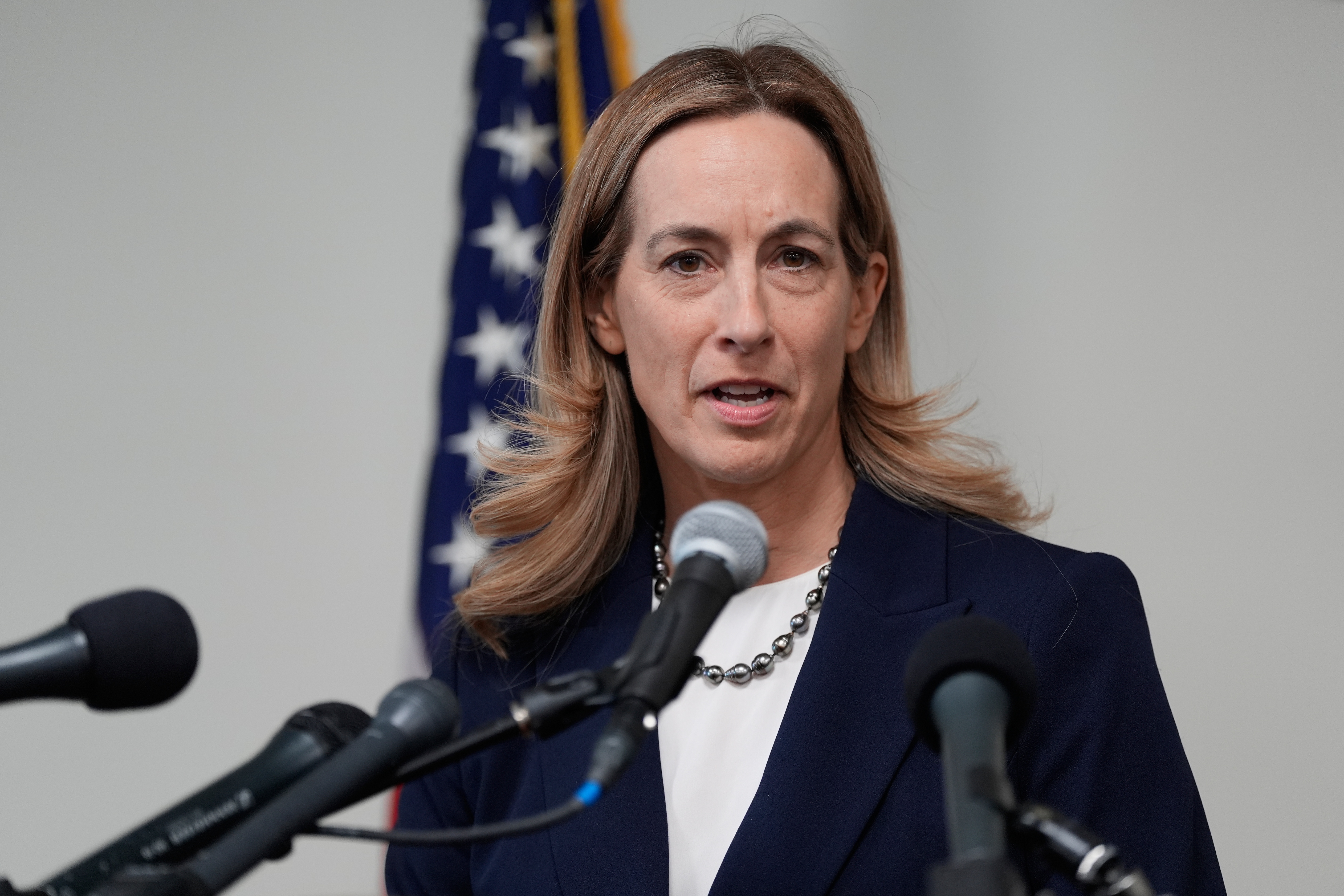
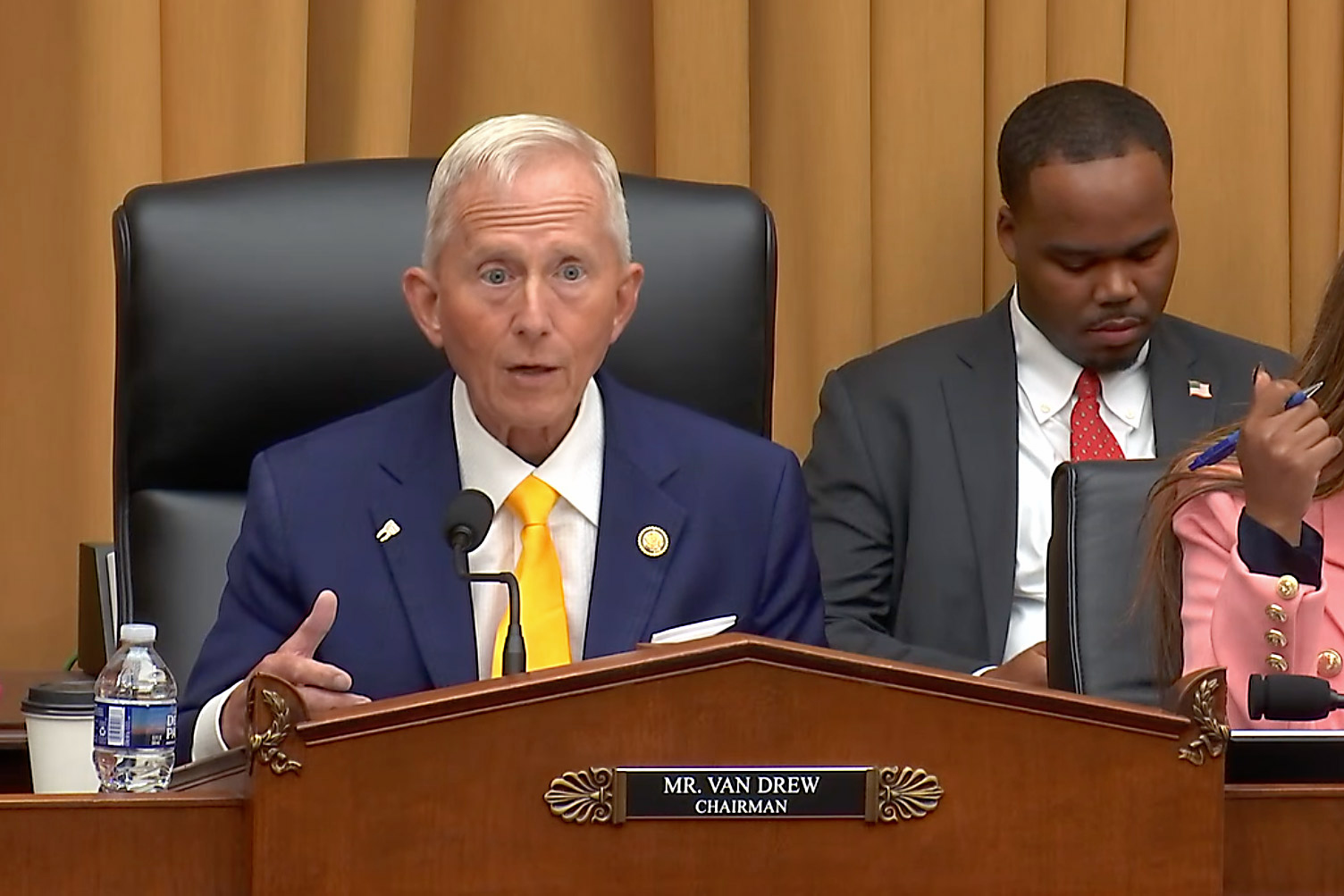
    South Jersey Republican Rep. Jeff Van Drew tried to ramp up pressure on Democratic Gov. Mikie Sherrill over the state’s noncitizen voter registrations at a Tuesday hearing in Washington, which did not feature testimony from anyone in Sherrill’s administration.

    “Whose side is New Jersey government on?” Van Drew said early in the congressional hearing as he aired grievances about Sherrill and the state’s immigration policies. “That’s the question hanging over this entire hearing.”

    None of the witnesses at the hearing were employees of New Jersey or IDEMIA, the software vendor which Sherrill has blamed for the issue, a point disputed by the company. Van Drew defended IDEMIA at the hearing and said the company is cooperating with his probe.

    As he chaired the hearing, Van Drew repeatedly accused the state of New Jersey of knowing about the noncitizen registration issue since 2024.

    “In political terms, that’s called a cover-up,” he said.

    Van Drew, the chair of the House Judiciary Subcommittee on Oversight, has been a thorn in Sherrill’s side since she announced in July that about 6,600 noncitizens had been registered to vote due to an issue with the software used for the New Jersey Motor Vehicle Commission’s (MVC) voter registration program under former Democratic Gov. Phil Murphy.

    Tuesday’s hearing came the day after the Supreme Court rejected President Donald Trump’s mail ballot restrictions, allowing states to continue sending ballots under the same processes they have been using for years. Van Drew has been a vocal supporter of Trump’s efforts to overhaul national elections, including passing legislation to require proof of citizenship, like a birth certificate or passport, to register to vote.

    Three witnesses, including the former chief counsel of the Republican National Committee, advocated for stricter rules around voting. A fourth witness, a former election official from Arizona, said the issue of noncitizen voter registration is incredibly rare.
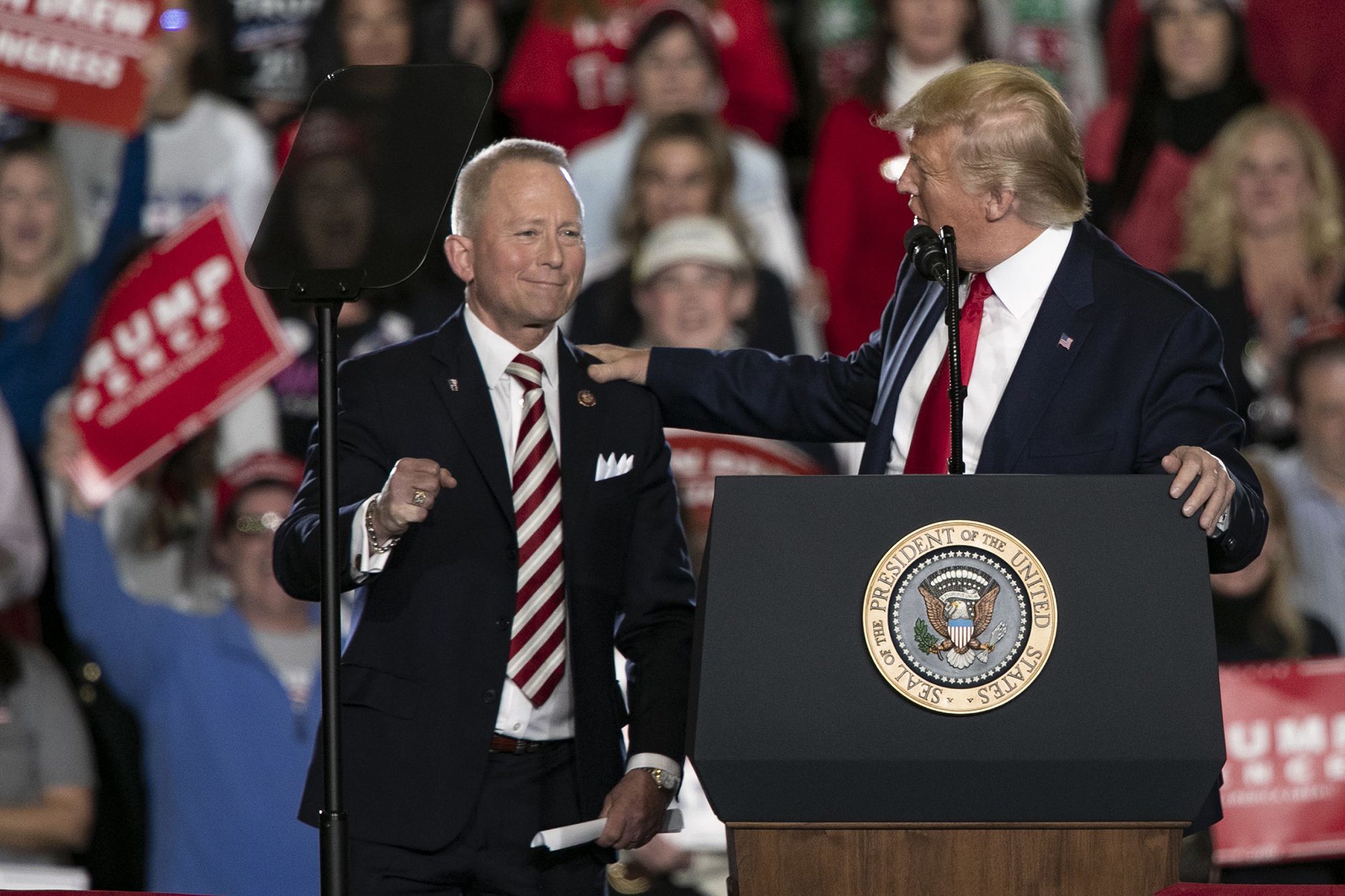
    Rep. Jeff Van Drew and President Donald Trump at a campaign rally in Wildwood, New Jersey, shortly after Van Drew switched parties.Heather Khalifa / MCT

    Van Drew claims state knew of problem sooner

    IDEMIA confirmed after the hearing that the company had met with staff from Van Drew’s office and “will continue to cooperate with congressional and state investigations to help ensure a complete and accurate understanding of the facts.”

    Van Drew contended that internal documents show the state government had “tested and approved” the software that led to the improper registrations.

    “We also know that in 2024, IDEMIA received a request from New Jersey after the state finally realized that noncitizens were being registered to vote,” the Cape May County lawmaker said.

    Van Drew spokesperson Paxton Antonucci told The Inquirer on Tuesday evening that the documents showed that New Jersey reached out to IDEMIA in June 2024 after noticing individuals who were registered to vote had missing information on their age and party affiliation. She said that information was missing because the software failed to flag that the group of individuals had selected they were not citizens, but were still allowed to registered to vote.

    “The committee is working with IDEMIA to obtain additional information on how this was allowed to happen, and we are seeking documents from New Jersey as to why this error was never disclosed to the public prior to 2026,” she said.

    Sherrill spokesperson Darwin Pham said the governor’s office “can’t speak” for the prior administration. Mahen Gunaratna, Murphy’s spokesperson, pointed to a previous statement on Tuesday that said Murphy “had no knowledge” of the issue and applauded Sherrill for investigating it.

    Pham said in a statement Tuesday that congressional Republicans are weaponizing the issue “to advance Trump’s voter suppression agenda” while the governor “is focused on continuing to solve the problem she inherited from the previous administration.” He called the hearing “political theater.” Sherrill hired an independent firm to conduct an investigation that is ongoing. She said she will present the findings to the public.

    Sherrill’s administration said earlier this summer that the state had removed roughly 4,000 voters from the rolls and left the rest to county election officials to verify whether they were citizens or not. Locally, Burlington and Camden Counties confirmed removing noncitizens from the rolls but did not specify a number.

    Sherrill’s administration said fewer than 400 of the noncitizens voted but did not affect the results of an election. Van Drew pushed back against this assertion on Tuesday, saying he still does not know the details of which elections these noncitizens voted in.

    “Anybody knows if you follow local elections, they can be a handful of votes very often. It can even happen in Congress,” said Van Drew, who was elected as a Democrat in 2018 before declaring his loyalty to President Donald Trump and switching parties a year later. This November, he will face Democrat Zack Mullock, the Cape May mayor, at the ballot box.

    Van Drew said that Lt. Gov. Dale Caldwell, the secretary of state, has been “somewhat cooperative” but that the state has broadly “done everything it can to not cooperate and stonewall the investigation.”

    A Sherrill official said Tuesday her administration had provided the committee with public documents. The governor has pledged to protect New Jerseyans’ data, and her administration has been in a legal battle with the Trump administration over providing the personal information of noncitizens.

    At the hearing, Van Drew referred to Caldwell being under investigation without going into details. Sherrill has touted her transparency in disclosing the noncitizen voter registrations, but she has been criticized by some in her party for staying tight-lipped about a reported investigation into Caldwell and his alleged behavior with women.

    Lt. Gov. Dale Caldwell (left) follows Gov. Mikie Sherrill off the stage following the celebration of their victory at an election night party in East Brunswick Tuesday, Nov. 4, 2025.Tom Gralish / Staff Photographer

    Noncitizens removed from voter rolls in Burlington and Camden Counties

    David Levinsky, a spokesperson for Burlington County, confirmed some ineligible voters were removed from the rolls in the South Jersey county but deferred to the state on specific numbers.

    “The [Burlington County] Superintendent of Elections Office continues to follow all relevant state laws and guidance to ensure that all residents who register to vote are eligible,” he said.

    Camden County spokesperson Dan Keashen also confirmed that the county received a list of voters to investigate. The rolls are up to date after noncitizens were removed, he said.

    Stephanie Salvatore, the Gloucester County superintendent of elections, said Tuesday that the county had not been notified of any questionable voters due to the MVC issues from the state.

    Salvatore, who has been in the election office for more than three decades, said the issue had come up “a handful of times” before.

    “I have police powers over elections, and an investigator assigned full-time. We work closely with many agencies, including the FBI, the state police, the county prosecutor, among other agencies,” she said. “If I cannot verify the voter eligibility in question within my office, I send it to the professionals and/or the courts to decide.”
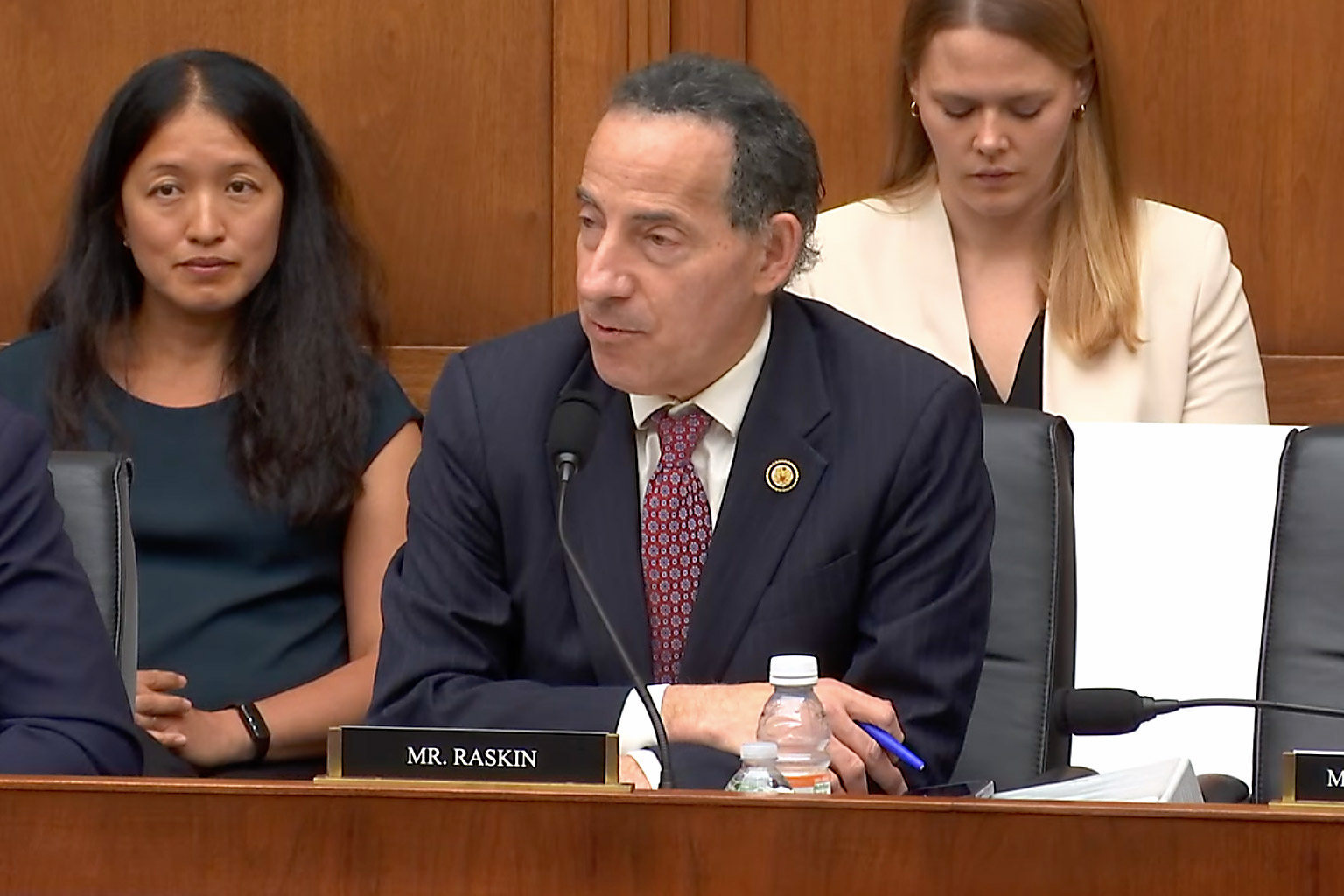
    U.S. Rep. Jamie Raskin, a Maryland Democrat, speaks during a hearing on New Jersey noncitizen voter registrations. House Judiciary Subcommittee video

    ‘Worst-case scenario’

    Stephen Richer, a legal fellow with the libertarian Cato Institute’s Robert A. Levy Center for Constitutional Studies, was the one witness who strayed from Van Drew’s position on noncitizen voting. Richer, who previously served as a Republican responsible for voter registration in Maricopa County, Ariz., cited as an example an audit in Utah, which found that 0.001% of voters were noncitizens. He said New Jersey’s case is the worst he has seen.

    “Even in this scenario, this worst-case scenario, noncitizens made up a fraction of a percent of voters,” he said.

    Josh Findlay, a senior fellow for election integrity policy at the Trump-aligned America First Policy Institute, argued that every noncitizen vote cancels out a citizen’s vote.

    “The default should be that voters must verify their eligibility before being added to lists, not that people are added to lists and then we hope that the state catches them,” he said. “Even small numbers matter.”

    U.S. Rep. Jasmine Crockett, a Texas Democrat and ranking member of the subcommittee, called Trump “the biggest threat to democracy,” pushing back on the GOP messaging.

    Van Drew contended that pressure from the federal government led to the noncitizen voter revelation, but U.S. Rep. Jamie Raskin, a Maryland Democrat, emphasized that the error was discovered and disclosed by New Jersey itself.

    “No matter how much our colleagues seek to inflate it, a clerical error is not structural corruption, much less is it a criminal conspiracy,” said Raskin, the top Democrat on the Judiciary Committee. “It does not rise to the level of, say, a violent insurrection deliberately incited and organized to overthrow a completed presidential election.”
  • License plate cameras are all over New Jersey, and not just from Flock. The pushback is growing.

    License plate cameras are all over New Jersey, and not just from Flock. The pushback is growing.

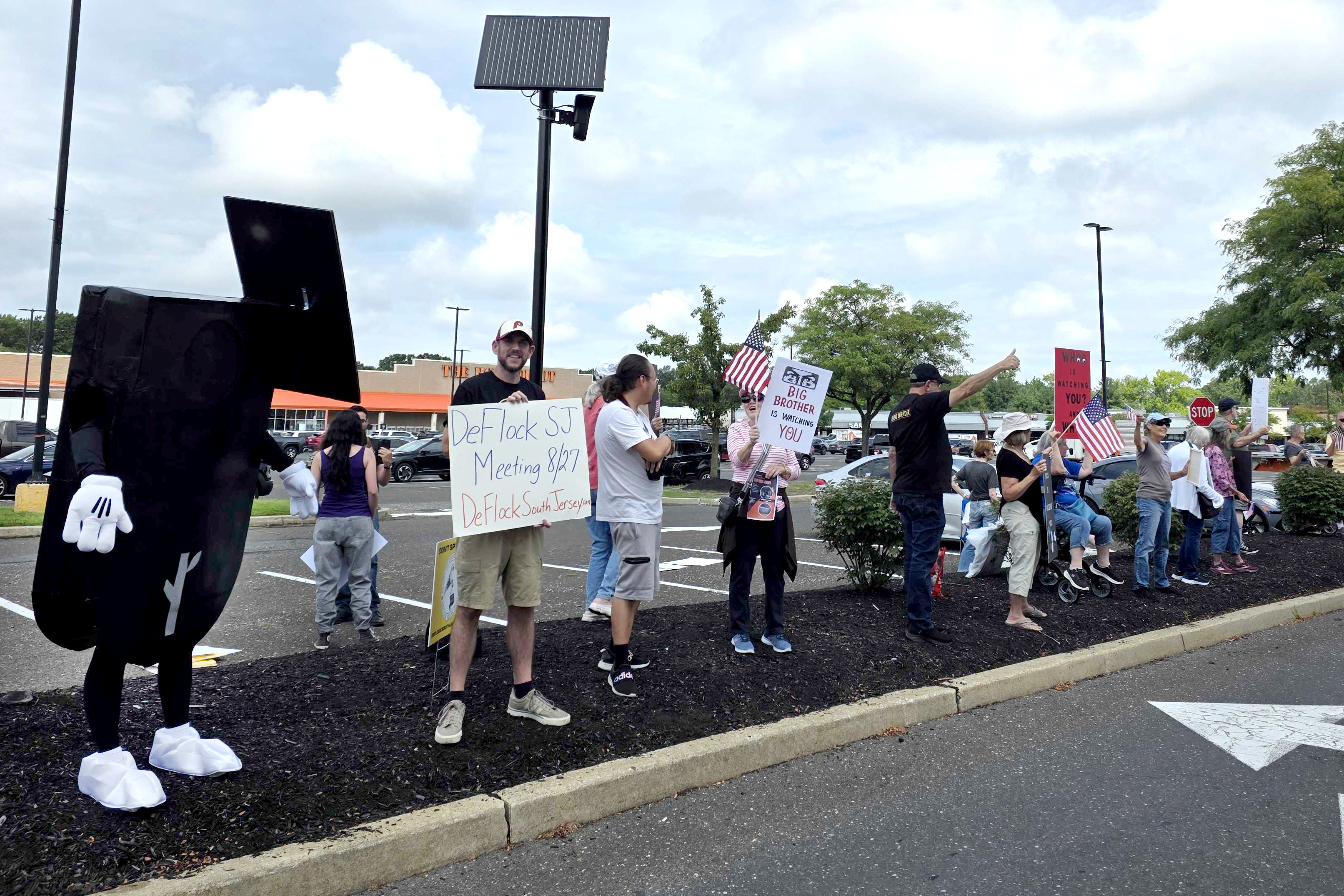
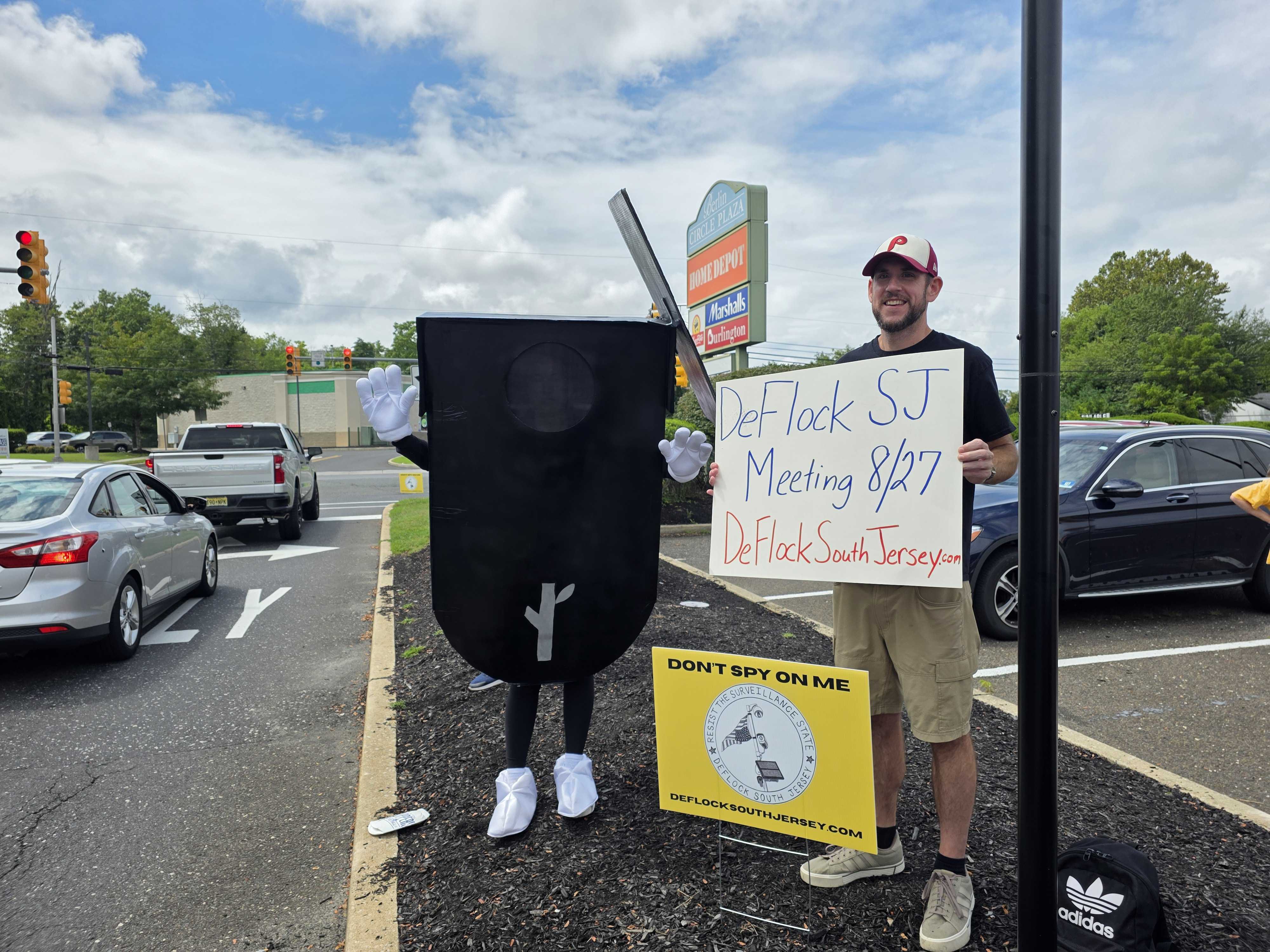
    On the outer rim of a Home Depot parking lot in West Berlin, N.J., a group of more than 20 people — many of them senior citizens — did their part to fight Big Brother in the searing August sun.

    “It got your license plate number!” shouted one man, pointing to a black, Flock brand solar-powered license plate reader above him and then to various cars in an Oprah-like manner, albeit at a slower clip. “They’re watching you! And You!”

    The camera also captured the make, model, and any bumper stickers on passing vehicles going through the shopping plaza’s main entry and exit point, whether they went to Home Depot or not, someone else rattled off. Not to mention all the police-operated license plate readers dotting the region.

    Waiting for the light to turn, one driver clearly isn’t buying the “surveillance state” claims. He tells the organizers their phones are already listening, lifting his for emphasis, and flipping them the bird as the line of cars begins to move again.

    Michael Cannon, 72, understands that response, but insists these cameras are different.

    “This is the freedom to travel,” he said over honks of support. “I can leave my phone at home. I don’t have to shop at Amazon. I don’t have to surf the internet. I choose to use them and I realize I’m giving up some privacy.”

    It’s not just that Flock cameras can capture a vehicle’s license and other details, critics say. That information goes into a much-touted national database, which is fed by hundreds of local police departments in every state but Alaska. What’s more, Flock is not the only player in the market.

    Automated license plate readers from Motorola Solutions, Axon, Avigilon, Neology, Leonardo, and Genetec are already peppered across the Jersey Shore, the Cherry Hill Mall, and shopping plazas across New Jersey. Major retailers including Lowe’s, Walmart, and Ulta Beauty have embraced the technology, citing loss prevention and employee safety as the driving force. And a majority of New Jersey’s law enforcement agencies have been using the technology since at least 2023, with a $10 million funding boost from then-Gov. Phil Murphy.

    The “surveillance state,” say the technology’s harshest critics, is already here and rapidly expanding with a patchwork of regulations people are only now beginning to understand.

    But at the Home Depot, Adam Sheridan tried to convince passing drivers it doesn’t have to be this way.

    Sheridan is an organizer with the nascent group DeFlock South Jersey, which formed over the summer as the technology was subject to a flurry of investigative pieces, from local outlets like NJ.com to national publications including the New York Times. The South Jersey group is part of an effort to regulate and limit the growing assortment of automatic license plate readers. Everyday people are filing records requests, planning boycotts of retailers using the technology, and courting elected officials across the political spectrum, urging them to introduce bills regulating the technology.

    “We’re trying to educate people,” Sheridan said of the group’s efforts. “They don’t know that this surveillance system is being built without their knowledge or their consent and we have found that when you tell people, they don’t like it.”

    The growing pushback has made for strange bedfellows. Conservative pundit Tucker Carlson has railed against Flock. Republican Florida Gov. Ron DeSantis gave the order last month to remove the readers, regardless of brand, from state right-of-ways. And in Pennsylvania, bipartisan legislation was introduced last month to protect data collected and establish guardrails against misuse.

    Progressives like Sheridan see the collective concern and outrage as a boon to their cause.

    “There really is a lot of alignment between very vastly different people and that’s unusual,” he said. “We can go and talk to a Republican legislator and say your voters care about this and then we can go to a Democratic politician and say the same thing.”

    Adam Sheridan, an organizer with the new DeFlock South Jersey, alerts passing drivers to an organizing meeting in August where people hope to spread awareness regarding automated license plate readers. Flocky, a homemade mascot, acts as a visual boost.Ximena Conde

    High-profile cases of abuse

    One of the reasons Flock has received the brunt of criticism in the license plate reader backlash is because of a number of incidents where the technology was abused or misused.

    Three former Georgia deputies, for example, were arrested for stalking people with the cameras.

    Then there are the legal concerns, including whether the technology can help authorities circumvent the laws of neighboring states. Tech outlet 404 Media reported that police in Texas used Flock to track a woman who left the state to self-administer an abortion. While Texas prohibits almost all abortions, police were able to tap into Flock data in states where abortion is legal because of that national network.

    The quandaries are not limited to Flock.

    Immigration enforcement is another area where policies and safeguards can change from camera provider, to state, to police department, to private business.

    Flock says it does not contract with U.S. Immigration and Customs Enforcement, but clients in states like New York have allegedly used license plate reader data on ICE’s behalf.

    For its part, New Jersey limits how state and local law enforcement assist immigration authorities and Flock says it has its own guardrails, requiring out-of-state agencies to confirm that they’ll comply with state law before receiving license plate data. Yet retailers set their own policies on when data can be shared with local and federal law enforcement.

    People like Sheridan, someone who organizes for progressive causes in South Jersey, worry about the use of the technology under the current political climate. Even so, he’s encouraged by the criticism the technology has received across the political spectrum.

    “We think that people on the right should also be concerned about it because Donald Trump won’t be the president forever,” he said. “There will be a Democratic president, and we don’t think that that president should have these powers either.”

    Privacy advocates also urge critics to look beyond Flock and consider how license plate reader technology is being used by other companies and paired with other surveillance tools.

    Motorola Solutions didn’t respond to a list of questions, but the American Civil Liberties Union reports it also offers a searchable national database of vehicle information captured by its cameras.

    And Leonardo, as first reported in 404 Media, is rolling out sensors to their license plate readers that would capture “unique identifiers” of phones and other Bluetooth-enabled devices in cars. The company said in a statement that this is a separate product that can be paired with their license plate readers and all that information is kept in the end users’ own database.

    Critics concede this is all a lot to take in. Yet they hope to tap into the sudden interest in license plate readers and replicate some of the data center bans in New Jersey. Though license plate readers are already ubiquitous, privacy advocates believe a mass mobilization could push for regulation.

    A technology used statewide

    License plate readers have been around for a long time.

    In New Jersey, the Office of Attorney General has led efforts to regulate the technology since at least 2010. The latest tweaks to regulation came out of the office in 2022, mandating annual audits of law enforcement agencies using the technology; requiring license plate reader coordinators to improve oversight and information sharing; and cutting the time these departments can keep data and records from cameras from five to three years.

    By the time the first statewide audit was published in 2024, 517 law enforcement agencies were already using the technology, including the New Jersey State Police, NJ Transit Police Department, and various county prosecutor’s offices. The latest report auditing the use of the technology, found 523 law enforcement agencies are using license plate readers. There are about 530 law enforcement agencies in the state, according to NJ.com.

    And while agencies are told to report significant violations and citizen complaints — there were none listed for 2025 — information regarding how many cameras agencies have or how often they’ve been used in investigations is not provided.

    Much of what’s known about license plate readers is coming from the companies themselves, with many of the service providers remaining rather tight-lipped.

    In its more recent “impact census,” Flock reported its technology supported more than 1 million criminal investigations in 2025 across 700 law enforcement agencies nationwide, helping locate more than 10,000 missing persons. The company also claims more than 40% of its customers used Flock in more than half the cases that resulted in the recovery of a stolen car.

    The Cherry Hill Police Department, however, is careful to not to overemphasize the technology’s role in solving crimes.

    “In nearly every case where a reader mattered, it gave detectives a direction and the case was then built by corroborating that lead through other evidence: video, physical evidence, witness accounts, forensics,” said the department’s Capt. Sheldon Bryant.

    A reader can offer a lead, he said, but proving the crime is still up to law enforcement.

    The department has contracted with Flock for the last two years. Bryant highlighted several instances where the township’s 10 readers identified vehicles connected to crimes committed in and out of the township, which led to arrests.

    A shooting investigation in Camden last January led authorities to a vehicle in Cherry Hill and just last month, a shooting in Cherry Hill led authorities to New York, according to the department. Cherry Hill Police obtained a warrant in the latter incident and a Flock reader picked up the vehicle’s license plate in New York, leading to an arrest.

    In the last year, Cherry Hill’s system generated 2.2 million alerts, the overwhelming majority being expired registration and suspended plates — the department doesn’t use the readers to run enforcement sweeps on those. The alerts connected to criminal activity are far smaller, Bryant said. In the same year the department received alerts for about 800 stolen plates, 212 stolen vehicles, and 15 missing persons.

    Many critics of license plate readers argue more granular data from individual law enforcement agencies on how they use the technology would aid in transparency.

    How many people are being recorded to try to capture a select few, they ask. An oft-quoted statistic from the Electronic Frontier Foundation, which has been studying new surveillance technology for more than 30 years, noted that less than 1% of cars scanned are connected to a crime, but that’s from research looking at data from 2016 and 2017.

    At the inaugural DeFlock South Jersey organizing meeting, this statistic drew denouncements from the crowd.

    “I know there’s some benefits but it’s not up to us to prove we didn’t commit a crime,” said a Howell Township resident named Joe afterward. He’s a registered Republican who declined to give his last name to preserve his privacy — a common stance among the group. “I’m driving past these all the time, I shouldn’t be surveilled in case something happens.”

    Fighting the warrant loophole

    Consider this: Police want to stick a GPS tracker on a suspect’s car. Law enforcement would have to get a judge to sign off on a warrant in order to do so and they would only be able to track an individual’s movements going forward.

    Matthew Guariglia, a senior policy analyst at the Electronic Frontier Foundation, said license plate reader technology inverts that system by collecting sensitive data all the time.

    “Not only is it like skipping the judge, it’s skipping the judge and going back in time and putting a GPS device on a car 30 days ago,” Guariglia said.

    The amount of time license plate readers keep that information varies by company and law enforcement agency. Amid backlash, Flock cut its retention period last month from 30 to seven days. Critics looking for greater regulation feel retention should be uniform across companies and shorter still.

    One of the many tactics DeFlock South Jersey aims to take is pushing legislation that forces agencies to delete captured data after 48 hours unless it is needed as evidence. The suggested bill language promoted by the ACLU, also requires other law enforcement agencies to request access to license plate data collected by another entity. The asking agency would have to agree not to further share the data, unless required by law, or have a warrant.

    Republican Sen. Michael Testa (Atlantic, Cape May, Cumberland) plans to introduce legislation for license plate reader guardrails this month, though the text has yet to become available.

    “The legislation that I will be introducing will establish commonsense protections for law-abiding citizens while still allowing law enforcement to use this technology to catch dangerous criminals,” he said in July.

    Back at the organizing meeting, held at the South County Library in Winslow, attendees looked over drafts of the suggested legislation and headed to DeFlock.org — not affiliated with DeFlock South Jersey. The website is an open-source project that flips the script on license plate readers. Volunteers submit the locations of cameras across the country, regardless of brand, despite the name.

    Many in the room were already acquainted with the app, having sent in tips themselves. Sheridan floated the idea of a license plate reader “scavenger hunt” as a potential event to raise awareness. Boycotting retailers that use the cameras was also floated as an idea.

    Joe, the Republican attendee from Howell, doesn’t mind the cameras on private businesses. Still, as Sheridan hoped, Joe left the meeting ready to take action. He’s stayed in touch with DeFlock South Jersey in the weeks since and they’re coordinating a possible meeting in Howell, Sheridan said.

    Despite the technology’s ubiquity in South Jersey, Sheridan feels regulation is within reach because people like Joe are joining the fight.

    “Not to be corny about it but this is an American value,” said Sheridan. “The ‘don’t tread on me’ stuff is sort of in our DNA as Americans, the government doesn’t get to watch me everywhere I go.”

  • Members of Congress tour EMR in Camden, push for oversight of fire-causing lithium-ion batteries

    Members of Congress tour EMR in Camden, push for oversight of fire-causing lithium-ion batteries

    Two New Jersey Congress members appeared alongside EMR’s CEO on Thursday to call for more oversight on lithium-ion batteries, which the company blames for causing fires at its Camden scrap metal site.

    U.S. Rep. Donald Norcross, a Camden Democrat, introduced the Battery Fire Prevention Act nearly a year ago, inspired by fires at the Camden facility. But it hasn’t made progress in the Republican-dominated Congress. He toured the EMR site Thursday with U.S. Rep. Frank Pallone Jr., of Monmouth County, the top Democrat on the House Energy and Commerce Committee.

    “Today it’s Camden. Yesterday was North Carolina and Minnesota. It’s literally all 50 states and quite frankly, a global problem,” Norcross said of lithium-ion battery fires.

    “The United States Congress has failed in this,” he added. “When we understand that China is more progressive in finding batteries in their waste streams, you know we have a big problem.”

    Standing in front of gigantic piles of old household appliances, damaged cars, and other kinds of scrap metal with a view of the Philadelphia skyline, Norcross said his bill will advance once Pallone becomes committee chair in the coming months — if Democrats win back the House in this year’s midterm elections.

    The bill would create a 30% tax credit for waste and recycling companies to purchase technology to help identify lithium-ion batteries and a 5% tax on the sale of lithium-ion batteries. It would also direct the Department of Energy and the Environmental Protection Agency to develop a battery buyback program. Using money from the battery tax, the program would award grants to facilities — like schools, local governments, or recycling plants — to collect batteries from consumers, who would get paid for returning their batteries. Those batteries would then be properly disposed of or recycled.

    EMR’s machinery separates and shreds large pieces of metal and spits them out into new piles of knuckle-sized scrap. Lithium-ion batteries, which are found in everyday technology like phones, watches, and e-bikes, aren’t supposed to land at the site but end up in the waste streams anyway.

    A crane at the EMR scrap metal shredding site in Camden on Thursday.Aliya Schneider / Staff

    Joe Balzano, the CEO of EMR Metal Recycling USA, said that the company has mechanisms to detect batteries that are about to burst, but the technology that identifies the batteries in the first place that he could apply at his site hasn’t been invented yet. Instead, employees sort through objects and set aside items that could have the batteries, which are prone to catching on fire if they become damaged or overheated. Those fires can spew out of control when hidden in a giant pile of metal.

    Norcross said research to solve this problem is currently underway.

    “Necessity is the mother of invention, so I’m hoping that invention comes quick,” Balzano said in an interview.

    While suppliers and workers have gotten better at detecting items with the batteries, “things that didn’t have a battery yesterday have a battery today,” he said.

    Part of the issue is there isn’t an obvious way for consumers to easily dispose of these batteries, so they end up in the trash or on the curbs, he said.

    “They get picked up by peddler scrappers, or they enter into the municipality waste streams, and then they make themselves through the recycling process, and they come here,” Balzano said.

    Frustrated residents who have suffered the impacts of repeated fires at the site have called for the closing of EMR in Camden. The facility temporarily shuttered earlier this summer and the company entered a legal battle with the city before a judge allowed the site to reopen.

    Norcross, who appeared alongside Balzano on Thursday, said shutting down EMR in Camden won’t solve the core problem.

    “If this disappears tomorrow, it goes to the next community, and then they’ll be fighting the same thing,” Norcross said in an interview. “So we want to fix the problem before it turns into a fire.”

    Pallone said another bill in his committee that would create federal waste rules for recycling lithium-ion batteries has bipartisan support. He said seeing the site firsthand helped him understand the issue.

    “The batteries come here, they’re essentially coming in secret,” he said.

    Norcross pointed a finger at the corporations that manufacture the batteries for not taking a proactive role in preventing improper disposal.

    “The manufacturers of batteries can’t walk away from the problem of just selling their product, and it ends up wherever it does, causing fires,” the lawmaker said.

  • N.J. Democrats are frustrated with Mikie Sherrill’s handling of allegations against her lieutenant governor: ‘They feel left in the dark’

    N.J. Democrats are frustrated with Mikie Sherrill’s handling of allegations against her lieutenant governor: ‘They feel left in the dark’

    Democratic leaders in New Jersey learned Lt. Gov. Dale Caldwell was under investigation for alleged inappropriate behavior with women at the same time the public did — from a news report just before Labor Day weekend.

    And still it took nearly a week before Democratic Gov. Mikie Sherrill finally took questions from reporters Wednesday on what has reportedly been a monthslong investigation by an outside law firm.

    But even then she refused to confirm an investigation into her lieutenant governor or even refer to him by name. It was unlikely to relieve the growing concerns of many in her party.

    New Jersey Democratic Party leaders, frustrated by her decision to hide the matter from them, had privately urged Sherrill to share what she could ahead of Wednesday’s event, rather than let Republicans calling for Caldwell’s resignation dominate the headlines.

    After this pressure, her team announced the governor would take questions from the media during a visit to a Woodbridge pizza shop Wednesday evening, her first public event since the news broke Friday.

    But she offered no new details in her answers.

    “I’m not going to confirm or deny whether there is an ongoing investigation, but what I can commit to people is that any complaints are taken very seriously and certainly anyone who has a complaint lodged against them, their rights are protected and they will have a full hearing,” Sherrill told more than 15 members of the media gathered outside Pino’s Pizzeria & Restaurant in Woodbridge.

    She declined to answer when the complaint against Caldwell was filed or whether she had curtailed any of his responsibilities, including whether he would act on her behalf when she traveled out of state.

    A Democratic operative who requested anonymity to speak freely about private conversations with legislators said Sherrill has put her allies in a tough position where they feel obligated to weigh in but do not know enough to make a public statement.

    “Legislators are pissed off about this,” the operative said earlier Wednesday. “They feel left in the dark, and they feel like they’re put in a weird place.”

    The operative said it feels as if Sherrill and Caldwell, who are both Trenton newcomers, have been on their own “island.”

    Sherrill on Tuesday released her first comment on the matter, which did not acknowledge the existence of the investigation or name her lieutenant governor. In vague terms, she said she demands members of her administration “hold themselves to the highest standards and put their obligations to public service first.”

    ‘The sooner, the better’

    New Jersey political operatives questioned why Sherrill did not address the investigation earlier, or by addressing it head-on with a news conference, as she did earlier in the summer when her administration discovered that thousands of noncitizens had been registered to vote during her predecessor’s administration. The governor has touted herself as prioritizing transparency and accountability.

    “If I were the press secretary in that administration, I would have urged a Friday statement, the sooner the better,” said Micah Rasmussen, director of the Rebovich Institute for New Jersey Politics, who worked as former Gov. Jim McGreevey’s press secretary.

    “By not doing that, you really do raise suspicions … whereas if you can tamp that down and say, ‘Here’s what we know, here’s what we’re waiting for, here’s what you’re going to know,’ that can put everything into perspective.”

    Former State Sen. Loretta Weinberg, a Democrat from Bergen County, said Wednesday that she has faith in Sherrill’s nascent administration, but that it was time for the governor to personally address the investigation — the details of which have been leaked in media reports.

    “I think that has been too long for what obviously began in May and has not yet come to fruition. What is taking so long?” said Weinberg, who served as Senate majority leader and made combating sexual harassment and violence a cornerstone of her long legislative career.

    “When you have an unwillingness to talk, the rumor mill fills in the gaps. That’s not good for transparency,” she said.

    Sherrill spokesperson Sean Higgins declined to comment on the criticism from other Democrats outside the pizza event Wednesday evening.

    BINJE.com reported Wednesday that Caldwell denied allegations of misconduct toward women in a May 28 letter to Christina Fullam, the state’s chief ethics officer. He said it was “personally painful for someone to attempt to damage my reputation and slander my character with false and misleading accusations” and suggested race was involved.

    “While I am troubled by this accusation, as the first single Black man to serve at this level in government, I suspect that there will be other false accusations or rumors in the future,” he wrote. “Unfortunately, in this current political environment, false accusations, especially against people of color, seem to be commonplace.”

    Sherrill has garnered national attention for her decisive win last year and outspoken criticism of President Donald Trump. She has also been supporting Democrats in other states ahead of this year’s midterms, making appearances for candidates in New Hampshire and Massachusetts, which has fueled speculation about national ambitions.

    But the investigation into Caldwell and widespread media coverage could complicate her rise.

    “This isn’t going away until [Sherrill and her team provide] answers,” said a Sherrill adviser, who was not authorized to speak about the matter and did so on condition of anonymity. “If they do not handle this now, it will metastasize and burst those bubbles of being on the national stage.”

    Some party operatives have even begun mulling who might replace Caldwell, the adviser said.

    Acting governor when Sherrill travels out of state

    Caldwell served as acting governor while Sherrill was out of state on more than half a dozen days in July and August, with no opportunities for the media to ask him questions. His public schedule included appearances at a United Airlines event in Newark, a tennis event in Paterson, and a Puerto Rican Festival in Vineland.

    But the role of acting governor is not just attending community events and photo ops. The position takes on all the responsibilities of governor, and choosing Caldwell as her running mate was a personal judgment call for Sherrill.

    “It’s a big power to be governor — you have clemency powers,” noted one Democratic political insider who requested anonymity to speak freely, questioning why Caldwell was left to run the state while under investigation.

    Assembly member Alex Sauickie, an Ocean County Republican, on Tuesday called on Sherrill to stop traveling out of state while Caldwell is the subject of investigation.

    “This is no longer simply about the governor leaving New Jersey to campaign for politicians in other states or build her national political profile. This is now about who is actually in charge of our state when she leaves,” he said in a statement.

    Some Democrats watching the controversy around Caldwell unfold have cited other issues that concern them with Sherrill’s administration, such as the New Jersey State Police’s aggressive response to protesters outside the Delaney Hall Immigration and Customs Enforcement facility in Newark, and major companies leaving the state, the Sherrill adviser said. They pointed to this episode as another example of Sherrill and her team operating without communication or input from other elected officials.

    Only a couple of Democratic legislators have publicly commented on the news.

    Assembly member Katie Brennan (D., Hudson), who accused a senior campaign adviser to former Democratic Gov. Phil Murphy of sexual assault in 2017, released a statement Tuesday calling the allegations serious. She used the opportunity to promote legislation that she said would “set clear standards” for how complaints are handled.

    On Wednesday, State Sen. Britnee Timberlake (D., Essex) defended Sherrill’s handling of the investigation and criticized Republicans’ “selective outrage,” the New Jersey Globe reported.

    Rasmussen noted that he has not seen anyone come to Caldwell’s defense in Trenton.

    “Maybe he doesn’t have those people in Trenton. He was picked primarily because he was an outsider,” he said.

    Sherrill picked Caldwell, a Black pastor, to be her running mate after she underperformed in heavily Black and Latino parts of New Jersey during the primary.

    Another Democratic leader, who requested anonymity to speak freely and not alienate the administration, expressed disappointment that it took so long for Sherrill’s administration to acknowledge the investigation but said Caldwell deserves to have judgment wait until the investigation is complete.

    “He’s played the role this administration has asked of him, advancing the governor’s agenda. He has been visible. I truly believe they have a good partnership. Everyone should have the presumption of innocence,” the leader said.

    “But it’s fair to say all of us were pretty shocked when we saw the accounts. It is my hope the governor and the investigations will be completely transparent.”

  • Gov. Mikie Sherrill breaks her silence on reported investigation into Lt. Gov. Dale Caldwell

    Gov. Mikie Sherrill breaks her silence on reported investigation into Lt. Gov. Dale Caldwell

    New Jersey Gov. Mikie Sherrill broke her silence Tuesday on a reported investigation into Lt. Gov. Dale Caldwell, but the governor offered little information on the matter and did not mention her No. 2 by name.

    “Public service is an honor. And I have spent a lifetime of service in the Navy, as a prosecutor, in Congress, and now as Governor,” Sherrill, a first-term Democrat, said in a statement Tuesday afternoon. “I know that jobs of public trust impact the lives of everyday people and I deeply respect the oaths and responsibilities of these positions.

    “Because of this respect, I demand that everyone in my administration hold themselves to the highest standards and put their obligations to public service first.”

    Her statement comes four days after the New Jersey Globe reported that Caldwell is under internal investigation for allegations of inappropriate behavior with women and possible ethics violations, including an offer of state jobs.

    Sean Higgins, a spokesperson for Sherrill, said Friday the administration could not “confirm or deny potential personnel matters.”

    New Jersey GOP chair Christine Giordano Hanlon this weekend criticized the administration’s framing of the situation as “an effort to shield the information from the public” and called on Caldwell to resign.

    “The governor and lieutenant governor should not be considered ‘personnel’ — they are the highest level elected officials in the state and must be held to the highest standard of accountability and transparency,” Hanlon said.

    Sherrill’s Tuesday statement did not mention any specific investigation or individuals.

    “I take my responsibility to treat any reports of inappropriate behavior or misconduct extremely seriously, and any credible report must be fully examined and addressed. If the evidence warrants, I will take appropriate action quickly,” Sherrill said.

    The investigation had already begun when Caldwell worked as acting governor while Sherrill was out of state last week, the New Jersey Globe reported. BINJE.com reported that the investigation has been underway for months.

    Christopher Porrino, who served as attorney general under former Republican Gov. Chris Christie, is conducting the investigation into Caldwell, the Globe reported.

    Sherrill noted in her statement that anyone with a complaint “will receive a fair and thorough review” and be safe from retaliation.

    “Let me be clear,” she said, “I do not back down from tough fights or tough conversations, and I will always put the interests of New Jerseyans first.”

    Assembly member Katie Brennan (D., Hudson) released a statement Tuesday calling the allegations serious.

    “Anyone who uses the power of public office to mistreat the people around them has no business holding it,” she said. “Governor Sherrill moved quickly here, and I’m glad she did, but survivors shouldn’t have to hope that the people in charge will do the right thing.”

    Brennan was a campaign volunteer for former Democratic Gov. Phil Murphy’s 2017 primary election campaign who said after Murphy took office that she had been sexually assaulted by a senior campaign adviser.

    Prosecutors declined to file criminal charges. But Brennan’s decision to publicize the alleged assault and the administration’s failure to investigate her claims led to changes in state law on how victims are treated by law enforcement. She said in her statement Tuesday that she will push for bills to protect sexual assault survivors.

    Caldwell has yet to publicly address the matter, and his office declined to comment Tuesday.

    Sherrill chose Caldwell to be her lieutenant governor after her primary win last summer. Caldwell, who was the first Black president of Centenary University, is a pastor in the United Methodist Church. He has experience working in state government, starting nonprofits, leading charter schools, and serving on the New Brunswick school board.

    Sherrill praised him as a “voice for the voiceless” who has followed in his parents’ footsteps when she announced him as her running mate last year. His mother was a teacher and his father, the Rev. Gilbert Caldwell, was a civil rights activist who protested alongside the Rev. Dr. Martin Luther King Jr.

    Staff writer Susan Livio contributed to this article.

  • Lieutenant governor of New Jersey is reportedly under an internal investigation

    Lieutenant governor of New Jersey is reportedly under an internal investigation

    Dale Caldwell, lieutenant governor of New Jersey, is reportedly under internal investigation for allegations involving his behavior toward women and possible ethics violations.

    The New Jersey Globe reported Friday that Gov. Mikie Sherrill’s administration called on Christopher Porrino, a former New Jersey attorney general, to conduct the investigation.

    Porrino served as attorney general under Republican Gov. Chris Christie. The New Jersey Globe reported that Porrino and a former federal prosecutor who is now one of his law partners have been conducting interviews for the investigation.

    Sean Higgins, spokesperson for Sherrill, said in an emailed statement Friday that the administration “cannot confirm or deny potential personnel matters.”

    Higgins also said: “The Governor would take any reports of inappropriate behavior or misconduct extremely seriously and expects our public officials to hold themselves to the highest standards.”

    Caldwell could not be reached for comment.

    Anthony Bucco, the Republican leader in the New Jersey Senate, said in a statement posted on social media that Caldwell “should temporarily step down from his duties as Lieutenant Governor.”

    Bucco said the reported allegations against Caldwell “are deeply concerning and disappointing. Our elected officials must hold themselves to the highest possible standards of conduct, character, and integrity. The public deserves transparency and timely information about matters of this magnitude.”

    Bucco added that “there are legitimate questions about why this information was not disclosed sooner and why we are just learning about this late on Friday heading into a holiday weekend.”

    The New Jersey Globe reported that the investigation had already begun when Caldwell assumed the duties last week of acting governor while Sherrill was out of state.

    The allegations include a purported offer of state jobs, the news outlet reported. No other details were provided.

    Caldwell also serves as the New Jersey secretary of state, New Jersey’s chief election official.

    President Donald Trump’s administration has been trying to compel Caldwell to release voter registration data ahead of the upcoming midterm elections. The U.S. Department of Justice is appealing a lower court judge who dismissed the federal government’s lawsuit.

    Sherrill selected Caldwell as her running mate in July 2025. He was the first Black president of Centenary University, a small, private institution in North Jersey, and pastor at Covenant United Methodist Church in Plainfield, Union County. He also served on the New Brunswick school board for 26 years, including six as president.

    “Mikie Sherrill and I represent a different kind of leadership that sees possibilities, not a blind commitment to doing things the way they’ve always been done,” Caldwell said after his selection was announced.

    Caldwell graduated from Princeton University in 1982 and from the Wharton School of the University of Pennsylvania in 1988. He received a doctorate in education administration from Seton Hall University in 2017.

  • Tom Corcoran, retired president of the Delaware River Waterfront Corp., has died at 82

    Tom Corcoran, retired president of the Delaware River Waterfront Corp., has died at 82

    Tom Corcoran, 82, of Philadelphia, retired president of the Delaware River Waterfront Corp., founding president and former chief executive officer of the old Cooper’s Ferry Development Association in Camden, former business administrator for the city of Camden, onetime Peace Corps program director in West Africa, mentor, and poetry enthusiast, died Sunday, Aug. 30, of complications from dementia at his home in Center City.

    Born in Chicago and a graduate of Loyola University Chicago, Mr. Corcoran earned a master’s degree in public administration at the University of Pennsylvania’s Wharton School in 1975 and never strayed far from the Delaware River after that. He spent 25 years, from 1984 to 2009, as president and CEO of the Cooper’s Ferry Development Association on the Camden waterfront, and eight years, from 2009 to 2017, as president of the Delaware River Waterfront Corp. in Philadelphia.

    He championed what he called “the two cities, one waterfront strategy” and was especially adept, former colleagues said, at political maneuvering and marshaling funds and projects. Former colleagues on both sides of the Delaware called him “a tireless public servant,” “a visionary urban planner,” and an “economic development strategist with short-term practicality and long-term vision.”

    In Camden, Mr. Corcoran added more than $550 million of investments to the waterfront area and oversaw the development of what is now the Freedom Mortgage Pavilion, the Adventure Aquarium, Wiggins Waterfront Park, the Riverlink Ferry, several office buildings, and other projects. Another New Jersey developer called him a “cult figure” among state lawmakers.

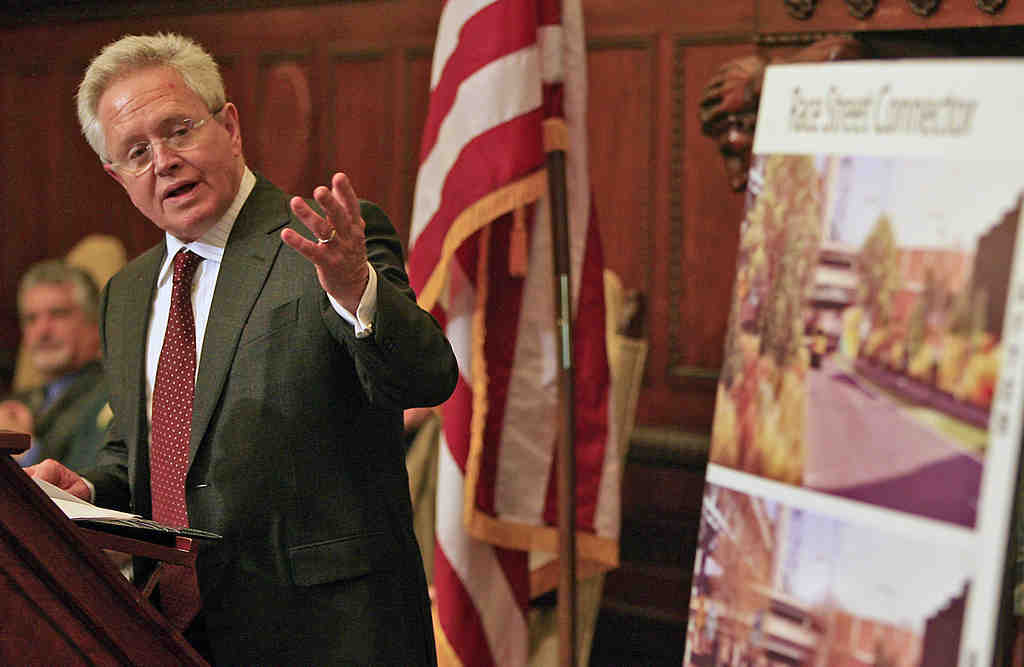
    Mr. Corcoran talks at City Hall in 2011 about creating a string of parks along the Delaware River.Akira Suwa / Staff Photographer

    He said education as well as development was key to building a strong local economy and told The Inquirer in 2006: “Until Camden has a good-quality education system, we’re not going to be able to attract families with school-age children back to the city.”

    Dana L. Redd, former Camden mayor and current president and CEO of Camden Community Partnership, said on Facebook that Mr. Corcoran often slept on a cot in his Camden office and left daily handwritten messages that his project managers called “love notes.” Redd said: “He challenged a generation of urban leaders to think bigger, believe in Camden, and dream about what the city could become.”

    In Philadelphia, he initiated the Race Street and Washington Avenue pier parks, the Spruce Street Harbor Park, a miles-long bike and walking trail, and the I-95 overpass park to reconnect Center City with its waterfront. “The more we look at the concept of one waterfront, two states, the more opportunities we’re going to find,” he said when he left Camden for Philadelphia in 2009.

    When he retired in 2017, he said: “Instead of swinging for the fences, we decided we would hit singles and doubles and bunts and sacrifices, steal bases, and do whatever we could. Eventually, we thought, we’d always get back to the center.”

    Mr. Corcoran (left) shakes hands with then-Mayor Michael Nutter in 2009 after joining the Delaware River Waterfront Corp. Alejandro A. Alvarez / Staff Photographer

    Longtime colleague and friend Bill Hankowsky said: “It is truly unique that a single individual could have the vast impact across two facing waterfronts in the center of one of the country’s major urban metros.”

    Earlier, Mr. Corcoran served nine years, from 1975 to 1984, in Camden city government, rising from administrative aide to business administrator. In 2001, he earned a Good Neighbor Award from the Camden County chapter of the American Red Cross for his “integral role in the revitalization of the city.”

    In the 1960s, Mr. Corcoran joined the Peace Corps after college and spent seven years in Africa building dams and wells with local farmers. He spoke French and the local African language, and rose to program director.

    “What an exemplary life he led,” a former Peace Corps colleague said in a tribute, “without fanfare or drama and always with service to others.”

    Mr. Corcoran (right) led visitors on a tour of the Washington Avenue pier park in 2014.Viviana Pernot / Staff Photographer

    Off the waterfront, Mr. Corcoran was enthralled by poetry and his Irish heritage. He liked to recite lines from Ulysses and other poems, and sing songs from the old country.

    “He was a true Renaissance man who had a remarkable vision for communities and people,” a former colleague said. Former colleague John Grady said: ”Tom was a giant, unassuming, persistent force for the local community.”

    Thomas Patrick Corcoran was born May 13, 1944. He earned a bachelor’s degree in political science at Loyola in Chicago and rode camels to work in Africa during his time in the Peace Corps.

    He met Robin Lowey at a dinner society event, and they married in 2003, and lived in Camden and Philadelphia. They enjoyed traveling and dining together, and hashing over world affairs.

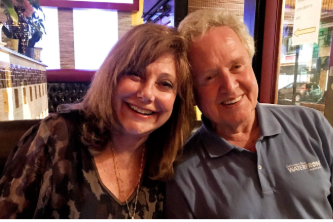
    Mr. Corcoran and his wife, Robin Lowey, married in 2003. Courtesy of friends

    In 2009, he said he often peered through a telescope at the Philadelphia waterfront from his home in Camden and wondered how he would develop Penn’s Landing. “He’s the one who brought together the business leaders and was able to steer through difficult political waters,” then-Camden County freeholder Jeffrey Nash said in 2009.

    His wife said: “He was a kind and generous gentleman. He was a good, nice person.”

    In addition to his wife, Mr. Corcoran is survived by three sisters, a brother, and other relatives.

    Services were held Thursday.

    Donations in his name may be made to the Caplan Caring Difference Fund at the Penn Memory Center, Office of the Treasurer, Box 71332, Philadelphia, Pa. 19176.

    Mr. Corcoran spent seven years in the Peace Corps after college. Courtesy of friends
  • Cory Booker says the U.S. needs a ‘food revolution’ in South Jersey visit

    Cory Booker says the U.S. needs a ‘food revolution’ in South Jersey visit

    Sen. Cory Booker said the United States needs a “food revolution,” blaming sugary and processed food for contributing to the nation’s health woes during a South Jersey visit Thursday.

    “What’s stupid is that we’re sitting here talking about the cost of healthcare and how to pay for it, but not why we need so much healthcare in the first place,” Booker said during an almost hour-long speech to the Chamber of Commerce Southern New Jersey at the Westin Mount Laurel.

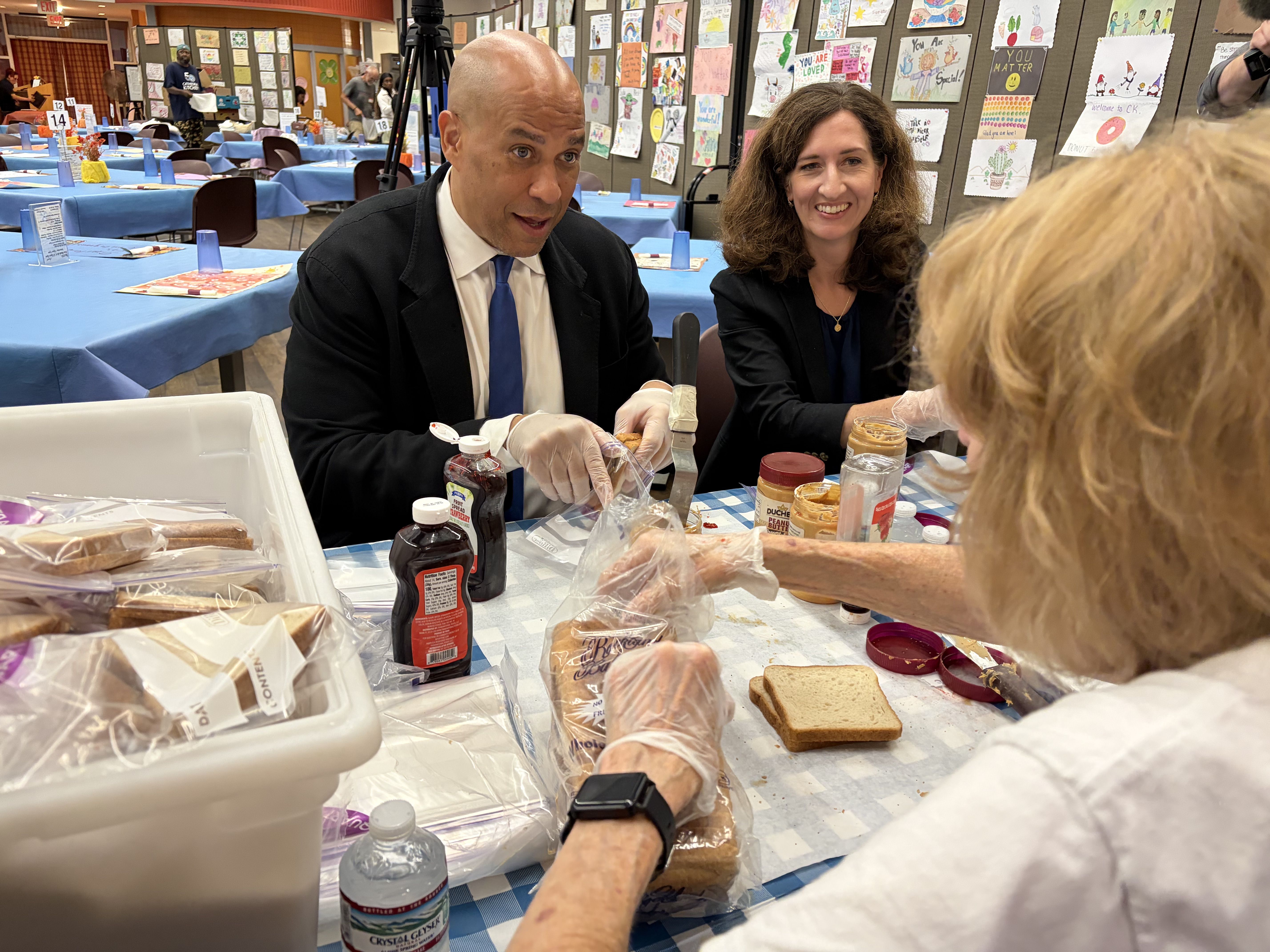
    The speech was one of four stops Booker made in South Jersey Thursday. The Newark Democrat also packed sandwiches at the Cathedral Kitchen community kitchen in Camden, one of the nonprofits shouldering a greater demand amid rising grocery costs and cuts to the Supplemental Nutrition Assistance Program enacted by President Donald Trump. Booker said he would try to steer federal resources to the group, and that he hopes at least one chamber of Congress will flip so Democrats can push to restore money for Medicaid and Affordable Care Act subsidies.

    But during his speech to the chamber, Booker signaled support for one piece of Trump’s health agenda by criticizing the use of SNAP for soda. Booker, a vegan, aligns with some of Health and Human Services Secretary Robert F. Kennedy Jr.’s policies on nutrition though he vehemently opposes Kennedy’s push to scale back recommended vaccines for children.

    “Sugar water companies literally, annually, make billions of dollars from SNAP payments,” Booker said after joking about Coke and Pepsi not being members of the chamber. “You all know what SNAP stands for: Supplemental Nutritional Assistance Program. Yet we allow SNAP payments to be used for that, but make it really hard for them to be used for the kind of food we want people to have abundant access [to].”

    The U.S. Department of Agriculture gave the green light to nearly two dozen states — mostly Republican — to restrict people from using food stamps for sugary drinks, the New York Times reported, though just eight were actually implemented as others are in the process or have been blocked by a court ruling.

    New Jersey and Pennsylvania are not among those states.

    Sen. Cory Booker speaks to members of the Chamber of Commerce Southern New Jersey at the Mt. Laurel Westin.Aliya Schneider / Staff

    Booker said the country should support small farmers more, and decried that the vast majority of agricultural subsidies go to “massive commodity crops” such as corn and soybeans that are used for ultra-processed foods instead of “specialty crops” like fruits and vegetables.

    The ballroom podium was unnecessary for Booker, who paced on stage and juggled a microphone between whatever hand he wasn’t reaching, pointing, or otherwise speaking with.

    “Think about this: A kid in Camden goes into a bodega and gets a Twinkie product cheaper than an apple because we subsidize everything in the Twinkie product and nothing in the apple,” he said.

    “Or hear this: You go to a fast food restaurant and you get a $1 meal, and if you want to get a bucket of salad, it costs you $15. How can we be a system that sustains such high levels of illness?”

    He told a story about meeting with a Las Vegas-based business owner whose healthcare costs decreased after replacing deep fried food options for his staff with healthier choices, and shared an anecdote about a woman whose health improved after an urban farm was established in Newark, where Booker was mayor.

    In an interview after his speech, Booker said he’s pushing for the restoration of programs that connect crops from small farms with people in need of food.

    “New Jersey farmers are suffering with tighter and tighter margins,” he said.

    Sen. Cory Booker smiles for a photo with volunteers and staff at Cathedral Kitchen in Camden.Aliya Schneider / Staff

    Booker got tips on making a good peanut butter and jelly sandwich and placed ham and cheese on bread alongside volunteers at Cathedral Kitchen. He said nearby workers cracking eggs were “doing some egg-celent work” and that at first he didn’t know “what the shell” they were doing. In line with his dad jokes, he chatted about how he wants to have kids soon with his wife Alexis Lewis, whom he married last year.

    Carrie Kitchen-Santiago, the president and CEO of the Camden-based organization, said 2022 set a record for demand for meals, groceries, and hygiene products, and it’s grown each year since. She said the organization mostly relies on donations and revenue from a catering program but expects the need to increase when benefits cuts are implemented later this year.

    She said roughly 2% of the organization’s budget is from government funds but that it does not have any federal funding.

    Kitchen-Santiago said providing nutritious meals is a balancing act.

    “You want to make sure people are healthy, but also give them something they’ll eat and be culturally appropriate,” she said. “Like, we’re not going to be able to give a stuffed acorn squash. Nobody’s going to eat that. On the other hand, we might be able to do a stew that has vegetables and meat in it.”

    The speech and visit to the kitchen were part of a larger swing through South Jersey by Booker while the Senate is on recess. Booker also presented a $2 million check to Inspira Medical Center in Mullica Hill to expand technologies and telehealth services — a congressional allocation from Fiscal Year 26 — and visited Salem Community College’s Glass Education Center.

    His schedule on Friday includes presenting $1 million to AtlantiCare Health System and a visit to Atlantic City’s Orange Loop, a neighborhood that was designated an Opportunity Zone under a law he co-authored. He was also slated to visit the Cape May–Lewes Ferry Terminal in North Cape May and a Cumberland County farm.

  • New Jersey Gov. Sherrill signs a law to protect reproductive and gender-affirming healthcare. Here’s what to know.

    New Jersey Gov. Sherrill signs a law to protect reproductive and gender-affirming healthcare. Here’s what to know.

    New Jersey Gov. Mikie Sherrill signed a bill Thursday that offers greater protections for reproductive and gender-affirming healthcare — both for patients and for providers in the state — by making it a crime to intervene against such care.

    The new law strengthens existing reproductive healthcare protections and also broadens them to now include gender-affirming care. It is meant to cover residents as well as people traveling to the state.

    “This is a very big deal. It’s amazing,” said Martha Madrigal, a transgender woman who leads the Collingswood chapter of PFLAG, a national advocacy group for the families of LGBTQ+ people.

    She added that the law is a “solid declaration” that interfering with transgender rights “does not stand in New Jersey. We’re letting out an enormous sigh of relief today.”

    The legislation expands New Jersey’s shield laws by expressly including gender-affirming care in the definition of “protected reproductive healthcare services.”

    Essentially, the law creates a new crime for interfering with someone trying to access reproductive healthcare, such as an abortion, or gender-affirming care.

    It is now a fourth-degree crime (a low-level felony like shoplifting, punishable by up to 18 months in prison) to injure, threaten, intimidate, or physically block patients or providers, or to damage property in an effort to interfere with such care.

    The law would also protect providers from extradition to other states that have banned abortion or gender-affirming care for minors.

    Sherrill said New Jersey is “standing firm in defense of reproductive freedoms — including the right to choose and the right to receive gender-affirming care.”

    In comments after the signing, Sherrill referenced “attacks” and efforts to impose restrictions on access to abortion and gender-affirming healthcare by the Trump administration and Republican-led states.

    She said the transgender community has been “relentlessly attacked” by the Trump administration.

    “They’ve pulled tactics straight out of the ‘Red Scare’ playbook to restrict transgender people’s healthcare,” Sherrill contended.

    Since returning to office last year, President Donald Trump has issued orders to block federal funding for gender-affirming care for people under 19, oust transgender military personnel, and prevent transgender people from using the gender they self-identify as on passports.

    “We are not going to pay for our innocent children to undergo these barbaric surgeries and practices, which result in unthinkable and irreversible harm to their young bodies,” Trump said on Truth Social earlier this month after Medicaid ended reimbursement for hormone treatment and surgeries for minors.

    Surgeries for minors are extremely rare. And fewer than 1 in 1,000 U.S. adolescents receive medication for gender-affirming care, according to a Harvard University study released last year.

    State Sen. Teresa Ruiz (D., Essex), a chief sponsor of the bill and the Senate’s majority leader, said the bill makes New Jersey “a beacon of hope” in the nation.

    “You can’t tell us what we can read on a library shelf but want to be up in our uterus in an exam room,” she said.

    The law empowers patients and providers to take legal action against individuals who interfere with their access to or delivery of protected care.

    And it protects healthcare providers from professional penalties or adverse actions involving their medical malpractice insurance for providing care that is legal in New Jersey.

    Speaking for healthcare providers in New Jersey, Kristyn Brandi and Catherine Obando, doctors from Union who are preparing to open a clinic providing abortions and gender-affirming care, praised the law as an assurance that providers could deliver care without “risking their freedom or professional license” in the state.

    “We are grateful to know that our patients and staff will be protected from criminalization and harassment,” Brandi and Obando said in a statement as founders of the Luminosas Wellness Collective.

  • Edwin López Cornejo prayed for another year to see his daughter grow up. He died in ICE custody.

    Edwin López Cornejo prayed for another year to see his daughter grow up. He died in ICE custody.

    Half a year into fatherhood, Edwin Jeovanny López Cornejo found the sight of his daughter, Ashley, revitalizing after a long day at work.

    It was 2014. López Cornejo, an immigrant from El Salvador, had been working at a packaging company in South Plainfield, N.J., for about seven years. He came to the United States in 2007, filed an asylum claim, and received employee authorization from the federal government after being deported the year prior, according to court documents.

    As he would often do in the years that followed, he took to Facebook to express his gratitude to God and his love for his daughter.

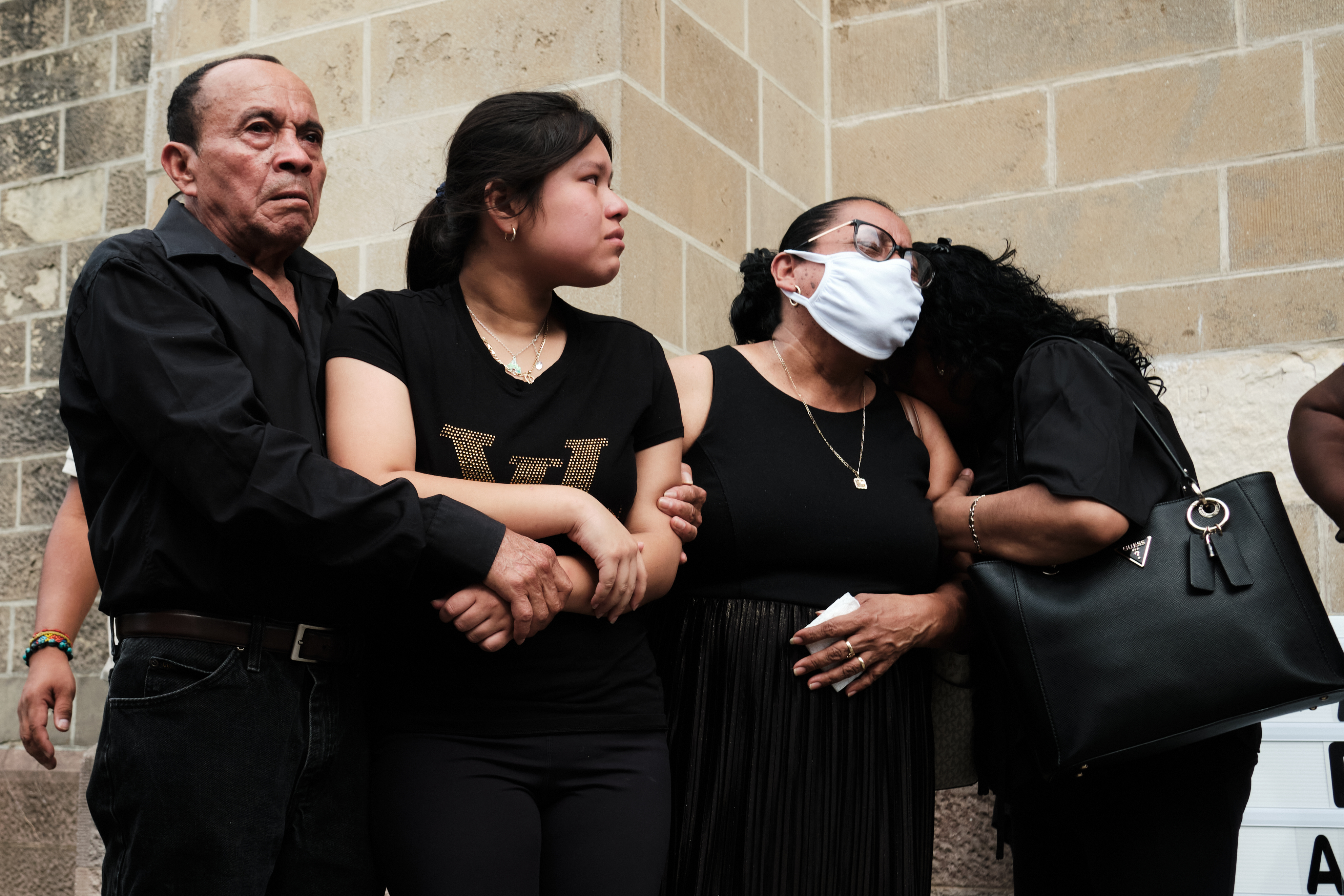
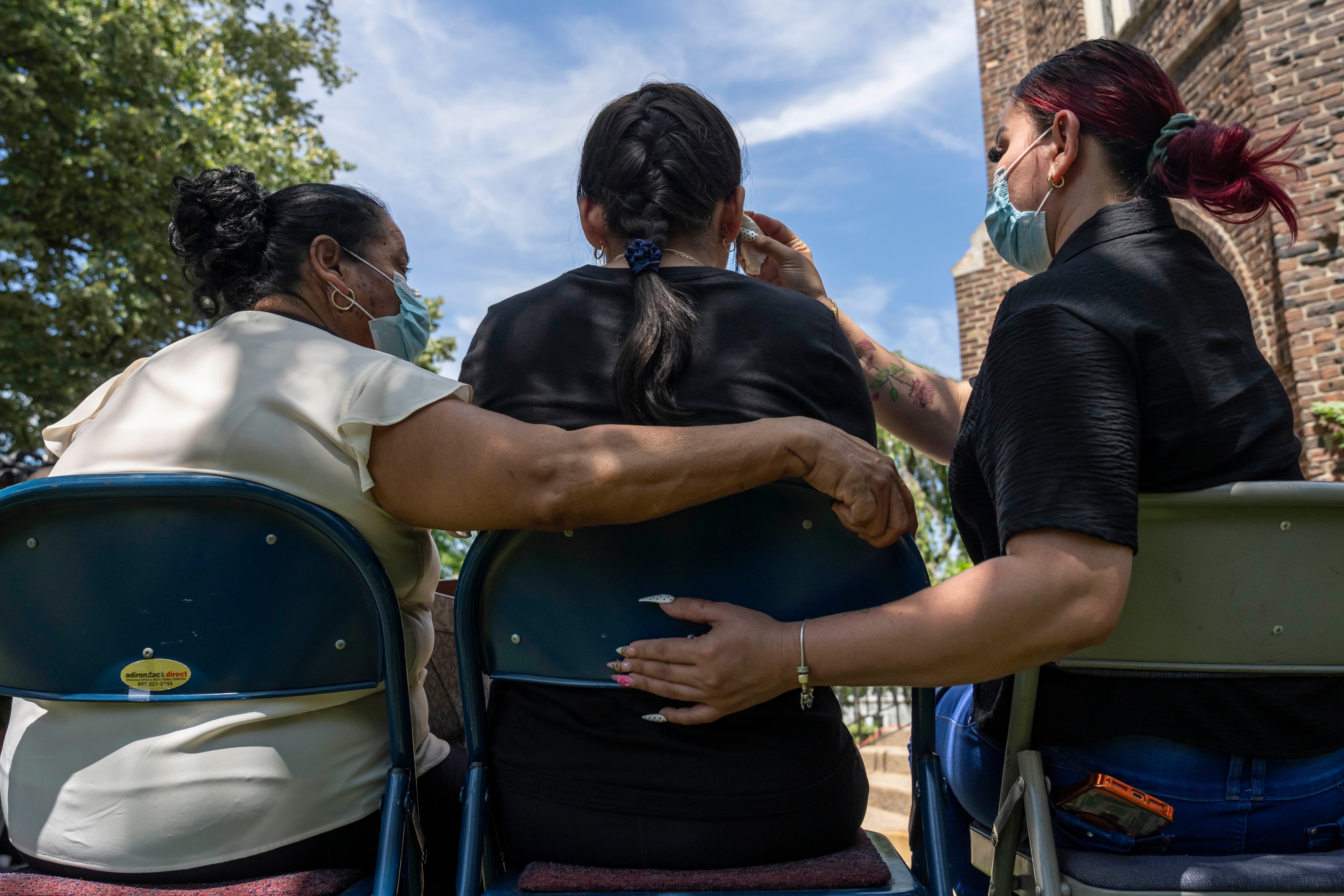
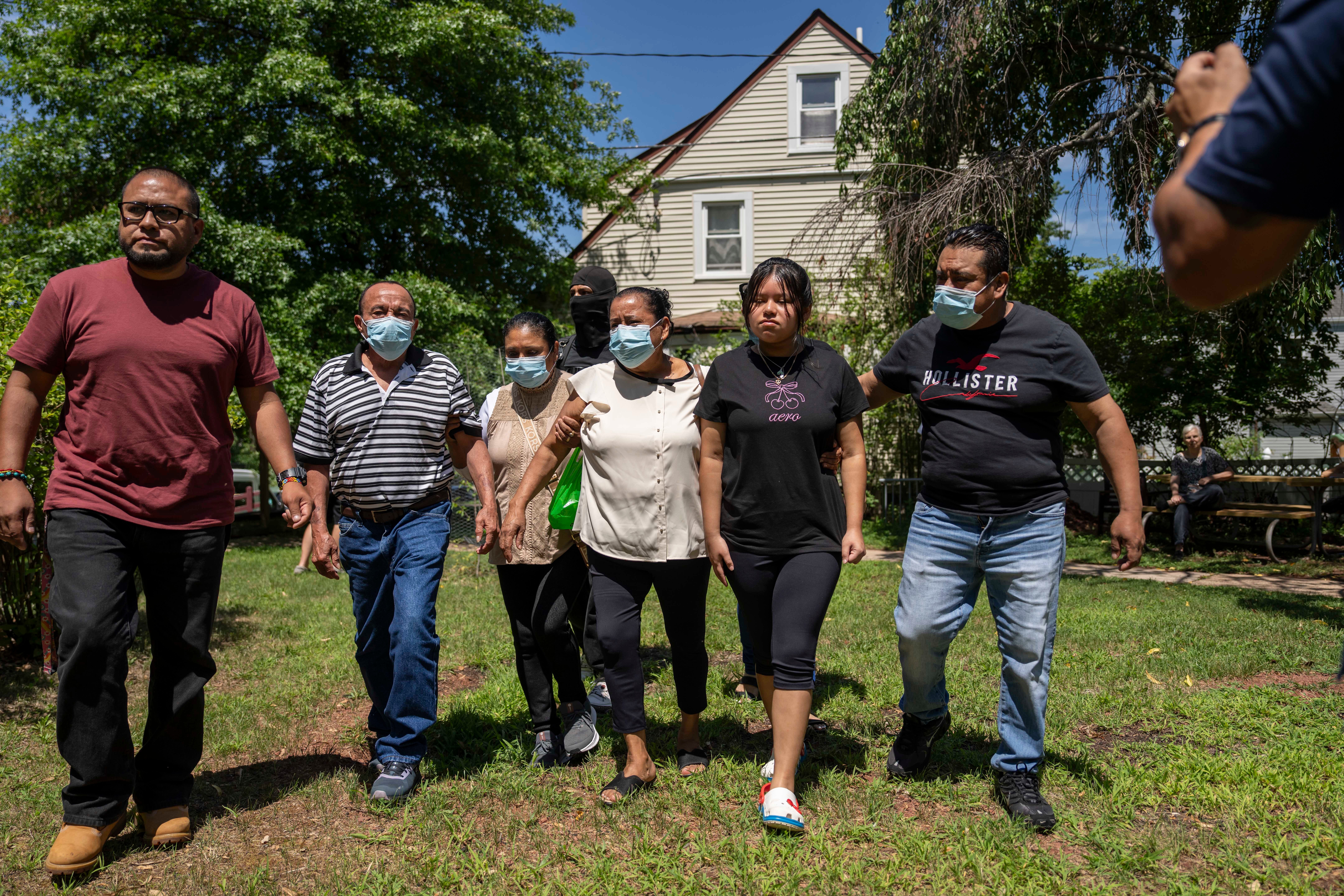
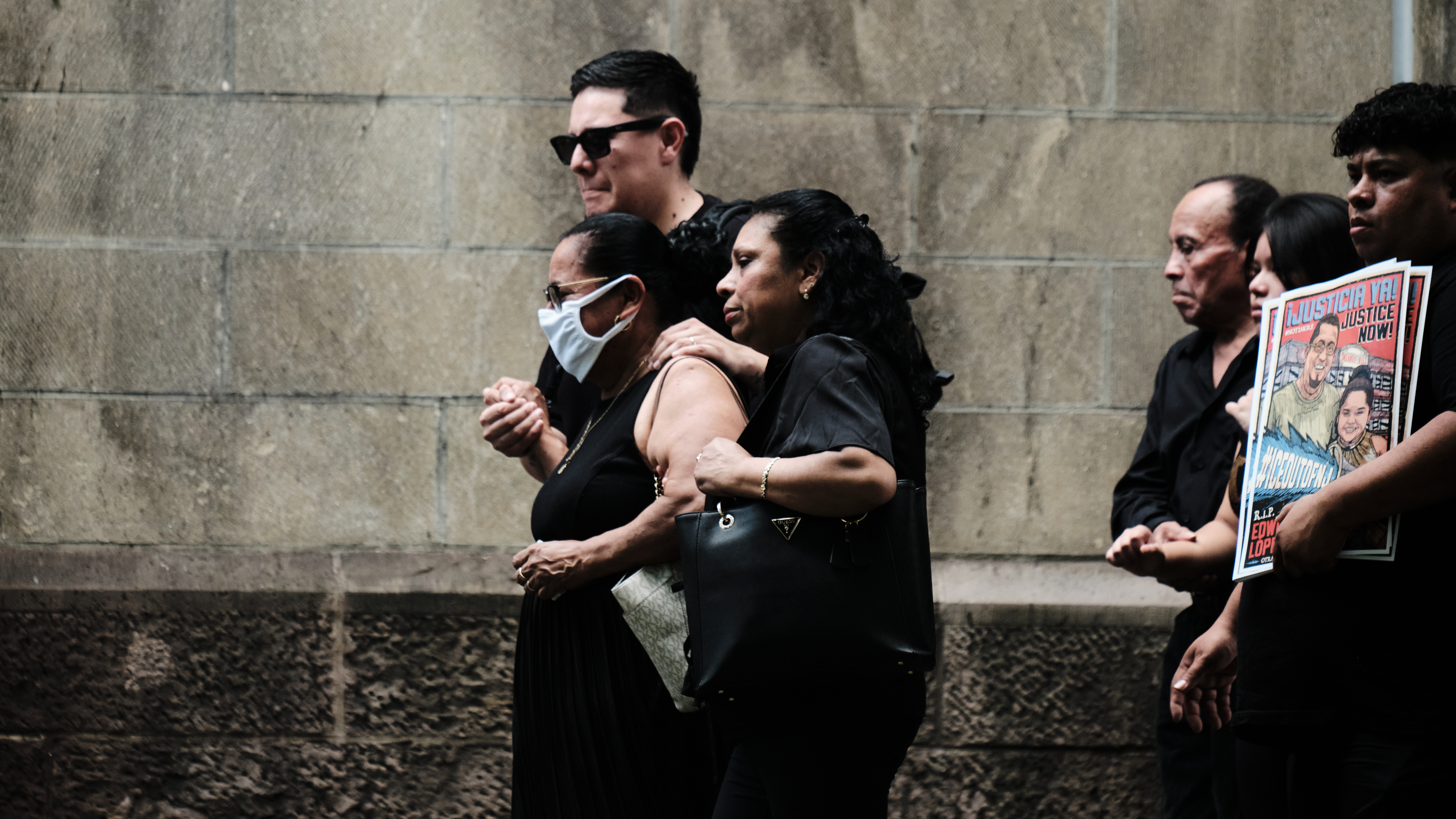
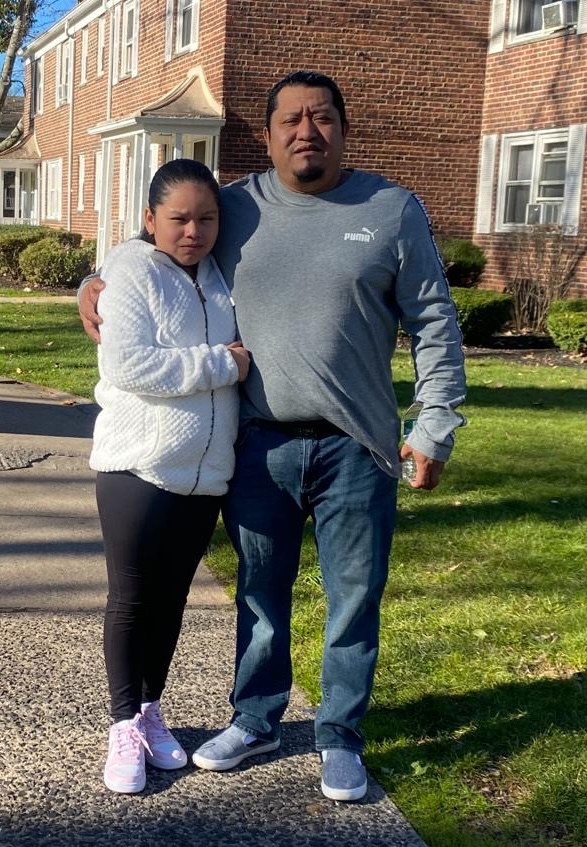
    This past Friday, Ashley Lopéz, now 12, wore all black. She stood between her paternal grandparents as they held each other and wept at her father’s wake at Crescent Avenue Presbyterian Church in Plainfield.

    López Cornejo had died in ICE custody just under a week earlier at the age of 39 after experiencing what the federal agency called a medical emergency at Delaney Hall, an ICE detention center in Newark run by the private company GEO Group.

    Ashley has barely been speaking. Or eating. And she does not want to be around people, María Cornejo, her paternal grandmother, told The Inquirer in an interview on Monday, speaking in Spanish.

    Letters of support submitted to the court after his June arrest, remarks from his family, and more than a decade of public Facebook posts written in Spanish paint the picture of a father who deeply loved his daughter.

    Twelve years ago, Lopéz Cornejo and his then-girlfriend were expecting twins, but the boy died in the fifth month of pregnancy, Cornejo said.

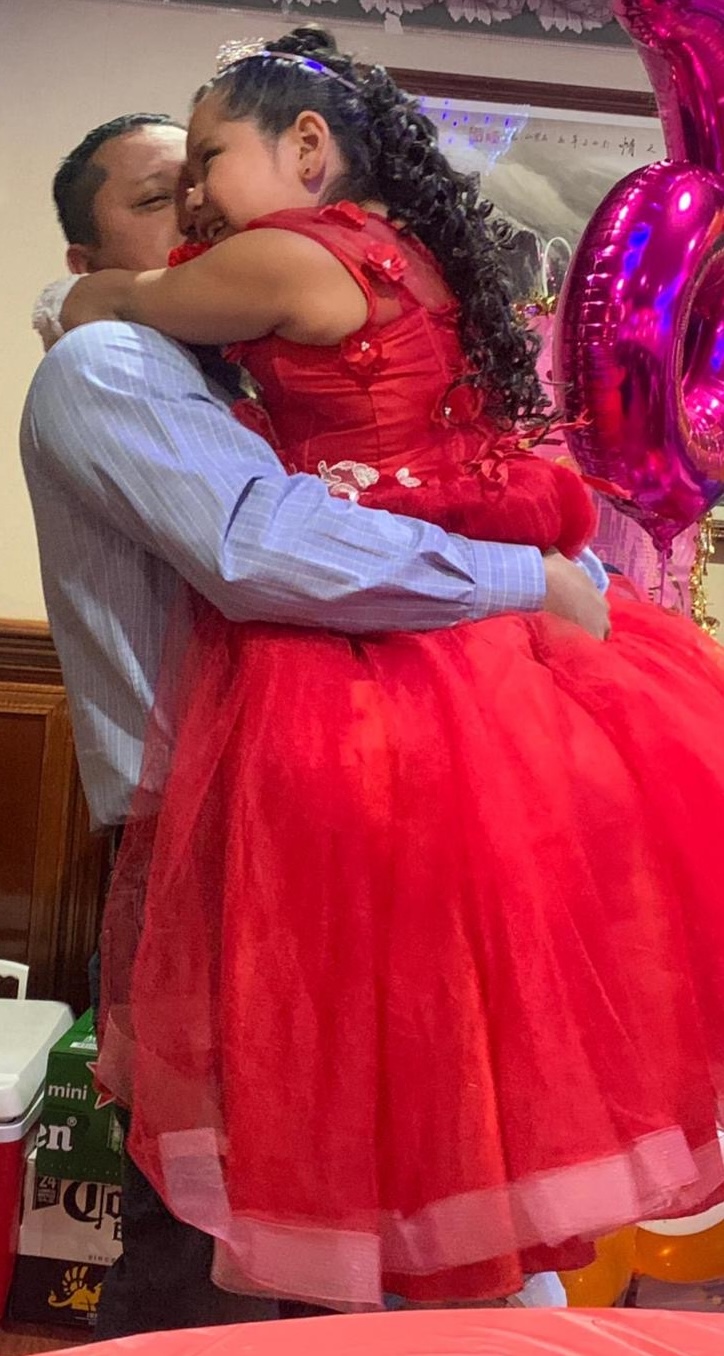
    “She is the only child he had. You should have seen him when she was born. That man was the most joyful man with his daughter in his arms,” Cornejo said. “It was his first time being a father, and he wouldn’t even sleep so he could watch her sleep and make sure she was OK.”

    López Cornejo was unable to see his daughter at Delaney Hall. He had been there for about six weeks.

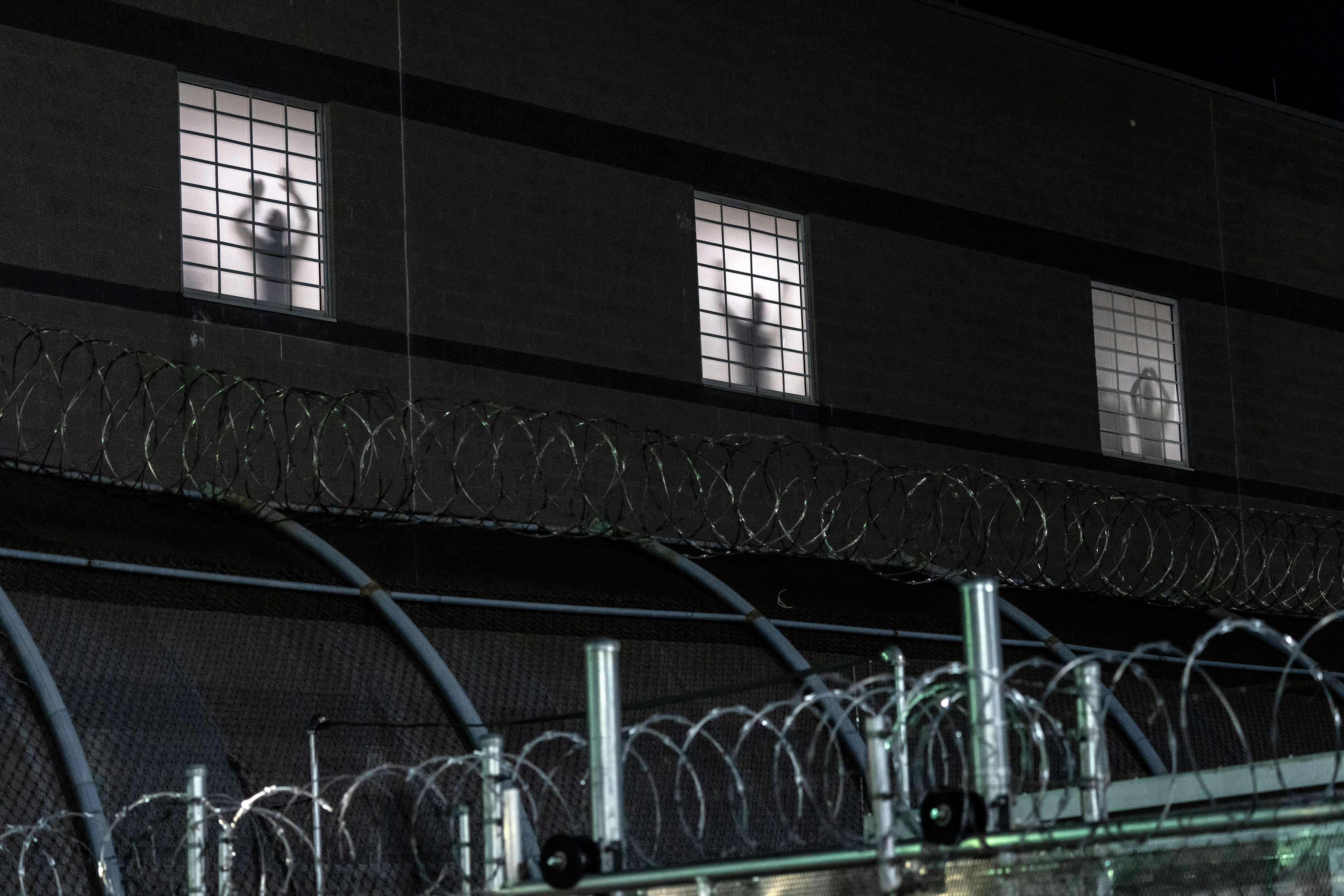
    Delaney Hall has been the site of high-profile political clashes representing the national conflict between Trump’s supporters and immigrant rights advocates. The detention center serves a critical role for the president’s mass deportation agenda, and complaints of poor and unsanitary conditions have sparked continuous protests, uproar from Democratic lawmakers, and a reported hunger strike inside, which the Trump administration denied happened.

    In December, a 41-year-old Haitian national named Jean Wilson Brutus died one day after entering Delaney Hall, and U.S. Rep. Rob Menendez (D., N.J.) recently said another person died at the hospital after a potential seizure at the facility earlier this summer. Nationally, at least 23 fatalities in ICE custody have been reported this year as the rate has increased during Trump’s second term.

    López Cornejo’s asylum claim was still pending — 19 years after he filed it — when ICE agents arrested him, according to a habeas corpus petition challenging his detention.

    An undated photo of Edwin López Cornejo and his daughter, Ashley, in a pool.Courtesy family of Edwin López Cornejo

    Around 9 a.m. June 18, López Cornejo headed out to pick up his car from a towing company, where it had been taken for being parked for too long, his mother recounted Monday. She urged him to take a taxi and avoid walking, given a heightened fear of running into ICE in the community.

    She said goodbye, unaware it would be the last time she would hug her son.

    Lopéz Cornejo ended up walking because roads were closed.

    Masked agents stopped him and asked for his ID. When he produced his Salvadorian identification, they put him in an unmarked vehicle with two other people who had already been detained, his lawyer Ingrid Echeverria recounted in the habeas corpus petition.

    Cornejo said her son called her from inside Delaney Hall that evening. The first question he asked was about Ashley.

    According to his family and court documents, he took medicine for diabetes, epilepsy, and high blood pressure. Interruption of his strict medication schedule carries the risk of breakthrough seizures and associated harm, according to the petition. That July 24 court document did not accuse ICE of denying him his medication but expressed concern over potential medical risks if he was transferred to another facility, as the agency at one point planned.

    On. Aug. 1, Cornejo got a call from University Hospital in Newark. The person on the phone told her that her son’s heart was not beating by the time he arrived, after he collapsed at Delaney Hall. ICE has not released an official cause of death, but U.S. Sen. Andy Kim (D., N.J.) said it was a heart attack and cardiac arrest. Days after his death, Kim and fellow New Jersey Democratic U.S. Sen. Cory Booker put forward legislation that would require the shuttering of Delaney Hall.

    New Jersey Attorney General Jennifer Davenport said last week that her office was launching a civil rights investigation into Delaney Hall, citing reports of “alarming conditions” and recent deaths.

    Sen. Andy Kim (D., N.J.) stands between federal agents and demonstrators in an attempt to prevent a clash outside the Delaney Hall migrant detention center in Newark, N.J., on May 25.DAKOTA SANTIAGO

    In response to López Cornejo’s death, ICE put out a statement saying that everyone in ICE detention gets proper, around-the-clock medical care, and that López Cornejo “was seen by medical professionals.”

    His family doesn’t buy it. They blame ICE for detaining him and accuse the agency of failing to provide him proper medical care. Danilo López, his brother, said at a news conference that his brother told him over the phone that he had to fill out a form to just get Tylenol at Delaney Hall and it could be days before he received it, a claim ICE did not directly address when asked.

    “He lived a normal life and worked normally while taking his medicine and with a proper diet, working more than eight hours a day, and had no problem,” Cornejo said in the interview.

    Just days after her father died, Ashley López said at a news conference: “On the same day, we were both dead. The only difference was his heart stopped beating. I am going to grow up without a father.”

    Family members of Edwin López Cornejo including (from left) his mother Maria Cornejo, daughter, Ashley, and his former wife, attend a news conference on Tuesday, Aug. 4, 2026, in Highland Park, N.J. Yuki Iwamura

    ‘The true love of my life’

    On his daughter’s first birthday, López Cornejo wrote on Facebook that Ashley gave him “one more reason to live.”

    “I want to tell you that when I learned you were going to be born it felt like it would be forever before I had you in my arms,” he wrote. “I will never forget the first day that I changed you and gave you a feeding bottle. Wow my girl, those moments I will never forget and now you are turning one. Wow how the time passes.”

    An undated photo of Edwin López Cornejo with his daughter, Ashley.Courtesy family of Edwin López Cornejo

    On her third birthday, he called her “the true love of my life,” and said she motivated him to be strong and keep moving forward.

    “I would be willing to give my life for yours,” he wrote.

    On his own birthday, he often thanked God for another year of life. And as a birthday wish, he asked for another year to see his daughter grow.

    Ashley, a U.S. citizen, was born in New Jersey, according to the petition, which includes her birth certificate and public school records to support his lawyer’s argument that López Cornejo has community ties. The documents show she received a certificate of achievement for math at 9 years old “for demonstrating fluency of division” in less than six seconds. And shortly after she turned 10, she was crowned “Art Leader of the Week.”

    Ashley lived with her dad half the week, but he picked her up from school every day, and she would run into his arms to greet him, Cornejo said. He took pride in her success in school.

    “He would tell her, ‘I want you to be a doctor so you can cure me one day,’” she said.

    Family members of Edwin López Cornejo arrive at an Aug. 4 news conference in Highland Park, N.J.AP Photo/Yuki Iwamura

    A hard worker

    López Cornejo started working in construction just three weeks before his detention after the warehouse he worked at changed locations, his mother said.

    Court documents show he worked at UpperClass Warehouse in South Plainfield from March 2021 until this May, and he previously worked multiple restaurant jobs in New Jersey. He paid taxes to the state of New Jersey and the federal government.

    Jesse Fischbein, vice president of finance at Just Packaging, where López Cornejo worked from 2007 to 2015, said in a letter of support attached to the petition filed with the court last month that he “truly was a company-first employee, who didn’t believe that the workday was simply 7 AM to 3:30 PM.”

    “He was punctual, always pitching in to help other employees when his tasks were completed, and always asked management if there was more to be done,” Fischbein wrote.

    People detained inside Delaney Hall stand at windows in Newark, N.J., as demonstrators gather outside on May 28, 2026. The protests were fueled by reports of detainees staging a hunger strike over the conditions of their confinement.TODD HEISLER

    But Fischbein said there was one thing López Cornejo would always be better at than his job: being a father.

    “From what I know about him outside of work — he is a father, and that is the job he excels at more than any function he performs for my company,” Fischbein said.

    A coworker-turned-friend, Juan Zavala, said in another letter of support that López Cornejo had “earned the respect of everyone around him” through kindness, compassion, respect, and honesty.

    “He is a loving, responsible, and caring parent who is deeply involved with his daughter’s life and always puts her well-being first. It is very clear that his family means everything to him,” Zavala wrote.

    One of the ways López Cornejo expressed himself to his loved ones was by sharing links to music on Facebook. He dedicated love songs to his daughter and others, he shared reflections during the pandemic with a Christian worship song, and he said the music video for “Pose” by Daddy Yankee — the singer known for the hit song “Gasolina” — inspired him to learn to dance reggaeton.

    López Cornejo and Ashley dreamed about dancing together at her quinceañera, a celebration for her 15th birthday.

    “He just wanted to dance the waltz with his little girl, and they so looked forward to that party,” Cornejo said, crying. “Now my little girl won’t have her dad.”

    Family members walk to the church side entrance during the wake of Edwin López Cornejo, after his death in ICE custody in New Jersey on Aug. 7 in Plainfield N.J.Max Blease / For The Inquirer

    ‘Profoundly difficult consequences’

    In the July 24 petition, his lawyer called on ICE to explain why he was detained, and consider either his immediate release or a hearing in front of an immigration judge.

    His lawyer said that he was served with documents in English he could not read, and that he did not have a criminal record and always showed up for his court dates.

    His friends and family described him in similar terms in letters of support submitted to the court last month.

    Kelvin E. Urquilla Flores, who met López Corneja at Just Packaging nearly 20 years ago, described him as “a peace-loving, law-abiding individual” who is “an asset to this country and to his community.”

    Edgar Fabián Guaman, who said he had known López Cornejo for almost two decades, said that his family friend did not present a risk to the community — but instead improves the well-being of those around him.

    “I respectfully express that a possible separation of Mr. López Cornejo from his family unit would have profoundly difficult consequences for his daughter and his mother, who depend on his presence, support, and emotional stability,” Guaman wrote.

    An undated photo of Edwin López Cornejo and his daughter, Ashley.Courtesy family of Edwin López Cornejo

    Through his Facebook posts, López Cornejo shared a deep appreciation for his parents. In May 2016, he thanked God for giving him “an exemplary mother,” whom he also described as a “second mother” to his own daughter.

    “Maybe I’m not the perfect son, but I try to behave at your level, mother,” he wrote. “I know you gave me the greatest gift, life, and I will never be able to repay you, mother.”

    The last post that shows up on López Cornejo’s Facebook page was a message directed to God and his daughter on her 12th birthday last November.

    Staff writer Abraham Gutman contributed to this article.