Category: Obituaries

  • Michelle Widgins-Lewis, singer-songwriter and founder and CEO of Northwest Counseling Service, has died at 69

    Michelle Widgins-Lewis, singer-songwriter and founder and CEO of Northwest Counseling Service, has died at 69

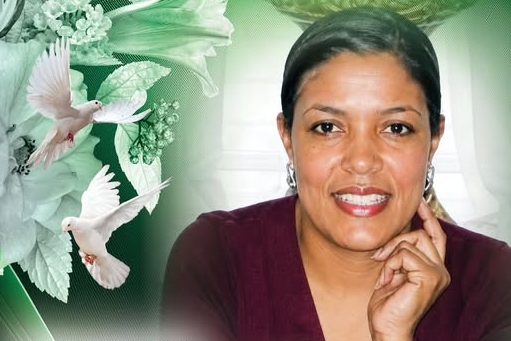
    Michelle Widgins-Lewis, 69, of Philadelphia, singer-songwriter, founder, president, and executive director of Northwest Counseling Service Inc., longtime community housing and education advocate, lecturer, and mentor, died Monday, June 29, of endometrial cancer at Jefferson Abington Hospital.

    Inspired to educate and counsel underserved potential homebuyers about predatory mortgage lending, foreclosure, and other important real estate and housing issues, Ms. Widgins-Lewis founded Northwest Counseling Service on North Broad Street in 1982. For the next 44 years, until recently, she interviewed nearly 5,000 people each year seeking mortgage prequalification and, funded by the Philadelphia Division of Housing and Community Development, advised them about insurance, eviction, credit rating, grants, conflict mediation, and inspections.

    “She helped transform homeownership in Philadelphia,” her family said in a tribute.

    Ms. Widgins-Lewis was appointed to the Pennsylvania Housing Advisory Committee in the 1990s by then-Gov. Ed Rendell and served as a technical adviser on real estate matters for the Philadelphia Division of Housing and Community Development. She worked closely with the Pennsylvania Housing Finance Agency and continually lobbied local, state, and federal government officials for better borrowing and foreclosure laws.

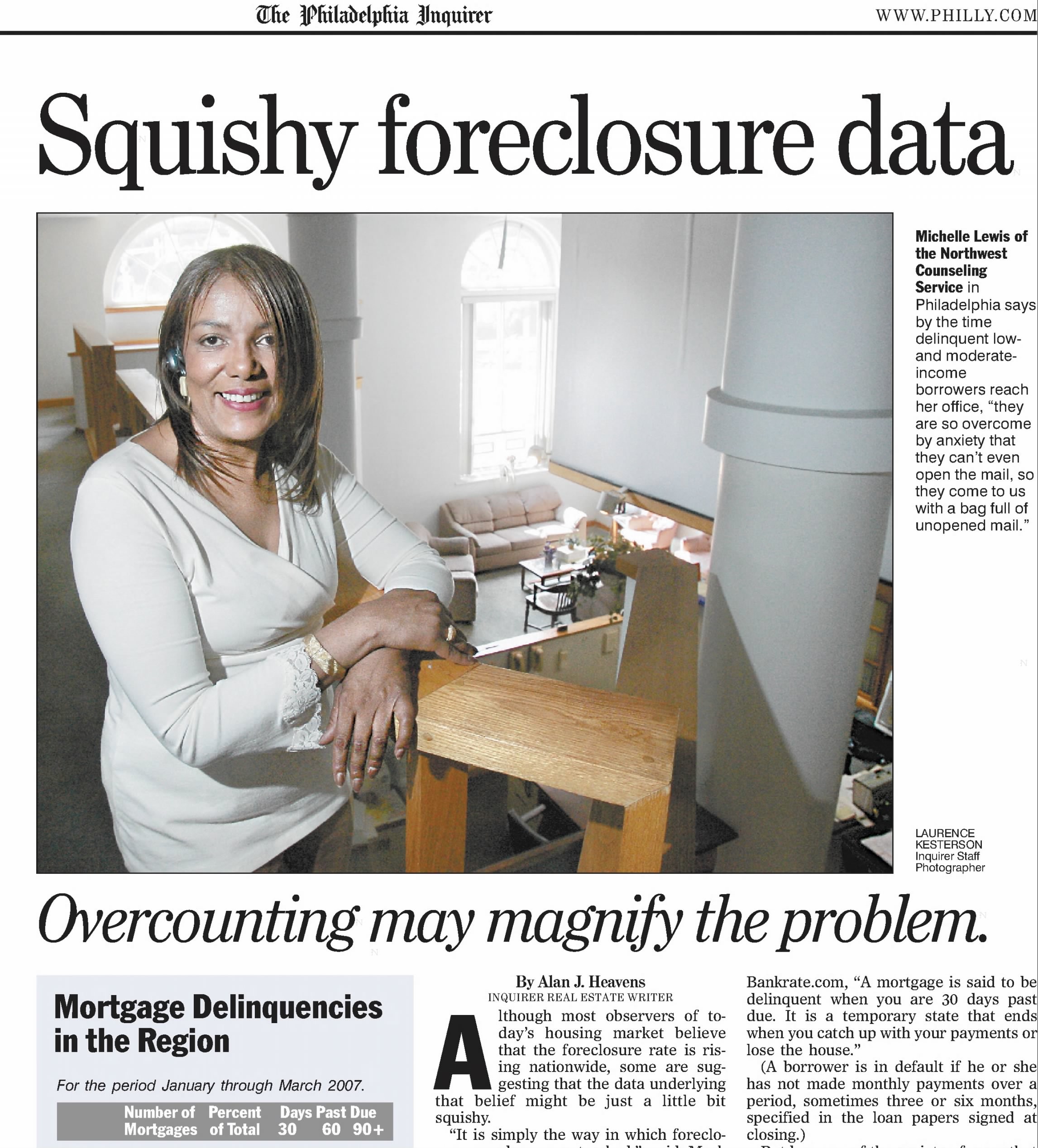
    This photo and article about Ms. Widgins-Lewis appeared in The Inquirer in 2007.Newpapers.com

    She examined property disputes as a forensic real estate specialist, scrutinized scams as a fraud examiner, testified in federal court as a qualified expert, and was licensed as a real estate broker and appraiser. She monitored local landlord-tenant mediation cases closely and told The Inquirer in 1996 that many tenants “end up with an agreement they can’t live up to.”

    People, she said often, are rarely ready to buy their first house. “Instead of considering whether they are prepared to buy a home, people are being propelled into the market by economic pressure that says they should buy because it’s cheaper than renting,” she told The Inquirer in 1995. “That’s not always true.”

    She also founded and chaired the Philadelphia Predatory Lending Task Force, which collected and publicized data about unfair lending practices. “This gives us a picture of the type of problems going on in our neighborhoods,” she told the Daily News in 2001.

    Ms. Widgins-Lewis was an instructor for the National Real Estate Institute and a leader for the American Society of Certified Housing Executives, the Real Estate Educators Association, and other groups. She wrote articles for journals and forged educational partnerships with colleges and universities.

    Ms. Widgins-Lewis performed in several bands and with her sister Dionne.Courtesy of the family

    She spoke on panels and at conferences and workshops about homeownership, and was quoted often in The Inquirer and Daily News. Friends called her “truly inspiring” and “a true champion in the mortgage industry” in online tributes. One friend said: “She was a beast in the housing world.”

    Ms. Widgins-Lewis sang often as a young girl, got rave reviews on karaoke night when she was older, and went on to perform in several bands and with her sister Dionne at local clubs and festivals. She sang rhythm and blues, pop, standards, and jazz, and wrote at least one song that was recorded and released.

    Daily News columnist Stu Bykofsky wrote about her dual career as a singer-songwriter and executive in 1995 and said: “She still has trouble calling herself an artist but feels, at the very least, she’ll always be able to get up and sing at fundraisers for her agency.”

    Her family said: “From childhood, Michelle drew people in with her light and her voice.” Her daughter Tracey Thomas said: “She would light up the room.” Her son Mike said: “Everybody loved her.”

    Her family said Ms. Widgins-Lewis had “an unwavering commitment to education, integrity, and service.”Courtesy of the family

    Michelle Widgins was born May 29, 1957, in Philadelphia. She graduated from Martin Luther King High School and earned a bachelor’s degree at La Salle University and a master’s degree in human services at Lincoln University.

    She married Michael Brown, and they had a daughter, Anji, and a son, Mike. After a divorce, she married Tyrone Lewis, and they had a daughter, Tracey, and a son, Richard. They divorced later.

    Ms. Widgins-Lewis enjoyed reading and writing. She belonged to the Pi Gamma Mu international honor society, was close with Mayor Cherelle L. Parker and former Mayor Wilson Goode, and was guided, her family said, by “an unwavering commitment to education, integrity, and service.”

    Her family is hoping to rename a Northwest Philadelphia street in her honor.

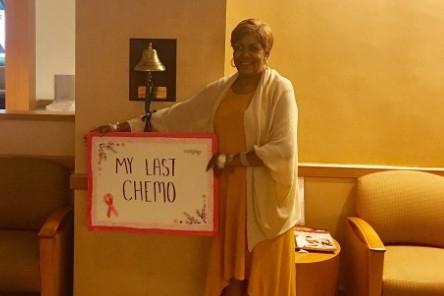
    Ms. Widgins-Lewis lived with cancer for 10 years.Courtesy of the family

    “She was humble but had drive and determination,” her son Mike said. Her daughter Tracey said: “The world was her stage. I can only imagine how her light will shine in heaven.”

    In addition to her children and former husbands, Ms. Widgins-Lewis is survived by eight grandchildren, a sister, two brothers, and other relatives. A sister and a brother died earlier.

    Services are to be at 11 a.m. Thursday, July 16, at Verity Church, 2017 W. Diamond St., Philadelphia, Pa. 19121.

    Donations in her name may be made to Northwest Counseling Service Inc., 6521 N. Broad St., Philadelphia, Pa. 19126.

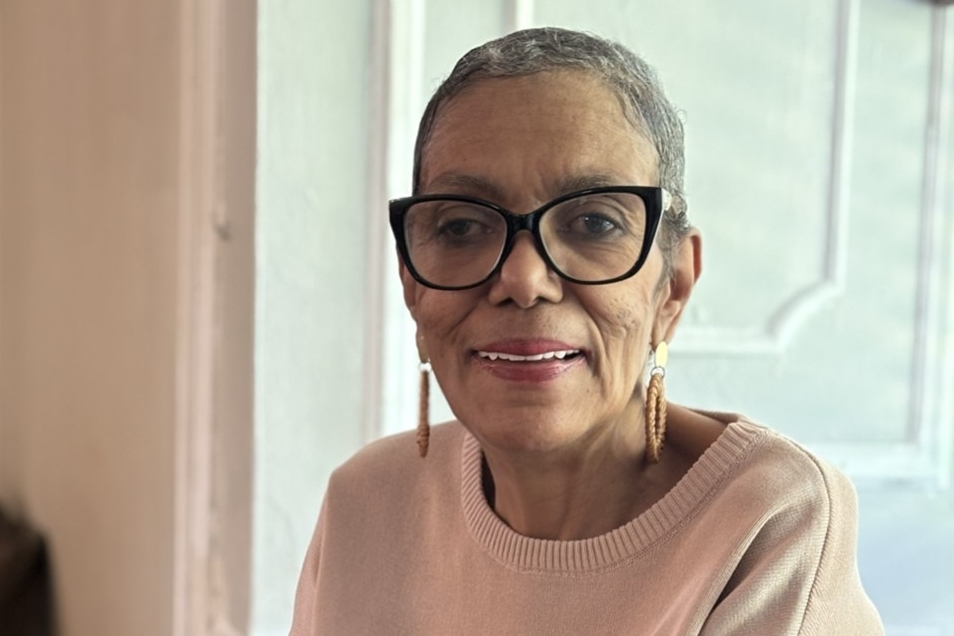
    Ms. Widgins-Lewis “was humble but had drive and determination,” her son Mike said. Courtesy of the Family
  • Bill Curry, who helped make South Street a destination with Copabanana and Cafe Nola, has died at 85

    Bill Curry, who helped make South Street a destination with Copabanana and Cafe Nola, has died at 85

    Bill Curry, 85, the former Inquirer columnist who traded his byline for a barstool and transformed a modest South Street tavern into the landmark Copabanana, died Wednesday, July 1, after a long illness.

    For generations of Philadelphians, Mr. Curry’s name was synonymous with the colorful restaurant and bar he opened in October 1978 at Fourth and South Streets. Mr. Curry expanded it into a collection of restaurants and nightlife ventures that helped define South Street’s modern identity, including Cafe Nola and Hurricane Alley. The original Copabanana closed last year.

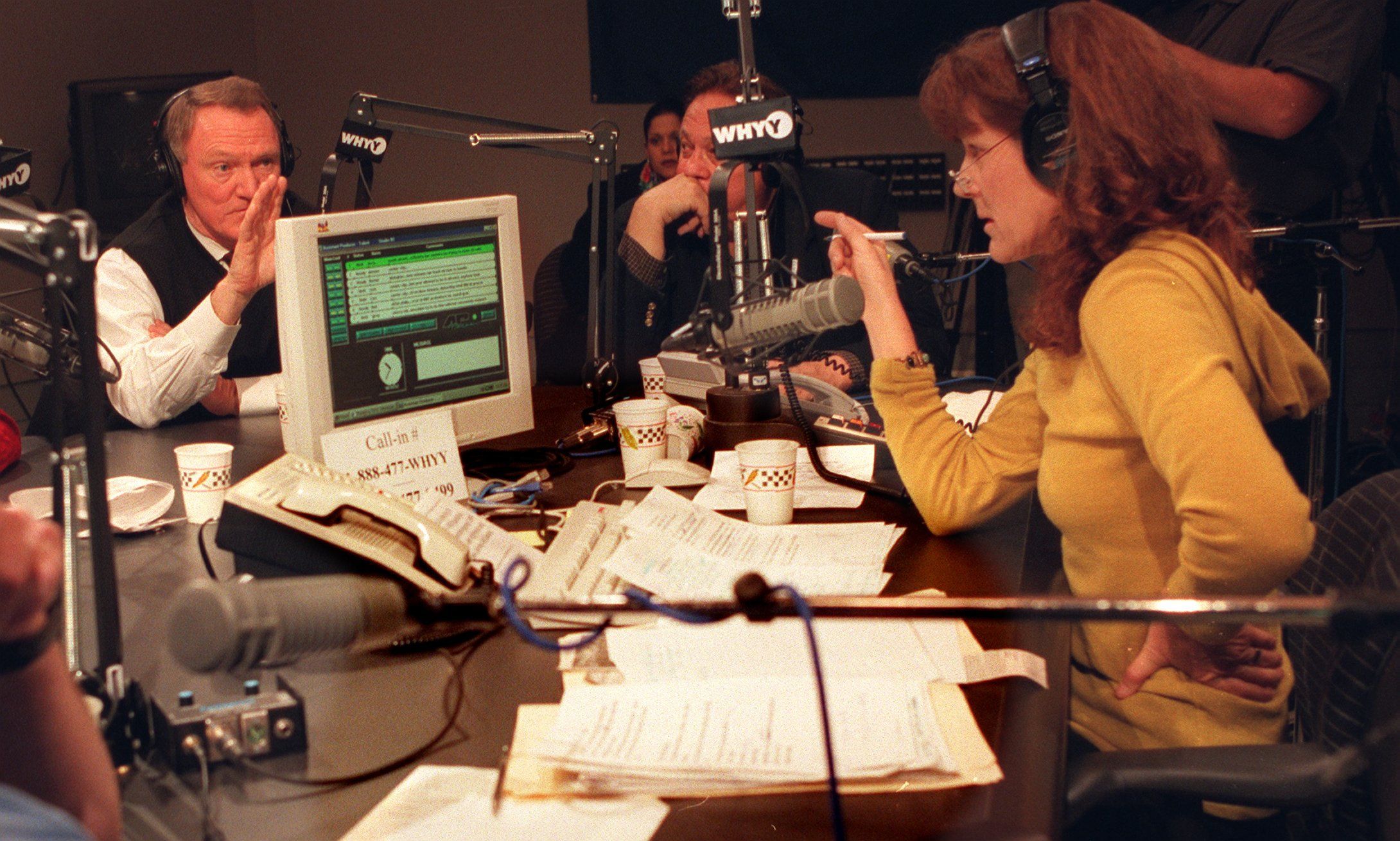
    Copabanana owner Bill Curry (center) joins Police Commissioner John Timoney on Marty Moss-Coane’s WHYY radio show for a discussion of Mardi Gras in 2001.April Saul / Staff Photographer

    Drawing on his South Florida upbringing, Mr. Curry filled Copabanana with the sounds and aromas that became its trademark: an art deco setting of bartenders squeezing fresh limes for margaritas, burgers sizzling in the front window, and nachos and signature Spanish fries topped with jalapeños and onions crowding nearly every table. It was a time when South Street — a once-thriving commercial district that had languished for years under the threat of a never-built crosstown expressway — was still more counterculture enclave than tourist destination.

    But Mr. Curry’s influence on South Street extended well beyond a single restaurant. First as a journalist and later as an entrepreneur, he became one of the corridor’s most visible champions.

    South Street’s renaissance was still in its early stages when Mr. Curry arrived in Philadelphia in 1971 from the Miami Herald — initially as an art director on The Inquirer’s Sunday magazine and soon after as a nightlife writer. The corridor had become a magnet for artists, musicians, entrepreneurs, and preservationists who were filling vacant storefronts with galleries, boutiques, restaurants, and bars. Few people did more to promote that hippie-into-punk transformation than Mr. Curry in his column, “On the Go.”

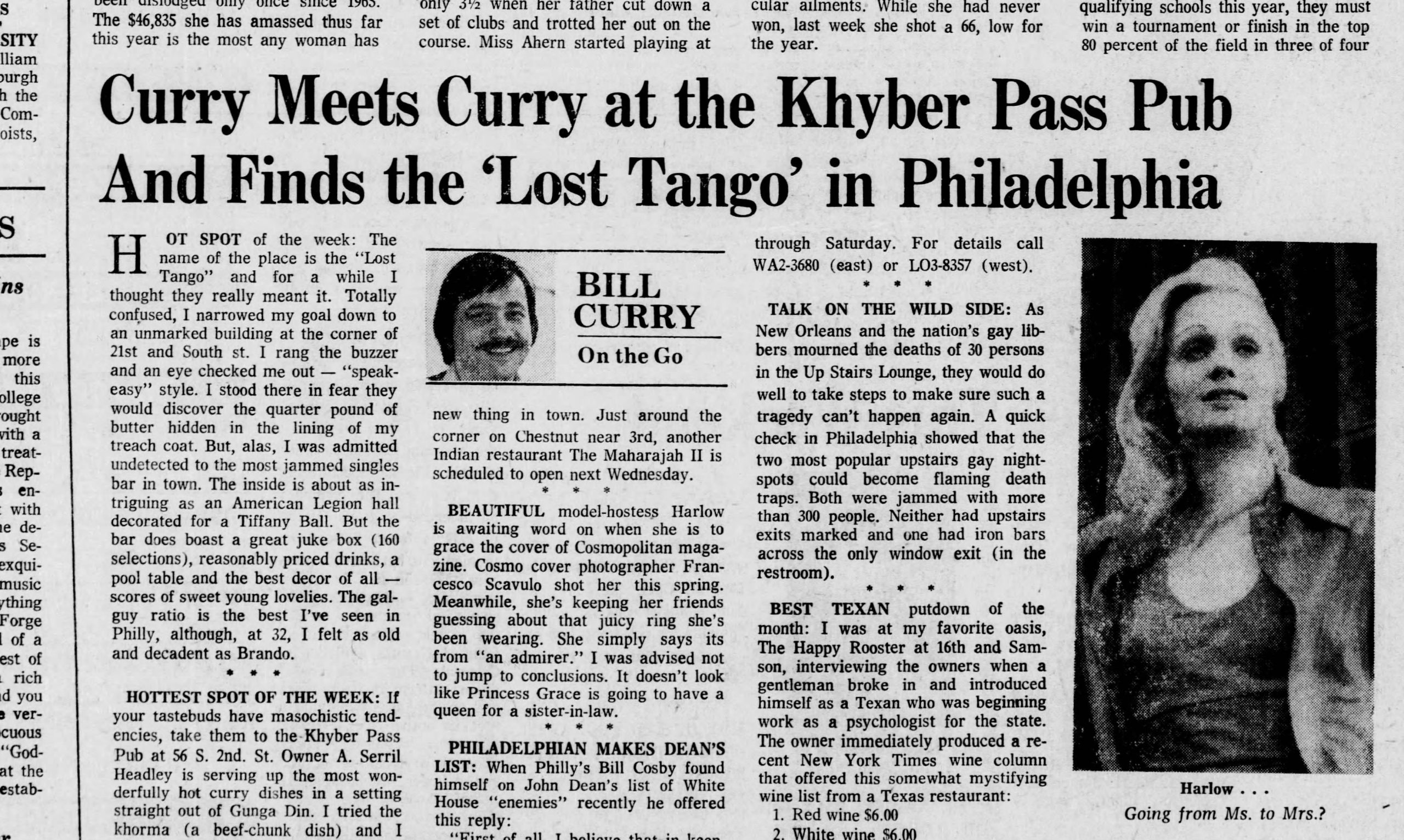
    One of Bill Curry’s 1973 “On the Go” nightlife columns from The Inquirer.Philadelphia Inquirer

    “I had fallen in love with the neighborhood and wanted to be a central part of its freewheeling, Bohemian culture,” he told an interviewer in 2015.

    “Bill had a quality of world-weary amusement about ‘it all’: politics, serious young journalists, himself, his column, his New Orleans mojo,” said former Inquirer columnist Clark DeLeon.

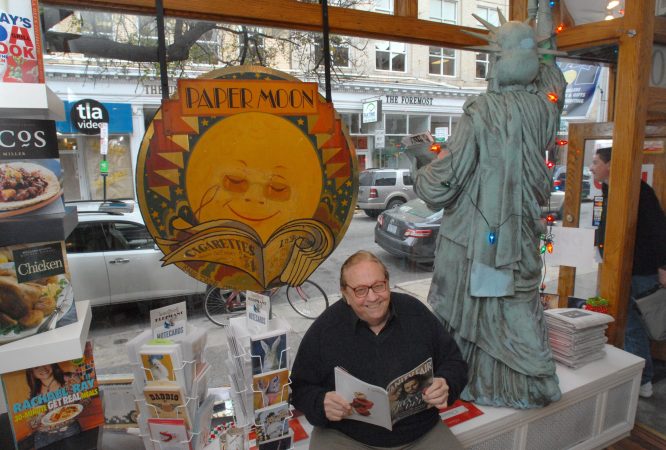
    In 1975, Mr. Curry opened a card shop and newsstand called Paper Moon at 329 South St., stocking it with out-of-town papers, international magazines, and specialty cigarettes. A year later, he backed a second location at 15th and Locust Streets called Le Corner Store.

    Mr. Curry’s newspaper career ended in September 1978 after he informed executive editor Gene Roberts that he planned to open Copabanana. Roberts concluded that Mr. Curry’s business interests amounted to a conflict of interest and took away the column. He offered Mr. Curry a non-writing role, but Mr. Curry said he chose to leave.

    Copabanana opened a month later. When asked whether he had restaurant experience, he told an interviewer: “No, but I had been to plenty — I got paid to drink. I was around town all the time telling folks what was good and what was bad. So I was ready to do it.”

    Copabanana — across from Jim’s Steaks and Lickety Split, and down the block from the Theatre of Living Arts — quickly became a destination. In 1981, Mr. Curry and business partner Judy DeVicaris opened the far more refined Cafe Nola a few doors away. With an adventurous, New Orleans-inspired menu and a lush decor, it enjoyed a 15-year run before closing in 1996.

    Mr. Curry also developed or helped operate Copa Too!, a Center City offshoot where Jose Pistola’s is now, as well as a still-operating Copabanana at 40th and Spruce Streets in University City.

    “He lived for the moment, all the time,” said his nephew David Christensen, who worked for his uncle for a spell. “On the culinary and restaurant side, he was always looking to expand, always wanting to do more. He stretched his assets to the limit, trying to bring in investors and make the next project happen. It was a wild ride.”

    Mr. Curry became as much a symbol of South Street as any of his restaurants. “He was the unofficial mayor of South Street,” said Brian Phillips, who in 2003 bought the University City Copabanana from Mr. Curry. “He tirelessly promoted the South Street way of life to make it ‘the hippest street in town.’”

    Julia Zagar, who with her artist husband, Isaiah, opened Eye’s Gallery on the next block in 1968, said Mr. Curry “embraced the South Street community with his intellect and tastes, books, magazines, and food. He understood the street life.”

    The original Copabanana occupied a shot-and-a-beer bar owned by a former longshoreman named Frank “Turk” Jaworski. Neighborhood lore said Turk’s once housed a Prohibition-era speakeasy reached through a concealed staircase hidden behind a phone booth — a story Mr. Curry happily embraced.

    Mr. Curry sold Paper Moon in 1983, and the shop closed two years later. In 2011, he revived the name for a new location nearby on Fourth Street.

    Asked after decades in business why Copabanana endured while so many restaurants came and went, Mr. Curry offered a simple explanation: “Consistency. You can go somewhere once and love it, but if you go back and it’s not good, you might never return. Good consistent food, and consistent drinks.”

    The restaurant struggled in its later years. In 2023, Copabanana sought bankruptcy protection as Mr. Curry battled a series of health problems. Later that year, Copabanana moved into Hurricane Alley’s former space two doors away. It closed in January 2025.

    The original South Street property, long on the market, is now under agreement of sale, said Billy Creagh, owner of National Realty Commercial, a brokerage.

    Mr. Curry’s life partner, Jim Bush, died several years ago. Besides his nephew, Mr. Curry is survived by a sister, Charlotte Christensen, and another nephew, Tom.

    A memorial service is being planned, Phillips said.

  • Richard D. Wood Jr., Wawa chair emeritus and ‘guiding heart and soul,’ has died at 88

    Richard D. Wood Jr., Wawa chair emeritus and ‘guiding heart and soul,’ has died at 88

    Richard D. Wood Jr., 88, of Wawa, Delaware County, chair emeritus and former chief executive officer and president of Wawa Inc., Convenience Store News Hall of Famer, lawyer, trustee, mentor, veteran, and philanthropist, died Friday, July 10, of age-associated decline at his home.

    Born in Philadelphia, Mr. Wood earned a law degree at what is now the University of Pennsylvania’s Carey Law School in 1964 and joined his family’s nascent Wawa food market company in 1970 as its first general counsel. His great-grandfather founded the Wawa dairy in 1902, and his father’s cousin opened the first Wawa food market in 1964.

    By 1977, Mr. Wood had ascended to president of the company, and its innovations, including 24-7 hours of operation and custom-made hoagies, made it the region’s dominant convenience store. He became CEO in 1980 and chair in 1982, and was named chair emeritus in 2020.

    In 2020, Inquirer business writer Joseph N. DiStefano said Mr. Wood “presided over the board during the period of Wawa’s rapid growth from a regional cokes-smokes-milk-and-hoagies chain to a convenience store and gas outlet with more than $12 billion in annual sales and 850 stores from New Jersey to Florida.”

    For more than 40 years, Mr. Wood supervised Wawa’s multistate expansion, addition of gas pumps, expanded inventory, rigorous employee training, and popular employee stock ownership plan. During his tenure, the company grew to more than 36,000 associates and was one of the largest privately held companies in the country.

    Through it all, Mr. Wood was affable and curious, friends and family said. He wanted to know everybody’s name and what they thought, and he enjoyed touring the stores and chatting up associates and customers, especially on Christmas Day. He told colleagues he wanted to “create an environment where each of us believes that we can make a difference.”

    “Dick Wood was our true lead goose who was the guiding heart and soul of the company,” Chris Gheysens, Wawa’s chairman and CEO, said in a tribute. “He is the reason why Wawa is the company we are today and why we enjoy so much share of heart from our customers and dedication from our associates.”

    Mr. Wood hired students and women to work in the stores, and offered flexible schedules to accommodate their availability. He oversaw Wawa’s $200 million of donations to community nonprofits and its college tuition reimbursement plan for associates.

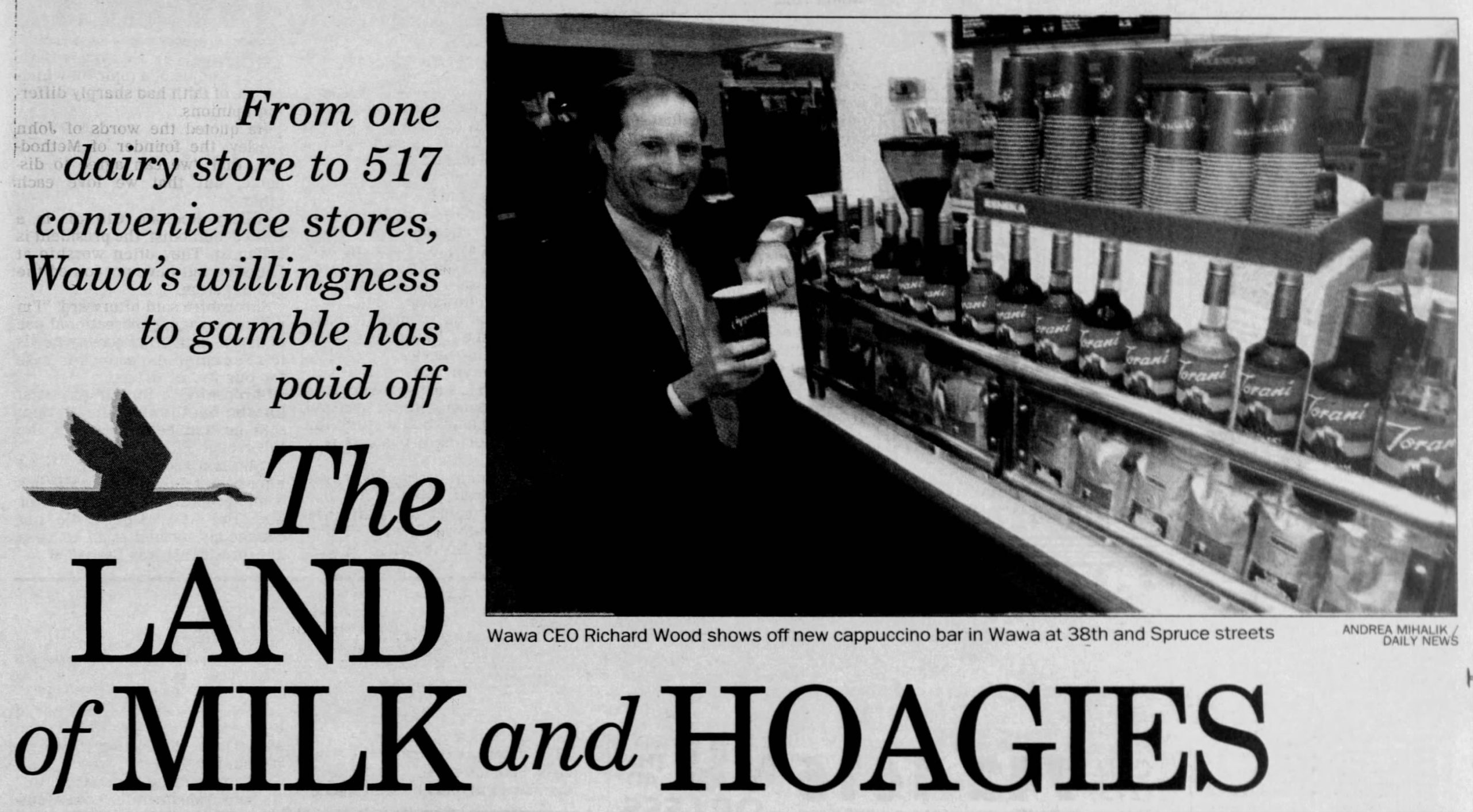
    This photo of Mr. Wood and a story about Wawa appeared in the Daily News in 1994. Newspapers.com

    In 2021, to mark his 50th anniversary at the company, Wawa established the Dick Wood College Scholarship Fund for associates. He told Inc. magazine in 2018: “Values and culture mean more in this company than being smart.”

    Colleagues called him “humble, gracious, curious, and kind” and “a beloved treasure to the company” in tributes. His life-size bronze statue greets visitors at Wawa’s corporate headquarters.

    “He made people feel important,” said Barbara Ennis, his longtime assistant, ”because to him, they were.”

    Mr. Wood was onetime chair of the executive committee of the National Association of Convenience Stores and on boards at Children’s Hospital of Philadelphia, Riddle Memorial Hospital, Philadelphia National Bank, Bok Tower Gardens in Florida, and other organizations. He appeared often in The Inquirer and Daily News, spoke on panels and at conferences about corporate leadership, and was inducted into the Convenience Store News Hall of Fame in 1996.

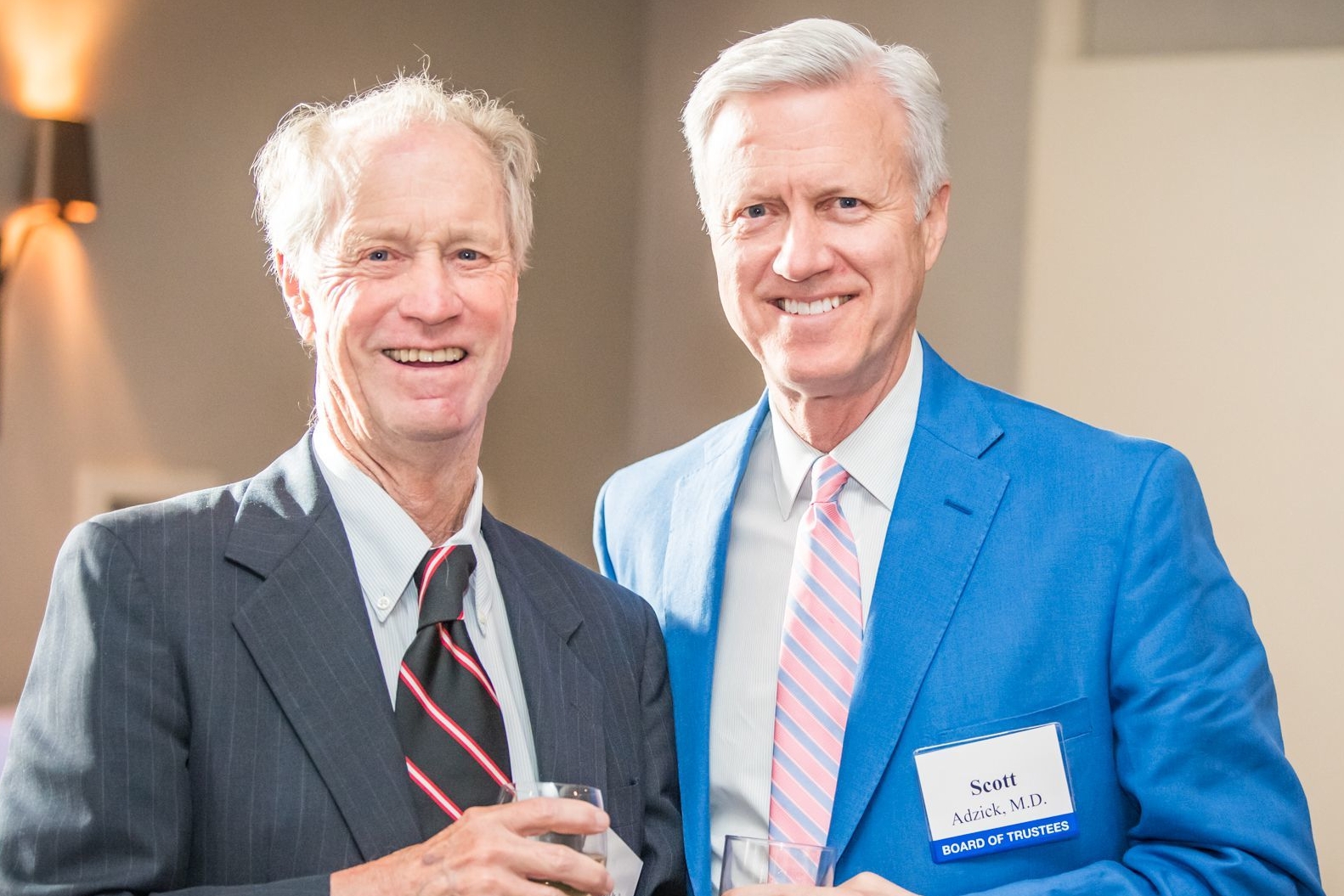
    Mr. Wood (left) worked closely with fellow CHOP trustee N. Scott Adzick.Children's Hospital of Philadelphia

    He served on the Chester Heights Borough Council in the early 1980s and was named 1996 businessman of the year by the Great Valley Regional Chamber of Commerce. Before Wawa, Mr. Wood was a public defender in Philadelphia and a lawyer at Montgomery McCracken.

    “People loved to follow him,” said his son, Richard D. Wood III. “He was larger than life,” said his daughter, Lisa Wright.

    As a philanthropist, Mr. Wood and his family donated $25 million to Children’s Hospital of Philadelphia in 2021, and CHOP named its Richard D. Wood Jr. Center for Fetal Diagnosis and Treatment in his honor. His family also funded the Richard D. Wood Jr. and Jeanette A. Wood Endowed Chair in Pediatric Diagnostic Medicine, and he instituted a volunteer services program at CHOP.

    Sometimes, his family said, Mr. Wood walked the halls of the hospital, sharing Wawa coffee and conversation with patients and families. CHOP honored him at its 2019 Carousel Ball. Madeline Bell, CEO at CHOP, said: “I will truly miss his warmth, wisdom, and generous spirit.”

    Mr. Wood and his wife, Jeanette, married in 1964.Courtesy of the family

    Howard Stoeckel, former Wawa vice chair, CEO, and president, said in a tribute: “He had a special mix of heart, compassion, empathy, and humility that made him a true believer and practitioner of servant leadership.”

    Richard Davis Wood Jr. was born March 4, 1938. He graduated from St. Paul’s School in Concord, N.H., earned a bachelor’s degree in business at the University of Virginia, and served for a year in the Marine Corps and later in the Marine Corps Reserve.

    He met Jeannette Andrews when he was visiting New York with friends, and they married in 1964. They lived in Philadelphia and Wawa, and had a daughter, Lisa, and a son, Richard III. His wife died in 2025.

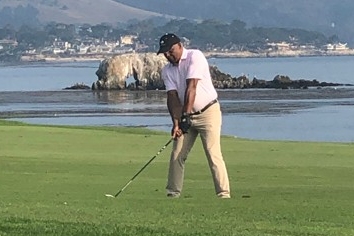
    Mr. Wood was an avid golfer, and he belonged to the Gulph Mills and Pine Valley Golf Clubs, and the Mountain Lake Club in Florida. He played tennis and bridge, and was a longtime season ticket holder for the Eagles and Flyers.

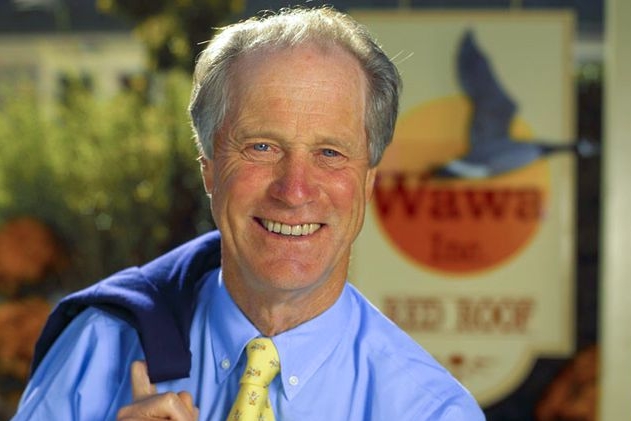
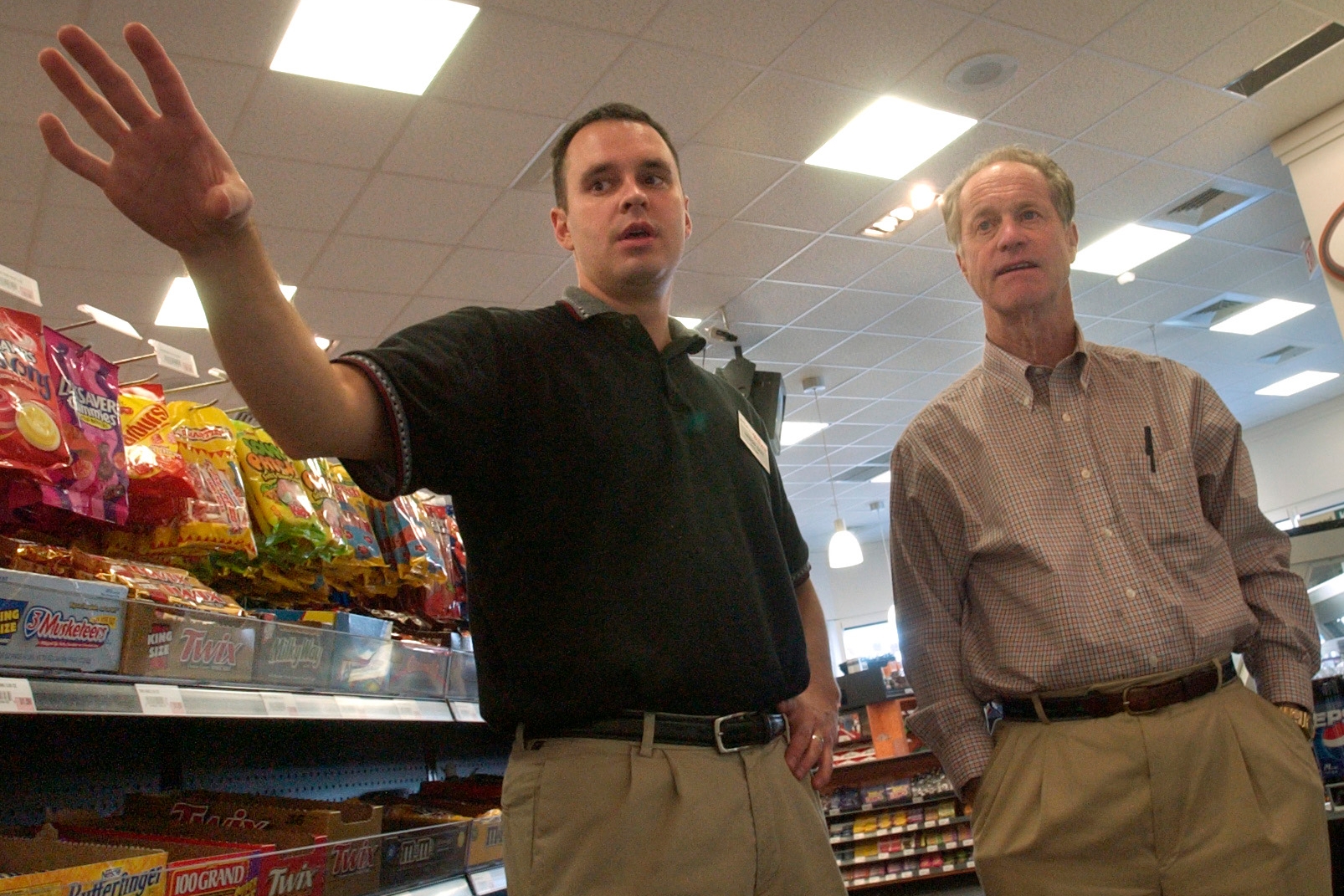
    Mr. Wood (right) enjoyed meeting and talking with Wawa associates and customers.
    Jonathan Wilson / Staff Photographer

    He and his wife traveled, hosted family holiday parties, and spent memorable winters in Lake Wales, Fla. He drove his favorite Honda Accord for years and followed Virginia college football and basketball closely.

    He championed conservation, education, and health. “He treated every single person the same,” his daughter said. His son said: “Humility defined him.”

    Mr. Wood said in a 2020 video for CHOP: “It’s a great feeling to know that you’re helping out.”

    In addition to his children, Mr. Wood is survived by five grandchildren, a sister, a brother, and other relatives. Two brothers died earlier.

    A celebration of his life is to be held later.

    Donations in his name may be made to the Richard D. Wood Jr. Center for Fetal Diagnosis and Treatment at Children’s Hospital of Philadelphia, Box 781352, Philadelphia, Pa. 19178; and Bok Tower Gardens, 1151 Tower Blvd., Lake Wales, Fla. 33853.

  • Sam Neill, versatile actor who starred in ‘Jurassic Park,’ dies at 78

    Sam Neill, versatile actor who starred in ‘Jurassic Park,’ dies at 78

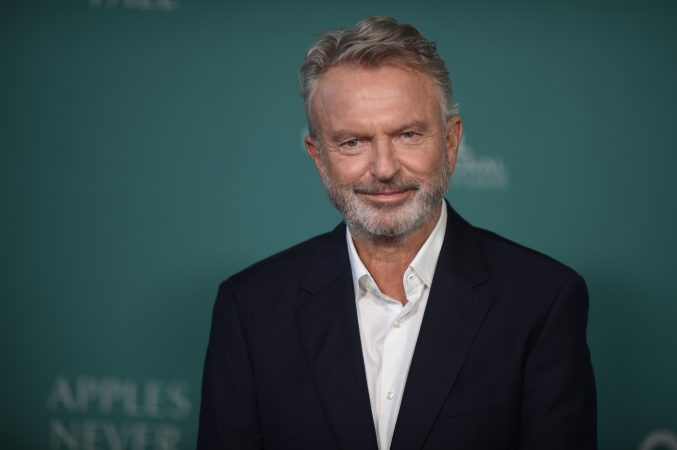
    Sam Neill, a New Zealand actor who brought a quiet intensity to art-house fare and Hollywood blockbusters alike, including as a rigid husband vexed by his wife’s love of music in The Piano and a fedora-clad paleontologist fleeing a T-rex in Jurassic Park, died Monday in Sydney. He was 78.

    In a social media statement, Mr. Neill’s family described his death as “sudden and unexpected” but did not disclose a cause. He was diagnosed in spring 2022 with angioimmunoblastic T-cell lymphoma, a form of blood cancer, but in April, he announced he was cancer free after a clinical trial of a new therapy. His family said Monday that he remained free of the disease.

    In roles as loners, scoundrels, madmen, and everymen, Mr. Neill proved a versatile performer comfortable in leading or supporting parts. He had started acting as a schoolboy, discovering that his childhood stutter disappeared when he was performing onstage, and went on to appear in more than 150 movies and TV shows across five decades.

    Mr. Neill helped launch a new wave of New Zealand cinema while starring in the dystopian thriller Sleeping Dogs (1977), the first feature film made in the country in years, and gained wider notice in Australian director Gillian Armstrong’s period drama My Brilliant Career (1979), as a handsome blue-blood — tousled hair, mellifluous voice — courting an aspiring writer (Judy Davis).

    The film’s admirers included British-born movie star James Mason, who tracked down Mr. Neill’s phone number, called him up and invited the younger actor to his home in Switzerland. He became a mentor, helping Mr. Neill get a London agent and offering what Mr. Neill recalled as “good practical advice” for screen acting: “Never eat, drink, or smoke in a scene. If you do, you’ll be eating, drinking, and smoking all day.”

    Mr. Neill said he modeled his approach to work after Mason, whom he described as an actor who “was prepared to show the darker sides of light characters and vice versa.”

    That also became true of Mr. Neill, who delivered multifaceted performances in films including the horror thriller Possession (1981), as a spy whose marriage and wife are both unraveling; A Cry in the Dark (1988), also known as Evil Angels, in which he and Meryl Streep played the parents of a missing child; and the thriller Dead Calm (1989), as a grieving father trying to save his wife, Nicole Kidman, from an intruder at sea.

    For The Piano (1993), an erotic drama that brought him back to New Zealand to work with director Jane Campion, Mr. Neill played a 19th-century bachelor who arranges to marry a mute Scottish woman (Holly Hunter) who has a young daughter (Anna Paquin). His character is patient but remote, seemingly uncertain of his new situation, until he learns that his wife is in love with another man (Harvey Keitel). He responds by cutting off one of her fingers with an ax.

    “Neill’s taciturn husband conceals a universe of fear and sadness behind his clouded eyes,” wrote film critic Roger Ebert, calling the movie “as peculiar and haunting as any film I’ve seen.”

    Less than a month after The Piano won the top prize at the Cannes Film Festival, Mr. Neill starred in Jurassic Park (1993). As Alan Grant, a crusty paleontologist invited to tour a theme park of resurrected dinosaurs, he helped bring a human touch to a movie that set a new benchmark for computer-generated imagery and jumbo-sized animatronics.

    When the time came for Steven Spielberg to unveil his CGI dinosaurs on-screen, the director pointed his camera at Mr. Neill, who was shown tossing off his hat, setting aside his sunglasses, and hopping out of a jeep in astonishment. “It’s — it’s a dinosaur,” Grant says, pointing upward as a brachiosaurus takes a bite out of a tree.

    On location in Hawaii, Mr. Neill and his human co-stars (including Laura Dern and Jeff Goldblum) had been instructed to look at a piece of paper with an X on it, marking the spot where the dinosaur would be inserted in postproduction.

    The film grossed more than $1 billion, won three Academy Awards, and inspired five sequels, although Mr. Neill was skeptical that the effects-driven movie would make him a superstar. “Maybe the T-rex,” he told the Toronto Star, “but not me.”

    But the film’s success did help him find new opportunities in Hollywood, including roles opposite Robert Downey Jr. in Restoration (1995), Robert Redford in The Horse Whisperer (1998), and Robin Williams in Bicentennial Man (1999).

    Still, he preferred to make movies closer to his homes in Sydney and New Zealand, where he ran a winery and was knighted in 2022 by a representative of Queen Elizabeth II. By his account, he was more interested in growing grapes than in cultivating the kind of consistent, recognizable screen persona expected of a movie star.

    “I’ve never had an image,” he told the Chicago Tribune in 1995, “nor have I fostered one or wanted one, which has meant that I’ve had fantastic freedom to do whatever it is that appeals at the time.”

    When he wasn’t acting, Mr. Neill was by all accounts self-deprecating and unpretentious, far warmer than many of the rascals he played on-screen. He steered interviews toward discussions of climate change and his left-leaning politics, avoiding examinations of his acting style or personal life. “I’m just Mr. Triviality, as shallow as my wash basin,” he told Scotland’s Glasgow Herald newspaper in 2001. “No deep glacial lakes of profundity here.”

    For decades, he continued to mix independent films and big-budget productions, starring as a pipe-smoking observatory chief in the Australian comedy The Dish (2000), a brutal police inspector in the British drama series Peaky Blinders (2013-14), and a cantankerous foster parent in Hunt for the Wilderpeople (2016), a comic drama directed by New Zealand native Taika Waititi.

    He also slipped comfortably back into character as Grant, battling a pack of angry velociraptors in Jurassic Park III (2001) and reuniting with Dern and Goldblum in the franchise’s Jurassic World Dominion (2022).

    “I get stopped for different reasons on the street, but Jurassic Park would be the most universal of them,” he told Entertainment Weekly. “If I go to the Philippines or Rwanda or something, people just know me all around the world. And they’ll start roaring like dinosaurs.”

    ‘A sense of complexity’

    The second of three children, Nigel John Dermot Neill was born in Omagh, Northern Ireland, on Sept. 14, 1947. His mother was an English homemaker, and his father was a New Zealander who served as a British army major before joining the family business, a wholesale company that sold wine and other goods.

    When Mr. Neill was 7, his family moved to New Zealand, settling near the South Island city of Dunedin. Four years later, Mr. Neill discarded his first name — “probably the best decision I made in my life,” he wrote in his memoir — and began using the nickname Sam, which he considered less “effete.”

    He went to boarding school in Christchurch, where he started acting as a way to meet girls, and graduated from Victoria University of Wellington, the capital.

    Finding limited opportunities to act on-screen, Mr. Neill joined the New Zealand National Film Unit, directing and editing documentary shorts and picking up some of the techniques that he later used to make an hourlong documentary, Cinema of Unease (1995), about the history of New Zealand cinema.

    After his early breakthroughs, he acquired a reputation for playing, as he put it, “men with cold blue eyes that can drill holes through steel at 100 paces,” whether as Damien the Antichrist in Omen III: The Final Conflict (1981) or a demented spaceship designer who, in Event Horizon (1997), vivisects a colleague, gouges out his own eyes, and declares, “Where we’re going, we won’t need eyes to see.”

    Other films highlighted his rugged physicality. He had action roles in Attack Force Z (1981), a World War II film with Mel Gibson, and The Hunt for Red October (1990) as the second-in-command to Sean Connery’s Soviet submarine captain. He also drew praise for starring as a cold-blooded and womanizing secret agent in the British miniseries Reilly: Ace of Spies (1983).

    The show helped bring him steady work on television, including roles as a KGB colonel in the ABC miniseries Amerika (1987), Cardinal Thomas Wolsey in Showtime’s The Tudors (2007) and the magical title character in NBC’s Merlin (1998), which earned him an Emmy nomination. He received a second nomination for narrating New Zealand: Earth’s Mythical Islands (2016), a documentary miniseries.

    The rural life

    When he was in his early 20s, Mr. Neill had a son, Andrew, who was given up for adoption. They reconnected 25 years later, according to Mr. Neill. He also had a son, Tim, from a relationship with New Zealand actor Lisa Harrow, his on-screen love interest in Omen III.

    In 1989, he married Noriko Watanabe, a Japanese makeup artist who worked on Dead Calm. They had a daughter, Elena, and Mr. Neill also adopted Noriko’s daughter from an earlier marriage, Maiko. The couple separated in 2017, and in recent years Mr. Neill was reportedly in a relationship with Australian political journalist Laura Tingle.

    Information on survivors was not immediately available.

    During the coronavirus pandemic, Mr. Neill was a soothing presence on social media, posting videos of himself playing the ukulele and relaxing on his winery, Two Paddocks. Located in South Island’s Central Otago region, the estate was home to animals that Mr. Neill named after some of his friends, including Laura Dern (a cow), Jeff Goldblum (a ram), and Meryl Streep (a chicken that ended up getting killed by a ferret).

    Mr. Neill posted playful videos of himself doing morning stretching routines with one of his pigs and reciting positive mantras to his duck, Charlie Pickering. But the farm was no joke: He was a serious vigneron and had been interested in fine wine ever since Mason poured him his first glass of Burgundy.

    “My wine has many more dimensions than I could possibly aspire to have,” he told the Times of London in 2014. “I don’t expect people to take me seriously, but I’m determined that they respect my wine. A few weeks ago it won a trophy and two gold medals in London. I call that the ‘up yours’ factor.”

  • Jayson Conner, 48, and Jeffrey Newman, 58, die; gave thousands of backpacks to those in need

    Jayson Conner, 48, and Jeffrey Newman, 58, die; gave thousands of backpacks to those in need

    NEW YORK — Jayson Conner and Jeffrey Newman, a Queens couple who spent years walking the streets of New York and handing out tens of thousands of backpacks filled with supplies — toiletries, socks, notebooks — to people in need, died within days of each other.

    Mr. Conner, 48, died from a heart attack at their home in Queens on June 28, his daughter, Jewlia Conner, said.

    Mr. Newman, 58, died four days later, on July 2, according to his brother Glenn, who did not provide a location or cause.

    Mr. Conner and Mr. Newman began their efforts in 2018 with a few armfuls of backpacks. By 2026, they and almost 40 volunteers had distributed more than 180,000 packs to people living on the streets of Manhattan.

    Once a week, a few dozen people would gather at a rental space in Queens, and Mr. Conner and Mr. Newman would lead them in organizing items into more than 100 backpacks that were loaded onto a moving van.

    They would then drive the van to Manhattan, and over the next several days the volunteers would fan out, backpacks slung over their shoulders. Mr. Conner and Mr. Newman trained the volunteers on the best way to approach and engage with people who might be experiencing extreme physical or emotional pain — or might just want to talk to a friendly face.

    “It was fascinating to see how well they managed to communicate with people on the streets,” Kristina Kashtanova, who began volunteering with them in 2020, said in an interview. “They taught me how to be a better human and how to talk to people who were so different from me.”

    Giving away the backpacks was initially a side project of their nonprofit, Together Helping Others, which provided a range of social services. In moving from place to place, they discovered, homeless people often lacked something as simple as a container to hold their belongings. What people in that situation needed, the two men figured, were sturdy backpacks.

    They announced the idea on social media, and within three days nearly 100 backpacks had been donated, along with countless supplies. They called the program Backpacks for the Street.

    In loading up the backpacks, they gave significant thought to what homeless people might actually need — like Slim Jim beef-jerky sticks, because even people without teeth could suck on them for protein. Every flashlight they distributed came with fresh batteries. In the winter, they included wool socks.

    “We take what we do very seriously,” Mr. Newman told ABC News in 2020. “We’re not making little goody bags. We’re really thinking out what it is people need the most. It’s a labor of love.”

    During the pandemic, when shelters were believed to be hot spots for viral transmission, the need for the backpacks became more acute.

    “The city has great programs for the homeless, but there are many reasons why someone might not want to go to a shelter right now,” Mr. Newman told Good Morning America in 2020. “Every bag we deliver can go a long way, especially during this crisis.”

    In addition to requesting monetary donations, they listed specific supplies that people could donate on the organization’s Amazon wish list.

    Kashtanova said that she and other volunteers were discussing how to continue the program but that no decisions had been made yet.

    For Mr. Conner, the effort was personal; he had experienced sexual abuse, drug addiction, and homelessness himself.

    “It was soul-crushing,” he said on the Backpacks for the Street website. “You never know where you’ll find respite day after day, or if you’ll eat or find warmth.”

    Jayson Conner was born on July 4, 1977, in Stockton, Calif. He attended culinary school and worked at restaurants.

    His marriage to Leslie Manfre ended in divorce.

    Mr. Conner began using drugs and doing sex work to pay for them, a spiral that led to a two-year period of homelessness that continued after he moved to New York.

    He and Mr. Newman met in 2004 and began dating. Mr. Conner found work at restaurants but did not get clean until 2015.

    Along with his daughter, he is survived by a son, Andrew.

    Jeffrey Lawrence Newman was born on Sept. 27, 1967, in Ardsley, a village in Westchester County, N.Y. His father, Ted, was a real estate investor and restaurateur; his mother, Joyce (Fishkin), managed the home and, after the family moved to Florida, served as the first female president of the Jewish Federation of Broward County.

    Mr. Newman graduated from Florida International University in 1991 with a degree in communication and media studies.

    Along with his brother Glenn, he is survived by his parents; another brother, Ric; and a sister, Beth Newman.

    Before starting the nonprofit organization, Mr. Newman worked as a journalist for ABC News and as a financial consultant, and was the founding president and CEO of Out.com.

    One Thanksgiving in the late 2000s, he and Mr. Conner volunteered at a soup kitchen run by a church in Brooklyn.

    “The pastor said she thought it was wonderful that we wanted to do this but that Thanksgiving gets a lot of volunteers,” Newman told the New York Amsterdam News in 2018. “What she needed were people for the other 364 days of the year. We were sold.”

    After eight years of working at the soup kitchen, they decided to start their own organization.

    “Everything about the backpack is about hope,” Mr. Newman told Fox News in 2020. “We understand that it’s not going to cure homelessness; we don’t pretend it’s going to cure homelessness. But it does say to somebody, ‘Hey, you know what? We care.’”

    This article originally appeared in the New York Times.

  • Sen. Lindsey Graham, Trump critic turned ally and foreign policy hawk, dies after a brief illness

    Sen. Lindsey Graham, Trump critic turned ally and foreign policy hawk, dies after a brief illness

    Sen. Lindsey Graham, a longtime Republican lawmaker from South Carolina who went from being one of Donald Trump’s harshest critics to positioning himself in the front ranks of the president’s most deferential supporters, died Saturday. He was 71.

    The senator had a remarkable political trajectory that included election to the House in the 1994 Republican takeover, a high-profile role as an impeachment manager against President Bill Clinton, a Senate career featuring foreign policy hawkishness and bipartisan collegiality, and a prominent position as a confidant of President Donald Trump who epitomized Trump’s capture of the Republican Party.

    On Sunday, the Associated Press reported that a statement from Sen. Graham’s office said the Medical Examiner of the District of Columbia’s preliminary findings are the senator died of aortic dissection due to arteriosclerotic cardiovascular disease. That is an aorta rupture stemming from hardening of Sen. Graham’s arteries. A final report will be issued later.

    Over his more than three decades in the House and the Senate, Sen. Graham became nationally known because of a near-constant presence in the news media, where his folksy manner and talent for a good quote put a soft edge on his sometimes hard-line views. On Sunday, he was scheduled to have made what would have been his 64th appearance on NBC’s Meet the Press, following his return from a trip to Ukraine.

    The senator also had a talent for winning elections despite regular attacks from the right and the left. Last month, Sen. Graham won the South Carolina Republican nomination over five challengers in his pursuit of a fifth Senate term, avoiding what many had anticipated would be a runoff and placing him on a glide path to reelection in his deeply Republican home state.

    In celebrating his primary win, Sen. Graham paid tribute to Trump, whom he had in 2016 called “a nut job” unfit to be commander in chief. “I want to thank the big guy, God. Trump comes later. Mr. President, you’re not far behind God, but we’re going to start with him,” he said in the June speech.

    Although Sen. Graham was criticized throughout his political career as a shape-shifter and attention-seeking opportunist, there were some areas in which he was steadfast. Among them was his advocacy of a hawkish foreign policy, often as an ally of Sen. John McCain (R., Ariz.), a longtime friend.

    Sen. Graham championed using the U.S. military and government money to support global allies and confront foreign adversaries, supporting the wars in Iraq and Afghanistan and condemning the withdrawal of troops from both countries.

    Sen. Graham had also pushed both the Biden and Trump administration to provide greater support for Ukraine in its fight against Russia’s invasion. A staunch ally of Israel, Sen. Graham had pressed Trump toward war with Iran and warned him against making a premature deal.

    Israeli Prime Minister Benjamin Netanyahu, speaking Sunday morning on Fox News, praised Sen. Graham as “a great friend” to Israel. “He was absolutely clear. He didn’t bend to fashion, the winds of fashion. He knew who the good guys were, and he knew who the bad guys were. He never confused the two,” Netanyahu said.

    In a social media post written in the predawn hours Sunday, Trump also lauded Sen. Graham — among the few who managed to make it into the president’s good graces after having denounced him — as “one of the greatest people and Senators I have ever known” and “a true American Patriot.”

    A childhood growing up behind a bar

    Lindsey Olin Graham was born on July 9, 1955, in Central, S.C., a town in Pickens County that gets its name for being the midway point of a rail line between Charlotte and Atlanta.

    The future senator grew up in the rooms behind the Sanitary Cafe, a pool hall, restaurant, bar, and liquor store owned by his parents, Millie and Florence James “F.J.” Graham. While his father, also known as “Dude,” tended bar for the millworker clientele, the son racked balls and answered phones.

    He would later say jokingly that he learned everything he really needed to know about politics there, often having to tell a wife who called looking for her husband, “He says he’s not here.”

    The first member of his family to attend college, Sen. Graham set his sights on a military career, joining the ROTC at the University of South Carolina, although a bad ear and his dismal math scores got in the way of his ambition to become a pilot.

    He was still a student when his plans for the future suffered a bigger disruption. His parents died within two years of each other, leaving him to provide for his 13-year-old sister, Darline, who went to live with an aunt and uncle with Sen. Graham as her guardian. After graduating from law school, Sen. Graham legally adopted her, so that she would be eligible for his military benefits.

    “You assume everything’s going to be like Ozzie and Harriet — that doesn’t mean it’s going to turn out that way,” he told the Washington Post in 1998. “So here I’ve got a teenager on my hands. She’s turned out great in spite of me. I was probably a nut. I never let her date. I smelled her clothes if she smoked. I listened in on her phone calls. I was probably pressing too hard, just ’cause I felt such responsibility for her.”

    For her part, Darline Graham Nordone would later describe Sen. Graham as “a brother, a father, and a mother rolled into one.” She survives Sen. Graham, who never married.

    As a newly minted lawyer in 1981, Sen. Graham joined the Air Force’s Judge Advocate General staff, spending four years as a prosecutor and defense attorney in Europe. His defense of an Air Force pilot accused of marijuana use brought him national attention when he was featured in a CBS 60 Minutes report on the Air Force’s faulty drug-testing procedures.

    Upon leaving active duty in 1989, Sen. Graham returned to South Carolina and entered politics. After two years in the state legislature, he was elected to the U.S. House in the Republican wave of 1994, when the GOP recaptured the House after decades in the wilderness.

    The junior member of the House Judiciary Committee enjoyed a star turn as a House manager in Clinton’s 1999 impeachment trial in the Senate chamber. “Where I come from,” he drawled as he described a phone call the president had made to White House intern Monica Lewinsky, “You call somebody at 2:30 in the morning, you’re up to no good.”

    Meanwhile, his military career had continued. He was a member of the South Carolina Air National Guard, called to active duty stateside during the 1991 Persian Gulf War. He joined the U.S. Air Force Reserves in 1995, retiring 20 years later as a colonel. During that time, he did numerous stints in Iraq and Afghanistan, and was the first sitting member of the Senate in decades to do military duty in a combat zone.

    Sen. Graham’s growing celebrity helped propel him when a South Carolina Senate seat opened up in 2002 with the retirement of 100-year-old Strom Thurmond. Sen. Graham won it, in what became the most expensive Senate race in state history.

    Once in the Senate, Sen. Graham became known for working across the aisle and developed a friendship with then-Sen. Hillary Clinton (D., N.Y.) — an unlikely one, given his recent history as one of her husband’s impeachment managers. The two traveled together frequently and co-sponsored legislation.

    Sen. Graham’s independent reputation was boosted by his closeness to McCain, whose presidential candidacy he supported during the bitter 2000 South Carolina GOP primary against the eventual winner, George W. Bush. McCain, the ultimate political maverick and one who shared Sen. Graham’s interventionist foreign policy views, referred to his colleague as “my illegitimate son.”

    As a result, Sen. Graham, like McCain, periodically found himself at odds with the Bush administration. When a scandal broke over torture allegations at Abu Ghraib, a prison run by the U.S. military in Iraq, he demanded accountability up the chain of command. “What are we fighting for?” Sen. Graham asked at a hearing. “To be like Saddam Hussein?”

    On Sunday, Bush issued a statement lauding Sen. Graham as “a knowledgeable Senator who understood how the world works and how important America’s international engagement is to resist tyranny.”

    Hillary Clinton, the Democrats’ 2016 presidential nominee, would later express dismay over Sen. Graham’s transformation during the Trump era. In 2019, she told radio host Howard Stern that he had been someone she “admired and liked enormously” before he became a devotee of Trump, whose bullying, name-calling approach to politics was abhorred by Democrats.

    “I saw him as somebody who, you know, had been working to try to figure out what he believed and how he could do things,” Clinton said. “It’s like he had a brain snatch, you know?”

    From Trump antagonist to Trump loyalist

    In 2015, Sen. Graham announced what would become a quixotic campaign for president.

    Outside of his views on foreign policy, he was seen as a moderate Republican. A year before, he had survived an effort by the tea party movement and right-wing commentators to force him out of office. They branded him “Flimsy Lindsey” and “Grahamnesty” over such apostasies as working with Democrats on climate change and immigration, where he supported widening a path to citizenship for undocumented people.

    “I want to be president to protect our nation that we all love so much from all threats foreign and domestic,” Sen. Graham said in announcing his candidacy. “So, get ready. I know I’m ready.”

    He and Trump, who was running his first and ultimately victorious presidential campaign, clashed often on the debate stage, and Trump at one point gave out Sen. Graham’s personal cellphone number on television, after Sen. Graham called him a “jackass.” As it turned out, the senator was the wrong candidate for the moment in a party that was turning toward Trump’s brand of nativist populism. Sen. Graham left the race in December 2015, before the first votes were cast.

    He subsequently endorsed former Florida governor Jeb Bush and, later, Sen. Ted Cruz (R., Texas), only to see their campaigns go down in flames against Trump.

    Once Trump was in office, Sen. Graham’s began cozying up to the new president, looking past Trump’s demeaning of the Vietnam heroism of Sen. Graham’s friend and idol McCain, who had been a prisoner of war for 5½ years and was diagnosed with deadly brain cancer in 2017.

    Sen. Graham insisted his evolution on Trump was based on acceptance, not opportunism. “I said he was a xenophobic, race-baiting religious bigot,” he told CBS News in 2018. “I ran out of adjectives. Well, the American people spoke, and they rejected my analysis.”

    He and Trump bonded over golf outings, and Sen. Graham constantly fed the president’s famous appetite for flattery.

    “I think Lindsey likes the president a lot more than he thought he would,” Steve Largent, a former congressman and confidant of Sen. Graham, told New York Magazine in 2018. “I think Lindsey feels a little bit like the adult in the room, speaking with the president. … There’s something about, I’m not going to say innocence, but the president’s affability as well as his naiveté that Lindsey is drawn to.”

    Sen. Graham wavered after the Jan. 6, 2021, riot at the U.S. Capitol by Trump supporters seeking to overturn the result of the 2020 presidential election, after Trump did little to stop the violence.

    “Trump and I, we’ve had a hell of a journey — I hate it to end this way. Oh my God, I hate it. From my point of view, he’s been a consequential president, but today … all I can say is count me out. Enough is enough,” Sen. Graham said at the time.

    Still, Sen. Graham did not join seven other Republican senators the following month in voting to convict Trump of inciting an insurrection after he was impeached by the House.

    With the resurrection of Trump’s political career during the 2024 election cycle, Sen. Graham quickly made his way back into the fold. Last month, with his primary approaching, the senator made his pitch to South Carolina voters by noting that he had Trump’s endorsement: “If you want somebody who can go to Washington to help him, I’m your best choice.”
  • Wally Funk, who set an age record for space travel, dies at 87

    Wally Funk, who set an age record for space travel, dies at 87

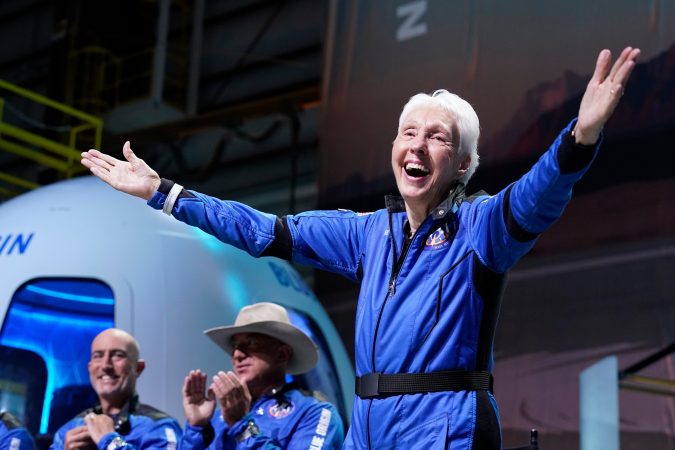
    Wally Funk, who was among the most accomplished female pilots of her time and who, at 82, became the oldest person to fly in space, achieving a goal she had set some 60 years earlier, died Wednesday at her home in Grapevine, Texas, a suburb of Dallas and Fort Worth. She was 87.

    Her death was confirmed by Mona Quintanilla, a spokesperson for the city of Grapevine.

    “Aviation has been my whole life,” Ms. Funk wrote in her 2020 memoir. “I eat it, and I breathe it.”

    In the early 1960s, she was among a group of 25 women, later reduced to 13, who were put through rigorous tests at the dawn of the Space Age to determine how women might fare in space. Ms. Funk was the only aviator in the group — which became known as the Mercury 13 — to pass all the tests.

    But seven men, known as the Mercury Seven and tested separately, were selected by NASA to be its first astronauts, because the space agency wasn’t prepared to risk sending women into space. The Mercury Seven included Alan Shepard Jr., who became the first American in space when he completed a suborbital flight in May 1961, and John Glenn, the first American to orbit Earth.

    Ms. Funk made several unsuccessful attempts to be accepted by NASA for its astronaut corps, which didn’t admit women until 1978, when she was 39. The first American woman in space was Sally Ride, a mission specialist on a shuttle flight in 1983. (The first woman in space was Valentina Tereshkova, a Russian who flew a solo mission in 1963.)

    But Ms. Funk continued to fly, taught aviation privately, and oversaw numerous investigations into air crashes, initially as the first female inspector for the Federal Aviation Administration and later for the National Transportation Safety Board.

    She owned a flying school in Taos, N.M.; piloted a twin-engine passenger plane for Sierra Pacific Airlines, based in Tucson, Ariz.; and competed in the women’s transcontinental air races known as the Powder Puff Derby. In her memoir, Higher Faster Longer, written with Loretta Hall, Ms. Funk said she had logged more than 19,000 hours of flying.

    She was inducted into the Women in Aviation International Pioneer Hall of Fame in 1995, and her name was inscribed on the Wall of Honor at the National Air and Space Museum in Washington in 2017.

    Ms. Funk, who never flew for NASA, set her age record for space travel in July 2021, when she took part in a trip that lasted 10 minutes and 19 seconds, aboard New Shepard, a rocket built by Blue Origin, the spaceflight company founded by Jeff Bezos. Bezos was a passenger on the flight, along with his brother, Mark, and a teenage physics student.

    The rocket rose above the 62-mile threshold generally regarded as the beginning of space before returning to Earth.

    “We went right on up, and I saw darkness,” Ms. Funk said at a celebratory news conference. “I was going to see the world, but we weren’t quite high enough. I loved every minute of it. I just wish it had been longer.”

    That October, William Shatner of Star Trek fame, then 90, set a record for the oldest person to fly in space. In 2024, Ed Dwight, who was also 90 but a few months older than Shatner had been, became the current record-holder.

    Mary Wallace Funk (she preferred Wally) was born in Las Vegas on Feb. 1, 1939, to Losier and Virginia Shy Funk. She grew up in Taos, where her father opened a five-and-dime store selling modestly priced items.

    “I got my first try at flying, just pure flying, by flying my Superman cape off my daddy’s barn when I was about 5 years old,” she recalled in a 1999 oral history interview with NASA.

    She landed in a pile of hay, but her fascination with flying was undiminished. “I was allowed to make airplanes out of blocks of balsa wood and hang them from my ceiling,” she said in the interview.

    “I grew up in an area where you had free spirit,” she added. “I was brought up by the Indians of a Taos pueblo, and they taught me how to fish and hunt and camp at a very early age and survive the wilderness. So I had all that going for myself, where a youngster today is in a city, in an apartment, and that’s all they know. They don’t know ocean and skiing and snow and air as I was able to know it.”

    Ms. Funk obtained a pilot’s license while attending Stephens College in Columbia, Mo., a two-year women’s school, and then enrolled at Oklahoma State University, which had a prominent flight school.

    She had a rating for piloting a glider and a seaplane by the time she was 19. Later, she recalled that there were “never any eyes raised or eyebrows raised about ‘What’s that girl doing?’”

    After graduating from Oklahoma State, she became a flight instructor at the Fort Sill, Okla., Army base before beginning her long road to spaceflight.

    Ms. Funk, who never married, has no immediate survivors.

    Before Funk’s Blue Origin flight in 2021, Tanya Harrison, a planetary scientist and director of science strategy at Planet Labs, told the New York Times: “Seeing her finally get to go into space decades after proving that she was not only capable, but perhaps more capable than the men she was essentially up against during the Mercury program is so incredible.”

    When the flight was over, Ms. Funk said she had one overriding desire: “I want to go again, fast.”

    This article originally appeared in the New York Times.

  • Louise Lasser, star of TV’s ‘Mary Hartman,’ is dead at 87

    Louise Lasser, star of TV’s ‘Mary Hartman,’ is dead at 87

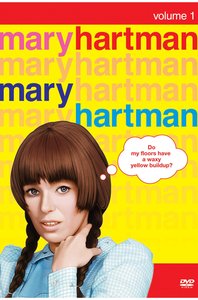
    Louise Lasser, the deadpan comedic actor who began her screen career in Woody Allen movies and became a star as the wrenchingly sympathetic title character of Mary Hartman, Mary Hartman, Norman Lear’s off-center 1970s comedy, died Monday at her home in New York City. She was 87.

    Her death was confirmed by Susan Charlotte, a friend.

    Mary Hartman, Mary Hartman was a phenomenon, a syndicated parody of midcentury soap operas that ran Mondays through Fridays after the late news in most major markets. It followed a befuddled Ohio housewife as she tried to hold herself together amid mass murders, sex scandals, and everyday consumer anxieties. She wore pigtails, puffed sleeves, and gingham (while real American women were in Dorothy Hamill bobs and designer denim); fretted about waxy yellow buildup on her kitchen floor; and was emotionally abused by her conveniently impotent blue-collar husband (Greg Mullavey).

    “She’s a survivor,” Ms. Lasser said of her put-upon character in a 1976 interview with the New York Times. “But that makes me sad. Because she’s a survivor in a world I wonder if it’s worth surviving in.” (The character did eventually have a nervous breakdown.)

    Articles about the series proliferated, and Ms. Lasser — somehow simultaneously neurotic and girlish — appeared on the covers of major magazines, including People, Newsweek, Ms., and Rolling Stone. The show ran only a year and a half, from January 1976 to July 1977, but that was 325 episodes.

    Louise Lasser was born in New York City on April 11, 1939, the only child of Sol Jay Lasser, a tax accountant and author, and Paula (Eisenreich) Lasser, a designer. (Louise had no middle name but later chose one: Jane.)

    She spent her childhood in the city’s Bronx borough, where she attended Fieldston, a prestigious private school. At Brandeis University, she majored in political science but also appeared in shows that friends wrote. She dropped out during her senior year and began acting lessons with Sanford Meisner.

    Living with her parents in Manhattan, she worked in theater and cabaret, and appeared in television commercials, notably for NyQuil and Excedrin. She was the first actress to win a Clio Award, the advertising industry’s highest honor. In 1962, she understudied a rising star, 20-year-old Barbra Streisand, in the Broadway musical I Can Get It for You Wholesale, and briefly took over the role when Streisand left.

    She met Allen on a double date — he was with the other woman — and made her screen debut in The Laughmakers, a 1962 pilot he wrote. Set at a comedy club, it never became a series but was broadcast as a special. The two began dating and married in 1966.

    After an uncredited part as a masseuse in the Peter Sellers comedy What’s New Pussycat? (1965), written by Allen, and a voice-over in What’s Up, Tiger Lily? (1966), Allen’s directorial debut, Ms. Lasser had full-fledged roles — with character names and screen time — in Allen’s next three auteur efforts, which he wrote, directed, and starred in.

    In Take the Money and Run (1969), she was a bank robber’s neighbor, impressed by his fame. In Bananas (1971), she was the hero’s activist girlfriend who drops him because he shows no political leadership skills. The next year, in Everything You Always Wanted to Know About Sex (But Were Afraid to Ask), she played a woman who could achieve orgasm only in public. In the middle of all that filmmaking, in 1970, the Allens divorced.

    Ms. Lasser spent a few years doing guest roles on sitcoms (The Mary Tyler Moore Show, The Bob Newhart Show) and drama series (Medical Center, McCloud) and television movies like Coffee, Tea or Me? (1973), a comedy about a flight attendant. Then Lear called.

    Critics, including John J. O’Connor of the Times, were initially skeptical of Mary Hartman. But O’Connor admitted, in a January 1976 preview article, that Ms. Lasser had “an uncanny ability to touch as well as tickle.”

    In May that year, Ms. Lasser was charged with cocaine possession in a highly publicized case that began at an antiques store where she was shopping. In her tote bag, police officers found 80 milligrams of the drug, which she always contended was a fan’s gift she had forgotten about. She received six months’ probation on the condition that she continue seeing her psychiatrist.

    That July, when she hosted Saturday Night Live, drugs and breakdowns were the comic topics. Viewers had trouble telling whether some skits were scripted or were showing a desperate performer crumbling in front of a nationwide audience. The episode was long kept out of reruns.

    Ms. Lasser stayed busy, writing and starring with Charles Grodin in Just Me and You (1978), a television movie about two strangers driving cross-country, and doing one season (1981-82) of It’s a Living, a sitcom about servers.

    She appeared in Allen’s Stardust Memories (1980), in a cameo as his secretary; Todd Solondz’s film Happiness (1998), for which the ensemble cast won a National Board of Review award; and Darren Aronofsky’s Requiem for a Dream (2000). And she taught acting in New York.

    She appeared in three episodes of HBO’s Girls (2014-15), playing an elderly artist who has been rediscovered. But she always said her favorite project was a part in The Lie, a 1971 BBC movie written by Ingmar Bergman. Its American broadcast won three Emmys.

    She is survived by her longtime partner, Michael Citriniti.

    The Mary Hartman questions never ended. Asked in 2013 if there had been a withdrawal period after the show’s end, Ms. Lasser told Interview magazine, “I’m still withdrawing.”

    That same year, she assured the website The Toast that Mary never felt like an outsider. Then how did you explain this small-town Midwesterner’s decided New York accent?

    “You don’t,” Lasser said, adding: “It’s a typical existential dilemma to try to make sense of something that has no sense. I think that’s what makes it work.”

    This article originally appeared in the New York Times.

  • Leonard Abramson, founder of U.S. Healthcare and prolific philanthropist, has died at 93

    Leonard Abramson, founder of U.S. Healthcare and prolific philanthropist, has died at 93

    Leonard Abramson, 93, of Jupiter, Fla., a former pharmacist, founder, chair, and chief executive officer of U.S. Healthcare Inc., author, trustee emeritus at Johns Hopkins University, and one of the world’s most generous cancer research and clinical care philanthropists, died Saturday, July 4, of age-associated decline at his home in Blue Bell, Montgomery County.

    Born and reared in the Strawberry Mansion section of Philadelphia, Mr. Abramson earned degrees at Pennsylvania State University and the old Philadelphia College of Pharmacy. He worked as a pharmaceutical salesperson, pharmacist, and hospital management executive in the 1960s, founded U.S. Healthcare in 1975, and nurtured the company into one of the country’s first and largest health maintenance organizations.

    “Abramson accurately predicted the need for prepaid medical plans to manage spiraling medical spending in the ’60s and ’70s and founded U.S. Healthcare to capitalize on this opportunity,” officials at Harvard Business School said when they named him one of their Great American Business Leaders of the 20th Century.

    Under Mr. Abramson, U.S. Healthcare was known for promoting childhood immunizations, mammograms for older women, reduced fees to specialists, and shorter hospital stays. He championed strict standards and accountability for medical professionals, and criticized those who abused a healthcare system then rife with loopholes.

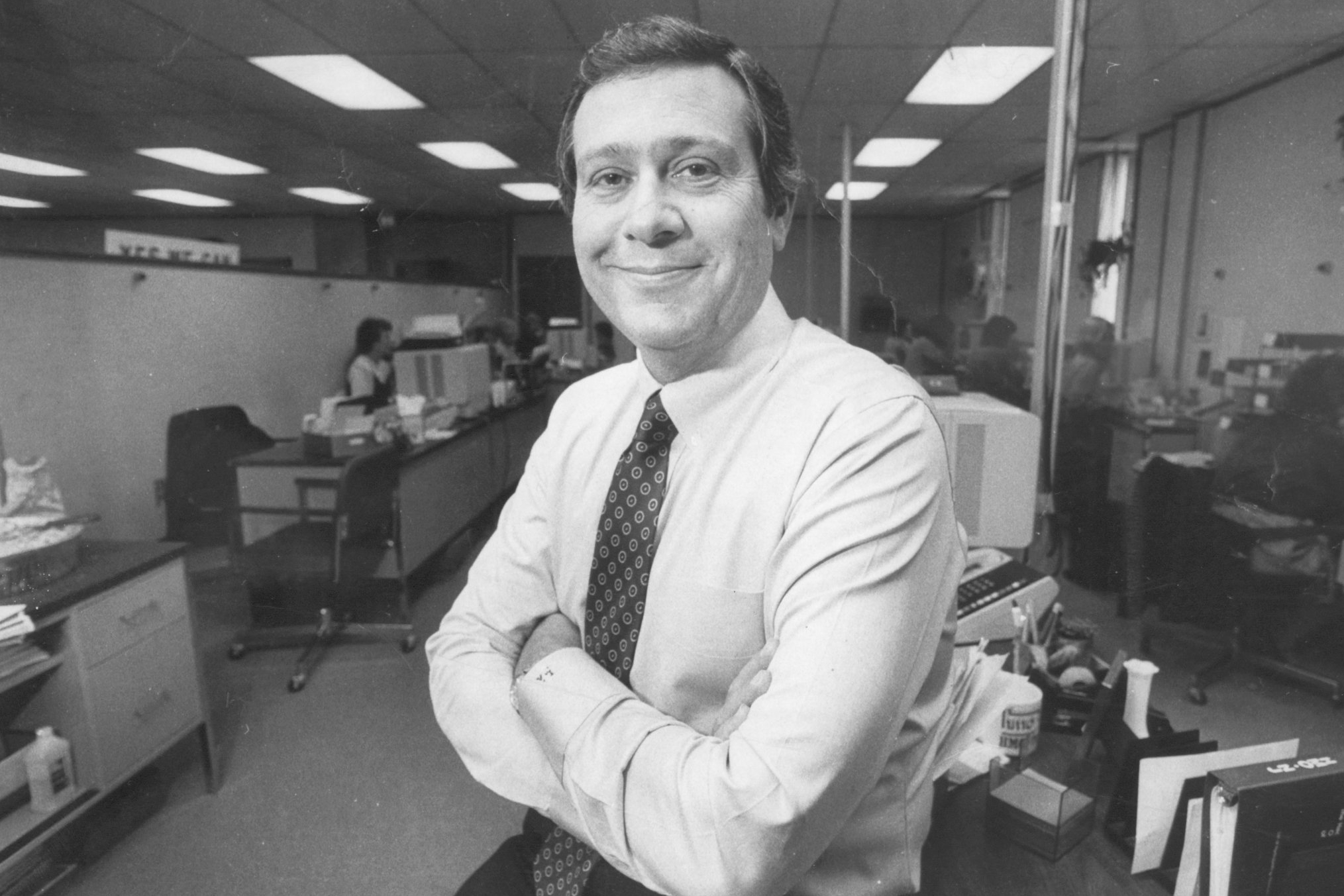
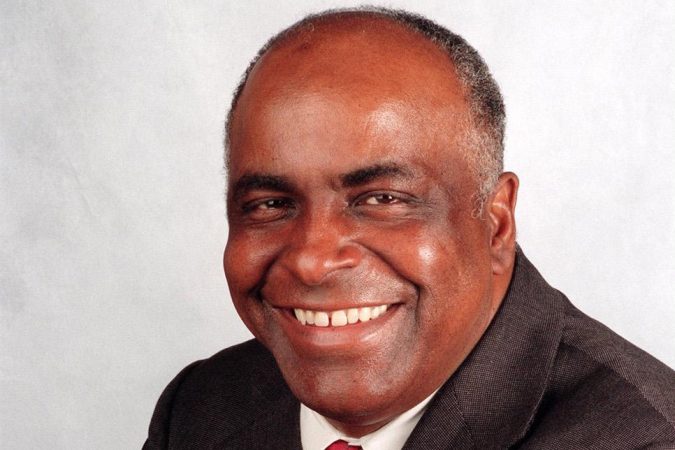
    Mr. Abramson “was a brilliant man whose leadership and vision made the company truly exceptional,” a former colleague at U.S. Healthcare said in a tribute.Larry Price / Staff Photographer

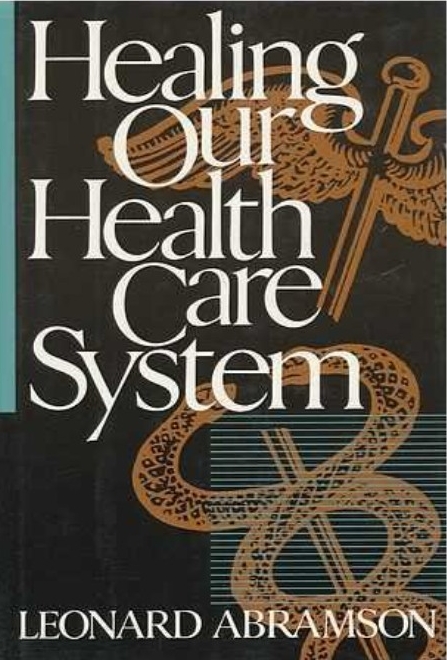
    He wrote Healing Our Health Care System in 1990, and told The Inquirer: “If industry leaders know there are solutions, they’re going to call for them. Innovation leads to emulation.” In 1996, he sold U.S. Healthcare to Aetna Life & Casualty Co. for $8.9 billion, established the Abramson Group, and consulted for Aetna and other companies.

    “He was a brilliant man whose leadership and vision made the company truly exceptional,” a former colleague at U.S. Healthcare said in a tribute. Another said: “He encouraged a commitment to customer service that stayed with me throughout my career.”

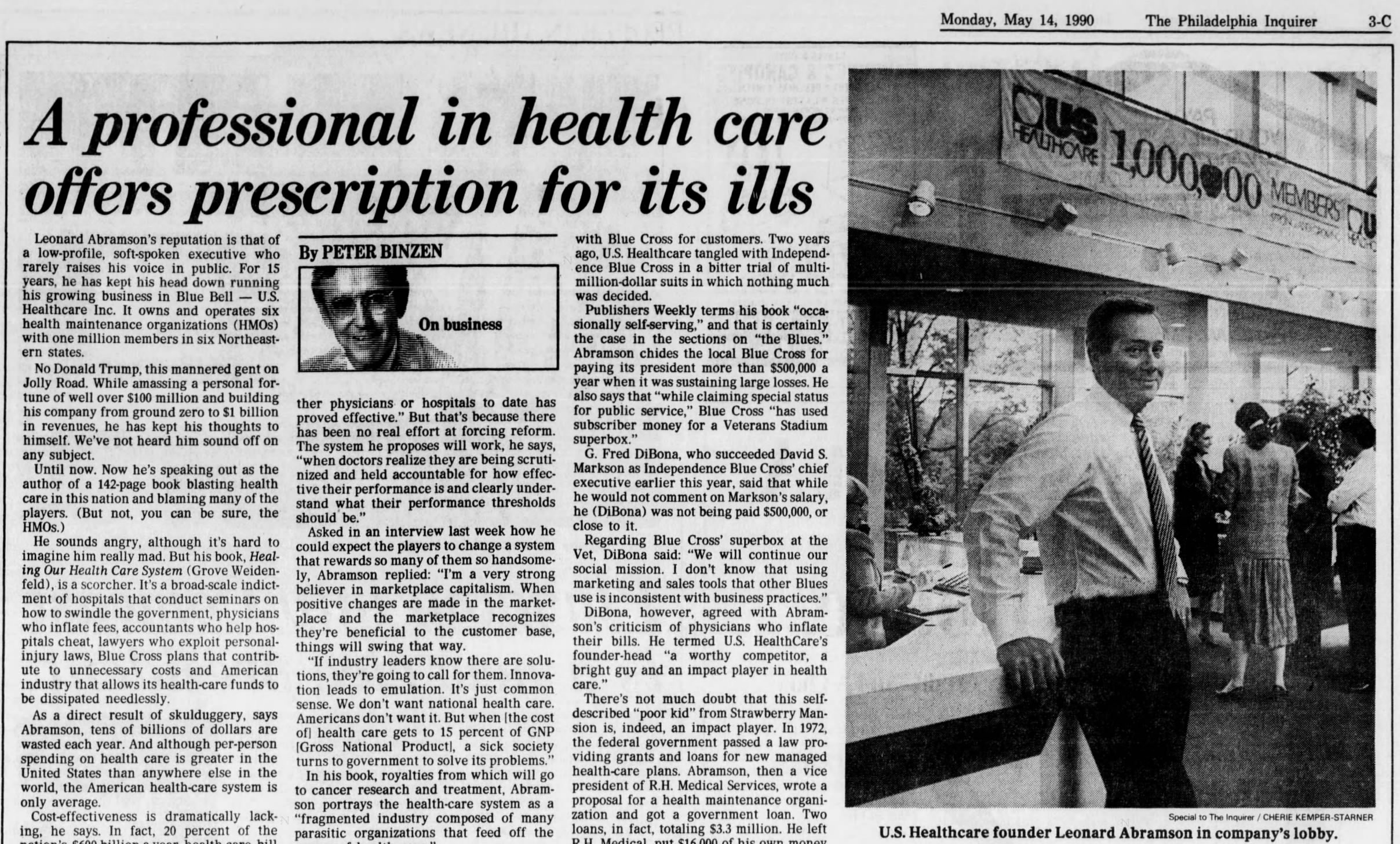
    Routinely one of the highest-paid CEOs in the Philadelphia region, Mr. Abramson was a “low-profile, soft-spoken executive who rarely raised his voice in public,” Inquirer business writer Peter Binzen said in 1990. A former colleague at U.S. Healthcare said: “I never worked for a better man.”

    As a philanthropist, Mr. Abramson and his wife, Madlyn, established the Leonard and Madlyn Abramson Family Foundation in 1996 and donated more than $140 million to the University of Pennsylvania’s Perelman School of Medicine and the Penn Medicine network. In 2002, Penn Medicine renamed its main cancer facility in University City the Abramson Cancer Center.

    This article and photo of Mr. Abramson appeared in The Inquirer in 1990.Newspapers.com

    In a tribute, officials at Penn said he “touched countless lives across the world through his generosity, compassion, and leadership.”

    Mr. Abramson and his wife also funded the Madlyn and Leonard Abramson Professorship in Clinical Oncology at Perelman, the Abramson Family Cancer Research Institute, the Abramson Family Professorship in Sarcoma Care Excellence, and the Abramson Family Professorship in Anesthesiology.

    At Children’s Hospital of Philadelphia, they supported the Leonard and Madlyn Abramson Pediatric Research Center and a pediatric emergency department at CHOP’s hospital in King of Prussia. In 2013, they donated $10 million to fund scholarships at the Temple University dental school.

    They also financed the Madlyn and Leonard Abramson Center for Jewish Life senior living center in North Wales, Abramson Senior Care in Jenkintown, the Abramson Senior Care Foundation, and other groups. At Johns Hopkins in Baltimore, they endowed a professorship in neurodegenerative diseases.

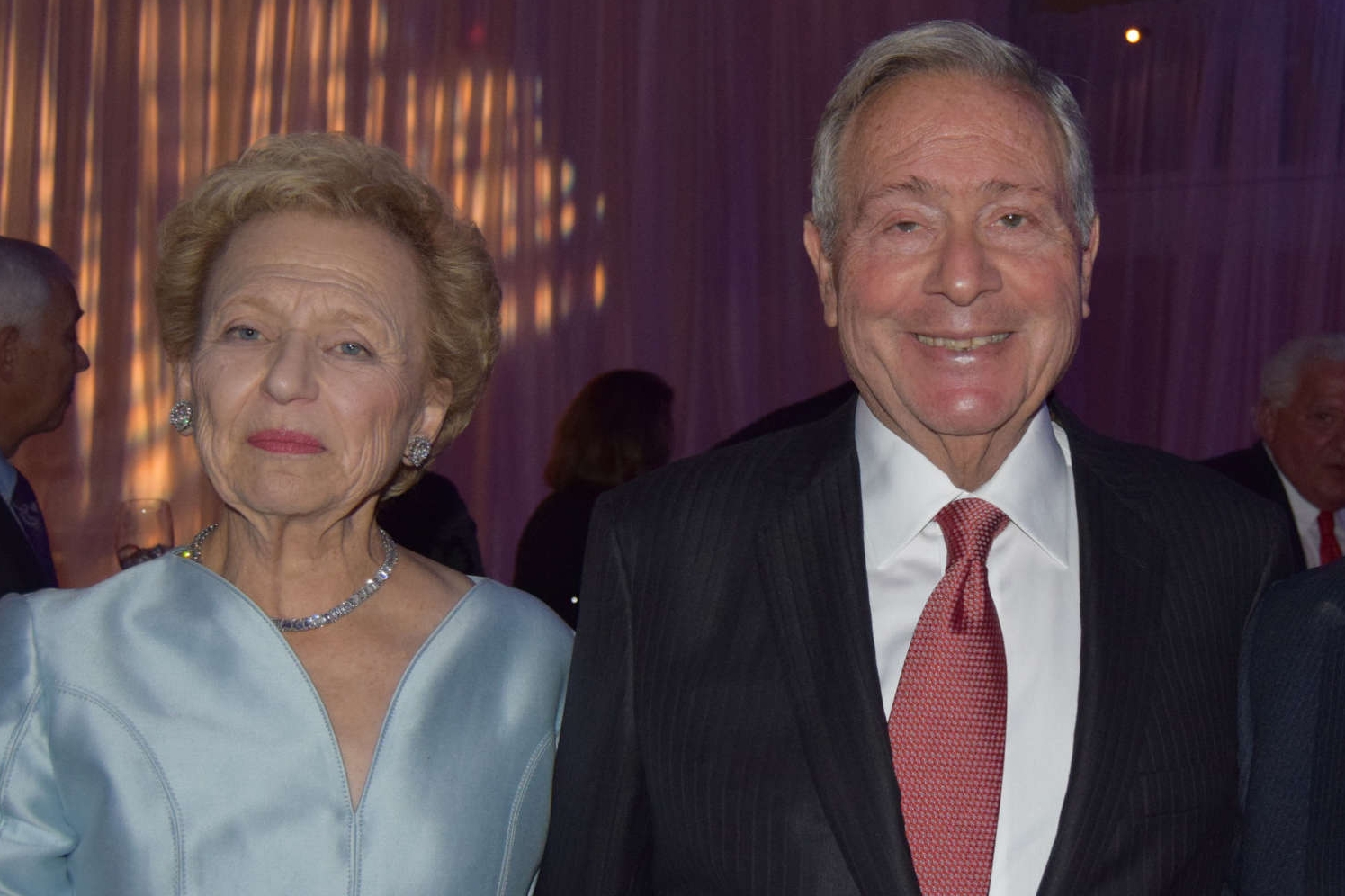
    Mr. Abramson and his wife, Madlyn, married in 1957.

    Mr. Abramson’s wife, a cancer survivor, died in 2020, and he donated $10 million in 2021 to establish an endowed chair of cardiac surgery in her honor at Jupiter Medical Center in Florida. He was an honorary trustee for the Brookings Institution, trustee emeritus for Johns Hopkins, board member for many organizations, and a supporter of Project HOME for affordable housing.

    Friends and former colleagues called him a “caring humanitarian,” “a class act,” and “a visionary” in online tributes. One longtime friend said: “Leonard’s kindness and generosity made a difference in the lives of countless individuals.”

    Leonard Abramson was born Nov. 12, 1932. He graduated from Northeast High School and drove a cab to help pay his way through pharmacy school.

    “Not too many people started off with less than I did,” he told Forbes magazine in 1994.

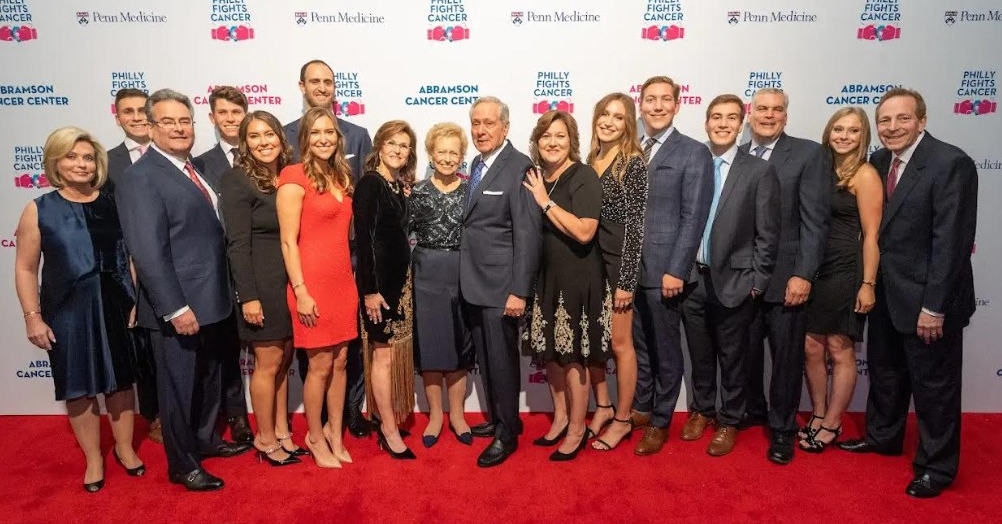
    Mr. Abramson (center) enjoyed time with family and friends. Courtesy of the family

    He met Madlyn Kornberg in college through a mutual friend, and they married in 1957. They had daughters Marcy, Nancy, and Judy, and lived in Blue Bell, Jupiter, Fla., and Camden, Maine.

    Mr. Abramson enjoyed boating, golf, and painting. “He was multifaceted,” his daughter Judy said. His daughter Nancy said: “He was extremely family oriented.”

    He told The Inquirer in 1990: “I’ll never retire.” He never really did.

    In addition to his daughters, Mr. Abramson is survived by nine grandchildren, two great-grandchildren, and other relatives.

    This book by Mr. Abramson was published in 1990.Leonard Abramson

    A memorial service is to be held later.

    Donations in his name may be made to the Abramson Cancer Center at the Hospital of the University of Pennsylvania, 3535 Market St., Suite 750, Philadelphia, Pa. 19104, and Philly Fights Cancer, Box 9, Wynnewood, Pa. 19096.

  • Richard H. Glanton, longtime lawyer, business entrepreneur, and innovative former president of the Barnes Foundation, has died at 79

    Richard H. Glanton, longtime lawyer, business entrepreneur, and innovative former president of the Barnes Foundation, has died at 79

    Richard H. Glanton, 79, formerly of Philadelphia, longtime lawyer, onetime executive deputy counsel to former Gov. Dick Thornburgh, business entrepreneur, former Lincoln University trustee, and innovative former president of the Barnes Foundation, died Sunday, June 21, of a heart attack at his home in Princeton.

    Born and reared in rural Georgia and one of the first Black graduates of what is now the University of West Georgia, Mr. Glanton went on to become a prominent Philadelphia lawyer, state government policy and administration expert, corporate vice president, and indefatigable president of the Barnes Foundation’s collection of Impressionist, post-Impressionist, and modern art.

    He was elected president of the Barnes Foundation in 1990, served until 1998, and championed a series of controversial initiatives to finance extensive gallery renovations and the operation of its art collection and related educational programs. To raise the money, he suggested, among other things, selling 15 of the collection’s hundreds of paintings, charging million-dollar fees for a worldwide lending tour of 83 paintings, extending visiting hours, increasing admission, building a new parking lot, selling a coffee-table catalog, and renting out its art studios.

    All of his ideas, several of which did not materialize, drew supporters and critics, and Mr. Glanton, also a Barnes trustee, spoke often of his policy discussions with other Barnes officials, art experts around the world, politicians, and neighbors of the foundation building in Lower Merion Township. In 1990, he told The Inquirer: “I never purported to know anything about art. But I can lead.”

    His most successful project turned out to be a two-year world lending tour of 83 foundation paintings that raised about $20 million and drew raves from museum leaders in Washington, Paris, Tokyo, Fort Worth, Toronto, and Philadelphia. The exhibition in Paris drew a then-record 1.5 million visitors, and Mr. Glanton was feted at every stop.

    “Richard is somebody who started out by wanting to do something good and important and substantial, and persevered to do it despite a great deal of criticism,” Glenn D. Lowry, then director of the Art Gallery of Ontario, told The Inquirer in 1995.

    Some critics said Mr. Glanton and others valued the foundation’s commercial success over its original educational role and what The Inquirer’s Edward J. Sozanski called “the Barnes mystique.” When the lending tour ended at the Philadelphia Museum of Art in 1995, Mr. Glanton told The Inquirer: “I never realized or understood that it could be controversial to make available to the public a collection that is a public trust.

    “But I think if you think something’s right, you should do it, whether or not people disagree, and whether it is popular or not. … You have to think not only in terms of your lifetime, but in 100 years, 1,000 years. And when you do, these little slings and arrows don’t really matter that much.”

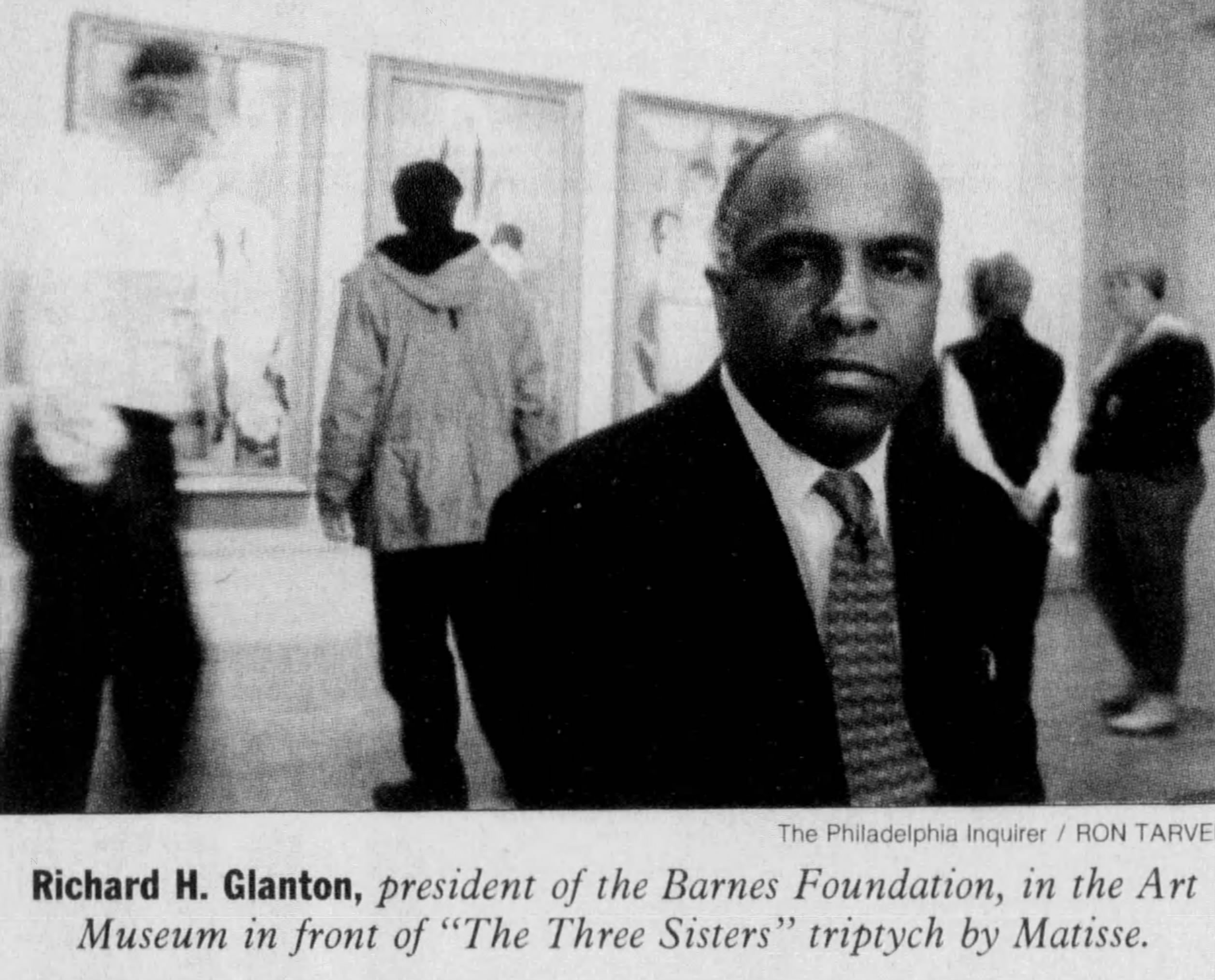
    A story and this photo of Mr. Glanton appeared in The Inquirer in 1995.Newspapers.com

    Mr. Glanton was executive deputy counsel to Gov. Thornburgh from 1979 to 1983, and he met often with constituents and helped fill judicial vacancies. “Richard is a political animal,” Ted Pillsbury, then director of the Kimbell Art Museum in Fort Worth, told The Inquirer in 1995. “He understands politics. He understands what makes politics work, and he understands people. And he does not take certain things personally.”

    Mr. Glanton earned his law degree at the University of Virginia School of Law in 1972 and spent several years with the Equal Employment Opportunity Commission, United Airlines, and other companies. In Philadelphia, he represented politicians and other notable clients, and specialized in energy, insurance, and real estate cases for firms known now as WolfBlock and Reed Smith.

    He was also senior vice president of corporate development at Exelon Corp., founder of a local TV station, social media company, and consulting firm, and board member at Aqua America, the Morris Arboretum, Children’s Hospital of Philadelphia, and other groups. He ended a workplace sexual harassment suit with a private settlement in the early 1990s and had public policy spats with local government officials and former Lincoln president Niara Sudarkasa.

    He considered running for mayor in 1995. Former Gov. Ed Rendell said: “He was exceptionally bright, courageous, and never afraid to challenge the status quo in pursuit of what he believed was right.”

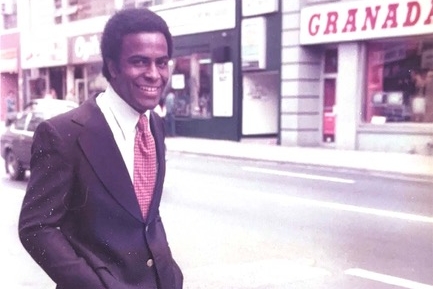
    Mr. Glanton was at home in a suit jacket and tie.Courtesy of the family

    One of 11 children, Richard Howard Glanton was born Nov. 21, 1946. He was reared in rural Villa Rica, Ga., did not start school until the fourth grade, and worked with his siblings for years on the family farm.

    He earned a bachelor’s degree in English and, in 2005, was awarded an honorary doctorate from West Georgia. He married Scheryl Williams, and they had a daughter, Morgan, and a son, David.

    After a divorce, he married Eileen Candia, and they had a daughter, Georgia. They lived in Philadelphia and Chicago, and moved to Princeton in 2009.

    Mr. Glanton was a doting father, his family said. He taught his children to ride bikes and read Shakespeare. “He taught me that there was no room in which I didn’t belong or couldn’t strive to enter,” his daughter Morgan said. “I love him for that.”

    Mr. Glanton was an avid reader and golfer.Courtesy of the family

    Nearly everyone he met remembered his laugh and perpetual suit jacket and tie. He played golf, was an avid reader, and would talk politics for hours.

    “He was fearless in his conviction to do what he believed was necessary and proper to achieve his goals and provide for his family,” his son said. His wife said: “He was kind and generous. He made everyone he spoke to feel special. He was always bringing you in.”

    In addition to his wife, children, and former wife, Mr. Glanton is survived by two sisters, four brothers, and other relatives. One sister and four brothers died earlier.

    Memorial services are to be held at noon Saturday, July 18, at Pleasant Hill United Methodist Church, 119 Thomas Dorsey Dr., Villa Rica, Ga. 30180, and at 11 a.m. Friday, Sept. 18, at the Union League, 140 S. Broad St., Philadelphia, Pa. 19102.

    Donations in his name may be made to the University of Virginia Law School Foundation’s Elaine R. Jones Scholarship, 580 Massie Rd., Charlottesville, Va. 22903.

    Mr. Glanton (left) enjoyed working on projects.Courtesy of the family