Category: Philadelphia News

  • Prosecutors have gun tied to off-duty police officer killing, but investigation could take months, DA says

    Prosecutors have gun tied to off-duty police officer killing, but investigation could take months, DA says

    Investigators are in possession of a gun they believe was used in the killing of an off-duty Philadelphia police officer in Southwest Philadelphia and are interviewing the man accused of firing the fatal shots, authorities said.

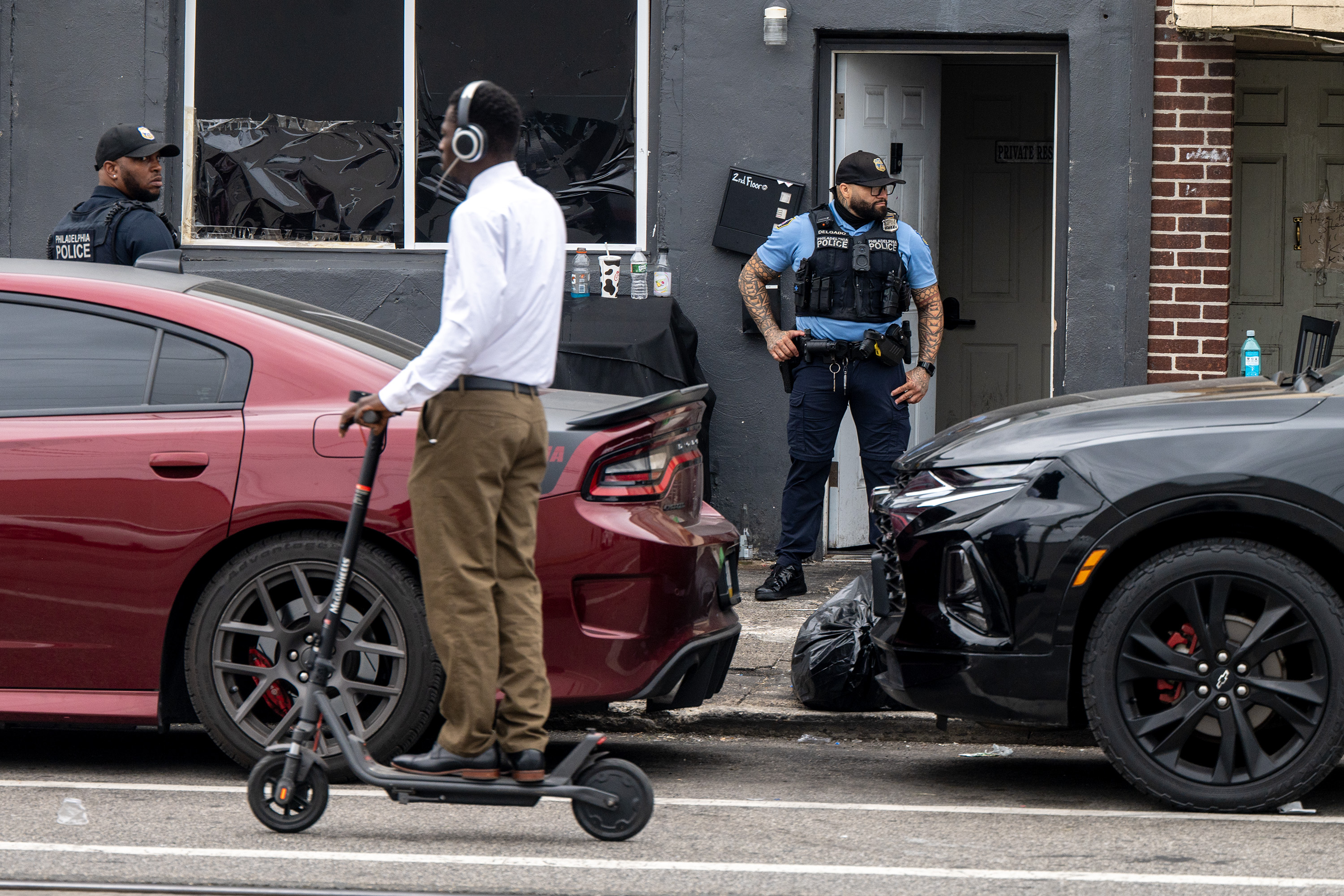
    District Attorney Larry Krasner offered those details Thursday as he gave updates on the investigation into the death of the officer, 29-year-old Alhassane Barry, outside an unlicensed speakeasy in the early morning hours of Aug. 16.

    Surveillance video shows Barry, a two-year veteran of the force, and the shooting suspect exchanging words outside the after-hours hookah bar just before 4 a.m. before a third man punches the suspect.

    The altercation then spills off-camera, resuming when Barry staggers back into the frame bleeding from gunshot wounds to his abdomen. Another person, a 35-year-old man, was also injured in the gunfire and is recovering in the hospital.

    Krasner said during a news conference that investigators have identified the shooting suspect and that prosecutors are speaking with the man and his attorney to learn more about the nature of his role in the deadly encounter.

    But police have yet to recommend charges to prosecutors, and Krasner said it could take up to two months for investigators to complete their review and determine what charges would be necessary.

    Part of that process includes medical testing and further interviews with witnesses, Krasner said. Investigators also recovered footage of the shooting from multiple camera angles, though a sign blocks a camera angle depicting the moments immediately before shots were fired, complicating the review, according to the district attorney.

    The updates came after two law enforcement sources told The Inquirer that self-defense had become part of the discussion about whether charges would be appropriate.

    Asked whether the gunman told investigators he had acted in self-defense, Krasner declined to comment. But he said self-defense is “one of the issues under consideration” by investigators.

    The shooter “does not dispute that he had a gun” or “that he fired,” Krasner said.

    Rather, the man’s version of events “requires additional investigation,” he said.

    Prosecutors are also working with police to authenticate whether a firearm handed over by the shooting suspect during discussions was the gun used to kill Barry, according to Krasner.

    Meanwhile, the district attorney vowed to fight to shut down the unlicensed club where the incident began, saying that Nipsey’s Hookah Lounge was a nuisance to neighbors and that it may be connected to at least one other death.

    In July, a 29-year-old woman getting out of a rideshare was struck and killed in a hit-and-run crash on the same block of Elmwood Avenue as Nipsey’s around 3:30 a.m.

    The property has a history of violations with the city’s licenses and inspections office and was not permitted to operate as an after-hours club, The Inquirer learned.

    In the wake of Barry’s killing, the district attorney’s office has filed a motion to shut down the business, Krasner said. A court hearing on the matter is expected early next month.

  • Dolly Parton’s program provides free books for children in Philly region

    Dolly Parton’s program provides free books for children in Philly region

    Dolly Parton’s literacy program, Imagination Library, has provided nearly 800 children with free monthly books mailed to their homes in West Philadelphia.

    In Montgomery County, around 3,500 children have been served in the Norristown and Pottstown areas since 2023, thanks to Parton’s program.

    With the news of Parton’s death on Tuesday, there was sadness among the affiliates of her global effort to promote a love of reading among children, but they expected to continue the program and hopefully expand it in Pennsylvania.

    “We don’t anticipate any changes to the program,” said Jennifer Leith, executive director of the West Philadelphia Alliance for Children (WePAC).

    Imagination Library, which Parton started in 1995 in Tennessee, provides deeply discounted books that are mailed each month to any child in a given zip code whose parent or guardian applies to participate. Governments and nonprofits provide funding to cover the remaining costs of the program, which is available for children from birth to age 5.

    The Dollywood Foundation said in a recent fact sheet that it has delivered more than 300 million books to children in the United States, Canada, the United Kingdom, Australia, and Ireland.

    WePAC started with one zip code, 19104, in July 2024, then expanded to include four more zip codes in July 2025, Leith said.

    “In that time, literally thousands of books have been delivered to West Philadelphia children,” Leith said.

    “Anyone from any income level, from any background, can participate,” said Eliza Brumbaugh, executive director of the Literacy Council of Norristown, which helps to run the program, with assistance from the Justamere Foundation, in Montgomery County.

    Brumbaugh and others would like to see the program expanded statewide in Pennsylvania, similar to what has been done in Delaware.

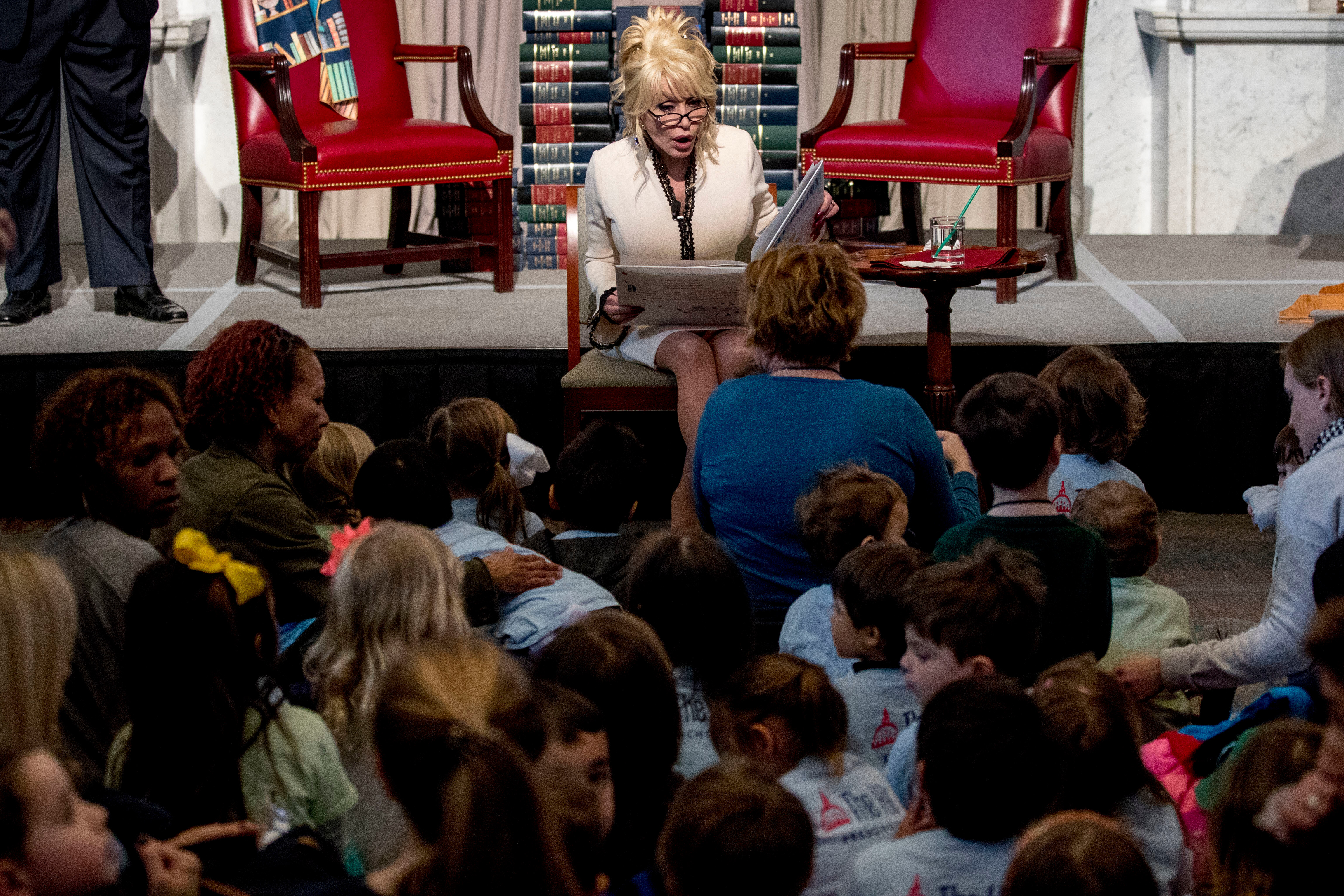
    Dolly Parton performed at the Wilmington Public Library in Wilmington in 2022.JOSÉ F. MORENO / Staff Photographer

    Lawmakers have proposed legislation in Pennsylvania’s Senate and House to establish a statewide program similar to the Imagination Library.

    Leith said “it would be great” if Mayor Cherelle L. Parker or Gov. Josh Shapiro “decided to do this in honor of Dolly Parton’s legacy.”

    In Delaware County, The Community’s Foundation has provided books from the Imagination Library program to more than 140 children in Eddystone since 2024, said Dierdre Woody Konar, president of the nonprofit.

    “The Dolly Parton Imagination Library has shared with TCF and their other partners that they have prepared carefully for this day and for the future of the Imagination Library,” Konar said in an email Wednesday morning.

    “TCF is incredibly sad to hear of Dolly’s passing, and we look forward to continuing this important work,” Konar said.

    Foundations Inc., a national education nonprofit based in Mount Laurel, ran the first Imagination Library program in Philadelphia for five years, helping to provide books to children in North Philly’s 19133 zip code.

    “It was pretty much a book desert,” Casey Jones, executive director of marketing and communications for Foundations, said of the zip code before the program started.

    Through Parton’s program, Foundations was able to deliver around 27,000 books to children in that one zip code until the five-year commitment was completed at the end of 2025, said Rhonda H. Lauer, CEO and president of Foundations.

    Lauer met Parton when Foundations gave the legendary performer and philanthropist its 2020 “Champion of Children” award.

    “We went to Dollywood to present it to her in person,” Lauer recalled, saying she had several in-depth conversations with Parton about life and family and the program.

    In the end, Lauer said, “all she cared about was getting books in the hands of children.”

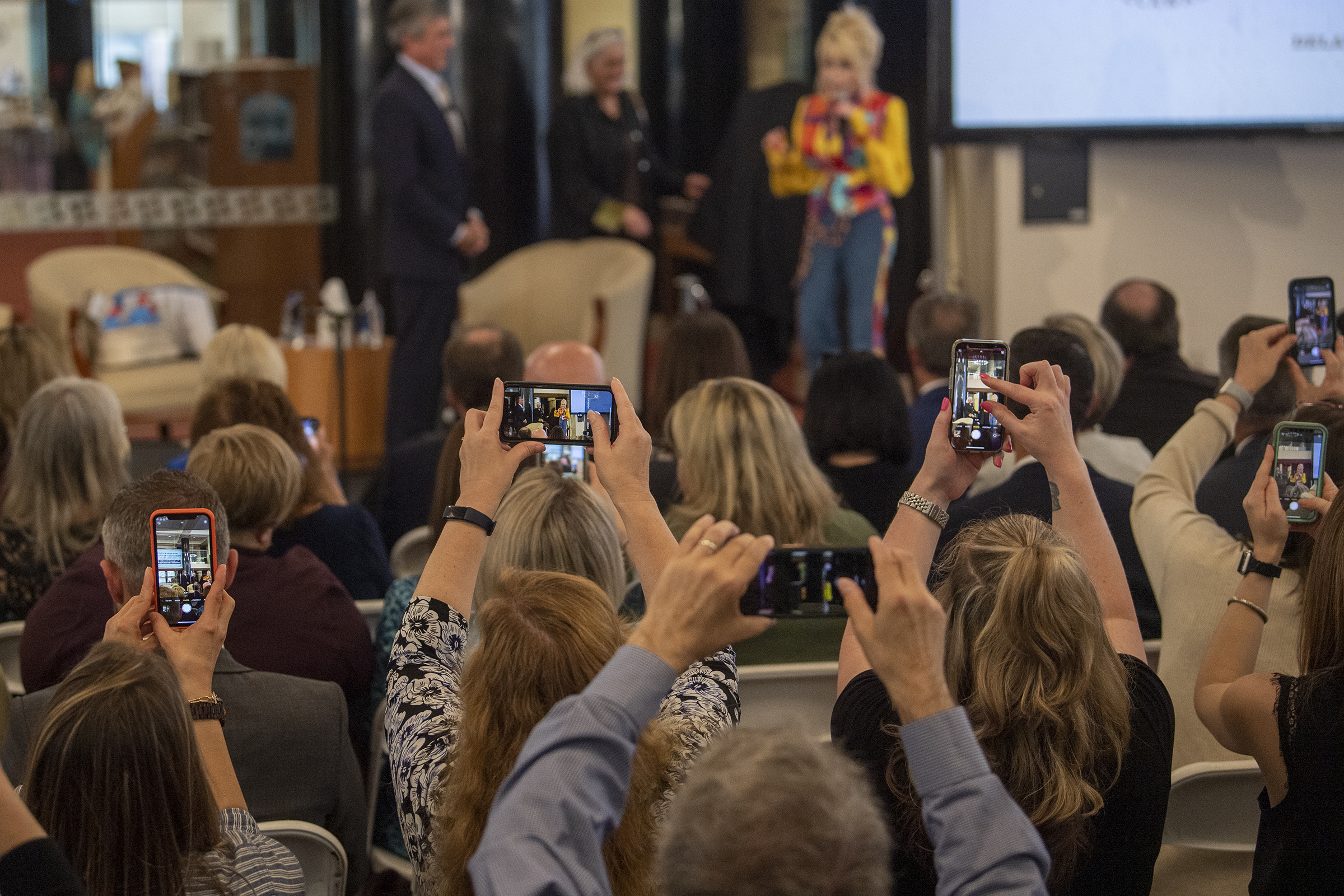
    People take phone photos as Dolly Parton performed at the Wilmington Public Library, in 2022. She promoted her Imagination Library, a free book gifting program for children.JOSÉ F. MORENO / Staff Photographer
  • Pew gives $1.15 million for a greening program in Nicetown and Tioga

    Pew gives $1.15 million for a greening program in Nicetown and Tioga

    The Pew Charitable Trusts has awarded $1.15 million over the next four years to the Pennsylvania Horticultural Society to support the next phase of its greening plan in Philadelphia’s Nicetown and Tioga neighborhoods.

    The grant will continue funding the horticultural project, including placing more plants, trees, and flowers, and programs aimed at building community connections. Those initiatives will include front porch beautification, adding solar lighting, signage, fence improvements, and more in the neighborhoods.

    The funding will also be used to study outcomes from the greening plan, and to continue collecting resident feedback.

    L-R: Marilyn Berry, Shirley Anderson, and Dr. Renae Norris-Jones relax in the park. Gardeners and community members came out to a unity dinner at Tioga Hope Park and Garden to celebrate green space and push the city’s agricultural plan.Charles Fox / Staff Photographer

    “We believe that Philadelphians need to be able to meet their basic needs, feel safe in their neighborhoods, and have access to public and community spaces and cultural enrichment. Only when these needs are met can people begin to think about gaining skills and finding quality jobs that lead to economic advancement,” said Donna Frisby-Greenwood, Pew’s senior vice president for Philadelphia and scientific advancement in a statement.

    PHS president and CEO Matt Rader said the greening plan began in earnest about a decade ago, when the nonprofit shifted its focus toward using horticulture to influence well-being.

    “Our core thesis, our core strategy as an institution, is to put horticulture to work to transform the social determinants of health, so that everybody yields a healthier life,” he said.

    After researching which Philadelphia neighborhoods could benefit most from a greening plan, in 2019 PHS connected with Nicetown and Tioga residents who were enthusiastic about greening. PHS and community groups Nicetown CDC and Tioga United then collectively engaged with more than 400 residents. Those residents identified reducing trash and crime in the neighborhood and increasing access to healthy food and job opportunities as priorities.

    The groups developed a plan based on how greening could address those concerns. Beginning in 2022, they focused on cleaning and greening vacant lots, restoring the neighborhood tree canopy, supporting residents’ gardening and beautification efforts on their blocks, helping residents get green jobs, and mobilizing neighbors and local businesses to build healthy food access.

    “It’s not really about [greening]. It’s about how it changes the social, economic, and social environment of the neighborhood,” Rader said. He gave the example of the program’s curbside appeal challenge, which was a contest for residents to develop the best gardens and porches in front of their homes.

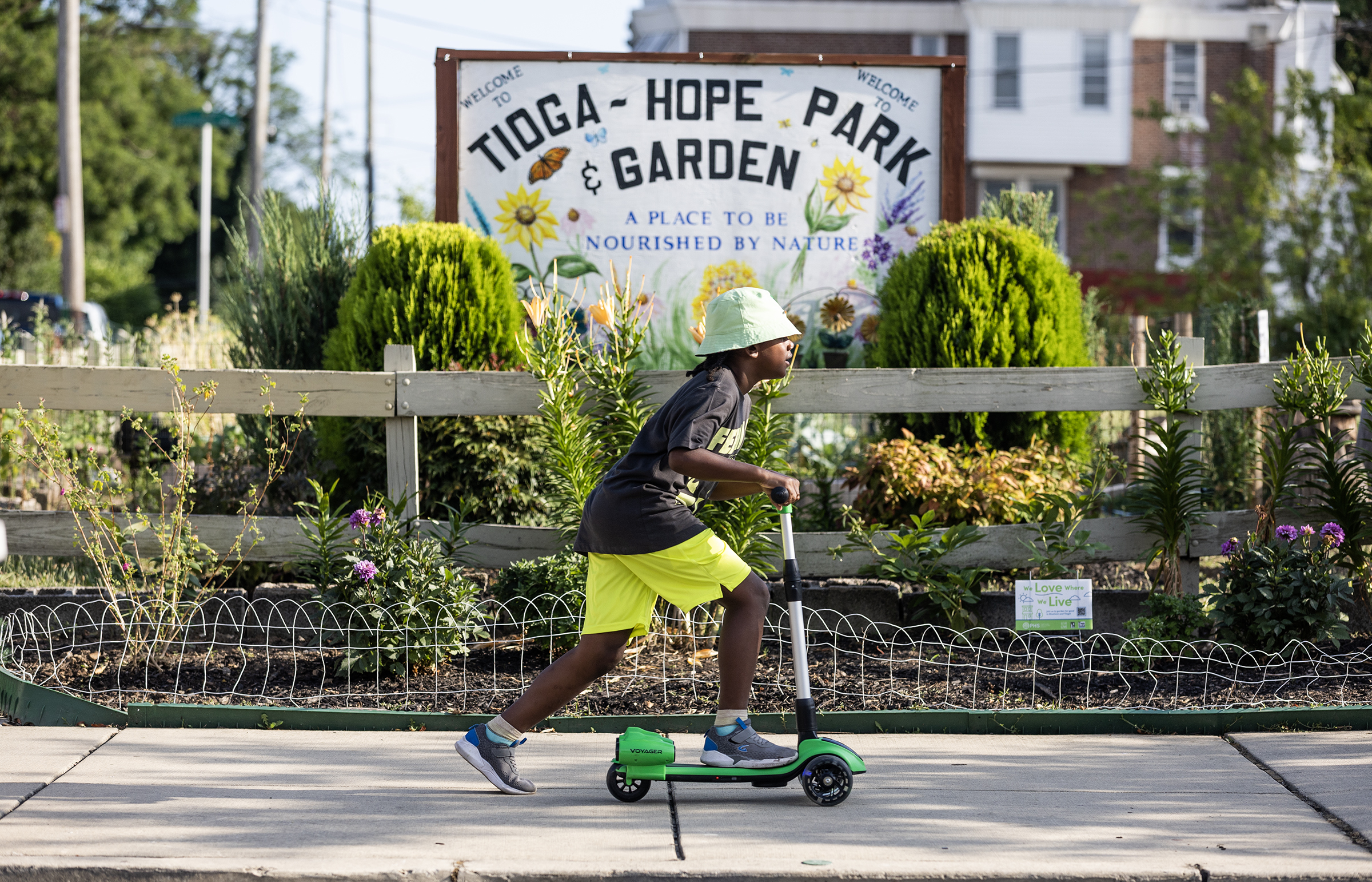
    Dhavon Thomas goes by the Tioga Hope Park and Garden sign on his scooter on June 28, 2024Charles Fox / Staff Photographer

    “You have whole blocks that have organized themselves by participating. … You have people that have gotten to know each other across the neighborhood by trading ideas,” he said. “… It really has helped build a social fabric around gardening and greening.”

    Pew and PHS’s strategy is informed by research that suggests greening and connective programming can have wide-ranging benefits, from reducing violence to improving neighborhood mental health and sense of community. A 2018 University of Pennsylvania study found a 29% reduction in gun violence in Philadelphia neighborhoods below the poverty line where vacant land was restored or greened.

    Rader said it was critical to build sustainability and longevity for the social and greening impacts. Far too often, he said, nonprofit programming drives positive change that gets eroded as the formal programs end and the funding stops.

    “We approach this as a long-term investment in Nicetown and Tioga, to support the residents there to do what they want,” he said.

    Estelle Vaughn, 63, lives in the same Tioga home her parents carried her into as a baby. Her mother and their neighbors always maintained some kind of garden along West Tioga Street, but she never got very involved herself until her son was playing baseball at a field across the street, where she noticed there were some underutilized garden planters.

    “I’m kind of fidgety, so I was like, well, we got to make this park look good,” she said, and began planting flowers.

    Two youngsters pick berries off of a bush in the Tioga Hope Park and Garden on June 28, 2024.Charles Fox / Staff Photographer

    Now, she is a member of the Green Team, the community-led steering committee for the greening plan, and an avid gardener. Vaughn said the horticultural society has “been our saviors.” She has appreciated the organization’s willingness to let residents’ concerns drive the plan strategy, particularly since she said she recalls visiting the beautiful horticultural work at the Philadelphia Flower Show over the years, but not feeling like that was something for neighborhoods like hers.

    The program has already made positive changes in Tioga, Vaughn said. When PHS hands out new flowers, pots, and soil, her neighbors are so excited “they’re like children,” she said. When Canadian wildfires worsened Philadelphia’s air quality earlier this year, Vaughn went out into the Tioga Hope Park and Garden that was a focus of the first phase of the plan, and said the air felt cooler and cleaner.

    “I think that people are just generally happier … it brings our communities together,” she said.

  • Victory Brewing’s Parkway taproom closed after failed health inspection

    Victory Brewing’s Parkway taproom closed after failed health inspection

    Victory Brewing Company’s Philadelphia taproom was ordered to cease operations over a series of “imminent health hazards” following a Department of Public Health inspection Tuesday.

    The Downingtown-based brewery’s three-level bar at 1776 Benjamin Franklin Parkway was ordered to close at 3:20 p.m. Tuesday after a health inspector documented 26 health-code violations.

    Among the findings: live roaches, flies, and mice in the first floor bar and prep areas alongside mouse droppings littered throughout the nearly 14,000-square-foot space.

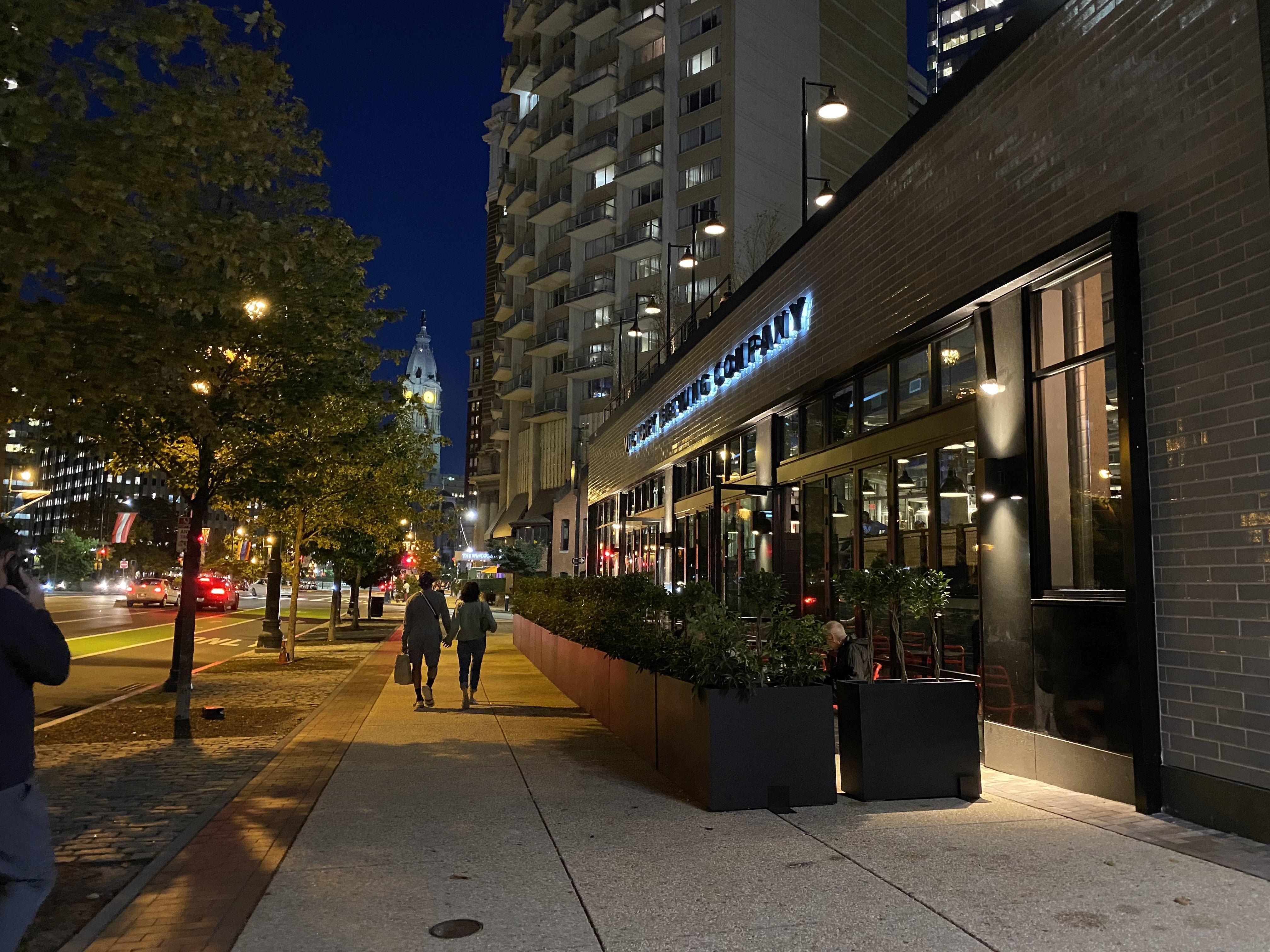
    Victory Brewing Co.’s taproom replaced the TGI Friday’s at 1776 Ben Franklin Parkway.Michael Klein / Staff

    No soap was available at several sinks throughout the brewery at the time of the inspection, the report stated, and employees were observed working without washing their hands. Black specks and orange residue had accumulated inside the ice machine, while several soda guns were “not clean to sight,” the report said.

    Victory Brewing must remain closed for at least 48 hours and cannot reopen until it pays a $315 fine and passes a new health inspection. The bar announced via Instagram that it would be closed Wednesday with plans to reopen Thursday.

    “The cleanliness and safety of our taproom are of paramount importance to us. They are ingrained in our daily routines and reinforced by the professional partners we work with. We have always been in compliance with the health department since opening, which is why we take this week’s report extremely seriously,” Matt Reimold, the area operations manager for Victory Brewing, wrote in response to an Instagram comment asking about the closure. “We are taking immediate action to resolve all issues and will reopen only when they have been fully addressed.”

    A pest control service is “on site” to address the vermin-related violations, Reinhold wrote. Victory Brewing has maintained regular pest control service throughout doing business, Reimold wrote in the comment.

    Health inspections are typically viewed as snapshots in time and may not necessarily reflect an establishment’s day-to-day conditions. That hasn’t stopped at least one corner of the internet from fixating on Victory Brewing’s violations — which, to some, feel like taproom sins.

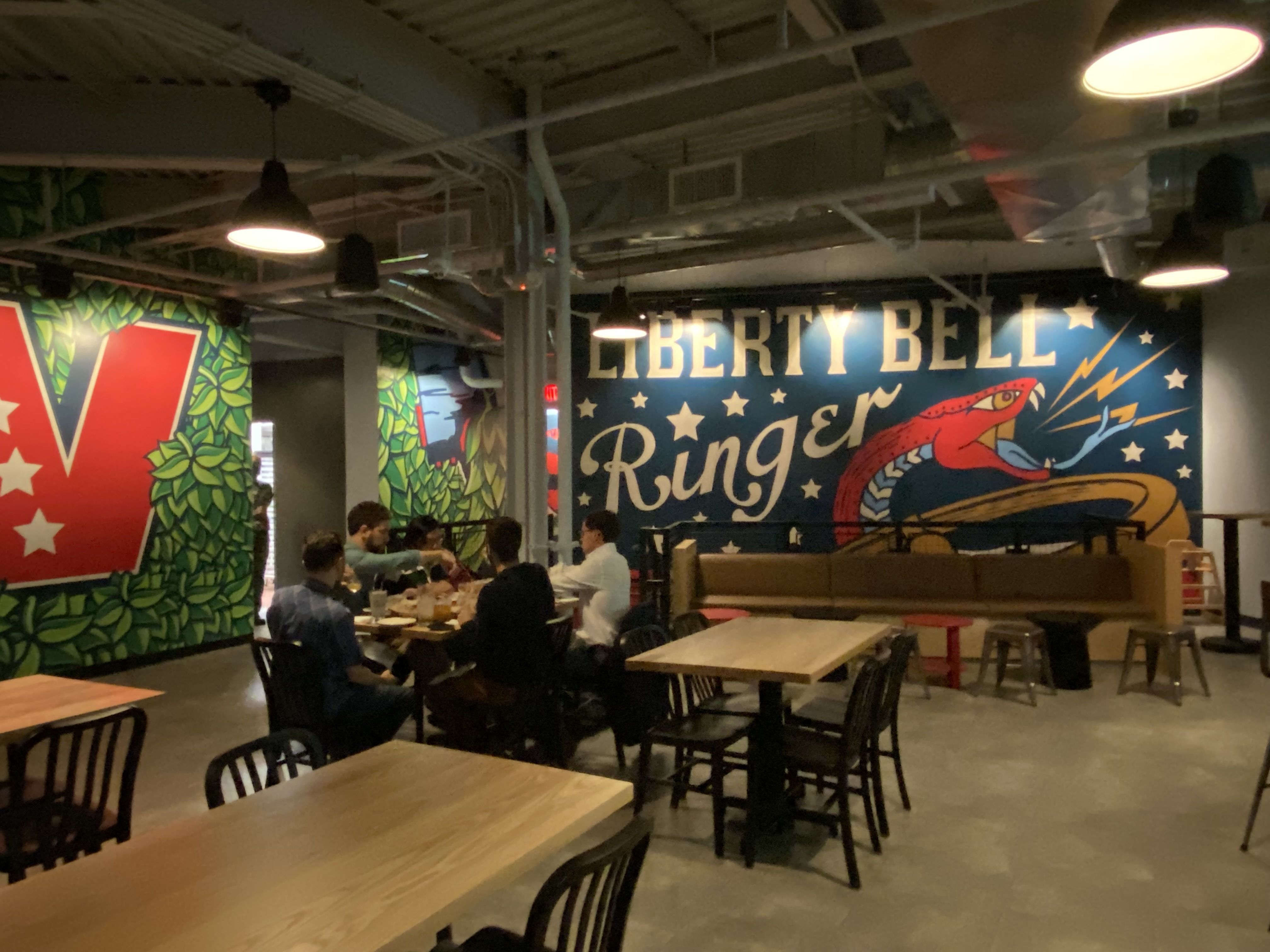
    The first floor bar at the center of Victory Brewing Co.’s Philadelphia taproom, which opened on the Benjamin Franklin Parkway in 2021.Michael Klein / Staff

    “A brewery not cleaning their own lines. What a trip,” read one Reddit comment on a post about the cease operations order in the popular subreddit R/PhiladelphiaEats.

    Cofounded in 1996 by Bill Covaleski and Ron Barchet in the old Pepperidge Farm factory in Downingtown, Victory Brewing has grow into a national craft beer brand known best for its IPAs and easy-drinking Golden Monkey tripel.

    The brewery opened its sole Philadelphia location on the Parkway in 2021, and runs two other taprooms in region in Downingtown and Kennett Square. Those remain open.

  • Frank Spagnuola, original ‘American Bandstand’ dancer and longtime interior designer, has died at 85

    Frank Spagnuola, original ‘American Bandstand’ dancer and longtime interior designer, has died at 85

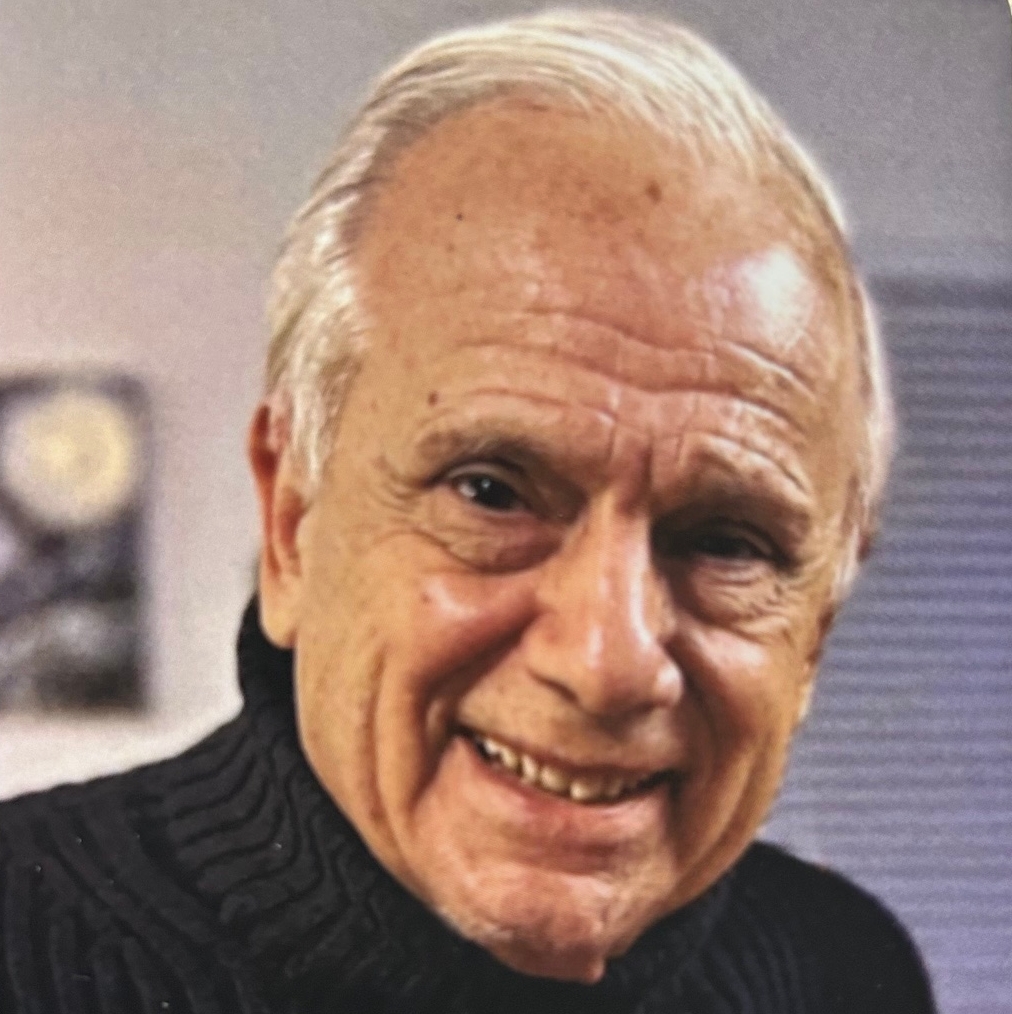
    Frank Spagnuola, 85, formerly of Philadelphia, one of the original American Bandstand dancers, 1957 Chalypso dance champion, longtime interior designer, and gourmet home cook, died Monday, Aug. 17, of congestive heart failure at the Complete Care at Court House nursing center in Cape May Court House.

    Born and reared in South Philadelphia, Mr. Spagnuola was lifelong friends with performers Bobby Rydell, Frankie Avalon, Fabian Forte, James Darren, and Jerry Blavat, and dozens of other singers, dancers, musicians, and disc jockeys from the neighborhood. He enjoyed socializing as well as music and dancing, and, at 15, became one of the original dancers when the old WFIL-TV station hosted Bandstand and then American Bandstand in the 1950s and ’60s.

    The TV station invited local teens to dance to the latest hits in its Studio B on Market Street in West Philadelphia, and Mr. Spagnuola did just that on many afternoons from 1955 to 1963. In 1957, he and partner Dottie Horner finished first in American Bandstand’s first Chalypso contest, spotlighting an original Philly dance that combines the cha-cha and the calypso.

    “We would cut classes” to dance on Bandstand, Mr. Spagnuola, a graduate of the old Bishop Neumann High School, said in a 2017 video interview. “We had eight or nine classes, and we would leave, like, the sixth class. Father would say, ‘Where are you going?’ Well, you know where we’re going, Father. The priests watched the show. I mean, everybody watched the show.”

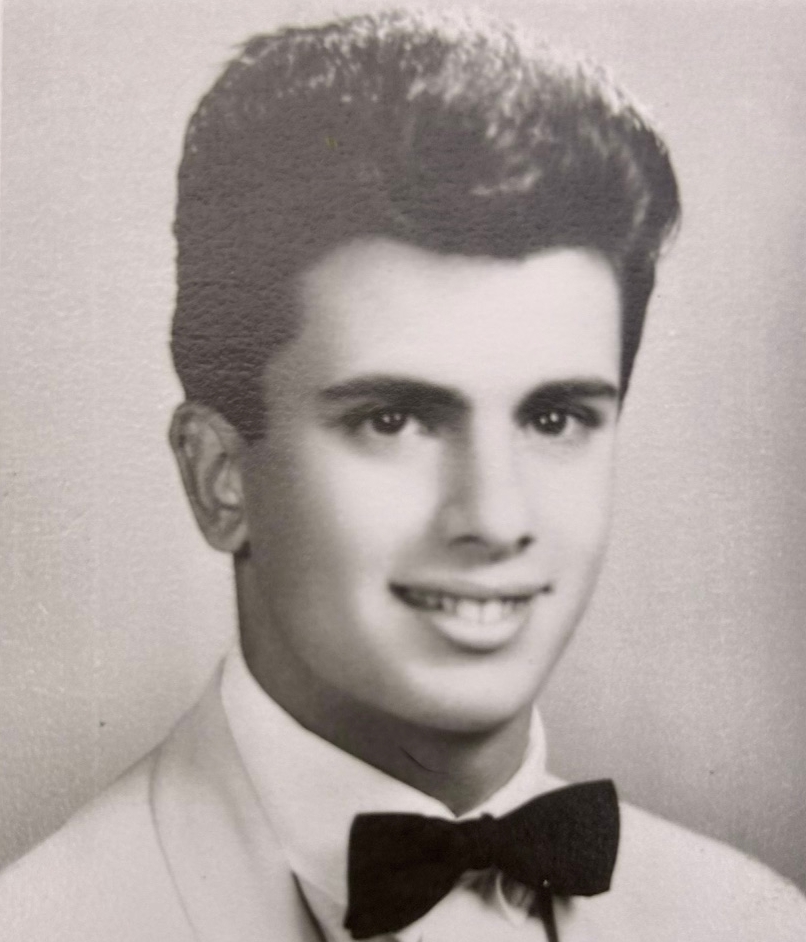
    Mr. Spagnuola graduated from the old Bishop Neumann High School in 1958.Courtesy of the family

    It was downstairs at Studio B, Mr. Spagnuola said, that he encountered Bandstand guest stars Pat Boone, Bobby Darin, and Sal Mineo. As a teen in the neighborhood, he performed in local skit shows with Rydell and played football and double-dated with Fabian.

    On Facebook, Fabian called Mr. Spagnuola “a gentleman and talented dancer,” and said: “Frank Spagnuola was one of the most popular and beloved regular dancers on Dick Clark’s American Bandstand during the show’s iconic Philadelphia era.”

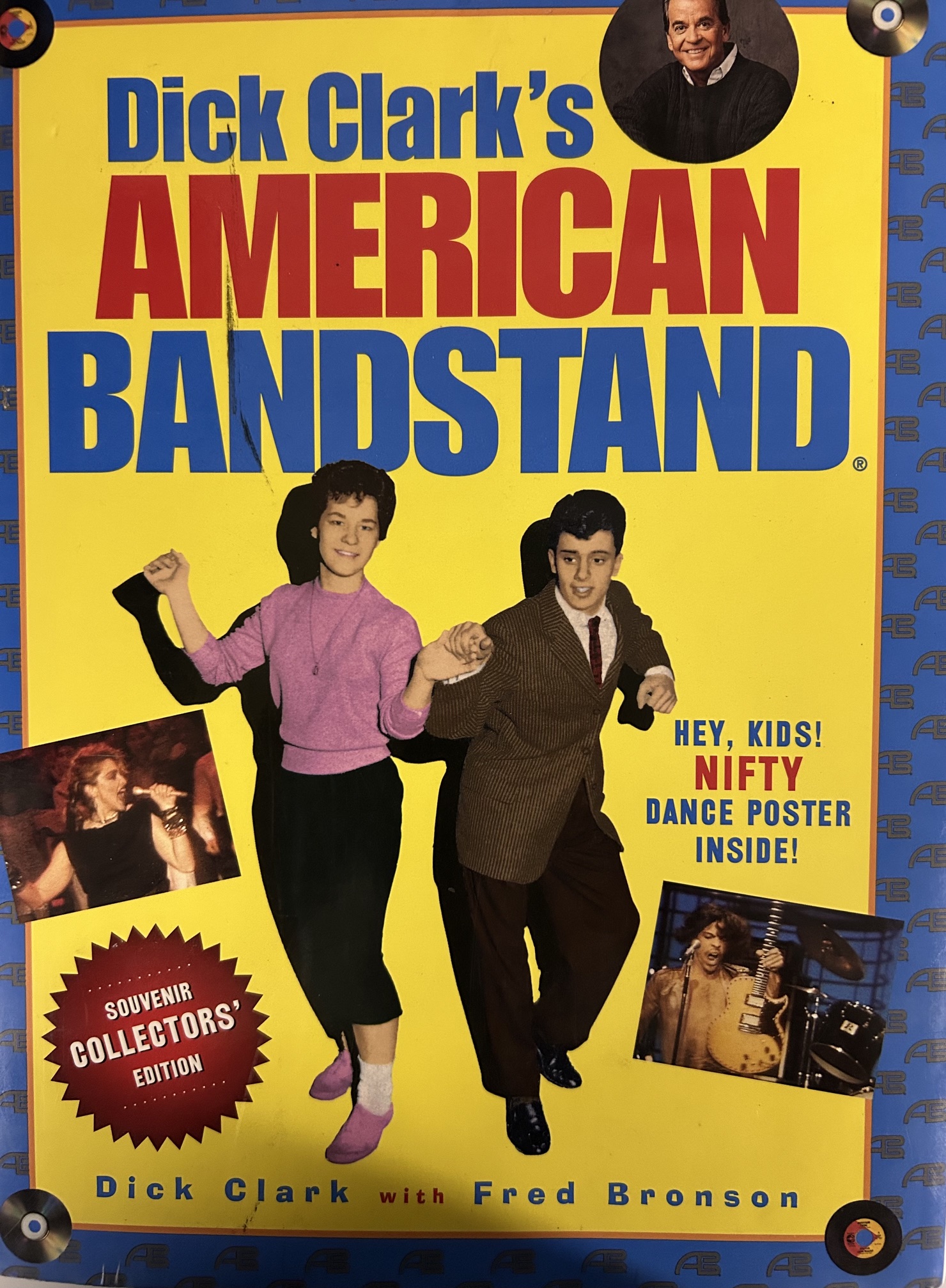
    Mr. Spagnuola is profiled at history-of-rock.com and bandstand.cafex.biz, and he and Dottie Horner are on the cover of the 1997 Dick Clark’s American Bandstand souvenir collectors’ magazine. He is featured in the 1997 New Jersey Network documentary Bandstand Days and called the show “part of American history.”

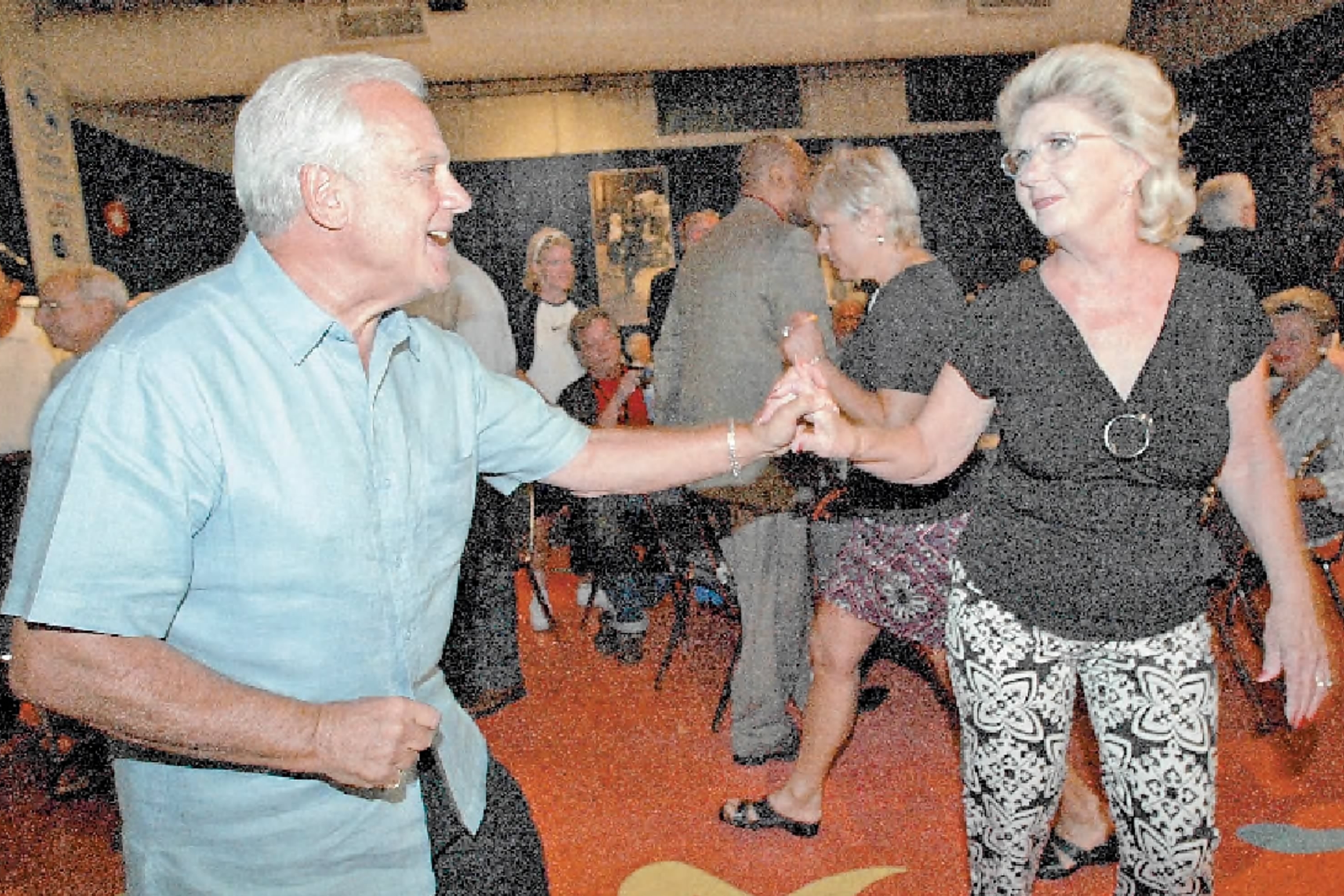
    Over the years, as Bandstand’s popularity ebbed and flowed, he routinely reconnected with other original dancers — they were called the Bandstand Regulars — at reunions, public events, and celebrations in the region. American Bandstand went off the air in 1989.

    Mr. Spagnuola and his dance partner, Dottie Horner, were on the cover of this 1997 souvenir collectors’ magazine. Courtesy of the family

    “Everybody loved Frank,” said longtime disc jockey and music director Tommy McCarthy. “He had an infectious smile. He was a guy you just liked.”

    Friends on Facebook called Mr. Spagnuola “movie star handsome,” “a rock & roll soldier,” “a Bandstand pioneer,” and “one of the nicest gentleman you could ever meet.” One said: “Wonderful dancer, wonderful person, wonderful friend.”

    After graduating from Bishop Neumann in 1958, Mr. Spagnuola worked in a high-end carpet store, studied interior design, and earned an associate’s degree at the old Philadelphia College of the Arts. He became an interior designer, worked for Sears at the Moorestown Mall for 25 years, and was active with the American Society of Interior Designers.

    On his own, he did private design work for Muhammad Ali, former Eagles assistant coach Jon Gruden, and other local notables. “He cultivated an eye for beauty and design,” his family said in a tribute, “shaping spaces with elegance and functionality.”

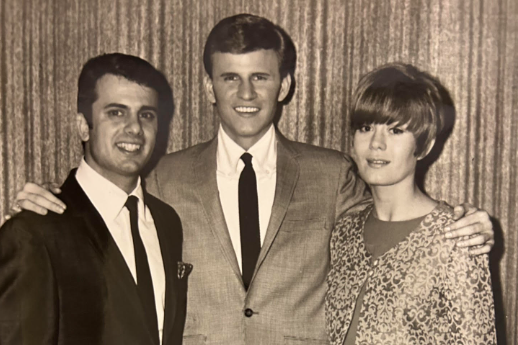
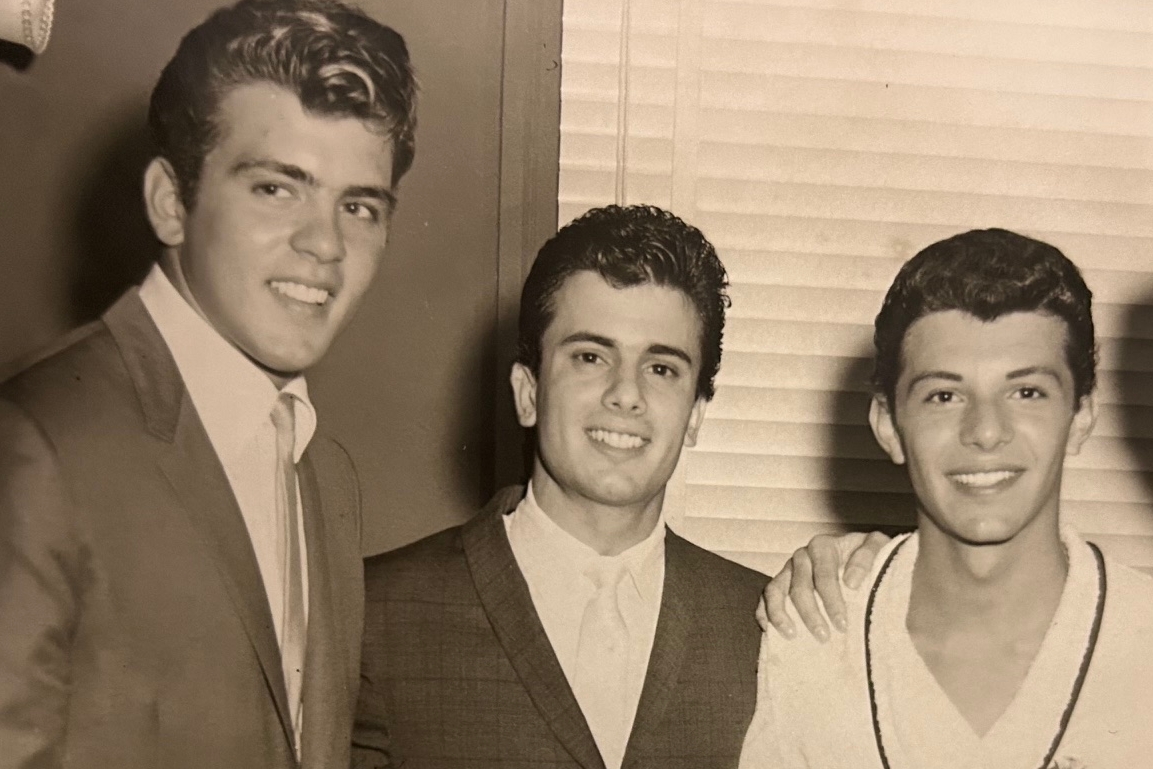
    Mr. Spagnuola (left above) stands with his wife, Janet, and Bobby Rydell. Below, he is flanked by Fabian (left) and Frankie Avalon.Courtesy of the family

    Francis Michael Spagnuola was born Nov. 2, 1940. The oldest of three brothers, he liked to hang out at the Jersey Shore and dine on Italian food.

    He married Janet Moretti, and they had a son, Stephen, and a daughter, Carrie, and lived in South Philadelphia and Center City. His wife died in 2005.

    Mr. Spagnuola moved to Cape May later, became an accomplished home cook, and was known for his crab salad dip. He was passionate, upbeat, and funny, everyone said, and his children called him “a steadfast anchor and a lifelong source of support.”

    His family said: “He leaves behind a memory as warm and enduring as the summer shore and the Wildwood days he so dearly cherished.”

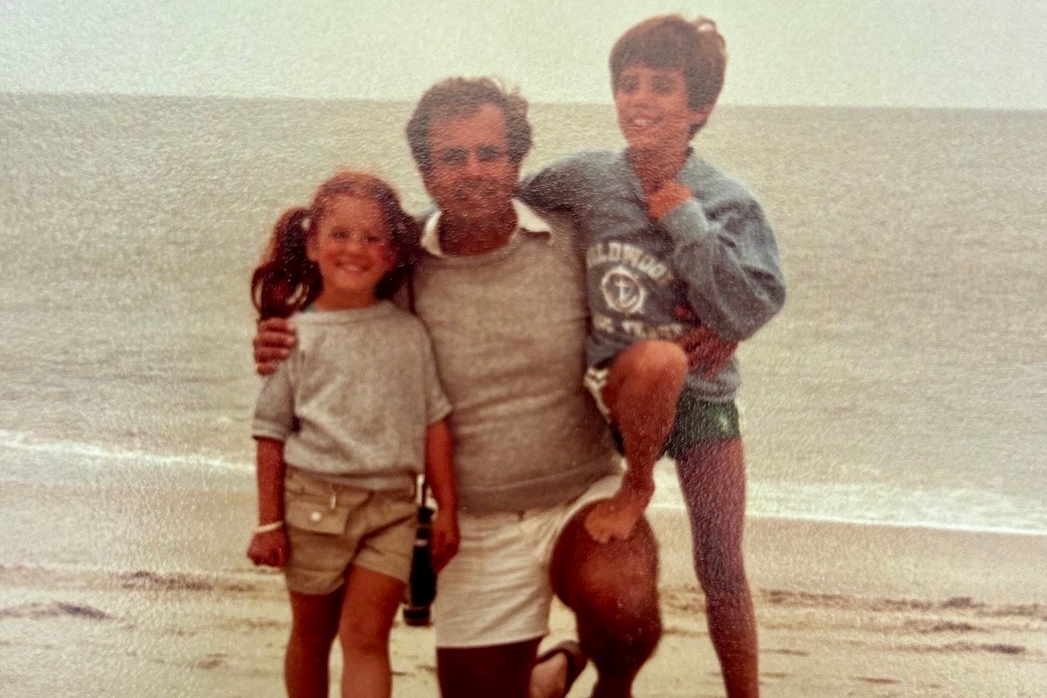
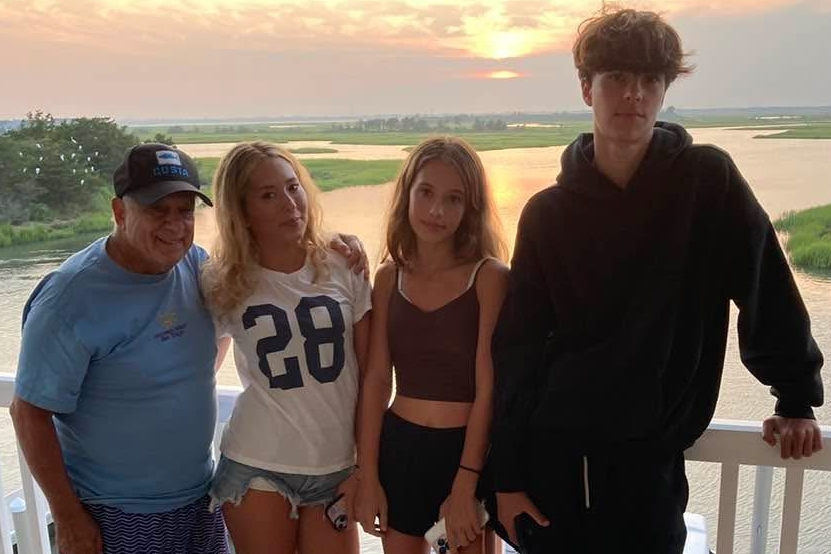
    Mr. Spagnuola enjoyed time with his children (above) and grandchildren (below).Courtesy of the family

    His son said: “He loved life. He loved people. He loved characters.”

    In addition to his children, Mr. Spagnuola is survived by three grandchildren and other relatives. Two brothers died earlier.

    Services were held earlier.

    Donations in his name may be made to the American Heart Association, Box 840692, Dallas, Texas 75284.

    Mr. Spagnuola “loved life. He loved people. He loved characters,” his son said.Courtesy of the family
  • DA Larry Krasner asks victims of Chucky-style mask incidents to come forward

    DA Larry Krasner asks victims of Chucky-style mask incidents to come forward

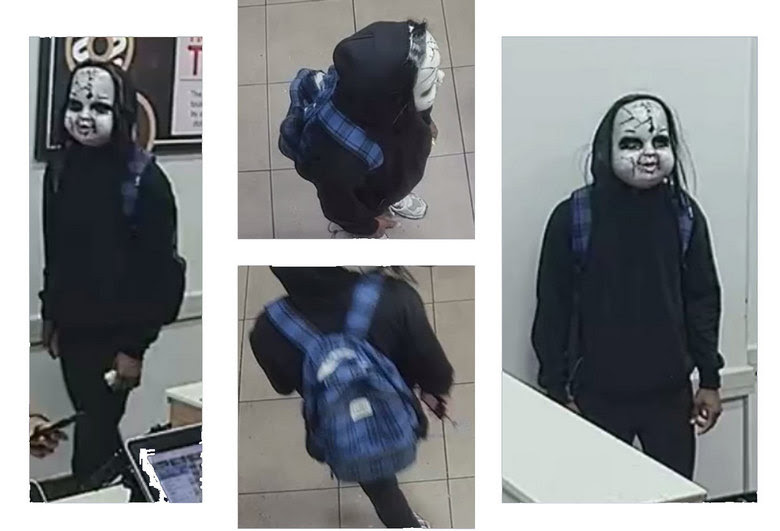
    A day after U.S. marshals captured the man accused of menacing pedestrians in Center City while wearing a Chucky-style mask, Philadelphia District Attorney Larry Krasner urged victims to come forward, saying prosecutors are eager to pursue additional charges against the man whose antics terrorized people and went viral.

    Zymire Hughes, 22, was taken into custody on Tuesday night in Las Vegas by marshals who tracked him across the country. Authorities said Hughes wore a frightening mask to harass and scare more than a dozen people, including a woman he approached while she was jogging near City Hall earlier this month and asked, “Are you ready to die?”

    As the 40-year-old woman ran from him, Krasner said, she fell and suffered injuries that required hospitalization and weeks of recuperation.

    Hughes faces aggravated assault and other charges in connection with that incident, the district attorney said, and prosecutors are reviewing as many as 15 other reported incidents involving the masked man that same morning.

    “If more victims are identified,” Krasner said, “we look forward to prosecuting him in other cases as well.”

    He added: “Who’s scared now?”

    Authorities have not identified most of the people who appear to have been confronted or frightened by the masked man. But in a widely publicized incident, Jameka Wilson, a 25-year-old actress, told several news outlets that a man wearing a similar mask approached her on her way to an exercise class near City Hall and that she kicked him in the chest.

    Philadelphia police said that Hughes did not display a weapon during the incidents and that the woman who fell was the only person known to have been injured. Investigators have said they believe he may have been frightening people to create social media content.

    On Wednesday, Krasner dismissed the idea that Hughes could characterize the crimes as online entertainment.

    “You can’t just say, ‘I’m an influencer,’ and commit crimes,” he said. “You can’t just terrorize people, terrorize a community, because the reaction of someone who believes she might die at any second, you find funny.”

    Hughes remained in custody Wednesday in the Clark County Detention Center in Las Vegas, court records show, and was scheduled for a court hearing Thursday.

    After Hughes is extradited to Philadelphia, prosecutors will seek “very high bail” in an effort to keep him in custody while the case proceeds through court, Krasner said.

    “One of the questions that bail answers is: Will this person run?” Krasner said. “I mean, yes. Obviously, he already has. … Running away is the ultimate way to high bail.”

    Hughes’ extradition could take as little as a week or stretch into months, depending largely on whether he contests his return, Krasner said.

    Hughes’ flight from Philadelphia took him from New Jersey to Florida and then Nevada, authorities said.

    He left the Philadelphia area Aug. 19 from Trenton-Mercer Airport in Ewing, N.J., according to the U.S. Marshals Service. He flew to Orlando and then to Las Vegas.

    Philadelphia and Las Vegas deputy marshals began working together Friday, said Robert Clark, a supervisory deputy U.S. marshal, and spent the weekend trying to locate him.

    Investigators eventually tracked Hughes to an apartment complex in southeast Las Vegas, where they believe he had been staying for about five days, Clark said.

    Marshals arrested Hughes about 8 p.m. Tuesday. Clark said Hughes tried to pull away from his handcuffs and had to be subdued by deputy marshals.

    Hughes’ arrest followed a week of intense public attention after Philadelphia police released images of him and asked residents for help in finding him. The case had already gone viral because of photographs and videos showing a man wearing a cracked, baby-faced mask resembling the horror character Chucky from the movie Child’s Play.

    Prosecutors are continuing to review evidence, Krasner said, and “will be pursuing all charges that apply.”

    Anyone who was approached or menaced by the masked man can contact the district attorney’s office at 215-686-8000.

  • Joan M. Satterthwaite, talented tailor and seamstress, and longtime office administrator, has died at 92

    Joan M. Satterthwaite, talented tailor and seamstress, and longtime office administrator, has died at 92

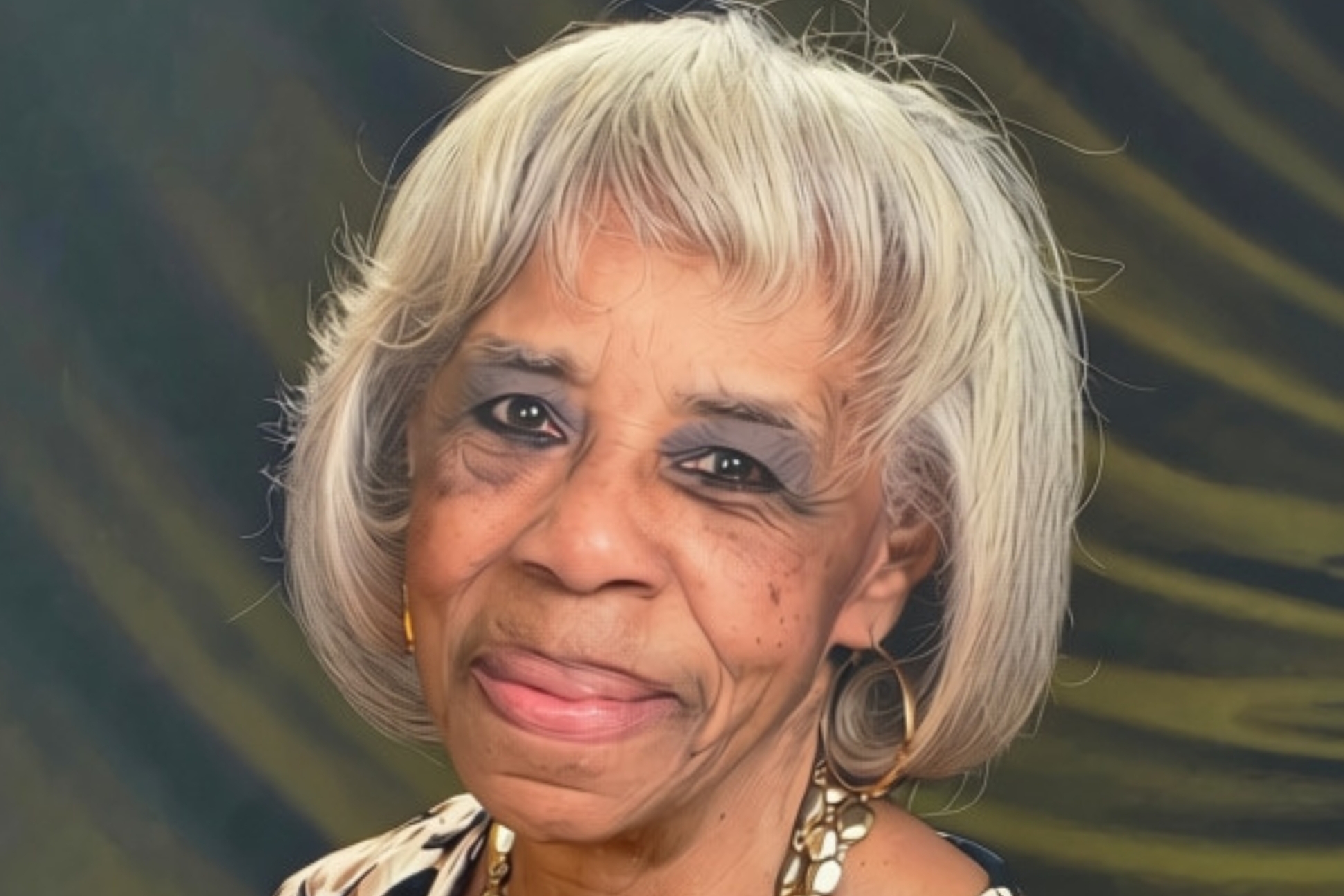
    Joan M. Satterthwaite, 92, of Philadelphia, talented tailor and seamstress, longtime office administrator for the Mayor’s Commission on Aging, volunteer, and community caretaker, died Tuesday, Aug. 4, of sepsis at Jefferson Washington Township Hospital in Gloucester County.

    Adept at designing, constructing, fitting, and altering garments of all kinds, Ms. Satterthwaite worked at the Botany 500 factory at Broad Street and Lehigh Avenue, and for other clothing manufacturers in Philadelphia, for more than 20 years. She could do every job on the intricate clothing assembly line, her son Kevin said, and she did them fast and well.

    She joined the International Ladies’ Garment Workers’ Union in the 1950s and supplemented her weekday work by producing gowns, dresses, suits, and other clothing for family, friends, church choirs, wedding parties, and local businesses.

    She made Halloween costumes for her two sons when they were young and tailored suits when they were older. She designed a wedding dress for her daughter-in-law.

    She could duplicate many patterns by looking at them just once. Over the years, she collected eight sewing machines. “Her craftsmanship and attention to detail earned her the admiration and loyalty of countless clients,” her family said in a tribute.

    Her son Kevin said: “We would call her an entrepreneur today.”

    In the mid-1980s, Ms. Satterthwaite left garments and became certified in office administration and computer technology at the old Philadelphia School of Office Technologies. For a decade, she worked for the Joseph Shein Law Firm.

    She tried to retire in the mid-1990s. But she impressed officials at the Mayor’s Commission on Aging so much as a client that they recruited her as a receptionist and administrative assistant. She left that job in 2018, at 85.

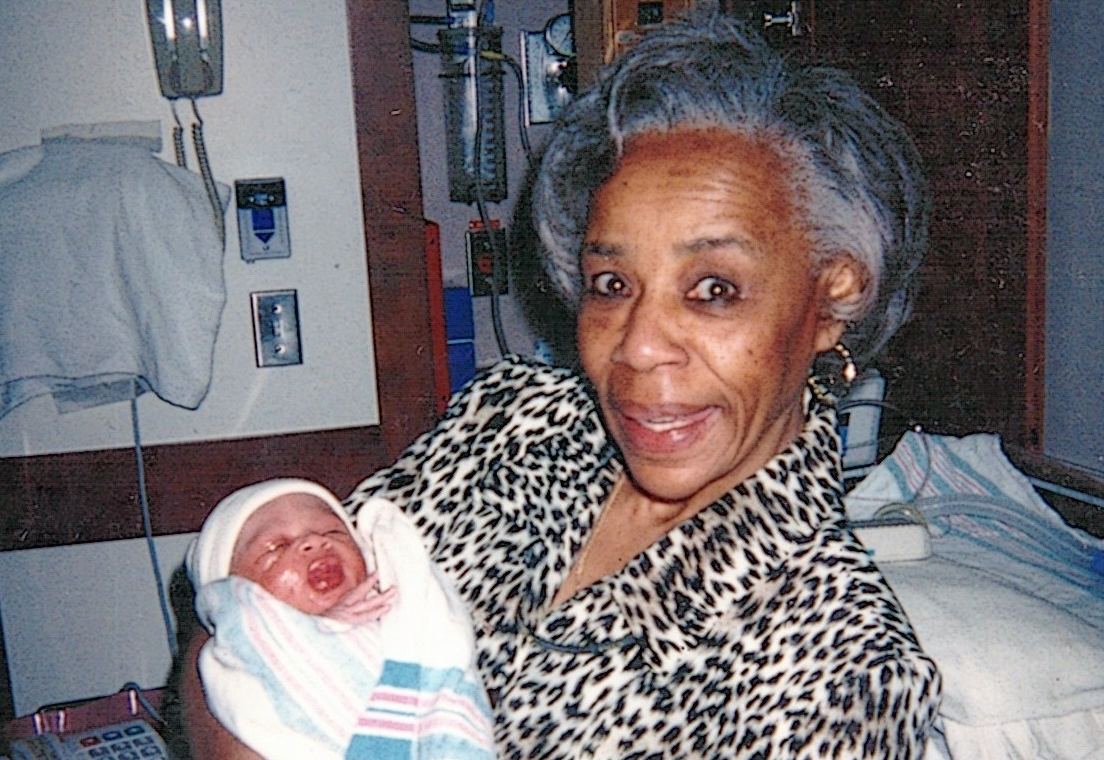
    Ms. Satterthwaite reared her sons in Philadelphia. Courtesy of the family

    After that, she volunteered with veterans groups, was active in the community, and opened her home to anyone in need. “If someone asked for help,” her son Kevin said, “she was there.”

    Her family said: “Joan’s life was a testament to perseverance, faith, compassion, and determination. Her kindness, generosity, and genuine concern for others became hallmarks of a life well lived.”

    A friend said online: “Ms. Joan was the nicest person ever. … Her kind spirit reminded me of my grandmother.”

    Joan Marie Watts was born Dec. 28, 1933, in North Philadelphia. Her mother died when she was 2, and she was reared by her grandfather and his wife.

    Ms. Satterthwaite doted on her grandchildren.Courtesy of the family

    She studied tailoring and sewing at William Penn High School and graduated in 1952. She married Charles Satterthwaite in 1953, and they had sons Kevin and Eric. Her husband died earlier.

    Ms. Satterthwaite was a member of Triumph Baptist Church for more than 35 years, and she went to breakfast with others often after Sunday service. She had breakfast with her sons on Saturdays, bowled every week for 30 years, hosted memorable family gatherings on holidays, and pored over puzzle books when she was older to stay sharp.

    Her family noted her “warm heart, generous spirit, and love of people” in a tribute and said: “Her kindness, patience, and genuine concern for others left a lasting impression on all who knew her.”

    She doted on her family and told them often that education was a key to success. She lived in Nicetown and Logan, and most recently in Washington Township.

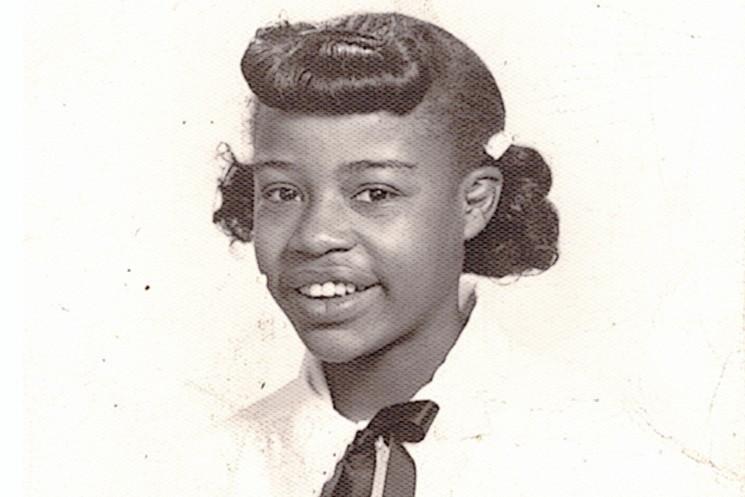
    Ms. Satterthwaite graduated from William Penn High School. Courtesy of the family

    Her son Eric praised her “unwavering belief that nothing in life was more important than family.” Her son Kevin said: “She was welcoming and warm. She liked being around people. Her life force kept her going.”

    In addition to her sons, Ms. Satterthwaite is survived by four grandchildren, two sisters, a brother, and other relatives. Two brothers died earlier.

    Services were held earlier.

    Donations in her name may be made to Triumph Baptist Church, 1648 W. Hunting Park Ave., Philadelphia, Pa. 19140.

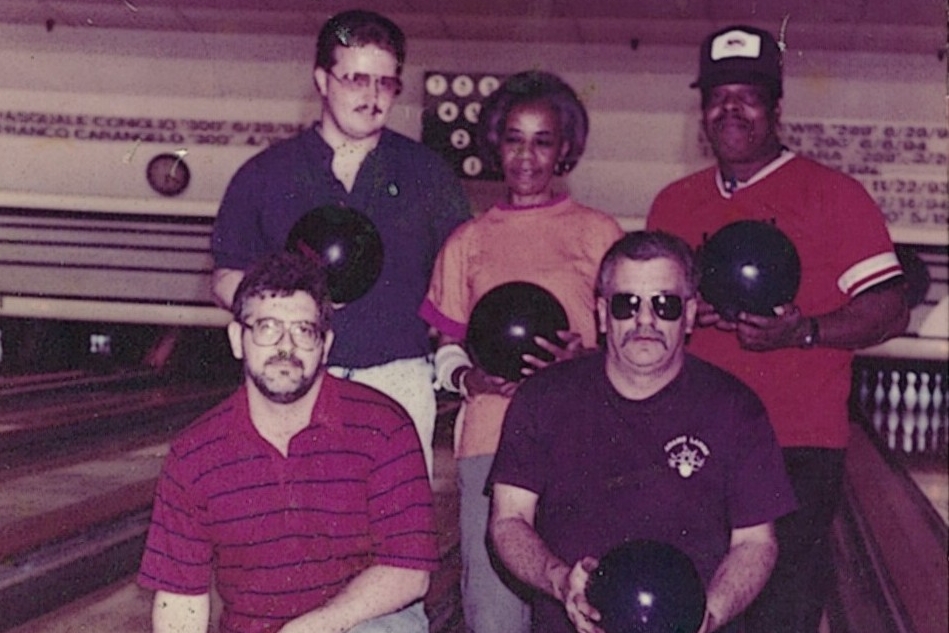
    Ms. Satterthwaite bowled every week for decades. Courtesy of the family
  • Ragweed season is approaching its peak in Philly, and the rains likely gave it a boost

    Ragweed season is approaching its peak in Philly, and the rains likely gave it a boost

    The recent rain rally has been a boon to the Philadelphia region’s plant life, and, unfortunately for the legions of the allergic, the beneficiaries include the homely and ubiquitous tormentor commonly known as ragweed.

    It belongs to the plant family Ambrosia, from the Latin for “food of the gods.” One can only assume the gods did not have allergies.

    Estimates vary, and it’s not as though it is a census category, but in all likelihood several hundred thousand people in the region annually endure the slings and arrows of ragweed pollen, notorious for setting off episodes of sneezing and attendant dopiness.

    It also can induce coughing, wheezing, and chest discomforts, particularly among asthmatics, allergy experts warn.

    The season — the third in the equinox-to-equinox pollen trilogy, successor to the trees and grasses — typically begins modestly in early August, then intensifies late in the month and continues well into September. And this year sufferers may pay a price for the episodic drought-easing rains that have been watering the plants in the Mid-Atlantic region since mid-June.

    “Ragweed thrives on the nitrates in rainwater,” said Payel Gupta, an allergy, asthma, and immunology specialist based in New York City. The rains’ timing has coincided with “ragweed’s late-summer growth window,” she added, and the result likely will be “denser plants and higher pollen output.”

    As for precisely when the pollen will peak: “Every year is different,” said Donald Dvorin, who for more than 30 years was the Philly region’s official National Allergy Bureau pollen counter, “but the first week of September is most common.”

    In addition, with the planet’s temperatures increasing and first frosts taking their good old time, the seasons appear to be lasting a bit longer.

    The prime pollen flight hours are from 5 to 10 a.m.; effects can linger, however, as pollen can stick to clothing and find its way indoors via unwitting humans and pets.

    What is ragweed?

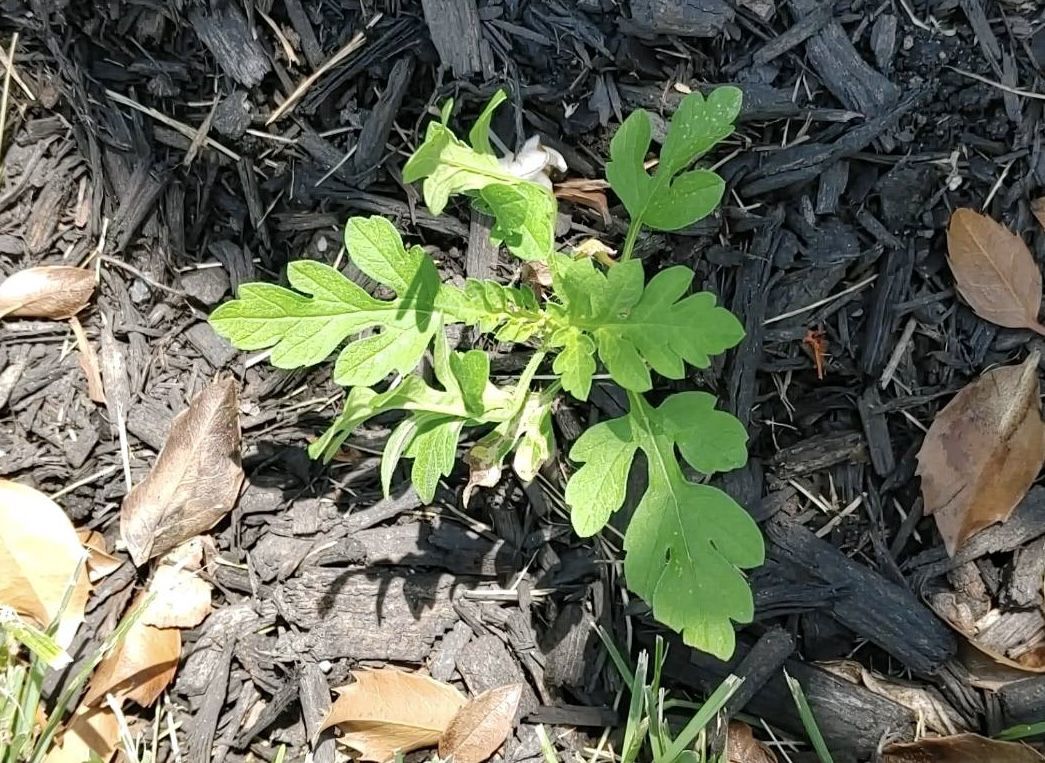
    Ragweed is a tooth-leaved plant that can grow in almost any environment, native to North America but spreading worldwide.

    For the allergenic, Dvorin said, the heavy hitters are the “short” ragweed (Ambrosia artemisiifolia), and the “giant” (Ambrosia trifida).

    A typical pollen grain is a mere 1/25,000th of an inch in diameter, but a single plant can generate a billion of them.

    While the plants live for only about a year, do they ever reproduce! Pollen has been found as far as 400 miles from the source, according to the Allergy and Asthma Network.

    New York City spent millions after World War II to eradicate ragweed in the city, a war it lost resoundingly. For one thing, the warriors discovered that about half the ragweed pollen in the five boroughs was commuting from elsewhere.

    The torments of ragweed

    Most people inhale ragweed pollen without incident, but for the allergic, the body interprets the pollen as an invader, and sneezes and other reactions are part of the immune response.

    For the sufferers, each season can be a little bit different, said Gupta, assistant clinical professor at the State University of New York and Mount Sinai Medical Center in Brooklyn.

    Severity would depend on “how many consecutive high-count days there are,” Gupta said. Exacerbating factors could be “viral infections or air pollution compounding irritation,” she said.

    In addition, some patients may be subject to “priming,” a particularly nasty season that might make some more susceptible to pollen discomforts the following year.

    And ragweed is nothing to just sneeze at, according to the International Ragweed Society, which is based in Switzerland and aims to promote ragweed research.

    In addition to a “socioeconomic burden due to rising healthcare costs” and “productivity losses,” the society states, the weed’s pervasiveness can endanger certain crops and natural habitats.

    How much ragweed is in the air?

    Unfortunately, that has become harder to know. Dvorin, an allergist who had practiced in Center City and Mount Laurel, stopped counting pollen last year, and that was symptomatic of a trend. The network has been shrinking.

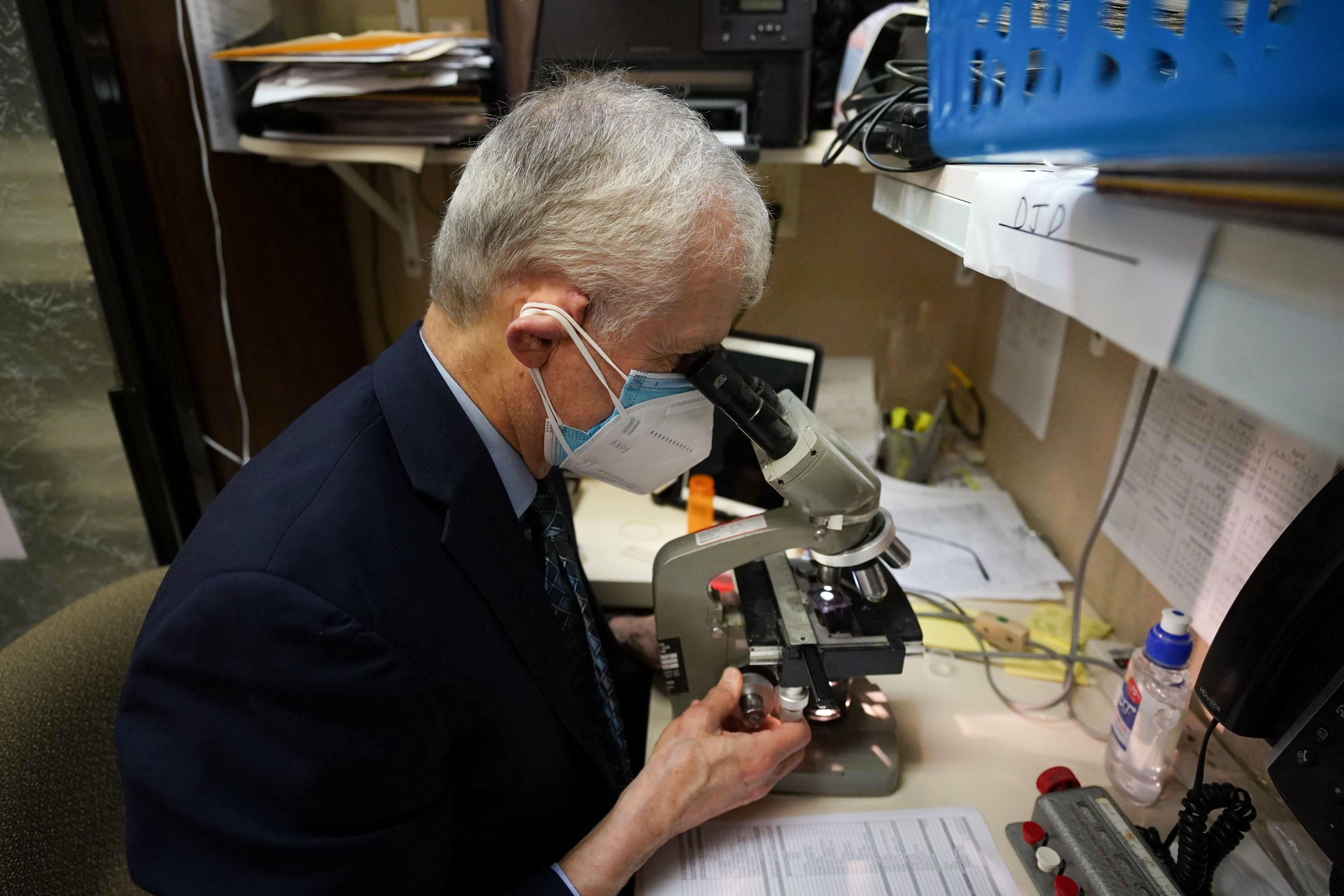
    Gotcha! Donald Dvorin analyzing a pollen specimen. He stopped counting pollen last year, and the network has been shrinking.Jessica Griffin / Staff Photographer

    Traditionally, allergists such as Dvorin supplied daily counts on a voluntary basis as part of the National Allergy Bureau network. However, the analyses require expertise and time that allergists could devote to revenue-paying patients.

    Fewer doctors evidently have been willing to participate.

    The nearest allergy bureau counter who posts frequent counts is in the Washington area.

    The Asthma Center in Center City posts daily counts that are AI-generated, and while that technology shows tremendous potential, the allergy bureau has not yet approved any of the machines for official use, said Pamela E. Gabrish, the bureau’s program director.

    “There has actually been more backlash against using automated devices than ever,” she said.

    Advice for ragweed sufferers

    Day-to-day pollen volumes are difficult to predict, but expect the peak to arrive next week.

    It is a good bet that counts will be high on a warm, dry, and breezy day.

    This will be evident in the online pollen forecasts, but be aware that pollen is commuting on the chaotic whims of the atmosphere.

    In a study of five major cities, published in 2024, allergy experts concluded the accuracy of online pollen forecasts was “low.”

    Along with medications, here are a few suggestions from allergy professionals:

    • Limit time outdoors on dry, windy days.
    • When outside, wear a dust mask.
    • Inside, keep the windows closed.
    • Shower before going to bed.

    And hope for rain, within limits.

  • Man in Halloween mask accused of menacing people near City Hall arrested in Las Vegas

    Man in Halloween mask accused of menacing people near City Hall arrested in Las Vegas

    A 22-year-old man accused of menacing pedestrians near City Hall while wearing a Halloween mask earlier this month was arrested in Las Vegas, the U.S. Marshals Service said Tuesday night.

    Zymire Hughes was being held at the Clark County Detention Center awaiting extradition proceedings, the U.S. Marshals Service said.

    Hughes gained national attention when viral images circulated online showing him allegedly wearing a mask resembling a cracked porcelain doll with a baby face. Masks advertised for Halloween that look very similar to what Hughes allegedly wore are available for sale on both Amazon and eBay.

    On the morning of Aug. 12, a man in the mask — which some also have described as resembling Chucky from the movie Child’s Play — harassed and scared more than a dozen people near City Hall, authorities said, including a 40-year-old woman who was injured when she fell while running from the masked man.

    Hughes allegedly harassed around 16 people during a half-hour period that morning, authorities said.

    At one point, he allegedly harassed a woman who was jogging and asked her if she was “ready to die,” police said.

    Hughes eventually rode a bus to his apartment near 23rd and Venango Streets, authorities said. He later left his apartment with packed bags, and police suspected he was heading to Los Angeles or Las Vegas, where he is believed to have connections through an employer.

    Investigators did not believe he intended to physically harm those he harassed, given that he did not produce a weapon during any of the interactions, authorities said.

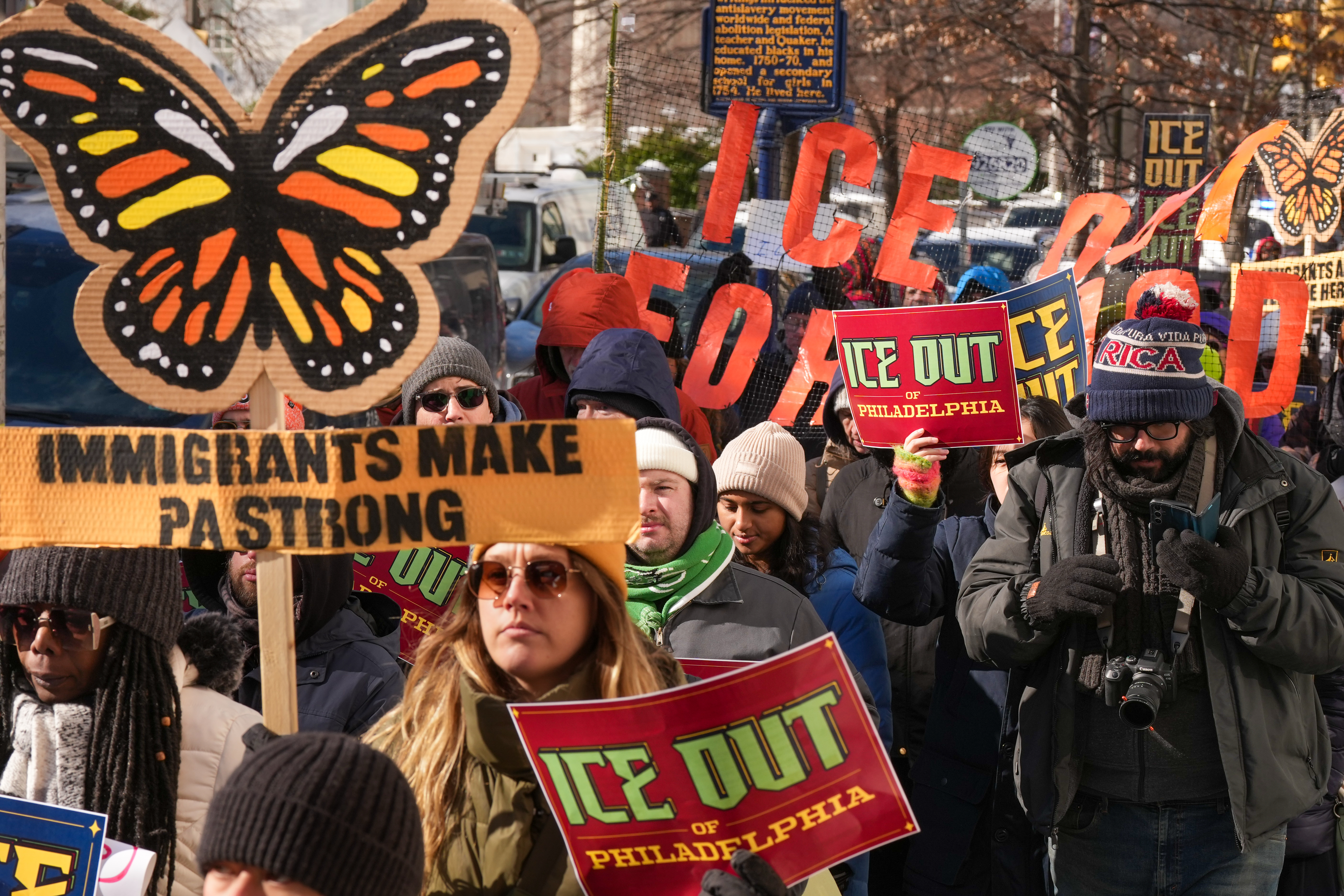
  • Justice Dept. targets another Philly ‘ICE Out’ ordinance after a court win on masking ban

    Justice Dept. targets another Philly ‘ICE Out’ ordinance after a court win on masking ban

    When President Donald Trump’s administration sued Philadelphia over one of seven new local restrictions on U.S. Immigration and Customs Enforcement — a ban on law enforcement officers from wearing masks or concealing their identity — the federal lawsuit included a footnote.

    “The United States has grave concerns over the constitutionality of other parts of the Bill as well as other components of the ‘ICE Out’ legislation and reserves the right to bring additional challenges in the future,” the June complaint said.

    The U.S. Department of Justice did so Monday evening, expanding its lawsuit to challenge a second ordinance.

    The “ICE Out” legislation package that took effect July 6 codified the city’s long-standing practice of not honoring immigration detainers, which are requests by ICE that a local law enforcement agency keep a person in custody long enough to be handed over to federal agents.

    The ordinance makes it illegal for a city agency or employee to comply with a detainer by keeping people otherwise eligible for release in custody because of an immigration detainer, an administrative warrant, or suspicion that they violated immigration law.

    The ordinance imposes a “blanket refusal” by the city to cooperate with the federal government, the suit says, and amounts to a “standing assurance that the federal handoff Congress built into federal immigration law will never happen within Philadelphia, whatever the circumstances.”

    The amended complaint does not mention Philadelphia’s history of not cooperating with ICE jail detainers. But with the local law, the city “foreclosed” the prospect of using the mechanism to deport people who were arrested, the suit says.

    Since the ordinance took effect, ICE’s Enforcement and Removal Operations office in Philadelphia sent the city 26 detainers, the suit says. Fifteen were not honored and the city released the people from custody, the complaint says, while the subjects of the remaining 11 are incarcerated and the detainers remain active.

    The detainers were for people arrested for crimes that include violent assaults, harassment, and drug distribution.

    “Without these detainers being honored, ICE was only able to arrest a fraction of the aliens, with the remaining criminals ending up at-large,” the suit says.

    A spokesperson for the city’s law department declined to comment. District Attorney Larry Krasner, who is also named as a defendant, did not respond to a request for comment.

    The Justice Department beefed up its lawsuit nearly two months after a judge ruled Philadelphia could not enforce a ban on law enforcement agents concealing their identity or using an unmarked vehicle, with some exceptions, finding it was an unconstitutional attempt by a city to regulate how federal agencies operate.

    Mayor Cherelle L. Parker allowed the mask bill to become law without her signature in May, following the advice of City Solicitor Renee Garcia that signing the bill “would send an inaccurate signal to the public that the Administration can legally or practically enforce” its provisions.

    Parker signed the ban on honoring immigration detainers.

    The case against the mask ordinance also benefited from a ruling by the U.S. Court of Appeals for the Ninth Circuit that a California bill requiring agents to “visibly display identification” was unconstitutional.

    But courts so far have been unconvinced that the federal government can force cooperation with ICE.

    For example, last year a federal judge in Illinois dismissed a Justice Department lawsuit challenging Cook County and Chicago’s sanctuary city policies that included a ban on honoring immigration detainers.

    Detainers offer localities and states “the opportunity to assist in civil immigration enforcement,” U.S. District Judge Lindsay C. Jenkins wrote. But policies that ban honoring these requests “don’t make ICE’s job more difficult; they just don’t make it easier,” the Joe Biden appointee said.

    And last month, Eric C. Tostrud, the Trump-appointed chief judge of the federal district court in Minnesota, issued a similar ruling finding that immigration detainers were requests, not mandates.