Category: New Jersey News

  • Company at center of N.J. voter registration scandal has multiple state contracts

    Company at center of N.J. voter registration scandal has multiple state contracts

    The French company under fire after Gov. Mikie Sherrill blamed it for allowing non-citizens to register to vote holds three multimillion-dollar contracts with the state of New Jersey.

    Besides the contract with the state Motor Vehicle Commission that is at the center of the voter registration debacle, the company, Idemia, also holds contracts to handle fingerprinting for the New Jersey State Police and a third one to provide fingerprinting, background searches, and other services for various state agencies, state records show.

    State taxpayers have paid the company about $61.1 million so far total, the records show.

    A spokesman for Gov. Mikie Sherrill, who said last week that her administration is moving to terminate Idemia’s contract with the motor vehicle agency, declined to say whether the other two contracts are in jeopardy. Idemia, which has denied responsibility for registering non-citizens, did not respond to a request for comment.

    Assemblywoman Dawn Fantasia (R-Sussex), who is among the Republicans who has called for a bipartisan legislative committee to investigate the voter registration matter, said it doesn’t make sense for the Sherrill administration to target only Idemia’s contract with the Motor Vehicle Commission.

    “If Idemia really was the problem here and lost the state’s confidence, why would we be concerned with that and not actual background checks?” she said.

    Sherrill last week announced that about 6,600 non-citizens had been added to the state voter rolls for a year starting in June 2023 because of what she called a software glitch on Idemia’s part. She said non-citizens who were prompted at the agency to say whether they were citizens would respond no, but the software identified them as citizens anyway. About 400 of them cast ballots, she said.

    Sherrill said Thursday that the motor vehicle commissioner had moved to end Idemia’s work with the agency because the company “was at the heart” of the agency’s failures.

    “The commissioner was already in the process of removing them for their incompetence,” Sherrill said.

    Idemia’s contract to assist with enhanced driver’s licenses was issued in January 2010 and ends in January 2027. It has been paid $35.7 million so far, records show.

    It also holds a contract with the State Police related to an electronic fingerprinting system, a contract that started in January 2019, runs through January 2027, and has cost the state roughly $3.8 million so far, the records show.

    Another contract that began in May 2019 and expires in May 2027 allows Idemia to provide electronic fingerprinting for background checks and other “noncriminal justice purposes” for agencies across state government. New Jersey has spent about $21.6 million on that contract to date, the records show.

    Fantasia thinks moving to sever Idemia’s contract now would be a mistake. She said she does not believe Sherrill’s story that the 6,600 non-citizens were registered because of a software error.

    “Without an investigation, I think we’re setting ourselves up for a serious lawsuit,” Fantasia said. “If the flag we’re carrying is we’re getting rid of them because of this software glitch, that has yet to be proven. That’s an assertion by the governor. The vendor denies it. So to me, that’s hardly irrefutable evidence.”

    The company is also a contractor with the federal government. Rep. Josh Gottheimer, a Democrat, last week requested a government-wide audit of every federal contract involving Idemia, suggesting there could be a deeper problem as the company “sits at the center of the federal government’s identity, screening, and border infrastructure.” He pointed to contracts for TSA PreCheck, U.S. Customs and Border Protection’s biometric entry-exit system, and identity operations at the U.S. Department of Defense, including contracts with driver’s license systems in 36 states.

    “A ‘small’ software issue like what happened in New Jersey could, right now, be allowing improperly vetted individuals to enter our airports and board our airplanes,” Gottheimer told federal budget officials last week.

    Sherrill has blamed the administration of her predecessor, Phil Murphy (D), in addition to Idemia because the problem started when he was governor. Sherrill took office in January.

    Murphy spokesman Mahen Gunaratna said Friday that Murphy was unaware of this issue before Sherrill brought it to light this week.

    The registration matter has drawn national attention, including criticism from President Donald Trump. The Trump administration is suing New Jersey over the state’s refusal to hand over unredacted voter roll information. U.S. Homeland Security Secretary Markwayne Mullin has alleged that more than 35,000 noncitizens are registered to vote in New Jersey.

    Dana DiFilippo contributed reporting.

    This story originally appeared on New Jersey Monitor.
  • ☕ An inclusive coffee shop | Inquirer South Jersey

    ☕ An inclusive coffee shop | Inquirer South Jersey

    Good morning, South Jersey.

    Tucked inside the Vineland Public Library, there’s a nonprofit coffee shop that employs and supports the careers of adults with disabilities.

    And Gov. Mikie Sherrill signed a law to prevent surveillance pricing for groceries, which she said is part of her overall agenda to prioritize affordability in the state.

    Plus, Collingswood announced that the borough is reviewing its public pool policies after an anti-LGBTQ social media account posted about them, and more news of the day.

    — Taylor Allen (southjersey@inquirer.com)

    If someone forwarded you this email, sign up for free here.

    A coffee shop ‘with a purpose’

    Inclusion Cafe opened in early May inside the Vineland Public Library.

    It’s an offshoot of Inclusion Coffee Shop in Elmer which opened in 2022. Both cafes focus on career development for adults with disabilities. The coffee shops have hired 15 employees with disabilities and seven without. Staff members are paid $16 an hour, plus tips.

    “I love it so far,” said Victor Perez, 19, who’s a barista with autism. “I go in and clock in, get my apron. … I like the caramel hot coffee.”

    The founder of the coffee shops created the cafes after her son’s Down syndrome diagnosis.

    The Inquirer’s Sarah Nicell has the story.

    What to know about N.J.’s surveillance pricing ban on groceries

    Gov. Mikie Sherrill signed the Fair Price Protection Act which prohibits surveillance pricing of groceries.

    New Jersey is the third state to ban the practice through law.

    🛒 What is surveillance pricing?

    It’s when grocery stores or apps uses shoppers’ personal data to create individualized prices on items.

    The new law defines the practice as a strategy where an algorithm or automatic system uses personal data to adjust, optimize, or adjust food prices.

    🛒 What exactly does the law do?

    It bans strategies that determine grocery costs based on consumers’ data, prohibits new electronic shelf labels for one year, and requires the state to study the utility of these type of labels.

    Aliya Schneider has more answers, including what lawmakers thought of the bill.

    What to know today

    • One teenager is charged with fatally shooting another Friday evening in Mullica Township, according to the Atlantic County Prosecutor’s office.
    • Collingswood officials are reviewing the borough’s public pool rules after an anti-LGBTQ social media account posted about its policies.
    • Burlington County will begin repaving a 2.7-mile portion of Old York Road in Burlington Township, Springfield, and Florence on Monday. It’s expected to take about two weeks to finish.
    • The family-owned bakery Too Sweet Boutique recently moved to Washington Township after nearly a decade in Deptford.
    • Speaking of bakeries, the former McMillan’s Bakery in Haddon Township will reopen as Del Buono’s Pastry Shop in August. The shop will reserve 900 square feet of the new space to host DiBartolo’s Kakery led by Woolwich resident Al DiBartolo who was a winner of Food Network’s Halloween Wars and a contestant on TLC’s Next Great Baker.
    • There’s already unauthorized merch of LeBron James as a Sixer outside of Philly stadiums and down the Shore.
    • Wawa and Lands’ End launched a limited-edition mini hoagie tote bag and it immediately sold out online. They are available at select Wawa locations only in New Jersey.

    🧠 Trivia time

    LeBron James is set to finish his legendary NBA career as a Sixer.

    He agreed to sign a two-year contract at what value?

    A) $6 million

    B) $7 million

    C) $8 million

    D) $12 million

    Think you know? Check your answer.

    What we’re…

    🎤 Reminiscing: On Shakira’s final U.S. show Saturday in Atlantic City, which closed out her World Cup Tour.

    🥤Craving: A milkshake from the Maple Shade Custard Stand.

    🏠 Admiring: The architecture of South Jersey’s patterned brick 18th-century farmhouses.

    📬 Your South Jersey view

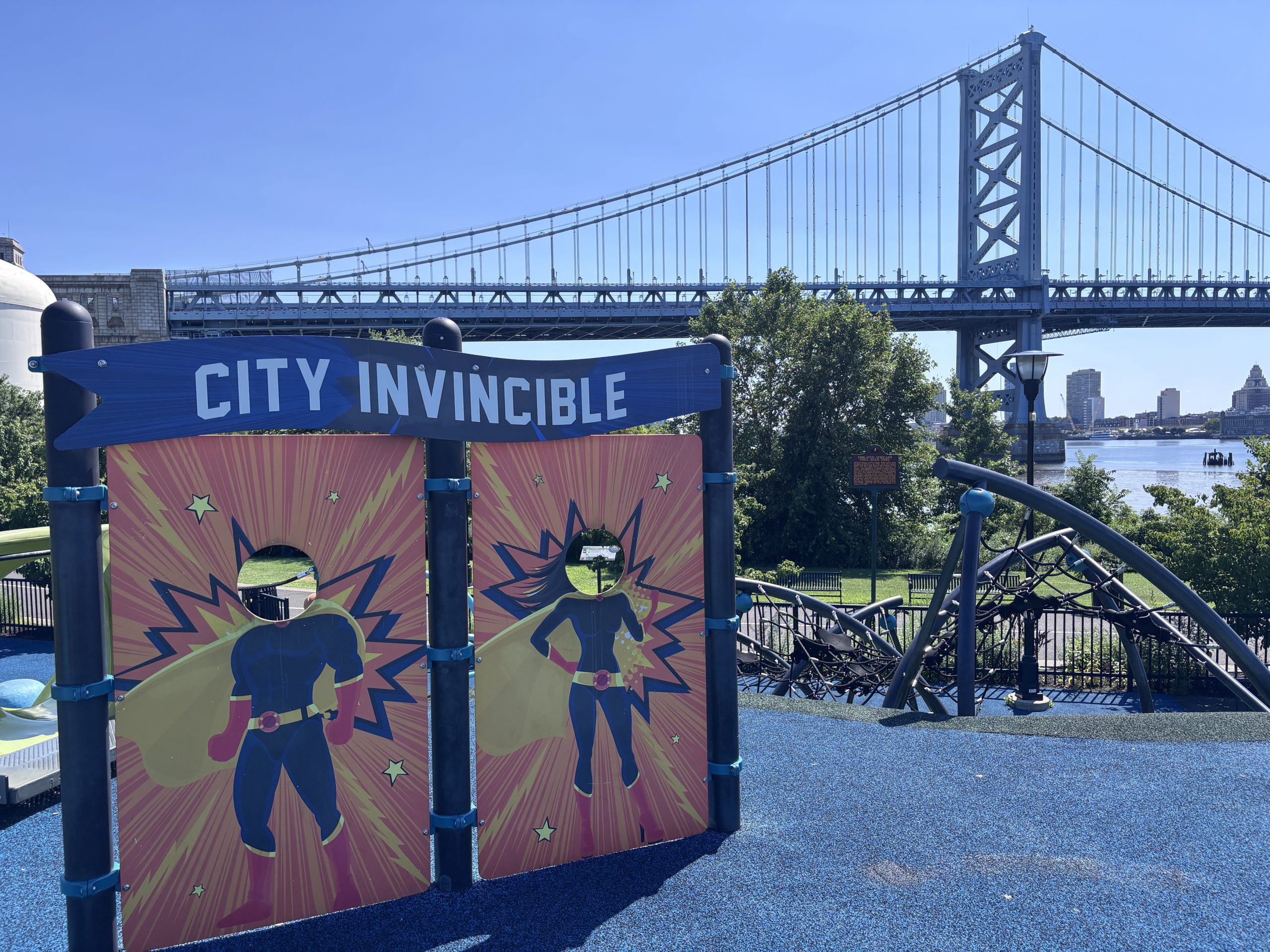
    A sunny afternoon at Cooper’s Poynt Waterfront Park in Camden.Taylor Allen

    I’m always grateful that I live in walking distance to city parks.

    What does your community look like? What South Jersey memory would you like to share? Submit a photo and/or a brief description for a chance to be featured in the Monday edition of this newsletter.

    🗞️ What other South Jersey residents are reading

    And that’s all I have for you this morning. Thanks for choosing to start your week with The Inquirer. Let’s do this again tomorrow. 😎

    By submitting your written, visual, and/or audio contributions, you agree to The Inquirer’s Terms of Use, including the grant of rights in Section 10.

  • A coffee shop hidden inside a Vineland library creates opportunity for adults with disabilities

    A coffee shop hidden inside a Vineland library creates opportunity for adults with disabilities

    It wasn’t until Noel Perez vented on Facebook that he was able to help his son, Victor Perez, find a job in South Jersey.

    Noel Perez, 42, of Vineland, Cumberland County, said local employers expected Victor Perez, 19, to donate his time rather than get paid. Because his son is a student with autism in the Salem County Special Services School District, Noel Perez said people wanted him to just be a volunteer.

    But his social media post led to the suggestion that Victor Perez apply for a role at Inclusion Cafe — a new nonprofit coffee shop tucked away in Vineland Public Library employing adults with disabilities.

    “I love it so far,” Victor Perez said. “I go in and clock in, get my apron. … I like the caramel hot coffee.”

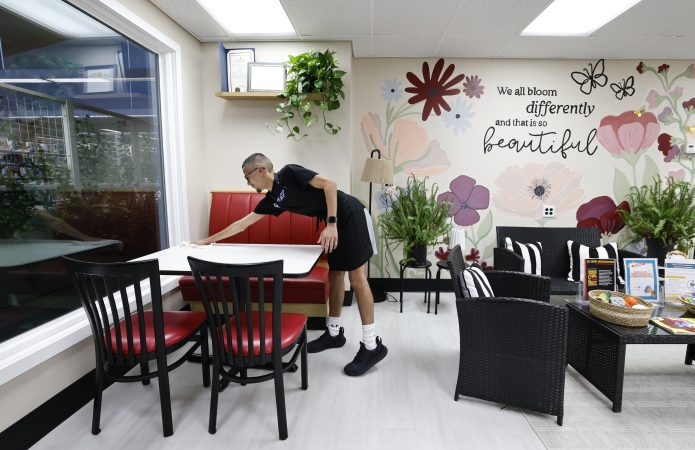
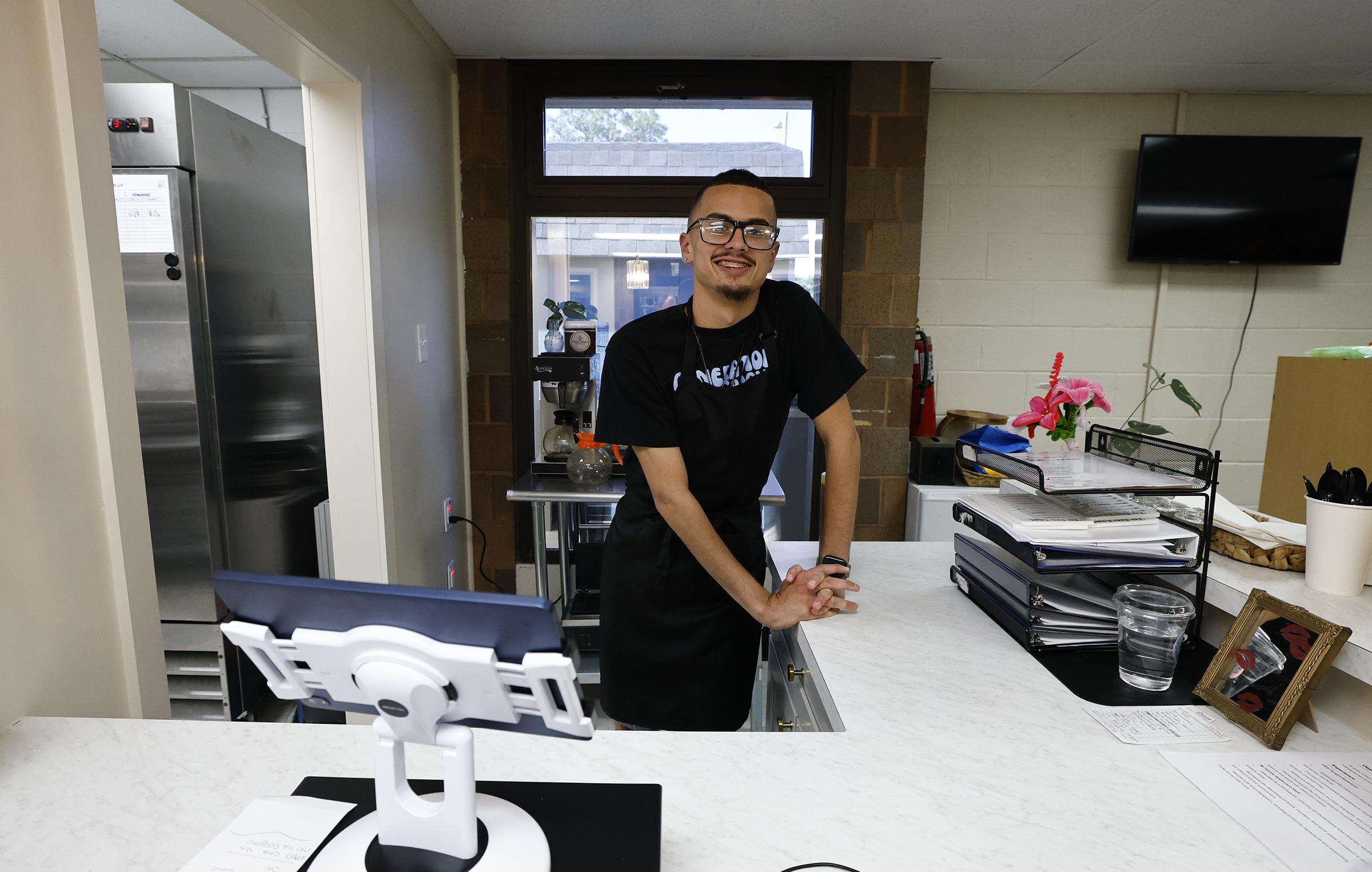
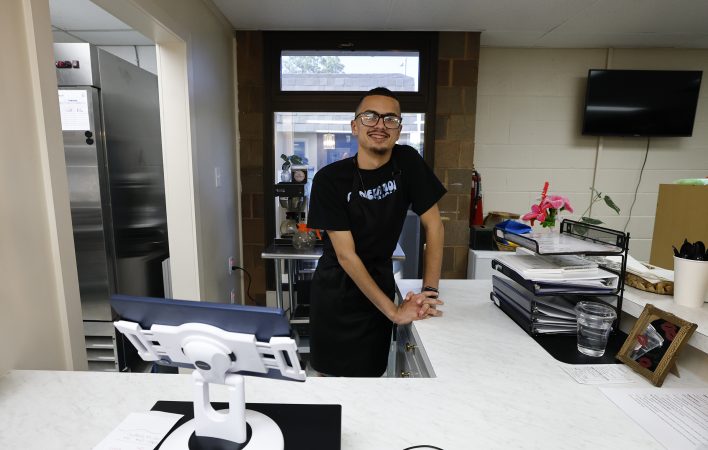
    Barista Victor Perez,19, at the Inclusion Cafe inside the Vineland Public Library in Cumberland County, N.J. on Thursday, July 23, 2026. The cafe seeks to create jobs for adults with disabilities in a supportive environment.Yong Kim / Staff Photographer

    Inclusion Cafe at 1058 E. Landis Ave., which opened in early May, is an offshoot of Inclusion Coffee Shop in Elmer, Salem County, which opened in 2022.

    The cafes were founded by Amanda Vellon, 38, who grew up in Vineland and now lives in Elmer. Both focus on career development for adults with disabilities, and Vellon said the coffee shops have hired 15 staff members with disabilities and seven without. Vellon said employees make $16 an hour, plus tips.

    Victor Perez said he’s made five friends on the job since he started in May and works about two-and-a-half days per week. He said he likes when the nonprofit features him in TikTok videos.

    “It’s inviting for people like Victor,” Noel Perez said. “It gives him opportunity and chances for people to interact with him and for him to interact with people.”

    In 2021, after a surprise pregnancy, Vellon found out her son had a heart defect during an ultrasound appointment, and later Down syndrome at 32 weeks. Vellon said the diagnosis brought on “a roller coaster of emotions,” and she wanted to find a way to spread joy and keep people from feeling scared about their children’s futures.

    “My husband said, ‘We want to own a restaurant. Why don’t we try a coffee shop?’” Vellon said. “After some thought, I said, ‘Let’s do it, but let’s do it with a purpose.’”

    Vellon’s son, Rome, is 5 years old now. The Elmer location, a business at 119 S. Main St., has kept on, and after registering Inclusion Cafe as a community and economic development nonprofit in 2025, Vellon moved to work with Vineland Mayor Anthony Fanucci and other officials to incorporate the coffee shop there.

    “The Inclusion Cafe is about creating opportunities and making sure everyone in our community feels welcome and valued,” Fanucci said in an emailed statement. “The Vineland Public Library has always been a place where people come together to learn, connect, and access important resources, so it was a natural fit for a program that promotes inclusion and independence.”

    Luis Amberths, business manager at Vineland Public Library, said the library serves about 600 people every day. As a community hub for Vineland’s 60,000 residents, staff have been seeking ways to expand its services, including in the form of an esports room. The new cafe was a mutually beneficial way to expand upon those offerings, Amberths said.

    Despite the cafe leasing a nontraditional space toward the back of the library, Amberths said customers are still finding their way there and checking out books, too.

    “In spite of all that, it’s being found. … We were pretty busy already because of what we offer and the programming we have, but it’s been tenfold because of what [the cafe] has done,” Amberths said.

    The coffee shop offers coffee flights, specialty lattes, homemade syrups, and breakfast items, influenced by what Vellon’s own children like. Rome’s favorite, a plain bagel with cream cheese, made the cut. Staples from her two other kids, including a bacon, sausage, egg, and cheese on a strawberry bagel with strawberry jam, are featured, too.

    “I was very anxious before opening. … It’s not a storefront. We don’t necessarily have foot traffic. It’s not very visible to the road,” Vellon said. “I had a lot of reservations, but none of that has stopped the community from coming to support us.”

  • A 50-foot She-Wolf and faux $100 bills falling from the sky: Shakira closed out her World Cup tour in Atlantic City

    A 50-foot She-Wolf and faux $100 bills falling from the sky: Shakira closed out her World Cup tour in Atlantic City

    The final night of Shakira’s “Las Mujeres Ya No Lloran World Tour: World Cup Edition” played out like a quasi-religious experience for 15,000 or so ecstatic date-night — and girls-night-out — fans at Jim Whelan Boardwalk Hall in Atlantic City Saturday.

    And the two-hour, 25-song performance by the irrepressibly dynamic Colombian entertainer on the short list of the biggest pop stars in the world came with its own 10 Commandments.

    The 10 Commandments of the She-Wolf, that is.

    That list of lupine words to live by was counted down as the singer hustled off for what was maybe her 10th costume change of the night — I lost count — after she had completed her pre-encore set.

    It followed not one but two official World Cup anthems in “Waka Waka (This Time for Africa)” from 2010 and this year’s “Dai Dai,” a collaboration with Nigerian singer Burna Boy, which they performed together during the halftime show World Cup Final in East Rutherford, N.J., last weekend.

    Shakira performs at the Intuit Dome in Inglewood, Calif., in June. The Colombian pop star played the final show on her Las Mujeres Ya No Lloran World Tour: World Cup Edition at Jim Whelan Boardwalk Hall in Atlantic City on Saturday night.Chris Polk

    (For those seeking a deeper experience of “Dai Dai” — which is an Italian slang expression meaning “Come on” — a cocktail by that name made of tequila, Sprite, and pineapple was available on the concourse for $19 or in a supersized mason jar for $29.)

    But back to the She-Wolf. “Las Mujeres Ya No Lloran” translates from Spanish to English — both of which Shakira sang in and used to address the crowd on Saturday — as “women no longer cry.”

    The 2024 album that the tour is named for was largely inspired by the end of Shakira’s relationship with Spanish soccer player Gerard Piqué.

    And during the South Jersey La Lloran tour date, she repeated themes of female solidarity. Early in the evening she wore a metallic She-Wolf breastplate designed by Gaurav Gupta while singing an acoustic “Acróstica,” speaking of emerging post-breakup “a little bit wiser, a little bit stronger.”

    Shakira performs at the Intuit Dome in Inglewood, Calif., in June. The Colombian pop star played the final show on her Las Mujeres Ya No Lloran World Tour: World Cup Edition at Jim Whelan Boardwalk Hall in Atlantic City on Saturday night.Chris Polk

    But that turned out to be only a teaser of the She-Wolf to come.

    For the encore, first the commandments were revealed, including “Do not suppress your wild nature,” “Howl, for no one can silence you,” and “Protect and care for your pack above all else.”

    Then, a giant inflatable and impressively lifelike wolf named Isabel emerged on stage, as a physical manifestation of the spirit animal of the headlining dynamo, who is 5 feet 2.

    Isabel stood approximately 10 times that height, fitting comfortably beneath the 137-foot barrel-vaulted ceiling at the nearly 100-year-old Boardwalk Hall — a great place to see a show, and an intimate one by the standards of Shakira, who usually plays ginormous outdoor stadiums — shooting blue laser lights from her eyes into the crowd.

    Shakira performs at the Intuit Dome in Inglewood, Calif., in June. The Colombian pop star played the final show on her Las Mujeres Ya No Lloran World Tour: World Cup Edition at Jim Whelan Boardwalk Hall in Atlantic City on Saturday night.Chris Polk

    Meanwhile, Shakira moved about the room in a shimmery bodysuit with her six-woman dance team. (She also had four male dancers who, among other things, dressed as furry tigers and wore pink shorts to accompany her on “Zoo,” from the 2016 Disney animated movie Zootopia, in which she played the pop star Gazelle. She introduced that song, asking: “Are you ready for some surrealism?“)

    When Shakira works a room, it’s with more intensity than most. The encore included both her 2009 disco hit “She Wolf” and “BZRP Music Session #53,” her 2023 single with Argentine producer Bizarrap.

    The singer and dancer moved up and down the aisles of Boardwalk Hall, fearlessly pressing the flesh with fans, taking selfies, and in one case kissing a baby who, thankfully, was outfitted with giant noise-canceling headphones. When it was all said and done, customized confetti fell from the sky: faux $100 bills, with Shakira’s face on them.

    Phew! It’s tiring just to write about how much energy Shakira puts into her show. Over the course of the evening, fronting a five-piece band that seemed to rely on triggering prerecorded parts at many junctures in recreating reggaeton or Afro-pop beats, she played acoustic and electric guitar. She also briefly got behind the drum kit on “Can’t Remember to Forget You.”

    And of course, the “Hips Don’t Lie” singer shimmies, shakes, twerks, and gyrates on a level that is unparalleled among aerobic pop performers. A friend of mine commented online: “As my wife said, she moved parts of her body I didn’t even know existed!”

    Shakira performs at the Intuit Dome in Inglewood, Calif., in June. The Colombian pop star played the final show on her Las Mujeres Ya No Lloran World Tour: World Cup Edition at Jim Whelan Boardwalk Hall in Atlantic City on Saturday night.Chris Polk

    And indeed, with a runway extending halfway out onto the Boardwalk Hall floor, Shakira had ample opportunity to strut her stuff. At one point, there was pole dancing onstage, and also an odd pas de deux with a robot lover.

    But while Shakira is certainly sexy, the crowd-pleasing presentation comes across as more wholesome than erotic. Even during the extended belly dancing on her 1998 hit “Ojos Asi” in which the singer — whose father is of Lebanese heritage — celebrated her Arabic roots, she nodded and winked to the audience, keeping the mood more lighthearted and playful than sultry.

    That vibe carried through the evening, from when she first appeared in a shiny silver spacesuit that was soon discarded to an interlude when a mermaid iteration of the singer on a giant video screen appeared to pound on the glass of a fish tank in an effort to break through and free herself. Of course, she succeeded, because nothing can stop Shakira.

    Shakira performs at the Intuit Dome in Inglewood, Calif., in June. The Colombian pop star played the final show on her Las Mujeres Ya No Lloran World Tour: World Cup Edition at Jim Whelan Boardwalk Hall in Atlantic City on Saturday night.Chris Polk
  • Unauthorized LeBron James merch up for grabs outside Philly’s stadiums and down the Shore

    Unauthorized LeBron James merch up for grabs outside Philly’s stadiums and down the Shore

    T-shirt hawkers have captured LeBron James’ name, image, and likeness.

    The face of the newly minted Philadelphia 76er and all-time NBA legend has already wound up on unauthorized merch outside stadiums and down the Jersey Shore, as seen in social media posts.

    “I just know there’s a sixers LeBron tshirt somewhere on the wildwood boardwalk right now,” one X user posted, just hours after the two-year, $8 million contract was confirmed.

    The poster followed up a day later.

    “coming to you live from the wildwood boardwalk,” they wrote, alongside a photo of two T-shirts with LeBron’s face (likely) photoshopped onto No. 23 Sixers jerseys. The tweet has more than 3,500 likes.

    A video from TickPick, a ticketing marketplace, also showed LeBron gear being peddled outside the Phillies’ game Saturday.

    For decades, hawkers have been a fixture outside stadiums before and after games and concerts. And at the Jersey Shore, the staple mildly offensive and oft-vulgar garb has taken on its own culture.

    These merchandisers are not beholden to trademark restrictions, capitalize on fan — not corporate — interests, and press catchy slogans onto cotton at lightning speeds.

    That’s probably how King James landed at the Shore before the ink dried on the deal.

    Some legitimate retailers, like Mitchell & Ness, were also quick to monetize the moment: A collection of James-Sixers swag went on sale Sunday.

    As of the same day, variations of James’ Sixers jersey on the NBA’s official merch site — with a $149.99 price tag — were sold out or nearly gone.

    So, at least for now, the bootleggers may have a leg up on the market.

  • The beauty of a walkable Philadelphia

    The beauty of a walkable Philadelphia

    There was one especially pleasant weekend back in June, as summer was officially arriving and Philly was in the middle of hosting three Group Stage matches for the World Cup. It was breezy with sunshine and low humidity and temperatures in the mid-80s; nothing like two weekends later as America turned 250 and temperatures hit 101 degrees or higher for three days in a row, the first time that happened in over 150 years of record keeping.

    Between covering some news that weekend, I walked around Center City just soaking up the street scene. It wasn’t just the wonderful weather, but an international vibe that was welcoming and friendly. I watched visitors speaking multiple languages rolling suitcases in and out of hotels and ride share cars, and saw sidewalk cafes overflowing with different colored jerseys and scarves.

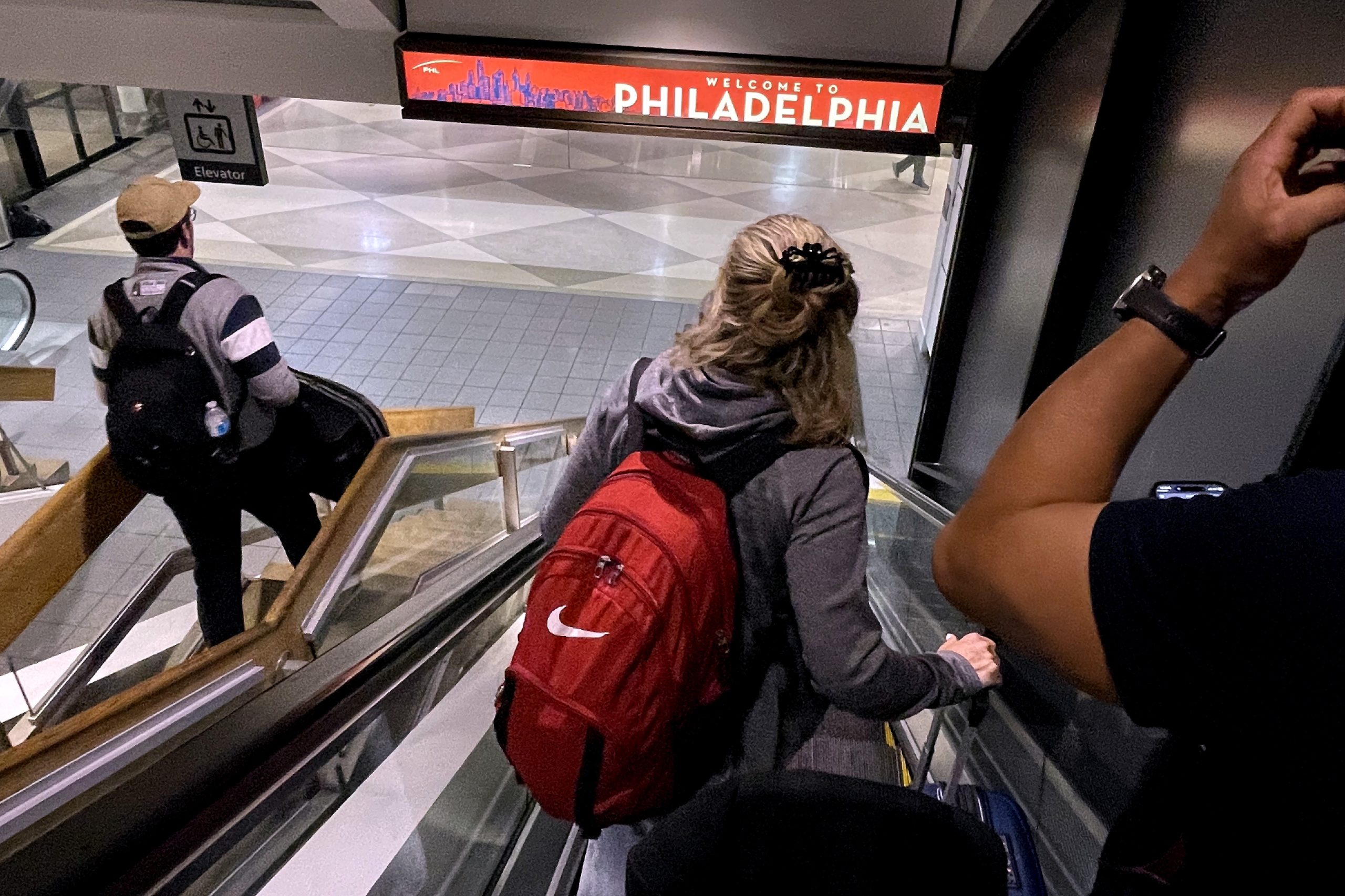
    Philadephia International Airport arrivals June 21, 2026.Tom Gralish / Staff Photographer

    It reminded me of the energy I feel almost every time I walk around the city, going back to my first night here and the weeks spent in my early days at the newspaper with unhoused men.

    We’ve long known we have one of the most walkable downtowns in the country, but USA Today told everyone else again this summer, naming Philadelphia number one — for the fourth year in a row. Center City is compact and easy to explore on foot, with many stores, restaurants, museums, attractions, and parks all within a short walk.

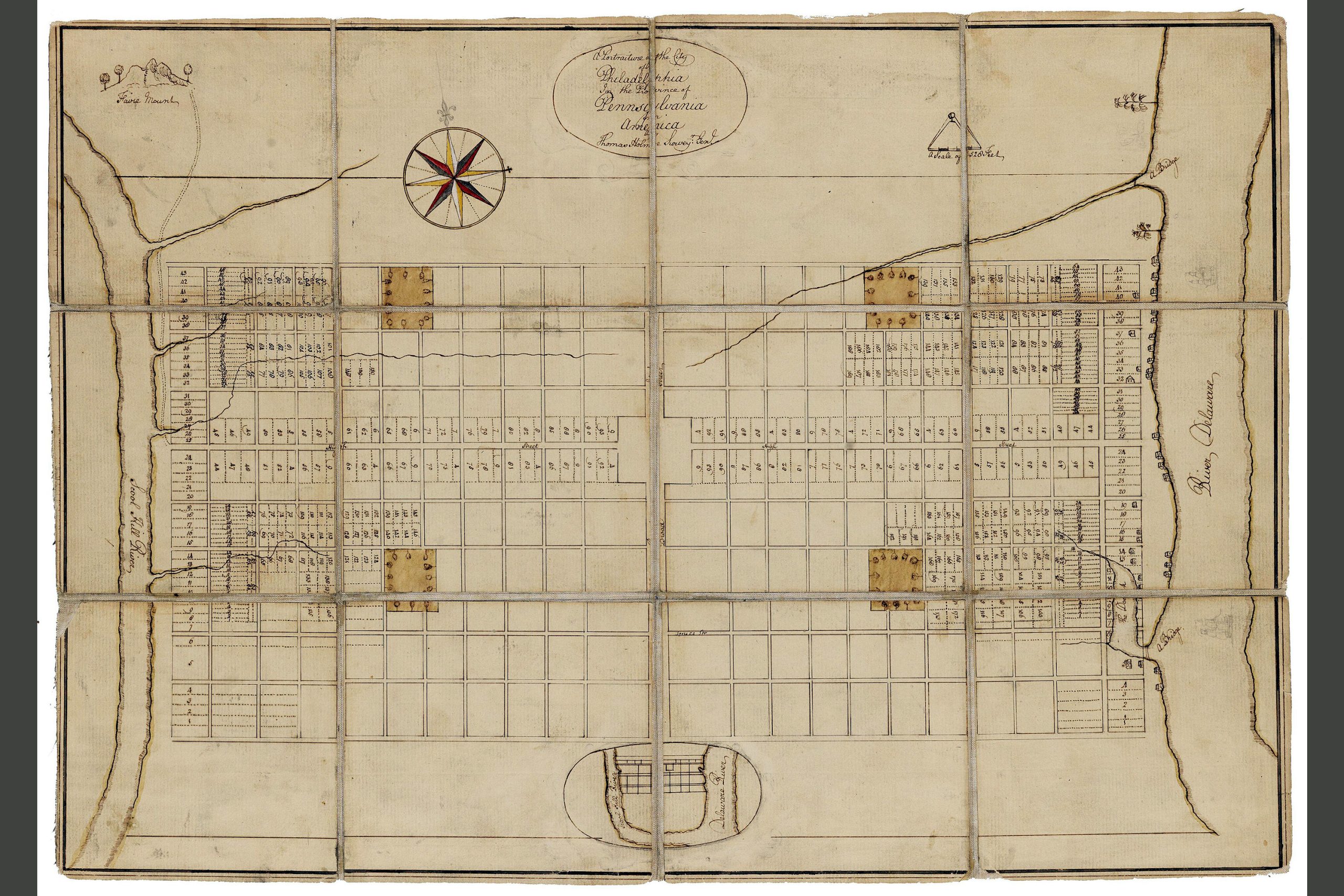
    “A Portraiture of the City of Philadelphia, In the province of Pennsylvania in America” by Thomas Holme. In 1682, William Penn appointed Holme surveyor-general of Pennsylvania and charged him with the task of laying out the “greene country towne” that Penn envisioned. This map, printed in London, was used for both reference and promotional purposes to show the unique layout of Penn’s emerging city.Historical Society of Pennsylvania

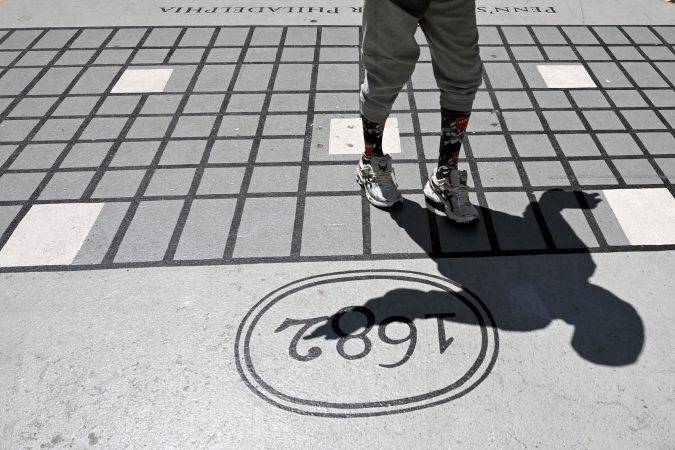
    Credit William Penn’s 1682 street plan that created small rectangular blocks with straight, predictable streets. I was thinking about that as I looked down at the grid on the ground in the courtyard of City Hall, when Lyn-el “The Torch” Wright paused right in front of me: “take a picture of my sneaks.” That’s his shadow above.

    I did, and asked if they were special, wondering if they had something to do with Adidas, the official World Cup sponsor and match ball provider. No, not really, he said, but then educated me on what the kids today were wearing: Asics and Saucony. And Salomon.

    So, being a history nerd, I had to enlighten him on the design he was standing on. Titled “Compass Rose,” it was commissioned by Edmund Bacon in 1994 as a gift to the city to mark Penn’s 350th birthday. It was painted by David Salama and Pat Sprott and updated by Mural Arts Philadelphia in 2004, 2015 and 2022. It marks the exact center of the middle of Penn’s five squares (Franklin, Logan, Rittenhouse, and Washington being the others).

    I didn’t actually say all of that (unlike similar “TED Talks” my grandson is subjected to), but our conversation is the other thing I like most about walking around Philadelphia. Meeting and talking to people.

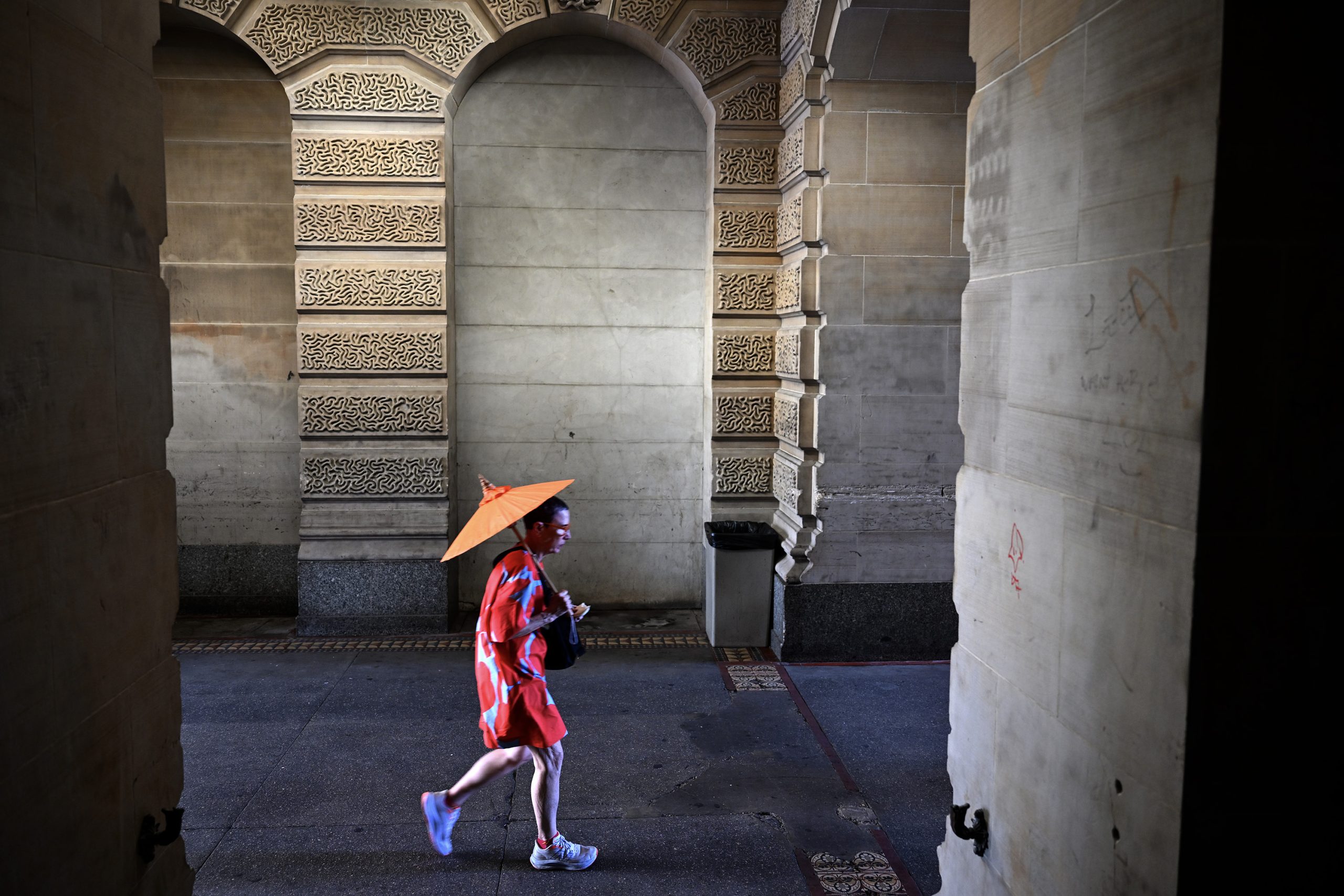
    Passing through the south portal of City Hall on Monday, July 20, 2026. She said the umbrella was a recent purchase. “Anything to keep cool in the heat.”Tom Gralish / Staff Photographer

    The day was a remarkable one in Center City, similar to the summer solstice back in June. And it was coming off the week of heavy rains, microbursts, and then, the Canadian and Great Lakes wildfire smoke that moved into the region.

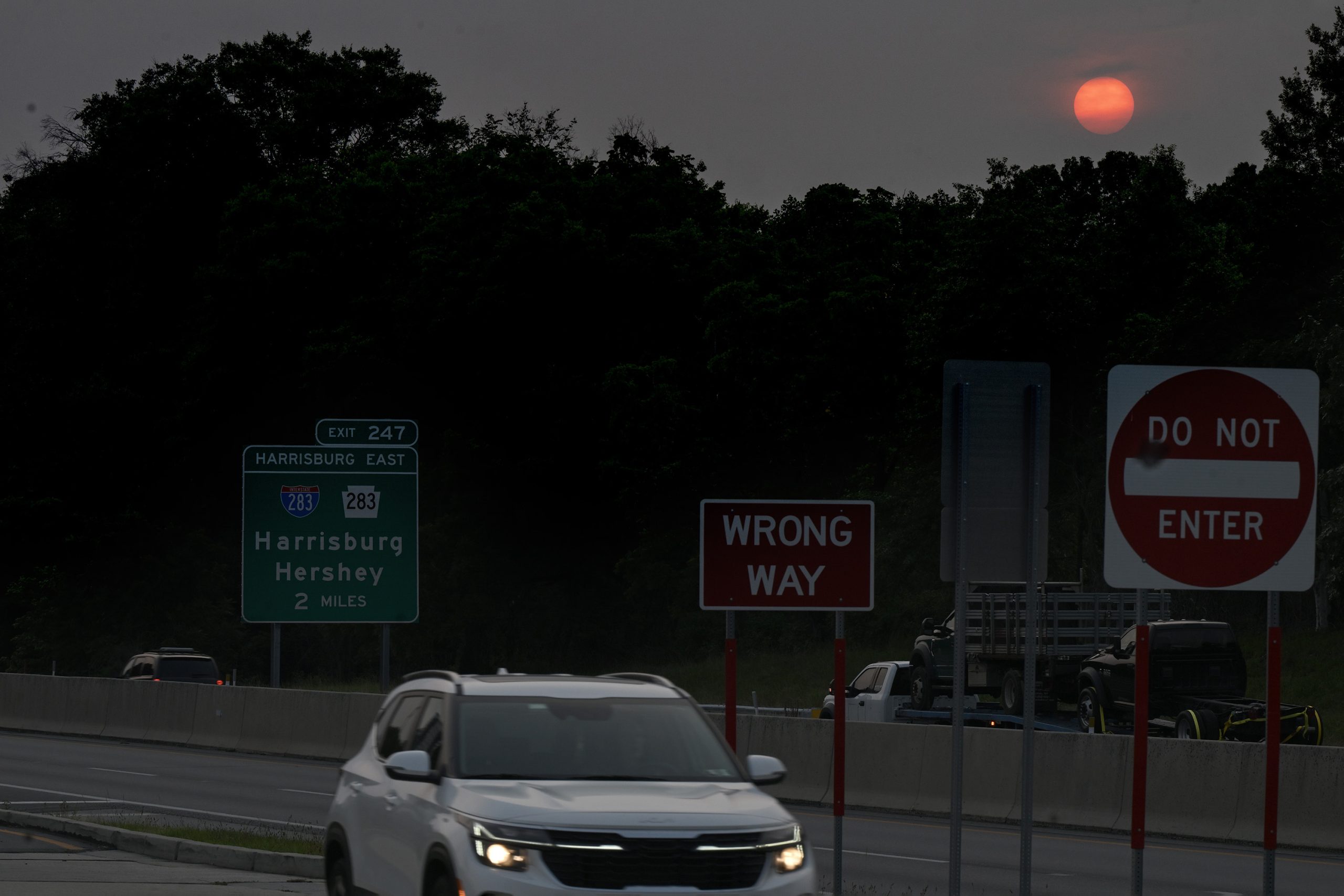
    The sun sets in a hazy sky over the Pennsylvania Turnpike Wednesday, July 15, 2026.Tom Gralish / Staff Photographer

    When the skies finally cleared last Sunday, I joined hundreds of outdoor enthusiasts taking advantage the improved air quality and photographed along the Schuylkill River Trail.

    I scouted angles to get as many people — and a variety of runners and walkers — in the same frame. But, perhaps because I covered a memorial for Barbara Friedes, a 30-year-old CHOP doctor who was killed on her bike by a drunk driver in July 2024, my attention drifted toward the bicycles.

    When I saw a patch of backlit trees I knew if I panned with my camera and a slow shutter speed the highlights would turn into nice blurs — while the biker would be (somewhat) sharp and in focus.

    One of the advantages of digital photography is that you can get immediate feedback and adjust your camera settings for the effect you desire. I wanted to get a colorfully outfitted biker, and by the time the “right” one passed in from of me, I was set (1/20th second at f/22, with an ISO of 640 on my Nikon Z8 with a 24-70mm lens).

    Finally, here’s one more “nice day” photo I made after talking with “The Torch.”

    I spent a good part of the winter and early spring of 2024 along an eight block stretch of Market East while the city was dreaming and debating its potential driven by later-scraped plan by the Sixers to build a $1.55 billion downtown arena.

    It was a tattered corridor, especially the south side of the 1000 block that was mostly boarded up storefronts. The city started trying to freshen it up before our summer of celebrations.

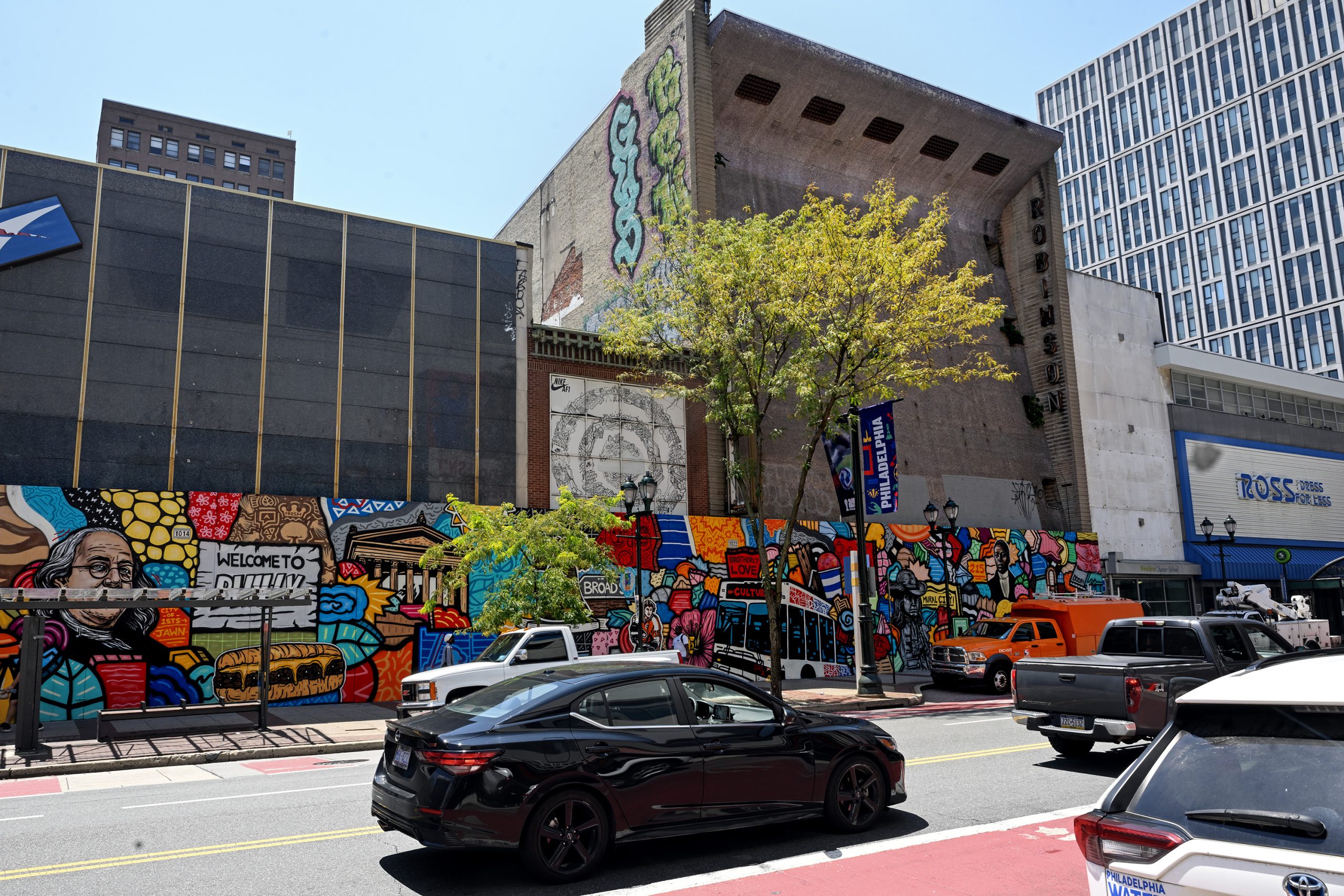
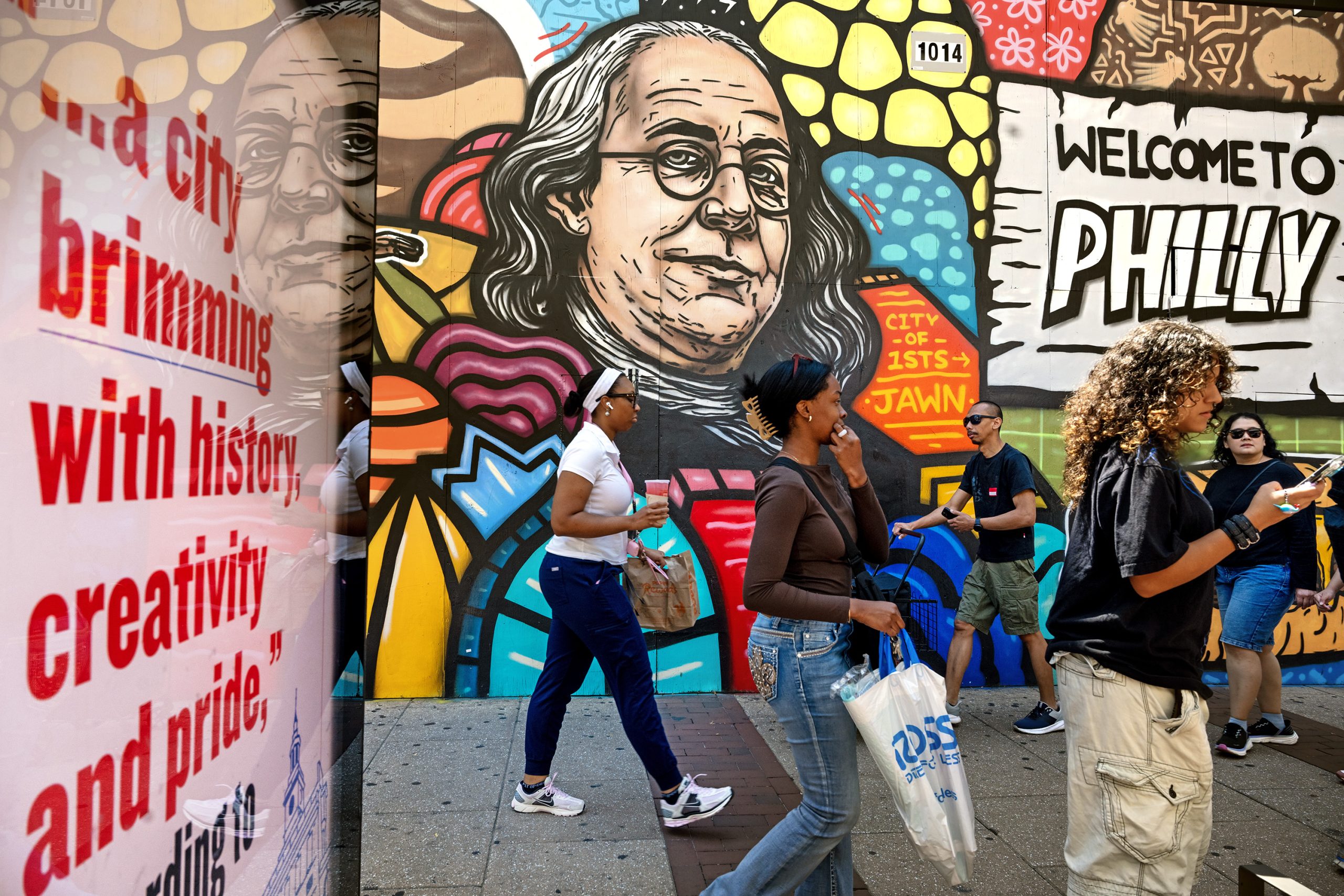
    Walking there on Monday I admired the 150-foot mural “Welcome to Philly” artist Alloyius McIlwaine was commissioned to paint there before the big summer. I didn’t want to merely record his month-old work, but as I stepped into a bus shelter to get out of the flow of pedestrian traffic, I was immediately stuck by Ben’s reflection in the shelter’s glass — and the words of an unrelated advertisement.

    I didn’t want a photo that called too much attention to a single fellow walker, so I waited patiently for that magic moment when my frame was filled with a half-dozen people.

    Since 1998 a black-and-white photo has appeared every Monday in staff photographer Tom Gralish’s “Scene Through the Lens” photo column in the print editions of The Inquirer’s local news section. Here are the most recent, in color:

    » SEE MORE: Archived columns and Twenty years of a photo column.

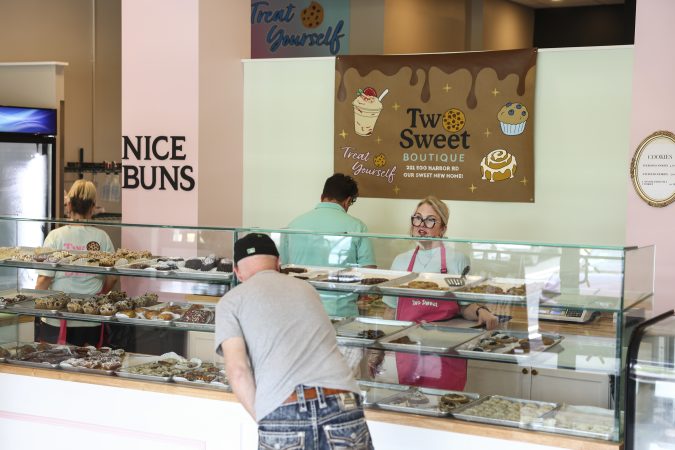
  • Two Sweet Boutique, known for its viral Kelce Klusters, is busier than ever after a move to Washington Township

    Two Sweet Boutique, known for its viral Kelce Klusters, is busier than ever after a move to Washington Township

    South Jersey dessert lovers looking for banana pudding, cinnamon rolls, cookies, and more sweets just gained a new stop in Washington Township.

    Two Sweet Boutique, named for its founding by a mother-daughter duo, moved to their new location at 201 Egg Harbor Rd. and opened on July 8.

    Jeanne Centrone, who runs the bakery with her daughter Alex Centrone Coyle and husband, Rocco Centrone, said the store has stayed busy since its launch. Some days, floods of customers have wiped their shelves clean, forcing Two Sweet to close early. People have been waiting outside before the store opens.

    “Everything is homemade,” Centrone said. “We bake from 5 a.m. until 5 at night. Sometimes we’re here later. I think we pride ourselves in that.”

    The opening came weeks after Two Sweet closed its former spot at 1526 Hurffville Rd. in Deptford, where it served patrons for nearly a decade.

    The former Deptford location, now for sale for nearly $275,000, had a visit from Gov. Mikie Sherrill in February to promote small businesses and sample pastries. Sherrill picked out treats inspired by the Kelce brothers for her teenagers during the stop. The bakery still sells Kelce Klusters.

    Following the visit, Two Sweet received an influx of negative voicemails and boycott threats from critics of the Democrat, along with boosted support from regulars. Centrone said those reactions have since died down.

    “We got a lot of new customers out of it. Something that started out devastating turned around and worked in our favor. We haven’t heard anything since,” Centrone said. “It was an honor that the governor wanted to come here to our little shop.”

    The original business began when a neighbor offered to rent out his vacant property to Centrone and her daughter so they could sell their sweets.

    At the time, Centrone was making chocolate-covered fruit trays, and Alex Centrone Coyle baked cakes. They started Two Sweet with cupcakes, cookies, and chocolates in a 900-square-foot space with no air-conditioning. But as time went on, the Centrones, Washington Township residents, experimented with more recipes and grew their staff and customer base.

    “Through trial and error, it’s exploded,” Centrone said.

    Two Sweet’s new location, which neighbors tanning salon Glow Lab in a local shopping center, is more than 1,800 square feet and will soon feature a coffee bar with hot coffee, cold brew, lattes, and iced tea, Centrone said. The larger space, which formerly housed The Color Room beauty salon, has given the family more room to bake and store their ingredients.

    Centrone’s other two daughters are helping out at the bakery, too, along with about five bakers and a few employees working the counter. The Centrones are looking for new hires to support the recent rushes.

    “I hope that things continue on a positive note and we continue to grow, with the shop and with the community,” Centrone said. “We’re extremely grateful the way that we’ve been welcomed here and the way people continue to show up every day.”

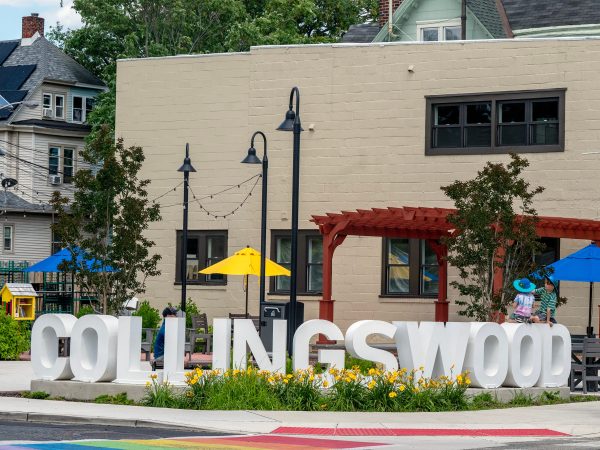
  • Collingswood is reviewing its public pool rules after ‘recent incidents’: ‘Harassment of any resident will not be tolerated’

    Collingswood is reviewing its public pool rules after ‘recent incidents’: ‘Harassment of any resident will not be tolerated’

    Collingswood is reviewing the borough’s public pool policies after “recent incidents” at Roberts Pool gained traction on social media, officials said Thursday.

    “The safety and well-being of our residents and Borough employees is our highest priority, and we take these matters seriously,” the borough wrote on Facebook. “Harassment of any resident will not be tolerated. We are currently reviewing our pool policies to determine where updates or clarifications may be needed. Additional information will be shared as appropriate.”

    The statement was posted after Libs of TikTok, an anti-LGBTQ social media account that often gets the attention of conservative media organizations, posted a screenshot from a private local borough Facebook group from someone seeking advice after being harassed for their attire during a visit to Roberts Pool.

    The post from the conservative account also posted photos of the person and described them using transphobic language before pointing to what they called the pool’s “inclusivity policy” that allows people to use the locker rooms based on their gender identity.

    Collingswood Mayor Daniela Solano-Ward declined to provide any details about the incidents that prompted the policy review, but said, “we’ve had multiple complaints over the past two weeks.”

    “We are working to address them all in an appropriate and timely manner,” she said.

    “We are taking this opportunity to review our entire rules and regs sheet that is distributed to both staff and patrons,” Solano-Ward said in an email.

    An update on the policy review will be shared “after all relevant borough personnel have reviewed it,” she said.

    The resident who was the target of the viral post declined to speak to The Inquirer citing fear of more backlash from the far-right.

  • Del Buono’s Pastry Shop set for August opening at former McMillan’s Bakery in South Jersey

    Del Buono’s Pastry Shop set for August opening at former McMillan’s Bakery in South Jersey

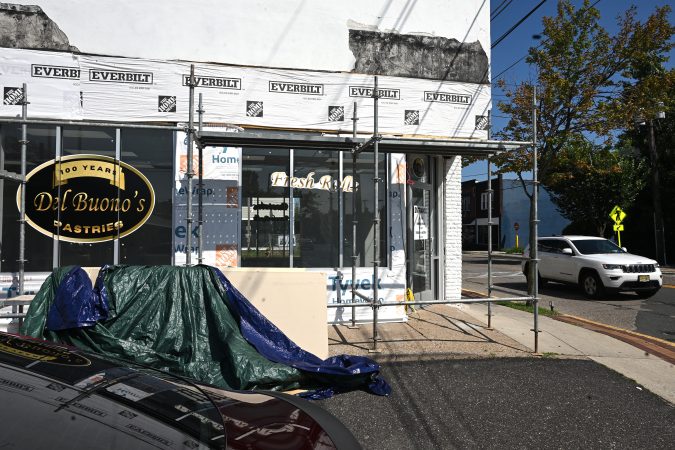
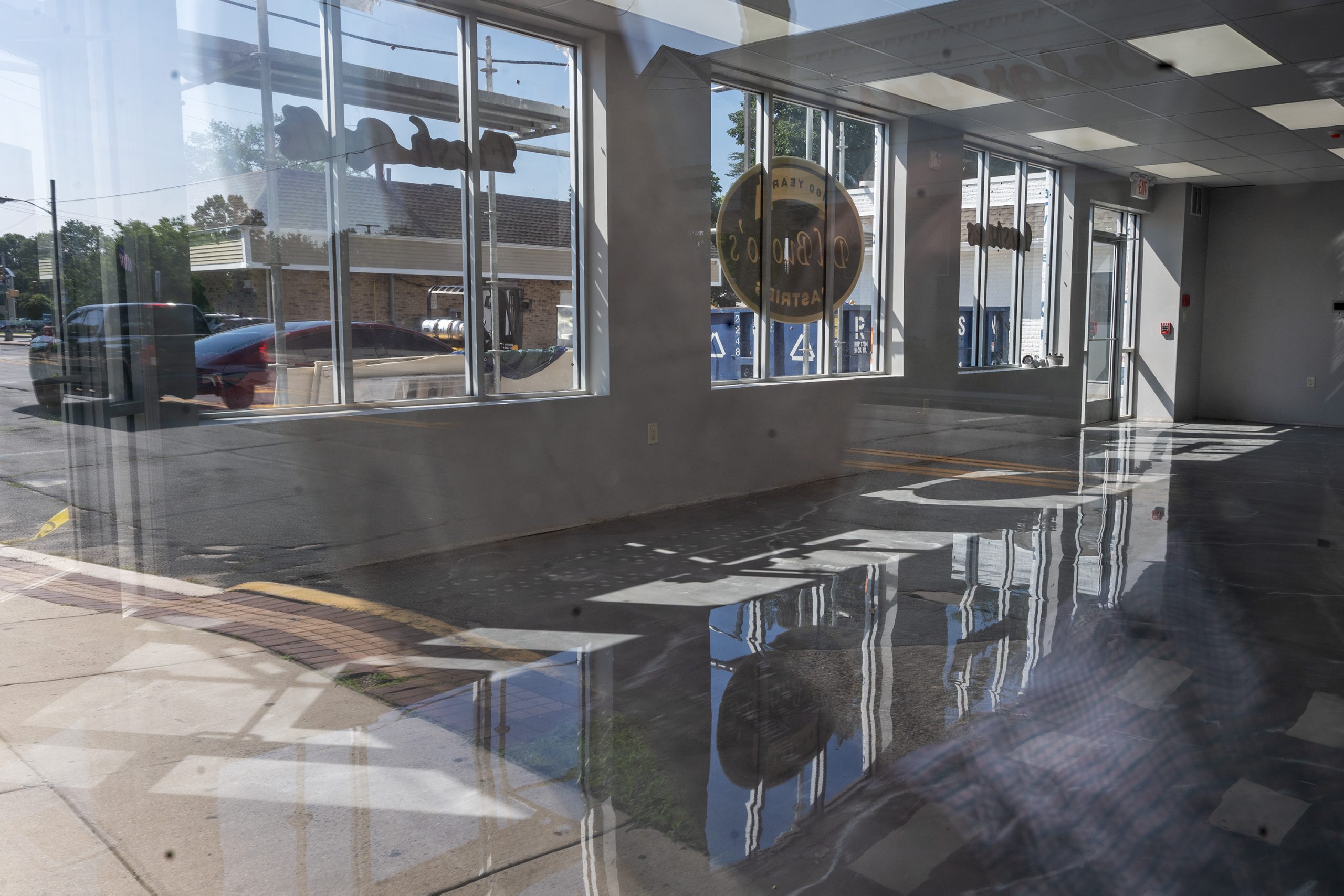
    The former McMillan’s Bakery in Haddon Township will reopen as Del Buono’s Pastry Shop in late August after months of extensive renovations, featuring the expertise of a McMillan family member and a Food Network alum.

    Construction is still underway, but entrepreneur and Haddon Heights resident Tom Whitman, 63, said he plans to host a grand opening on Aug. 29.

    Whitman, who also owns 100-year-old Del Buono’s Bakery in Haddon Heights and all three Carmen’s Deli locations, said he and his team took the South Jersey staple, once known for its cream doughnuts and holiday cakes, down to the studs.

    “We’re going to build upon that legacy,” Whitman said. “We’ll have some of the original flavor of the business, and hopefully make it better.”

    Construction continues July 20, 2026 on the former McMillan’s Bakery on Haddon Avenue in the Westmont section of Haddon Township. The family business closed in May 2025 after 86 years. It will be a new bread-and-pastry shop operated by the local Del Buono’s chain.Tom Gralish / Staff Photographer

    The new pastry shop, set to open seven days a week, will be 2,000 square feet, more than double the size of McMillan’s Bakery. It will feature doughnuts, pastries, desserts, specialty coffee, and bread and rolls sourced from Del Buono’s Bakery. Whitman said he hopes the products at Del Buono’s Pastry Shop will also be sold at his other storefronts.

    “I combine legacies and use the strengths of each of the businesses and try to combine them,” Whitman said.

    The pastry shop will use 900 square feet of the new space to host DiBartolo’s Kakery, a cake shop led by Woolwich resident Al DiBartolo.

    DiBartolo, 51, has long baked for South Jersey residents and made his name in years past as a winner of Food Network’s Halloween Wars and as a contestant on TLC’s Next Great Baker.

    Whitman, a former Domino’s Pizza franchisee, plans to employ between 20 and 40 workers, including part-time and full-time staffers. Some employees who worked at McMillan’s for decades will return, Whitman said.

    One returning employee is Doug Biemiller, a grandson of McMillan’s founders George and Evelyn McMillan. Whitman said Biemiller, DiBartolo, and other bakers have worked together to compile 400 of their recipes to start the pastry shop off.

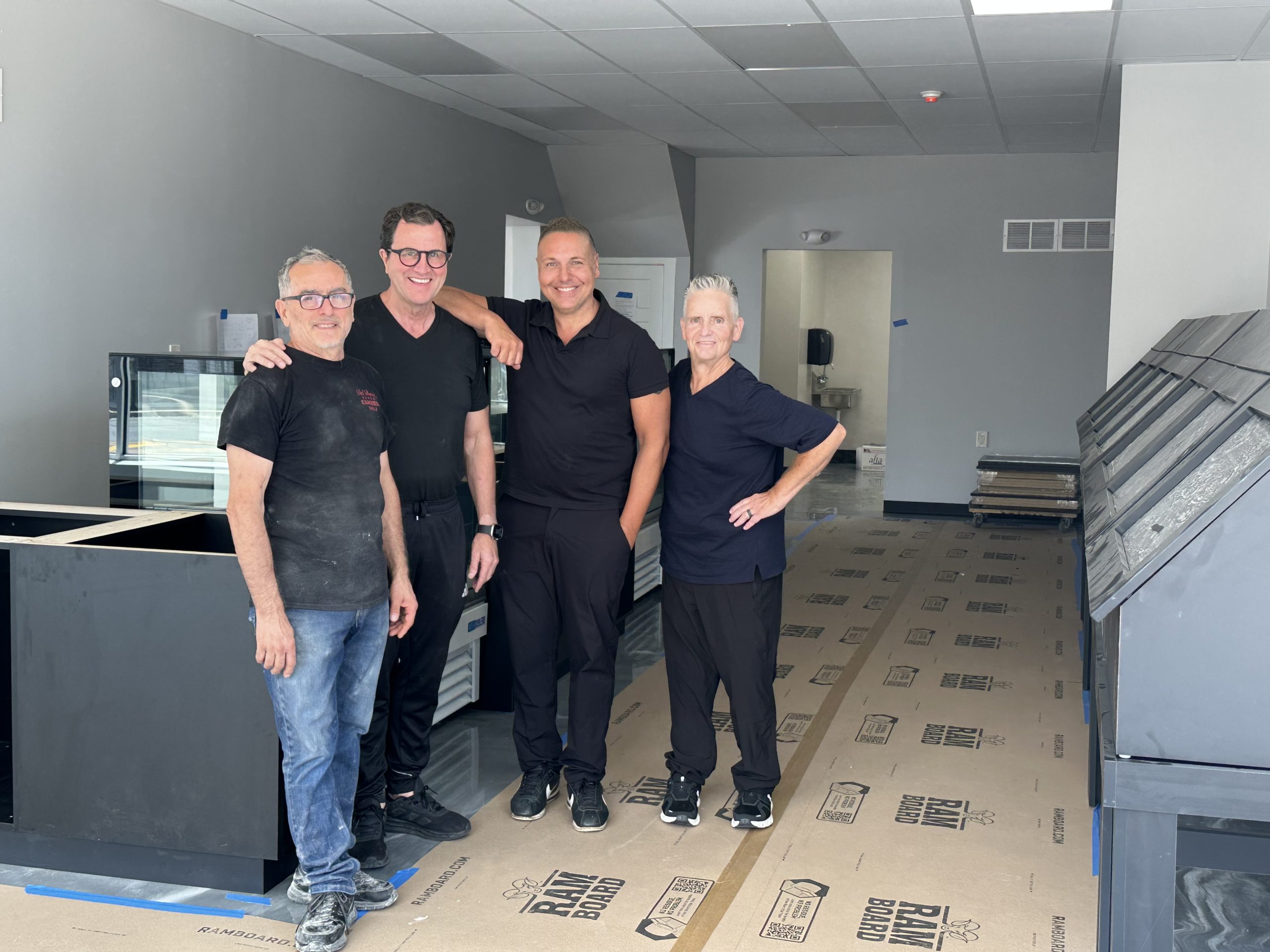
    From left to right, Atilla Baysal, Tom Whitman, Al DiBartolo, and Doug Biemiller stand in Del Buono’s Pastry Shop at 15 Haddon Ave. on Friday, July 24, 2026, in Haddon Township, N.J.Robin Lange

    The founding family of McMillan’s Bakery, a fourth-generation business at 15-17 Haddon Ave., put the shop up for sale in 2024. Whitman purchased the building for $500,000 last September from Grake Homes Construction, according to deed records, to pursue his third revival of a family-owned South Jersey food destination.

    In October, Whitman said he planned to spend $1.5 million to $2 million on the project, including the real estate purchase and the construction of two apartments above the pastry shop. Weeks before the August opening, Whitman declined to share the total spent, but he said the ticket price was over $2 million, after rebuilding the property from scratch.

    He had initially expected the shop to open in February, but construction has taken longer than Whitman anticipated.

    “It was extremely expensive, but I just want to do it once, and I want to do it right,” Whitman said.

    Until recently, DiBartolo served as chief baking officer for Cherry Hill’s Classic Cake.

    But after moving between three jobs in the last two years, DiBartolo said, he jumped at the chance to finally bake with his own recipes again and work with Del Buono’s, where his family members are regulars.

    “It’s still nice to be in your 50s and make your parents proud,” DiBartolo said.

    DiBartolo’s Kakery will have grab-and-go cakes, including fan favorite rum and pound cakes, along with a consultation area where customers can discuss options for custom specialty and wedding cakes.

    Del Buono’s Pastry Shop currently plans to have a soft opening in mid-August. In the meantime, renovations to the property are still in progress, and with the Aug. 29 grand opening looming, Whitman said he thinks the shop will meet the deadline to serve locals looking to rediscover their neighborhood “mental health food” destination.

    “I’m like a little kid waiting for Christmas,“ Whitman said. ”I want to see it as much as anybody else does.”

  • How surfing came to the Jersey Shore

    How surfing came to the Jersey Shore

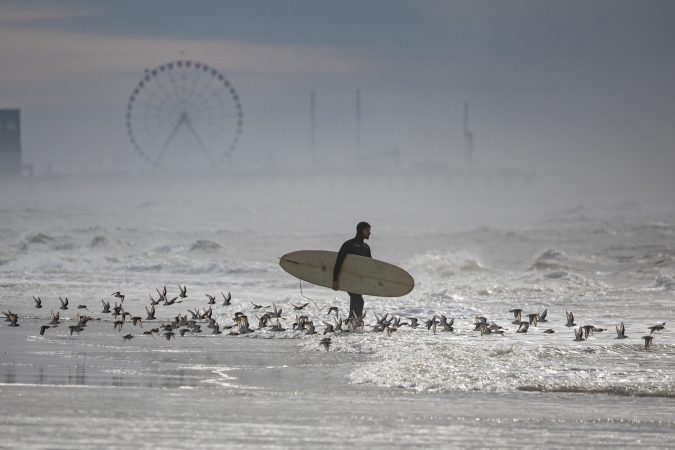
    Long Beach Island recently hosted the 18th annual Coquina Jam at Brant Beach, an all-women surfing event that raises funds for the David’s Dream & Believe Cancer Foundation and the Jetty Rock Foundation. With summer in full swing, there are many opportunities to catch waves down the shore: for example, on Aug. 22, people ages 5 to 60 can compete at Ocean City’s 7th street at the Eastern Surfing Association competition. Kids and adults alike can book a lesson up and down the shore.

    Surfing might be a part of the shore experience today, but it was not always a staple of the East Coast. In fact, surfing was once seen as the domain of the countercultural West Coast. But during the 1960s, fanatics brought their boards to New Jersey in the hope of disassociating surfing with its rebellious and countercultural image—and instead promote it as a purposeful pursuit and competitive sport. Positioning surfing as no different than playing basketball, baseball, and football helped entrench it in New Jersey seaside life, while also reinforcing ideas about conformity and respectability.

    Surfing’s image has evolved greatly over the years, with its roots tracing back to Hawaii. Since about the 12th century, Hawaiians of all classes and genders took to the waves. They steered large, finless, wooden boards known as alaia and olo boards.

    However, by the late 19th century, an influx of American Christian missionaries into the islands pushed the “lustful” sport to the margins, casting it as incompatible with the aims of settlers and businesses. Nevertheless, Hawaiians continued to find ways to surf, and soon white settlers began to appropriate Indigenous beach culture for their own purposes.

    In the early 20th century, tourism-minded opportunists including Alexander Ford Hume, Tom Blake, and writer Jack London promoted surfing to draw white American settlers and vacationers to the pristine warm waters of Hawaii. In his book chapter “A Royal Sport,” published in 1907 and 1911, London remarked, “I was chiefly conscious of ecstatic bliss at having caught the wave.” Local surfing legends Duke Kahanamoku and George Freeth then spread surfing to the mainland United States. Freeth brought lifeguarding and beach culture to Southern California, while Kahanamoku traveled the globe, showcasing his Olympic-level swimming and extraordinary surfing skills.

    In 1912, after the Stockholm Olympics where he won the gold in the 100-meter freestyle event, Kahanamoku visited Atlantic City, exposing the shore resort to “the sport of kings” for the first time. In the early 1930s, Tom Blake, an innovator who manufactured surfboards for U.S surfers in the first half of the 20th century, introduced his 13-foot wooden longboards to Ocean City. But despite these early exposures, surfing did not catch on in the Garden State until the 1960s.

    Movies and music were instrumental to surfing fever at the Jersey Shore. Viewers were drawn to Gidget’s (1959) Cliff Robertson as “the Big Kahuna,” a youthful nonconforming rebel who valued the hedonism of the beach and consistent access to surf over responsibilities. Young people were captivated by the carefree lifestyle found in the Beach Party (1963) franchise. These movies were fictional but spoke to growing white affluence and greater access to leisure in real-life postwar America. Teenagers flocked to local theaters to watch the globe-trotting adventures of surfers Robert August and Mike Hynson in 1966’s The Endless Summer.

    Some New Jersey teenagers embraced the fad, perhaps hoping to foster the freedom and youthful expression associated with surfing in their own waters.

    Soon, surf shops popped up and down the coast, sponsoring new surf teams and providing locals with access to equipment. Ron Jon Surf Shop was founded in Ship Bottom in 1961, while Surfer Supplies in Ocean City, and Heritage Surf Shop in Sea Isle both opened in 1962. The New Jersey Hobie team was hosted by the Manatee Surf Shop, founded in Belmar in the early 1960s.

    Yet as surfing proliferated along the shore, initial community reactions were sour. Young surfers were seen as troublesome, an unpredictable hazard on crowded beaches. Police, concerned parents, and hotel owners all spoke out against surfers, viewing them as vandals with unkempt, long hair, huge unwieldy surfboards, and worst of all, they used profanity and disobeyed authority figures. The presence of surfers threatened to disrupt the peace of beachside resort towns, places for respectable families who followed the rules.

    In 1966, for example, authorities in Bradley Beach curtailed surfers’ access to the Kent Avenue Beach, with Police Chief Harvey Gaunt reporting that surfing was a safety hazard. He claimed that surfers “set fires in trash barrels, illegally exchanged beach badges, are often injured, are often poor swimmers, leave their boards where bathers may walk into them, use foul language, create a danger when they carry their boards, and use the beach instead of a toilet.” The litany of charges revealed an almost visceral disgust at people who surfed, evoking an ongoing moral panic about juvenile delinquency and the erosion of middle-class norms.

    Made By History sponsors. FOR USE ON MADE BY HISTORY STORIES ONLY.Inquirer Staff

    To overcome such associations and convince the broader community that surfing deserved a place down the shore, surfers organized, hoping to show how surfing might channel young people’s energy and coexist with other popular shore activities and sports. They formed surfing associations and clubs.

    In 1963, Cecil Lear, a schoolteacher from Belmar, along with eight other members, founded the Jersey Surfing Association (JSA), aiming to garner respect for surfing as a growing American sport. In his fight to establish designated surfing beaches in New Jersey, the schoolteacher touted the positive health benefits of surfing: it provided quality exercise, and what’s more, morning surfing sessions could promote earlier bedtimes—keeping young surfers out of late-night trouble. The association hosted successful competitions during the 1960s, such as the Greater Point Pleasant Jaycee Contest and the Jersey State Open State Surfing Championships in Belmar.

    In 1965, John “Bull” Carey, a real estate developer and former lifeguard and surfer, and Don Pileggi, Ocean City’s Recreational Director, founded the Ocean City Surfing Association (OCSA). They instituted a yearlong tournament schedule that operated around school breaks.

    The summer season featured contests every Tuesday, where bronze, silver, and gold medals were awarded, culminating in early September with a final event, the Ocean City Open Surfing Championship. During the school year, a contest was held each school break: the Turkey Trot over Thanksgiving, the Polar Bear over winter break, and the Spring Fling over spring break.

    By the middle of the decade, the surfing association was strengthening relationships with the city and local businesses. For example, in preparing for the Polar Bear Championship on Dec. 28, 1966, the OCSA worked closely with the city, the Port-O-Call Hotel, and Bob Harbaugh’s oceanside restaurant, providing free hot showers and changing rooms for frozen contestants, drum fires along the contest beaches at 14th and 15th streets, hot coffee and soup on standby, and a catered lunch for the winners.

    Treating surfing as a competitive sport and potential money-maker for local businesses helped reposition surfing as a purposeful pursuit, not just teenage trouble.

    However, this reframing also solidified a surfing demographic that was solidly middle class, mostly white, and mostly male—thereby marginalizing people of other identities who wished to surf. In this small way, surfing culture reinforced a history of segregation at the Jersey Shore, fortifying the beach and the ocean as mostly white spaces. Events like the Coquina Jam, an all-women surfing competition, may be eroding such boundaries today—but due to the history of how surfing came to the Jersey Shore, there is still a long way to go.

    Thomas DiGiovanni is a graduate student at Rutgers-Camden interested in the intersections of race and class within sporting cultures, with a concentration on surfing history.

    Made by History takes readers beyond the headlines with articles written and edited by professional historians. Opinions expressed do not necessarily reflect the views of The Inquirer.