Category: Nation & World

  • An ‘economic D-Day’ that must overcome a troubled history

    An ‘economic D-Day’ that must overcome a troubled history

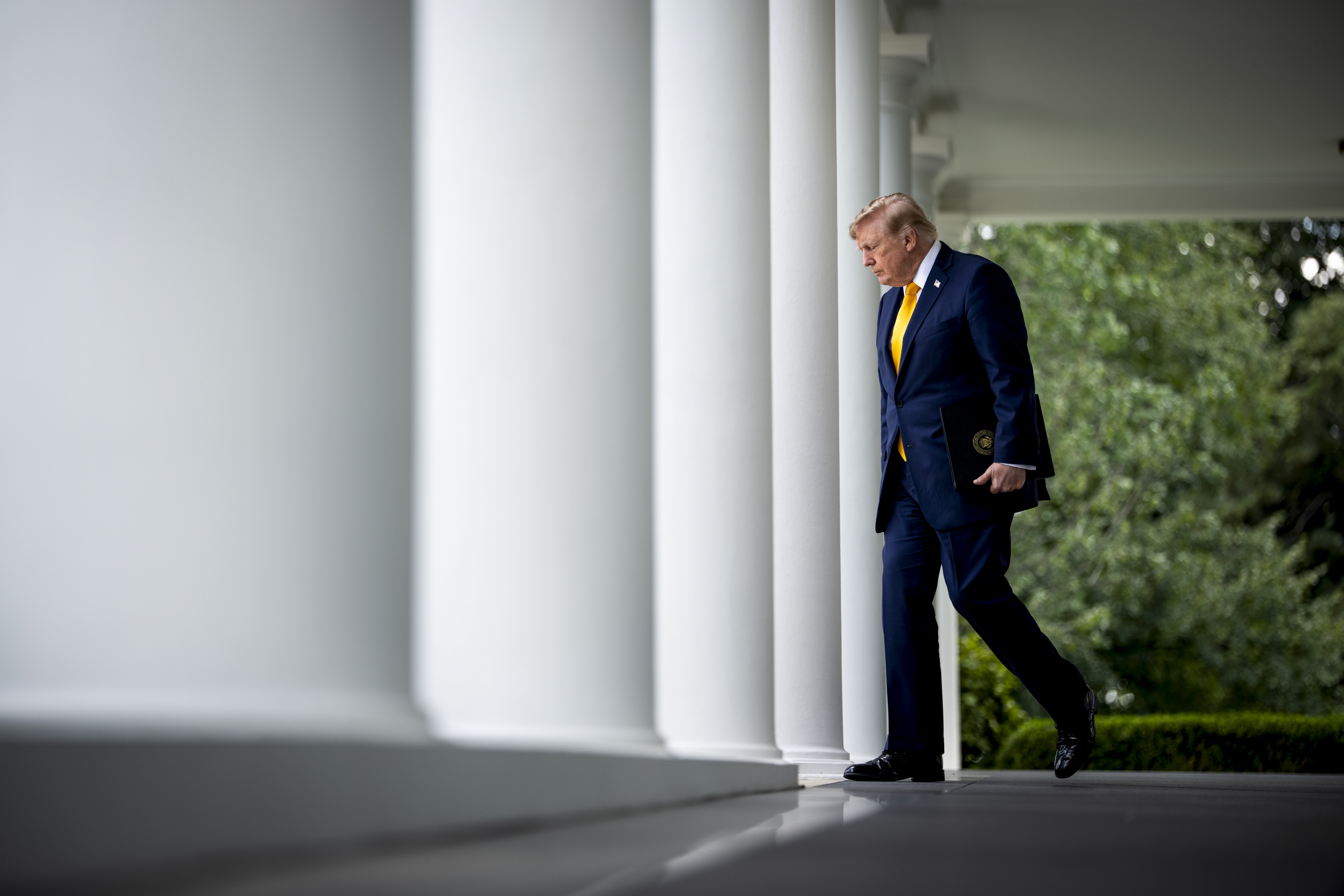
    In declaring a new “economic D-Day” for Iran on Monday, President Donald Trump and Treasury Secretary Scott Bessent are reaching for yet another strategy to grope their way out of a military adventure gone wrong. Along the way they are reversing the usual approach to coercing adversaries to bend to American will.

    Ordinarily, Washington approaches a problem like dismantling Iran’s nuclear program with straightforward diplomacy. If that goes nowhere, officials mix in escalating economic sanctions, adding an element of coercion. Military action is a last resort, and only if the president determines that risking American lives is worth the possible benefit.

    But Trump leaped from a brief round of diplomacy straight to bombing runs, meant to force the country to give up its stockpiles of 11 tons of enriched uranium — including a batch that was nearly bomb-ready — and perhaps collapse the government. The attacks failed at both objectives, at the cost of 18 American lives, hundreds or thousands of Iranians dead, and a price tag that independent analysts put at over $100 billion, though the Pentagon’s estimates are lower.

    And only now are Trump and Bessent trying one more grand experiment, named Operation Economic Outcast, that the White House described as “an unprecedented campaign to sever every remaining economic lifeline sustaining the Islamic Republic of Iran.”

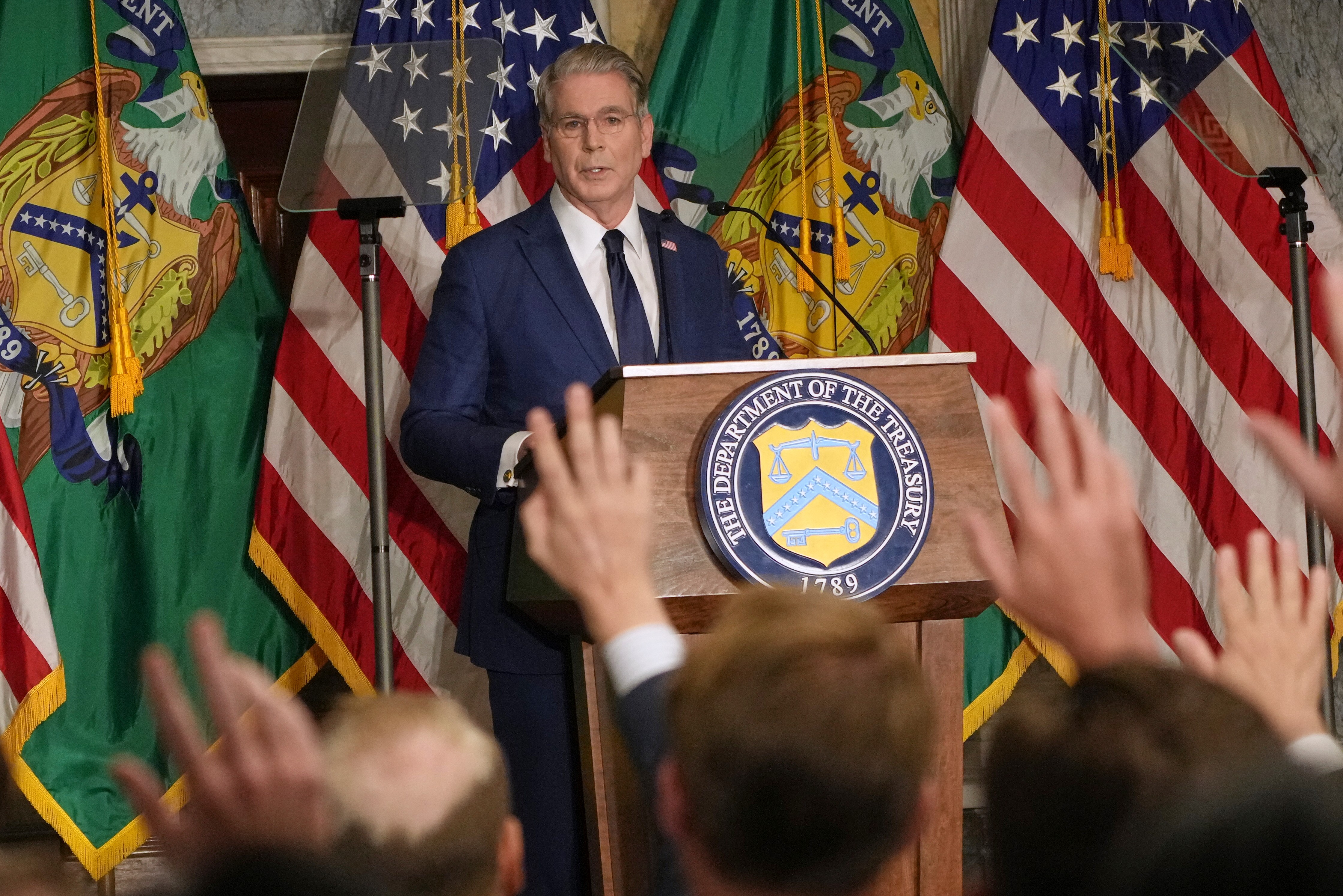
    The plan is not implausible. As described by Bessent, it involves choking off every last transaction that funnels money to Tehran, whether it is well-disguised digital transactions, or ship-to-ship transfers of oil, or the movement of gold around the globe. “This is a sustained operation to collapse every last option for Iran,” Bessent, who has become the public face of the effort at economic strangulation, said at a news conference at the Treasury on Monday.

    But the effort raises a series of questions that the White House has not answered. First among them is why, if sanctions as airtight as these are possible, they were not employed before Trump ordered the U.S. military into battle, exposing shortages of key munitions and the limits of U.S. military power? And now that the military has, in Bessent’s words, “laid the groundwork” for success, what about China — which purchased more than 80% of Iran’s oil exports in 2025? Is the administration willing to risk another direct confrontation with Beijing, with which it is already at odds over artificial intelligence, Taiwan, a rapid nuclear expansion and a huge production overhang that threatens the global economy?

    The original D-Day, on the shores of Normandy, did not require Chinese participation. This economic D-Day does, and there is no indication so far that it is forthcoming, a month before Chinese President Xi Jinping is scheduled to arrive in Washington for his first state visit in more than a decade.

    “This will be tricky,” Peter Harrell, a visiting scholar at Georgetown Law School who has written extensively on the limits of economic sanctions, said on Monday.

    Earlier this year, in deciding how to bring Iran to its knees, Trump “had a choice to really come down hard on the Chinese, which he didn’t want to do because of his own economic agenda with Xi, or put the naval blockade on the Iranian tankers,” Harrell noted. “It turned out it was politically easier to put the blockade on all the Iranian tanks than to tell the Chinese ‘We will sanction your big companies’ if they continued their trade with Iran.”

    It is still a delicate issue.

    Bessent threatened what are called “secondary sanctions” on all nations that continued to do business with Iran.

    But in an opinion article for the Financial Times over the weekend and at his news conference Monday, Bessent never uttered the word “China.” He was going out of his way to avoid angering the world’s second-largest economy, and the one nation that may well determine whether this new White House strategy has a chance.

    Of course, there is nothing new in trying to make Iran an economic outcast. The first serious efforts to impose sanctions on Iran for its nuclear program date back to the George W. Bush administration. When the Obama administration was trying to push Iran into negotiations in 2009, the secretary of state at the time, Hillary Clinton, promised “crippling sanctions” unless the country entered negotiations.

    It took years to generate results, but many experts contend that the escalating sanctions that followed helped compel Iran to agree to the 2015 nuclear accord, sharply limiting its nuclear work in return for a lifting of financial and oil sanctions. Trump ripped up that agreement in 2018, declaring it deeply flawed.

    At that time, he began reimposing sanctions, and he and his secretary of state, Mike Pompeo, predicted that the economic pressure would be too much for Iran’s leaders to take.

    “The Trump administration is pursuing a ‘maximum pressure’ campaign designed to choke off revenues that the regime — and particularly the Islamic Revolutionary Guard Corps, part of Iran’s military that is directly beholden to the Supreme Leader — uses to fund violence,’’ Pompeo wrote in Foreign Affairs in late 2018. “Yet President Trump does not want another long-term U.S. military engagement in the Middle East.”

    Pompeo, now estranged from Trump, sounded many of the themes repeated by Bessent on Monday. The exception is that the United States is now committed to a military presence off Iran’s coast for an indeterminate amount of time, but certainly as long as Iran threatens shipping through the Strait of Hormuz.

    The record of these past sanctions is unimpressive: Iran kept shipping 2 million to 3 million barrels of oil a day despite them. Those numbers have now come down to a trickle, thanks to the naval blockade now in place.

    But the nuclear material has not moved out of its rubble-covered storage sites since the United States bombed those areas in June 2025, satellite photographs indicate. And the government survives, though under different management after Ayatollah Ali Khamenei was killed in the opening strikes of the war in February. His son, considered more of a hard-liner, now holds the post, even though he has not been seen or heard from directly.

    As a result, one of the more curious elements of Bessent’s speech Monday came when he returned to a promise made by Trump nearly six months ago: that he would establish the conditions for regime change.

    At the time, Trump thought the military battle would last a few days or weeks, before Iran offered what the president called “unconditional surrender.” He urged the Iranian people to rise up, and take over their government, after the smoke of the U.S. bombing cleared. Trump soon abandoned that effort, acknowledging in an interview with The New York Times in June that the Iranian people simply did not have the guns or organization to make that happen.

    Bessent tried a slightly different approach Monday.

    “To the ordinary soldiers supporting this regime,” Bessent said, “as more and more of your paychecks stop or are supposedly just delayed, ask whether your commanders are leading your country to triumph or to ruin, and recall that the Berlin Wall fell when ordinary soldiers decided not to shoot at their own people.”

    Of course, the circumstances when the wall fell were entirely different from those in Iran. There was no external, active war going on, just the accelerating pressure of the Cold War. And the Soviet Union and its satellites saw little hope in putting down the local uprisings, including the one in East Germany that led to Bessent’s historical analogy.

    Yet that is Trump’s big bet right now. His decision in February to forgo the kind of sanctions announced Monday, and to move right to military force, was in some ways an acknowledgment that economic sanctions move slowly, and that history suggests they often fail to work.

    Today, he is back to that plan, for absence of many other viable choices.

    This article originally appeared in The New York Times.
  • Deportees who refused to exit a U.S. flight in Liberia are sent to Equatorial Guinea

    Deportees who refused to exit a U.S. flight in Liberia are sent to Equatorial Guinea

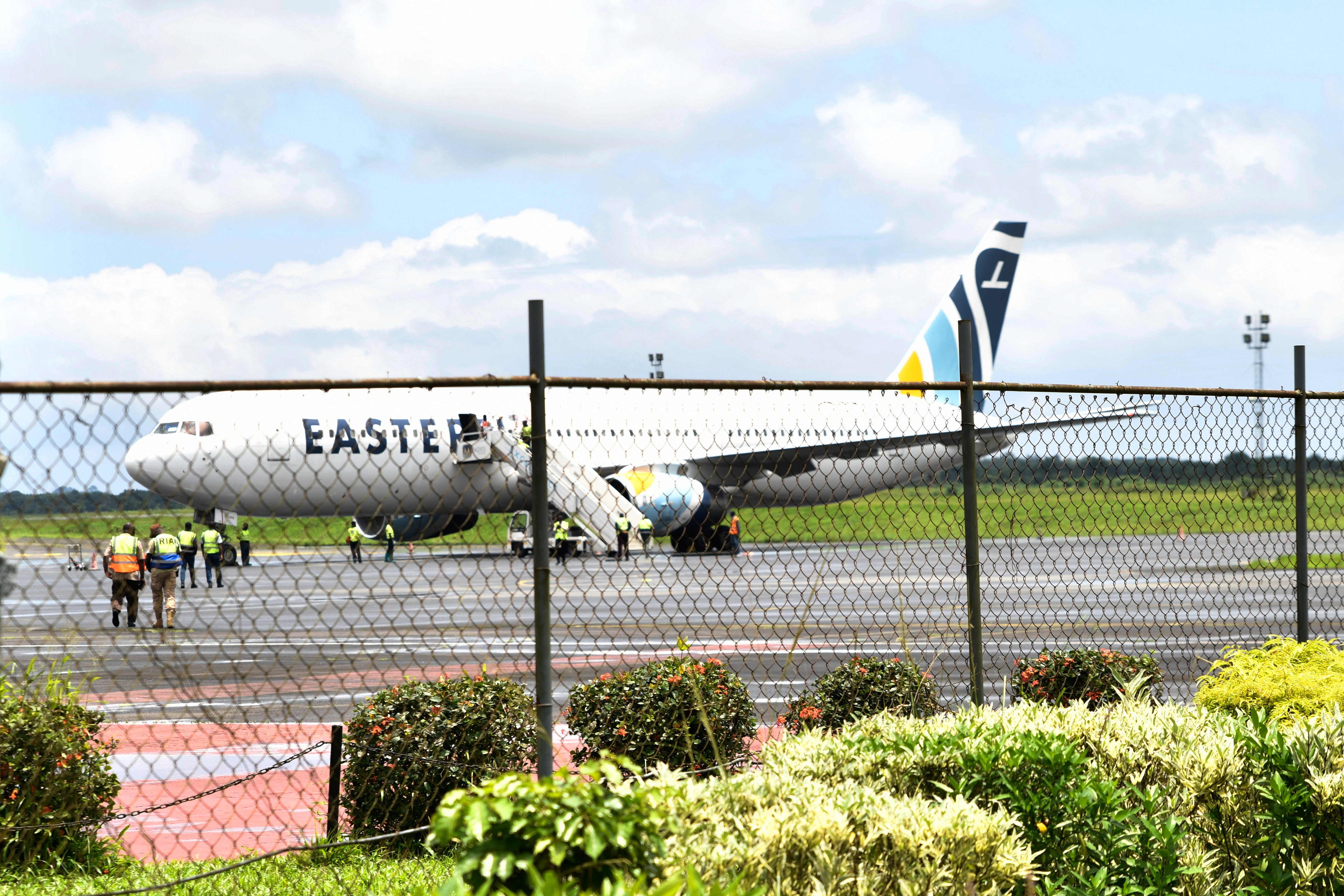
    DAKAR, Senegal — Six people who were deported by the United States to Liberia last week resisted getting off the plane and instead were sent to Equatorial Guinea, another ‌African nation that signed a third-country deportation agreement with the Trump administration, a person on the plane and a lawyer in contact with the six said Monday.

    Under a series of often secret agreements, the Trump administration has deported thousands of people to two dozen countries that aren’t their own as it pushes ahead with its immigration crackdown, advocates say. Immigration lawyers say the practice is being used as a legal loophole to indirectly return some asylum seekers to countries they fled.

    The group who refused to get off the plane in Liberia on Thursday include four Cuban men, a Brazilian man, and a Cameroonian woman, the person and lawyer said.

    A Honduran deportee aboard the flight said the group refused to disembark, saying Liberia was “not their country” and that they would face danger there. They were then separated from the others, he said. He spoke on condition of anonymity out of fear of reprisals.

    He said the other passengers got off in Liberia because they feared officers would force them.

    Meredyth Yoon, litigation director for Asian Americans Advancing Justice-Atlanta, said the deportees who resisted leaving the plane in Liberia were told they would be returned to the United States but instead were flown to Malabo city in Equatorial Guinea.

    “It was a really heartbreaking and chaotic scene when they arrived in Malabo on Thursday,” Yoon said.

    Some arrived in chains and in extreme distress, she said, including the Cameroonian woman and one of the Cuban men, who Yoon said has a large abdominal growth and uses a colostomy bag that must be drained regularly.

    There is no medical staff at the hotel in Equatorial Guinea where the six are being held, alongside around 40 other deported migrants, she added.

    Conditions at the hotel have worsened in recent months, Yoon said, with food sometimes withheld and guards accused of threatening, beating, and choking some of the migrants.

    Equatorial Guinea’s government did not immediately respond to a request seeking comment.

    Under an opaque $7.5 million deal with the Trump administration, Equatorial Guinea’s all-powerful president, Teodoro Obiang Nguema Mbasogo, has turned the hotel owned by his family into a prison for asylum seekers deported from the U.S.

  • Washington Post ordered to rehire fired columnist

    Washington Post ordered to rehire fired columnist

    A private arbitrator has ordered the Washington Post to rehire opinion columnist Karen Attiah, who was fired in September over her social media posts about the assassination of conservative activist Charlie Kirk. It also ordered the company to compensate her with back pay.

    Sarah Miller Espinosa, the arbitrator, said in a written decision Thursday that the Post “did not have good and sufficient cause” to terminate Attiah and “violated” its labor agreement, according to a copy of the decision shared with the New York Times by Attiah’s lawyers.

    “The Washington Post failed to establish the grievant engaged in gross misconduct,” Espinosa wrote.

    In a statement, Attiah said that she hoped the decision “sends a message to journalists and media institutions everywhere that freedom of expression is always worth fighting for.” She said that she was “willing to go back” to her work at the Post, which she called “one of the world’s most storied newspapers.”

    “This decision confirms what we’ve said from the start: I was doing my job as an opinion writer, and this was wrongful termination,” she said, adding that she was “relieved to finally have that record set straight”

    A spokesperson for the Post said the company respects the arbitration process and declined to comment further.

    The decision is the result of a yearlong fight between the Post and Attiah, who last year accused the company of violating its labor agreement and social media policy when it fired her for posts she said were within her purview as an opinion columnist. A clause in the agreement allows employees to submit disputes for arbitration.

    Arbitration is generally considered binding in most disputes, though courts have occasionally overturned decisions after courtroom findings of fraud or other improprieties. The Post’s labor agreement says arbitration is binding, though both the company and the employee retain their legal rights.

    The Washington Post said in its termination letter that Attiah’s posts about Kirk had harmed “the integrity” of the organization and violated standards requiring employees to use social media with civility and respect.

    Attiah’s remarks about Kirk’s assassination, which she posted to the social network Bluesky on Sept. 10, the day he was shot, responded to the outpouring of grief after the shooting. “Refusing to tear my clothes and smear ashes on my face in performative mourning for a white man that espoused violence is … not the same as violence,” Attiah wrote in one of the posts.

    The Post’s opinion section has been in flux since early last year, when Jeff Bezos, the newspaper’s owner, moved to reorient the section to focus on “personal liberties and free markets.” Some readers canceled their subscriptions and accused Bezos of attempting to curry favor with the Trump administration.

    Lawyers for the Washington Post and Attiah made their arguments before Espinosa in June during a hearing that included testimony from Attiah; Adam O’Neal, then the opinion editor at the Washington Post; and Wayne Connell, the company’s chief human resources officer. Attiah was represented by Democracy Defenders Action, a progressive nonprofit co-founded by the lawyer Norman Eisen, and by the Washington-Baltimore News Guild.

    In his testimony, O’Neal said he saw Attiah’s posts the morning after Kirk died and sent them to Connell, according to a transcript of the hearing obtained by the New York Times. “Karen’s social media feed yesterday and today is beyond the pale, completely unacceptable for someone associated with Opinions,” O’Neal wrote, according to the transcript.

    Soon after, O’Neal and Connell met with Will Lewis, then the CEO of the Washington Post, to discuss the posts, according to the transcript. They ultimately decided to fire Attiah.

    During her testimony, Attiah defended her social media posts, saying that they were part of her work for the Post, “commenting on our discourse on political violence,” Attiah said, according to the transcript.

    In a statement, Eisen called the decision “a landmark victory for one of our nation’s crusading journalists.”

    This article originally appeared in the New York Times.

  • U.S. military kills 2 people in attack on boat in Pacific

    U.S. military kills 2 people in attack on boat in Pacific

    WASHINGTON — The U.S. military killed two men in a strike against a boat in the eastern Pacific that it said was transporting narcotics, U.S. Southern Command announced early Monday. It was the first such strike by the military since June 21.

    The United States began a campaign of boat strikes last year in the run-up to the military operation that seized Nicolás Maduro, the president of Venezuela. The military has continued the operations in the Caribbean and the eastern Pacific, killing at least 223 people in 67 strikes that it said were involved in the narcotics trade.

    But narcotics experts say the boat strikes have failed to slow the smuggling of cocaine from South America to the United States. According to Brown University, the costs of the operation were at $4.7 billion as of March 31.

    Legal specialists also have said the strikes are illegal extrajudicial killings because the military is not permitted to deliberately target civilians — even suspected criminals — who do not pose an imminent threat of violence.

    Southern Command provided little detail about the strike that took place Sunday but noted that intelligence reports said the vessel was trafficking narcotics and traveling on a route used by drug smugglers.

    “Joint Task Force Western Hemisphere executed a lethal kinetic strike on a low-profile vessel operating along established narcotrafficking routes in the Eastern Pacific,” Southern Command said in a statement, referring to a new military unit set up to expand the Pentagon’s war against drugs in cooperation with regional allies.

    Gen. Francis L. Donovan, the head of Southern Command, said in the statement on social media announcing the strike: “When I ordered the establishment of Joint Task Force Western Hemisphere, it was precisely for this purpose: to accelerate, synchronize, and execute lethal actions against these destabilizing narco-terrorist networks.”

    Southern Command did not explain the two-month lull in strikes since an attack on a boat in the Caribbean killed eight people June 21. Military officials have attributed the pause at least in part to planes and other equipment being diverted to help victims of the recent earthquake in Venezuela.

    The Trump administration has in recent months stepped up its cooperation with allies across Latin America to combat the drug trade. It created the coalition, part of the regional Shield of the Americas alliance, and convened its first meeting in March.

    That month, Ecuador and the United States launched joint military operations against designated terrorist groups. In May, the Pentagon pressed Guatemala to agree to joint U.S. airstrikes and other military action inside its borders to target suspected drug groups.

    Defense Secretary Pete Hegseth said this month that Honduras and Colombia had also agreed to allow joint operations.

    This article originally appeared in the New York Times.

  • Trump’s ‘economic D-Day’ threats become warnings for countries to sever financial ties with Iran

    Trump’s ‘economic D-Day’ threats become warnings for countries to sever financial ties with Iran

    WASHINGTON — Treasury Secretary Scott Bessent announced a new round of sanctions aimed at Iran on Monday and warned every country that does business with the Islamic Republic to sever those financial ties or face retaliation from the United States.

    President Donald Trump’s pledge last week to unleash an “economic D-Day” against Tehran turned out to be new warnings to cut off Iran from the rest of the global economy. Asked why the U.S. was not imposing secondary sanctions on Iran’s trading partners, Bessent told reporters he wanted countries to have an opportunity to shift away from Iran before it was too late.

    “Why would I want to blow up the global financial system?” Bessent said.

    The Trump administration is struggling to find an off-ramp nearly six months into an unpopular war with an increasingly obstinate Iran. Washington had promised new sanctions would put even more pressure on an Iranian economy already battered by previous penalties and a U.S. naval blockade.

    But the announcement Monday provided little detail and did not name which countries could face secondary sanctions. China, Turkey, and the United Arab Emirates are Iran’s largest trade partners.

    “We are level-setting with every country to tell them our expectations. We know who they are. They know who they are,” Bessent said. “So when the hammer of U.S. Treasury actions falls upon them, they will have no one to blame but themselves.”

    Dubbing the campaign “Operation Economic Outcast,” Bessent said Trump has been “making phone calls to world leaders with specific requests to cease their interactions” with Iran and has already seen results.

    The UAE announced last week that it was suspending all trade, commercial exchanges, and financial transactions with Iran until further notice after a reported missile attack on the Gulf country. Bessent said the UAE decision was “not a coincidence.”

    Shortly before the announcement, Iranian parliamentary Speaker Mohammad Bagher Qalibaf said the U.S. is not in an economic position to further restrict Tehran’s relations with other countries.

    “Iran’s trading partners, both in the media and through messages sent to us, have made it clear that they don’t take these statements into account anywhere,” Qalibaf, who has been Iran’s lead negotiator over the past six months, posted on X.

    Bessent is pressed on what new campaign means for China

    Asked whether the U.S. would target China, Bessent said, “No one is above the reach of U.S. sanctions,” despite the fragile trade truce in place between the world’s two largest economies.

    “If they facilitate transactions and are part of the ecosystem that turns Iranian oil into money, into repression, they will be targeted,” he added.

    Experts say the U.S. is likely to carefully calibrate its actions on China, just a month before Chinese leader Xi Jinping is expected to visit the U.S.

    How much the announcement matters “depends on the aggressiveness with which President Trump is willing to enforce it,” said Ali Wyne, senior research and advocacy adviser for U.S.-China relations at the International Crisis Group. “Thus far, despite threatening severe economic consequences for countries that do business with Iran, he has largely given China a pass.”

    The Treasury Department said Monday that it was imposing sanctions on nearly 60 Iran-linked entities, accusing them of roles in Iran’s nuclear and missile programs, cyber activities, and oil shipments.

    That includes Hong Kong-based Sweet Ocean Industrial Limited and associated people and businesses, which were accused of helping Iran acquire sensitive goods such as laser optics equipment. Also penalized was China-based Shenzhen Huamei, which is a service provider for the Iran-based logistics company BRE Line, as well as BRE Line’s branch in Hong Kong, for allegedly supporting the missile and nuclear programs.

    Iranian currency falls to a record low

    Hours before Bessent’s announcement, Iran’s currency hit a record low.

    The rial dropped to 2.02 million to the U.S. dollar as trading opened on currency markets. Iran’s official Central Bank rate stood at around 1.5 million rials to the dollar, but the market rate is what most Iranians pay.

    The currency had already been under pressure before the U.S. and Israel attacked Iran on Feb. 28, as Iran faced double-digit inflation and negative growth. The rial has repeatedly hit new lows as nearly six months of war have taken an even greater toll.

    Iranians find daily staples increasingly unaffordable. Since the war began, rice is up some 60% and beef prices are more than 150% higher. The International Monetary Fund forecasts that gross domestic product will contract more than 5%.

    Still, economic pressure has not yet translated into political pressure. Iran retains a key strategic advantage: Its attacks and threats on ships in the Strait of Hormuz have brought traffic in the vital waterway to a near halt, damaging the world economy and heaping pressure on U.S. President Donald Trump ahead of congressional elections.

    The war, as a result, has devolved into a fight over who controls the strait, through which a fifth of the world’s traded oil transited before the conflict. Iran is now refusing to fully reopen it unless it can charge ships.

    Iran and Oman, which is on the opposite side of the strait, are reportedly in the final stages of agreeing on a plan for joint management of the waterway. Oman’s foreign minister is set to visit Iran on Tuesday.

    Pakistani delegation visits Iran

    Pakistan, which played a key role in brokering a 60-day ceasefire in June, sent a high-level delegation to Iran on Monday to encourage the U.S. and Iran to return to negotiations, two senior officials said. The officials spoke on condition of anonymity because they were not authorized to speak to the media.

    The military confirmed only Field Marshal Asim Munir’s visit, saying it was aimed at de-escalating tensions in the region.

    Trump spoke with Munir ahead of the army chief’s visit to Iran, according to a person familiar with the discussion who spoke on condition of anonymity to confirm a private conversation. Reuters, citing Pakistani sources, first reported the call.

    Munir met Iranian Interior Minister Eskandar Momeni in Tehran, according to the two senior officials. Munir was accompanied by Pakistani Interior Minister Mohsin Naqvi and other officials. Munir was expected to remain in Iran overnight and meet the Iranian president and other senior officials before returning to Pakistan.

    His previous visit to Tehran in May helped pave the way for a memorandum of understanding signed by the U.S. and Iran in June.

    In downtown Tehran, 73-year-old Sadegh Mahmoudi did not hold out hope for a resolution. He joined a line of about a dozen people to purchase U.S. dollars with his remaining savings to hedge against further declines.

    “There is no hope for a deal and peace,” he said.

  • U.S. set for largest mass visa revocation in history targeting up to 200,000 foreigners, officials say

    U.S. set for largest mass visa revocation in history targeting up to 200,000 foreigners, officials say

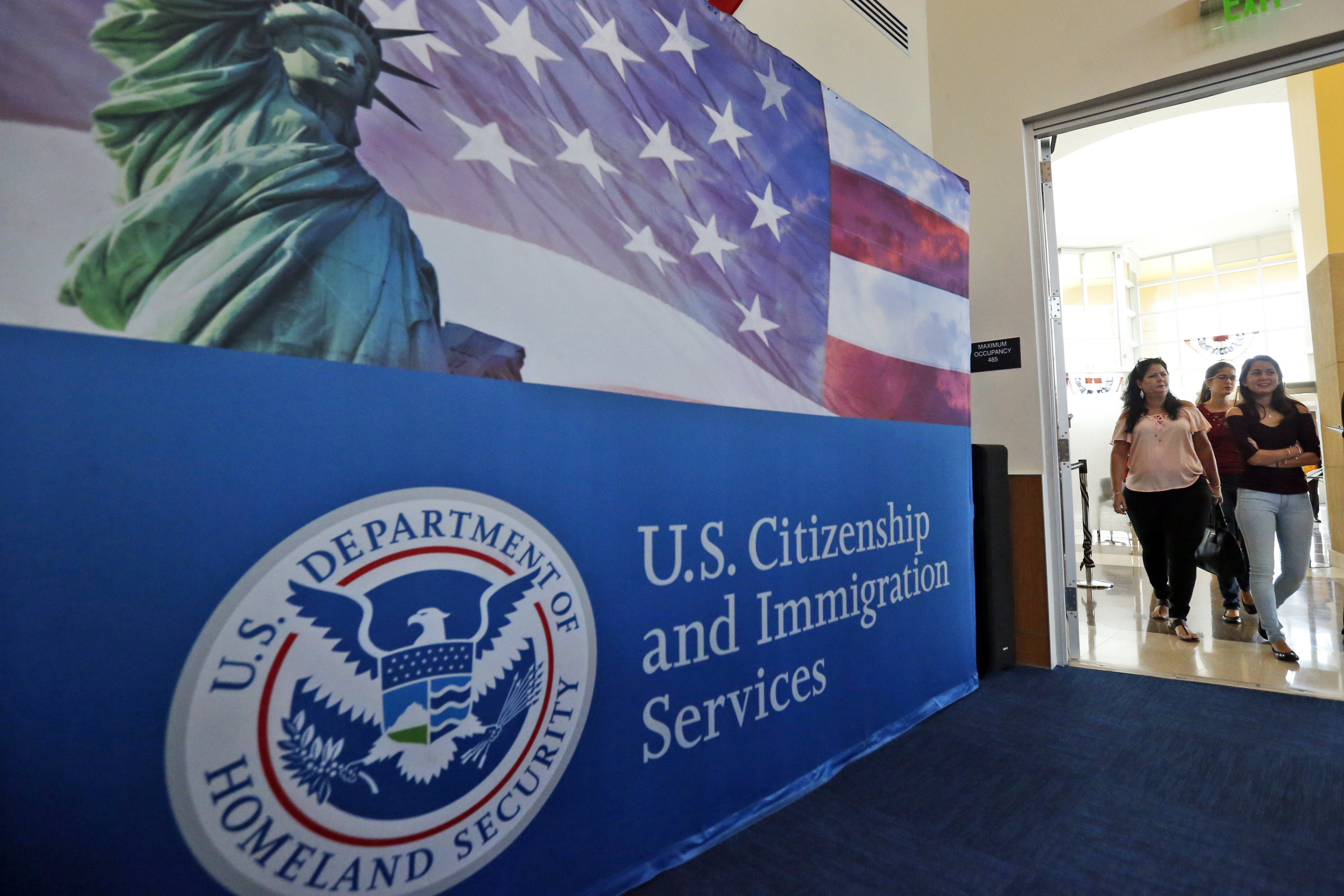
    WASHINGTON — The Trump administration is preparing to revoke the business and tourism visas of up to 200,000 foreigners who have applied for or are currently seeking asylum status in the United States. If it happens, the move would be the largest single mass revocation of visas in U.S. history and would likely face legal challenges.

    Unless the order is challenged or revised, the State Department is expected to announce in the coming weeks the revocation of so-called B1 and B2 visas issued between 2016 and 2026 whose holders have sought asylum or are now seeking asylum, according to State Department documents obtained by the Associated Press and two U.S. officials. The action will be taken in coordination with the Department of Homeland Security.

    “We are coordinating with DHS to identify and revoke the nonimmigrant visas of foreigners who have come to the United States claiming to be short-term visitors, but then file for asylum to stay here permanently,” said State Department spokesperson Tommy Pigott.

    He declined to comment on the number of visas that might be revoked, saying, “As the process will be ongoing, the number of revocations remains dynamic and will be done on a rolling basis.”

    The revocations would not necessarily result in their immediate deportation, the officials said. Most of those with asylum cases currently pending would be recategorized but would lose their status as business or tourism travelers, according to the officials, who spoke on condition of anonymity because the revocations are not final yet.

    Since President Donald Trump took office for his second term last year, his administration has steadily ramped up restrictions on visa applicants — demanding more information about their social media histories, requiring the posting of expensive bonds for the processing of visas, and outright banning the issuance of visas to citizens of certain countries.

    In a social media post on Monday, Deputy Secretary of State Christopher Landau called out people who he said try to use tourist and business visas to get into the United States and then apply for asylum.

    “People in the US and all over the world are fed up with bogus asylum claims,” Landau wrote on X. “Asylum isn’t supposed to be a loophole to circumvent immigration law.” Landau cited the case of a Colombian citizen who came to the U.S. in 2015 on a tourist visa and then applied for asylum.

    B1 visas are generally issued for business trips and B2 visas are generally issued for tourism, family visits, or medical care. It was not immediately clear from the documents or the officials how many of these visa holders are seeking or have sought asylum in the United States and would be affected by the revocations.

    Current applicants for B1 and B2 visas are asked to affirm that they will not apply for asylum in the United States and to prove that they intend to return to their home countries.

    In the past 18 months, the State Department has revoked about 175,000 visas for people who have been convicted or accused of crimes ranging from drunken driving to rape and robbery, as well as for people who have spoken out publicly against U.S. policies, particularly in the Middle East.

    The administration has also moved to crack down on so-called birth tourism, a practice the administration claims is used by foreign pregnant women to come to the United States to give birth so that their child will benefit from birthright citizenship. Trump has tried several times to end birthright citizenship, but those challenges have been rejected by courts, including the Supreme Court.

    The State Department documents obtained by the AP suggest screening of current B1 and B2 visa holders began after the State Department received information about asylum requests from the Citizen and Immigration Service.

  • U.S. Marines cancel drill with South Korea, citing Iran war demands

    U.S. Marines cancel drill with South Korea, citing Iran war demands

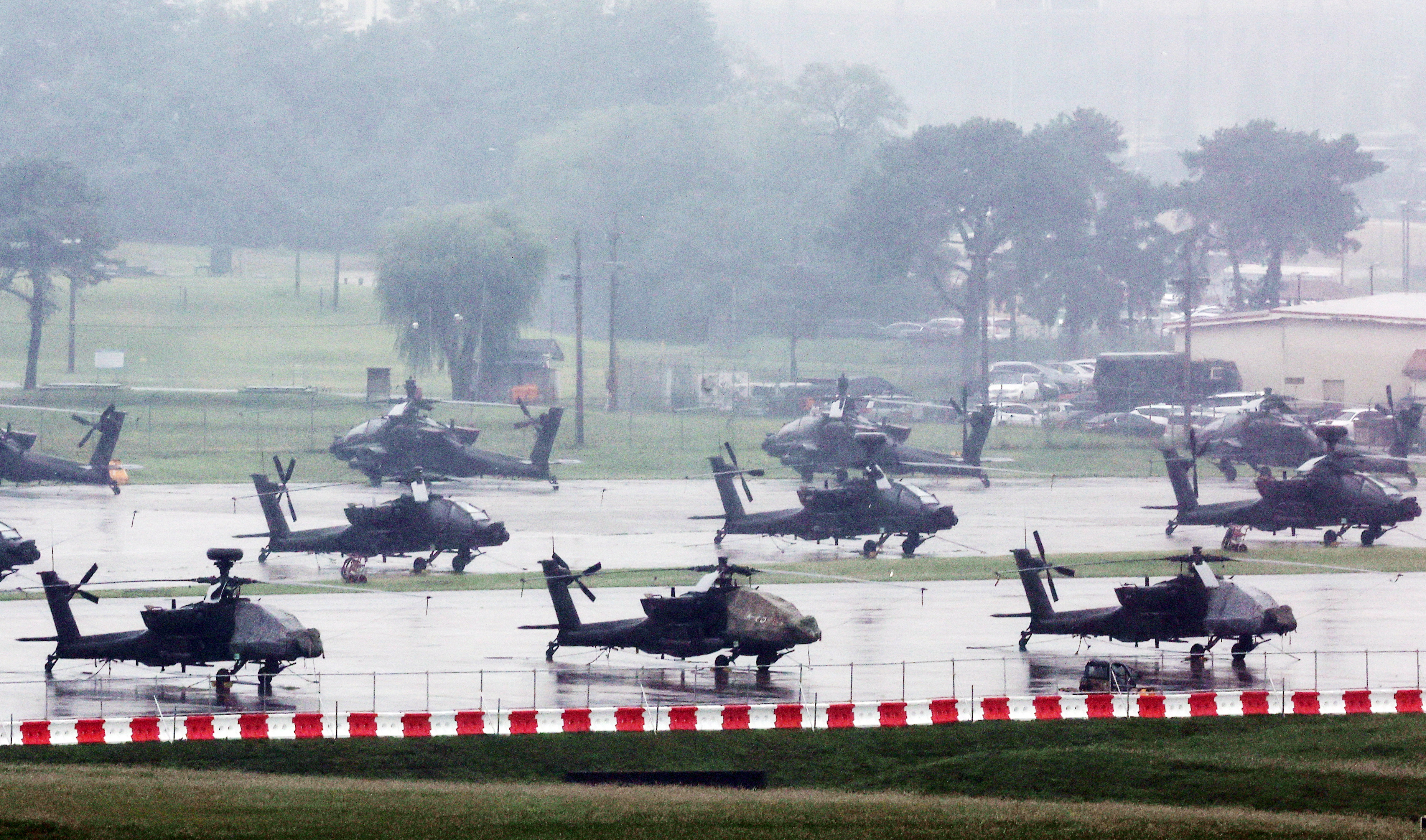
    SEOUL, South Korea — The United States has canceled a joint amphibious landing exercise with South Korean forces that was set for next month, citing resource constraints driven by the war in Iran, the South Korean military announced Monday.

    The U.S. Marine Corps had notified its South Korean counterpart in June that Middle East operational demands would prevent the deployment of forces for the biennial exercise known as Ssangyong, or “Twin Dragons,” the South Korean Marine Corps said Monday. The U.S. military in Korea did not immediately comment on the announcement.

    The move marked the second joint military drill with South Korea to be canceled or downsized during President Donald Trump’s second term. The decision has intensified doubts over Washington’s commitment to maintaining a credible deterrent on the Korean Peninsula and ​its capacity to manage concurrent global conflicts, as U.S. weapons stockpiles have fallen to troubling levels.

    Ssangyong is one of the highest-profile joint exercises that the allies have conducted for decades. In a typical iteration, more than 10,000 Marines from both countries storm a sandy beach on the southeastern coast of South Korea, supported by columns of amphibious vehicles and fleets of military aircraft. North Korea has routinely condemned the drill as a rehearsal for invasion.

    While Ssangyong was previously shelved during Trump’s first term​ —​ when he dismissed major exercises as “provocative” and too expensive amid his personal diplomacy with North Korean leader Kim Jong Un​ —​ it was revived in 2023.

    However, Trump recently renewed his criticism of the drills, labeling them “insulting” to Kim. Earlier this month, he abruptly ordered the Pentagon to curtail the Ulchi Freedom Shield, shortening the 11-day annual exercise to just five days.

    “The U.S. and South Korean Marine Corps are continuing close consultations regarding the future resumption” of Ssangyong, Han Seung-jeon, a South Korean Marine Corps spokesperson, said Monday.

    Beyond financial concerns, Trump has questioned why his country should support joint military drills when South Korea has declined to participate in the conflict with Iran. The war has significantly strained U.S. military resources, depleting critical munitions stockpiles and forcing a realignment of assets from Asia to the Middle East.

    Trump also appears eager to pivot from the Middle East conflict toward renewed diplomatic engagement with Kim, with whom he once said he “fell in love.” While halting drills successfully incentivized Kim to negotiate​ during Trump’s first term, North Korea dismissed this month’s scaling down of Ulchi Freedom Shield as “unworthy of comment.”

    This article originally appeared in the New York Times.

  • Trump administration proposes $103,000 fee for H-1B visas after legal setback

    Trump administration proposes $103,000 fee for H-1B visas after legal setback

    The Trump administration plans to charge employers seeking skilled foreign workers through the H-1B visa program a $103,265 fee, a proposed regulation posted on Monday says.

    Revenue from the fee would be used to run the legal immigration system, the document says, including funding for federal immigration courts and U.S. Immigration and Customs Enforcement.

    President Donald Trump’s administration argues that the H-1B program has been used to take jobs away from Americans and that the current system fails to prioritize the most exceptional foreign workers. Trump tried to implement a similar $100,000 fee last year through a presidential proclamation, but it was invalidated by a federal judge in June.

    The H-1B program, created by Congress in 1990, provides employers with visas for 65,000 skilled foreign workers annually, with another 20,000 visas available for workers with advanced degrees from U.S. universities.

    The proposed regulation contends the new fee would make employers “less likely to hire an H-1B worker over a qualified and highly-skilled American.” The regulation cites a working paper in the National Bureau of Economic Research that found H-1B workers made, on average, about 15% less than American counterparts.

    In the June ruling against the fee, U.S. District Judge Leo T. Sorokin of Massachusetts said the president unilaterally imposed an illegal tax, bypassing Congress, and failed to consider the impact of his actions on sectors experiencing labor shortages that rely on the H-1B program to hire physicians, nurses, and teachers.

    The Trump administration appealed the ruling to the U.S. Court of Appeals for the 1st Circuit and requested it be paused pending the appeal, but the request was denied in late July.

    The new proposed regulation, which was set to formally publish in the Federal Register on Tuesday, seeks to carve a different legal path by proposing to use the fees to offset the cost of running the immigration system. It exempts some groups, such as most U.S. colleges, universities, and nonprofit hospitals affiliated with academic institutions. But unlike last year’s proposal, it would apply to many people who already reside in the United States, not just those submitting petitions from abroad.

    “This makes it much broader,” said Jeremy Neufeld, director of immigration policy at the Institute for Progress, a nonpartisan think tank.

    The proposed rule would restrict a major pathway for foreign guest workers that is widely used by Silicon Valley tech companies, among other businesses. Industry critics say that the fee would diminish the United States’ competitive edge against China, India, and other countries in a variety of research and tech industries, as well as harm a number of industries that depend on foreign professionals.

    “This is again an illegal tax,” said Charles Kuck, who practices immigration law in Atlanta.

    Amazon has received the most H-1B visas in recent years, with more than 9,300 approved petitions in fiscal year 2026 through June 30, according to U.S. Citizenship and Immigration Services data.

    Other top users of the H-1B program in 2026 have been India-based IT and outsourcing companies Tata Consultancy Services and Infosys, followed by American tech companies Apple and Microsoft.

    Neufeld said expanding the fee requirement to applicants already in the United States could lead to a significant reduction in the number of H-1B petitions that companies request.

    “I would be very surprised if even large companies pay this fee for many of their H-1Bs,” he said.

    Sorokin’s decision to strike down Trump’s original $100,000 H-1B visa fee came in response to a lawsuit from 20 states, led by California and Massachusetts.

    The U.S. Chamber of Commerce and an association of top research universities in a separate lawsuit last year criticized Trump’s earlier fee, saying H-1B workers fill critical jobs in the medical, manufacturing, and technology fields.

    The federal judge in that case sided with the Trump administration in December, leading the Chamber of Commerce and university association to appeal.

    The administration estimates the new proposed regulation would generate an estimated $8.8 billion annually.

    Nearly $3 billion would go to the federal immigration courts and be used to support more than 8,400 hires, including immigration court judges.

    ICE, already funded to historic levels, would receive roughly $1 billion to pay for vetting of immigration applications and the administration of the student visa program, the proposed regulation says.

    It says U.S. Citizenship and Immigration Services would use the money to offset $3 billion in existing costs, and several other agencies involved in immigration processing would also receive funds.

    The public will have 30 days to comment on the new proposed regulation following its publication to the Federal Register on Tuesday, the proposal says. It can take months or even years to finalize regulations.

    U.S. Citizenship and Immigration Services generally does not refund filing fees, including when a visa petition is denied. The proposed regulation does not address whether the new $103,265 fee would be refundable, and the agency did not respond to a request for comment.

  • Firefighters are trying to stop a fast-moving Nevada wildfire from spreading to homes in Reno

    Firefighters are trying to stop a fast-moving Nevada wildfire from spreading to homes in Reno

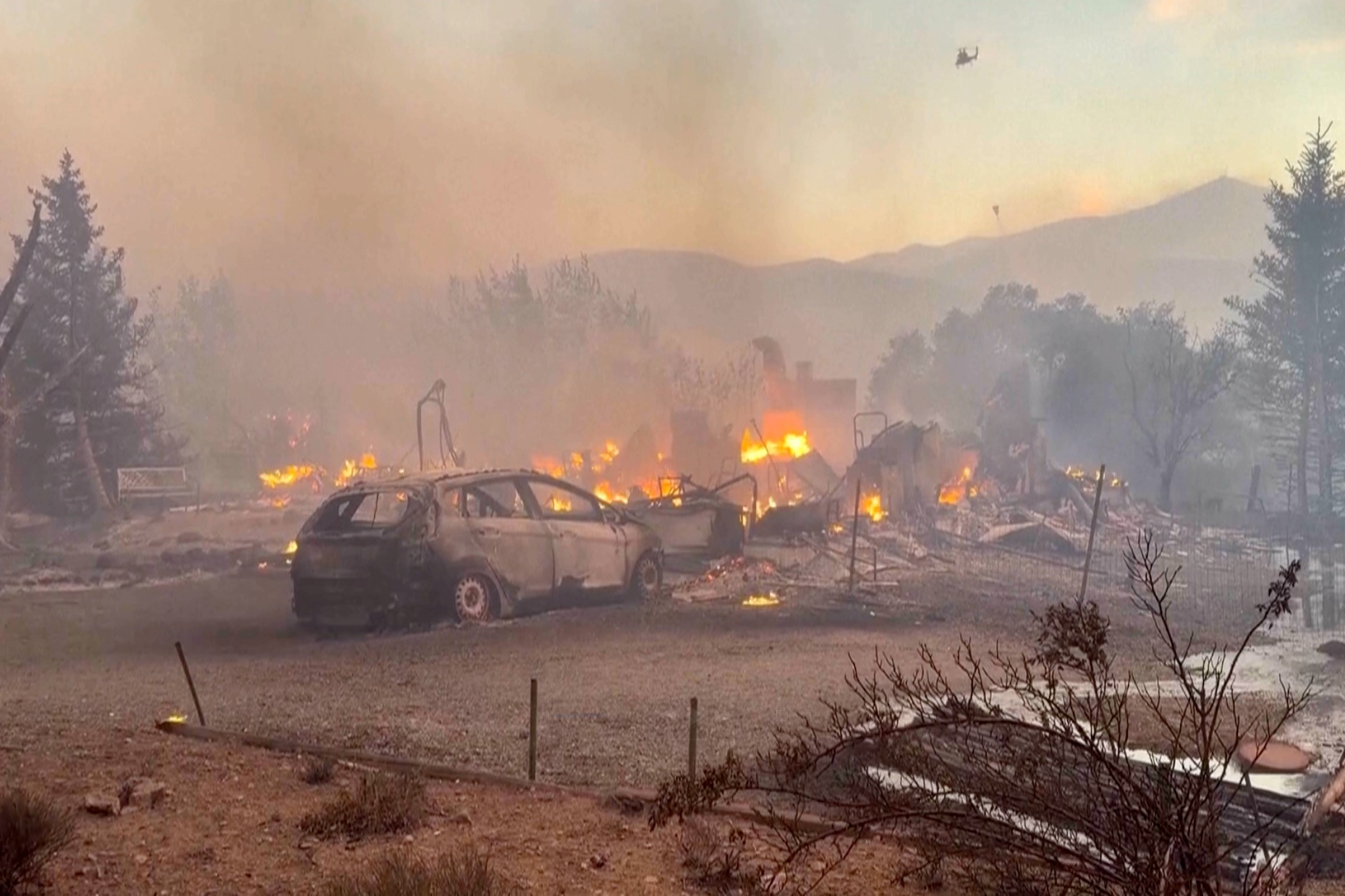
    RENO, Nevada — A wildfire that mushroomed over the weekend in the Sierra Nevada foothills spread perilously close to neighborhoods in Reno, Nev., forcing authorities to urge more than 90,000 residents to leave their homes.

    The out-of-control fire has already burned some homes, but there’s concern that shifting winds could push the flames into newly developed and densely packed neighborhoods in Nevada’s largest city outside of metro Las Vegas.

    Schools across Washoe County were closed Monday because of the evacuations and to keep roads clear for emergency crews. Nevada’s governor declared a state of emergency in the county and mobilized the National Guard to help with aerial firefighting and protecting evacuated neighborhoods northwest of downtown Reno.

    At a roadblock in one neighborhood, residents expressed frustration Monday that they could not get back into their homes.

    “There’s no fire here! Why are the National Guard here?” a driver yelled.

    Authorities said late Sunday that the Hawk Fire had stayed in its footprint and firefighters were extinguishing hotspots while working to keep the fire from jumping a main highway and reaching homes and businesses. There was zero containment.

    The fire began Saturday and grew to more than 23 square miles on Sunday. It’s the third large wildfire in the rugged terrain north of Reno in the past two weeks — all caused by human activity, according to fire officials. They haven’t said whether the Hawk Fire was intentionally set or accidental.

    Reno, home to about 280,000 people, is known for its casinos and as a gateway to nearby Lake Tahoe, North America’s largest alpine lake and a popular vacation destination. It’s also about 120 miles southwest of Nevada’s Black Rock Desert, site of the annual Burning Man festival, which begins Aug. 30.

    At least six people — three first responders and three civilians — have been injured by the fire.

    Videos posted on social media showed the smoldering ruins of homes and cars, with only a scorched basketball hoop still standing.

    Many residents had little time to evacuate after the fire exploded in size.

    “Honestly, I thought it was like in a movie,” said Ruby Delatorre, who got back from a concert only to find her home in the evacuation zone. She returned Sunday to walk to her home and get a few more possessions.

    “I literally want to cry and go back for all my stuff. I just got what I thought I needed,” Delatorre said.

    Some who spotted the smoke on Saturday thought it was from another wildfire that has been burning the past two weeks.

    Teresa Lenshyn, who is among the evacuees, said being forced to leave was chaotic and stressful. “You don’t know if the winds are going to shift and it’s going to get worse,” she said.

    Much of Nevada’s western edge is under an increased risk of wildfires this week because of high winds and low relative humidity, the National Interagency Fire Center said. The National Weather Service says the region will see warm, dry, and breezy conditions, and that critical fire weather conditions are possible in the week’s later half.

    Extremely dry conditions across the American West have sparked a rash of wildfires this summer. Fires in eastern Washington state forced the evacuation of 60,000 people in the Spokane area in early August.

    Nationwide, there have been more than 50,000 wildfires — the most over the past 10 years covering the same time period, according to the national fire center.

  • Leaked memo shows how U.S. aims to weaken global limits on plastic pollution

    Leaked memo shows how U.S. aims to weaken global limits on plastic pollution

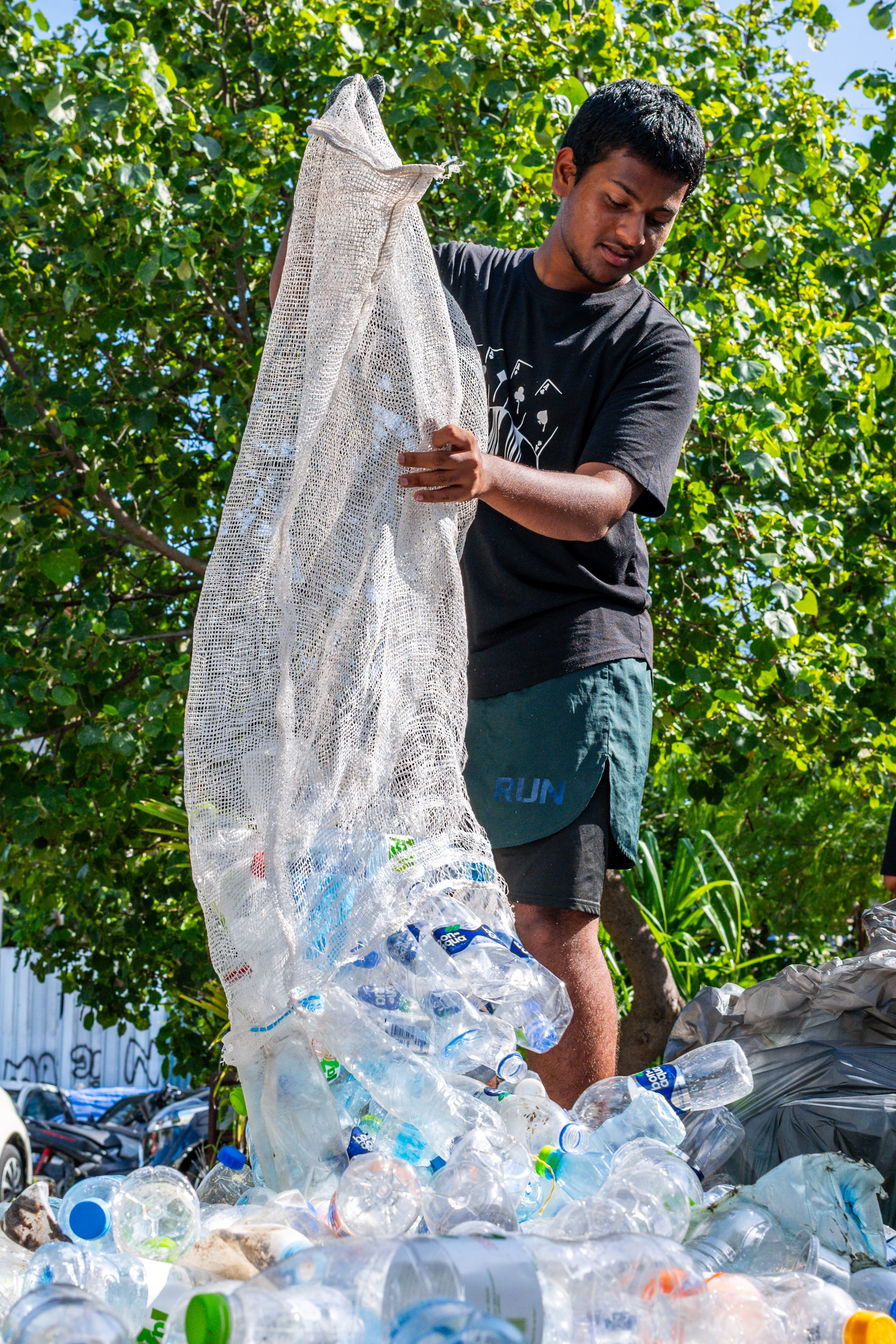
    The United States has doubled down on its opposition to plastic production limits in global treaty talks, according to a diplomatic memo reviewed by the Washington Post, pushing to create a broad loophole to disregard the treaty on national security grounds.

    A year after the Trump administration worked with other major oil-producing nations to block strict plastic pollution limits, leading to a failed U.N. conference in Geneva, environmentalists and other observers argue this same group is helping steer negotiations toward a weaker agreement.

    Involving delegates from nearly 180 countries, the talks have reached a critical point after four years. Global plastic pollution has ballooned to more than 57 million tons per year, and a coalition of dozens of countries — including most members of the European Union and many from Africa and Latin America — say this waste will become overwhelming unless the world imposes meaningful restrictions soon.

    The leaked document, which a foreign diplomat confirmed was circulated this summer to governments involved in negotiations, calls for a “pragmatic” treaty that includes a provision allowing for countries to take any measures they consider necessary to protect national security.

    The memo, which emphasizes the need for waste management and private sector investment, argues any agreement must not undermine national security, critical infrastructure, or supply chains. It warns restricting plastics and chemicals could limit access to defense-related products such as weapons materials and protective gear.

    The overwhelming majority of plastic is made from chemicals derived from petroleum or other fossil fuels, and the Trump administration has pushed to expand oil and gas drilling and domestic production. Negotiators under Trump have become far more vocal in opposing binding limits on plastic production, compared with a more conciliatory tone under President Joe Biden.

    The negotiating position also reflects a broader administration strategy of citing national security concerns to promote fossil fuels, such as when it declared a national energy emergency last year, blocked the development of wind farms, and exempted oil and gas firms from Endangered Species Act requirements in the Gulf of Mexico.

    The State Department said in an email that it generally does not comment on “purported” U.S. diplomatic communications.

    “The United States seeks to negotiate an agreement that all countries can join and implement as an outcome that will be most effective in reducing plastic pollution,” the department said, adding the treaty should not interfere with military readiness or critical national-security applications.

    It said the administration backed “common-sense” measures to reduce plastic pollution while rejecting proposals that would “damage the American economy, drive inflation, and restrict consumer choice.”

    Andreas Bjelland Eriksen, Norway’s minister of climate and the environment, said the memo was “in line with what the US has communicated” during recent negotiations.

    “We do not share the view that restricting specific plastic items that contribute to plastic pollution would pose a threat to economic growth,” Eriksen said, adding that in countries that have imposed limits on plastic pollution, “new and improved business solutions emerge.”

    “The treaty must lead to real changes to tackle plastic pollution; if not, there is no point having it,” Eriksen added.

    Barirega Akankwasah, executive director of Uganda’s National Environment Management Authority, defended the U.S.’s right to advance its views: “International law must reflect the needs and aspirations of negotiating countries and international law can only succeed based on national implementation, which in turn is a reflection of national capabilities and circumstances.”

    The dispute comes after what experts described as a sharp shift in the U.S. position under the Trump administration. Youngman, a legal and policy specialist at advocacy group Environmental Investigation Agency, said the U.S. under the Biden administration was open to provisions reducing plastic production, even though it did not support a global cap.

    But the U.S. has since vocally opposed limits on production and sought to narrow the treaty’s scope, including through new language invoking national security.

    Alexandra Harrington, an international legal expert, said the U.S. was not acting alone and had “come back in as a disrupter” in the talks.

    Harrington, also the chairperson of the International Union for Conservation of Nature’s plastic pollution task force, added the U.S. proposal went far beyond the narrow military exemptions sometimes found in environmental treaties, and appeared aimed more at shielding economic and petrochemical interests than addressing a specific plastics-related defense risk.

    “I think for them the national security argument is convenient, it’s useful,” she said.

    The memo was circulated in the months before treaty chairperson Julio Cordano published a new “Aid to Negotiations” document earlier this month. The text, intended to steer governments toward a final agreement, has also been criticized by environmental groups and some legal experts for creating a system based on national pledges rather than binding global controls.

    Cordano did not respond to a request for comment.

    Harrington said the chairperson’s new text was “very clearly” bending toward the agenda of countries seeking a less ambitious treaty, like the U.S.

    She pointed to the removal of trade provisions that would have regulated the cross-border movement of plastics, from polymers and products sold abroad to plastic waste shipped for disposal or recycling. Harrington said trade rules are a standard feature of major pollution treaties.

    Stewart Harris, managing director for global affairs at the American Chemistry Council, said the administration’s position is largely aligned with the plastic industry’s.

    Harris, whose trade group represents plastics manufacturers, said hard limits on plastic production will raise product costs for lower income people globally without significantly reducing plastic waste. Roughly 2.7 billion people globally do not have access to proper collection for their plastic waste and addressing that and recycling would go further to reducing pollution, he said.

    ACC is lobbying for individual countries to set their own action plans for tackling plastic pollution, such as setting national rather than global targets for how much recycled content plastic should contain.

    Harris said ACC has not taken a position on the national security exemption, but that such provisions were common in global environmental agreements.

    “That tells me that the United States is very serious about negotiating an agreement it can join,” he said. “They wouldn’t be even considering those details if it was not serious about joining.”

    Even if negotiators reach a deal, the United States would only join the treaty if the Senate ratifies it by a two-thirds majority vote, a difficult bar to clear in an extremely polarized Congress.

    While formal talks will resume next spring, informal negotiations resumed in late June, nearly a year after governments failed to produce a final agreement amid disputes over whether the treaty should include limits on plastic production and binding restrictions on chemicals. Many countries rejected the then-chairperson’s draft as too weak to serve as the basis for a deal.

    Youngman said the new document weakens last year’s text further by removing proposed reporting requirements on how much plastic countries produce and consume, and by replacing stronger legal terms such as “shall” with weaker language such as “should.” Even its most ambitious options, she said, would fall short of the mandate to end plastic pollution.

    “We didn’t think it was possible,” she said, “but we keep on digging ourselves even lower.”

    Heads of delegations are due to meet in Bangkok at the end of September, where governments are expected to discuss “bridging proposals,” compromise language intended to address the treaty’s most contentious issues.