Category: Nation & World

  • DC judge permanently dismisses case charging ex-Olympian with vandalizing Reflecting Pool

    DC judge permanently dismisses case charging ex-Olympian with vandalizing Reflecting Pool

    WASHINGTON — A judge in the nation’s capital agreed on Thursday to permanently dismiss a criminal case charging a former Olympian with vandalizing the Lincoln Memorial Reflecting Pool, a move that could prevent federal prosecutors from reviving the case under political pressure from President Donald Trump.

    D.C. Superior Court Judge Todd Edelman ordered the dismissal of David Hearn’s case with “prejudice,” which would block U.S. Attorney Jeanine Pirro’s office from refiling the felony charge against him. The judge ruled nearly a month after hearing attorneys’ arguments.

    Hearn’s lawyers say Trump administration officials have continued to falsely accuse the Maryland resident of vandalizing the reflecting pool despite Pirro’s decision to drop the case on July 31. Trump responded by saying Pirro “choked” and “folded like an umbrella.”

    Edelman said the case presents “exceptional circumstances” that warrant dismissing the case permanently. He agreed with defense attorneys that the government “shot first and asked questions later” by charging Hearn in a “a lightning-fast indictment process.”

    “While the government wishes to hold open the possibility of the development of evidence that would support a future prosecution, its own representations make plain that such a possibility is theoretical at best, and more likely, is simply fanciful,” the judge wrote.

    Permanently dismissing the case protects Hearn from prosecutors electing to revive the case under political pressure from Trump, the judge said.

    “Although the prosecutors assigned to this case have deemed it meritless, the President of the United States has repeatedly disparaged them and pressured them to change course,” Edelman wrote.

    In a court filing in July, Pirro said new evidence produced by the Interior Department showed Hearn wasn’t responsible for damage to the pool’s lining. Pirro’s office attributed the damage instead to a botched installation by a contractor as well as a rush to complete the project in time for this summer’s America 250 celebration in Washington.

    Pirro’s admission was an embarrassing setback for the White House. Interior Secretary Doug Burgum has backed Trump’s claims that vandals damaged the pool.

    Hearn has said he was on a bike ride on June 19 when he reached in to examine the pool’s newly peeled coating and briefly touched a chunk attached to the side of the pool. But he said he obeyed a park worker’s command to let go of it.

    Hearn was charged with one count of property destruction, which carries a maximum prison sentence of 10 years. His lawyers questioned whether prosecutors properly presented the grand jury with adequate evidence to support the charge and the amount of damage alleged by the government.

    Hearn, 67, of Bethesda, Maryland, competed in three Summer Olympics, earning his best finish, ninth, at the 1996 Atlanta Olympic Games, the U.S. Olympic and Paralympic Committee says on its website.

    Trump, a Republican, appointed Pirro, a former Fox News host, to serve as the top federal prosecutor for the District of Columbia. Edelman was nominated to the bench by Democratic President Barack Obama.

    Hearn’s attorneys said the ruling is “a victory for the rule of law and for an innocent American seeking justice” and allows Hearn to “move forward with his life as he deserves.”

    “This administration chose to pursue an unjust prosecution against Mr. Hearn. It should not get repeated chances to wield the power of criminal prosecution against someone who should never have been prosecuted,” the lawyers said in a statement.

  • Renee Good’s family sues U.S. government and immigration officials over her killing in Minneapolis

    Renee Good’s family sues U.S. government and immigration officials over her killing in Minneapolis

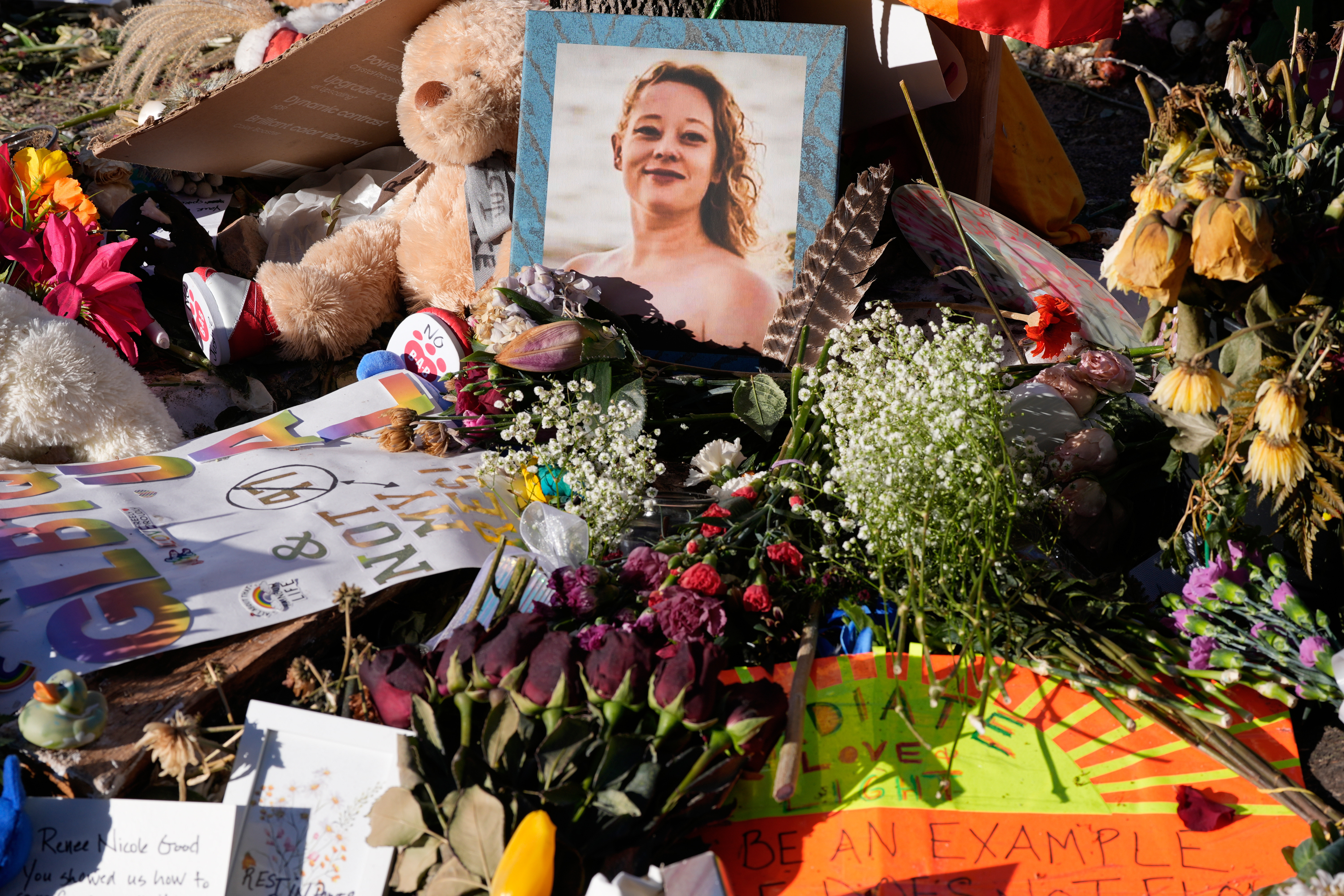
    Renee Good’s family sued the U.S. government and the architects of President Donald Trump’s immigration crackdown on Thursday, saying “the time is absolutely now for accountability” after her killing in January by a federal agent in Minneapolis.

    Good’s partner, Becca Good, and brother, Brent Ganger, accused the government and the Immigration and Customs Enforcement officer who shot into her SUV and killed her, Jonathan Ross, of unjustified and excessive use of force.

    The Jan. 7 shooting, captured on bystander video, was “the predictable and intended product” of the Trump administration’s crackdown on Somali and other immigrants in Minnesota, an exercise that officials dubbed Operation Metro Surge, the lawsuit said.

    “I’m here today because last January the whole world had to watch as our entire universe was destroyed,” Becca Good said at a news conference announcing the lawsuits.

    The killings of Good, a 37-year-old mother, and another U.S. citizen, Alex Pretti, in Minneapolis just weeks later sparked outrage across the country and calls to rein in immigration enforcement. At least 10 people have died in encounters with immigration officers during Trump’s second term.

    “What happened to Rene was completely senseless,” Ganger said. “And the fact that there’s been no accountability, no investigation, no expression of condolence, no change in policy is completely mind blowing.”

    “The hole in my family and myself created by my sister’s passing is hauntingly apparent,” he added.

    The lawsuits — one against the government, the other against Ross and officials including White House Deputy Chief of Staff Stephen Miller, ex-Homeland Security Secretary Kristi Noem and White House border czar Tom Homan — seek unspecified damages for wrongful death, conspiracy and other violations.

    “Our government has become a grave and mortal threat to its own citizens,” the family’s lawyer, Antonio Romanucci said.

    The Justice Department didn’t immediately respond to an email seeking comment.

    Officer shot Good as she turned her car away from him

    Renee Good was fatally shot Jan. 7 as protests against immigration raids flared across the city. According to Becca Good, her partner stopped their car in a street to support neighbors during an immigration operation.

    Bystander video shows Renee Good in the driver’s seat of a red SUV blocking part of the road and repeatedly honking her horn.

    Two immigration officers get out of a truck, their faces covered, and one orders Good to get out of the car. She reverses briefly, then turns the steering wheel as the officer says again, “get out of the car.”

    Almost simultaneously, Becca Good, standing in the street, shouts: “Drive, baby, drive!”

    One officer standing in front of the vehicle pulls his weapon and fires into the windshield. He lurches back as the car turns away from him. The officer, who is now very close to the open window on the driver’s side, fires two more times, fatally shooting Renee Good, according to an analysis of the videos by The Associated Press and others.

    Federal officials at the time said the officer acted in self-defense and that Good had engaged in “an act of domestic terrorism.”

    One lawsuit alleges wrongful death

    The lawsuit against the United States of America seeks damages for Good’s wrongful death and “the immense suffering Renee endured in the final moments of her life and for the profound and permanent losses that her death has inflicted upon her family,” according to a news release by lawyers for Ganger and Good.

    The lawsuit, which seeks a bench trial, also alleges “intentional infliction of emotional distress and negligent infliction of emotional distress” on Becca Good.

    Becca and Renee Good, the mother of three children, were not legally married, according to a family lawyer, but referred to one another as wives. They had only recently relocated to Minneapolis from Kansas City, Missouri.

    Another lawsuit alleges conspiracy to conceal evidence

    The other lawsuit alleges a conspiracy to interfere with civil rights and seeks a jury trial. It says the federal government moved to hide the evidence of what actually happened on Jan. 7.

    It describes a “carefully planned, coordinated effort between senior federal officials and private actors to make two ethnic communities — Minnesotans of Somali and Hispanic descent and origin — the object of aggression and abduction, and to silence by intimidation, arrest and violence the neighbors and allies of those targeted communities who observed, documented and warned of that campaign.”

    Other defendants include: Corey Lewandowski, a Trump campaign manager who also served as one of Noem’s advisers; former acting director of U.S. Immigrations and Customs Enforcement Todd Lyons; former U.S. Border Patrol commander Gregory Bovino; and 10 unnamed federal agents.

    Good’s partner acknowledges other lives lost in immigration crackdown

    In social media accounts, Renee Good described herself as a “poet and writer and wife and mom.” On Pinterest, a profile picture shows her smiling and holding a young child, alongside posts about tattoos, hairstyles and home decorating.

    In an interview shortly after her death, Renee Good’s mother, Donna Ganger, told The Associated Press: “She had this way of making you feel special and loved that I didn’t even understand that until we lost her.”

    Good’s partner noted the broader loss to communities nationwide.

    “As we have tried to navigate our own massive loss, I am also devastated by how many other lives have been destroyed in this darkest of times,” Becca Good said in a news release Thursday. “So many other families are dealing with the loss of their loved ones; to everyone who has had to witness it — the pain of this moment extends far beyond our family. What happened to us should never happen to any family.”

  • An Indian airline captain is hailed as a hero after a cockpit attack on a FlyDubai flight

    An Indian airline captain is hailed as a hero after a cockpit attack on a FlyDubai flight

    MUMBAI, India — An Indian airline captain who was at the controls of a FlyDubai flight when his copilot stabbed him in an apparent attempt to crash the plane has been hailed as a hero, with his actions to thwart the disaster drawing praise from world leaders and those who knew him.

    Capt. Smit Machchhar, who is from India’s financial hub of Mumbai, was seriously injured in Wednesday’s attack. Passengers described how the pilot still managed to open the cockpit door, allowing them to enter and restrain the attacker as the Boeing 737 descended sharply, according to witnesses and Israeli authorities.

    The attack forced the flight carrying 182 people from Dubai, United Arab Emirates, to Tel Aviv, Israel, to make an emergency landing in Tabuk in northwestern Saudi Arabia. FlyDubai said the aircraft was secured by on-duty crew “who diverted and landed the aircraft safely.”

    Machchhar was taken to a hospital in stable condition, the Indian Embassy in Riyadh, the Saudi capital, said late Wednesday. Embassy officials said Thursday that his family had been briefed on his recovery.

    India’s Modi lauds the pilot’s courage

    Indian Prime Minister Narendra Modi on Thursday called Machchhar a hero.

    “In the face of the gravest danger and despite being seriously injured, he showed immense courage and an unwavering resolve to protect the lives of others. His valor helped save hundreds of lives and avert a great tragedy,” Modi wrote on X.

    Modi also praised the captain for demonstrating ”patience, presence of mind and courage,” saying his “actions prevented another 9/11-like attack from happening.” He said he had spoken with Machchhar’s parents and wife and that the pilot was undergoing treatment.

    “Smit’s bravery fills every Indian with pride,” Modi said.

    The captain trained as a pilot in New Zealand

    According to Machchhar’s LinkedIn profile, he has worked for FlyDubai for about four years. Before joining the airline, he spent 11 years with SpiceJet, an Indian low-cost carrier, where he served as a senior commander and line training captain. He logged more than 9,750 flying hours with SpiceJet, according to the profile.

    SpiceJet, in a post on X, praised Machchhar’s “heroic courage” and “selfless actions.” “You are a hero to us all, Captain,” the airline wrote.

    Machchhar, who is married and has two children, trained as a pilot at Mainland Air in the New Zealand city of Dunedin for 18 months, beginning in 2008, the school’s head Philip Kean told 1News, a New Zealand television news channel.

    Kean said Machchhar “did very well” as a student and later returned to India, where he worked as a recruiter for the school.

    “We’re all very proud of him here and wish him a speedy recovery,” Kean said.

    The school, which opened in 1991, offers a range of certifications, from private pilots’ licenses to a diploma in aviation, and is popular with international students.

    A report published last year by the New Zealand Qualifications Authority found that 39 international students, all from India, were enrolled at the school at the time of its review, accounting for half of its total enrollment.

    The pilot had previously spoken about handling emergencies

    In a podcast interview last year, Machchhar recalled how nervous he was and how he made mistakes during his first commercial flight in India, and the lessons he learned from the experience.

    “At that stage, relaxing would have been the best option,” he told interviewer Zalak Mehta of the “Bona-Fide Banter” podcast.

    “Stressing is not going to help, at least … in this industry,” he added.

    Machchhar also described an onboard emergency when a pregnant woman went into premature labor, forcing the crew to divert the plane. He said he followed procedures carefully and ensured a safe landing on the first attempt.

    “It was methodical. It was quick. It was as quick as it should have been,” he said.

    Israel’s Netanyahu praises the pilot as do his neighbors in Mumbai

    Wednesday’s attack triggered a major security response in Israel, with authorities scrambling fighter jets in case of a possible hijacking.

    Israeli Prime Minister Benjamin Netanyahu said the attacker, an Omani national, was arrested in Saudi Arabia and was undergoing interrogation there.

    Netanyahu also praised Machchhar’s “extraordinary bravery” in a post on X, saying the wounded captain fought back after being stabbed, opened the cockpit door and helped passengers and crew overpower the attacker, preventing what Netanyahu described as a “catastrophic midair disaster.”

    Shota Musayev, a dentist and eyewitness, told The Associated Press how the wounded Machchhar managed to open the cockpit door to let them in before they grappled with the copilot.

    Musayev then treated Machchhar.

    “Poor pilot, he was just praying the whole time and was in contact with me, and I was afraid we would really lose him,” Musayev said.

    In Ghatkopar East, the Mumbai suburb where Machchhar’s family lives, neighbors spoke of how easy-going he is and also lauded his courage.

    “He has a lot of bravery in him,” said Ami Sapani, a neighbor who knows the family. “God is with him.”

  • How a Cornell student went from shame to seeking justice

    How a Cornell student went from shame to seeking justice

    In October 2024, about a week after a Chi Phi fraternity party at Cornell University, the sophomore who would come to be known as Jane Doe was milling around an online forum about Greek life when she encountered a post that stopped her cold.

    “Are Chi Phi brothers Crips or Bloods because I hear they have been doing hell Gang Banging?” someone had written.

    “They do drugs and gang r*ped a sophomore,” another user said. “Report them.”

    Since the evening that began Oct. 19, 2024, Jane Doe had recounted the night’s events to her roommates without identifying herself as a rape victim. She had exchanged friendly text messages with men she would later accuse of assault. She had heard uncharitable appraisals of herself from undergraduate gossips.

    Then she read the words.

    “That’s the first time I had ever heard the narrative change that I wasn’t a whore and that I was assaulted,” Jane Doe told investigators, according to documents from a university review of the accusations obtained by The New York Times.

    Those records, which have not been previously reported, help illuminate a case that has horrified the nation and plunged one of its elite institutions into crisis. They shed light on the crucial three-week period between the fraternity party and Jane Doe’s decision to take her story to the campus police, accusing multiple fraternity brothers of sexual assault and alleging that she was coerced into taking ketamine.

    The bare facts of what happened after she made her accusations are by now well known: The Tompkins County, New York, district attorney, Matthew Van Houten, reviewed her complaint and declined to bring criminal charges, saying there was not sufficient evidence to do so. Jane Doe filed a complaint that prompted at least a dozen hearings by the school’s Title IX committee, which is supposed to ensure compliance with federal civil rights laws.

    On Sept. 16, Jane Doe also filed a lawsuit against seven men, accusing them of sexual assault. Lawyers for at least three of the accused men have broadly denied criminal wrongdoing; others have not yet made public statements.

    What had not been known publicly, until now, were the detailed filings collected during the private Title IX proceedings — hundreds of pages of emails, text messages, photographs and interviews with Jane Doe, her friends and those she accused.

    Taken together, the raw materials sketch Jane Doe’s journey from an unknown sophomore to the embodiment of another searing national dialogue about sexual assault and consent. (Although Jane Doe is identified in the documents, the Times is withholding her name.)

    Some women around her, the documents show, were quick to say they viewed the events of the evening of Oct. 19 as sexual assault. But Jane Doe, the interviews and text messages reveal, first appeared to grapple with shame, humiliation and concerns about her reputation before she began to consider herself an assault victim.

    “I don’t really remember her ever kind of citing that she had said yes to anything that occurred,” one of her roommates had said of the first hours after Jane Doe returned home the morning of Oct. 20, according to the Title IX files, which were compiled as part of the school’s formal process for investigating allegations of sexual harassment and assault.

    On page upon page, the documents make for difficult reading, vacillating between the merry shorthand of college students — asides about the gym, Snapchat, Greek life — and the blunt-force details of an alleged gang assault that the victim appeared to be processing in real time.

    From the beginning, the case has seemed to double as a referendum on so many vexing questions about what it means to be a young woman on a college campus, even a campus as nominally esteemed as Cornell’s: Who is believed, and who is coddled? How much good can Title IX do? Has anything changed, really?

    For Jane Doe, the records suggest, the first task was to make sense of what had happened to her.

    ‘A traumatic way’

    At 3:05 a.m. on Oct. 20, 2024, one of Jane Doe’s roommates sent her a text.

    “Are you coming home tonight?” she asked.

    Four minutes later, Jane Doe texted back that she didn’t know.

    The roommate went to sleep, she would tell investigators. When she woke up at 11 a.m., she uploaded a photo of her empty room to Snapchat. “Only I made it back home,” she wrote on the post.

    Around 11:15 a.m., she said, Jane Doe arrived home, still in her “big boots and small dress” from the night before, according to the roommate. She had consumed ketamine and had sex with multiple men, she told her two roommates. One roommate told investigators that Jane Doe did not use the word “rape” or “assault” yet.

    It seemed like she was “in shock,” her other roommate later told investigators, “not really understanding the gravity of what she was saying.”

    The next day, on Oct. 21, Jane Doe went to her “big sister” — a woman designated as a mentor — at Cornell’s Tri Delta sorority and told her there were rumors circulating that she was a “slut.” The big sister, a junior at Cornell, told investigators that Jane Doe added with a laugh that “unfortunately they are true.”

    “I could tell that — just from personal experiences — that what she was going through is that she had not yet processed what had happened,” the big sister told investigators.

    That same day, Jane Doe received a text message from Jonathan Newell, one of the men she would go on to accuse of sexual assault.

    “I just wanted to apologize for how things went down the other night,” Newell wrote. He then said that he and Matthew Ingalls, another of the men she would later accuse of assault, both felt terrible for being too under the influence of drugs and alcohol to “shut it down and kick people out before it got way out of hand.”

    Jane Doe replied and reassured him.

    “At the end of the day non of the sexual stuff was illegal and honestly i really liked being w u and matt,” she wrote.

    A lawyer for Newell did not respond to requests for comment. A lawyer for Ingalls declined to comment.

    The next day, on Oct. 22, Jane Doe made an appointment at Cornell Health to see a doctor because she had contracted a urinary tract infection and wanted to be tested for sexually transmitted diseases. She told the doctor she contracted the UTI “in a traumatic way,” according to a transcript of her conversation with investigators.

    “She didn’t really follow up on that,” Jane Doe said of the doctor. “She just suggested I go to therapy.”

    ‘Say it didn’t happen’

    On Oct. 23, Jane Doe texted Ingalls.

    “Bro,” she wrote, “everyone knows.”

    She said the episode was “RUINING my life temporarily” and that her reputation had been destroyed. She said all she could do was “sleep and cry all day.”

    According to the documents, Ingalls assured her that it would all blow over soon, noting “how fast nonsense spreads at this school,” and said she did not have “anything to be ashamed of.”

    “You’re right,” Jane Doe wrote. “It’ll get better.”

    Jane Doe’s sorority big sister received a text that week: “Have you heard the rumor about your little?”

    In the meantime, Jane Doe had delivered strict instructions to one of her roommates: “If anyone asks about this,” she said, according to the roommate’s testimony, “say it didn’t happen.”

    The roommate was plainly concerned. Initially, she said, Jane Doe was “kind of recounting it as this sort of crazy thing that she had done.”

    “As the days went on,” the roommate continued, “I think she kind of came to realize that it was something bad. And that she didn’t really enjoy her time there.”

    On Oct. 25, Ingalls texted Jane Doe: “U good?”

    Jane Doe replied that Newell had “def told people.”

    Days later, she sent Ingalls an image of the forum post accusing Chi Phi of gang rape.

    “???” she wrote.

    “Ridiculous,” Ingalls wrote. “I’m gonna report that.”

    Uninvited from the party

    As Halloween approached, Jane Doe’s roommates told investigators, her understanding of what had happened to her appeared to have shifted.

    Around Oct. 28, Ingalls was on the phone with Jane Doe and, according to one of her roommates who said she overheard the conversation, he apologized to her. But rather than assure him everything was OK, Jane Doe took a different tone.

    “How could you let this happen?” the roommate recalled her saying.

    “I think she wanted it to be consensual,” the roommate told investigators, looking back on how Jane Doe had processed the alleged assault. The roommate told investigators that Jane Doe had been sexually assaulted before, which made it particularly hard for her to talk openly about what had happened.

    “I’d have conversations and she would describe a part of what happened and I would tell her that that is what could be classified as rape,” the roommate said.

    At Chi Phi, the fraternity was preparing for a Halloween party, and Jane Doe was eager to attend. Text messages included in the investigation show Ingalls assuring Jane Doe that he and other fraternity members wanted her to be there.

    “chi phi is your house and you are welcome here,” he wrote, relaying the views of the fraternity’s president, who was not among those accused of sexual assault.

    “thank u i really appreciate that,” Jane Doe responded. “<3 i’ll bring my cigs tomorrow”

    But then Jane Doe received a phone call from the fraternity’s president, according to the text messages.

    She was disinvited from the party. It was for her own good, he said.

    Jane Doe sent a biting text to Ingalls.

    “I knew this was going to happen,” she wrote. “The woman will always get the short end of the stick. Yall aren’t my friends. Yall are covering your asses.”

    By Nov. 3, Jane Doe appears to have concluded that she was assaulted at the October party. She sent a text to Newell.

    “let’s be clear that 90% of what happened that night was not consensual. i was given more key than i can remember,” she said, using a shorthand for ketamine, “and i know that i told u i felt uncomfortable and i didn’t know anyone in the room.”

    The text continued with her telling him that one of her only memories was doing ketamine off of his penis “in front of everyone like a sex doll/worker.”

    Four days later, on Nov. 7, according to the documents, Jane Doe went to an emergency room in Ithaca and requested a rape kit.

    This article originally appeared in The New York Times.

  • FanDuel tells Congress it has sent about 30 personalized videos of athletes and entertainers to customers

    FanDuel tells Congress it has sent about 30 personalized videos of athletes and entertainers to customers

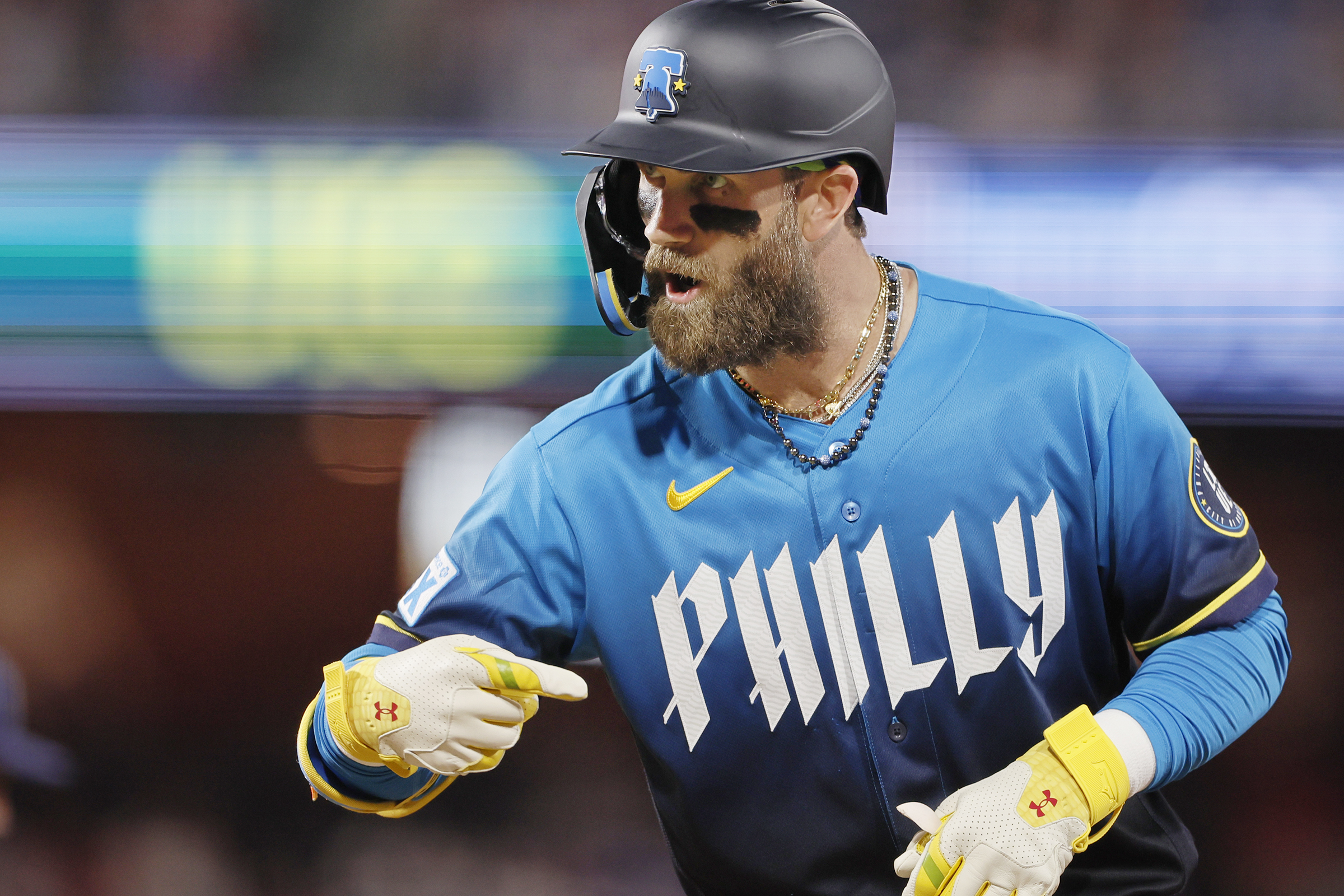
    In response to congressional concerns about a video of Phillies star Bryce Harper that a FanDuel VIP account manager sent to a bettor who had an addiction, a FanDuel executive recently disclosed in a letter to lawmakers that the company has sent approximately 30 similar personalized videos of athletes and entertainers to its customers during the last two years.

    “On occasion, FanDuel has arranged a personalized video message, almost always through publicly available services, as a token of appreciation for a customer’s loyalty in choosing FanDuel over its competitors,” Cory Fox, a senior vice president for public policy and sustainability, wrote on Sept. 24.

    The videos, Fox said, are not used to “induce customers to continue gambling.”

    FanDuel did not name the 30 athletes and entertainers in its letter. The company declined on Wednesday to provide their identities to The Inquirer.

    It was the second letter that FanDuel has sent about its business practices to U.S. Sen. Richard Blumenthal (D., Conn.) and U.S. Reps. Paul D. Tonko (D., N.Y.) and Valerie P. Foushee (D., N.C.) since mid-August. The lawmakers had demanded that the company end its VIP program after The Inquirer wrote in July that FanDuel had sent in 2024 a short video greeting from Harper to a bettor from the Philadelphia suburbs who had a gambling addiction.

    Blumenthal, Tonko, and Foushee also called on Major League Baseball and the Major League Baseball Players Association to prohibit players from doing promotional work for gambling entities. Such activity is permitted in the league’s current collective bargaining agreement, as long as players do not encourage betting on baseball.

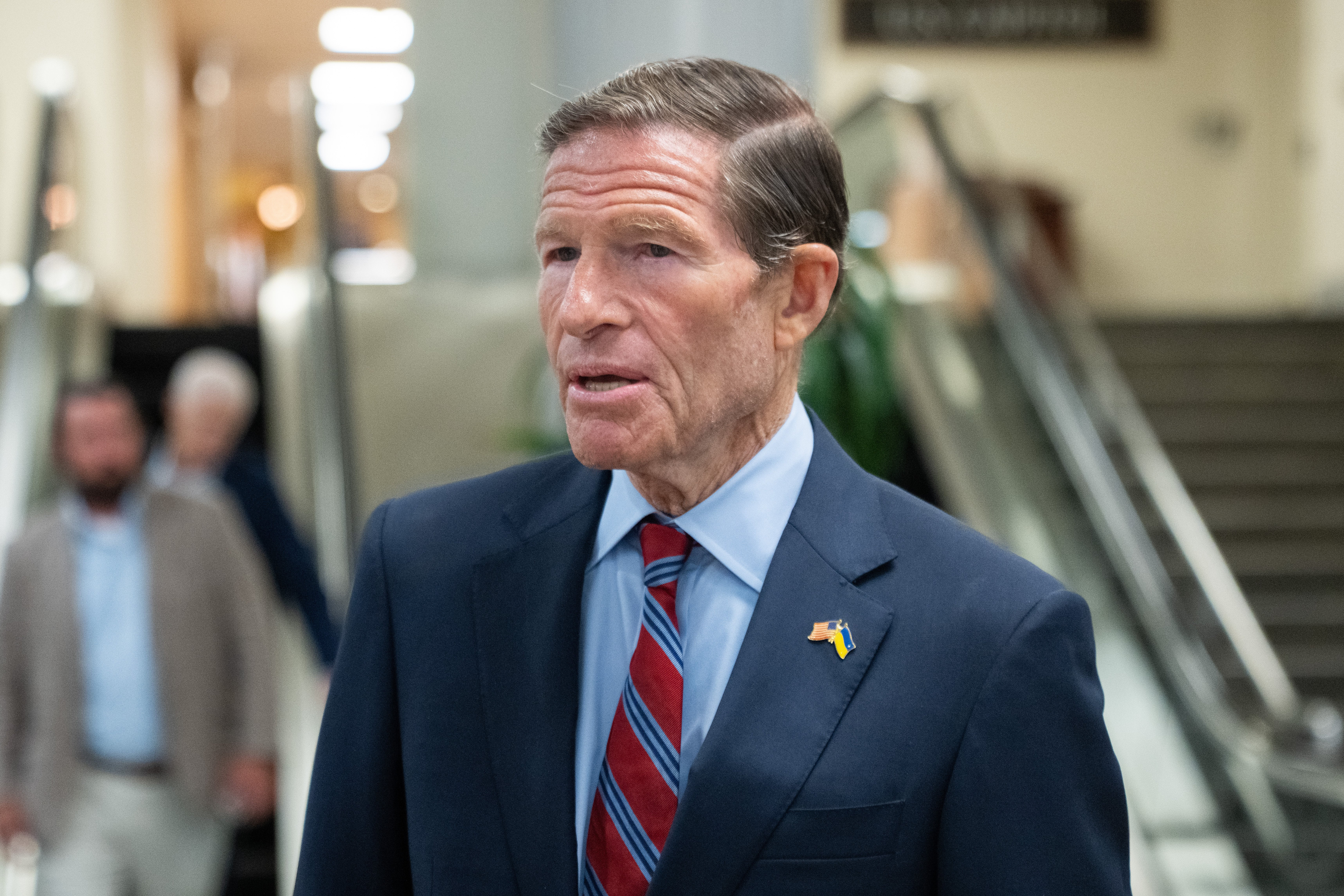
    Sen. Richard Blumenthal, D-Conn., is among the federal lawmakers who have criticized FanDuel over some of its business practices.Allison Robbert

    In response, the players union said it would support banning players from participating in personalized marketing campaigns for VIP programs as part of its next contract.

    The legislators pressed FanDuel for additional information about its VIP practices earlier this month, accusing the company of initially providing them with “misleading and incomplete” responses.

    Fox said that FanDuel’s VIP program “serves only a small fraction of total FanDuel customers” and is meant to encourage customer loyalty. He noted that the company’s competitors — including federally regulated prediction markets — have similar loyalty programs.

    The lawmakers previously alleged that VIP account managers foster “false friendships” with gamblers to entice them to continue betting, and asked whether FanDuel ensures they are not extending predatory offers to problem gamblers.

    Fox denied those claims in his response.

    He said VIP managers are trained to recognize and report signs of problem gambling — such as a bettor expressing concern about paying bills or making references to harming themselves — and must seek approval before offering customers certain levels of rewards.

    The company separately reviews customers’ wagering, deposit, and withdrawal patterns and the amount of time spent on FanDuel’s platform for potential red flags.

    “FanDuel’s VIP program is not designed to encourage destructive gambling,” Fox wrote.

    A VIP manager obtained a video of Harper, a two-time National League Most Valuable Player, through the video service Cameo, and sent it in November 2024 to Terry Thompson, a Montgomery County resident who lost nearly $2 million on sports bets that he placed with FanDuel and DraftKings beginning in 2020.

    Earlier this year, having gambled away the last of his money, Thompson indicated to his therapist that he was planning to die by suicide. He entered a psychiatric facility to be treated for gambling addiction.

    When Harper recorded the greeting, he was not aware that Thompson had an addiction, or that FanDuel intended to use the video for business purposes, Harper wrote on Instagram in July.

    <iframe src="https://embed.documentcloud.org/documents/28711202-fanduel-congressional-response-92426/?embed=1" width="8.5" height="11" style="border: 1px solid #d8dee2; border-radius: 0.5rem; width: 100%; height: 100%; aspect-ratio: 8.5 / 11" allow="fullscreen"></iframe>

    Fox said if customers indicate that they want to cut back on gambling or shutter their account, the company provides assistance, and does not offer perks to encourage them to reconsider.

    “Where the right outcome is closing the account entirely,” Fox wrote, “FanDuel’s VIP Account Managers take that action.”

    The Inquirer will continue to report on issues related to the growth of gambling addiction — among teens and adults — across Pennsylvania. If you, or someone you know, would like to speak with a reporter, please contact David Gambacorta or William Bender at dgambacorta@inquirer.com and wbender@inquirer.com

  • Iran indicates it’s received an official U.S. response to its latest offer on ending the war

    Iran indicates it’s received an official U.S. response to its latest offer on ending the war

    Iranian officials indicated Wednesday they have received an official U.S. response to Tehran’s latest proposal to end the seven-month war, which U.S. President Donald Trump had publicly rejected just days earlier.

    The officials did not say what the response contained and whether it was a rejection.

    Iranian Foreign Minister Abbas Araghchi presented the U.S. response to President Masoud Pezeshkian at a Cabinet meeting, government spokesperson Fatemeh Mohajerani told the state-run IRNA news agency.

    “We will make every effort to bring the agreement to fruition and will firmly stand up for the rights of the Iranian people,” Pezeshkian said. “The agreement must now be based on a win-win strategy.”

    The Cabinet meeting followed Araghchi’s return to Iran after travelling to New York for last week’s U.N. General Assembly, where officials held indirect talks with U.S. officials and also met with Qatari and Pakistani mediators on the sidelines of the annual gathering of world leaders.

    Araghchi briefed the Cabinet on his trip to New York and the meetings he held there, including Iran’s conditions for reopening the Strait of Hormuz, which Mohajerani said had been conveyed through mediators.

    Araghchi last week said he floated the proposal to reopen the strait in a week if the U.S. agreed to lift its blockade of Iranian ports, release frozen Iranian assets and waive sanctions on Iranian oil sales, among other conditions.

    Trump swiftly rejected the proposal, saying Iran wanted to make a deal because it was “losing so badly” but that its offer “would not be acceptable.” Despite Trump’s public rebuffing, mediators continued working with Iran and the U.S. to try to broker a deal to end the fighting and open the strait, according to officials who were not authorized to comment publicly and spoke on condition of anonymity.

    Meanwhile, the U.S. Treasury Department unveiled new sanctions on Tuesday targeting people and companies around the globe that it accuses of being financial facilitators or enablers of Iran’s military supply chain.

    The latest action is part of the Trump administration’s “Operation Economic Outcast” campaign aimed at severing “critical financial lifelines” for the already heavily sanctioned Iranian government.

    Ten people and entities based in Iran, Hong Kong and Pakistan now face sanctions over accusations of procuring weapons and weapon components for Iran’s defense ministry as it fights its now seven-month war against the U.S.

    Iran’s economy is spiraling further

    Iran’s economy, under heavy strain before the war started, has been in a freefall since the conflict began in late February.

    The country’s currency fell to a new record low on Tuesday, with traders in Tehran exchanging more than 2.5 million rials to the U.S. dollar in a stark reflection of how the war in the Middle East has steadily eroded the Iranian economy.

    The latest decline came just 27 days after the rial hit its previous record low of 2.2 million to the dollar on Sept. 2. The currency has repeatedly reached new lows since the war began in February.

    Trump on Tuesday said that Iran is “failing very badly, very badly” and predicted anew that the war will be “over with very, very soon.”

    At the onset of the conflict, he predicted that the war would last just weeks. More recently, Trump said he expects it won’t end until after the Nov. 3 midterm elections in the U.S.

    Iranians face soaring prices for medicine amid U.S. blockade, sanctions

    Medication prices are soaring in Iran and some treatments have become hard to find, leaving patients and their families scrambling as a U.S. blockade and stepped-up sanctions squeeze the country’s pharmaceuticals industry.

    Some medicines have more than tripled in price, further straining Iranians’ finances seven months into the country’s war with the United States and Israel. Prices for food and other goods have skyrocketed even as unemployment has risen and the currency, which hit a record low this week, has lost half its value.

    The war has become an economic endurance test. Iran has tried to push world energy prices higher with attacks on the region’s oil shipping routes; the United States, in turn, has aimed to wreck Iran’s economy by blockading its ports since June and slapping it with increasingly tough sanctions.

    Iran executes 2 men on charges of violence during January protests

    Also on Wednesday, two men were executed in Iran over their role in violence during nationwide anti-government protests in January, the state-run IRNA news agency reported.

    Citing the country’s judiciary, IRNA said the men took part in unrest in the northeastern city of Mashhad that left four members of the security forces dead earlier this year. Their death sentences were upheld by Iran’s Supreme Court before being carried out Wednesday morning.

    The unrest began Dec. 28 amid anger over Iran’s collapsing currency and worsening economy and quickly spread across the country, with demonstrators increasingly calling for the overthrow of the Islamic Republic. Iranian authorities responded with a deadly crackdown.

    Rights groups say thousands were killed and tens of thousands arrested, while Iranian authorities have reported a substantially lower death toll.

  • Trump administration considers scaling back border project in Texas’ Big Bend National Park

    Trump administration considers scaling back border project in Texas’ Big Bend National Park

    WASHINGTON — The Trump administration is considering reducing the scope of a planned border project through Big Bend National Park in Texas, a contentious undertaking that has drawn bipartisan opposition over concerns it will irrevocably mar the remote, majestic area.

    The announcement on plans for the national park, made in two court filings late Tuesday, gave no details on what the government may do. In August, the Republican administration initiated a pause on construction-related activity in the park as it engaged in outreach efforts to opponents of the project. The pause ends Wednesday.

    Customs and Border Protection is “actively considering adjustments” to the work ”that would reduce its scope and avoid or minimize potential impacts, based on input received from the National Park Service and other stakeholders,” the government said in the court filing.

    The agency said it will make a final decision the first week in October and will take “several weeks” after that announcement before any “ground-disturbing work” starts.

    After intense opposition from environmentalists and local residents and business owners, CBP backed off plans this year to build a 30-foot-tall bollard wall through the park. But its intention to move forward with other measures such as a new road, lights, vehicle barriers and technology did not quell local resistance.

    After bulldozers were spotted in August clearing land in Big Bend, CBP Commissioner Rodney Scott announced a pause on all activity there and it was later expanded to the area upstream of the park. The agency has said it was only carrying out design and planning work, not full-scale construction activities.

    Opponents of the border project called on the administration Wednesday to continue the pause while coming up with a new plan.

    Bob Krumenaker, head of Keep Big Bend Wild and a former NPS superintendent at the park, said in a statement that the Border Patrol already works with the park service and local sheriffs to operate an “effective surveillance system” in Big Bend that includes ground sensors and patrols. The Coalition to Protect America’s National Parks said building in the park would be “mutilating an extraordinary landscape.”

    The project is part of a $46 billion plan by the administration to line the U.S.-Mexico border with steel bollard walls, vehicle barriers and surveillance technology to deter migrants and smugglers.

    The government has also paused work on a 61-mile piece of land stretching north of the national park along the Rio Grande River, most of which is owned by private landowners. In that area, the government plans to build a 30-foot-tall steel bollard wall designed to prevent people on foot from crossing, roads and various types of surveillance technology where appropriate, according to the court filing.

    CBP has started building the wall in a West Texas part of the broader Big Bend region, but has run into intense opposition there, including from landowners challenging the project in court.

    Also in the court filing Tuesday, the government suggested it was facing resistance in getting permission from landowners to survey and build on their property and would be referring some cases to the Department of Justice to pursue condemnation.

    The government also detailed efforts it had made to meet with people potentially affected by Big Bend projects and shared with them incidents of cartel-related violence that concerned the Border Patrol.

    The administration has been pushing forward with the border wall projects that have long been a key part of President Donald Trump’s vision for border security. The agency said it is building 12 miles of wall per week.

    But lining up against the work are private landowners, Native American tribes, environmental groups and others who question the necessity and cost of the project at a time when illegal immigration has fallen dramatically. Opponents also have accused the government of damaging Native American sites and sensitive ecology locations in its rush to finish construction.

  • A knife and a pledge: Brazil’s candidates court women with promises to combat violence

    A knife and a pledge: Brazil’s candidates court women with promises to combat violence

    RIO DE JANEIRO — Clutching an oversized knife onstage during a recent campaign stop, Brazilian presidential candidate Sen. Flávio Bolsonaro vowed to inflict chemical castration on “rapists and child abusers,” drawing thunderous applause.

    The tough-on-crime message comes as Bolsonaro seeks to appeal to women, who account for 53% of the electorate and played a decisive role in handing President Luiz Inácio Lula da Silva a narrow 2022 victory over Bolsonaro’s father, former President Jair Bolsonaro.

    “Women are starting to have a perception of their role in elections,” said Rachel Ripani, co-founder of the movement Levante Mulheres Vivas, or Rise Alive Women. “They’re seeing their vote as something that they don’t want to be manipulated.”

    Polls show Lula with a narrow lead over Sen. Bolsonaro in the Oct. 4 vote, but neither candidate is expected to win outright, making a runoff likely. Both have been courting swing voters, including women, with proposals to combat gender-based violence, a major campaign issue as violence against women reaches record levels and several high-profile cases draw attention.

    “We’re building a Brazil (…) free of femicide, where no woman, inside or outside the home, lives under the threat of violence,” Lula told heads of state at last week’s United Nations General Assembly in New York. “This is a cause that the entire world needs to embrace.”

    More than one in three women in Brazil was a victim of sexual or gender-based violence over the course of a year, the highest number since tracking began in 2017, according to a 2025 report by the think tank Brazilian Forum on Public Safety. In 2025, 1,571 women were victims of femicide, the highest annual total since Brazil defined the crime in law in 2015, the forum said. Femicide is defined as the killing of a woman in a domestic setting or out of contempt for women.

    Cases over the past year have drawn widespread public condemnation, including the alleged gang rape of a 17-year-old girl in Copacabana; the death of a woman after her ex-boyfriend ran her over, trapped her beneath his car and dragged her over concrete for one kilometer, and the alleged killing of a military police officer by her husband, a member of the same institution.

    Feminists are seeking guarantees

    Along with chemical castration, Sen. Bolsonaro proposes expanding spaces that provide shelter for victims of violence and the creation of an AI assistant that would allow victims to file reports, request a protective order, and receive guidance and support.

    Meanwhile, Lula pledged to expand protections introduced during his administration, particularly at the end of last year after a series of cases sparked demonstrations. Those measures include real-time monitoring of perpetrators of violence wearing electronic ankle bracelets.

    Both Lula and Sen. Bolsonaro have advocated for tougher penalties for those who commit the crimes of violence against women, measures that would require parliamentary approval.

    Aware of women’s electoral weight, activists are seeking to leverage that power to seek guarantees that such promises will not later be shelved.

    Feminist groups are asking that candidates sign a letter committing to tackling gender-based violence as a priority and voting for a bill that seeks to criminalize misogyny, conducting surveys to define priorities, spotlighting female candidacies on websites and putting forward a shared legislative agenda.

    Carmen Silva, a 61-year-old feminist who lives in the northeastern city of Recife, said this year her group Forum of Women of Pernambuco has two priorities: defending the limited right to abortion and a pledge to tackle the problem of gender-based violence through a multipronged approach including the introduction of education programs.

    “Of course it’s easier to get commitments during the electoral period, but when women candidates are elected, we will cash in on those demands,” she said. “It’s not only about guaranteeing that women aren’t assassinated, but about giving them the possibilities of living a dignified life.”

    Experts say part of the problem is a lack of funds to deploy protective measures and enact laws that already exist, an argument put forward by feminist candidates such as Luciana Boiteux, who is running for Rio’s state legislature.

    “We have enough laws. As lawmakers, we will be vigilant with regards to the execution of these public policies,” said Boiteux at a recent campaign event in front of Rio de Janeiro State University.

    Unequal representation by women

    As with efforts to combat violence against women, calls for increased political representation cross party lines.

    Despite Brazilian women’s electoral weight, only around 19% of lawmakers and senators are women. Brazil also has Latin America’s lowest level of female representation in politics, according to a study by Esfera Institute.

    “Women have a long history of social mobilization in Brazil, but lately it became clear to these movements that the state matters and that they need to dispute that power,” said Marlise Miriam de Matos Almeida, a political scientist at the Federal University of Minas Gerais.

    “Feminist movements have understood that it’s necessary to organize the female vote and mobilize forces to transform this quantitative power into something that allows more women to be elected,” she said.

    The assassination of local councilwoman Marielle Franco inspired some Black women to run for office, Matos Almeida said, but political violence and insufficient resources continue to hinder the participation of women in politics.

    The number of female candidates for Brazil’s lower house dropped by 24% in 2026 compared to 2022, according to the Chamber of Deputies.

    Ripani said her movement is willing to work across party lines as long as candidates and those elected declare support for their policies.

    “The priority for this election is voting for more women who fight for women,” she said. “We need to vote for people who understand our experience.”

  • Trump’s shift from ‘Housing First’ is causing upheaval for homelessness programs and many they serve

    Trump’s shift from ‘Housing First’ is causing upheaval for homelessness programs and many they serve

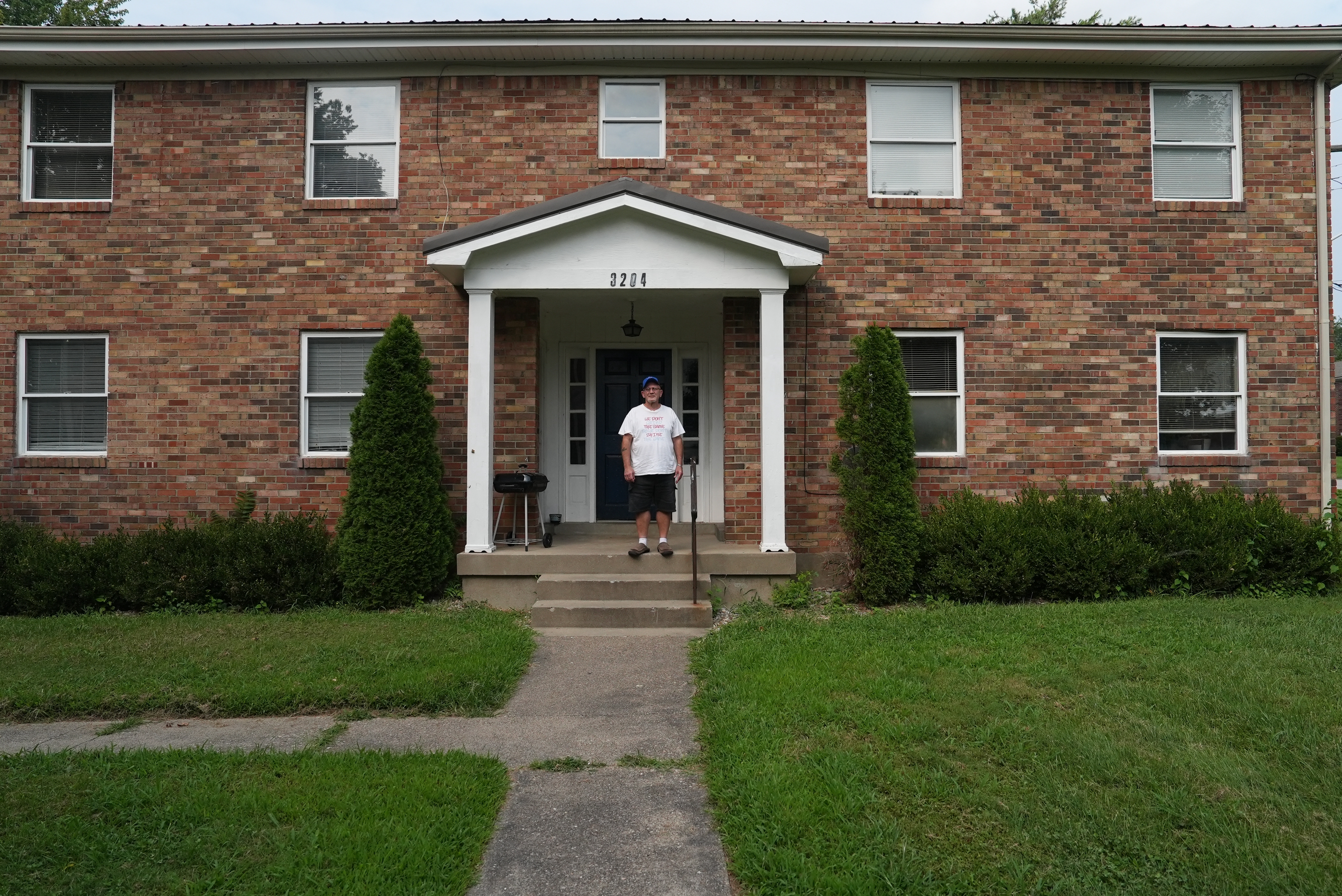
    LOUISVILLE, Ky. — Light streamed through stained-glass windows in a former church, illuminating long white tables where weary men gathered. Johnny Henderson was glad for the rest. The 71-year-old — who has one arm, heart disease, and vision problems — slept on the street the night before.

    Henderson is a regular at the St. John Center men’s day shelter. So are a great-grandfather in a wheelchair who has prostate cancer, a 54-year-old with four psychiatric disorders, and a 66-year-old with a walker who wears a hospital bracelet warning “fall risk.”

    All are potential candidates for permanent, government-subsidized apartments under a “Housing First” approach, a model rooted in the belief that people need a stable place to live before addressing other problems. But the approach that’s been central to federal government policy for more than a decade is disappearing under President Donald Trump’s administration. The upheaval, providers and advocates say, threatens the lives of some of the most vulnerable people in the nation.

    “Housing is healthcare,” said St. John executive director Ra’Shann Martin, whose organization provides housing and outreach in addition to the shelter. “The longer people stay unhoused, the more fragile they become.”

    Housing organizations across the U.S. that depend on federal funds are now reluctantly making changes to comply with new government policies that favor a “Treatment First” approach and short-term “transitional” housing — changes they fear will push people with extreme health risks back on the street or keep others, like Henderson, there.

    Planned housing projects have been scrapped in communities such as Corbin, Kentucky. Less housing is available for homeless people in places including Santa Cruz County, California. And in cities such as Louisville, nonprofits are looking at making some permanent housing temporary, including most of St. John’s 200 apartments.

    U.S. homelessness numbers have trended upward

    Across America, nearly 750,000 people were homeless last year, according to an estimate compiled by the U.S. Department of Housing and Urban Development. That number is down slightly from 2024 but up 31% from 2019.

    The portion considered chronically homeless — having a disability and long-term or repeated episodes of homelessness of at least a year — has also risen since 2019. It’s now about a quarter of the total.

    Overall, research shows, roughly half of homeless adults live with a disability, up to two-thirds have mental illness, and 2 in 5 have substance use disorder. Rates of disability, heart disease, and diabetes are two to three times higher than in the general population.

    In Louisville, outreach specialist Angel Sivado said such statistics are reflected in the people she serves, whose living conditions make it extremely difficult to care for themselves, get to doctors, or keep up with medications.

    On a recent day, she parked a St. John van near a fast-food restaurant and hiked into the woods to visit a couple living in a tent. Later, she and a colleague walked toward encampments surrounded by trees just off a highway, yelling “outreach” over the low roar of cars.

    One of their main jobs is to shepherd clients through the process for getting housing.

    “They’re not just homeless people; they’re people,” Sivado said. “They’re somebody’s son. They’re somebody’s mother. They’re someone’s daughter.”

    Occasionally, Sivado savors a victory. Before heading home, she stopped under a downtown overpass to see James Myers, 66, who is blind, has congestive heart failure, and is undergoing treatment for prostate cancer. She told him he should be in an apartment soon.

    “I’m tired. I mean, the streets will beat you down, and I think they put a few years on me,” he said, standing near his busted guitar. “I can’t wait to get off the street.”

    Others are not so lucky. Henderson, the St. John regular, survived a train accident that cost him an arm and led to a yearslong opioid addiction. Recently, he’s been dealing with heart disease, an eye problem, spinal surgery, and auditory hallucinations.

    “I’m going to die sleeping outdoors,” he said, choking up. “But I got nowhere to go.”

    The Trump administration favors ‘Treatment First’ and short-term housing

    Each person’s path to homelessness is unique. Determining the “best” solutions depends on the lens used to judge what’s best. The answer may be different if the goal is reducing overall homelessness, helping people into the job market, spending as little taxpayer money as possible, improving health outcomes — or just keeping people alive.

    The Housing First idea was pioneered by a New York nonprofit in the 1990s and has been at the heart of federal homelessness policy since 2013. Today, there are roughly 173,000 “permanent supportive housing” beds for chronically homeless people, and 235,000 for other populations, including veterans. These are long-term apartments paired with voluntary services. Tenants often must contribute 30% of their income, after certain expenses, to rent and utilities.

    Studies have consistently shown that Housing First programs keep people stably housed. Some research says they do so better than other models, including “Treatment First,” which favors mandatory services for addiction and serious mental illness. But findings on health outcomes have been mixed.

    Last year, Trump signed an executive order calling for an end to federal support for Housing First policies. His proposed budget for fiscal 2027 calls for eliminating the federal initiative that goes mostly to Housing First programs. The administration favors housing lasting up to two years, during which people would be required to get treatment.

    “Housing First has failed our most vulnerable and enabled addiction,” HUD said in an email. “HUD’s proposed reforms seek to address the root causes of homelessness and advance recovery, self-sufficiency, and competition that drives accountability.”

    Many opponents of Housing First policies don’t think services including addiction and mental health treatment should be optional.

    “That is the biggest difference between Housing First and not Housing First,” said Devon Kurtz, the director of public safety policy for the Cicero Institute. Kurtz is also concerned that permanent supportive housing was becoming a “one-size-fits-all approach,” including for populations better served by transitional housing.

    Service providers say short-term housing won’t work for some people

    Service providers acknowledge that transitional housing is a good option for some people, such as those getting on their feet after evictions. But they say most chronically homeless people can’t pull their lives together within two years and would likely wind up homeless again.

    “If you want to gradually work on reducing social services that are funded by the federal government, OK,” said Jennifer Clark, CEO and executive director of St. Vincent de Paul Louisville, which offers permanent and transitional housing. “But you cannot make a huge sweeping change and big cuts and take an ax to everything and think that there aren’t going to be consequences for some people who are really in need.”

    John Franklin, 58, said transitional housing wouldn’t work for him. He spent nearly 14 years on the streets dealing with severe alcoholism, and it took a long time to adjust to normal life. He now gets by on disability, as a throat cancer survivor with heart failure, and can’t imagine either having to fully pay for housing or surviving the streets.

    “I could not make it,” said Franklin, who shares a permanent supportive apartment in suburban Louisville with his orange tabby, Moe. “This is my safe haven.”

    Housing First provides homes and other help

    The welcome mat outside Phillip Sieveking’s permanent supportive apartment says “Home Sweet Home,” a sentiment precious to him after a couple of years on the streets.

    Sieveking lives at St. John’s Sheehan Landing, a complex with 80 furnished one-bedroom apartments plus a clinic space, food pantry, meeting rooms, and a community garden that he spends much of his free time tending.

    The former chef has diabetes but didn’t take care of it while homeless. Doctors had to amputate part of one leg. On a recent morning, he put on his prosthetic, grabbed his crutches, and slowly made his way to the garden to check on the roses, sunflowers and vegetables.

    He credits his caseworker with encouraging him to keep up with medical care and navigate systems for getting disability and food benefits. He also attends meetings at the complex, including one where residents discuss wellness and sobriety while working on art projects.

    “They have helped me, you know, go from being homeless to being a part of society,” said Sieveking, 47. “I feel blessed to be here.”

    In New Jersey, Tatiana Velez has been in permanent supportive housing since 2021, soon after connecting with the Camden Coalition, which serves people with complex health and social needs.

    After spending 18 years in prison for robbery, she had lived in abandoned buildings and struggled with opioids for a couple of years. Velez had never signed a lease or opened a bank account when, in her late 30s, she learned she was pregnant and decided she was ready to make changes.

    “I didn’t know what it was to have a roof over my head or pay the bills,” said Velez, who receives disability payments for psychological and educational disabilities.

    She now shares a first-floor suburban apartment with her daughter, 5, and a formerly homeless cat named Snowball. A preschool graduation certificate hangs on the wall.

    Policy changes rock communities

    After HUD tried to rework its homelessness grants to fit the administration’s favored policies, a consortium of local governments and advocates for homeless people sued. A federal judge agreed with them. But this month, an appeals court said the administration could move ahead.

    Meanwhile, Trump’s proposed budget calls for eliminating the $4 billion Continuum of Care program, which in 2024 awarded money to 6,500 projects. At that time, more than 60% went to permanent supportive housing, mostly to continue existing efforts. Just 1% went to transitional housing.

    Trump’s proposed changes have left homelessness organizations scrambling to figure out how to alter their housing strategies so they can keep getting federal money.

    “It’s like psychological warfare the last two years, trying to figure out how to navigate these changes that are looming right over us,” Martin, the St. John director, said.

    Dr. Robert Ratner, director of housing for health in Santa Cruz County, California, said losing permanent supportive housing funds would exacerbate problems caused by the winding down of another federal program: pandemic-era emergency housing vouchers. People set to lose those vouchers are being prioritized for available housing, meaning the county can’t help as many people who are homeless now.

    A similar dynamic is playing out at The Delores Project in Denver, which serves women and transgender and nonbinary people. Program leaders expect people already in the permanent housing on their campus will stay because they won’t have access to vouchers to move out into the community. That will mean fewer spots for new people.

    In Louisiana, the state housing agency applied to redirect federal money away from rental assistance and toward the establishment of a 200-bed shelter with strict mandates for participants. That effort was rejected by local coalitions in charge of the money, but local housing advocates worry it’s a harbinger of what’s to come.

    Some communities are seeing planned projects nixed. For 18 months, Volunteers of America Mid-States worked with Eastern Kentucky University and others on a permanent supportive housing project in Corbin that would have included childcare and access to college classes. “That project is now dead,” said CEO Jennifer Hancock.

    Many nonprofit leaders feel forced to shift toward transitional housing. In Louisville, St. Vincent de Paul and Family Health Centers-Phoenix Health Care for the Homeless are looking at converting some permanent supportive housing apartments into transitional units. St. John would only be left with Sheehan Landing after converting its 120 community apartments to transitional housing.

    The result for people like Henderson? More time on the streets as they grow older and sicker.

    “The lady in the housing office told me, she said, ‘Mr. Henderson, you got a stent in your heart. You got one eye and one arm. Something’s going to have to happen for you.’”

    But with “just a little life left,” he said, it may not happen soon enough.

  • As violence falls, crime isn’t paying as a Republican line of attack

    As violence falls, crime isn’t paying as a Republican line of attack

    A central line of attack in the waning weeks of the 2026 midterms comes straight out of the tried and true Republican playbook: Democrats are soft on crime.

    But as crime rates plummet across the country, it’s been a hard case to make. In Michigan and Georgia, North Carolina and Texas, Republicans have struggled to pull voters back to the violence and disorder that followed the onset of COVID-19.

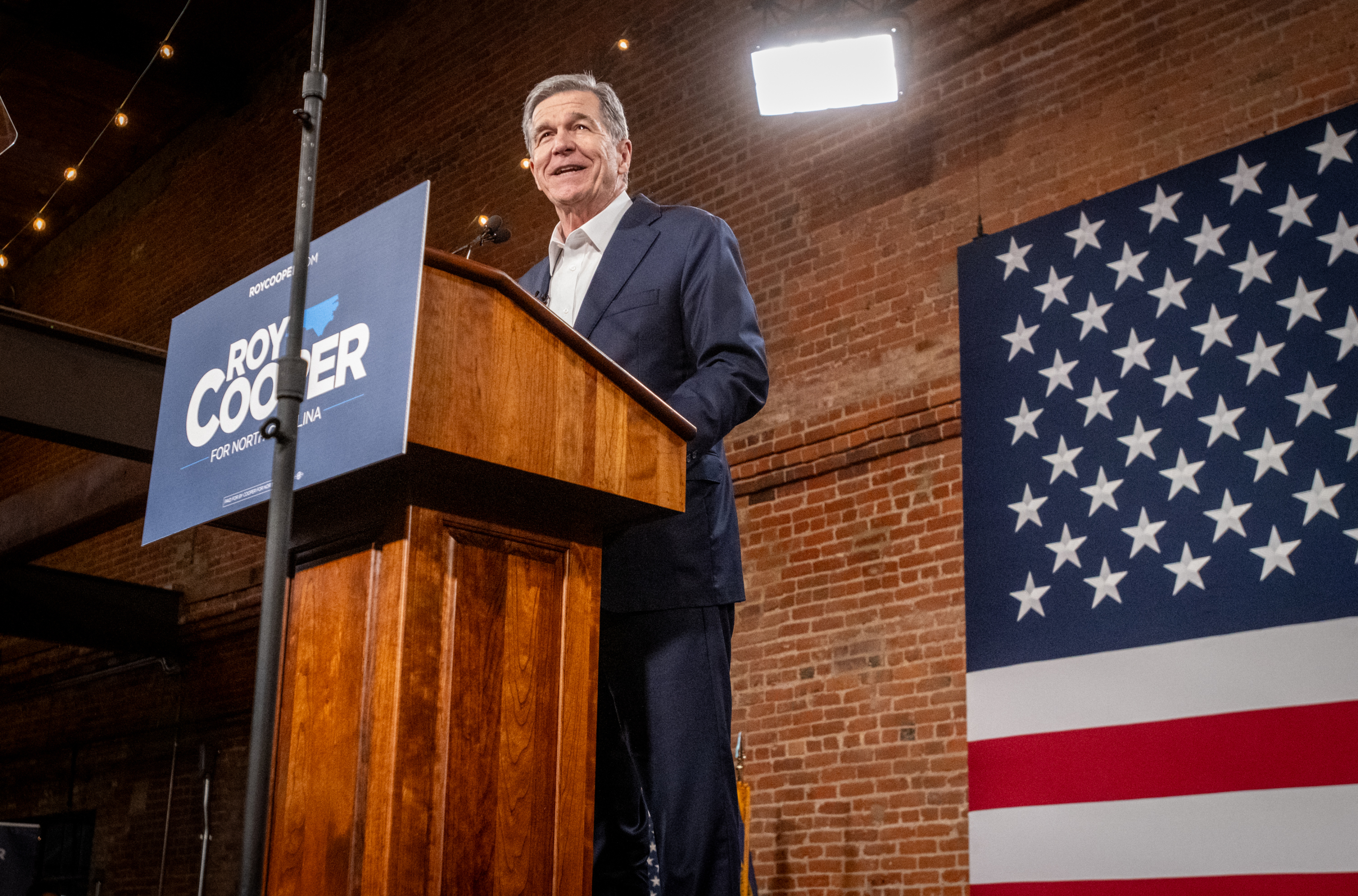
    Nowhere is that clearer than in the Senate race in North Carolina. One Republican ad there tried to blame Roy Cooper, the former governor running for Senate, for a murder that took place in the wrong Carolina, the one to the south. Another asserted that he had given the man who fatally stabbed a Ukrainian woman on a light rail train in Charlotte, N.C., last year an early release from prison; he did not.

    A third presented the story of a man whose son had been murdered, implying that Cooper’s policies were responsible. After it was released, the father, a Democrat, complained that he had been “swindled, hoodwinked” into making a political endorsement when he had been told the topic was gun violence.

    Republicans have soldiered on, spending $18.5 million in North Carolina on ads about lawlessness and murder. But polls show Cooper, a former governor and attorney general, consistently leading his Republican opponent, Michael Whatley.

    “It really does not seem to be having much traction at this point, and the folks who are long schooled and well versed in North Carolina politics have wondered why Michael Whatley didn’t take a different approach,” said Mitch Kokai, a senior political analyst at the John Locke Foundation, a free-market think tank based in Raleigh, N.C..

    For Republicans, that different approach is proving elusive. The chaos at the border — a reliable political target since 2018 — has calmed. State laws barring transgender students in athletics have taken some of the sting out of that issue as well. The war on Iran is unpopular. Voters say they are most concerned about the high costs of everyday necessities.

    And crime — usually a winning issue for Republicans, who are generally more trusted to keep law and order — is seeing a staggering drop. The downward trend that began during the Biden administration has only accelerated. One analysis found that the murder rate last year was the lowest it has been since 1900.

    “This is the first election really in my lifetime where I have felt that it’s not an issue,” said Holly Harris, a veteran Republican strategist who is now the executive vice president of advocacy at Arnold Ventures, a philanthropy with a focus on criminal justice. “I remember when I was at the Republican Party years ago, every ad that we wrote was focused on crime. And it’s just not hitting the same mark.”

    The good news on crime has posed a challenge for Republicans. How do you take credit for the peace while simultaneously blaming the other side for what President Donald Trump has called “American carnage?” At a recent campaign rally in Gastonia, N.C., Trump pivoted from blaming Cooper for the “blood-soaked killing fields” of North Carolina to hailing his own record within half an hour.

    “Last year, we achieved the largest drop in violent crime ever recorded,” he said.

    In The Charlotte Observer, Andrew Dunn, a conservative political commentator, wrote that the president’s description of the state as “one of the most violent and one of the worst in the whole nation” would backfire, even with those who agreed that Cooper had a poor record on crime.

    “Who is buying that description of North Carolina?” Dunn asked.

    Violent crime in North Carolina this year is down 22% compared with the same period in 2024, outpacing the national decline of 14%, according to data collected by the Crime Index. Property crime is down 18% compared with 2024, about the same rate as the national decline.

    Republicans have spent $105 million on ads about crime, more than a quarter of total spending, compared with $35.5 million spent by Democrats, according to an analysis of spending on federal races in the general election by AdImpact, a media tracking firm.

    In the previous two election cycles, attempts to tie all Democrats to far-left positions like defunding the police and abolishing prisons proved effective, in part because crime had spiked to alarming highs right after the pandemic and the police brutality protests in 2020.

    Such attacks were often met with an uncomfortable silence, and Republicans were able to connect crime to a border that appeared to be exceptionally porous. Candidates repeatedly raised examples of violence committed by immigrants without permanent legal status and rising rates of fentanyl overdoses.

    Those links have broken as drug overdoses drop, the border grows quiet, and even some Republican lawmakers say the president’s immigration crackdown has gone too far.

    In the current climate, soft-on-crime attacks risk looking out of tune with the electorate’s deeper concerns, “especially when voters feel that they’re getting robbed at the gas station every day,” said Jim Kessler, the executive director of Third Way, a centrist Democratic organization in Washington.

    Cooper, who was first elected to statewide office 26 years ago, as attorney general, has noted that many of Whatley’s accusations were found to be false and has defended his record. A campaign spokesperson said, “Roy spent his career putting rapists and violent criminals behind bars and signing tough-on-crime laws.”

    “Most people look at Cooper, they don’t see somebody that is soft on crime,” said Carter Wrenn, a veteran Republican political consultant.

    But for candidates without Cooper’s profile, strategists have counseled against trying to out-tough Republicans on crime. “If you’re going to be Republican lite, then people are going to pick Republicans,” said Celinda Lake, a longtime Democratic strategist.

    The Vera Institute, a nonprofit that works to reduce mass incarceration and has used focus groups to test messaging on criminal justice policies, has offered “serious about safety” as a rival slogan. The idea was initially met with some mockery — one social media post said it sounded like a college sex talk — but candidates have increasingly adopted safety as a buzzword, with a new set of talking points to go with it.

    James Talarico in Texas and Dr. Abdul El-Sayed in Michigan, both Democratic candidates for the Senate, talk about recruiting and training police officers and explicitly link public safety to increased spending on housing, education, mental health care, and drug treatment.

    El-Sayed, the former health director for Wayne County, Mich., has gone from praising the “defund the police” movement for wanting to devote more resources to fighting poverty, to offering “a vision for public safety that I think all of us can agree with.”

    “We want to know that we can get home safely,” he told CNN in June. “We don’t want to worry about being the victim of somebody’s violence, whether it’s from a neighbor or the state itself.”

    Harris, the veteran GOP strategist, said, “Democrats are adopting some of the Republican talking points, to be candid.” Both sides are retreating from more extreme positions, she said, creating an opportunity for lawmakers to return to more nuanced, evidence-based policies. She characterized tough-on-crime attacks as “outliers.”

    This week, El-Sayed’s Republican opponent, Mike Rogers, who has touted his experience as a former FBI agent, dropped his own crime attack ad. “It’s Abdul El-Sayed who would surrender our borders to the drug cartels,” a father whose son died as a result of opioid use says.

    But Democrats are also playing offense this year, with ammunition from the Jeffrey Epstein scandal. Republicans, they charge, are protecting child predators, and Trump’s pardons of drug traffickers, fraudsters, and the rioters of Jan. 6, 2021, have been grist for their own soft-on-crime attacks.

    In Nebraska a political action committee supporting Dan Osborn, an independent, unveiled an ad this week attacking the Republican incumbent, Sen. Pete Ricketts, for pardoning a man who had raped a woman three decades earlier.

    Talarico has accused his Republican opponent, Ken Paxton, Texas’ attorney general, of an “Epstein-style sweetheart deal” that initially would have allowed a child molester to spend just one day in jail. Paxton’s office has said that the deal, which required the man to surrender his law license for five years but did not require him to register as a sex offender, was reached because the victim was unwilling to testify.

    In North Carolina, skirmishes over “pedophile protectors” have proliferated, spurring lengthy examinations of the sex crime rap sheets of pastors, board presidents, and party operatives.

    In July, a Democratic PAC spent more than $2 million on ads about Harvey Lee West Jr., a child sex offender who did time in prison and then ascended the ranks of the state Republican Party, winning influence and committee appointments while Whatley was the chair.

    Whatley’s campaign spokesperson said that the candidate had never hired West for a paid position. But the ads accuse Whatley of “putting politics over safety.”

    FILE — Michael Whatley, Republican’s candidate for a U.S. Senate seat in North Carolina, joins President Donald Trump on stage during a campaign rally at the airport in Gastonia, N.C., Sept. 16, 2026. Across the country, and especially in the North Carolina Senate race, Republicans have charged opponents with being soft on crime, even as President Trump brags over plunging crime rates. (Kenny Holston/The New York Times)KENNY HOLSTON