PJM, the nation’s largest electrical grid operator, on Tuesday released results of an electricity auction that would add $6.3 billion in costs to the bills of millions of households and businesses within the next three years, an increase driven by the power demands of data centers.
During the annual auction, power companies supplied prices that they were willing to accept to supply electricity to PJM at times of peak demand. Those prices are then factored into the electricity rates that are eventually charged to the grid’s customers in 13 Eastern states and the District of Columbia.
In a statement, PJM said data centers were increasing electricity demand throughout the region.
“These auction results show that demand for electricity continues to grow faster than electricity supply,” David Mills, president and chief executive at PJM, said in an announcement of the auction results. “We are working with government and industry leaders on multiple fronts to restore that balance by bringing on new generation as fast as possible and managing the growth of new load on the grid.”
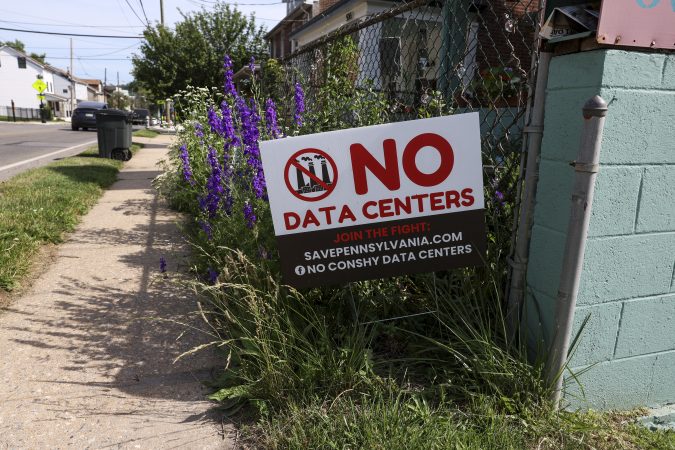
Over the last few years, individuals and politicians have grown frustrated with PJM’s operations as electricity prices have steadily increased. At the same time, anger over data centers has spread nationwide. New York on Tuesday announced the nation’s first statewide moratorium on construction of the giant facilities, a one-year pause to assess their impact on the environment and energy use.
The PJM grid supplies electricity to 67 million people from Virginia Beach, Virginia, to Chicago. The network of power systems includes the world’s largest cluster of data centers, in northern Virginia.
“Demand growth is not going away,” said Patrick Cicero, a former state-appointed consumer advocate for Pennsylvania who is now counsel for the Pennsylvania Utility Law Project, which assists low-income consumers. “The bottom line is high prices are going to remain in place.”
In its role as a regional grid manager, PJM effectively sets a significant portion of retail electricity rates, but governors and their appointed regulators have little sway over it. PJM is regulated by the Federal Energy Regulatory Commission, not state lawmakers.
PJM’s annual auctions help determine the electricity costs for the two years after the auction. Since 2024, the auctions have added in total about $29 billion in costs to all utility customers in the PJM region because of data centers, according to Monitoring Analytics, PJM’s independent market monitor. The market monitor also produced the estimate of $6.3 billion in additional costs from the latest auction, which was held on June 30.
The high costs have so angered Pennsylvania Gov. Josh Shapiro, a Democrat, that he sued PJM in December 2024. Shapiro and PJM reached a settlement that capped the price set by the auction, saving consumers billions of dollars.
The PJM grid has often had only a thin buffer of excess power during extreme weather such as the recent heat dome that sent temperatures soaring across the East.
Shapiro and other governors have complained that PJM has been too slow to connect more power plants, solar and wind farms, batteries and other resources that would have helped lower prices and eased strain on the grid.
PJM’s grid serves all or part of New Jersey, Pennsylvania, Delaware, Maryland, Virginia, West Virginia, North Carolina, Tennessee, Kentucky, Ohio, Indiana, Illinois and Michigan, as well as the District of Columbia.
Archaeologists are nearly done digging at Croft Farm in Cherry Hill and have found an extensive catalog of items that have accumulated over thousands of years.
P.S. Thank you for your continuing support. We want your thoughts! Tell us your opinion of the newsletter by taking our survey or replying to this email.
After extensive digging at Cherry Hill’s Croft Farm, once a stop along the Underground Railroad, archaeologists are nearly finished with their analysis.
Their findings include hundreds of bones, thousands of ceramic fragments, and historic possessions of the Lenni-Lenape Indigenous people who once lived along the Cooper River.
Most items come from the past three centuries, but some go back as far as 4,500 years.
Eventually, the township could put some of items on display on the first floor of the property’s Kay-Evans House.
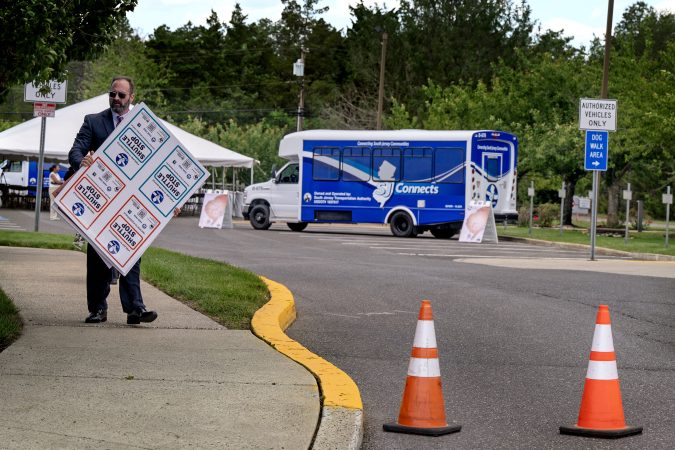
A new bus route is coming to Burlington County and is expected to start in September.
Last month, South Jersey Transportation Authority (SJTA) announced that South Jersey Connects, a free regional bus service, would launch routes in Atlantic, Camden, Cape May, Cumberland, Gloucester, Salem, and Burlington Counties. They all started on June 1 — except the Burlington route.
That’s because SJTA didn’t have the authority to operate in the county. Legislation was needed to fix the issue. The bill that brings Burlington County into SJTA wasn’t signed into law until a month after the program was announced.
Why wasn’t Burlington County part of the transportation agency before?
The Gloucester Township School District is under investigation by the U.S. Department of Education as federal officials focus on sexual misconduct by teachers.
Burlington County is working with the state Department of Environmental Protection to clean up a wastewater spill that was discovered early Tuesday morning at Florence’s Burlington County Resource Recovery Complex.
Camden County wants to spend $400 million to improve its various waterways. It hopes voters will approve a referendum to increase the county’s open space tax in November to help pay for the master plan over the next decade.
The genetic testing company 23andMe and more than 40 attorneys general reached a national $18 million settlement following a massive data breach. According to New Jersey Attorney General Jennifer Davenport, 150,000 customers were impacted in the state.
A new nonprofit is looking to borrow $617 million in tax-free bonds to buy the Marlton-based behavioral health company Advantage Behavioral Health. But the current owner, Clearview Capital, a private equity firm, isn’t stepping away from the South Jersey organization.
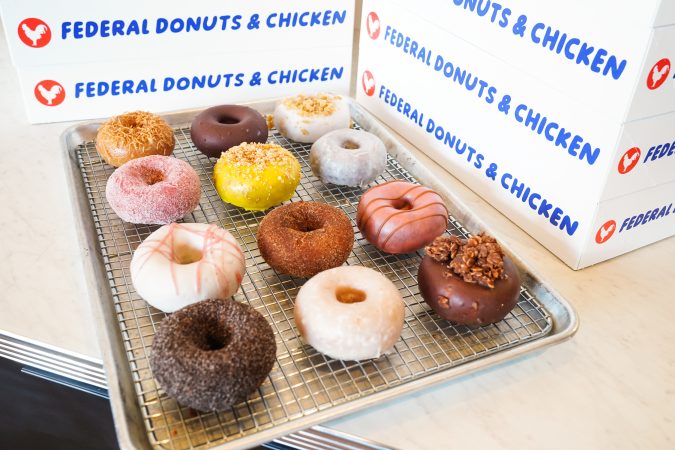
Several Federal Donuts in the Philly region are closing following a slowdown in demand of fast-casual lunches, its owners say. The independently owned one in Marlton will remain open.
🧠Trivia time
Which of the below is a former name of Rowan University?
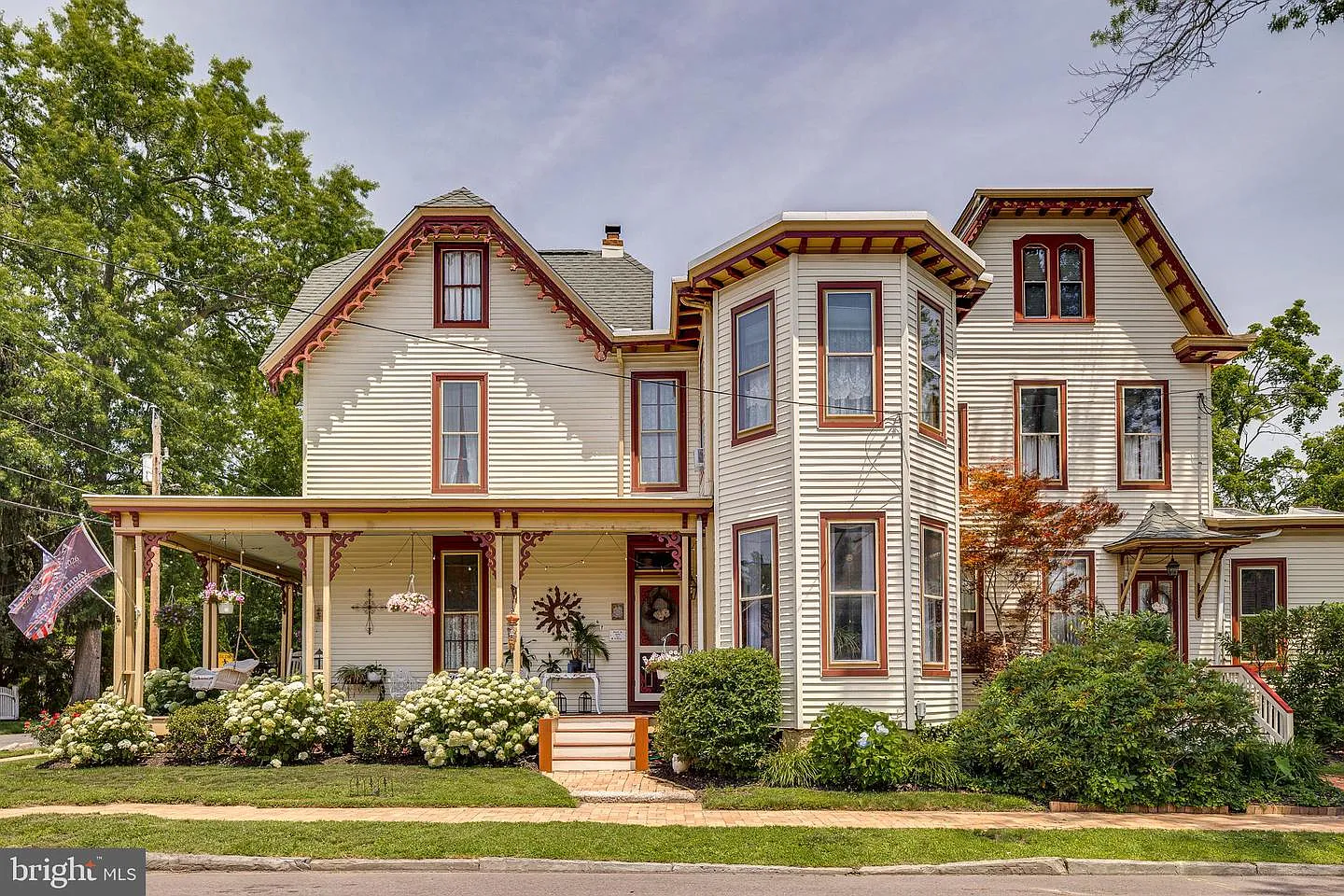
Built in 1871, the four-bedroom and three-bath Victorian has 10-foot ceilings, original hand-blown glass windows, and period millwork. On the outside in the front, there’s a wraparound porch. At the back of the house, the double lot allows for green space, a pool, and a new screened porch. There’s also a detached carriage house and workshop.
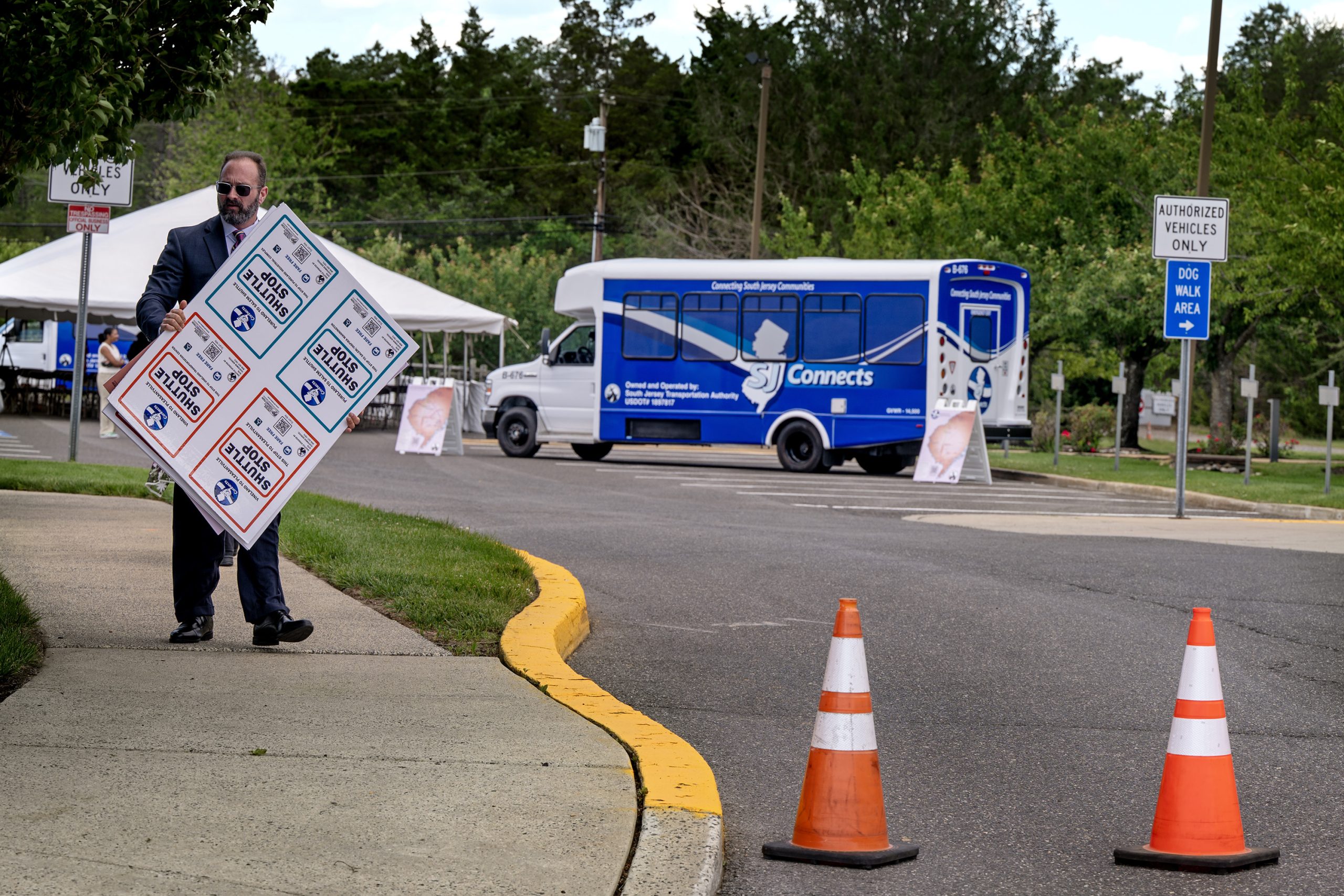
Burlington County was left behind when a new free shuttle bus for South Jersey launched in June. That is going to change in September.
The South Jersey Transportation Authority (SJTA) announced June 1 that a free shuttle bus program called South Jersey Connects was launching that day with routes in all seven southern counties: Atlantic, Camden, Cape May, Cumberland, Gloucester, Salem — and Burlington.
But as the other routes launched, the promised Burlington County route never began. On the authority’s website, it is still marked as “coming soon.”
That is because until recently, the transportation authority was not actually authorized to operate in Burlington County. The county considered operating its own route for the program but ultimately agreed to have the authority run it instead.
But that required legislation.
South Jersey lawmakers had proposed bringing Burlington County into the authority back in the 2022-23 legislative session, but it was not until the South Jersey Connects program was about to launch this year that legislators had the wherewithal to actually hit the gas pedal in Trenton.
“We worked in partnership with our county commissioner, then the administration of Burlington County, and just realized we just couldn’t pull that off,” Sen. Troy Singleton, a Burlington County Democrat, said in an interview. “And speaking with the administration, they were like, look, we feel more comfortable running this through the SJTA, and we already had this legislative vehicle, so that’s when it took on a greater sense of urgency.”
The bill to bring Burlington County into the SJTA passed the Assembly in mid-May and was approved by the Senate just a few days before the June 1 announcement. But Gov. Mikie Sherrill did not sign it into law until the night of the budget deadline — a month after the program had been announced.
“The timing just didn’t work out,” Singleton said.
The Burlington route is expected to start in September, said Dominic D’Amico, director of transportation services at the SJTA, but a start date has not been announced.
The new shuttle’s path has been finalized but has not been shared publicly. D’Amico said in an interview that, like the other routes that launched June 1, it will connect with NJ Transit’s existing infrastructure and the region’s “eds and meds.”
Burlington County Commissioner Felicia Hopson said the new shuttle will enhance the NJ Transit River Line and help residents access jobs, appointments, stores, and schools.
“Stretching 820 square-miles, Burlington County is New Jersey’s largest county, making transportation essential but also challenging for residents without motor-vehicles,” she said in a statement.
The idea of South Jersey Connects emerged from the Chamber of Commerce Southern New Jersey’s advocacy after former Gov. Phil Murphy implemented the 2.5% Corporate Transit Fee on businesses to fund NJ Transit in 2024.
The project was granted $5 million for an 18-24 month pilot, and the future beyond that is uncertain. The South Jersey chamber unsuccessfully requested more money for the effort in this year’s budget, and proponents of the project are hoping to show that it is worth the investment during next year’s budget negotiations.
The summer launch so far has been a little slow, which is to be expected, according to D’Amico.
The authority has seen about 600 one-way trips in the first month of the program, he said, a number he expects to go up as people learn about the routes and as school starts in the fall. He wants to see the service hit at least 5,000 one-way trips each month.
“It takes some time to spread the word, for the marketing campaign to reach the social media platforms, getting brochures delivered to each facility — all those types of things factor into what is a normal slow start,” he said.
“It could be worse, it could be better,” he said.
Why wasn’t Burlington County part of the SJTA before?
Sherrill said in a statement that Burlington County deserves to be part of the authority as “a vital part of the region.”
The reason Burlington County has not been included in SJTA is not because anyone was denying the county is part of South Jersey. Rather, the agency was set up to replace an entity that oversaw the Atlantic City Expressway, which does not go into Burlington, said David Zappariello, the authority’s director of communications.
Along with adding Burlington County to the authority’s coverage zone, the new law allows Sherrill to appoint another member to its board. Members of the board represent the region as a whole, not their home county, Zappariello said, and there is already a Burlington County resident sitting on the board.
Assembly member Alex Sauickie, an Ocean County Republican who also represents part of Burlington County, voted against the bipartisan legislation because it did not also add Ocean County to the authority.
“I just don’t like it when you’re picking winners and losers for political reasons,” he said.
Assembly member Andrea Katz, a Burlington County Democrat, said none of the South Jersey Connects routes will touch her district, where she has concerns about transit deserts. But she is hopeful about public transit expanding in the region and the county getting a seat at the transit table.
“Burlington County now being included means that we’re going to get to have that voice,” she said. “We’re going to get to not be the one stuck in the middle there. We’re going to start to get our own access to public transportation.”
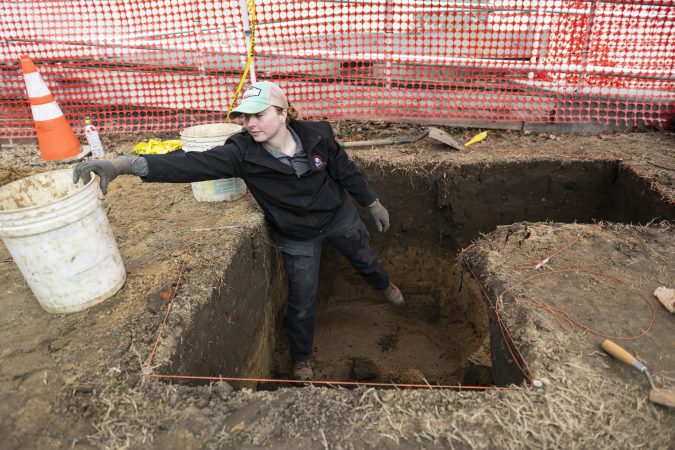
Archaeologists have nearly wrapped up their analysis of artifacts found at Cherry Hill’s Croft Farm, a historic Underground Railroad site where items have accumulated over thousands of years.
That catalog includes 6,300 ceramic fragments, hundreds of bones, and belongings of the Lenni-Lenape Indigenous people who once inhabited the land along the Cooper River.
In February, Cherry Hill Township invited the public to spectate the dig at Croft Farm, a property purchased by Cherry Hill in 1985 and since added to the National Register of Historic Places. It sits at a dead end behind a playground and a dog park, and Megan Brown, deputy chief of staff for Cherry Hill Mayor David Fleisher, said lifelong residents tend to not know it exists.
The township recruited PS&S, an architectural firm headquartered in Somerset County, a year before the February dig to oversee cultural resource management at the site, triggered by renovations to preserve a building there.
Upgrades to the Kay-Evans House, an 18th-century home at Croft Farm that once served as a stop along the Underground Railroad, are funded in part by a $638,000 grant from the New Jersey Historic Trust, which requires work to ensure the safety of historic artifacts found there. Those items will become Cherry Hill Township property.
Brown said the artifacts collected could find their way into public displays on the first floor of the house.
“We do tell the history, but kind of more as a whispering,” Brown said. “We’re going to start really yelling about it.”
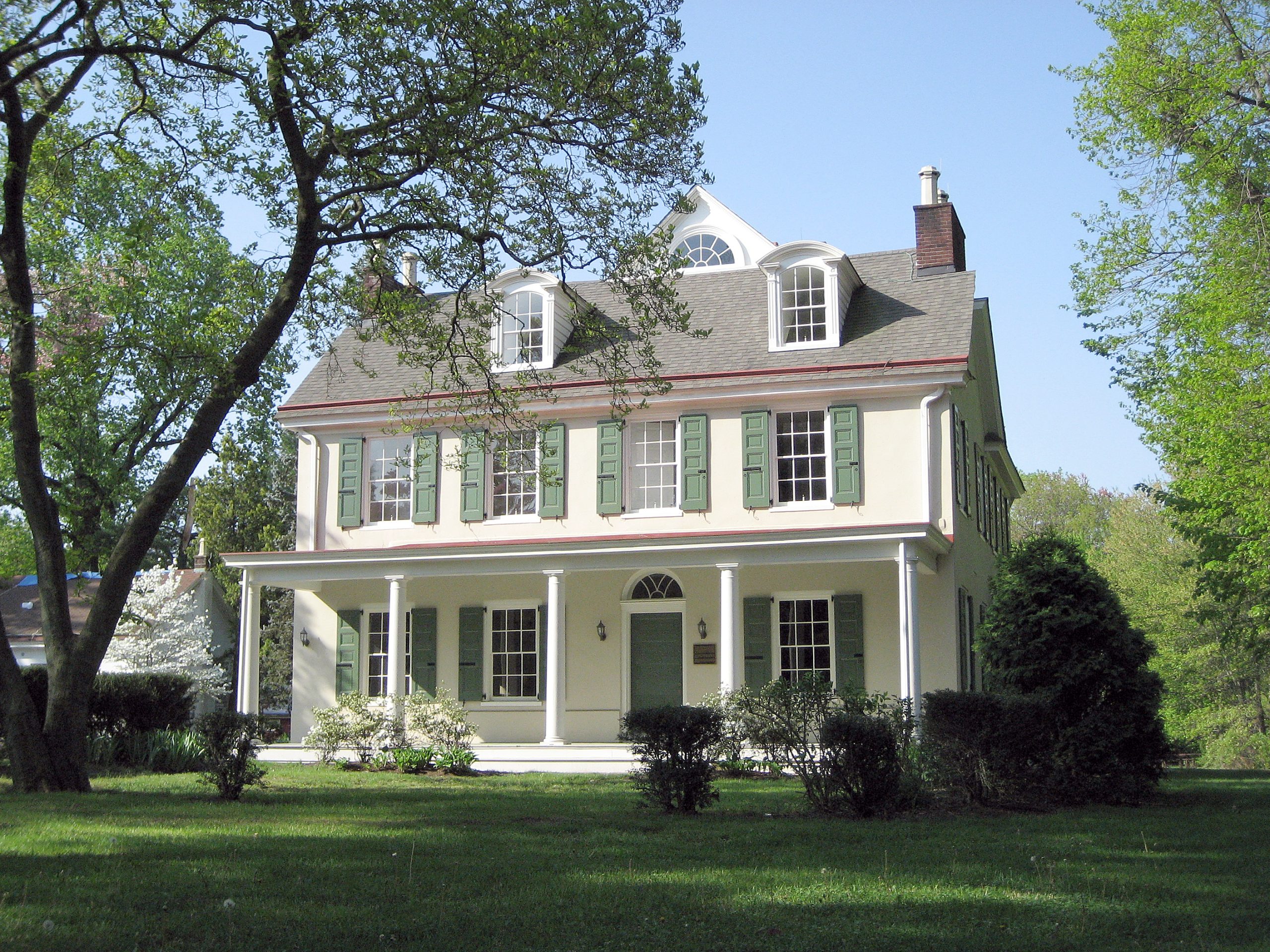
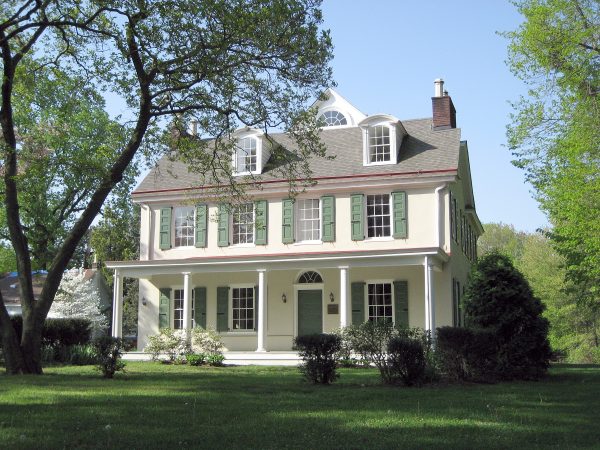
The Kay-Evans House, a historic building at Croft Farm in Cherry Hill, is home to Cherry Hill Township’s Recreation Department.Cherry Hill Township
Hundreds of ceramics
Croft Farm has housed generations of people living along the Cooper River, and artifacts like ceramics help archaeologists identify lifestyle and socioeconomic changes over time.
The land at Croft Farm was purchased by the Kay family in the early 18th century, and around 1750, Quaker Isaac Kay built an early version of the building now known as the Kay-Evans House, which today houses the Cherry Hill Recreation Department.
In the 19th century, the Evans family moved onto the property and expanded the home. Like other Quakers, owner Thomas Evans and his son Josiah were members of the New Jersey Abolition Society who pushed to end slavery and support the Underground Railroad, according to the township’s online history of Croft Farm.
Matthew Tomaso, the senior director of cultural resources for PS&S, said the firm found material spanning from the 18th century to the early 20th century. About 1,000 artifacts come from the 18th and 19th centuries, including when the Evans family helped operate the Underground Railroad.
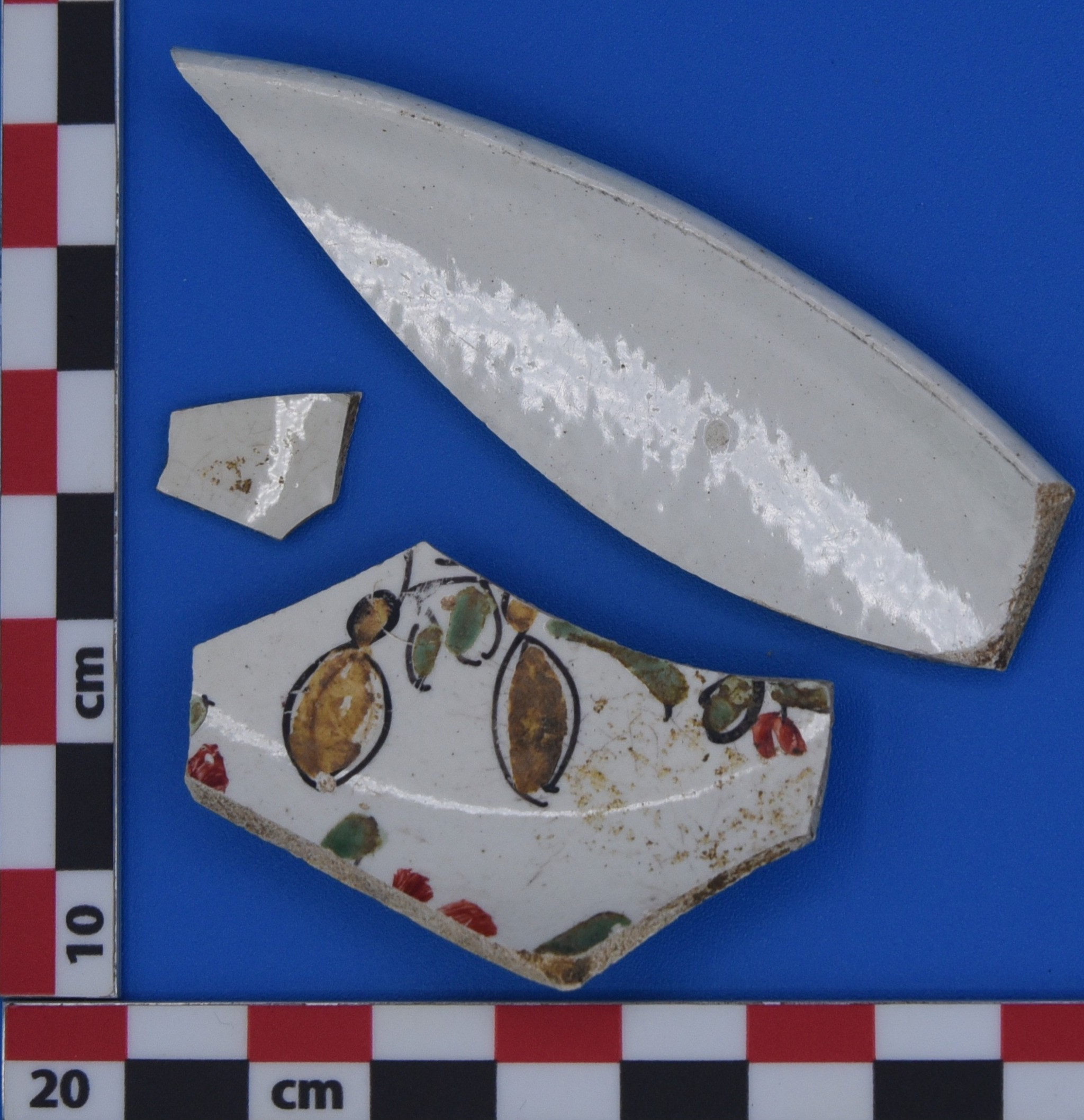
Nineteenth-century hand-painted polychrome ceramic sherds are among the artifacts found by PS&S during site work at Croft Farm in Cherry Hill. Matt Kraemer
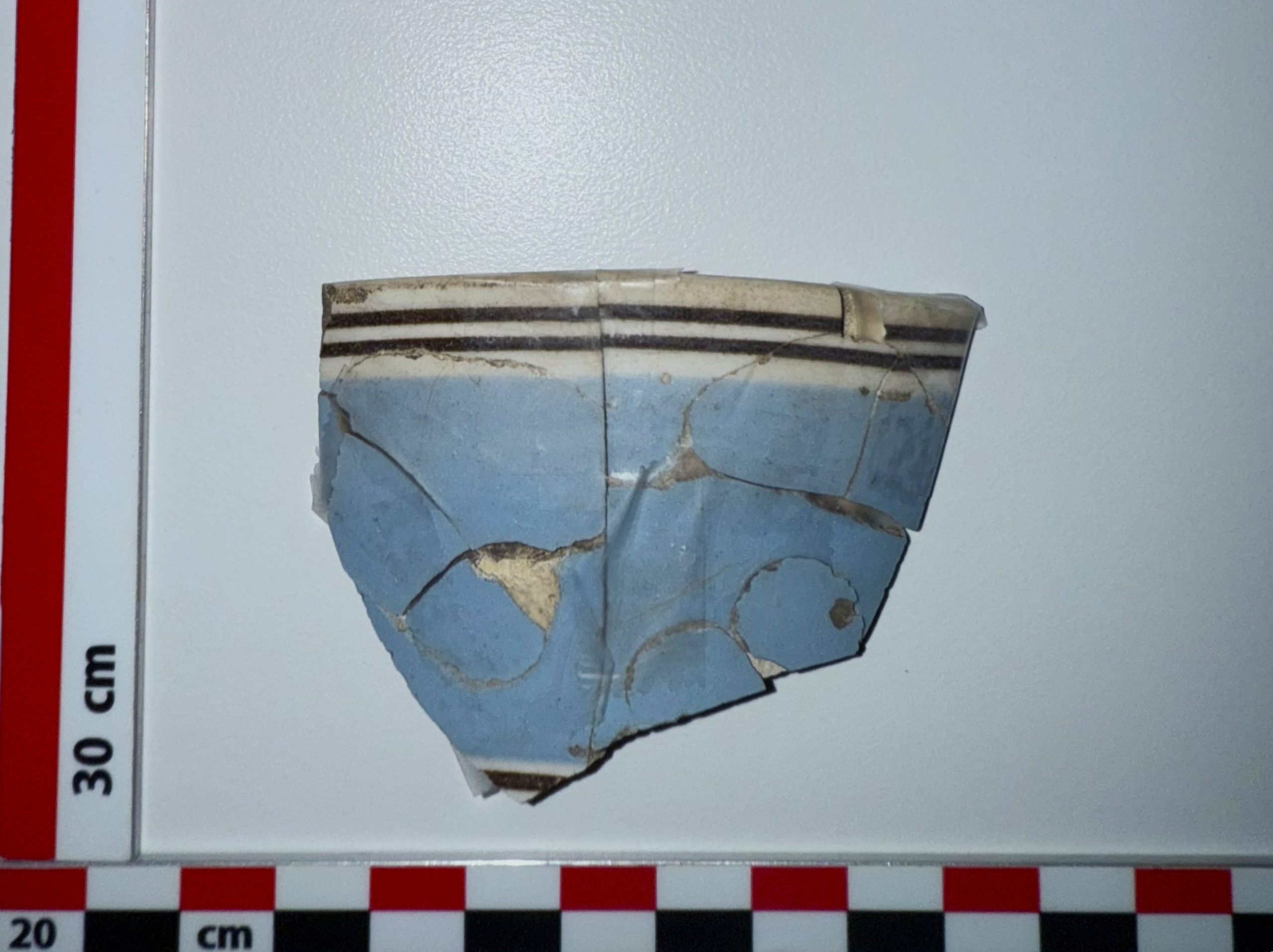
Matthew Kraemer, a PS&S archaeologist on the project, said the type of ceramics discovered on the site varied by time period, from 18th-century Staffordshire slipware to more creamware, pearl ware, earthenware, and whiteware as time went on.
The ceramics, buried by time, were not found in one piece. Tomaso said his team sorted through thousands of tiny fragments to assemble 359 vessels.
Kraemer said he is looking at how the ceramics change through time, since a transition from simple to fancy bowls could indicate shifting values among the Quakers, traditionally known for their modesty.
The location where the ceramics are found matters, too. Since enslaved people often used backyards as outdoor kitchens, Kraemer said, finding ceramics outside the house is telling, since that tradition likely continued as formerly enslaved people fled northward.
A 19th-century annular banded dipware ceramic refit, with shards pieced together by PS&S archaeologists, is one artifact found during site work at Croft Farm in Cherry Hill, New Jersey.Matt Kraemer
“If we find a higher proportion of hollowware in the backyard, then we know this could further indicate, from an archaeological point of view, involvement in the Underground Railroad,” Kraemer said.
The Croft Farm site is known as a former home to previously enslaved people, including Joshua Saddler, who founded nearby Saddlertown, a Black settlement in what is today Haddon Township.
‘An awful lot of butchering’
Chelsea Carriere, another archaeologist at PS&S, said she had not expected to find so many animal remains, since nearby water typically makes bones degrade faster.
But Carriere ended up with a stash of 480 bone fragments showing human alteration, or bones with burn or cooking marks.
So far, she has identified goat, cow, sheep, rodent, and turtle bones, along with a raccoon scapula, clearly chopped, and animals likely trapped and hunted, like rabbits. While historical documents show pigs lived on the property, Carriere did not find many pig bones, though she said it could be that the animals were butchered elsewhere or were cooked in a way that did not make for good preservation.
“We can dive into what the recipes of the time were and see if there’s any correlation between the cut marks we’re seeing and what kind of foods were typically cooked or fashionable during certain periods,” Carriere said.
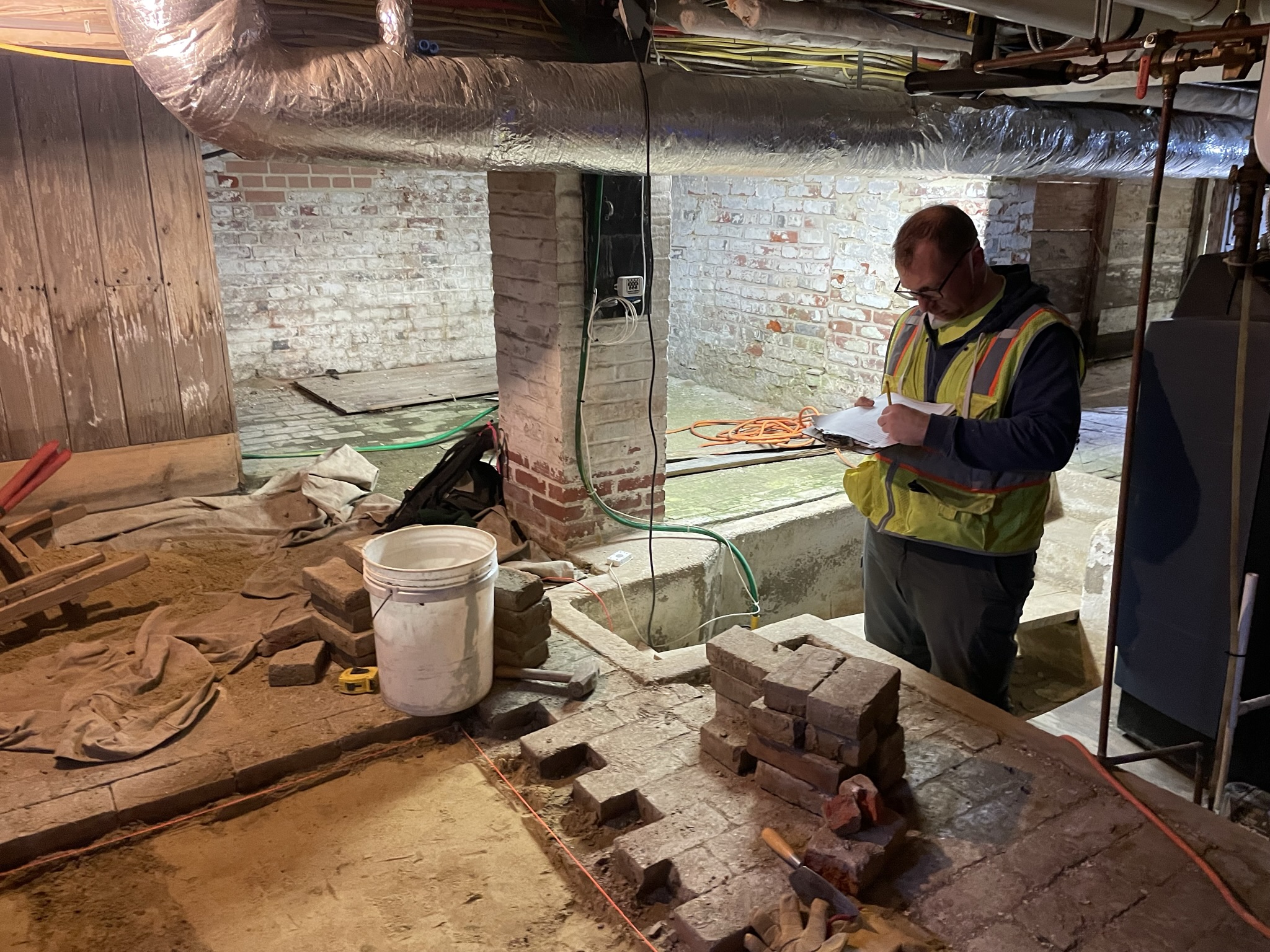
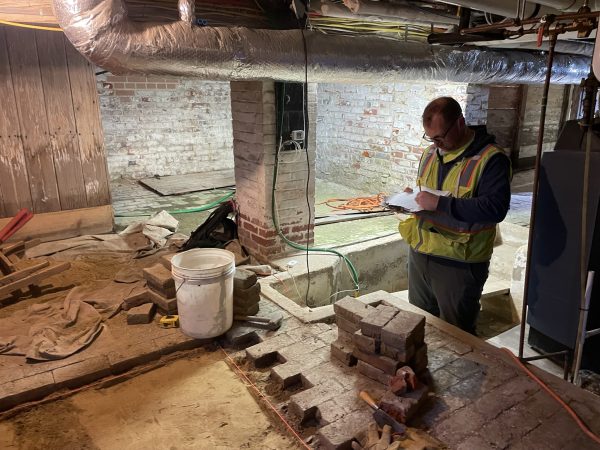
The team also found bones in the Kay-Evans House basement, which Tomaso said was strange, since people did not usually throw away organic waste indoors.
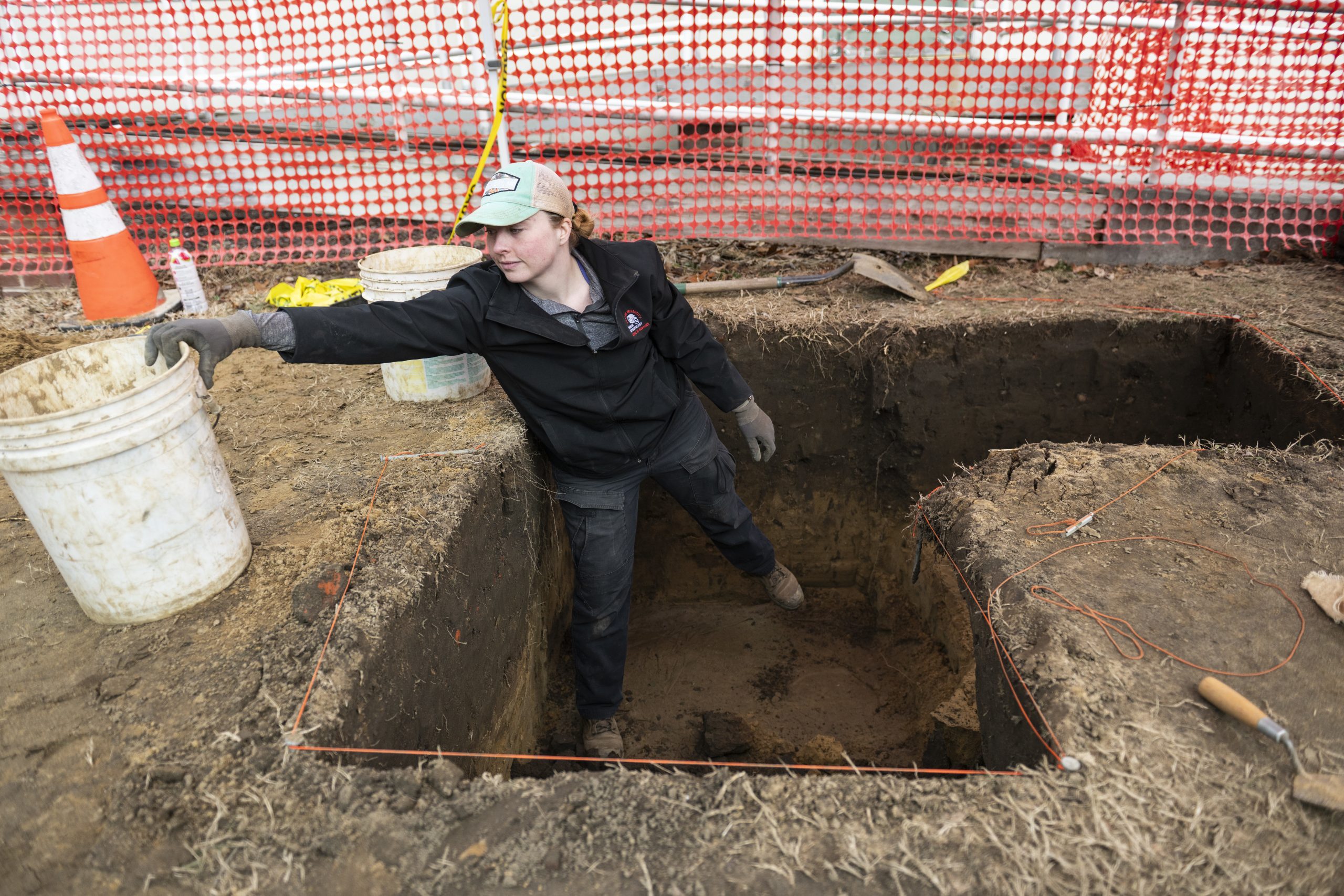
Chelsea Carriere, archeologist with PS&S, grabs for a bucket while digging at Croft Farm in Cherry Hill, N.J. on Saturday, Feb. 21, 2026. Allie Ippolito / For The Inquirer
Studying those remains will help Carriere determine how the people living there butchered and prepared their food, and how the Evans family lived off the land. Bones with rough, choppy markings could indicate at-home butchery by a novice, while clean cuts imply meat purchased from a local butcher.
“You would kind of expect to see a change there where people might be having more access to store-bought cuts of meat in the 19th century during the Evans family’s occupation,” Tomaso said. “And one of the things I think is really interesting … is that it seems like they’re doing an awful lot of butchering right there on the property.”
Over 4,500 years
Most of the recently found artifacts came from the last 300 years, but some items go back further, including ones PS&S archaeologists have not disturbed at Croft Farm.
“We now know that it was probably reoccupied over about 4,500 years or more,” Tomaso said. “So that’s kind of cool.”
Before white settlers came to Croft Farm in the late 17th century, the Lenni-Lenape Indigenous people are known to have lived on the land. Tomaso said artifacts from the Indigenous people are deeper in the ground, and seemingly less intact.
But based on the site’s location and proximity to water, Tomaso said, he suspects Native American tribes used the land for thousands of years, though not continuously. PS&S has bolstered that timeline with the Indigenous artifacts its team managed to find, including triangular projectile points typical of the Woodland Period long before the arrival of white colonists.
The absence of some typical artifacts caught Tomaso’s eye, too. The Croft Farm site had very few glass and liquor bottles, and few smoking apparatuses, and Tomaso said the team is still trying to figure out why.
“I think that these guys might have been practicing temperance, which would have been common for the Evans period, really uncommon for the Kays, even among Quakers,” Tomaso said. “Because 18th century, basically, people just drank all the time. For example, beer was not considered an alcoholic beverage.”
Once the project is wrapped up and the data compiled, PS&S will report its findings to the state, Tomaso said.
In the meantime, Brown said, Cherry Hill is working toward awarding a bid for construction at the Kay-Evans House and finding ways to increase the public’s awareness of the Croft Farm property.
“You can really just kind of disappear from Cherry Hill in this location,” Brown said. “It’s really beautiful and we’re really just looking forward to having people take more advantage of it and having people get to understand it better.”
The basement of the Kay-Evans House was excavated as part of the project. Chelsea Carriere
Hundreds of bones, thousands of ceramic fragments, and items belonging to long-ago members of the Lenni-Lenape Indigenous people are among the artifacts archaeologists unearthed as part of their recent dig at Croft Farm.
The dig took place around the 18th-century Kay-Evans House, part of which was open to the public in February, and archaeologists are now wrapping up their findings. Those items are helping them better understand the people who lived along the Cooper River centuries ago and how society evolved.
Some artifacts could even be on public display at the house one day as the township looks for ways to showcase its history.
TruGolf Links opened a flagship location last week at the Plaza at Cherry Hill. It offers six golf simulator bays, in addition to food and drinks.
Speeders Car Wash opened last week, taking over the former Route 41 Car Wash at 1507 Kings Highway North.
Philadelphia arts-and-crafts studio Deko Deko is expanding to Cherry Hill this summer. The shop offers a range of DIY projects, including hair accessories, keychains, and charm bracelets. The studio hasn’t announced exactly where or when it will open its new outpost.
Work on westbound Kresson Road will cause a weekday detour between Cropwell Road and Cooper Run Drive from 6 a.m. to 4 p.m. Work will also take place between Springdale Road and Middle Acre Lane, causing traffic pattern changes. Elsewhere, work is continuing on Kenilworth Avenue, which will be closed between Route 38 and Helena Avenue from 7 a.m. to 3:30 p.m. through Friday. And starting tomorrow, expect roadwork on Springdale Road at the Mount Laurel border from 7 a.m. to 3 p.m.
Cherry Hill’s director of secondary education and interim East principal Neil Burti is leaving the district after more than 25 years to become superintendent of Mount Laurel Schools.
🍽️ On our Plate
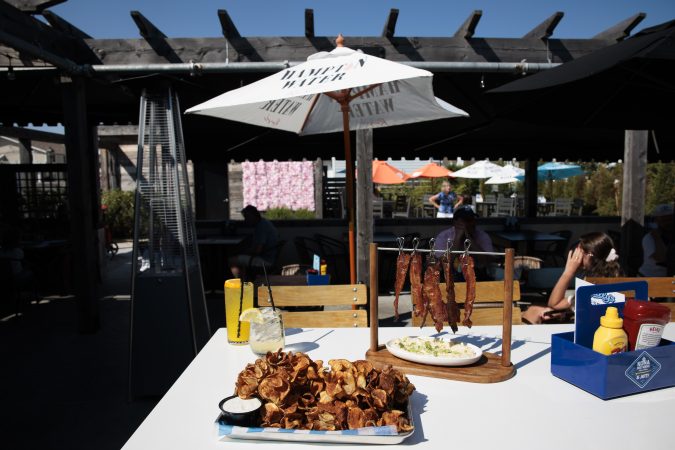
Looking for great Filipino food? Reyta’s Filipino Cuisine dishes up some of the best in the state, according to NJ.com. The outlet noted the Haddonfield-Berlin Road eatery offers authentic dishes as well asboodle fights served on banana leaves.
🎳 Things to Do
🎶 Twilight Music Series: Beach Boys’ cofounder Al Jardine will perform along with The Pet Sounds. ⏰ Thursday, July 16, 8-11 p.m. 💵 Free 📍 Cooper River Park Jack Curtis Stadium
💫 Music Under the Stars: Party band 80’s Revolution will perform. There will also be food trucks and a beer garden. ⏰ Tuesday, July 21, 7 p.m. 💵 Free 📍 Barclay Farmstead
🍑 The Peach Truck Tour: The roving peach truck will make a stop at the mall to sell boxes of the fruit. ⏰ Wednesday, July 22, 4:30-6 p.m. 💵 $15-$120 📍 Cherry Hill Mall
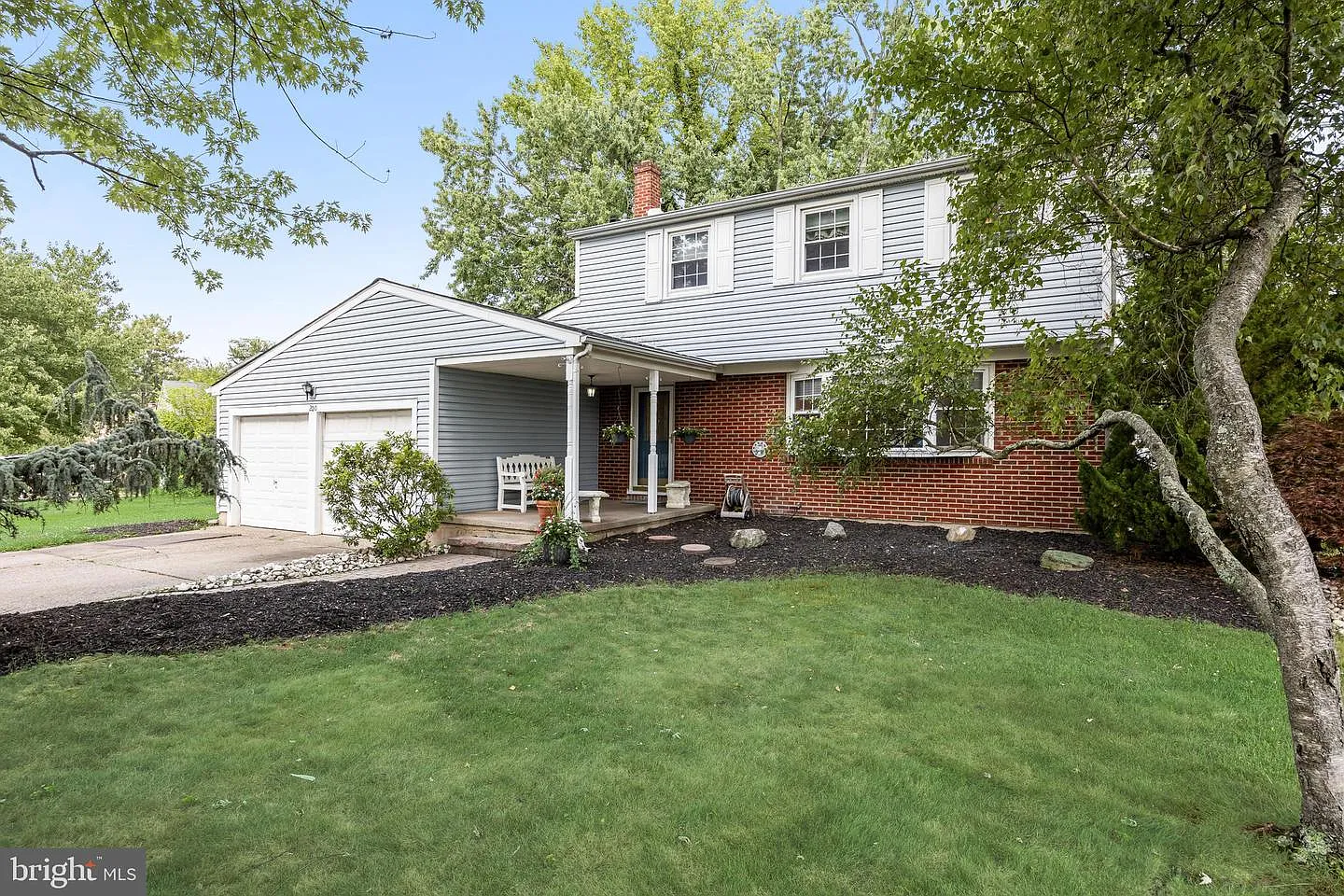
The home has a covered front porch and a two-car garage.John Marie/Steven Edwards Photography | Courtesy of Susan Grimm/Berkshire Hathaway HomeServices
Located in the Old Orchard neighborhood, this four-bedroom home has undergone a number of recent updates, including fresh paint, refinished hardwood floors, a newer roof, and refreshed bathrooms. The home has living and dining rooms, an eat-in kitchen, and a family room with vaulted ceilings, skylights, and a fireplace. Outside, a deck overlooks the backyard.
By submitting your written, visual, and/or audio contributions, you agree to The Inquirer’s Terms of Use, including the grant of rights in Section 10.
This suburban content is produced with support from the Leslie Miller and Richard Worley Foundation and The Lenfest Institute for Journalism. Editorial content is created independently of the project donors. Gifts to support The Inquirer’s high-impact journalism can be made at inquirer.com/donate. A list of Lenfest Institute donors can be found at lenfestinstitute.org/supporters.
The Philadelphia region on Wednesday will be under an extreme heat warning, with high temperatures expected to once again hover around the 100-degree mark. But, on the bright side, at least it’s not likely to be record heat for the date.
That dubious honor for July 15 belongs to 1995, when the mercury hit a scorching 103 degrees. Still, Wednesday will be markedly hotter than normal, with typical highs for the date around 86 degrees, according to the National Weather Service.
“Any time we put a warning out, it’s telling people this is significant, and you need to take precautions and be aware of this,” said Paul Fitzsimmons, lead meteorologist at the weather service’s Mount Holly office. “Stay in the air-conditioning, do not exert yourself during the hottest parts of the day.”
It will likely also be noticeably hazy, thanks to smoke from wildfires in Western Ontario, weather service forecasts said.
Wednesday’s forecast high marks yet another hot day in an already steamy summer, with 2026 posting 21 days at 90 degrees or higher so far — and three 100-degree days, just two shy of the record number of century-mark days set in 1988, weather service data indicate. If Wednesday hits 100 degrees, we would only need one more similarly hot day to tie the record.
The record number of 90-degree days in a year, meanwhile, stands at 55, set in 2010. But in general, the region typically has only 13 90-degree days by mid-July, and 30 for the entire year, according to weather service data. The area’s temperatures have been about 3.2 degrees above average this month, Fitzsimmons said.
“That’s certainly noticeable,” Fitzsimmons said. “It’s been quite warm to hot.”
So, no, you’re not imagining things — it has been plenty hot for us around here lately.
We’re not in for much relief in the latter half of the week, either. Weather service forecasts indicated a cold front was expected to pass through the area late Wednesday, dropping temperatures slightly, but highs could stretch into the low to mid-90s Thursday and Friday.
And then, the weekend storms may come. Again.
Weather service forecasts indicate another cold front is likely to approach the area Friday, bringing with it the chance for weekend storms. It remained too early to tell Tuesdayhow it would shake out, but early forecasts said that there was potential for severe weather threats Saturday, with a possible risk of heavy rain and flash flooding, similar to what the area has seen the last two weekends.
Meteorologists have said that it is not uncommon for storms to come in seven-day cycles because of the spacing between atmospheric waves that move weather systems across the country, The Inquirer has reported.
“The overall setup is not that different — we’re going to have hot conditions and humidity,” Fitzsimmons said. “And we are at a time of year where severe weather is favorable, so it’s possible.”
Wednesday’s heat serves as yet another day of record-territory temperatures this month. Less than two weeks ago, during the Fourth of July, Philadelphia saw three consecutive days hit 101 degrees or higher, marking the first time that has happened in records dating to 1873, the weather service said.
Severe storms also hit the region late on Independence Day, bringing heavy rain and wind that caused significant delays to the holiday celebrations, which wrapped up around 3 a.m. A week later, severe weather cropped up once again in the form of several microbursts of winds up to 70 mph that toppled trees, damaged buildings, and knocked out power around the area Saturday — and affected the celebration of the Ben Franklin Bridge’s 100th anniversary.
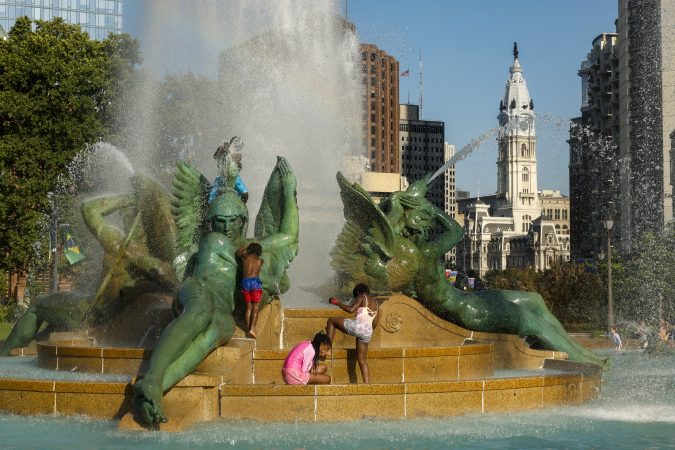
Even the FIFA World Cup festivities have been affected, with the FIFA Fan Fest closing early on a few occasions because of heat and storms since it launched in June.
The heat has also had deadly effects in Philadelphia, as city officials earlier this month confirmed eight heat-related deaths for the season.
Heat deaths in Philadelphia have averaged about five a year for the last decade. That figure is down significantly from the 1990s; in 1993, the city recorded 118 heat-related deaths. But the number of heat deaths this year so far is the most since Philadelphia recorded eight in 2022, health department records indicate.
Genetic testing company 23andMe and a group of attorneys general nationwide have reached a multimillion-dollar settlement following the major data breach that led to the company’s demise three years ago.
More than 40 attorneys general, including Pennsylvania‘s Dave Sunday, announced the national $18 million settlement with the genetic testing company Tuesday.
“This company was trusted by millions of Americans to safeguard very private data and information, but failed to do so, learning about a data breach far too late, then pointing fingers at their own customers,” Sunday said in a statement. “I find it appalling that a company dealing with customers’ personal information would be so lax about their system protections, then have the audacity to deny and attempt to wash their hands of wrongdoing.”
As part of the settlement, Pennsylvania will receive $491,902. Nearly 200,000 Pennsylvanians were impacted by the data breach, according to the state attorney general’s office. About 150,000 customers were impacted in New Jersey, which will receive nearly $410,000, said the state’s attorney general, Jennifer Davenport.
Here’s what else we know.
What happened with the 23andMe data breach?
In October 2023, 23andMe launched an investigation after a “threat actor” claimed to have obtainedmillions of users’ personal data.
By December, the company confirmed through a filing with the Securities and Exchange Commission that a hacker directly accessed 0.1% of its users’ accounts, or about 14,000 profiles. Still, because of the networks users can build, connecting their information to possible relatives, the hacker was able to view the information of millions of users.
A spokesperson for the company told news outlets at the time that 6.9 million people had been affected: about 5.5 million customers who had opted into 23andMe’s “DNA Relatives” feature and 1.4 million users whose family tree information was accessed.
Of those customers, 192,093 were in Pennsylvania.
What information was accessed?
Information accessed included:
Display name, profile picture, and birth year.
How recently they had logged into their account.
Their relationship status.
Their self-reported location by city and zip code.
Predicted relationships with others.
DNA percentages users share with their “DNA Relatives.”
An additional 1.4 million customers who used the “DNA Relatives” feature had their “Family Tree” profiles accessed, which includes a limited subset of profile data, the company said.
The hacker activity was contained and required existing users to reset their passwords and enable multifactor authentication, 23andMe said at the time. Still, experts warned consumers that they should consider deleting their accounts.
The company declared bankruptcy in March 2025 and eventually was sold.
That’s when states, including Pennsylvania, filed claims related to the data breach investigation. As part of the bankruptcy proceedings, 23andMe’s consumer data was sold to TTAM Research Institute, a nonprofit organization formed by 23andMe founder and former CEO Anne Wojcicki. That sale is bound by new guardrails regarding data security that were put in place with the help of the coalition of attorneys general.
Sundayjoined the lawsuit to prevent 23andMe from selling consumer data as part of its bankruptcy proceedings.
The lawsuit said the California-based genomics biotech company was proposing to sell an “unprecedented compilation of highly sensitive and immutable personal data: a human being’s permanent and everlasting genetic identity.”
The risk of a data transfer was too great, the complaint said, as DNA data are unique to an individual and can be used to identify relatives — past and future. And genomic data live forever, even after a person dies.
“If stolen or misused, it cannot be changed or replaced,” the complaint said.
What happened this week?
A group of 42 state attorneys general announced the $18 million settlement. This is in addition to a $46.75 million class-action settlement arising from the bankruptcy, for affected U.S. consumers who submitted claims by Feb. 17. Impacted customers should have received an email notifying them about their eligibility for the class-action settlement, according to the Pennsylvania Attorney General’s Office.
All 50 states and territories except for California, Hawaii, Mississippi, Missouri, Montana, Nebraska, Nevada, Rhode Island, and Wyoming were involved in the settlement.
Camden County officials announced a $400 million master plan Tuesday to protect the county’s network of rivers, lakes, and streams such as the Cooper River.
They are hoping voters will approve a referendum in the fall to help pay for itover the next decade.
That waterway network is threatened by aging infrastructure, stormwater runoff, industry, and changing regulations that have left it degraded. A comprehensive plan is imperative, officials said.
An ultimate goal, they say, is that residents may one day be able to swim safely in Cooper River Lake without a health risk.
“Repair. Replenish. Recreate,” County Commissioner Jeffrey Nash said. “Those three words summarize the generational change that Camden County is about to embark on to improve the quality of our water bodies.”
County, state, and local officials made the announcement at the Camden County Municipal Utilities Authority headquarters in Camden, backed by representatives from various environmental groups and nonprofits.
To raise the money, officials are assembling federal, state, and government grants and loans, as well as help from private nonprofits.
Voters could be key
But they also said a planned voter referendum on increasing the county’s open space tax to $0.03 per $100 of assessed property value is key to secure permanent funding. Voters will weigh in on Election Day, Nov. 3.
The rate would nudge up from $0.02. That means someone with property assessed at $500,000 would pay $150 a year toward open space, up from the current $100.
Waterways that would see increased protection include:
Cooper River Lake,which spans Camden, Pennsauken, Cherry Hill, Collingswood, and Haddon Township.
Kirkwood Lake in Lindenwold.
Atco Lake in Waterford Township.
Pennsauken Creek,which runs through Pennsauken, Maple Shade, and Cherry Hill.
Big Timber Creek, which spans multiple towns.
Evans Pond and Wallworth Lake in Cherry Hill and Haddonfield.
Nash said the county’s populationgrowth over the last 100 years can be attributed to people drawn to the waterways. But increasedpopulation also resulted in the need for moresewer lines and attention to aging infrastructure.
“We stand at a crossroads, and we have a choice to make: Either we’re going to shrug our shoulders and pass this problem on to the next generation, or we’re going to do something that is generational,” Nash said.
The cost breakdown
The plan calls for:
$200 million to fix aging combined sewer systems that overflow during storms.
$75 million for dredging and other methods to reduce sediment.
$50 million for rehabilitation of sanitary sewer systems across multiple towns.
$50 million to restore recreational lake areas.
$25 million for green infrastructure.
And it includes an unspecified amount for continued planning, monitoring, and management.
Scott Schreiber, executive director of the Camden County Municipal Utilities Authority, called the plan “a comprehensive strategy that addresses every major factor affecting the health of our rivers, lakes, and streams.”
He said it represents a new way of thinking about water quality by coordinating across towns, rather than planning by one municipality at a time.
“Water doesn’t recognize political boundaries or municipal borders,” Schreiber said.
The biggest chunk of money will go to address combined sewer overflows (CSOs), which are now antiquated. A combined sewer system collects rainwater runoff and household sewage into one pipe. Normally, it can transport all of that to a sewage treatment plant. But storms can bring so much water that they can exceed the system’s capacity. When that happens, untreated stormwater and wastewater flow intobodies of water, such as the Delaware River.
Schreiber said projects are being designed and built to capture and treat much more stormwater before it reaches the Delaware.
Separately, money will be used to repair and rehabilitate aging sewer systems, reducing leaks and groundwater infiltration that pollutes waterways.
He said the infrastructure money will also be used to install rain gardens, permeable pavement, and bioswales, which are typically sloped channels covered with vegetation and designed to capture or slow stormwater.
The county will start a regular dredging operation to remove decades of accumulated and contaminated sediment in lakes and ponds to improve aquatic habitat, restore ecological function, and create overall healthier waterways.
And the county plans to restore recreational lakes by improving public access, bolstering shorelines, and boosting overall water quality.
Officials plan to finance part of the plan through the New Jersey Water Bank, an independent state authority that provides low-interest loans for water quality infrastructure projects.
However, Schreiber said, the voter referendum will be key. If voters approve it, the referendum would provide $7 million per year that could be used to pay off that debt and pay for other improvements.
‘Vibrant waterfront communities’
Don Baugh, founder of the nonprofit Upstream Alliance, which has helped Camden County build its first water trail, called the master plan a major step.
“I feel like I should pinch myself,” he said. “This is the dream of restored waterways, swimmable waterways, kids playing in the water, and vibrant waterfront communities.”
Daniela Solano-Ward, mayor of Collingswood, one of five towns that border Cooper River Lake, said the new coordination by the county is vital.
“Collingswood can do very little to alter our geographic reality,” she said. “We are bordered by Cooper River to the north and Newton Lake to the south. Ultimately, protecting urban watersheds has fallen to local government. But with 35 municipalities in Camden County, the weight of this lift is too heavy for any one of us to shoulder alone.”
Restaurant group CookNSolo will close three Center City Federal Donuts & Chicken locations and shrink its Goldie falafel chain from four shops to one as owners Steve Cook and Michael Solomonov retrench, citing weakened demand for fast-casual dining, particularly at weekday lunch.
Federal Donuts’ shop at 1909 Sansom St. — designated only months ago as the company’s flagship after the South Philadelphia location closed in February — shut down after business Sunday. Locations at 21 S. 12th St. and 18th Street and Benjamin Franklin Parkway are expected to close by July 31, although Cook said staff departures could accelerate the timetable.
Of Federal’s 45 employees, 27 will be laid off, Cook said. Eighteen employees will be retained to staff the two remaining Philadelphia stores, on Fairmount Avenue and on South Street. Federal launched in 2011 in South Philadelphia with a menu of fried chicken, coffee, and hot doughnuts from a robotic fryer.
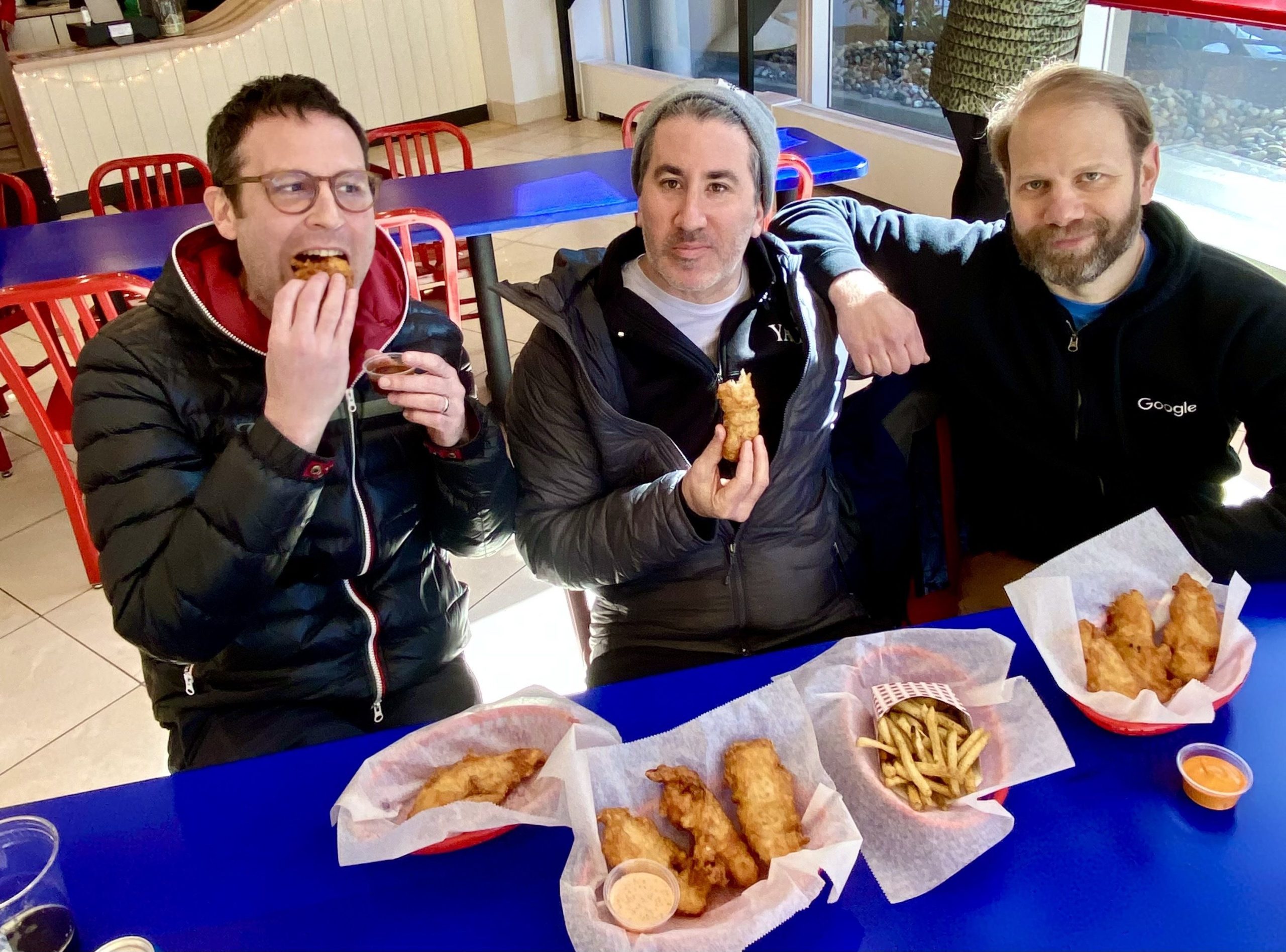
Federal Donuts founders (from left) Tom Henneman, Michael Solomonov, and Steve Cook at the Federal Donuts & Chicken location at 1776 Ben Franklin Parkway in 2022.Michael Klein / Staff
Goldie, which debuted in 2017 with a menu of falafel, fries, and tehina shakes, will close its restaurants at 1218 Sansom St., Franklin’s Table food hall at 34th and Walnut Streets, and the Whole Foods Market at 2101 Pennsylvania Ave. in late July or early August. The lone remaining Goldie, at 1911 Sansom St., will absorb the chain’s delivery, takeout, and catering business.
Eighteen of Goldie’s 36 employees will lose their jobs. Cook said the company is working to help find former Federal Donuts and Goldie workers other roles. Hourly staffers will not be given severance, Cook said, as is standard industry practice.
Cook said the closures reflect a restaurant landscape that has changed dramatically since the pandemic.
Dozens of fast-casual and quick-service restaurants have opened in recent years. “We feel like we’re oversaturated in the city, given the economy right now and the demand for fast-casual restaurants,” he said. Federal Donuts has experienced “significant” year-over-year same-store sales declines, he said. He hopes the closures stem the losses.
“We have two great brands here that are worth saving, and we feel like economically this is the best way to preserve those brands.”
Falafel from Goldie.Craig LaBan / Staff
The company’s full-service restaurants — including Zahav, Dizengoff, K’Far Cafe, Jaffa Bar, and Laser Wolf — are unaffected by the shutdowns.
“Post-COVID, while we’ve seen really good rebounds in the dinner, more fine-dining side of our business, weekday lunch traffic has never really returned to full strength,” he said. “The $10-to-$15 lunch is an easy thing to kind of do without.”
Cook’s assessment reflects broader industry trends.
Tehina shakes are a signature product at Goldie.Tim Tai / Staff Photographer
While some national fast-casual brands such as Chipotle and Cava continue to post strong results, many regional chains are struggling as consumers increasingly choose prepared foods from grocery stores and convenience stores instead of restaurant meals, according to R.J. Hottovy, head of analytical research at Placer.ai, a location analytics and foot-traffic company.
While fine-dining restaurants have generally continued to gain traffic through much of 2026, “fast-casual has been more of a mixed bag,” Hottovy said.
Placer.ai’s findings show visits to grocery stores, convenience stores, and wholesale clubs increasing from a year earlier while overall restaurant visits have declined. “Middle-income consumers are increasingly substituting restaurant visits with meals at home,” Hottovy said.
Restaurants also continue to battle rising labor costs while customer traffic softens as menu prices rise. “Price increases are increasingly showing up as lost visits,” he said.
Federal then operated 11 locations and arena concessions, and executives envisioned a franchise system that eventually could reach 150 stores.
The company’s largest franchisee later closed its restaurants in Radnor, Conshohocken, and Willow Grove and returned several Philadelphia stores to the company. In April, Cook and Solomonov announced plans to regain control of those city locations, simplify operations, and improve execution.
At the time, the Sansom Street restaurant was designated as the flagship to redevelop menu items. “I thought we would get a significant bounce in sales [there] and it just didn’t happen,” Cook said.
Cook said NewSpring remains the majority owner of Federal Donuts, while he and Solomonov retain a significant ownership stake and seats on its board. Representatives of NewSpring did not respond to requests for comment.
Under the restructuring, two Philadelphia stores will remain. CookNSolo will take over the location at Seventh Street and Fairmount Avenue, now owned by the company, as a franchisee around Aug. 1.
Federal cofounder Tom Henneman confirmed that he was in talks to operate the location at Sixth and South Streets as a franchisee.
Cook said those stores were chosen because of their historical performance and geographic separation. Consolidating delivery and takeout in two locations instead of five should improve profitability, he said.
Besides the two city stores, Federal will continue operating independently owned franchises in Marlton, Lancaster, and the Hard Rock Hotel & Casino in Atlantic City, along with its licensed airport and stadium locations.
Goldie, unlike Federal Donuts, is owned entirely by CookNSolo.
CookNSolo has also been the focus of pro-Palestinian demonstrations and boycott campaigns since the start of the Israel-Hamas war on Oct. 7, 2023. Activists have criticized the restaurant group for raising money for an Israeli emergency medical nonprofit as well as Cook’s and Solomonov’s outspoken support for Israel. The chefs have said their support for Israel was “not unqualified” and have criticized the Netanyahu government’s efforts to thwart a two-state solution.
A group with the Instagram handle @boycottcooknsolo on Monday reported word of the store closings, contending that the boycott had softened sales.
Cook disagreed. “Any time there’s been a protest, it’s always resulted in a short-term increase in business,” Cook said. “This is really an economic decision that goes back many years at this point.”
(function(){function e(){window.addEventListener(`message`,function(e){if(e.data[`datawrapper-height`]!==void 0){var t=document.querySelectorAll(`iframe`);for(var n in e.data[`datawrapper-height`])for(var r=0,i;i=t[r];r++)if(i.contentWindow===e.source){var a=e.data[`datawrapper-height`][n]+`px`;i.style.height=a}}})}e()})();