With more than 11 years of dedication to their project and hundreds of meals under their belt, a married couple is steadfast in pursuing their goal to try every diner in New Jersey.
And Washington Lake Park has new safety equipment for its 100,000 visitors per year. It honors the lives of the brothers and hockey players, Johnny and Matty Gaudreau.
Plus, national Democrats added South Jersey’s 2nd Congressional District race to their “districts in play” list, and more news of the day.
Washington Lake Park in Gloucester County has new life-saving equipment that also commemorates the lives of hockey players and brothers Matty and Johnny Gaudreau.
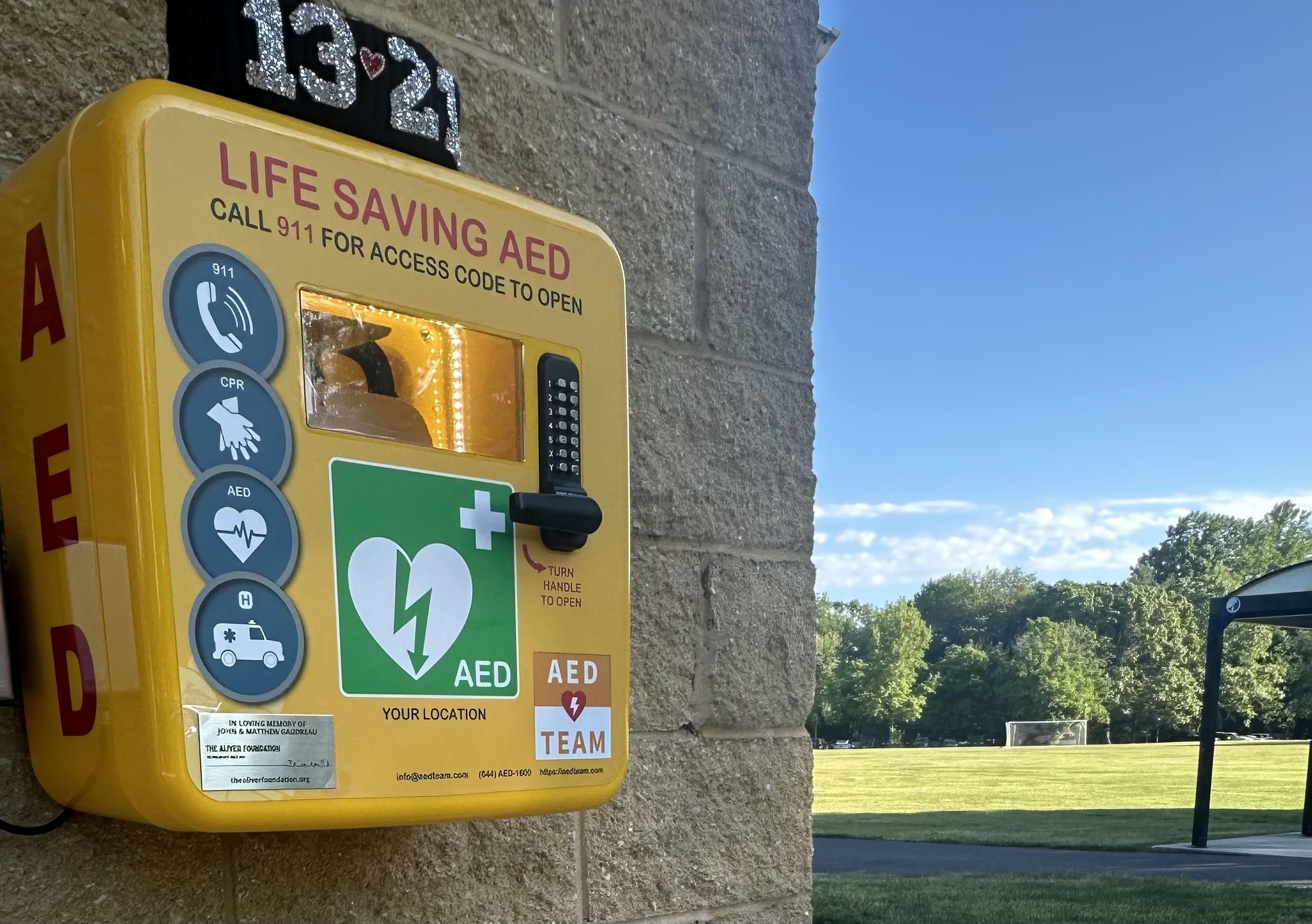
Thanks to the Aliver Foundation, a cardiac arrest prevention nonprofit, the park now has an outdoor automated external defibrillator equipment that analyzes the heart’s rhythm and if necessary helps recalibrate it.
It’s at the same park where the Gaudreau family hosts its annual memorial 5k run and near where the two siblings and athletes used to skate at Hollydell Ice Rink in Sewell. An AED helped save the life of Guy Gaudreau, their father, in 2018 after he collapsed while running Philly’s annual Love Run.
National Democrats added U.S. Rep. Jeff Van Drew’s race against challenger Cape May Mayor Zack Mullock in South Jersey’s 2nd District to their list of target seats to flip.
New Jersey state police identified the human remains of a man found off the Atlantic City coast 45 years ago as a retired U.S. Coast Guard officer who was last seen in March of 1981.
Three animals in Gloucester County — a bat in Glassboro and two raccoons found in Pitman and Mantua— tested positive for rabies last week, according to local public health officials. The county health department is advising residents to ensure their pets are up-to-date with their rabies vaccinations and to avoid contact with wildlife or stray animals.
State funding for school budgets will be the focus of a New Jersey Department of Education-sponsored public forum at Camden County College in Blackwood Monday evening, 70and73 reports.
Free Will Coffee announced on Friday it will open its first brick-and-mortar shop in Marlton on Main Street.
Plus: N.J.’s potential penny guidance
🎤 Allow me to pass the mic to our Trenton reporter Susan K. Livio, who covers New Jersey’s government.
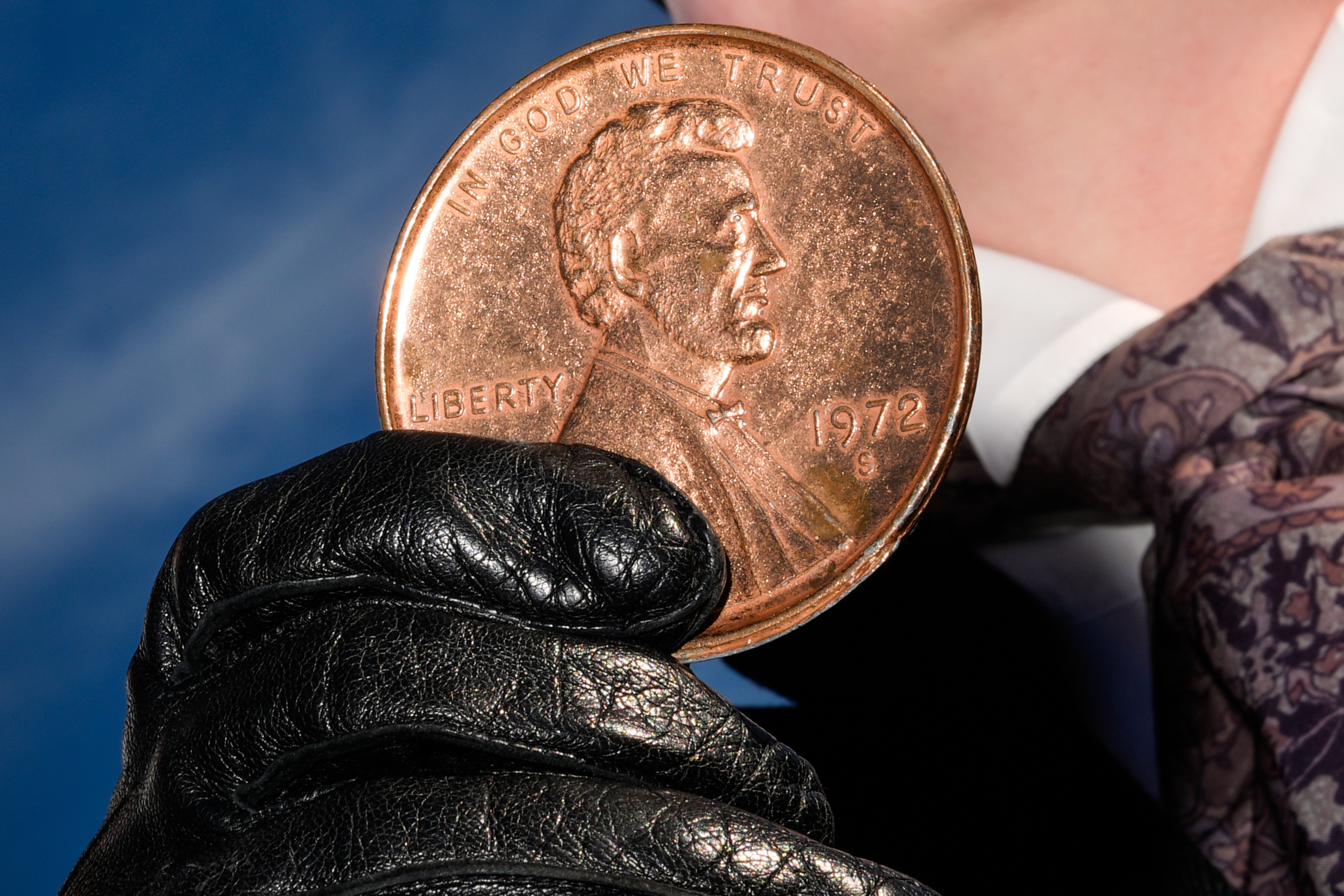
With the feds ending penny production, the state wants to make it clear when a merchant should round the cost at the register.
According to a bill that passed the Assembly in September, a balance ending in one or two cents would round down to the nearest 10 cents, three or four cents would round up to the nearest five, six or seven cents would round down to the nearest five, and eight or nine cents would round up to the nearest 10.
🧠Trivia time
The Sixers’ mascot, Franklin the Dog, was introduced in what year?
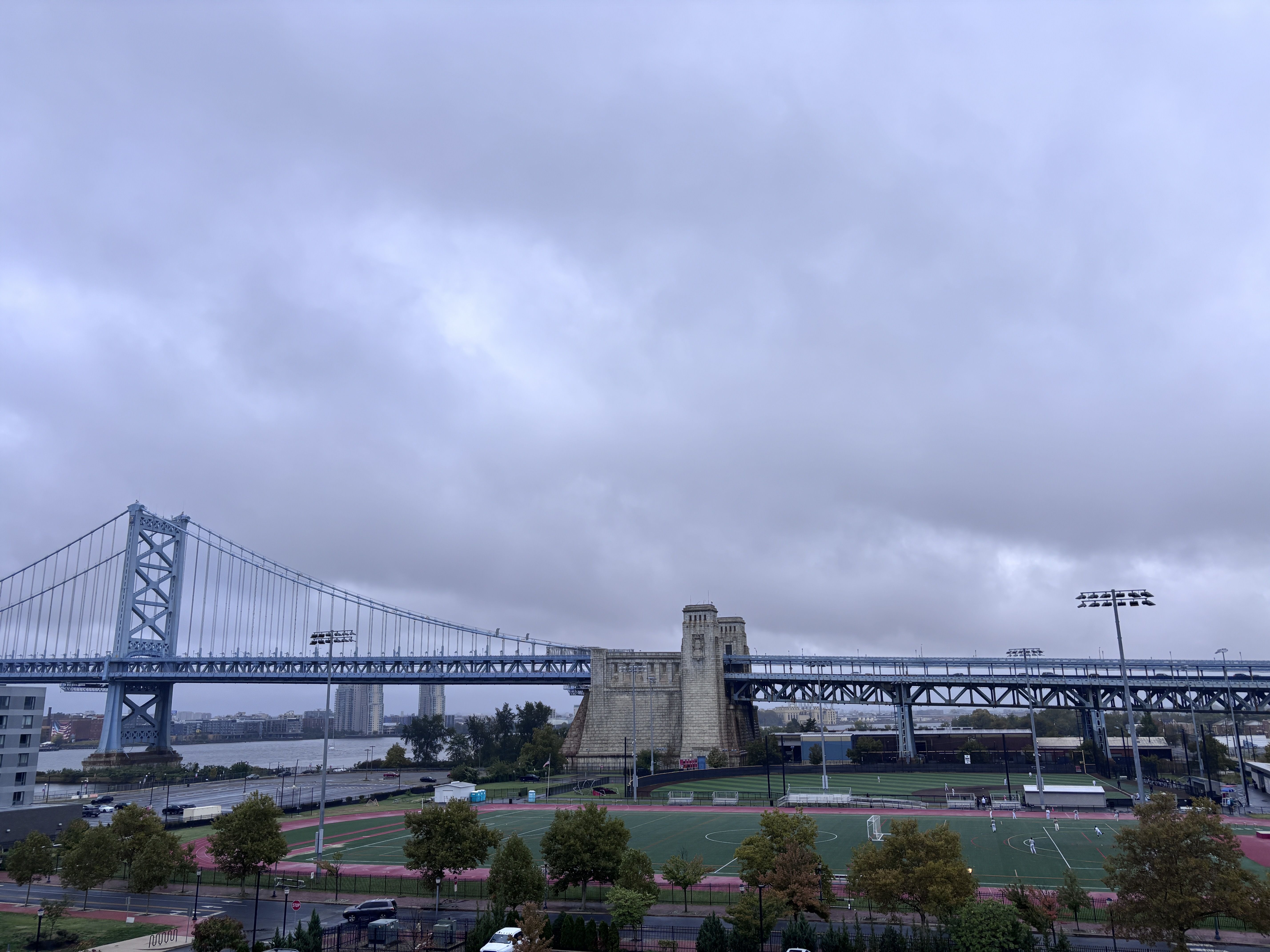
The Ben Franklin Bridge near the Camden Athletic Complex and the waterfront on Sunday, Oct. 4, 2026.Taylor Allen
The view of the Camden Athletic Complex with the Ben Franklin Bridge in the background never gets old for me.
What does your community look like? What South Jersey memory would you like to share? Submit a photo and/or a brief description for a chance to be featured in the Monday edition of this newsletter.
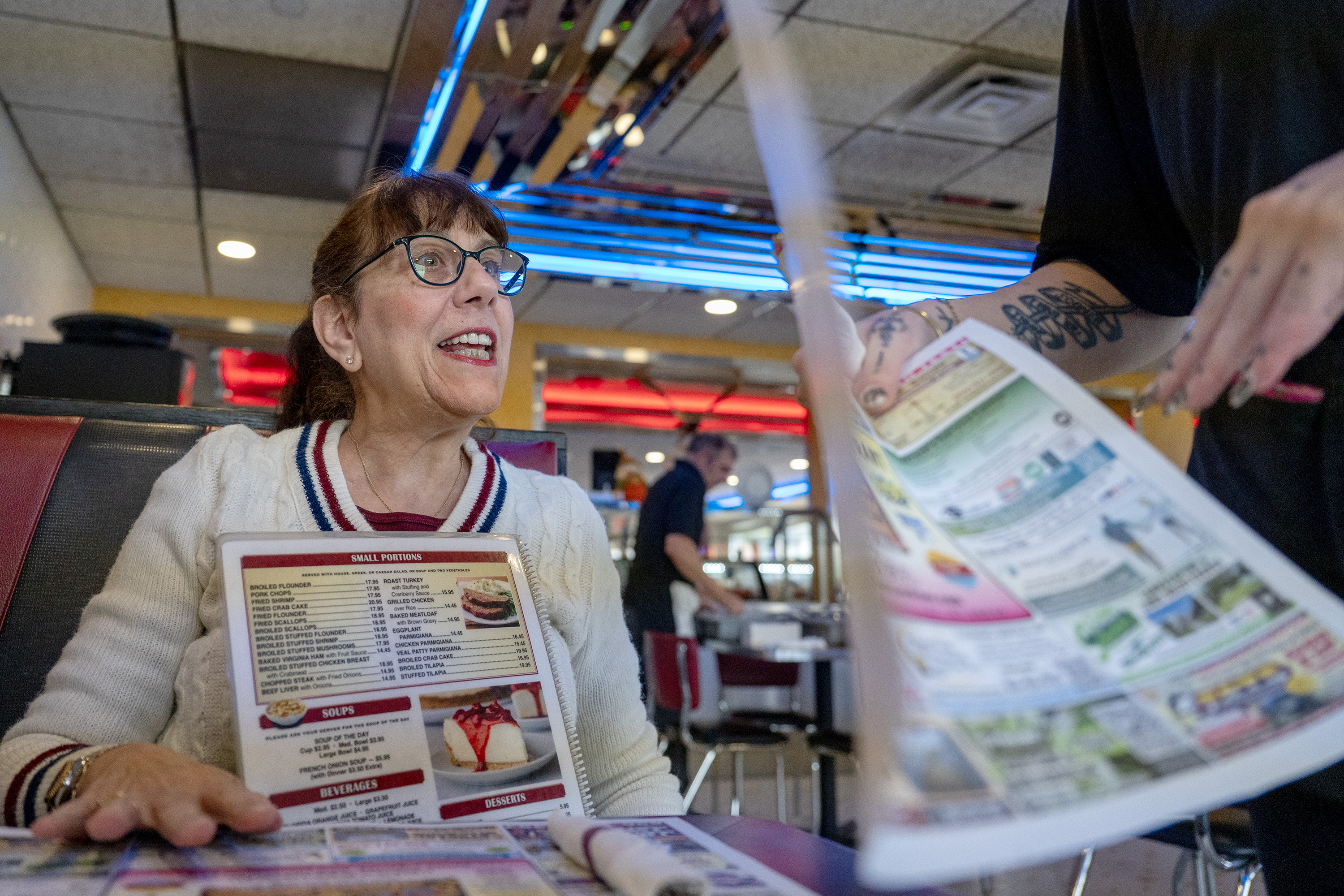
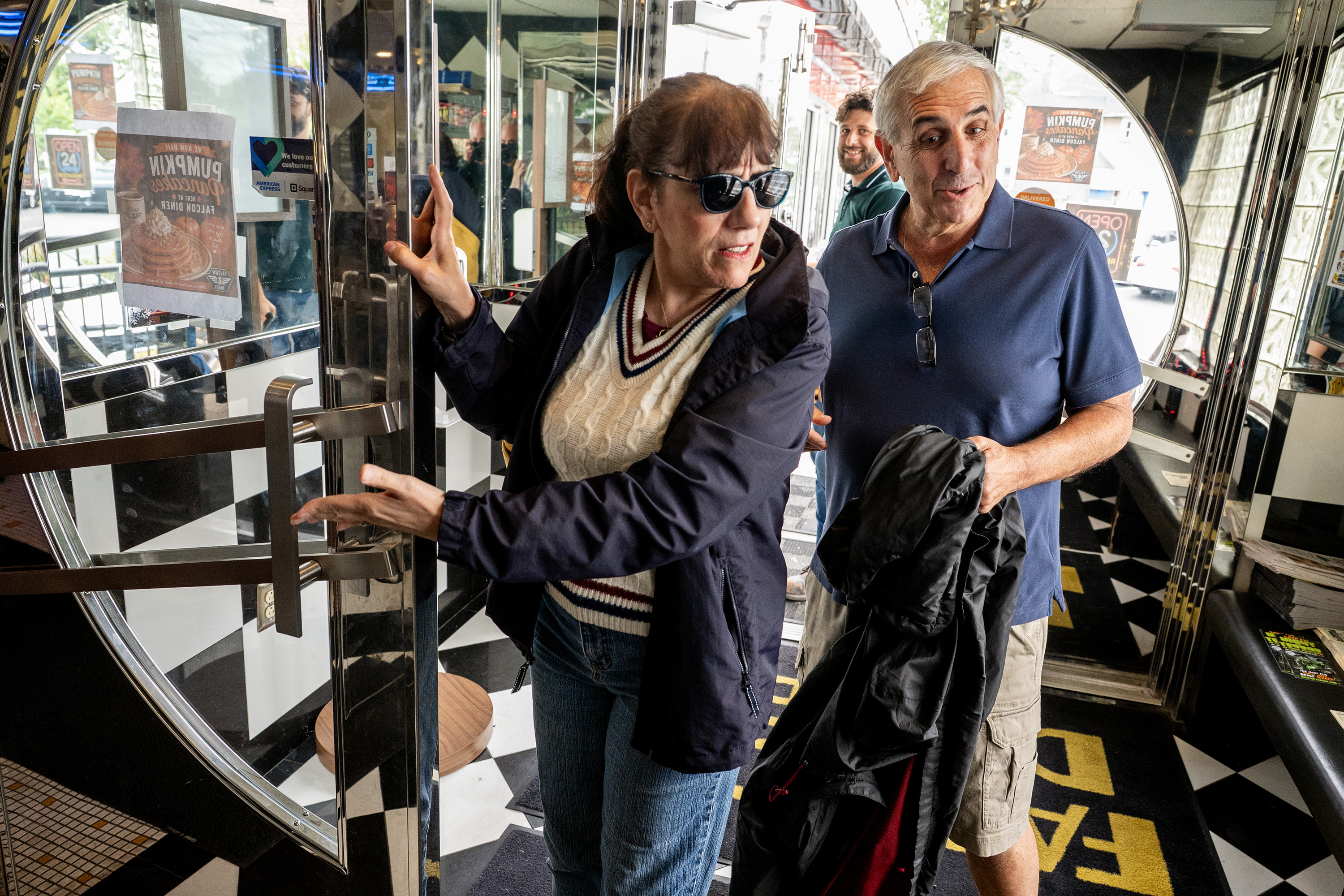
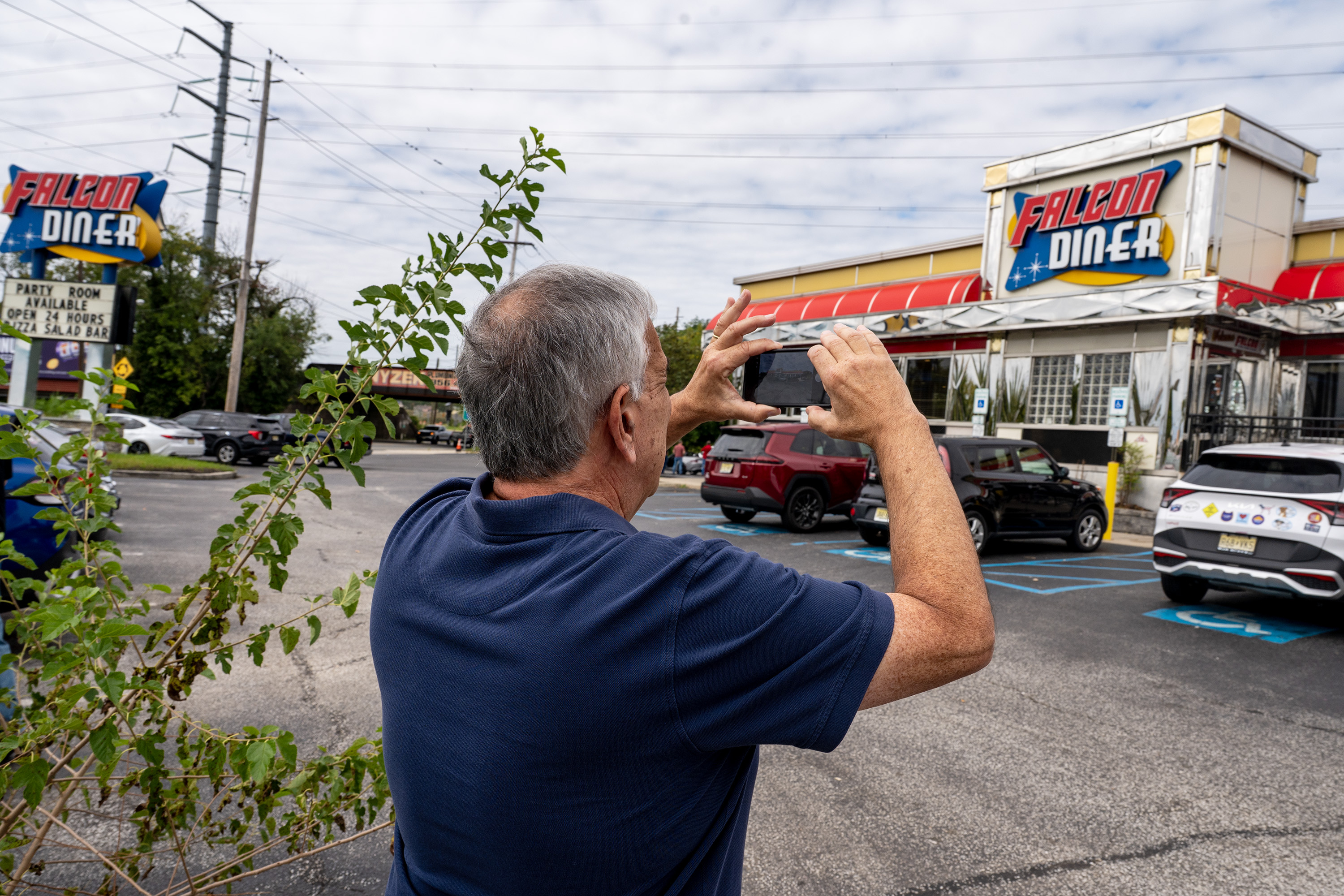
Tucked into a booth toward the back of the Falcon Diner in Brooklawn on Wednesday afternoon, Jon and Karri Ricklin fell into the routine they’ve come to perfect over the past decade.
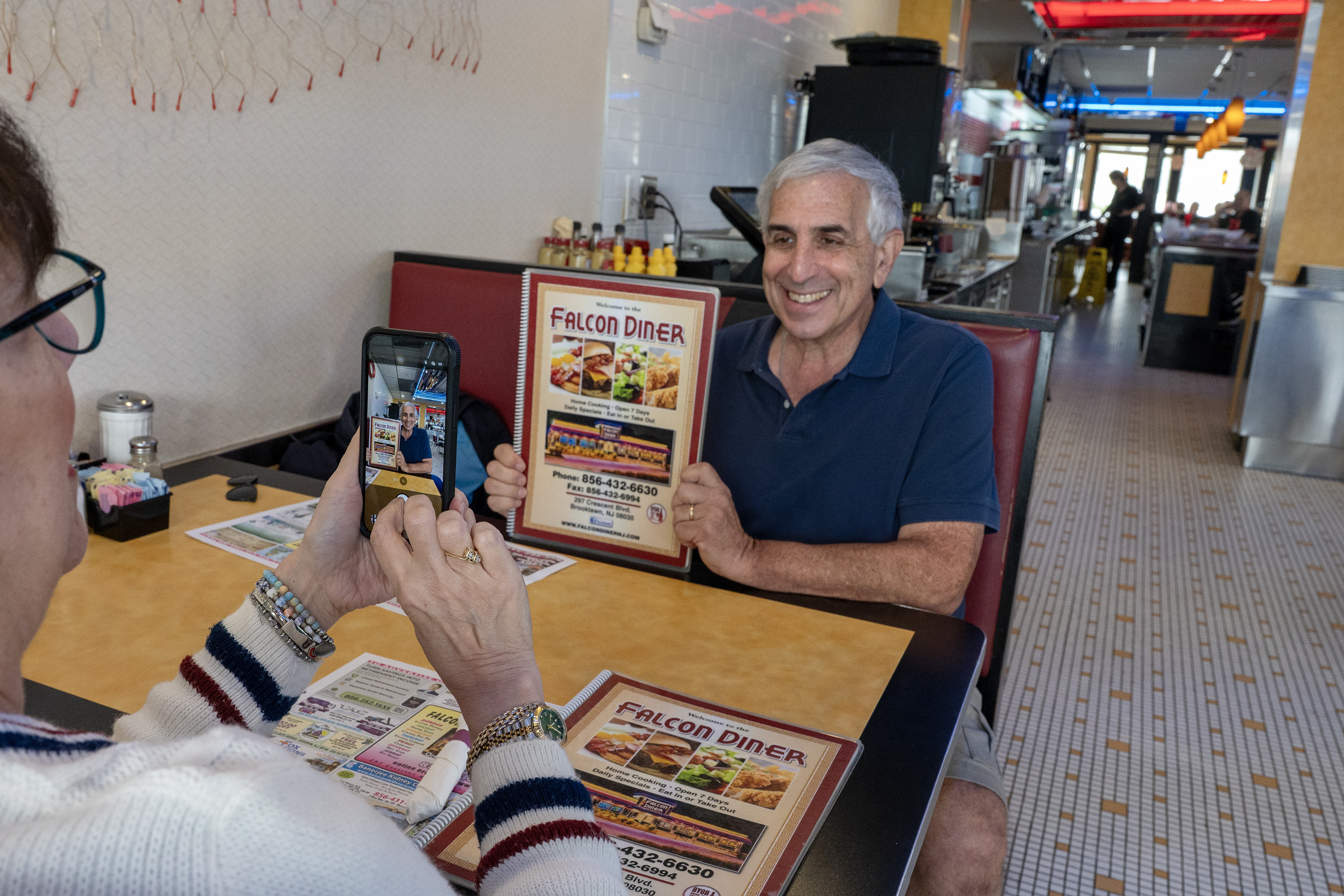
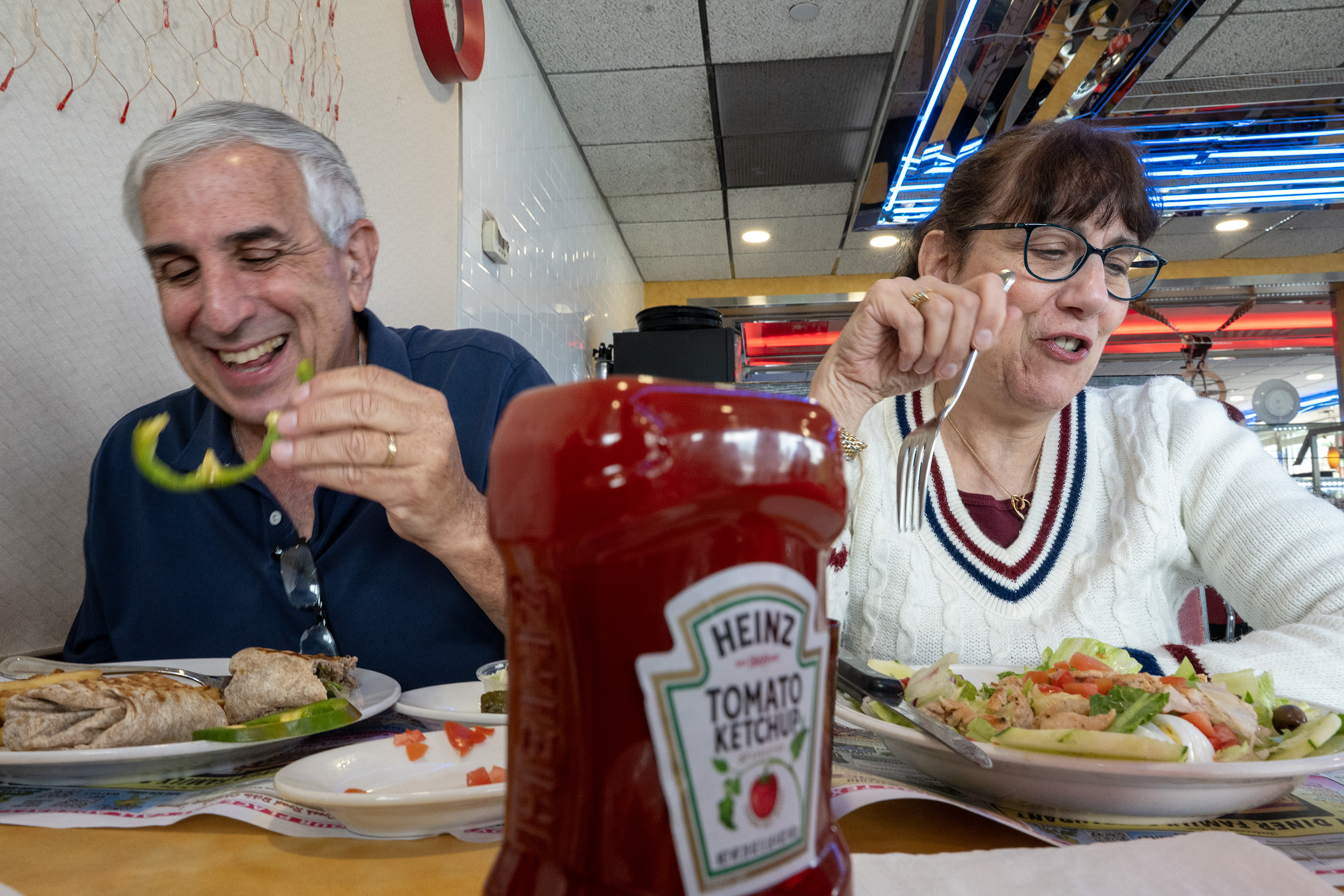
As they took their seats, Karri captured a photo of her husband smiling brightly as he held up the multipage menu. This photo — the 331st of its kind — has become their trademark.
The hundreds of nearly identical shots serve as a sort of digital passport for the pair as they venture to eat at every diner in New Jersey.
The list is always changing as diners open, close, and change ownership, Jon said. But of 130 places they haven’t visited, the majority will bring them to South Jersey — stretching from the Philly suburbs to the Jersey Shore.
At the same time, the longtime Bergen County residents are now considering a potential move a little further south, so far looking around Red Bank and Hamilton Township.
After Karri’s recent retirement from a 40-year nursing career, the couple is hoping to downsize, and because of their yearslong effort, they “have no choice” but to stay in New Jersey — at least until they cross that final diner off their list, Karri joked.
“It’s not because of the diner project,” Jon added, “but it’ll help with the diner project.”
Keeping the tradition alive
It all began in 2015 when the Hillsdale couple, married for 42 years this summer, stopped at the Livingston Diner in North Jersey after visiting with family in the hospital.
Karri took the first of the now-famous menu photos to which Jon jokingly suggested, “Wouldn’t it be cool if we take this same picture at every diner in the state?”
More than 11 years and 330 meals later, the couple is still chasing that goal, documenting the project on their Instagram, @NJDinerJourney, and as of a few months ago, a new website.
Jon and Karri Ricklin arrived at the Falcon Diner in Brooklawn on Wednesday, Sept. 30. They’re on a mission to eat at every diner in the state of New Jersey.Tom Gralish / Staff Photographer
Now with over 6,000 followers, Karri and Jon have become something of unofficial spokespeople for the preservation of diners and diner culture in New Jersey.
“It’s been fun,” Jon said. “It feels good to be sort of an ambassador to the state. We just never expected it.”
“Jersey is known for its diners, but you go to any small town anywhere in America, they’re going to have a little coffee shop or a little luncheonette and that’s their diner. So people can relate to that,” he said.
When they first started their journey, the couple counted between 500 and 550 total diners in the state, Jon said.
They have since watched that number fall to about 400, he said, with fewer than two dozen around-the-clock operations still standing — the retro-inspired Falcon Diner among them.
Karri Ricklin inadvertently started the project when she casually grabbed a photo of Jon holding up his menu before a meal in 2015.Tom Gralish / Staff Photographer
With its chrome trim and neon striping, the Falcon — which locals may know better under its previous names, most recently the Empire Diner and the Brooklawn Diner before that — is one of the few places still carrying on the “any food at any hour” ethos that has made the New Jersey diner so timeless.
From construction workers grabbing a pre-sunrise breakfast to college kids looking for a late-night meal, the 24-hour diner has long been a central gathering place where everyone in the community is welcome to sit down for an affordable, filling meal, or simply a conversation and a cup of coffee (bottomless, of course).
“We really want to keep that tradition alive and support small businesses,” Jon said. “Just about every one is a small business.”
‘How’s everything, hon’?’
The couple’s trips are rarely planned more than a day or two in advance.
Typically the conversation starts with some version of: “Will this be a Parkway day, a Turnpike day, or a Route 80 day?”
Lunch at Brooklawn’s Falcon Diner was the 331st meal for Jon and Karri Ricklin as they venture to eat at every diner in the state.Tom Gralish / Staff Photographer
They pick one, find a diner along the route, and then they’re off, they said.
After quickly working their way through what Jon calls the “low-hanging fruit” — the diners closest to them in North Jersey — the couple has started venturing into South Jersey more often.
“It’s been an interesting journey,” Jon said. “We’ve seen a lot of the state that we normally would not have seen.”
Because their trips often take them to towns they’ve never visited, they also make an effort to check out the community before they head home, whether it be a stroll through a nearby park or a visit to a local farmers market or museum.
After a recent visit to the Legacy Diner in Audubon, they perused downtown Haddonfield, where Karri fell in love with the English Gardener Gift Shop before they grabbed a drink at King’s Road Brewing.
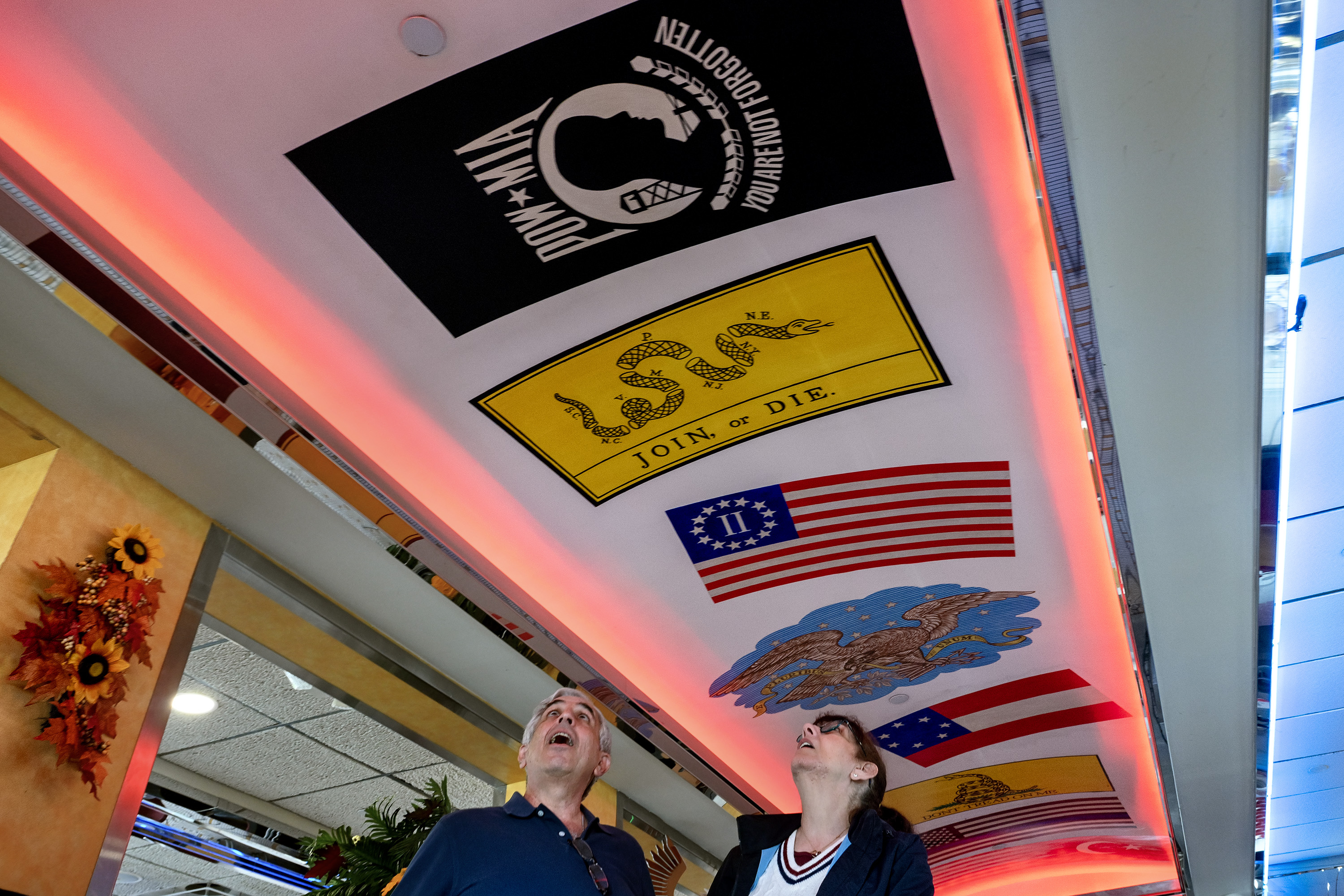
Jon and Karri Ricklin look at the flag-painted ceiling above the dessert display case at the Falcon Diner.Tom Gralish / Staff Photographer
What qualifies as a diner?
For the Ricklins, the criteria is pretty simple: If it’s called a diner or serves traditional diner food, it’s most likely going to make the list.
For places that don’t have the word “diner” in the title, such as Maple Shade’s Maple Hill Restaurant or the White House Restaurant in Moorestown, it comes down to the type of food and experience they provide, Jon said.
A few requirements:A menu offering “classic diner food,” American fare at minimum but often a lot more, including all-day breakfast. A brightly lit dessert display case. Pots of fresh coffee at the ready.
Jon Ricklin grabs a photo of the retro-inspired Falcon Diner in Brooklawn, one of the many South Jersey diners left on their list.Tom Gralish / Staff Photographer
Some Jersey diner puriststhey’ve heard from online approach the question differently and don’t agree with their methodology, he said, and they’re OK with that.
The Ricklins’ main goal is to have fun together and support small businesses in the process, he said, so in his mind, the more the merrier.
And as usual, North and South Jersey do things a little differently.
Beyond the perennial debate about what to call pork roll, a few more regional quirks have emerged over the years. Meals get a bit pricier the further north you are, for instance, but they rarely come with the cup of soup that is customary in many diners down south, they said.
They also noted South Jersey servers are quicker to throw out a warm “hon’” when greeting the table.
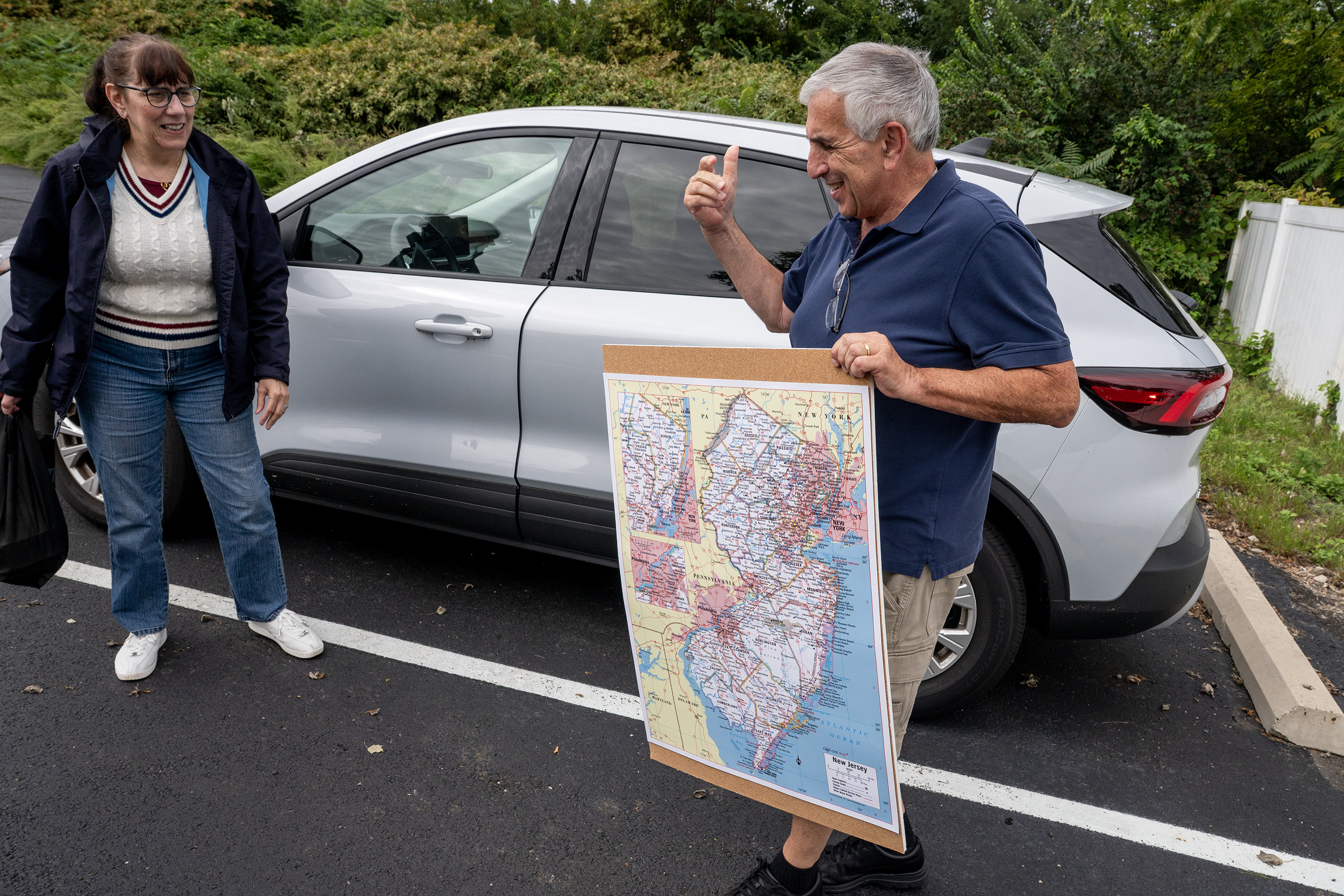
The Ricklins travel with a map of the state with color-coded push pins marking each of the diners they’ve visited since they began their journey more than a decade ago.Tom Gralish / Staff Photographer
As more people have taken notice of their journey, Jon said they sometimes get recognized when they’re taking the requisite menu shot. They were even invited to join former Gov. Phil Murphy and his wife for a diner lunch to celebrate National New Jersey Day in 2024, he said.
But for the most part, they’re still anonymous, just another table of happy patrons chatting over a meal.
And while they don’t expect anyone else to start their own diner journey, they are hoping that their story inspires people to try something new, even if it’s just a visit one town over.
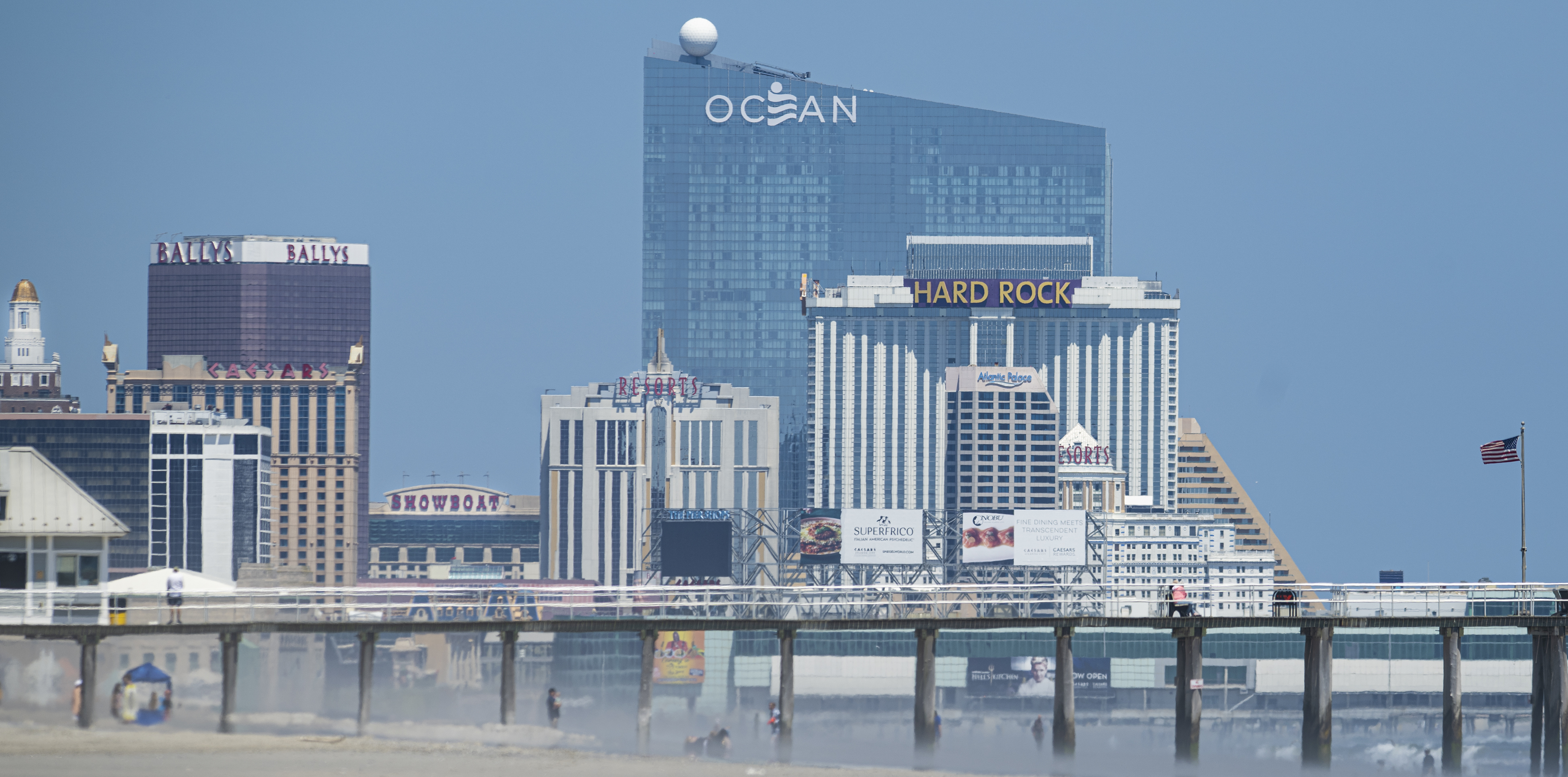
BRIGANTINE, N.J. — With its full moon and stacked high tides over multiple days, last week’s nor’easter left Shore towns with some of the worst flooding and erosion since Hurricane Sandy.
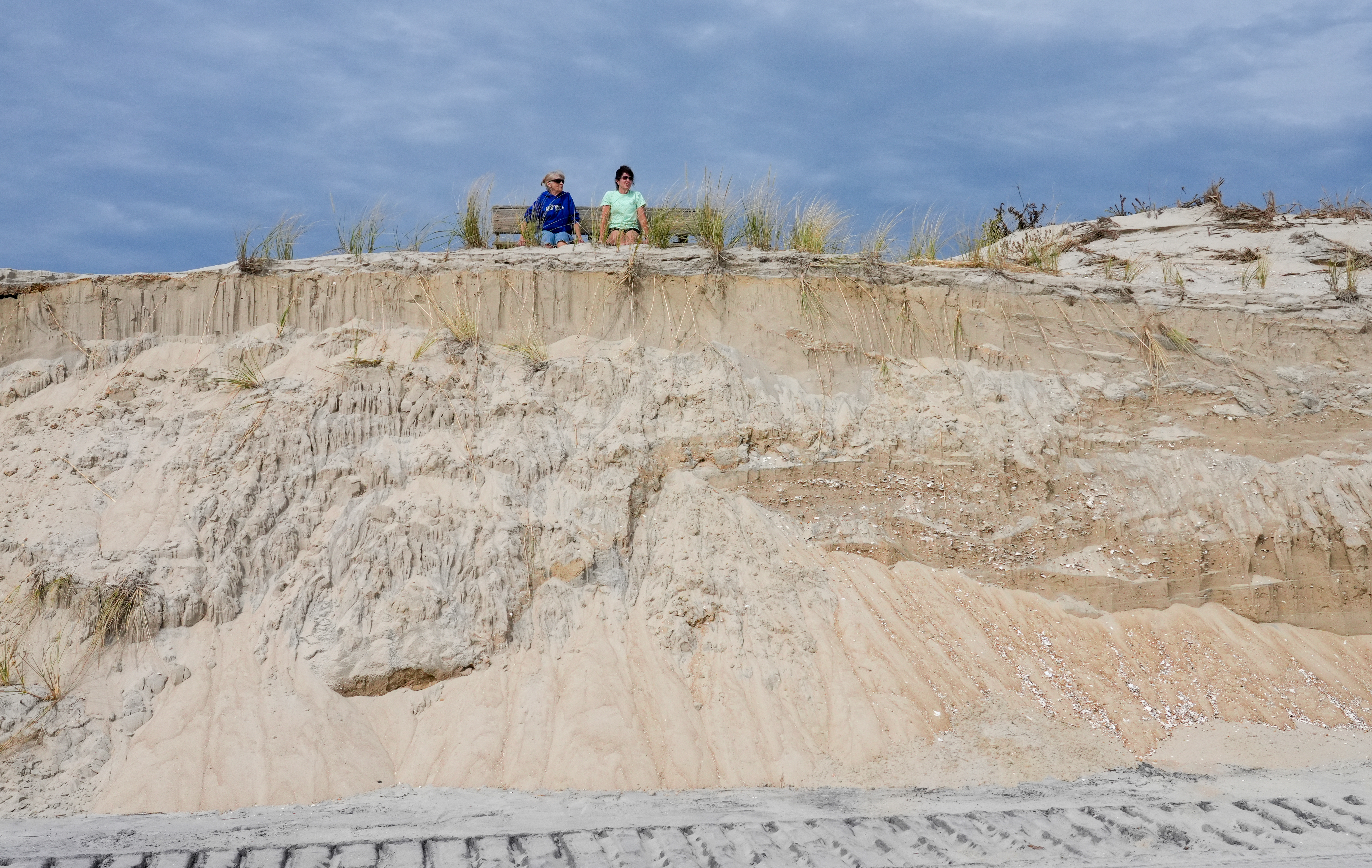
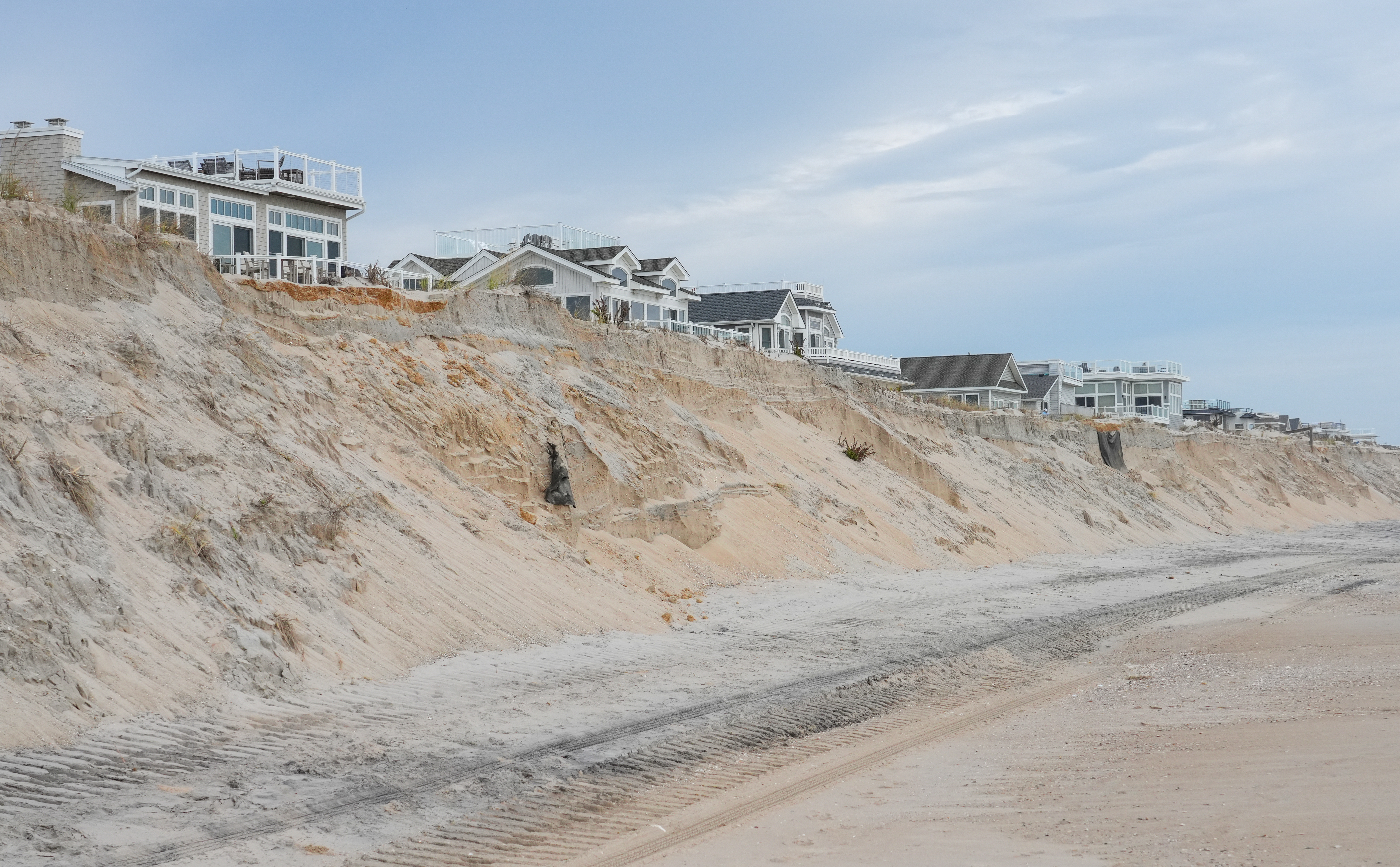
In dramatic fashion, the nor’easter produced some feared Shore scenarios: dunes sliced into cliffs, beaches vertically eroded, popular restaurants flooded to the point of closing altogether for the season, water lapping into ground floors, cars ruined. Days later, firefighters were responding to raging electrical fires, at least one of which was linked to a flood-soaked golf cart.
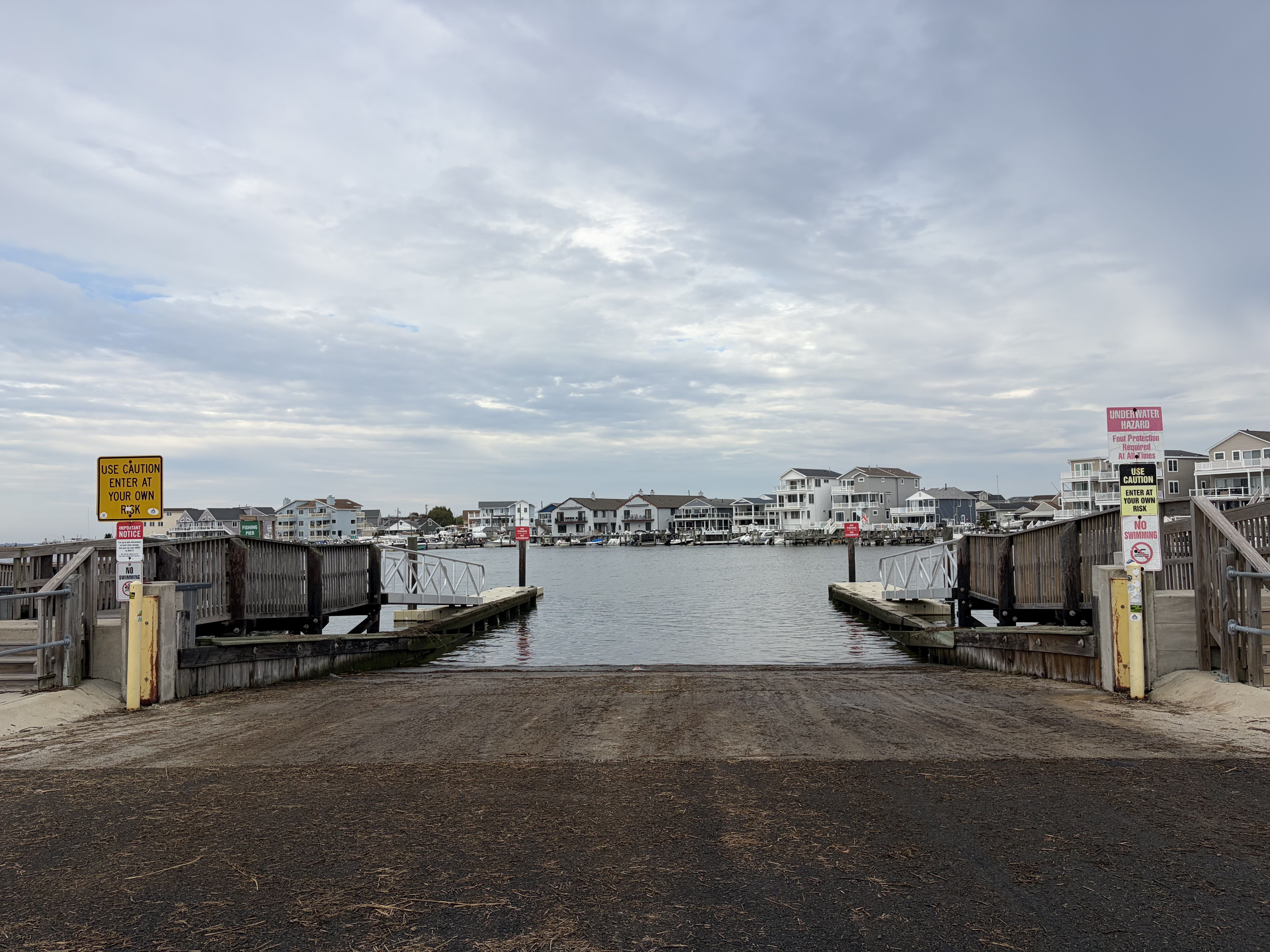
Still, the nor’easter was also a testament of what went right, a test of flood resilience tactics implemented in the 14 years since Sandy — a series of flood pumps in Brigantine, an elevated artery in Ocean City, raised homes throughout the Shore — that prevented a much worse outcome.
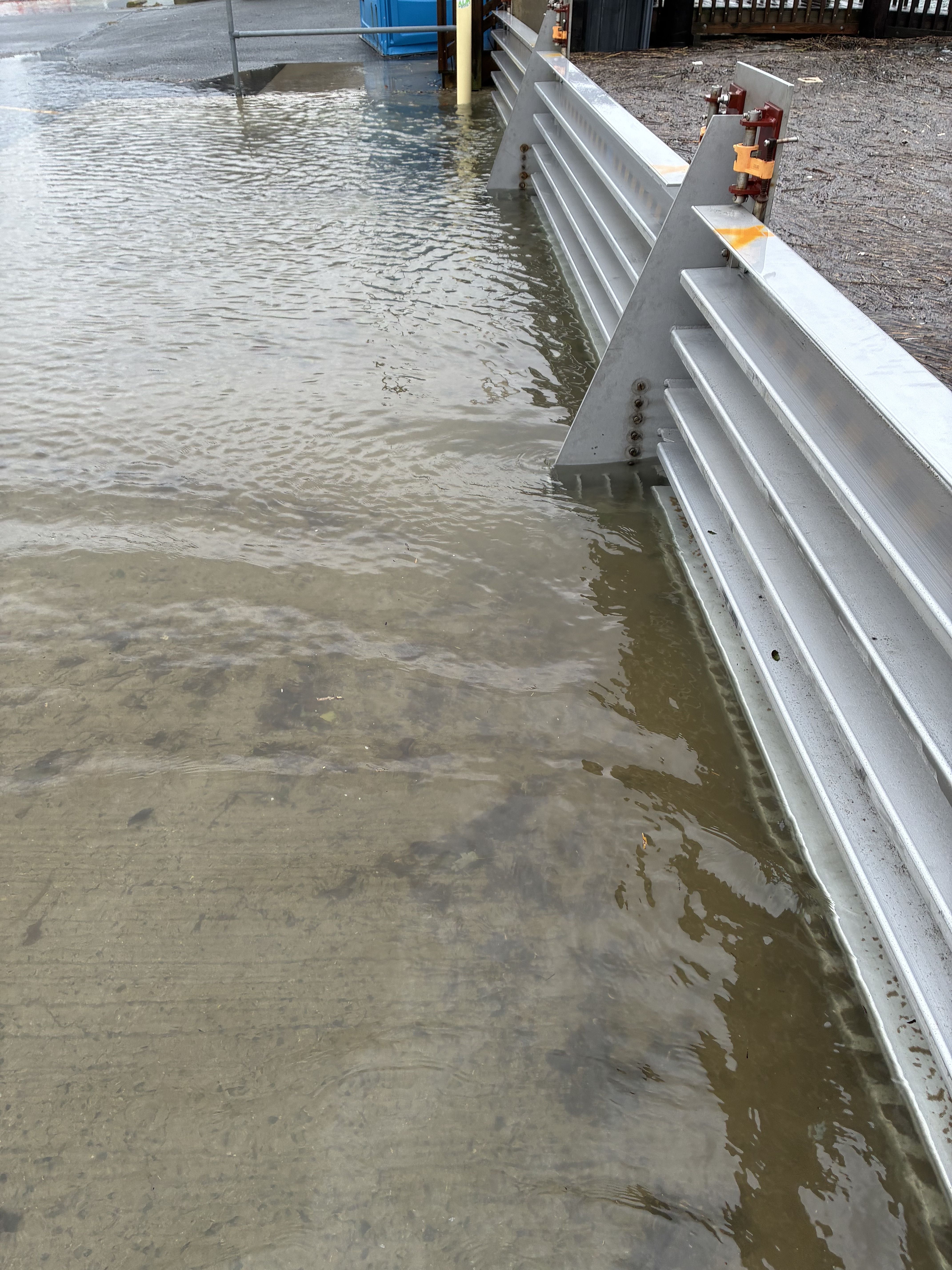
During the September 2026 nor’easter, metal floodgates were brought in to the city’s Municipal Boat Ramp by the city of Brigantine to physically block flood waters.John CunnionBrigantine’s municipal boat ramp was previously an entry way to devastating flooding. But city officials installed flood pumps and metal gates to keep the water off the island, and to drain the island between high tides.Amy S. Rosenberg / staff
‘Our girl took a beating’
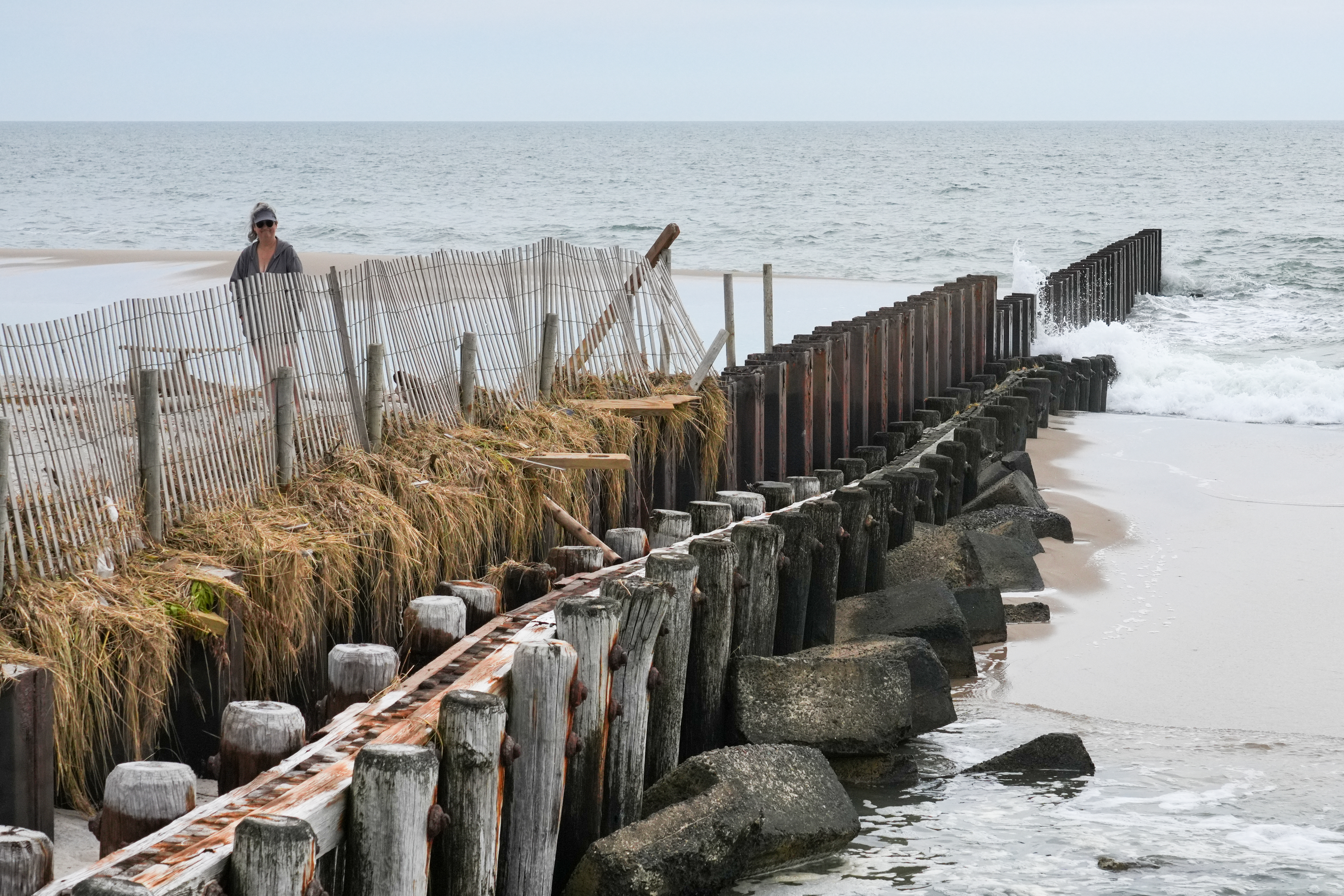
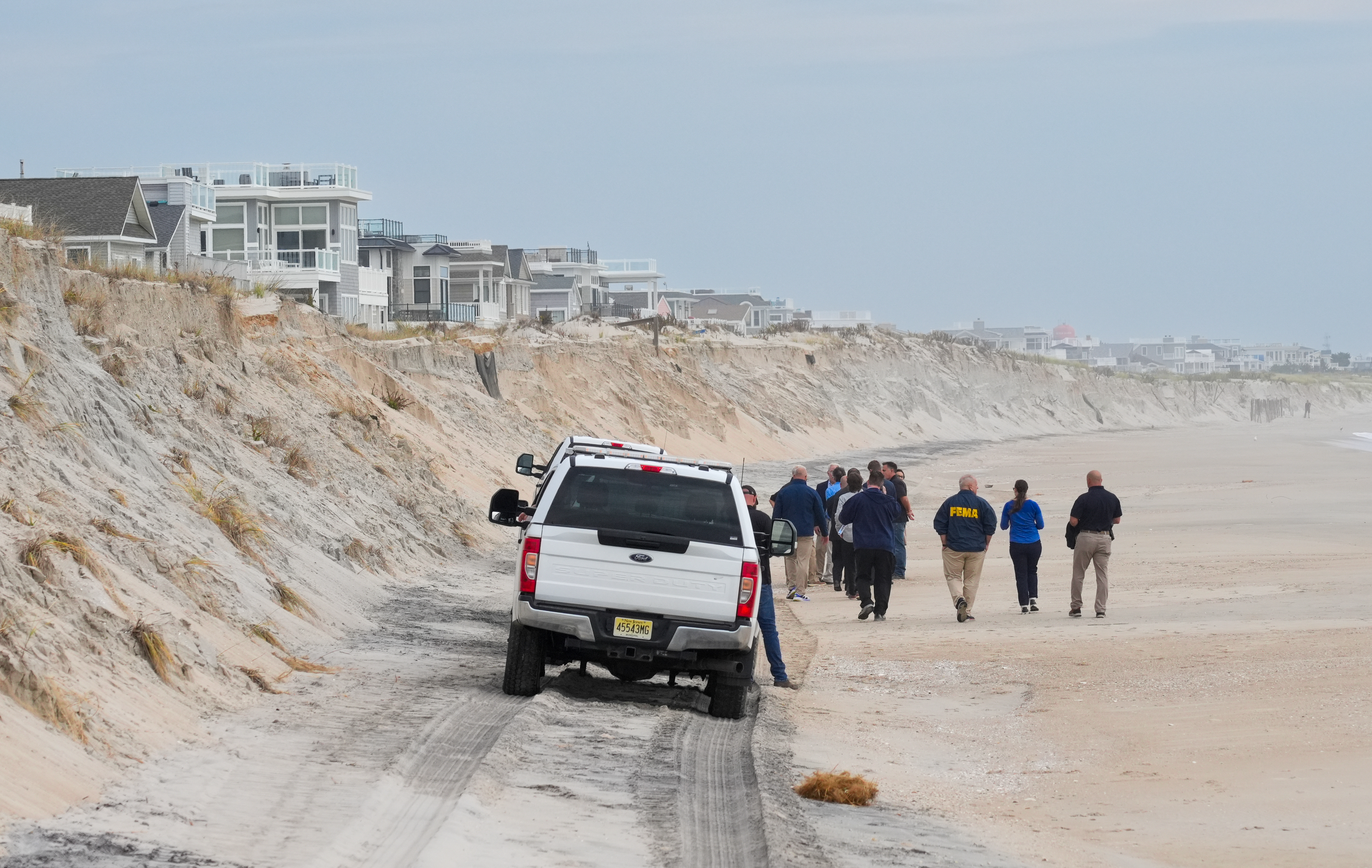
In parts of Holgate, Brigantine, Atlantic City, and North Wildwood, the storm left cliffs six feet or higher, cutting off access to the beach at multiple street ends. Vertical erosion uncovered old structures including rotting old wooden piers.
Streets in Long Beach Township, West Wildwood, and Atlantic City took on water through multiple days of high tide, damaging residential garages and other ground floor spaces.
Abby Mason, of Pottstown, looks at storm damage in Holgate on Thursday.Tim Hawk / For The Inquirer
On Sigsbee Avenue, contractor Vincent Allen of B. Grigoletto Contractors was ripping out ruined insulation and dry wall on two houses, both second homes.
He noted that since Sandy, a lot of the smaller homes had been torn down and replaced by elevated homes, where the ground floors are not, technically, living spaces. “Basically, if you lived on the bay, you got water,” he said. “This wasn’t as high as Sandy, nowhere near it.”
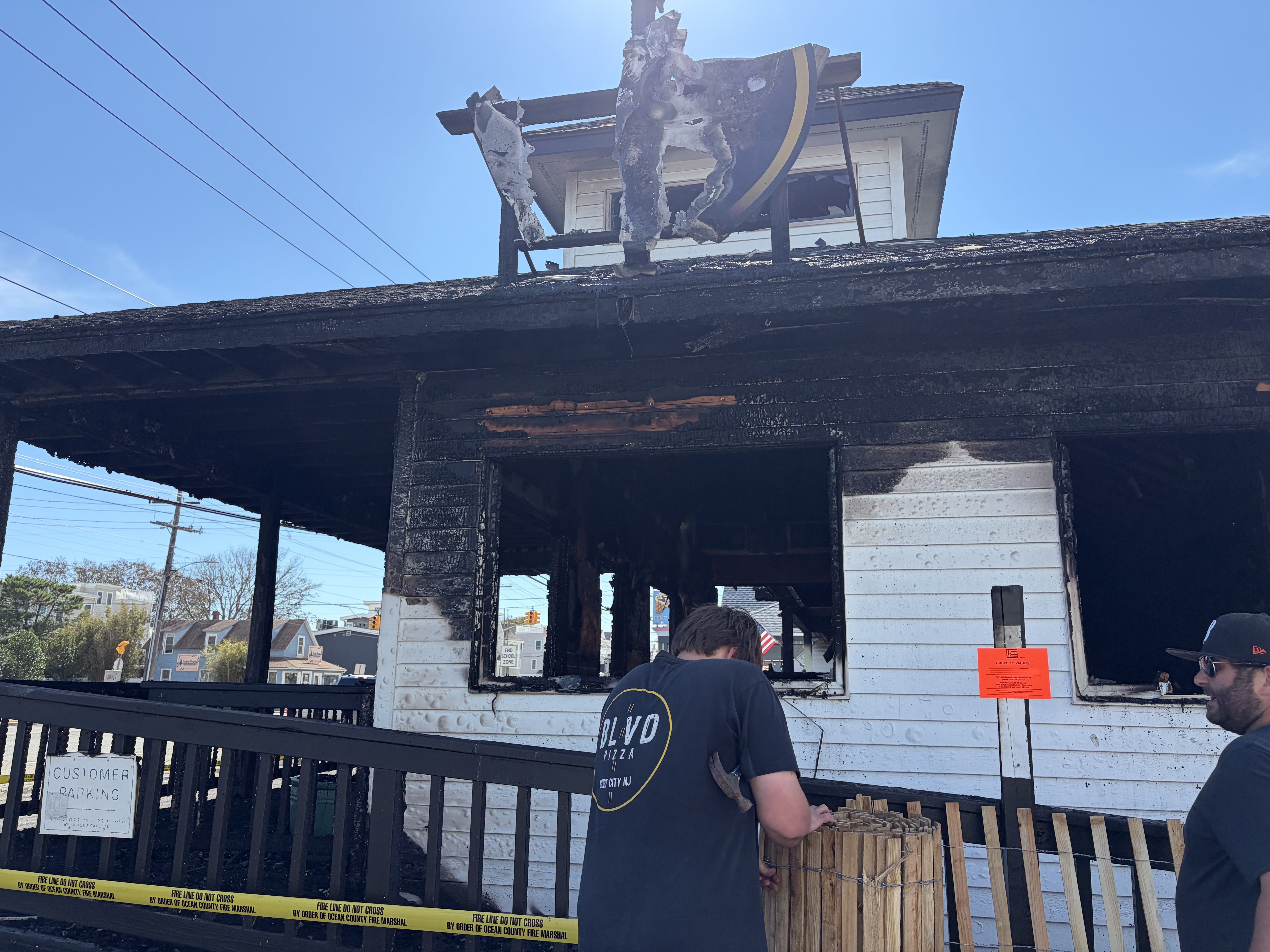
Owner Mike Franzoni at what’s left of his BLVD Pizza in Beach Haven, which was flood damaged days before a fire broke out.Amy S. Rosenberg / staff
On Long Beach Island and Atlantic City, numerous businesses were mopping up or closing early for the season after flood damage.
“We are truly sick to our stomachs, and it hurts,” Moments at Scannicchios, a restaurant on Fairmount Avenue in Atlantic City, said in a Facebook post. “In the end we will reopen.” The restaurant asked people to help out a nearby corner bodega, El Rinconcito Grocery, it said lacked similar resources.
On Long Beach Island, the ruined insides of the Dockside Diner were strewn across the front of the restaurant. “Our team, our family, is safe,” the owners wrote on Facebook. “But our old girl Dockside took a beating.”
Nearby, Mike Franzoni looked at the charred remains of BLVD Pizza’s Beach Haven location, which suffered flood damage and had a fire a few days later. Another location, in Surf City, was undamaged.
Storm damage in Holgate on Thursday.Tim Hawk / For The Inquirer
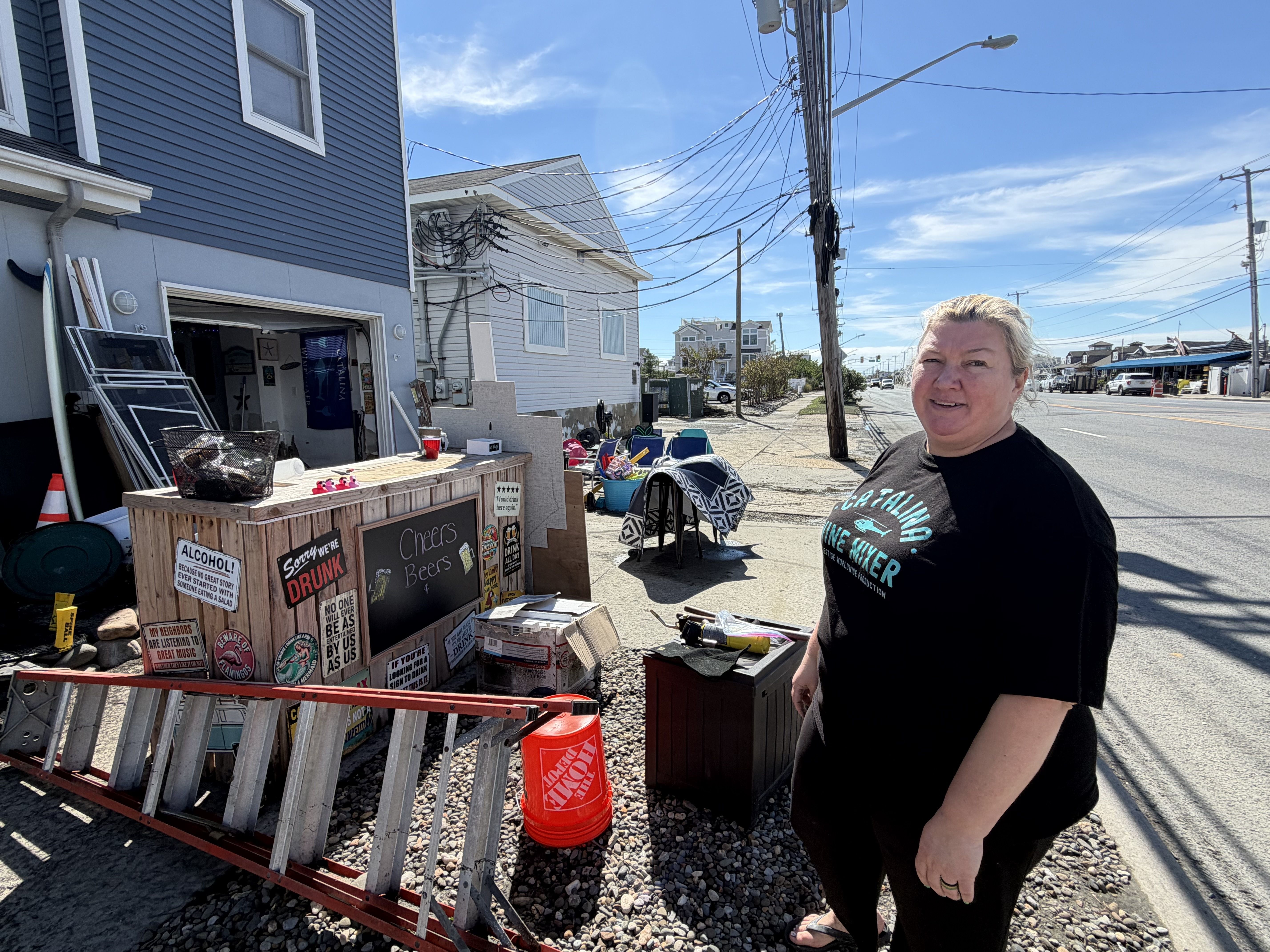
On Long Beach Island, the beloved “karaoke garage,” belonging to the family of Diane O’Donnell, 80, of Yardley, Pa., took on two feet of water, half of Sandy levels.
Last week, an Indigo Girls song was playing out of the space where Kelly Kolbjornsen and her family would recruit people to stop and sing karaoke on their way down Long Beach Boulevard.
“It’s part of having a beach house, but it’s a little overwhelming,” Kolbjornsen said.
‘A good gauge’
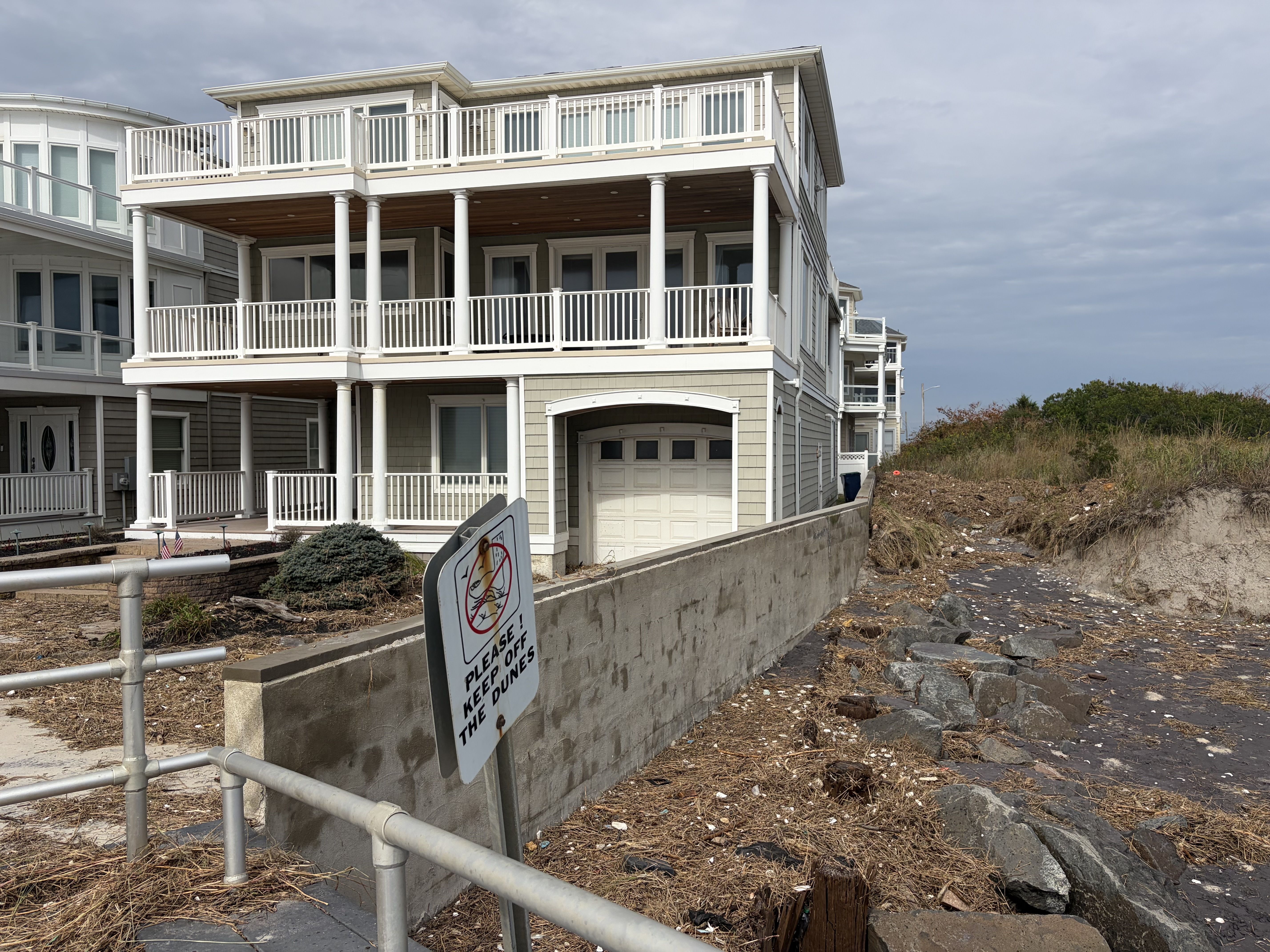
New Jersey Gov. Mikie Sherrill and U.S. Rep. Jeff Van Drew brought representatives from FEMA and the Army Corps of Engineers to focus on severe damage to ramps from Brigantine’s concrete promenade in the north end and the near breaching of a private retaining wall that was the only line of defense after surging waves destroyed dunes at the promenade’s edge.
But Mayor Vince Sera also pointed out that neighborhoods devastated during Sandy remained mostly damage-free.
“We put floodgates in before the storm came into Brigantine,” he said. “They closed all of the floodgates and prevented a lot of water from coming in. On each low tide, they let the water out to drain, and closed them again for the next high tide.
“Any water that comes into the streets, we have pumps around the island,” he said. “It pushes the water out over the bulkhead and back into the bay. It drains the island.”
Residents near those points of vulnerability took note.
“Without the pumps, it would have been horrible,” said Terri Cunnion, whose home sits on Bayshore Avenue across from the boat ramp, a major thoroughfare of flooding during Sandy (when the previous home on her lot was destroyed). “Without those gates, this block wouldn’t be.”
Through multiple high tides, last weekend’s floodwaters never got past the lip of the garage in the Cunnion’s house, whose living spaces are built 14 feet to new elevation standards.
Ocean City’s newly elevated Roosevelt Boulevard was also credited with mitigating damage from the nor’easter, staying above floodwaters and allowing an evacuation route, said Mayor Jay Gillian. The road was reconstructed so that portions were raised by 12 to 20 inches.
During Hurricane Sandy, bay waters roared right up Brigantine’s municipal boat ramp and surged across Bayshore Road, totaling houses with four feet of water.
Since the installation of eight permanent flood pumps and two portable flood buster pumps, vulnerable spots like Bayshore Drive and the neighborhood around the town’s golf course are newly fortified. In addition, bulkheads were raised.
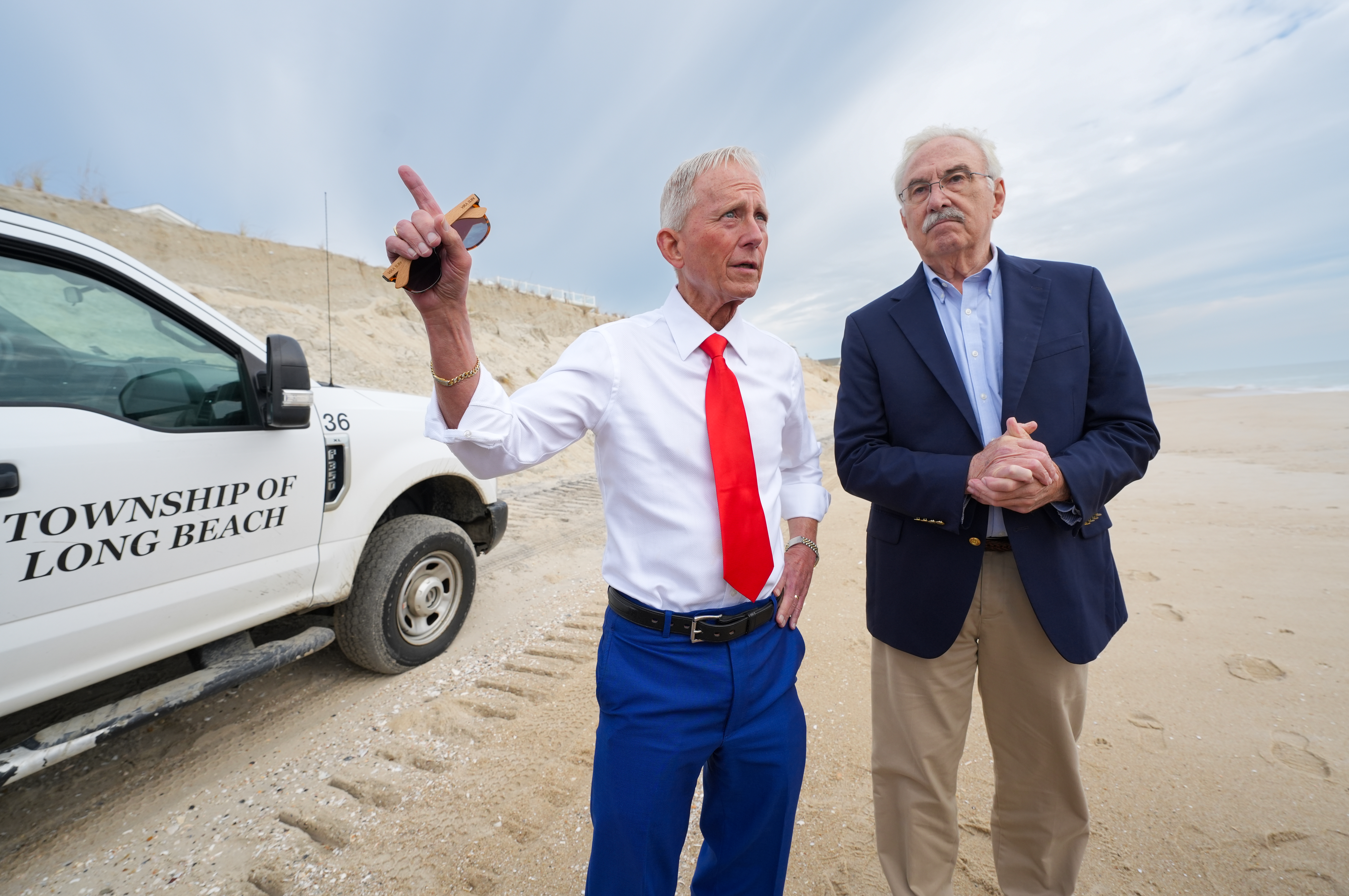
U.S. Rep. Jeff Van Drew, together with federal, state, and local officials, tour storm damage in Holgate on Thursday.Tim Hawk / For The Inquirer
Atlantic City, similarly, installed pumps at its Atlantis Avenue station and rebuilt bulkheads in Chelsea and Chelsea Heights. It has yet to complete similar projects in its Ducktown neighborhood, which saw major flooding last weekend, leaving some businesses with tens of thousands of dollars in equipment and merchandise loss.
Van Drew pointed to other improvements since Sandy that protected utility infrastructure and homes. Homes that were elevated had ground levels that allow water to flow in and then out, he noted. He is advocating a permanent $1 billion “Coastal Trust Fund,” funded by revenue from federal offshore oil and gas leases to provide a stable source of funding for beach fills, dune restoration, and other coastal remediation.
“The good news is we’ve done a lot of good work,” Van Drew said. “We’ve hardened a lot of structures. When you look at electrical substations, in many cases, they’ve been raised. When you look at transmission lines, rather than being on wooden poles, they are now on industrial grade steel lines that are actually put on much, much stronger holes.”
Kelly Kolbjornsen looks at the damaged bar from her garage, where she and her family recuited passers by to sing karaoke, on Wednesday, days after the nor’easter.Amy S. Rosenberg / staff
‘Sacrificial sand projects’
On an Oct. 1 tour from Long Beach Island to North Wildwood, Van Drew made the case for continued beach replenishment funding, despite the storm eating through a good chunk of the $99 million in recent beach replenishment, most recently in Sea Isle City, Strathmere, Ocean City, Avalon, and Stone Harbor.
D. Lee Forsgren, the performing assistant secretary for the Army for Civil Works, who oversees the Army Corps, made a point of calling beach replenishment projects “sacrificial sand projects.” He compared the engineered beaches to your car’s “crumple zones” that are made to take the initial beating.
U.S. Rep. Jeff Van Drew (left) talks with Holgate Mayor Joseph H. Mancini in front of beach erosion in Holgate on Thursday.Tim Hawk / For The Inquirer
“We don’t put sand on these beaches to make them pretty beaches,” he said. “They are designed for storm damage reduction.”
Still, he cautioned Van Drew that “the best opportunity to really make progress would be with a supplemental appropriation associated with the storm because there’s not a lot of pocket change sitting around in the core budget.”
That will require a disaster declaration from Sherrill, who toured Brigantine on Tuesday.
Aside from more sand, Van Drew said the towns, state, and Army Corps were looking at funding hard structures — like jetties, groins, and seawall extensions — as ways to keep the elevated tides that accompany storms from overwhelming beaches.
A house on Brigantine’s north end belonging to Clay and Lori Goldsmid and other nearby homes were spared major damage during the recent nor’easter.Amy S. Rosenberg / staff
In Brigantine, Mayor Sera rode out the storm at the tip of the promenade, watching railings get blown off, dunes disappear, and the nearby retaining wall nearly buckle. He said city officials had compiled a list of who was in nearby homes in case of an emergency evacuation.
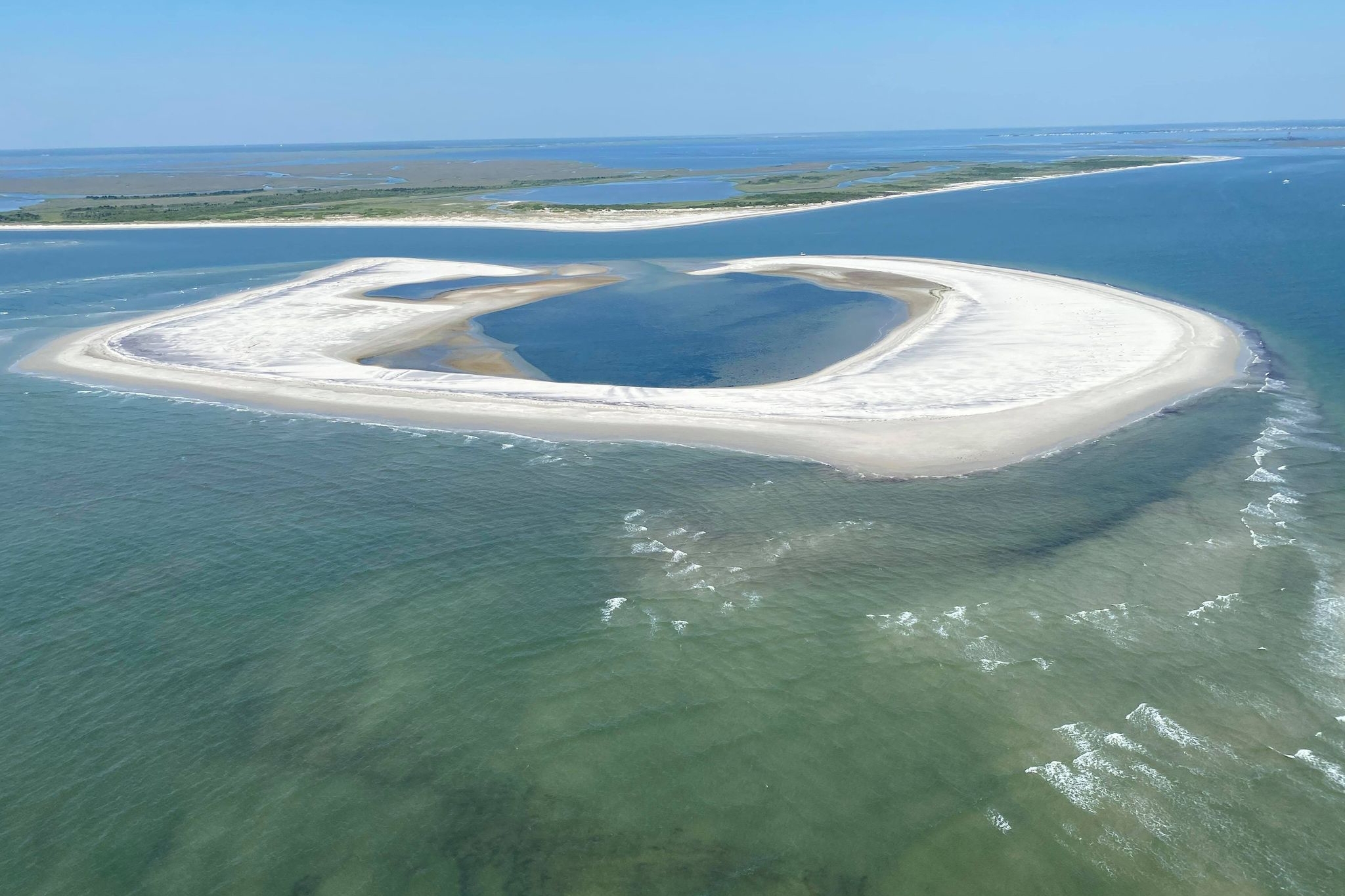
He is seeking to extend the promenade another 250 feet north, and says the state is studying whether adding hard structures to keep the sand in place will help a situation where a sandbar that has in recent years grown into what is now called Horseshoe Island is starving Brigantine of sand.
The city’s flood mitigation efforts since Sandy have resulted in a 25% discount for residents on flood insurance, he said. And he wholeheartedly recommends flood pumps and gates to other municipalities, like Ventnor, whose Ventnor Heights section was cut off at both ends by flooding for hours during high tides.
Sera and other knows the big storms will come again, probably this winter, with the El Niño warming in the equatorial Pacific.
With sea levels rising, some residents who came out to see the federal officials in Brigantine wanted to know about timelines.
“How fast is fast,” interrupted Louise Seitel, of nearby Absecon, as officials spoke of extending the seawall.
“A study is probably going to be 18 months,” Nate Barcomb, an Army Corps deputy district engineer based in Philadelphia, acknowledged.
“Government is tough,” Van Drew said.
Aerial photograph of New Jersey’s Horseshoe Island in June 2021.N.J. Department of Environmental Protection / U.S. Fish & Wildlife Service
Washington Lake Park sees more than 100,000 visitors every year. Now there’s a new way to keep them safe — and it honors the lives of two South Jersey hockey players.
The Aliver Foundation, a nonprofit that works to promote cardiac arrest prevention, donated outdoor automated external defibrillator equipment to the Gloucester County park in the spring. AEDs analyze the heart’s rhythm and deliver an electric shock to help recalibrate the heart if necessary, according to the American Red Cross.
The bright yellow enclosure, which keeps the AED in a climate-controlled environment, features a small plaque memorializing Johnny and Matty Gaudreau, Salem County natives and brothers who used to skate at a rink not far from the park.
Johnny, an NHL player, and Matty, an American Hockey League alumnus, died in 2024 when they were struck and killed while riding their bikes in Salem County. Johnny was 31, and Matty was 29.
Jane Gaudreau, Johnny and Matty’s mother, said she’s glad that something used to save lives is honoring her sons.
“My sons were always there for everybody else. They always wanted to help other people,” Jane said. “They would take their shirts off their backs for someone.”
Although the equipment has been up and running for months, the AED will be officially dedicated to the Gaudreaus at a community celebration at Washington Lake Park on Hurffville-Cross Keys Road on Sunday, from 10 to 11 a.m. There will also be AED and CPR demonstrations, children’s activities, and the chance to engage with first responders.
Placed on the brick wall of Washington Lake Park’s ranger station, the AED equipment is in the same park where the Gaudreau family hosts an annual memorial 5K run, and less than two miles from Hollydell Ice Rink in Sewell, a place the brothers used to skate and where their father, Guy Gaudreau, teaches skating lessons for kids.
To access the kit, visitors in need must call 911 to get a code to open the AED enclosure.
Barbara Moore, Washington Lake Park’s events coordinator, said the park already has an AED, but the equipment isn’t outdoors and public-facing.
“With the amount of youth sports, daily visitors and community events taking place at the park, having readily accessible outdoor AED equipment is an important additional safety measure that can be accessed while emergency responders are en route,” Moore wrote in an email.
Five years ago, Jill Pall, Aliver’s founder, experienced cardiac arrest at a park in North Jersey. Her friend did CPR for nearly 15 minutes, and because there was no AED on site to use, Pall had to wait for first responders to arrive with the equipment.
Since then, Pall’s organization has helped place more than 185 outdoor AEDs in 12 states, with the majority located in New Jersey.
The Gaudreau family once needed the emergency equipment, too.
In 2018, Guy collapsed while running up a hill during Philly’s annual Love Run, Jane said. Luckily, there was an AED on a nearby golf cart, and after a few days in an induced coma, he recovered.
Jane said her husband still runs the Love Run, but he doesn’t push himself so hard on the hills. And now, runners who pass through Washington Lake Park for the Gaudreau 5K every spring will have life-saving equipment close by, too.
“Anything we can do to keep John and Matty’s legacy alive, we’re for it,” Jane said.
In 2018, it was the Atwater Kent Museum. It housed a collection that told over 300 years of the city’s history: everything from a 1682 Lenni Lenape belt to Joe Frazier’s boxing gloves. Its closing was followed by the Neon Museum (2022), the Insectarium & Butterfly Pavilion (2023), and the Art Alliance (2024).
Sure, I know nothing lasts forever and cities change as time marches on. A favorite restaurant, bookstore, movie theater, the beautiful old home you walked past in your neighborhood. Suddenly one day they disappeared behind a construction fence.
But it was surprising when the Academy closed last weekend after 198 years of being open to the public.
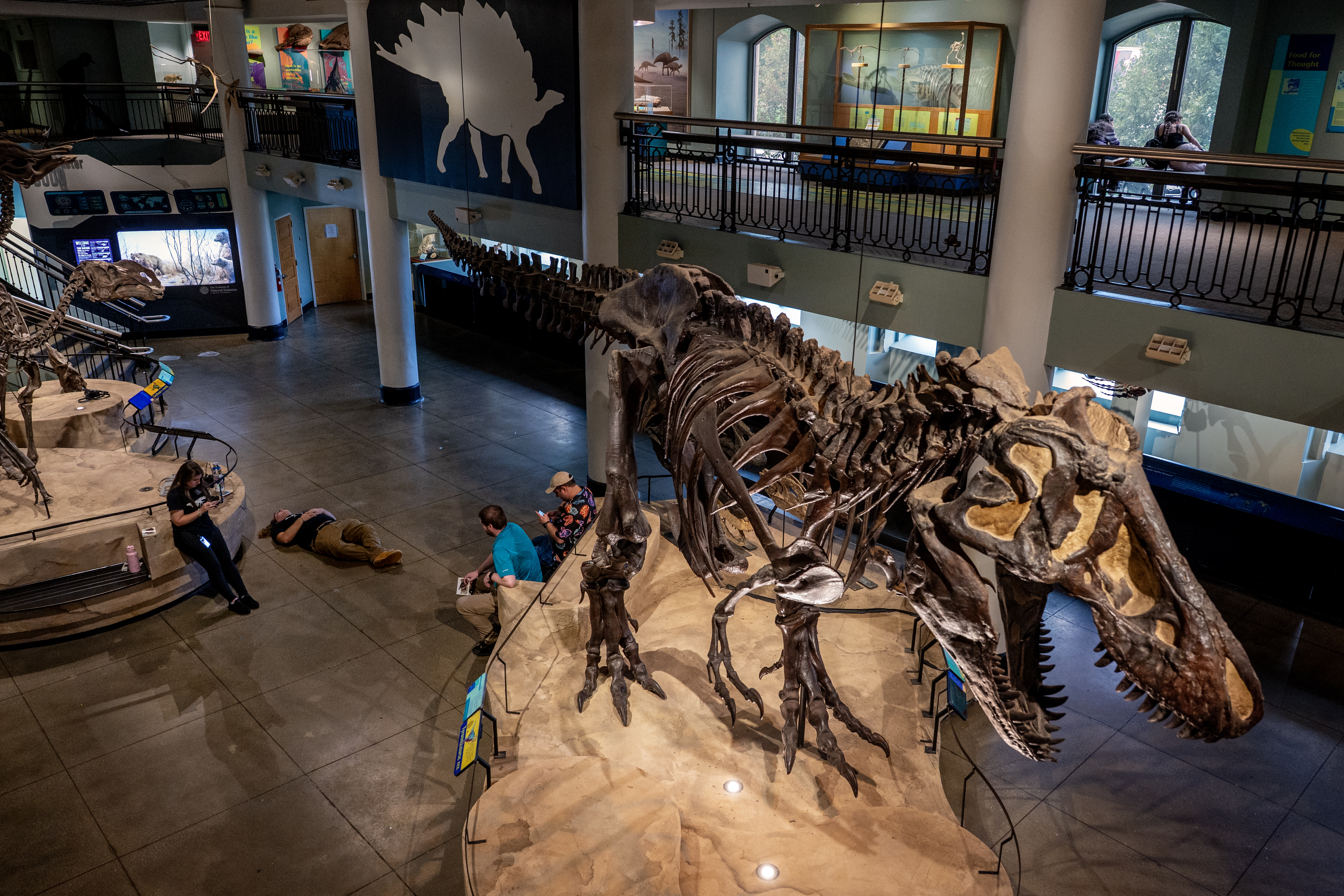
A dinosaur-costumed visitor passes behind the T-rex in Dinosaur Hall on Sunday, Sept. 28, the last day the museum was open to the public.Tom Gralish / Staff Photographer
Like everyone else who in the past few weeks has shared their memories on social media, in interviews with reporters or in conversations with others in parents groups or on the playground, I found myself thinking not only about the dinosaur skeletons but also about the feelings and sense of wonder I had experienced there.
I didn’t grow up here, so I don’t have any of the childhood memories many Philadelphians do, but I did visit often for fun as a young adult, with my own children and even as a grandparent. I also photographed many memorable stories there as a visual journalist.
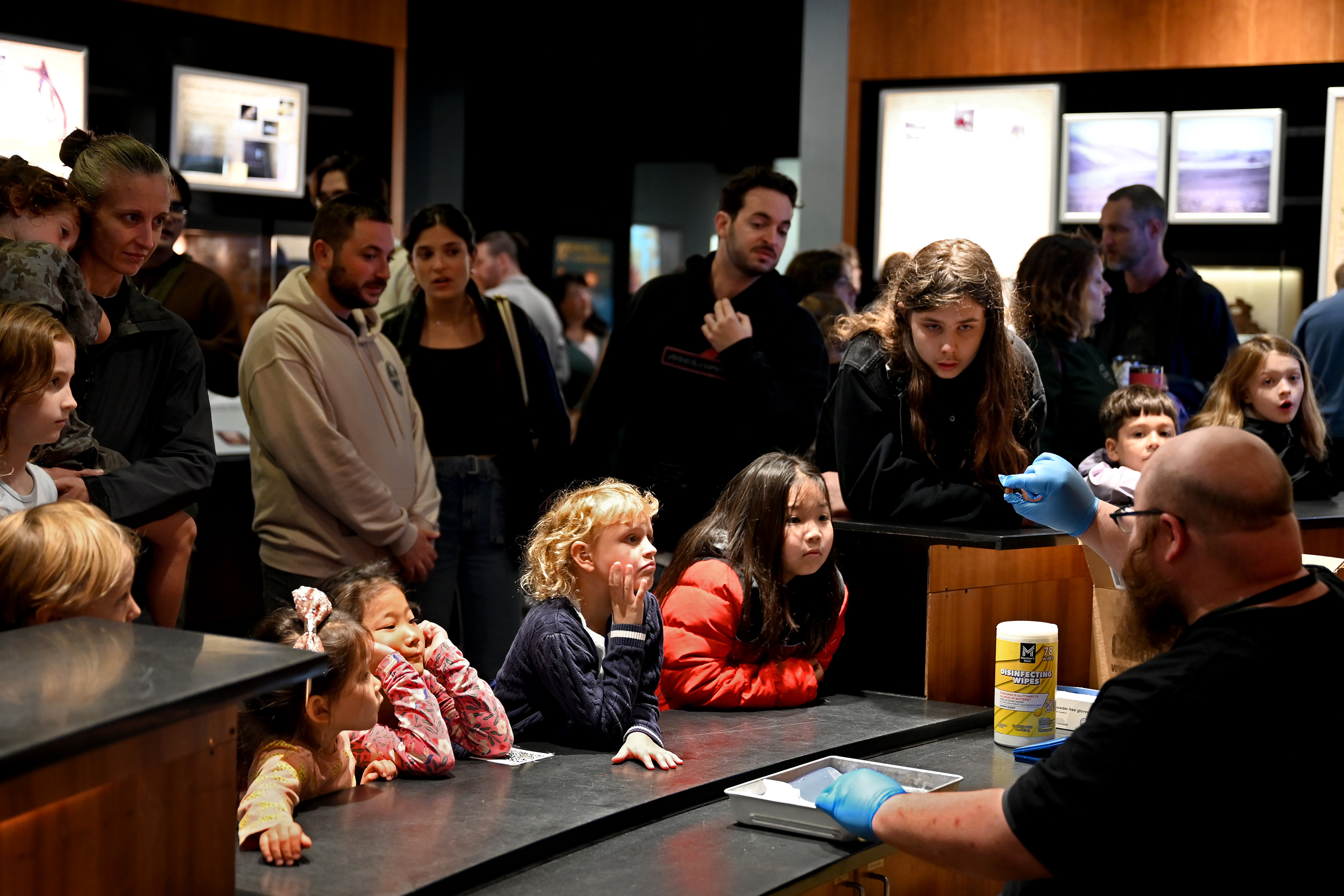
Science educator Buddy Muhler shows visitors the eyeball of a cow, during a talk on the Academy’s closing day.Tom Gralish / Staff Photographer
One of my favorites was a project I did for the 200th anniversary of the Lewis and Clark Expedition in 2004. I made four trips out west logging thousands of miles on rental cars, seeing all the places I read about in history class. Those stories all start out west, where the explorers paddled up the Missouri River in 1804 to see the Louisiana Purchase and find an easy water route to the Pacific Ocean.
But it was in Philadelphia where it all started.
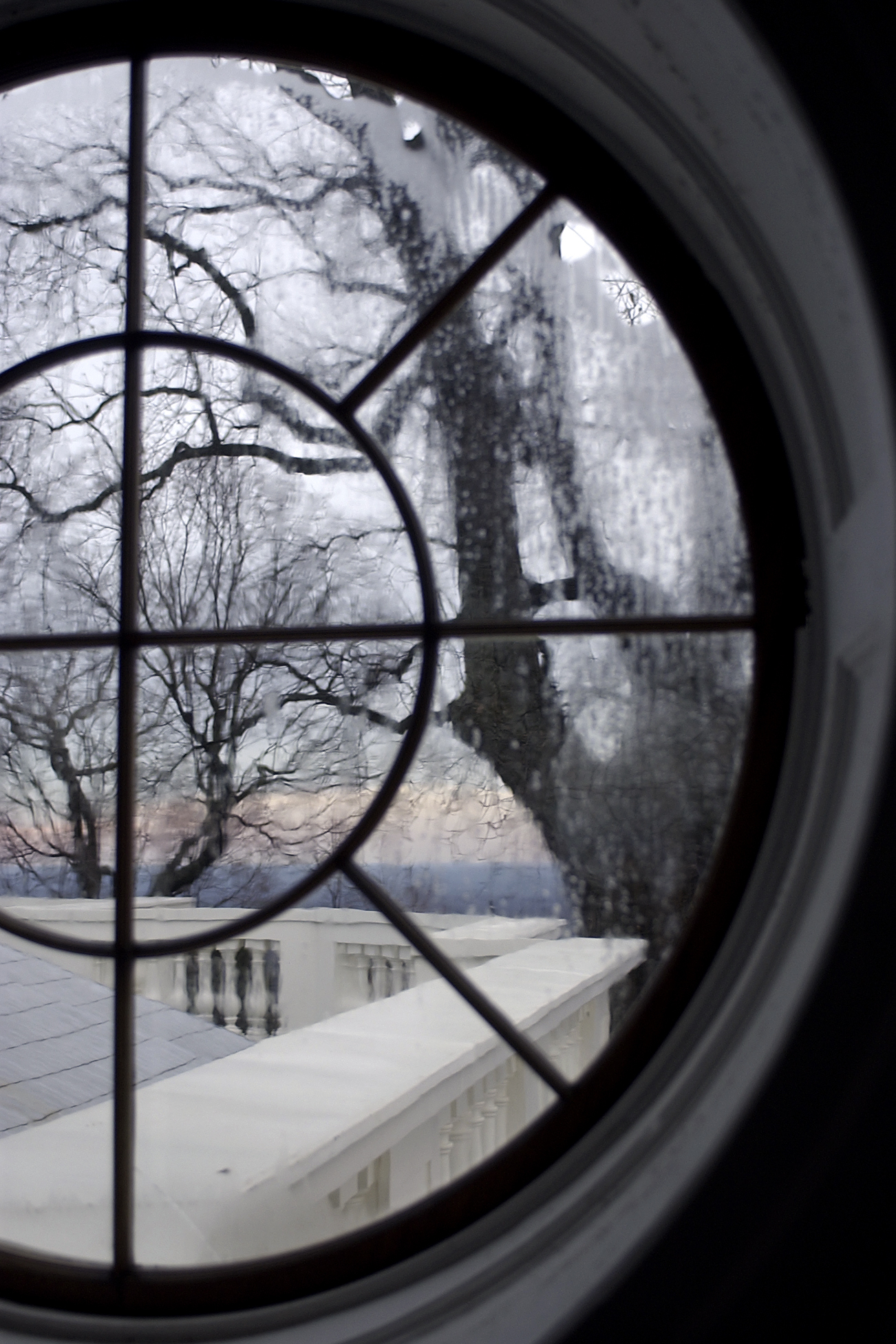
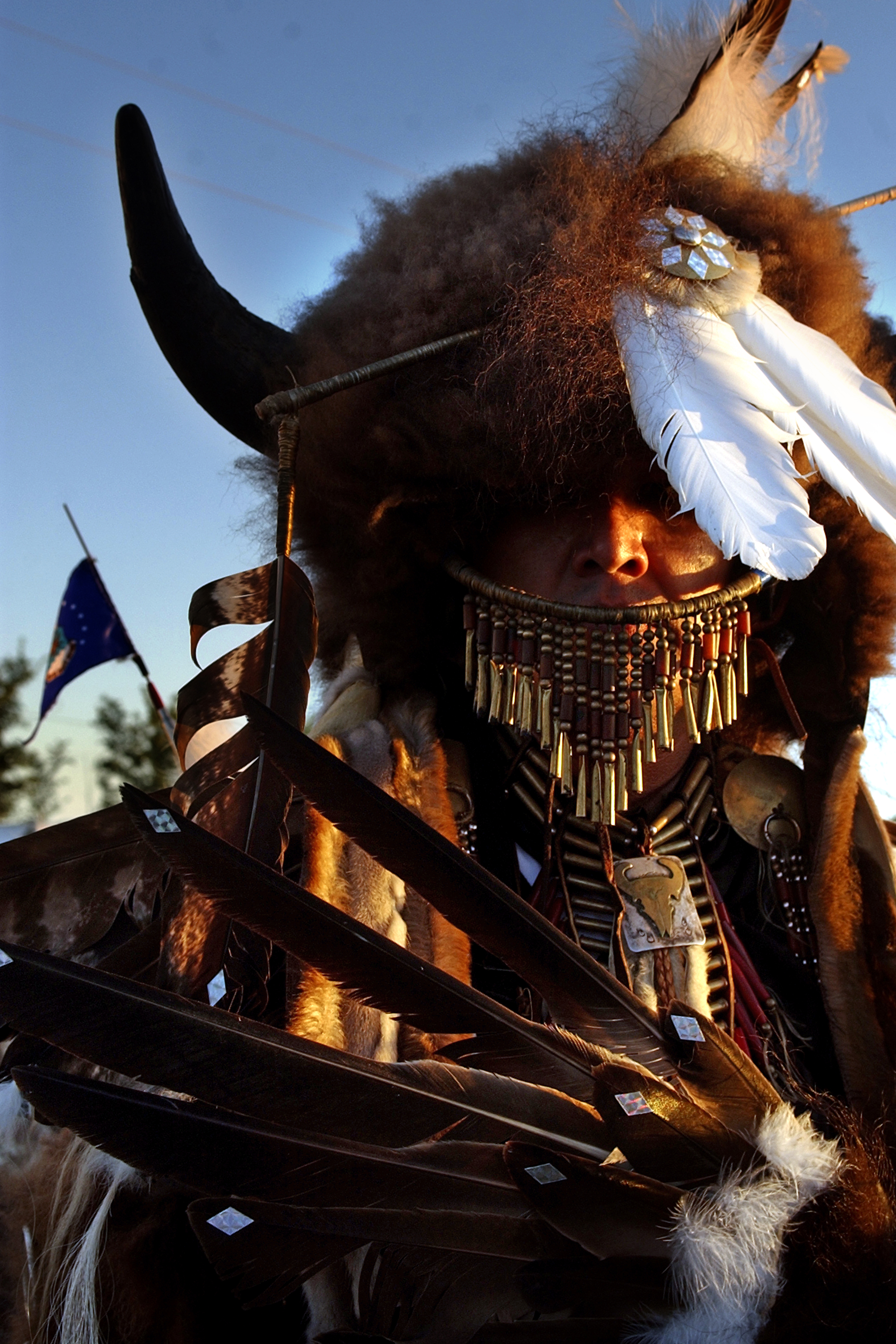
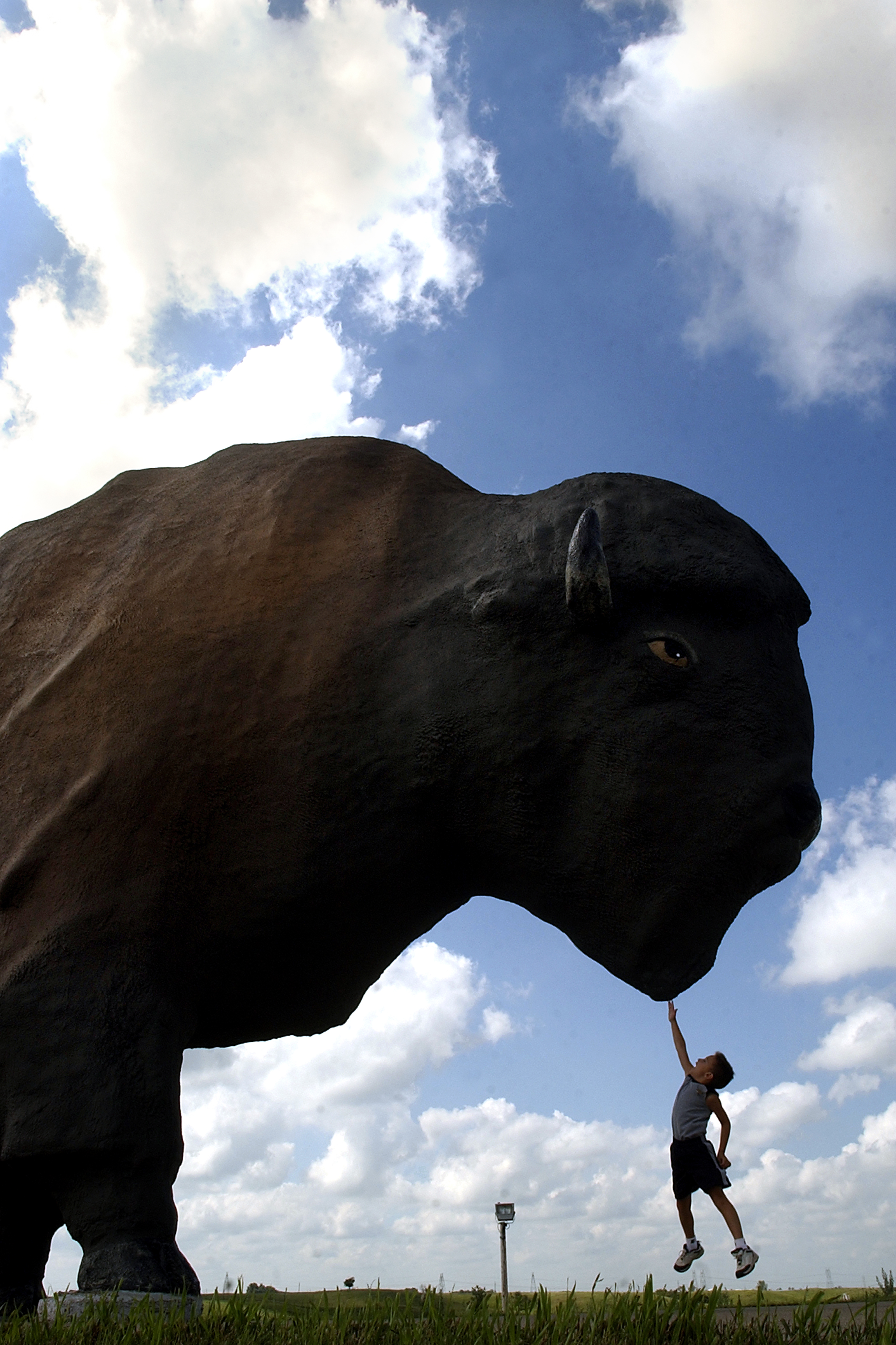
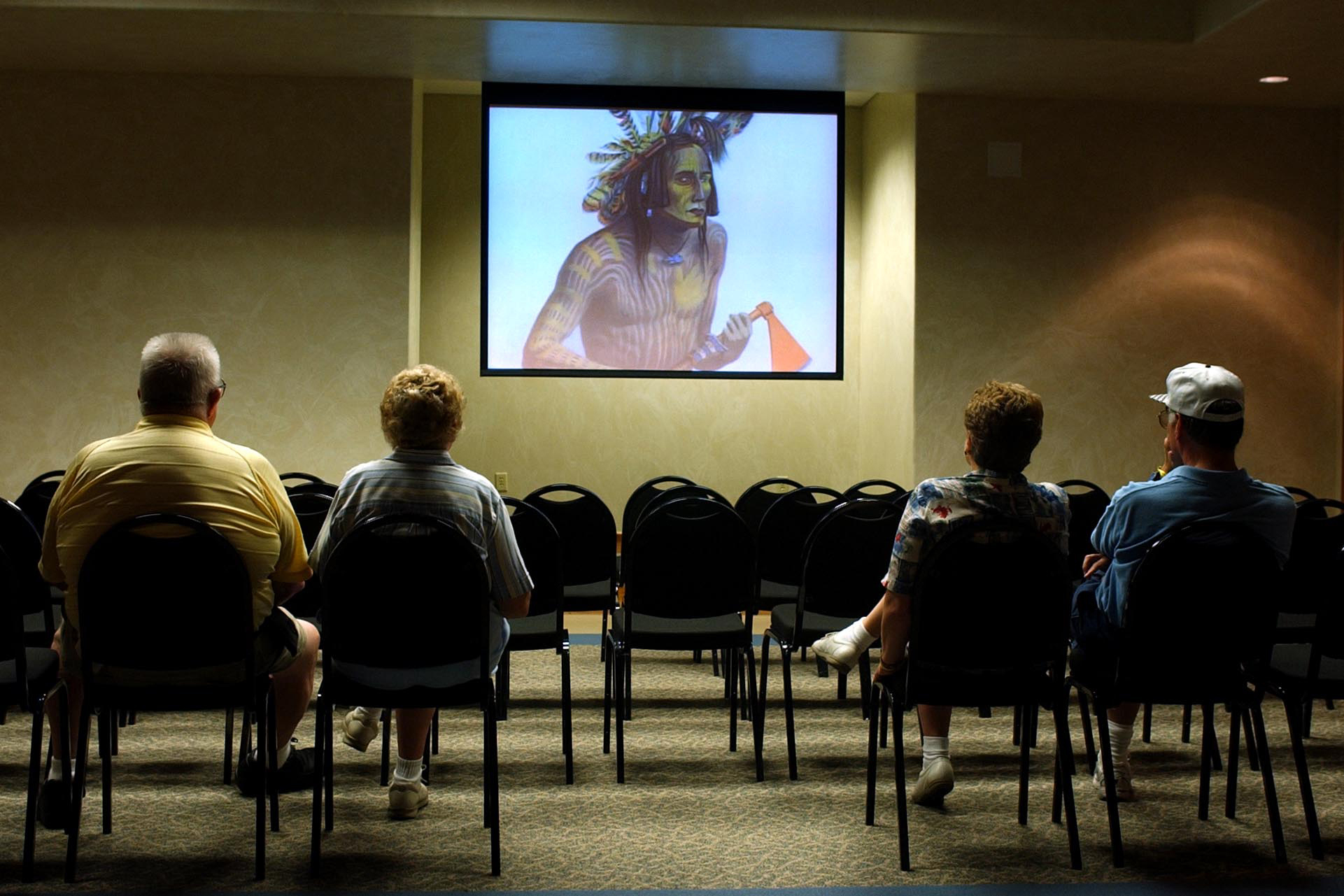
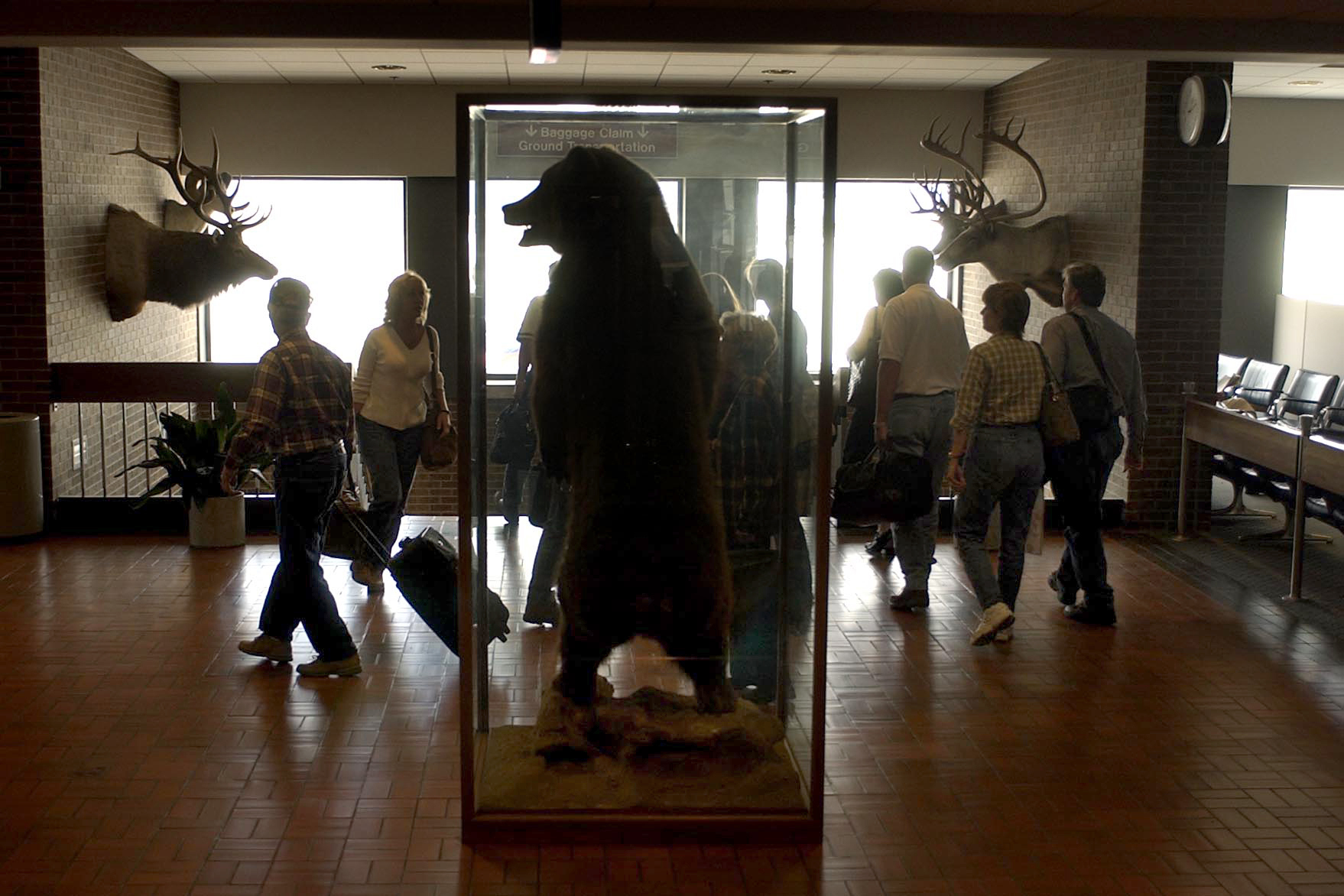
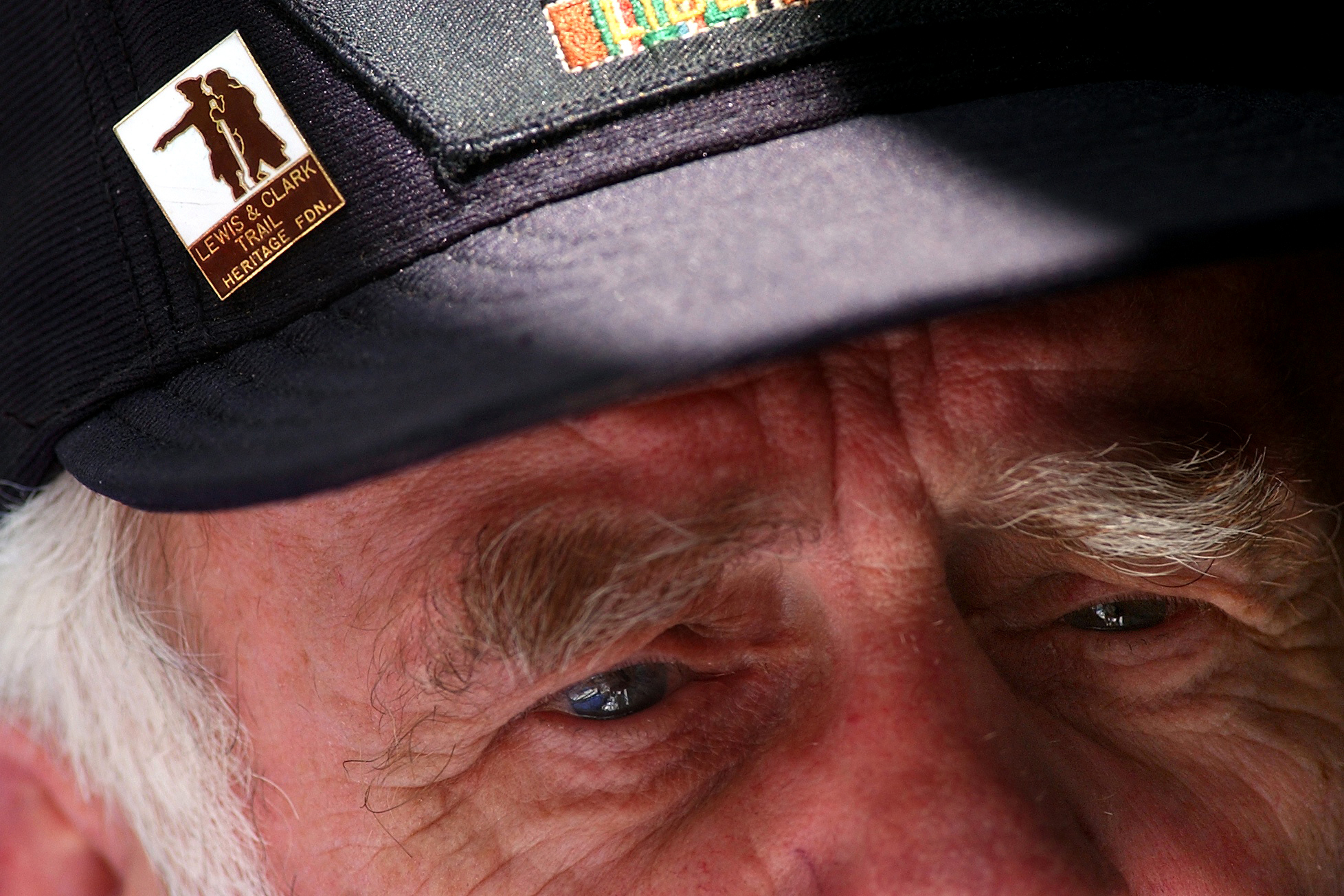
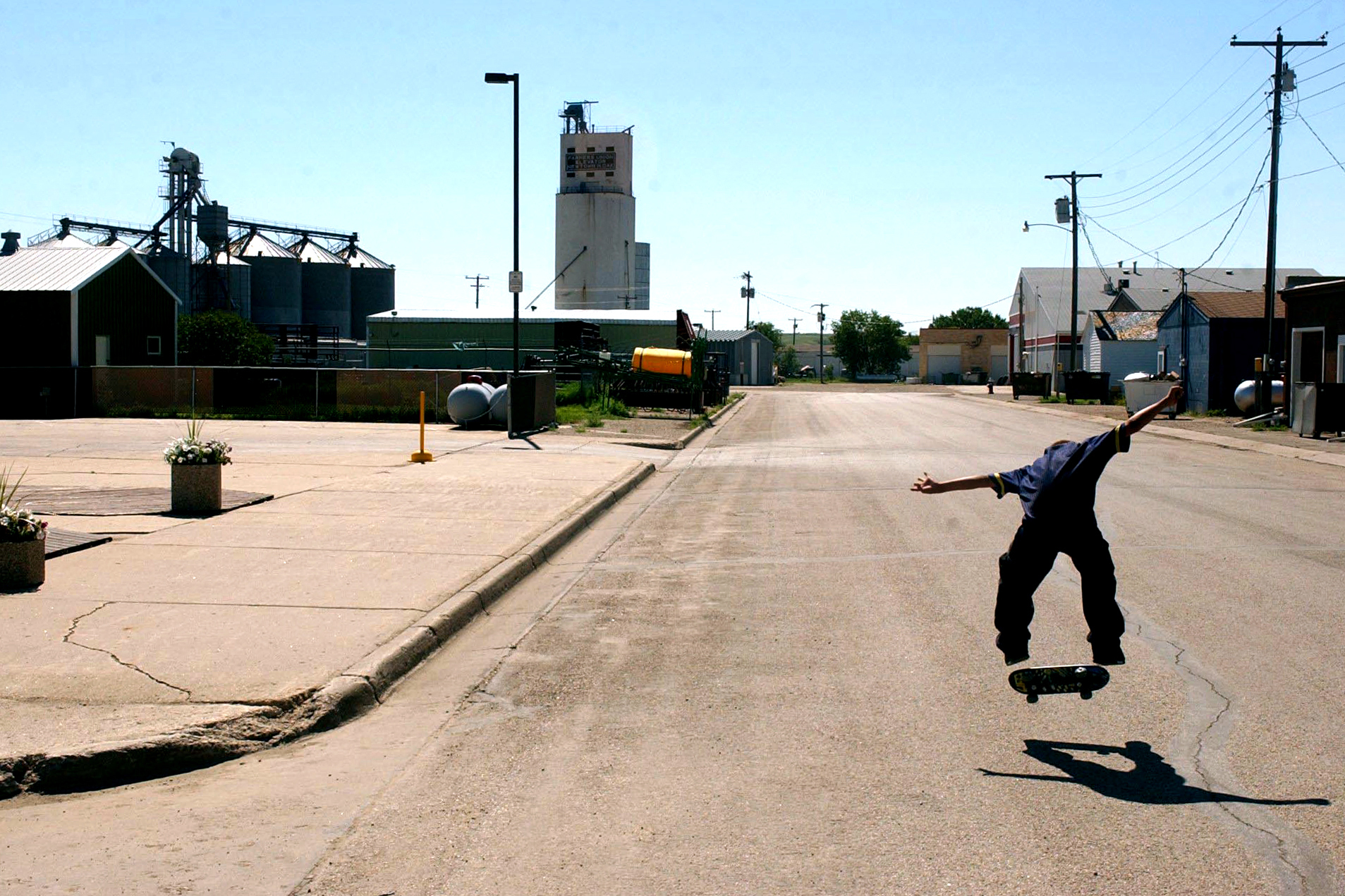
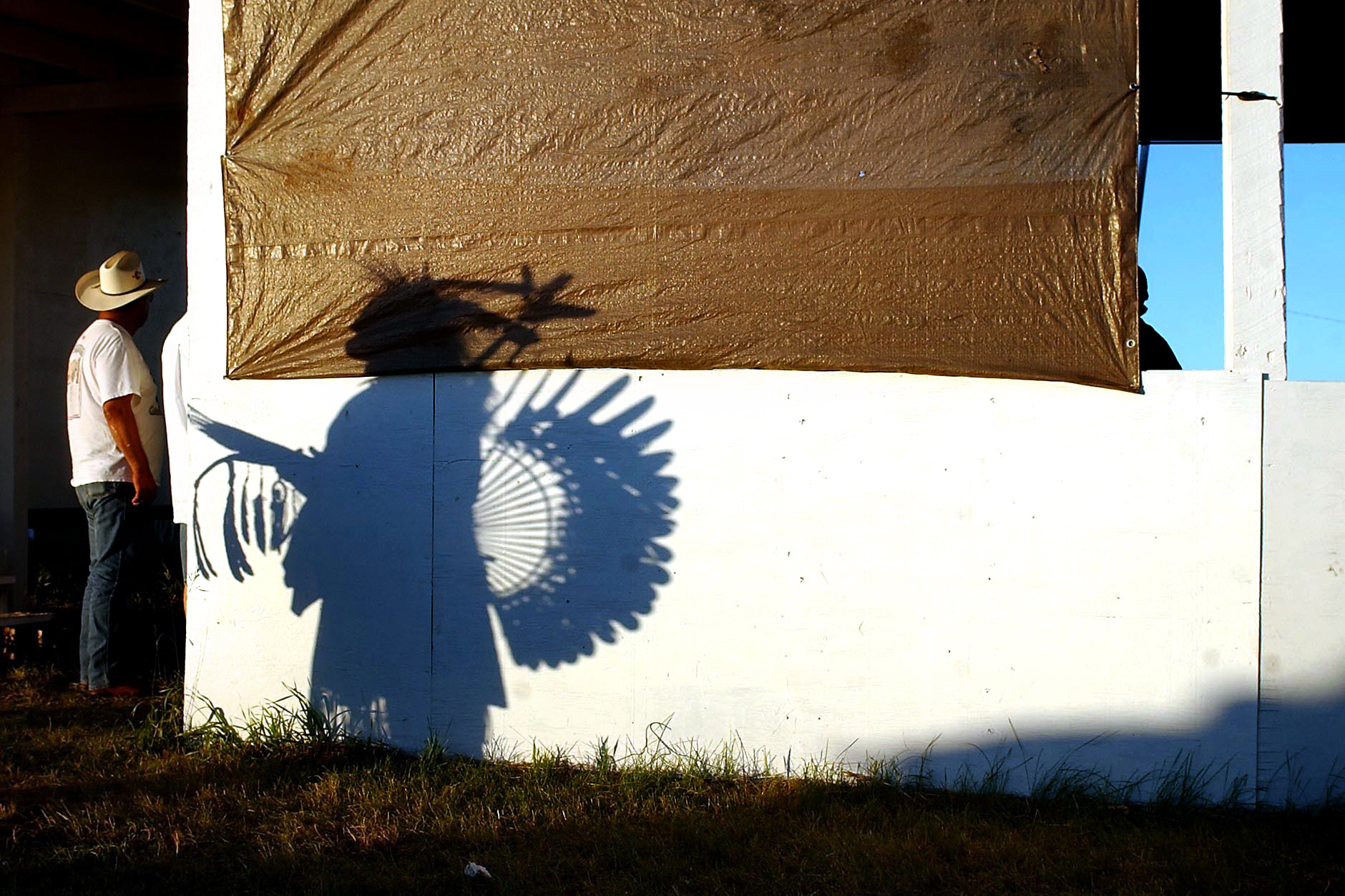
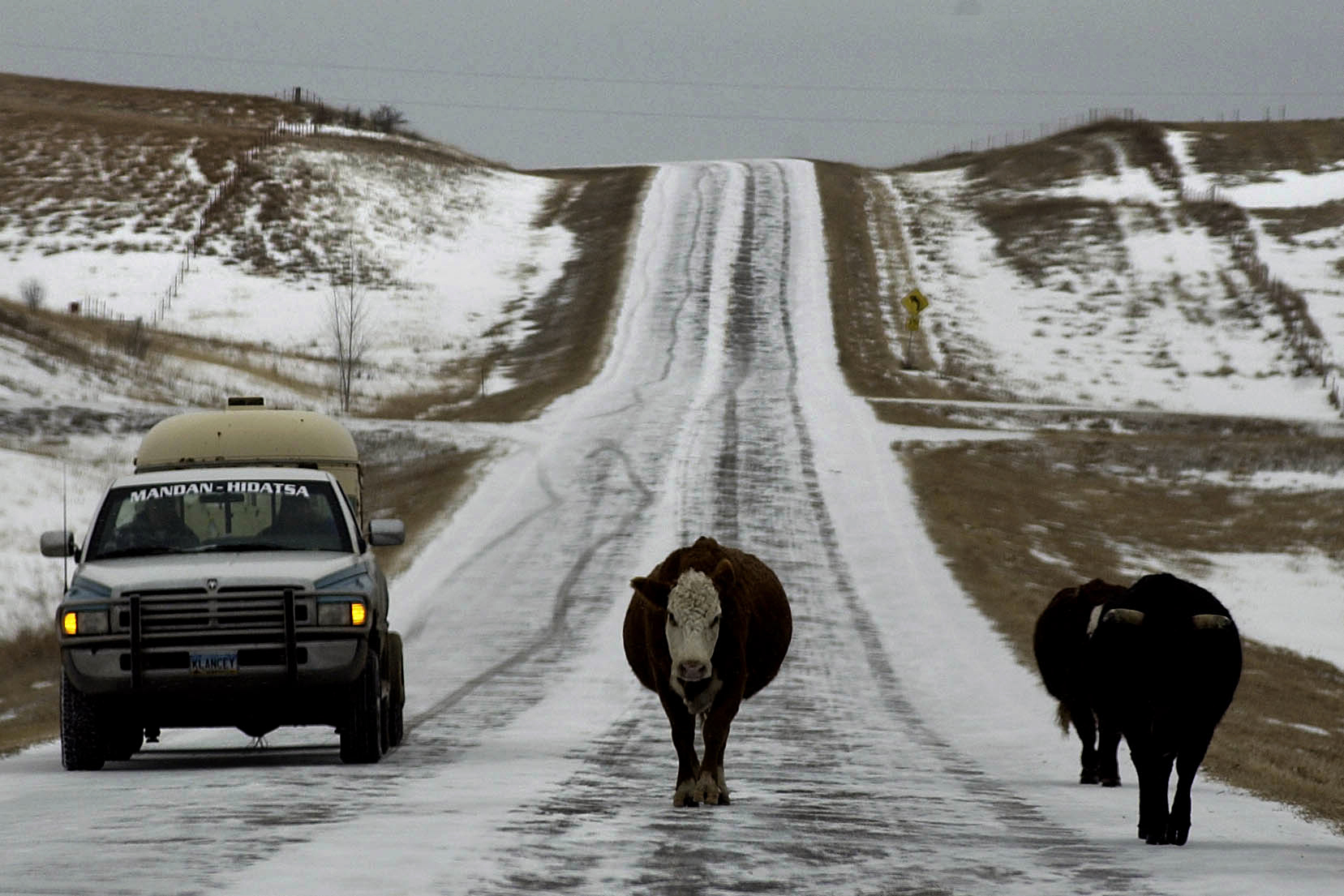
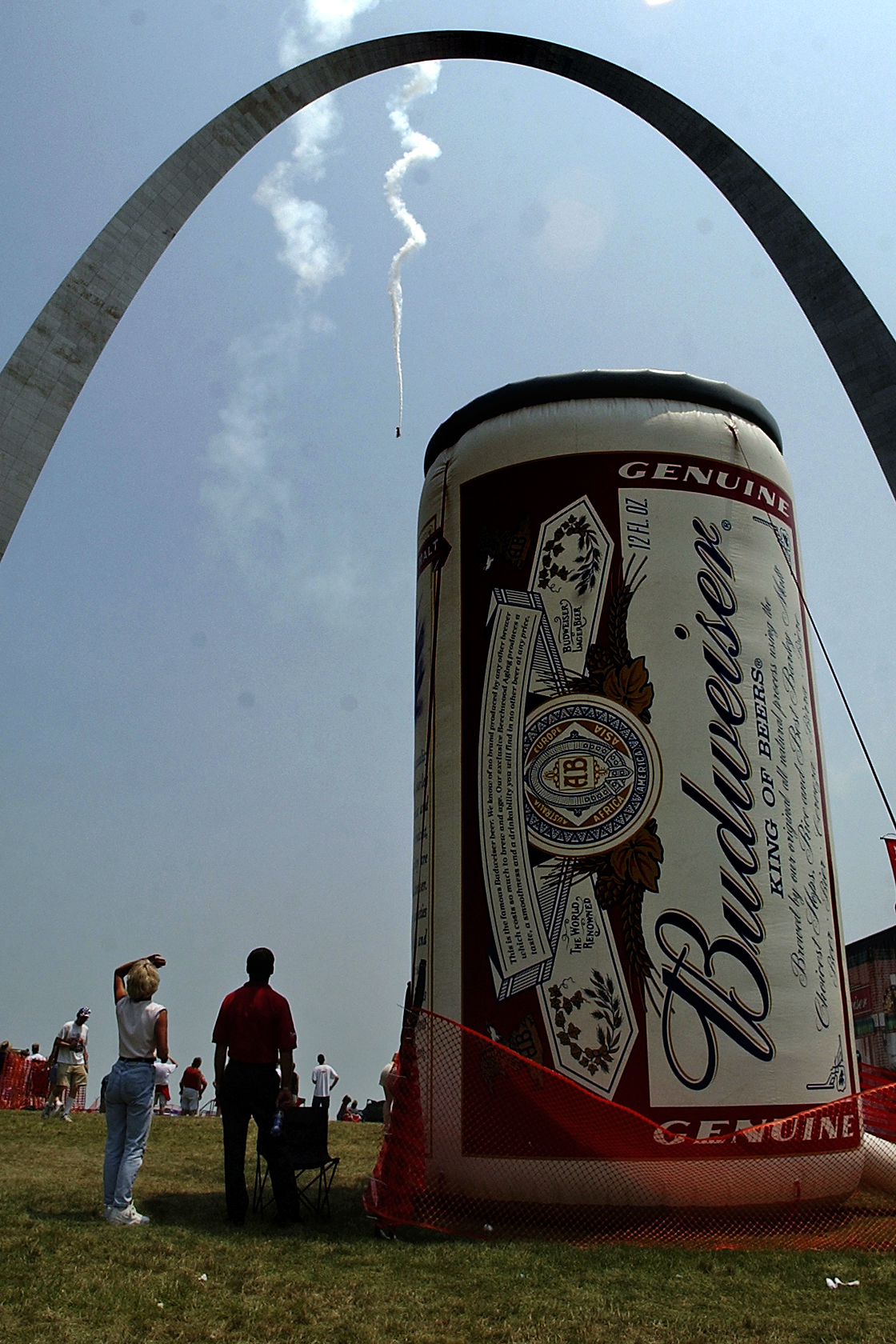
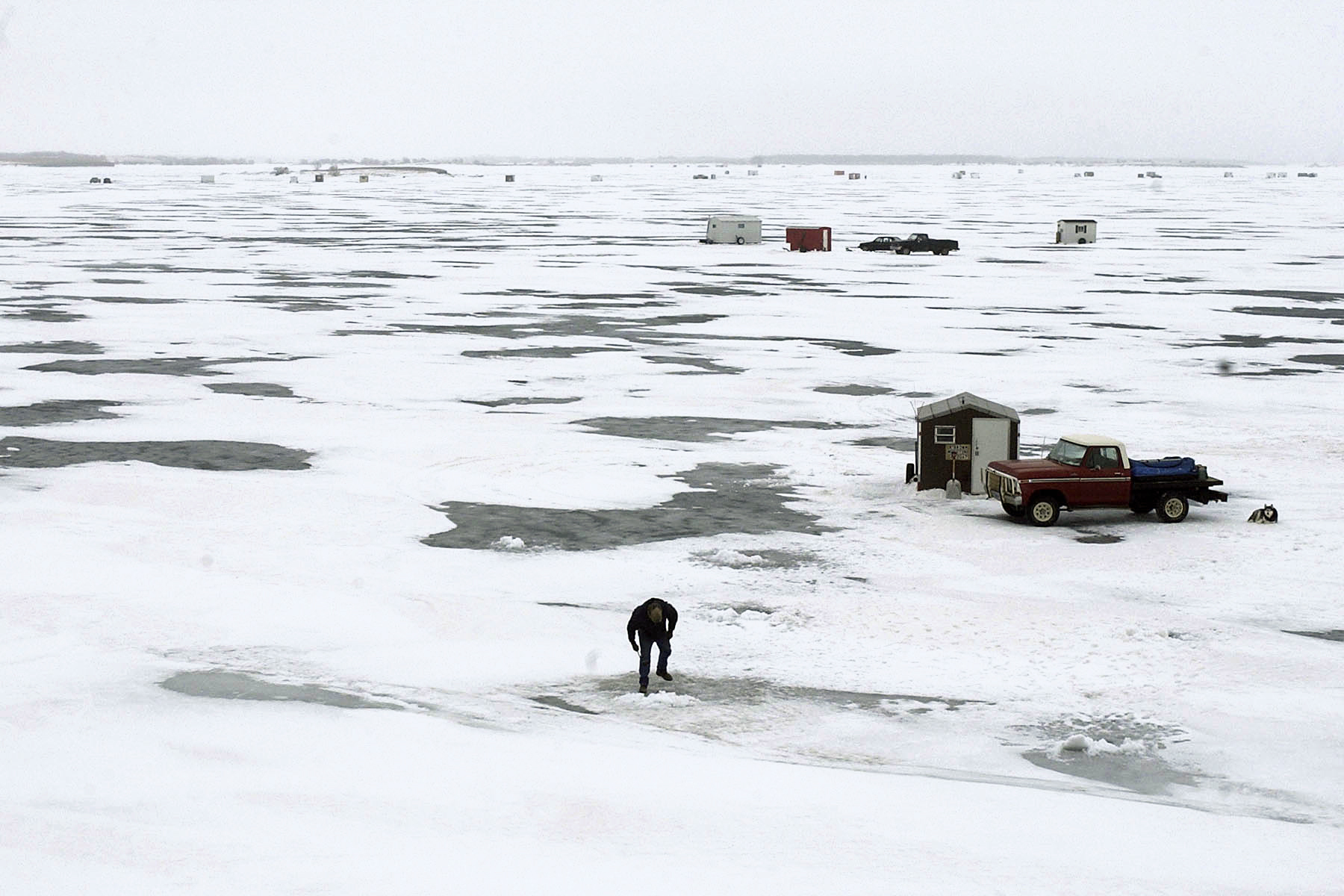
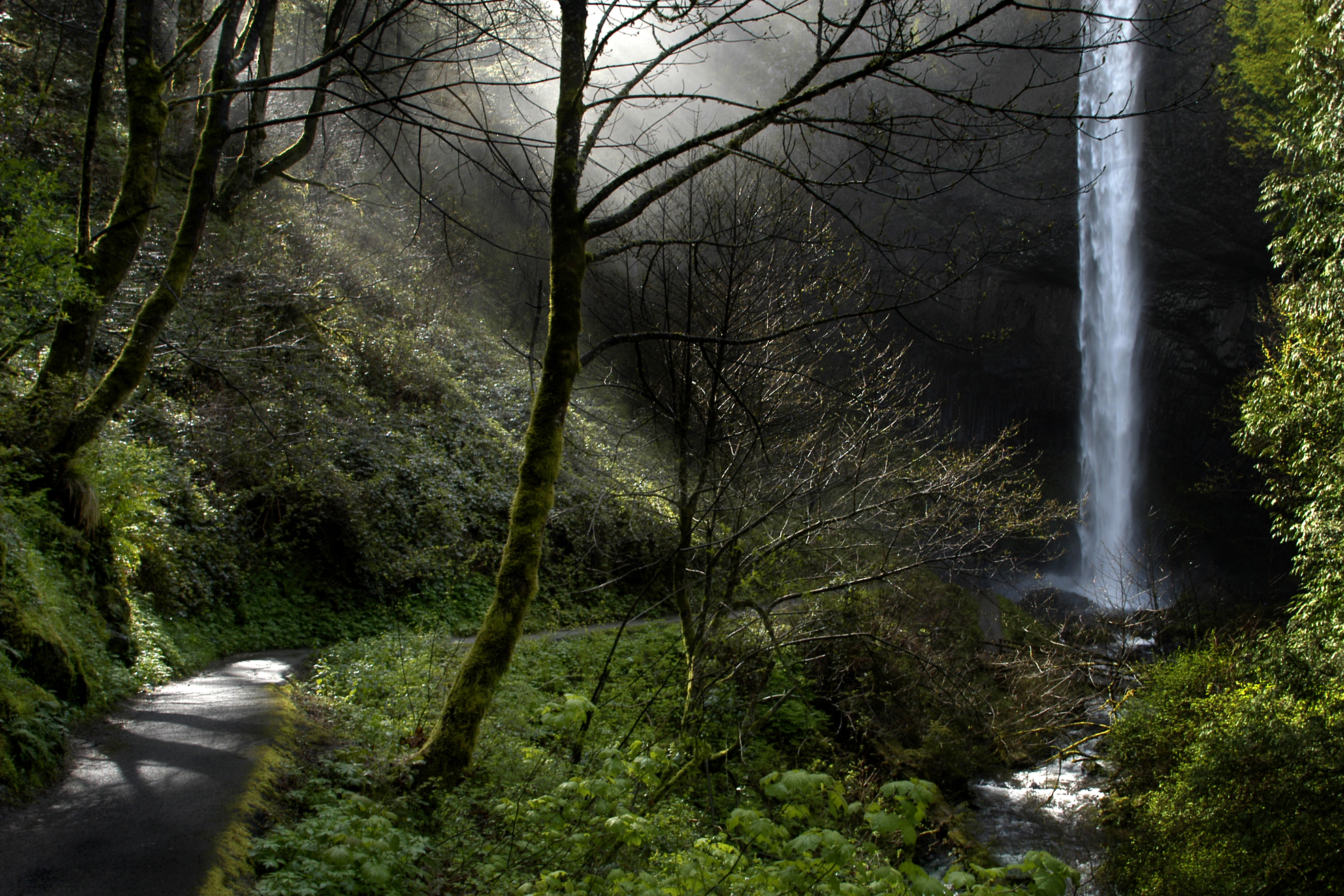
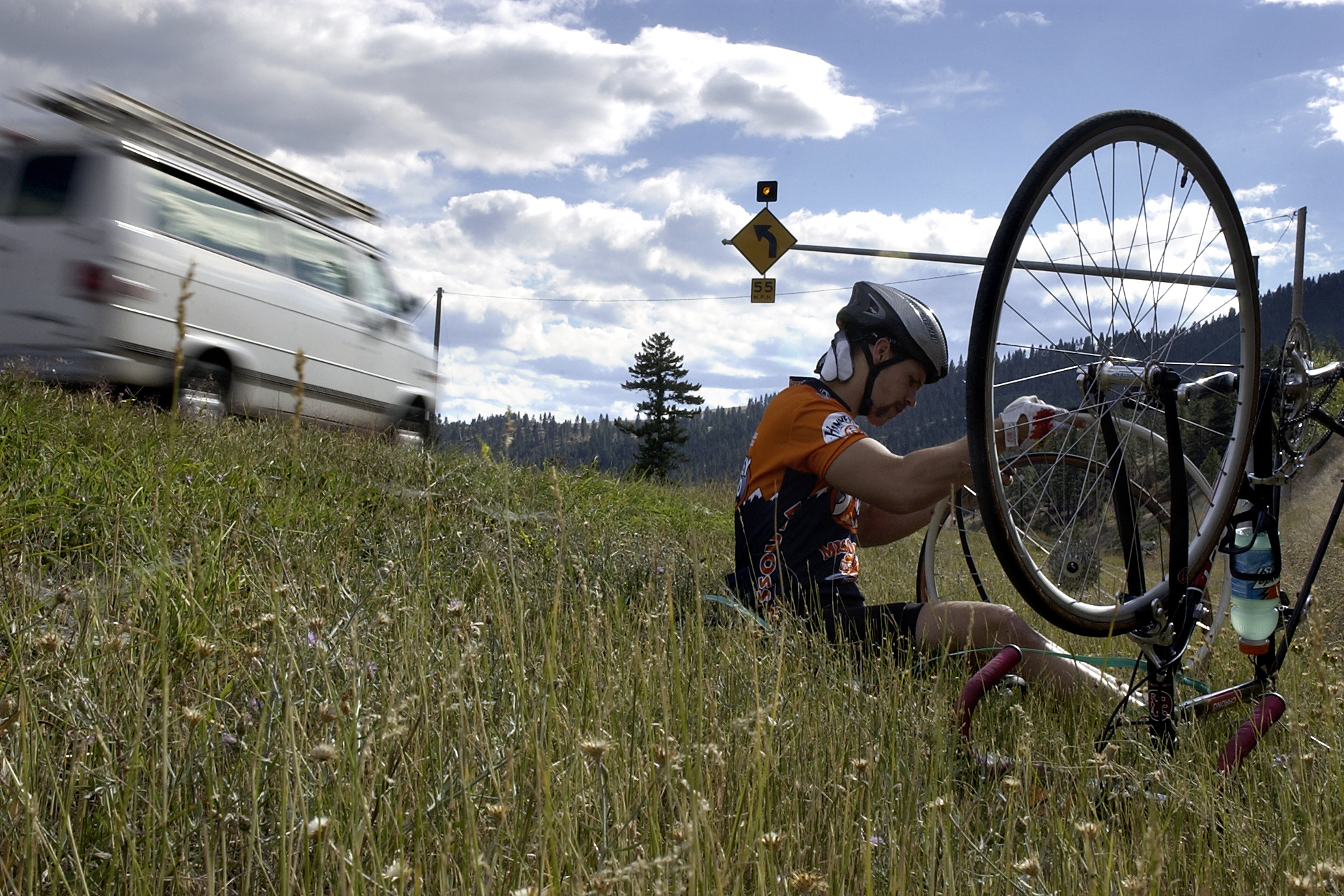
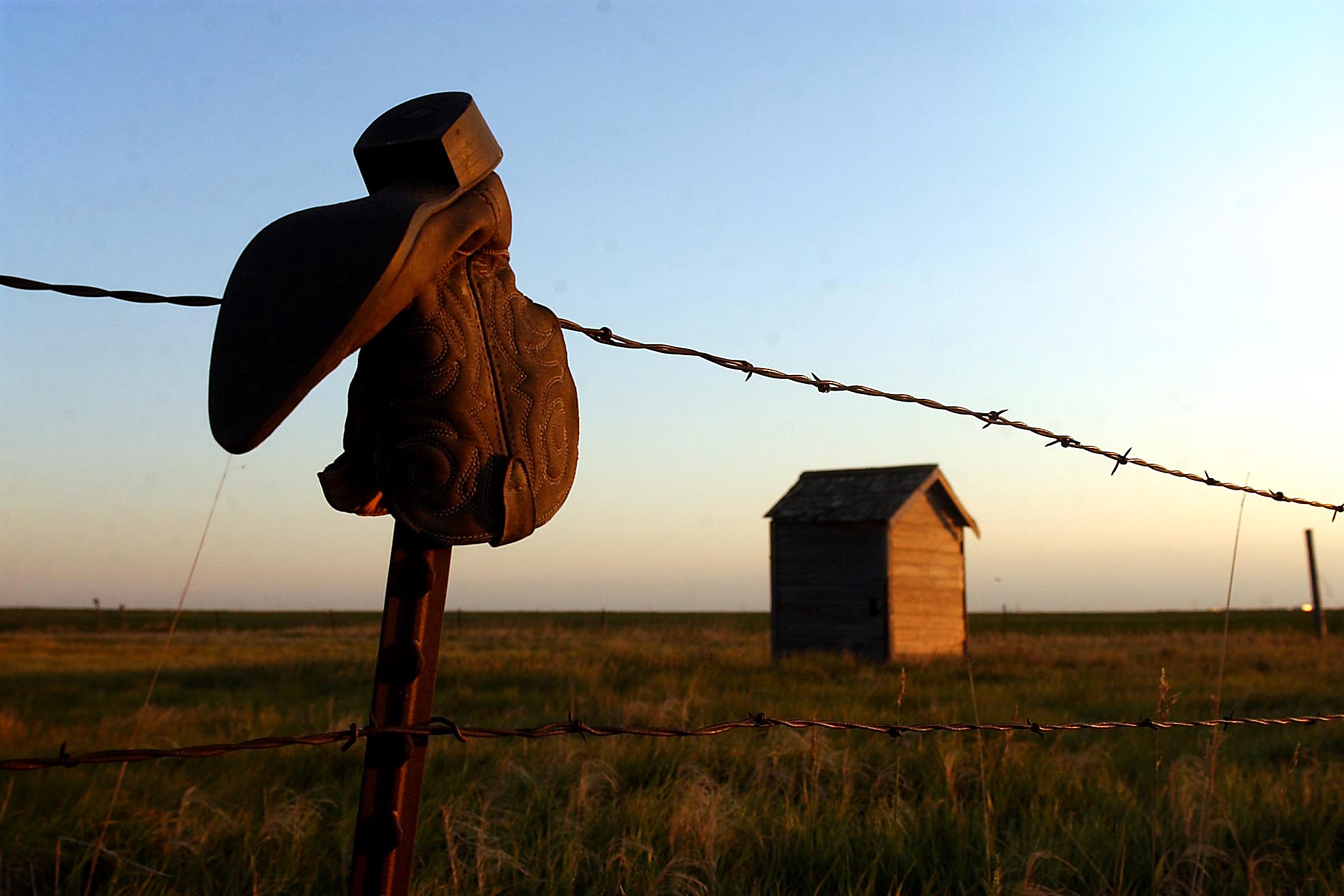
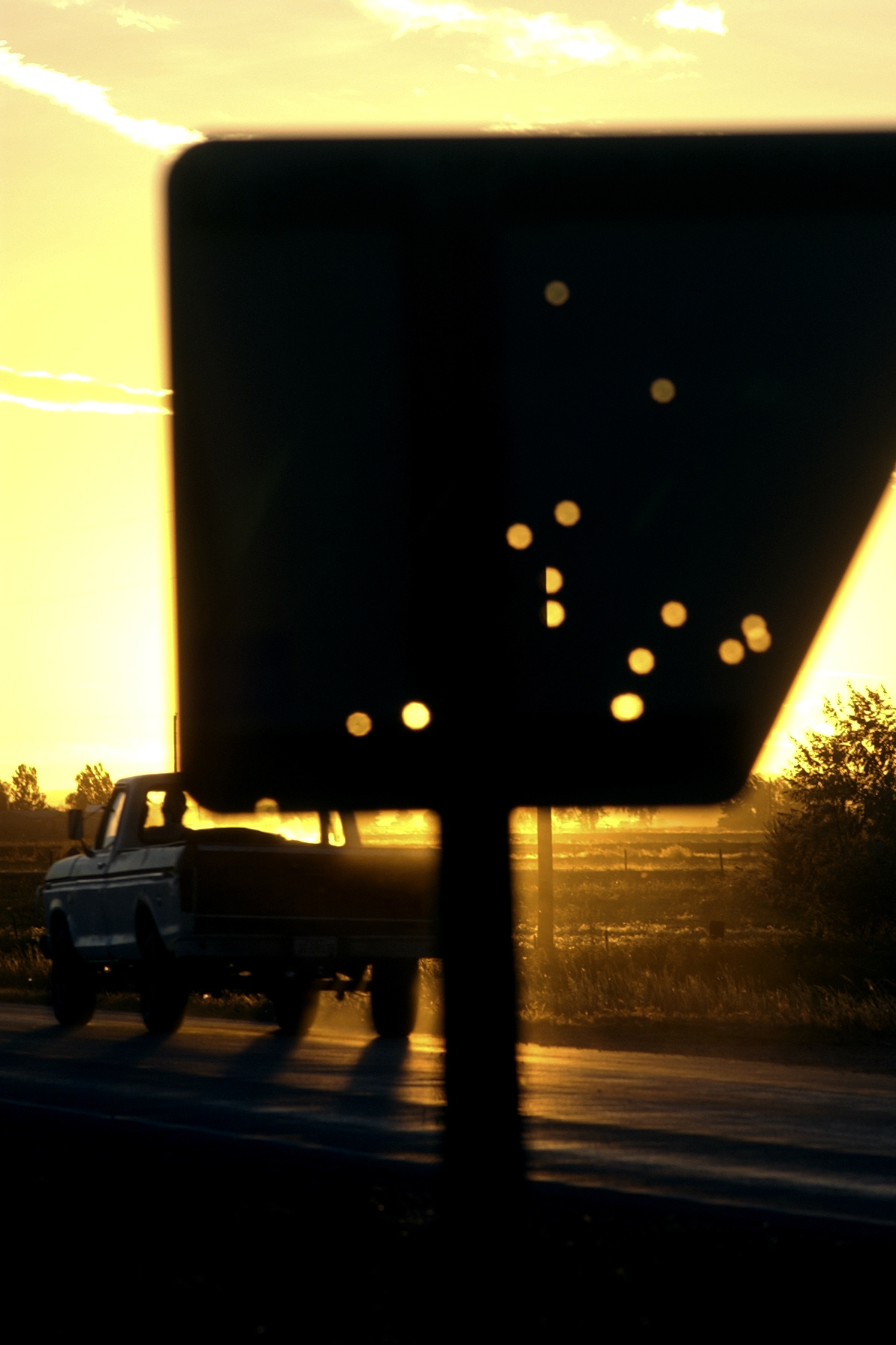
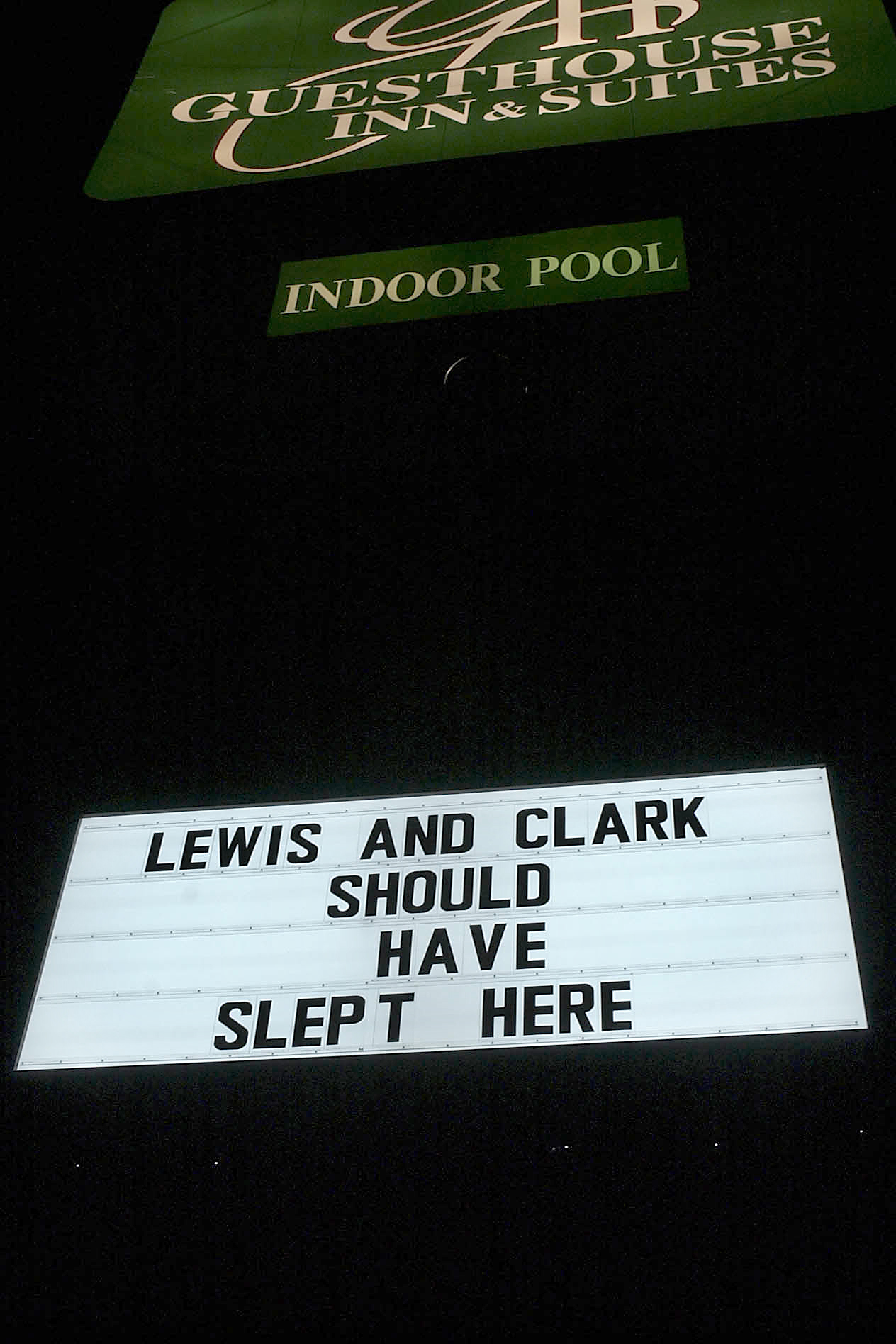
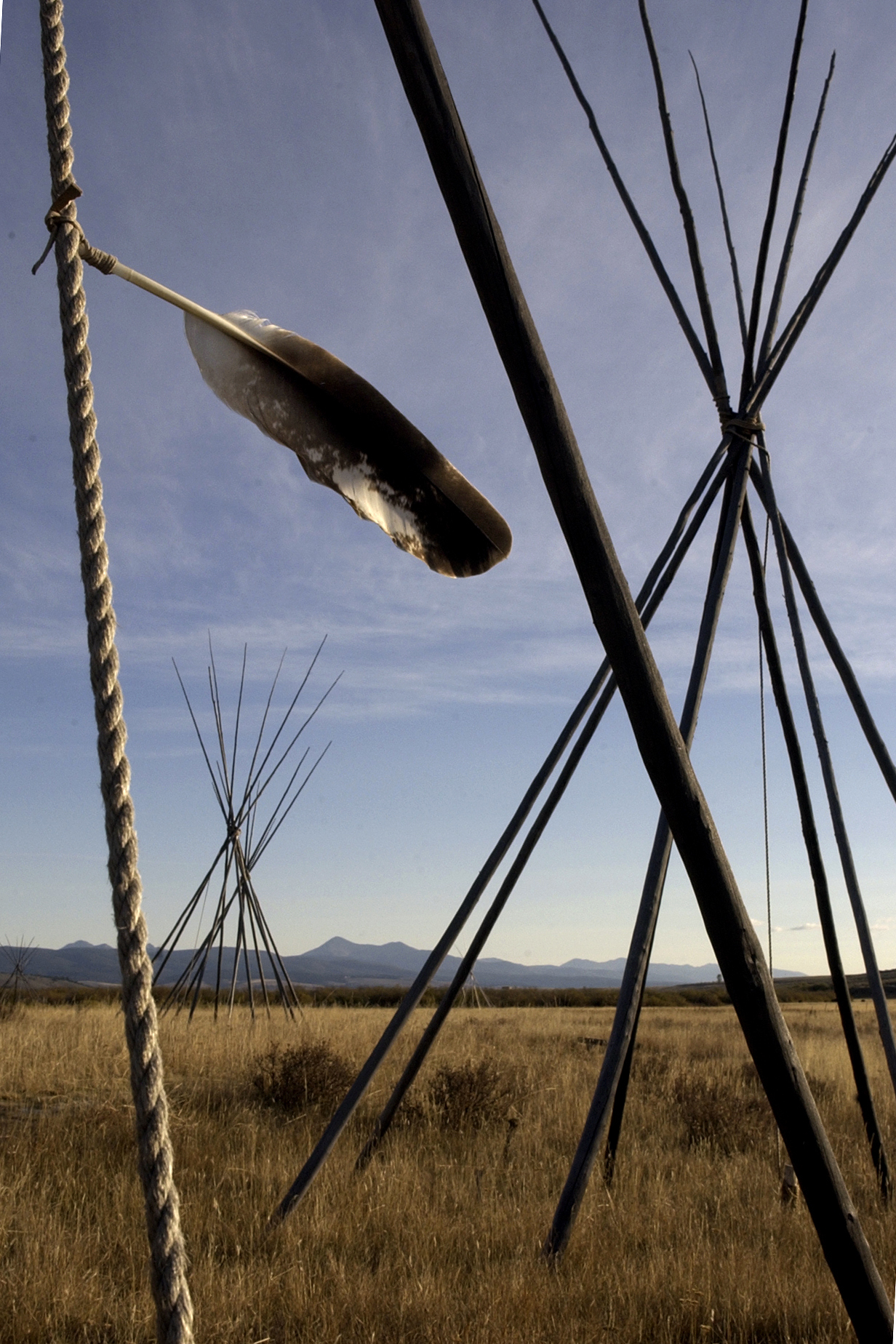
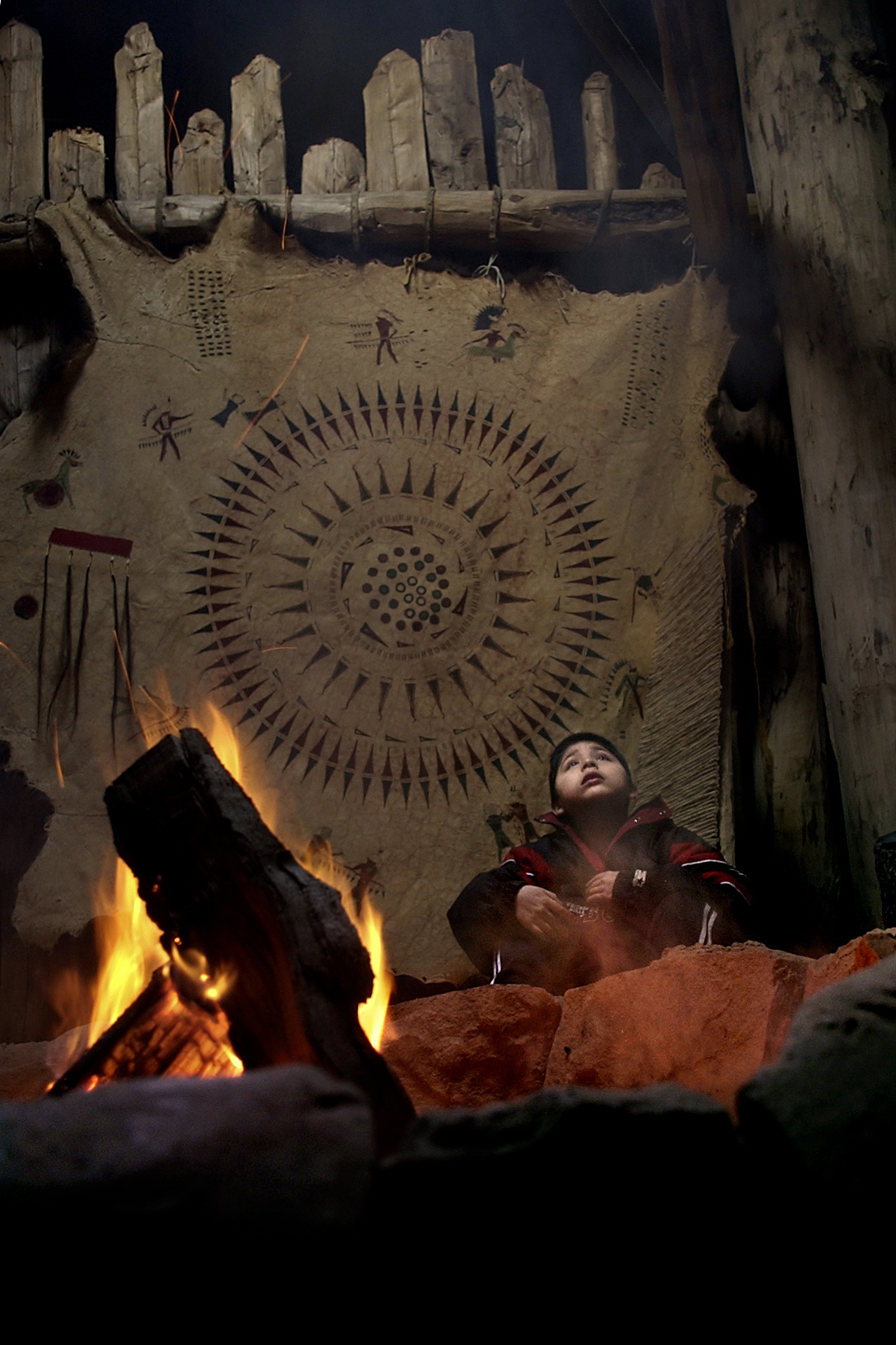
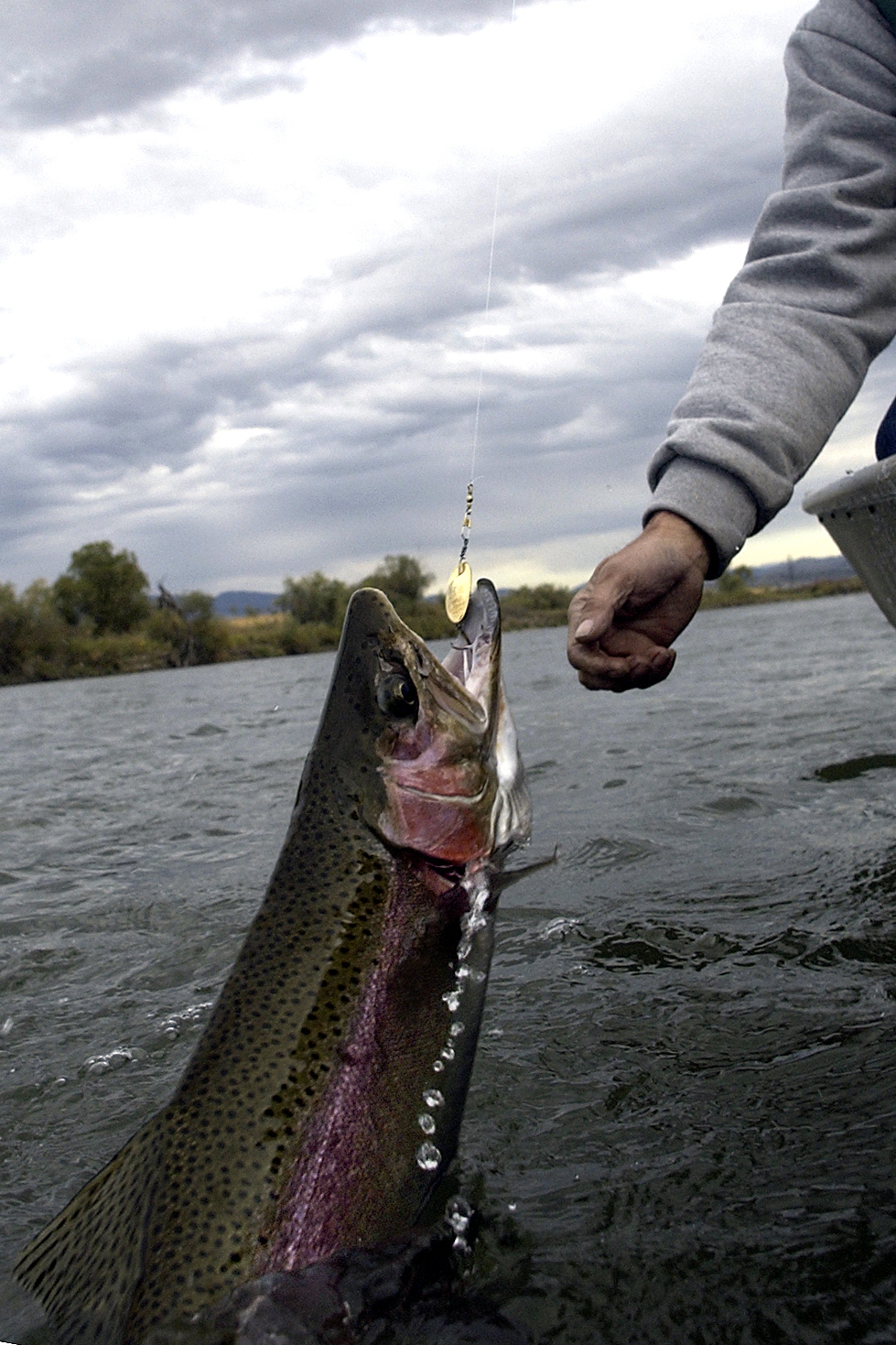
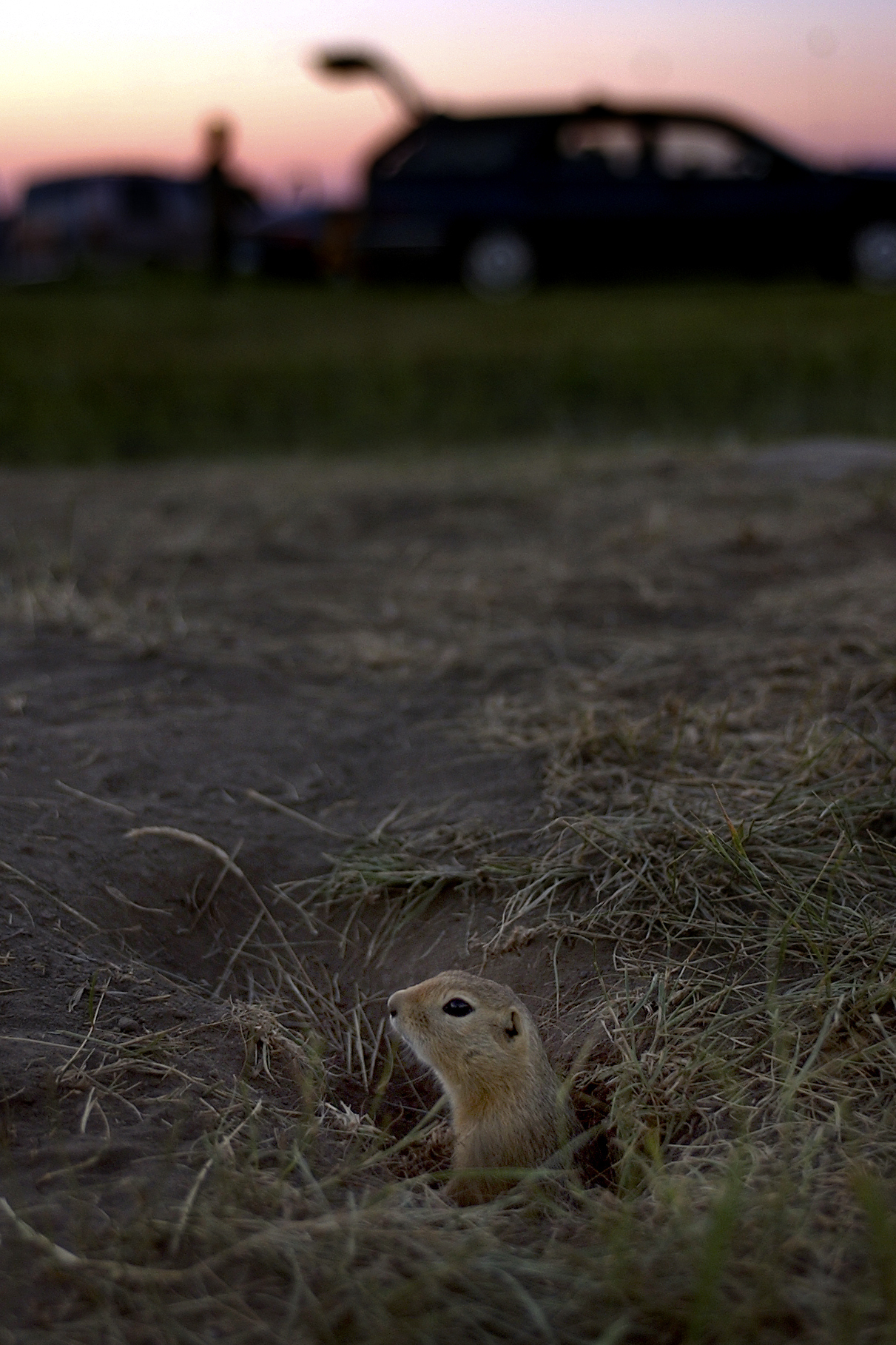
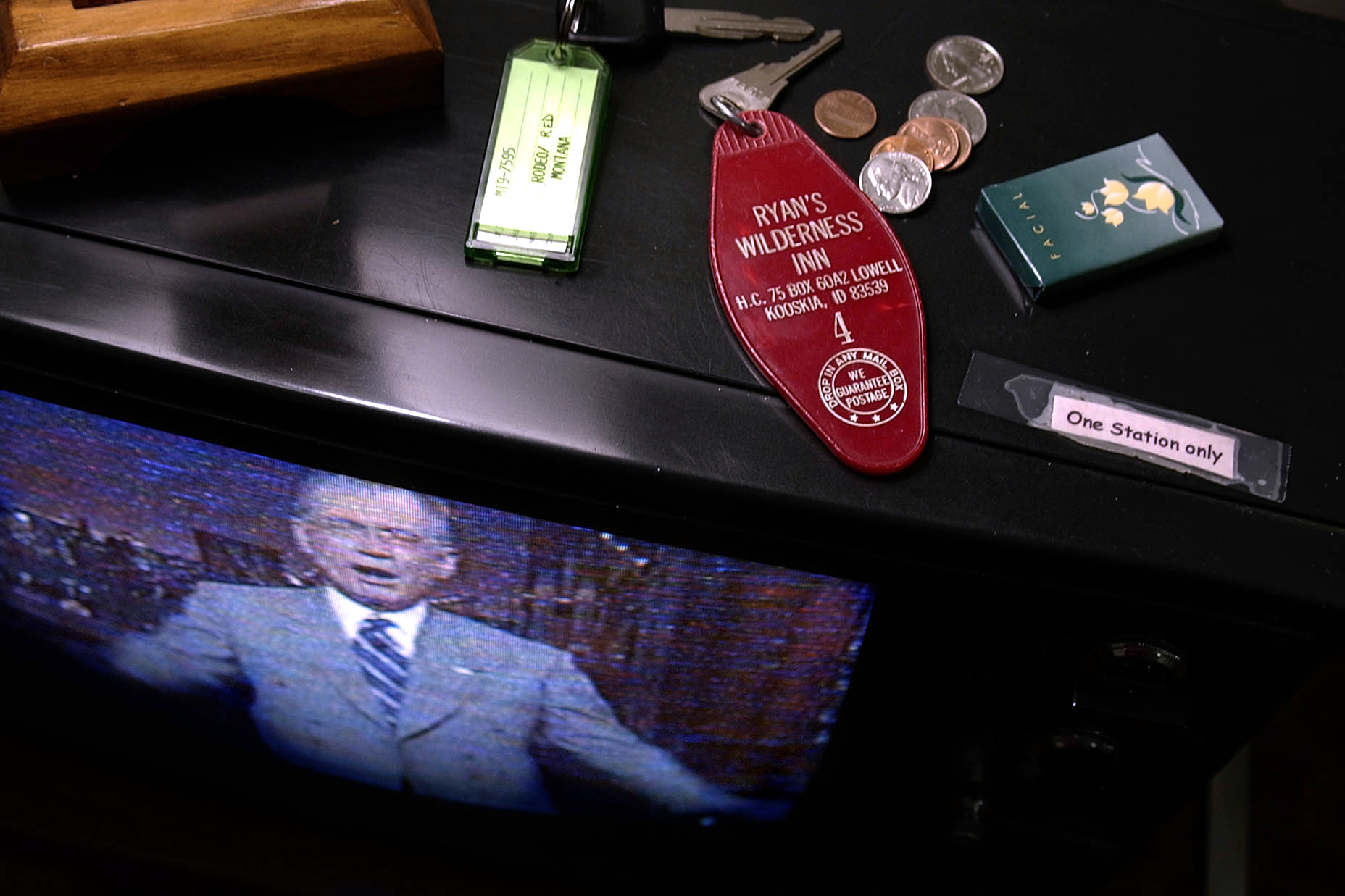
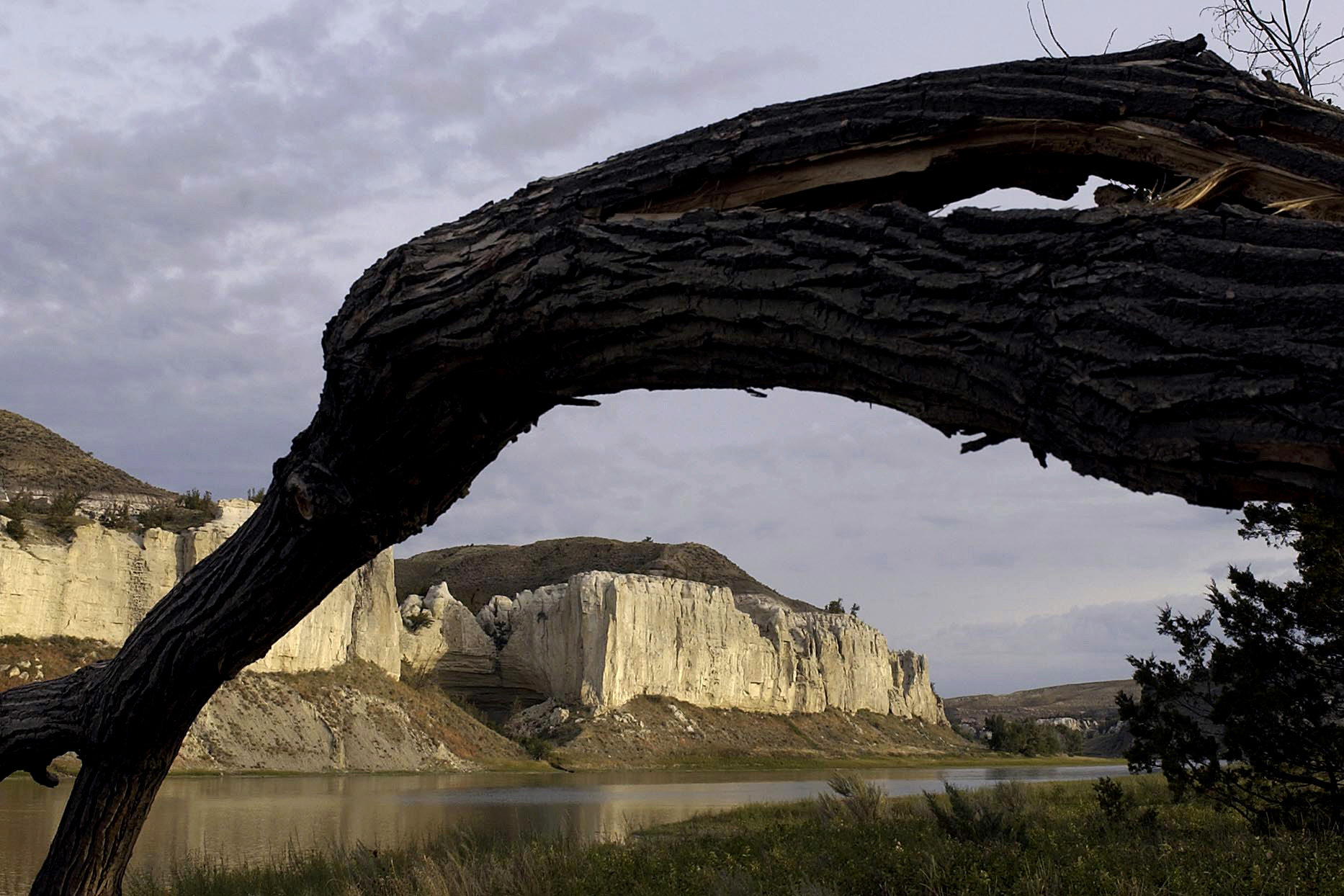
The westward view from inside Thomas Jefferson’s Monticello in Virginia. Jefferson had one of the best libraries in the new world there and Meriwether Lewis began his crash courses in scientific education while visiting.Tom Gralish / Staff PhotographerThe American Bison is the largest land animal in North America. Mature bulls can easily weigh up to a ton, yet can still out-run a horse, turn on a dime, and jump a six foot fence. Lewis and Clark described endless herds of these buffalo charging across the vast prairie. Today there are about 300,000 – some in a handful of parks, like this one in T. Roosevelt National Park, but most are in private herds.Tom Gralish / Staff PhotographerArikara Indian Shannon Fox wears a buffalo headdress for a powwow on the Ft. Berthold Indian Reservation, North Dakota. Tribes are stressing their role in the success of the expedition. Amy Mossett, a Mandan-Hidatsa from Ft. Berthold and co-chair of the Circle of Tribal Advisors for the bicentennial, says: “In the past, most Americans believed that Lewis and Clark succeeded on their own in the monumental mission, when in fact they wouldn’t have survived without the tribes.”Tom Gralish / Staff PhotographerVacationing with his family, seven year-old Bret Farrell of Roselle, Illinois, reaches for “The World’s Largest Buffalo” statue in Jamestown, North Dakota. The wilderness Lewis and Clark saw when they opened the American West to exploration and settlement remains intact in places, but great herds of bison no longer roam the prairiesTom Gralish / Staff PhotographerTourists at the Lewis and Clark Interpretive Center in Washburn, North Dakota watch a short Ken Burns video on the expedition. Many tribes take pride in their contributions and welcome a chance to tell their side of the story. On the screen is Mandan Chief Mato-Tope “Four Bears” who lived near where the museum now sits. After the west was opened to Europeans, the great chief died from small pox, as did more than eighty percent of the Mandan population in only a few months. Today there are no longer any full-blooded Mandan, but there is a 4 Bears Casino and Lodge on the reservation.Tom Gralish / Staff PhotographerThough it was named the Corps of Discovery, its members didn’t discover anything that Indians didn’t already know. But Meriwether Lewis and William Clark did identify 178 plants and 122 animals new to science, including this “Grizzly” greeting passengers arriving at the Missoula, Montana airport. After the explorers had some near deadly run-ins with grizzlies, Lewis wrote that “the curiosity of our men with respect to this animal is pretty much satisfied.” Fewer than 1,000 of the bears remain in the Lower 48 States. Tom Gralish / Staff PhotographerFrank Muhly is founder of the Philadelphia Chapter of the Lewis and Clark Trail Heritage Foundation and has campaigned for inclusion of Eastern states on the Trail. “In the West,” Muhly says, “no one can say precisely where Lewis and Clark stood. But in Philadelphia, it is possible to walk the very same streets Meriwether Lewis would have walked 200 years earlier.” Sitting in a diner near Independence Hall, his eyes teared-up as he reminisced about his first trip on the Trail, camping with his wife and daughter.Tom Gralish / Staff PhotographerEleven-year-old Jonathan Smith plays with his skateboard on an empty street in downtown New Town, North Dakota. He is half Hidatsa Indian and lives nearby in the town of Four Bears on the Ft. Berthold Reservation.Tom Gralish / Staff PhotographerVisitors and participants gather during a powwow on the Ft. Berthold Indian Reservation in North Dakota. The National Council of the Lewis and Clark Bicentennial, in an effort to avoid mistakes made during the 500th anniversary celebration of the arrival of Christopher Columbus, unanimously affirmed tribal involvement as its “number-one priority.”Tom Gralish / Staff PhotographerInside his truck in sub-zero temperatures, Klancey Lone Fight herds cattle near Mandaree, North Dakota. Lone Fight is a descendant of White Coyote, the Mandan Indian leader who returned to Washington with the Lewis and Clark expedition in 1806. He was a guest of President Thomas Jefferson at the White House for the New Years Ball, and didn’t return to his people until 1809.Tom Gralish / Staff PhotographerWhen Lewis and Clark arrived in St. Louis in 1804, the city was a French outpost of about 1,100 souls. The Gateway Arch commemorates their expedition, which turned the town into a base for westward expansion. Of course, St. Louis is well known to many people today for a more contemporary product. Every Fourth of July the city hosts an air show. Tom Gralish / Staff PhotographerA shad leaps from a Mississippi River diversion channel near the mouth of the Missouri River close by St. Louis, in the vicinity where the Corps of Discovery spent the winter of 1803-04. During their time in the camp one of the men caught a 125-pound catfish in the Mississippi and recorded its length as 4 feet, 3.25 inches long with a mouth 10 inches wide. Tom Gralish / Staff PhotographerSome of the greatest changes in the West since the Lewis and Clark expedition have been its rivers. Indians lined the banks of the Columbia to watch these foolish men in dugout canoes struggle on the rapids. In the Dakotas the wild-running Missouri River has disappeared under five of the world’s largest dams. Ice fishing in February means huts, trucks, dogs and hardy folk on Lake Sakakawea (the official spelling in North Dakota) near where during the winter of 1804-05 the explorers stayed with Mandan and Hidatsa Indians and first met Sacagawea.Tom Gralish / Staff PhotographerBy the time Lewis and Clark made it to the 249-foot Latourell Falls in the Columbia Gorge in Oregon in the fall of 1805, they weren’t stopping to look at the scenery. They had been surprised by the vastness and ruggedness of the terrain in the West, dashing hopes of an easy water passage to the Pacific. Tom Gralish / Staff PhotographerDusty Skivka fixes a flat on US Hwy 12 outside of Lolo while on a 19-mile ride. Skivka, an exercise physiologist at the University of Montana, rides his bike almost every day and would have probably fit in well with the Corps of Discovery. Lewis & Clark handpicked all 33 permanent members of their crew from Army posts they stopped at during the trip from Pittsburgh to the Mississippi River. Men were chosen for their frontier, hunting, and watercraft skills. Their bodies were strong, efficient, and hardworking, requiring up to nine pounds of meat each day.Tom Gralish / Staff PhotographerThere were no outhouses dotting the landscape during the trek 200 years ago like this one along US hwy 83 near Blunt, South Dakota. The Corps carried plenty of “Dr. Rush’s Bilious Pills,” also known as “thunderclappers,” which Lewis had purchased in Philadelphia. They contained a mercury compound mixed with a powerful laxative. Archaeologists have identified one of Lewis and Clark’s old campsites, just east of the Lolo Pass in Montana, by the high levels of mercury at the possible location of their latrines.Tom Gralish / Staff PhotographerThings change as you travel America from east to west. Like calling a carbonated drink soda or pop, or a paper grocery container a bag or a sack, at some point graffiti begins to disappear from roadside signs only to be replaced by bullet holes. This sign along the Yellowstone River near Billings, Montana, is close to where William Clark carved his initials on a butte in 1806 at Pompey’s Pillar, the only remaining physical evidence of their expedition along the actual route. Tom Gralish / Staff PhotographerA neon sign on a pawnshop in Hamilton, Montana shares the night with a full moon east of the Bitterroot Range where Lewis and Clark first encountered the Nez Perce. “Nuun wisiix kii weetespeme” (We are of this land), they say. Theirs was just one of many homelands Lewis and Clark “discovered” on their way to the Pacific. Indian elders tell stories of ancient ancestors reaching back over thousands of moons, so the few hundred years since the arrival of Europeans is only a brief chapter in the story of native peoples. Still, the opening of the West to pioneers and the U.S. Army brought disaster to the Indians in the form of diseases and war.Tom Gralish / Staff PhotographerA twist on a familiar saying is found on a motel sign in Dillon, Montana, not far from the Idaho border and Lemhi Pass. The National Council of the Lewis and Clark Bicentennial estimates that 25 million travelers will camp/drive/bike/paddle/ride/walk — and sleep — across the western trail over the four years of the expedition’s anniversary.Tom Gralish / Staff PhotographerPoles at Big Hole National Battlefield near Wisdom, Mont., mark the locations of tepees of the Nez Perce who, under Chief Joseph, died in an 1877 battle with U.S. troops. A visitor has left a feather out of respect. Decades before the battle, the tribe had helped Lewis and Clark when they got lost in the Bitterroot Range.Tom Gralish / Staff PhotographerRichie No Heart, 7, watches smoke rise through a hole in the roof of a replica Mandan lodge in the Knife River Indian Villages National Historic Site near Stanton, N.D. His grandmother Dee Joyce Kittson was teaching a quilling workshop at the site. Lewis and Clark sent Thomas Jefferson tobacco pouches decorated with porcupine quills, like those Kittson makes.Tom Gralish / Staff PhotographerBob Daniel, 73, of Anaheim, Calif., fishes for rainbow trout above the Toston Dam near the Missouri River headwaters in southwestern Montana. In 1805, reaching the headwaters thrilled Lewis; he said traveling up the river had been “toilsome.”Tom Gralish / Staff PhotographerThe prairie dog was among scores of animal discoveries for the explorers, who sent one to President Jefferson in Washington. It was later displayed in artist Charles Willson Peale’s Philadelphia Museum on the second floor of Independence Hall.Tom Gralish / Staff PhotographerAlong one of the most remote stretches on the Lewis and Clark Trail, the Lochsa River in Idaho, is where Ryan’s Wilderness Inn offers rooms with a television that receives “One Station Only” – but has restrooms that are “sanitized for your protection.” 200 years ago Clark wrote the “road” was “Excessively bad & Thickly Strowed with falling timber….Steep & Stoney.” Tom Gralish / Staff PhotographerFar from highways and accessible only by canoe, a 150 mile stretch along northern Montana’s Missouri River Breaks is virtually unchanged since Lewis wrote in his journal on May 31, 1805: “As we passed on it seemed as if those seens of visionary enchantment woud never have and (an) end; for here it is too that nature presents to the view of the traveler vast ranges of walls of tolerable workmanship, so perfect indeed are those walls that I should have thought that nature had attempted here to rival the human art of masonry had I not recollected that she had first began her work.”Tom Gralish / Staff Photographer
When Thomas Jefferson was elected president in 1801, he picked a U.S. Army captain, Meriwether Lewis to pursue his dream of a scientific exploration of the unmapped West. To prepare for the journey Jefferson sent him to the intellectual, medical, scientific and trading center of the new United States: Philadelphia. Here, he spent a month in the spring of 1803 gaining specialized training and purchasing supplies for the expedition.
Flash forward a few years, and among the 122 animals they “discovered” were 178 plants that were “new” to science (Western science anyway — of course Native Americans already knew about everything the explorers found).
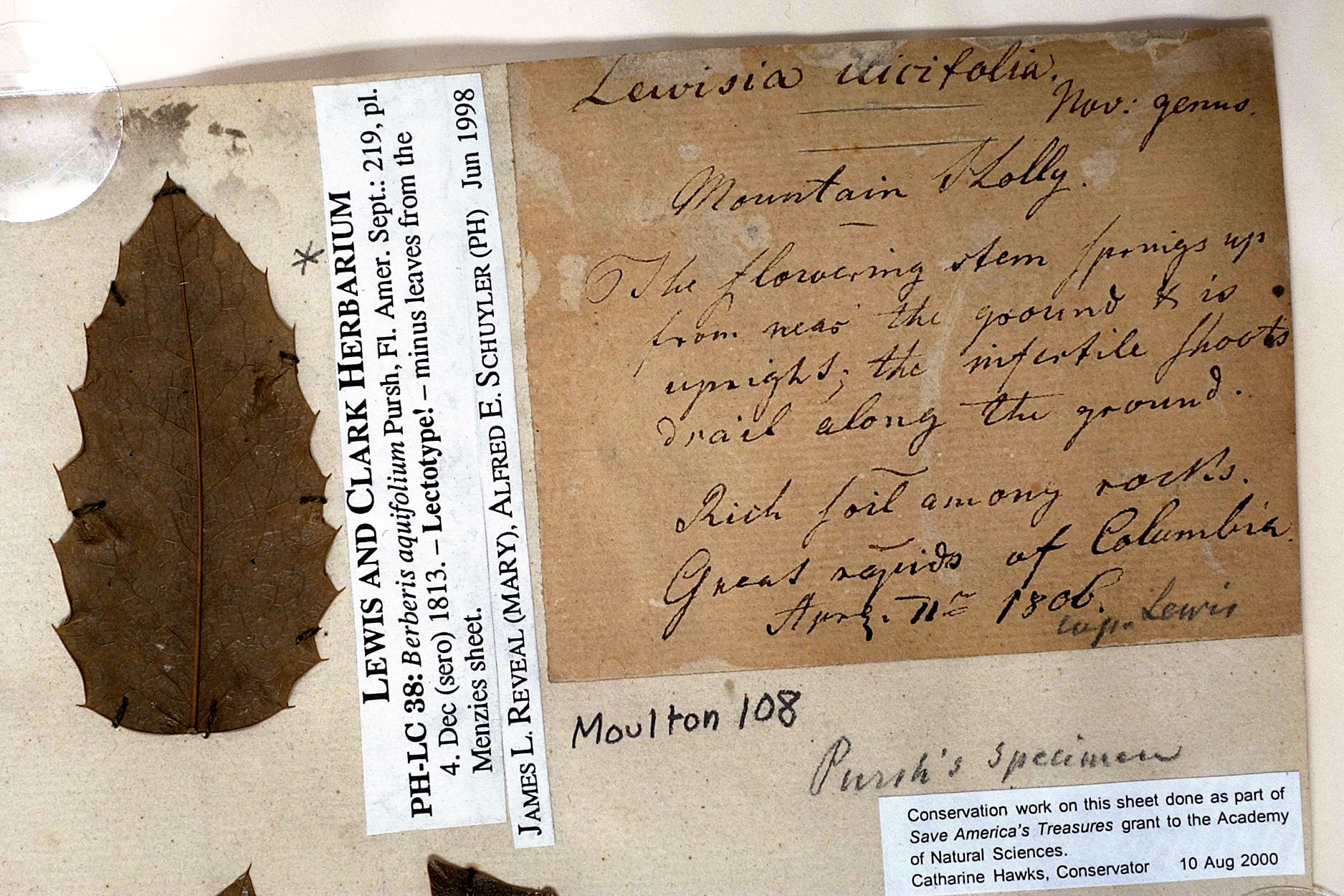
A few horns are all that still exist from the animal specimens Lewis and Clark collected for Jefferson. But almost all of those plant specimens survived to this day, and nearly all of them are now housed at the Academy.
Close up detail of labels and mounted dried specimen of Berberis aquifolium, the Oregon grape, collected by Lewis and Clark on Feb. 12, 1806 near present-day Astoria, Oregon.Tom Gralish / Staff Photographer
In 1938 a taxidermied Western lowland gorilla from what is now the Central African Republic was sealed behind glass in a diorama — and was not touched by human hands for decades. In 2018 workers opened the case and the Academy allowed me to go behind-the-scenes as it embarked on the monthslong historic renovation of their dioramas.
Workers use different wavelength lighting to find imperfections and repairs in the gorillas before they are removed from the Academy in 2018. TOM GRALISH / Staff Photographer
During the days of COVID-19, I photographed Stephanie Gleit a designer at the Academy who created interesting social distancing signage for their public spaces. “Maintain 6 feet between your herd and others,” said one of the signs.
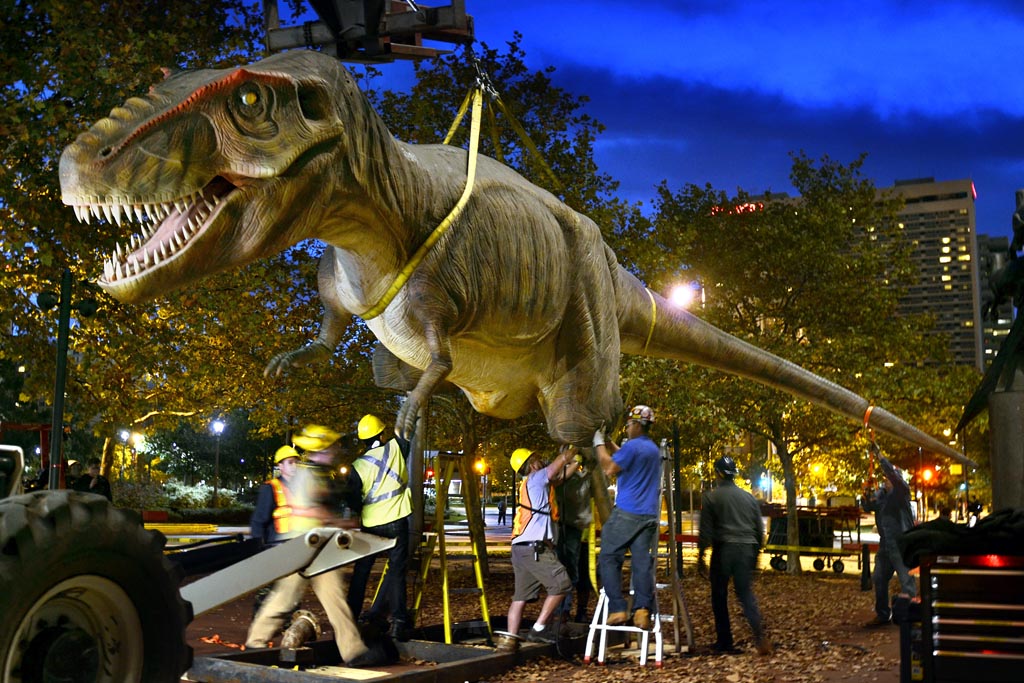
I spent an early morning in 2013 as 40-foot-long animatronic Tyrannosaurus rex was installed on the sidewalk outside the Academy’s front door. It was part of an exhibit that featured more than a dozen realistic, animatronic full-bodied dinosaurs, as well as skeletons, fossil casts of skulls, claws and horns, real specimens of mosasaur and spinosaurus teeth, an Oviraptor egg, and the ever-popular coprolite (dino poop).
I was judicious when deciding the very few newspaper assignments I would take one of my kids on. I tried never to take advantage or exploit my position at the newspaper, and I was always concerned with their safety as well as that of the subjects of our story. I worried about the ethics and appropriateness and what the impact might be with their presence. But there were a few times I had to ask — my editors and the subjects — if it would be okay.
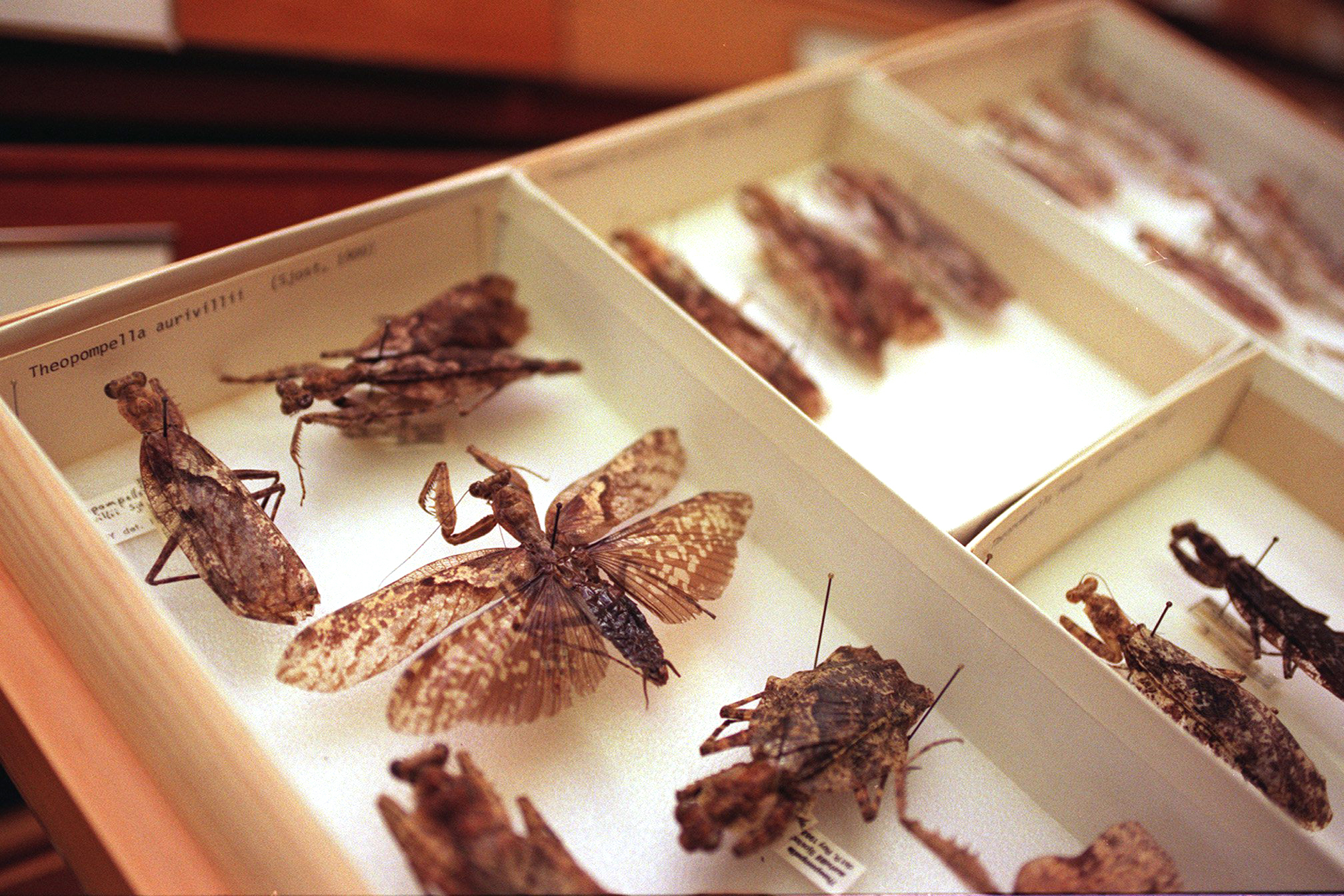
Among the 28,000 or so species of orthoptera (jumping insects) at the Academy are these leaf mimicking mantids are from Africa, photographed in 1999;Tom Gralish / Staff Photographer
One of those was a time I got to go ”backstage” in one of the world’s largest repositories of natural specimens: bird carcasses, fish, mollusks, minerals, bones … and bugs. My son’s favorite animals. My day as “Cool Dad.”
Since 1998 a black-and-white photo has appeared every Monday in staff photographer Tom Gralish’s “Scene Through the Lens” photo column in the print editions of The Inquirer’s local news section. Here are the most recent, in color:
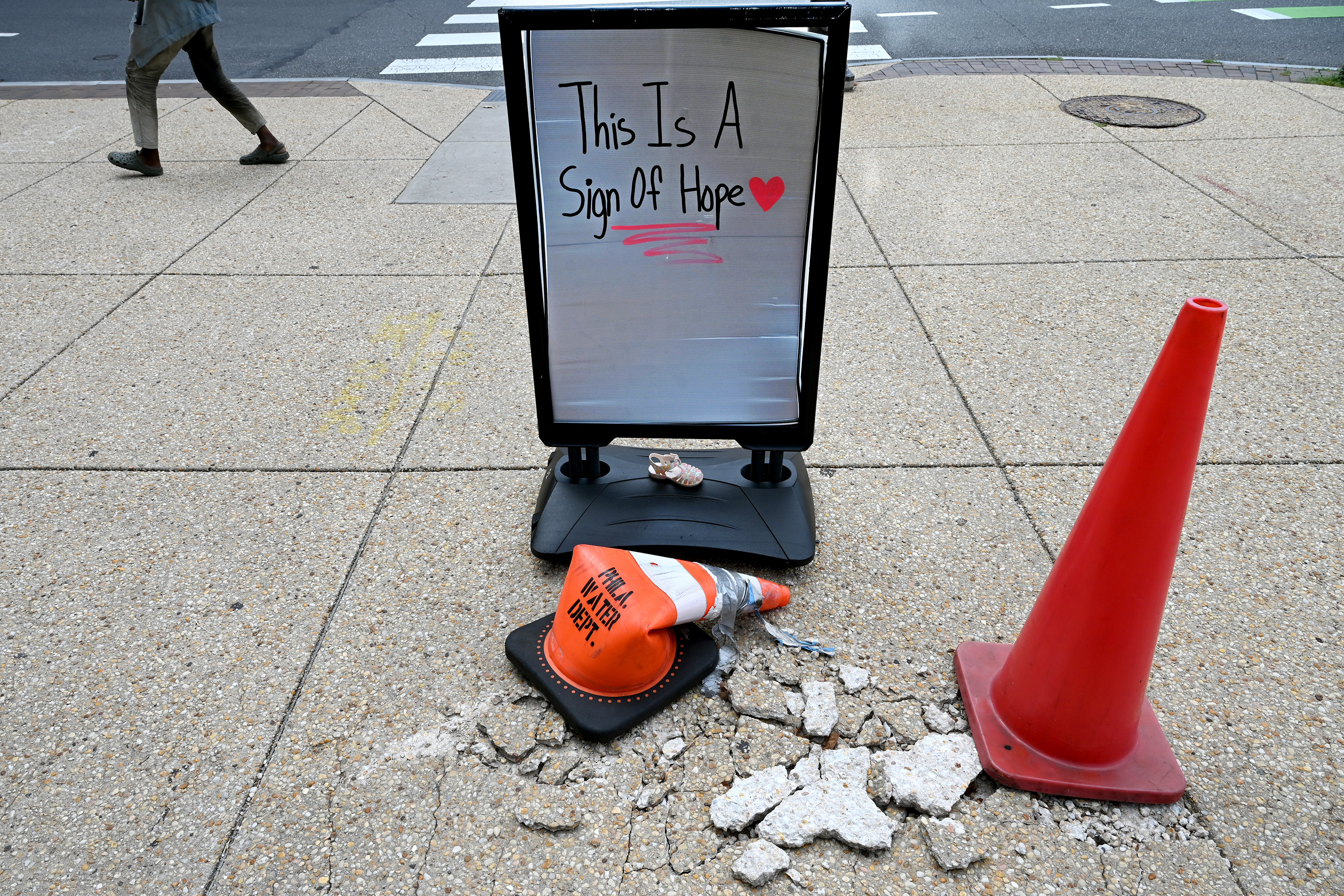
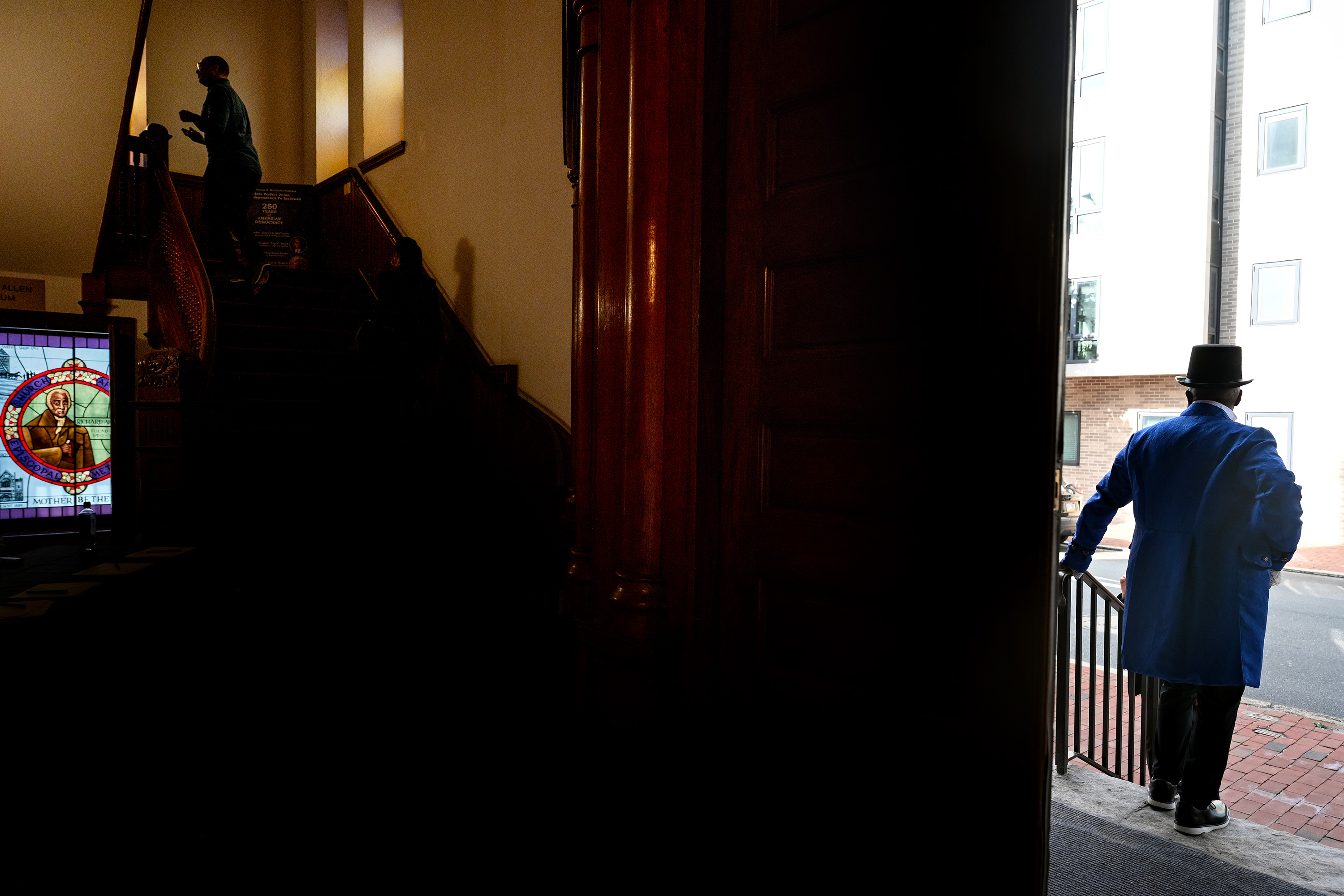
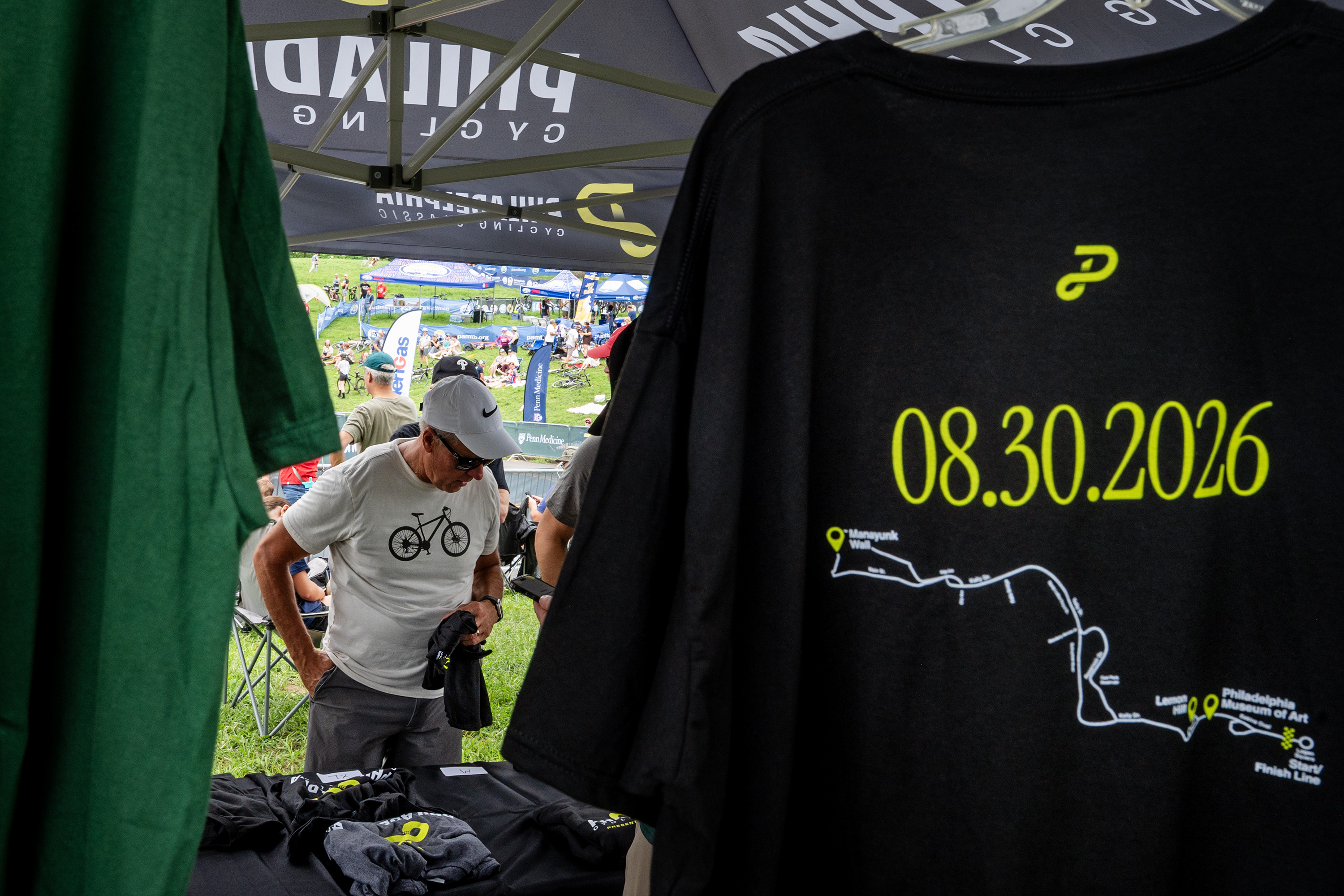
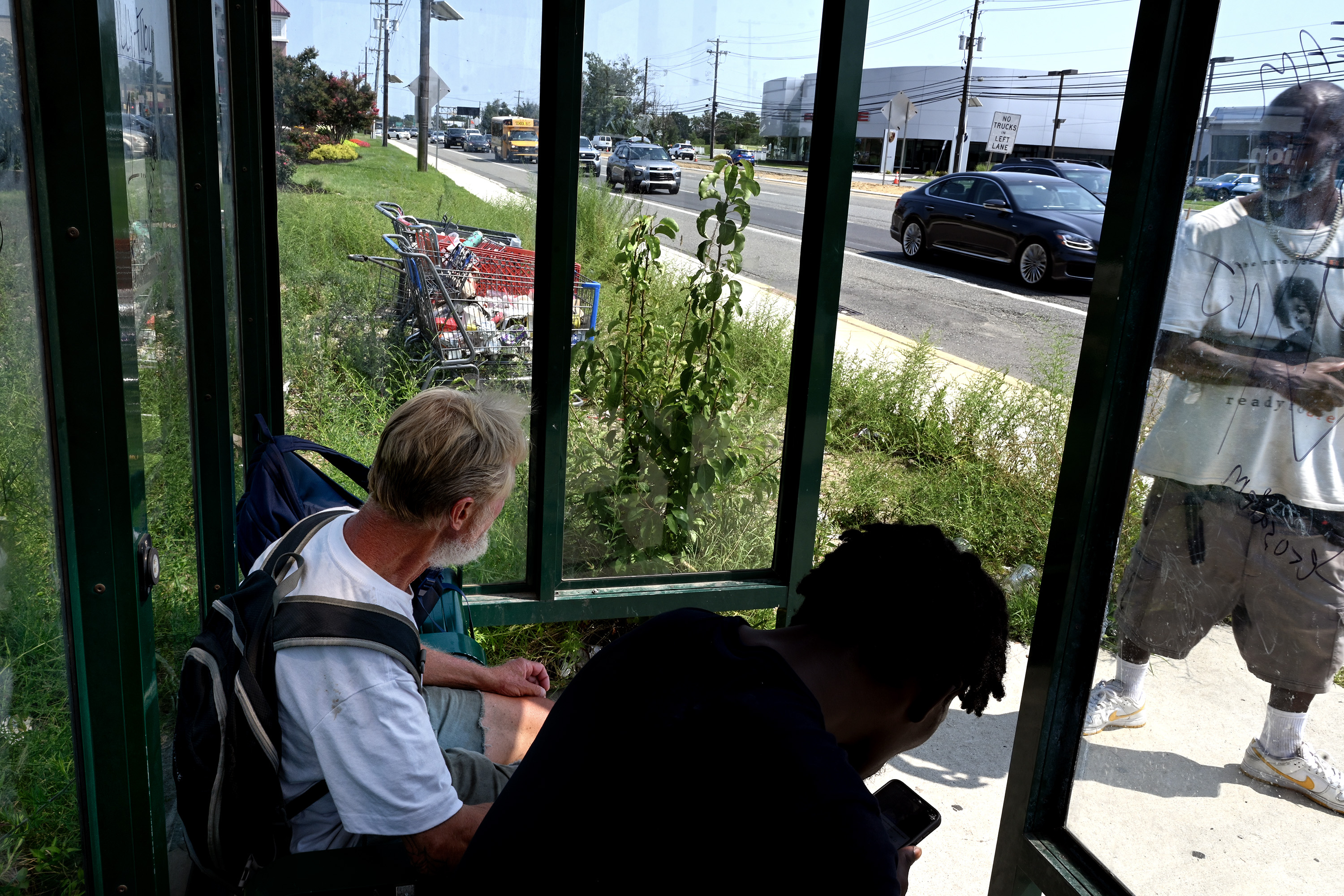
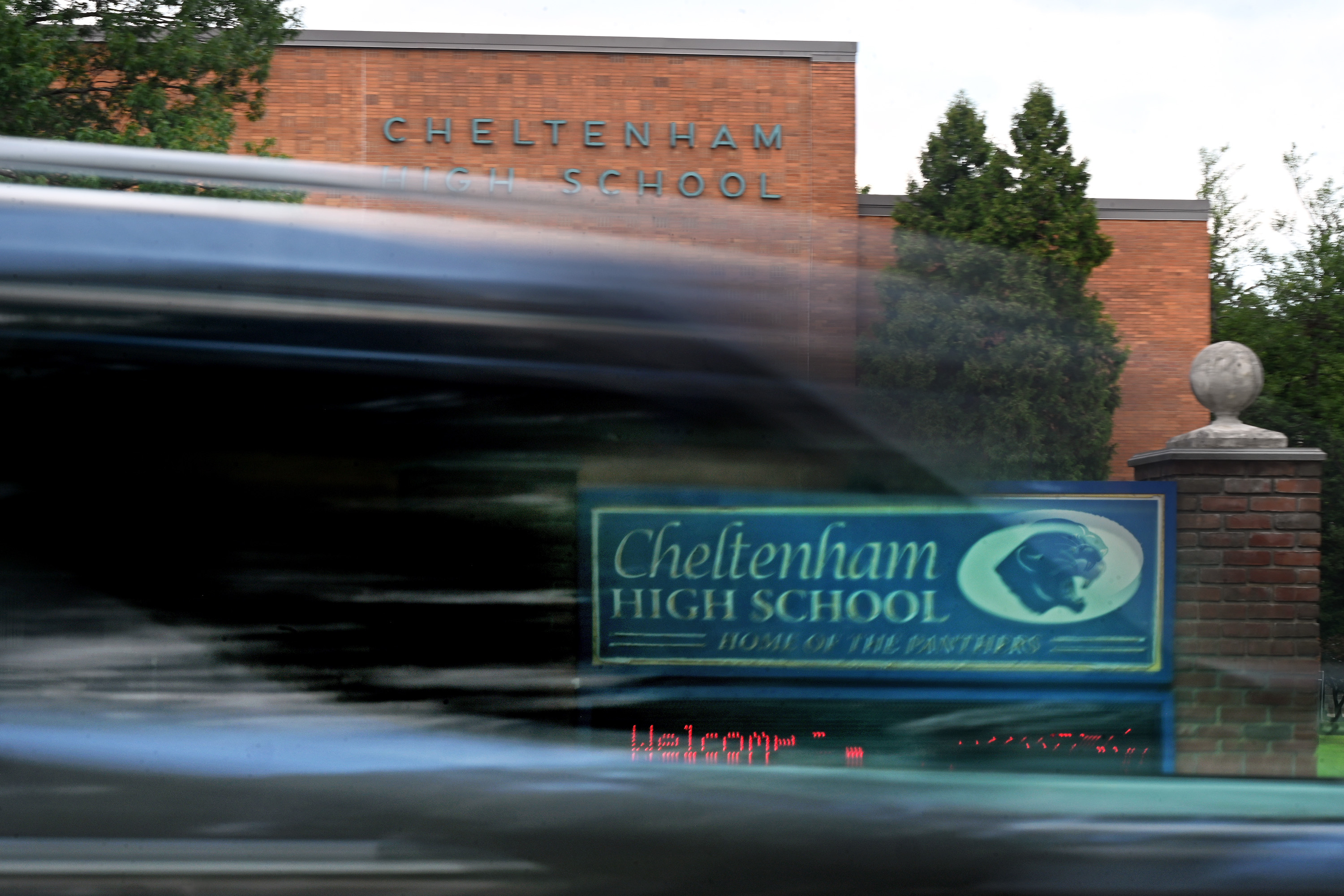
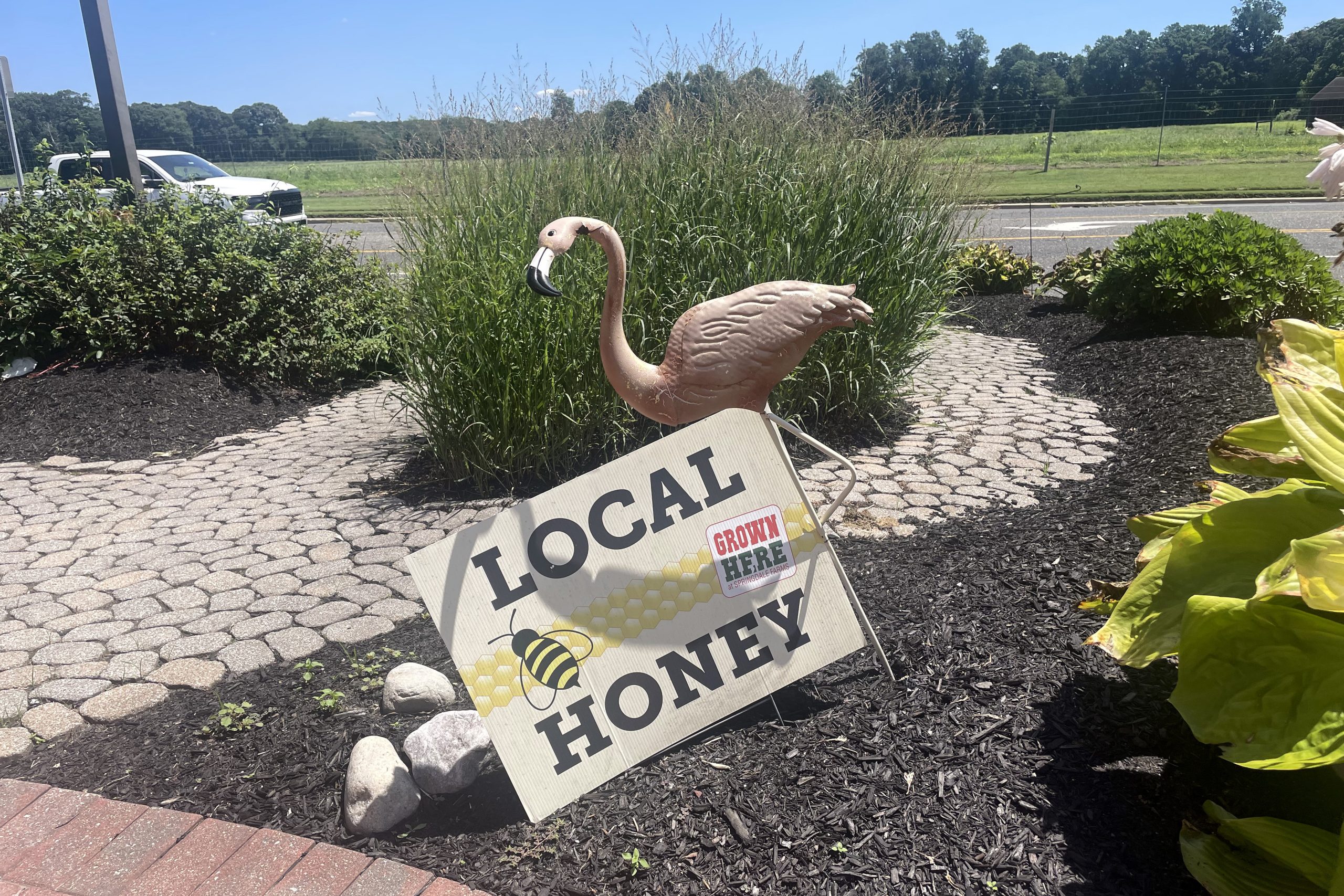
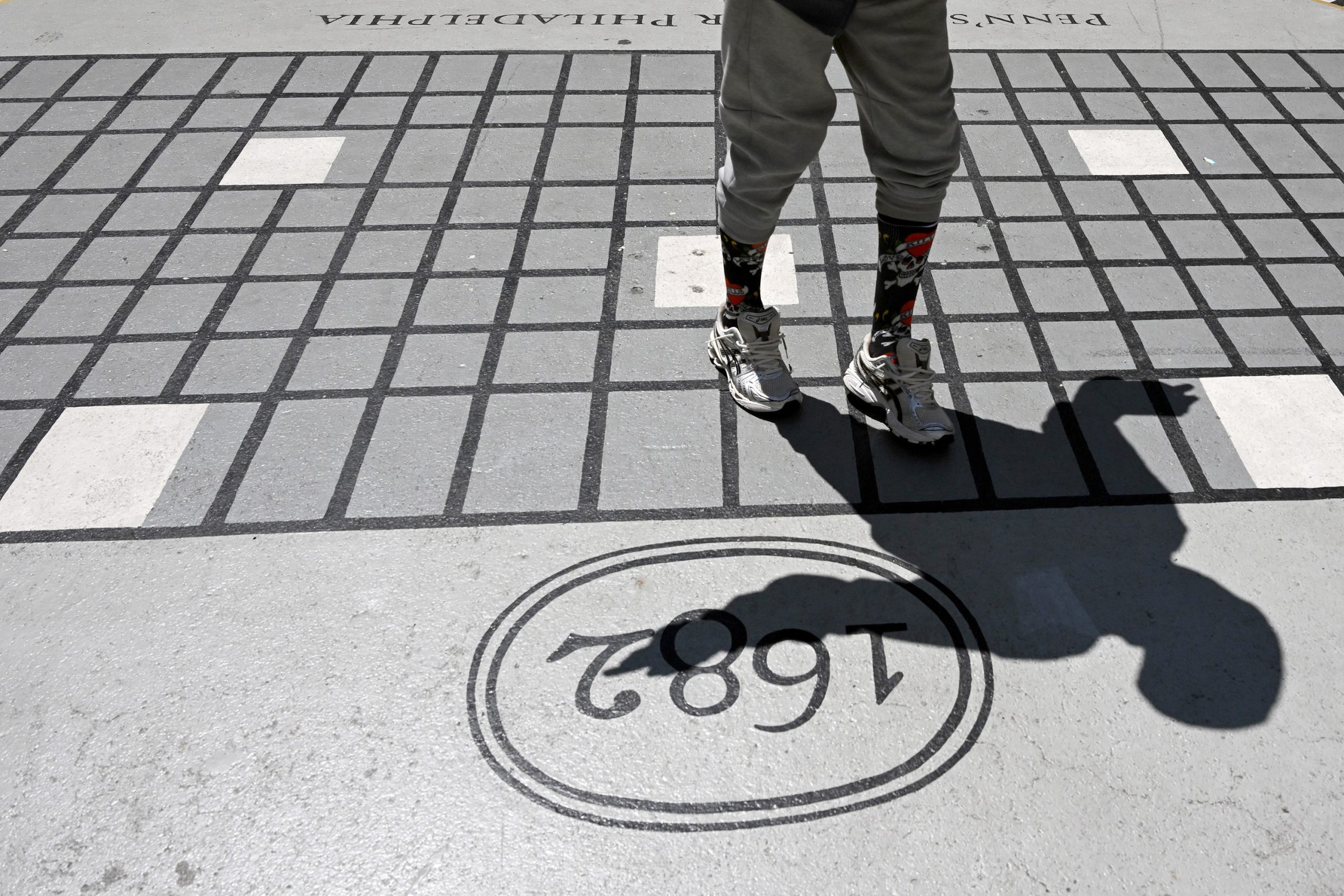
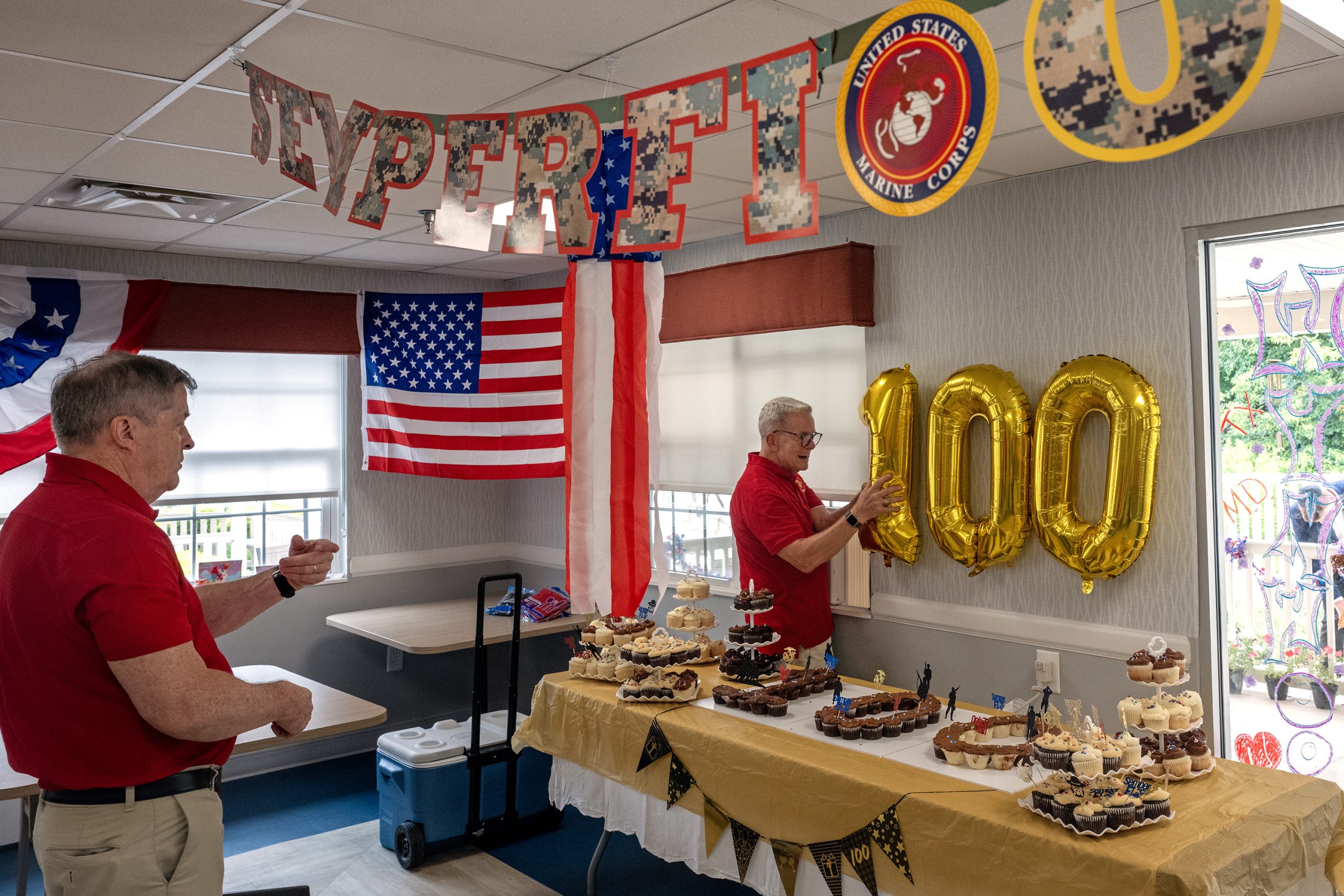
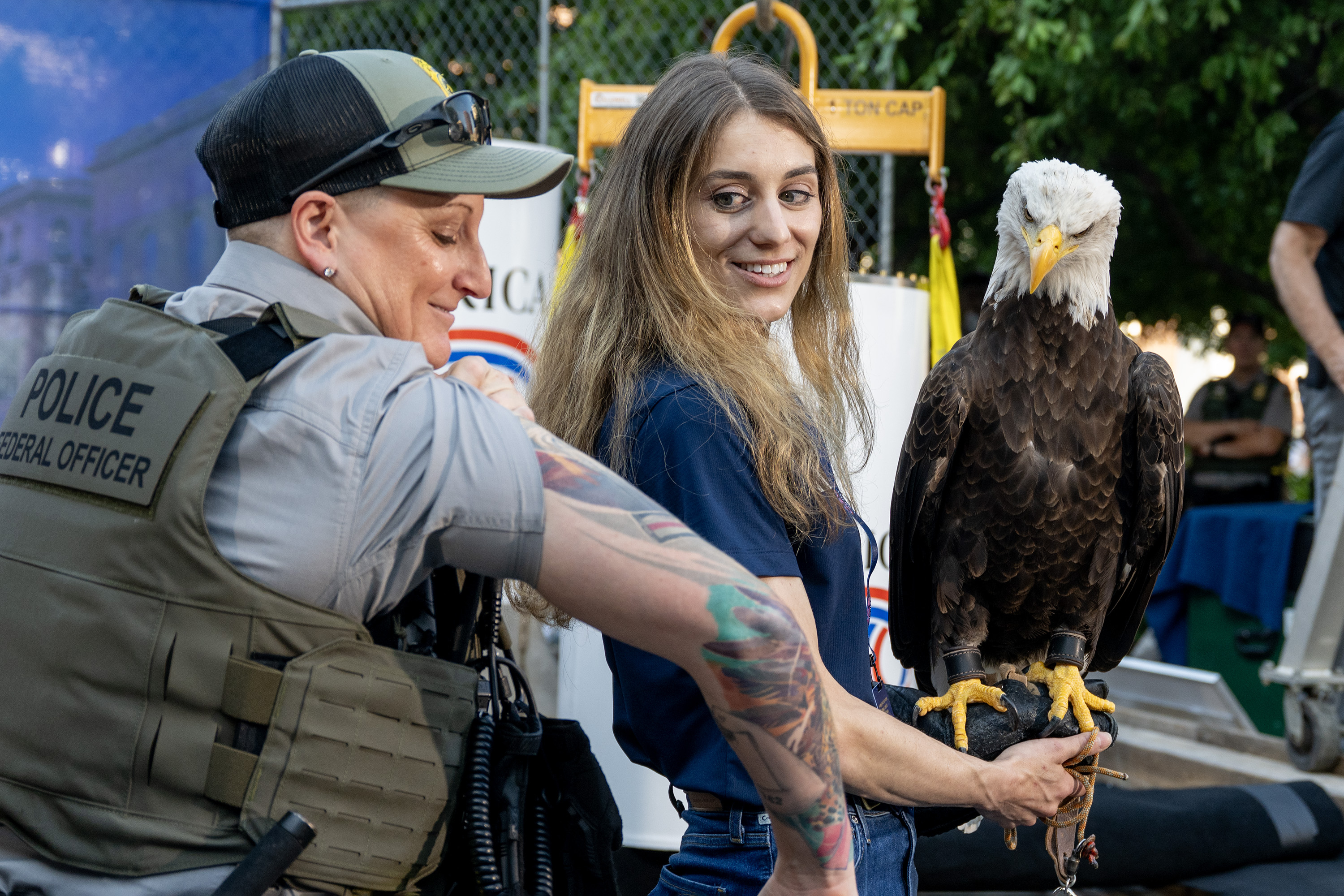
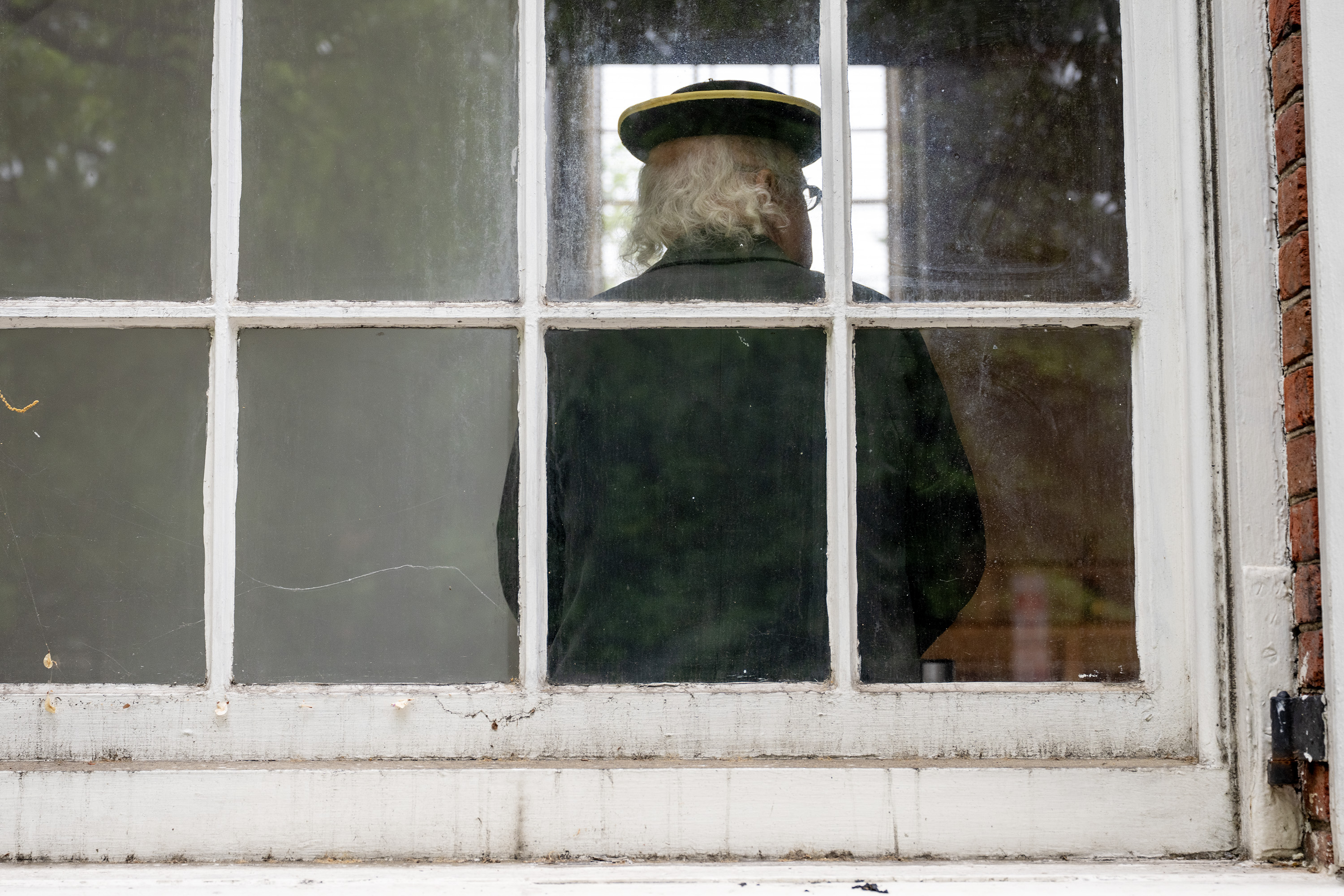
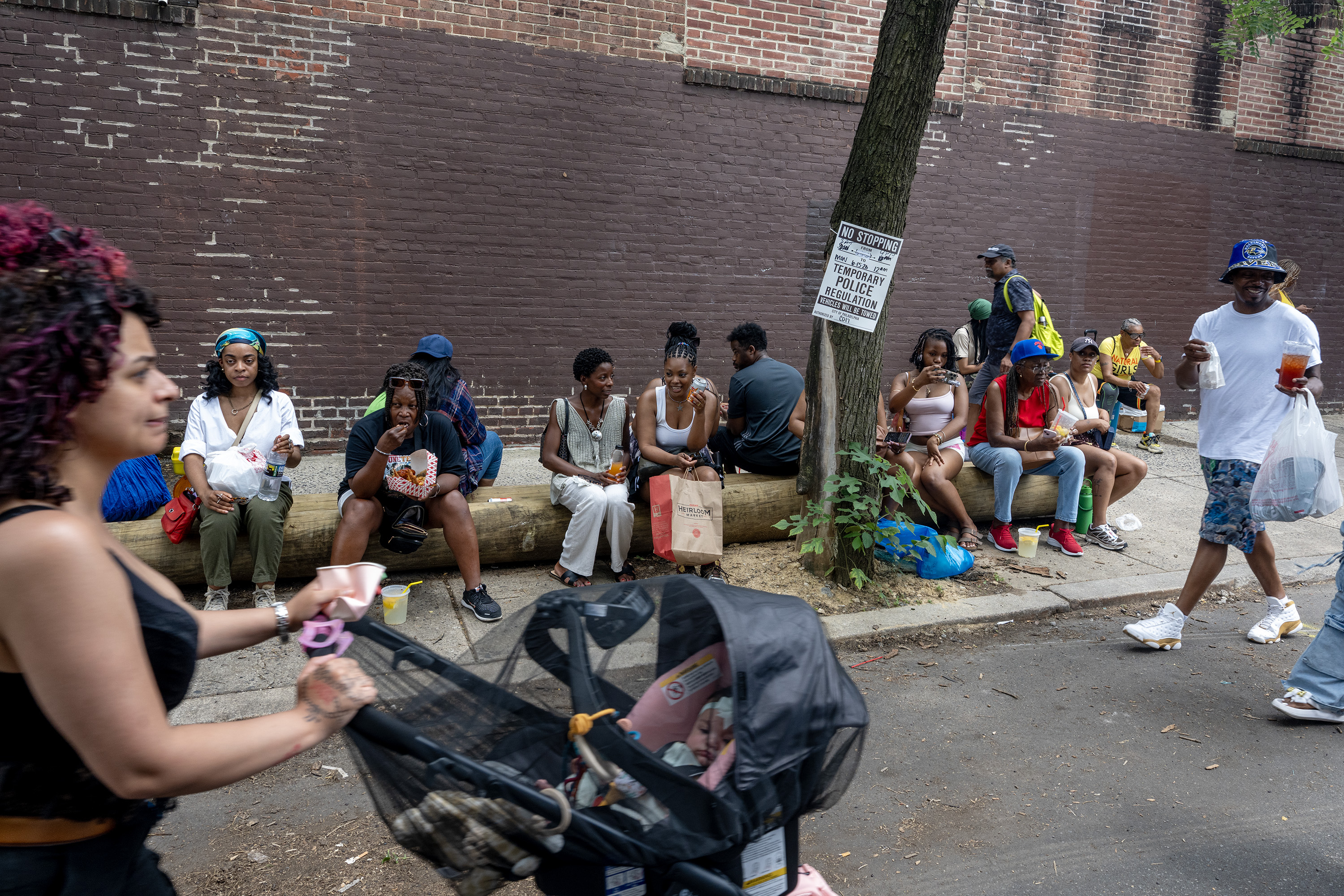
September 28, 2026: A hopeful sign a sidewalk repair might be imminent, in the Logan Square neighborhood where residents have apparently been waiting a while for something to happen.Tom Gralish / Staff PhotographerSeptember 21, 2026: Students wait in the auditorium before the arrival of Eagles linebacker Jalyx Hunt at an assembly at Little Flower Catholic High School for Girls where he announced the establishment of three scholarships and an endowment to support students. Tom Gralish / Staff PhotographerSeptember 14, 2026: Chris Lewis (right), portraying James Forten, an abolitionist, activist, and sailmaker in colonial America, greets visitors outside Mother Bethel A.M.E. Church as they arrived for an America 250 Conversation hosted by Pennsylvania House Speaker Joanna McClinton on Sept. 10. The stainedglass window at left depicts Richard Allen, founder and first bishop of the African Methodist Episcopal Church in 1816, the first independent black religious denomination in the United States. Tom Gralish / Staff PhotographerSeptember 7, 2026: Joe Ackler of Skippack shops for a race T-shirt during a lull between laps in the Philadelphia Cycling Classic on Aug. 30. He is wearing a shirt he bought in 2003 when he attended the Tour de France. Tom Gralish / Staff PhotographerAugust 31, 2026: Robin P. Cooper (upper right) watches as Superintendent Tony B. Watlington Sr. (far left) gathers school and city officials for a group photo outside the district bus, stopped at McClure Elementary on the first day of school in Philadelphia. The bus was on its annual back-to-school celebration visit to schools throughout Philadelphia. Cooper later left the bus to join in the photo. Tom Gralish / Staff PhotographerAugust 24, 2026: Pencils were sharpened in the first-grade classroom of teacher Lauren Cucinotta at Fanny Jackson Coppin Elementary as she prepared for the start of the new school year for the Philadelphia School District on Monday.Tom Gralish / Staff PhotographerAugust 17, 2026: Wayne Peters (left) and Bobby White (right) wait for the #406 bus to Camden, on Rt. 70 in Cherry Hill, near the entrance to stores at the Garden State Pavilion shopping center and NJ Transit’s Cherry Hill station. Peters says it “Gotta be the worst bus stop in the state,” with White adding, “You’d think something in Cherry Hill would be better. How hard would it be to put a trash can here?” Before their bus arrives, Peters, trying to be positive about the shelter, reminds him “They fixed a broken window once.”Tom Gralish / Staff PhotographerAugust 10, 2026: Cheltenham High School in Wyncote, on the day the Montgomery County district attorney announced charges in connection with two assaults in the school’s football locker room. A photo of the static signs was made more visually interesting by using a slow camera shutter speed to blur the passing cars. Tom Gralish / Staff PhotographerAugust 3, 2026: Sign for locally “grown” honey outside the market at Springdale Farms, the only working farm left in Cherry Hill. Before WWII, when it was still known as Delaware Township, there were 82 farms in operation feeding South Jersey markets and supplying the massive fresh vegetable and crop demands of the Campbell’s Soup Company in Camden. Tom Gralish / Staff PhotographerJuly 27, 2026: Lyn-el “The Torch” Wright pauses on the City Hall Courtyard’s rendering of William Penn’s Philadelphia city grid plan. Penn designed the 1,200-acre “Greene Countrie Towne” between the Delaware and Schuylkill rivers with wide, crisscrossing streets to prevent the overcrowding and fires he had witnessed in London. Tom Gralish / Staff PhotographerJuly 20, 2026: Pat Dailey (left) and Ken Hopper with the Tun Legacy Foundation prepare a room at the Wynwood Rehabilitation & Healthcare Center in Cinnaminson, N.J., for a surprise 100th birthday party for WWII U.S. Marine Corps veteran Stephen Anderson. Dailey founded the nonprofit that supports veteran causes, Masonic charities, and educational scholarships. The organization is also rebuilding and reestablishing an authentic reproduction of the original Tun Tavern building in Philadelphia. The Tun, constructed in 1693, was the first documented lodge in North America and the birthplace of the U.S. Marine Corps in 1775.Tom Gralish / Staff PhotographerJuly 13, 2026: The Independence Visitor Center offers free birthday cake to the public on the Fourth of July, in the form of a massive American flag made of 5,000 cupcakes frosted red, white and blue.Tom Gralish / Staff PhotographerJuly 6, 2026: National Park Police Deputy Chief Rebekah Spedaliere shows off her own bald eagle tattoo while posing for a photo with bald eagle “Indy” and handler Amanda Sweeney with the Auburn University Raptor Center, during ceremonies over the July Fourth weekend. Indy came to Auburn, in Alabama, in 2018 after suffering a wing injury as a young bird and imprinted on humans during rehabilitation, so she couldn’t be released back into the wild. Now, she serves as an ambassador bird, teaching people about raptors, conservation, and the ecosystems that sustain them. Not her first rodeo in Philly, she made her first appearance at the Linc for an Eagles’ game in 2023. Tom Gralish / Staff PhotographerJune 29, 2026: Shecky Perlman as Ben Franklin is inside the Free Quaker Meeting House on Independence Mall as he and other historical reenactors receive their diplomas after weeks of intensive, immersive training for the 21st season of Historic Philadelphia’s Once Upon a Nation program — where costumed actors perform first-person interpretations of real 18th-century Philadelphians in the Historic District and at Valley Forge National Historical Park.Tom Gralish / Staff PhotographerJune 22, 2026: A downed utility pole serves as a quiet place to eat, away from the crowd at the Odunde Festival, billed as the largest African street market in North America.” Tom Gralish / Staff Photographer
State funding for school budgets, a contentious topic among taxpayers and school boards, will be the focus of a public forum on Monday sponsored by the New Jersey Department of Education at Camden County College in Blackwood.
Some complain their districts are shortchanged by state funding. Many district leaders fume that unpredictable funding levels make annual budgeting a guessing game.
In Cherry Hill, the Fair Funding Cherry Hill Facebook page advocates for more funds for the district. On the page, a suggested note for residents to send to Gov. Mikie Sherrill in June said: “You stated that you fully funded education in NJ, but after drastically being underfunded for years and shortchanged almost $350M+, Cherry Hill residents need the relief that these restored funds will bring.”
The Education Department forum, which runs from 6 to 7:30 p.m. at Civic Hall, Gabriel E. Danch Center, 200 College Dr., will include an overview of school funding with public comments. The comments will be reviewed after all six forums as part of the School Funding Outreach Project, according to the Education Department. Registration for the forum is here.
“Through a collaborative, stakeholder-driven process, NJDOE will work with families, educators, school leaders, legislators, advocates, and community partners to identify opportunities for improvement,” according to the education department.
One regional forum was held in Edison in late September. Others, besides the one on Monday, are:
Oct. 14: Stockton University, Galloway
Oct. 22: Virtual statewide forum
Oct. 27: Essex County Donald M. Payne School of Technology, Newark
Nov. 12: Virtual statewide forum
The sessions are each from 6 to 7:30 p.m. Email updates from the state about school funding are available through email by signing up here.
70and73.com is a hyperlocal news site focused on South Jersey, including the communities of Cherry Hill, Evesham, Mount Laurel, Voorhees, Medford, Medford Lakes, and Moorestown.
The decree came Thursday after three months that have featured an assortment of downpours and general rainfalls, with a bonus early-season nor’easter, throughout the Garden State and the Philadelphia region that may have had a lot of folks wondering when too much would be enough.
The region has another shot at rain Sunday, but the atmosphere may be poised to flip into a radically different, season-changing, rain-repelling pattern.
In fact, said Richard Bann, a meteorologist with the federal Weather Prediction Center, “If this were January, people would worry about how cold it would be.”
Any rain Sunday would be the result of a stalled front and “a surge of tropical moisture from the Gulf,” distantly related to the remnants of Hurricane Polo, said Matt Benz, senior meteorologist with AccuWeather Inc.
Polo, of course, originated in the Pacific, which has been on fire with tropical activity — the mirror opposite of the Atlantic.
The Atlantic Basin, which includes the Gulf and the Caribbean, hasn’t spawned a single hurricane this season, and this has a shot at becoming the first season without a verified hurricane in 132 years.
One extraordinary feature of the Philly region’s remarkable turn in rain fortunes has been the absolute absence of tropical-storm related rainfall, which often has been an important source of late summer and early fall rainfall around here.
The weekend outlook for the Philadelphia region
On the subject of turnabouts, that was the sun that reappeared in the skies over Philly Thursday and Friday after a September in which it seemed as if the region was living under a dropped ceiling. For the month, Philly officially had three clear days.
The average is about eight during one of the sunnier and drier months of the year.
As though the sun was making up for lost time, on Friday temperatures in Philly shot into the mid-80s. While that’s not a record for the date — that would be 95 degrees, set in 2019 — the normal high for the date is 73.
And that’s about what is forecast for Saturday, which should be a fabulous day for hay-riders and corn-maze enthusiasts.
A storm was expected to form along as stalled front and move near the region and was likely generate showers on a Sunday afternoon that would be several degrees cooler than Saturday.
And October weather really arrives with the workweek, said Benz.
Next week is looking sunny and dry with daytime highs that might not get much past 60 degrees Tuesday and Wednesday, and fall into the 40s both mornings. If the foliage experts are right, those sunny days and cool nights should be ideal for the leaf-color.
A fond farewell to the drought
At least the trees won’t be moisture-starved.
It may be hard to remember that on July 1, Philadelphia officially had experienced 16 consecutive months of below-normal precipitation.
Antecedent dryness was one thing that moved New Jersey to declare a drought “warning,” asking residents to conserve water voluntarily, on Dec. 5.
On June 1, Philadelphia, its seven neighboring counties, and all of New Jersey were in states of at least “moderate drought,” according to the interagency U.S. Drought Monitor.
Through Wednesday, rain totals in all the counties of New Jersey and Eastern Pennsylvania were well above normal during the previous 90 days, according to the Middle Atlantic River Forecast Center.
Go ahead New Jersey, drink up and wash the cars: After 300 days, the governor’s office on Thursday officially lifted the statewide drought warning.
The decree comes after three months that have featured an assortment of downpours and general rainfalls, with a bonus early-season nor’easter, throughout the Garden State and the Philadelphia region that may have had a lot of folks wondering when too much would be enough.
The region has another shot at rain during the weekend, but the atmosphere may be poised to flip into a radically different, season-changing, rain-repelling pattern.
In fact, said Richard Bann, a meteorologist with the federal Weather Prediction Center, “If this were January, people would worry about how cold it would be.”
Any rain this weekend would be the result of a stalled front and “a surge of tropical moisture from the Gulf,” distantly related to the remnants of Hurricane Polo, said Matt Benz, senior meteorologist with AccuWeather Inc.
Polo, of course, originated in the Pacific, which has been on fire with tropical activity — the mirror opposite of the Atlantic.
The Atlantic Basin, which includes the Gulf and the Caribbean, hasn’t spawned a single hurricane this season, and this has a shot at becoming the first season without a verified hurricane in 132 years.
One extraordinary feature of the Philly region’s remarkable turn in rain fortunes has been the absolute absence of tropical-storm related rainfall, which often has been an important source of late summer and early fall rainfall around here.
The weekend outlook for the Philadelphia region
On the subject of turnabouts, that was the sun that reappeared in the skies over Philly after a September in which it seemed as if the region was living under a dropped ceiling. For the month, Philly officially had three clear days.
The average is about eight during one of the sunnier and drier months of the year.
The sun is due for an encore during a summery Friday, with highs expected in the mid-80s, but as an autumnal front approaches, showers are possible at night.
Saturday should be a fabulous day for hay-riders and corn-maze enthusiasts, with sun and highs expected to be more October-like, perhaps 15 degrees cooler than Friday’s.
A storm is expected to form along the front as it stalls and moves toward the region, perhaps transporting some of Polo’s leftovers, and showers again are possible Sunday and Sunday night.
But October weather really arrives with the workweek, said Benz.
Next week is looking sunny and dry with daytime highs that might not get much past 60 degrees Tuesday and Wednesday, and fall into the 40s both mornings. If the foliage experts are right, those sunny days and cool nights should be ideal for the leaf-color.
A fond farewell to the drought
At least the trees won’t be moisture-starved.
It may be hard to remember that on July 1, Philadelphia officially had experienced 16 consecutive months of below-normal precipitation.
Antecedent dryness was one thing that moved New Jersey to declare a drought “warning,” asking residents to conserve water voluntarily, on Dec. 5.
On June 1, Philadelphia, its seven neighboring counties, and all of New Jersey were in states of at least “moderate drought,” according to the interagency U.S. Drought Monitor.
Through Wednesday, rain totals in all the counties of New Jersey and Eastern Pennsylvania were well above normal during the previous 90 days, according to the Middle Atlantic River Forecast Center.
National Democrats added U.S. Rep. Jeff Van Drew’s South Jersey district on Friday to a list of their target races to flip, signaling they’re taking Cape May Mayor Zack Mullock’s candidacy more seriously than before.
Van Drew has comfortably warded off challengers in recent years. He was first elected as a Democrat in 2018, but then declared his loyalty to President Donald Trump and switched parties a year later.
The designation was a long time coming for Mullock, as mail ballots have already begun to come in 32 days before the Nov. 3 election.
Still, it came as a surprise to him. He learned on Friday he made the cut at the same time everyone else did, through social media, he said.
“We may be purplish-red, but you know, we are not a just ‘go with whatever the president says’ kind of district,” Mullock said in a phone call. “We voted for Obama twice. We voted for Jeff Van Drew as a Democrat.”
Local Democrats have been optimistic that Mullock is their best shot yet at ousting Van Drew, but the race had flown under the national radar. The Democratic Congressional Campaign Committee (DCCC), the party’s main campaign arm in House races, had excluded the district from its “2026 Districts in Play” map until Friday morning.
The announcement likely indicates that the national committee will send resources to Mullock’s campaign, such as staff support, but it does not come with the funding that the most competitive “Red to Blue” seats get.
Still, it serves as a nudge to donors to take the race seriously.
U.S. Rep. Jeff Van Drew speaks next to President Donald Trump at a Keep America Great campaign rally in Wildwood, NJ on Tuesday, Jan. 28, 2020.HEATHER KHALIFA / Staff Photographer
Van Drew’s district was one of eight districts across the country added to the battleground list, showing that Democrats see a blue wave as increasingly likely as Trump’s popularity suffers amid the Iran war and inflation.
National Democrats are now targeting a total of 66 House races, which they say is nearly double as many as in 2024 when Republicans maintained control of the chamber.
Van Drew’s campaign spokesperson Ron Filan, in a statement, said Democrats make the race seem competitive every cycle as a “fundraising ploy,” and that Van Drew “proves them wrong” each time.
“We predicted back in June they would follow this same playbook and appreciate them proving us right,” Filan said. “The DCCC has about a third of House Republicans on one of their silly wish lists or another.”
Van Drew has been thrusting out attack ads as Mullock campaigns across the district, showing that he sees the local mayor as a threat. Filan noted that Van Drew “doesn’t take anything for granted and will continue to campaign as hard as he always has.”
Previously, the only seat in the Garden State on the DCCC’s battleground list was U.S. Rep. Tom Kean’s 7th District in Central Jersey, which is still the only oneon the “Red to Blue” list. Kean, who was absent from Congress for months without explanation until he revealed it was for depression, is viewed as highly vulnerable as Democrat Rebecca Bennett tries to oust him.
The nonpartisan Cook Political Report has rated the 7th District as leaning toward Democrats, but Van Drew’s “solidly Republican” seat will be a more difficult challenge to flip.
The Cape May lawmaker’s closest challenge was in 2020 from Amy Kennedy, who still fell nearly 6 points behind him. He was reelected in 2022 by 19 points and in 2024 by 17 points.
National Republicans cite a double-digit win for Trump in the district in 2024, but Democrats note Gov. Mikie Sherrill came within single digits of her Republican opponent Jack Ciattarelli in the district last year as she reversed red shifts in the state while consistently attacking Trump.
Mullock said he thinks constituents are becoming disillusioned about Van Drew’s support of Trump.
“I think people are realizing what I realized … I thought Jeff was a moderate Democrat that became a moderate Republican, and that is just not what he has become,” the Democrat said.
The 2nd Congressional District spans several South Jersey counties, extending from the Jersey Shore to rural farmland and the Philadelphia suburbs.
DCCC chair Suzan DelBene said in a statement that voters will send Van Drew “packing” because he “prioritizes tax breaks for the wealthiest few while gutting healthcare and raising costs for his constituents.”
The National Republican Campaign Committee (NRCC), meanwhile, is focused on defending Kean’s district, the only Jersey seat on its “Patriots” list.
NRCC spokesperson Maureen O’Toole said in a statement that “Democrats are living in a fantasy.”
“New Jersey families know Jeff Van Drew delivers results, they trust him, and they’ll proudly reelect him in November,” she said.
New Jersey State Police have identified the remains of a man found off the coast of Atlantic City 45 years ago.
Glen Napoleon Burbage, a retired U.S. Coast Guard officer from South Carolina, was last seen in March 1981. Burbage, who was 59 when he disappeared, had flown to Atlantic City that month, and was never heard from again, officials said in a statement.
Two months later, on May 22, 1981, a group of boaters found a human body in the ocean about a mile off Raleigh Avenue in Atlantic City. At the time, investigators believed the man had died several weeks before his remains were recovered.
Police, however, were unable to immediately identify the remains. Previous DNA testing did not reveal any matches in the Combined DNA Index System, a national, federally managed DNA profile database. And lacking further leads, the case went unsolved for decades.
In April, authorities enlisted the help of Ramapo College’s Investigative Genetic Genealogy Center. Founded in 2022, the Mahwah center specializes in training students in an increasingly utilized field of DNA-based investigative technology that uses data from commercial genetic testing to identify previously unidentified victims and suspects.
That month, the center said, it had undergraduate students and law enforcement officials attending a weeklong boot camp examine the then-unidentified body’s DNA. Students built family trees and examined genealogical records in an effort to identify the man.
Following the boot camp’s end, they found a lead in Burbage, who had been missing since March 23, 1981. New Jersey State Police later conducted what they called a “one-to-one familial DNA comparison” with DNA collected from one of Burbage’s living children. South Carolina authorities also assisted in the case.
“For 45 years, Glen Burbage had a name and a family, even though investigators did not yet know who he was,” said centerdirector Cairenn Binder in a statement. “Investigative genetic genealogy gives us a way to revisit cases that once seemed to have reached the limits of available technology.”
Burbage’s case is not the first solved with help from Ramapo’s center. Perhaps most notably, in June last year, it identified through similar means the remains of Henry Goodsell, the captain of a schooner that wrecked off the coast of Brigantine in December 1844.
When it was solved, Goodsell’s case was among the oldest closed using investigative genetic genealogy, at more than 180 years old. Goodsell, having been unidentified for so long, and his remains discovered along a wide swath of the New Jersey coast, had become known colloquially as “Scattered Man John Doe.”
Investigative genetic genealogy differs from traditional DNA testing in that it is more expansive, and is able to identify more distant relatives. Regular DNA testing, meanwhile, looks at relatively little DNA information, Binder told The Inquirer last year.
With that additional information, genetic genealogists are able to reverse-engineer an unidentified person’s family tree to home in on the identity.
That investigative technique became widely known in 2018, when it was used to identify the Golden State Killer in California. Since then, it has been employed in notable cold-case identifications locally, including in identifying the so-called “Boy in the Box” and the Fairmount Park rapist.
Burbage’s death, however, remains under investigation, as authorities have not determined what led to his disappearance or demise. Officials have asked anyone with information about the case to contact the New Jersey State Police Missing Persons Unit at missingpinformation@njsp.gov.