Category: Life

  • A strip club scene was cut from ‘National Treasure’ and other insights from Philly’s celebration of the film

    A strip club scene was cut from ‘National Treasure’ and other insights from Philly’s celebration of the film

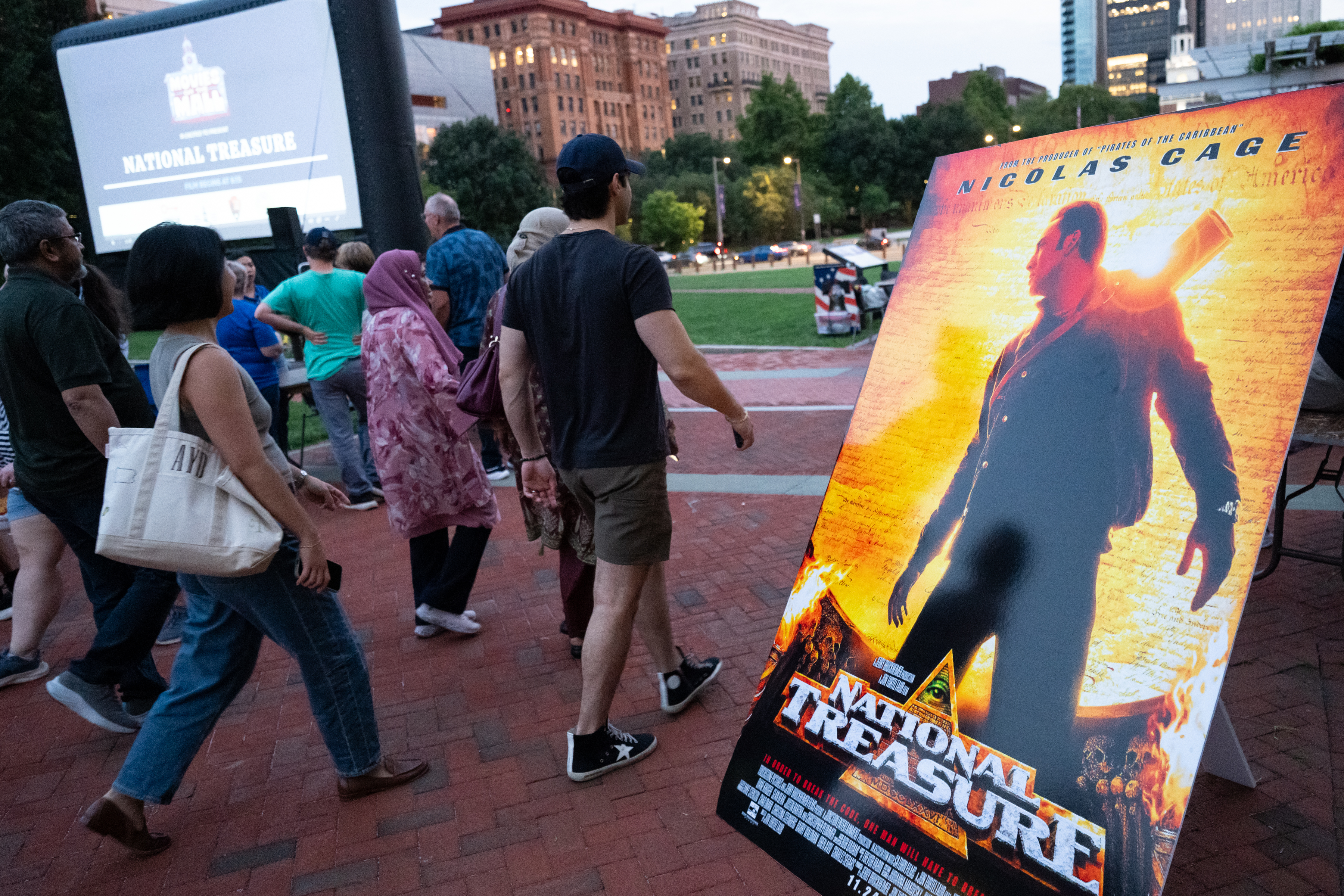
    I’ve watched National Treasure more times than I can count and if I could count how many times I’ve seen it, I wouldn’t admit it to you.

    It’s a confluence of things that keep me coming back — the scenes filmed in Philly, Nic Cage taking an absurd plot line very seriously, and the fact that this movie always seems to be on TV. Plus, there’s a quick cameo of my favorite stand in Reading Terminal Market, which closed in 2016, that always makes me nostalgic (RIP Salumeria).

    On Friday, I got to geek out with other fans of the film and its sequel, National Treasure: Book of Secrets, during a ticketed talk with the director of the franchise, Jon Turteltaub, at the Independence Visitor Center. Turteltaub’s other films include Cool Runnings, While You Were Sleeping, and The Meg, which tracks.

    In the audience were a self-proclaimed “real-life treasure hunter,” several Freemasons, and Philly tour guide Stephen Pierce of Havertown. Pierce came dressed in his finest colonial garb and told me the movie, which came out when he was 9, was “definitely a huge inspiration for me growing up.”
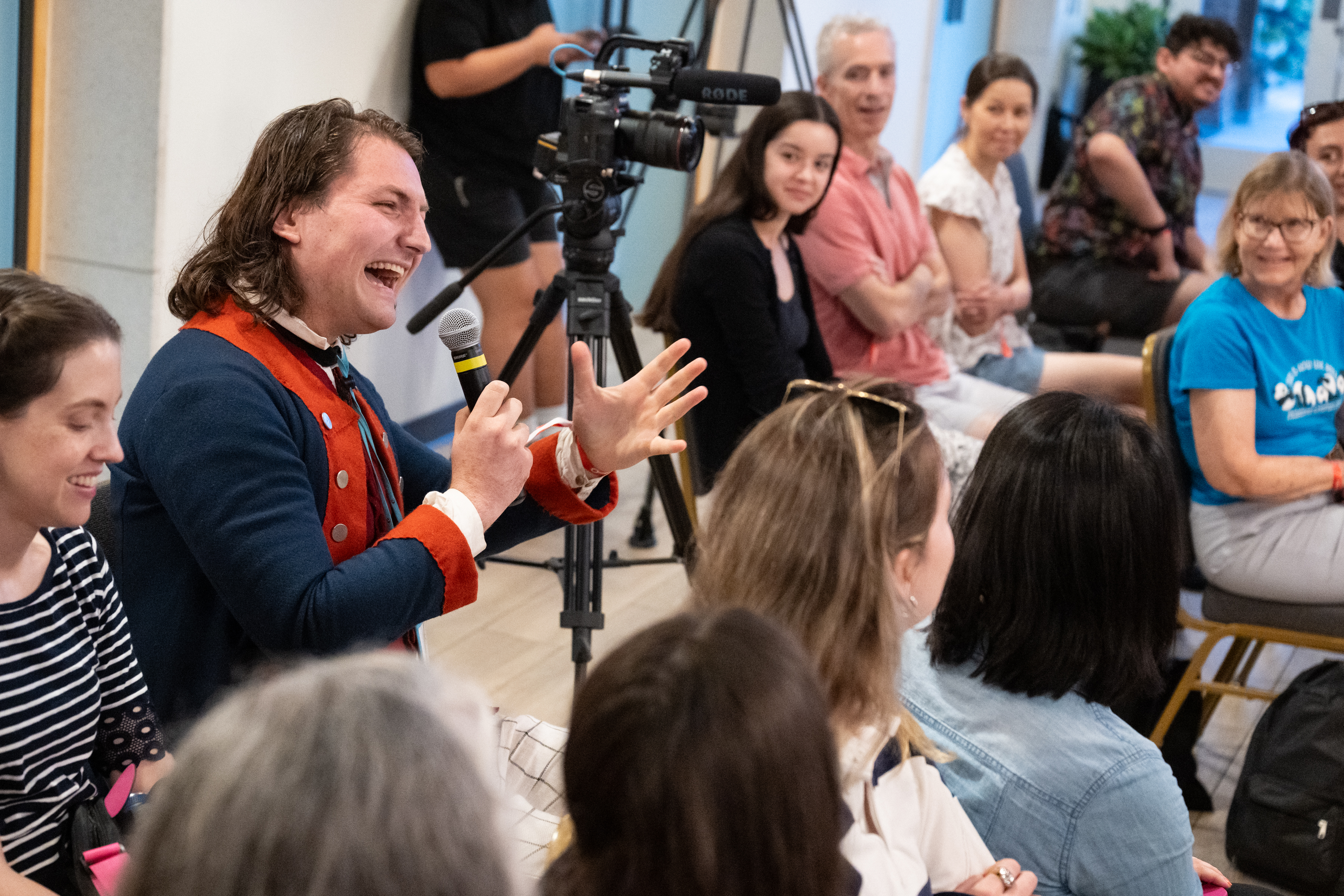
    Stephen Pierce, a local tour guide with America’s Rising Son Tours, asks a question while wearing colonial-era clothing during a live recording of the “National Treasure Hunt” podcast at the Independence Visitor Center in Philadelphia on Friday, Aug. 21, 2026.Erin Blewett / For The Inquirer

    But there were no bigger fans in attendance than the cohosts and moderators for the evening, Aubrey Paris and Emily Black, creators of the National Treasure Hunt podcast, who helped curate Philly’s first National Treasure Weekend of events in conjunction with the Philadelphia Visitor Center.
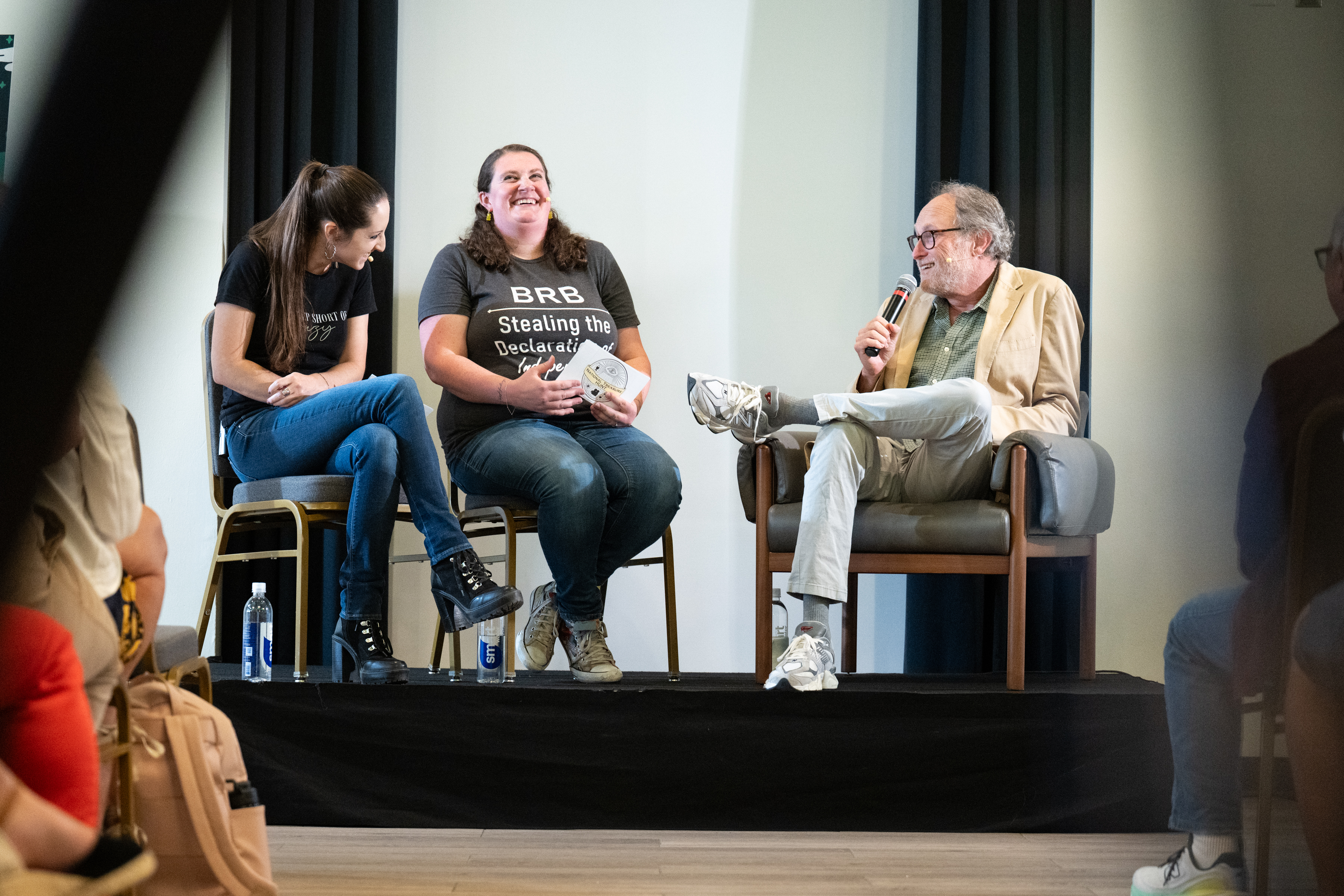
    Aubrey Paris (left) and Emily Black (center), creators and hosts of the “National Treasure Hunt” podcast, speak with “National Treasure” director Jon Turteltaub during a live recording at the Independence Visitor Center in Philadelphia on Friday, Aug. 21, 2026.Erin Blewett / For The Inquirer

    Their palpable joy while interviewing Turteltaub for their podcast was only exceeded by the shock and excitement that washed over their faces when the director gave them the scoop that National Treasure 3 is “finally real.”

    That wasn’t the only gem Turteltaub dropped during their talk, though. Here are five other nuggets and behind-the-scenes stories the director shared about one of the best and most ridiculous films ever partially filmed in Philly.

    All up in Independence Hall

    Turteltaub said he was surprised that the National Park Service let the cast and crew climb up Independence Hall’s bell tower to film.

    “That was special. Being next to the Centennial Bell — amazing. More interesting was being behind the clock, coming up those stairs and seeing how that works was like ‘Wow, this is why I want to be in the movie business,’” he said. “It’s not art. You just get treated better than other people.”
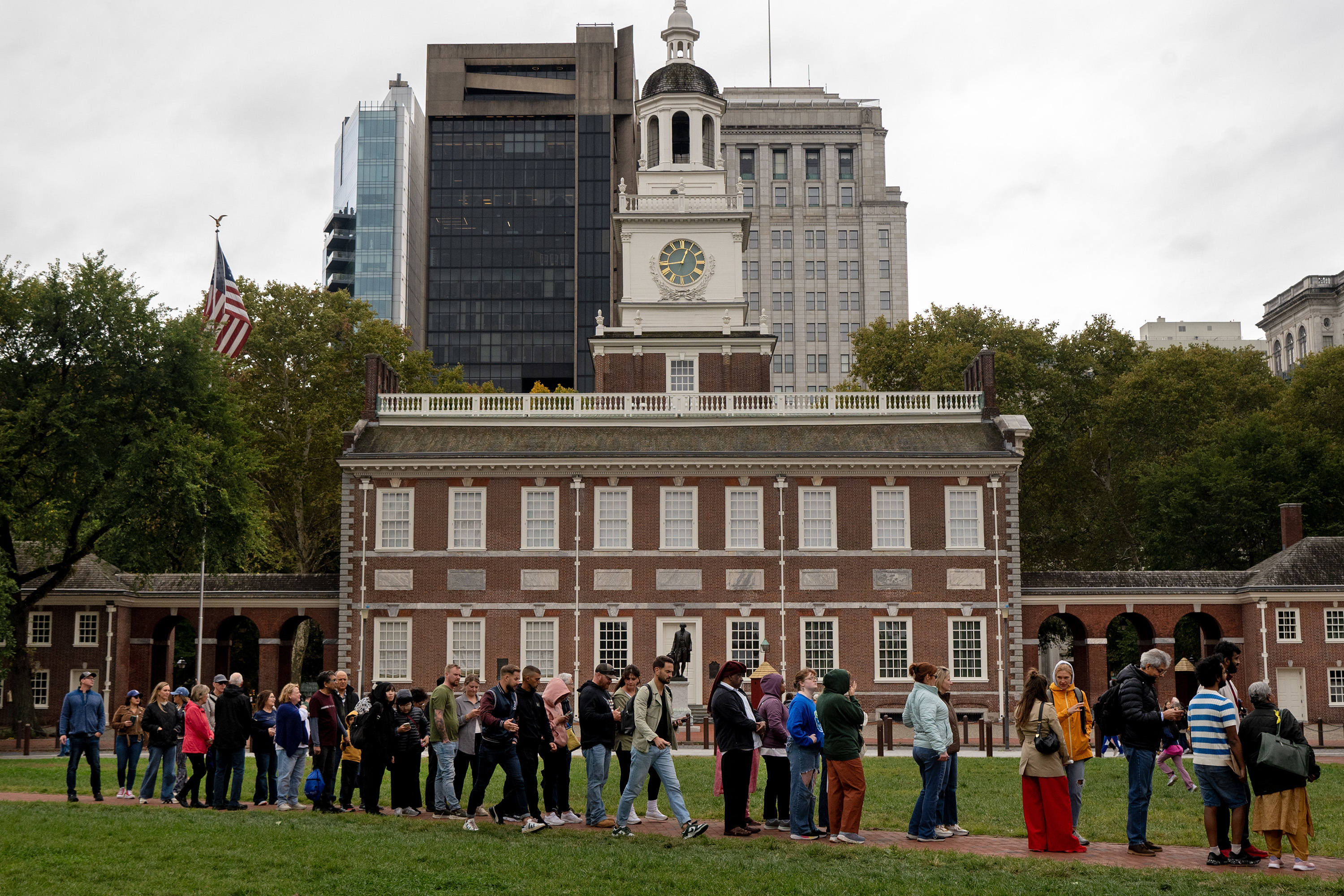
    Visitors stand in a long line on Oct. 12, 2025, in front of Independence Hall waiting to view the nearby Liberty Bell.

    But the NPS didn’t allow filming at the doors or inside the building because it would have impeded visitors’ experience, Turteltaub said. And it was at this point in the conversation I learned there’s a replica of Independence Hall at Knott’s Berry Farm in Buena Park, Calif., which is where the interior scenes of the film were shot.

    So I either need to make a movie or go to California to live out my dream of climbing the bell tower. Duly noted.

    A meaty role

    During the chase scene that winds through Reading Terminal Market, Abigail (played by Diane Kruger) ducks into a butcher stand while clutching the Declaration of Independence. The woman running the counter initially says in the most unenthusiastic, Philly way possible: “If you’re not a steak, you don’t belong here.”

    But when Abigail tells the woman she’s running from her “ex-husband” (who’s actually a bad guy), the woman says: “Honey, stay as long as you like.”
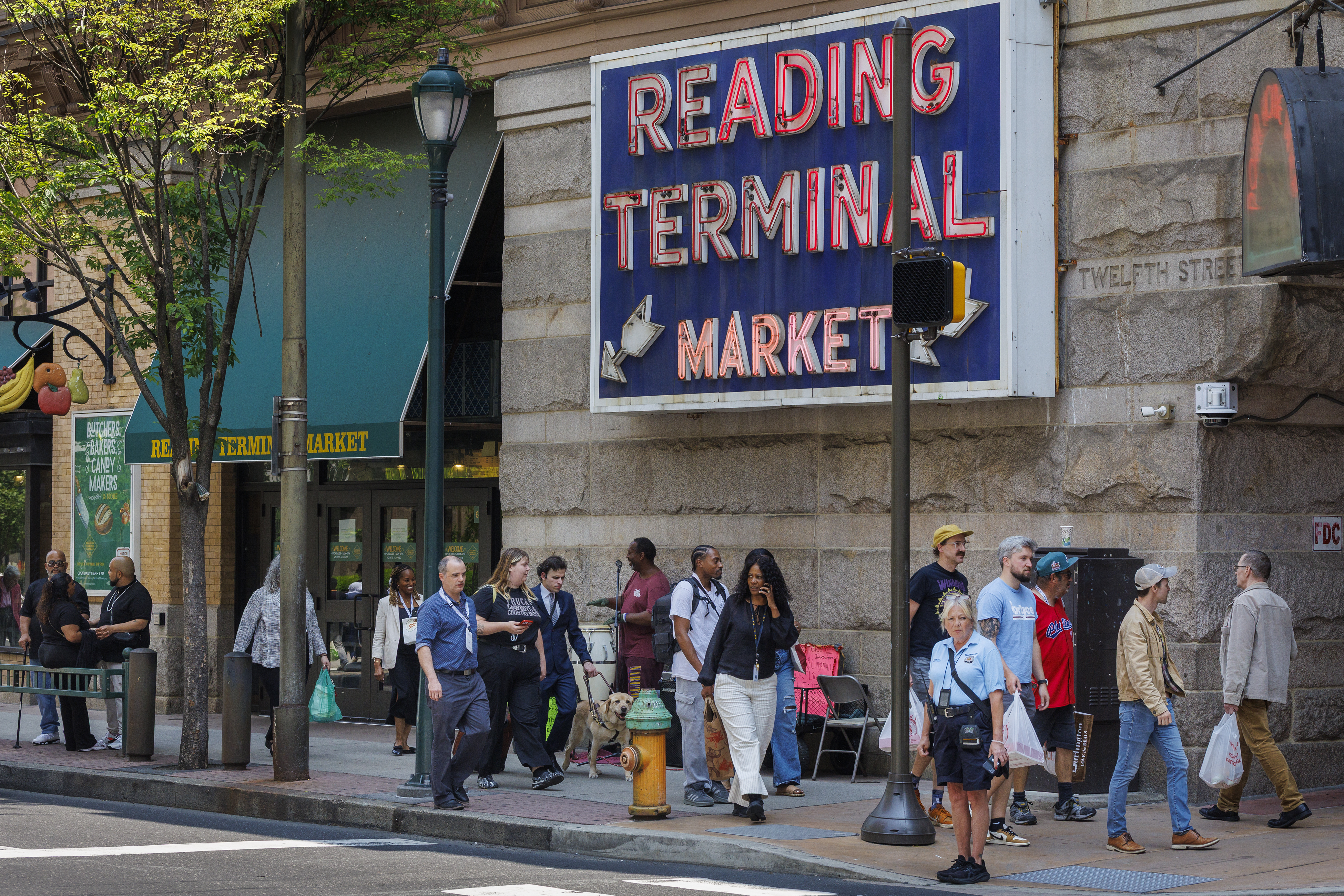
    Pedestrians fill the sidewalk outside Reading Terminal Market in Center City on June 3, 2025.Alejandro A. Alvarez / Staff Photographer

    Paris said that the butcher has become “a favorite non-named character.” Some have even called her “the real national treasure.”

    “It’s a huge cult thing,” Paris said.

    Mark another win for Philly’s notoriously kind-but-not-nice attitude.

    Stripped down

    Turteltaub revealed that the first version of the original film was four hours long, so many scenes had to be left on the cutting room floor, including the original ending.

    “The original ending scene, they were back at the National Archives looking at the Declaration back where it belonged. We thought the world needed to know that,” Turteltaub said. “Everyone’s feeling good and then they get started talking about a different treasure and they go off like, ‘Oh no, I’m not doing that!’ It’s like the end of a Gilligan’s Island episode.”
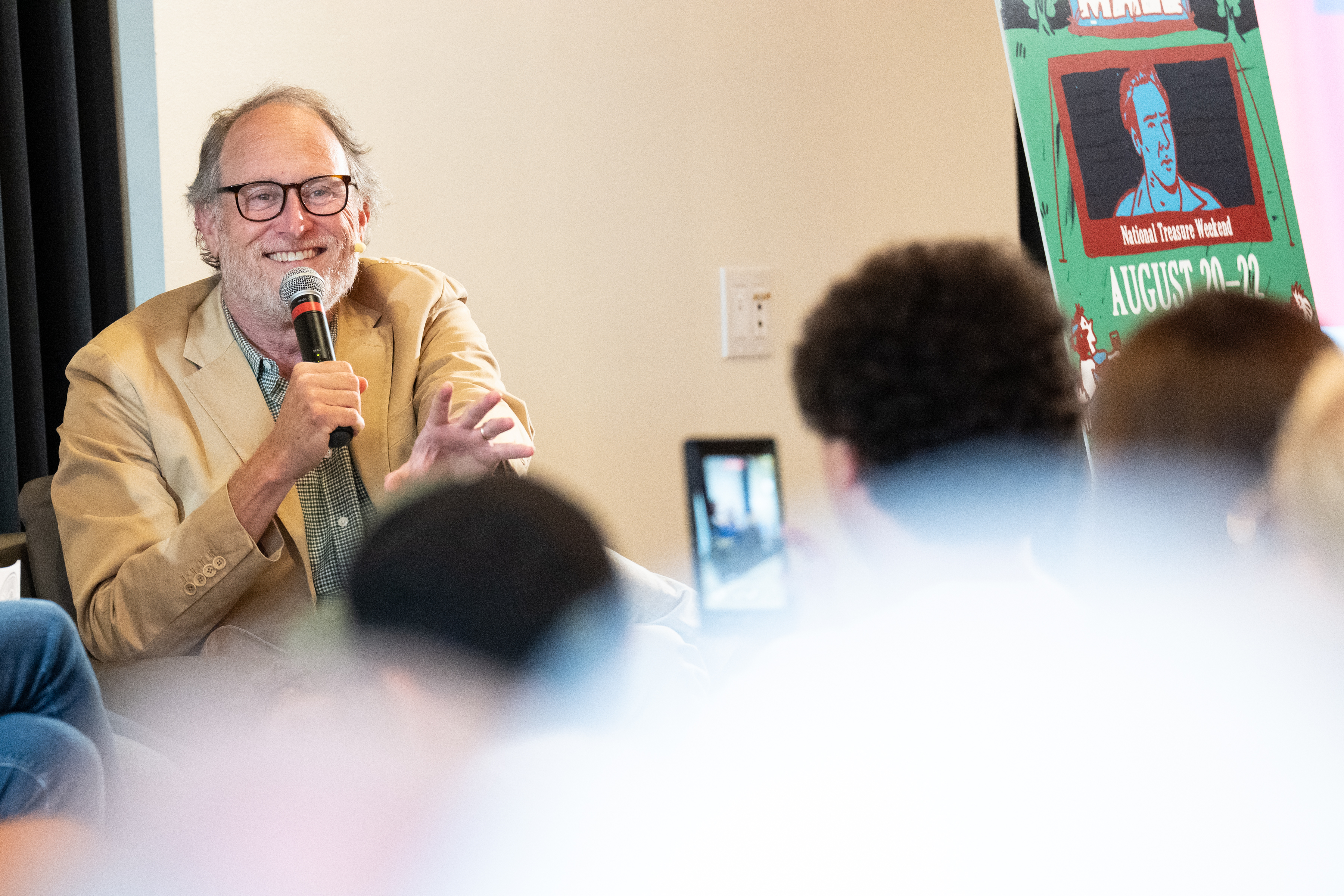
    Jon Turteltaub, director of the 2004 film “National Treasure,” speaks during a live recording of the “National Treasure Hunt” podcast at the Independence Visitor Center in Philadelphia on Friday, Aug. 21, 2026.Erin Blewett / For The Inquirer

    Another scene that was stripped from the film took place when Abigail and Riley (played by Justin Bartha) are chased through Center City.

    “As Riley’s being chased, he cuts into a strip club and he runs through the strip club to get away,” Turteltaub said. “So my idea was he runs in and no one’s in there and it’s just some guy vacuuming and [Riley] says, ‘Well, that was disappointing,’ and keeps going.”

    I’m disappointed the cleanest scene ever filmed in a strip club didn’t make the cut.

    High school reunion

    Turteltaub and Cage attended Beverly Hills High School together and the director said the two were friends.

    “He’s kind of a great, nonconforming, march-to-his-own drum guy, which in high school is not easy,” Turteltaub said. “I was desperate to fit in and be liked by every single person ever. He didn’t care.”
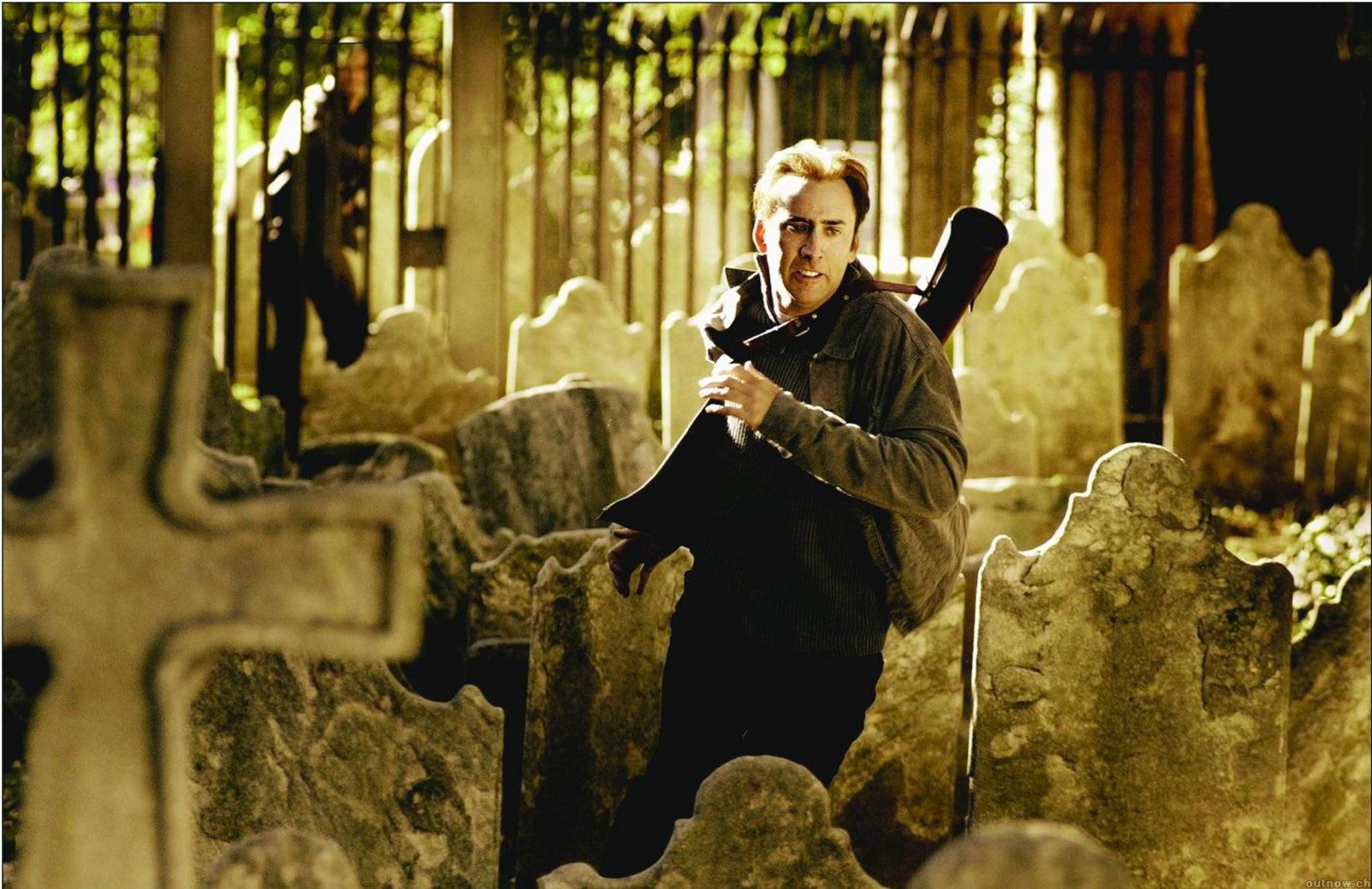
    Nicolas Cage runs through the Old Pine Street Presbyterian Church cemetery in a scene from “National Treasure.”Alamy Stock Photo

    The director said he sold the actor on taking the part of Benjamin Franklin Gates in National Treasure when he described the character to Cage with one word: audacity.

    “Nic is audacious and that was that connection. Nic never has a superficial connection to a character. He goes and finds the person,” Turteltaub said. “Sometimes that’s insane stuff and craziness and awesomeness and unpredictability and sometimes it just makes somebody very, very real.”

    Page turner

    During audience questions at the end of the talk, a child of no more than 6 asked Turteltaub: “What’s on page 47?” to thunderous applause from the crowd.

    The question referred to the end of the sequel film, when the President of the United States asks Gates what he thinks of what’s on page 47 of the book of secrets handed down from president to president. Gates calls what’s contained on the page “life-altering,” but its contents are never revealed to the audience.

    It may not be a secret for much longer, though.

    “The worst thing, to make it interesting, was we added the line at the last second — ‘life-changing, life-altering’ so now we have to come up with something that’s ‘life-altering,’” Turteltaub said. “If I said ‘I don’t know,’ everyone will hate me. If I said ‘I do know,’ you’ll hate me for not telling you, but I don’t think we can make the third movie without at least helping people out.”
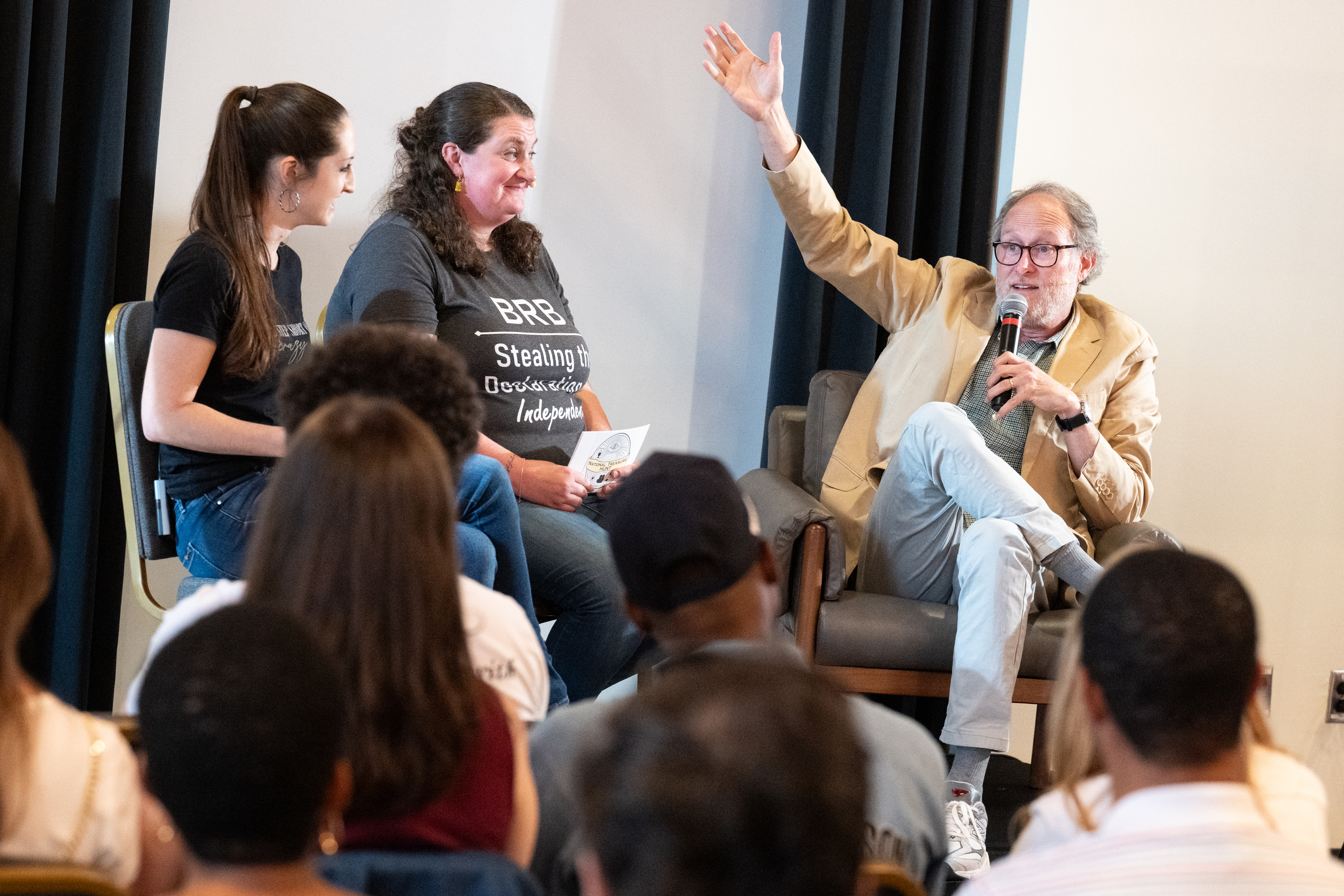
    Aubrey Paris (left) and Emily Black (center), creators and hosts of the “National Treasure Hunt” podcast, speak with “National Treasure” director Jon Turteltaub during a live recording at the Independence Visitor Center in Philadelphia on Friday, Aug. 21, 2026. The event was part of Philadelphia’s first National Treasure Weekend.Erin Blewett / For The Inquirer
  • New trail connector lets bikers ride 70 miles from Philly to Reading. It’s ‘a really, really big deal.’

    New trail connector lets bikers ride 70 miles from Philly to Reading. It’s ‘a really, really big deal.’

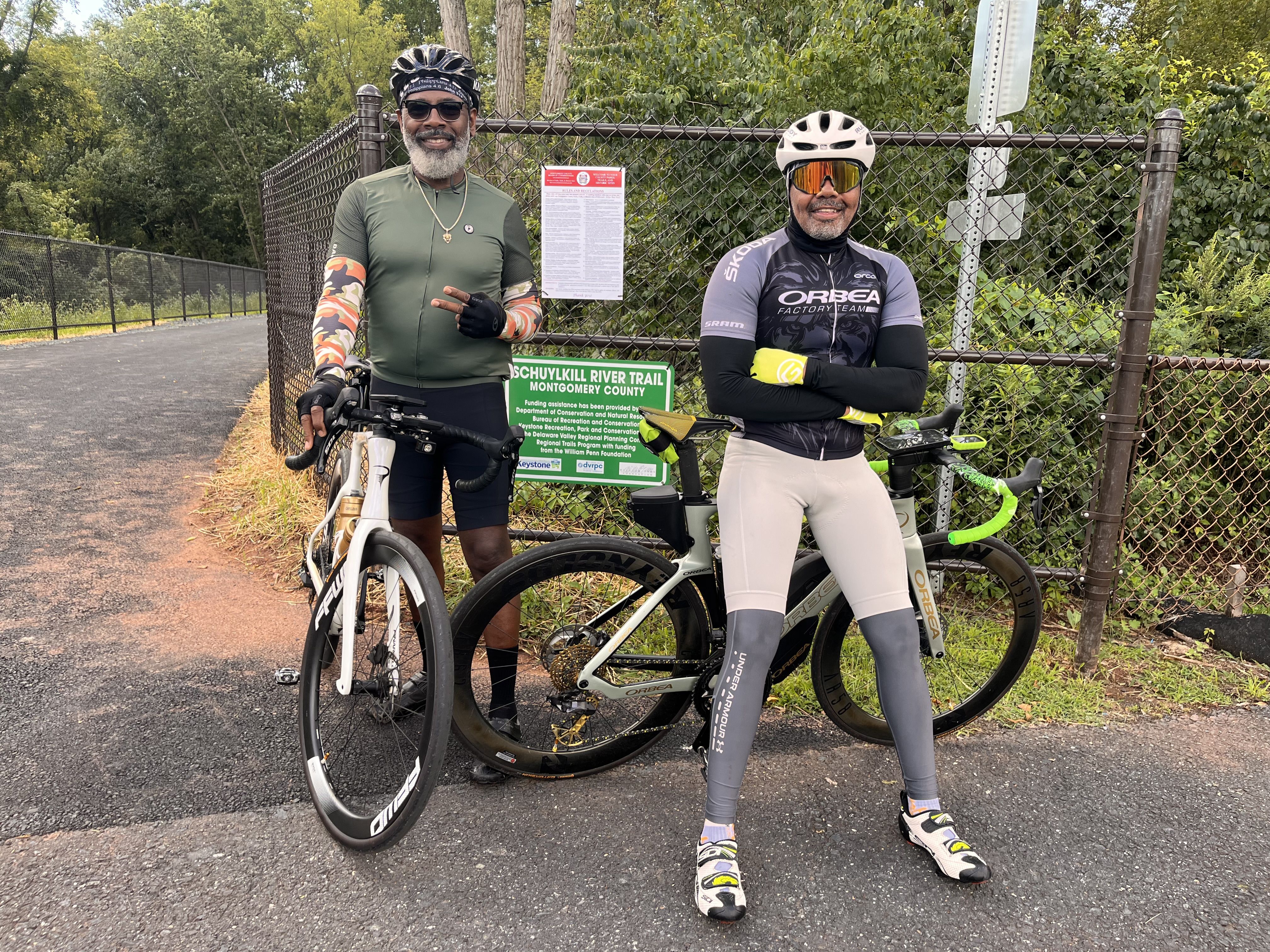
    Cyclists Alvin Morris and Rick Young departed Philadelphia via Shawmont Avenue on the Schuylkill River Trail on Tuesday morning for a heart-pumping, 75-mile round trip ride.

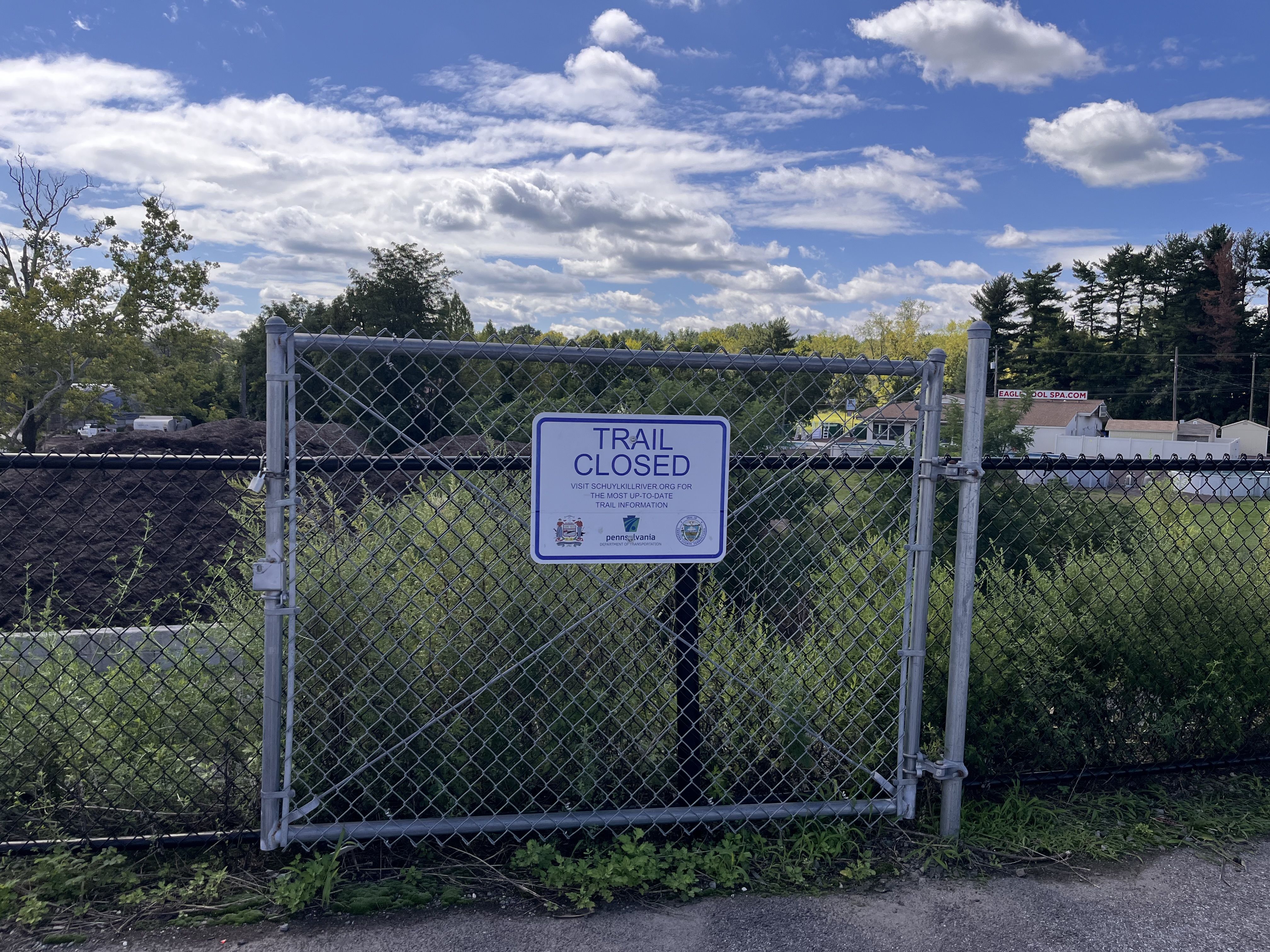
    On previous trips, they, like thousands of other riders, had to stop at a gate where the trail abruptly ended near Pottstown and decide whether to risk traveling a busy alternate route.

    No more.

    Schuylkill River Trail organizers are celebrating the completion of a nearly one-mile connector in Montgomery County that gives cyclists a clear 70-mile path from Philly to Reading. The connector took about 10 years from planning to its Aug. 19 opening.

    “I just found out about the connector Sunday,” Young said. “I love it. I told Al about it. We’re preparing for the [city-to-Shore] MS ride, so we need to get in some distance.”

    The duo planned to continue on the Schuylkill River Trail for a few more miles past the connector before returning to Philly.

    A Montgomery County Planning Commission map of the new Schuylkill River Trail connection between Industrial Highway and the Route 422 bridge near Pottstown. The 0.9-mile section of paved asphalt trail is now open, providing an unbroken path from South Philadelphia to Reading.Frank Kummer

    ‘A really, really big deal’

    Elaine Paul Schaefer, executive director of the nonprofit Schuylkill River Greenways, says the connector is more than just a new trail segment.

    “It’s a really, really big deal,” Schaefer said. “On many, many levels.”

    Schaefer and others believe the unbroken 70-mile stretch could be a tipping point for cycling tourism because it is long enough for cyclists to plan trips that allow them to linger in towns for brews and food, or overnight stays, she said.

    “At that point, the economic impact to towns along the way really exponentially increases,” she said.

    Her group manages the Schuylkill River Greenways National Heritage Area, connecting people to the river and trail. Schuylkill River Greenways has its office in Pottstown, but manages 40 miles of the trail in Berks and Schuylkill Counties, raising money to help maintain it.

    The new connector allows riders pedaling south from Chester County to ride parallel to Route 422 in Pottsgrove Township, Montgomery County, then loop under the busy highway and continue into Pottstown Borough.

    “The trail now connects the population centers of Philadelphia to Montgomery County and Reading,” Schaefer said. “Soon, it will connect beyond that.”

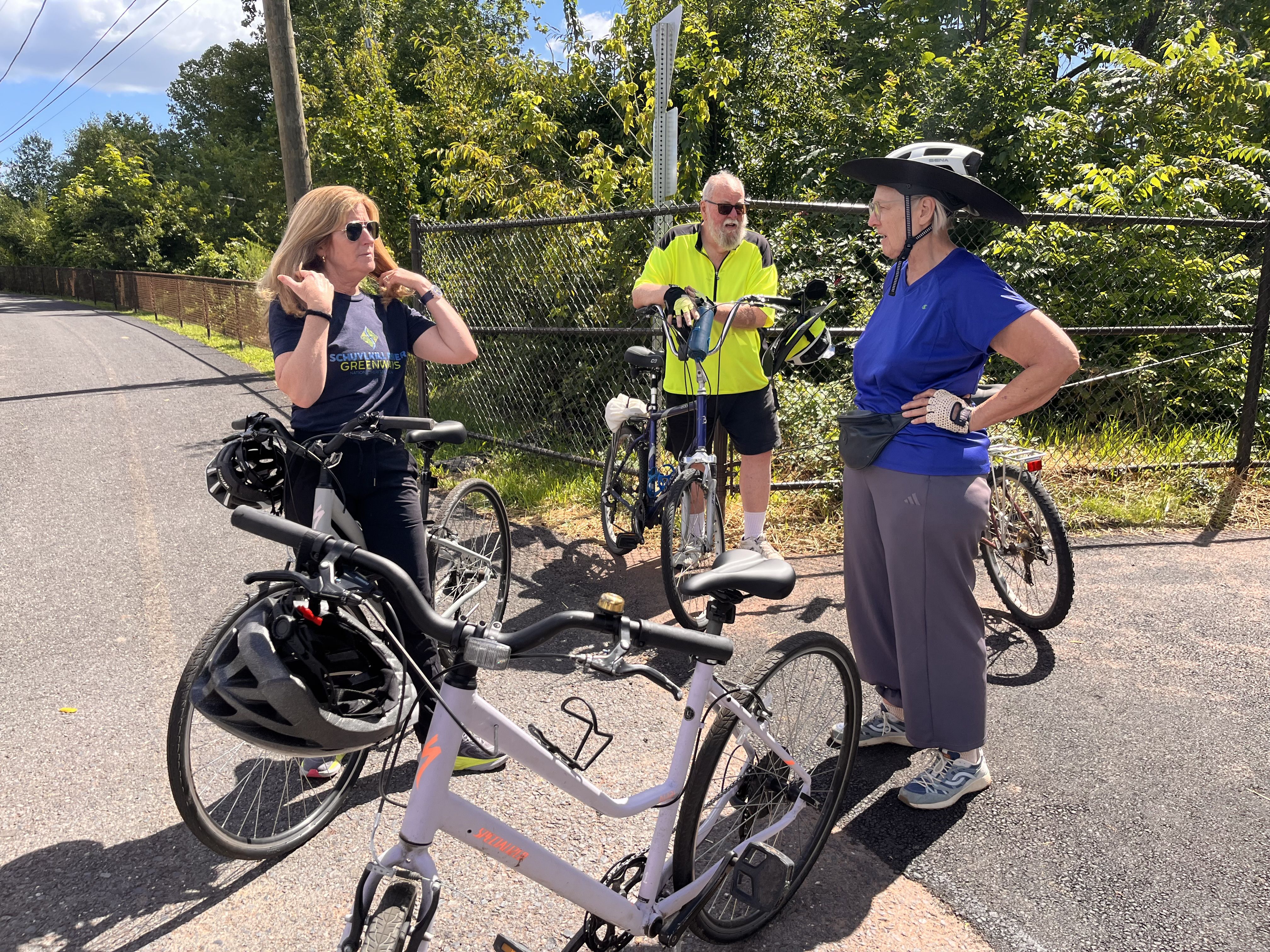
    Elaine Paul Schaefer, executive director of the nonprofit Schuylkill River Greenways, speaks with Sue Shellman, foreground, and her husband, Bill Shellman, in yellow, both of Skippack, at the new connector.Frank Kummer

    A boost for Pottstown?

    Schaefer believes the new connector will lure cyclists willing to stop and spend money in Pottstown, a former steel town whose sizable downtown contains restaurants, inns, and breweries. Pottstown’s Riverfront Park along the trail is already widely used.

    Peggy Lee-Clark, executive director of the nonprofit Pottstown Area Economic Development Inc., said it is too early to judge the impact of the connector, but there is “excitement.”

    “I think that always any connection for the trail is an economic boost,” she said.

    Commuting workers also use the trail, Lee-Clark noted.

    “The river is an important asset to us, as is the trail,” Lee-Clark said. “The connector is just one more thing that brings people to the area and exposes them to all of the other opportunities here in Pottstown.”

    When complete, the Schuylkill River Trail will run about 120 miles from Fort Mifflin near Philadelphia International Airport to Frackville, Schuylkill County. About 80 miles of paved and crushed stone trail are currently open. A swing bridge connecting Grays Ferry to Bartram’s Garden is nearing completion.

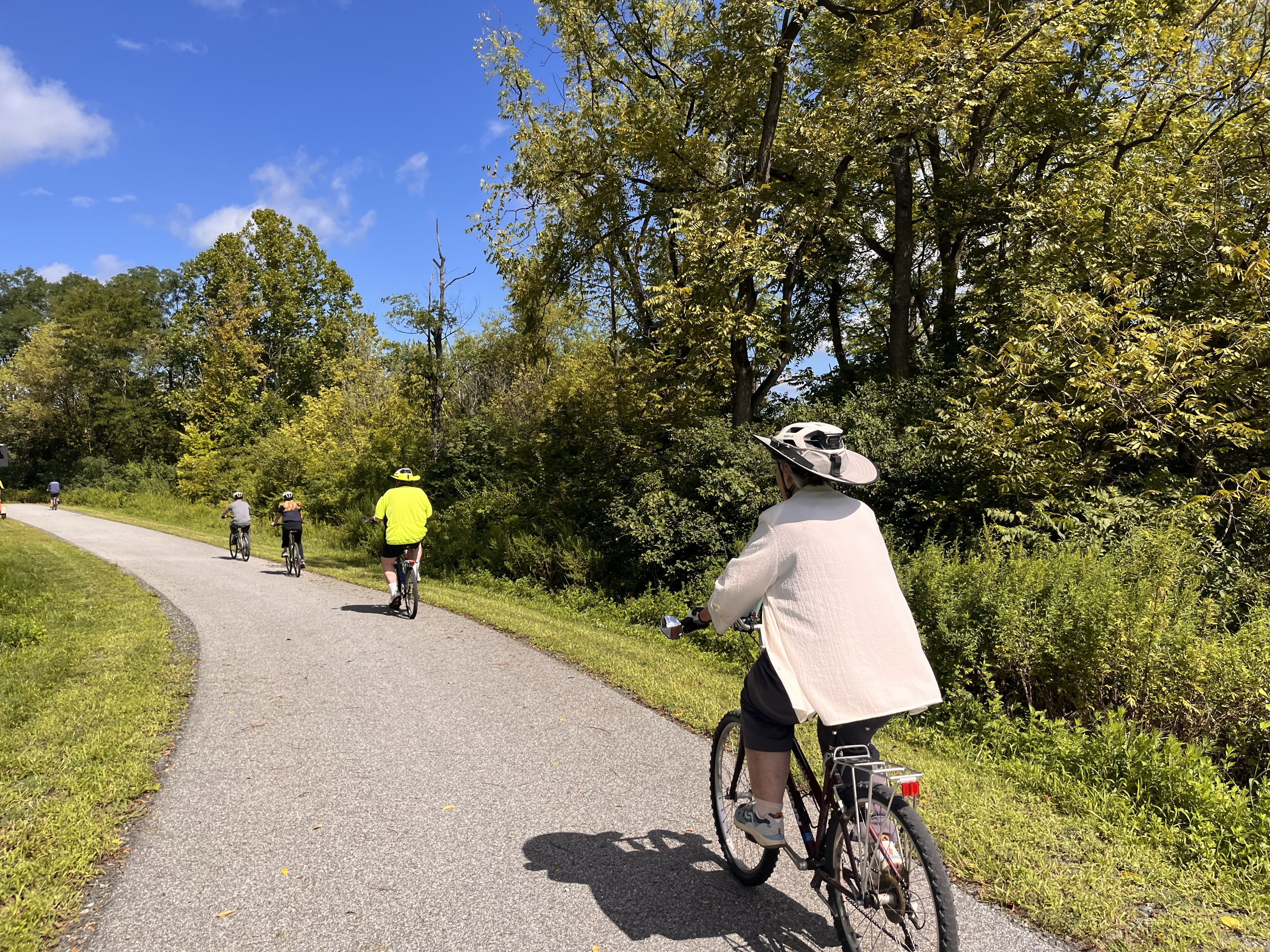
    Jason Brudereck, of the nonprofit Schuylkill River Greenways, rides new the Schuylkill River Trail connector as it crosses from Chester County into Montgomery County.Frank Kummer

    How the connector got built

    Montgomery County is planning a formal ribbon-cutting on Sept. 29 for the connector, which is already popular. On Tuesday, dozens of cyclists were riding at midday.

    Scott France, executive director of the Montgomery County Planning Commission, said the county started trying to acquire rights-of-way to the land a decade ago.

    “We are super excited this is open,” France said. “It’s been a long time in the works. This has had its share of challenges, but the fact is that we got there.”

    The connector cost $1.28 million, France said. Most of it was paid for from a $550,000 grant from the Pennsylvania Department of Conservation and Natural Resources, and a $542,000 grant from the William Penn Foundation. The county funded the balance.

    Although the connector is less than a mile, it was a challenge, France said.

    This is the sign cyclists and pedestrians once had to stop at before the connector was finished.Frank Kummer

    The county had to build around a state-owned bridge, work with Peco and Verizon to move utilities, and obtain permits to build in a flood zone. Additionally, crews had to stop work during the breeding season of the northern red-bellied turtle, a threatened species common in the area.

    Bill Hartman, trails and open space planning manager for the commission, said the connector serves another key role.

    “It provides full access to a number of other trails,” Hartman said, including the Cross County and Perkiomen Trails.

    Further, Montgomery County Commissioner Neil Makhija noted that the connector and Schuylkill River Trail are also part of the much wider Circuit Trails network, a planned 850 miles of interconnected trails in the Philadelphia region, including South Jersey.

    Makhija said he plans to celebrate his 40th birthday on Sept. 13 by riding the inaugural Tour de Montco, a 40-mile ride from Pottstown to Bala Cynwyd.

    The new trail segment, Makhija said is, “not just a trail in the woods — it’s a connection, bringing us closer to Philly and Reading and connecting the two.”

    Sue Shellman, foreground, and her husband, Bill Shellman, in yellow, both of Skippack, ride from Chester County onto the new Schuylkill River Trail connector into Montgomery County.Frank Kummer
  • Dear Abby | Visiting niece starts smear campaign against her Dad

    DEAR ABBY: I got permission from my estranged brother to invite his 17-year-old daughter, “Ella,” to spend a month with my family this summer. We live on the East Coast, and she lives on the West Coast.

    Ella is about to graduate from high school and has had a difficult home life and relationship with her dad and stepmother. After making her travel arrangements, I came across recent social media posts that my niece wrote disparaging her father. I’m in no position to discipline or judge her, but I felt that I had to say something so she knows that I don’t condone what she has done.

    I’m now second-guessing whether it’s a good idea to have Ella around my 13- and 9-year-old children this summer. I told her the following: “I hadn’t seen your post about your father and stepmother. As a loving adult, I want you to know I think it’s very inappropriate. These kinds of postings tend to reflect more about the person posting than the people the post is about. For your own good, you should know that you, too, may be judged for what you have done — if not now, possibly in the future when you least want or expect it.”

    Ella didn’t respond to me and continues to write more disrespectful posts. Should I say anything more? I don’t think my brother knows about the posts, though my niece complained online about his having “hacked” her accounts.

    — HAVING SECOND THOUGHTS

    DEAR SECOND THOUGHTS: I wish you had mentioned the reason for your estrangement from your brother. Contact him and ask if he is aware of the comments Ella has posted and continues to post. If he is unaware, you should alert him. The choice of whether to cancel your niece’s visit is up to you, but from where I sit, she appears to be an unhappy girl who could use a break from Dad.

    ** ** **

    DEAR ABBY: I am a 63-year-old woman who retired about eight years ago. I have decided to go back into the workforce — nothing huge, just a job to enable me to keep up with rising costs and to set some money aside. My problem is that everyone wants you to apply online.

    I go online to look for work, I find something of interest, I click on it, and it takes me to a sign-in page for some sort of job site (such as Monster or Indeed). I fill out my information, and then I get a whole list of jobs, none of which are the one I originally clicked on. I have never had this much trouble finding a job. Any advice would be welcome. I am running out of options.

    — WILLING TO WORK

    DEAR WILLING TO WORK: Applying through those online job sites can feel like talking to a wall. Since you aren’t looking for anything fancy, the old-fashioned approach may work better. Check the bulletin boards of community centers, senior centers, local colleges, libraries and similar establishments. When you are out and about, keep your eyes peeled for “help wanted” notices. If you find yourself near a place you’d like to work, it can’t hurt to stop in and ask if they need help. Also, don’t forget the classified ads in your local newspaper!

  • Joan M. Satterthwaite, talented tailor and seamstress, and longtime office administrator, has died at 92

    Joan M. Satterthwaite, talented tailor and seamstress, and longtime office administrator, has died at 92

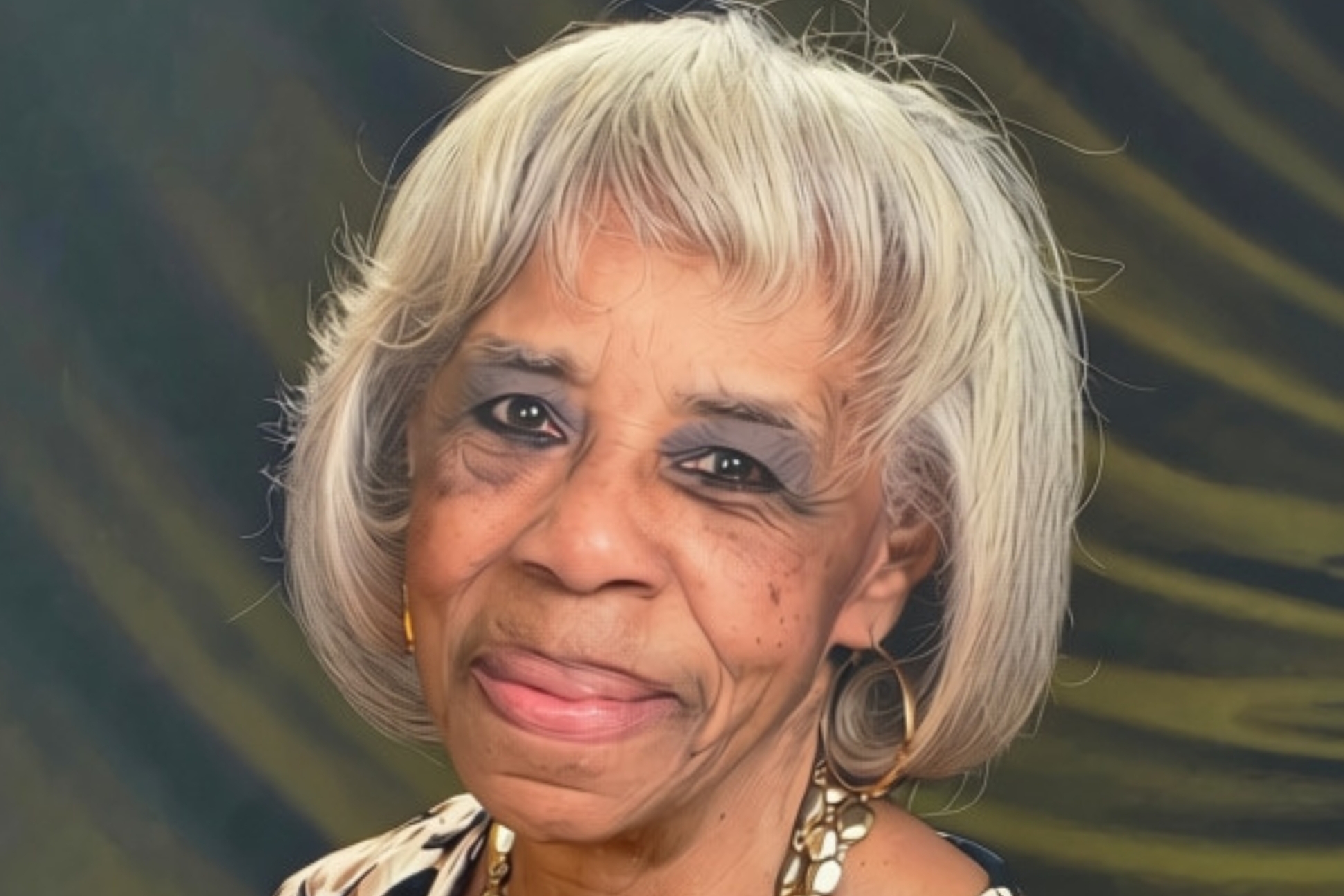
    Joan M. Satterthwaite, 92, of Philadelphia, talented tailor and seamstress, longtime office administrator for the Mayor’s Commission on Aging, volunteer, and community caretaker, died Tuesday, Aug. 4, of sepsis at Jefferson Washington Township Hospital in Gloucester County.

    Adept at designing, constructing, fitting, and altering garments of all kinds, Ms. Satterthwaite worked at the Botany 500 factory at Broad Street and Lehigh Avenue, and for other clothing manufacturers in Philadelphia, for more than 20 years. She could do every job on the intricate clothing assembly line, her son Kevin said, and she did them fast and well.

    She joined the International Ladies’ Garment Workers’ Union in the 1950s and supplemented her weekday work by producing gowns, dresses, suits, and other clothing for family, friends, church choirs, wedding parties, and local businesses.

    She made Halloween costumes for her two sons when they were young and tailored suits when they were older. She designed a wedding dress for her daughter-in-law.

    She could duplicate many patterns by looking at them just once. Over the years, she collected eight sewing machines. “Her craftsmanship and attention to detail earned her the admiration and loyalty of countless clients,” her family said in a tribute.

    Her son Kevin said: “We would call her an entrepreneur today.”

    In the mid-1980s, Ms. Satterthwaite left garments and became certified in office administration and computer technology at the old Philadelphia School of Office Technologies. For a decade, she worked for the Joseph Shein Law Firm.

    She tried to retire in the mid-1990s. But she impressed officials at the Mayor’s Commission on Aging so much as a client that they recruited her as a receptionist and administrative assistant. She left that job in 2018, at 85.

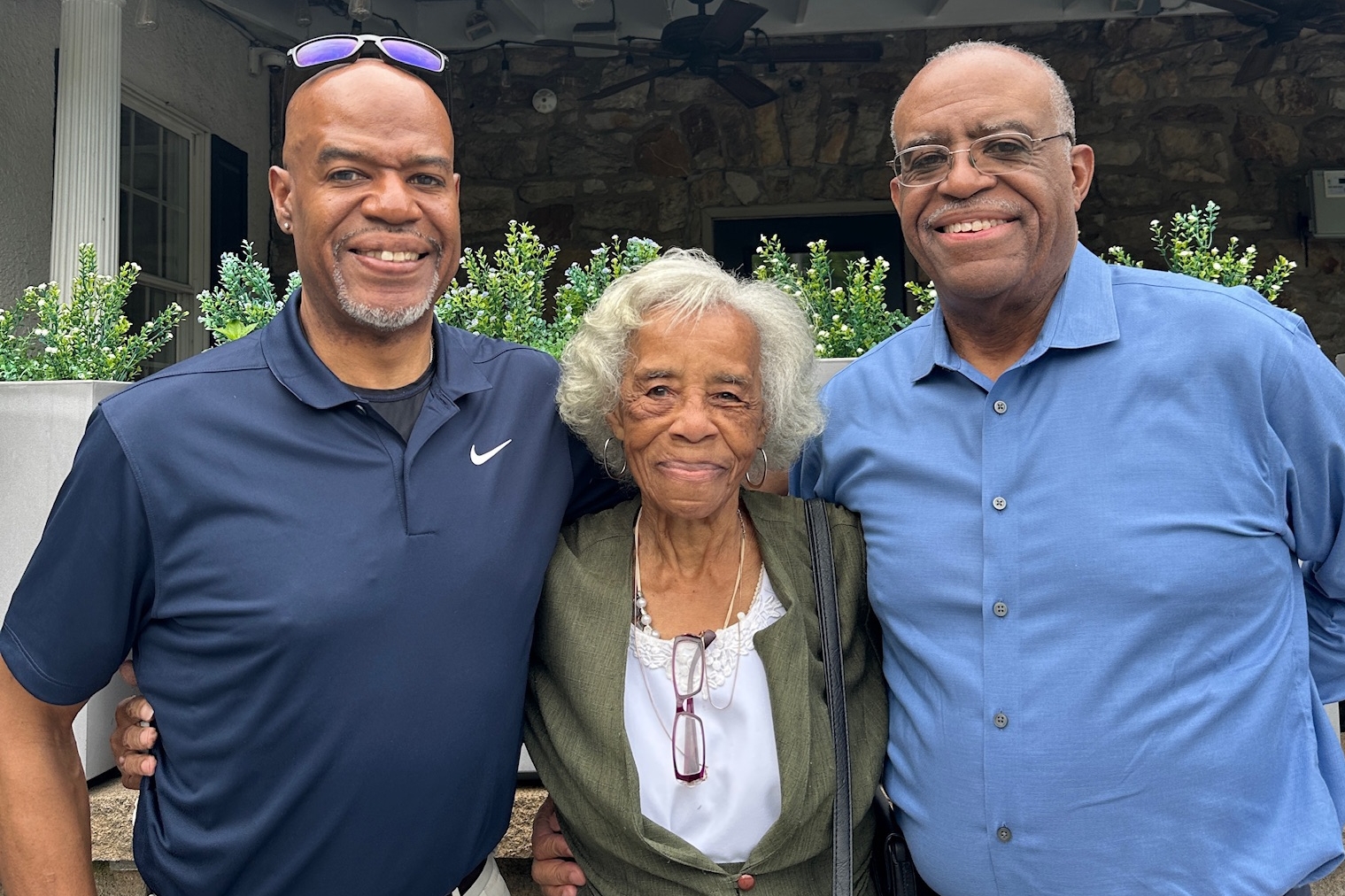
    Ms. Satterthwaite reared her sons in Philadelphia. Courtesy of the family

    After that, she volunteered with veterans groups, was active in the community, and opened her home to anyone in need. “If someone asked for help,” her son Kevin said, “she was there.”

    Her family said: “Joan’s life was a testament to perseverance, faith, compassion, and determination. Her kindness, generosity, and genuine concern for others became hallmarks of a life well lived.”

    A friend said online: “Ms. Joan was the nicest person ever. … Her kind spirit reminded me of my grandmother.”

    Joan Marie Watts was born Dec. 28, 1933, in North Philadelphia. Her mother died when she was 2, and she was reared by her grandfather and his wife.

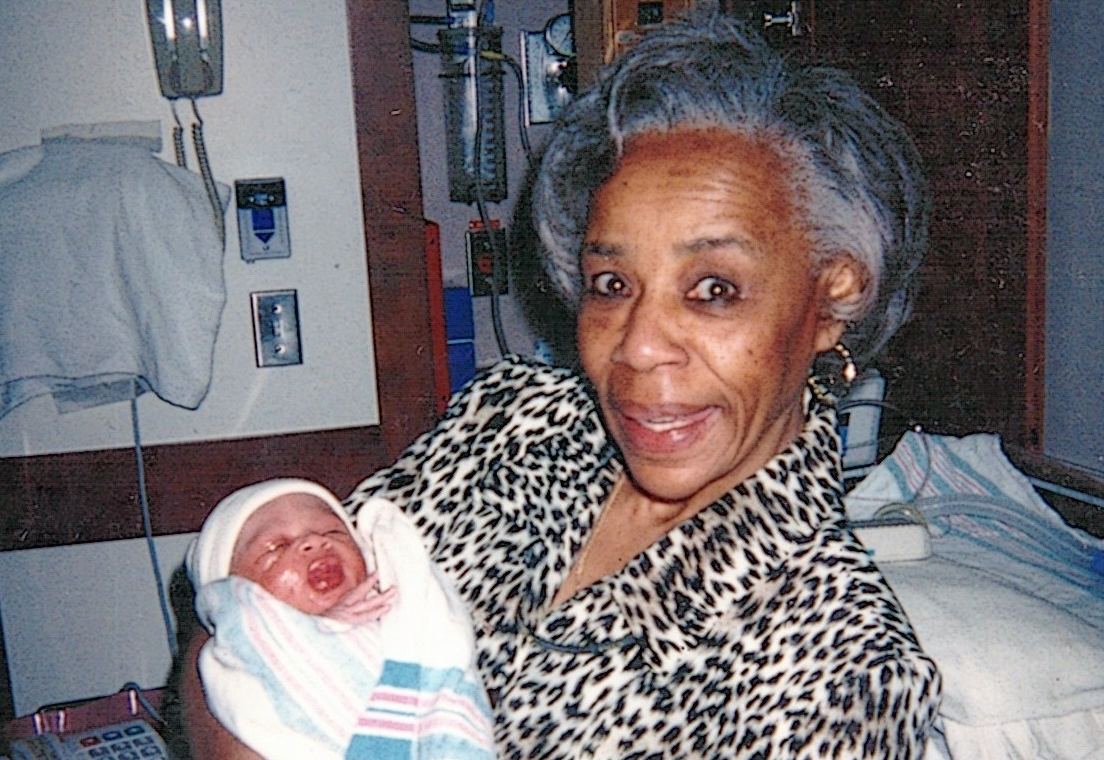
    Ms. Satterthwaite doted on her grandchildren.Courtesy of the family

    She studied tailoring and sewing at William Penn High School and graduated in 1952. She married Charles Satterthwaite in 1953, and they had sons Kevin and Eric. Her husband died earlier.

    Ms. Satterthwaite was a member of Triumph Baptist Church for more than 35 years, and she went to breakfast with others often after Sunday service. She had breakfast with her sons on Saturdays, bowled every week for 30 years, hosted memorable family gatherings on holidays, and pored over puzzle books when she was older to stay sharp.

    Her family noted her “warm heart, generous spirit, and love of people” in a tribute and said: “Her kindness, patience, and genuine concern for others left a lasting impression on all who knew her.”

    She doted on her family and told them often that education was a key to success. She lived in Nicetown and Logan, and most recently in Washington Township.

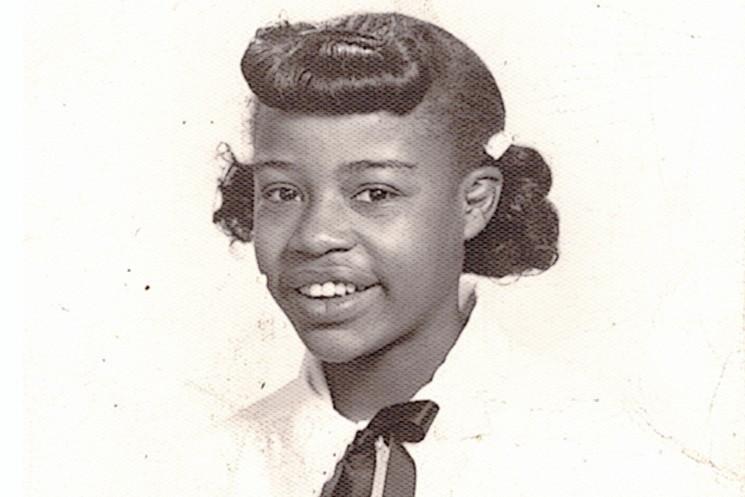
    Ms. Satterthwaite graduated from William Penn High School. Courtesy of the family

    Her son Eric praised her “unwavering belief that nothing in life was more important than family.” Her son Kevin said: “She was welcoming and warm. She liked being around people. Her life force kept her going.”

    In addition to her sons, Ms. Satterthwaite is survived by four grandchildren, two sisters, a brother, and other relatives. Two brothers died earlier.

    Services were held earlier.

    Donations in her name may be made to Triumph Baptist Church, 1648 W. Hunting Park Ave., Philadelphia, Pa. 19140.

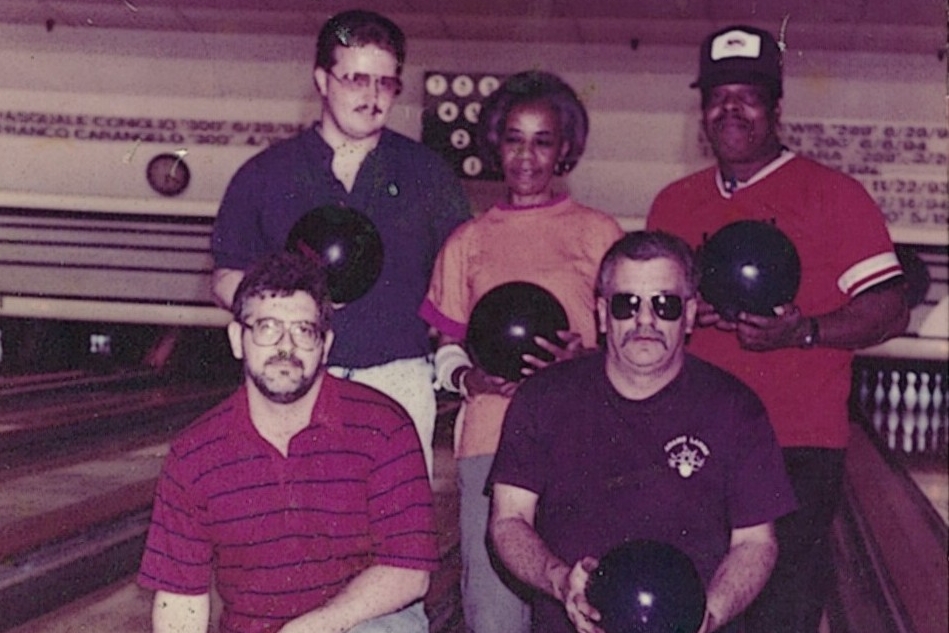
    Ms. Satterthwaite bowled every week for decades. Courtesy of the family
  • Dear Abby | Fiancée entertains lawyer with dishonorable intentions

    DEAR ABBY: I am a 63-year-old man. My fiancée (57) and I have been dating exclusively, or so I thought, for four years. I just found out she has a male friend she has been seeing without my knowledge. They go to lunch and dinner and other activities.

    She says they are just friends. He is her attorney, and he wants a romantic relationship. She lied by omission, and now my trust is damaged. I’m worried about her dishonesty and the viability of our relationship. She thinks it’s not a big deal. Your thoughts?

    — SIMMERING SUSPICION IN FLORIDA

    DEAR SIMMERING SUSPICION: A woman who is engaged has no business spending time alone with another man who has expressed a romantic interest in her. This is a big deal, made bigger by her attempts to hide it and downplay it. Warning: If you go through with this wedding, there’s a good chance you’ll need to start seeing a lawyer of your own.

    ** ** **

    DEAR ABBY: My husband and I have been married for 34 years. Ten years ago, my husband had to take custody of his then 56-year-old brother, “Clay,” because back in 1987 he fried his brain on PCP. For a decade, our life has been a daily living hell.

    Clay has frightened off one of our cats. He lies, steals from us, can’t and won’t clean up after himself and doesn’t wash his hands. He is the most disgusting person I have ever met. He’s spoiled rotten and lazy and expects the only woman in the home to do everything. This is an ingrained behavior that he has had for years.

    I want a divorce. My husband will not put Clay into an assisted living facility or a mental institution. I love my husband, but I refuse to be disrespected by anyone. I told him I wouldn’t ever allow any member of my family to disrespect him the way I, our marriage and our home have been disrespected by his brother. Abby, would you divorce your husband for subjecting you to this daily living hell for 10 years?

    — DONE IN MONTANA

    DEAR DONE: I certainly wouldn’t have put up with your mess of a brother-in-law for an entire decade! Still, if you are considering divorce, you must mention that to your husband. Offer him a final opportunity to make other arrangements for his brother. Be clear that if he continues to value Clay’s comfort over yours, the marriage is over.

    ** ** **

    DEAR ABBY: I am a boy in South Korea who likes boys. When I was in middle school, I loved girls just like everyone else, but it changed after entering high school. When I see boys in school now, I have started to feel the charm of them. These days, I’m scared that if I reveal it, I’ll be mocked by my friends and others. What should I do?

    — NOT STRAIGHT IN SEOUL, S. KOREA

    DEAR NOT STRAIGHT: If you don’t feel comfortable or safe coming out to your friends, it’s OK to wait. All of this gets a bit easier after you graduate, especially if you are able to attend a university. For now, focus on your studies so you can make that happen. To find gay or gay-friendly people to talk to outside your school, look up an organization called Dding Dong at ddingdong.kr.

  • Dear Abby | Bitter ex cut off Dad from his daughters

    DEAR ABBY: After nearly 18 years of marriage, I left my wife. Our daughters were 10 and 12. We had married quickly, and only later did I realize how deeply judgmental her “born-again” beliefs were — so much so that she gradually cut off my entire side of the family. I tried for years to reason with her, to no avail, and we divorced. What I never anticipated was losing my children as well.

    In the years that followed, I sent cards, letters and messages — most went unanswered. I was told, “The girls don’t want to see you,” yet I was never given the chance to hear that directly from them. Over time, I came to realize I was a victim of parental alienation — something I never would have imagined from someone who professed strong Christian values.

    More than 35 years have passed since I left that marriage, and I have had no meaningful contact with my daughters since. I am not without fault, and I own my mistakes, but the pain of lost years — and lost connection — remains. I write for others who may see themselves here: Please don’t let years pass in silence. Talk. Listen. Apologize. Seek understanding before distance becomes permanent.

    — MR. KALAMAZOO

    DEAR MR. KALAMAZOO: You have my sympathy for the years of pain and separation you’ve endured. Your story shows the importance of seeking partial custody or visitation rights as part of a divorce settlement. Your ex-wife would have had a much harder time cutting you off from your daughters if you’d had a court-mandated right to spend time with them. What’s done is done. You must allow yourself to accept it and live your life.

    ** ** **

    DEAR ABBY: I am feeling uncomfortable with what has become a steady stream of requests on social media for charitable contributions on friends’ birthdays. My husband and I carefully budget our annual charitable contributions, and we try to be as generous as possible, but we cannot possibly respond to all of these requests and still fund our own preferences.

    Would it be rude to post a comment saying, “Although this is not one of our charitable priorities, we wish you a happy birthday!”? My best friend says it would be better not to respond at all, but that feels a bit rude. What do you think?

    — UNHAPPY BIRTHDAYS IN MONTANA

    DEAR UNHAPPY: Do not state that the charity the person has chosen is low on your list of priorities. Acknowledge the occasion by posting warm wishes for the birthday to be a special one. Period.

    ** ** **

    DEAR ABBY: My daughter is 19 and has a job. She has had a friend since fifth grade. They went six months without talking, but now they’re friends again. My daughter offers to buy her stuff, but I feel it’s not fair of the friend to accept. She works, too, but she doesn’t have enough money for any activities other than lunch. I want to stay out of it, but it bothers me. What should I do?

    — PROUD MOM IN MASSACHUSETTS

    DEAR MOM: Stay out of it. If the arrangement becomes so out of balance that it begins to bother your daughter, she will deal with it without your involvement. If she wants your advice, she’ll ask for it.

  • What’s so surprising about a Christian Democrat?

    What’s so surprising about a Christian Democrat?

    In early July, before the 250th anniversary of the nation’s founding, Texas Democrat James Talarico preached on the proper place of religion in politics. In his sermon, he argued for the importance of the separation of church and state while emphasizing that religion could still inform a person’s approach to and involvement in politics. He stressed how Christianity should shape the tone of one’s politics. Drawing on Jesus’ Parable of the Good Samaritan, Talarico claimed that loving one’s neighbor includes respecting people of different faiths.

    This message raised the ire of Talarico’s opponent, Ken Paxton, and many evangelicals have questioned the legitimacy of his faith. But he’s also earned the applause of a few Christian conservatives such as David French, who approvingly contrasted Talarico with MAGA Christian politicians.

    Talarico is not alone. There are currently a dozen ordained Christian ministers running for various public offices as Democrats, including Lutheran Pastor Sarah Trone Garriott (Iowa’s Third Congressional District), and United Methodist Pastor Adam Hamilton (Kansas-U.S. Senate).

    Many of these politicians, including Talarico, Trone Garriott, and Hamilton, have emphasized their religious faith not only as a part of their overall message, but they have situated their Christianity at the core of their identity. While there’s nothing “new” about Democratic politicians whose religious identity is central to their politics — this was common a century ago with progressives such as William Jennings Bryan and Barbara Jordan during the Civil Rights era (and still is quite common among African American politicians) — today’s candidates do represent a departure from the trend of the past four decades of Democratic Party politics.

    It hasn’t always been this way. Prior to the 1980s, candidates conversant in religion were common and unremarkable. At the time, evangelical and “mainline” Protestants were not aligned with political parties in the way they are today. As social scientist Ryan Burge has pointed out, in the 1970s most white evangelicals were Democrats and evangelicals helped elect “born again” Jimmy Carter in 1976 — the so-called “Year of the Evangelical.”

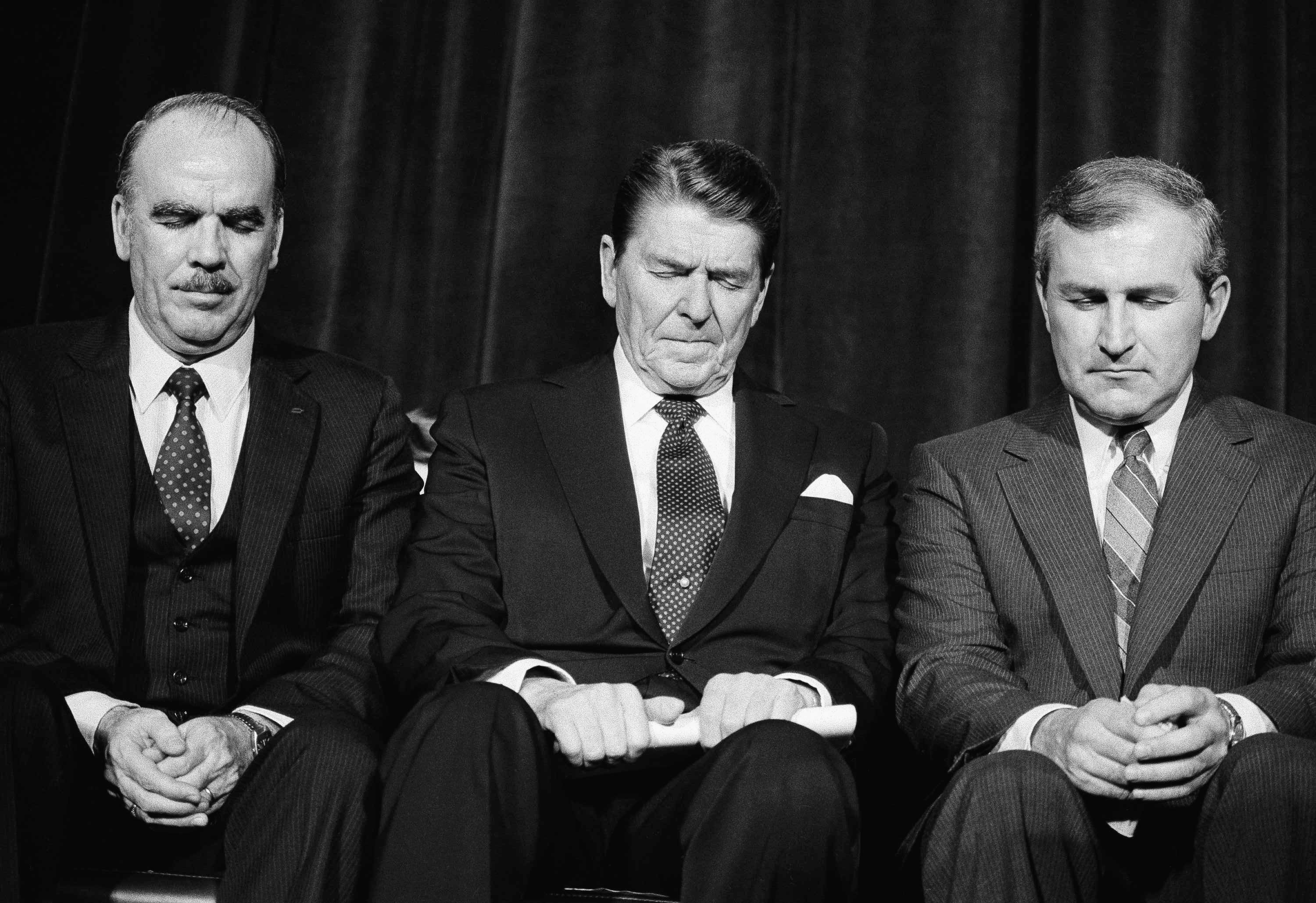
    President Ronald Reagan prays with National Association of Evangelicals President Arthur Gay, left, following his address to the organization’s convention asking for help in winning approval of a constitutional amendment permitting prayer in school in Columbus, Ohio, March 7, 1984.Barry Thumma

    But evangelicals’ rejection of Carter for reelection in 1980 signified an important shift for both parties. Explanations for white evangelicals’ turn away from Christian politicians like Carter and toward Ronald Reagan and the Republican Party — newly perceived as a reliably religious unit — usually point to several events in the 1970s.

    By 1972, the number of delegates at the Democratic National Convention identifying as agnostics, atheists, or people who almost never attended church had grown to 24% (compared to 5% of Americans who listed “no religion” on the General Social Survey.) These delegates helped to add progressive positions on women and gay rights into the party platform at a time when they were to the left of mainstream America’s sensibilities.

    Then in 1978, the IRS targeted mostly white private elementary and secondary schools, sometimes known as “segregation academies,” many of them religious, that had formed in response to desegregation, threatening their tax-exempt status unless they could demonstrate non-discrimination toward Black students. Additionally, by this time, the Supreme Court’s 1973 decision in Roe v. Wade began to galvanize evangelical activists in a space that had been historically dominated by Catholic priests and laypeople.

    Both of these issues came together in the 1980 election, the latter thanks in part to the attention Francis Schaeffer drew to the issue in his writings and speeches across America and the organizing of Jerry Falwell Sr.’s Moral Majority. Because of the growing number of Democrats who self-identified as atheist, agnostic, or non-church attending, white Democrats tended to cede the religious political ground to the new Religious Right, even though plenty of Democrats were religious. Over the next decade, this helped create a binary between a “religious traditionalist” Republican Party and a “secularist progressive” Democratic Party.

    The Rev. Jerry Falwell speaks at his Thomas Road Baptist Church in Lynchburg, Va., in a 1999 photo.

    Demographic trends over the next 40 years reinforced this shift. In 1975, 30% of Americans were part of the Protestant “mainline” (e.g. United Methodist, Evangelical Lutheran, Presbyterian USA, Episcopal Church, American Baptist, Disciples of Christ, and United Church of Christ). Today the mainline only accounts for between 9% and 13% of Americans. Theories for this decline abound, including loss of identity, aging congregations, poor retention of children as they grow into adulthood, controversies over sexuality, ordination of women and LGBTQ clergy, and same-sex marriage, which led to conservatives joining more evangelical churches.

    Over this same period, the number of Americans identifying as “unaffiliated” (the so-called “nones”) rose from 5% to nearly 30%.

    Factors driving this growth include people being more willing in a secularizing environment to admit they aren’t religious, young people who choose not to identify with any religion, and the general population becoming less religious over time. Democrats have enjoyed a decided advantage among the voting “nones” going all the way back to the 1984 election.

    For Black Americans, there has also been a more modest decline in affiliation with historically Black churches (e.g. National Baptist, Church of God in Christ, and AME Zion). Yet these churches have maintained a continued source of relevance for Black Protestants, playing a vital role in Black life as a source of social support, political organizing, community engagement, aid to the needy, and defense against racism and ethnic solidarity. Today, 53% of African Americans are still associated with historically Black Protestant churches, which probably accounts for the persistence over the past 40 years of progressive Black politicians with ministerial credentials.

    Meanwhile, evangelicals shifted from a slight majority favoring the Democratic Party before the 1980s toward a reliable core of the Republican Party, at a moment when their numbers were increasing. By the end of the 20th century, evangelicals grew to represent nearly 30% of all Americans, in part by having larger families, retaining their children in the church at higher rates, and maintaining cultural and theological distinctiveness.

    Collectively though, these trends meant the Democratic Party became less beholden to a religious demographic within its own constituency, and consequently, religiously-oriented politicians seemed less relevant to the Democratic Party.

    Made By History sponsors. FOR USE ON MADE BY HISTORY STORIES ONLY.Inquirer Staff

    The exception was the African American wing of the party, where Christianity remained central to most voters’ identities. Here, a political figure like U.S. Sen. Raphael Warnock (senior pastor of Ebenezer Baptist in Atlanta, a historically Black mainline church that Dr. Martin Luther King Sr. and Jr. pastored) is not exceptional. The Black church’s historic emphasis on social issues and inequality allowed for adherents’ continued support of Democratic candidates who were white and less religious, even as it did lead to some tension over progressive social goals, such as same-sex marriage.

    In fact, it was the emergence of a Black politician in 2004, then-Senate candidate Barack Obama, who helped call attention to the dearth of religiously-conversant Democratic politicians, arguing that his party needed to reengage religiously-affiliated voters. From 2004 to 2008, the Democratic Party emphasized outreach to religious voters in a concerted way. But after the 2008 election, and Obama’s win, this focus for the Democrats declined so much so that, by 2016, Michael Wear and others involved in rallying Democratic religious voters for Obama had become frustrated at the lack of dedicated outreach.

    So, does the emergence of Democratic politicians such as Talarico, Trone Garriott, and Hamilton signal a new shift on the order of what happened in the 1970s?

    It may be too early to tell.

    It may be, as Wheaton College Professor Esau McCaulley has argued, that the emergence of these politicians is linked to the backlash growing among Protestants tired of MAGA evangelicals defining what Christianity means in America today. Or, perhaps, these candidates are simply the culmination of a growing recognition within the Democratic Party of its need to reengage Christian voters.

    Regardless, it’s not an accident that the new crop of ordained Democratic candidates are located in regions of relative mainline Protestantism vibrancy in the Midwest and South.

    With the exception of Presbyterian Pastor Matt Schultz of Alaska, all 12 of the ordained candidates are running in Midwest or Southern states. Perhaps, politicians such as Talarico will succeed in reshaping how Christianity functions in the political space and reclaim a lost politics of religion within the Democratic Party. Time will tell if they are part of a new vanguard, or only a brief aberration.

    Joseph P. Slaughter is an associate professor of history and religion at Wesleyan University. His first book, “Faith in Markets: Christian Capitalism in the Early American Republic,” demonstrates how religious identities in the United States’ early decades influenced economic decision-making and the formation of the American capitalist system.

    Made by History takes readers beyond the headlines with articles written and edited by professional historians. Opinions expressed do not necessarily reflect the views of The Inquirer.

  • Dear Abby | Dad asks a lot of low-income live-at-home son

    DEAR ABBY: My middle-aged son is on the autism spectrum and has recently come back home to live with us. He left home at 19 and has always had roommates. We didn’t realize that he had autism until about a year ago.

    We like having him here but are having a difficult time adjusting. My son has agreed to help with bills and contribute toward groceries, but my husband thinks we should split all expenses three ways equally. My son works in the food service industry and earns a low wage, even though he puts in 32 to 34 hours a week. He eats at work most of the time and at home only twice a week. I’m retired and live on a small Social Security check. My husband makes more than twice what my son and I make. I think we should contribute based on our income, and I feel that my son and I should contribute 20% each toward food and other bills. Every time I try to discuss this with my husband, he gets angry and accuses me of taking advantage of him. I’m hoping we can get this resolved and move on.

    — DESPERATE MOM

    DEAR MOM: I assume you want your son to stay with you for the long term; does your husband feel the same? Is it possible he’s being difficult about money so your son will move out again? The phrase “on the autism spectrum” covers a wide range of needs, so I’m not in a position to weigh in on what you should expect of your son. A licensed family counselor who specializes in autism may be able to help you and your husband understand how much your son is capable of contributing.

    ** ** **

    DEAR ABBY: My fiancé, “Dustin,” and I have been a couple for five years. We live together and are fairly happy. The problem is his gaming habits. At first, it wasn’t an issue because I also play the occasional video game. Since moving into our own place, I’ve noticed Dustin has started spending a tremendous amount of time on these video games. From the time he wakes up around 1 p.m. until right after he gets off work around 10 p.m., he’ll log on and play for hours. Most nights he doesn’t come to bed until 5 a.m.!

    With all his free time, he doesn’t help clean or cook, and I get none of his attention. I’m not sure where I go from here. I have spoken to him about this habit, but he doesn’t see any issue because he grew up constantly playing games. I need some guidance on this issue because it’s driving a wedge in our relationship.

    — GAME OVER IN NORTH CAROLINA

    DEAR GAME OVER: Dustin doesn’t see any issue with the status quo because it isn’t a problem — for him. He’s got a pretty good deal. You do the cooking and the cleaning and contribute to half the expenses, but you’re not even getting companionship.

    Tell your fiancé you need more from him because this isn’t what you signed up for when you moved in together. Offer him the option of couples counseling so your issues can be mediated. If he isn’t willing and this doesn’t resolve the problem, then cut your losses and move out unless you want to spend the rest of your life as a “gaming widow.”

  • A twosome of naked events took over Philadelphia this weekend

    A twosome of naked events took over Philadelphia this weekend

    Philly bared it all this weekend.

    By sheer happenstance, a twosome of naked demonstrations took place Saturday across the city — a “free the nipple”-esque protest midday at Philadelphia City Hall followed by the annual Naked Bike Ride in the late afternoon.

    Beyond the shock and awe of scantily clad or not-at-all clad people, both events were acts of resistance, defiance, and free expression, and went deeper than, well, skin deep, attendees said.

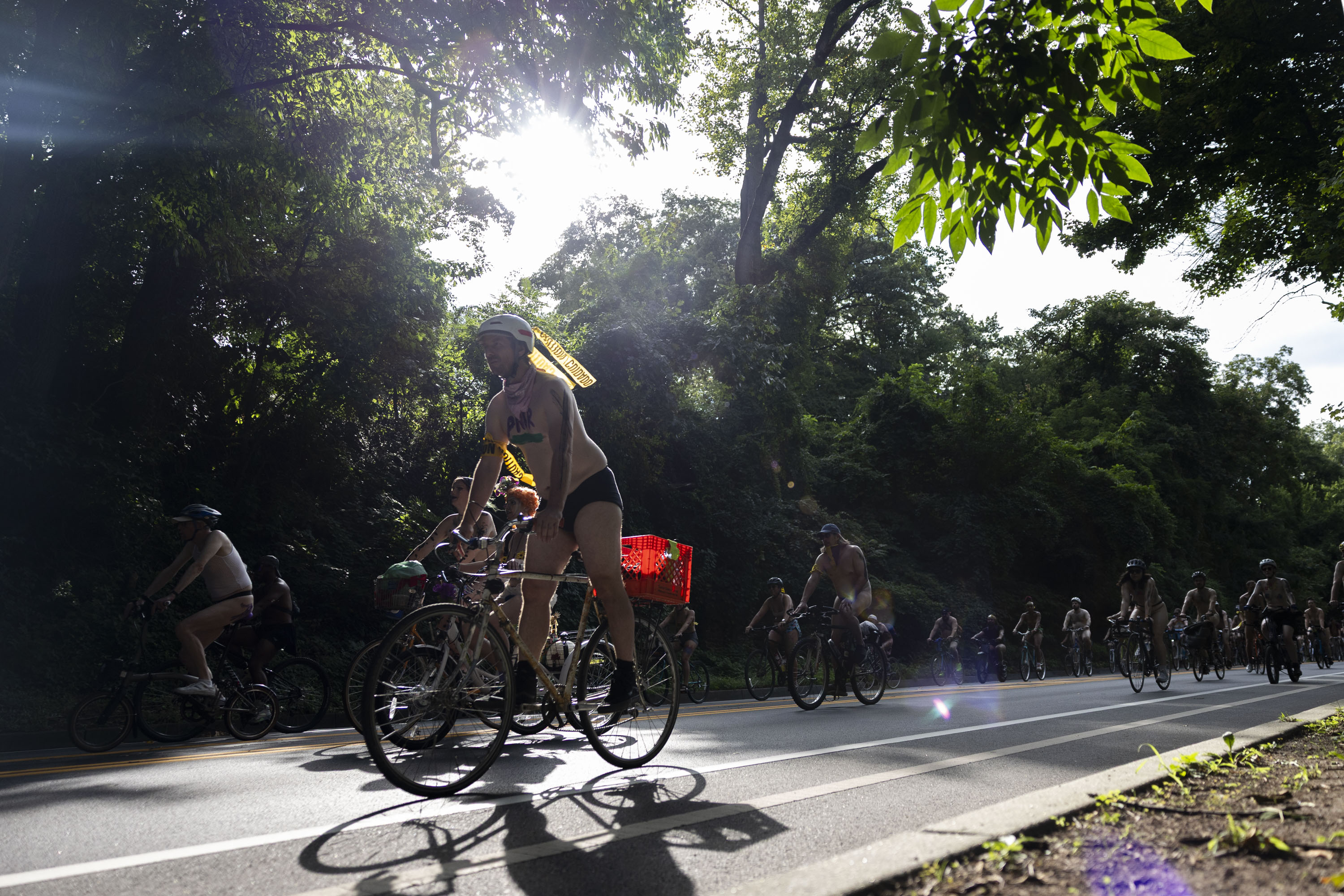
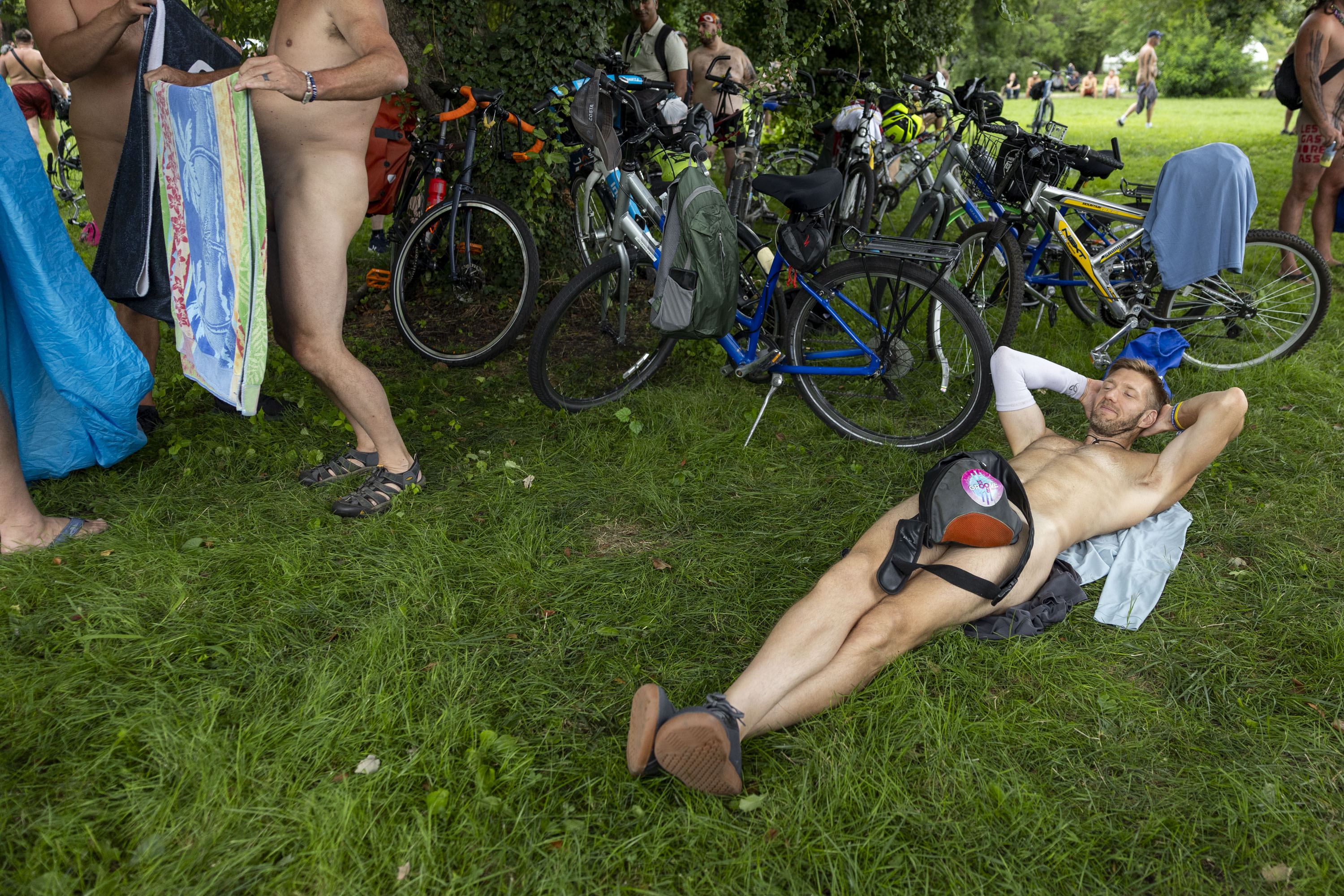
    As hundreds lined up along Martin Luther King Drive for the 17th edition of the Naked Bike Ride, their bodies — with varying degrees exposure — were like flesh-toned picket signs. People painted themselves with phrases denouncing President Donald Trump and his administration’s targeting of immigrants, calling for a freed Palestine, and demanding enhanced bicycle safety measures. Mattie L., who was visiting from Savannah, Ga., wrote “Voting is Hot,” across his back.

    Rocket (right) puts glitter on Ari Tm of Fairmount for the Naked Bike Ride on Saturday, Aug. 22, 2026, in Philadelphia.Tyger Williams / Staff Photographer

    “Besides the bodies, the messages themselves add another reason for people to lock in what [we’re] saying and to really take it to heart,” said 35-year-old Mattie, who declined to give his last name, citing concern for his privacy.

    To riders, the bare-as-you-dare ride, which snakes 12 miles through the city, is an annual pro-environment, pro-bicycle safety and advocacy, and pro-self-love-intended counterpunch to fuel dependency, car-first American infrastructure, and body shaming.

    Biking in a car-centric city is itself an act of rebellion, said Emma K., a 28-year-old Temple University alum who now lives in New York City. Emma also declined to give her last name because of privacy concerns.

    “I cycle as a protest all the time,” she said. “There’s a lot for Philly to do to be safer to riders.”

    Dane Jorento, 65, of Drexel Hill, was drawn to the Naked Bike Ride because of “naked,” “biking,” and “protest.” Being unabashedly naked, Jorento said, is an act of radical vulnerability and self-acceptance.

    For Morningstar Hirst, who was part of the ride’s “street team,” the Naked Bike Ride was about showing off their new body post-top surgery, while “protesting and leaning into body positivity.”

    “I am all about freedom within one’s body and then mobility with that body — I think that this ride sums that up really quickly and really easily,” Hirst, 34, of West Philadelphia, said.

    “Every body is a wonderful body,” he added.

    Ryan Genova of Glenside chills during his fifth time attending the Naked Bike Ride on Saturday, Aug. 22, 2026, in Philadelphia.Tyger Williams / Staff Photographer

    It was a pure coincidence that the Naked Bike Ride aligned with the inaugural Go Topless Day in Philly earlier that day.

    Go Topless Day had a clear agenda: Roughly a dozen bare-chested picketers gathered in LOVE Park at noon, before marching around City Hall with a police escort, chanting, “free your breasts, free your mind,” to stir action around what protesters described as the legal hypocrisy that allows men to be shirtless in public but not women.

    “If men can go legally topless in a street, women should have the same right,” organizer Kasyo Perrier said. “Otherwise, we should force men to wear tops.”

    Chloe Theodosiou of Germantown gets a message of “Hands Off Equal Rights” written on their chest for the GoTopless Day Civil Rights March at LOVE Park on Saturday, Aug. 22, 2026, in Philadelphia.Tyger Williams / Staff Photographer

    Go Topless Day is a cause of the Raëlian Movement, a religious group that believes extraterrestrials created humanity. Core tenets of the Raëlian Movement are freedom and equality, explained Perrier, who is a Raëlian priest: “We’re created beautiful and and there’s no reason to be ashamed of our body.” (Go Topless Day, in its 19th year, is usually held around Aug. 26, Women’s Equality Day, marking women’s suffrage, according to Perrier.)

    “It is a gateway to self-love; it is a gateway to neighborly love when we stop making certain things taboo,” participant Chloe Theodosiou, 30, of Germantown, said of the cause.

    Not everyone felt so uninhibited. Tourists with cellphone cameras gawked, a woman with a stroller scoffed. A group of tweens giggled and shielded their eyes.

    One man gruffly remarked, “no one wants to see that.”

    “We’re all just shapes — just a bunch of circles and triangles,” Theodosiou remarked.

  • Dear Abby | Friends’ mental states differ wildly after childbirth

    DEAR ABBY: My best friend and I got pregnant, each with our first child, with our due dates a week apart. We felt blessed to be going through this amazing experience at the same time. Our babies are now 2 months old. I am adjusting well to motherhood. I feel it’s coming naturally to me. My friend is having the opposite experience. Ever since the birth of her daughter, she has been distant, anxious and depressed. She’s a different person. I don’t know how to help her. I don’t know what she’s going through. To make matters worse, she told me that when I make comments about being super happy and loving breastfeeding (as she struggles with it), she thinks I am rubbing it in her face. I care about her dearly, but am I not allowed to speak my truth because she’s struggling? How do I support her and still be forthcoming about my own positive experience?

    — ONE OF TWO NEW MOMS

    DEAR ONE: There may be a physiological cause for your friend’s anxiety and depression. Childbirth can lead to a hormonal imbalance that can be corrected. It’s important that she talk to her obstetrician about the negative emotions she’s experiencing. Please don’t wait to urge her to do this, because the problem could worsen. Allow me to offer a final thought: You would be a more sensitive friend to her if you share your joy at being a new mother with friends other than this one — at least for a while. You don’t need to censor your social media, but please find other things to talk about when face to face with her.

    ** ** **

    DEAR ABBY: My husband and I have friends we consider our “BFF couple.” The husband, “Brian,” recently became unemployed, which has left him more time to travel. Brian and his wife fly to see his dad in Florida several times a year. Although they live an hour closer to the airport than we do, Brian asks every time for my husband to drive them to and from the airport. My husband is retired, so his schedule is a bit freer than most, but now he is driving much longer to drop off and pick up than it would take this couple to use Uber or, even better, park their car in remote parking. It’s not a financial issue for them because they fly on his dad’s points and Brian’s wife makes twice what I do.

    I have argued with my husband over this and told him he doesn’t need to be their cab driver simply because they feel entitled to his time and are too lazy to park their car at the airport. The wear and tear on our car and the promises of gas money that never appears exacerbate my frustration. Am I wrong to stand my ground on this issue with my husband?

    — NOT YOUR CABBIE

    DEAR NOT YOUR CABBIE: I agree that this couple could stand to be more self-sufficient and considerate, but your husband’s time is his to spend as he pleases. As long as he doesn’t break any engagements with you to help them out, why not just admire his generous spirit? That said, given recent gas prices, you might suggest that he collect the gas money up front moving forward.