Category: Food

  • Philly’s getting a pickle tasting room

    Philly’s getting a pickle tasting room

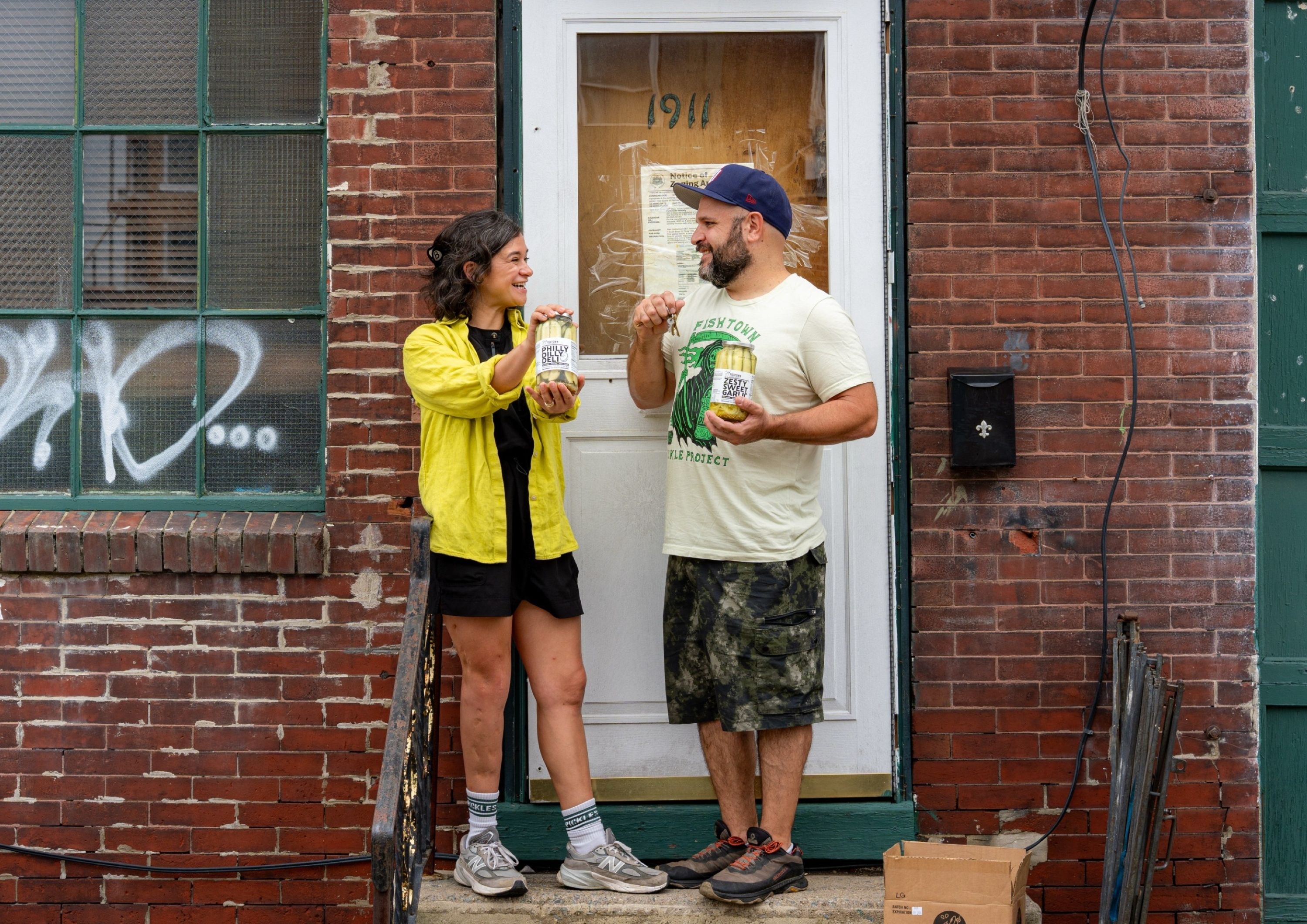
    After eight years, several production spaces, and many tons of cucumbers, Fishtown Pickle Project is putting down permanent roots.

    But it’s still not in Fishtown.

    Last month, Niki Toscani and Mike Sicinski, the husband-and-wife team behind the pickle company, bought a 6,200-square-foot building at 1911-13 N. Second St., just north of Berks Street near Norris Square in Kensington. There, they plan to triple production and, for the first time, invite customers into their briny world.

    The move from Globe Dye Works in Frankford will allow them to combine production with a storefront.
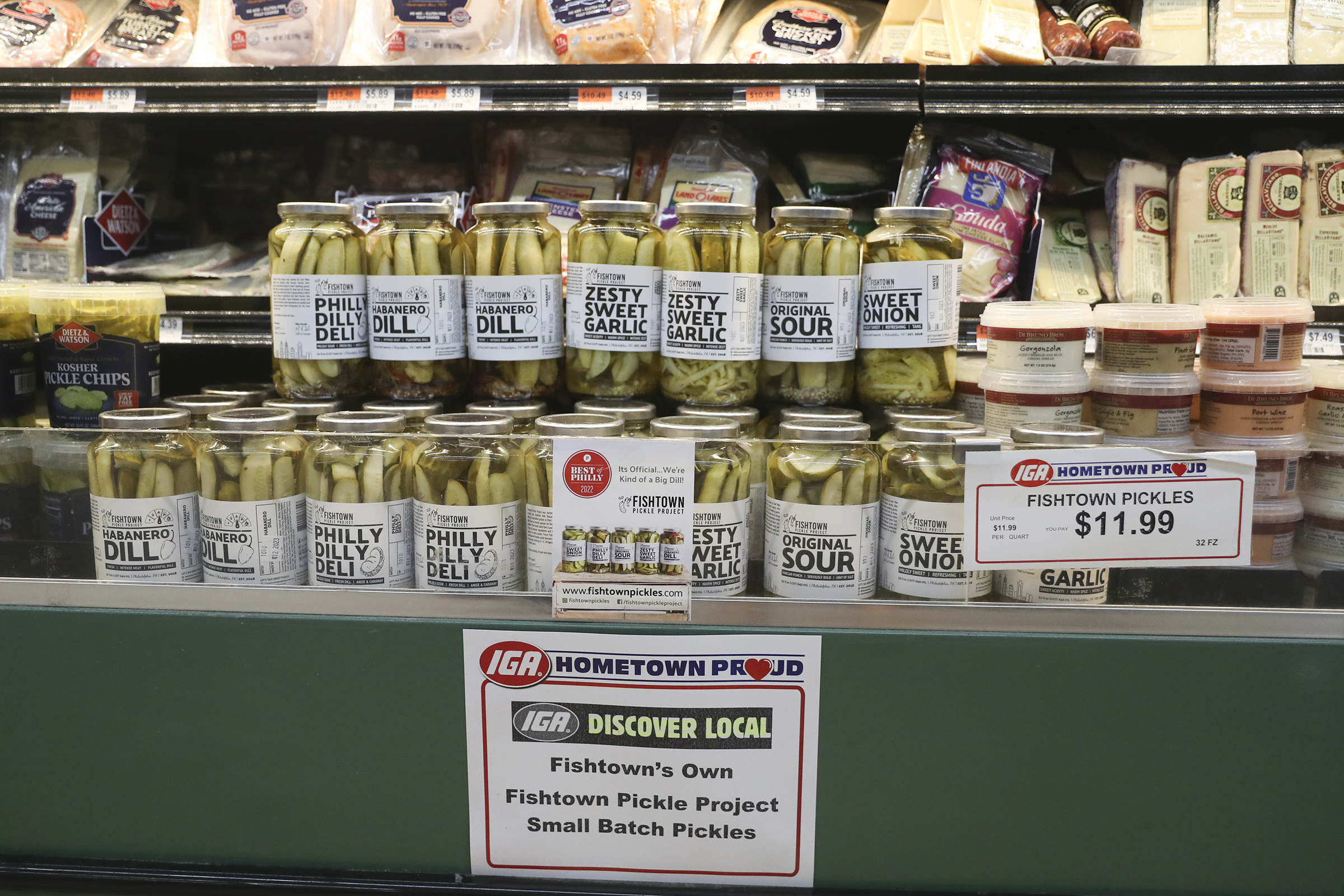
    The Richmond Shops IGA grocery store at Fishtown Crossing was an early customer of Fishtown Pickle Project.Heather Khalifa / Staff Photographer

    The centerpiece will be a 500-square-foot pickle tasting room, where customers can sample varieties, buy pickles by the pound or jar, shop for pickle-themed merchandise, and eventually take classes and production tours. They are aiming for a summer 2027 opening.

    A pickle tasting room? Think brewery, only with cucumbers. Toscani said customers will be able to sample the goods while watching production. She calls the concept a “brinery.”

    Most of the building will be devoted to manufacturing, storage, offices, and events. Fishtown Pickle Project now processes about 3,500 pounds of cucumbers a week, a figure Toscani expects to triple by the end of 2028.

    The couple said they remained at Globe Dye Works because of its affordable rent and highway access, but eventually ran out of room. Their search for a larger property with manufacturing and retail space, plus a driveway and loading area, led them to Norris Square. Finding that combination in Fishtown was difficult, Toscani said, “especially for a bootstrapped small business.”
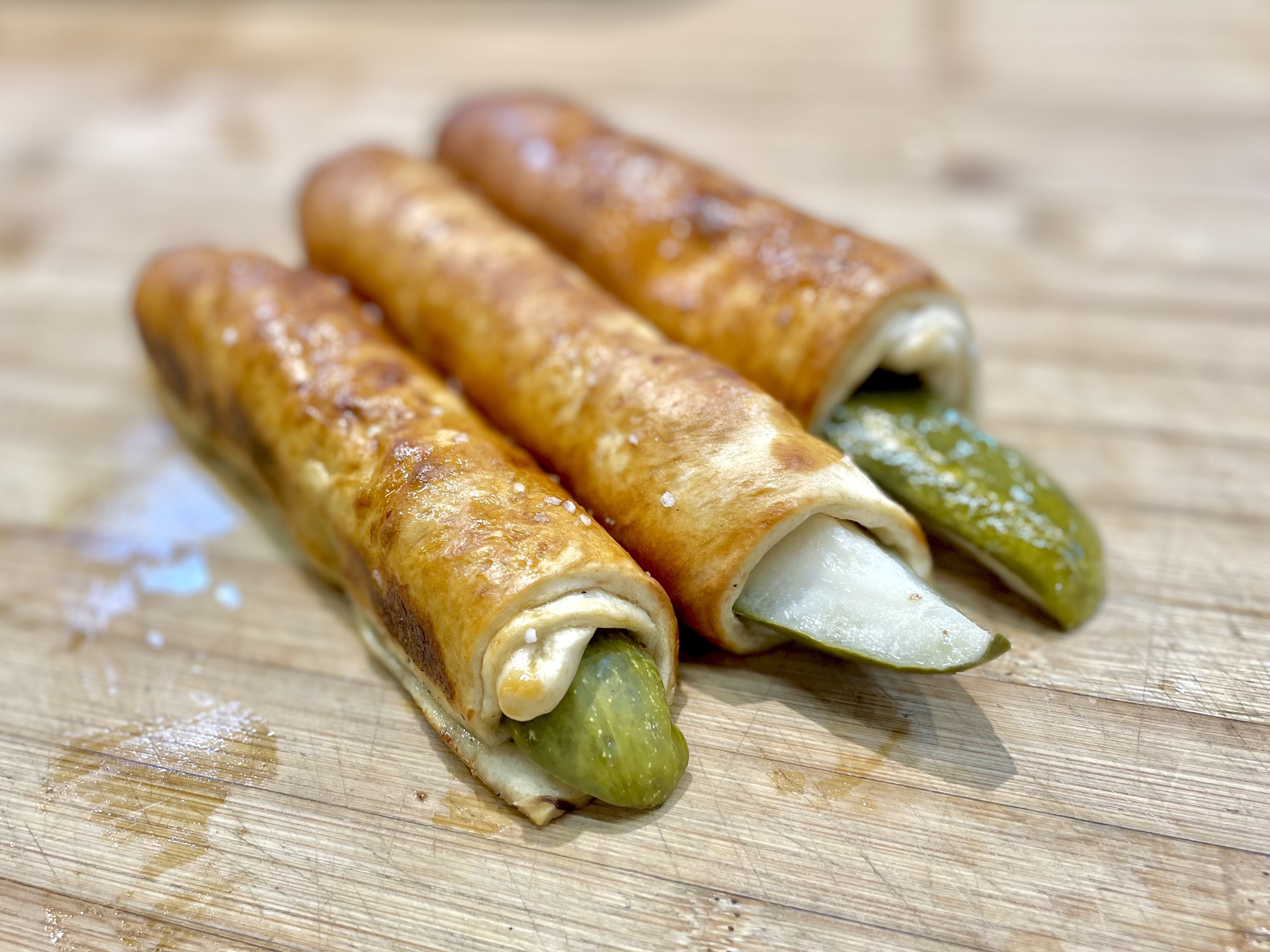
    A 2025 collaboration between Fishtown Pickle Project and Miller’s Twist in Reading Terminal Market resulted in Philly Dilly spears wrapped in a soft, sweet pretzel dough.Craig LaBan / Staff

    The Second Street property should also make deliveries easier. “When we’re getting trailers delivered with glass jars, it helps to have a garage and a street for them to deliver at without tons of traffic,” Sicinski said.

    Wholesale growth is driving much of the expansion. Toscani said revenue from buckets of pickles sold to restaurants, delis, and retailers increased 200% from 2024 to 2025. Some customers use them to stock pickle bars.

    The company sells through about 30 ShopRite stores, 11 Wegmans locations, and the Kimberton Whole Foods and McCaffrey’s Market chains. Toscani and Sicinski make their products and handle distribution themselves.

    “It allows us to grow responsibly without taking on more business than we can handle,” Toscani said.

    The company has the equivalent of about six full-time employees, which Toscani expects to double to about 12 by the end of 2028.

    As for the Fishtown in the name, that goes back to the company’s beginnings in 2018. Toscani and Sicinski lived in the neighborhood, and some of their first customers were Fishtown retailers, including Bottle Bar East (now closed), IGA, and Riverwards.

    The pickles themselves have always been made elsewhere. Sicinski, a chef who was then a food-service director for a New Jersey school district, first made them in his work kitchen. The couple — Toscani is a dietitian — also made pickles as wedding favors, helping turn the hobby into a business. Production later moved to Bridesburg Commissary (now Culinary Collective) and then to Globe Dye Works, where the company eventually moved into a larger space within the complex.

    The passion project became a livelihood after Sicinski was furloughed at the start of the pandemic. The lineup now includes the flagship Philly Dilly Deli, Sweet Onion, and Habanero varieties, and limited releases such as Bloody Mary and Ginger Lemonade pickle chips.

    The Norris Square project is their largest investment yet. They paid $550,000 for the building Aug. 6 and said they expect to spend about $700,000 on construction and outfitting. A $1.6 million Small Business Administration loan is helping finance the project, and they are seeking about $250,000 in grants for equipment and hiring. Toscani puts the overall investment at close to $2 million.

    The couple have no outside equity investors.

    Toscani sees no contradiction in taking the Fishtown name with them to Norris Square.

    “We still consider the neighboring neighborhoods our neighbors,” she said. “Despite the fact that we’re not in Fishtown proper, we feel like the opportunity to have roots in Norris Square actually fits our mission quite a bit.”
  • Big Charlie’s Saloon will become Sweets, a neighborhood bar

    Big Charlie’s Saloon will become Sweets, a neighborhood bar

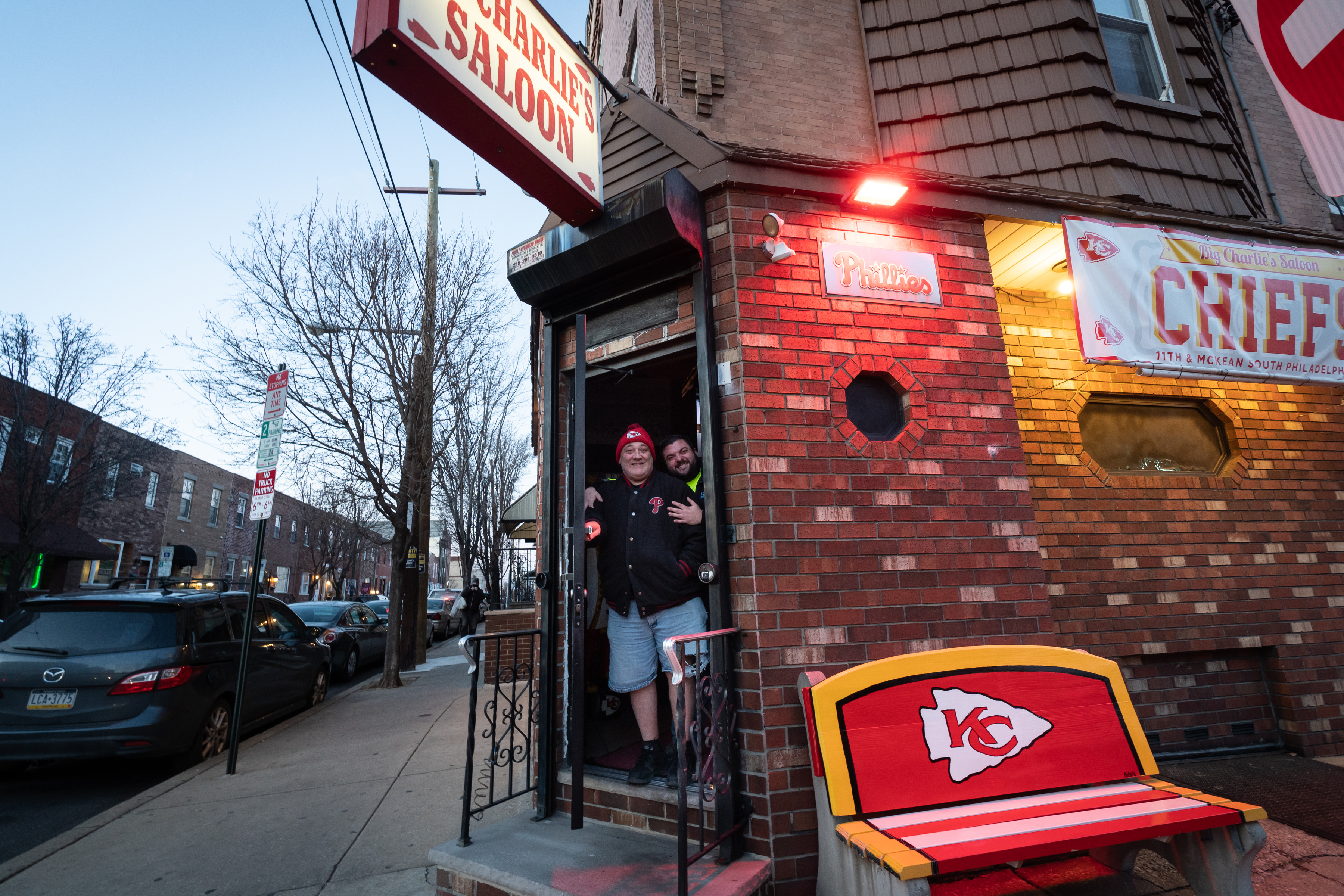
    Big Charlie’s Saloon, the South Philadelphia corner bar known nationally for its unlikely devotion to the Kansas City Chiefs, is getting a new playbook.

    Drew DiTomo, the chef and a partner at the Kensington gastropub Meetinghouse, and Tim Jacobsen, owner of the Old City vintage shop Stickball, say they have an agreement to buy the bar at 11th and McKean Streets, which closed last December following the sudden death of its longtime owner, Paul Staico, at age 59.

    DiTomo and Jacobsen say they plan to turn it into Sweets, a neighborhood bar. DiTomo said that he would remain at Meetinghouse and that his business partners there have no stake whatsoever in Sweets.

    Sweets will have no Chiefs memorabilia — or sports theme of any kind, for that matter. DiTomo said they’re thinking low-key. “I’m not a big concept guy,” he said. “I’m going to stay true to what that neighborhood deserves out of a neighborhood bar, and that’s about it.” The partners started an Instagram account to float photos that inspire them.
    DiTomo said he and Jacobsen are working through due diligence for the purchase of the building, which had been listed at $1.1 million and includes apartments upstairs. A liquor license transfer is also pending.

    They are aiming for a winter opening, though that timing is tentative. “If we could capture the holiday season, that would be beyond fantastic,” DiTomo said. “But we’re both realists. We’ll see how it goes.”

    Big Charlie’s, a tiny, two-room corner tavern, had become one of Philadelphia’s great sports curiosities: a fiercely loyal Chiefs bar deep in Eagles country.

    Its allegiance dated to Super Bowl IV in January 1970, when Staico’s father, Charlie, bet on Kansas City to beat the Minnesota Vikings and promised his young son a bicycle if the Chiefs won. They did, Paul got the bike, and a lifelong allegiance began.

    After taking over the bar following his father’s death in 1983, Staico bought a satellite dish in 1986 so he and friends could watch Chiefs games that rarely appeared on Philadelphia television. Over the decades, the bar became known as “Arrowhead East,” its wood-paneled rooms covered with signed helmets, pennants, bobbleheads, street signs, and other Chiefs memorabilia.

    NFL Films featured the bar, Chiefs players and coaches visited, and on important game days crowds spilled outside. The bar’s prominence grew along with the Chiefs’ success, creating complications when Kansas City faced the Eagles in the Super Bowls of 2023 and 2025.

    But Big Charlie’s was also a neighborhood bar, and that is the aspect of the property that DiTomo intends to preserve — rather than its sports identity. He and Jacobsen both live in South Philadelphia.

    “I’ve always admired neighborhood bars,” he said. “I grew up in neighborhood bars, so I want it to be true to form — just the classics, done well.”

    That philosophy will extend to the drinks. DiTomo said the bar will pour Meetinghouse beer, along with a straightforward selection of beer, wine, and cocktails built around classics.

    Sweet’s food will be simple, he said, because of the tiny kitchen.

    DiTomo, a Culinary Institute of America graduate who rose to prominence a decade ago in the Marc Vetri organization at Amis, was a chef consultant on M. Night Shyamalan’s series Servant on Apple TV+ when Meetinghouse opened in 2023.

    DiTomo and Jacobsen have been friends for about five years. DiTomo said Jacobsen had long been interested in doing a project together, but nothing had clicked until the Big Charlie’s building became available. “This building spoke to him, so he jumped on it,” DiTomo said.

    Stickball, Jacobsen’s shop, specializes in vintage clothing, art, and objects. GQ included it on its 2024 list of 30 notable vintage menswear stores in the United States.

    DiTomo said the Sweets name came from a running list he has kept over the years. He associates the word with several of his uncles, who used it as a term of affection. “I always liked the feeling of it,” he said. “It sounds nice, and it’s timeless. It feels good for the neighborhood, too.”

  • Philly’s first Kyo Matcha draws long lines in Chinatown

    Philly’s first Kyo Matcha draws long lines in Chinatown

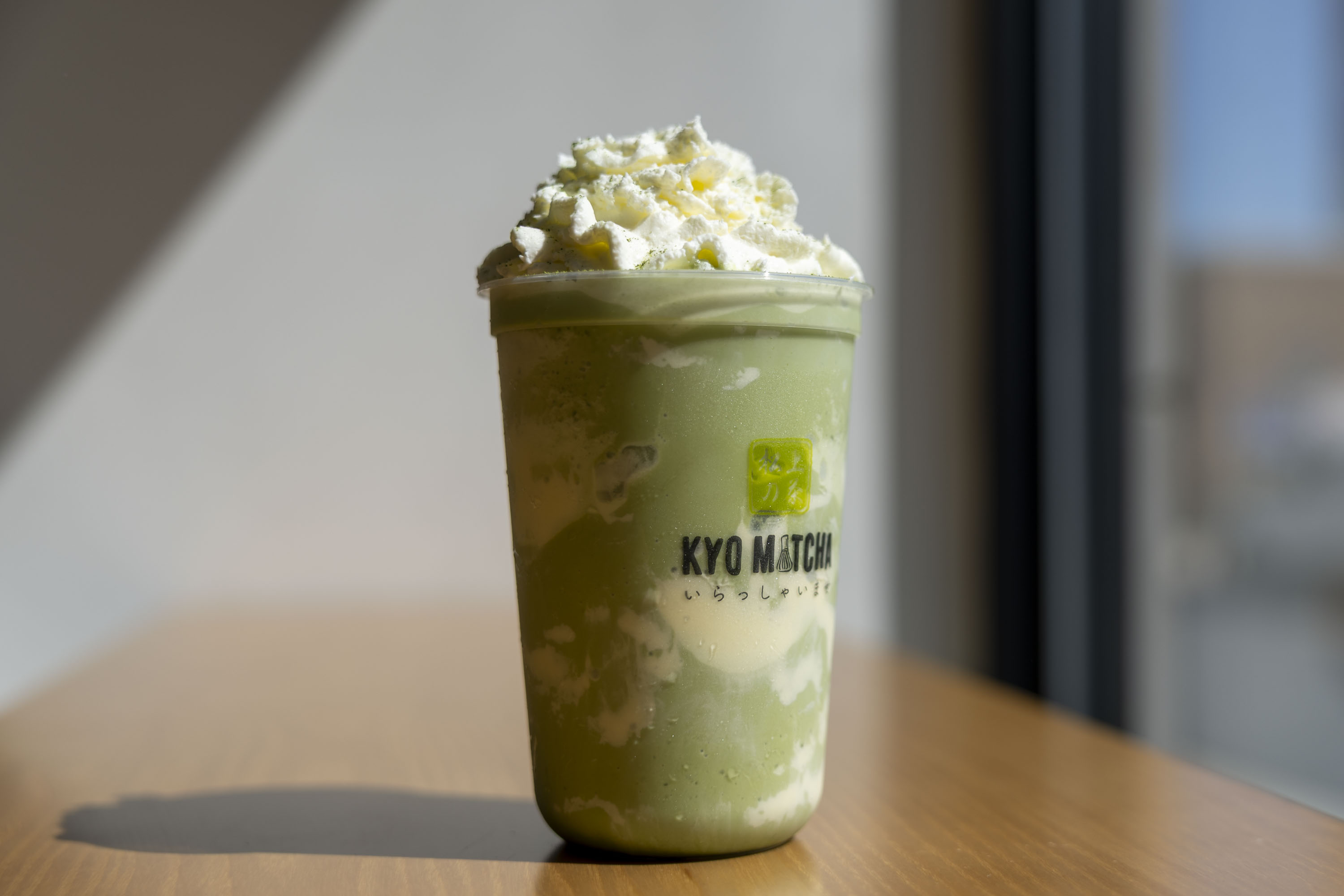
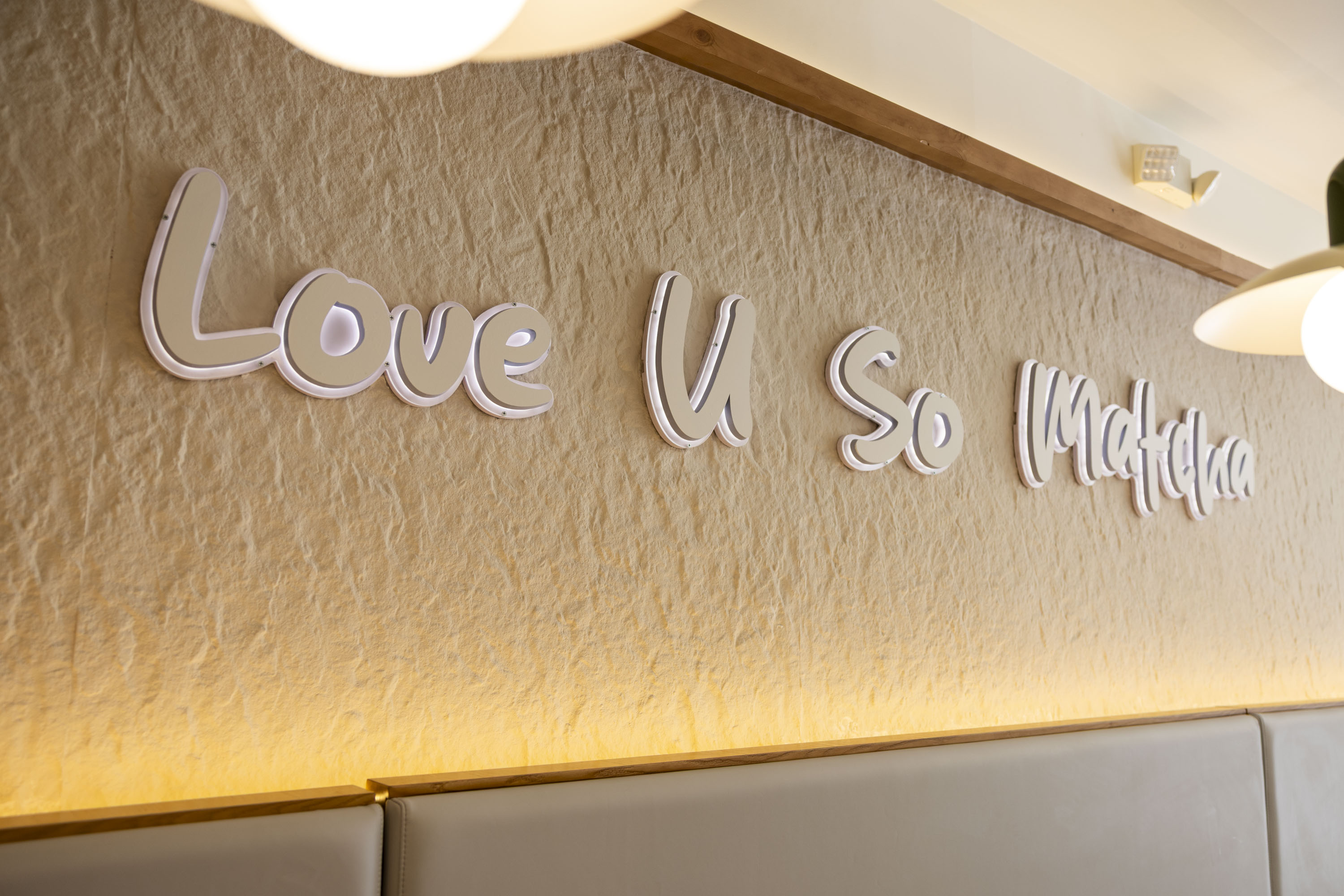
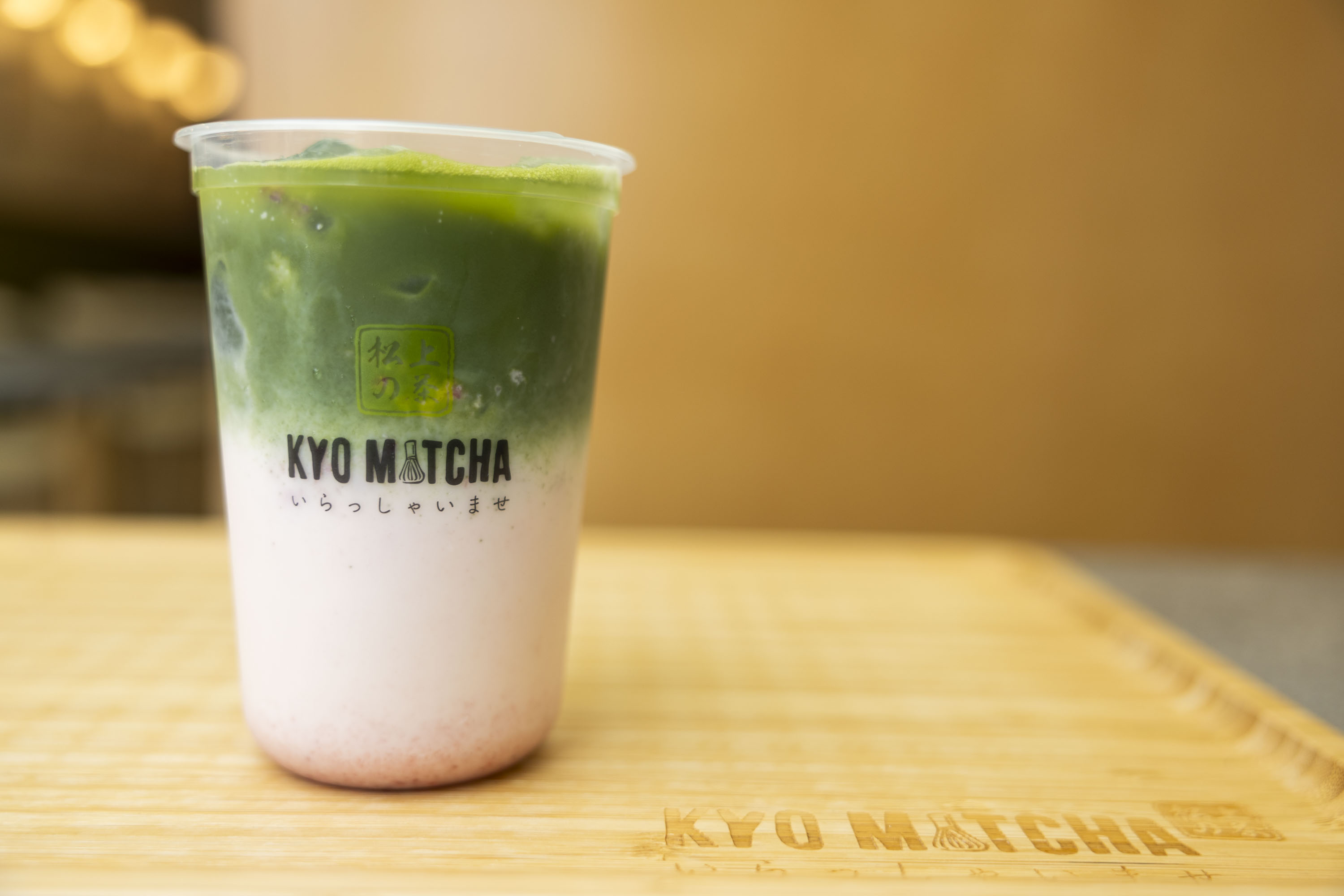
    The lines are long. The branding is adorable. The drinks are bright green, as are the lacy swirls of matcha-seasoned soft serve. This is the formula for Kyo Matcha, which opened in August in Chinatown.

    The same trappings can be found at both Matcha Panda Cafe, which opened in 2022, and Matcha Cafe Maiko, which opened in 2023 — years before high-end Japanese tea became so in-demand that suppliers couldn’t keep up. But there’s something a little curious about Kyo Matcha, a chain that is also known as Kyoto Matcha, with locations in Maryland, Pittsburgh, Virginia, and Massachusetts, as well as in Spain, Vietnam, and Turkey.

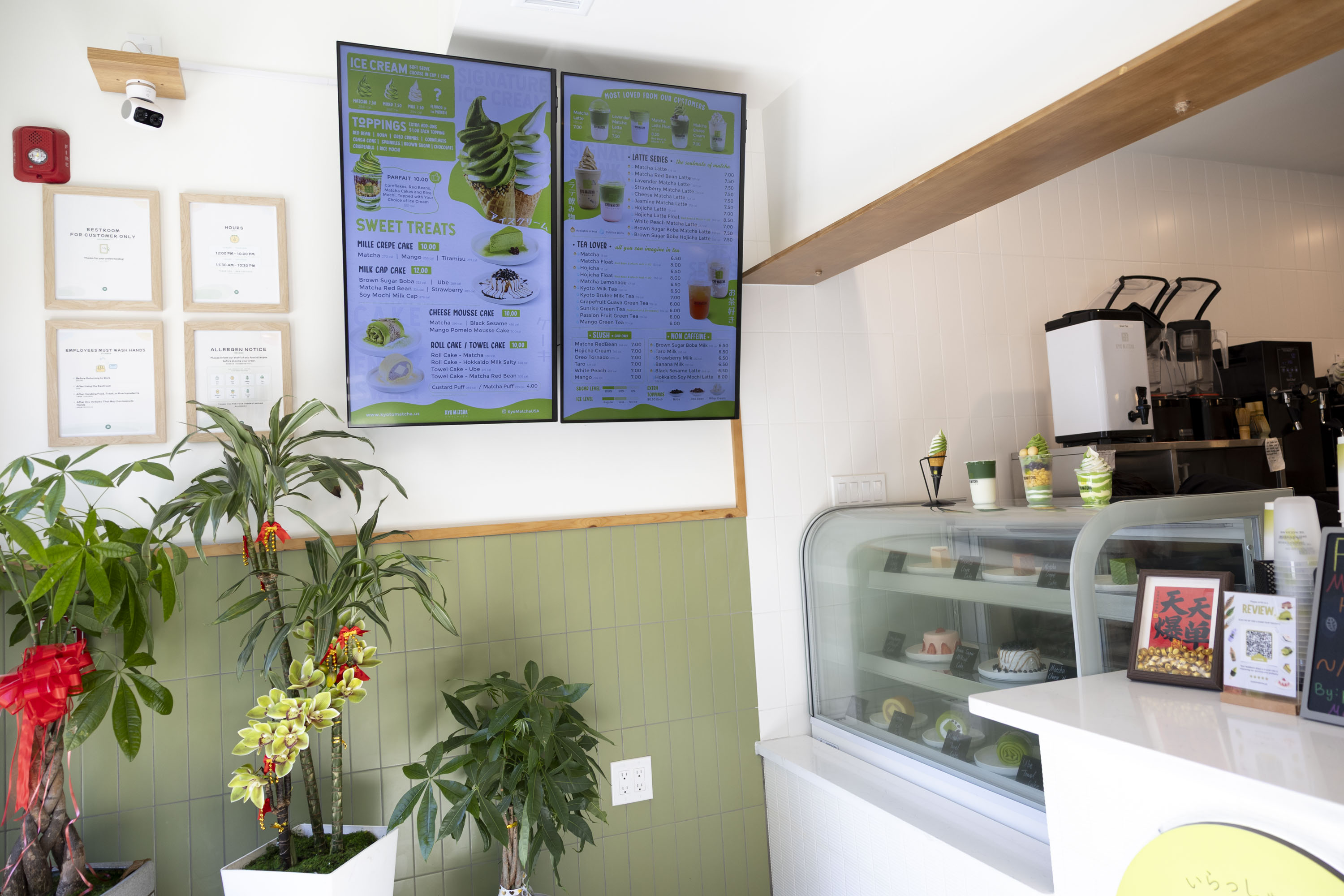
    The inside of Kyo Matcha.Tyger Williams / Staff Photographer
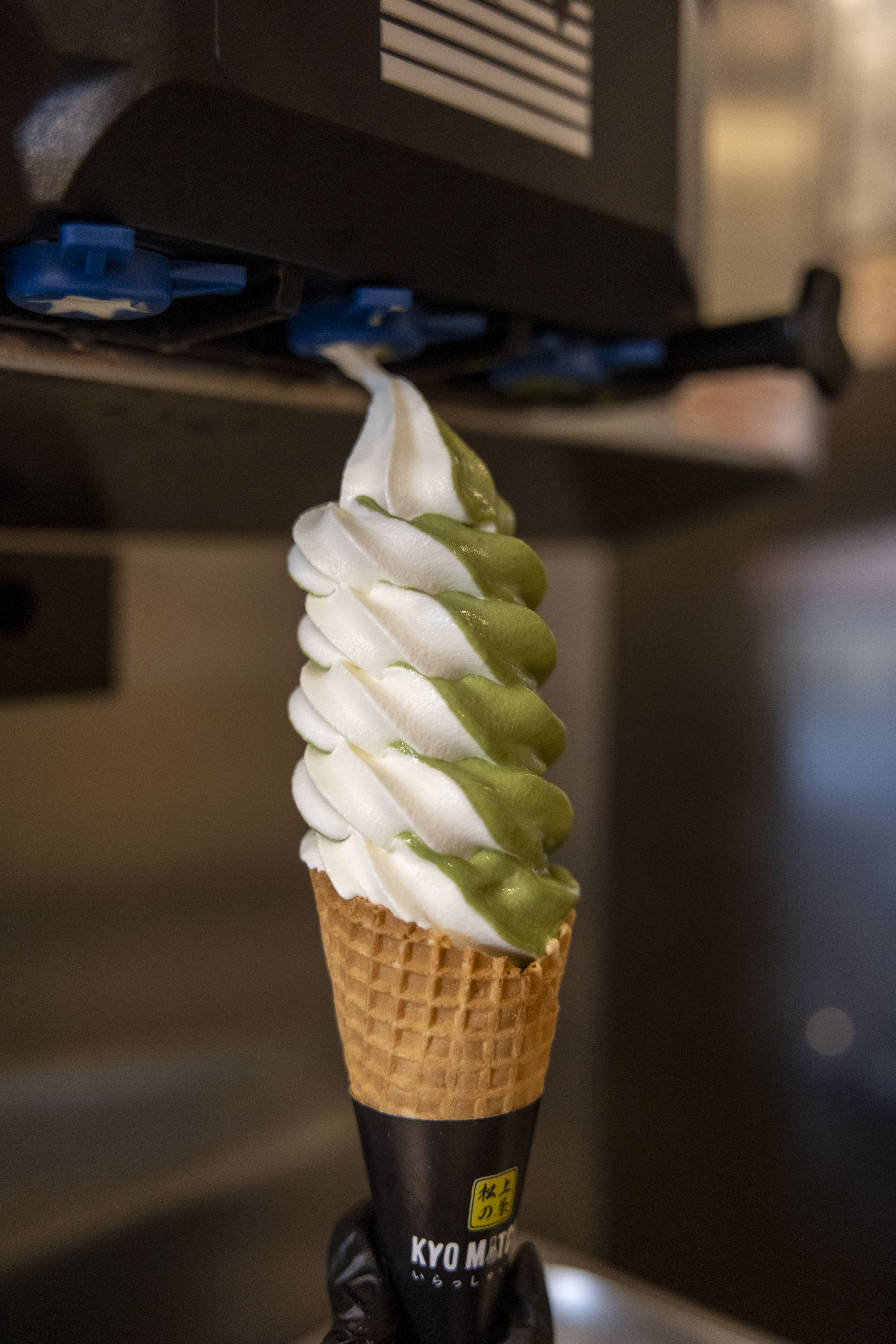
    A soft serve ice cream matcha mix at Kyo Matcha.Tyger Williams / Staff Photographer

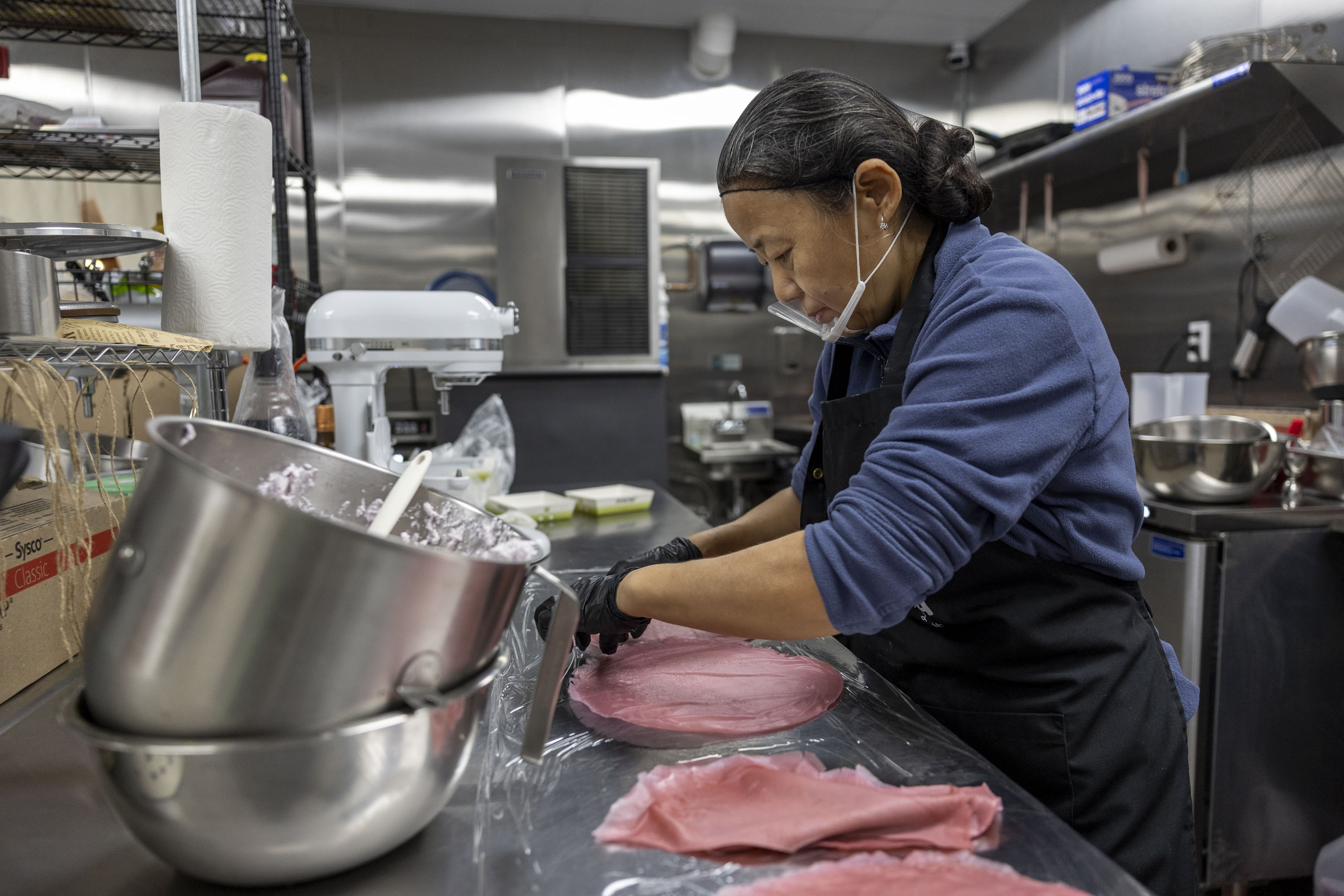
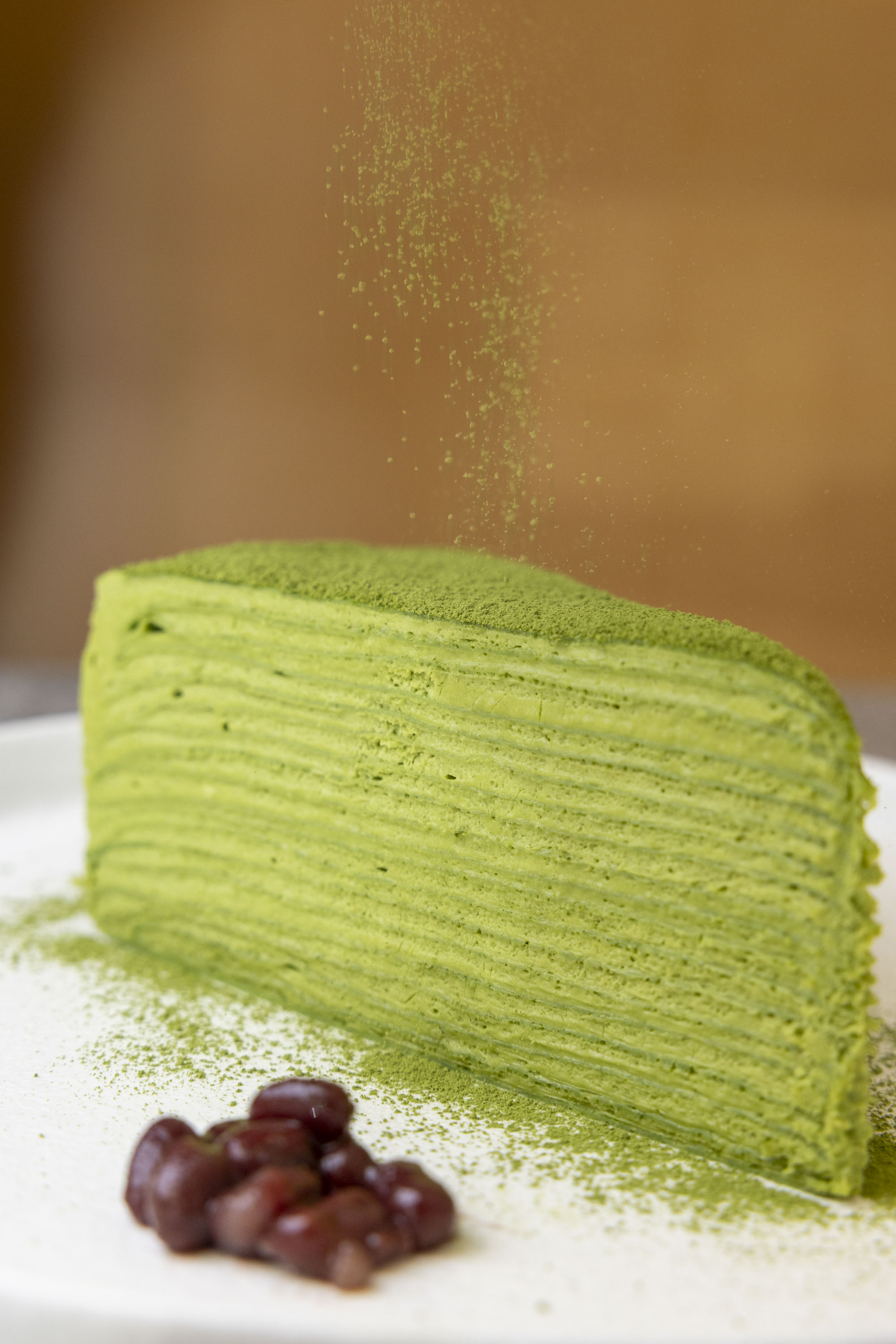
    Indeed, the students who work the front of house are just as bubbly as the ones who serve similar ice creams and tea drinks at the other matcha-focused shops in Chinatown. But in the kitchen at Kyo Matcha, a small crew of older Chinese chefs who previously worked at dumpling stores or preparing food in retirement homes are painstakingly making matcha and ube crepes, then layering them into cakes or rolling them into desserts by hand.

    The franchise is a project that brought two mainland Chinese couples into business together: Tom Kang, 34, and Danya Li, 30, who met studying hospitality at Temple University; and Alex An, 32, who also owns an international trading business, and Jing Xiong, 31, a UX lead designer.

    Mrs. Jiao is making a fresh Ube Tower Cake at Kyo Matcha on Wednesday, Aug. 26, 2026, in Philadelphia.Tyger Williams / Staff Photographer
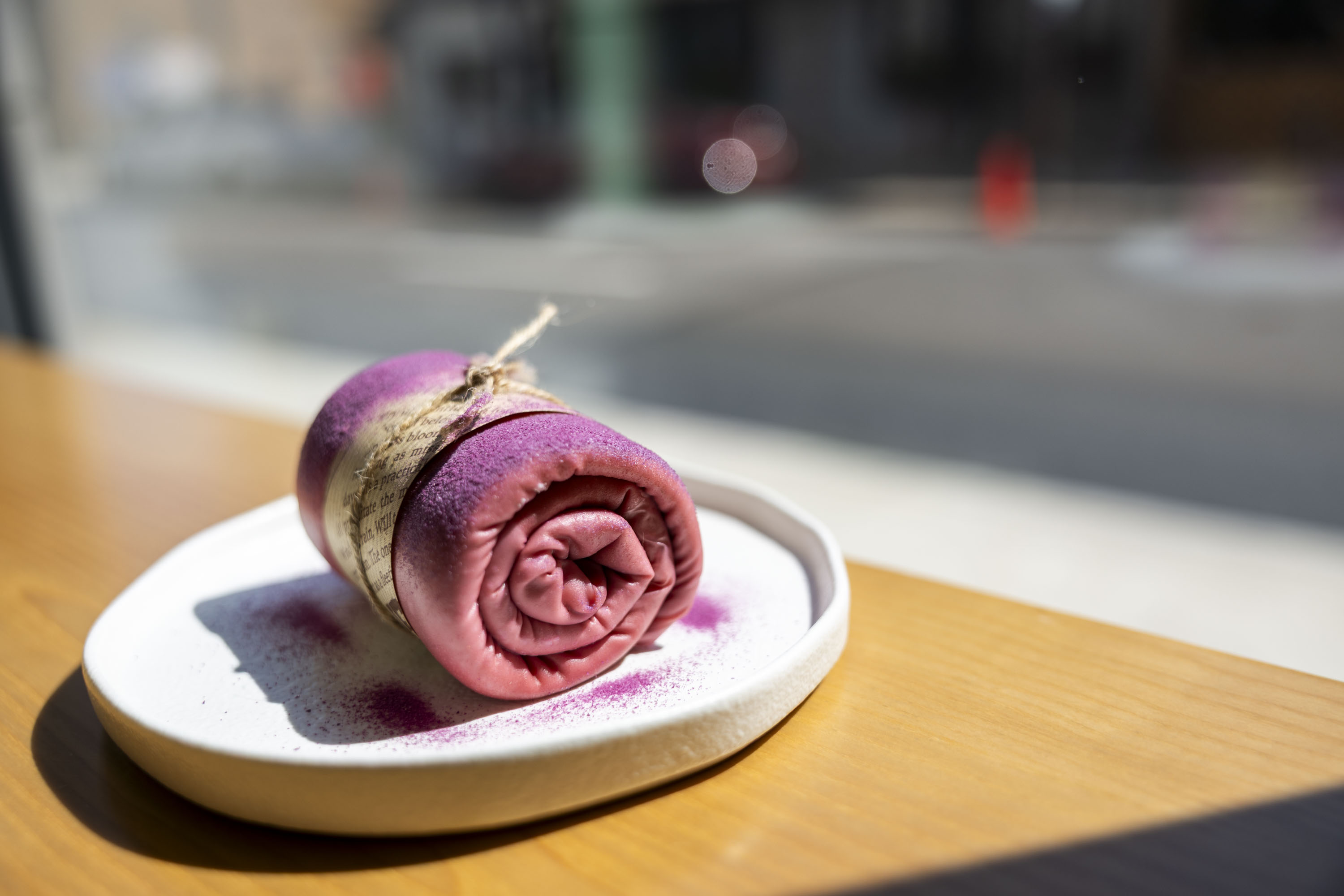
    A Ube Tower Cake at Kyo Matcha on Wednesday, Aug. 26, 2026, in Philadelphia.Tyger Williams / Staff Photographer

    Kang also owns and operates Stay at Luna, a collection of 10 apartment hotels mostly clustered around Chinatown. (There’s a Stay at Luna located above Kyo Matcha.)

    Located on 11th Street between Race and Vine Streets, in the former Vietnam Palace space, Kyo Matcha is a little off Chinatown’s beaten path. “We felt that if we created a beautiful space and offered something a little different, it could become another reason for people to come to this part of Chinatown,” said Kang.

    A Creme Brûlée Matcha at Kyo Matcha on Wednesday, Aug. 26, 2026, in Philadelphia.Tyger Williams / Staff Photographer

    He became enamored with Kyo Matcha due to both its high-quality matcha powder and its menu, equally balanced between beverage and desserts.

    And why did four young people choose to open a franchise instead of creating their own brand?

    “Starting a brand from scratch is so hard,” said Li.

    While menu items all have to be approved by Kyo Matcha’s corporate office, the business arrangement still leaves room for the owners to innovate as they develop desserts for Philly customers.

    As at other beverage chains, you can specify your preferred level of sweetness when ordering a drink here. There’s only one option, a simple iced matcha, where you can try matcha unadulterated by milk or syrup, to appreciate its grassiness. All beverages are served cold.

    A Matcha Crepe Cake at Kyo Matcha on Wednesday, Aug. 26, 2026, in Philadelphia.Tyger Williams / Staff Photographer

    The matcha trend shows no sign of abating, though global shortages persist as the tea’s leaves take four to five years to mature. The obsession with the bright green Japanese tea has manifested in a slew of matcha-driven beverages and desserts in Philly’s Chinatown, where there’s also been a wave of beverage shop openings.

    Kyo Matcha opened the same week as Arch Street’s branch of Heytea, a Chinese brand operating over 4,000 locations worldwide. They join over a dozen tea-focused shops in the neighborhood.

    The inside of Kyo Matcha on Wednesday, Aug. 26, 2026, in Philadelphia.Tyger Williams / Staff Photographer

    But there still seems to be plenty of appetite for approachable matcha offerings. “Matcha is especially popular among younger customers, and we see a lot of students and younger professionals, but we’ve also seen families, tourists, Chinatown residents, and people who have never tried matcha,” said Kang.

    Kyo Matcha, 222 N. 11th St., kyotomatcha.us. Hours: Noon to 10 p.m. Monday to Thursday, 11:30 a.m. to 10:30 p.m. Friday and Saturday

  • These Philly sushi chefs lift weights — and bluefin tunas — together

    These Philly sushi chefs lift weights — and bluefin tunas — together

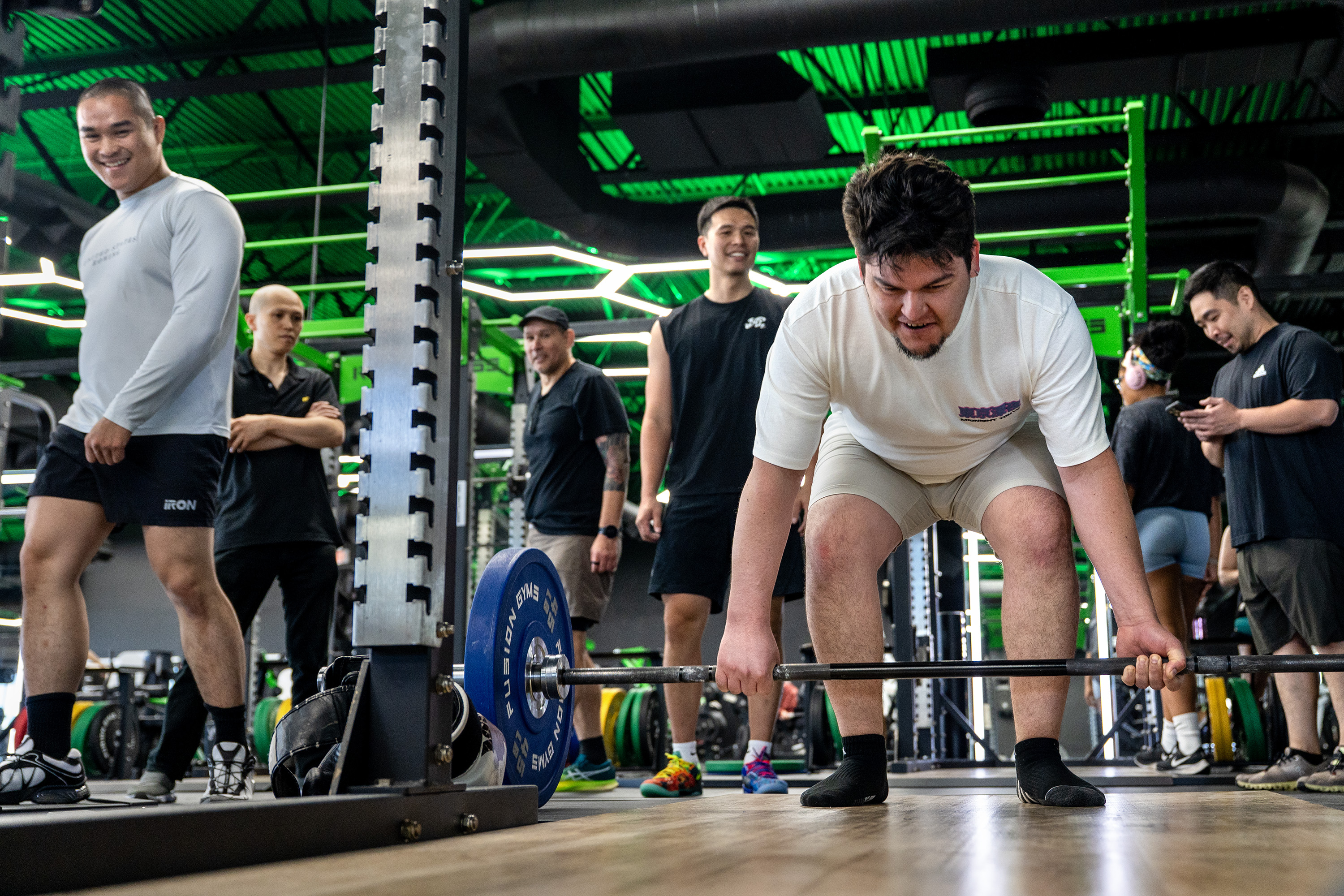
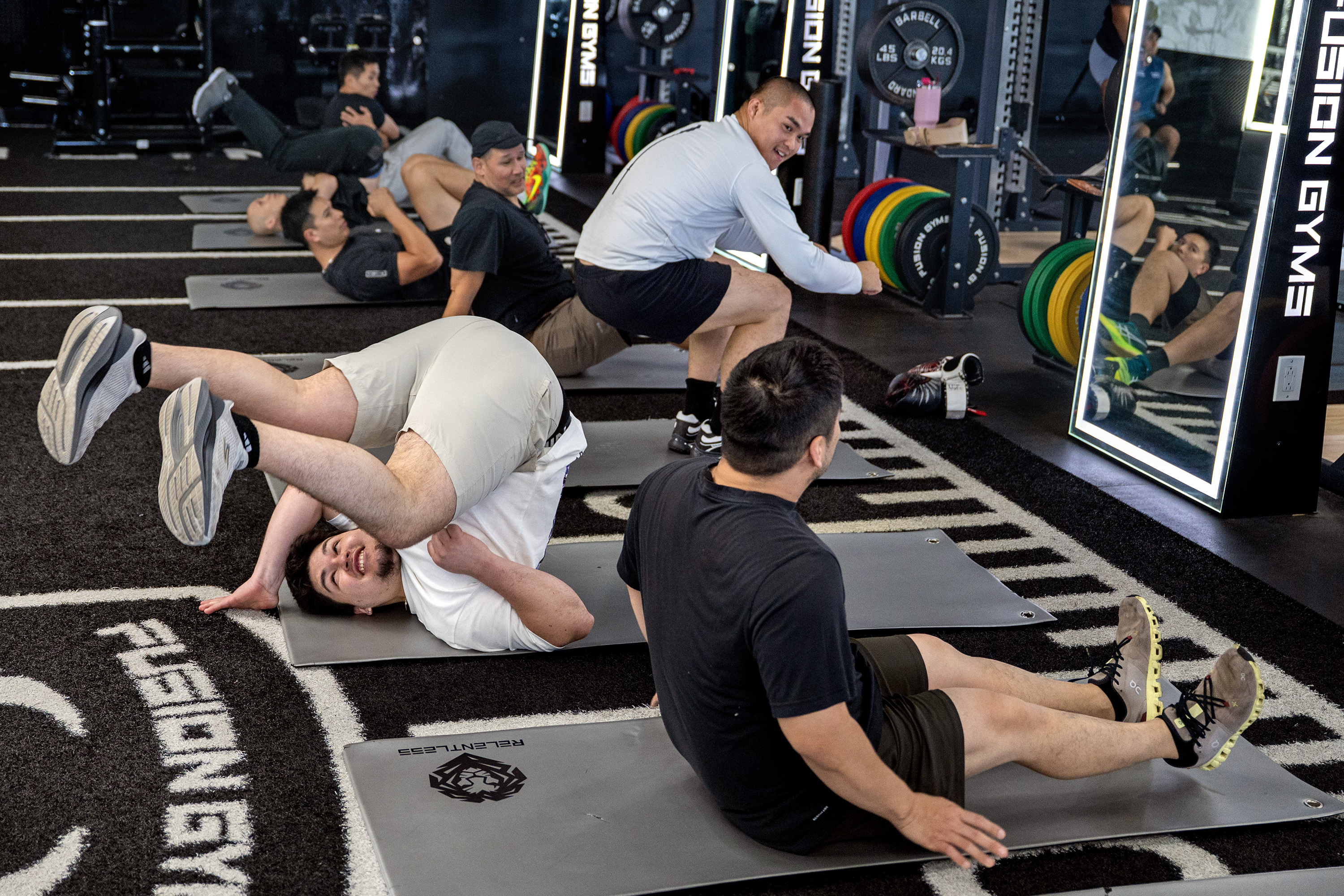
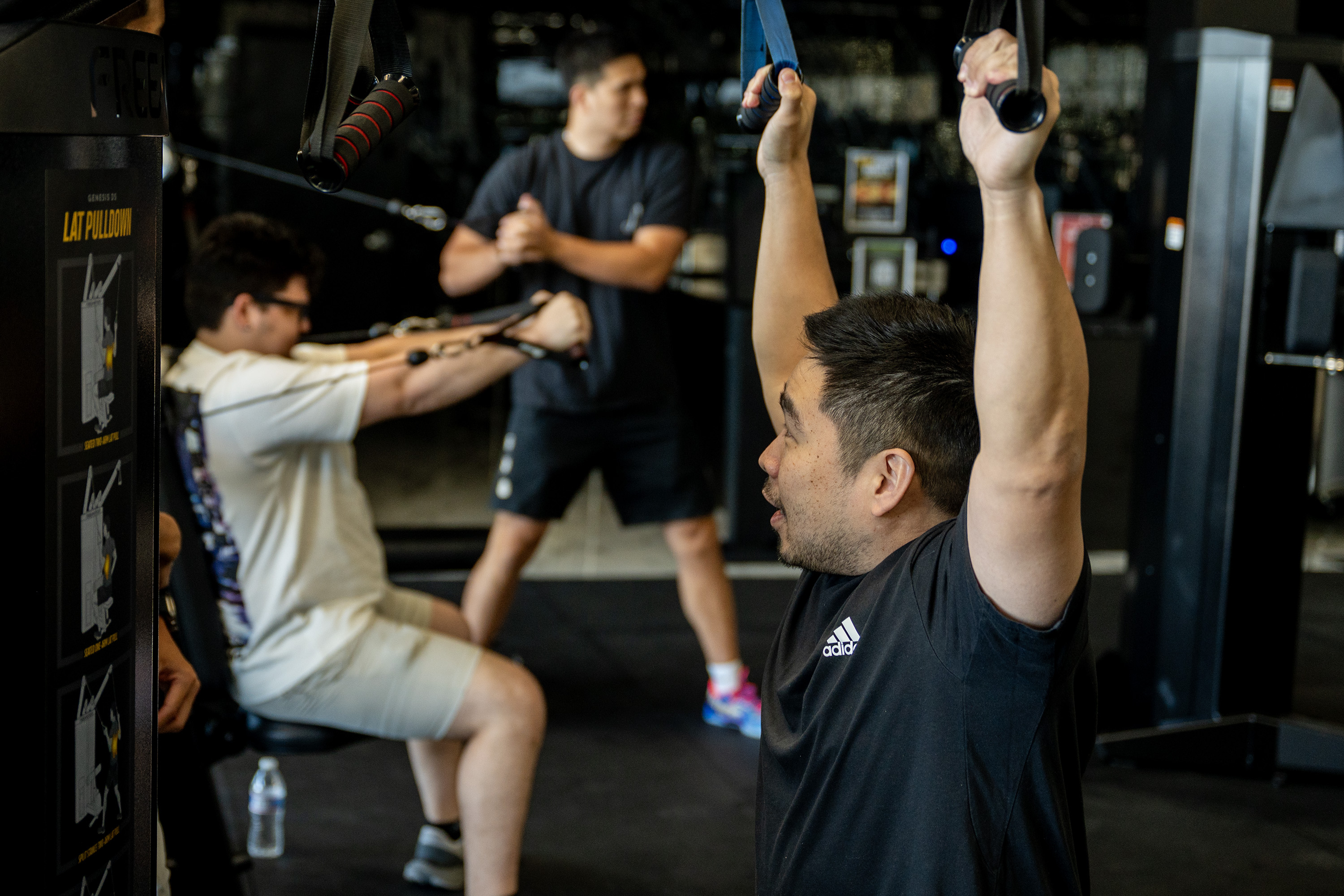
    One of Fusion Gyms’ five locations is in a strip mall in deep South Philly, sandwiched between a children’s clothing shop and a wig store. In the neon-green glow of the gym’s bright lights, seven Philly sushi chefs stretched on rubber mats, preparing to lift weights set to be as heavy as a fully grown bluefin tuna.

    The crew — usually just four or five chefs — meets regularly on weekday mornings, loosely led by Albert Zheng, 34, and Dan Santana, 40, who co-own and run Kiku Sushi in South Philadelphia. (Zheng also owns Javelin in Fairmount and is a partner in the upscale Old City omakase restaurant Ogawa.)

    Zheng and Santana are there every weekday. The other chefs drop in weekly or monthly. They exercise to stay fit for their physically demanding jobs, but also just to hang out with each other.

    On a recent Tuesday morning, a larger-than-normal group gathered, including chefs from Kiku, Ogawa, and Javelin, as well as Kichi Omakase and Yanaga Kappo Izakaya, which houses the omakase counter 637 Sushi Club.

    Sushi chefs work out at Fusion Gyms in South Philadelphia in August. They get together regularly, trading both exercise tips and fish intel. From front to back are Dan Santana; Carlos Wills, Joseph Nguyen, Kevin Yanaga, Albert Zhang, Cai Li, and Alex Jiang.Tom Gralish / Staff Photographer

    They also count among their crew sushi chefs from Sagami and Nakama. “We’re less consistent in summer, when our kids are home from school,” Zheng said. “During the school year, we drop the kids off and meet at the gym right after.”

    They work out for two, sometimes three hours at a stretch. “The third hour is usually our jaw workout,” joked Zheng. “And it takes longer when there are more people.”

    As they wove through Fusion Gyms’ open-floor plan, they compared ingredient lists and traded tips about good restaurants and where to get salmon for a better price. These are regular topics of discussion, along with mise en place and sourcing.

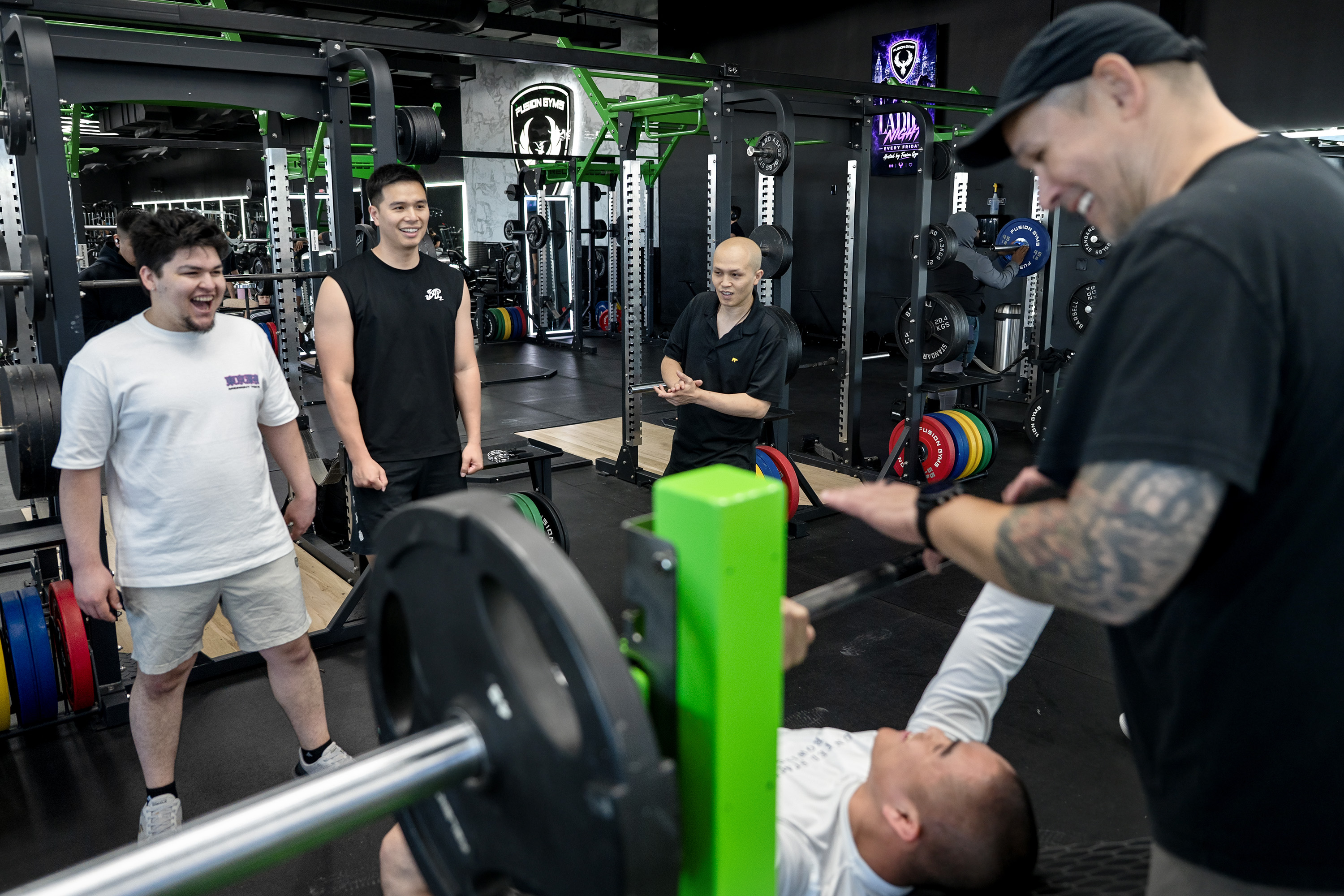
    Sushi chefs work out at Fusion Gyms in South Philadelphia in August. They get together regularly, trading both exercise tips and fish intel. Clockwise from left: Carlos Wills, Albert Zheng, Alex Jiang, Kevin Yanaga, and Joseph Nguyen (on bench).Tom Gralish / Staff Photographer

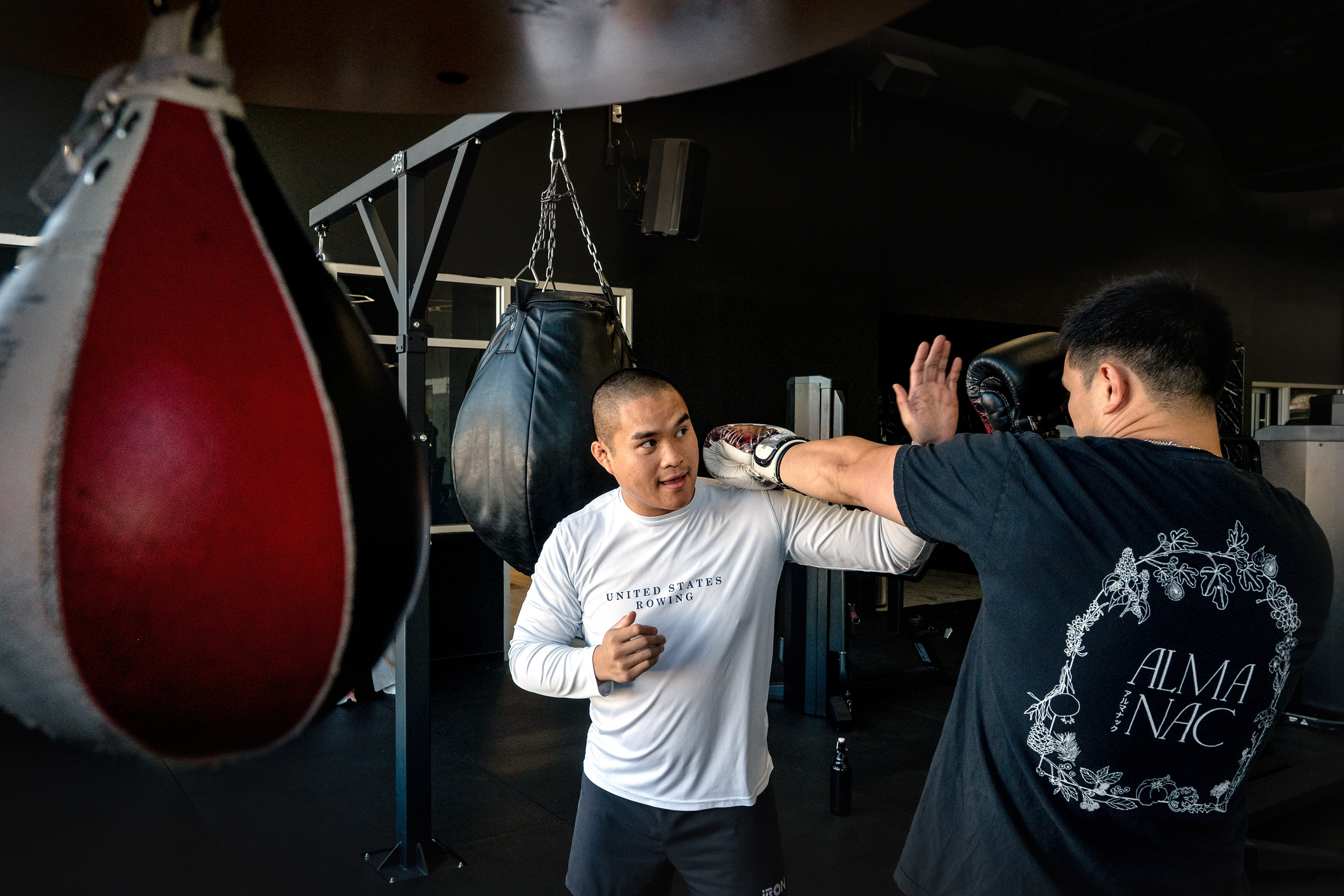
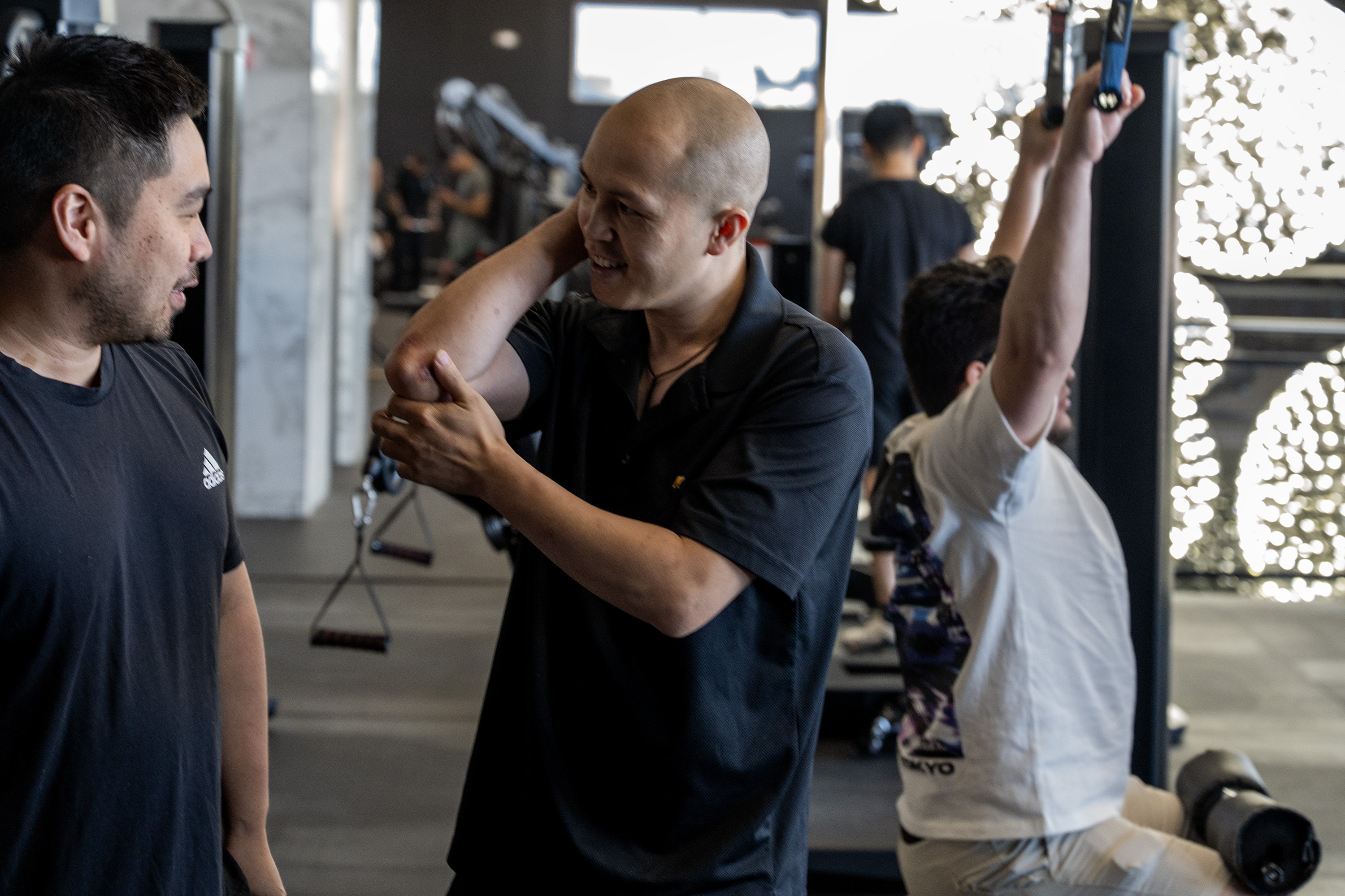
    Kevin Yanaga, 55, and Joseph Nguyen, 27 — partners in 637 Sushi Club’s Oma Cafe, which pairs fish with coffee — coached the others through Muay Thai moves while trying to convince the other chefs to join them on a November trip to Vietnam for a three-day Oma Cafe pop-up. “I need help prepping,” said Yanaga.

    Sushi chefs work out at Fusion Gyms in South Philadelphia. They get together regularly, trading both exercise tips and fish intel. From front to back are Dan Santana, Carlos Wills, and Albert Zheng.Tom Gralish / Staff Photographer

    At one point, Carlos Wills, 26, who helms the omakase counter at Ogawa, pulled up a list of available ingredients sent by his buyer from Japan’s Toyosu Market, the world’s largest wholesale seafood market, and showed Yanaga the $500 tray of uni and $55 60-sheet packet of nori that he was considering ordering once he was done working out.

    On this Tuesday, the chefs were also drinking some of the world’s most expensive coffee, brewed by Nguyen. “It’s Orange Geisha and it’s expensive because it’s so rare and it takes half a pound of beans for me to brew one bottle,” explained Nguyen, who also owns and operates the Coffee Connoisseur Club. The Instagram-based subscription club sources beans from Nguyen’s plots in Vietnam and small farmers in South America. “This is a $250 bottle of coffee,” Yanaga interjected.

    “I’m getting kumquat, jasmine, and orange notes coming from it,” said Nguyen. “I like saba [mackerel] paired with this, as the fattiness of it pairs with the bright citrusy notes. Saba with a little bit of wasabi.”

    There was no saba in sight as Nguyen held a punching bag while Zheng jabbed, gently coaxing him on where to aim his punches. He did the same for Alex Jiang, 42, from Kichi Omakase. “We have a heavy jab over here!” he proclaimed.

    Sushi chefs Joseph Nguyen (left) and Albert Zheng work on boxing at Fusion Gyms.Tom Gralish / Staff Photographer

    When the crew moved on to bench-pressing, Wills said, “You can tell people this is how I prepare to lift a tuna.”

    As Wills sat back on the weight bench and lifted the bar, he said, “This is a 60-pound tuna.”

    The sushi chefs spot one another and cheer each other on: “One more! Half a tuna more! You’re very strong!”

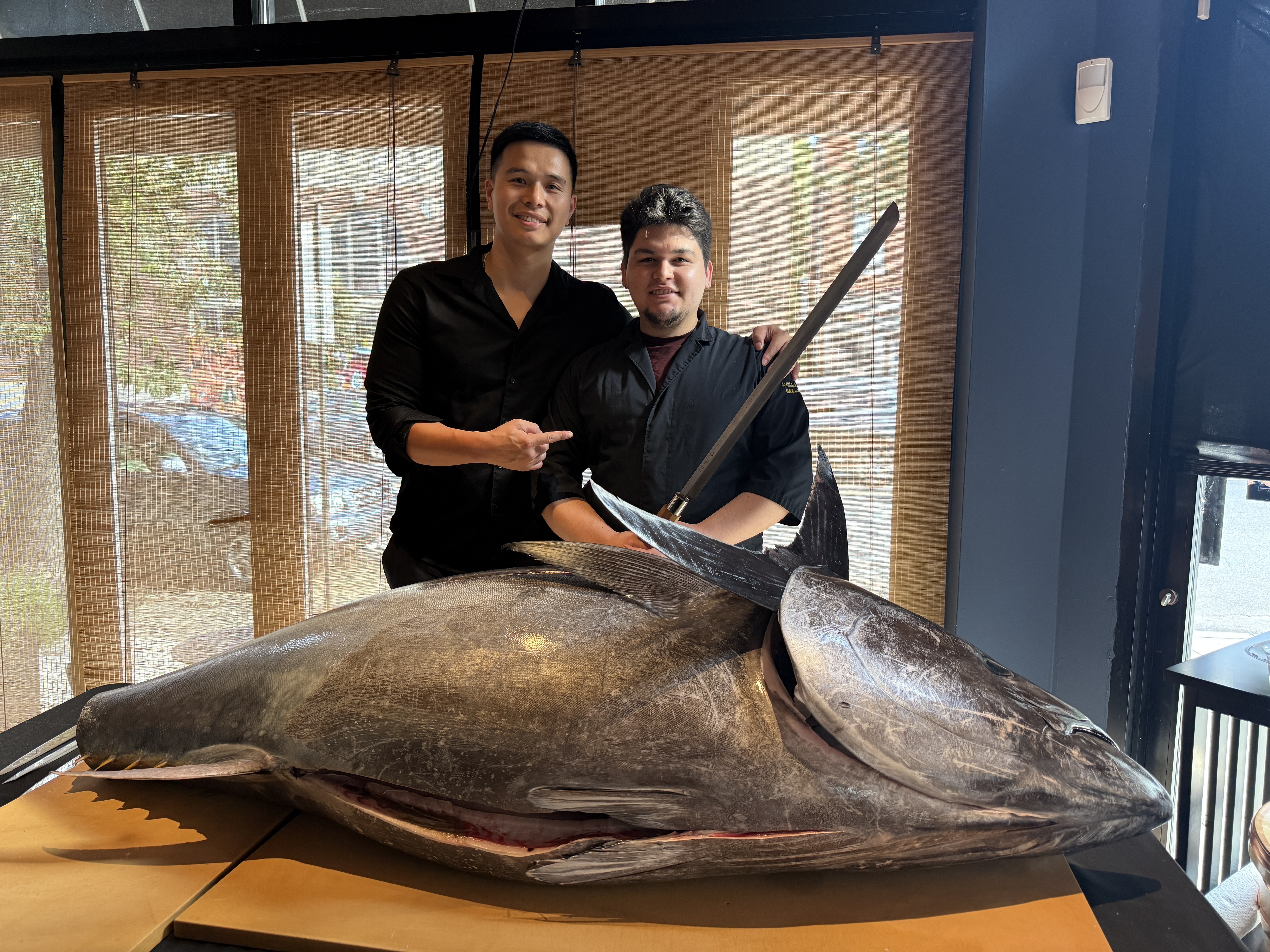
    “I thought about bench-pressing the 281-pound tuna we brought into Javelin for the tuna breakdown last week,” said Zheng. “But it was so slippery.”

    Sushi chefs like Albert Zheng and Carlos Wills say they work out to stay in shape for lifting fish like this 281-pound Spanish bluefin tuna at Javelin in Fairmount.Kiki Aranita / Staff /

    “When we get a tuna like that, it takes eight of us to lift it,” said Yanaga.

    “We got a Spanish bluefin last week,” said Wills. “It was $23 per pound, so just over $6,600. Pretty cheap. The Japanese ones are $31 per pound right now.”

    “Who wants to do a whole tuna?” asked Zheng as he and Santana added more weights on to a bar for a round of dead lifts.

    Nguyen steps up and dead lifts 315 pounds. “We’re hiring him for the next tuna breakdown,” said Wills.

    Sushi chefs (from left) Dan Santana, Alex Jiang, and Carlos Wills work out at Fusion Gyms.Tom Gralish / Staff Photographer
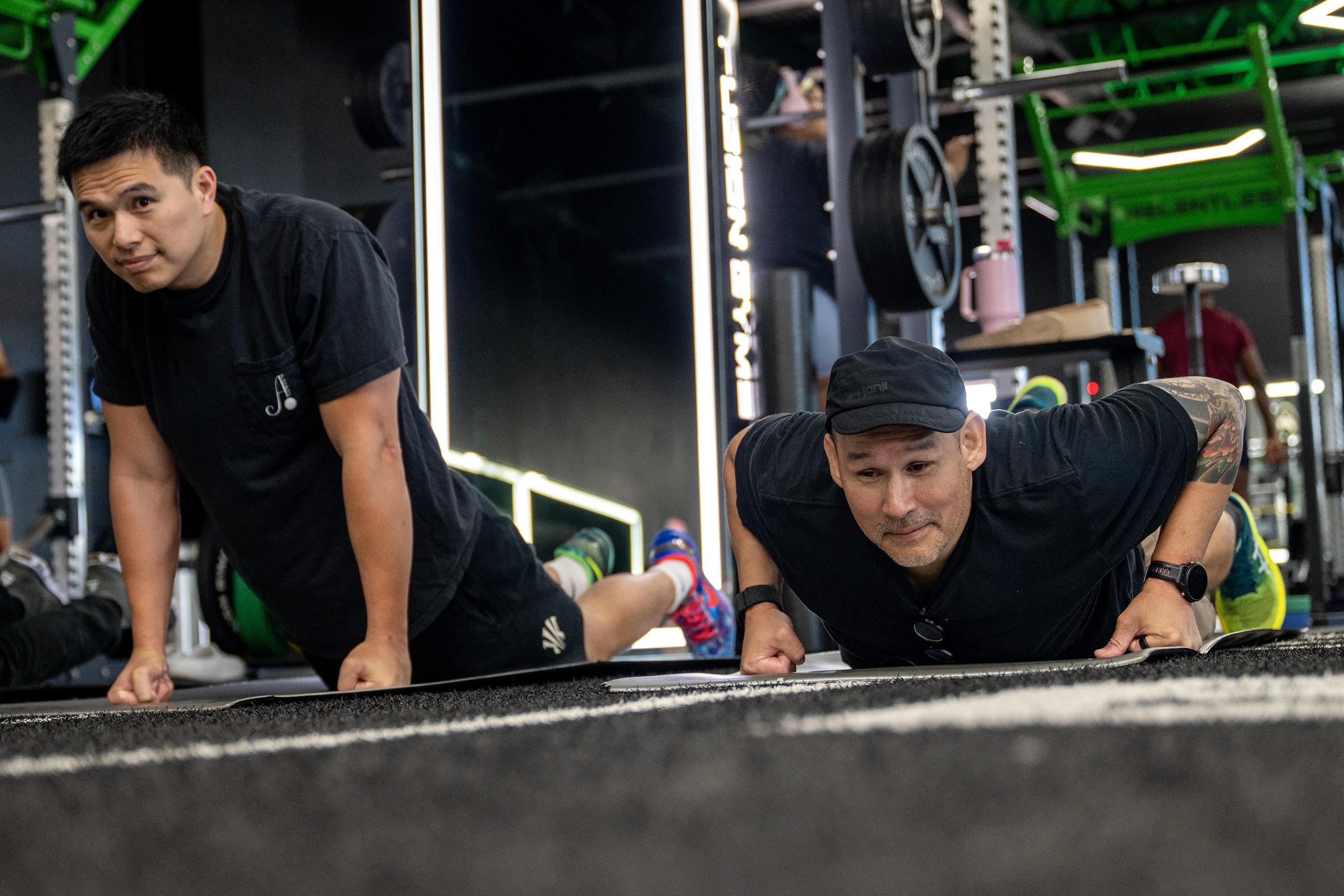
    Sushi chefs Albert Zheng (left) and Kevin Yanaga work on planks at Fusion Gyms in South Philadelphia.Tom Gralish / Staff Photographer

    In fact, the chefs do often join up for tuna cuttings, helping one another out even if they aren’t in business together.

    But mostly, the crew keeps one another accountable at the gym, welcoming each other even if weeks or months pass between workouts.

    Once the coffee was consumed and their muscles were spent, the chefs dashed off in different directions, to their respective sushi counters.

  • The Jersey Shore bakery that helped Dominic Sessa transform into Anthony Bourdain

    The Jersey Shore bakery that helped Dominic Sessa transform into Anthony Bourdain

    Before he played Anthony Bourdain in the coming-of-age biopic Tony, Dominic Sessa’s first brush with fame was as an Ocean City, N.J., doughnut guy.

    Tony, which opened in theaters nationwide last Friday, is an origin story. It depicts Bourdain decades before he would become the executive chef of French brasserie Les Halles and eventually a prolific travel journalist, best known for shows like A Cook’s Tour, No Reservations, and Parts Unknown.

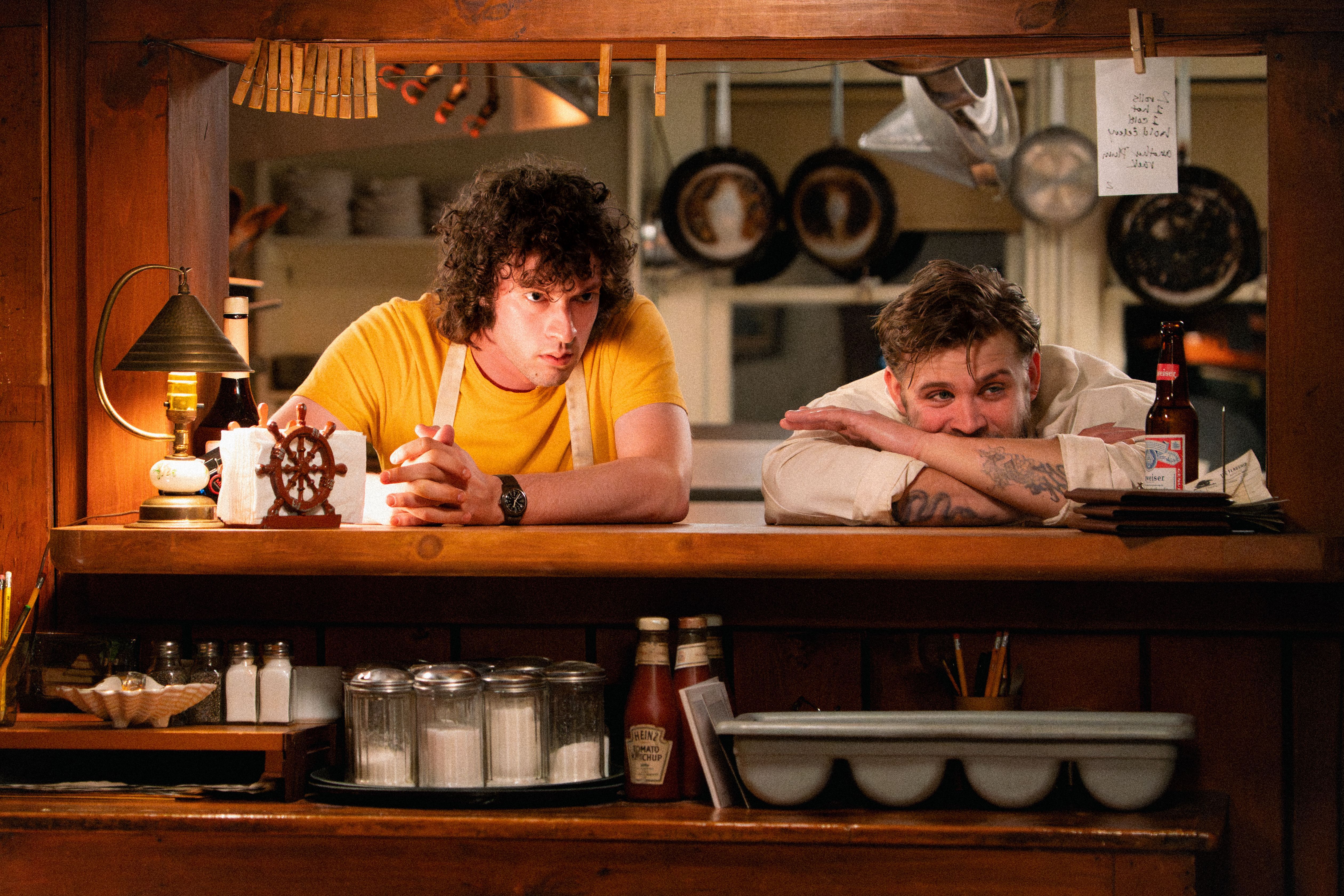
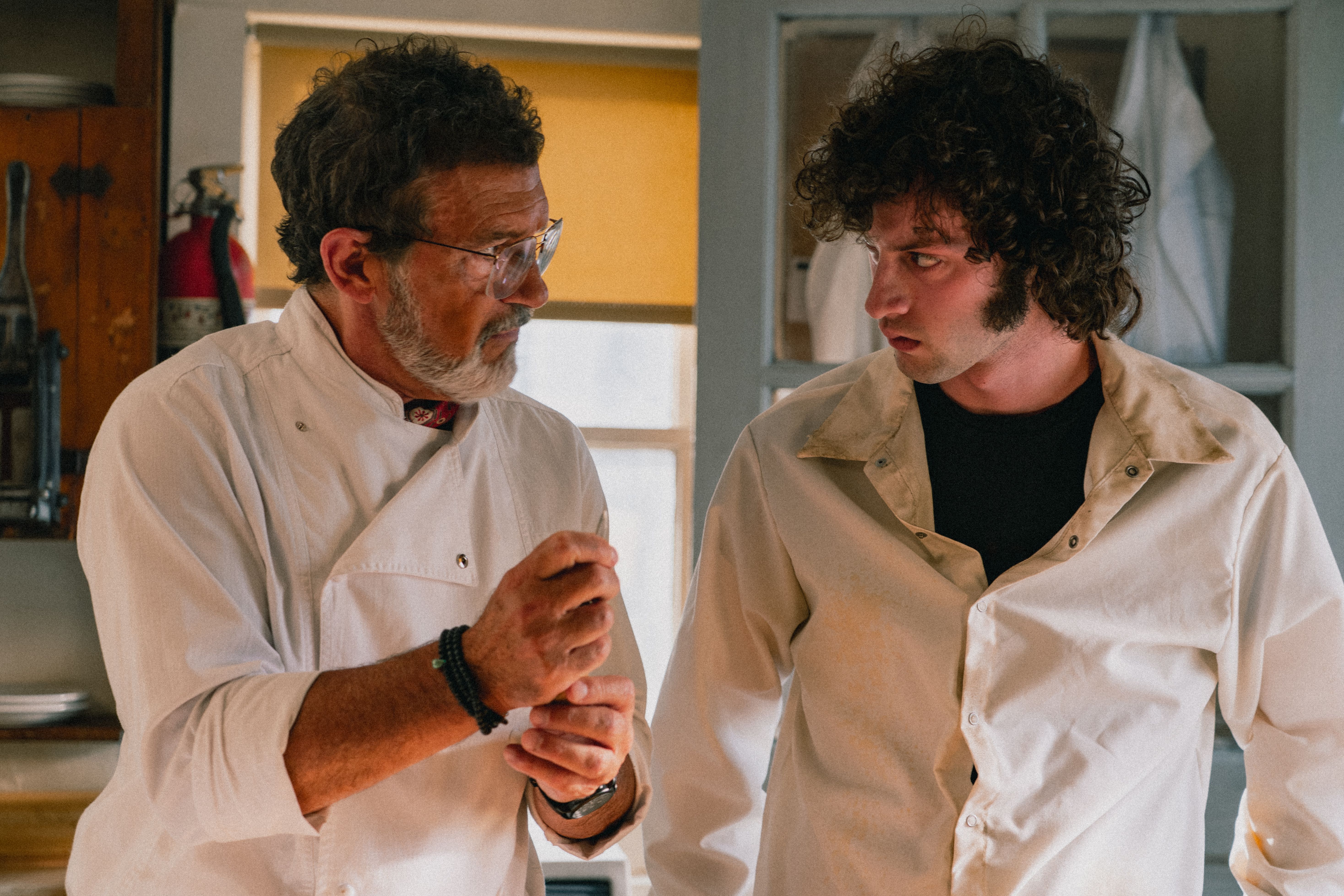
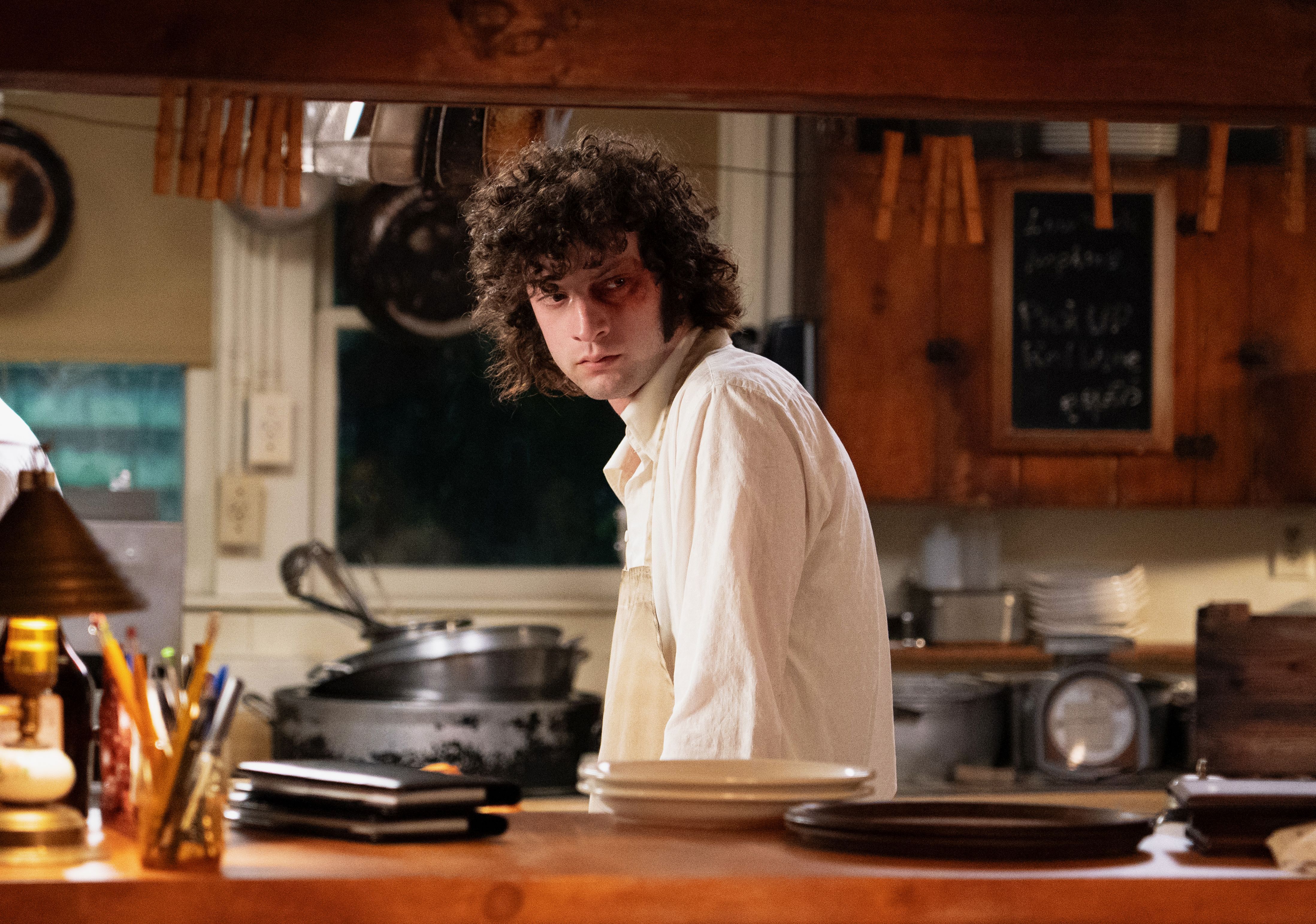
    Dominic Sessa (left) as Anthony Bourdain with Leo Woodall as a renegade cook in “Tony.”A24

    In the film, Sessa portrays a 19-year-old Bourdain in the summer of 1973, when he found himself in Provincetown, Mass., desperate to get his would-be wife, Nancy Putkoski (Emilia Jones), to fall in love with him after losing out on a writing fellowship. A tough-yet-kind chef (Anthony Banderas) gives Bourdain a job as a dishwasher at the Flagship, a no-nonsense seafood shack where Bourdain grows from bumbling dishwasher into something resembling a cook.

    The film draws heavily on chapters of Bourdain’s best-selling memoir Kitchen Confidential, in which Bourdain romanticized a crew of talented, if aimless, line cooks and their exploits.

    “They drank everything in sight, stole whatever wasn’t nailed down, and screwed their way through floor staff, bar customers, and casual visitors like nothing I’d ever seen or imagined,” Bourdain wrote with palpable admiration.

    It’s a feeling that Sessa, 23, knows well.

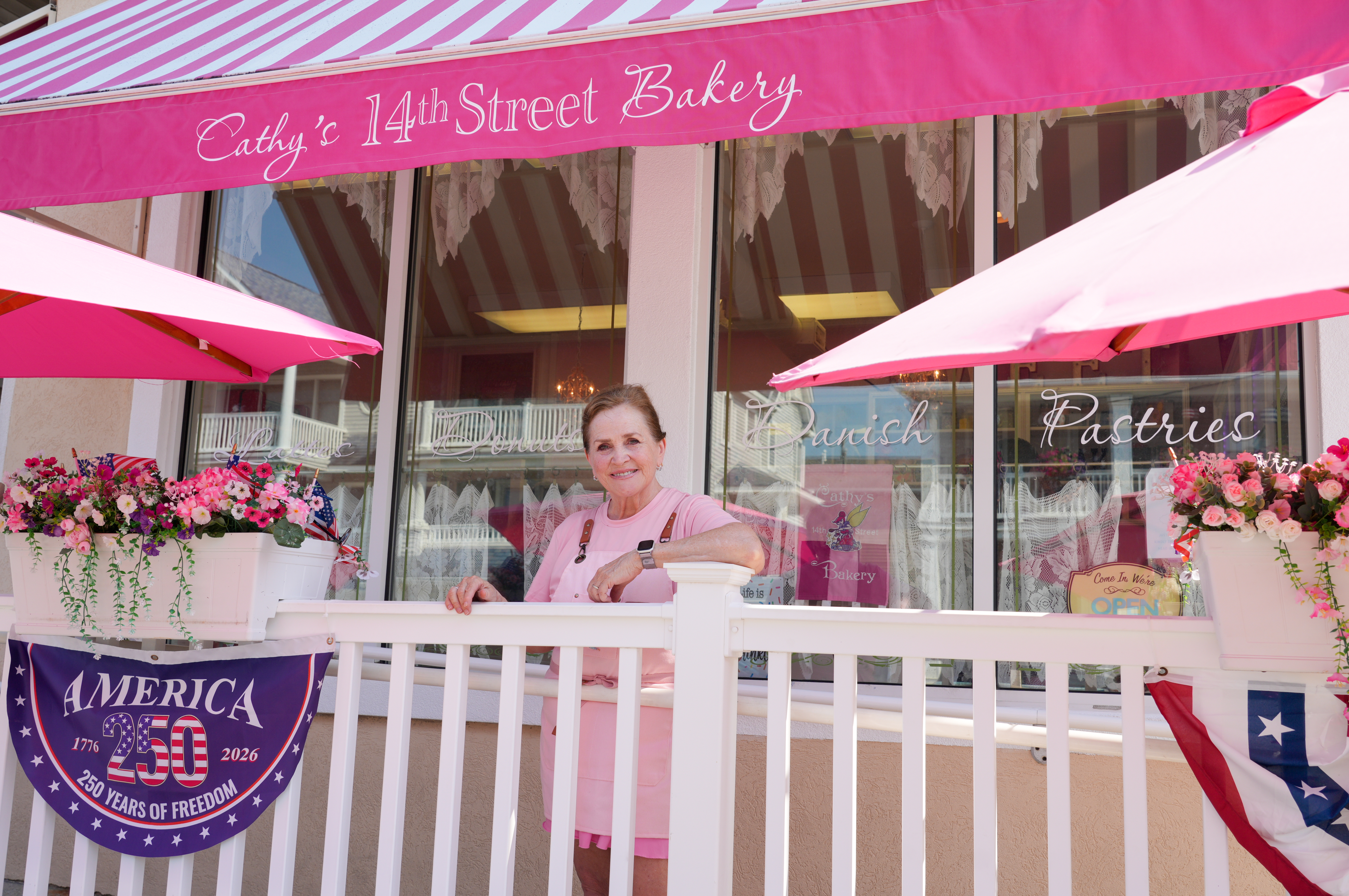
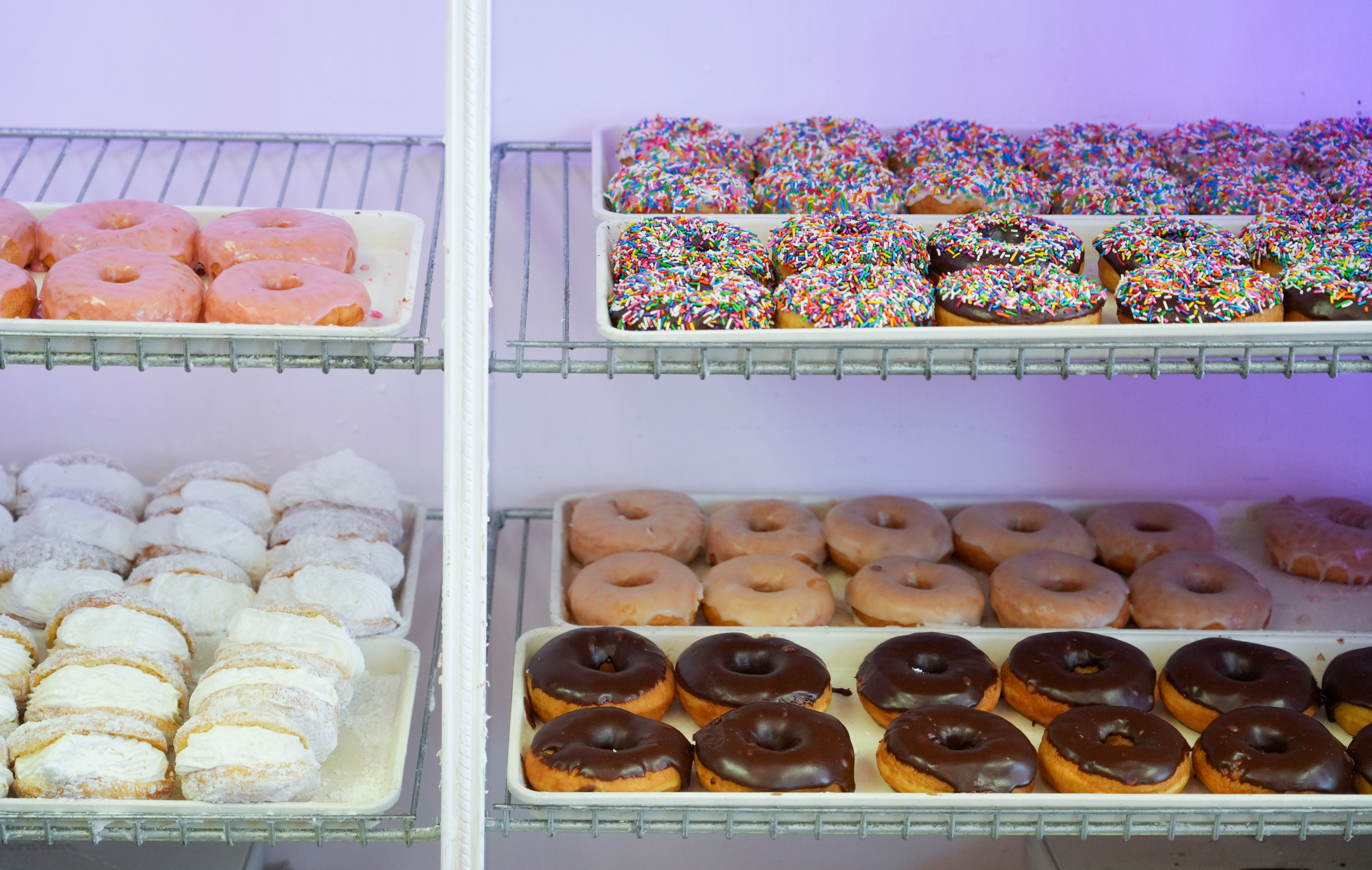
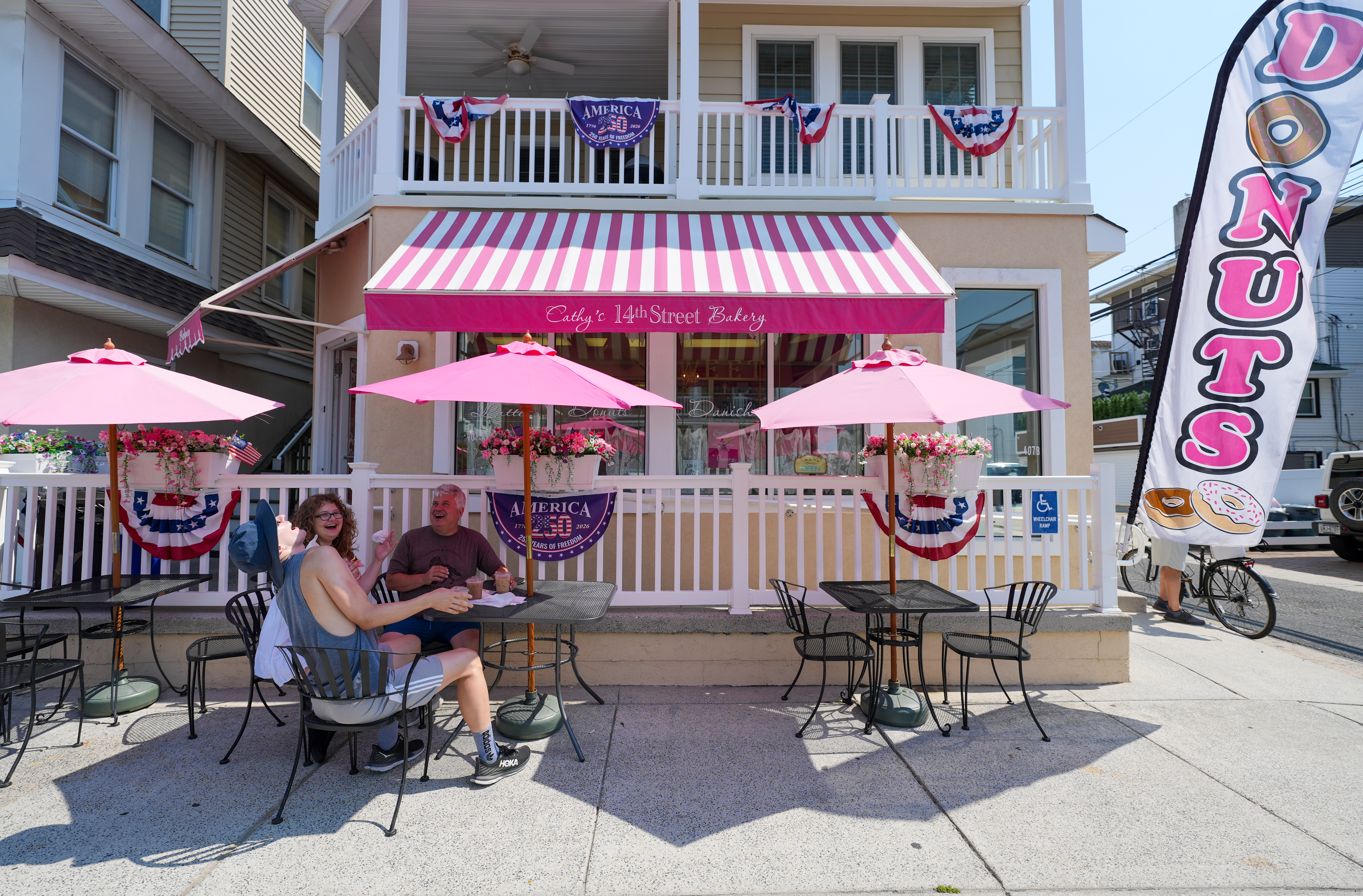
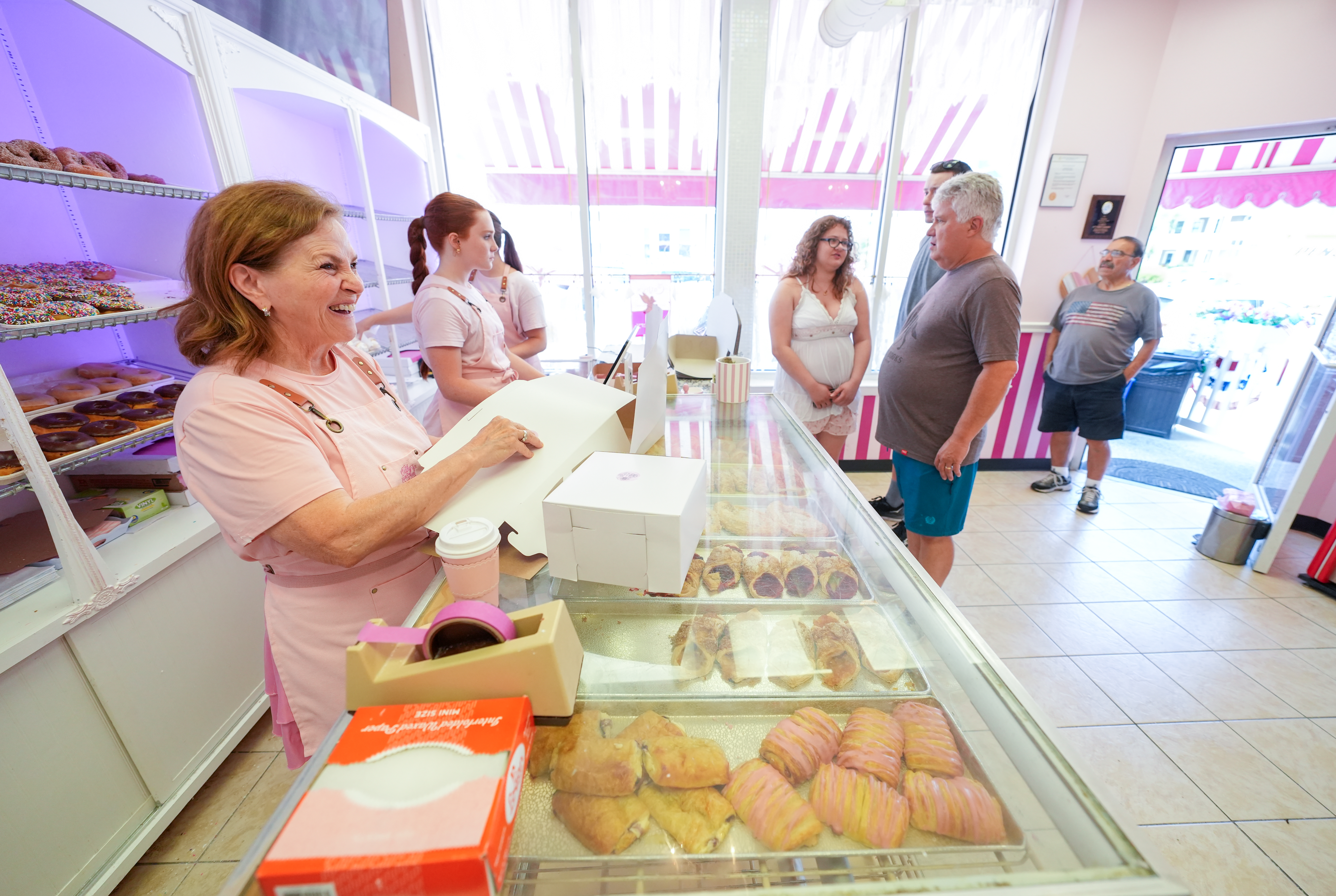
    Born in Cherry Hill, Sessa grew up in Egg Harbor Township and Ocean City, where he spent four summers working in the kitchen at Cathy’s 14th Street Bakery, a pink-and-white storefront that serves thousands of doughnuts a week.

    When Sessa started as a dishwasher there in 2016, he was 13. By the time he worked his last shift in 2019, he had worked his way up to full-fledged baker, responsible for opening the shop and preparing batches of Cathy’s famous powdered and cream-filled doughnuts from scratch.

    “I’ve hired a lot of great kids, but there are some who don’t get it,” said Cathy Greene, the bakery’s owner. Sessa “was really a natural.”

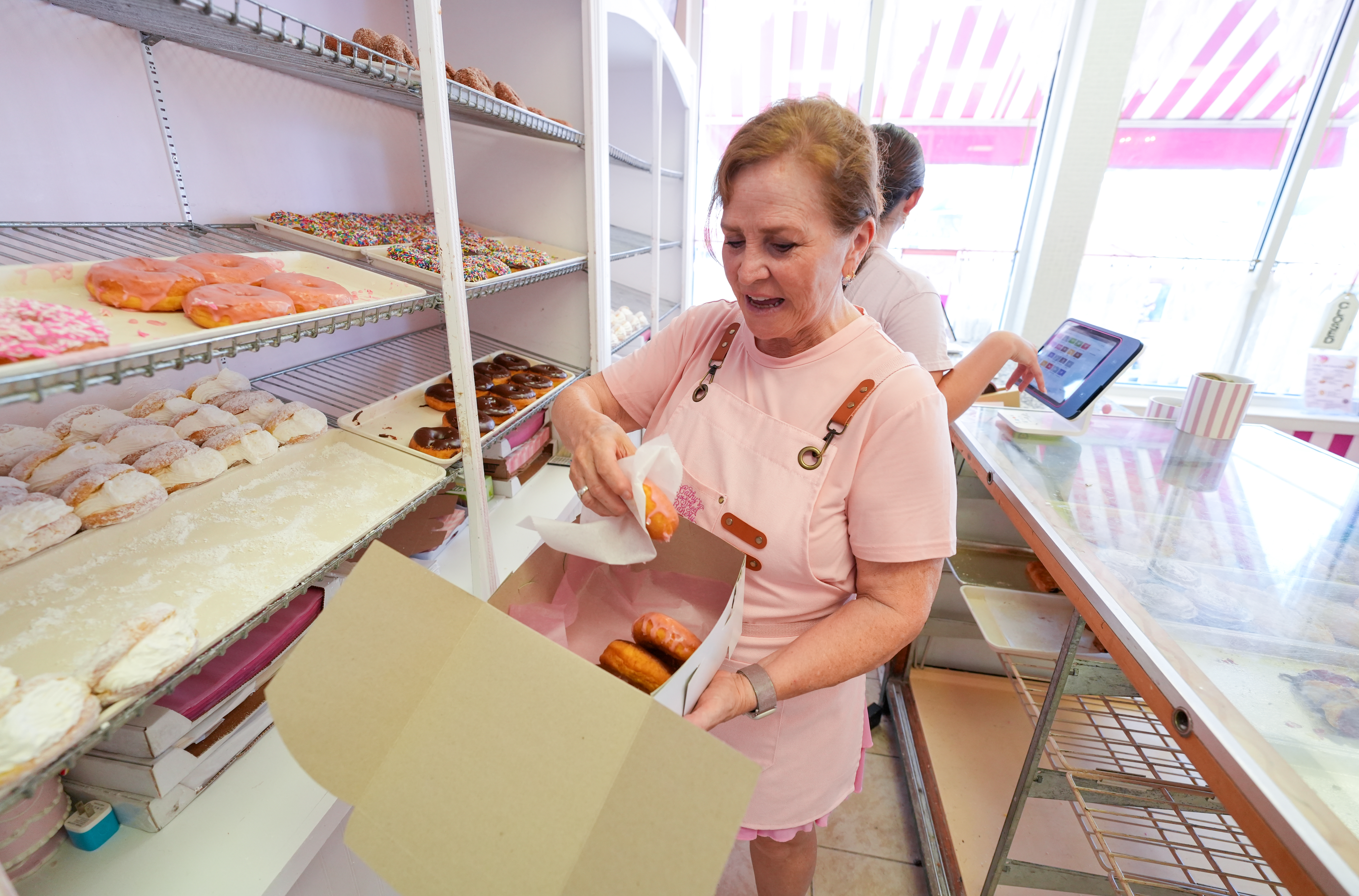
    Cathy Greene, owner of Cathy’s 14th Street Bakery in Ocean City, N.J., fills a box with doughnuts for a customer on Aug. 13, 2026. Former Cathy’s dishwasher and junior baker Dominic Sessa plays Anthony Bourdain in the new A24 biopic “Tony.”Tim Hawk / For The Inquirer

    Sessa doesn’t remember taking to it so easily. And yet, like Bourdain, he kept coming back.

    “When I first started there, it was miserable — especially at that age, waking up super-early and making batches of dough. I was just lazy and didn’t feel like finding another job,” Sessa told The Inquirer. “But every summer I’d come back and Cathy would teach me something new … The experience was one of the things that taught me how to work hard.”

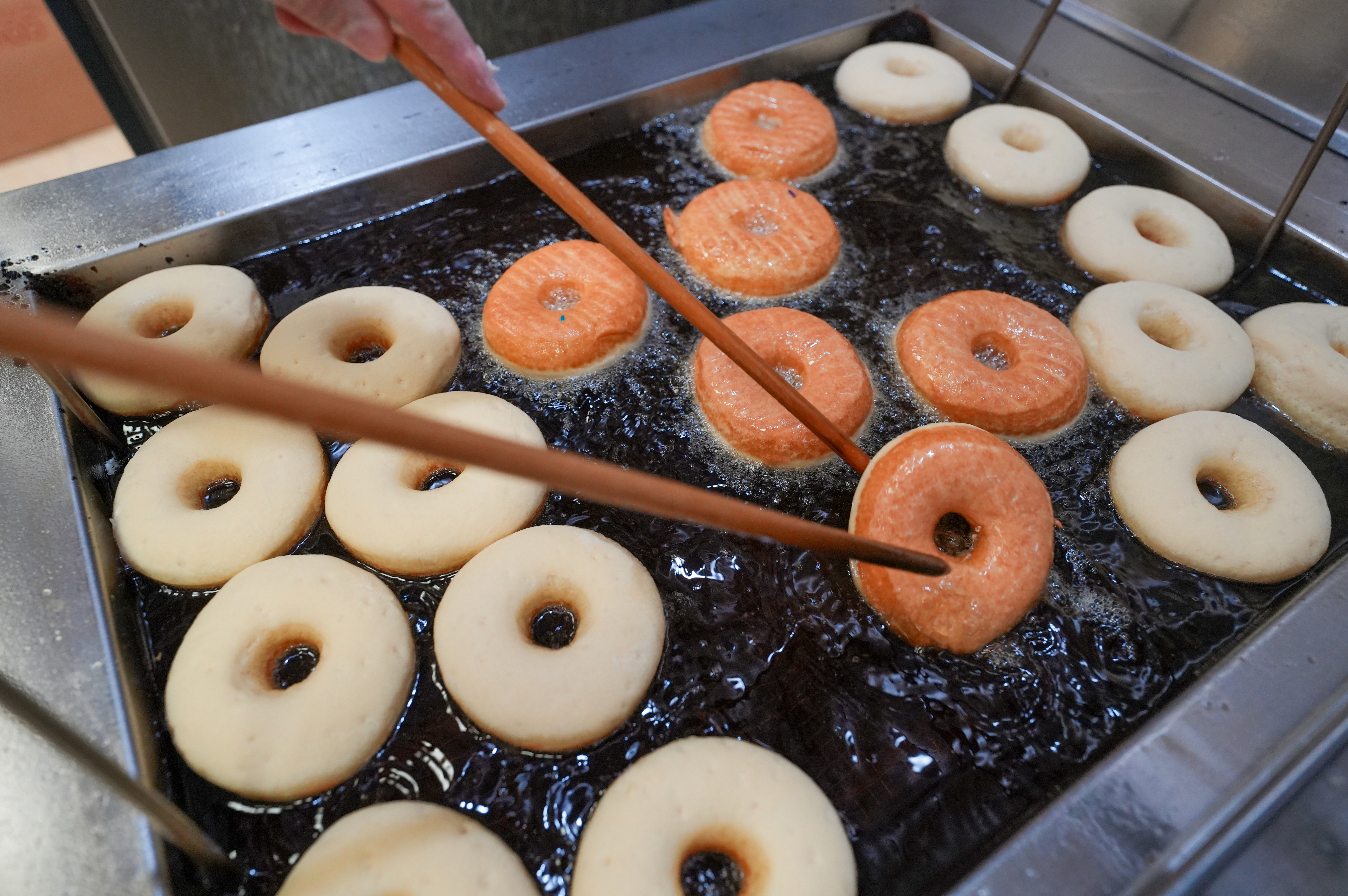
    Tyler Greene, Cathy’s son, flips doughnuts in a deep fryer at Cathy’s 14th Street Bakery in Ocean City, N.J., on Aug. 13, 2026. Tim Hawk / For The Inquirer

    Doughnut summers

    Admittedly, frying doughnuts at a family-run bakery did not entirely prep Sessa for the fictional kitchen he’d step into as a teenage Bourdain. In Tony, the Flagship is full of cocaine, dirty jokes, and smashed dishes. Cathy’s, by contrast, was basically Disney World.

    Still, Sessa said the job helped him understand what motivates chefs to endure grueling hours and nonstop kitchen injuries. Like Bourdain, the actor was a self-styled troublemaker, nearly getting kicked out of his South Jersey high school before earning a hockey scholarship to Massachusetts’ prestigious Deerfield Academy, where he would eventually be discovered by director Alexander Payne and land his breakout role as a boarding school kid in 2023 Christmas comedy The Holdovers.

    Cathy’s kept him disciplined.

    Sessa used to clock in at the bakery at 4:30 a.m. to prep the day’s first doughnuts, rolling out and aerating one batch of dough while minding another batch as it proofed. In between, he’d fry up a third.

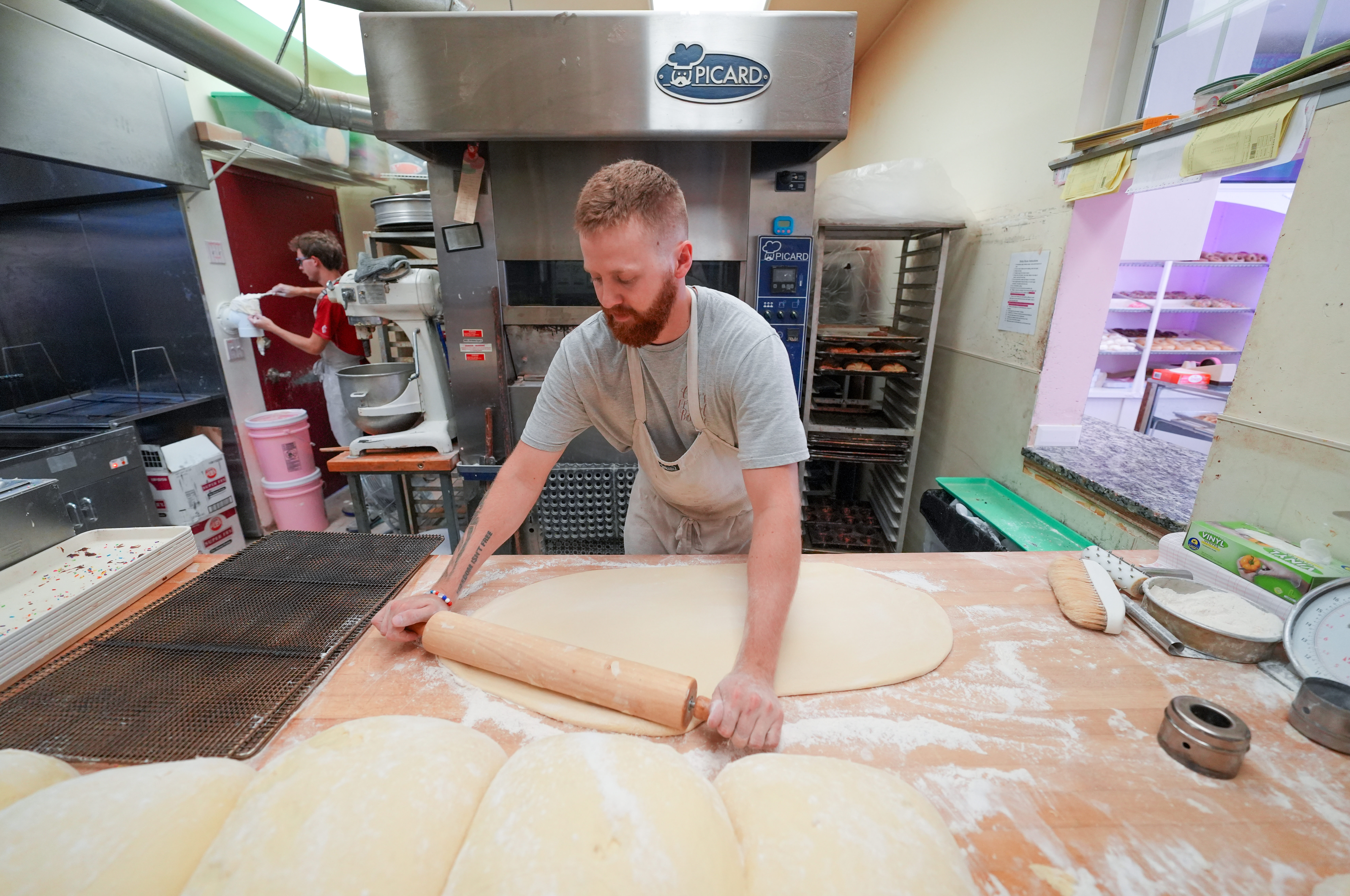
    Tyler Greene rolls out the dough for donuts at Cathy’s 14th Street Bakery in Ocean City, N.J., on Aug. 13, 2026. Former Cathy’s dishwasher and junior baker Dominic Sessa plays Anthony Bourdain in the new A24 biopic “Tony.”Tim Hawk / For The Inquirer
    A variety of doughnuts are for sale at Cathy’s 14th Street Bakery in Ocean City, N.J., on Aug. 13, 2026. Former Cathy’s dishwasher and junior baker Dominic Sessa plays Anthony Bourdain in the new A24 biopic “Tony.”Tim Hawk / For The Inquirer

    At its busiest, Greene said, Cathy’s sells between 1,200 and 1,400 doughnuts a day. Sessa drew on the rush — and the high stakes — while acting in Tony.

    “I related to the integrity working in a kitchen demands,” he said. “If I didn’t show up on time, everything would be messed up, and everyone would know it was [because of] me.” Plus, there was “something so gratifying” about placing doughnuts in the display case and watching customers snap them up.

    Antonio Banderas (left) as a chef-mentor with Dominic Sessa as Anthony Bourdain in “Tony.”A24

    Greene said Sessa shined when it came to the rhythm of baking and could manage the flow of the station about as well as she could. When they’d roll out dough side by side, Greene would quiz him on three-digit by three-digit multiplication. Sessa, she said, always answered correctly “off the top of his head.”

    “He was a real smart kid,” Greene said.

    Things didn’t always run smoothly. Once, Sessa recalled, he nearly ruined the bakery’s trash cans by throwing out a batch of dough with too much yeast in it. He had gotten away with the mistake — until the dough proceeded to nearly quintuple in size. “It was billowing out of the cans, on the ground, seeping into the kitchen,” said Greene. “It was pretty funny.”

    The stress of the job didn’t detract from Sessa’s favorite part: small-town notoriety.

    Passersby love to peer into Cathy’s kitchen from the street. “Kids were always interested in watching the guy who rolls the doughnuts out,” Sessa said. “It made me feel like a celebrity.”

    The outside of Cathy’s 14th Street Bakery in Ocean City, N.J., on Aug. 13, 2026. Former Cathy’s dishwasher and junior baker Dominic Sessa plays Anthony Bourdain in the new A24 biopic “Tony.”Tim Hawk / For The Inquirer

    Drinking on the beach and baking hungover

    As much as Tony spins a hero’s journey for a young Bourdain (who ends the movie — spoiler — by enrolling in culinary school), it also foreshadows his struggle with substance use.

    Dominic Sessa as Anthony Bourdain in “Tony.”A24

    Bourdain, who died from suicide in 2018 at 61, had spoken candidly about his addiction to heroin and cocaine before getting sober in the 1980s. In Tony, we see the fledging chef try cocaine for the first time at his dishwashing station at Flagship with Sal (Leo Woodhall), a hard-partying coworker who relishes in showing Bourdain his favorite vices.

    Sessa’s Ocean City summers followed a similar pattern. Before The Holdovers, the actor was crossing the causeway to buy booze at Circle Liquors in Somers Point.

    “All of my friends were doing the same thing” as Bourdain in Tony, Sessa said. “We would just work so we could get paid enough to buy alcohol, drink on the beach all night, go into work hungover, sleep it off after our shift, and do it all over again the next day.”

    “We were all under 18 so we felt invincible,” Sessa said. ”It was paradise.”

    Cathy Greene, owner of Cathy’s 14th Street Bakery in Ocean City, N.J., fills a box with donuts for a customer, on Aug. 13, 2026. Former Cathy’s dishwasher and junior baker Dominic Sessa plays Anthony Bourdain in the new A24 biopic “Tony.”Tim Hawk / For The Inquirer

    Antics aside, Greene is proud of the role her bakery played in helping Sessa get into character (even if she hasn’t seen Tony yet). She just isn’t sure about cashing in on his star power. “I don’t want to be the one who is like, ‘Oh, I had Dominic Sessa here,’” Greene said. “But it’s pretty cool.”

  • The best thing Emily Bloch ate this week: Lots of fish on a Fishtown staycation

    The best thing Emily Bloch ate this week: Lots of fish on a Fishtown staycation

    It’s summer and that means I have one goal at basically all times: to be lounging in a pool. It’s the Florida girl in me, what can I say?

    So when my boyfriend, Mark, and I decided to take some days off together for a staycation, Fishtown’s Hotel Anna & Bel immediately came to mind. The boutique hotel, in a historic property that once served as a women’s home, opened in 2024 with a heated pool in its luxe open-air courtyard. A stay at the 50-room hotel guarantees exclusive poolside service, enjoyed while lounging on a cozy recliner. (Sorry, no day passes here.)

    We kicked off our first night as tourists in our own city with a meal at Bastia, the in-hotel restaurant with a Sardinian- and Corsican-inspired menu. Many excellent bites were had: skate cheeks over white polenta and sweet peppers that transported me back to the South, a bright artichoke salad with shaved Parmesan, and a morel tart that inspired at least one limerick about how good morels are.

    But one special in particular really sang.

    Mark loves eating fish and is an excellent cook, but he’s a hamachi collar skeptic, having tried so many that have been underseasoned, uninspiring, and so tough you have to scrape the should-be fatty meat off the bone.

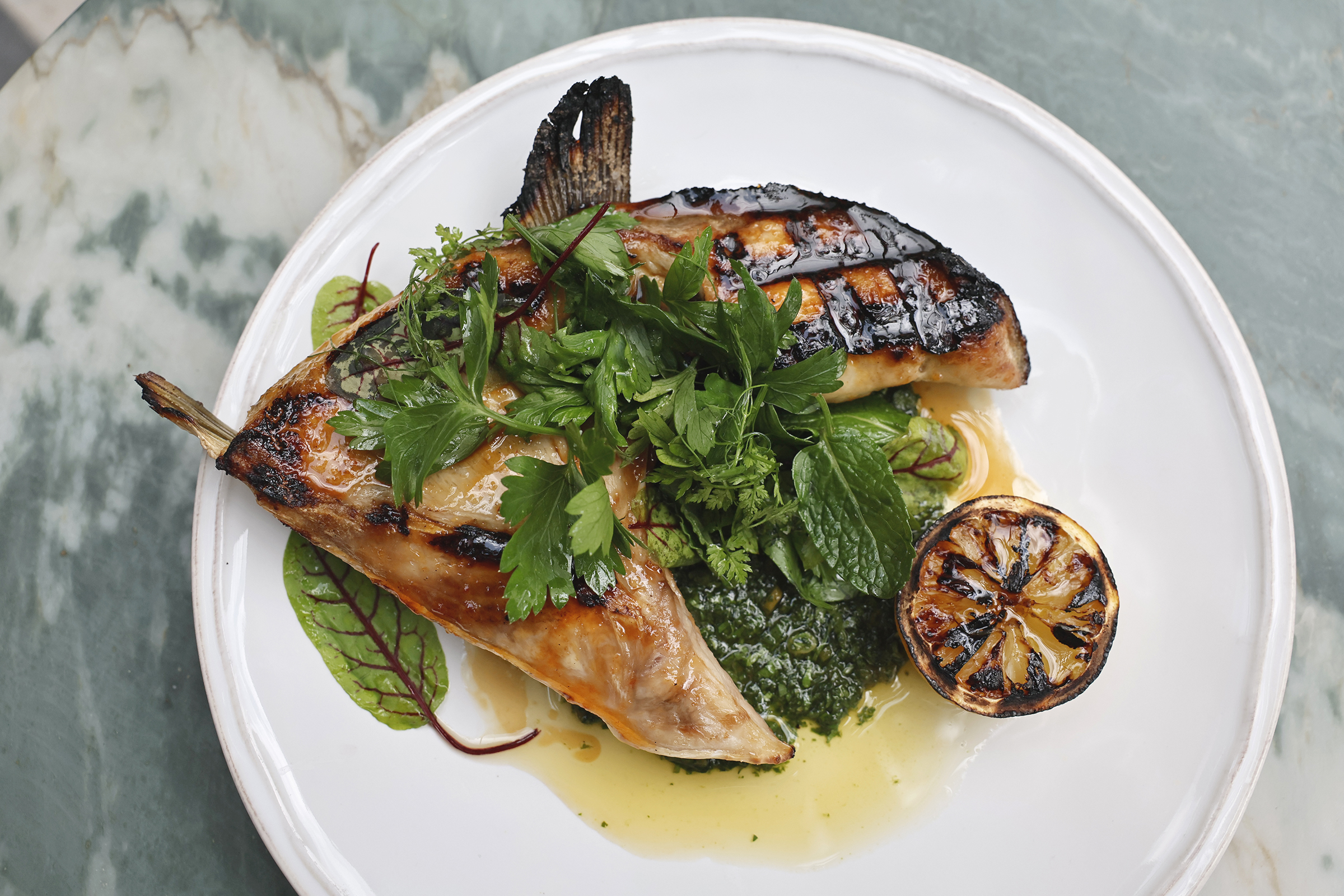
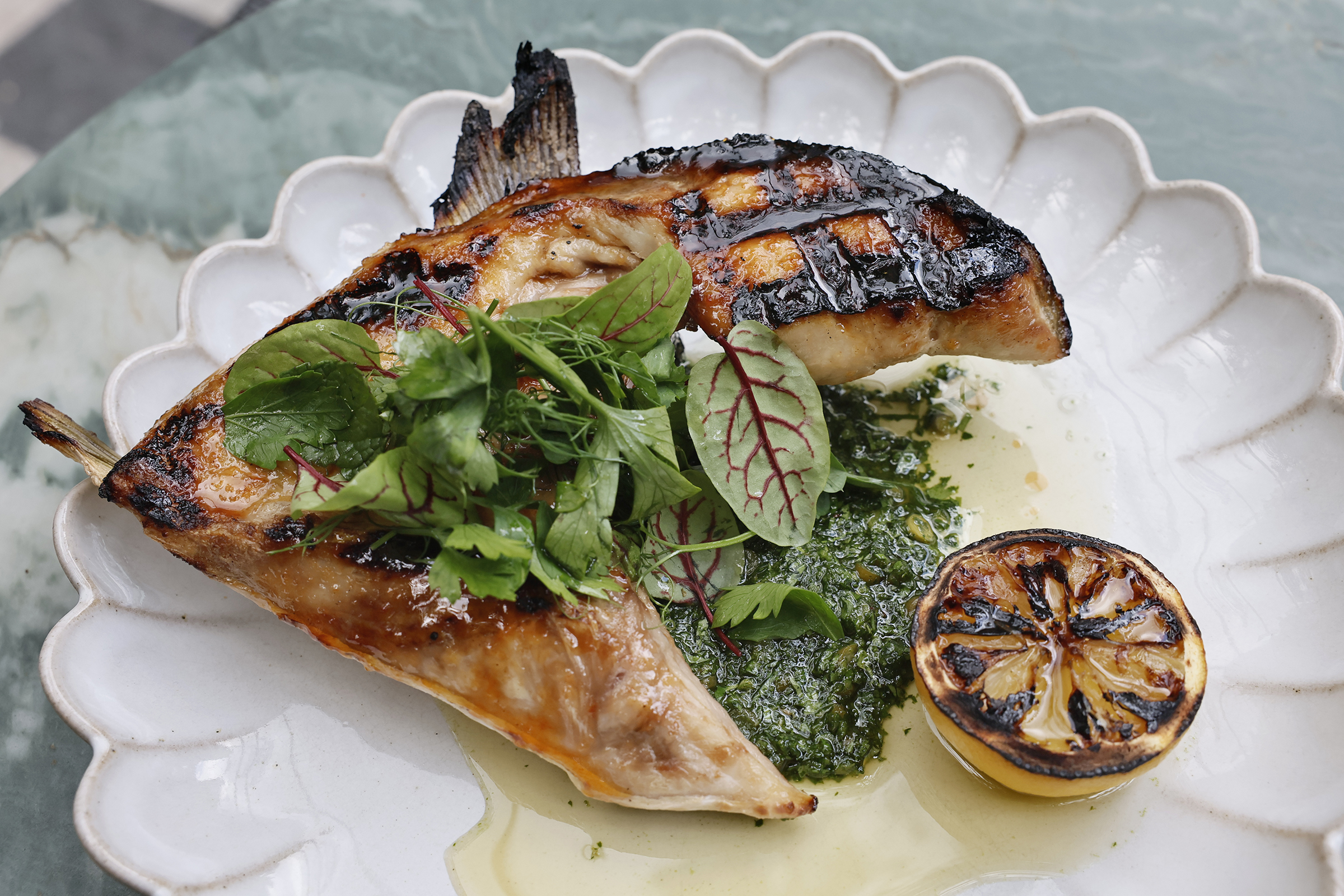
    He had all but written off the cut — until executive chef Michael McDonough’s hamachi collar with grilled fioretto cauliflower, beldi olive agrodolce, and golden raisin glaze hit the table. One bite and Mark was sold. “It’s as if they cooked hamachi collars like they were sweet barbecue ribs,” he said.

    The grilled hamachi collar, Calabrian chili agrodolce, garlic scape salsa verde, and fines herbs at Bastia in Fishtown. Elizabeth Robertson / Staff Photographer

    The fish itself was blackened and tender, lacquered with a complex glaze, and brightened by a spritz of grilled lemon wedge. Its meat fell right off the bone and melted in our mouths.

    This special frequently appears on Bastia’s menu because the hamachi collar is leftover after the kitchen team preps the amberjack crudo that lives on the menu at Caletta, the restaurant’s moodier, more playful cocktail lounge sister. (Hamachi is the Japanese name for amberjack, aka yellowtail.)

    McDonough said the accompanying components came together out of seasonality and theme. Fioretto cauliflower — whose heads are nuttier and less dense than standard cauliflower — is at its peak. Beldi olives (Moroccan cured black olives) and golden raisins are crossover ingredients in the Sardinian, Corsican, and neighboring North African trade hub.

    My other favorite bite was good enough to order twice.

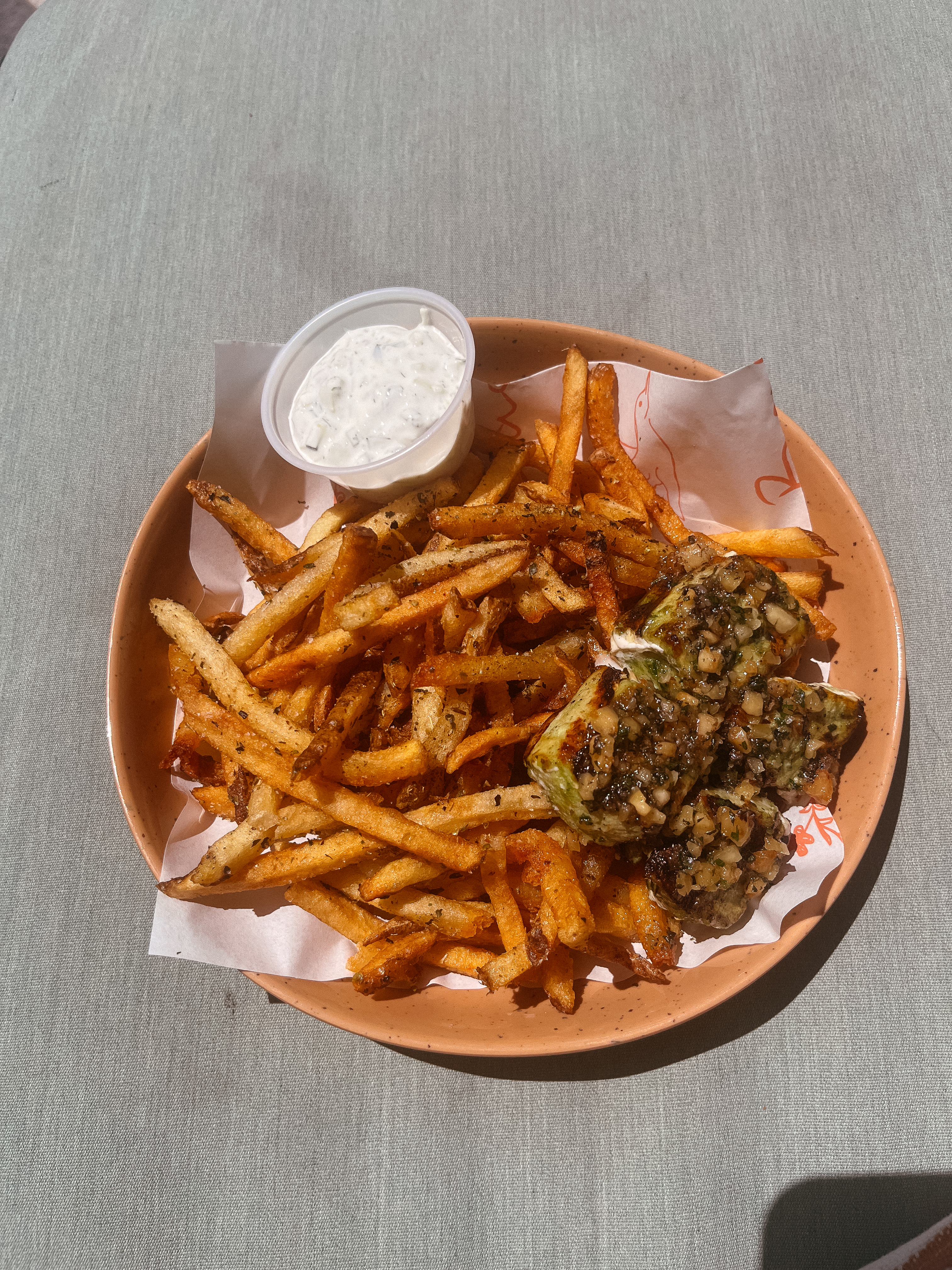
    Bastia’s swordfish skewers are a mainstay on its menu. They start with a center-cut loin that’s diced and marinated in an herb blend of parsley and marjoram. McDonough preserves the herbs’ vibrant green color by emulsifying them in oil with a little bit of ice. From there, the kebabs are grilled and finished with Sicilian olive oil, fresh lemon juice, French sea salt, and walnut pesto. The set of emerald green kabobs are served atop a bed of black rice with citrus labneh.

    Emily Bloch enjoyed Bastia’s swordfish skewers so much, she ordered them the following day in their lunch format: swapping black rice for a bed of traditional-cut fries.Emily Bloch

    We enjoyed the skewers so much, we ordered them the next day from Anna & Bel’s poolside menu, which pairs them with golden, traditional-cut fries. After a few bites washed down with Caletta’s dirty martini and tonic (a best-of-both-worlds drink off the bar’s aperitivo hour menu), we determined our future pool days have been ruined forever.

  • A new line of tailgate-themed canned cocktails will benefit the Eagles Autism Foundation

    A new line of tailgate-themed canned cocktails will benefit the Eagles Autism Foundation

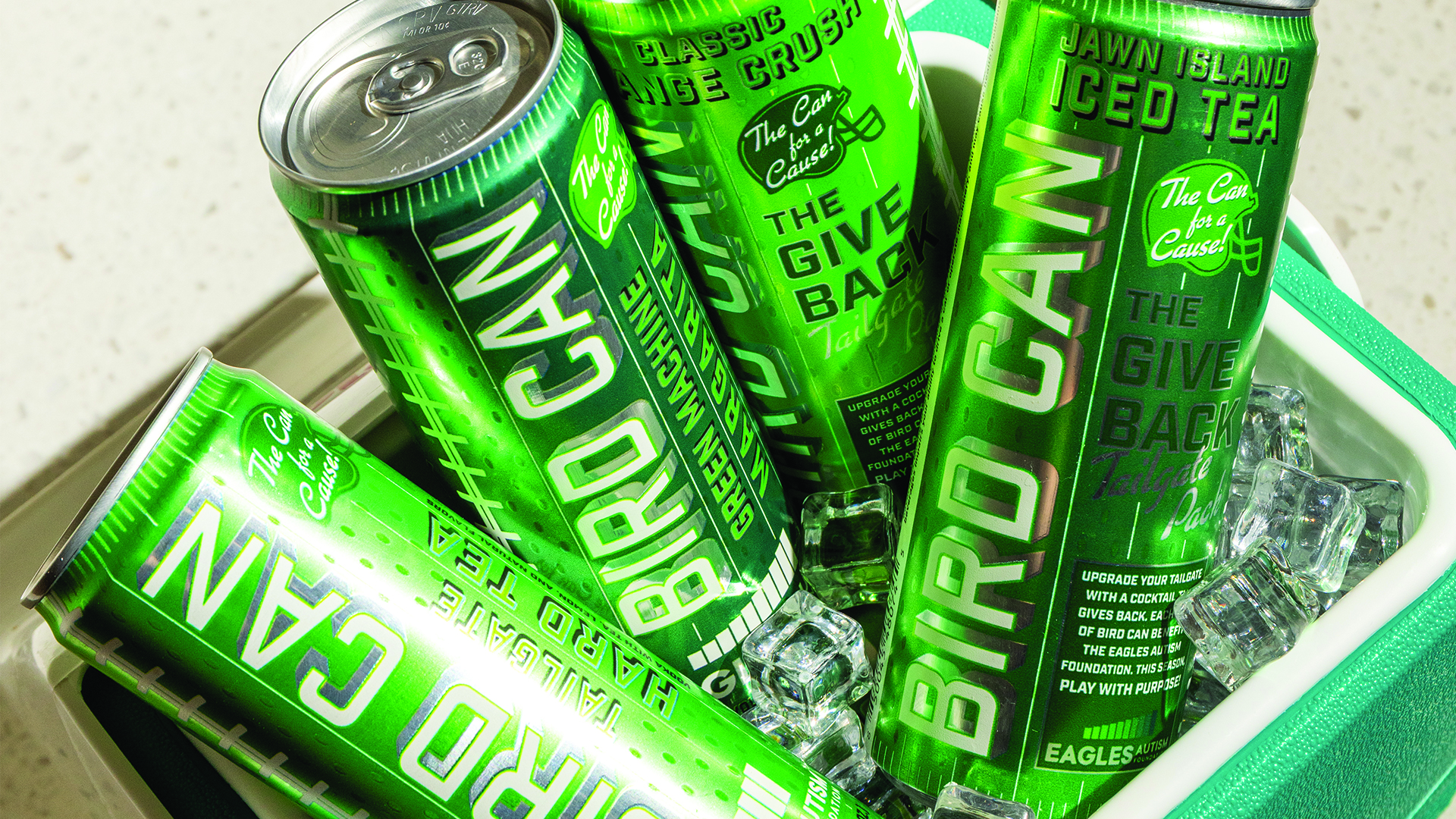
    If you’re looking for some on-theme drinks to bring to an Eagles tailgate this season, Bird Gang Spirits has you covered.

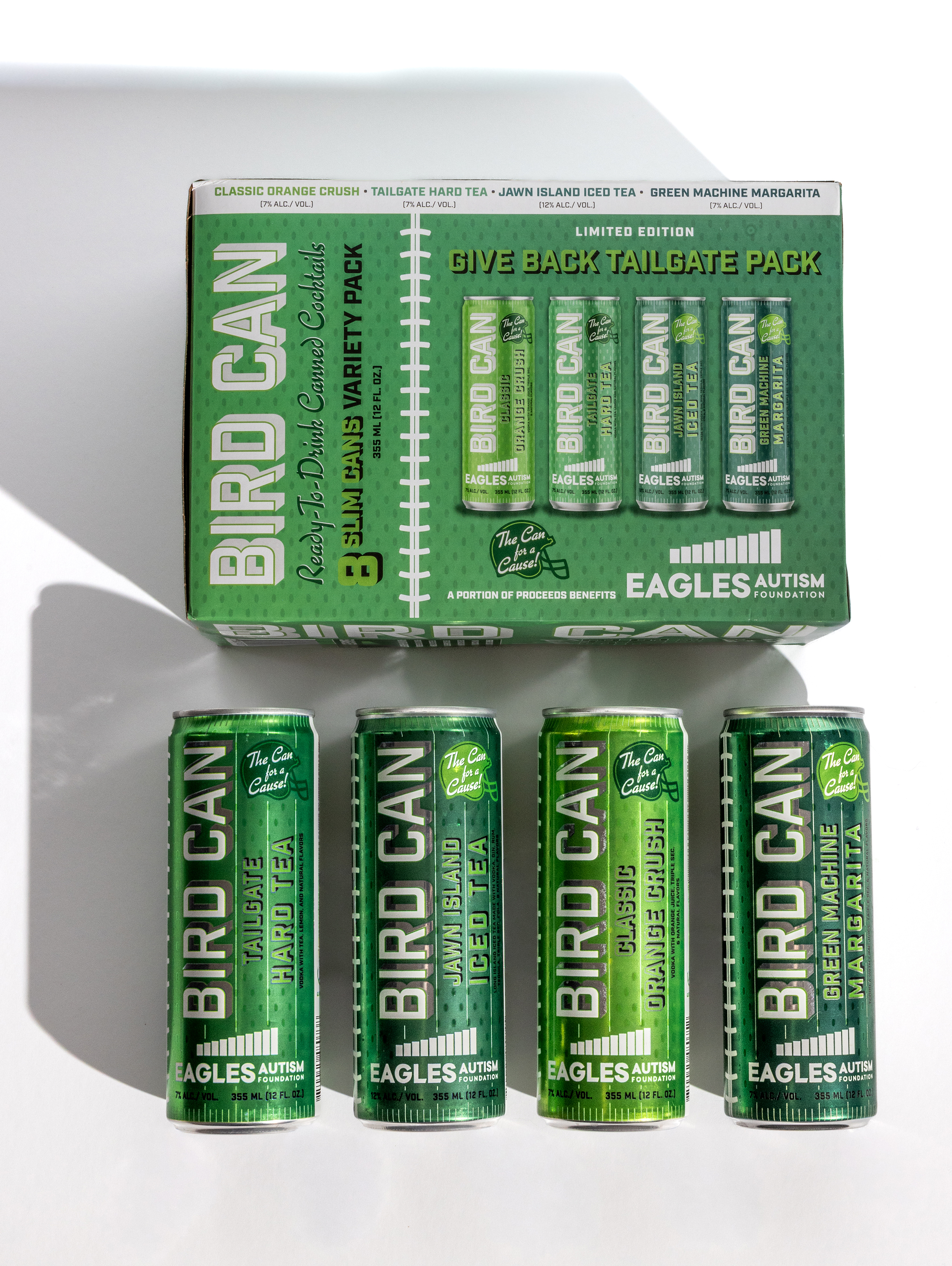
    In partnership with BOTLD, which works with distilleries nationwide, Bird Gang Spirits released a “tailgate pack” of canned cocktails. The eight-pack’s flavors are Tailgate Tea, Orange Crush, and Green Machine Margarita — which have an ABV of 7% — and Jawn Island Iced Tea, which boasts an ABV of 12%. The latest addition to the seltzer aisle isn’t just for a good time, however, said BOTLD president Andrew Auwerda.

    “We thought it would be kind of a fun, new twist to do good by doing some can cocktails, with the proceeds benefiting Eagles Autism Foundation.” he said. “ It’s supposed to be kitschy, fun, and perfect for the tailgate and in time for the Eagles’ season. It’s been great working with the Eagles Autism Foundation. They’re just a real pro organization and great cause.”

    Bird Gang Spirits released a line of canned cocktails. Part of the proceeds from the cocktails will benefit the Eagles Autism Foundation.BOTLD

    Since the Eagles Autism Foundation was created in 2019, the team has raised millions for research, accessibility resources, and community programs. A portion of the tailgate pack’s sales will go to the foundation, and Bird Gang Spirits itself is a collaboration with the Eagles.

    The team’s partnership with BOTLD began in 2023 alongside the return of the beloved kelly green uniforms. Since then, Bird Gang has released a line of liquors, from Bird Gang Spicy Tequila to “Bird Gang World Championship 2024 Irish Whiskey.”

    The tailgate pack is $24 and available online at BOTLD’s website; in person at grocers like Acme, Giant, and Weis; or brick-and-mortar BOTLD locations in King of Prussia and Rittenhouse. Bird Gang Spirits is taking advantage of the booming seltzer market that has emerged in the past few years, joining brands like Surfside that have become nationwide hits as well as Philly stadium favorites.

    “I mean, they’ve only been in the stores maybe a week, and it’s still rolling out to more stores, but we’re already seeing some reorders,” Auwerda said. “We’re really grateful for a great start from the retail partners.”

    As for his favorite flavor?

    “I think the margarita right now, for the time of the year. It’s the end of summer, but it’s still marg season.” he said. “The Jawn Island Iced Tea has a bit more alcohol, so I will save that for a game day.”

  • New Jersey permanently allows the sale and delivery of to-go alcoholic beverages

    New Jersey permanently allows the sale and delivery of to-go alcoholic beverages

    In New Jersey, “to-go” alcoholic beverages are officially here to stay.

    Gov. Mikie Sherrill on Friday signed legislation making permanent the COVID-era provisions that allowed bars, restaurants, and other permitted businesses to sell and deliver alcoholic beverages for off-premises consumption. Intended to be temporary, those allowances were previously set to expire Sept. 1.

    Moving forward, the legislation allows certain establishments to sell and deliver mixed cocktails in closed, sealed containers, and alcoholic beverages in their original containers, to be consumed away from their locations. Craft distillery licensees will also be able to sell and deliver their products under certain conditions.

    “New Jersey’s small businesses shouldn’t have to navigate outdated rules just to serve their customers and grow,” Sherrill said in a statement. “Cocktails to-go worked, customers liked it, and small businesses told us it was another way to bring in revenue. Today, we’re making it permanent.”
    The bipartisan legislation making those to-go alcohol changes permanent passed both New Jersey houses in late June.

    In addition to restaurants and bars, under the law, other permitted businesses with retail consumption licenses, such as hotels, may also sell alcoholic beverages for delivery and off-site consumption. Deliveries can be made by the licensed business itself, or a permitted third-part delivery company.

    New Jersey distilleries, meanwhile, can sell mixed drinks for on-site consumption when the beverages are made using alcohol manufactured on premises. Those businesses can also sell mixed drinks using their own distilled alcohol for off-site consumption, though the beverages must be sold in containers with a tamper-evident seal. And distilleries can also sell their own products accompanied by nonalcoholic beverages and food items that enable customers to make their own mixed drinks.

    “During the pandemic, this commonsense policy helped restaurants survive one of the toughest periods in their industry’s history,” said state Sen. Declan O’Scanlon, a Republican from Monmouth County. “I’m proud that the flexibility we gave these businesses will now be permanently available to them with the signing of this law.”
  • A New York City agave bar has opened in the former Martha space in Kensington

    A New York City agave bar has opened in the former Martha space in Kensington

    You can order 10 different margaritas, a tequila-spiked rendition of a Clover Club, and whole barbecued dorade for the table at East Kensington’s newest bar.

    Mixteca — an agave-focused coctelería from two James Beard Award-winning bartenders — opened at 2113 E. York St. in late August, breathing new life into the space formerly occupied by the acclaimed neighborhood bar Martha.

    This is Mixteca’s second location. Founders Euclides “Victor” Lopez and Jeff Bell worked together for 15 years at the iconic New York City speakeasy Please Don’t Tell (better known as PDT) before opening the first Mixteca in the West Village last summer. The bar is intended as a vibe-y ode to the tequilas and mezcals distilled in Puebla, the Mexican state from which Lopez hails.
    Mixteca — named after the artisan-rich region of central Mexico — is as much a tribute to Lopez’s heritage as it is an outgrowth of Lopez and Bell’s relationship. Bell worked his way up at PDT from Lopez’s barback to lead bartender and eventually owner, after buying the speakeasy and its brand from co-founder Brian Shebairo.

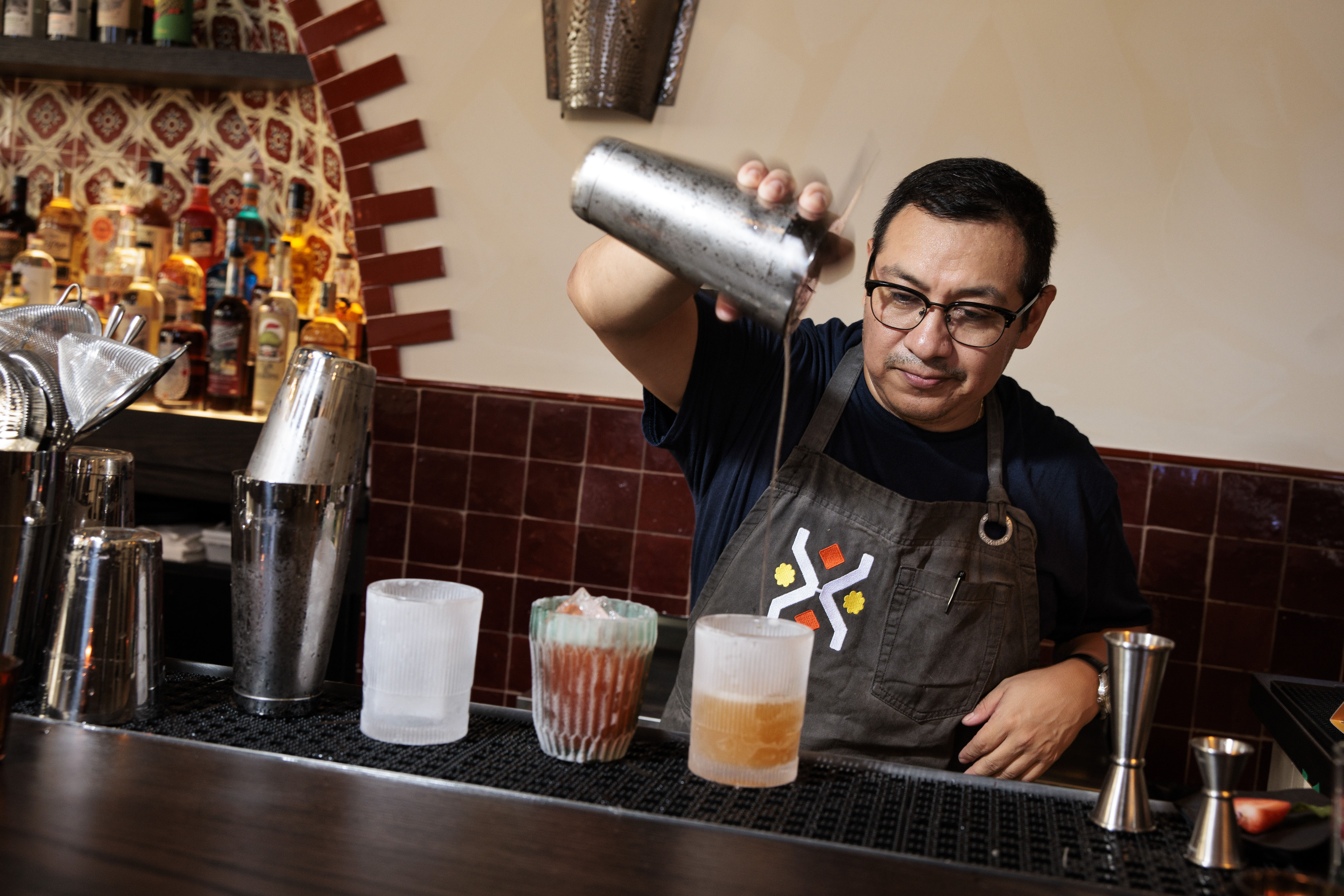
    Victor Lopez pours cocktails at Mixteca in East Kensington.Monica Herndon / Staff Photographer

    The duo were part of the team at PDT that won the inaugural James Beard Award for Outstanding Bar in 2012, and also helped bring the bar — located behind a payphone inside an East Village hot dog joint — to Hong Kong. All the while, Lopez held down consistent bartending shifts four nights a week.

    Lopez “is one of the best cocktail makers I’d ever worked with,” Bell said. “We’d play these games with him back in the day at PDT where we’d make him a drink, and he’d correctly guess the components.”

    In New York, Mixteca is a bar first, with an extensive drink list of inventive takes on classic cocktails prepared with Latin American flavors, like a tomatillo gin and tonic or a Negroni infused with palo santo, a wood used for spiritual cleansing across Latin America. In lieu of a full food menu, Lopez and Bell partnered with Los Angeles-based Tacos 1986 to serve a handful of tacos and quesadillas.

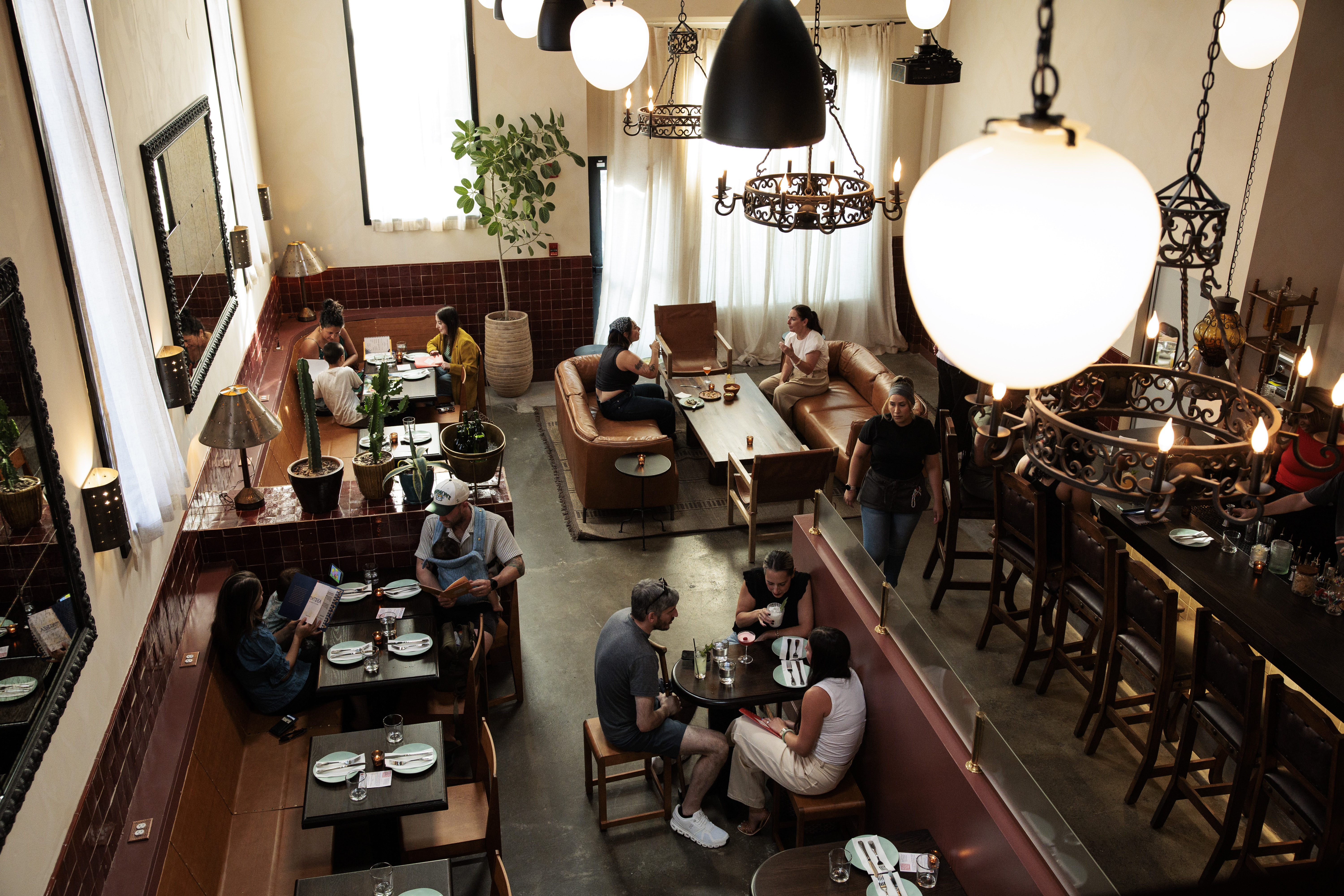
    The dining room at Mixteca on a friends and family night Aug. 26.Monica Herndon / Staff Photographer

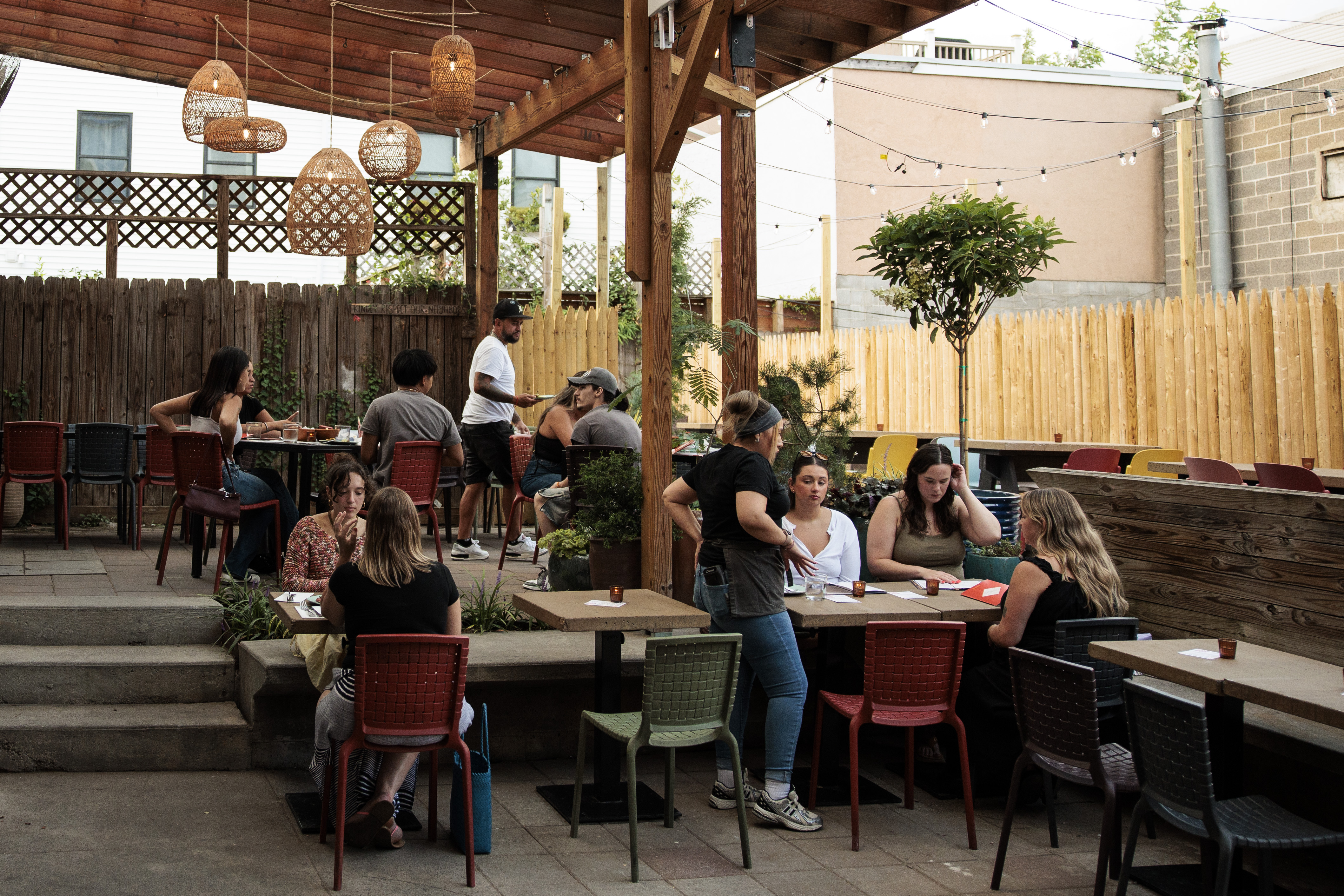
    Mixteca in Philly, meanwhile, is equal parts bar and restaurant, with a full-fledged food menu of Poblano-inspired share plates and nearly double the number of cocktails. The space seats 100 people across its airy, bench-lined main dining room, dimly lit mezzanine, and large patio outfitted with string lights and rainbow-colored chairs. The restaurant has an eye-catching centerpiece: a large arch over the center bar made of intricate ceramic Talavera tiles imported from Puebla. They almost create a halo over the shelves upon shelves of alcohol.

    Lopez and Bell said they have been enthralled with Philly since 2011, when they attended a gin symposium in the city and drank their way through Rittenhouse Square at Franklin Mortgage, the Ranstead Room, and David Suros’ agave-focused restaurant Tequilas. Neither was looking to open another bar until they toured the old Martha space after a deal with the New York City-based Filipino restaurant Pig & Khao fell through. (Pig & Khao and Mixteca are financially backed by the same investment firm, Apres Cru Hospitality.)

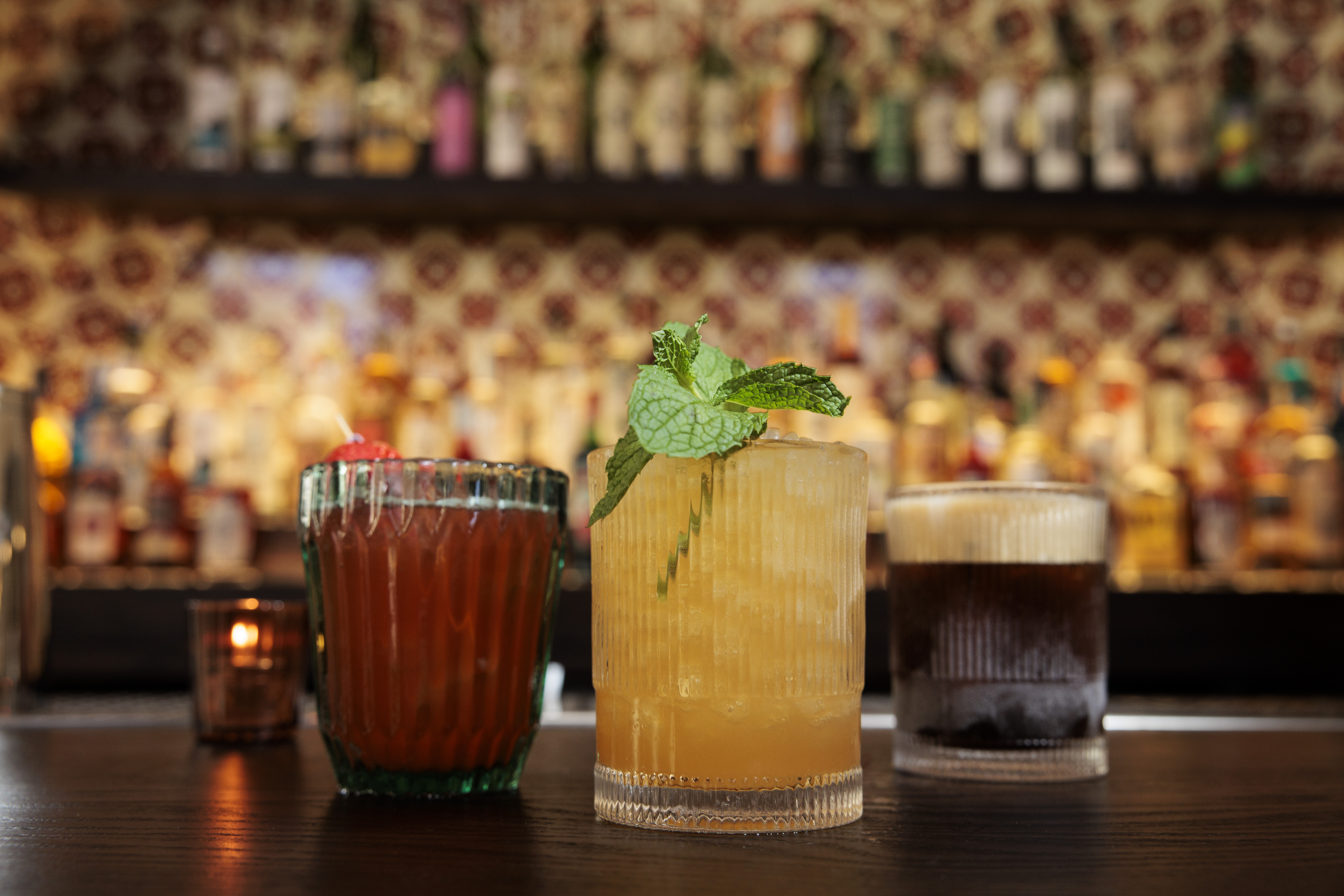
    The strawberry margarita, Fish House Punch, and carajillo cocktails at Mixteca.Monica Herndon / Staff Photographer

    “The high ceilings, the exterior, the energy of the neighborhood … it was perfect,” Bell said. “There’s a chaos to New York that can be exhausting, and I don’t see that in Philly.”

    Lopez needed even less convincing: “I told Jeff, ‘I’ll probably move to Philly because I love it.’”

    Classic cocktails with an agave twist

    Mixteca’s Philly menu uses the New York location’s as a starting point for an array of drinks that draw deep on mezcal and tequila.

    The restaurant has the same house margaritas on the menu — classic, made with Cointreau; and spicy, made with wasabi, cucumber, and hot honey — plus seven new flavored options, such as guava and blackberry, made with fruit juice.

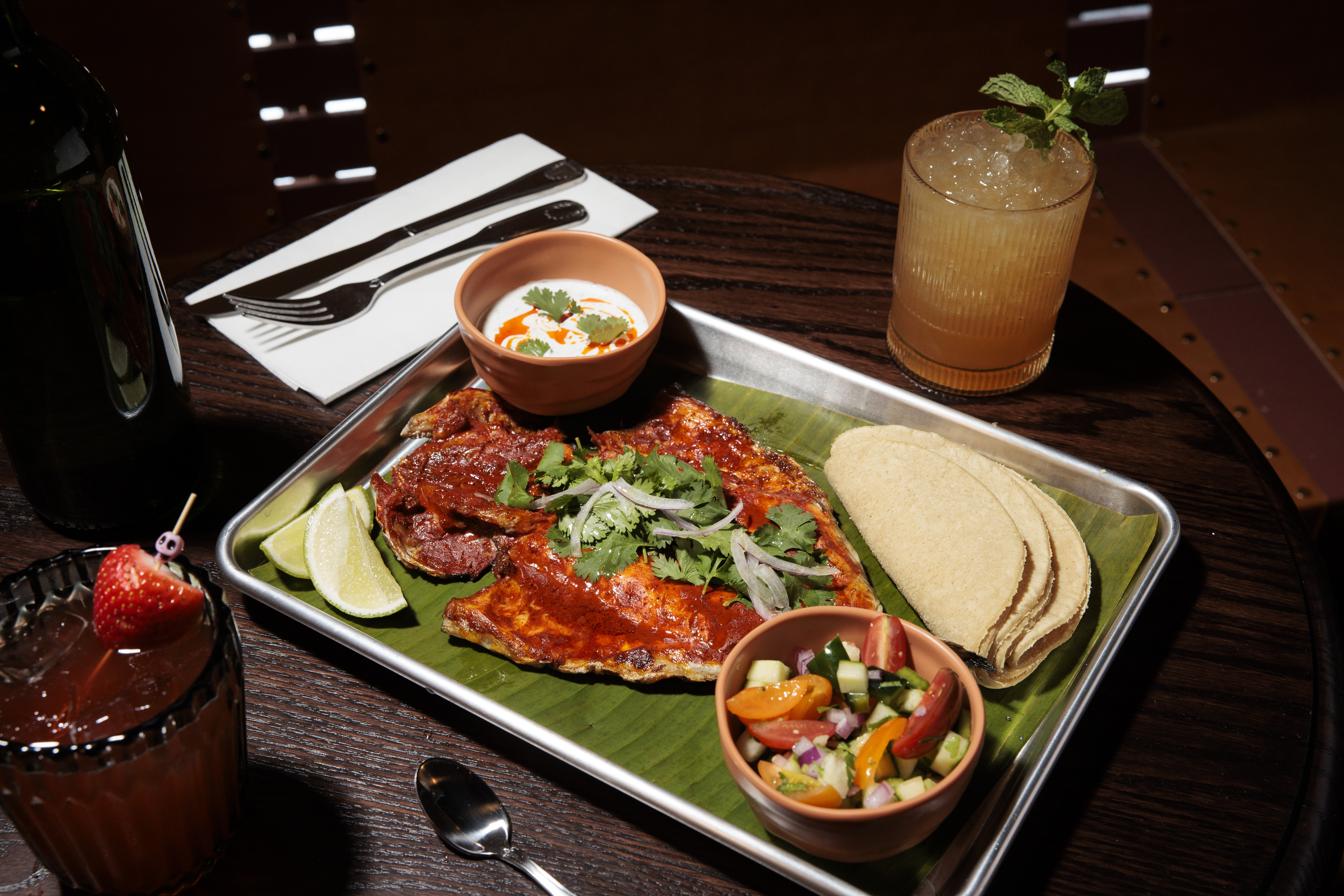
    The aorade asado at Mixteca. The Philly location is equal parts bar and restaurant, with a full-fledged food menu of Poblano-inspired share plates.Monica Herndon / Staff Photographer

    The Philly location’s 18 signature cocktails include classics like rye whiskey Manhattans and espresso martinis as well as agave-centric counterparts, like the aptly named Puebla York (made with reposado tequila, mezcal, Cynar amaro, and cassis) and a cold brew carajillo, the popular Mexican cocktail made with tequila and vanilla-forward Licor 43.

    Lopez also created versions of two timeless local cocktails: a mellower, peach-infused Fish House Punch that swaps brandy for reposado and Oaxacan rum, and a foamy raspberry Clover Club that uses white tequila instead of gin. Both go down easy.

    The patio at Mixteca on a friends and family night Aug. 26.Monica Herndon / Staff Photographer

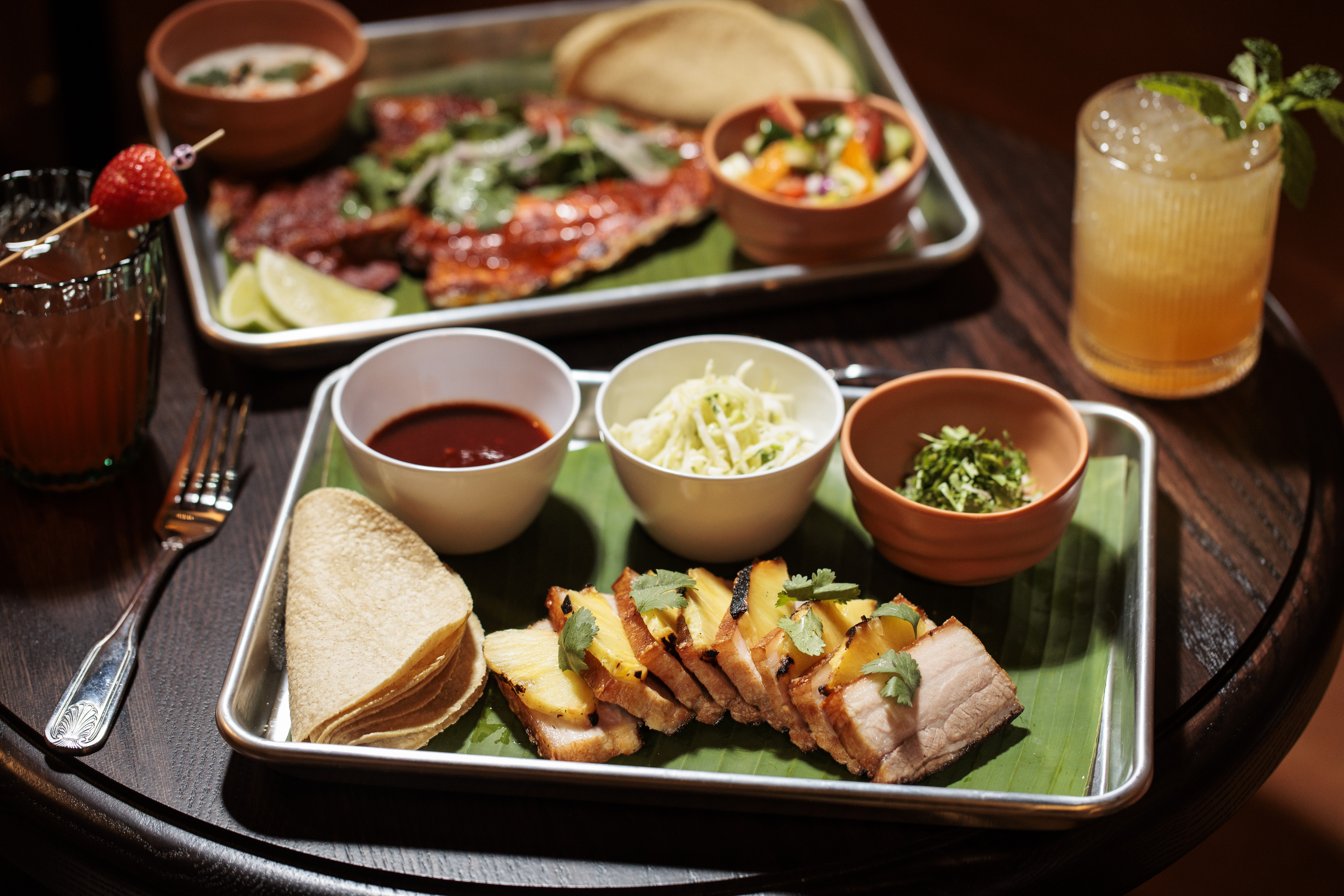
    Though no executive chef heads up Mixteca’s kitchen in Philadelphia, the food menu got the stamp of approval from Lopez, who said the flavors were “the closest” to what he grew up eating as a kid in Mexico. Highlights include a bright hamachi and yellowtail ceviche; steak, mushroom, and chicken tacos served on made-to-order corn tortillas; and a whole dorade asado designed for sharing. Served with warm tortillas, white salsa, and a crisp tomato-cucumber salad, the fish sits at the center of a table like a prized catch of the day.

    Lopez and Bell aren’t looking to outshine the neighborhood’s already-busy bar scene. Mixteca is blocks away from the Madrid-inspired Bar ILU and industry favorite gastropub Meetinghouse. It’s also around the corner from East Kensington standbys Philadelphia Brewing Co. and Atlantis: the Lost Bar.

    “We’re showing up to a party that’s already happening. We’re not the hosts,” said Bell. “We want to ingratiate ourselves.”

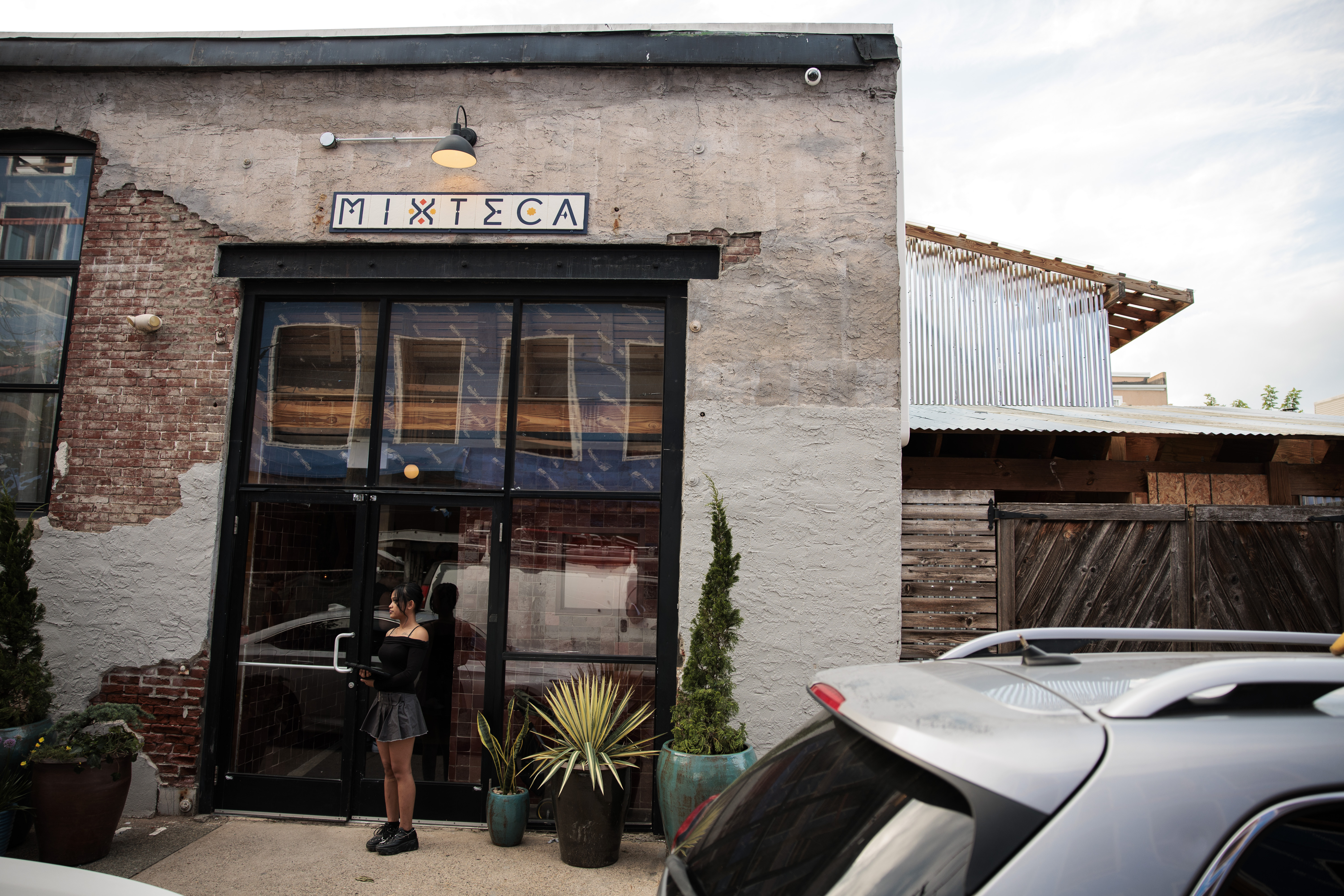
    The exterior of Mixteca, in the former Martha space in East Kensington. Monica Herndon / Staff Photographer

    Mixteca, 2113 E. York St., 215-714-3148, cocteleriamixteca.com. Hours: 4 p.m. to midnight Monday through Wednesday; 4 p.m. to 2 a.m. Thursday to Friday; noon to 2 a.m. Saturday; noon to 10 p.m. Sunday.

  • Center City bar Jose Pistola’s has closed after 19 years

    Center City bar Jose Pistola’s has closed after 19 years

    A distinctive stretch of 15th Street in Center City has lost both of its longtime bars within a year.

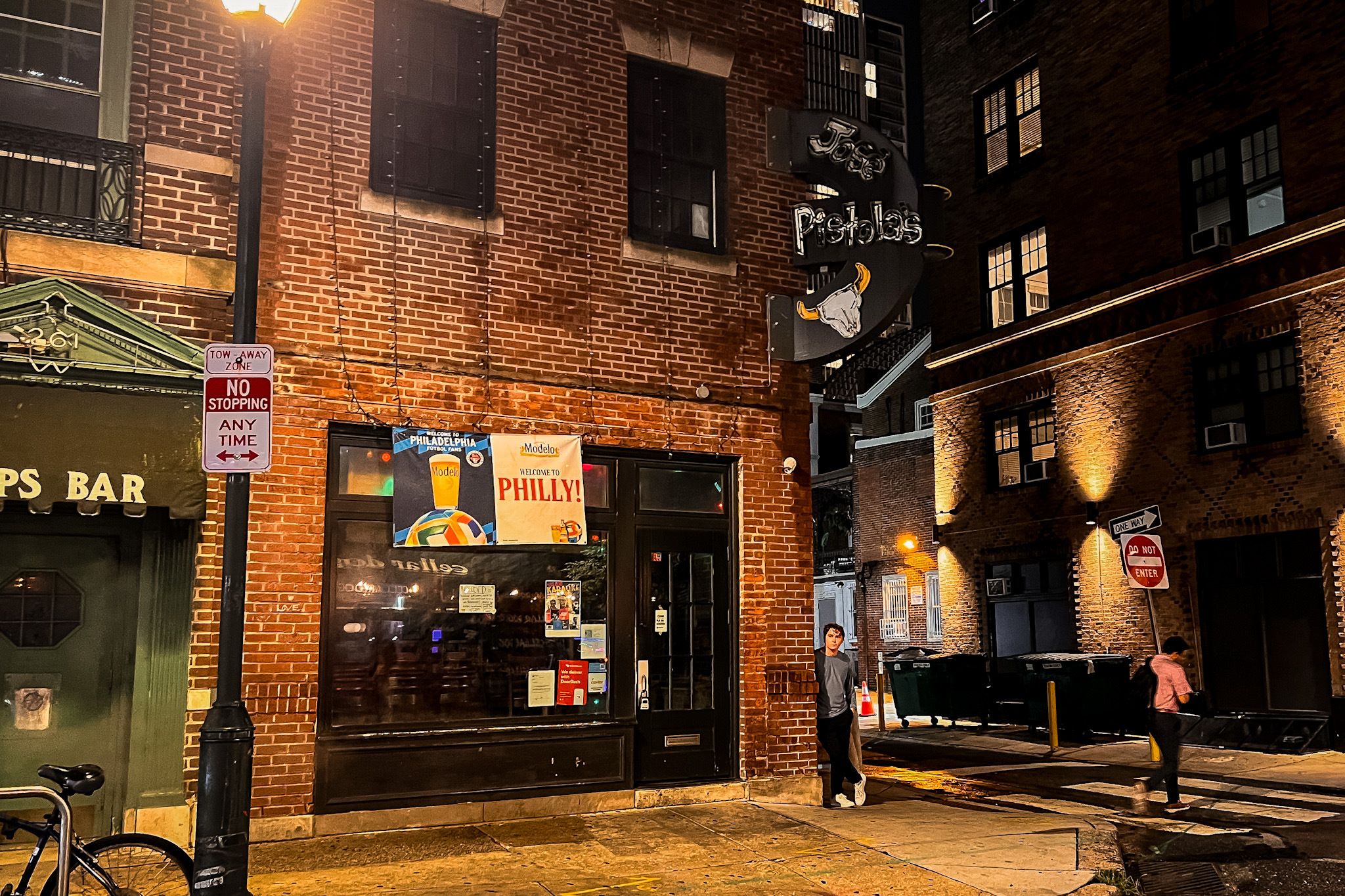
    Jose Pistola’s, the Mexican-inspired craft beer bar at 263 S. 15th St., has closed after 19 years, following last August’s closing of its next-door neighbor, McGlinchey’s.

    The closing of Jose Pistola’s came abruptly Tuesday amid a number of factors, including the Philadelphia Gas Works’ cutoff of its gas service. Although co-owner Joe Gunn said the business had made payments and was trying to resolve the issue, he said PGW would not restore service for three more days. . “That was the straw that broke the camel’s back,” Gunn said.

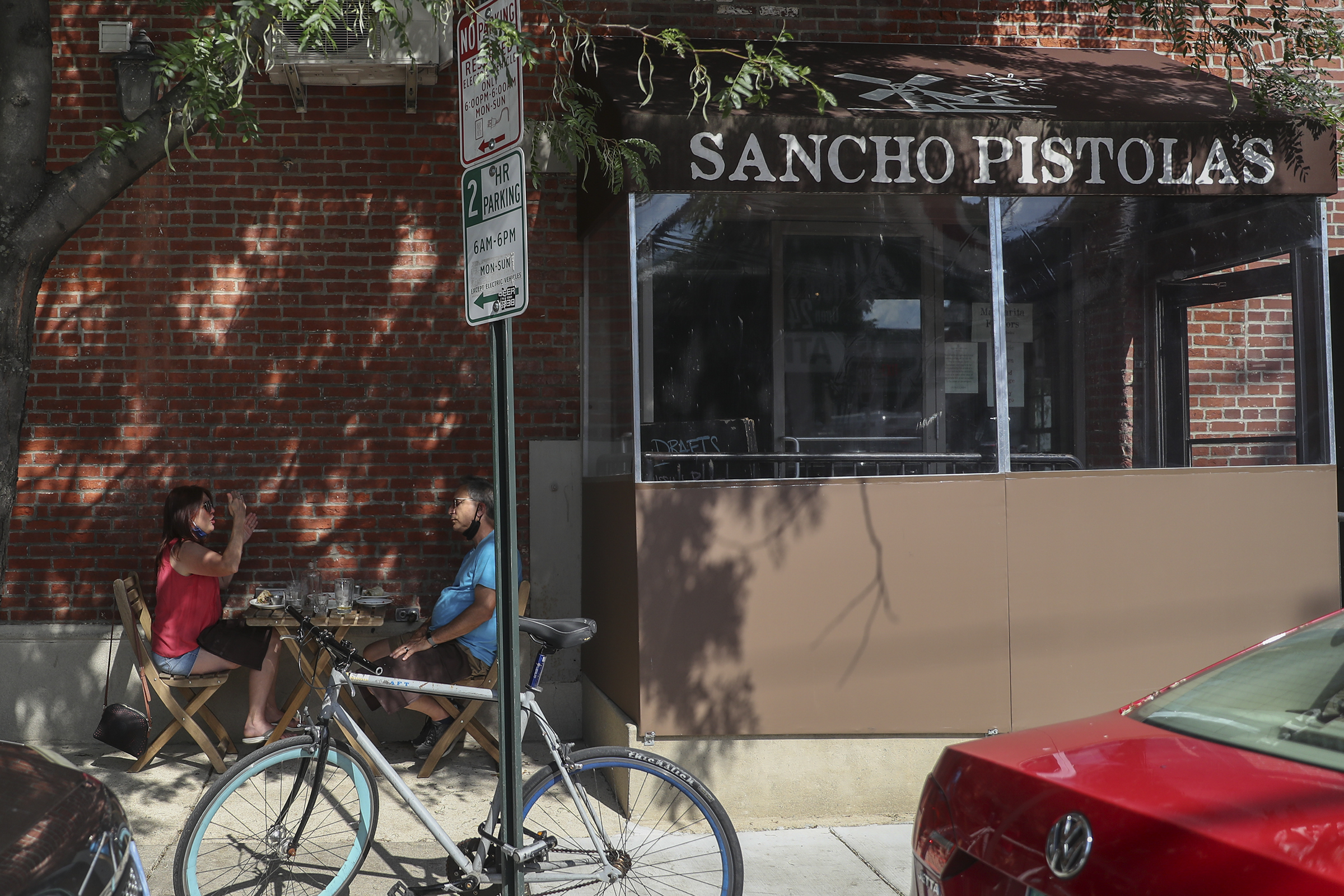
    Sancho Pistola’s in Fishtown, which opened in 2014, is not affected by the Center City closing.Heather Khalifa / Staff Photographer

    The closing does not affect Sancho Pistola’s on Girard Avenue in Fishtown, which opened in 2014, or Pistola’s Del Sur on East Passyunk Avenue in South Philadelphia, which opened in 2017. They are doing well, Gunn said. “They’re in no danger of going anywhere.”

    In 2009, court records show, the City of Philadelphia, which owns PGW, obtained a judgment of nearly $48,000 against Jose Pistola’s. According to a 2025 court docket entry, the judgment was never satisfied. A PGW spokesperson on Friday declined to comment, saying it does not share information about individual accounts.

    Gunn, saying that he did not want to blame PGW, said the interruption forced a decision that he and business partner Casey Parker had already been contemplating.

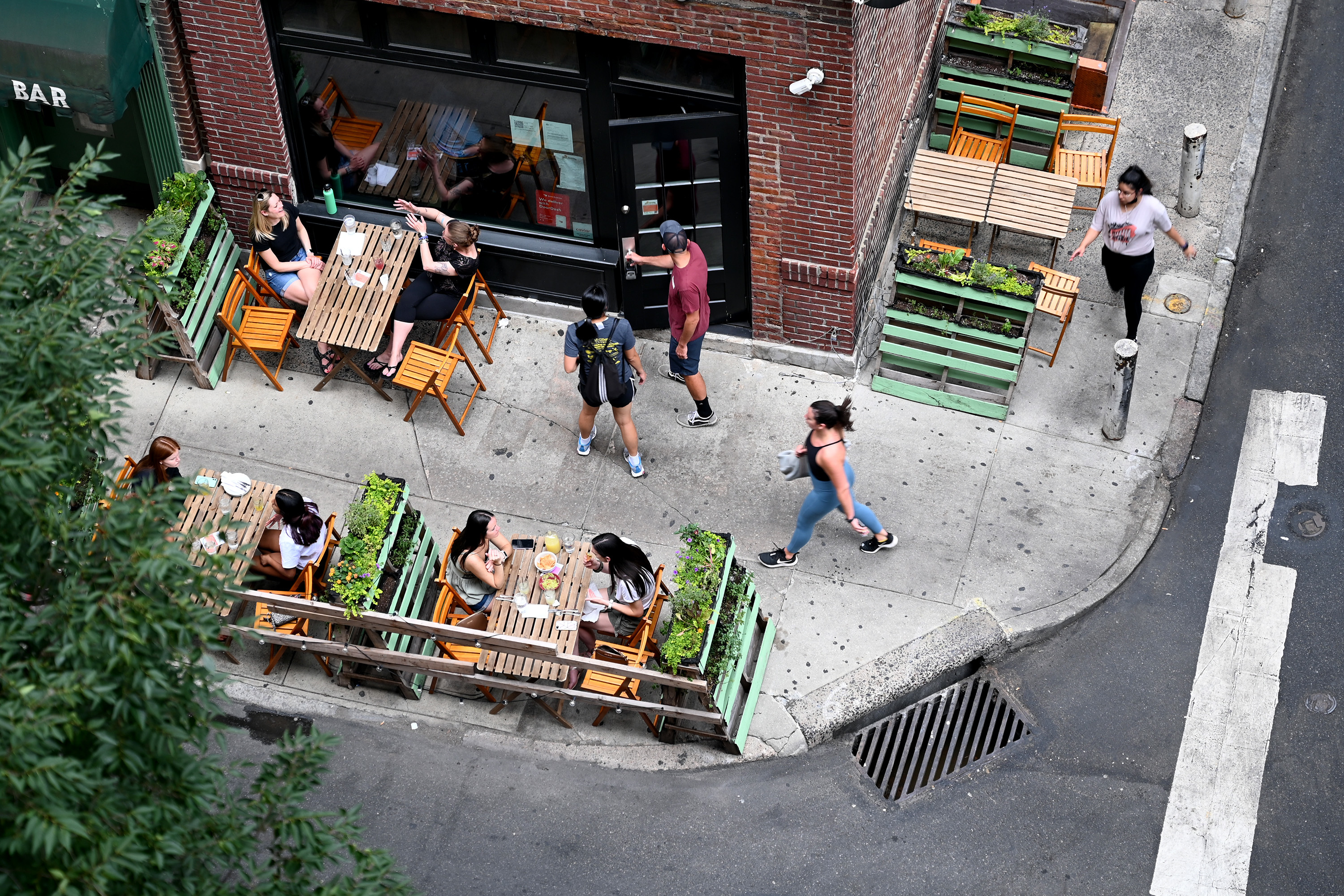
    A view of Jose Pistola’s pandemic-era outdoor seating at 15th and Manning Streets in 2021. Tom Gralish / Staff Photographer

    Gunn said they had about a year remaining on their lease and had been discussing a five-year renewal with their landlord. But with both Gunn and Parker now 51 and their children getting older, he said another long commitment seemed increasingly daunting. “It takes a lot of energy to play that game,” Gunn said.

    The numbers were difficult, too. As other bar and restaurant owners have lamented, higher food and operating costs had squeezed the business, while the late-night trade that once helped sustain bars like Pistola’s has diminished.

    “Frankly, [the bar] just never fully recovered from COVID,” Gunn said. “Coming out of COVID, the world was a different place — the price of goods, the cost of everything, and people don’t go out as much late. These younger generations are too smart to drink their life away.”

    “It’s always been tight, but everything changed,” Gunn said. “And then people just don’t drink as much.”

    About 25 people worked at Jose Pistola’s. Gunn said they had little warning because the owners themselves had not decided to close until the last minute. He said he and Parker are trying to place employees at their other restaurants or with friends in the industry.

    “We’ll absorb what we can, obviously, in the other two places,” Gunn said. “We have a lot of friends in the business, so we’re aggressively trying to help them.”

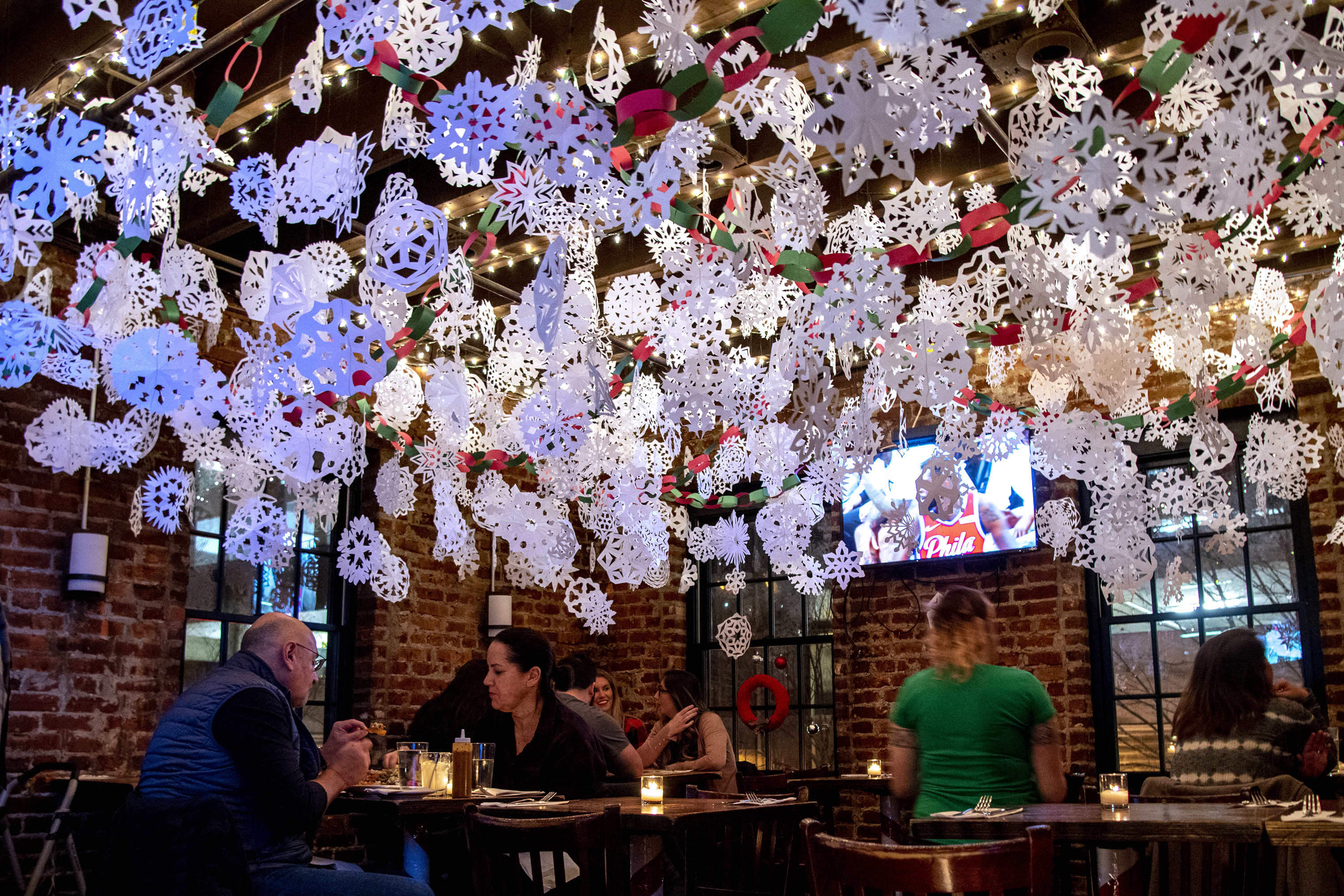
    Jose Pistola’s bar, as decorated in 2019 for its annual Jose Pistola’s Christmas Smackdown Bar Crawl.Tom Gralish / Staff Photographer

    Jose Pistola’s — its name a loosely licensed Spanish rendering of Gunn’s first and last names — opened Aug. 29, 2007, taking over the longtime Copa, Too! space. Gunn and Parker were both veterans of Fergie’s Pub; Gunn had worked there for about seven years before leaving to open Pistola’s, while Parker had moved on by then.

    The bar quickly established itself through its combination of craft beer, Mexican-inspired food, and an irreverent neighborhood-bar atmosphere. It became particularly associated with Philadelphia’s burgeoning craft beer movement and the early years of Philly Beer Week.

    Its food grew more ambitious after Puebla-born chef Adán Trinidad joined the operation and eventually became a partner. Trinidad, whose resumé included El Vez and Alma de Cuba, brought to the menu such dishes as tortilla soup, goat sopes, carnitas-filled steamed buns, and Brussels sprout tacos that caught the attention of Inquirer critic Craig LaBan.

    The partners later expanded the Pistola’s name to Fishtown and East Passyunk. Trinidad died after a fall in October 2021 at age 39.

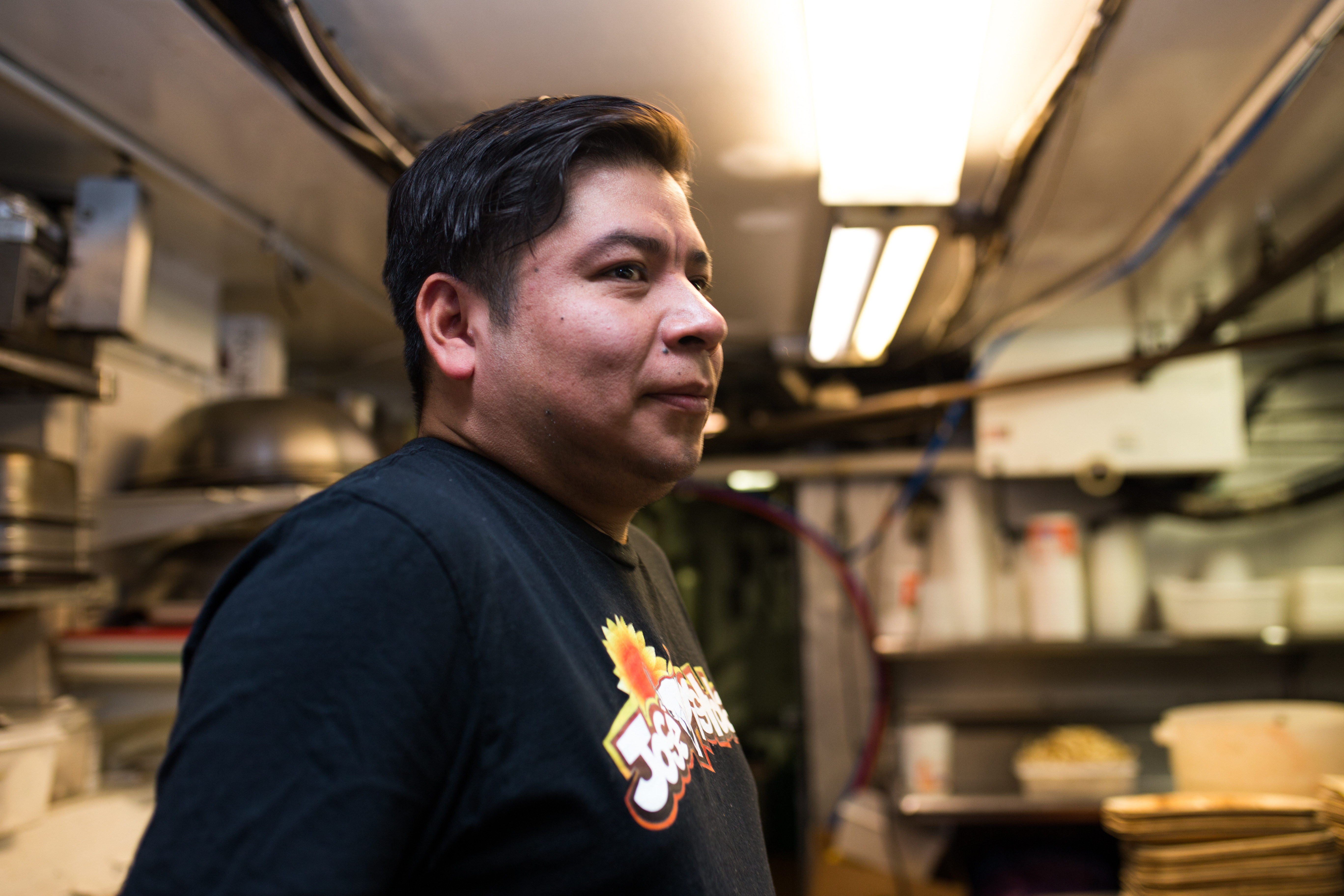
    Adán Trinidad was chef-partner until his death in an accidental fall in 2021.Rachel Delsurdo / Courtesy of Jose Pistola's

    For most of Jose Pistola’s run, its next-door neighbor offered a study in contrasts.

    McGlinchey’s — now on the market — was a cash-only dive bar known for low prices, dim lighting, smoke in the air, and an eclectic clientele. It endured by barely changing, while Jose Pistola’s brought craft beer and more ambitious food to an equally unpretentious neighborhood-bar sensibility.

    The two businesses were nevertheless close.

    “We had a great relationship with them,” Gunn said. “We loved them because of how funny they were. They were just kind of cranky, and they put up with us.”

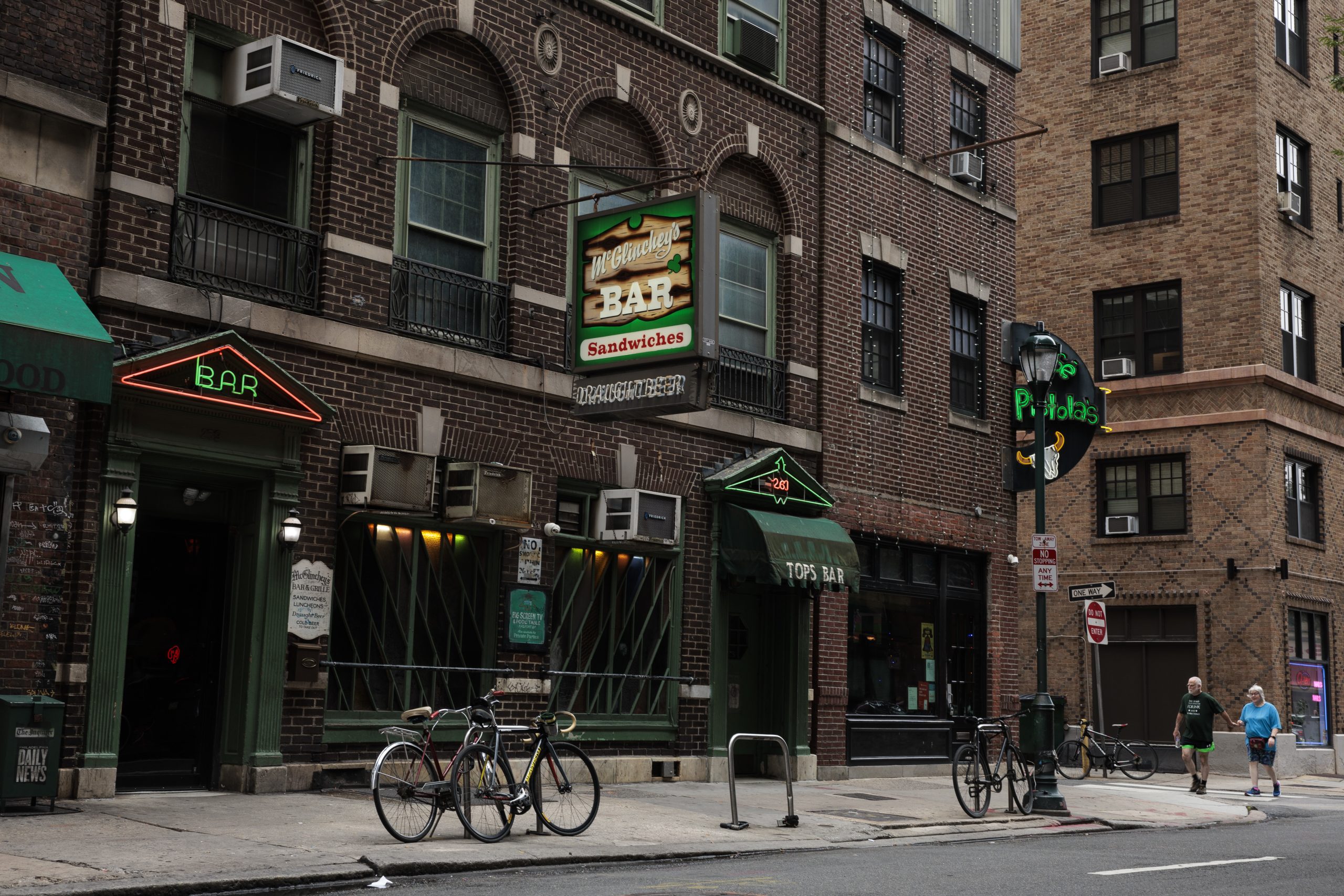
    McGlinchey’s, as seen in August 2025, was next door to Jose Pistola’s.Monica Herndon / Staff Photographer

    Gunn said the McGlinchey’s closure was part of a broader change he has watched on this stretch of 15th Street between Locust and Spruce Streets.

    “The whole corridor used to be more vibrant,” he said. “I think COVID wiped out a lot of those places. It changed everything for us.” The block is also home to Cellar Dog and Garage Rittenhouse.

    As recently as Thursday, Gunn said, he and Parker were “still fighting to figure out a way to [save] it. But it just, I think, ran out of steam.”