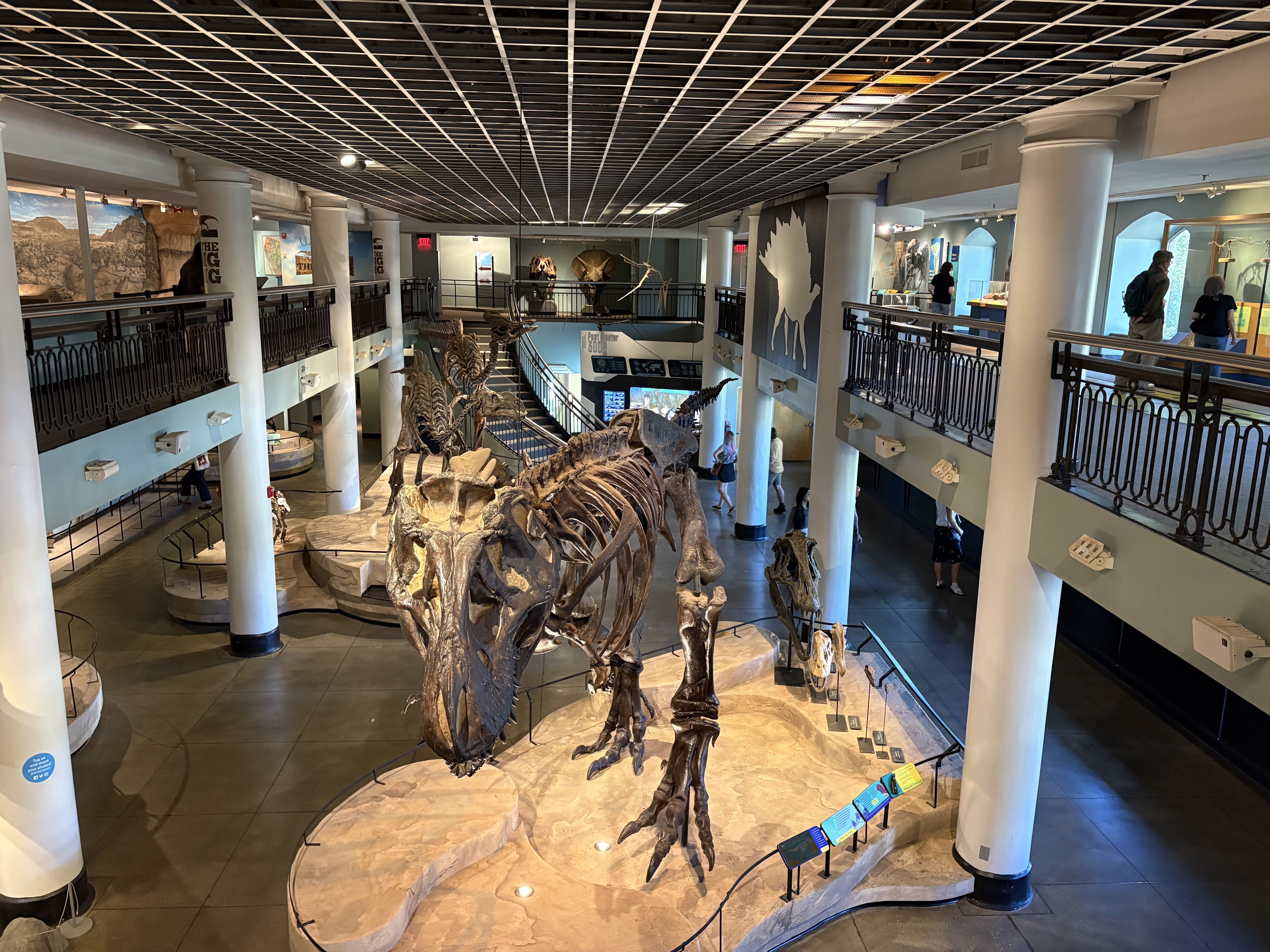
The Academy of Natural Sciences has been an institution in Philadelphia for nearly 200 years.
Generations of kids have walked into Dinosaur Hall and stared up at the skeletons, pressed buttons, dug for fossils, looked at bugs, and wandered past those wonderfully old-school animal dioramas. Then they grew up, had kids, and brought them back to do the exact same things.
At the end of the month, that stops. The museum is closing as attendance has fallen and operating costs have risen, though the Academy’s scientific research and its collection of roughly 19 million specimens will remain. What happens to the museum is uncertain; Academy leaders say they hope public access can return in some form.
That uncertainty is what makes this feel like more than another attraction closing. Philadelphia’s identity isn’t just cheesesteaks and sports teams and the stuff that fits neatly on a tourism poster. It’s also the institutions that have been here so long that generations assume they’ll always be here — the Academy, the Franklin Institute, the Art Museum, the Please Touch Museum. They’re where Philly kids learn, and learn what their city is.
The dinosaurs aren’t just leaving the Parkway. Philly is losing one of the places that helped make us, us.
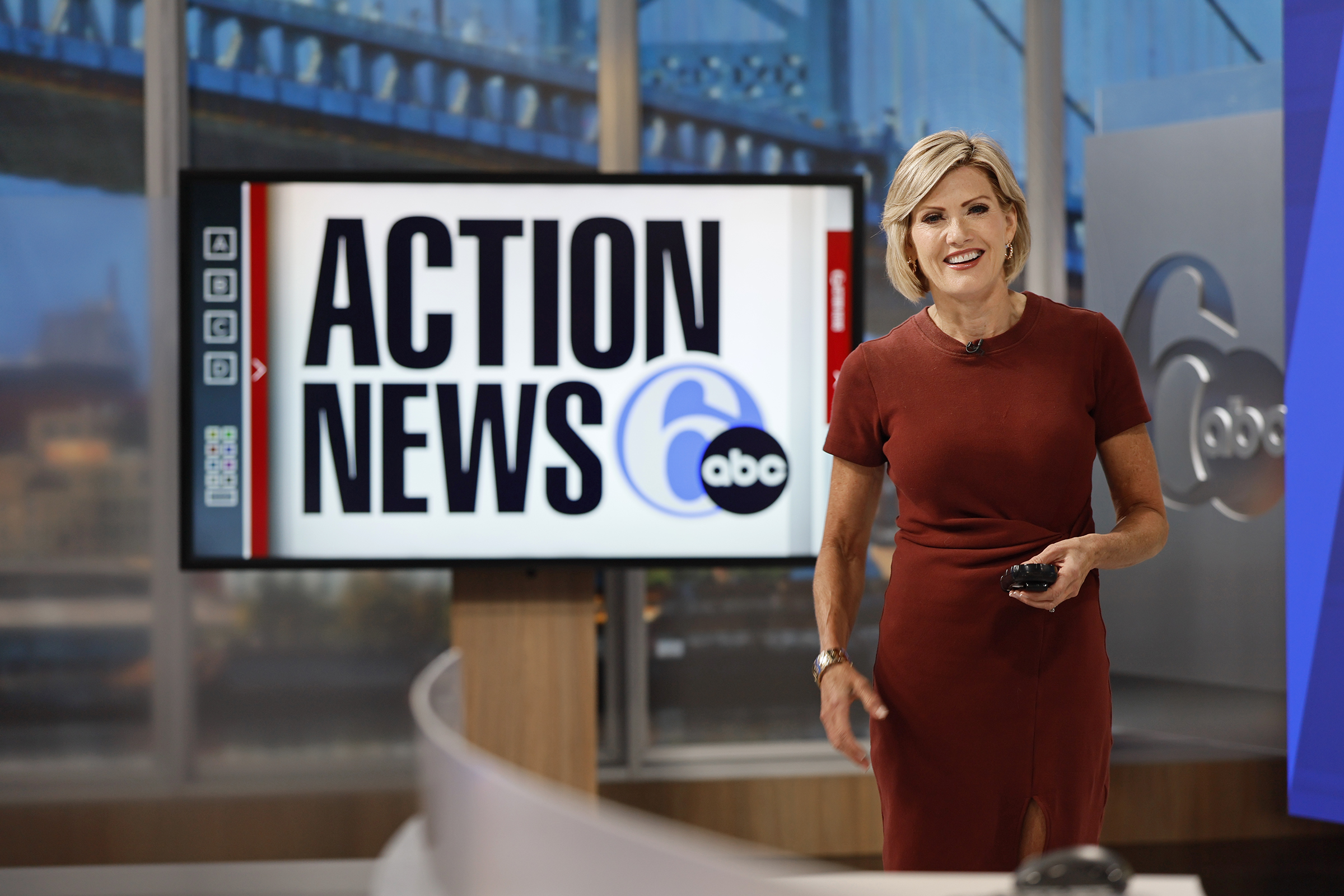
6abc meteorologist Cecily Tynan walks off the set at the 6abc studios in Philadelphia on Thursday, August 27, 2026.Elizabeth Robertson / Staff Photographer
Cecily gives her final forecast: D
For 31 years, Cecily Tynan told the Delaware Valley what was coming. On Monday night, everyone already knew the forecast: This was going to hurt a little.
Tynan delivered her final weather report on Action News, choking up as she thanked viewers who had watched her through everything from the Blizzard of ’96 to Superstorm Sandy. She talked about meeting families who had watched 6abc for generations and even young Cecilys whose parents named them after her.
Then Jim Gardner — because apparently this goodbye wasn’t emotional enough already — returned to the studio to send off his longtime colleague (WITHOUT HIS MUSTACHE, let’s not forget to mention).
Cecily wasn’t just there for the giant storms people remember. She was there on thousands of ordinary nights, standing in front of that weather map while families ate dinner, packed lunches, wondered about school the next morning, or decided whether they needed an umbrella. She became part of the routine.
Even Cecily seemed to understand that relationship when she told viewers that although she was retiring, she’d “always be part of the Action News team.”
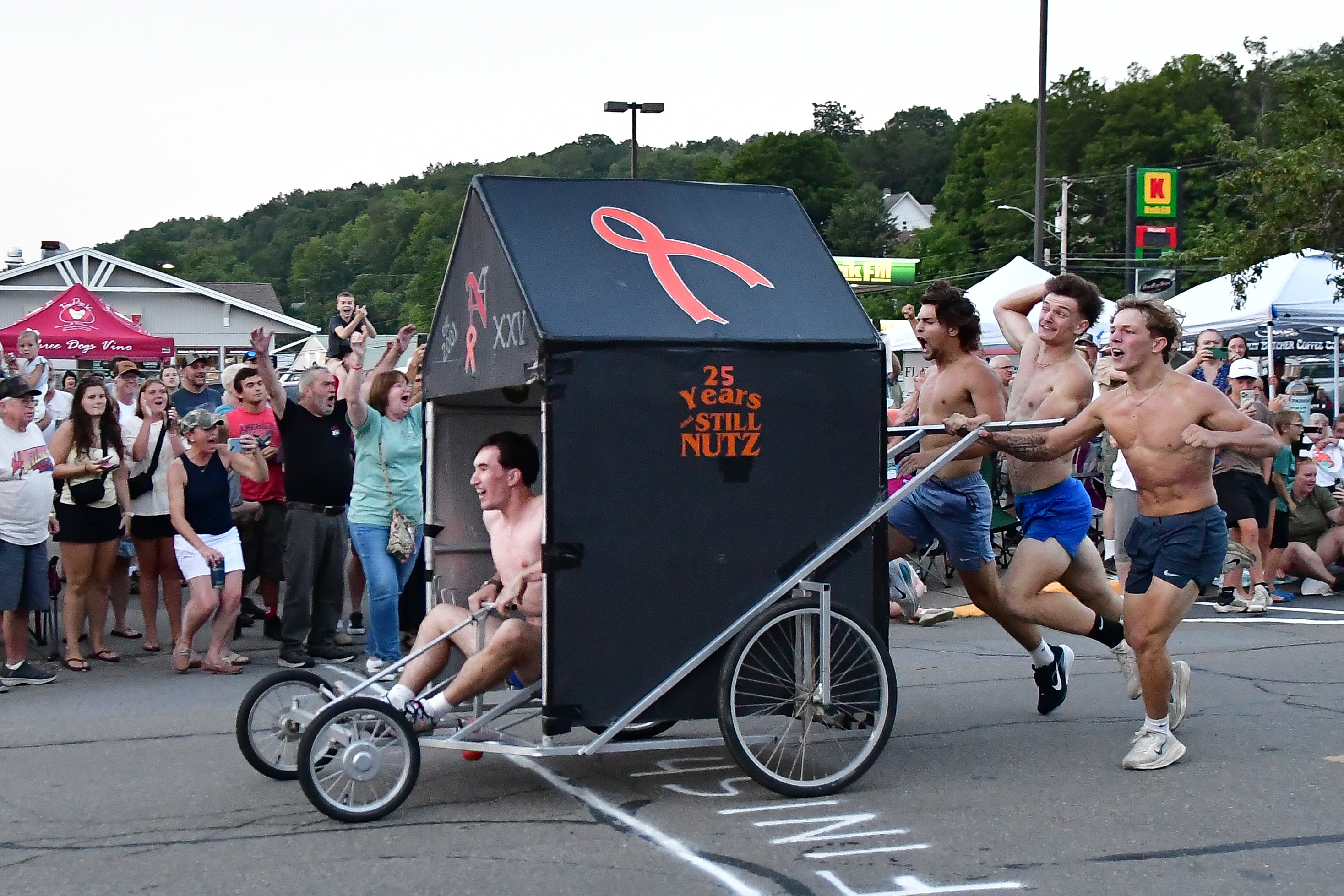
Team Nutz celebrates taking first place in the 25th Dushore Founder’s Day Outhouse Race on Saturday, Aug. 8, 2026 in Dushore, Pa. The Dushore Lyons Club event featured 10 teams comprised of a driver and four pushers who raced custom-designed outhouses along Main Street as hundreds of locals lined the sidewalks to watch and cheer.RALPH WILSON/For the Inquirer
Philly needs an outhouse race: A
Every once in a while, another part of Pennsylvania comes up with an idea so stupid that Philadelphia should immediately steal it.
In Dushore, a tiny Sullivan County town of about 450 people, residents have spent the last 26 years racing outhouses down Main Street. The rules require a real toilet seat, four pushers and one person sitting on the throne to steer. Teams have names like Perfect Dump, Steiny’s Heineys, and the Coal Region Turd Herders. There are trophies. People train for this.
Naturally, the question is: Why aren’t we doing this in Philly?
Imagine outhouses flying down the Parkway, preferably with Gritty sitting on the toilet. Put one on the Manayunk Wall if we’re feeling reckless. Neighborhood teams would have to build their own: Rittenhouse vs. Fishtown vs. Delco, which isn’t technically a neighborhood but would absolutely show up with an outhouse anyway. Wawa could sponsor one. SEPTA could enter another.
Dushore drew a crowd several times larger than the town’s population to watch people push toilets up and down the street, and Philadelphia has closed roads for far less compelling reasons.
So bring the Turd Herders to Broad Street!
You cannot reboot ‘Jersey Shore’: C
Netflix is filming a new reality show, The Leftovers, in Seaside Heights with longtime Jersey Shore producer SallyAnn Salsano. They insist it’s not a reboot, which is smart, because you cannot recreate that level of magic.
Jersey Shore gave us GTL, “cabs are here,” Snooki getting arrested on the beach, Ron and Sam fighting about everything, and an anonymous note becoming one of the most important documents ever produced in New Jersey.
You can find another group of hot, messy 20-somethings, but you cannot make them accidentally invent GTL again. Reality TV contestants know too much now. They arrive with Instagram strategies and a preferred angle.
So let The Leftovers be its own beautiful Jersey disaster.
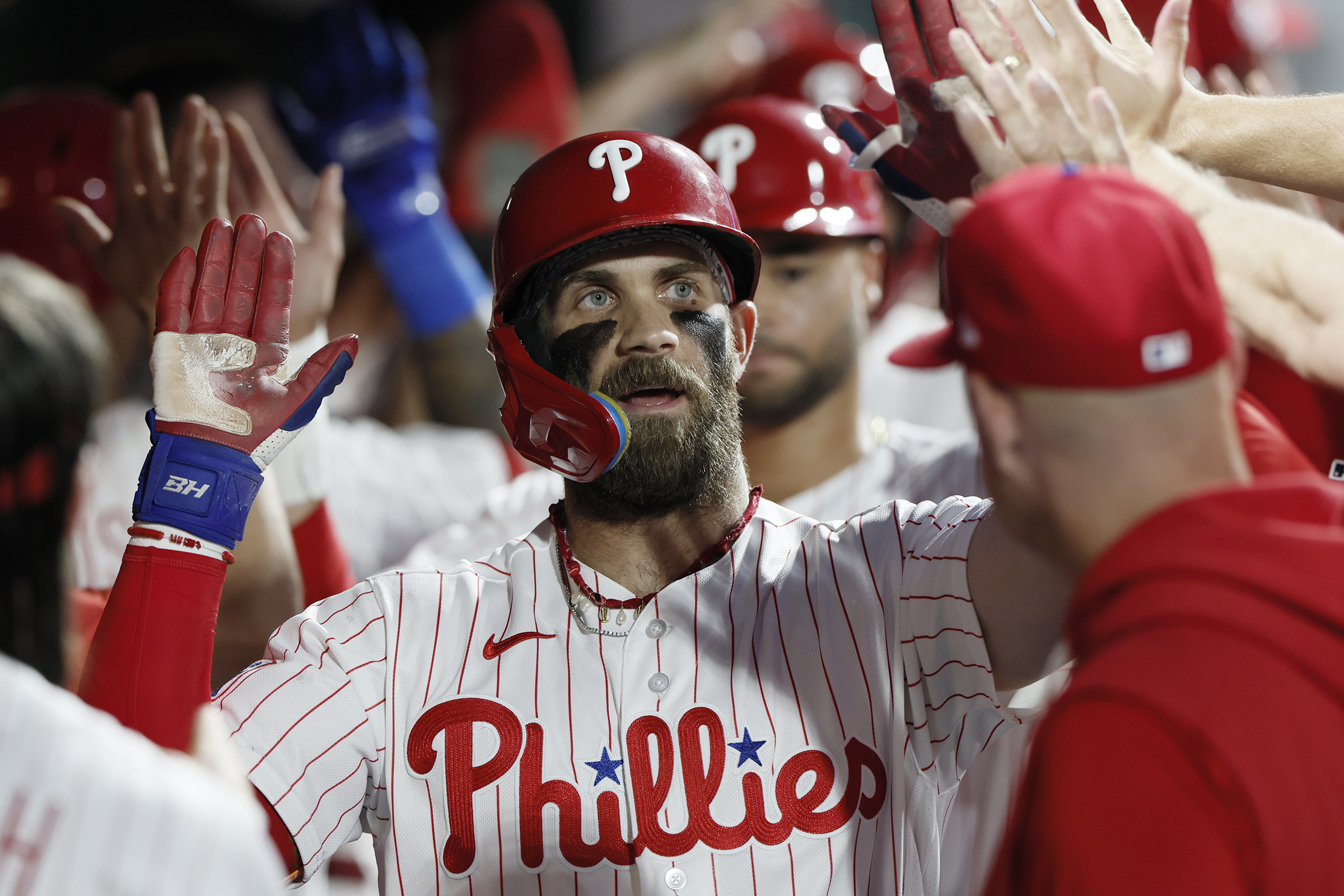
Phillies Bryce Harper high-fives teammates after hitting a two-run home run in the sixth inning against the St. Louis Cardinals at Citizens Bank Park in Philadelphia on Saturday, August 22, 2026.Elizabeth Robertson / Staff Photographer
Falling for the Phillies, again: A
The problem with this particular Phillies team is that we know better.
We have been here before. We’ve watched October end against Arizona, the Mets, and the Dodgers in increasingly creative ways, then spent entire off seasons insisting we would not let these people hurt us again.
And yet, look at us.
The Phillies have won six straight, moved into the top National League wild-card spot, and are suddenly just three games behind Atlanta in the NL East with a four-game series against the Braves this weekend. That is exactly the kind of September setup that makes all those carefully constructed emotional boundaries start to seem a little dramatic.
It helps that Bryce Harper looks like Bryce Harper again. After hitting .333 with a 1.069 OPS in August, he opened September by going 4-for-4 with a walk, extending his on-base streak to 34 games, and pushing his season OPS above .900. Jesús Luzardo is 9-0 on the road. The lineup is finding ways to score without relying entirely on home runs. Even when one part of this team isn’t carrying the night, somebody else seems to be.
This is how they get you. A month ago, October still felt like something to approach with extreme caution. Now the Braves are here, Harper is cooking, and Citizens Bank Park gets four chances at them this weekend.
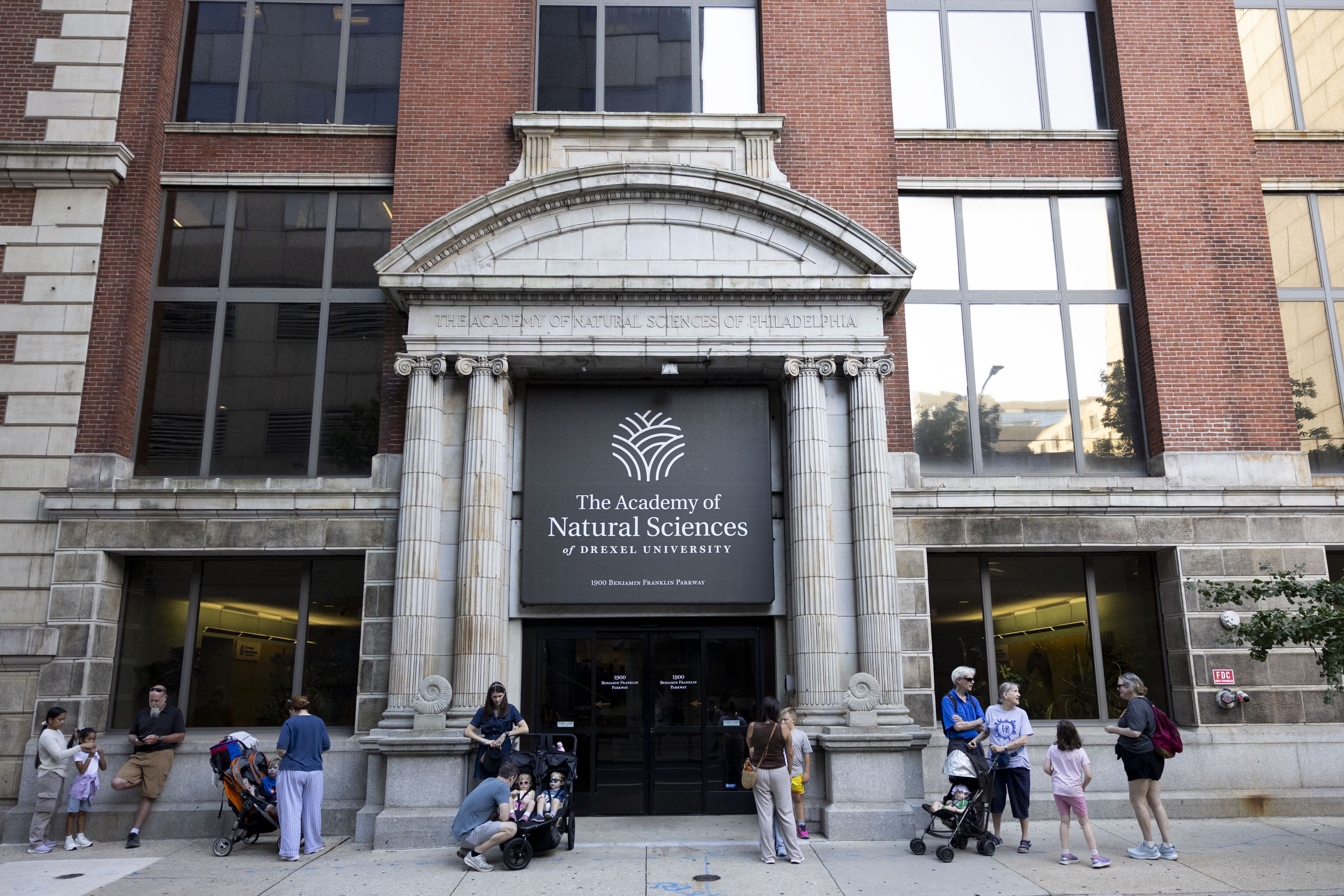
Dozens of parents pushing two-seat strollers cleared paths along the sidewalk in front of the museum at 19th and Benjamin Franklin Parkway. They were all looking for a spot in the line that stretched to the corner of Cherry Street.
Small children climbed onto the building’s brick-covered grooves for a peek inside the museum as they inched closer to the museum’s doors, which opened at 10 a.m.
People waiting at the side entrance at the Academy of Naturals Sciences of Drexel University on Friday, Sept. 4, 2026, in Philadelphia, Pa.Tyger Williams / Staff Photographer
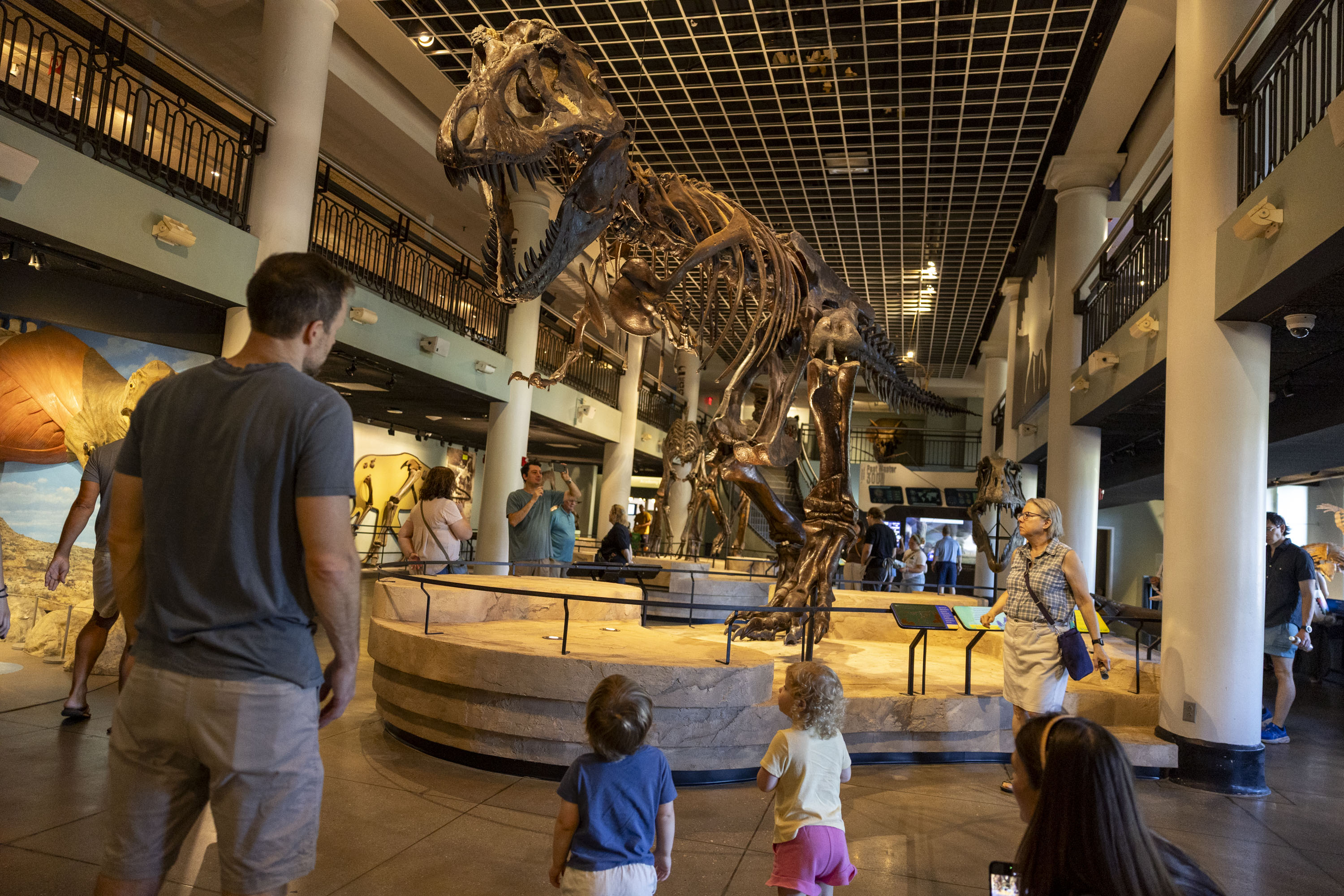
Inside, the museum was filled with visitors snapping selfies and taking family photos in front of full-scale dinosaur displays. Children sprinted across the mezzanine floor and rolled up their sleeves for the “big-dig” fossil exhibit. Others stopped by for close encounters with turtles and other live animals, while some frolicked alongside prehistoric creatures using virtual reality.
Staff members eagerly welcomed the growing crowd, with one commenting that the attendance reminded her of pre-pandemic times.
That post-pandemic drop in visitors, along with added financial pressures linked to Drexel’s budget deficit, are the reason the museum — which opened to the public in 1828 — plans to cease operations at the end of the business day Sept. 30.
Bella Vista resident Reiss Clauson-Wolf said he brought along his 2-year-old son to experience the same “wonder” he encountered as a 4-year-old visiting the museum.
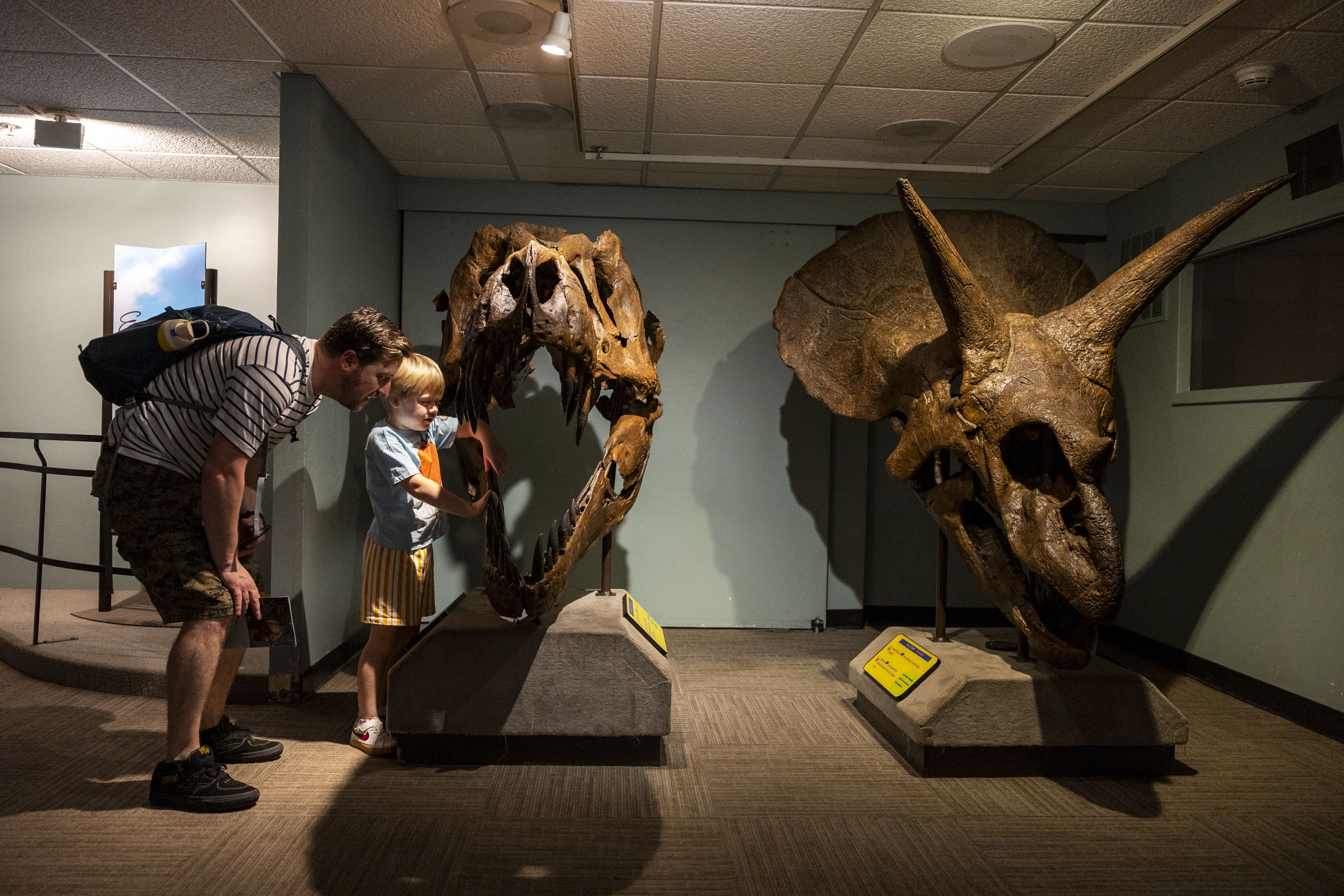
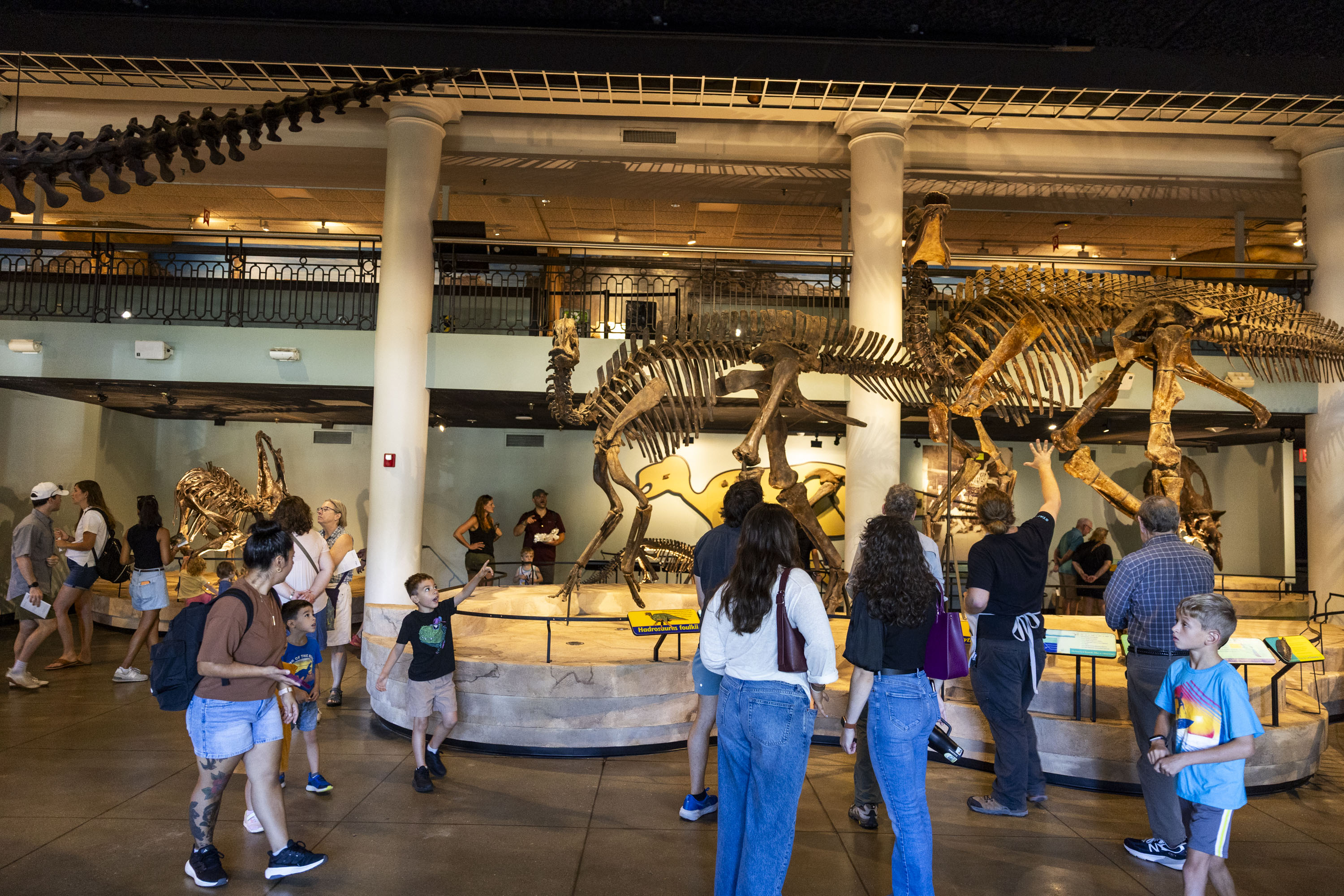
Michael Ashleigh, of Phoenixville, Pa., is with his son Otto, 5, looking at the Tyrannosaurus Rex Skull in the Dinosaur Hall at the Academy of Natural Sciences of Drexel University on Friday, Sept. 4, 2026, in Philadelphia, Pa. Michael wanted to give his son the experience he had 20 years ago when he first visited the Academy of Natural Sciences.Tyger Williams / Staff Photographer
The Dinosaur Hall and old-school dioramas of bison, bears, and tigers are core memories of his childhood, and he’s sad knowing his son and others won’t be able to experience it much longer.
“It’s such a joy. It’s really sad when an institution like this closes,” Clauson-Wolf said.
The museum’s last day with regular hours for the public will be Sept. 27.
Chris Bodenhamer, 39, said he didn’t know about the impending closure until he came into the museum on Friday morning. He had traveled from Miami to visit friends in the city and stopped by the museum to check out the new exhibit, “Botany of Nations,” which features historical items linked to Native American nations and explorers Lewis and Clark.
But upon hearing the news, Bodenhamer, who often visited the museum on his frequent trips to Philly, said he was devastated.
“It’s such a special place. You don’t get all of this stuff in one area. What can you do that’s better than this to replace it?” he said.
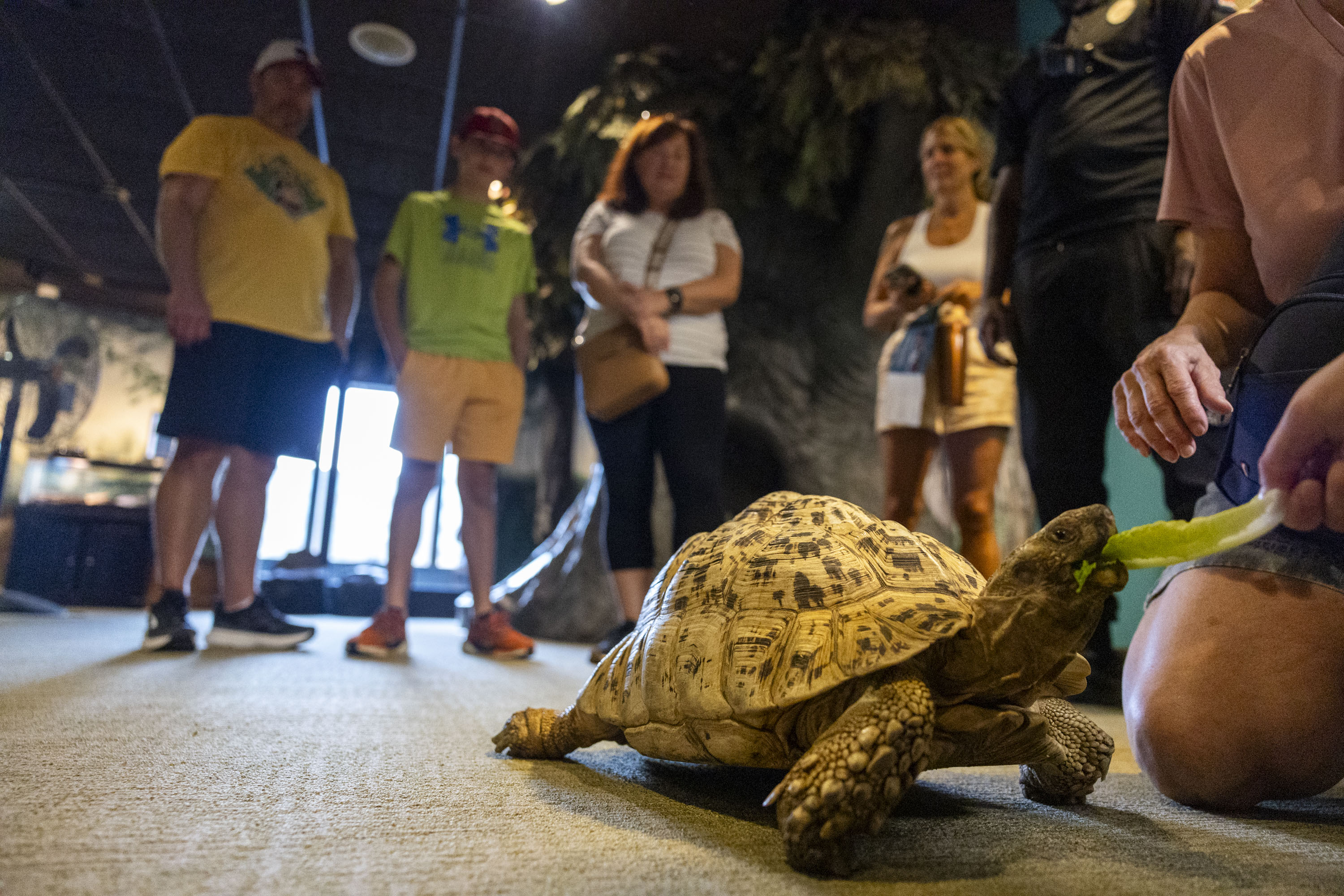
Ollie, the Leopard Tortoise around the age of 60, is being fed by Lead Animal Keeper Rachel Brown, at the Academy of Natural Sciences of Drexel University on Friday, Sept. 4, 2026, in Philadelphia, Pa.Tyger Williams / Staff Photographer
After hearing the news, Lancaster resident Dana Krooeck was determined to bring her two nephews to the museum before it closed. She enjoyed watching them walk the halls and engage with the exhibitions.
“They’re very hands-on, and they’re learning different stuff you don’t get a chance to learn about anywhere else,” Krooeck said.
Like Krooeck, her nephews Ethan Miegel, 10, and Benjamin Elmer, 8, said their favorite part was roaming through Dinosaur Hall.
“Everything here is awesome,” Elmer said.
“It’s an awesome museum. Why would they close it? I’m going to miss it,” said Miegel.
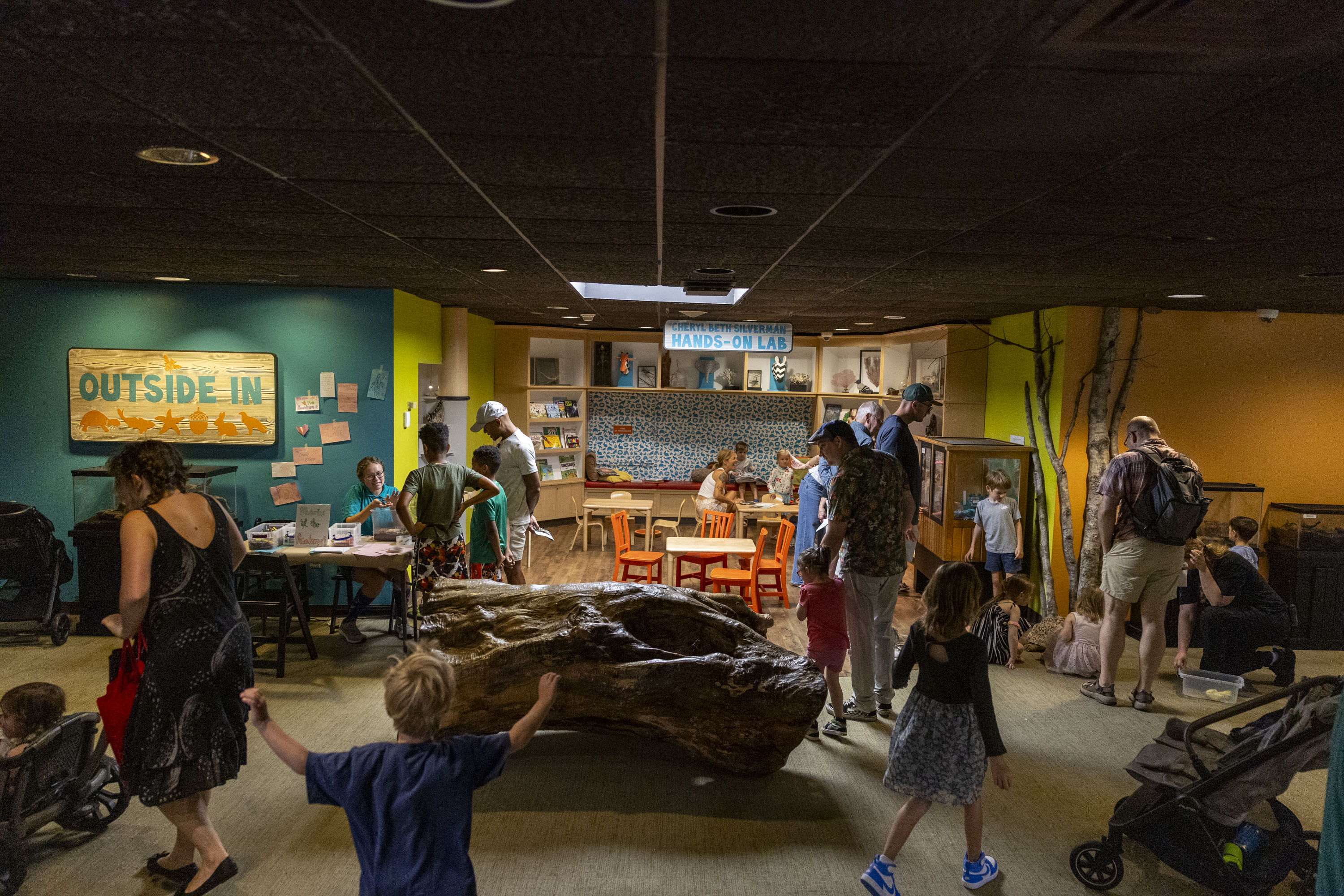
Families and their kids in the Outside In area where guests can pet live animals and other creatures during their visit at the Academy of Natural Sciences of Drexel University on Friday, Sept. 4, 2026, in Philadelphia, Pa.Tyger Williams / Staff Photographer
A rally aimed at saving the museum is planned for Tuesday at 10 a.m. in front of the Academy building at 1900 Benjamin Franklin Parkway. It is being organized by Skype A Scientist founder Sarah McAnulty, a squid biologist whose nonprofit focuses on science education, as well as Philly Science Action and Green Philly.
“We have the responsibility to make sure Drexel and other decision-makers know that this isn’t something we are going to take lying down,” said McAnulty.
People walking in to see the Dinosaur Hall with various Skeletons and displays at the Academy of Natural Sciences of Drexel University on Friday, Sept. 4, 2026, in Philadelphia, Pa.Tyger Williams / Staff Photographer
McAnulty said she grew up in the Philadelphia area and went to the Academy frequently. It’s important not just to the city but the entire country, she said, noting its fame as the first natural history museum in the United States.
“It’s unconscionable to close the museum down to the public,” she said. “It’s the responsibility of the stewards of that museum, the Academy board, and Drexel to do whatever it takes to preserve both the collections and the public-facing museum.”
In a social media post announcing the rally, organizers called on Drexel to find a way to keep the museum open.
“At a time when climate change and science continue to be under attack, Philadelphia cannot afford to lose another institution that connects people to the natural world,” the post said. “This is an institution Philadelphia can’t afford to lose.”
“We recognize that this is an emotional time for many who care about the academy,” Drexel said in a statement in response to the announcement of the rally.
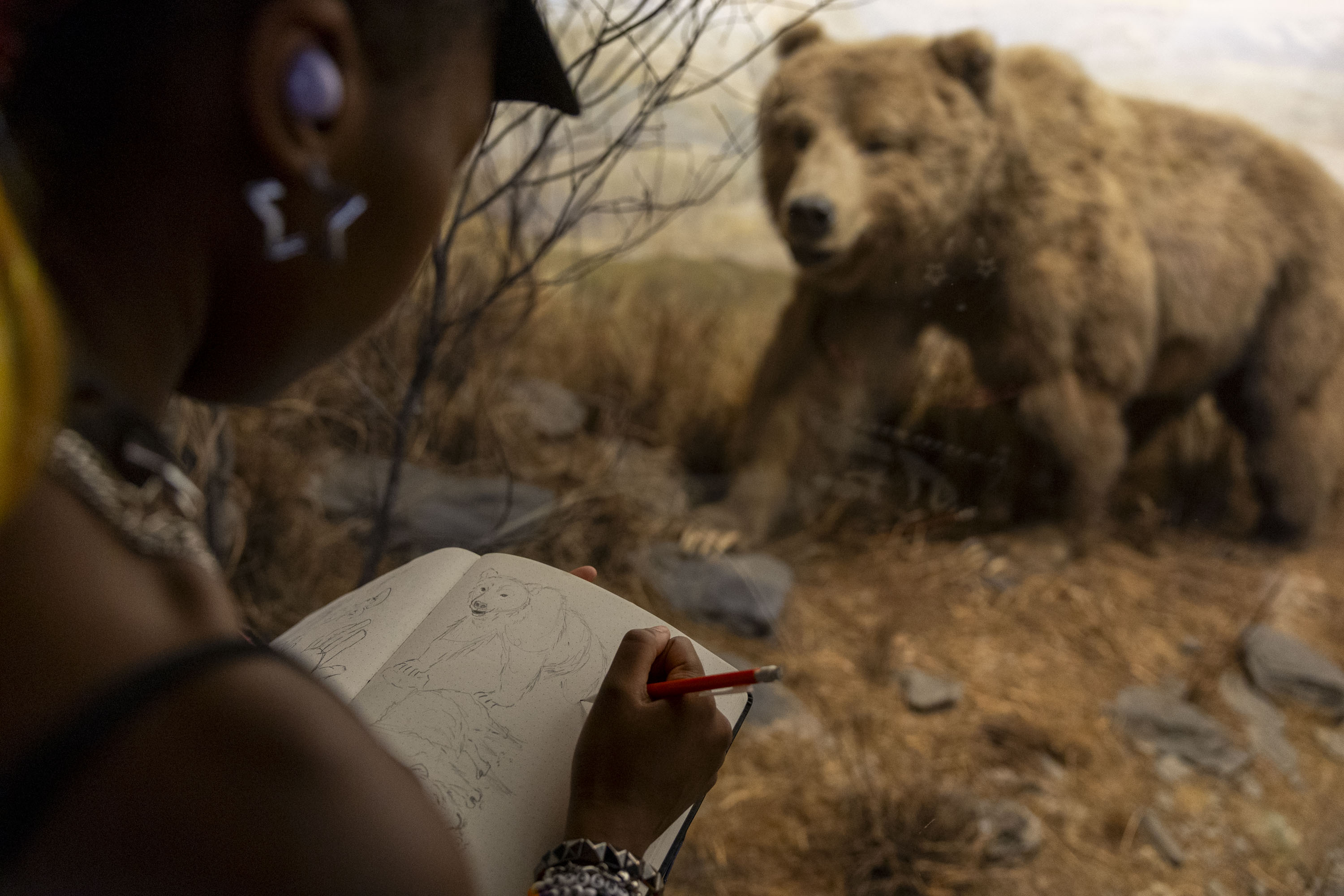
Mackenzie Guiloaune, 19, of Mount Laurel, N.J., is drawing the Kodiak Brown Bear in the display for Giants of the Alaskan Coast at the Academy of Natural Sciences of Drexel University on Friday, Sept. 4, 2026, in Philadelphia, Pa. Mackenzie often comes to the Academy to draw the various displays to help with her artist block.Tyger Williams / Staff Photographer
The decision to close the museum, the school said, was “not made lightly” and will “protect the collections and scientific mission at the heart of the Academy and represents an important step toward addressing the Academy’s financial challenges.”
“The Academy’s Board and Drexel leadership are committed to developing a sustainable long-term model that preserves the Academy’s scientific research enterprise and creates new, meaningful opportunities for continued public engagement and display of these natural history collections and the scientific discoveries they make possible,” the statement said.
Back at the museum, Mackenzie Guillaume, 19, said the museum’s closing is also a loss for artists, who like her, visit the museum to clear “artist’s block.”
“This is one of my favorite places to come, draw stuff, and show people,” she said.
The second-year student at Moore College of Art & Design said the full-scale replicas of animals inspire her art. The sketches she has done at the museum incorporate the details of the animals and the small “stories” embedded inside the museum’s encasings.
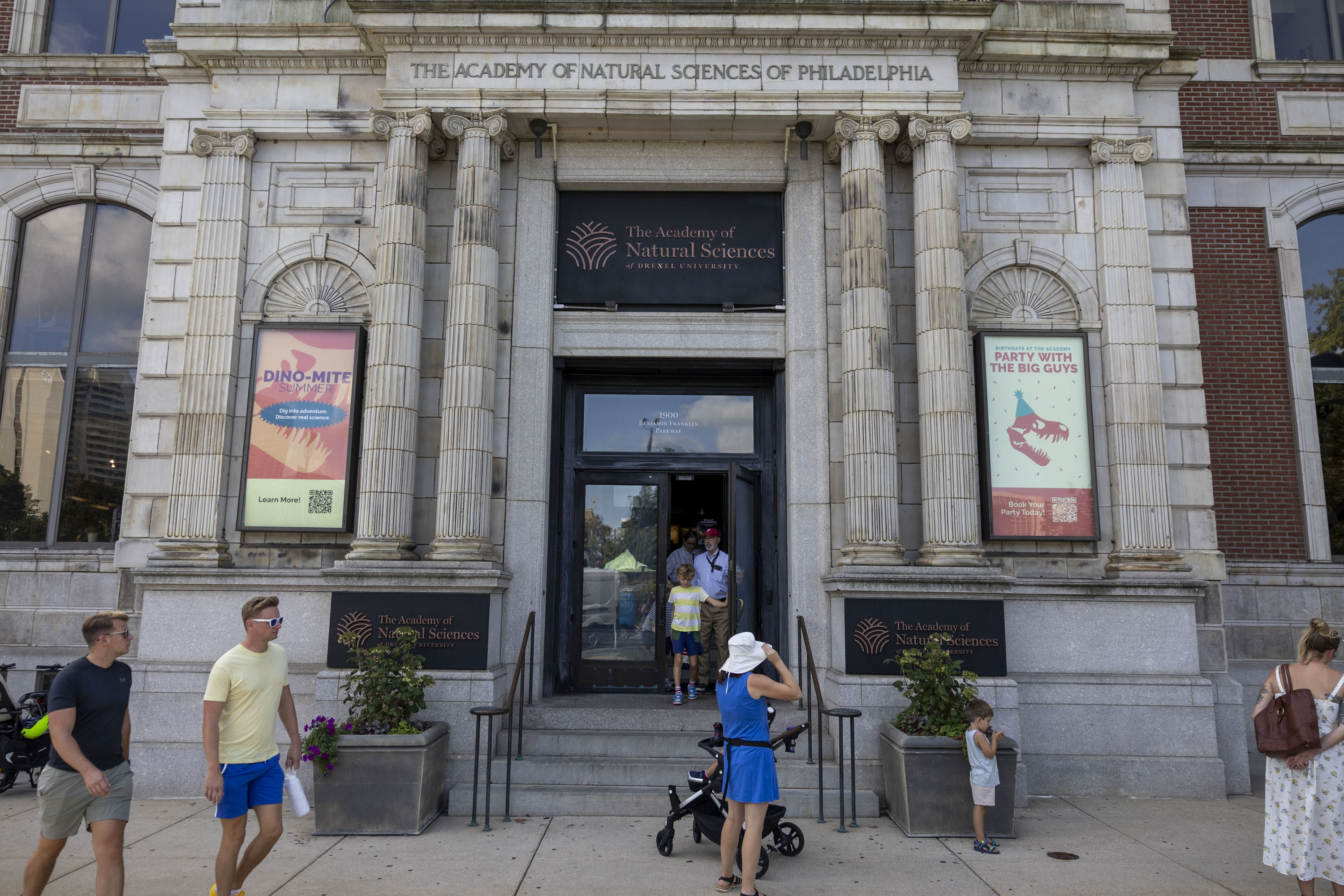
The outside entrance to the Academy of Natural Sciences of Drexel University on Friday, Sept. 4, 2026, in Philadelphia, Pa.Tyger Williams / Staff Photographer
Guillaume said the closure felt like part of a broader trend. “I feel like I’m watching everything get stripped away. From UArts to [defaced] murals and now this,” she said.
The closure of the museum doesn’t affect the rest of the Academy, which builds and maintains the collections and conducts research, all housed inside the Parkway structure. Though not part of the new terms of the deal between Drexel and the Academy, officials said, the goal is to relocate the museum’s collections and sell the 1876 building, owned by the Academy.
Mitchell Hirsch, a Spring House resident and retired scientist, brought his son and two grandchildren into the city to visit the museum.
“This is the only dinosaur museum in all of Philadelphia, and I think its loss will be a serious one,” he said.
Speaking over the din of the noisy museum,filled with children shouting with excitement, he said that the increased attendance was evidence of the institution’s impact, and hopes it signals a brighter future for the Academy museum.
“These institutions enrich all of our lives,” he said.
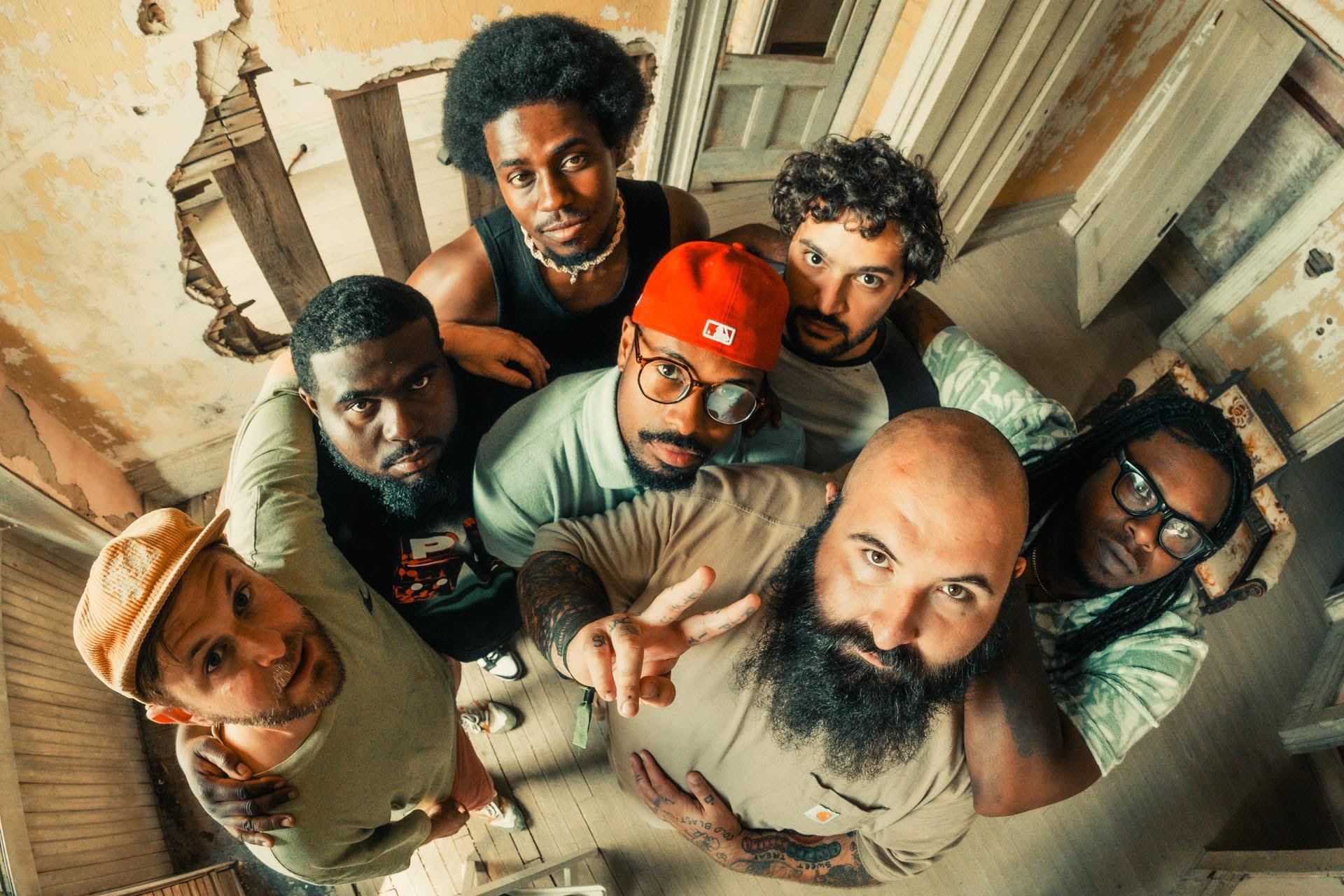
The Philly soul-funk band that got its start busking in Rittenhouse Square in 2020, had high-profile gigs this year. That includes the Newport Folk Festival, where they backed up Ms. Lauryn Hill as well as played their own set, and the Lollapalooza Festival in Chicago.
Now the septet, which was the house band for Jason Kelce’s ESPN late-night TV show, has released a new single. It has also signed with Nashville’s Thirty Tigers, which will handle the band’s label services and distribution. Their other clients include Rufus Wainwright, Jason Isbell & the 400 Unit, and Rosanne Cash, as well as Philadelphians Amos Lee and Eric Slick.
The new single, “Can’t Imagine Why You’d Stay,” features singer Nico Bryant, who joined the group in 2025, after vocalist and sax player Yesseh Furaha-Ali departed.
The song, which was mixed and produced in Los Angeles and Philadelphia by Josh Lucas, who’s previously teamed with Khalid and Daniel Caesar, shows the continued evolution of the group from its horn-happy busking beginnings.
For one thing, Snacktime is (sometimes) less “horn-y” than it used to be. In the accompanying music video directed by the band’s tenor saxophonist Ben Stocker, sousaphone player Sam Gellerstein plays bass, trumpeter Eric Sherman is on guitar, and trombonist Michael Spearman plays keys.
The band can still shift to a four-horn attack when it pleases, but on the snappy dysfunctional relationship song “Can’t Imagine Why You’d Stay,” the only brass heard is Stocker’s sax.
On Thursday, Snacktime will celebrate its new era with a show that’s free (but you must RSVP) at the Bok Bar in South Philly; a party put on by Ilegal Mezcal as part of its Bar Ilegal tour. Tattoo artist Daniel Cottee will also be on hand.
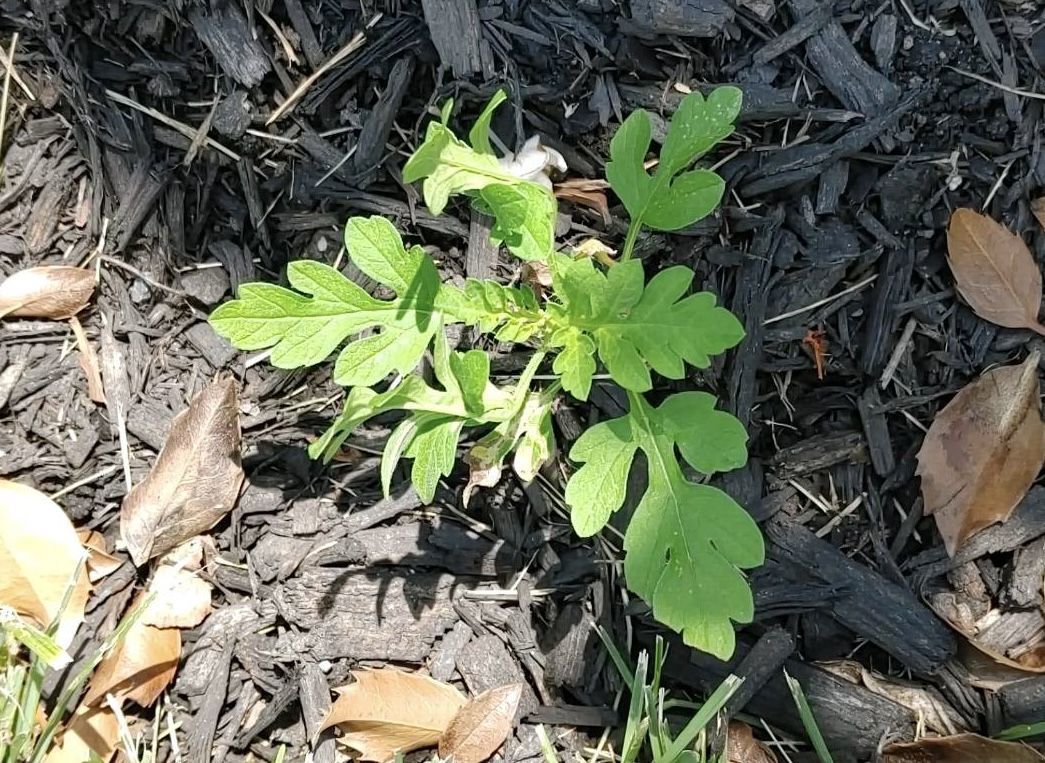
It appears harmless, but the stubborn ragweed can grow almost anywhere, and it relentlessly torments allergy sufferers every year.
We’re in the midst of its peak season for high volume, and all that recent rain may have given it a boost, too. Just one single tooth-leaved plant can produce billions of pollen particles.
🌿 Intensity can be tough to predict. In the Philly region, the season tends to spike in early and mid-September, but high pollen levels can last into the autumnal equinox. Our pollen-counting network has also shrunk, making it harder to know just how much is in the air.
🤧 Sensitive to pollen? You are in the company of roughly several hundred thousand people in the region. To help the side effects, limit time outdoors on dry, windy days. When outside, wear a dust mask. When indoors, keep windows shut, and shower before going to bed.
Fairmount Park has become a favorite target of illegal tire dumpers with U-Haul trucks, frustrating park-goers and the city as it engages in whack-a-mole.
From roller skating to festivals, immersive exhibits, and more over Labor Day weekend around Philadelphia, we rounded up the best family-friendly things to do.
Only Pennsylvania separates departments for managing fish and wildlife. Combining them could save $34 million a year.
Officials are weighing a settlement that would significantly preserve more of Chester County’s sprawling Rock Hill Farm — but still allow for development.
The Trump administration has proposed giving a small parcel of land in Yosemite National Park in California to a private developer, the New York Times reports.
🐛 Your outdoorsy experience
Reader Barbara B. sent in another snap from her adventures:
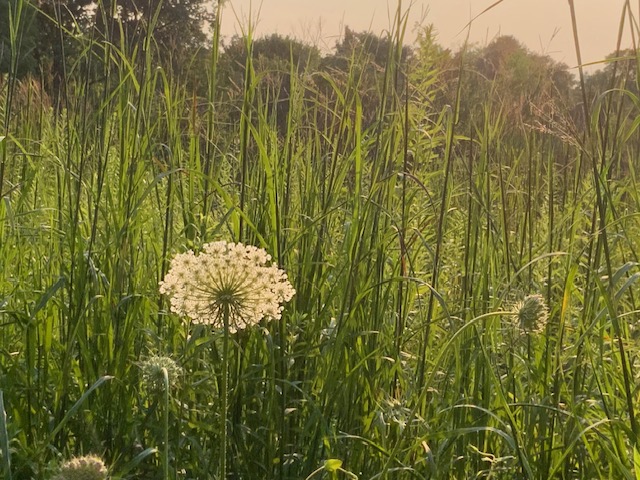
A bug’s-eye view from a summer meadow. This was taken at Idlewild Farm Natural Lands Preserve in Gladwyne.
Thanks for sharing.
📥 I’d love to see your photos, too. What are you doing or seeing out there? Send me an email, and you may see your stories and/or pictures featured right here.
🎤 Now we’re passing the microphone to Tony Wood, our resident weather expert.
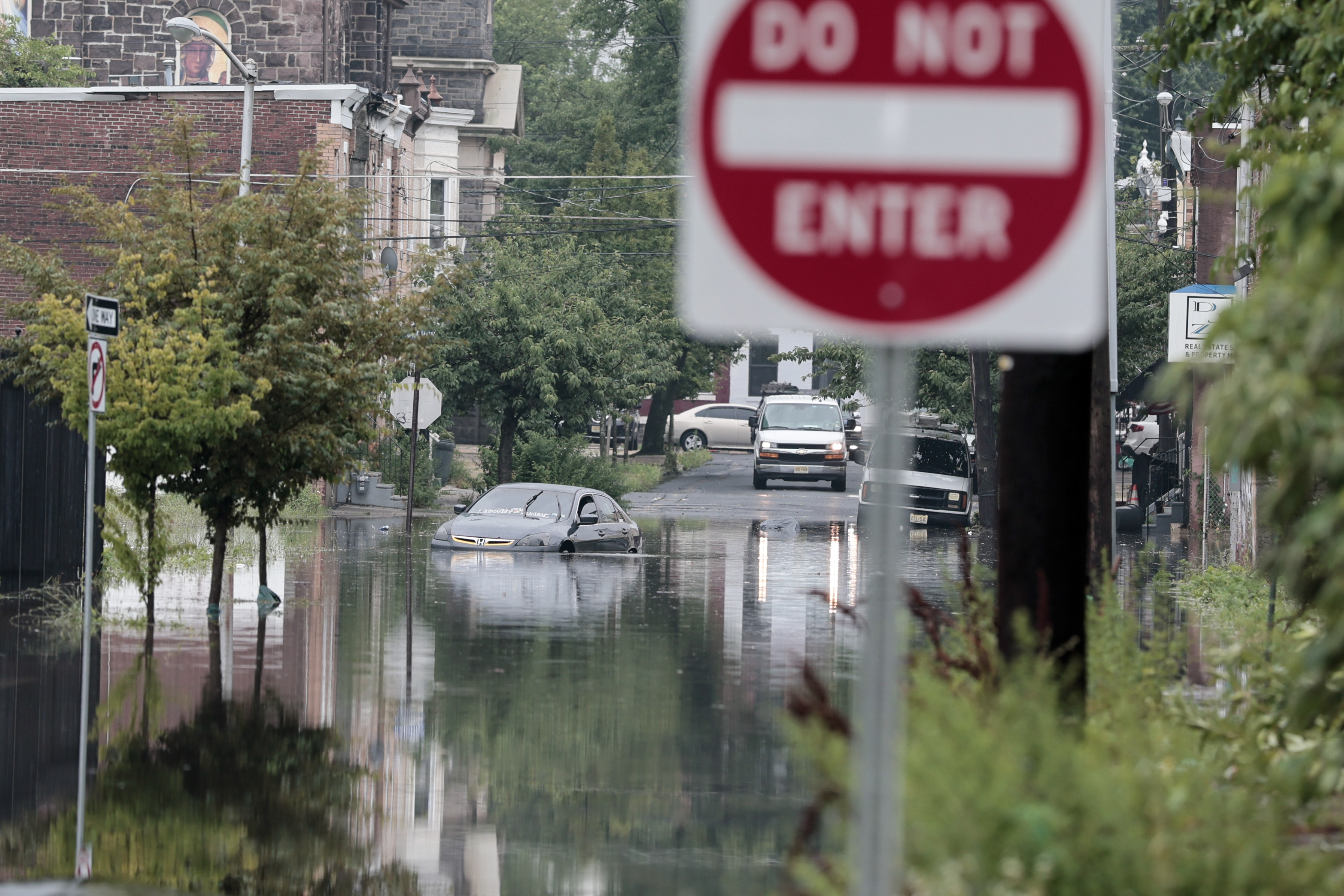
If you perceive that the Philadelphia region has had an extraordinary number of flood events this summer, you are not hallucinating.
The National Weather Service in Mount Holly has set a record for issuing flood warnings this year with 147 in its coverage area from Delaware to northern New Jersey, including 76 in the Philadelphia region,and monthly records in July and August. And an Inquirer analysis documented that among 2,200 U.S. counties, Philly and six of its neighboring counties rank in the top 25 for warnings issued this year, most of which have been followed by actual floods.
In addition, with four months to go, The Inquirer analysis found, the region already has had nearly triple the annual average for flood warnings, during the 18 years in which it has been using its current methodology.
All this without a whiff of a tropical-storm remnant, and the region still emerging from drought conditions. — Anthony R. Wood
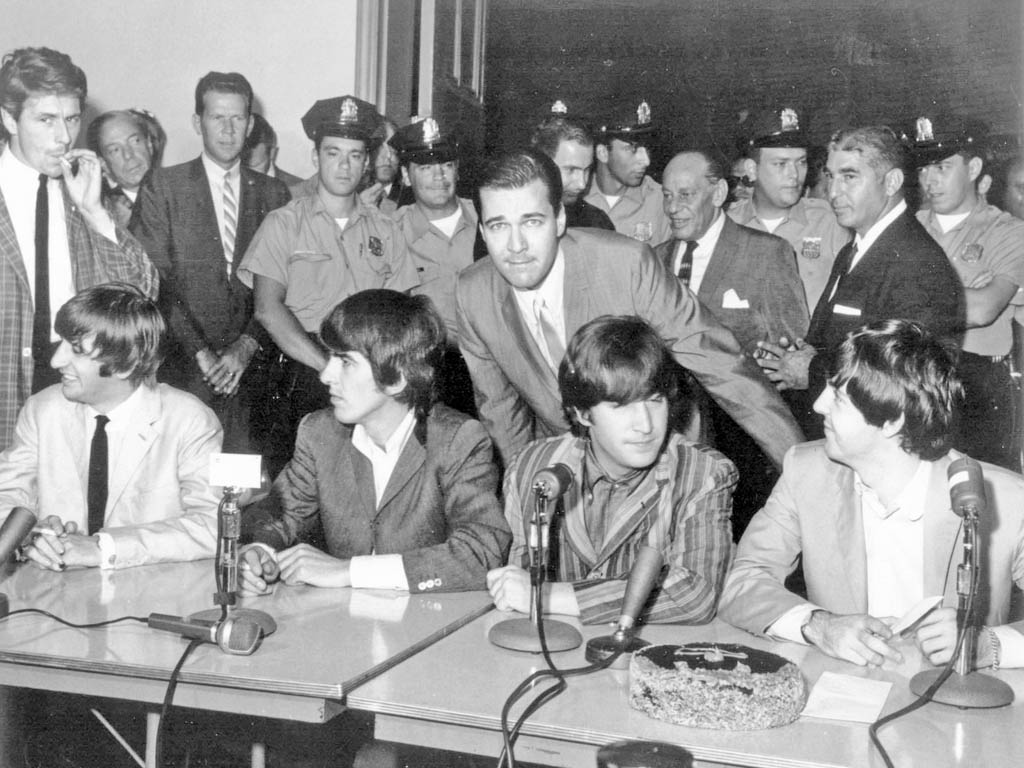
Four of the most influential musicians the world has ever seen had a concert to play in West Philadelphia on Sept. 2, 1964. But they needed an inconspicuous way to get in.
Philly’s finest knew exactly what to do to get the Beatles into Convention Hall.
“They came in a Hackney’s fish truck,” Lit said.
Here comes the sun
The Beatles were playing in Philly nearly eight months after their February appearance on The Ed Sullivan Show, which introduced the Fab Four to the U.S. audience.
By September 1964, the band’s first U.S. tour and Beatlemania were in full swing.
Lit was promoting the band’s Philly appearance at Convention Hall, at 34th Street and Civic Center Boulevard, on behalf of popular radio station WIBG-AM.
More than 12,000 fans paid $2.50 to $5.50 to take part in the festivities, which also featured opening performances from Clarence “Frogman” Henry and Jackie DeShannon.
Which songs the Beatles played that night are almost irrelevant, as the songs were accompanied by a chorus of teenagers shrieking.
A hard day’s night
Frank Rizzo hadn’t yet risen to the rank of police commissioner.
In 1964, he was second-in-command to Commissioner Howard Leary. But he ranked high enough to meet the band that had galvanized his city, and to help smuggle them into Philly and Convention Hall.
Lit told Jasner that it was Rizzo who came up with a plan to fake out the crazed fans.
Rizzo arranged for a couple of buses and a police escort to divert attention, while sneaking the band into what we now call University City in a very non-posh accommodation.
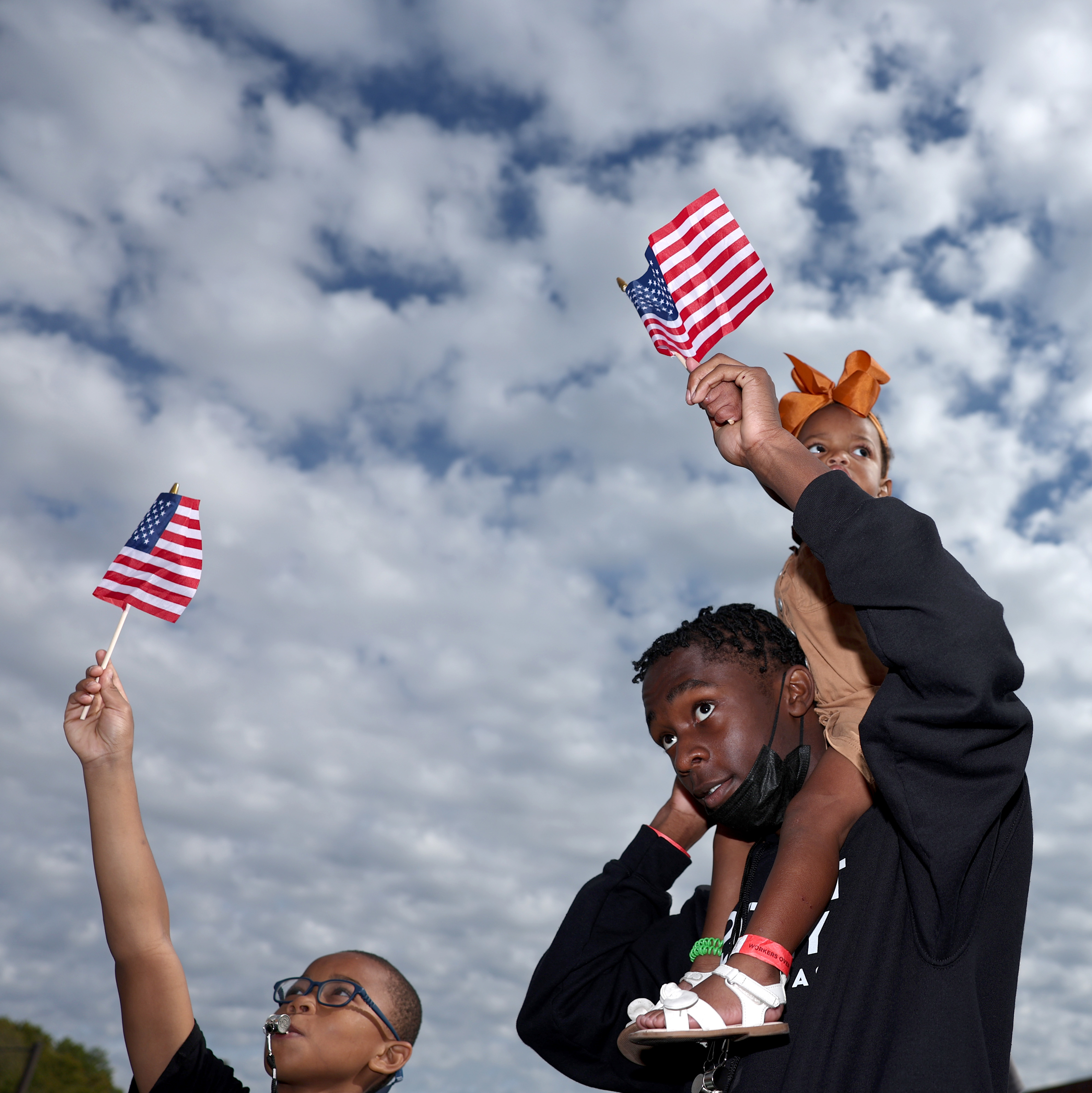
Micah Crawford (left) Kerry Crawford (center) and Brooklynn Crawford Brown (right) wave the American flag during the annual Tri-State Labor Day Parade in Philadelphia on Monday, Sept. 1, 2025.David Maialetti / Staff Photographer
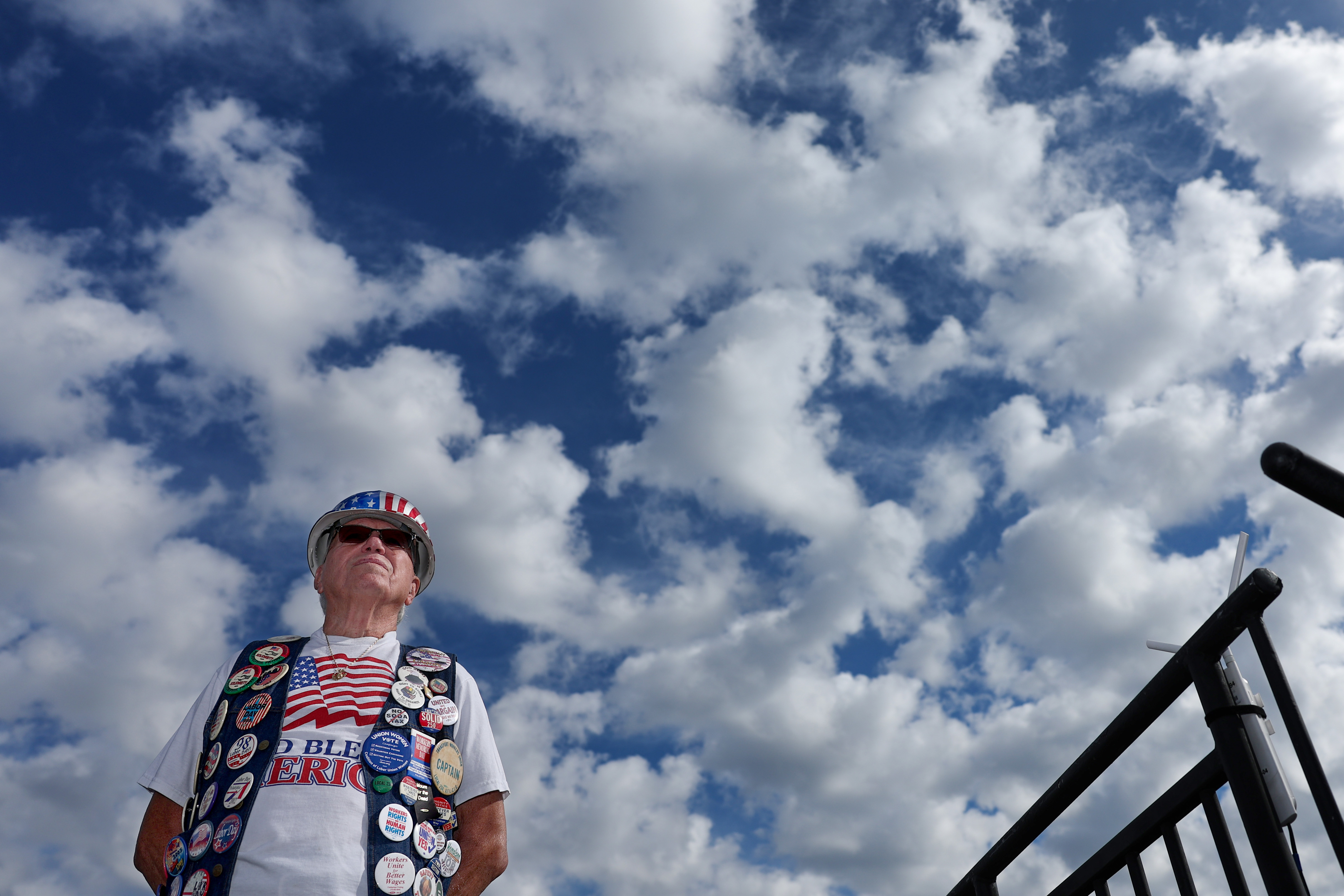
One of Philly’s largest and oldest Labor Day parades is rolling through Columbus Boulevard on Monday.
The 39th Tri-State Labor Day Parade honors the thousands of working-class people who keep our country running. Philadelphia Council AFL-CIO, which represents more than 100 unions and nearly 150,000 workers, has organized a full day of family-friendly activities.
The pre-parade kickoff rally begins at 9:15 a.m., followed by the parade down Columbus Boulevard at 10 a.m.
The commemorative march will end at Sheet Metal Workers’ Union Local 19. Paraders will come together for a family celebration from 11 a.m. to 2 p.m.
Russ Lickfield, of Northeast Philly, holds three large beers during 153rd annual Cannstatter Labor Day Weekend Volksfest in Philadelphia on Sunday, Aug. 31, 2025. Lickfield said he was holding the two extra beers for family members using the nearby bathroom.David Maialetti / Staff Photographer
🧵 Afrofuturism in full glam: Visit the African American Museum in Philadelphia for one last chance to see Ruth E. Carter’s “Afrofuturism in Costume Design.” The exhibition features personal sketches and cinematic costumes from Black Panther and Sinners on display through Sunday.
⛸️ Go before it’s gone: The Independence Blue Cross RiverRink Summerfest closes shop for the season on Monday. Bring your family to Penn’s Landing for roller skating, mini golf, boardwalk treats, and other late summer fun.
🥨 Long-running Labor Day tradition: Stop by the 154th annual Cannstatter Volksfest to celebrate German heritage with live music, amusement rides, games, and food and drink.
🇧🇷 Beauty and vibrancy of Brazil: Stop by Spruce Street Harbor to celebrate Brazilian Day on Sunday. The free outdoor festival will be filled with music, dancing, food, and moreto honor the country’s independence.
📅 My calendar picks this week: Polish American Festival & County Fair, Sheer Mag with Gripper and Real Shocks, Workshop of the World Exhibition. Here’s our full list for the week.
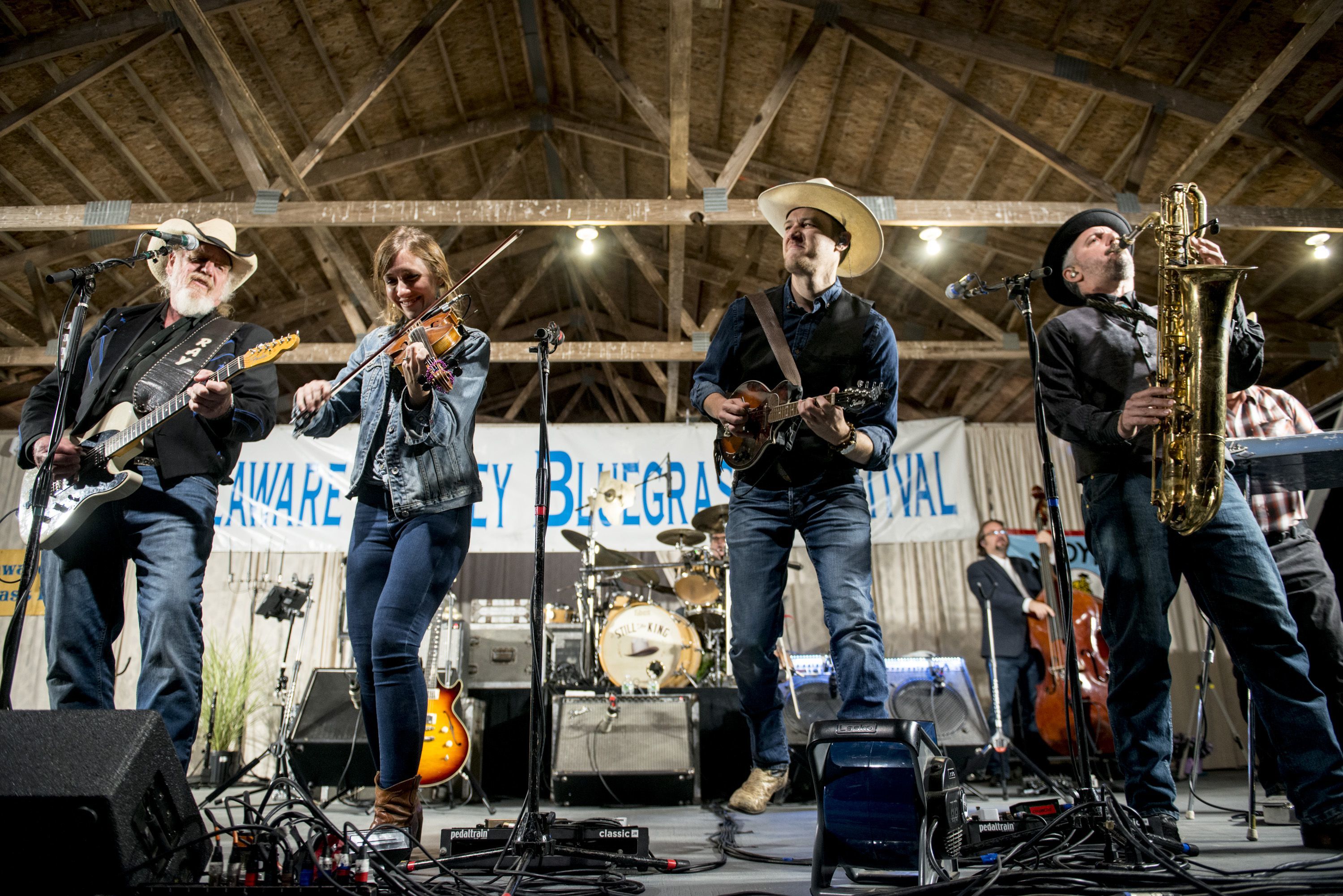
The 54th annual Delaware Valley Bluegrass Festival
Asleep at the Wheel at the Delaware Valley Bluegrass Festival.Delware Valley Bluegrass Festival
Founded by bluegrass legends Bill Monroe and Ralph Stanley in 1972, it’s a Labor Day tradition that has endured over the decades, says our pop music critic Dan Deluca.
The three-day festival kicks off Friday in South Jersey’s Salem County with country-bluegrass singer Kathy Mattea as headliner. Friday’s lineup also includes the Price Sisters, Virginia guitarist Junior Sisk, and the Travelin’ McCourys.
On Saturday, Dan Tyminski gets top billing. New Orleans ragtime street band Tuba Skinny also plays Saturday, along with Critten Hollow, Danny Paisley & Southern Grass, and the Gibson Brothers.
The festival wraps up on Sunday with Black Eyed Suzies, Tennessee quintet Blue Highway, Chicago duo Special Consensus, Boone, N.C., roots band Burnett Sisters, and Nashville quintet Appalachian Road Show.
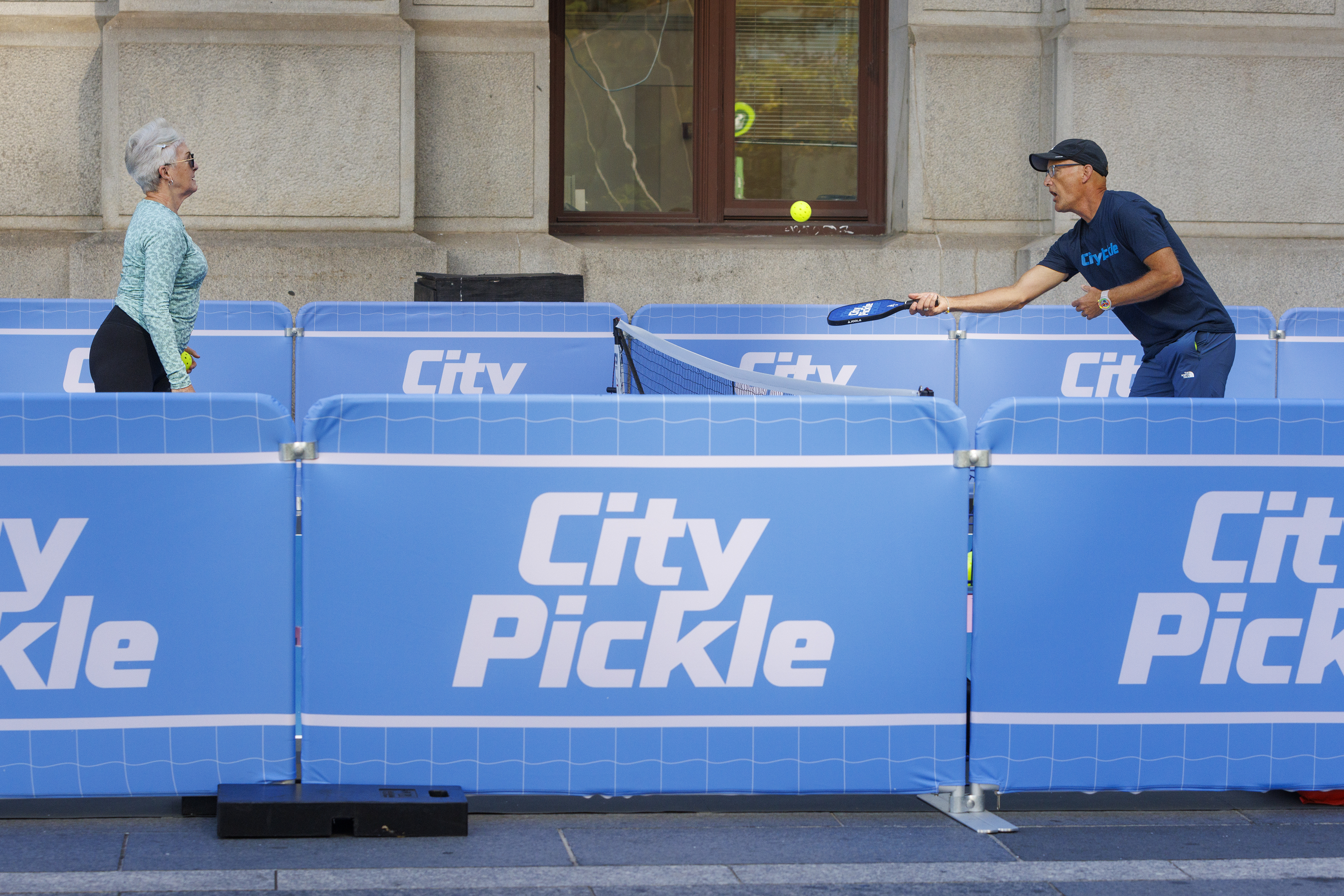
Coach Nik Devore (right) with CityPickle works with student Joan M. P (no last name) on the morning pickle ball courts returned to Dilworth Plaza, Philadelphia City Hall on Monday, September 9, 2024.Alejandro A. Alvarez / Staff Photographer
🐎 Saddle up: Ludwig’s Corner will host the 83rd Horse Show & County Fair this weekend. Along with top-level equestrian competition, food trucks, games, carnival rides, and vendors will fill the 33-acre community space.
🎨 Summertime market at Dilworth: Friday is the start of a sun-soaked celebration of local makers. The Made in Philadelphia Market is coming to Dilworth Park on Friday, with more than 60 makers, artists, and artisans from across the region.
🎾 Pickleball pickup games:CityPickle has turned Dilworth Plaza into a space for pickleball enthusiasts. Two branded courts are now placed near City Hall. Download the CityPickle app to reserve a time or private court to put your skills to the test.
🎭 Fun at the faire!: The Bucks County Renaissance Faire is taking place at the historic TileWorks in Doylestown from Saturday to Monday. Visitors will experience high-level juggling, live music, theater, and even a hint of magic.
Staffer picks
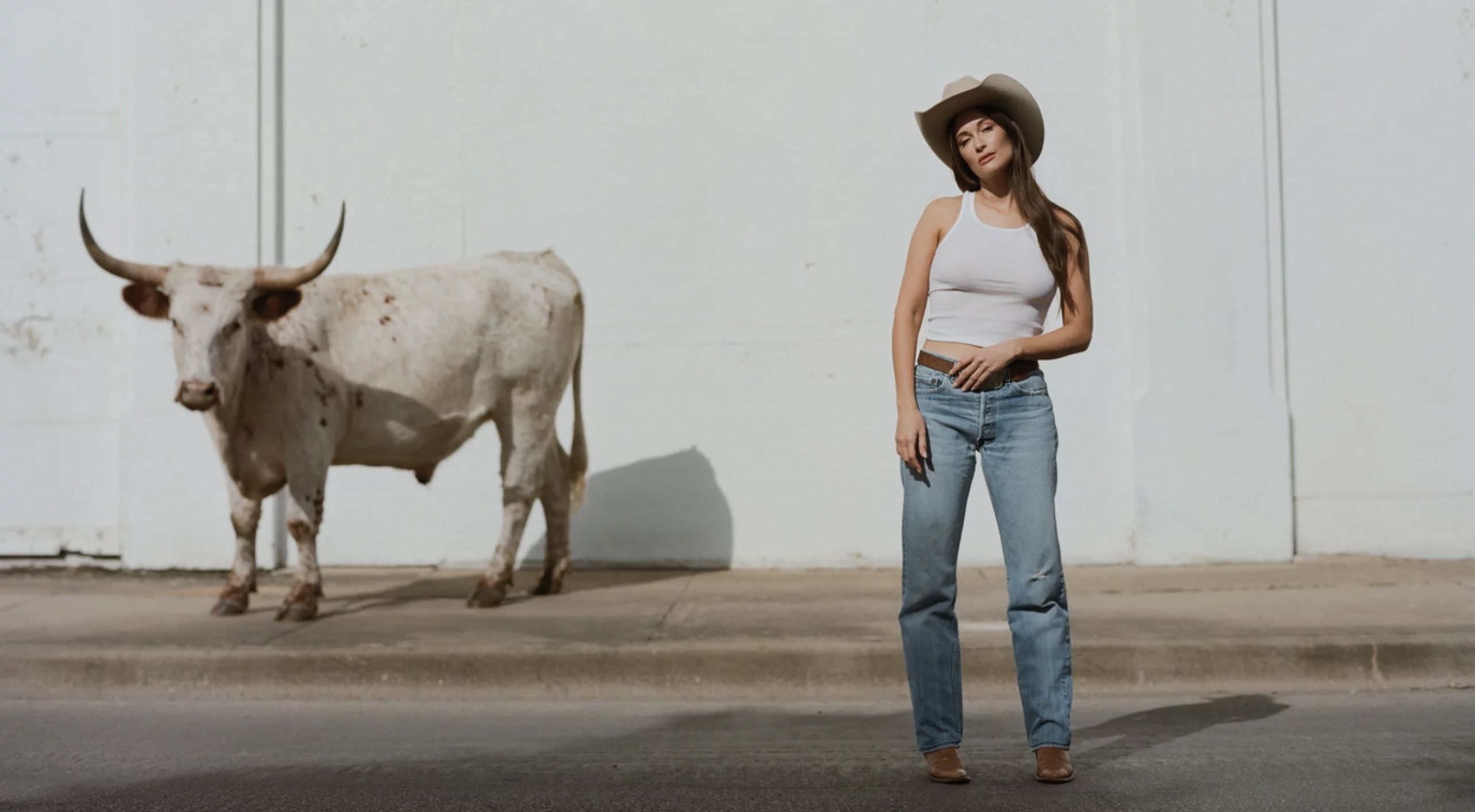
Kacey Musgraves brings her Middle of Nowhere Tour to the Xfinity Mobile Arena in South Philly on Friday.Kelly Christine Sutton
Here’s pop music critic Dan DeLuca’s list of the best concerts this weekend.
🎤 Thursday: After performing at Xfinity Mobile Arena in May, Houston rapper Don Toliver is back in support of his latest album, Octane.
🪕 Friday: Grammy-winning country star Kacey Musgraves is hitting the stage at Xfinity Mobile Arena. Fans can expect this show to turn into a Dolly Parton celebration.
💃🏼 Saturday:Kehlani, off the heels of her biggest career hit, “Folded,” is returning to the region for a headlining show at Camden’s Freedom Mortgage Pavilion.
🎸 Monday: Bassist Peter Hook, cofounder of England’s Joy Division, New Order, and Durutti Column, will perform New Order’s 2001 album, Get Ready, at Union Transfer on Monday.
Question: What year was Labor Day first recognized as a federal holiday?
A) 1900
B) 1893
C) 1894
D) 1905
Here’s the answer to last week’s question: Which athlete won the first Philadelphia Cycling Classic in 1985? Answer: Eric Heiden
Ask Earl anything
Many of you have questions about each week’s listings, and others about Philly’s arts, culture, and entertainment scene.
I have you covered. Have a question? Email me for a chance to have it answered in an upcoming newsletter.
That’s all folks! Don’t let these end-of-summer events (and extended weekend) go to waste. There are plenty of Labor Day traditions and other cultural events worth exploring.
— Earl Hopkins
By submitting your written, visual, and/or audio contributions, you agree to The Inquirer’s Terms of Use, including the grant of rights in Section 10.
The Continental Army won the Revolutionary War in 1783.
But, in the four years following that victory, the new country wasn’t very united. In fact, young America was only a loosely organized group of 13 colonies, with governors fighting to control their own fiefdoms.
That left the states vulnerable to world powers eager to scoop up the fragmented new nation. Add to that, America was broke, with debts owed to France, Spain, and the Netherlands after the Revolutionary War.
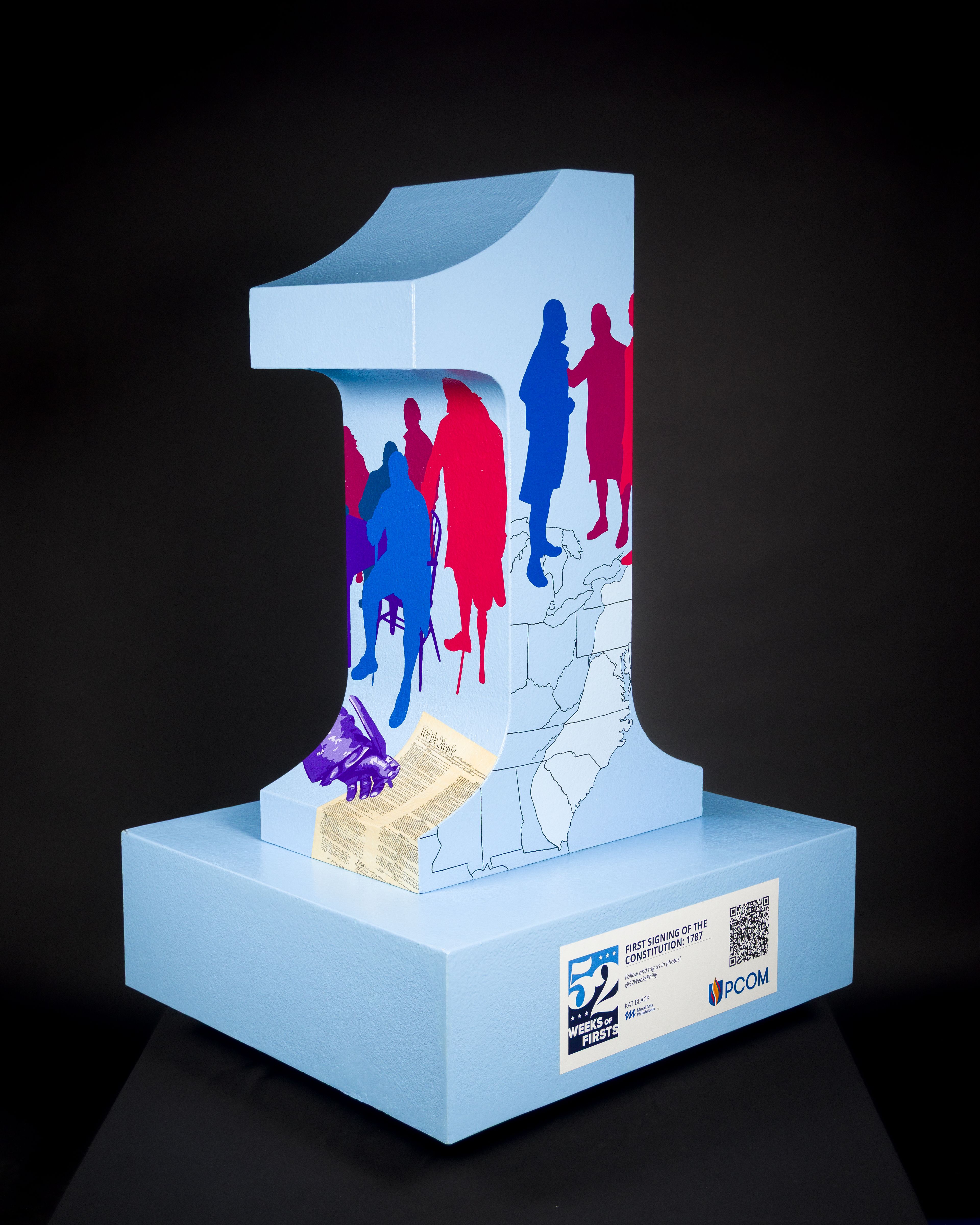
Kat Black’s design emphasizes the dedication and collaboration behind the signing of the U.S. Constitution in 1787.Kat Black for Colibrí Workshop
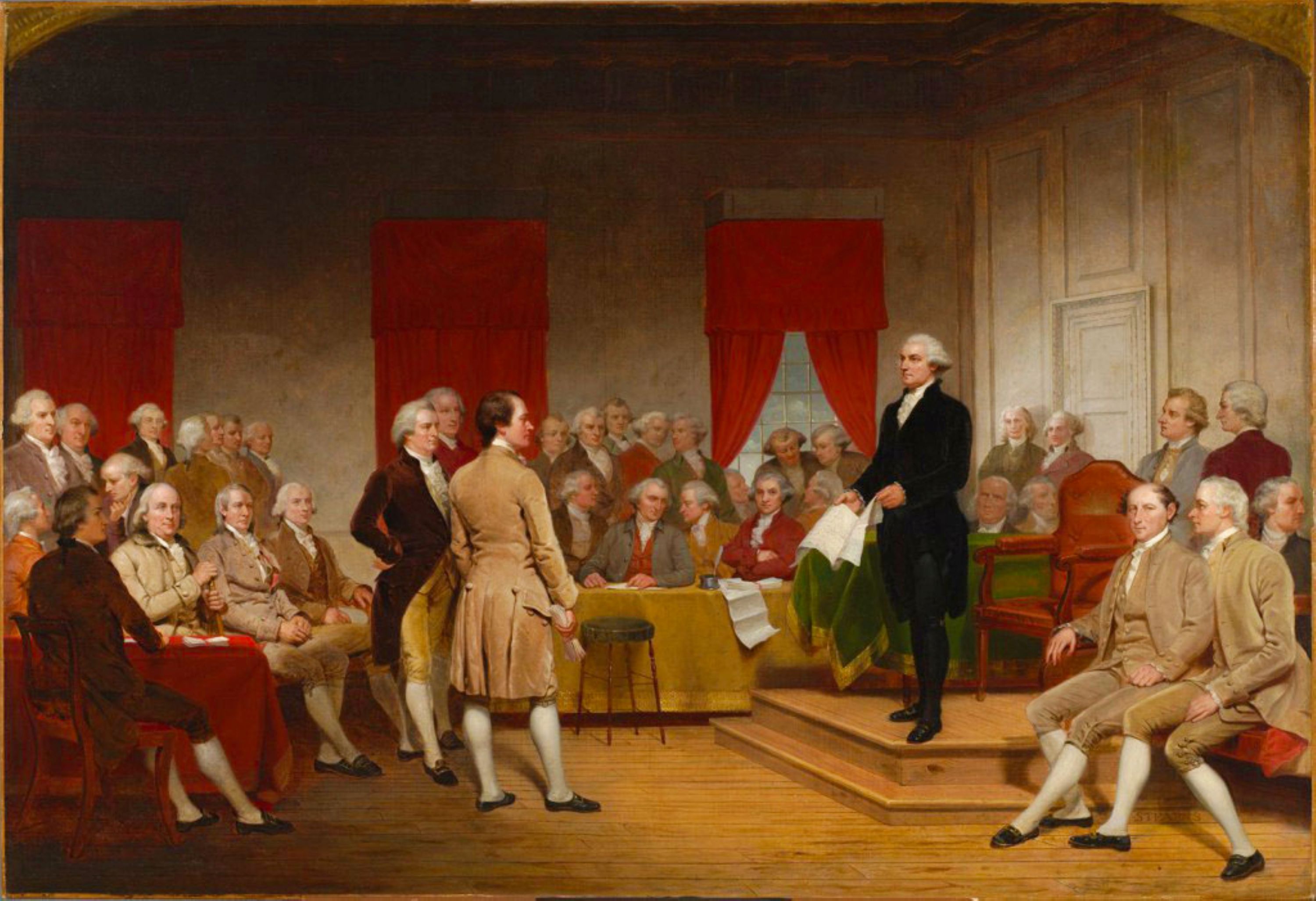
Petrified their “great experiment” would be short-lived and eight years of a violent revolution fought in vain, James Madison, Alexander Hamilton, and John Jay convinced George Washington to convene a Constitutional Convention at Independence Hall in May 1787.
By September, the delegates had worked out the brass tacks of the American government and signed the Constitution, establishing the political system that would help America become a world power.
This firstival will kick off a series of events honoring the Constitution and includes First Amendment Day on Sept. 9 and Constitution Day on Sept. 17.
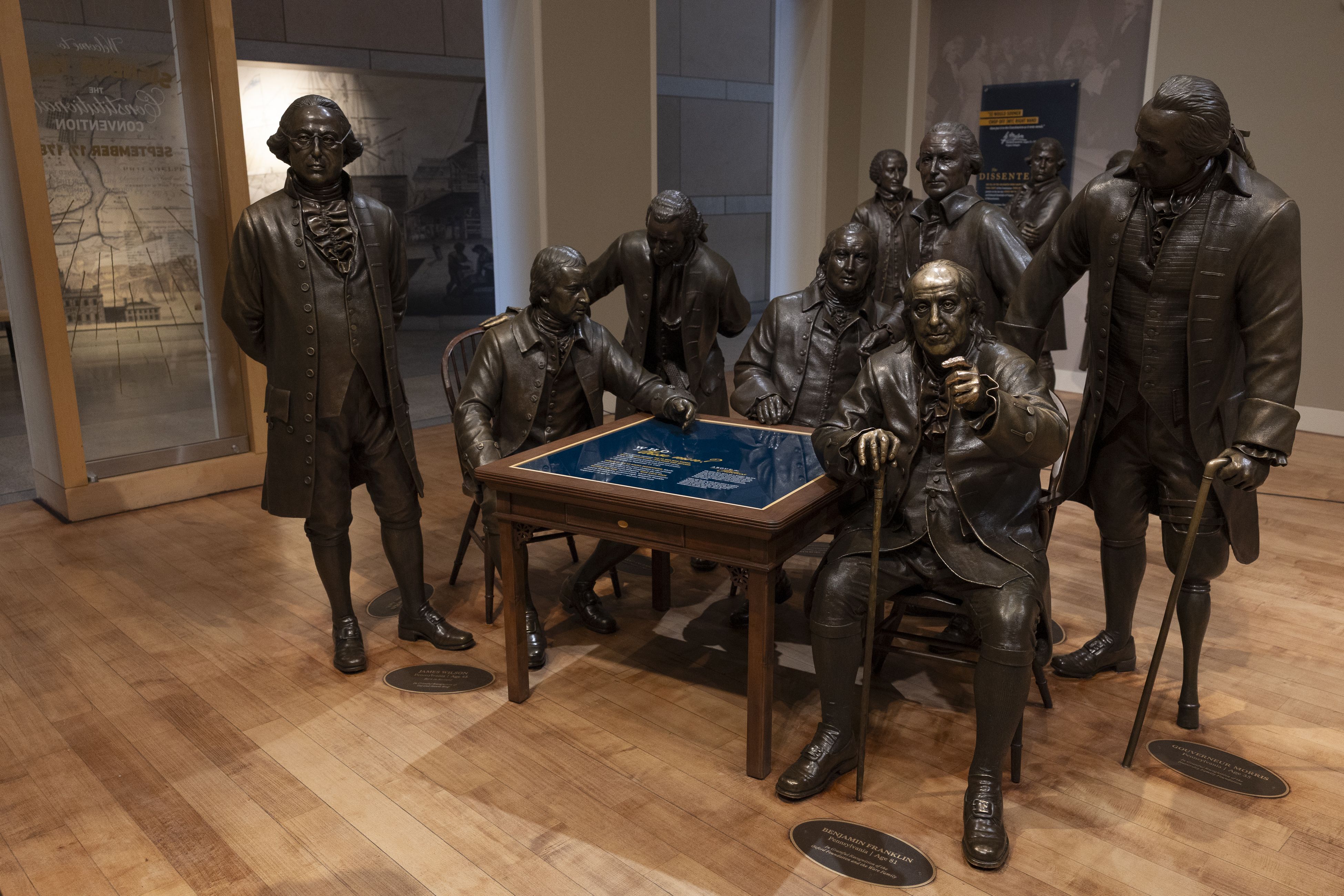
Statues of the delegates are on display at the National Constitution Center, 525 Arch St.Jason E. Miczek courtesy of the National Constitution Cente
“I think many of the Founding Fathers would be surprised to know the form of government they created is still going,” said Vince Stango, interim president and CEO at the National Constitution Center. “The Founders knew it was a ‘great experiment’ and … knew it would take work, compromise, and sacrifice.”
During the summer of 1787, 55 delegates from 12 of the 13 colonies — Rhode Island didn’t send delegates — wheeled and dealed to create a government by the people, controlled by the people, and unable to be corrupted by the people.
The Founding Fathers didn’t agree on much, but none of them wanted to be ruled by a monarch and insisted on a government with checks and balances.
Enter James Madison, author of the Virginia Plan that proposed a strong national government with three branches: executive, legislative, and judiciary.
After the three branches of government were established, a series of compromises were made. Among them, a legislative branch that afforded each state two Senate seats. The number of members of the House of Representatives for each state would be chosen based on population.
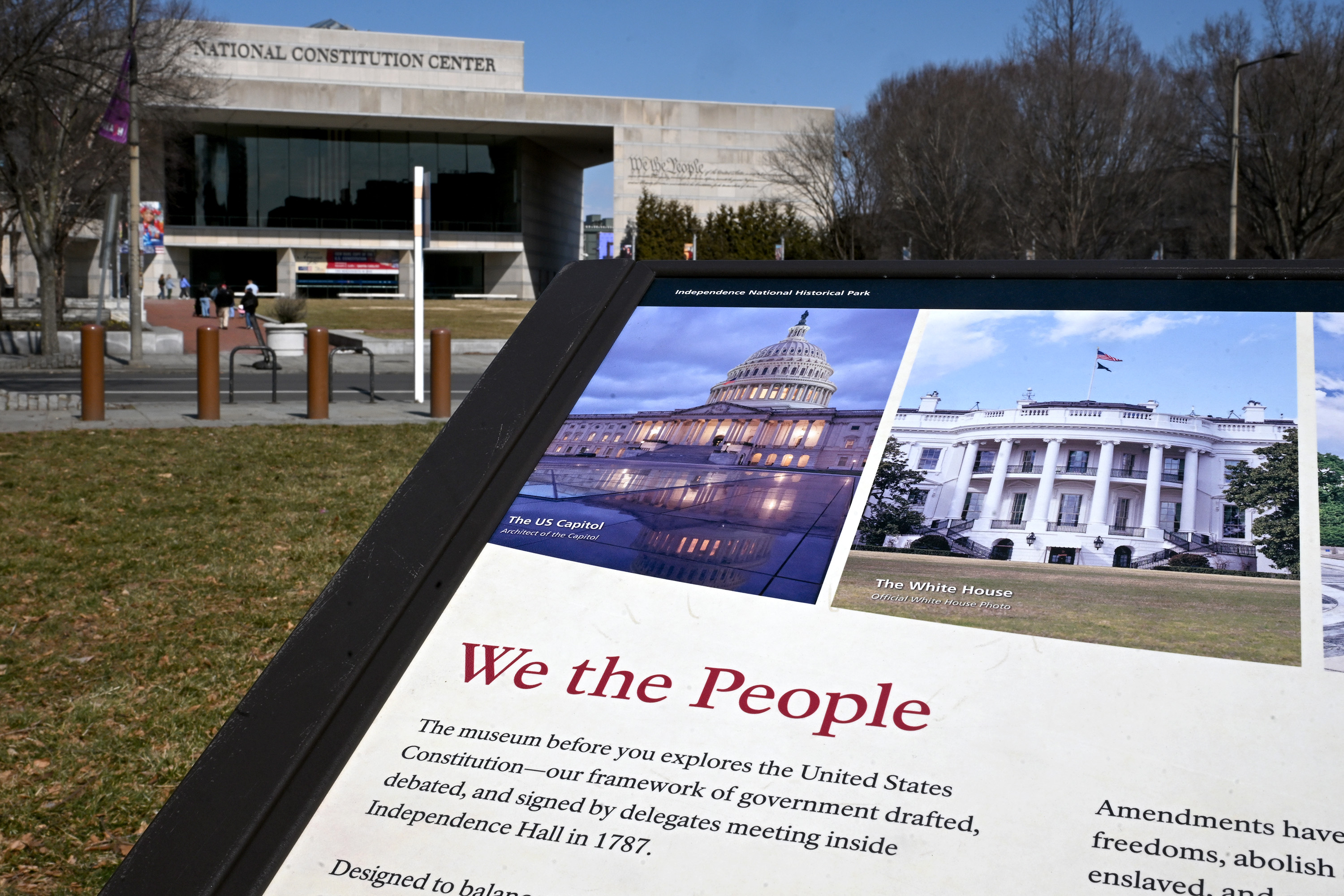
The National Constitution Center, 525 Arch St., is the site of this week’s Firstival, on Saturday, Sept. 5, from 11 a.m.-1 p.m.Tom Gralish / Staff Photographer
This set up a series of compromises that would institutionalize slavery. Enslaved Black people would be counted as three-fifths of a person to boost the Southern states’ population, giving them more representation in the House. Yet Black men — enslaved or free — would not have the right to vote anywhere until the 15th Amendment was ratified in 1870.
Compromises also included allowing the Atlantic slave trade to remain legal. Founders also inserted a Fugitive Slave Clause stating that if an enslaved person emancipated themselves, they could not be freed in the new state. These compromises, made to appease the South, instituted slavery as the law of the land, and paved the way for it to become the backbone of commerce that established America as a superpower.
During the convention, delegates also established the Electoral College. The Founding Fathers didn’t believe the average voter was intelligent enough to choose a president by majority vote.
Nevertheless, America officially became a constitutional republic.
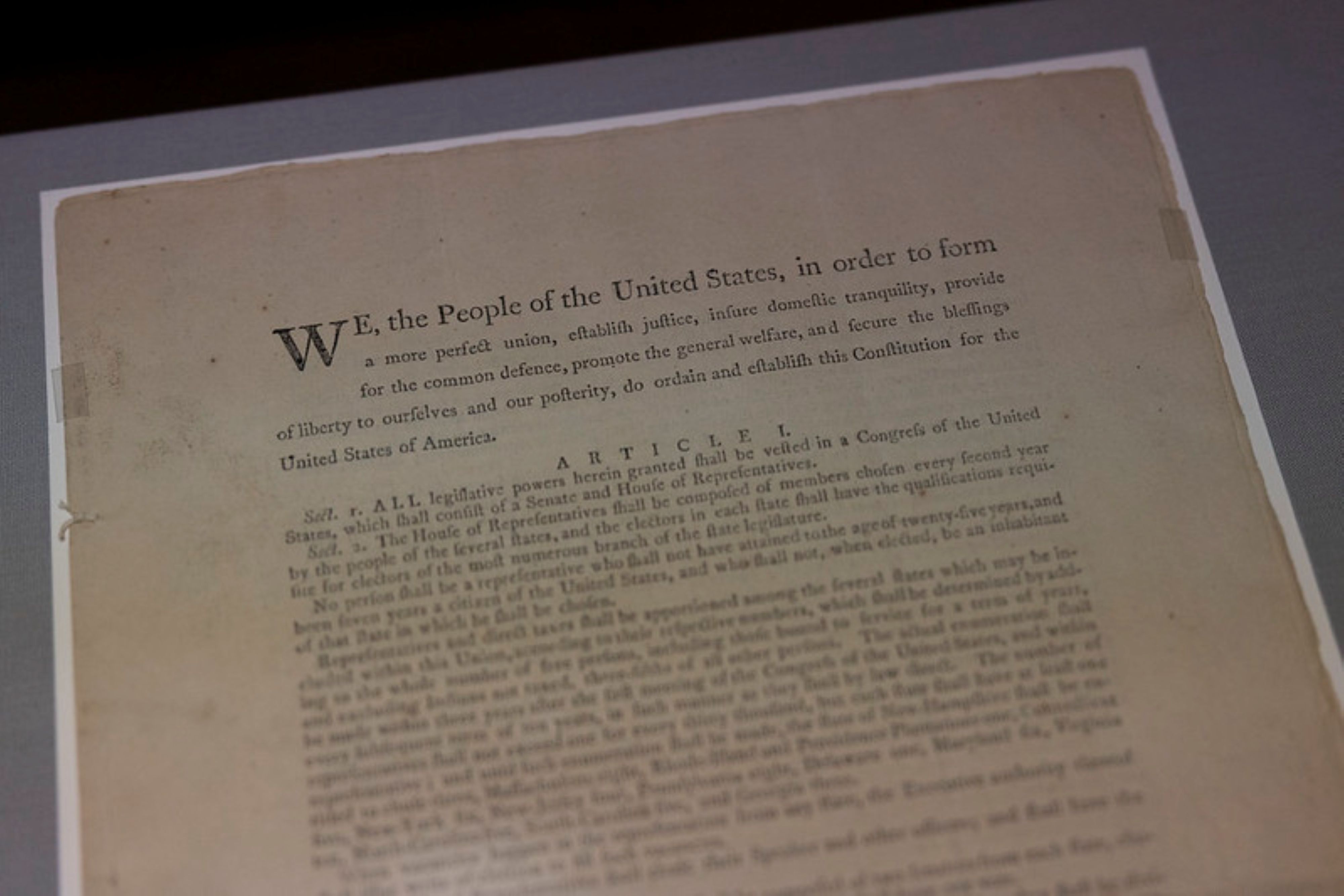
A copy of the United States Constitution, on exhibit in the National Constitution Center.Jason E. Miczek courtesy of the National Constitution Center.
Pennsylvania delegate Gouverneur Morris drafted the preamble and the Constitution’s seven articles between Sept. 8 and Sept. 12.
Although 55 delegates attended the Constitutional Convention, only 39 signed it on Sept. 17. The Constitution still had to be ratified. And there were still some issues.
The anti-Federalists — which included delegates and dissenters George Mason, Edmund Randolph, and Eldbridge Gerry — thought the power of government rested in the hands of the elite and advocated for a Bill of Rights.
After yet another of series of compromises, which included the promise of a Bill of Rights, the Constitution was ratified on June 21, 1788.
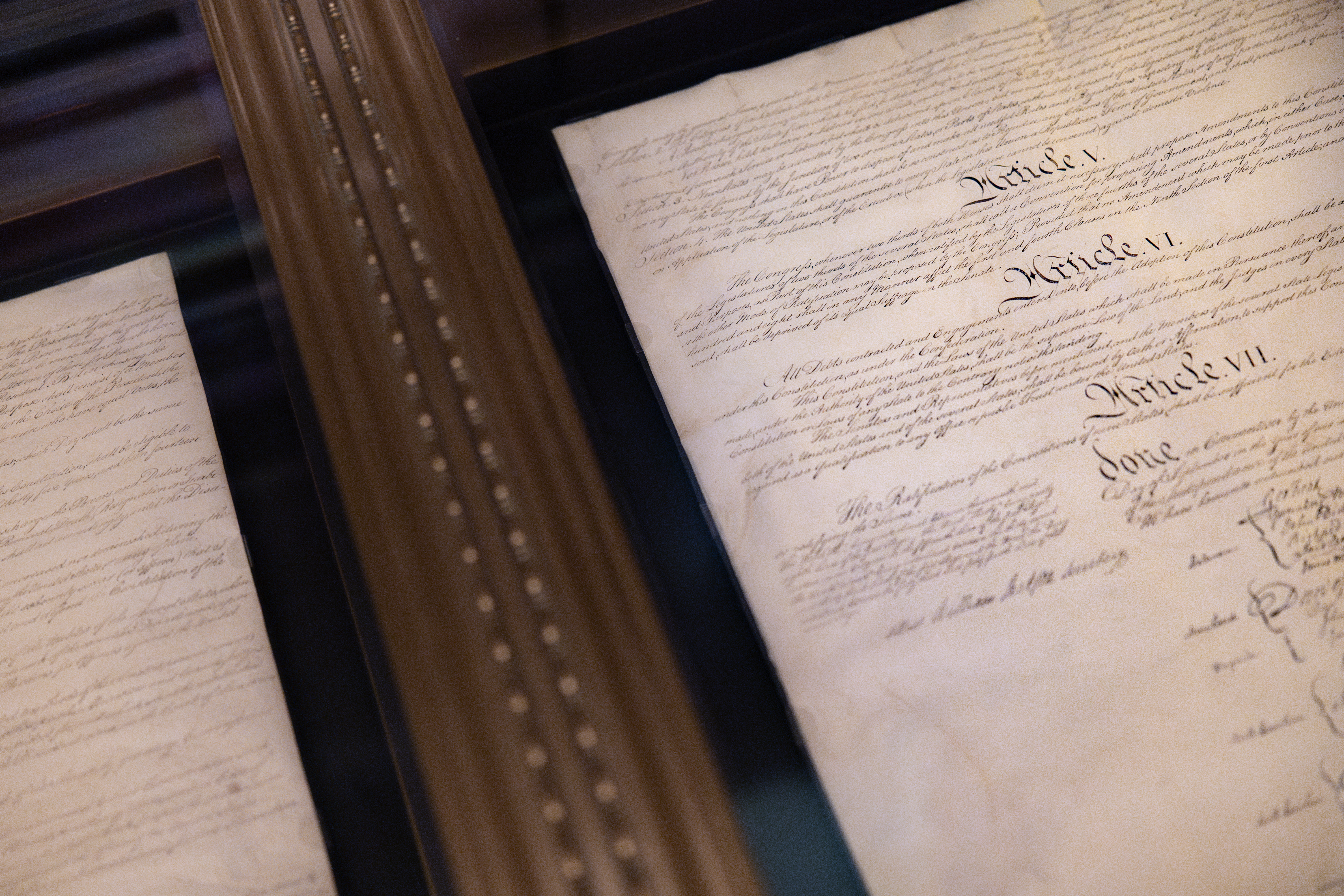
Article V of the Constitution, and the rarely shown fifth page, when it was on public display at the National Archives in Washington. MUST CREDIT: Tom Brenner / For The Washington PostTom Brenner
It went into effect on March 4, 1789, and on April 30 in New York, George Washington was sworn in as president of the United States.
On Dec. 15, 1791, Congress ratified the first 10 amendments of the Constitution, creating the Bill of Rights.
This week’s Firstival is Saturday, Sept. 5, from 11 a.m.-1 p.m., at the National Constitution Center, 525 Arch St.
NEW YORK — Gloria Steinem, the celebrated author and activist who became one of the most visible symbols and potent voices of the U.S. women’s movement and a fierce advocate for feminist causes throughout her life, has died. She was 92.
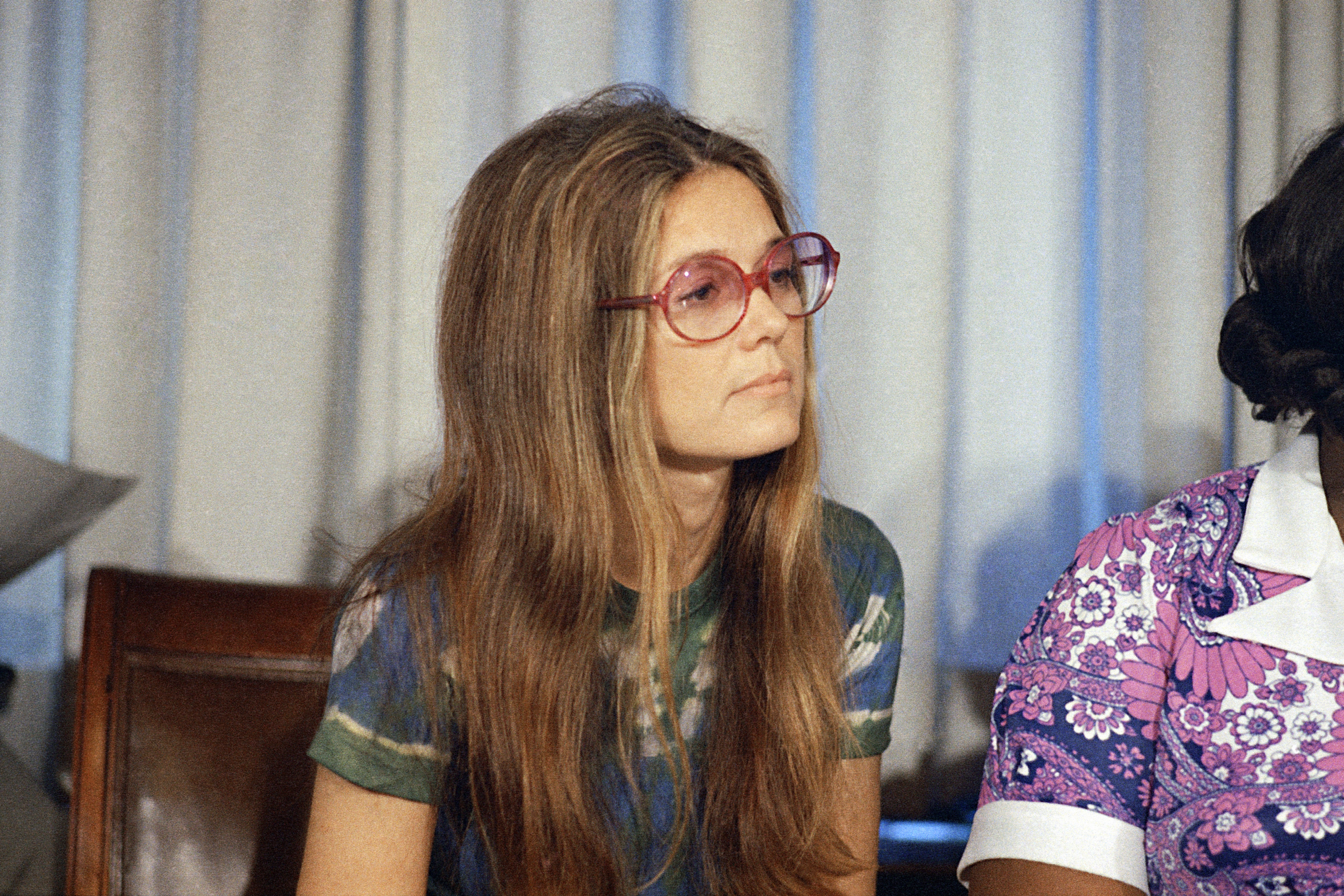
With her trademark streaked hair parted down the middle and large aviator glasses, Ms. Steinem, a co-founder of Ms. Magazine, was a hugely recognizable presence wherever she went. And she went everywhere: Much of her life as an advocate was spent on the road, speaking at college campuses and community centers, at rallies and marches.
She died Wednesday at her home in New York City, according to her and her foundation’s social media pages.
“Gloria’s greatest gift was her ability to listen to others, to make others feel seen and heard,” the posts said. “Her words, actions, and example gave people permission to be their truest selves. Gloria lived true to her independent spirit, always with curiosity and a great sense of humor.”
Ms. Steinem enjoyed writing and spending time in the community in recent years, the posts said. She also hosted talking circles for hundreds of people in her home. She died just before a planned memoir was to be released this fall.
“You can’t do it on the phone or on the web,” she told The Associated Press in a 2015 interview. “You have to be there with all five senses. It should be obvious that people can’t empathize with each other unless we’re in the same room.”
Ms. Steinem changed her career path after a start as a journalist
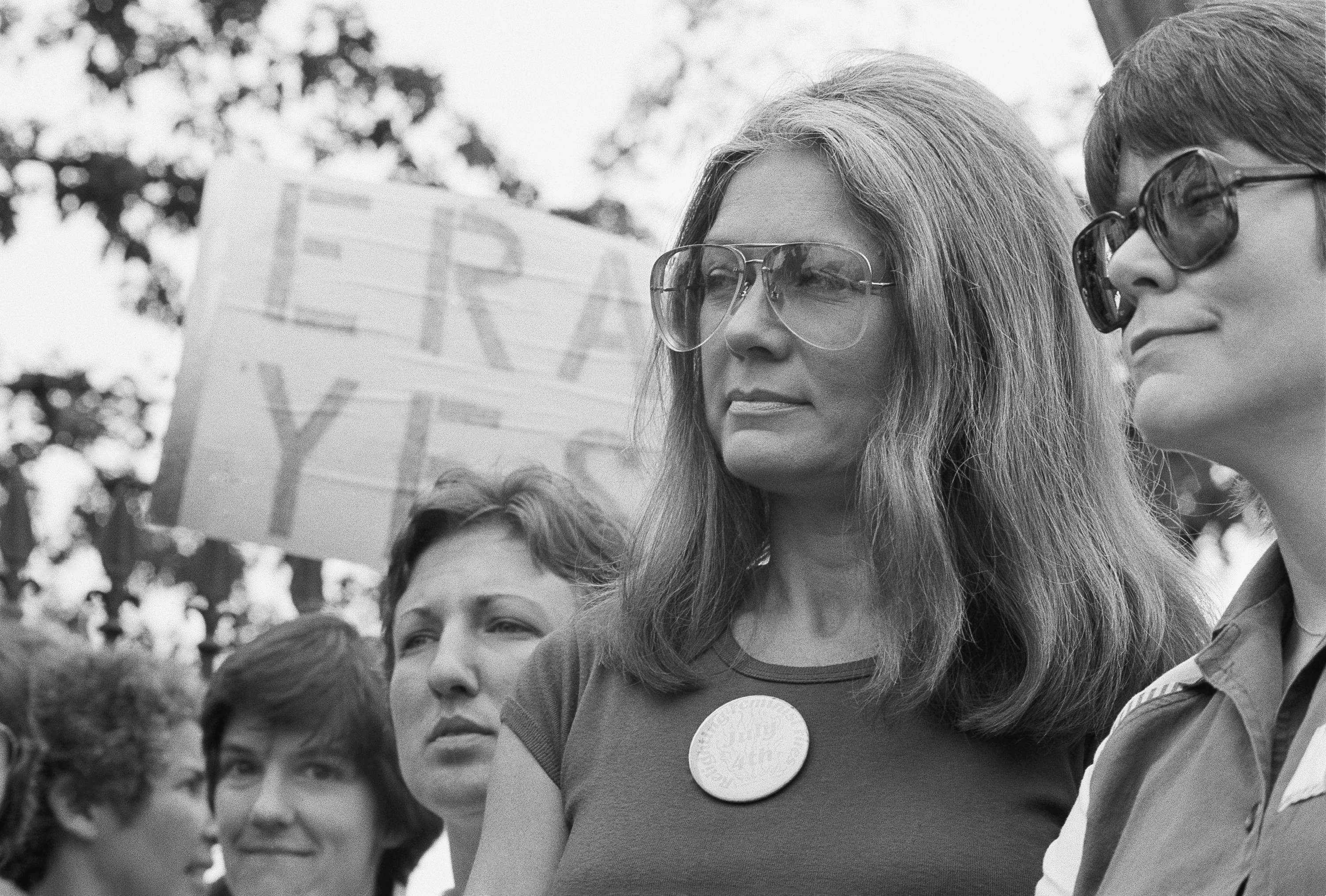
Ms. Steinem at an Equal Rights Amendment rally outside the White House on July 4, 1981.Scott Applewhite
She began her career as a journalist, notably one who reported, in 1963, on degrading conditions in Hugh Hefner’s Playboy empire, an undercover assignment she came to later regret. She credits a meeting six years later, where women spoke out boldly in favor of abortion rights, with changing her career path.
“That speak-out was the beginning of activism for me,” Ms. Steinem, who had undergone a secret illegal abortion herself at age 22, told the AP in an email in 2022, reflecting on the reversal of Roe v Wade. “Either our control over our own bodies is equal, regardless of sex or race, or we’re not living in a democracy.”
Though she soon became a known activist, those who watched Ms. Steinem denounce discrimination for so many years likely never suspected that she’d had to overcome a deep fear of public speaking. She would have simply stuck to writing, she said, if only editors at the time had been willing to let her write about the women’s movement.
But they weren’t interested, she told the AP in 2015. “So I ended up going out and speaking, which was my nightmare,” she said. “I mean, I was terrified. But I’m grateful, even though I still get scared even now.”
Ms. Steinem’s visibility endured throughout her life
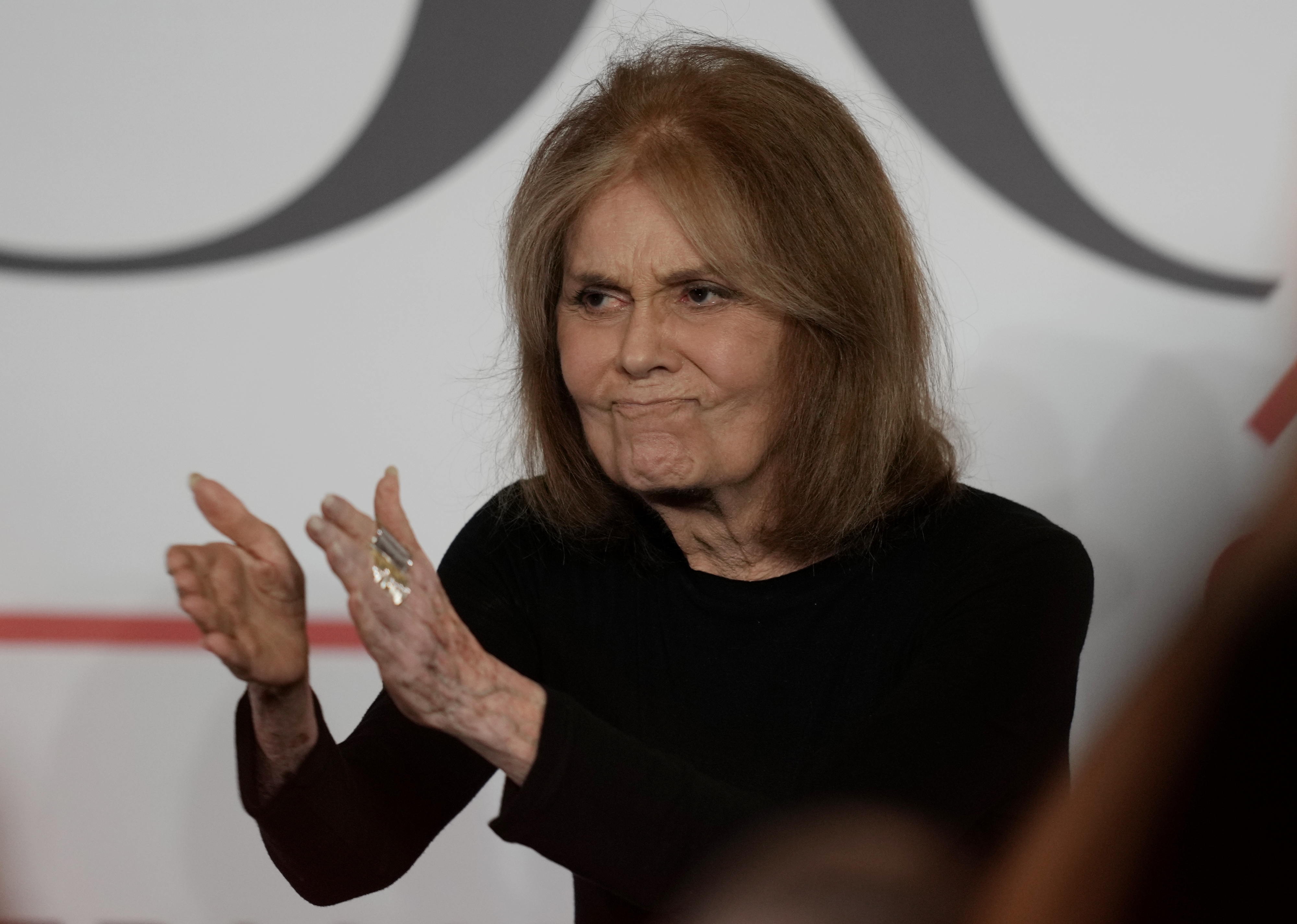
Ms. Steinem claps as she walks on the stage during an International Women’s Day event in Abu Dhabi, United Arab Emirates, in 2023.Kamran Jebreili
Time hardly slowed Ms. Steinem down; well into her 80s she was traveling the globe and speaking out on issues of importance to her. These included everything from genital mutilation to Korean reconciliation, but it was equality for women that took precedence. “Being a feminist means that you see the world as whole instead of half,” she once said. “It shouldn’t need a name, and one day it won’t.”
As the years went on, Ms. Steinem’s visibility endured. At 83, she sat in the front row of her first fashion show, guest of designer Prabal Gurung. A few days after her 85th birthday, she was leading a women’s “talking circle” at an off-Broadway play celebrating her life, where one by one, women in the audience — many fighting tears — rose to thank her and tell their own stories of discrimination. In 2020, her life was the subject of a feature film, The Glorias, A Life on The Road, based on her 2015 memoir and starring Julianne Moore.
And at 91, she collaborated on a picture book with Liberian peace activist and Nobel laureate Leymah Gbowee aimed at inspiring young people to change the world. Rise, Girl, Rise: Our Sister-Friend Journey. Together for All was published in February.
The constant visibility came with a price; even into her older years, Ms. Steinem expressed frustration that despite her accomplishments, she was often described as beautiful or glamorous (A 1992 Vanity Fair profile even noted her “spectacular racehorse legs.”) It was a label she said unfairly detracted from her message.
“Nobody ever called me beautiful until I was publicly a feminist, and that was in my mid-30s,” she told AP in a 2011 interview. “It was clear that label was being assigned to me. The most hurtful part is that you work very hard, and people say it’s because of your looks.”
Ms. Steinem dealt with hostility from many directions
Of course, Ms. Steinem also had to deal with hostility. Sometimes it came from surprising places. Appearing on Larry King’s talk show on CNN in 1990, she was visibly stunned when a female caller greeted her cheerfully, then told her to “rot in hell” because she had ruined “the beautiful American family.”
But by then, she noted, at least people were taking feminists seriously. That wasn’t the case in 1972 when she co-founded Ms. Magazine and many commentators — especially male — dismissed it as ridiculous, predicting an early demise. (The magazine continues to this day, published by the Feminist Majority Foundation.)
Among Ms. Steinem’s detractors was President Richard Nixon, who was caught on an Oval Office tape ridiculing both her and the “Ms.” title. The ridicule was mutual: In a 1972 National Press Club speech, Ms. Steinem called Nixon “the most sexually insecure chief of state since Napoleon.”
It was just one example of Ms. Steinem’s trademark wit. Before she married at 66, she often explained her singlehood by saying “I can’t mate in captivity.” Laughter, she wrote, was “the only free emotion — the only one that can’t be compelled.”
In 2013, Ms. Steinem was awarded the Presidential Medal of Freedom by President Barack Obama. “Because of her work across America and around the world, more women are afforded the respect and opportunities that they deserve,” he said, “but she also changed how women thought about themselves.”
Ms. Steinem ‘read everything I could get my hands on’ growing up
Gloria Marie Steinem was born on March 25, 1934, in Toledo, Ohio. Her father was a traveling antique salesperson; she spent her early years on the road with her parents, not attending regular school. “I just read everything I could get my hands on,” she told an audience at Manhattan’s 92Y in 2026. “Which was frequently completely unsuitable … just everything and anything. I also was in love with the movies — my idea of heaven was a movie and a malted.”
In 1944 her parents divorced, and 10-year-old Gloria was left to take care of her mother. a once-promising journalist who struggled to combine her work with running a household, and eventually suffered a nervous breakdown.
As a young girl she excelled at tap dancing — it was even going to be her “ticket out of Toledo,” she said. Although she remained a good dancer, that particular career didn’t materialize. She attended Smith College in the ’50s, a time when, she has said, women were being educated to be mothers and wives.
But marriage was not on Ms. Steinem’s mind. “I was engaged to a very nice man. It wasn’t his fault, but I just didn’t want to get married,” she told her 2026 audience. Instead, she took advantage of a modest fellowship to travel to India. After that, Ms. Steinem headed to Manhattan, where she couldn’t rent her own apartment because, she said, landlords avoided single women, assuming “if you could earn enough, you must be a hooker.”
The aspiring journalist wanted to write about politics. But editors gave her assignments on food, fashion, and, in what she jokingly called “the low point of my life,” an article about textured stockings. Even more demoralizing was her experience with an editor who, she said, gave her a choice one day: Spend the afternoon in a hotel with him, or mail his letters on the way out.
She chose to mail the letters. “There was no word for sexual harassment then,” she has said. “It was just life.”
But one assignment in 1963 sounded compelling: posing as a Playboy Bunny, for an exposé in the now-defunct Show magazine. Ms. Steinem went through the audition process, assuming she’d be weeded out. But she was given her bunny costume — “so tight, it would give a man a cleavage,” she joked — and worked in the job for about a month.
“I could not have made a bigger mistake,” she told the AP in 2011. “It was personally and professionally a disaster. In the short term, it was much harder to get assignments, and in the long term it’s been used to ridicule me.”
Ms. Steinem’s writing became more political in her 30s
Ms. Steinem was in her 30s when she joined the editorial board of New York magazine, and her writing became more political. In 1969, she went to cover an abortion rights hearing. She had never told anyone about her illegal abortion at 22, in London. That was the moment, she has said, that triggered her career as a women’s rights activist. “I don’t think I had ever felt part of a group before,” she said in a 1970 TV interview.
Ms. Steinem founded the National Women’s Political Caucus in 1971 along with Betty Friedan, Shirley Chisholm and Bella Abzug. The latter became a dear lifelong friend — “the woman I wished I had had as a mother,” she said at Abzug’s funeral.
Unlike Abzug, Ms. Steinem was naturally reserved, not comfortable in front of a crowd. Gradually, with her early speaking partner Dorothy Pitman Hughes, a Black feminist and child welfare advocate, she found her footing. The two formed a powerful partnership at a time when feminism was viewed as largely a white, middle-class movement. In an iconic photo, the two raise their right arms together in the Black Power salute.
As she grew more famous, Ms. Steinem drew attention not just for her work but for a glamorous Manhattan life. Asked once about her streaked hair and aviator glasses, she explained that the hair was inspired by Holly Golightly, the free-spirited character played by Audrey Hepburn in Breakfast at Tiffany’s. The glasses? They were “more about hiding,” she said.
When reaction was hostile, Ms. Steinem would try to reason that it was a step above ridicule. But sometimes it stung, like a snarky Esquire profile in the early ’70s, so hurtful that she cried, and colleagues called a news conference to defend her.
Ms. Steinem co-founded Ms. Magazine and stayed with it as an adviser
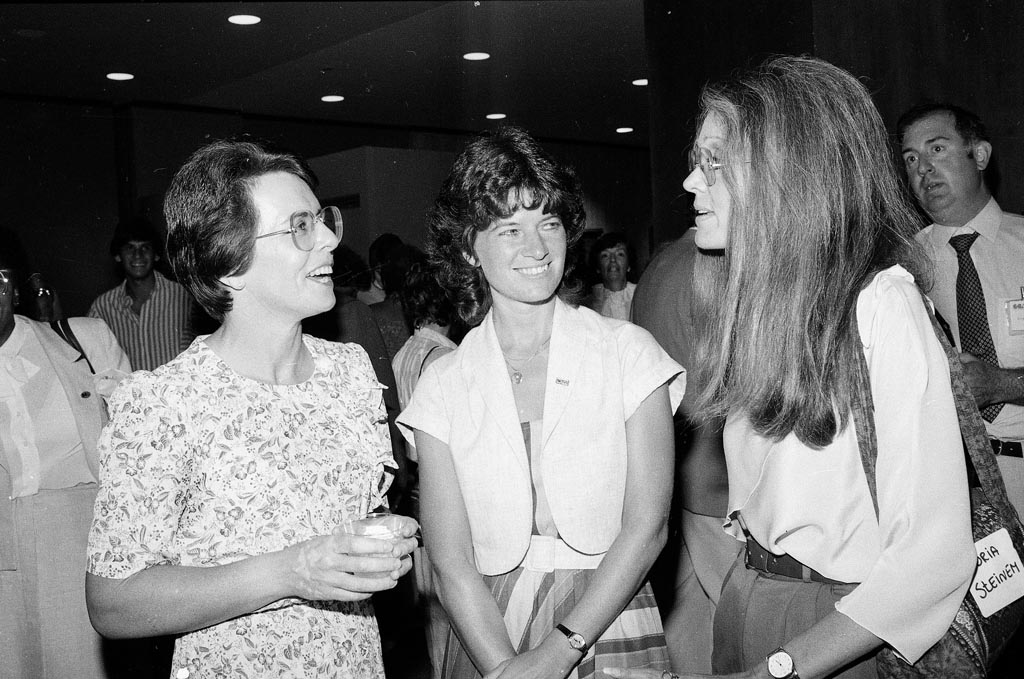
(From left) Tennis star Billie Jean King, astronaut Sally Ride, and Ms. Steinem at a reception hosted by the Girls Club of America and Ms. Magazine to honor Ride in 1983.ASSOCIATED PRESS
Then came Ms. Magazine in 1972, a magazine by women, for women. “I was so obsessed with the fear that it would fail and be a disgrace to the movement,” Ms. Steinem, age 37 when it launched, told the AP in 2011. And opponents hoped that would happen. TV newsman Harry Reasoner, an especially tart critic, later apologized on air. Ms. Steinem continued with Ms. until it was bought in 2001 by the Feminist Majority Foundation, and remained an adviser.
By 1977, numerous gains had been made for women, including Roe in 1973. But the Equal Rights Amendment, which had passed the House and Senate in 1972 but needed to be ratified by three-quarters of state legislatures, remained elusive. The issue was front and center at the 1977 National Women’s Conference, convened on a congressional mandate to examine women’s rights.
“If they want us to become the radicals that they fear we are, just let them stop the ERA and we will become those radicals,” Ms. Steinem said there.
Among groups Ms. Steinem co-founded were the Women’s Action Alliance, which was active through the 1990s; the Women’s Media Center in 2004, the Voters for Choice political action committee in 1977, and the Ms. Foundation for Women. She also helped establish the Take Our Daughters to Work Day.
Ms. Steinem never had her own children, and said she never regretted it. “No, not for a millisecond,” she told the AP, describing an incident in which she was afraid to answer that question in front of a group of women in India, fearing they wouldn’t like the answer. “But they applauded,” she said. “It’s important that some of us not have children, to show that we have a choice.”
In 2000, Ms. Steinem she did something she’d never planned to: She got married, at 66, to British activist and businessman David Bale, whom she met at a fundraiser (Bale was the father of actor Christian Bale.)
“I thought, ‘I haven’t changed, marriage had changed,’” Ms. Steinem said. “David and I wanted to be together, we loved each other. He needed a green card.” They married at a Cherokee ceremony in Oklahoma. Several years later, he became ill with brain lymphoma, and Ms. Steinem cared for him until his death in 2003.
Ms. Steinem said she had few regrets in life, but did miss being present when her father died. She received word that he’d been in a serious car accident, but did not respond in time, and he died alone. “I had taken care of my mom as a child, and I feared I’d never come back,” she explained. She was also sorry that she didn’t become closer to her mother. “I was so fearful of becoming her,” she said in an HBO documentary, Gloria: In Her Own Words.
Ms. Steinem’s books included ‘A Life on the Road’
Ms. Steinem’s books included the 2015 road memoir A Life on the Road — but she wryly noted at the time that she’d actually never learned to drive. It would have taken away, she said, from her ability to converse with her hosts, who would pick her up from airports or train stations. And, she noted, she always loved to chat with taxi drivers.
On Jan. 21, 2017, when hundreds of thousands of women gathered in Washington in their pink “pussy hats” for the historic Women’s March, it surprised nobody that the keynote speaker, and the most rousing, was Ms. Steinem.
“We are linked,” she told the crowd. “And this is a day that will change us forever because we are together.”
For many women, Ms. Steinem was the galvanizing voice that day. She would go on to advocate fiercely. But, though many saw her as a singular figure in history, she often liked to say that if she hadn’t come along, someone else would have accomplished the same things.
By the same token, she said, it was less important that younger people listen to her, and more important that they listen to themselves.
“The primary thing is not that they know who I am,” she said, “but that they know who THEY are.”
Labor Day, which falls on Monday, Sept. 7, marks the unofficial end of summer in Philly — one last long weekend to squeeze in a Shore trip, a park picnic, or a few errands before fall routines kick in. But holiday weekends also mean schedule shifts, closures, and crowded highways.
This year, city services including trash collection will run on altered schedules, while government offices, banks, and other services will close for the day. Many businesses, stores, and attractions may also adjust their hours, so it pays to check before you head out.
Whether you’re trying to avoid a surprise at the curb, plan a grocery run or figure out what’s open for some last-minute fun, here’s your guide to what’s open and closed in the Philadelphia region this Labor Day.
Grocery stores
Acme Markets
✅ Acme Markets locations will be open. Hours vary by location, so check your local store before heading out.
Whole Foods
✅ Whole Foods stores will be open. Hours may vary by location, so check your local store before visiting.
Giant Food Stores
✅ Giant locations will be open. Check your local store for hours.
Sprouts Farmers Market
✅ Sprouts Farmers Market locations are expected to be open. Check your local store for holiday hours.
Trader Joe’s
✅ Trader Joe’s stores are expected to be open. Check your local store for hours.
Aldi
✅ Aldi stores will be open with limited hours on Labor Day. Check the store locator for your local store’s schedule.
Reading Terminal Market
❌ Reading Terminal Market will be closed on Labor Day and will resume normal operating hours Tuesday, Sept. 8.
Liquor stores
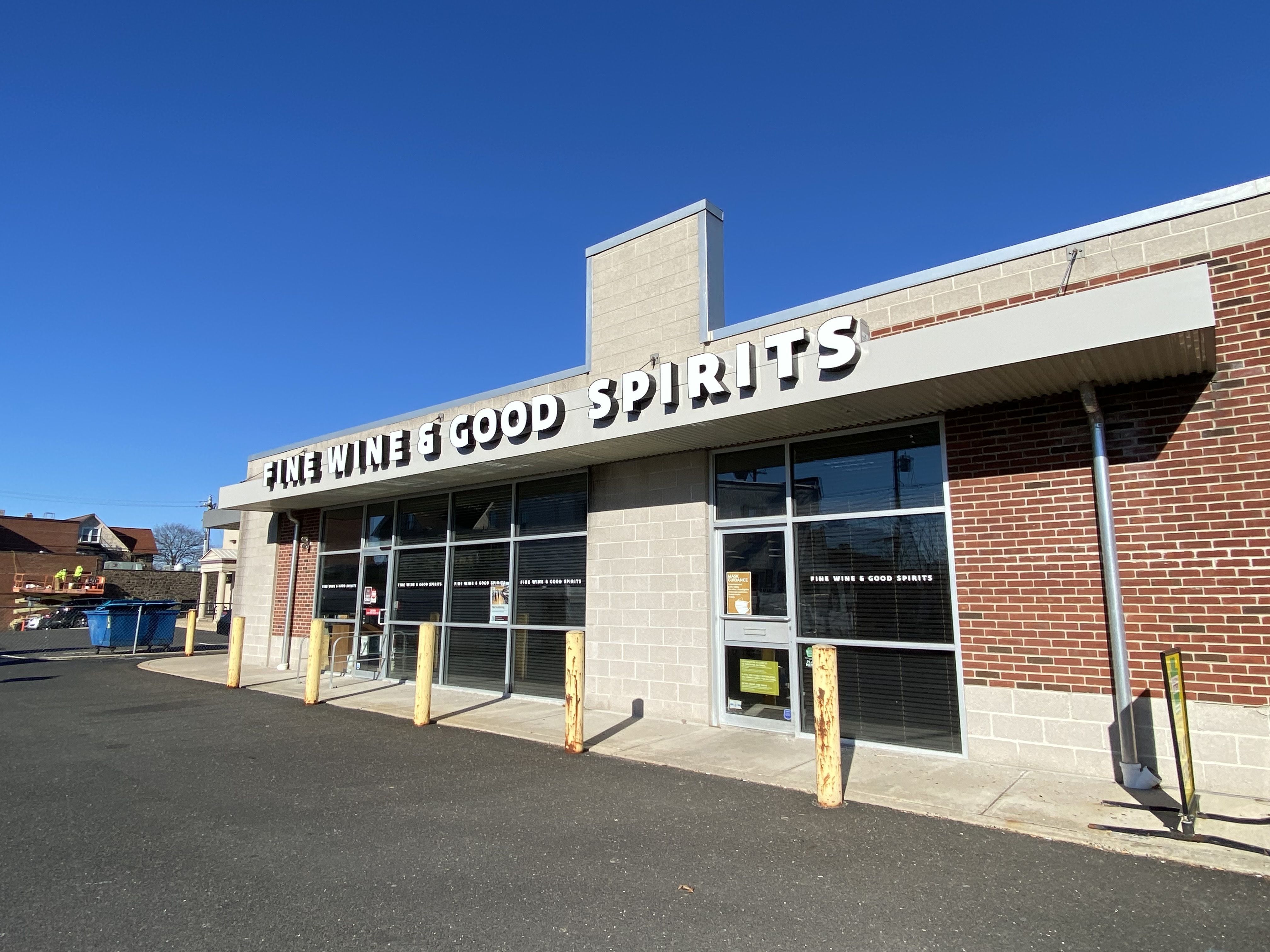
Fine Wine & Good Spirits
✅ Fine Wine & Good Spirits stores that are normally open on Mondays will operate on a modified schedule, opening at their regularly scheduled time and closing at 5 p.m. Check your local store for hours.
Mail and packages
U.S. Postal Service
❌ Post offices will be closed, and USPS will not deliver regular mail. Regular mail delivery and retail services will resume Tuesday, Sept. 8.
UPS, FedEx, and DHL
❌ UPS will not offer regular pickup or delivery service. UPS Store locations may have modified hours or be closed.
❌ Most FedEx pickup and delivery services will be closed. FedEx Office locations will operate on modified hours.
⚠️ Check your local DHL location or service for its Labor Day schedule.
Banks
❌ Labor Day is a federal holiday, so most banks, including TD Bank, Bank of America, Wells Fargo, and Chase Bank, will be closed. ATMs and online banking services will still be available.
Transit
SEPTA
✅ SEPTA buses, Metro, and Regional Rail will operate on a Sunday schedule on Labor Day. Routes that do not have Sunday schedules will not operate.
Pharmacies
CVS
✅ Most CVS stores will be open on Labor Day, though pharmacy and store hours may vary by location. Check your local store before visiting.
Walgreens
✅ Most Walgreens stores will be open. Pharmacy and store hours may vary by location, so check before visiting.
Trash collection
❌ Philadelphia trash and recycling will not be collected on Labor Day. Collections will be delayed by one day for the remainder of the week.
Big-box retail
Target
✅ Target stores are expected to be open. Hours may vary by location, so check your local store.
Lowe’s
✅ Lowe’s stores are expected to be open. Check your local store for Labor Day hours.
Home Depot
✅ Home Depot locations are expected to be open. Check your local store for hours.
Shopping malls
Mall and individual retailer hours can vary on Labor Day. Check with the Shops at Liberty Place, Cherry Hill Mall, Fashion District Philadelphia, and King of Prussia Mall before visiting.
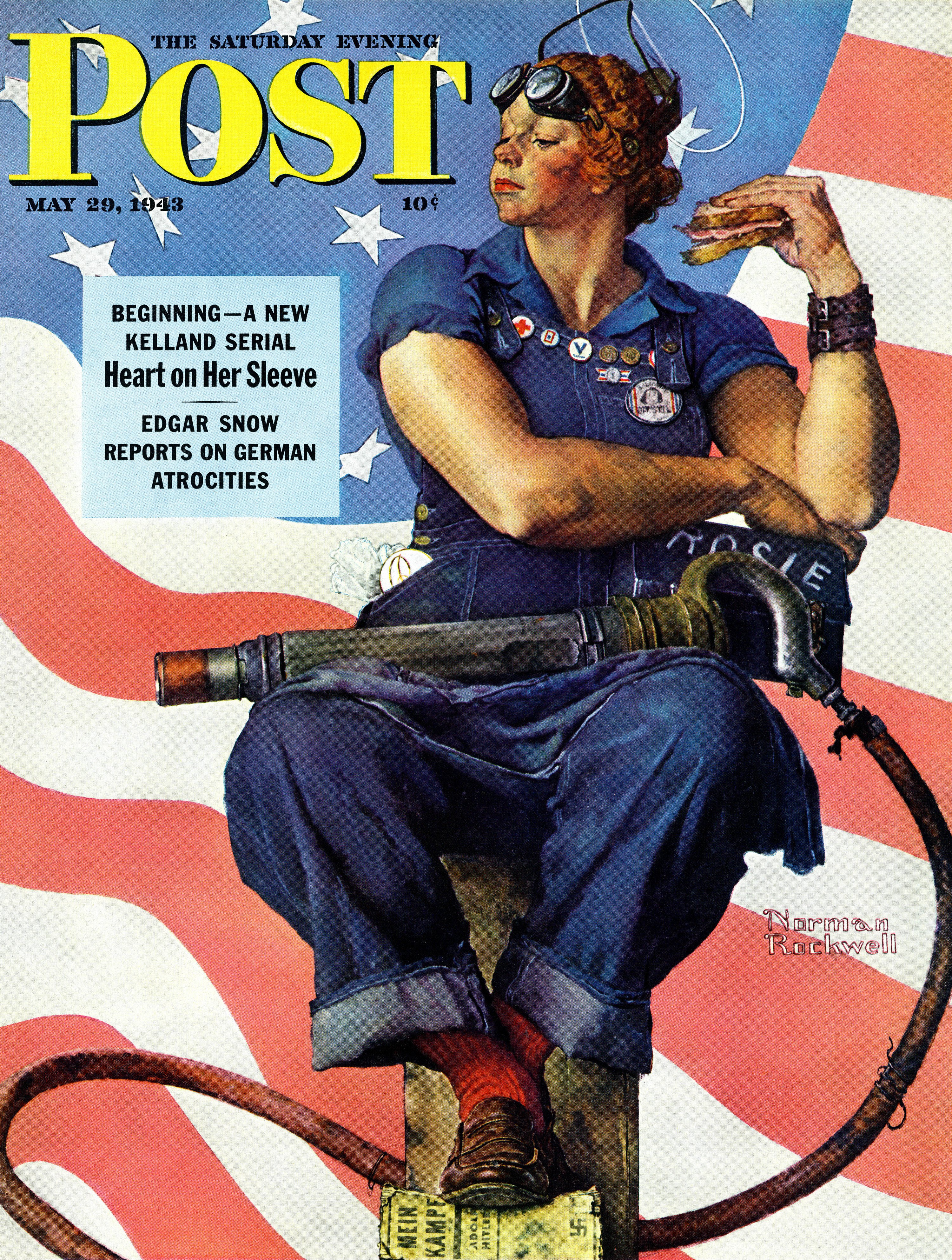
After 205 years, the Saturday Evening Post, the famed magazine that printed its first issues on Ben Franklin’s Old City printing press and whose Norman Rockwell covers defined the optics of quintessential 20th-century Americana, will print its last issue early next year.
Subscribers received a letter in the September issue, which arrives in mailboxes this week, stating that the January/February 2027 issue will be the publication’s last printed edition. It will continue to publish online.
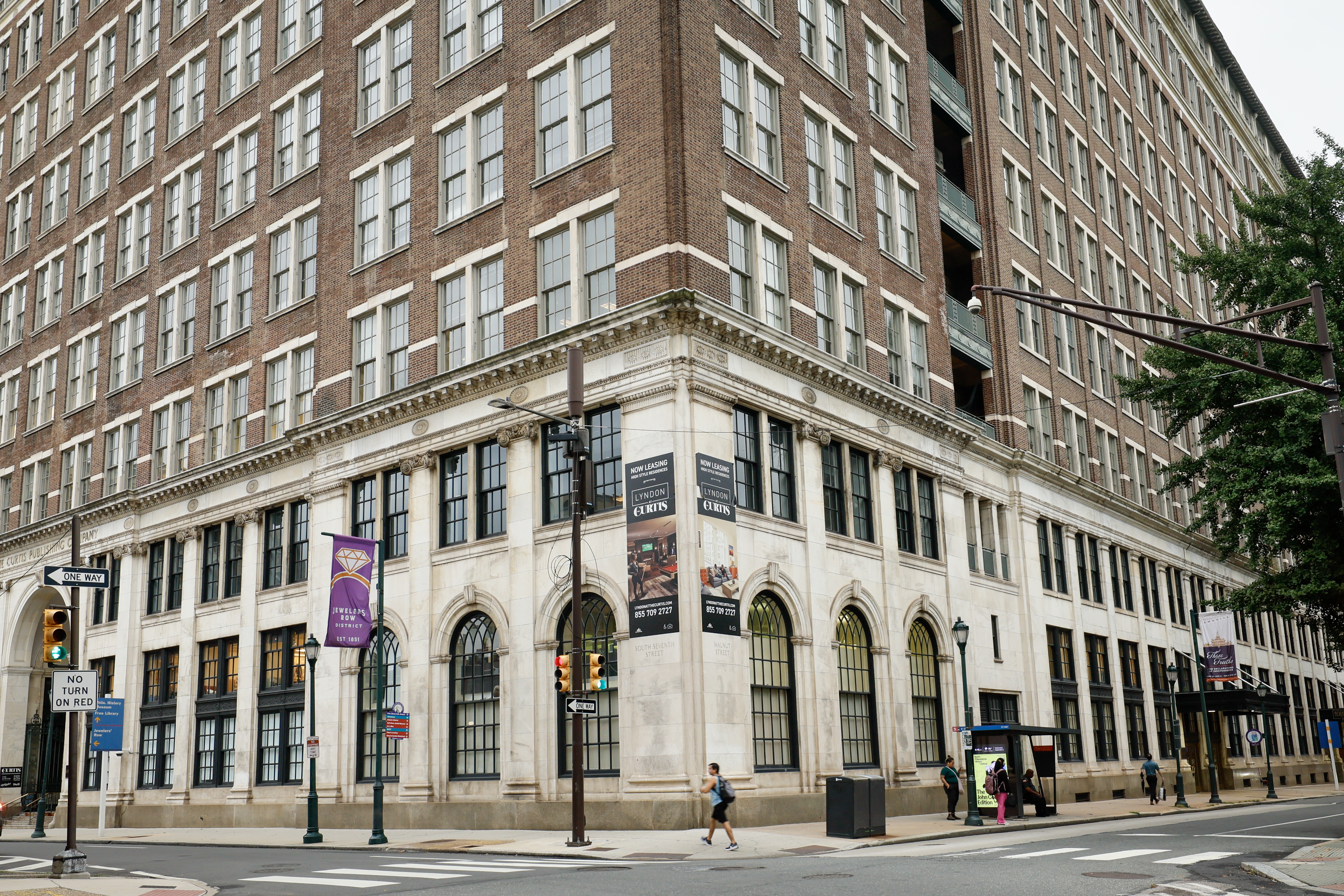
The Post, which was published from the Curtis Building at Sixth and Walnut Streets, from 1910 until 1969, was one of the standouts of 19th-century Philadelphia publisher Cyrus Curtis’ portfolio.
Like many other print publications, the change in readers’ habits has impacted the Post’s bottom line.
A Norman Rockwell artwork of “Rosie The Riveter,” on the cover of The Saturday Evening Post of May 29, 1943. The January 2027 issue will be the last Saturday Evening Post in print. The magazine, which debuted in 1821, will continue to publish new articles and fiction online.SEPS
“Advertising revenue has shifted away from print and we don’t have that 18-to-45-year-old demographic that does really well with TikTok,” said Joan SerVaas, the president and publisher of the Saturday Evening Post.
SerVaas’ father, Beurt, purchased the near bankrupt Post from the Curtis family in 1969 and moved the publication to Indianapolis.
Her mother, the late Cory SerVaas, who was a journalist and a physician, revamped the Post, adding coverage on health and wellness issues.
Joan SerVaas says she’s in talks with the University of Pennsylvania to purchase the mostly Philadelphia-centric ephemera that includes minutes from Curtis Publishing’s board of directors’ meetings dating back to 1886. Included in the collection are also correspondence from famous writers and artists including Rockwell and J.C. Leyendecker. Many of the original magazines going back to 1821 are also in the catalog.
“It’s really important to us that we preserve this history,” SerVaas said. “And Philadelphia is a wonderful place for it to be preserved because it’s the magazine’s home. Without Philadelphia, we would have no Post.”
The Post may have been based in Indianapolis for more than a half a century, but its media roots are in colonial Philadelphia’s cobblestoned streets.
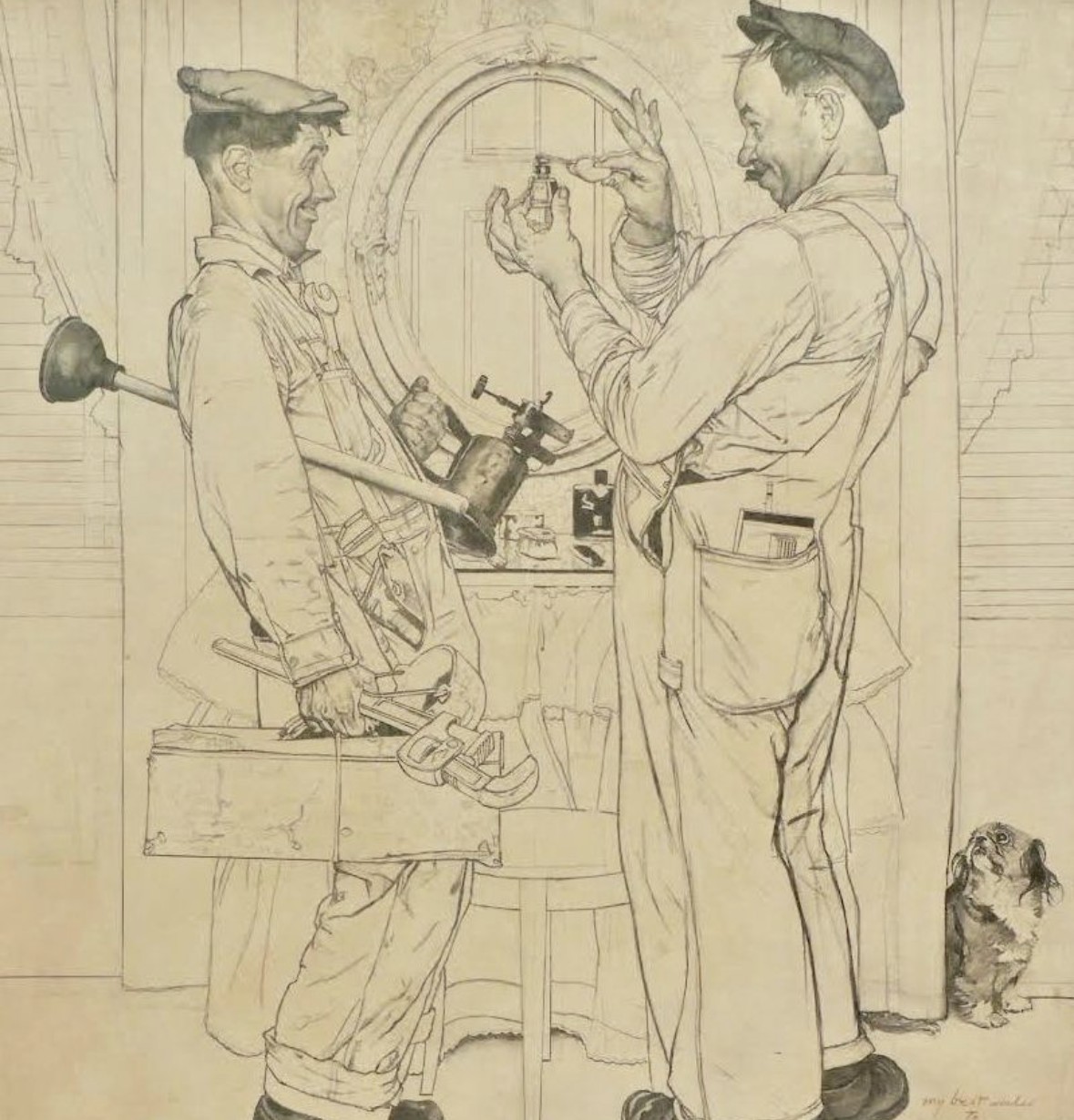
Norman Rockwell’s “Preparatory Drawing for Plumbers,” Saturday Evening Post cover, 1951.courtesy of Woodmere
In 1728, Benjamin Franklin took over the publication of the Pennsylvania Gazette, a general-interest magazine that covered politics, science, and government out of his print shop at No. 53 Market St. By the 1740s, it was the most popular publication in the colonies. Franklin retired in 1748 and the Gazette continued to publish until 1800, 10 years after his death.
By the early 1820s, Franklin’s print shop was owned by Samuel Atkinson. He, along with Charles Alexander, started a newspaper that would carry on the tone of Franklin’s Gazette but print in time to be delivered to Philadelphians in the Saturday evening mail. The Post carried news, but readers liked it because it reported on the drama — including letters — between ex-presidents and political enemies John Adams and Thomas Jefferson. The death of Napoleon was also a big story.
The Post also printed essays, stories, and poems written by major American writers: Edgar Allan Poe, James Fenimore Cooper, Harriet Beecher Stowe, Washington Irving, and Mark Twain. Circulation ebbed more than it flowed until 1897 when Cyrus Curtis — who transformed a farming magazine into Ladies’ Home Journal, the first magazine to reach a circulation of one million — purchased it from publisher A.W. Smythe for $1,000, about $40,000 in today’s money.
The Saturday Evening Post was published from the Curtis Building from 1910 to 1969. Elizabeth Robertson / Staff Photographer
Curtis wanted the Post to be for men what Ladies’ Home Journal was for women: cutting edge, insightful, and of the moment.
In 1899, Curtis hired 32-year-old literary editor George Horace Lorimer, ushering the magazine into its 20th-century heyday.
Lorimer would be one of the first editors to print the work of Joseph Conrad, O. Henry, Rudyard Kipling, and Jack London. And in 1916, when he was just 22, Rockwell received his first commission at the Post, beginning a 47-year relationship that produced 322 original cover illustrations.
Rockwell — whose most iconic paintings include the 1943 Freedom of Want of a family celebrating Thanksgiving dinner; the quirky 1953 Triple Self Portrait, and the 1963 memorial image of image of John F. Kennedy — was just one of many artists who got their break in the art world at the Post.
The Post helped fuel a community of illustrative artists most of whom lived in Philadelphia support themselves for more than 150 years, said William R. Valerio, executive director of Woodmere, the Chestnut Hill museum whose collection includes several Saturday Evening Post covers.
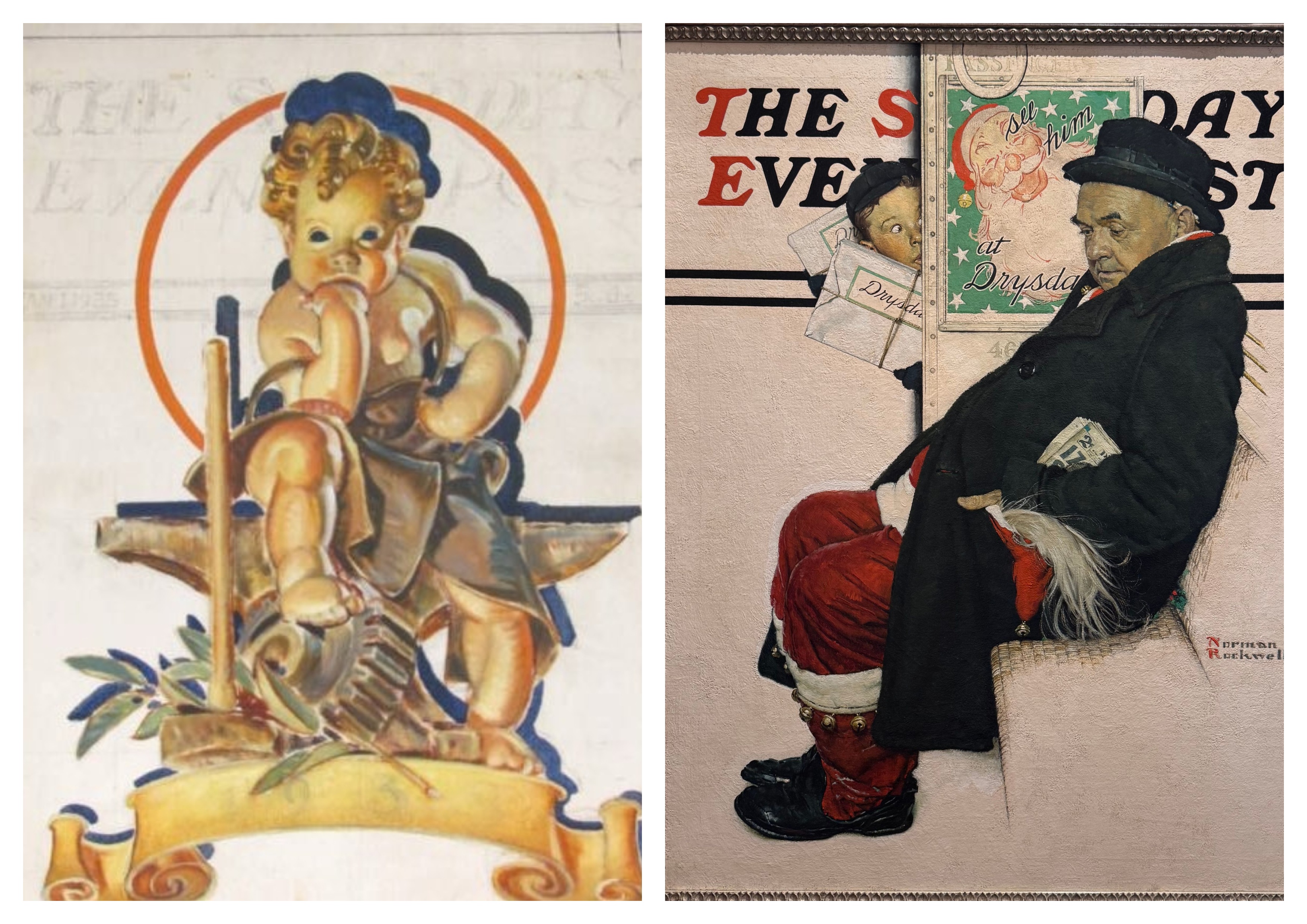
Rockwell’s Santa on a Train, and his Preparatory Drawing for Plumbers have both been exhibited in Woodmere’s Frances M. Maguire second floor gallery, an homage to Philadelphia-based illustrative artists. Many of whose work has graced the cover of the Post.
“Violet Oakley, Jessie Wilcox Smith, Robert Riggs, Benton Spruance, their work has all been in the Post,” Valerio said. “No artist works without community, and the Post helped create a vibrant community of artists in Philadelphia.”