Paul Stankard, 83, of Mantua, Gloucester County, internationally acclaimed pioneering master glass artist, college adjunct instructor, mentor, author, and poet, died Tuesday, Oct. 6, of cancer at Jefferson Washington Township Hospital.
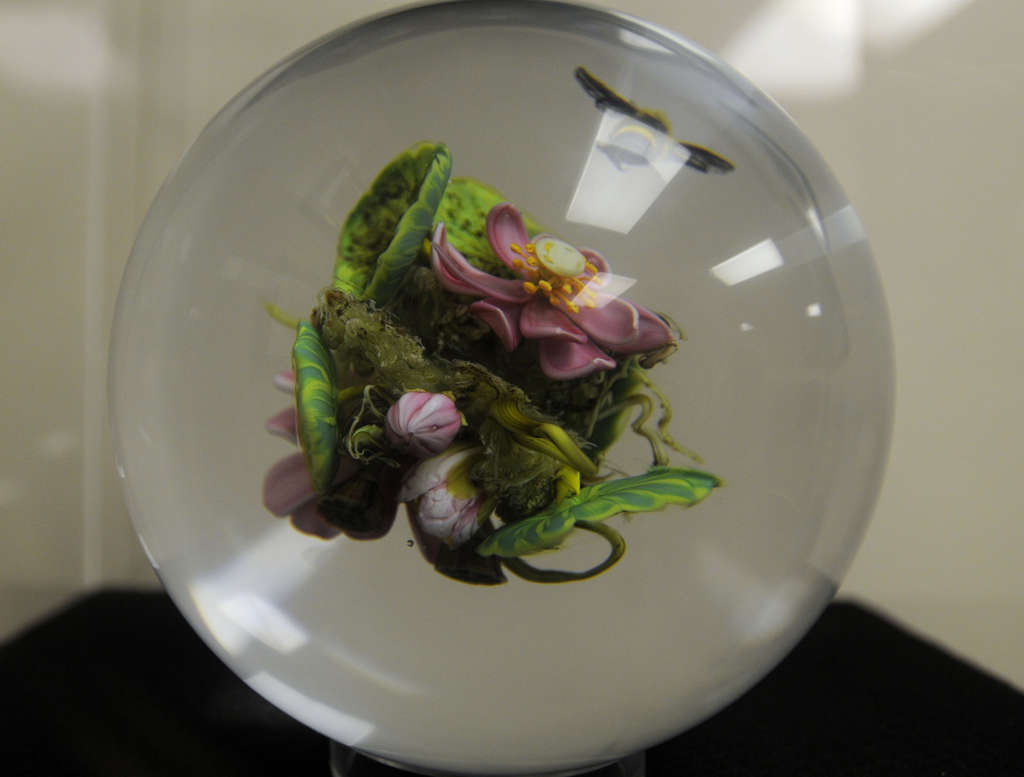
Delighted and mesmerized throughout his life by nature, art, poetry, and teaching, Mr. Stankard combined all four of his passions to forge a 65-year career as an innovative, world-renowned glass artist and adjunct college instructor. He specialized in making intricate glass paperweights and what he called “botanicals,” tiny colored glass flowers, fruits, insects, and other evocative figuresencased in crystal orbs and blocks.
“I want to make more than a pretty flower in a glass,” Mr. Stankard told The Inquirer in 1988. “I’m trying to communicate feeling, communicate my interest in nature.”
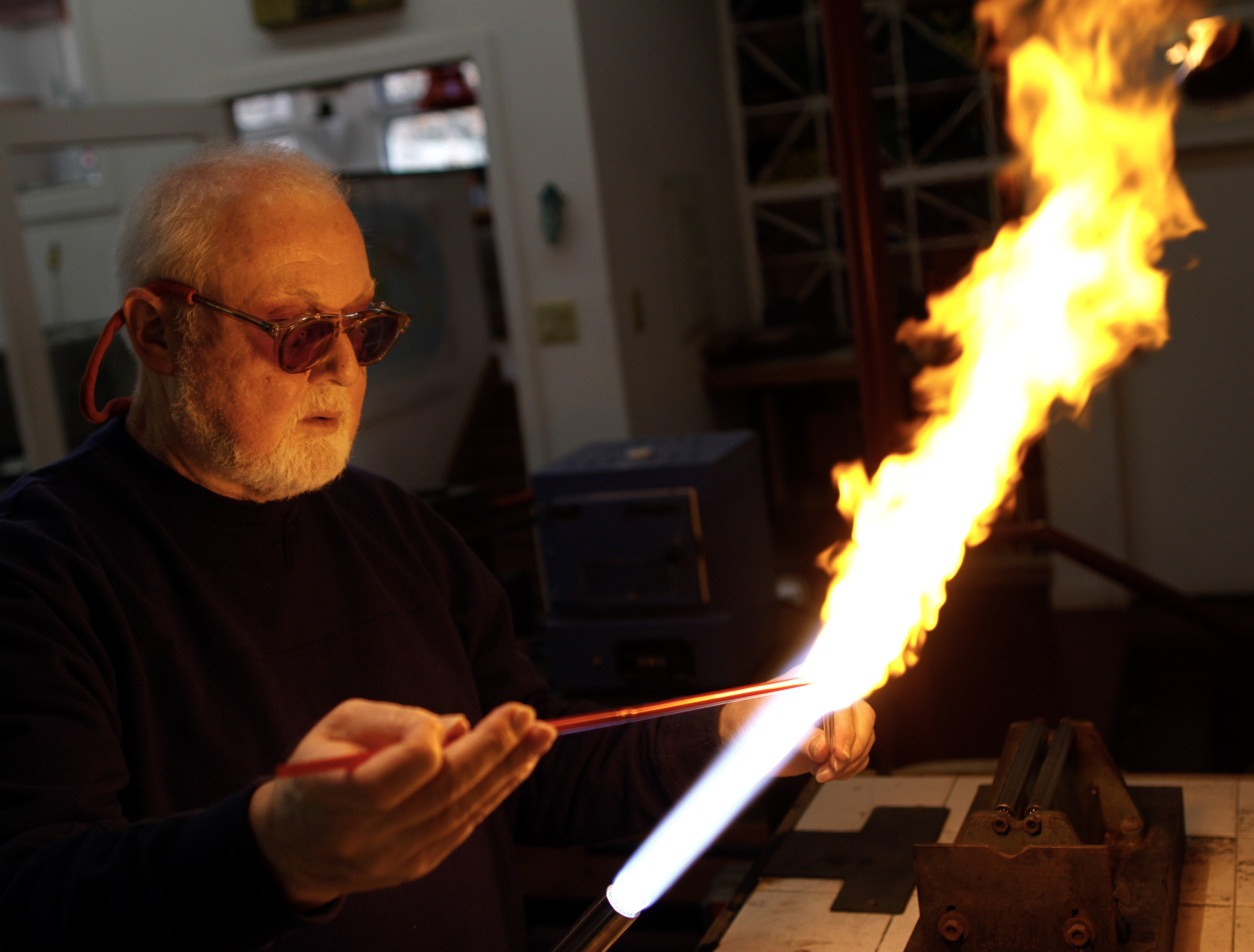
Using rods of colored glass, a gas torch, tweezers, a paddle, and a small oven to fabricate his pieces, Mr. Stankard created tiny flowers and insects so lifelike that many viewers thought they were real. A lifelong naturalist, he learned scientific glassblowing technology at what is now Salem Community College, studied the structure of flowers, and made them the centerpiece of his art.
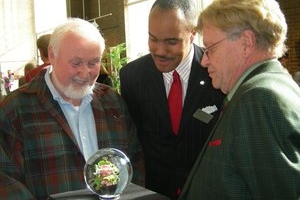
Mr. Stankard (left) donated this glass creation to the old Gloucester County College in 2007. Gloucester County College
“I’ve taken all the scientific technology I learned and plugged it into a little glass flower,” he said in 1988. “They’re more sophisticated than most scientific instruments.”
Inquirer art critic Edward J. Sozanski reviewed Mr. Stankard’s creations in a 1990 column and wrote: “Stankard’s flower sculptures are so delicate and artfully crafted that they seem technically improbable, and they’re worth seeing for that reason alone.”
In 2001, Mr. Stankard said: “That’s the magic. If I can fool the eye, that’s success for me.”
Some of his signature pieces, such as “Honeybee Swarm with Flowers and Fruit” and “Celestial Bouquet,” are routinely showcased at exhibitions and have sold for thousands of dollars. His work continues to be shown in museums, galleries, and private collections around the world.
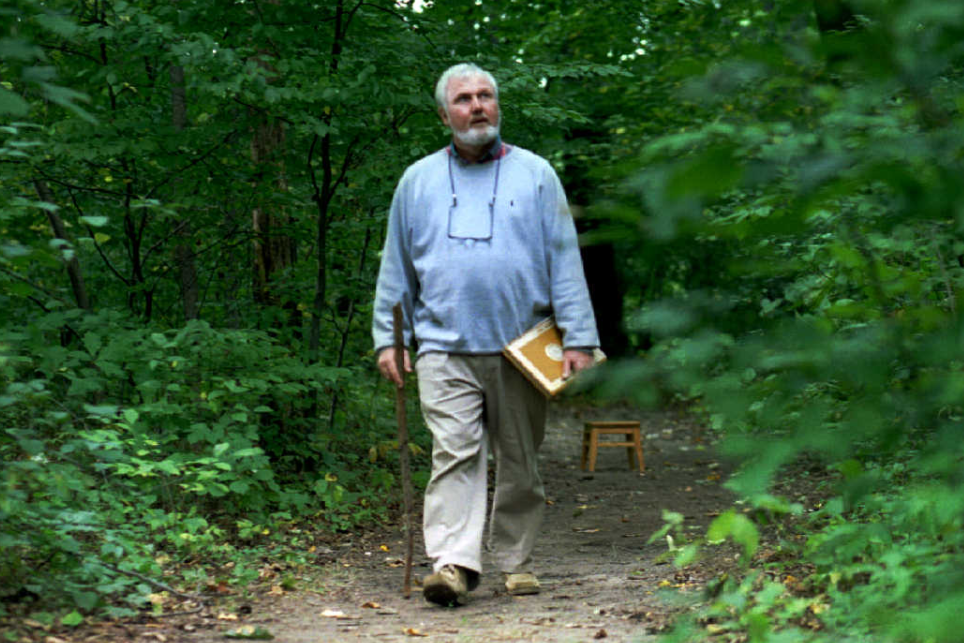
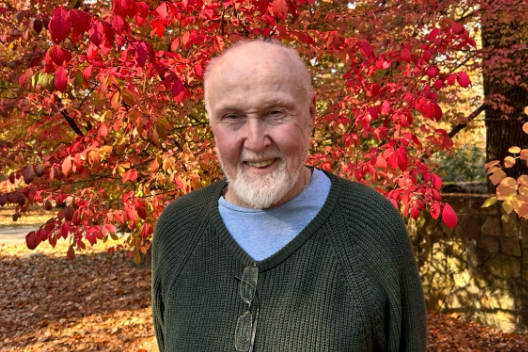
Mr. Stankard found inspiration in nature.Elizabeth Vorhauer
He also wrote poetry to accompany some of his pieces and told The Inquirer that Camden poet Walt Whitman was “my spiritual mentor.” In 2001, he said: “I’ve been exploring ways to express feelings about nature, to express illusion in nature, for 30 years, and it’s always evolving, always changing.”
Mr. Stankard taught glassmaking classes and organized workshops at Salem Community College, Rowan University, and elsewhere for years. He helped create the glass art associate’s degree program at Salem, funded a scholarship, and served as artist-in-residence.
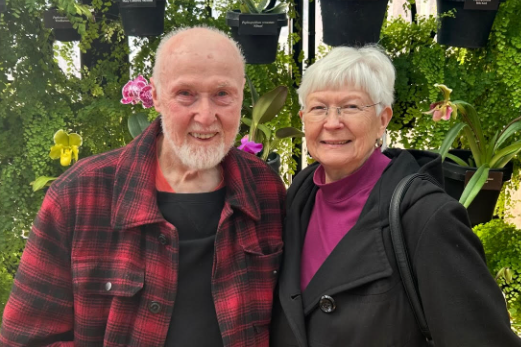
Mr. Stankard and his wife, Pat, married in 1964.Courtesy of the family
He won awards from the South Jersey Cultural Alliance and the Glass Art Society, and was active with the American Craft Council and Smithsonian American Art Museum. He was featured on CBS Sunday Morning in 2014 and in the 2024 award-winning documentary film Paul J. Stankard: Flower & Flame.
WheatonArts in Millville sponsors the Paul Stankard Flamework Fellowship. “He was youthful,” former assistant and fellow artist David Graeber said. “He was always pushing things. You knew he was in the room when you heard that laugh.”
Paul Joseph Stankard was born April 7, 1943, in North Attleboro, Mass. His family moved to South Jersey in 1958, and he graduated from Pitman High School in 1961.
After graduating from Salem Community College in 1963, he made precision glass instruments for Philco-Ford, Rohm & Haas, and other companies. He sold decorative glass novelties and paperweights on the side for years and, encouraged by a local art dealer, left his industrial work in 1971 to go full-time into glass art.
Mr. Stankard created this glass orb.Ron Tarver / Staff Photographer
By 1980, inspired by the miniature sculptures he saw in classic 19th-century French paperweights, he introduced his own signature tiny botanicals. “They transcend ornament,“ Sozanski wrote in 1990. ”Besides being colorful and elegant, they express a reverence for life that ultimately is their most noteworthy feature.”
Mr. Stankard married Patricia Ann LaPatrick in 1964, and they had daughters Christine, Pauline, and Katherine and sons Joseph and Philip. He worked in his home studio and recently joined a men’s Bible study group.
“Dad was defined not just by his craft but by his profound generosity of spirit,” his family said in a tribute. “He walked through life welcoming everyone he encountered, mentoring others, and proving that a positive outlook can carry you through anything.”
In addition to his wife and children, Mr. Stankard is survived by six grandchildren, three brothers, three sisters, and other relatives. A sister and a brother died earlier.
Mr. Stankard “was defined not just by his craft but by his profound generosity of spirit,” his family said in a tribute.Courtesy of the family
Services were held earlier.
Donations in his name may be made to Salem Community College, 460 Hollywood Ave., Carneys Point, N.J. 08069.
Philadelphia City Council on Thursday took the exceedingly rare step of issuing subpoenas for testimony, compelling a member of Mayor Cherelle L. Parker’s administration and the president of Drexel University to appear at an upcoming hearing about the closure of the Academy of Natural Sciences.
Vincent Thompson, a spokesperson for Council President Kenyatta Johnson, said Friday that Council’s Committee on Legislative Oversight issued subpoenas to Deputy Mayor Patricia “Trish” Wellenbach, who is serving as a senior adviser to the Academy that is operated by Drexel University, as well as Drexel President Antonio Merlo.
A Drexel representative told Council that Merlo had to be on campus for a site visit by the Middle States Commission on Higher Education, and Wellenbach submitted written testimony that said she was not the “appropriate” person to testify, given she could not speak on behalf of Drexel or the Academy.
Drexel President Antonio Merlo on Drexel Campus in Philadelphia, April 16, 2026.Jessica Griffin / Staff Photographer
Councilmember Isaiah Thomas, who chairs the committee, recessed the hearing and scheduled another meeting for Nov. 16, when Wellenbach and Merlo will now be compelled to testify. He signed the subpoenas Thursday on behalf of Councilmembers Jeffery Young Jr. and Nina Ahmad, who have led the charge to investigate the museum closure.
Thompson said Friday that a representative for Drexel had confirmed to Council that Merlo will appear. Joe Grace, a spokesperson for the Parker administration, said Friday that Wellenbach will also testify.
Drexel University did not respond to a request for comment.
The former president and CEO of the city’s Please Touch Museum, Wellenbach has long been a prominent figure in the city’s cultural circles. She joined the Parker administration last year as its chief strategy and partnership officer, and she was promoted this summer to the role of deputy mayor for strategic and philanthropic initiatives.
In September, Drexel and the Academy appointed Wellenbach to temporarily lead the Academy as a senior adviser. She is not being paid by Drexel or the Academy and has been effectively on loan from the city.
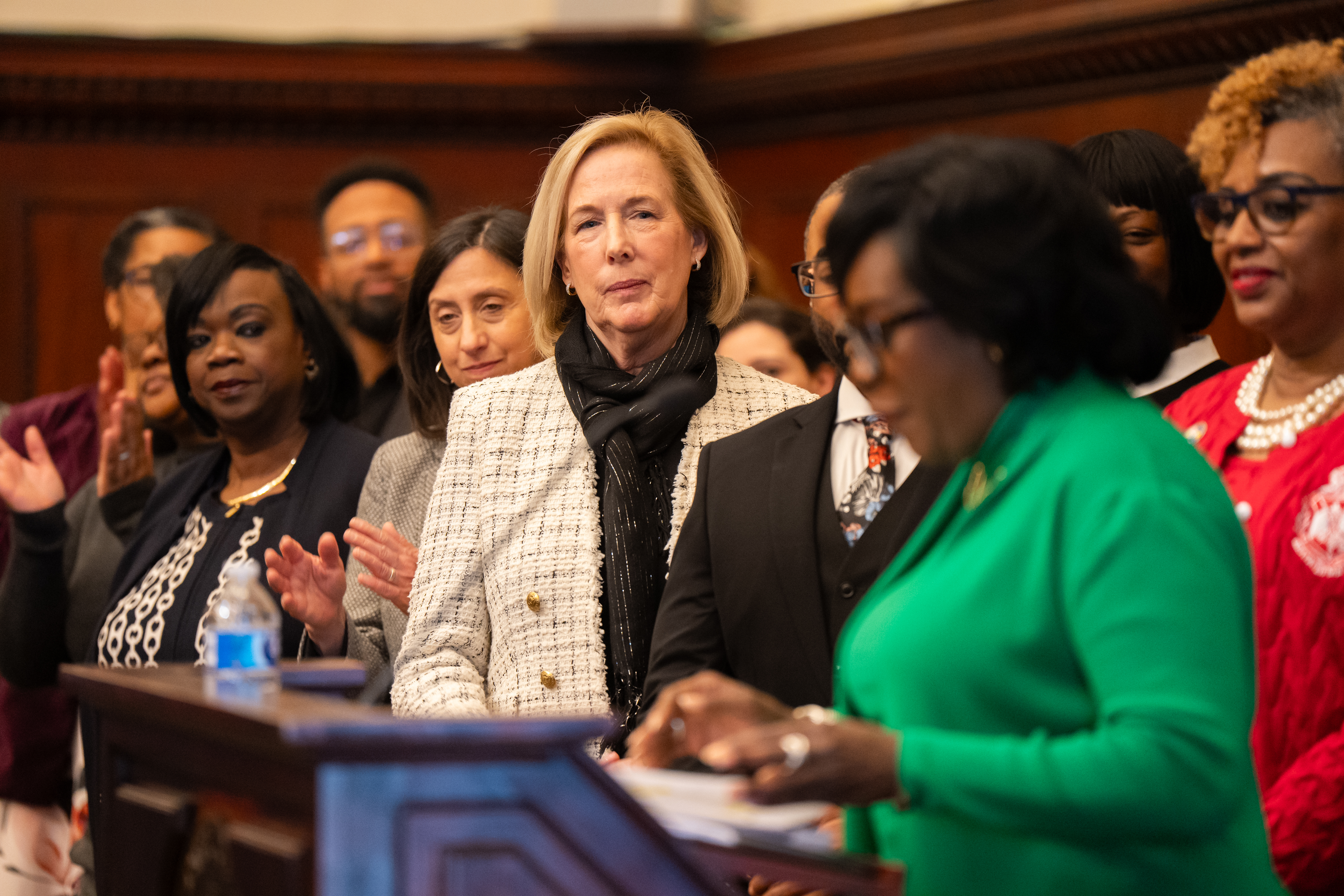
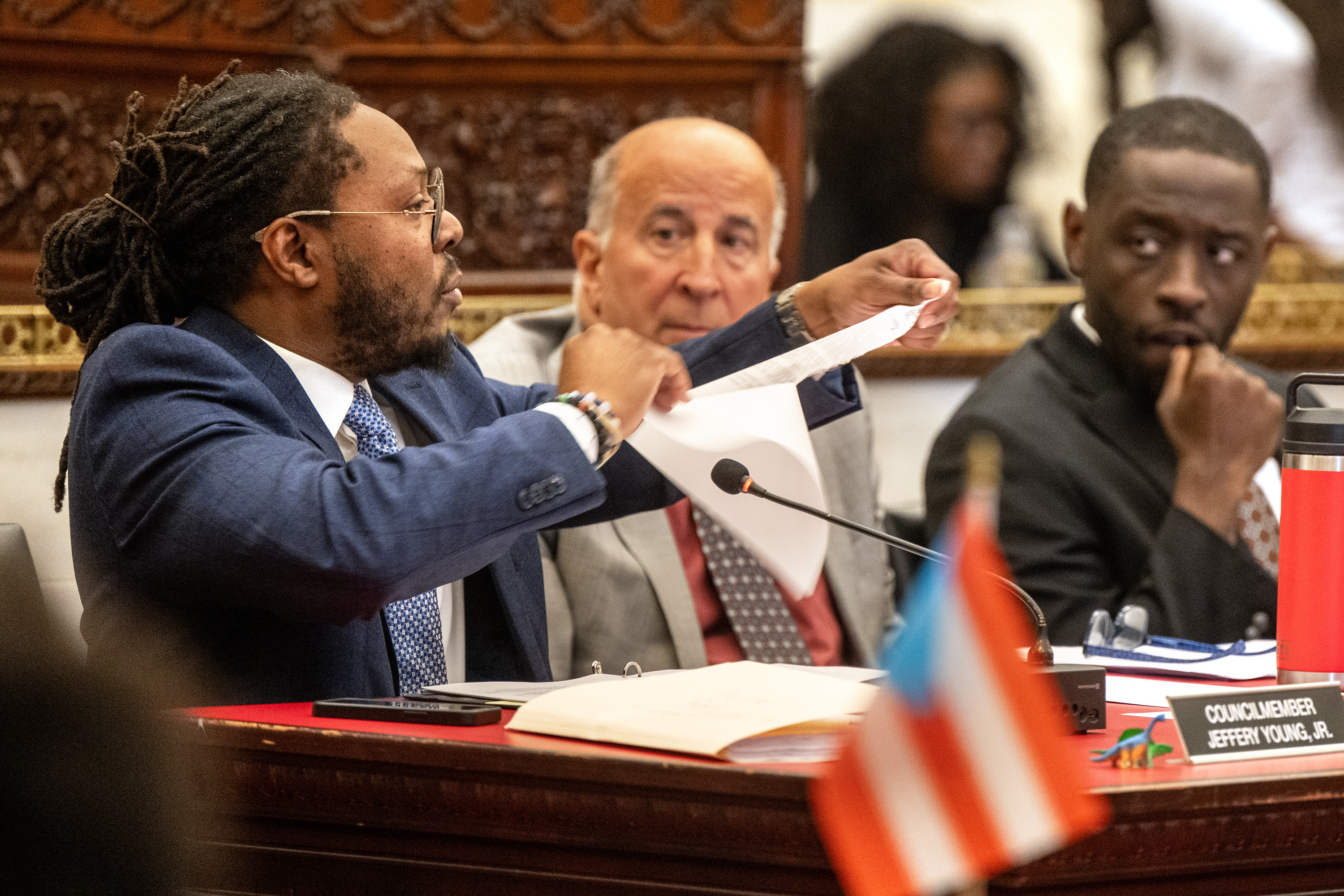
City Councilmember Jeffery Young, Jr. (left) rips up the printed testimony from Deputy Mayor Patricia Wellenbach as City Council holds a hearing Monday, Oct. 26, 2026 on the closure of the museum at the Academy of Natural Sciences’ and the Academy’s ongoing negotiations with Drexel. Wellenbach is Deputy Mayor for Strategic and Philanthropic Initiatives for the city as well as a senior adviser to the Academy. She declined to attend the hearing in person.Tom Gralish / Staff Photographer
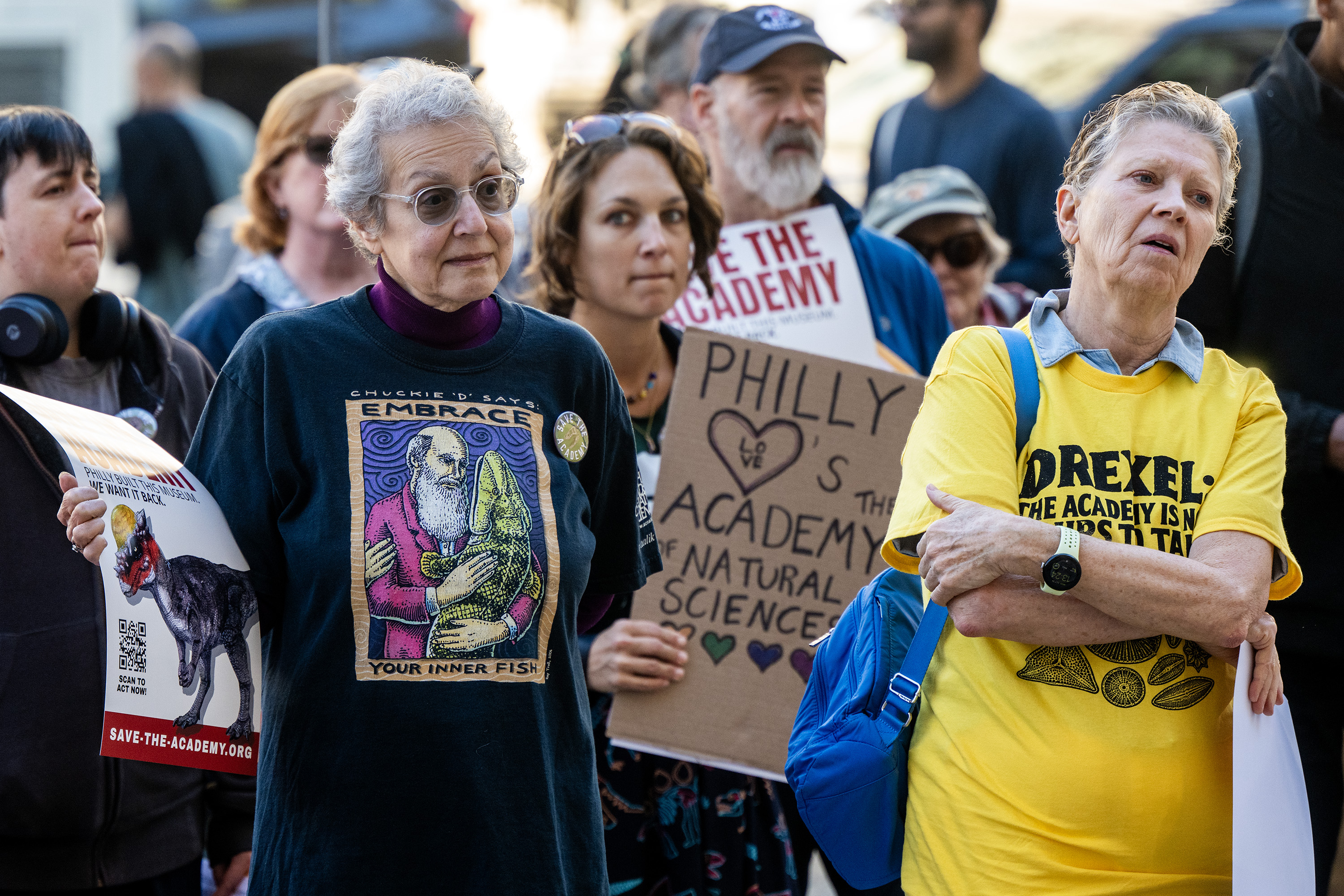
At the hearing Monday — which was attended by dozens of advocates who have formed a coalition to “Save The Academy” — Young, who represents the district where the museum is located on Benjamin Franklin Parkway, ripped Wellenbach’s statement in half. He said her failure to show was “a disrespect to the Philadelphians as someone who is paid by the taxpayers.”
He said Council would issue subpoenas ahead of a second hearing.
While Council committees have the power to use the force of law to compel witnesses to testify or provide documents, they rarely use the power and usually rely on voluntary testimony.
Council has not issued a subpoena since before Johnson took over the chamber in 2024. In 2022, then-Councilmember Helen Gym compelled testimony and records from the acting executive director of the Philadelphia Parking Authority, which Council was investigating over its finances and accounting practices.
It is especially notable for Council to subpoena a member of the mayor’s administration. Council is controlled by a supermajority of Democrats, and Philadelphia has for decades had a Democratic mayor. Parker’s administration routinely sends staff to testify before Council.
Young in 2024 floated the idea of compelling Parker and members of her administration to testify about how the city was developing a North Philadelphia facility to house people in addiction, but subpoenas were never issued, and members of the administration testified voluntarily.
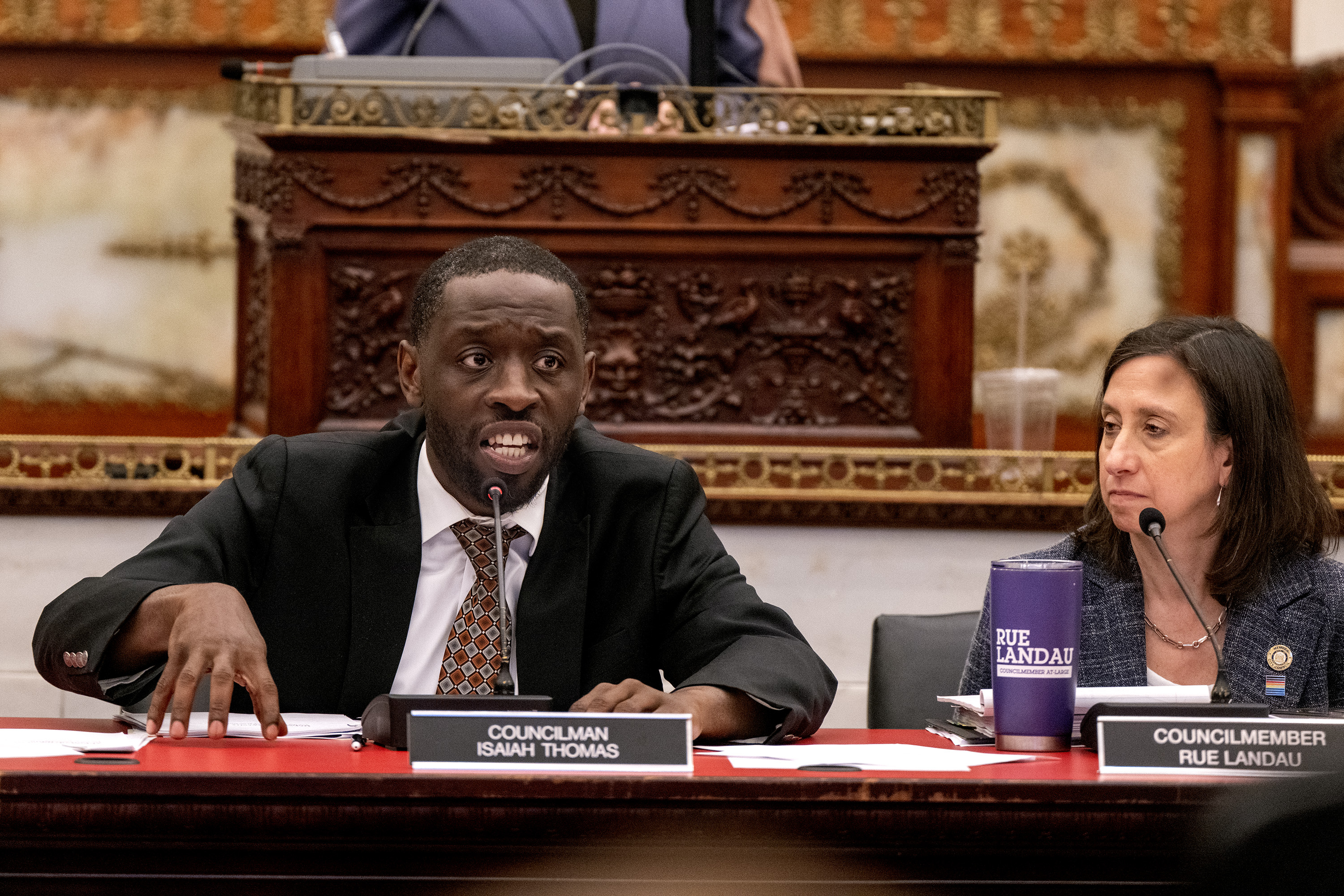
Councilmember Isaiah Thomas questions Drexel officials Monday, Oct. 26, 2026 as City Council holds a hearing on the closure of the museum at the Academy of Natural Sciences of Drexel University and the Academy’s ongoing negotiations with Drexel. Councilmember Rue Landau is at right.Tom Gralish / Staff Photographer
Council’s move comes at a time of heightened tension between the legislative body and Parker’s administration.
Members have also tangled all year with the mayor’s appointees who lead the school board. On Thursday, Thomas held a rally over the School District of Philadelphia’s controversial facilities plan, and demanded that Parker “take a clear and public stance” on the school closures that are a part of the yearslong plan.
The issuance of subpoenas is also indicative of how prominent the closure of the Academy of Natural Sciences has become. Since Drexel and the Academy in September announced its intention to close the 200-year-old museum to the public, the decision has drawn international attention and outrage from advocates who say the city stands to lose a core cultural institution.
Council members this week seemed open to throwing the Academy a lifeline. Drexel’s executive director of operations Melissa Richman said Monday that the school can’t afford the $5 million to $6 million a year in support to the Academy as it faces its own massive deficit.
The William Penn Foundation has offered to pay for the museum to remain open for a year, but Drexel has not accepted that offer. The school is in the midst of renegotiating its existing affiliation agreement with the Academy, and those discussions are ongoing.
Staff writers Susan Snyder and Peter Dobrin contributed to this article.
James Forten was a free Black Philadelphian who served during the Revolutionary War, became a wealthy sailmaker, and emerged as a leading abolitionist.
As Philadelphia celebrates the nation’s 250th anniversary and people who shaped America’s founding, the filmmakers at Big Picture Alliance wanted to tell Forten’s story.
The result is James Forten, a short documentary featured in “Founding Further,” a five-part film series that will screen at the Philadelphia Film Society Center on Nov. 4.
A still image from “James Forten,” a short documentary that explores the life of the American Revolutionary hero and abolitionist.Courtesy of Big Picture Alliance and Jalen Ramseur-Williams
“Forten represents the folks who pushed back and demanded that this nation live up to its promises, and even evolve those promises so they manifest in reality,” said Aleks Martray, executive director of Big Picture Alliance.
The series, spearheaded by the Philadelphia-based nonprofit in collaboration with the Museum of the American Revolution, brings together filmmakers dedicated to chronicling “omitted, obscured, and erased” stories, Martray said.
“The goal is to tell this intersectional history of community leaders, activists, and civic leaders who have pushed back in times of oppression throughout the 250 years,” he said.
A still image from “James Forten,” a short documentary that explores the life of the American Revolutionary hero and abolitionist.Courtesy of Big Picture Alliance and Jalen Ramseur-Williams
Forten was born free in Philadelphia in 1766. He served aboard privateer ships during the Revolutionary War and was held captive at sea by the British for seven months before his release in 1782. He later became a wealthy sailmaker and a leader in Philadelphia’s abolitionist movement.
He was a founding member of several Black-led movements, including the Free African Society. His wife, Charlotte Vandine Forten, and their daughters were active in the Philadelphia Female Anti-Slavery Society. Forten died on March 4, 1842, at age 75.
Along with Forten, the series explores the lives of Tamanend, a Lenape leader; Sadie Alexander, the first Black woman to earn a doctorate in economics in the United States and the first Black woman to receive a law degree from the University of Pennsylvania law school, who eventually became the first Black woman admitted to practice law in Pennsylvania; Kiyoshi Kuromiya, an author and civil rights and HIV/AIDS activist; and Gloria Casarez, Philadelphia’s first director of LGBT affairs.
Martray said each film is intended to highlight underrepresented historical figures amid political divisions and encourage viewers to reimagine America’s future.
“It’s not only intended to reclaim these histories, but to help galvanize community members to learn from the lessons of the past,” he said.
Through the museum, Martray met Dolly Marshall, a preservationist, historian, and Forten family descendant, who was integral in piecing the documentary together.
“We wanted to make sure these stories were told authentically, and that everyone’s voice was represented,” Martray said.
A still image from “James Forten,” a short documentary that explores the life of the American Revolutionary hero and abolitionist.Courtesy of Big Picture Alliance and Jalen Ramseur-Williams
Marshall didn’t know much about Big Picture Alliance before joining the project. But the nonprofit’s mission to empower young filmmakers and spotlight overlooked historical figures appealed to her.
“It was a perfect partnership,” she said.
“A lot of the history, unfortunately, has been whitewashed. It’s been told by other scholars. No offense to them, but we have to make sure we tell our stories, and we’re diligent in finding inclusive representation,” she said.
For the production, Martray enlisted Emmy-winning director Kyra Knox, who worked closely with Marshall to chronicle Forten’s life and legacy.
After a year of conducting research and compiling archival imagery, the production team filmed over three days between June and August 2025, and spent the next four months in postproduction to get the film primed for its November screening.
The 13-minute film comprises interviews, archival imagery, and brief reenactments of Forten traversing through various Philadelphia sites as Marshall and other historians chronicle his life.
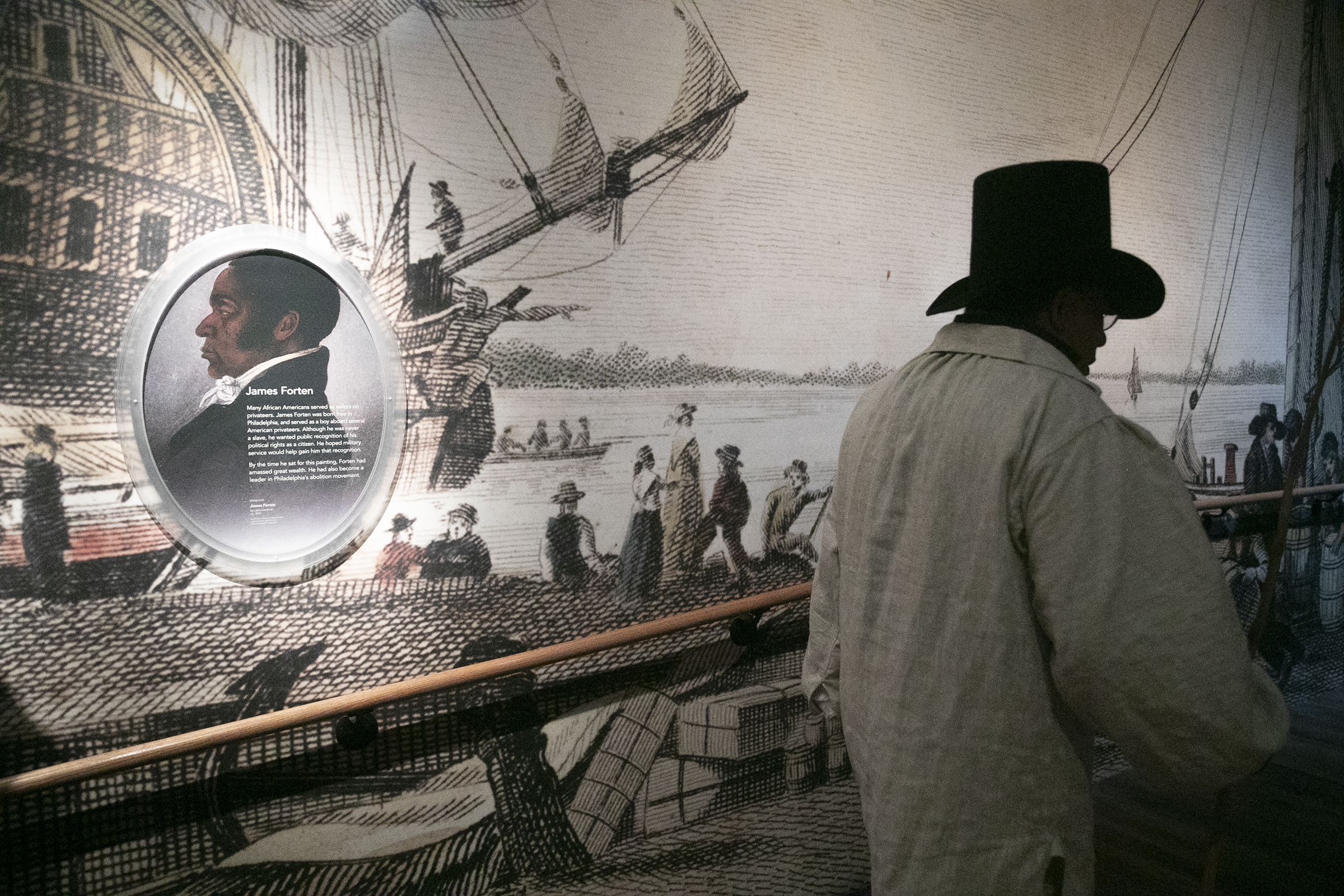
Noah Lewis, a historical interpreter portraying Black soldier Ned Hector who fought in the Revolutionary War, walks past a plaque dedicated to James Forten, an affluent Philadelphian and abolitionist from the Revolutionary period, at the Museum of the American Revolution on Wednesday, July 21, 2021. The museum has started a new program this summer, “Meet the Revolution,” where historical interpreters portray African Americans who were prominent figures in Philadelphia during the Revolutionary War.HEATHER KHALIFA / Staff Photographer
A gap in the archives
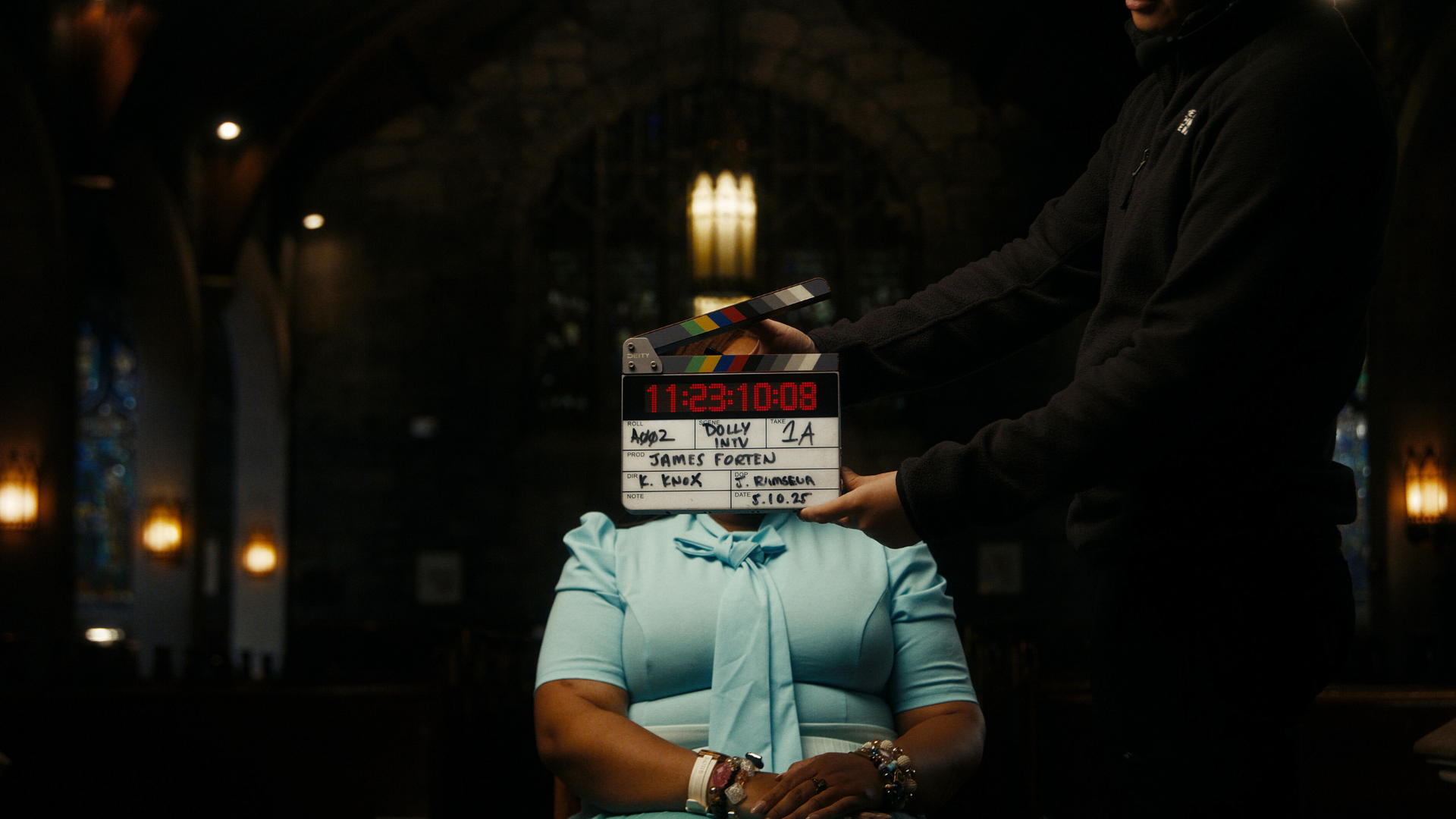
Knox said the documentary was among the most challenging projects she’s worked on, largely because of the limited archival images and materials available. Marshall’s involvement helped the filmmakers navigate those gaps and verify historical details.
An image of Forten the crew intended to use, for example, turned out to be a portrait of his oldest son, James Forten Jr.
“She made sure all the information out there was correct … to have a direct descendant really helped ensure there wasn’t any misinformation,” Knox said of Marshall.
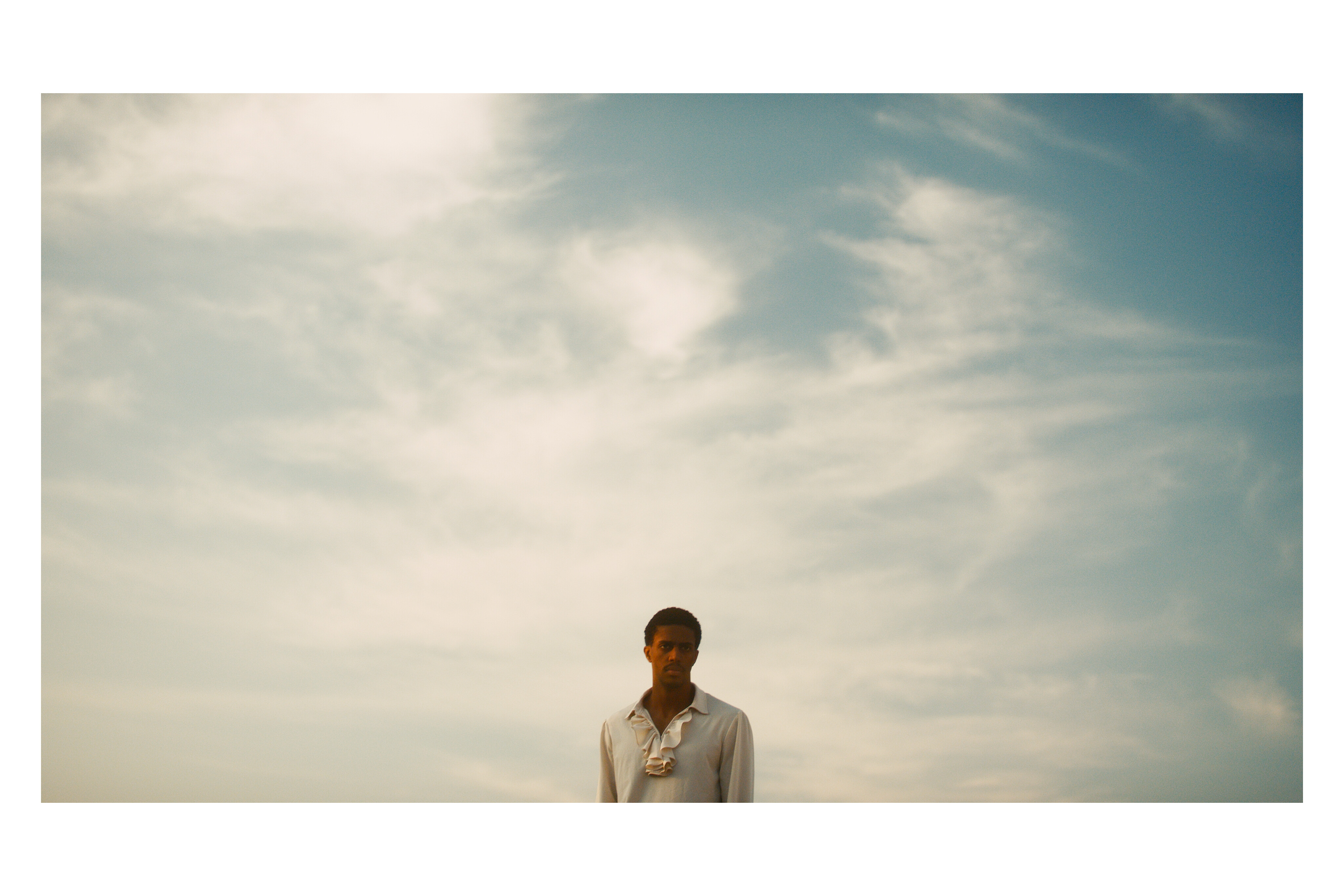
Actor Joe Henderson plays Forten in the reenactments. “We were super creative with this one,” Knox said.
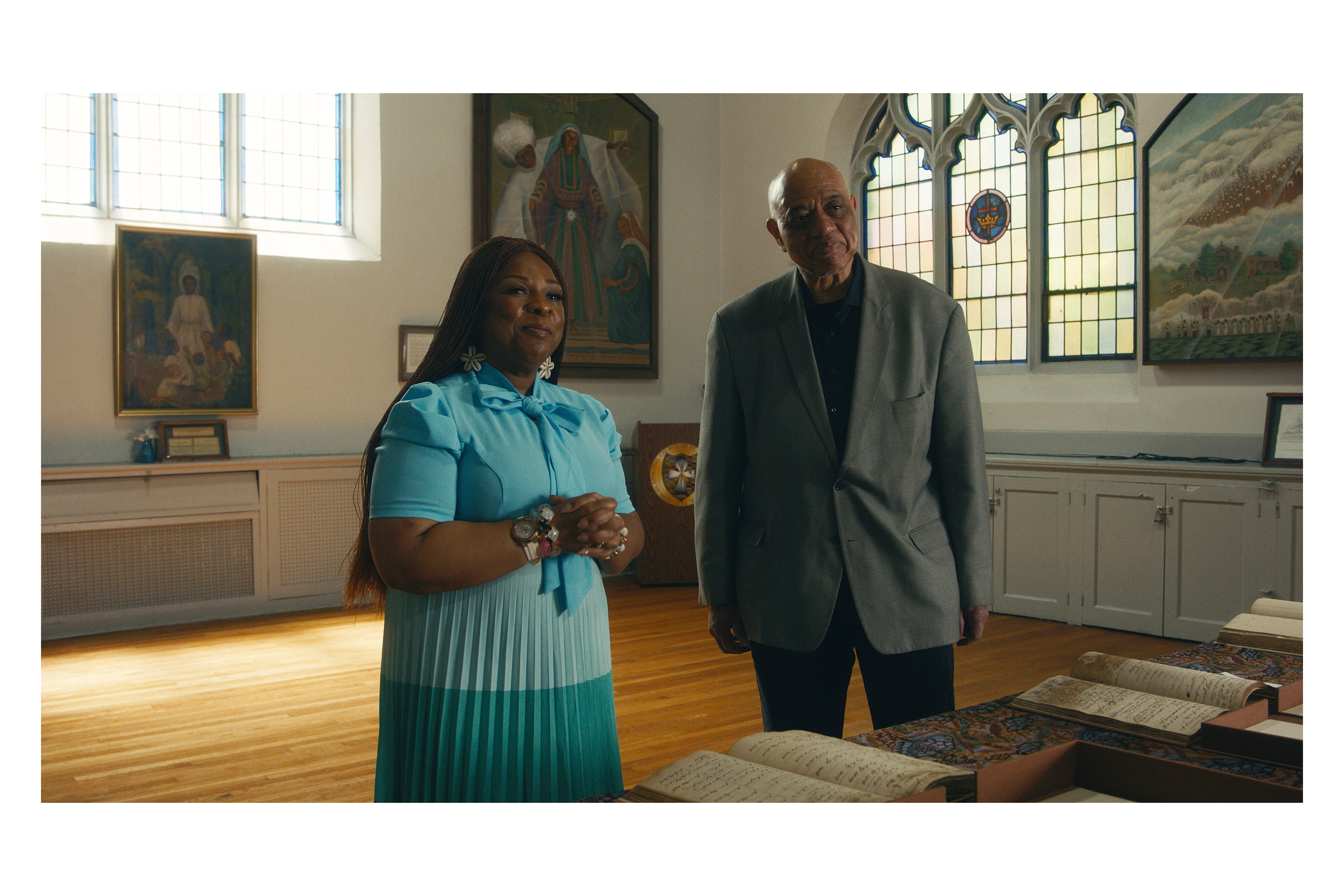
Among the interviewees is author Julie Winch, who has written several books on Forten. Marshall also shares an on-screen moment with Arthur Sudler, the director of Historical Society and Archives at the African Episcopal Church of St. Thomas.
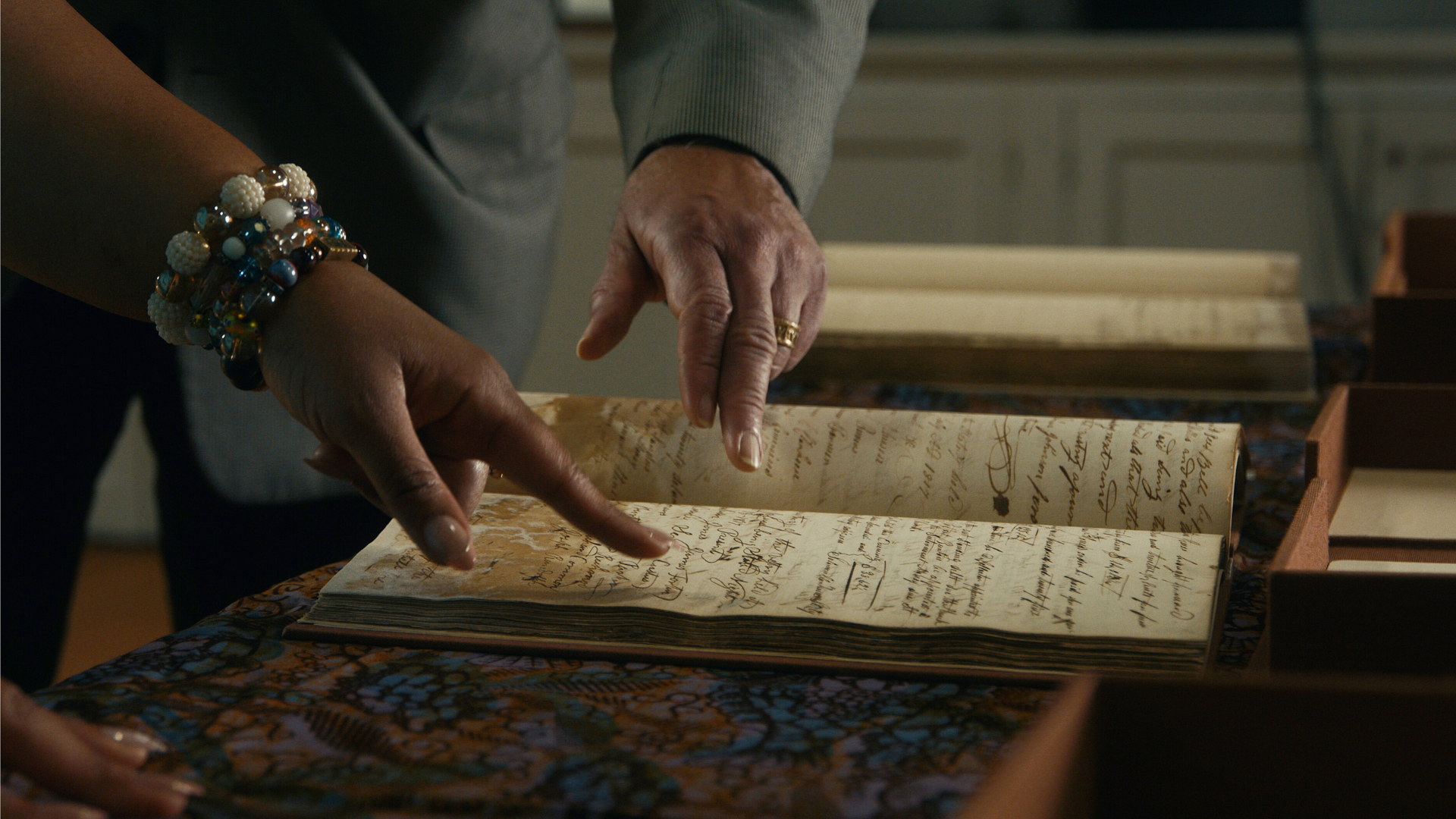
Sudler shared several documents signed by Forten with the film crew, too.
Even with an otherwise limited archive, Marshall said the team had a creative approach that “breathed life” into the centuries-old history while remaining faithful to her family’s legacy.
“I think people are going to be blown away,” she said.
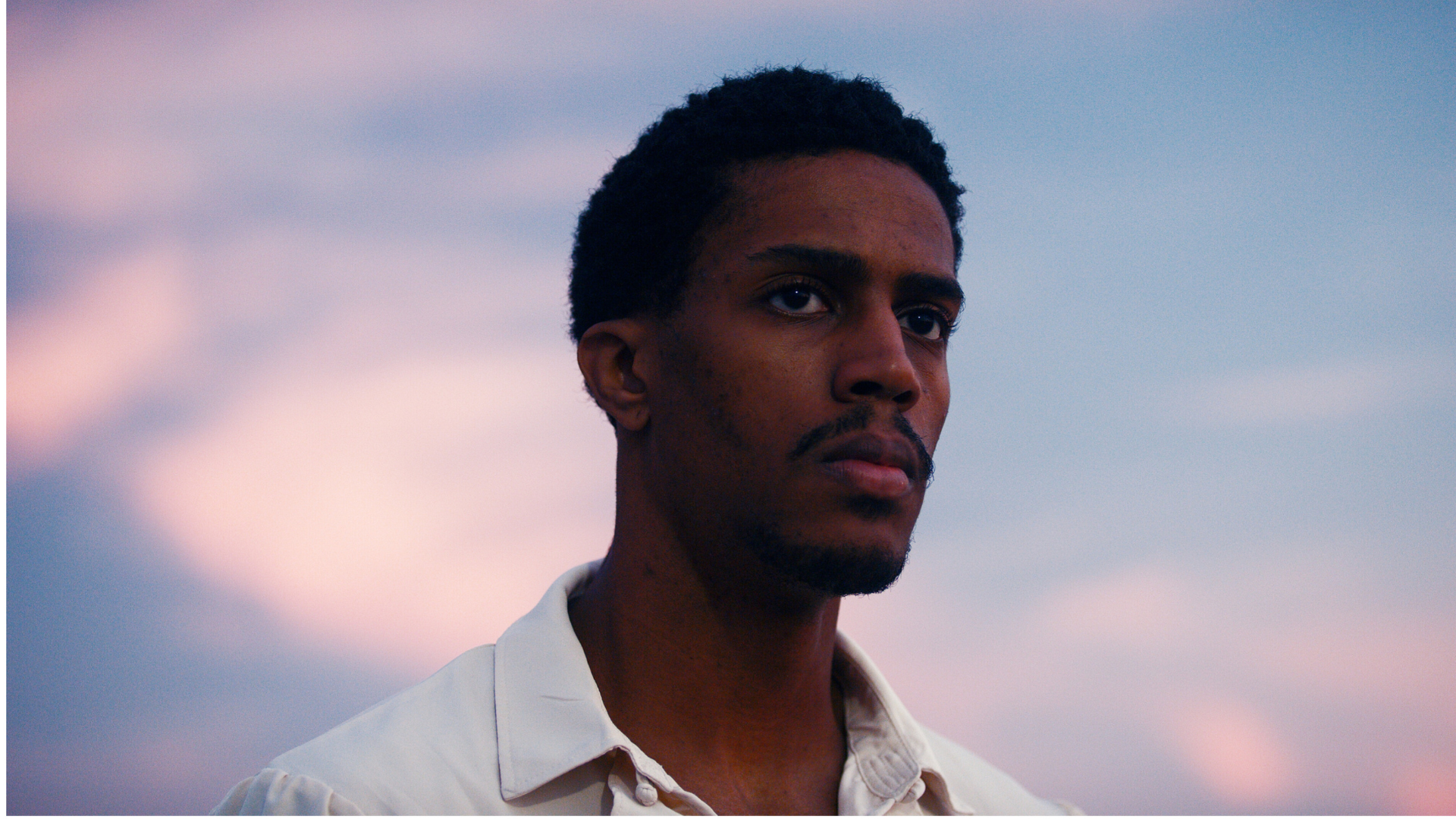
Actor Joe Henderson, who portrays American Revolution hero and abolitionist James Forten, is captured in an image.Courtesy of Big Picture Alliance and Jalen Ramseur-Williams
Marshall, who has served as a historical consultant on other Forten projects, said working on the documentary was “very meaningful” given the ongoing attack on Black American history and its teaching.
“There’s this ongoing battle of who gets to tell American history, and also what is American history,” Marshall said. “It was perfect timing how this came in alignment, and I’m excited to share this project.”
She believes Forten’s story can inspire viewers to become better stewards of civil rights and liberation.
“Everyone can do their part. Watch this film, learn more about Forten and the generations after him. That’s doing your part,” she said. “It’s important we empower each other by creating a just and equitable society.”
“Founding Further” screens Nov. 4, 6:30 p.m., Philadelphia Film Society Center, 1412 Chestnut St. Free but tickets required. filmadelphia.org
In Netflix’s newest season of Monster, an imaginative retelling of the case of Lizzie Borden, Lizzie and her maid bond over a book about the alleged 16th-century serial killer Elizabeth Bathory. Legend claims that this Hungarian countess, in a bid to preserve her youth, bathed in the blood of her virgin victims. In the show, Lizzie and her maid, enamored by this tale, recreate their own bloodbath with cherry juice.
Monster is only the latest pop culture rendition of Elizabeth Bathory’s notorious bloodbaths. Artists such as Paloma Picasso and Lady Gaga have taken a dip in stage blood, portraying the infamous countess. The trope has also turned up in everything fromThe X-Filesto Batman comic books, an Eminem music video and video games. For Halloween, one can even purchase Bathory costumes or miniature bloodbathing figurines.
Despite its enduring popularity, there is absolutely no historical basis for this legend (although Bathory herself was a real person). But the endurance of this myth reflects more deeply rooted and widely circulated stories that specific groups of people may be doing horrific things with the blood of young children. This unsettling legend has persisted not because it is based on true events but because it reflects anxiety about changing power dynamics, as norms around religion and gender shift and vacillate.
Countess Elizabeth Bathory, like so many of our cultural bogeymen, is a Protestant Reformation-era figure. In 1560, she was born into an ancient, illustrious family that was a rival to the mighty Hapsburgs. When she was widowed in 1604, and lost her older brother the following year, Countess Bathory inherited immense amounts of land. She had 17 castles under her control and, as regent for her underage son, served as lord-lieutenant of two prosperous counties.
At first, she was admired and well-respected. Over the next six years, however, she was suspected of treason, threatened by a Hapsburg general and clashed with fundamentalist preachers. In 1610, George Thurzo, the Palatine of Royal Hungary, launched a secret investigation exploring whether she was a vicious killer too. The Countess spent the last four years of her life imprisoned in one of her own castles, without ever being formally charged with any crime. She insisted upon her innocence throughout.
The accusations made against Bathory were that she “was very skilled in magic and sorcerer’s crafts,” in the words of one former servant, and, according to one of her administrators, that she spied on people with the aid of a supernatural pretzel. A pastor claimed that the Countess tried to kill people using enchanted baked goods and that she commanded an army of invisible demon dogs and cats. The other accusations—that she had tortured and murdered anywhere from 50 to 650 girls—earned her a Guinness Book of World Record designation as the “world’s most prolific female serial killer.” She was even said to have forced others into cannibalism. According to the Lutheran pastor John Ponikenus, “some of [these girls] were coerced to eat their own roasted flesh; others, young men, were served the flesh of virgins instead of mushrooms.”
As outrageous as all this was, these gruesome testimonies never made any mention of her bathing in blood.
Bathory’s legendary bloodbaths were tacked onto her story more than a century after her death by a Jesuit priest writing a travel guide. Father Laszlo Turoczi asserted that Bathory had been born a Catholic but had turned away from her faith toward Protestantism. This was patently untrue, as Bathory had grown up as a Protestant. Still, in his 1729 book, Turoczi claimed that heresy made the Countess unnaturally vain, even telling the tall tale that one day, while having her hair dressed, Bathory slapped a maid who pulled her hair. The maid’s blood sprayed across Bathory’s face. The Countess became convinced the blood had a rejuvenating effect and, according to Turoczi’s account, mused, “If a little bit of blood adds so much beauty, what might happen if I wash myself entirely with it?”
Father Turoczi’s embellishments were likely motivated not just by his desire to sell books, but by his prejudices against Protestants and women. His tale conveniently portrayed his religious enemies as depraved and cast powerful women as vapid. The priest depicted the Countess who ruled over vast tracts of land as simpering, “My foremost wish is to please a man.”
It was not just Turoczi’s intolerance and his misogyny, though, that appealed to readers and helped popularize such a tale.Stories of bloodbaths would have been vaguely familiar to most of his readers then, who were aware of accusations of blood libel that had been leveled against Jewish communities, and charges that folk healers were using babies’ blood and body parts in their ointments and salves. Audiences were also likely drawn to Turoczi’s tale because, at the time it appeared in 1729, reports of vampires had been spreading among the border regions of the Hapsburg lands, and such accounts were selling well.
This vampire panic fed a rumor that depraved aristocrats were doing terrible things with the blood of children, which links Father Turoczi’s tale with another conspiracy theory circulating around Paris about the new king, Louis XV: that he was bathing in the blood of children in an effort to cure his leprosy. Those charges were repeated a century later, in the 1860s, in Les Miserables by Victor Hugo, who mentioned the king’s “purple baths.”
In the 1750s, however, this bloodbath rumor led to actual riots. Thousands of Parisians took to the streets, smashing windows, attacking suspected kidnappers and searching for abducted children so they might save them before their blood was used for the king’s wicked ablutions.
Made By History sponsors. FOR USE ON MADE BY HISTORY STORIES ONLY.Inquirer Staff
Nearly three centuries later, the legend of the bloodbath persists in contemporary American politics in surprising ways. It is the basis for the alt-right accusations of Pizzagate (2016) and Frazzledrip (2018), conspiracy theories that Democratic Party officials were participating in child trafficking and ritual murder. It is also the cornerstone of adrenochrome theory, a belief, first popularized in QAnon chat rooms, that global elites kidnap children to harvest their blood for a particular chemical they need for their youth elixirs—or, in other words, that elites use the blood of children in an attempt to preserve their youth, exactly as a Jesuit priest once claimed about the aristocrat Elizabeth Bathory.
The creators of the current season of Monster say it is all about exploring “female rage,” and the series certainly frames Countess Bathory as a woman motivated by fury and vengeance. And yet, history shows us that the legend of Countess Bathory was molded by male fear. During her lifetime, Bathory was denounced by a witch-obsessed pastor. In death, she was exploited by a heretic-hunting priest. The rumors about blood-bathing aristocrats, and accompanying hysterias about stolen children, end up revealing less about their subjects and far more about their architects.
Made by History takes readers beyond the headlines with articles written and edited by professional historians. Opinions expressed do not necessarily reflect the views of The Inquirer.
Given Philadelphia’s long and rich history, ghouls and ghosts are part and parcel for the city.
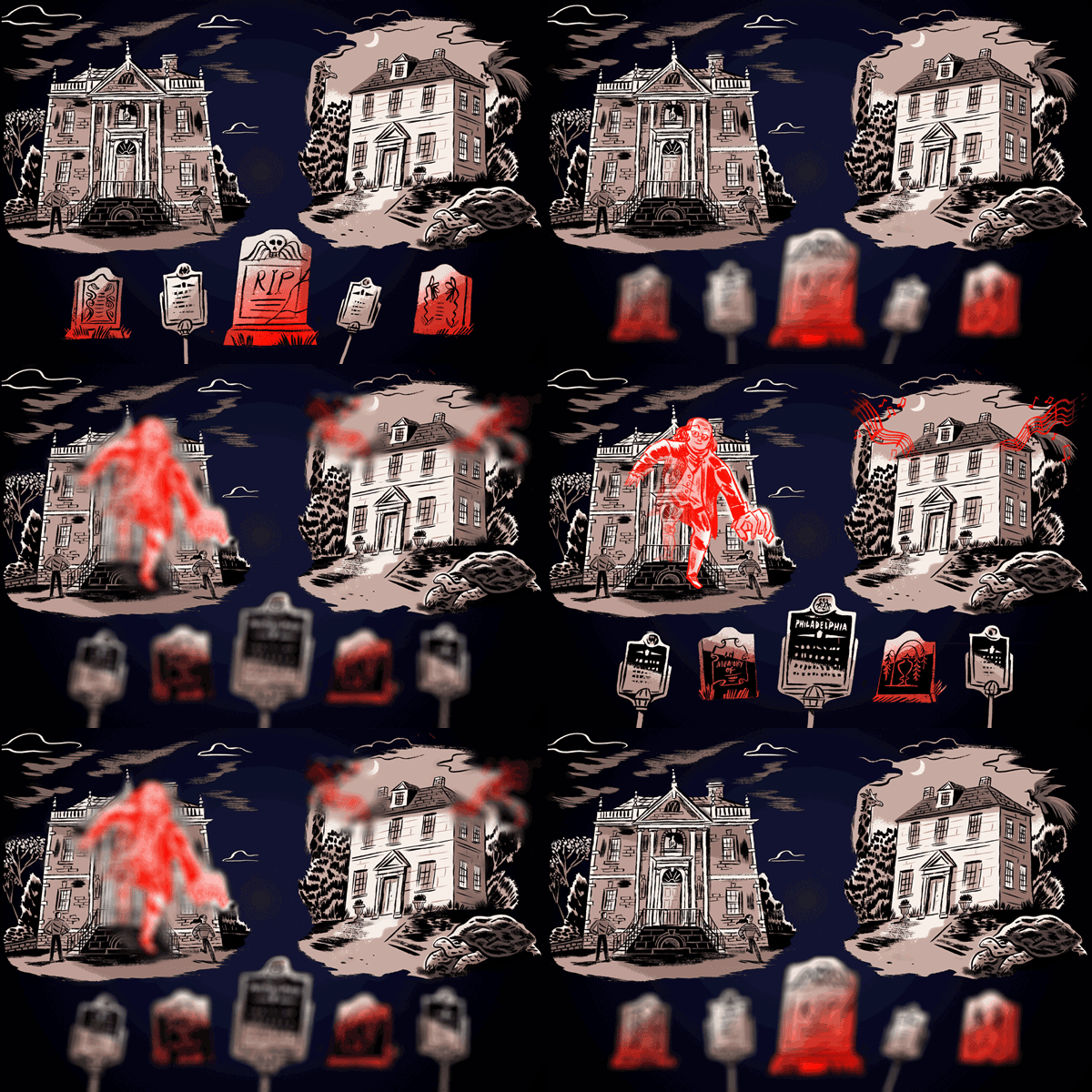
Is Benjamin Franklin’s ghost haunting Library Hall? That’s none of my business, thank you very much. However, I am drawn to the legend of Washington Square Park, a beloved bright, green space with a dark past.
We may frolic and enjoy lunch on a bench there today, but it was a burial ground in the 1700s. Frightening nighttime sightings have been reported among the trees since.
👻 Keeping it kid-friendly? Consider the Philadelphia Zoo’s Boo at the Zoo, the Morris ArBOOertum & Gardens, and spooky mini golf at Franklin Square from our events roundup.
Beyond Philadelphia
Cones on pine trees along the Batona Trail.TOM GRALISH / Staff Photographer
The outdoorsy app AllTrails highlighted some “terrifying” trails to explore, including two in Pennsylvania and New Jersey:
🥁 The Billy Yank Trail and Devils Den at Gettysburg National Military Park have seen reports of ghosts, including a barefoot soldier and the sound of a beating drum in the trees at dusk. A state tourism official and self-proclaimed skeptic told The Inquirer she swears she saw a ghost herself in Gettysburg.
😱 The Apple Pie Hill Fire Tower via Batona Trail in the Wharton State Forest is located at the edge of the Pine Barrens, aka the home of the Jersey Devil. The persisting, scary legend traces back to the 18th century, and caused a mass panic around Philly.
News worth knowing
A 48-foot-tall pile of industrial waste in Port Richmond is finally getting cleaned up. The Inquirer’s environmental reporter Frank Kummer explains the cleanup process.
The Climate Prediction Center recently issued its annual winter forecast. Snow totals are up in the air, but forecasters say to expect a mighty strange winter in Philly.
🌳 Your outdoorsy experience
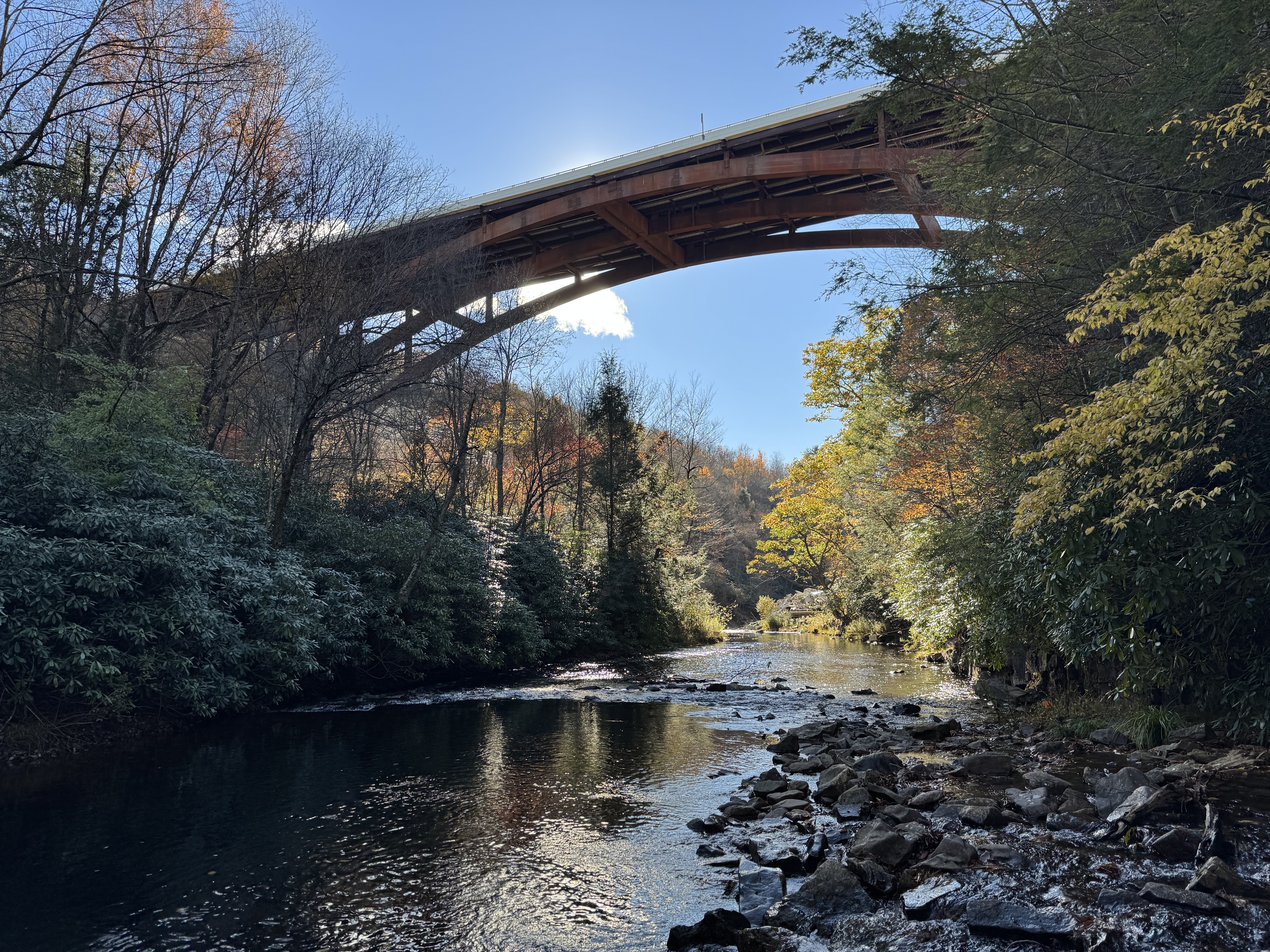
View along Hawk Falls Trail in Hickory Run State Park.Chloe Pantazi-Wolber
Here’s my colleague Chloe Pantazi-Wolber on a recent fulfilling family adventure in the wild:
My 2-year-old, Nico, almost always requests a “ride” to avoid walking outside. If our toddler isn’t in his stroller, my husband and I are constantly carrying him, including on the few hikes we’ve taken as a family.
But it was a different story when we set out to see Hawk Falls on a recent weekend in the Poconos. We stopped along the trail in Hickory Run State Park to admire the 25-foot waterfall (in the company of a few other leaf peepers), take in the scenery, and snap a family photo. Nico was somewhat interested in the falls, but mostly explored the stones and dirt. And when it was time to turn back, to our surprise, he started walking with us! He took his time, treading cautiously over uneven ground and mud — it was a sunny, crisp day, but had rained heavily the night before — and started running at one point, excited to scoop up leaves and rocks (and more dirt).
It was lovely to see him enjoy nature, and find confidence in his footing on tricky terrain. A delightful end to a trip celebrating our 10-year wedding anniversary.
Delightful. Thank you for sharing with us, Chloe.
📮 Email me, dear reader: What are you doing in nature these days? Send me your story (with a photo, if you have one), and you may see it featured here.
Philadelphia-area residents heading to fall harvest events may find new things to pick this year as farms diversify their crops.
Farmers are finding creative ways to cope with the spring frosts that decimated many mid-Atlantic fruit tree harvests — including apples, a fall-picking classic.
“Growers across the state are pivoting their fall on-farm and at-market activities to include more pumpkins and sunflowers this year,” Carla Snyder, a Penn State Extension program manager in agriculture, wrote via email. — Jess Rohan
In related news: Gov. Josh Shapiro and other officials recently announced Pennsylvania’s first strategic plan for agriculture in an attempt to help farms survive economic hurdles.
🛰️ A livestream: I’ve been enjoying this peaceful feed that lets you watch Earth live in 4K from space. It’s a camera system mounted on the International Space Station as it orbits the planet. (It’s also a live channel on Prime Video.)
⚰️ A discovery: Philadelphia’s Wissahickon Park is apparently home to a Roman sarcophagus.
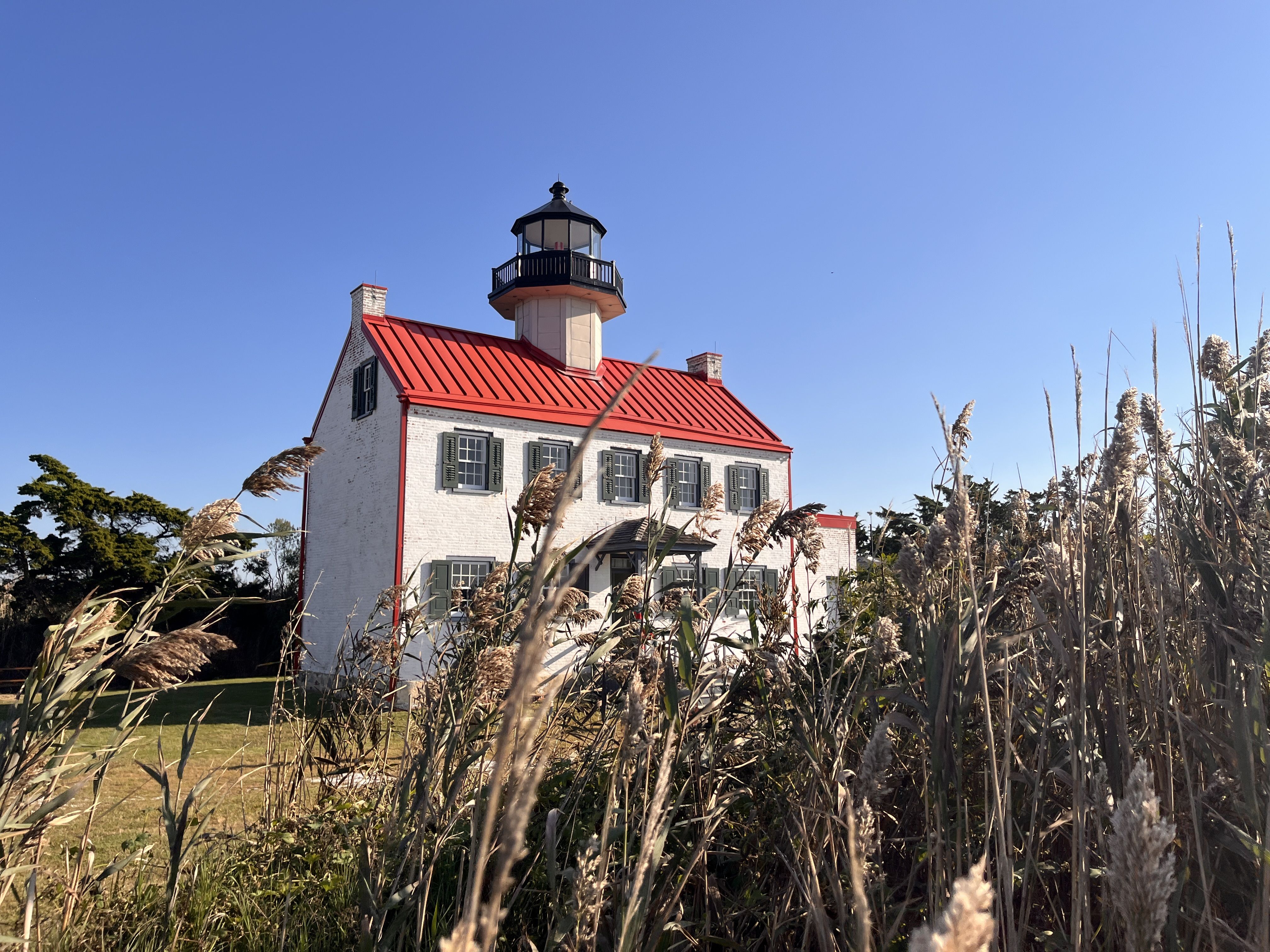
It’s located along a key migration path for horseshoe crabs and monarch butterflies. One of New Jersey’s oldest lighthouses, Maurice River Township Mayor Ken Whildin said it was “not only a beacon of light, but it’s also a beacon of hope.”
👋🏽 We “fall” back in time on Sunday. Don’t forget to change your clocks.
By submitting your written, visual, and/or audio contributions, you agree to The Inquirer’s Terms of Use, including the grant of rights in Section 10.
As the nights grow longer and spooky season arrives, what better time to reignite the long-standing rivalry between Jersey and Philly?
Inquirer reporters set out to find the spookiest sites, myths, and festivities on each side of the Delaware.
From Eastern State Penitentiary, where Al Capone once did time, to the Jersey Devil roaming the Pine Barrens, there are plenty of historic haunts. For a more family-friendly Halloween, catch a movie at the Delsea Drive-In in Vineland or grab a Wawa Spooky Sip. Whatever your tolerance for fright, there’s something for every kind of thrill-seeker in Philly and South Jersey.
story continues after advertisement
Cutest, Most Philly
CATS NAMED SHADOW – The most popular cat name in Philly.
FIREBALL WHISKY – This cinnamon, whiskey-based liqueur sees the biggest spike in sales on Halloween at Philly’s Fine Wine & Good Spirits stores.
WAWA’S SPOOKY SIPS – A seasonal offering based on the classic dirt cup, a popular ’90s dessert made with Oreo crumble, pudding, and gummy worms.
HOUND-O-WEEN – Philly’s biggest dog costume contest, which takes place in Northern Liberties.
PEANUT CHEWS – A classic Philly candy developed in 1890 by David Goldenberg at his candy store on Frankford Avenue.
GRITTY – The seven-foot, orange, fuzzy creature was pulled from the bowels of the Wells Fargo Center in 2018 and has haunted rivals ever since.
CHRYSANTHEMUM FESTIVAL AT LONGWOOD GARDENS – Catch some beautiful displays of meticulously curated chrysanthemum blooms from Oct. 16 to Nov. 15.
AWEBOT – The Ministry of Awe, a local interactive art collection, built this robot fever dream as a response to the Uber Eats delivery robots roaming around the city.
Julia Duarte / Staff Illustration, Photographs by The Inquirer, Getty, AP
Cutest, Most South Jersey
SPIRIT HALLOWEEN – Scrambling for a last-minute costume? You’ll find more Spirit Halloween stores on the Jersey side, or even a Spirit Christmas store if that’s more your thing.
SALTWATER TAFFY – Legend has it, saltwater taffy was named after an Atlantic City candy stand flooded with ocean water.
ASBURY PARK ZOMBIE WALK – Watch the slow shuffle of zombies process down the boardwalk.
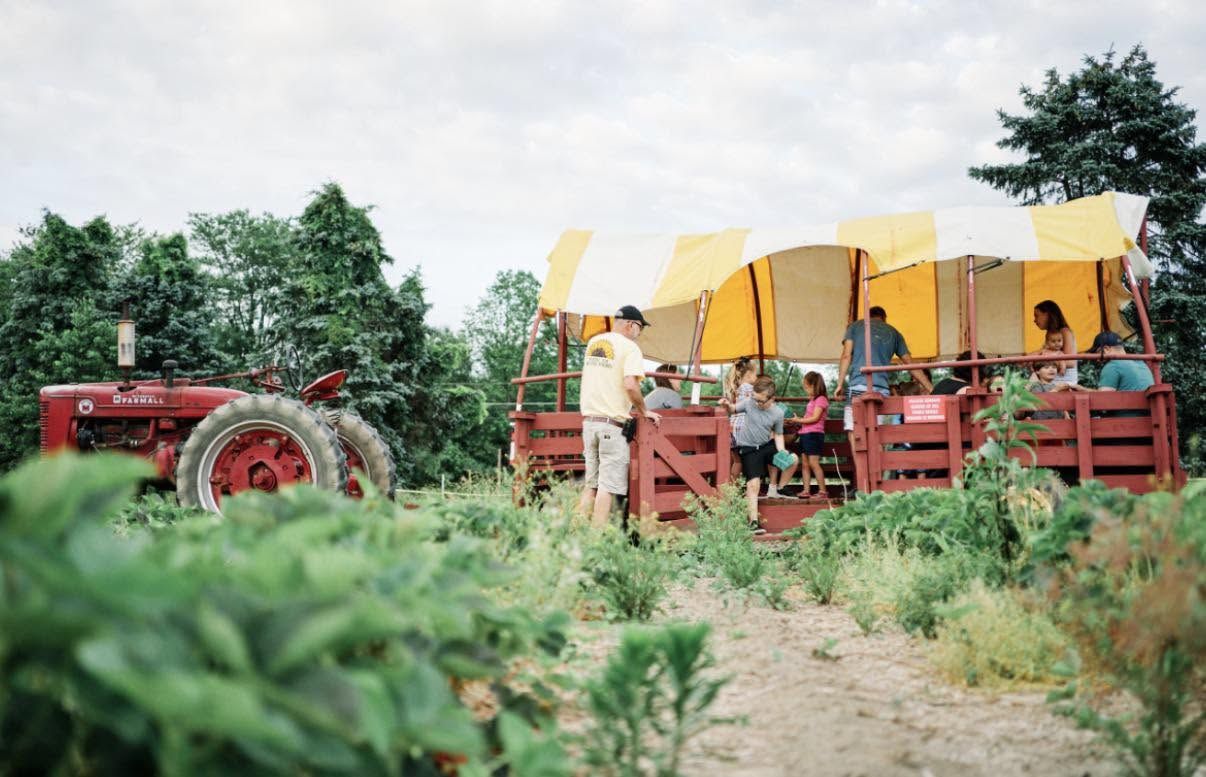
THE DIGGERFEST FALL FESTIVAL – Family-friendly weekends throughout the fall feature Dig or Treat, a parade of heavy machinery and hayrides.
JERSEY SHORE CAST GROUP COSTUME – Break out your most outrageous Y2K outfit and get ready to Gym Tan Laundry.
DELSEA DRIVE-IN MOVIE THEATER – The only drive-in movie theater in the region is located in Vineland, N.J.
BIRD-WATCHING – Fall is the best time for bird-watching in South Jersey as raptors, shorebirds, and neotropical songbirds pass through key spots like Cape May Point State Park.
Julia Duarte / Staff Illustration, Photographs by The Inquirer, Getty, AP
Spookiest, Most Philly
SPROUTS PHANATIC – The fall display outside Sprouts Farmers Market on Broad Street gives new meaning to uncanny valley.
THE PHILADELPHIA EXPERIMENT – A conspiracy theory from the 1940s alleging the U.S. Navy teleported the USS Eldridge from Philadelphia to Virginia.
H. H. HOLMES – America’s first serial killer was convicted and executed in Philadelphia.
EASTERN STATE PENITENTIARY – The historic prison attracts a quarter of a million visitors each year to its haunted halls.
WITCHCRAFT TRIALS – Two women were tried and found guilty of having a witch’s reputation in the 17th century. Gov. William Penn himself attended the trial in present-day Delco.
EDGAR ALLAN POE – Poe called Philly home when he wrote two of his scariest tales: The Tell-Tale Heart and The Black Cat.
PHILLY’S WANDERING BUS – A supernatural SEPTA bus drives across the city looking for riders in deep despair.
BETSY ROSS HOUSE – Legend has it, people have claimed to hear the ghost of Betsy Ross sewing and crying in some of the rooms.
FORT MIFFLIN – Infamously known as one of the most haunted sites in the U.S., this is the Revolutionary War siege site of several alleged famous ghost sightings including the faceless man, screaming woman, and the man by the fire.
‘THE SIXTH SENSE’ – This M. Night Shyamalan horror classic was filmed throughout Philadelphia.
Julia Duarte / Staff Illustration, Photographs by The Inquirer, Getty, AP
Spookiest, Most South Jersey
NIGHT OF TERROR / CORN MAZE AT CREAMY ACRES FARM – The state's largest Halloween park with haunted mazes, a haunted hayride, and zombie paintball.
WILDWOOD’S WALL OF DEATH – A historic carnival stunt promising “chills” and “spills” with motorcycles circling a vertical wooden enclosure.
MISCHIEF NIGHT – An infamous night when prankers throw eggs and TP (toilet paper) houses.
ABSECON LIGHTHOUSE – Located in Atlantic City, visitors have reported ghostly sightings and mysterious sounds through the winding stairwell.
THE JERSEY DEVIL – The mythical creature that roams the Pine Barrens.
BURLINGTON COUNTY PRISON – This stone and brick fortress has loomed over Mount Holly since 1811.
THE ATCO GHOST – There have been sightings of the ghost of a young boy chasing a basketball on Burnt Mill Road in the Pine Barrens.
‘WAR OF THE WORLDS’ – When this Halloween episode aired, listeners who tuned in late and missed the initial disclaimer caused widespread panic after thinking an alien invasion actually happened in West Windsor, N.J.
SIX FLAGS FRIGHT FEST – Six Flags Great Adventure hosts an annual Halloween-themed festival filled with spooky events and thrilling scares until Nov 1.
Julia Duarte / Staff Illustration, Photographs by The Inquirer, Getty, AP
story continues after advertisement
Staff Contributors
Design: Julia Duarte
Development: Julia Duarte and Lizzie Mulvey
Data: Lizzie Mulvey
Editing: Suzette Moyer and Stephen Stirling
Copy Editing: Ann Applegate
Subscribe to The Philadelphia Inquirer
Our reporting is directly supported by reader subscriptions. If you want more journalism like this story, please subscribe today
The sudden closing of the museum of the Academy of Natural Sciences of Drexel University was driven, in part, by a budget deficit, various leaders have said in the almost-two months since the decision was made to shutter the nearly two-century-old museum.
How big is that deficit? Two very different figures were presented in a City Council hearing this week focusing on the closure of the Academy’s museum.
“Last year, the Academy’s public programs cost $7.7 million but brought in only $3 million in revenue,” resulting in a $4.4 million deficit, said Melissa Richman, Drexel’s executive director of operations, who testified Monday about the university’s support of the Academy over the years.
But with that number, Richman was referring to the total amount listed on the Academy’s tax return that went to “public education” — which encompasses not just the museum itself, but also its educational programs.
In fact, looking at the deficit for just the museum, in fiscal year 2025, the shortfall came to less than $1 million, according to testimony Monday from Academy board chairperson Suzanne Biemiller. Academy financial documents obtained by The Inquirer showed estimated expenses of $3.66 million and revenue of $2.7 million, resulting in a $960,000 deficit.
Nonprofit experts contacted by The Inquirer said that’s a relatively small gap to cover. “Given their donors, their legacy in the community, and the loss to the city, a raise of the amount would be something they could do on a Friday afternoon,” said arts consultant Nancy Burd.
The William Penn Foundation has offered to cover the amount Drexel has been contributing toward the museum for about a year while a long-term solution could be studied. Drexel has neither accepted nor rejected the offer, and while the university has said it is open to discussions with the foundation, no talks have happened, a foundation spokesperson said.
City Councilmember Jeffery Young, Jr. (left) rips up a statement from deputy mayor Patricia Wellenbach at Monday’s City Council hearing.Tom Gralish / Staff Photographer
Among the programs Drexel is counting in its larger deficit number quoted by Richman: a collaboration with Drexel’s Robert and Penny Fox Historic Costume Collection for an exhibition called “The Ecology of Fashion;” support for the Watershed, a climate resilience hub in Germantown in partnership with Mural Arts and the Philadelphia Water Dept.; the Academy education department’s programs for lifelong learning and lessons for students at Friends Select School; and work with Mantua Civic Association, Sloan Street Community Garden, and Lankenau and Olney high schools.
Drexel spokesperson Niki Gianakaris confirmed that the $7.7 million budget number cited in testimony “encompasses a full range of public activities, rather than the operation of the museum’s galleries alone.”
“The differing financial figures presented at the recent City Council hearing underscore the importance of understanding the full cost of the Academy’s public programming,” said Gianakaris, who added that the “operational imbalance, coupled with capital needs” contributed to the “difficult decision” to close the museum.
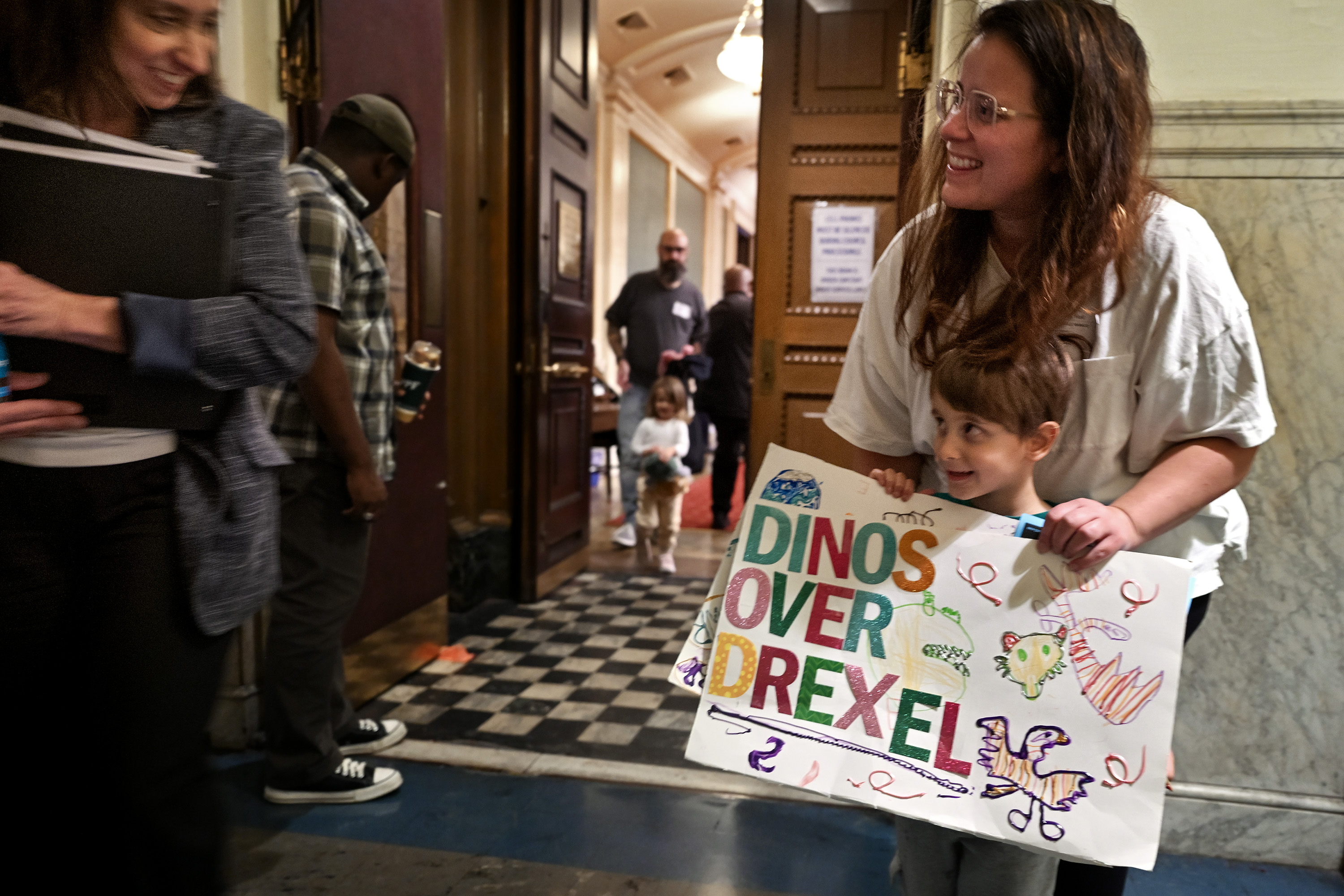
Leaving chambers, councilmember Rue Landau (left) pauses to see Augustus Mango, 5, and his mother, Marriele Mango, after they testified during City Council hearing Monday.Tom Gralish / Staff Photographer
“The museum can certainly be operated independent of community-located programs,” said Academy spokesperson Christine Reimert.“In fact, Drexel’s public education figures also include the 50-year-old Women in Natural Sciences high school program, which was consistently fully funded but was spun off as a separate organization in the spring of 2026 at Drexel’s insistence. All of this supports the need to have an independent financial analysis and feasibility study completed so that decisions can be made based on a single set of accurate numbers.”
Still, more than one City Council member at Monday’s hearing sounded astonished by the relatively small amount it would take to fund a reopening of the museum to five days per week. When asked that question by council members,Biemiller, the Academy chairperson, again cited the figures from fiscal year 2025 — $3.6 million in costs, offset by $2.7 million in revenue.
Said Councilmember Jeffrey Young Jr.: “We have a $7 billion budget [for the entire city] and we contribute millions of dollars to other cultural institutions in the city. I think that’s something that was very, very doable,” said Young.
Inside a former Forever 21 store is one of Philadelphia’s more unusual Halloween attractions.
Halloween House Philly is housed in the heart of the Fashion District, just below Round1 Bowling and Arcade.
After following a cobweb-covered path to the first of 14 horror-themed rooms, visitors are transported into a world that feels light-years away from clothing stores and food court vendors.
Guests make their way through a series of detailed spaces filled with glowing fixtures and creepy figures, including ghosts, skeletons, and familiar characters like Jack Skellington, Chucky, and Michael Myers.
Several rooms pay direct homage to Hollywood classics like Beetlejuice and The Nightmare Before Christmas.
The Beetlejuice Illusion Room has angled floors, tilted images, piercing lights, and monsters that look like they were plucked straight from the film’s Netherworld. In the Halloweentown room, Jack Skellington rules as the Pumpkin King, overseeing the moonlit decorations surrounding the Christmas trees.
The other rooms have the same haunting feel and attention to detail. The path winding through the former clothing store offers a few surprises, too. Along with plenty of photo opportunities, there are carnival games between the rooms, including a version of Jeopardy for up to three players.
There are no actors roaming the halls or jump scares waiting around corners. But Halloween House Philly still delivers an immersive experience, especially for visitors who want the spooky atmosphere without being terrified.
And if you’re looking for something a little scarier this Halloween weekend, Philly has plenty of options. From haunted prisons and horror movie screenings to trick-or-treating and Día de los Muertos celebrations, there’s no shortage of ways to spend the holiday.
Where to take the kids trick-or-treating this Halloween
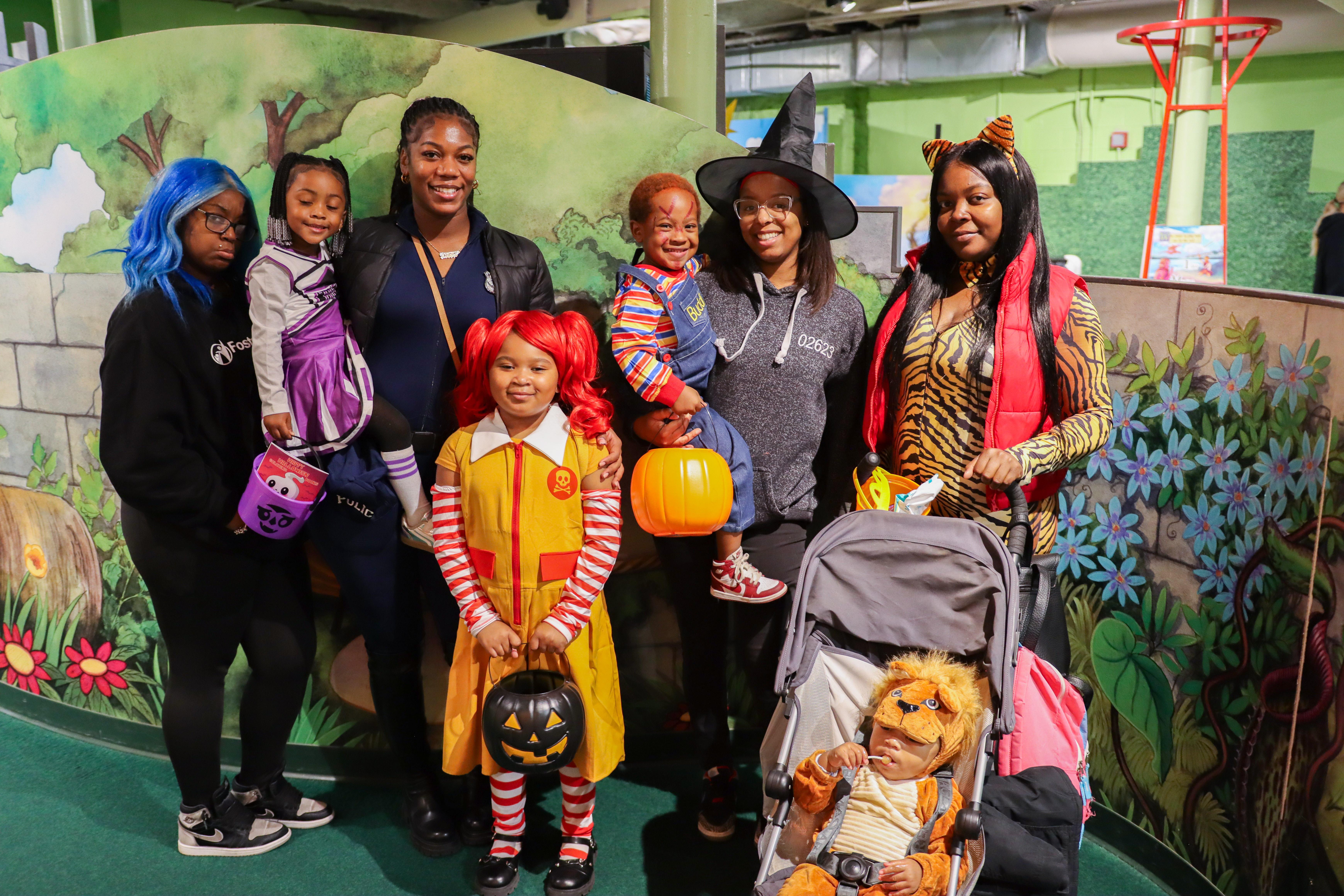
The Please Touch Museum offers a sensory-driven Halloween experience for young guests, including trick-or-treating, slime-making stations, and other activities.Courtesy of Please Touch Museu
What’s Halloween without costumes and plenty of candy?
There will be plenty of places for young Halloween lovers to fill their buckets this week.
On Friday, guests are invited to Trick-of-Treat Night at Elmwood Park Zoo, where sweets and views of the animals are included with each ticket.
On Saturday, the Philadelphia Zoo will open its doors for Boo at the Zoo, offering candy, mini golf, a costume parade, a peek at small critters, and a dance party at the Trick-or-Tree House.
The spooky fun continues this Halloween weekend at sites like Sesame Place, Peddler’s Village, and South Street. There will be costume parades, scavenger hunts, and candy-filled strolls along themed trails from Friday through Sunday.
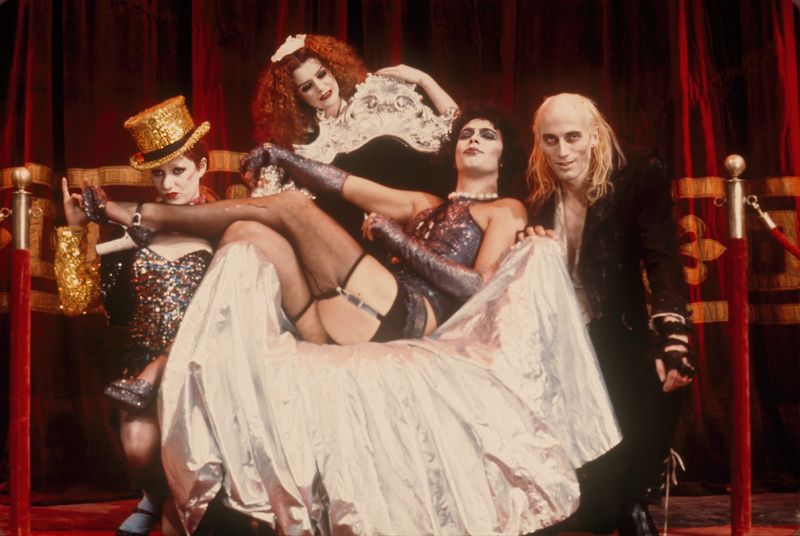
Fran-N-Furter (Tim Curry, center) with his minions Columbia (Nell Campbell), Magenta (Patricia Quinn) and Riff Raff (Richard O’Brien) in “The Rocky Horror Picture Show.”Disney
🍎 Take a savory sip of cider: Philly Cider Week has returned for its eighth year. Bask in flavorful ciders made from Pennsylvania-grown apples through Sunday.
🎉 Halloween doesn’t have to be at night: Pull up to Broad Hall for costumes and curated music on Halloween. Philly’s own Diamond Kutz will host the Halloween Day Party from 5 to 9 p.m. on Saturday.
👻 Looking for a real scare? From the haunted halls of Eastern State Penitentiary to the terrifying attractions at Fright Factory and Lincoln Mill, there are plenty of places around Philly to test your nerves. Check out our guide to haunted houses and attractions in the region.
🧟 Time for a Time Warp: Stop by Silk City for a rock ’ n ’ roll twist on the cult classic, The Rocky Horror Show, on Friday. Local band BARS will headline a special performance dedicated to the late Tim Curry.
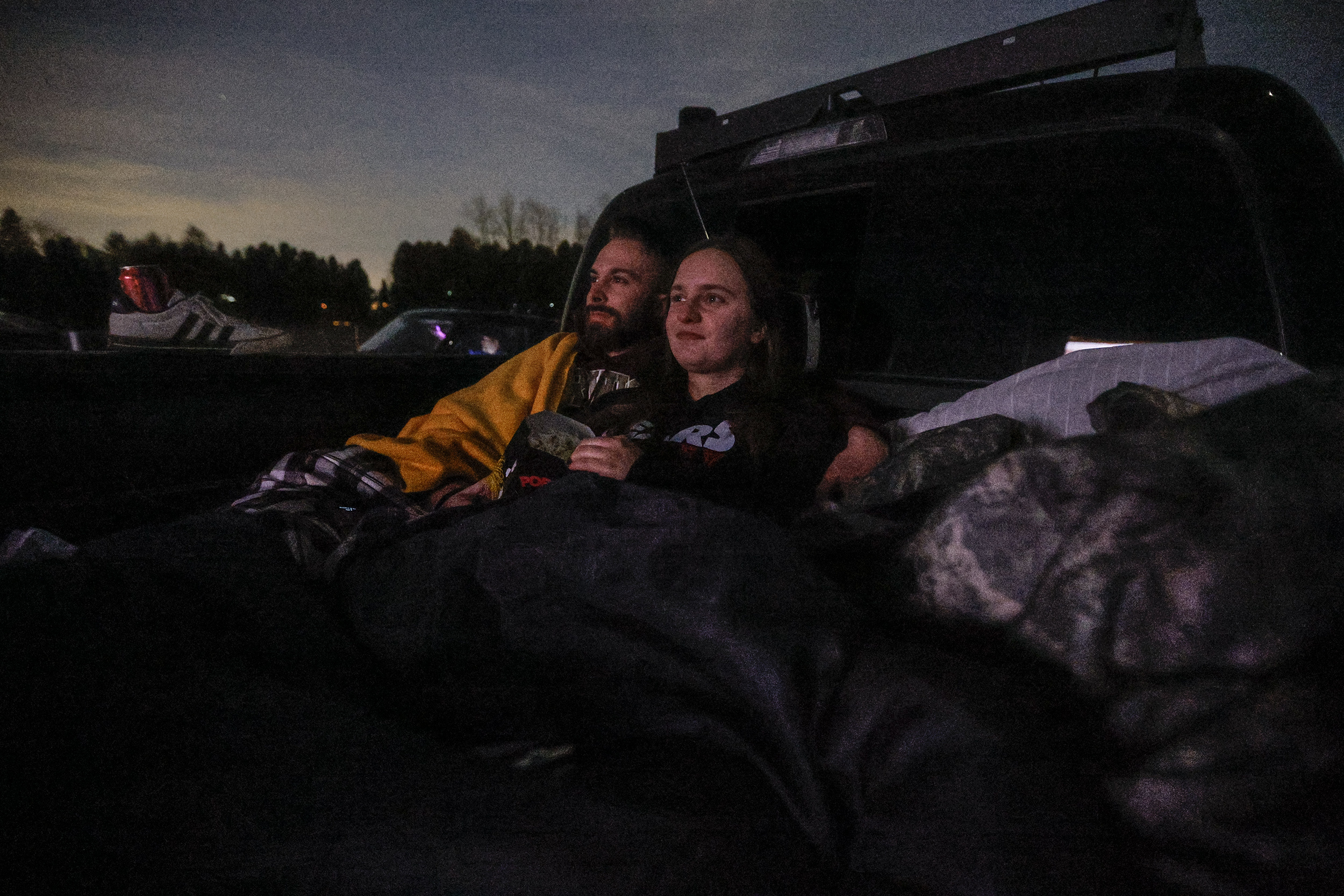
Sitting in the back of a pick-up truck Dustin Roberts left and Ashlyn Rimsky from Walnutport watch the movie Leprechaun playing at the Shankweiler’s Drive-In, near Allentown, in Orefield, PA, was the second drive-in built in the U.S. (Camden was first). On April 13, the drive-in will celebrate its 90th anniversary. Friday, March 15, 2024.Steven M. Falk / Staff Photographer
Catch your favorite horror flick on the big screen.
From outdoor screenings to a movie night in a graveyard garden, there are plenty of places around Philly to watch Halloween classics this week.
Head down to South Philly for a free double header. Stateside Live! will screen Hocus Pocus and Halloween at the Coors Light Stage. Guests can enjoy snacks and a front-row seat on the lawn.
Head to Jet Wine Bar on Thursday for the bar’s final Frights & Delights movie screening. The monthlong celebration ends with 2010’s Insidious in the graveyard garden.
Roll up to Neshaminy Creek Brewing Co. in Croydon on Thursday for a showing of 1988’s Halloween 4: The Return of Michael Myers. There will be food trucks, a pop-up video store, and other offerings in the Fear Garden.
Fall fun this week and beyond
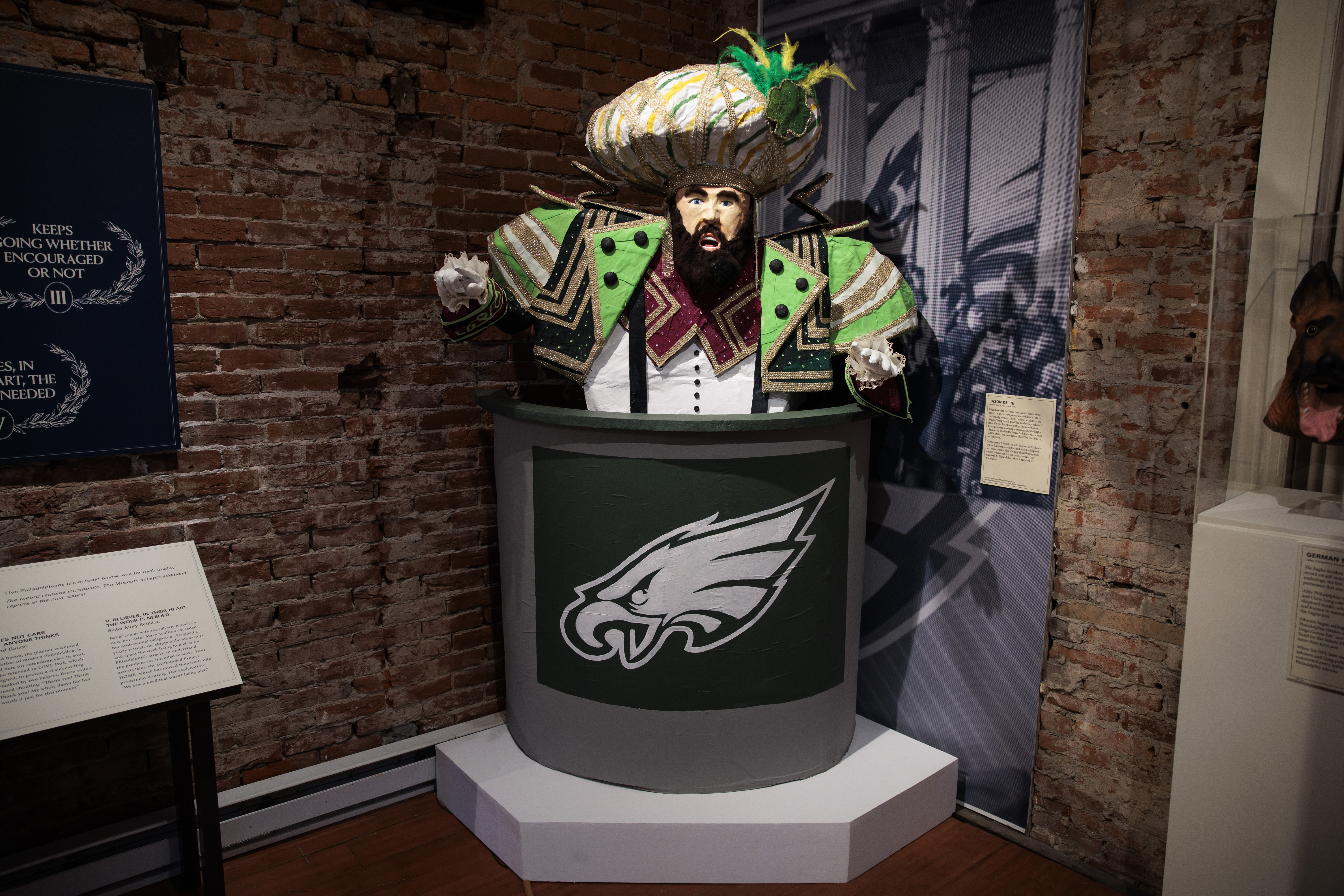
A papier mache Jason Kelce featured in his Mummers costume from the 2018 Philadelphia Eagles Super Bowl parade at the Museum of the Philadelphian on Tuesday, Sept. 22, 2026 in Philadelphia. The Museum is located at 454 East Girard Ave in Fishtown. Visitors can make a free timed reservation online.Monica Herndon / Staff Photographer
🍽️ A food festival with some unexpected pairings: What happens when 12 of Philly’s best restaurants team up to create dishes you won’t find on their regular menus? At The Inquirer Food Festival on Nov. 14, you can try spicy fried chicken with pumpkin curry over fries, a lamb belly banh mi, and smoked trout dip with crispy injera. The event is nearing sellout, so grab your tickets soon.
🖌️ A museum for and by Philadelphians: Stop by the Museum of the Philadelphian, a free micro-exhibition dedicated to the city’s cultural treasures, before it closes Sunday.
🏈 A week for Historically Black Colleges and Universities: Through Saturday, tune into One Philly HBCU Week. The citywide celebration includes a matchup between Delaware State and Norfolk State at Lincoln Financial Field. The teams are coached by former Eagles DeSean Jackson and Michael Vick, respectively.
💀 Día de los Muertos continues in South Philly: The spirit of past loved ones and the work of artists such as Ivette Chaires will fill Philadelphia’s Magic Gardens Museum as part of El Día de los Muertos Ofrenda. The Mexican tradition continues through Nov. 8.
Staffer picks
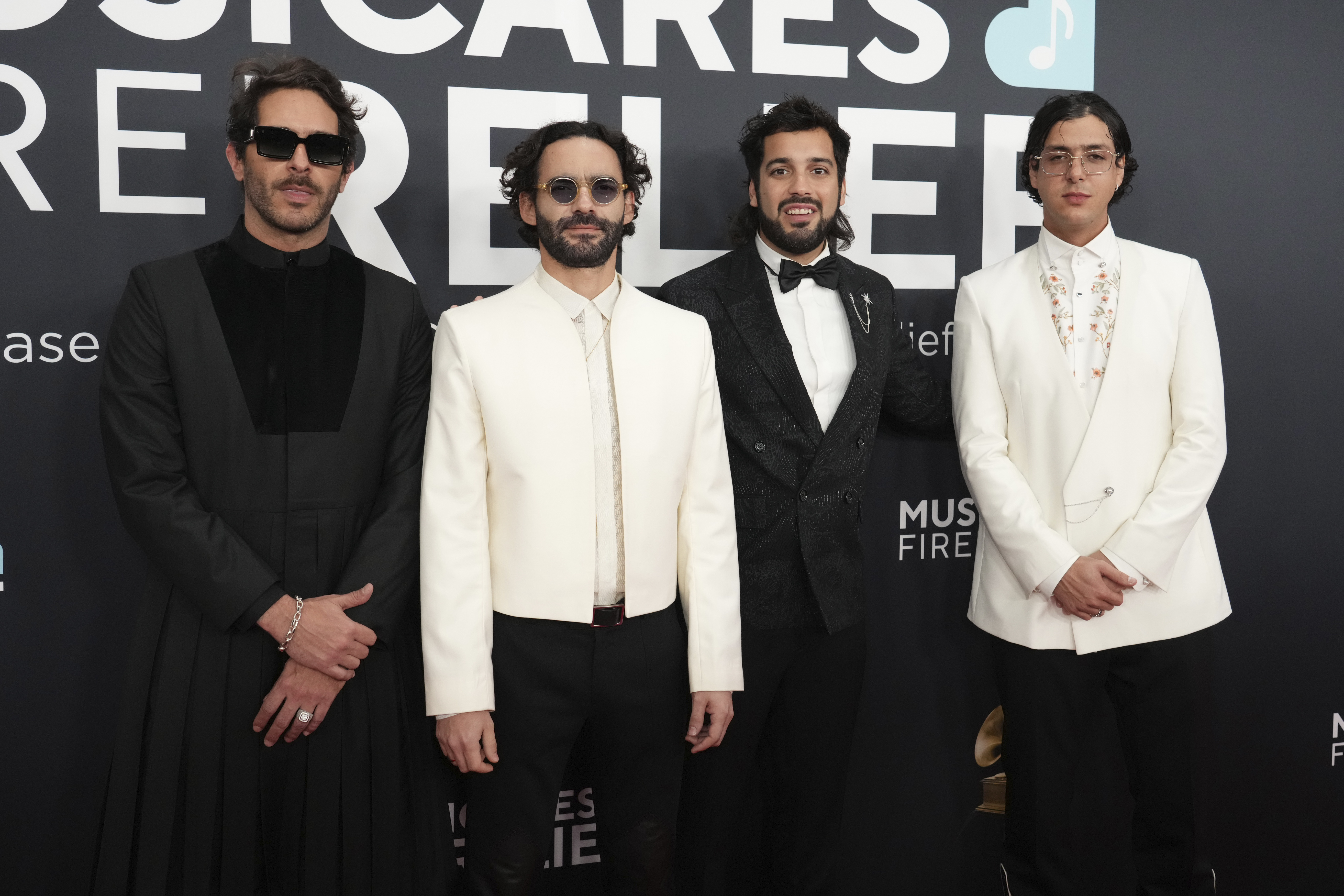
Alejandro Abeijon, from left, Andres Story, Antonio Casas and Alberto Montenegro of Rawayana arrive at the 67th annual Grammy Awards on Sunday, Feb. 2, 2025, in Los Angeles. (Photo by Jordan Strauss/Invision/AP)Jordan Strauss
🎸 Thursday: The Australian hardcore rock band Speed is dropping into Union Transfer this Thursday. The group will be supported by E-Town Concrete, Division of Mind, No Idols, and Suicide Eyes for the show.
🔊 Friday: Singer-songwriter Yebba hits the stage at The Fillmore on Friday in support of her sophomore album Jean, released earlier this year.
🎵 Saturday: Metalcore bandMotionless in White takes over Xfinity Mobile Arena as part of the second leg of the group’s “The Sweat and Blood Tour.” Special guests include Dayseeker and The Devil Wears Prada.
🎤 Sunday: Trippy pop band Rawayana lands at The Met for the group’s “¿Dónde es el after? World Tour” on Sunday.
❓Pop quiz
Which of these George A. Romero zombie flicks was set in Philadelphia?
A) Night of the Living Dead (1968)
B) Day of the Dead (1985)
C) Dawn of the Dead (1978)
D) Land of the Dead (2005)
Here’s the answer to last week’s question:According to Visit Pennsylvania, what’s the most haunted place in Philadelphia? Answer: Betsy Ross House
Now, I have a question for you
Every week, I tell you how to spend your time in Philly. This week, I want to know: What’s the most ridiculous Halloween costume you’ve ever worn?
Bonus points if you have photographic evidence.
Email me your answer. I might share some of your responses in a future newsletter.
Whether you’re heading to a haunted house, catching a horror movie, or just raiding the leftover Halloween candy, there’s plenty to enjoy this weekend.
See you next week, Philly!
– Earl Hopkins
By submitting your written, visual, and/or audio contributions, you agree to The Inquirer’s Terms of Use, including the grant of rights in Section 10.
Ernie Johnson, his longtime colleague, announced Wednesday night after 37 years this would be his final season hosting Inside the NBA.
While Johnson, 70, isn’t retiring — he will continue to host TNT’s coverage of March Madness and other events — he’s “cutting back” after some issues with his heart and a desire to spend more time with his family, including the five grandchildren that know him as “Poppy.”
“I just want to slow down a bit and spend more time enjoying that,” Johnson said Wednesday night on ESPN leading into the Sixers game.
Take a listen to Ernie Johnson speaking on stepping away from Inside the NBA after 37 years ❤️ pic.twitter.com/JTKIBHNRkm
Johnson’s announcement led to a wave of reactions across the NBA media world, including ESPN announcer and former La Salle standout Tim Legler, who entered the league the same season Johnson joined Inside the NBA.
“As I got to spent time with Ernie Johnson, let me tell you, everything about you is genuine,” Legler said. “You hear people say all the time, ‘One of the nicest guys in the business.’ It actually really applies to the way you conduct yourself on a daily basis.”
Enter Barkley: The former Sixers great has long said Johnson is the main reason he’s remained with TNT, and has repeatedly said the two are a package deal. Last year, NBC offered him a job that would’ve paid him more than TNT, but Barkley turned it down to remain with Johnson and keep Inside the NBA going on ESPN, which also kept 200 longtime behind-the-scenes colleagues employed.
Barkley didn’t mention anything about his own future Wednesday night, but did choke up while delivering a tribute to his broadcasting mentor and longtime friend.
“We knew the day was coming. It’s still tough,” Barkley said.
Barkley described Johnson as the “unquestionable leader” of a broadcasting team that includes Shaquille O’Neal and Kenny Smith and has won 21 Sports Emmy Awards during its multidecade run. While Barkley might be the biggest draw, Johnson has been the engine that keeps it running.
“The question I’m probably asked the most is, is Ernie just as good a person as he seems? And I say, ‘Man, he’s better than that.’” Barkley said. “I just want to say thank you.”
Johnson’s departure leaves the future of Inside the NBA in doubt, especially if Barkley sticks to what he told The Ringer’s Bill Simmons in September, saying this is “100%” his last season on the show.
Since losing NBA TV rights in 2024, TNT has a multiyear deal to produce the show for ESPN, according to network sources not authorized to speak publicly. That would suggest the show will continue, even if the personalities behind the desk change.
Among those in line to succeed Johnson is Philly native Adam Lefkoe, who re-signed with TNT in 2025 and currently anchors the network’s college football and basketball coverage. He also worked with Shaq on a now-defunct Tuesday night edition of Inside the NBA on TNT that also featured Dwyane Wade.
While no one can replace Barkley, two names floating around in media circles are current Golden State Warriors star Draymond Green and Jalen Rose, who was laid off by ESPN in 2023 but brought back last season to fill in for Shaq on Inside the NBA.
“I think Draymond would do a good job,” Barkley said on BetMGM Gameday Liveearlier this month. “I like Draymond, but Jalen Rose is fantastic.”
The good news is regardless of who replaces Johnson and Barkley, Smith and Shaq are likely to be back in whatever future version Inside the NBA takes.
Smith signed a separate multiyear deal with ESPN last year that includes the “The Jet” appearing on shows like First Take and NBA Countdown.
“We’re not too worried about what’s going to happen next,” O’Neal said Wednesday night. “What’s happening now is we’re still here, and we’re gonna have a great year.”
Edgar Allan Poe moved from New York to Philadelphia with his teenage wife, Virginia, and mother-in-law, Maria, in 1838.
He had already published his first book, Tamerlane and Other Poems, in 1827, but was yet to write a commercially successful novel. So he moved to Philadelphia, then the heart of the publishing industry, for a fresh start.
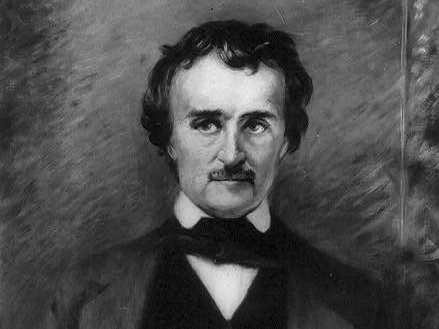
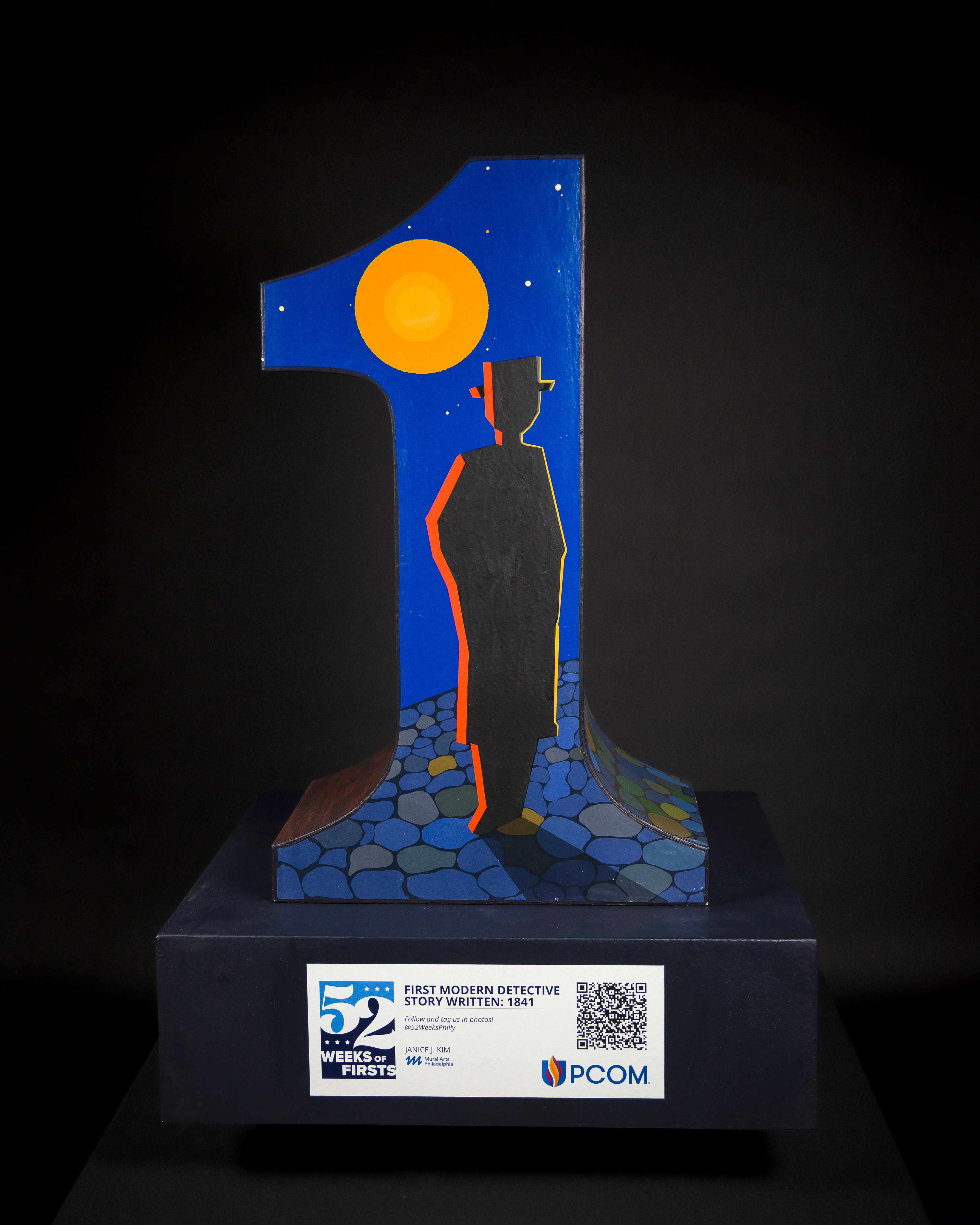
Artist Janice Kim’s No. 1 features an iconic photograph of the poet Edgar Allan Poe and images of a dark and stormy night, paying homage to the writer’s dark storytelling.Janice Kim courtesy of Colibri Workshop
On April 20, 1841, Poe, who had since turned his literary focus to short stories, published “The Murders in the Rue Morgue,” considered the world’s first work of detective fiction. Its protagonist, the nosey C. Auguste Dupin, was a figment of Poe’s imagination before detectives even existed.
Firstivals are weekly parties honoring important people, places, and events with Philadelphia roots.
For years, the Spring Garden site hosted popular Halloween parties as a nod to Poe’s knack for chilling and spooky works like “The Raven.” The dark, 18-stanza poem was published in the New York Evening Mirror in 1845, a year after Poe moved back to New York City.
Historians speculate it was written when he still lived in Philadelphia, in his 19th-century home at 532 N. Seventh St., now designated as an historic site.
Poe, who also rented homes in today’s Old City, Rittenhouse Square, and the Art Museum neighborhoods, was most prolific during the eight years he lived in Philadelphia, says Michael Carbonaro, the park ranger at the Edgar Allan Poe National Historic Site.
Here, Poe penned several of his most popular works, including “The Black Cat,” “The Gold Bug,” “The Tell-Tale Heart,” and “The Pit and the Pendulum.” He also published two additional Dupin detective stories: “The Mystery of Rogêt” and “The Purloined Letter.”
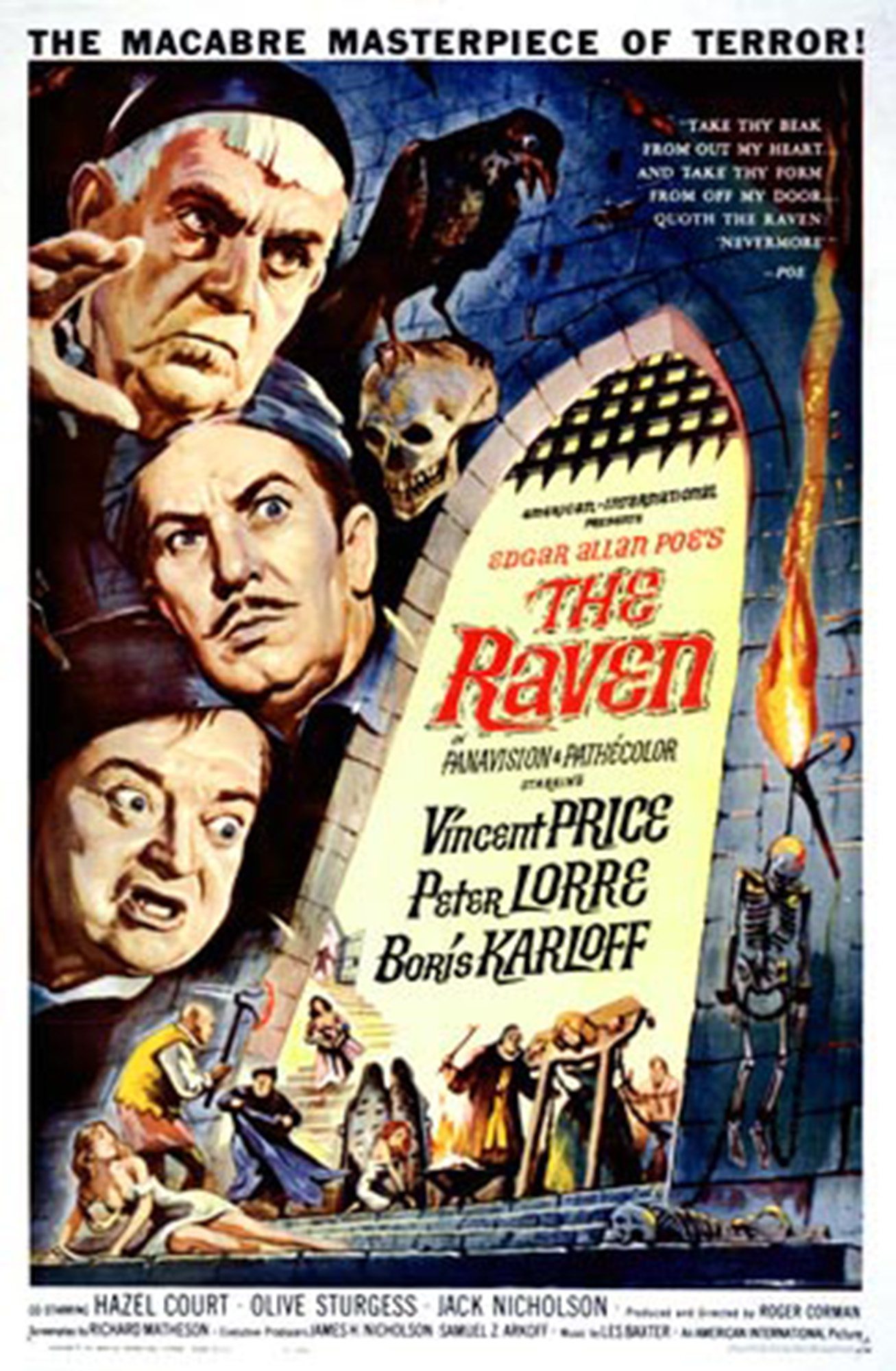
A movie poster featuring one of the many interpretations of Edgar Allan Poe’s “The Raven.” This 1963 version starred Vincent Prince. (Handout/TNS)Handout / MCT
“‘Murders’ is so masterfully done,” Carbonaro said. “And it’s the very beginning of a beloved literary genre. Sir Arthur Conan Doyle freely admits Dupin is the inspiration for Sherlock Holmes.”
And Columbo. And Matlock. And Nancy Drew. And Jessica Fletcher. And so on.
“The Murders of the Rue Morgue” is set in Paris, but historians agree Philadelphia inspires the plot with the kind of ghastly crime that was on the rise in the city in the 1800s.
In the story, the disfigured corpse of a mother and daughter are found in a French flat. Dupin learns of the killings from newspaper accounts, visits the scene with the anonymous narrator, and determines the murderer is an orangutan gone wild, outwitting the police.
An orangutan was featured in an exhibit on Penn’s Landing in 1839, capturing the city’s attention decades before the Philadelphia Zoo opened in 1874.
Also, while Poe lived in Philadelphia, his wife suffered a ruptured blood vessel while singing. Blood gushed from her mouth, inspiring Poe’s descriptions of one victim’s severed head in “Murders.”
The short story went on to be adapted for the stage and movie and TV screens. The first movie version, in 1932, starred Bella Lugosi as the sailor responsible for the orangutan.
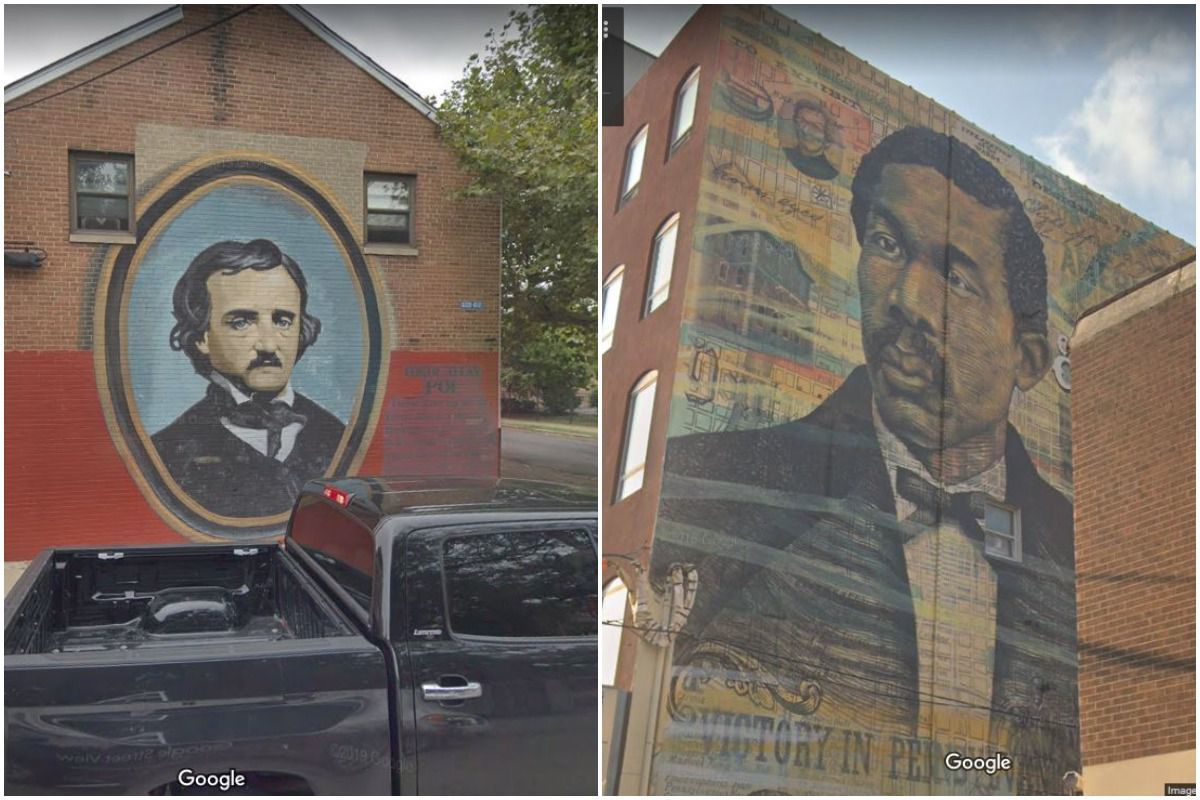
Some faces in Philly’s murals remain intact in Google Street View, including that of Edgar Allan Poe, at left, and Octavius Catto, at right.Google Street View
Thanks to America’s love for Poe’s ghost stories, the manuscript of the written-in-Philadelphia “Murders” took on a life of its own.
After the story was published in 1841, printer’s apprentice and Poe aficionado J.M. Johnston rescued the original manuscript, written in Poe’s delicate cursive, from the trash, took it home, and stashed it in a book. The manuscript survived several house fires and got accidentally thrown away before it was yet again rescued from a trash heap.
Johnston had the manuscript bound in 1869, according to a 1944 article in The Philadelphia Inquirer. Philanthropist and newspaper owner George W. Childs purchased the manuscript from Johnston for $200 in 1881. (About $4,995 in today’s money.)
Childs died in 1894 and bequeathed a bevy of literary works, including the handwritten manuscript of “Murders” as well as Poe’s acquaintance Charles Dickens’ final novel, Our Mutual Friend, to Drexel Institute. The two met when Dickens was in Philadelphia visiting Eastern State Penitentiary. Childs was a lifelong friend of A.J. Drexel.
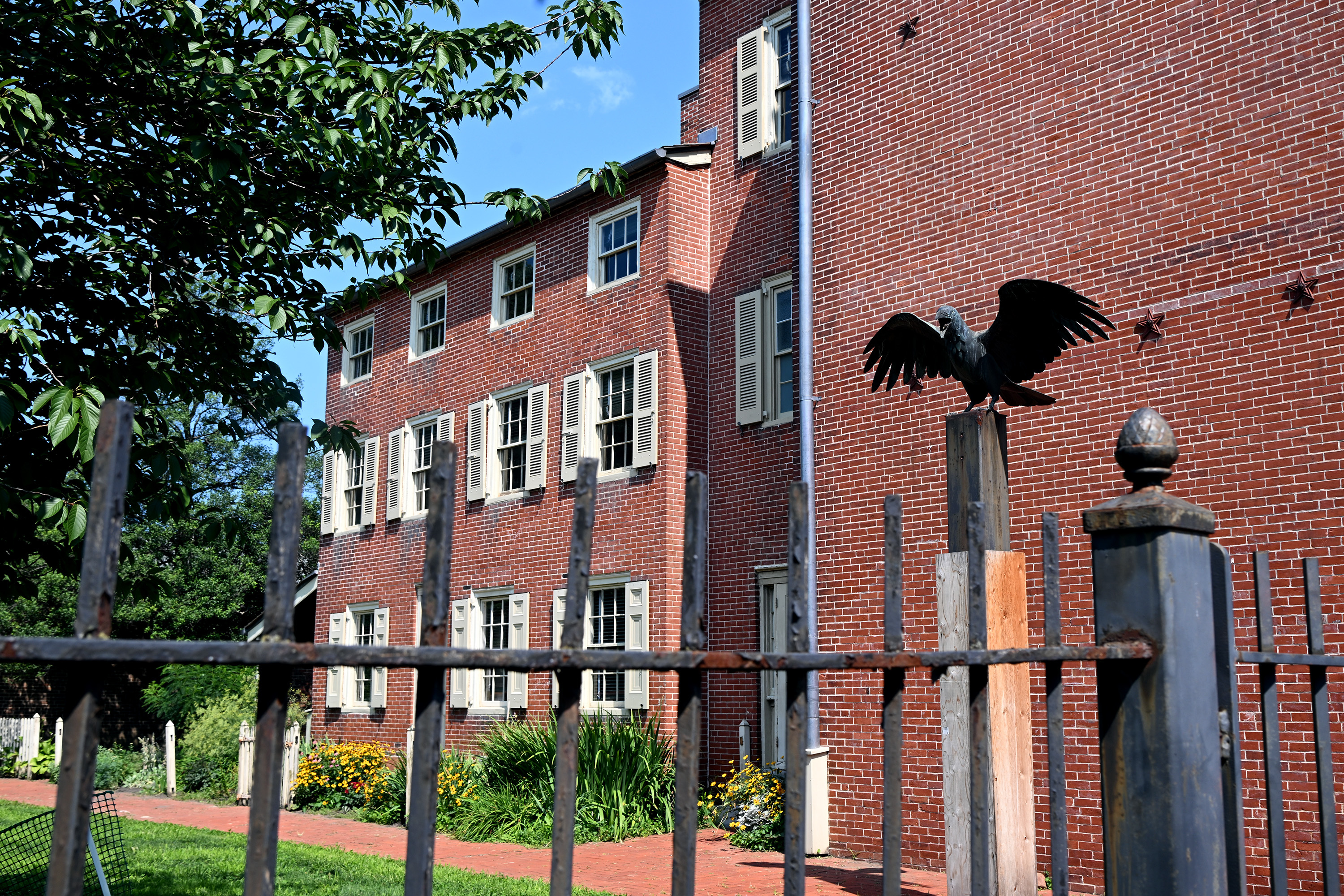
The Edgar Allan Poe National Historic Site Sunday, Aug. 3, 2025. The sculpture is “Raven,” by David Caccia, 1979.Tom Gralish / Staff Photographer
In 1944, Richard Gimbel, grandson of Adam Gimbel, who founded Gimbels department store, purchased the manuscript of “Murders” for $34,000 through Philadelphia-based collector and dealer Charles Sessler. (Financier J.P. Morgan bought the Dickens’ manuscript at the same 1944 sale.)
Gimbel, the foremost collector of Poe memorabilia, bought Poe’s house in 1937 for $7,000, according to his 1970 obituary in the Philadelphia Daily News. Gimbel amassed more than 20,000 of Poe’s original items and turned the house on Seventh Street into a memorial to Poe before willing it to the city upon his death.