A Main Line developer looking to build multiple data centers in Montgomery County possibly could have more time to make his case for a five-property campus near King of Prussia.
And residents who oppose the projects — who had been preparing for a potential vote on the plans this week — now may wait to learn whether the complex will be built in their neighborhood.
A Montgomery County Court of Common Pleas Judge on Wednesday temporarily prohibited Upper Merion Township from making decisions about any data centers proposed by Brian O’Neill. The township board of supervisors had been set to vote Thursday on the five proposed data centers totaling 4.6 million square feet.
The developer had asked for an extension from Upper Merion until Sept. 30, saying his team needed more time to respond to dozens of township review letters related to the projects. In emails, O’Neill said township officials made clear they would not allow more time.
“It is clear … that the township’s board of supervisors intends to decline the offer of extension and instead proceed to deny the applications,” O’Neill wrote in the lawsuit.
On Wednesday, the developer had sued Upper Merion Township, its board of supervisors, and its planning commission, saying they violated his legal right to an extension and treated him unfairly during the review process.
The judge’s ruling ordered that township officials halt certain proceedings and not make any decisions about the data center plans until after a court hearing scheduled for next week.
Before the lawsuit, the Upper Merion Township Planning Commission had been scheduled to discuss and make recommendations to the Upper Merion Township Board of Supervisors on two of O’Neill’s five data center plans on Wednesday. The planning commission had previously voted not to recommend approval of O’Neill’s three other proposals.
In a separate meeting on Thursday, the township supervisors had been set to vote on whether to approve the five data center plans.
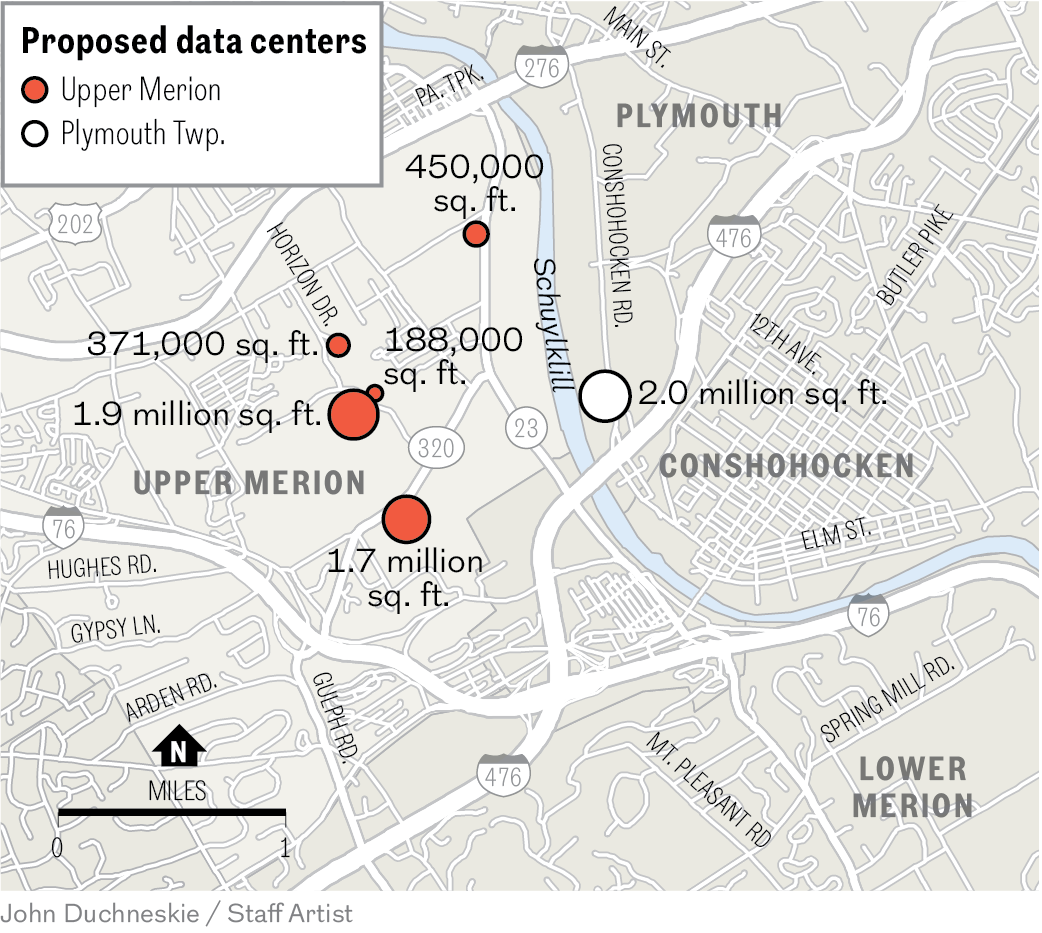
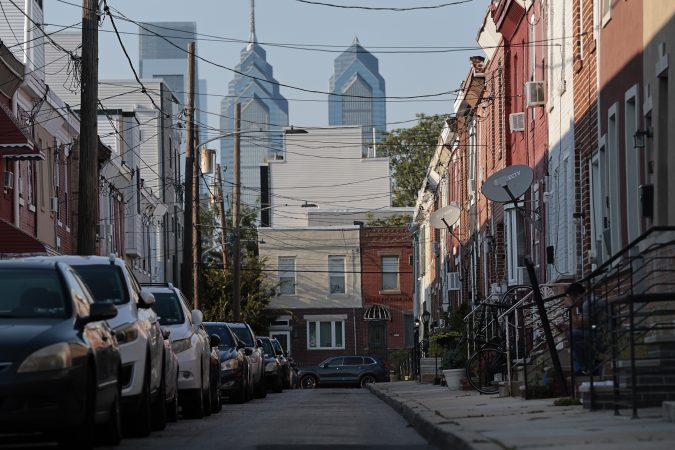
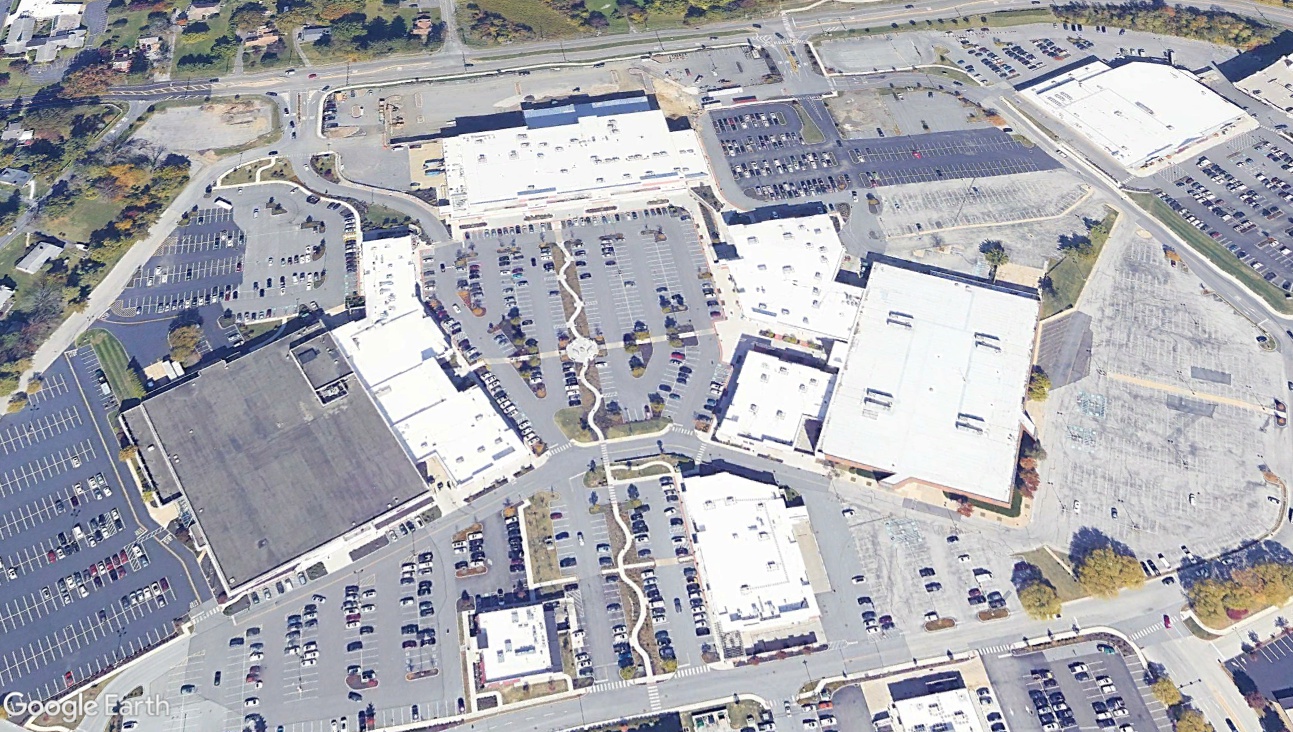
The proposed data centers in Upper Merion are across the river from another data center O’Neill has proposed near Conshohocken.John Duchneskie
But late Thursday afternoon, Judge Garrett D. Page vacated his Aug. 12 order, paving the way for a potential vote Thursday night on O’Neill’s extension request and his data center plans.
O’Neill’s team had declined to discuss the projects with the planning commission on Wednesday, citing the lawsuit.
“We are not making a presentation tonight consistent with the court’s order,” said Edmund J. Campbell, an attorney for the developer. “I will ask to be excused as I don’t believe my presence is needed, pursuant to the court’s order.”
With Campbell’s exit, the township planning commission had opened the floor to dozens of local residents, all but one of whom was opposed to the projects.
They expressed concerns about light, noise, and sound pollution; water use; the impact on the power grid and electricity prices; mental and physical health impacts; and overall quality of life in the suburb. Some said they were angry with O’Neill and his team, with a few citing a recent 6ABC interview in which O’Neill said opponents wanted to “fight for the sake of the fight” and were against development that was “right for the community.”
Some residents disagreed with those statements.
“Judging by the past five months or so [of] our community standing together in solidarity against these horrific proposals, this is clearly not right for our community,” Upper Merion resident Zachary Davis said Wednesday.
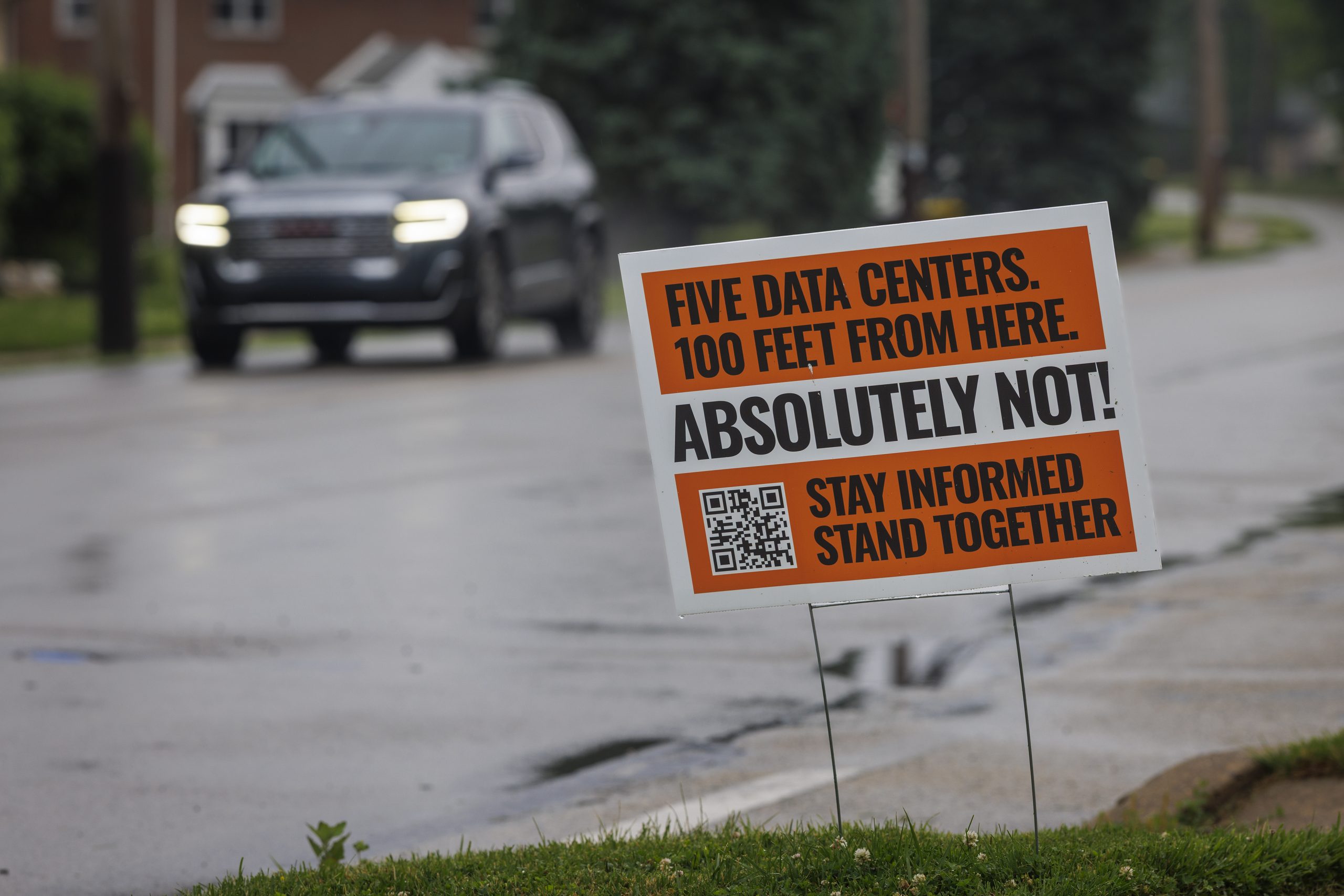
Some King of Prussia residents have put up lawn signs opposing the data centers.Alejandro A. Alvarez / Staff Photographer
The developer has said the data centers would operate on a closed-loop system, requiring no outside water, and provide their own power. They’d emit little light and noise, according to O’Neill, and include billions of dollars worth of emissions controls.
O’Neill’s team last week released an economic impact study that says the Upper Merion centers would result in more than 10,000 jobs during its construction and then generate more than $55 million a year in local tax revenue.
O’Neill’s efforts come as data-center opponents’ ire toward him has intensified.
The animosity was on display last week at a zoning hearing board meeting in nearby Plymouth Township, where O’Neill is trying to build a 2-million-square-foot data center on the outskirts of Conshohocken.
A date has not been set for the next Plymouth Township meeting, though officials indicated it would occur sometime in September.
In Upper Merion, officials said late Wednesday that the monthly board of supervisors business meeting scheduled for 6:30 p.m. Thursday was still on. Other issues, not related to data centers, were on the agenda.
Editor’s Note: This story has been updated after Montgomery County Common Pleas Judge Garrett D. Page late Thursday afternoon vacated his Aug. 12 order.
If you give a computer a task, it’s going to need electricity to perform it. The more difficult the problem, the more resources it requires. This is at the heart of the fight against the data centers behind AI – often an incredibly complex and power-hungry process.
You might think that tech giants that build and use data centers would cover 100% of the costs. However, the knock-on repercussions of this heavy power drain could impact the amount you owe on your Peco bill. Let us explain.
1946
The first “data center”
If you needed help with a calculation 80 years ago, you could use the ENIAC, the first general-purpose computer, built at the University of Pennsylvania.
It was 1,440 times faster than a hand calculator but at a cost: high energy demands. The ENIAC had its own dedicated power lines and consumed 150 kWh of electricity.
2000
Powering search engines
By the mid-2000s, we could solve the same problem at a fraction of the ENIAC’s speed thanks to search engines like Google.
Data centers don’t just power search engines; they also sustain streaming services, social media, and much more. However, workflows are increasingly shifting to use artificial intelligence.
story continues after advertisement
2022
AI in everything, everywhere, all at once
Today, unless you actively opt out, your Google search will likely be augmented by AI. “Historically, you would just get hyperlinks, and then you would have to click through and read the webpages yourself,” said Benjamin Lee, professor of computer science at the University of Pennsylvania and visiting scientist at Google. “In some sense, generative AI is doing the reading for you and trying to anticipate the actual answer you were looking for.”
The average Google Gemini prompt uses about 10 times the energy of a pre-AI Google search. This is partly because AI technology involves complex algorithms that require more computing power, but it’s also because between the 1960s and 2010s the basic building blocks of computer chips were increasingly getting smaller and more power-efficient. Within that timeframe, our computational ability multiplied by sixfold with only a 6% increase in power usage, according to Lee.
But those efficiency gains eventually stalled.
“When AI came along in late 2022, we realized we needed hundreds – or thousands – times more [computational power], and the transistors weren’t keeping up,” Lee said. “The hardware side slowed down, even as the computational demands went up by a lot.”
To put it in perspective, in a single hour, a hyperscale 1,000,000-kW data center running at peak capacity can consume more electricity than every household in Philadelphia combined.
Hyperscale data centers can consume a city’s worth of electricity in an hour
ENIAC
150 Philly households' energy usage
Conventional
Hyperscale
The typical Peco customer uses about 0.94 kW per hour in July.
If all 679,428 households in Philadelphia consumed that amount of electricity …
… it would still be less than a hyperscale 1 million kW facility’s electricity use – the equivalent of over 1 million Philly households.
A report by Wood Mackenzie, an energy research firm, found that utility customers might already be shouldering some of the cost of servicing heavy users of electricity, including data centers. These hyperscale facilities and their projected demand for power could impact all three categories on your bill: generation, transmission, and distribution.
Let’s walk through each one.
Generation
Generation refers to how power stations produce electricity from primary energy sources like fossil fuels, solar, or wind. Pennsylvania generates about 60% of the state’s electricity with natural gas, according to the American Gas Association.
“There's only so much gas in the market and, with data centers coming online, there's increased competition for it,” said Elizabeth Marx, executive director of the Pennsylvania Utility Law Project, a statewide legal aid program representing low-income consumers and protecting their access to affordable energy and water.
story continues after advertisement
Pennsylvania Gov. Josh Shapiro recently proposed that hyperscale data centers supply their own power to reduce the burden on residential customers to pay for infrastructure costs. However, not everyone agrees that it will work.
“Unless they are building clean generation that doesn't rely on and constrain our gas supply, [data centers are] having an impact on the price of gas,” Marx said, “and [that cost] flows into your electricity bills.”
PJM has a capacity market, where utilities – like Peco – pay power plants to guarantee enough power to meet future energy needs. This ensures that enough electricity will be available at high usage and to avoid blackouts.
“The biggest impact that we're seeing already from data centers is on capacity market prices,” Marx said. In 2024, AI companies started shopping around for power purchasing agreements directly with power suppliers.
The increased demand for capacity without greater supply increased the cost of electricity. The capacity price during the 2024/2025 auction was about $46 per MW/day, according to Monitoring Analytics, an independent market monitor for PJM. The following year, it surged to $297 per MW/day.
In a recent quarterly report, Monitoring Analytics said that “large data center loads have already had a significant and irreversible impact on PJM customers.” Between 2016 and 2025, Peco customers saw a $20.46 increase in the supply portion of their bill, which includes generation and transmission.
Peco’s Price to Compare has increased steadily since 2022
6
8
10
12
14 cents
Jun 2022
Jun 2026
JuneJune
Source: Peco’s Price to Compare is what customers pay if they do not shop around for an alternative electricity supplier
Pa. law requires that Peco is not allowed to profit off generation and transmission; you are just paying the rate set at PJM wholesale auctions. “Supply costs are set by the competitive market, are not controlled by Peco, and do not generate a profit for the company,” said Candice Womer, communications manager at Peco.
Distribution
Distribution is the final phase, where electricity moves from a transmission station to your home. It makes up 50% of your electric bill and, unlike the supply side of the electricity equation, can generate a profit for utility companies.
Almost two-thirds of Americans believe that a major reason behind their rising home energy costs is utility companies’ bottom line, according to a recent Pew Research Center survey.
In its second quarterly report of 2025, Peco reported $136 million in adjusted earnings, compared with $93 million in the same period in 2024. The company said in its earnings report that it used the profits to improve distribution infrastructure.
When utility companies invest in the electric grid to ensure it is ready for peak demand or storms, those investments are often baked into distribution costs. “Peco must balance its obligation to serve new customers with the risk of overbuilding infrastructure,” Womer said. “When distribution upgrades are needed, those costs are paid up front by the data center customer through a Contribution in Aid of Construction, ensuring there is no impact to other customers.”
One of the fees baked into distribution charges on your monthly bill is the Universal Service Fund. This helps fund programs like Peco’s Customer Assistance Program that help low-income households afford their utilities. In her testimony before the Pennsylvania House Energy and Consumer Protection, Technology, and Utilities Commission earlier this year, Marx said that in Pennsylvania, “universal service costs are only allocated to residential customers.”
Despite their direct impact on rising costs, data centers pay nothing to support these programs, she said.
“It’s very hard to reduce the electricity you use in a significant way,” said Vik Patel, managing attorney of the energy and utilities unit of Community Legal Services. “If it's cold outside, you need to have the heater on. Otherwise it can be unsafe. [It’s the] same thing in the summer; you have to have access to cooling.”
story continues after advertisement
Even if electricity feels unaffordable, it can be difficult for customers to lower their use and, therefore, their bill. But if customers can’t pay their bill, they risk losing power completely.
Last year, about 25,000 households in Philadelphia had their electricity terminated and could not afford to have it restored, according to Patel. “There are a lot of collateral effects when someone's electricity is terminated,” he said. “They can get evicted. [They can] lose custody of their kids.”
What happens next
Data centers and their projected demands on the grid are not the only reason electric bills are increasing, but that has not lessened some residents’ concern about their expansion.
There are already dozens of conventional data centers in Philadelphia, according to Data Center Map, a private company that tracks such facilities nationwide. Two hyperscale campuses are being built in nearby Bucks County and Cumberland County, N.J.
At least four more data centers have been proposed in Chester and Montgomery Counties. These local proposals face a groundswell of opposition from residents who worry about the environmental and financial ramifications of having these hyperscale facilities in their backyard.
Note: Amazon’s 600,000-kW data center is currently under construction in Falls Township, as is the 300,000-kW hyperscale data center in Vineland.
“I don't deny we need to upgrade our grid,” Marx said. “And, quite frankly, more frequent storms are absolutely going to cause more infrastructure costs. But I think there's a lack of transparency in what's necessary and what is nice to have. Who’s it for? Who pays for it and at what expense?”
Staff Contributors
Reporting: Charmaine Runes
Design and development: Charmaine Runes, Sam Morris
Graphics: John Duchneskie
Illustration: Glenn Harvey
Editing: Sam Morris, Cynthia Henry
Copy Editing: Addam Schwartz
Subscribe to The Philadelphia Inquirer
Our reporting is directly supported by reader subscriptions. If you want more journalism like this story, please subscribe today
For Miller, managing partner at Wapner Newman law firm, it sparked an idea.
Heconnected with NBC Sports Philadelphia and made his pitch: Wapner Newman could pay to sponsor the closer’s walk-out and get the firm’s branding on a viral moment. And fans at home would be able to experience Duran’s intro — complete with images of spiders crawling through fire on the outfield walls — during every home game.
The lawyers figured “it’d be a fun thing for everybody that’s watching the game,” Miller recalled during a recent interview in his Center City office. And “we can help make this happen.”
A deal was inked, with terms Miller declined to disclose, and for nearly a year, Wapner Newman has enjoyed greater name recognition.
Potential clients sometimes mention the ads when they call the firm, Miller said, and occasionally, strangers on the street recognize him from the company’s midgame commercials. Miller said he is most heartened by the fact that more Philly fans now know about the personal-injury firm if they ever need legal help.
Robert Miller, managing partner at Wapner Newman, appears in the law firm’s ads that run on NBC Sports Philadelphia during Phillies games.Courtesy Wapner Newman
Brands “want moments of exclusivity, and that was the highest-profile opportunity,” said Bo Koelle, vice president of sales for NBCUniversal Local, which includes NBC Sports Philadelphia. “Everybody’s looking at when [Duran] is coming out” — and seeing Wapner Newman’s name on the screen next to him.
For dozens of local companies, advertising with the Phillies at Citizens Bank Park or with NBC Sports Philadelphia provides almost-unparalleled visibility in a rabid sports town like Philadelphia.
Phillies fans arrive at Citizens Bank Park for opening day in March.Monica Herndon / Staff Photographer
So how much does this visibility cost? Anywhere from $100,000 to several million dollars, according to executives from the Phillies and NBC Sports Philadelphia.
That range includes advertising in the ballpark,on social media, or on TV, where hundreds of thousands of fans tune into each game. All Phillies sponsors with whom The Inquirer spoke declined to discuss how much they paid for their advertisements, citing the terms of their contracts.
The MLB All-Star Game at Citizens Bank Park drew 8.7 million viewers.Yong Kim / Staff Photographer
But even in a normal year, the Phillies play many more home games than the city’s otherpro sports teams.
“We’ve concentrated on the Phillies because they have 81 home games and for our in-park advertising we thought we’d rather be seen more frequently,” said Bob Mongeluzzi, founding partner at Saltz Mongeluzzi Bendesky, which has several stadium ads including at the top of the scoreboard.
“I don’t think someone particularly chose us over any other lawyer just because we had an ad on the scoreboard,” Mongeluzzi said, “but it clearly reinforces our brand and keeps our name out there.”
Another Saltz Mongeluzzi Bendesky ad is pictured in right field at a July game.Elizabeth Robertson / Staff Photographer
Unique Phillies sponsorships drive revenue
Each season, the Phillies have between 75 and 100 sponsors who advertise everywhere — the ballpark’s giant scoreboard, the outfield walls, the premium seating sections — according to Brian Fling, the Phillies’ vice president of corporate partnerships. He said ad sponsors serve as a major revenue driver, supporting player payroll and ballpark upgrades.
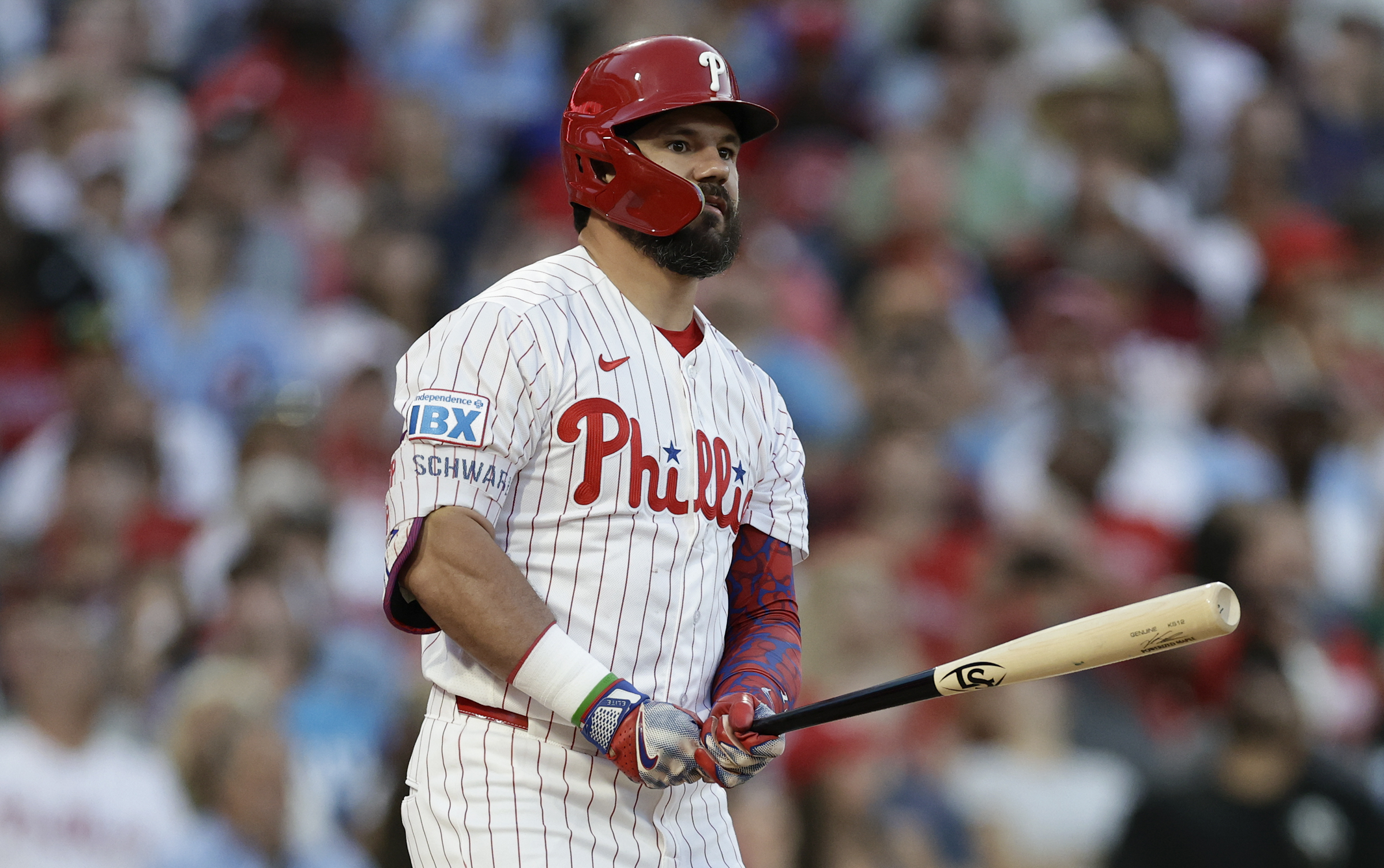
The blue Independence Blue Cross (IBX) sponsorship patch is seen on the arm of Kyle Schwarber during a June game.Yong Kim / Staff Photographer
One recent ad deal stood out due to controversy. In March, Eileen Kalas, widow of legendary Phillies broadcaster Harry Kalas, said the organization “betrayed” her husband by selling the naming rights of Harry The K’s to Ghost Energy. The eatery under the scoreboard had been named for her husband since the ballpark opened in 2004.
At the time, Ghost Energy founder and West Chester native Ryan Hughes responded to fan criticism, saying, “We’re hoping to bring some new energy to the space while also never forgetting Harry Kalas and the legacy that he left.”
Ghost Energy did not return a request for comment for this article.
Fans at the Ghost Energy Deck, formerly Harry The K’s, during a March Phillies gameYong Kim / Staff Photographer
Whether a Phillies advertiser is a longtime sponsor dating to the Veterans Stadium days or a newer partner, they “align with the team’s goal — championship-level baseball in a first-class ballpark where everyone feels welcome,” Fling said.
An ad for Doc Bresler’s Cavity Busters and the Xfinity pitch speed clock light up the ballpark behind Phillies closer Jhoan Duran.Elizabeth Robertson / Staff Photographer
“Pitch speed is one of the most closely watched real-time statistics in baseball, making it a strong fit for Xfinity’s focus on delivering fast, reliable connectivity for our customers,” Matt Lederer, Comcast’s vice president of brand partnership, said in a statement.
Executives with several Phillies advertisers said the goal is not necessarily to gain customers on the spot. Instead, they said, they want to increase brand awareness and get fans to associate their company with a beloved hometown franchise.
Some have seen tangible signs that this is happening. Philadelphia Insurance recorded a nearly 50% increase in website traffic since it started sponsoring the premium seating club, formerly known as the diamond club, earlier this season, said Brian O’Reilly, chief marketing officer for Philadelphia Insurance Cos. (PHLY).
As part of the partnership, the company’s name and Liberty Bell logo are emblazoned on the blue headrests behind home plate.
“It was amazing how many people texted and called me and said, ‘I saw Philadelphia Insurance during the Home Run Derby or All-Star Game,’” O’Reilly said.
The headrests in the Philadelphia Insurance Club behind home plate bear the company’s logo and the name of its website. Elizabeth Robertson / Staff Photographer
Philly sports ads create consumer ‘trust’
Some Philly companies sponsor multiple local pro teams.
Independence Blue Cross (IBX), the locally based health insurer, has been advertising with the Phillies for decades and has partnerships with all of the city’s major pro sports teams, many of the college teams, and NBC Sports Philadelphia, said IBX chief marketing officer Koleen Cavanaugh.
In addition to advertising, this also gets IBX the ability to host events at stadiums, offer ticket and merchandise discounts to IBX members, and collaborate on philanthropic partnerships, such as a back-to-school supply drive with the Jesús Luzardo Family Foundation last week.
The team “already reached out to us about season tickets and advertising,” said O’Reilly, of Philadelphia Insurance. “We were doing some business with them anyway, but maybe we’ll even do some more.”
At NBC Sports Philadelphia, conversations about Sixers ad partnerships are now underway, earlier than usual, Koelle said. As soon as James news broke, the value of SixersTV ads increased exponentially, Koelle said.
A challenge for the sports network now, Koelle said: Remaining loyal to companies who’ve sponsored Sixers broadcasts since the team’s rebuilding years — and not jack up those partners’ advertising rates.
”But for those that are new, they’ll certainly have to pay the new value,” Koelle said.
Usually, it’s not hard to convince local companies of the value of advertising with any Philly team, he said.
“If [advertisers] want to truly reach people — and reach them in a pipeline that is direct and meaningful — it’s professional sports in Philadelphia,” Koelle said. “If you want people to trust your brand immediately, it’s a great way of doing it.”
Do you have good dead bolts on all your doors? Strong latches on your windows? Are you diligent about keeping doors and windows locked? Have a barky dog?
If you can answer “yes” to the first three questions, you’re way ahead when it comes to home security (and get extra credit for the dog). Despite what thriller movies might suggest, most burglars enter homes by simply opening unlocked doors or windows — or pushing and kicking locked ones until they open.
Very few pick locks or circumvent alarm systems. Intruders prefer empty homes, visual obscurity, silence, easy entry, and quick exits. So your primary objective when planning home security is to beef up your locks and latches and maintain good security habits.
You can also DIY your own system by using home security components controlled by a smartphone app or similar interface. Dozens of companies now sell security system components that can easily connect to smart home hubs.
All this competition and choice means lower prices. You don’t have to pay a home-security service $750 to $3,000 for a professionally installed system plus $1,500 or more each year for monitoring. Instead, for $400 or less, you can assemble a basic DIY system and then pay as little as $200 per year to have it monitored — or nothing at all if you monitor it yourself.
Keep in mind that many people get annoyed by the alerts that self-monitoring requires and end up turning them off or not replacing batteries if they run out. If this will be you, don’t waste your money on the tech.
Here are somesimple steps to secure your home.
1. Secure the perimeter. Make your doors and windows as difficult to penetrate as possible. Although intruders prefer unlocked doors and windows, many can quickly and almost silently pry open locked ones. Some break a pane of glass so they can reach in and unlock the window or door.
Double-hung windows, for example, can be secured by screwing together the two frames.
Solid-wood doors are much sturdier than hollow ones. Many homeowners in high-crime neighborhoods install metal bar doors.
2. Get a security audit. Most police departments provide free advice and will send someone to evaluate your home for weaknesses.
3. Lose lousy locks. Key-in-the knob locks are inadequate. Install good deadbolt locks on all your exterior doors. The locks on sliding glass doors are notoriously flimsy — many doors can be lifted right off their tracks. Numerous how-to videos online can show you how to make yours more secure, or you can pay a locksmith to install reinforcements.
4. Keep valuables out of sight. Place articles of value out of the view of your front door or front windows. Stash cash and expensive jewelry in unlikely places — for example, in a large envelope or among many paper files. Select containers no one will accidentally discard.
5. Rent a safe-deposit box. A box may be inconvenient, but it provides a level of security against theft and fire that cannot be duplicated at home for less than several thousand dollars.
6. Keep your landscaping in check. Doors and windows hidden by garages, bushes, fences, and trees are attractive targets for intruders who prefer to invade unseen.
7. Light it up. Many burglars will flee if they activate an outdoor light connected to a motion detector.
8. Keep track of your keys. An AirTag key chain is a good idea if you’re forgetful.
In addition to improving your home’s physical security:
Evaluate your insurance. Consider adding replacement-cost coverage to your homeowners insurance policy for your personal property. If burglars clean out your home, this coverage could save you thousands of dollars. If you ownexpensive jewelry and othersimilar items, consider taking out additional policies.
Get to know your neighbors. Neighborhood watch groups are one of the most effective ways to protect all the homes in your neighborhood. At the very least, get to know your neighbors and share information on your not-at-home schedules and vacation plans, so everyone can look out for suspicious activities.
Keep up appearances. Because most burglars strike when no one is home, make sure your house always appears occupied. Leaving on lights and a TV helps. If you go on vacation, work with neighbors or friends to prevent mail from piling up and to keep your yard maintained.
Still want a professionally installed system?
If you decide to go pro, you’ll want a company that ensures your system is effective, convenient, and unobtrusive; minimizes false alarms; and controls costs.
Have several companies come to your home to propose systems and quote prices. When Checkbook’s undercover shoppers collected proposals from companies for a specific alarm system and three years of monitoring, they were quoted prices ranging from $2,200 to $4,200.
Read the contract before you sign. Some companies make it very difficult for customers to switch monitoring services by refusing to provide programming codes or to reset systems to their default modes. Choose a company willing to contractually agree to provide you with programming codes.
Discuss payment terms. The more you can pay after the job is complete, the better.
Delaware Valley Consumers’ Checkbook magazine and Checkbook.org is a nonprofit organization with a mission to help consumers get the best service and lowest prices. It is supported by consumers and takes no money from the service providers it evaluates. Until Sept. 5, readers can access Checkbook’s home-security ratings and advice free at Checkbook.org/Inquirer/home-security.
Most QVC hosts have voted in favor of unionizing, according to SAG-AFTRA, as the West Chester-based shopping network prepares to emerge from bankruptcy.
The group includes 53 on-air hosts who sell clothes, home goods, and other products from QVC Group’s West Chester studios. The programs are broadcast on QVC, HSN, and various digital platforms, a segment of the business the company refers to Omni Channel.
“The strong show of support for unionizing reflects QVC, HSN, and Omni Channel hosts’ professionalism and resolve to improve their workplace and build a better future for themselves and their colleagues,” SAG-AFTRA national executive director and chief negotiator Duncan Crabtree-Ireland said in a statement.
A QVC Group spokesperson reiterated that the hosts are “deeply valued team members.”
“While we have long believed that a direct relationship with team members is the best approach, we respect the outcome of the election and our hosts’ right to make this choice,” spokesperson Matthew Goldstein said Friday in a statement, adding that management “will work with SAG-AFTRA on the next steps.”
In the petition, the hosts expressed concerns about QVC using artificial intelligence to imitate their image, voice, and likeness without consent or compensation, as well as about pay equity and transparency.
“As QVC Inc. adapts, we hope to foster a culture in which workers feel valued, trusted, and appreciated, where ideas are recognized and concerns respected,” the hosts wrote in the petition. “This is especially true given the current landscape of artificial intelligence, discussions surrounding the regulation of image and likeness, and concerns of job security.”
Despite developing a loyal following of fans over 40 years, QVC has struggled recently to expand its customer base and compete with online retailers. After years of declining revenue, QVC Group filed for Chapter 11 protection in April.
A federal judge last week approved the company’s reorganization plan, which would slash its debt from about $6.6 billion to $1.3 billion. QVC executives have said they hope to emerge from bankruptcy sometime this summer.
Six years after going public, Utz Brands, the Pennsylvania producer of potato chips, pretzels, and other snacks, is set to become a private company again in a $2.9 billion deal with a German acquirer.
When the latest deal is done, Utz’s founding families, the Rices and Lissettes, will own 50% of the company, and Intersnack Group, a snack maker in Europe and the Pacific, will own the other half, according to a Tuesday news release.
“Intersnack shares our vision for Utz, and their marketing, manufacturing, and technology capabilities will be invaluable as we continue to invest in our brands,” Utz CEO Howard Friedman said in a statement.
Since 1921, Utz has produced its trademark chips and other snacks from Hanover, York County, about 120 miles west of Philadelphia. Today, Utz also makes Zapp’s kettle chips, Jax cheese curls, On The Border tortilla chips and dips, and TGI Fridays bagged snacks.
Utz still makes chips at its original Hanover plant, as well as at a network of facilities nationwide. Its snacks are distributed to grocery stories, convenience stores, and restaurants across the country.
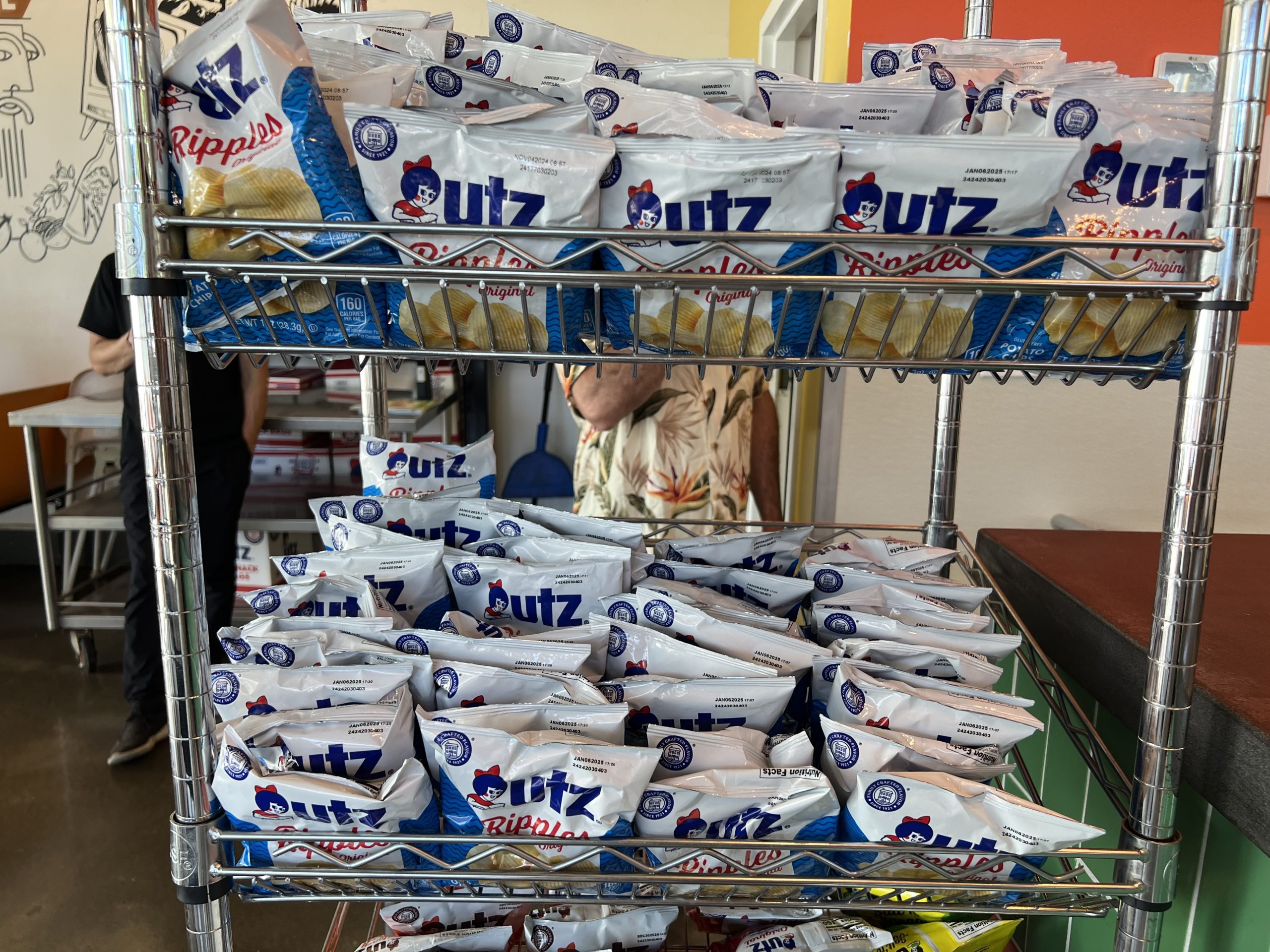
A display of Utz chip packets at Earl’s in Kaimuki, Hawaii.Kiki Aranita
The company generated about $1.4 billion in net sales in 2025, a slight increase from the prior year, according to earnings reports.
Intersnack plans to pay $14.25 per share in cash for all publicly traded Utz stock, according to the release, and to finance the deal with a combination of cash, financing, and rollover and reinvestment from the Rice and Lissette families. Utz stock surged after the deal was announced Tuesday.
“We have long admired Utz’s brands, its heritage and the strength of its team,” Johan van Winkel, executive chairman of Intersnack Group, said in a statement. “We see a tremendous opportunity to partner and build on Utz’s strong foundation and help shape the future of snacking in North America.”
The transaction is expected to close later this year, according to Tuesday’s news release. When it does, Dylan Lissette, who married into the Utz family, would become Utz executive chair.
The deal would take Utz off the New York Stock Exchange and make it no longer required to publicly disclose its earnings.
Emil DeJohn, 88, of Ambler, celebrated clothing designer, longtime college department chair and professor of fashion, lecturer, volunteer, and mentor to generations of designers, tailors, dressers, models, and students, died Wednesday, June 24, of a heart attack at his home.
Born in Philadelphia, Professor DeJohn worked for 37 years with Bill Blass and other notable clothing designers on Seventh Avenue in New York, and for 21 years as chair of the fashion department at Moore College of Art and Design, director of fashion career development at Drexel University, and professor of fashion at the now-closed Art Institute of Philadelphia.
He designed clothing of all kinds for men, women, and children for Jones New York, OshKosh B’Gosh, and other international labels from 1960 to 1997. He established his own label, Alex DeJohn by Emil, in the 1980s, and his creations appeared on the covers of Vogue, Harper’s Bazaar, and other magazines.
Several of his gowns were offered to singer Barbra Streisand in the 1960s, and he received design compliments from, among others, film star Elizabeth Taylor and Andre Leon Talley, former editor-at-large at Vogue. In the 1980s, he was chosen by then-first lady Nancy Reagan to design a colorful clothing collection promoting her “Just Say No” antidrug campaign.
In New York, Professor DeJohn showed designs at Bergdorf Goodman, Saks Fifth Avenue, Neiman Marcus, and Macy’s. In Philadelphia, he showed at Bonwit Teller and other top shops.
He also showed in London, Paris, Milan, Hong Kong, and elsewhere around the world. He lectured about fashion at other universities, represented the industry at high school career fairs, and mentored many young designers.
At fashion shows, they always gave him a front-row seat. “It’s an incredible profession,” he told The Inquirer in 2001. “Lots of ups and just as many downs. I wouldn’t trade one day.”
In 1997, looking to engage less with consumers and more with emerging designers, Professor DeJohn left the workshops and showrooms in New York for classrooms in Philadelphia. He spent six years as chair of the fashion design department at Moore, several years as director of fashion career development at Drexel, and finally retired in 2018 as a professor of fashion at the Art Institute.
At Moore, Professor DeJohn recruited Bob Mackie, Betsey Johnson, and other renowned designers to meet his students and provide internships and jobs. At Drexel, he oversaw the Crystal Star Award for design program and taught a class called Aspects of Fashion and Merchandising.
Professor DeJohn (left) attended many galas as director of the Crystal Award for design at Drexel. Emil DeJohn
He hosted a fashion club at the Art Institute and was named the school’s 2017 Teacher of the Year. “He was always happy to answer our questions and tell us about the industry,” a former student said in a tribute. Another said: “He inspired all of us to dream big.”
Professor DeJohn won the city’s Phashion Phest Philadelphia Award for design in 2001 and told The Inquirer: “Teaching the students has been a gift to me. I never envisioned anything I could enjoy more than designing. But this has become an amazing part of my life. I actually love coming to work.”
He earned other awards for design and his volunteer work at the Rowan House, the Ronald McDonald House, and other nonprofits. “He stood as a beacon of hope,” said his granddaughter Alexandra, “always making everyone feel like he believed in them, always bringing out what made them special.”
His granddaughter Isabella said: “His legacy continues to inspire me every day.”
Professor DeJohn met Bette Anne DeChiaro at a dance at the Shore when he was 17, and they married in 1963. Courtesy of the family
Emil Joseph DeJohn was born Dec. 20, 1937, in his mother’s bedroom in South Philadelphia. The youngest of three children, he discovered art in grade school, took art classes at Fleisher Art Memorial, and graduated from John Bartram High School.
He earned a bachelor’s degree in fine arts at the old Pennsylvania Museum and School of Industrial Art in 1959. He won the school’s design citation as a senior and worked at first as an illustrator for the Bulletin’s fashion pages.
He met Bette Anne DeChiaro at a dance at the Shore when he was 17, and they married in 1963. They had a daughter, Leisa, and a son, Christian, and lived in Center City, Wyncote, and Ambler.
Professor DeJohn liked antiques, flowers, and anything blue and white. He supported the old Carmelites monastery in Philadelphia and belonged to St. Luke the Evangelist Church in Glenside.
Professor DeJohn first became interested in art and fashion in grade school. Courtesy of the family
He made friends on his daily two-hour train rides to New York and said he never considered leaving Wyncote. “I loved leaving all that and coming home to cut the grass,” he told The Inquirer in 2001. “My neighbors didn’t even know what I did for a living.”
He designed his daughter’s wedding dress, took his granddaughters to mesmerizing fashion events, and made memorable trips to Ocean City, N.J., Longwood Gardens, New Hope, New Mexico, and Florida. He especially enjoyed decorating his home and Christmas tree with ornaments and live flowers.
“He made us all feel seen and special,” his daughter said. “He did that for everyone he met.”
In addition to his wife and children, Professor DeJohn is survived by four grandchildren, one great-granddaughter, and other relatives. A sister, a brother, and a son-in-law died earlier.
Professor DeJohn (right) said he would never leave Wyncote for New York. Courtesy of the family
Services were held earlier.
Donations in his name may be made to the Carmel of Jesus Crucified Monastery, Attn: Mother Pia, Box 308, Muenster, Texas 76252.
Professor DeJohn (second from right) enjoyed time with his family.Courtesy of the family
Prediction markets are rewriting the rules of American gambling.
These platforms have taken the country by storm, enabling users to stake money on the outcome of real-world events — everything from who will win a baseball game to the location of Taylor Swift’s wedding.
For users, prediction markets operate almost indistinguishably from online betting platforms. However, they are technically investment sites. As such, they are not constrained by state and tribal gaming law. They are available in all 50 states — even those with no gambling — and the prediction market companies pay no state taxes.
States have been fighting back. Twenty-six states are engaged in active litigation against prediction market companies, and several have passed increasingly creative laws attempting to restrict or remove them. Yet, most of these attempts have been thwarted by the Commodities Futures Trading Commission (CFTC), the federal regulator that oversees prediction markets. The Commission insists that, as investment platforms, companies like Kalshi and Polymarket need not concern themselves with state regulation.
The CFTC position reverses over a century of precedent in terms of how the federal government approached gambling policy. Throughout American history, gambling has generally been treated as a state issue. Where the federal government has intervened, it has been to protect states from gambling — even if doing so meant protecting states from themselves.
But the current CFTC has flipped this equation. A federal agency is doing its utmost to effectively nationalize gambling, leaving states powerless to control what has historically been under their domain.
The first federal foray into national gambling policy came in response to an interstate lottery scheme.
In the 1700s, lottery tickets were almost as easy to find in the U.S. as they are today. “Every part of the United States abounds in lotteries” a Boston newspaper observed in 1791.
Around the turn of the 19th century, however, the public soured on lotteries. A surge of religious fervor brought with it a wave of anti-gambling furor. By the late 1870s, only a single state licensed a lottery: Louisiana.
The Bayou State did not just run any lottery. The state government licensed its operation to an entity known as the Louisiana State Lottery Company, better known as “the Serpent” or “the Golden Octopus.” It came by these monikershonestly.
The LSLC was notoriously corrupt, having slithered its way to political invulnerability through bribes to state officials. The lottery, which nominally existed to raise money for a children’s hospital, actually lined the pockets of its proprietors on the back of $28 million in sales in 1890 alone (modern equivalent: $1.02 billion).
The Golden Octopus nickname was fitting for another reason: the Louisiana lottery’s tentacles reached well beyond the state’s borders. Operating through the U.S. mail, the LSLC sold roughly 90% of its tickets to residents of other states. The Golden Octopus filled the market void for people without other access to legal lottery tickets, becoming a de facto national lottery.
This created an uproar because other states were powerless to do anything to stem the tide of lottery tickets into their states. The Louisiana legislature was beyond their control, and it was impractical to crack down on every dreamer clutching a ticket or every piece of mail with a Louisiana return address.
In late 1890, President Benjamin Harrison condemned how the mail system overflowed with “fraudulent and demoralizing appeals and literature emanating from the lottery companies.”
The only body truly capable of slaying the Golden Octopus was Congress. It did so with bills in 1890 and 1895 that prohibited the mailing and interstate transportation of lottery tickets, advertisements or paraphernalia.
States could decide the question of lotteries for themselves, but other states could not decide the question for them. Congress overrode Louisiana’s state gambling law to protect gambling laws in the 43 other states.
The anti-lottery bills set a clear precedent — one that would be replicated almost exactly a century later, when congressional involvement in gambling even more clearly overrode state authority.
Made By History sponsors. FOR USE ON MADE BY HISTORY STORIES ONLY.Inquirer Staff
In the 1960s, states once again began operating lotteries. By the late 1980s, as states experimented with new lottery games, a few began considering sports pools. These were games in which players could attempt to predict the outcome of between three and 14 football or basketball games, with the payout dependent on the amount put up both by the bettor and by all other players.
The only trouble was that, to the professional sports leagues, these games represented a dangerous wedge that could open the door to legalized sports betting. At the time, the leagues were deeply opposed to all things gambling, viewing any association between it and their product as a threat to the integrity of American sports.
The leagues mobilized in multiple states to attempt to stamp out sports pools. But by going to Congress, they could pull the weeds out by the root. In 1992, Congress obliged, passing the Professional and Amateur Sports Protection Act (PASPA). The bill did not ban gambling. Rather, it banned states from legalizing sports gambling, leaving a few exceptions for states that had already authorized a form of betting, most notably Nevada.
Anyone who has watched a sporting event in the last eight years knows that PASPA did not last. In 2018, the Supreme Court overturned the bill on the grounds that, according to Justice Samuel A. Alito Jr.’s majority opinion, Congress had usurped state authority as enshrined in the Tenth Amendment: “A more direct affront to state sovereignty is not easy to imagine.”
Congress could regulate sports gambling. But in creating a patchwork set of rules that banned states from deciding the issue for themselves, it had gone too far in asserting authority over states’ rights. The decision has led to an explosion in online sports betting, with the major sports leagues now embracing gambling and integrating it into their telecasts.
A few years after legal sports betting took off, prediction markets endeavored to broaden the base of gambling options. Though the Biden administration tried to restrict them, the Trump White House has taken a different approach, authorizing the platforms to expand their offerings from bets on political events like elections to sports, pop culture and seemingly every imaginable topic. It has done so with the direct support of President Donald Trump, whose son, Donald Trump Jr. has financial stakes in both Kalshi and Polymarket.
For some states, the federal government has once again gone too far on gambling, this time in the opposite direction. Instead of prohibiting states from legalizing gambling, the CFTC has created a national system of de facto gambling in contravention of state and tribal gambling law.
One direct result is that while most states set the legal gambling age at 21, investment platforms are available to anyone over the age of 18, meaning the CFTC has effectively lowered the national age to legally bet.
The current CFTC rules are even more vulnerable than PASPA was. Because they’re regulations, not laws, a change in presidential administrations — and by extension, the leadership of the CFTC — could lead to an overhaul of the Commission’s approach to prediction markets. Additionally, passage of any one of the bipartisan bills that have been proposed in Congress to rein in prediction markets could swiftly constrain the experiment in federally-mandated gambling.
As history shows, gambling law is not forever. States have generally been left to decide for themselves how much gambling they want to offer, with the federal government setting a limit as it sees fit. Odds are that arrangement could return.
Jonathan D. Cohen leads gambling policy for the American Institute for Boys and Men. He is the author ofLosing Big: America’s Reckless Bet on Sports Gambling. Made by History takes readers beyond the headlines with articles written and edited by professional historians. Opinions expressed do not necessarily reflect the views of The Inquirer.
The Upper Merion Planning Commission is scheduled to discuss three of Brian O’Neill’s five proposed data centers at its next meeting on Wednesday, July 22, according to Township Manager Anthony Hamaday and a meeting agenda posted online.
After receiving an overview of the project at an initial planning commission meeting in May, the township has “done an official review, and we have forwarded our comments to the applicant,” Hamaday said. The plans “have been revised and sent back.”
Next, Hamaday said, the planning commission will dive into the nitty-gritty, scrutinizing whether the project complies with township code.
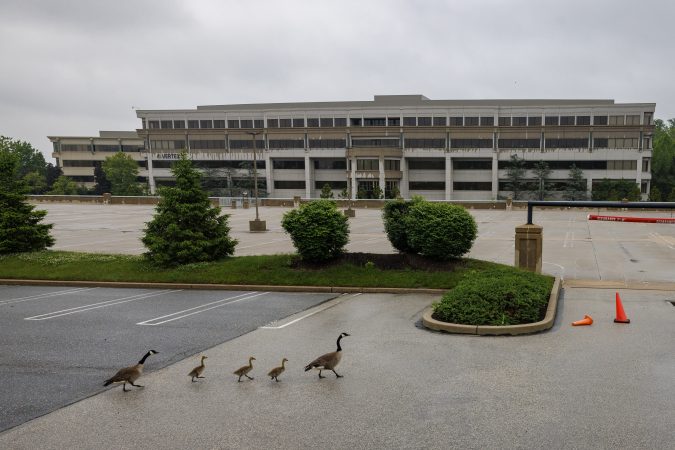
Next Wednesday, they will review the proposed 2-million-square-foot data center at the Renaissance Boulevard office park; the proposed 370,000-square-foot data center at the current site of a daycare at 3200 Horizon Dr.; and the proposed 188,000-square-foot data center at an office and lab building on a remediated Superfund site at 2100 Renaissance Blvd.
The other two proposed data centers are set to be reviewed at a meeting on Aug. 12, Hamaday said Tuesday.
At the May meeting, O’Neill, whose MLP Ventures is behind the proposal, called it “an opportunity to change the world for the better” through AI-powered biotech that would complement his existing life-sciences complex, Discovery Labs. He said most of the centers would be leased to tenants, but has not specified which ones.
Anti-data center lawn signs seen in King of Prussia in late May.Alejandro A. Alvarez / Staff Photographer
Many area residents have rallied against the centers, with some displaying bright orange lawn signs that read: “Five data centers, 100 feet from here. Absolutely not!” Opponents have cited concerns about the potential for noise, light, and other pollution, as well as the general disruption to their daily lives.
Hundreds of people packed the May meeting. Hamaday said the forthcoming meetings would be moved to the Upper Merion Area Middle School to accommodate expected crowds. They will also be broadcast live, potentially on the local TV channel, he said, and streamed on Zoom.
Upper Merion Township isn’t the only place where O’Neill has set his sights.
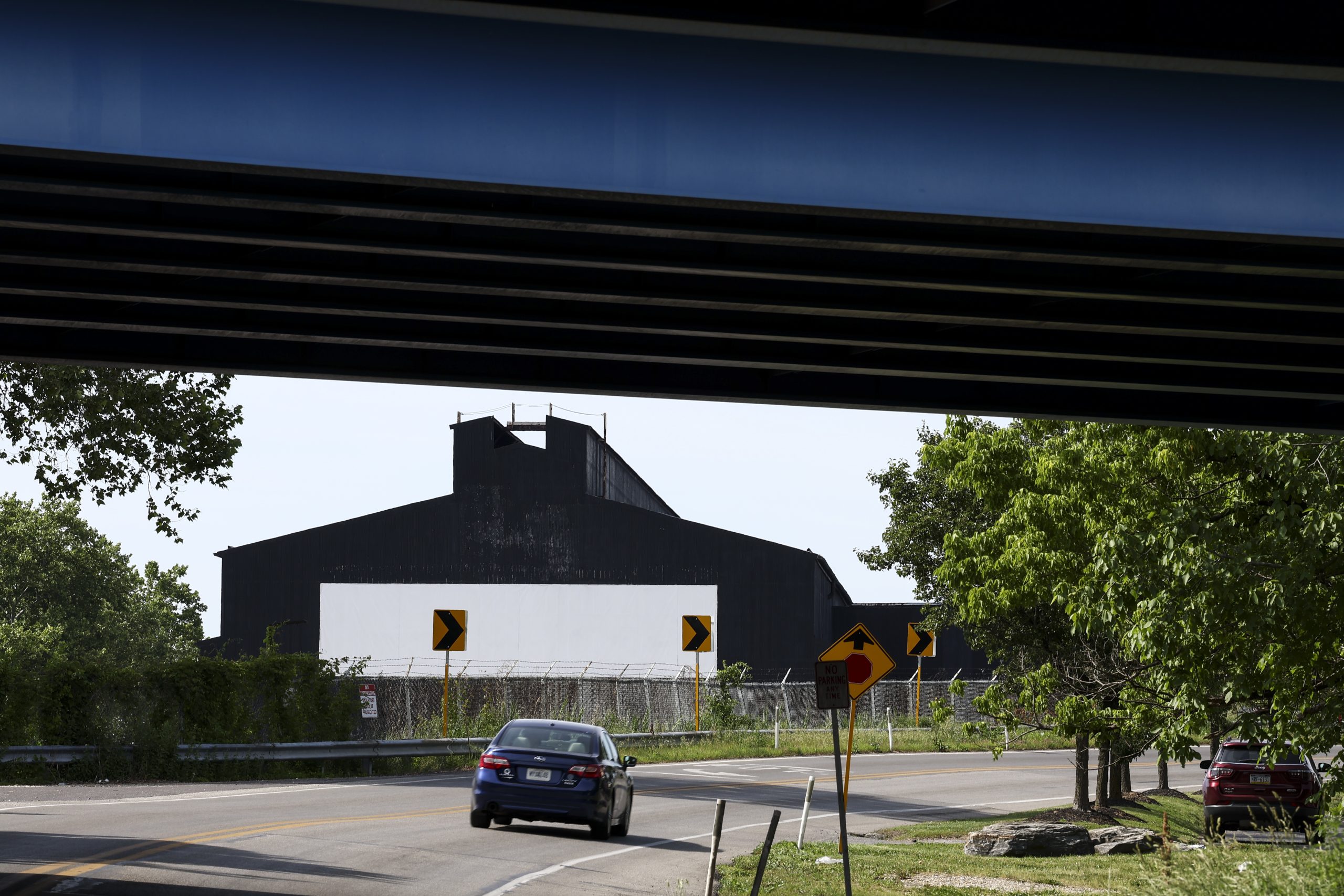
Across the Schuylkill, on the outskirts of Conshohocken, the developer wants to build another 2 million-square-foot AI data center at the site of the former Cleveland-Cliffs steel mill. He has said the center would be operated by a tenant related to the life sciences.
The closed Cleveland-Cliffs steel Mill, pictured in June, where Brian O’Neill wants to build a 2-million-square-foot AI data center.Monica Herndon / Staff Photographer
He recently resubmitted a plan to Plymouth Township, and a procedural zoning hearing board meeting was held last month.
The next meeting about the Conshohocken-area project is scheduled for Aug. 6 at Colonial Middle School and via livestream on the township’s YouTube channel.
Both the Conshohocken-area and King of Prussia plans would require multiple recommendations and approvals before construction could begin.
Ikea has opened its first Delaware County location, though it doesn’t look like its massive stores in Conshohocken and South Philly.
The home design company’s “plan and order point” in Media opened Wednesday. At less than 4,000 square feet, the outpost is a fraction of the size of its typical stores, with square footage in the hundreds of thousands.
Ikea, which has its U.S. headquarters in Conshohocken, said in a statement this fall that the location would provide design consultation services for more complex projects like kitchens, bedrooms, and bathrooms. But the space doesn’t contain inventory. Instead, customers can order items for delivery or on-site pickup.
For some Delaware County residents, the new location means “no more trekking through that notorious I-476 ‘Blue Route’ traffic” to get to the Conshohocken or South Philly stores, Ikea U.S. market manager George Holtkamp said in an October statement.
But if those customers get a craving for the popular Ikea meatballs, they’ll still have to make the longer trip, as the Media site does not have an in-store Swedish bistro.
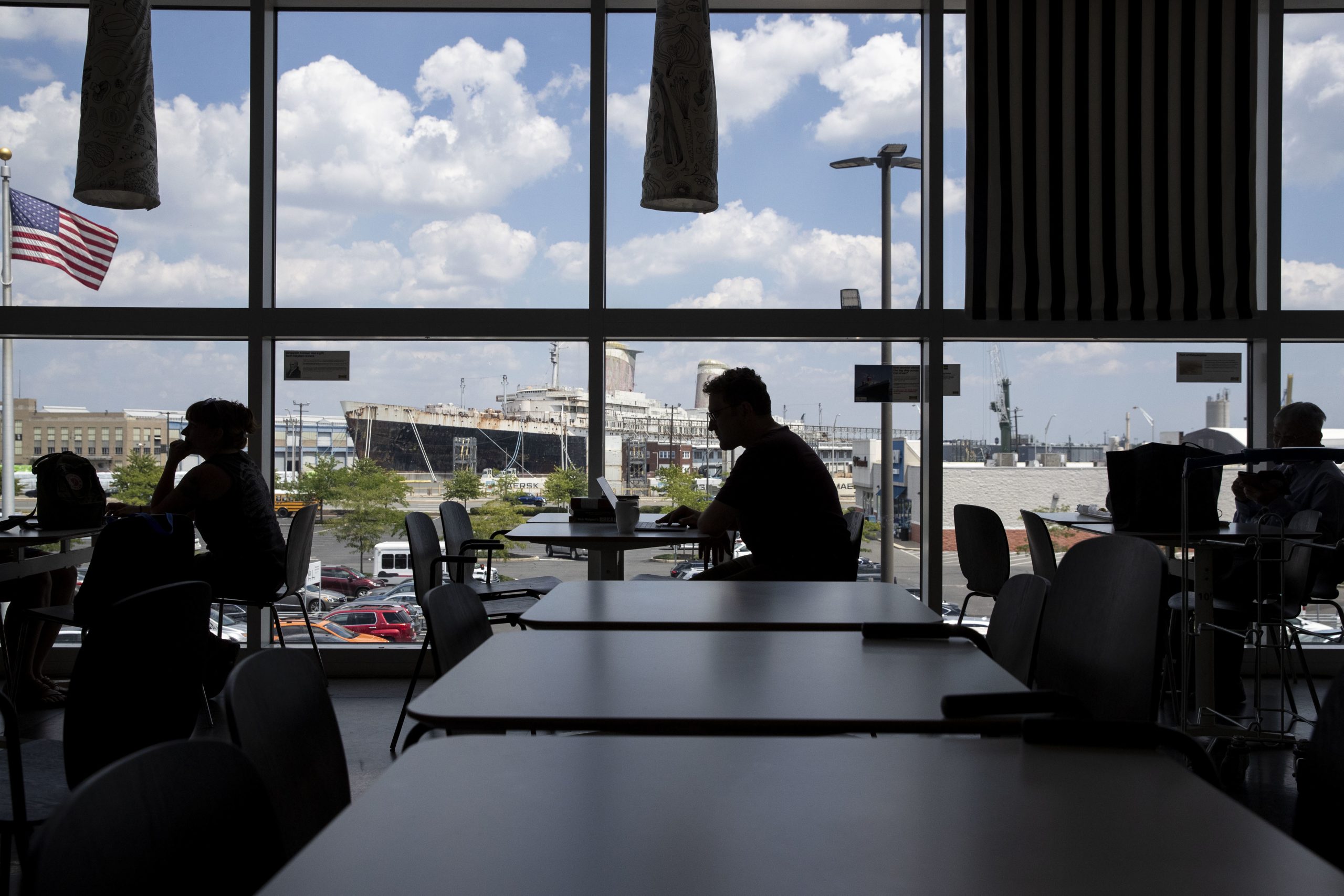
People worked in the cafeteria of the 300,000-square-foot Ikea in South Philly in 2022.MONICA HERNDON / Staff Photographer
Ikea has been adding more locations after its U.S. arm reported $5.3 billion in sales last year, the majority of which were made in-person. Over the same period, about 61 million people visited its physical stores, while more than 457 million people browsed the website.
In Media, Ikea joins Michaels, TJ Maxx, Kohl’s, Boscov’s, and a slate of other stores that occupy the 830,000-square-foot retail section of the Promenade at Granite Run. The complex exemplifies how struggling malls can be reborn.
After the Granite Run Mall closed in 2015, BET Investments spent more than $100 million to demolish the building and build the open-air town center in its place, according to president Michael Markman. Along with an array of retailers, the complex now contains 400 luxury apartments, as well as several restaurants and medical offices.
An aerial photo shows the Promenade at Granite Run in June 2022.Google Earth
Markman said in April that the retail portion of the complex is almost fully leased.
“Its only gotten better since we originally tenanted it,” Markman said at the time. “We signed a Nordstrom Rack. We signed a small-scale Ikea.”