Category: College Sports

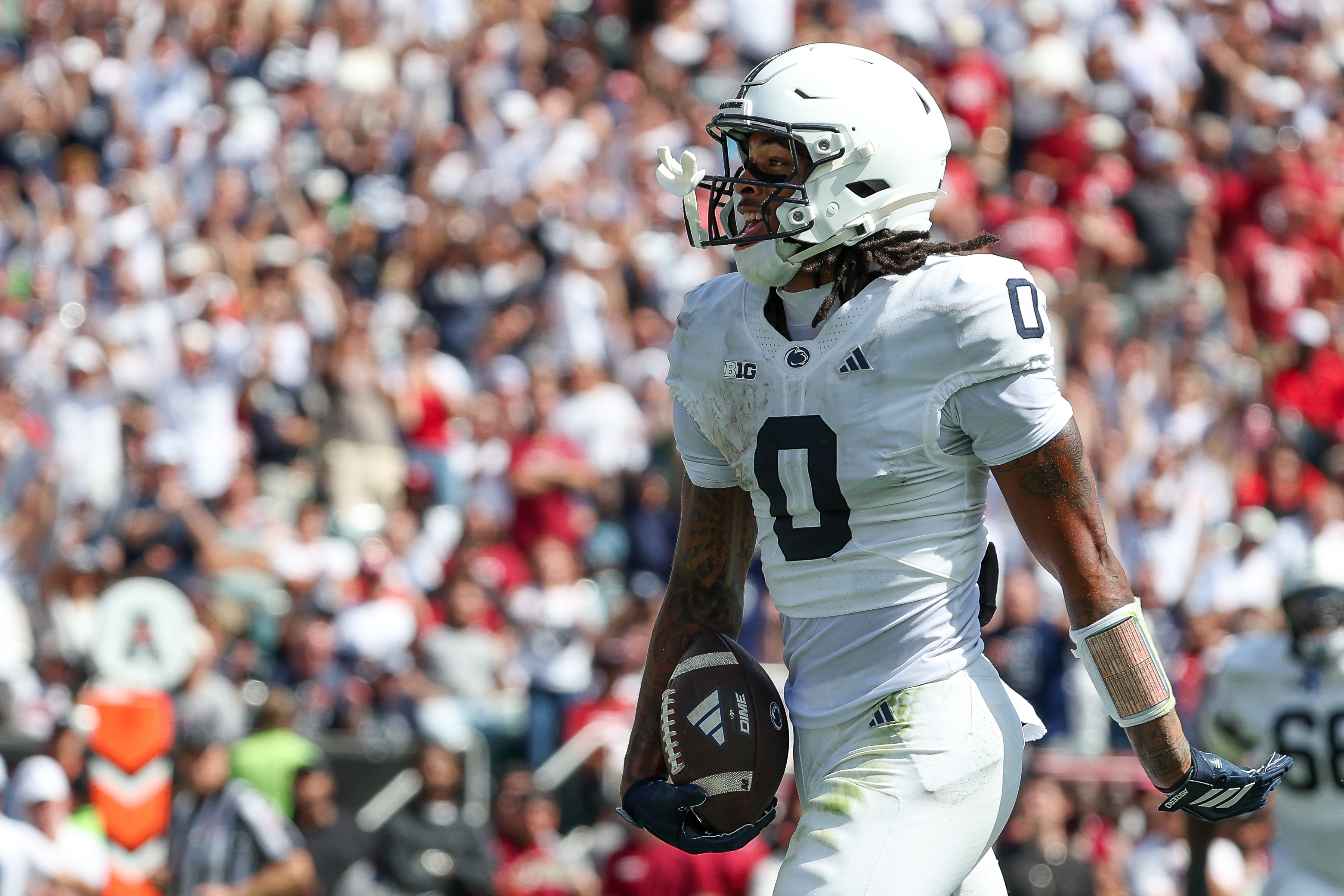
  • Four schools later, wide receiver Chase Sowell is finding his place at Penn State

    Four schools later, wide receiver Chase Sowell is finding his place at Penn State

    Chase Sowell, a fifth-year wide receiver, struggled to find the right fit.

    Out of high school in 2022, he played at Colorado, but wasn’t “the guy” and left for East Carolina. Sowell tallied more than 600 yards in each of his two seasons there. So he wanted a shot to play Power Four football again.

    Matt Campbell gave Sowell that chance at Iowa State. It was an opportunity, the receiver said, that changed his life, which is why he went back in the transfer portal to follow his coach to Penn State.

    “Even coming over here, it was literally last second to where I was, just focused on, ‘Man, what do I need to be doing now?’” Sowell said Tuesday. “I was working out, I was trying to get my body right, those type of things, and then boom, it happened. But it was not like I was planning on doing it or I was thinking about it two months ahead. So, just being present, and that’s all you can really do.”

    The decision to follow Campbell has paid dividends. Sowell emerged as the top receiving target for Penn State following the Sept. 19 injury that has kept fellow wideout Koby Howard sidelined. Sowell has 510 receiving yards — more than he had last year with the Cyclones (500 yards) — and three touchdowns.

    Sowell is also coming off a career game against Michigan, where he had 11 catches for 151 yards and a touchdown. He said it was exciting to see the final numbers, but disappointing that Penn State did not get a win.

    “It wasn’t the best feeling,” Sowell said. “I feel like I could have done more. There were some plays that I wish I could have back.”

    Although he wants to win, Sowell has undoubtedly been a bright spot during the Nittany Lions’ four-game losing streak.

    Sowell was limited in the spring with an undisclosed injury, but he said he put in a lot of work this offseason on improving the mental side of his game.

    “The main goal was to focus on what needs to be put into the work and not focus on the result,” Sowell said. “I feel like as a young kid, as a young college kid, you want all the great accolades, want all the great stats and stuff like that. But a lot of people skipped the steps to get there, and that was something that I was trying to focus on.”

    Sowell said he had a conversation with Campbell at Iowa State and again at Penn State, where his coach asked, “what are you going to do with the next 12 months of your life, and how is that going to change the next 20 years of your life?”

    The wide receiver carries that with him every day, and he’s also drawn inspiration from wide receivers coach Kashif Moore, who Sowell said is like a father figure.

    “Something that he told me was just being that leader without having to speak, and just showing them how it goes, showing them how it’s done,” Sowell said. “That’s something that I’ve really taken with me.”

    But Sowell’s time as the lone offensive star could soon come to an end. Campbell said Howard is “questionable” for Saturday’s matchup against Purdue, and he was on the practice field Tuesday and Wednesday.

    Campbell has expressed disappointment that Howard and Sowell haven’t had the chance to play many games together. Soon enough, Penn State should be able to utilize both players at their best.

    “The unfortunate piece is you haven’t had those guys on the field at the same time probably playing in that same rhythm,” Campbell said. “You feel like you are a way more complete football team than maybe you were probably those first two games back without Koby.”
  • Swarthmore College says U.S. Supreme Court ruling on trans athletes dealt blow to alum’s lawsuit

    Swarthmore College says U.S. Supreme Court ruling on trans athletes dealt blow to alum’s lawsuit

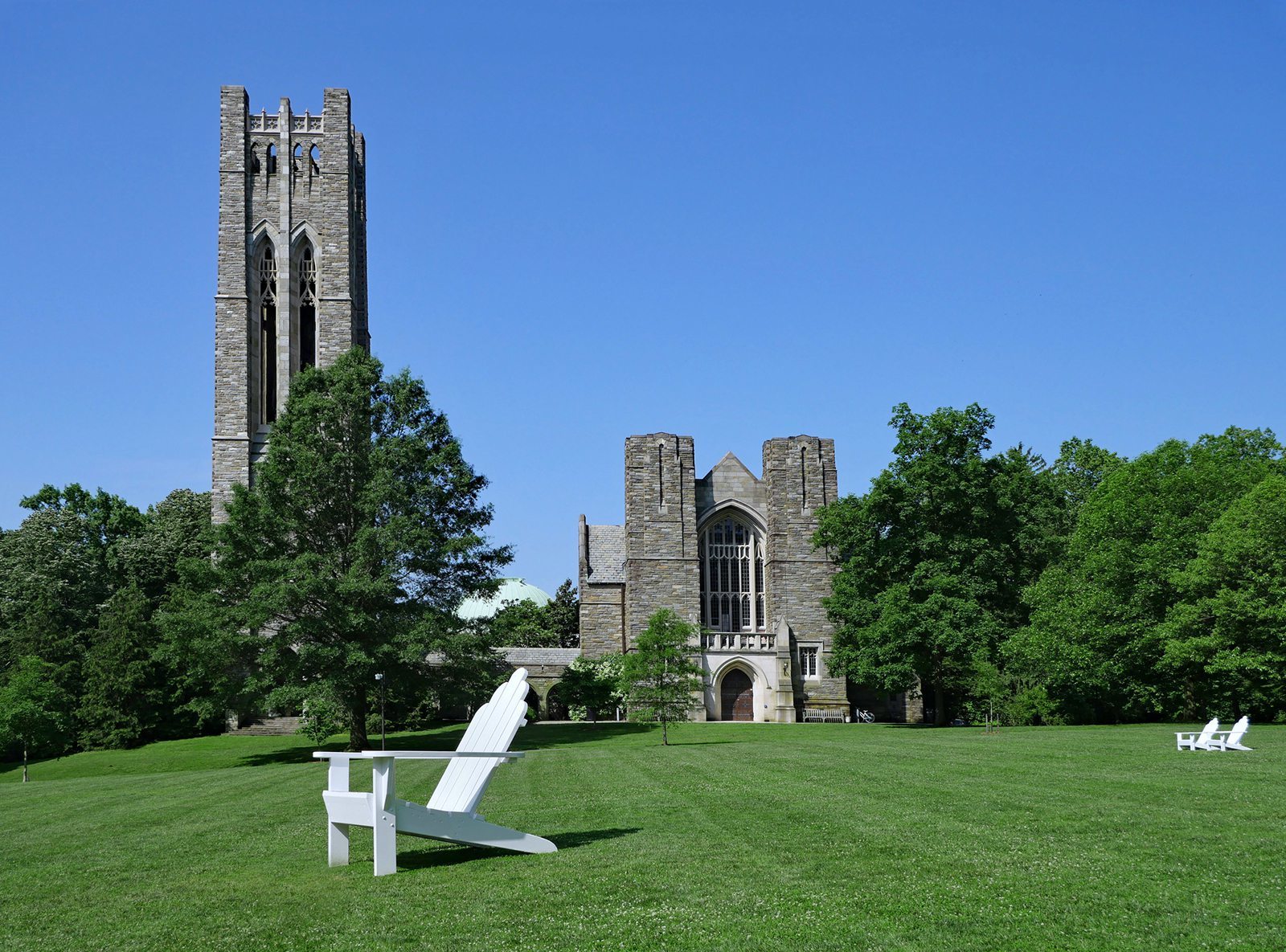
    The U.S. Supreme Court ruling that held states can ban trans women and girls from women’s college sports teams shut the door on a lawsuit filed by a Swarthmore College alum, the university said in a court filing.

    The Delaware County liberal arts school asked a federal judge to toss out a lawsuit brought by Evie Parts, a trans student who was temporarily removed from the college’s track team in her senior year.

    Parts was removed from the college’s varsity teams in February 2025 following an NCAA policy that banned transgender women from competing on women’s teams. After graduating that May she sued the school, its athletic officials, and the NCAA. The federal lawsuit accused Swarthmore of violating Title IX, a landmark antidiscrimination law, and Pennsylvania laws that protect college students based on gender identity.

    But a Supreme Court case over the constitutionality of state laws that ban trans women from participating in college sports loomed over the lawsuit.

    The high court’s ruling in essence nullifies Pennsylvania’s antidiscrimination protections, which include gender identity, Swarthmore said in a court filing, because state protections should be consistent with federal ones.

    A Swarthmore spokesperson said in a statement that the college values its transgender community members, and offers “numerous resources to create a welcoming, supportive, and inclusive environment for transgender individuals.”

    “But the Supreme Court made clear that the NCAA’s policy does not violate Title IX,” the statement said. “Given that, and the fact that courts in the Commonwealth have routinely held that Pennsylvania law should follow and be consistent with federal law, the case should be dismissed.”

    Parts’ case represents a new frontier in the legal fight over trans women’s participation in college sports. The question of whether states can impose bans is settled, but the outcomes of lawsuits such as Parts’ will shape the strength of existing protections enacted by states.

    Susie Cirilli, the lawyer representing Parts, said she stands by “every single allegation” in the amended lawsuit, which was filed after the Supreme Court’s June ruling.

    The NCAA did not respond to a request for comment.

    Parts joined the Swarthmore track and cross-country teams as a freshman in fall 2020. Following COVID-19 restrictions and medical leave, she returned to the team in fall 2023 and was named a captain the following year.

    Then, in February 2025, a day after President Donald Trump signed an executive order titled “Keeping Men Out of Women’s Sports,” the NCAA issued a policy that restricted participation in women’s sports to “student-athletes assigned female at birth.”

    After assessing the new policy, the suit says, Swarthmore told Parts there was no law in Pennsylvania “that might supersede the new NCAA policy.”

    Swarthmore officials told Parts they “vehemently disagree with this transgender ban,” the lawsuit says.

    The college told Parts she could compete on the men’s team or run as an unattached athlete, meaning Swarthmore would not provide race-related expenses, transportation, or medical and training support, the suit says.

    The news was devastating, the complaint says, and the athlete began harming herself and contemplating suicide

    The college reinstated Parts to the women’s team in April 2025, and she participated in three competitions before graduating.

    Parts sued Swarthmore, college officials, and the NCAA in August 2025, accusing the college of violating Title IX and Pennsylvania laws.

    But the litigation took a complicated turn when the Supreme Court agreed to consider the constitutionality of Idaho’s and West Virginia’s bans on trans athletes’ participation in girls’ and women’s sports.

    Lawyers for Parts, Swarthmore, and the NCAA agreed to pause the litigation until the justices ruled on the issue. And in a unanimous ruling, the justices upheld the bans, finding the prohibition did not violate Title IX.

    Undeterred by the ruling, Parts filed an updated complaint in September. She still says the college violated Title IX, the Pennsylvania Human Relations Act, and the Pennsylvania Fair Educational Opportunities Act.

    The latest version of the complaint says Swarthmore engaged in a “campaign to coerce Evie into believing that there was no law in the state of Pennsylvania that protected against discrimination based on gender identity.”

    But the college said in a filing this month that the Supreme Court ruling changed the equation and settled the matter.

    Swarthmore’s motion to dismiss cites Justice Brett M. Kavanaugh’s majority opinion: “The question is whether Title IX permits schools to maintain women’s and girls’ sports teams for biological females. The answer is yes.”

    As for the question of Pennsylvania’s protections, the college says, “it is well established” that these laws “are to be interpreted consistently with federal anti-discrimination laws.”

    In other words, the college argues, if sex-based protections in Title IX are limited to biological sex gender identity, the same is true for Pennsylvania law.

    Not everyone agrees with Swarthmore’s interpretation. The Women’s Law Project, for example, said in a blog post about the Supreme Court ruling that “Pennsylvania still requires inclusion in sports.”

    Parts’ attorney has until next month to respond to Swarthmore’s claims, which U.S. District Judge Cynthia M. Rufe will rule on.

  • Competing at St Andrews Links was a ‘surreal experience’ for Penn golf

    Competing at St Andrews Links was a ‘surreal experience’ for Penn golf

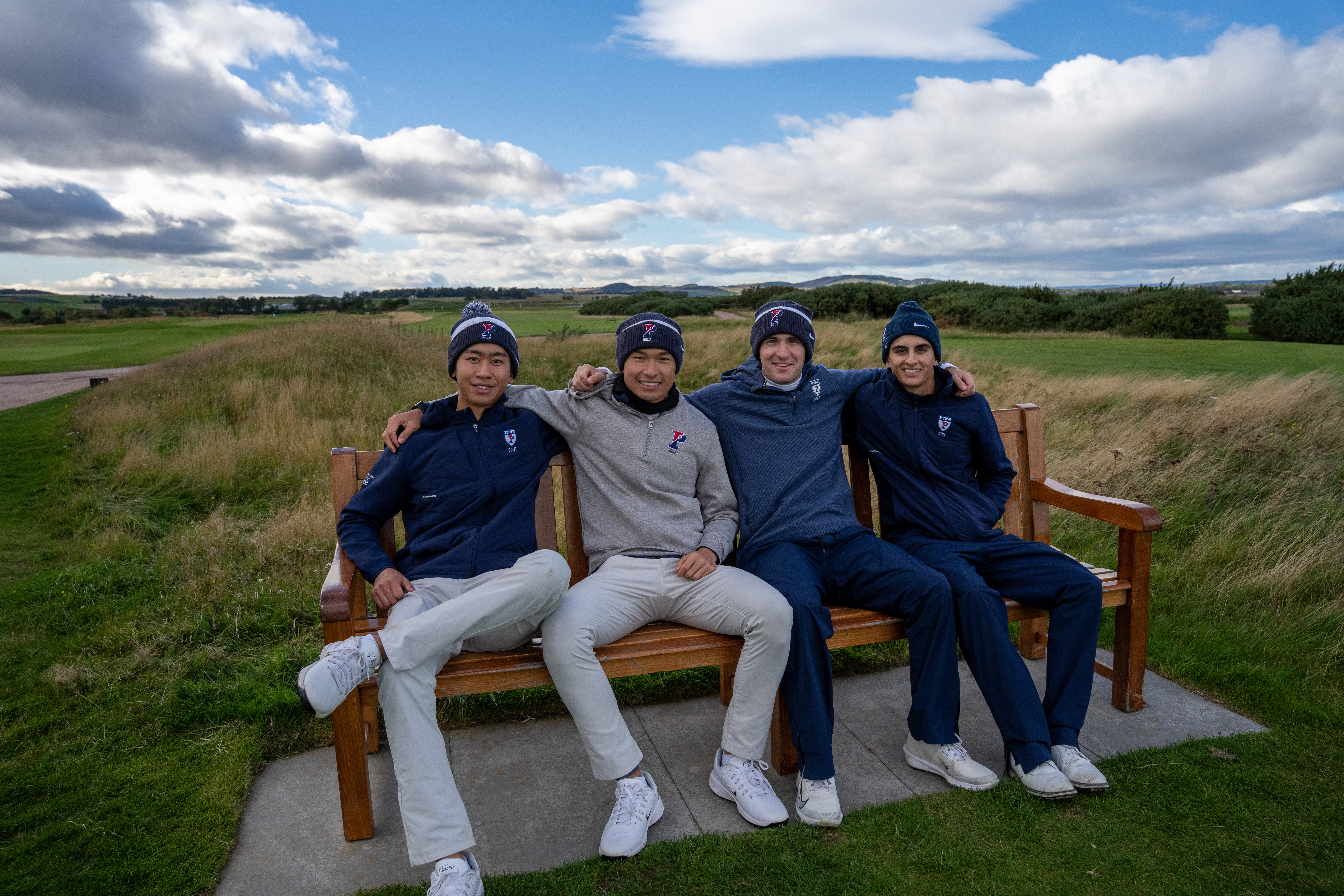
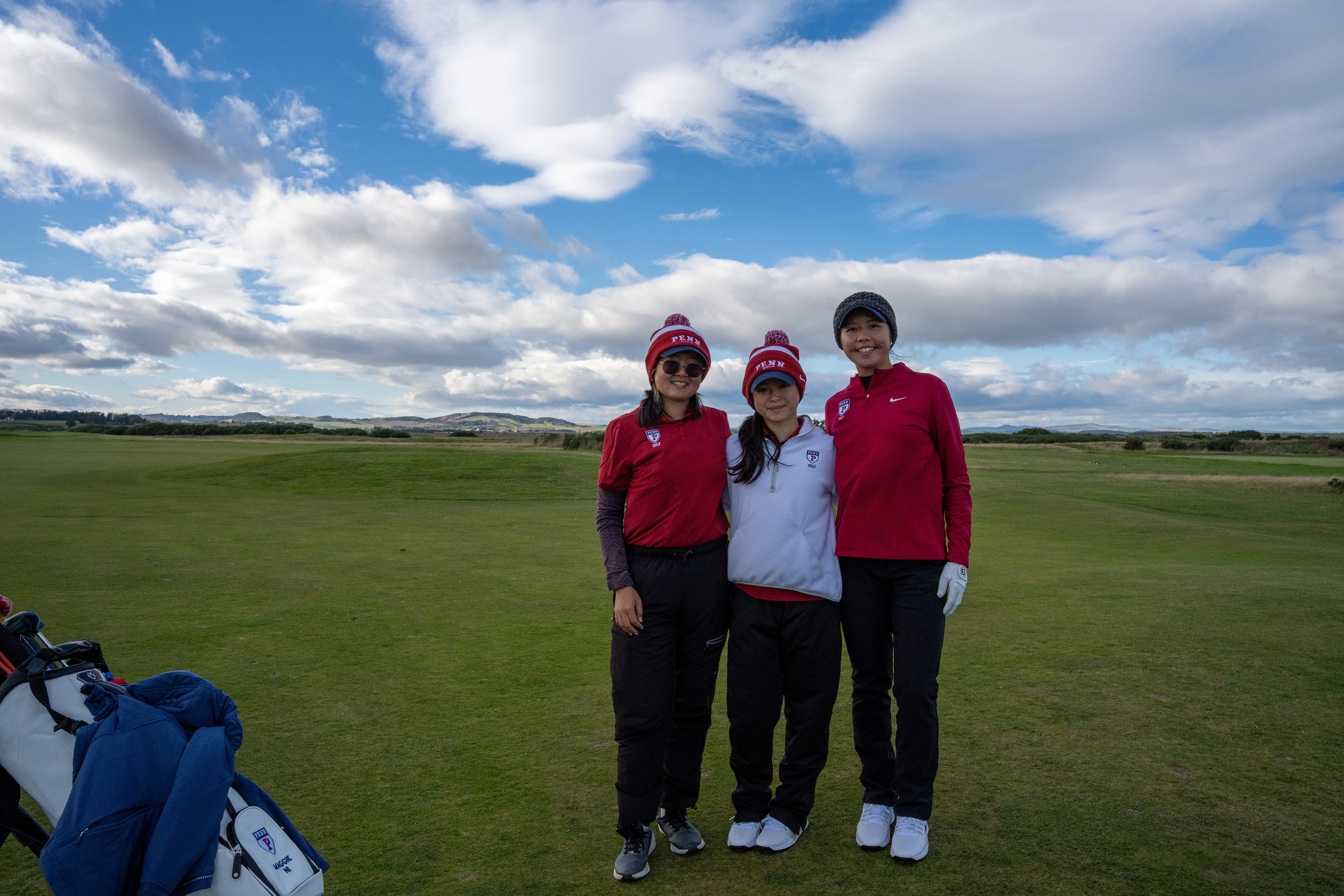
    For three days, Penn’s men’s and women’s golf teams competed at the oldest golf course in the world, Scotland’s St Andrews Links, the 15th century course that will host the Open Championship for the 31st time next summer.

    Called the “Home of Golf” , St Andrews welcomed Penn, Texas, Washington, and University of St Andrews for the St Andrews Links Collegiate from Oct. 12-14. The matches were televised on the Golf Channel.

    For senior Madeleine Zang, it was a “surreal experience.”

    Zang had a special moment on the course, when the wind blew her putt into the hole. It was captured on camera and quickly went viral on the Golf Channel’s instagram. The video has 8.1 million views, one of the most viewed reels on the Golf Channel’s account.

    “‘Oh my god, this is the luckiest putt in the whole world!’” Zang said. “We talked about it for the rest of the round.”

    But the weather was otherwise difficult for the golf teams. Sophomore Arjun Caprihan said it felt like “play[ing] in a hurricane … it was blowing like 40 miles per hour and raining sideways.”

    Women’s golf head coach Mark Anderson added: “I thought [the rain] was hail at first. It literally hurt your face.”

    Penn women’s golf finished third in the tournament, and the men’s team placed fourth. Texas won both the men’s and women’s tournaments.

    But for Penn’s student-athletes, it was much more than just a competition. For many, it was the experience of a lifetime and their first visit to Scotland.

    “I thought it was really cool how Penn treated us properly and did this trip right,” Caprihan said. “They didn’t really cut corners for us.”

    The players received jackets with both St Andrews Links and Penn logos on them and stayed at the Old Course Hotel. After the tournament, the men’s and women’s teams played a few friendly rounds and went sightseeing with the other schools.

    “Just being able to compete with teams that are better than us was fun,” Caprihan said.

    Even the coaching staff had their share of fun. Anderson got to know Penn’s strength and conditioning coach Cory Walts and athletic trainer Anthony Erz while playing pool with the St Andrews students.

    Freshman Sophia Lu had to take a math exam right after the tournament, so Anderson printed out the exam and proctored her at 7:30 a.m. Besides the exam, Lu remembers the food they ate: pasta, bread, and cheese fondue.

    Wesley Hu, Ryan Chang, Hayden Adams, Oliver Uribe were among the Penn golfers who went to the St. Andrews Links Collegiate.Penn Athletics

    But she — and several members on the team — couldn’t bring herself to try haggis, a traditional Scottish dish of minced sheep offal stuffed into a sheep stomach.

    “Three times I’ve gone over [to Scotland], yet to try haggis,” Anderson said, “I don’t think I’m ever going to try it.”

    Part of the trip included a tour of the Royal and Ancient Golf Club, a members-only club that is not open to the public. At the club, the men’s and women’s teams saw the original Claret Jug, then called the Challenge Belt, from the 1700s that used to be given as a trophy, and the lockers of famed golfers like Ben Hogan.

    After one week of competing at a historic course , Zang said, “It’s honestly kind of the peak of our student-athlete experience.”

    “Makes you fall in love with golf all over again,” Lu added, “Nothing can top that honestly.”

  • Another year, another new-look Temple team. Adam Fisher sees something different.

    Another year, another new-look Temple team. Adam Fisher sees something different.

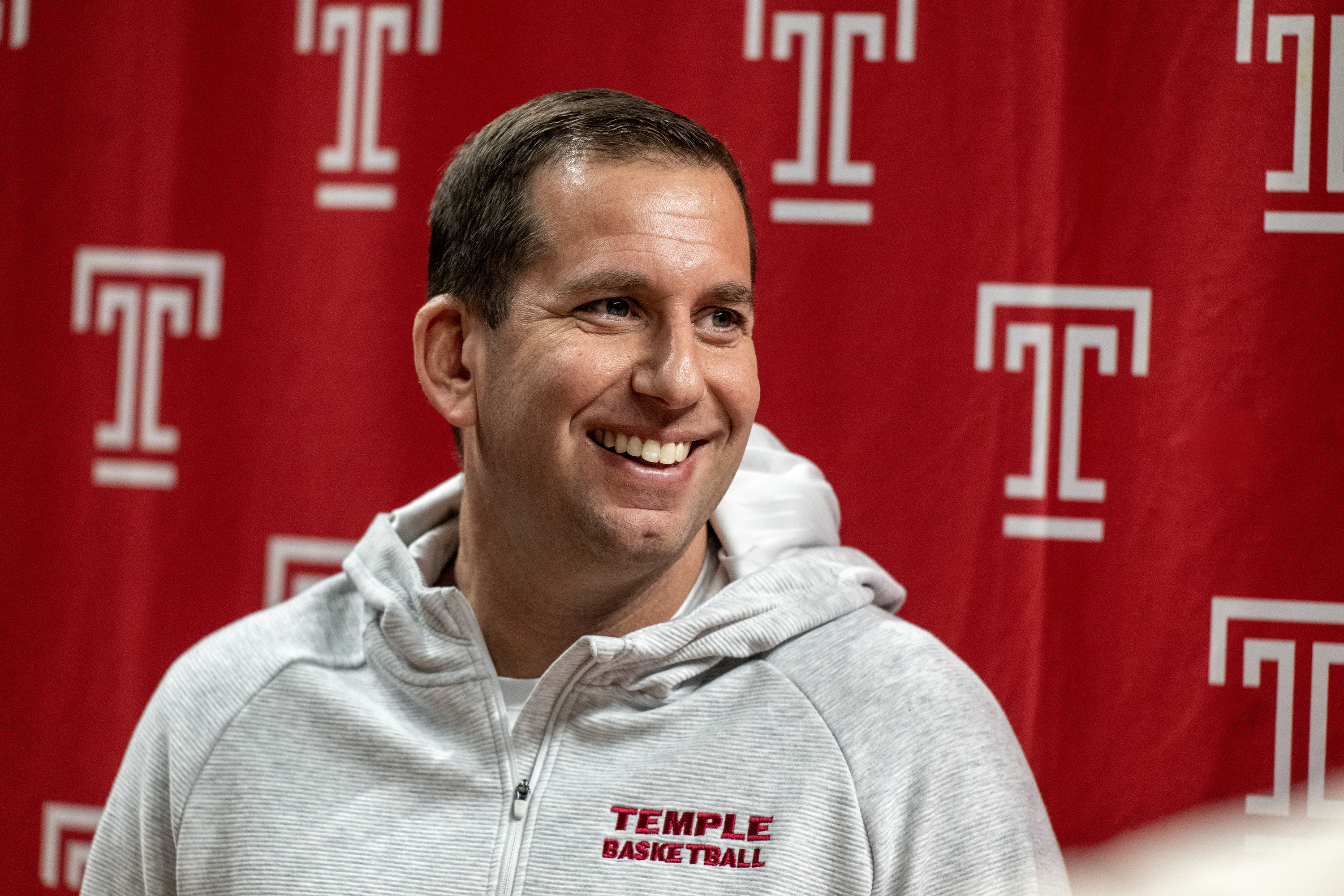
    Adam Fisher, in his fourth year at the helm of Temple men’s basketball, is no stranger to roster turnover. Excluding graduates, seven Owls left after his inaugural 2023-24 season and six after 2024-25.

    This time around, seven players transferred after last season’s 16-16 campaign and the lineup features 10 newcomers.

    Fisher worked through another offseason putting together the pieces. As Temple gets ready to open its season Monday against Central Connecticut, he hopes to turn that effort into positive results.

    “We’re super excited to get going,” Fisher said. “It used to be, ‘Oh, we got so many new guys.’ Everybody does. So now it’s a matter of, how do you get the group to come together as quick as you can?”

    Pieces in the portal

    Fisher used the portal to rebuild Temple’s roster. After three big men departed, he replaced them with centers Sir Issac Herron and Christian Beam. When two guards and forwards left, including second-leading scorer Aiden Tobiason, Fisher landed four guards and three forwards.

    “We were looking for guys that were experienced,” Fisher said. “You add some shooting, then you want to see what else you can get. We want to get size, bigger on the wings was a big thing for us. We wanted some toughness.”

    Temple’s frontcourt has grown. The Owls mainly leaned on 6-foot-9 centers Babatunde Durodola and Jamai Felt last year. They now have 6-10 Beam and 7-1 Herron.

    Jason “Deuce” Drake and Dez White add shooting depth. Last season, Drake and White made 39.6% and 37.9% of three-pointers, respectively.

    Gelling the team

    Fisher spent the offseason building team culture with the newcomers. He’s installed “Team Tuesdays,” a weekly activity where the roster spends the evening together off the court.

    Temple also continued its “Family Day” tradition where players’ families watch practice and have a meal with the team, which is Fisher’s way of saying thank you to the parents.

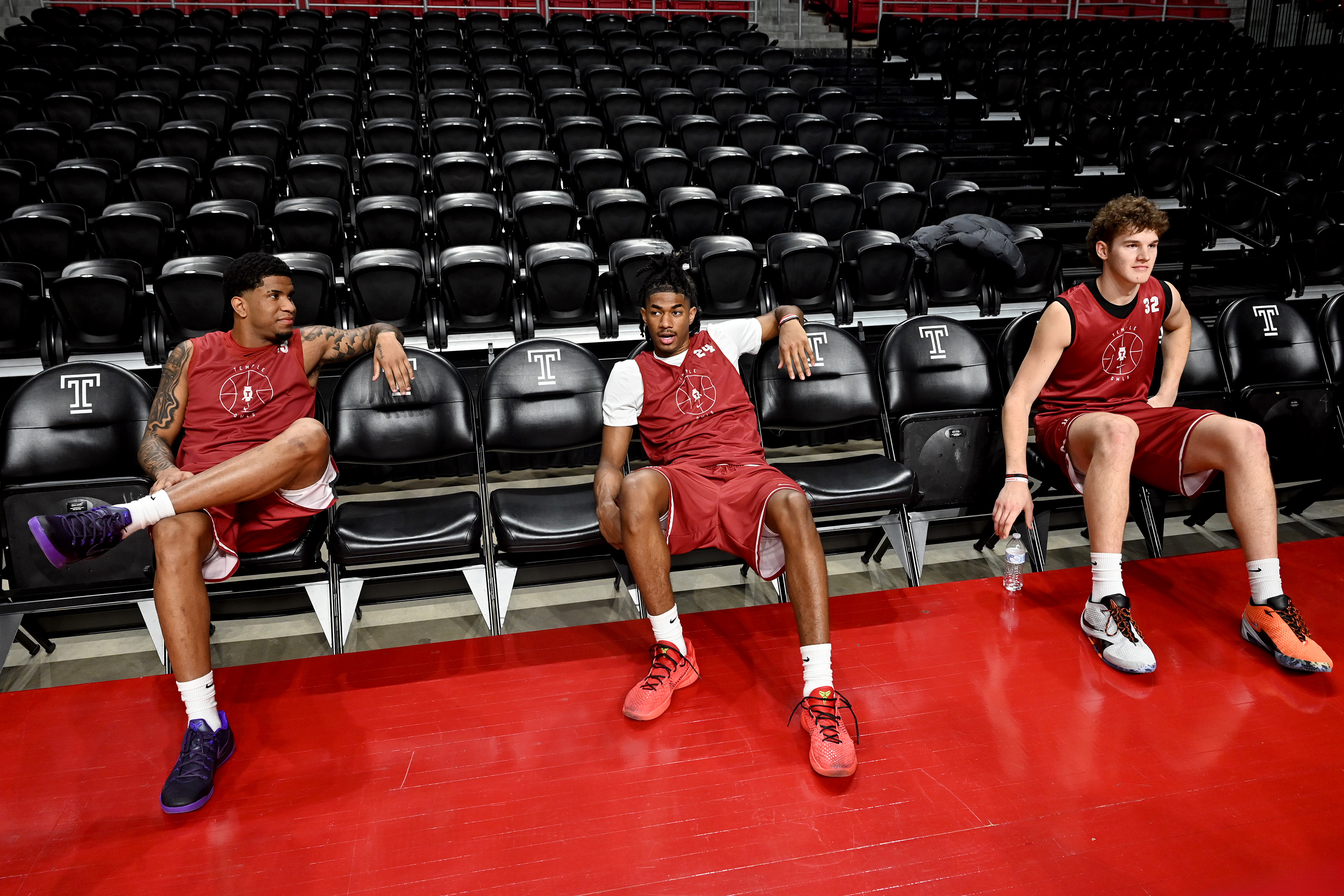
    Edwin Suarez Jr. (left), Baboucarr Njie, and Christian Beam (right) during Temple men’s basketball media day on Oct. 19.Tom Gralish / Staff Photographer

    The hope, Fisher said, is to see those efforts stretch onto the court. Fisher has watched the team’s returnees explain the fundamentals of practice to the newcomers, who seem to be picking it up quickly.

    “It is competitive,” Fisher said. “This is practice 19. Three or four of the 19, we’ve stopped early just because the competitiveness has been so high that we felt maybe we accomplished enough.”

    New team, same goals

    A Temple donor told Fisher something that stuck with him: You need to combine talent, health, and luck to be successful. He’s saving that mentality for conference play.

    American Conference games didn’t go Temple’s way last year (8-10), and Fisher attributed it to a lack of depth. He no longer wants to run his starters into the ground. He wants the entire team to be ready come January, when a well-balanced attack matters.

    That also requires commitment. Fisher tells his team that just because someone is starting in early November doesn’t mean the same for the end of the month. His search for postseason success will depend on how this new group will respond to his messaging.

    “Give us everything you’ve got, all the outside noise, we all put our egos away,” Fisher said. “If you ever want to be back together in the same room, you’ve got to do something special. … Our goal is that these guys have a great experience, that we win, that we’re successful, that they want to be back.”

  • Phil Martelli to be inducted into St. Joseph’s Athletic Hall of Fame

    Phil Martelli to be inducted into St. Joseph’s Athletic Hall of Fame

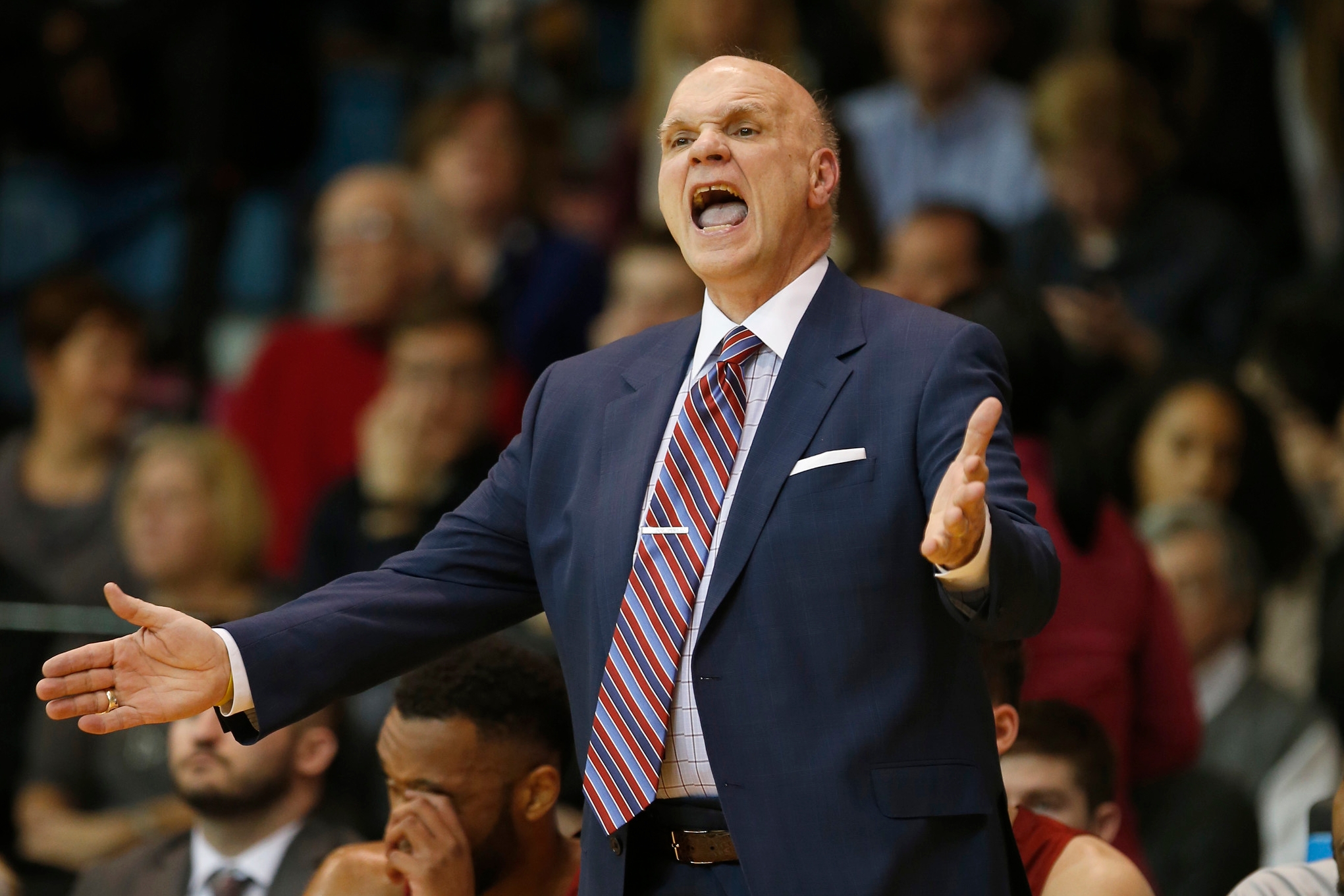
    Phil Martelli, who led St. Joseph’s to one of the most memorable seasons in men’s college basketball history in 2003-04, will be inducted into the university’s Athletic Hall of Fame, the school announced Tuesday.

    Martelli, 72, spent 24 seasons coaching the Hawks and is the winningest coach in program history with a 444-328 record. He led them to seven NCAA Tournament appearances, three Atlantic 10 championships, and 13 postseason appearances.

    Martelli will be the lone Hall of Fame inductee in the Class of 2027, with a ceremony later this year.

    In 2003-04 season, the Hawks, led by national player of the year Jameer Nelson, went 27-0 in the regular season. The team earned the program’s first No. 1 national ranking and a top seed in the NCAA Tournament before advancing to the Elite Eight. The Hawks finished with a program-record 30 wins.

    “Coach Martelli is synonymous with Saint Joseph’s basketball and the very best of Hawk Hill,” Vice President and Director of Athletics Ashwin Puri wrote in a news release. “His achievements on the court speak for themselves. From Atlantic 10 championships and NCAA appearances, to guiding generations of student-athletes to success in the classroom and beyond. More than the victories, Phil’s unwavering commitment to passion, integrity, and care not only transformed Saint Joseph’s basketball, but also left a lasting impact across the national college basketball landscape.”

    Martelli was named the consensus national coach of the year in 2004, earned four Atlantic 10 coach of the year honors, and three Big 5 coach of the year awards during his tenure. He also coached seven future NBA players, including Nelson, Delonte West, and Langston Galloway.

    St. Joe’s parted ways with Martelli in 2019. His dismissal caused a rift between the school and Martelli for the way it was handled. The 72-year-old went on to finish his coaching career as an assistant and associate at Michigan.

    Martelli is still involved with the game by serving on the NIT Selection Committee and the NABC ad hoc advisory committee. He helped Philadelphia’s Coaches vs. Cancer chapter become one of the nation’s leading fundraising groups and received the American Cancer Society’s Circle of Honor Award alongside former Temple coach Fran Dunphy in 2017.

    “With heartfelt appreciation to Dr. Cheryl McConnell and Ash Puri, I am honored to be joining the SJU Athletics Hall of Fame,” Martelli said. “My loving family, loyal staff, and special players made this happen. A special acknowledgment to John Griffin and Don DiJulia who have been true confidants throughout my career. I am looking forward to reengaging with all who make Hawk Hill a special place.”

    Puri added: “Inducting him into the Saint Joseph’s Athletics Hall of Fame is a fitting tribute to an unparalleled legacy.”

  • Temple is ‘trying to restart’ in Week 9 with new defensive voice and potential reinforcement

    Temple is ‘trying to restart’ in Week 9 with new defensive voice and potential reinforcement

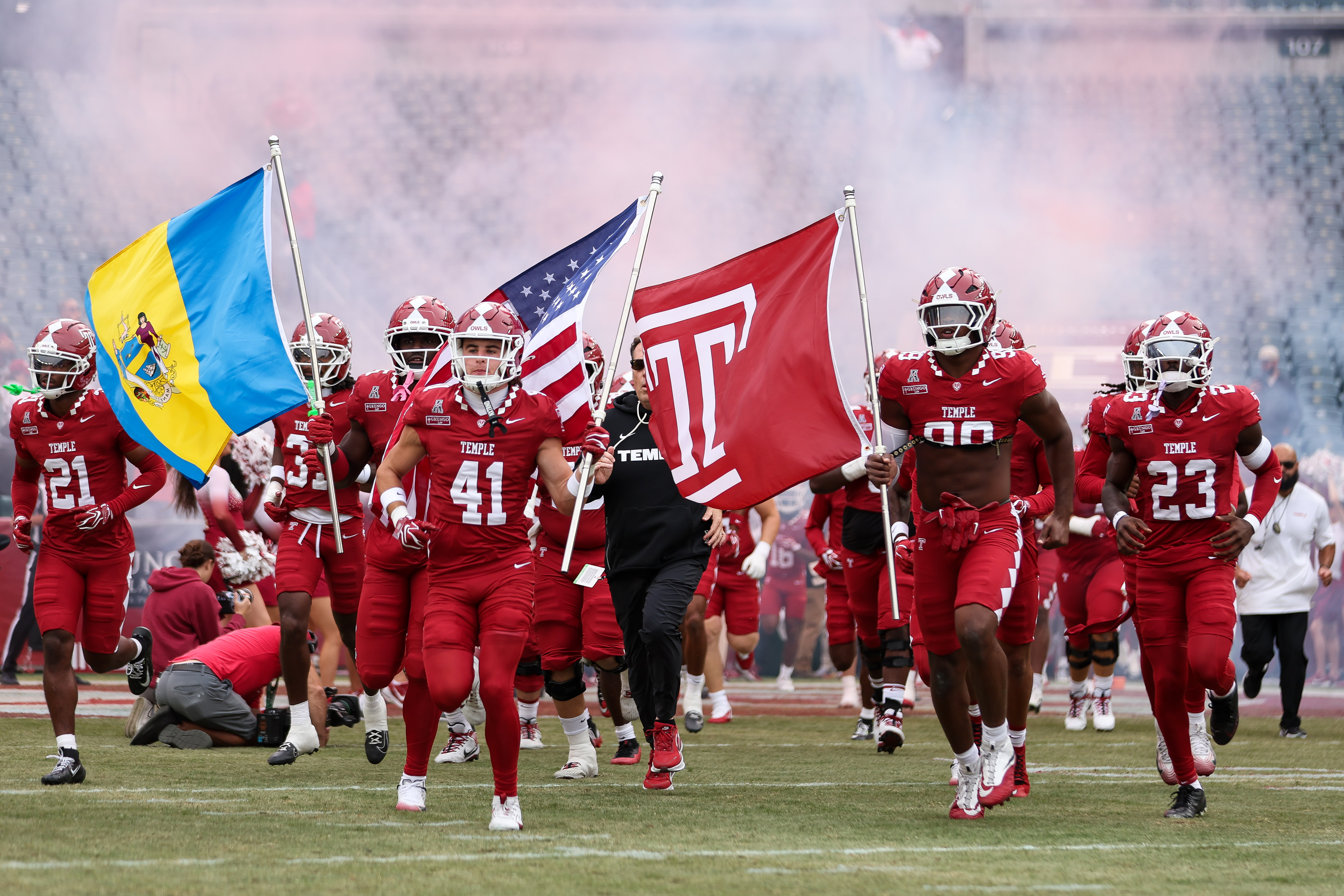
    Temple made its most significant change of the football season during the bye week.

    After the 2-5 Owls gave Charlotte its first win since September 2025, coach K.C. Keeler fired defensive line coach Cedric Calhoun, demoted defensive coordinator Brian L. Smith, and promoted assistant head coach Henry Baker to call defensive plays.

    Temple used its bye week to reset. Now, the Owls are traveling to East Carolina on Saturday (3 p.m., ESPN+) in hopes of recovering from a tumultuous Week 7.

    “My teams usually play clean, they play with discipline, and they finish,” Keeler said. “This team did not do that last week. And that’s something that I have to get figured out. … So, again, we’re trying to restart this thing.”

    Adapting to changes on the sideline

    The Owls practiced for more than two and a half hours on Monday, and the defense focused on the details. Defending the run game and simplifying their game plan are still the focus after Keeler said they need to be cleaned up.

    The coaching moves have prompted adjustments for Temple’s players. Linebacker Eric Stuart cited a lack of energy during Week 7. For him, the coaching shift is a minor adjustment.

    “When [Baker] first got the [defensive coordinator] job, he pulled me and a couple guys into the room and kind of just broke down what his plan was,” Stuart said. “As a defense, we just need to get behind him and trust that he’s trying to put us in the best position possible.”

    Players returning and leaving

    Temple has been bit by the injury bug. Wide receiver Jojo Bermudez didn’t play against Charlotte, and running back Sam Brown V hasn’t played since the Owls’ loss to Army on Sept. 25. Offensive linemen John Watkins and Kevin Terry each suffered injuries against Charlotte, while Eric King hasn’t suited up since Oct 10.

    Bermudez practiced Monday after sustaining a shoulder injury against UConn on Oct. 10. Brown participated as well as he rehabs a high-ankle injury.

    Offensive lineman Giakoby Hills has made progress in his own recovery from a leg injury suffered in the season opener.

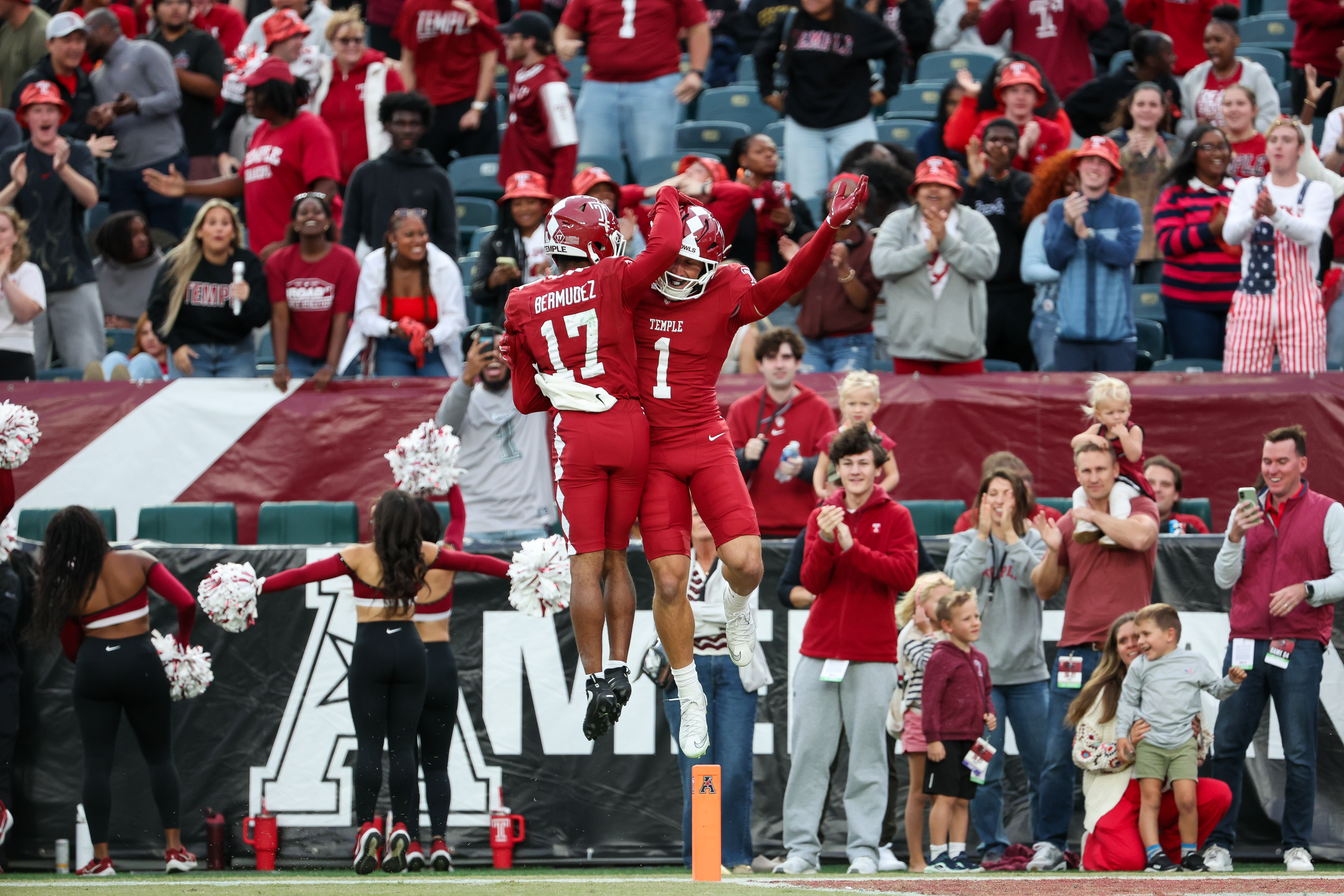
    Temple wide receiver Colin Chase (1) celebrates with teammate JoJo Bermudez (17) after scoring a touchdown against Army on Sept. 25.Isaiah Vazquez / For The Inquirer

    Keeler is hopeful Hills, Brown, and Bermudez will return to action.

    The Temple coach also announced on Monday that defensive lineman Quante Gillians was cut from the team.

    “I always work with my leadership council on those things,” Keeler said. “I met with Quante yesterday … and I told him, ‘We’ll help you find a home,’ but there was a dismissal.”

    Preparing for the Pirates

    Keeler harped on “the process” at practice. He needs his team to take this season one week at a time, and he said it’s time to move on from its loss to Charlotte.

    Temple lost to East Carolina, 45-14, last season — a game in which Keeler admitted the Pirates dictated the tempo. He was impressed with their offensive line and hard defensive blitzing.

    “What we need to do is worry about being process-oriented,” Keeler said. “That process is, ‘What can we do today, and then what can we do the next day?’ … Just worry about playing the next snap, and I’ll take responsibility.”

  • Villanova gets a boost in its record and confidence courtesy of a win over No. 12 Lehigh

    Villanova gets a boost in its record and confidence courtesy of a win over No. 12 Lehigh

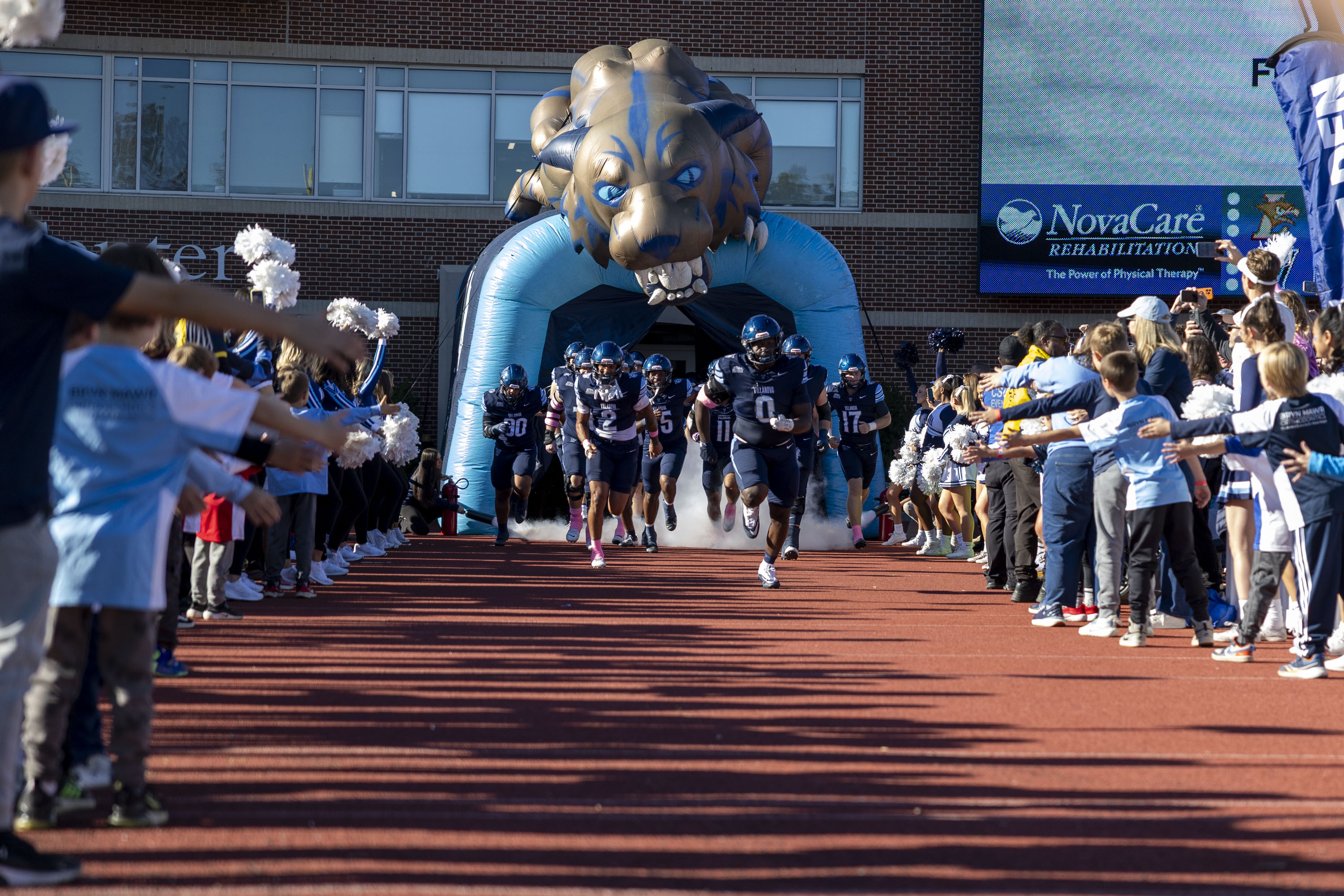
    Villanova’s football season has been revived with the help of a Garrett Rogan sack on the 2-yard line to seal a 24-18 win against No. 12 Lehigh on Saturday.

    Villanova (4-4, 3-2 Patriot League) picked up its first home win since November 2025, defeating Lehigh, 24-18. The Mountain Hawks converted two fourth-down conversions on their final drive to set up a possible game-tying touchdown from the 2-yard line with seconds left on the clock. Rogan was able to break through the line and sack Lehigh’s Derek Morgan as time expired.

    “It’s good to be on the winning side of a last-possession game,” Villanova head coach Mark Ferrante said. “We haven’t had the opportunity to do that too many times, a couple times. However, games always come down to the last possession.

    “Thankfully, this one worked out in our favor. So we’re excited; we’ll enjoy it for 24 hours, get back to work tomorrow and fix things that need fixing because there’s going to be correctables regardless of the result, regardless of the outcome, there’s always correctables.”

    The Wildcats put up 337 yards of total offense, rushing for 136 and passing for 201.

    Villanova graduate quarterback Pat McQuaide was 15-for-25 . He is now 55-for-77 (71.4) over his last three games. McQuaide added a 7-yard rushing touchdown for Villanova’s first score.

    “Yeah, that was big,” McQuaide said of scoring on the opening possession. “I think we talked all week about just focusing on us and taking care of our business, being physical, and winning the first game of every series. I thought we did a good job in the first half. Obviously, [Lehigh] made some adjustments. They had a better plan in the second half. They did some good things. That’s stuff that we have to overcome, put more points on the board in the second half so that the game doesn’t come down to the last possession. … Obviously, with how the season’s gone, it’s been pretty crazy up and down. So to finish with a win, obviously, like you said, it’s always great to win.”

    Rogan and Villanova defense powers

    Rogan switched from safety to linebacker this offseason and has been finding success. He totaled 13 total tackles (11 solo). It was the first sack of his season and second in his entire career.

    “He’s fortunate enough to come off and get to the quarterback, come off the edge and get to the quarterback,” Ferrante said. “So we’re excited. He’s learning a new position. He’s been a safety his whole career, and this year he’s forced to play linebacker. So I think he’s still growing with the position, and he’s been stepping up and making some good plays and opportunities he’s had.”

    Through eight games, Rogan has 39 total tackles (25 solo).

    Villanova’s defense was able to hold Lehigh to a scoreless first half and 82 total yards of offense. The Mountain Hawks were 1-for-6 on first-half third downs.

    The Wildcat defense forced Lehigh to settle for a field goal while in the red zone at the end of the third quarter. On the game’s final drive, they kept them from scoring a touchdown on the 2-yard-line that could have led to a game-winning extra point.

    Running back success continues

    Villanova’s offense was led by the running back duo of Ja’briel Mace and Isaiah Ragland. Mace had 17 carries for 91 yards and a touchdown. It was his third consecutive game with a score. Ragland rushed for 44 yards and a touchdown.

    Mace has rushed for a team-high 594 yards this season. Ragland leads the team with eight rushing touchdowns. Both running backs are averaging five yards per carry.

    Villanova limits penalties

    Villanova’s biggest struggle earlier in the season was penalties. The Wildcats averaged 8.8 penalties over their first five games. Through its last three, Villanova has only averaged five per contest.

    Against Lehigh, the Wildcats had five penalties for 58 yards.

    Up next

    Villanova will travel to Lafayette (3-4, 2-2 Patriot League) next Saturday for a conference matchup (12:30 p.m., ESPN+). Villanova has lost the last two matchups against Lafayette in 2016 and 2017.

  • College sports are changing. This Penn professor wrote the guide for university leaders.

    College sports are changing. This Penn professor wrote the guide for university leaders.

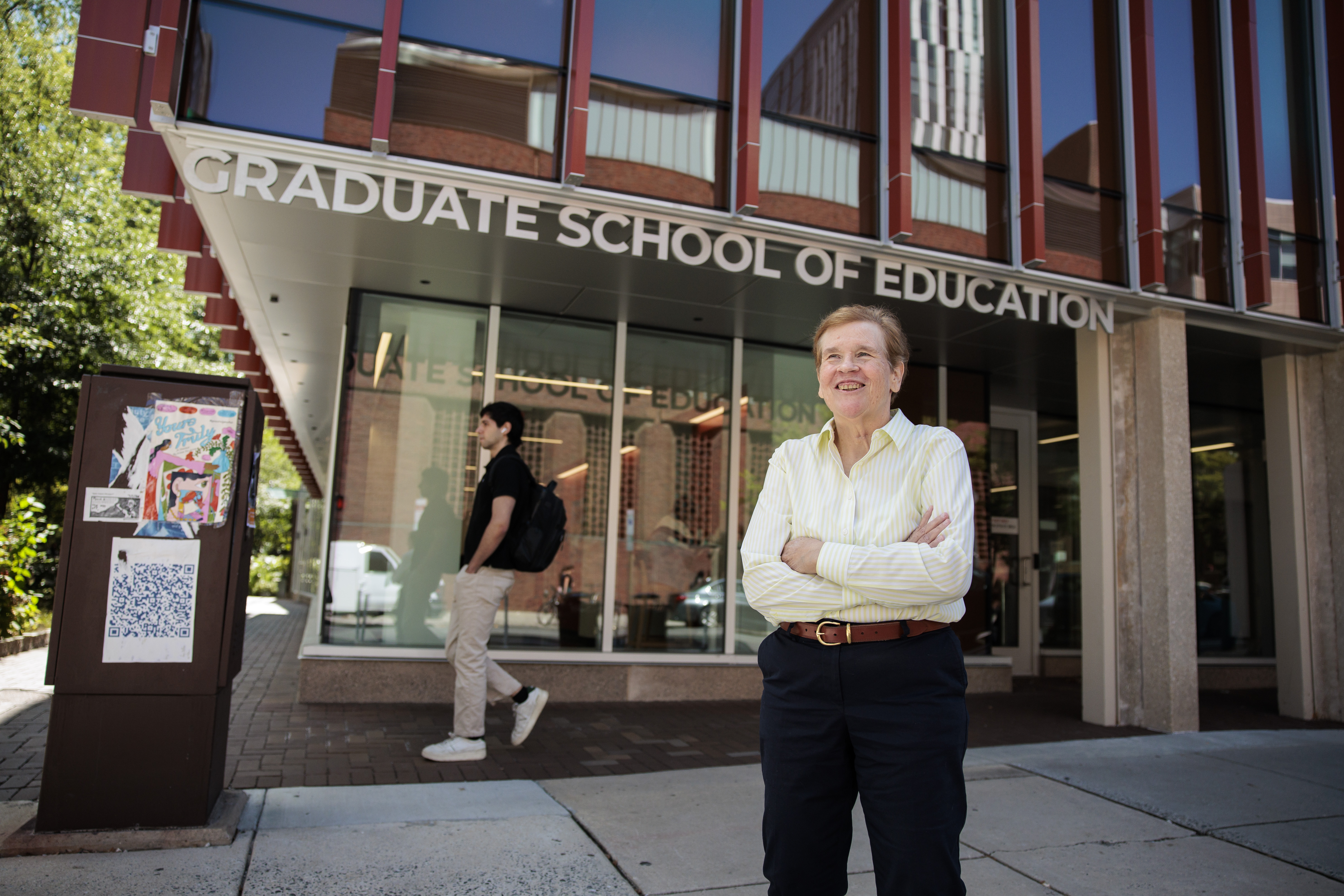
    When Karen Weaver began her executive doctorate in higher education management at Penn in 2007, she noticed many of her classmates didn’t know much about college athletics.

    “We would have fascinating conversations about college athletics and they had a lot of questions,” she said. “And I thought to myself, ‘Where else would they learn this?’”

    Weaver, a Lock Haven Athletics Hall of Fame field hockey player with a coaching background, realized the program didn’t have a class about athletics. So she began teaching as an adjunct assistant professor and academic director of Penn’s new athletics enterprise certificate program in 2012.

    As college athletics continues to evolve with name, image and likeness, the transfer portal, and legislation like the Protect College Sports Act, Weaver believes university presidents need a better understanding of the landscape.

    “As a student-athlete, you do feel very siloed sometimes away from the rest of the campus,” she said. “That separation doesn’t enhance the president’s understanding. So they really don’t get to be exposed to it until they sit in the chair on Day 1.”

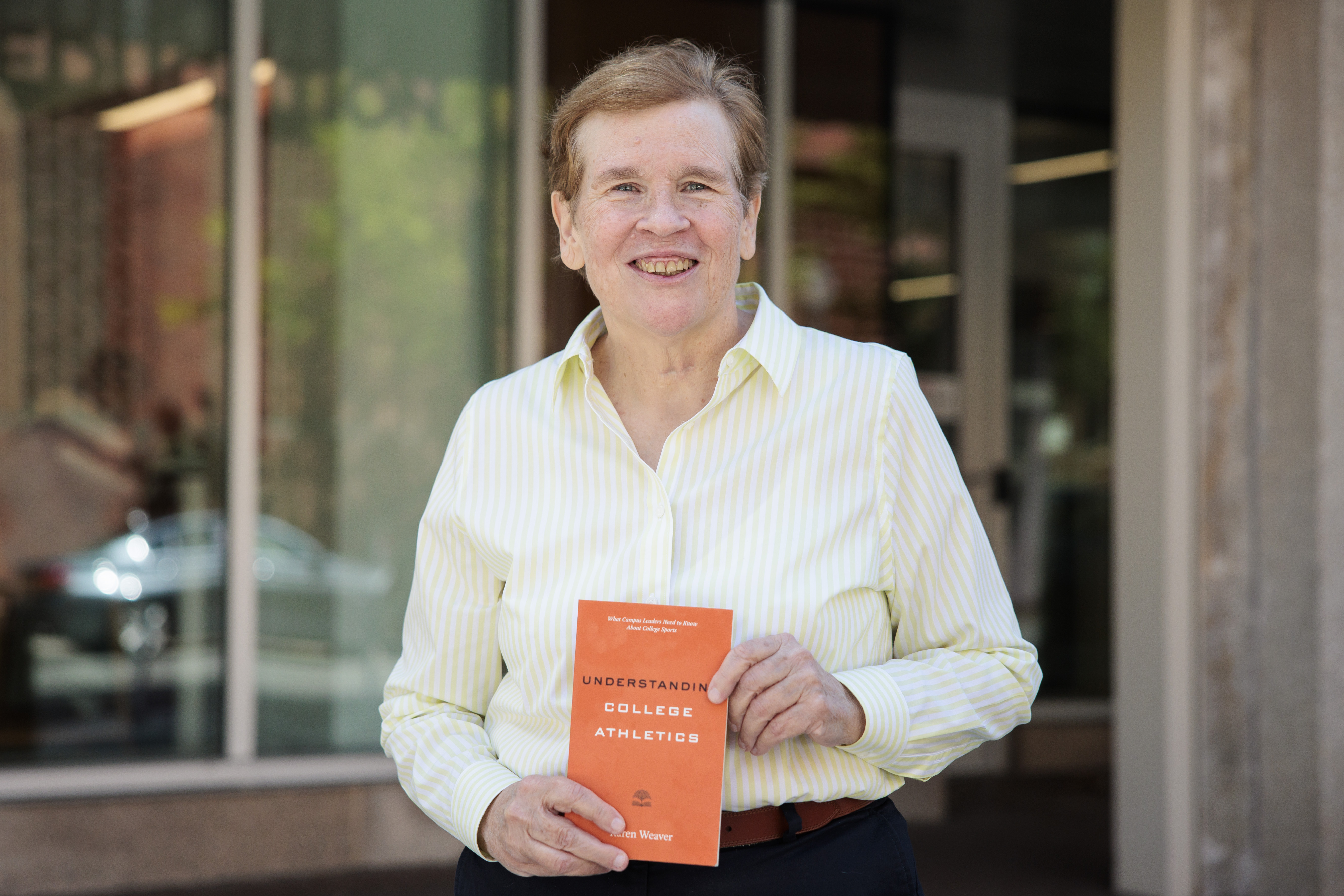
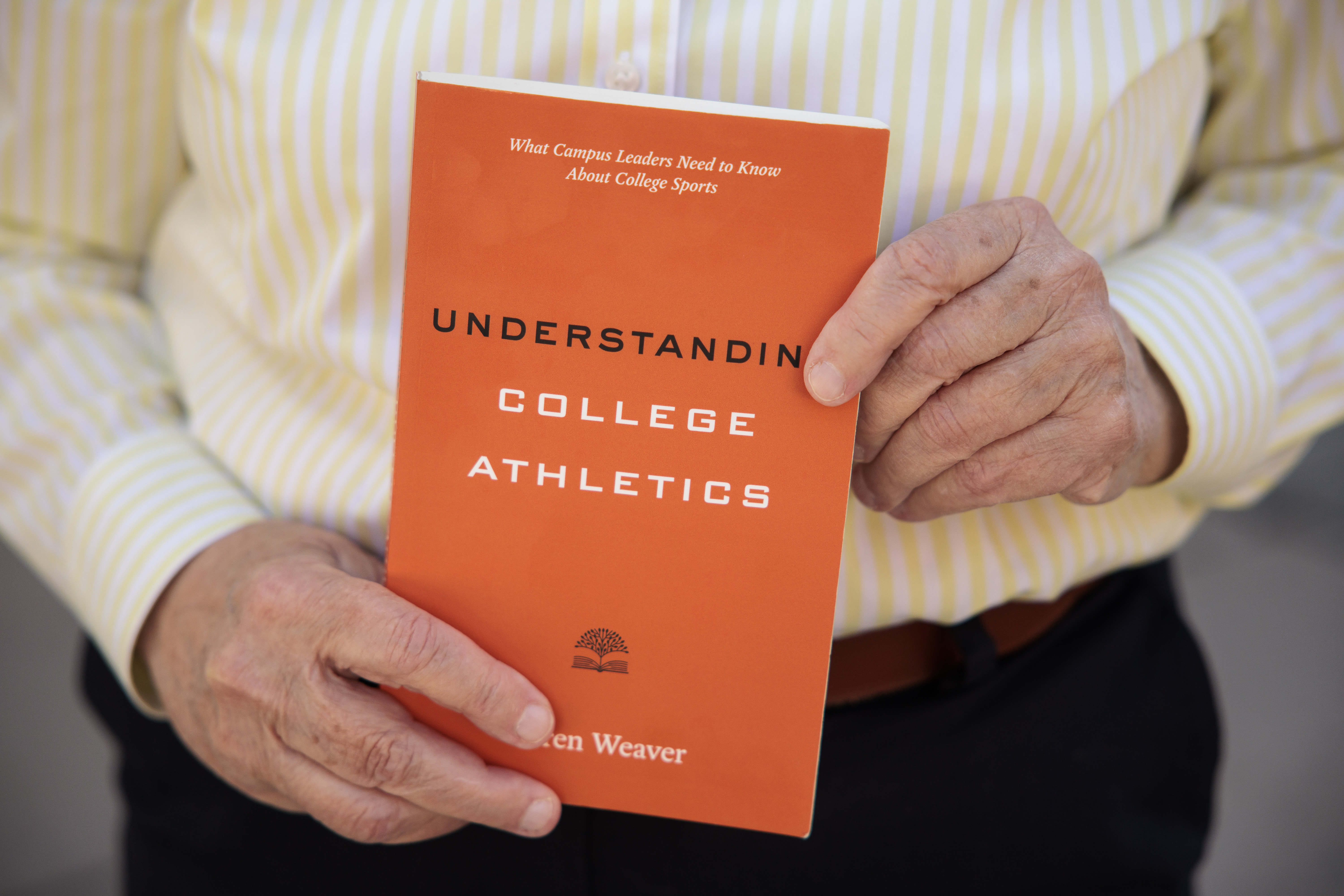
    Weaver’s book, Understanding College Athletics: What Campus Leaders Need to Know About College Sports, draws on four years of work to help university presidents navigate the changing landscape of college athletics and make decisions that best reflect the needs of their universities.

    The Inquirer sat down with her to discuss her book, which published in August.

    Q: Who is the book written for, and what are the main questions you aim to answer?

    A: It’s meant for presidents and boards of trustees, and really anybody else who wants to ascend to a senior leadership role. Generally the president has a cabinet of maybe 13-14 people who serve different parts of the institution. And I’m hopeful that this will encourage those folks to have discussions when athletics come up. Villanova is D1 but it is FCS D1. That creates an entirely different set of conversations than what’s happening right now at Florida State, who just fired their AD. So how do we have the right discussion for our level and where we are? That’s the first question.

    The second question is, how do we align athletics with our mission today? Not as it was 20 years ago because things have changed. And same thing with a lot of colleges. They know that their role has changed. The interests of parents and students have changed. So, there’s this whole reinvention thing going on and athletics should be a part of that.

    And No. 3, what if we can’t afford it? Then what are we doing? And so that’s another part of the book, too.

    Karen Weaver has been an adjunct assistant professor at Penn since 2012.Monica Herndon / Staff Photographer
    Q: You discuss how important it is for universities to develop an athletic model that fits their institution. With schools like Spelman College eliminating varsity sports and Saint Francis University moving from Division I to Division III, will more universities begin to rethink the role athletics play on their campuses as college sports continue to change?

    A: I hope so. We’re doing a lot of complaining now about D1 schools. Mostly the group of six like James Madison just moved up to the FBS and some of the others in the Sun Belt Conference. They’re trying to figure out how we can make sure that we get in. But then the next question is once you’re in, how did you get to pay for it? And we haven’t solved that problem yet. So, what are some other alternatives?

    I admire St. Francis’ president immensely. They had more discussions for two and a half years about this because their enrollment and their branding was directly tied to D1. So, to give that up and go from D1 to D3 is huge. This is the university’s first full year in Division III. I talked to him [Malachi Van Tassell] last weekend and he said “weekends are quieter here,” which I thought was interesting.

    Q: According to a 2018 Forbes article, Villanova saw a 21% increase in applicants after Villanova basketball won the 2016 national championship. How much does athletic success vs. the school’s identity contribute to student enrollment?

    A: There’s a certain audience that Villanova is very attractive to. Obviously there’s a religious component and there’s a size component. They’re good at what they’re good at. I honestly can’t tell you what other teams do really well other than track and field perhaps, but basketball does make a difference. Now if they don’t play at the level that they did in the Jay Wright era, then I don’t know what happens.

    You look at the other [private Catholic] schools, Loyola, Boston College, all of them have unique challenges because of demographic shifts. Villanova has managed to catch lightning in a bottle at this moment where people who are outside of Pennsylvania and maybe in Ohio, New York, and New Jersey start to think about, “Where could I go that’s got a real mission that I can identify with?” That’s who they are. That’s the thing that more colleges have to understand is, who are we? How do we differentiate ourselves? That’s what Villanova has done.

    Q: What is changing the most from student-athletes that people may not think about?

    A: The biggest change is the fact that athletes are thinking about the immediacy of what they can get vs. the long-term benefit. All of us chose schools in the past for that long-term benefit. I don’t know that we’re thinking about that right now as athletes. We’re thinking about where we can get the best deal next semester. And we don’t have enough research yet on the athletes who transferred more than twice and what that has done to their academic progress.

    Here’s a question I hear nobody asking: If [a student-athlete gets] injured, who’s responsible for their lifetime medical care? Because the NCAA has assigned that to an institution so they could say, we’re providing lifetime medical care. But our school says he got injured at the past school. So, who makes those decisions? I really don’t think we’re thinking enough about medical care and the transfer of medical information from school to school.

    Q: In your book, you refer to “Cinderella trap” on how we haven’t seen an underdog team make a run in the NCAA Tournament. Why do you think those Cinderella stories have become less common?

    A: We’ve had two years now of no Cinderellas making it beyond the second round, which is sort of the definition of Cinderella. I think Cinderellas are going to be few and far between, and what they’re trying to do with March Madness, at least on the men’s side, is expand it to 74 teams. And you can see why because they want to attract those Cinderellas to get those stories. But again, are they going to go past the second round? Even if they create more rounds. Once you get to that round of 16, that’s when the numbers, the viewers go up. The stories are more interesting. The amount of gambling that goes on in these kinds of situations is frightening. So all this is about trying to extend the media contracts, extend the discussions, the stories, and hopefully catch a moment of glory. That’s what really made March Madness special.

    Karen Weaver’s book, “Understanding College Athletics: What Campus Leaders Need to Know About College Sports,” published in August. Monica Herndon / Staff Photographer
    Q: You discuss the growth of sports gambling among college students. What concerns you most about the rise of betting on college campuses?

    A: It’s scary. You watch a sporting event and every other commercial is gambling. Every ticker line is on there … you can’t avoid it. I really wanted to try to hit at least that in the book because presidents have got to have a better understanding of what’s going on not with their athletes, but with their students.

    There is betting going on Division III games. There’s betting going on on women’s games. They’re not as high profile. But still, if somebody gambles what to them is a lot of money, and there’s some people who believe that student loans are being used to promote this gambling, which is really scary, and they lose and they know that kid or a friend knows that kid and they’re going to get mad at that kid who doesn’t hit 20 points. Those kinds of things are scary. We know that has happened because three years ago at Dayton in the first round of March Madness on the men’s side at the press conference where that particular team lost. The players and the coaches were nearly in tears because of the abuse that they took from the fans sitting right behind them on the bench. The coach was like, “Please, these are 19- and 20-year-olds, please stop yelling at them because they’re not hitting the shot you thought they should hit or the first free throw or second free throw.”

    Q: What do you hope will be the biggest takeaway from your book?

    A: The No. 1 thing is that I want as many schools as possible in this new era to go back to what their mission is. And just to have that basic conversation of who are we today? Not who we were 20 years ago when we decided to move into this division or that division. And who are we in our peer group today? Every school has an institution that they compare themselves to. And does that still work for us? I think that’s the most important question in the book.

  • Penn libero Addison Pollock hasn’t played in weeks, but her name remains atop Ivy League, NCAA leaderboards

    Penn libero Addison Pollock hasn’t played in weeks, but her name remains atop Ivy League, NCAA leaderboards

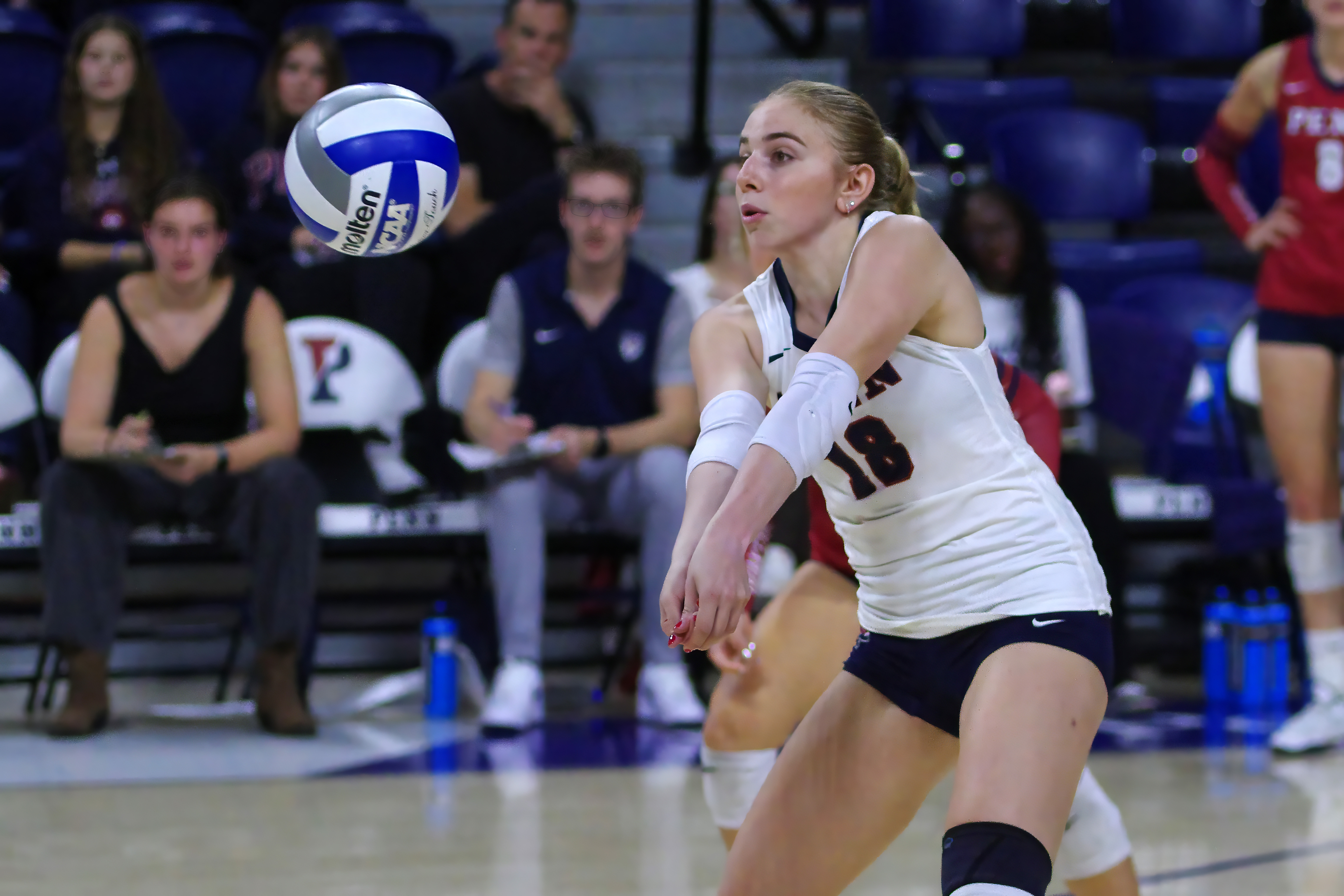
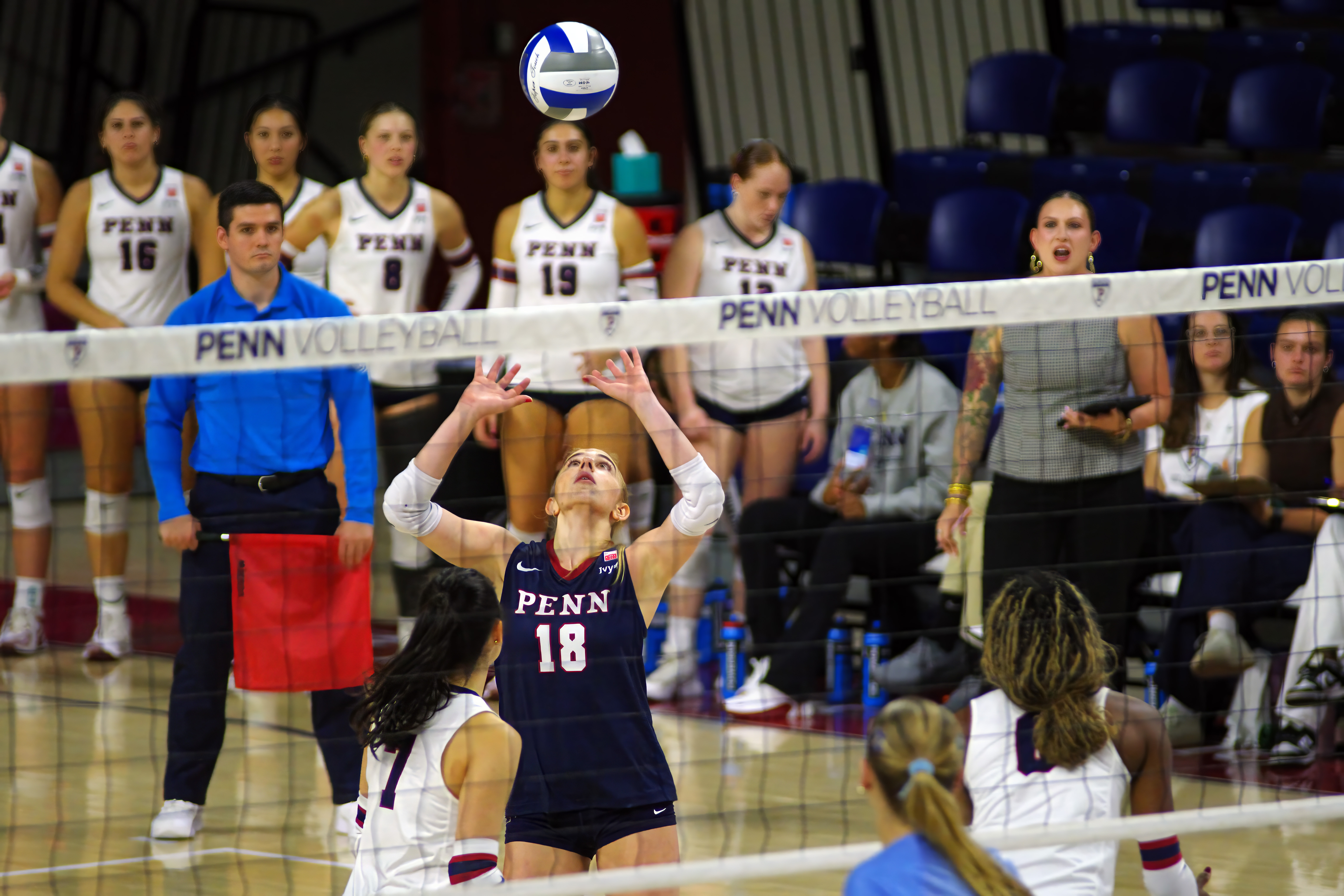
    On the morning of Oct. 5, Penn sophomore libero Addison Pollock found out she led Division I volleyball in digs per set and was in the top 15 for total digs.

    Later that day, she was in the emergency room and renamed “Toothless Pollock” by a teammate.

    After an accident in practice, Pollock hasn’t played in a game since Oct. 3, and her return to the court is unknown. As of Wednesday, though, she’s still atop the NCAA in average digs (5.85 per set) and the Ivy League in total digs (304). Penn, meanwhile, is 10-7 (2-5 Ivy League) and next faces Columbia on Friday (5 p.m., ESPN+).

    As a freshman, Pollock was named honorable mention All-Ivy, played in 75 of 90 sets, and led the Ivy League with 360 digs. Before her injury, Pollock had played in every match this season and led the team in digs for 12 of the 13 matches.

    When her older brother, Jack Pollock, heard about her national accomplishment, he called her.

    “I was like, ‘You’re a beast.
I love you.’ And she was like, ‘Thank you.’ Then I hung up.”

    And when two of Addison’s teeth nearly fell out after a collision in practice, she called him again.

    A sibling’s push

    Before Addison’s rise to Division I volleyball, she was following Jack’s footsteps. Both were goalies on their soccer teams. They played lacrosse. Basketball. Addison also dabbled in diving, tennis, horseback riding, and flag football.

    Jack was the one who encouraged Addison, then going into sixth grade, to try volleyball. She found she excelled at it.

    “That was one thing she was better [at] than me,” he said. “And I think when she realized she was better than me at [volleyball], she started continuing to push herself.”

    Jack, a junior at Michigan, puts Addison’s game on the TV at his fraternity’s chapter house. But he remains her friendly competitor.

    “I can’t give her that,” he said of who’s more athletic. “I think I’m a little more athletic, but she’s definitely a great athlete.”

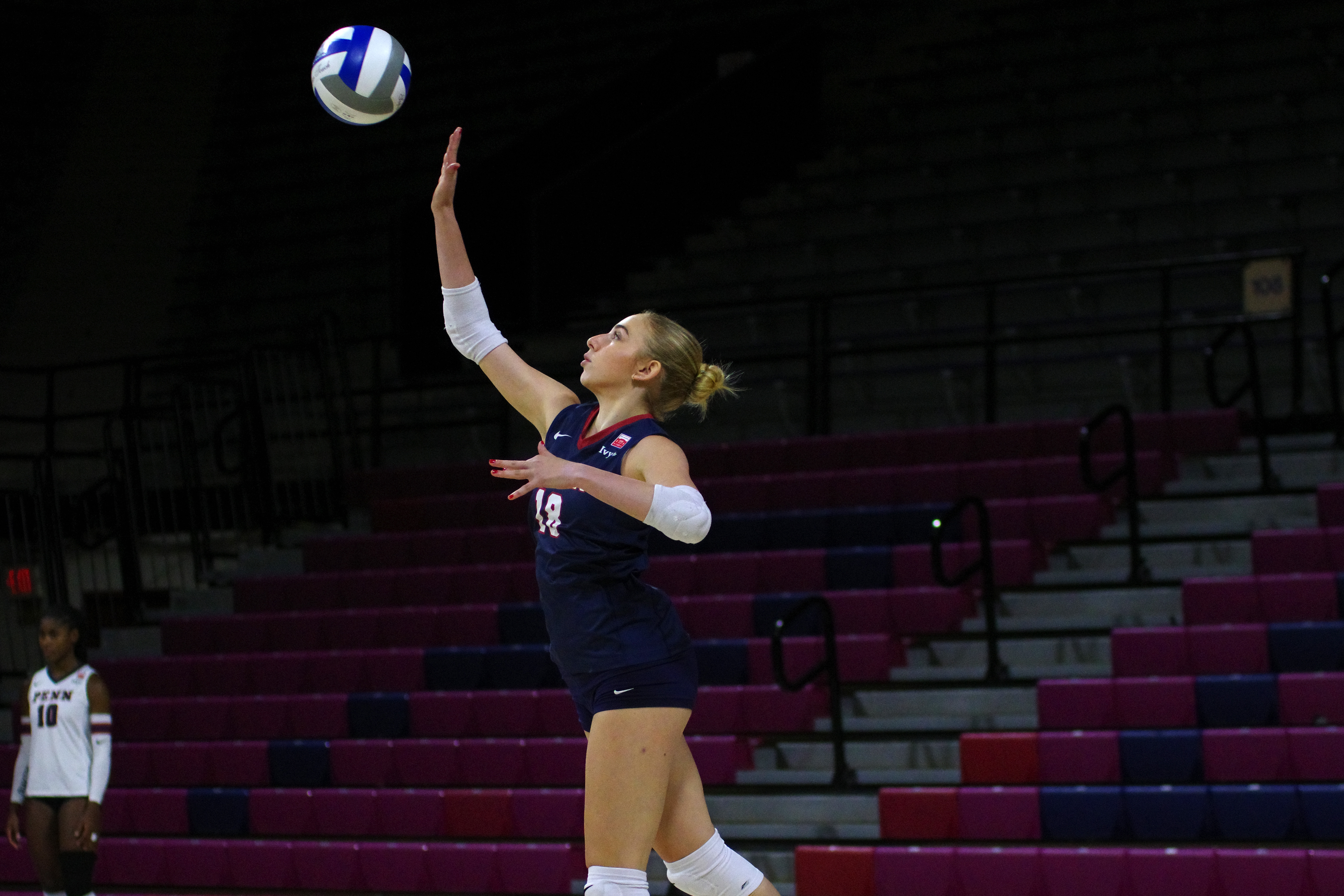
    Penn libero Addison Pollock began playing volleyball in sixth grade.Penn Athletics

    “Heartbreaking and heartwarming to see”

    During a drill at practice on Oct. 5, Pollock and another teammate went for a tip midcourt when Pollock’s face smashed into the teammate’s shoulder.

    “She was extremely distressed,” senior outside hitter Zada Sanger said. “I mean, her teeth were not in her head. … She was in a lot of pain, and that was clear.”

    Pollock’s front tooth and the tooth next to it were knocked out of socket, and her mouth was fractured. She needed a splint and two root canals.

    Pollock didn’t know when she could return to play. She had to be on a liquid diet for two weeks. She was concerned her smile would never look the same.

    In her own words, it was “obviously kind of sucky.”

    Junior right side hitter Jenniya Lane changed Pollock’s contact information to “Toothless Pollock” on her phone but assured her, “‘You know, it could be worse. You could have actually no teeth.’”

    The team rallied to support Pollock. Junior outside hitters Jenna Garner and Ellie Siskin brought her soup and a smoothie. Lane and Sanger visited with Van Leeuwen ice cream — cookies and cream, birthday cake, and honeycomb.

    When Sanger saw Pollock back at her dorm, she said the sophomore was “somehow still optimistic. … It was both heartbreaking and heartwarming to see.”

    Sanger and Lane understood the frustration and fear behind such an injury.

    “I mean, [the dentist] physically had to go in and maneuver her teeth back into place, and I don’t think that’s anything that anyone would ever think about going through in a sport that’s supposed to be noncontact,” Lane said.

    Added Sanger: “I understand that feeling of scarcity. You only have so many years of playing college volleyball, and Penn volleyball specifically.”

    But Pollock already was searching for the positives.

    “I’m also looking forward to the life skills that this will teach me,” she said.

    “Unapologetically who she is”

    Pollock described her position, libero, as “the battery, the energizer of the team,” because the libero flies across the floor just to lift the ball into the air one more time. The “scrap of it,” the 5-foot-8 Pollock said, as well as a libero’s preferred height — “it’s really easy to be short” — is what drew her to the position.

    Pollock learned from her parents that “if I want something, I have to work for it.”

    So when she was recruiting for volleyball, she would email 75 schools before every tournament with her schedule and clips of her playing. She ultimately chose Penn in the fall of 2023 from a list that included Columbia, Yale, and Pitt, even though it had gone 2-22 a season ago.

    Pollock appreciated the blend of athletics, academics, and social life Penn offered, but also, “I tend to root for the underdog,” she said.

    “One of the things I admire about her is [that] she’s very unapologetically who she is,” Sanger said.

    Penn libero Addison Pollock is “unapologetically who she is,” according to teammate Zada Sanger says.Penn Athletics

    Whether in her identity as a Jewish student-athlete or as a female volleyball player, Pollock isn’t afraid to speak up.

    On the court, she wears No. 18, a significant number in Jewish culture, and a Star of David necklace. For Rosh Hashanah, she brought in challah bread, honey, and apples for the team to enjoy. It’s a pride she shares with Jack.

    “I don’t think either of us are scared of anything,” he said. “I think both of us feel very confident in our identities, and if someone has a problem with either me or my sister being Jewish, I think they could take it up with us, and I honestly would love that.”

    Three days after her injury, on Thursday, Pollock went to listen to former Hamas hostage Omar Shem Tov speak about his experience at an event hosted by multiple colleges’ Jewish student groups. Then, on Friday, she supported her teammates as they faced Brown, joining the huddles and saying quick words to a teammate during timeouts. Penn won the match, 3-2.

    As Pollock put it, “Never underestimate the duality of an Ivy League student.”

  • Penn’s defense shuts out Yale in the second half to pick up first Ivy League win

    Penn’s defense shuts out Yale in the second half to pick up first Ivy League win

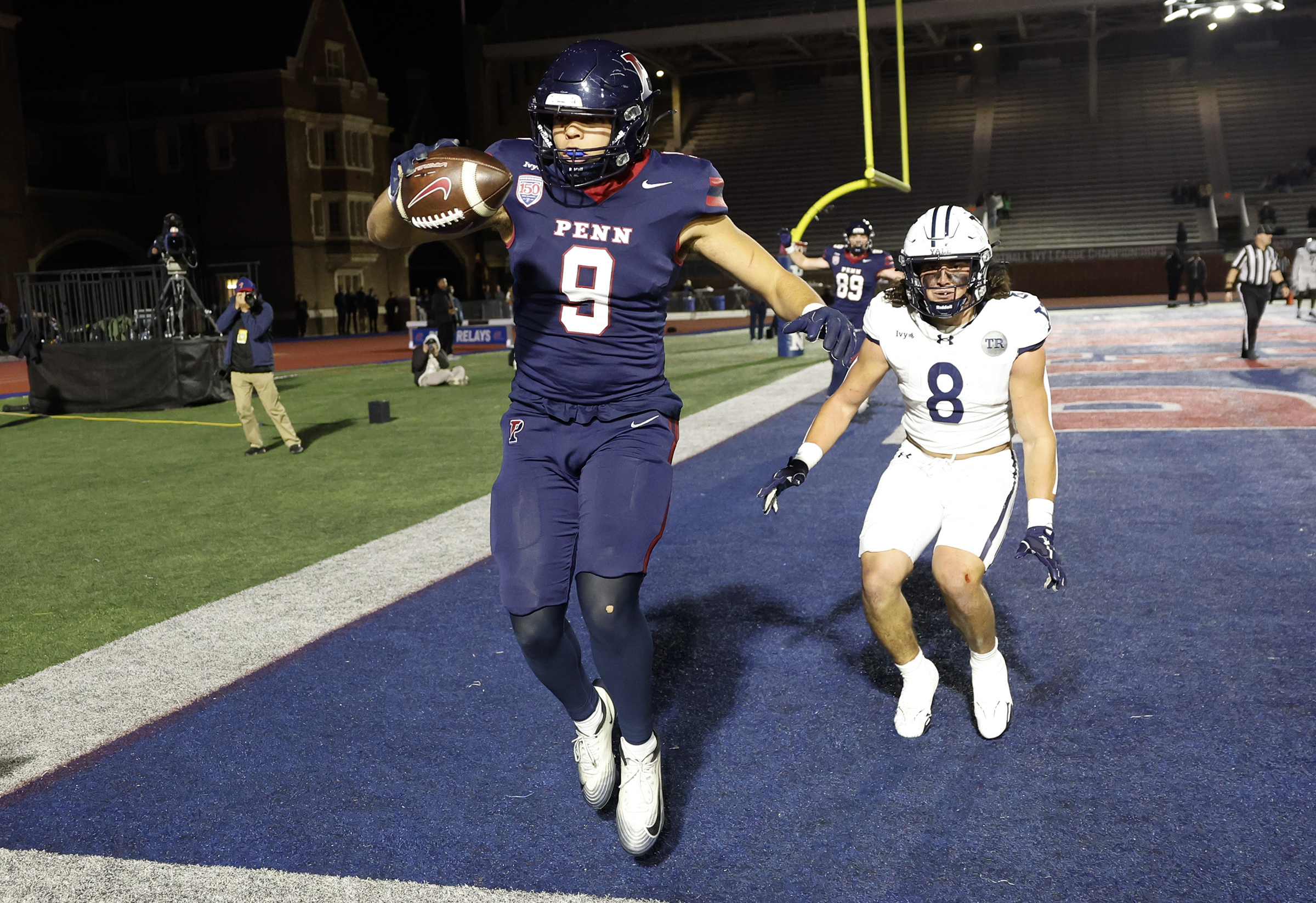
    After two one-possession losses in Ivy League play, Penn picked up its first conference win, defeating Yale, 24-21, at Franklin Field on Friday.

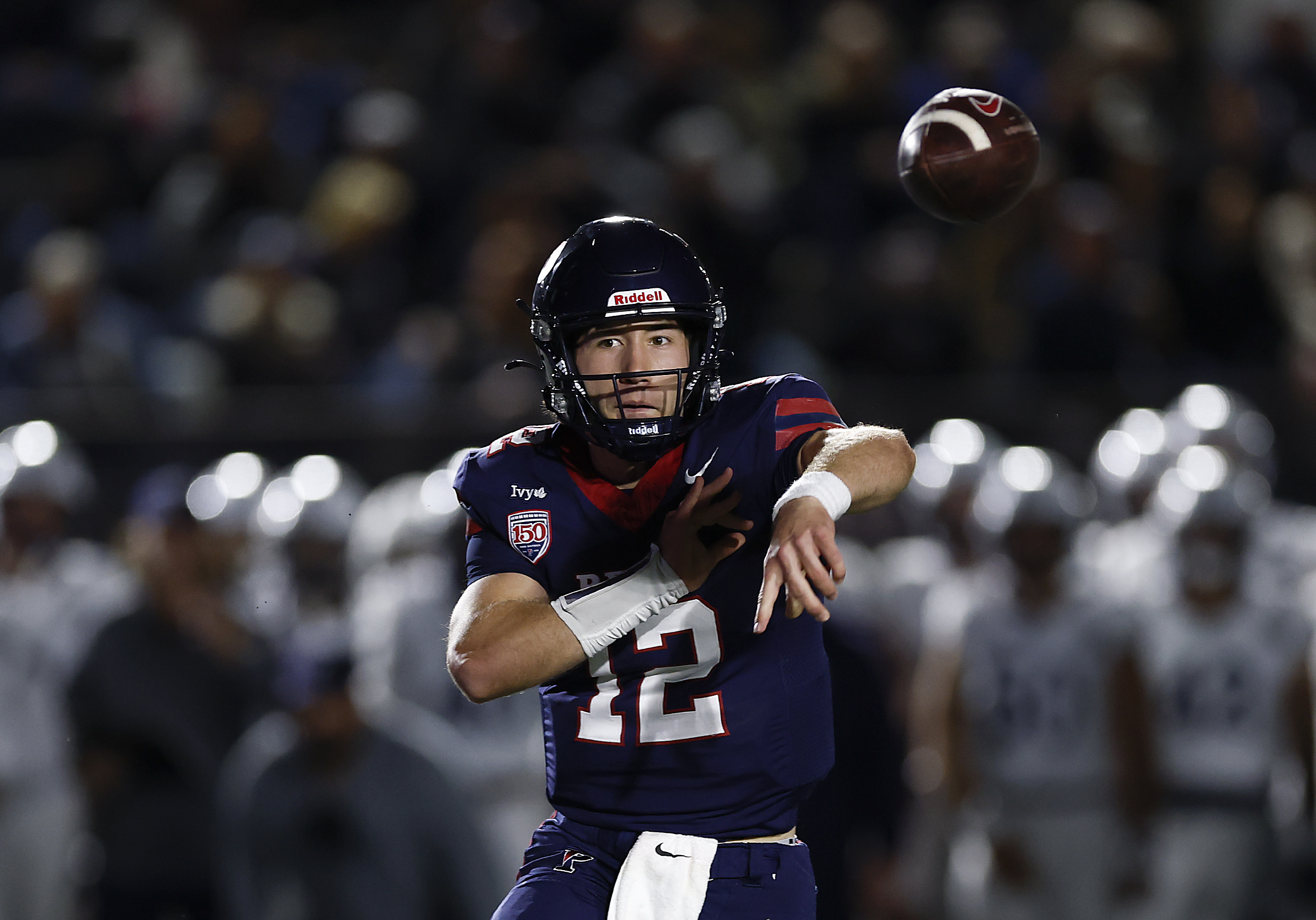
    Penn freshman quarterback Miles Teodecki returned following a one-game absence and completed 16 of 33 passes for 156 yards and two touchdowns. But the story was Penn’s defense, which recorded four interceptions and shut out Yale in the second half.

    After missing a game-winning field goal because of a miscommunication last week against Columbia, Penn was on the other side of a special teams flub on Friday. Penn senior defensive back Devin Malloy came away with an interception on the Bulldogs’ penultimate drive with the Quakers leading, 24-21. However, Penn was unable to seal the game, punting it back to Yale with 44 seconds left. The Bulldogs (3-3, 1-2 Ivy) set up a 44-yard field goal attempt, but a false start penalty moved the spot back 5 yards, and Yale kicker Noah Piper’s kick fell just short. Penn (3-3, 1-2) rushed the field when the ball hit the ground.

    “Obviously, the way the game ended last week,” Penn coach Rick Santos said, “quite frankly, for two straight days, things are being said in the media. We see it, and we stuck together. We had each other’s back. We used it as a galvanizing moment, and we talked about all week adversity being a gift. It reveals your true character. We know we’re a heck of a football team.”

    Teodecki’s return

    Last week, Teodecki sat after sustaining a knee injury against Howard on Oct. 10. In Teodecki’s absence, backup Karson Siqueiros-Lasky’s four interceptions allowed Columbia to mount a 17-point comeback win.

    “Leg felt ready to go,” Teodecki said. “We had a good week of practice. … The coaches made the decision, [and I was] ready for the moment. Just blessed to be healthy.”

    Penn quarterback Miles Teodecki was back in action after missing the Columbia game.Yong Kim / Staff Photographer

    With their starter back, Penn’s offense looked sharp early.

    Teodecki — the highest-rated Penn recruit since 2000 — threw two touchdowns in the first quarter. The first capped an eight-play, 75-yard drive, highlighted by an impressive hurdle by freshman wide receiver Mason Page. Teodecki found tight end Jack Donnelly on a 2-yard rollout pass to tie the game, 7-7.

    After Yale punter Reese Keeney fumbled a low snap, setting up a short field for Penn, Teodecki found another tight end, Dante Barone, on a play-action attempt for his second touchdown of the quarter to put the Quakers ahead, 14-7.

    Teodecki failed to recapture his early rhythm over the next two quarters, so Santos looked to mix in the run — with little early success, but he stayed patient. That patience paid off in the fourth quarter. The Quakers put together a nine-play, 56-yard touchdown drive to take a 24-21 lead. The drive was capped by a 13-yard rushing touchdown from senior running back Sean “Pup” Williams Jr.

    “Obviously for the offensive line to step up in the way that they did,” Santos said, “and for Pup to get in there [for the touchdown]. You know, he didn’t take as many practice reps this week, and he’s just a gamer, and you know the moment wasn’t too big for him. So I’m just proud of the offense overall.”

    Williams finished with 14 carries for 82 yards.

    Tip drill

    Penn’s defense struggled to cover the big play early. All three of the Bulldogs’ touchdowns came on plays of 29 yards or more. As Penn’s offense stalled, the defense’s four takeaways kept the Quakers in the game.

    The first two interceptions were courtesy of pass deflections in Penn territory. In the second quarter, Penn defensive back Ezra Fearon made a diving grab for the first pick. Midway through the third quarter, senior defensive back Josh Narcisse deflected a pass in the back of the end zone and into the hands of junior linebacker Derek McCrum.

    Yale quarterback Dante Reno threw his third interception to sophomore safety Brock Cornell, who logged his first career pick on Reno’s overthrow. The pick set up Mason Walters for a 42-yard field goal to start the fourth quarter, trimming Yale’s lead to 21-17.

    “We forced them into obvious passing situations,” Santos said. “And the defensive line did a really good job of wreaking havoc. And our guys on the back end, they were glued to their man all day.”

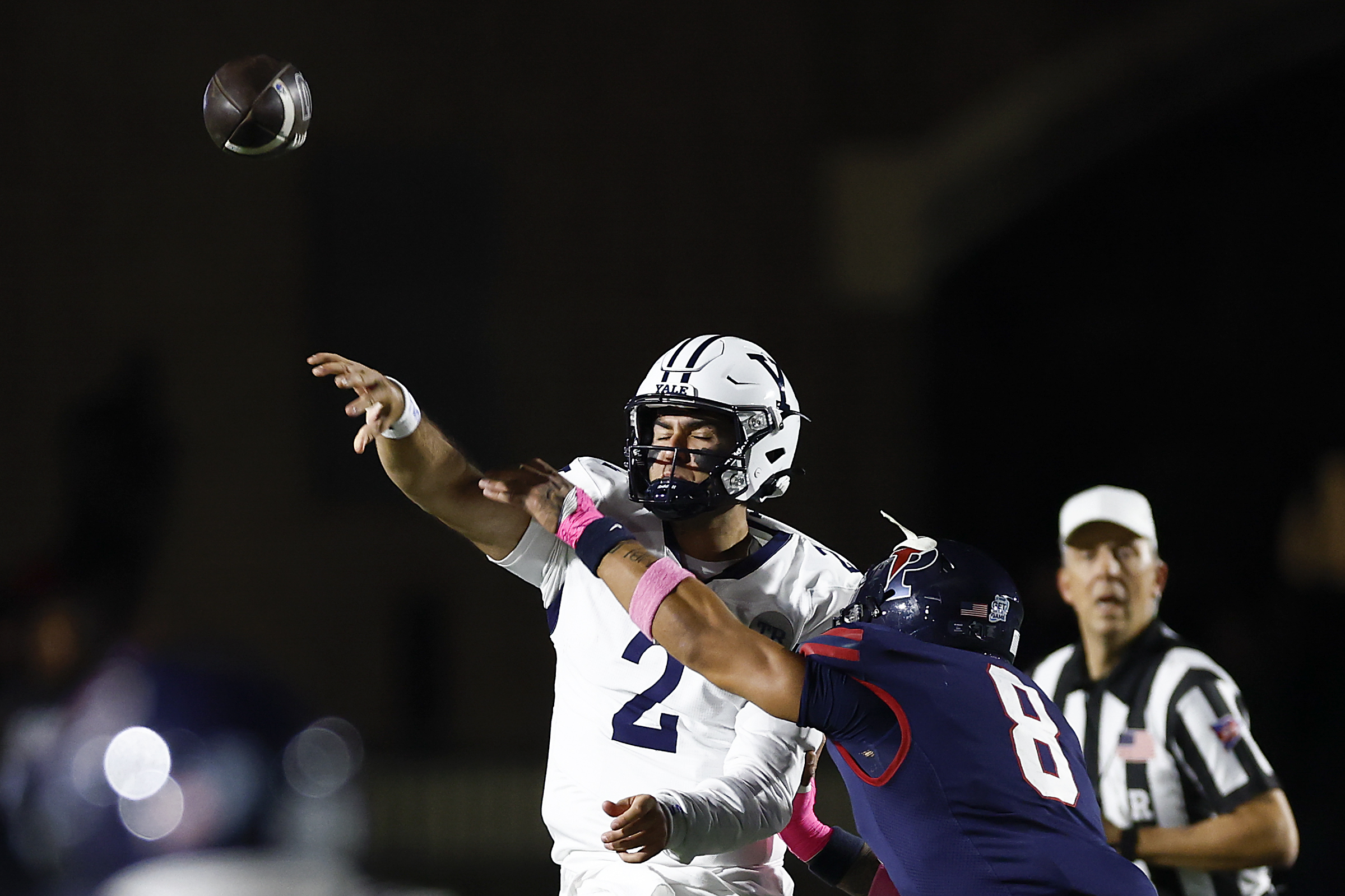
    Yale quarterback Dante Reno threw four interceptions against Penn on Friday night.Yong Kim / Staff Photographer

    Reno passed for 211 yards, two touchdowns, and four interceptions. The Bulldogs’ offense was 7-for-15 on their third down attempts.

    Up next

    After a three-game home stand, Penn will go on the road to face Brown next Saturday (noon, ESPN+).